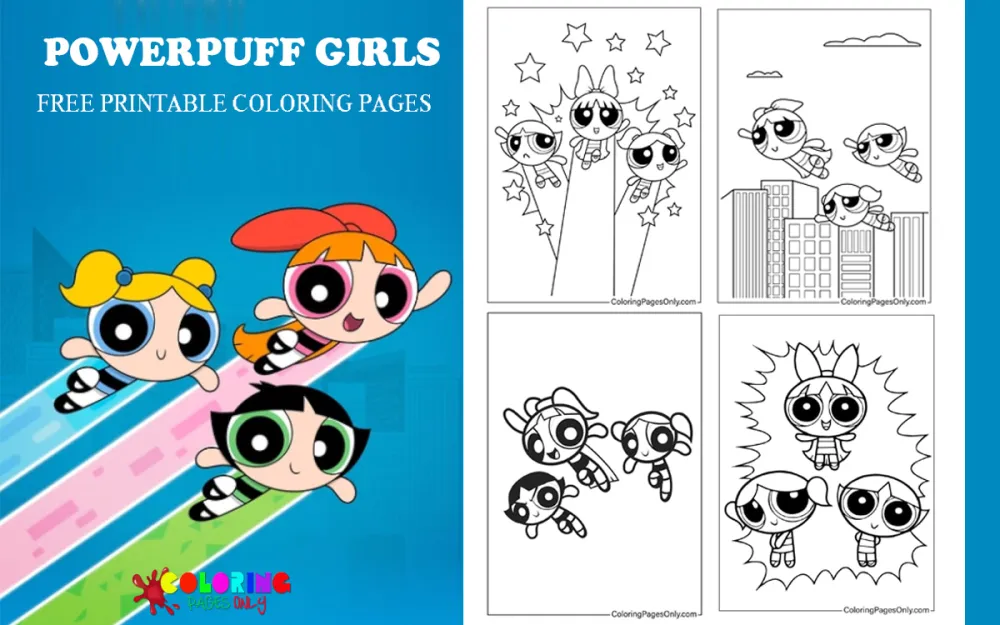
Free Powerpuff Girls Coloring Pages: 60+ pages featuring Blossom, Bubbles, Buttercup, the three Powerpuff Girls together, Professor Utonium, Chemical X scenes, Mojo Jojo-style villain trouble, monster battles, Townsville Mayor pages, Bunny, Blossom planting flowers, Winter Puffs, Lego-style Powerpuff Girls, Cartoon Network Powerpuff Girls, Powerpuff Girls eyes, cute character pages, simple printable outlines, flying poses, superhero action scenes, team moments, Townsville-inspired city pages, and detailed fan-favorite designs. All free, printable PDFs and online coloring pages are ready for home, classroom activities, superhero-themed crafts, cartoon fan art, birthday tables, character study, storytelling prompts, and screen-free creative time.

The Powerpuff Girls is a superhero cartoon built around a simple but memorable idea: three kindergarten-aged sisters with extraordinary powers protect the city of Townsville while still being children with different personalities. Blossom is usually seen as the leader, Bubbles brings sweetness and emotional warmth, and Buttercup brings toughness and bold energy. Professor Utonium, Chemical X, the Mayor, monsters, villains, science-lab moments, city rescue scenes, winter designs, and special character pages all help make this collection more than a set of cute cartoon faces. These coloring pages let children recognize character identity through color, expression, body language, action lines, superhero movement, and the contrast between tiny heroes and big challenges.

This fan-friendly collection is designed for personal, classroom, and creative coloring use by children, families, teachers, and cartoon fans who want a screen-free way to enjoy Blossom, Bubbles, Buttercup, and Townsville-style adventures. Younger colorists can start with large single-character pages, simple outlines, Powerpuff Girls eyes, cute group poses, and clean printable sheets. At the same time, older children, teens, and adult fans can work on action scenes, monster pages, Chemical X details, Professor Utonium scenes, Winter Puffs, Bunny, Lego-style designs, flying poses, team compositions, and more detailed character layouts. These 60+ free pages at ColoringPagesOnly.com cover Powerpuff Girls characters, superhero cartoon scenes, Townsville-inspired adventures, Chemical X, Professor Utonium, villains, monsters, cute pages, printable outlines, and online coloring designs. All free, PDF or PNG, print or color online.

What’s Inside

Blossom, Bubbles, and Buttercup Character Pages

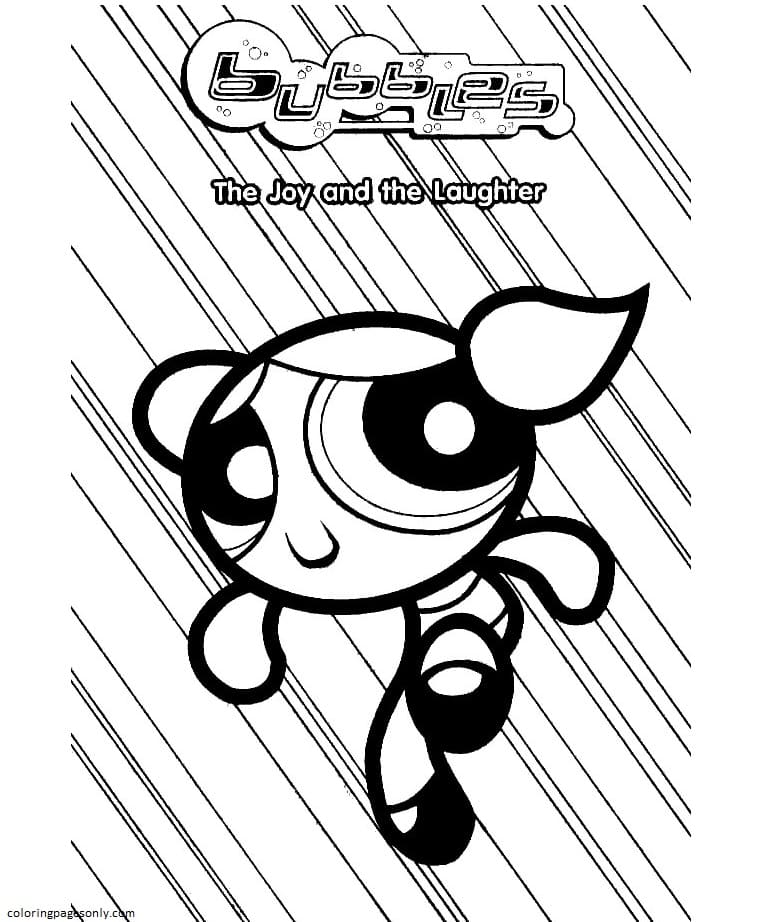
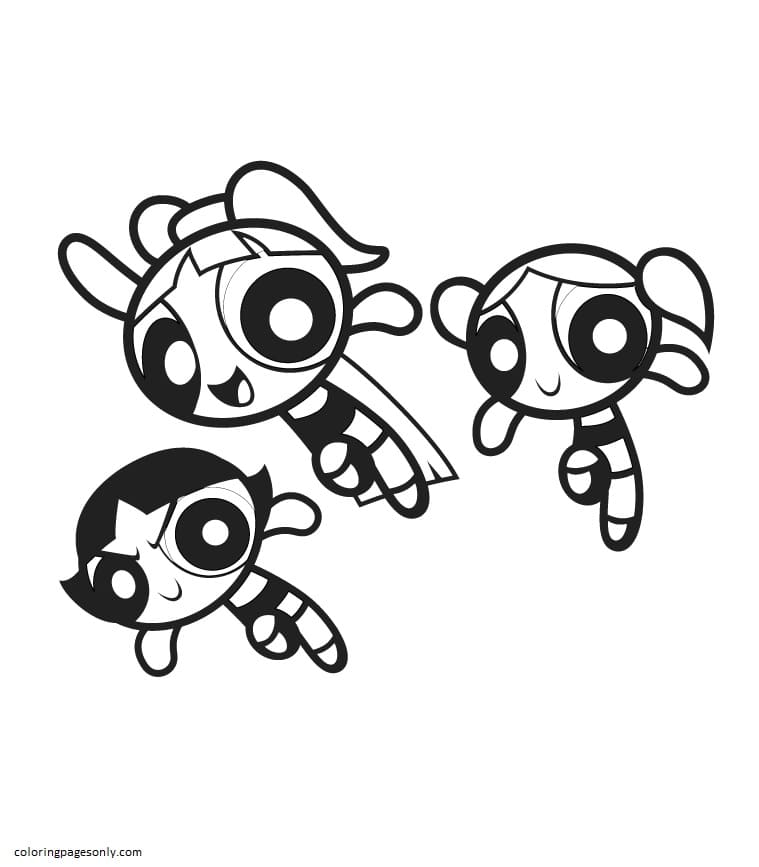
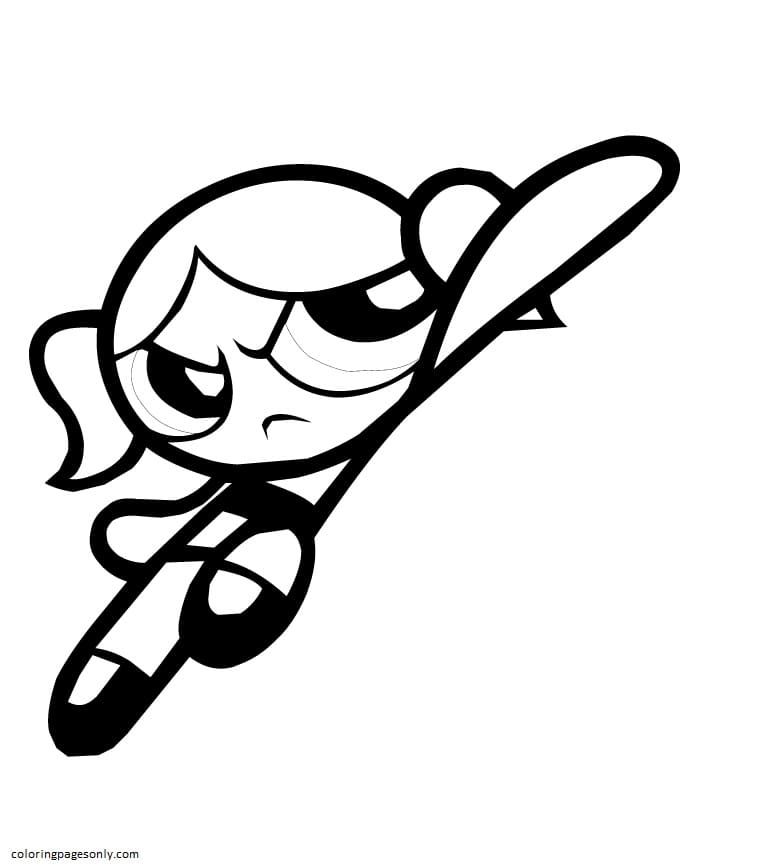
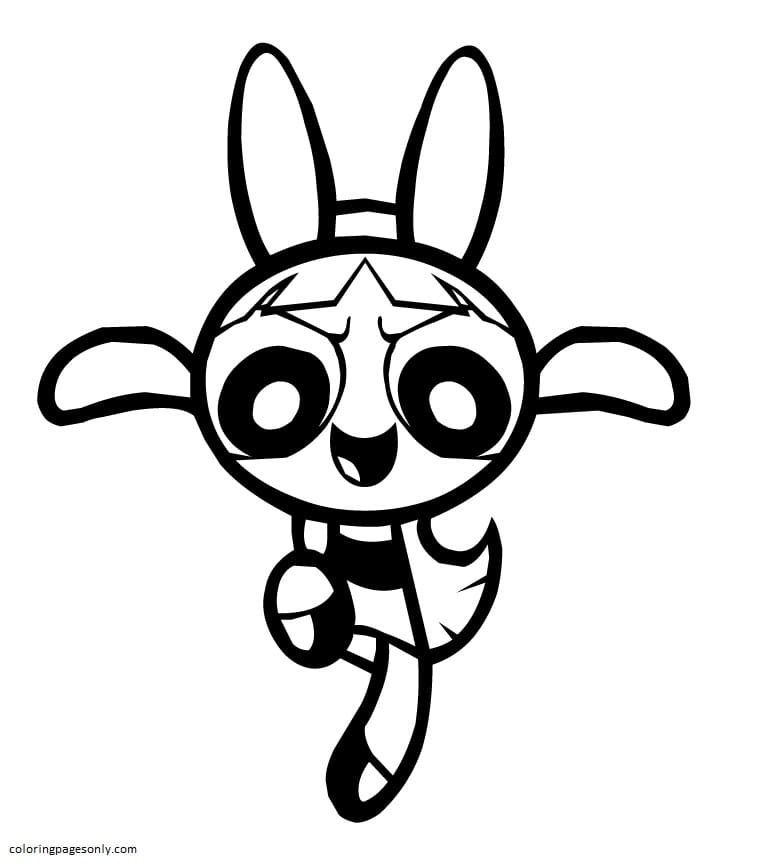
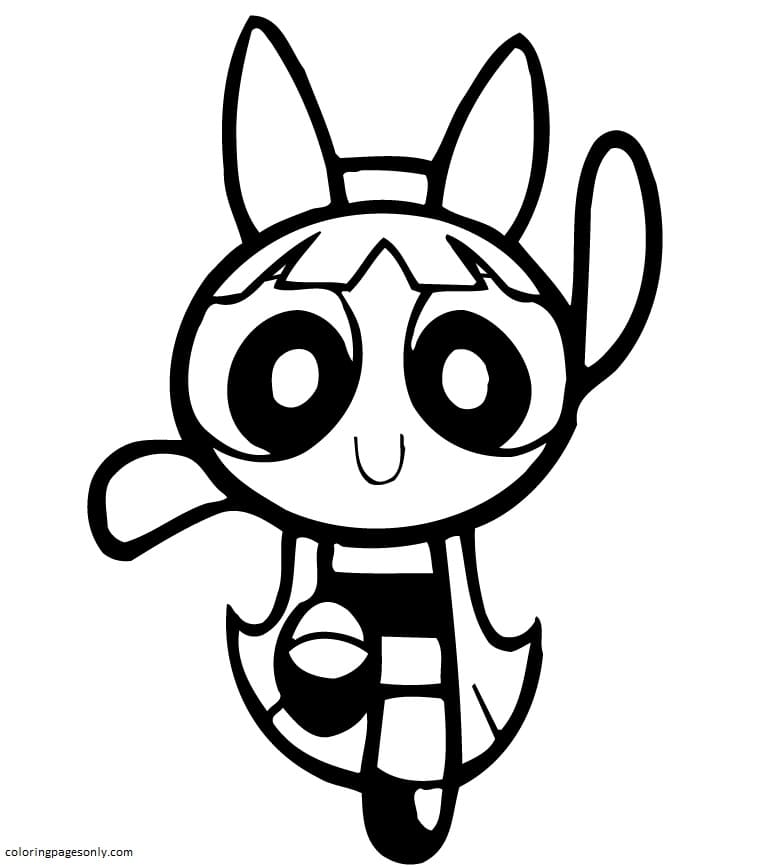
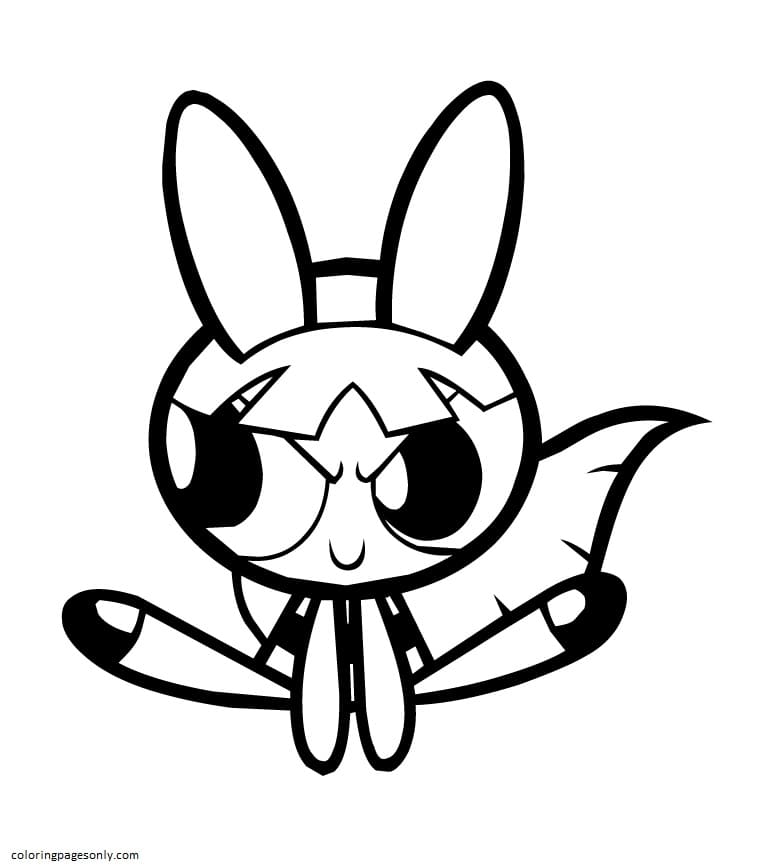
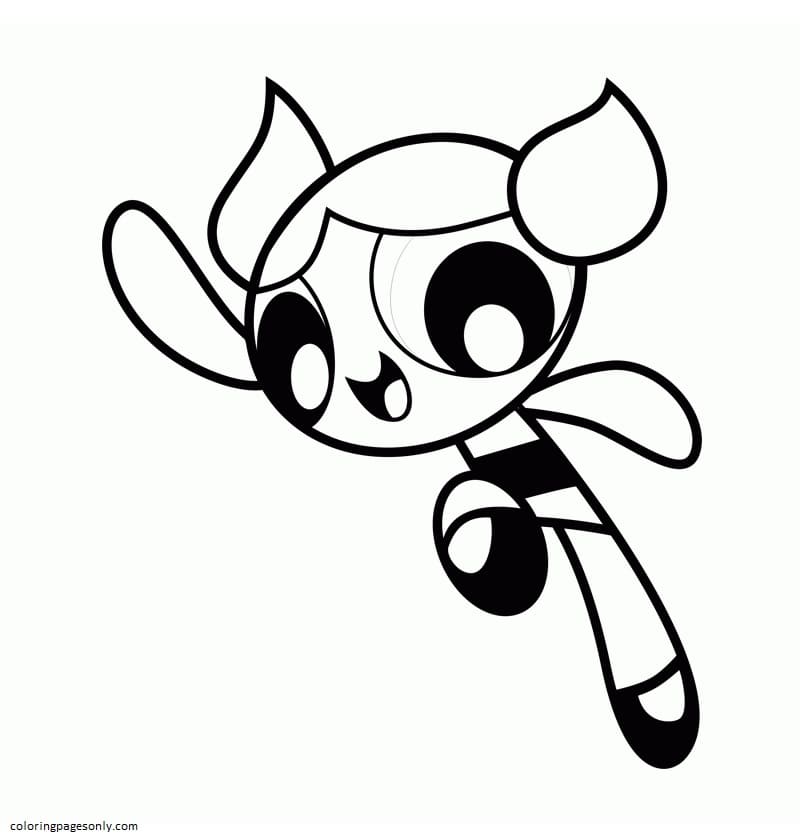
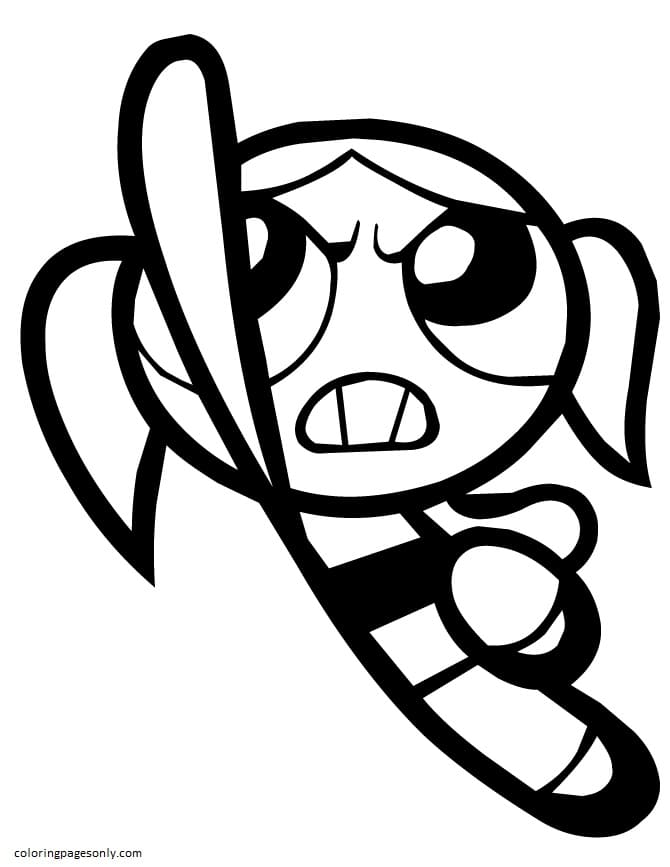
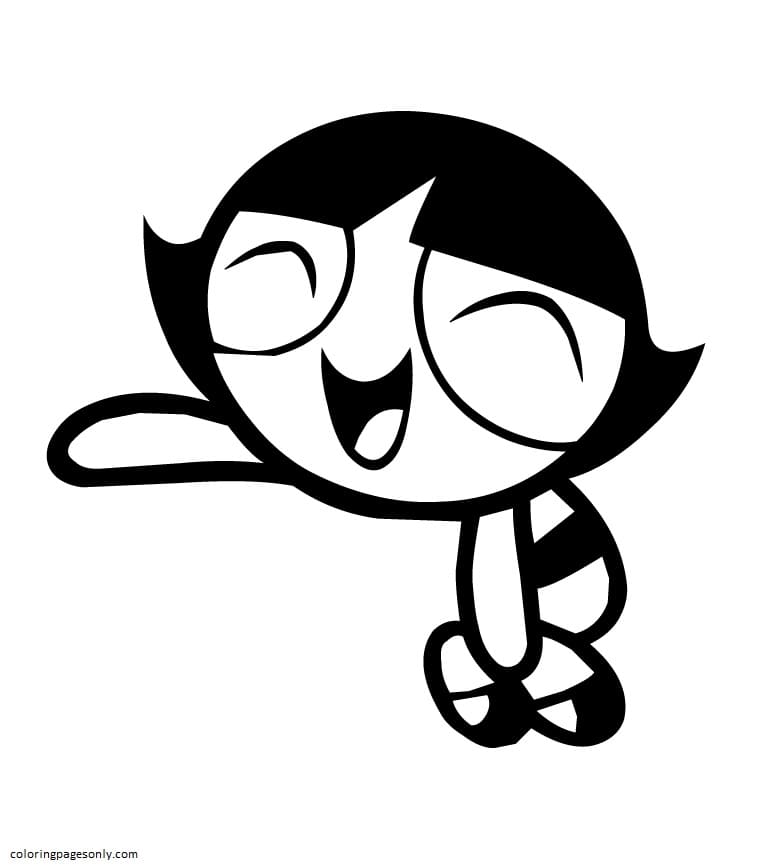
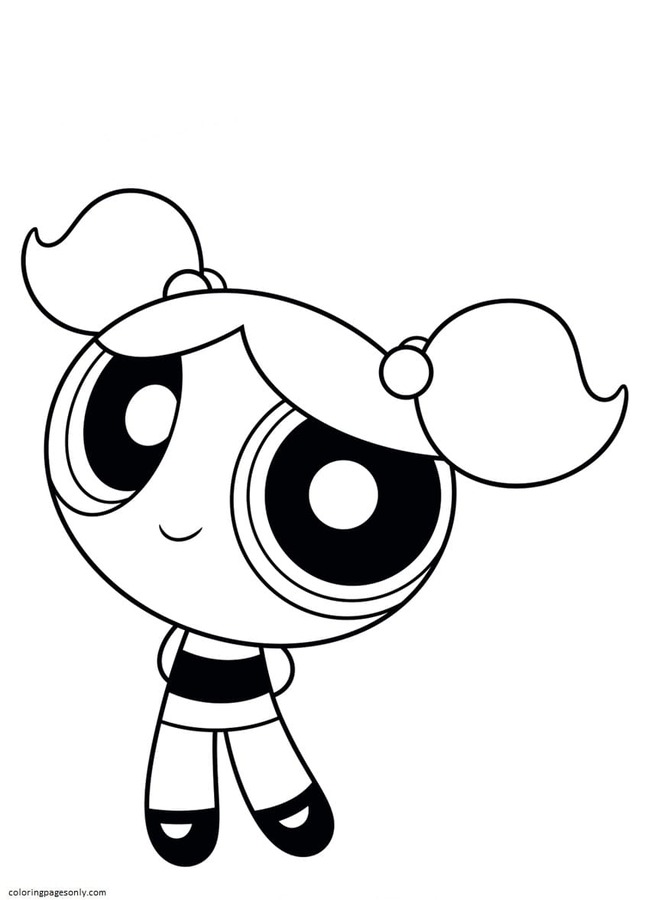
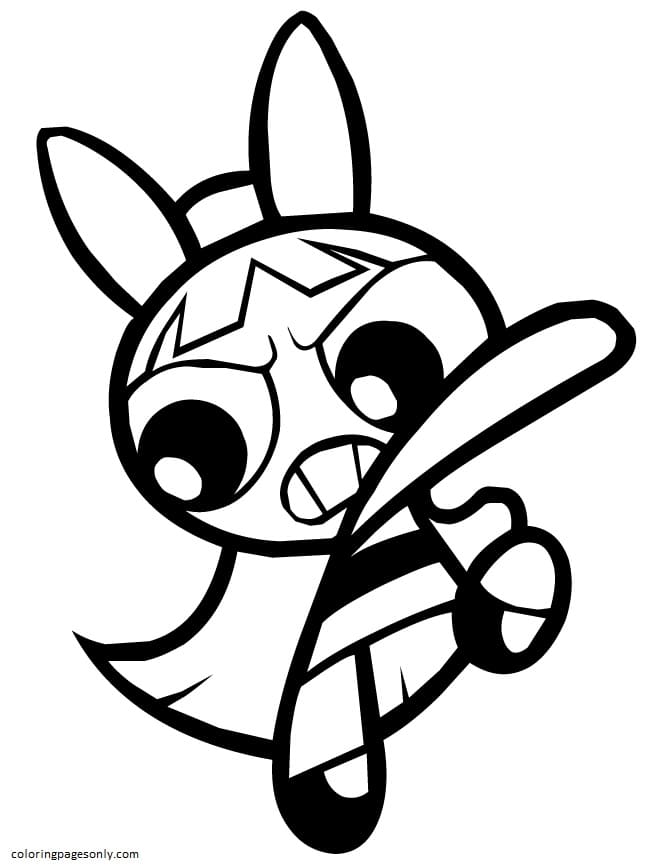
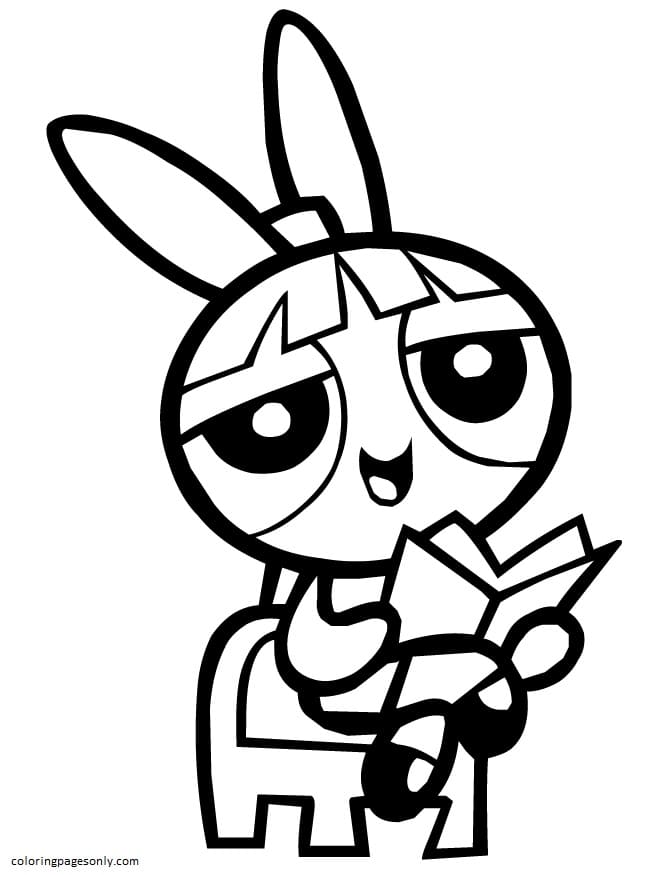
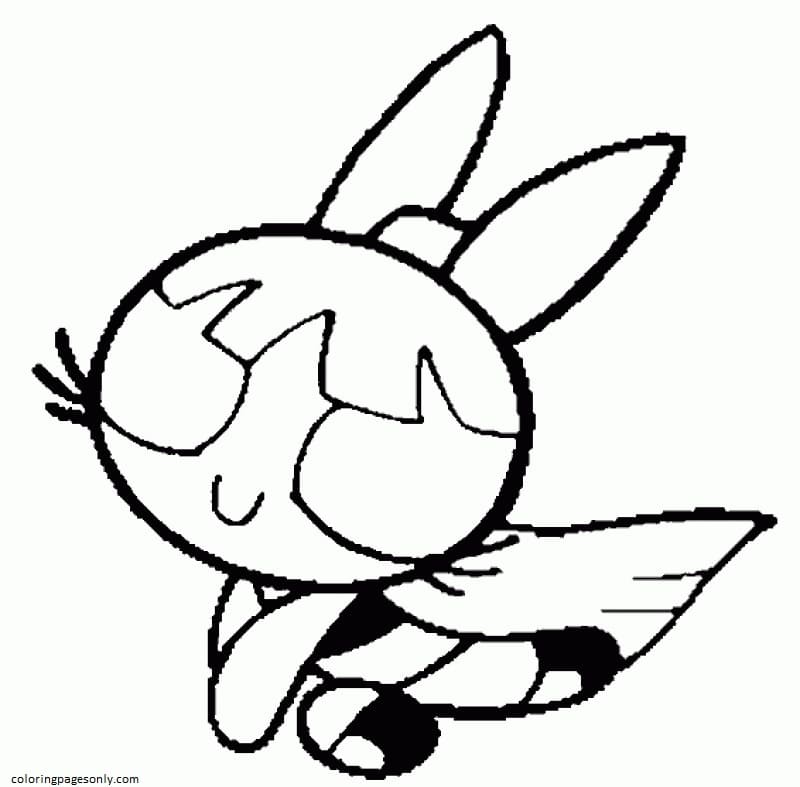
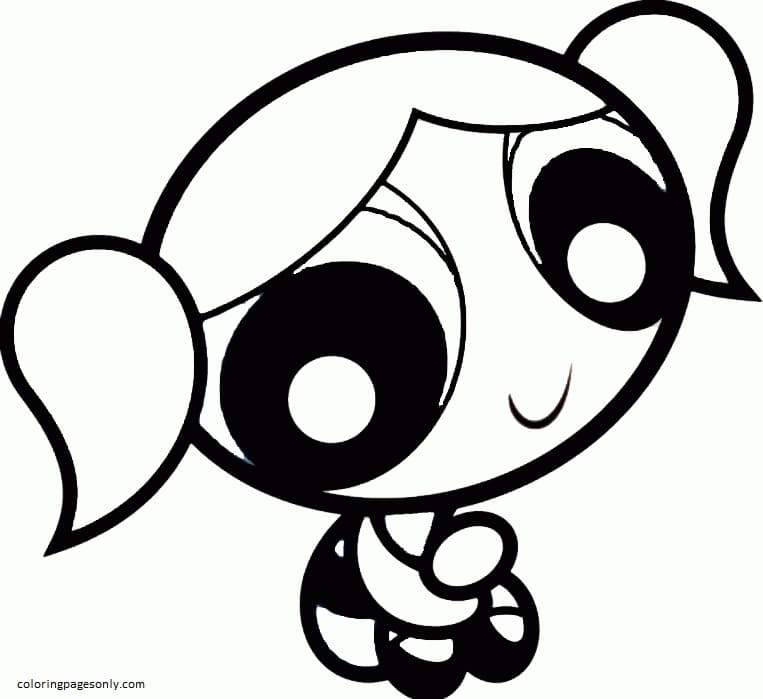
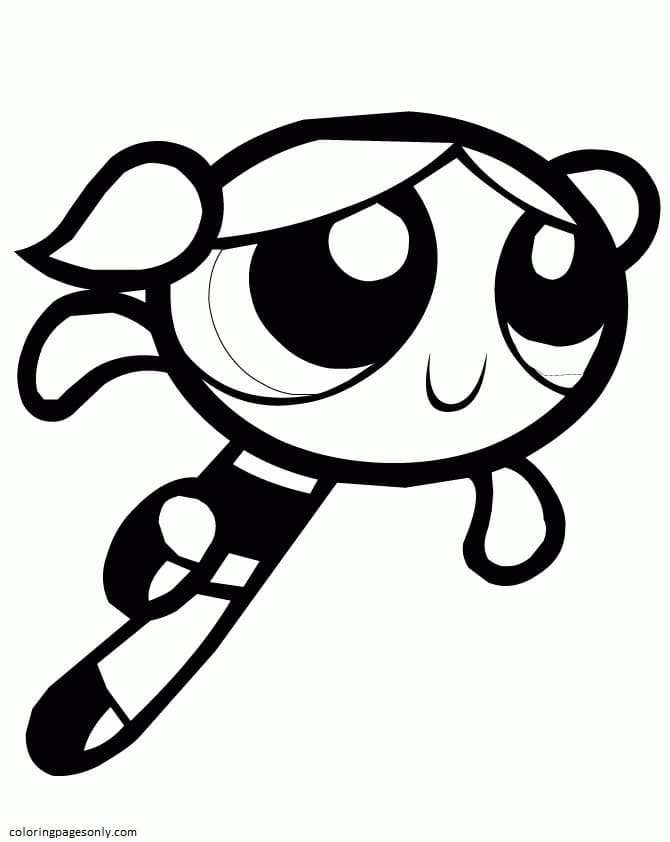
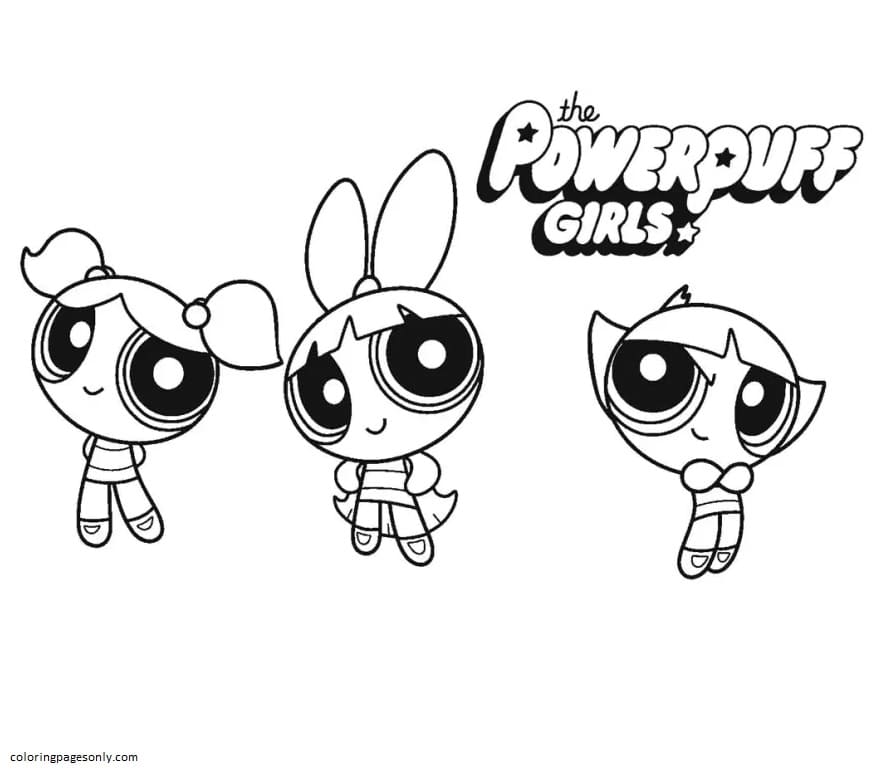
The core of the collection is the trio itself: Blossom, Bubbles, and Buttercup. These pages may show the girls standing alone, smiling, flying forward, looking determined, or appearing in simple printable outlines. Single-character pages are especially useful because each girl has a clear color identity and personality. Blossom often feels organized and confident, Bubbles feels cheerful and gentle, and Buttercup feels tough and direct. Coloring them separately helps children understand how color, expression, hair shape, pose, and costume make each character different.

Coloring Blossom, Bubbles, and Buttercup: Use pink and red accents for Blossom, blue and yellow accents for Bubbles, and green with darker accents for Buttercup. Keep the eyes large and bright because the Powerpuff Girls’ faces depend heavily on eye shape and expression. The common mistake is coloring all three characters with similar shades; each girl should keep her own clear palette so the team is easy to recognize.

The Three Powerpuff Girls Team Pages

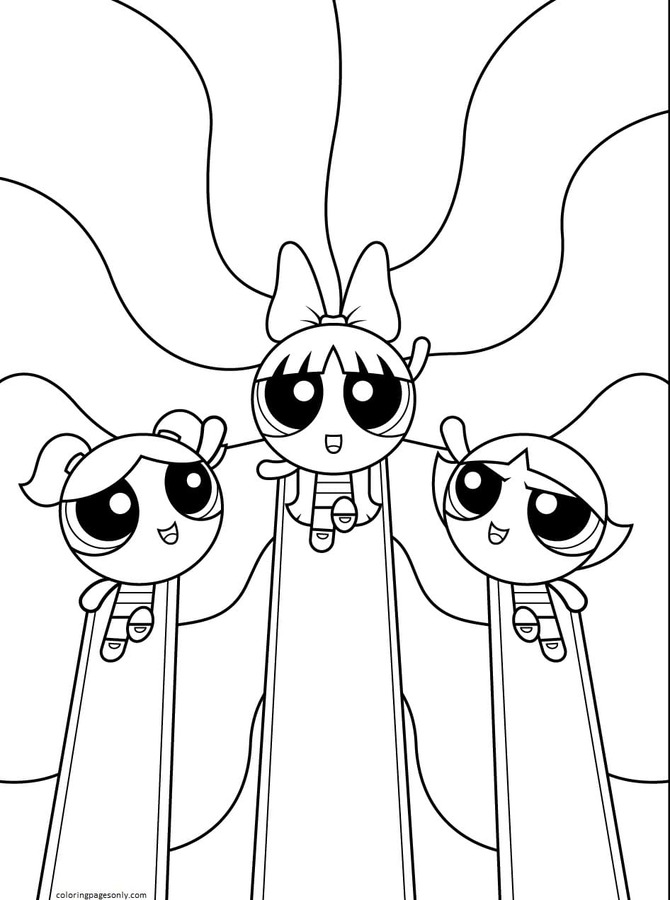
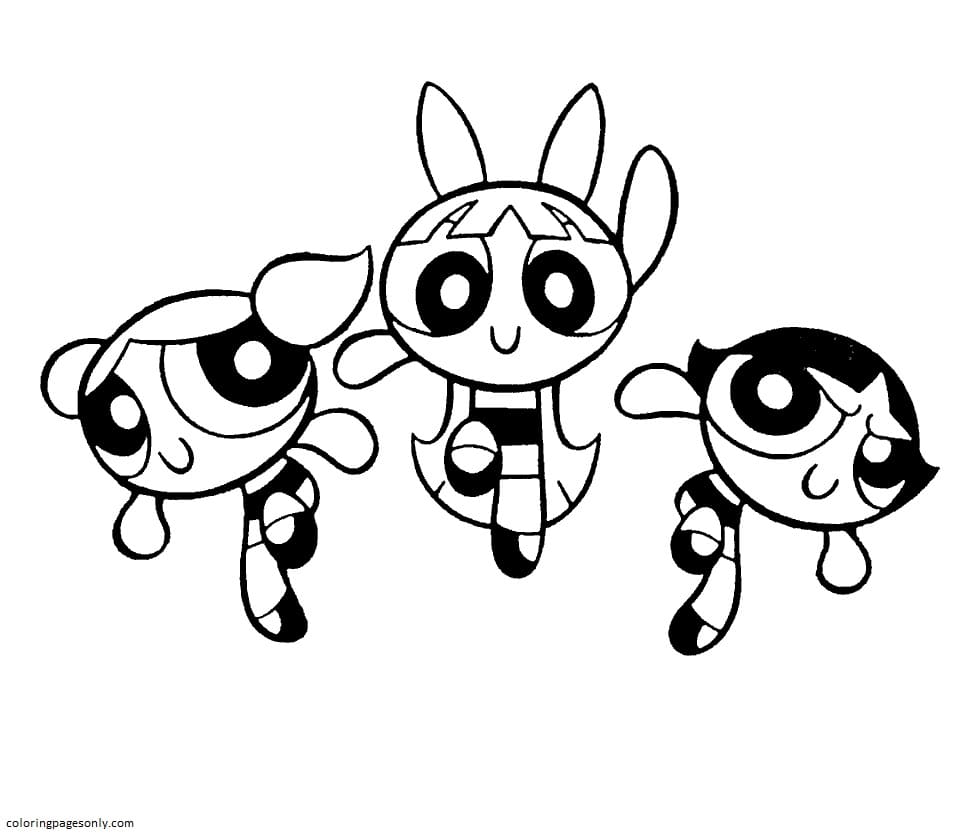
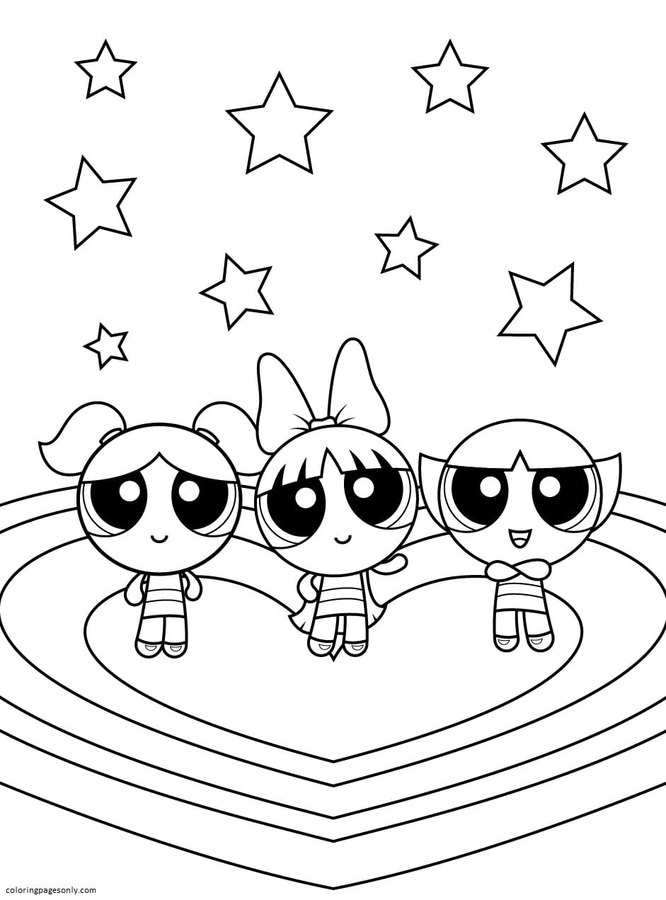
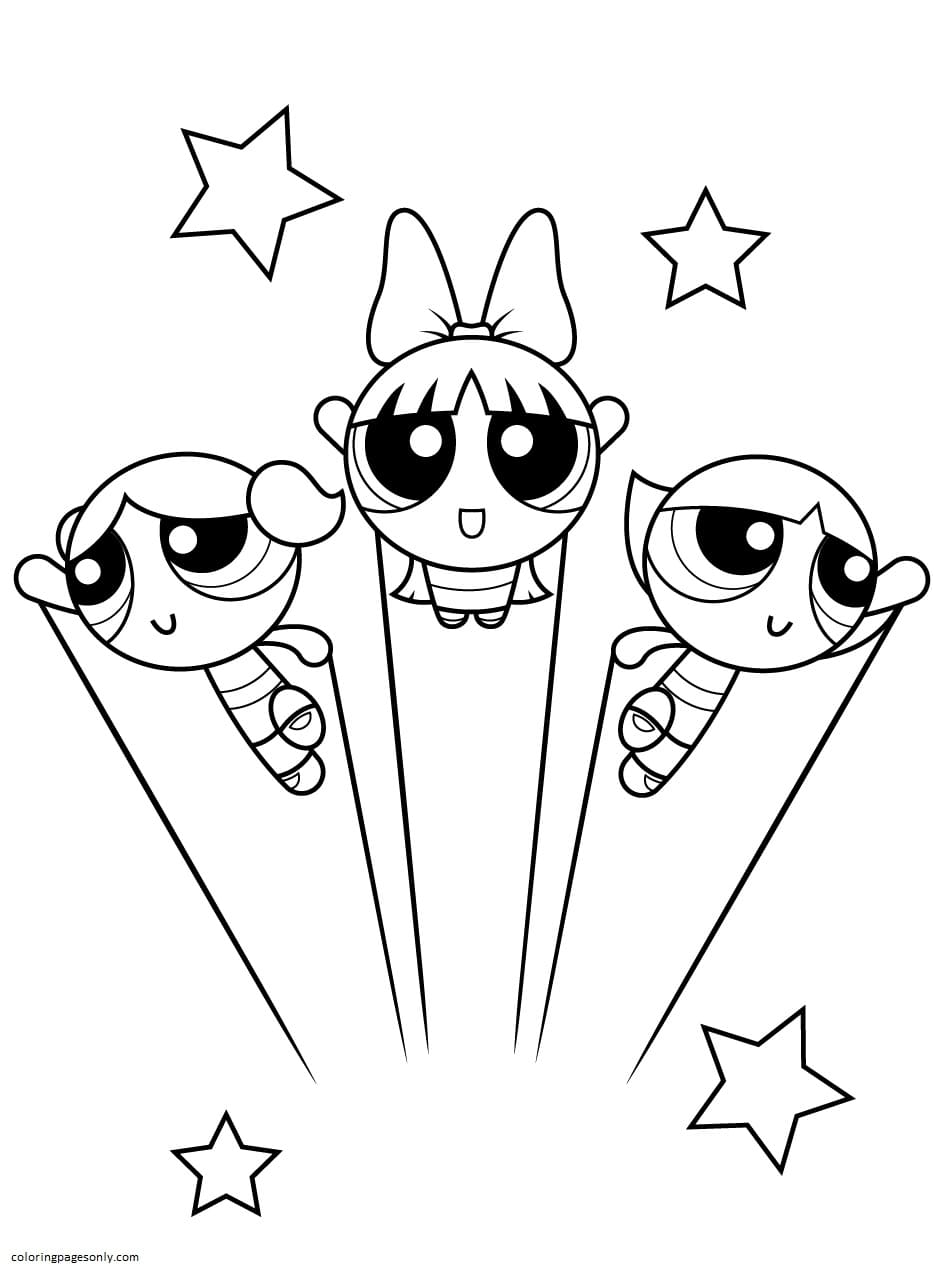
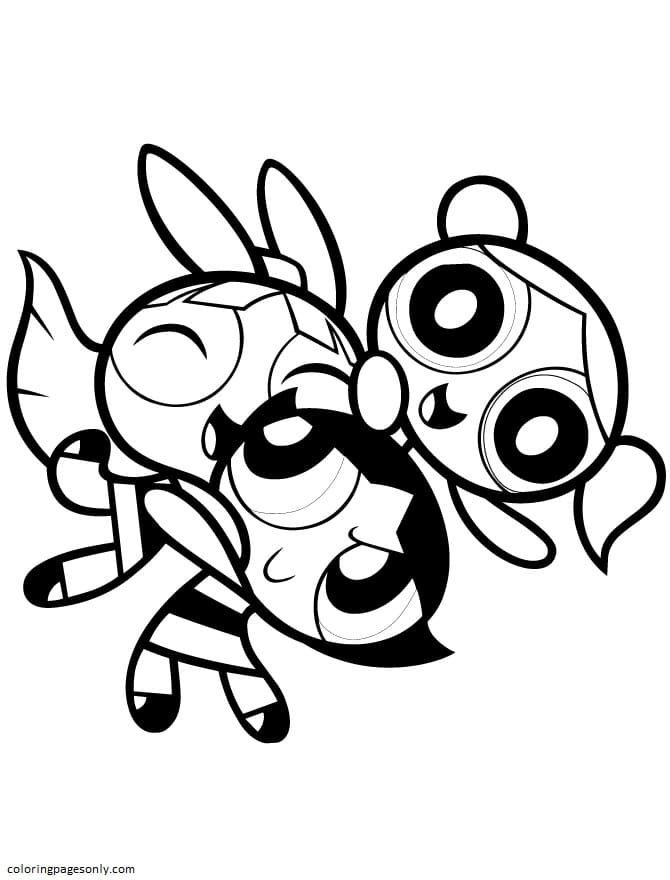
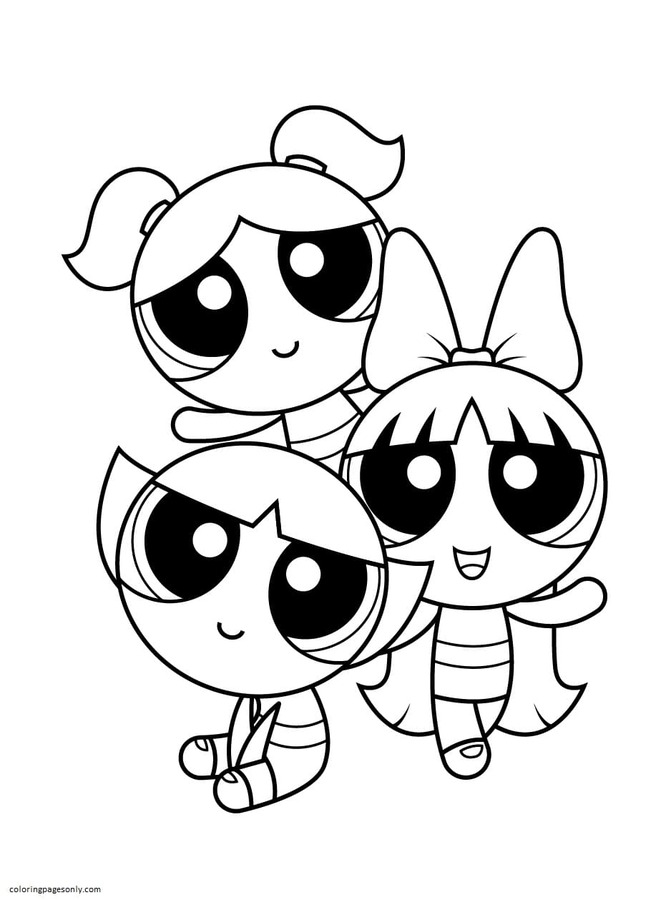
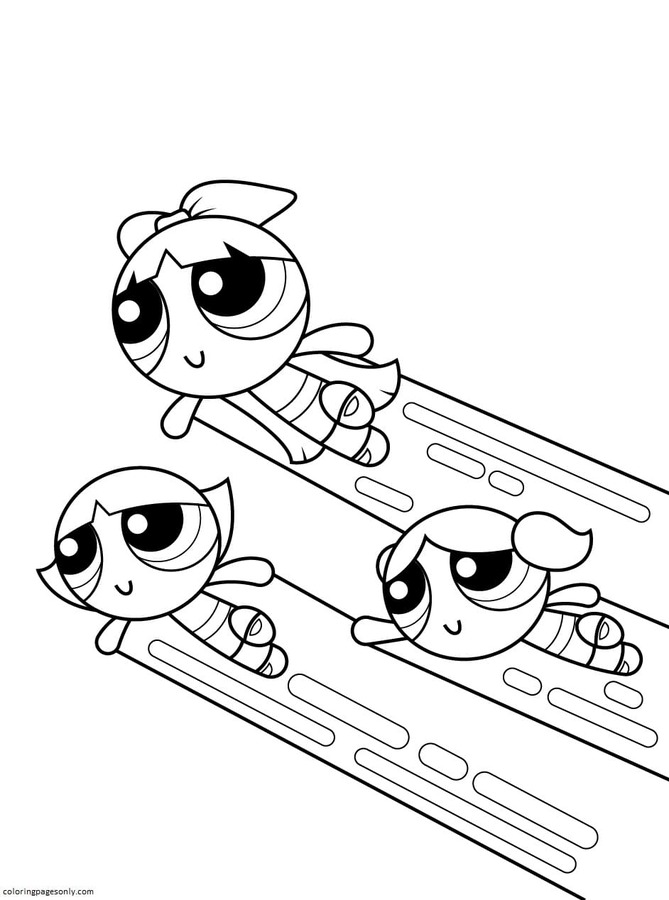
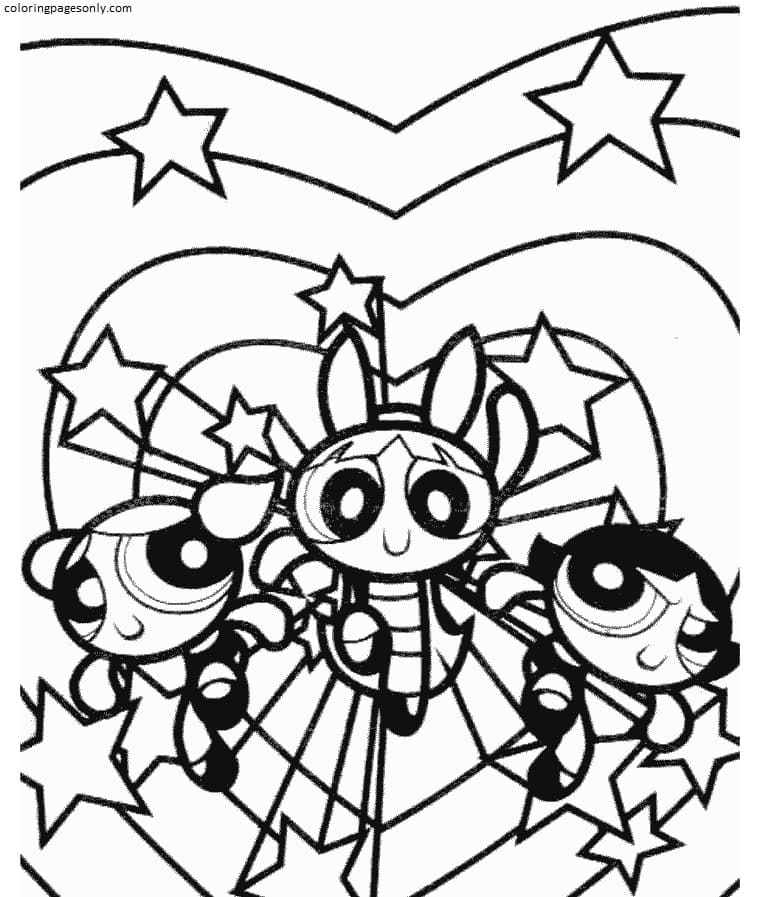
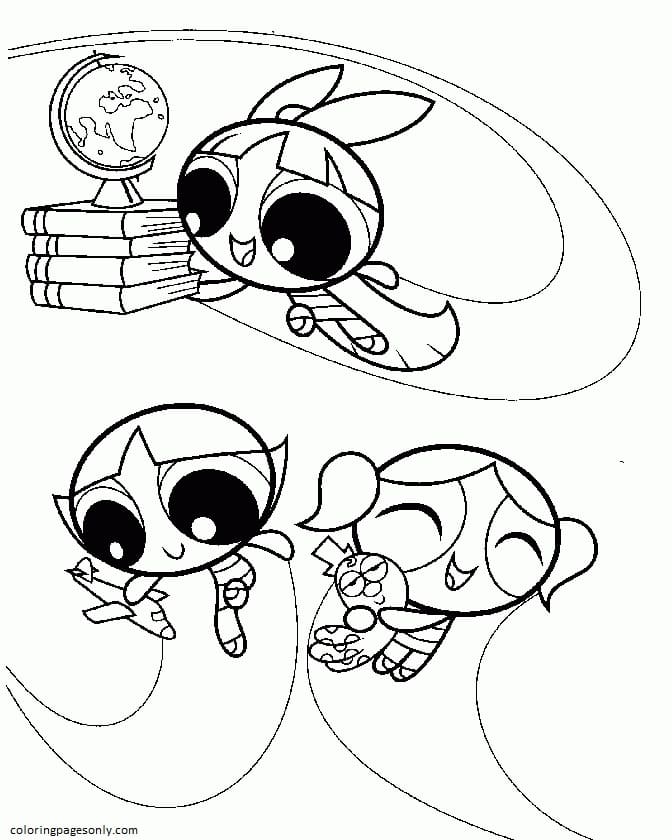
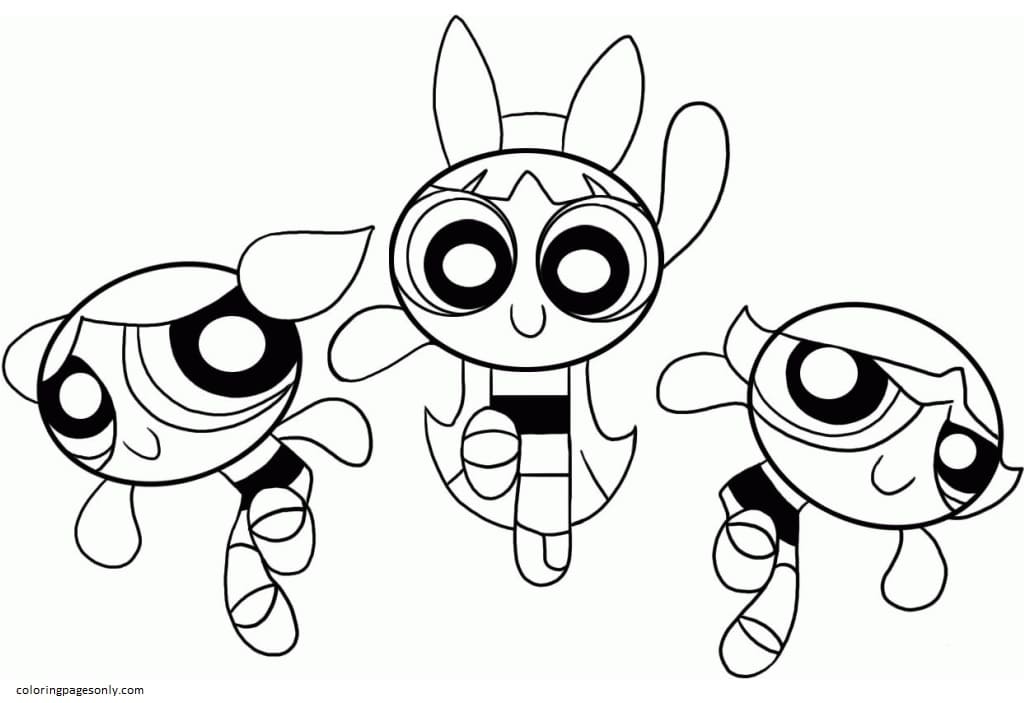
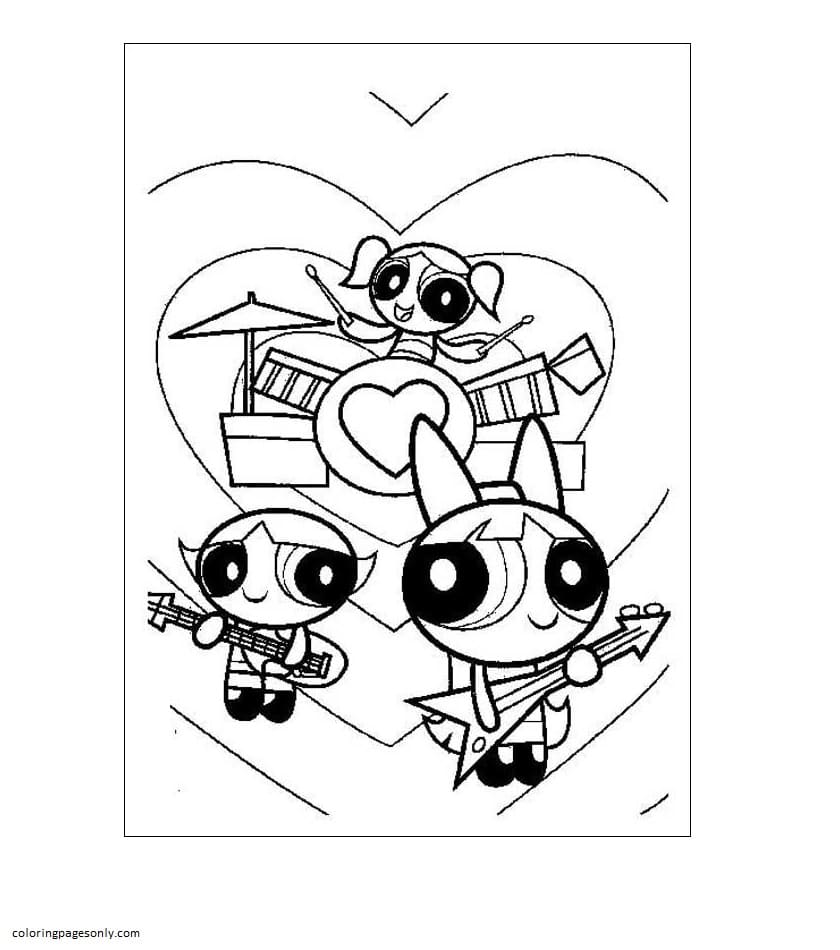
Team pages show Blossom, Bubbles, and Buttercup together, often in a row, in flight, or in a shared action pose. These pages are strong for storytelling because the three characters work as a unit. Children can talk about who leads the mission, who notices the problem, who acts first, and how the team saves the day. Team pages are also useful for visual balance because the three signature colors – pink, blue, and green – naturally create a bright superhero composition.

Coloring team pages: Color one girl at a time instead of jumping between all three. Finish Blossom’s hair, bow, dress, and eyes first, then Bubbles’ pigtails and blue outfit, then Buttercup’s short black hair and green dress. The common mistake is coloring the background too strongly before the characters are finished; the trio should stay the brightest part of the page.

Mojo Jojo, Villains, and Trouble-Maker Pages

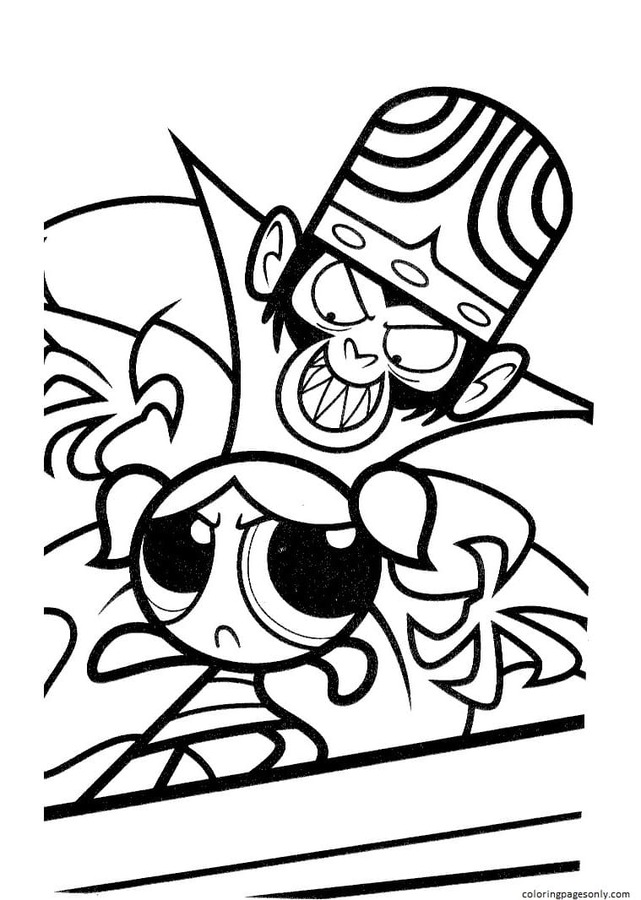
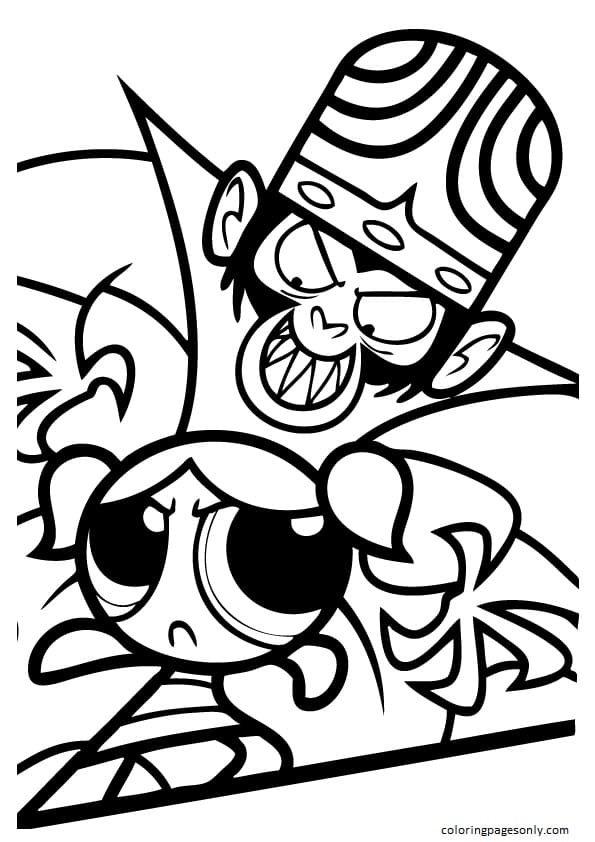
Villain pages give the collection its conflict and story tension. Mojo Jojo-style trouble scenes, enemy poses, mischievous expressions, and villain-focused details help children understand that superhero stories need a problem before the rescue can happen. These pages are useful for narrative thinking because the child can ask: What is the villain planning? What problem has appeared in Townsville? Which Powerpuff Girl notices first? How will the team solve it?

Coloring Mojo Jojo and villain pages: Use heavier colors for villains, such as dark green, purple, black, grey, red, and deep blue. Mojo Jojo-style pages work well with green skin tones, white helmet areas, purple accents, and darker shadows. Keep the Powerpuff Girls brighter than the villain so the heroes remain visually clear. The common mistake is giving heroes and villains the same color intensity; villain pages look stronger when the threat feels heavier, and the heroes stay bright.

Monster Trouble and Action Battle Pages

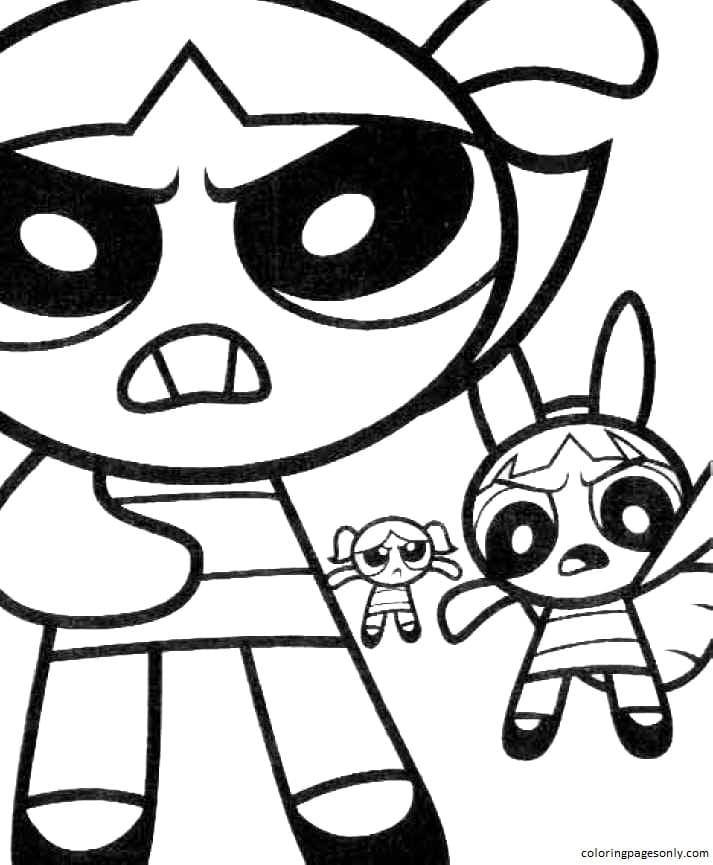
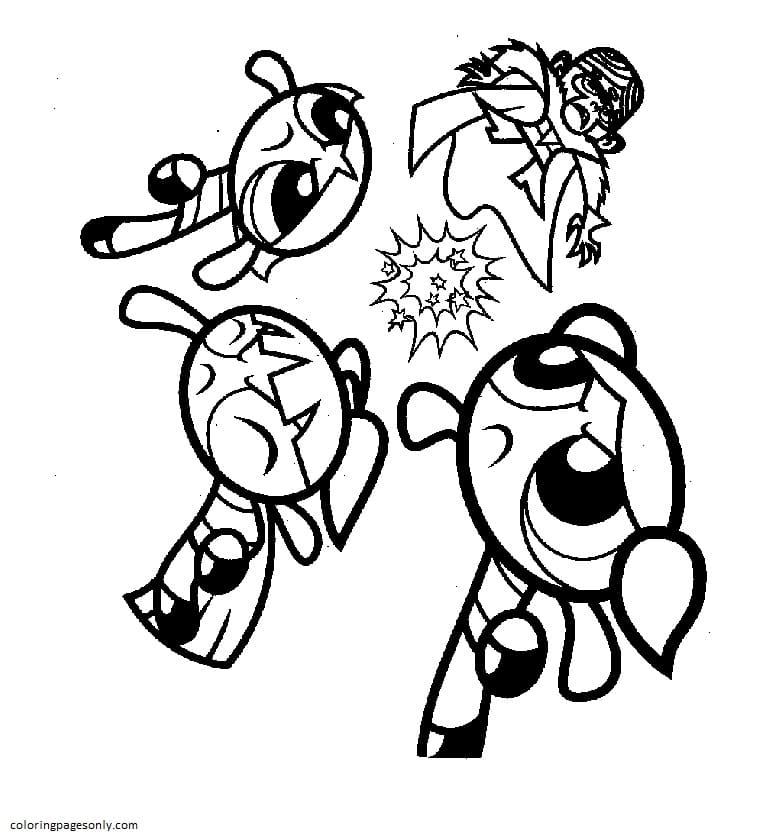
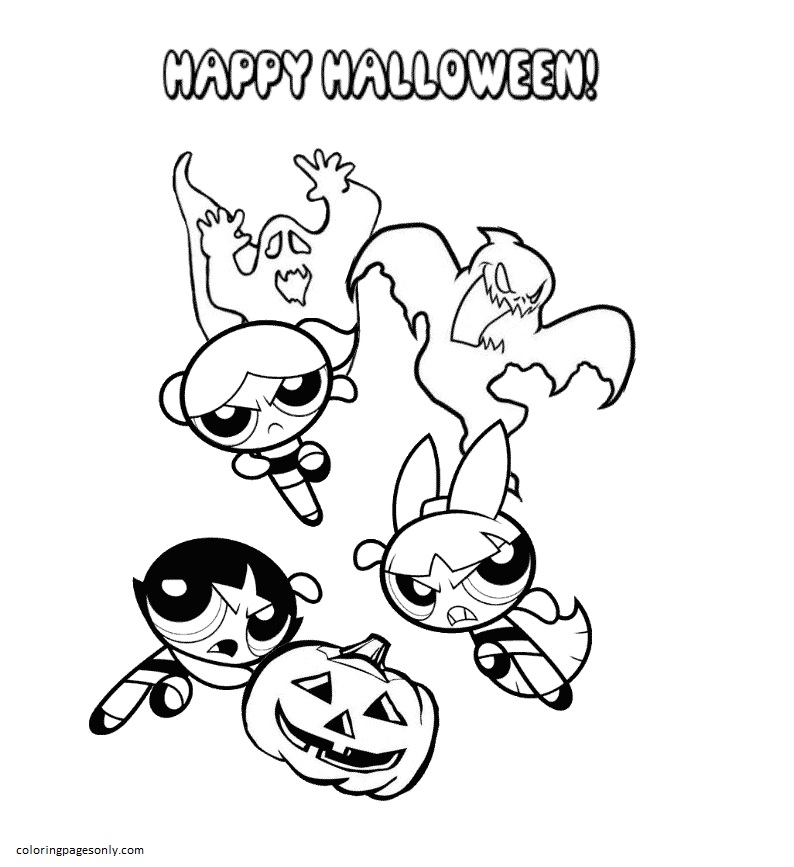
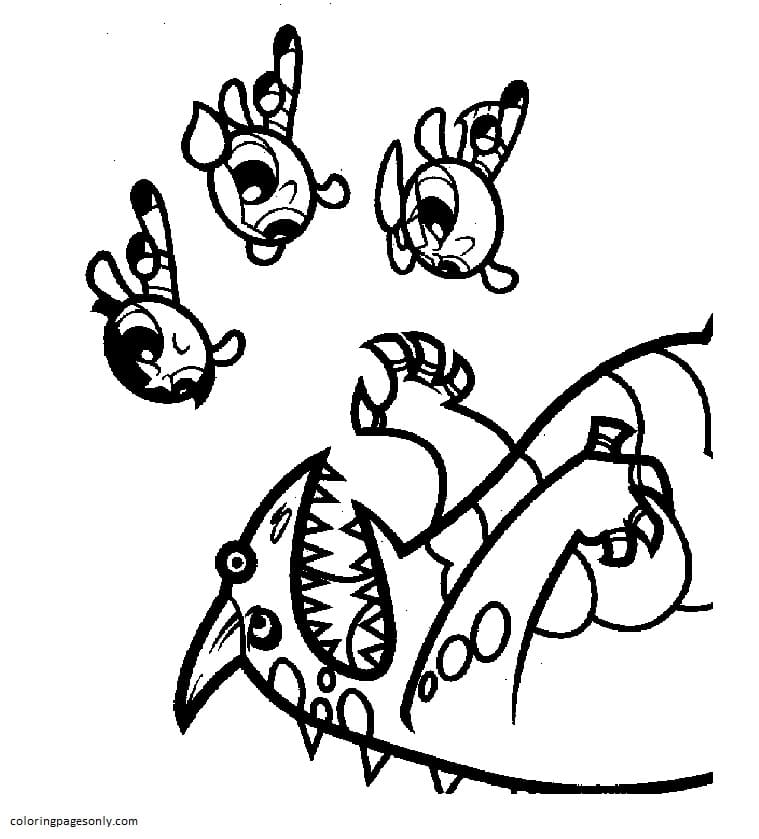
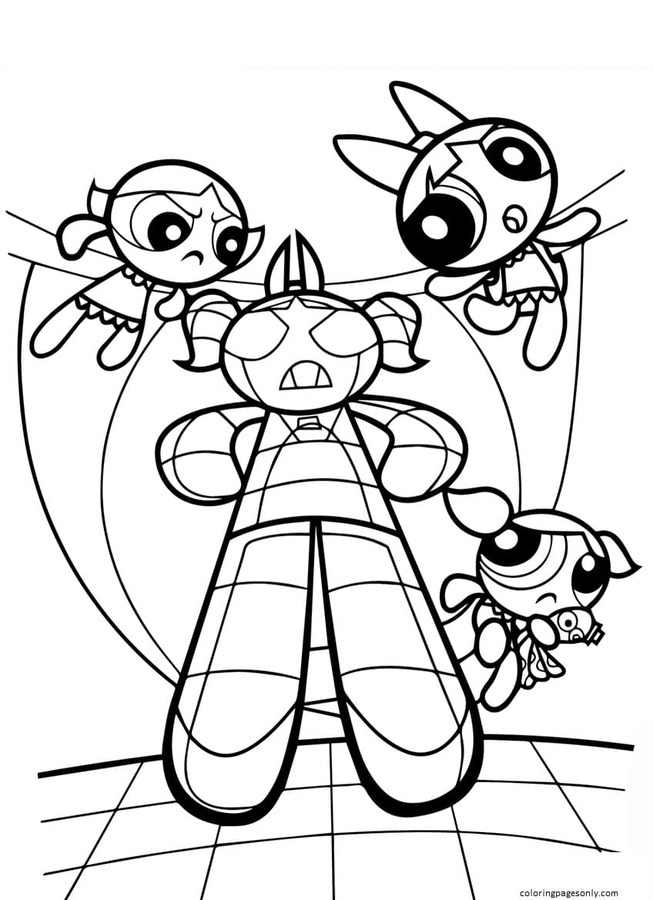
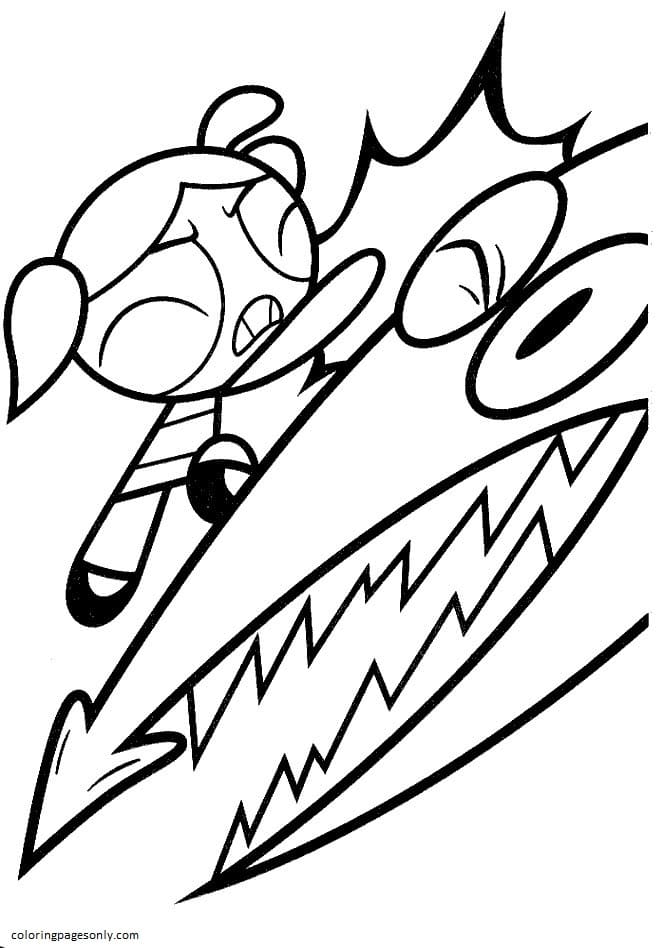
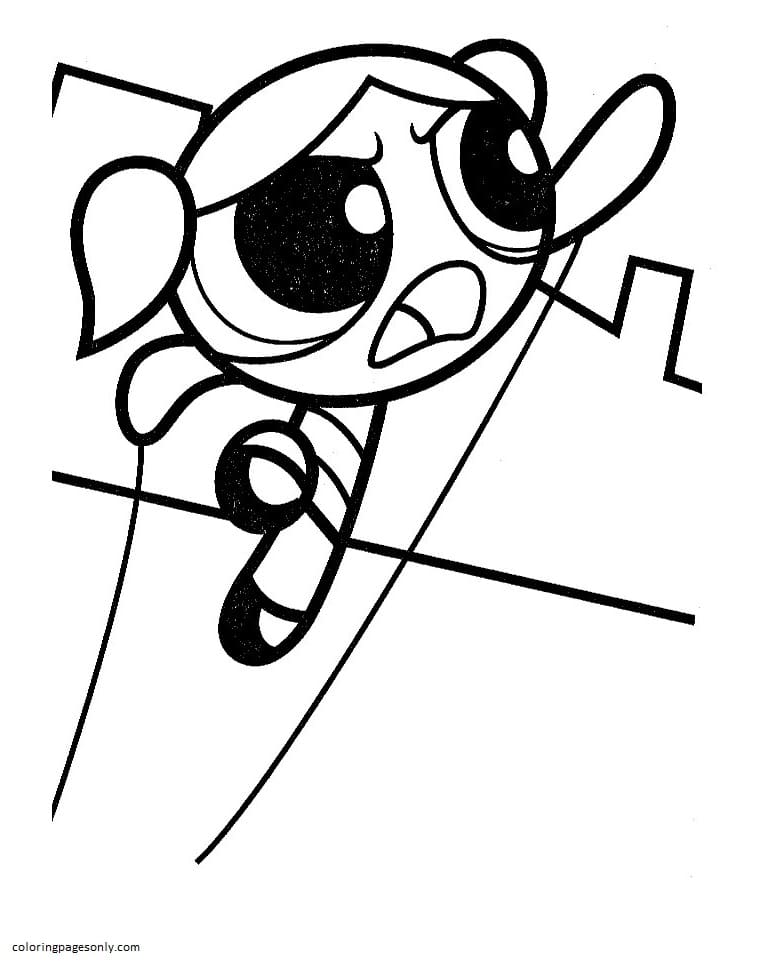
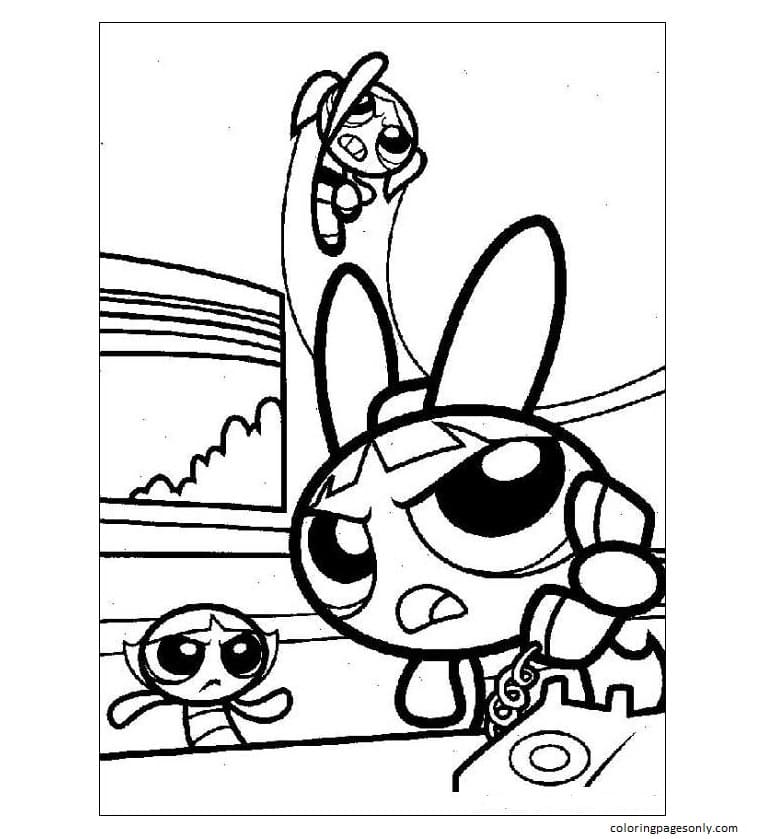
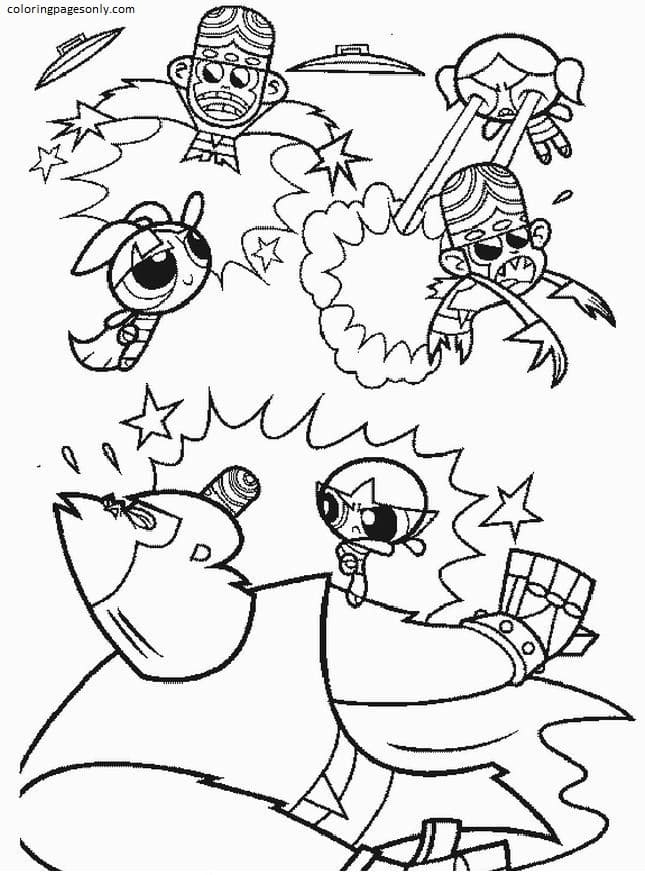
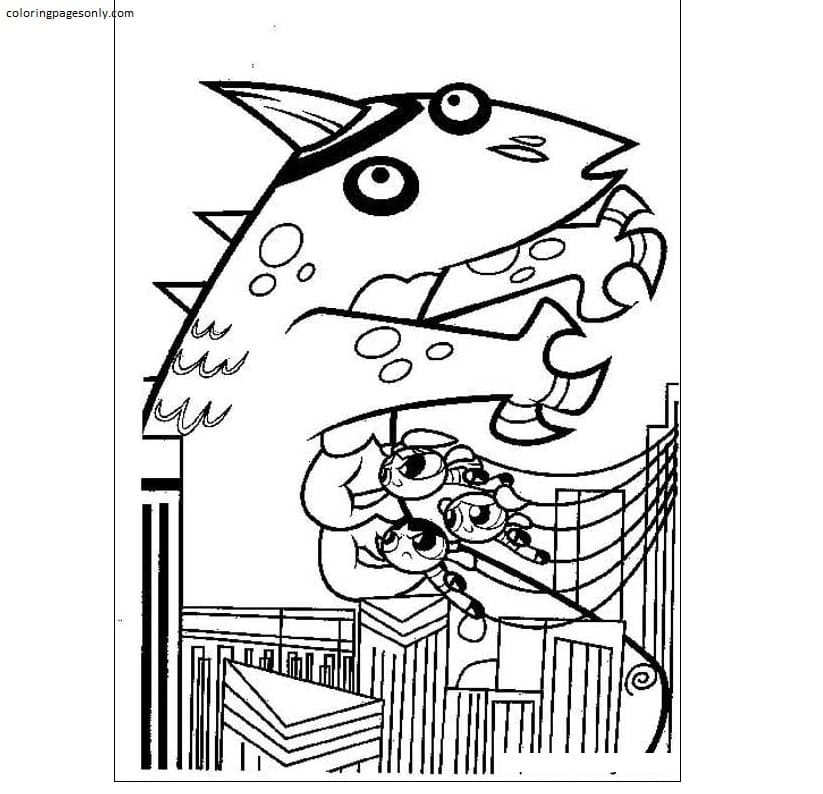
Monster pages and action battle scenes are among the most exciting parts of the collection. Powerpuff Girls vs monster pages, flying poses, rescue moments, superhero punches, energy movement, and dramatic expressions all give children a chance to color motion. These pages are different from simple portrait pages because the viewer needs to understand direction: where the girls are flying, where the monster stands, what part of the scene is dangerous, and how the action moves across the page.

Coloring monster and battle pages: Use the girls’ signature colors first, then choose darker or earthier tones for monsters so the heroes remain clear. Add light yellow, pink, blue, green, or white around motion lines, impact shapes, or energy bursts. The common mistake is using the same intensity everywhere; action scenes look better when the heroes are bright, the monster is slightly heavier, and the energy effect guides the viewer’s eye.

Professor Utonium, Chemical X, and Science-Lab Pages

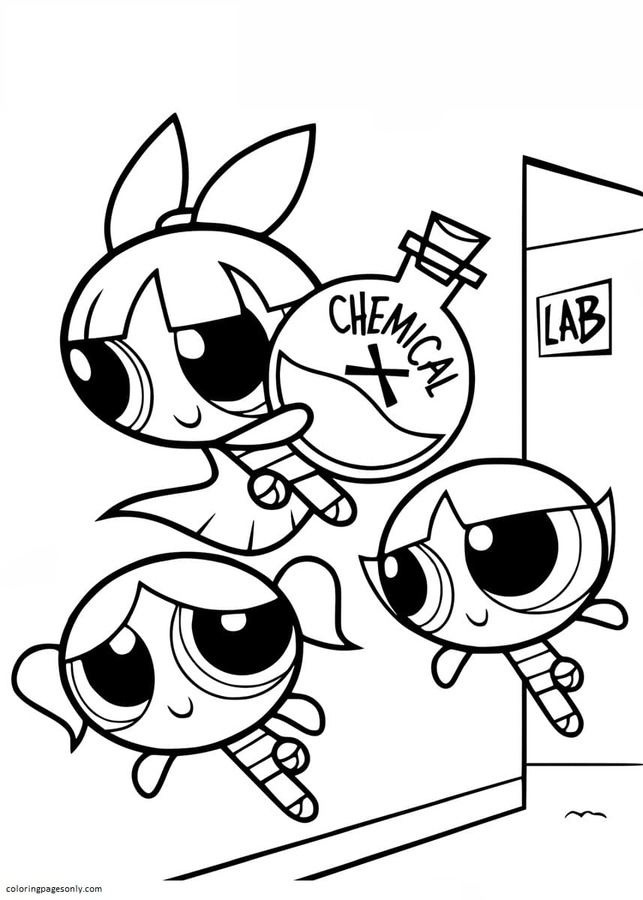
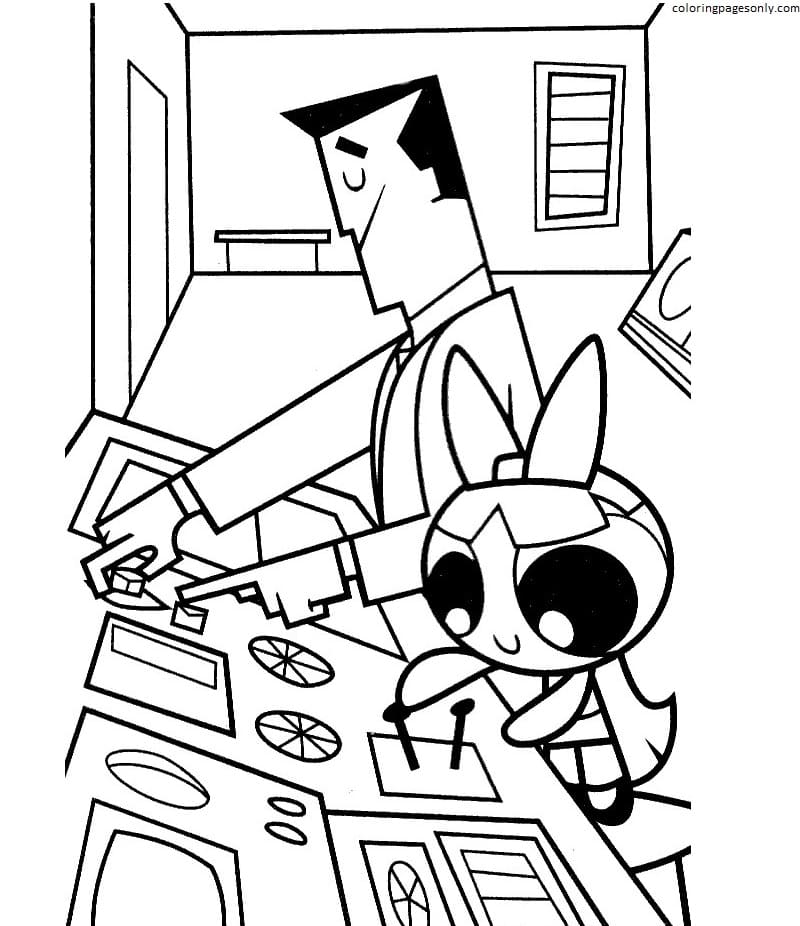
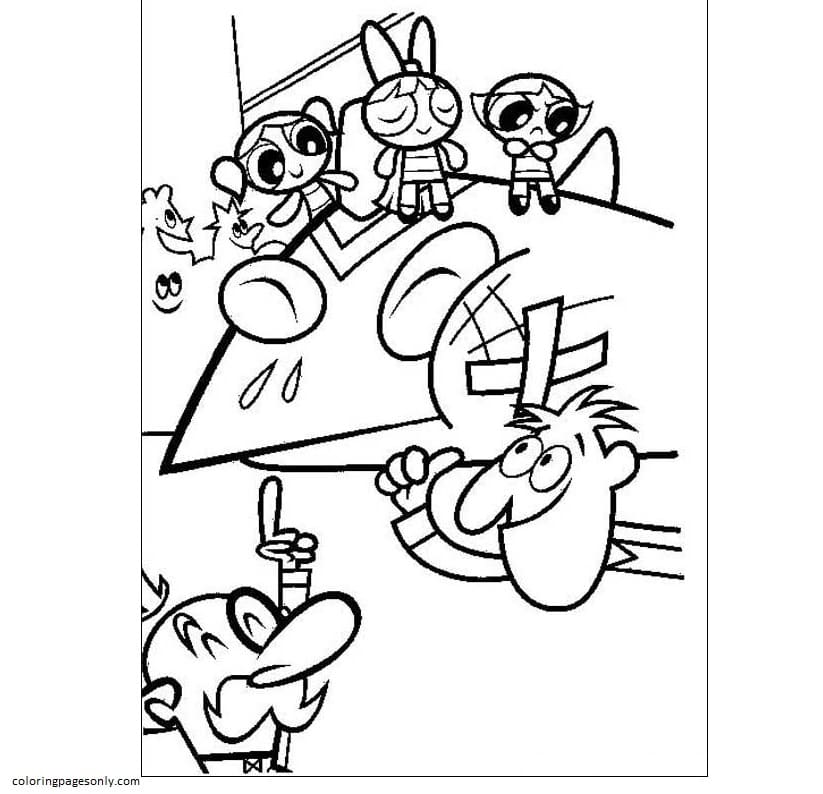
Professor Utonium and Chemical X pages give the collection a special science-and-origin layer. These pages may show Professor Utonium with the girls, lab-style scenes, Chemical X references, or the Powerpuff Girls connected to their unusual creation story. They are especially useful for older children because they can connect a coloring activity with cause-and-effect storytelling: an experiment, an accident, a new power, and a team of heroes. Lab pages also give colorists a different type of setting from city or action scenes.
Coloring Professor Utonium and Chemical X pages: Use white, light blue, grey, black, soft skin tones, and clean lab-friendly colors for Professor Utonium and the background. Chemical X effects can use bright green, neon yellow, aqua, purple, or glowing blue. The common mistake is making the lab too dark; a clean, bright lab background helps the characters and Chemical X details stand out.

Townsville, Mayor, and City Scene Pages

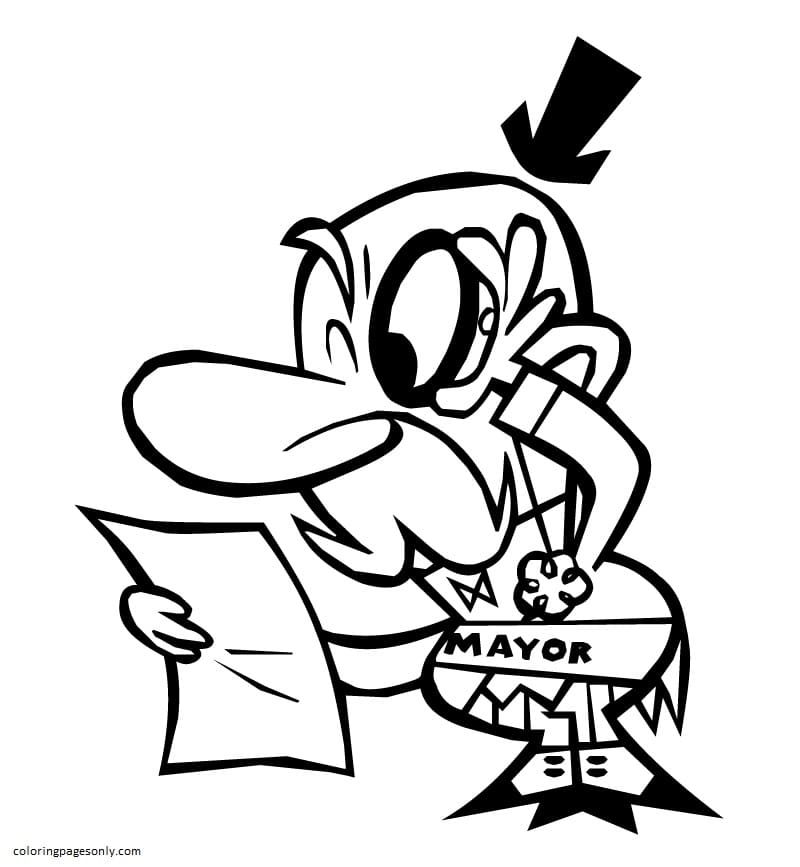
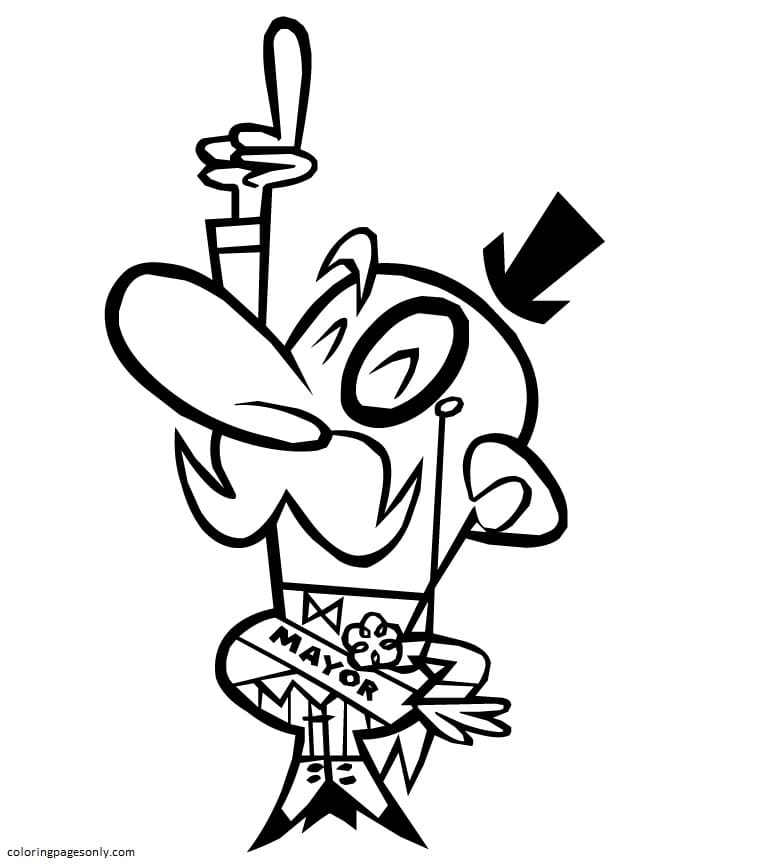
Townsville-inspired pages add setting and context to the collection. Pages with the Mayor, city backgrounds, buildings, sky, streets, or rescue scenes help children understand that the Powerpuff Girls are not just posing; they are protecting a place. City scenes also give older colorists more areas to plan, including windows, roads, clouds, rooftops, signs, and background objects. These pages are useful for visual storytelling because the city tells the viewer where the action happens.

Coloring Townsville pages: Use light grey, pale blue, soft green, tan, and muted city colors for buildings and streets. Keep Blossom, Bubbles, and Buttercup brighter than the city so the characters stay in focus. The common mistake is filling all buildings with dark colors; lighter city backgrounds make the superhero action easier to see.

Cute, Simple, and Beginner-Friendly Powerpuff Pages

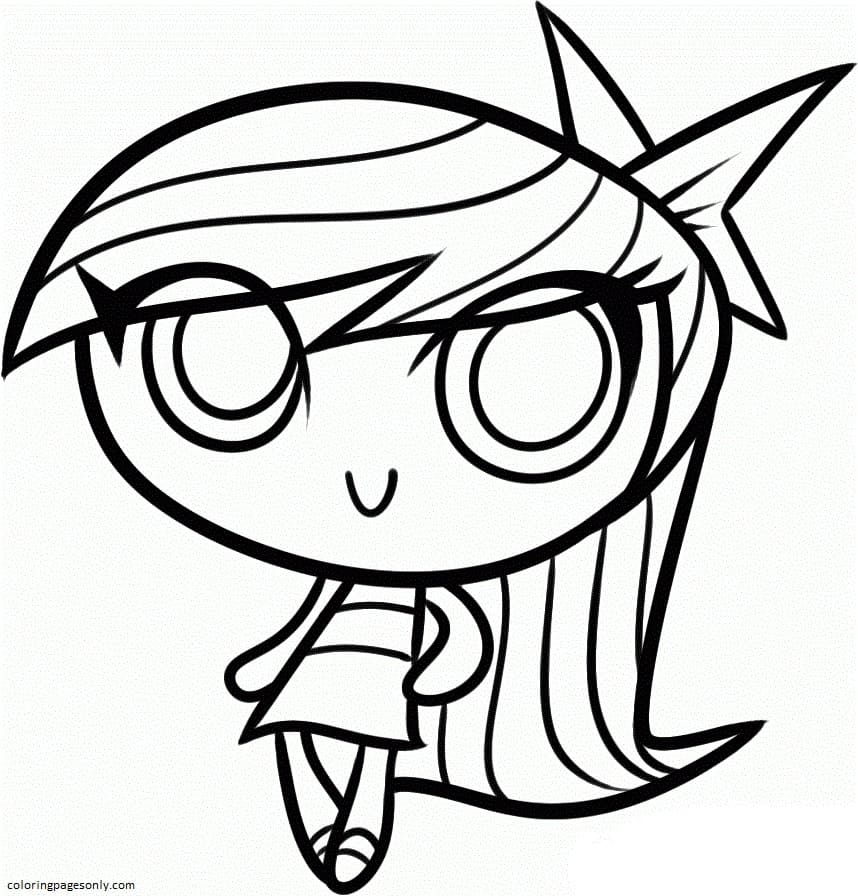
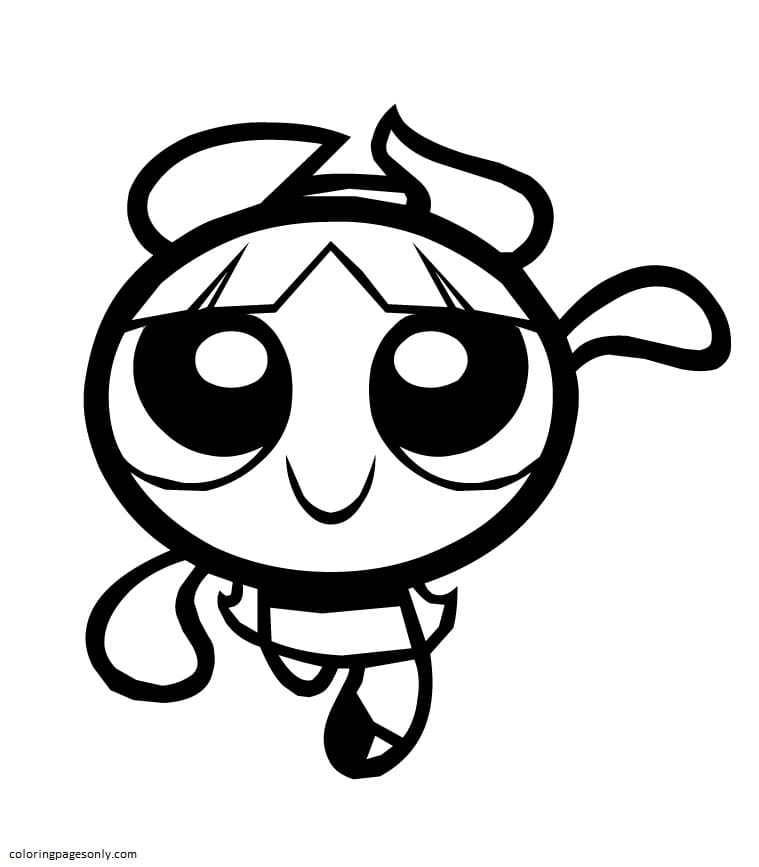
Some pages are made for younger children or quick coloring sessions. These include cute Powerpuff Girls pages, simple printable designs, large faces, character close-ups, Powerpuff Girls eyes, and easy group outlines. These pages are useful for preschool and early elementary children because the shapes are large, the faces are expressive, and the coloring areas are not too crowded. They also work well for birthday tables, classroom choice boards, and fast fan-art activities.

Coloring cute and simple pages: Use crayons or broad markers for the main dress, hair, and eye areas, then add small accents with colored pencils. Keep the face clean and avoid heavy shading around the eyes. The common mistake is using too many colors on a simple page; a clean three-color plan often looks stronger.
Blossom, Bubbles, Buttercup, Bunny, and Special Character Pages

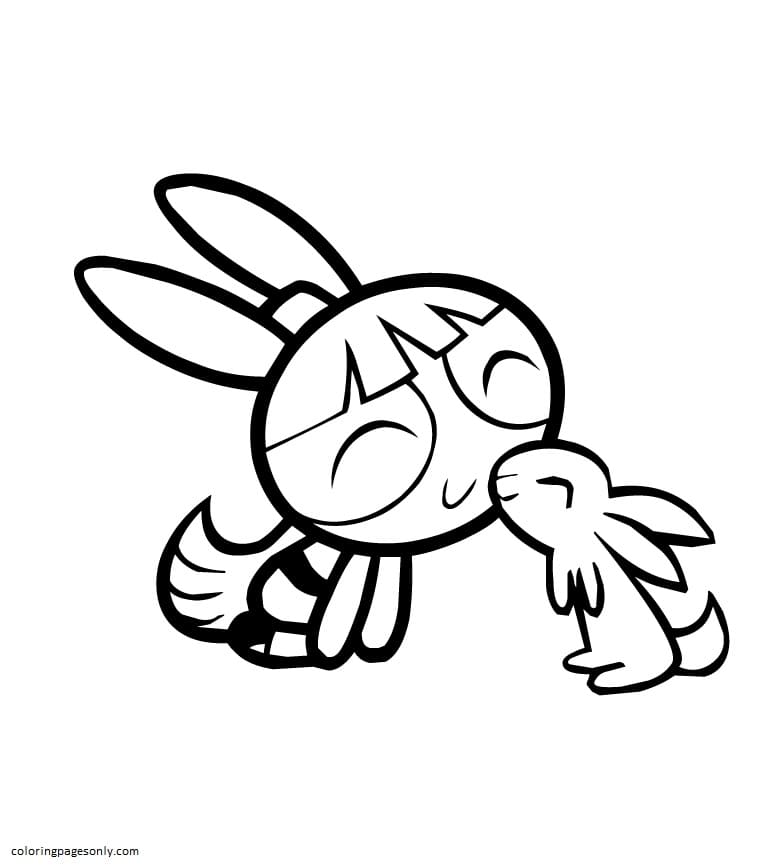
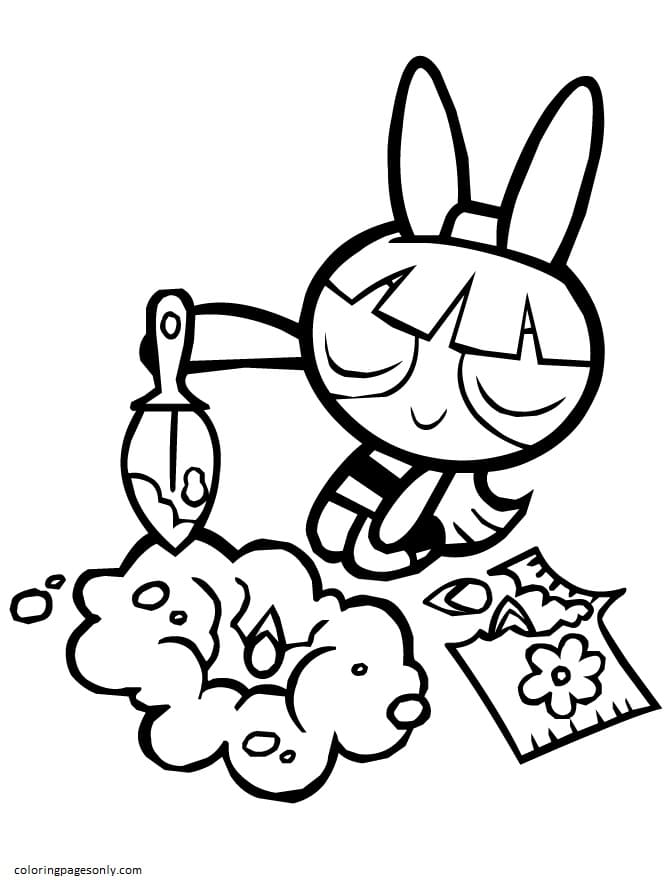
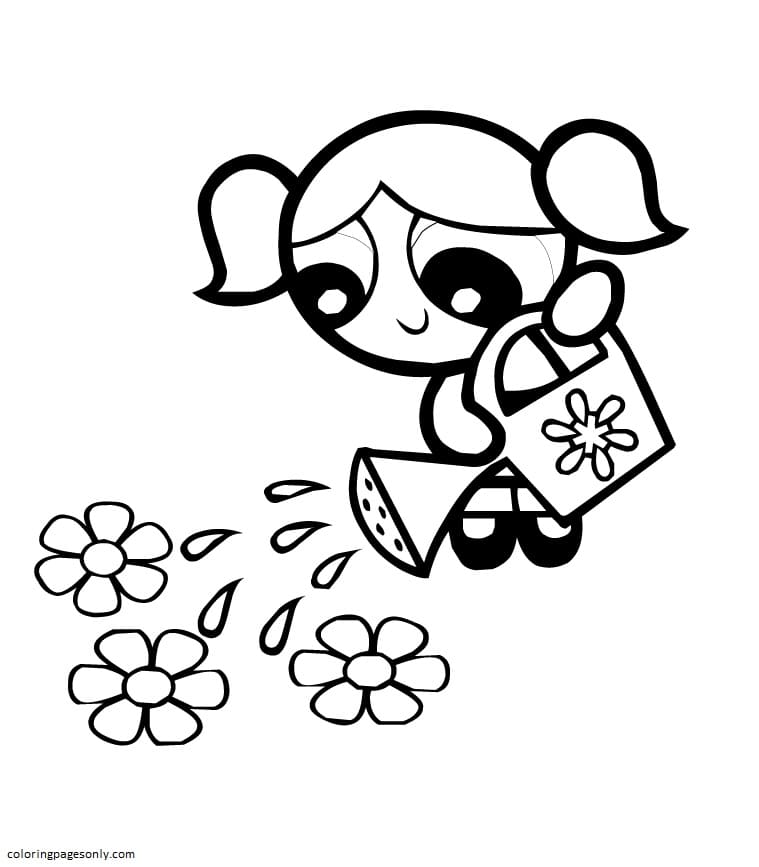
Individual character pages add more variety. Blossom pages may show her confident expression, bow, hair, or even scenes such as planting flowers. Bubbles’ pages often feel softer and more cheerful, with rounder expressions and friendly poses. Buttercup pages usually work well with stronger contrast and bolder shading. Bunny and other special character pages can add emotional or story-based variety because they give the collection pages beyond the usual trio.
Coloring special character pages: Match the color mood to the character. Blossom can use pink, red, orange, and warm accents; Bubbles can use blue, yellow, pale pink, and soft sky tones; Buttercup can use green, black, and stronger shadows; Bunny-style pages can use purple, lavender, or soft warm shades, depending on the design. The common mistake is treating every character the same; individual pages look better when color reflects personality.

Winter Puffs, Holiday, and Themed Pages

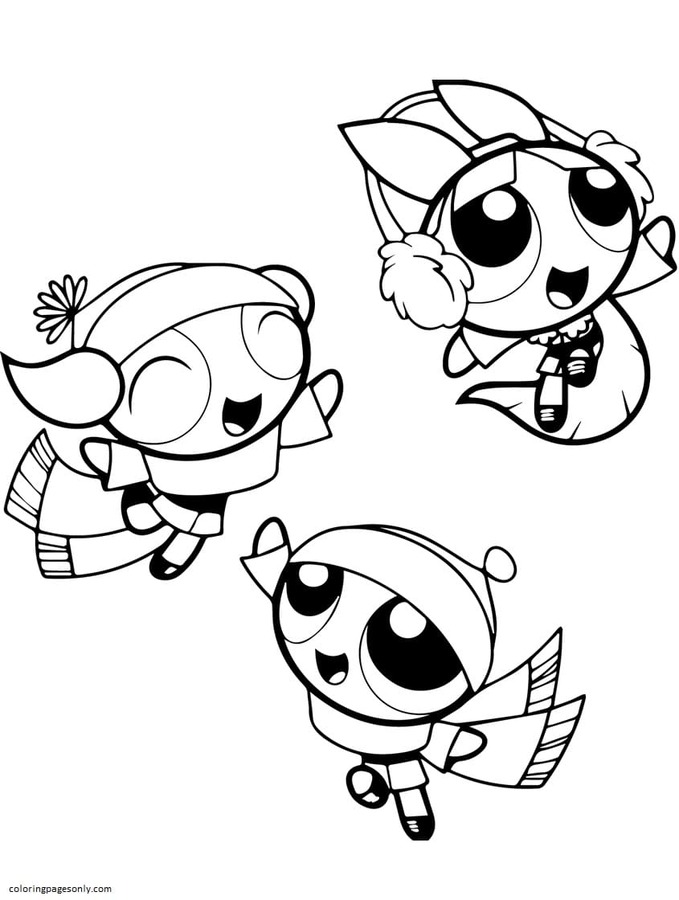
Winter Puffs and special theme pages let the Powerpuff Girls move outside standard superhero action. These pages may include winter clothing, seasonal details, holiday-style objects, or softer scenes. They are useful for classroom seasonal activities, party tables, winter craft displays, or children who want something gentler than a battle scene. Themed pages also help colorists adjust the mood without losing the signature look of the three girls.

Coloring winter and themed pages: Use icy blue, white, silver, pale purple, soft pink, mint, red, green, or gold, depending on the theme. Keep the girls’ signature colors visible even when adding coats, scarves, snow, or seasonal backgrounds. The common mistake is covering the original character palette completely; themed pages still need Blossom, Bubbles, and Buttercup to be recognizable.

Lego-Style, Printable, and Fan-Favorite Designs

The collection also includes printable Powerpuff Girls sheets, free printable pages, Cartoon Network-style pages, Lego-style Powerpuff Girls, and repeated fan-favorite designs. These pages are useful because they offer different difficulty levels and visual styles. A Lego-style page may use blockier shapes, while a classic cartoon page uses round faces and strong eye shapes. Printable pages with fewer details work well for quick activities, while more detailed pages are better for older fans.

Coloring printable and fan-style pages: Look at the line style before choosing tools. Thick outlines work well with crayons or markers, while smaller fan-style details look better with colored pencils. The common mistake is using a thick marker on tiny details; match the coloring tool to the size of the design.

What These Pages Do

Powerpuff Girls coloring pages give children a superhero cartoon activity that combines character recognition, color identity, action storytelling, teamwork, and creative decision-making. The trio’s design is simple enough for young colorists. However, the scenes can still become complex: three characters, a city, a monster, Professor Utonium, Chemical X, action lines, facial expressions, and background details all work together.

These pages also teach visual character identity. Blossom is usually connected with pink, red-orange hair, a bow, and a leader-like presence. Bubbles is connected with blue, blonde pigtails, a softer expression, and a cheerful mood. Buttercup is connected with green, black hair, and a tougher pose. When children keep those palettes consistent, they learn that color is not random; it helps identify character, role, and personality.

The collection also supports teamwork discussion because the three girls are not identical. Blossom often represents planning and leadership, Bubbles brings kindness and emotional warmth, and Buttercup adds courage and direct action. A finished team page can become a simple conversation about how different personalities can work together. Children can describe who made the plan, who noticed the problem, who acted quickly, and how the group solved the challenge.

Powerpuff Girls pages are also strong for sequencing. A team page can become a simple story: a monster appears, the Mayor needs help, the girls fly across Townsville, one character leads, another helps, and the team solves the problem. This kind of story structure makes the collection useful for classroom prompts, speech practice, creative writing, and parent-child conversation after coloring.

The collection supports visual planning because many pages require children to separate layers: character, costume, eyes, hair, action effect, villain, lab object, city background, and sky. A page with Chemical X should not be colored the same way as a winter page. A monster battle should not use the same palette as Blossom planting flowers. Children practice choosing colors based on scene type, not just filling every shape quickly.

The American Academy of Pediatrics identifies fine motor skill development as a key milestone throughout early childhood. HealthyChildren.org, the parenting site from the American Academy of Pediatrics, lists coloring with crayons or chalk among quiet-time activities that can help improve a 3-year-old child’s hand abilities. Powerpuff Girls pages support that development through large character eyes, hair shapes, dress outlines, small hands and shoes, motion lines, city windows, Chemical X details, monster edges, and background objects.

The 2005 Art Therapy Journal study on structured coloring and anxiety reduction applies well to Powerpuff Girls pages because many designs include repeated shapes, clean outlines, energy lines, buildings, costume sections, facial features, and background objects. The central characters give children a clear focus, while the smaller details around them create manageable sections to complete one at a time.

These pages can also support screen-free cartoon play. Children who enjoy the show’s world can continue the story through coloring, cutting, crafting, puppet play, posters, dioramas, and homemade superhero scenes. That makes the collection useful for home activities, classroom art centers, cartoon-themed parties, superhero weeks, and quiet creative time.

How to Color These Pages Well

Start with the three signature palettes. Blossom should stay in the pink/red family, Bubbles in the blue/yellow family, and Buttercup in the green/black family. That keeps the characters easy to recognize, even if the background is busy. The common mistake is using random colors that make the trio harder to identify.

Keep your eyes clean and bright. The Powerpuff Girls’ eyes are one of the most important parts of the design. Use strong but clean colors and leave small highlights if the page allows it. Heavy shading around the eyes can make the characters look muddy.

Color the characters before the city. In Townsville scenes, finish Blossom, Bubbles, Buttercup, Professor Utonium, or the monster first. Then color buildings, clouds, roads, and sky with softer shades. The common mistake is making the city background too bold, which can pull attention away from the heroes.

Use action colors to show movement. Flying lines, superhero impact shapes, energy blasts, and battle effects work well with yellow, white, pink, blue, green, or light orange. Keep these effects lighter near the edge and brighter near the center. That helps the page feel active without becoming messy.

Balance cute faces with action effects. Powerpuff Girls pages often mix adorable faces with intense superhero action. Keep the eyes and expressions clean first, then add motion lines, energy bursts, or monster shadows around them. The common mistake is over-coloring the action effect until the character’s face loses its charm.

Give monsters and villains heavier colors. Monsters and villains can use purple, dark green, brown, grey, red, black, or deep blue. Use darker shades under arms, around claws, or near the base of the figure. The heroes will stand out more clearly if villains and monsters have a heavier palette.

Make Chemical X glow, not just green. Chemical X pages can use neon green, aqua, yellow, blue, or purple highlights. Add a pale glow around the chemical shape or lab object if the design allows it. The common mistake is coloring Chemical X as a flat green blob; a lighter center and darker edge make it look more energetic.

Match the palette to the page type. A winter page needs cooler colors, a flower page needs softer outdoor colors, a battle page needs stronger contrast, and a lab page needs clean science-style colors. Choosing the scene mood first makes the page look more intentional.

Save small details for the final pass. Tiny hands, shoes, bows, city windows, lab equipment, monster teeth, motion lines, and background props should be colored after the large areas. Use colored pencils or fine-tip markers for these details. That keeps the page clean and prevents younger colorists from getting tired too early.

5 Creative Craft Ideas

Powerpuff Team Mission Storybook

Use several Powerpuff Girls coloring pages to create a mini superhero storybook. Materials include printed pages, crayons or colored pencils, folded paper, glue, scissors, and markers. Children color one page for the beginning, one for the problem, one for the action, and one for the ending. A simple story could follow this structure: Townsville has a problem, the Mayor calls for help, Blossom makes a plan, Bubbles helps someone, Buttercup takes action, and the team saves the day. This craft works well for ages 6–11 because it combines coloring, sequencing, writing, and character understanding. The finished book can be read aloud or displayed as a classroom superhero story.

Townsville Rescue Map

Turn action pages, Mayor pages, monster pages, and city backgrounds into a rescue map of Townsville. Materials include printed coloring pages, poster paper, crayons, scissors, glue, and markers. Children color the girls, a monster or problem object, and several city landmarks. Then they place the pieces on a large map with arrows showing where the girls fly, where the danger starts, and where the rescue ends. Add labels such as “City Hall,” “Professor’s Lab,” “Monster Attack,” “Safe Zone,” and “Team Finish.” This craft works well for ages 7–12 because it supports spatial thinking, storytelling, and cause-and-effect planning.

Chemical X Lab Spinner

Use Professor Utonium, Chemical X, and Powerpuff Girls pages to make a simple spinning science-and-story craft. Materials include a paper plate, printed characters, crayons, scissors, glue, a paper fastener, and markers. Divide the plate into four sections: Ingredients, Chemical X, Superpower, and Mission. Children color Professor Utonium, the girls, or a lab object, then attach a spinner arrow in the center. Each spin creates a new pretend origin story or mission: a color, a power, a problem, and a rescue. This craft works well for ages 6–10 because it connects coloring with imagination, sequencing, and the show’s science-lab theme.

Powerpuff Character Badges

Use small images of Blossom, Bubbles, Buttercup, Bunny, or the trio to create wearable character badges or bag tags. Materials include printed pages, crayons or colored pencils, scissors, cardstock, glue, clear tape or laminating sheets, a hole punch, ribbon, or safety clips with adult help. Children color each character in the correct palette, cut out the design, and attach it to a badge shape. Add a short word such as “Leader,” “Kind,” “Brave,” “Strong,” “Team,” or “Hero.” This craft works well for ages 5–10 because it supports character recognition, color identity, and positive word choice.

Powerpuff vs Monster Diorama

Build a 3D action scene using Powerpuff Girls vs monster pages, flying pages, Townsville pages, and printable character designs. Materials include a shoebox lid, printed pages, crayons or colored pencils, scissors, glue, folded paper tabs, and background paper. Children color the girls, a monster, city buildings, clouds, and action effects, then cut out selected pieces. Stand the characters inside the box with folded tabs and layer the city behind them. Add motion lines or energy blasts using paper strips. This craft works best for ages 8–12 because it requires planning, layering, and scene-building. The finished diorama turns a flat coloring sheet into a small Townsville battle scene.

Frequently Asked Questions

What are Powerpuff Girls Coloring Pages?

Powerpuff Girls Coloring Pages are printable and online coloring sheets featuring Blossom, Bubbles, Buttercup, Professor Utonium, monsters, Townsville-inspired scenes, Chemical X, and superhero cartoon action. Some pages focus on one character, while others show the trio together, action poses, city scenes, or special themed designs. These pages are useful for children who enjoy superhero cartoons, character coloring, and screen-free creative play. They can be printed as PDFs or colored online.

How many Powerpuff Girls Coloring Pages are in this collection?

This collection includes 60+ free Powerpuff Girls coloring pages. The pages range from simple outlines and cute character close-ups to team scenes, monster battles, Professor Utonium pages, Chemical X designs, Townsville-style moments, Winter Puffs, Bunny, and printable fan-favorite pages. Because the collection has many scene types, children can choose by character, difficulty level, or activity purpose.

Which Powerpuff Girls characters are included?

The collection includes Blossom, Bubbles, Buttercup, the three Powerpuff Girls together, Professor Utonium, the Mayor, Bunny, monsters, and several supporting or themed designs. Some pages focus on individual girls, while others show the trio working together. The variety makes the collection useful for character recognition, team coloring, superhero storytelling, and craft projects.

Are Mojo Jojo, villains, and monster pages included?

The collection includes Powerpuff Girls vs monster pages and villain-style trouble scenes. These pages are useful for action storytelling because they create a clear problem for the girls to solve. If a page includes Mojo Jojo-style villain details, darker colors such as green, purple, white, and shadow tones can help him stand apart from the bright heroes. Monster pages also give older colorists more space for shading, contrast, and action effects.

What colors should I use for Blossom, Bubbles, and Buttercup?

Blossom usually works best with pink, red, orange, and warm accents. Bubbles work best with blue, yellow, pale pink, and soft sky tones. Buttercup works best with green, black, and stronger contrasts. Keeping these signature colors consistent helps children recognize each character across different pages.

Are these coloring pages good for younger children?

Yes, but page choice matters. Younger children can start with simple outlines, large faces, cute Powerpuff Girls pages, or single-character designs. Older children may enjoy team pages, Chemical X scenes, Professor Utonium pages, monster battles, city scenes, and more detailed printable designs. For preschool or early elementary children, choose pages with large spaces and fewer tiny background details.

Can Powerpuff Girls pages support storytelling?

Yes. These pages are strong for storytelling because many scenes include a hero, a problem, a villain or monster, a city setting, and a team solution. Children can explain what is happening, what the danger is, who helps, and how the girls save Townsville. Finished pages can become storybooks, rescue maps, puppets, posters, or diorama scenes.

Can these pages be used for classroom or party activities?

Yes. Powerpuff Girls pages can work for superhero-themed classroom activities, cartoon art centers, birthday tables, team-building discussions, and creative writing prompts. Teachers or parents can ask children to color a character, identify the personality or color palette, describe the mission, and create a simple rescue story. Finished pages can become badges, storybooks, posters, rescue maps, or Townsville dioramas.

Powerpuff Girls coloring pages bring superhero action, sister teamwork, Chemical X, Professor Utonium, monsters, Townsville, and bold cartoon design into a screen-free creative activity. Each page gives children a chance to color a familiar hero while thinking about personality, movement, teamwork, and what happens next in the scene.

Browse the full collection at ColoringPagesOnly.com. All 60+ pages free, no sign-up, PDF or PNG, print at home or color online.

These fan-friendly pages are created for personal, classroom, and creative coloring use. They fit many creative moments: a superhero birthday activity, a cartoon fan-art session, a classroom story center, a quiet weekend craft, a team-coloring activity, or a screen-free break after watching cartoons. They also give children a useful challenge because Powerpuff Girls pages look best when the girls’ signature colors, large eyes, action effects, monsters, and city details stay clear.

For the final pass, keep Blossom, Bubbles, and Buttercup easy to identify, make Chemical X glow, keep Townsville backgrounds softer, and use action colors to guide the eye through the page. A clean contrast between the heroes, the villain or monster, and the city background can make the whole page feel stronger.

Share your work on Facebook and Pinterest and tag #Coloringpagesonly. We especially want to see your Powerpuff Team Mission Storybook and Powerpuff vs Monster Diorama.

Tiny heroes / big teamwork / Townsville in color.

These related coloring collections will help you explore the wonderful world of colors. Let’s choose, be creative, and show us your great pictures!


Jennifer Thoa – Content Editor & Designer

Jennifer Thoa is Content Editor and Designer at ColoringPagesOnly.com. Degree in Journalism and Creative Writing, University of Kansas. She writes and edits long-form educational articles on anime, film, animals, world cultures, and automotive history - verified against named primary sources before publication.