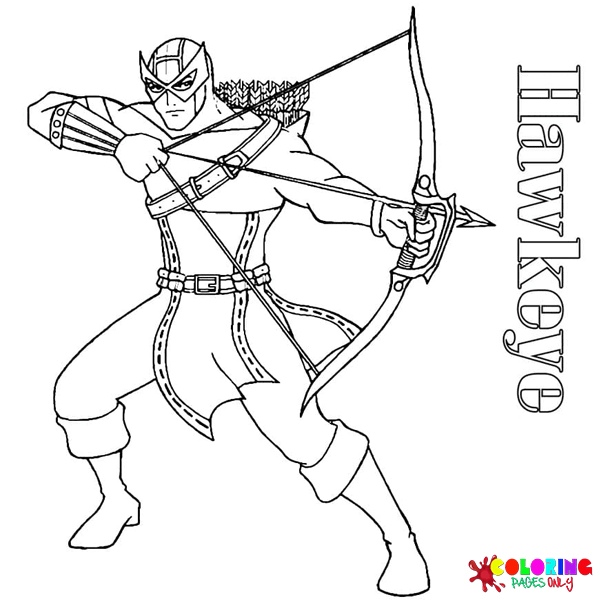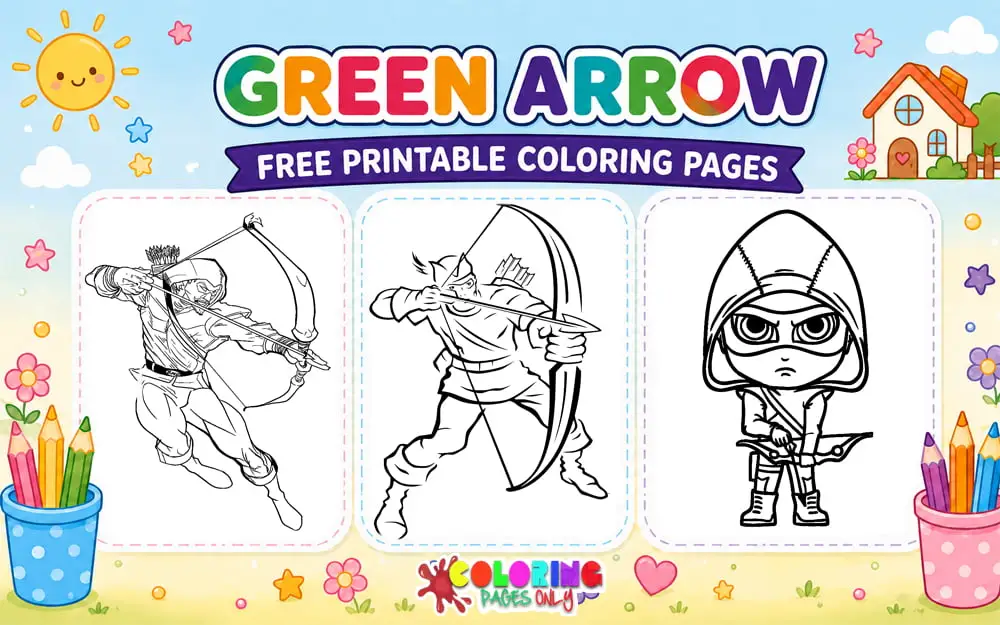
Free Green Arrow Coloring Pages: 25 printable PDF designs of DC’s hooded archer, with action shots of him drawing his bow, comic-book panels, and the classic logo, Oliver Queen without the hood, a young Green Arrow, a LEGO minifigure, a chibi, and a dozen classic poses. Not one of them costs anything to download or color.
Green Arrow first appeared in More Fun Comics #73 in November 1941, created by editor Mort Weisinger and artist George Papp. Inspired by Robin Hood, he is Oliver Queen, a wealthy businessman from Star City who learned archery while stranded on a remote island and returned home to fight crime. Instead of superpowers, he depends on training and an inventive set of gadget arrows, including the famous boxing glove arrow. He joined the Justice League in 1961 and is often paired with Black Canary and his sidekick, Speedy. From 2012 to 2020, Stephen Amell played him in the TV series Arrow, which launched a whole universe of DC shows.
Chibi and LEGO sheets keep the shapes chunky for little hands. Comic panels and action poses hand older kids hoods, bows, and quivers to shade.

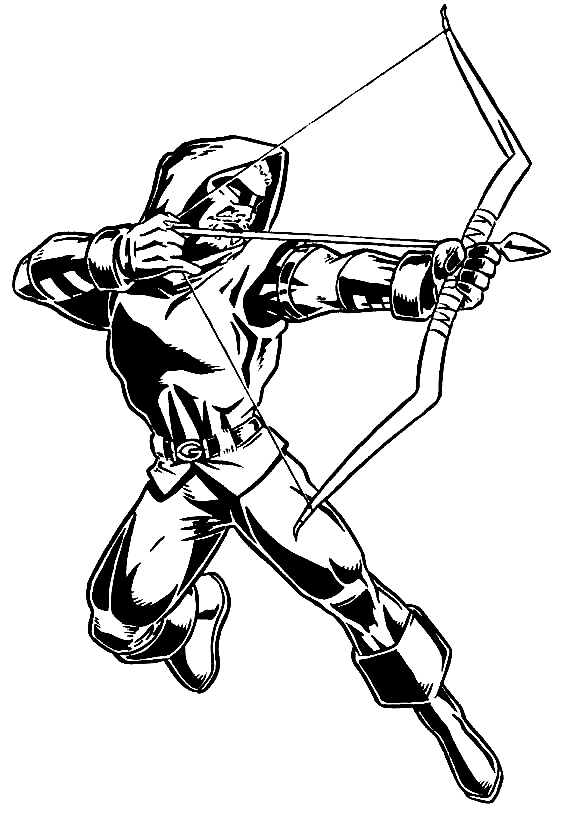
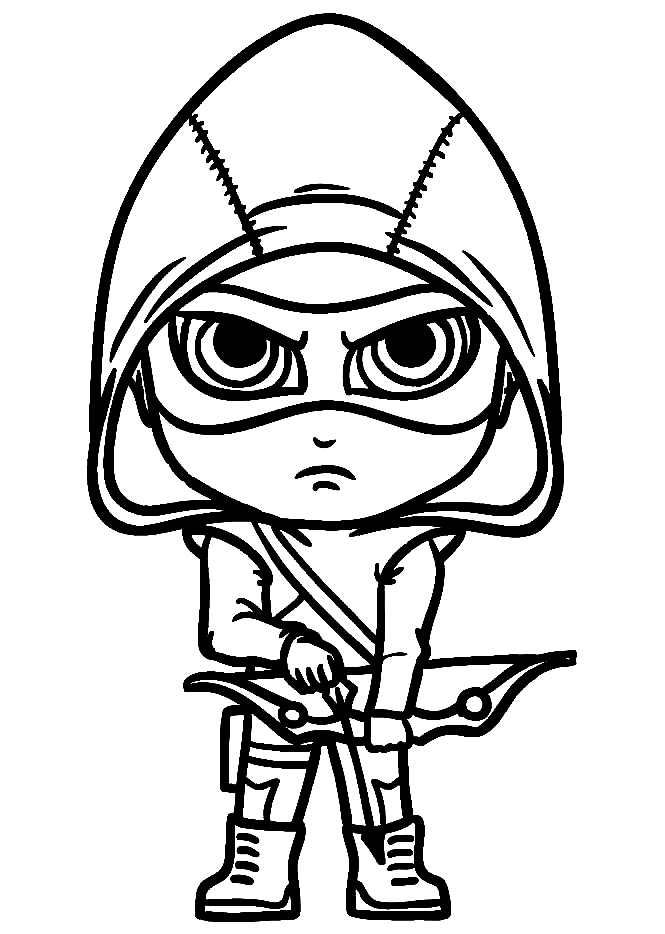
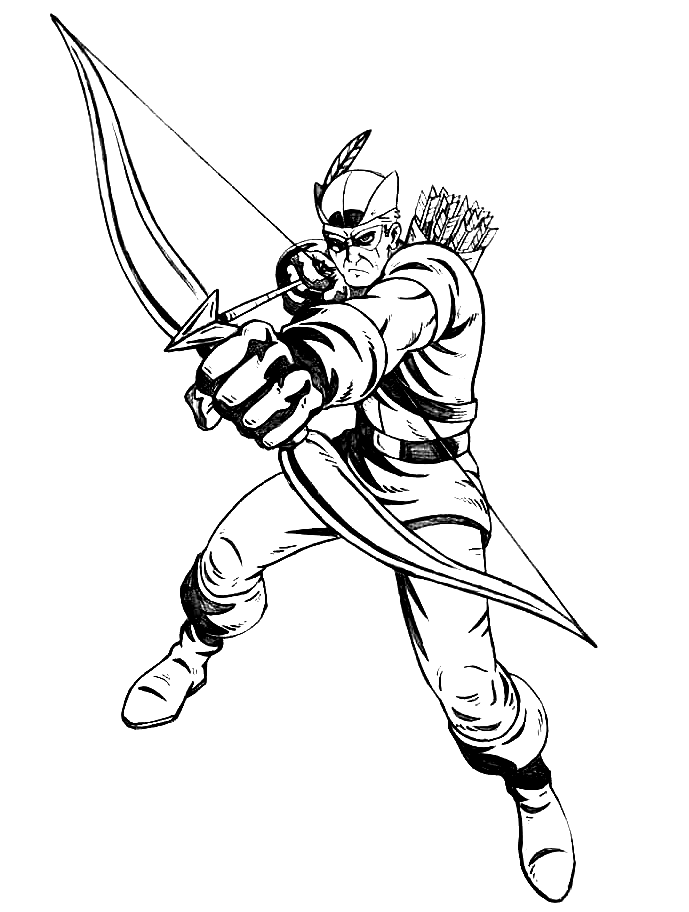
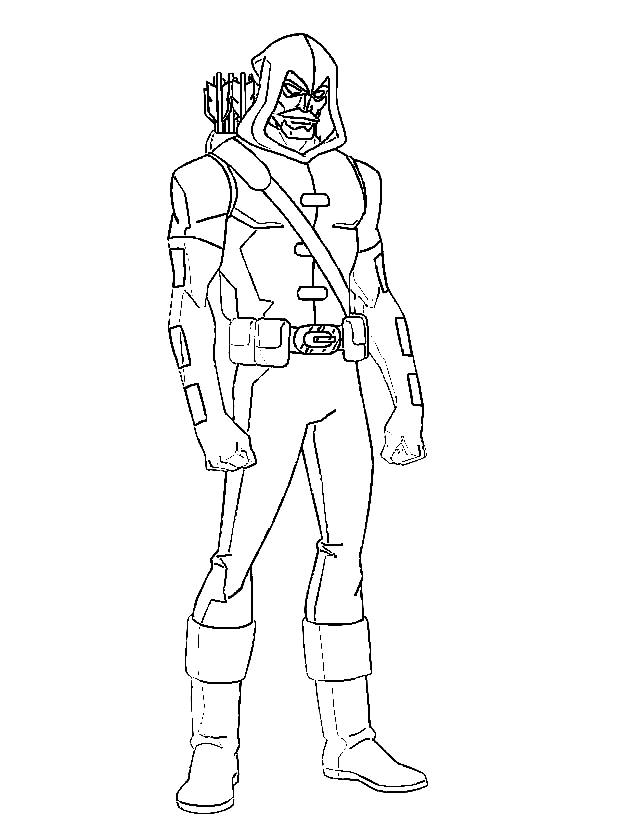
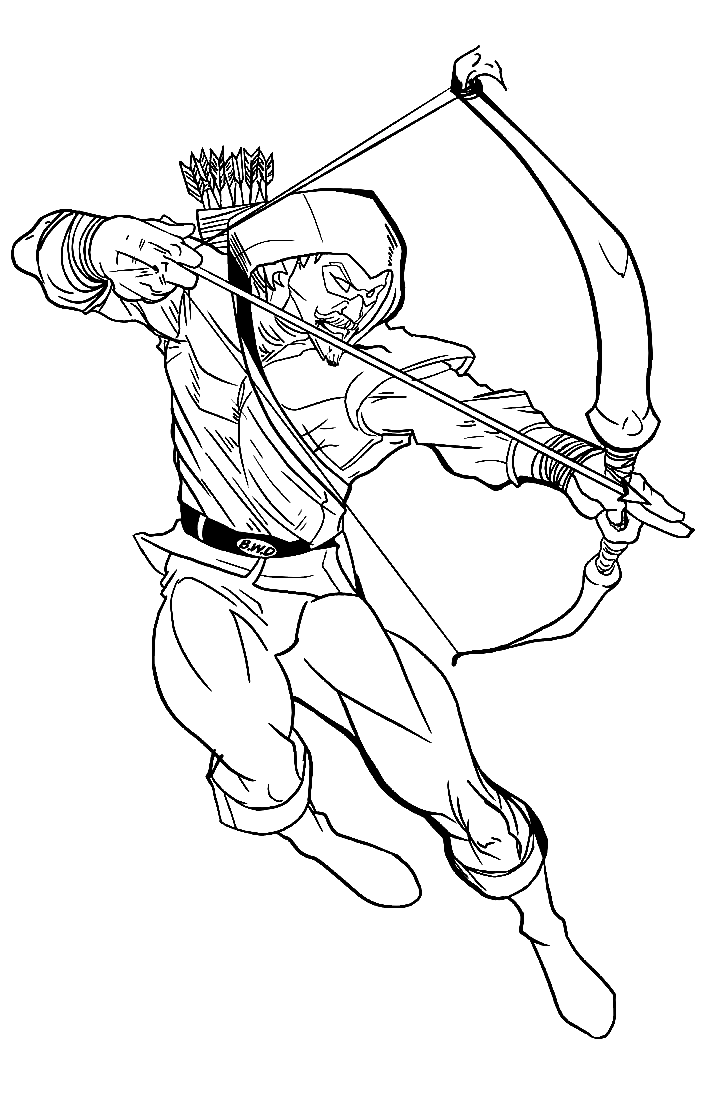
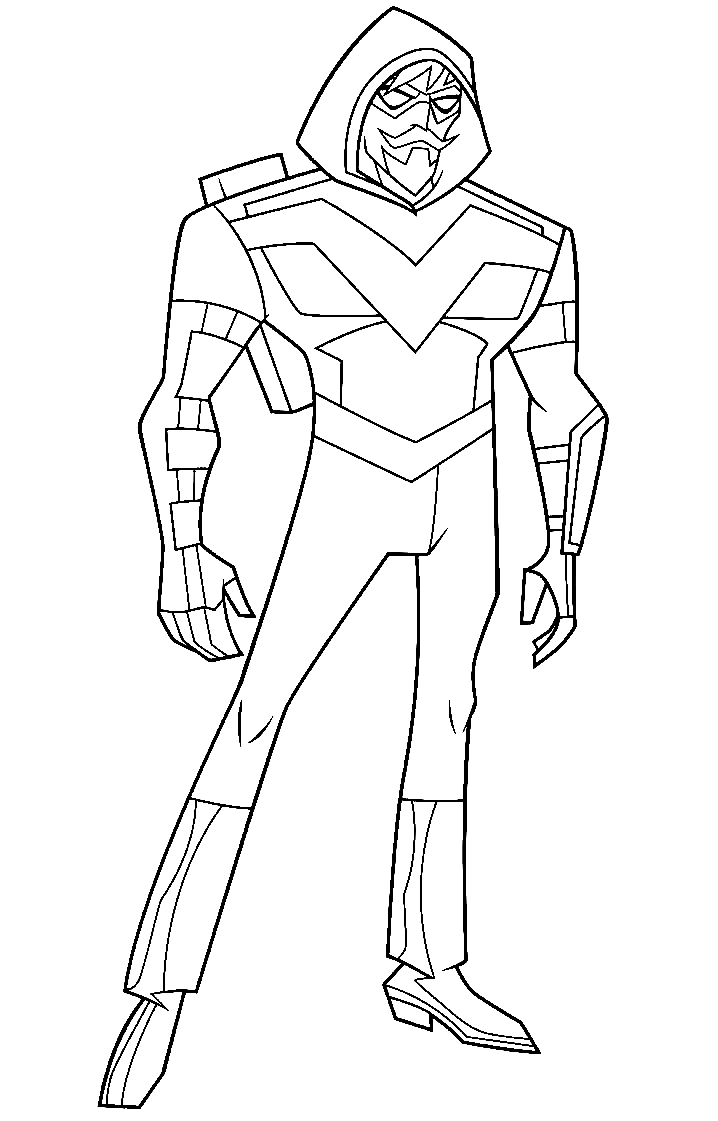
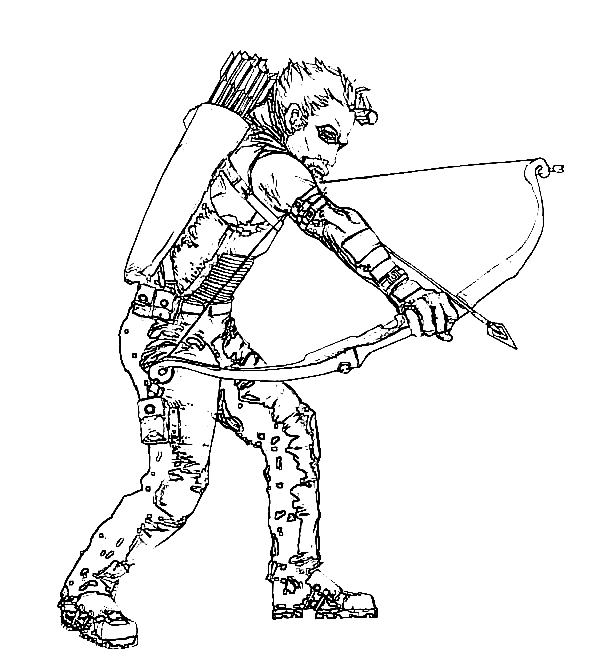
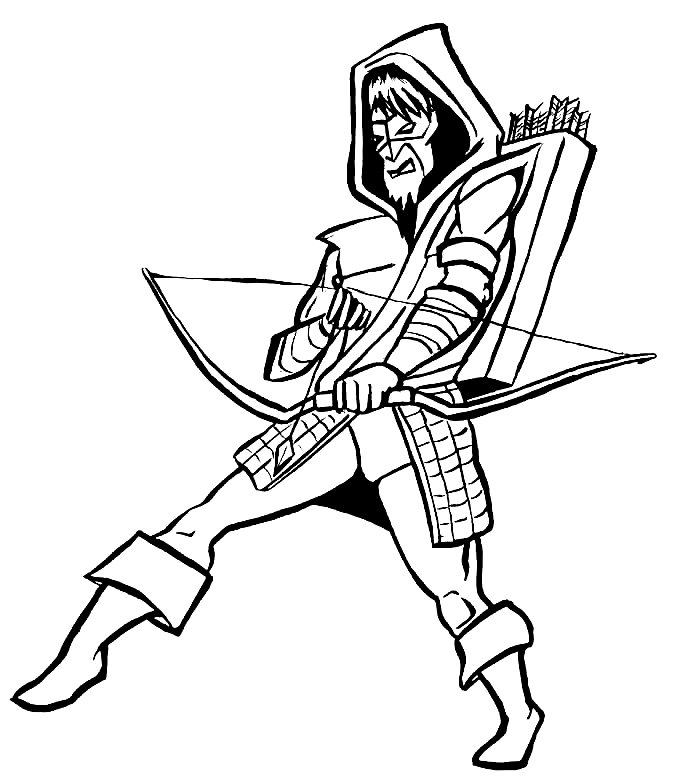

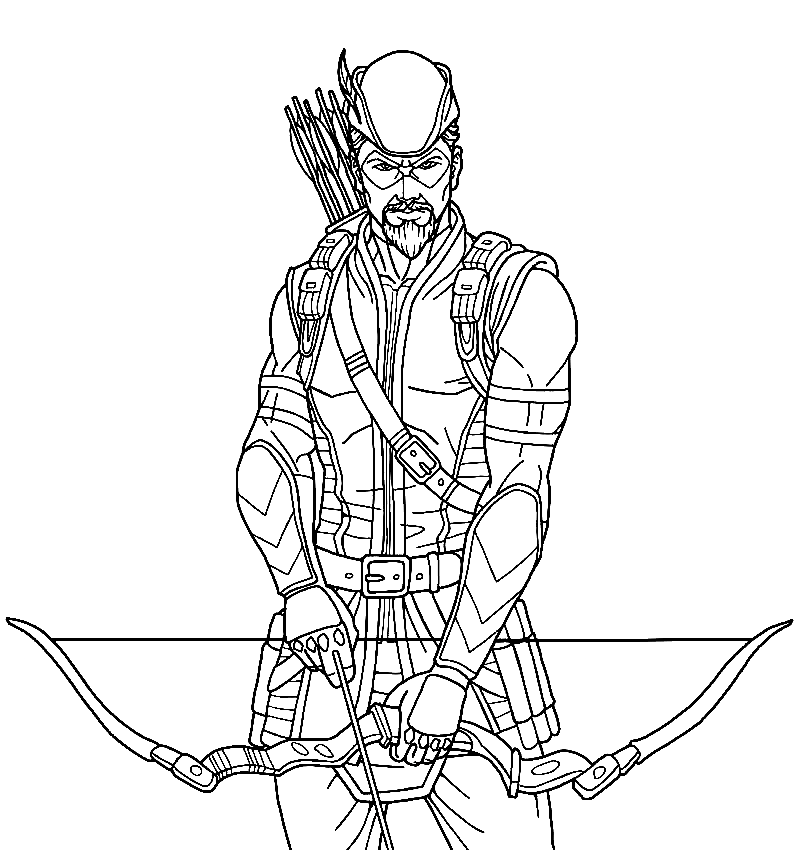
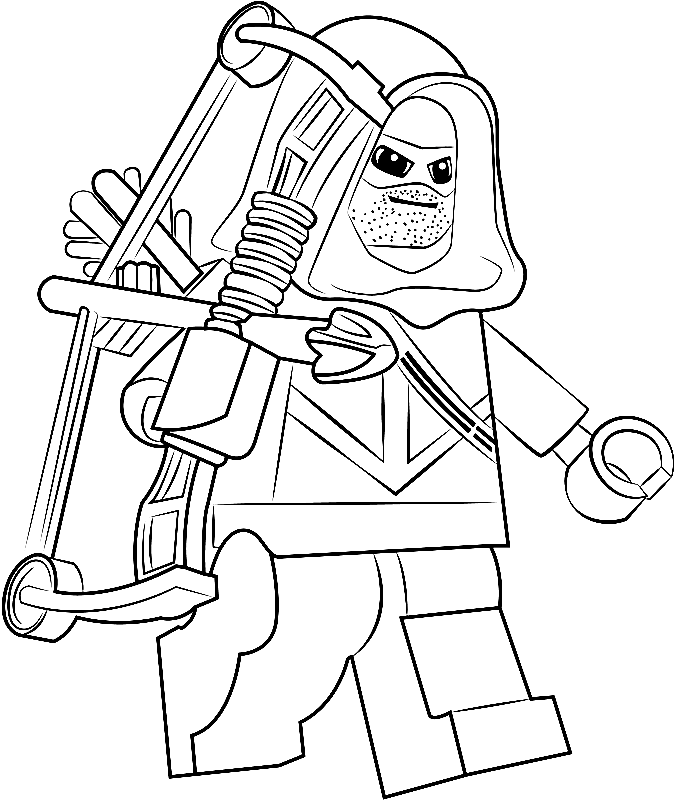
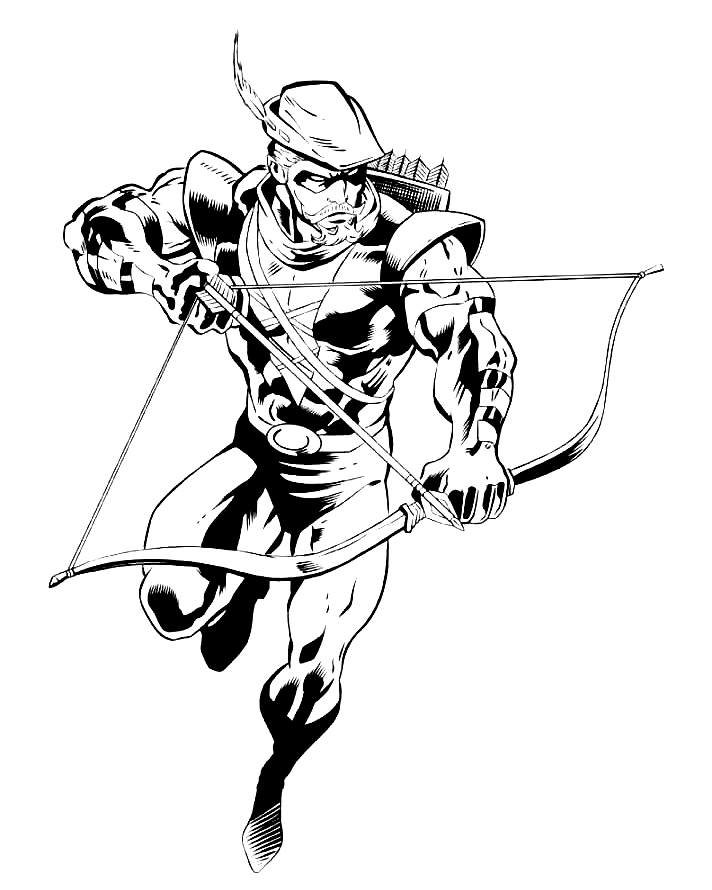
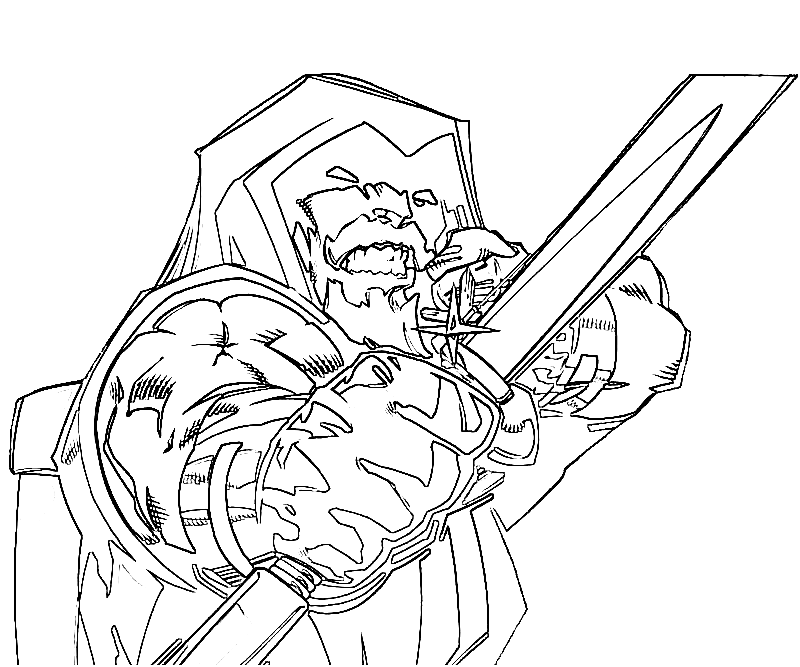
What’s Inside This Collection
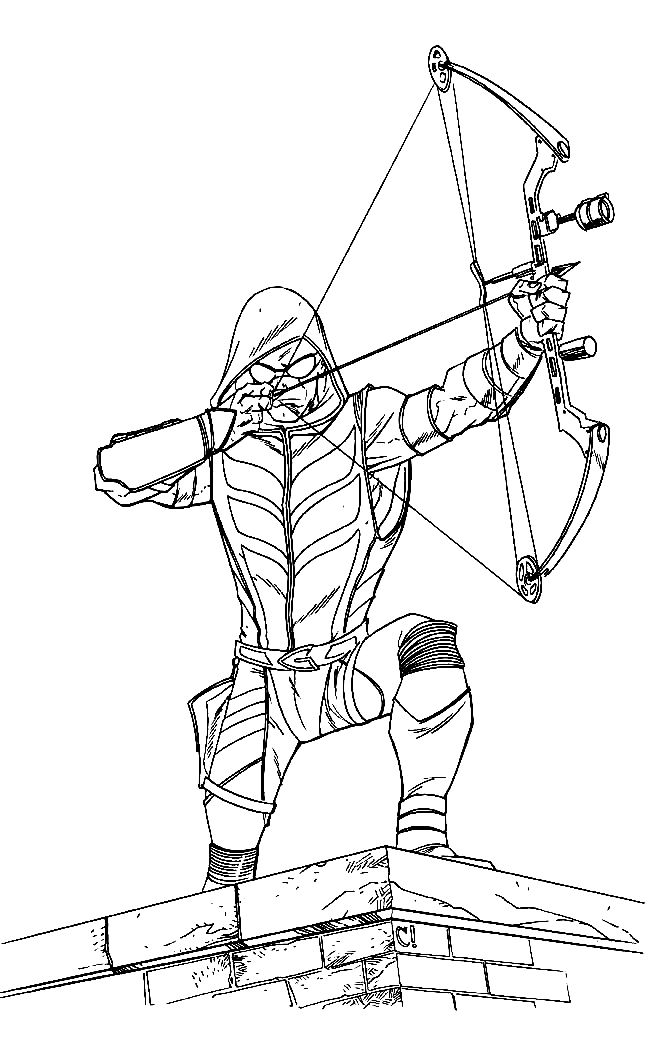
Action poses, comic designs, special versions, and classic portraits fill the 25 pages.
Action and Archery
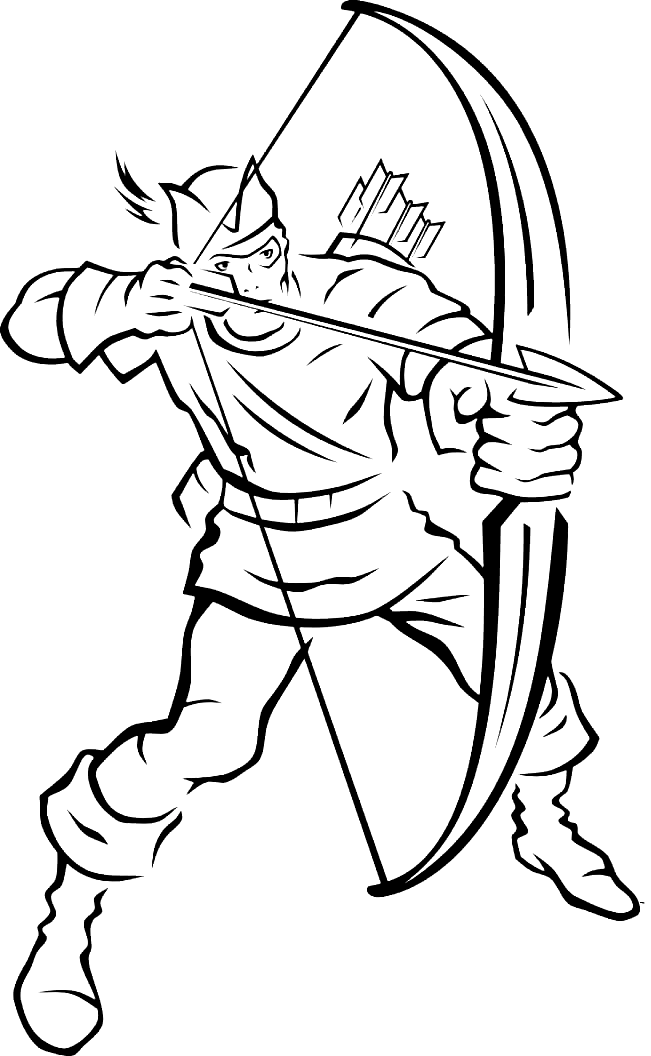
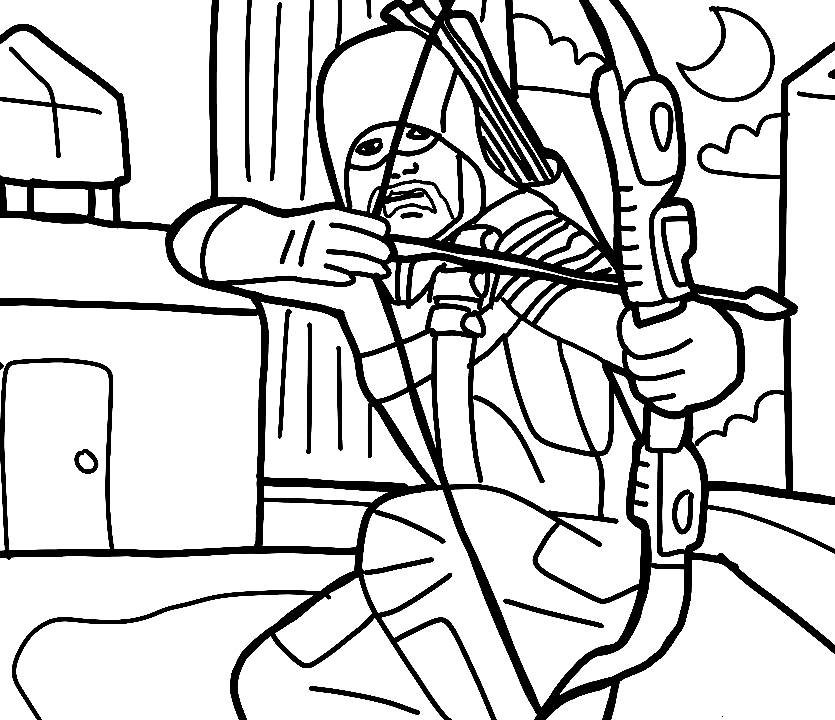
Three pages show Green Arrow shooting and moving into action. Color his suit Forest Green, add a darker Hunter Green on the hood, and make the bowstring a thin Light Gray line.
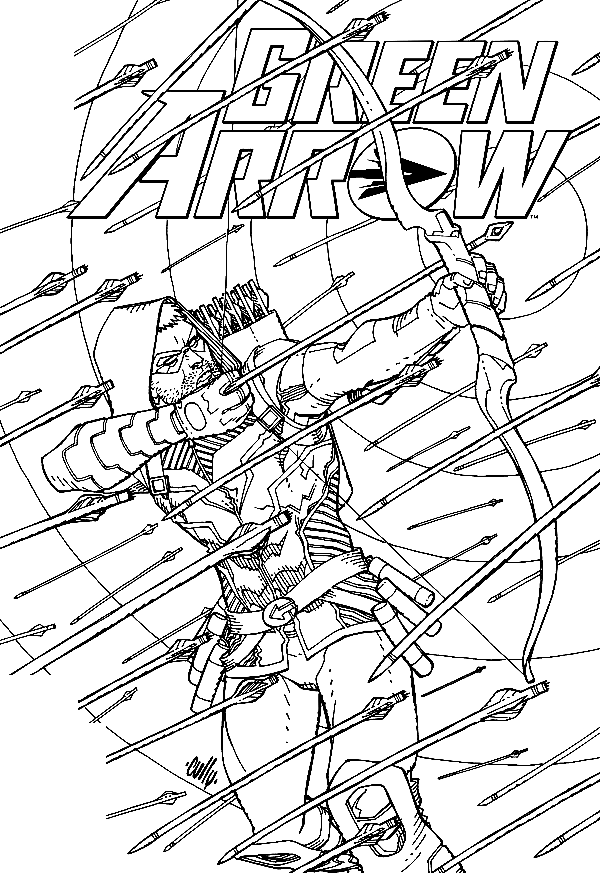
Comic Book Designs
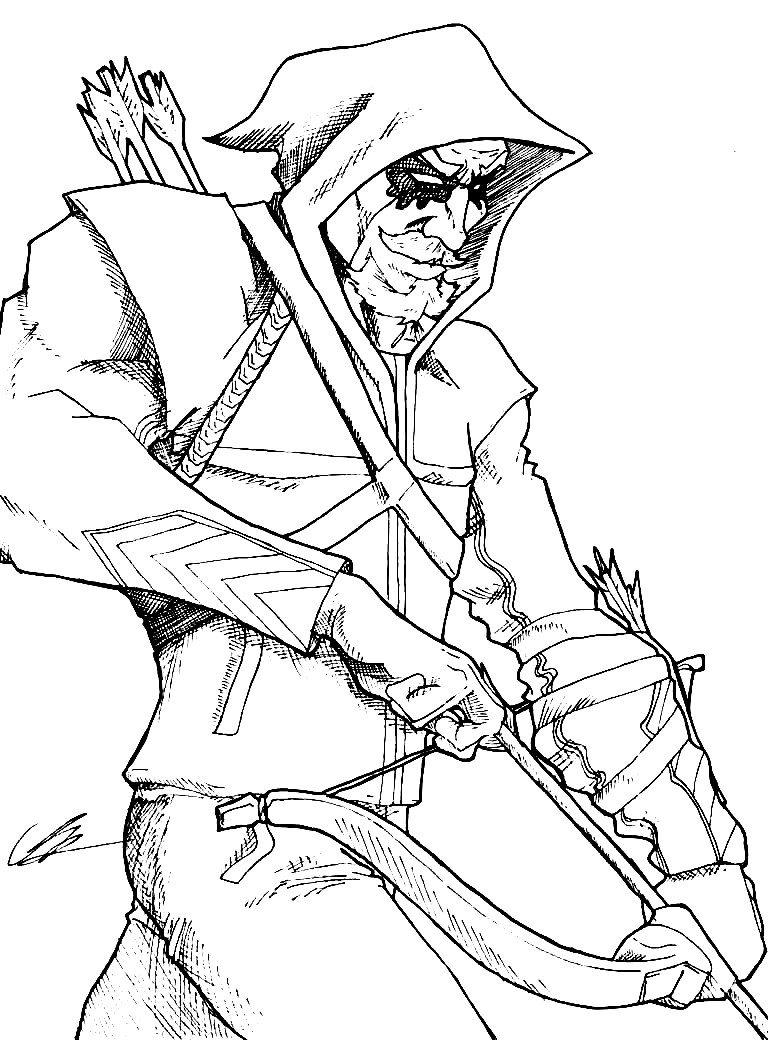
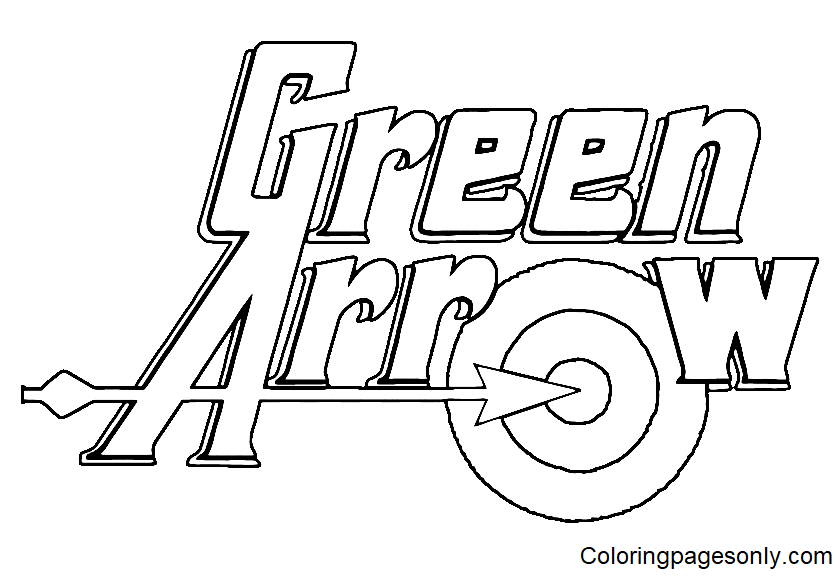
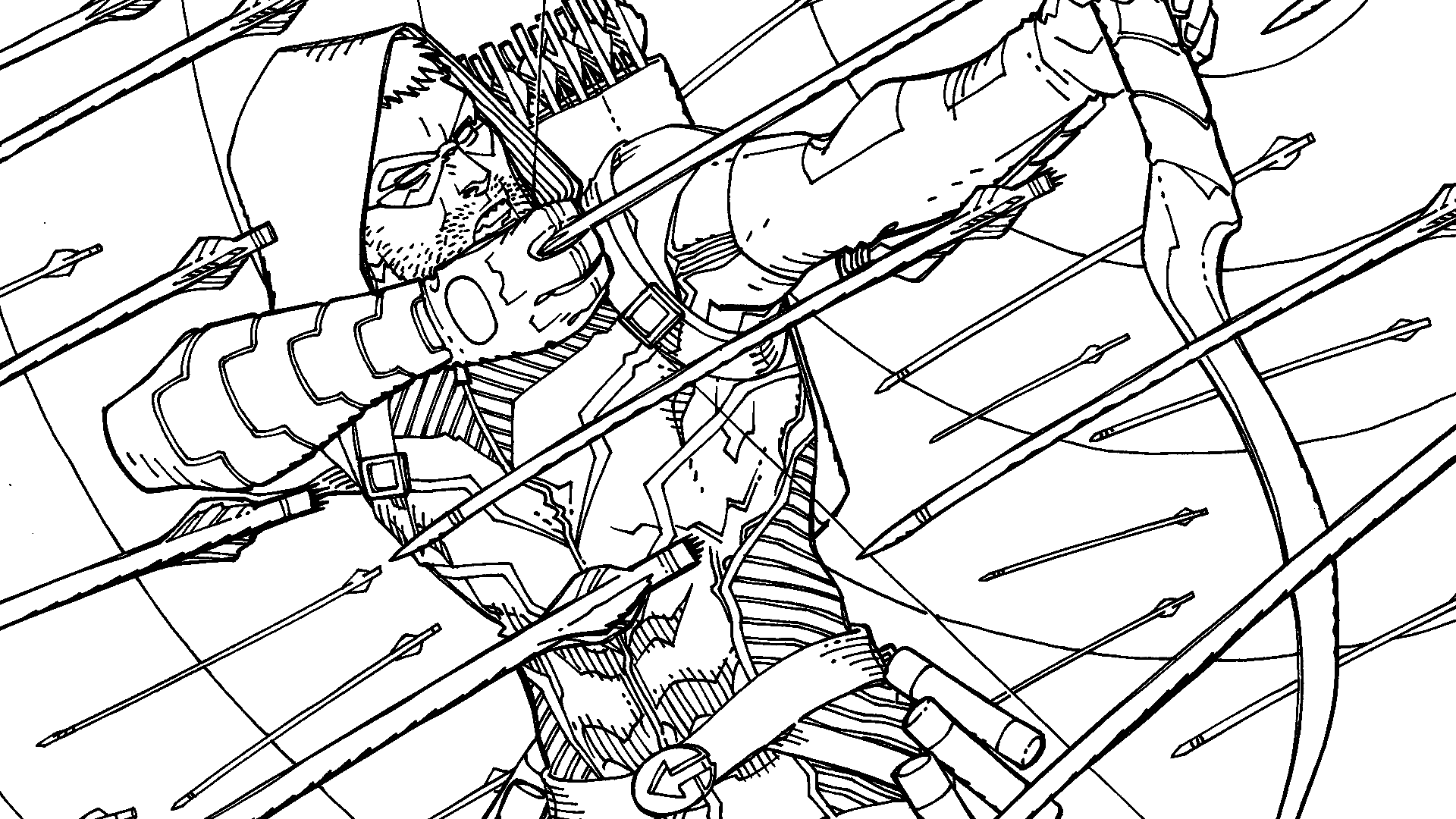
Six sheets feature DC comic panels, comic-style portraits, and the Green Arrow logo. Try bold Kelly Green for the logo with a Black outline and a Yellow burst behind it.
Special Versions
Four designs show Oliver Queen, young Green Arrow, a chibi, and a LEGO minifigure. Give Oliver Blond hair and a short goatee, and color the LEGO version in bright, blocky Green with a Yellow face.
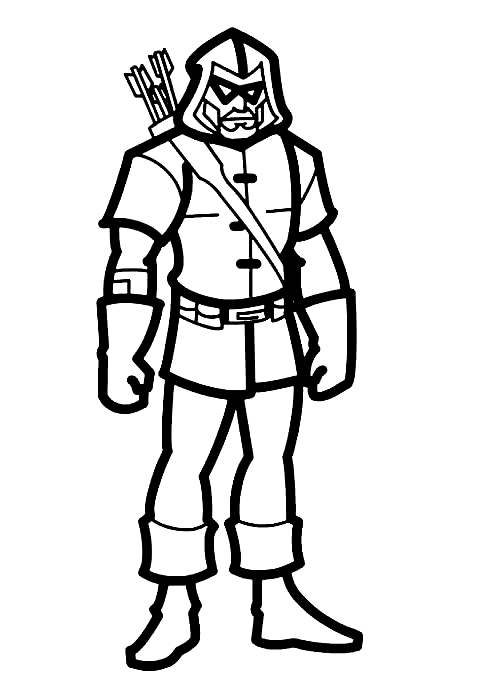
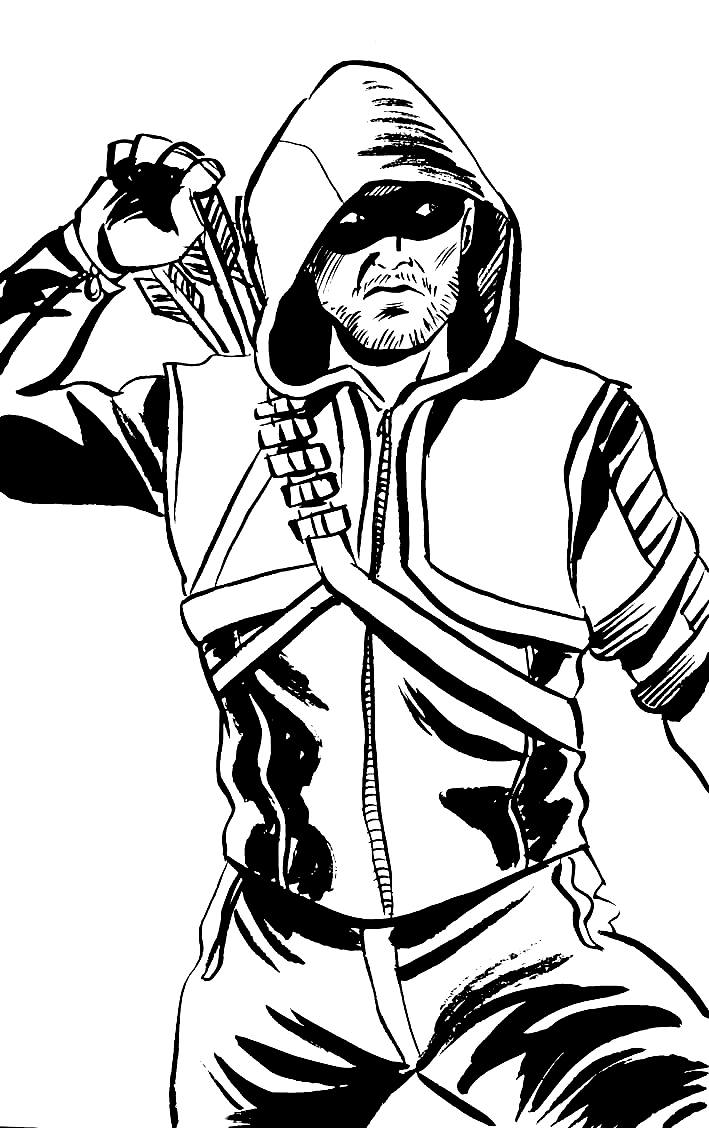
Classic Green Arrow Portraits
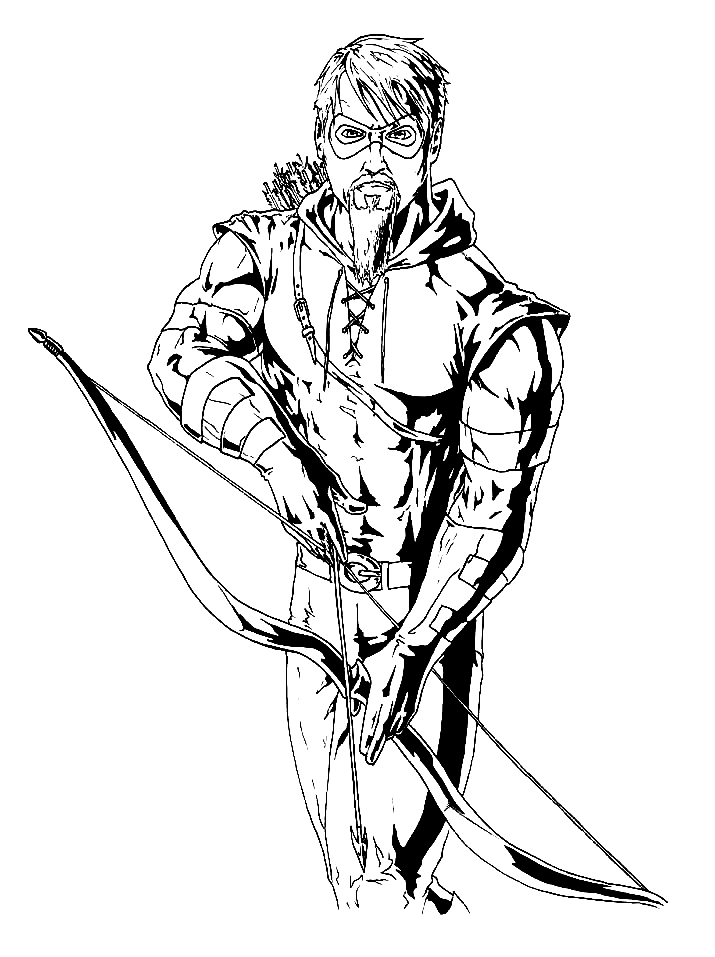
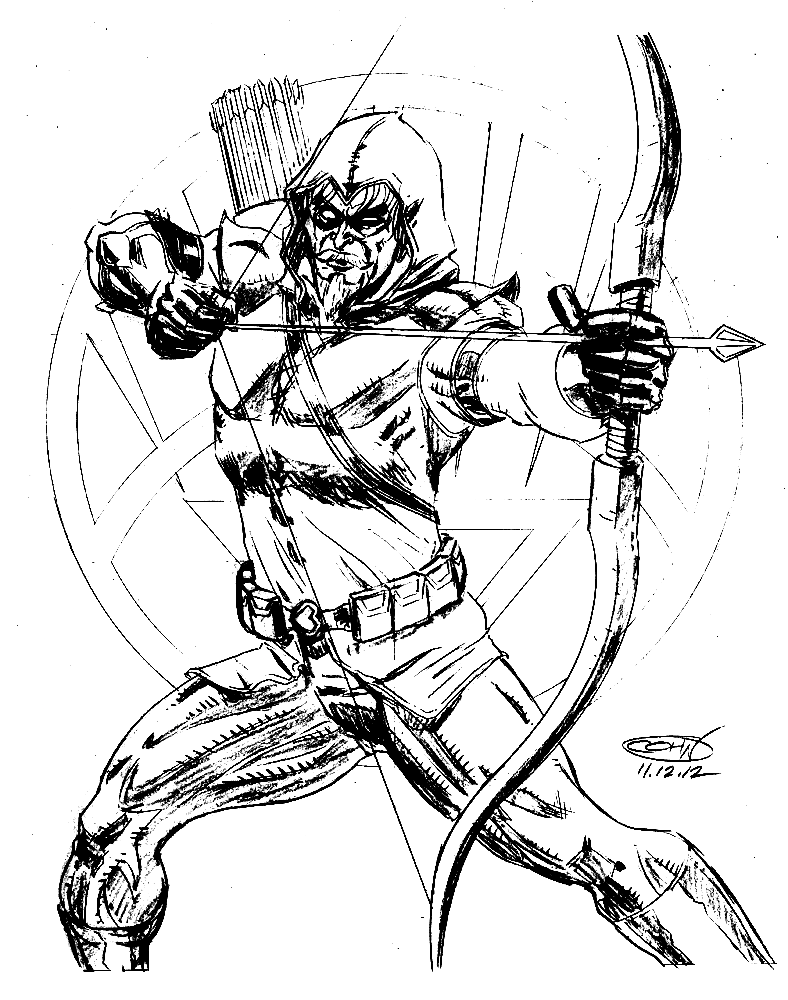
Twelve general pages show the hero standing ready with his bow. These are ideal for practicing smooth shading on the hood and gloves.
What Green Arrow Coloring Pages Do
Showing that skill beats superpowers. Oliver Queen cannot fly, and he is no stronger than a well-trained athlete. He became a hero through practice, focus, and determination, which makes him a great example for kids who think they need special talents to do something amazing. After coloring, children can name one skill they want to improve through practice, like reading, drawing, or a sport, and write it on the back of the page.
Building precision and control. A drawn bow, a straight arrow, and a pointed hood require steady, careful lines. Tracing those shapes exercises the finger control that handwriting depends on, and that control keeps maturing through ordinary crayon time in the grade-school years (American Academy of Pediatrics). Advanced colorists can practice blending light and dark greens to show folds in his costume.
Creating calm, focused time. Archery depends on staying calm before releasing an arrow, and coloring can build the same habit. In a 2005 Art Therapy report, psychologists Curry and Kasser found that guided, repeating outlines soothed participants more than a blank page. A Green Arrow page gives kids a few quiet minutes to breathe, aim their attention, and finish one section at a time.
Connecting comics to classic legends. Green Arrow was inspired by Robin Hood, the legendary archer who helped people in need. Families can share a short Robin Hood story after coloring and compare the two heroes: their bows, their green outfits, and their sense of fairness. This turns a comic character into a doorway to classic literature.
How to Color Green Arrow Pages Well
- Layered greens: Start with a light Green base over the whole suit, then add Forest Green in the folds. This makes the costume look three-dimensional instead of flat.
- Hood shadow: Darken the inside of the hood with Hunter Green or Charcoal. The shadow frames his face and gives him a mysterious look.
- Bow and arrows: Color the bow Dark Brown or Black, and keep arrow shafts a light Tan. Add small Red or Yellow tips to show special trick arrows.
- Skin and goatee: Use a warm Peach for skin and add a Blond goatee with short strokes. Lighter strokes near the edges make the beard look natural.
- Quiver details: Color the quiver Brown leather with thin, darker lines for stitching. Leave a few arrow feathers White so they stand out.
- City background: Add a Navy night sky and Gray buildings behind him. A few Yellow windows make Star City feel alive.
5 Creative Craft Ideas With Green Arrow Coloring Pages
1. Paper Bow and Arrow Display
Color a Green Arrow page, then make a small paper bow using a bent strip of card and a string. Tape it next to the hero for a 3D display that kids can show friends.
2. Robin Hood Comparison Poster
Color Green Arrow and draw or print a Robin Hood picture beside him. Kids can list three ways the heroes are alike and three ways they are different.
3. Trick Arrow Invention Cards
Color the action pages and design new trick arrows on index cards, maybe one that blows bubbles or one that lights up like a lantern. Kids can describe how each arrow would help in a rescue.
4. Justice League Gallery
Arrange the colored archer beside other finished DC heroes across a corkboard. Add each hero’s name and special skill underneath.
5. Archer’s Bookmark
Snip the colored chibi archer free and glue him to one end of a slim green card rectangle. Draw a simple arrow down the strip so it points to the reader’s page.
Frequently Asked Questions
What are Green Arrow coloring pages?
There are 25 free printable sheets of DC’s Green Arrow, featuring action poses, comic designs, Oliver Queen, a LEGO version, and a chibi. Paper copies and browser coloring are both free.
Who created Green Arrow?
Mort Weisinger and George Papp created Green Arrow for DC. He debuted in More Fun Comics #73 in 1941.
Who is Green Arrow’s secret identity?
Green Arrow is Oliver Queen, a wealthy businessman from Star City. He learned archery while stranded on an island before becoming a hero.
Does Green Arrow have superpowers?
No. He relies on expert archery, martial arts, and a collection of trick arrows, which makes his skills the result of training.
What are trick arrows?
Trick arrows have special tips, such as boxing gloves, nets, or smoke. Green Arrow uses them to stop villains without always causing harm.
Who are Green Arrow’s allies?
He often teams up with Black Canary and his sidekick Speedy. He is also a member of the Justice League.
What age are Green Arrow coloring pages for?
Kindergartners can start with the chibi and LEGO sheets, while comic designs fit fans up to about 12. The Arrow TV series itself targets teen and grown-up viewers.
Who played Green Arrow on TV?
Stephen Amell played Oliver Queen in Arrow from 2012 to 2020. The show launched several other DC series on The CW.
Start Coloring
Choose an action shot, the LEGO hero, or the comic logo, print it, or shade the green suit on a tablet, account-free. Junior archers can share each completed hero on Facebook or Pinterest.