Iran Coloring Pages
 By:
Jennifer Thoa - Content Editor & Designer
Updated:
By:
Jennifer Thoa - Content Editor & Designer
Updated:
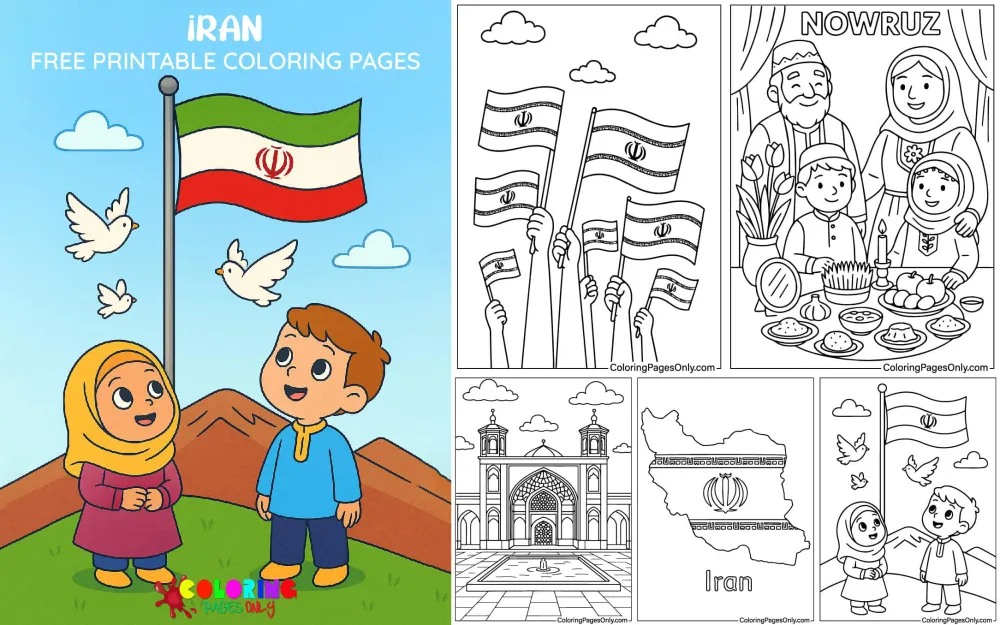
Free Iran Coloring Pages: 34 printable PDF designs featuring Iranian landmarks, festivals, and everyday life, from the ancient ruins of Persepolis to the tiled domes of Isfahan and the mudbrick streets of Yazd. Every page can be downloaded as a PDF to print or colored online in the browser, with no account required.
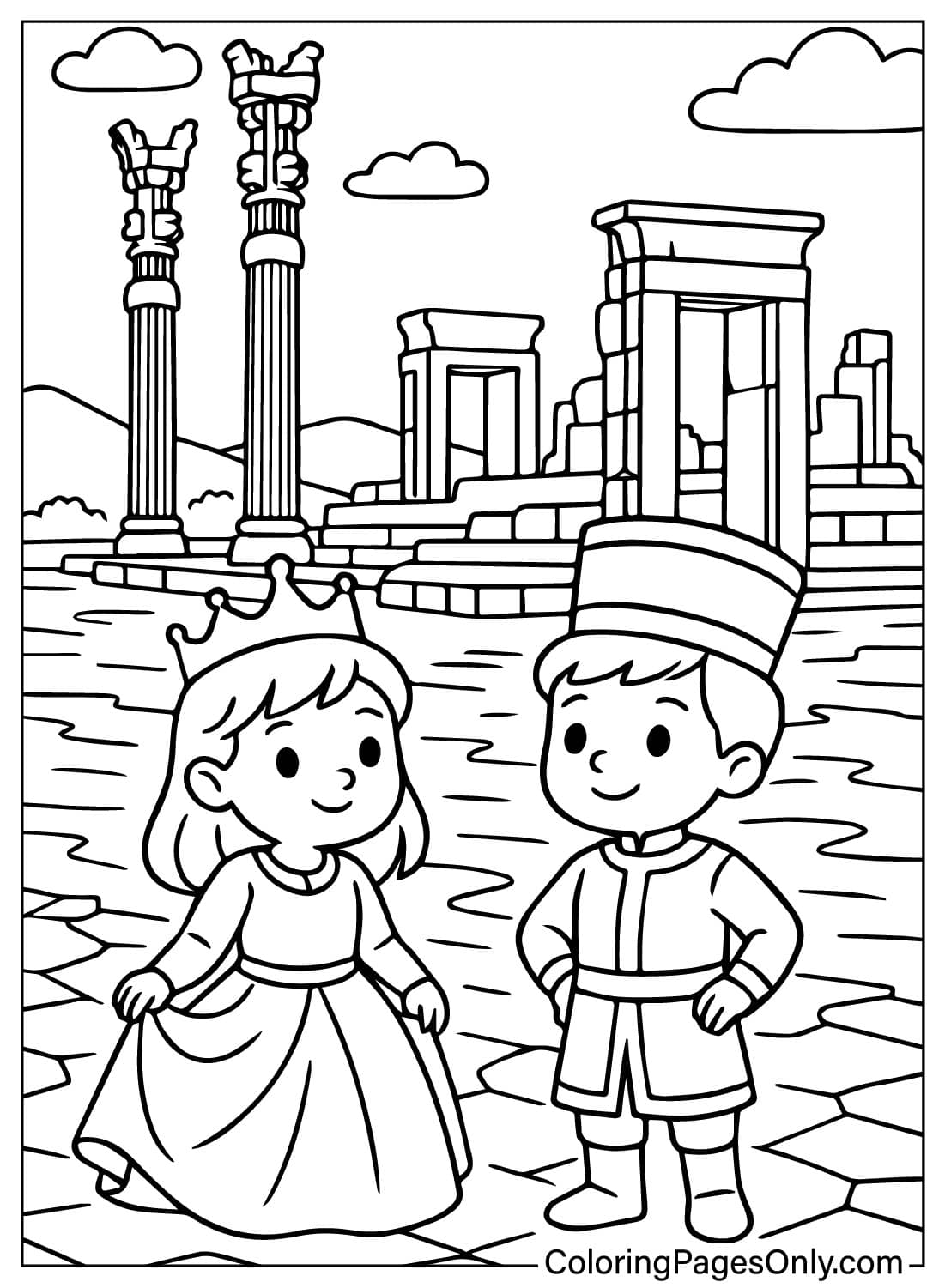
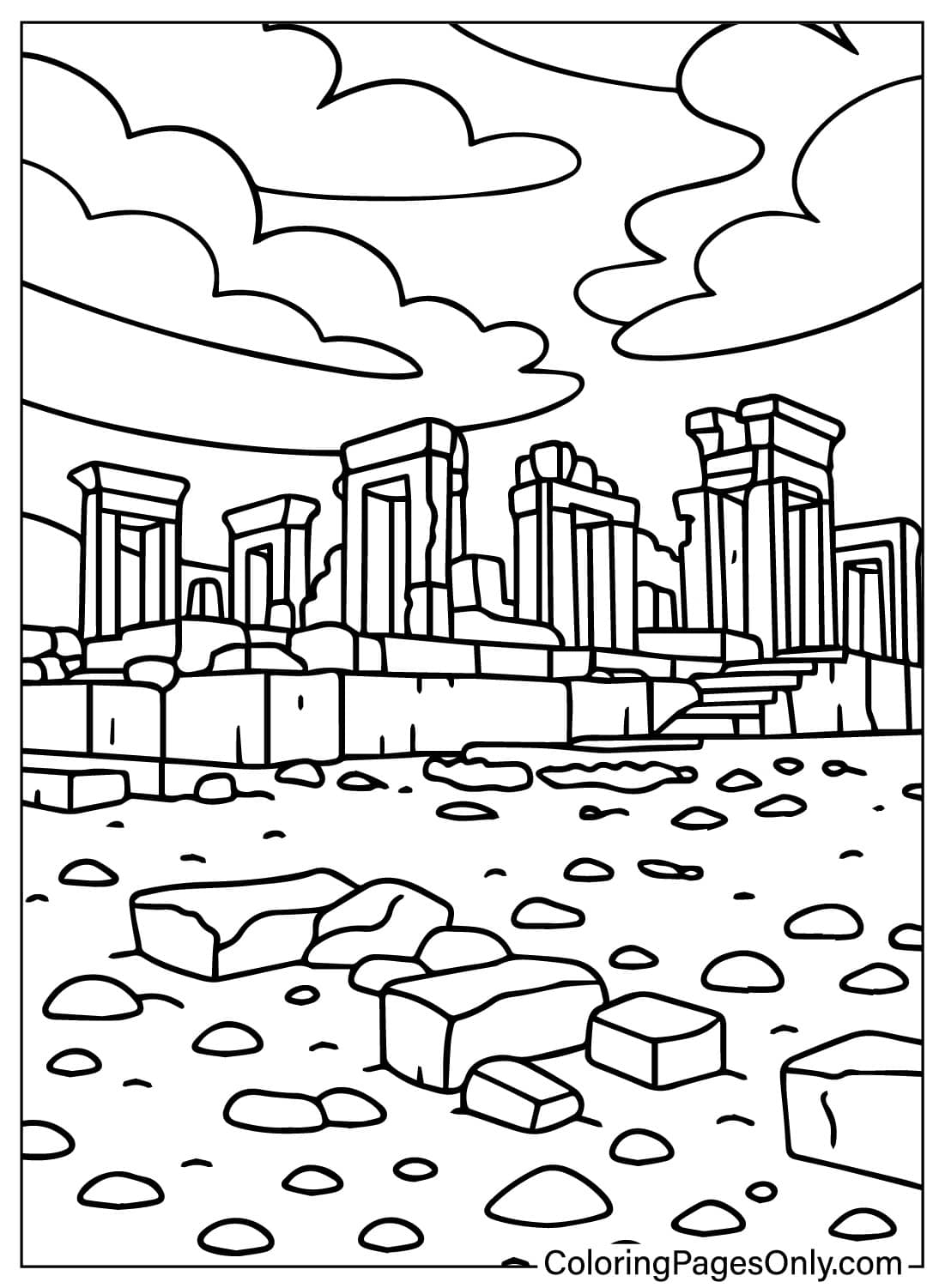
Persepolis, one of the most recognizable ancient sites in this collection, was founded by the Persian king Darius I in 518 BCE as the ceremonial capital of the Achaemenid Empire. Built on a massive stone terrace and expanded by his successors, the city stood for nearly two centuries before Alexander the Great’s forces destroyed much of it in 330 BCE. Its ruins were named a UNESCO World Heritage Site in 1979 and remain one of the most studied archaeological sites in the world.
With 34 pages spanning ancient history, religious architecture, festivals, and daily life, the set gives colorists a broad introduction to Iranian culture and history.
What Is Inside This Collection
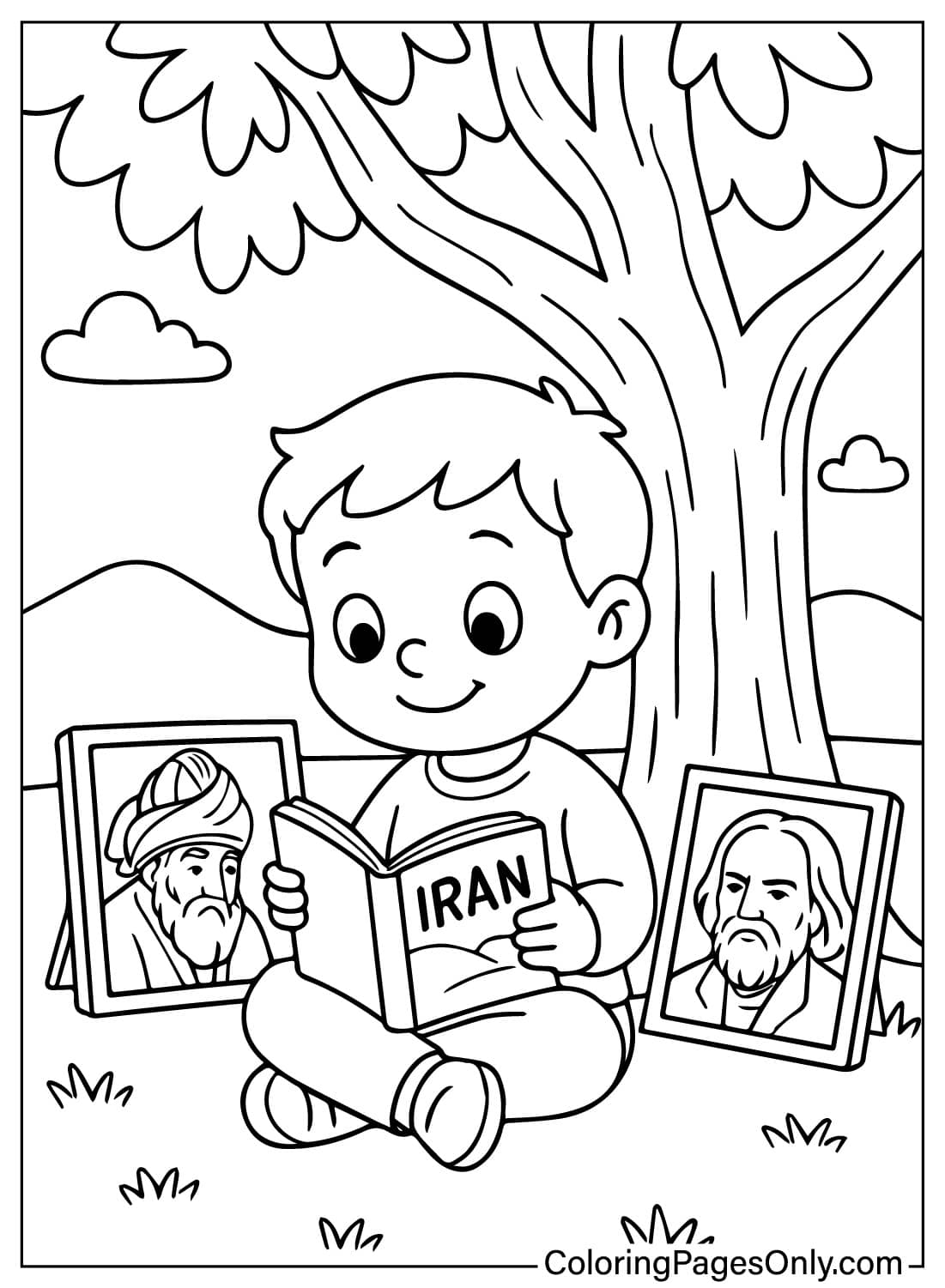
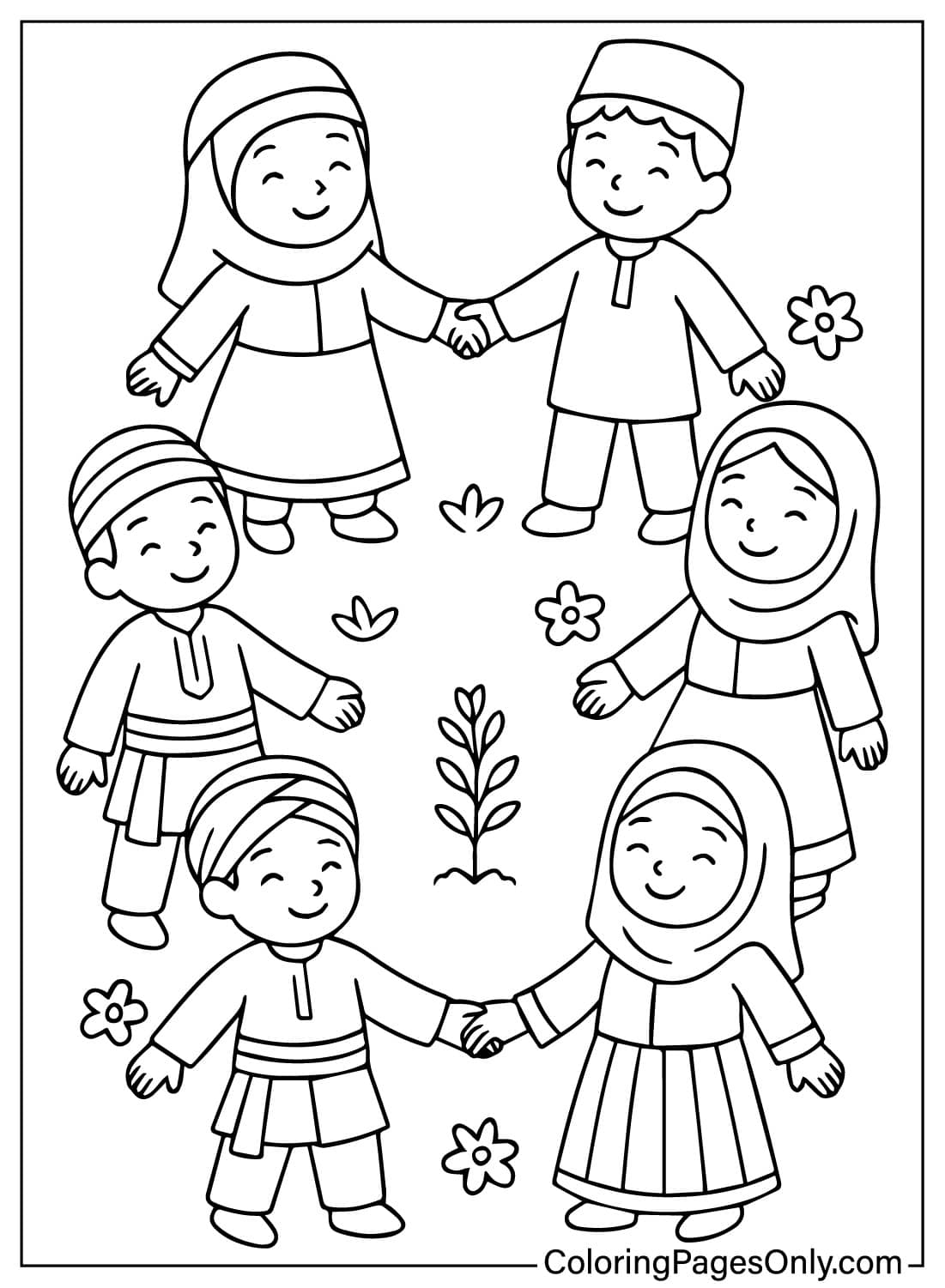
The 34 pages are grouped by subject, from historic landmarks through daily life, festivals, and symbolic designs.
Landmarks and Architecture
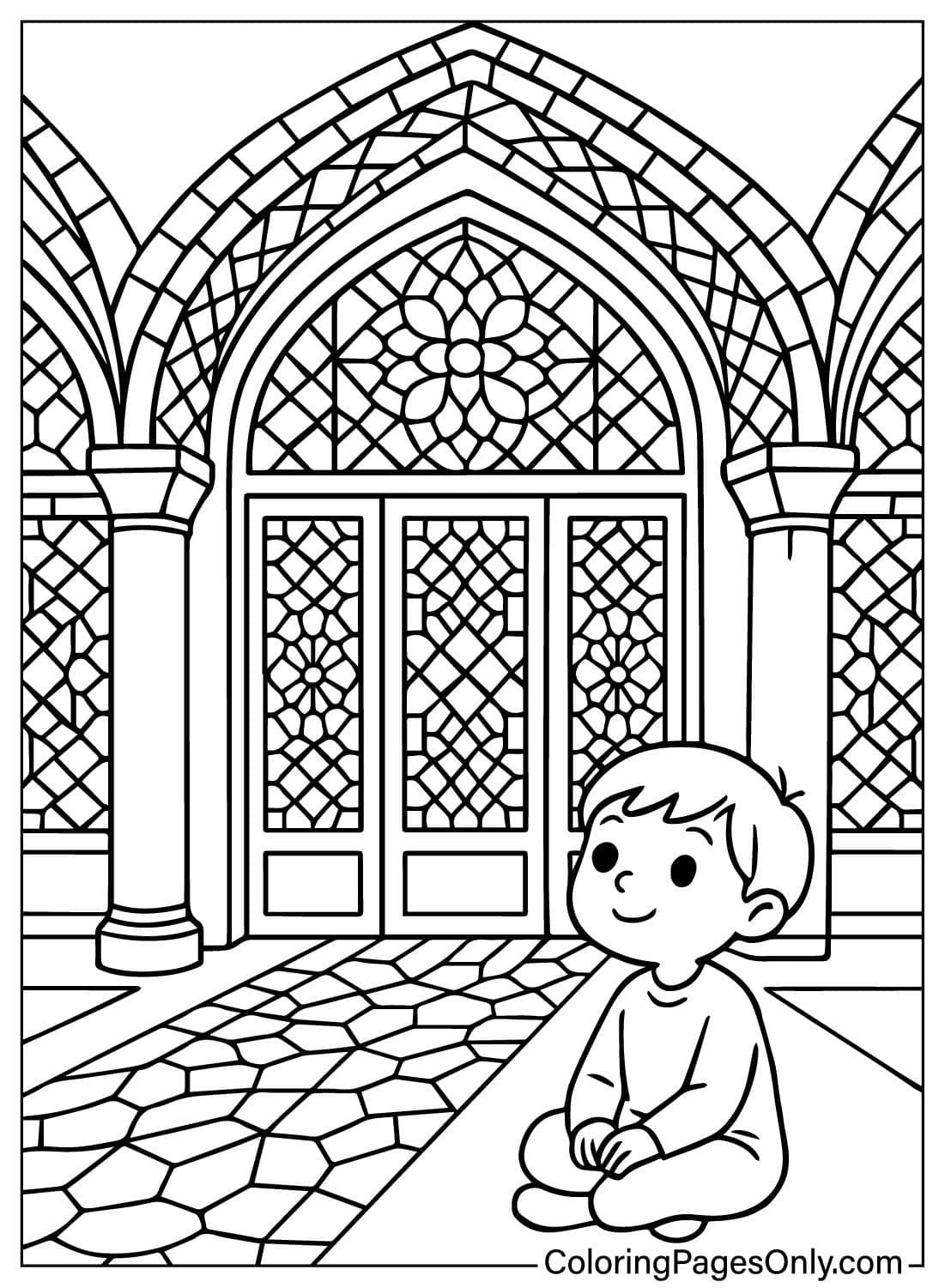
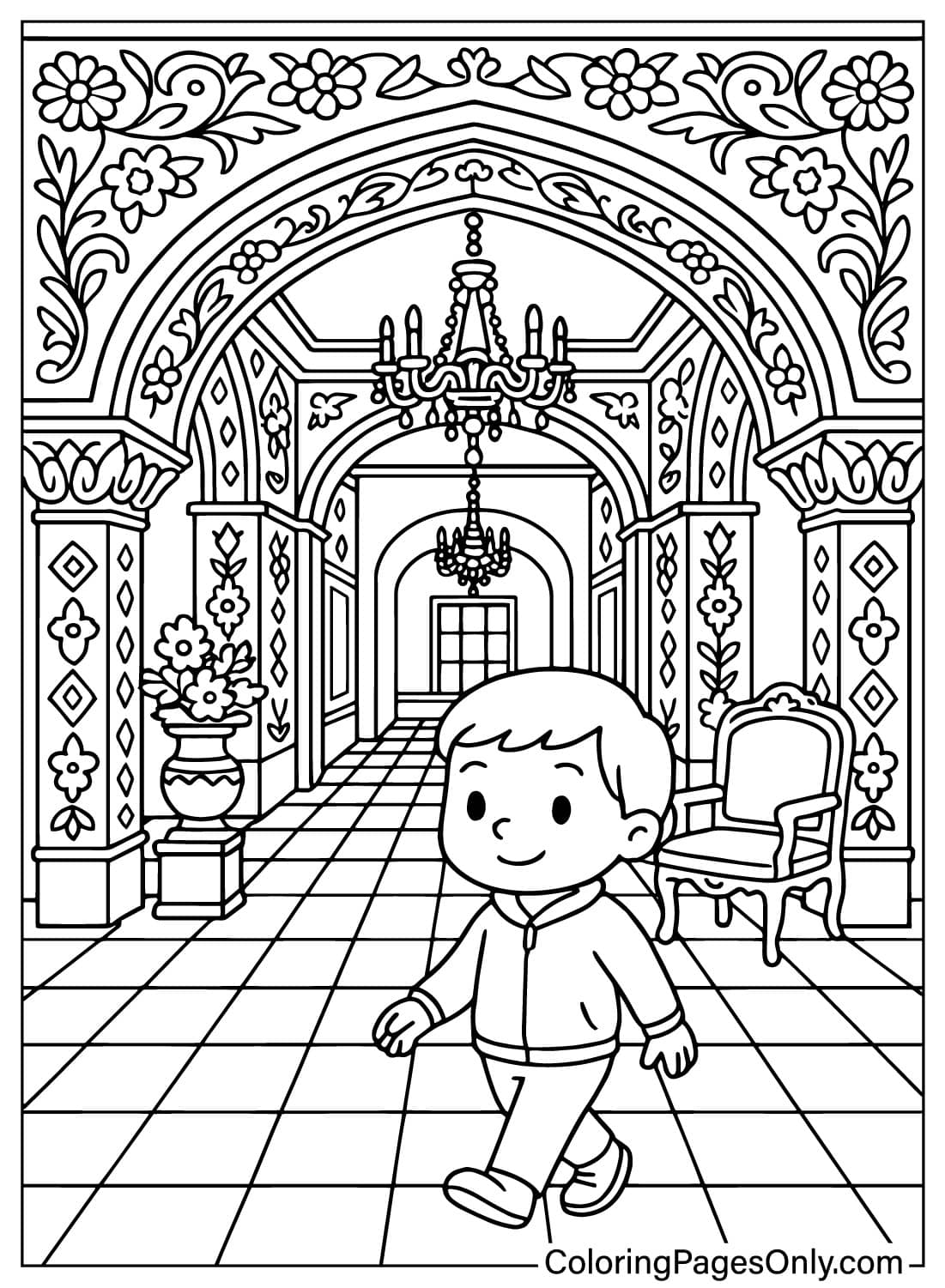
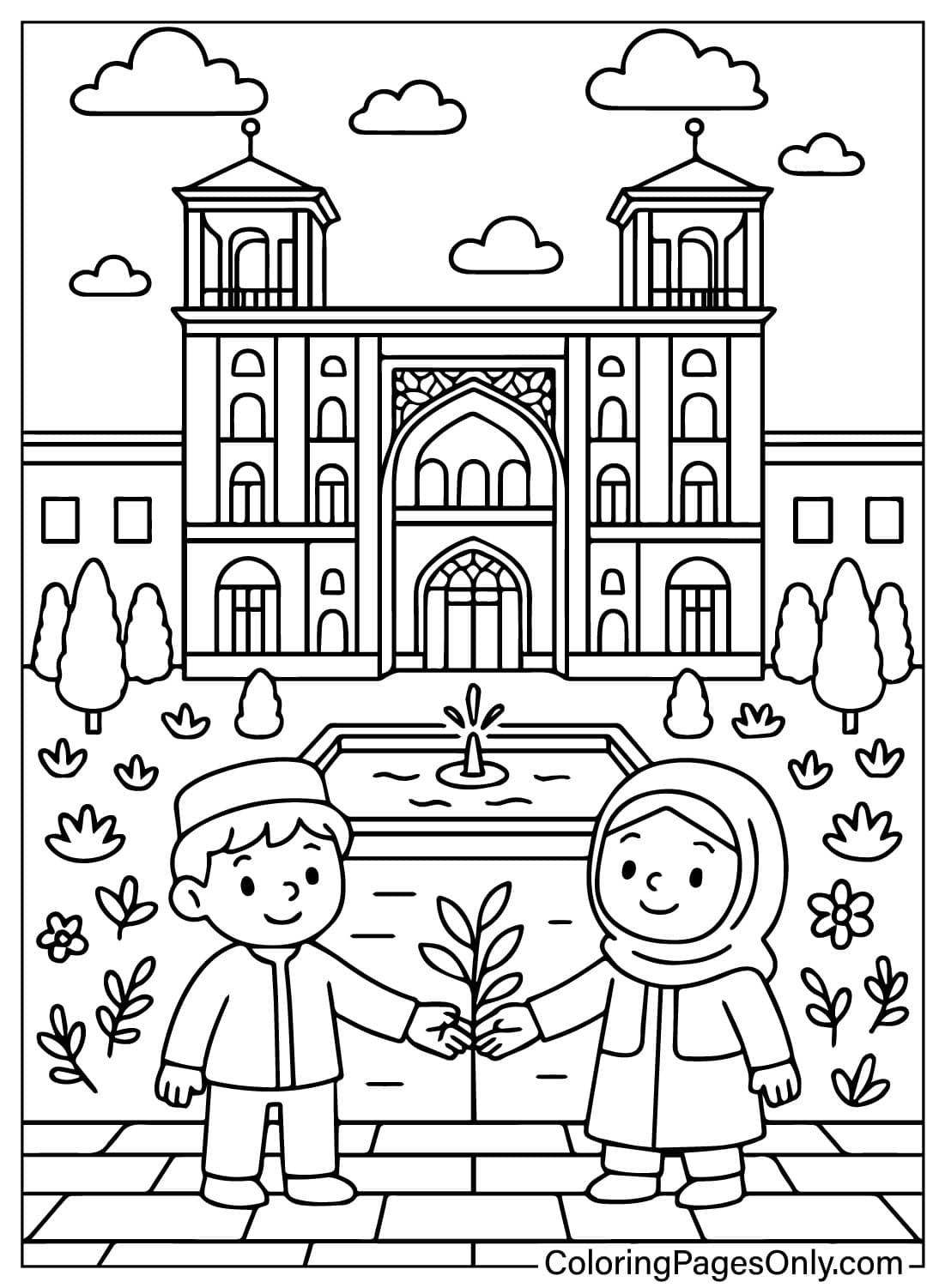
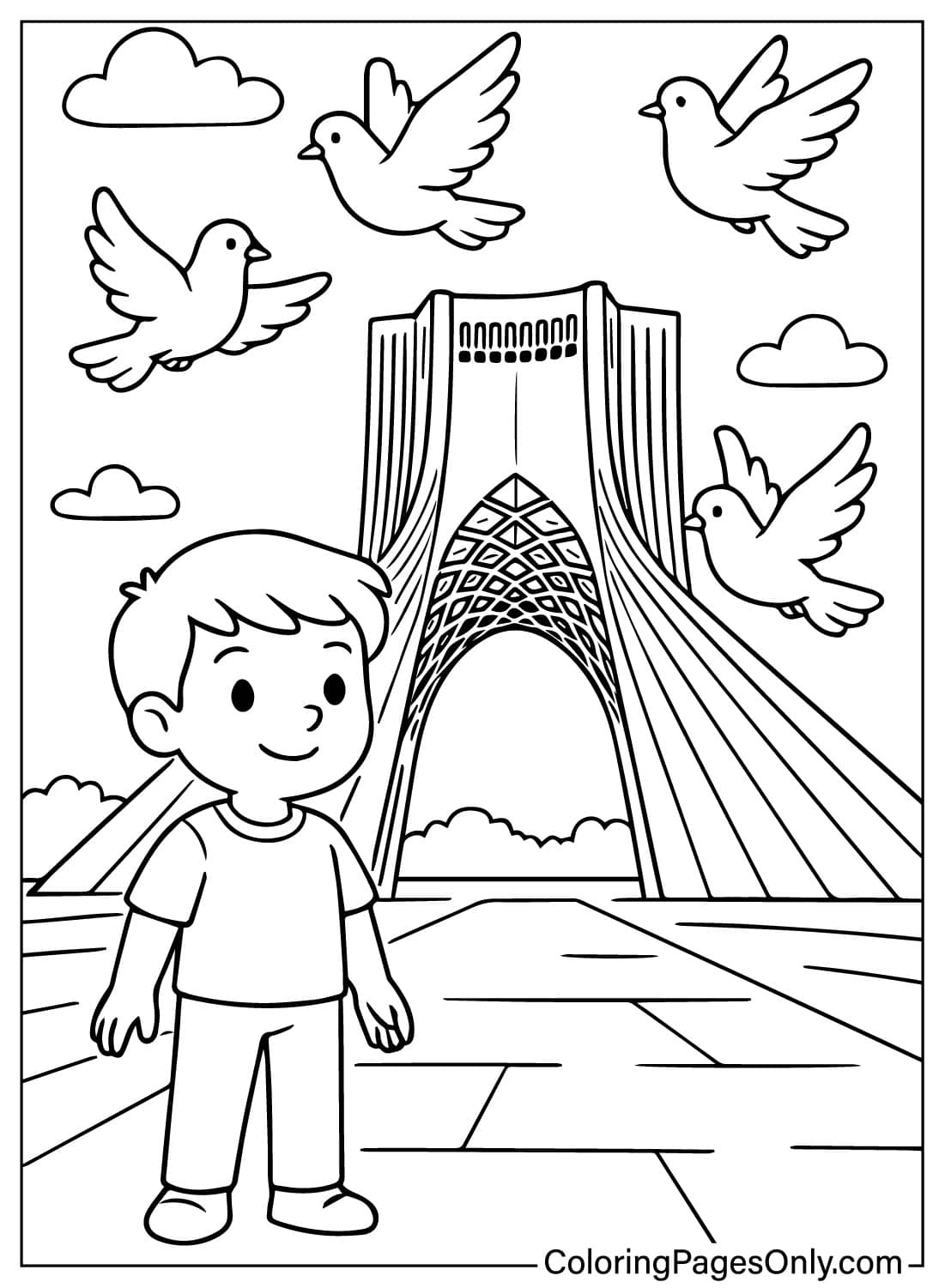
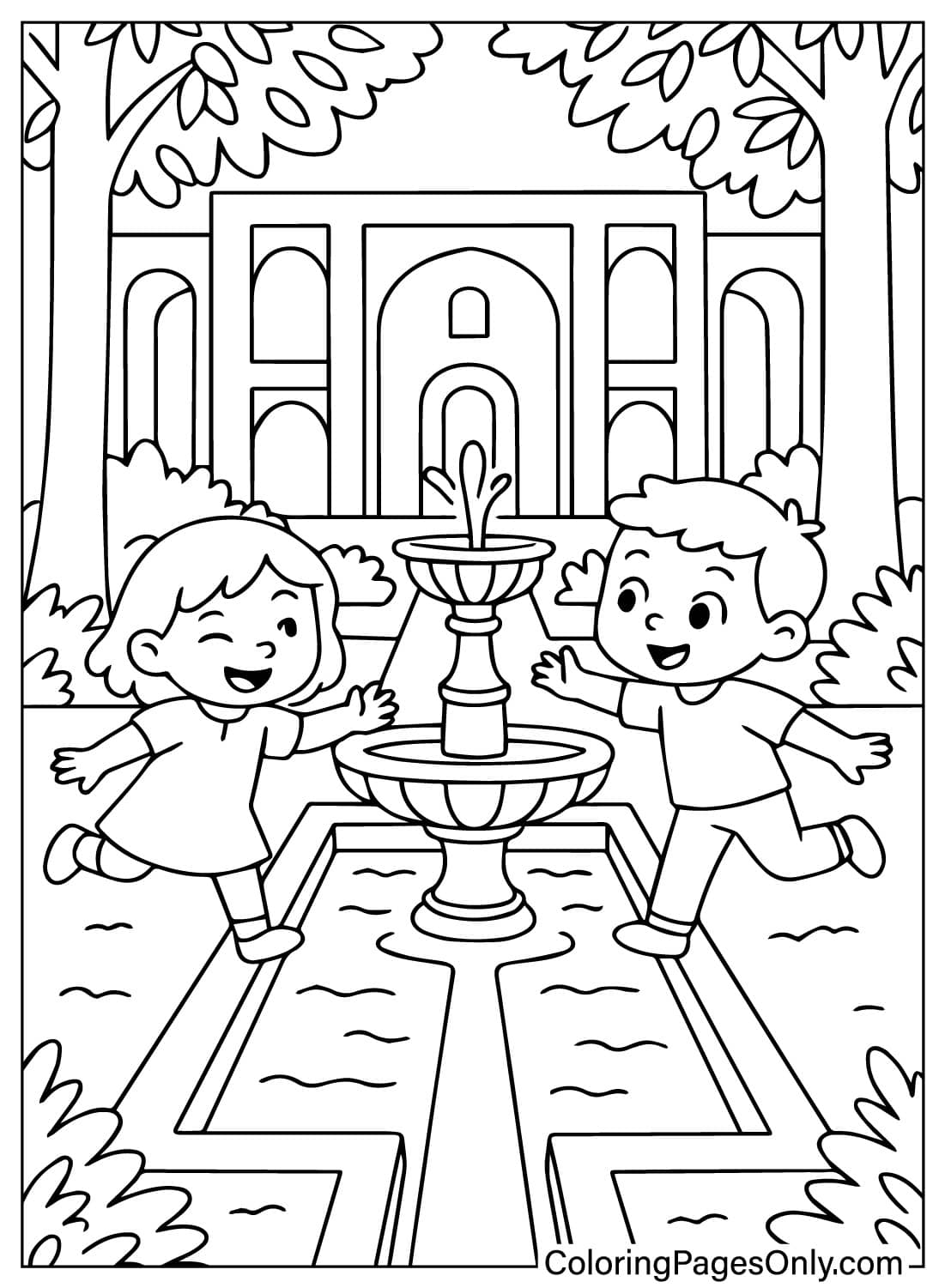
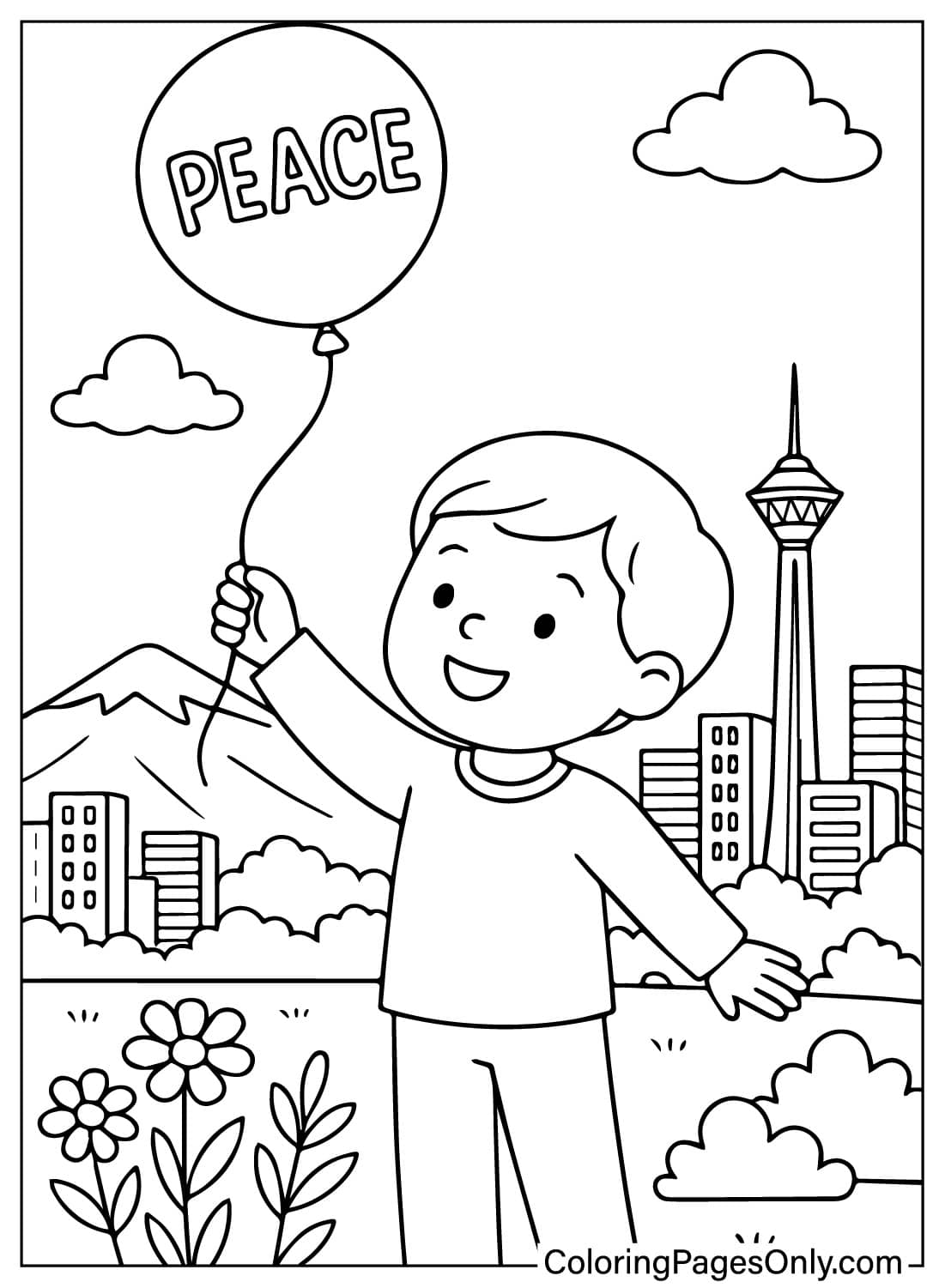
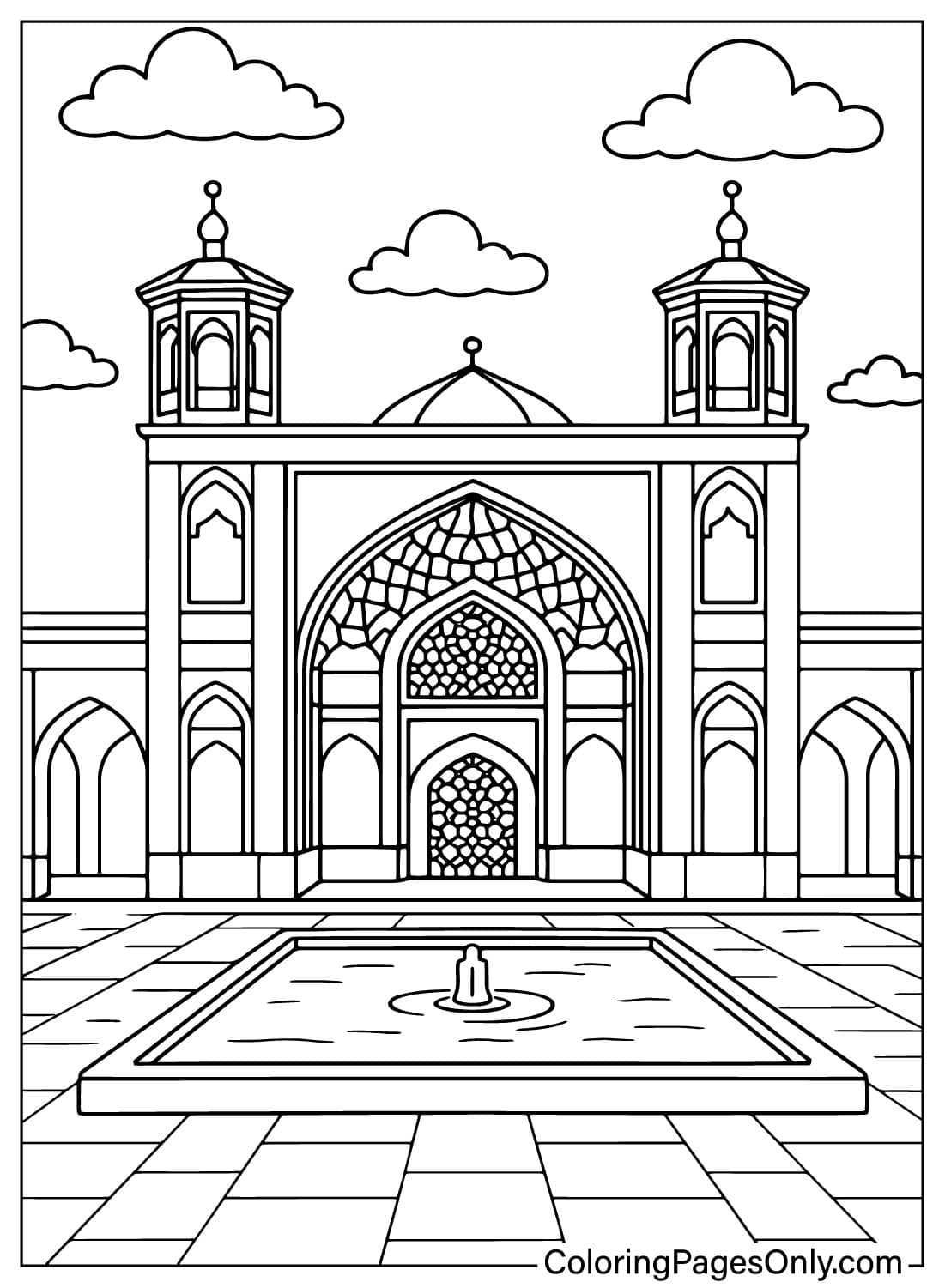
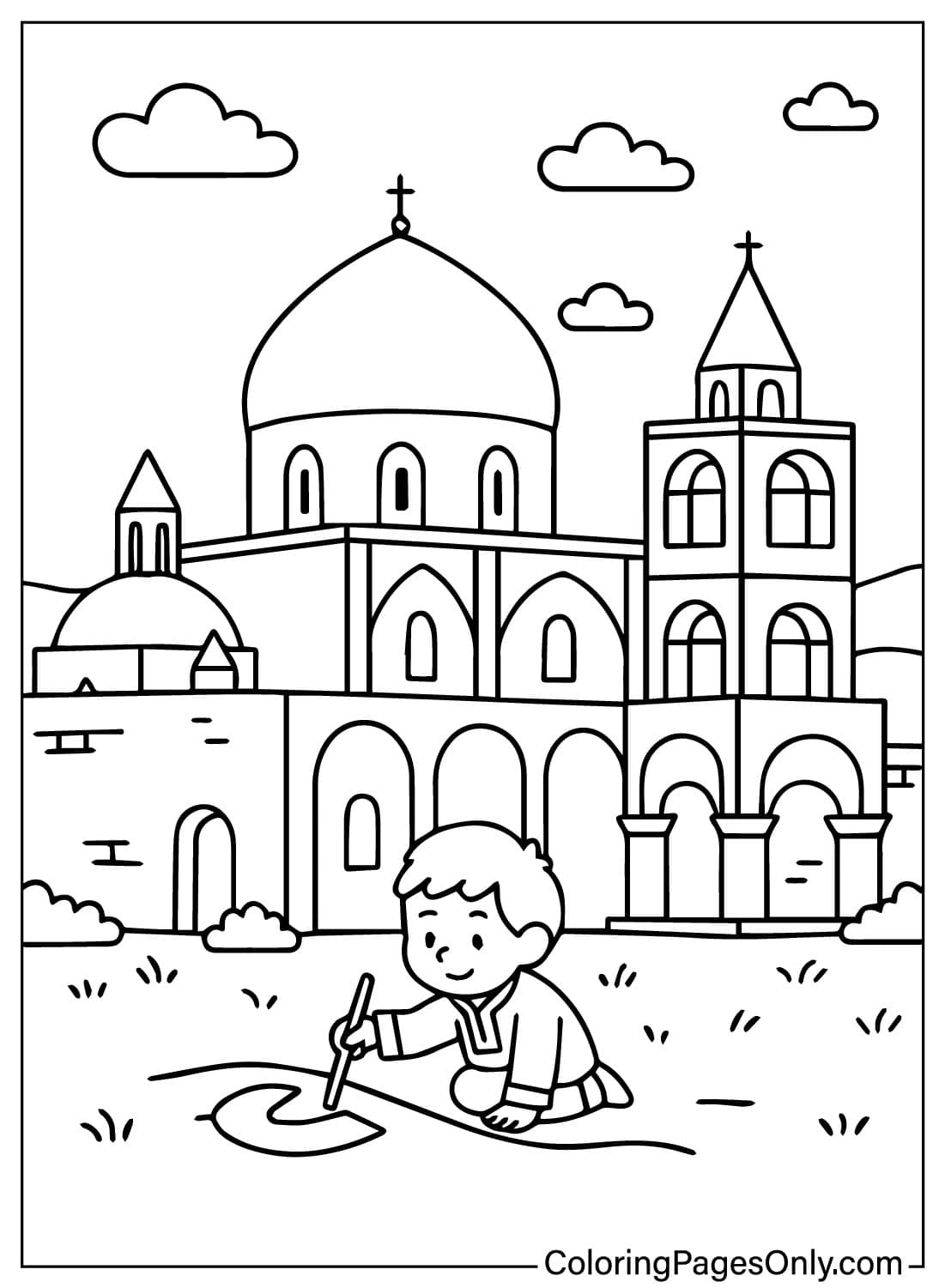
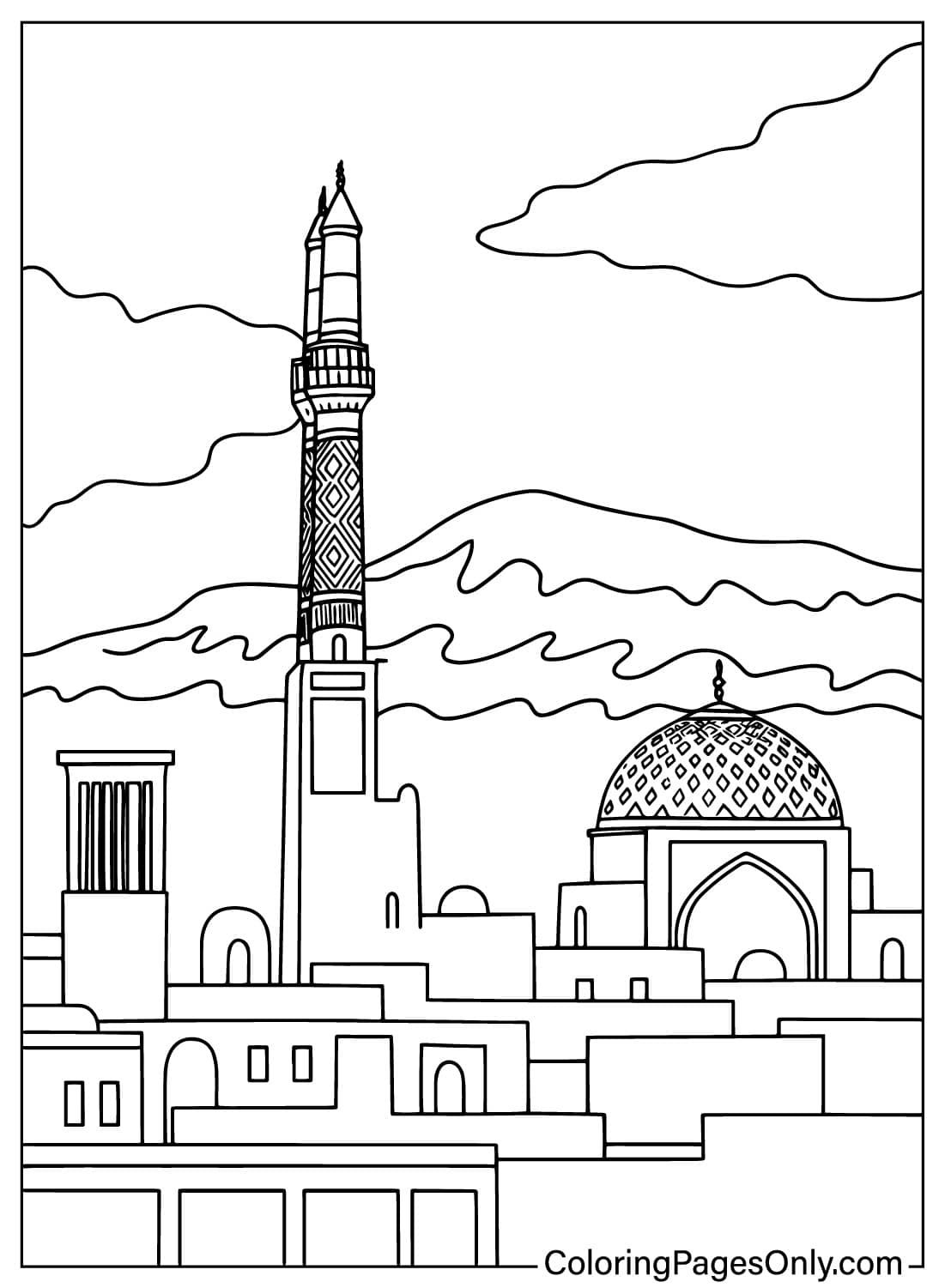
Twelve pages feature notable sites, including the ruins of Persepolis, the Nasir al-Mulk Mosque known for its stained glass windows, Golestan Palace, the Azadi Tower in Tehran, Vank Cathedral in Isfahan, the mudbrick architecture of Yazd, and Baq-e Fin Garden in Kashan.
Daily Life and Culture
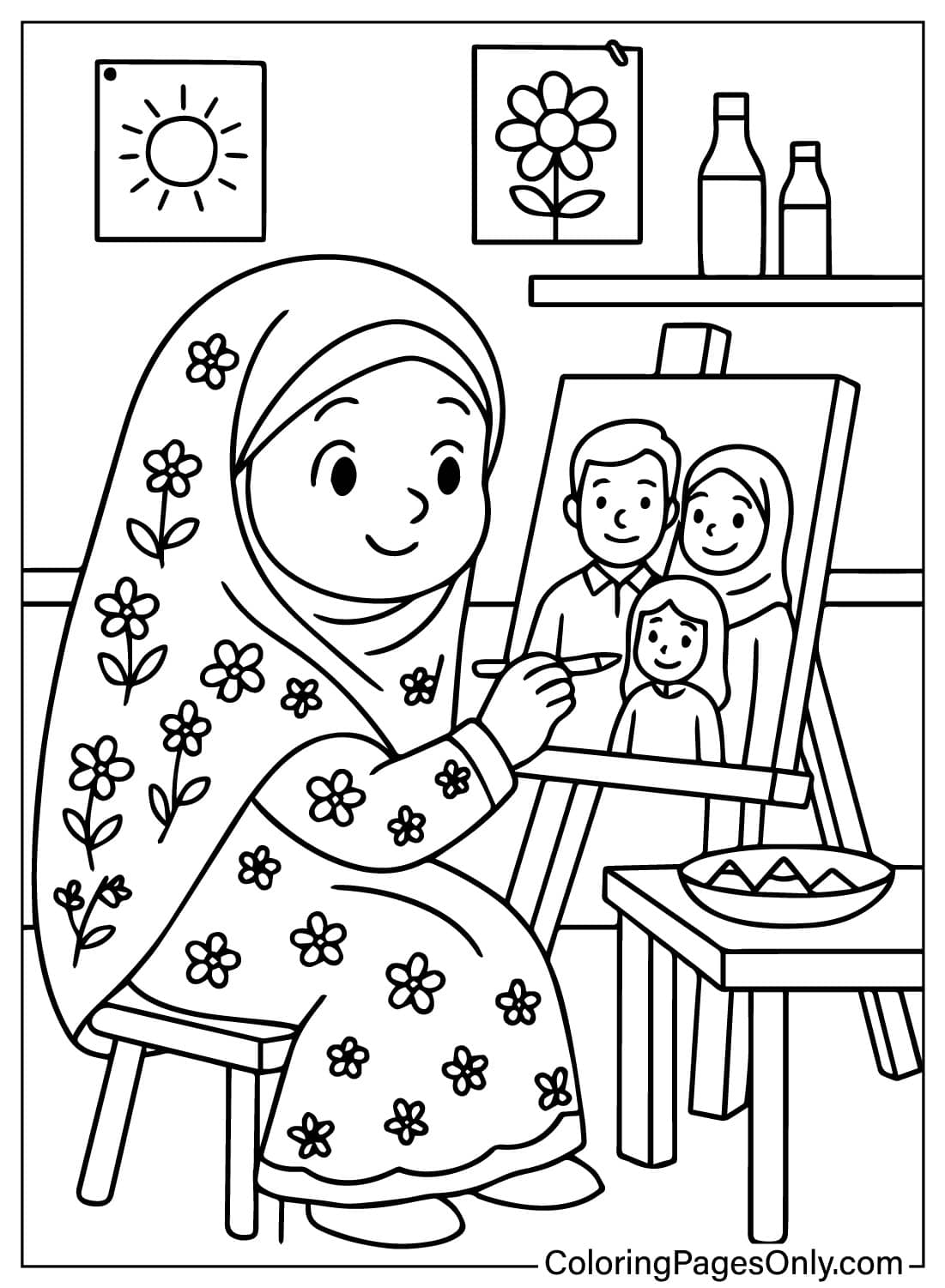
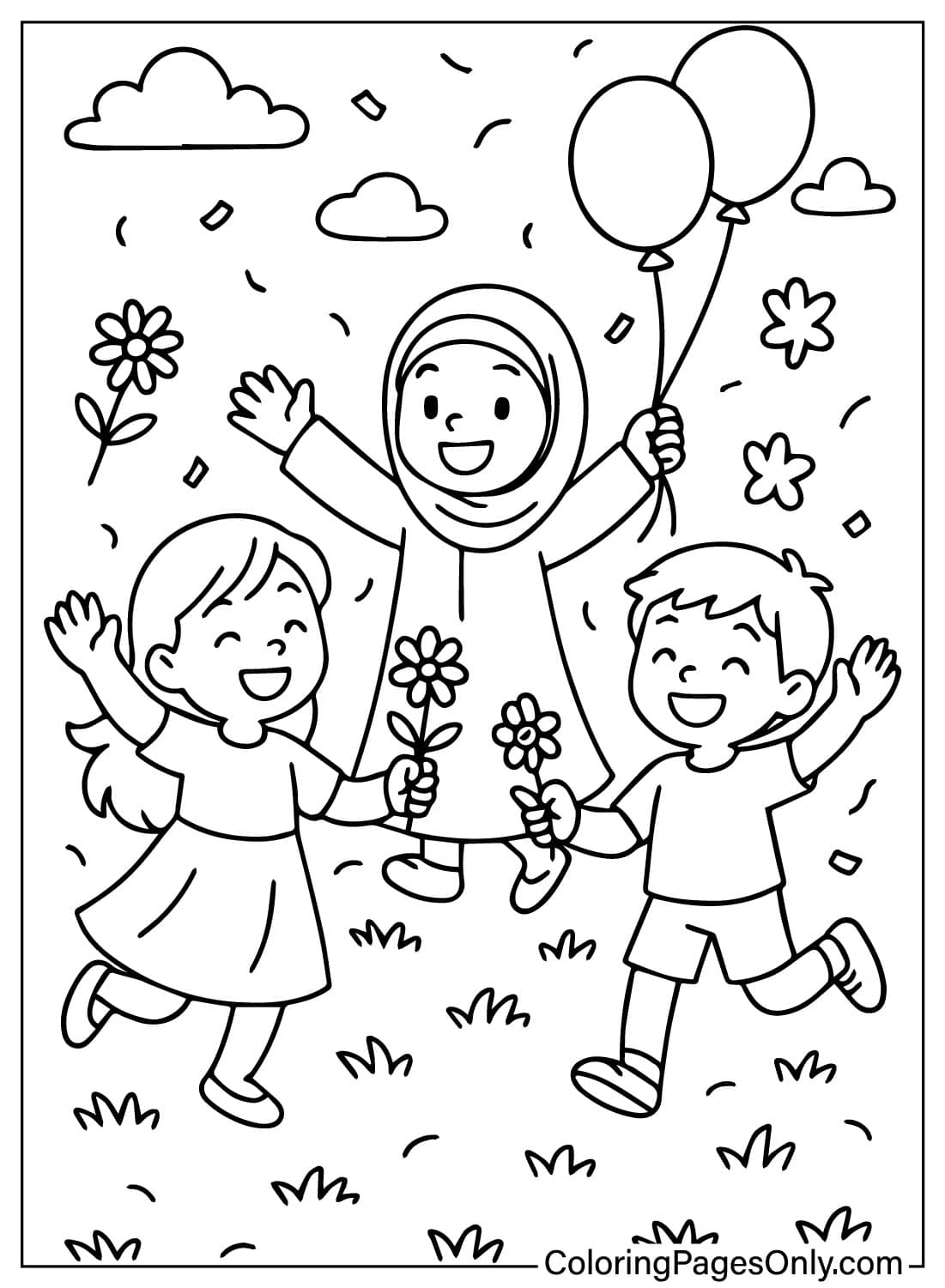
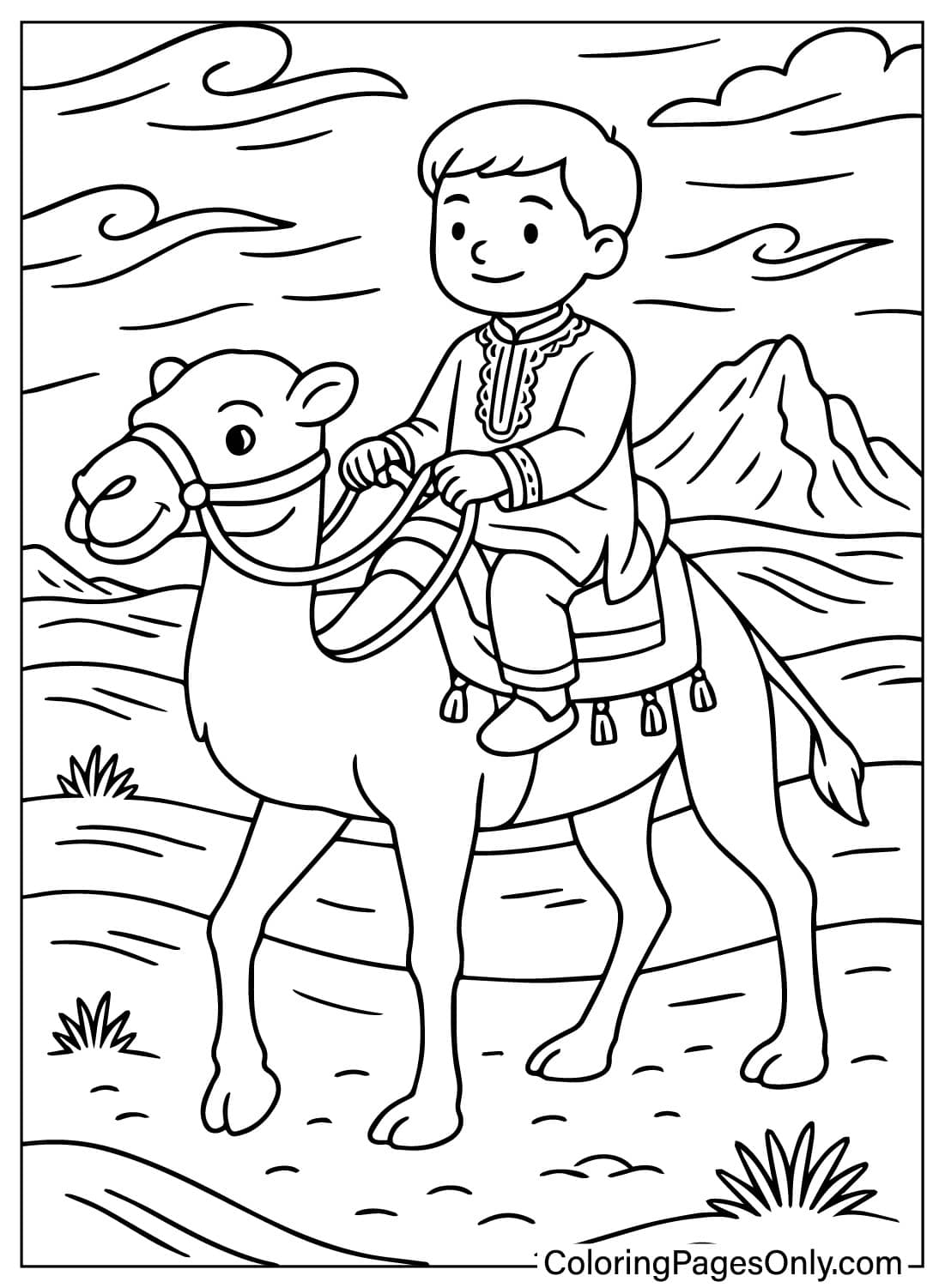
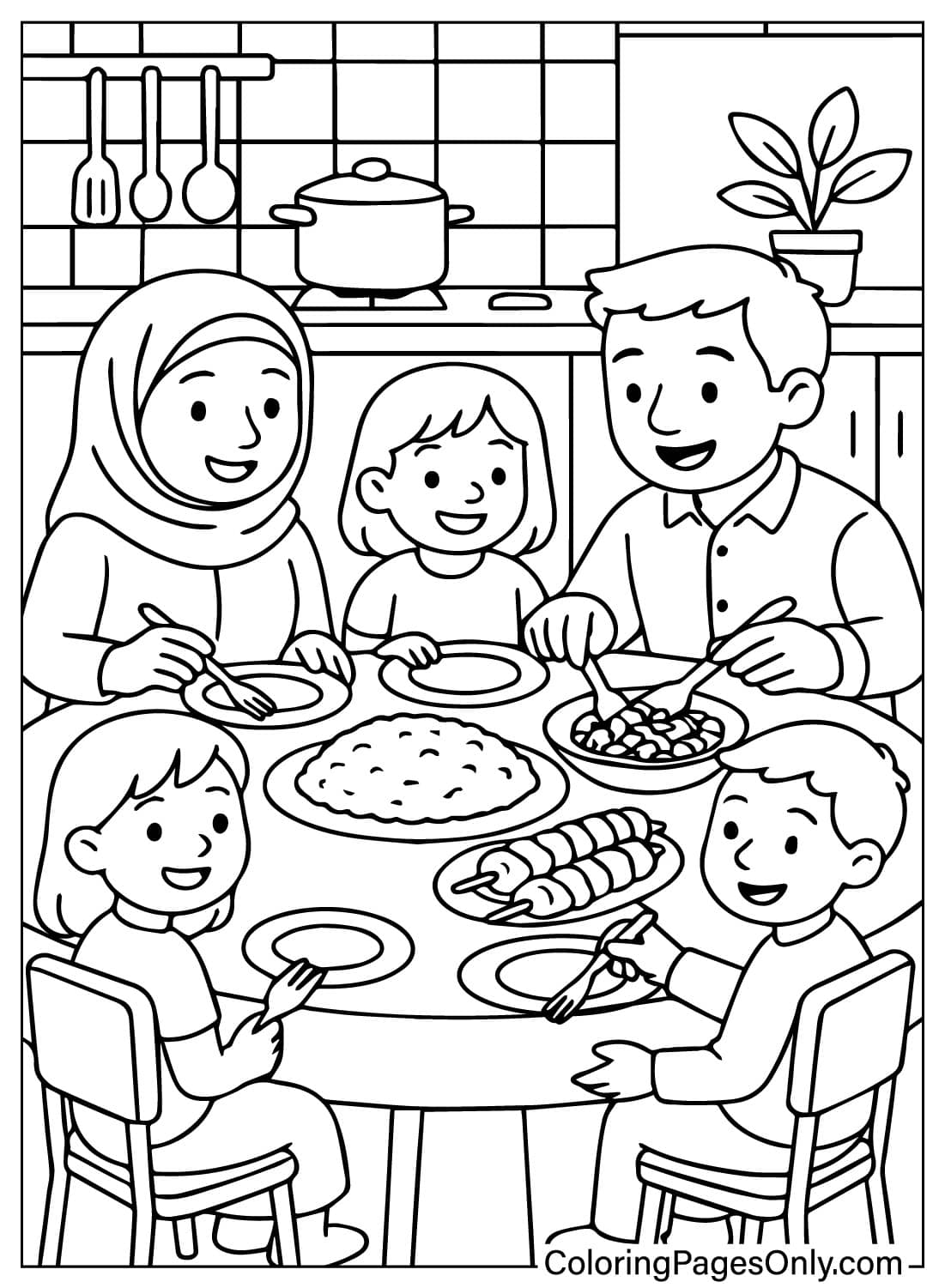
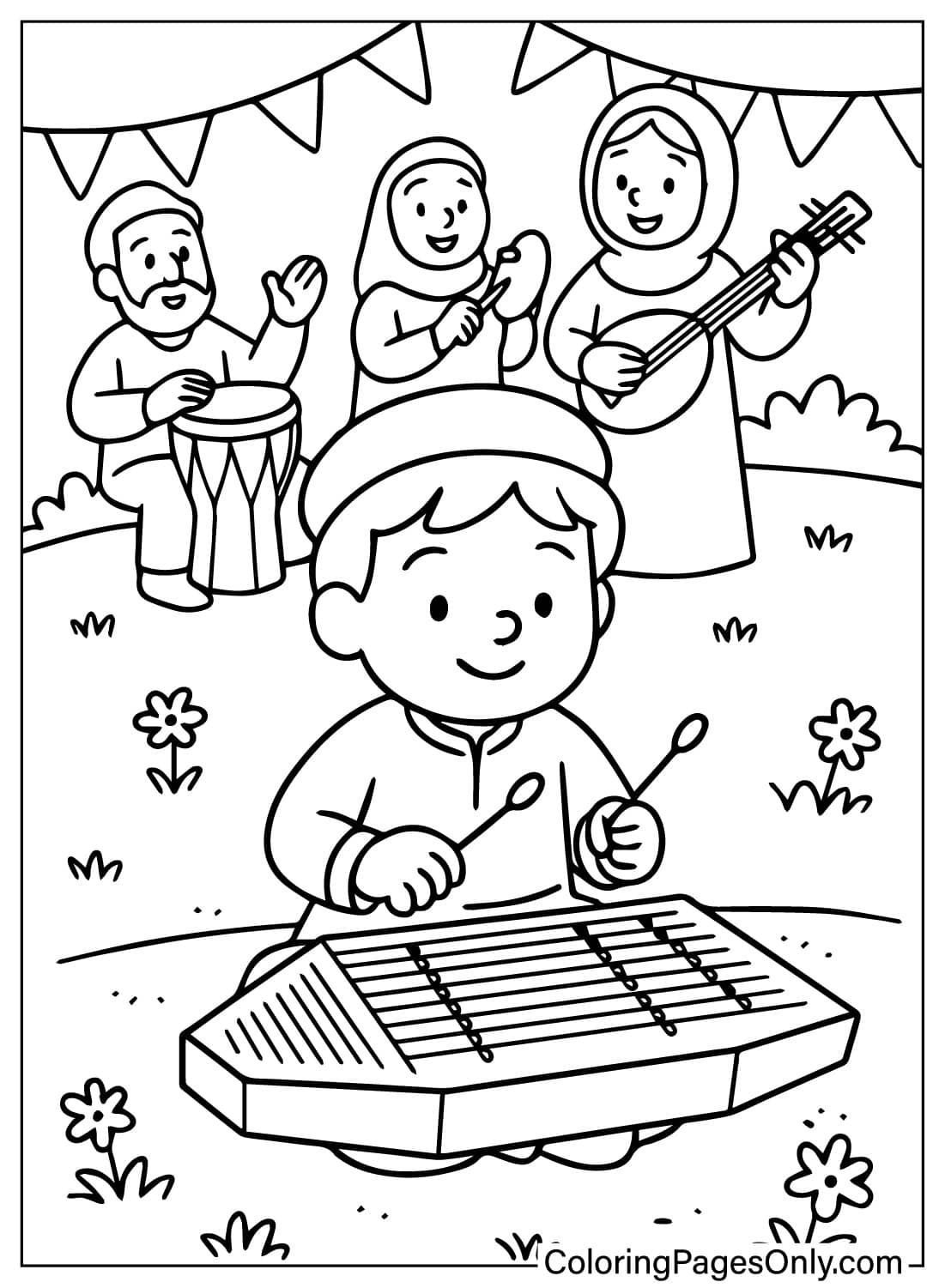
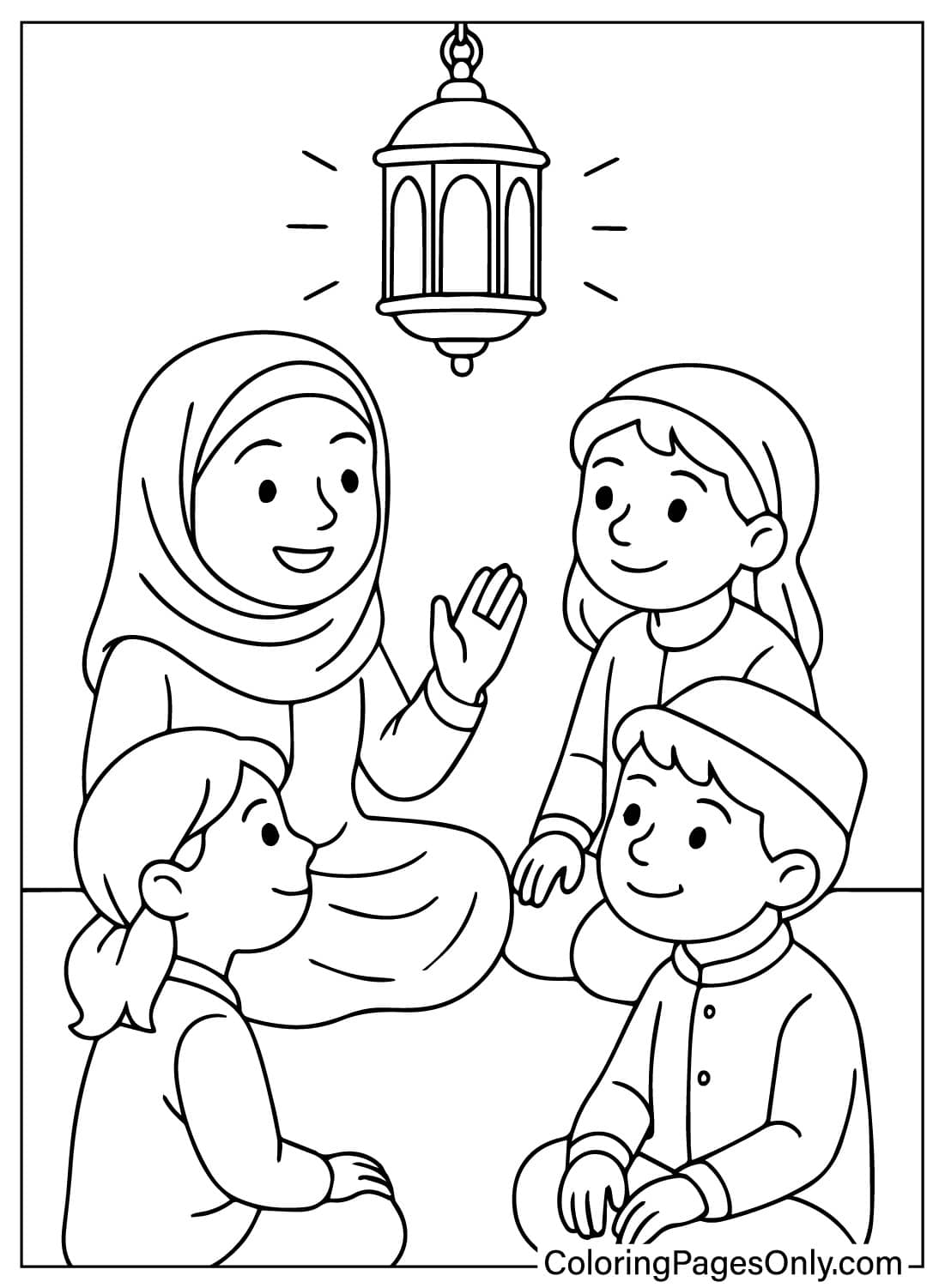
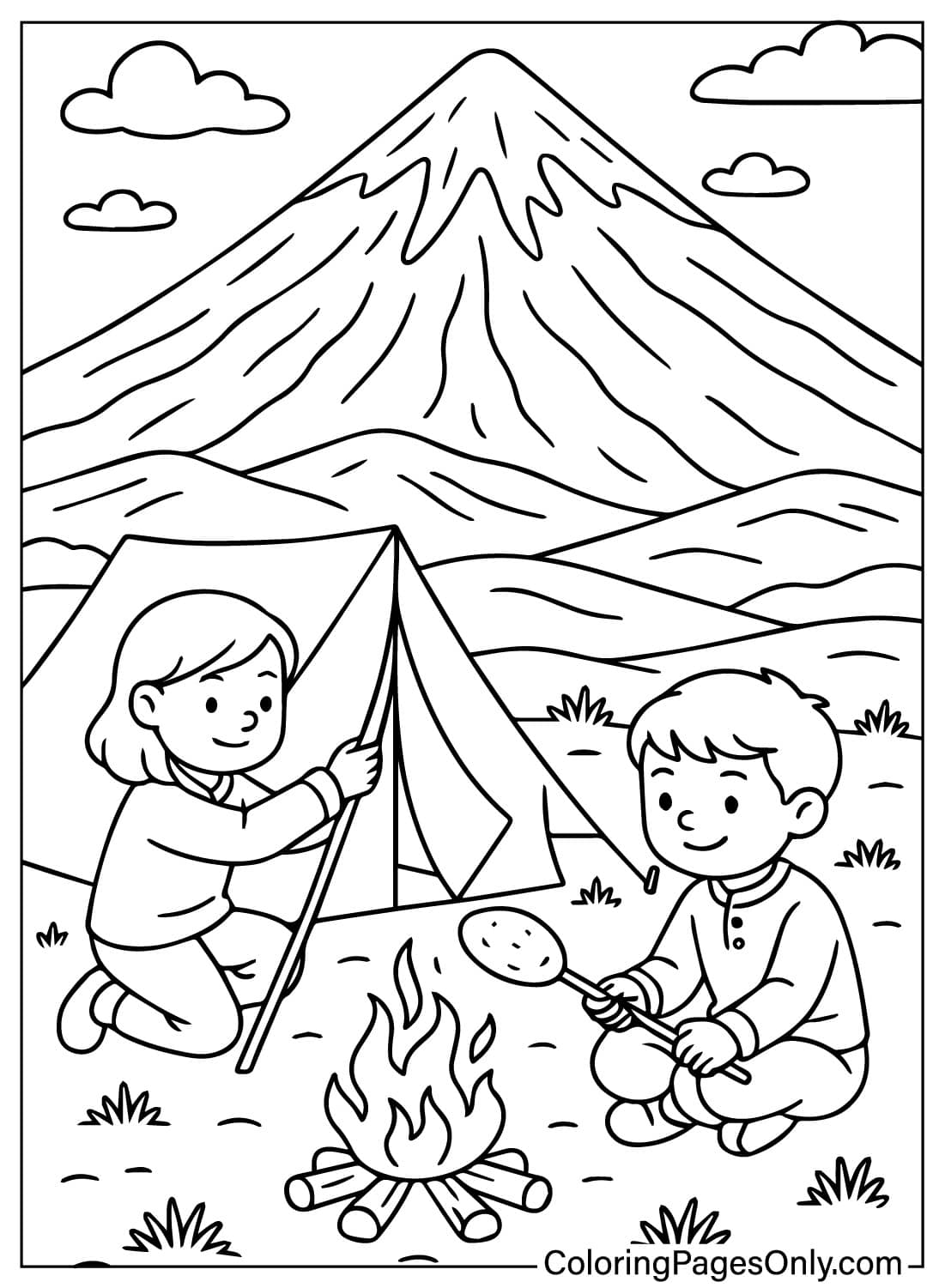
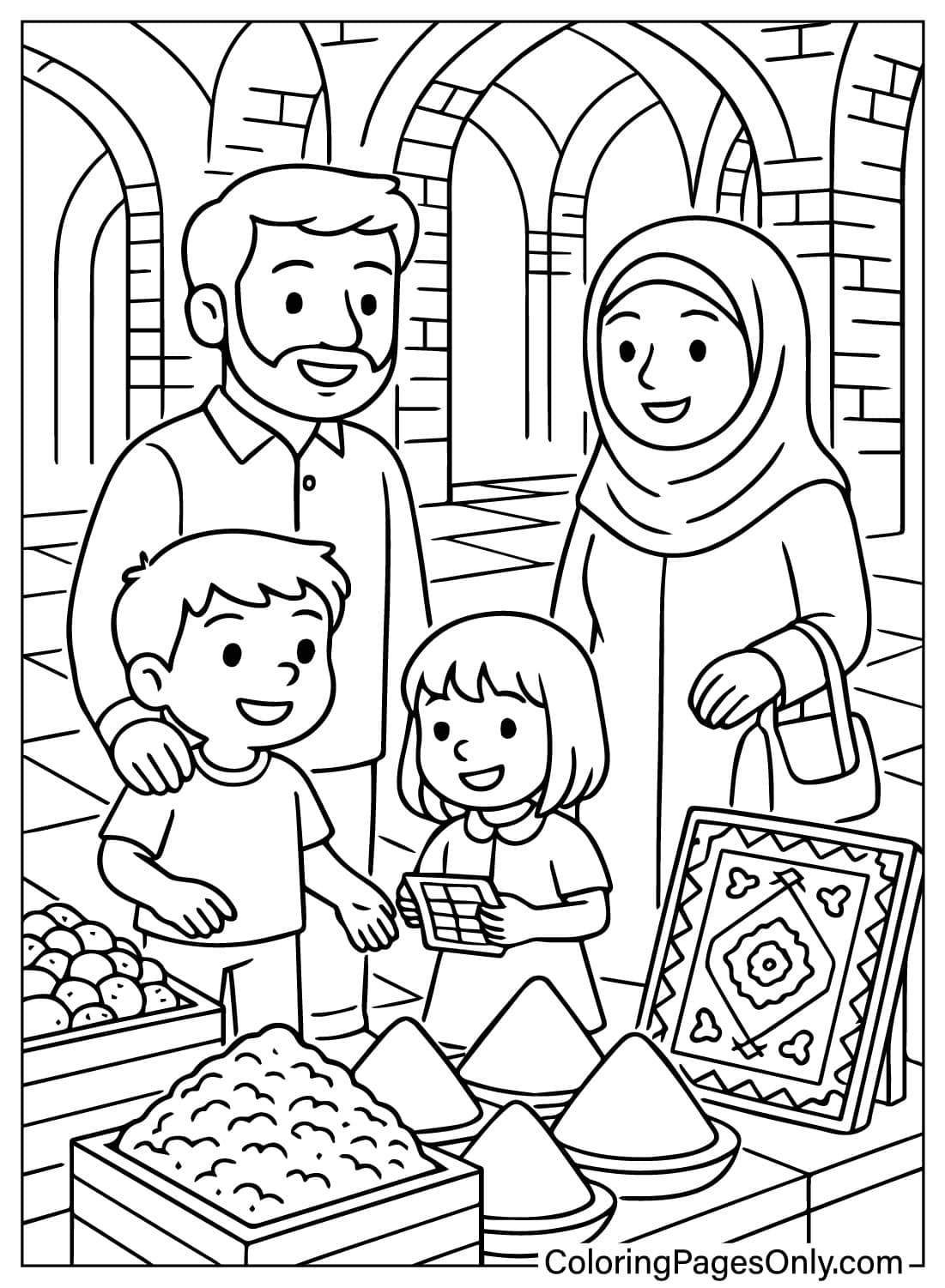
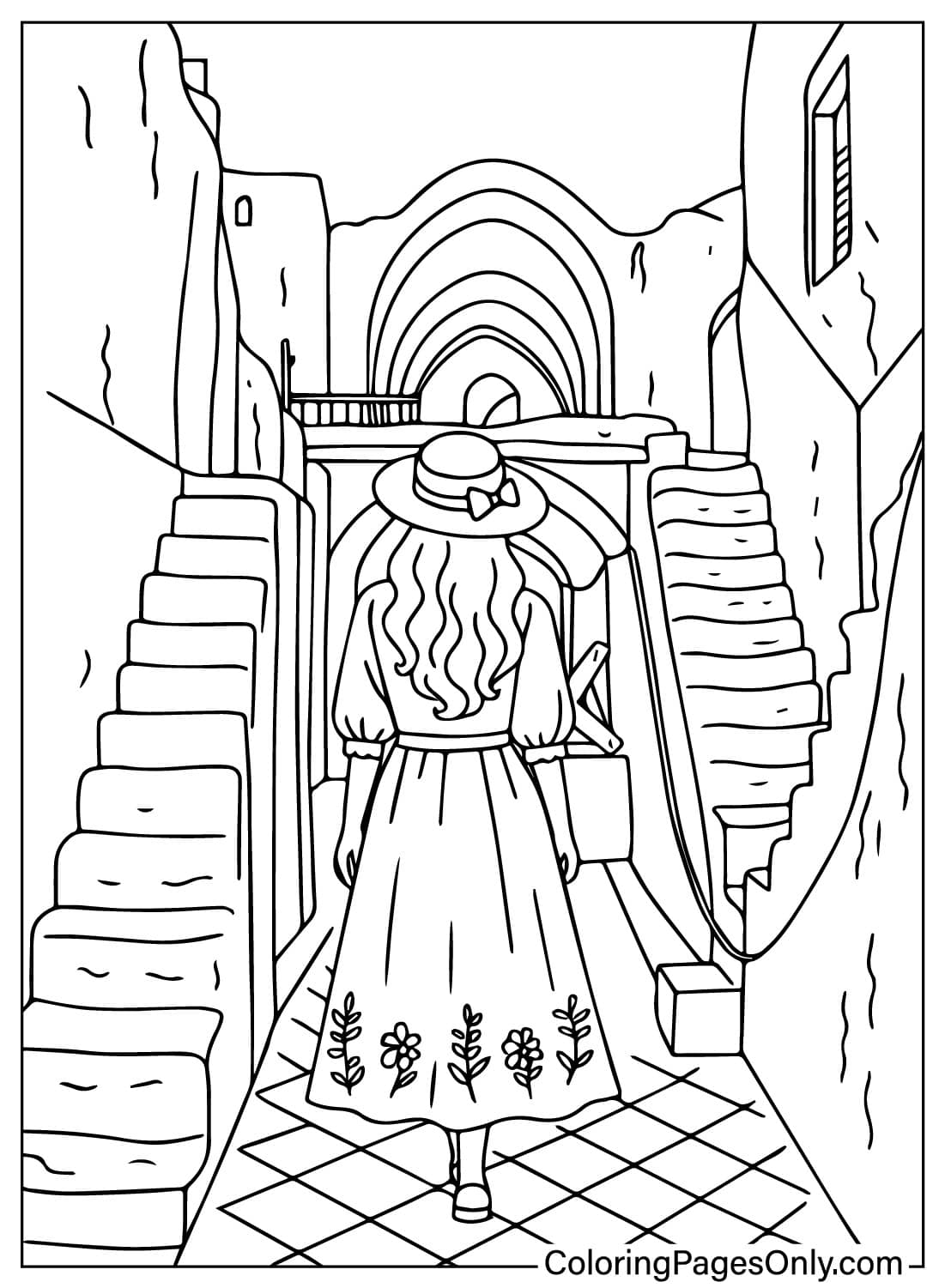
Eight pages depict everyday scenes: a traditional bazaar market, a family sharing a meal of saffron rice, children playing the santur, a camel ride through the Lut Desert, and other glimpses of daily Iranian life.
Nowruz and Festivals
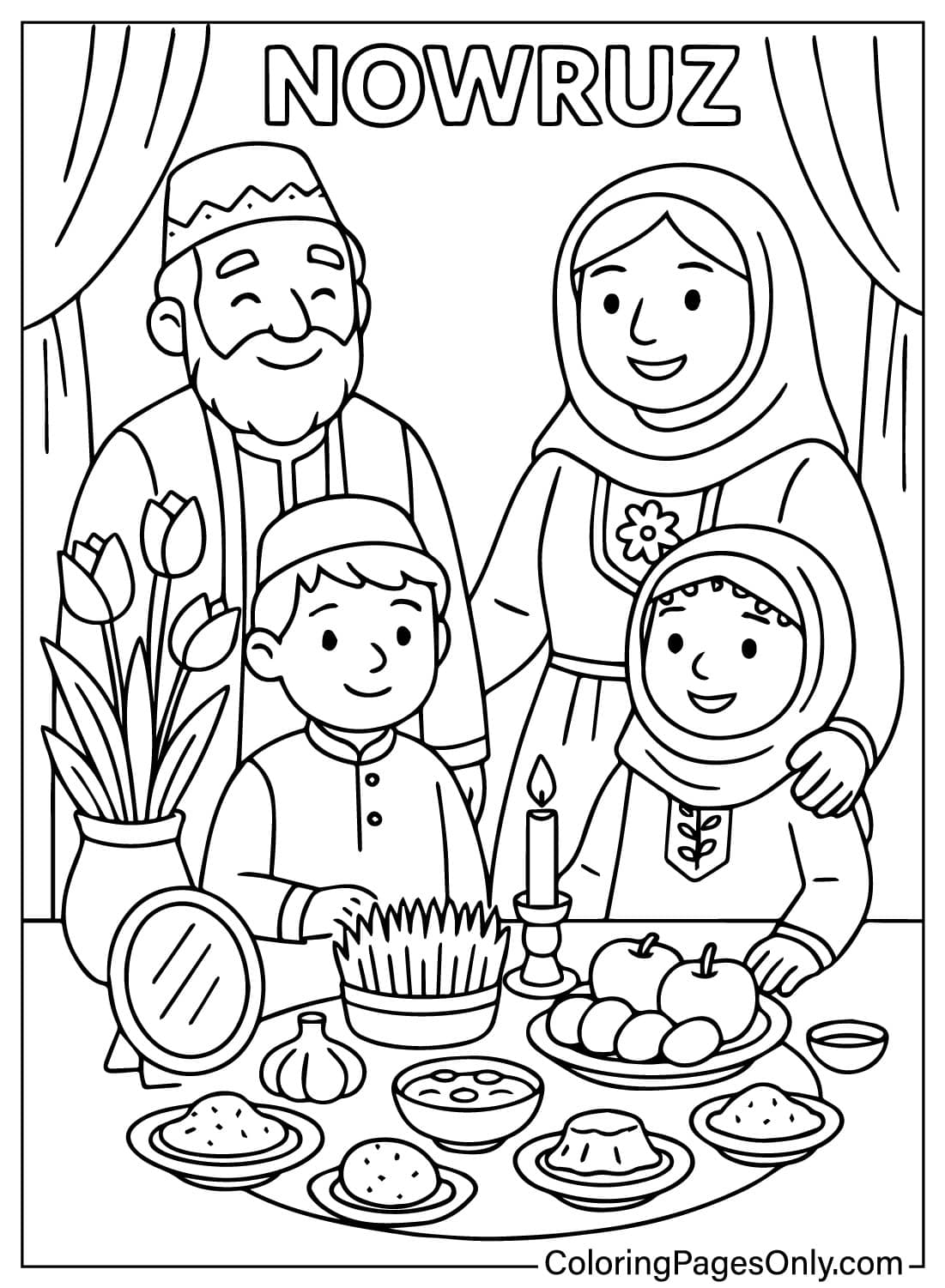
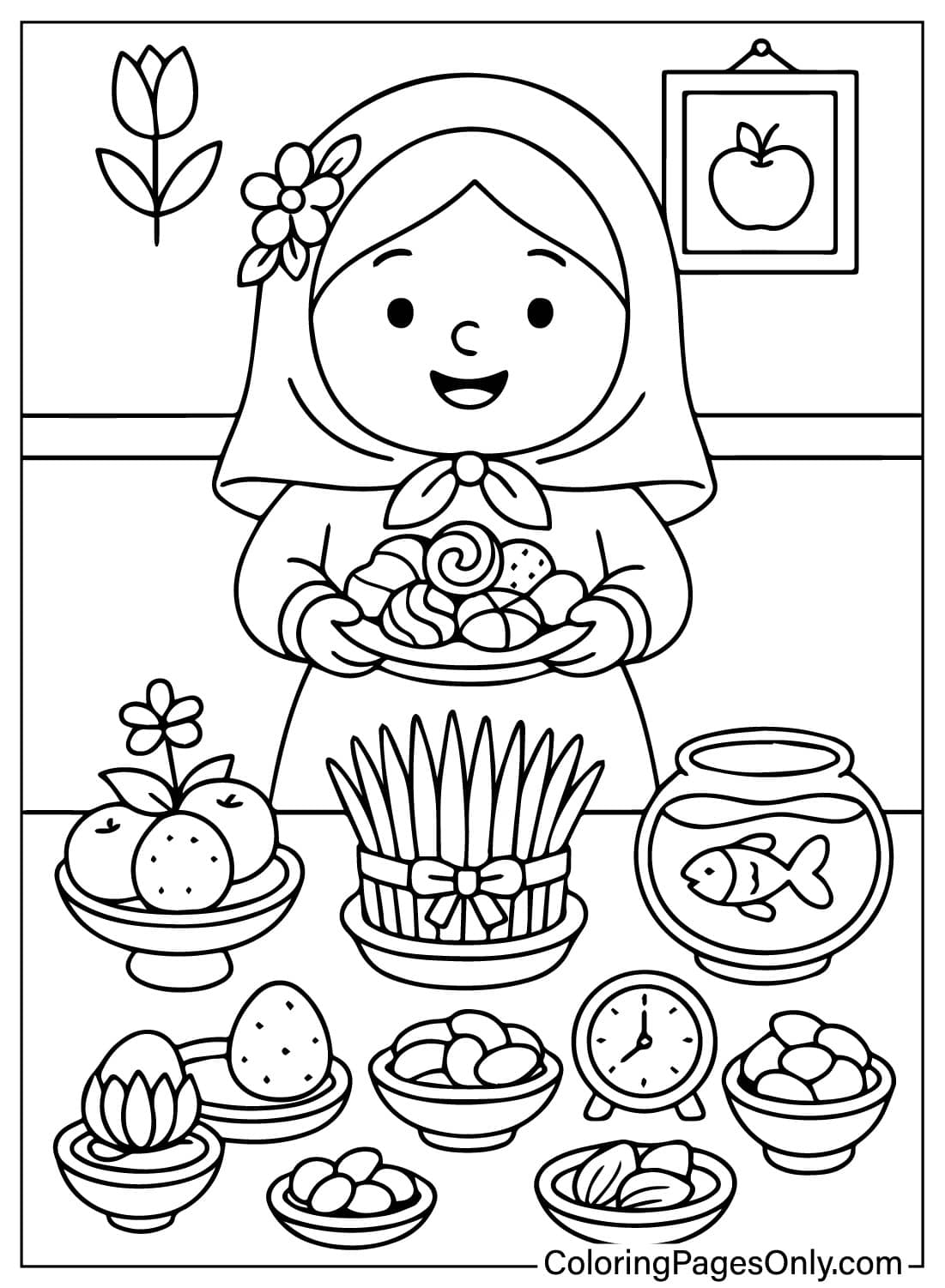
Three pages focus on Nowruz, the Persian New Year celebrated at the start of spring, including a family gathering and a traditional Haft-Seen table setting.
Flag, Map, and Classroom Designs
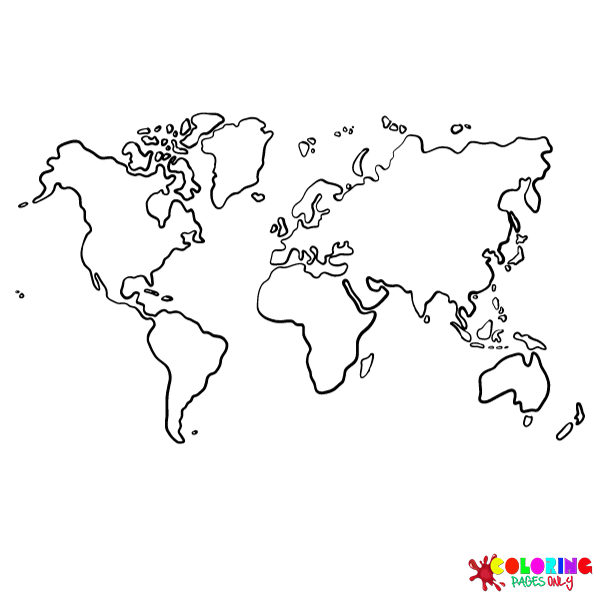
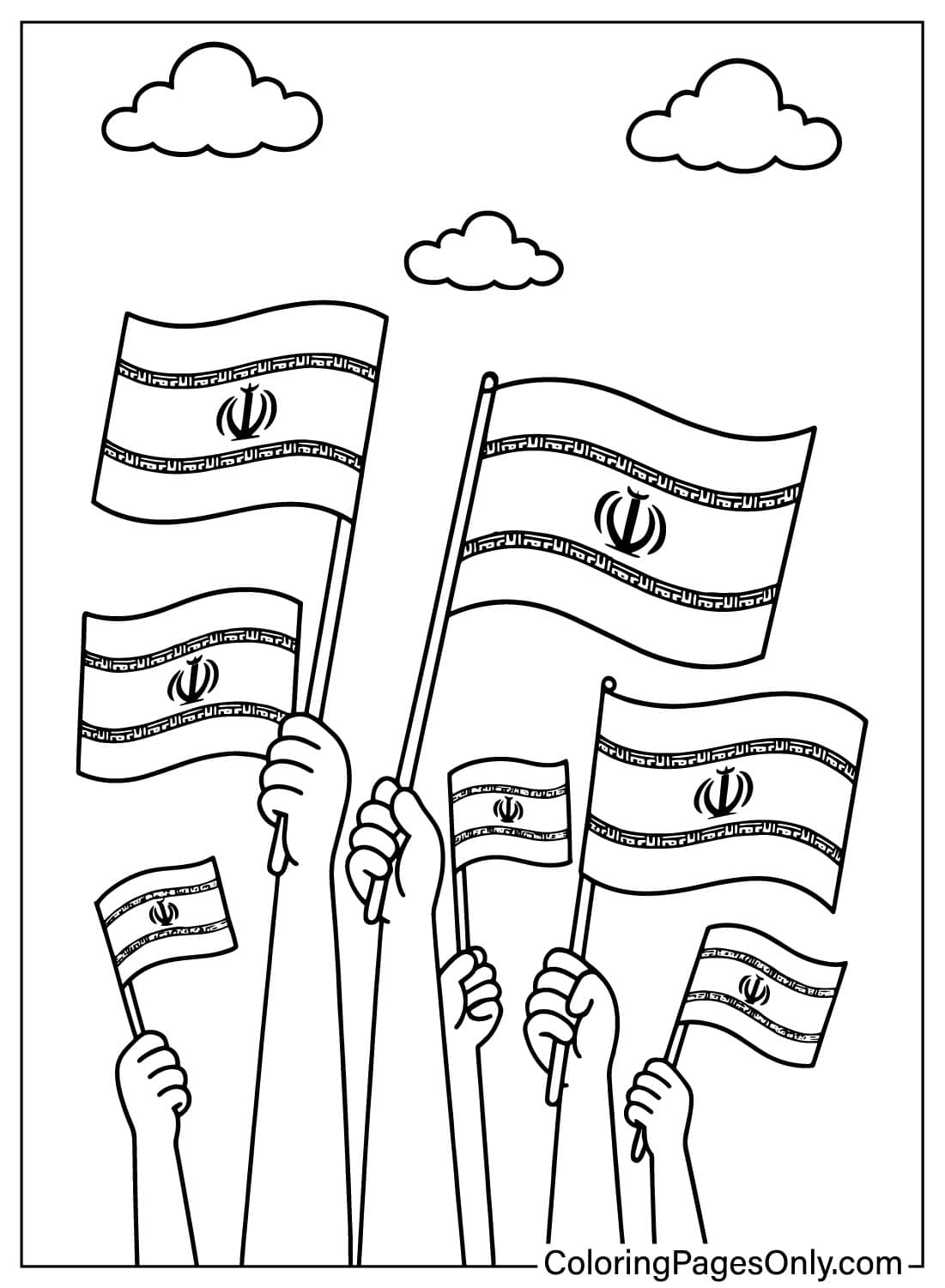
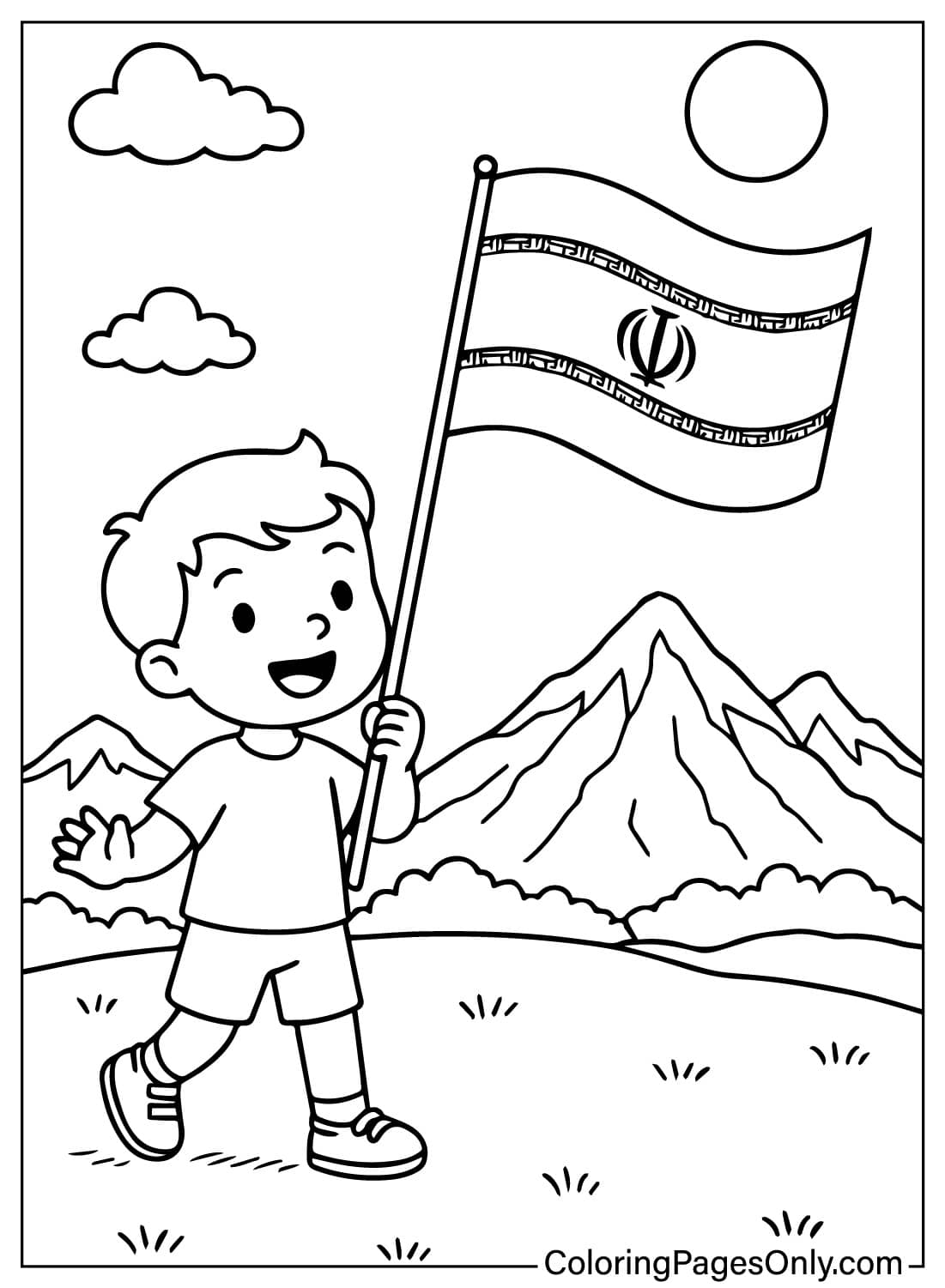
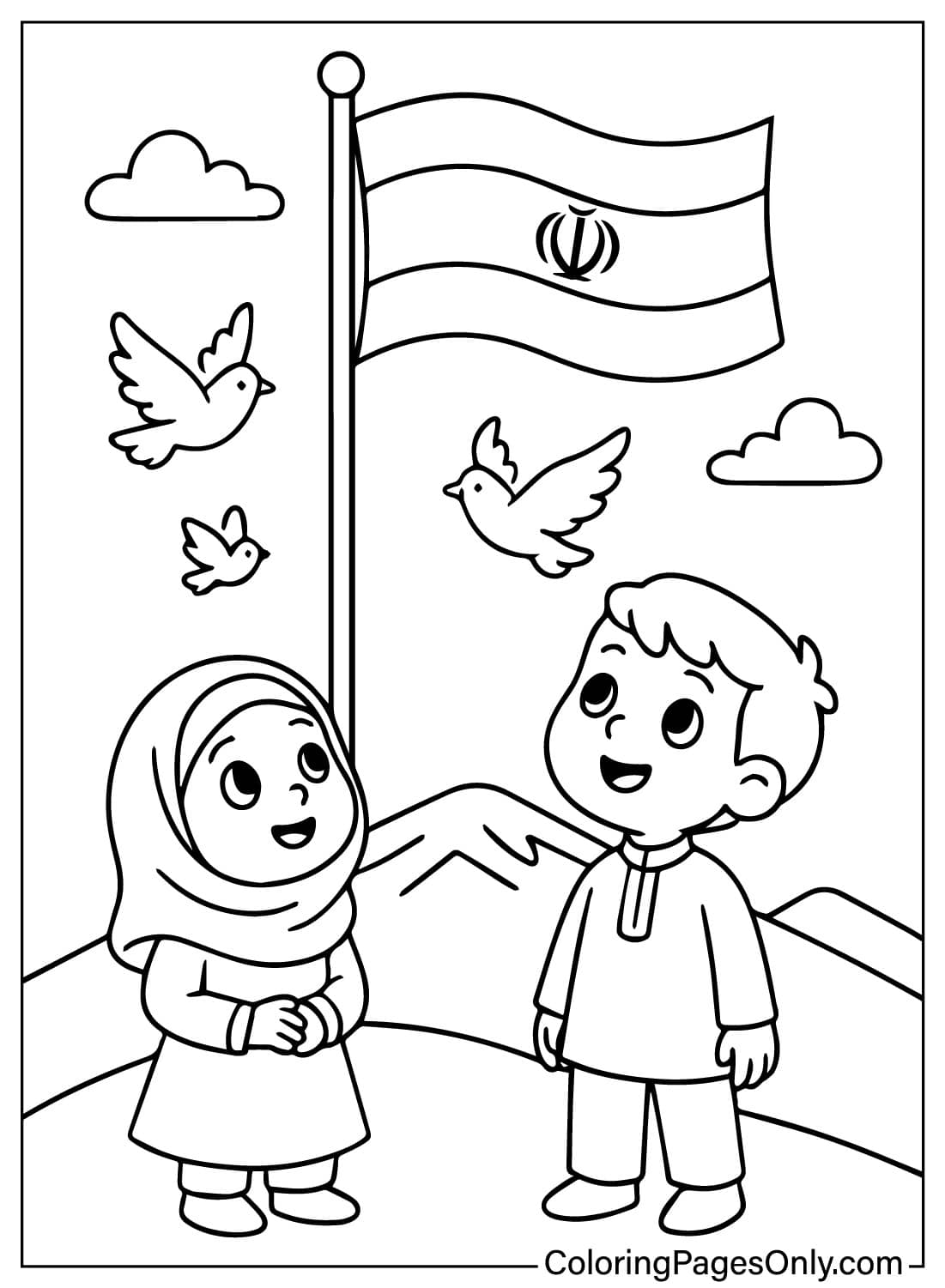
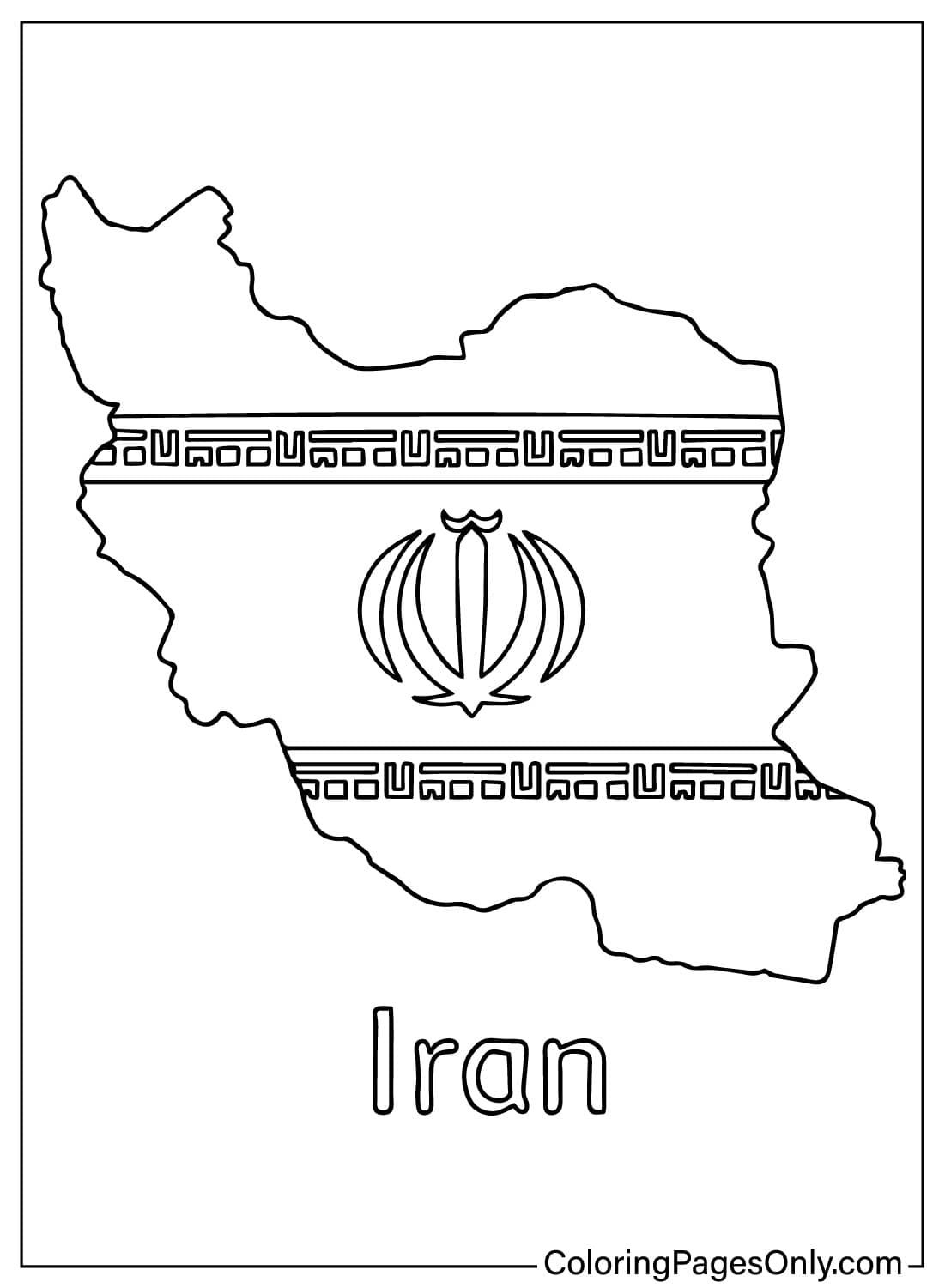
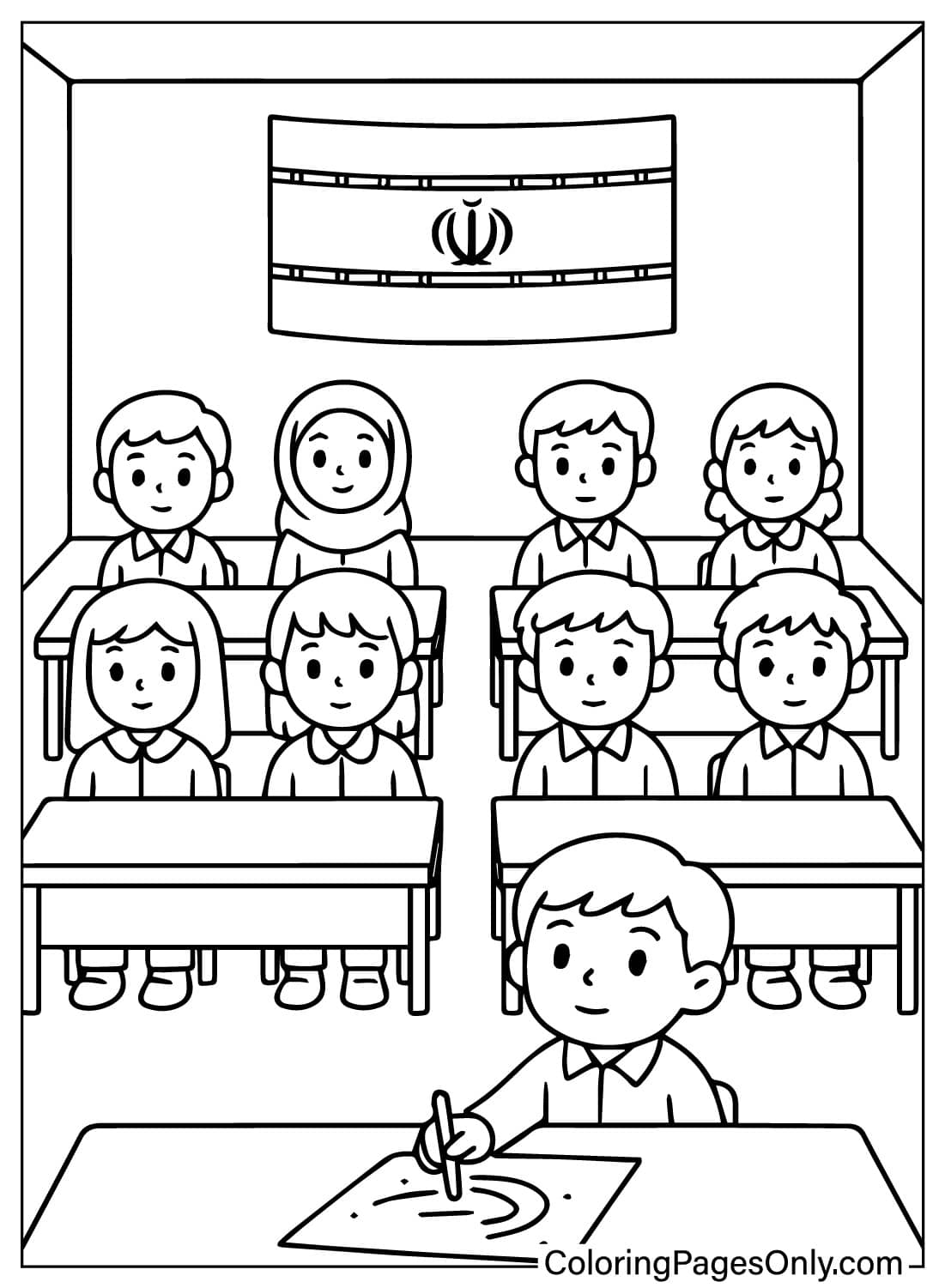
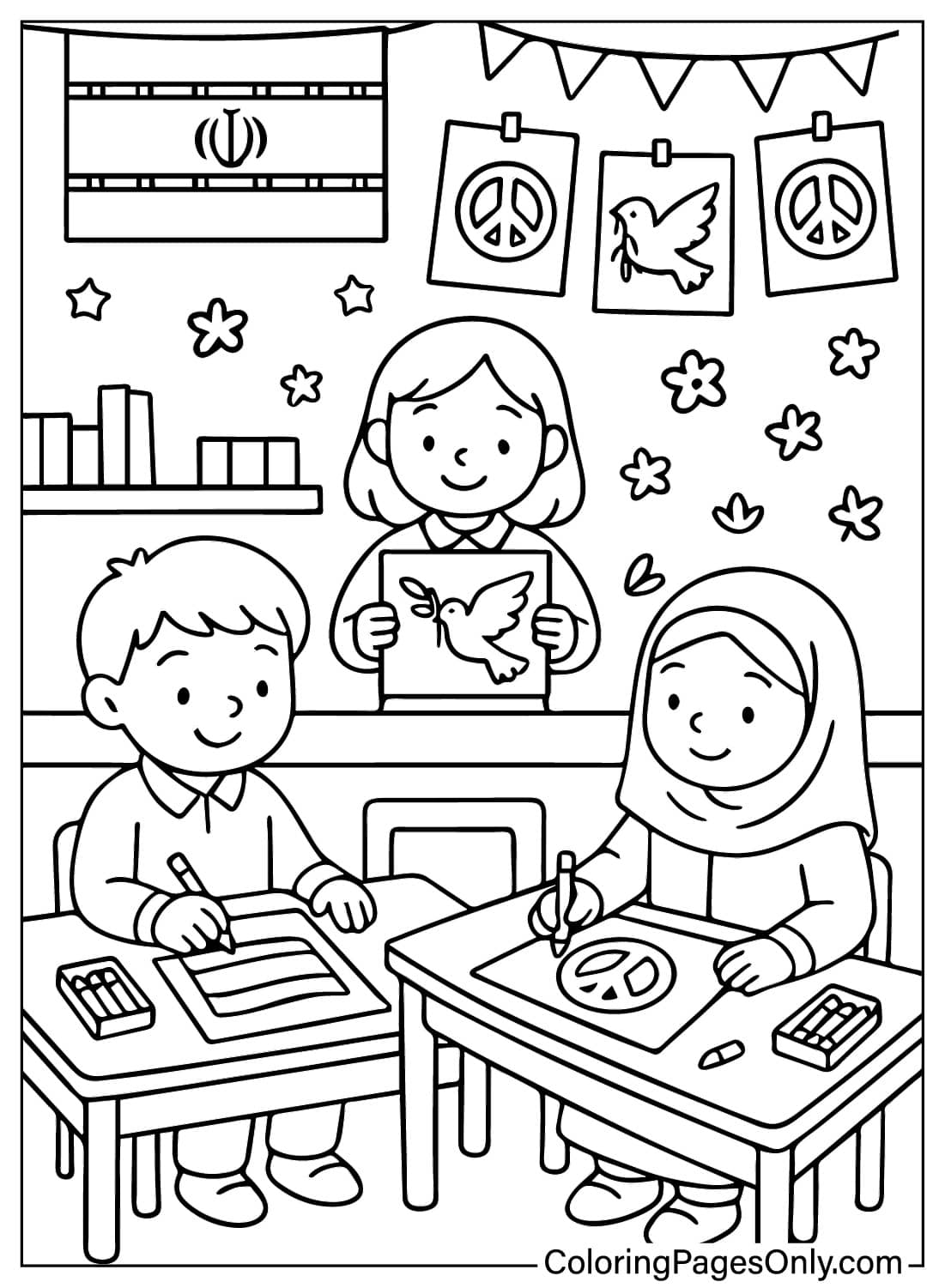
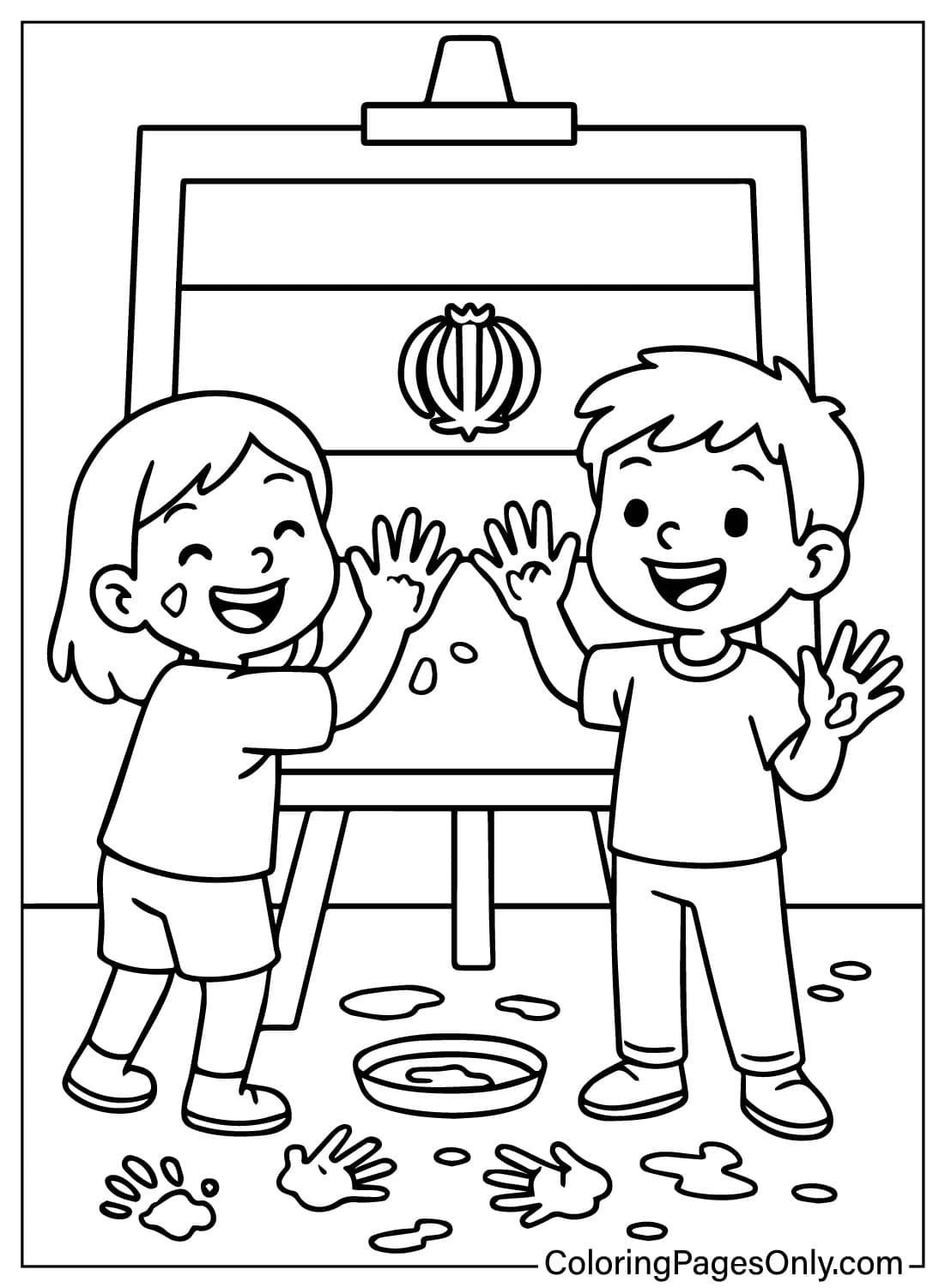
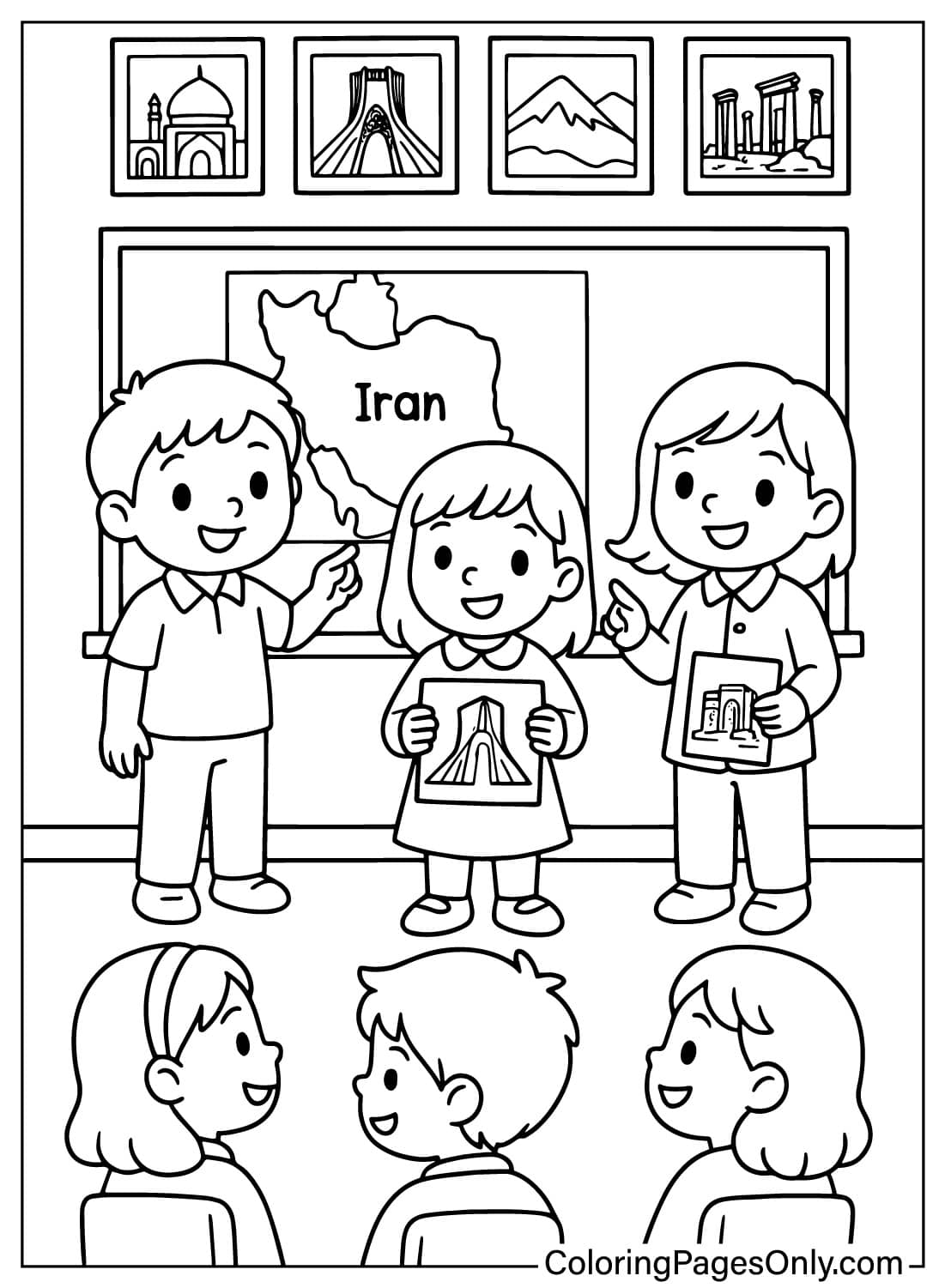
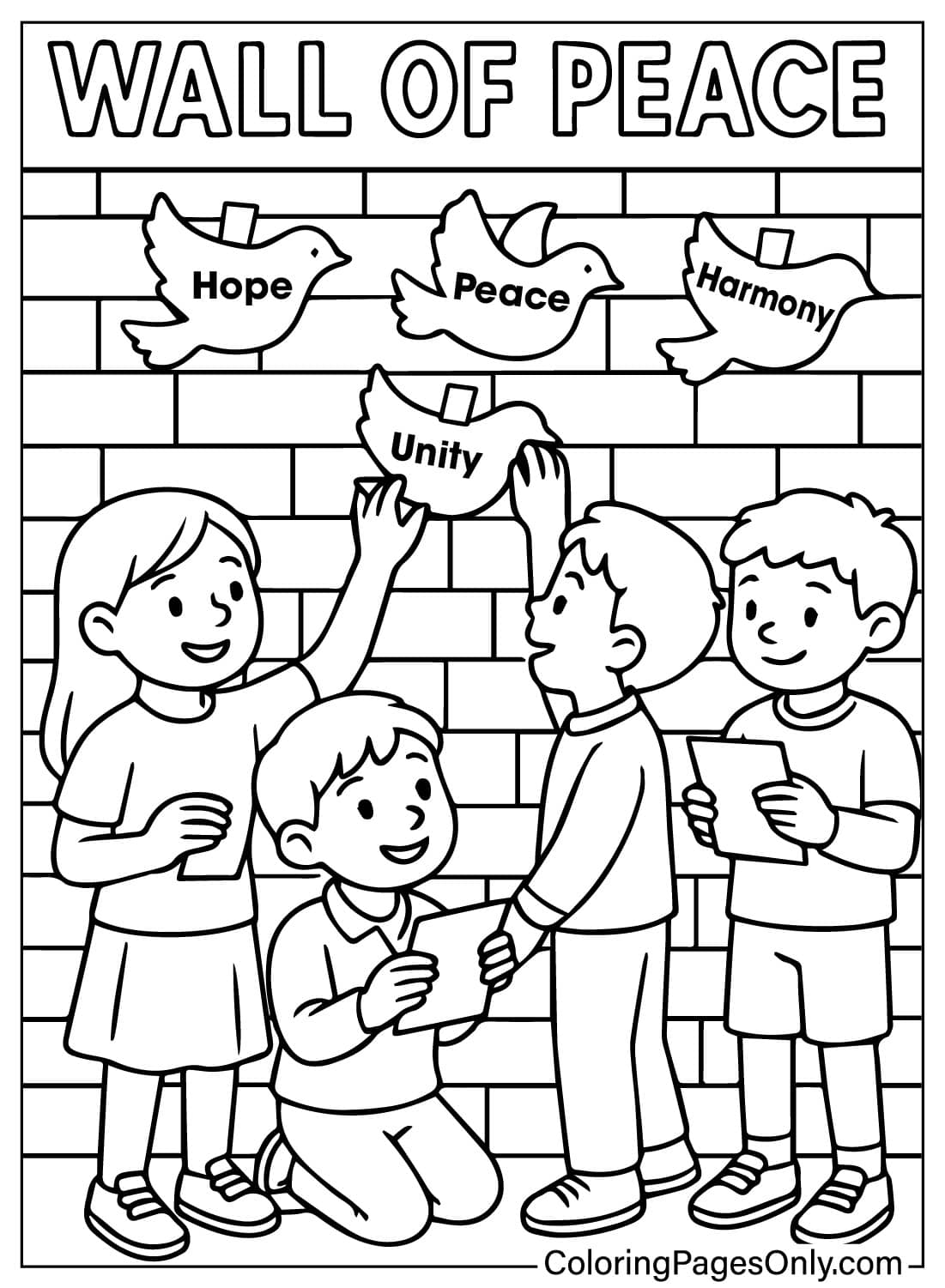
Six pages feature the Iranian flag, a map of the country, and classroom-style scenes, giving this set a straightforward set of reference-style pages alongside the more detailed cultural illustrations.
Illustrated and Symbolic Scenes
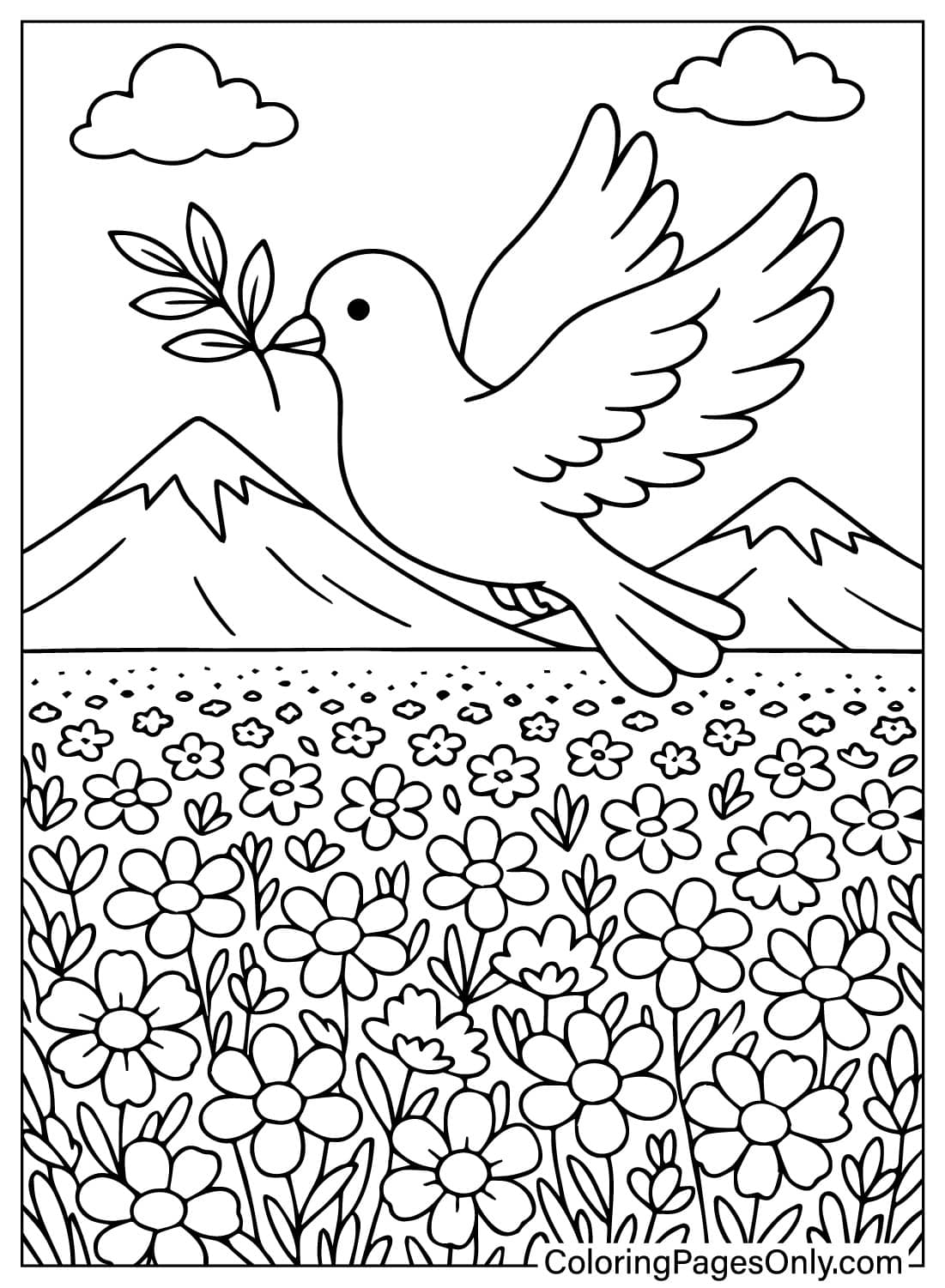
The remaining five pages use softer, more illustrative imagery, including birds and simple symbolic designs, offering a gentler visual style than the more detailed landmark pages.
What Iran Coloring Pages Do
Fine motor development. The American Academy of Pediatrics identifies fine motor skill development as a core benefit of structured coloring for children ages 2 through 7. The tile patterns on the mosque and palace pages call for smaller, more careful strokes than a simpler outdoor scene.
A visual way to connect architecture to real history. Because sites like Persepolis and the Nasir al-Mulk Mosque carry specific, documented histories, coloring these pages gives a child a concrete way to learn about a place rather than treating the building as generic scenery.
Anxiety reduction through focus. A 2005 study in the Art Therapy Journal documented measurable reductions in anxiety following structured coloring sessions. The repeating tile and geometric patterns found on many of the mosque and palace pages give colorists a steady, absorbing detail to settle into.
Introduces a specific cultural celebration. The Nowruz pages give colorists a concrete entry point into a real annual celebration, the Persian New Year, marked by a specific table setting and set of traditions distinct from other spring celebrations covered elsewhere on the site.
How to Color Iran Pages Well
- Mosque tilework: Crayola Turquoise and Cobalt Blue, the two colors most associated with the tiled domes and archways of Persian religious architecture.
- Persepolis ruins: warm Crayola Tan or Sand for the stone columns and carvings, reflecting the weathered limestone of the real site.
- Traditional textiles and carpets: deep Crayola Red and Gold, common colors in Persian carpet design.
- The Haft-Seen table: bright, varied colors for each symbolic item on the table, since a real Haft-Seen setting includes several different colorful foods and objects.
- Desert scenes: warm Crayola Sand and Tan tones for the Lut Desert pages, with a deep blue sky for contrast.
- Mudbrick architecture in Yazd: a consistent Crayola Sepia or Clay tone across the buildings, since Yazd’s old city is known for its uniform sun-dried brick construction.
5 Creative Craft Ideas With Iran Coloring Pages
1. Landmark Fact Cards
Color a landmark page, trim it to card size, and write one verified fact about the site on the back for a simple matching or quiz game.
2. Nowruz Table Display
Color the Haft-Seen page, and use it as a reference to set up a simplified version of the table with items found at home, such as fruit, coins, or a small mirror.
3. World Map Marker
Color the map of Iran, and pin or tape it to its location on a larger world map for a visual geography display.
4. Persepolis Diorama
Color the Persepolis ruins page, cut it out, and stand it upright on a simple paper landscape to create a small model of the ancient site.
5. Iran Greeting Card
Fold a piece of cardstock in half, glue a colored page to the front, and write a message inside for a birthday or classroom project.
Frequently Asked Questions
What are Iran coloring pages?
Free printable and online designs featuring Iranian landmarks, festivals, and daily life, intended for personal, educational, and non-commercial use.
What is Persepolis?
The ceremonial capital of the ancient Achaemenid Empire, founded by Darius I in 518 BCE and now a UNESCO World Heritage Site.
What is Nowruz?
The Persian New Year, celebrated at the start of spring with a symbolic table setting called Haft-Seen and gatherings with family.
What is the Nasir al-Mulk Mosque known for?
It has stained glass windows, which cast colorful patterns of light across the interior when the sun shines through them.
What is Yazd known for?
It’s an old city, built almost entirely from sun-dried mudbrick, considered one of the oldest and best-preserved examples of this architectural style.
Are these designs historically accurate?
They aim to reflect real Iranian landmarks and traditions respectfully, though, as with any illustrated collection, details can vary from a specific historical or regional version of a scene.
Are Iran coloring pages suitable for young children?
Yes. The simpler daily life and flag pages work well for younger children, while the more detailed landmark pages suit older kids studying geography or world history.
Can Iran coloring pages be colored online, or only printed?
Both. Every design can be downloaded as a PDF for printing at home or opened directly in the online coloring tool for use on a phone, tablet, or computer.
Start Coloring
Download any page by clicking the design. No account, email, or payment is required. Pages print directly from the browser at full resolution or open in the online coloring tool for screen use. Share finished pages on Facebook or Pinterest with the share buttons at the top of each design page.