Traditional Costumes Coloring Pages
 By:
Jennifer Thoa - Content Editor & Designer
Updated:
By:
Jennifer Thoa - Content Editor & Designer
Updated:
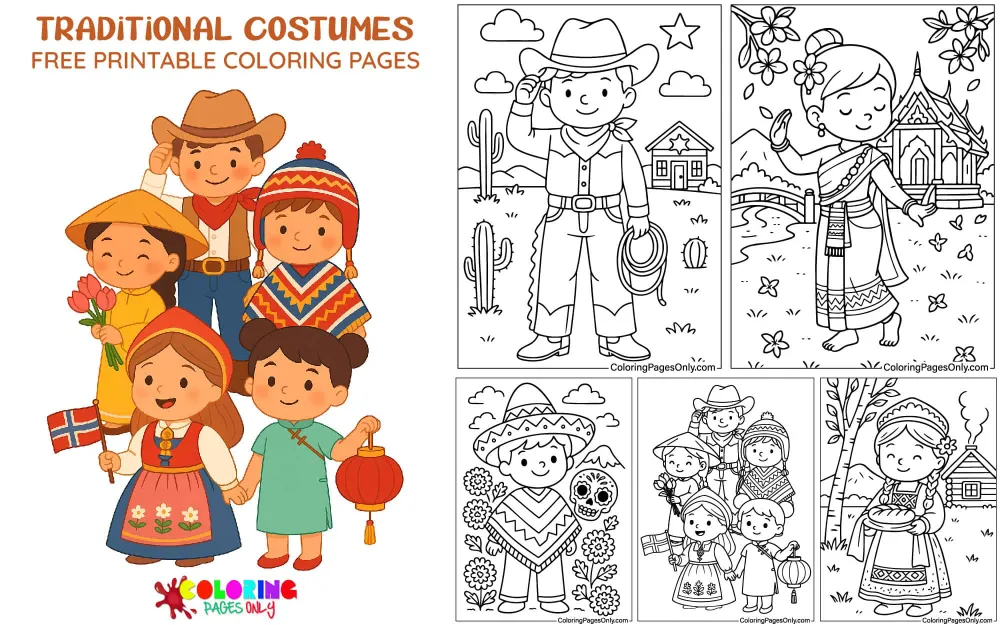
Free Traditional Costumes Coloring Pages: 33 printable PDF designs featuring traditional dress from countries and cultures around the world, from the Vietnamese ao dai to the Korean hanbok and the Scottish kilt. Every page can be downloaded as a PDF to print or colored online in the browser, with no account required.
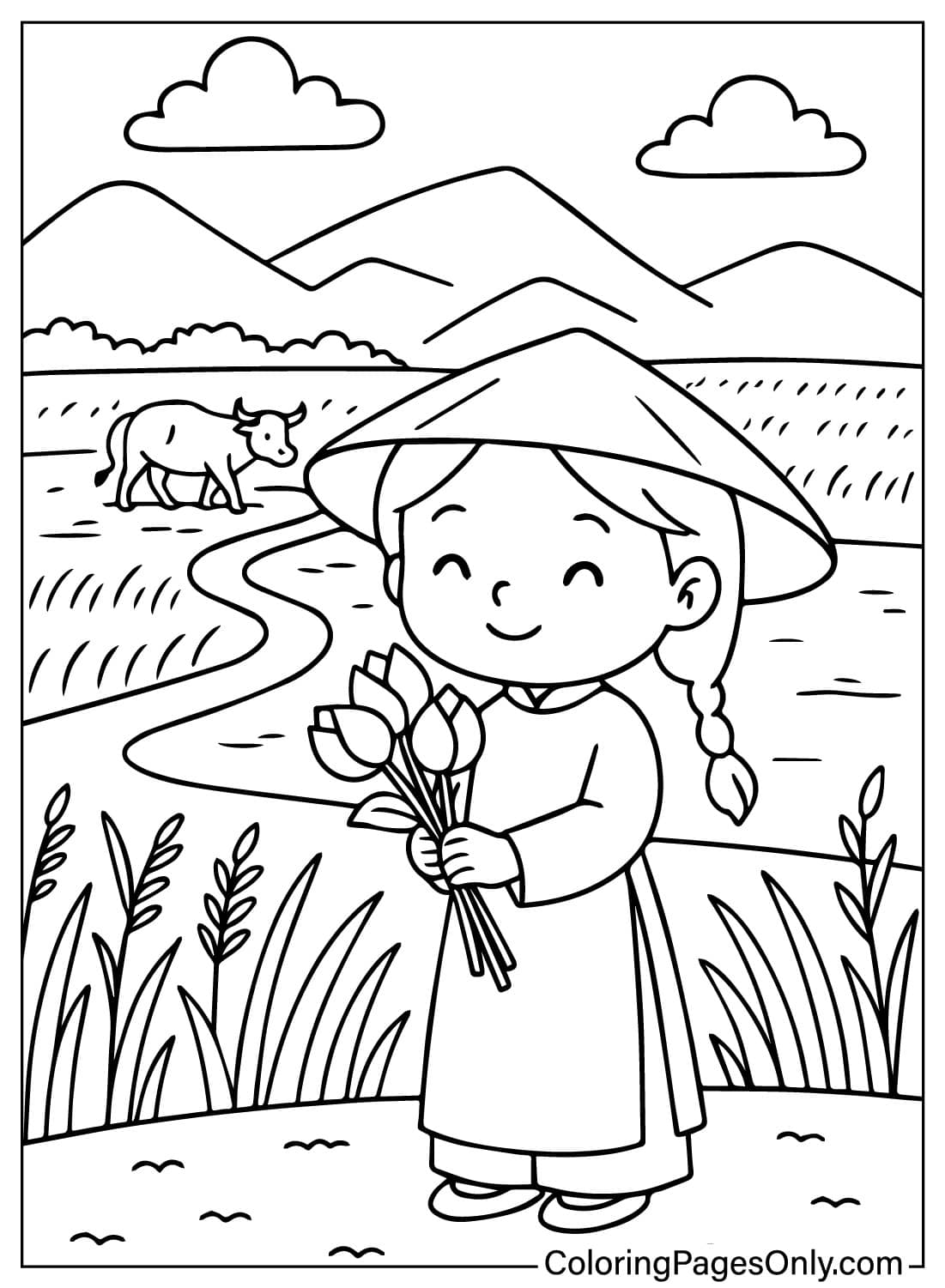
Traditional dress carries specific histories that go well beyond decoration. The Vietnamese ao dai, for example, traces back to 1744, when a regional ruler named Lord Nguyễn Phúc Khoát decreed that his subjects wear a long, front-buttoned tunic over trousers, a design later modernized in the 1930s into the fitted silhouette recognized today. Costumes across this collection carry similarly specific stories tied to their region, occasion, or history, rather than existing as generic decoration.
With 33 pages spanning East and Southeast Asia, Europe, the Middle East and Central Asia, and Africa and the Indigenous Americas, the set gives colorists a broad, respectful introduction to dress traditions from around the world.
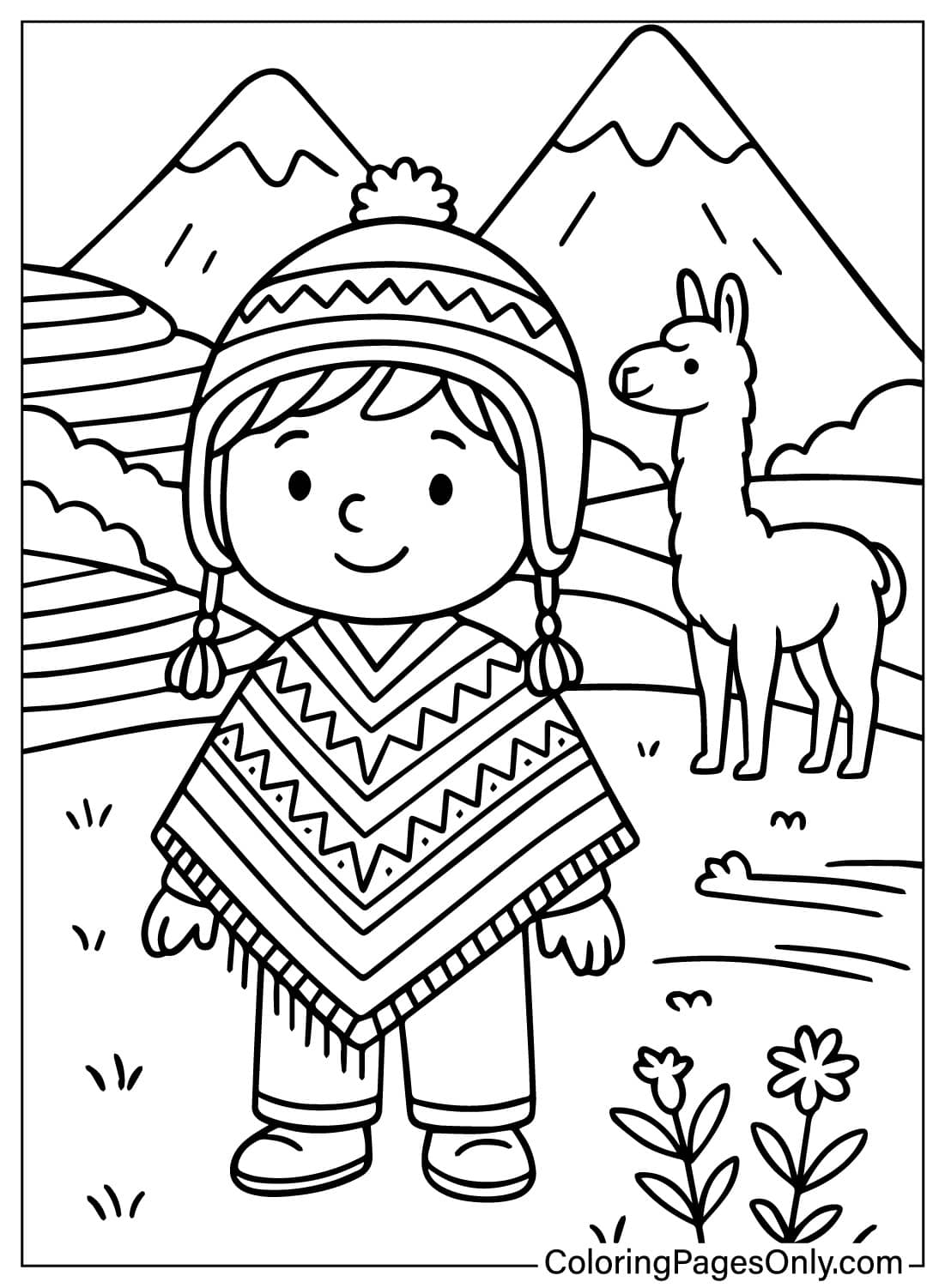
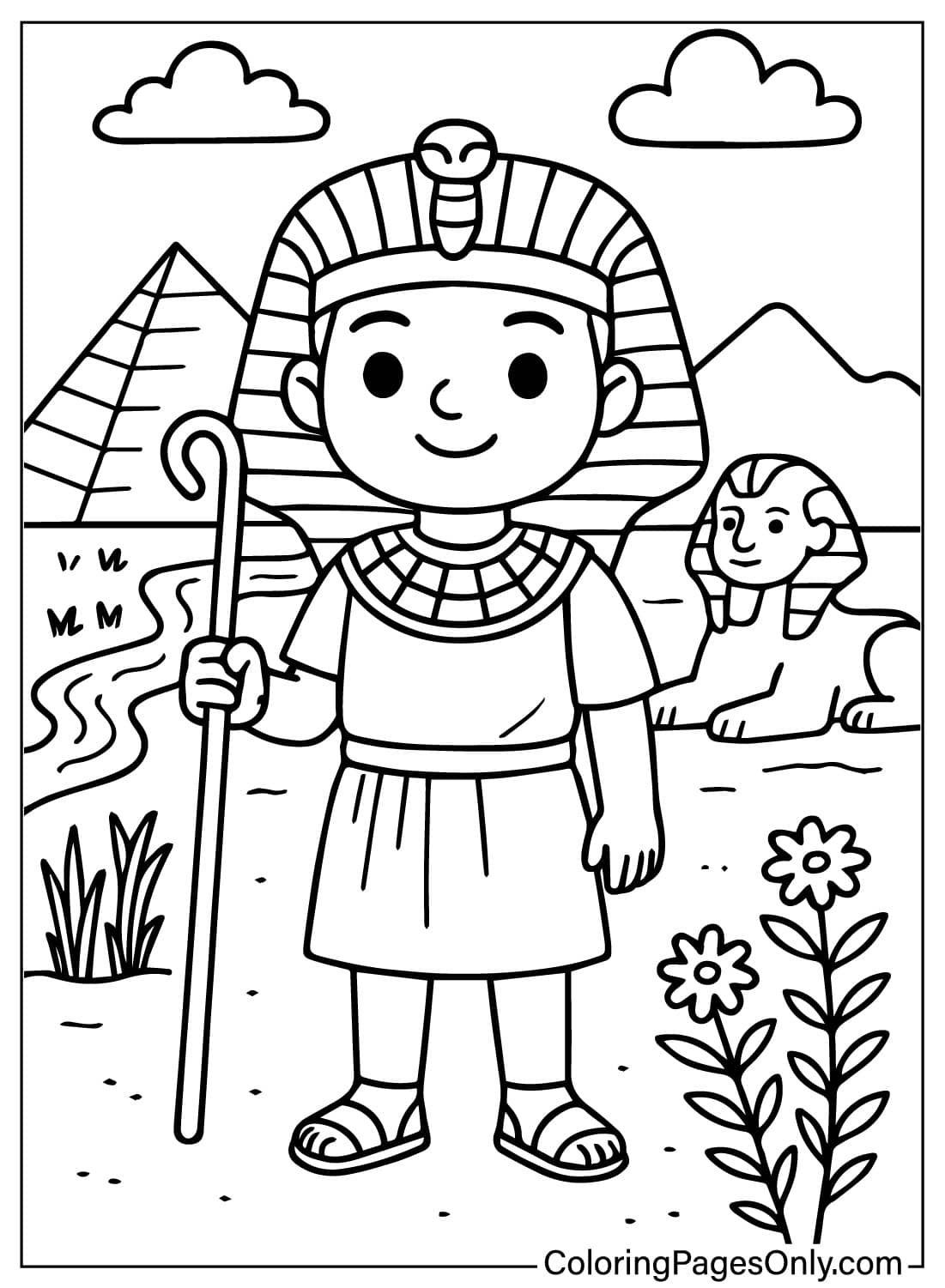
What Is Inside This Collection
The 33 pages are grouped by region, from East and Southeast Asia through Europe, the Middle East, and beyond.
East and Southeast Asian Dress
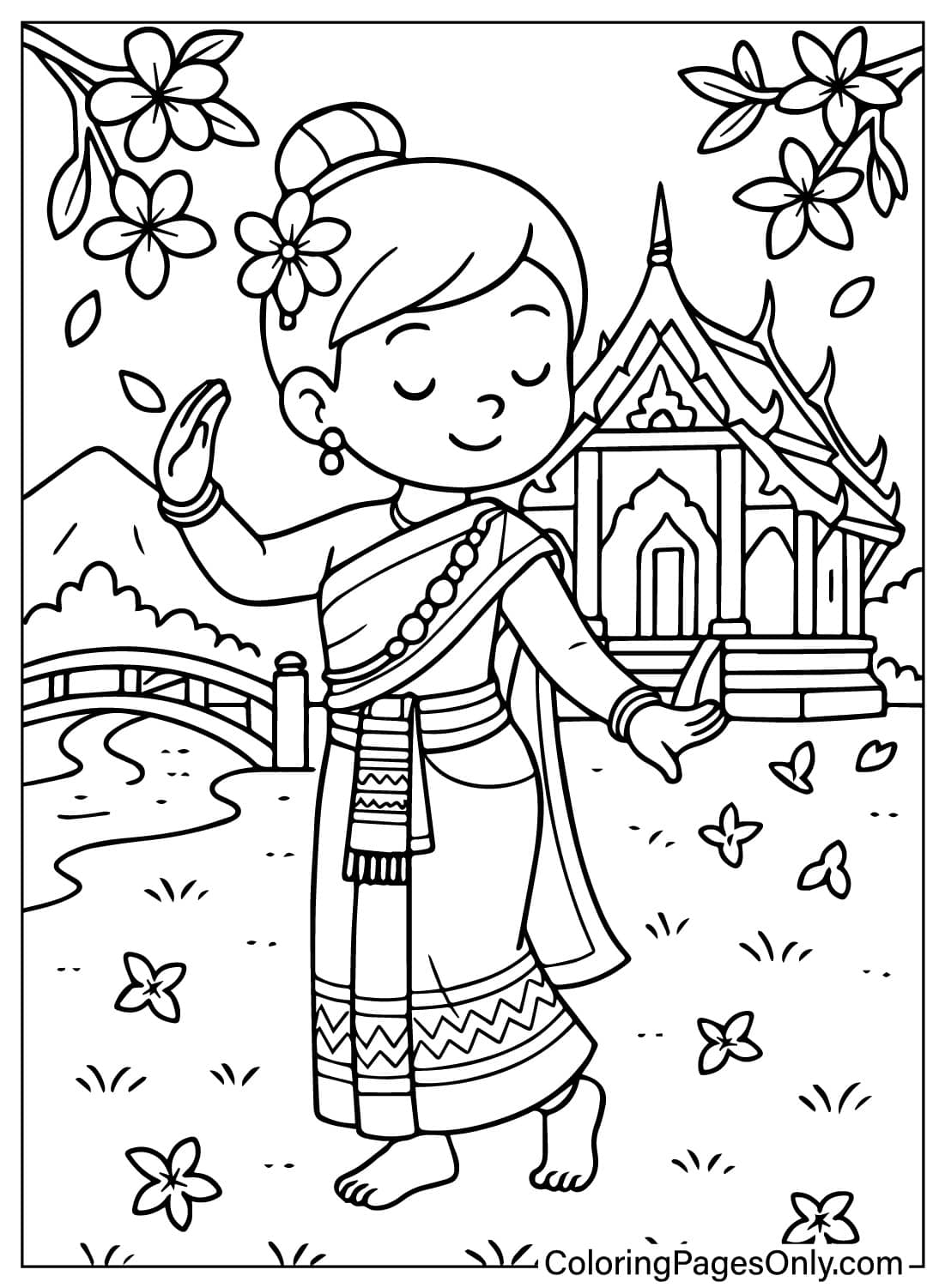
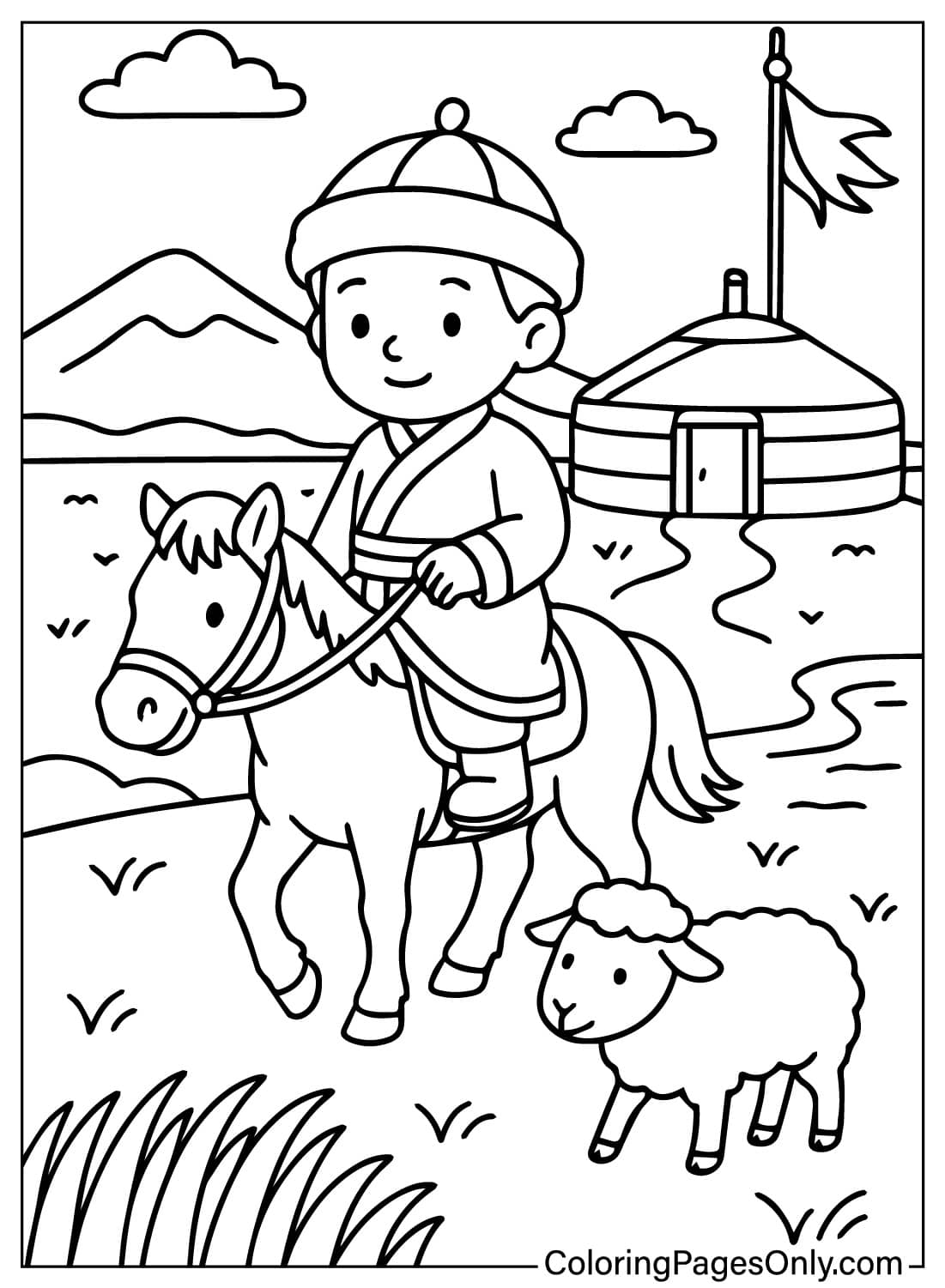
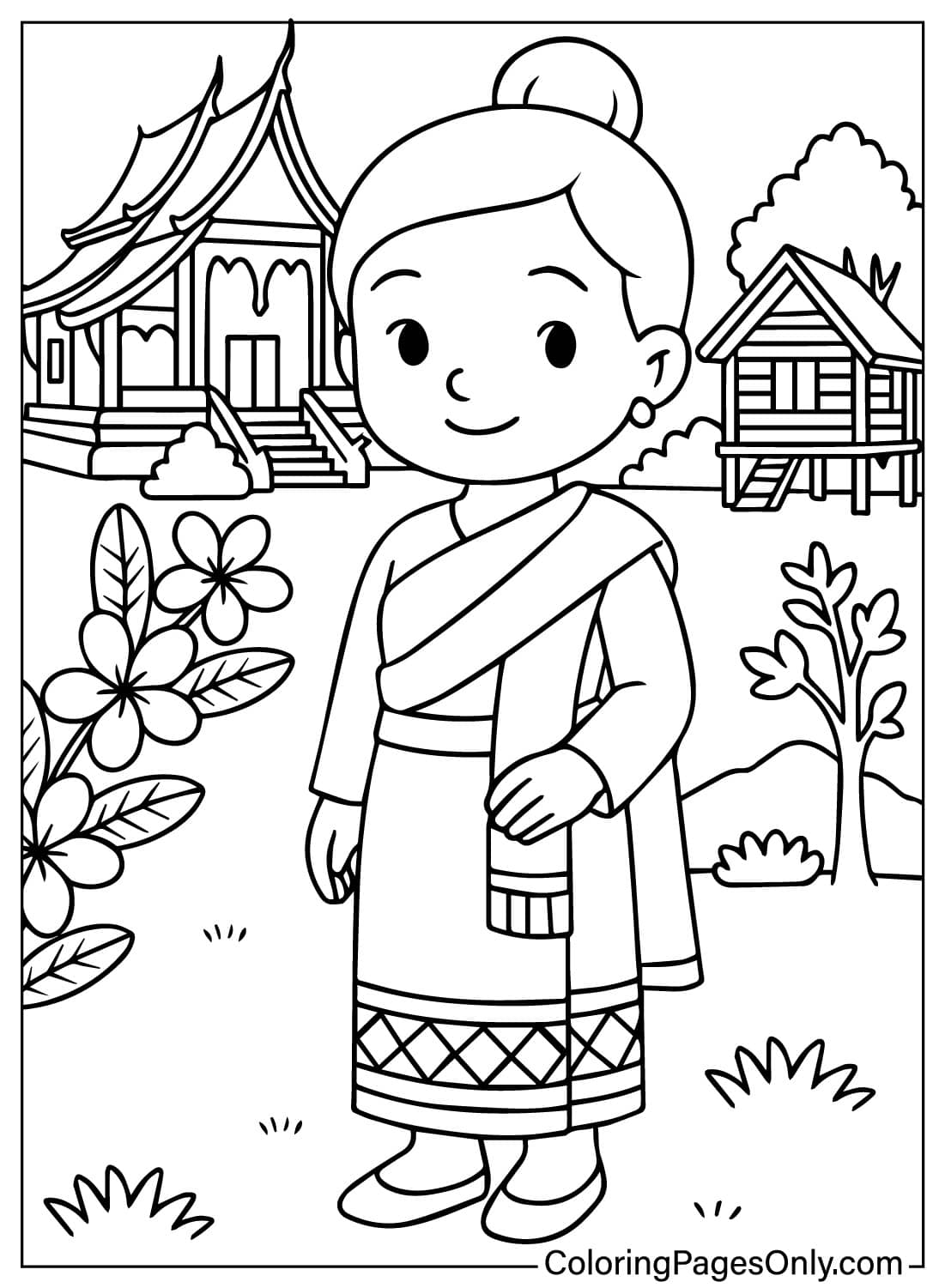
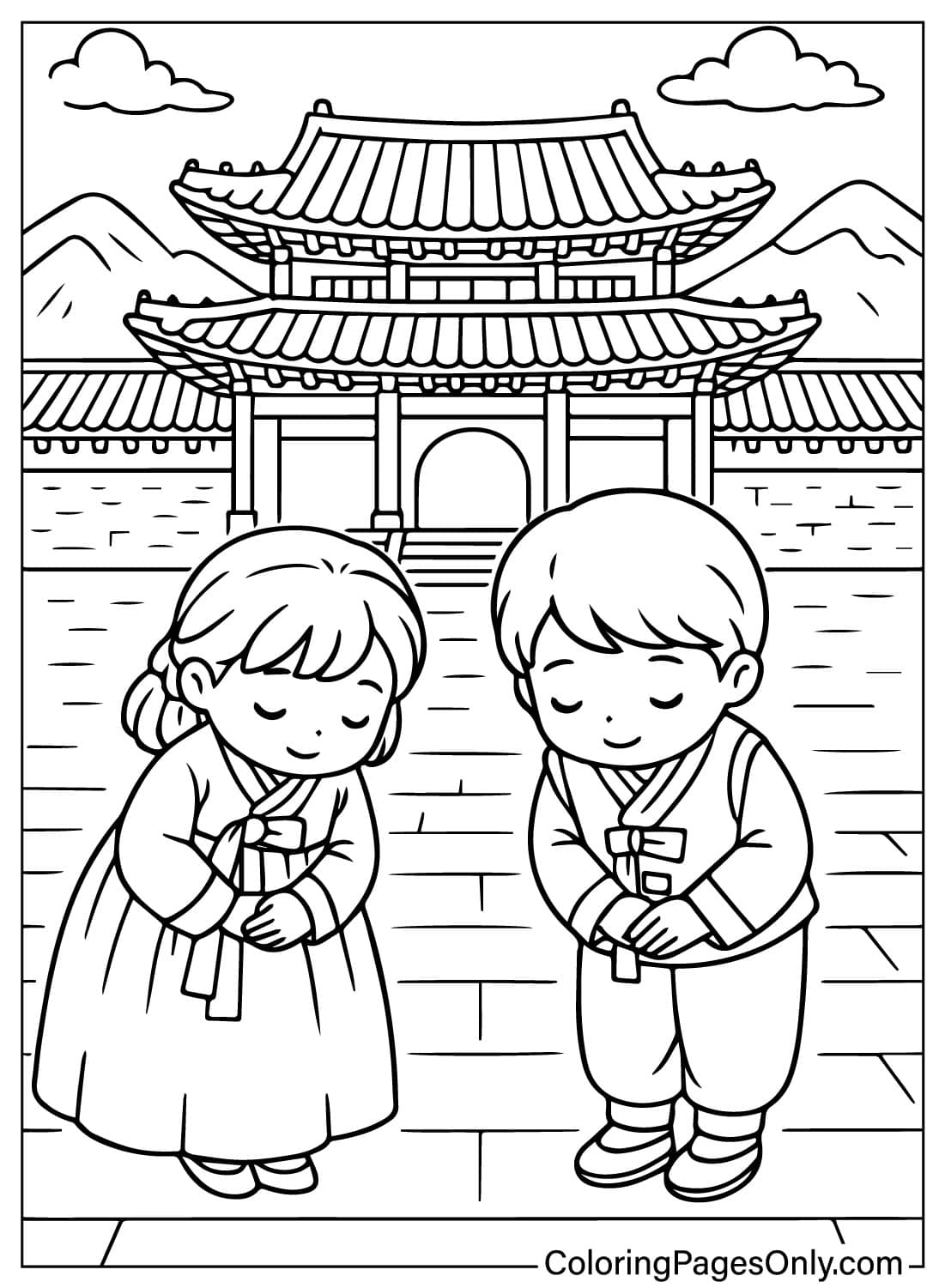
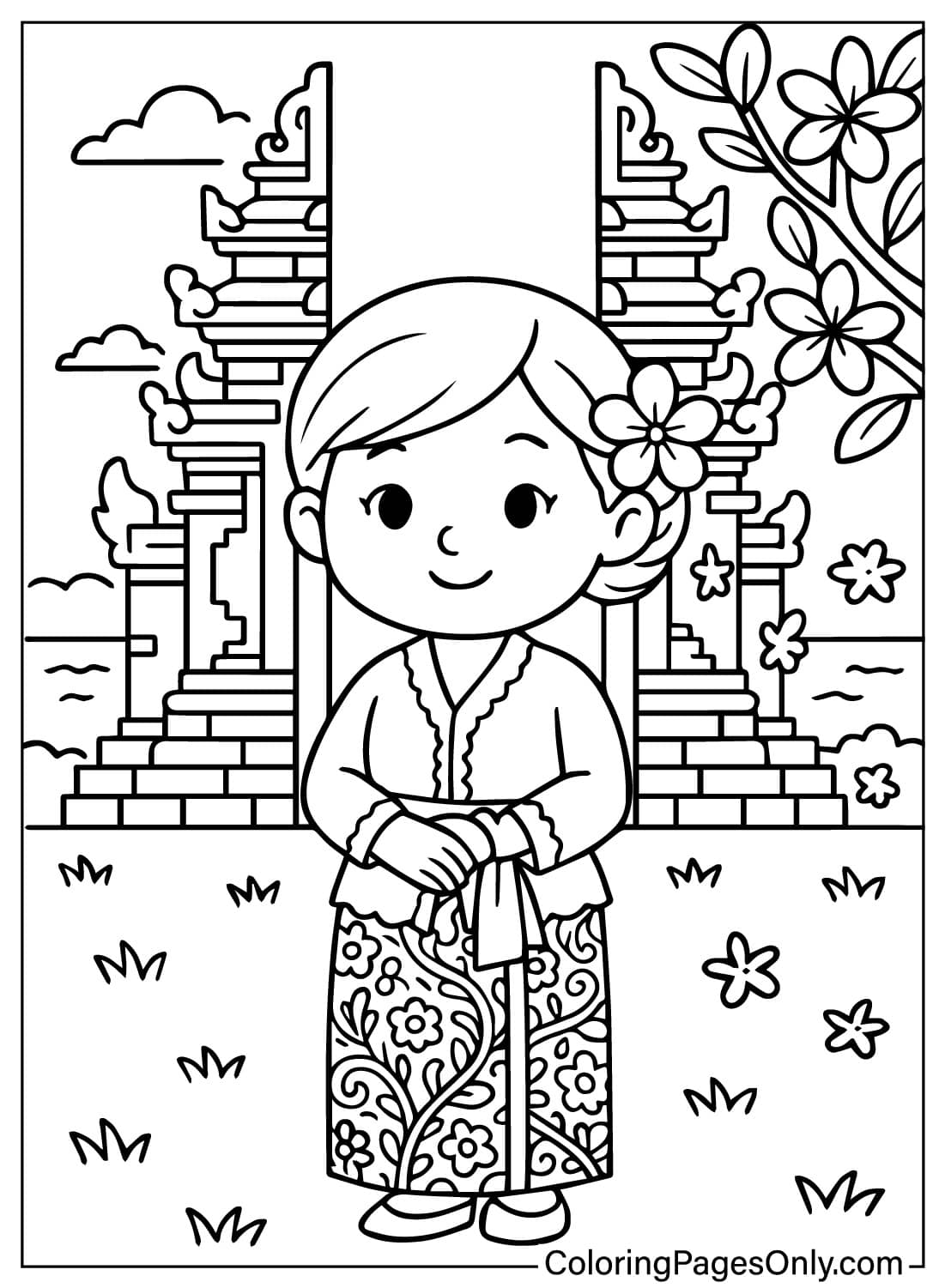
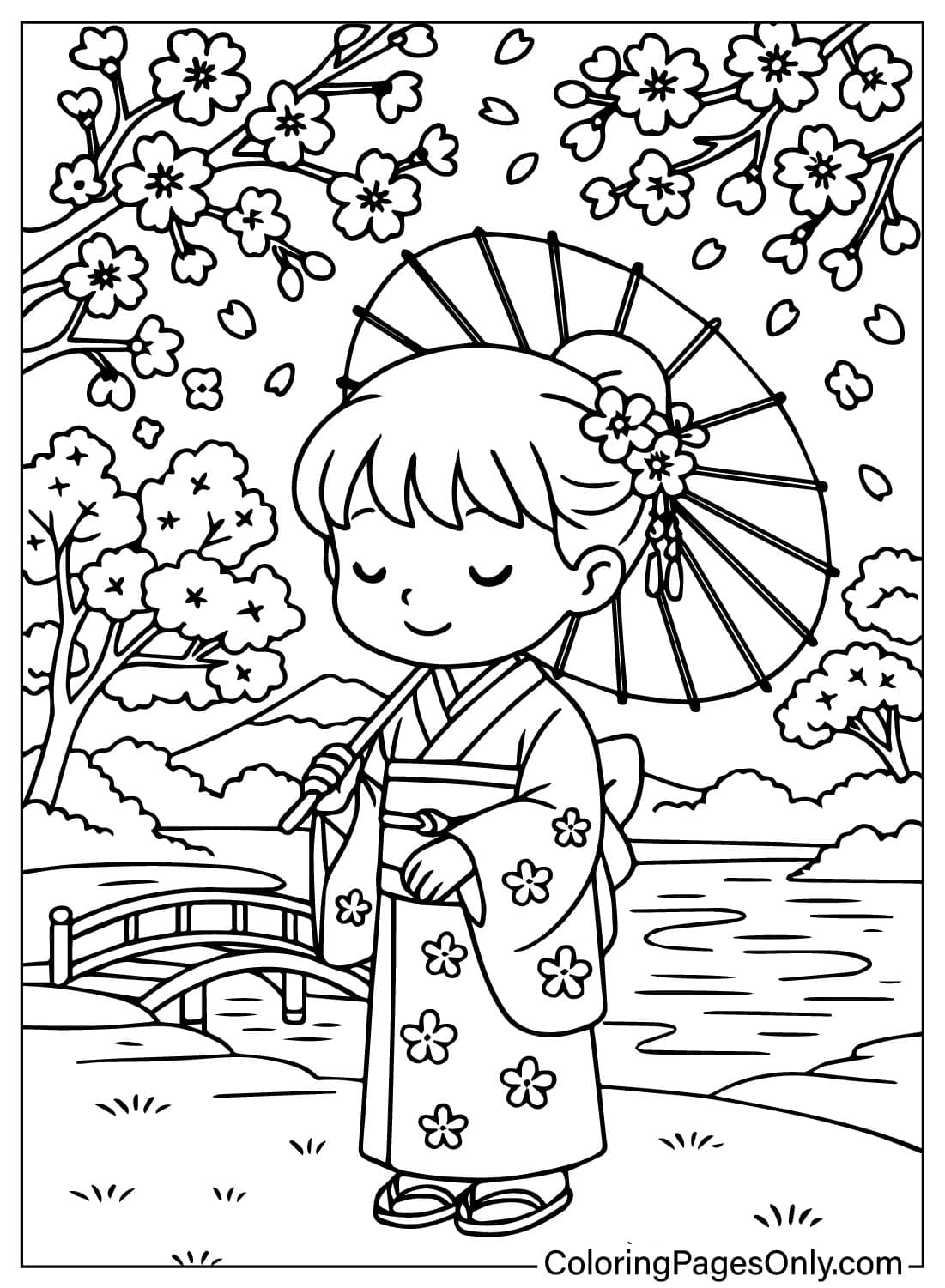
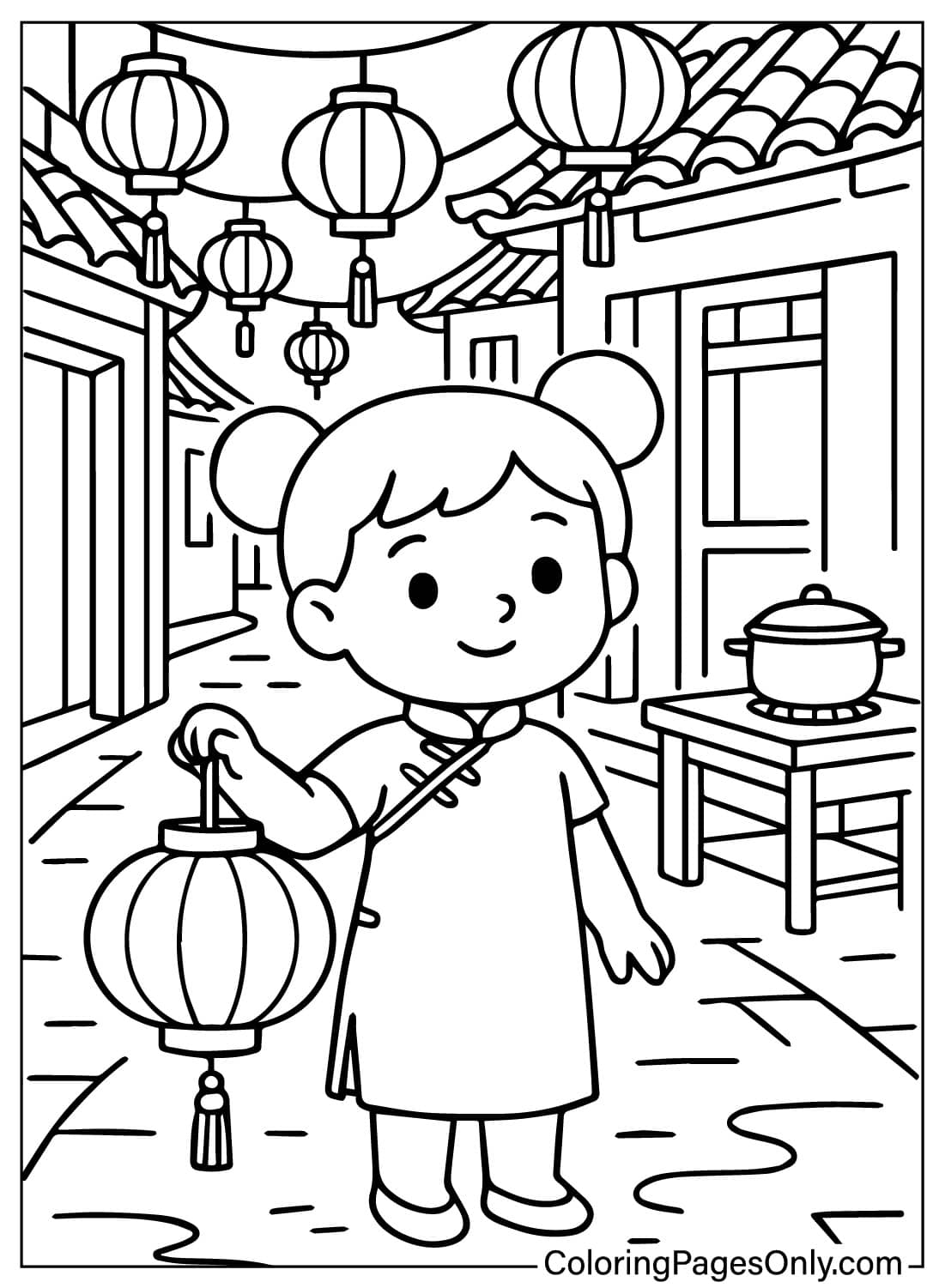
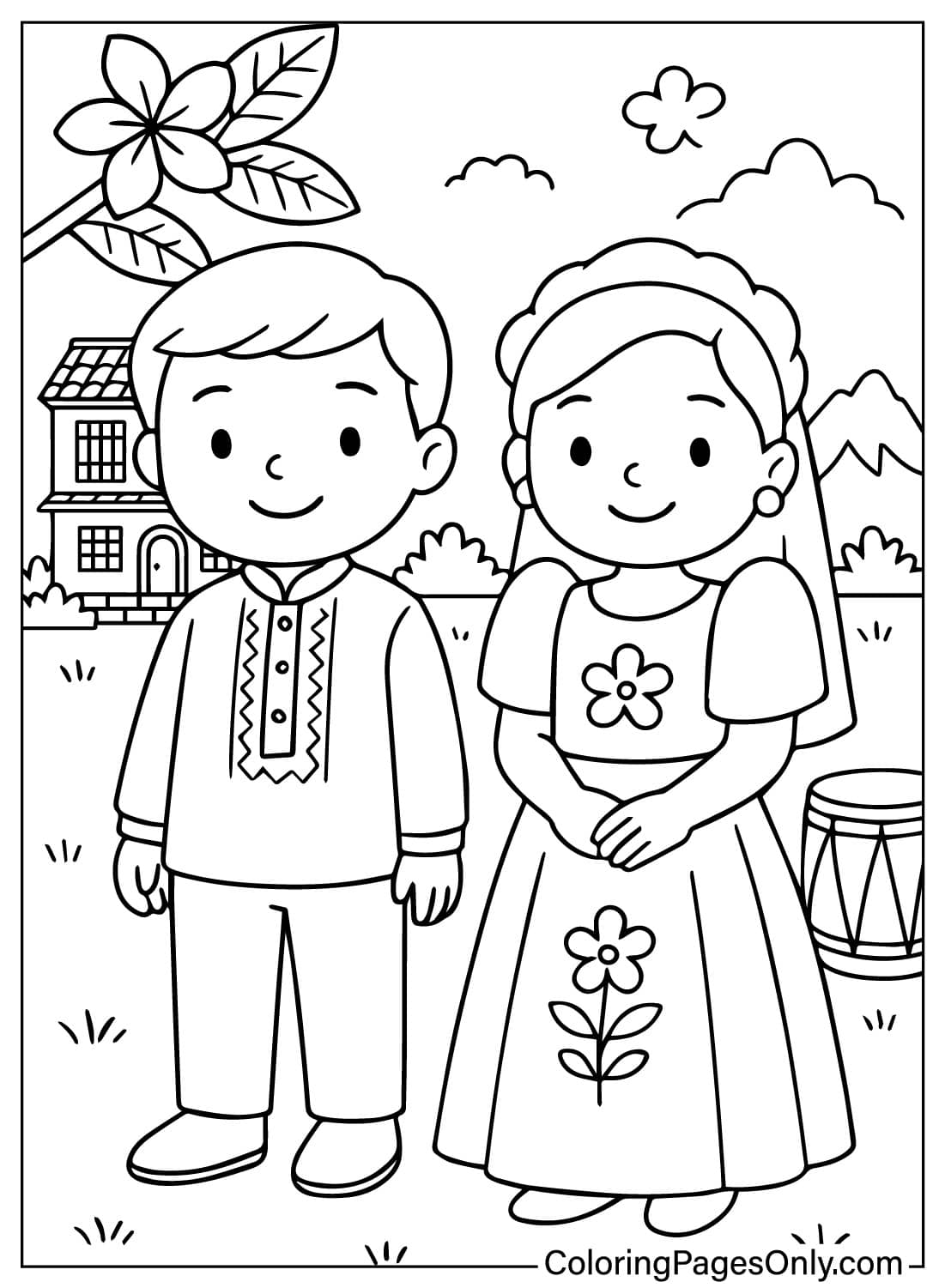
Nine pages feature dress from this region, including the Thai Lanna outfit, the Vietnamese ao dai, the Mongolian deel, Laotian sinh and sabai, the Korean hanbok, Indonesian kebaya and batik, the Japanese kimono, the Chinese qipao, and Filipino barong tagalog and terno.
European Folk Costumes
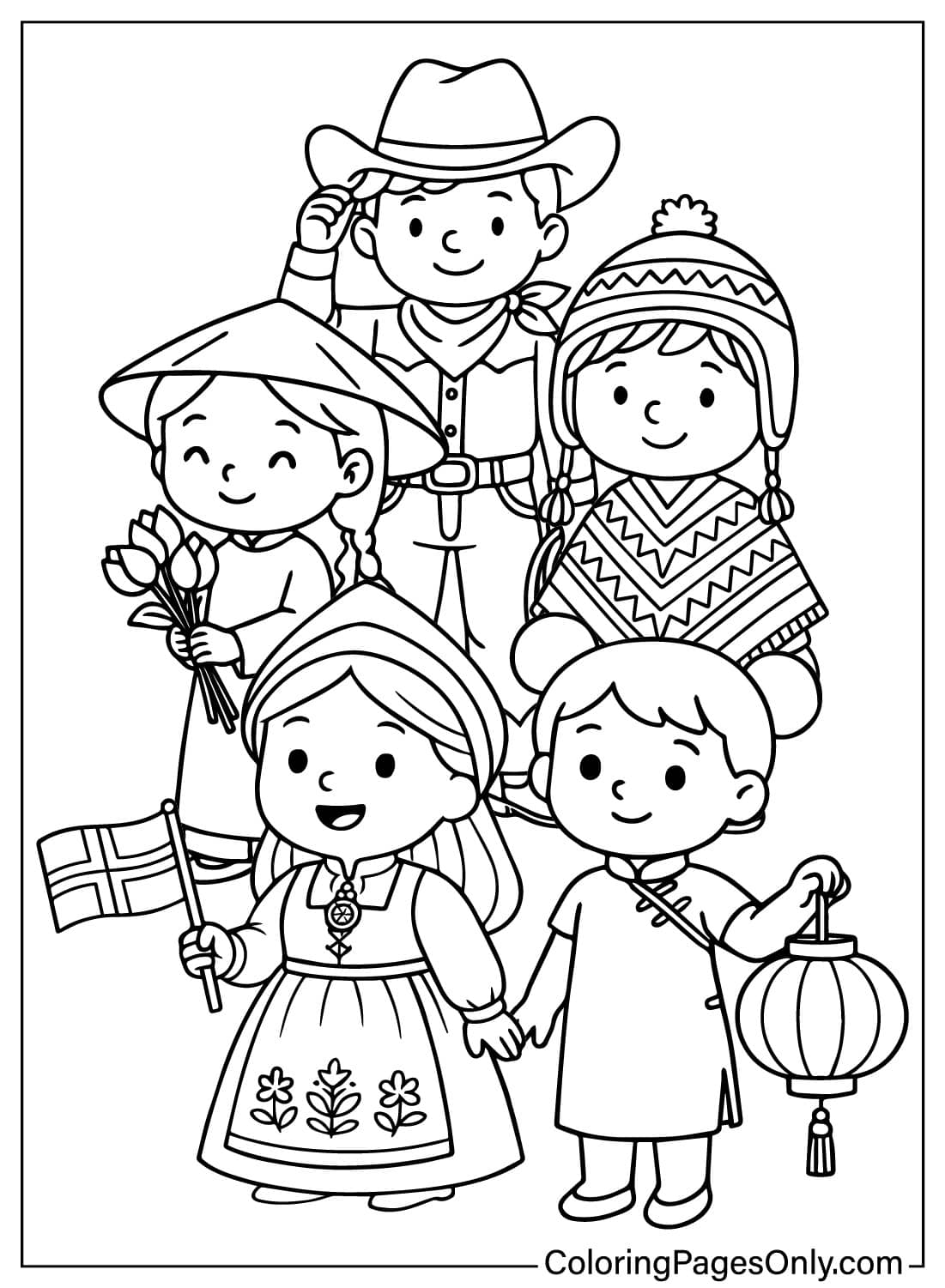
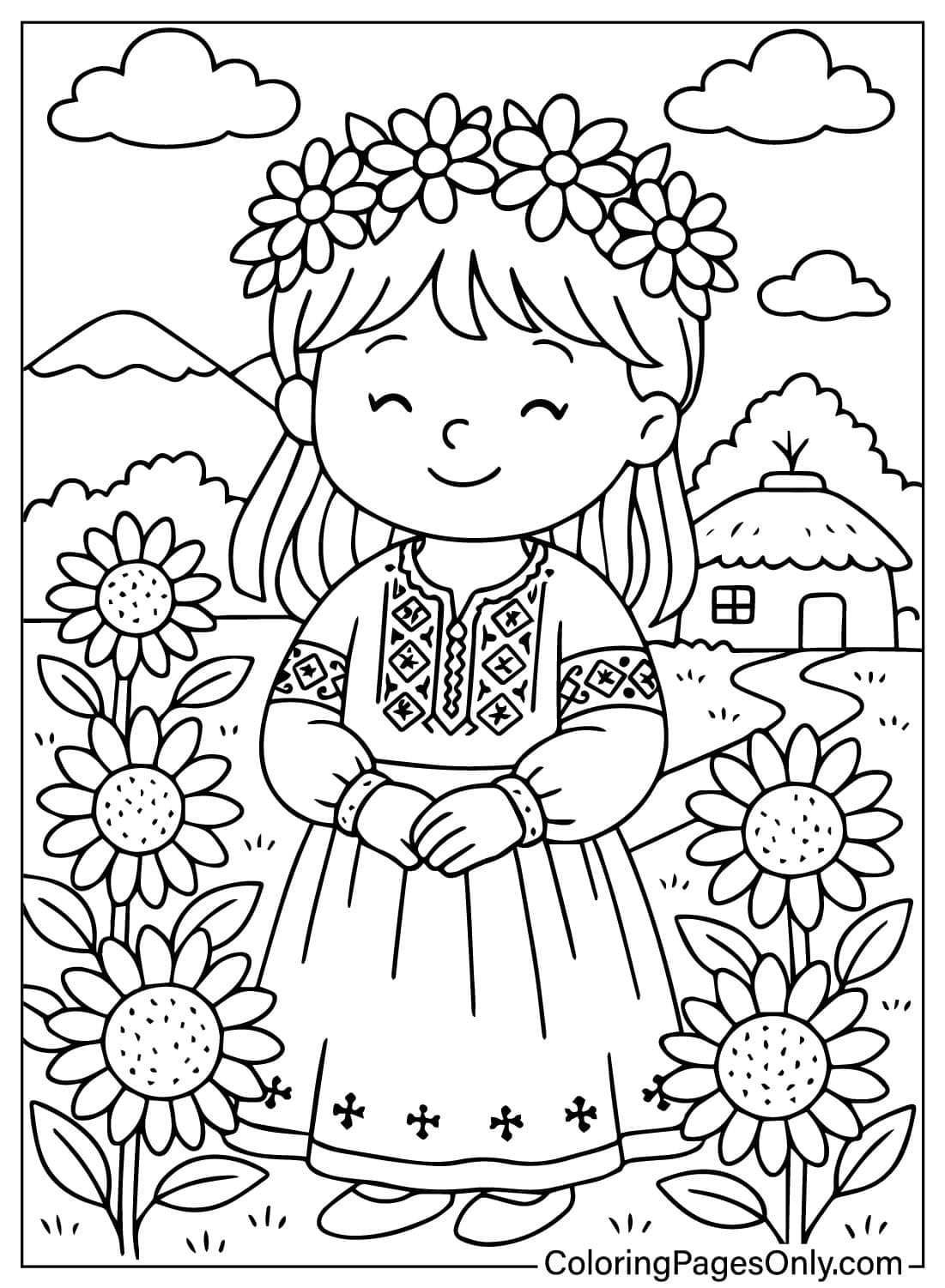
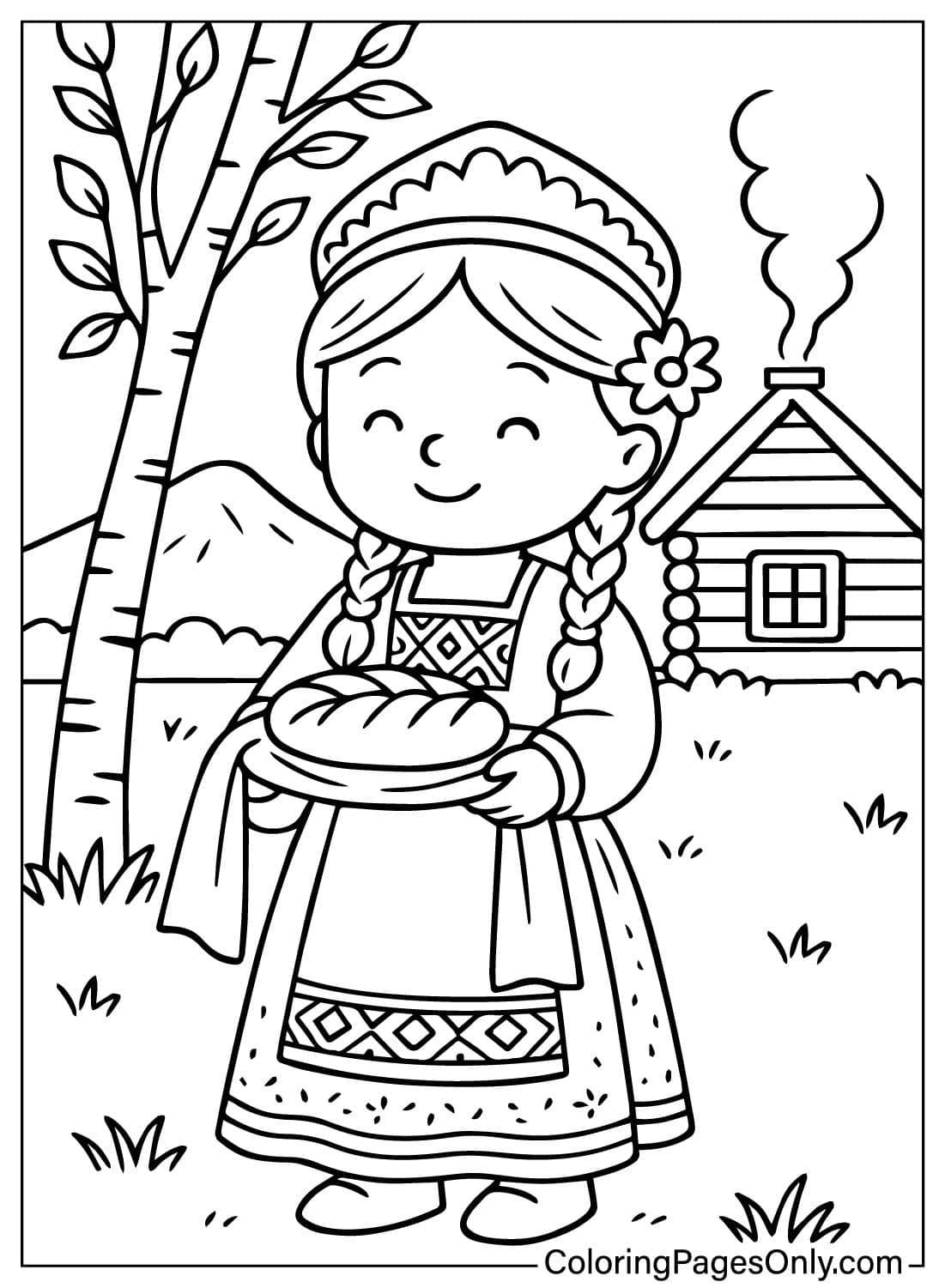
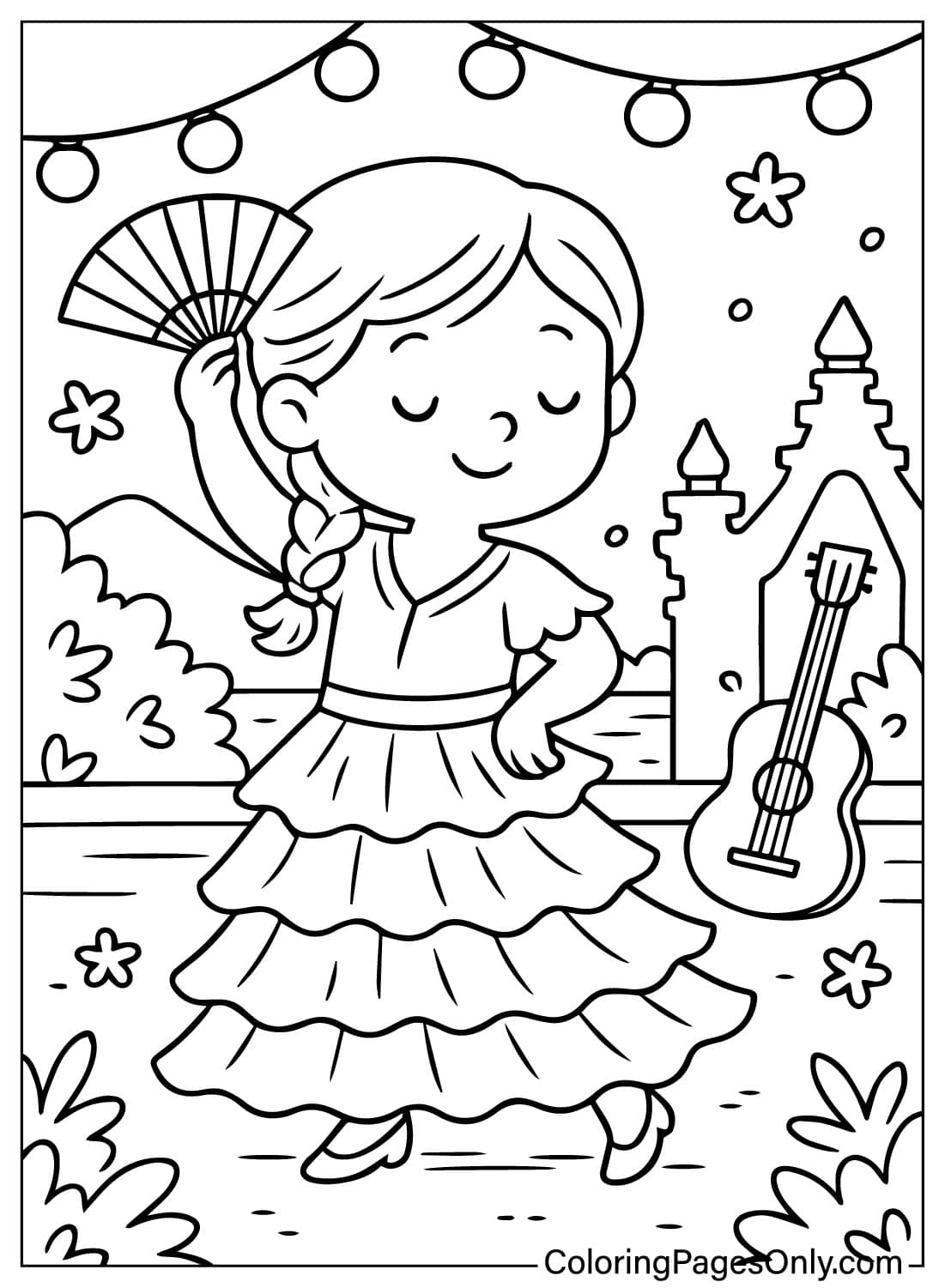
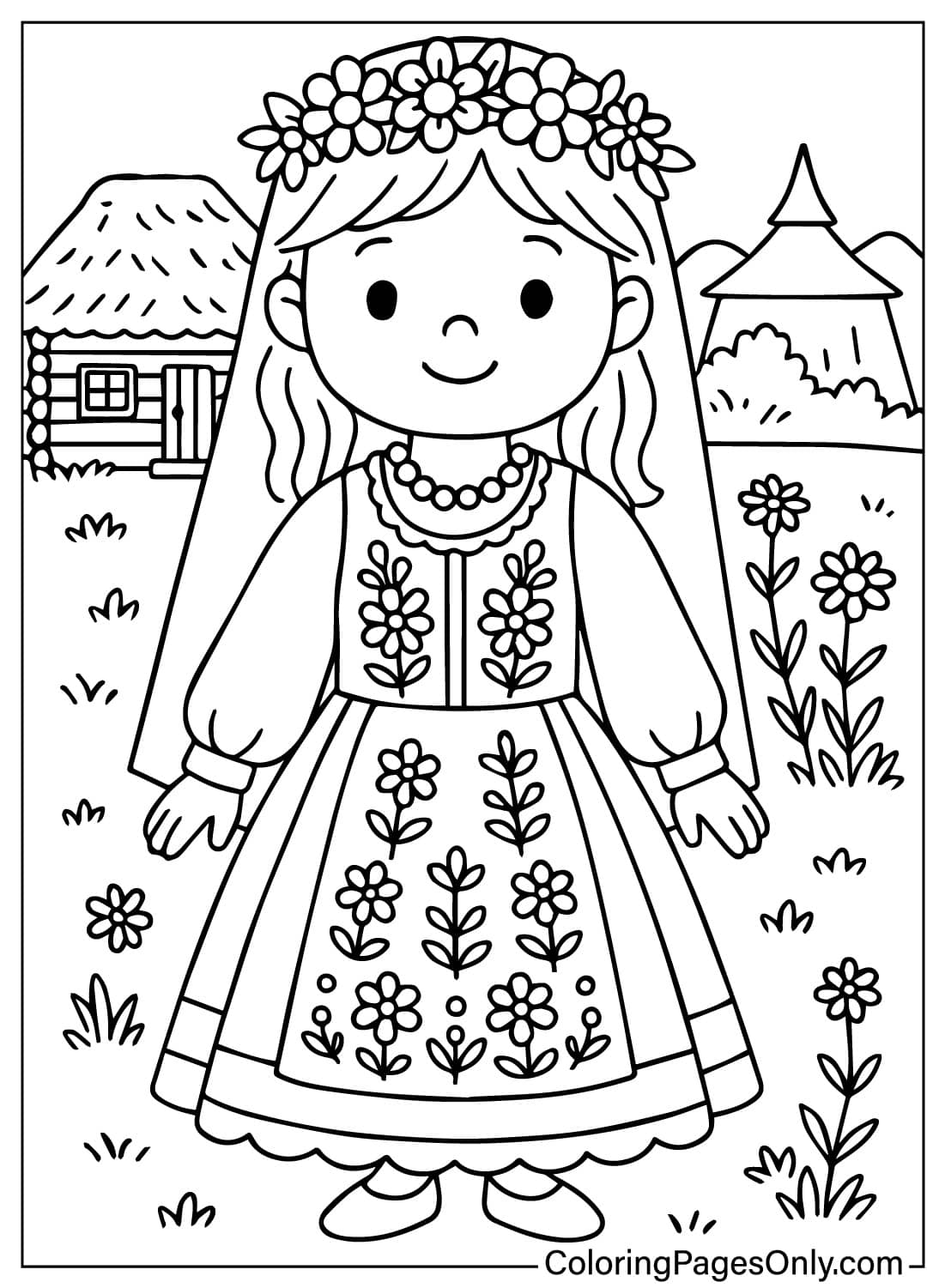
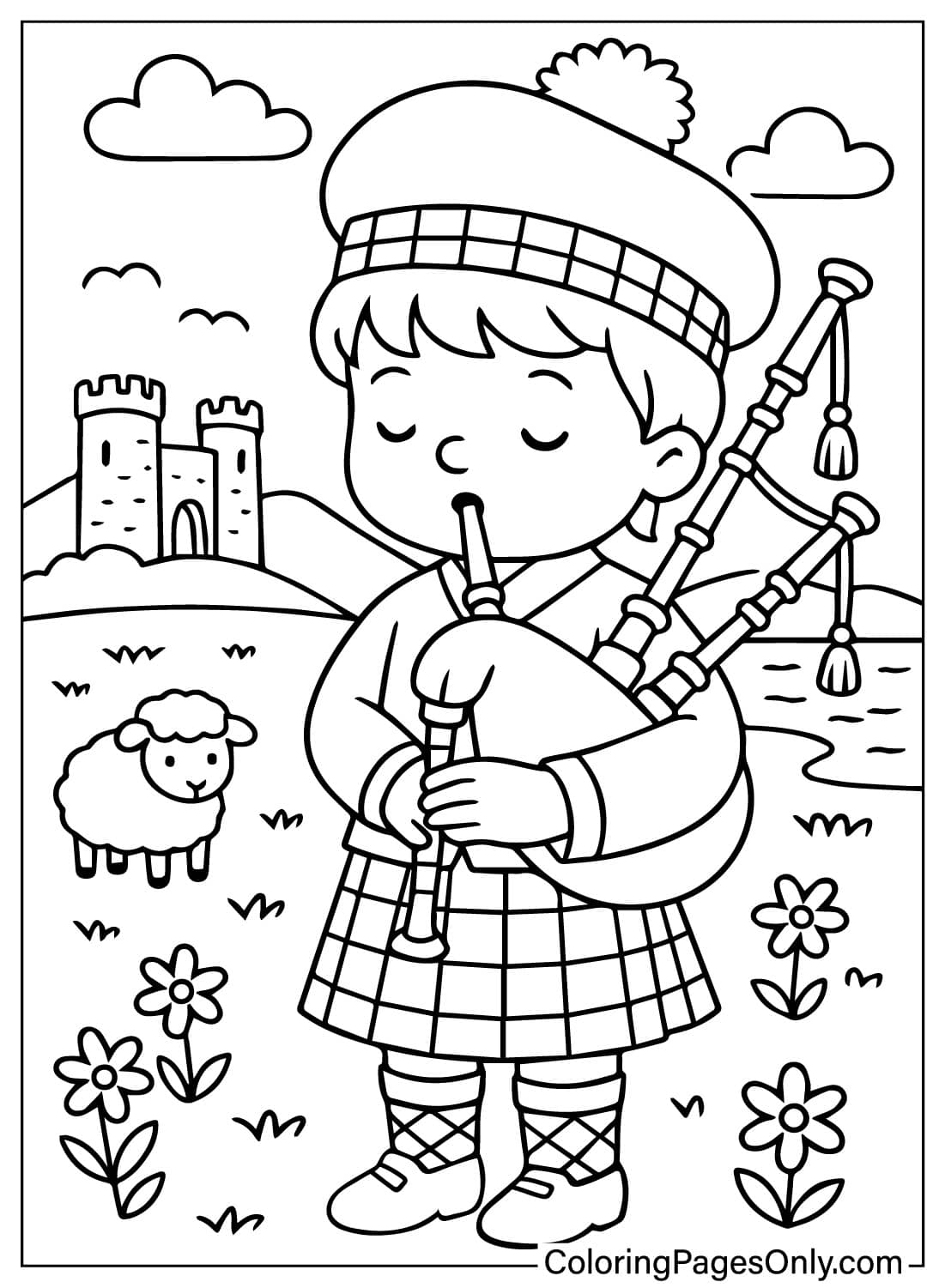
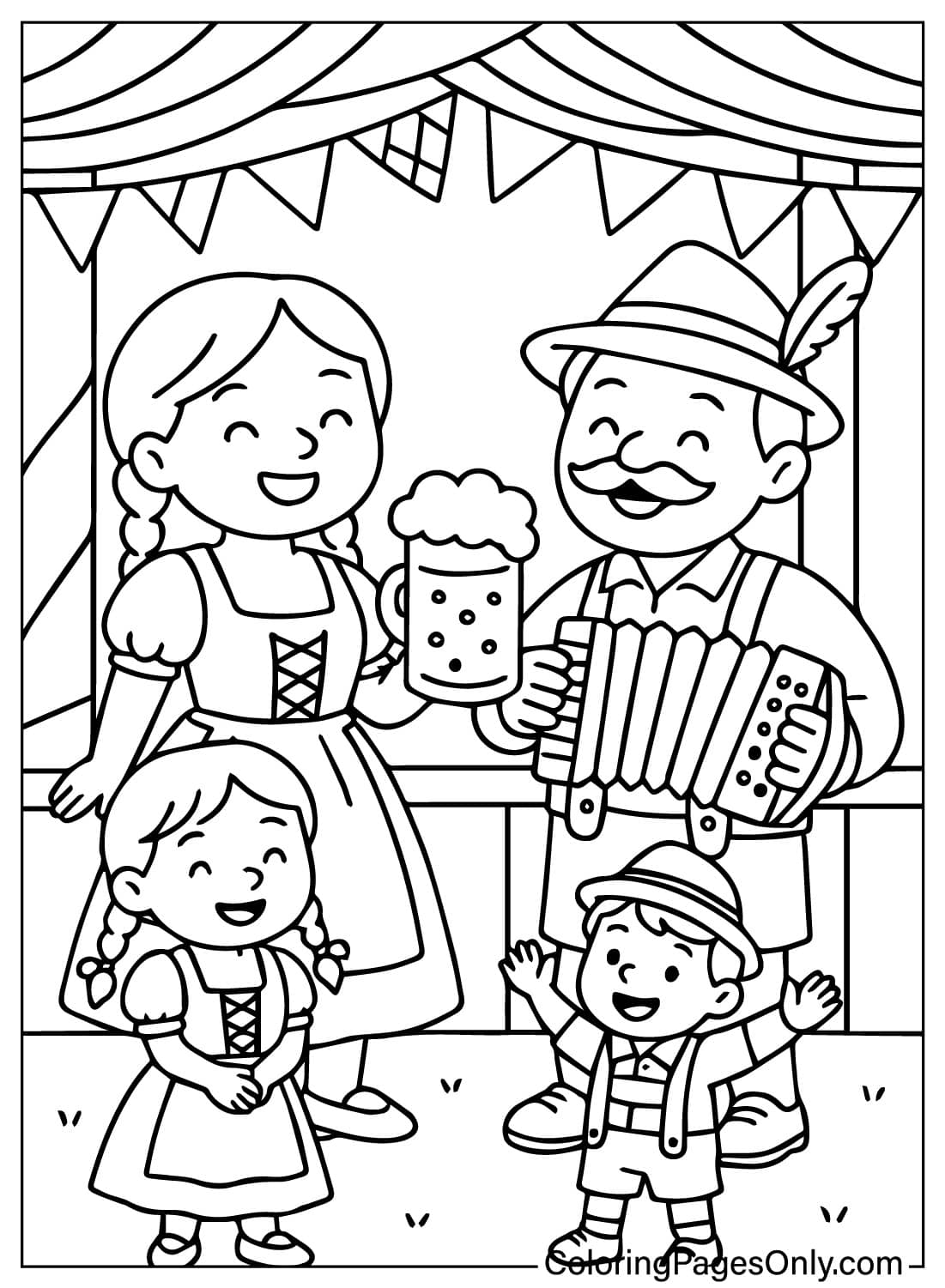
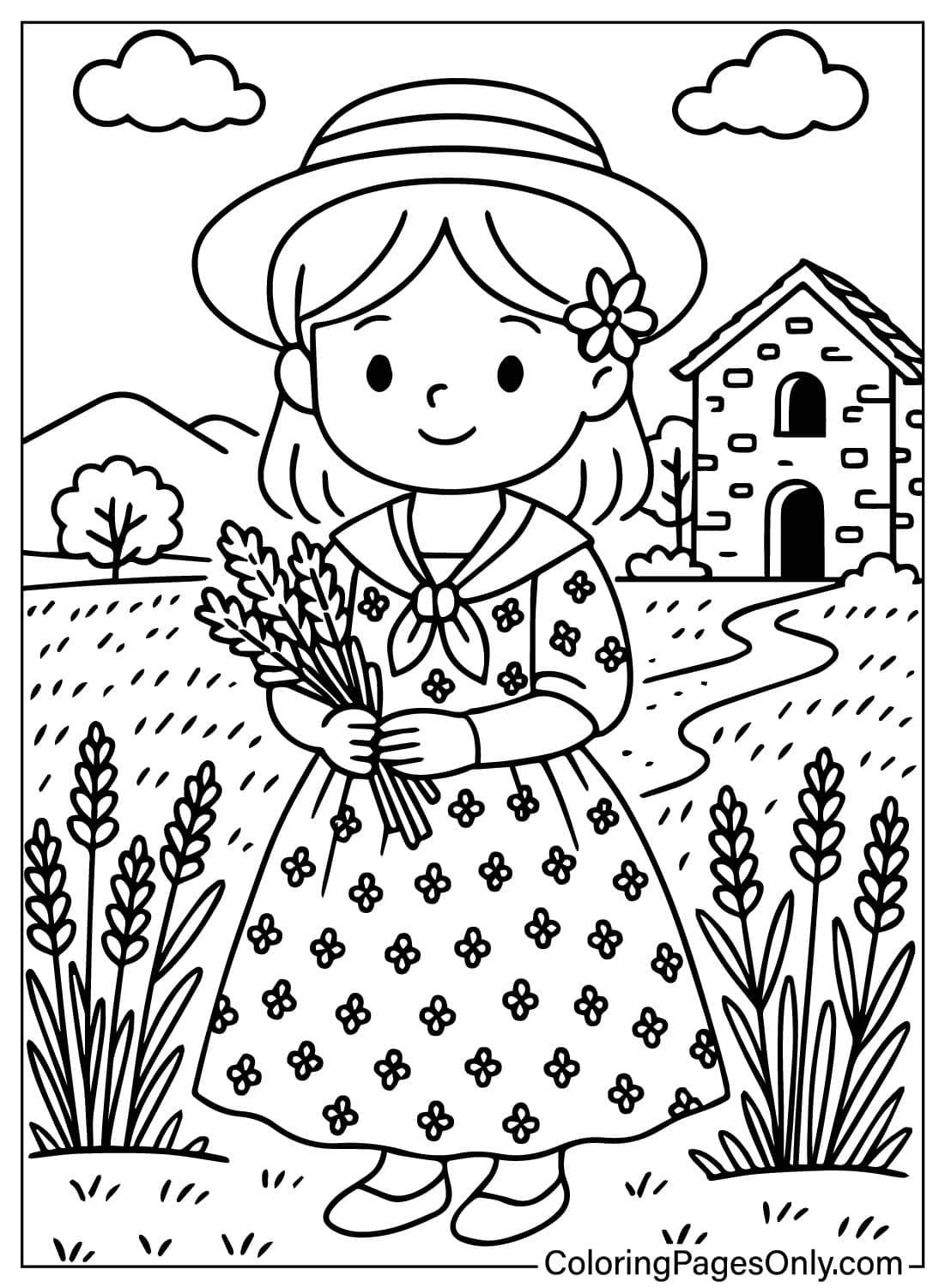
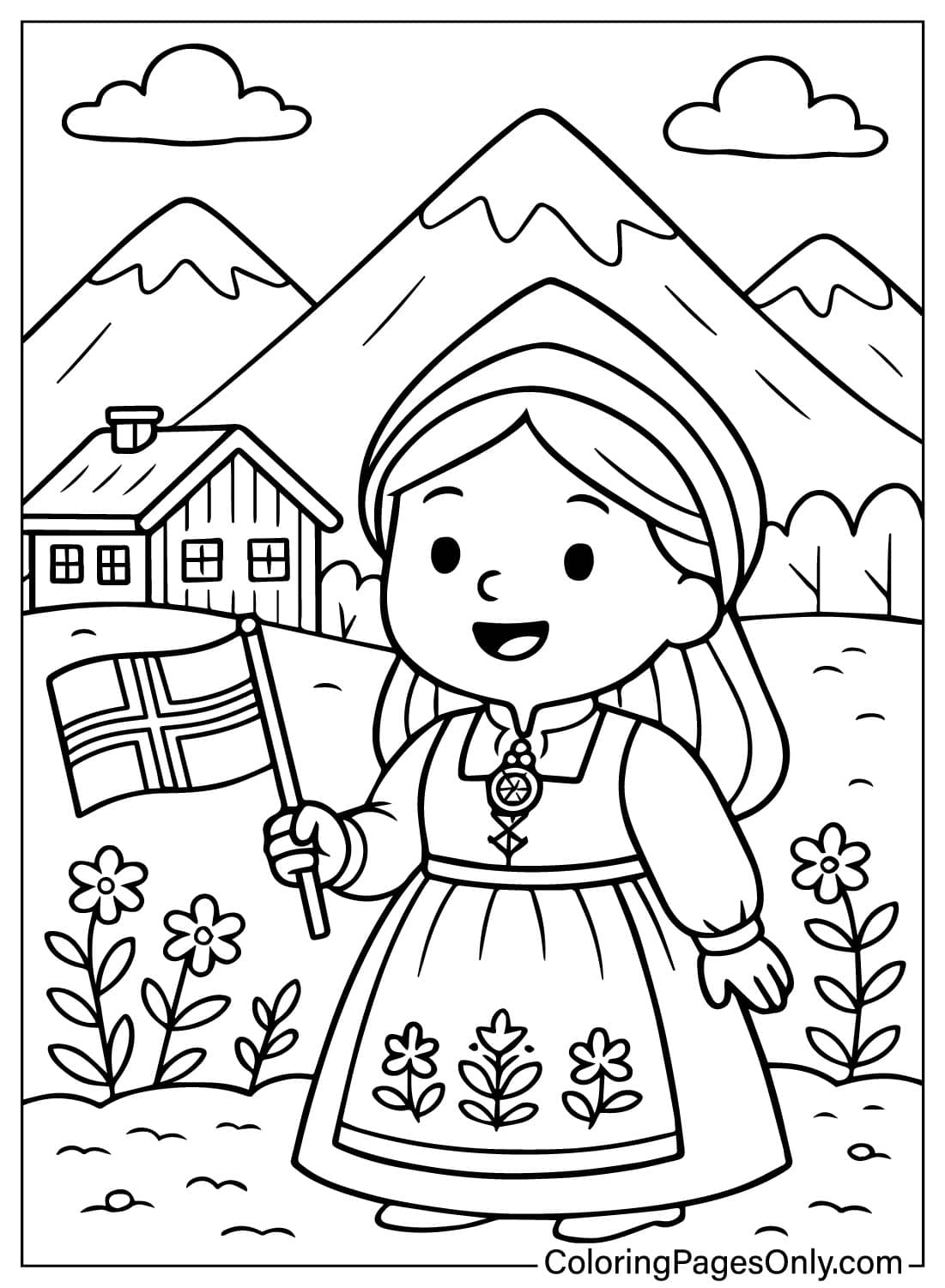
Eight pages cover European traditions, including Ukrainian vyshyvanka, Russian sarafan, Polish folk dress from the Krakow region, the Scottish kilt, German dirndl and lederhosen, French Provençal dress, Norwegian bunad, and Spanish flamenco attire.
Middle Eastern, Central Asian, and Ancient Dress
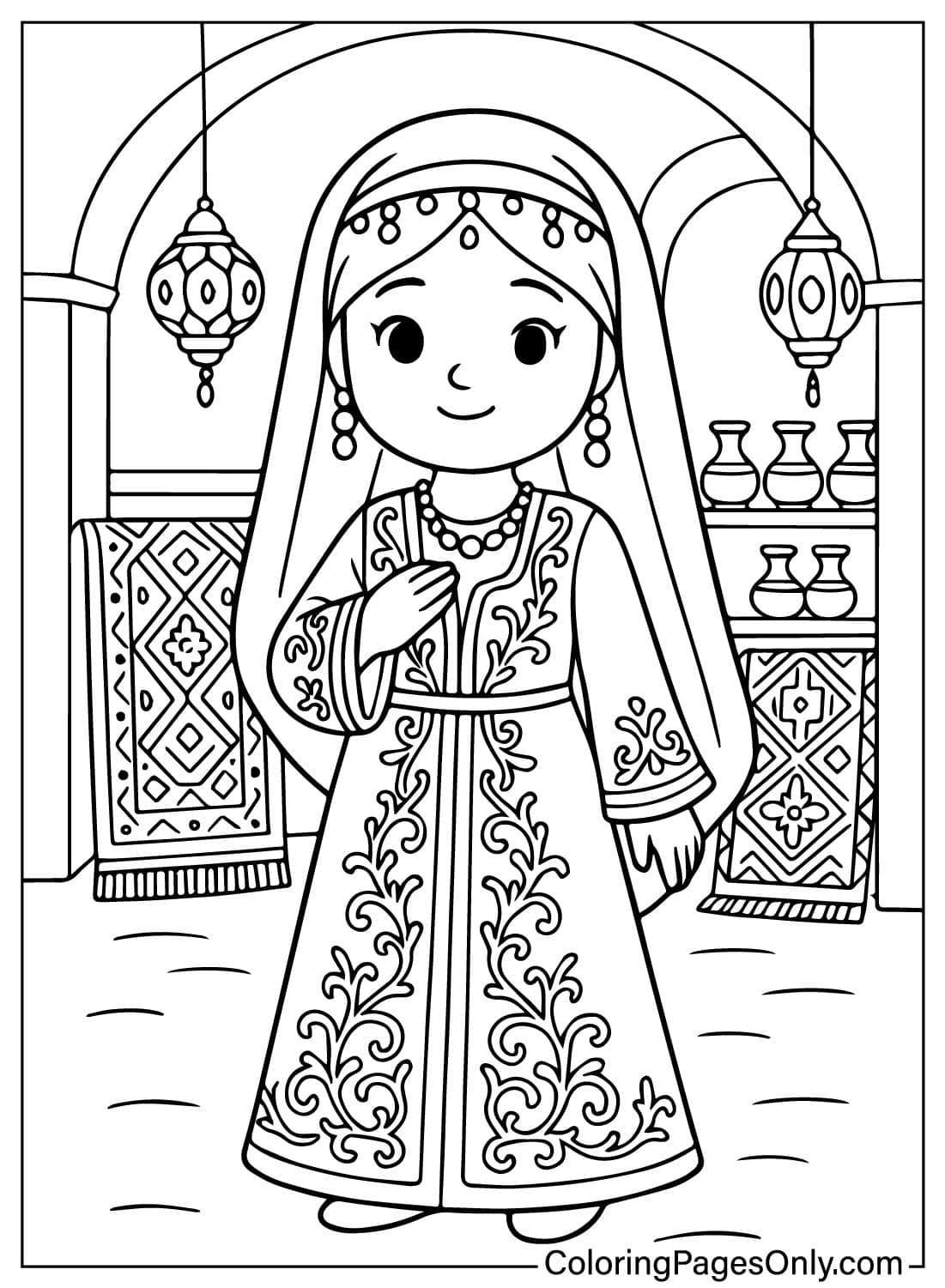
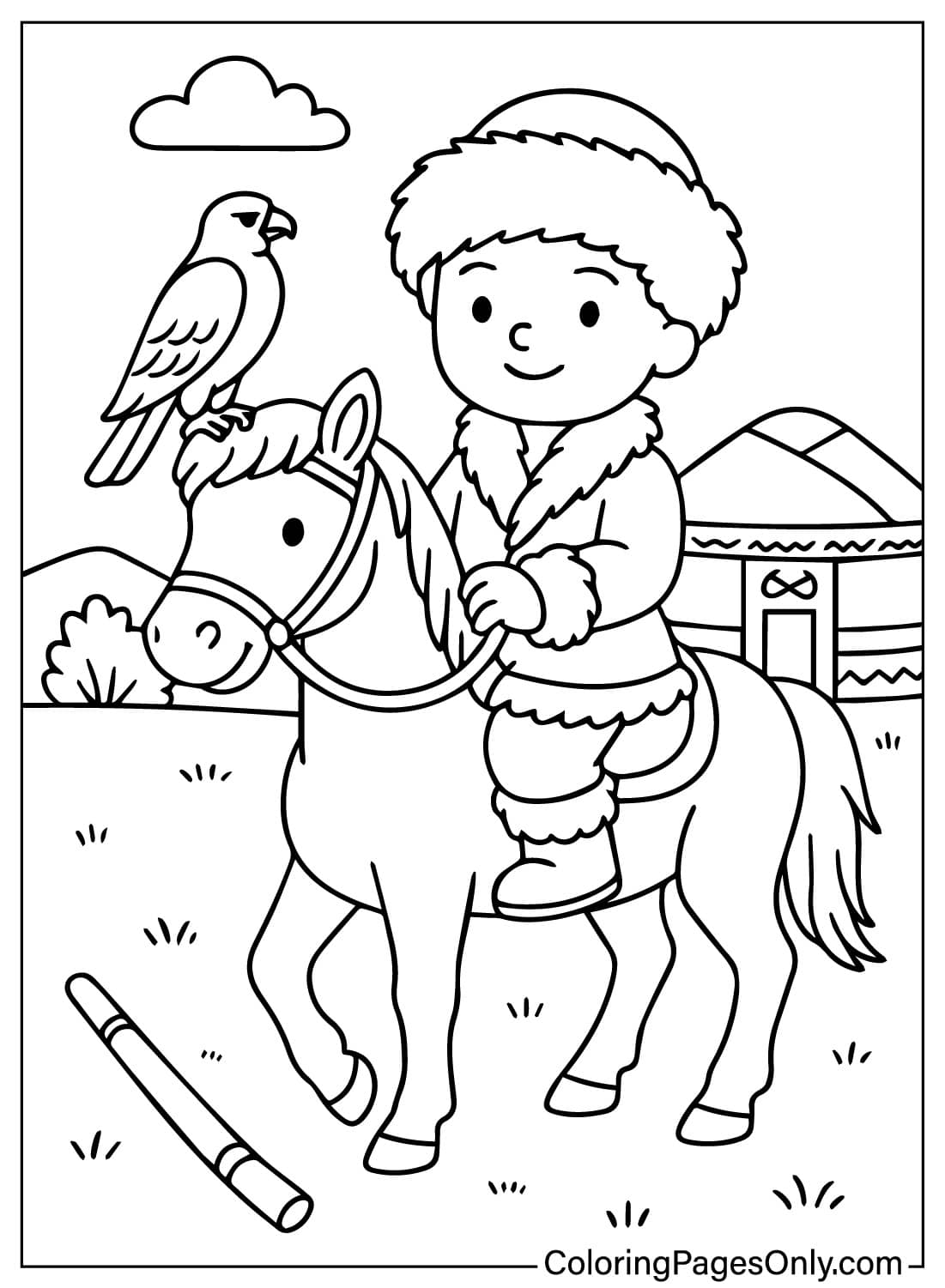
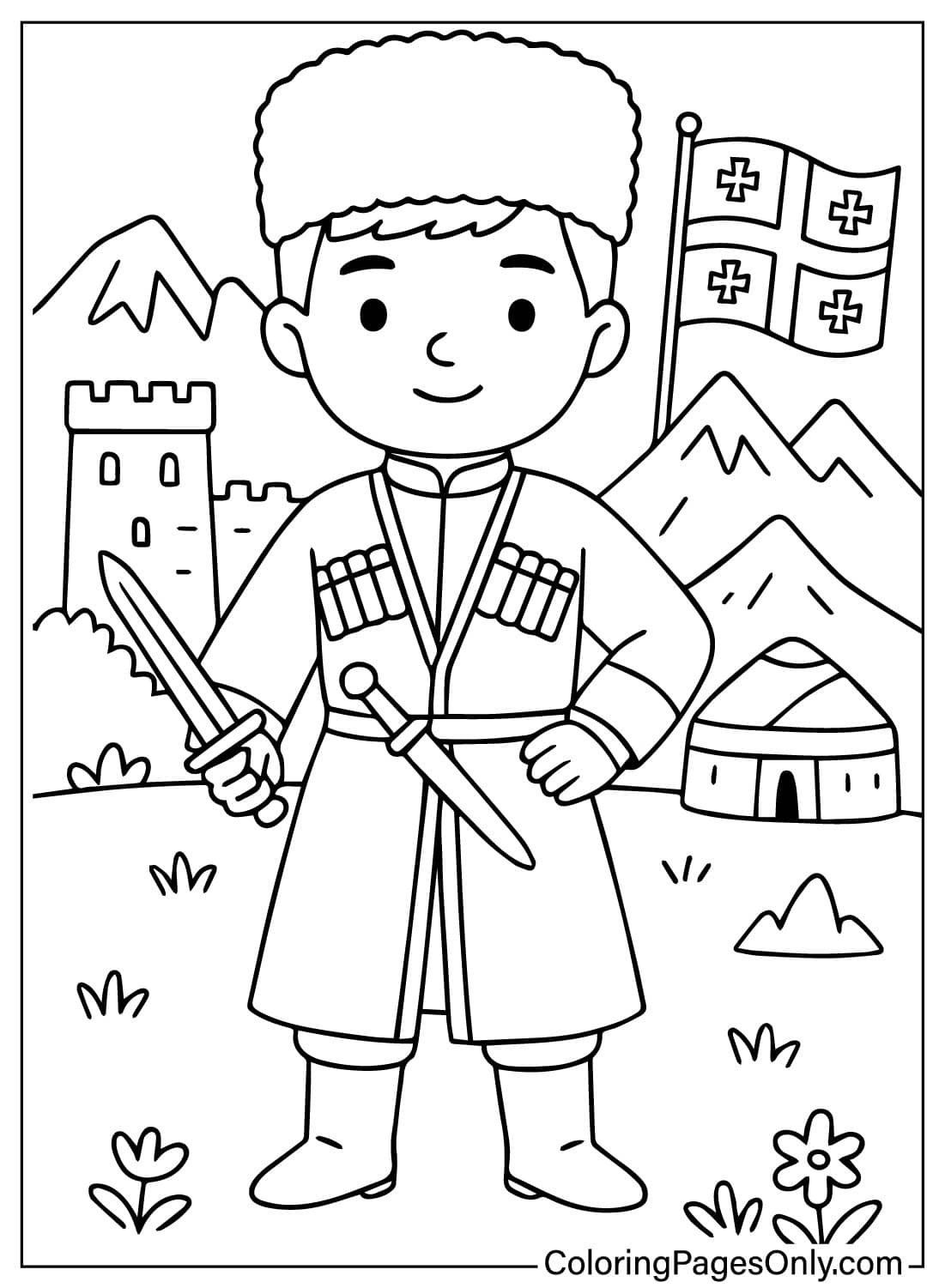
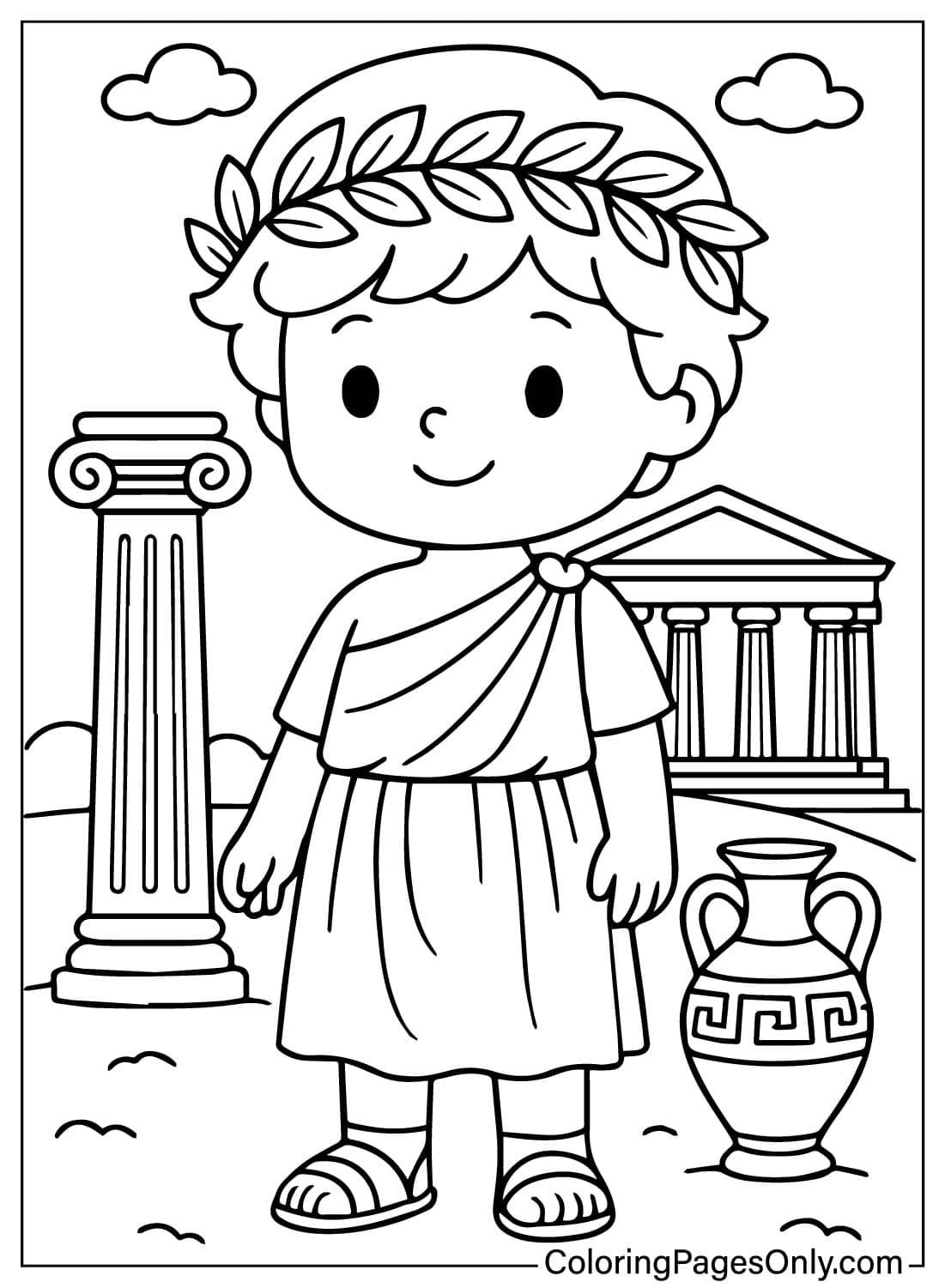
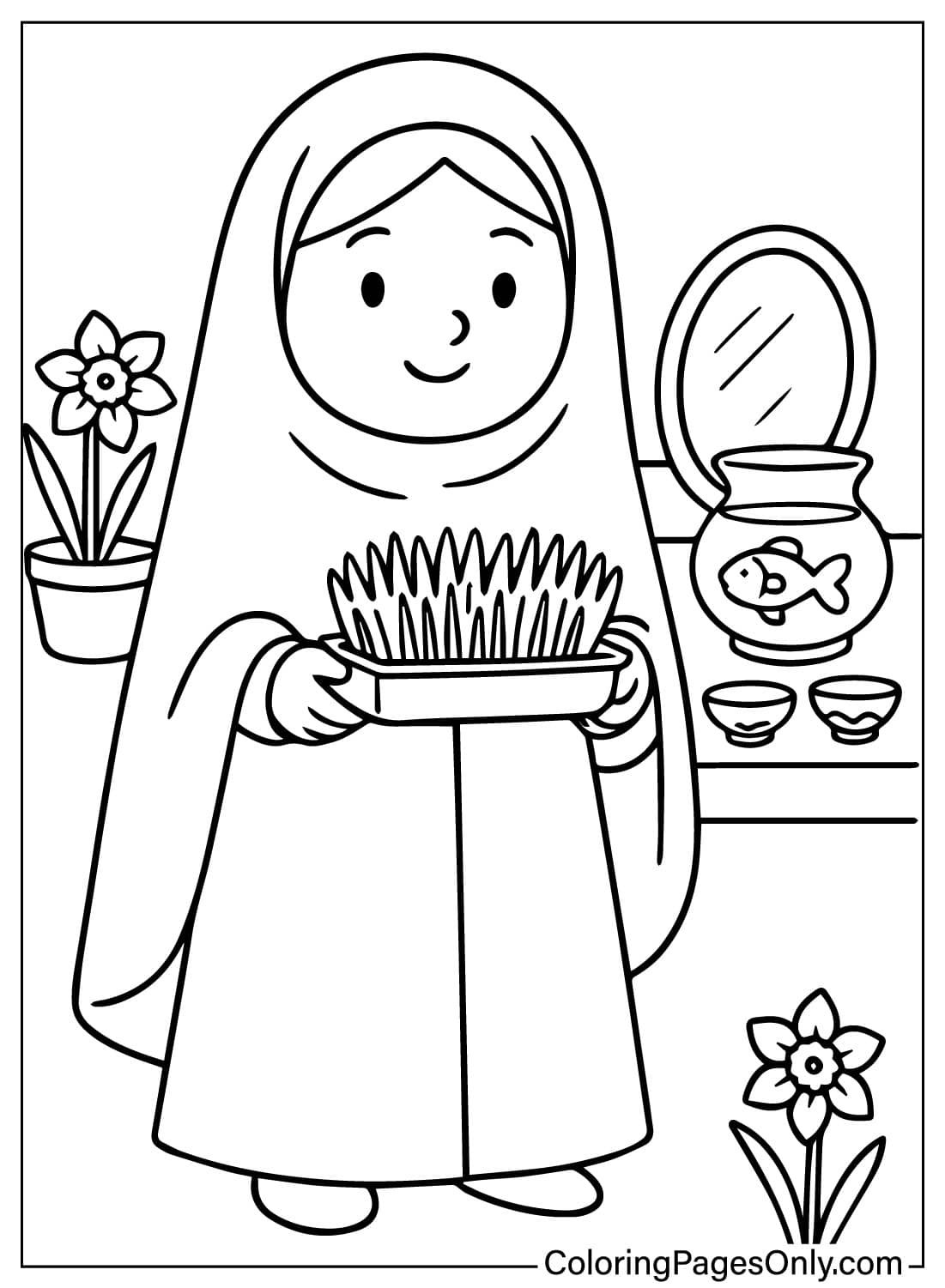
Six pages span the Ottoman-era Turkish embroidered dress, Kazakh clothing, the Georgian chokha, Iranian chador worn during Nowruz, and dress from ancient Greece and ancient Egypt.
African, Indigenous, and Arctic Dress
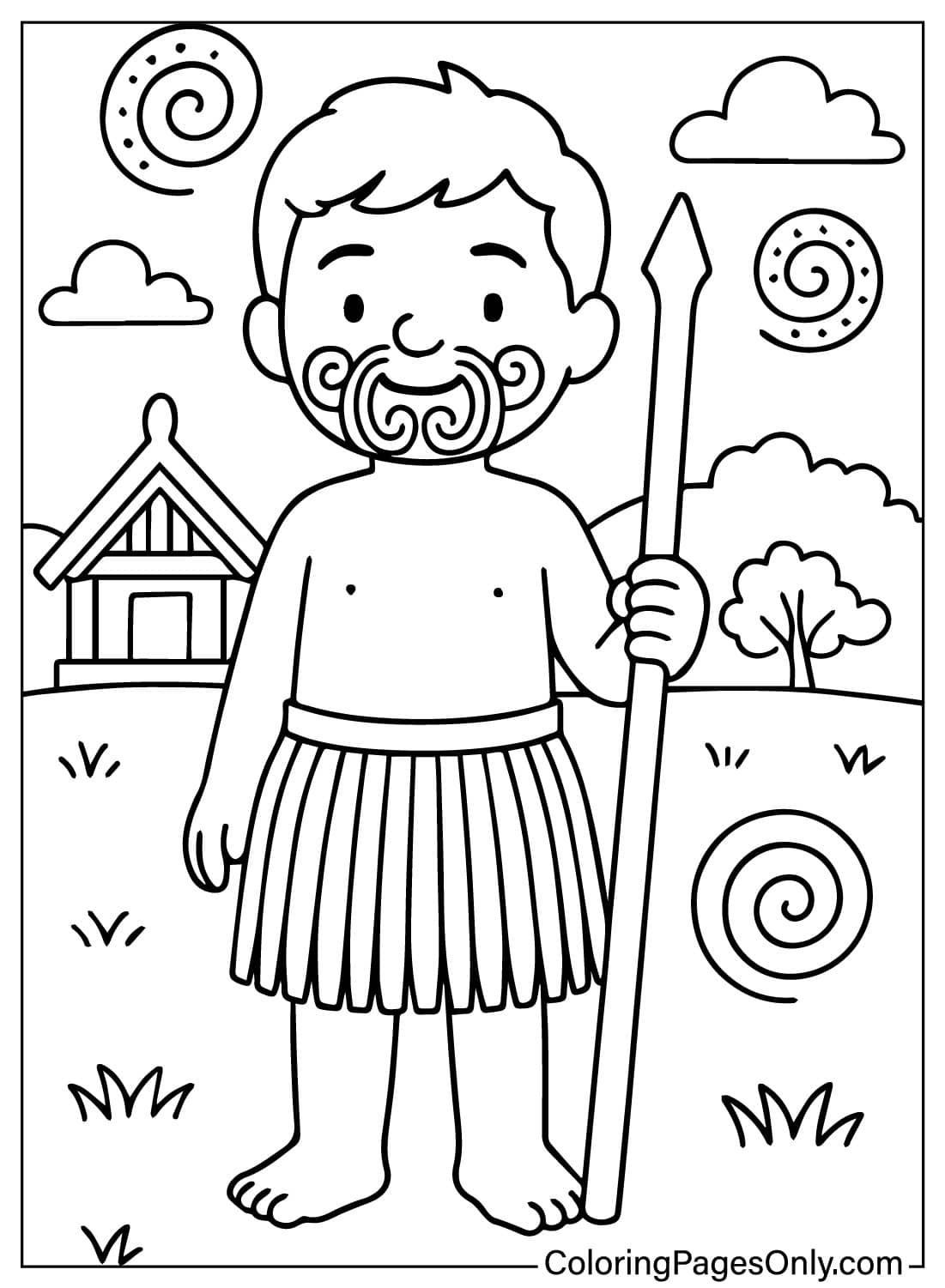
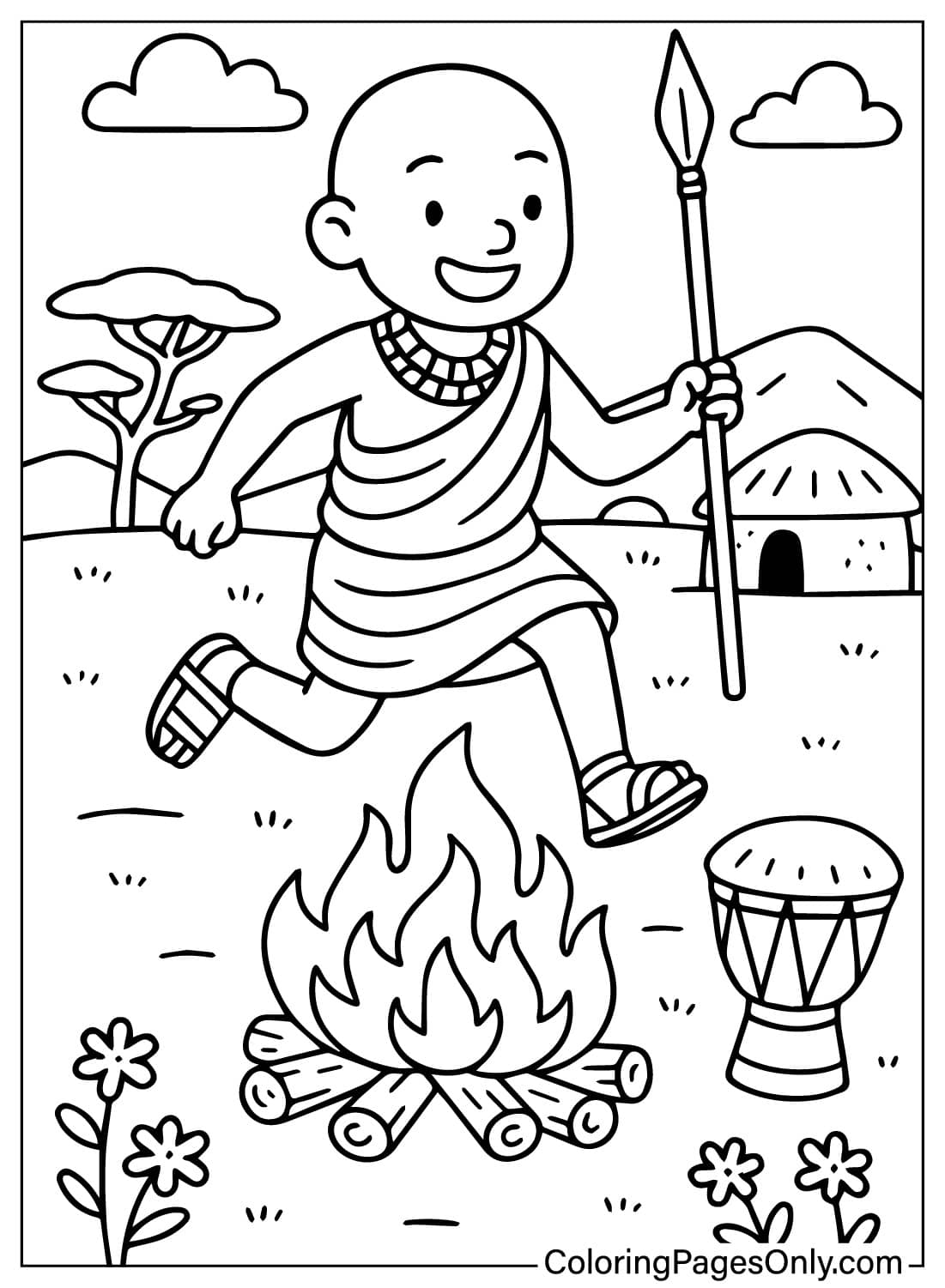
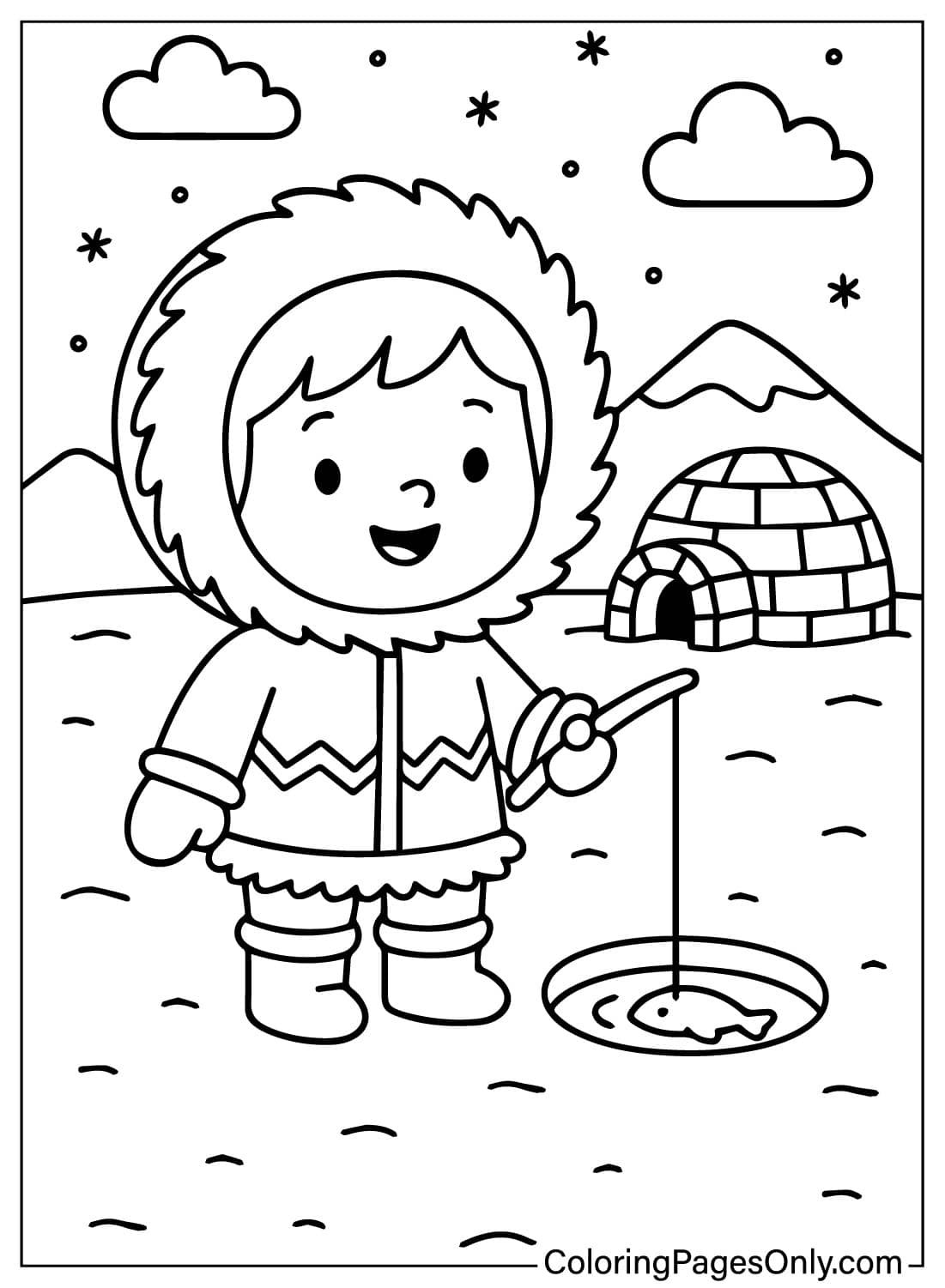
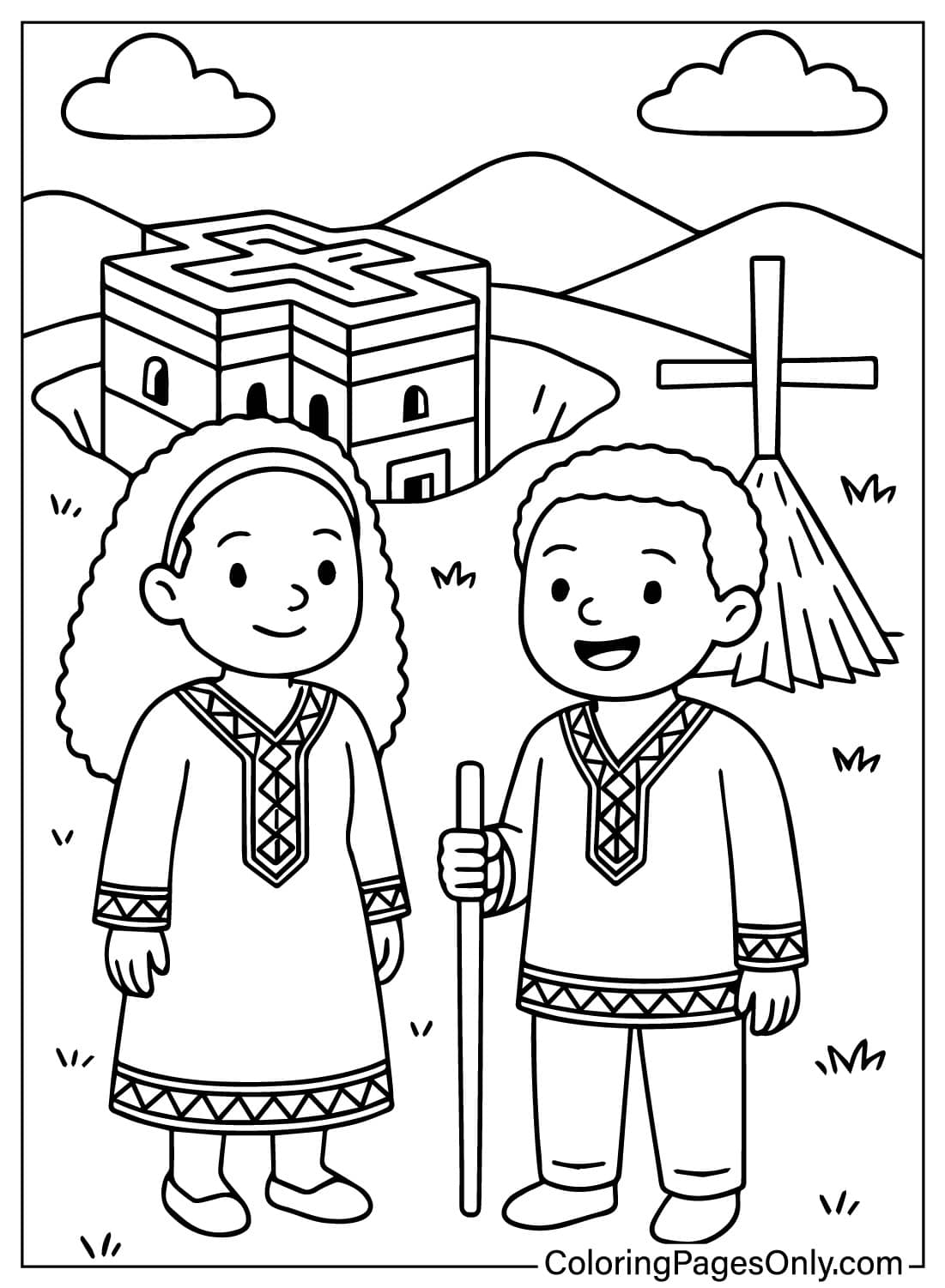
Five pages feature Maori dress from New Zealand, Maasai attire from East Africa, an Inuit parka, Ethiopian traditional dress, and an Andean wool sweater from the Peru and Bolivia region.
Festive, Ceremonial, and Generic Designs
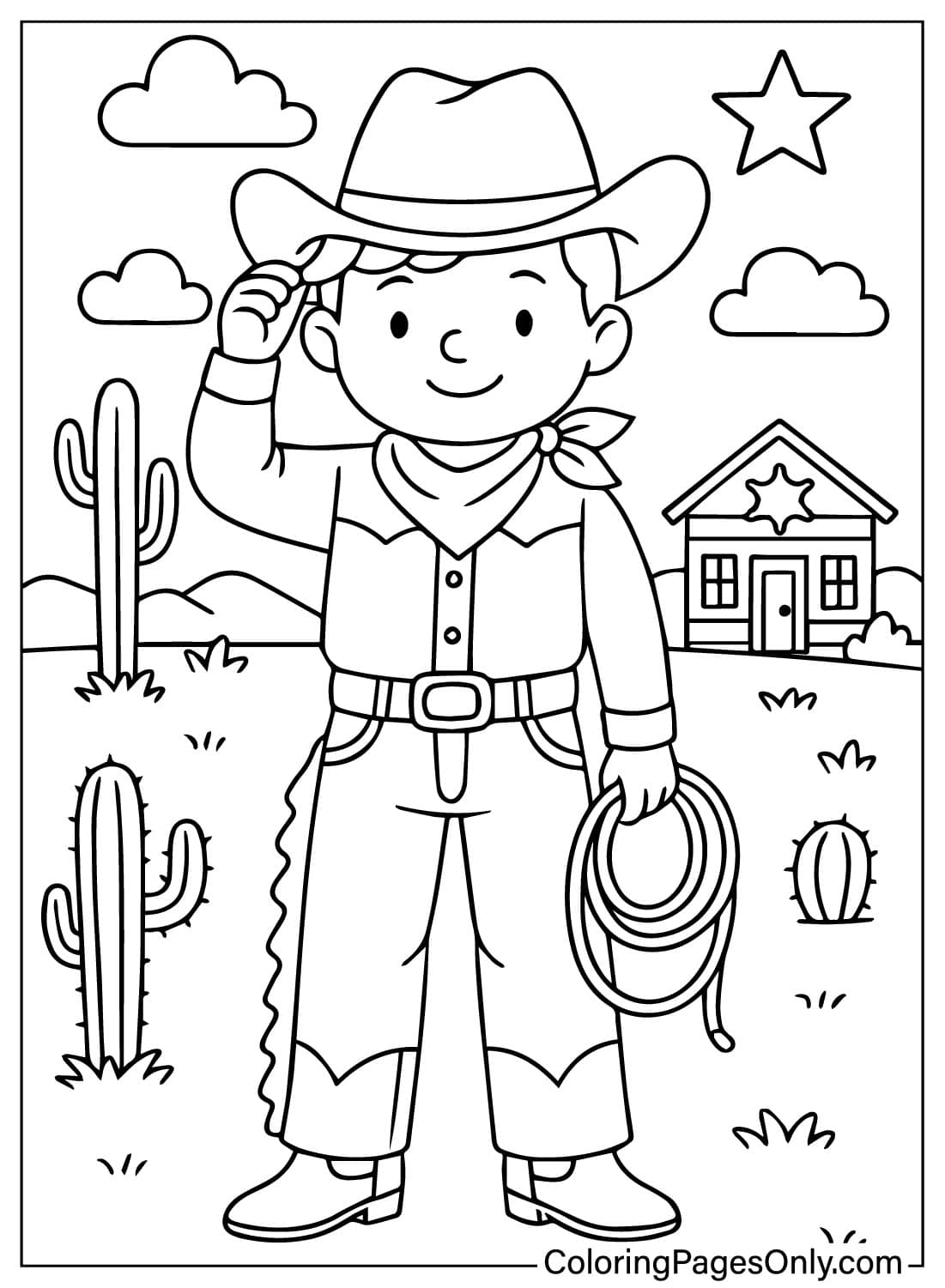
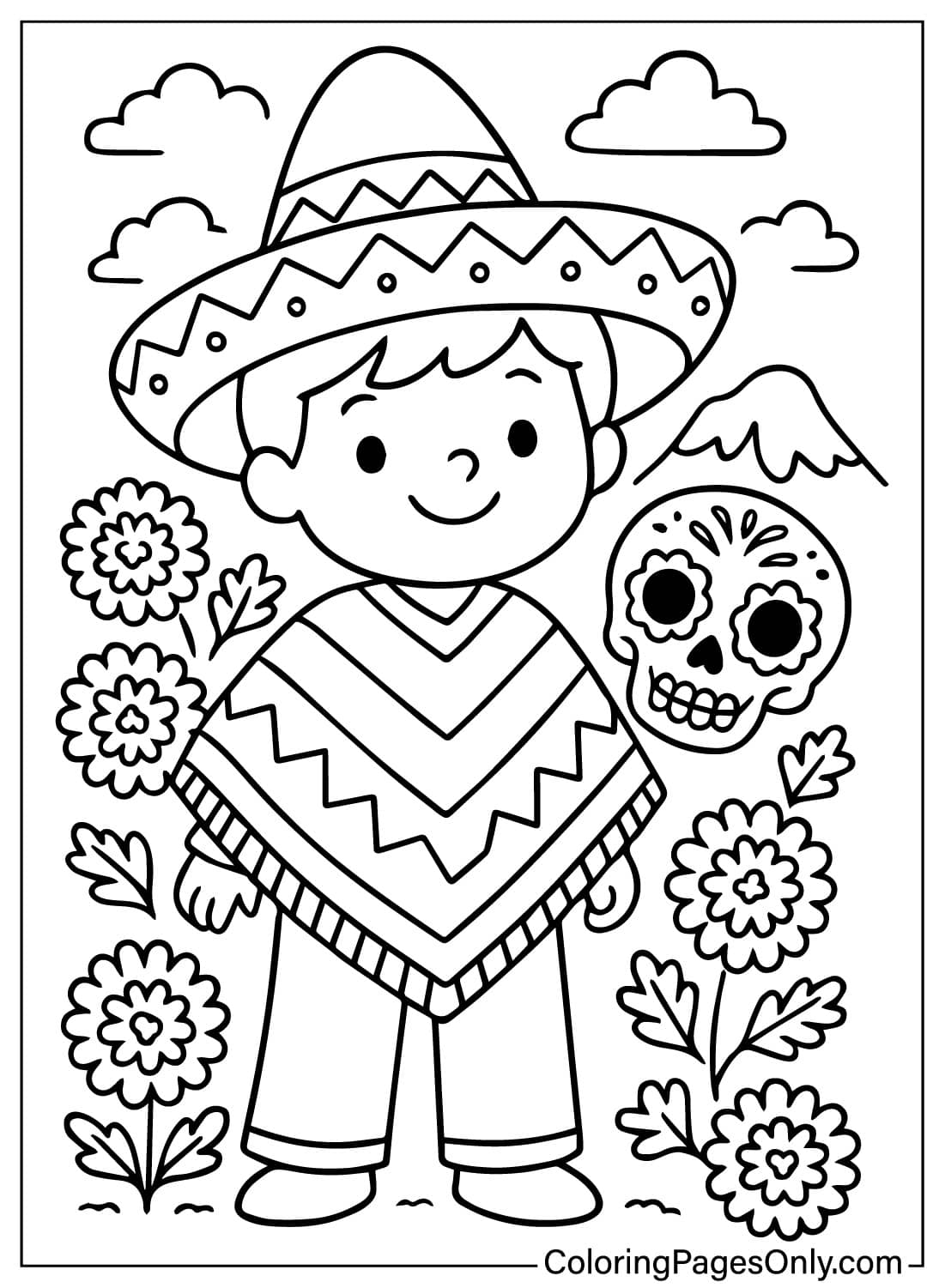
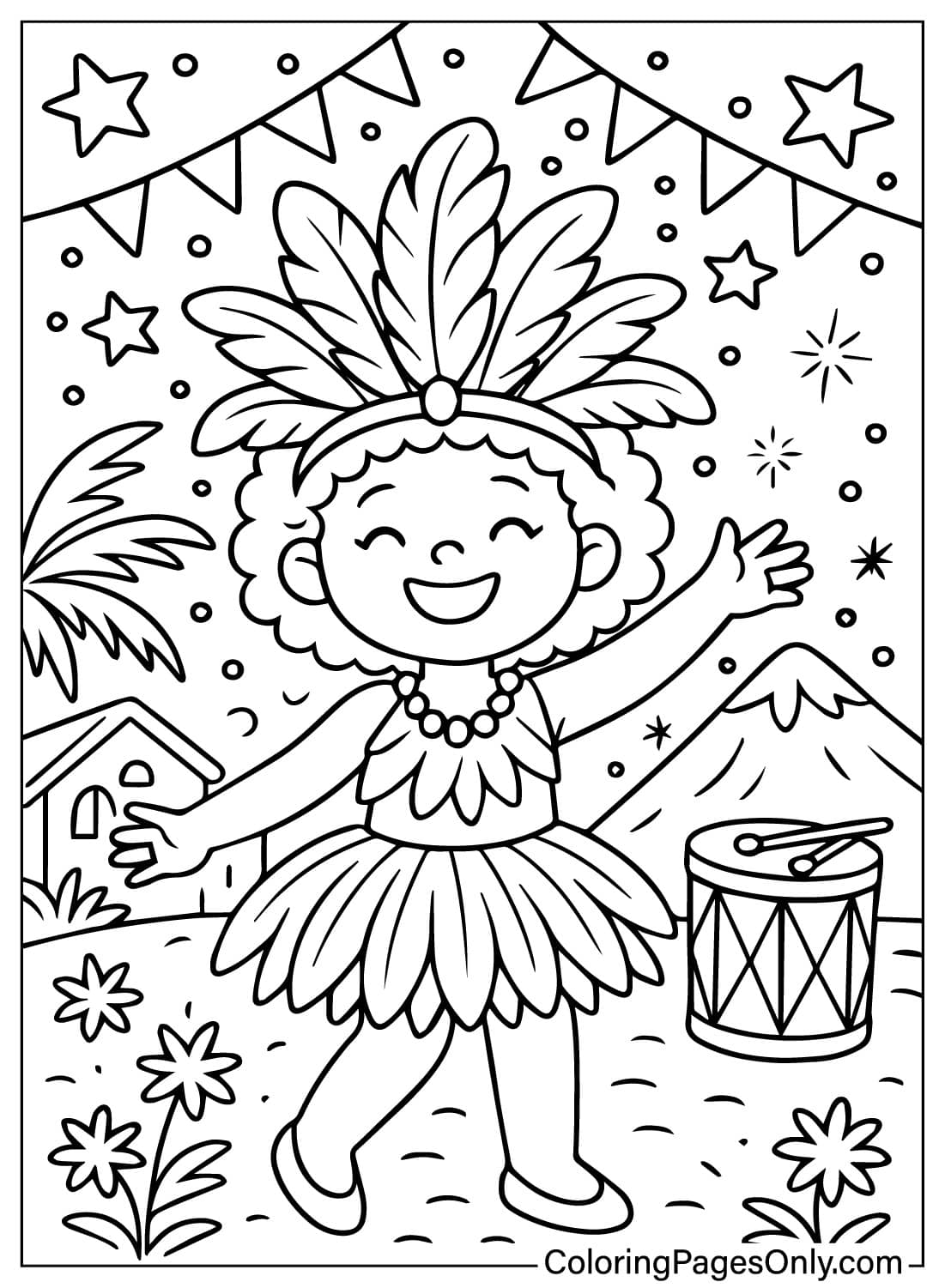
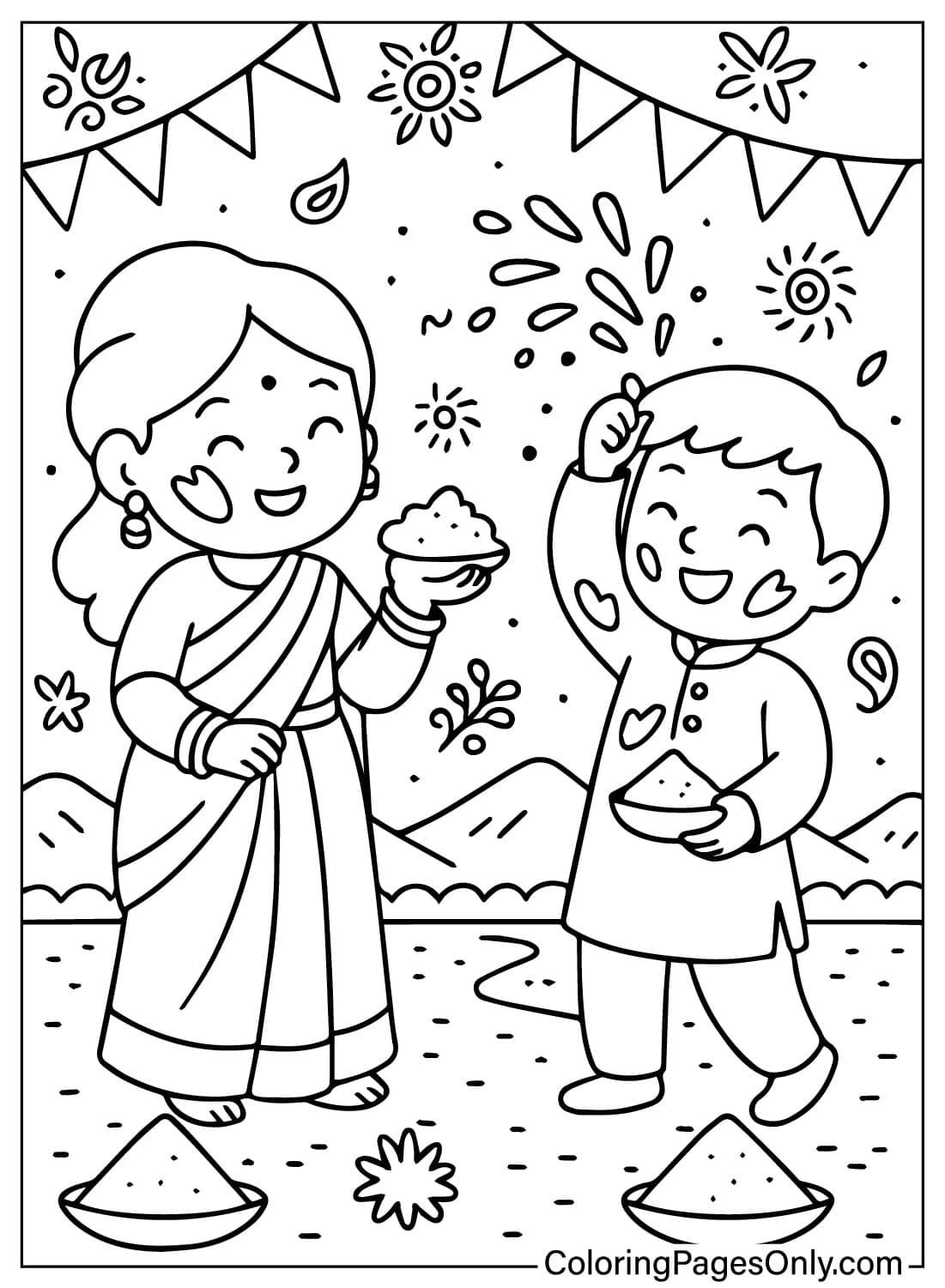
The remaining five pages include a generically titled national costumes page, a dress associated with the American West, a Mexican sombrero, a Carnival costume, and an Indian saree and kurta worn during Holi.
What Traditional Costumes Coloring Pages Do
Fine motor development. The American Academy of Pediatrics identifies fine motor skill development as a core benefit of structured coloring for children ages 2 through 7. The embroidery, layered fabric, and accessory details found across most of these garments call for smaller, more careful strokes than a plain outfit would.
A visual way to notice real historical detail behind a design. Because garments like the ao dai and hanbok carry documented histories tied to specific rulers, eras, or social changes, coloring these pages gives a child a concrete entry point into asking where a design actually comes from, rather than treating clothing as purely decorative.
Anxiety reduction through focus. A 2005 study in the Art Therapy Journal documented measurable reductions in anxiety following structured coloring sessions. The dense, repeating embroidery patterns found on many of these garments give colorists a steady, absorbing detail to settle into.
Practice distinguishing regional design traditions. Since this set spans dozens of distinct dress traditions grouped by region, it offers a specific exercise other single-culture collections do not: noticing how climate, materials, and history shape different approaches to clothing across the world.
How to Color Traditional Costumes Pages Well
- The Vietnamese ao dai: soft, flowing Crayola colors such as Sky Blue or Melon work well, since the garment is traditionally made from lightweight silk.
- The Korean hanbok: bold, contrasting colors like Crayola Red and Crayola Sky Blue for the jeogori and chima, reflecting the garment’s traditionally vivid color pairing.
- The Scottish kilt: a plaid or tartan pattern using two or three alternating colors, such as Crayola Forest Green and Scarlet, kept in a consistent crossed-line grid.
- The Japanese kimono: soft pastel tones with a contrasting obi sash, especially fitting for pages set among cherry blossoms.
- European folk dress like the dirndl or bunad: rich, saturated colors paired with white lace or embroidery details, reflecting the layered look of most European folk costumes.
- Embroidered garments such as the vyshyvanka or Ottoman dress: work the embroidery pattern in a single accent color first, then fill the rest of the garment, so the stitching detail stays the visual focus.
5 Creative Craft Ideas With Traditional Costumes Coloring Pages
1. World Fashion Wall Map
Color several costume pages, and pin or tape each one to its country of origin on a world map for a visual geography display.
2. Costume and Flag Match Game
Pair colored costume pages with printable country flags, and challenge a child to match each outfit to the correct flag.
3. Cultural Fact Cards
Color a costume page, trim it to card size, and write one verified fact about the garment’s history or occasion on the back for a simple matching or quiz game.
4. Paper Parade Puppets
Color a costume page, cut it out, and glue it to a craft stick to make a simple puppet, then line up several for a small paper parade.
5. Traditional Costumes Greeting Card
Fold a piece of cardstock in half, glue a colored costume page to the front, and write a message inside for a birthday or cultural celebration card.
Frequently Asked Questions
What are Traditional Costumes coloring pages?
Free, fan-made printable and online designs featuring traditional dress from cultures around the world, intended for personal, educational, and non-commercial use.
How many countries and cultures are represented in this collection?
Roughly two dozen distinct traditions, spanning East and Southeast Asia, Europe, the Middle East and Central Asia, Africa, and Indigenous and Arctic communities.
What does the Vietnamese ao dai’s history look like?
It traces back to 1744, when a regional ruler decreed a long, front-buttoned tunic over trousers, later modernized into today’s fitted silhouette during the 1930s.
Are these designs meant to be historically accurate?
They aim to reflect real garments and traditions respectfully, though, as with any illustrated collection, details can vary from a specific historical or regional version of a costume.
Why are some pages tied to a specific festival or occasion?
Many traditional garments are worn for particular events, such as Iran’s Nowruz or India’s Holi, so a few pages reflect that connection between clothing and celebration directly.
Is any single culture or region given more focus than others?
The collection aims for broad regional coverage, though the number of pages per region varies based on what designs are currently available.
Are Traditional Costumes coloring pages suitable for young children?
Yes. The clear outlines and bold patterns across most pages make this collection approachable for children around ages 5 and up, and it works well for classroom geography or culture lessons.
Can Traditional Costumes coloring pages be colored online, or only printed?
Both. Every design can be downloaded as a PDF for printing at home or opened directly in the online coloring tool for use on a phone, tablet, or computer.
Start Coloring
Download any page by clicking the design. No account, email, or payment is required. Pages print directly from the browser at full resolution or open in the online coloring tool for screen use. Share finished pages on Facebook or Pinterest with the share buttons at the top of each design page.