Russia Coloring Pages
 By:
Jennifer Thoa - Content Editor & Designer
Updated:
By:
Jennifer Thoa - Content Editor & Designer
Updated:
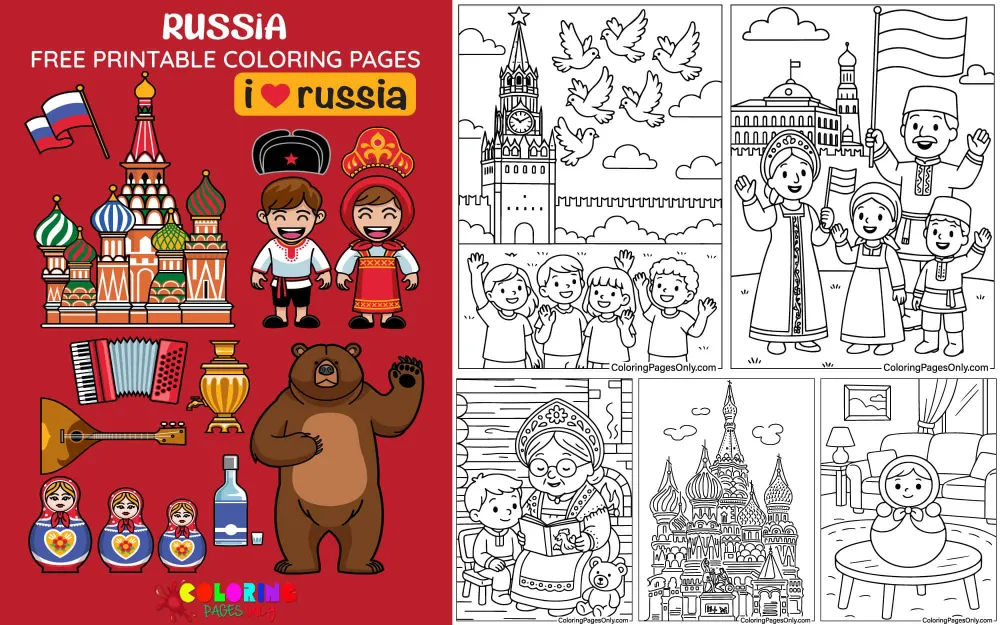
Free Russia Coloring Pages: 48 printable PDF designs featuring Russian landmarks, matryoshka dolls, folk traditions, and everyday family scenes. Every page can be downloaded as a PDF to print or colored online in the browser, with no account required.
The matryoshka doll, now one of the most recognizable symbols of Russian folk art, is newer than many people expect. The first set was carved in 1890 by woodturner Vasily Zvyozdochkin from a design by painter Sergey Malyutin at the Abramtsevo estate near Moscow, inspired by a nested Japanese doll the artists had seen. The set went on to win a bronze medal at the 1900 Paris World’s Fair, and the design has remained recognizably the same ever since.
With 48 pages spanning landmarks, folk culture, and everyday scenes, the set gives colorists a broad, factual introduction to Russian traditions and history.
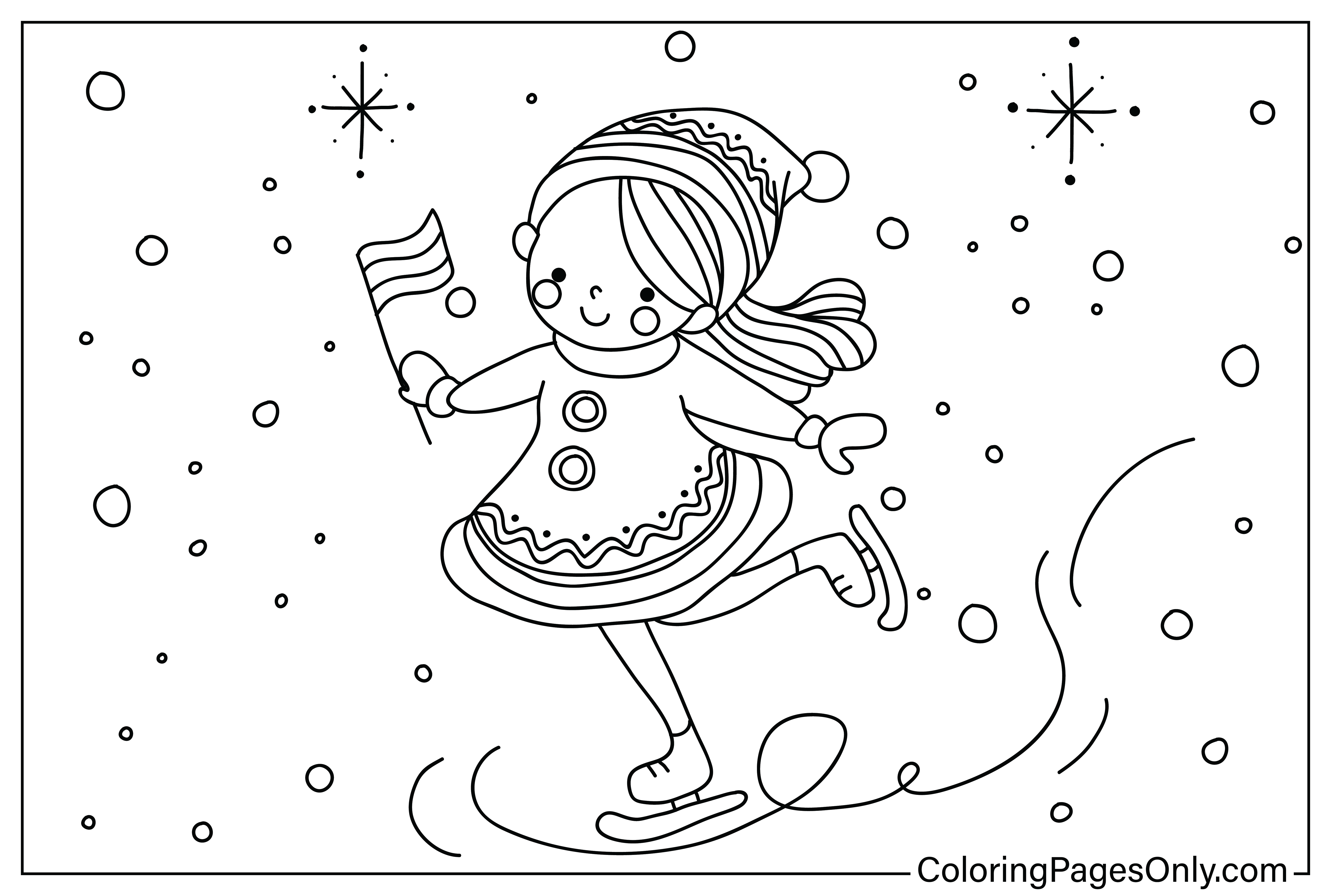
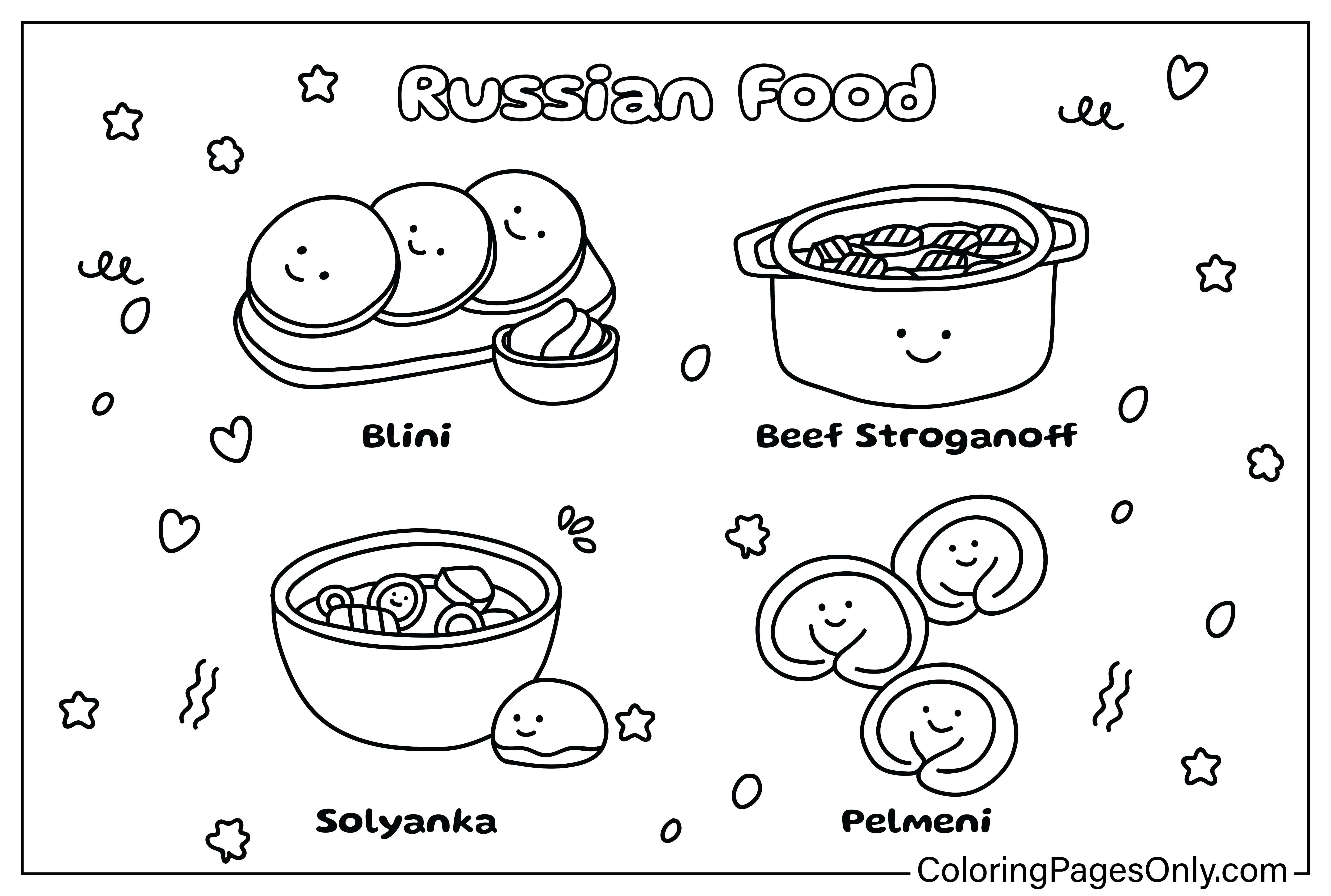
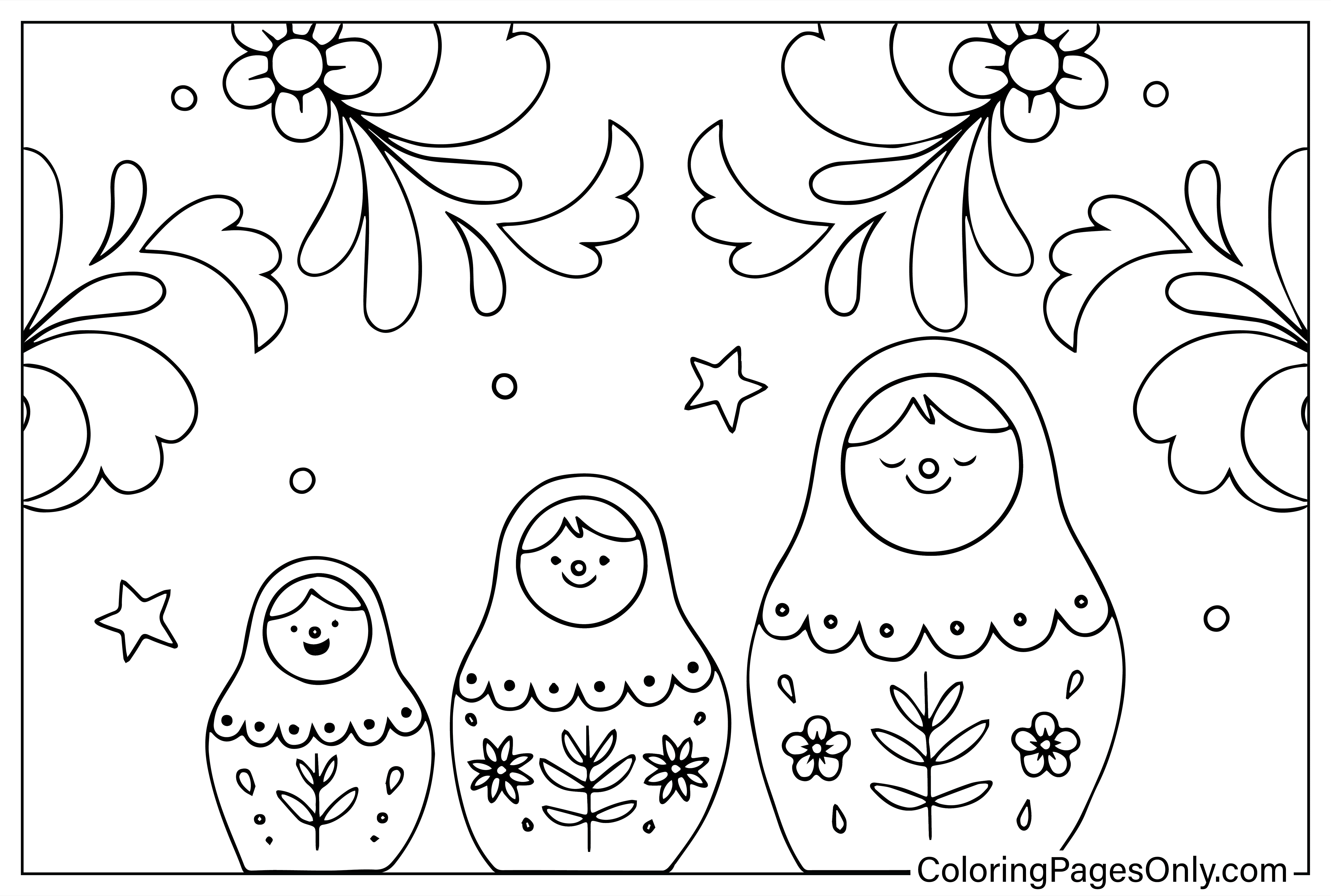
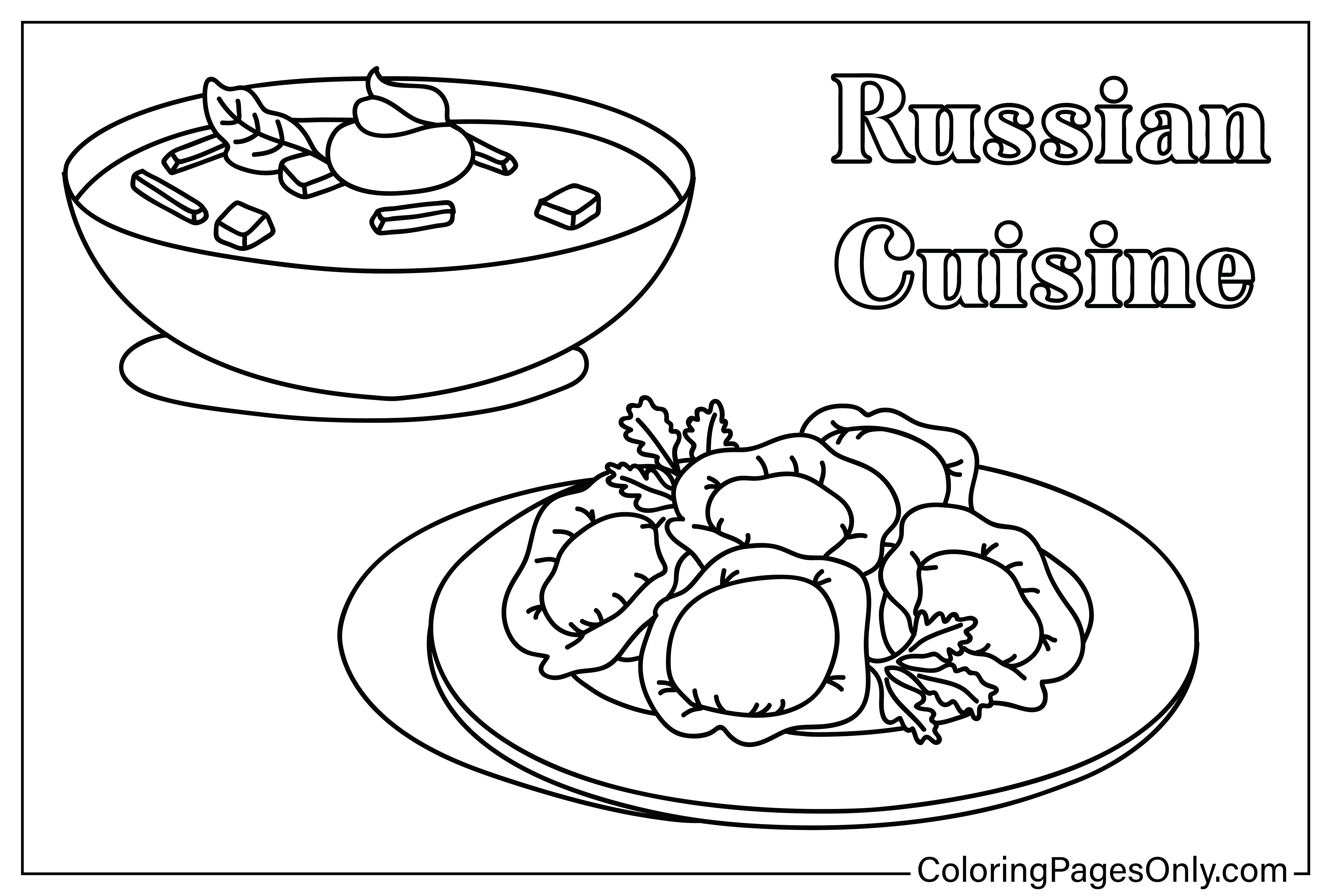
What Is Inside This Collection
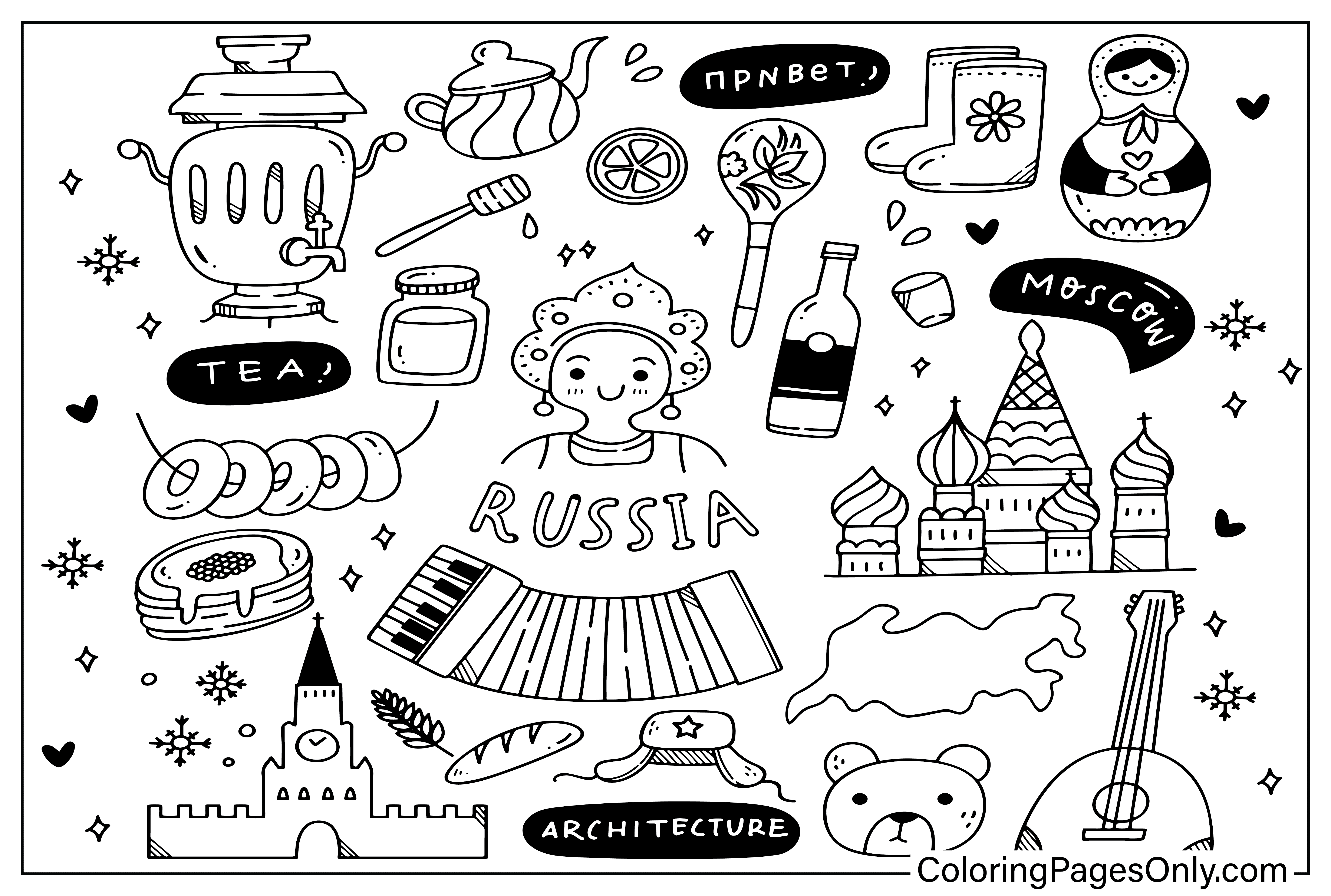
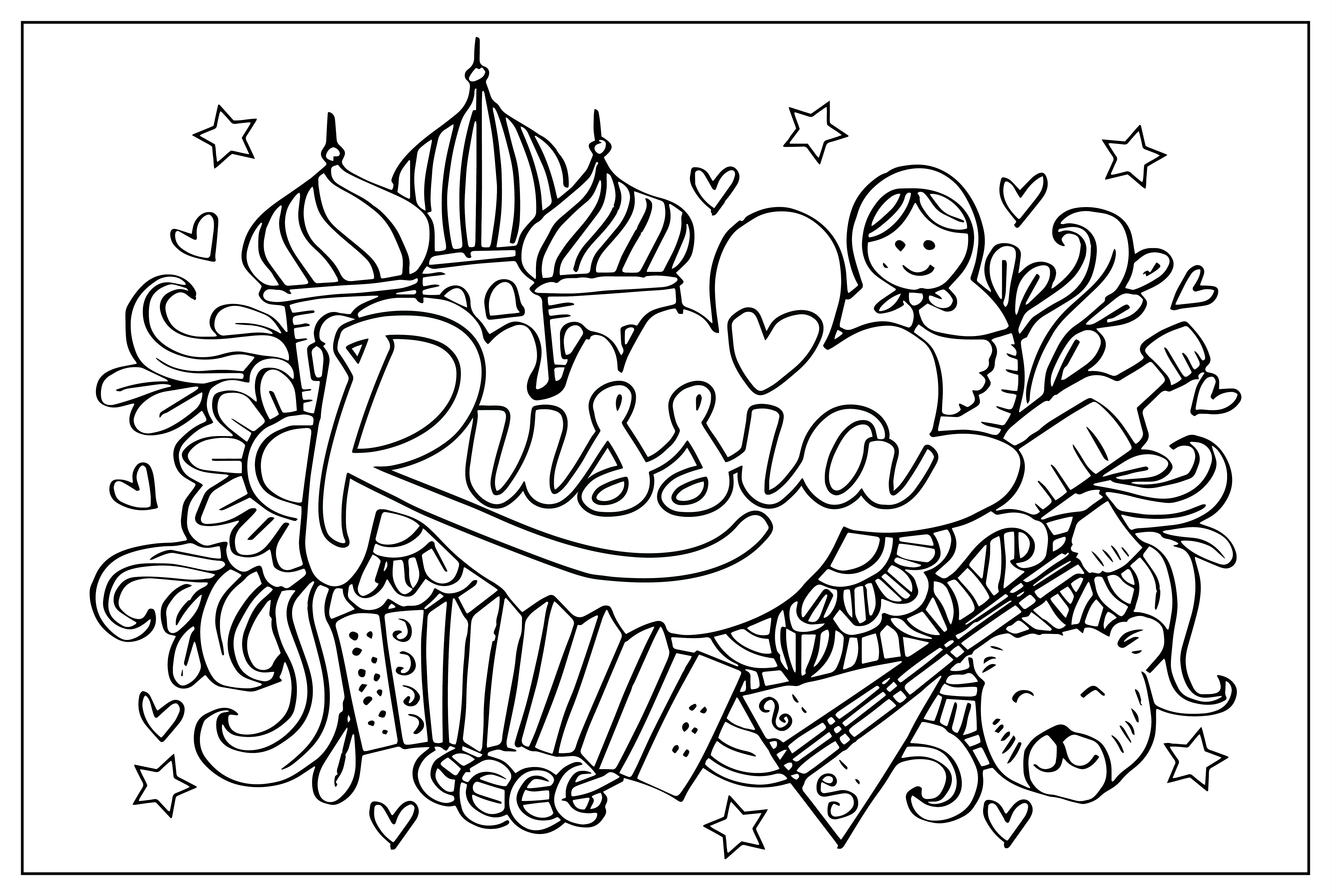
The 48 pages are grouped by subject, from Russia’s most famous folk art object through landmarks, folk culture, and generic designs.
Matryoshka Dolls
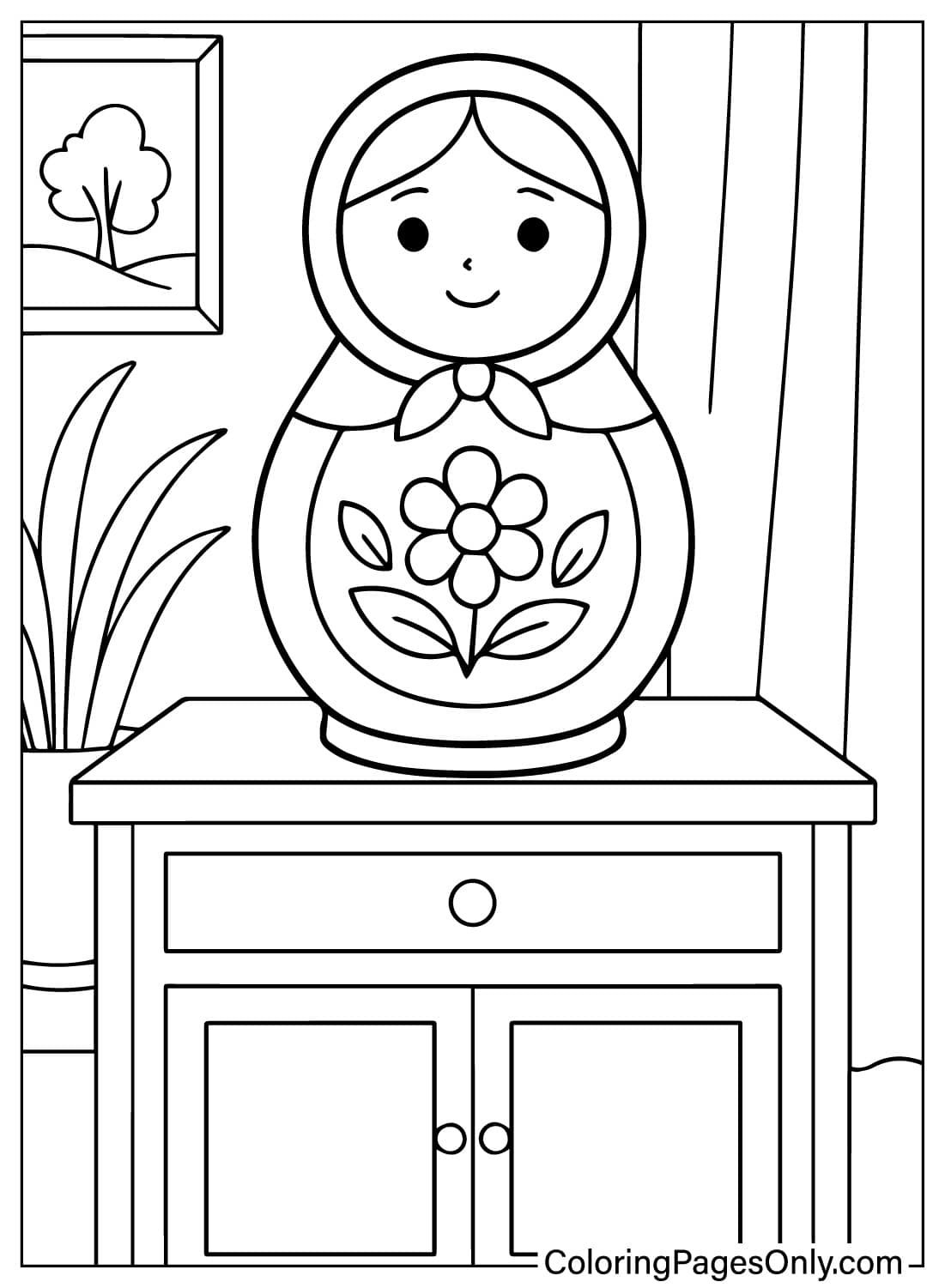
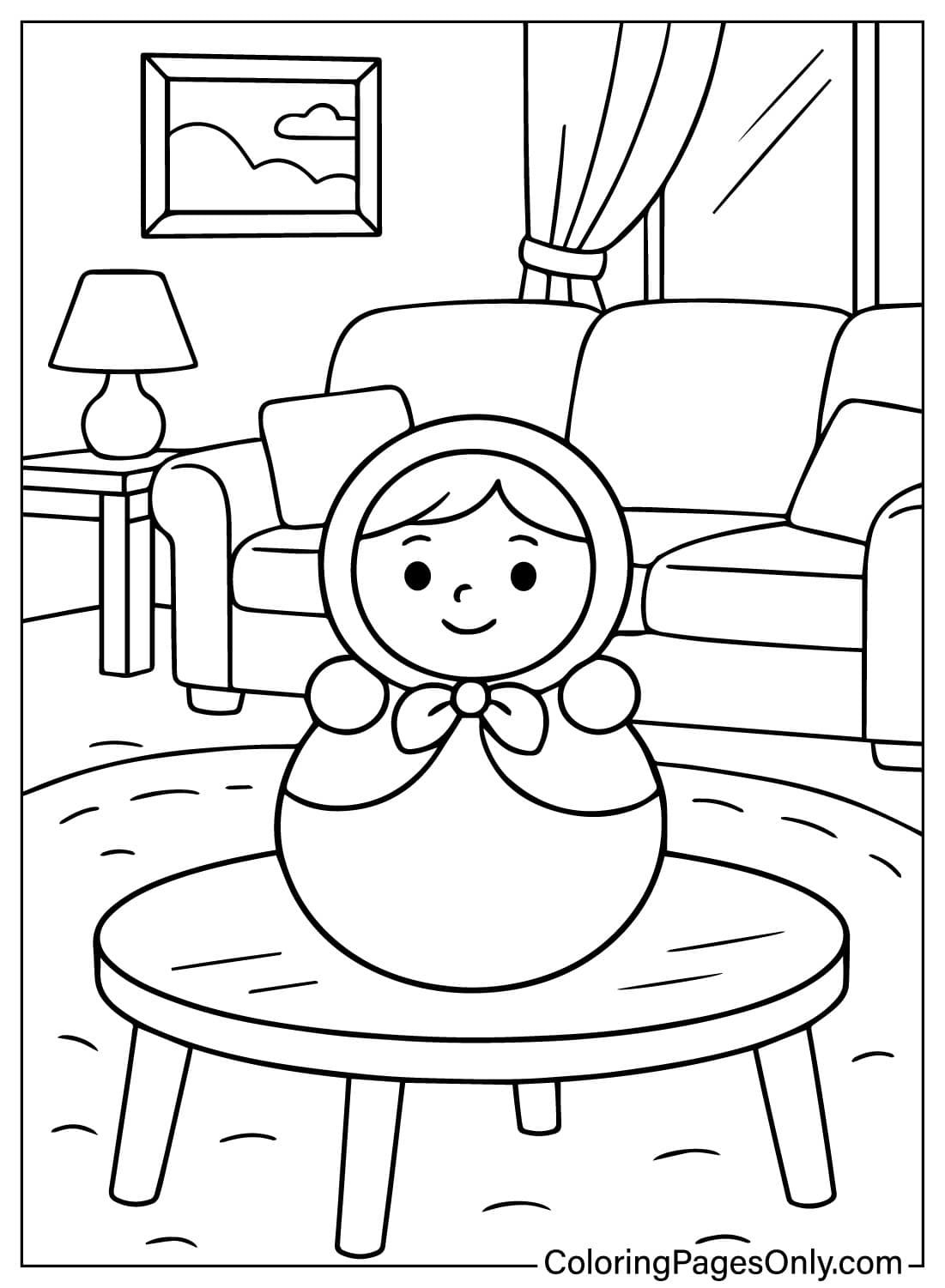
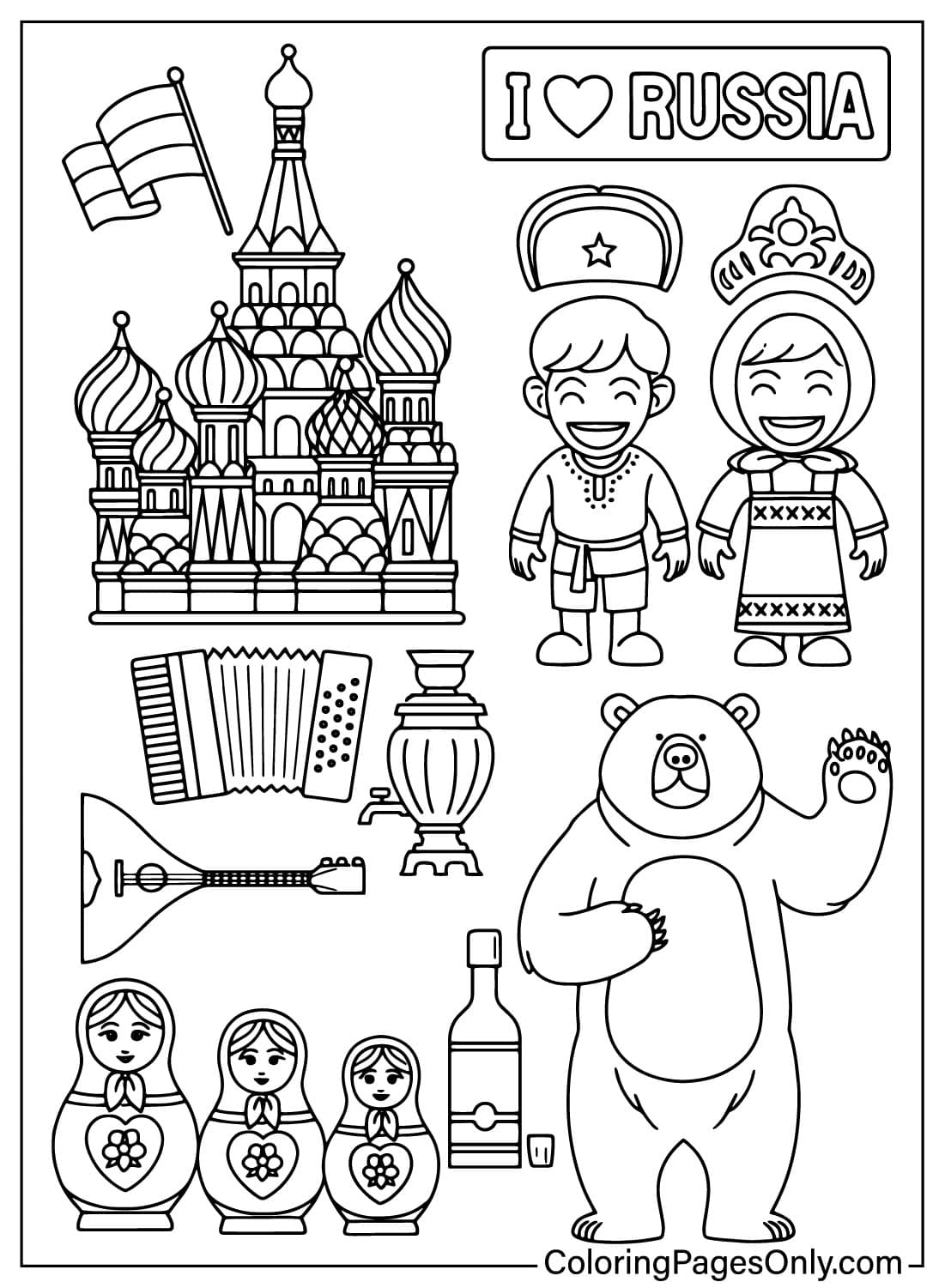
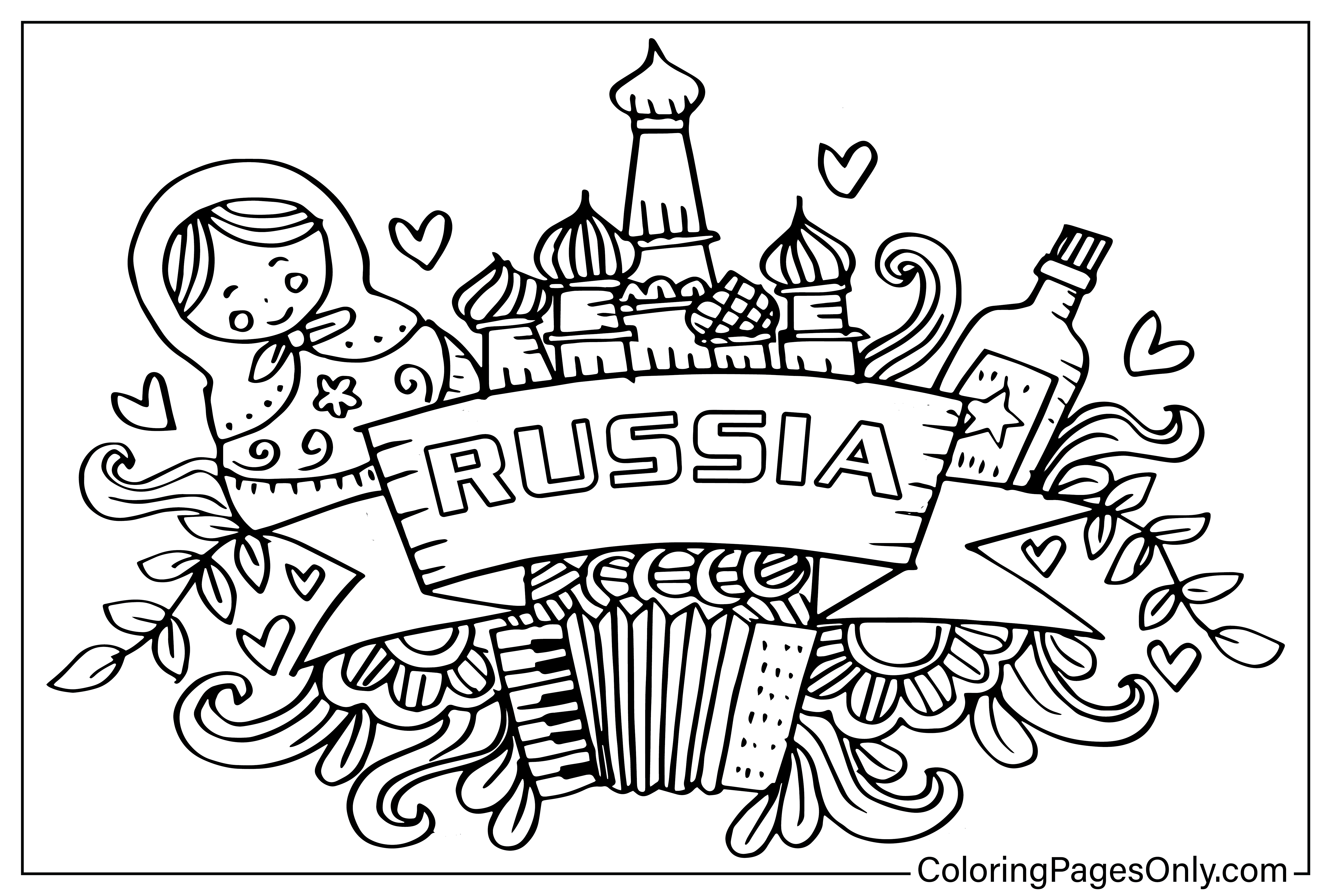
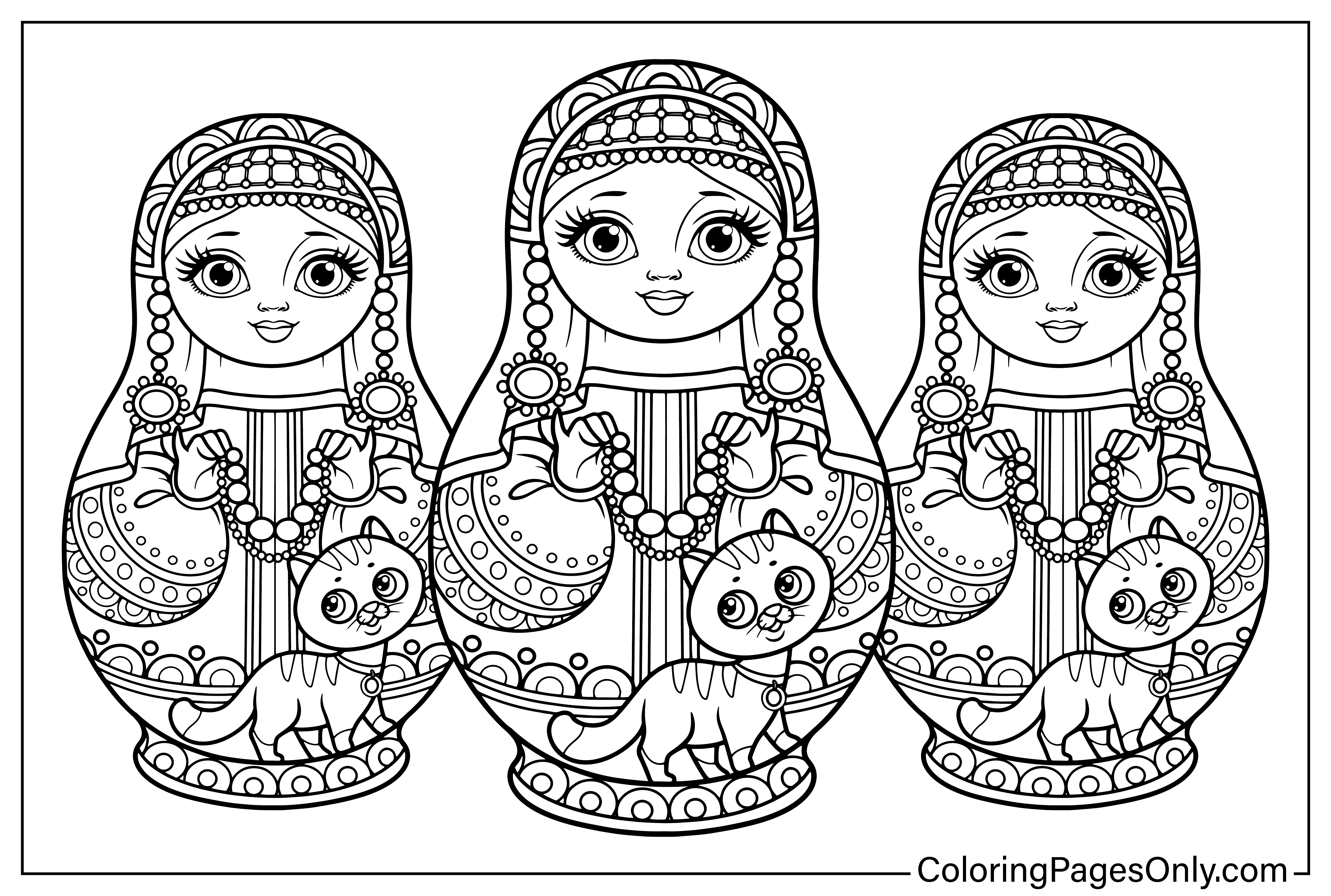
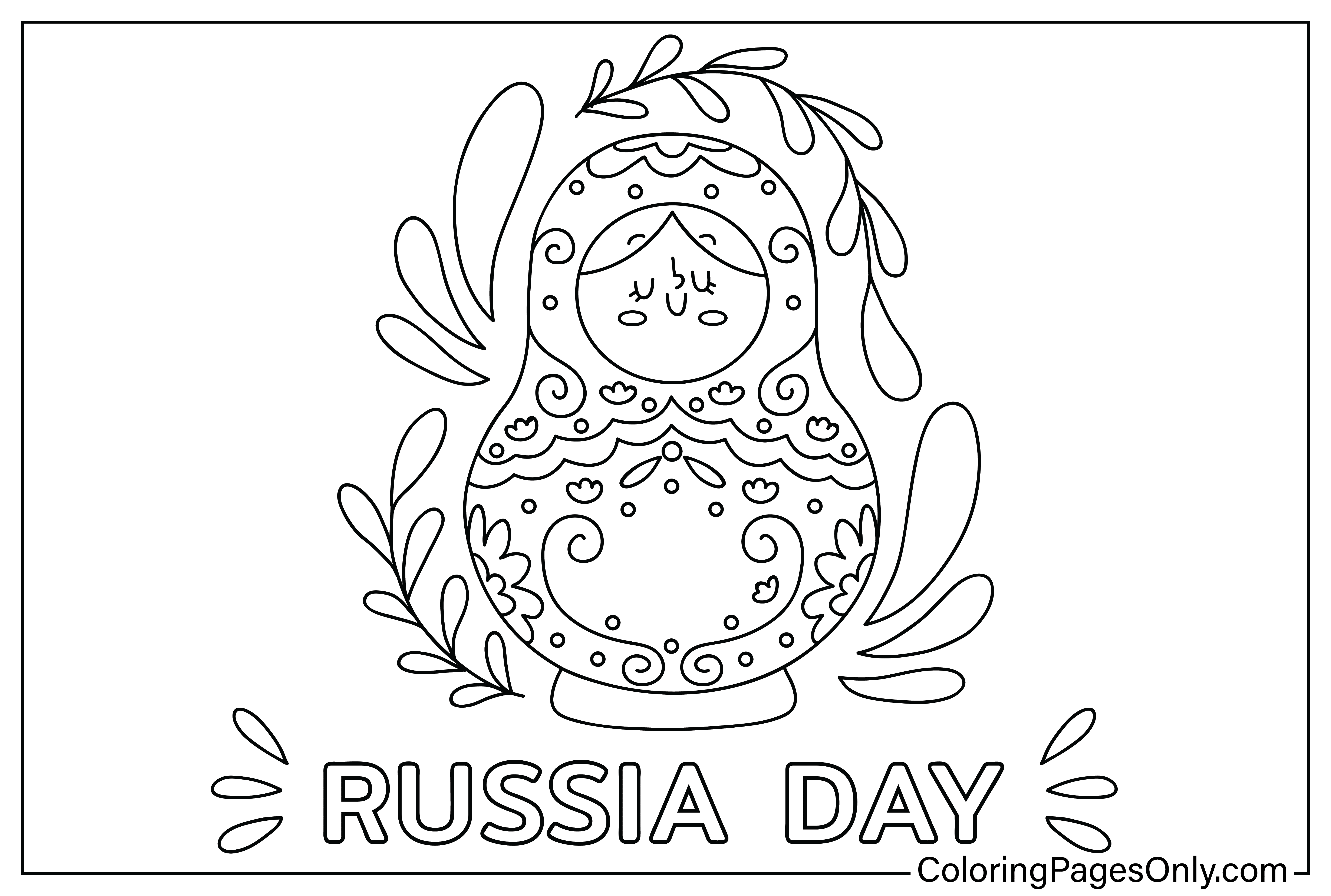
Three pages feature the matryoshka, Russia’s iconic nested wooden doll, giving colorists a chance to design several layers of the same doll set.
Landmarks, Map, and Cultural Symbols
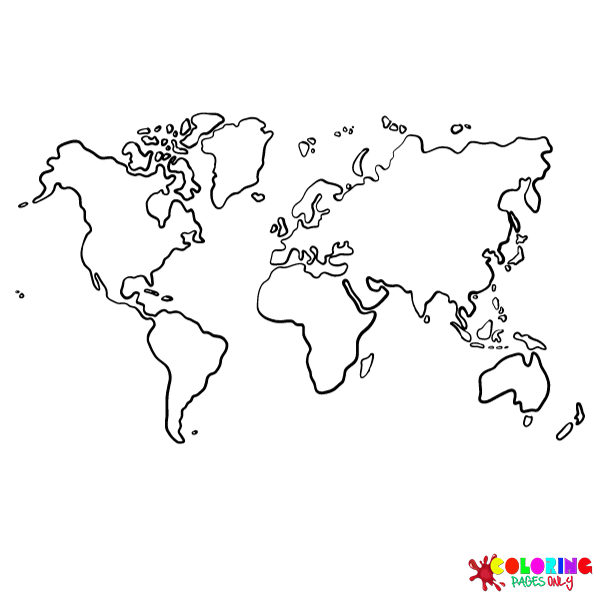
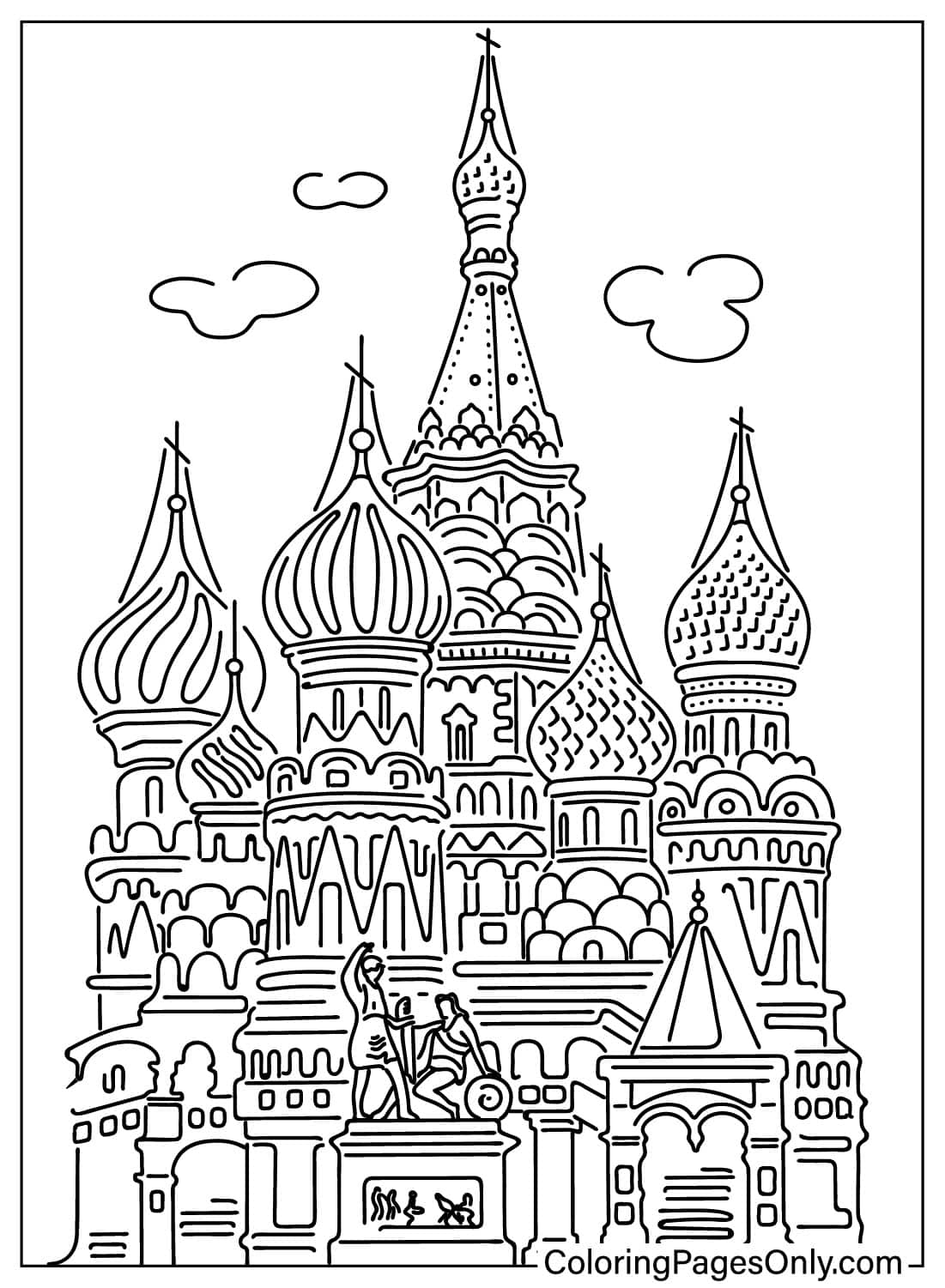
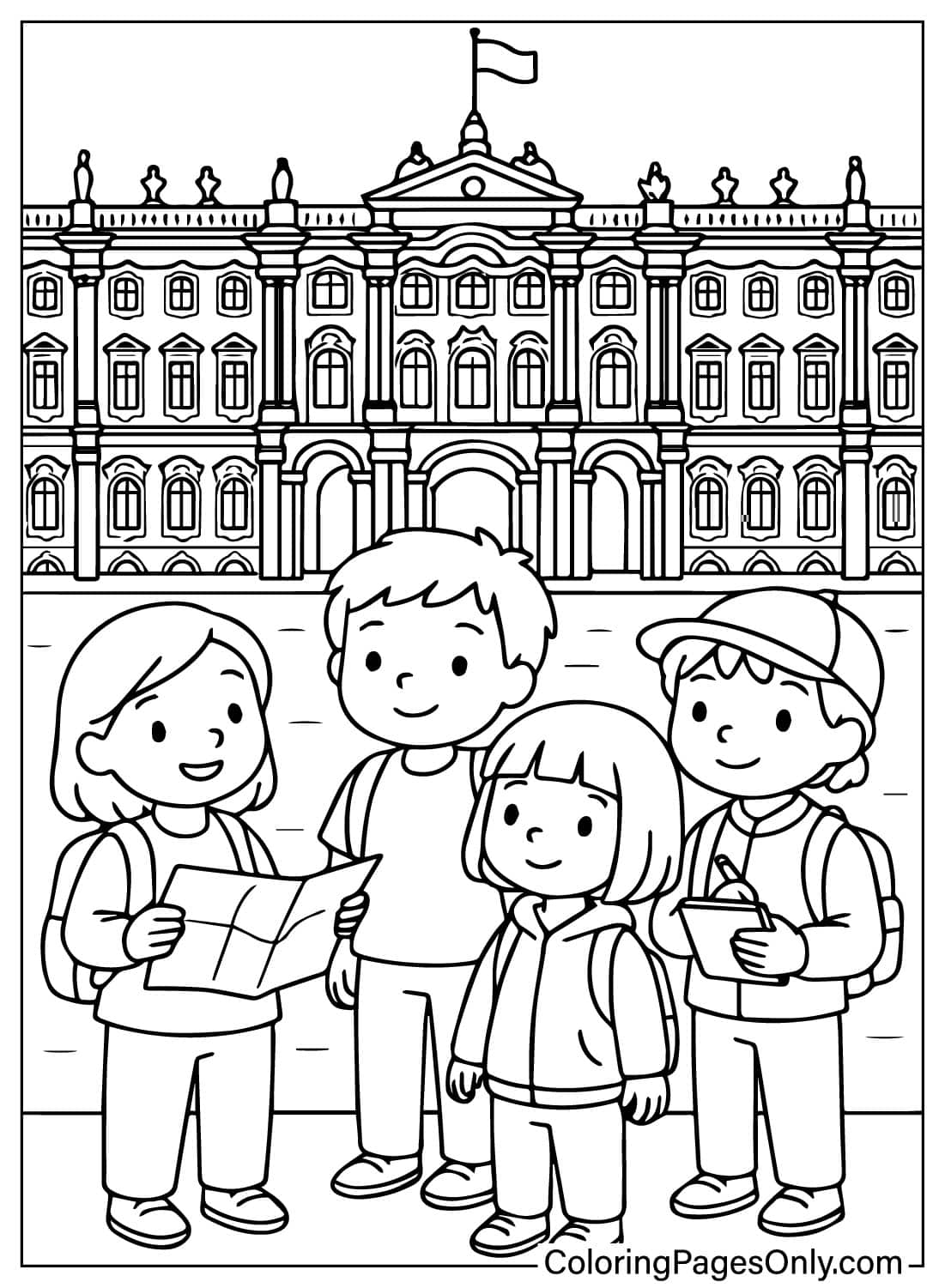
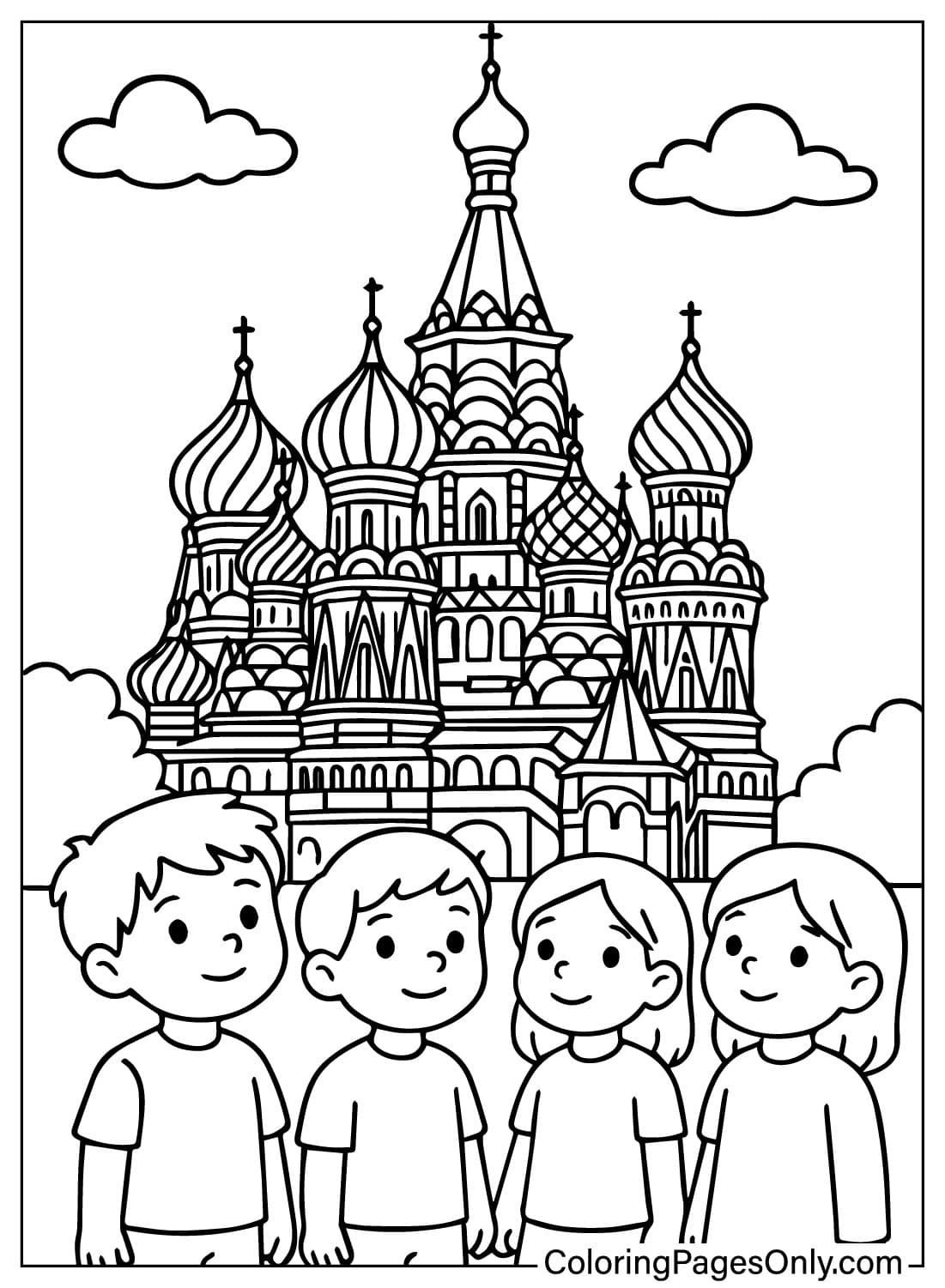
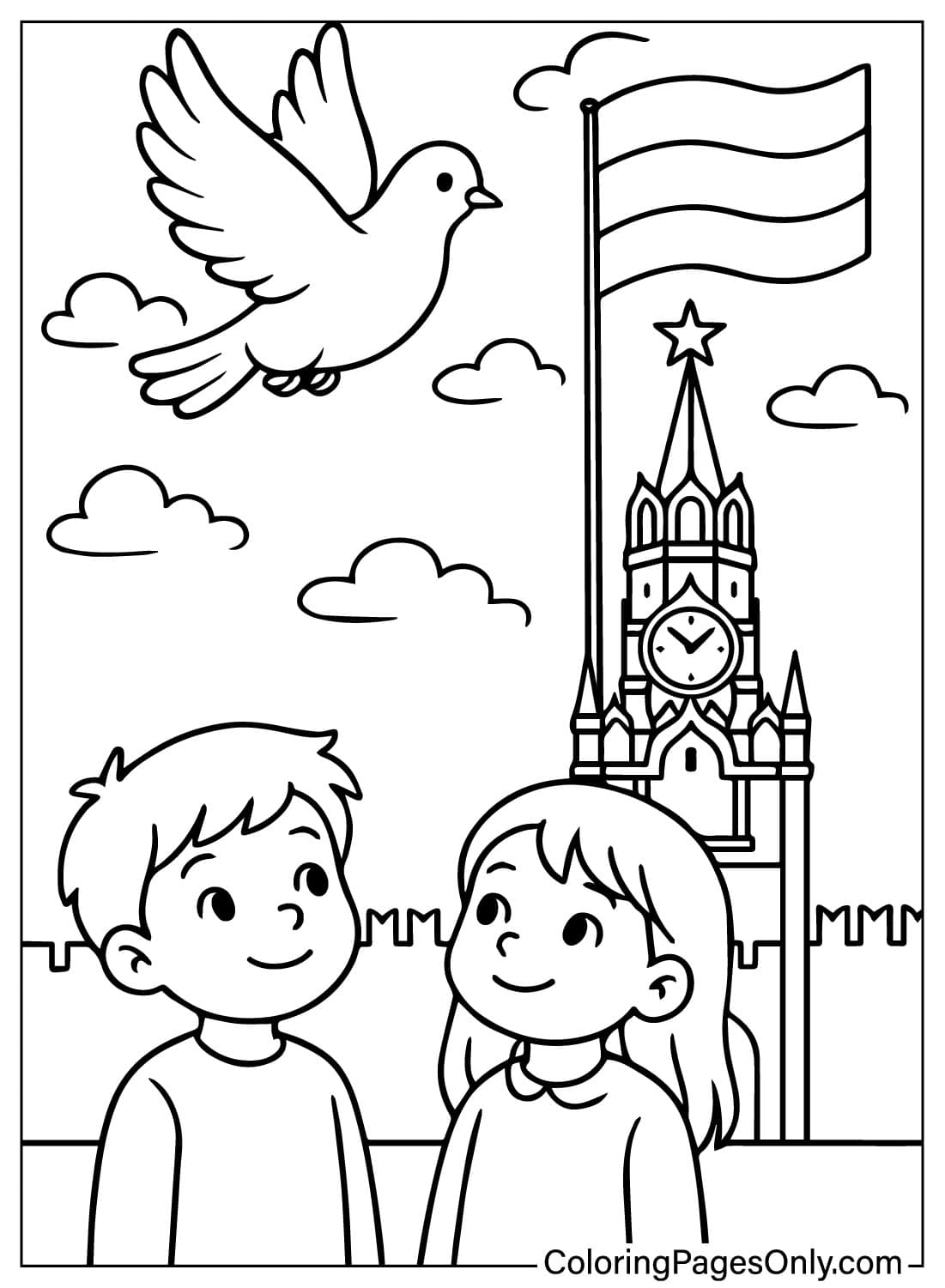
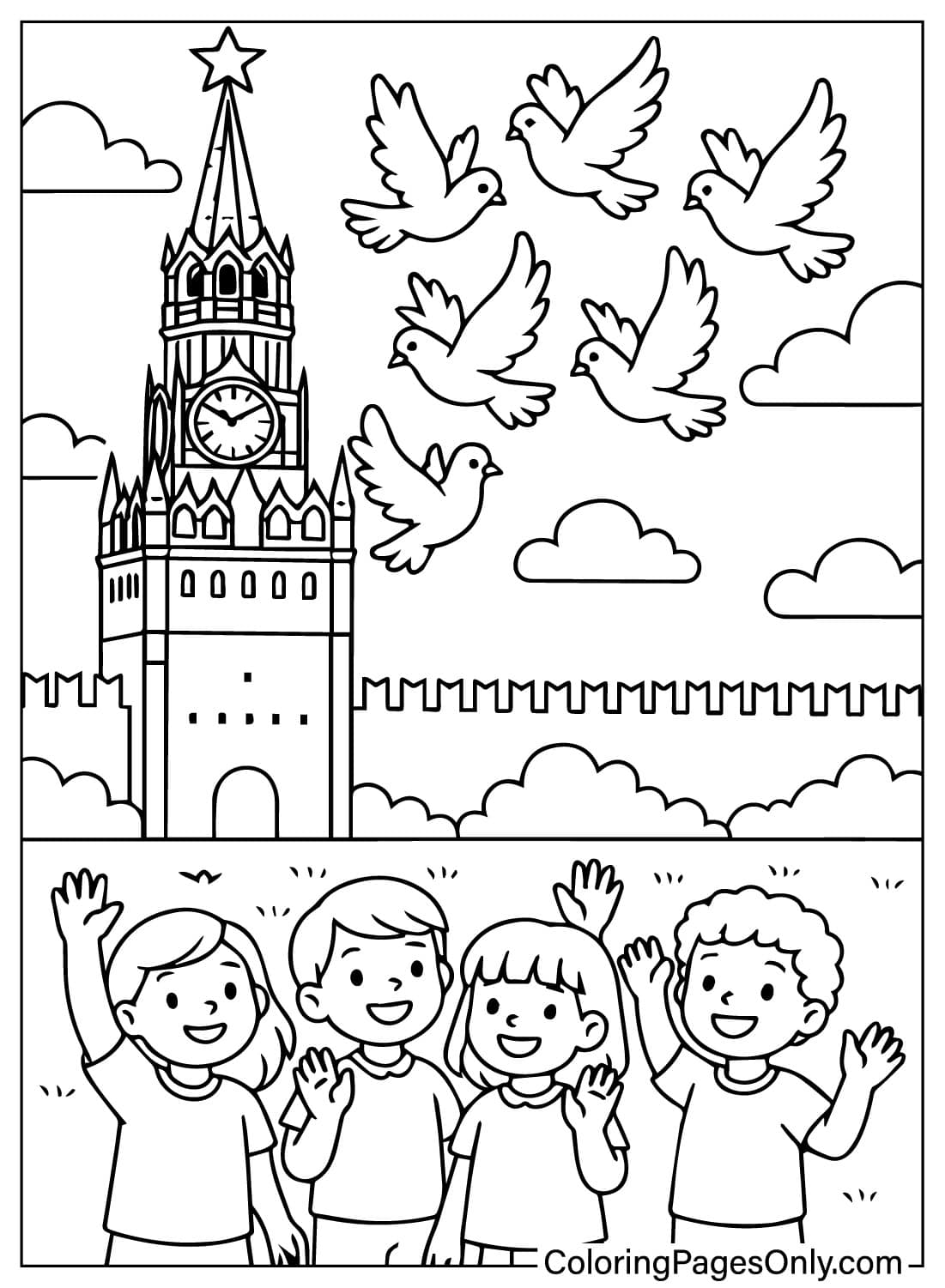
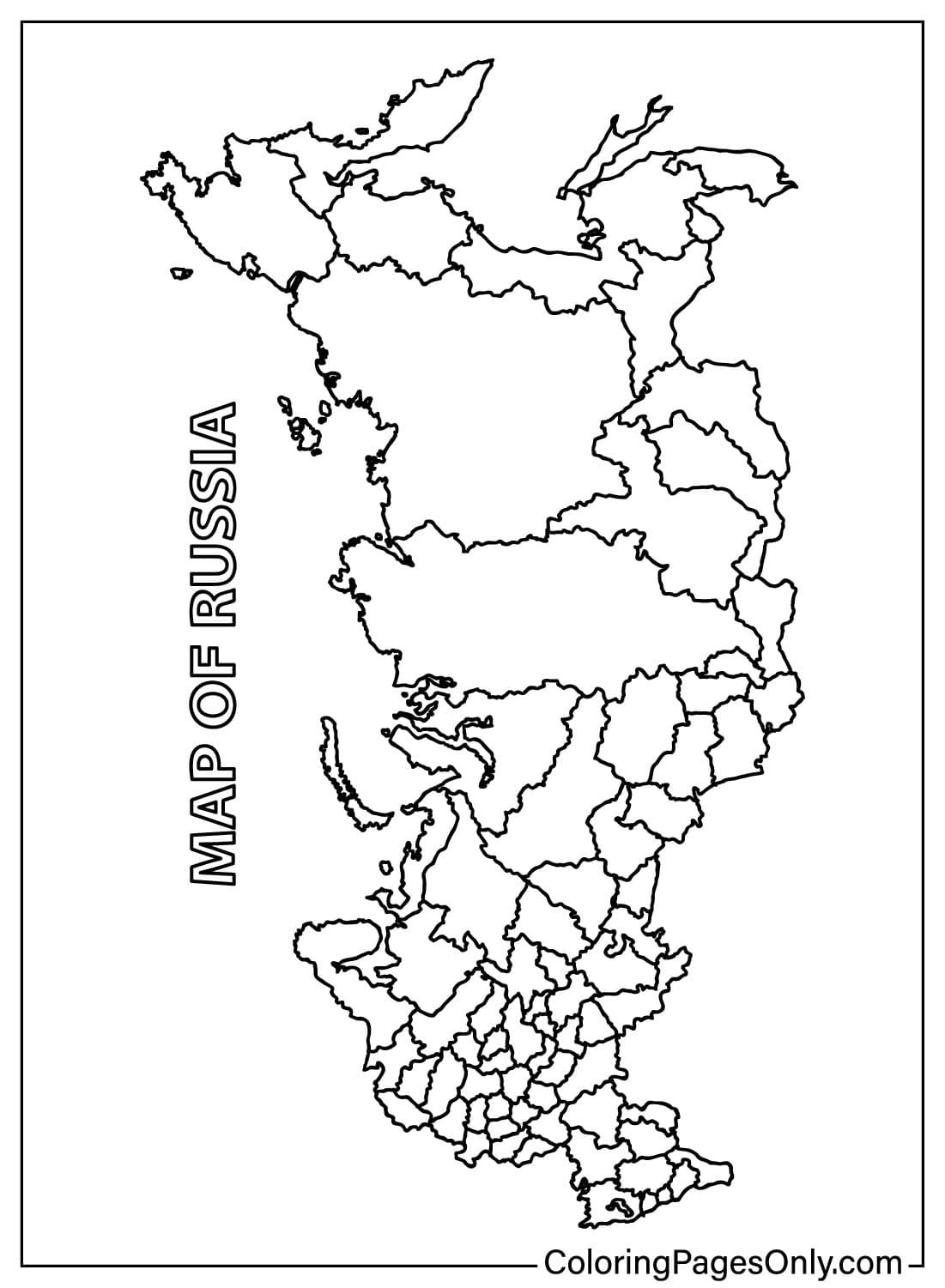
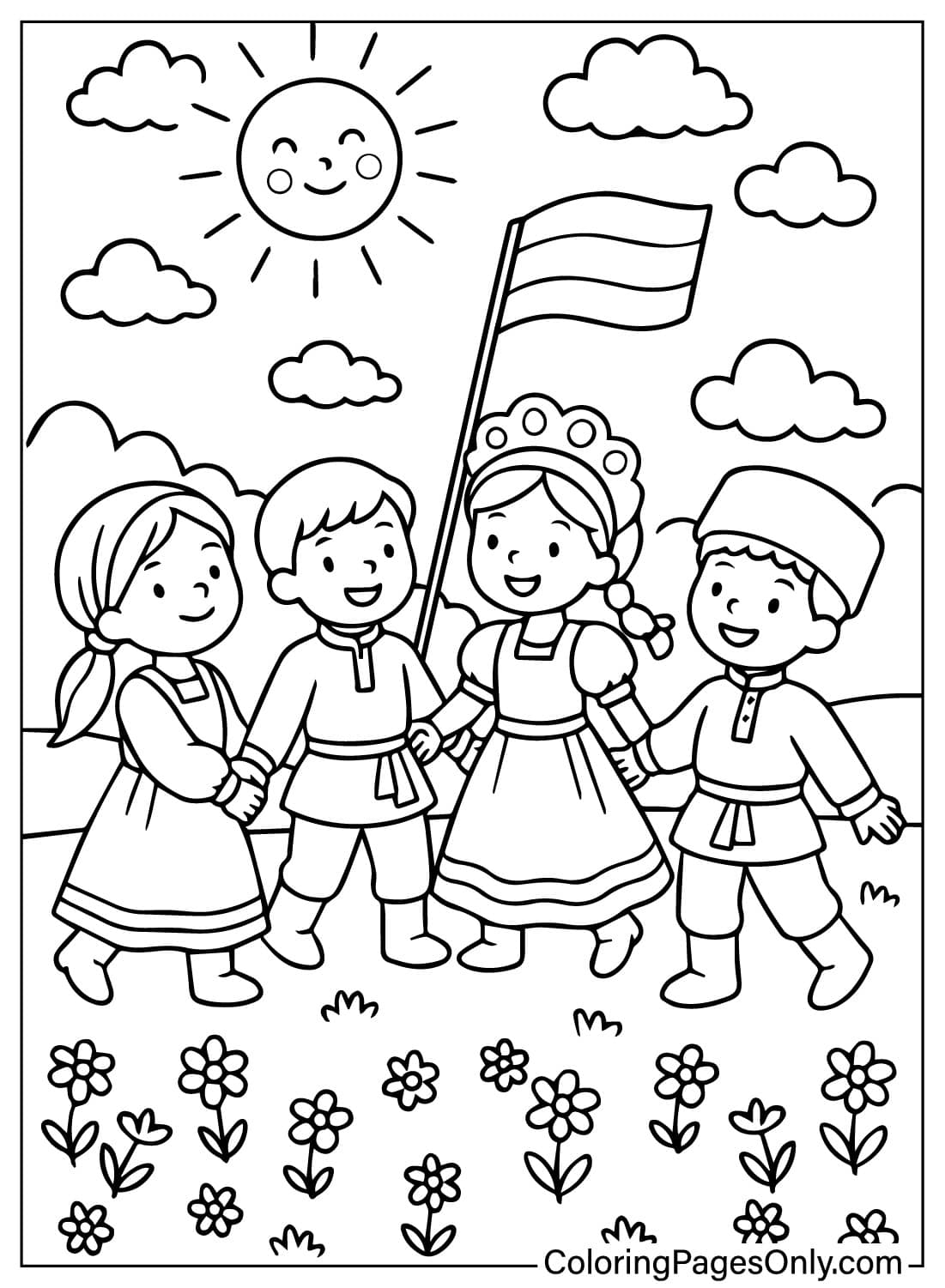
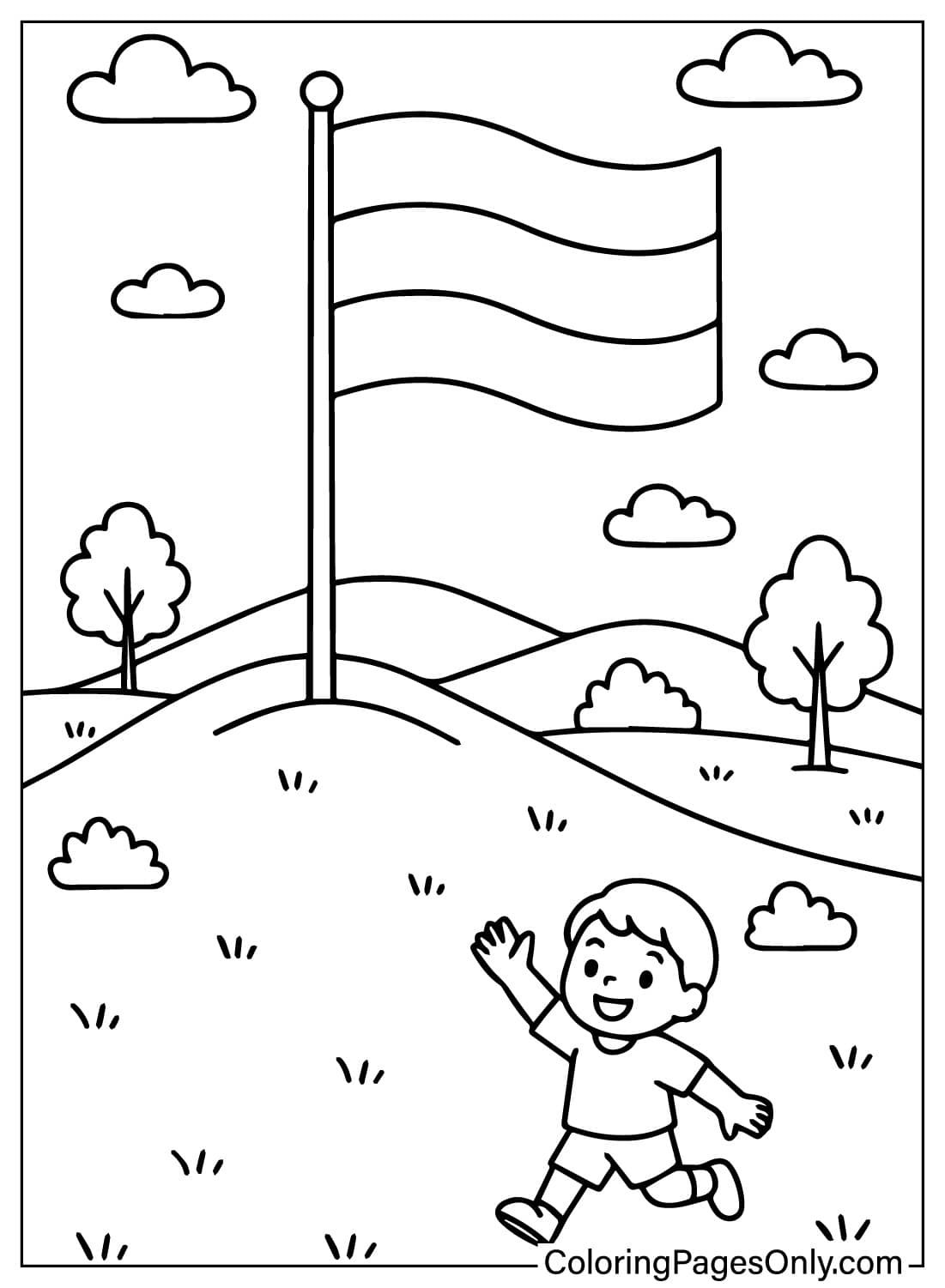
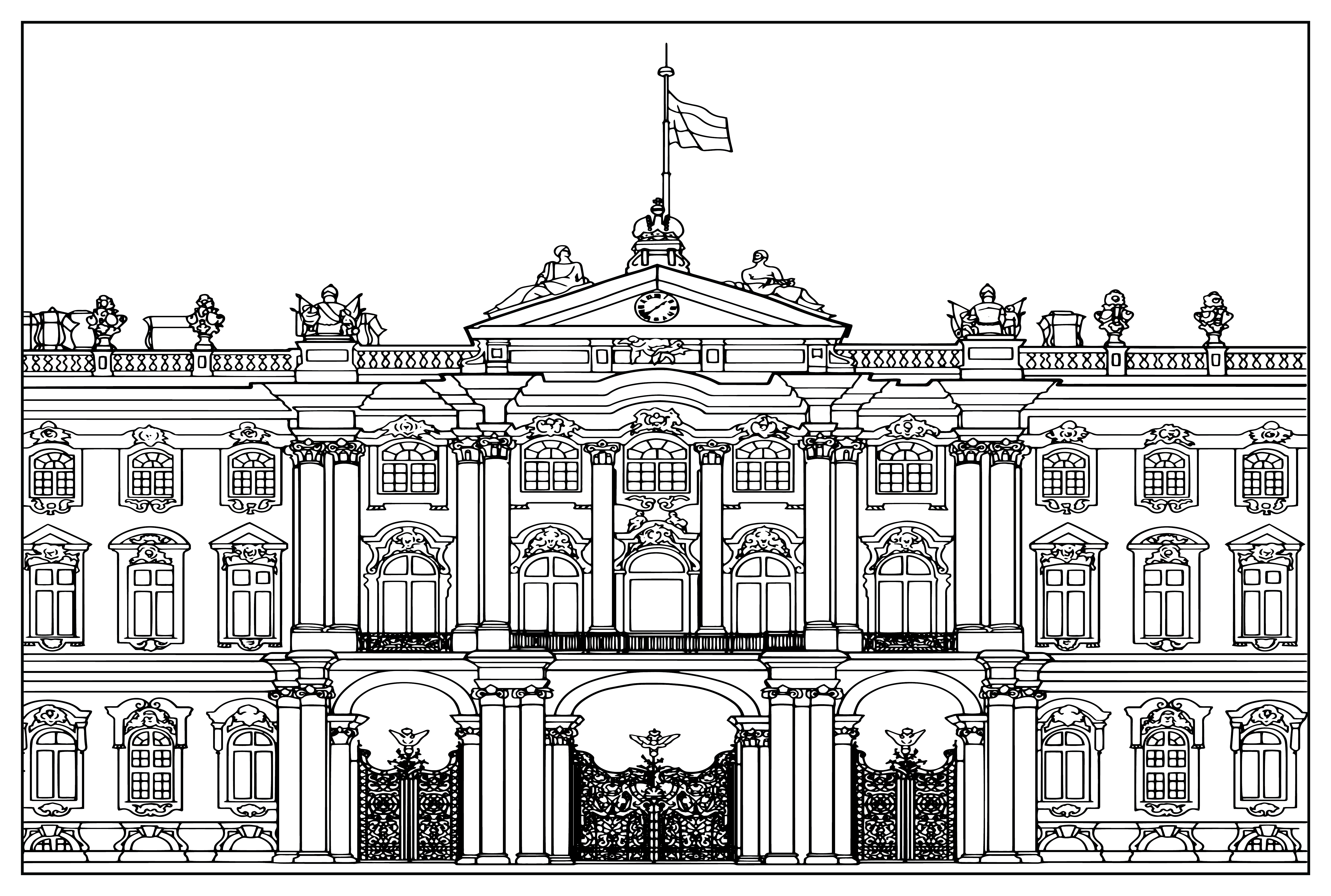
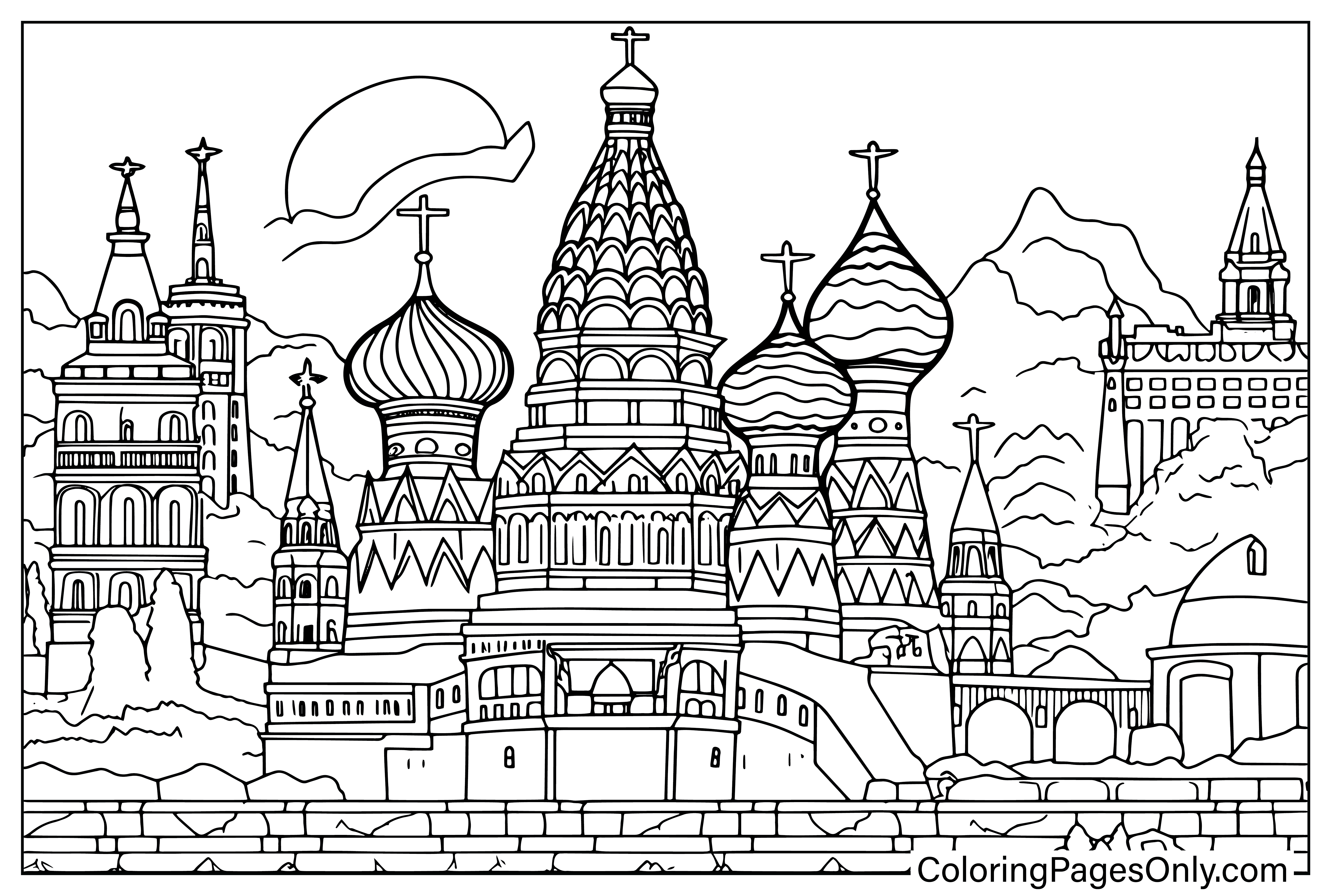
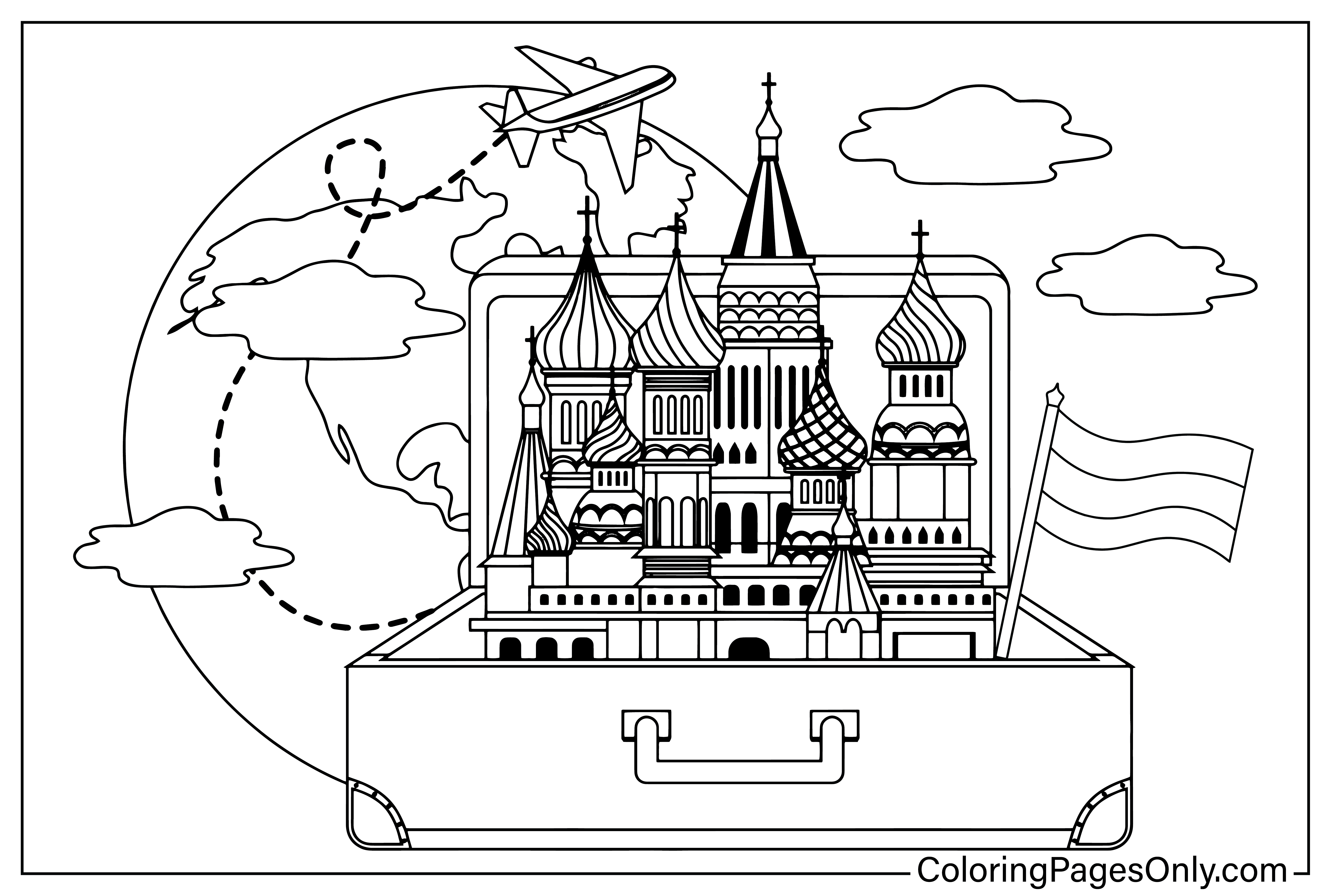
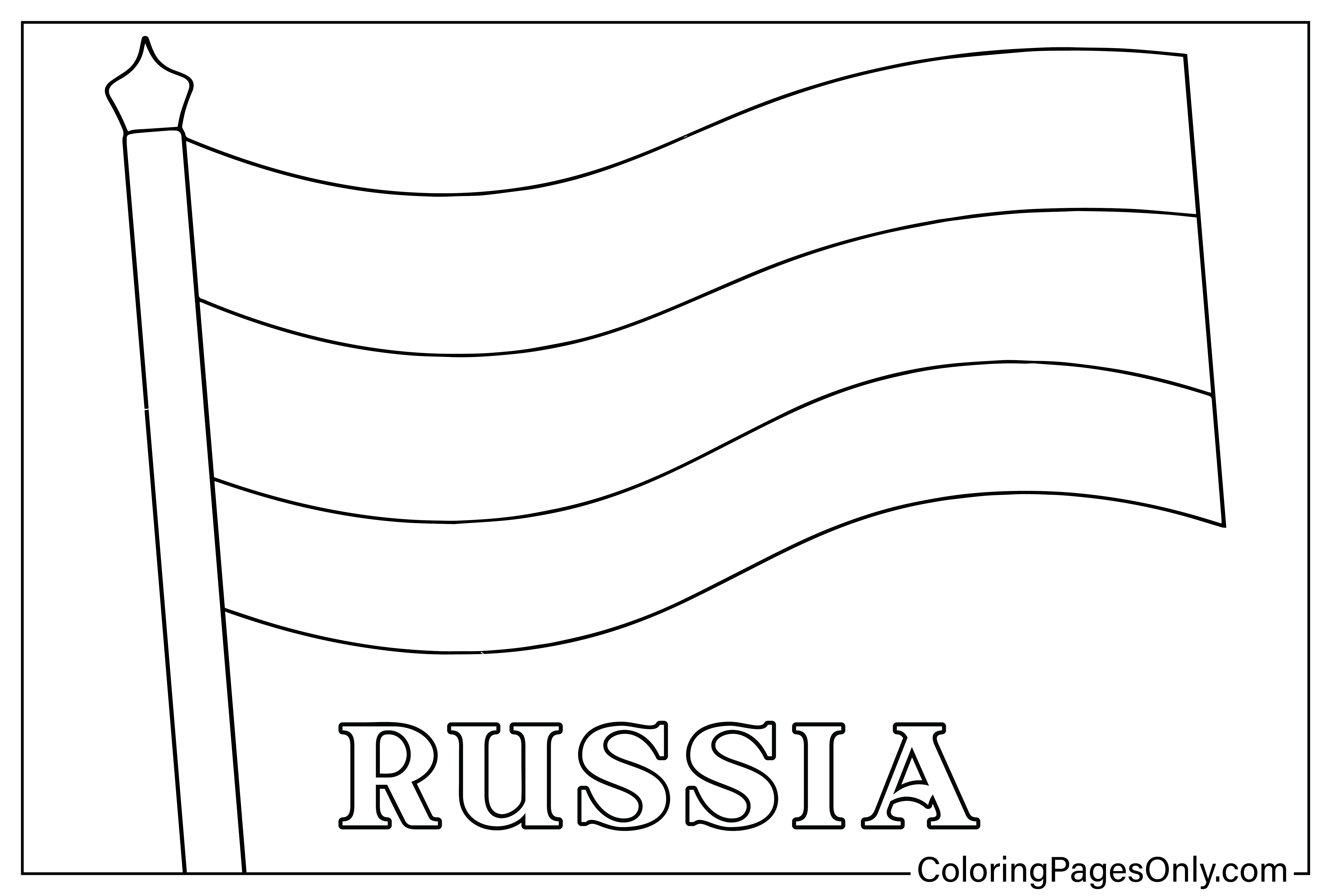
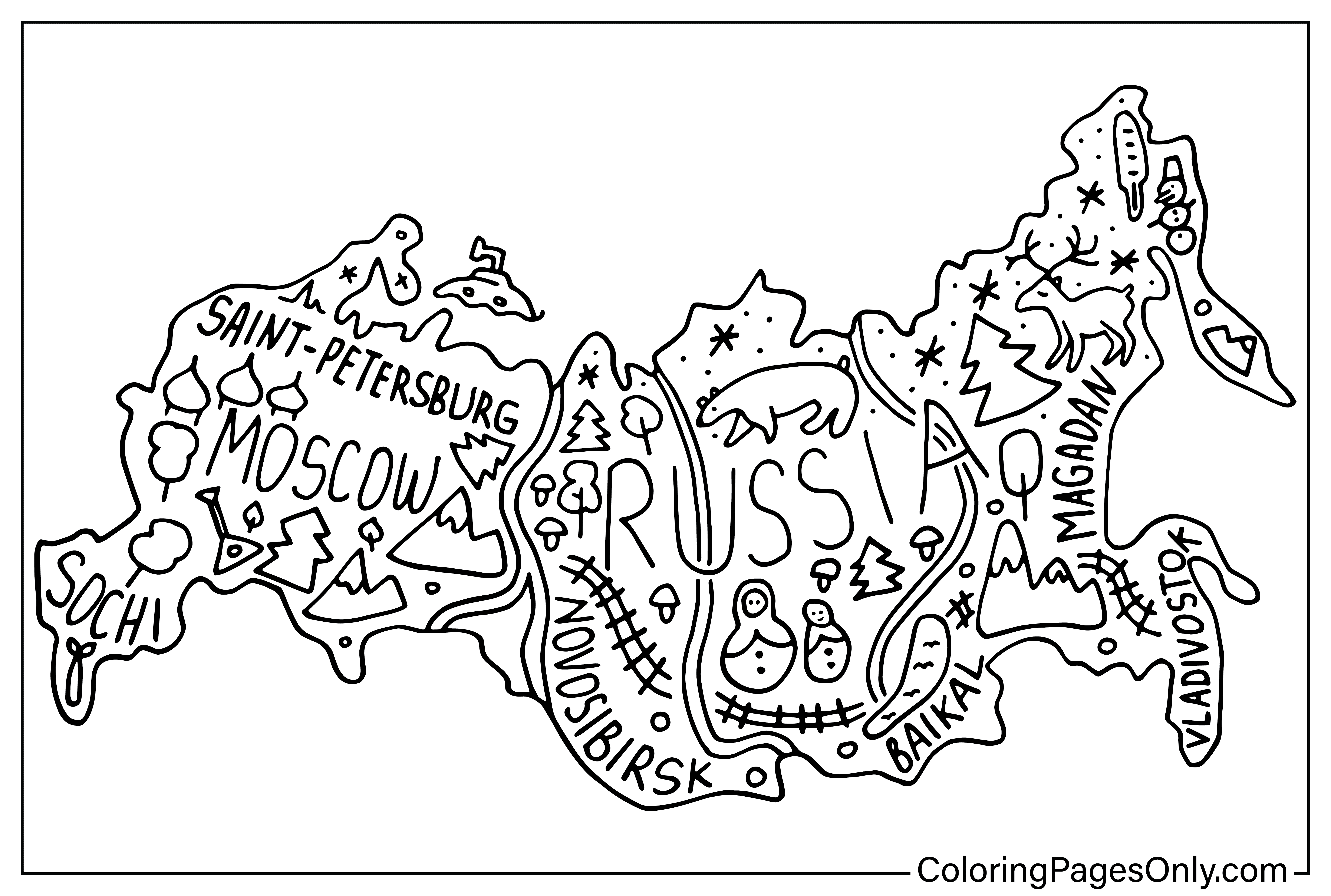
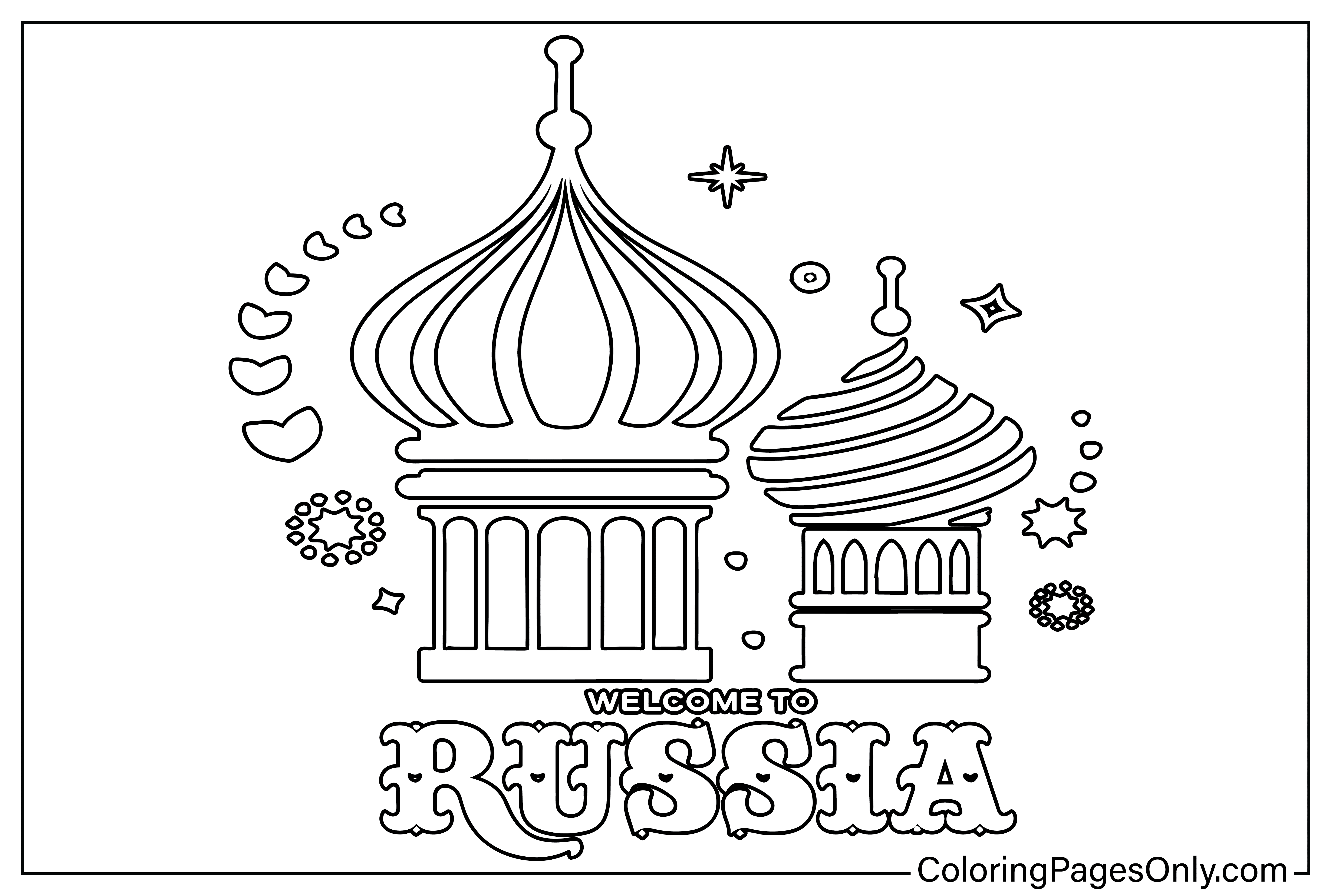
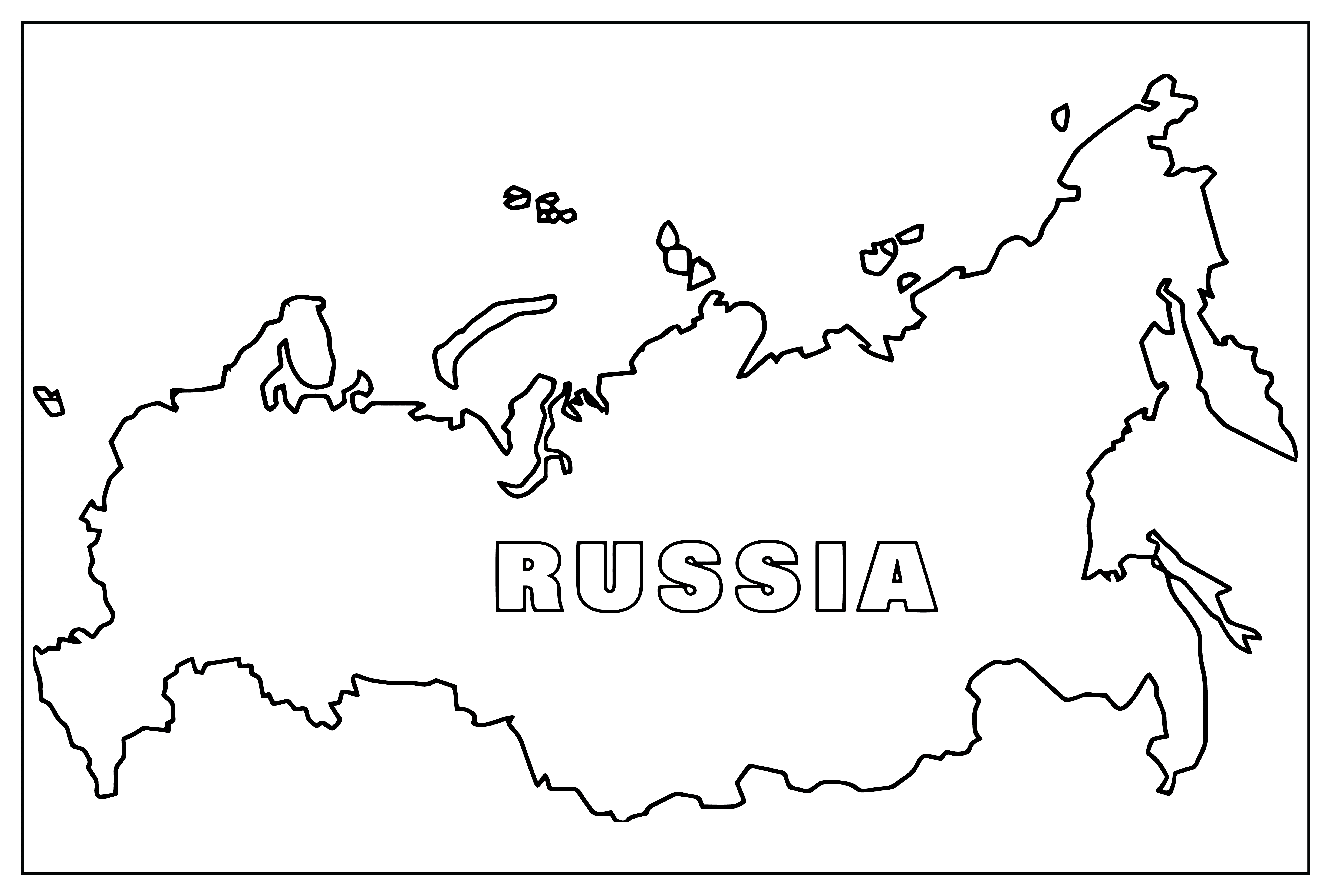
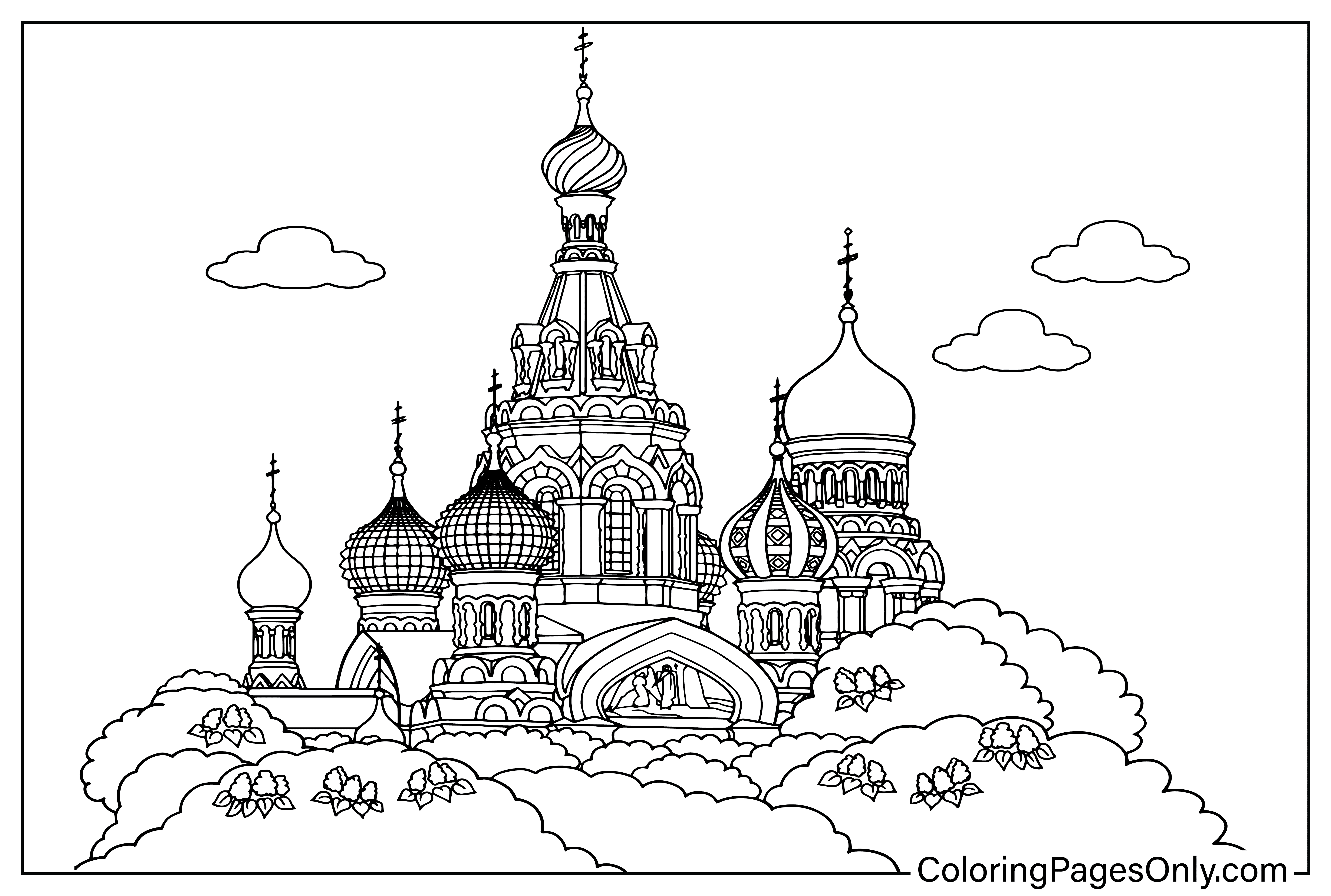
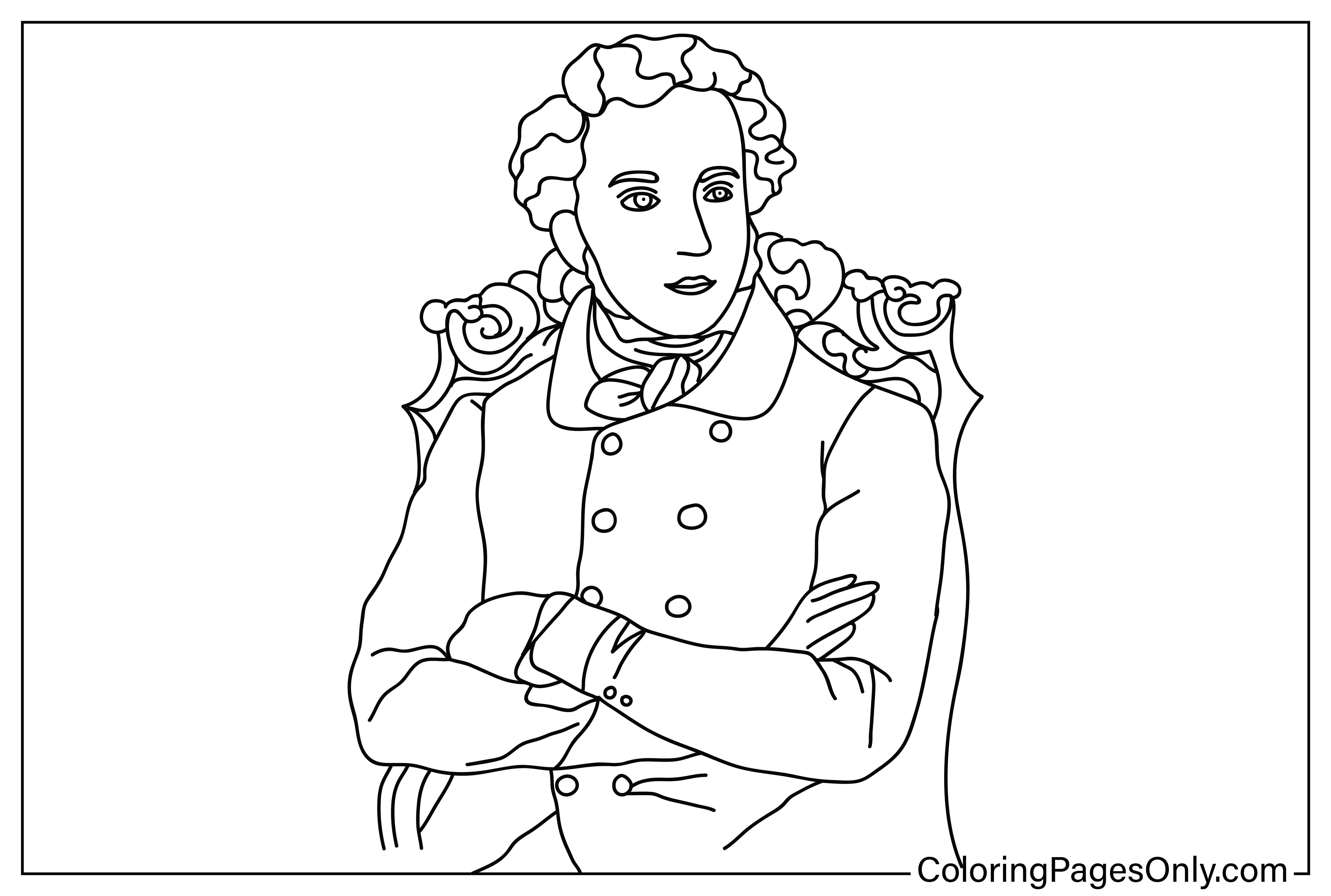
Ten pages cover recognizable landmarks and symbols, including Saint Basil’s Cathedral, the Kremlin, the Hermitage Museum, a map of Russia, the Russian flag, and a portrait of the poet Alexander Pushkin.
Folk Culture, Family Life, and Festivals
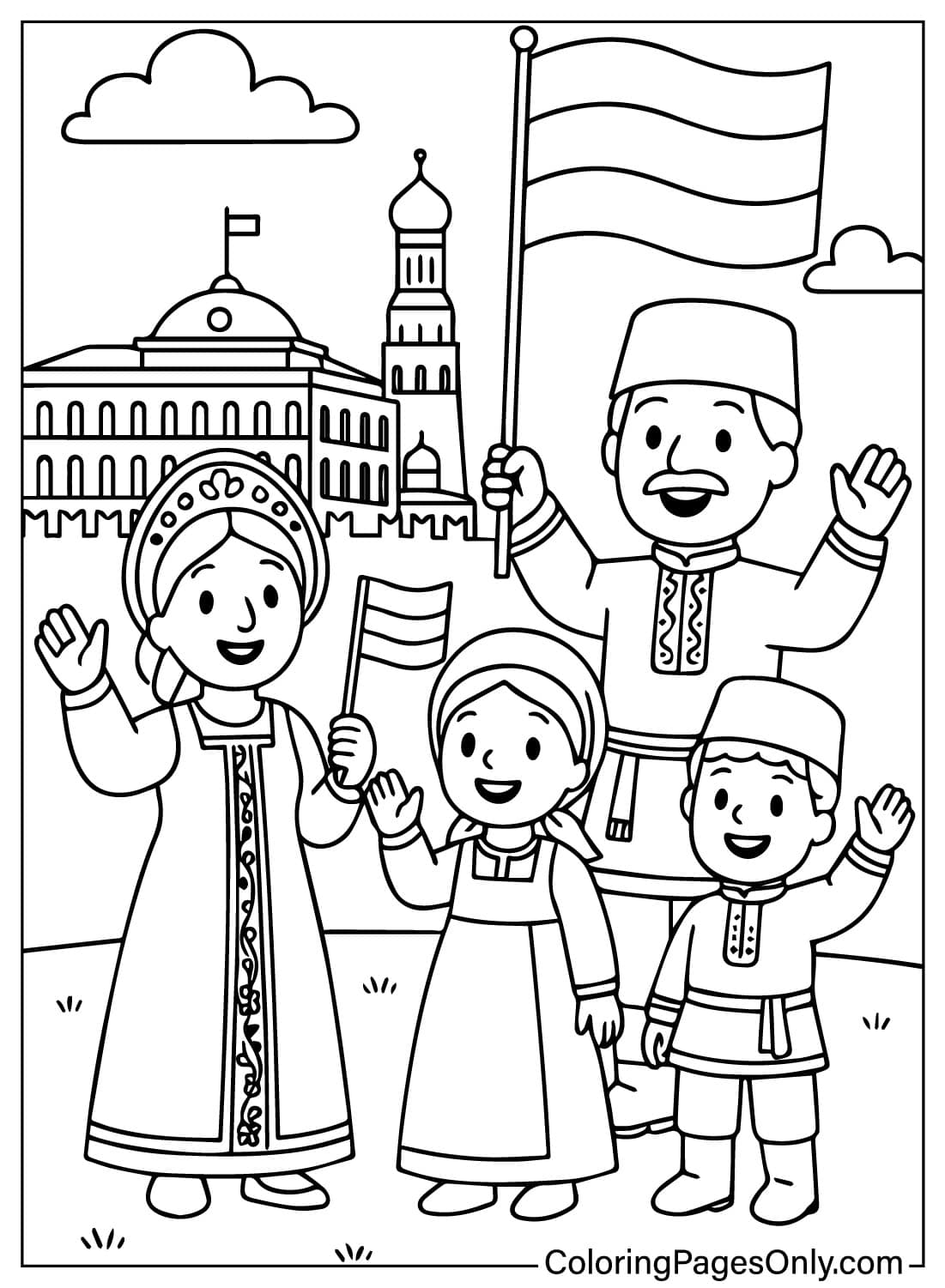
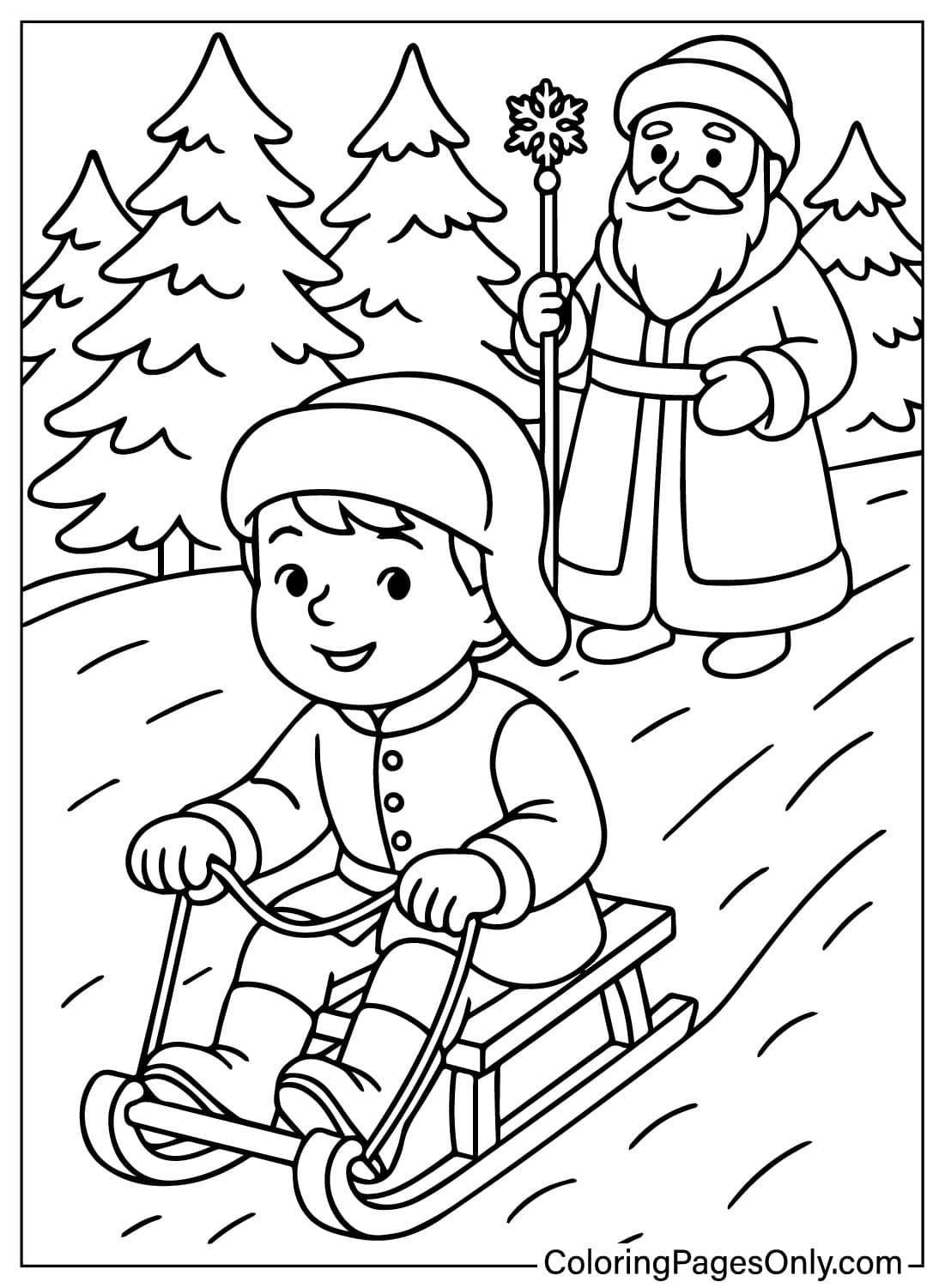
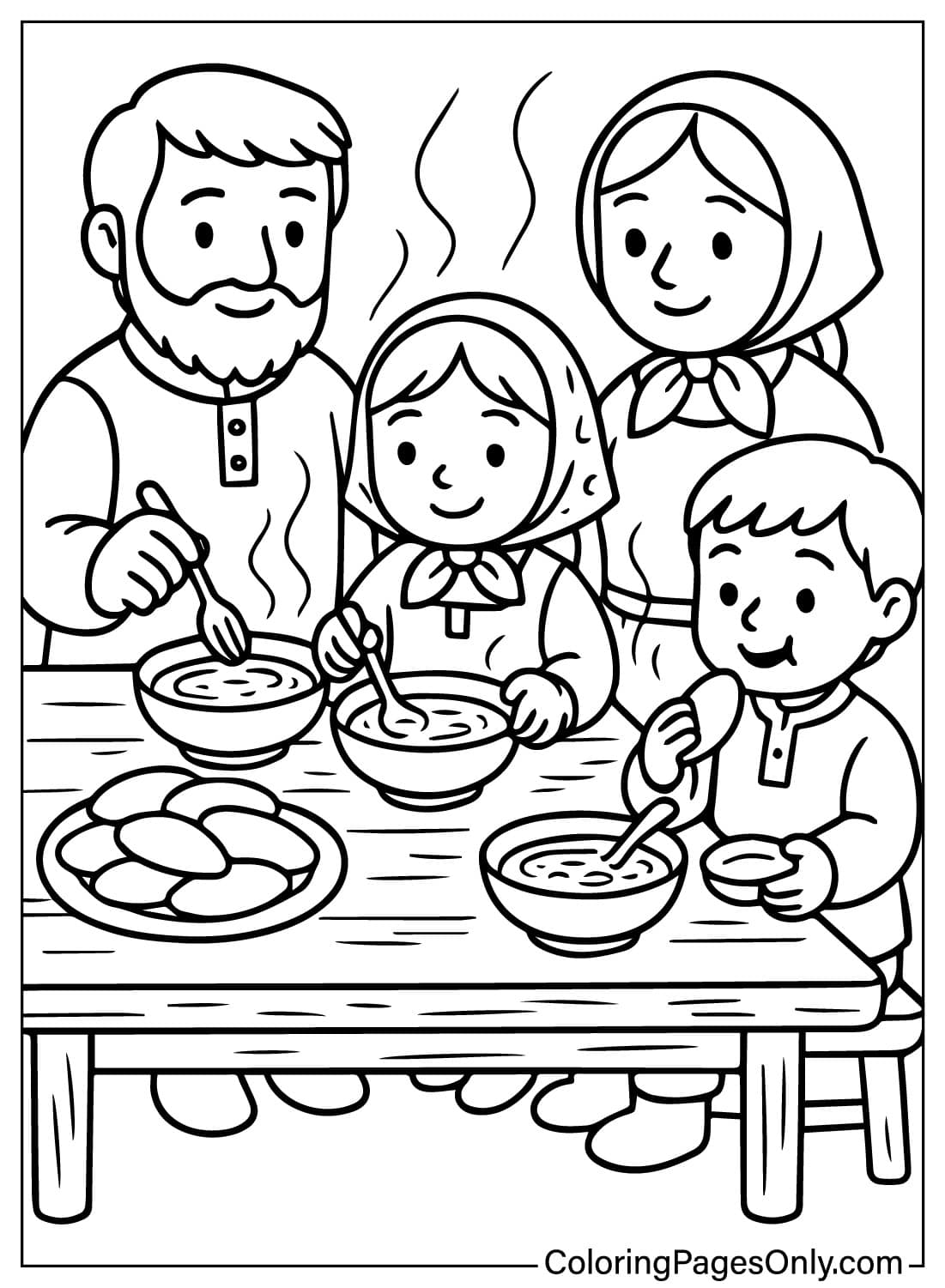
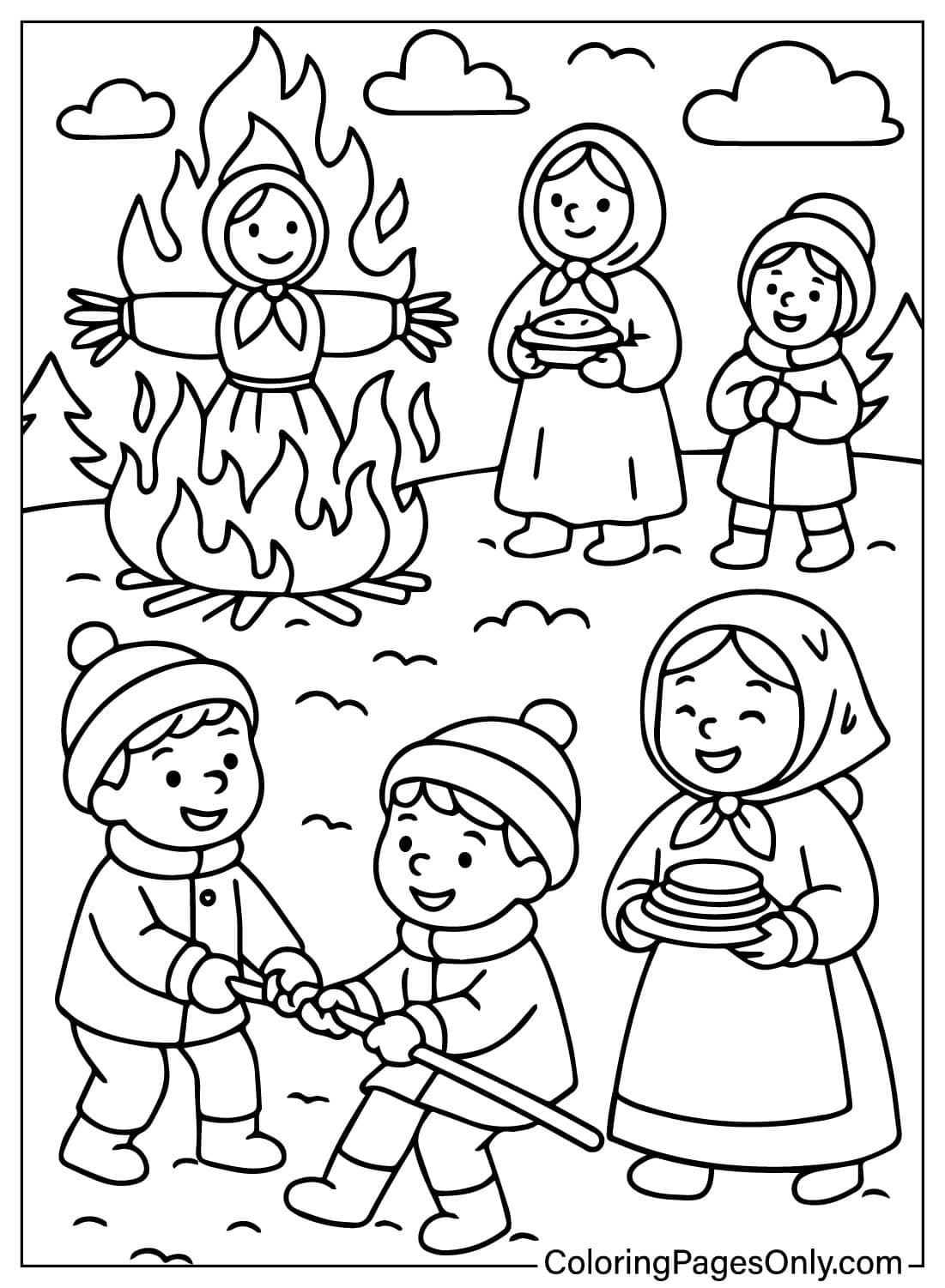
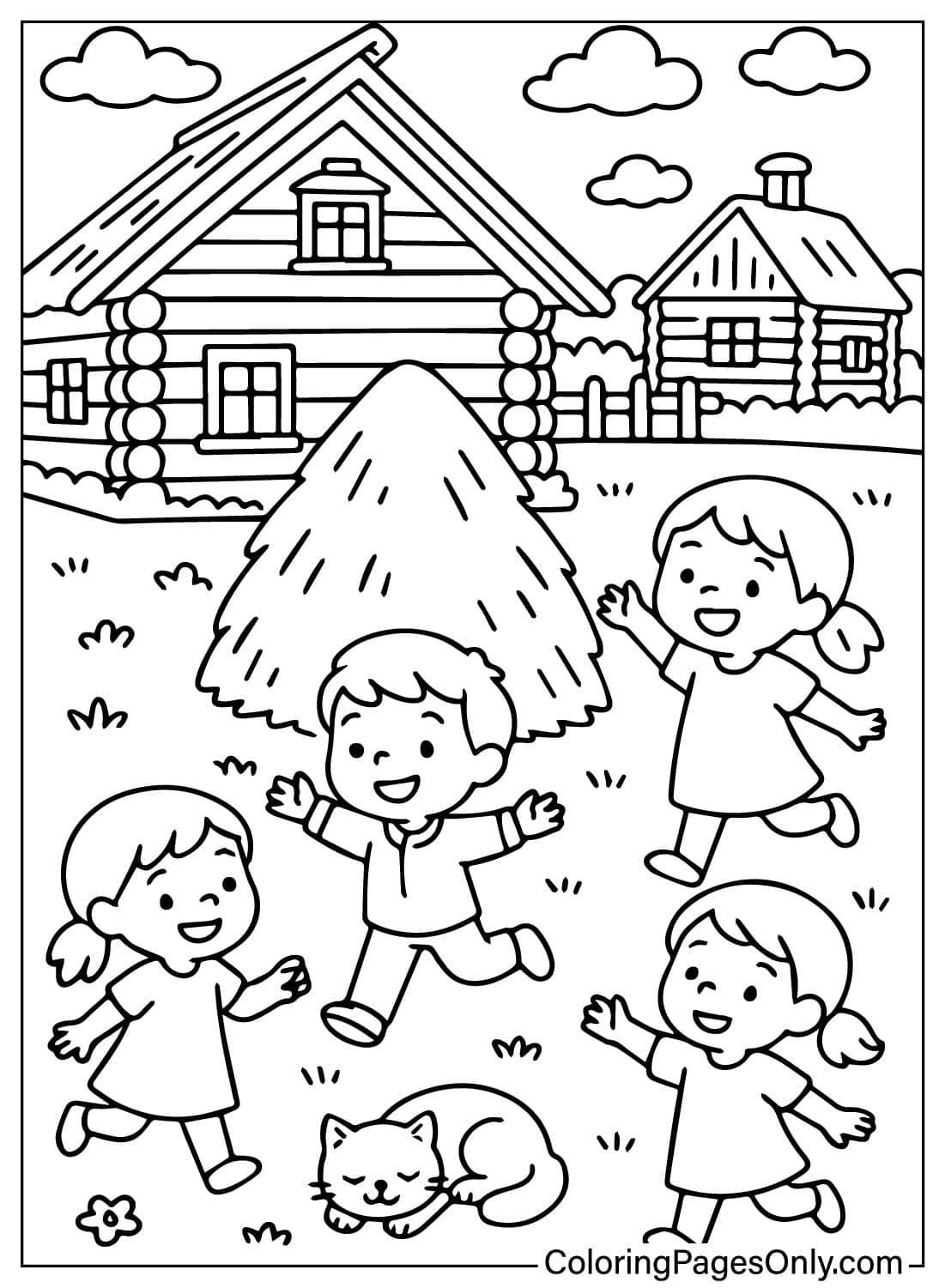
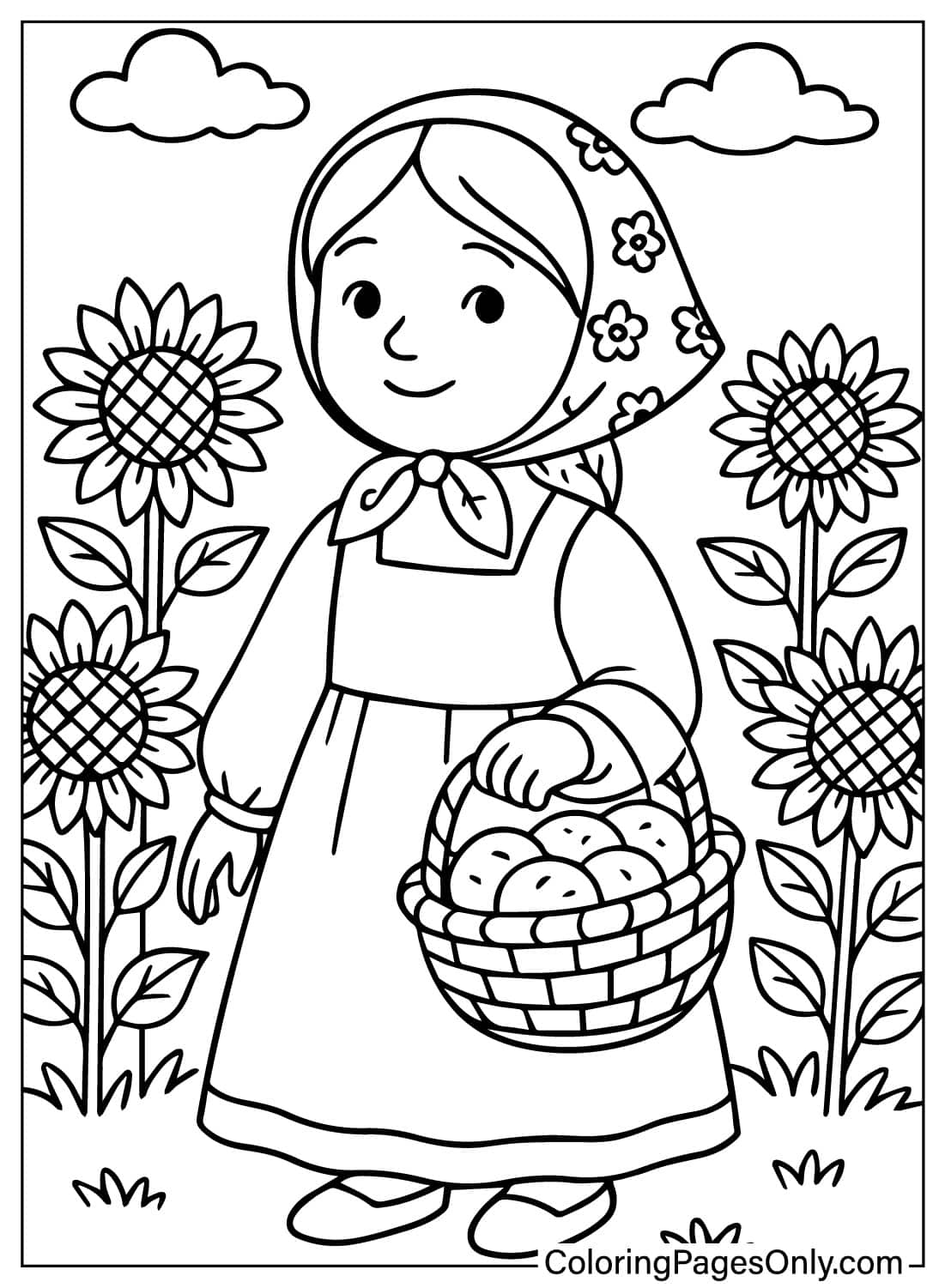
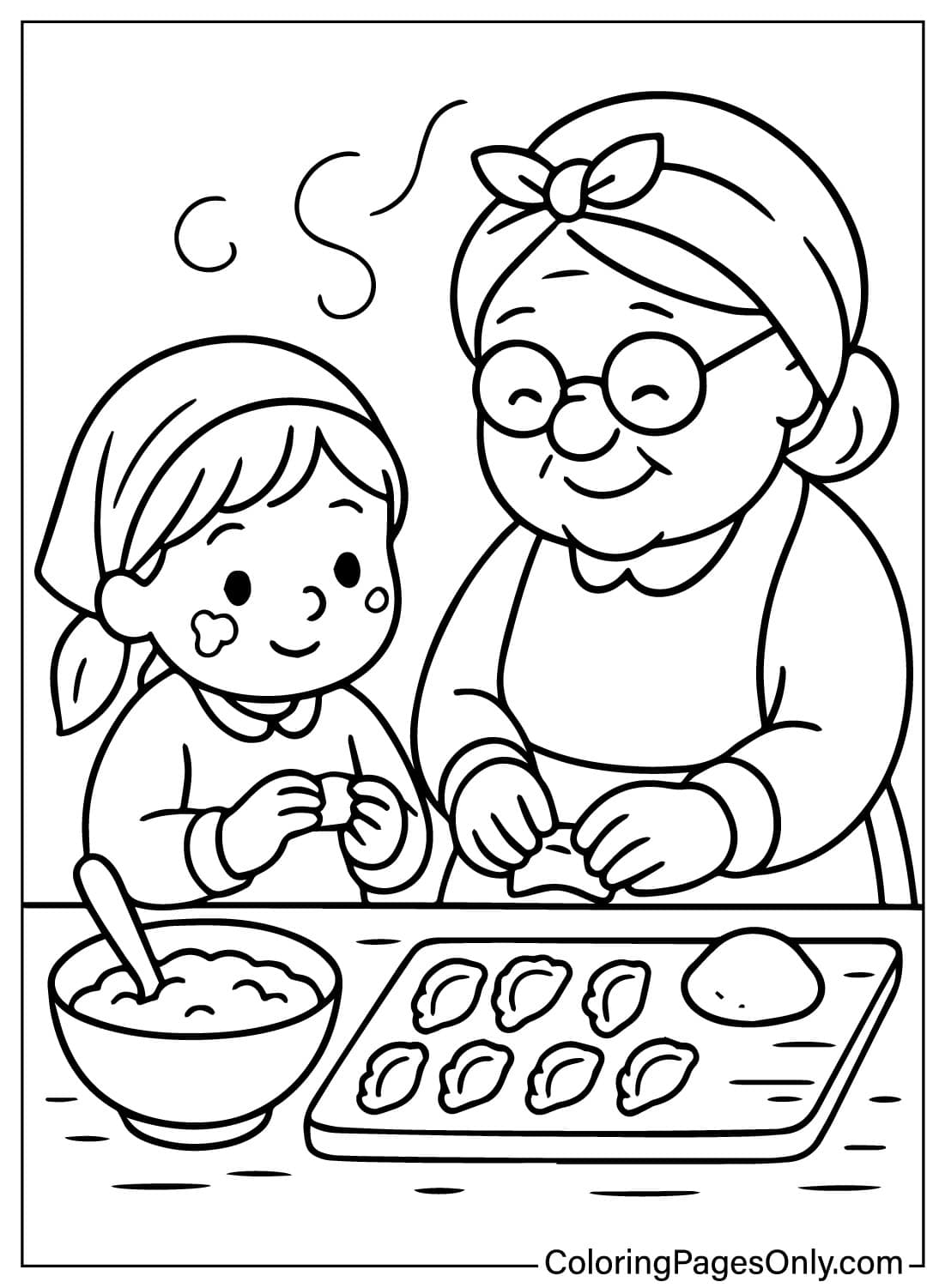
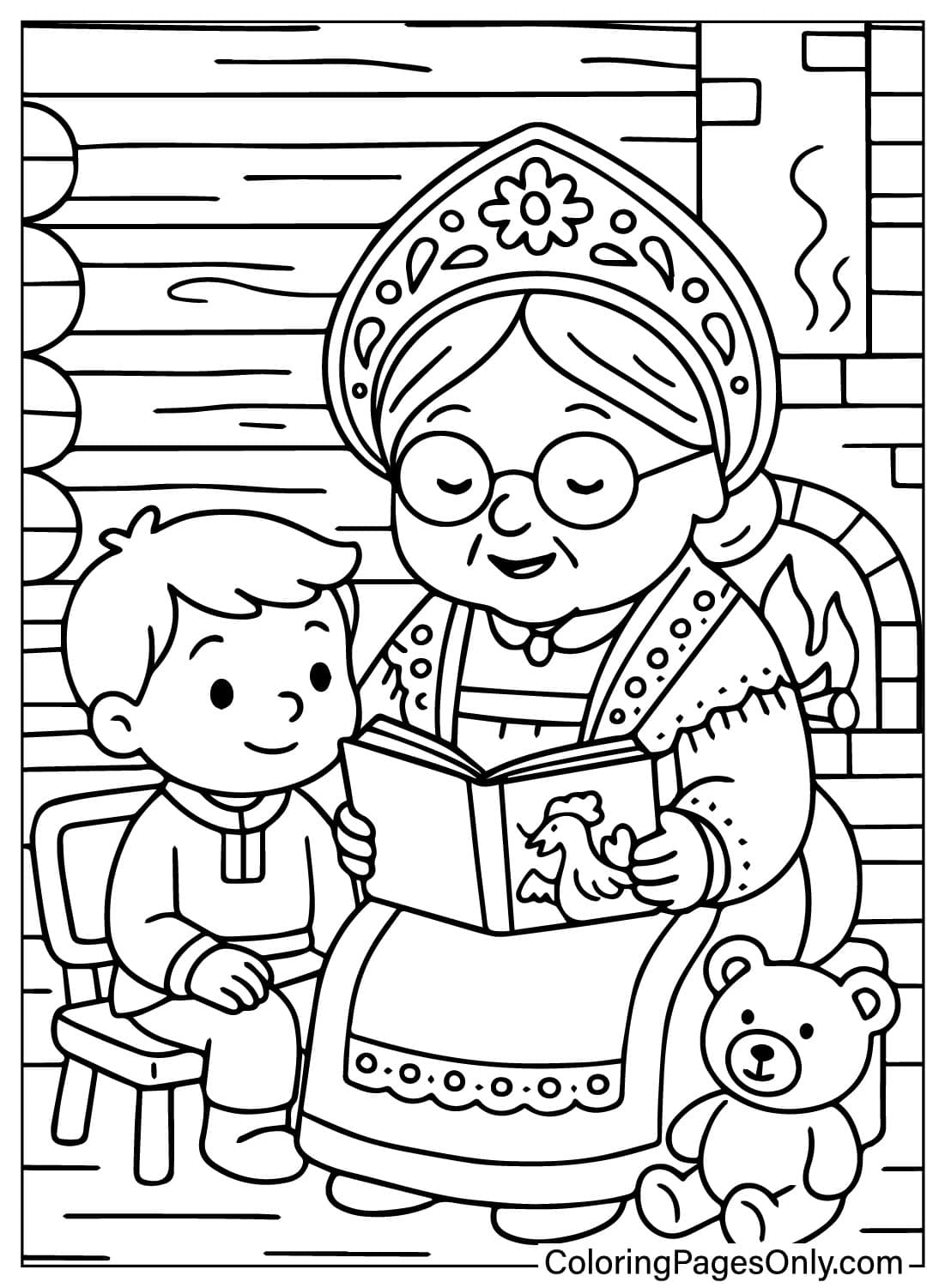
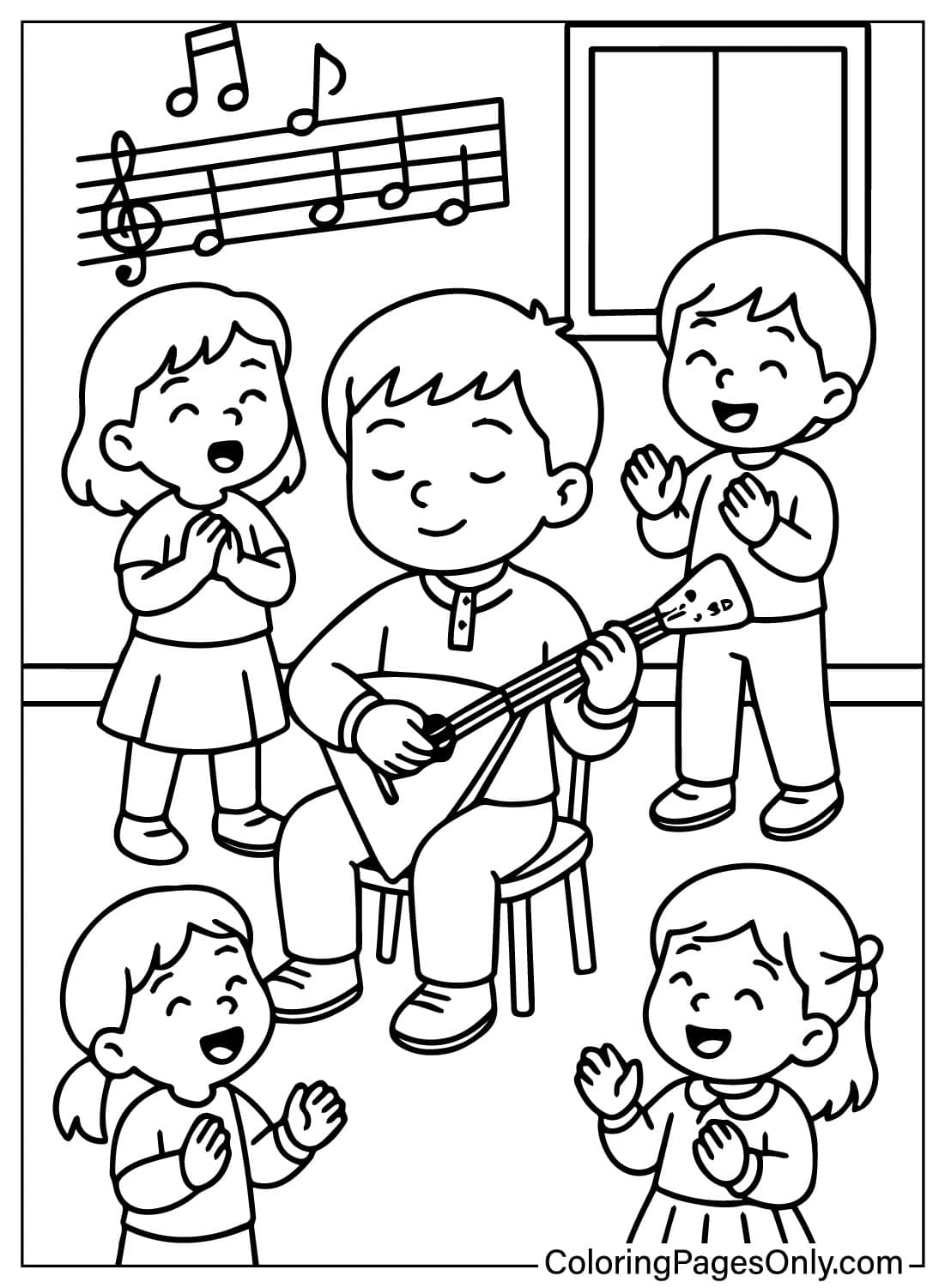
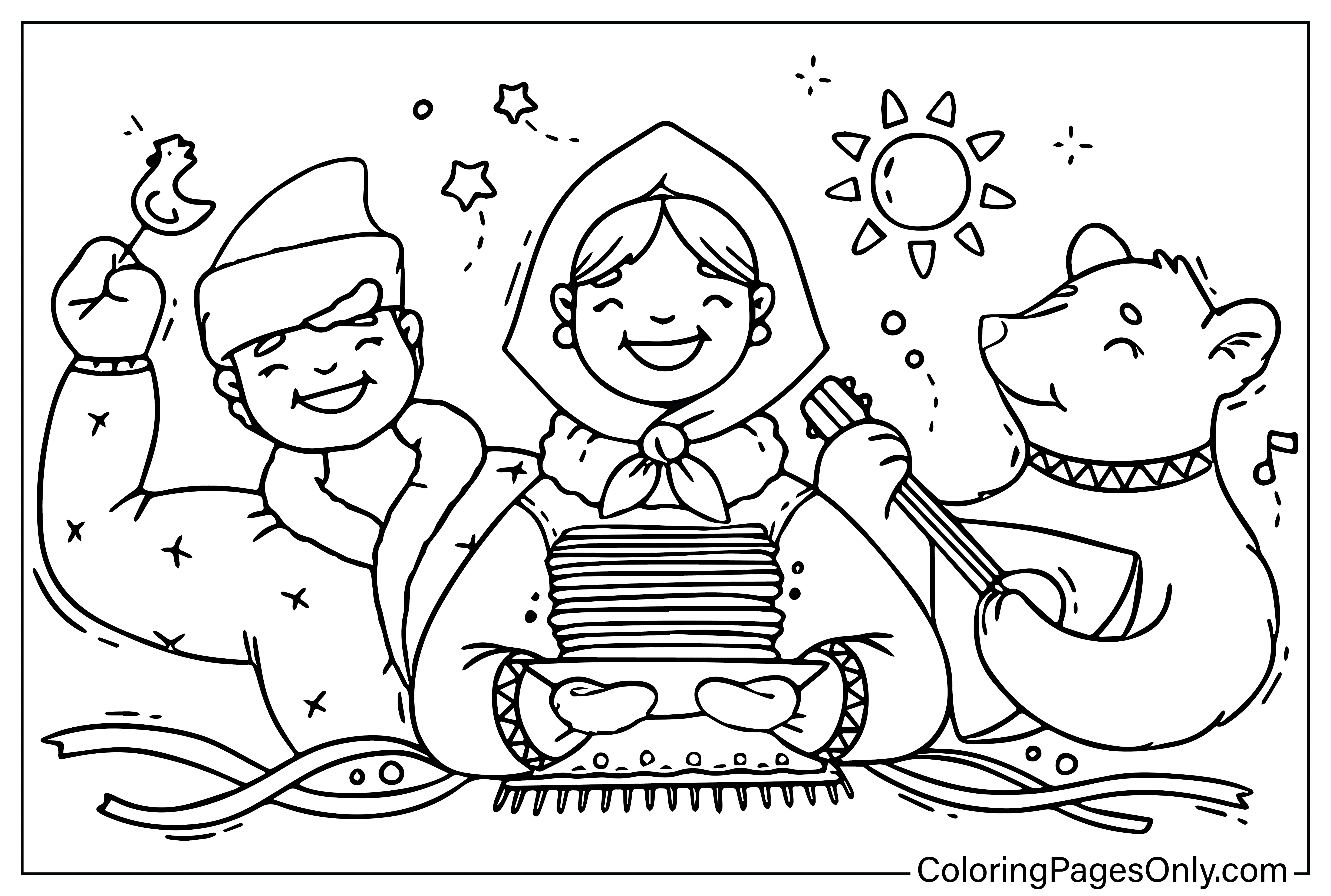
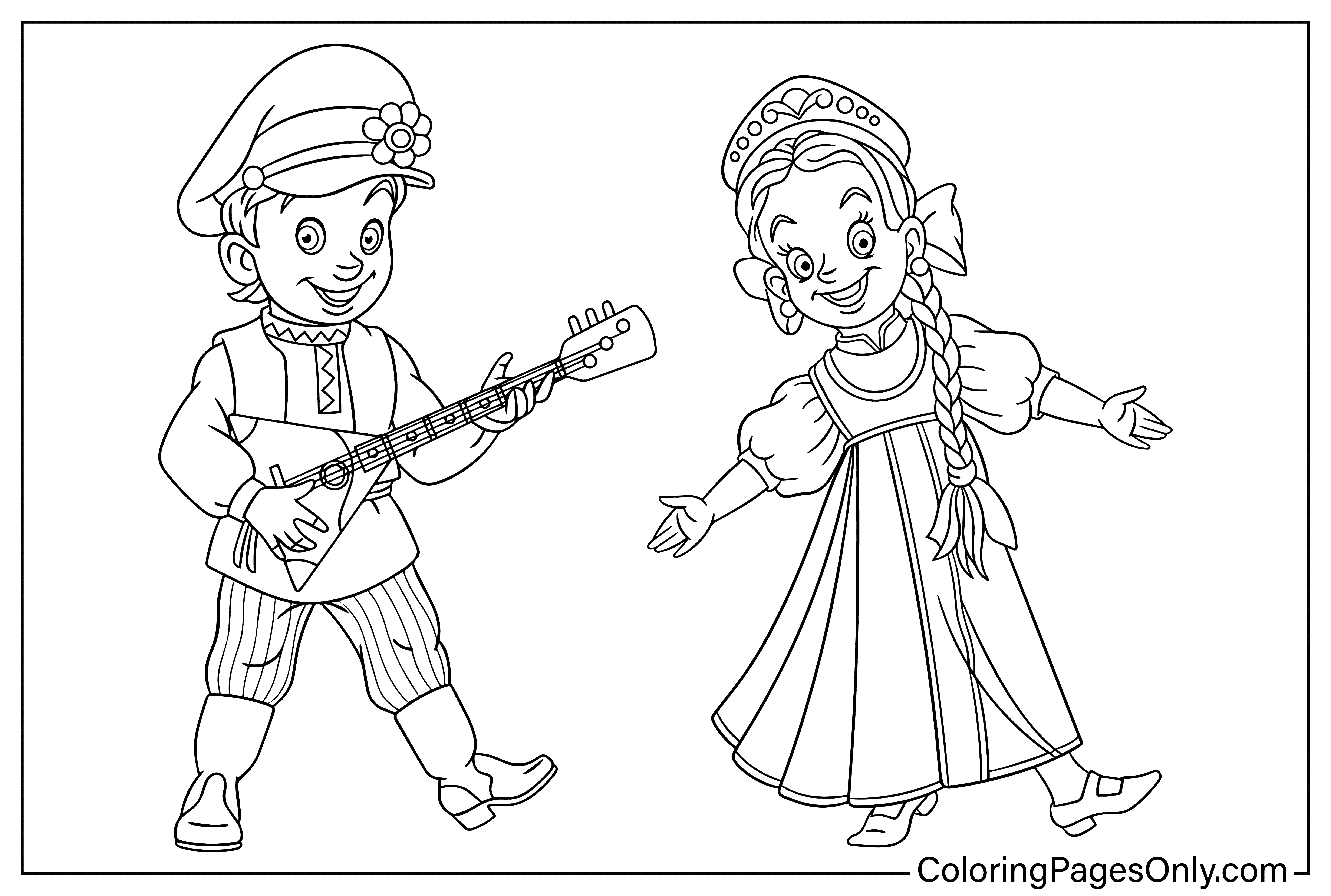
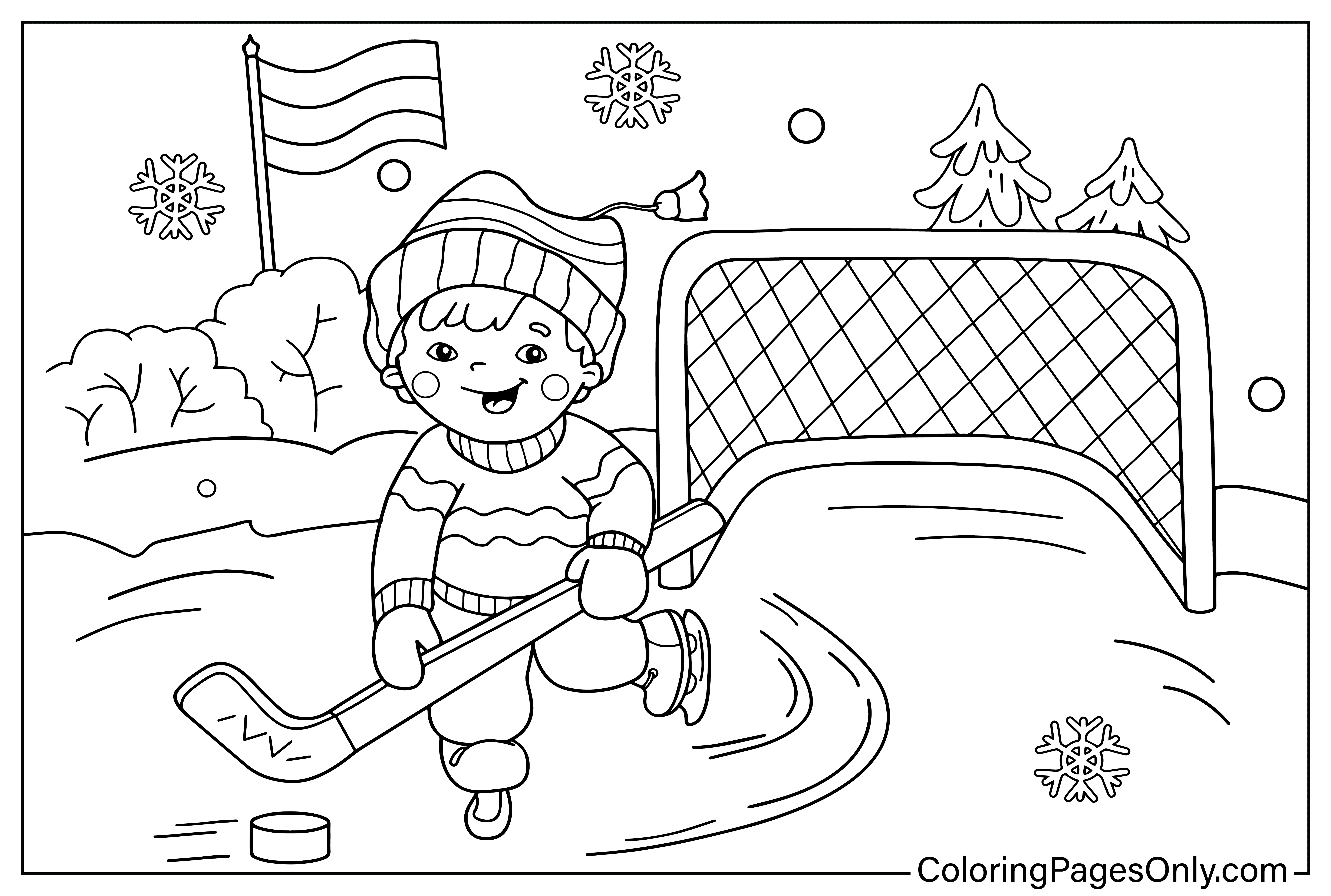
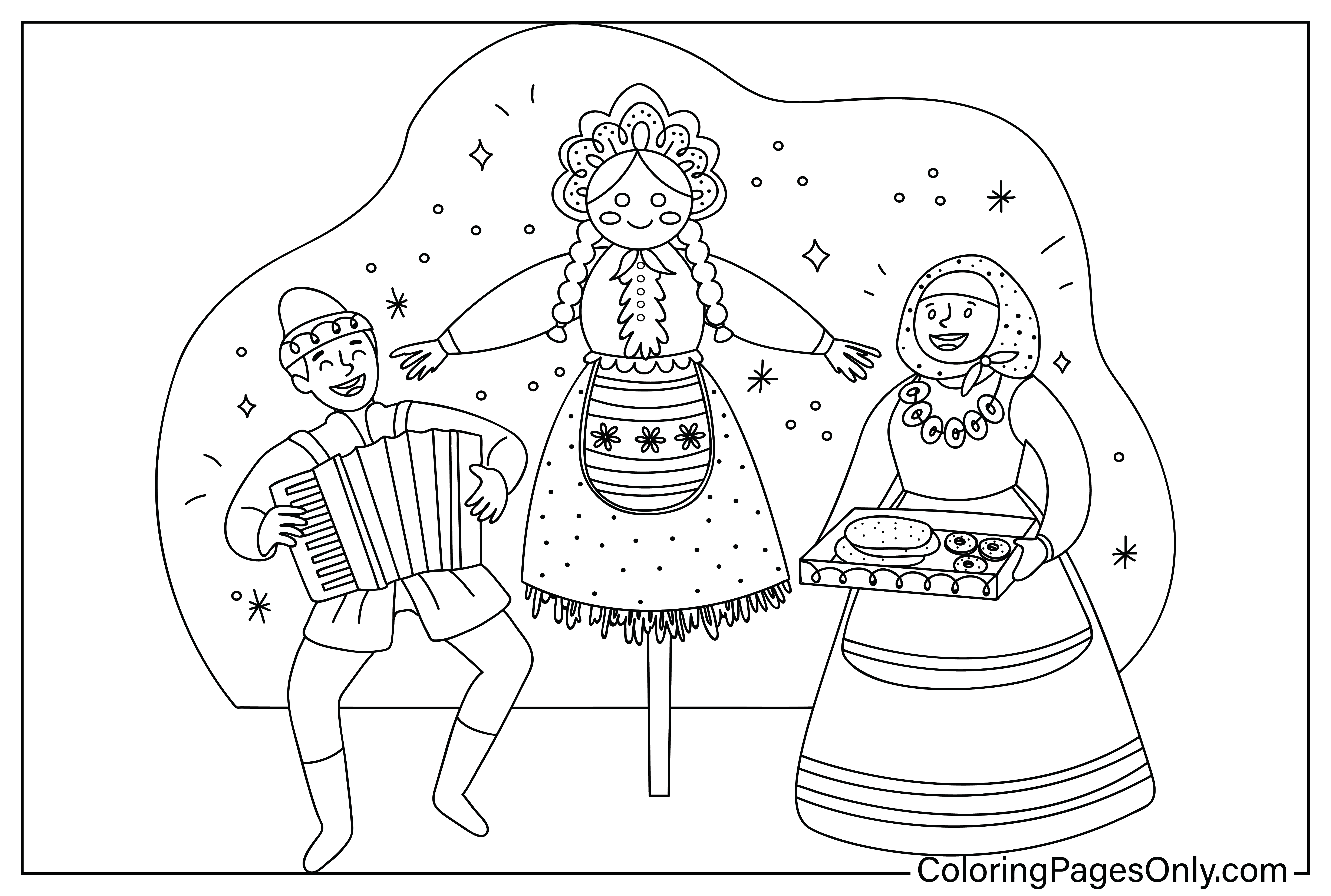
Eighteen pages depict everyday and festive scenes: traditional costumes, a family meal, the Maslenitsa festival with its bonfire and pancakes, children playing near a village house, a grandmother telling a folk tale, a boy playing the balalaika, and pages tied to Russian food, cuisine, and winter sports like skating and hockey.
Symbolic and Illustrated Scenes
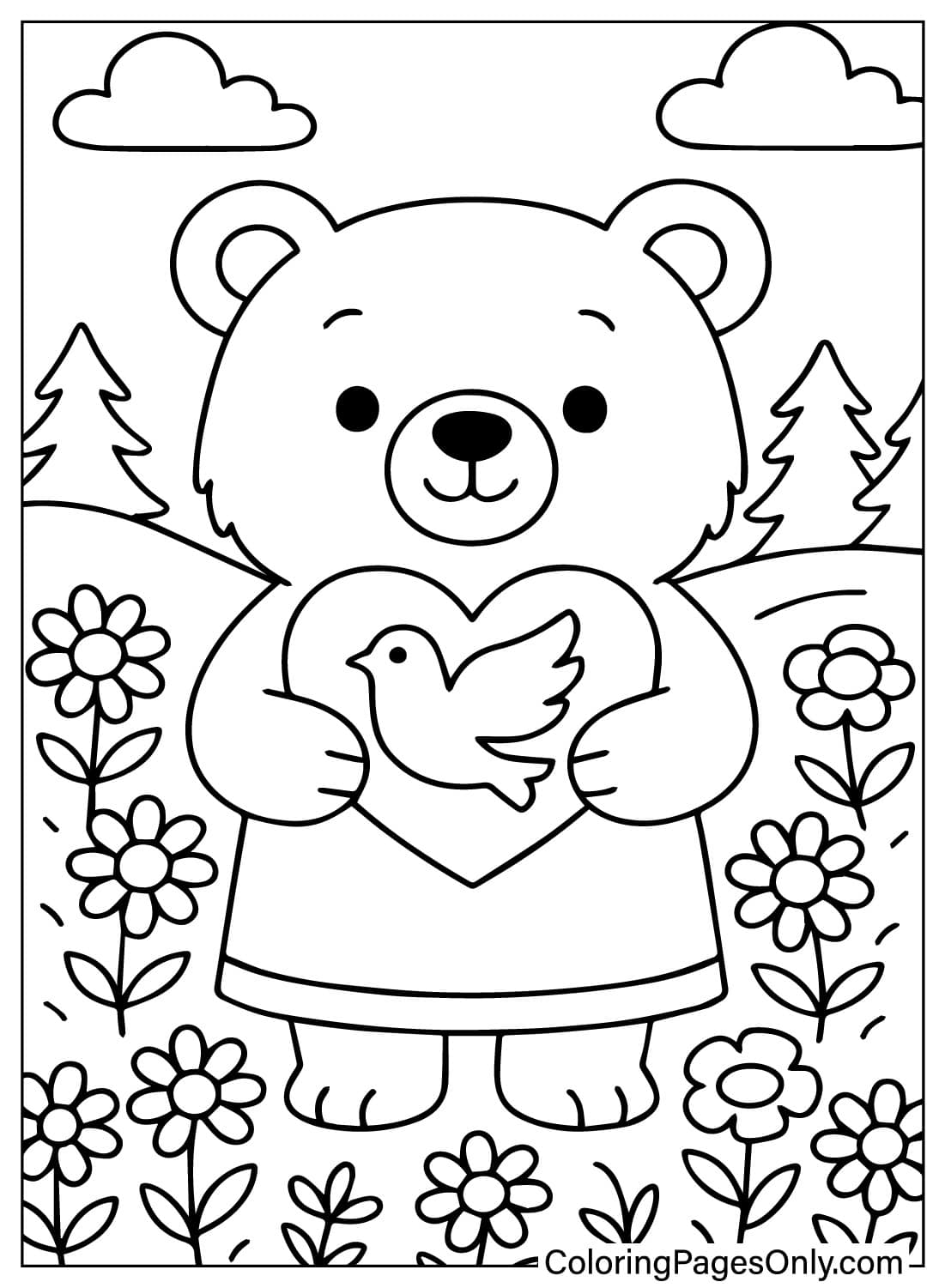
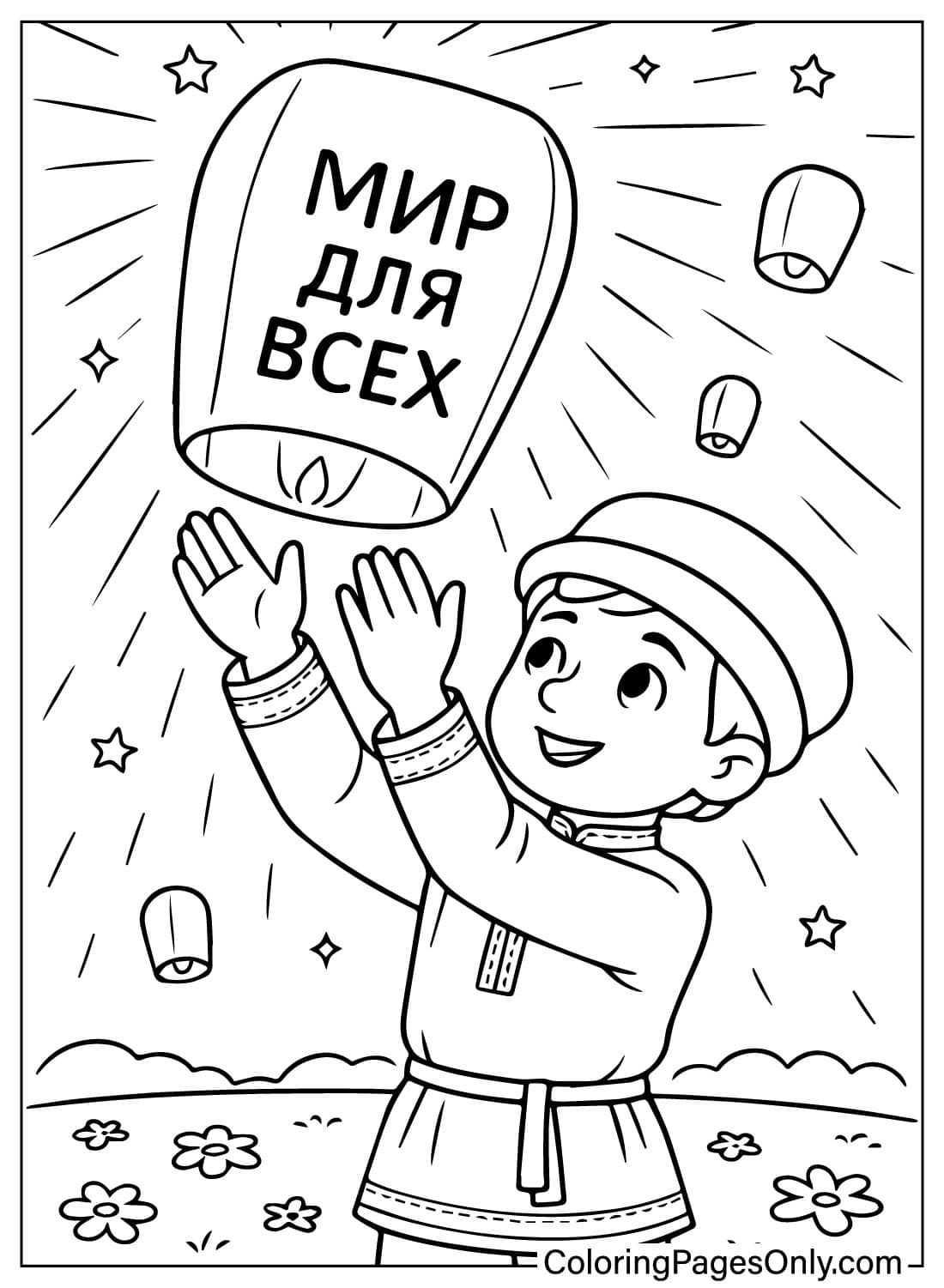
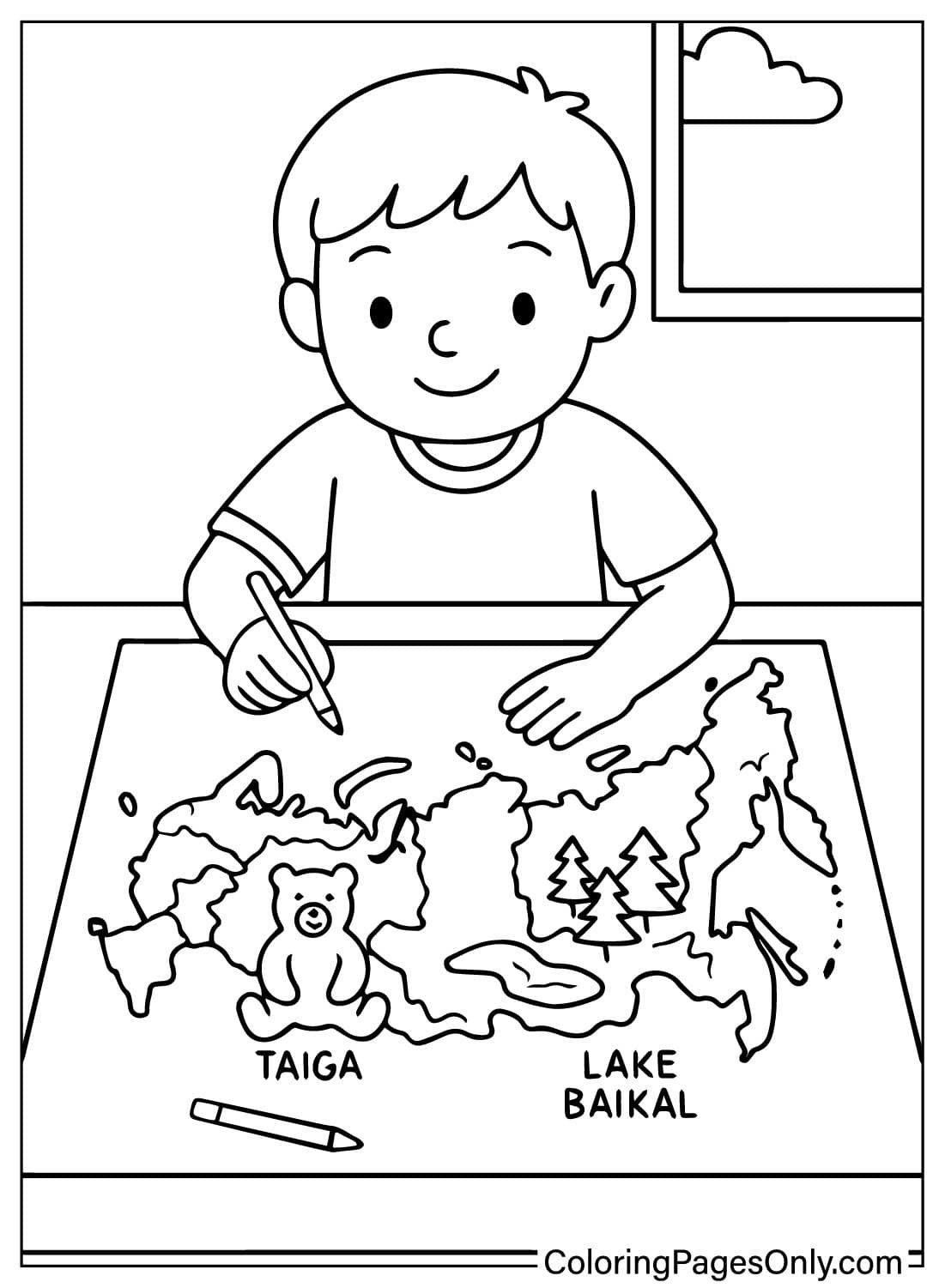
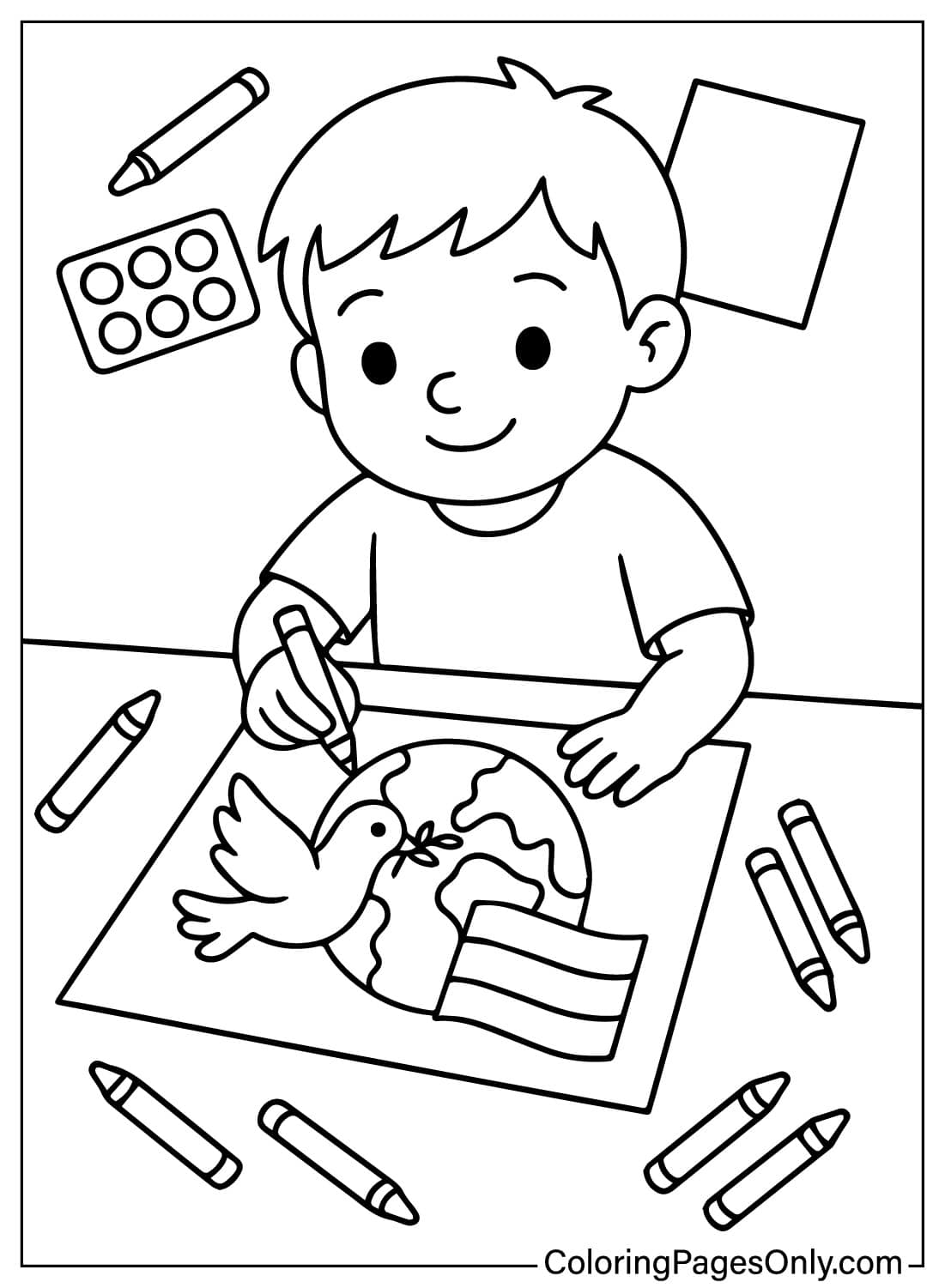
Five pages use symbolic imagery, such as a bear holding a heart, a child releasing a paper lantern, and a child drawing a map or a globe, offering a gentler, more illustrative style than the landmark and folk culture pages.
Generic and Repeated Designs
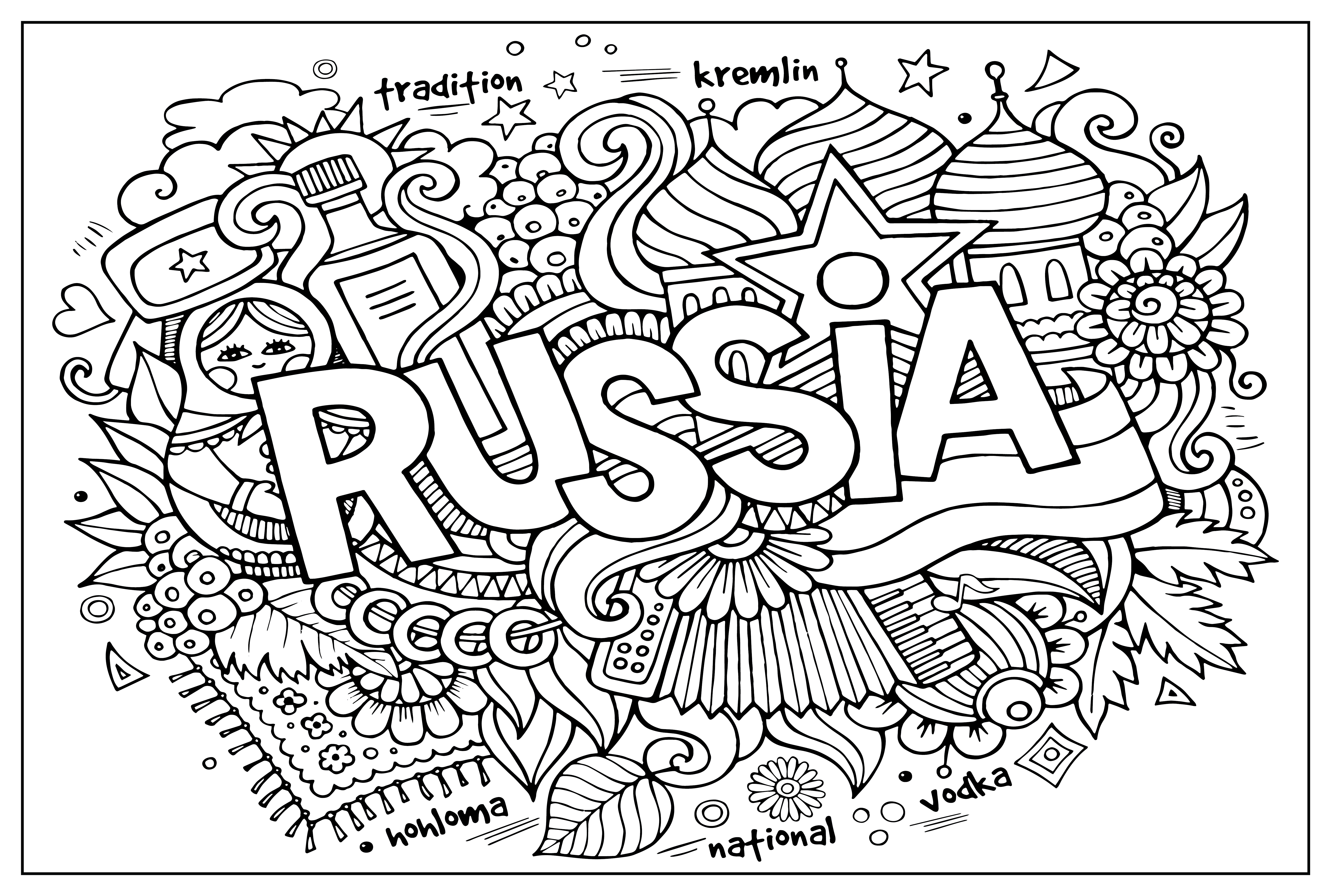
The remaining twelve pages carry generic titles without a specific landmark or scene, and several repeat a similar design under different file names.
What Russia Coloring Pages Do
Fine motor development. The American Academy of Pediatrics identifies fine motor skill development as a core benefit of structured coloring for children ages 2 through 7. The layered floral patterns on the matryoshka dolls and the domed, patterned rooftops of Saint Basil’s Cathedral call for smaller, more careful strokes than a plain outline would.
A visual way to notice that folk symbols have real histories. Because the matryoshka doll’s now-iconic design is less than a century and a half old and was directly inspired by a Japanese toy, coloring these pages gives a child a concrete example of how a “traditional” symbol can have a specific, researchable origin rather than existing as an unexplained fixture of culture.
Anxiety reduction through focus. A 2005 study in the Art Therapy Journal documented measurable reductions in anxiety following structured coloring sessions. The repeating architectural patterns on Saint Basil’s Cathedral and the floral details on the matryoshka dolls give colorists a steady, absorbing detail to settle into.
Practice with a layered, nested design. The matryoshka doll pages offer a specific exercise that most single-figure coloring subjects do not: planning color choices across several nested dolls of decreasing size within the same set.
How to Color Russia Pages Well
- Matryoshka dolls: Crayola Red for the headscarf and dress, with Crayola Yellow floral accents, the color combination most associated with the doll’s classic folk-art look.
- Saint Basil’s Cathedral: each dome in a different bright color, Crayola Red, Sky Blue, Yellow, and Green, since the cathedral’s real domes are each painted distinctly.
- Traditional folk costumes: Crayola Red as a base with white embroidery detail, reflecting a common color pairing in Russian folk dress.
- The Russian flag: Crayola White, Sky Blue, and Red in three even horizontal bands, kept flat and simple.
- Winter scenes: cool Crayola Sky Blue and White for snow, with warm Crayola Red or Brown coats to keep figures visually distinct from the background.
- Balalaika and folk instruments: warm Crayola Brown or Tan for the wood body, with a Crayola Black neck and strings for contrast.
5 Creative Craft Ideas With Russia Coloring Pages
1. Nested Doll Set Display
Color all three matryoshka pages in a matching color scheme, cut them out, and arrange them from largest to smallest for a paper version of a nested doll set.
2. Landmark Fact Cards
Color a landmark page, trim it to card size, and write one verified fact about the site on the back for a simple matching or quiz game.
3. World Map Marker
Color the map of Russia, and pin or tape it to its location on a larger world map for a visual geography display.
4. Balalaika Concert Scene
Color the boy playing balalaika page alongside a folk costume page, and arrange them together for a small paper performance scene.
5. Russia Greeting Card
Fold a piece of cardstock in half, glue a colored page to the front, and write a message inside for a birthday or classroom project.
Frequently Asked Questions
What are Russia coloring pages?
Free printable and online designs featuring Russian landmarks, folk art, and traditions, intended for personal, educational, and non-commercial use.
Who invented the matryoshka doll, and when?
Woodturner Vasily Zvyozdochkin carved the first set in 1890 from a design by painter Sergey Malyutin, inspired by a Japanese nested doll.
What is Saint Basil’s Cathedral?
A landmark cathedral in Moscow’s Red Square, known for its brightly colored, distinctly domed roofline.
Who was Alexander Pushkin?
A major Russian poet and writer, widely regarded as a foundational figure in Russian literature.
What is Maslenitsa?
A traditional Russian festival marking the end of winter, celebrated with pancakes and a bonfire.
Are these designs historically accurate?
They aim to reflect real Russian landmarks, folk art, and traditions respectfully, though, as with any illustrated collection, details can vary from a specific historical version of a scene.
Are Russia coloring pages suitable for young children?
Yes. The clear outlines across most pages make this collection approachable for children around ages 5 and up, and it works well for classroom geography or culture lessons.
Can Russia coloring pages be colored online, or only printed?
Both. Every design can be downloaded as a PDF for printing at home or opened directly in the online coloring tool for use on a phone, tablet, or computer.
Start Coloring
Download any page by clicking the design. No account, email, or payment is required. Pages print directly from the browser at full resolution or open in the online coloring tool for screen use. Share finished pages on Facebook or Pinterest with the share buttons at the top of each design page.