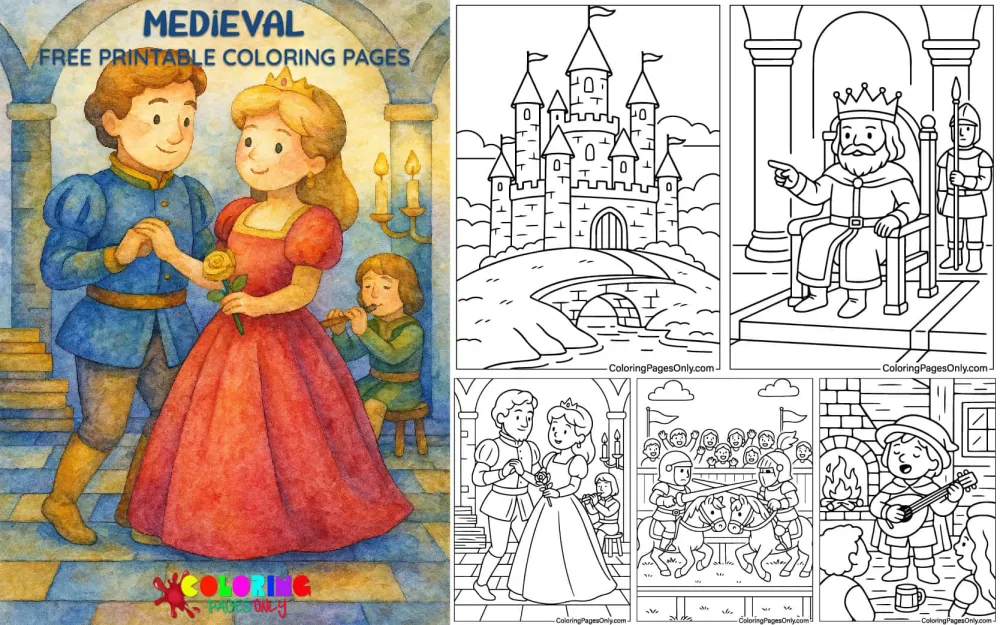
Free Medieval Coloring Pages: 32 printable PDF designs of knights, castles, royalty, and everyday medieval life. Printing a page or coloring it online both cost nothing, and neither one needs an account.
Much of medieval town life, including the blacksmiths and marketplaces shown in this collection, ran on the guild system. A young apprentice, sometimes as young as twelve, worked under a master craftsman for around seven years in exchange for food, shelter, and training. After that, they became journeymen, a term rooted in the French word for day, since journeymen were finally paid daily wages, before eventually earning full master status within the guild.
The 32 pages are split into five groups: royalty and court life, knights and combat training, castles and landscapes, village and daily life, and religious and festival scenes. Since medieval life spanned everything from royal courts to working blacksmith shops, the coloring approach shifts considerably depending on which part of the era a page focuses on.
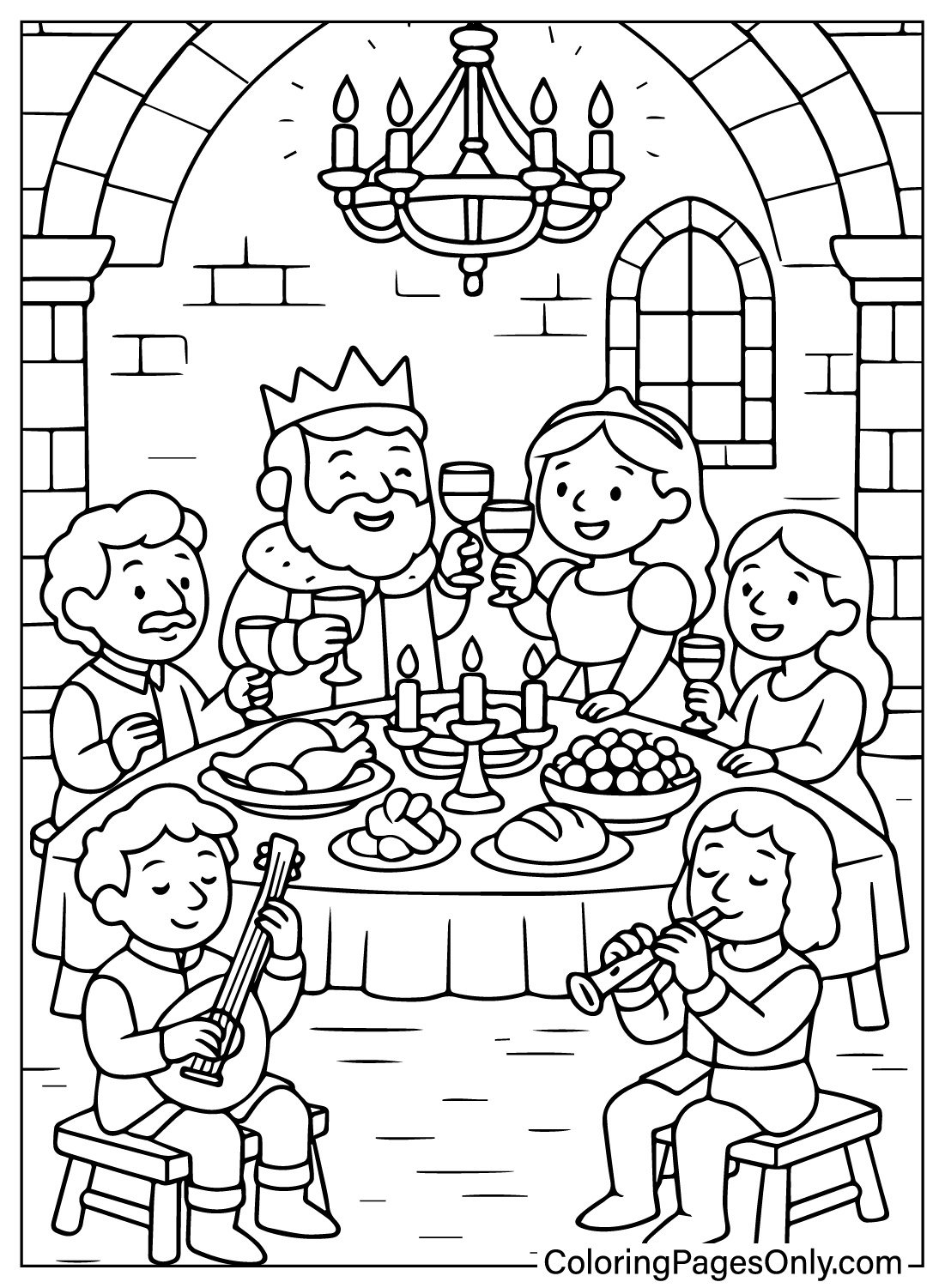
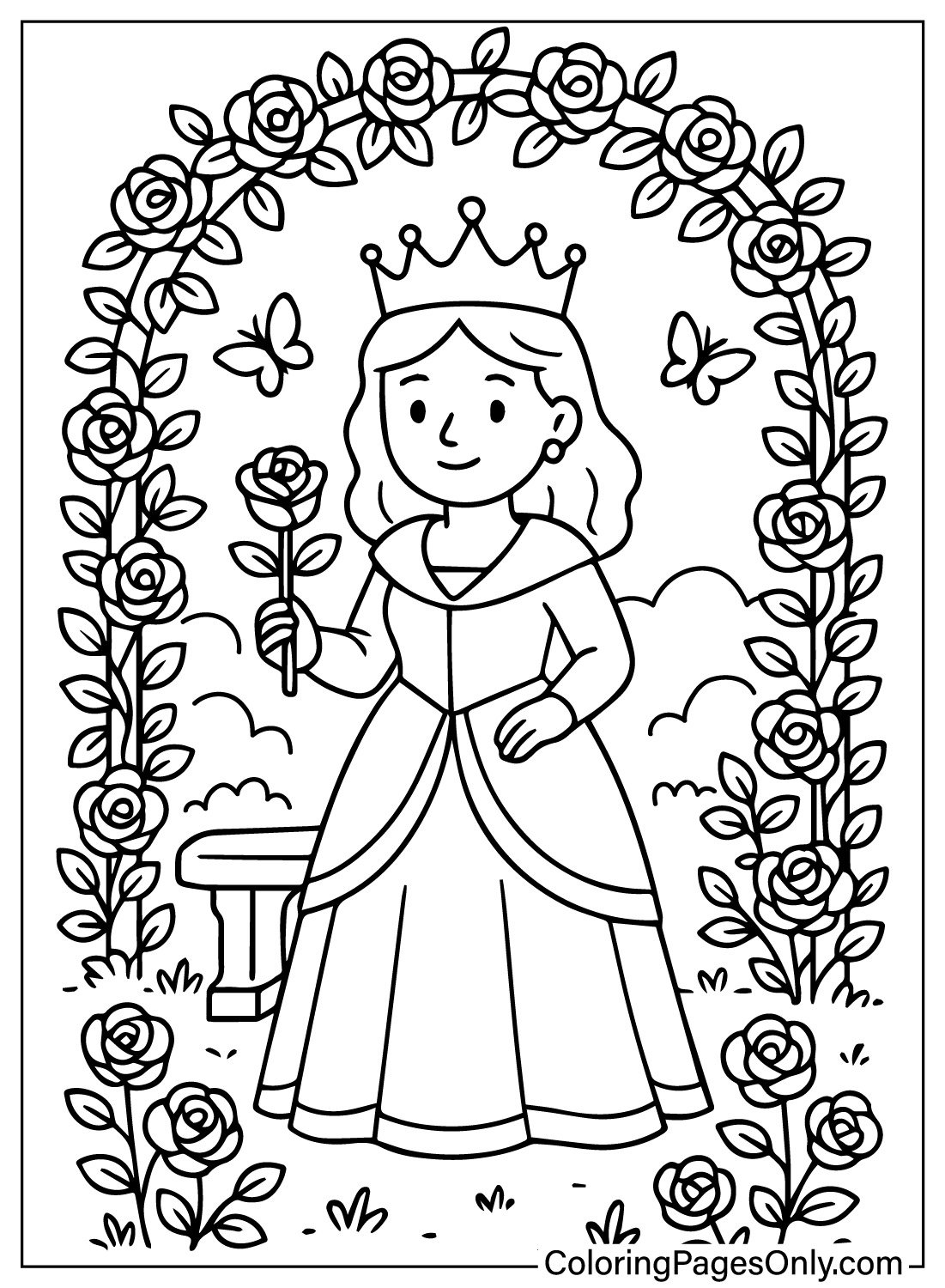
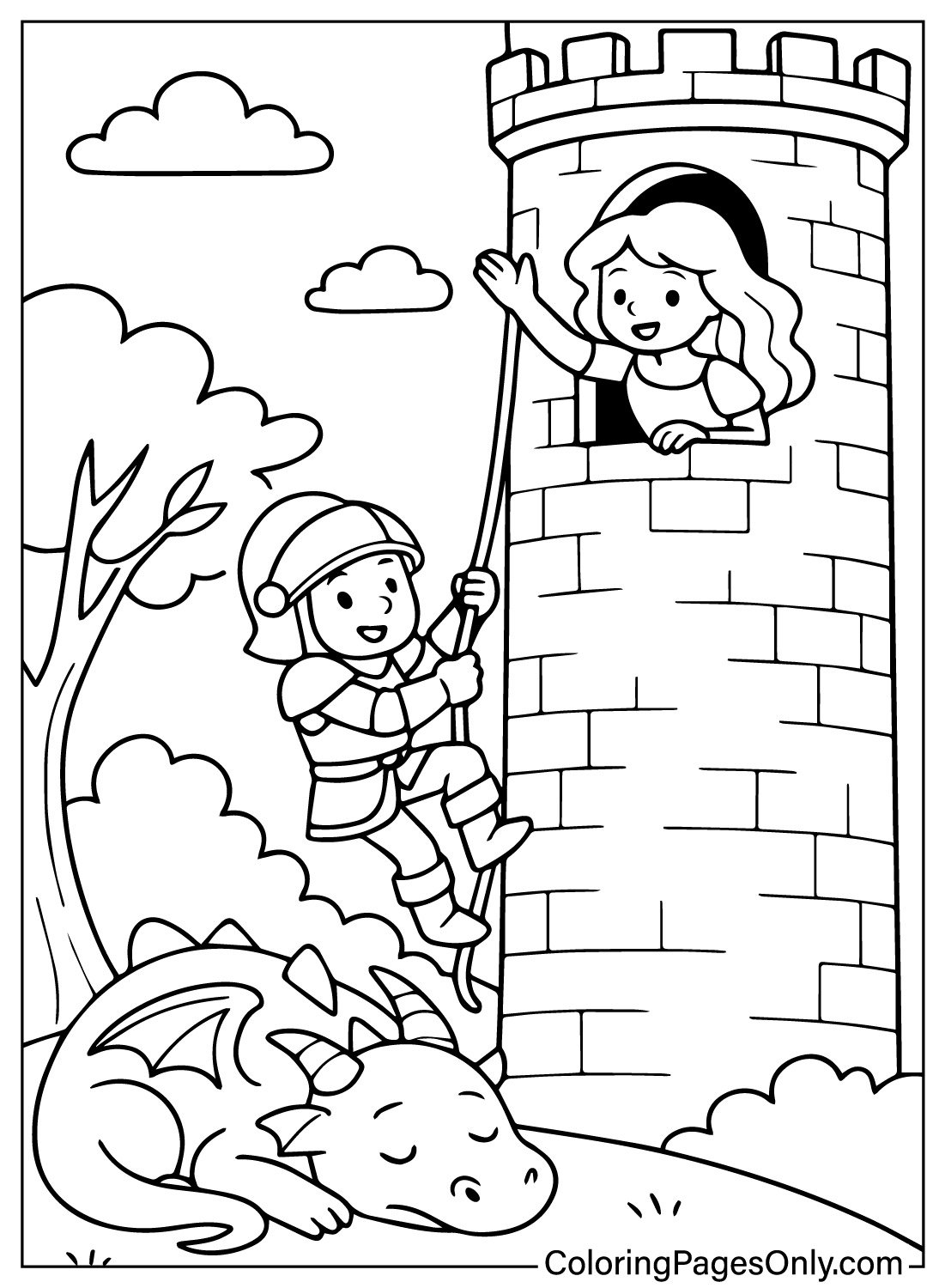
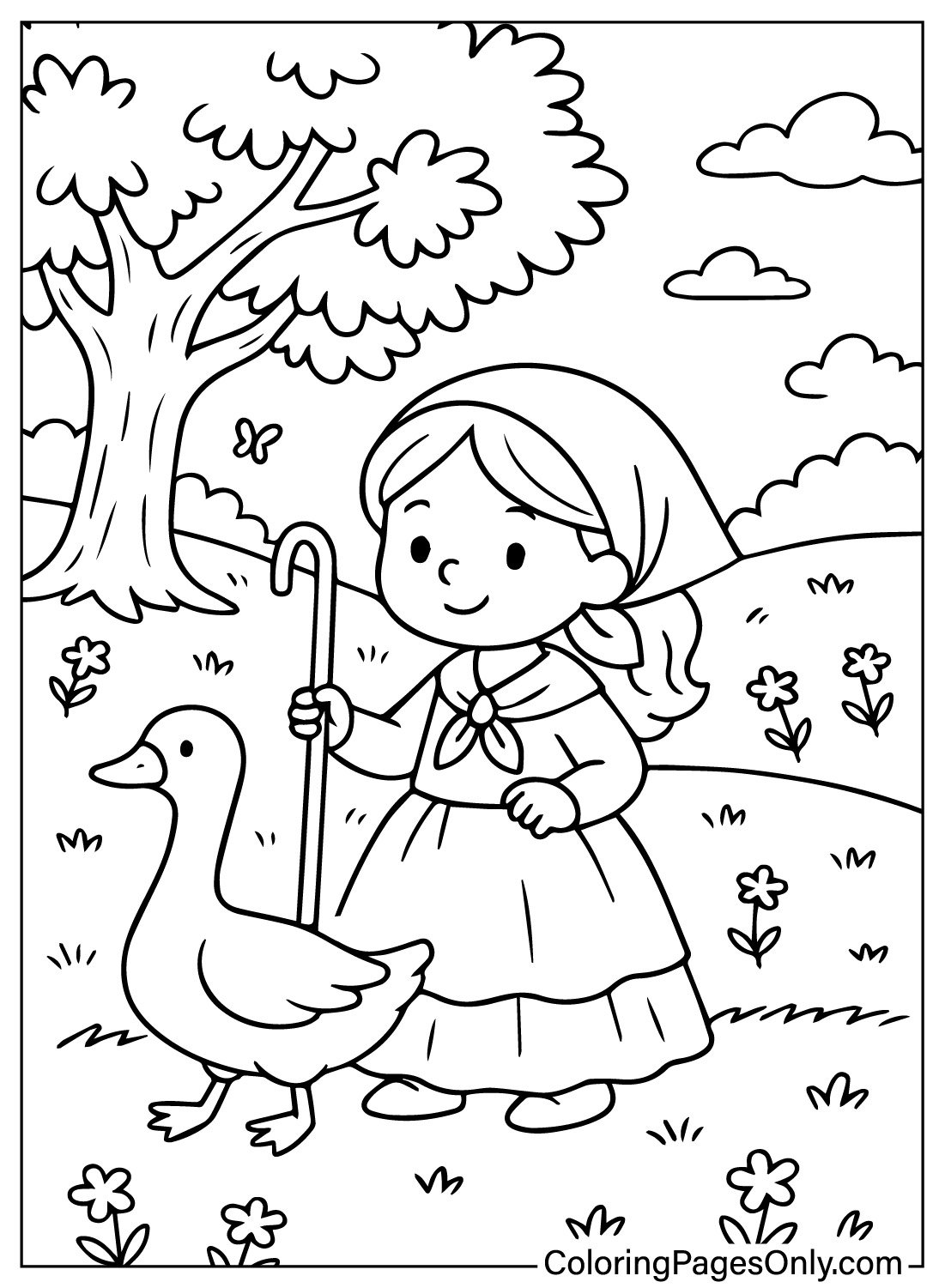
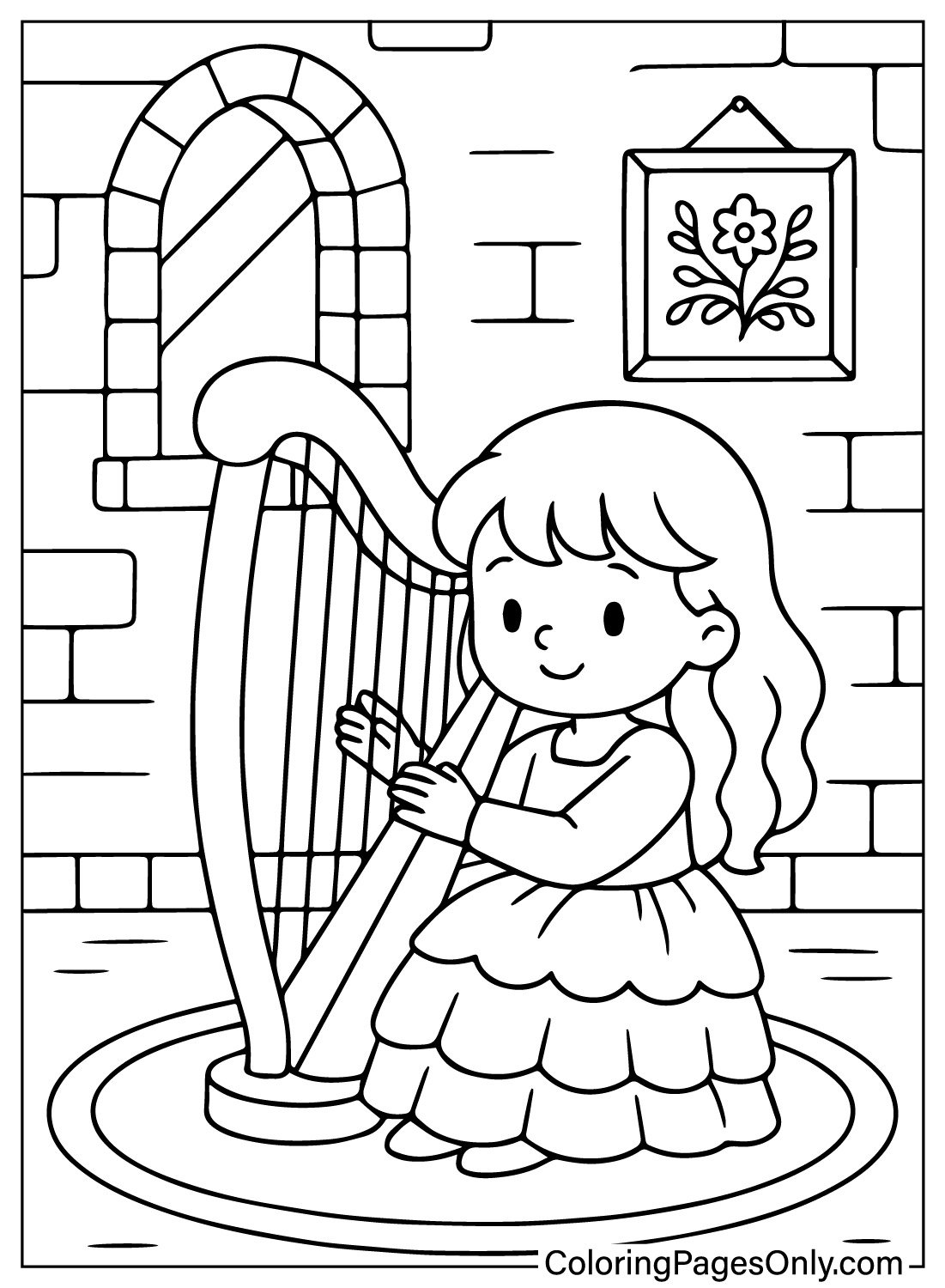
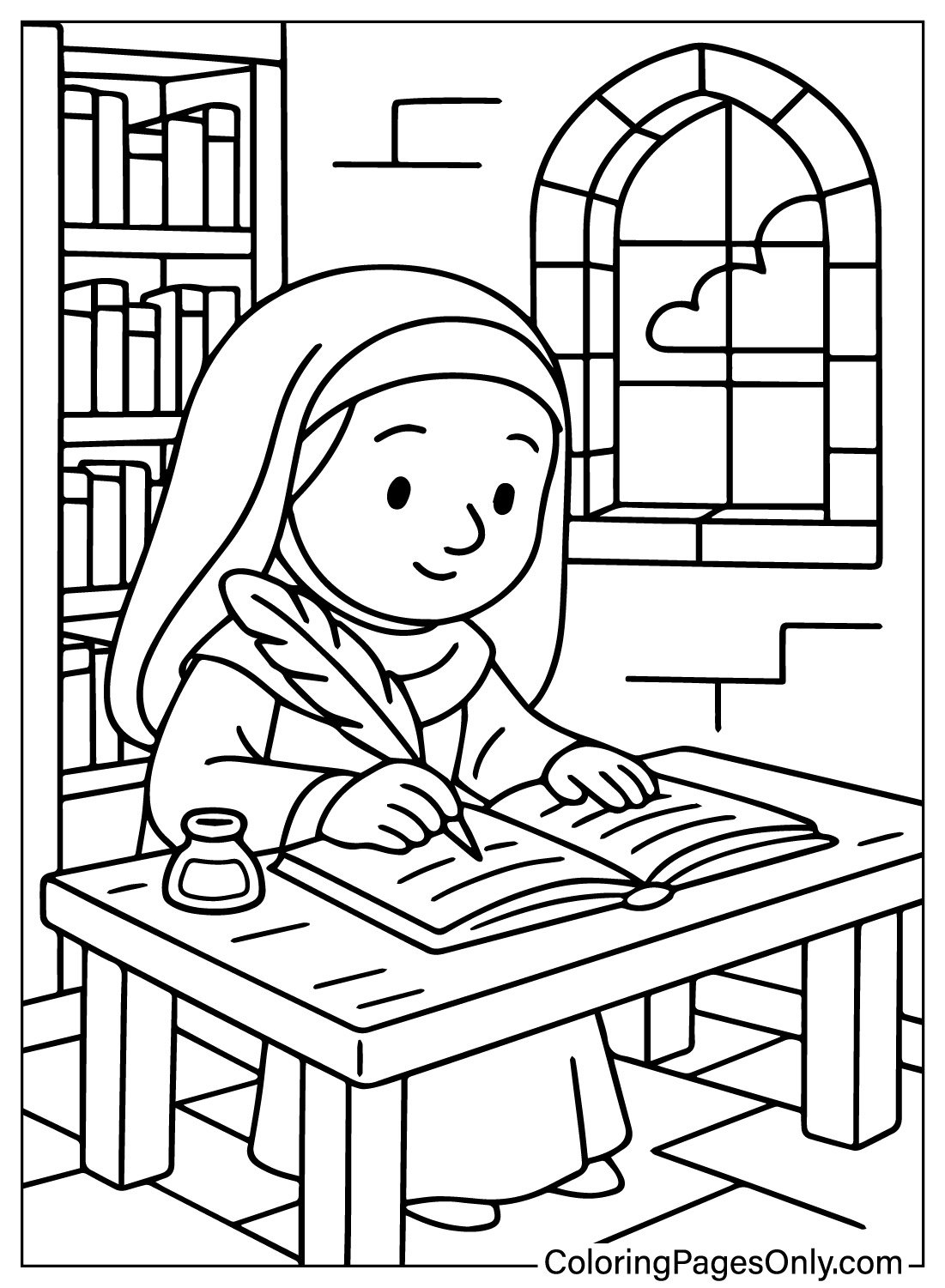
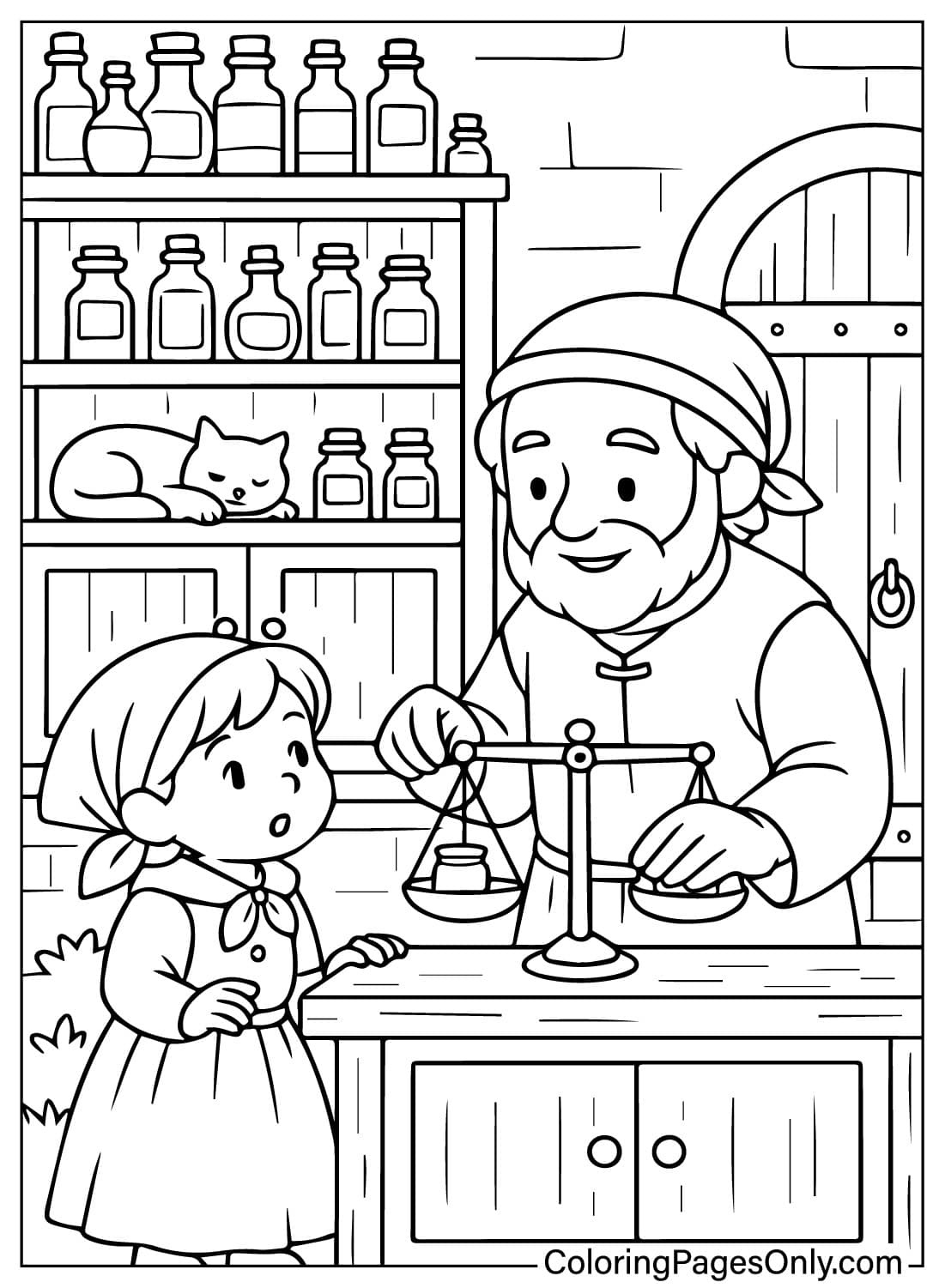
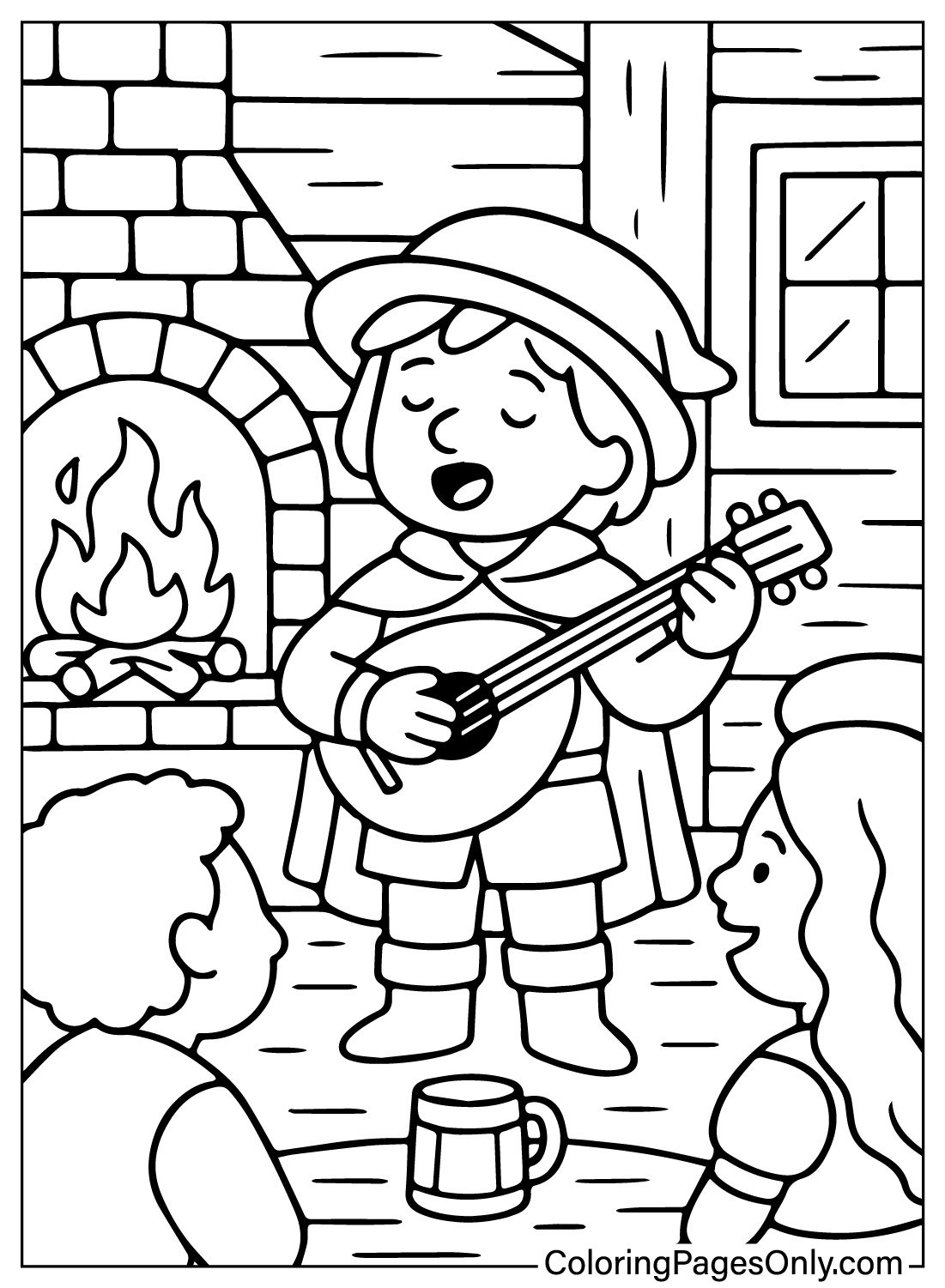
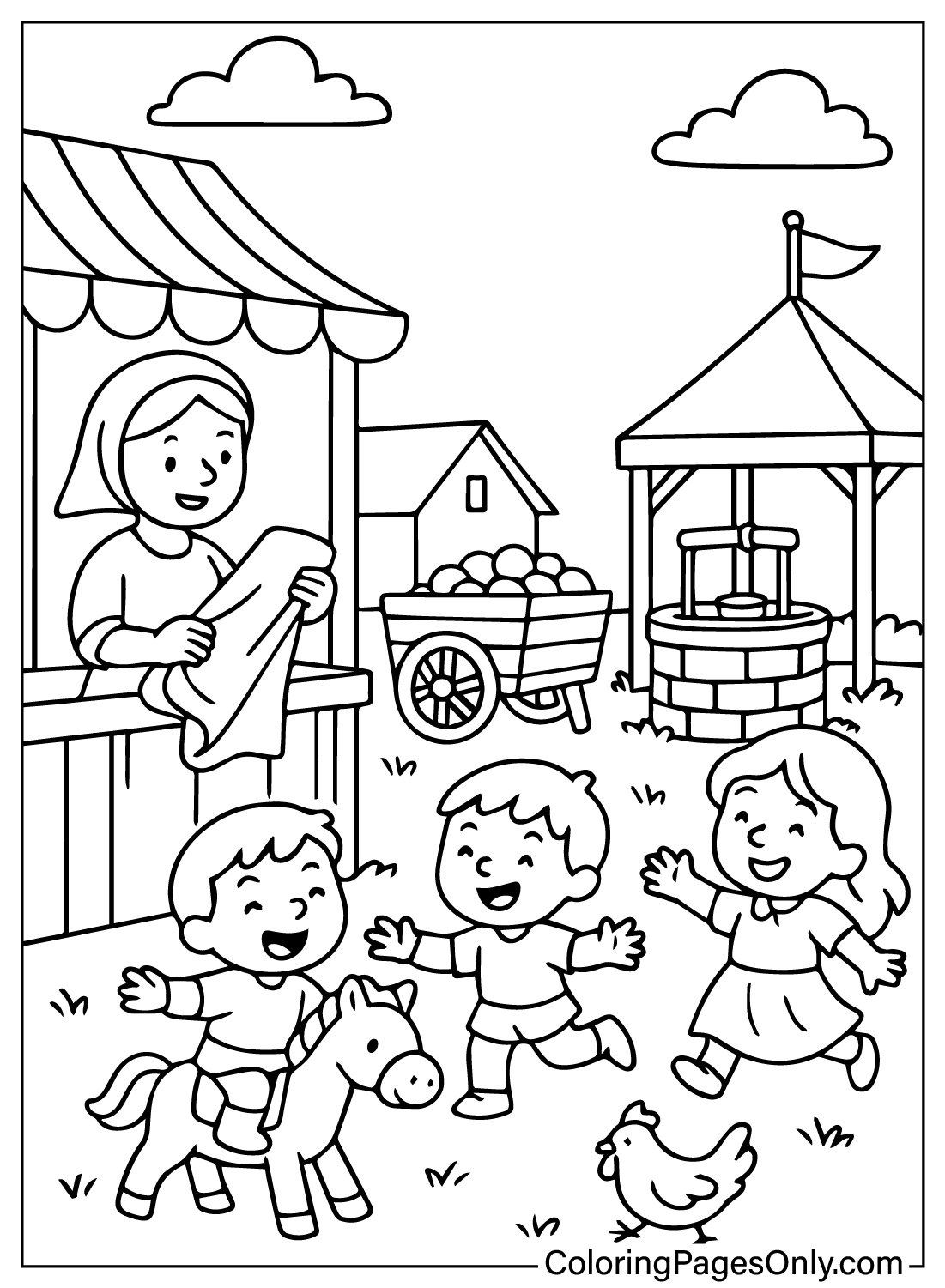
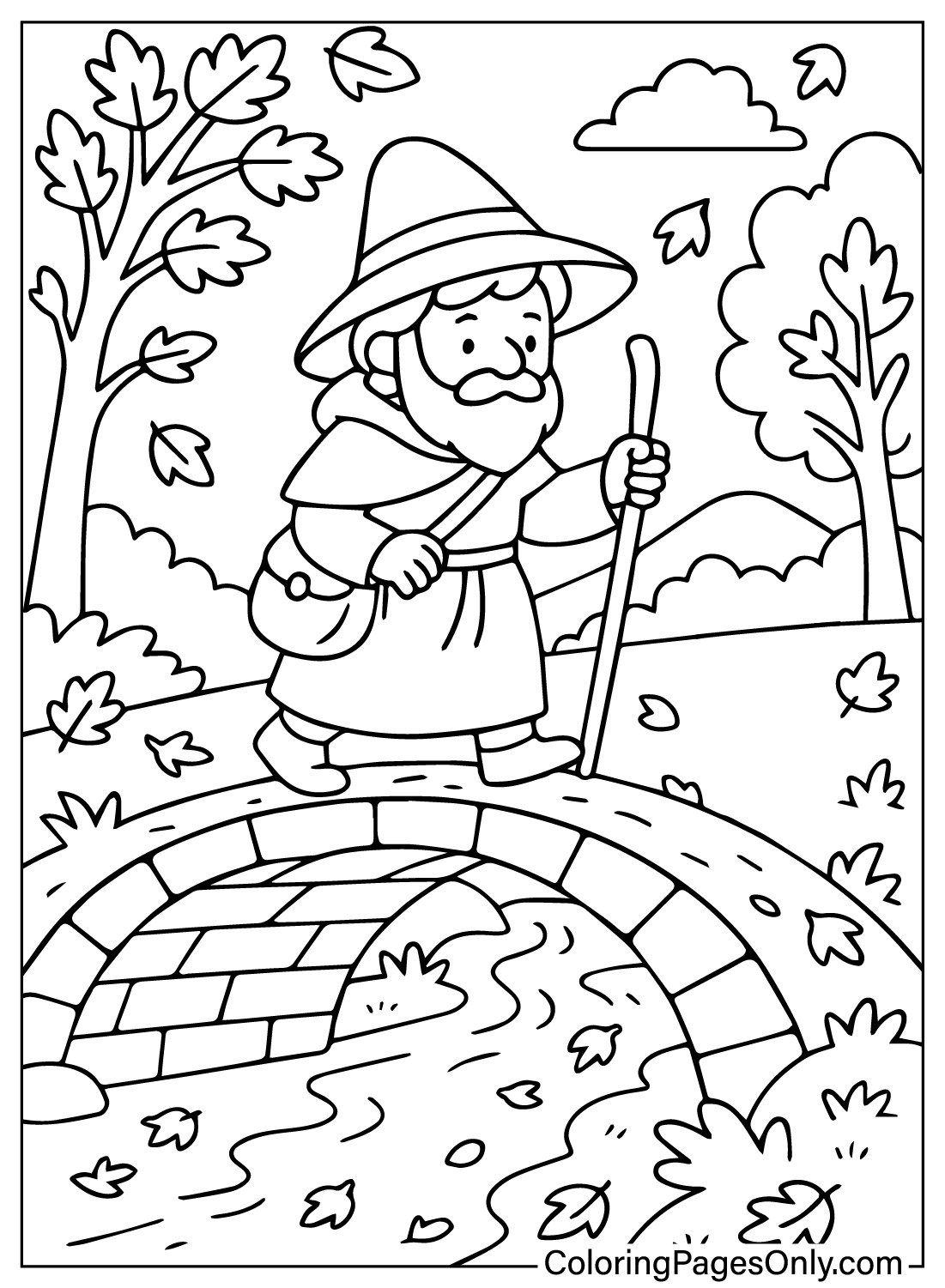
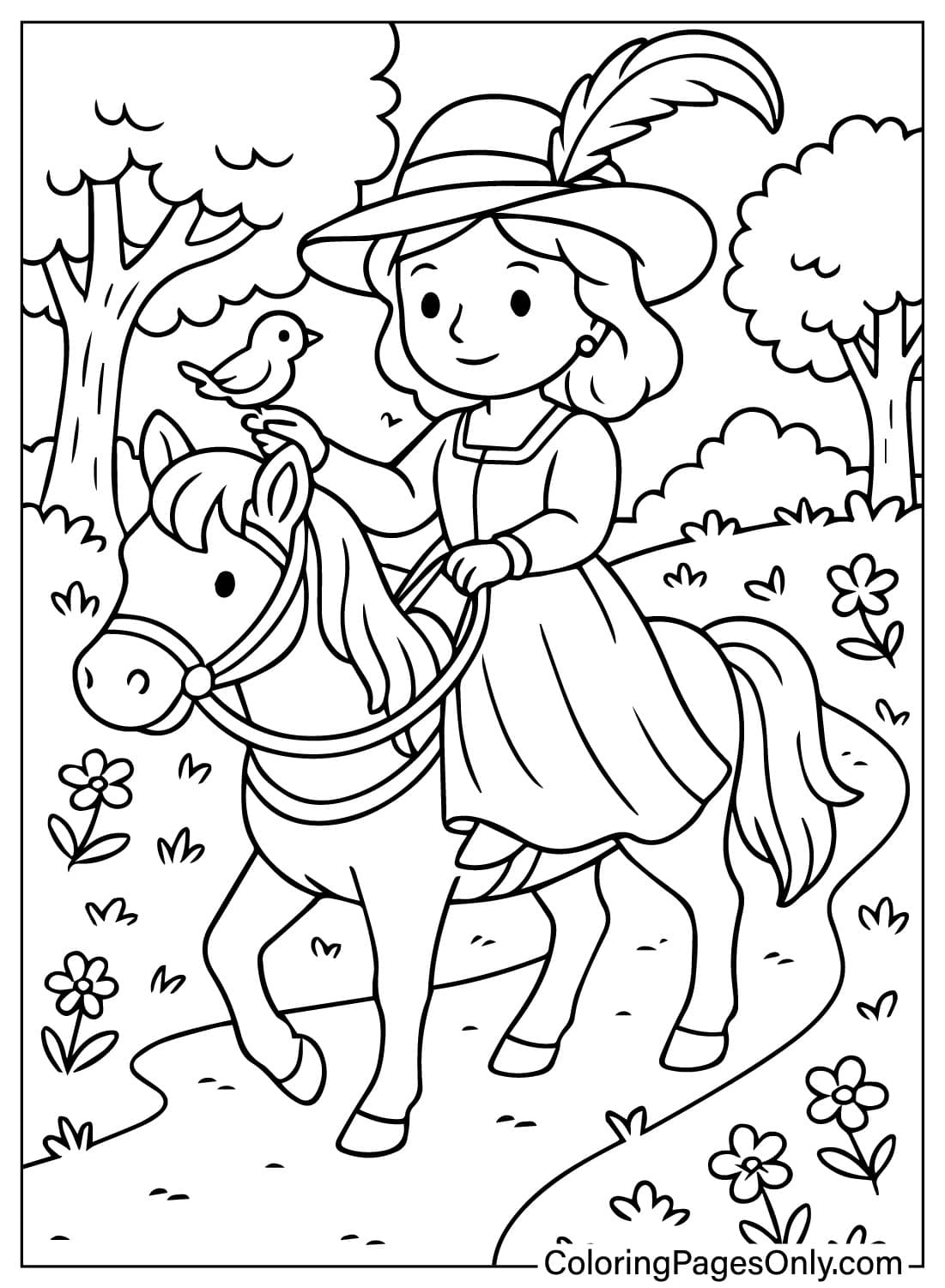
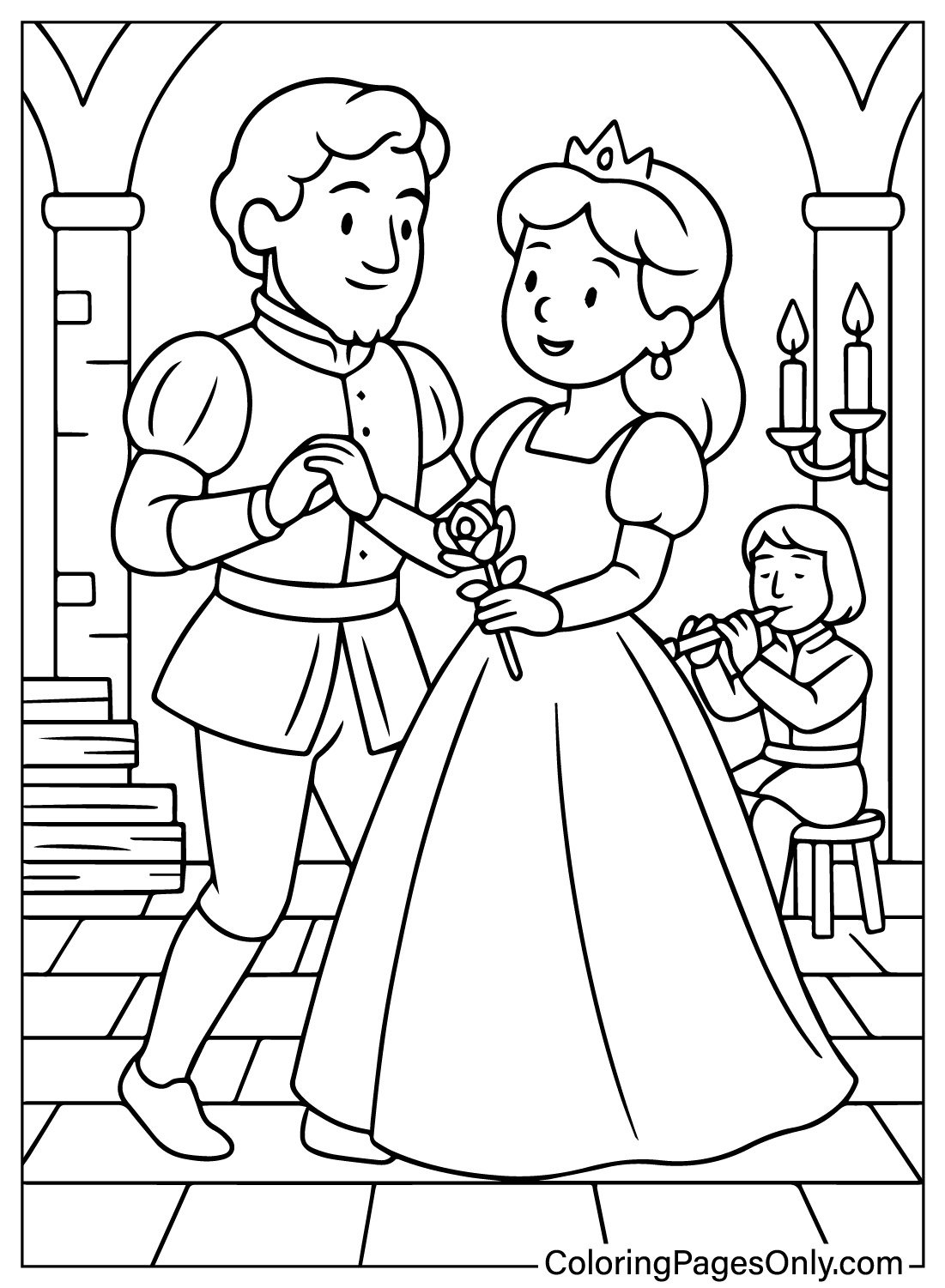
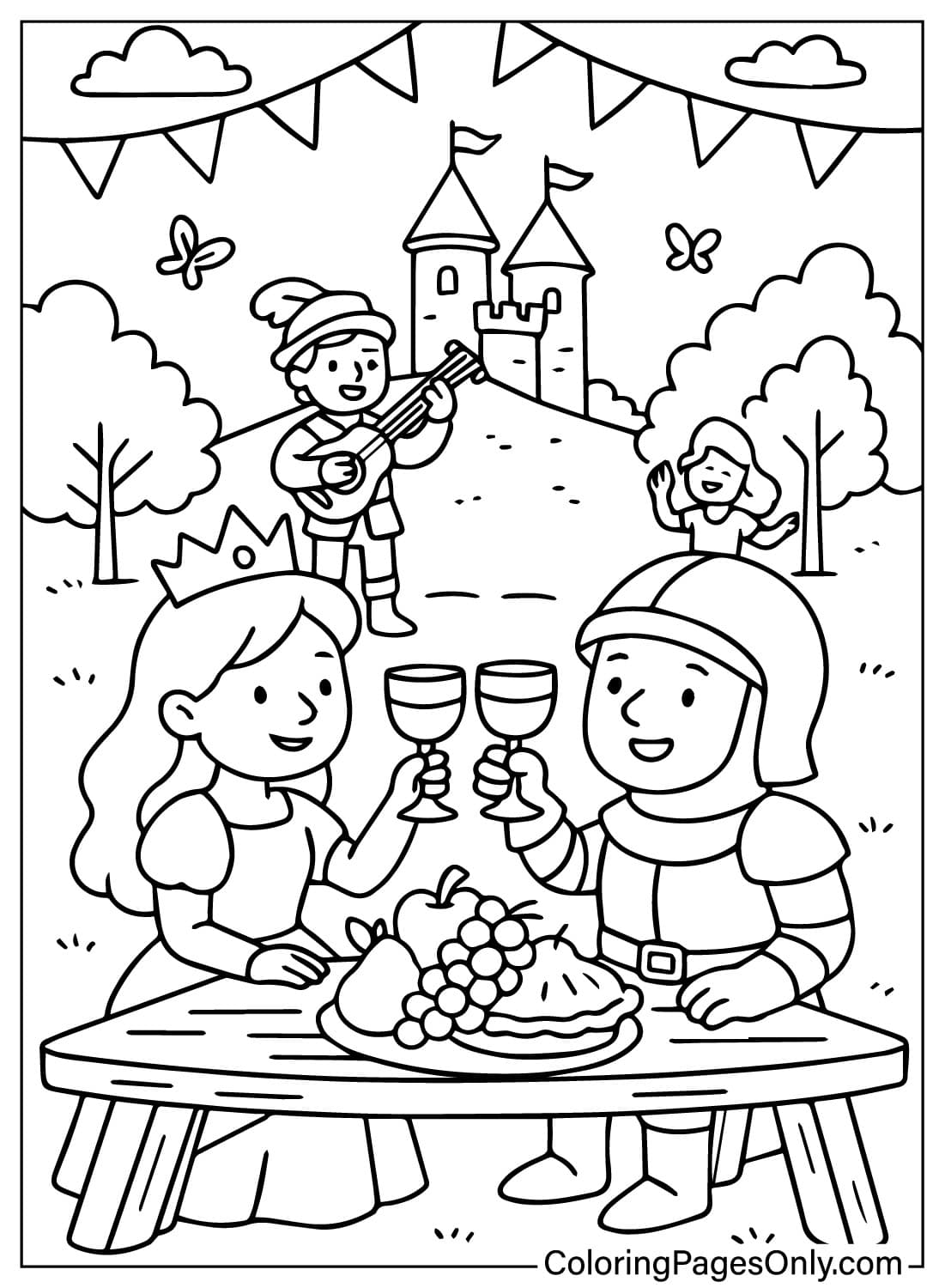
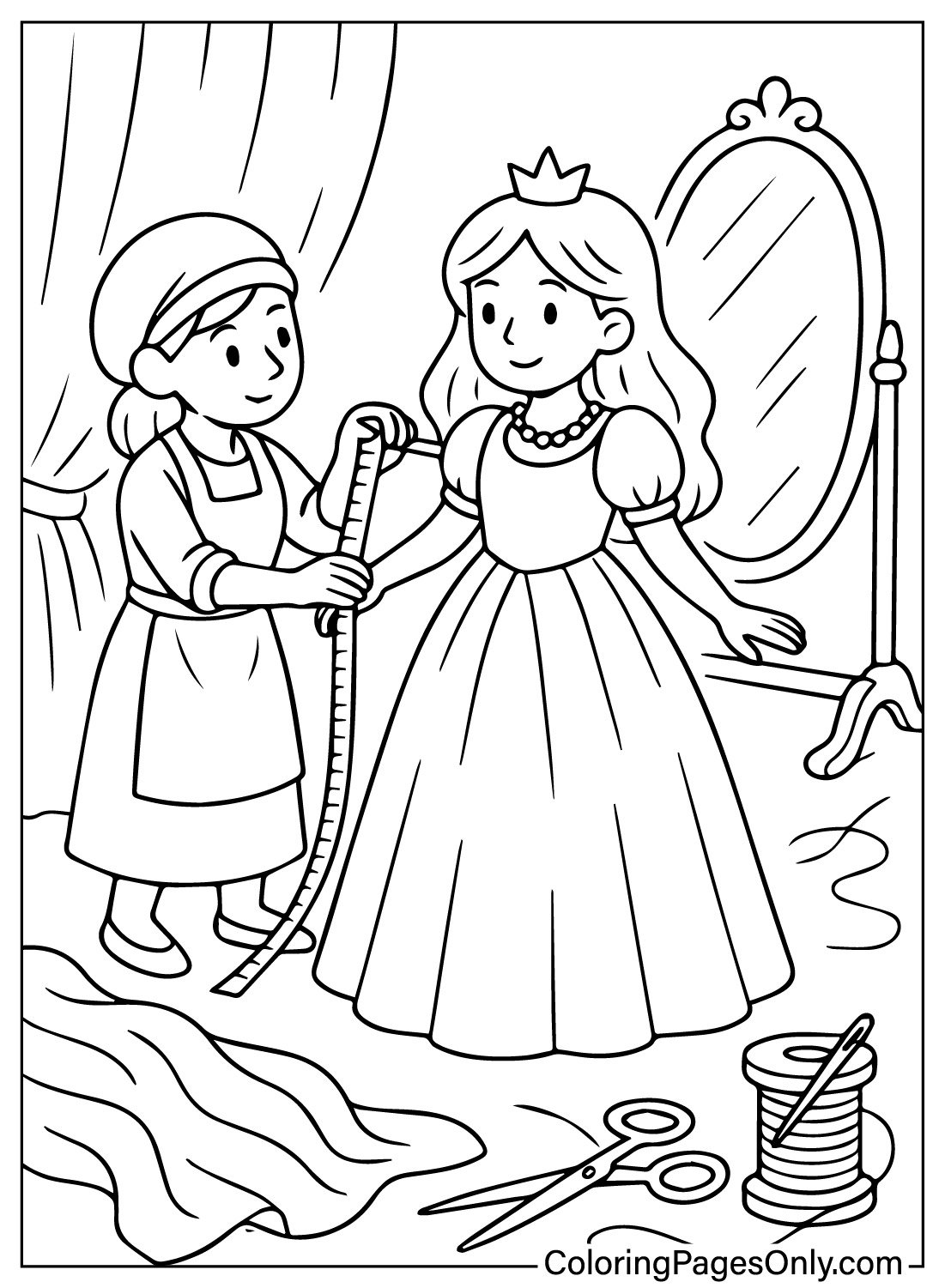
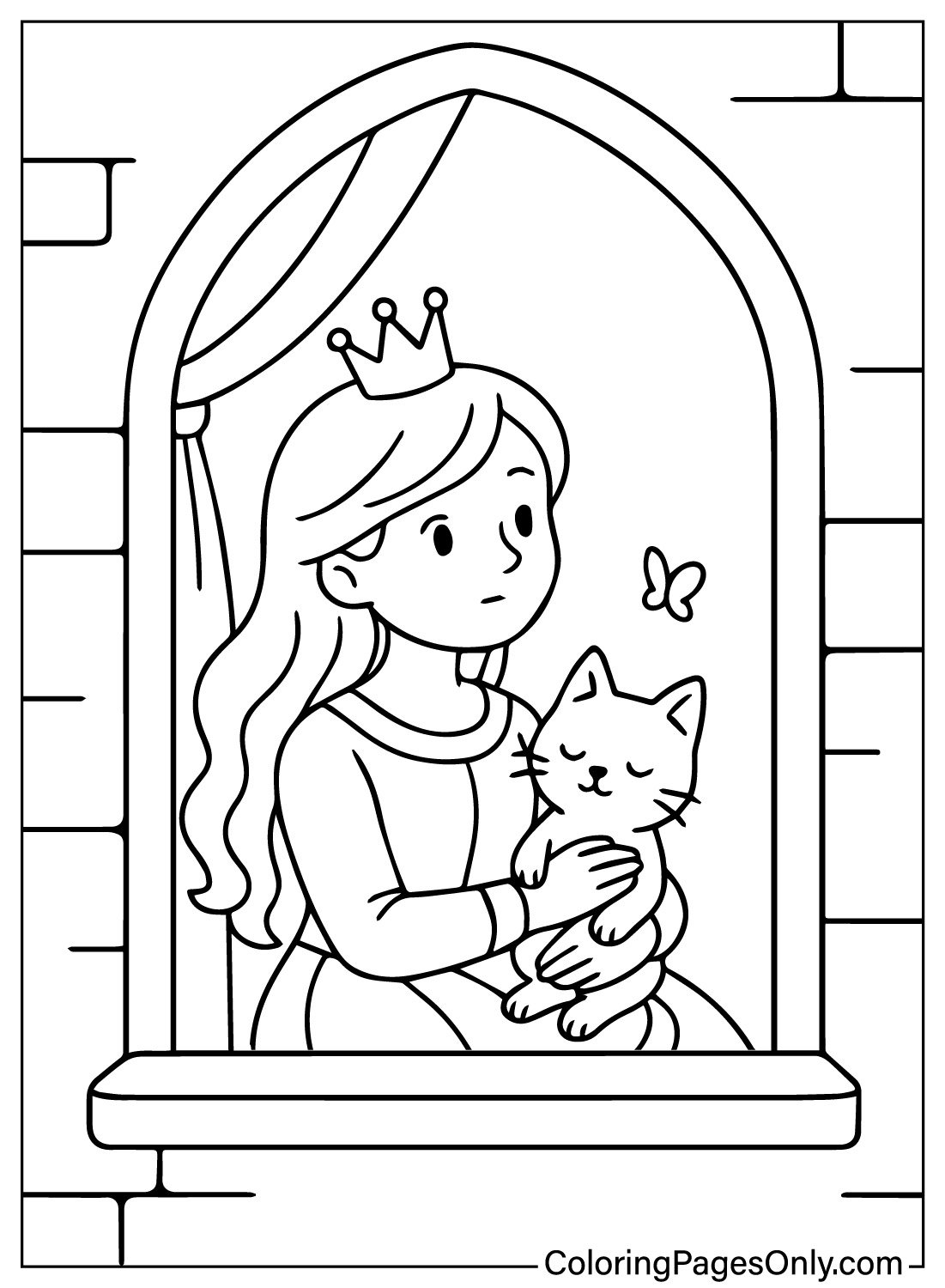
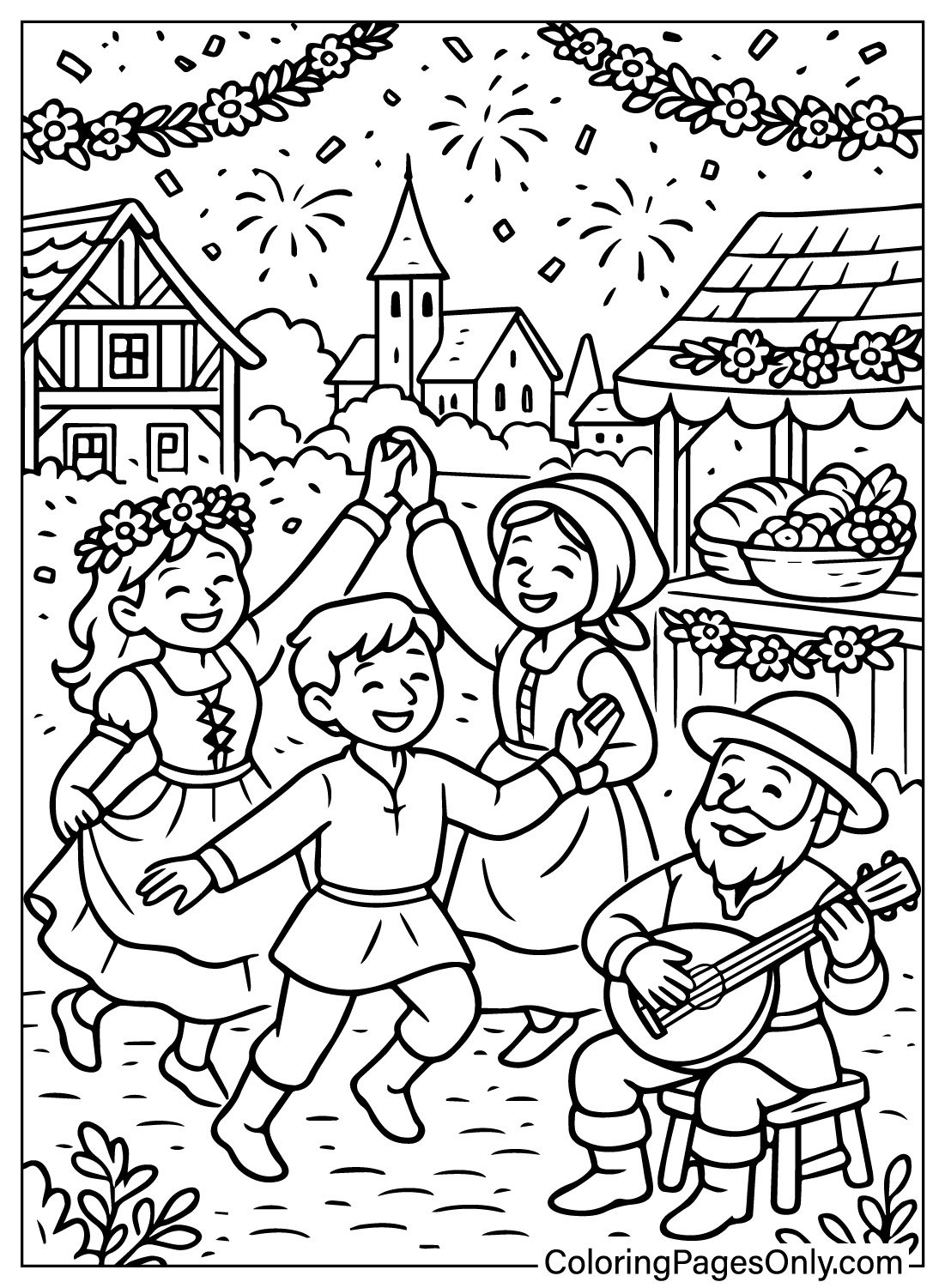
What’s Inside This Collection
Five groups organize the 32 pages, moving between the grandeur of royal courts and the practical routines of everyday medieval work.
Royalty and Court Life
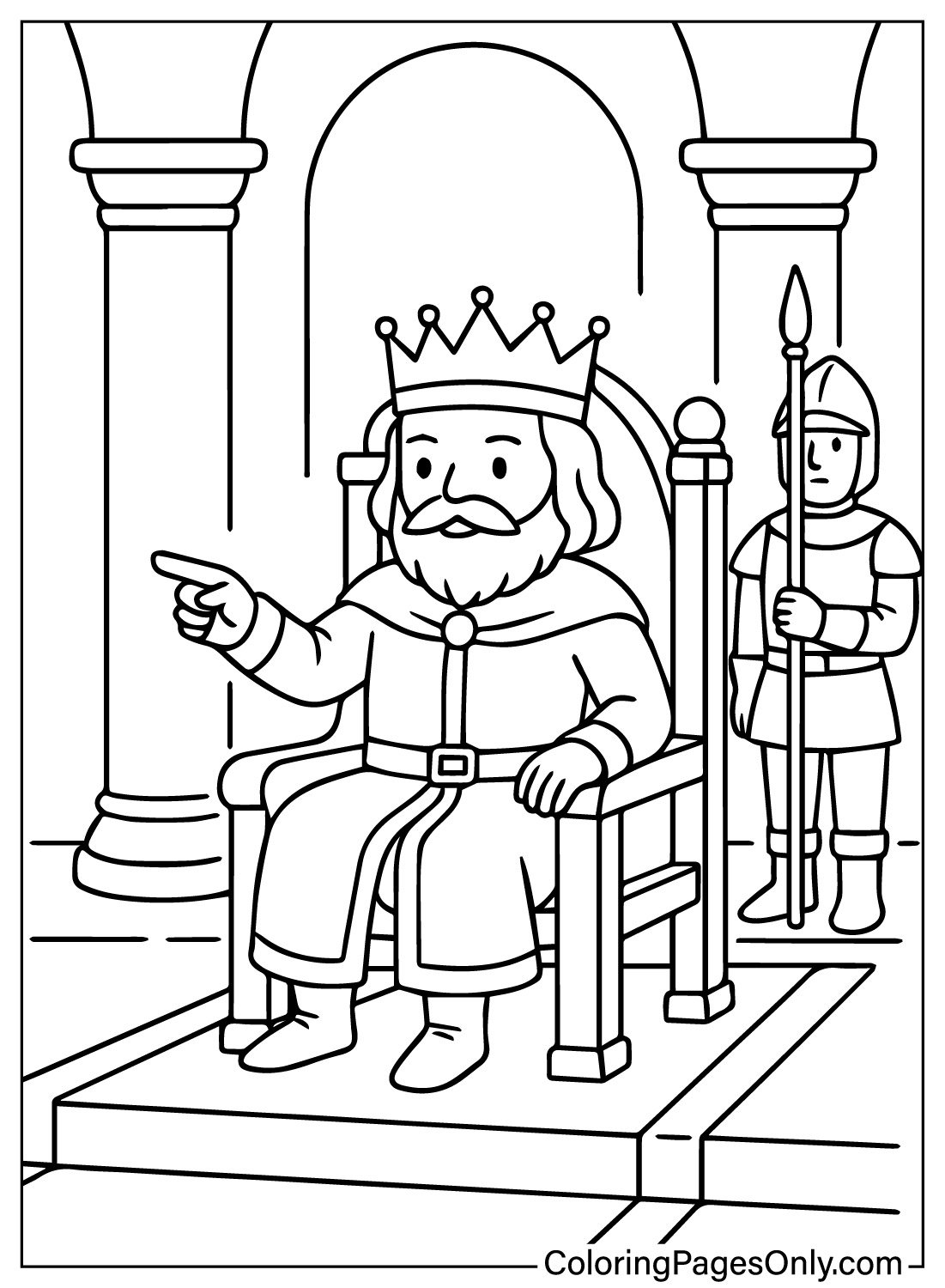
This group covers kings, queens, princesses, and noble figures, including dancing and dress-up scenes. Coloring suggestion: use rich jewel tones, deep purples, reds, and gold for royal clothing and crowns, since these colors were historically associated with wealth and status.
Knights and Combat Training
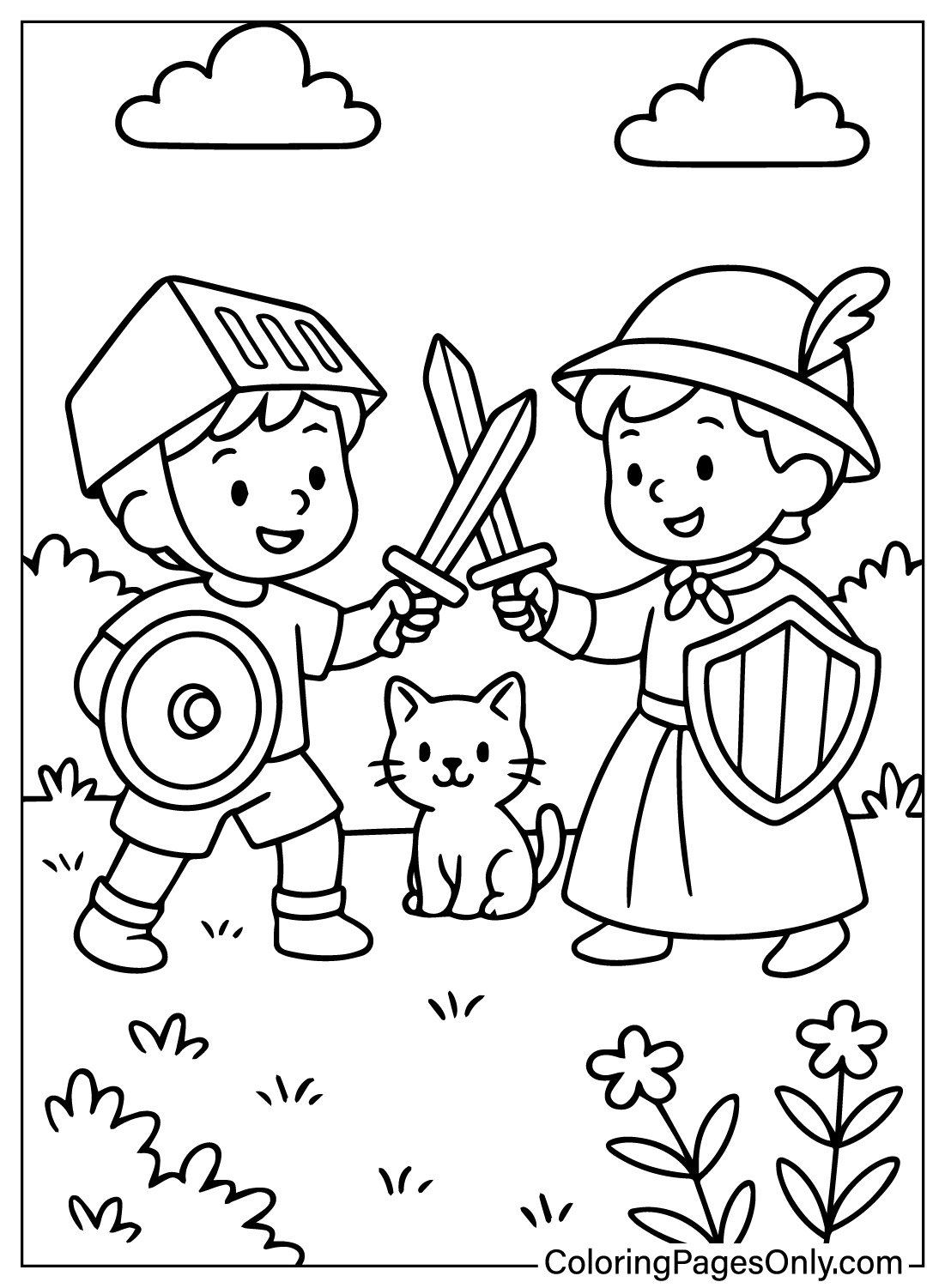
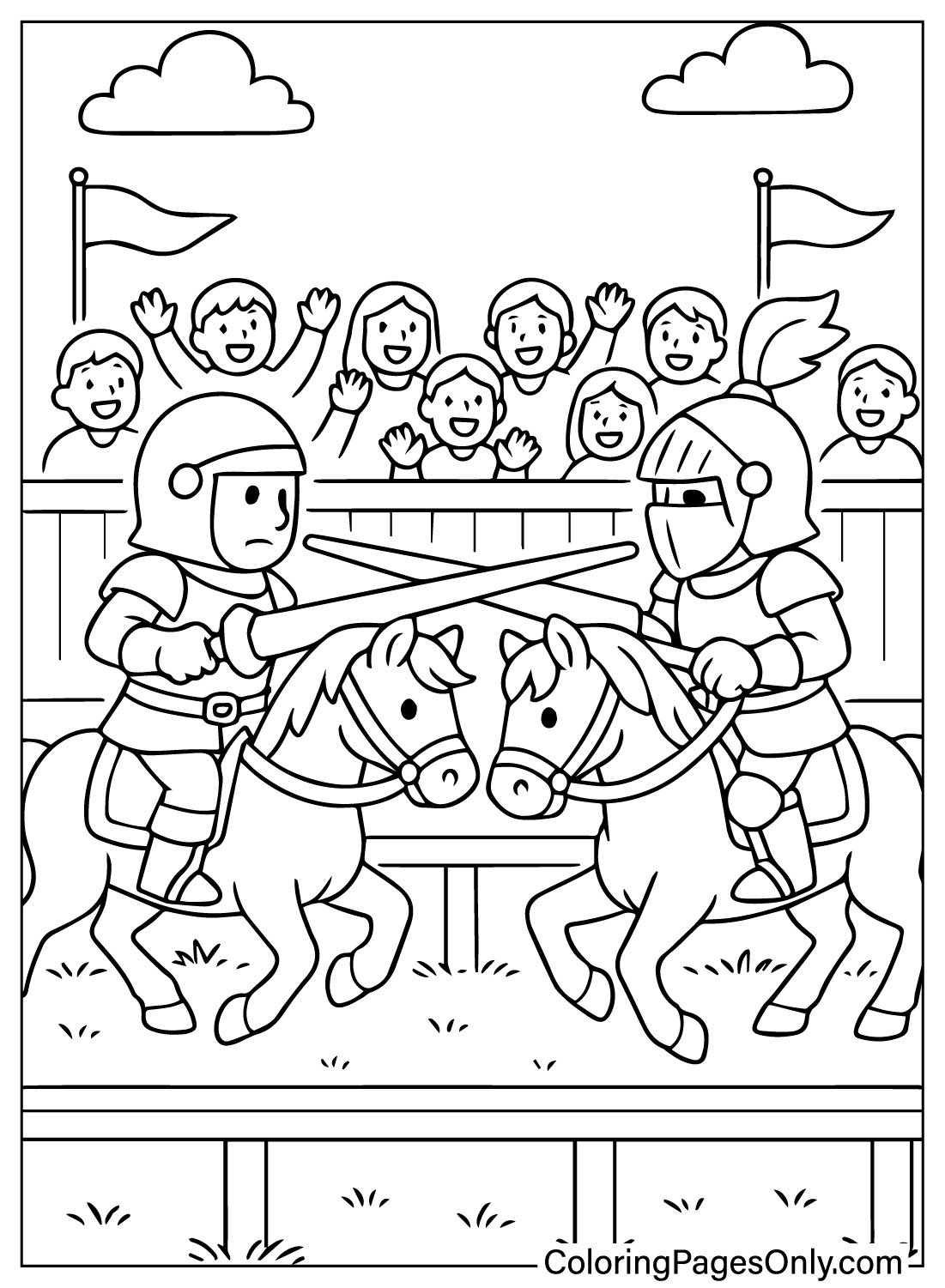
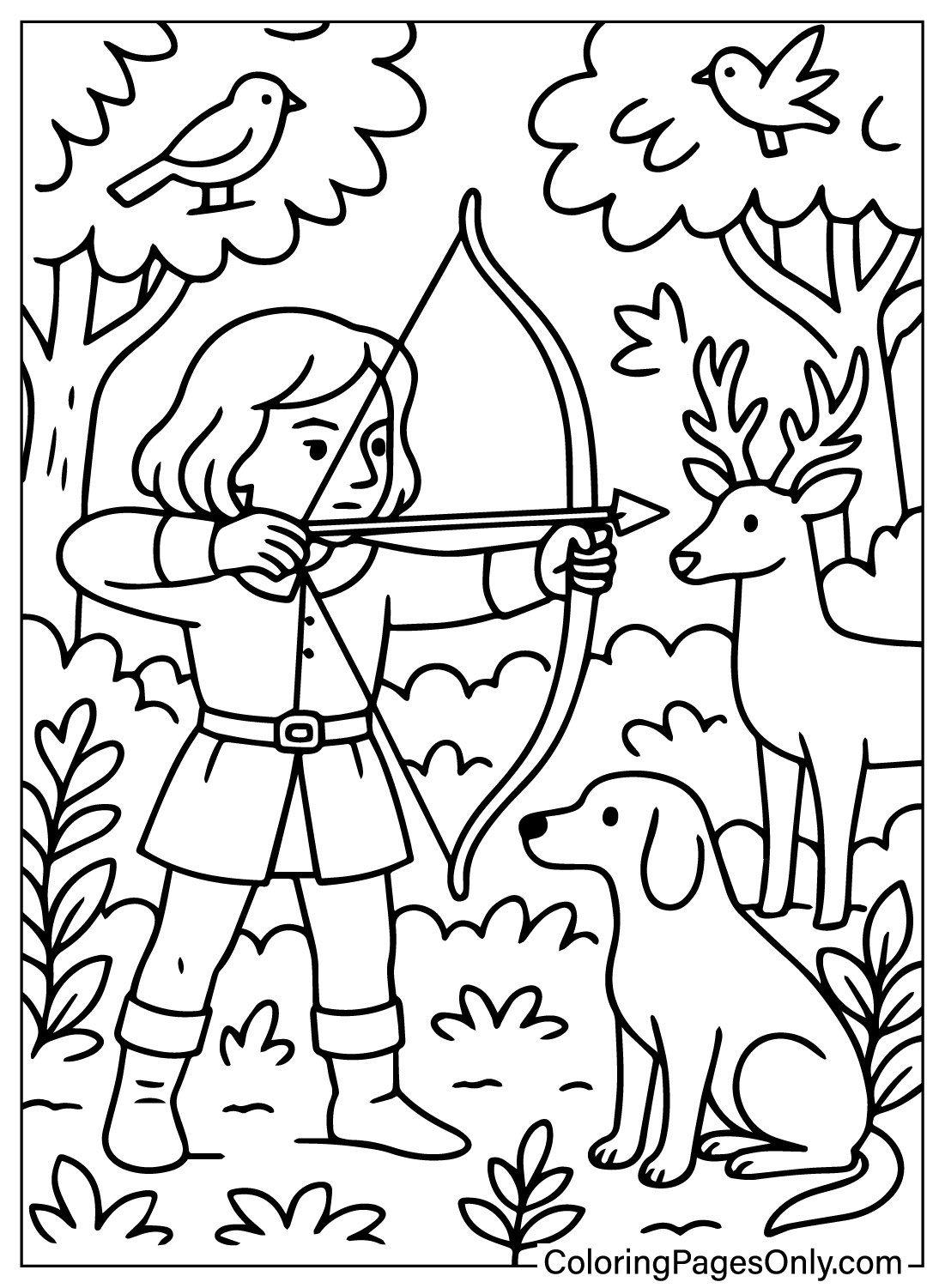
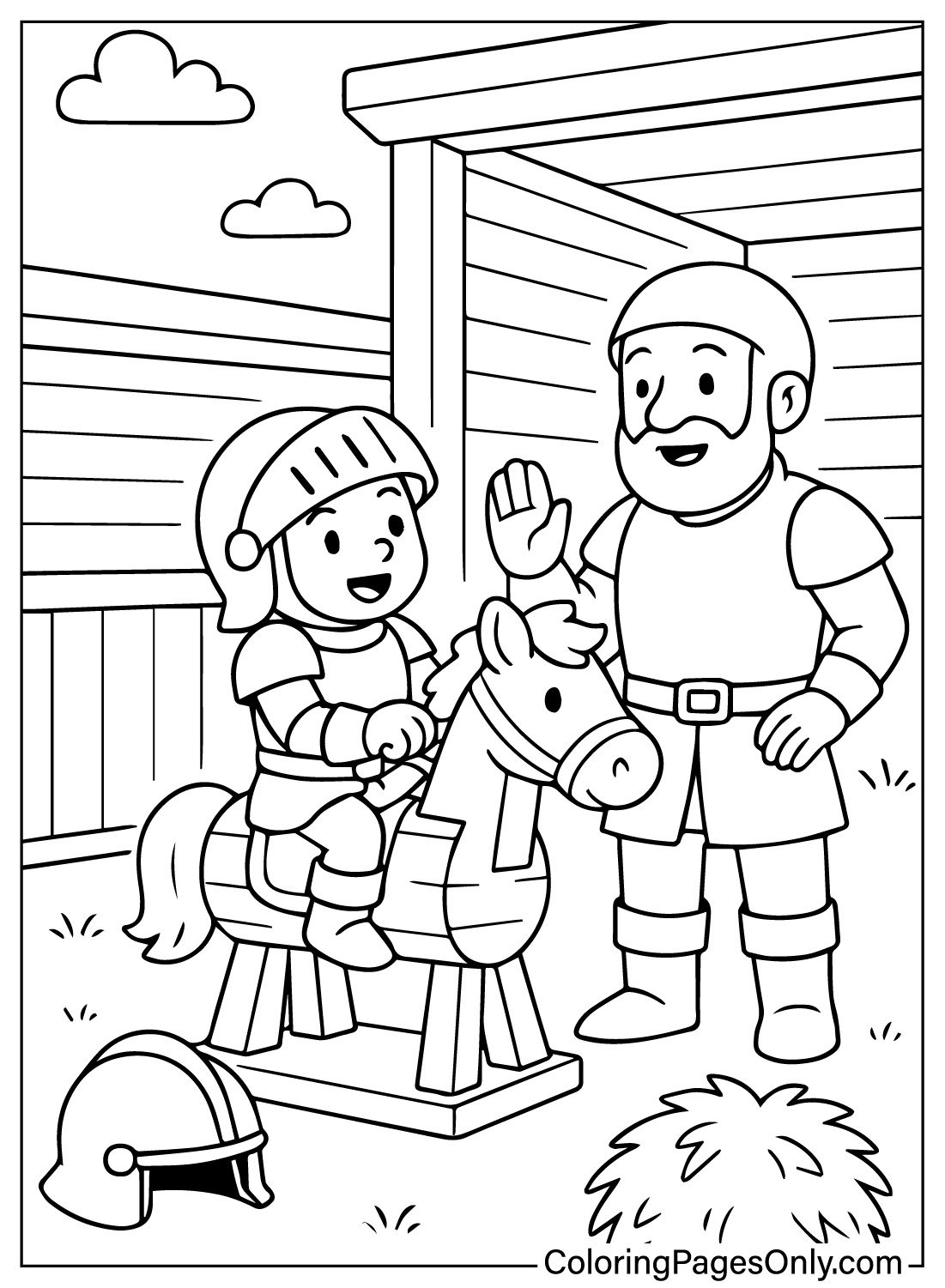
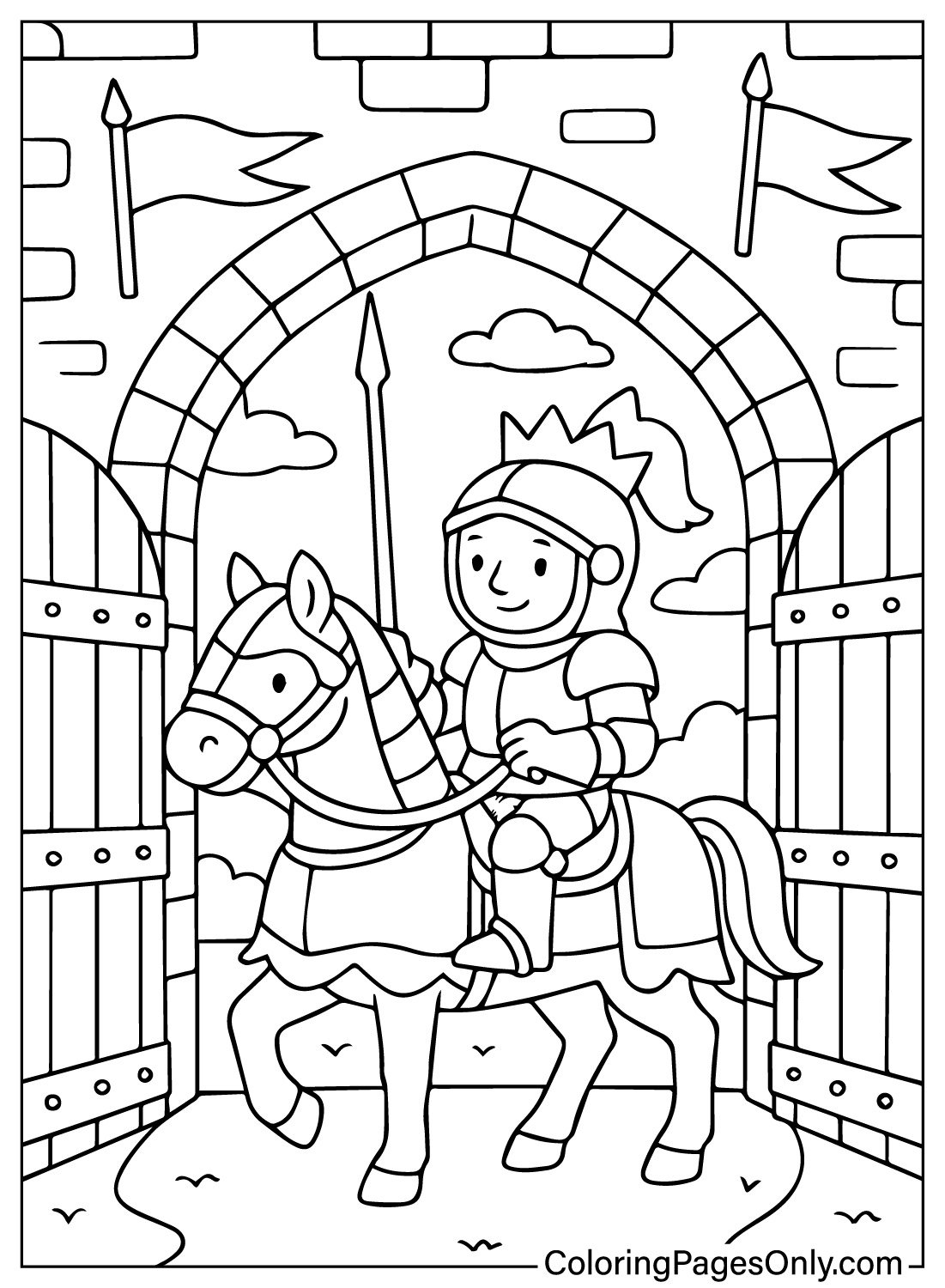
These pages show knights, fencing, archery, and children practicing with wooden toy horses. Coloring suggestion: keep armor in realistic metallic grays and silvers, saving brighter colors for any decorative shield or banner details.
Castles and Landscapes
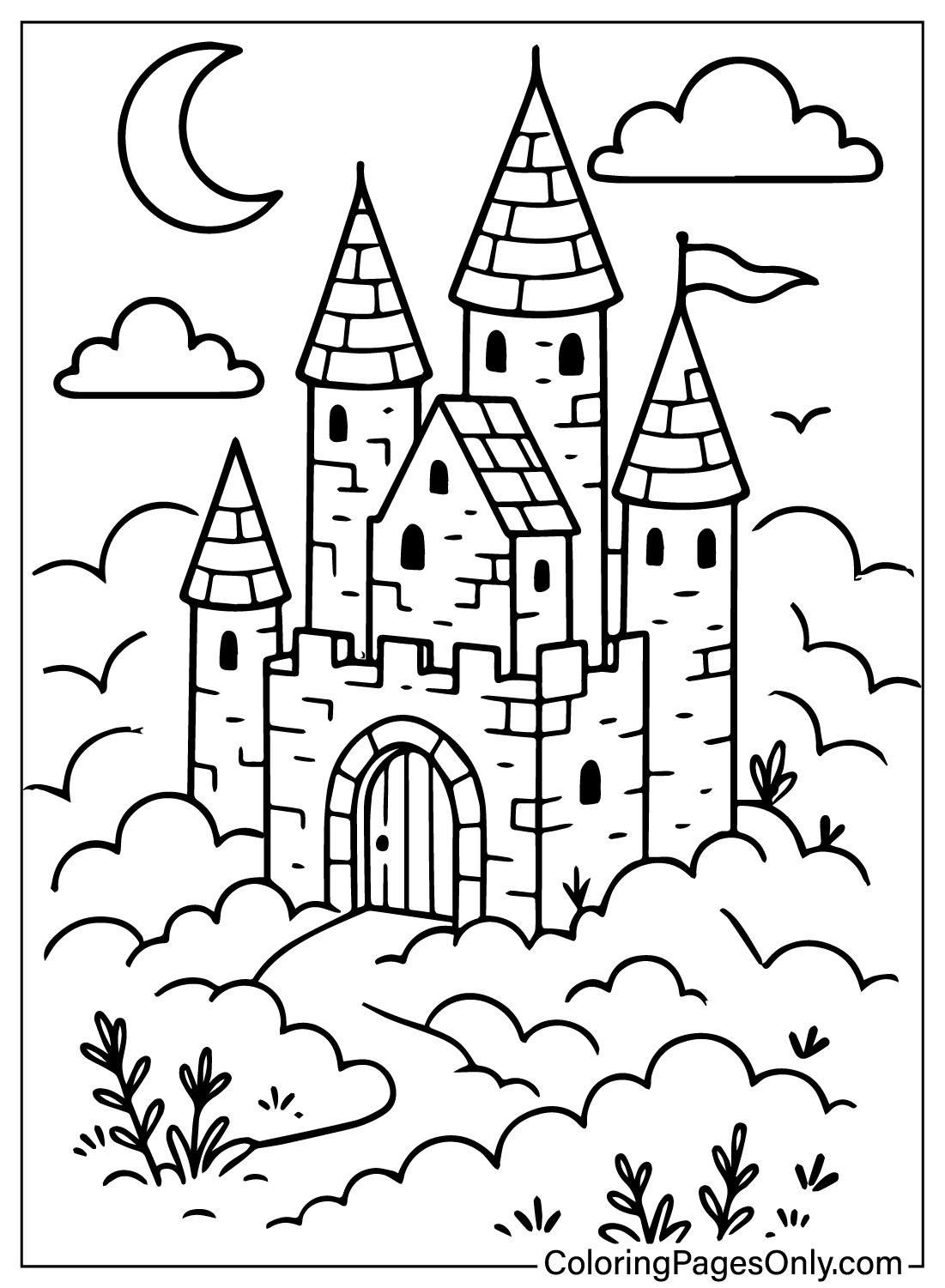
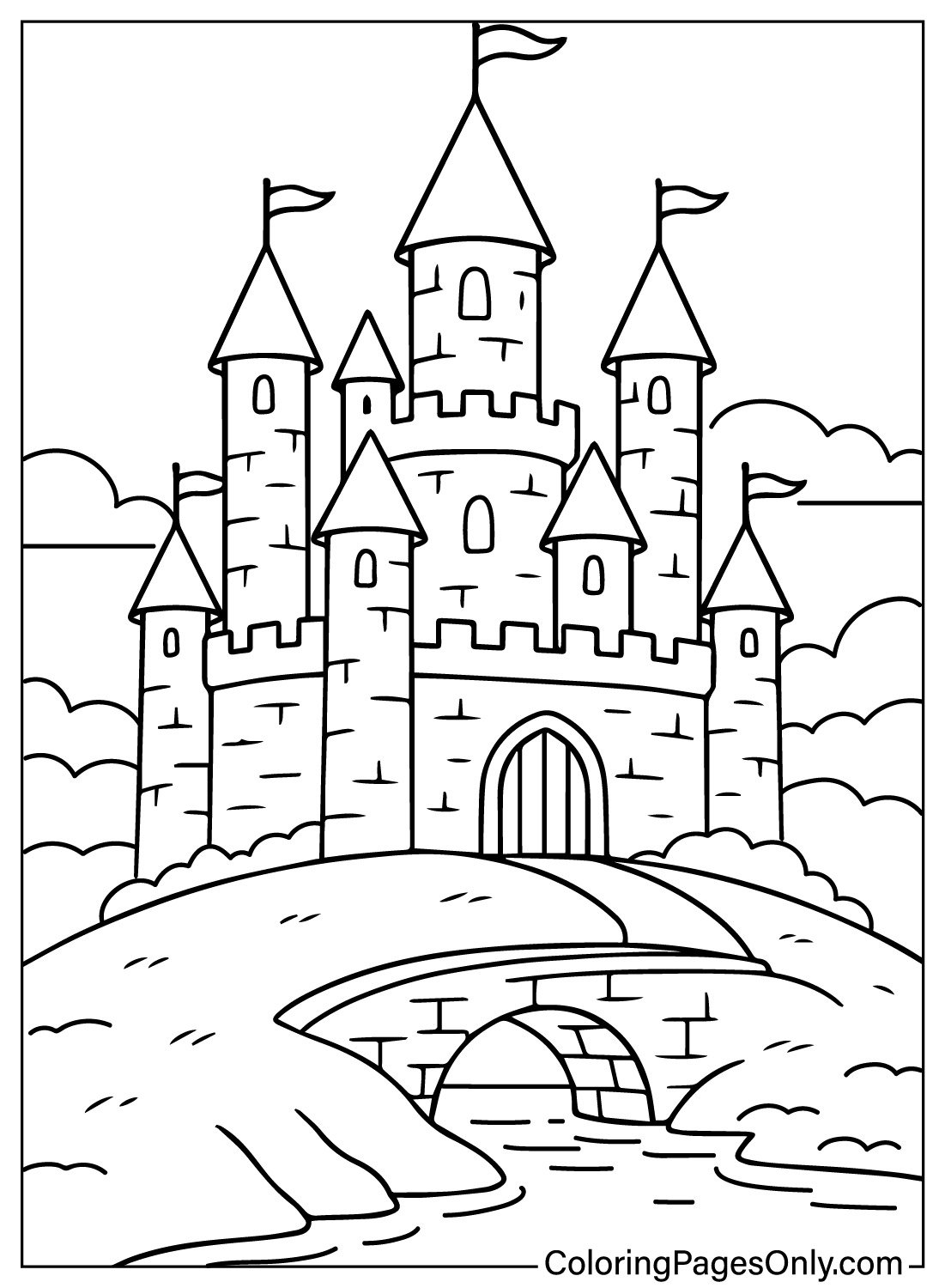
This small group shows castles and wider medieval landscapes. Coloring suggestion: use warm stone tones for castle walls, saving brighter colors for flags and banners so the architecture itself reads as solid and grounded.
Village and Daily Life
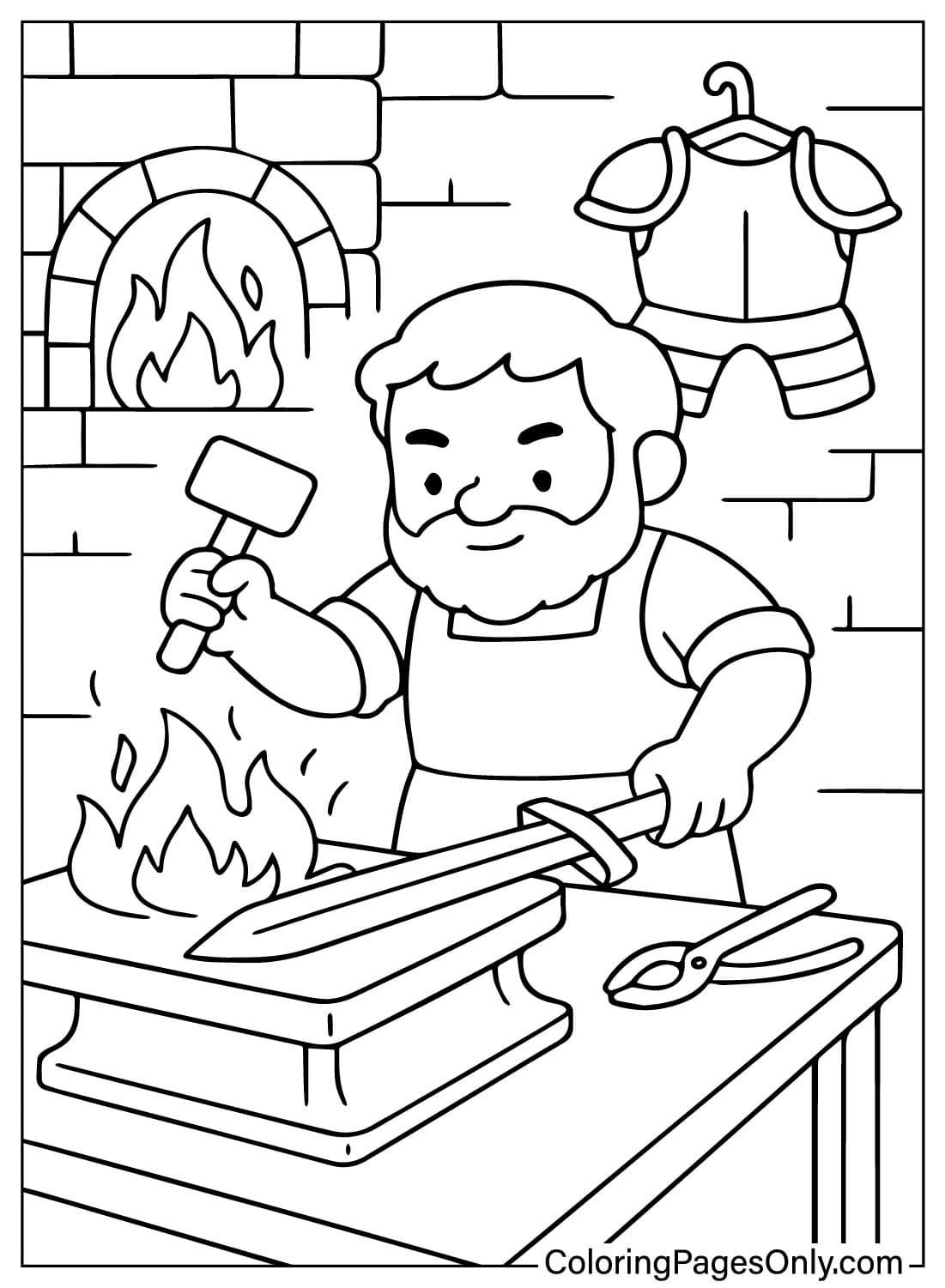
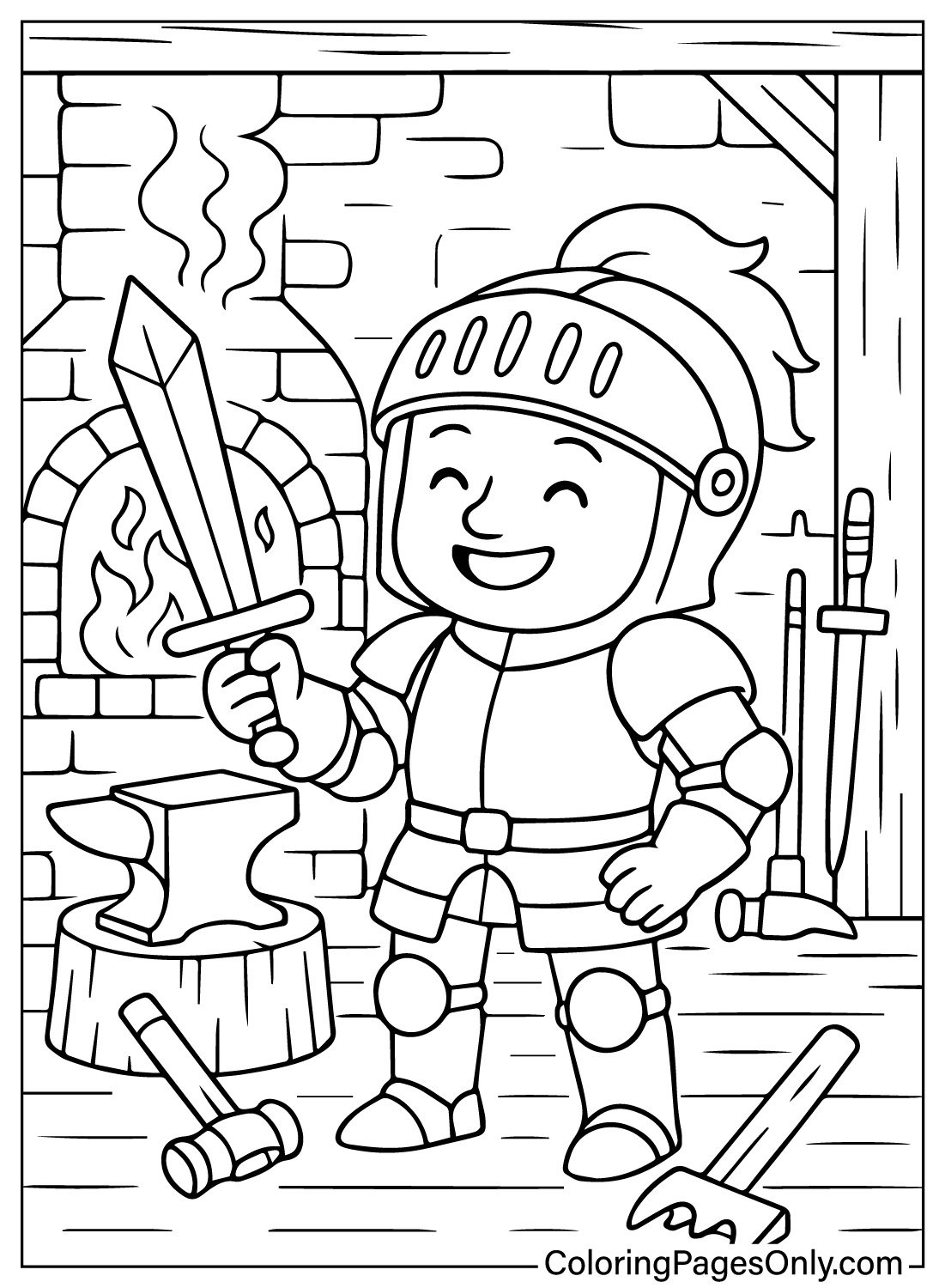
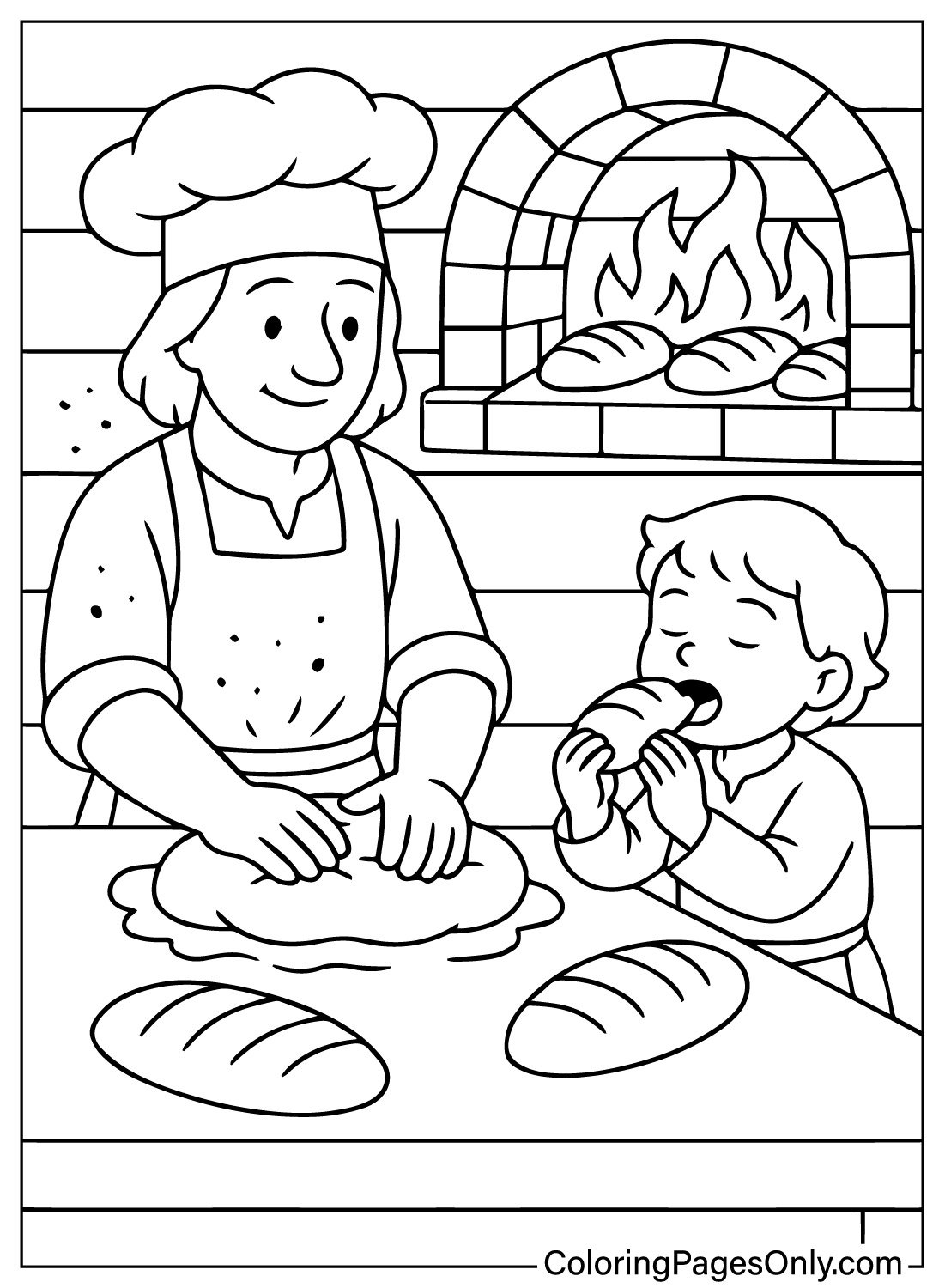
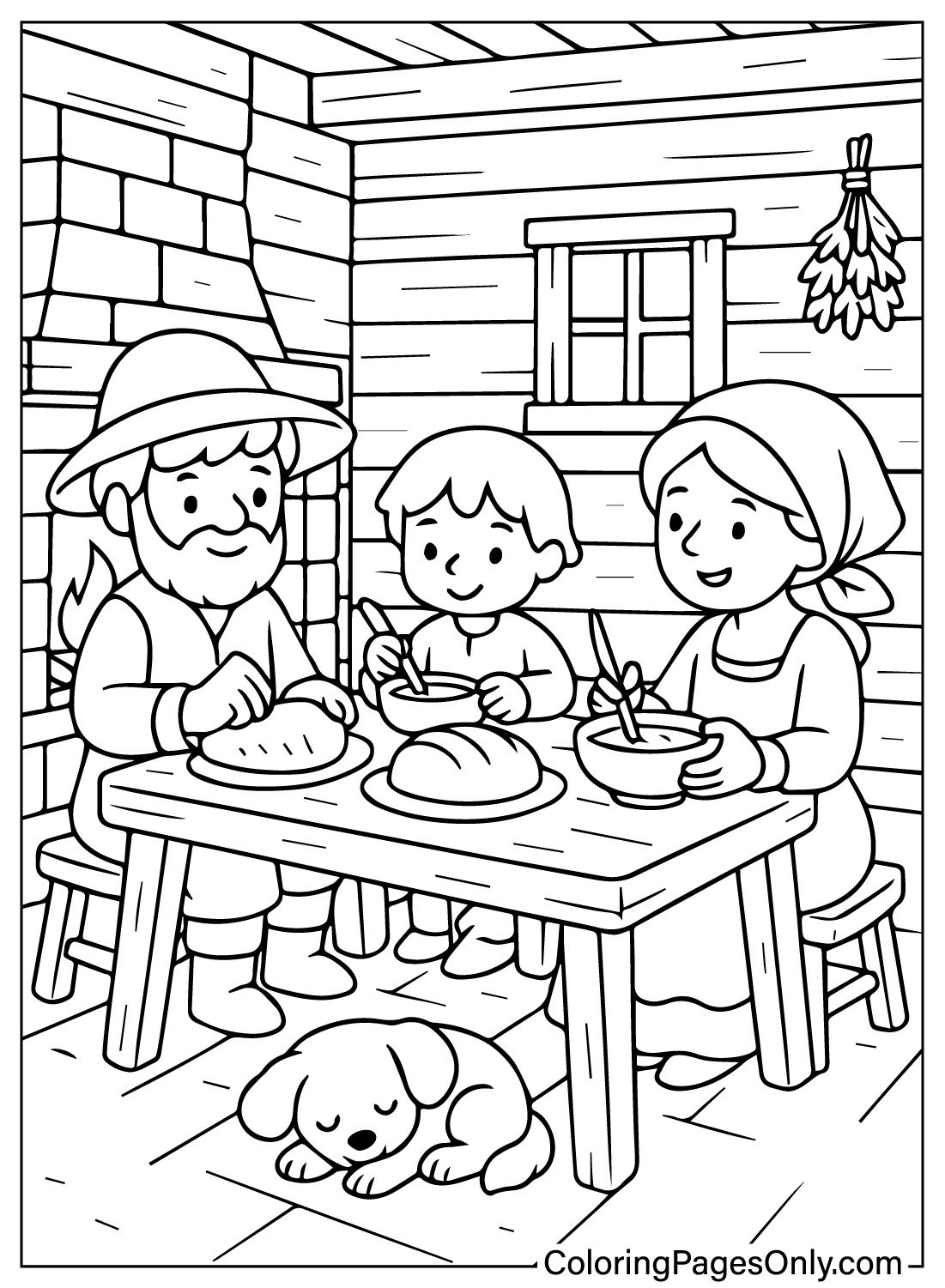
The largest group covers ordinary medieval work and routines: a blacksmith, a market, a bakery scene, street musicians, and general daily life. Coloring suggestion: use warm, earthy tones throughout this group, since medieval working life relied on natural materials like wood, wool, and leather rather than bright dyes.
Religious and Festival Scenes
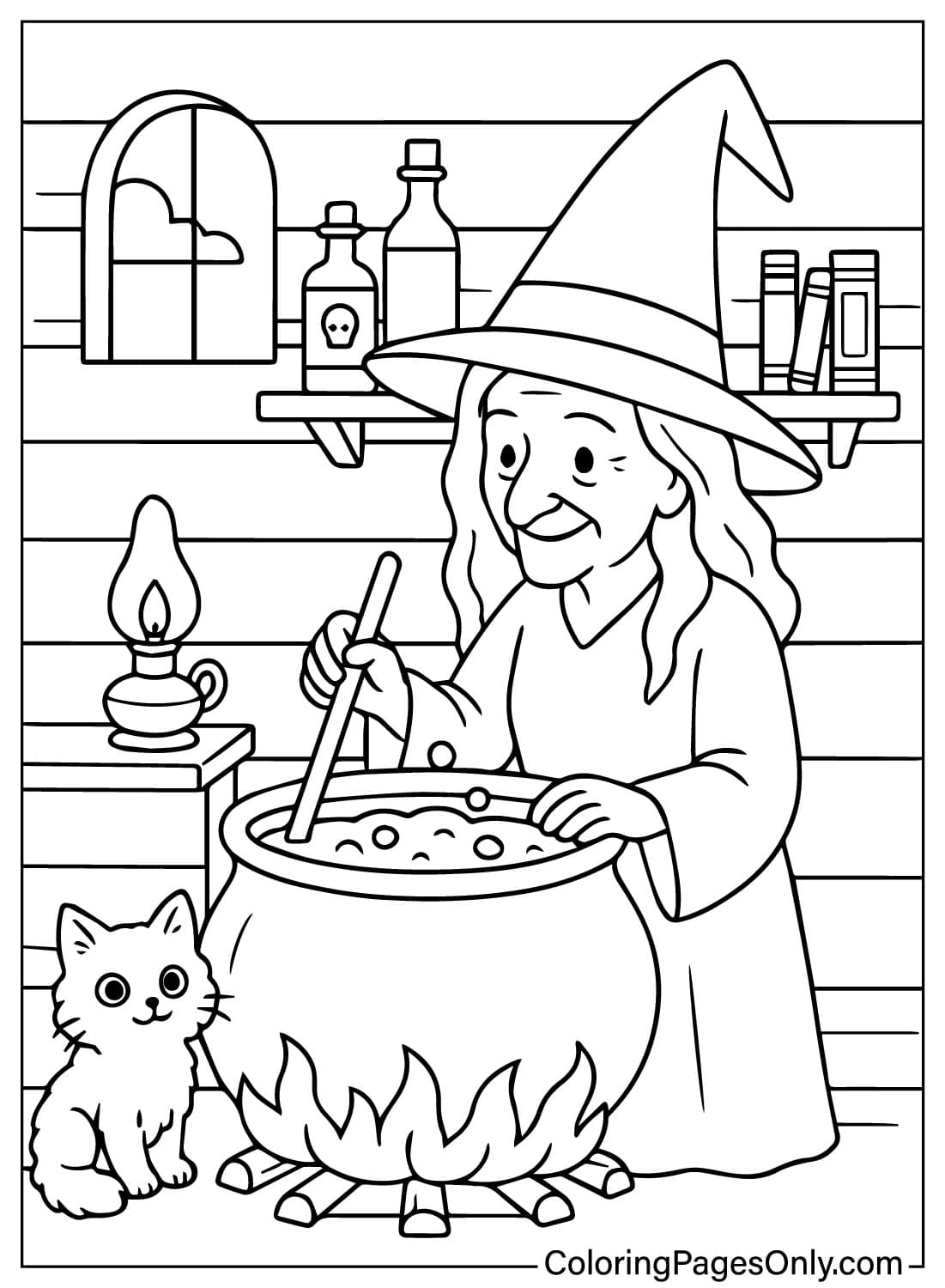
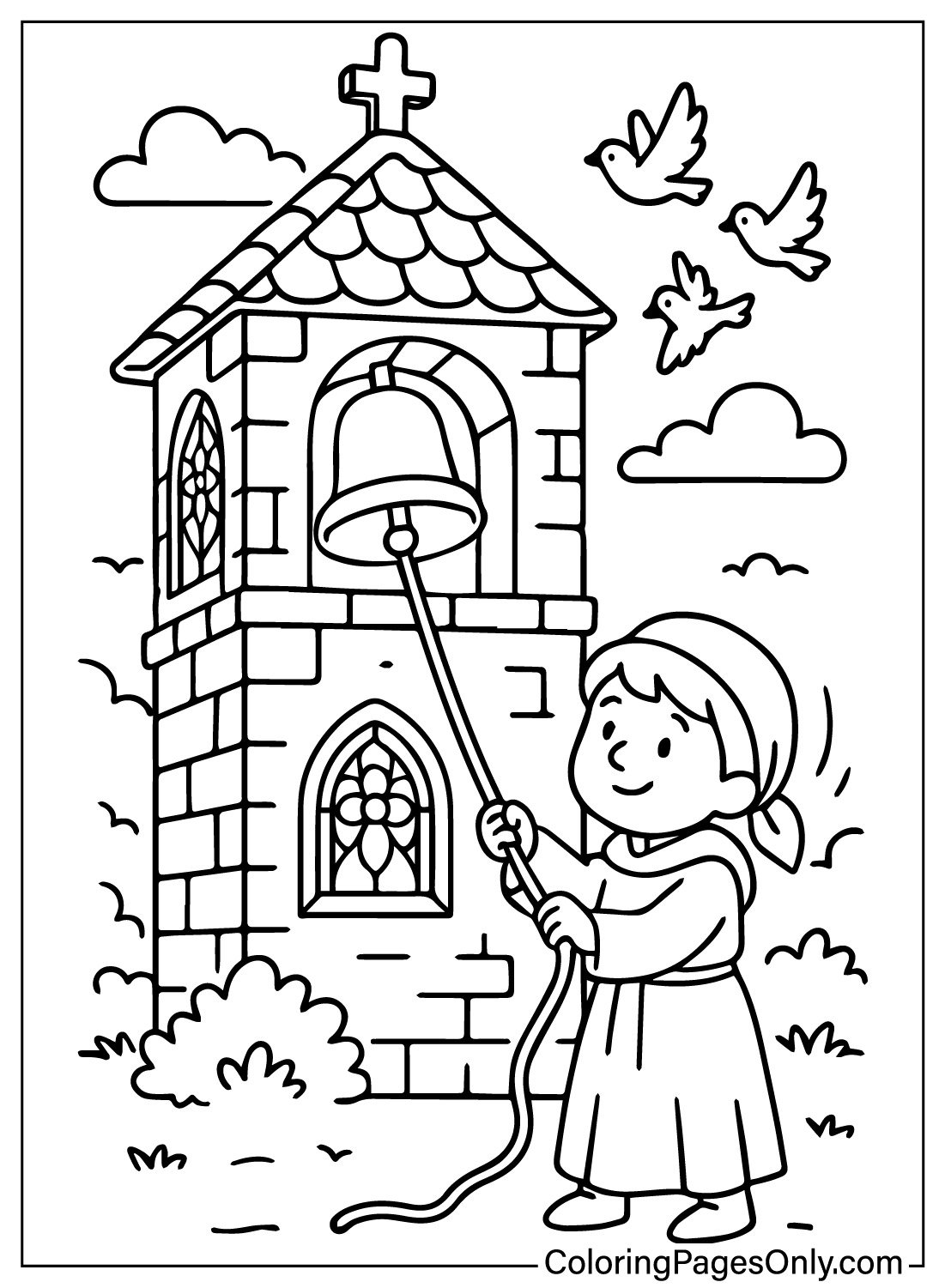
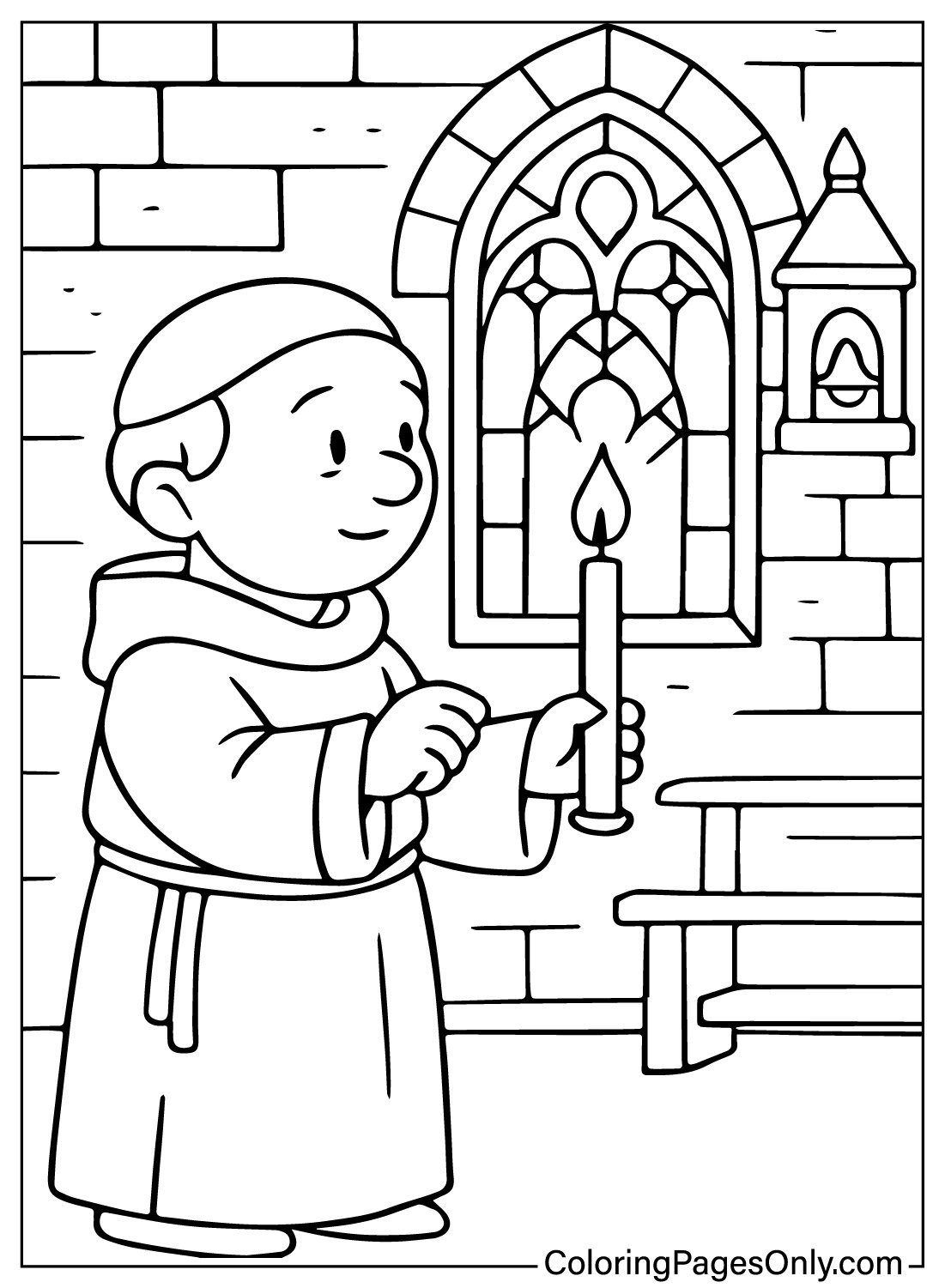
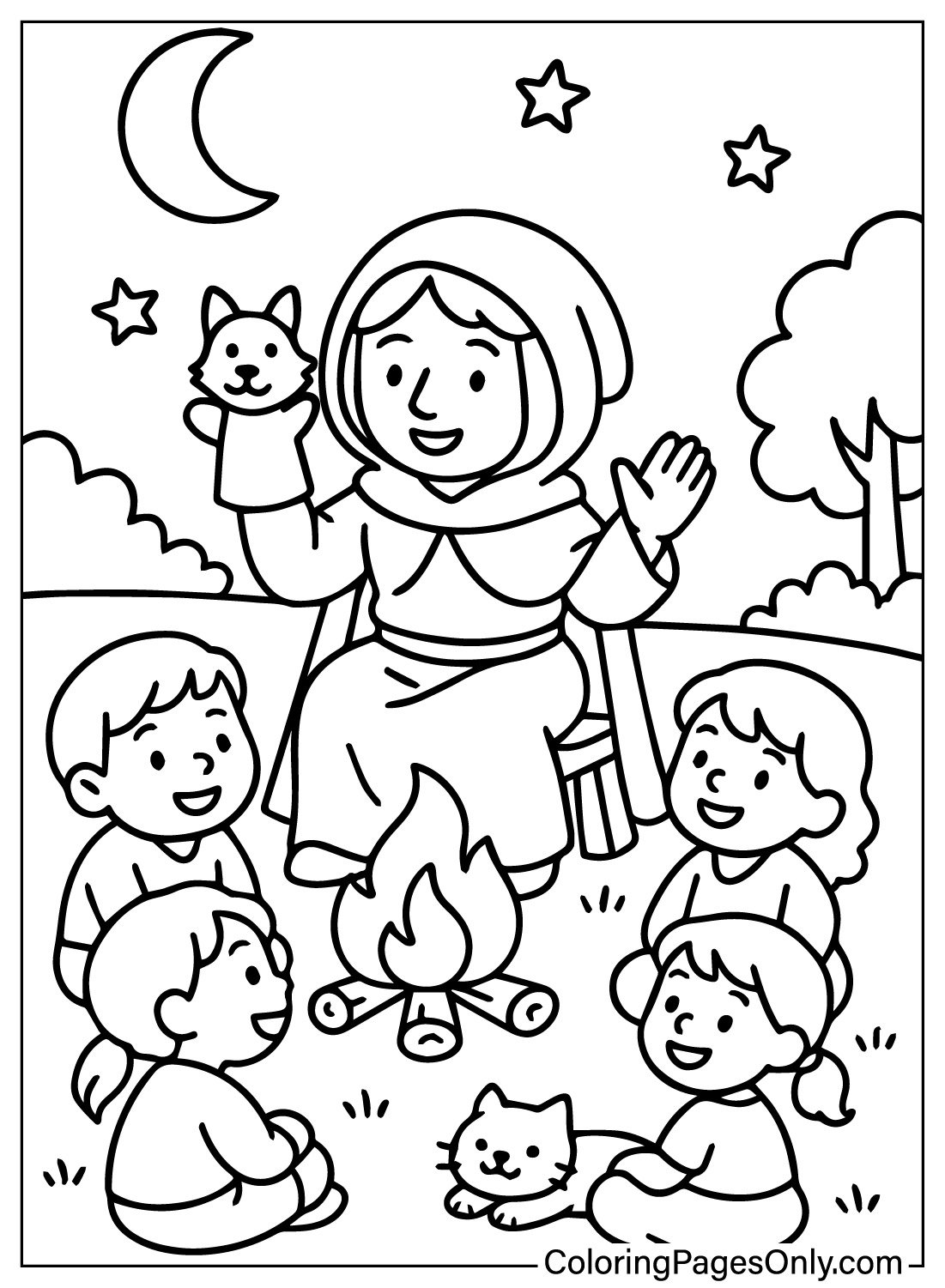
These pages cover churches, a nun, a folklore-inspired witch figure, and a festival scene. Coloring suggestion: keep church interiors and religious clothing in muted, respectful tones, saving brighter colors specifically for the festival page.
What Medieval Coloring Pages Do
Small linked shapes, careful strokes. A knight’s chainmail and armor plating is made up of many small, repeating linked shapes, and coloring those sections individually, rather than as one flat area, takes careful, controlled, small strokes, the kind of fine motor practice the American Academy of Pediatrics associates with structured coloring in children ages two through seven.
A word that literally means “a day’s work.” The term journeyman, the rank a guild apprentice earned partway through training, comes from the French word for day, journée, since a journeyman was finally paid wages for each day worked rather than simply receiving food and shelter.
A gradual process, step by step. A medieval apprentice spent years moving through defined stages before mastering a craft, and there’s a small, loose parallel in working through a detailed page, a gradual, step-by-step process building toward a finished result, the kind of structured patience a 2005 Art Therapy Journal study linked to reduced anxiety.
Streets are still named for their trade. Medieval artisans in the same guild often worked and lived on the same street, which is why many towns still have streets named Baker Street or Goldsmiths’ Lane today, a small, visible trace of the guild system’s daily organization.
How to Color Medieval Pages Well
- Royalty and nobles: use rich jewel tones, deep purple, red, and gold, for clothing and crowns, colors historically tied to wealth and status.
- Knights and armor: keep chainmail and plate armor in realistic metallic grays, coloring each small linked section individually rather than as one flat area.
- Castles: use warm stone tones for walls, saving brighter colors for flags and banners so the architecture reads as solid and grounded.
- Village and work scenes: use warm, earthy tones throughout, since medieval daily life relied on natural materials like wood, wool, and leather.
- Church and religious scenes: keep interiors and religious clothing in muted, respectful tones.
- Festival scene: this is the best page for bold, varied color, since it’s meant to feel lively and celebratory rather than restrained.
5 Creative Craft Ideas With Medieval Coloring Pages
1. Guild Trade Fact Card
Color a blacksmith or market page and write a real fact about the medieval guild system on the back.
2. Medieval Wall Banner
Cut out several colored pages and glue them onto felt or cardboard to build a hanging medieval scene.
3. Knight’s Shield Craft
Color a knight or armor page, cut out the shield shape, and attach it to cardboard for a simple wearable shield.
4. Coat of Arms Design
Use a royalty or knight page as a guide to design and color a personal family crest.
5. Medieval Village Diorama
Color several village and daily-life pages, cut them out, and arrange them into a small standing diorama.
Frequently Asked Questions
What are Medieval coloring pages?
A free set of 32 printable designs covering knights, castles, royalty, and everyday medieval life. Every page downloads as a PDF or opens in the online coloring tool without an account.
What was the medieval guild system?
Guilds were associations of craftsmen in the same trade, such as blacksmiths or bakers, that trained apprentices, regulated quality, and set fair prices within a town.
What is a journeyman?
A journeyman was a guild member who had completed their apprenticeship and began earning daily wages. The term comes from the French word journée, meaning day.
Do these pages include dragons or fantasy creatures?
No. This collection focuses on realistic medieval life, royalty, knights, and daily work, rather than dragons or fantasy elements.
What kinds of scenes appear in this collection?
Royal court life, knights and combat training, castles and landscapes, everyday village work, and church or festival scenes each get their own group within the set.
Can these pages be colored without printing them?
Yes. Every page in the set opens directly in the site’s browser-based coloring tool, so a page can be finished on screen before deciding whether to print it.
Are Medieval coloring pages suitable for young children?
The simpler royalty and knight portraits work well for a young child. The busier market, festival, and multi-figure scenes suit an older child with more coloring experience.
Why do some medieval town streets still have trade-related names today?
Artisans in the same guild often lived and worked on the same street, which is why names like Baker Street or Goldsmiths’ Lane have survived in many towns as a visible trace of that old organization.
Start Coloring
From a king’s crown to a blacksmith’s hammer, thirty-two scenes wait above: download the PDF or color it online, free and without an account. Share the finished piece through the Facebook or Pinterest buttons at the top of the design.