
Free Renaissance Coloring Pages: 34 printable PDF designs of art, science, architecture, and daily life from 14th-17th century Europe. A PDF download and an online coloring option are ready on every page, both free and without an account.
The Renaissance began in Florence, Italy, a wealthy trading city where families like the Medici used their fortune to fund artists, scholars, and architects. Not every major invention of the era came from Italy. However, the printing press, one of the period’s most transformative technologies, was built by Johannes Gutenberg in Germany around 1440, decades before Florence produced its best-known painters and sculptors.
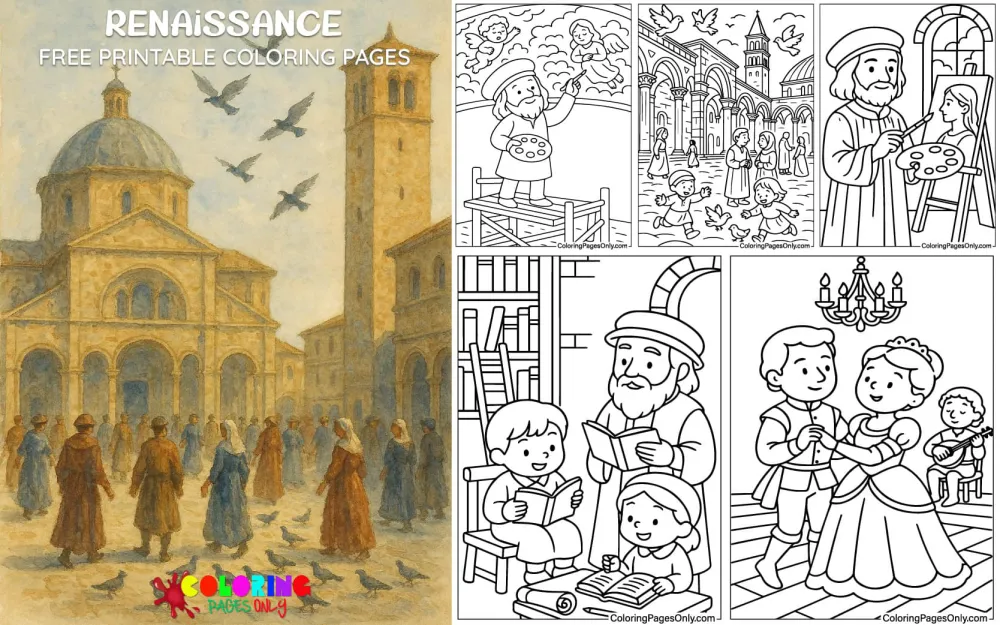
The 34 pages are split into five groups: art and artists, science and discovery, books and learning, architecture and city life, and everyday culture. Because the collection covers so much ground, coloring choices shift meaningfully between a quiet library scene and a bustling market square.
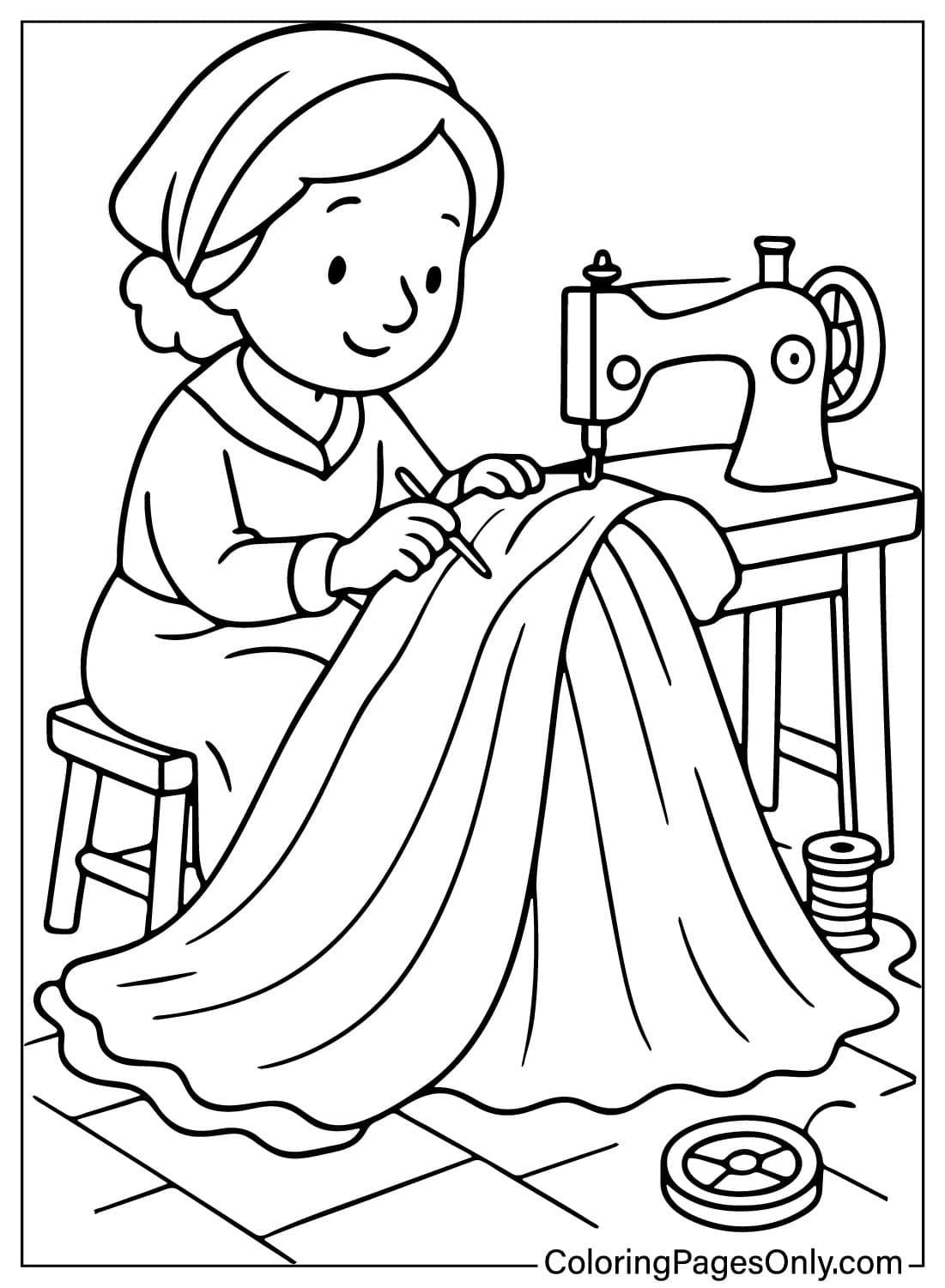
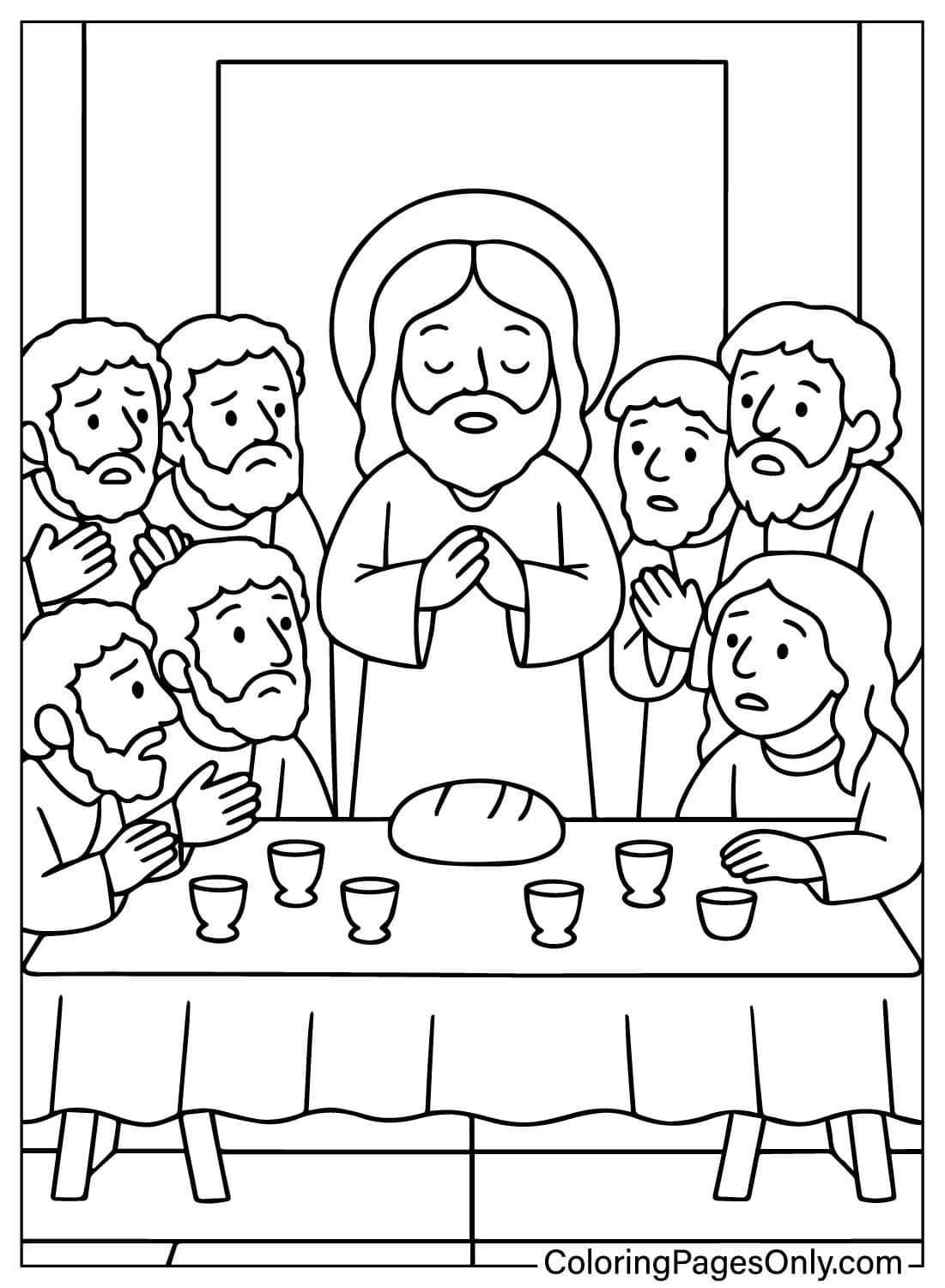
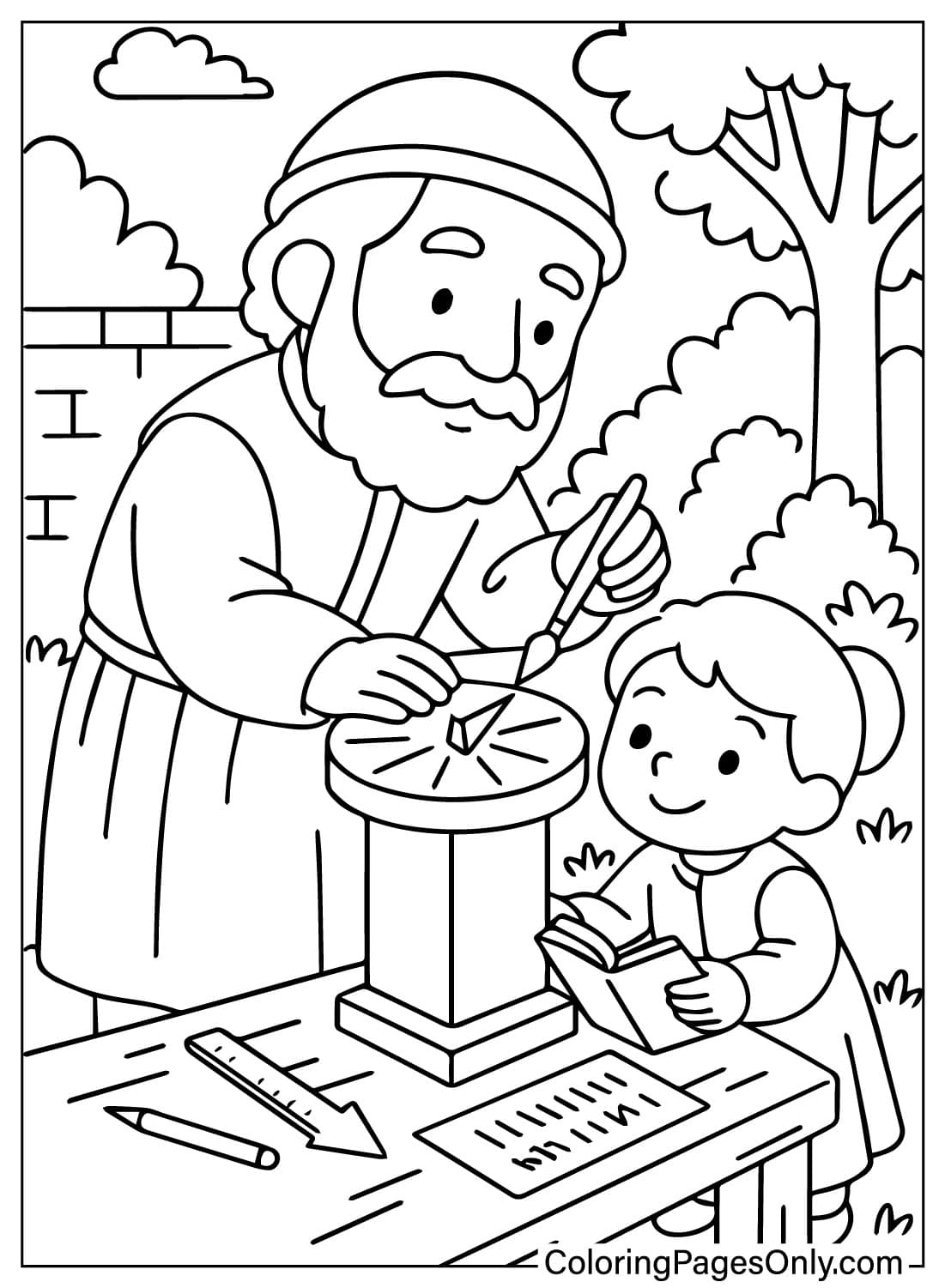
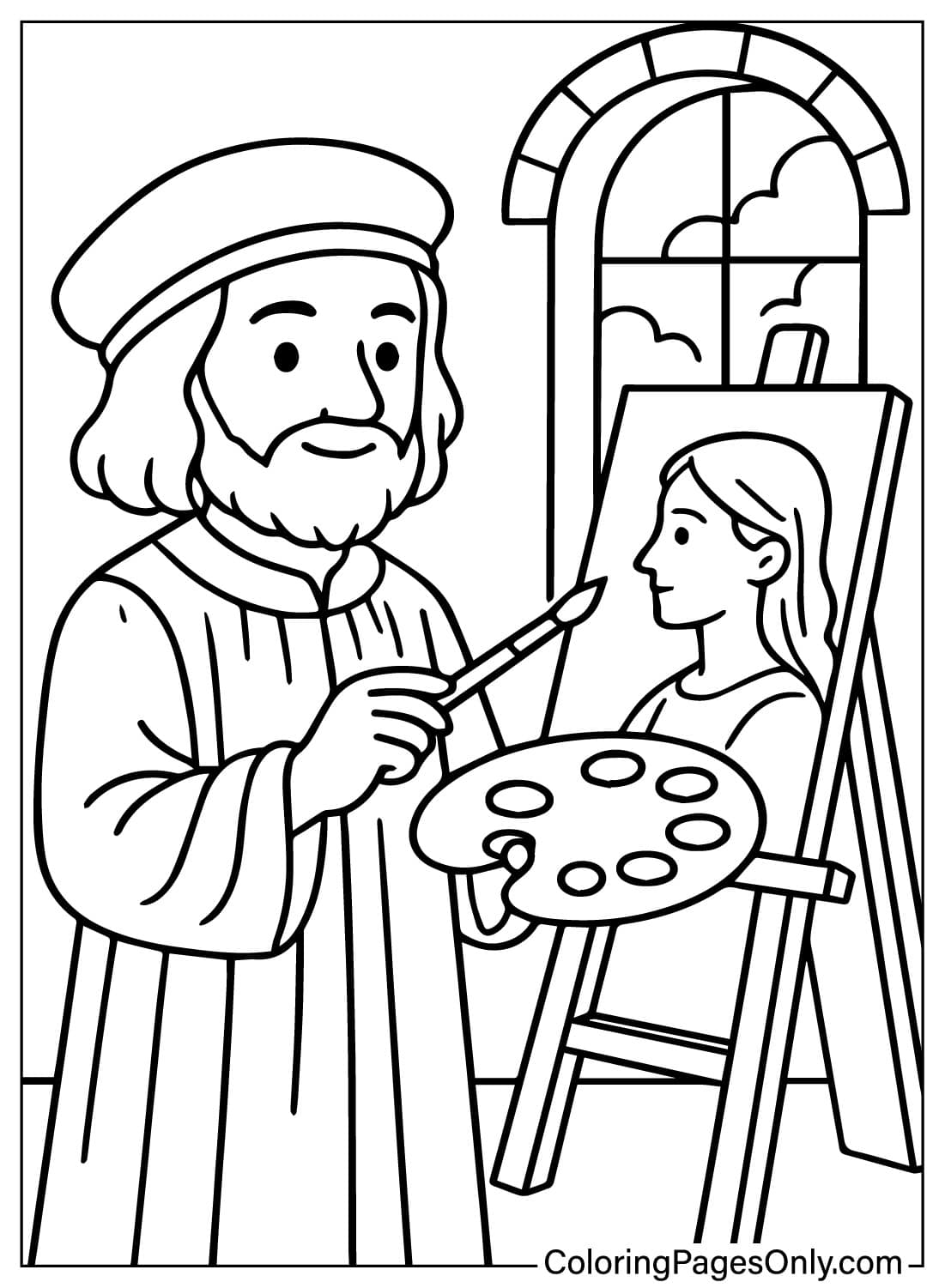
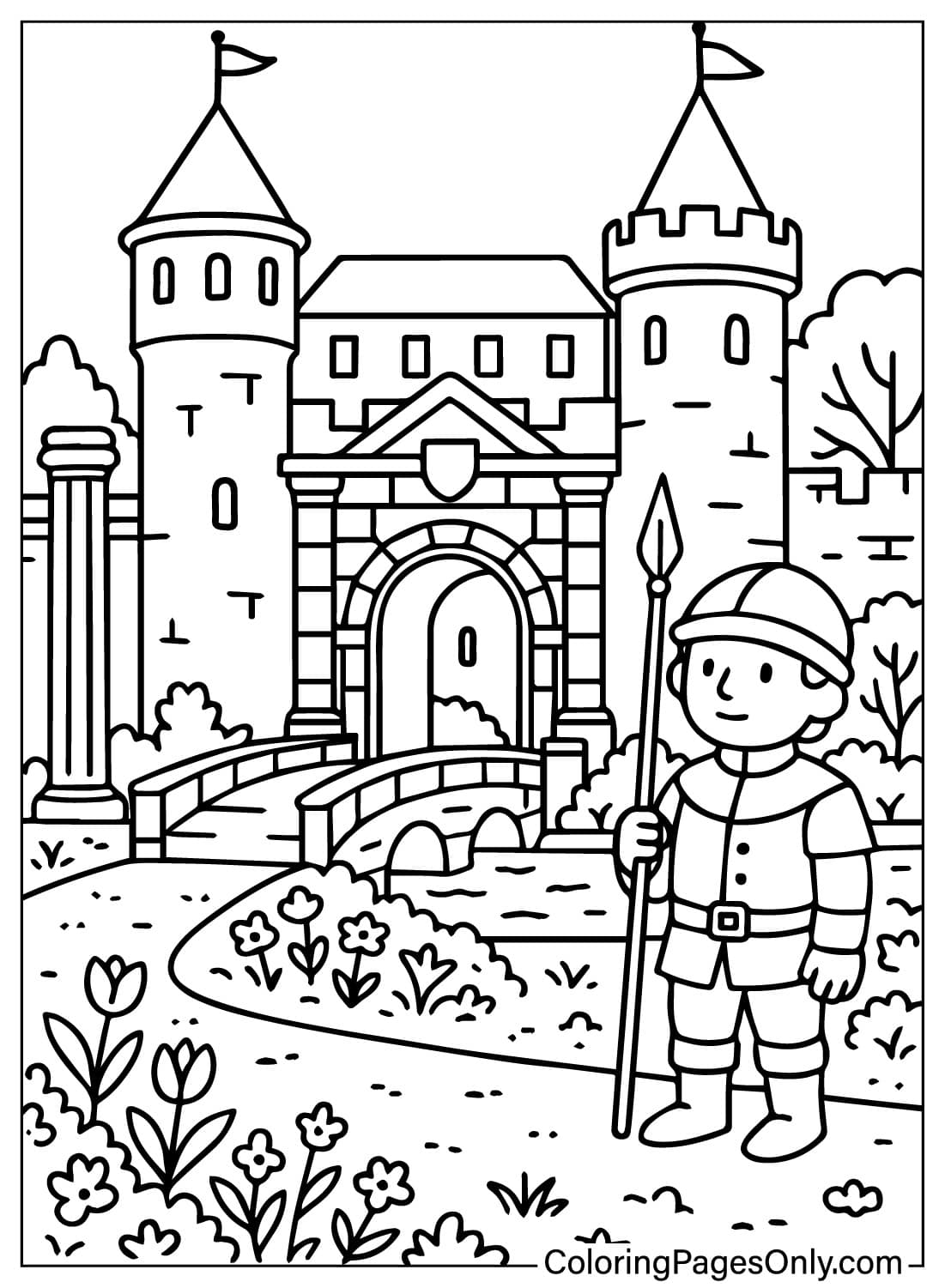
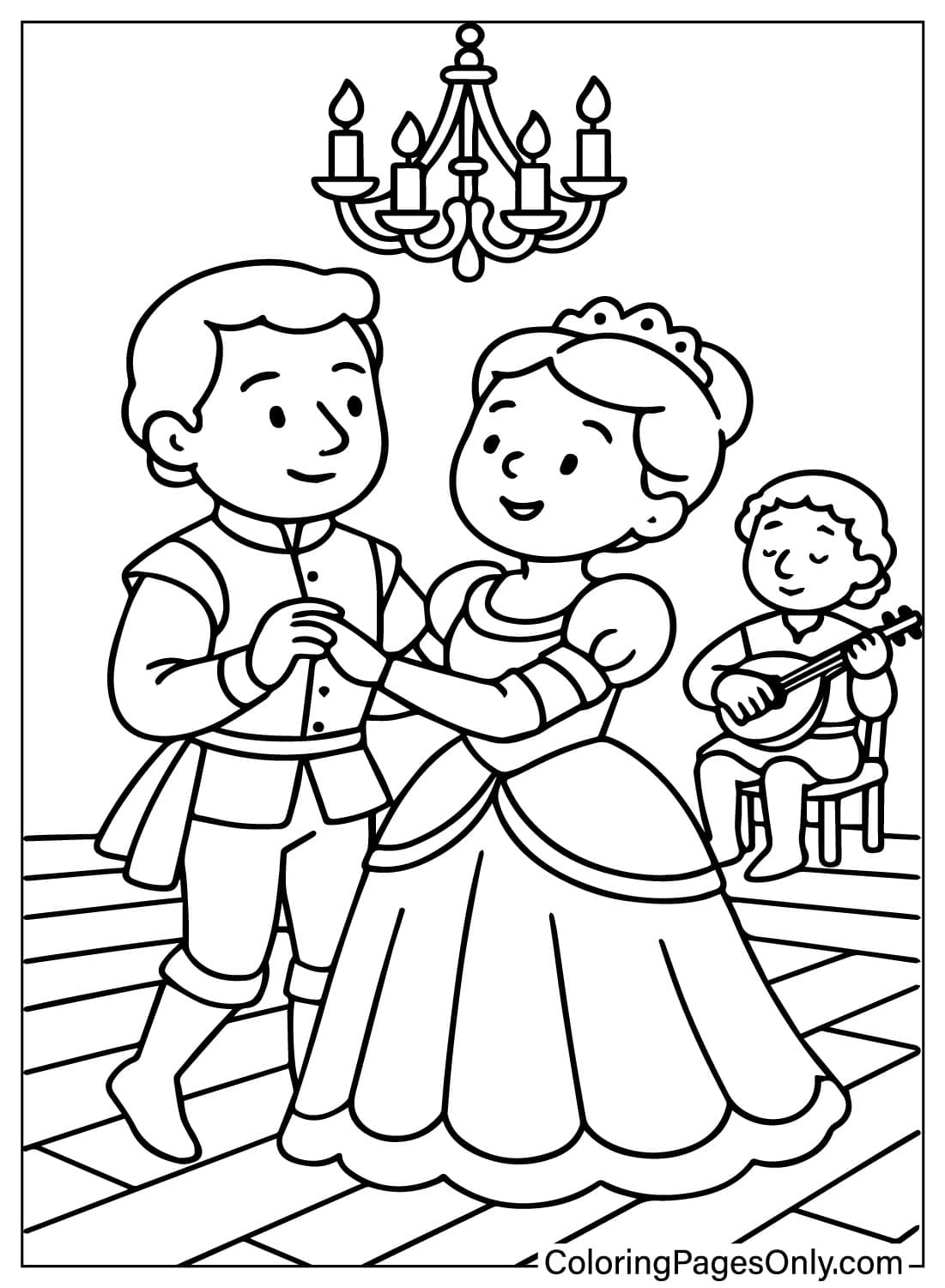
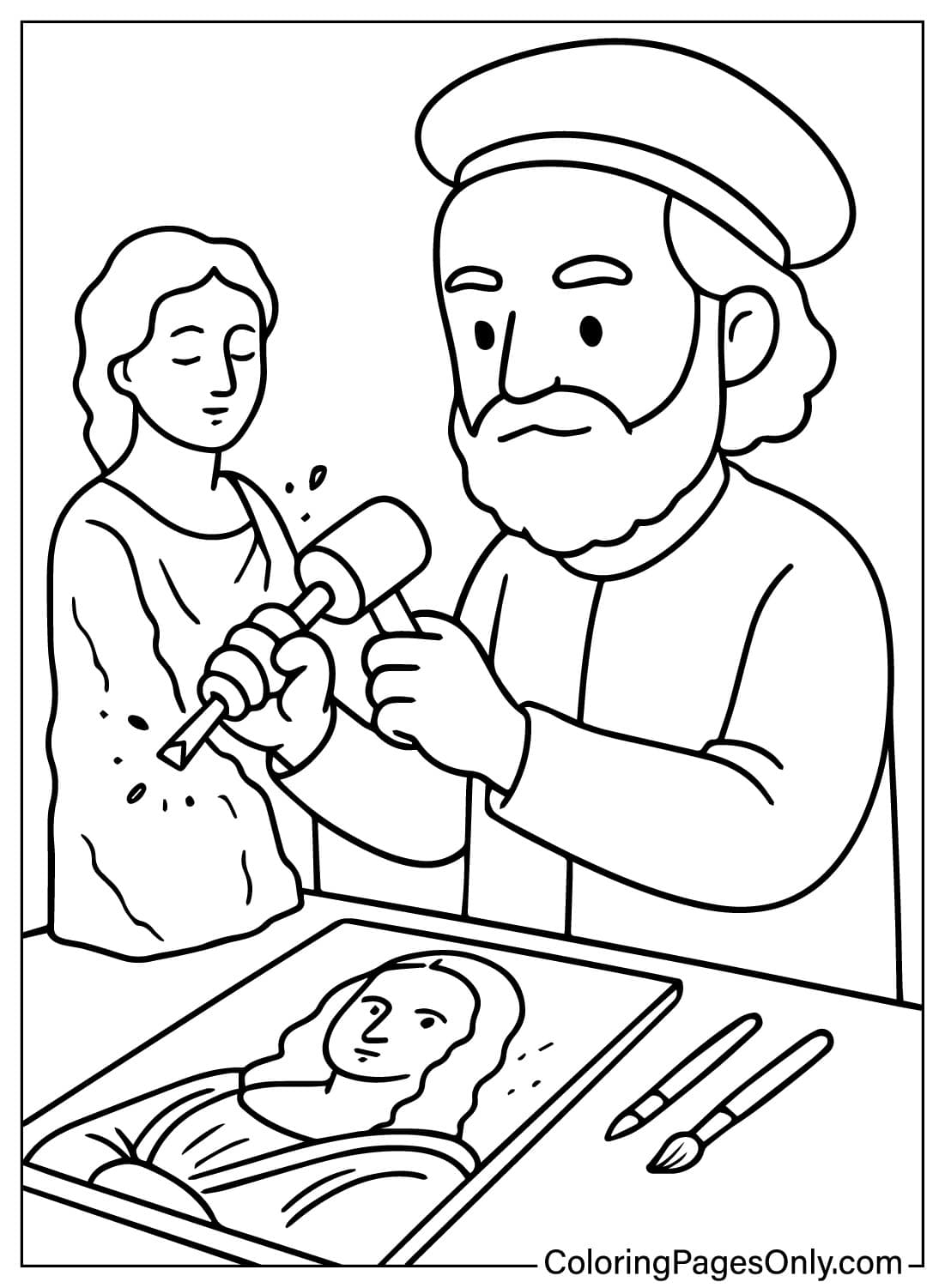
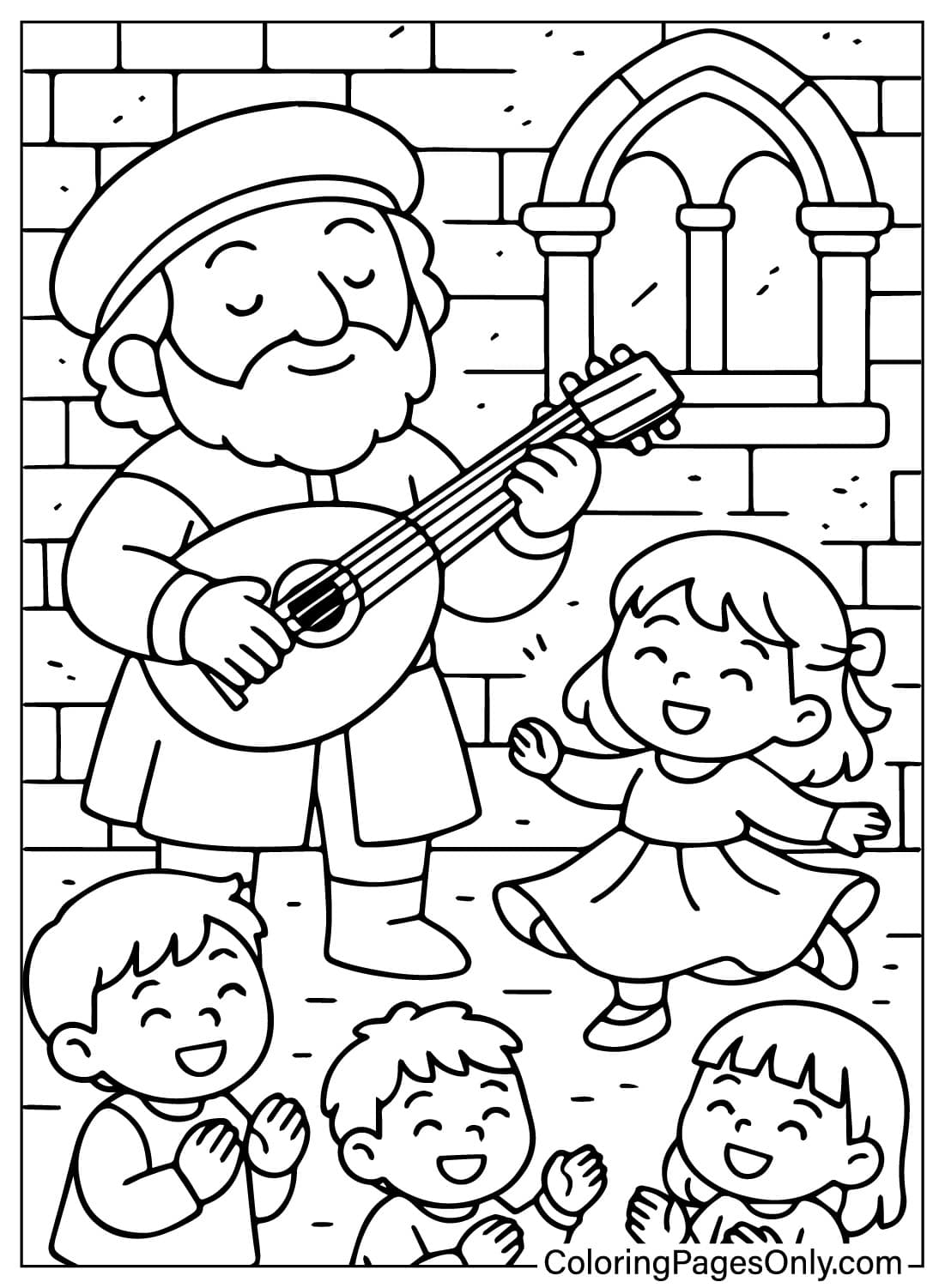
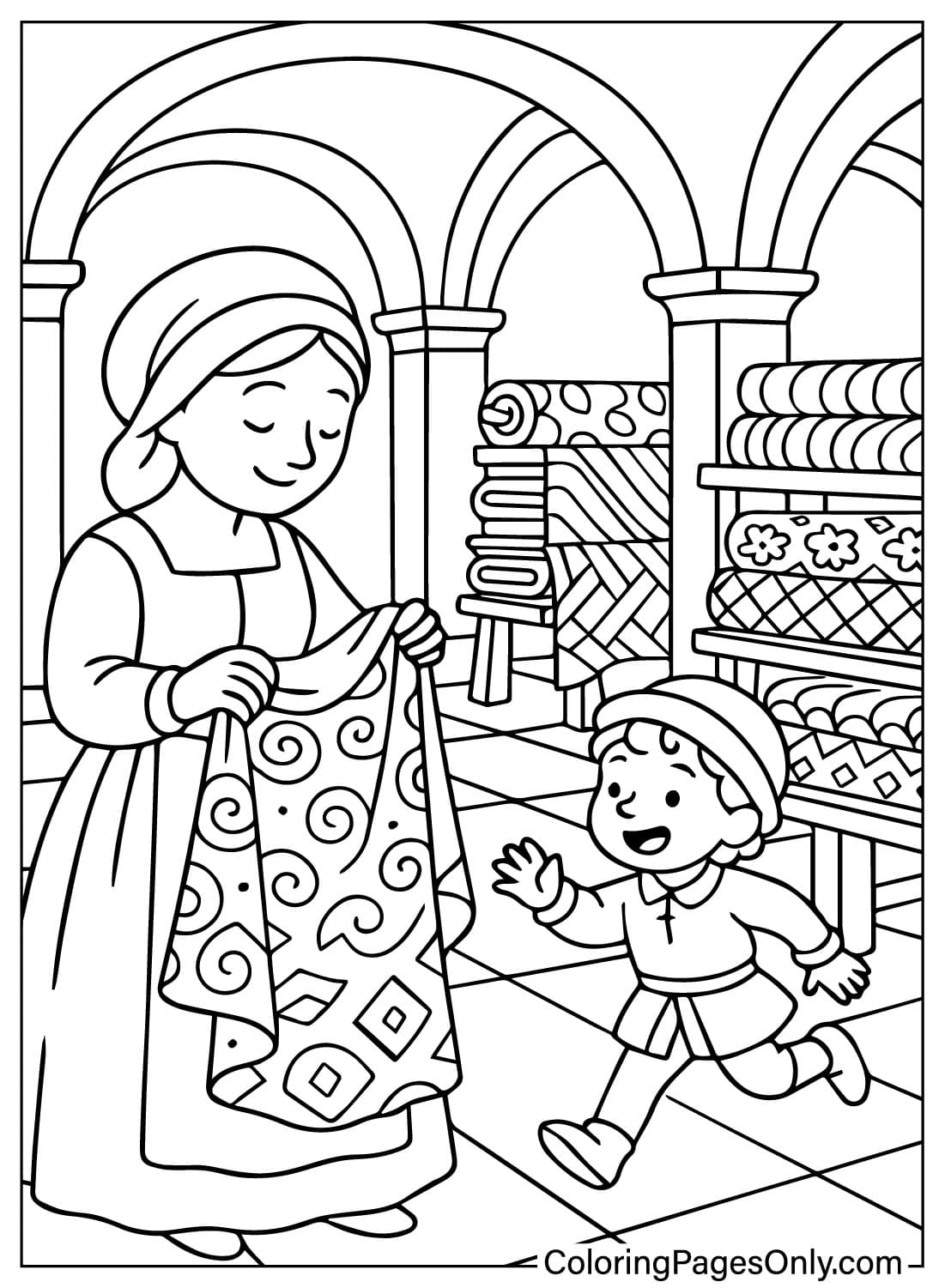
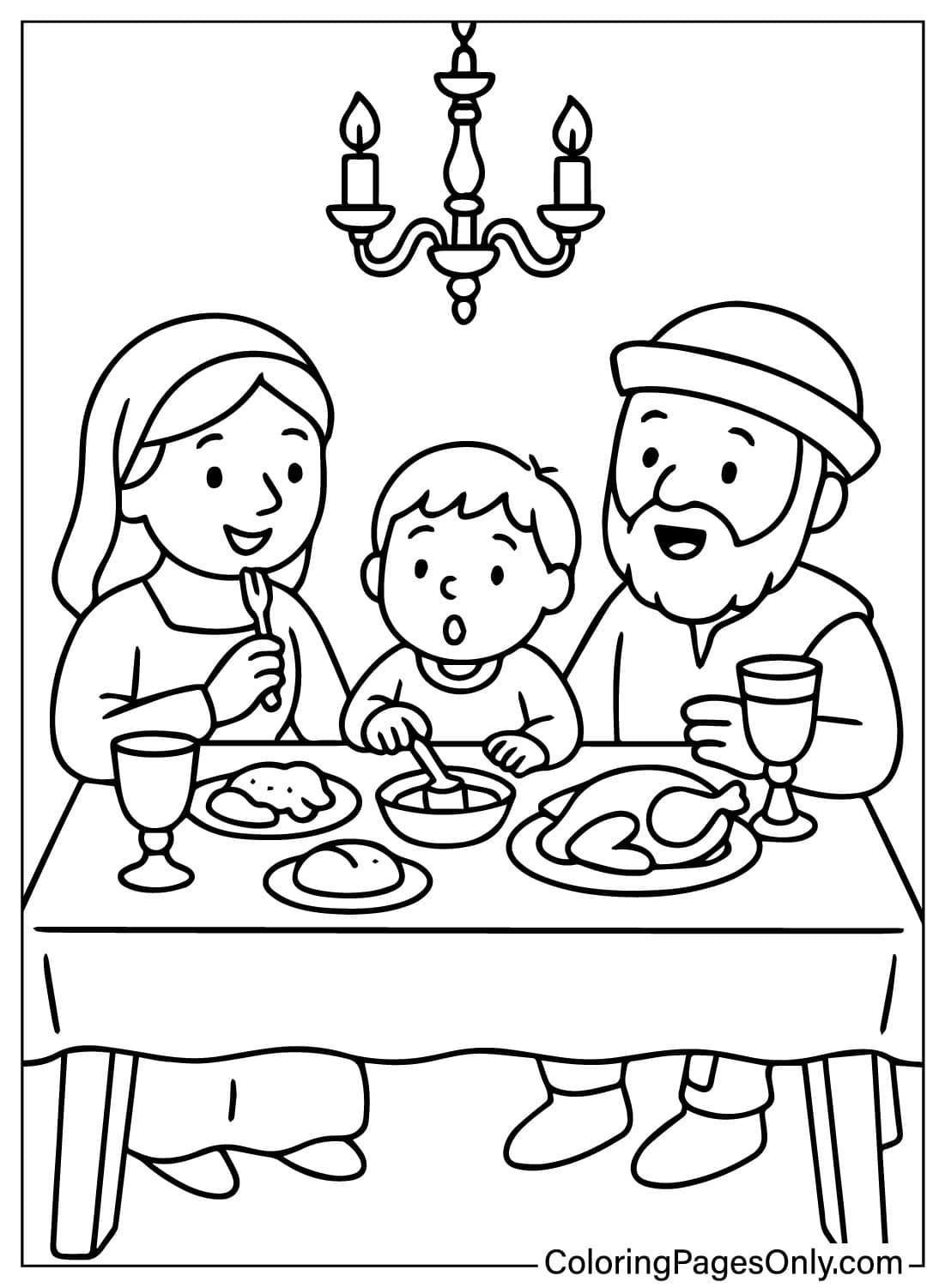
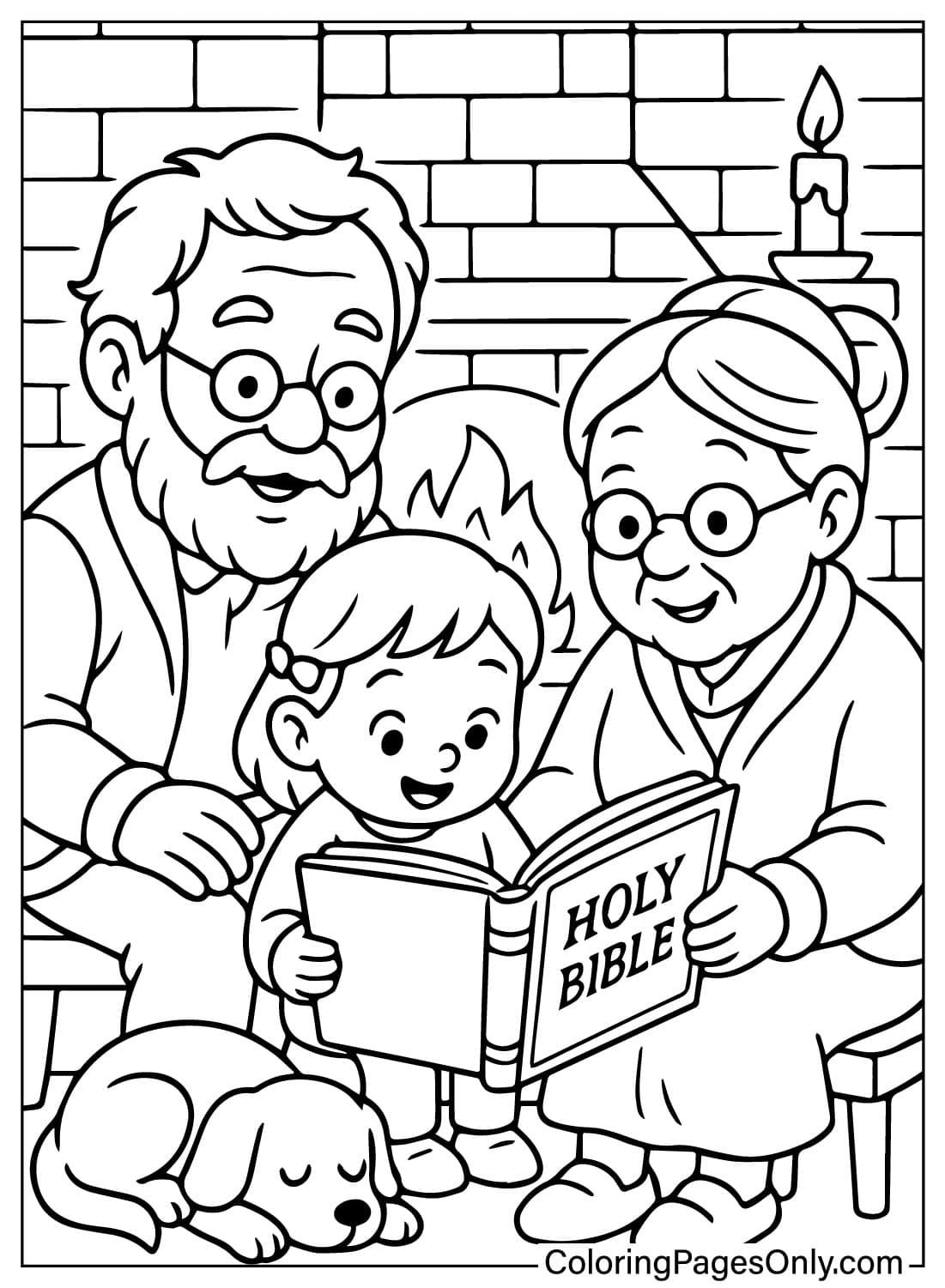
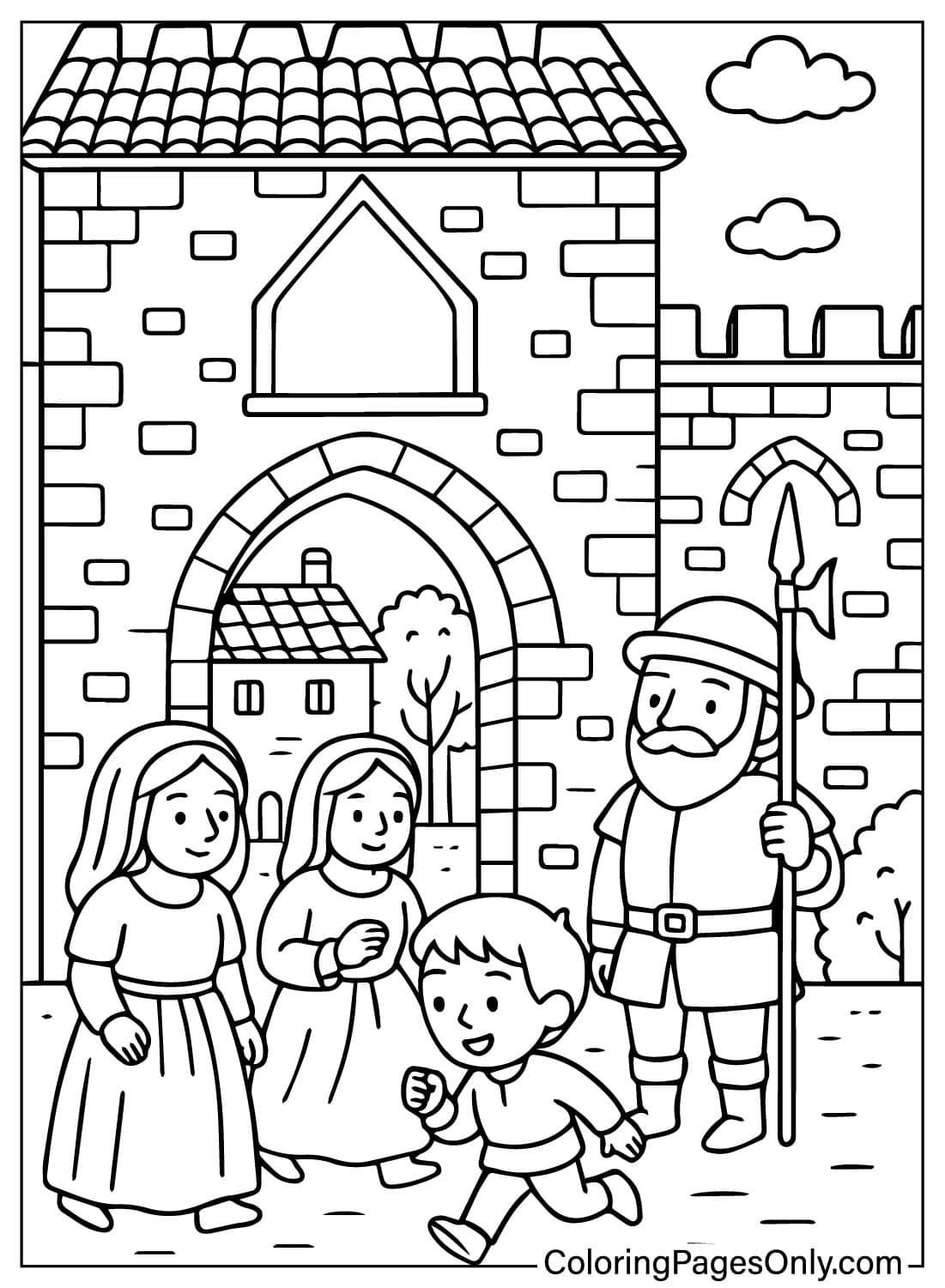
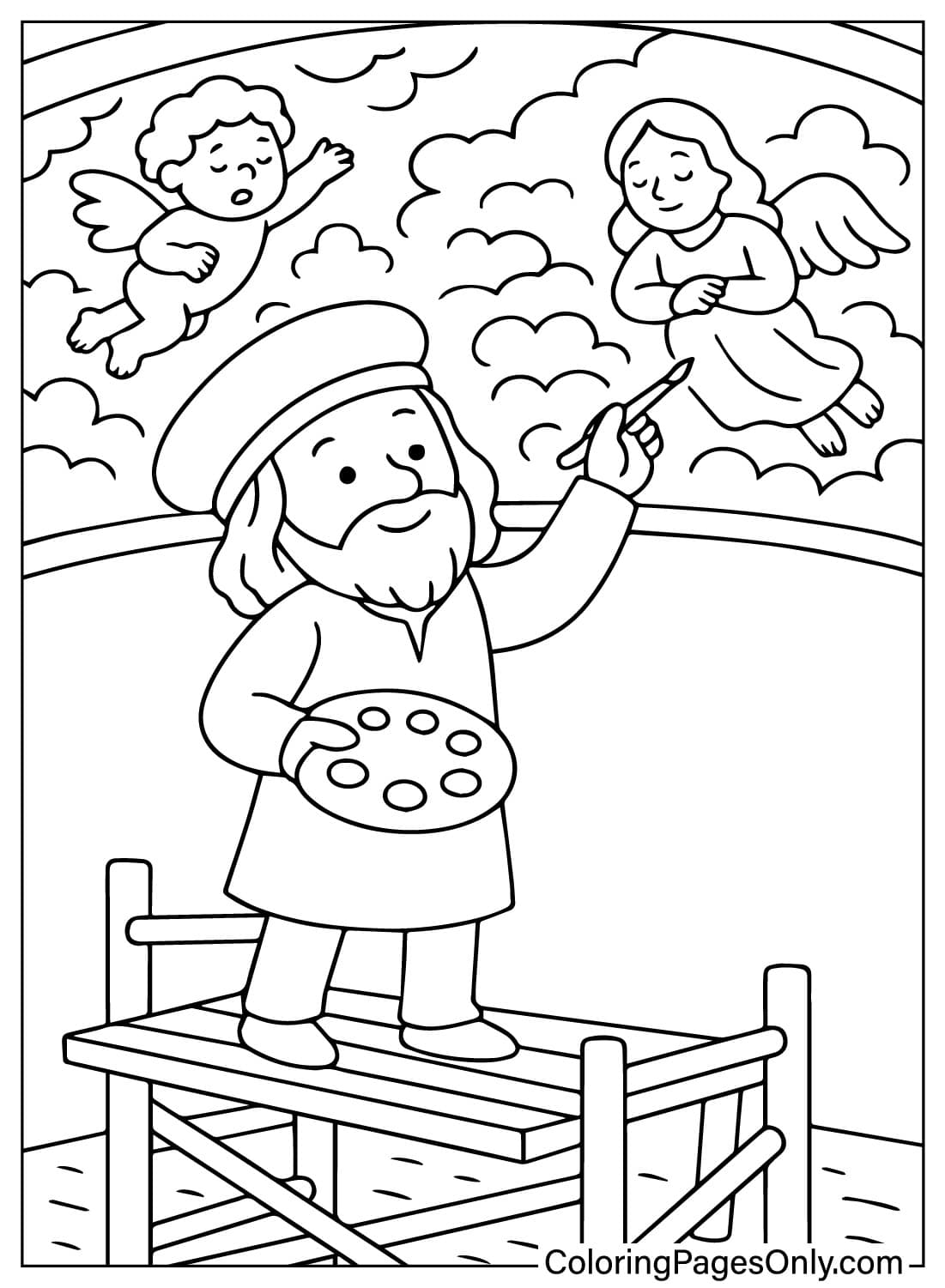
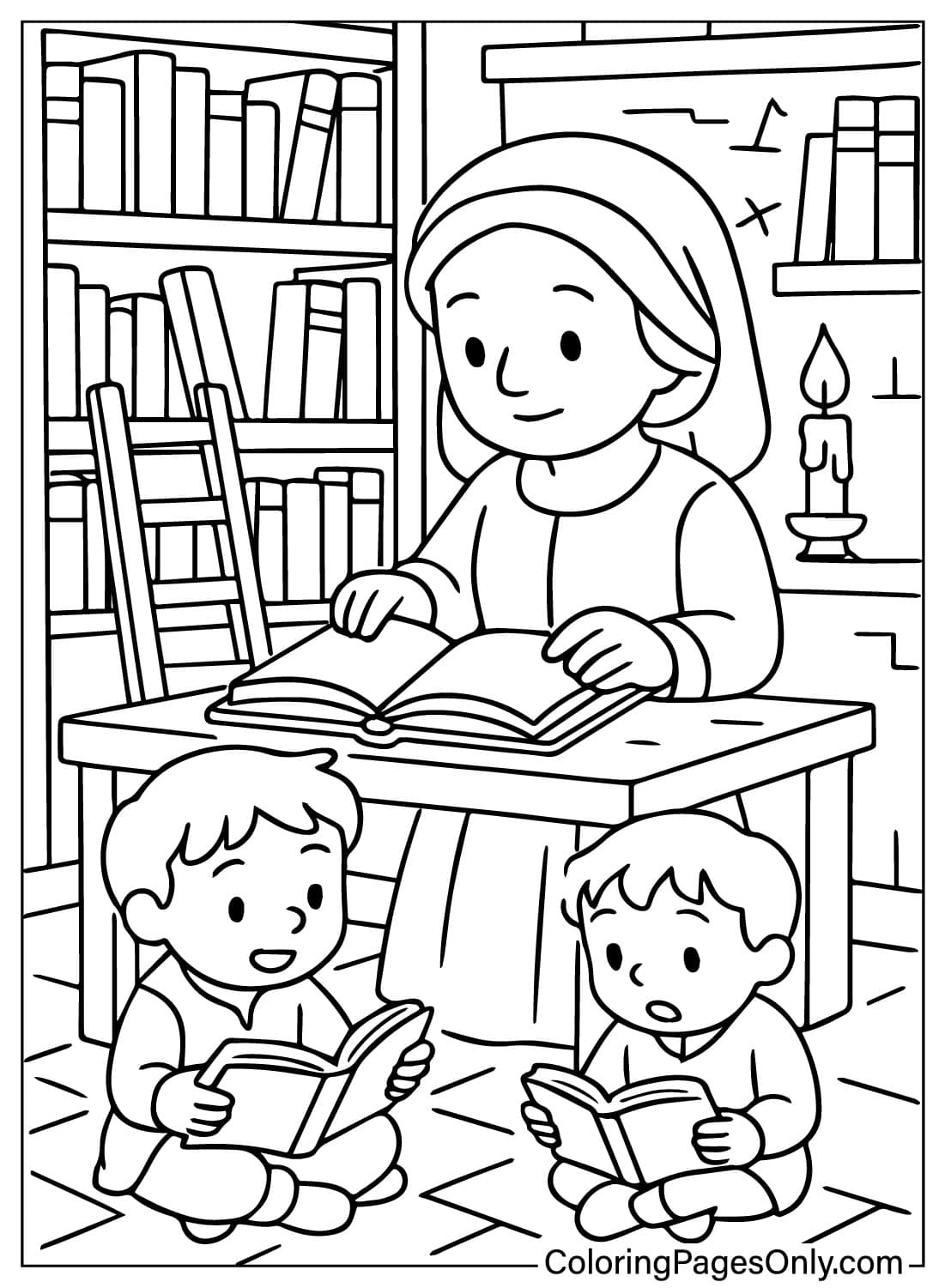
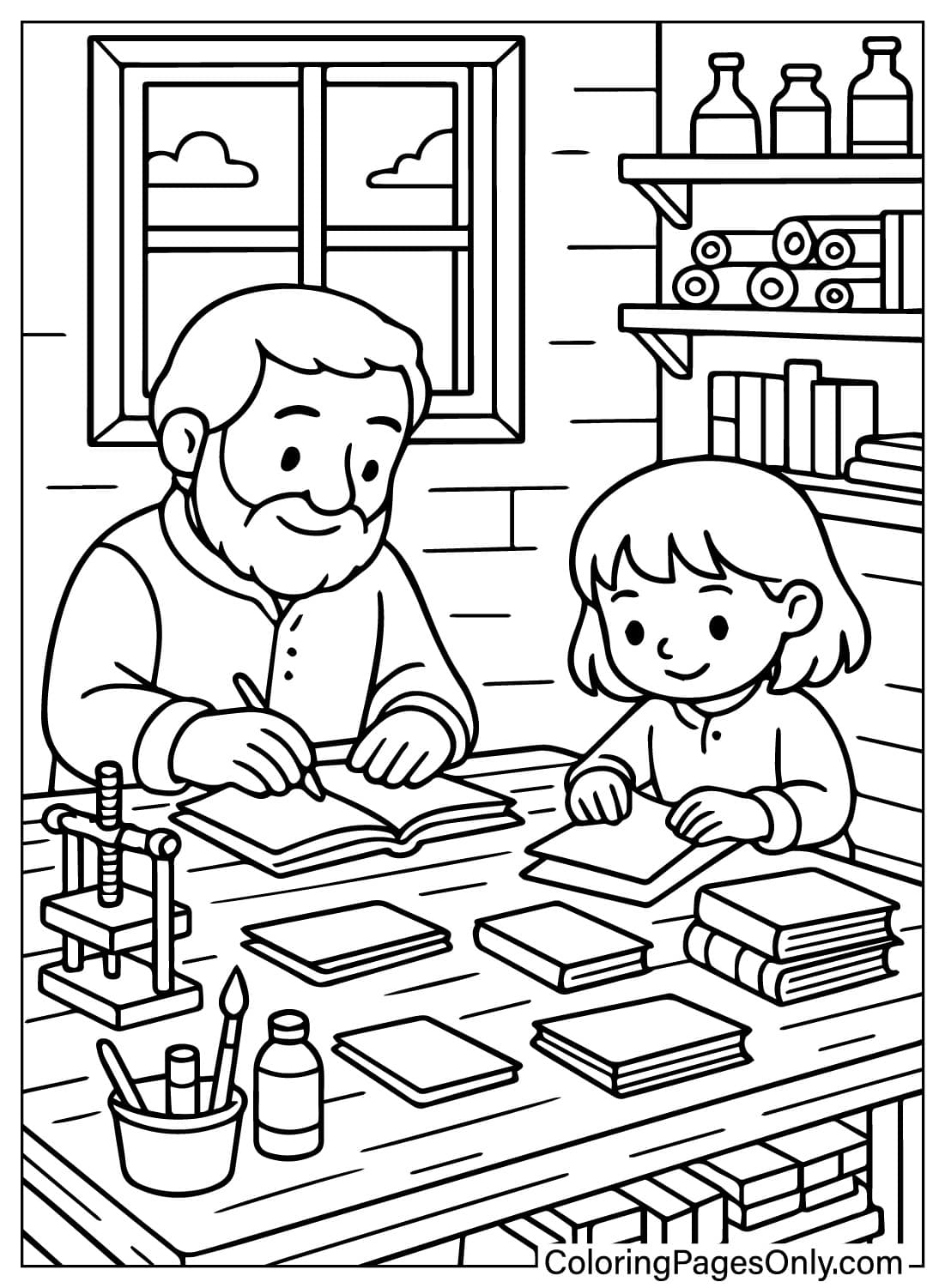
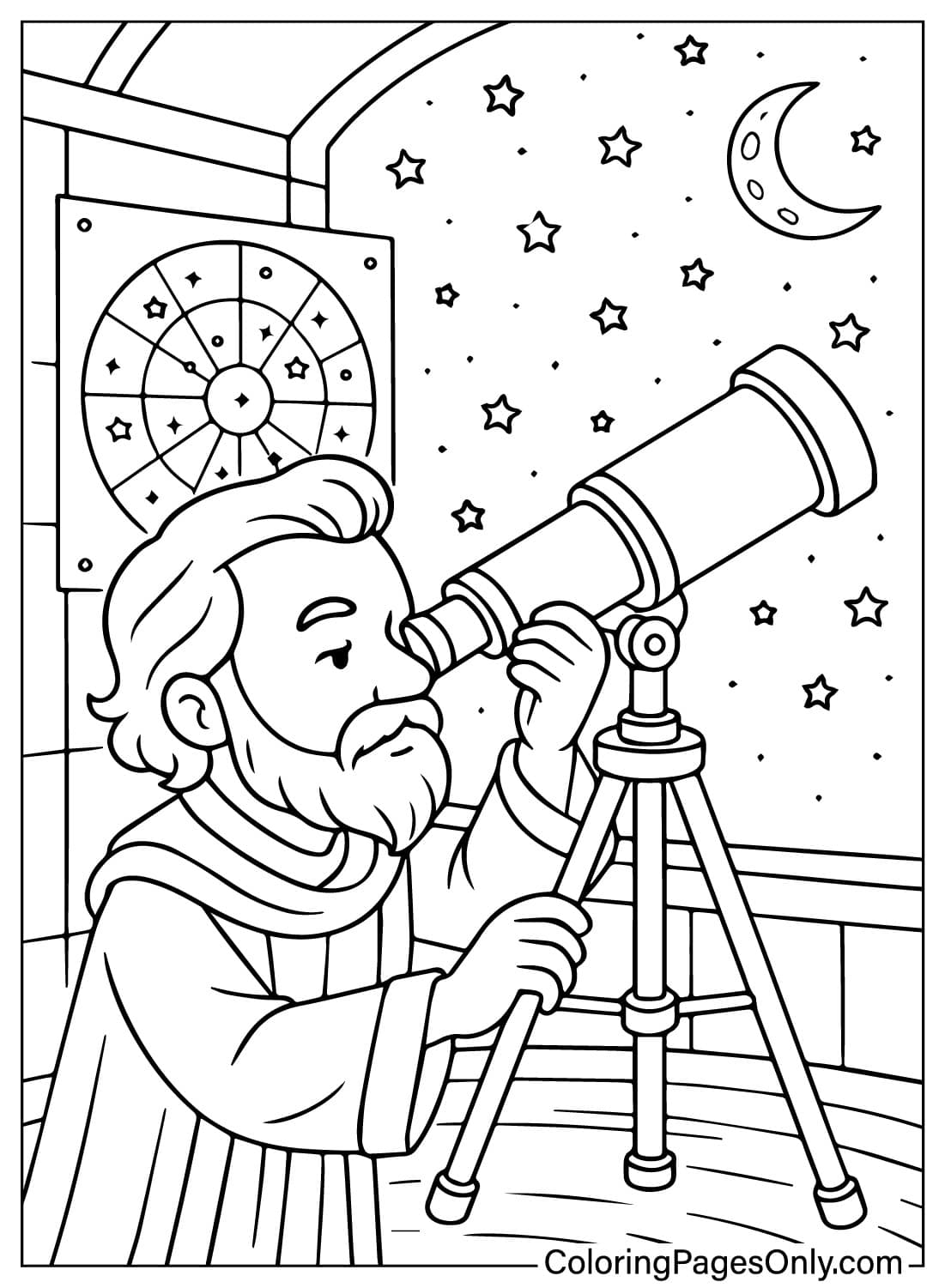
What Is Inside This Collection
Five groups organize the 34 pages, and between them, this collection covers a genuinely wide slice of Renaissance life rather than focusing narrowly on famous paintings alone.
Art and Artists
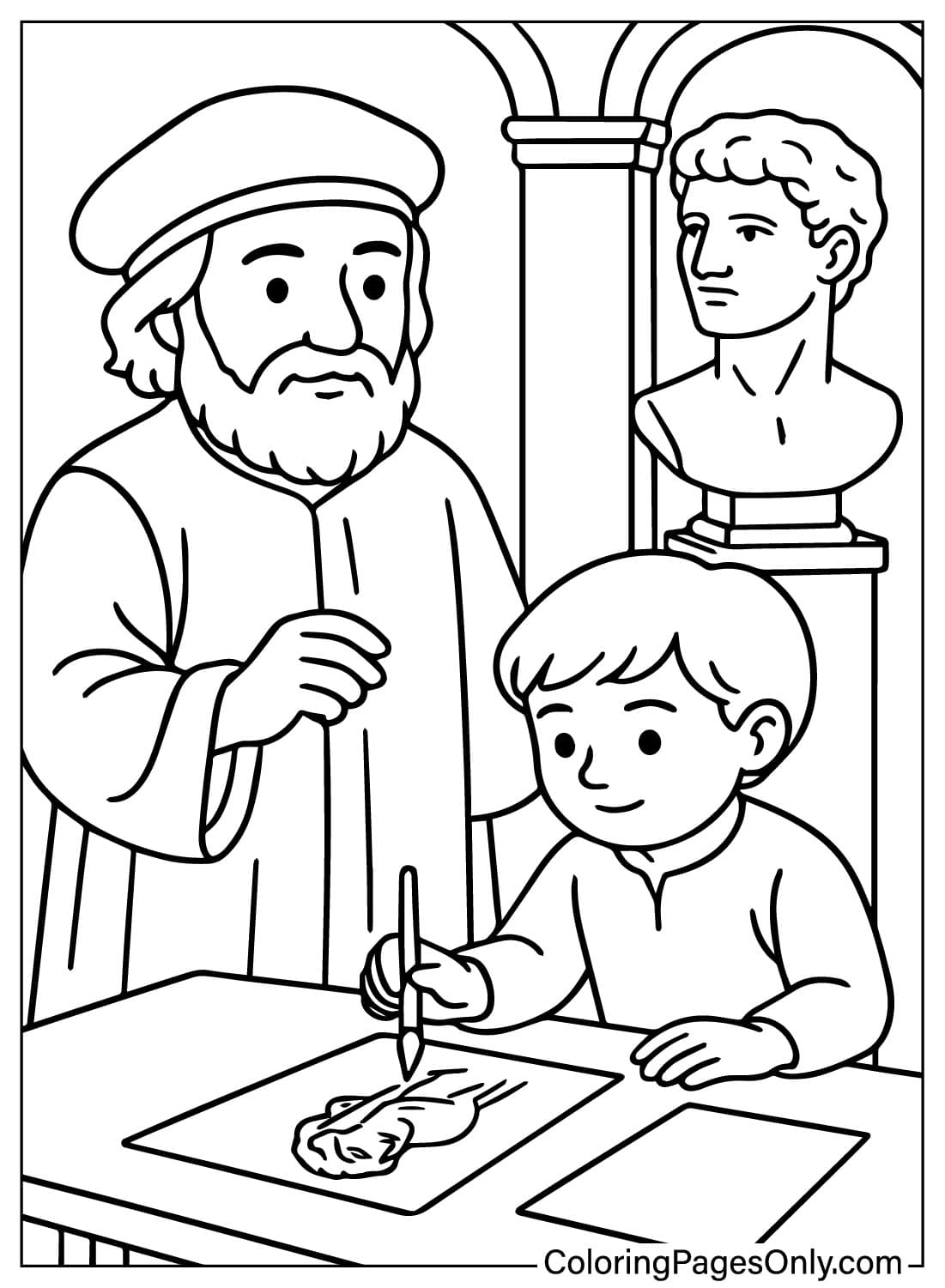
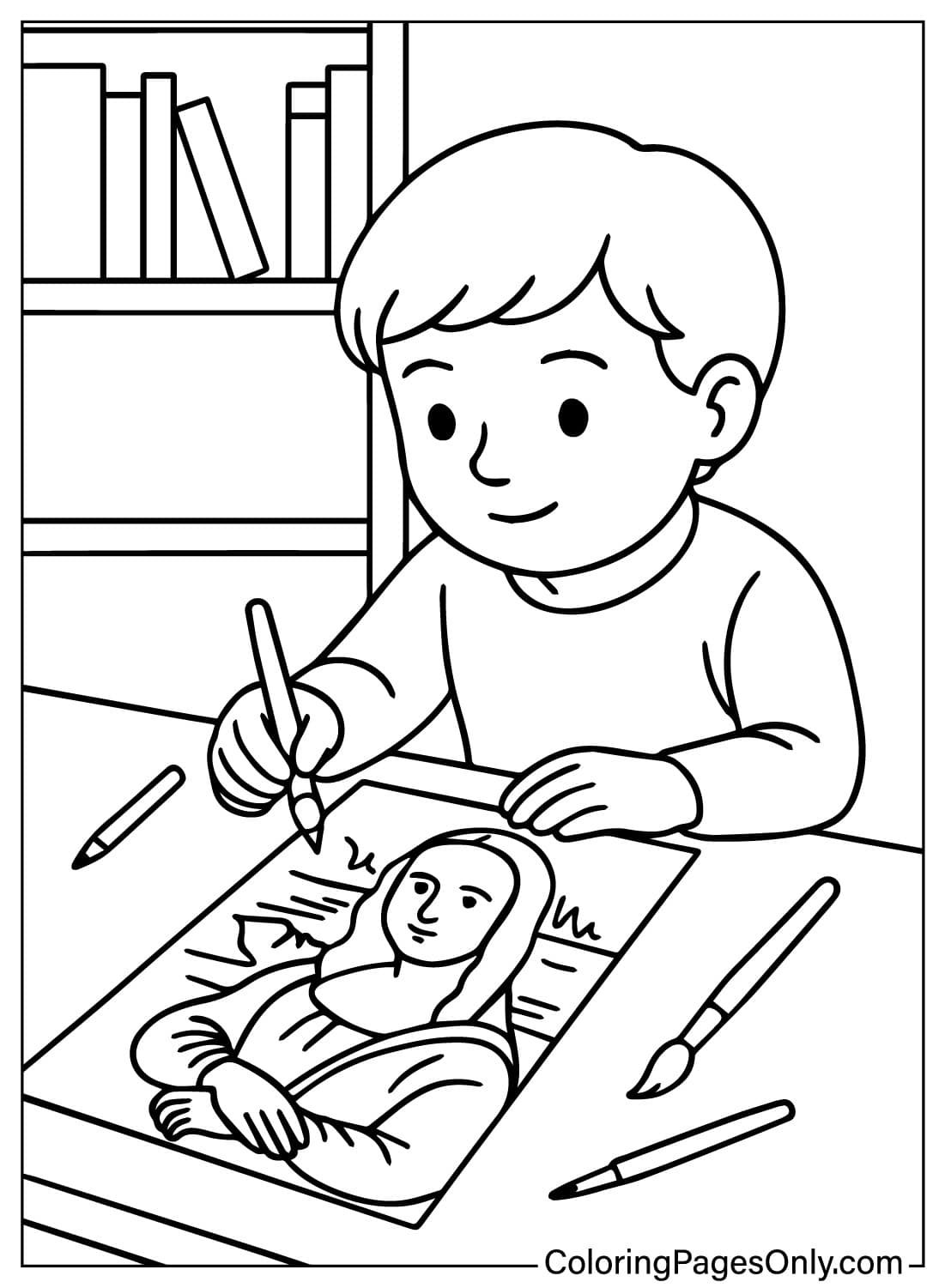
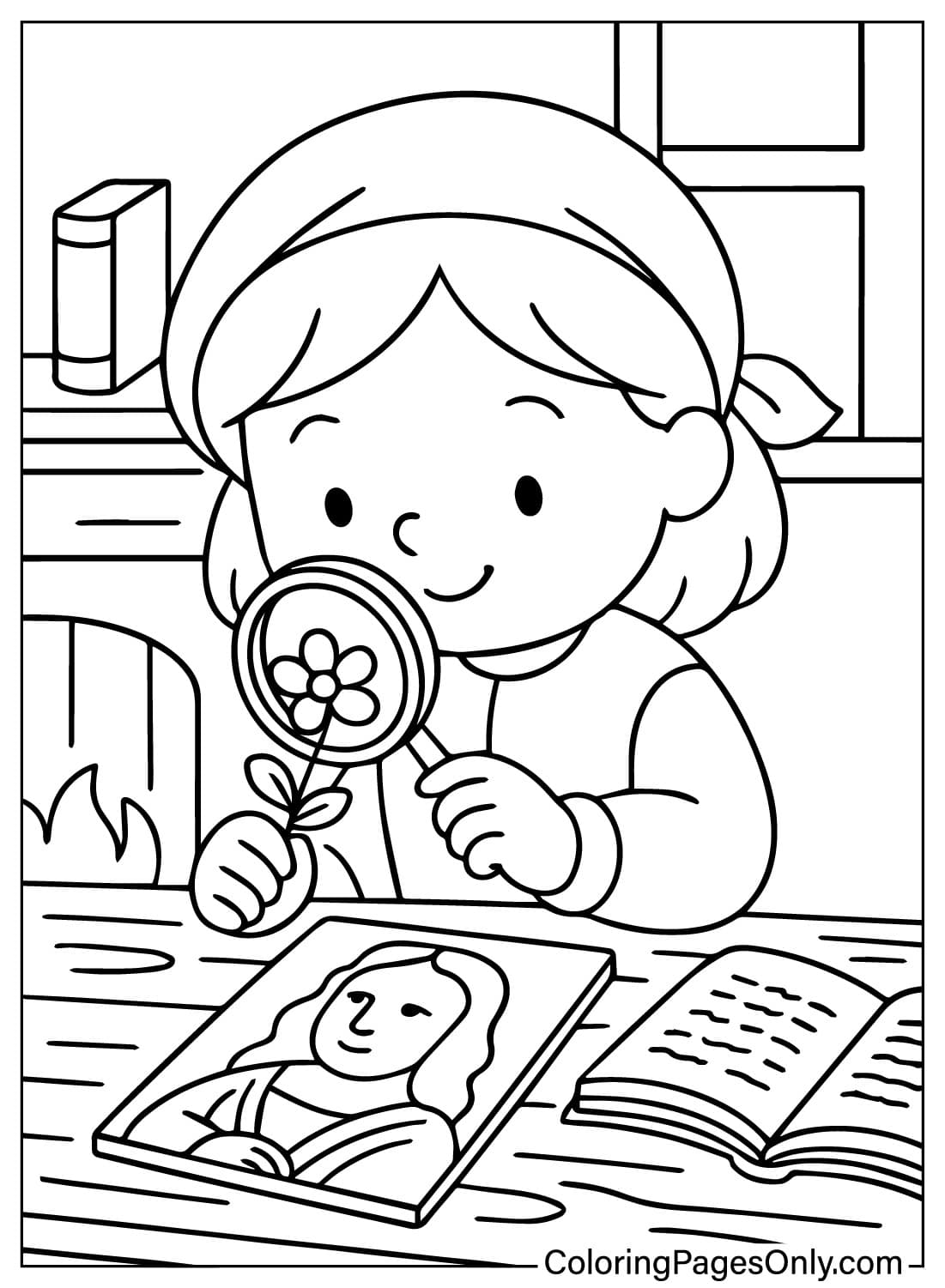
This group shows painters, sculptors, and students at work, plus two pages referencing well-known Renaissance artworks. Coloring suggestion: use rich, warm pigments, ochre, deep red, gold leaf tones, for painted scenes, since Renaissance artists were known for exactly that kind of warm, layered color palette.
Science and Discovery
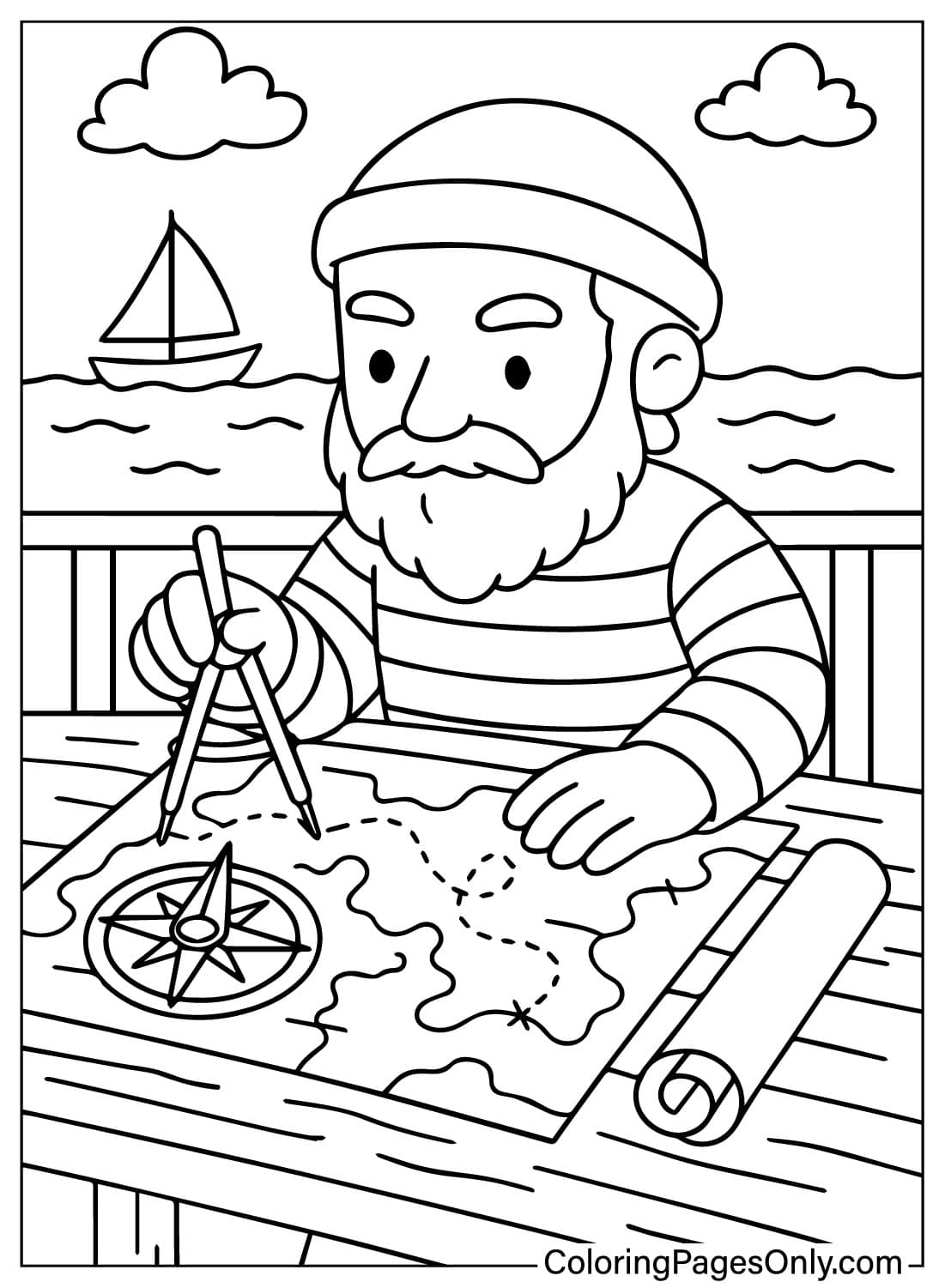
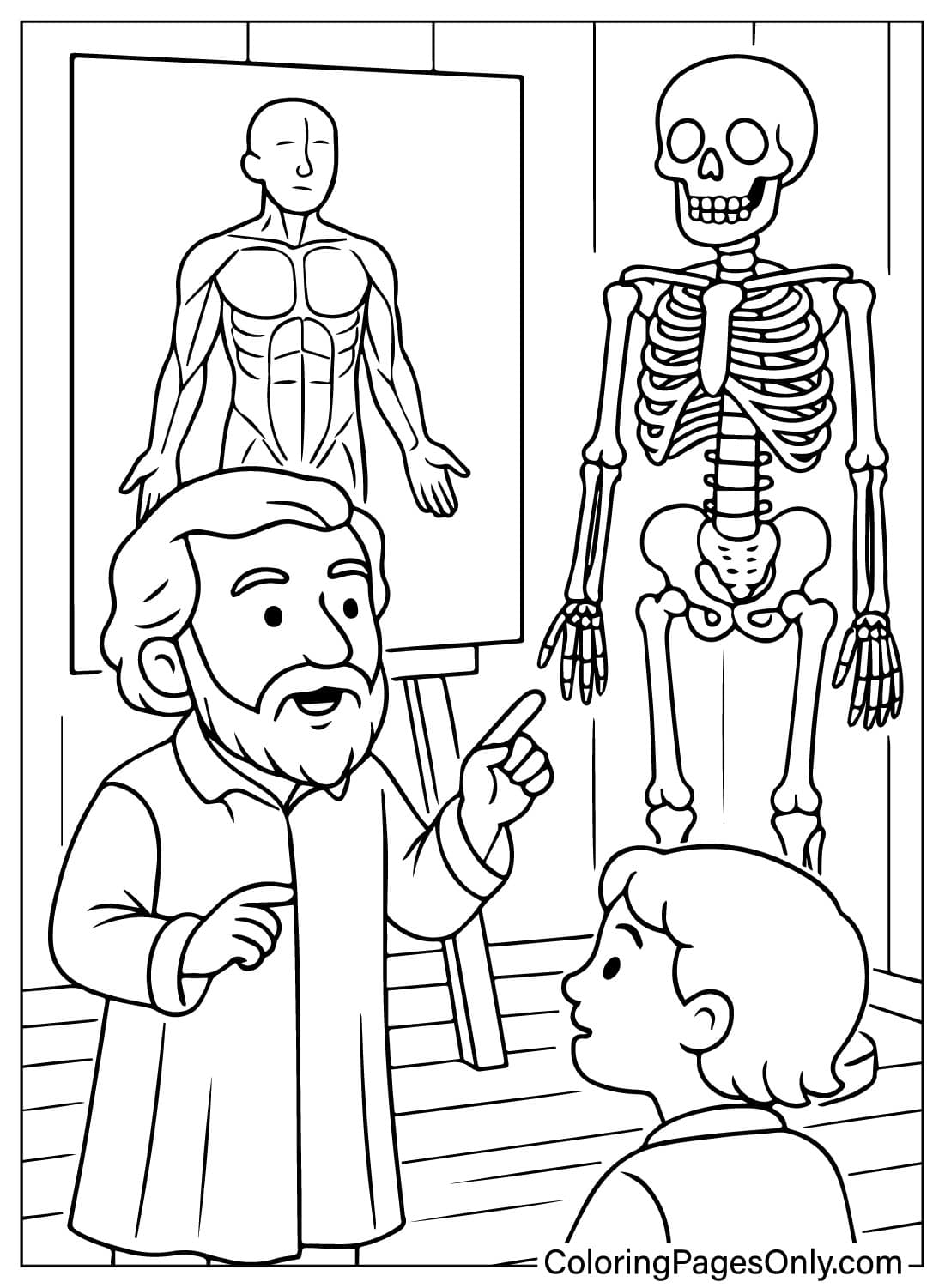
These pages cover the era’s scientific curiosity: astronomy, early lens work, anatomy studies, and navigation. Coloring suggestion: keep instruments like telescopes and astrolabes in cool metallic tones, brass and silver, to distinguish scientific tools from the warmer colors used elsewhere in the collection.
Books and Learning
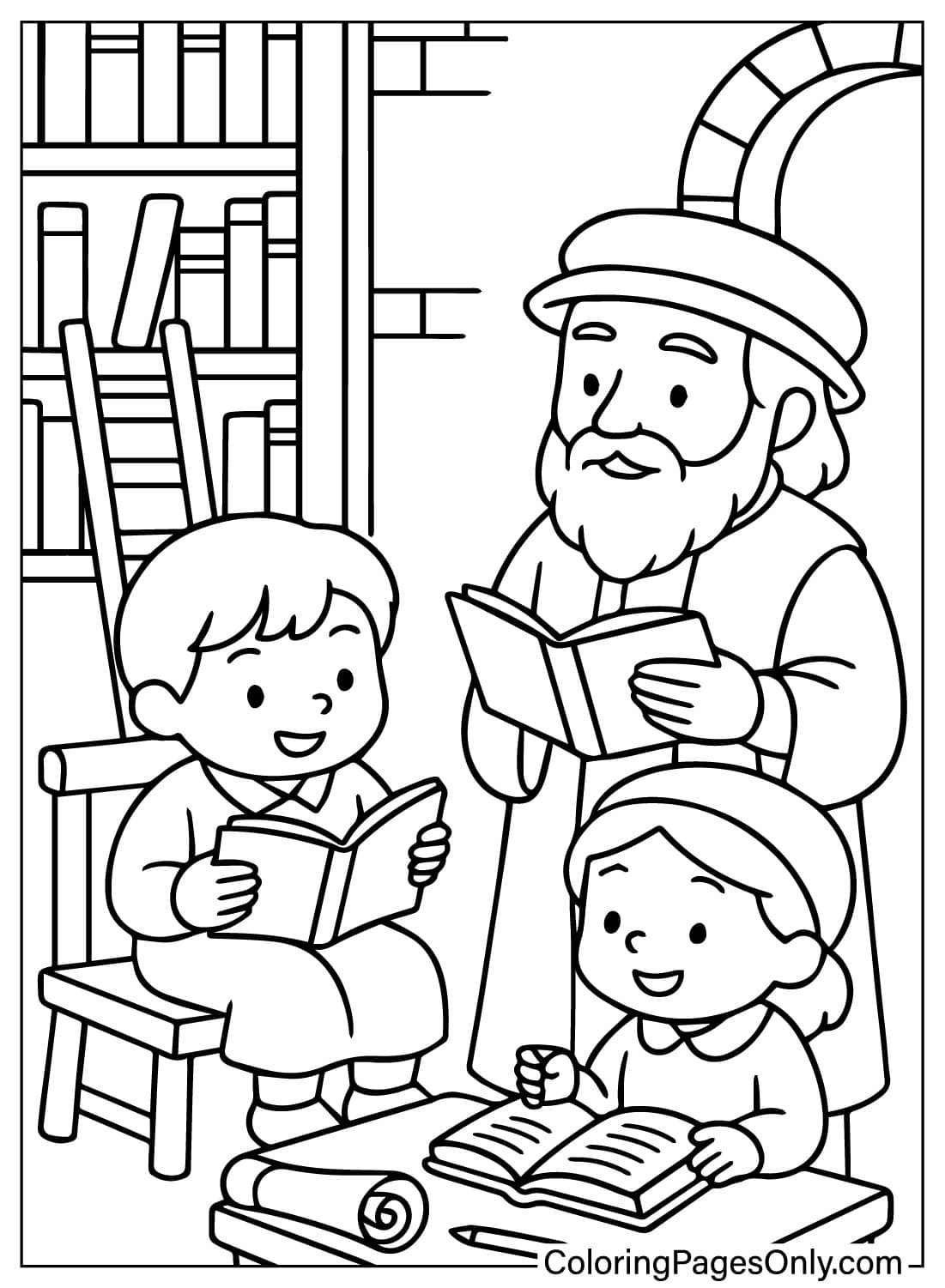
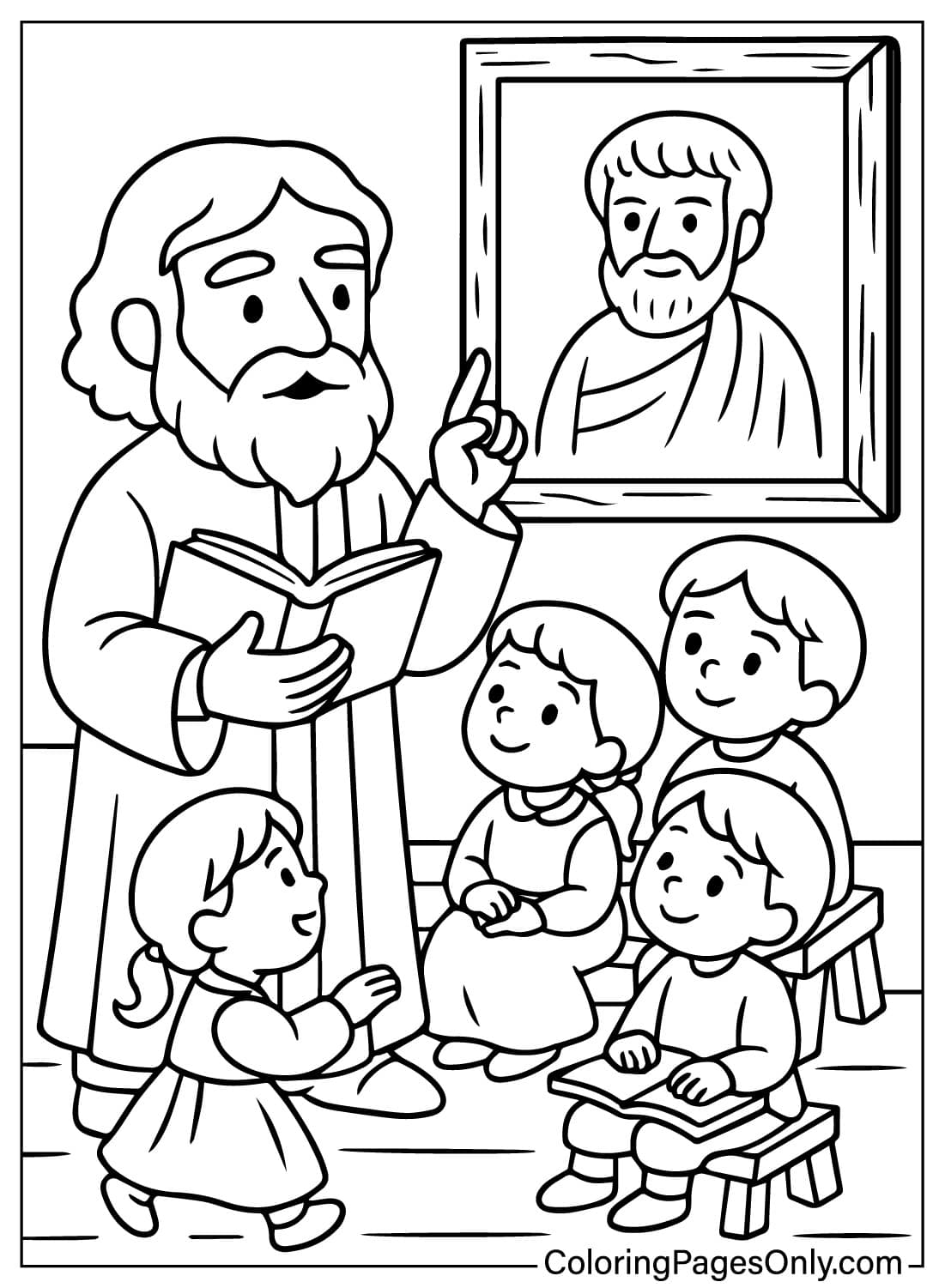
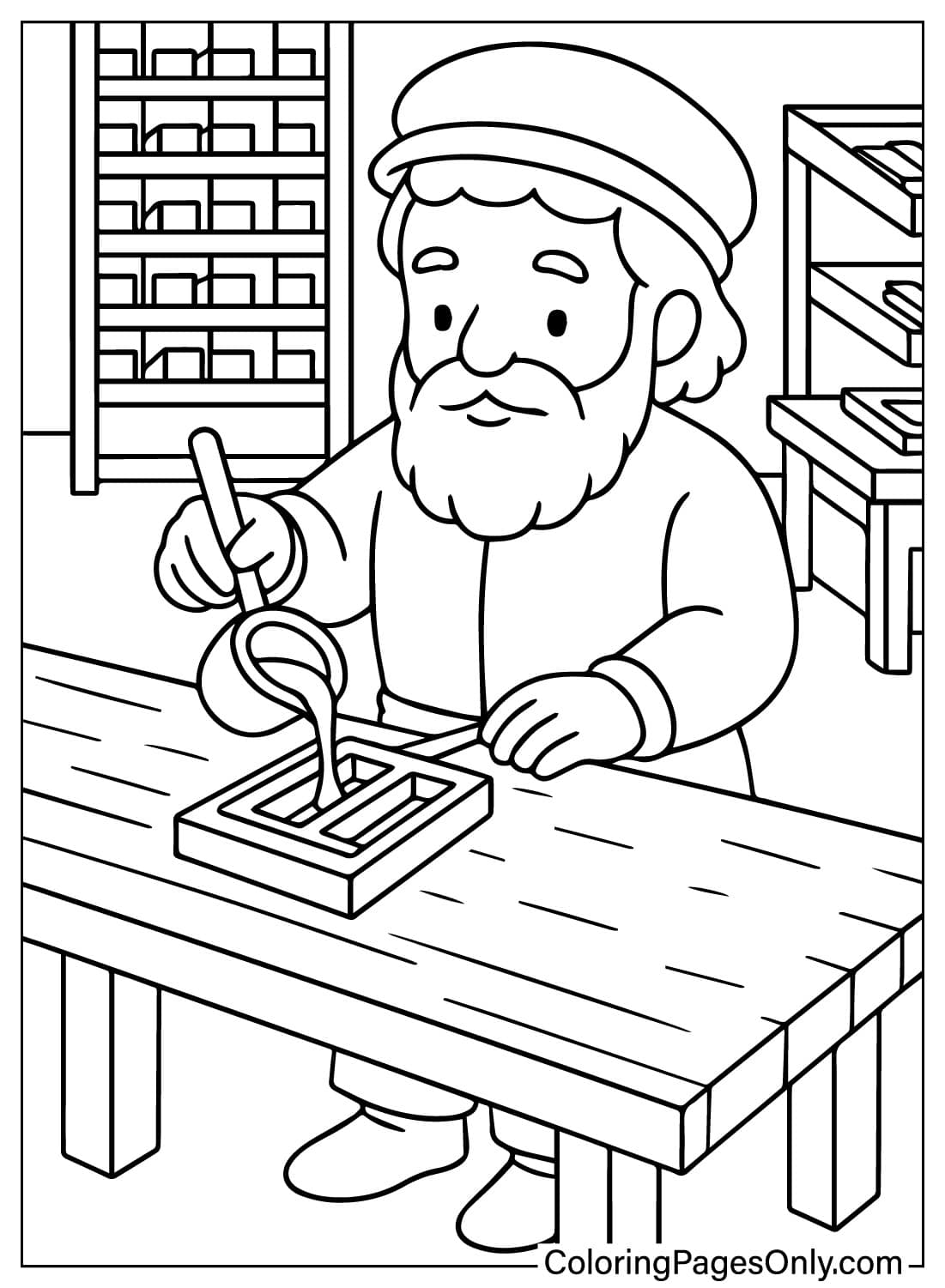
This group centers on the spread of knowledge: a library, a lecture hall, a printing press, and bookbinding and bookselling scenes. Coloring suggestion: use warm browns and tans for leather book bindings and wooden shelving, since this group benefits from a cozy, scholarly palette rather than bright color.
Architecture and City Life
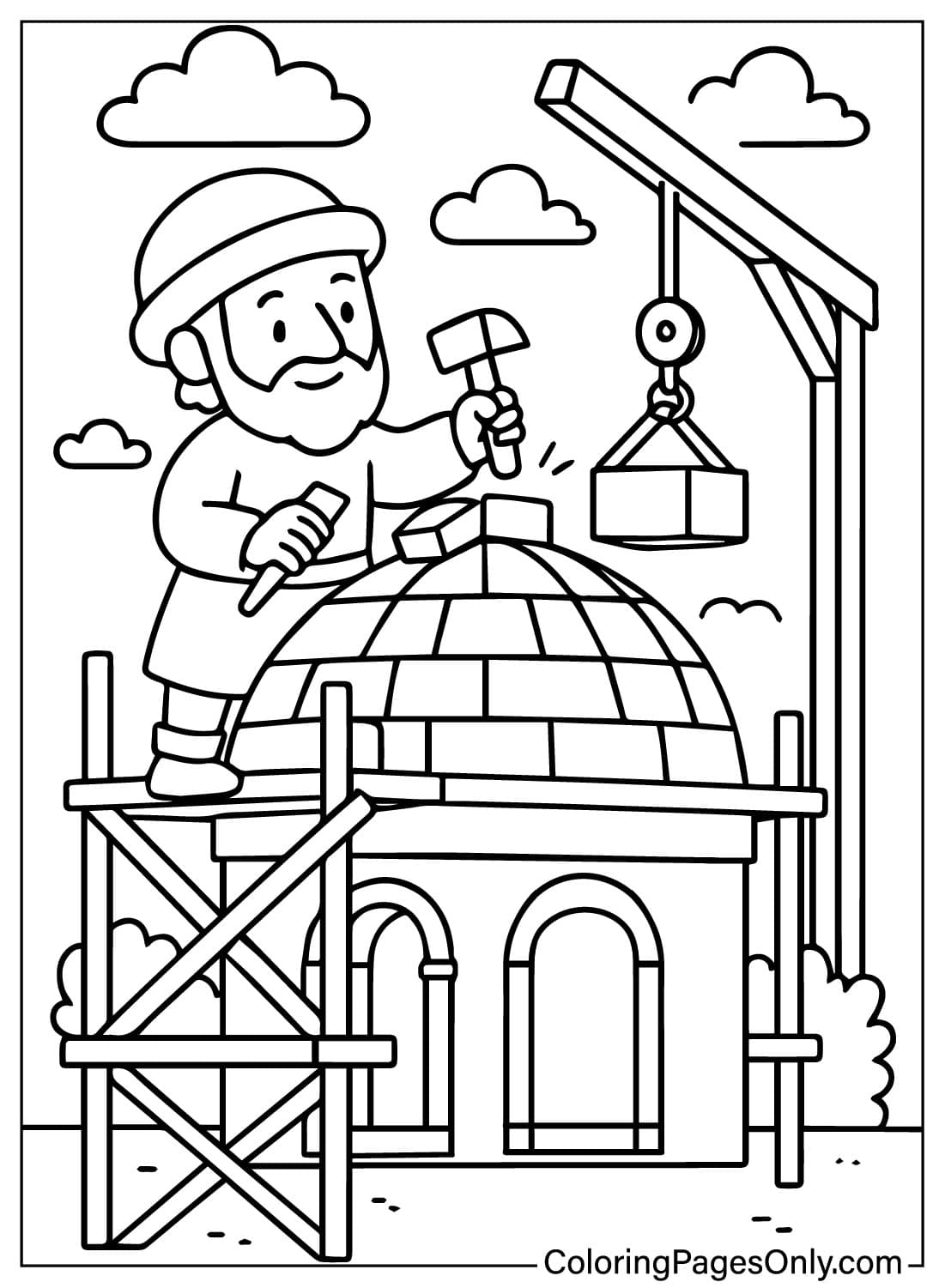
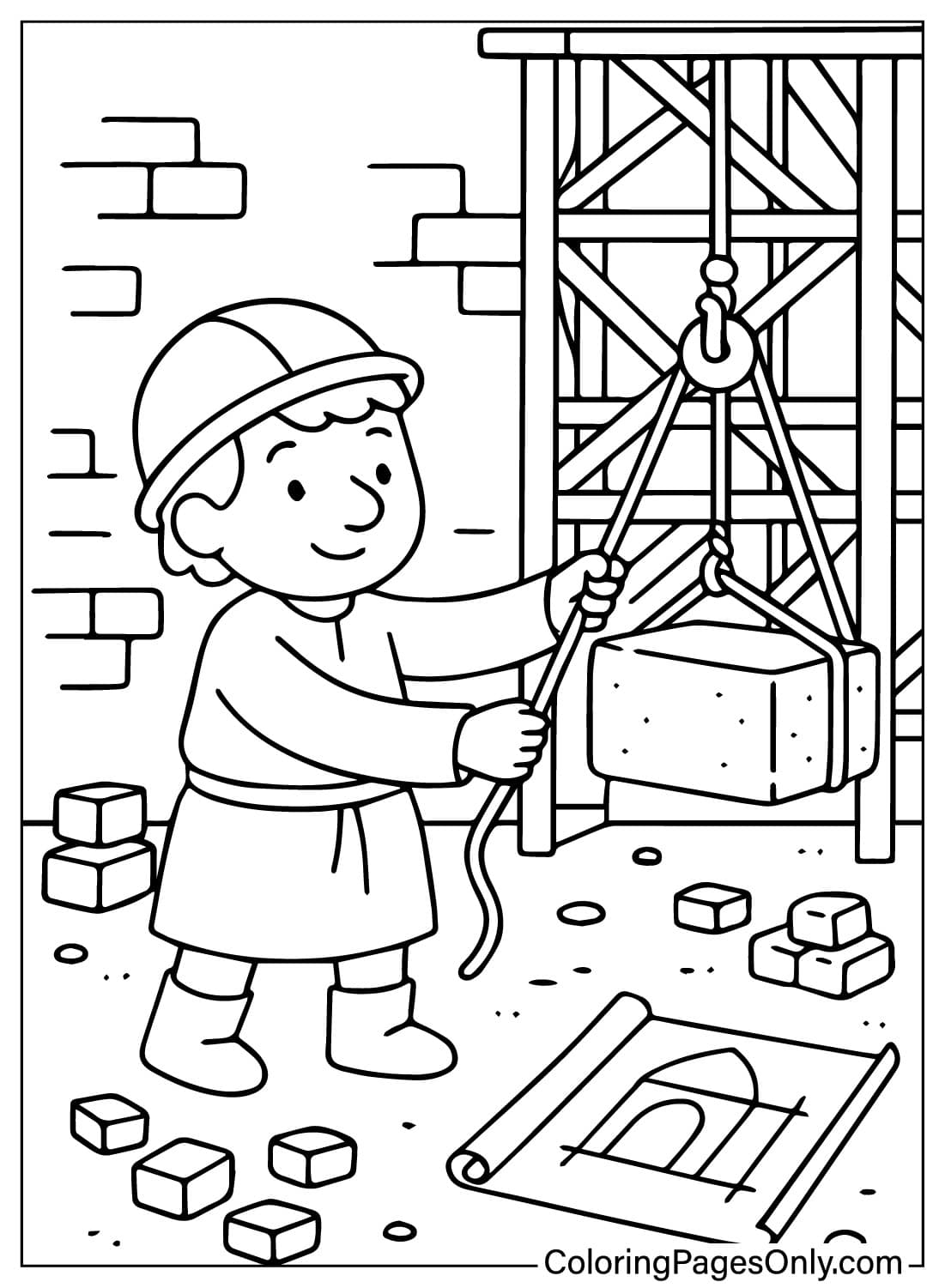
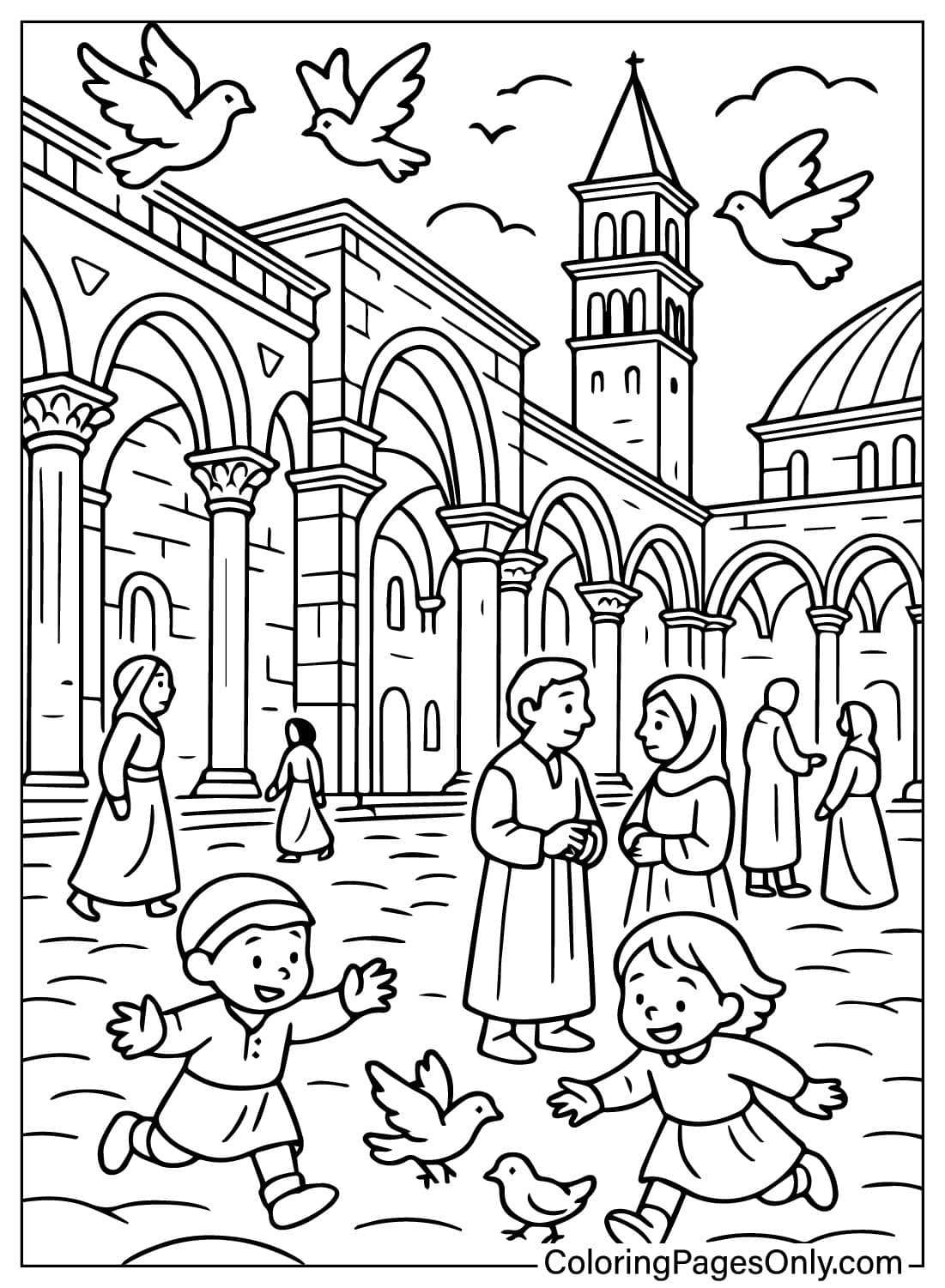
These pages show the built environment of the period: castles, domes, city gates, construction scenes, and an Italian town square. Coloring suggestion: keep stone and masonry in realistic grays and tans, and save brighter colors for flags, awnings, or clothing so the architecture itself reads as solid and structural.
Everyday Culture
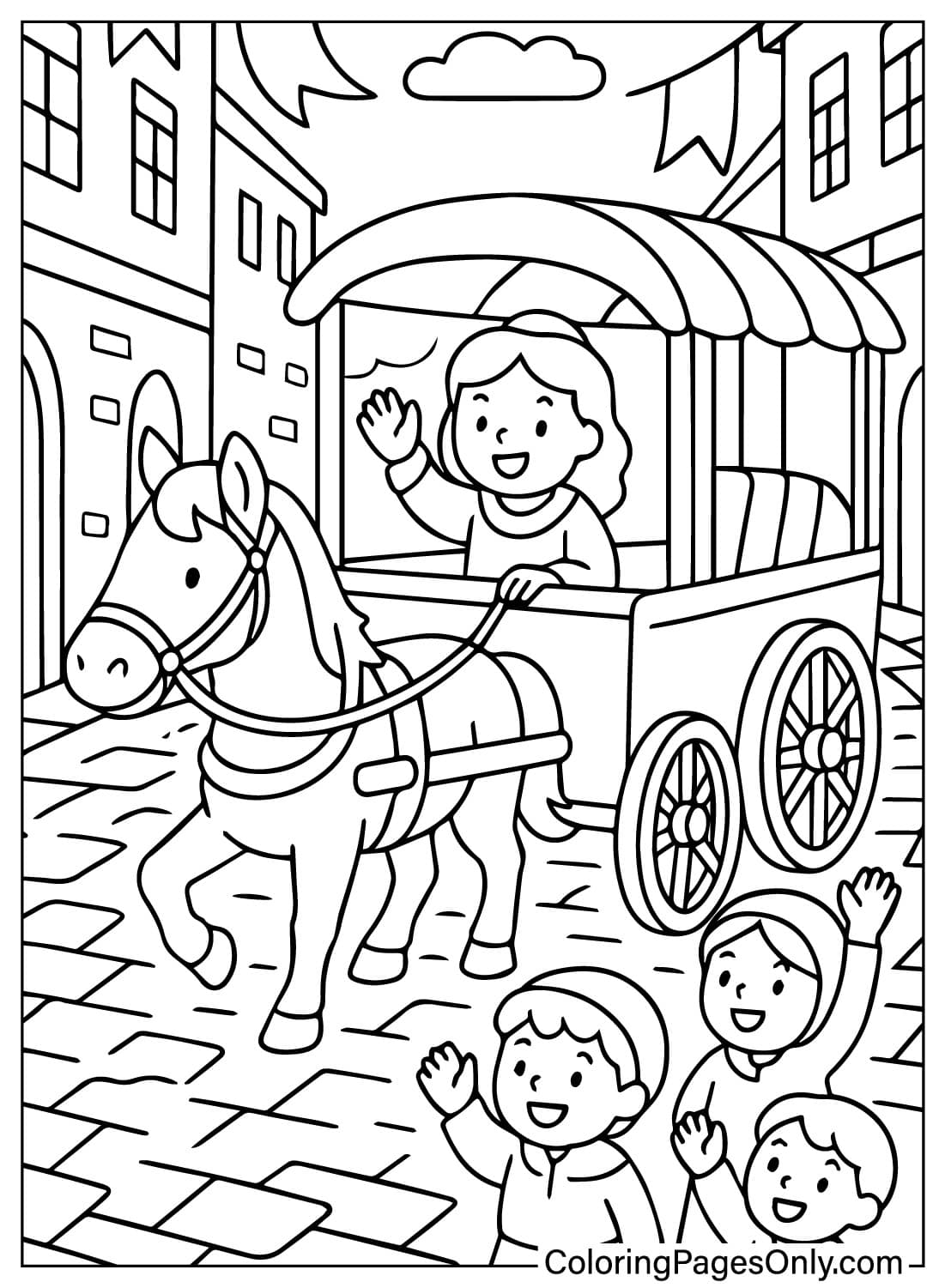
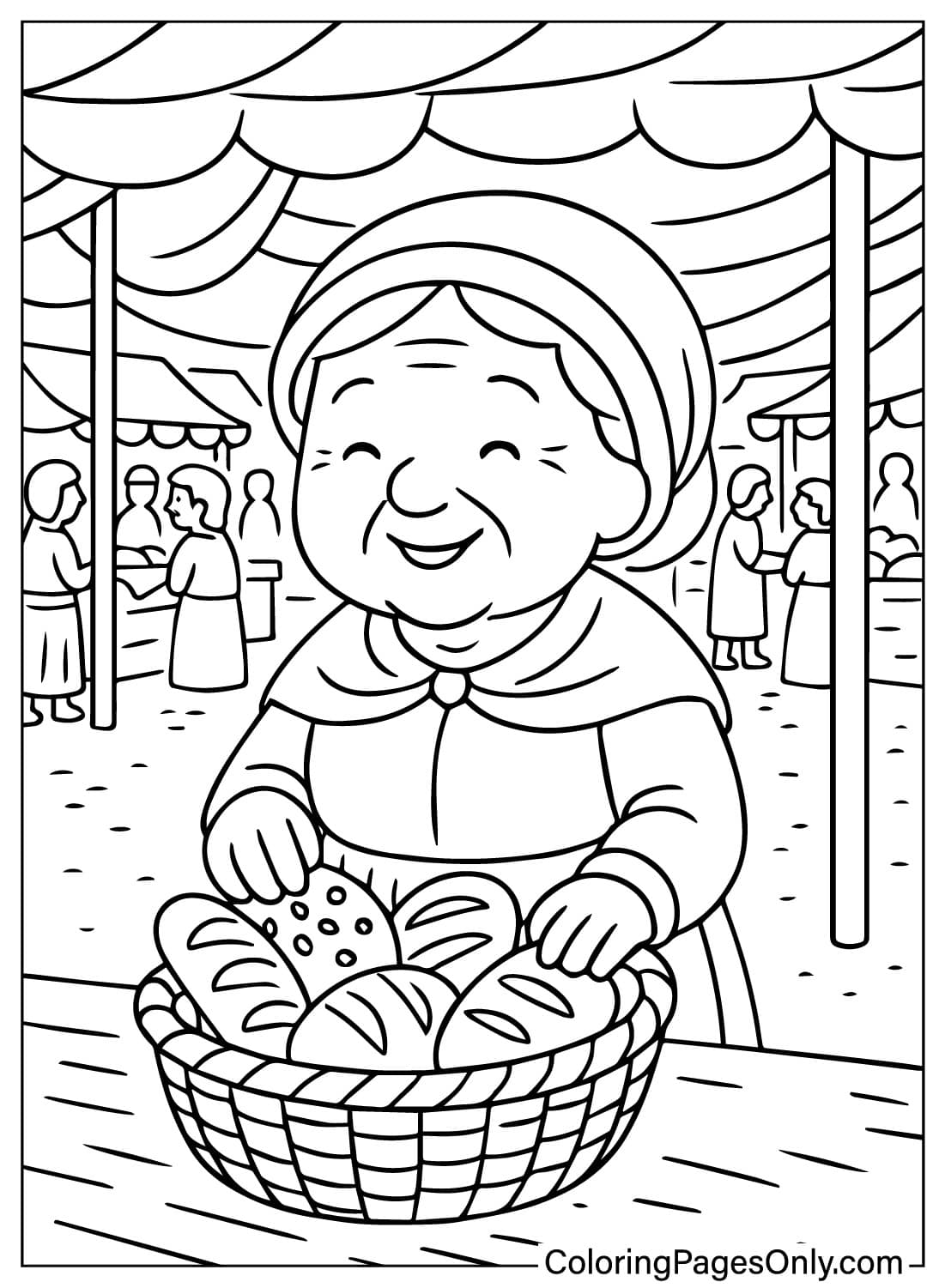
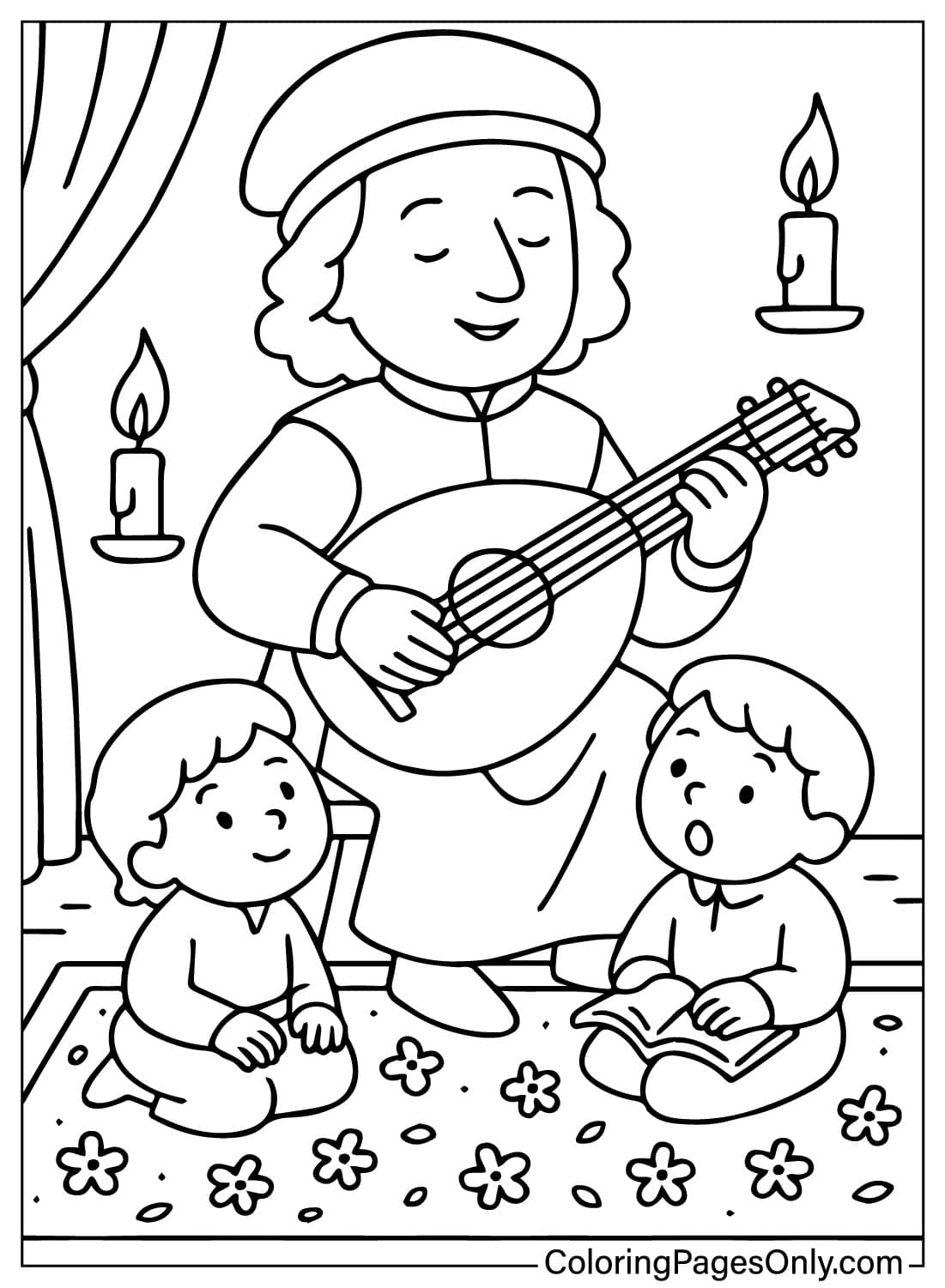
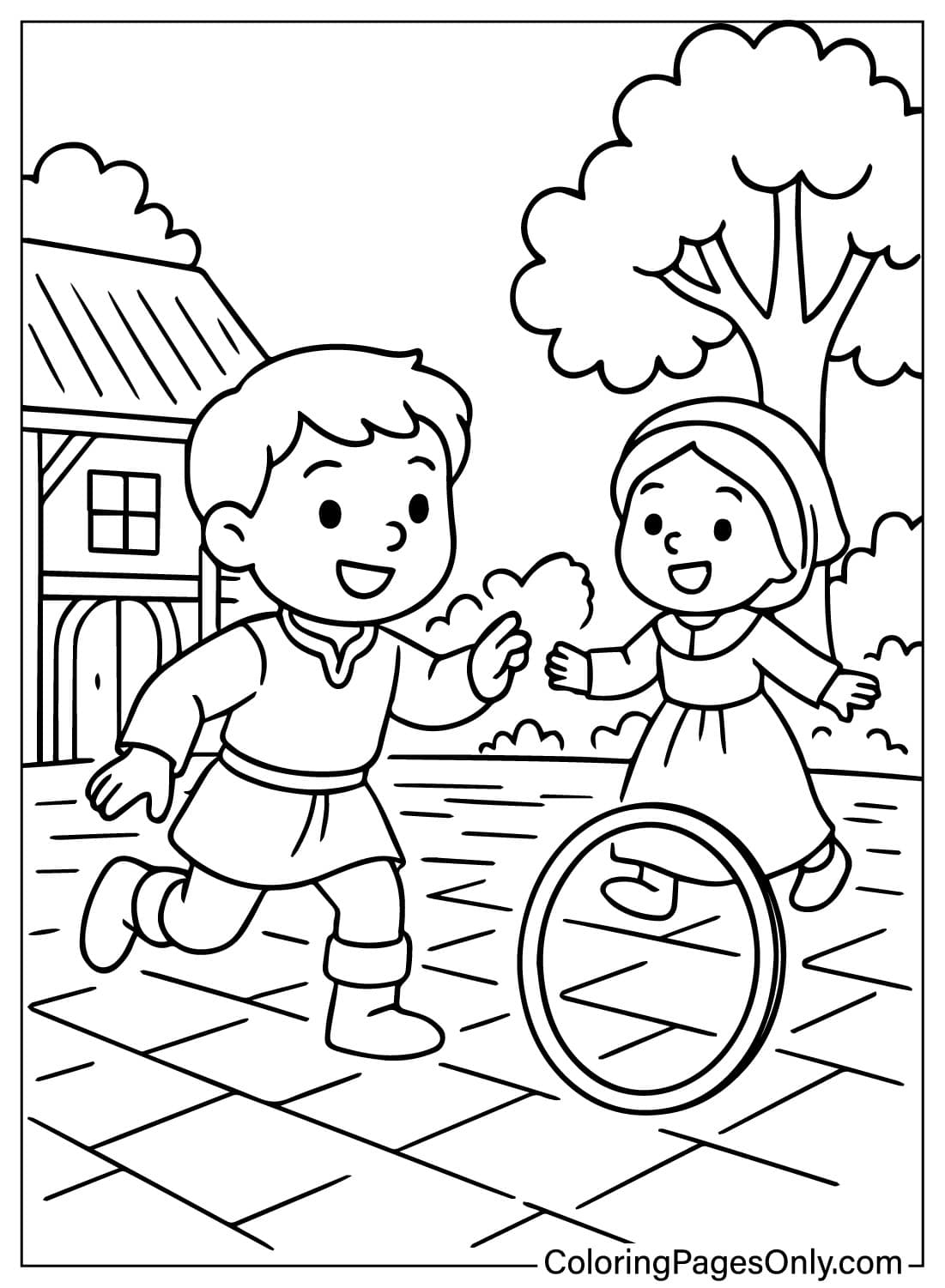
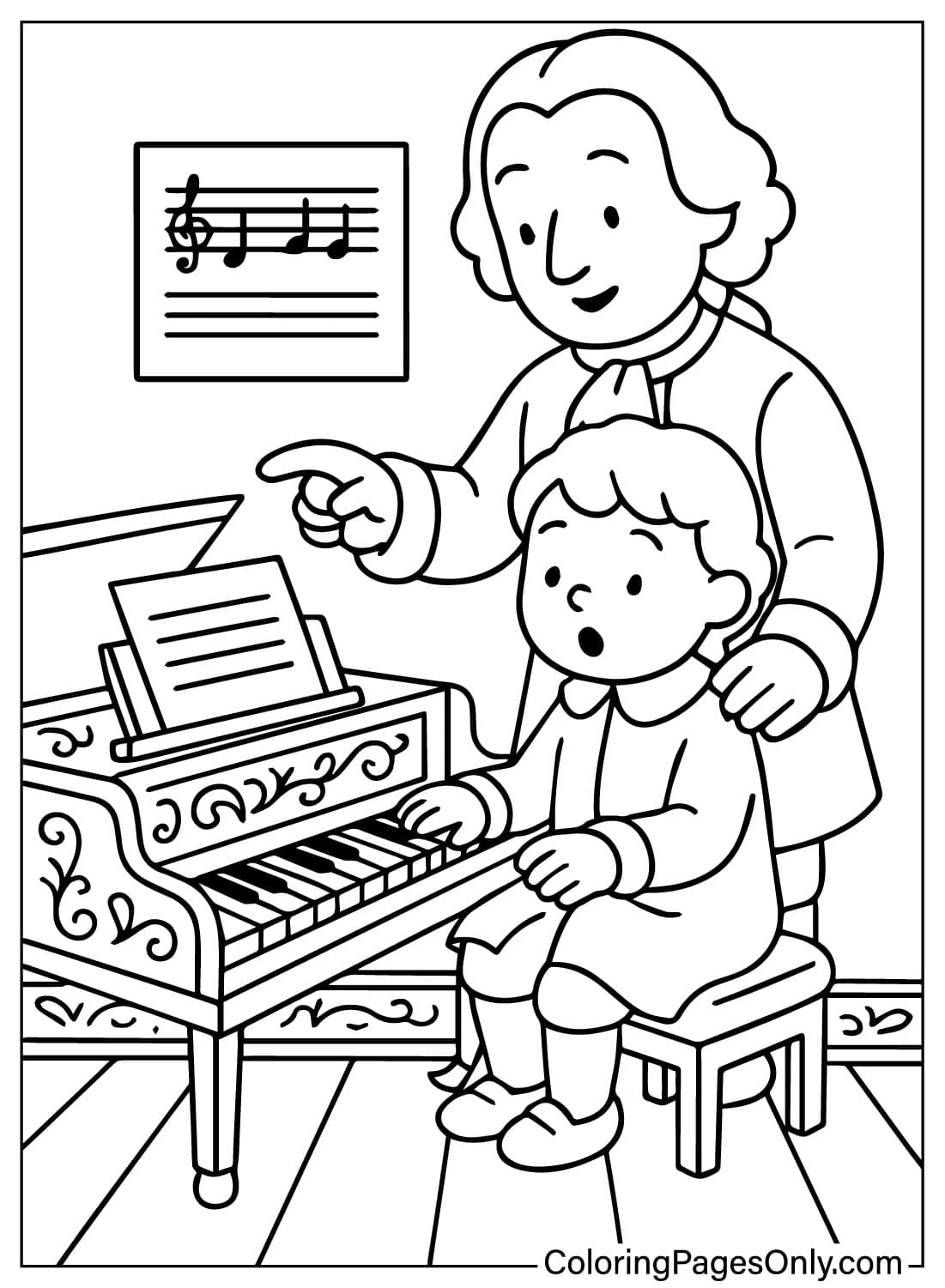
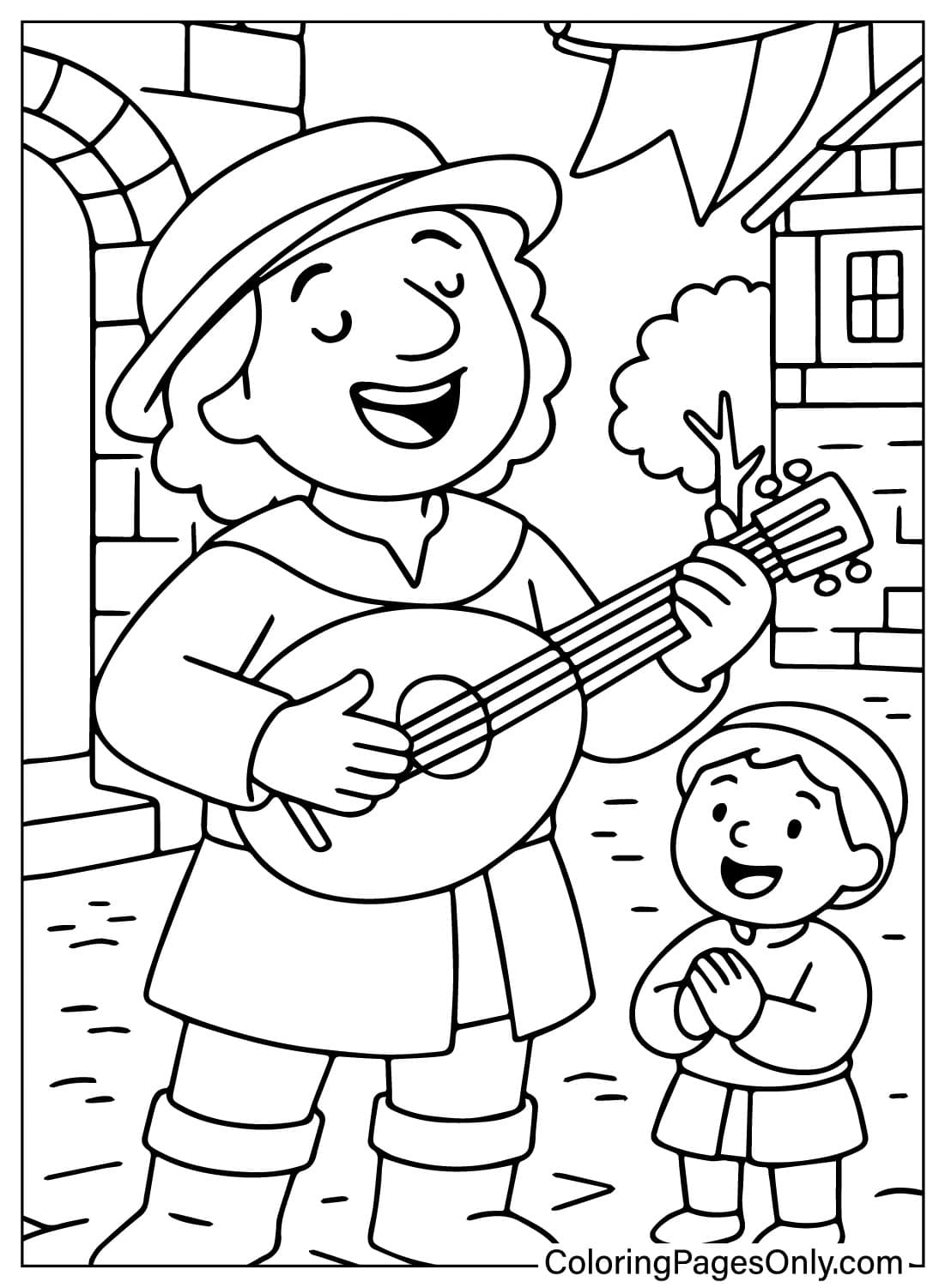
The largest group covers daily life: markets, family meals, music, dancing, games, and clothing. Coloring suggestion: this group works well for the widest color range in the whole collection, since these scenes are about ordinary color and texture rather than a single controlled palette.
What Renaissance Coloring Pages Do
Several small sections, one figure. Renaissance clothing was often layered and patterned, with sleeves, collars, and fabric folds, which gives a child practice filling in several small, distinct sections on one figure rather than one large uniform shape, the kind of varied fine motor practice the American Academy of Pediatrics associates with structured coloring in children ages two through seven.
Funded by traders, not just talent. Much of the art and architecture in this collection existed because wealthy trading families like the Medici, who made their fortune through banking and wool, chose to pay for it, a reminder that Renaissance art depended as much on patrons willing to fund it as on the artists themselves.
A calm return to learning, echoed in the activity. Renaissance literally means “rebirth,” and the period is defined by a renewed, unhurried return to learning and observation after a difficult stretch of history. This theme lines up loosely with the same kind of calm, restorative session a 2005 Art Therapy Journal study linked to reduced anxiety after structured coloring.
Ideas that traveled at the speed of a horse. Even after Gutenberg’s printing press made books faster to produce, spreading a new idea across Europe still took years rather than seconds, a useful contrast for a child used to information moving instantly today.
How to Color Renaissance Pages Well
- Clothing: layer at least two colors per outfit, a base fabric tone plus a contrasting trim or sleeve color, since Renaissance dress was rarely one flat color.
- Art and painting scenes: use warm, rich pigments, ochre, deep red, and gold for any painted artwork shown within a page, echoing the actual color palette Renaissance painters favored.
- Scientific instruments: keep telescopes, astrolabes, and lenses in cool metallic tones, brass or silver, distinct from the warmer human and fabric colors around them.
- Architecture: use realistic stone grays and tans for buildings and domes, saving brighter colors for flags, banners, and clothing so the structures themselves stay grounded.
- Books and printing scenes: use warm browns for leather bindings and wood shelving, with a muted cream for open book pages.
- Market and festival scenes: this is the best group for bold, varied color, since these pages are meant to feel busy and lively rather than restrained.
5 Creative Craft Ideas With Renaissance Coloring Pages
1. Renaissance Fact Cards
Color a few pages and write one real historical fact on the back of each, building a simple set of Renaissance fact cards.
2. Mini Illuminated Manuscript
Color the library or bookstore page, then add hand-drawn decorative borders around the edges, inspired by illuminated manuscript pages.
3. Patron and Artist Pairing
Color an artist page and a market or architecture page, then talk through how a wealthy patron might have funded the scene shown.
4. Florence Street Map
Color a few of the city and architecture pages and arrange them on a poster to build an imagined map of a Renaissance city.
5. Renaissance Timeline Wall
Color several pages in the order they’d likely happen in a day, learning, working, eating, celebrating, and pin them along a wall as a simple timeline.
Frequently Asked Questions
What are Renaissance coloring pages?
A free set of 34 printable designs covering Renaissance art, science, architecture, and daily life from 14th- to 17th-century Europe. Every page downloads as a PDF or opens in the online coloring tool without an account.
When and where did the Renaissance begin?
The Renaissance began in Florence, Italy, in the 14th century, spreading across Europe over the following three centuries.
Who funded most Renaissance art?
Wealthy patrons, most famously the Medici family of Florence, built their fortune through banking and the wool trade and used it to support artists, architects, and scholars.
Was the printing press invented in Italy?
No. Johannes Gutenberg built the printing press in Germany around 1440, decades before many of the Renaissance’s best-known Italian paintings and sculptures were created.
What does the word “Renaissance” mean?
It means “rebirth” in French, referring to renewed interest in classical Greek and Roman art, learning, and ideas after the preceding centuries.
Can these pages be colored without printing them?
Yes. Every page in the set opens directly in the site’s browser-based coloring tool, so a page can be finished on screen before deciding whether to print it.
Are Renaissance coloring pages suitable for young children?
The simpler single-figure pages work well for a young child. The busier market, city, and multi-figure scenes carry more detail and suit an older child better.
Do any pages reference real historical artworks?
Two pages nod to well-known Renaissance works, though both are centuries old and firmly in the public domain, and the pages themselves are original line-art interpretations rather than reproductions.
Start Coloring
Every page here is its own small rebirth: a blank outline waiting for color, free to download as a PDF or fill in online, no account needed. Once it’s finished, share it through the Facebook or Pinterest buttons at the top of the design.