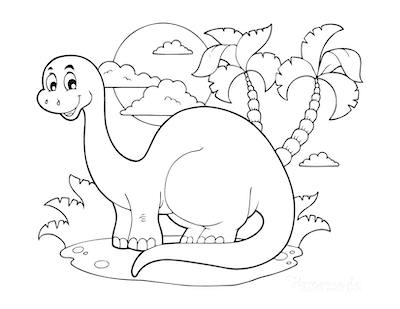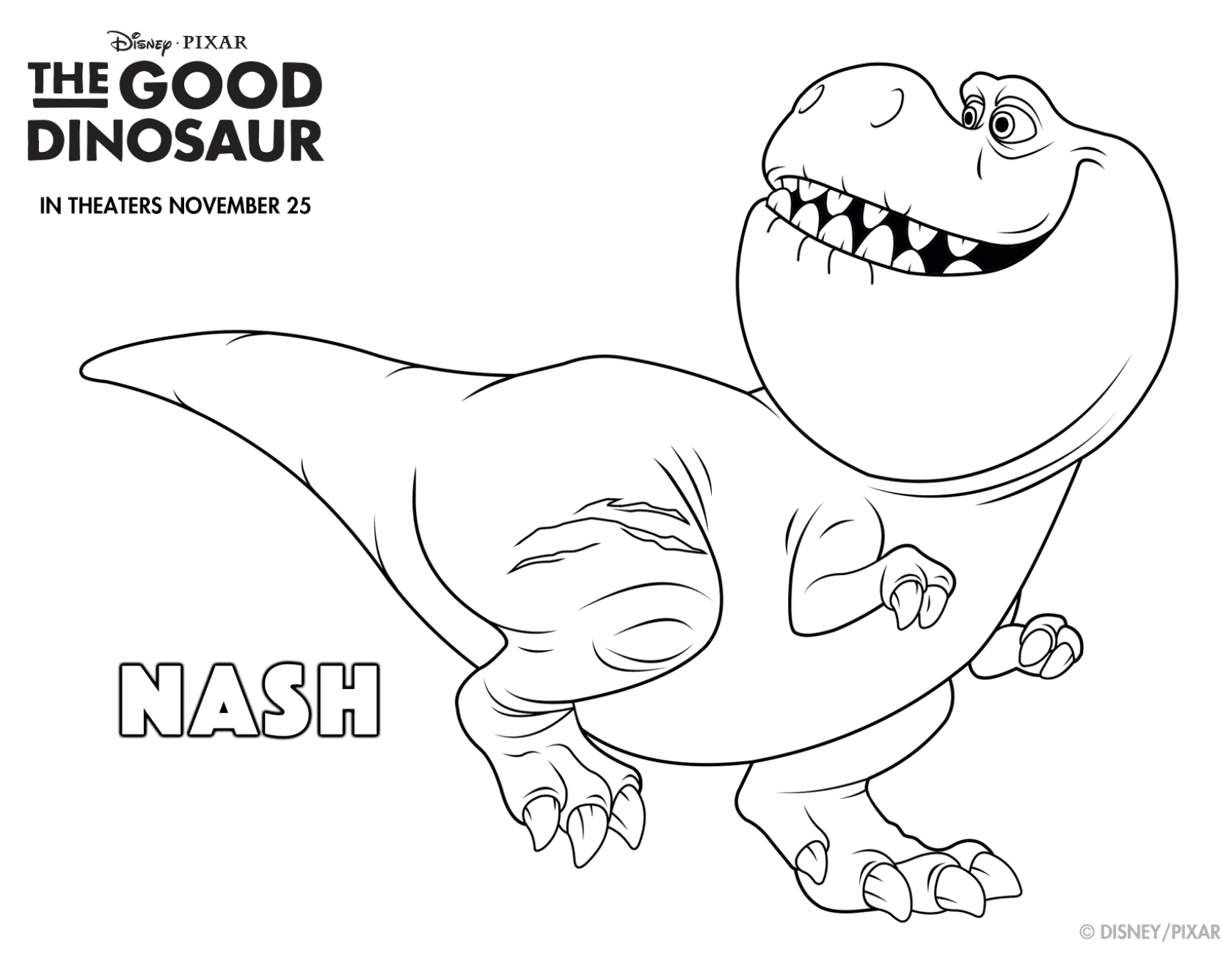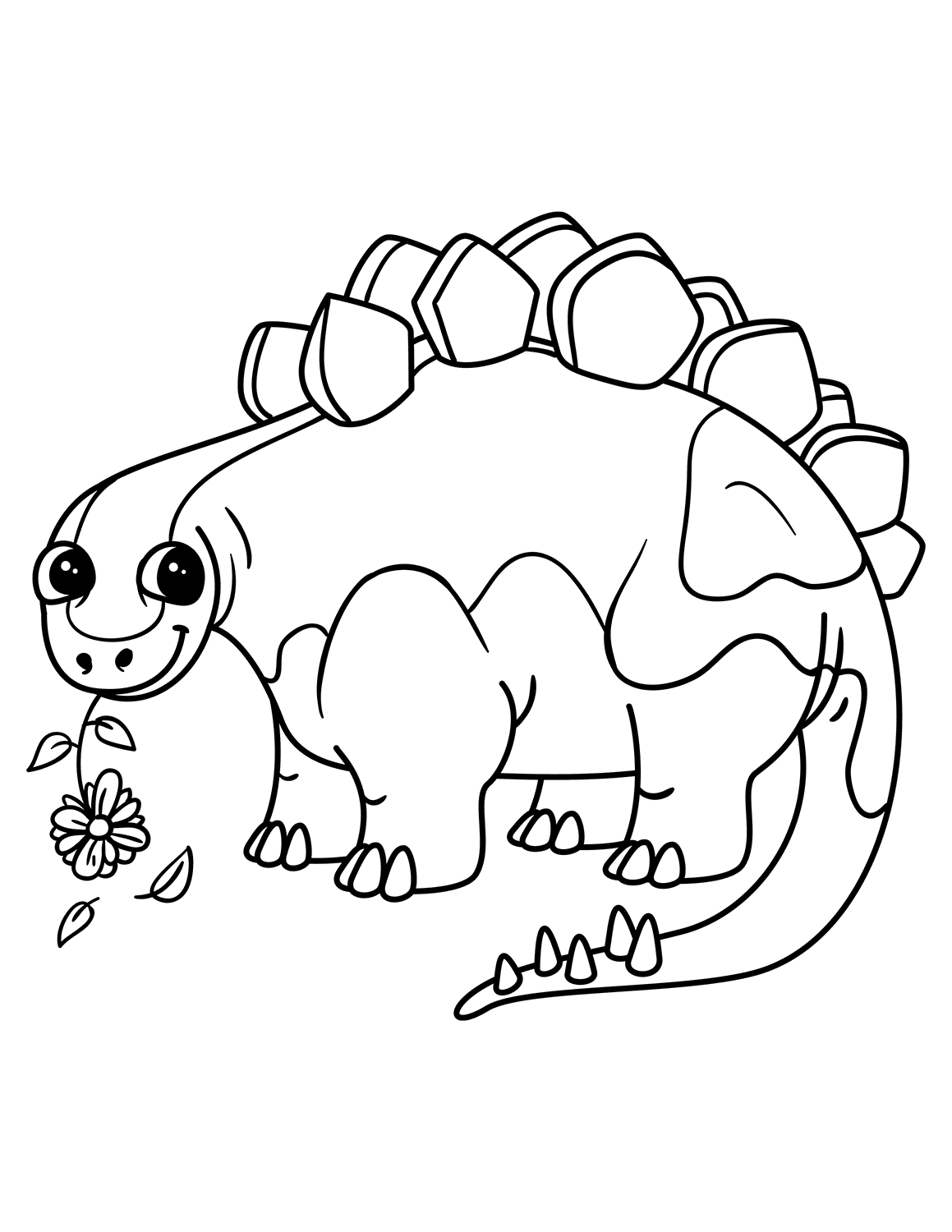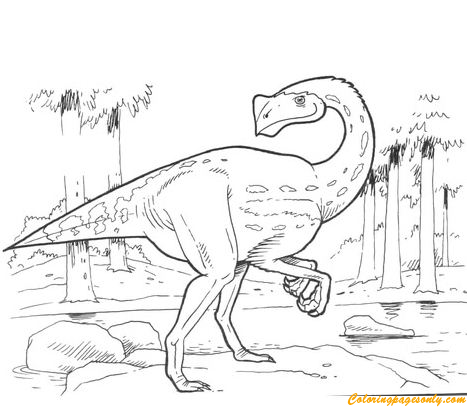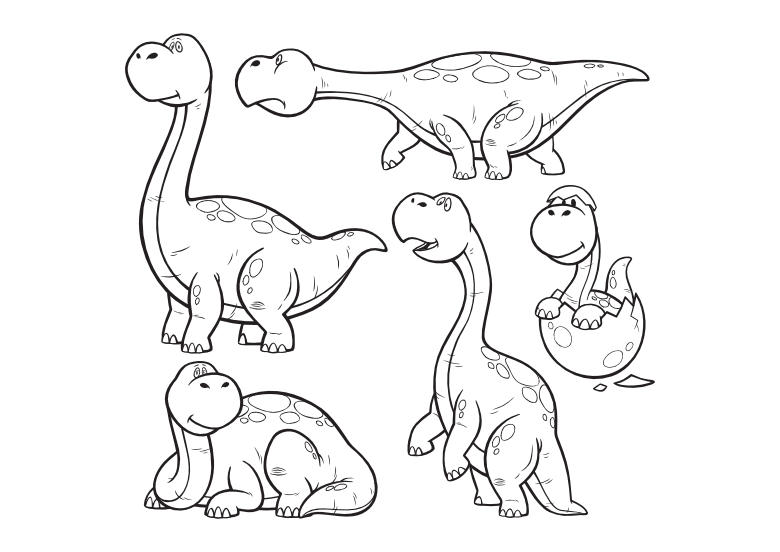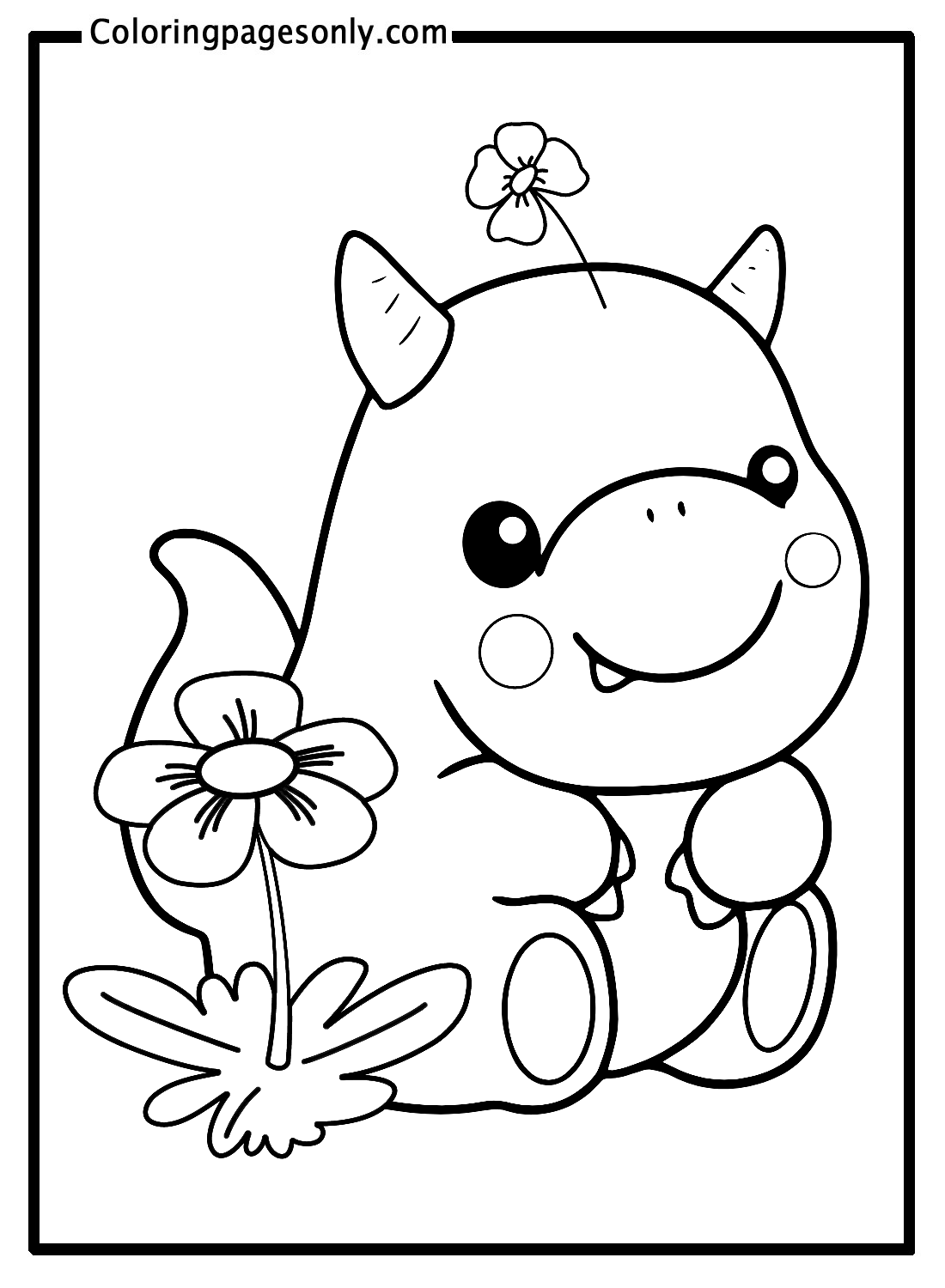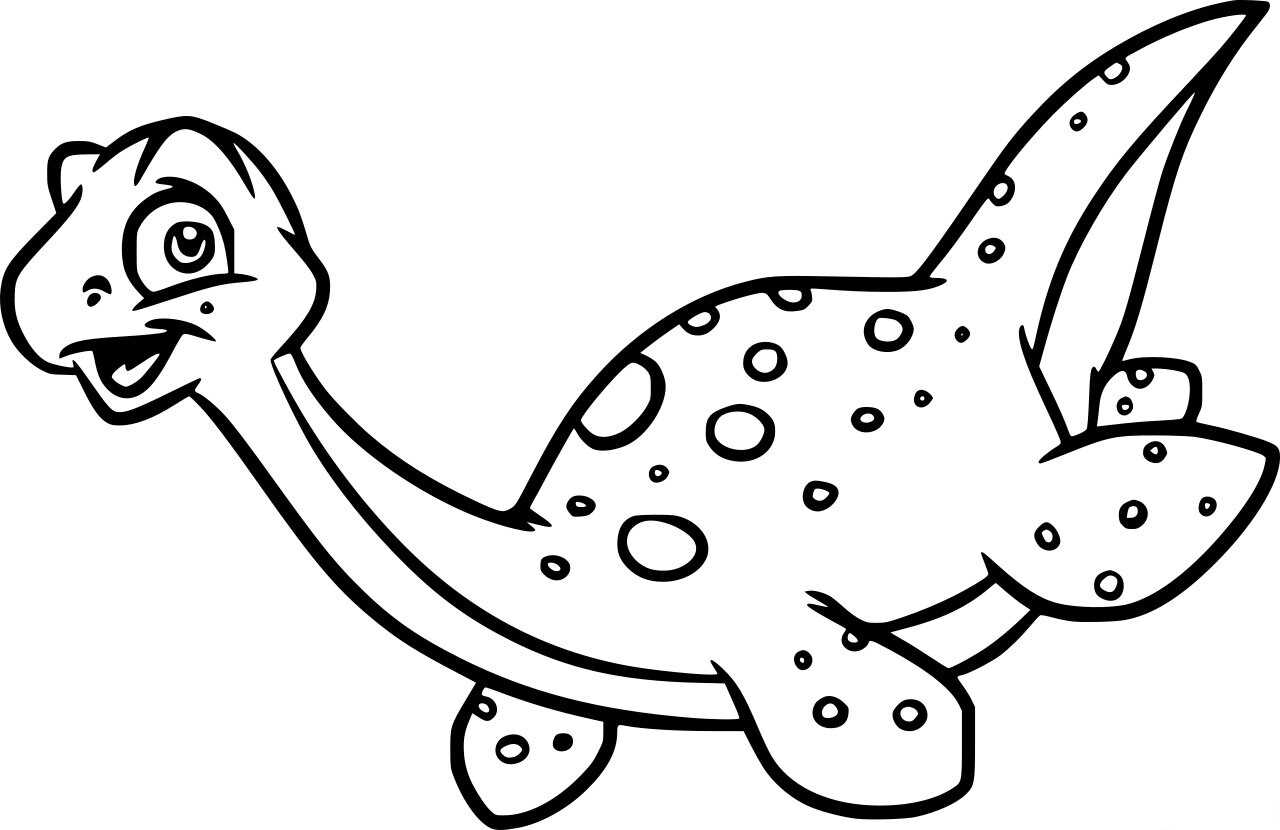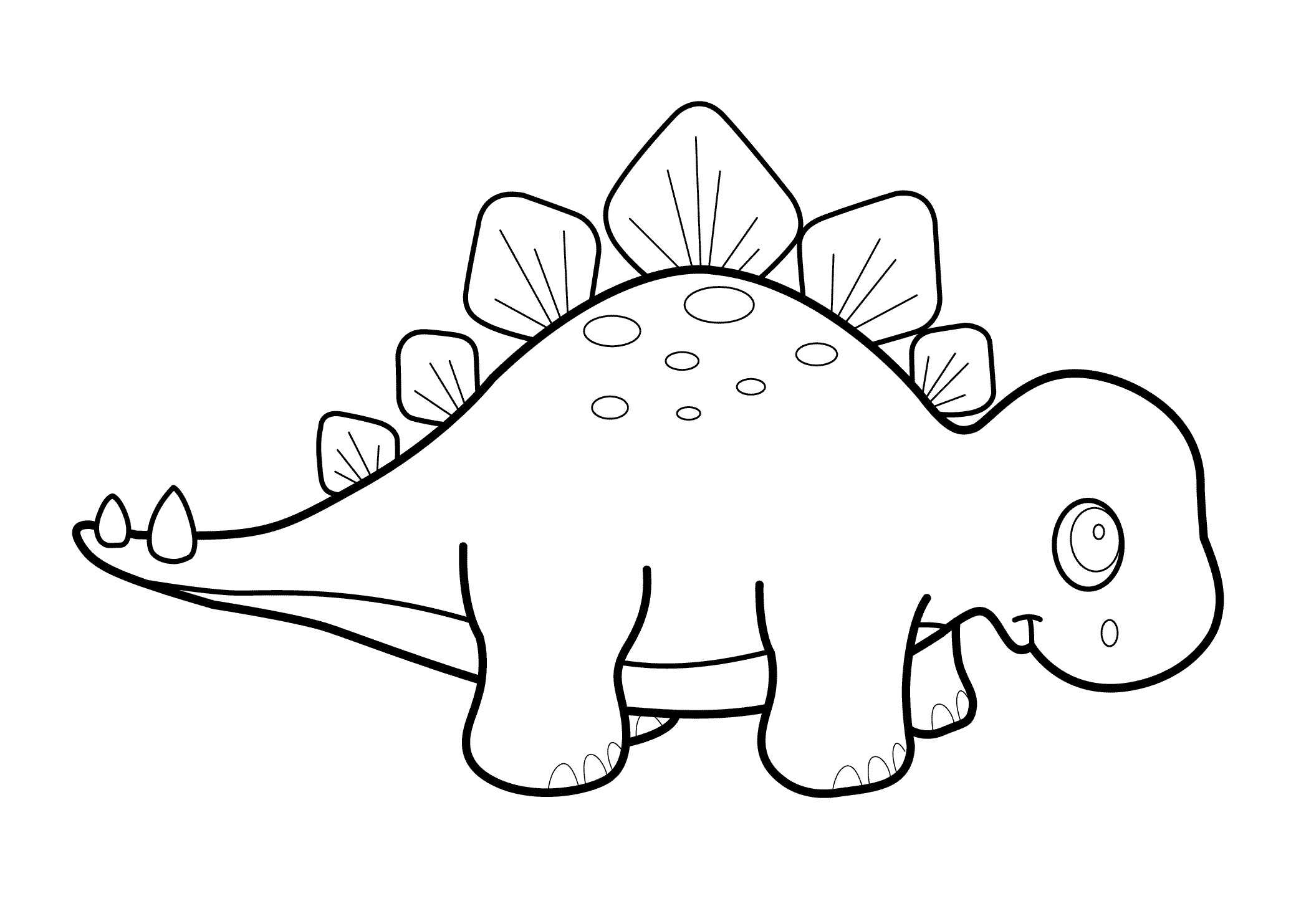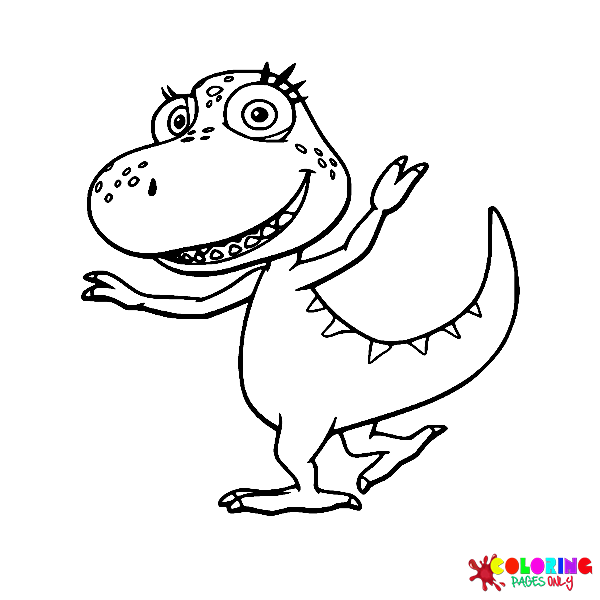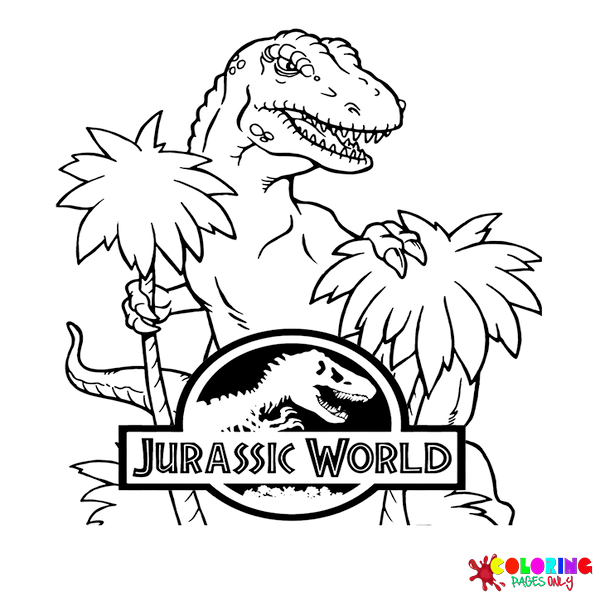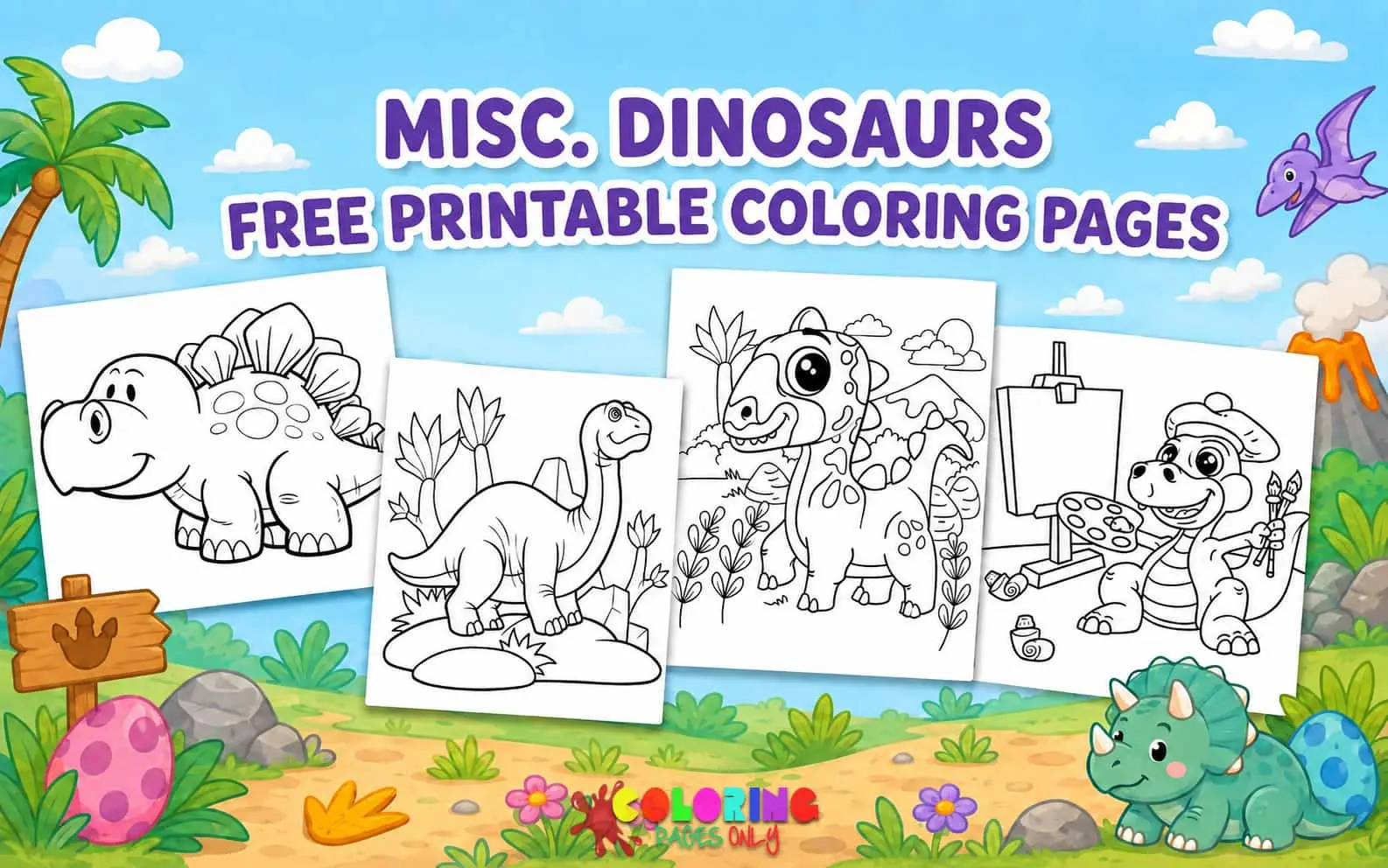
Free Misc. Dinosaurs Coloring Pages: 60+ printable pages featuring cute baby dinosaurs, T. rex, Triceratops, Stegosaurus, Brachiosaurus, Plesiosaurus, Pteranodon, Quetzalcoatlus, Styracosaurus, dinosaur eggs, hatching dinosaurs, footprints, bones, volcano scenes, dinosaur life cycle pages, mother and baby dinosaurs, cartoon dinosaurs, dinosaur train, funny activity dinosaurs, animated-style dinosaur friends, and rare prehistoric creature designs. These coloring sheets are great for kids, parents, teachers, dinosaur fans, preschool activities, prehistoric animal lessons, fossil crafts, volcano projects, fine motor practice, classroom art centers, and screen-free creative time. All free, PDF or PNG, print or color online.

Misc. Dinosaur coloring pages are special because they are not limited to one dinosaur species. Here, “Misc.” means a mixed prehistoric collection for kids who want many dinosaur and prehistoric themes in one place. This page works like a discovery sampler, bringing together cute dinosaurs, baby dinosaurs, giant dinosaurs, flying prehistoric creatures, water-dwelling prehistoric reptiles, fossils, tracks, eggs, volcanoes, life cycle scenes, and playful cartoon moments.

Unlike a single-species dinosaur page, Misc. Dinosaurs pages help children compare many shapes, sizes, poses, and story ideas. Kids can move from a smiling baby dinosaur to a powerful T. rex, then to long-neck Brachiosaurus, plated Stegosaurus, horned Triceratops, flying creatures, fossil bones, and volcano scenes. Some pages feel cute and simple for preschoolers. Some feel like adventure scenes. Some introduce eggs, footprints, fossils, and life cycles. Others turn dinosaurs into funny characters playing, running, painting, holding gifts, or joining story-style scenes. This mix makes the page useful for coloring, storytelling, classroom discussion, pretend paleontology, and creative dinosaur crafts.

What’s Inside

Cute, Simple, and Preschool Dinosaur Coloring Pages

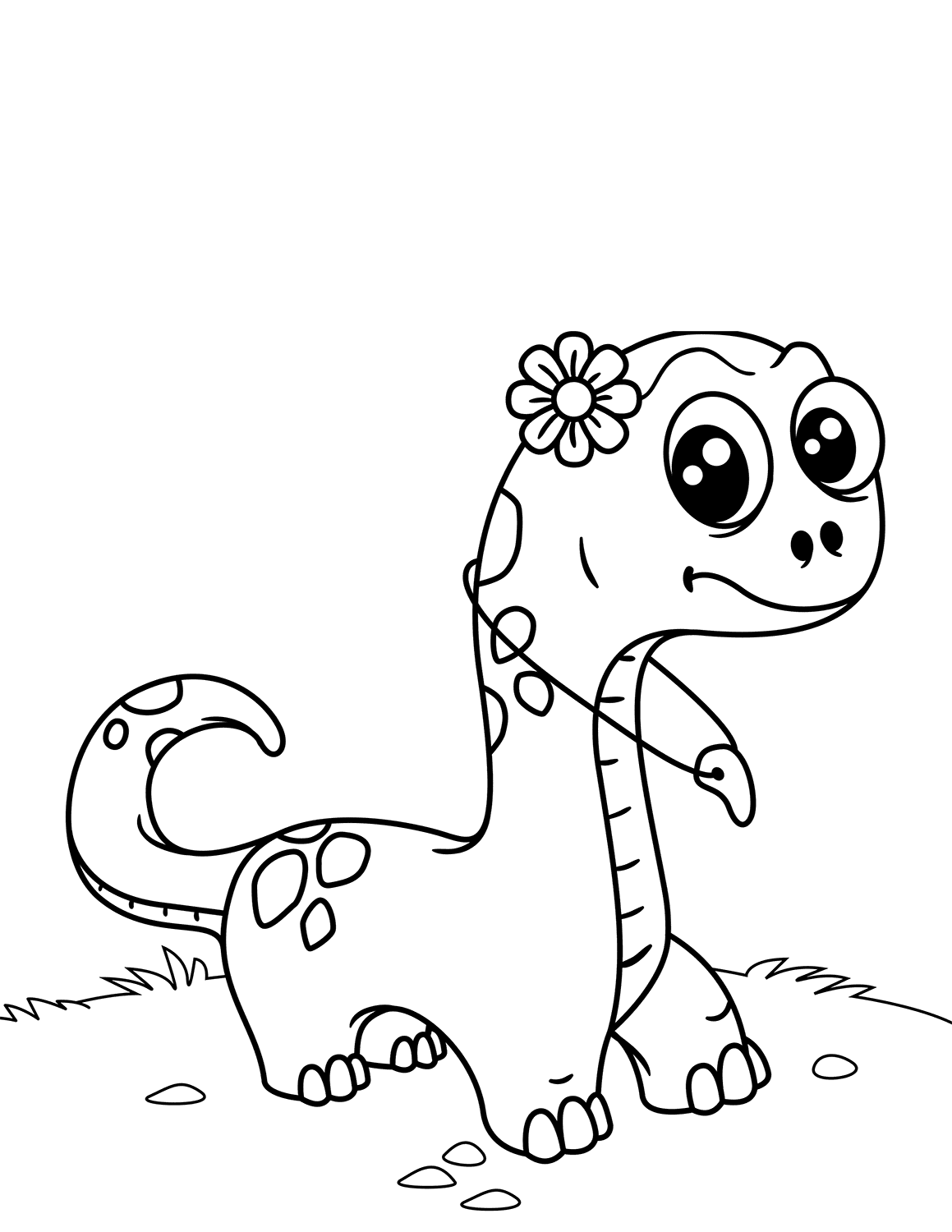
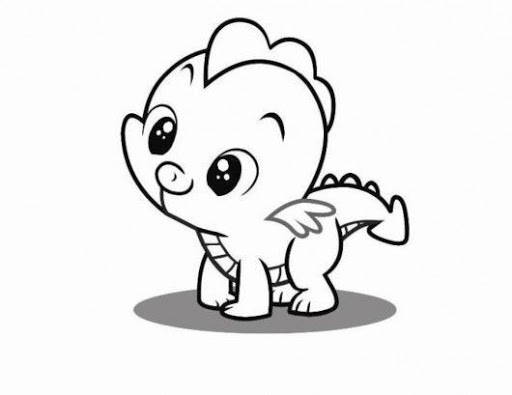
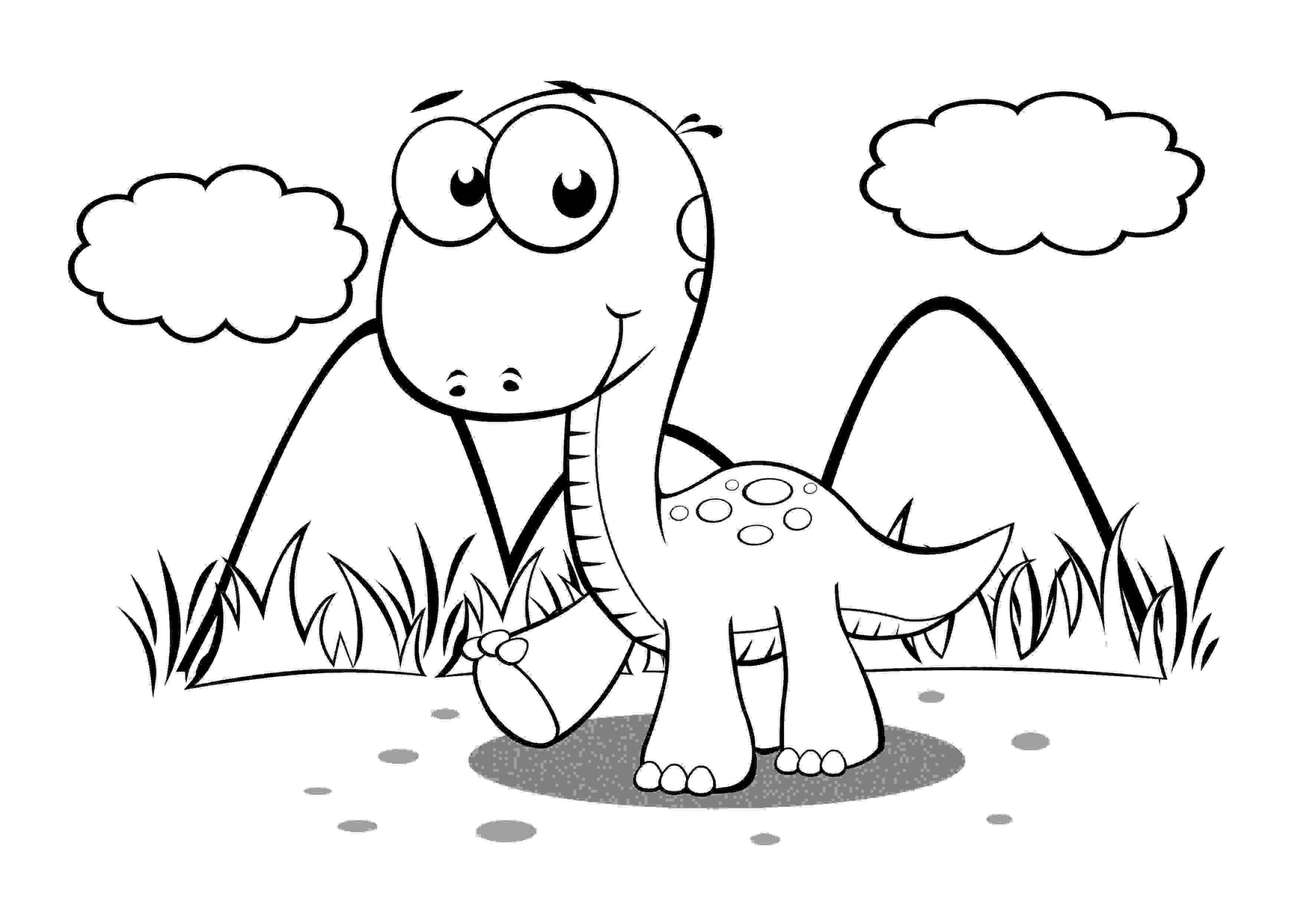
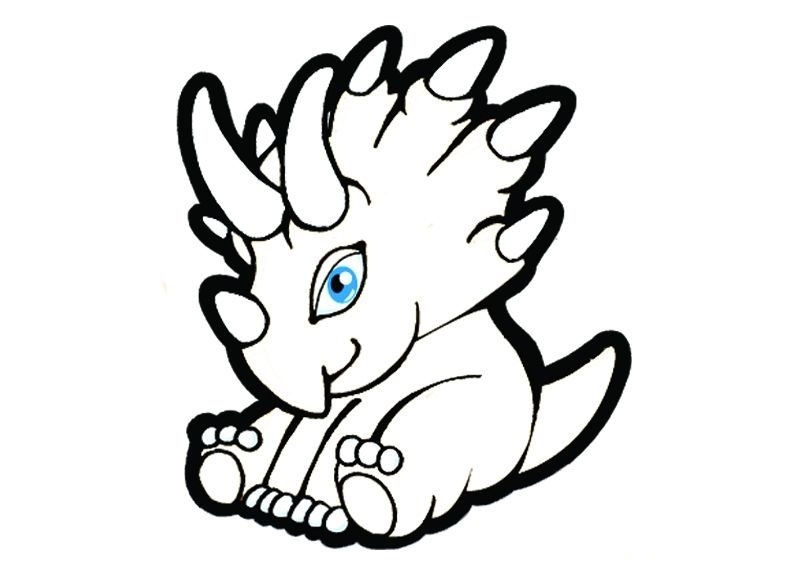
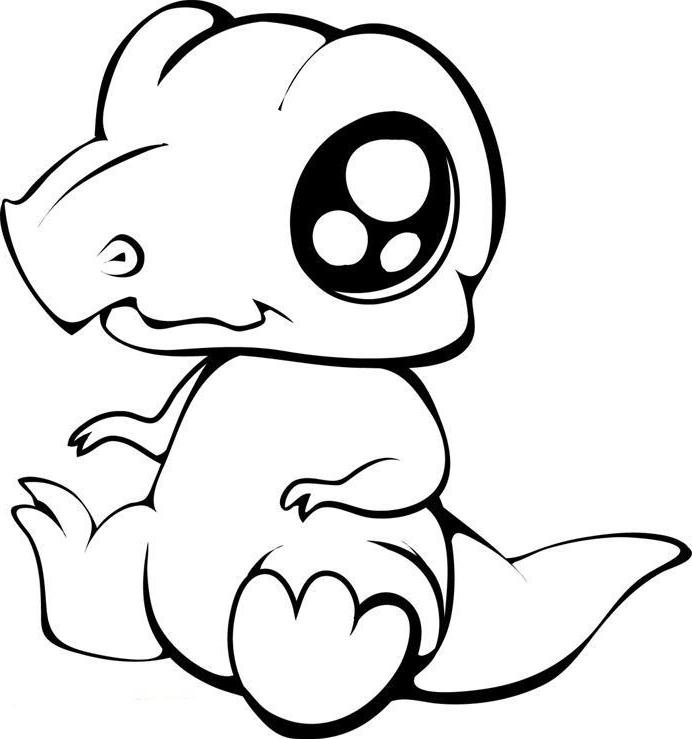
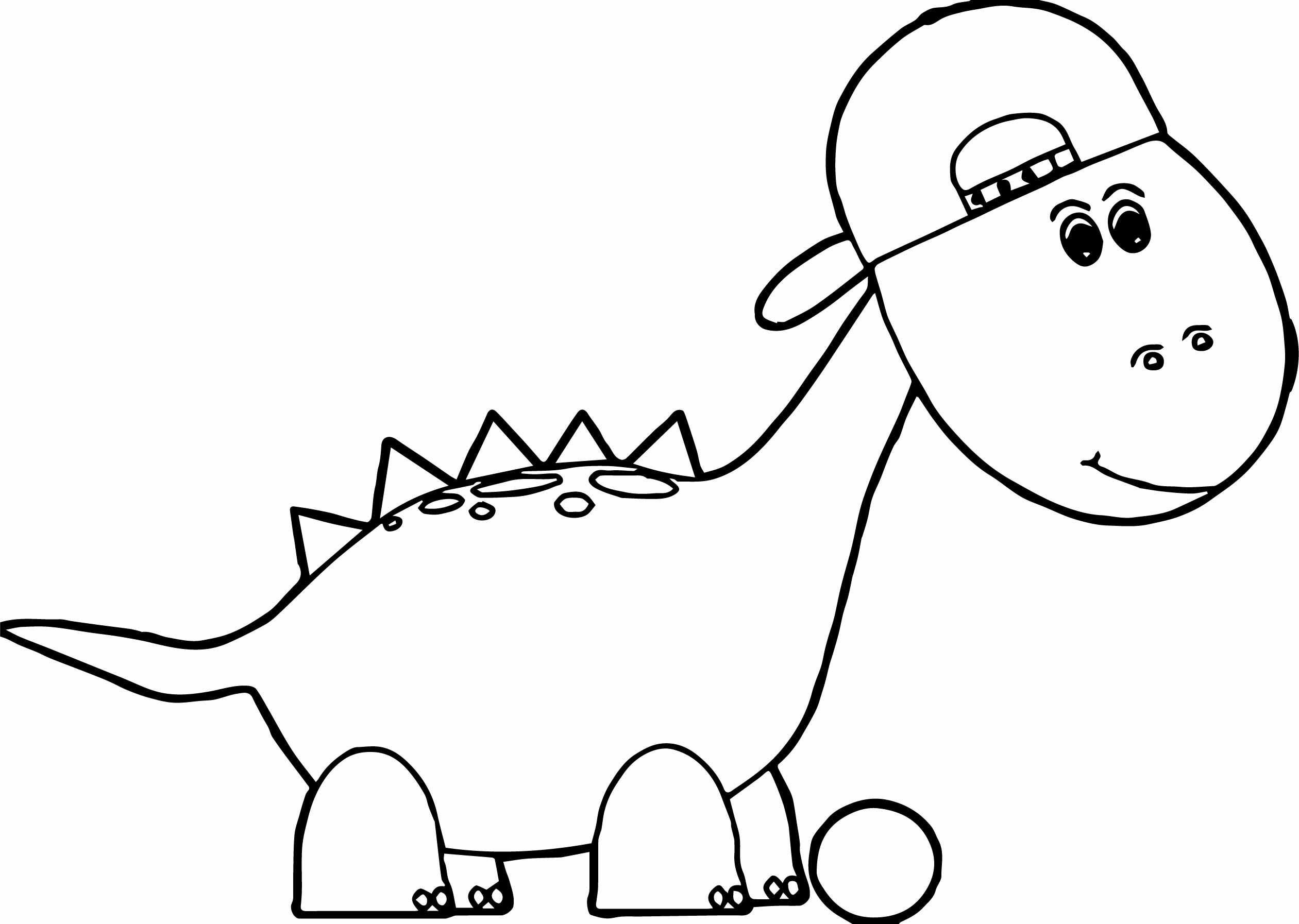
Cute, simple, and preschool dinosaur pages are the easiest starting point for younger children. These pages may show smiling dinosaurs, round baby dinosaurs, friendly cartoon dinosaurs, or clean dinosaur outlines with large spaces to color.

These designs work well for preschool, kindergarten, quiet time, and first dinosaur-themed art activities. Children can practice coloring inside the lines while learning basic words such as dinosaur, tail, teeth, claws, eggs, footprints, rocks, trees, and volcano.

Simple dinosaur pages are also useful when parents or teachers need a quick, low-prep activity. The shapes are clear, the expressions are friendly, and the pages can be finished with crayons, markers, or colored pencils.

Coloring cute dinosaur pages: Use bright green, blue, yellow, orange, purple, or pastel colors. Keep the background simple with grass, clouds, sunshine, trees, or small rocks so the dinosaur remains easy to see.

Baby Dinosaurs, Eggs, and Hatching Dinosaur Coloring Pages

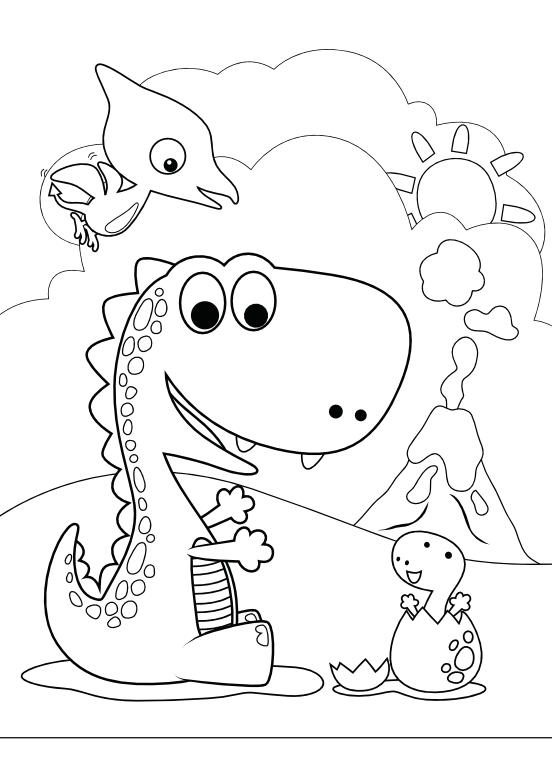
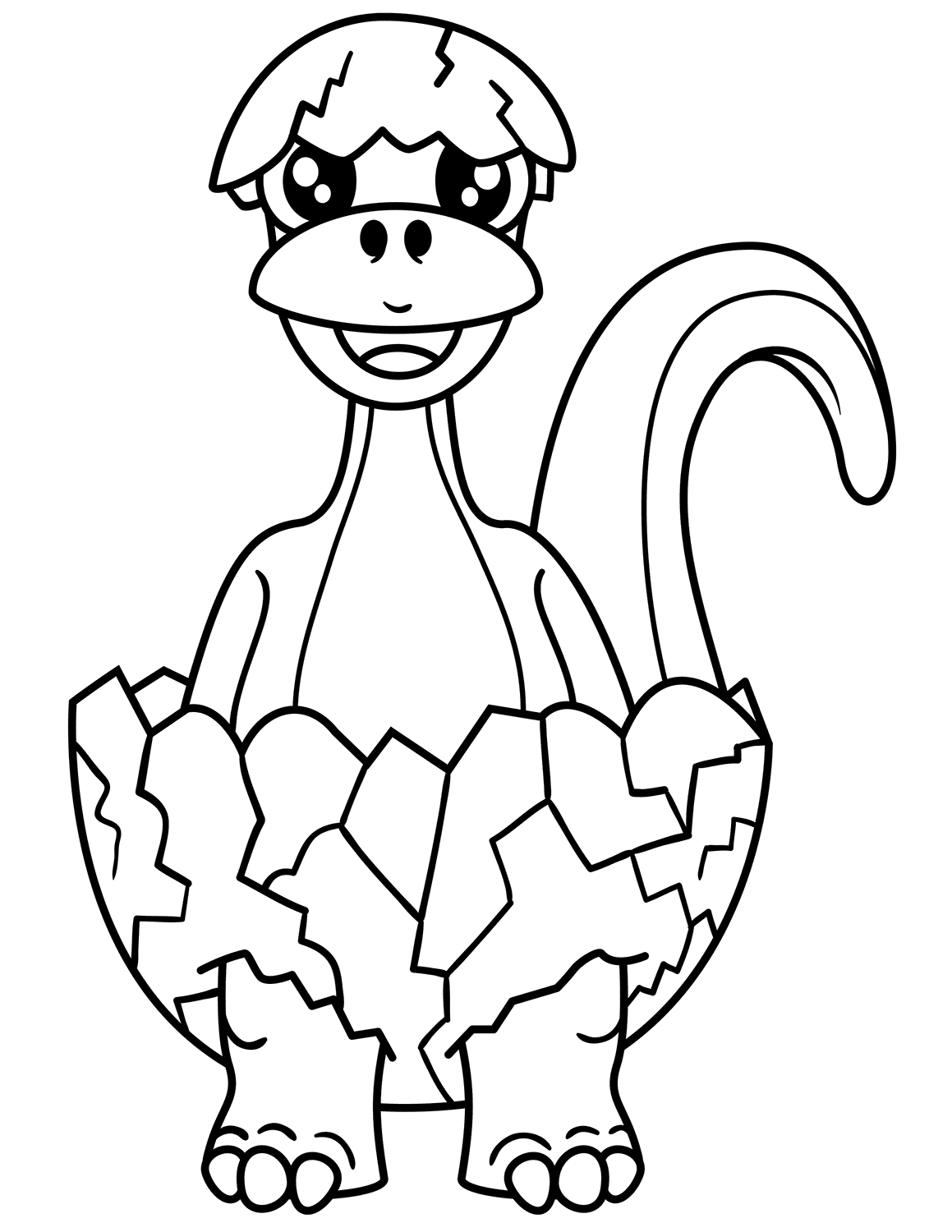
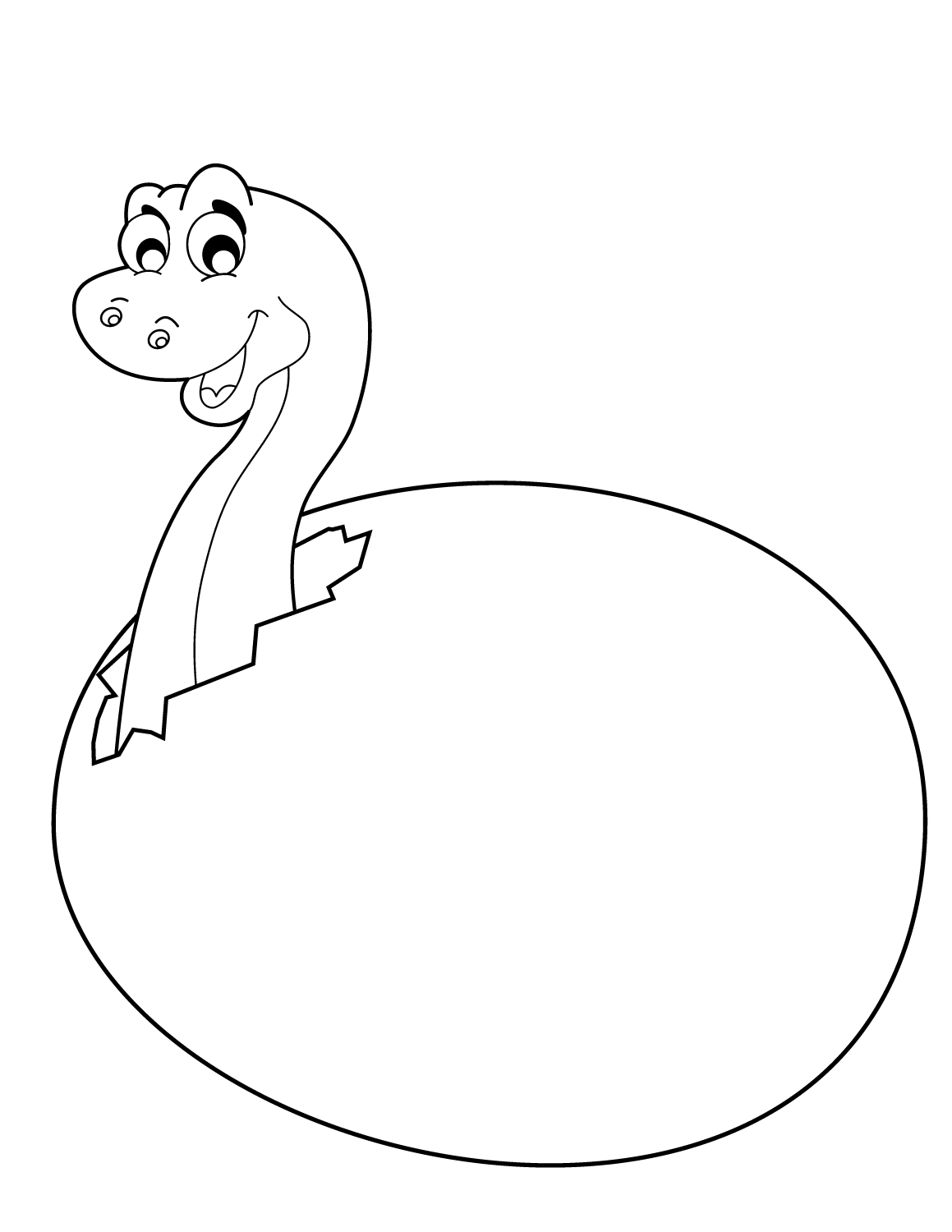
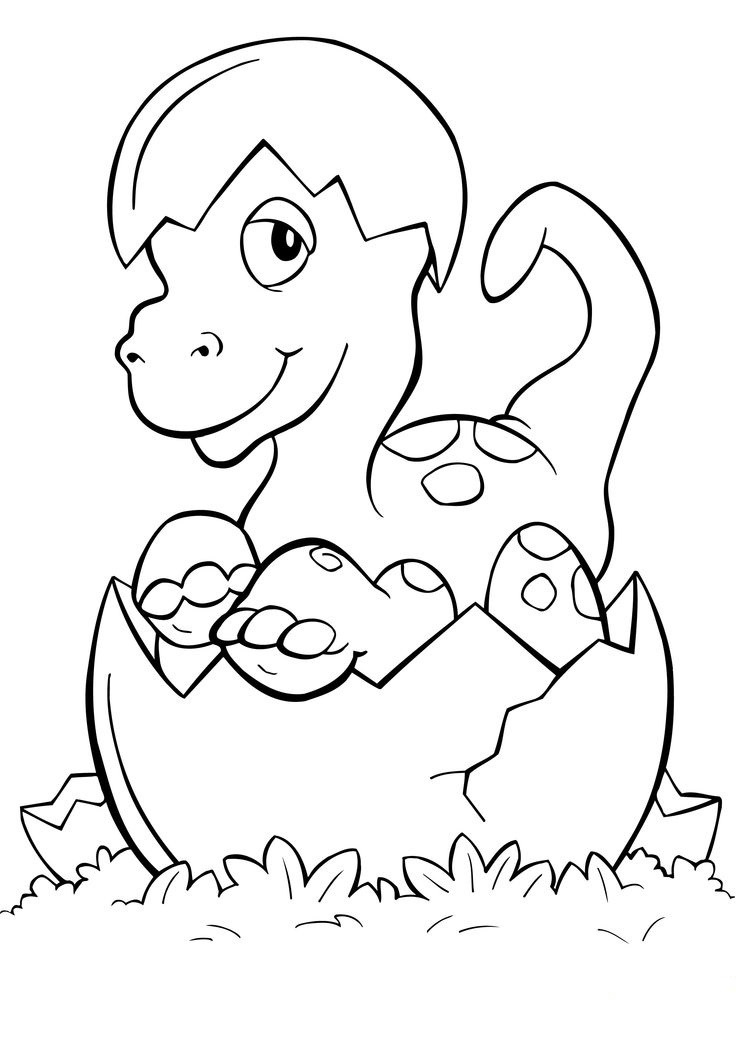
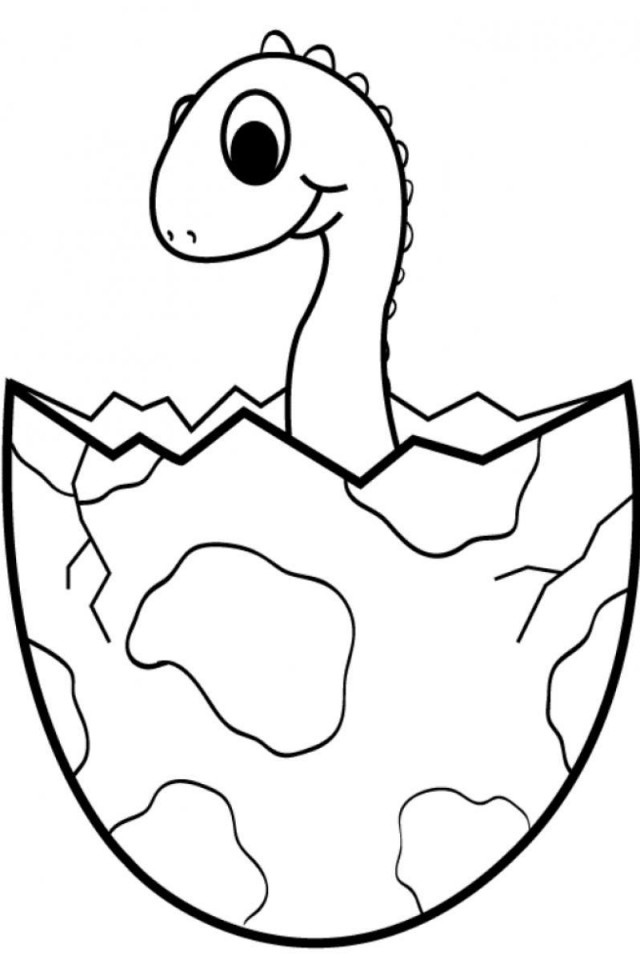
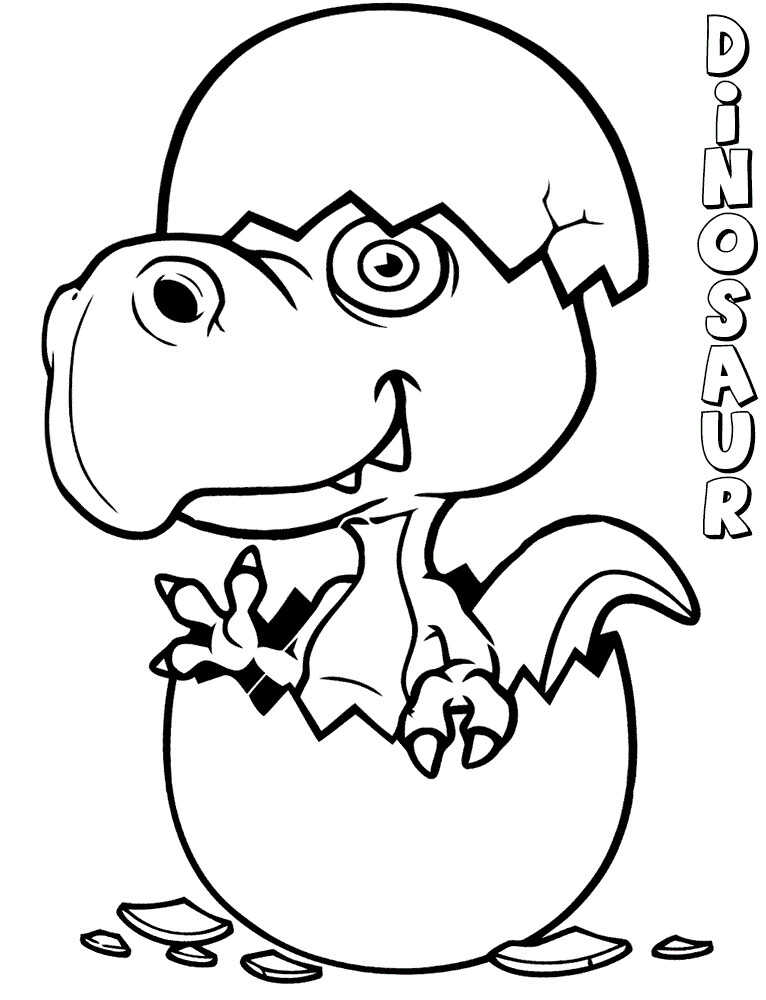
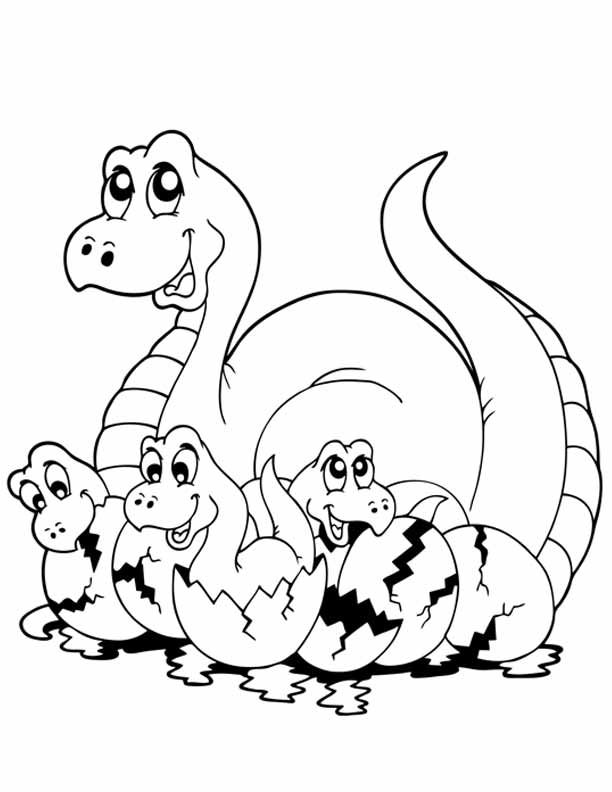
Baby dinosaur and hatching egg pages are some of the most child-friendly designs in this collection. These pages may show a new baby dinosaur in an eggshell, newly hatched dinosaur eggs, baby dinosaur playtime, or a dinosaur family welcoming a baby.

These pages are strong because they connect dinosaurs with growth, care, and beginning-of-life storytelling. Kids can imagine where the egg was found, who is protecting it, what kind of dinosaur might hatch, and what the baby dinosaur will do next.

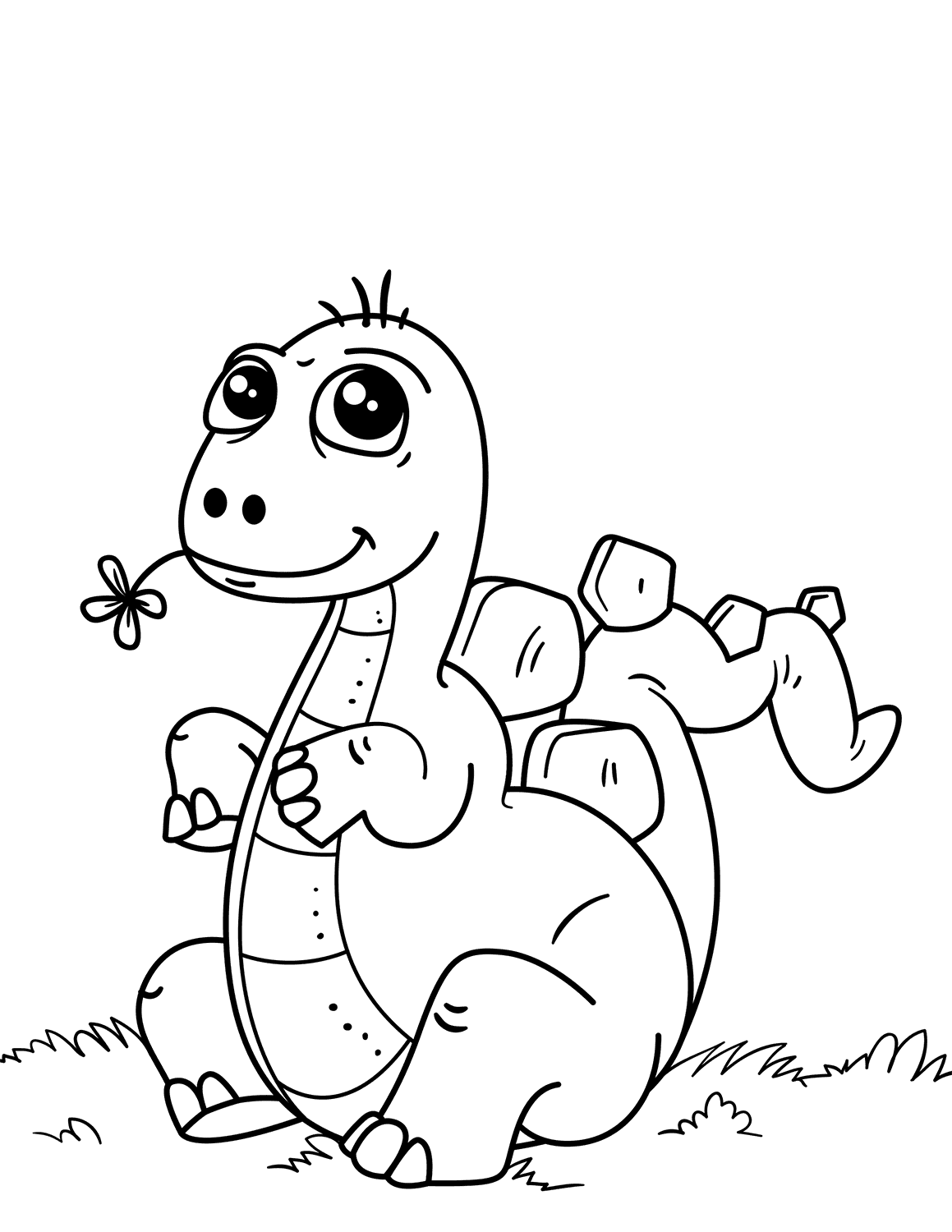
Baby dinosaur pages are especially useful for younger children because the shapes are usually soft, rounded, and expressive. They also work well for classroom activities about animal babies, life cycles, and simple prehistoric stories.

Coloring baby dinosaur pages: Use soft greens, blues, yellows, peach, lavender, or light orange. Color eggshells white, cream, pale gray, or speckled brown. Add small nests, leaves, flowers, rocks, or sunshine for a gentle scene.

T. rex and Big Dinosaur Coloring Pages

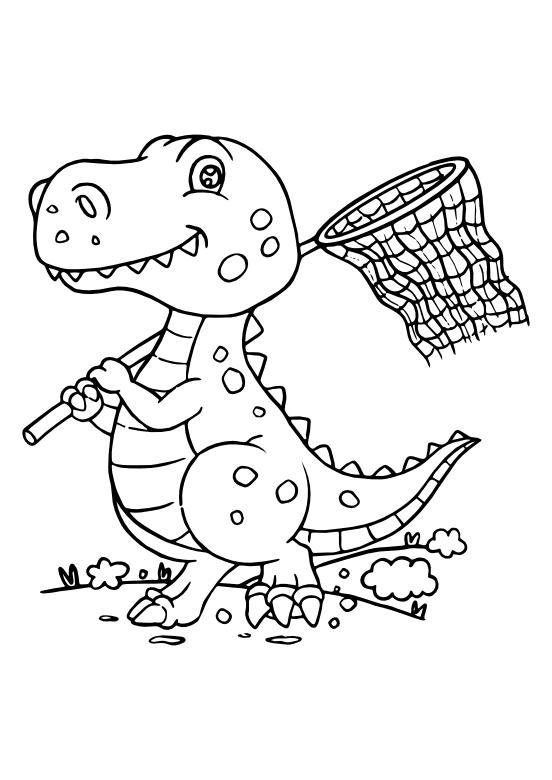
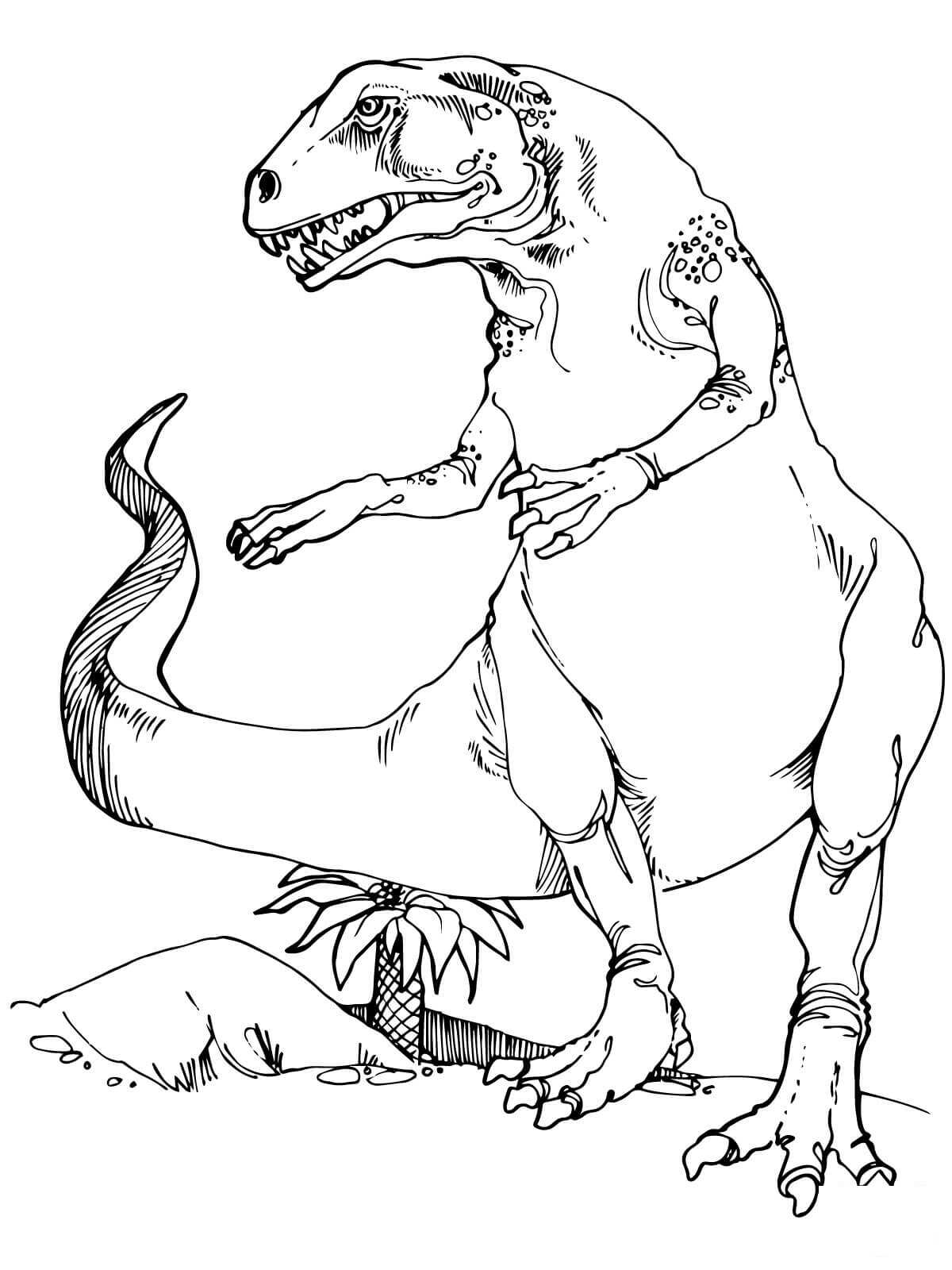
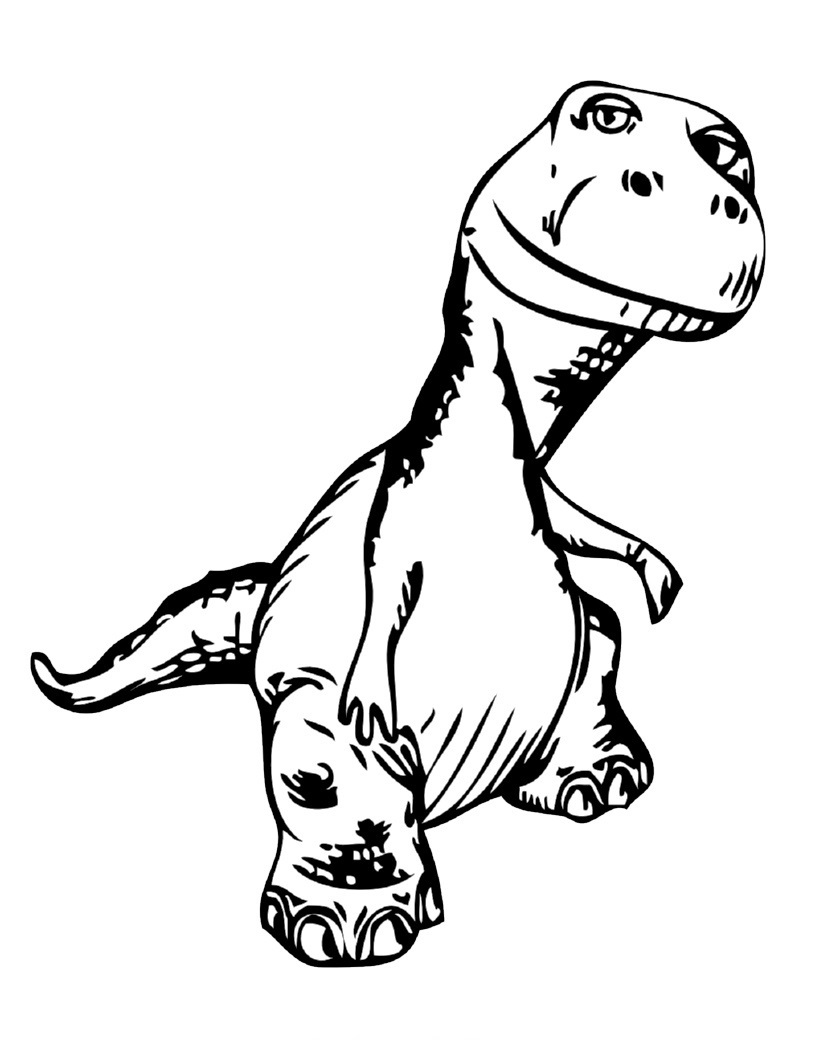
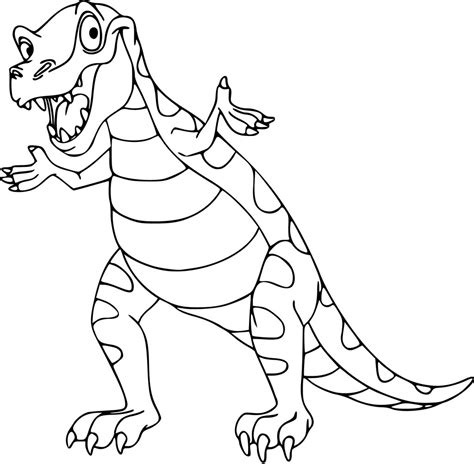
  1. rex pages bring power and excitement to the collection. These pages may show a smiling Tyrannosaurus rex, a dramatic T. rex, or a large dinosaur standing proudly. T. rex designs are great for children who like bold dinosaurs with teeth, claws, strong tails, and big poses.

These pages can be colored realistically or in a fun cartoon style. A younger child may choose bright green, red, or orange. An older child may use brown, gray, dark green, tan, or shadow effects to make the dinosaur look more dramatic.

  1. rex pages also help children compare big predator shapes with gentler dinosaur forms. They can notice large heads, short arms, strong legs, sharp teeth, and heavy tails.

Coloring T. rex pages: Use earthy greens, browns, gray, dark orange, or deep red. Add lighter colors on the belly and darker shadows near the legs, tail, and mouth. For cartoon T. rex pages, use brighter colors and a simple background.

Triceratops, Stegosaurus, and Plated Dinosaur Coloring Pages

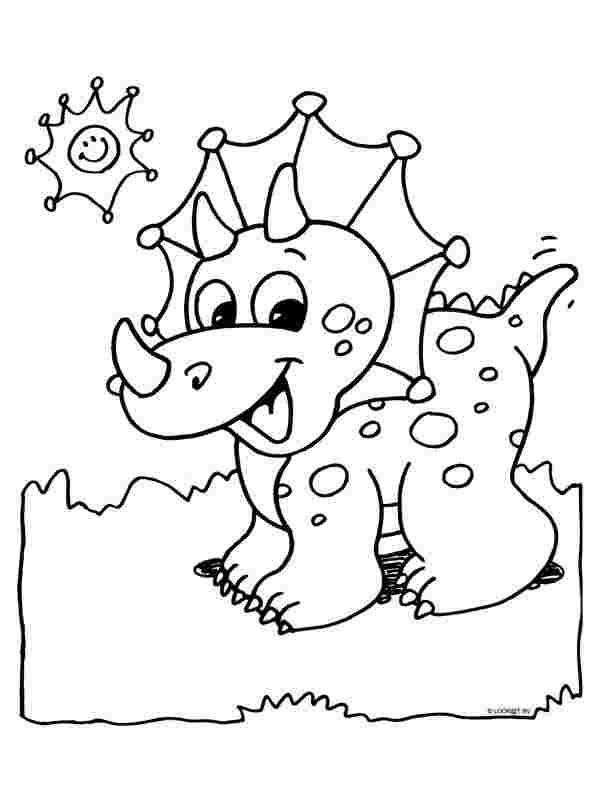
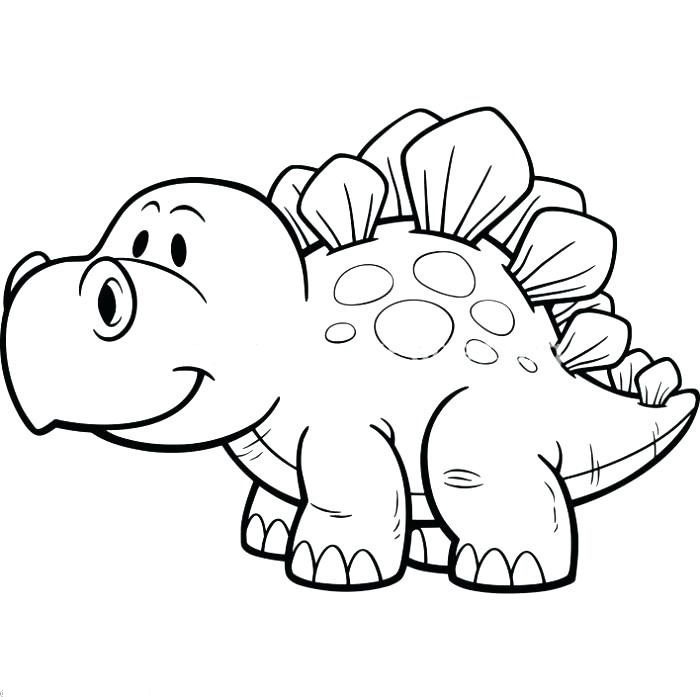
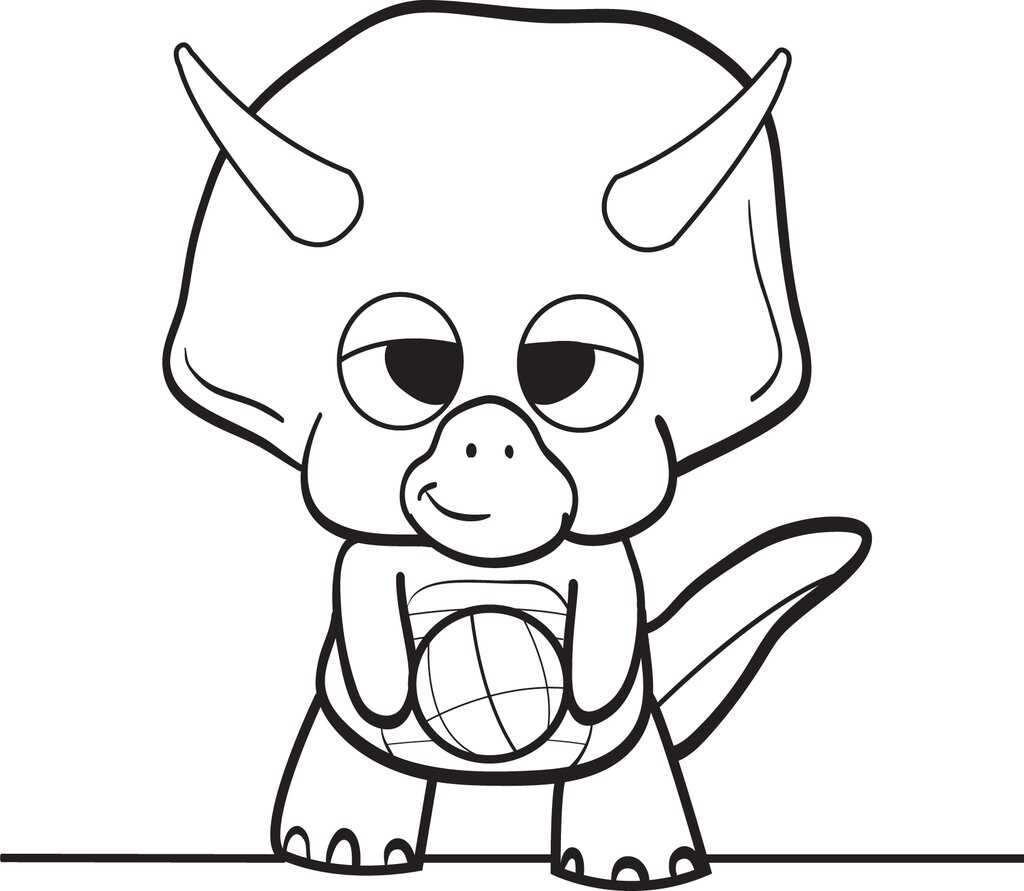
Triceratops and Stegosaurus pages are useful because they show very different dinosaur body shapes. Triceratops has horns and a large frill, while Stegosaurus has plates along the back and spikes near the tail. These features make the pages fun, visual, and educational.

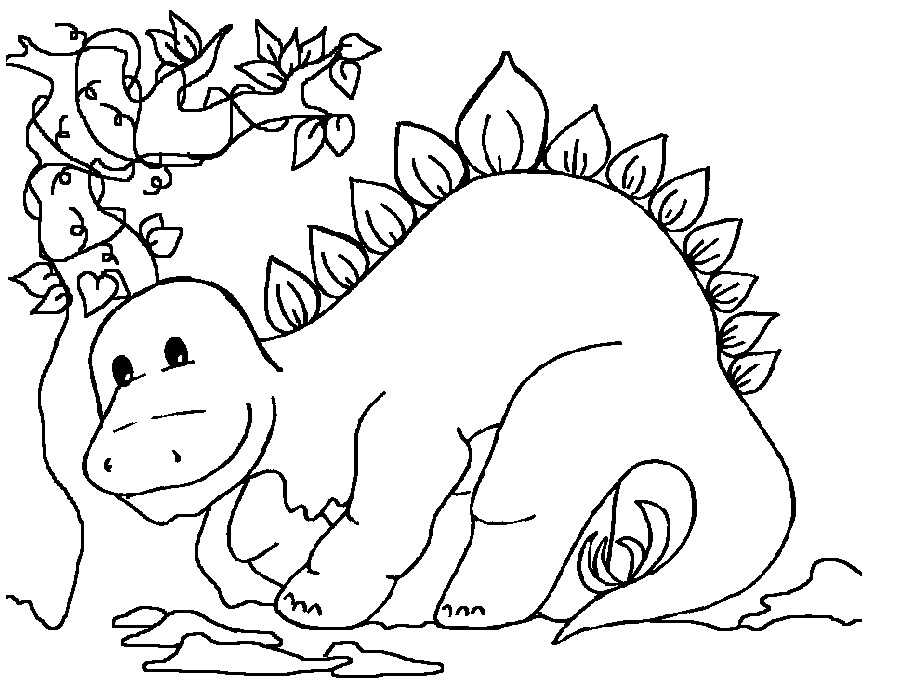
The collection includes sleepy Triceratops, a new baby Triceratops, cute Stegosaurus near a tree, and Stegosaurus cartoon designs. These pages help children notice special body parts, compare dinosaurs, and choose colors for horns, plates, frills, tails, and body patterns.

This group is especially helpful for shape comparison. Children can see that dinosaurs did not all look the same. Some were horned, some had plates, some had long necks, and some had sharp teeth.

Coloring Triceratops and Stegosaurus pages: Use green, brown, gray, tan, or blue-green for the body. Make the horns light gray or cream. Color Stegosaurus plates in red, orange, yellow, purple, or darker green for contrast.

Brachiosaurus and Long-Neck Dinosaur Coloring Pages

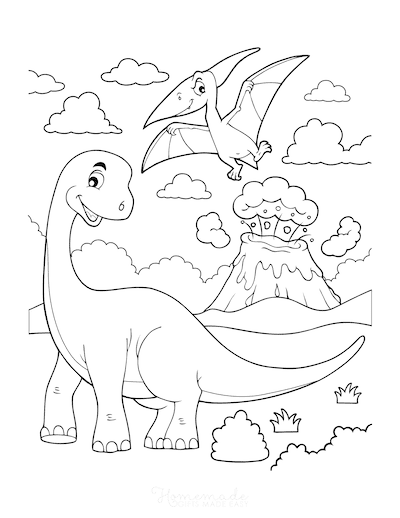
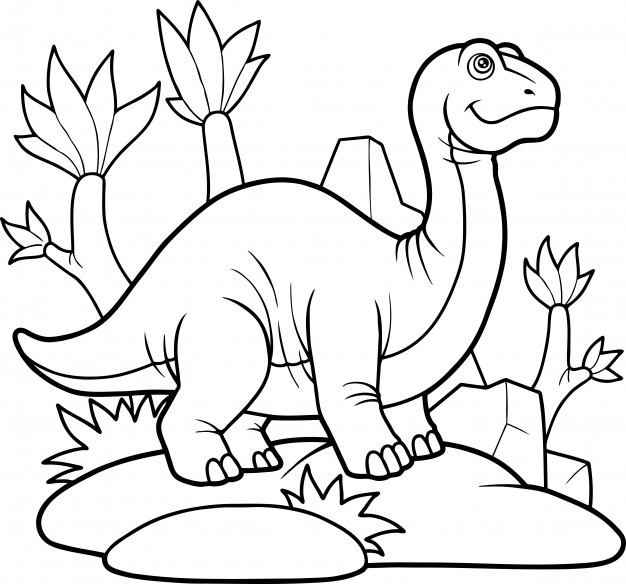
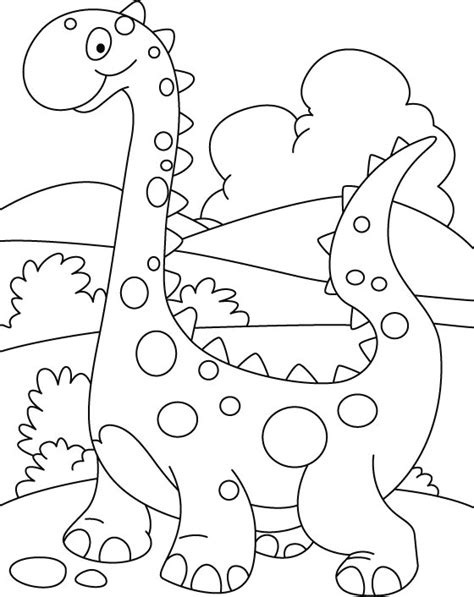
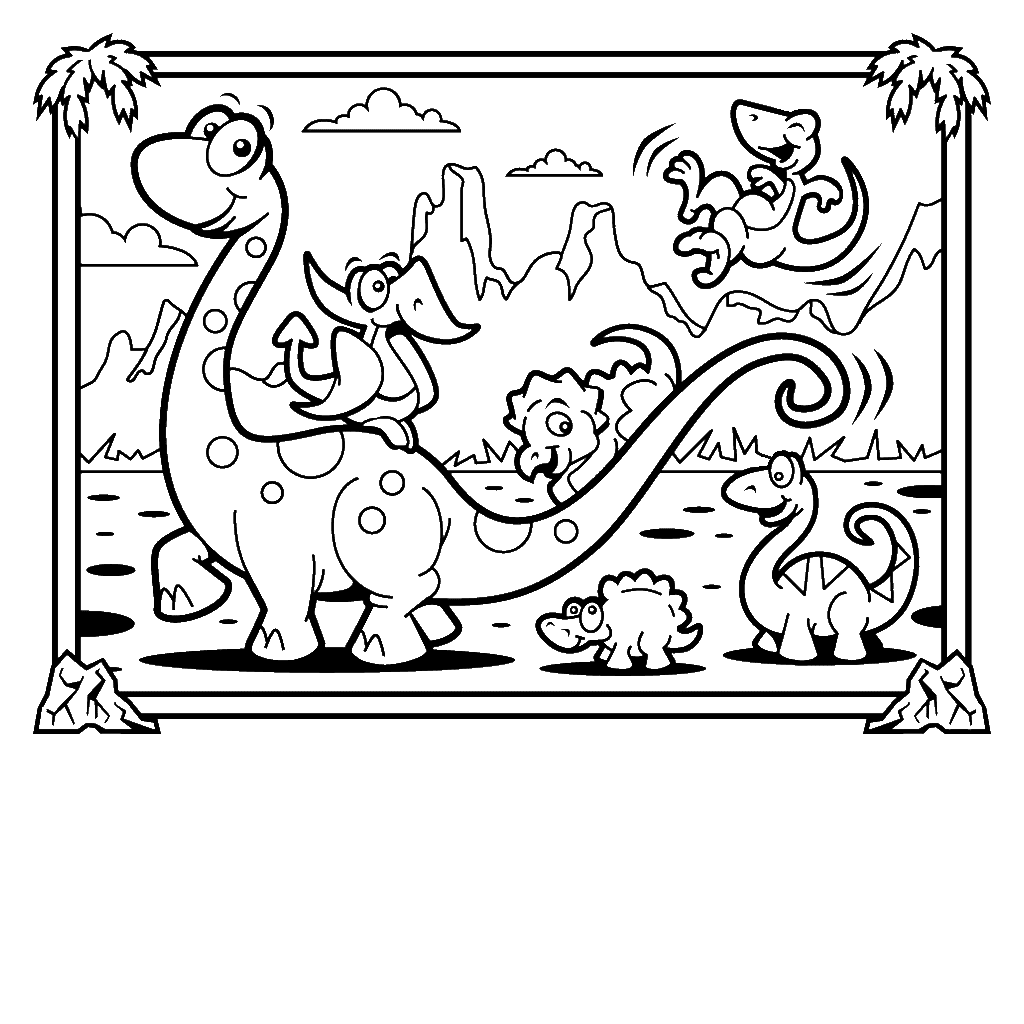
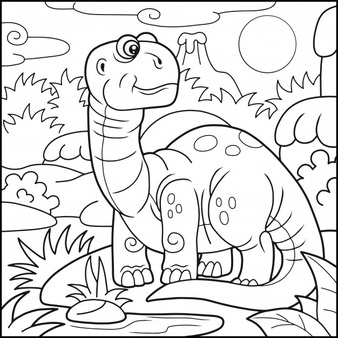
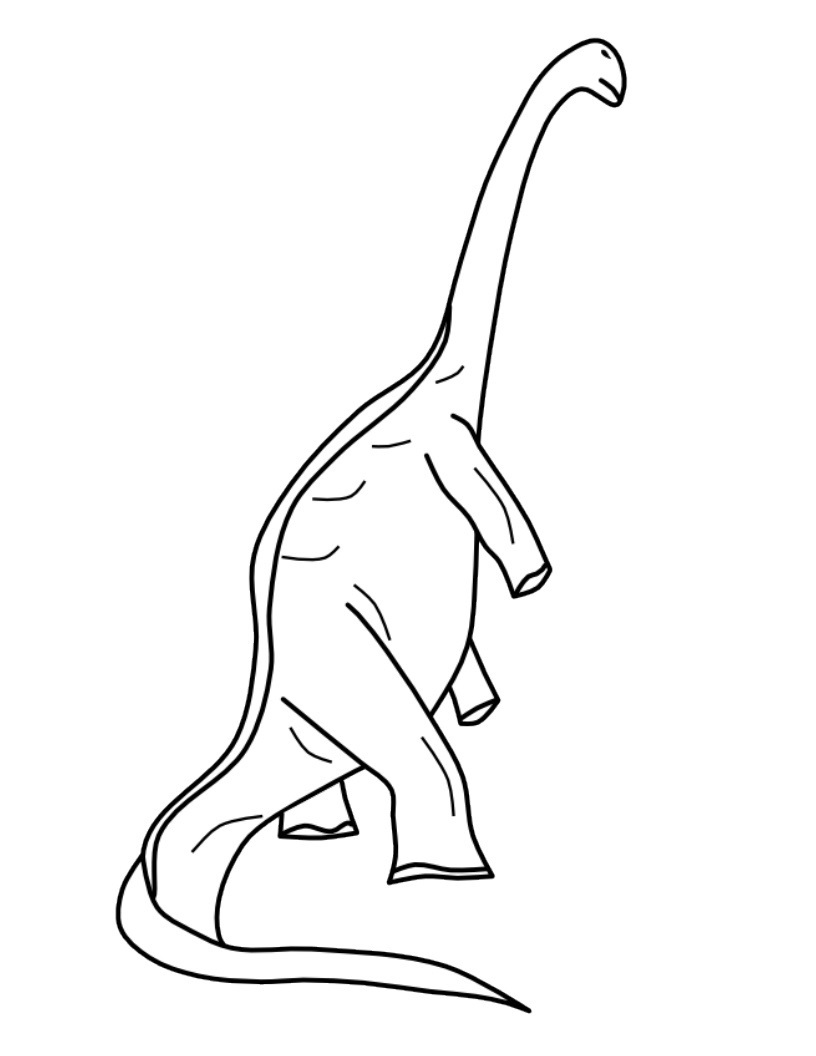
Brachiosaurus pages bring gentle giant energy to the collection. These dinosaurs are known for long necks, long tails, tall bodies, and calm plant-eating scenes. In coloring pages, they often look peaceful, friendly, and impressive.

Long-neck dinosaur pages are good for children who enjoy large shapes and soft prehistoric landscapes. They can color the body, neck, tail, legs, and background trees while imagining the dinosaur reaching tall leaves.

These pages also help children compare size and posture. A Brachiosaurus feels very different from a T. rex, Stegosaurus, or Triceratops. That makes this section useful for classroom vocabulary and visual sorting.

Coloring Brachiosaurus pages: Use olive, gray-green, brown, teal, or light blue. Add darker shading along the long neck and tail. Use tall trees, leaves, clouds, and sunlight to make the dinosaur feel large and gentle.

Flying and Water Prehistoric Creature Coloring Pages

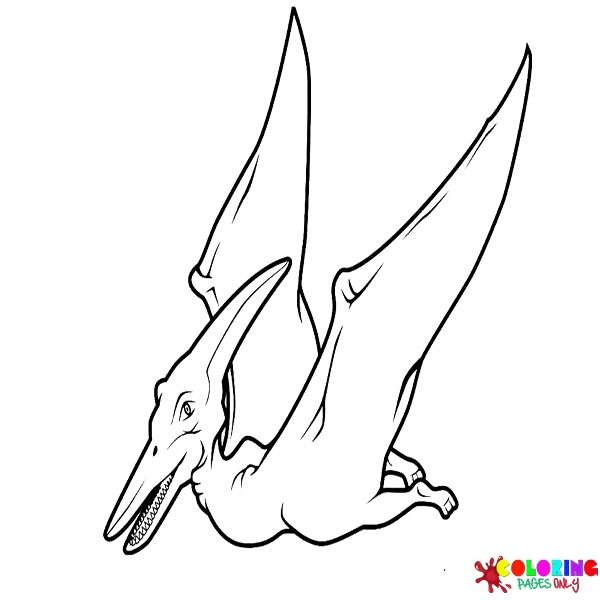
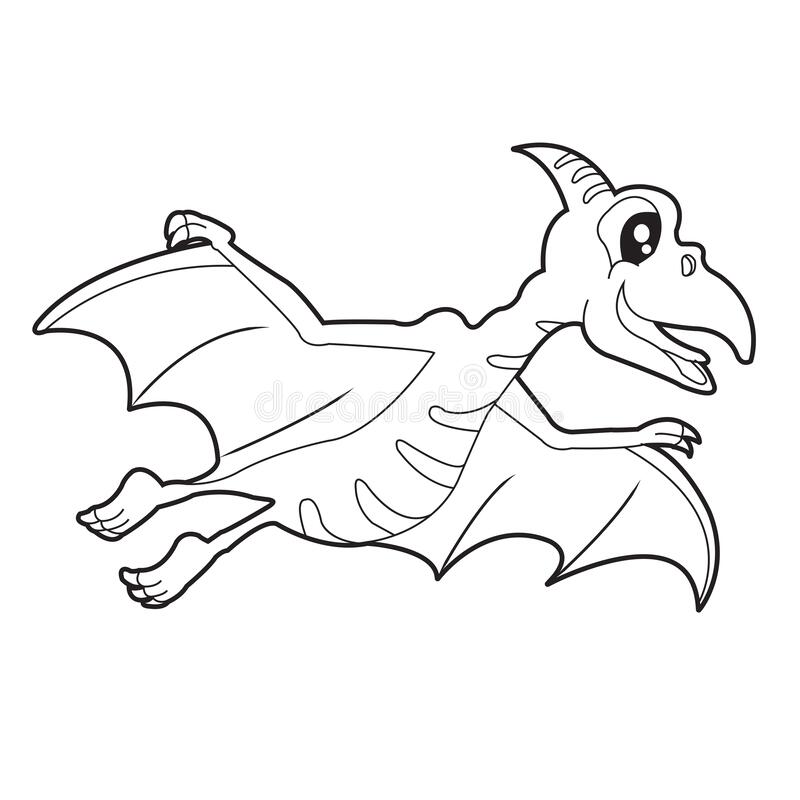
This collection includes flying prehistoric creatures such as Pteranodon and Quetzalcoatlus, as well as water-themed prehistoric reptiles such as Plesiosaurus. These pages add variety because they move beyond land dinosaurs.

These designs are helpful for introducing children to the wider prehistoric world. Not every creature in a dinosaur-themed collection is scientifically a true dinosaur, but they still fit the larger prehistoric adventure children love. Flying creatures can soar above cliffs, trees, and volcanoes, while water reptiles can swim through ancient seas.

This group gives children a chance to color different habitats. They can use sky colors for flying scenes, ocean colors for water scenes, and rocky or coastal backgrounds for prehistoric landscapes.

Coloring flying and water prehistoric pages: Use sky colors for flying scenes, such as blue, white, gray, and sunset orange. Use ocean colors for water scenes, such as teal, navy, aqua, and sea green. Add clouds, waves, rocks, or distant islands.

Dinosaur Family, Playtime, and Mother-Baby Coloring Pages

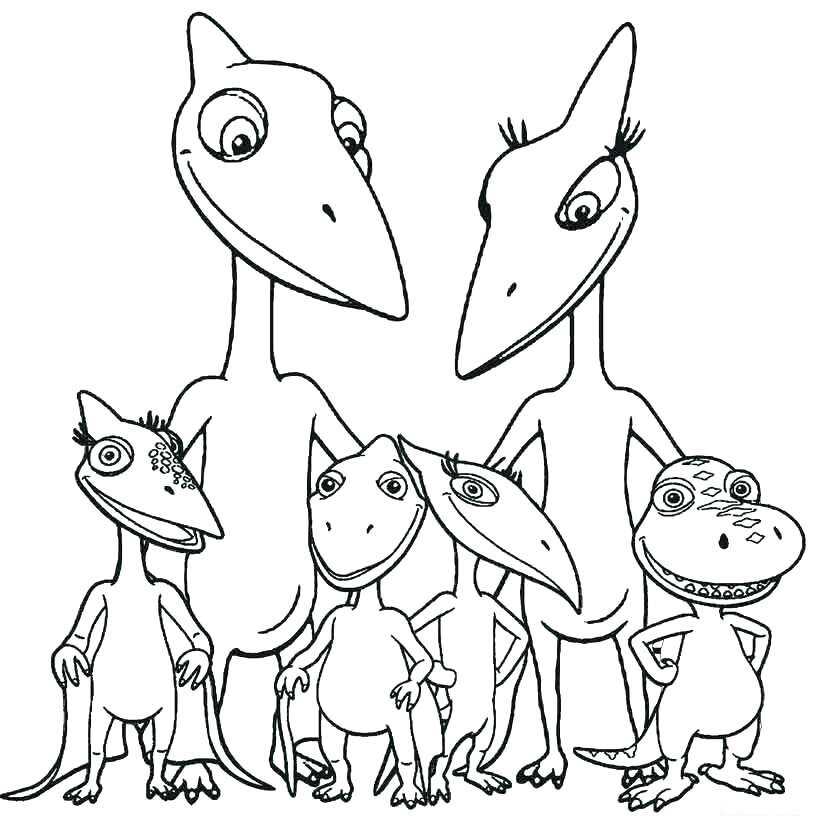
Dinosaur family and playtime pages show a softer side of the prehistoric world. These pages may include mother and baby dinosaurs, baby playtime on a sunny day, dinosaurs playing together, or little dinosaurs exploring.

These pages are strong for storytelling because they feel like small scenes, not just single dinosaur outlines. Kids can imagine what the baby dinosaur is learning, where the family is going, or how the dinosaurs are playing near trees, clouds, eggs, rocks, or volcanoes.

Family pages are also useful for younger children because they feel gentle and friendly. They can support simple conversations about care, protection, friendship, and growing up.

Coloring dinosaur family pages: Use related colors for family members, such as green and light green, blue and teal, or brown and tan. Add flowers, grass, sunshine, and soft clouds to make the page feel warm and friendly.

Volcano, Footprint, Fossil, and Life Cycle Dinosaur Coloring Pages

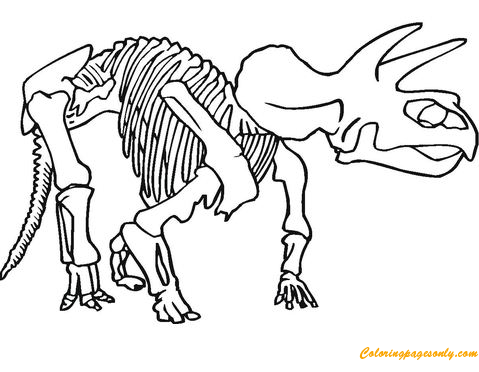
Volcano, footprint, fossil, bone, and life cycle pages give this collection its strongest discovery value. These designs are not only cute or playful; they connect to paleontology, prehistoric environments, and how we learn about dinosaurs.

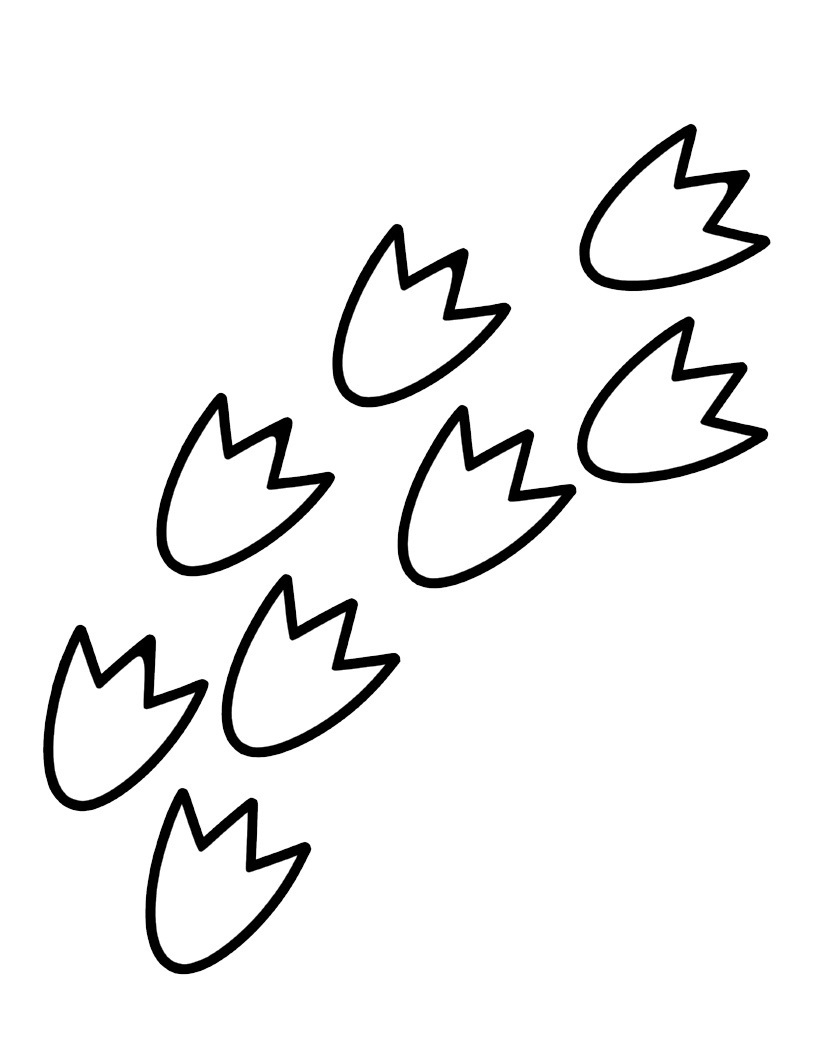
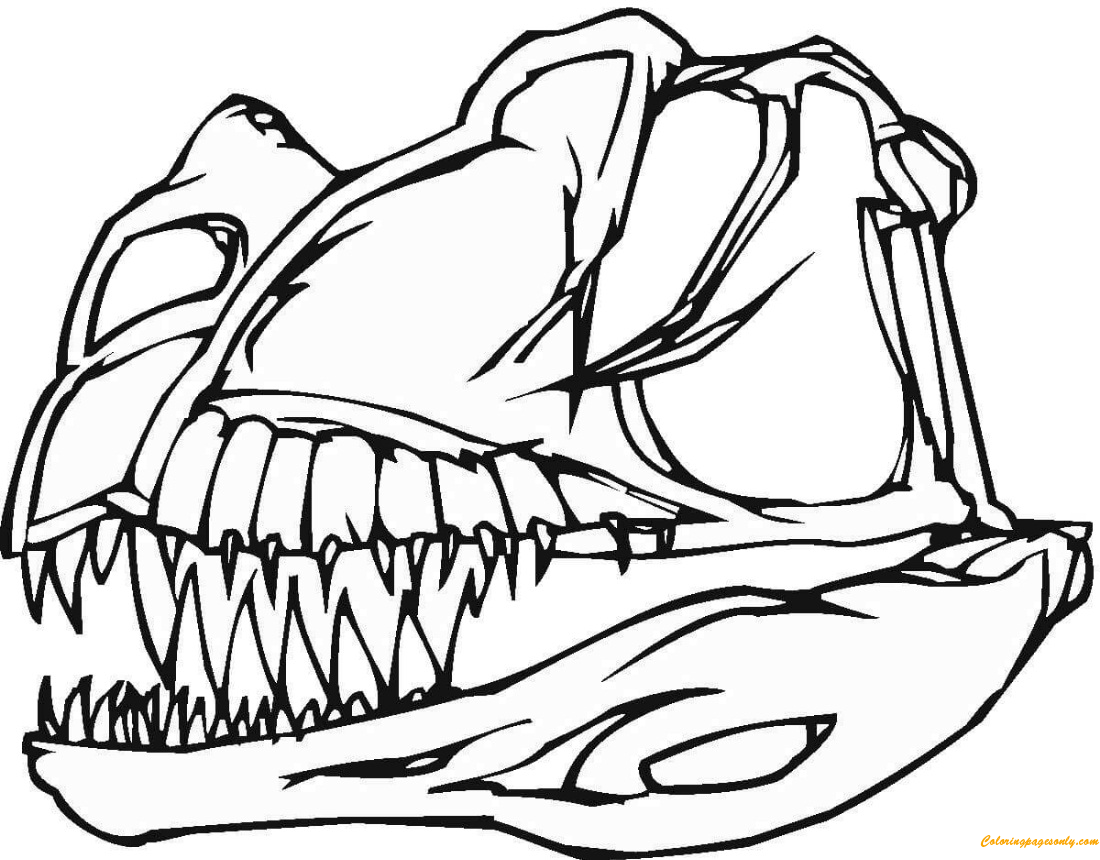
The footprint page can become a tracking activity. The dinosaur bones page can become a mini museum display. The life cycle page can help children connect eggs, babies, growth, and adult dinosaurs. Volcano pages add drama, energy, and prehistoric adventure.

This section is especially valuable for classrooms because it gives children more than a character to color. It gives them clues to investigate. A footprint, a fossil, an eggshell, or a volcano can become the beginning of a discovery story.

Coloring fossil and discovery pages: Use gray, tan, brown, cream, and sandy colors for bones and fossils. Use orange, red, yellow, gray, and black for volcano scenes. Add labels, arrows, rocks, dust, or simple “museum” signs for extra learning value.

Funny Cartoon Dinosaur Activity Coloring Pages

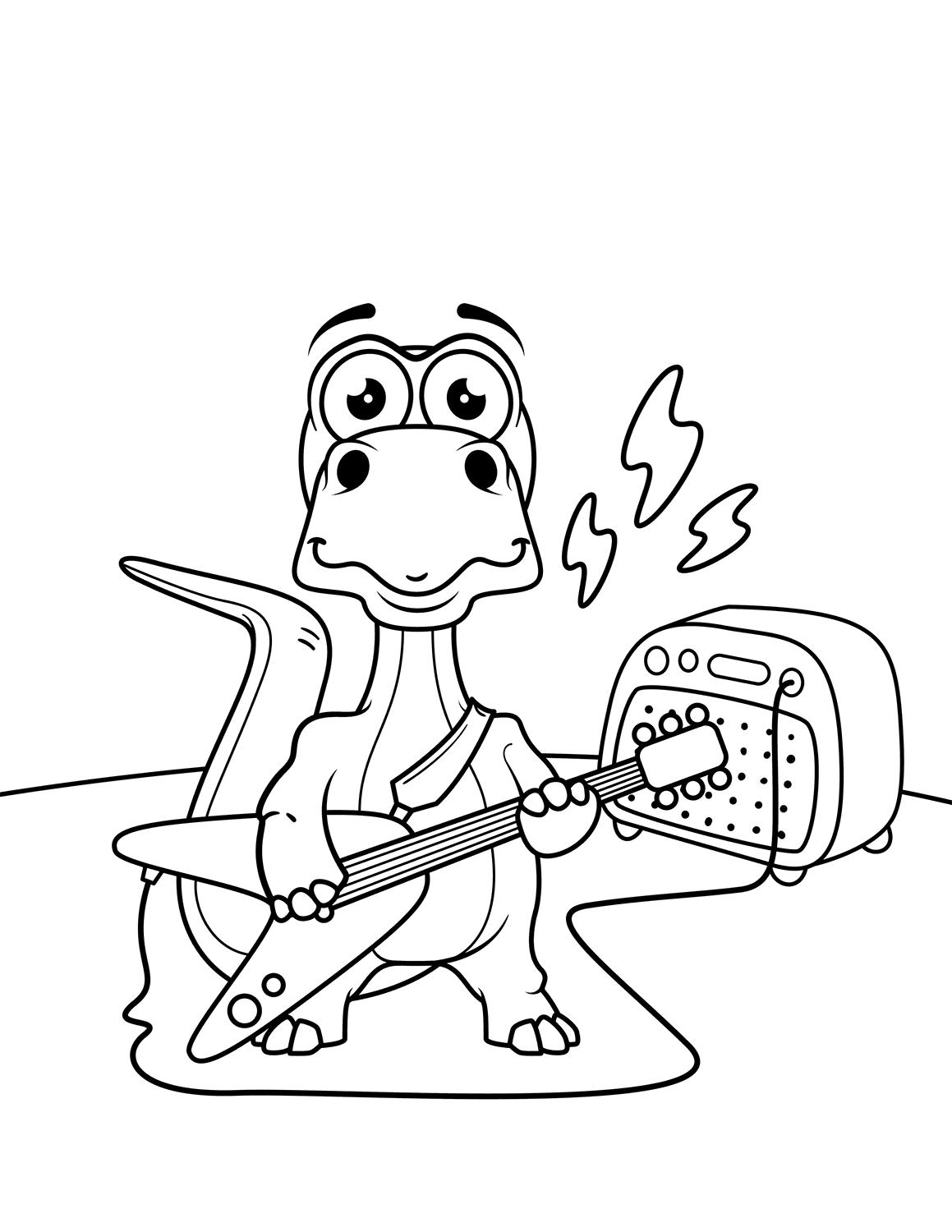
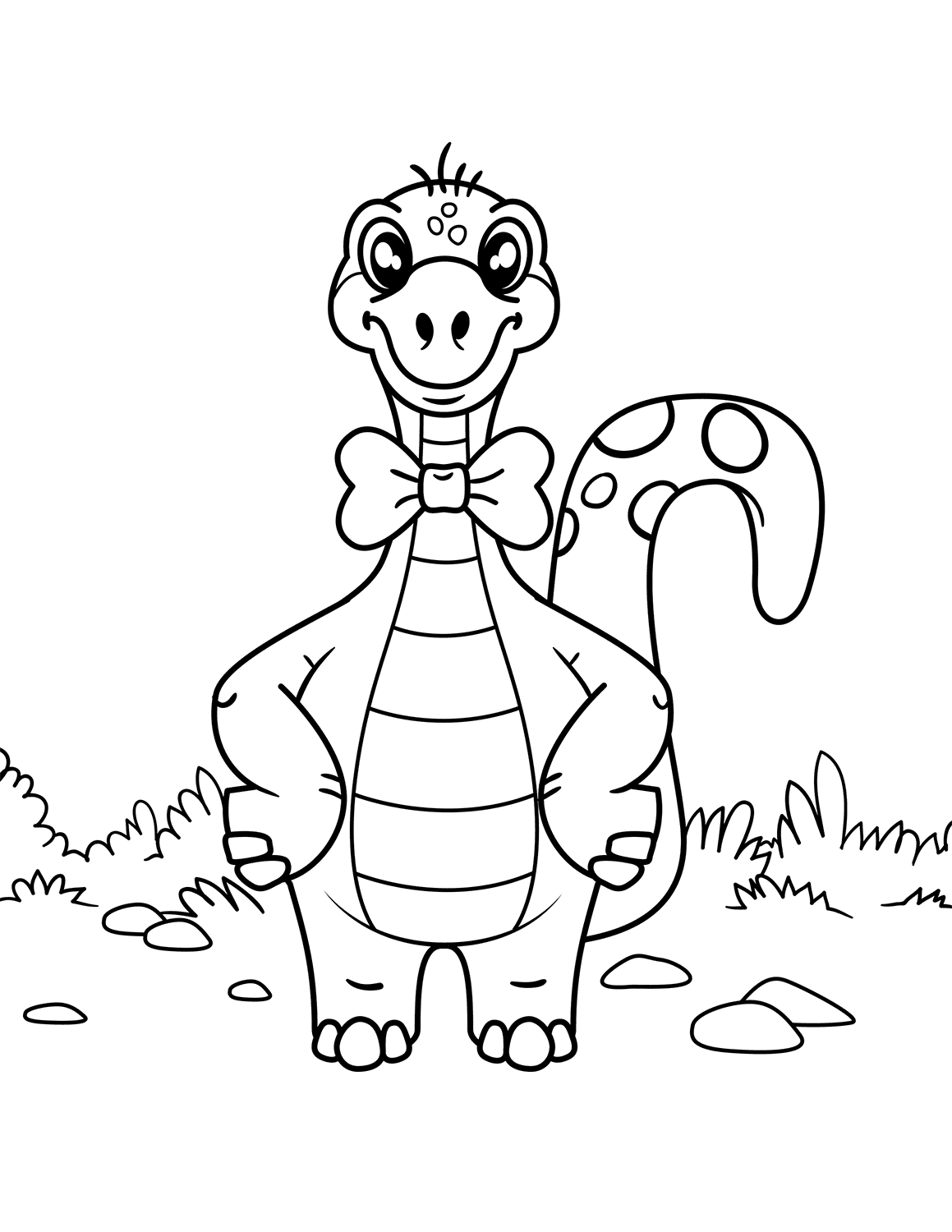
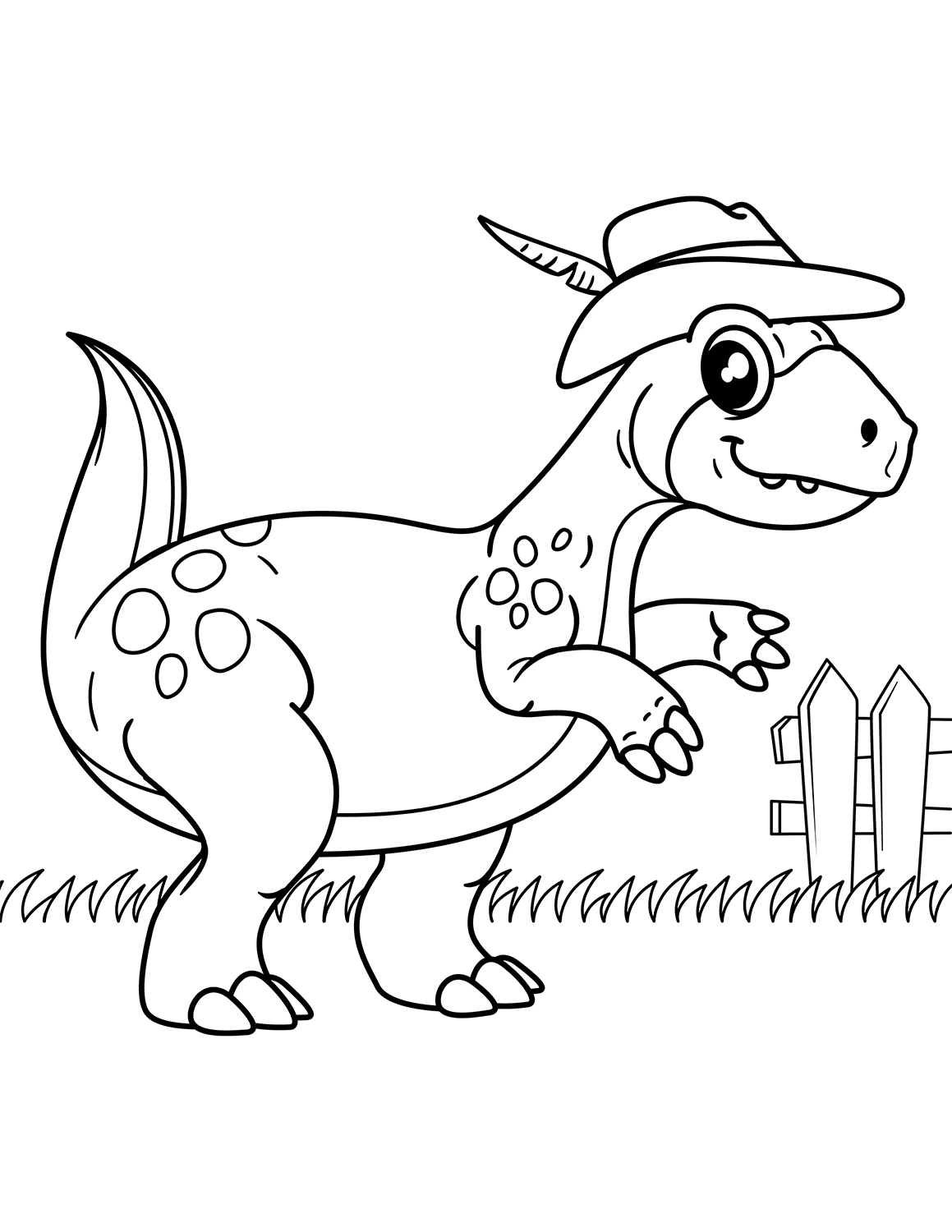
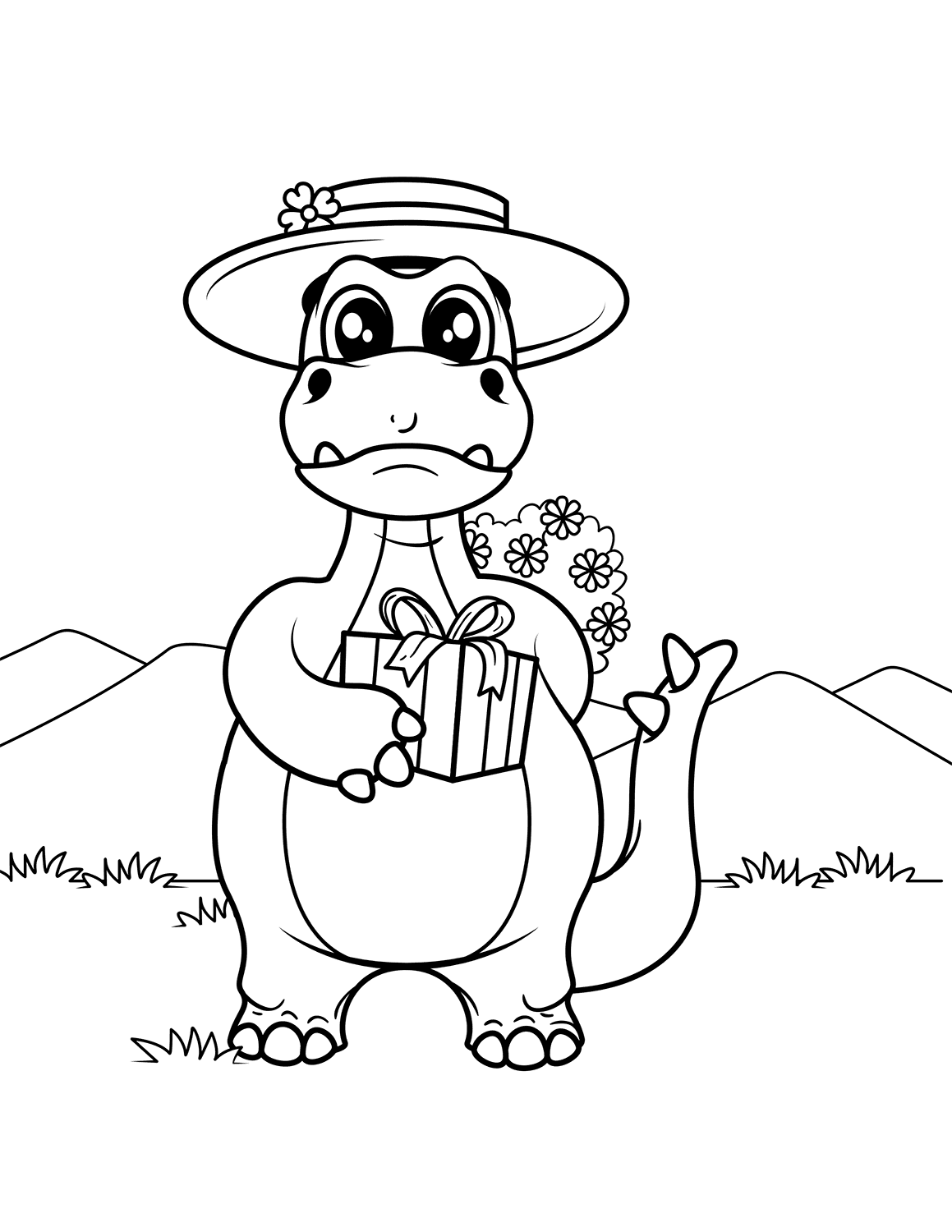
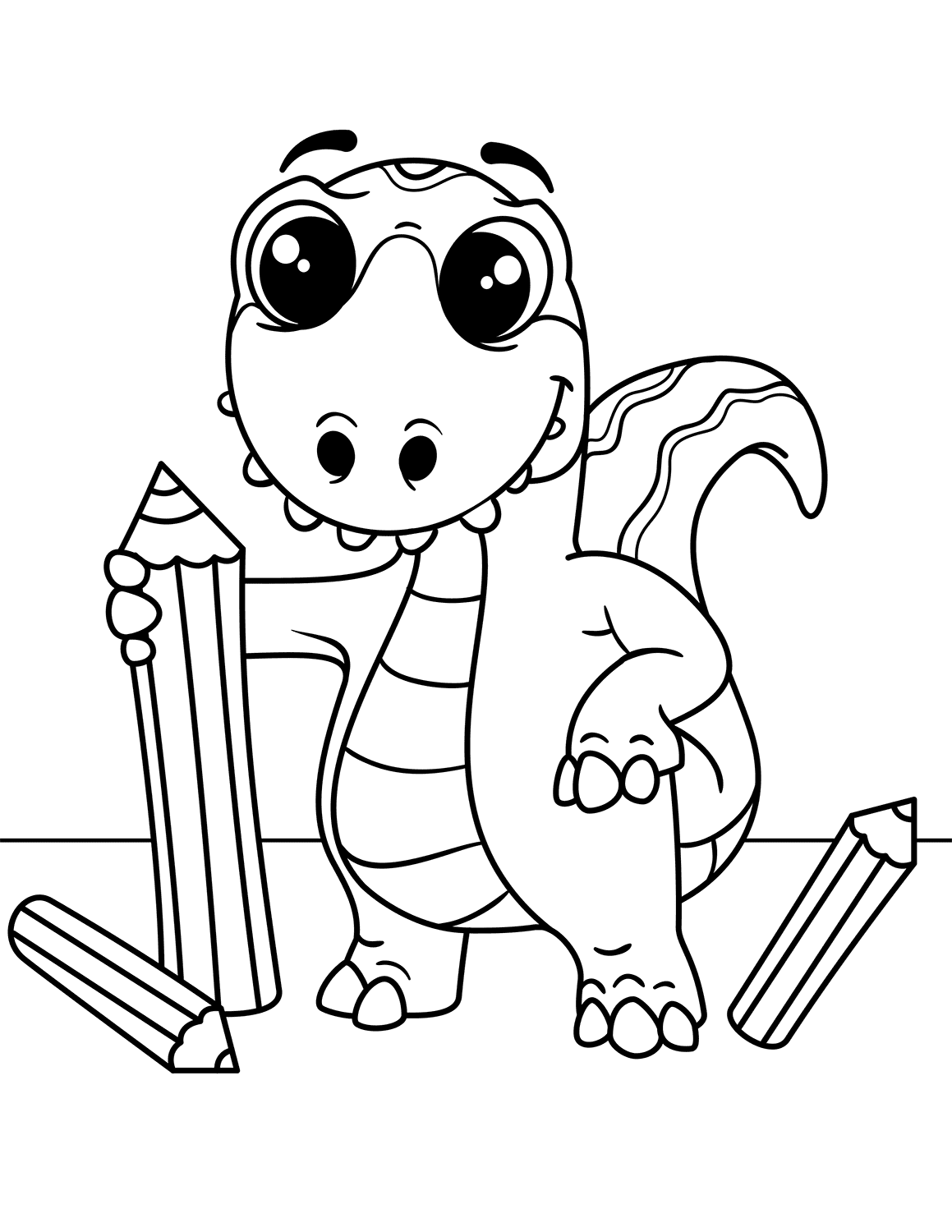
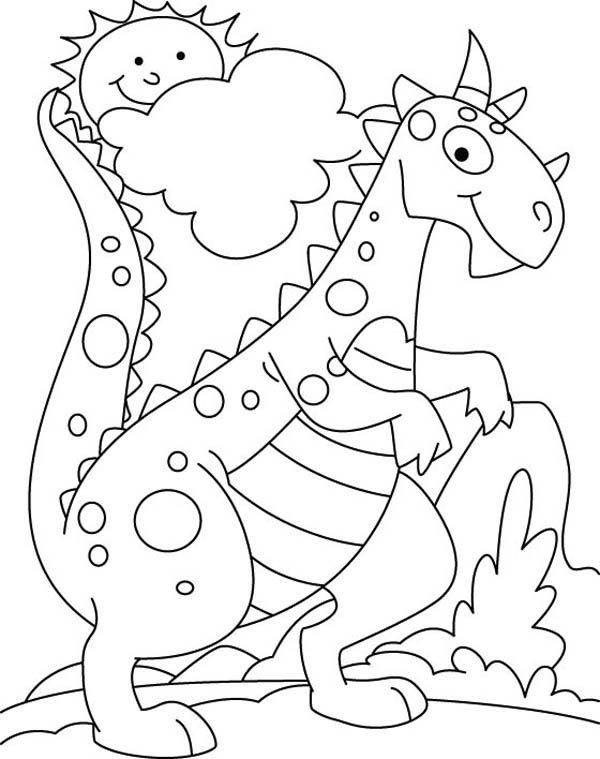
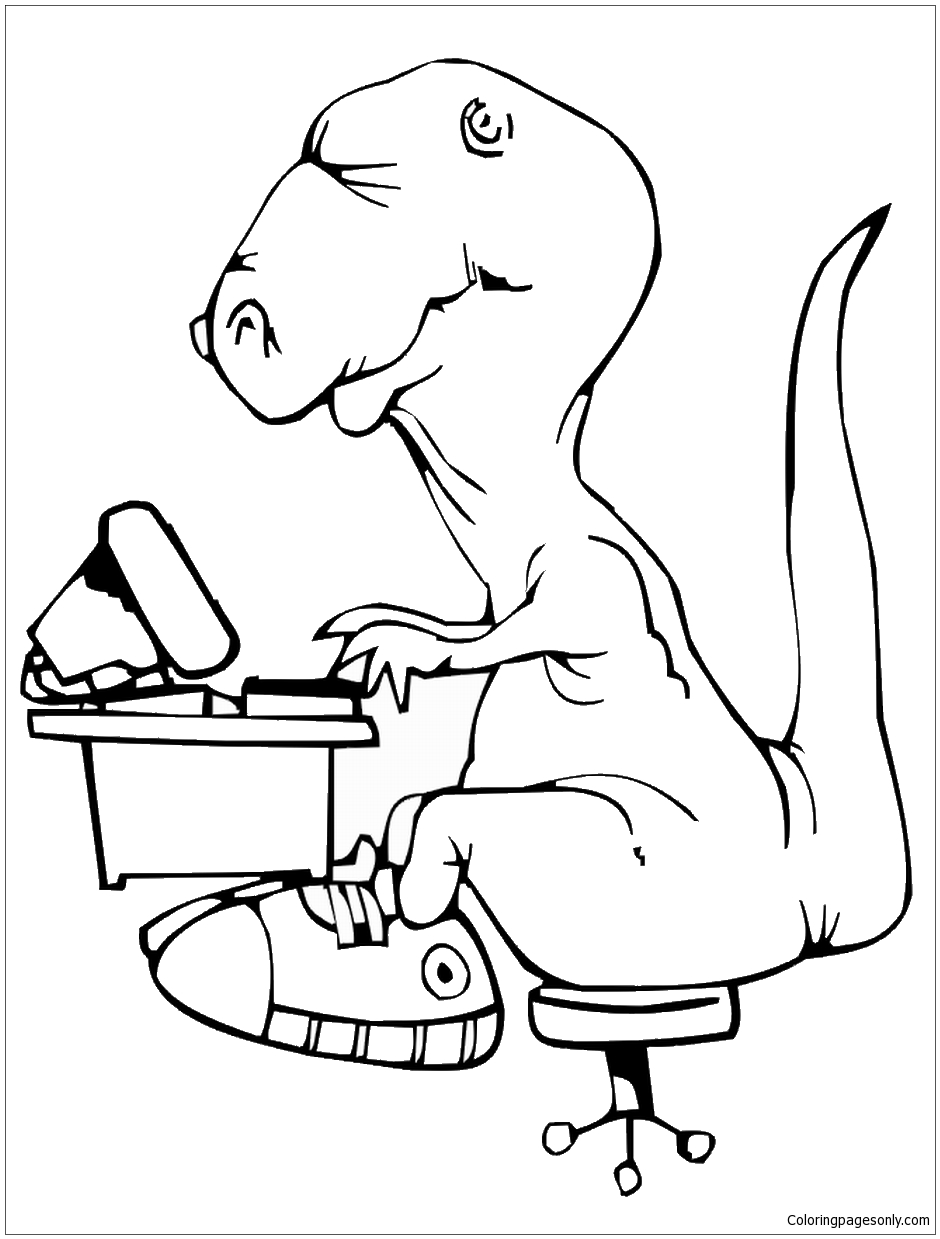
Funny cartoon dinosaur pages make the collection playful and unexpected. These pages may show dinosaurs playing guitar, wearing a bow tie, wearing a cowboy hat, holding a gift box, holding pencils, running, painting at an easel, or working together.

These pages are great because they turn dinosaurs into characters with hobbies and personalities. A dinosaur can be an artist, musician, runner, cowboy, student, worker, or gift-giver. This gives children more room to create funny stories.

Funny activity pages also make the collection more engaging for kids who may prefer character scenes over realistic dinosaur outlines. They can add speech bubbles, sound effects, music notes, action lines, or silly background details.

Coloring funny dinosaur pages: Use bright cartoon colors and give each dinosaur a personality. Color hats, pencils, guitars, gift boxes, and art supplies with bold colors. Add speech bubbles, music notes, stars, or action lines.

Story-Based and Animated-Style Dinosaur Coloring Pages

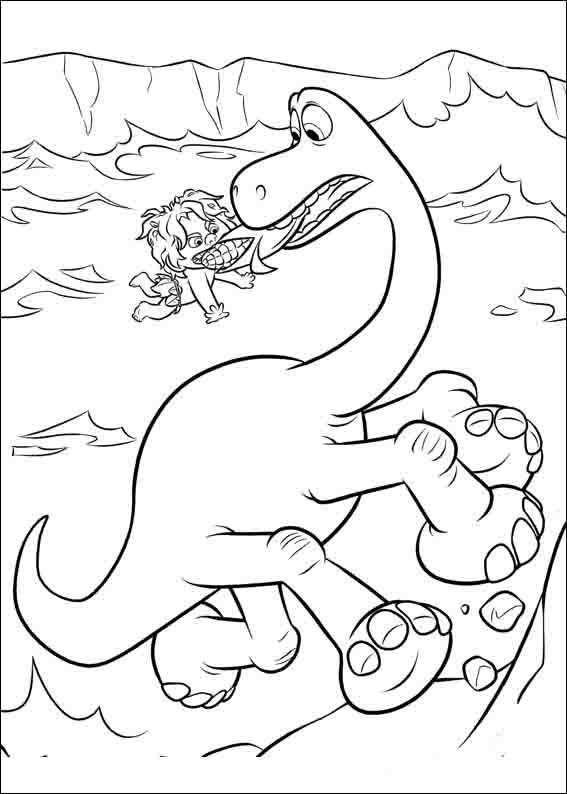
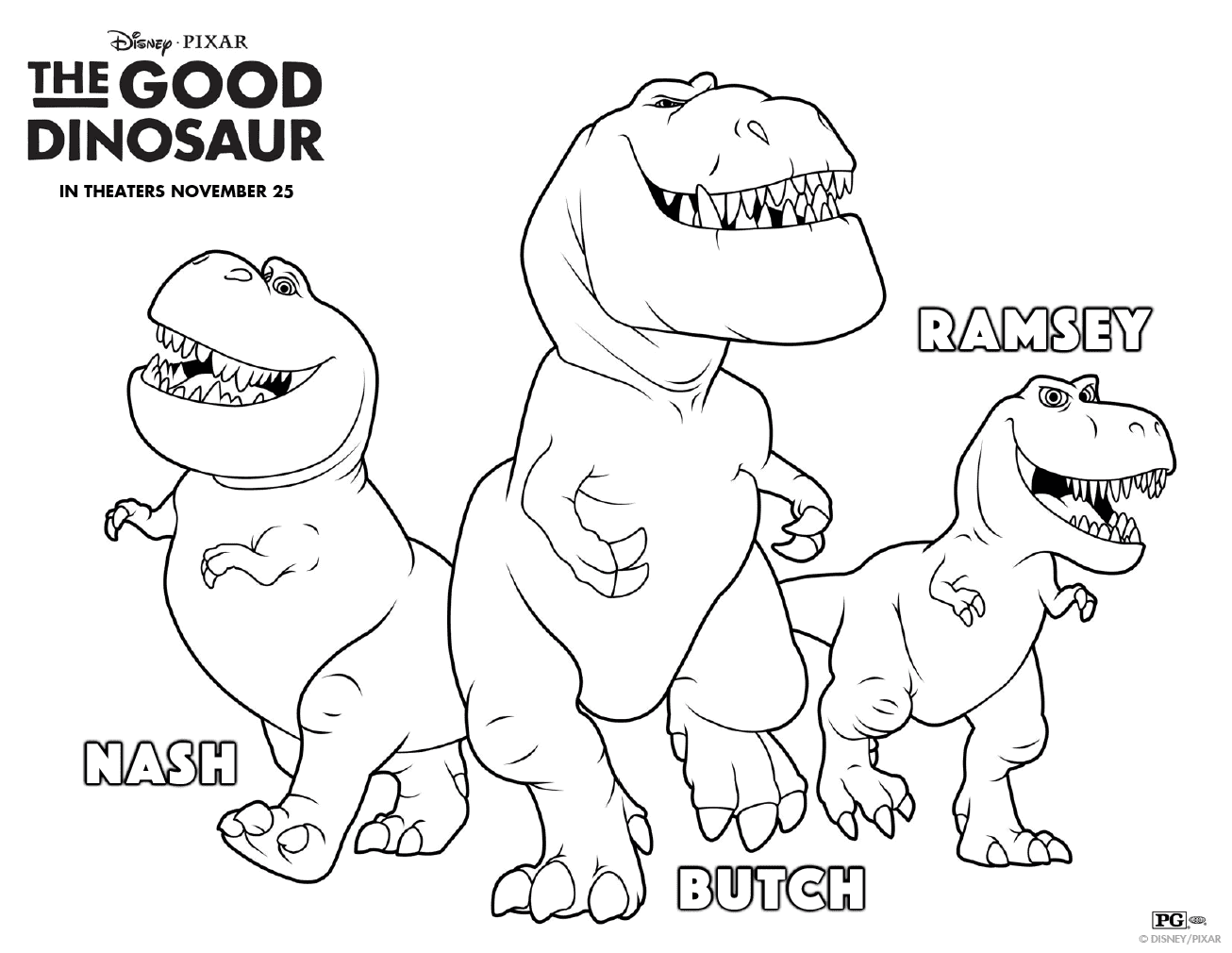
Story-based and animated-style dinosaur pages focus on friendship, movement, and scene building. These pages may include dinosaur friends, character groups, adventure moments, or story-like designs that feel more playful than scientific.

Animated-style dinosaur pages usually focus less on scientific accuracy and more on character expression. They can show teamwork, courage, friendship, family bonds, play, humor, or simple adventure. These pages are useful for children who enjoy coloring scenes rather than only single dinosaurs.

This group helps children practice storytelling. After coloring, they can describe who the characters are, where they are going, what problem they face, and what happens next.

Coloring story-based dinosaur pages: Use clear, bright colors for each character so they are easy to tell apart. Add warm backgrounds, soft sky colors, trees, rocks, paths, or story details that match the scene.

Rare, Detailed, and Miscellaneous Prehistoric Creature Coloring Pages

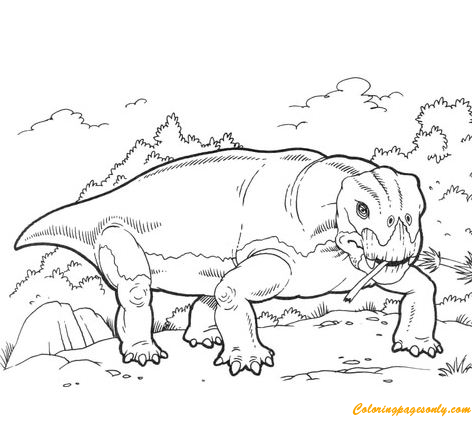
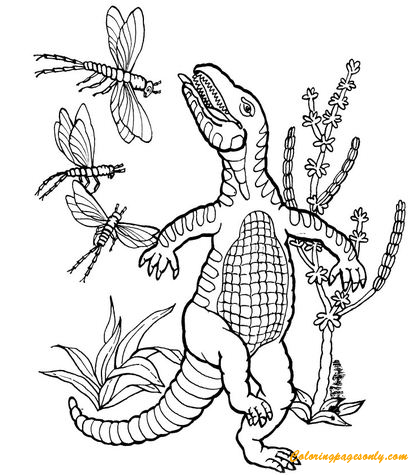
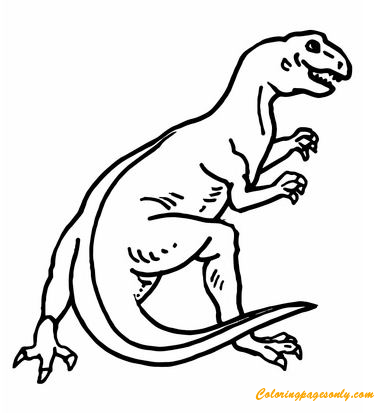
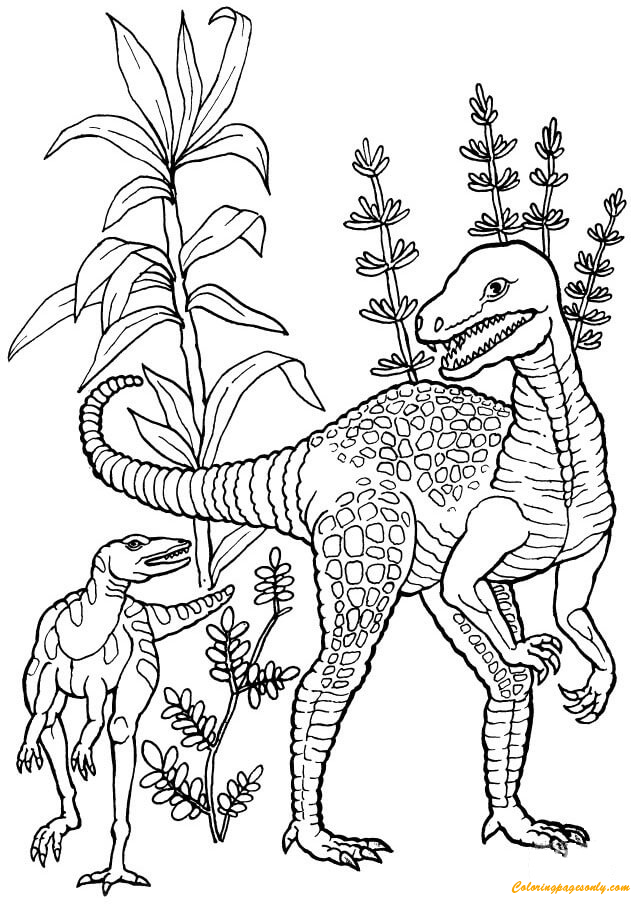
The Misc. Dinosaur collection also includes less common prehistoric creature designs and detailed pages such as Teratosaurus, Herrerasaurus, Lystrosaurus, Notosaurus, Tanystropheus, thecodont-inspired creatures, Meganeura-like prehistoric insects, and other unusual prehistoric themes.

These pages are especially useful for older kids and dinosaur fans who want something beyond the most famous dinosaurs. They can compare body shapes, tails, teeth, legs, necks, wings, claws, and fossil-style details.

These pages also give teachers a chance to explain that “dinosaur” is often used broadly in children’s coloring pages, but the prehistoric world included many different animals. Some were true dinosaurs, while others were flying reptiles, marine reptiles, early reptiles, mammal-like reptiles, or giant insects.

Coloring rare prehistoric creature pages: Use natural colors for a realistic look, such as brown, gray, olive, tan, muted green, and dark blue. For a creative version, use bright fantasy colors and add labels, habitats, or a mini field guide note.

What These Pages Do

Misc. Dinosaur coloring pages help users quickly find printable or online coloring sheets based on many dinosaur and prehistoric themes in one place. The collection includes baby dinosaurs, hatching eggs, T. rex, Triceratops, Stegosaurus, Brachiosaurus, Plesiosaurus, Pteranodon, Quetzalcoatlus, Styracosaurus, dinosaur footprints, bones, fossils, volcano scenes, life cycle pages, mother-baby scenes, cartoon dinosaurs, animated-style friends, funny activity dinosaurs, and rare prehistoric creatures. Parents can choose cute pages for quiet time. Teachers can choose fossil, footprint, life cycle, and volcano pages for classroom activities. Kids can choose pages based on favorite dinosaur shapes, story scenes, or adventure ideas.

The strongest value of this collection is prehistoric variety discovery, instead of focusing on one species, Misc. Dinosaur coloring pages give children a mixed prehistoric table to explore. One page may be a sweet baby dinosaur. Another may be a powerful T. rex. Another may be a fossil bone page. Another may show a volcano, a footprint, a long-neck dinosaur, a flying creature, a water creature, or a funny dinosaur playing guitar. This variety helps children compare, sort, imagine, and ask questions.

These pages also support pretend paleontology play. Children can color dinosaur tracks, bones, eggs, and life cycle scenes, then imagine they are young explorers. They can ask: Who made this footprint? What hatched from this egg? What did this dinosaur eat? Did it walk, fly, or swim? What kind of habitat did it live in? This turns a simple coloring page into a discovery activity.

The collection is also useful for shape comparison learning. Children can notice long necks, horns, plates, spikes, wings, tails, teeth, claws, eggs, footprints, and fossils. They can sort pages into groups such as baby dinosaurs, big dinosaurs, long-neck dinosaurs, flying creatures, water creatures, fossil pages, cartoon dinosaurs, rare prehistoric creatures, and volcano scenes. This helps build vocabulary and observation skills without making the activity feel like a formal worksheet.

For children, Misc. Dinosaur pages can work like a “color, compare, and discover” creative prompt. The American Academy of Pediatrics emphasizes that play supports children’s social-emotional, cognitive, language, and self-regulation development. In this collection, that idea connects naturally to dinosaur play: a child can color a dinosaur, name its body parts, describe its size, imagine its habitat, tell a story about the egg or footprint, and explain what happens near the volcano. While coloring, children can practice curiosity, storytelling, turn-taking, patience, vocabulary, and focused attention.

These pages can also offer a calm, structured creative break after active play, screen time, or classroom lessons. Research published in Art Therapy has discussed how coloring organized designs with clear boundaries and repeated forms may help reduce short-term anxiety more than fully open-ended drawing. Misc. Dinosaur coloring pages should not be presented as therapy. Still, their plates, horns, footprints, bones, eggs, scales, leaves, volcano lines, water waves, wings, and repeated prehistoric shapes give children a clear path to follow with color. That structure can support a quieter, focused, screen-free moment at home, in class, or during a dinosaur-themed activity.

Coloring also supports fine motor practice. Children work on dinosaur tails, claws, teeth, plates, horns, frills, eggshell cracks, fossil bones, footprints, wings, leaves, rocks, volcano smoke, waves, scales, and small background details. These areas help build hand control, pencil pressure, patience, and attention to small shapes.

When choosing a page, match the design to the child’s age and patience level. For preschoolers and younger children, start with cute dinosaur pages, baby dinosaur pages, simple cartoon dinosaurs, dinosaur eggs, smiling dinosaurs, and dinosaur family scenes. For early elementary children, choose T. rex, Triceratops, Stegosaurus, Brachiosaurus, footprints, volcanoes, and life cycle pages. For older kids and dinosaur fans, choose fossil bones, detailed prehistoric creatures, rare species pages, animated-style group scenes, and pages with more background details.

Misc. Dinosaur pages are especially useful because they combine cute dinosaur coloring, prehistoric discovery, fossil learning, life cycle storytelling, volcano adventure, body-shape comparison, cartoon humor, rare prehistoric creatures, and open-ended creativity. That makes the collection practical for home coloring, preschool activities, dinosaur units, science centers, classroom displays, fossil crafts, rainy-day play, travel folders, and screen-free creative time.

How to Color Misc. Dinosaurs Coloring Pages

Start with the dinosaur type. A T. rex can use darker, stronger colors. A baby dinosaur can use soft colors. A long-neck dinosaur can use gentle greens or browns. A cartoon dinosaur can use any bright color that children like.

Use natural colors for realistic pages. Try olive green, brown, gray, tan, dark blue, rust, and sandy yellow for a prehistoric look.

Use bright colors for cartoon pages. Cute and funny dinosaur pages look great with blue, purple, orange, yellow, pink, mint, or bright green.

Make baby dinosaurs soft and friendly. Use pastel green, pale blue, peach, light yellow, or lavender. Add small flowers, sunshine, or soft clouds.

Color horns, plates, and spikes with contrast. Triceratops horns can be cream or gray. Stegosaurus plates can be red, orange, yellow, or purple. Spikes and claws can be darker gray or brown.

Add texture to big dinosaurs. Use small dots, short lines, or gentle shading to suggest scales, skin folds, or rough prehistoric skin.

Use dramatic colors for volcano scenes. Lava can be red, orange, and yellow. Rocks can be gray or brown. Smoke can be dark gray, purple-gray, or black.

Make fossil pages look like museum pieces. Use cream, beige, tan, brown, and gray for bones. Add a sandy background, label tags, or a simple museum floor.

Separate sky, land, and water. Flying creatures need open sky colors. Water creatures need blue and teal. Land dinosaurs need grass, rocks, trees, or dirt paths.

Use colored pencils for detailed pages. Colored pencils work best for bone shapes, footprints, scales, small leaves, teeth, claws, wings, and volcano details. Markers work well for simple cartoon pages with large spaces.

5 Creative Craft Ideas with Misc. Dinosaurs Coloring Pages

Prehistoric Field Guide Mini Book

Print several different Misc. Dinosaur coloring pages, including a baby dinosaur, T. rex, Stegosaurus, Brachiosaurus, a flying creature, a fossil page, and a footprint page.

After coloring, staple the pages together and let children add simple labels such as “long neck,” “sharp teeth,” “plates,” “egg,” “footprint,” “fossil,” “wings,” or “volcano.” This creates a child-made prehistoric field guide.
Dinosaur Life Cycle Wheel

Choose a dinosaur egg page, a hatching baby dinosaur page, a baby dinosaur page, and an adult dinosaur page.
Color each stage, cut the pictures into sections, and glue them around a paper circle. Add a spinner in the middle. Children can turn the wheel and explain the dinosaur life cycle in their own words.
Fossil and Footprint Museum Board

Print dinosaur bones, fossils, footprints, and rare prehistoric creature pages. Color them with natural fossil colors.

Glue the finished pieces onto a large poster board and add labels such as “Fossil,” “Track,” “Bones,” “Eggshell,” and “Prehistoric Clue.” This craft turns coloring pages into a classroom museum display.

Volcano Dinosaur Diorama Poster

Print a volcano dinosaur page or a dinosaur scene near a volcano. Color the page with bold lava colors.

Glue the finished page onto cardboard. Add paper rocks, cotton smoke, tissue-paper lava, and cut-out dinosaurs. This creates a dramatic prehistoric scene for display.

Funny Dinosaur Story Parade

Print funny dinosaur pages, such as a dinosaur playing guitar, wearing a cowboy hat, holding pencils, running, painting, or carrying a gift.

Color each dinosaur, cut them out, and glue them in a row on a long strip of paper. Add speech bubbles and a title such as “Dinosaur Talent Day” or “The Silly Dino Parade.”

FAQ About Misc. Dinosaurs Coloring Pages

Are these Misc. Dinosaur coloring pages free to print?

Yes. These Misc. Dinosaur coloring pages are free to download and print. You can choose one favorite dinosaur page for quick coloring or print several designs for classroom lessons, fossil crafts, dinosaur units, birthday activities, or screen-free creative time.

Can I color Misc. Dinosaur pages online?

Yes. You can color Misc. Dinosaur pages are online if you do not want to print them. Online coloring is useful for quick activities and tablet coloring. If you want to make field guides, fossil boards, life cycle wheels, posters, or classroom displays, printing the PDF or PNG version is better.

What does “Misc. Dinosaurs” mean?

“Misc. Dinosaurs” means a mixed dinosaur and prehistoric creature collection. Instead of focusing on one species, this page includes many dinosaur types, baby dinosaurs, eggs, fossils, footprints, volcanoes, cartoon scenes, and rare prehistoric designs.

What kinds of dinosaurs are included?

The collection includes cute dinosaurs, baby dinosaurs, T. rex, Triceratops, Stegosaurus, Brachiosaurus, Styracosaurus, dinosaur eggs, dinosaur families, footprints, bones, fossils, life cycle pages, volcano scenes, cartoon dinosaurs, and rare prehistoric creature designs.

Are all the creatures in this collection true dinosaurs?

Not all of them. Some pages show true dinosaurs, while others show prehistoric creatures such as flying reptiles, water reptiles, early reptiles, mammal-like reptiles, or giant prehistoric insects. The collection uses “dinosaurs” as a broad, kid-friendly theme for prehistoric coloring fun.

Are Misc. Are dinosaur coloring pages good for preschoolers?

Yes. Cute dinosaurs, baby dinosaurs, simple cartoon dinosaurs, smiling dinosaurs, and dinosaur egg pages are good choices for preschoolers. Detailed fossil pages, rare prehistoric creatures, and complex volcano scenes are better for older children.

What colors should I use for dinosaurs?

You can use natural colors such as green, brown, gray, tan, olive, and dark blue. You can also use fantasy colors such as purple, orange, red, yellow, pink, or rainbow colors for cartoon dinosaurs.

How can I make dinosaur pages look more realistic?

Use earthy colors, add darker shadows under the body, make the belly lighter, color claws and horns separately, and add small dots or lines for skin texture. Fossil pages look realistic with cream, tan, gray, and sandy brown.

How can teachers use Misc. Dinosaur coloring pages?

Teachers can use these pages for dinosaur units, fossil lessons, life cycle activities, vocabulary practice, body-shape comparison, classroom displays, science centers, pretend paleontology play, and fine motor practice.

What paper is best for printing dinosaur coloring pages?

Regular printer paper works well for crayons and colored pencils. If children use markers, thicker paper or cardstock is better because it reduces bleed-through. Cardstock is also best for posters, museum boards, field guides, and craft projects.

Can finished dinosaur pages be used for crafts?

Yes. Finished pages can become prehistoric field guides, dinosaur life cycle wheels, fossil museum boards, volcano diorama posters, silly dinosaur parades, classroom displays, bookmarks, wall art, or dinosaur party decorations.


Browse the full collection at ColoringPagesOnly.com. All 60+ pages are free, available in PDF or PNG format, ready to print at home or color online.

These Misc. Dinosaur pages are created for personal, classroom, educational, and creative coloring use. They fit many moments: preschool coloring, dinosaur lessons, fossil activities, volcano crafts, life cycle projects, rainy-day play, science centers, dinosaur birthday parties, travel folders, and screen-free creative fun.

For the final pass, keep each dinosaur’s shape clear. Add scales, spots, stripes, footprints, rocks, trees, clouds, volcano smoke, museum labels, eggshell cracks, water waves, wings, or simple story details to make each page feel like a prehistoric discovery.

Share your work on Facebook and Pinterest and tag #ColoringPagesOnly. We especially want to see your Prehistoric Field Guide Mini Book, Dinosaur Life Cycle Wheel, and Fossil Museum Board.

These related coloring collections will help you explore more dinosaurs, fossil themes, prehistoric animals, and species-specific coloring fun. Let’s choose, be creative, and show us your great pictures!

Jennifer Thoa – Content Editor & Designer

Jennifer Thoa is Content Editor and Designer at ColoringPagesOnly.com. Degree in Journalism and Creative Writing, University of Kansas. She writes and edits long-form educational articles on anime, film, animals, world cultures, and automotive history - verified against named primary sources before publication.