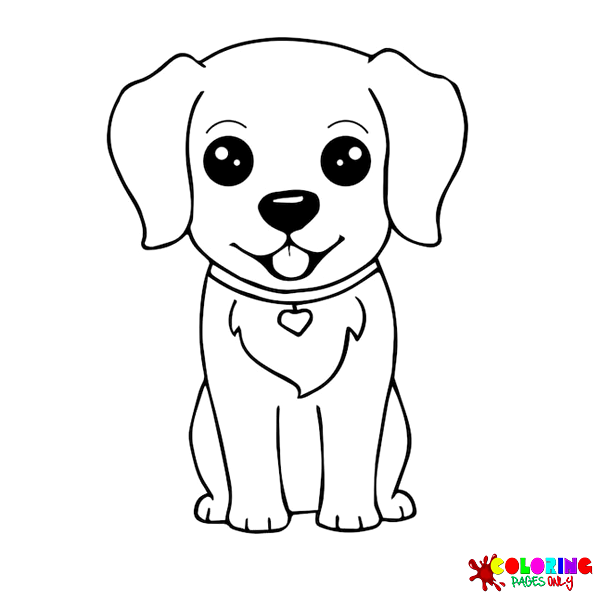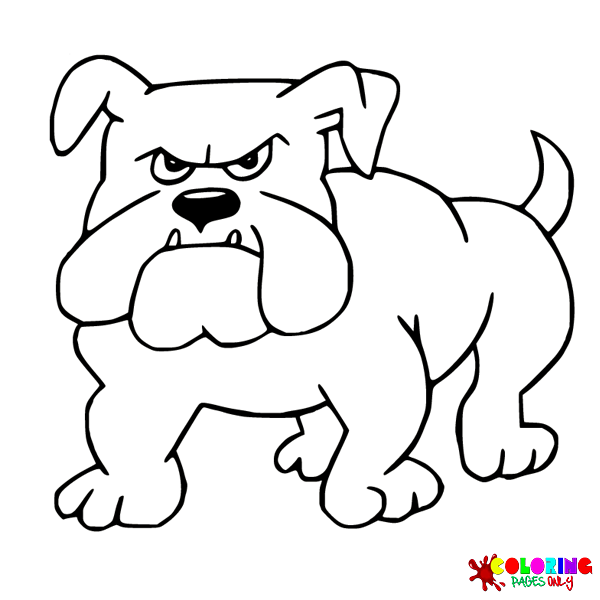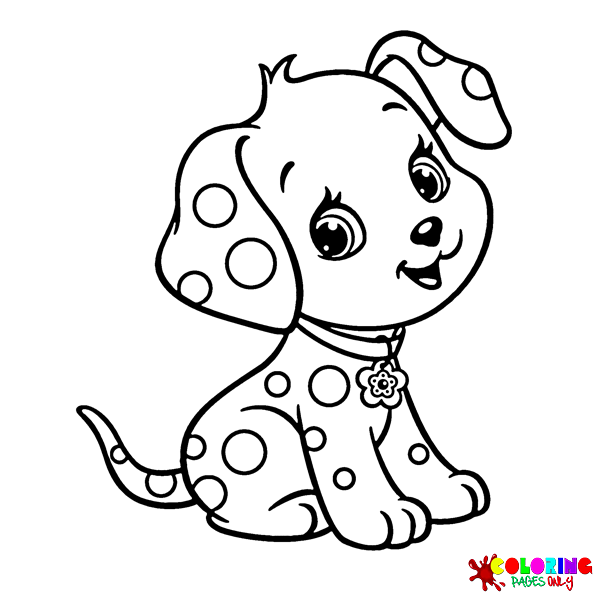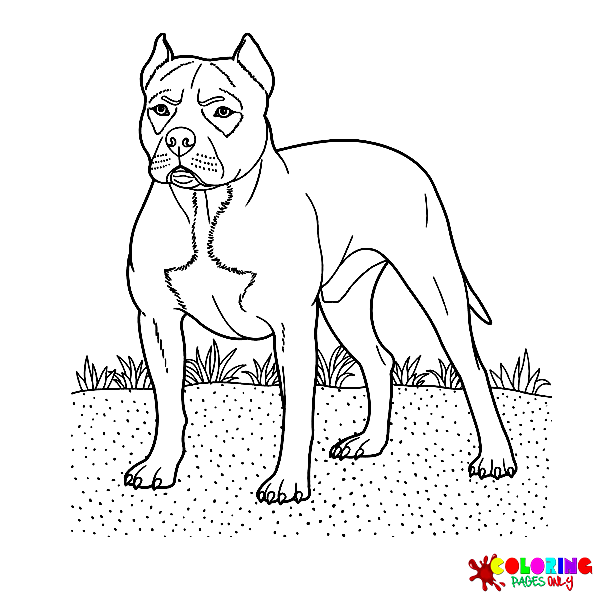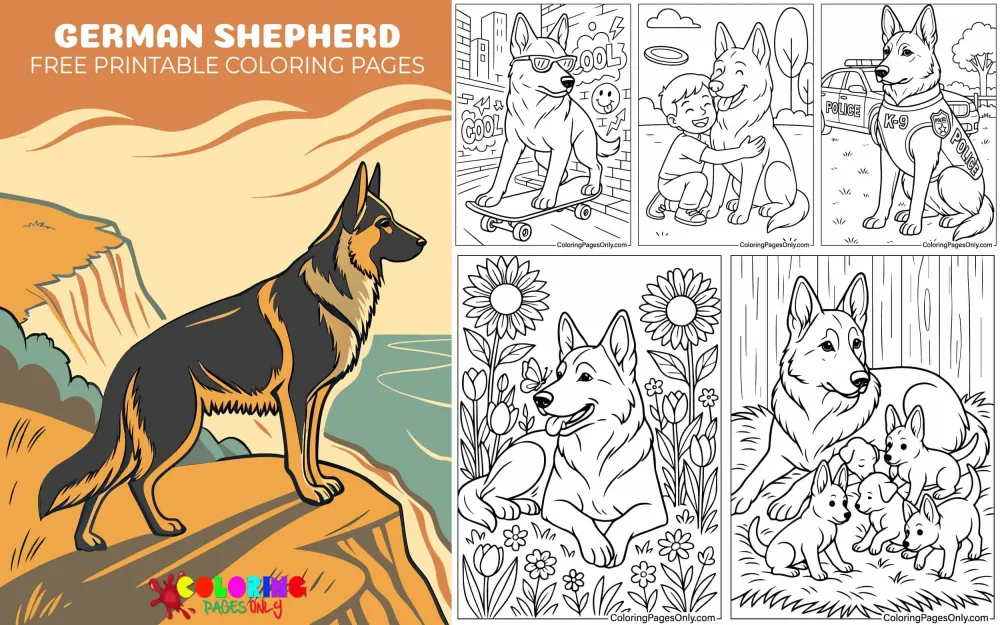
Free German Shepherd coloring pages: 69 printable PDF designs spanning puppies, working dogs, realistic portraits, and everyday family scenes. Every page can be downloaded as a PDF to print or colored online in the browser.
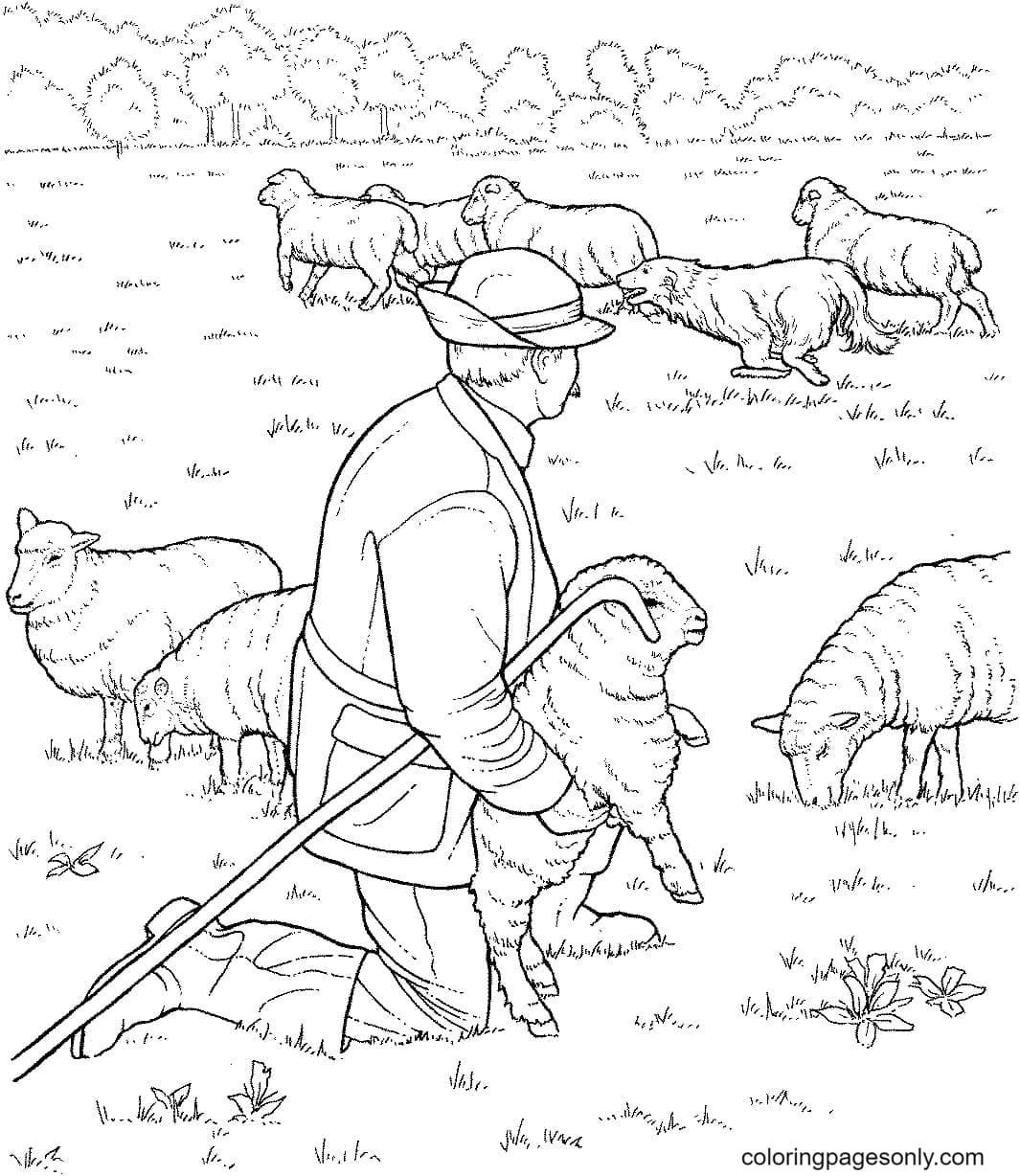
The German Shepherd breed was formally established on April 3, 1899, when German cavalry captain Max von Stephanitz purchased a herding dog named Hektor Linksrhein at a dog show, later renaming him Horand von Grafrath and registering him as the breed’s founding sire. Von Stephanitz and a fellow enthusiast, Artur Meyer, founded the Verein für Deutsche Schäferhunde that same year to standardize the breed. Originally developed for herding sheep, German Shepherds were soon recognized for the intelligence and trainability that later made them a leading choice for police, military, and search-and-rescue work.
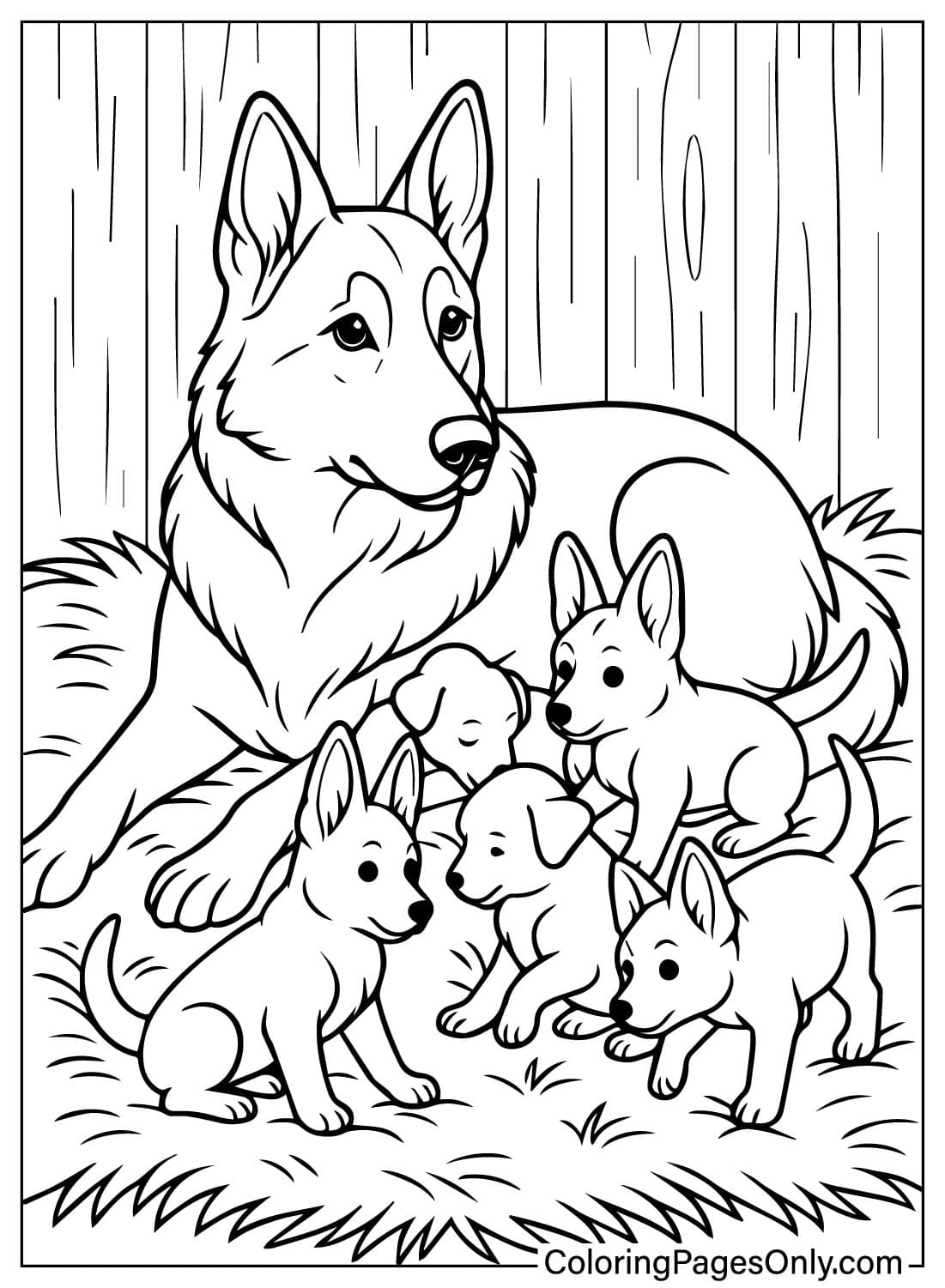
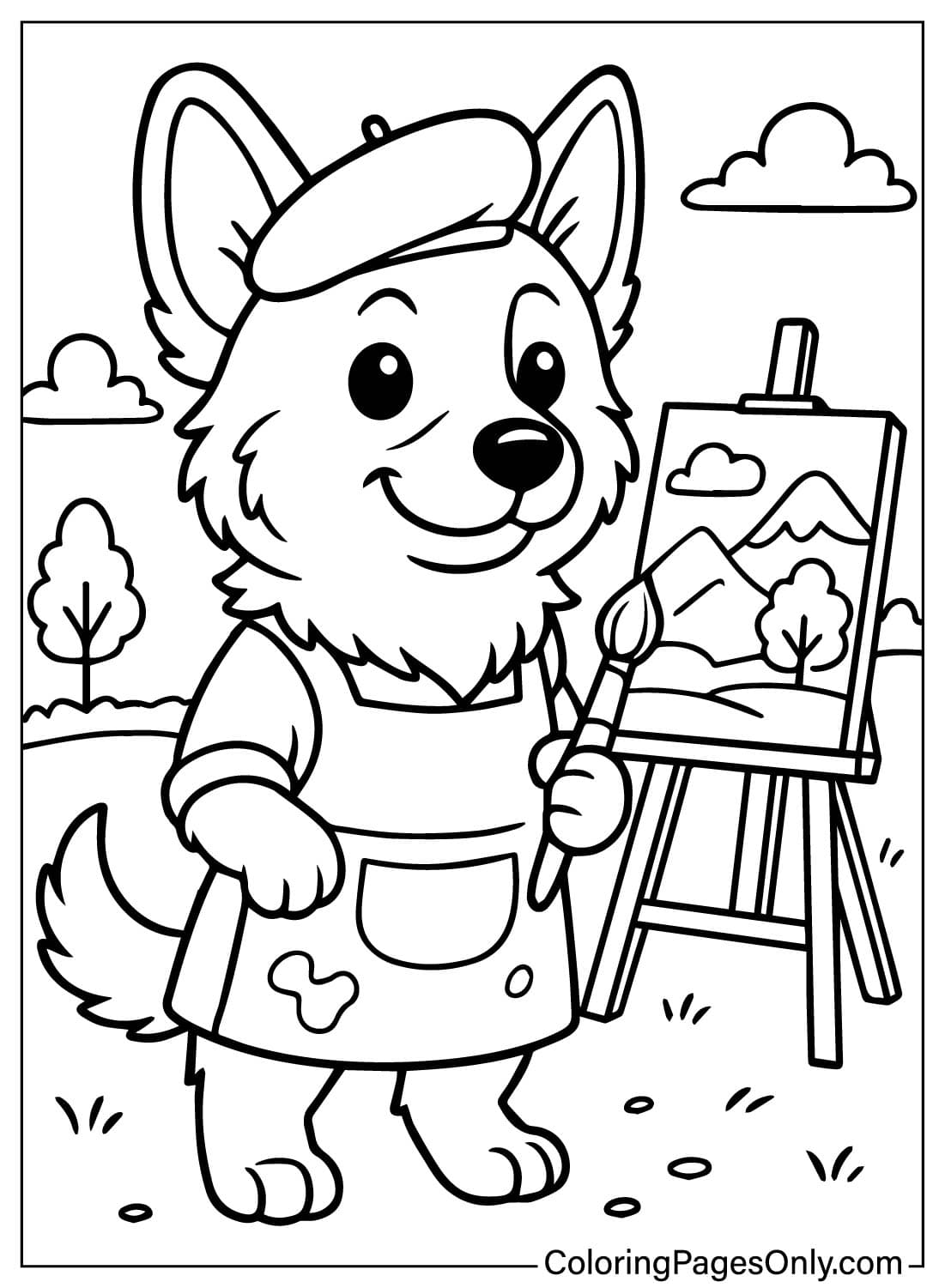
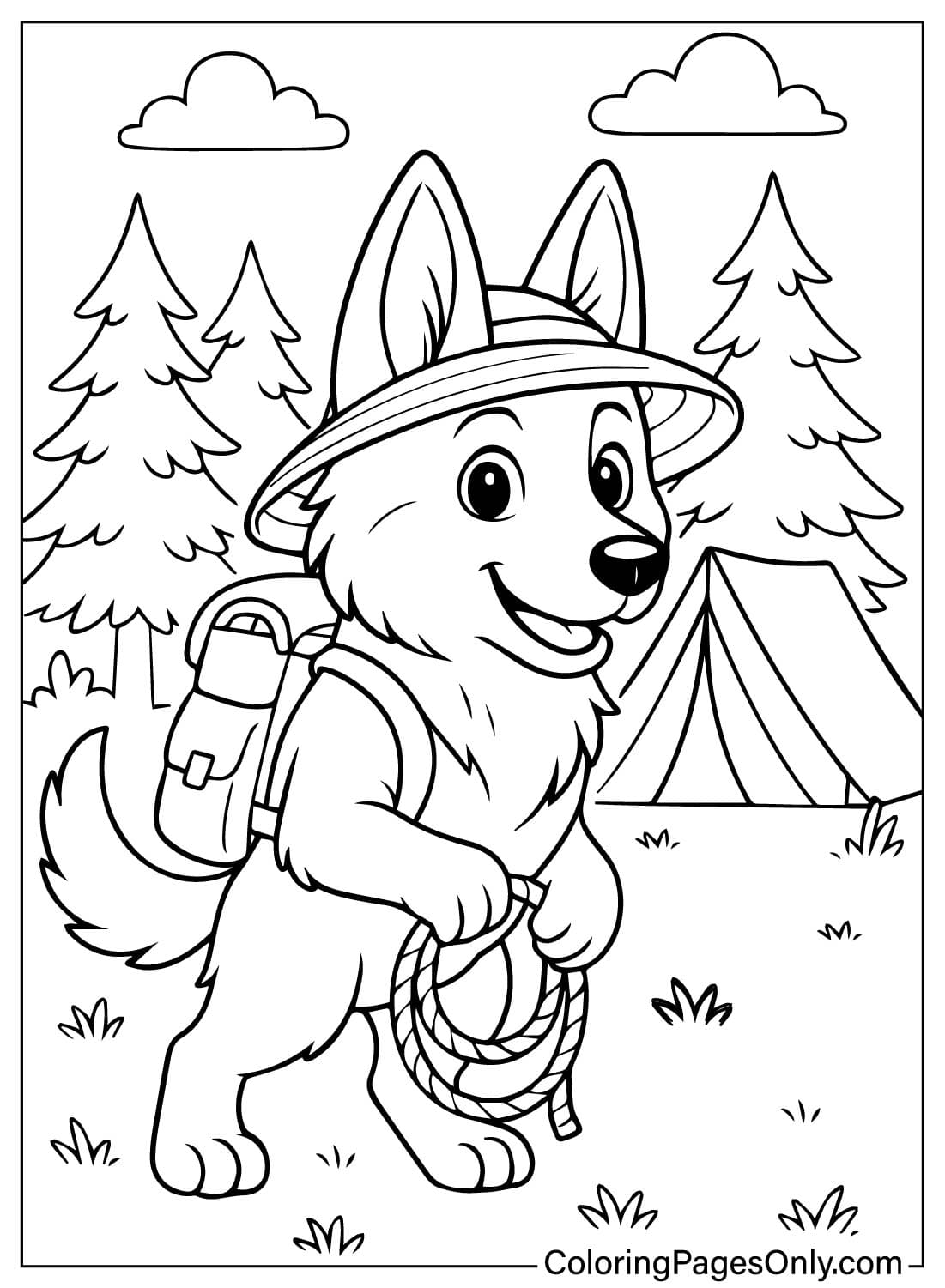
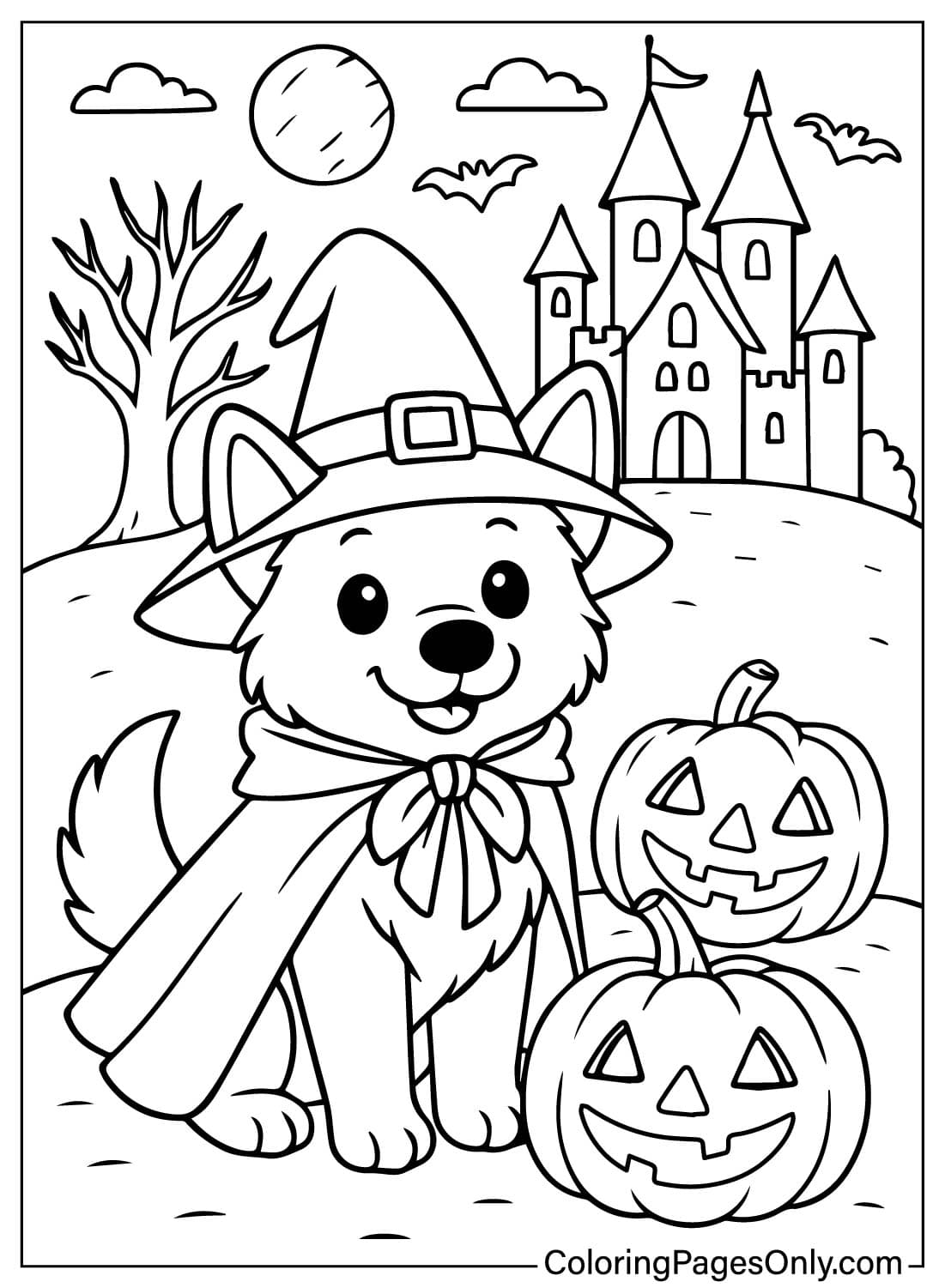
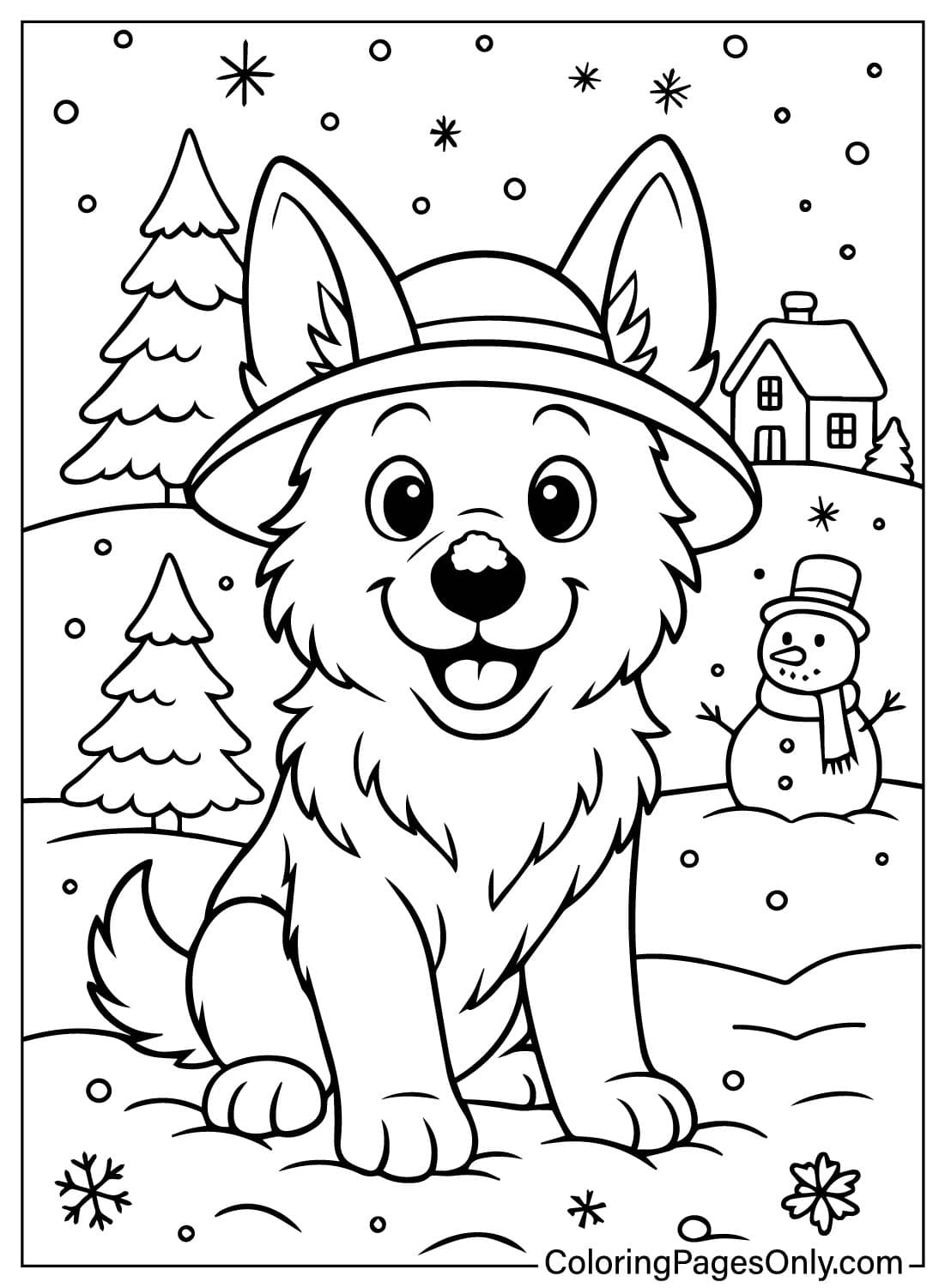
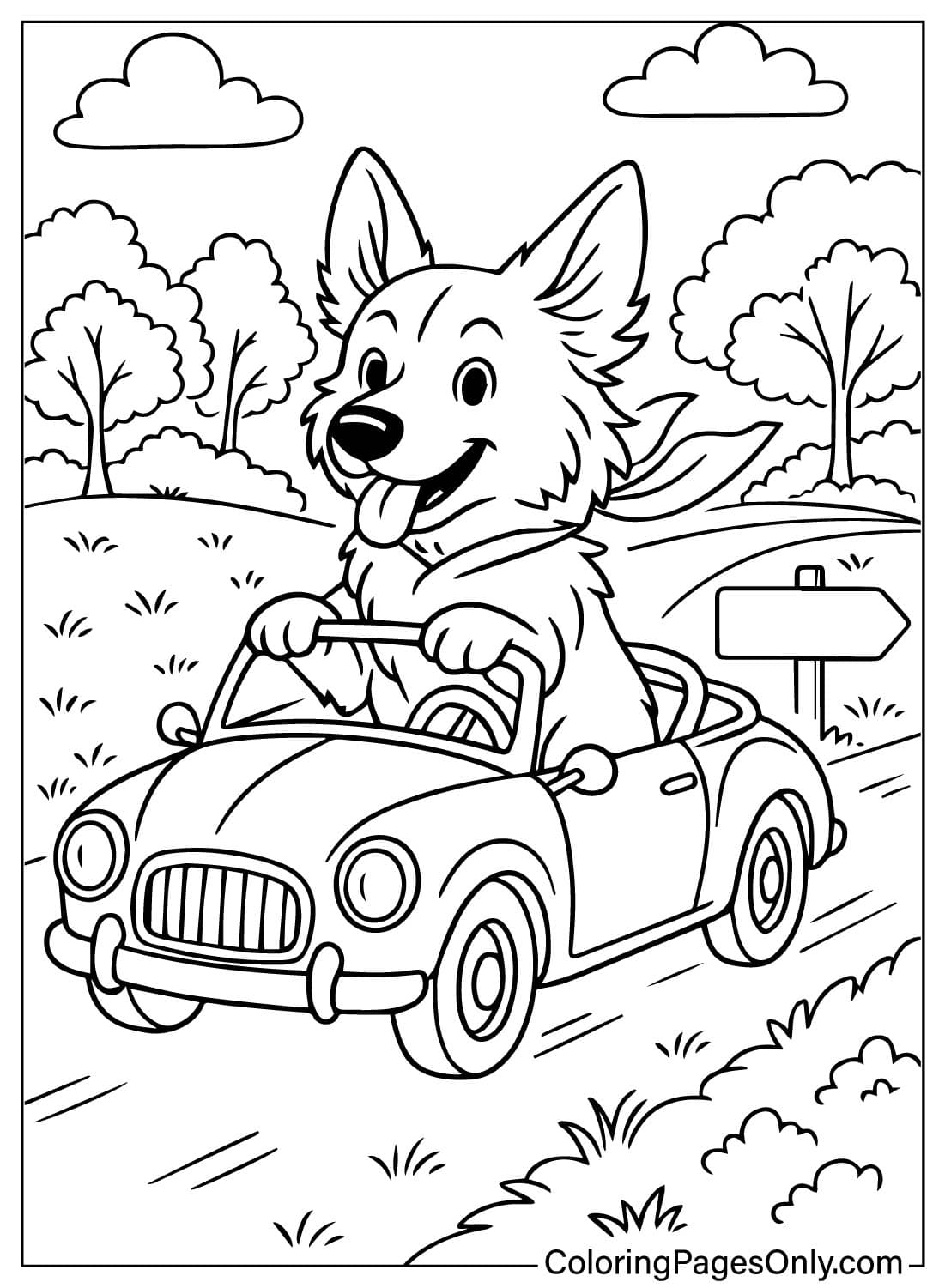
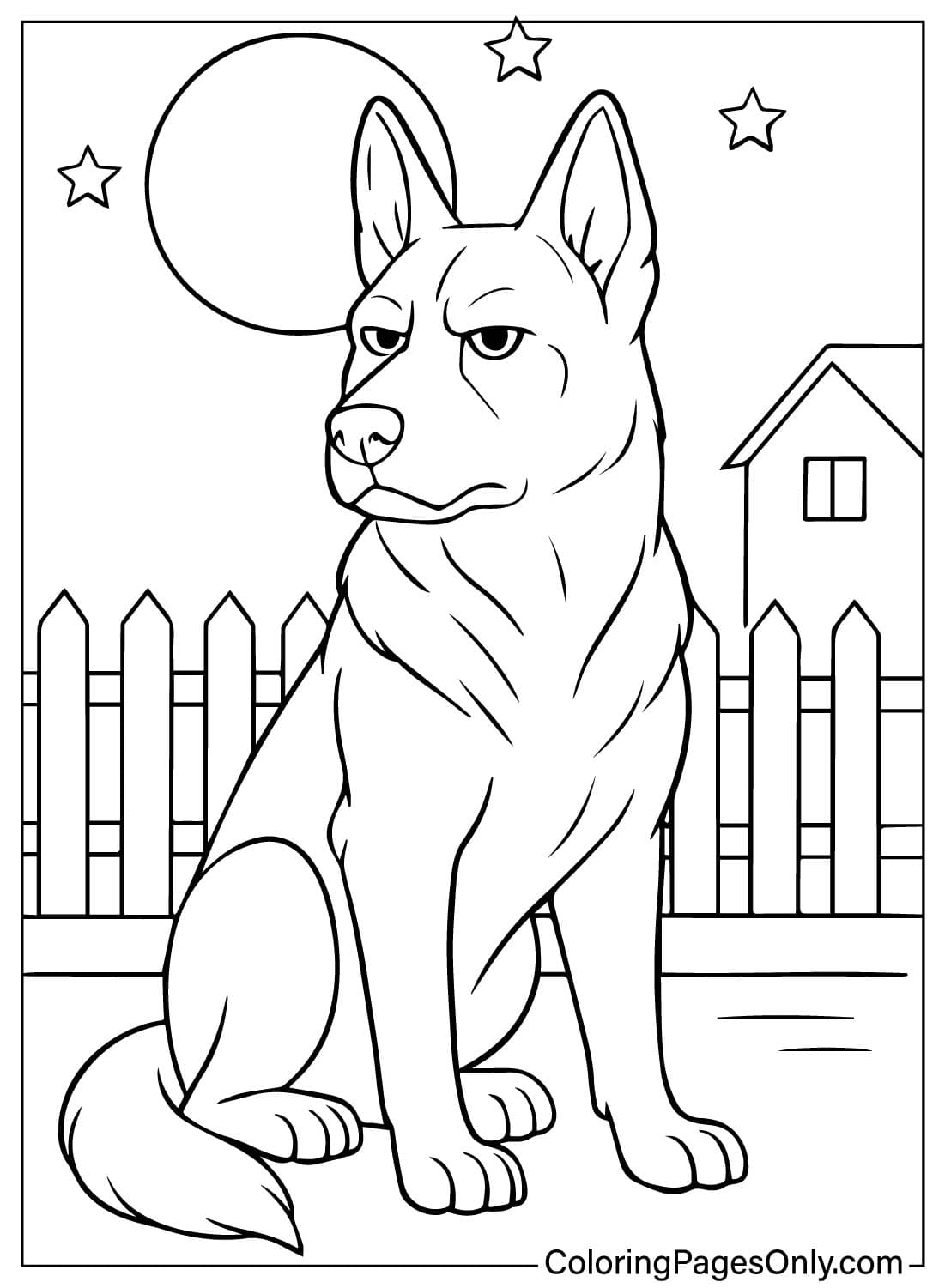
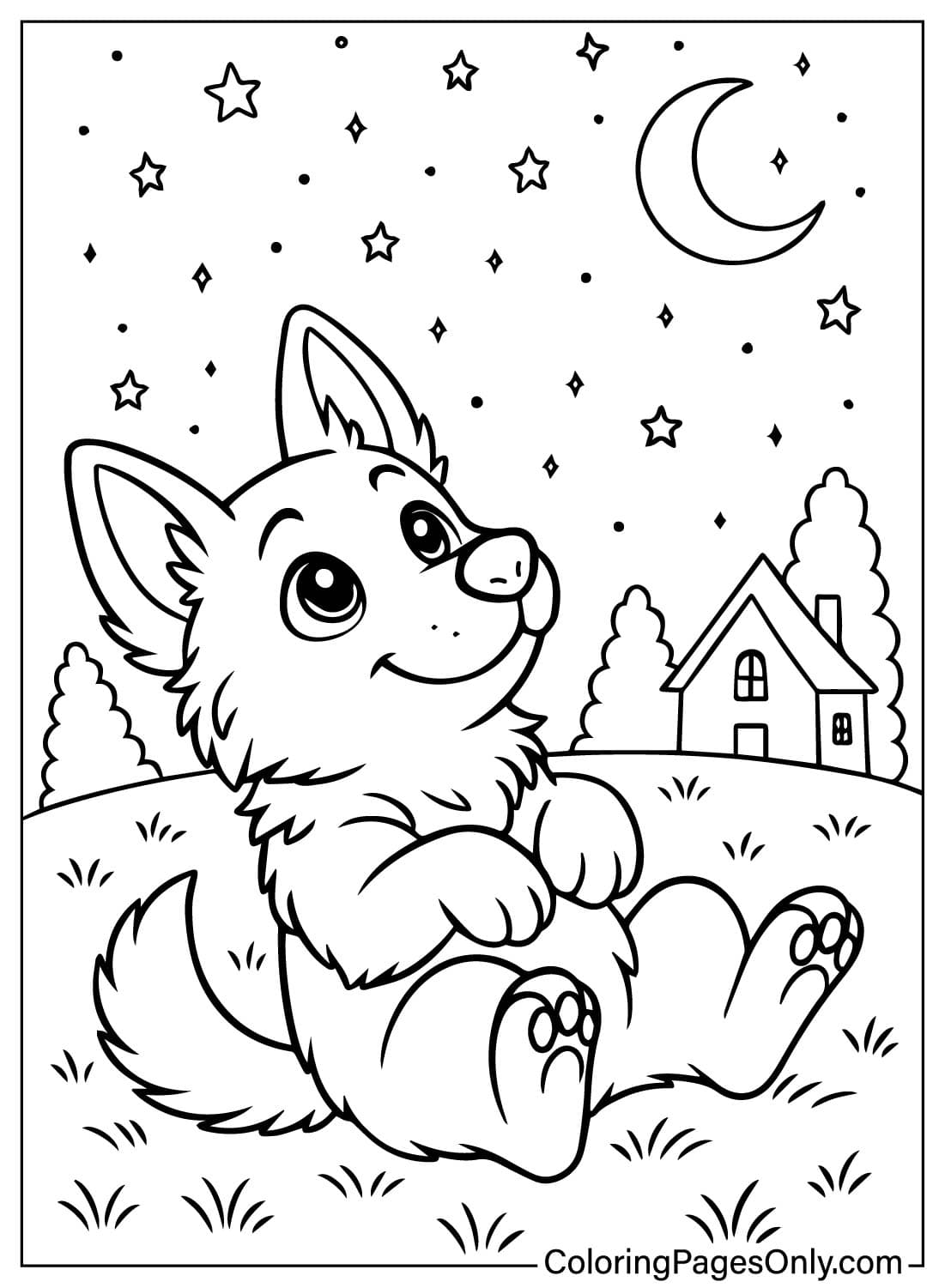
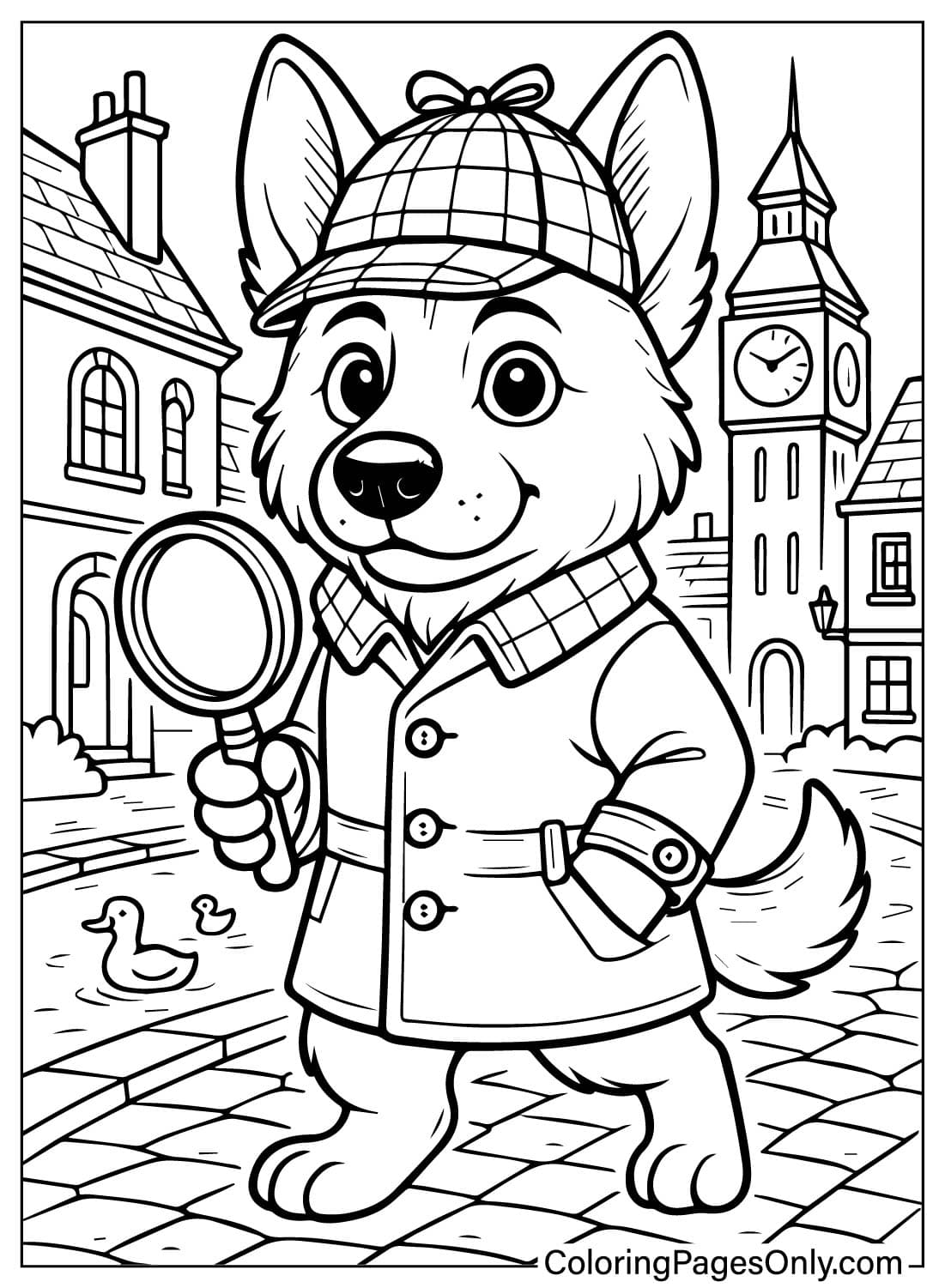
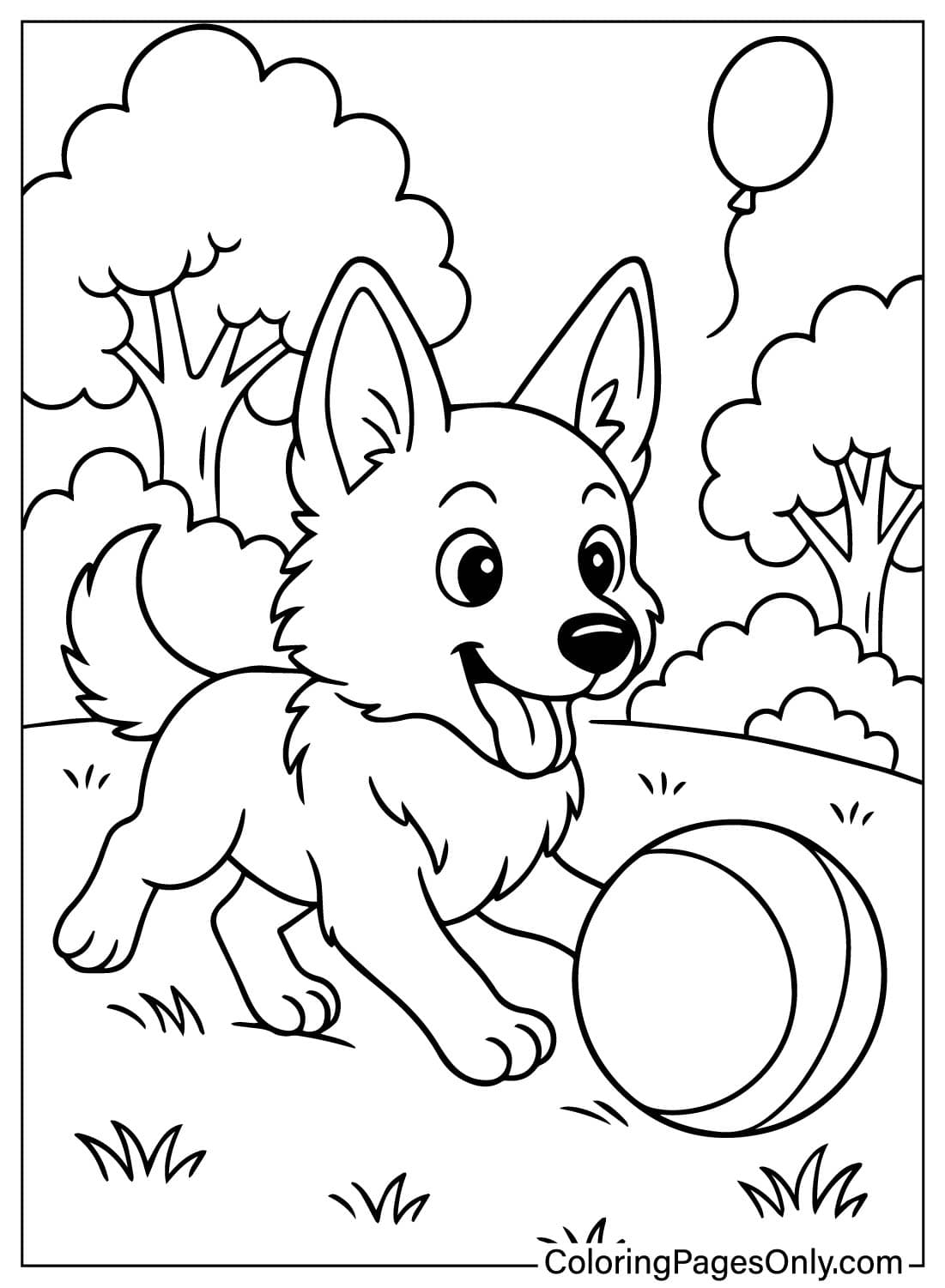
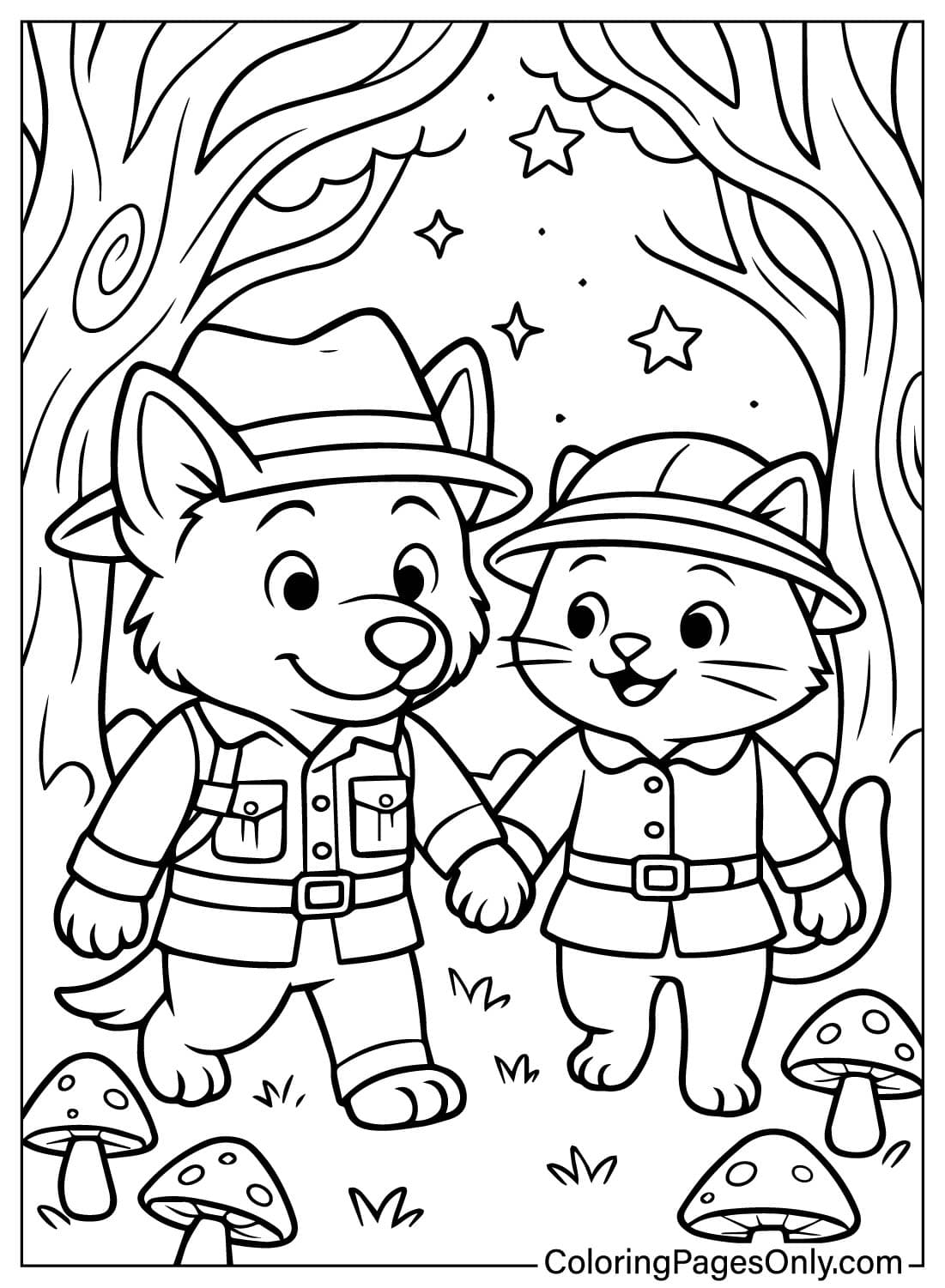
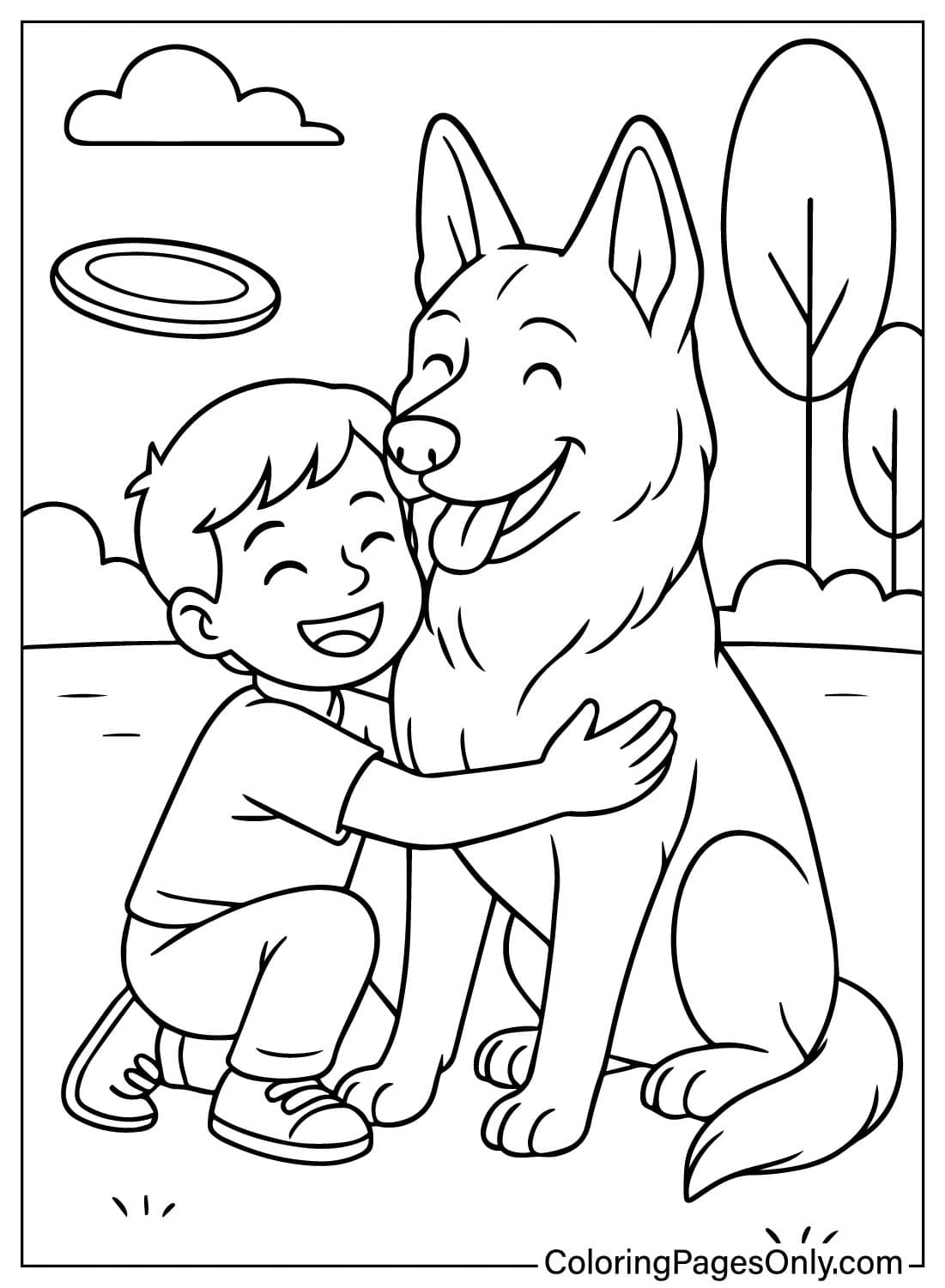
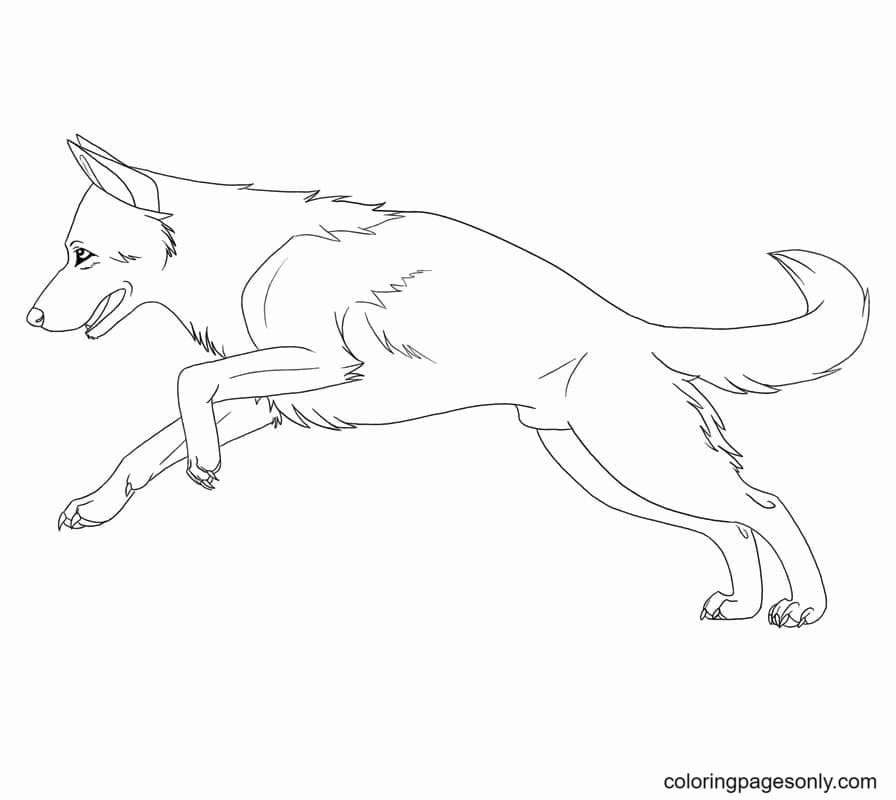
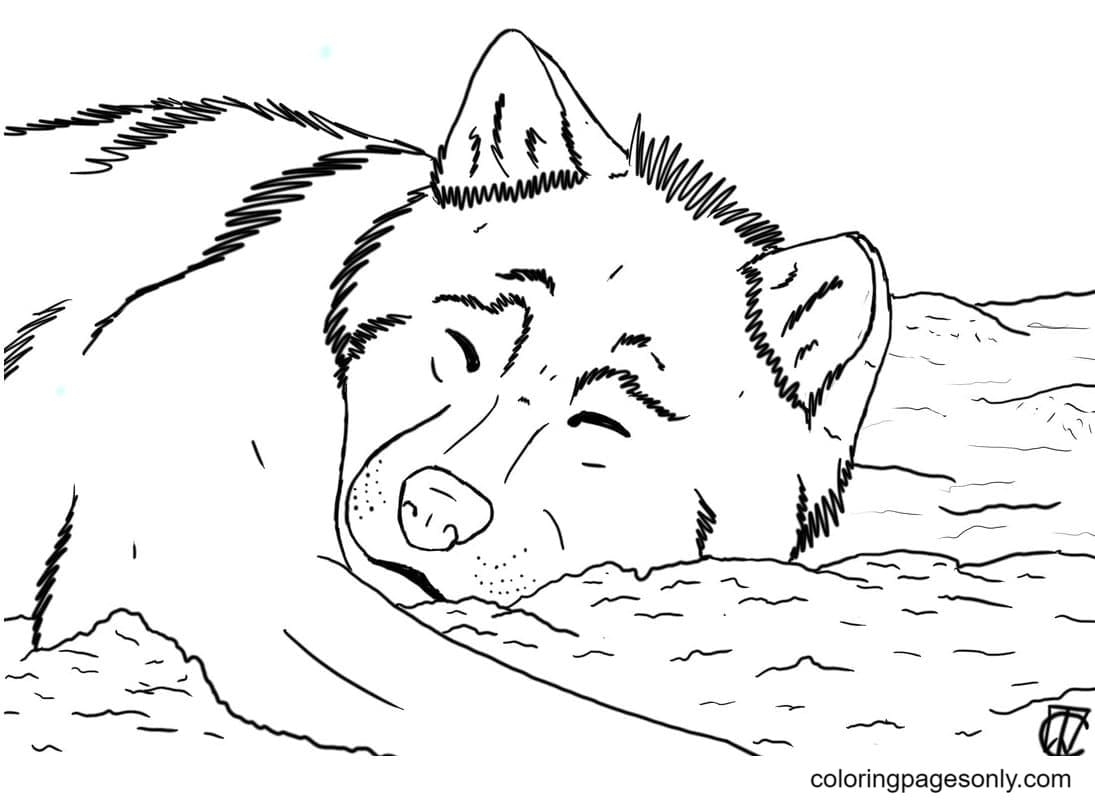
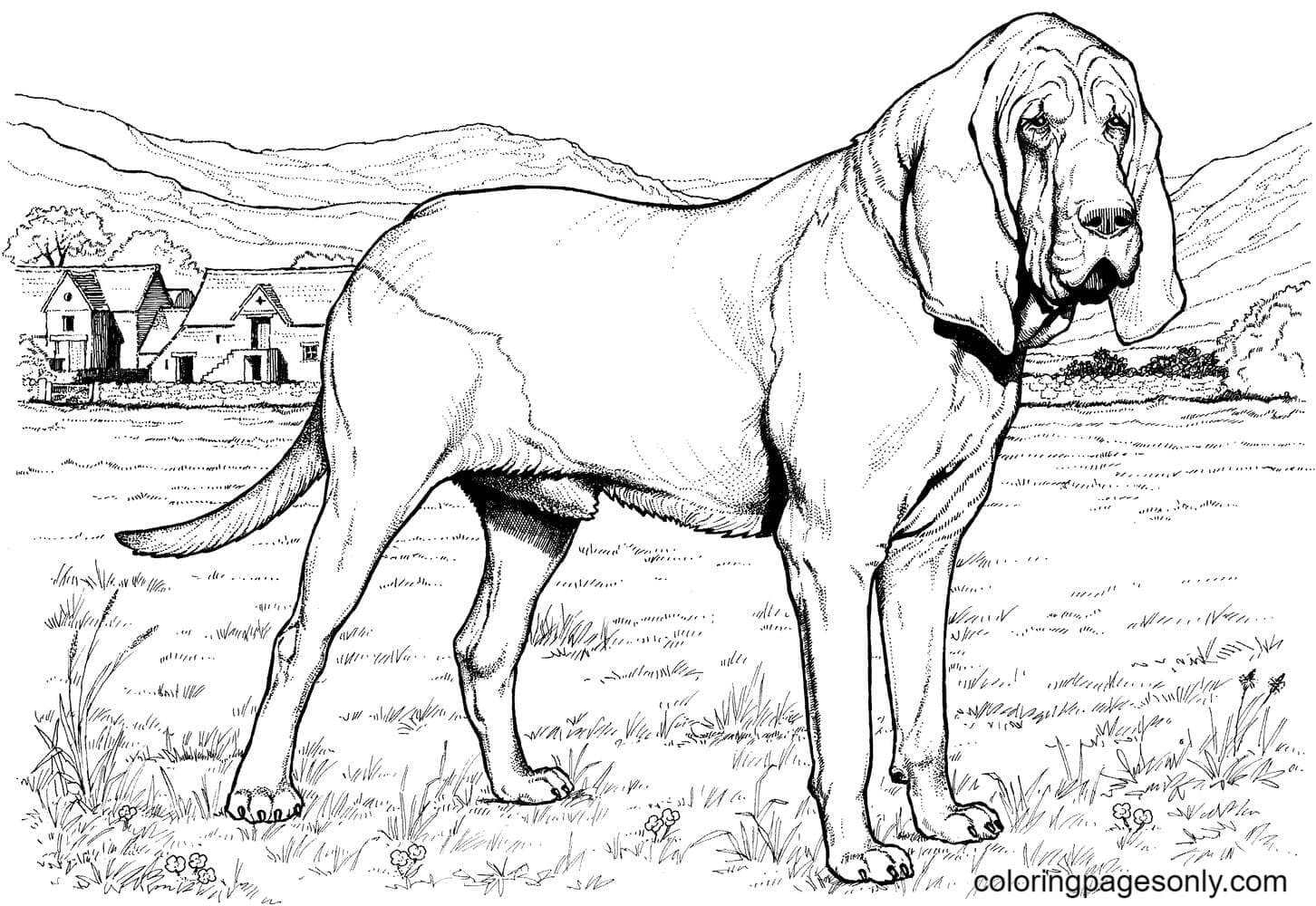
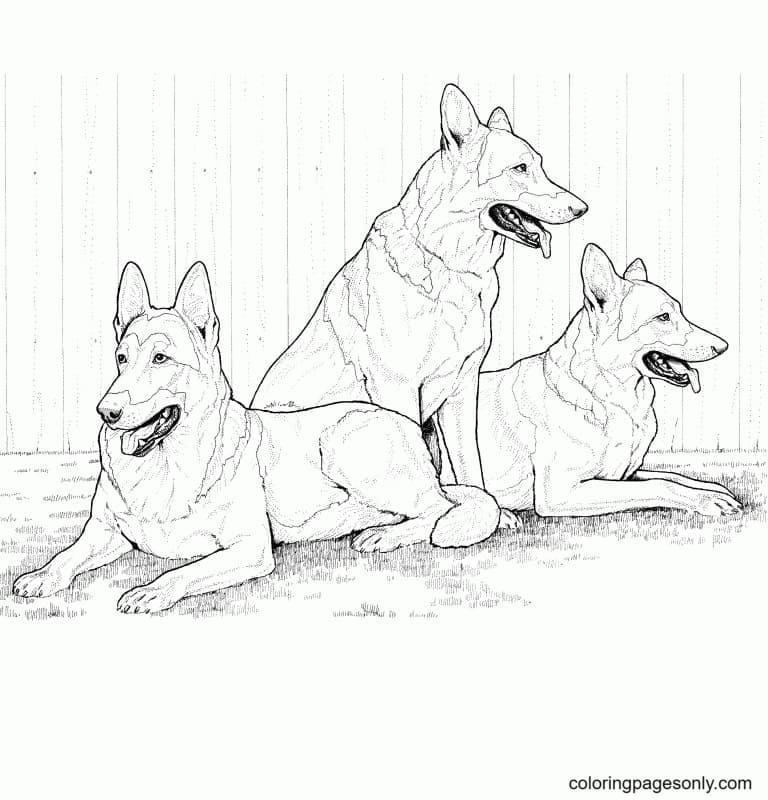
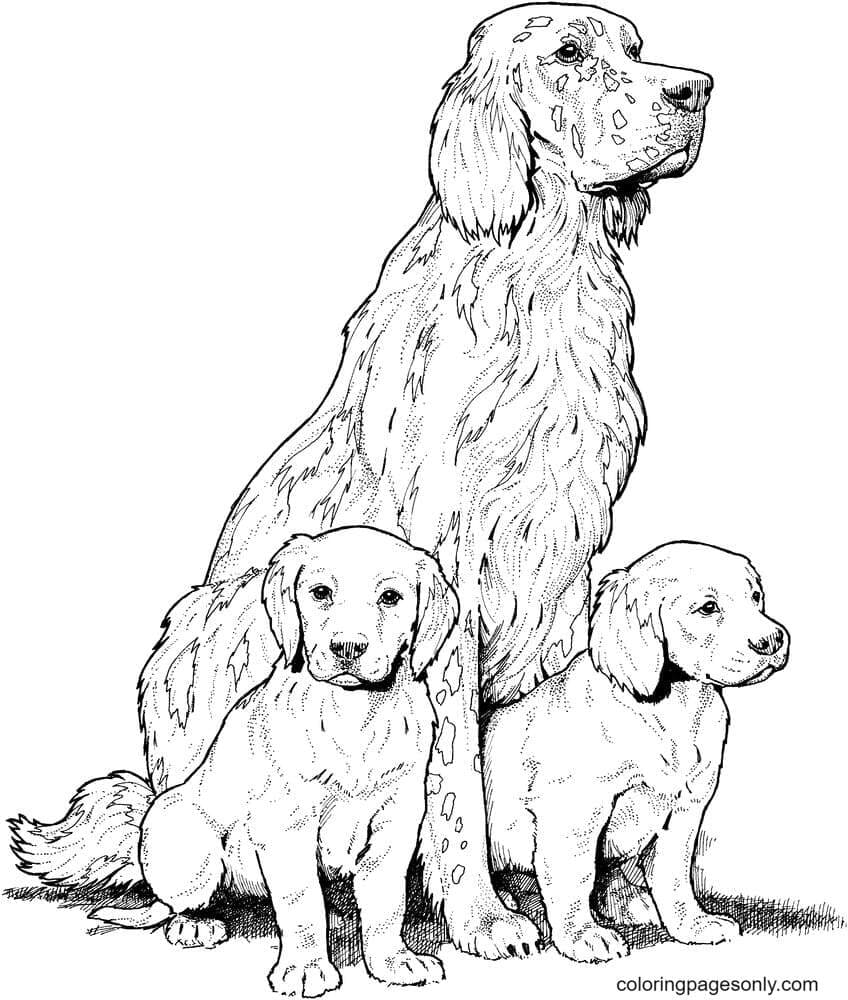
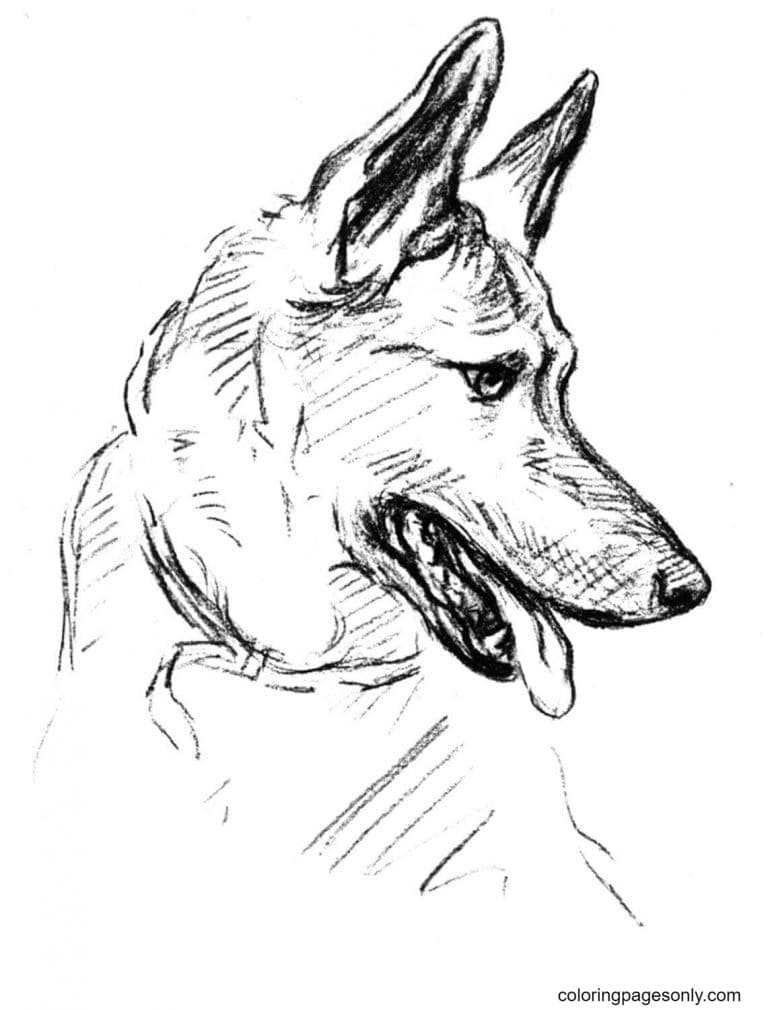
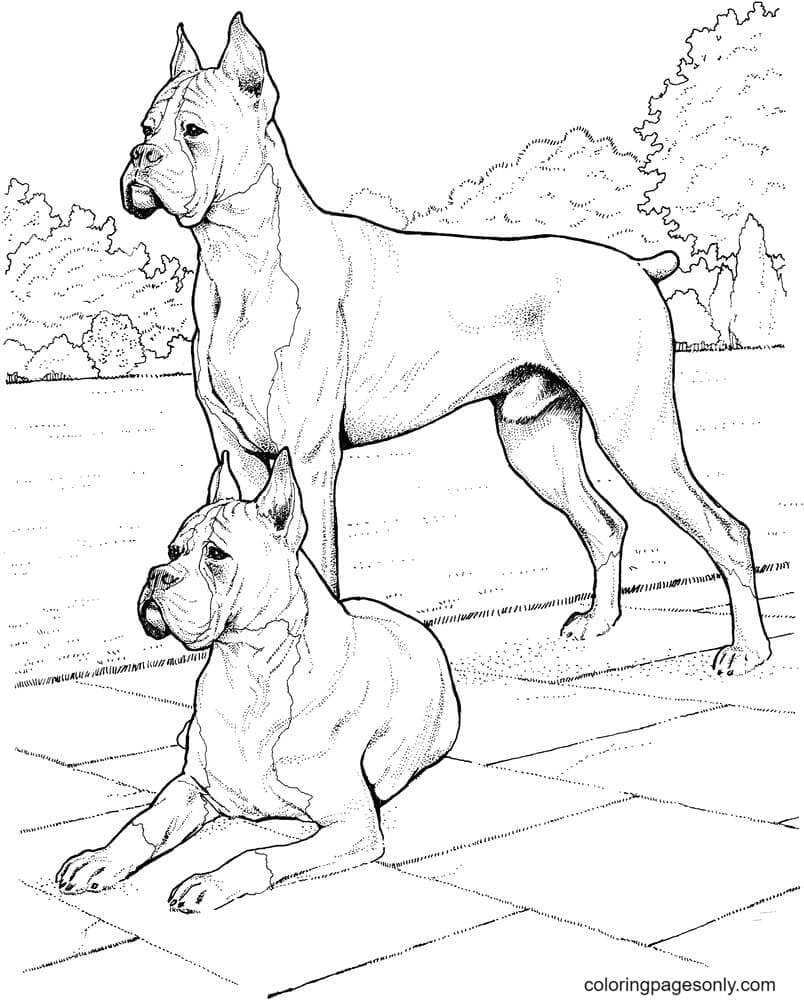
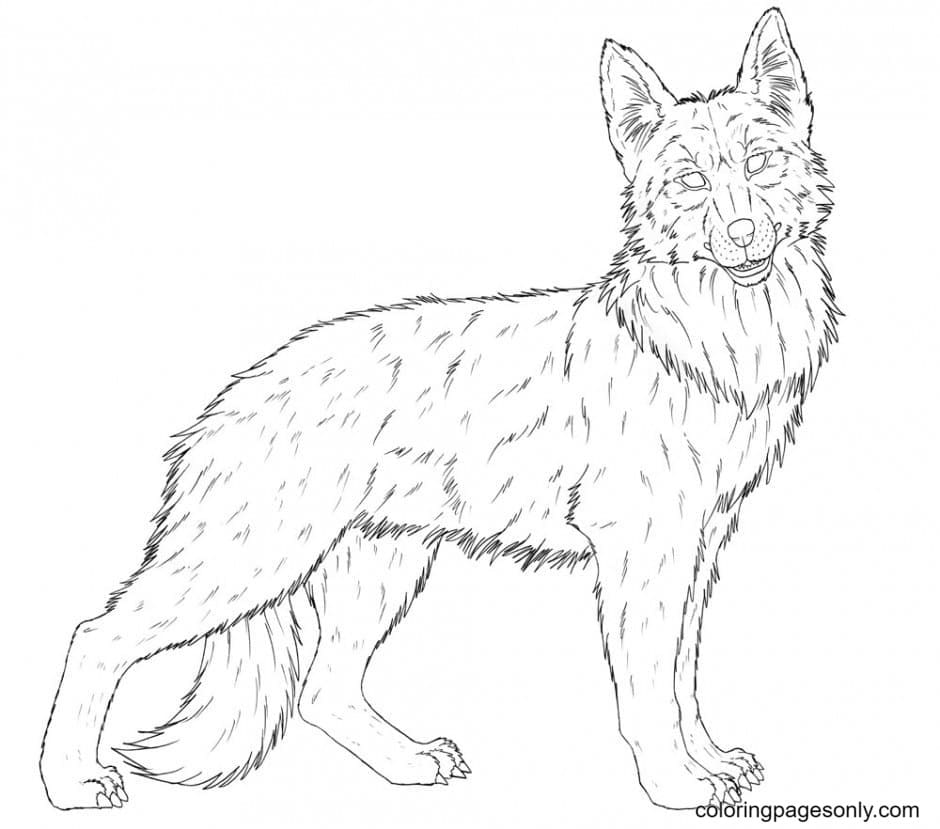
This collection ranges from puppy portraits to working-dog scenes, realistic studies, and everyday family moments.
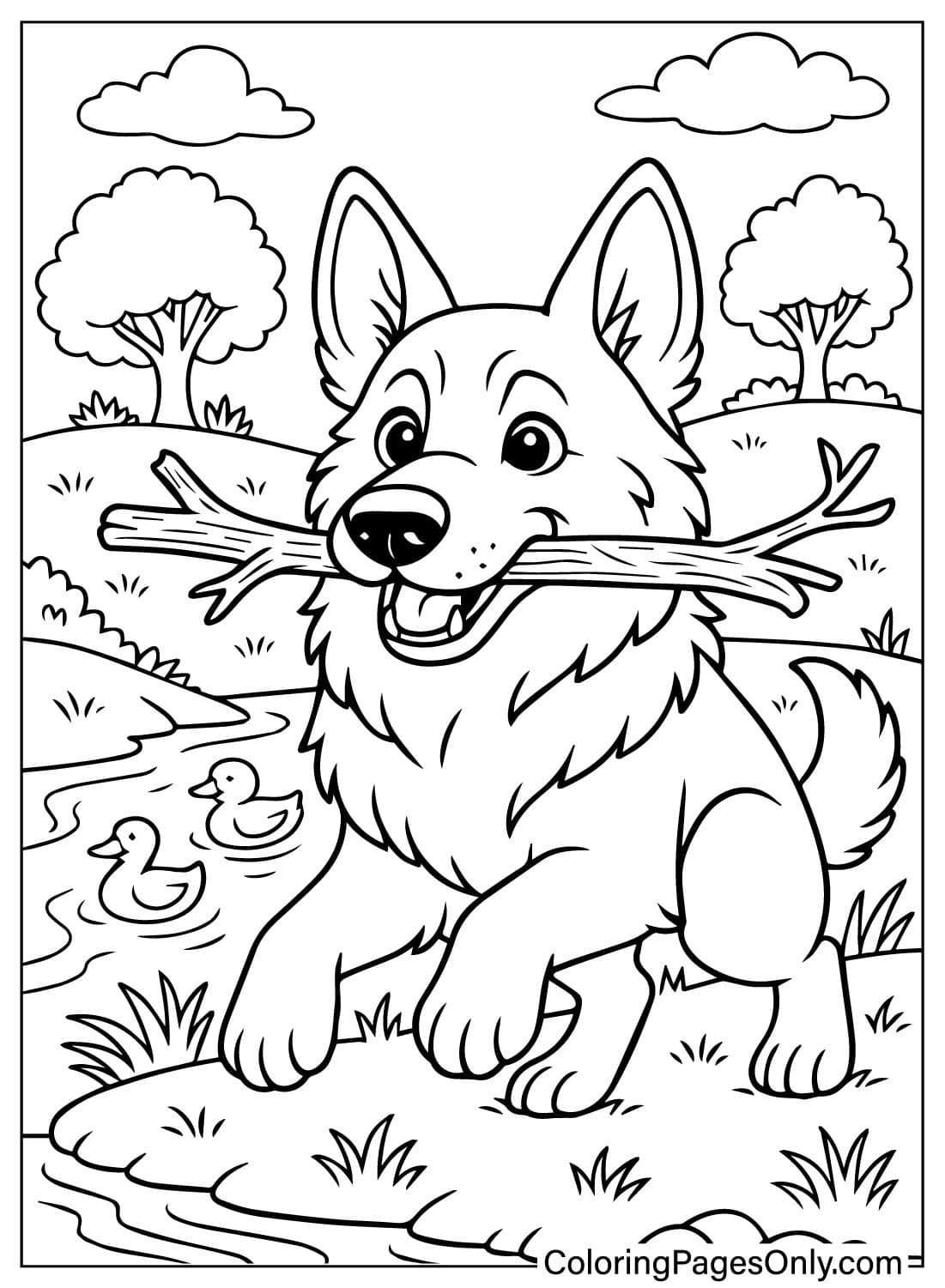
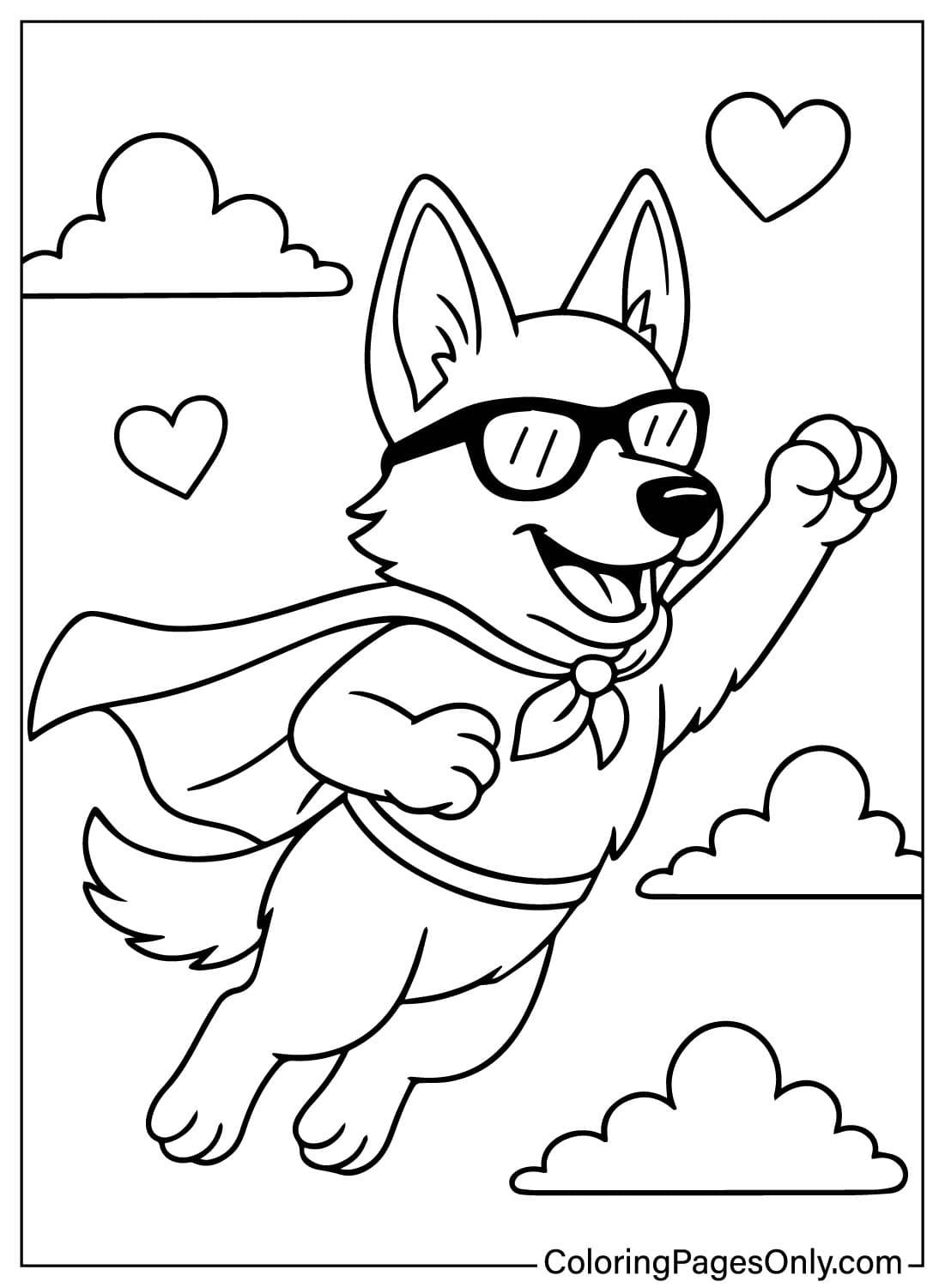
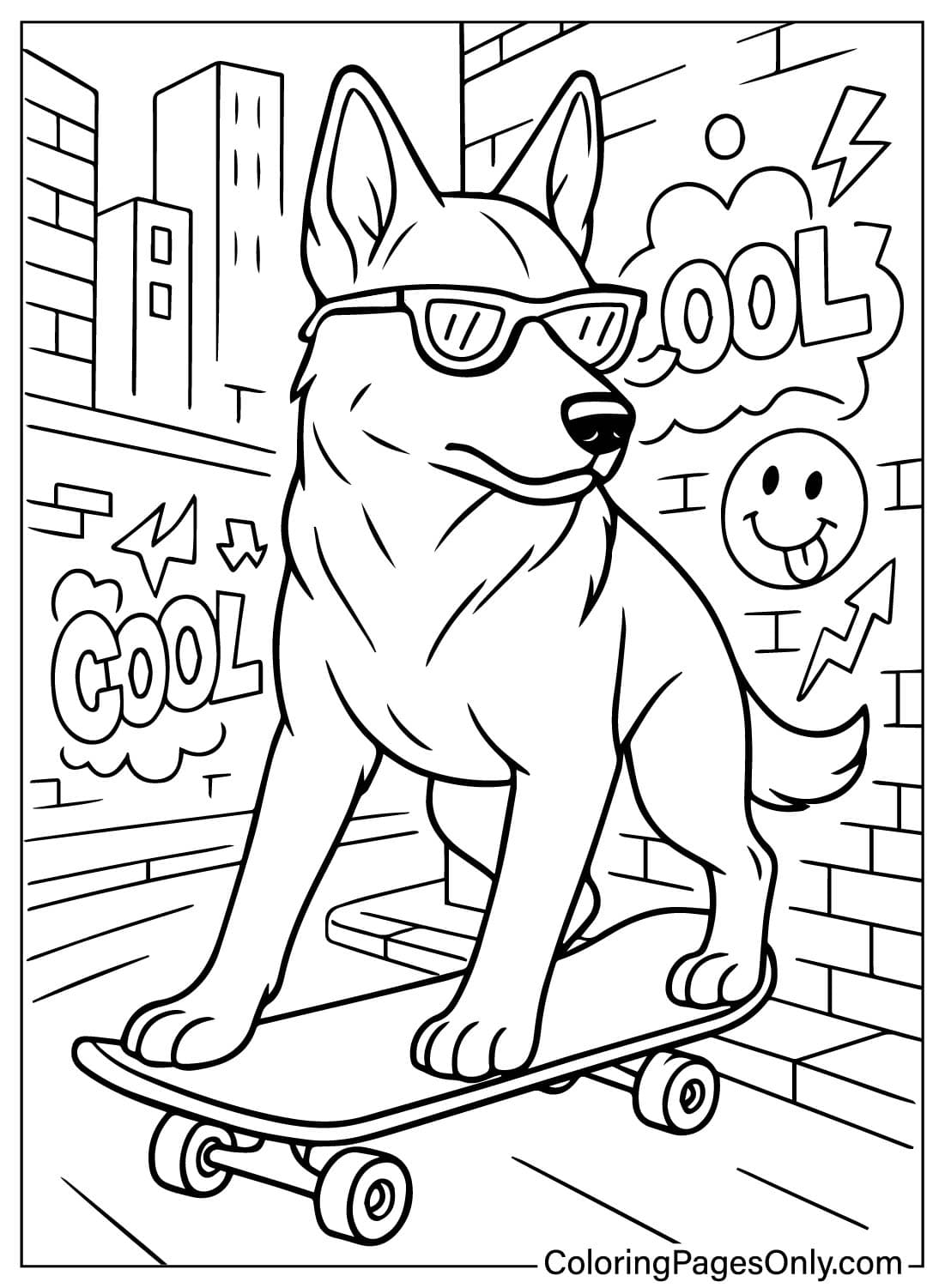
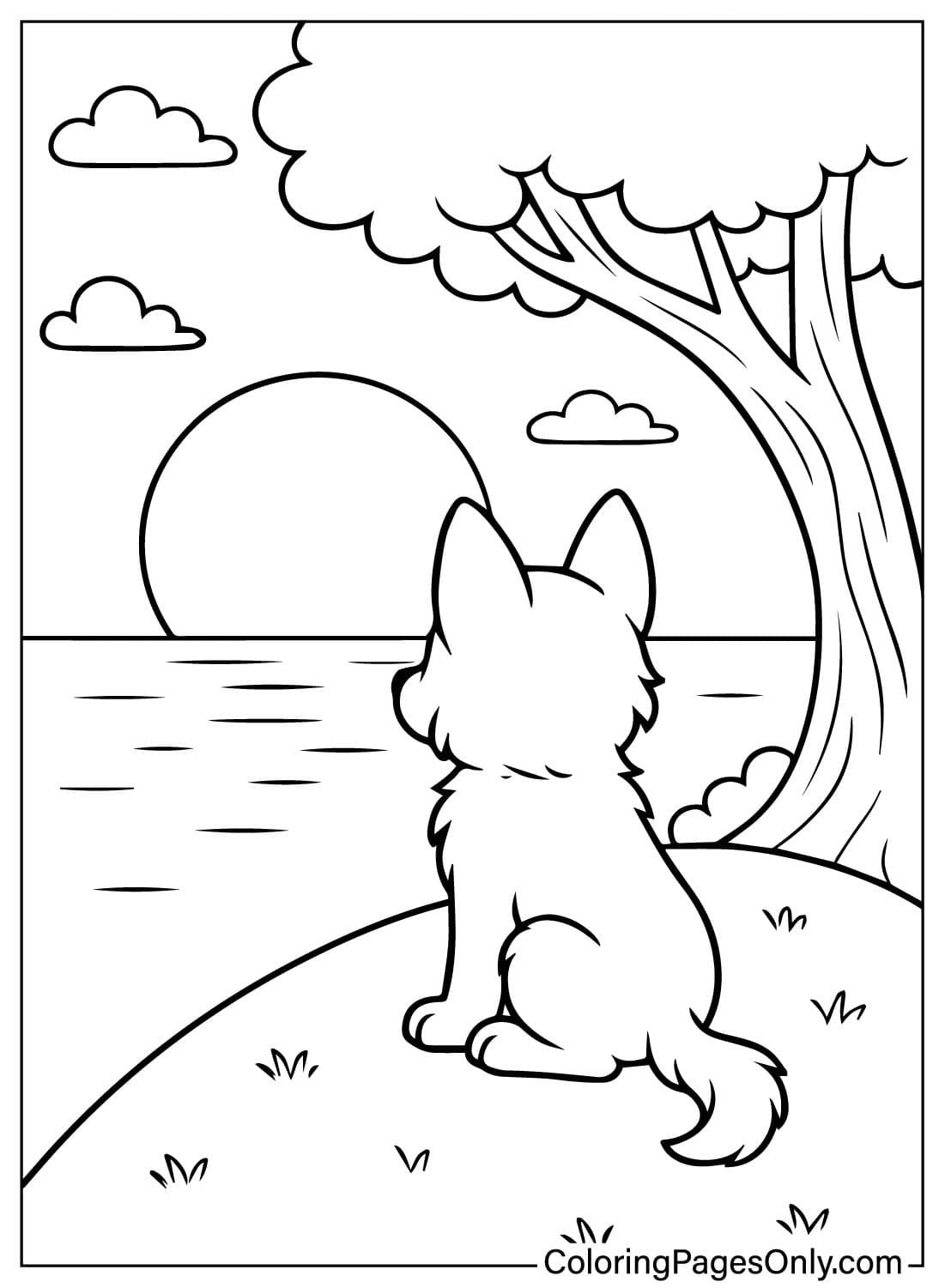
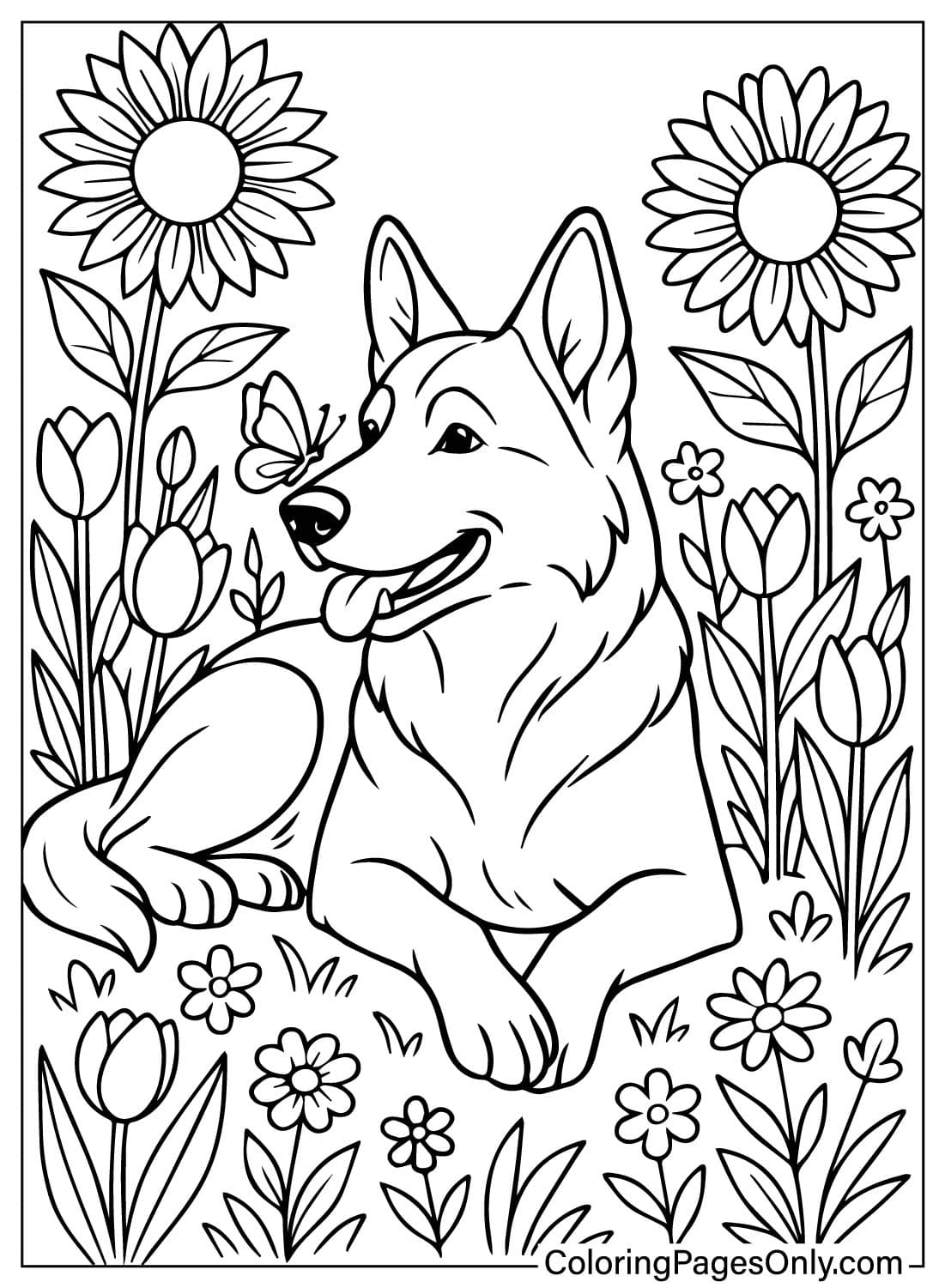
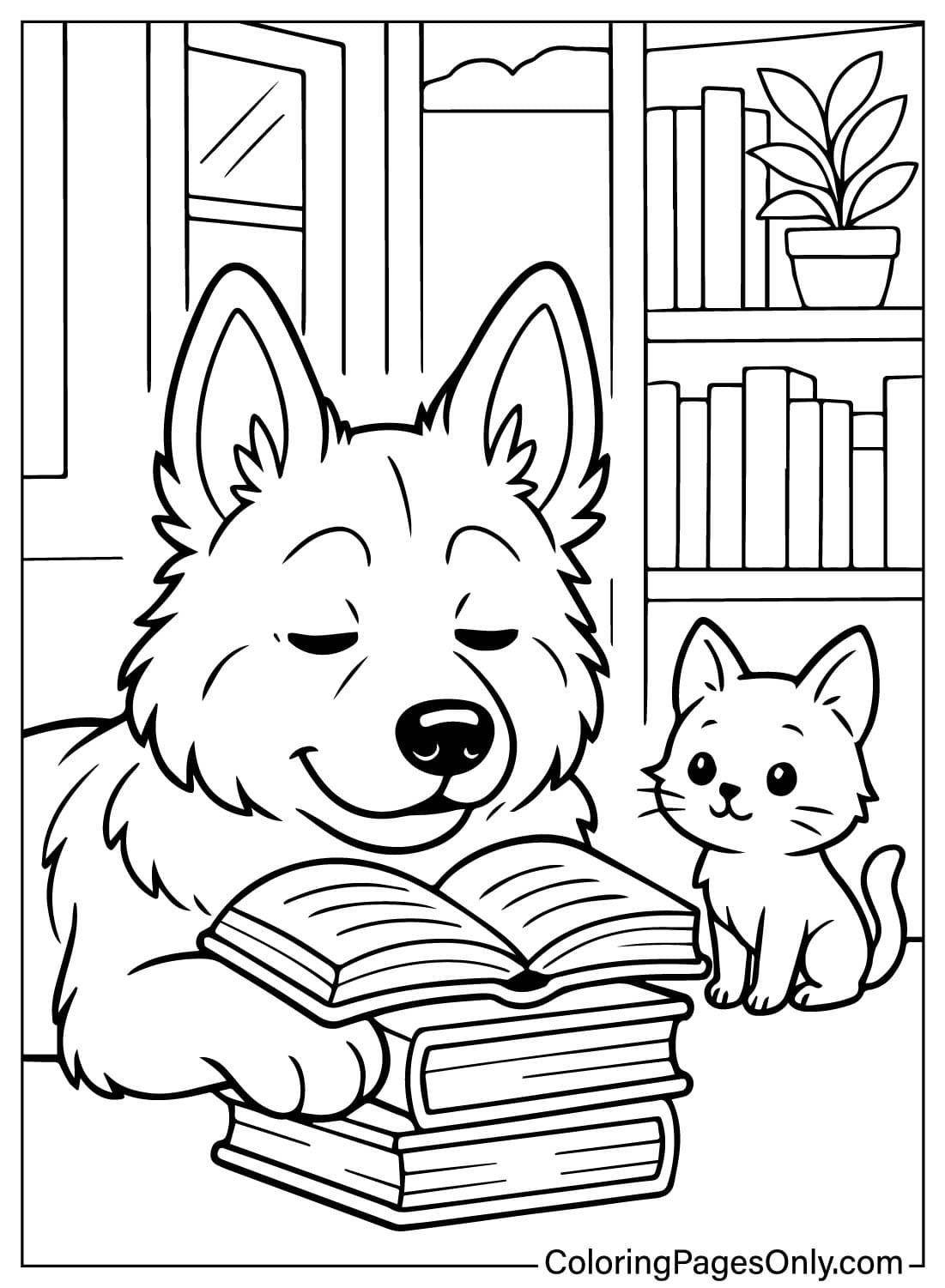
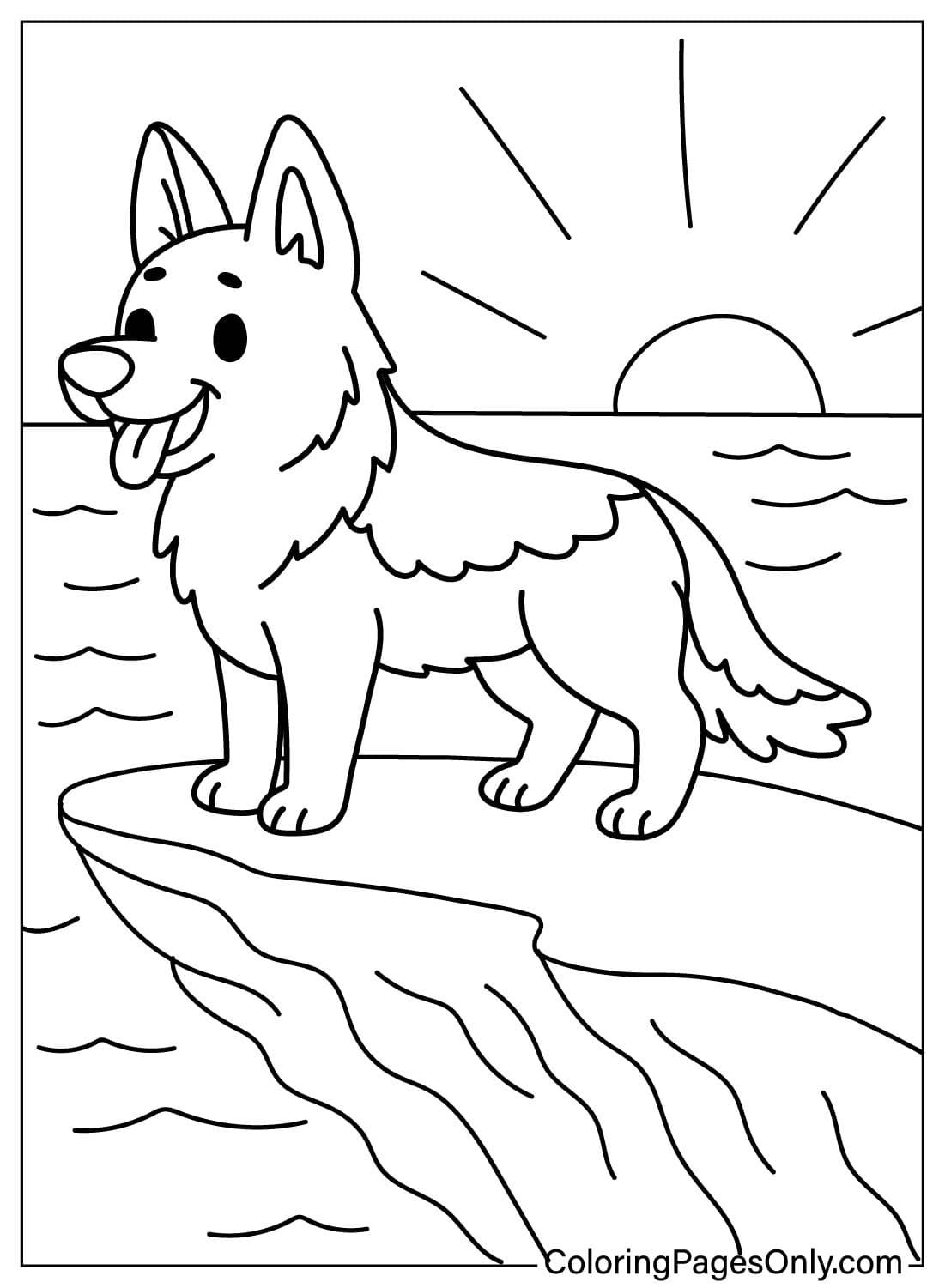
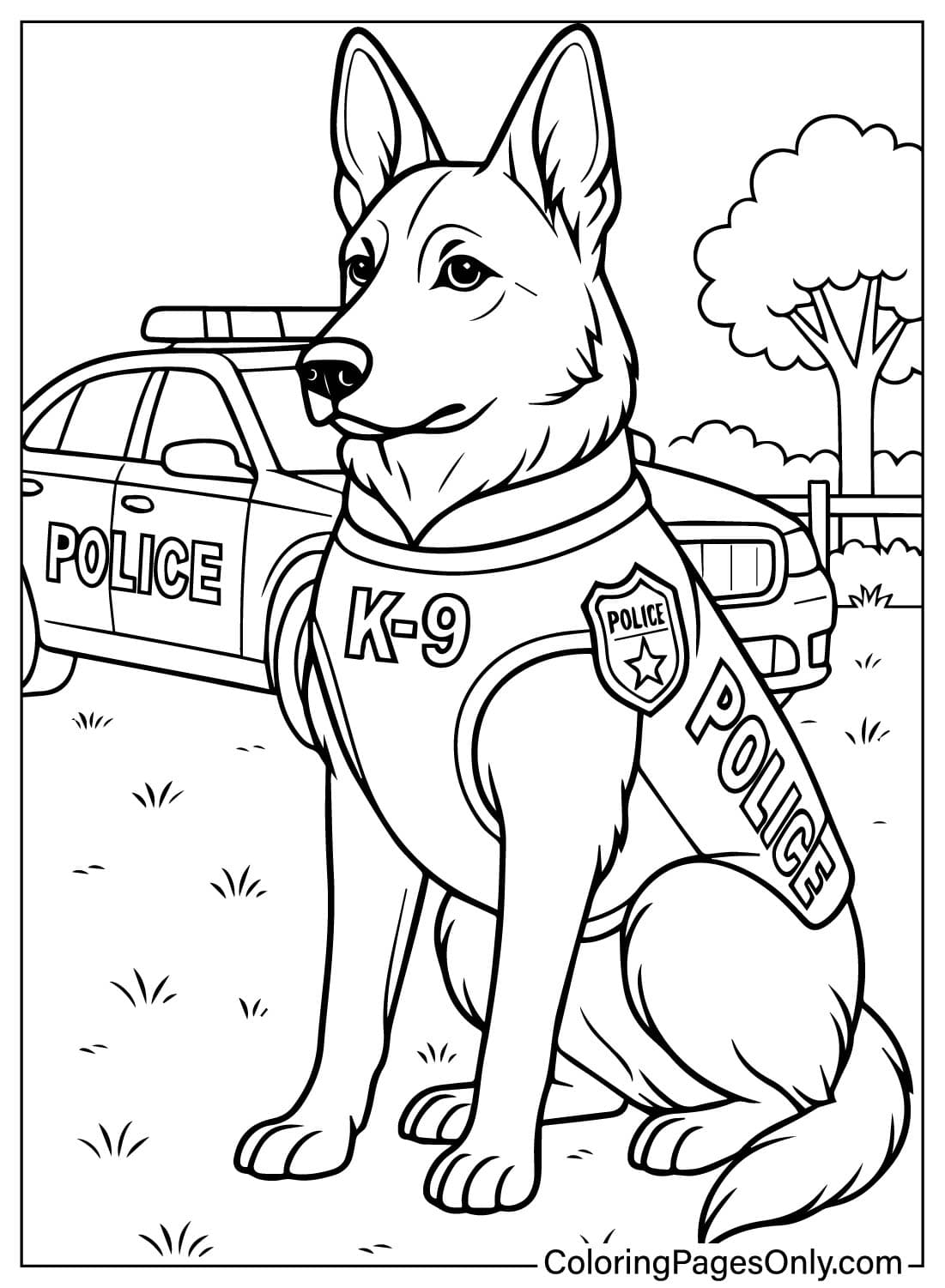
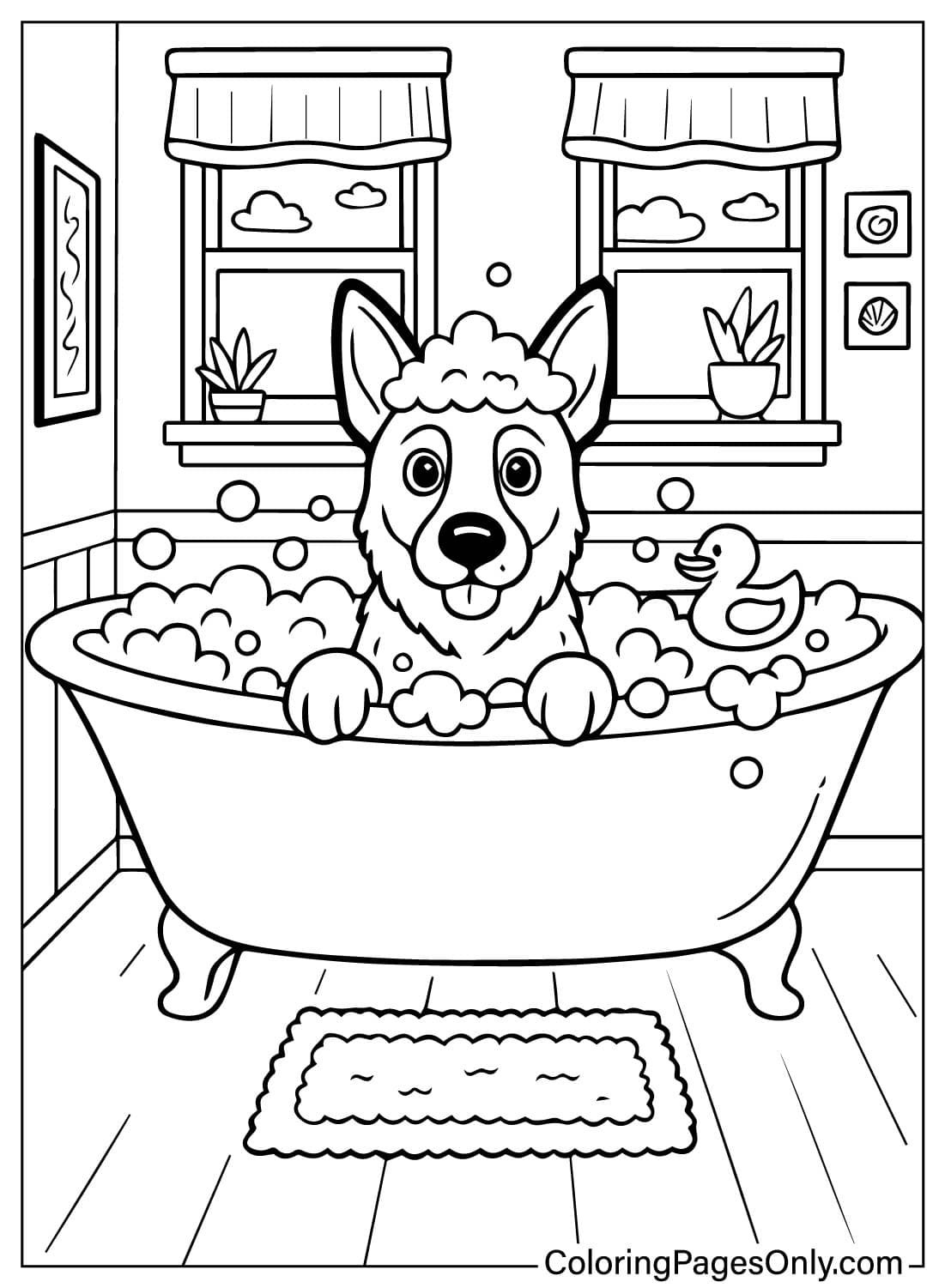
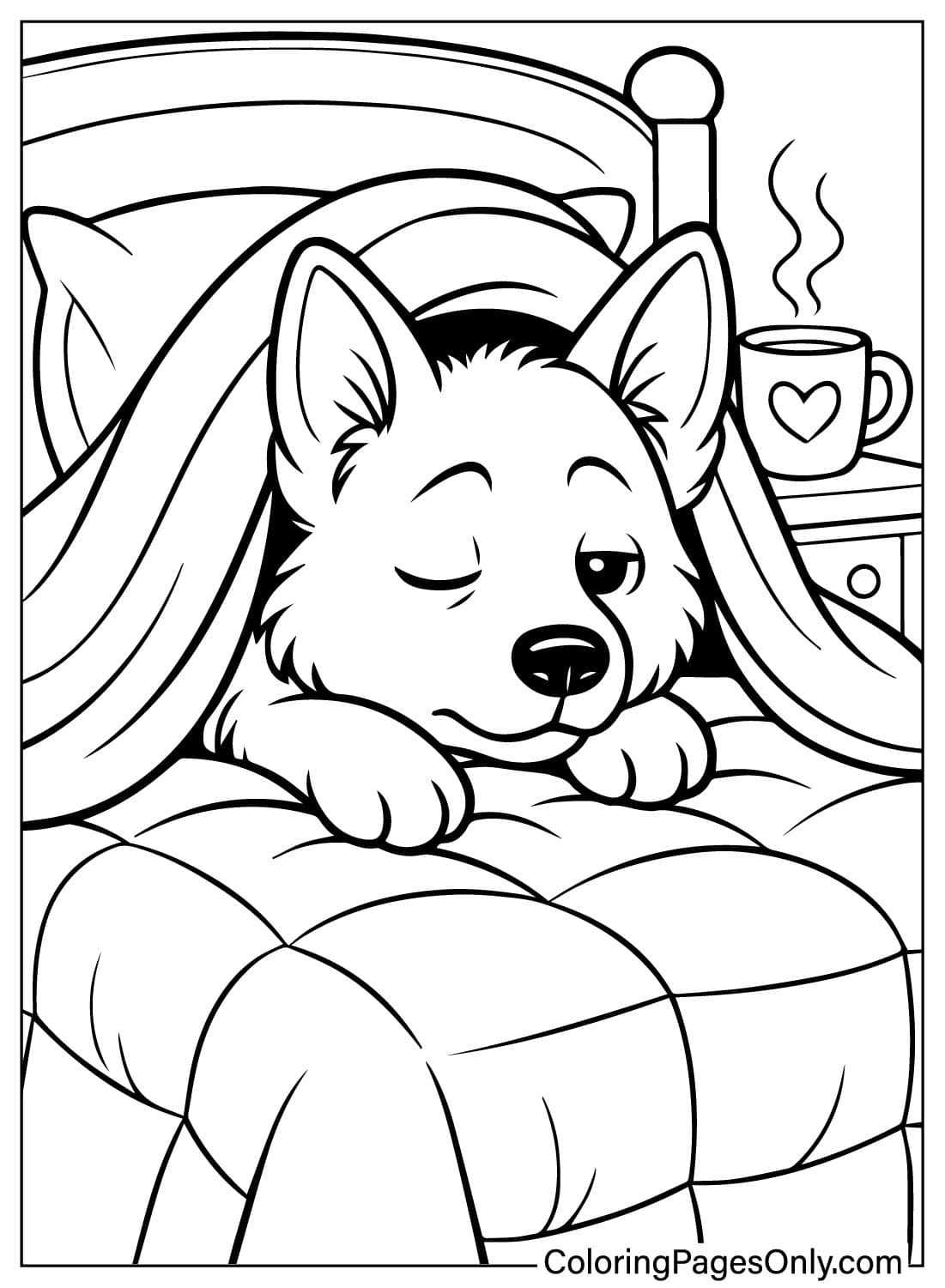
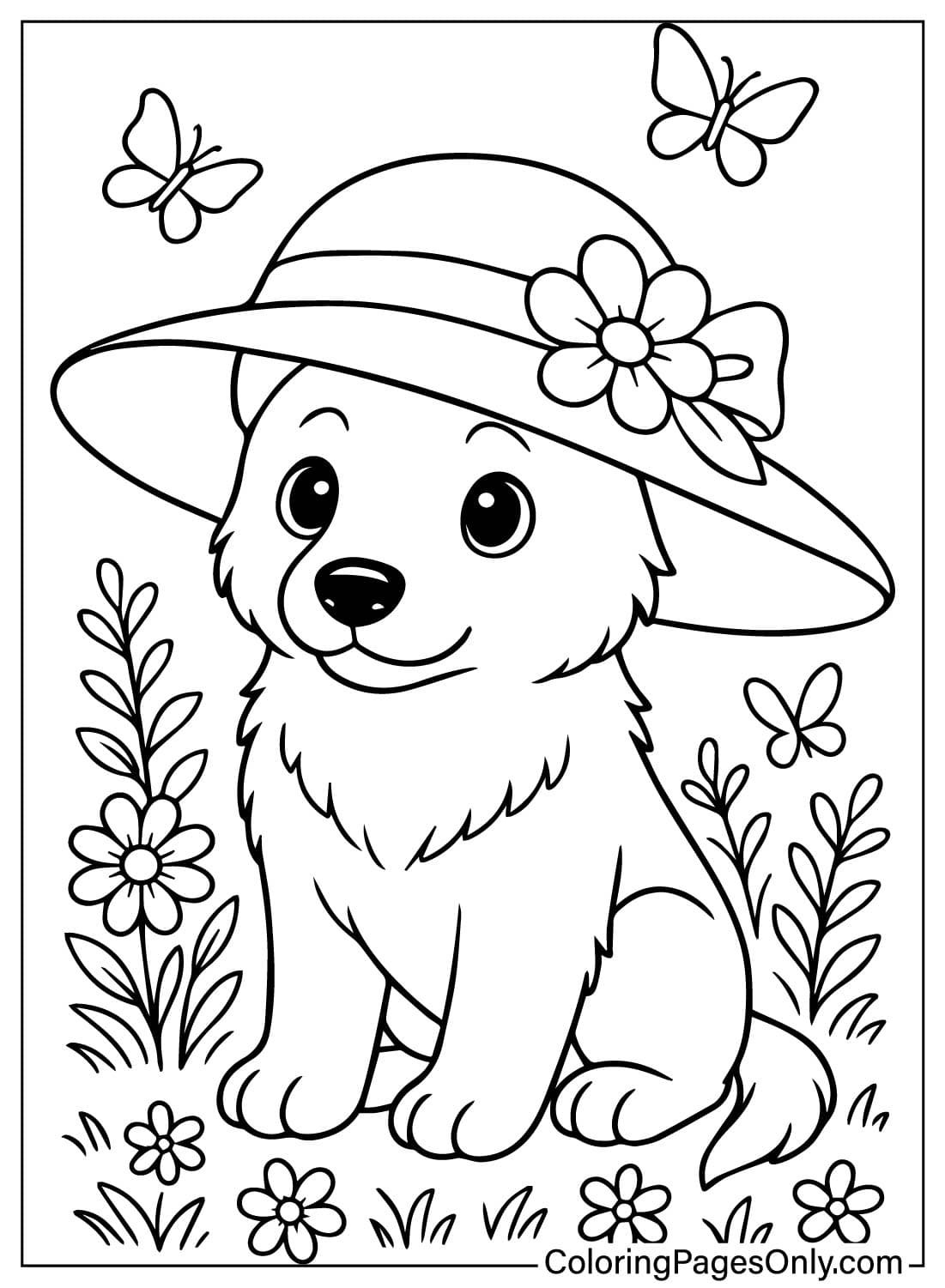
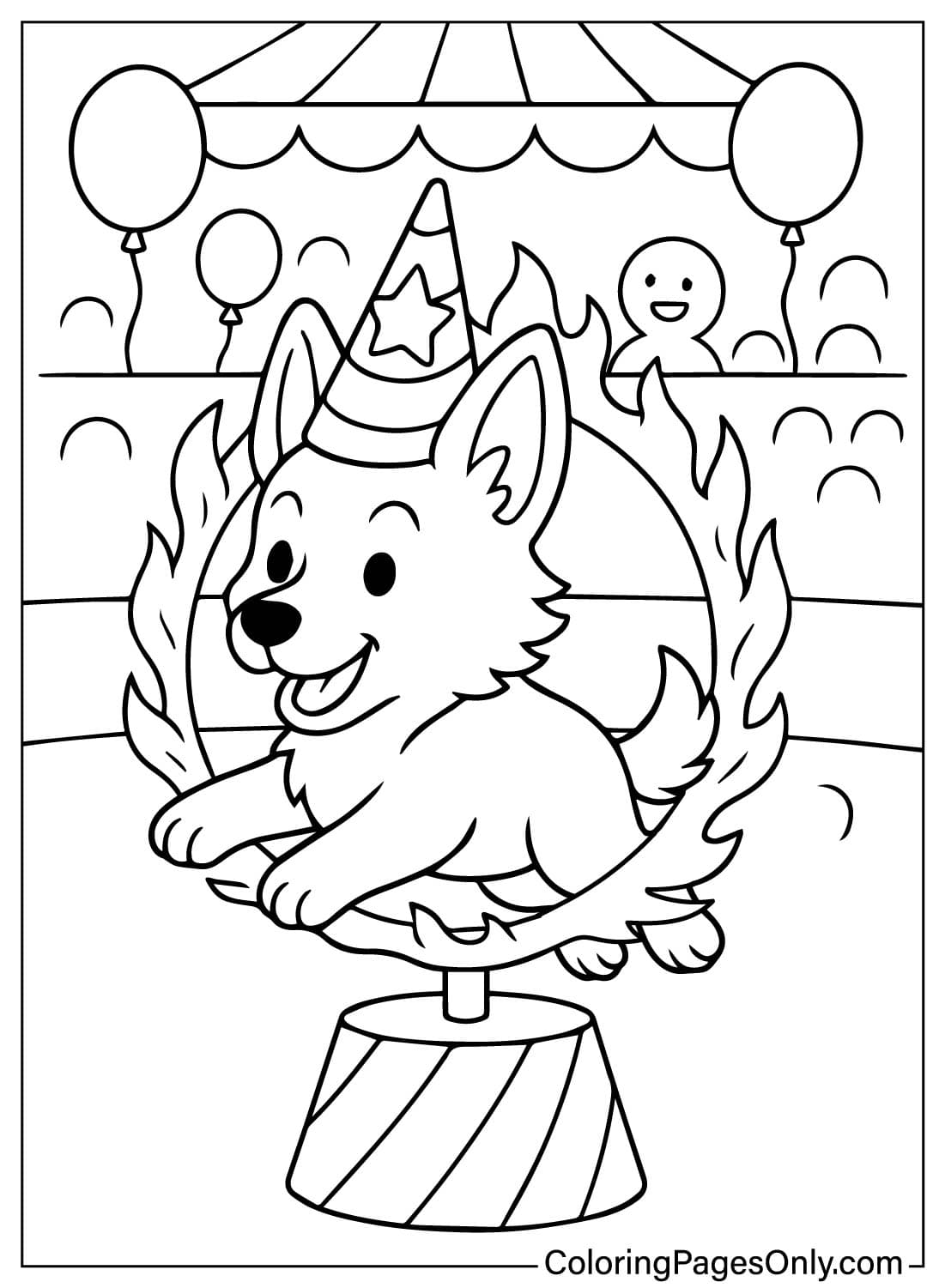
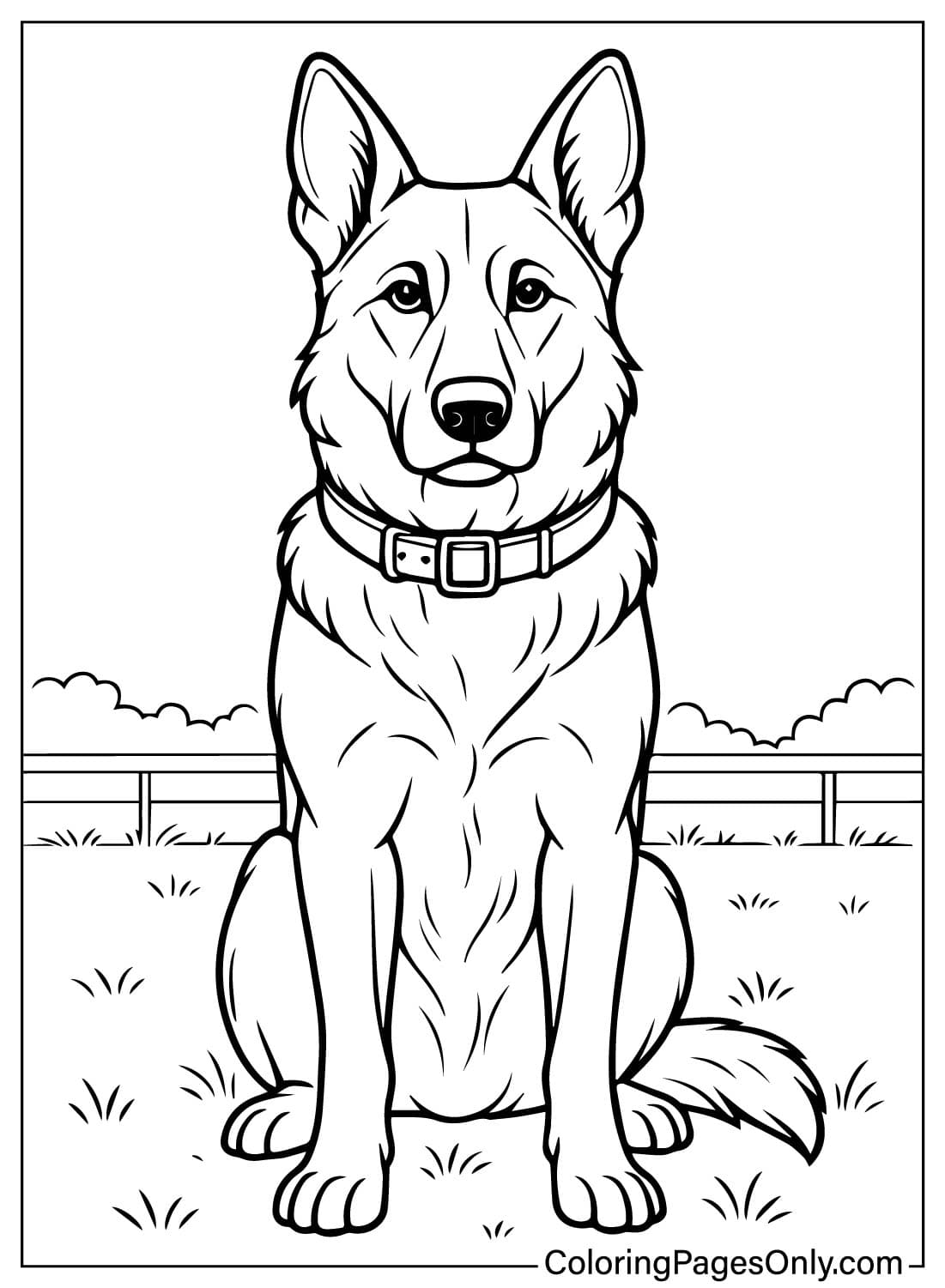
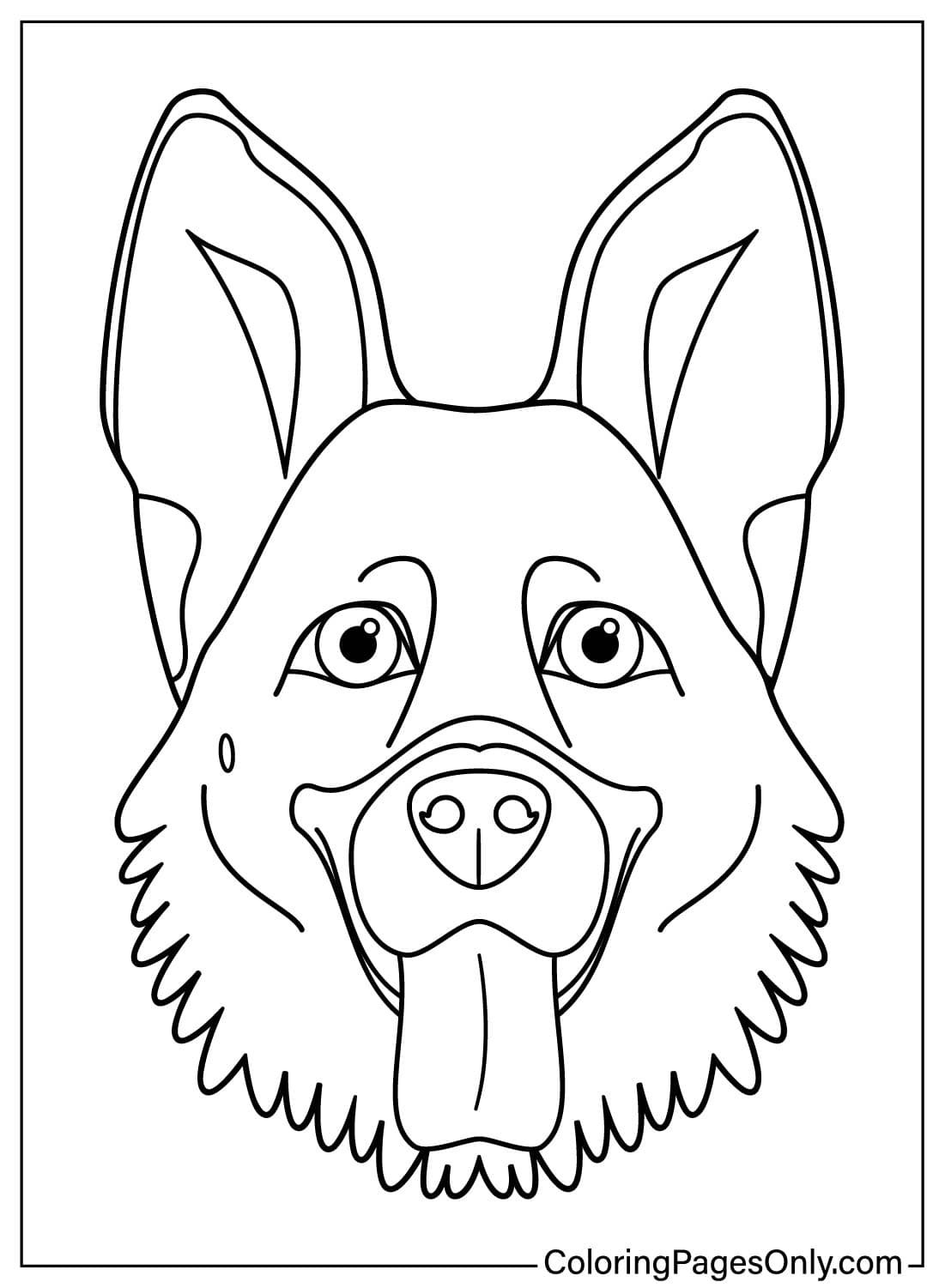
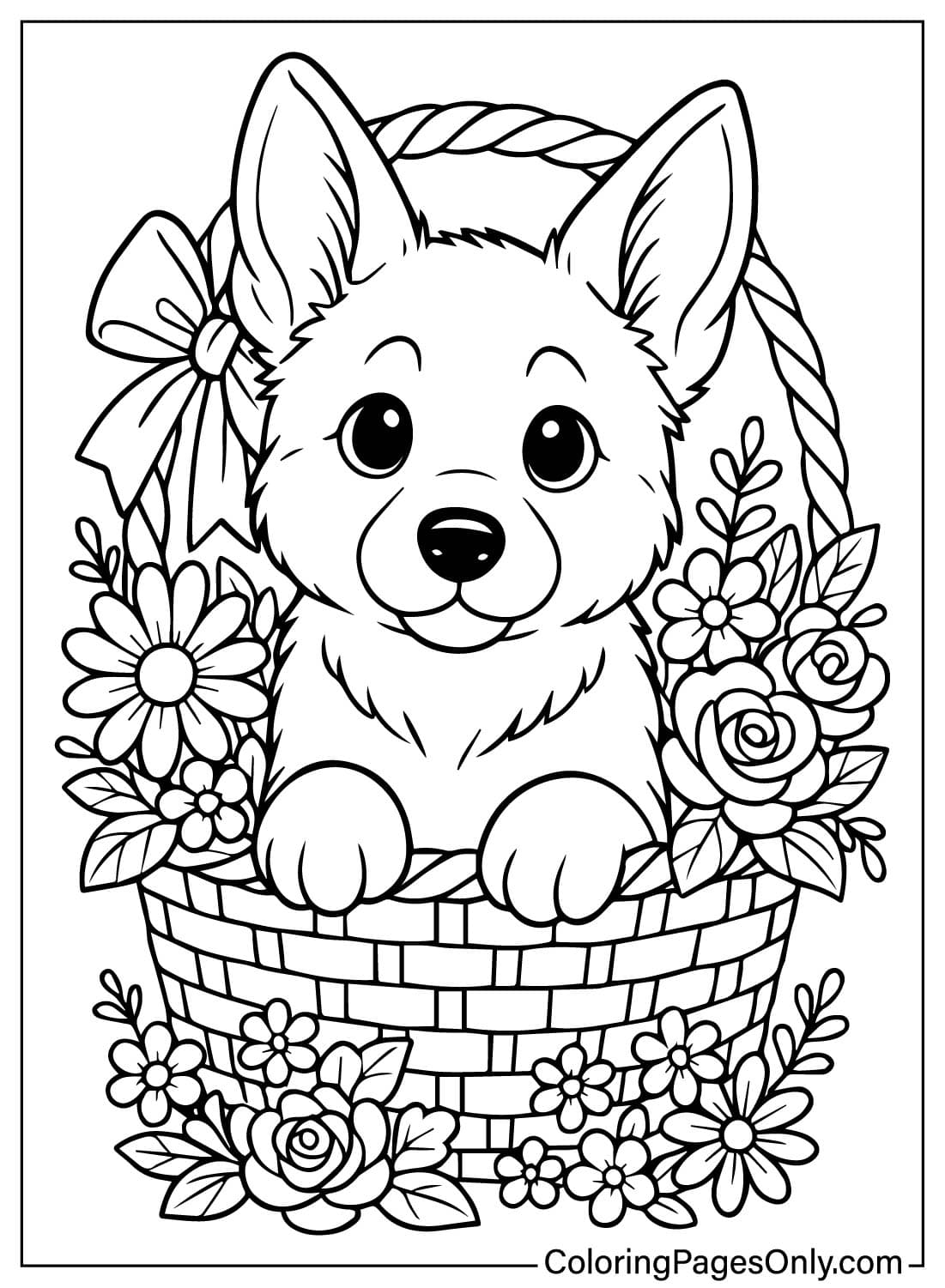
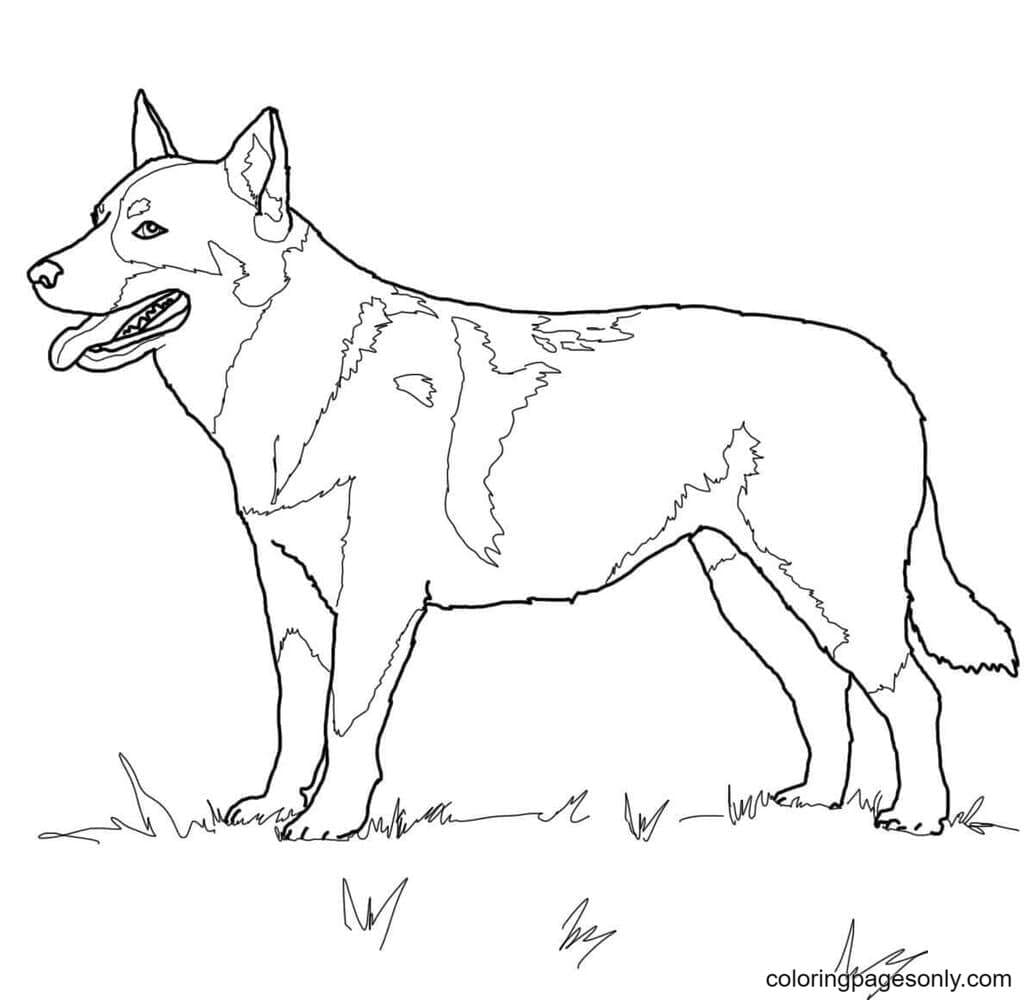

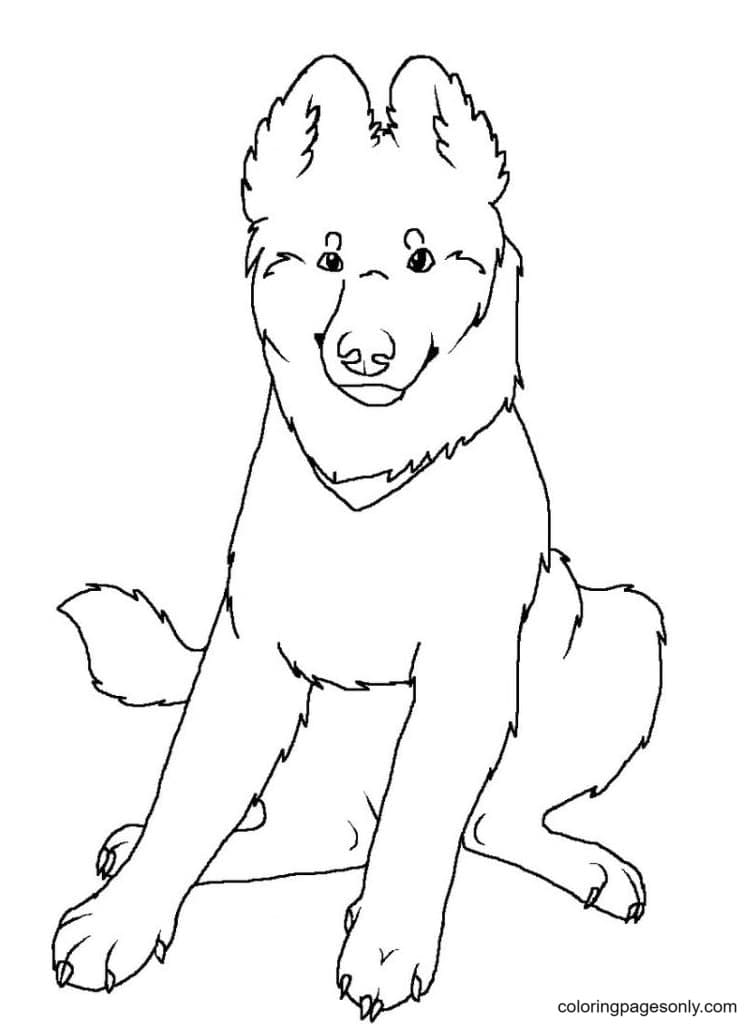

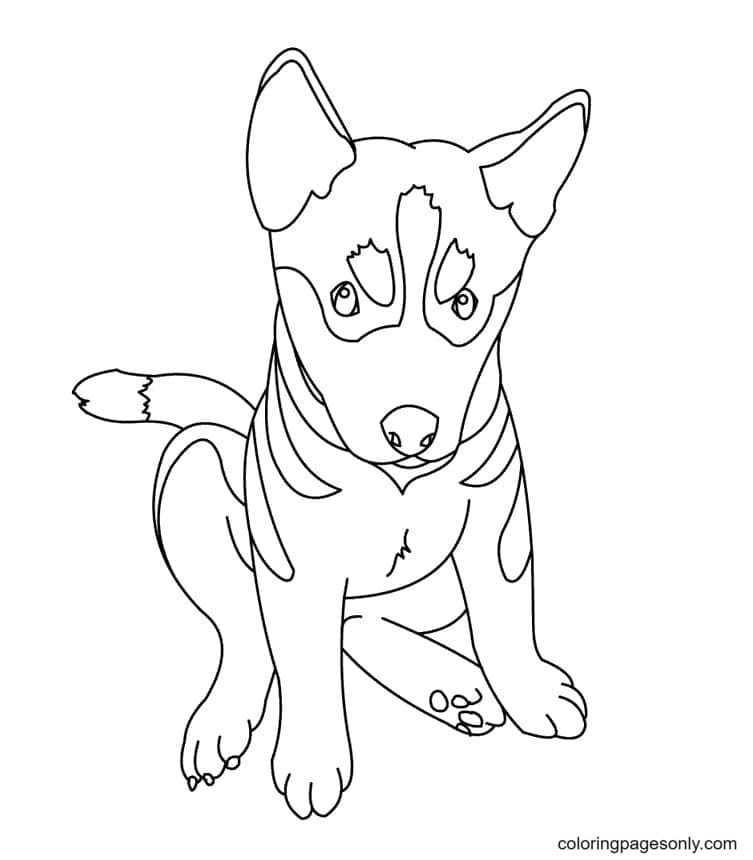
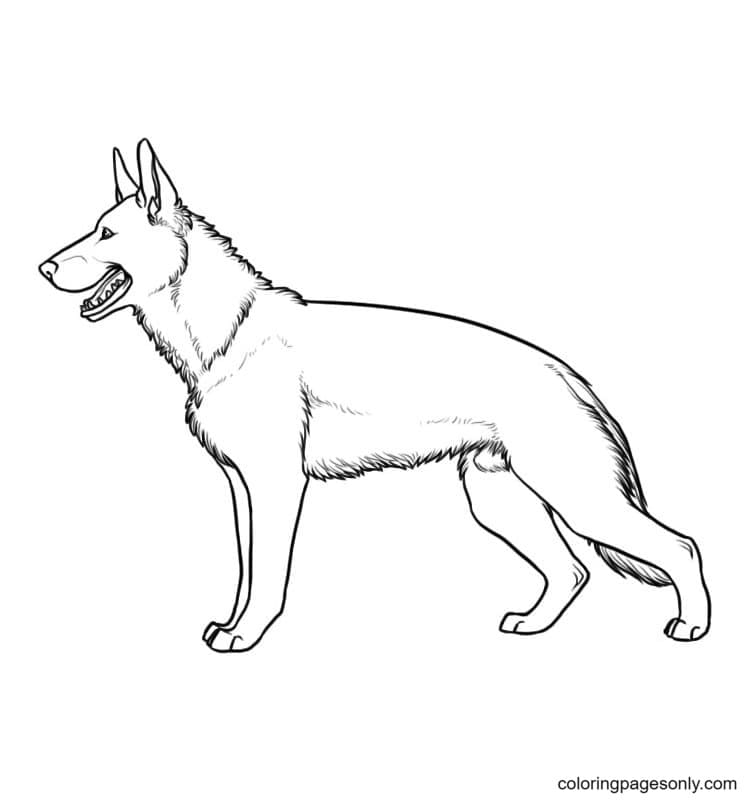

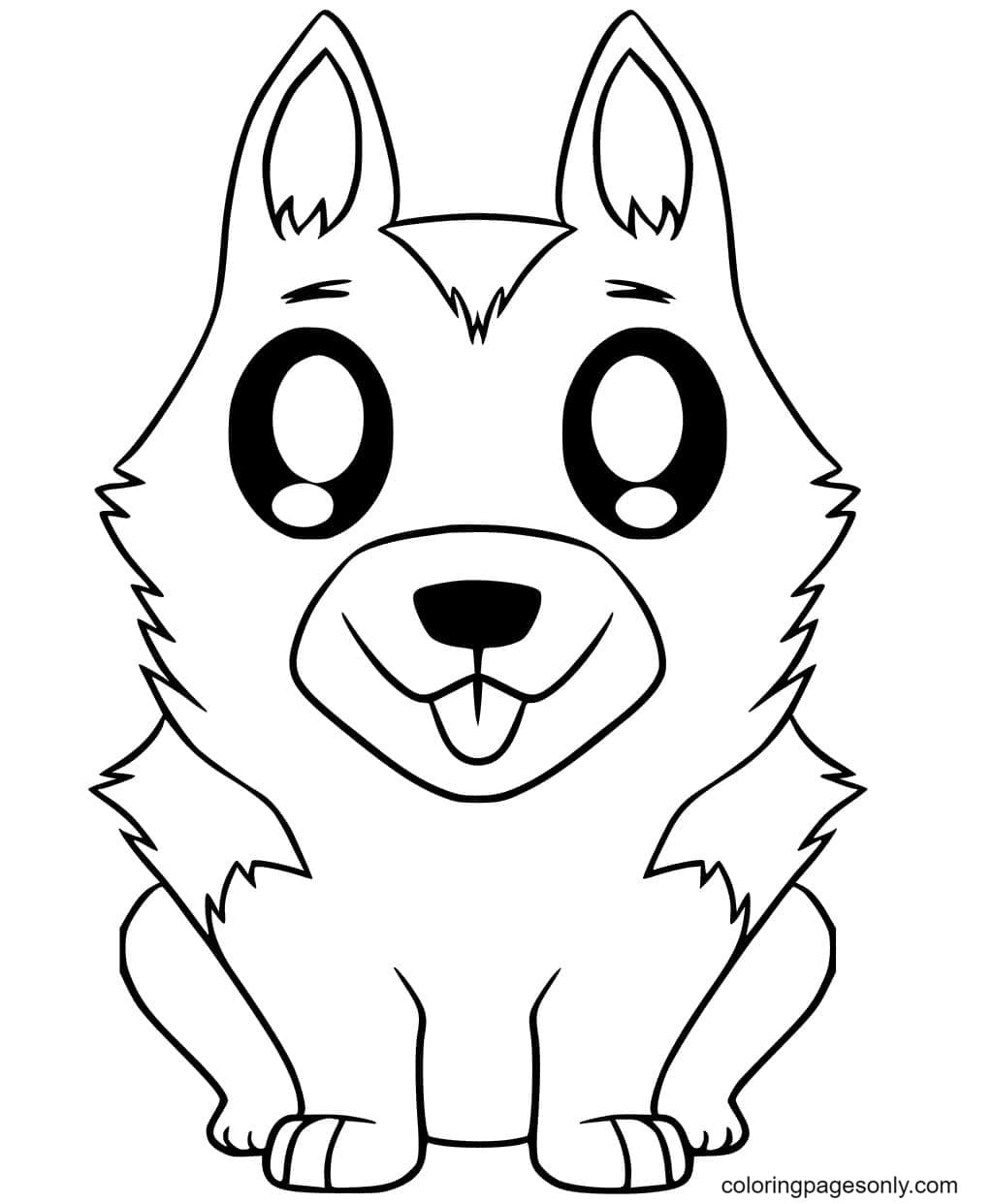
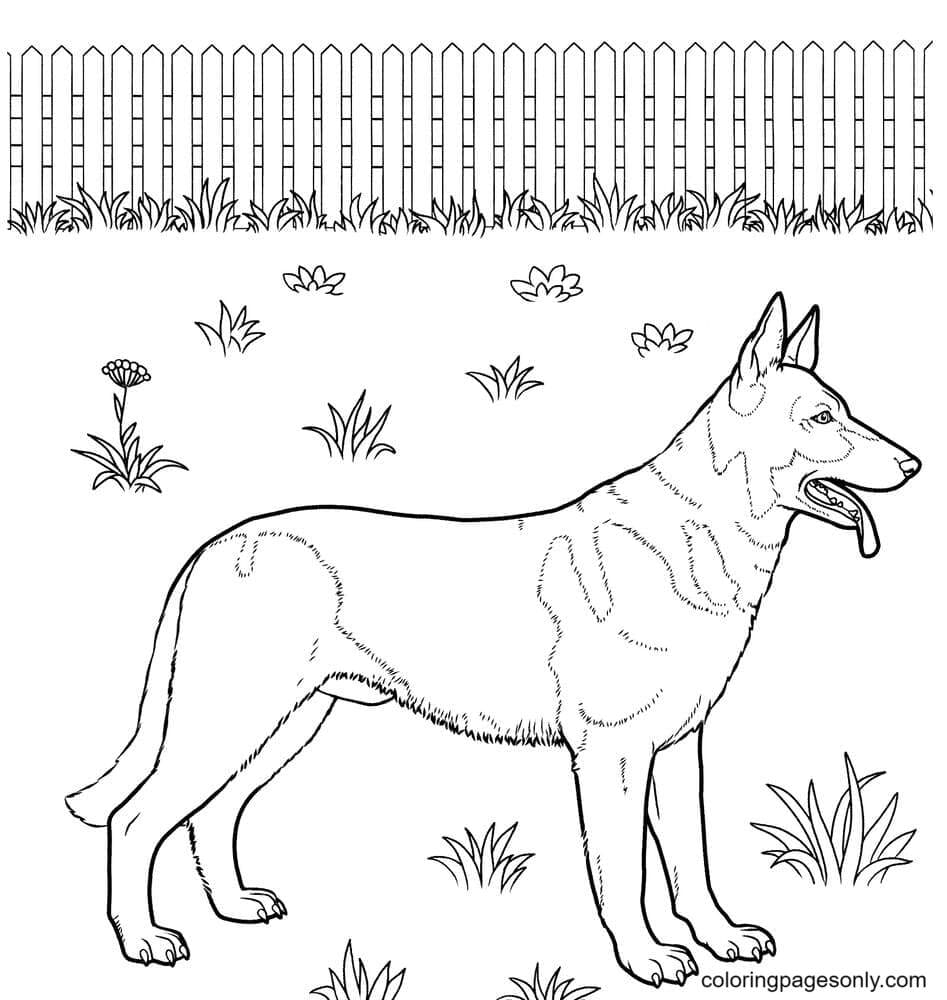
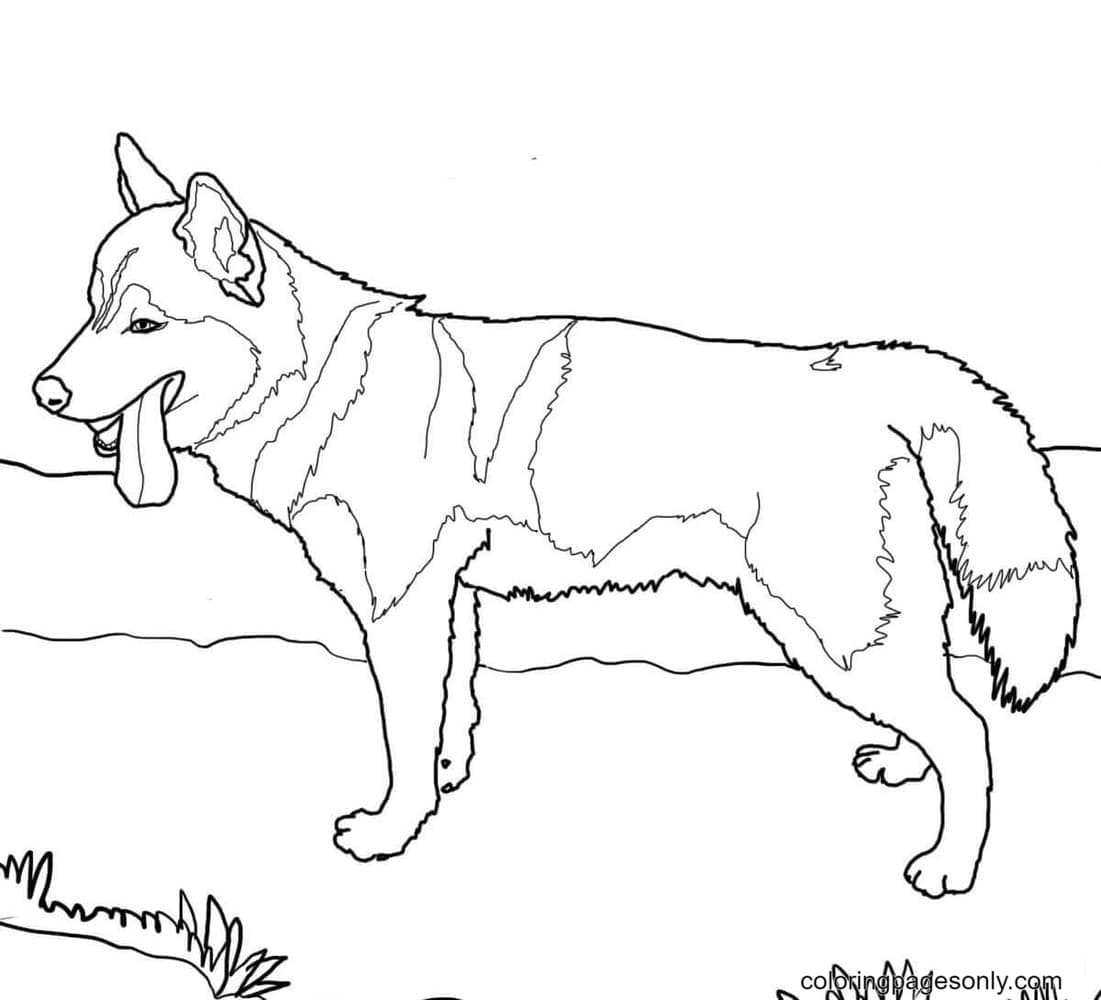

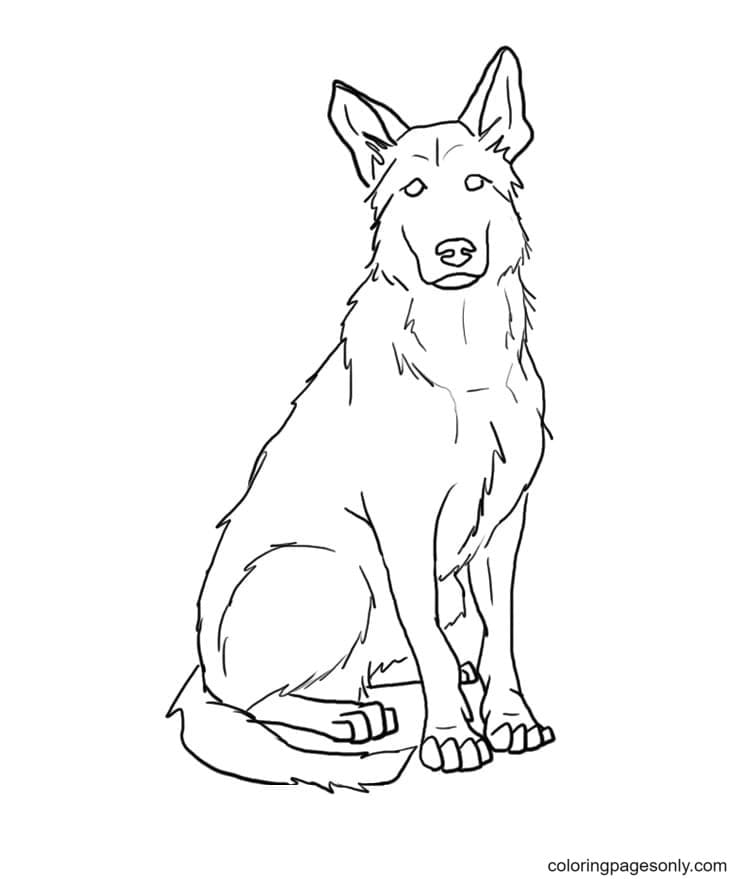
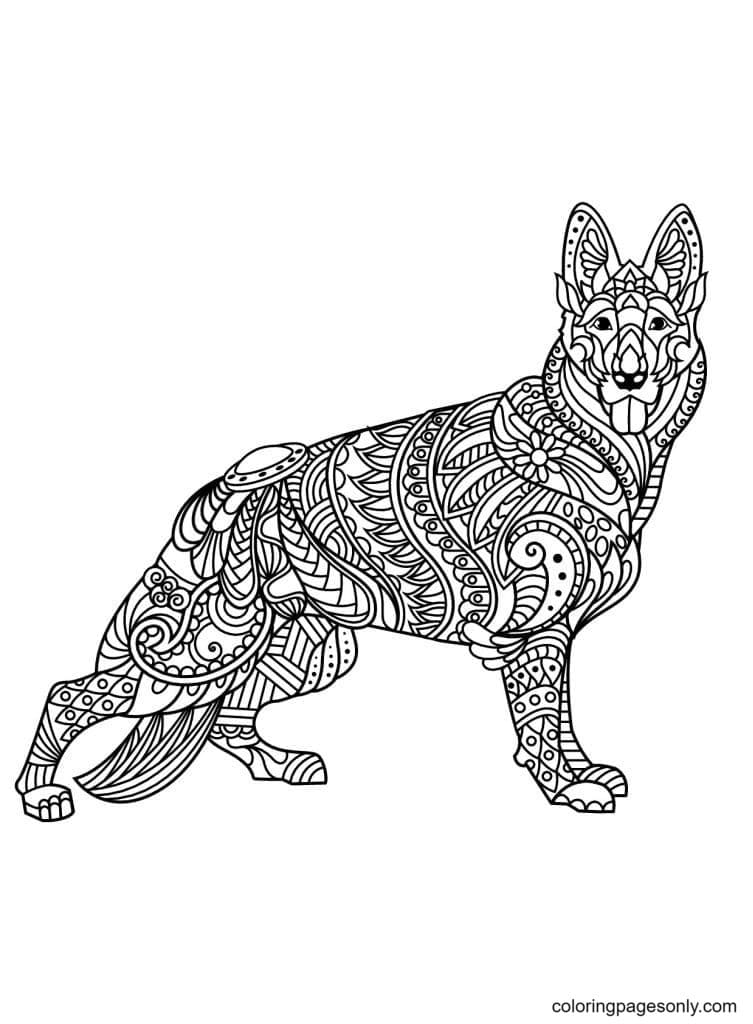
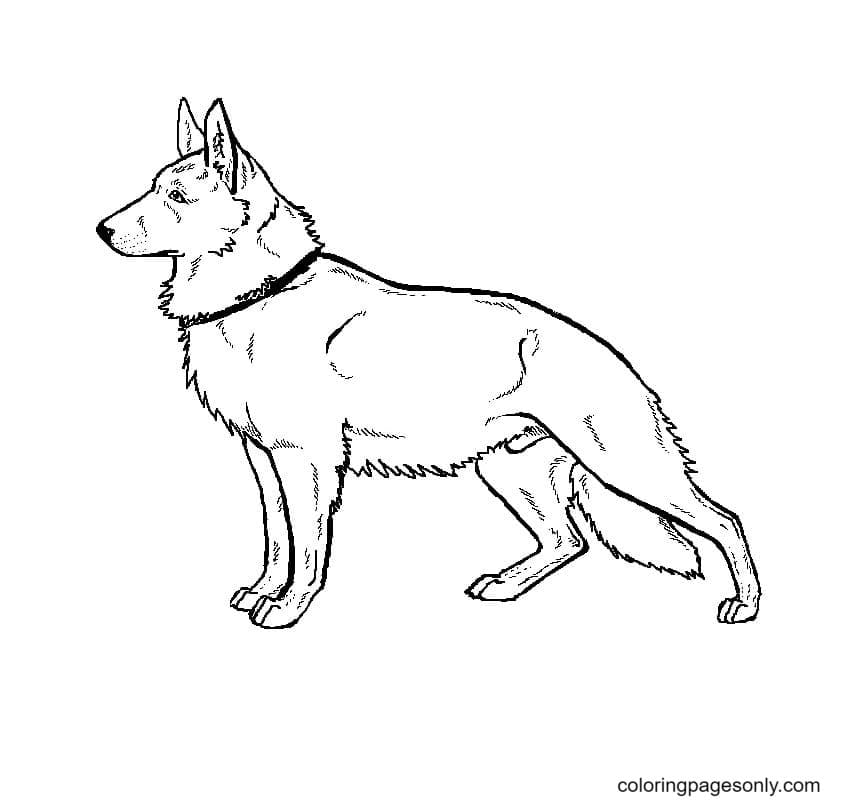
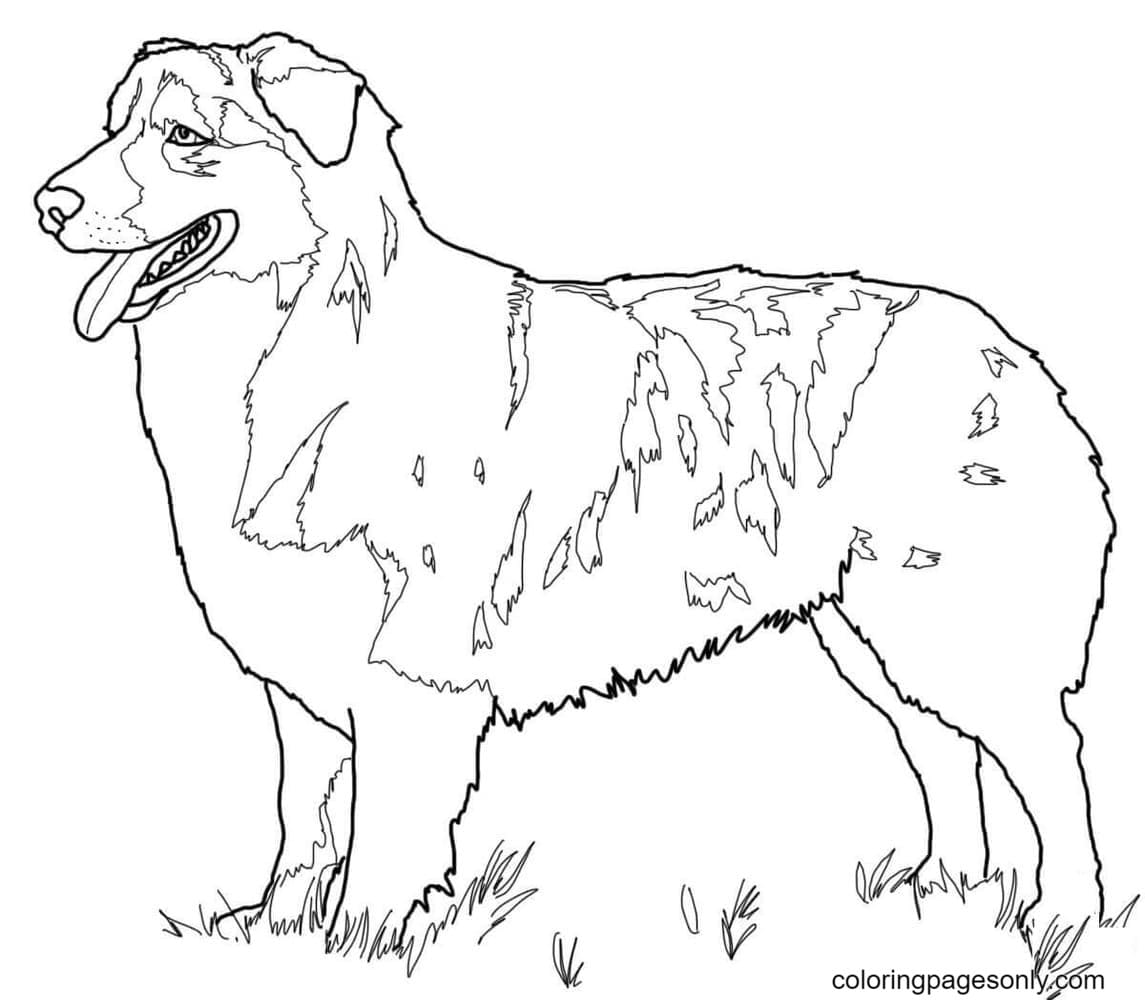
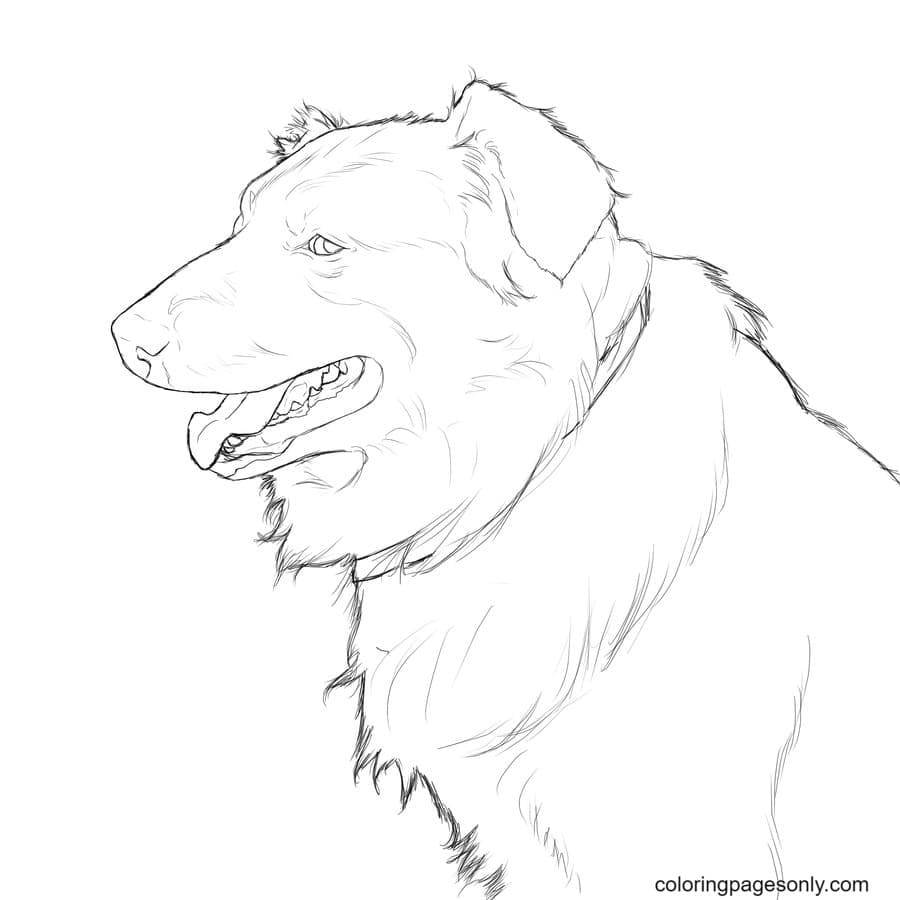
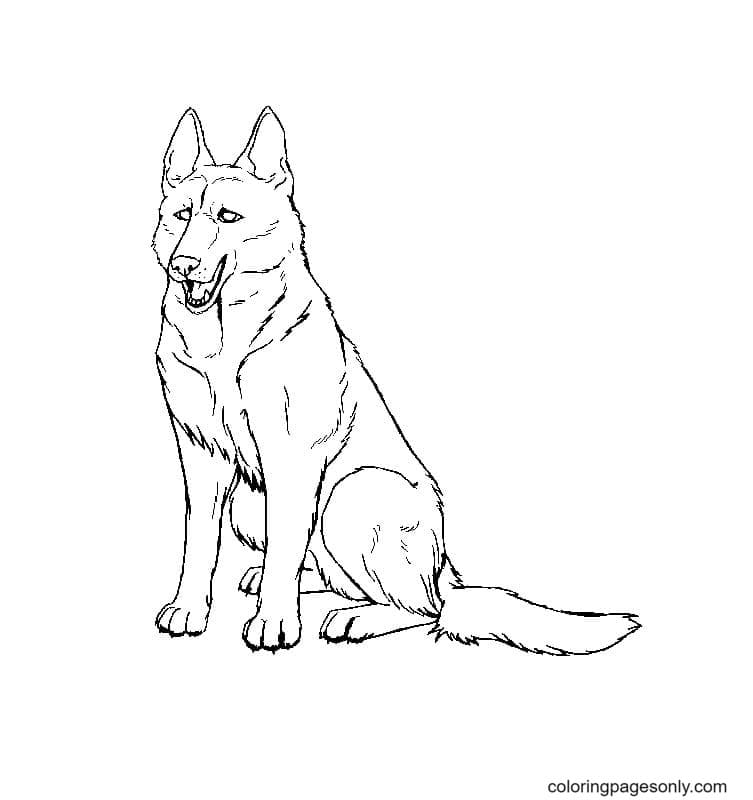


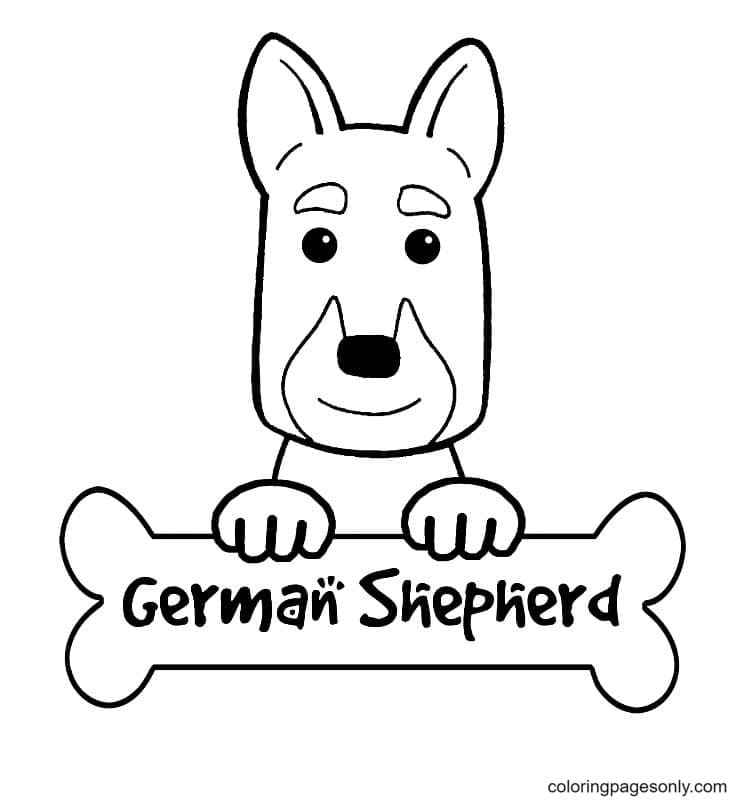
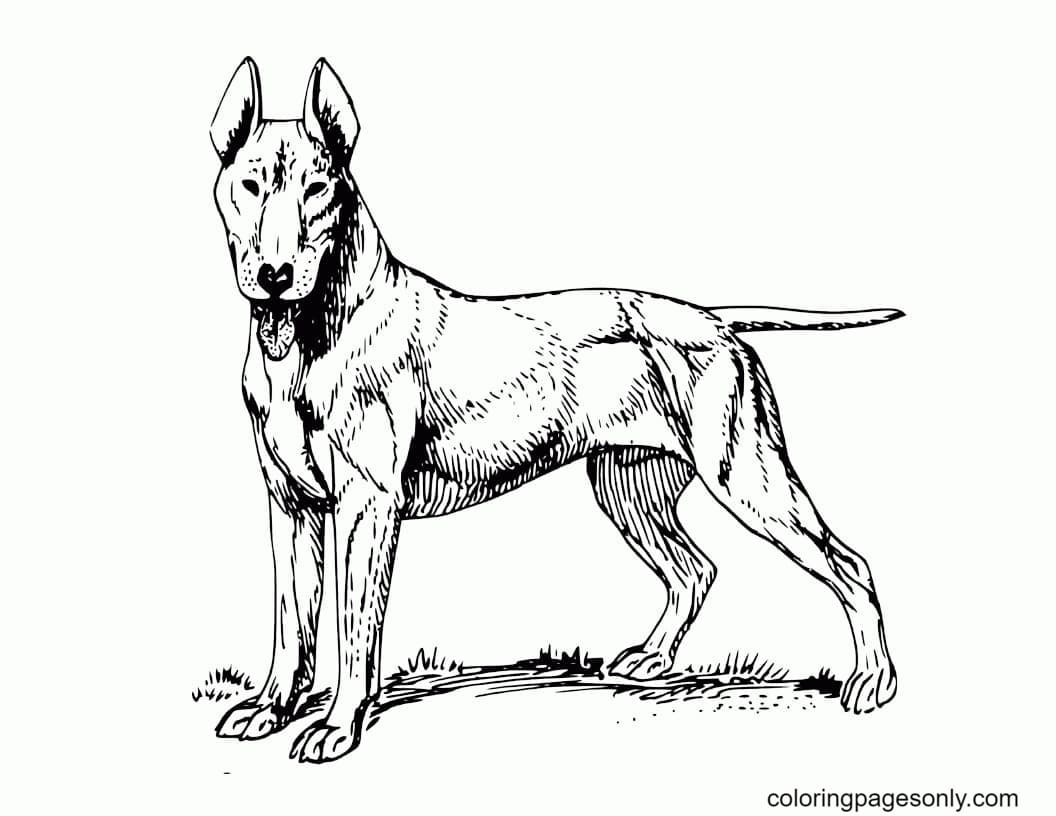
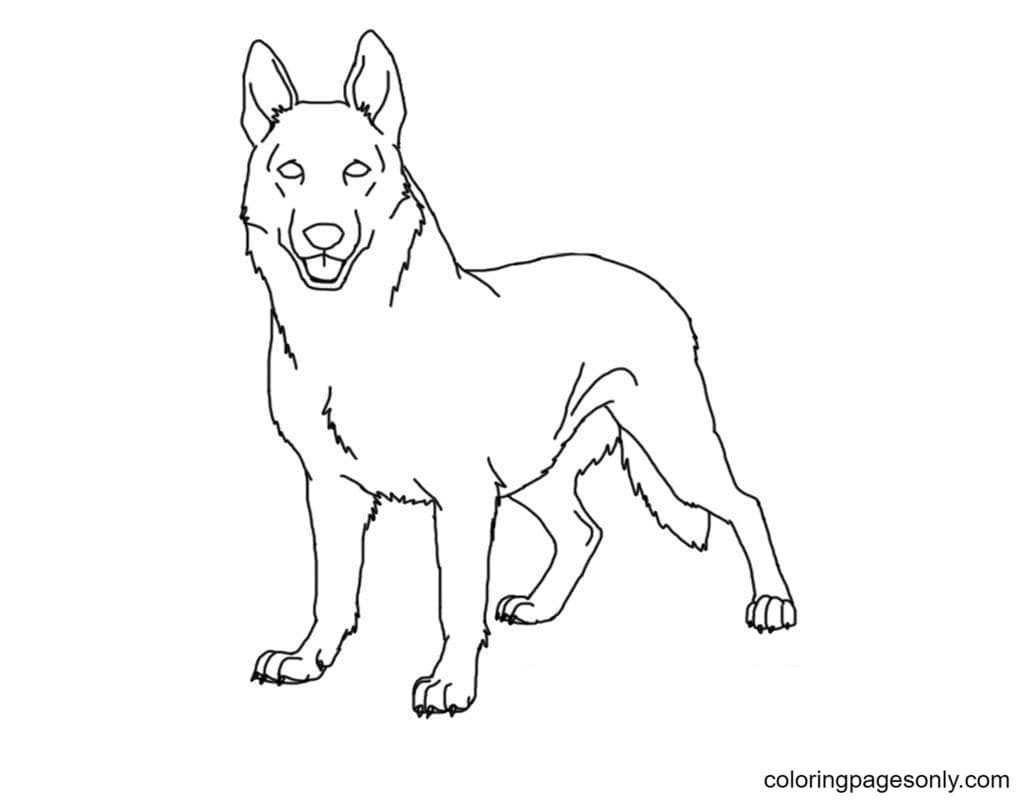
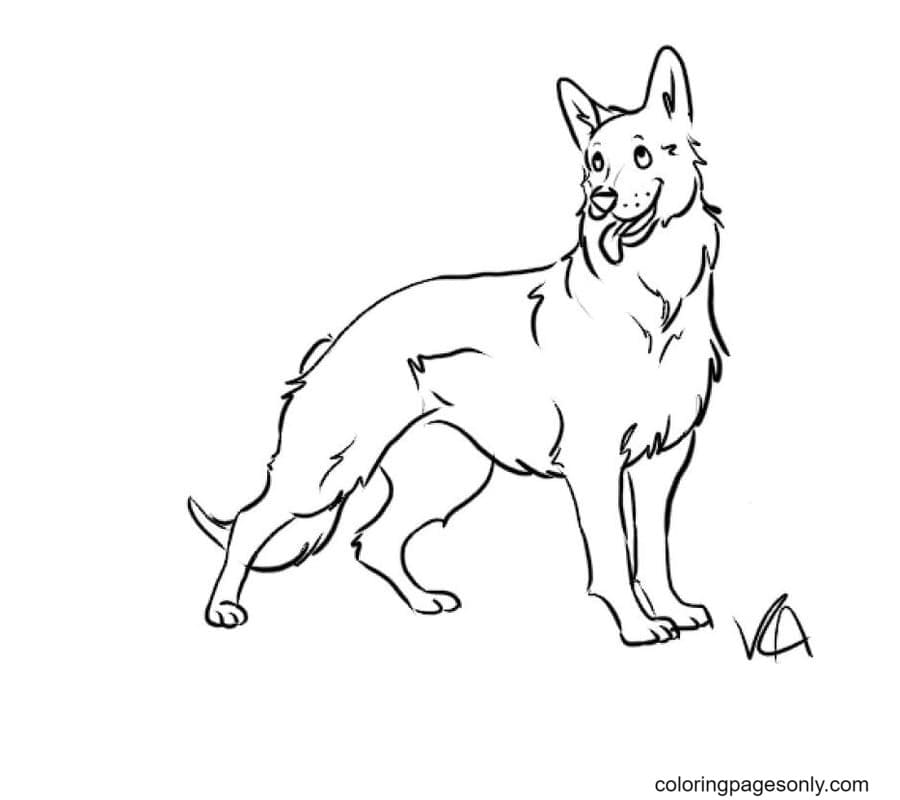
What Is Inside This Collection
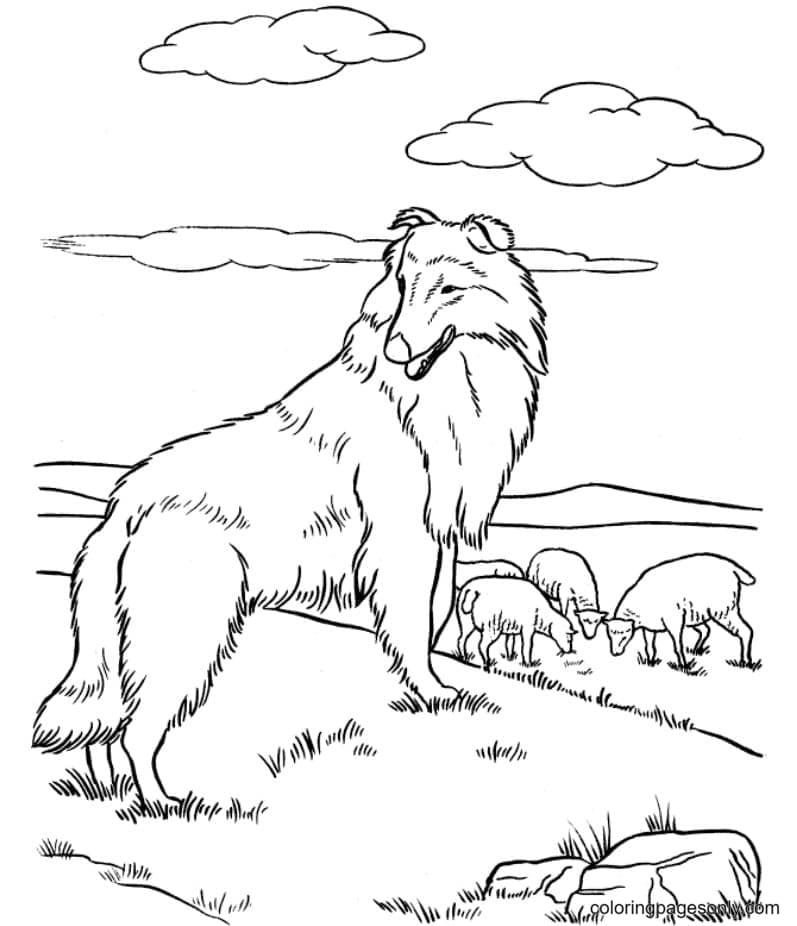
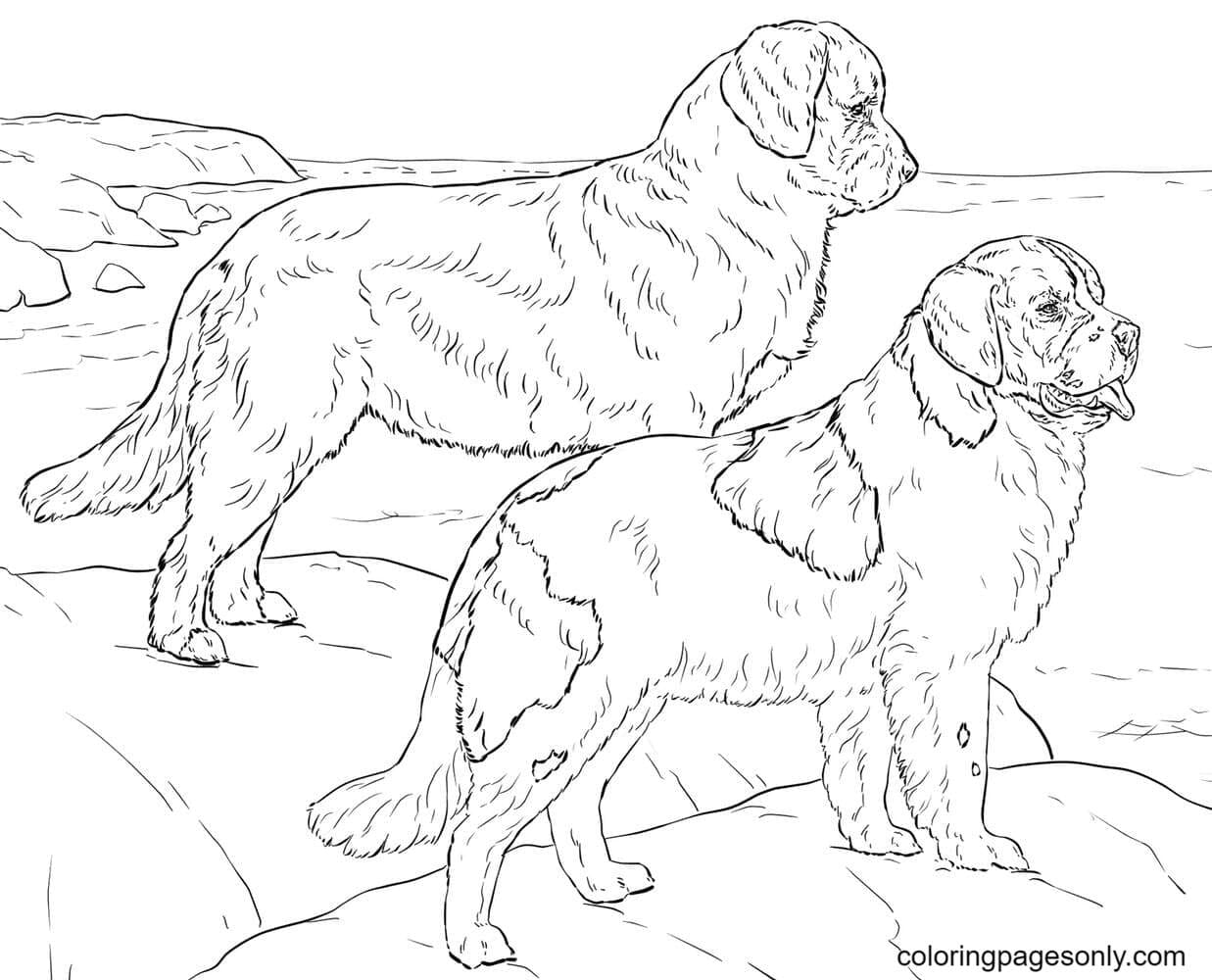
The 69 pages are divided into five groups: puppy portraits, working and service dog scenes, playful everyday and seasonal moments, realistic portrait studies, and general portraits.
Puppy Portraits
Several pages focus on German Shepherd puppies specifically, rounder and softer than the adult dog designs elsewhere in the set. These pages suit younger children who want a smaller, more approachable version of the breed to color, and the softer proportions leave more room for gentle, rounded shading.
Working and Service Dog Scenes
A smaller group shows German Shepherds in the roles the breed is best known for beyond the family home: police work, training exercises, and even a superhero-style design that leans into the breed’s reputation for courage. These pages pair naturally with a short conversation about what working dogs actually do, since each scene ties to a real job real German Shepherds perform.
Playful Everyday and Seasonal Moments
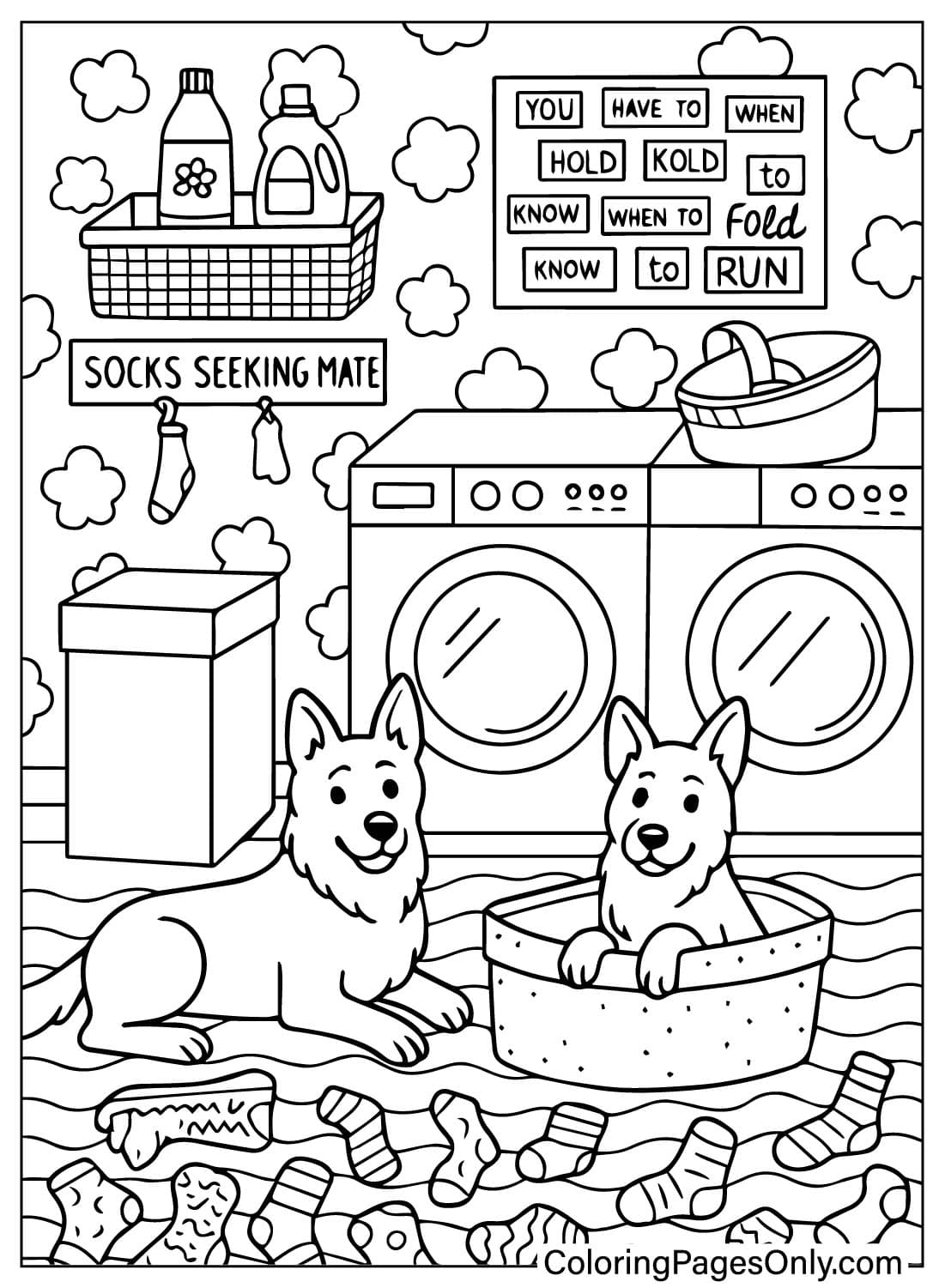
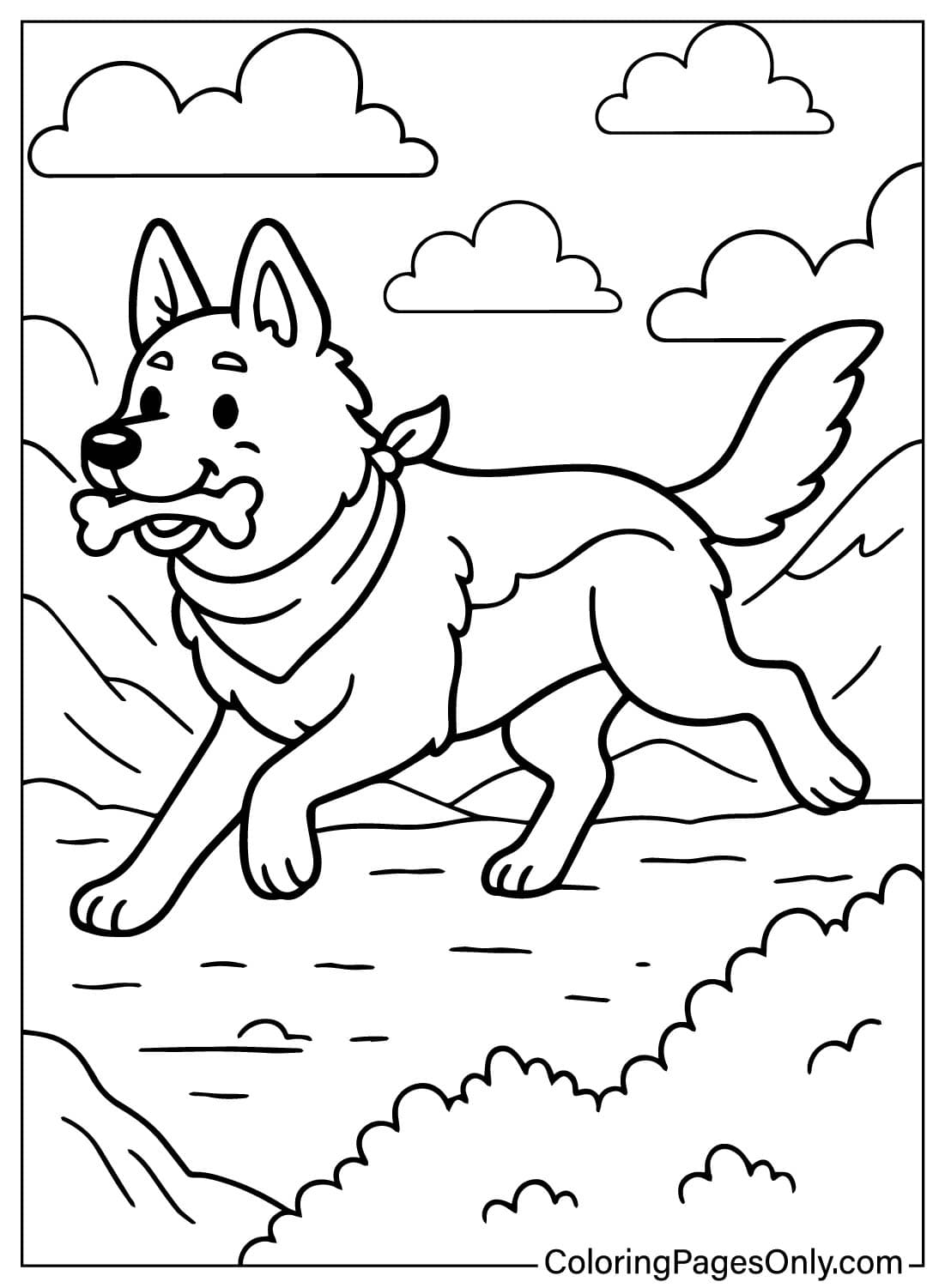
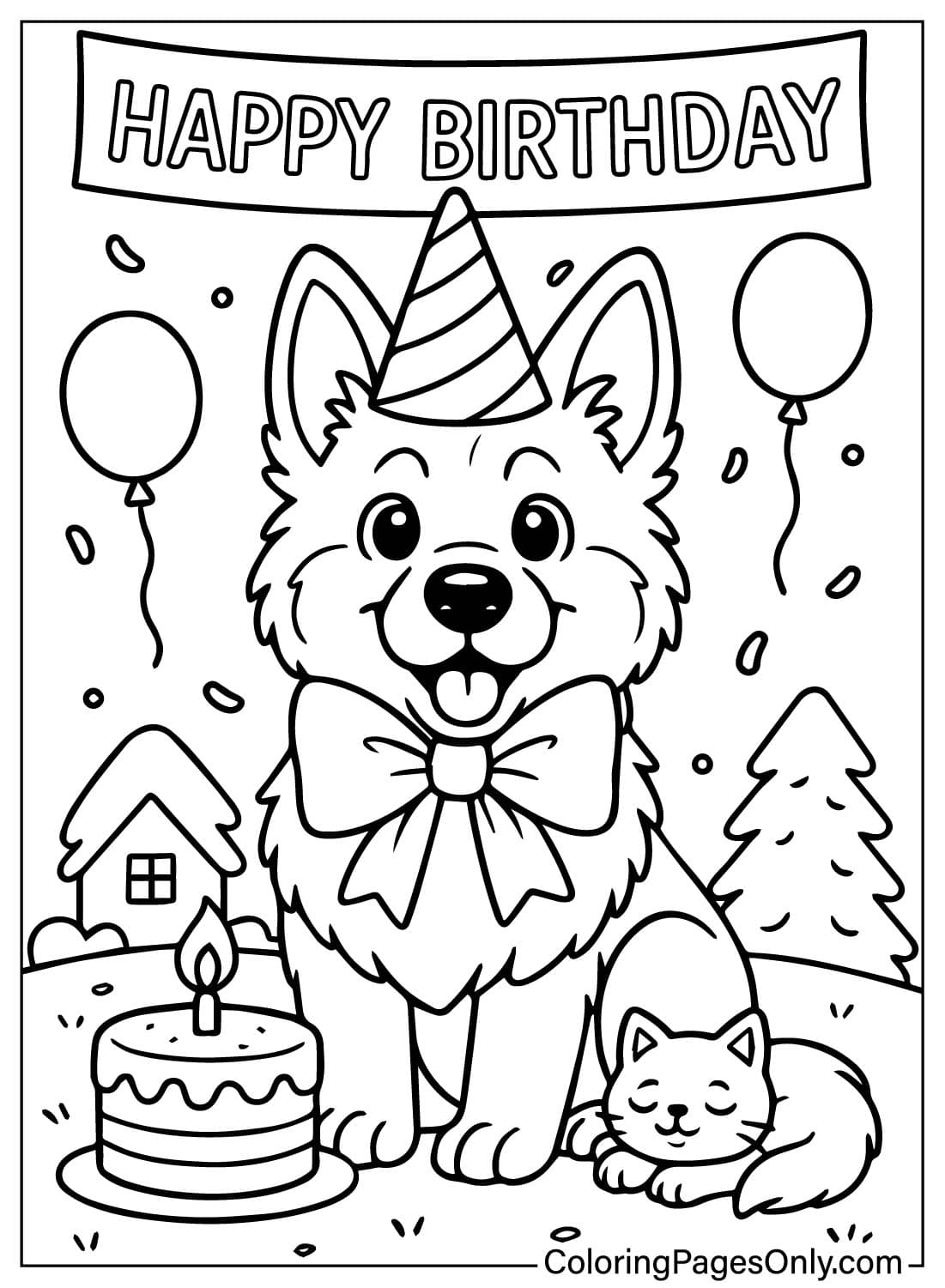
Several pages show German Shepherds in everyday activities and settings, bath time, the beach, camping, reading, skateboarding, driving a car, or relaxing in a garden, alongside a few seasonal designs for Halloween, Christmas, and birthdays. These pages give the collection its lightest, most playful tone, closer to a family pet than a working animal.
Realistic Portrait Studies
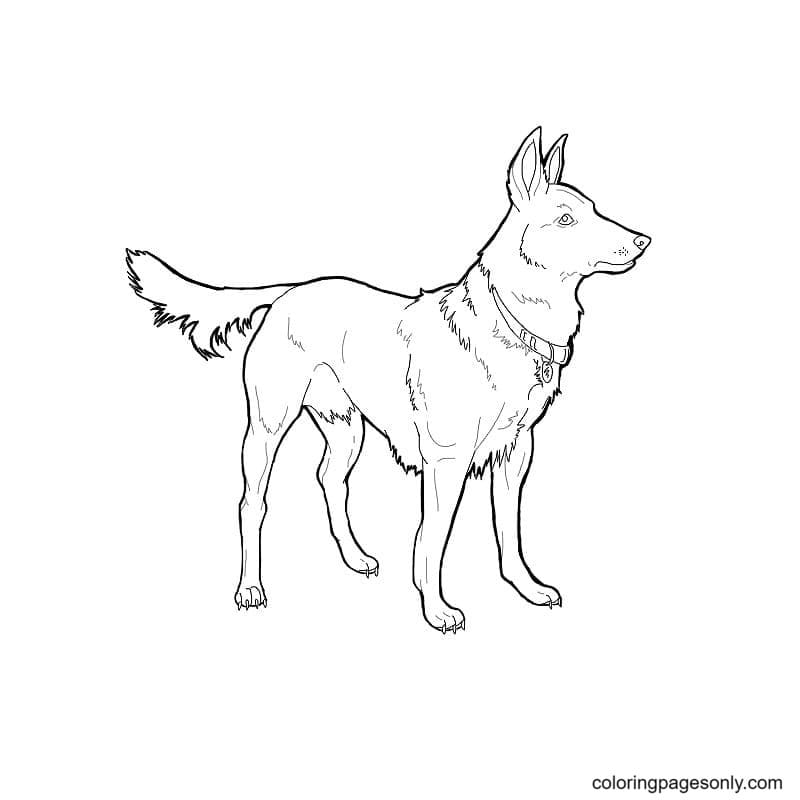
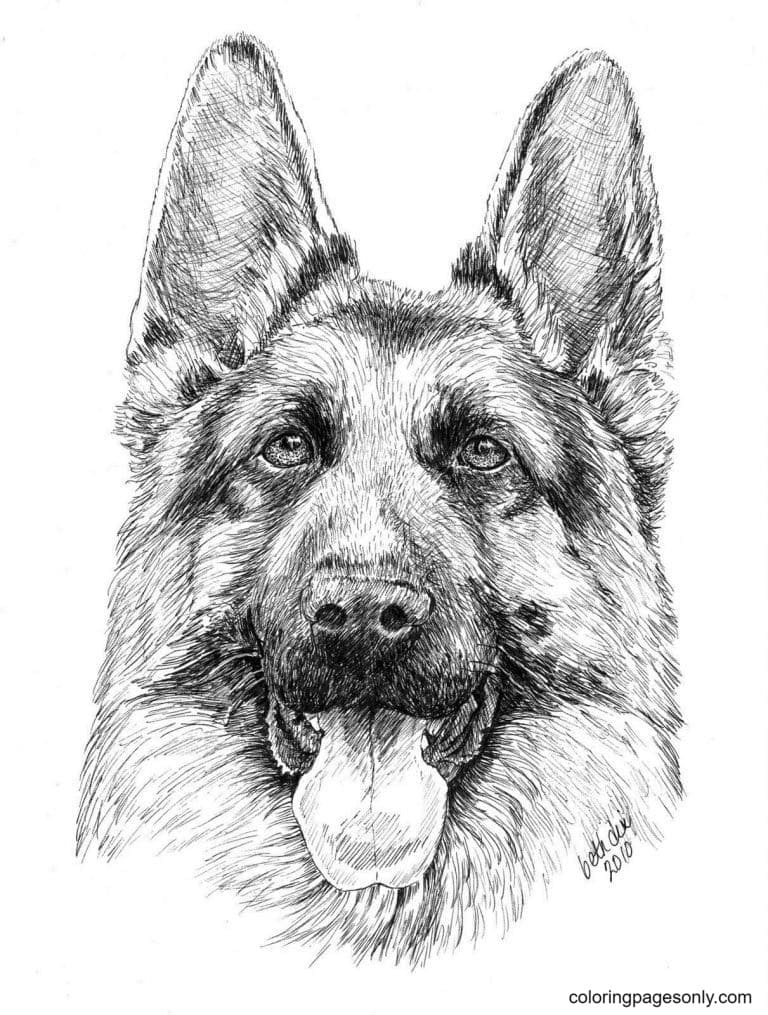
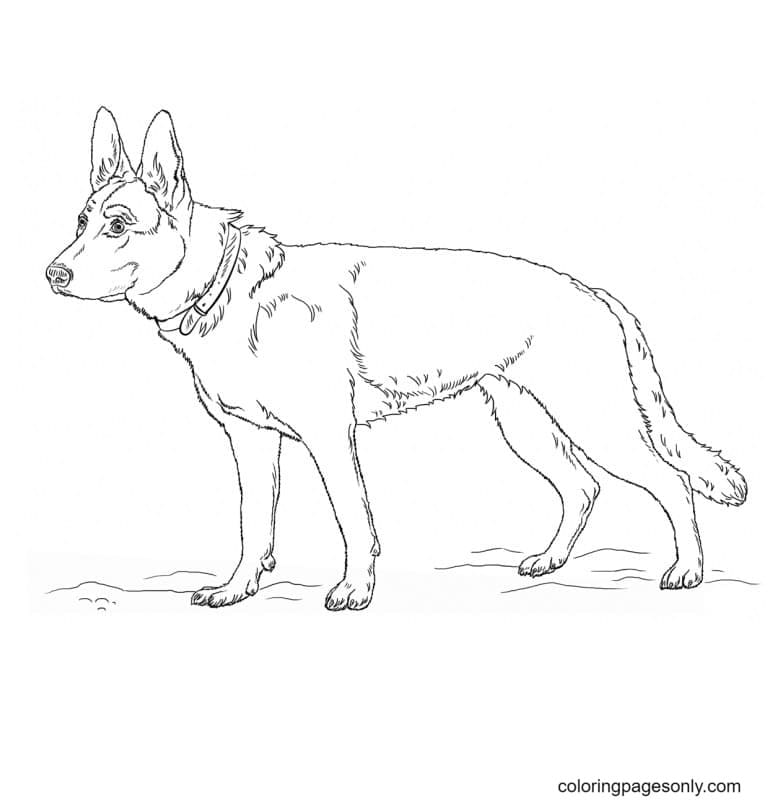
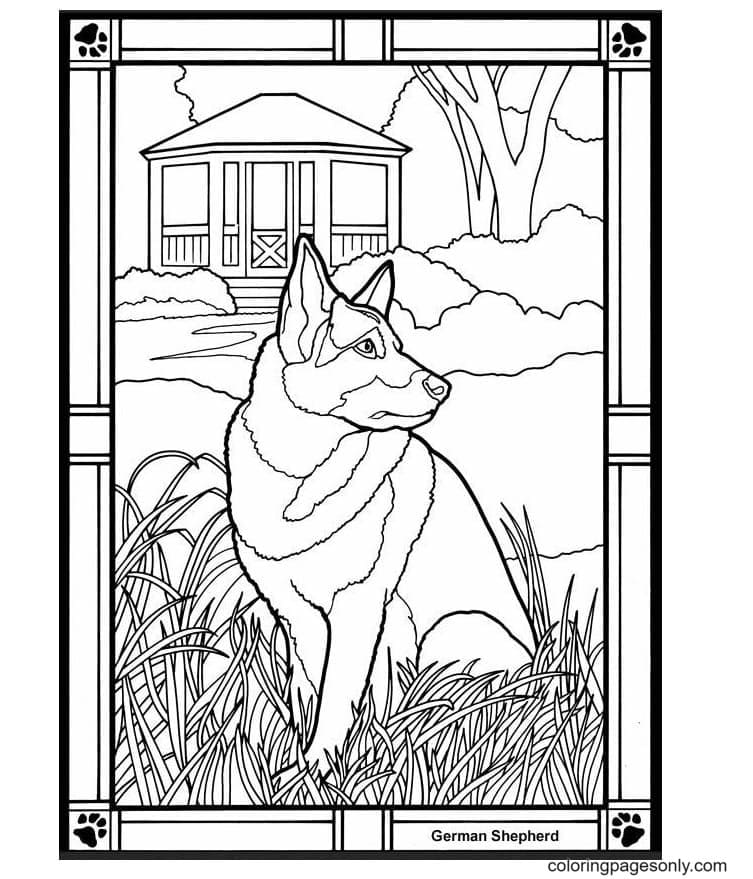
A handful of pages aim for a more accurate, field-guide style rendering of the breed’s proportions and coat pattern, including a line-art drawing and a formal dog portrait. These pages suit an older colorist who wants to focus on getting the breed’s distinctive saddle marking right.
General Portraits
The largest group by far is made up of general single-dog portraits with page titles that differ more than the actual designs. Expect a fair amount of repetition across this group, since many pages show a similar standing or sitting German Shepherd under a different file name.
What German Shepherd Coloring Pages Do
Fine motor development. The American Academy of Pediatrics lists structured coloring among the activities that build fine motor control in children ages 2 through 7, and a German Shepherd’s dense double coat and pointed ears give a child a range of small, textured shapes to color with short, controlled strokes.
Working dog awareness. Because several pages show German Shepherds in police, training, or service roles, this collection gives children a concrete way to learn what working dogs actually do, beyond simply being a family pet.
Anxiety reduction through focus. A 2005 study in the Art Therapy Journal found that structured coloring sessions produced measurably lower anxiety than unstructured drawing, and a single dog portrait’s outline suits a short, focused coloring session well.
Coat pattern recognition. Because the German Shepherd’s black-and-tan saddle marking is one of the more recognizable coat patterns among dog breeds, coloring several pages in a row builds a child’s ability to recognize and reproduce that specific pattern consistently.
How to Color German Shepherd Coloring Pages Well
- The classic saddle pattern: use Black across the back and a warm Tan or Golden Brown on the legs, face, and chest, since this black-and-tan saddle is the most recognizable German Shepherd coloring.
- Sable coats: for a page without a clear saddle, use a blended Tan and Black applied in short strokes rather than solid blocks, since sable German Shepherds have individual hairs tipped in black rather than distinct patches.
- Ears and alertness: keep the tall, pointed ears a shade darker than the surrounding fur, since shading the ear edges helps the alert, upright ear shape read clearly on the page.
- Working dog gear: if a page shows a harness, vest, or police-style equipment, use a simple Black or Navy for the gear so it stays visually distinct from the dog’s coat.
- Puppy coats: Use softer, lighter versions of the same Black and Tan palette, since German Shepherd puppies often have fluffier, less defined coat patterns than adults.
5 Creative Craft Ideas With German Shepherd Coloring Pages
1. Dog Standee. Color a solo German Shepherd page, glue it to cardboard or a cereal box, and cut around the outline to make a standing figure for a shelf or desk.
2. Working Dog Fact Card. Color one of the police or training pages, then write a few facts about real working dogs on the back to make a simple study card.
3. Puppy to Adult Poster. Color a puppy page and an adult portrait page side by side, and label each with its approximate age to show how the breed’s coat and proportions change over time.
4. Dog Bookmark. Color a small portrait page, trim it into a narrow strip, and laminate it or cover it with clear tape for a durable bookmark.
5. Pet Adoption Greeting Card. Color one of the family or puppy scenes, fold a piece of cardstock in half, and glue the design to the front of a card celebrating a new pet.
Frequently Asked Questions
What are German Shepherd coloring pages?
A free set of 69 printable PDFs and online coloring sheets showing German Shepherd puppies, working dogs, and family scenes.
Where did the German Shepherd breed come from?
The breed was formally established in Germany in 1899 by cavalry captain Max von Stephanitz, who purchased a herding dog and registered him as the breed’s founding sire under the newly formed Verein für Deutsche Schäferhunde.
What was the German Shepherd originally bred for?
The breed was originally developed for herding sheep, before its intelligence and trainability led to widespread use in police, military, and search-and-rescue work.
What is the classic German Shepherd coat pattern?
The most recognizable pattern is a black saddle across the back paired with tan on the legs, face, and chest, though solid black and sable coats also occur in the breed.
Why are German Shepherds used as police dogs?
Their intelligence, physical strength, and trainability make them well-suited to tracking, search and rescue, and detection work, which is why they remain one of the most common police and service dog breeds.
Are these pages suitable for young children?
Yes. The puppy and simplified general portrait pages suit young children, while the realistic studies and working-dog scenes work well for older kids and dog enthusiasts.
Does this collection include mixed-breed dogs?
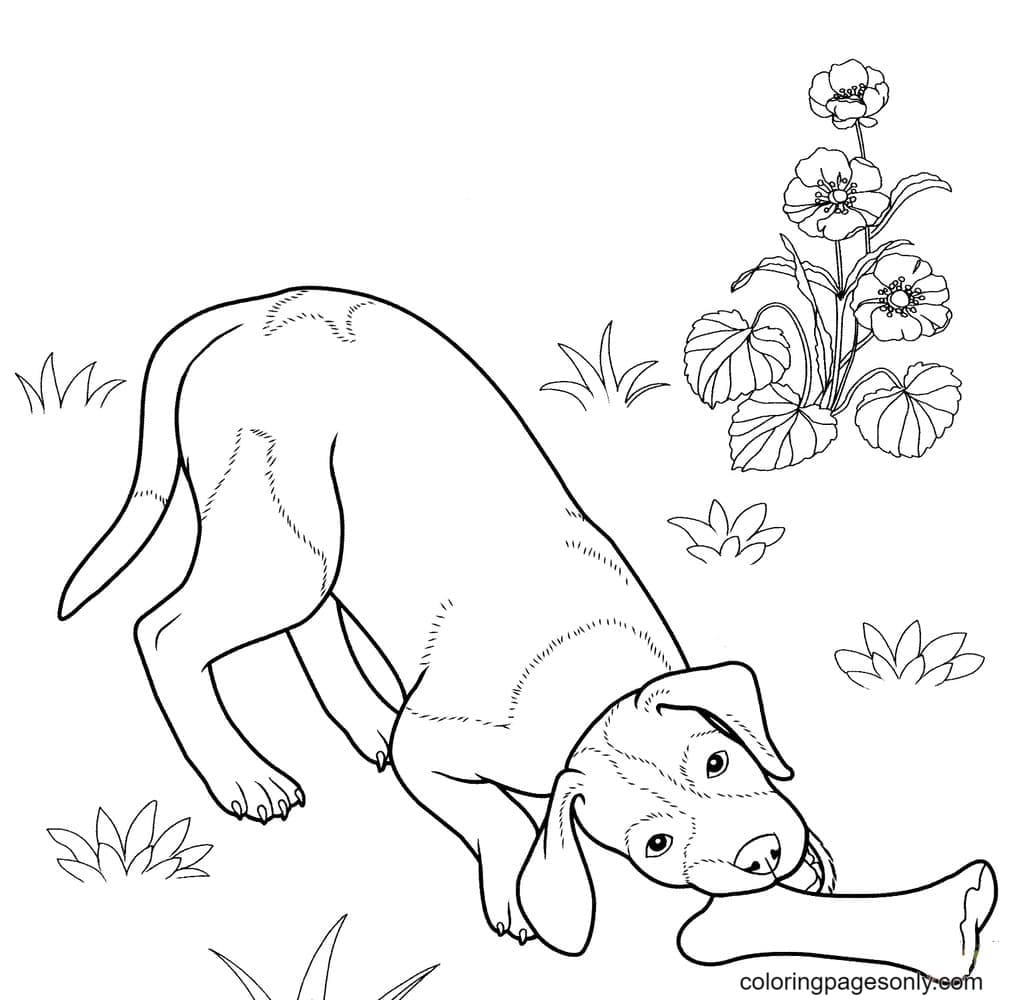
Yes, one page shows a Boxer and German Shepherd mix alongside the purebred designs that make up most of the set.
Are these free to download and print?
Yes. Every page is free, with no account, email, or payment required, and can be downloaded as a PDF or colored online in the browser.
Start Coloring
Download any page by clicking the design. No account, email, or payment is required. Pages print directly from the browser at full resolution or open in the online coloring tool for screen use. Share finished pages on Facebook or Pinterest with the share buttons at the top of each design page.