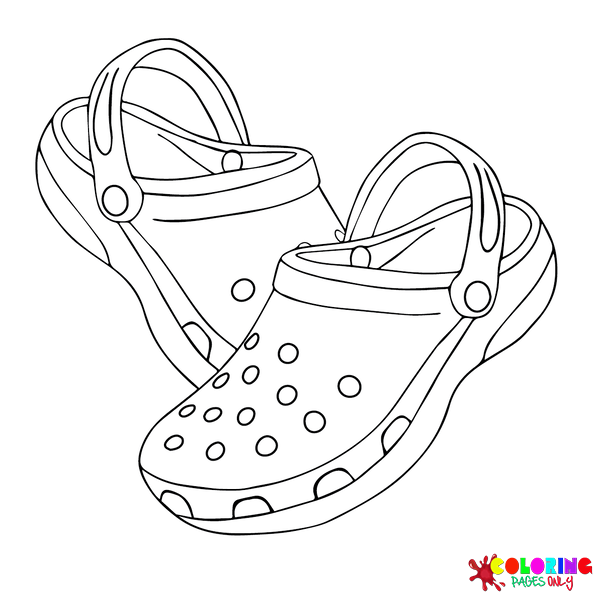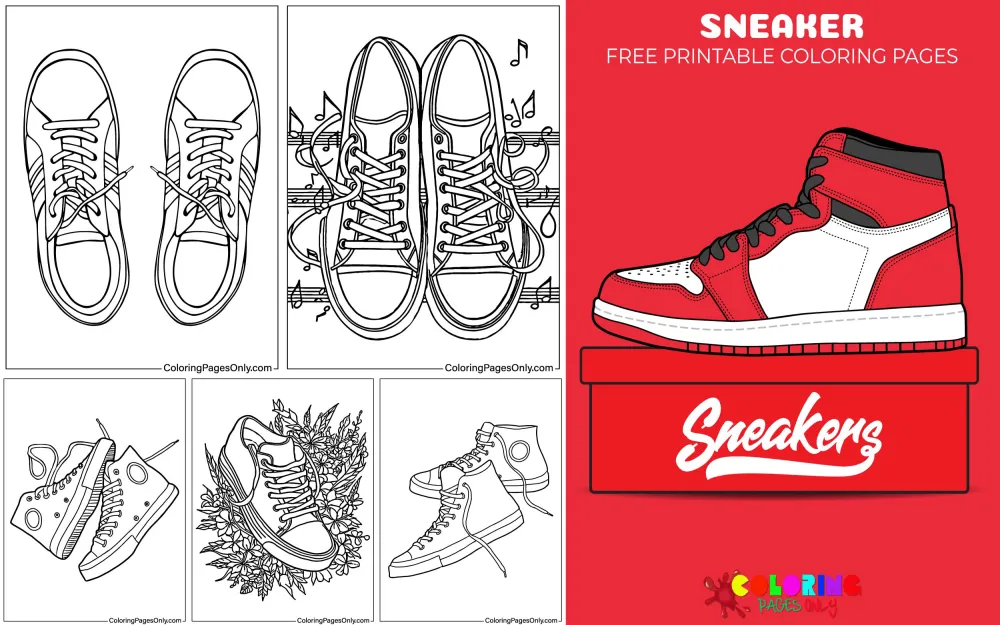
Free sneaker coloring pages: 42 printable PDF designs spanning classic canvas shoes, sporty high-tops, and patterned styles covered in flowers, stars, and music notes. Every page can be downloaded as a PDF to print or colored online in the browser.
The word “sneaker” comes from the shoe’s original selling point: a rubber sole quiet enough to sneak around in, a term first used in print by the Boston Journal in 1887. The modern sneaker traces back further, to rubber-soled canvas shoes called plimsolls, first made in England in the 1830s and made possible at scale by Charles Goodyear’s 1839 discovery of vulcanized rubber. In the United States, U.S. Rubber introduced Keds in 1916 as the first mass-marketed canvas-top sneaker, and Converse followed in 1917 with the All Star, a basketball shoe later endorsed by player Chuck Taylor in 1923.
This collection ranges from plain, classic sneaker outlines to patterned and themed designs, covering everyday styles rather than any single brand’s specific shoe line.
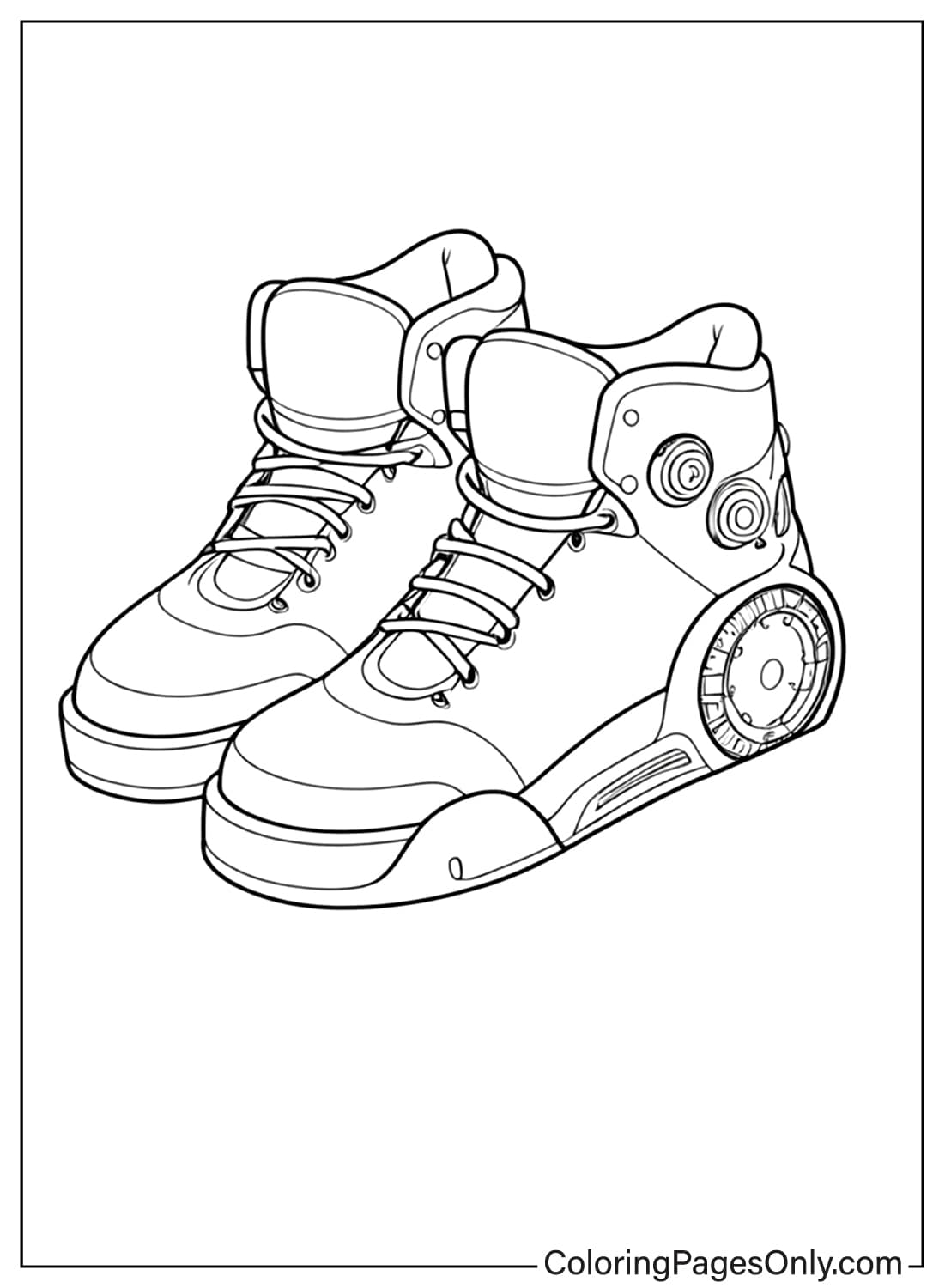
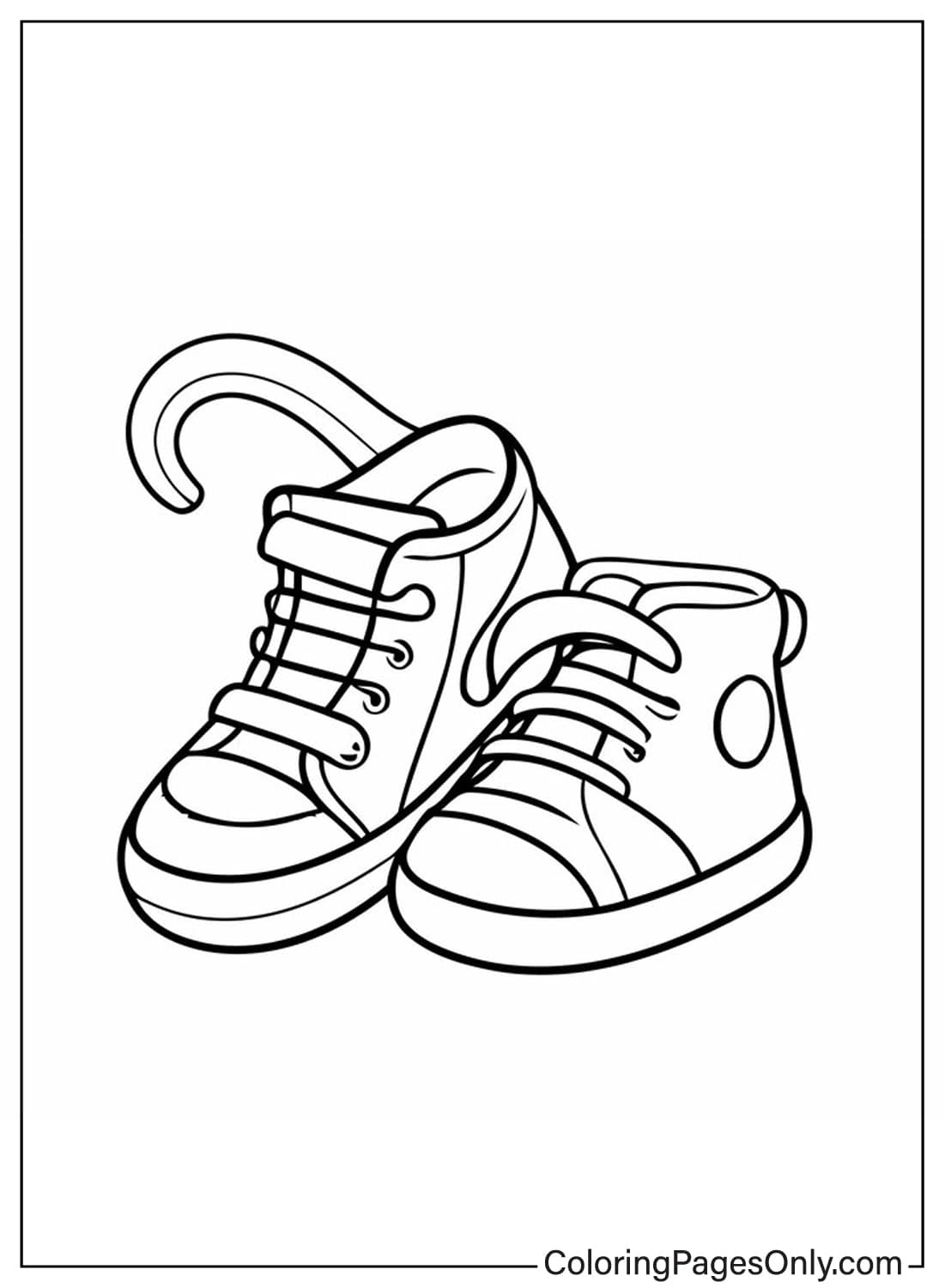
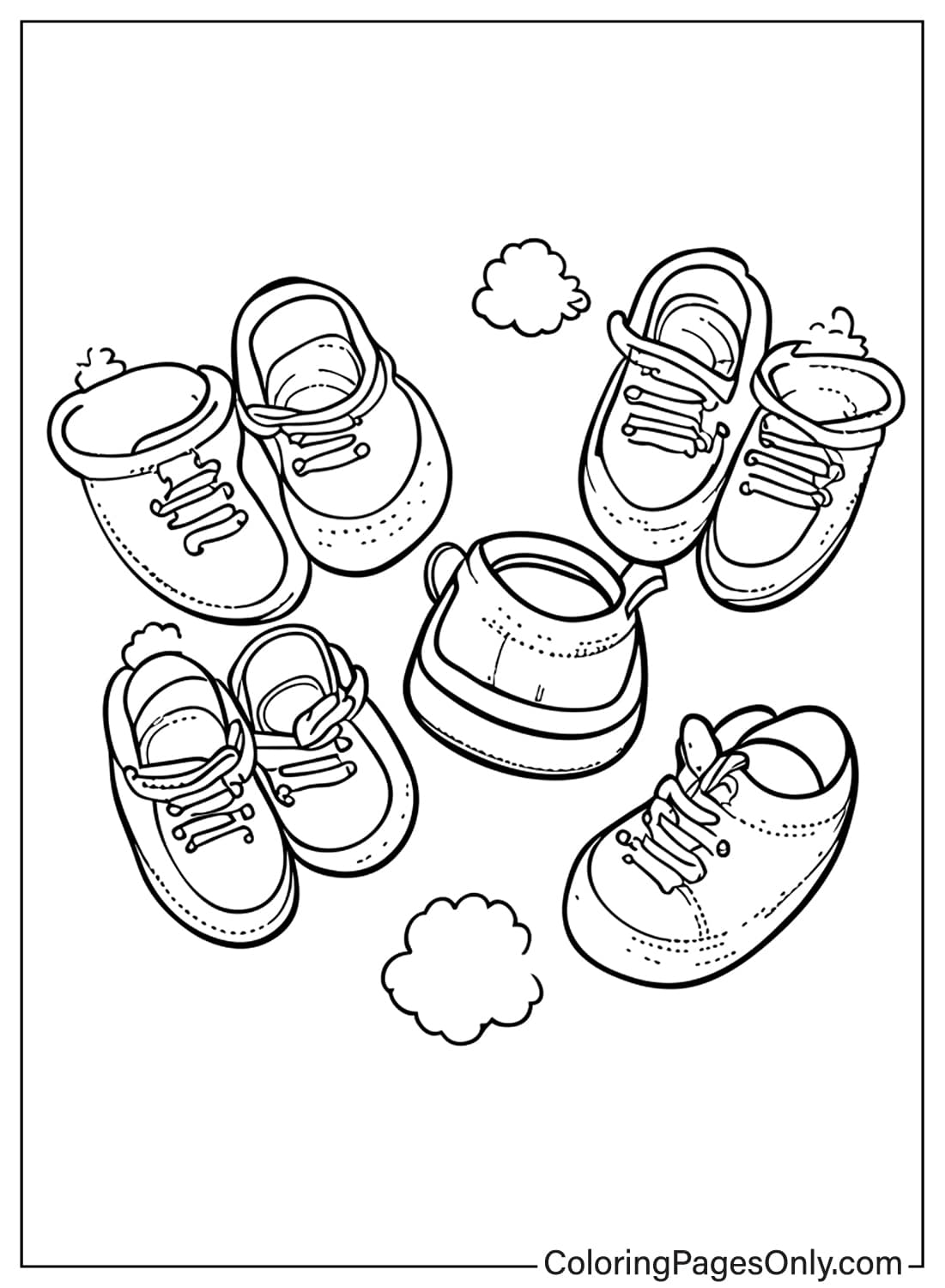
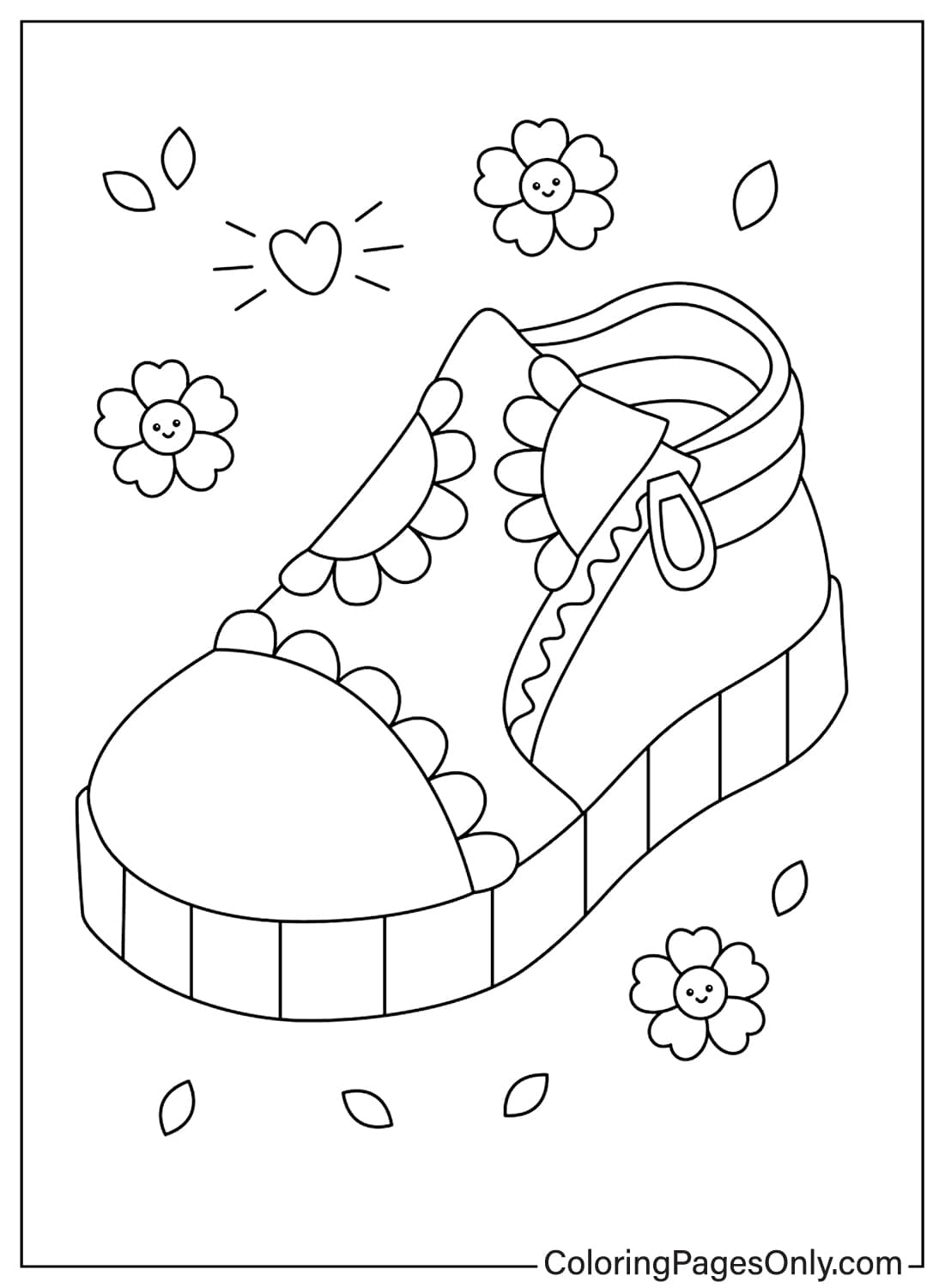
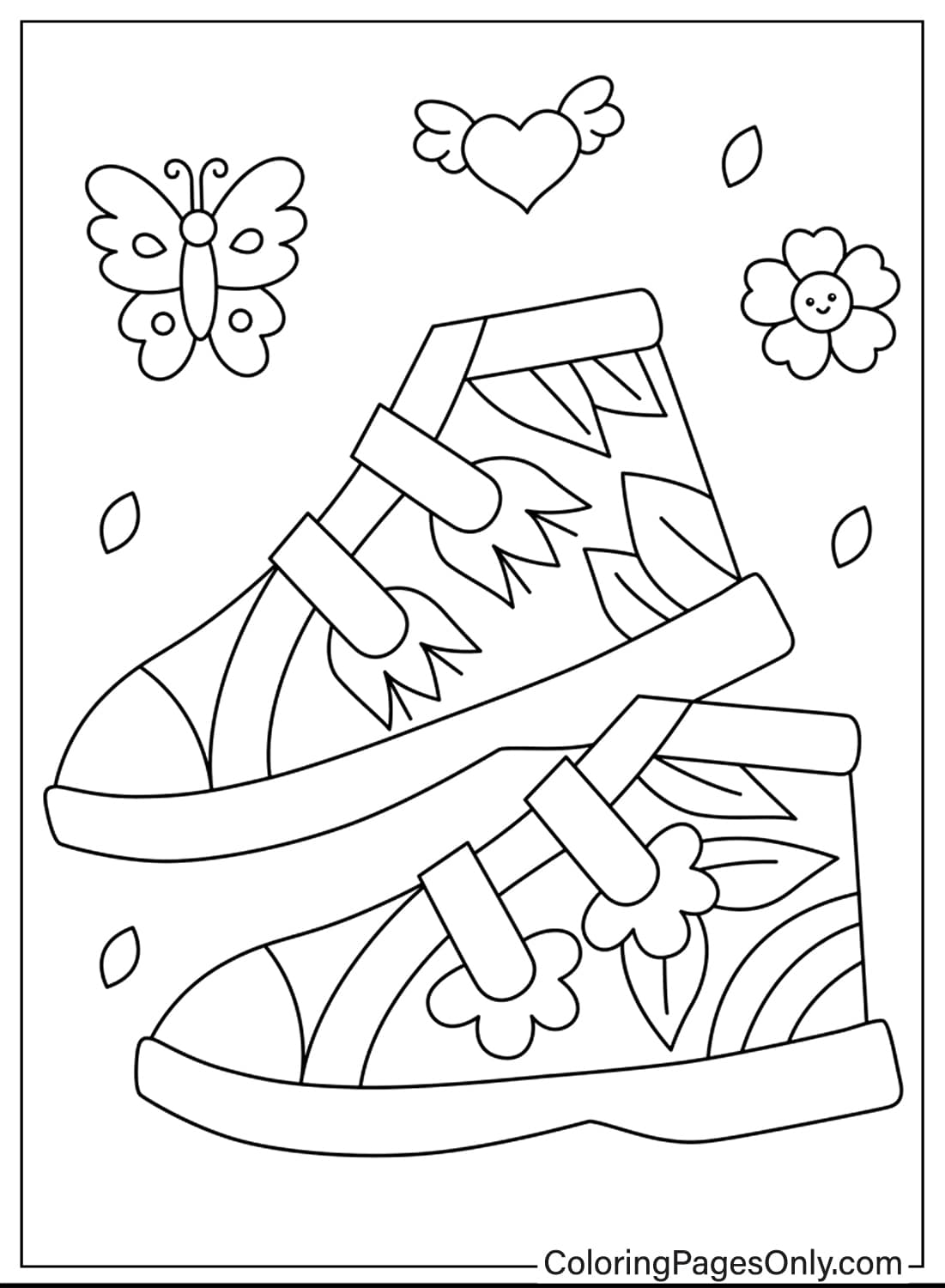
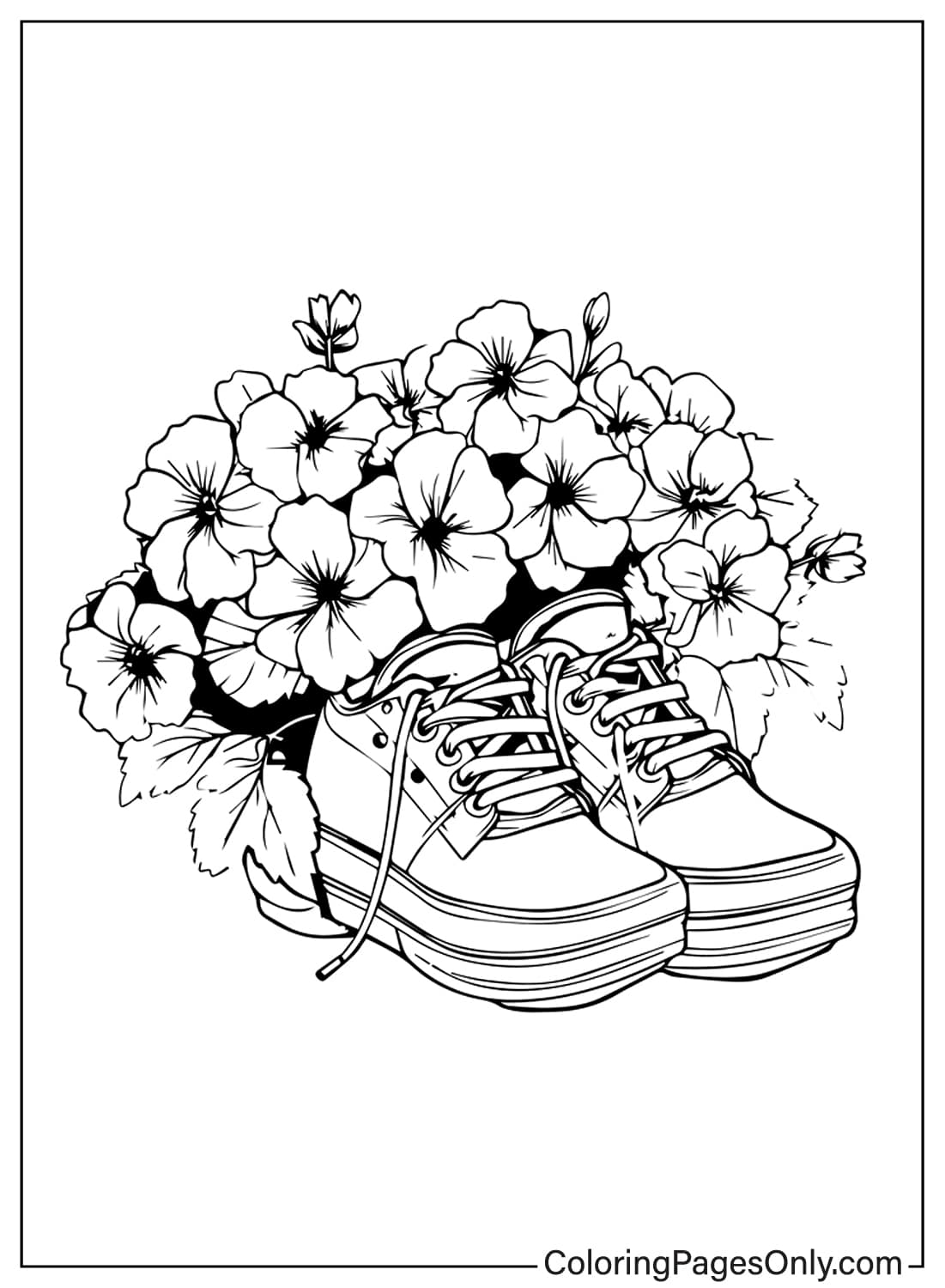
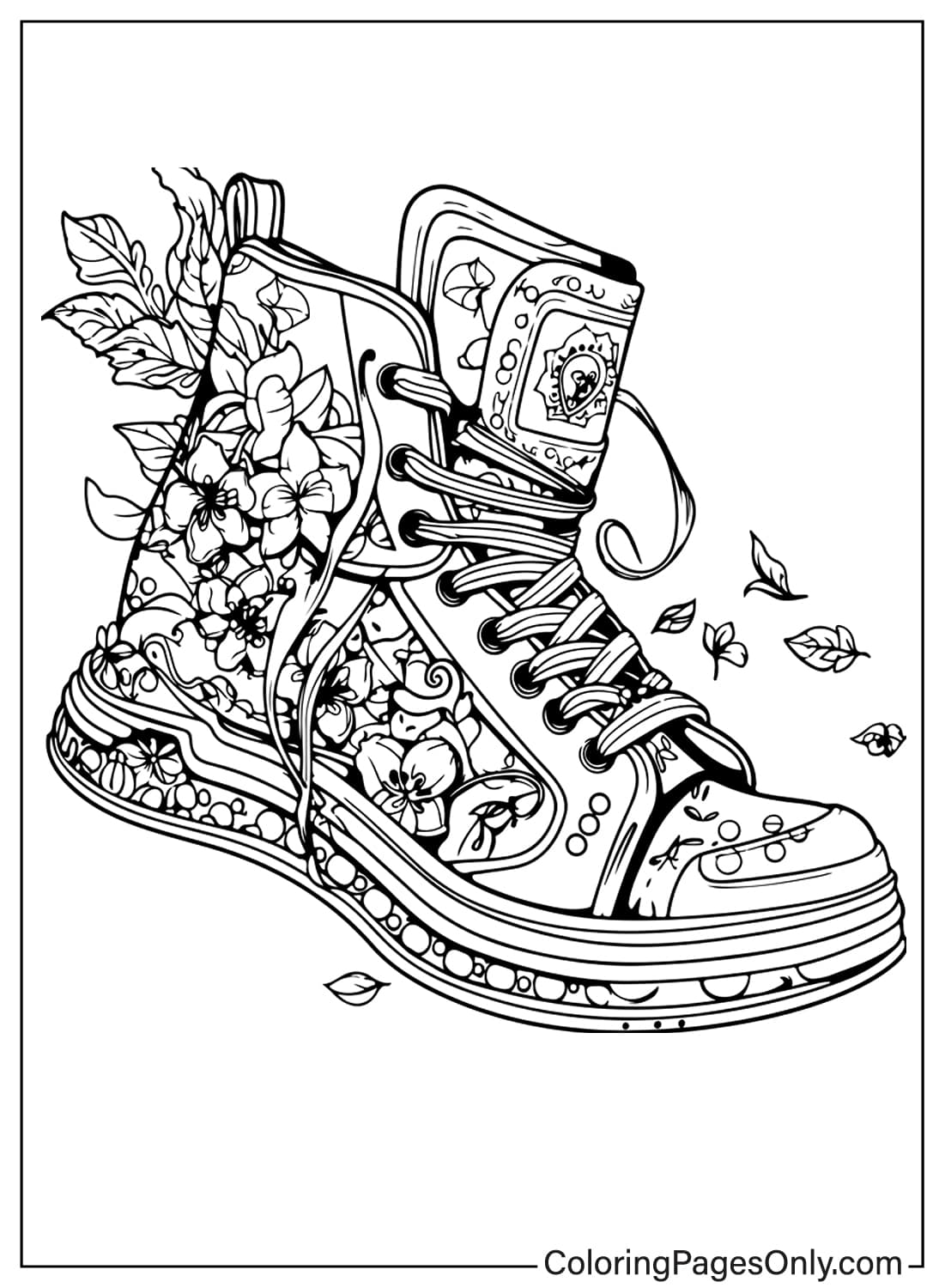
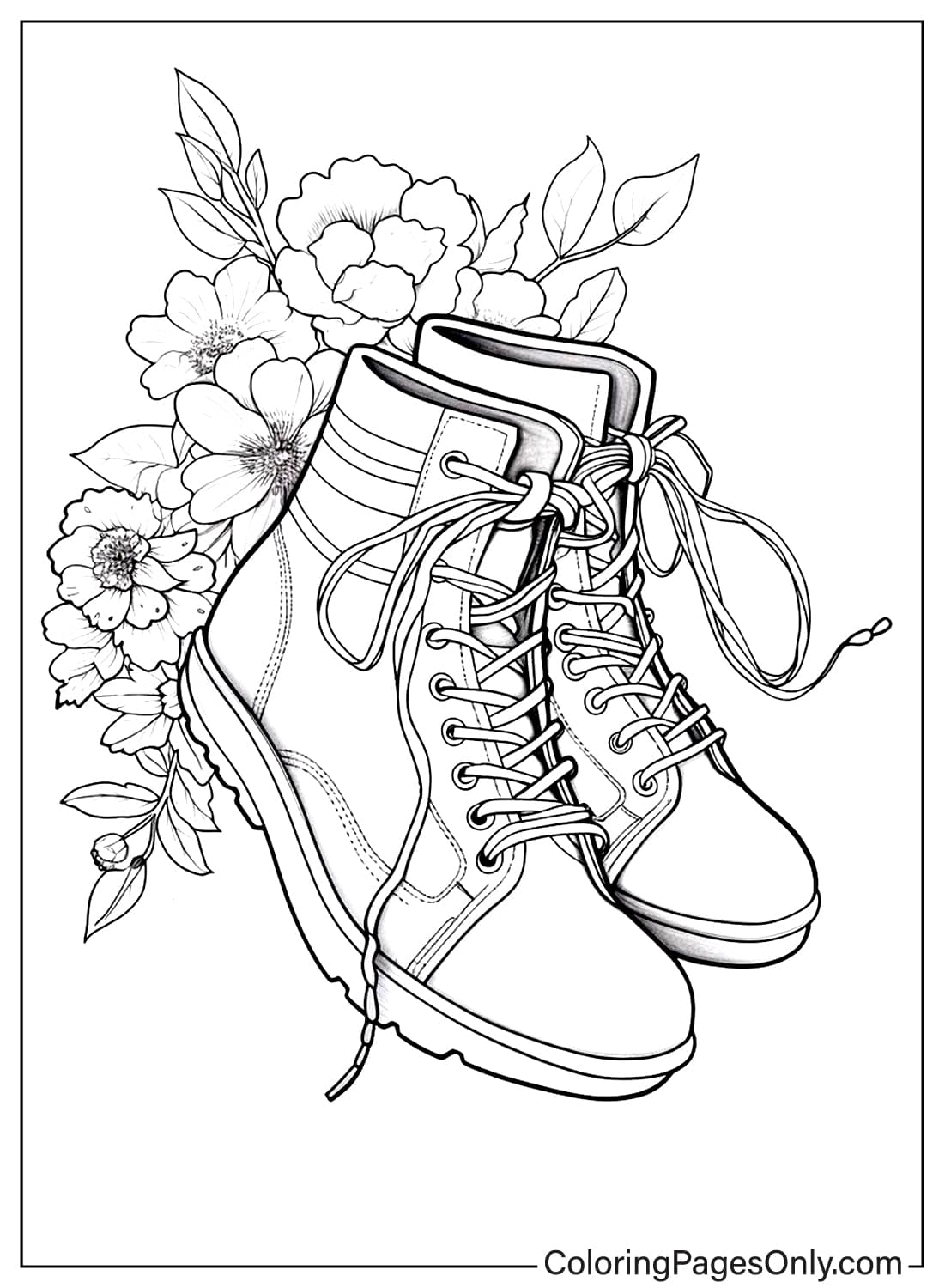
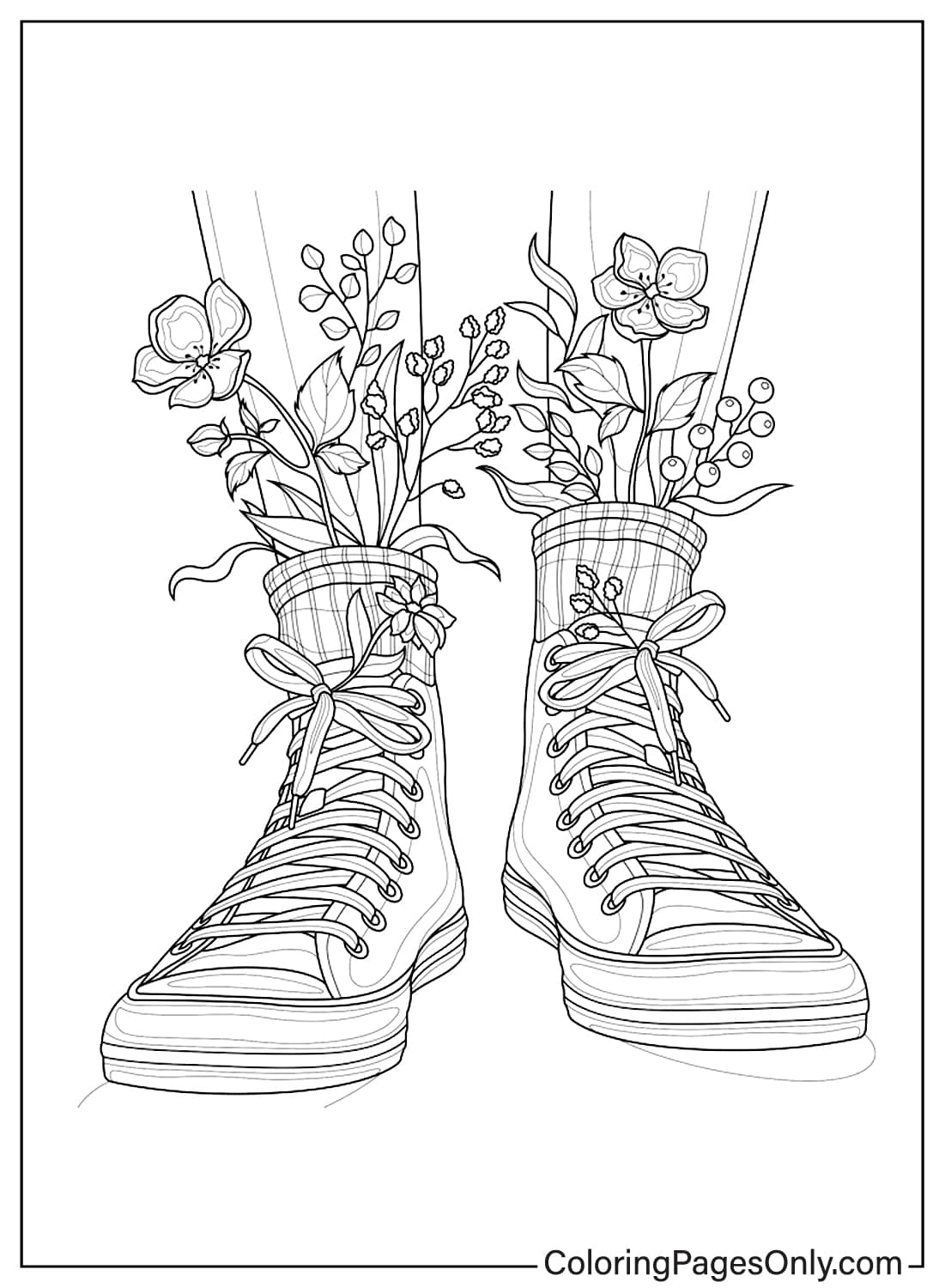
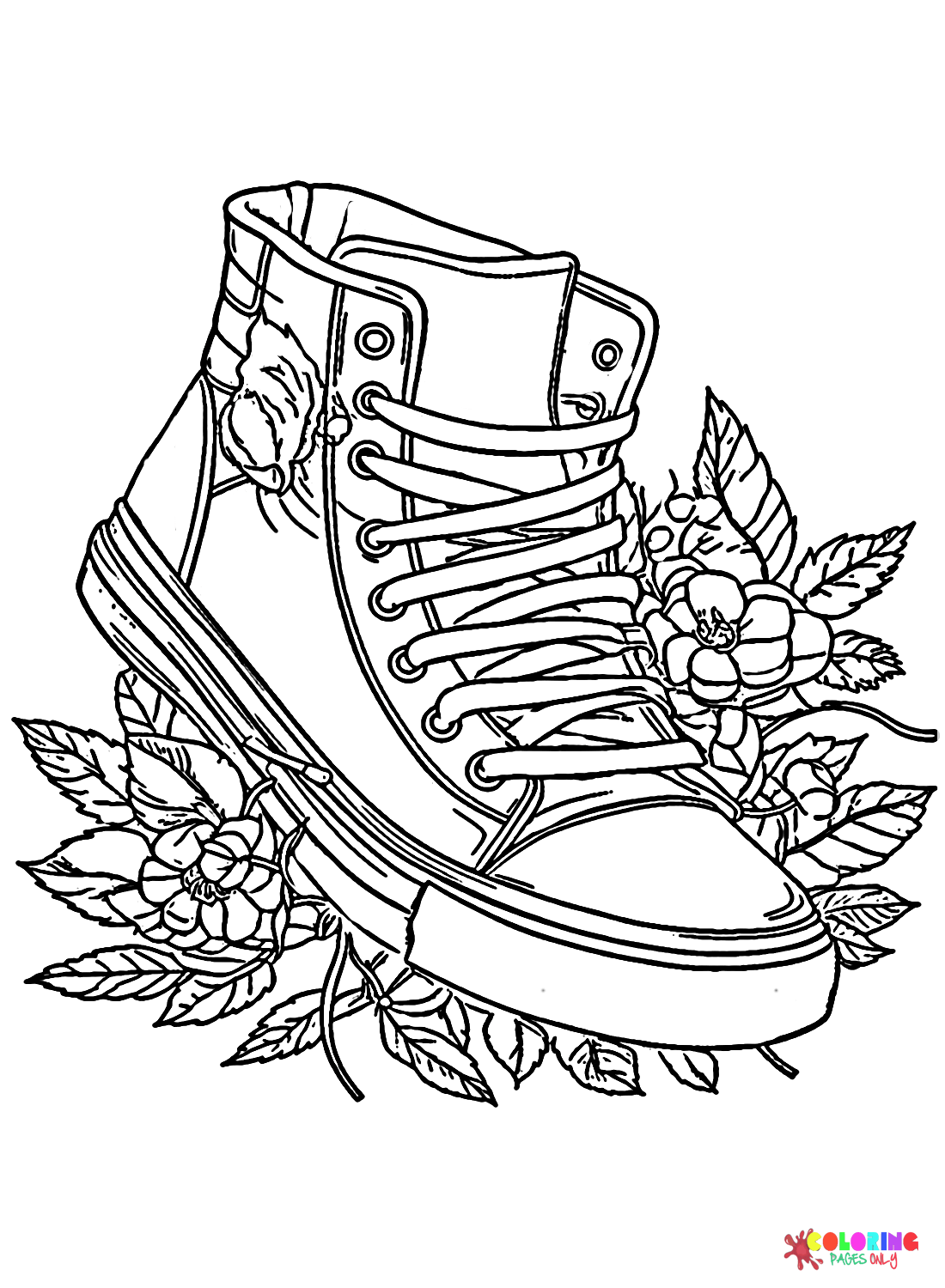
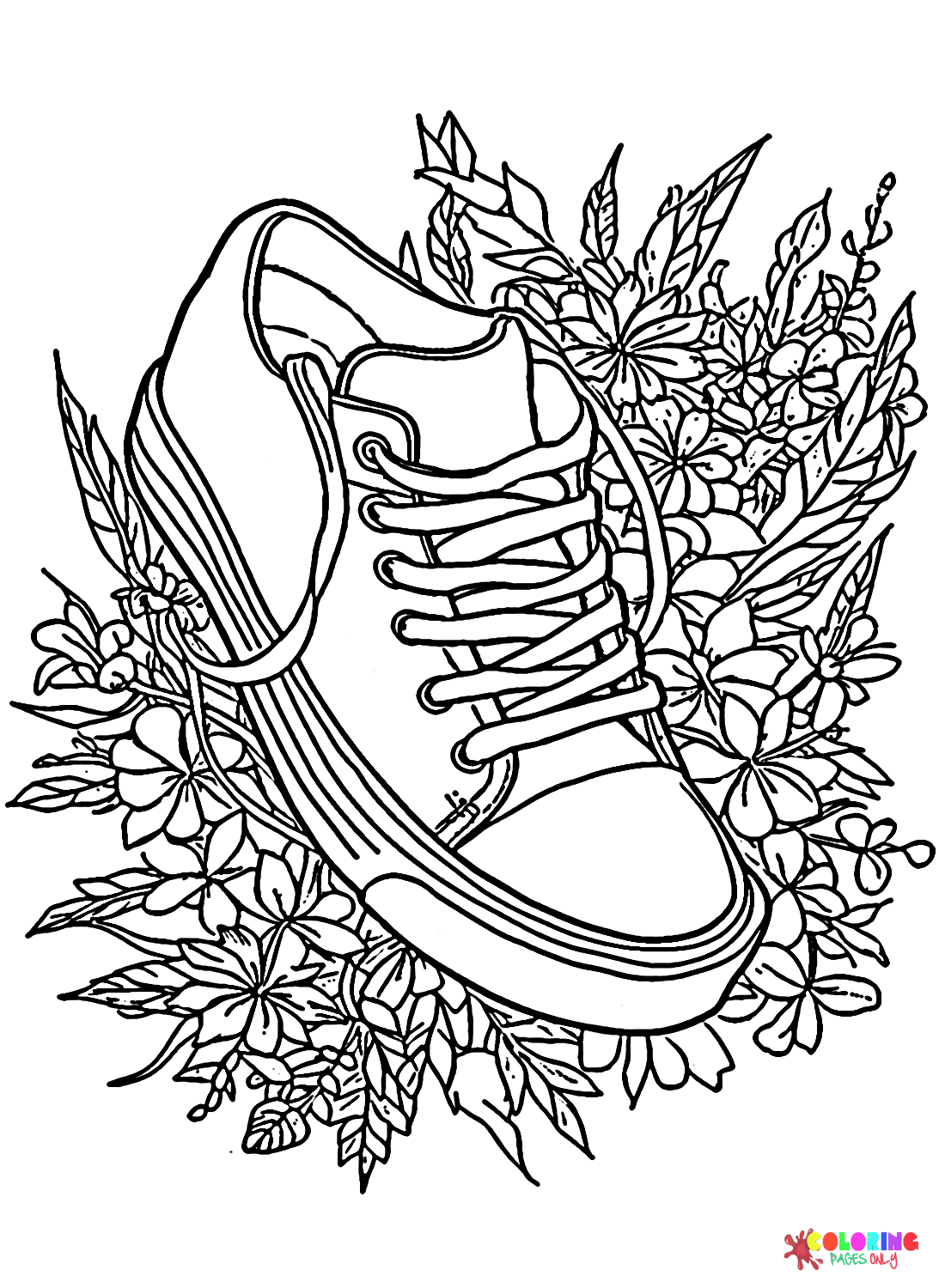
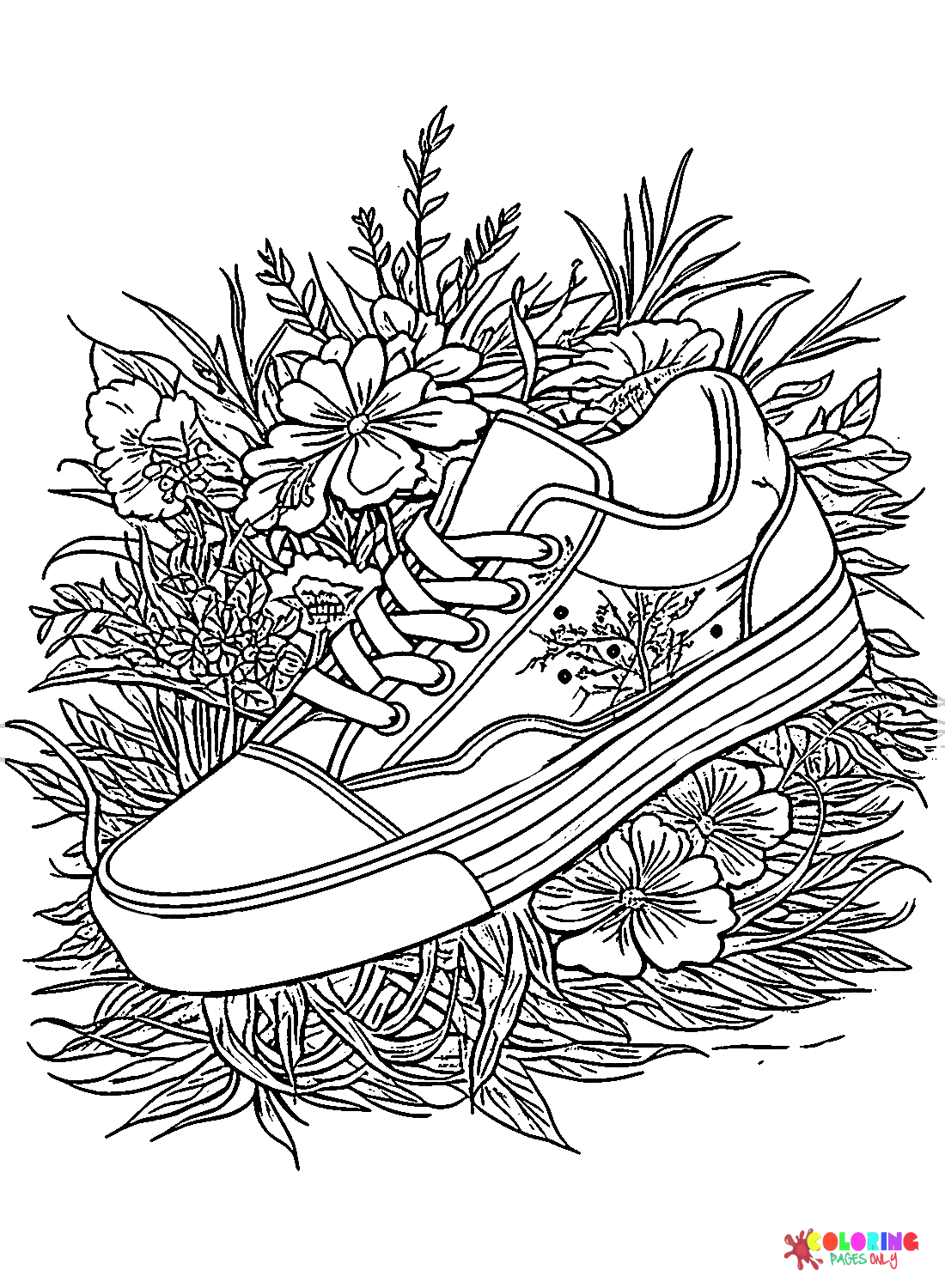
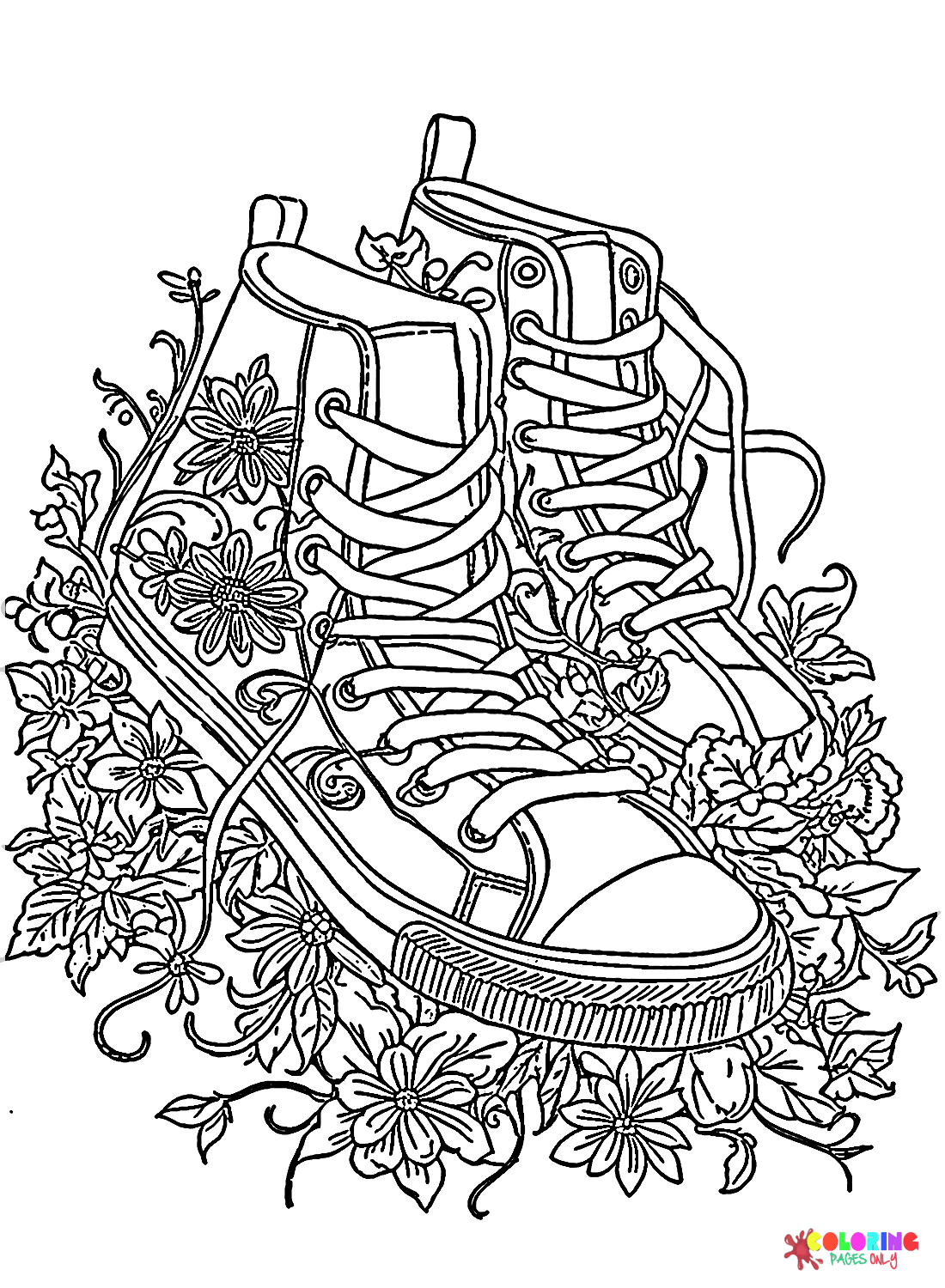
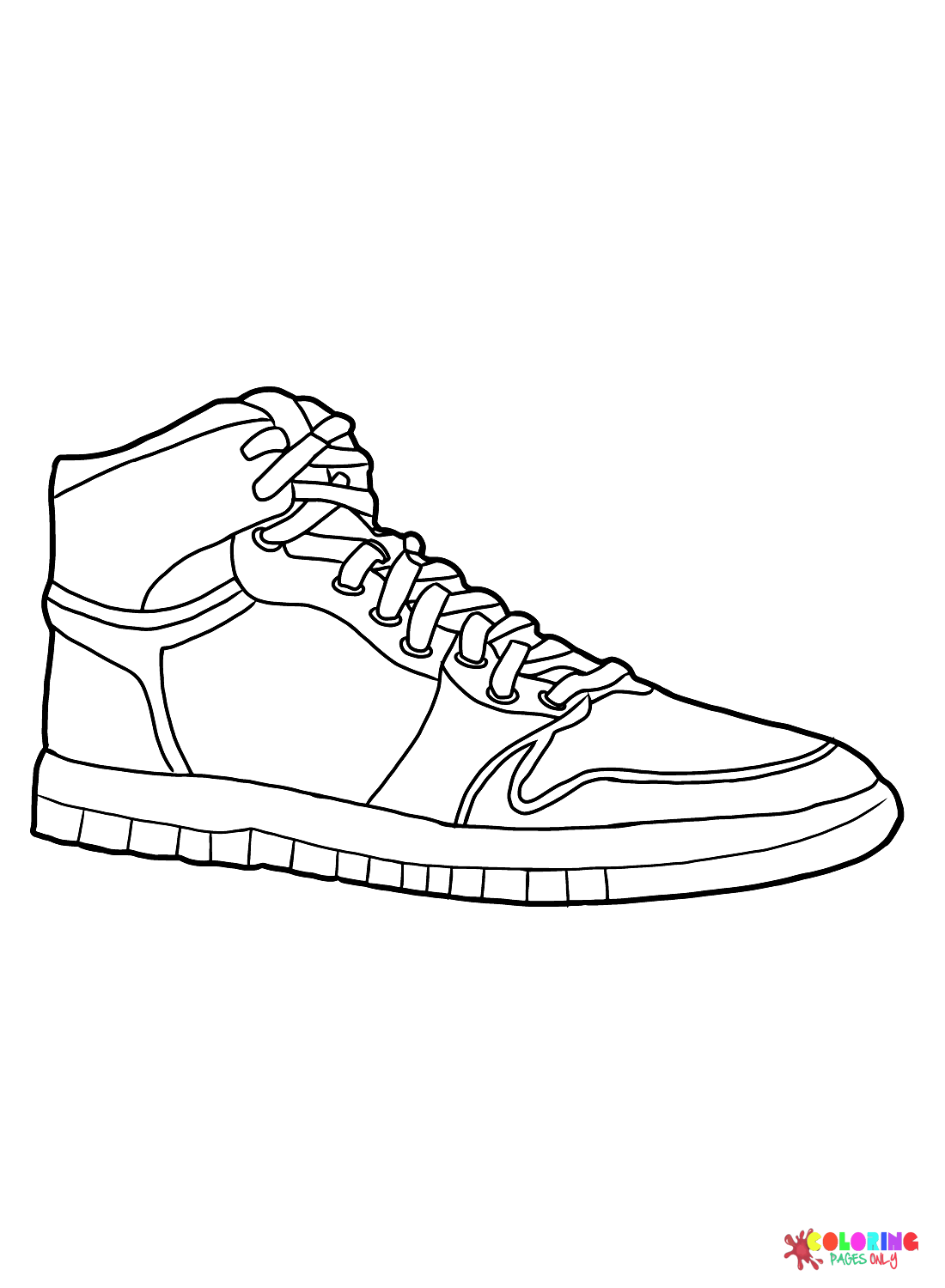
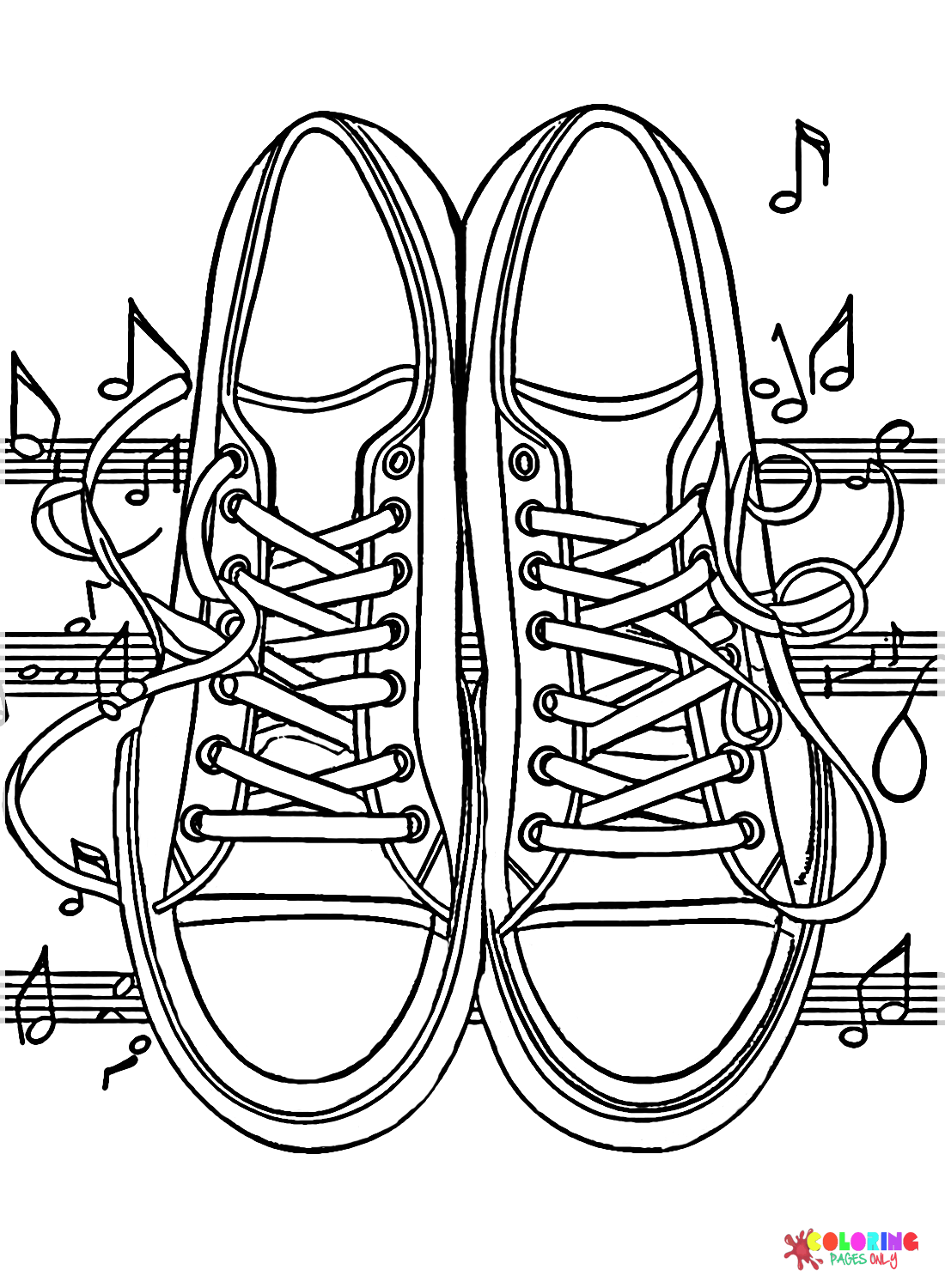
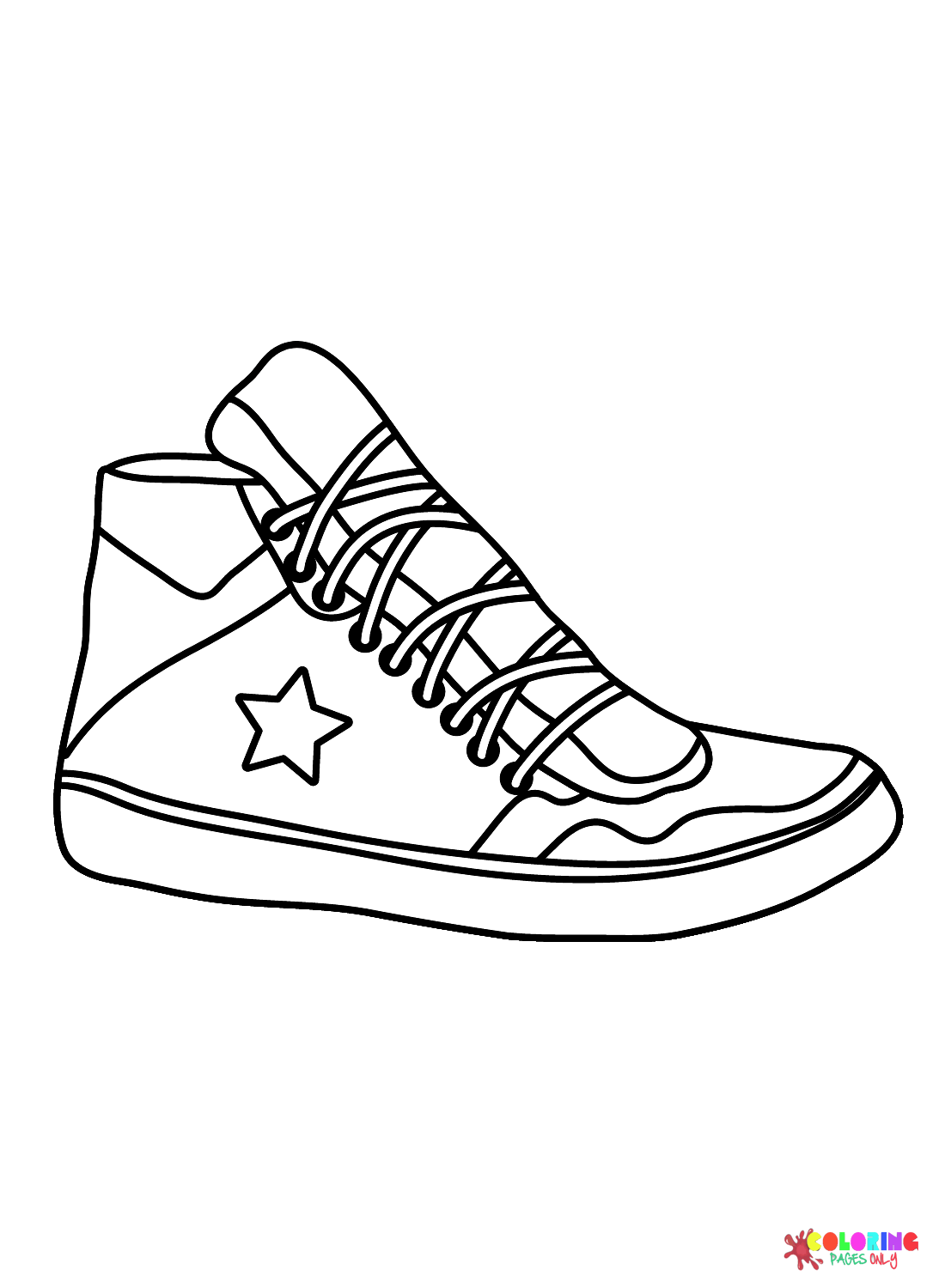
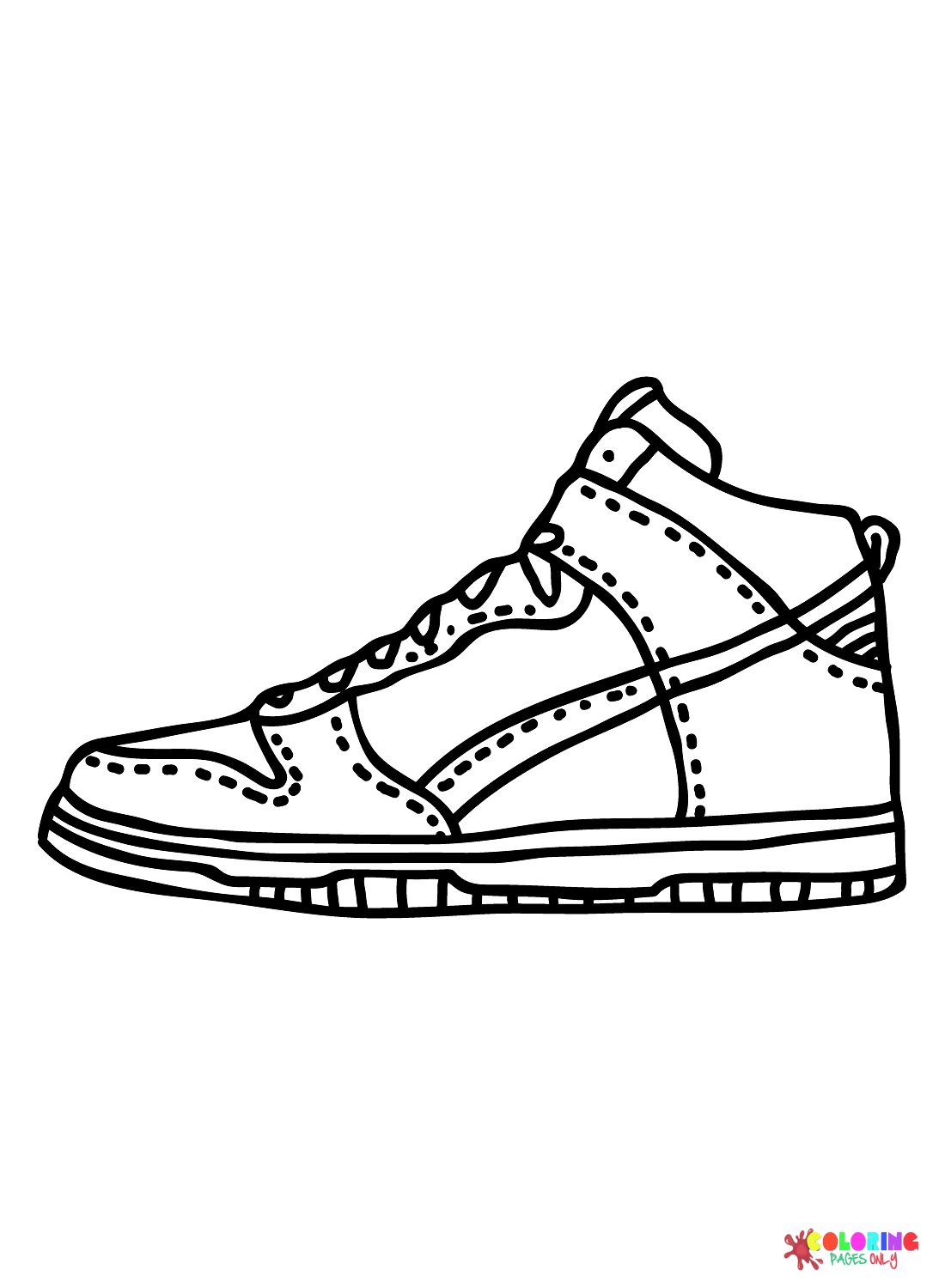
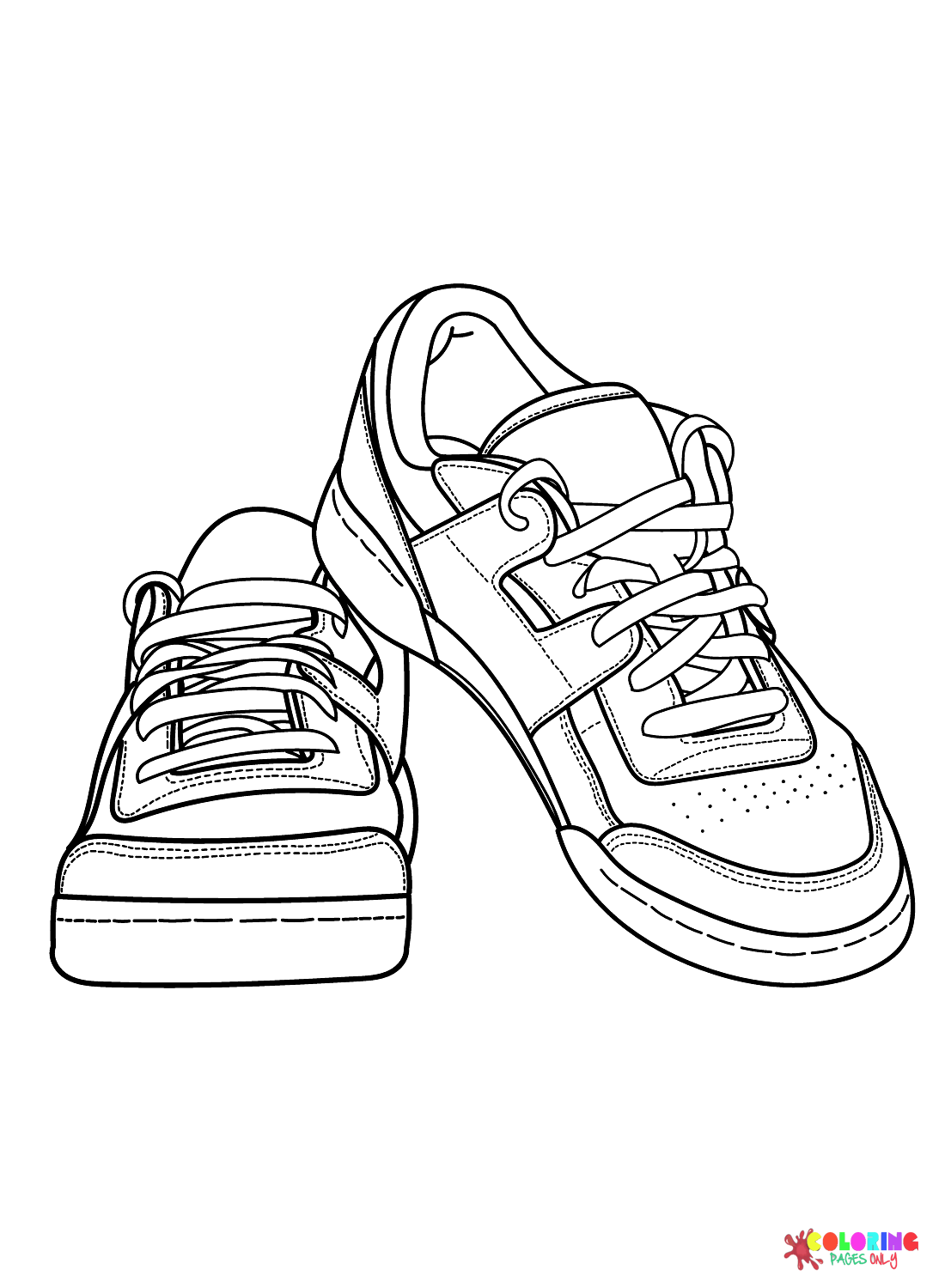
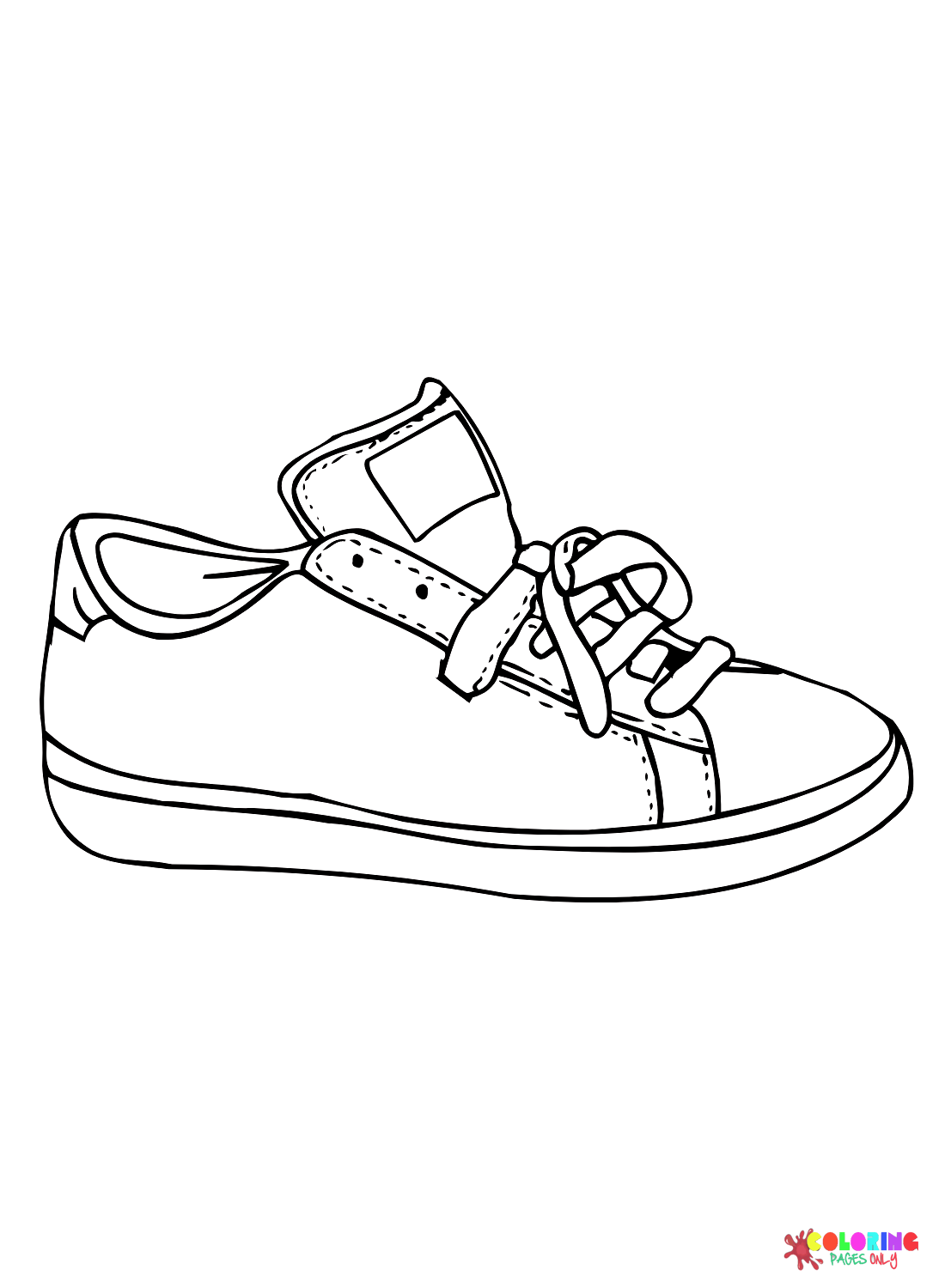
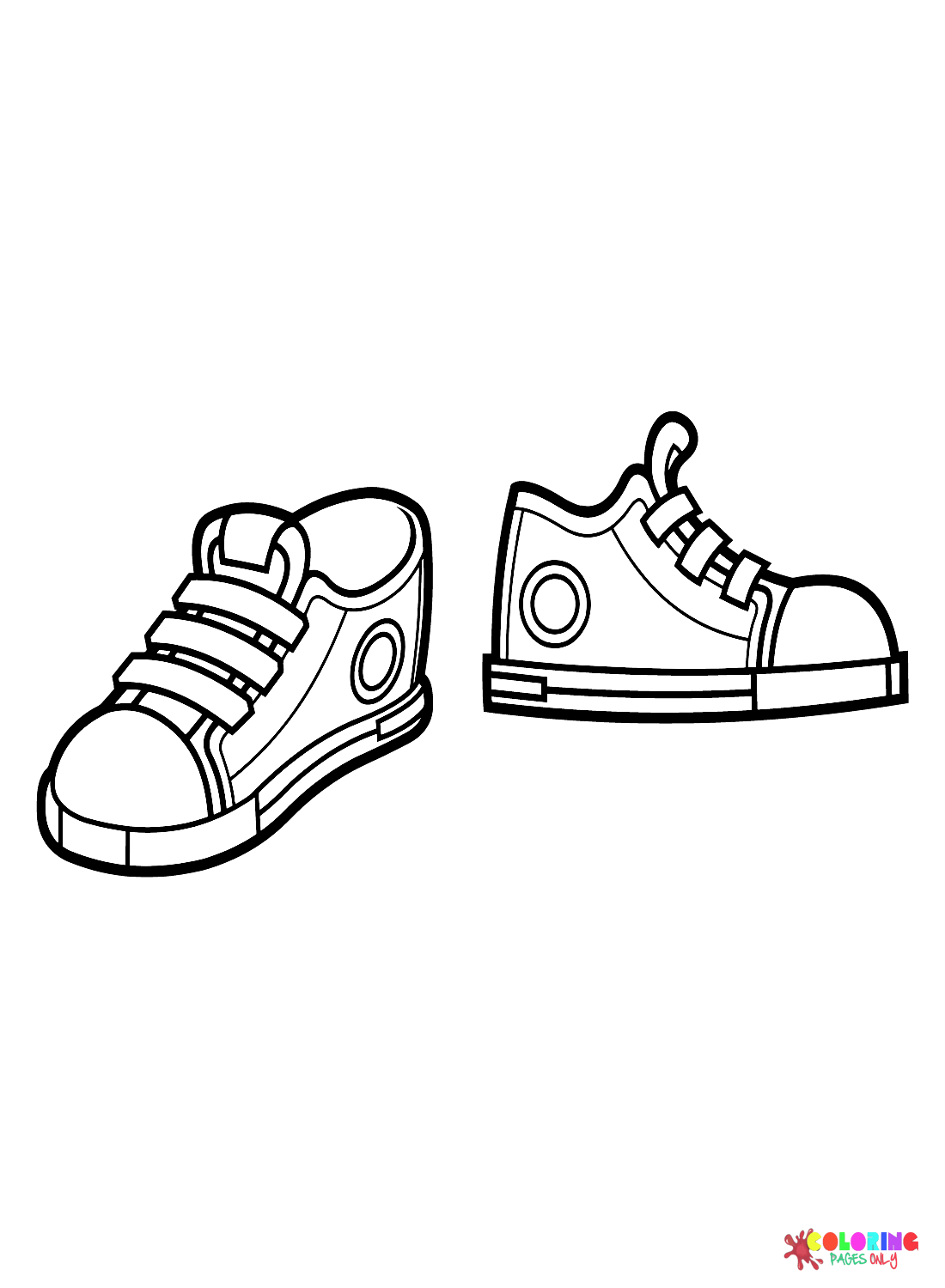
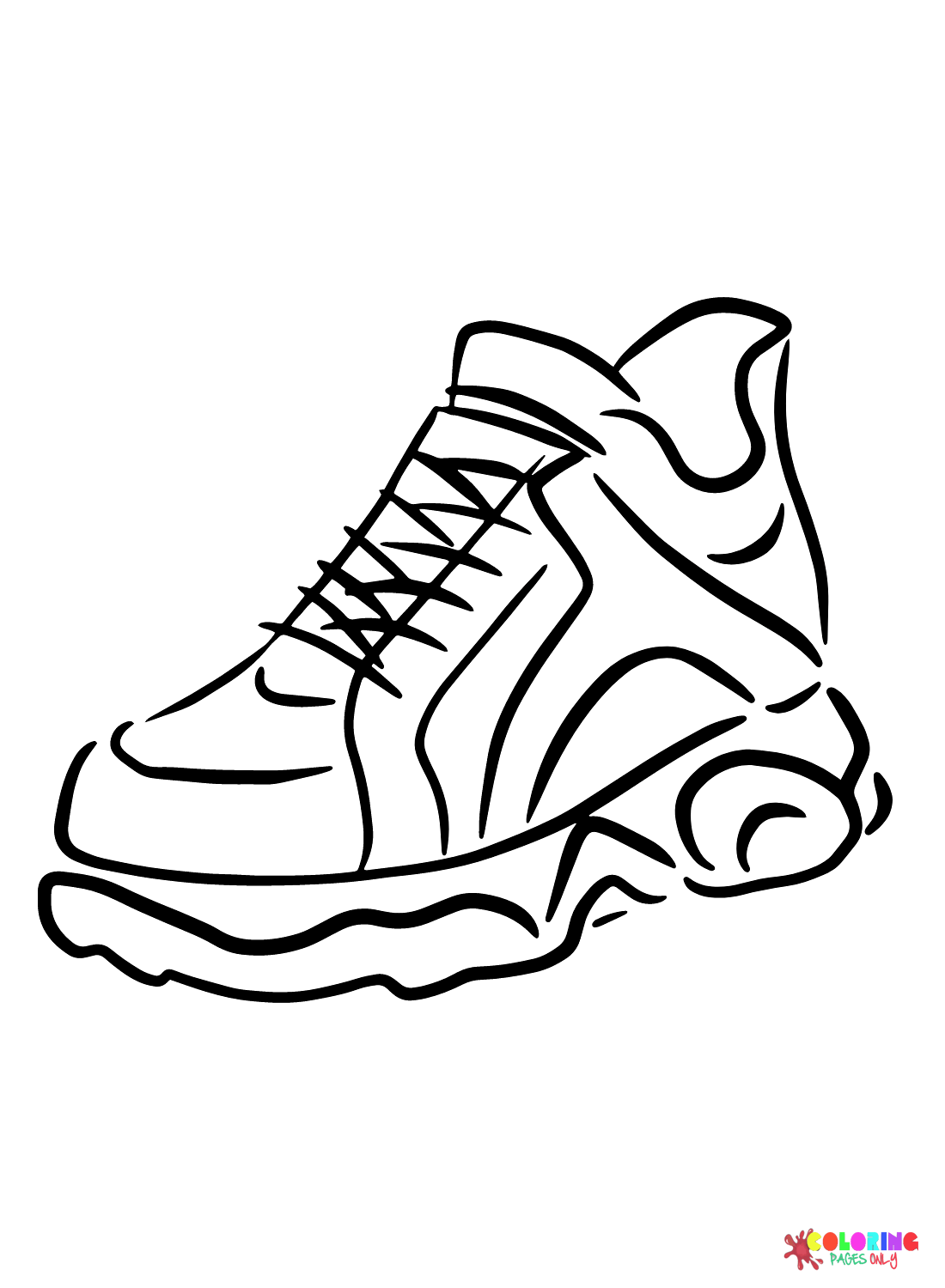
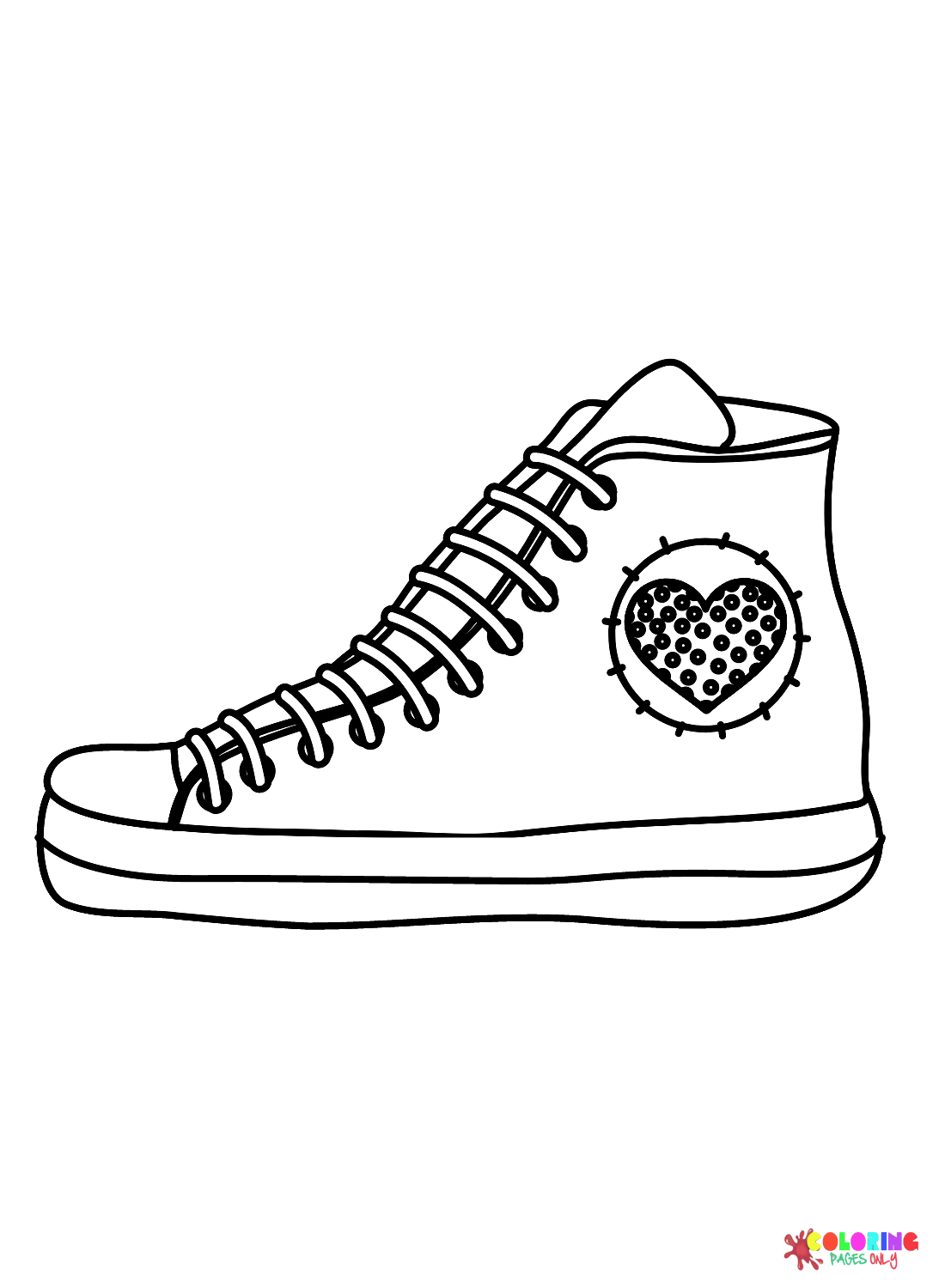
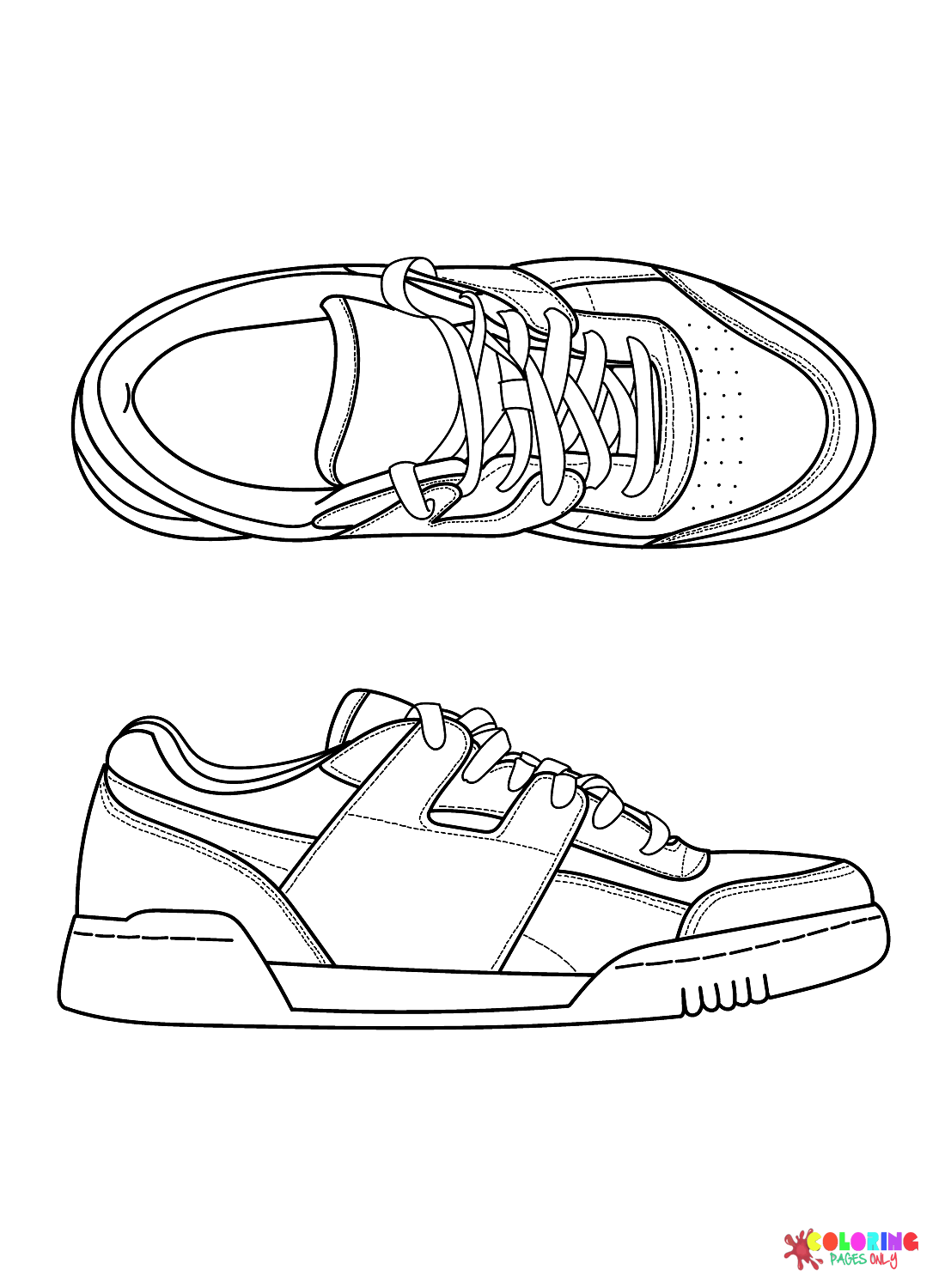
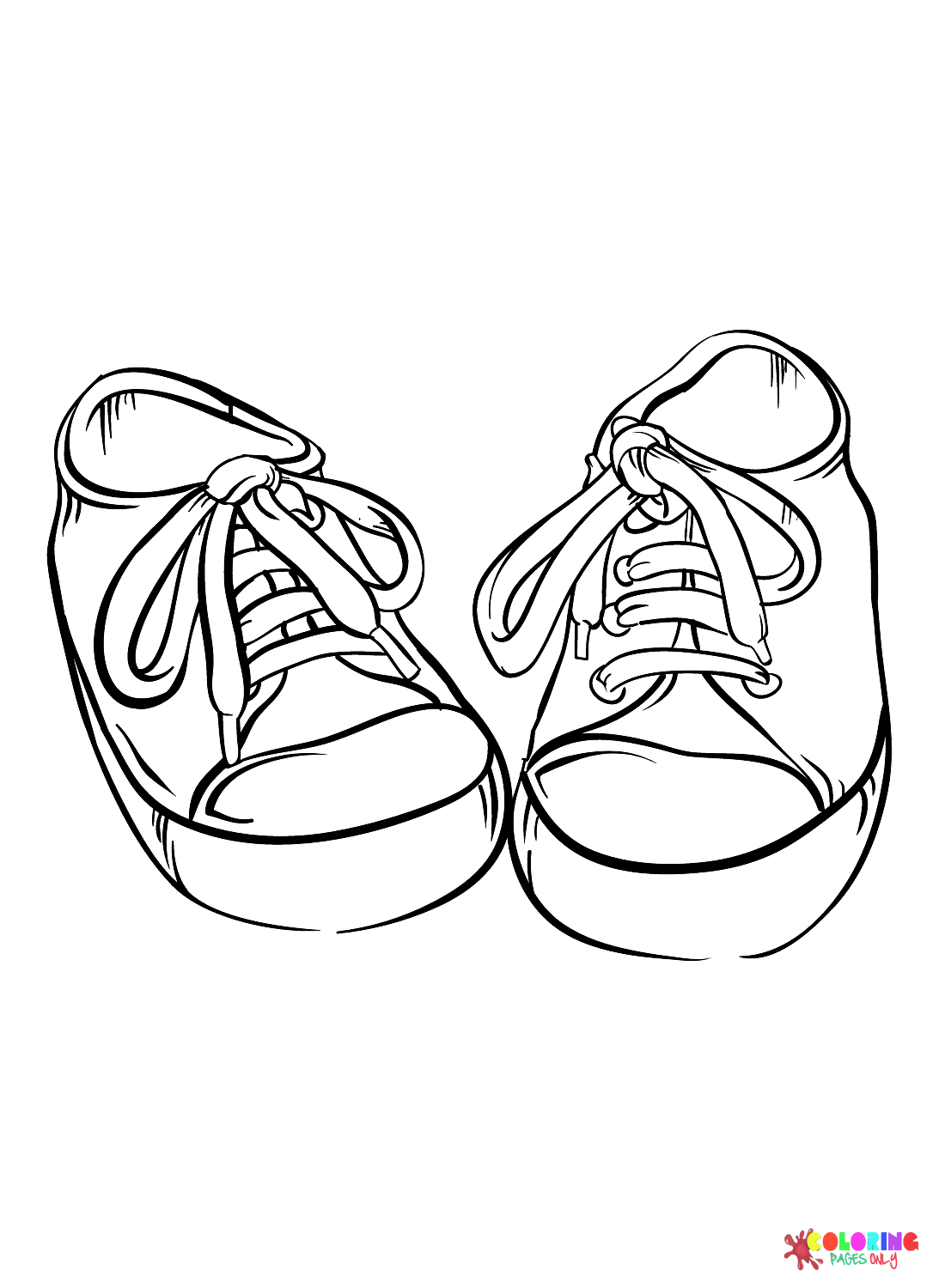
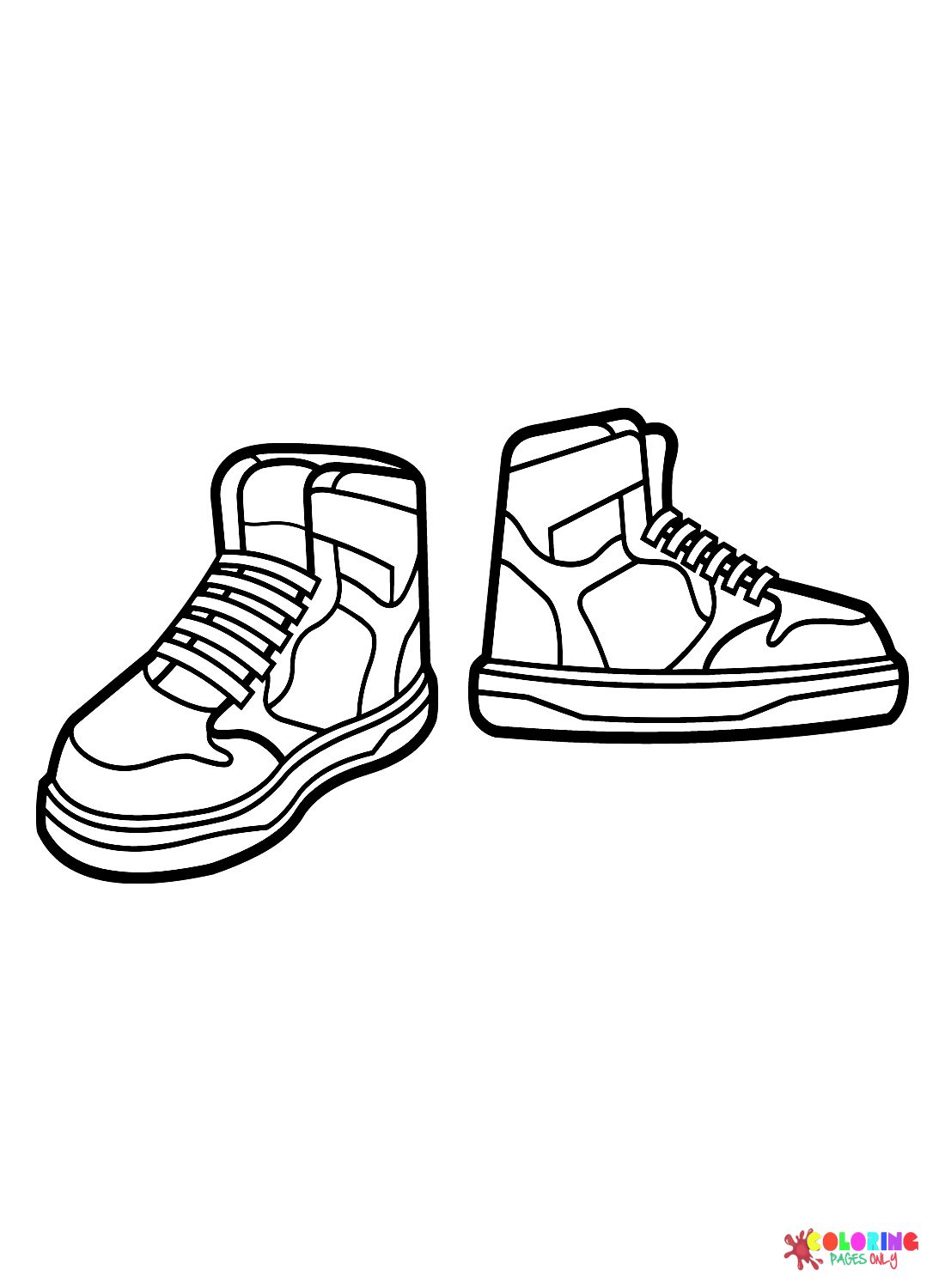
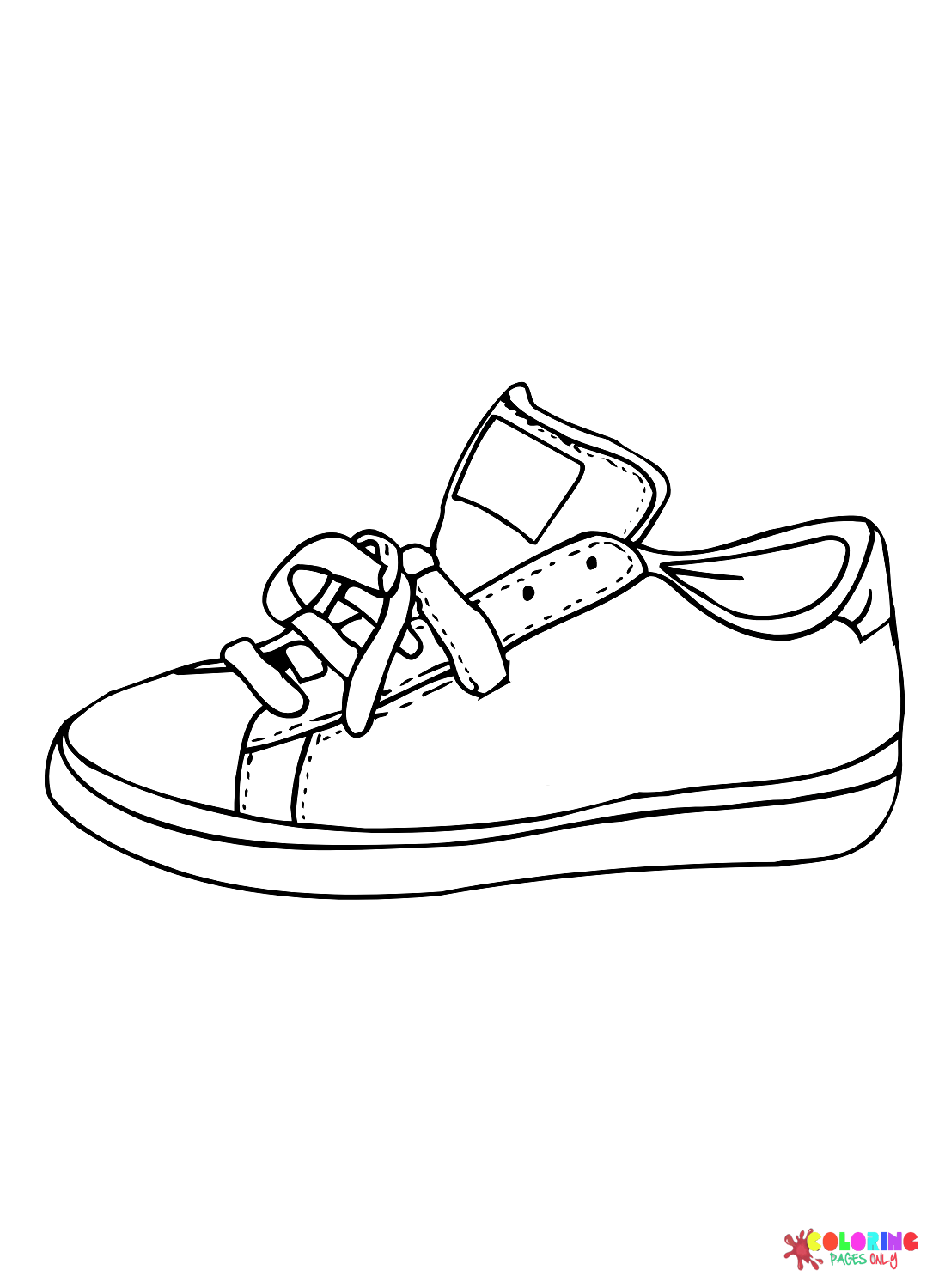
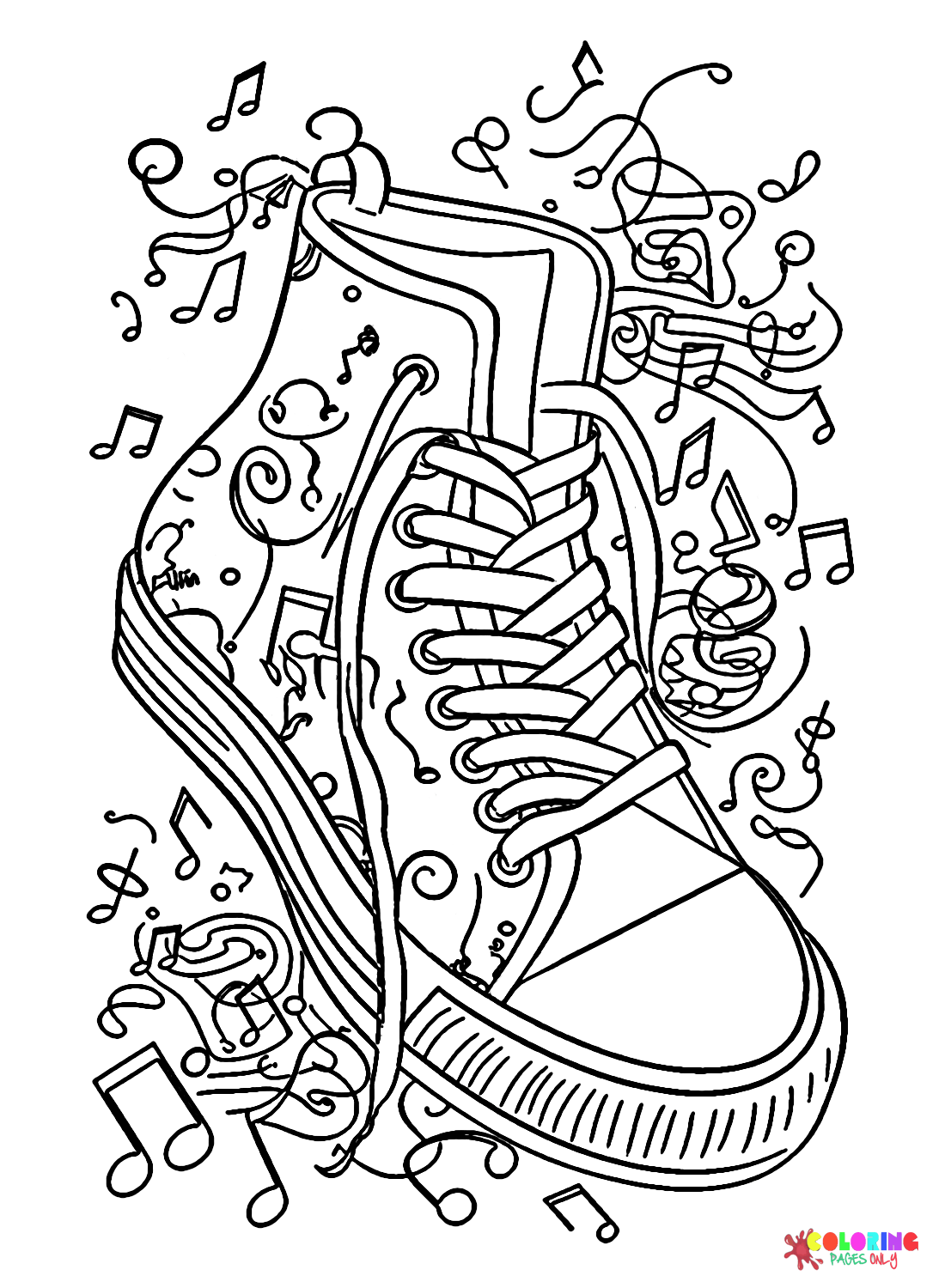
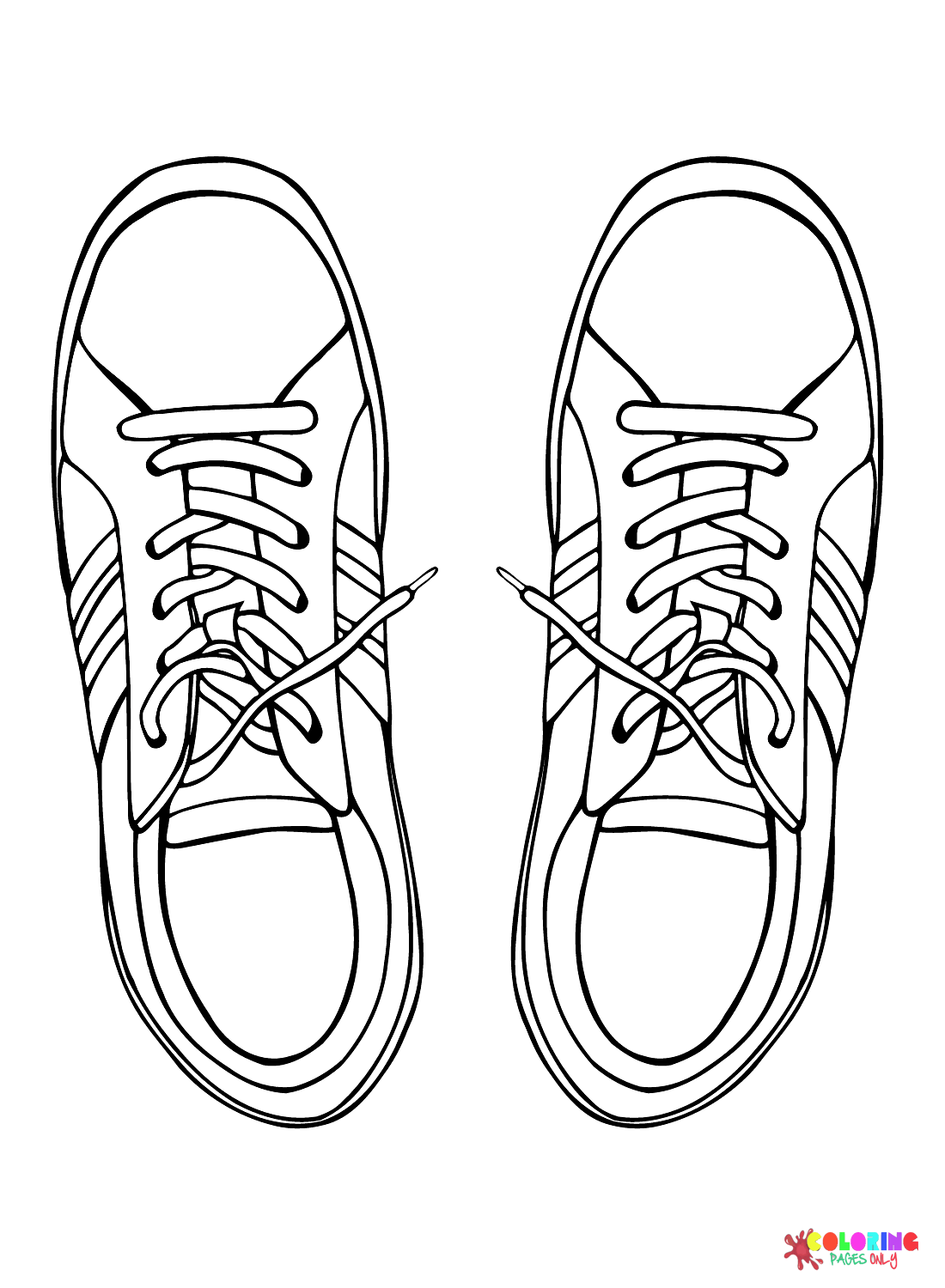
What Is Inside This Collection
The 42 pages are divided into four groups: classic and everyday sneakers, sporty and basketball styles, patterned and themed designs, and cute kid-focused styles.
Classic and Everyday Sneakers
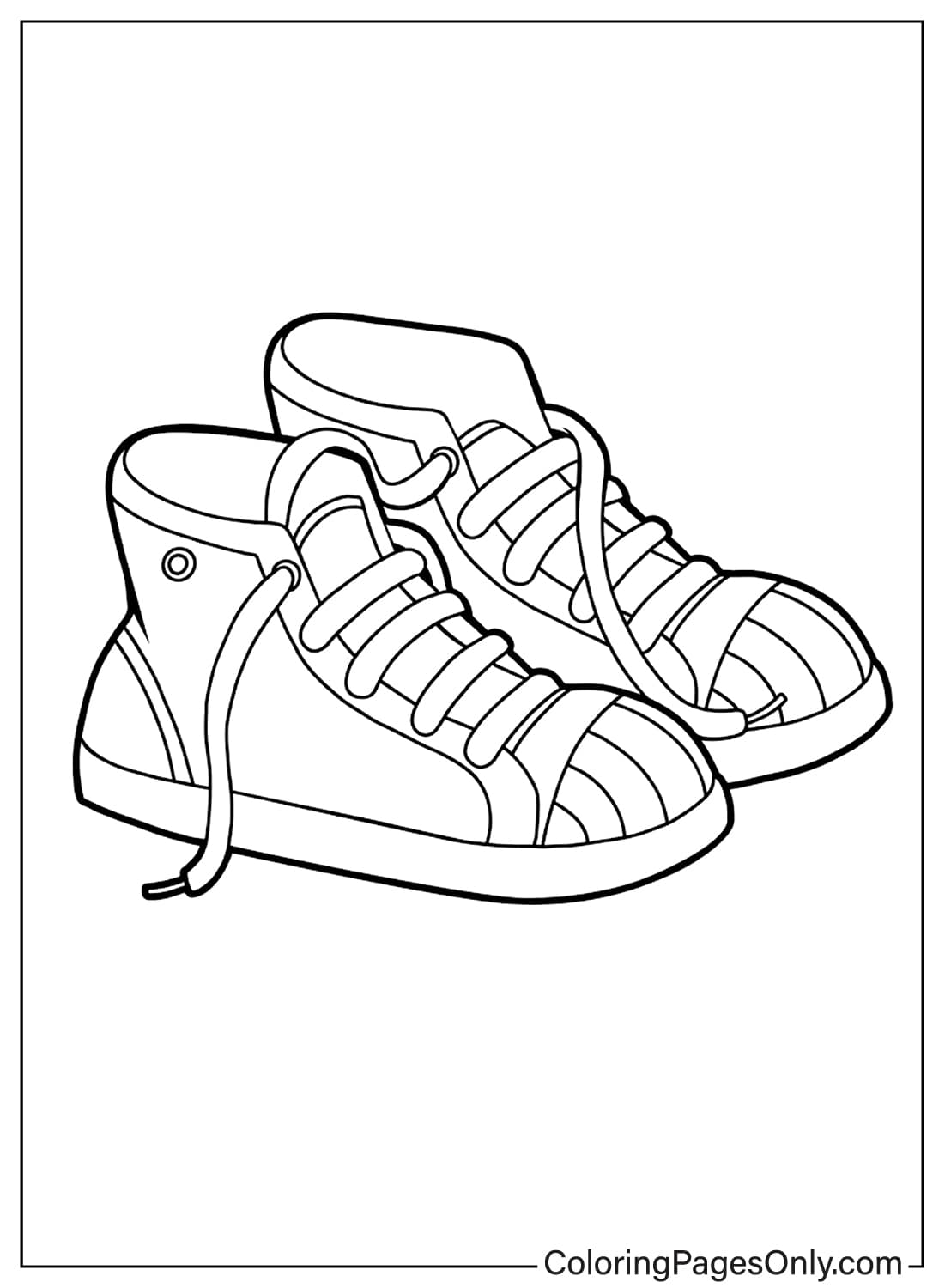
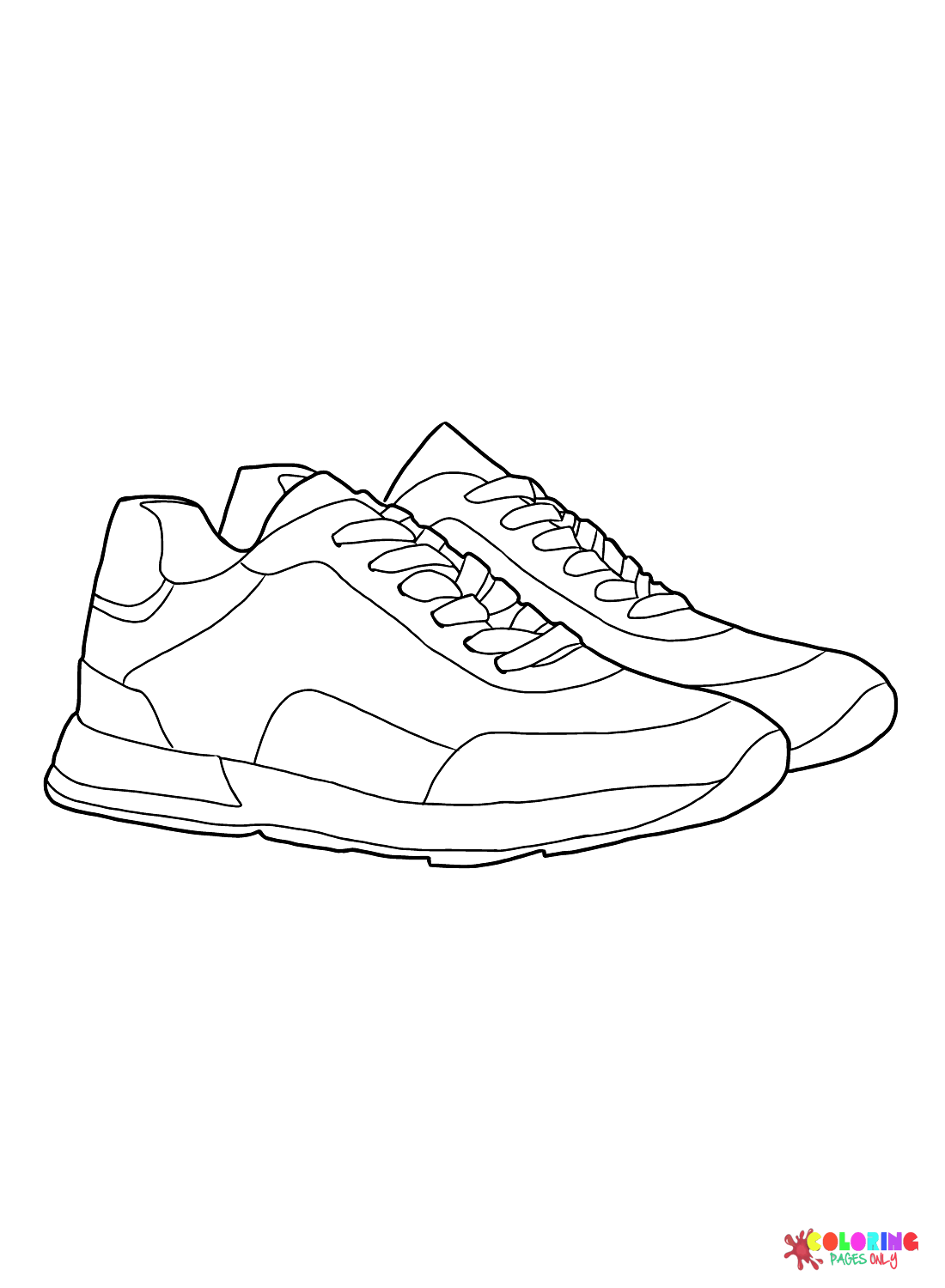
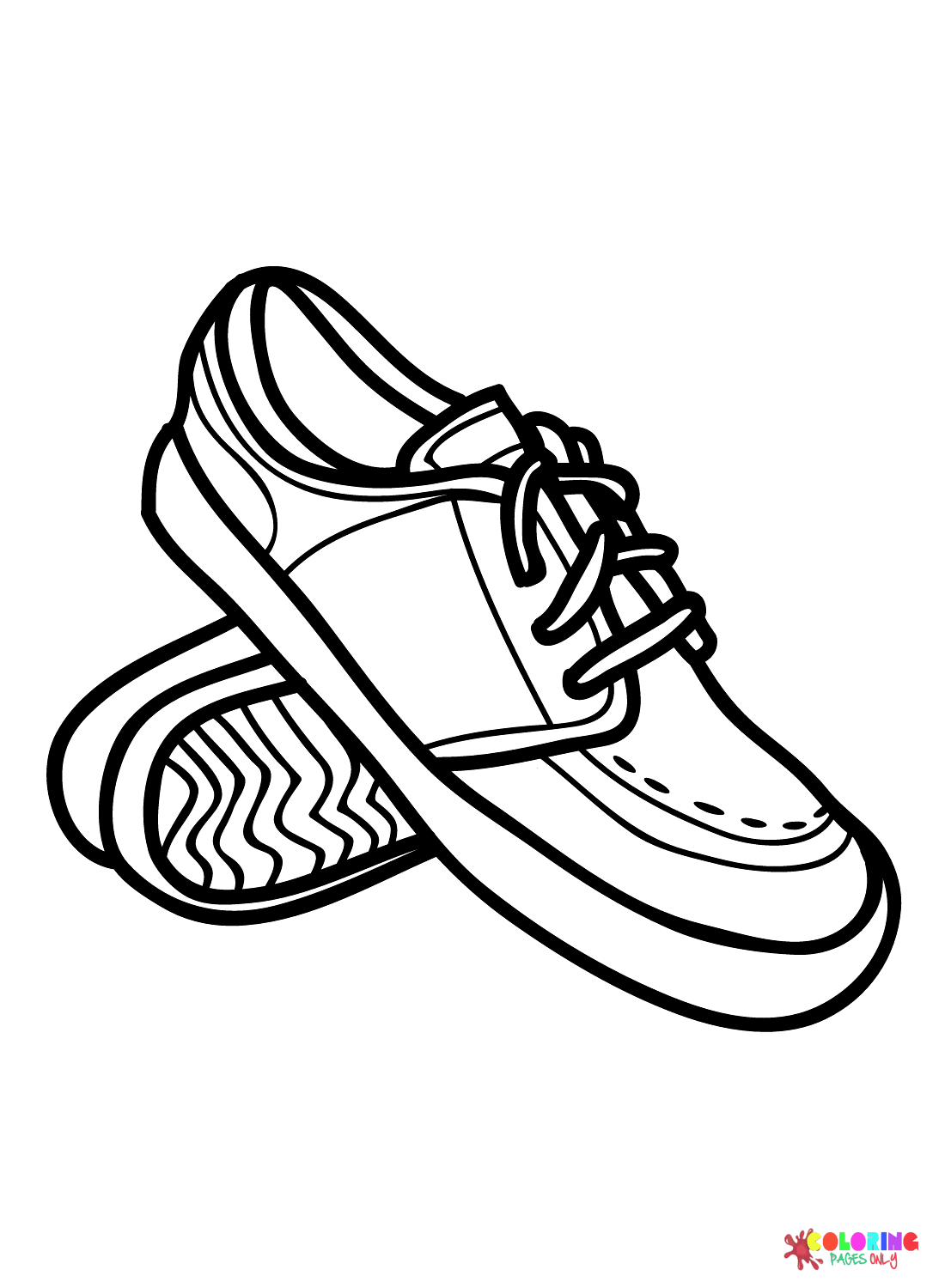
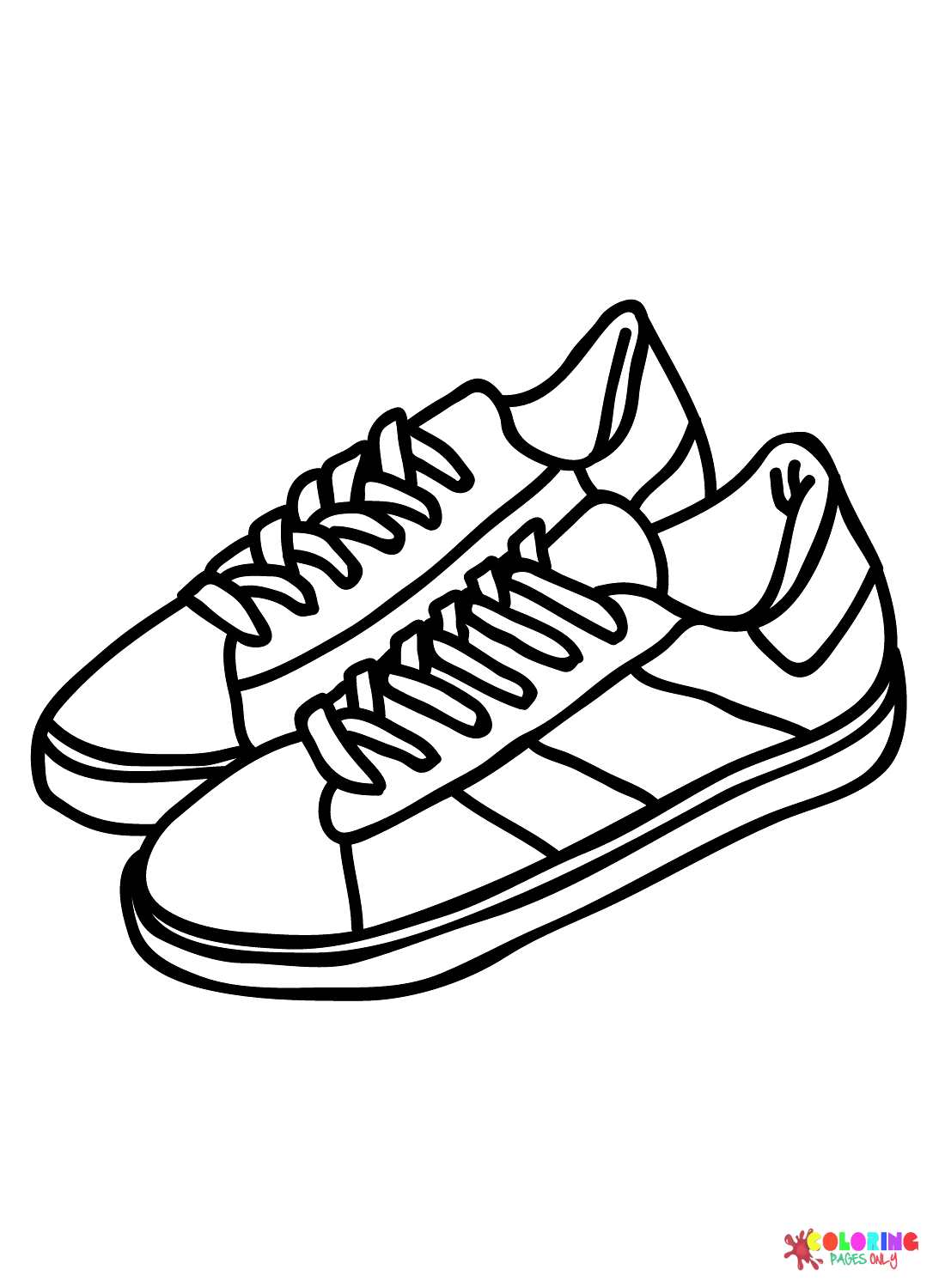
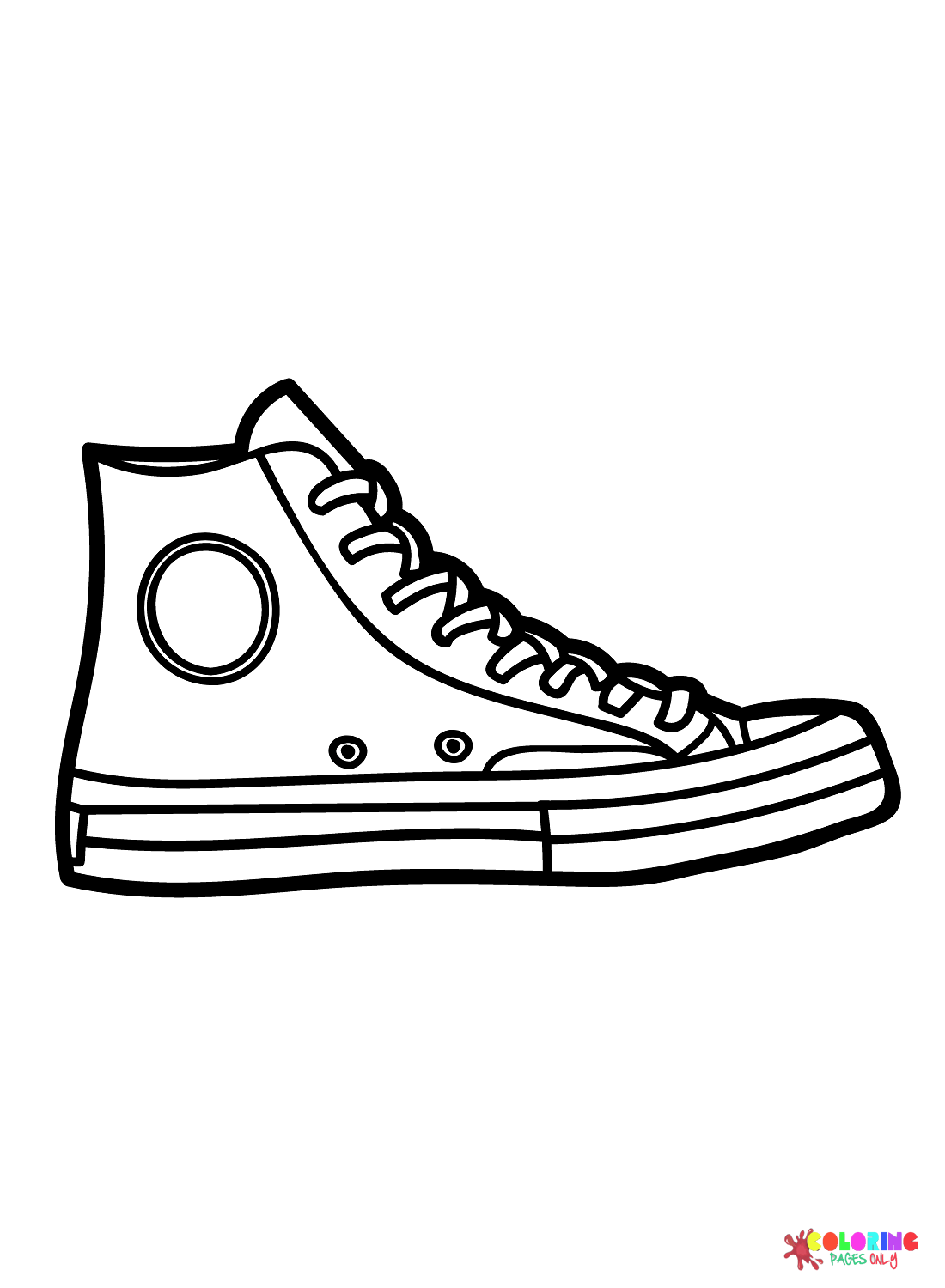
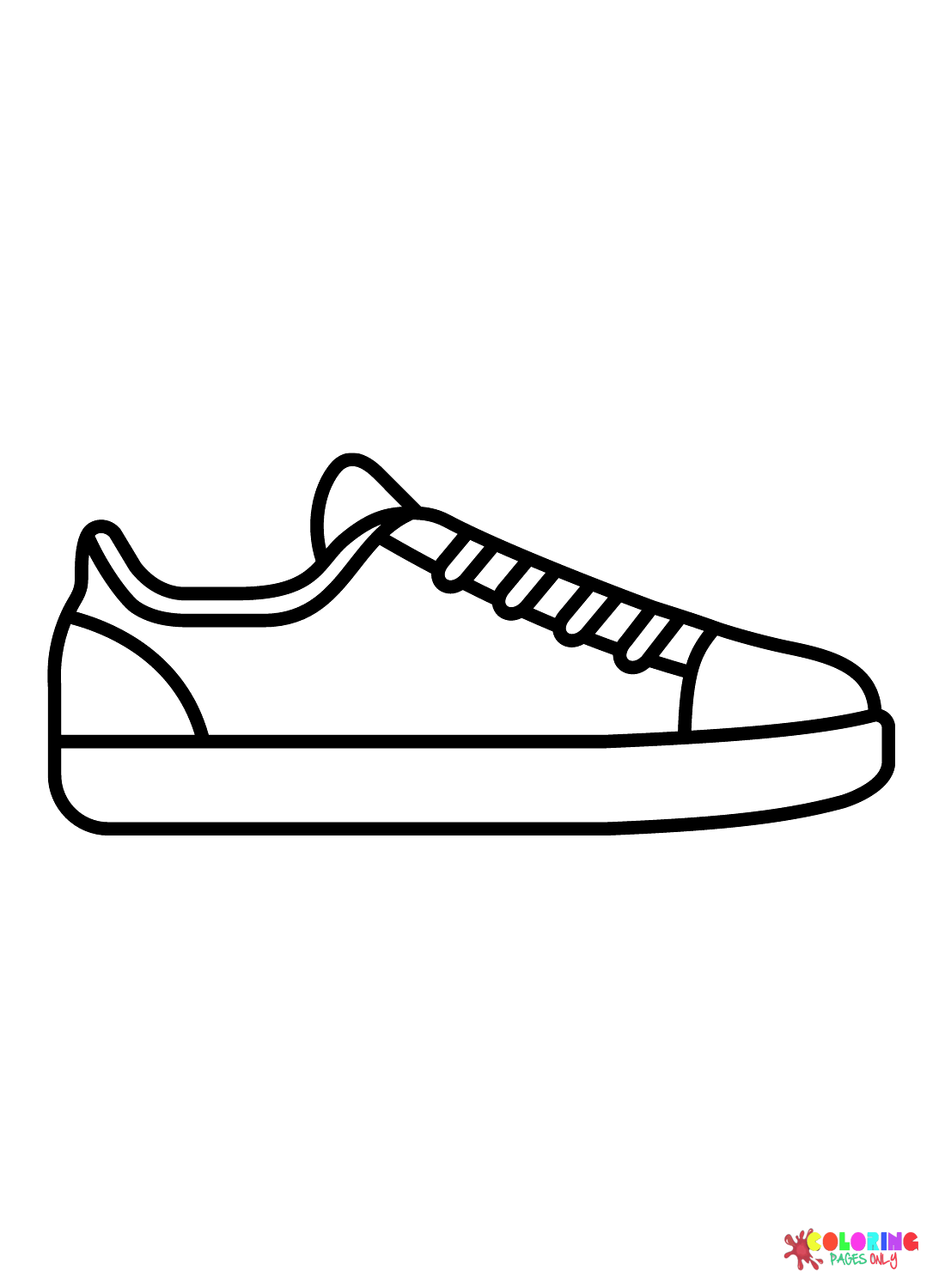
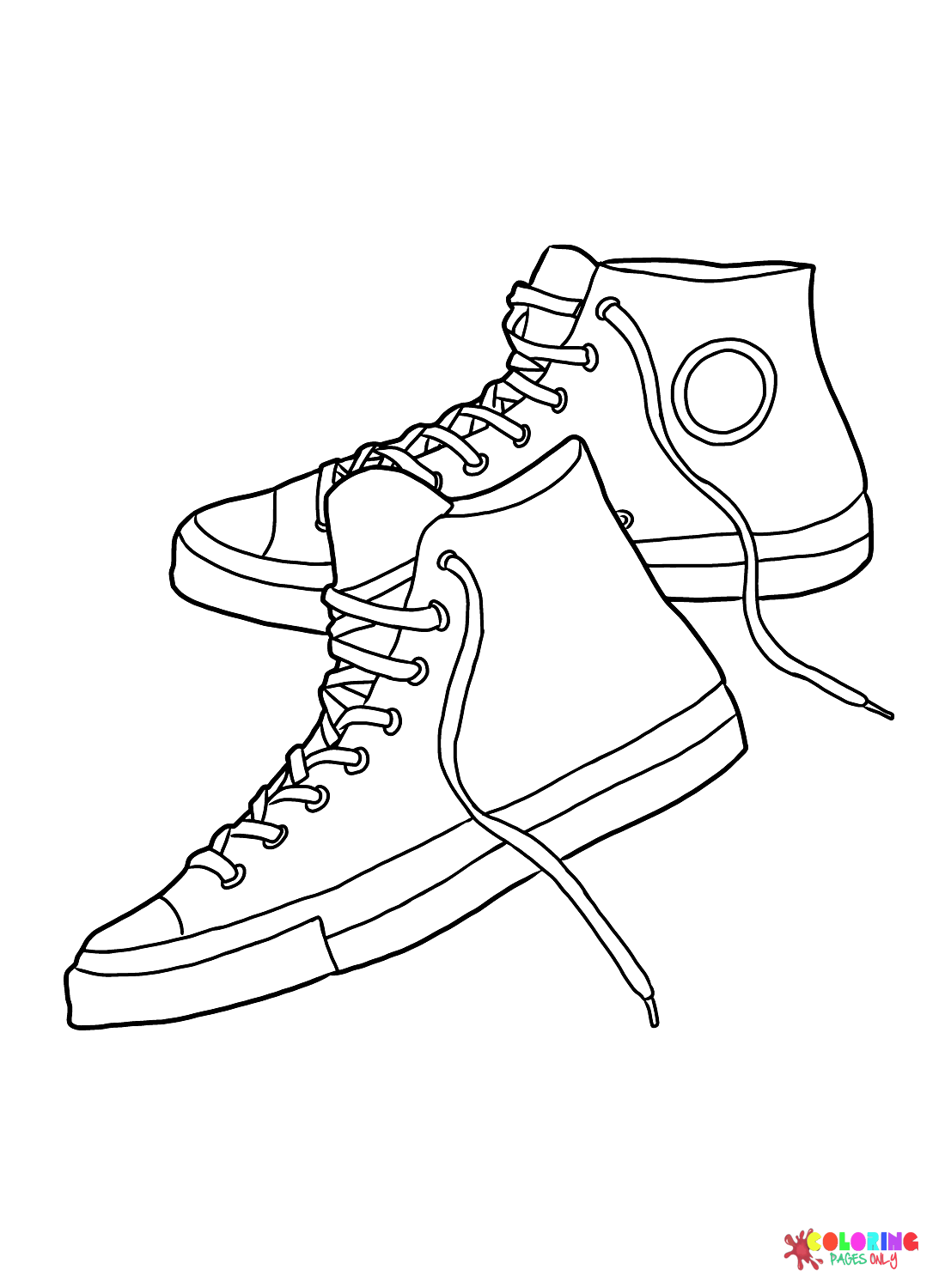
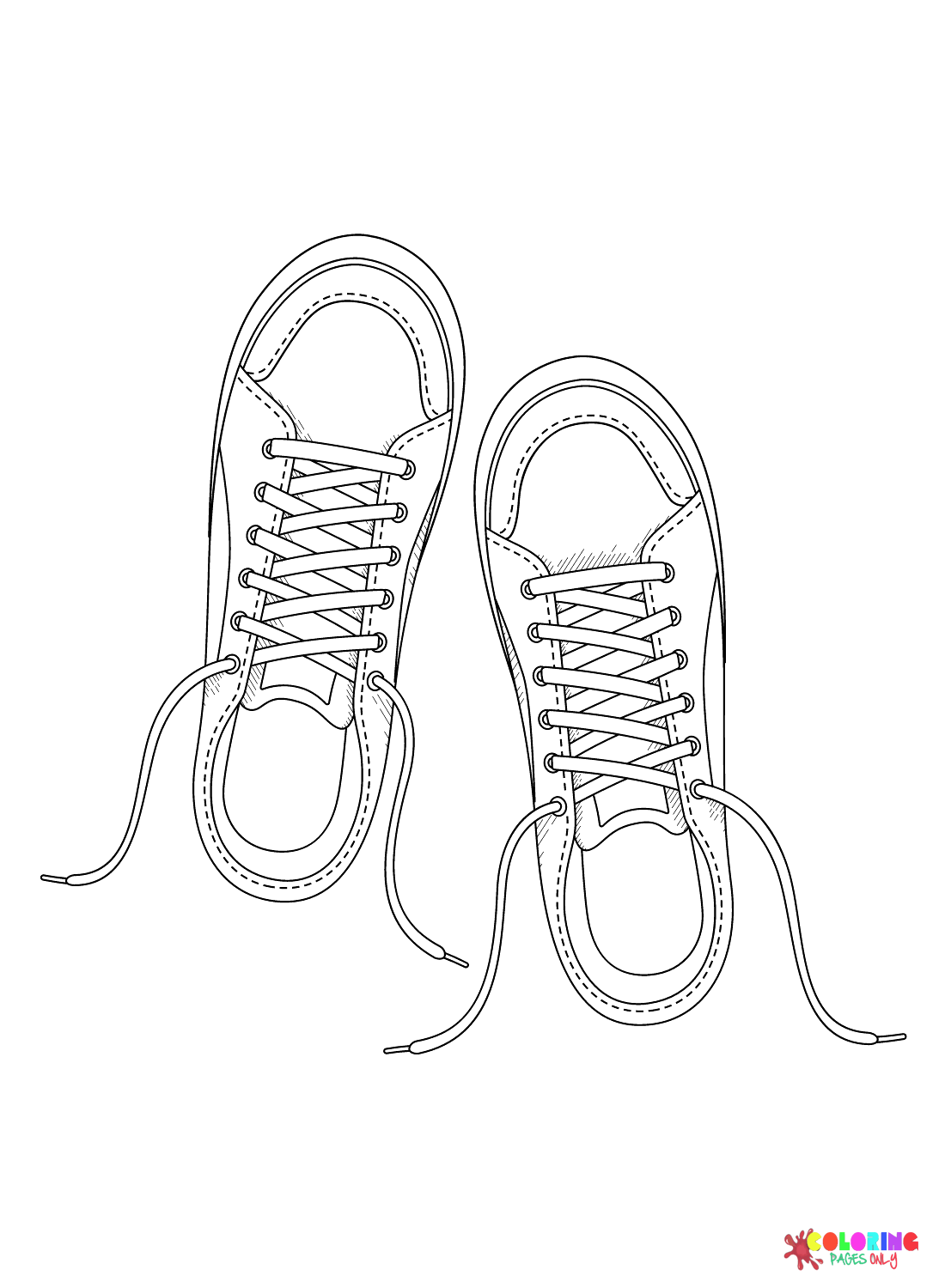
The largest group covers plain, simple sneaker outlines, a white sneaker, a basic canvas design, and a page based on the classic Converse silhouette. These pages give the clearest, least busy shape to color and work well as a first sneaker page for a young child, since no pattern or extra background detail is competing for attention.
Sporty and Basketball Styles
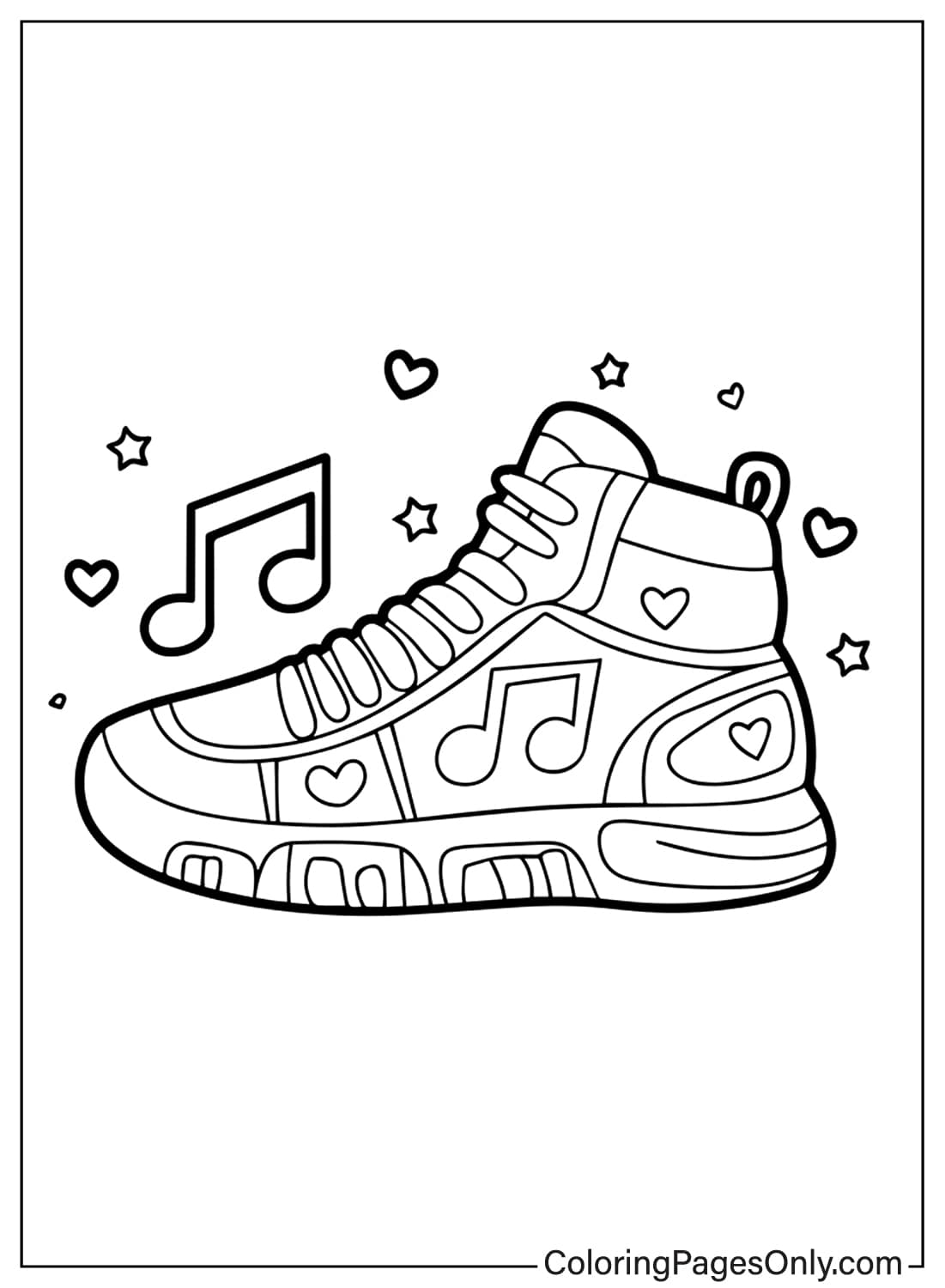
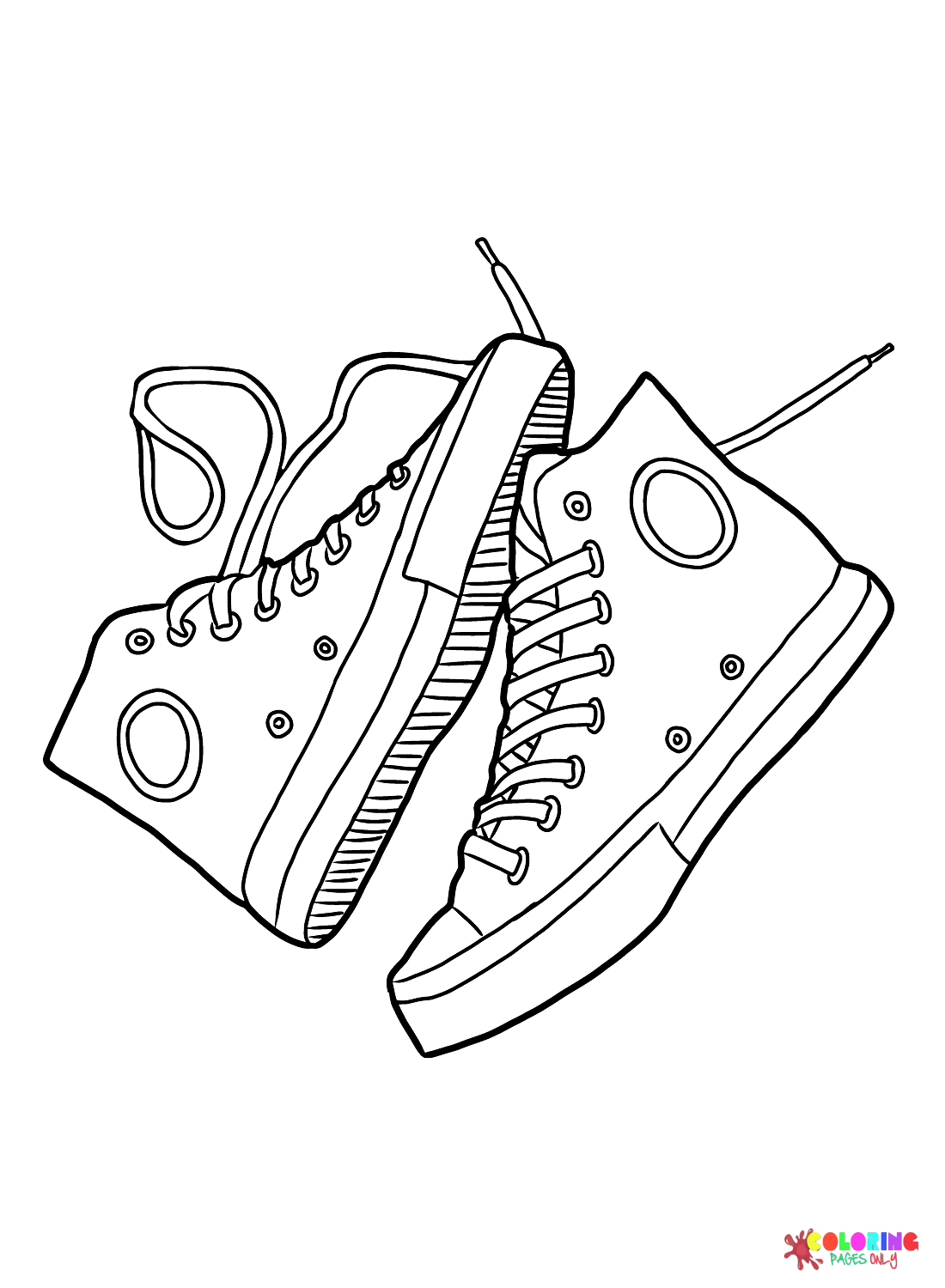
A smaller group shows sneakers built for sport, with the higher ankle profile and bolder lines typical of a basketball shoe. These pages suit a colorist who wants more structure and shading than a flat canvas shoe offers, since the extra panel lines and ankle support give more surface area to work with in a single page.
Patterned and Themed Designs
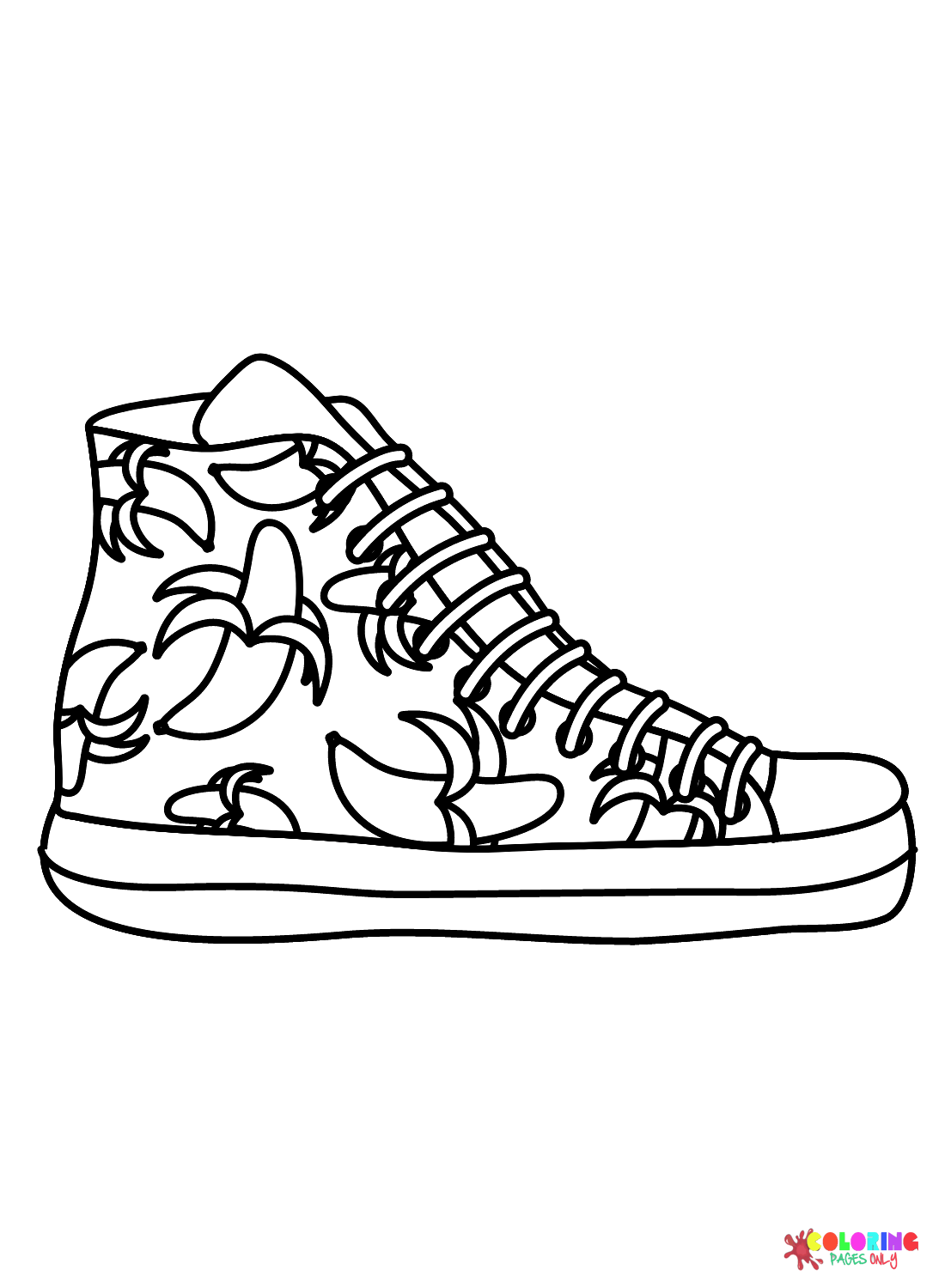
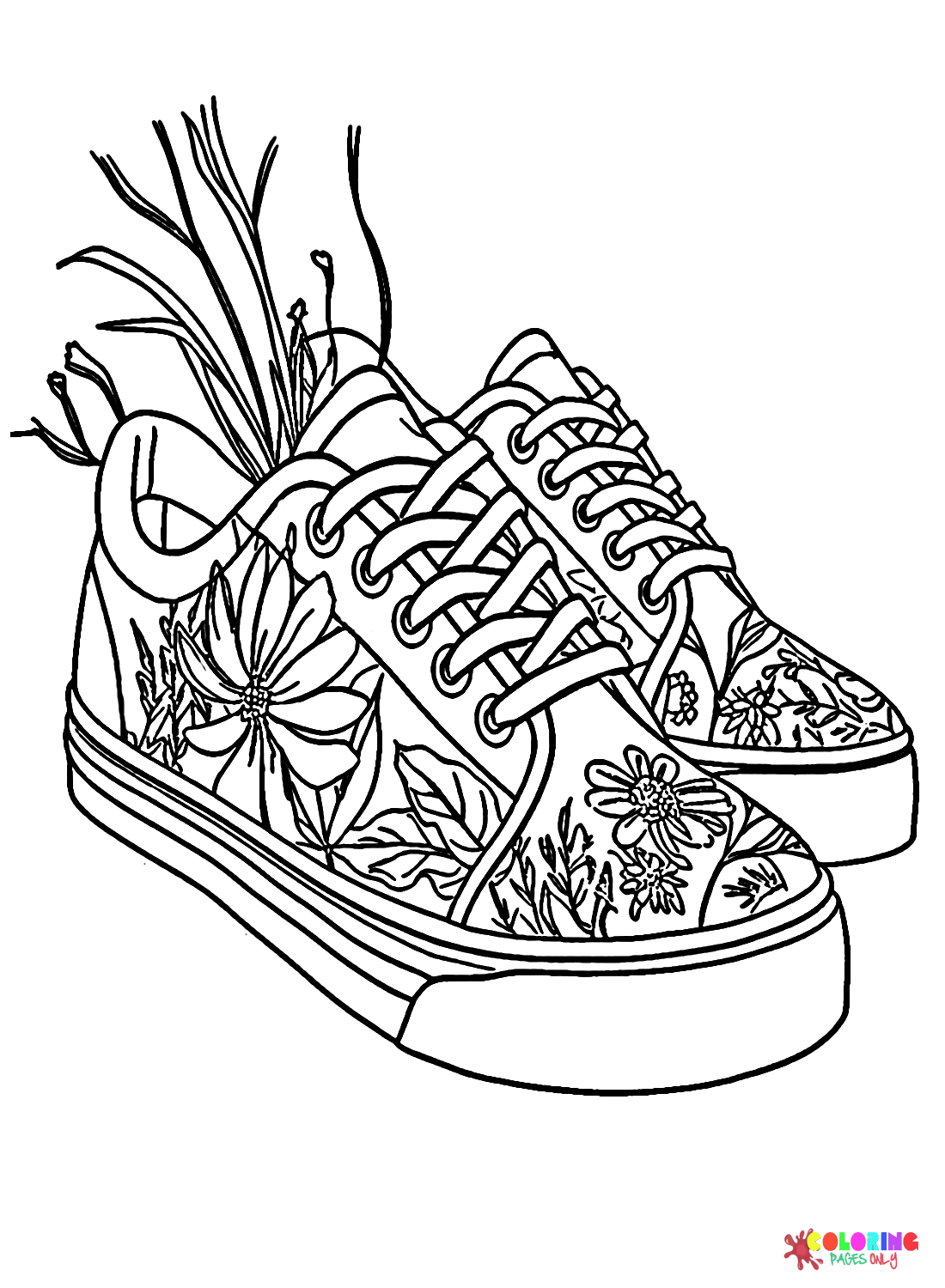
Several pages turn the sneaker into a canvas for a pattern instead of a plain shoe: florals, stars, music notes, bananas, and other repeating motifs cover the shoe’s surface. These pages give an older colorist the most room for a personal design choice, since the pattern itself becomes the main decision rather than just the shoe’s base color, and no two colored copies of the same page have to look alike.
Cute and Kid-Focused Styles
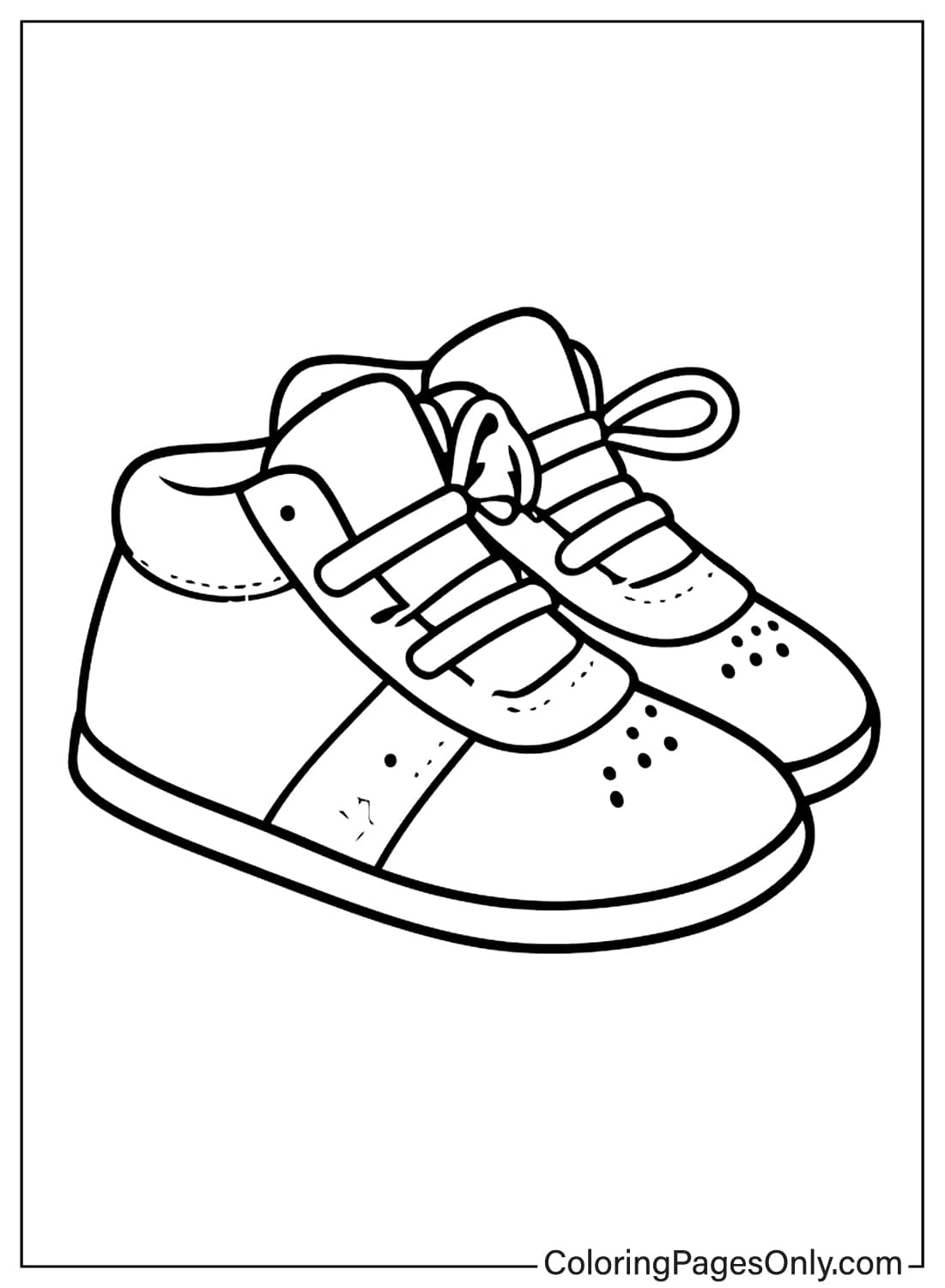
The remaining pages use rounder, simplified shapes aimed at younger children, including a baby sneaker and a few “easy to draw” style outlines. These pages trade shoe-construction detail for an easier, faster coloring session.
What Sneaker Coloring Pages Do
Fine motor development. The American Academy of Pediatrics lists structured coloring among the activities that build fine motor control in children ages 2 through 7, and a sneaker’s laces, eyelets, and sole lines give a child a mix of curved and straight small shapes to work through on one page.
Pattern design practice. Because several pages turn the shoe into a surface for a repeating pattern rather than a single flat color, this collection gives children more direct pattern-design practice than most object-based coloring pages, where the goal is usually to color a set number of pre-defined parts.
Anxiety reduction through focus. A 2005 study in the Art Therapy Journal found that structured coloring sessions produced measurably lower anxiety than unstructured drawing, and a single sneaker’s outline suits a short, focused coloring session well.
Every day, design awareness. Because a sneaker is an object most children already own and see daily, coloring one is a low-pressure way to notice real design details, laces, sole texture, panel seams, that are easy to overlook on a familiar object.
How to Color Sneaker Coloring Pages Well
- The canvas or leather upper: pick one dominant color and keep the panel seams a slightly darker or lighter shade of the same color, rather than switching to an unrelated color for each panel.
- Rubber soles: use White or a pale Cream for classic canvas styles, and a deeper Gray or Black for sportier, sport-shoe styles, since real rubber soles are rarely pure White on performance shoes.
- Laces: keep laces White or a contrasting neutral so they read clearly against the shoe’s main color, and add small diagonal shading marks where the lace crosses through each eyelet.
- Patterned designs: repeat two or three colors across the whole pattern, florals, stars, notes, rather than making every single motif a different color, which keeps a busy pattern from looking random.
- Kid and baby styles: use softer pastel tones, Baby Blue, Blush Pink, Mint Green, rather than bold primary colors, matching the softer look of real baby and toddler sneakers.
5 Creative Craft Ideas With Sneaker Coloring Pages
1. Sneaker Standee. Color a solo sneaker page, glue it to cardboard or a cereal box, and cut around the outline to make a standing display piece for a shelf or desk.
2. Design-Your-Own Sneaker Wall. Color several sneaker pages using completely different color schemes and patterns, and display them together as a wall of original sneaker designs.
3. Sneaker Bookmark. Color a small sneaker page, trim it into a narrow strip, and laminate it or cover it with clear tape for a durable bookmark.
4. Sneaker Gift Tag. Color a small sneaker page, cut it into a tag shape, punch a hole, and tie it onto a wrapped present with ribbon, a fitting tag for a sneaker-loving friend.
5. Pattern Swatch Card. Color three or four small sneaker pages using different patterns, cut them into cards, and keep them as a personal reference for future pattern ideas.
Frequently Asked Questions
What are sneaker coloring pages?
A free set of 42 printable PDFs and online coloring sheets showing classic, sporty, and patterned sneaker designs.
Why are sneakers called “sneakers”?
The name comes from the shoe’s quiet rubber sole, which lets wearers move around without being heard, a term first recorded in print in 1887.
When was the modern sneaker invented?
Rubber-soled canvas shoes called plimsolls date to 1830s England, while the first mass-marketed canvas-top sneaker in the United States, Keds, launched in 1916, followed by the Converse All Star in 1917.
Does this collection include specific sneaker brands or logos?
No. The pages show general sneaker shapes and styles rather than any specific brand’s trademarked logo or product design.
Are these pages suitable for young children?
Yes. The simplified and baby-style pages suit young children, while the patterned and sportier designs work well for older kids and sneaker enthusiasts.
Can these pages be used to design an original sneaker?
Yes. Several pages are left open enough to fill with an original color scheme or pattern rather than a realistic shoe rendering.
Are there patterned or themed sneaker pages?
Yes, including floral, star, music note, and fruit-patterned designs alongside the plainer, classic outlines.
Are these free to download and print?
Yes. Every page is free, with no account, email, or payment required, and can be downloaded as a PDF or colored online in the browser.
Start Coloring
Download any page by clicking the design. No account, email, or payment is required. Pages print directly from the browser at full resolution or open in the online coloring tool for screen use. Share finished pages on Facebook or Pinterest with the share buttons at the top of each design page.