
Free Praying Mantis Coloring Pages: 35 printable PDF designs featuring realistic mantis portraits, garden scenes, and cartoon-style mantis and grasshopper characters. Each page can be downloaded as a PDF to print or colored online in the browser.
Praying mantises are insects in the order Mantodea, named for the way their large front legs fold together in a pose that resembles prayer. They are ambush predators that stay still and strike quickly at passing insects, using strong forelegs lined with spines to grip prey. A praying mantis can rotate its head nearly 180 degrees, a trait that sets it apart from most other insects, which rely on compound eyes with a fixed field of view. Mantises are found on every continent except Antarctica, with more than 2,000 known species worldwide. Females of many species lay their eggs in a foam-like case called an ootheca, which hardens on a branch or stem and protects the eggs through winter until they hatch in spring.
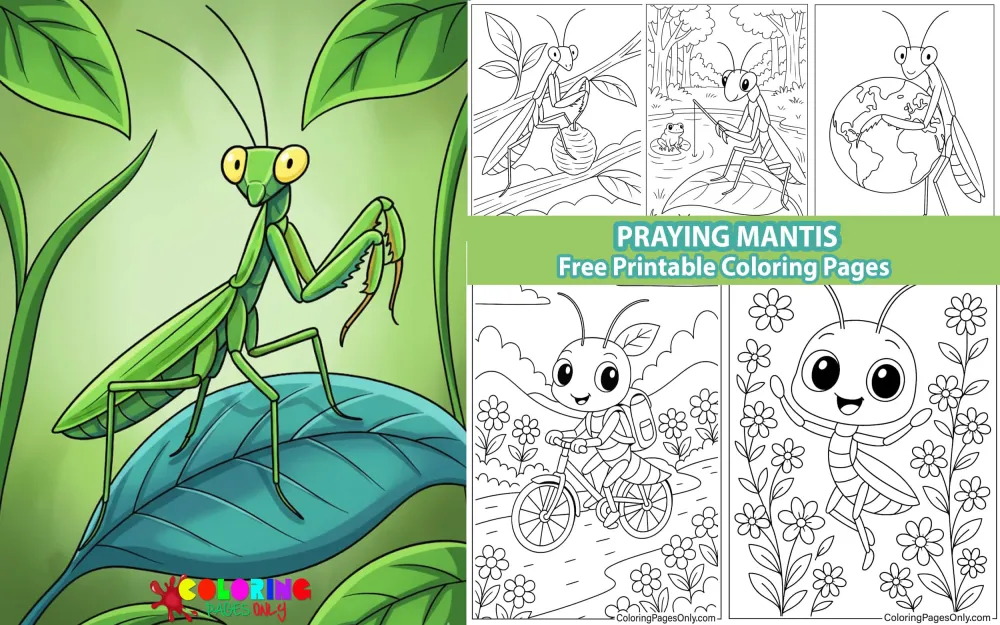
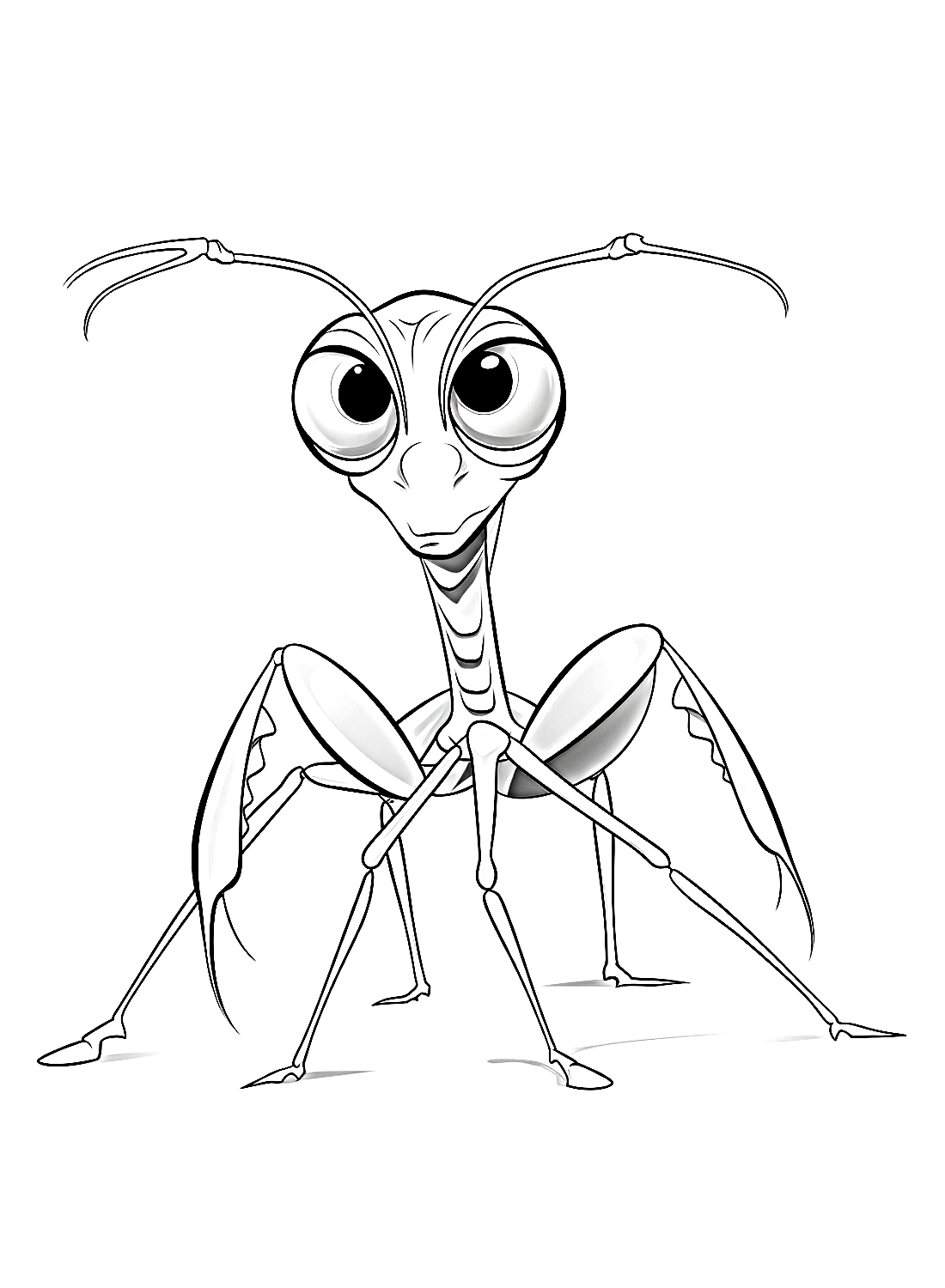
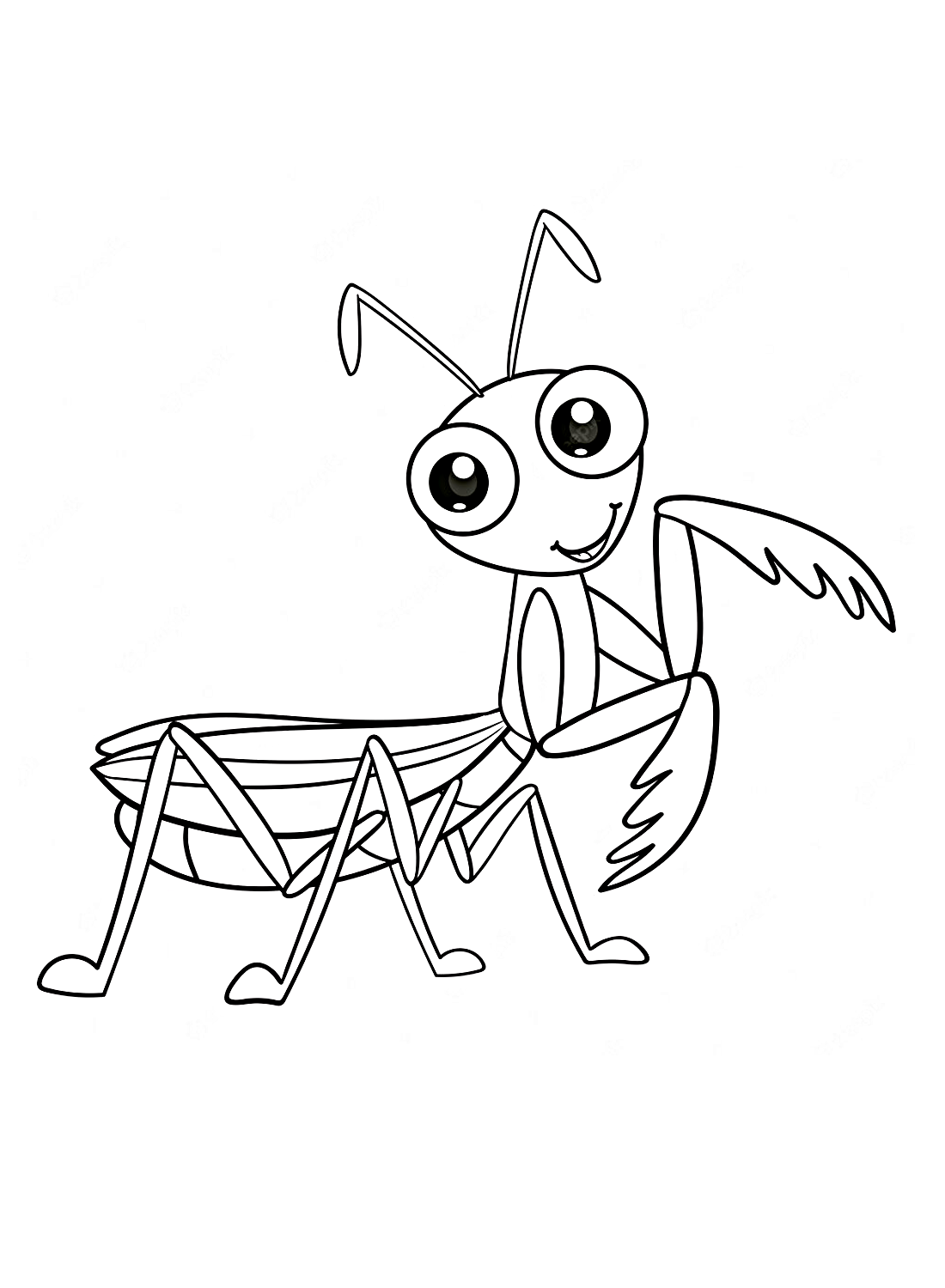
The set spans 35 pages, ranging from detailed, realistic mantis portraits to simple cartoon scenes, with a handful of playful grasshopper-style designs mixed into the same collection.



What Is Inside This Collection
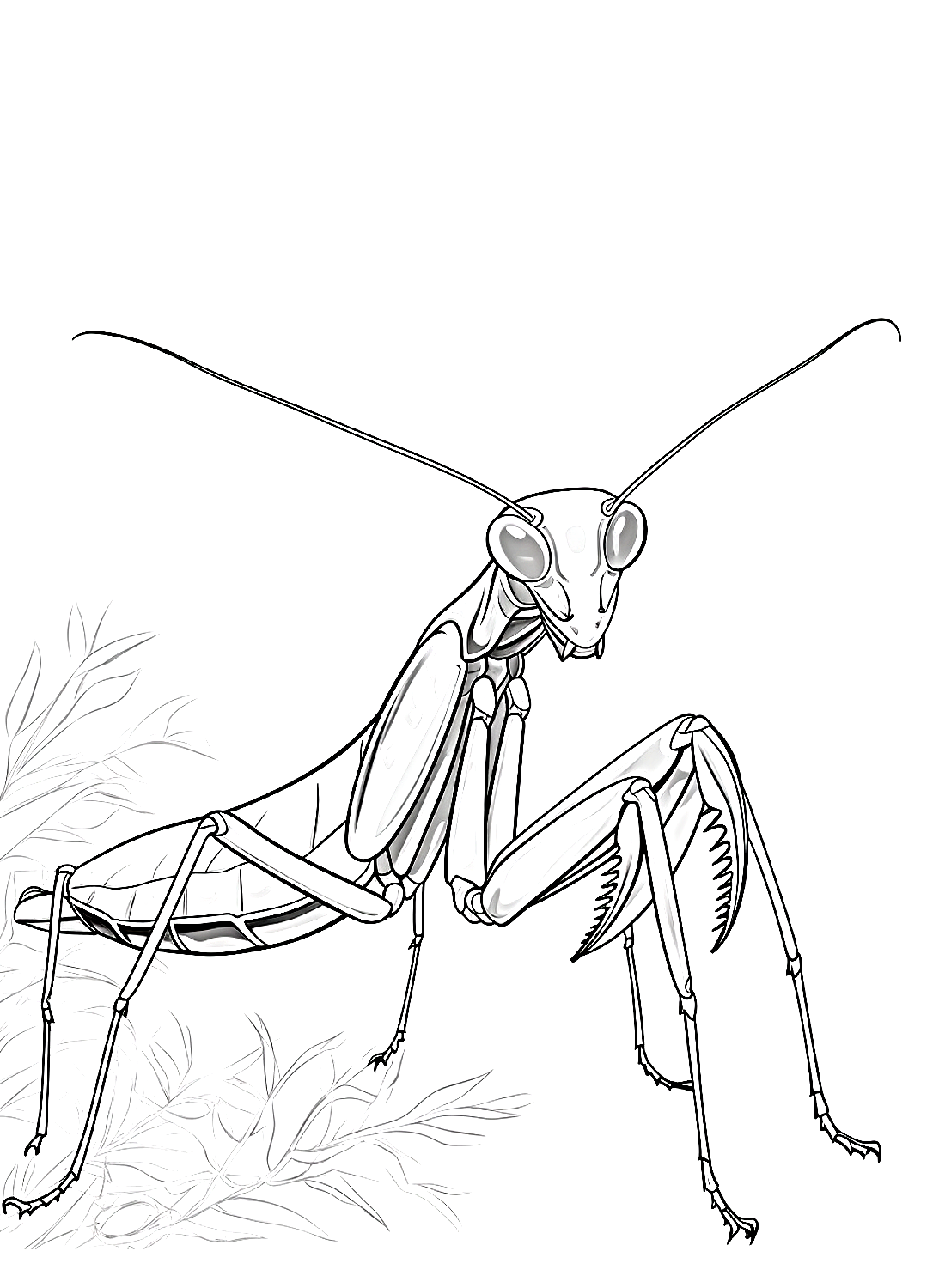
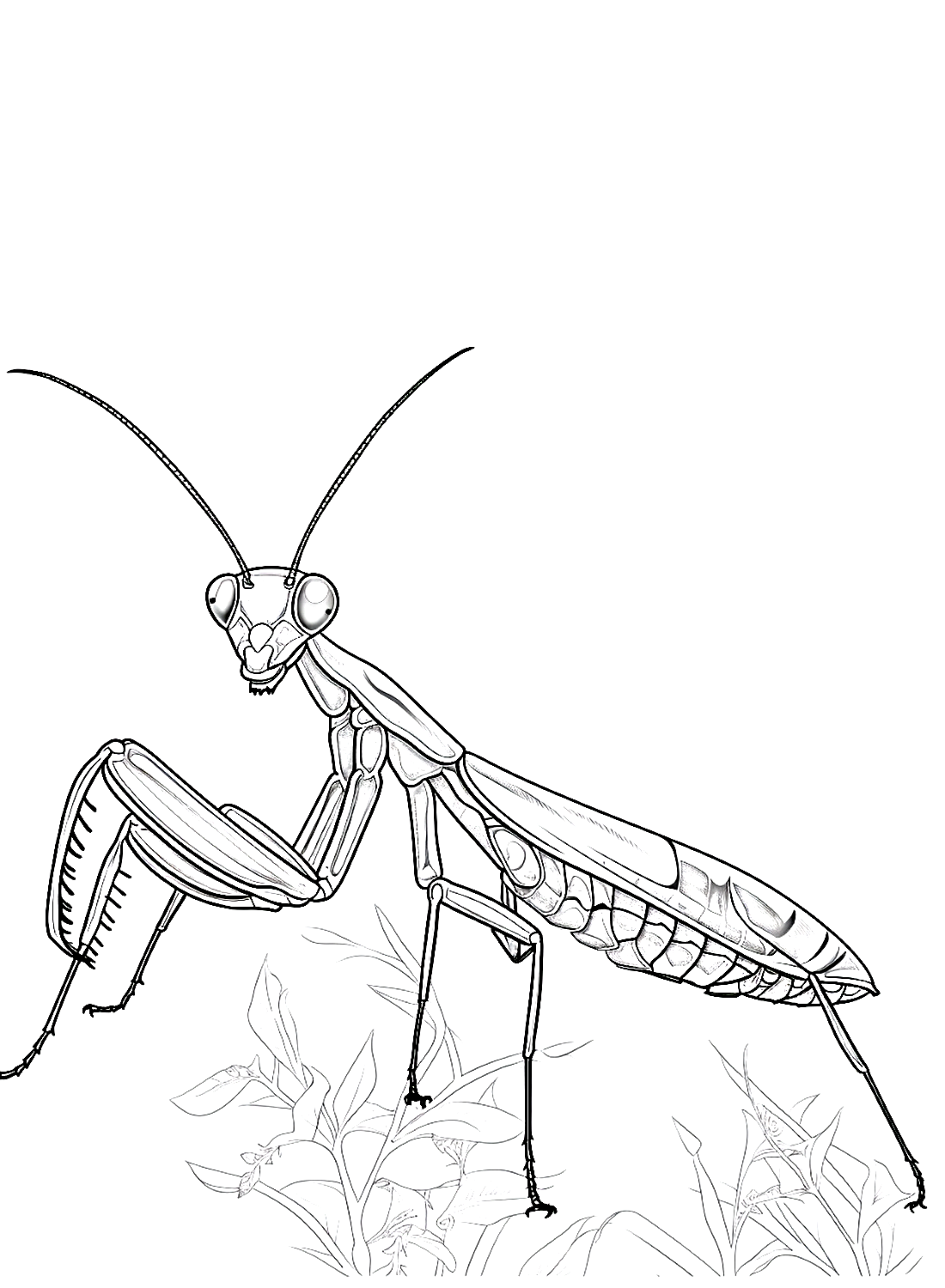
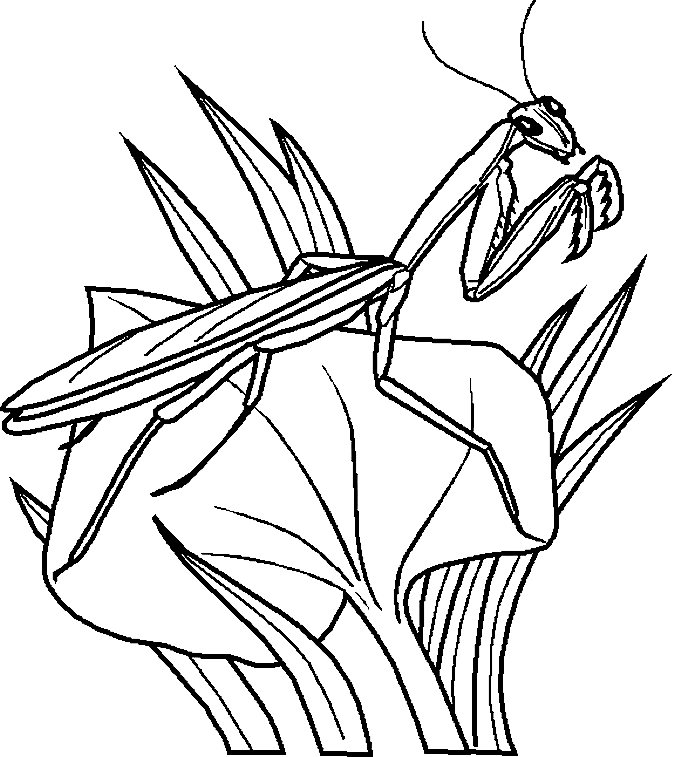
The 35 designs group into a few recurring styles, from lifelike mantis portraits to lighthearted cartoon scenes.
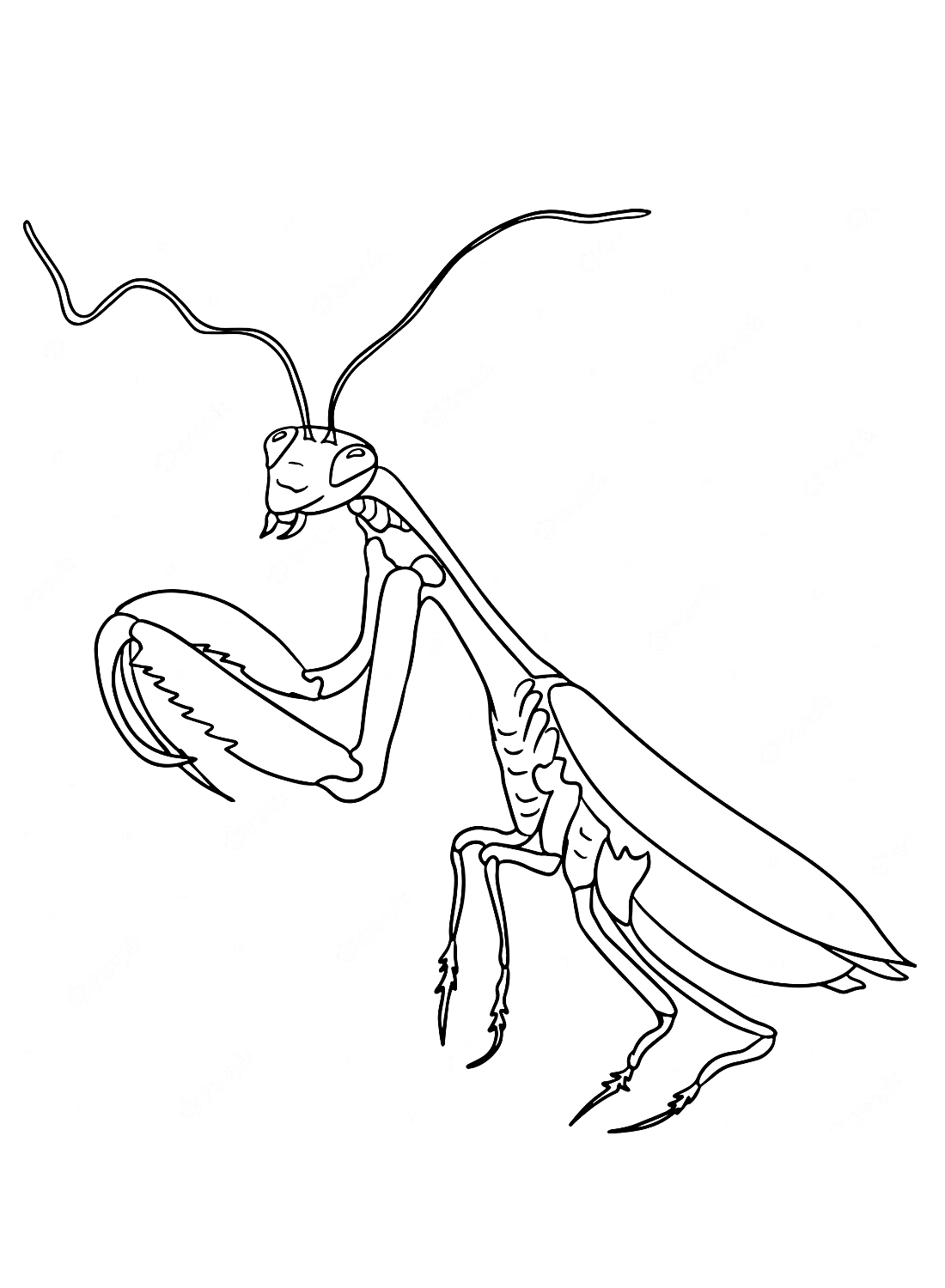
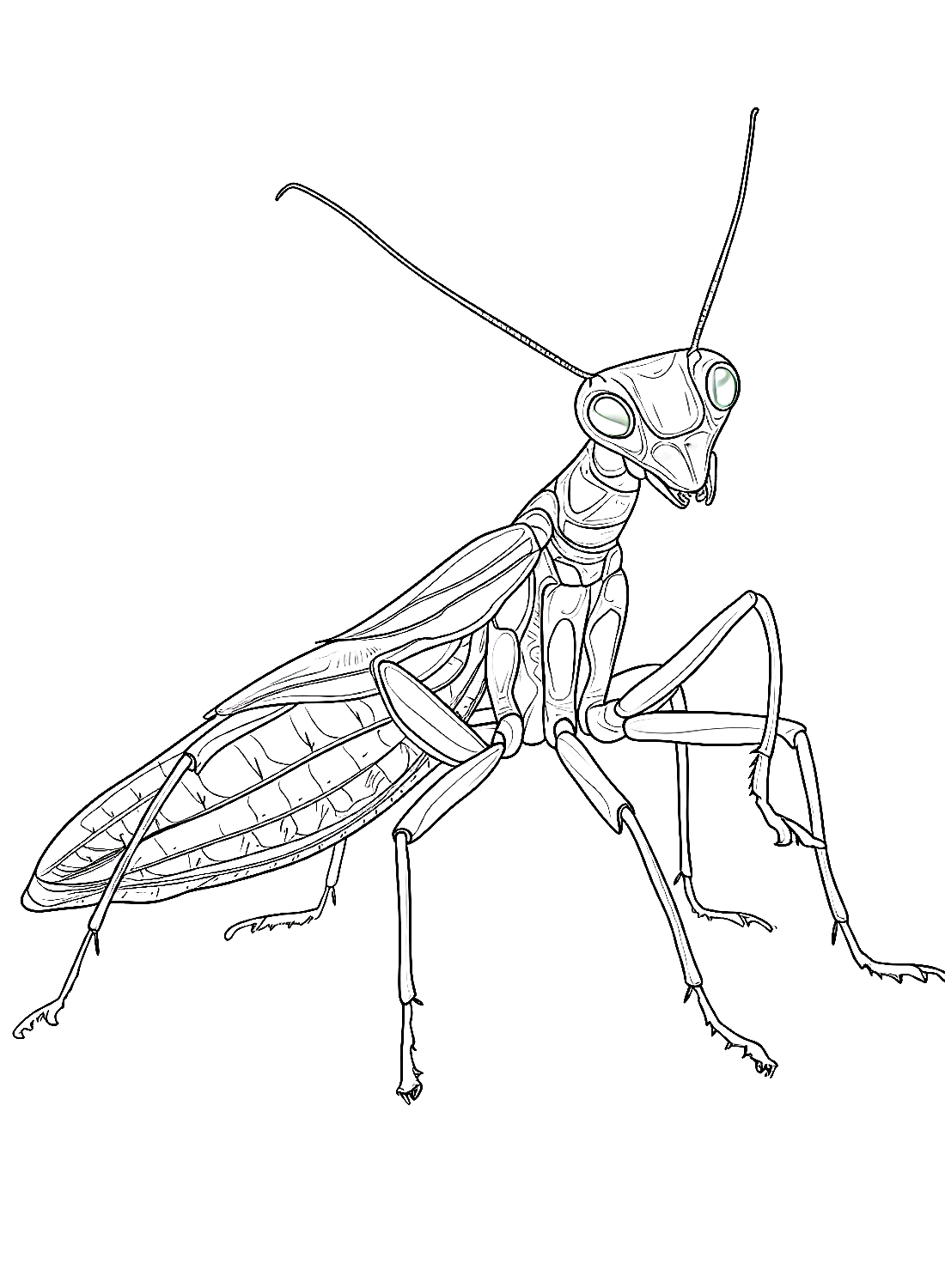
Realistic Mantis Portraits
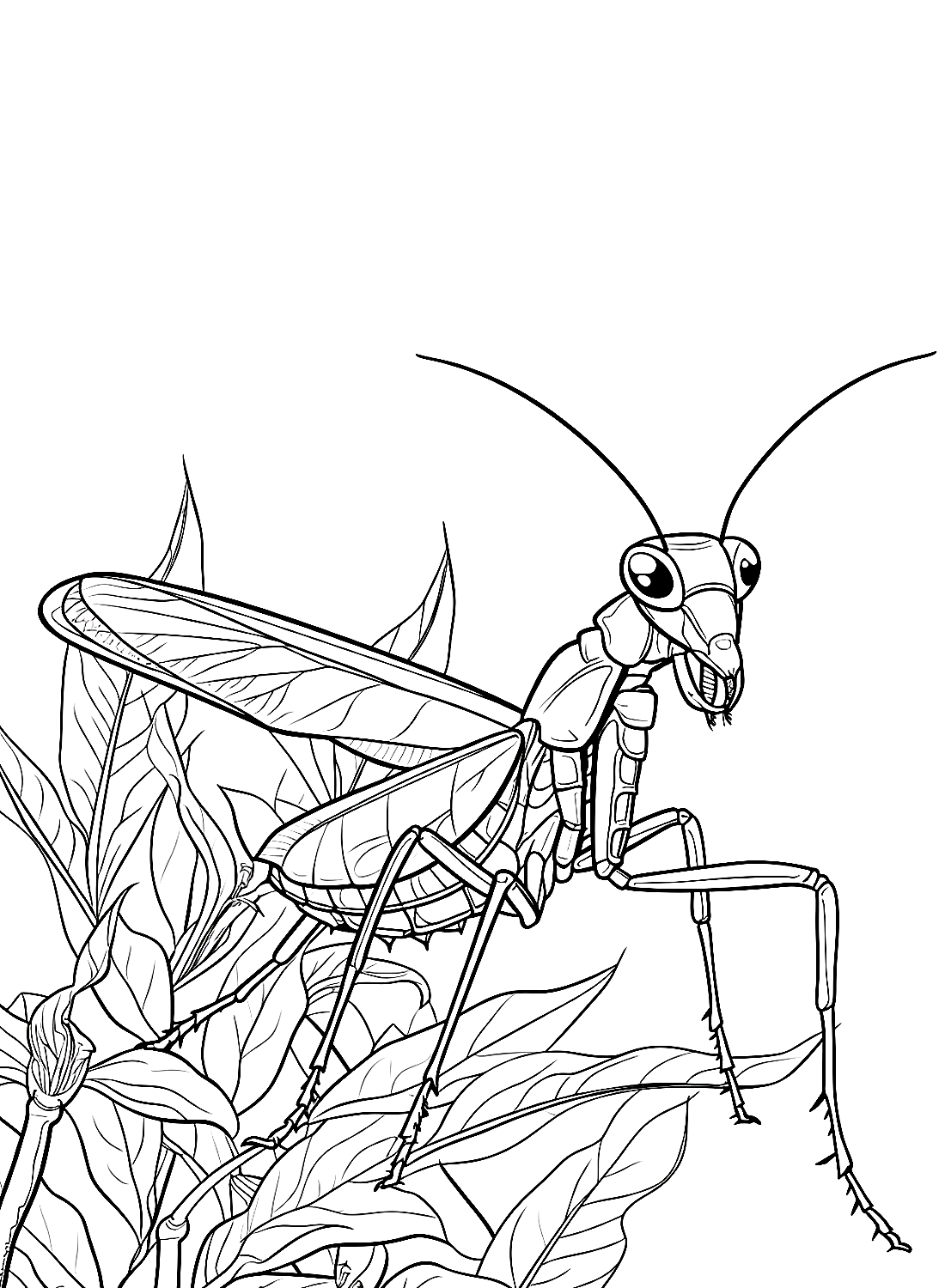
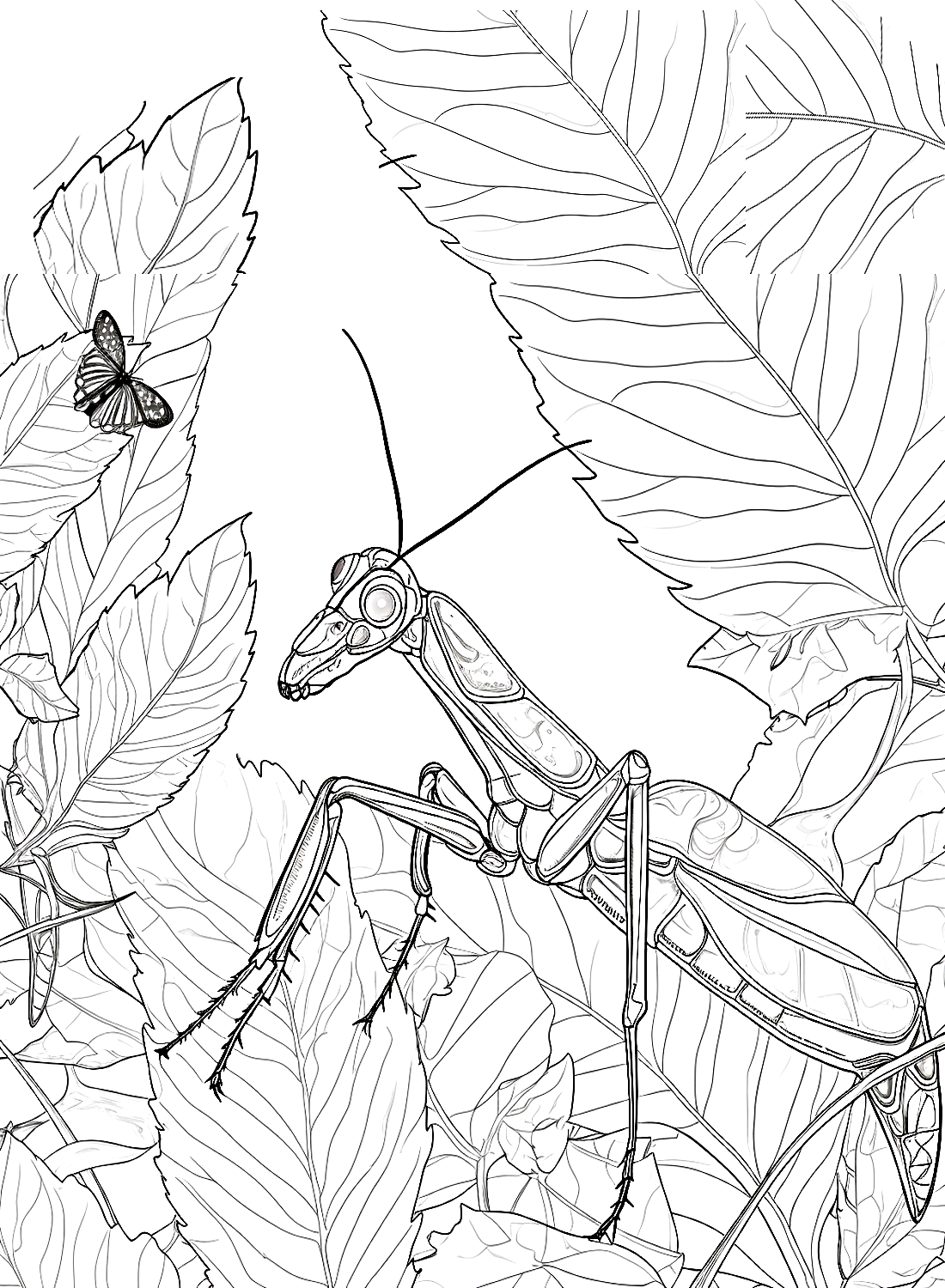
Several pages show a single mantis in fine detail, perched on a leaf, branch, or blade of grass, with the long, thin body and folded front legs drawn close to scale.
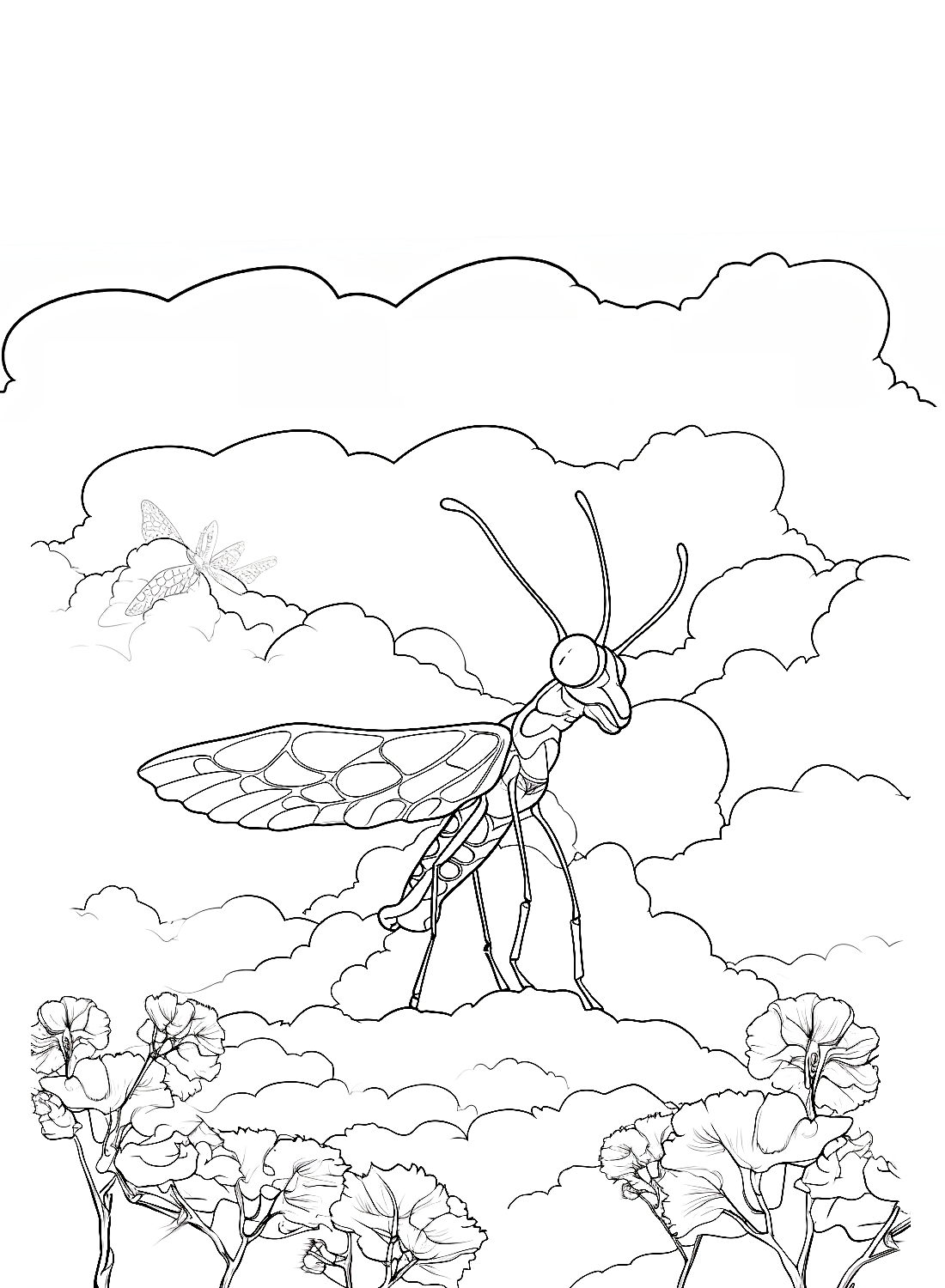
Mantis Garden Scenes
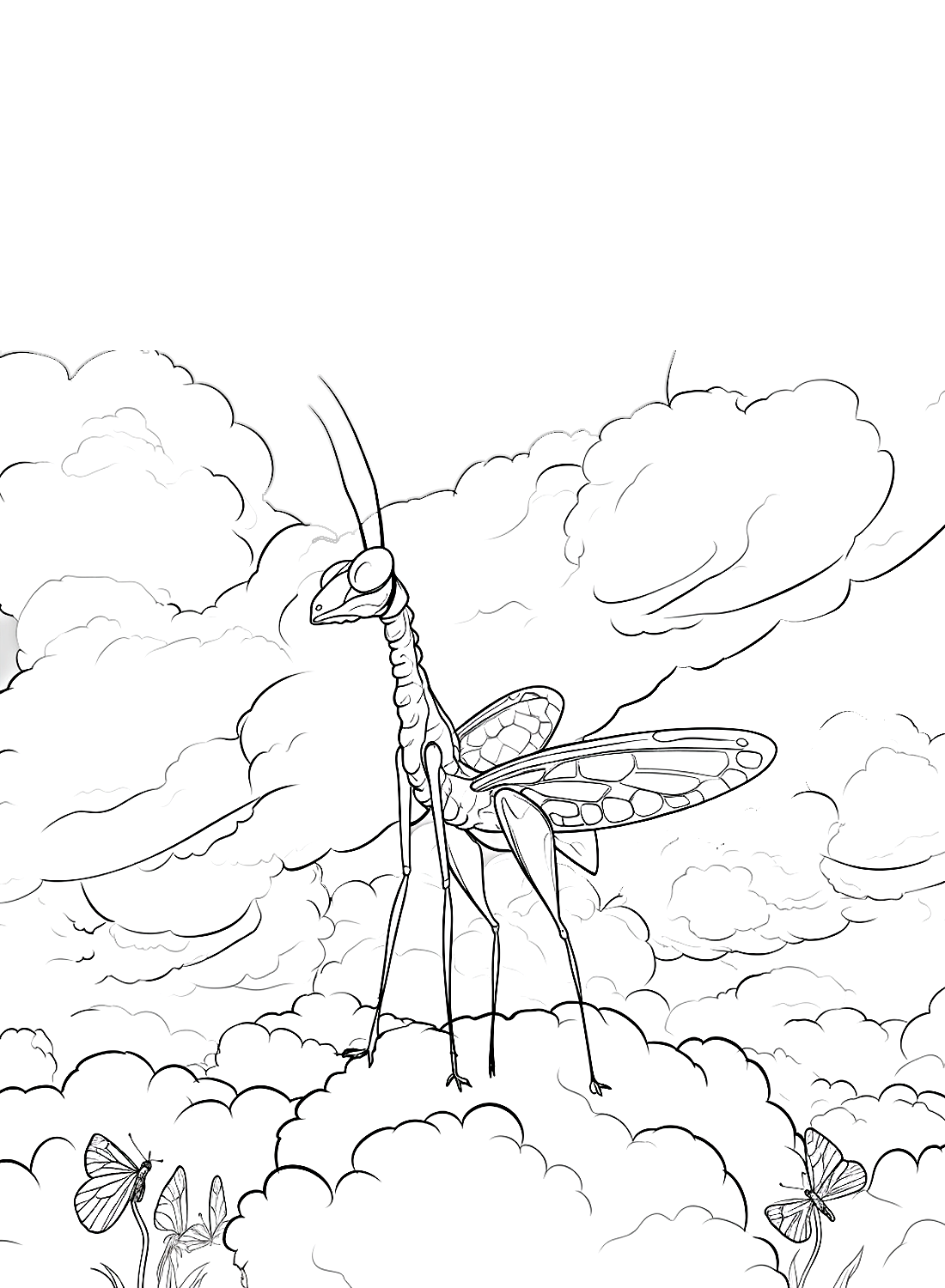
Pages set among flowers, trees, and clouds place the mantis in a wider outdoor scene, some paired with a frog, dragonfly, or a child observing with a magnifying glass.
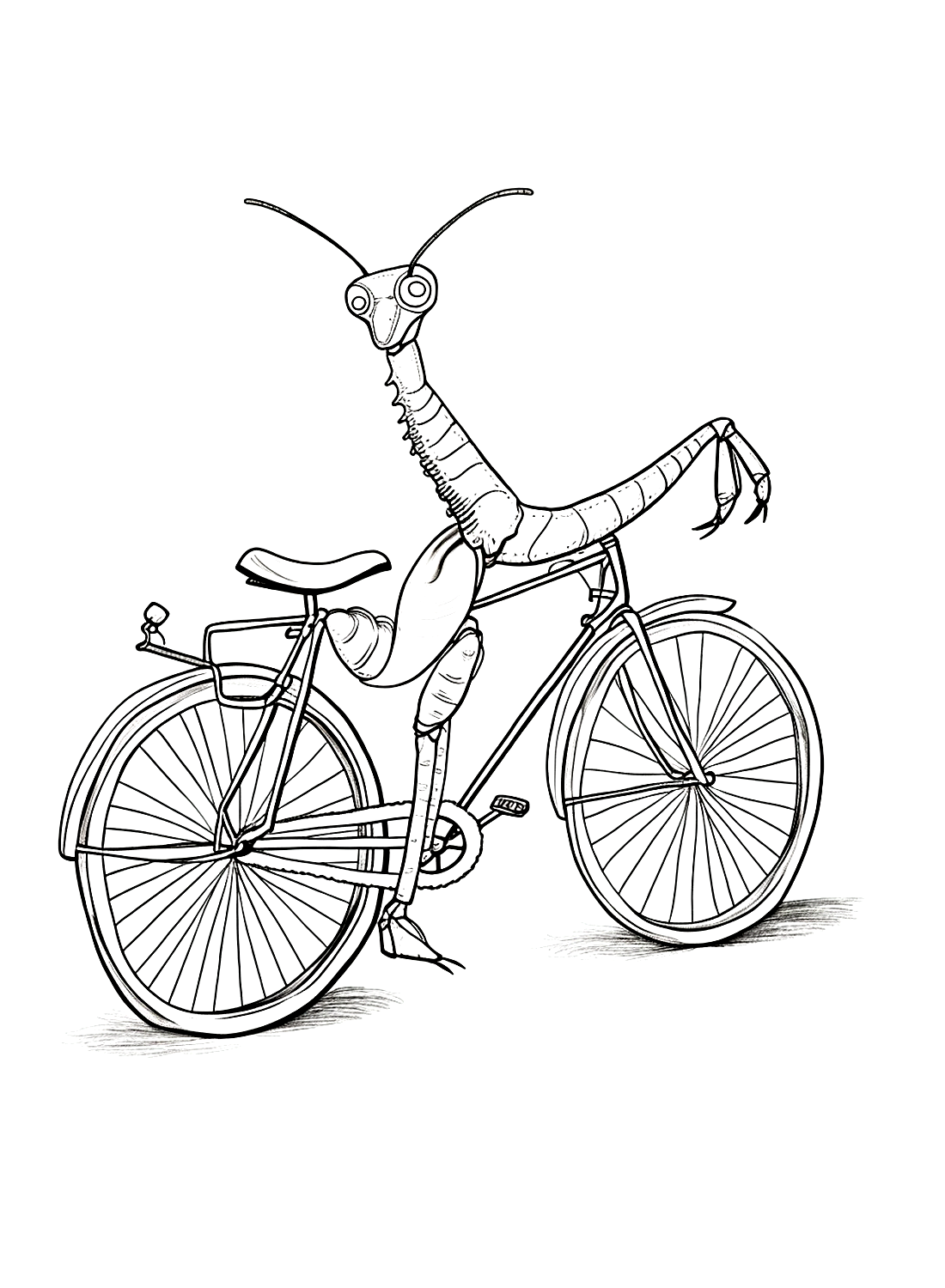
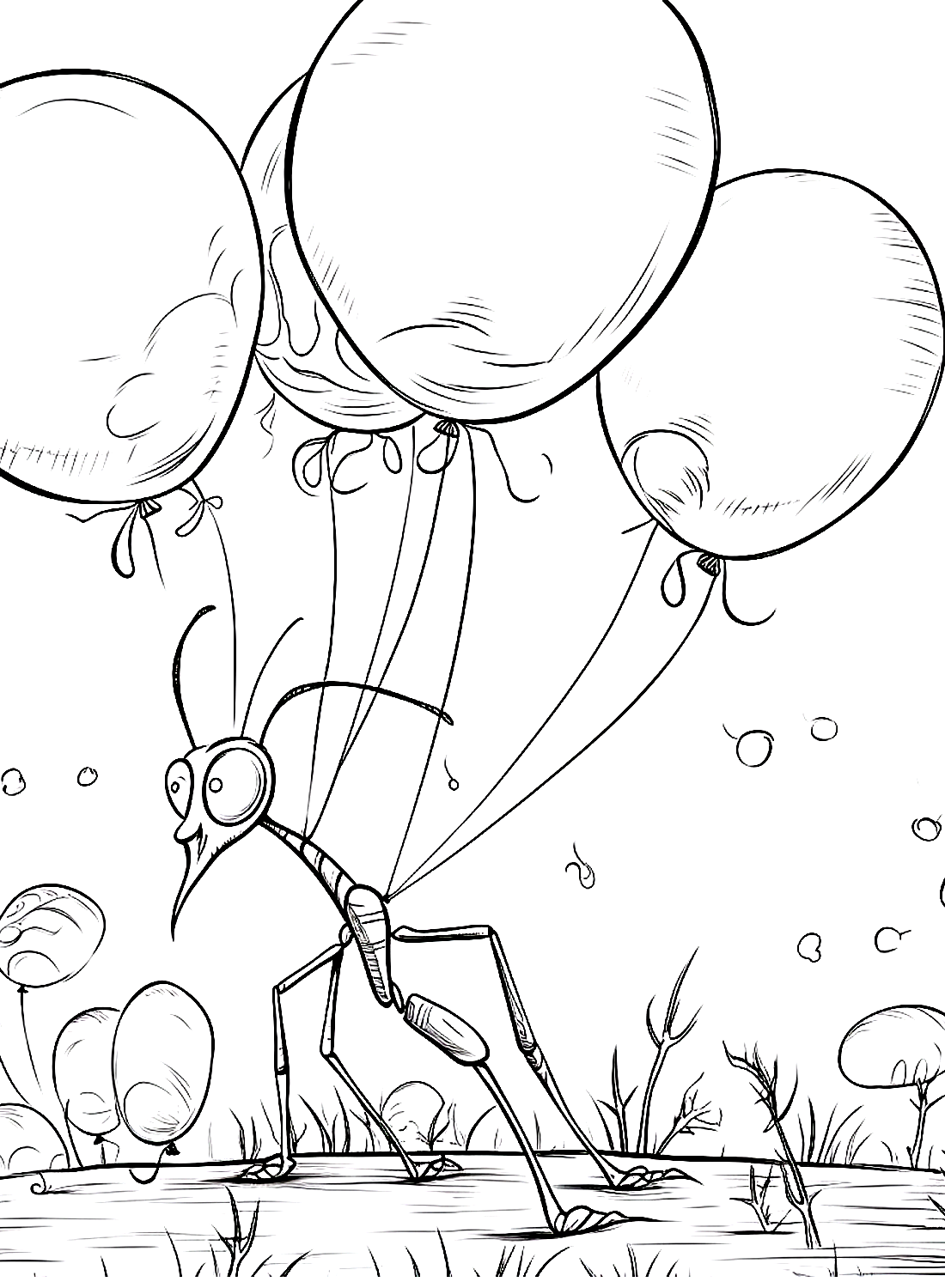
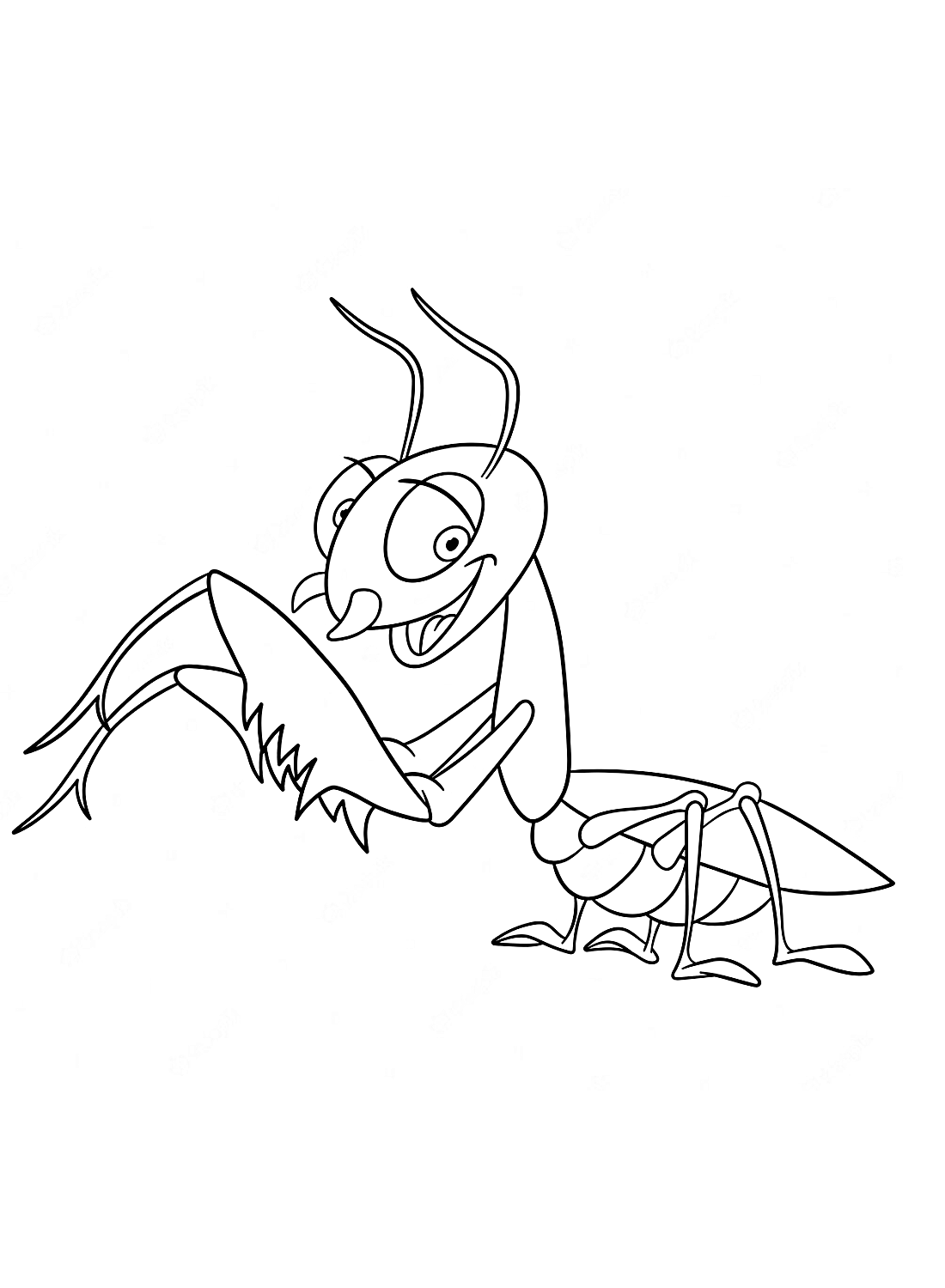
Playful Cartoon Mantis Scenes
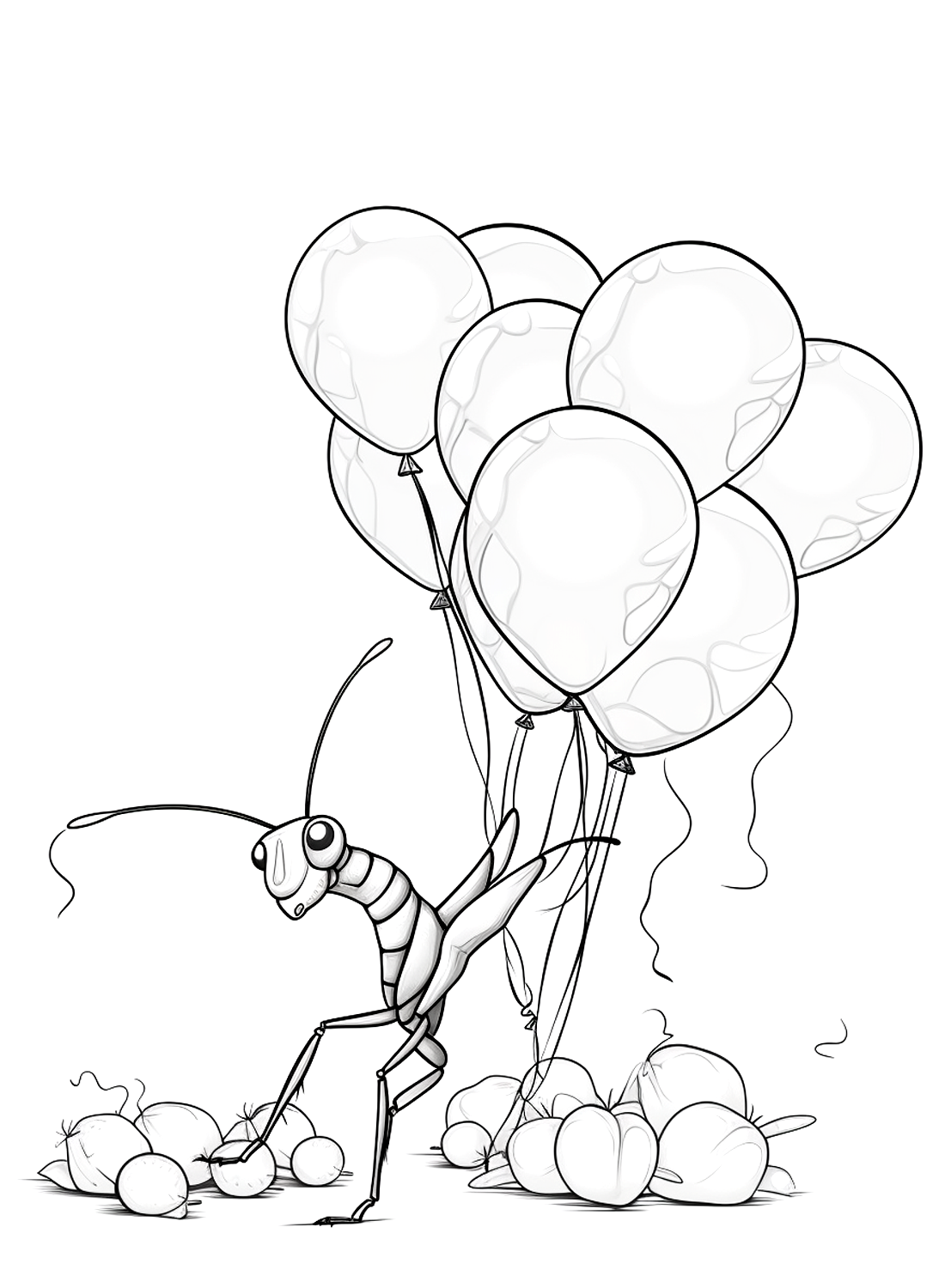
A number of pages give the mantis a more whimsical role, including gardening, rowing a boat, riding a bicycle, holding balloons, or wearing a superhero cape.
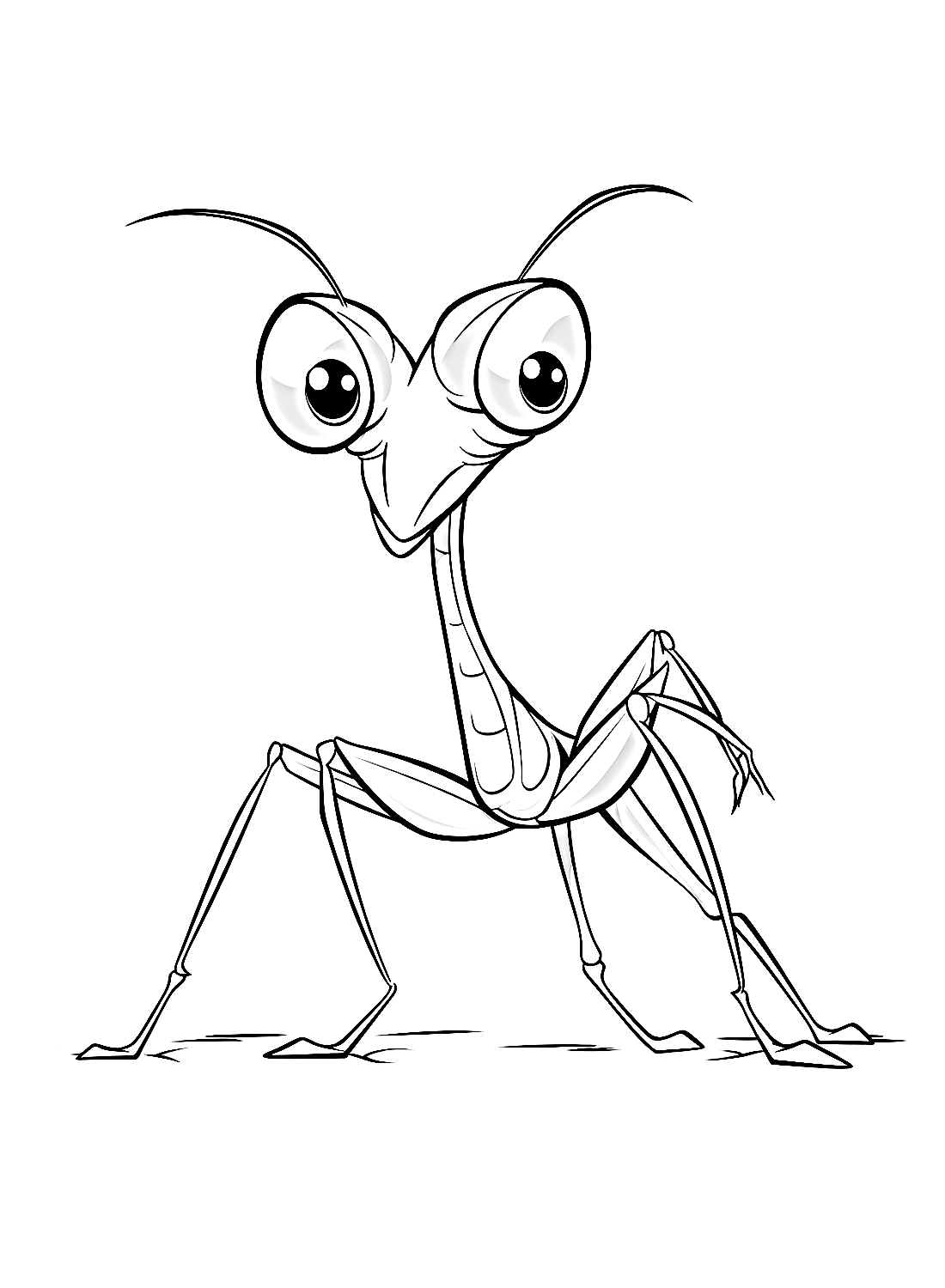
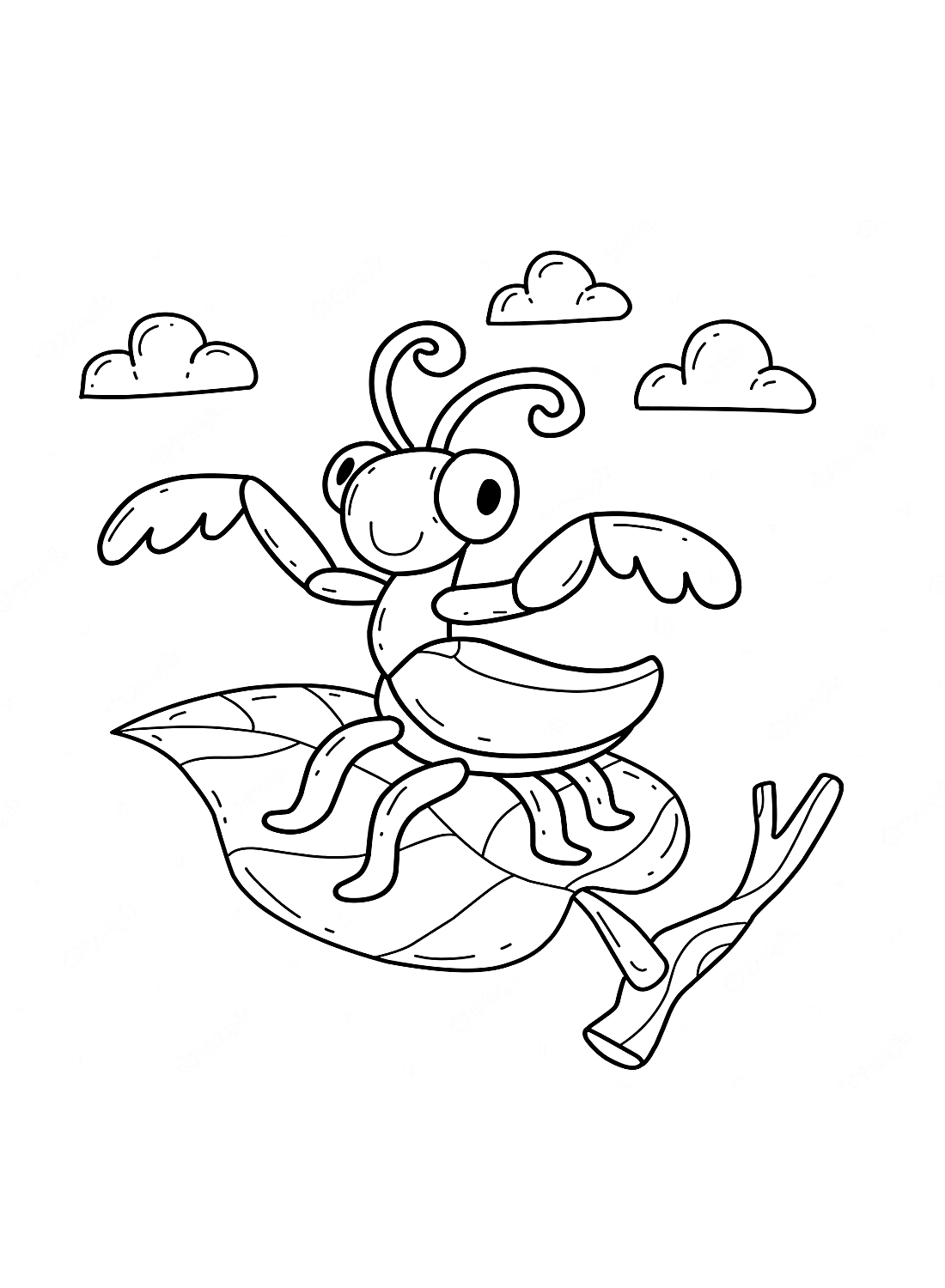
Grasshopper-Style Bonus Designs
A few pages in the set feature a rounder, grasshopper-style insect character rather than the mantis’s characteristic long body and folded forelegs; these bonus designs share the same playful, cartoon look as the rest of the collection.
What Praying Mantis Coloring Pages Do
Fine motor development. The American Academy of Pediatrics identifies fine motor skill development as a core benefit of structured coloring for children ages 2 through 7. The mantis’s thin legs and narrow body segments give colorers practice staying inside narrow lines.
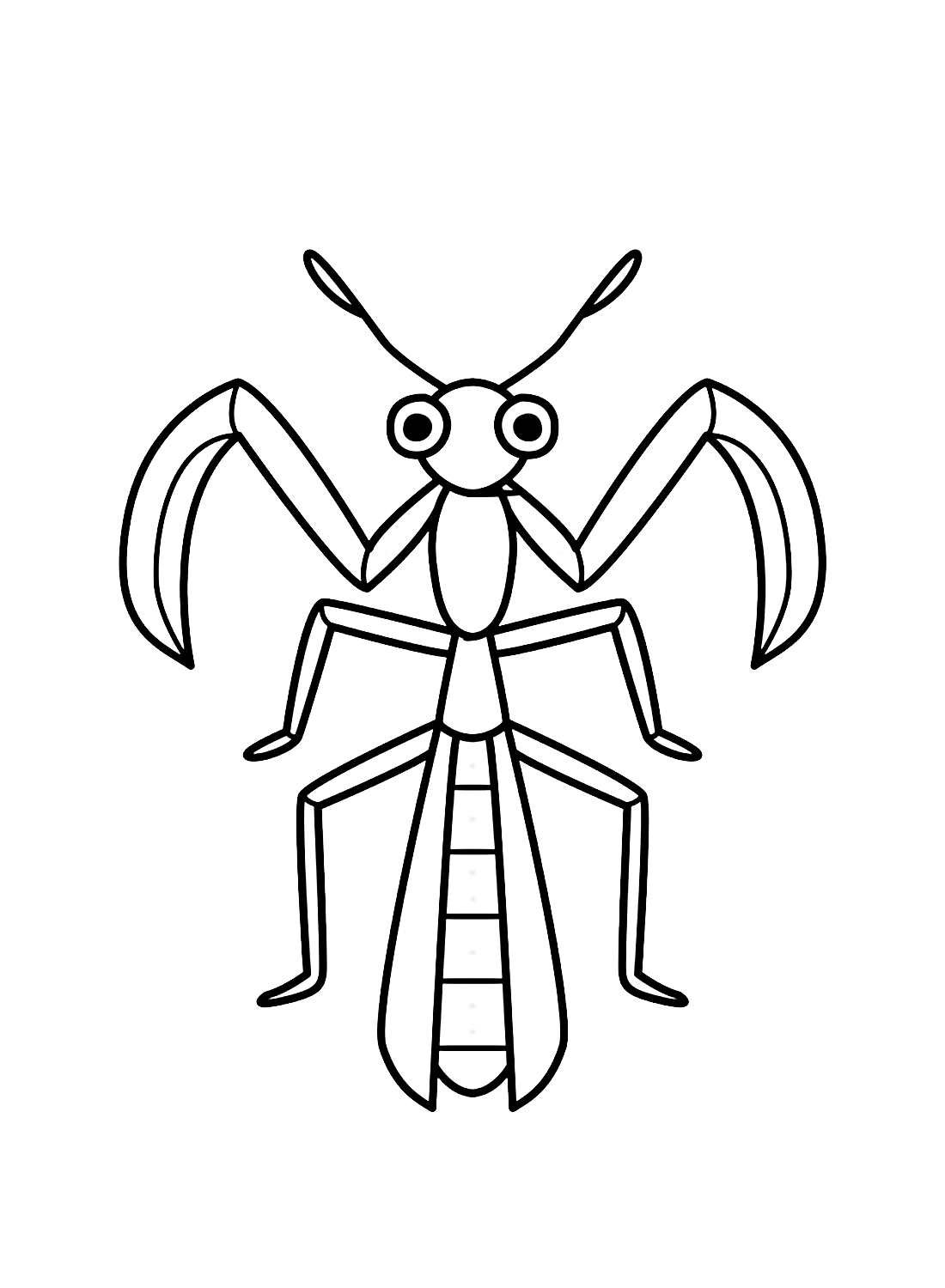
An introduction to insect anatomy. Coloring a mantis’s segmented body, triangular head, and spined forelegs gives kids a hands-on way to notice insect body parts they might otherwise only see in a book or on a screen.
Anxiety reduction through focus. A 2005 study in the Art Therapy Journal documented measurable reductions in anxiety following structured coloring sessions. The slow, detailed line work in the realistic mantis portraits suits that same steady, focused rhythm.
A starting point for nature observation. Because praying mantises are common in gardens across much of the world, a finished coloring page can prompt a child to look for the real insect outdoors or in a backyard garden.
How to Color Praying Mantis Pages Well
- Body and legs: Use Crayola Fern or Forest Green for a classic green mantis, or switch to Brown and Tan for a mantis camouflaged against dry grass or bark.
- Wings: A slightly lighter green or tan than the body, such as Yellow-Green, helps the folded wings read as a separate layer over the abdomen.
- Eyes: Small dots of Black on a Sea Green or pale eye shape give the mantis its alert, watchful look.
- Leaves and stems: Vary greens across a scene using Green, Fern, and Yellow-Green so the mantis does not blend completely into the background.
- Flowers and gardens: Bright Red, Violet, or Yellow flowers give scenic pages contrast against the mantis’s green or brown tones.
- Cartoon and costume details: For the superhero or playful scenes, bold Red or Blue capes and accessories stand out clearly against the natural green body.
5 Creative Craft Ideas With Praying Mantis Coloring Pages
1. Garden Diorama
Color a mantis and a few leaf or flower pages, cut them out, and arrange them inside a shoebox to build a simple garden diorama.
2. Insect Fact Cards
Color a mantis page, glue it to an index card, and write one or two mantis facts on the back to make a set of homemade insect fact cards.
3. Bookmark Set
Cut a finished mantis portrait into a bookmark strip and laminate or cover it with clear tape for a durable, reusable bookmark.
4. Nature Journal Cover
Color a mantis-in-the-garden page and glue it to the front of a notebook to make a cover for a backyard nature-observation journal.
5. Classroom Bug Wall
Color several mantis and grasshopper pages as a group, cut out the finished designs, and pin them to a classroom bulletin board during an insect unit.
Frequently Asked Questions
What are praying mantis coloring pages?
Praying mantis coloring pages are printable line-art designs of the mantis insect, shown in realistic portraits, garden scenes, and playful cartoon poses. This collection includes 35 pages, ranging from detailed single-mantis portraits to lighthearted scenes of a mantis gardening, boating, or wearing a superhero cape.
What is a praying mantis?
A praying mantis is a predatory insect in the order Mantodea, recognized by its long body, triangular head, and large front legs that fold together in a pose resembling prayer. Mantises use those forelegs to grab and hold onto smaller insects they hunt.
Why is it called a praying mantis?
The name comes from the mantis’s resting posture, in which its front legs fold up and inward in a way that resembles hands clasped in prayer. Despite the name, the pose serves a hunting purpose: it keeps the spined forelegs ready to strike at passing prey.
How many species of praying mantis are there?
There are more than 2,000 known species of praying mantis found across every continent except Antarctica. Species vary widely in size and color, from bright green garden mantises to brown or mottled species that camouflage against bark and dry grass.
What is the egg case shown in some of the pages called?
Several pages in this collection show a mantis near an egg case, called an ootheca. Females of many mantis species produce this foam-like case, which hardens on a branch or stem and protects the eggs inside until they hatch the following spring.
Are all the insects in this collection praying mantises?
Most of the collection features praying mantises, but a small number of pages use a rounder, grasshopper-style insect character instead of the mantis’s characteristic long body and folded front legs. Both types share the same playful, cartoon art style as the rest of the set.
Are praying mantis coloring pages suitable for young children?
Yes. The bold outlines and simplified insect shapes in this collection work well for children ages 2 through 7, the age range the American Academy of Pediatrics associates with active fine motor skill development through coloring. The more detailed, realistic portraits suit older children and adults.
Can these pages be used for a science lesson on insects?
Yes. The mix of realistic mantis portraits and egg-case pages gives teachers a visual aid for lessons on insect anatomy, predator behavior, or life cycles, and can pair well with an outdoor observation activity during a unit on backyard insects.
Start Coloring
Download any page by clicking the design. No account, email, or payment is required. Pages print directly from the browser at full resolution or open in the online coloring tool for screen use. Share finished pages on Facebook or Pinterest with the share buttons at the top of each design page.