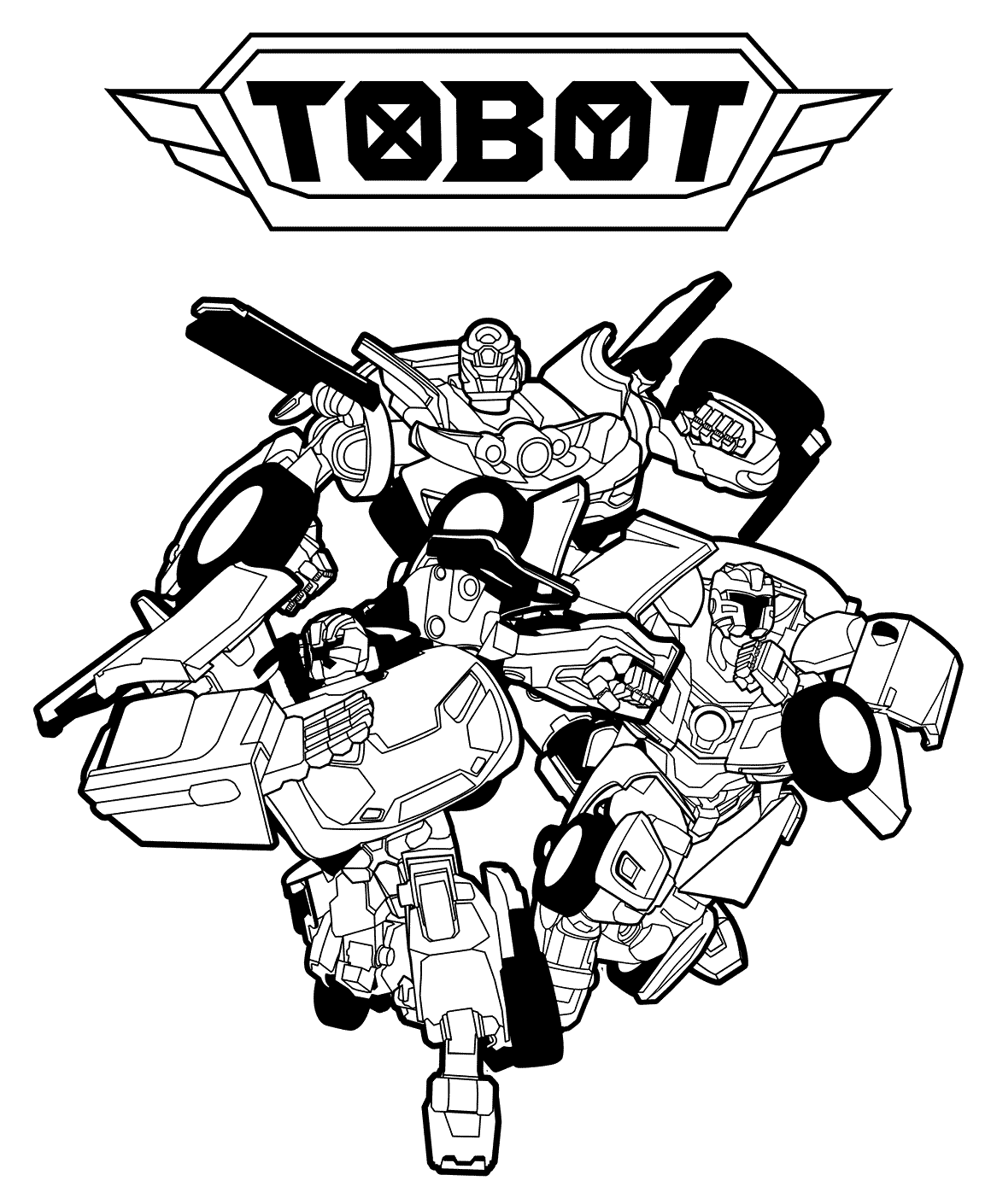
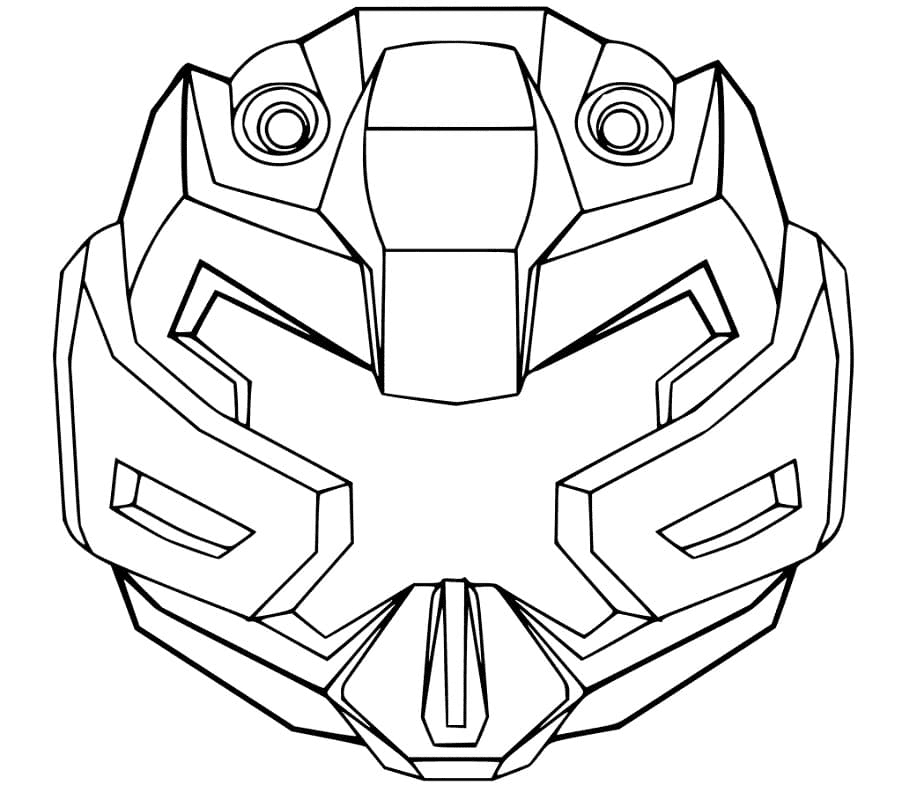
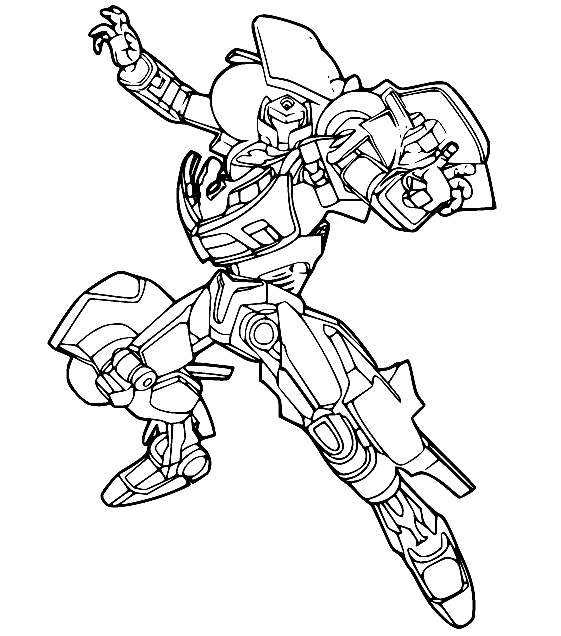
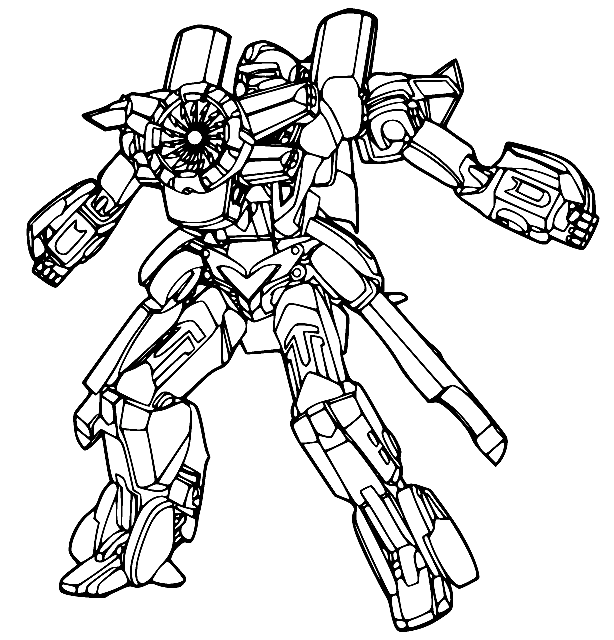
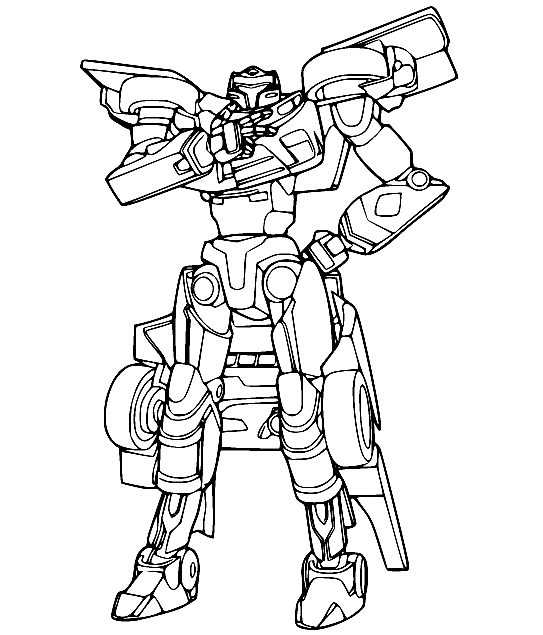
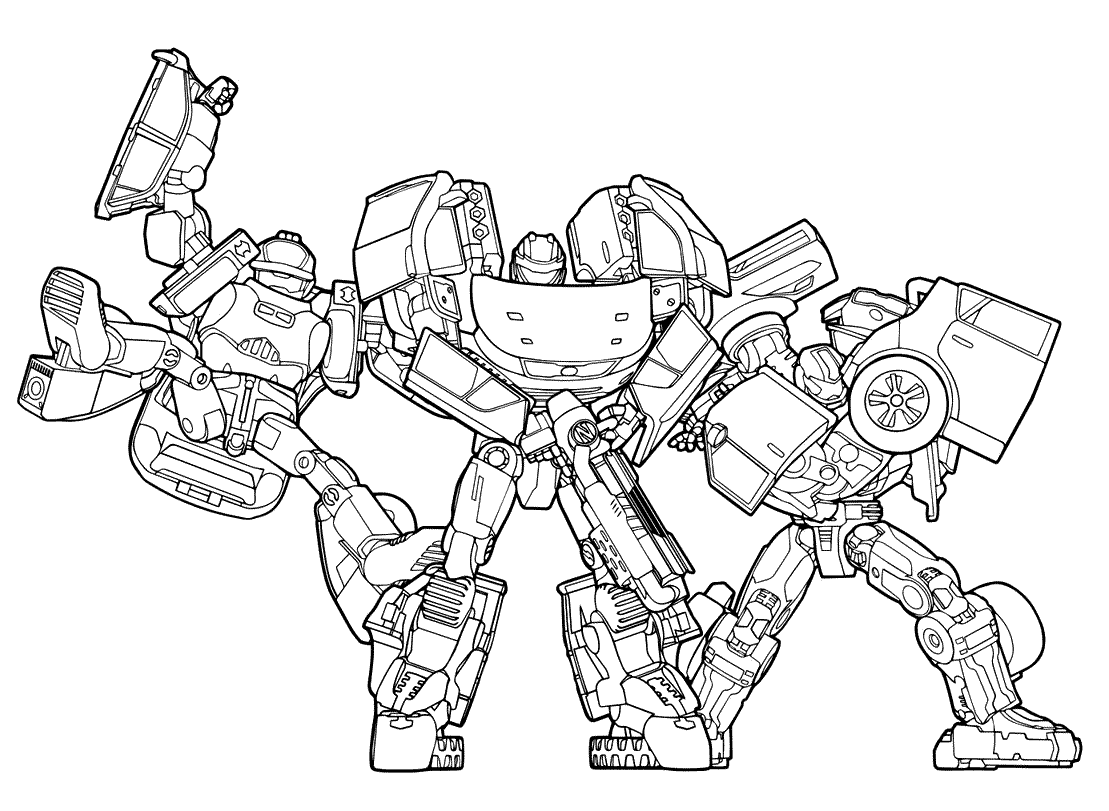
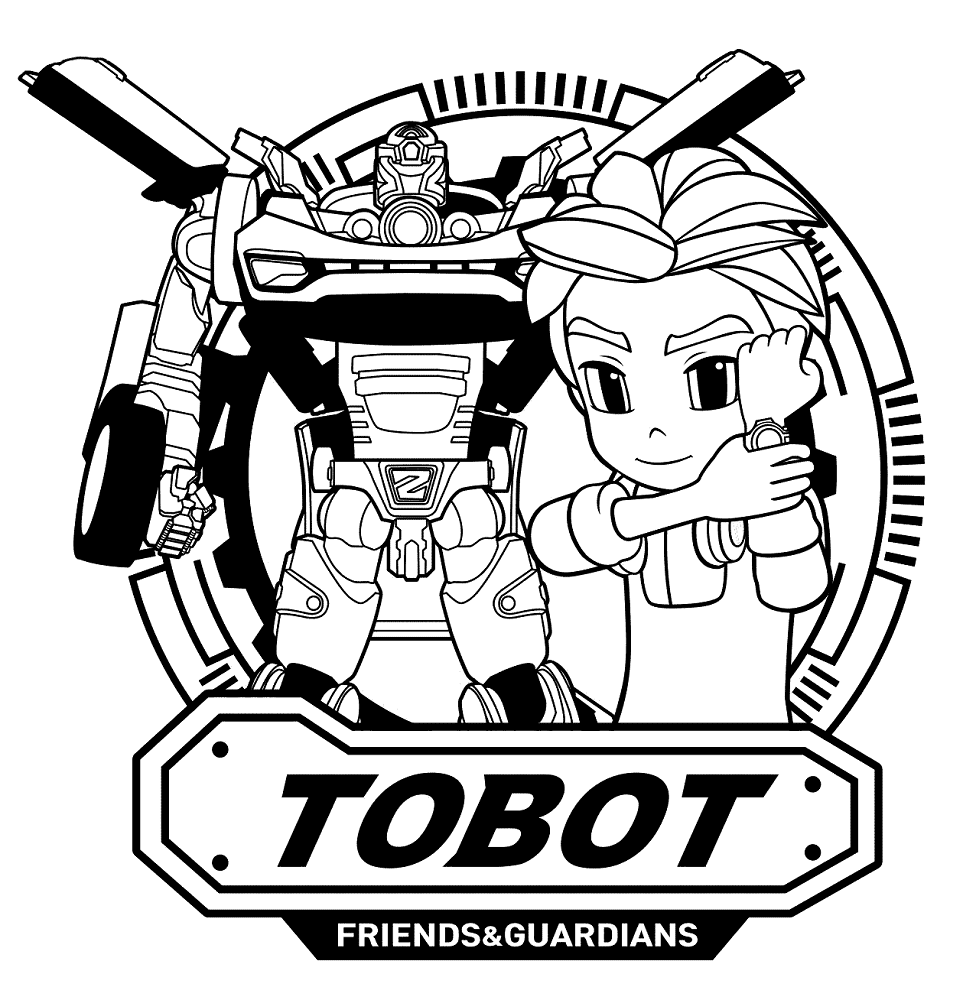
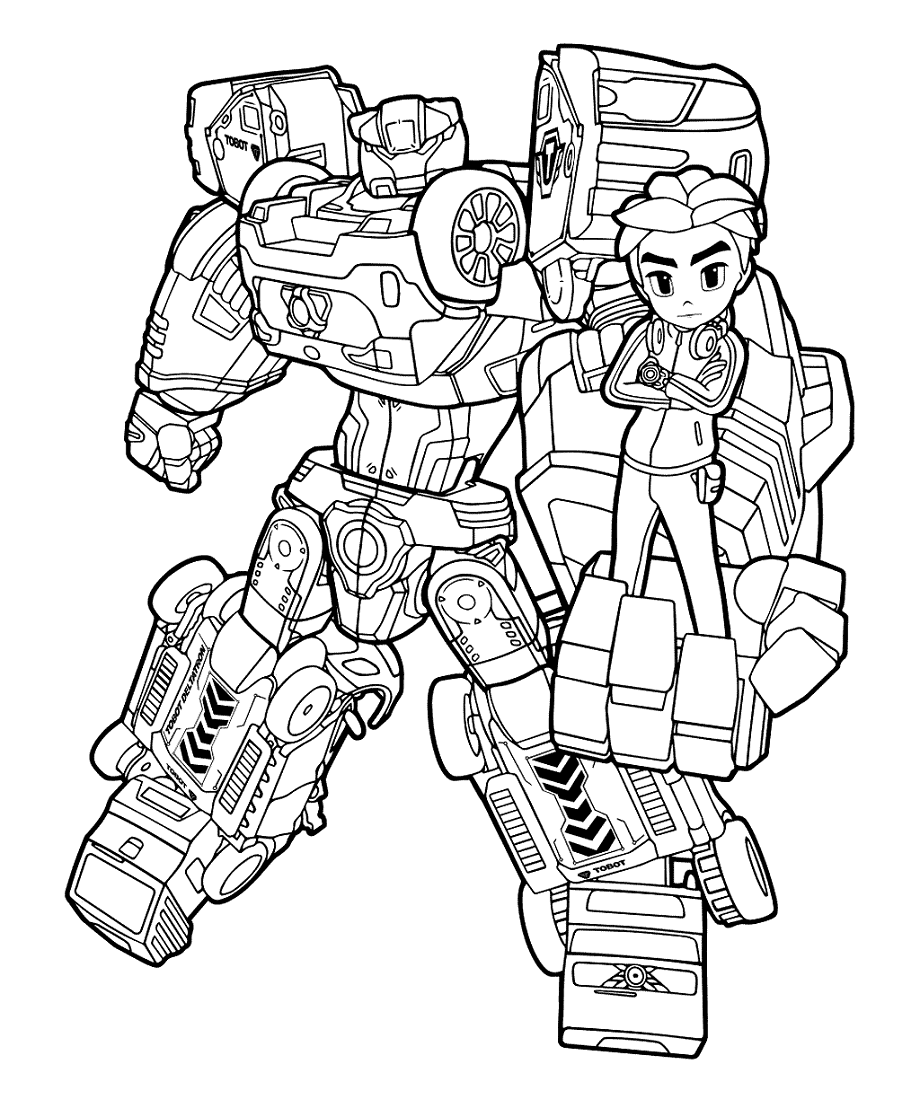
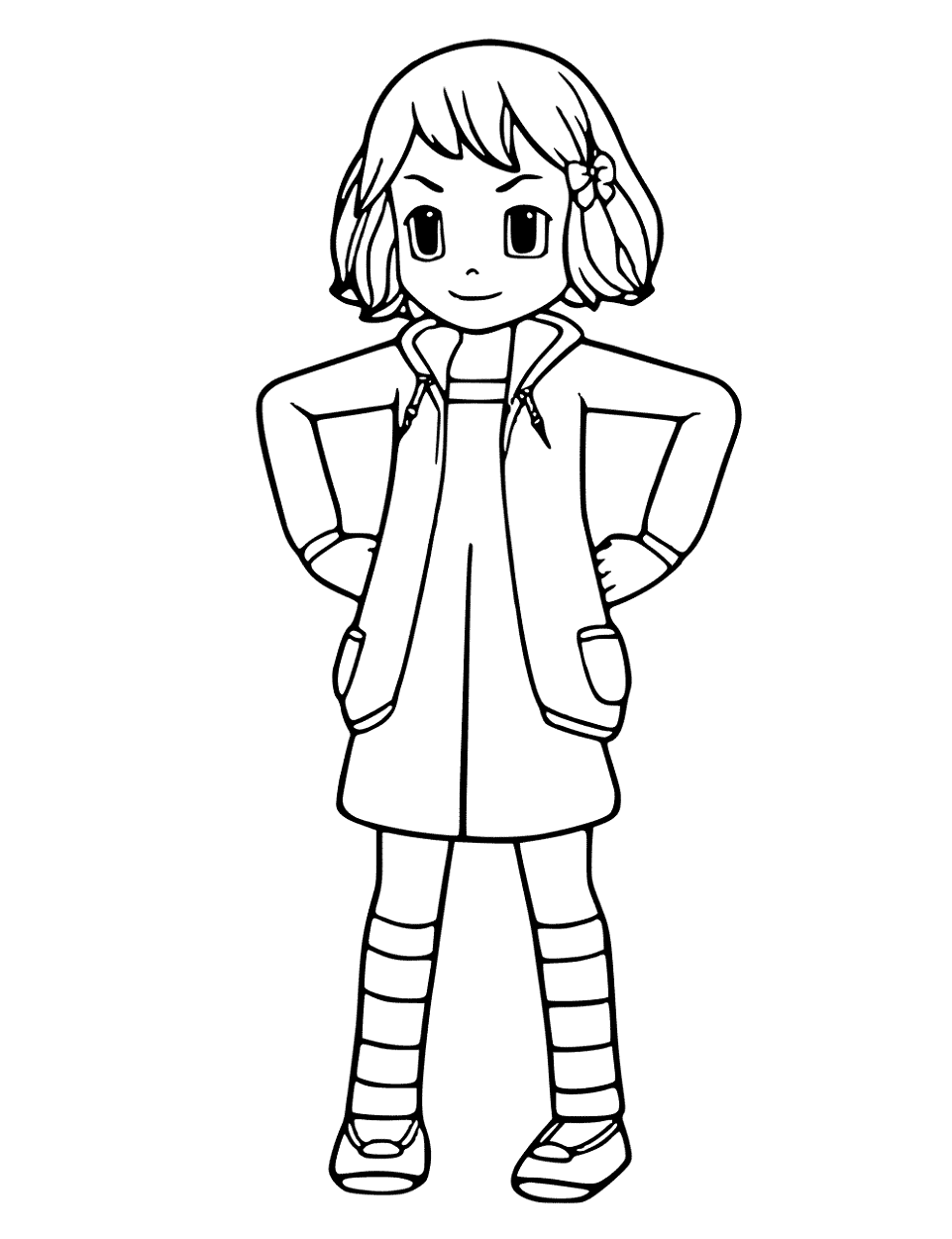
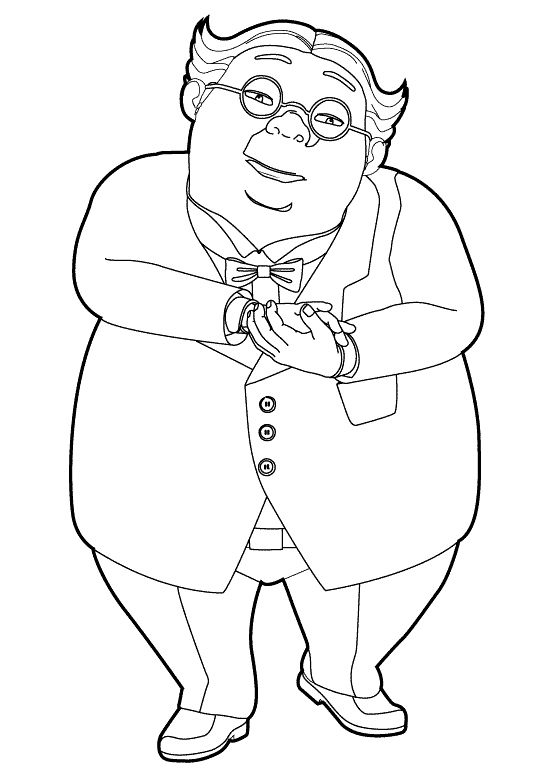
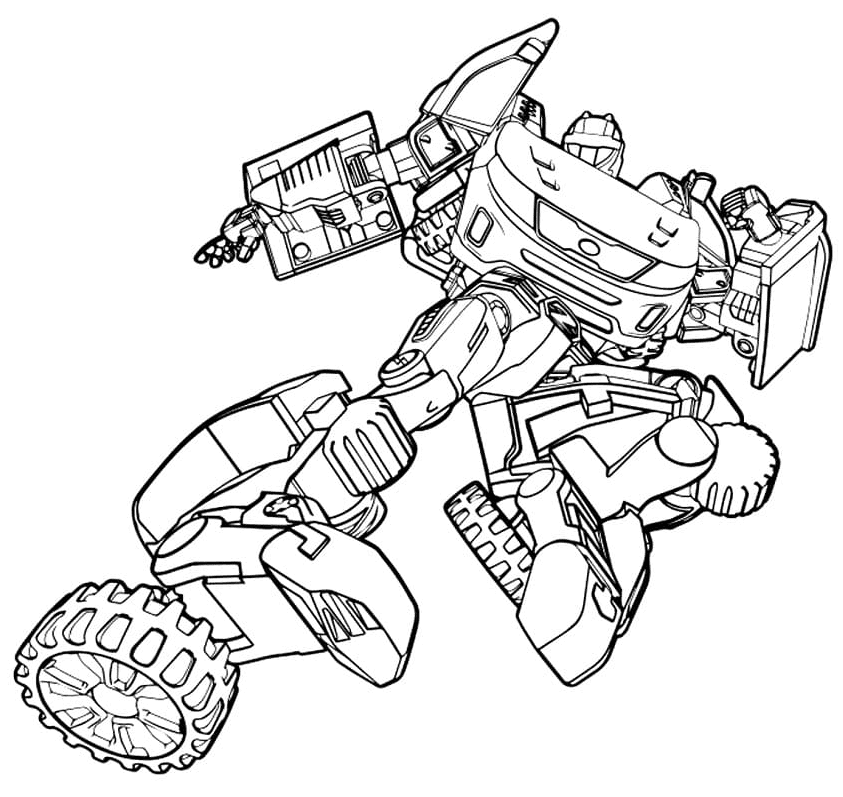
Free Tobot coloring pages – 20+ pages featuring Tobot X, Tobot Y, Tobot Z, the Athlon series, Galaxy Detectives, vehicle modes, robot battle stances, and character scenes – free printable PDF and online coloring for fans of the South Korean robot car franchise of all ages.

Tobot is a South Korean animated franchise created by Young Toys – one of South Korea’s largest toy manufacturers – in partnership with animation studio ROI Visual. The series first aired on KBS (Korean Broadcasting System) in 2010 and has since become one of the most recognized children’s animated franchises in South Korea and across Southeast Asia, with a dedicated following in Vietnam, Malaysia, Indonesia, Thailand, and beyond. The premise is straightforward and effective: friendly robots that transform from vehicles belonging to family members, working alongside children to protect their community and face down villains who would threaten it.

Where Transformers uses the transformation concept as the basis for a war narrative, Tobot uses it as the basis for a family and friendship narrative – the robots are not invaders or factions but companions, guardians, and partners to the human children who care for them. The result is a franchise that functions as an introduction to the robot-transformation genre for younger audiences, with the specific warmth of a show that treats its child heroes as genuinely capable partners in the adventure.

These 20+ free pages at ColoringPagesOnly.com cover the full Tobot roster. All free, PDF or PNG, print or color online.

What’s Inside

Tobot X – The Blue and White Guardian

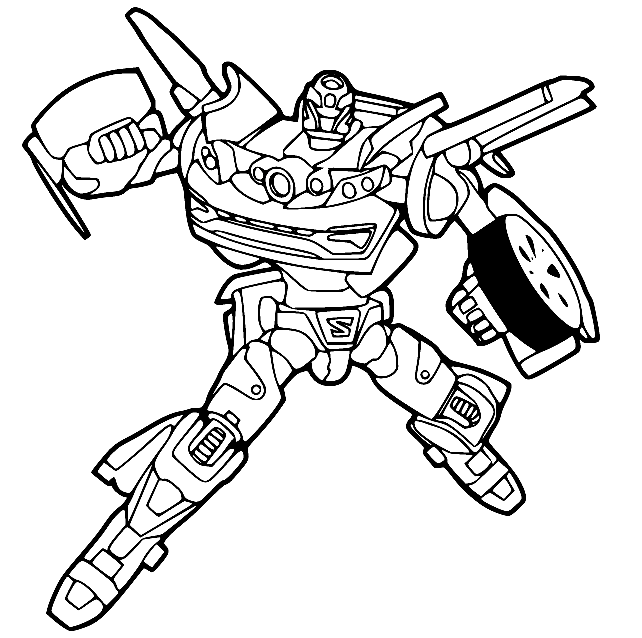
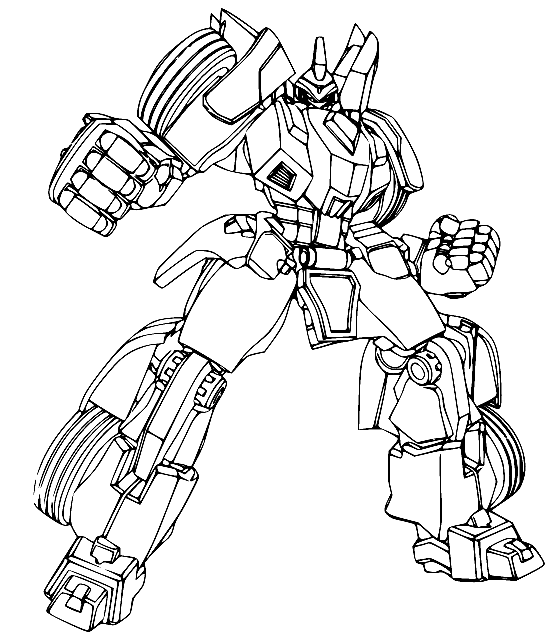
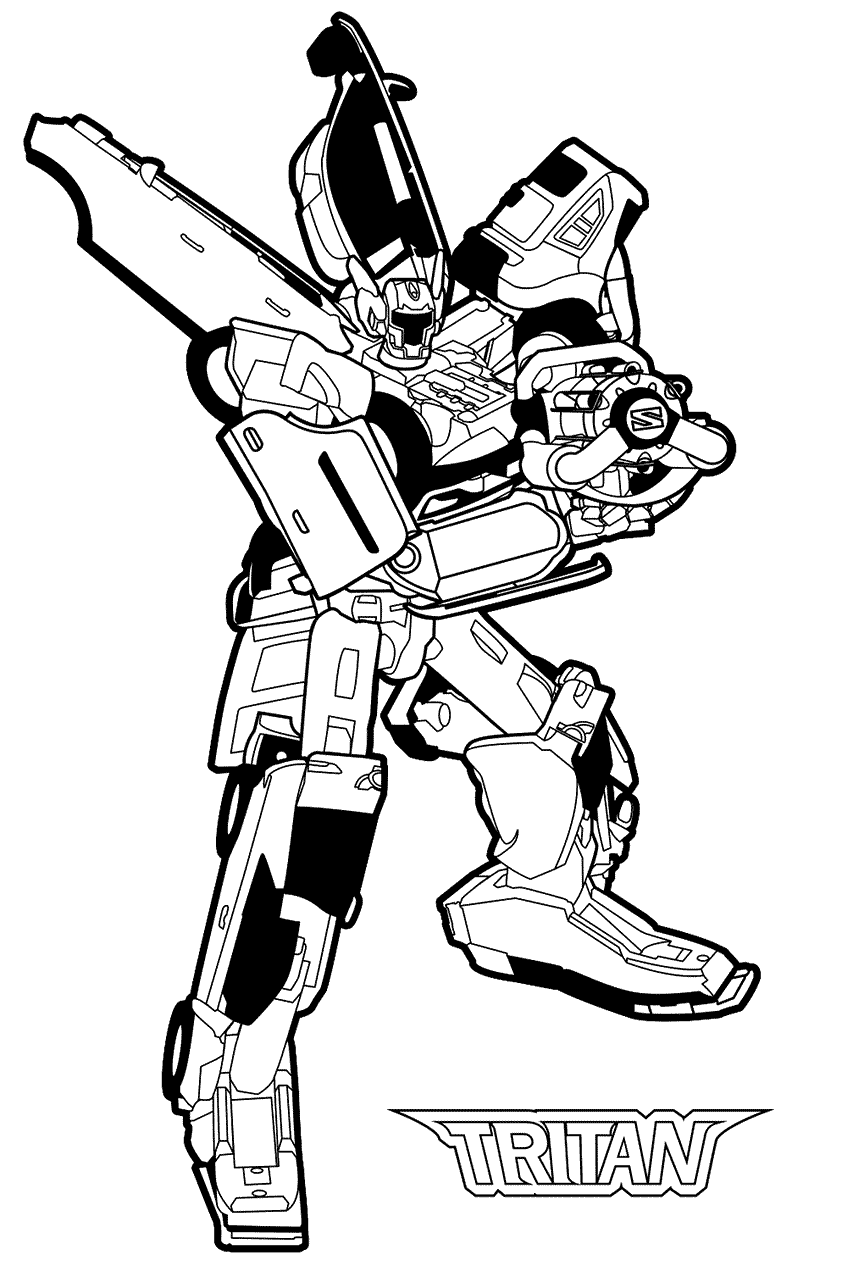
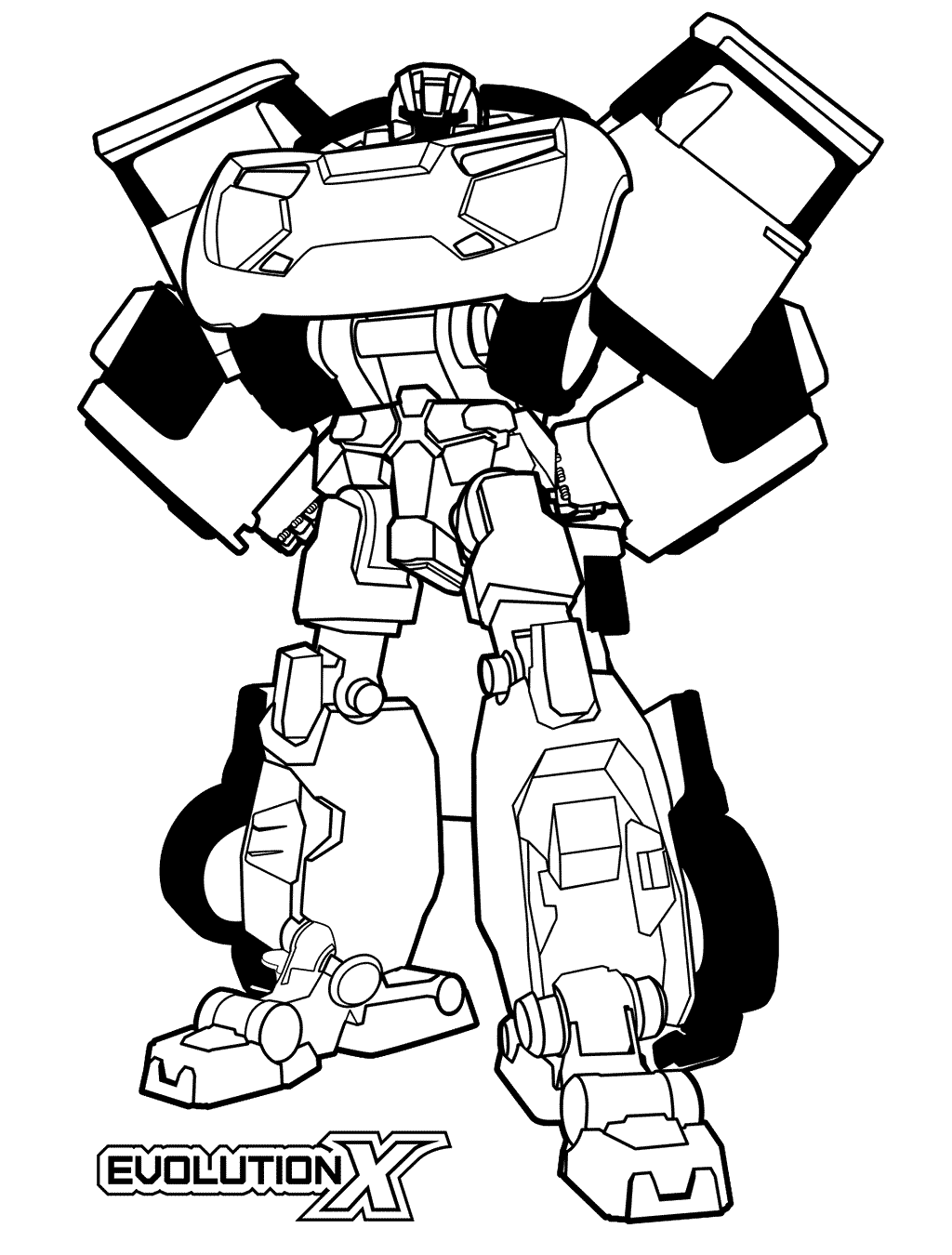
Tobot X is the franchise’s primary robot – the first and most iconic Tobot, whose white and blue color scheme has become the visual identity of the entire line. In vehicle mode, Tobot X transforms from a white SUV or sports car; in robot mode, it stands tall with angular white armor, blue accent panels, and the visual language of a robot designed to be recognizable and trustworthy rather than threatening.

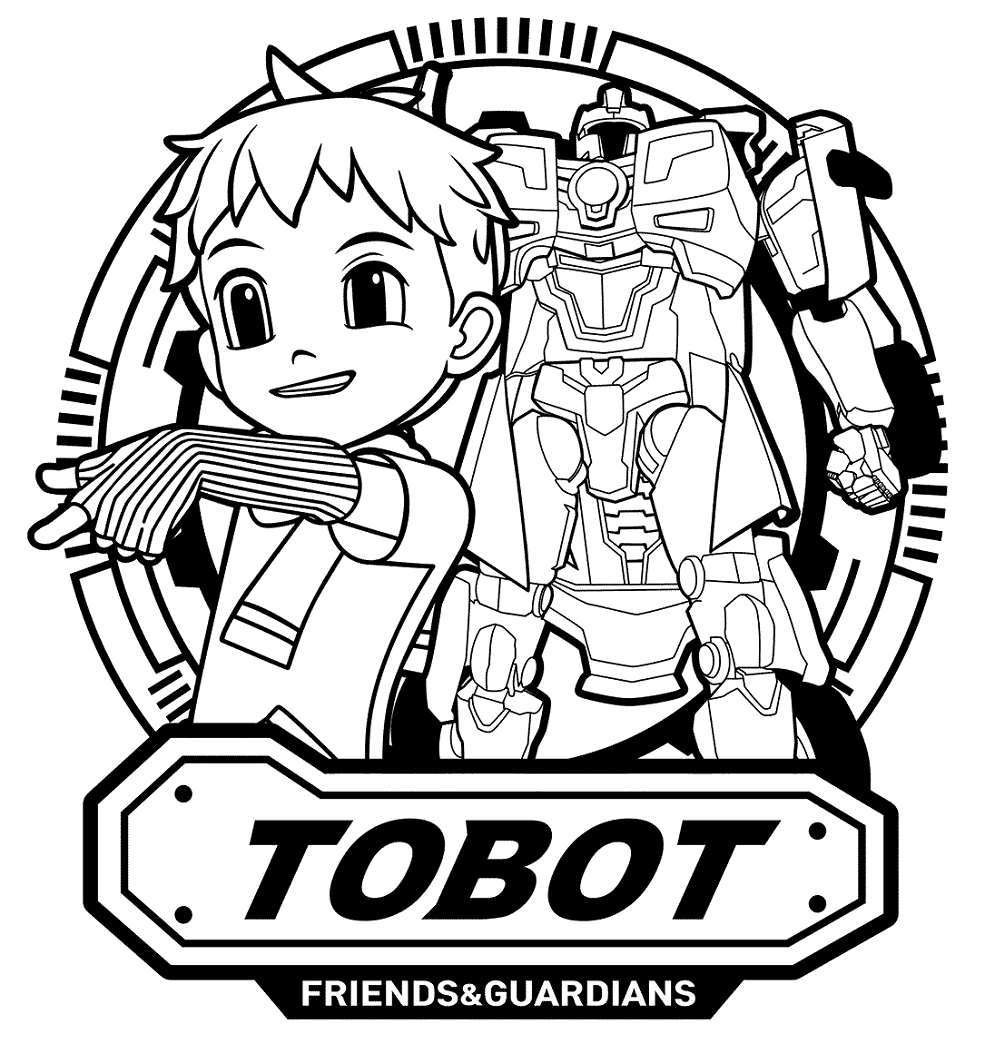
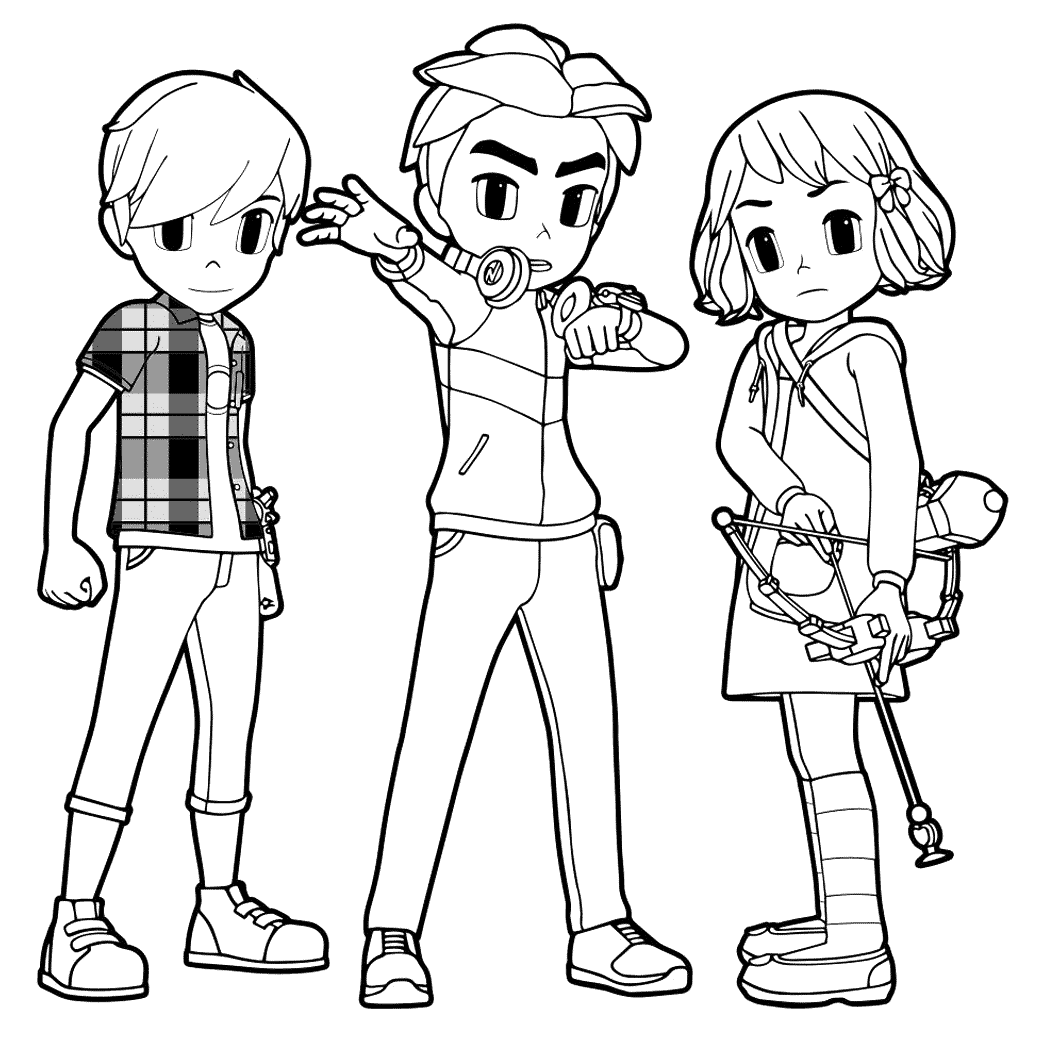
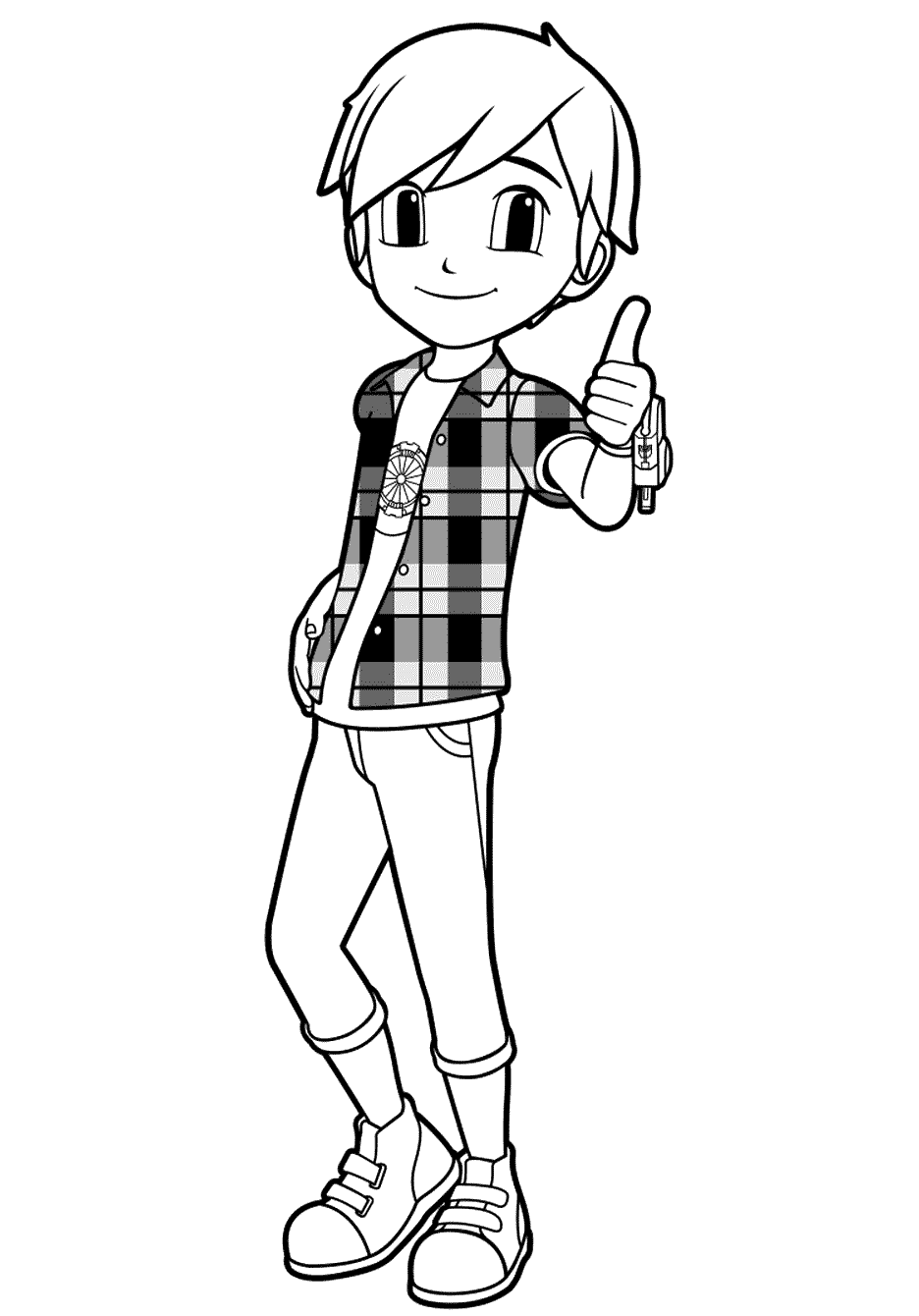
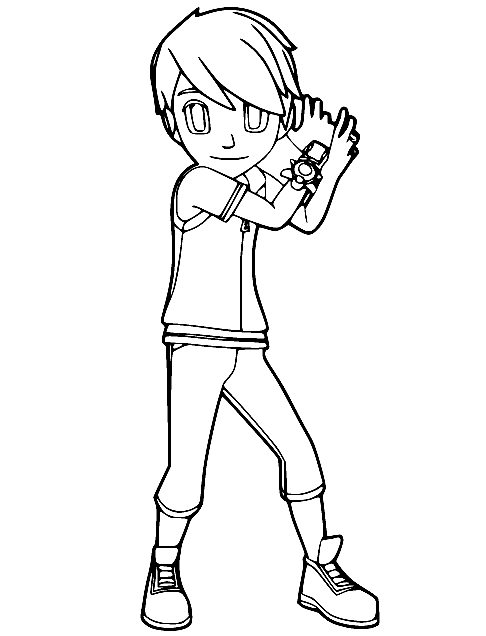
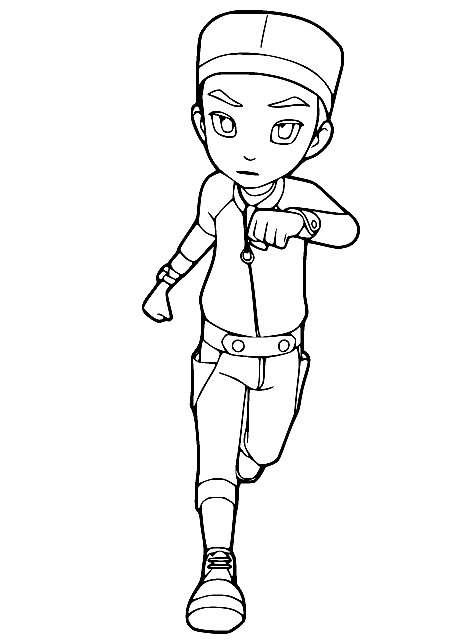
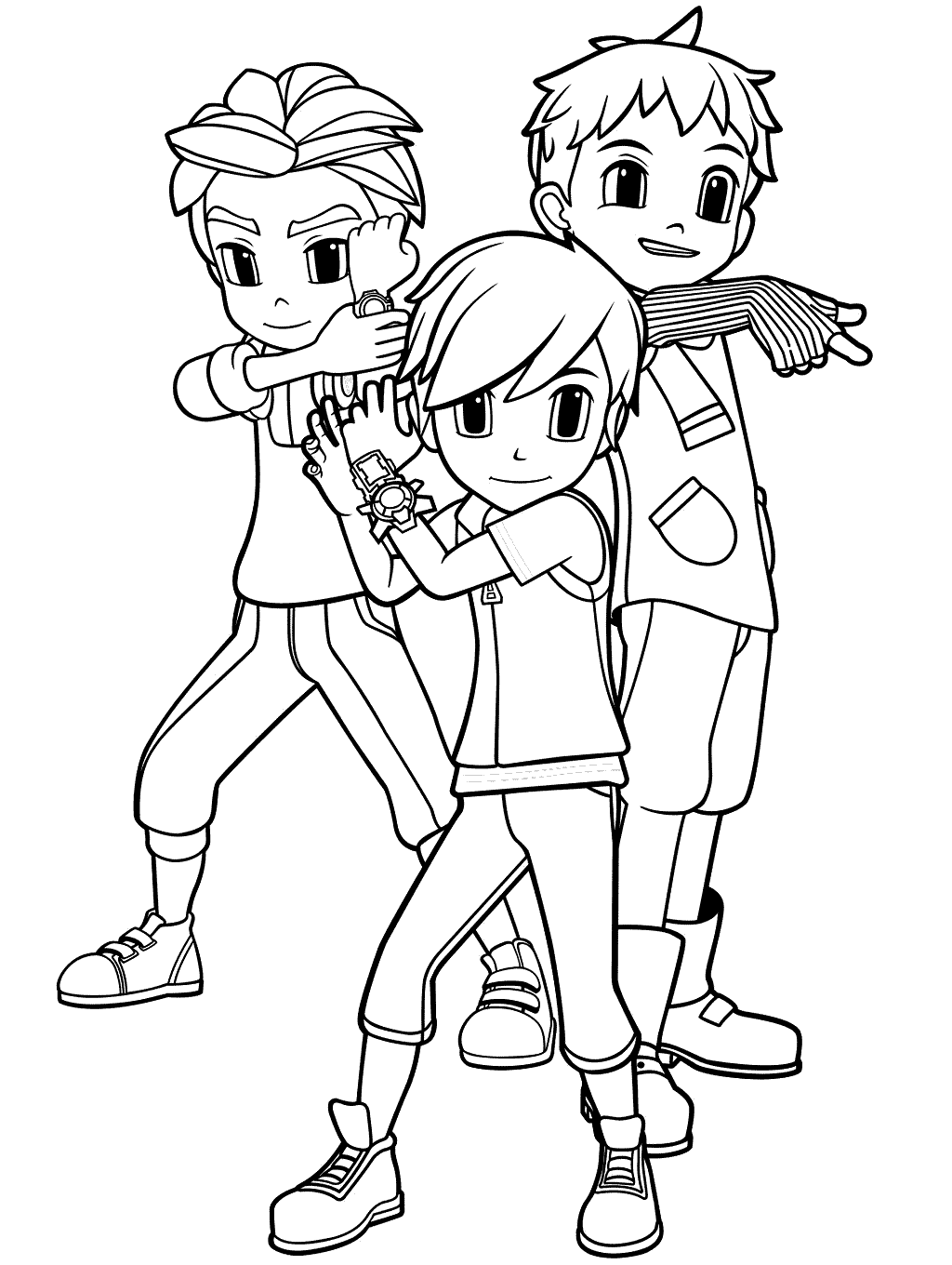
Tobot X is partnered with Ryan (called Yohan in the Korean original) – the older of the twin brothers who form the franchise’s central human characters. Their partnership is the relationship the series builds its emotional core around: a boy and his robot companion, each capable of things the other cannot do, working together because that combination produces results neither could achieve alone.

The Tobot X pages are the collection’s most numerous, as the franchise’s leading character, X, appears across portrait pages, action pages, vehicle mode pages, and the combined robot pages that appear when multiple Tobots merge.

Coloring Tobot X: White and blue in a specific, clear relationship – white dominates the body armor, blue appears in the accent panels, visors, and decorative elements. The white should be rendered with cool blue-grey shadows rather than warm shadows – robot armor is a metallic surface, and metallic white reflects cool light. The blue accents should be vivid, slightly electric blue rather than a dark navy – Tobot X’s design reads as bright and accessible, not dark and intimidating.

Tobot Y – The Yellow Speedster

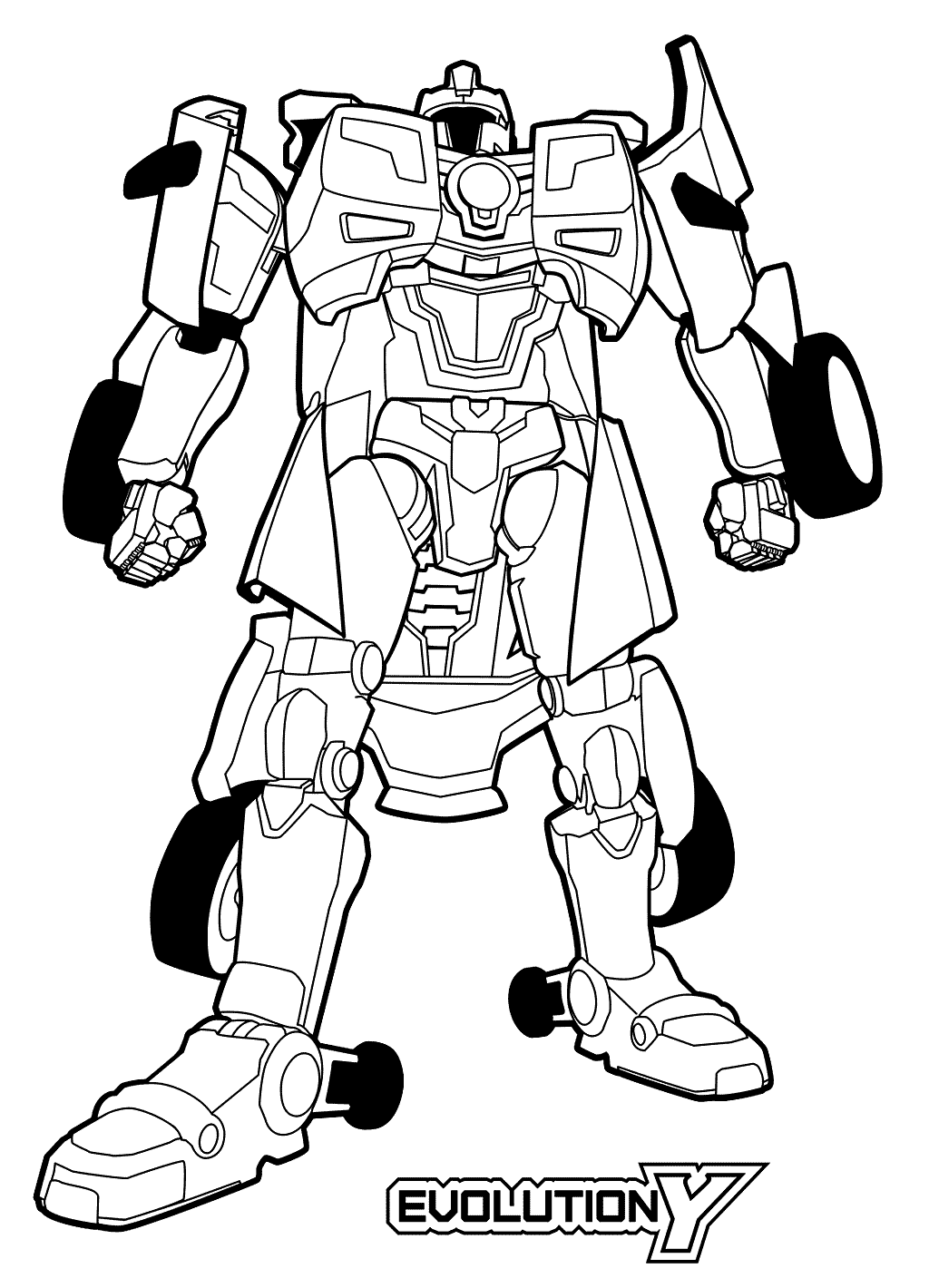
Tobot Y is partnered with Chase (Jiho in Korean) – the younger twin, whose vehicle is a yellow sports car or coupe. Tobot Y’s robot mode is all speed and energy: yellow and white, with a more streamlined silhouette than Tobot X that communicates quick movement rather than solid defense.

The yellow of Tobot Y is the most visually immediate color in the franchise – bright, warm, and immediately visible. The character’s personality matches: quick to act, enthusiastic, the kind of energy that charges into situations where Tobot X would be more measured.

The Tobot Y pages show him in racing stances, transformation sequences, and alongside Chase in action scenes. His vehicle mode pages give the clean side-view or three-quarter-view of the sports car before and during transformation.

Coloring Tobot Y: Vivid, warm yellow across the primary body surfaces – not a cool or pale yellow but the saturated yellow of a sports car that wants to be seen. The white accents should be crisp against the yellow. The car body elements visible in his robot mode – panel lines, wheel arches, door shapes – receive the same yellow but can be given slightly deeper yellow-orange in their recessed areas to suggest the car body’s depth.

Tobot Z and Combined Forms

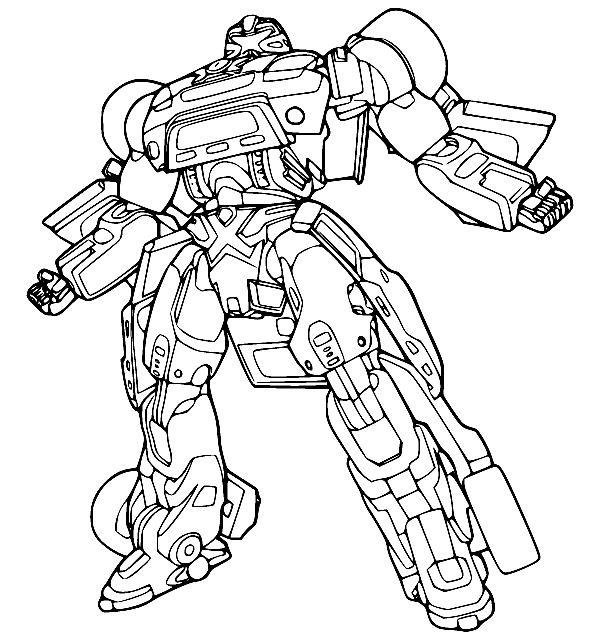
The Tobot franchise uses a combination – the merging of two or more Tobots into a single, larger, more powerful robot – as one of its primary story and toy mechanics. Combined forms typically involve Tobot X and Tobot Y merging, with the resulting robot combining their color schemes and capabilities.

The combined form pages are the collection’s most structurally complex – twice as many robot elements, two color schemes needing to read as a unified whole, and the specific visual challenge of making a combination robot look like it belongs together rather than like two robots forced into proximity.

Coloring combined forms: The white of Tobot X and the yellow of Tobot Y should each be clearly visible in the combined robot – the combination only reads correctly when both source robots’ colors are identifiable in the result. The challenge is making the division between the two sections feel intentional rather than arbitrary. Look at which parts of the body come from each robot and color accordingly.

Tobot Athlon Series

The Athlon series represents the franchise’s expansion into sports vehicle territory – Tobots based on racing cars, motorcycles, and athletic performance vehicles. This sub-series has its own color schemes and robot designs, typically more streamlined than the original Tobots and with more aggressive stances that reflect their performance vehicle origins.

The Athlon pages give the franchise’s fastest and most aerodynamic designs – less of the boxy, sturdy quality of the original Tobots and more of the swept-back, low-profile aesthetic of racing machinery.

Tobot Galaxy Detectives

Tobot Galaxy Detectives is a later series in the franchise that shifts the setting from Earth to space – alien environments, spacecraft, in addition to ground vehicles, and a tone that adds science fiction adventure to the franchise’s existing robot-action framework. The Galaxy Detectives Tobots have designs that incorporate space vehicle elements – thruster panels, cockpit-shaped chest pieces, antenna details – alongside the franchise’s established robot-body vocabulary.

These pages are the collection’s most varied in terms of background possibilities – the space setting gives colorists the option of deep space backgrounds, planet surfaces, and starfield environments that the Earth-based original series does not.

Vehicle Mode Pages

Several pages show the Tobots in their vehicle forms – the cars, SUVs, and sports vehicles before transformation. These pages function differently from the robot pages: they are automotive coloring pages first and robot franchise pages second, with the specific visual pleasure of rendering a clean vehicle outline.

The vehicle pages are the collection’s most accessible for very young fans who may be more comfortable with car shapes than robot anatomy, and they reward the automotive coloring techniques – three-zone metallic treatment, window reflections, tire rendering – that apply to all vehicle imagery.

What These Pages Do

Tobot’s franchise structure teaches transformation as a visual concept. A robot that is also a car requires the colorist to understand that the same colored elements serve two different visual functions depending on context – the yellow that is a car panel in vehicle mode is a shoulder plate in robot mode. Coloring both forms of the same Tobot while paying attention to this relationship teaches visual transformation literacy.

The friendship theme is accessible to the youngest fans. Tobot’s narrative centers on the bond between children and their robot companions – a relationship the series treats as genuine and mutual. The character pages that show a Tobot alongside their human partner carry this emotional content. For young fans who love the series, coloring these pages is time spent with characters they care about.

Robot surface complexity develops fine motor skills through motivated practice. The angular panel structures, detail lines, and mechanical joints of Tobot’s robot designs provide an extensive fine motor challenge. The American Academy of Pediatrics identifies fine motor development as a key childhood milestone throughout early childhood. The motivated, careful practice that a young Tobot fan brings to getting Tobot X’s chest panel configuration right is exactly what that development requires.

The 2005 Art Therapy Journal study applies throughout. Structured coloring reduces anxiety through focused, sustained attention. The specific quality of working toward a recognizable character – building Tobot X’s white and blue from the line drawing outward – produces exactly the calm, absorbed state the research identifies as most effective.

How to Color These Pages Well

Establish the light source before any color goes down. Robot bodies – with their flat panels, sharp corners, and metallic surfaces – respond dramatically to consistent light direction. Before applying color to any robot page, decide: where is the light coming from? Upper left is the standard choice. Every flat panel facing the upper-left receives the lightest tone. Every flat panel facing away receives the shadow tone. Every edge facing the light source receives the brightest possible highlight. This decision, made once and applied consistently, transforms a flat robot coloring into an illustration with genuine form.

Panel lines are the robot’s skeleton. The lines that divide one armor panel from another on a Tobot’s body are not decorative – they are structural, showing where separate pieces of armor meet. These panel lines should be rendered in the darkest tone on any surface, slightly darker than the shadow zone of the panel they divide. This makes the panels read as separate, overlapping pieces rather than as a single flat shape.

Tobot X’s white requires discipline. Pure white applied without shadow reads as uncolored paper. Apply a very light cool grey (almost white, with a slight blue shift) in the shadow areas of every white panel – where panels overlap, where the body turns away from the light, under overhanging elements. The result should still read as white, but as a three-dimensional white surface rather than a flat area.

Tobot Y’s yellow wants full saturation. The common mistake with yellow is pulling back from full saturation – yellow is a color that beginners often apply timidly. Tobot Y’s design is built around a yellow that is as vivid as yellow can be. Apply it with full pressure and complete coverage. The shadow areas can shift toward yellow-orange rather than brown or grey – keeping the shadow warm and within the yellow family maintains the character’s energy even in shaded areas.

Window surfaces on vehicle mode pages reflect the environment. Car windows in coloring pages are most effectively rendered with a two-tone approach: a slightly darker tone across the lower two-thirds of the window (representing the interior darkness), and a white or near-white highlight along the upper edge and one corner (representing sky reflection). This makes the glass read as transparent and reflective rather than as a solid colored shape.

5 Creative Craft Ideas

Before and After Transformation Display

Print one vehicle mode page and one robot mode page of the same Tobot – either Tobot X (the white SUV and the white-blue robot) or Tobot Y (the yellow sports car and the yellow-white robot). Color both pages in consistent colors – the same yellow on both the car and the robot, the same white-blue for Tobot X in both forms.

Mount both side by side on a dark backing sheet with an arrow pointing from the vehicle to the robot. Add a hand-lettered caption: “Tobot X – Vehicle Mode” and “Tobot X – Robot Mode.” The finished display makes the franchise’s central conceit – one object, two forms – visible as a direct visual comparison.

Brothers and Robots Team Display

Print Tobot X and Tobot Y together on whatever group page is available, or print the two individual robot pages side by side. Color Tobot X in white and blue, Tobot Y in yellow and white – the contrast between the two robots’ palettes should be immediate.

Below the robots, draw or print simple silhouettes of the twin brothers – Ryan on the left below Tobot X, Chase on the right below Tobot Y. Connect each brother to his robot with a hand-drawn line. Add the title “The Kang Brothers and Their Tobots” at the top.

The finished display captures the franchise’s core partnership structure – two brothers, two robots, one team.

Tobot Color Study Cards

Print three copies of the same robot page – ideally, a full-body Tobot X page. Color the first in the canonical white and blue. Color the second in a completely different color scheme of your choice – what if Tobot X were red and gold? Color the third in a third color combination – green and silver? Black and orange?

Mount all three with labels: “Canonical Colors,” “Custom Version 1,” “Custom Version 2.” The exercise explores how radically the same robot design reads differently across different color choices – teaching the specific lesson that color is a design decision with consequences, not a neutral filling-in exercise.

Combined Robot Assembly Diagram

If the collection includes both individual Tobot pages and a combined form page, use them to create an assembly diagram. Print and color Tobot X – cut it out carefully. Print and color Tobot Y – cut it out. Print and color the combined form.

On a large backing sheet, arrange the individual robots at the top with arrows pointing down to the combined form below. Add labels: “Tobot X + Tobot Y = [Combined Name].” The result reads as an instruction diagram – how the combination works, shown through colored cutouts arranged in relation to each other.

My Tobot Design

Use the simplest, most structurally open robot page in the collection as a starting point. Color the existing elements, then add your own design choices in the open areas – a personal color scheme, an insignia on the chest panel drawn in fine-tip marker, a vehicle mode element that isn’t in the original drawing.

Name your Tobot design. Write the name across the bottom of the page – “Tobot [Your Name]” or a name you invent following the franchise’s letter-based naming convention. What vehicle does your Tobot transform from? What are its special abilities? Write those on the back.

Frequently Asked Questions

What is Tobot, and where does it come from? Tobot is a South Korean animated franchise created by Young Toys – one of South Korea’s major toy manufacturers – in partnership with animation studio ROI Visual. The series first aired on KBS (Korean Broadcasting System) in 2010 and has expanded into multiple series and spin-offs, including Tobot Athlon, Tobot Galaxy Detectives, Tobot Adventure, and Tobot Knight. The franchise is particularly popular in South Korea and across Southeast Asia, including Vietnam, Malaysia, Indonesia, and Thailand, where it has developed a large dedicated following among children aged four to ten.

How is Tobot different from Transformers? Both franchises are built on the concept of vehicles that transform into robots, but they differ significantly in tone, target audience, and narrative focus. Transformers centers on a war between opposing robot factions – Autobots and Decepticons – with a tone that spans from children’s animation to adult-oriented action. Tobot is aimed at younger children, with Tobots presented as friendly guardian companions rather than warriors, partnered with specific human children, and involved in community-protection stories rather than large-scale robot wars. Tobot’s transformation mechanisms are also significantly simpler than most Transformers toys, making them more accessible for younger children.

Who are the main human characters in Tobot? The central human characters are twin brothers – called Ryan and Chase in English-language versions, Yohan and Jiho in the Korean original. Ryan/Yohan is the older twin, partnered with Tobot X. Chase/Jiho is the younger twin, partnered with Tobot Y. Their partnership with their respective Tobots is the franchise’s emotional core, and the twins’ different personalities – Ryan/Yohan being more measured, Chase/Jiho being more impulsive – are reflected in the personalities and capabilities of their robots.

What are the different Tobot series? The main Tobot series includes: the original Tobot series (2010 onwards), which introduced Tobot X and Tobot Y; Tobot Athlon, which features sports vehicle-based Tobots; Tobot Galaxy Detectives, which shifts the setting to space and introduces spacecraft-derived Tobots; Tobot Adventure (2019), a reimagining of the franchise with updated character designs; and Tobot Knight (2021), a fantasy-influenced series. Each sub-series maintains the franchise’s core concept of vehicle-transforming robot companions while introducing new vehicles, settings, and narrative themes.

What colors are Tobot X and Tobot Y? Tobot X is primarily white with blue accent panels, visors, and decorative elements – a white and blue robot that reads as clean, clear, and trustworthy. Tobot Y is primarily yellow with white accents – a yellow and white robot that reads as energetic and fast. When the two combine into their combined robot form, both color schemes are visible in the result, with the white and blue elements coming from Tobot X’s section and the yellow and white from Tobot Y’s section. The combined robot is one of the collection’s most coloristically interesting challenges because of the need to maintain both source robots’ identities in a single composition.

What age group are these pages best suited for? The simpler robot portrait pages – clean outlines with minimal background detail – work well from ages four to six, particularly for young fans of the series who want to color their favorite characters. The vehicle mode pages are similarly accessible from age four. The more complex pages – combined robot forms with many panels and overlapping elements, pages with background details, action pose pages with multiple elements – are most rewarding from ages six to nine. The collection is designed primarily for the franchise’s core demographic of children aged four to ten, and all pages in the collection are appropriate for this age group.

Browse the full collection at ColoringPagesOnly.com. All 20+ pages free, no sign-up, PDF or PNG, print at home or color online.

Young Toys built Tobot in 2010 around a simple idea: the cars in a family’s driveway could be more than transportation. They could be companions. They could transform. They could protect the people who owned them.

The franchise has run for over a decade in South Korea and spread across Southeast Asia, not because the robot designs are technically revolutionary but because the idea at the center – that a child and their robot companion are a team, and that team can handle whatever comes at it – is exactly the right idea for a children’s franchise.

Tobot X is white and blue. Tobot Y is yellow and white. Pick up the color that belongs to your favorite.

Share your work on Facebook and Pinterest and tag #Coloringpagesonly. We especially want to see the transformation displays and the custom Tobot design projects.

Color the robot. Transform the page. The team is ready.

More from our cartoon and robot collections:

Emma Wilson – Illustrator

Hey there, young artists! I’m Emma Wilson, a freelance illustrator who loves children and the magic of art. I dream of building a vibrant community where we can all come together to draw, color, and bring unique creations to life with every brush or pencil stroke. Let’s unleash our imagination in ColoringPagesOnly.Com!