Tooth Coloring Pages
 By:
Jennifer Thoa - Content Editor & Designer
Updated:
By:
Jennifer Thoa - Content Editor & Designer
Updated:
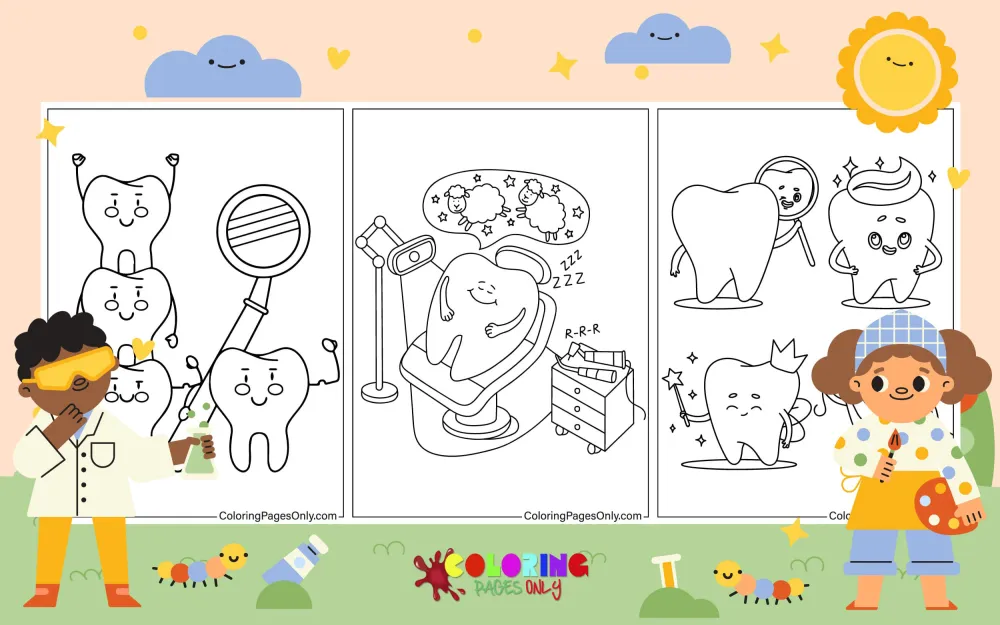
Free Tooth Coloring Pages: 24 printable PDF designs of a single tooth in a simple, consistent line-art style. Each page can be downloaded as a PDF to print or colored online in the browser.
A tooth is made up of four main layers. Enamel forms the outer surface and is the hardest material in the human body. Beneath it sits dentin, a slightly softer layer that makes up most of the tooth’s bulk. At the center is the pulp, soft tissue that holds the nerves and blood supply, and the root anchors the whole tooth into the jaw. Children have 20 primary teeth in total, which typically begin erupting between 6 and 12 months of age and start falling out around age 6, a process that continues until roughly age 12 as permanent teeth take their place.
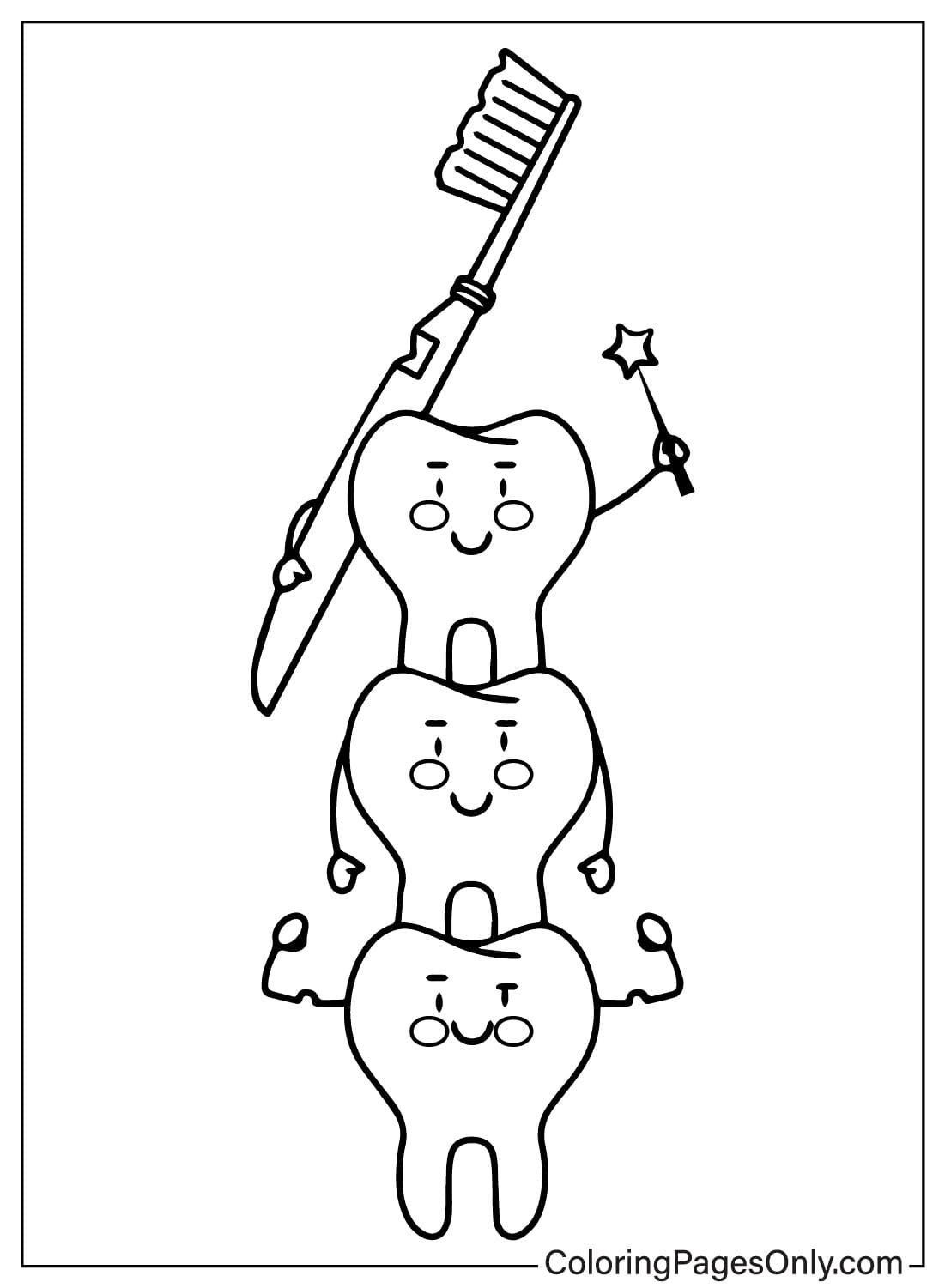
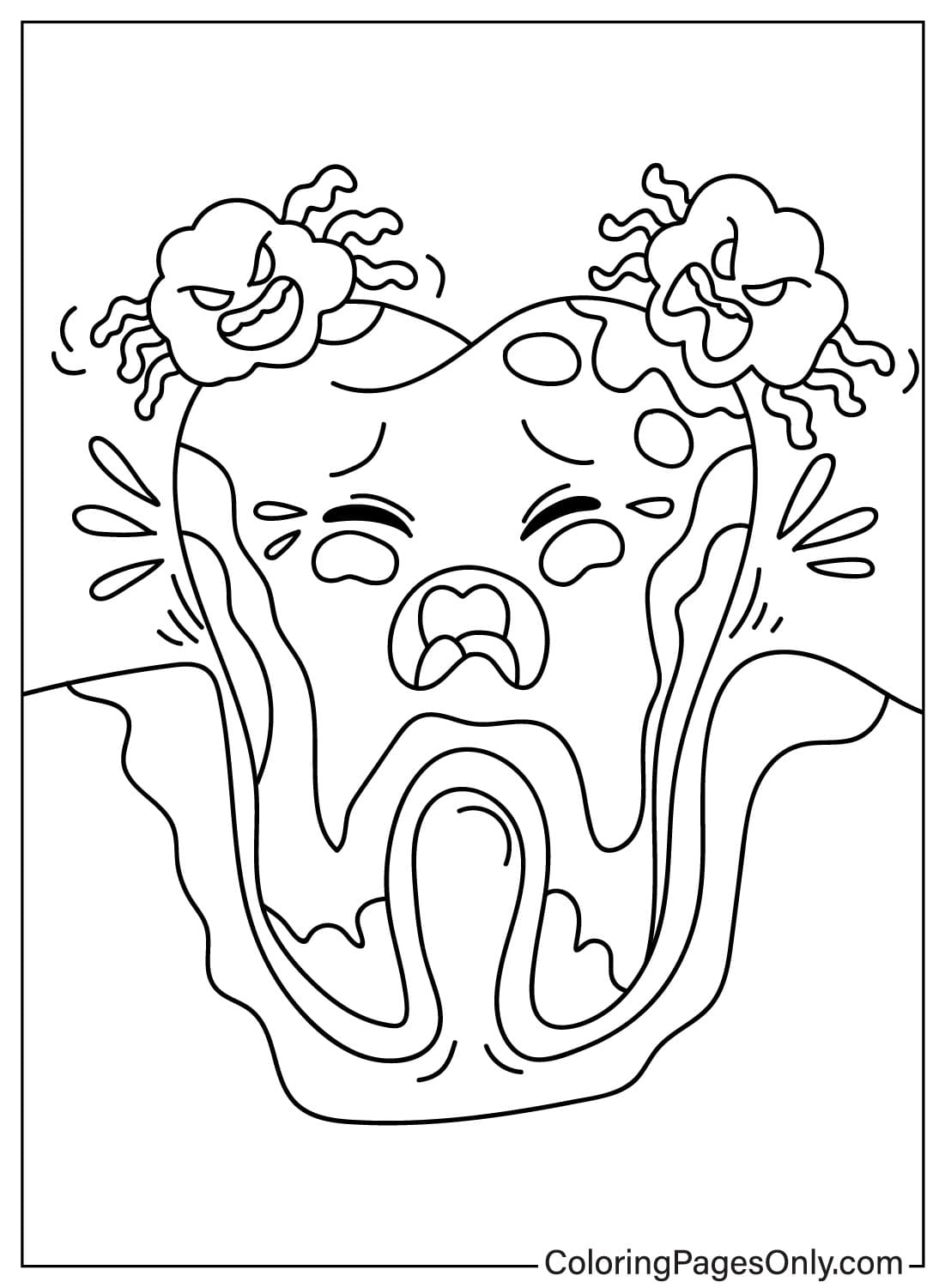
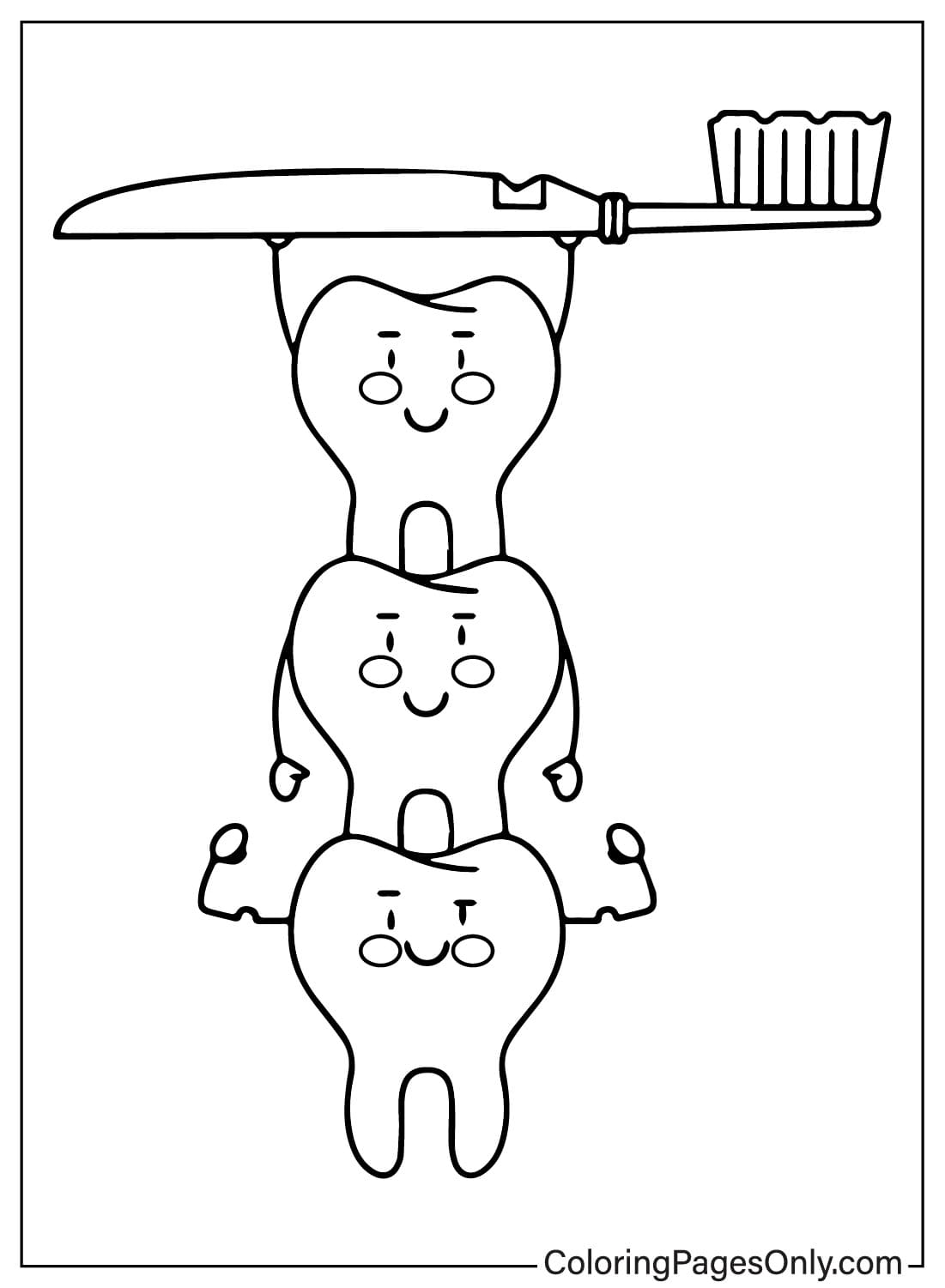
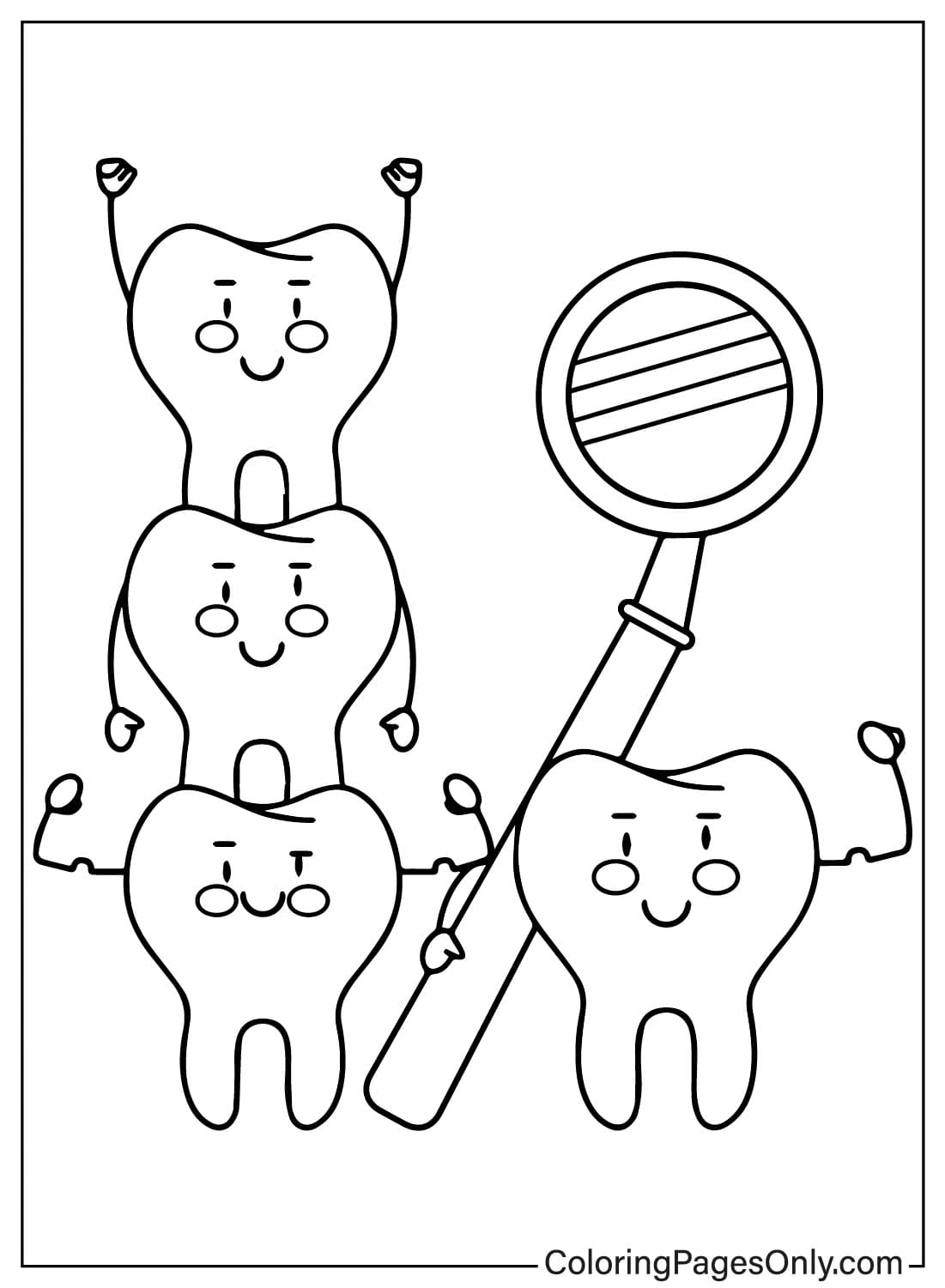
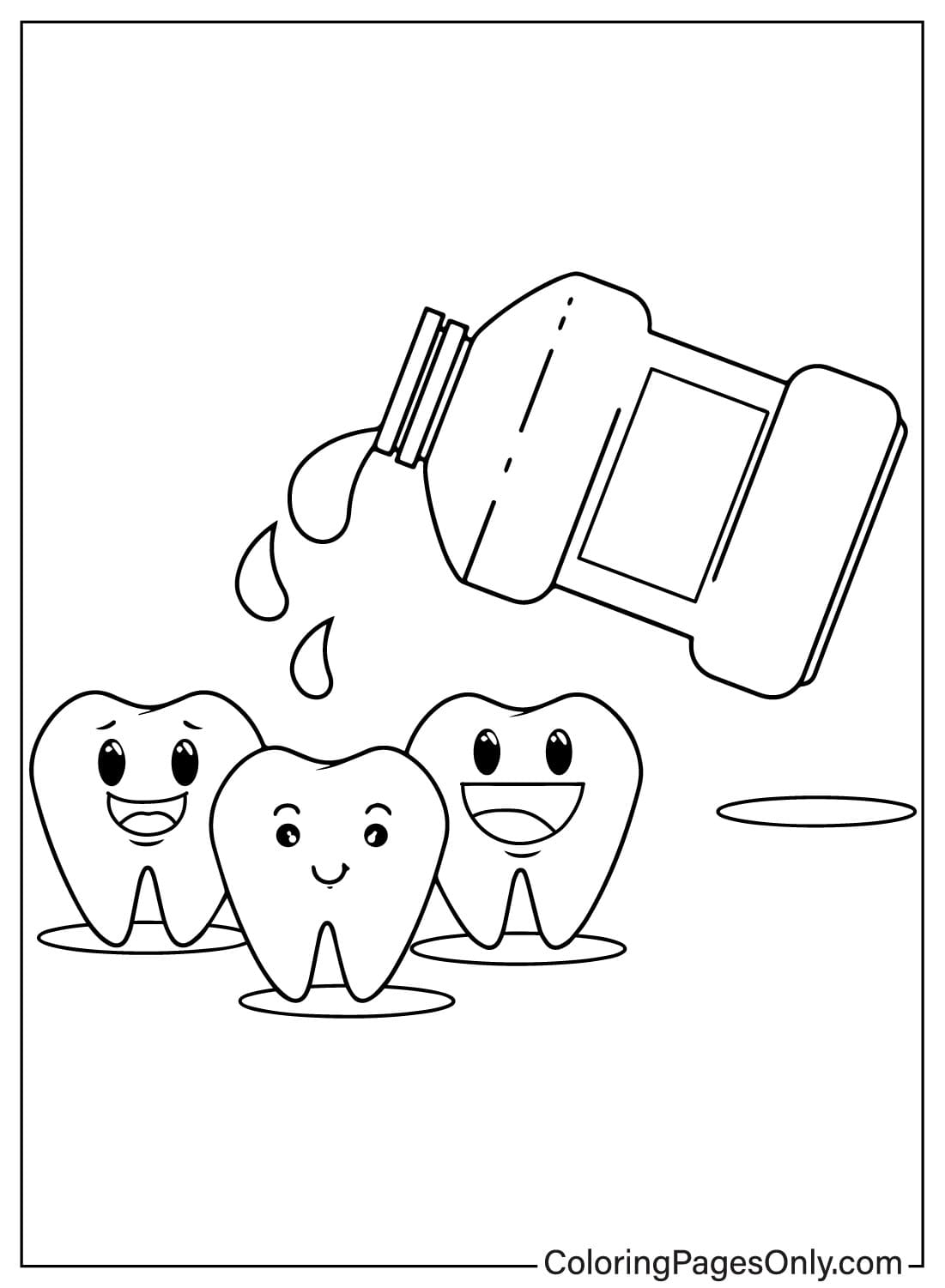
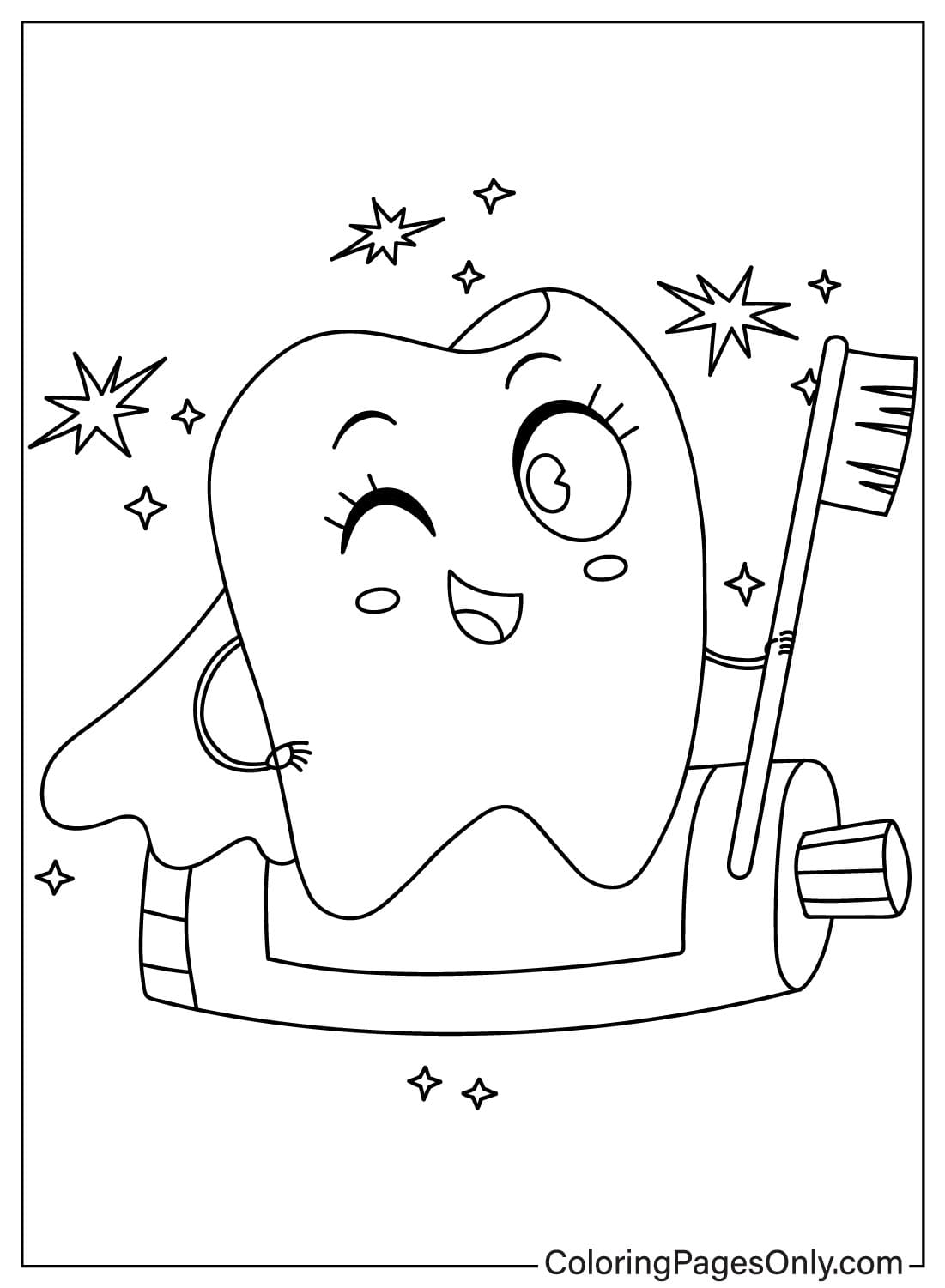
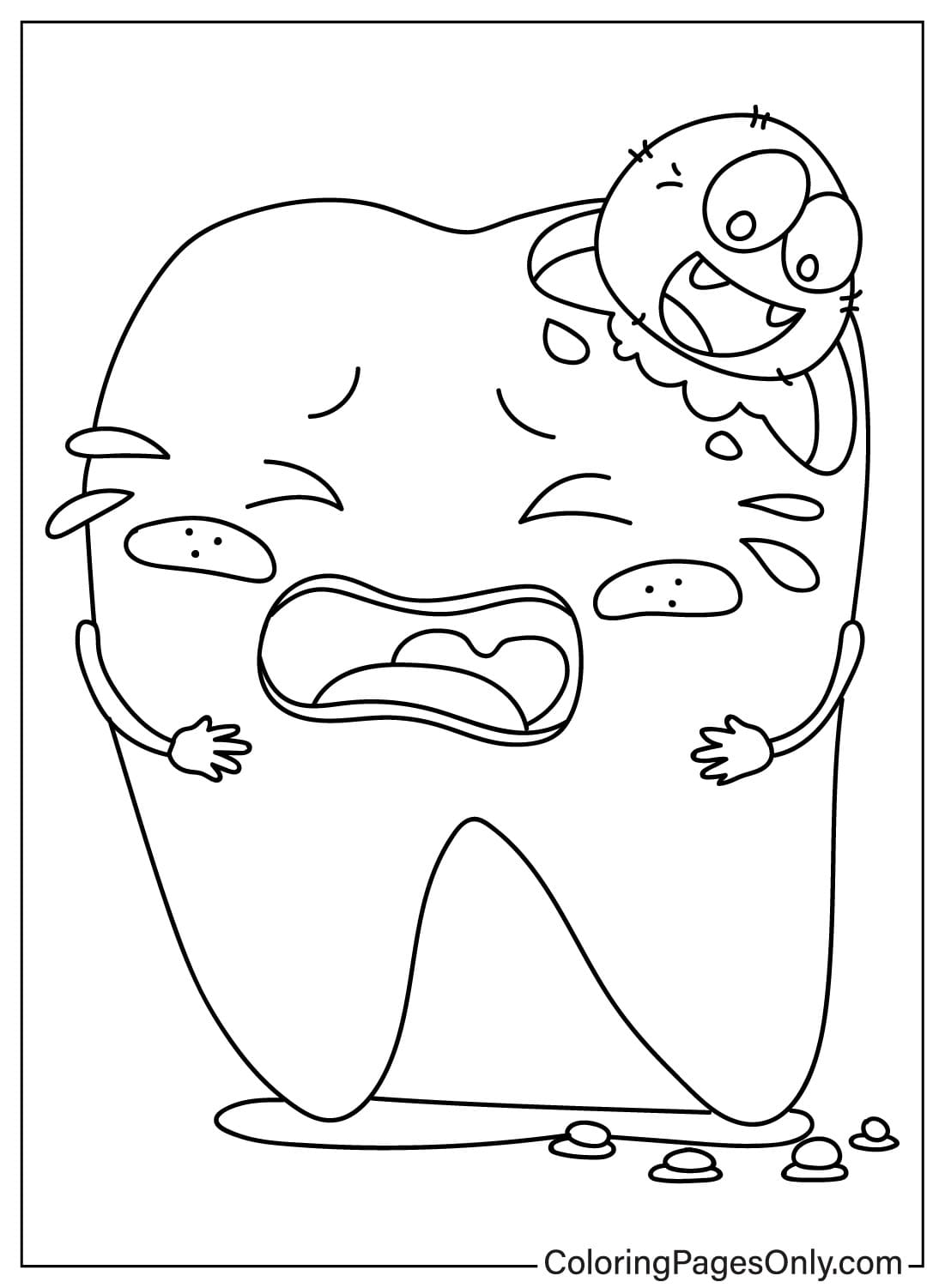
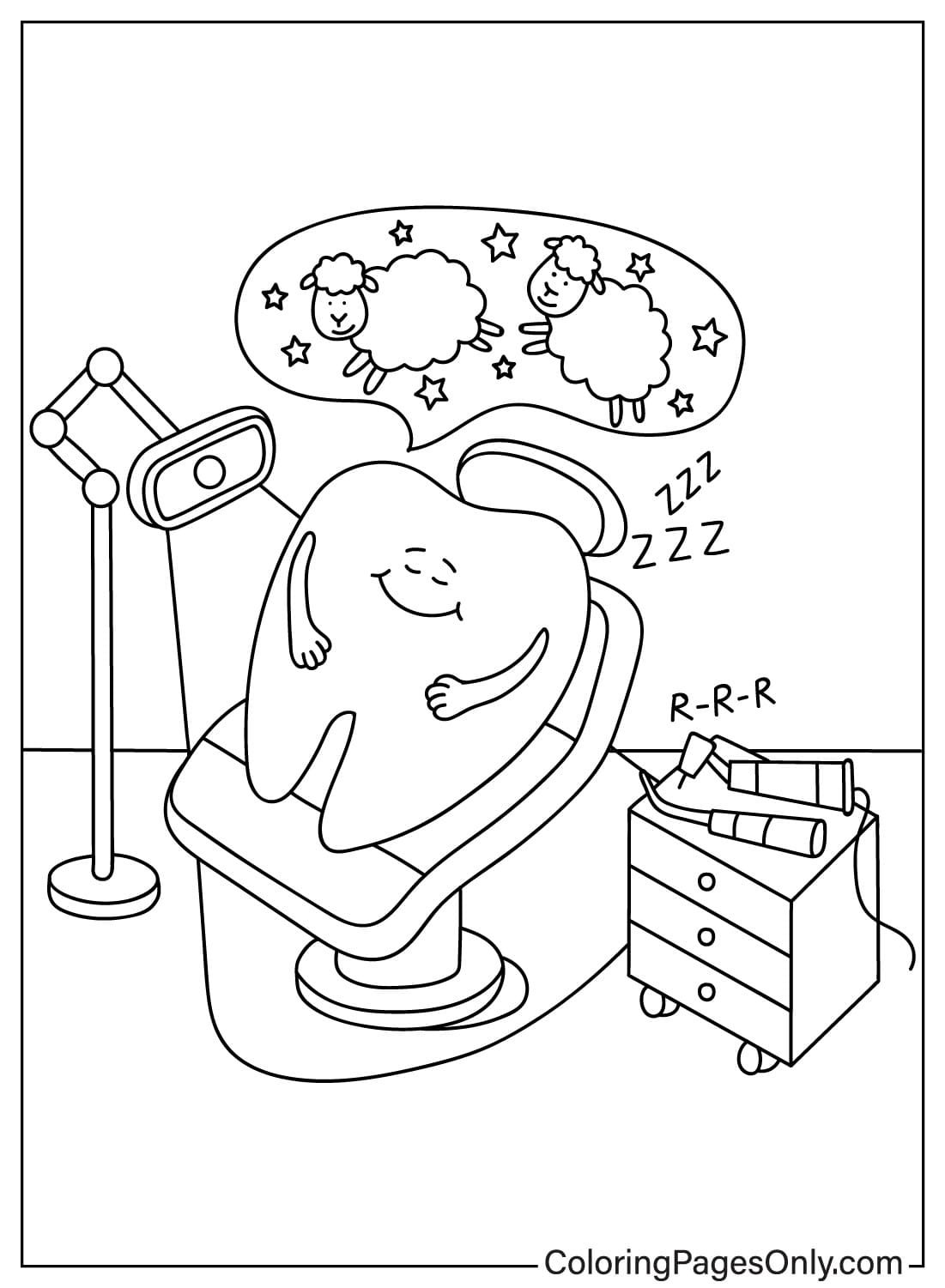
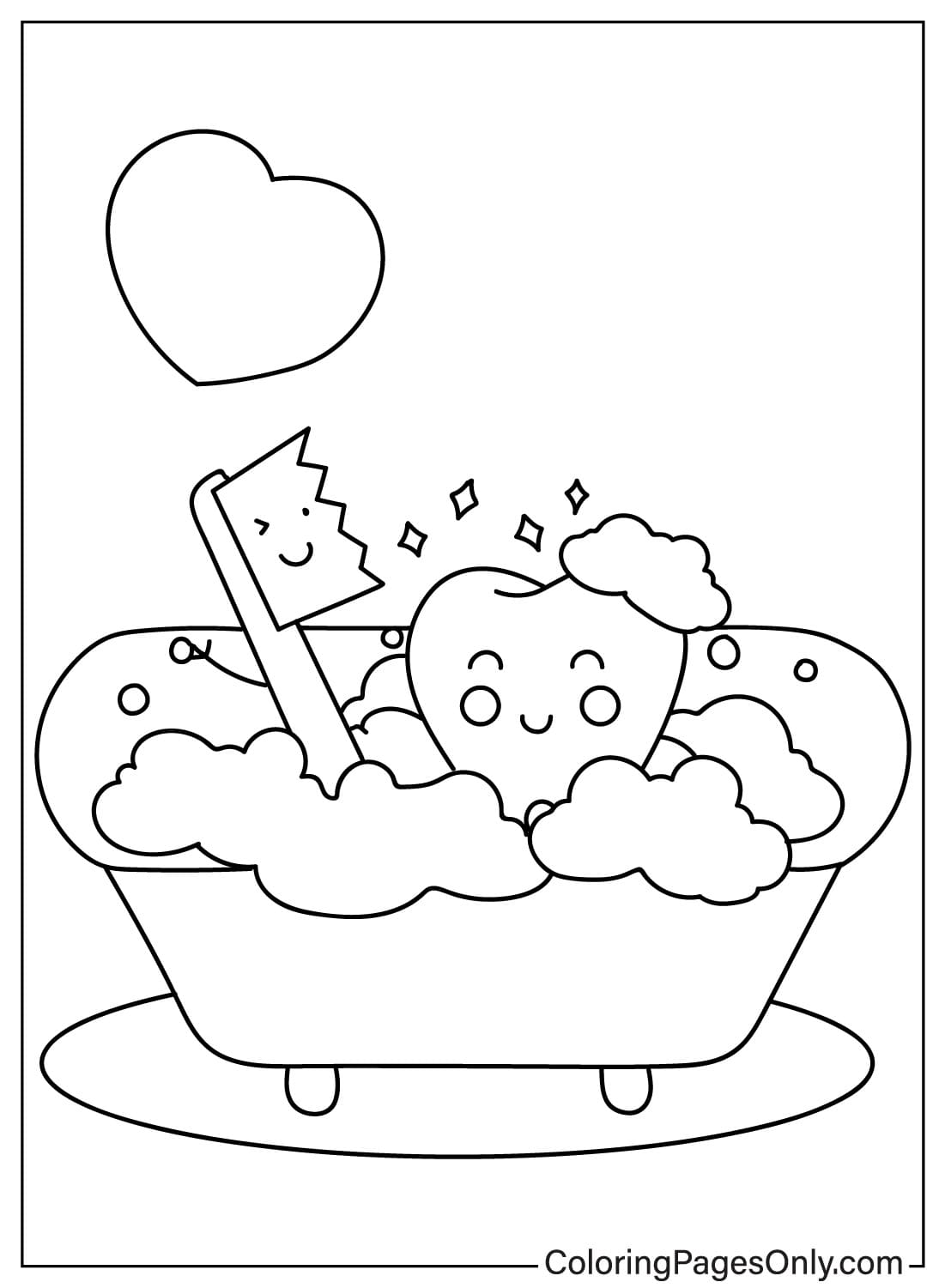
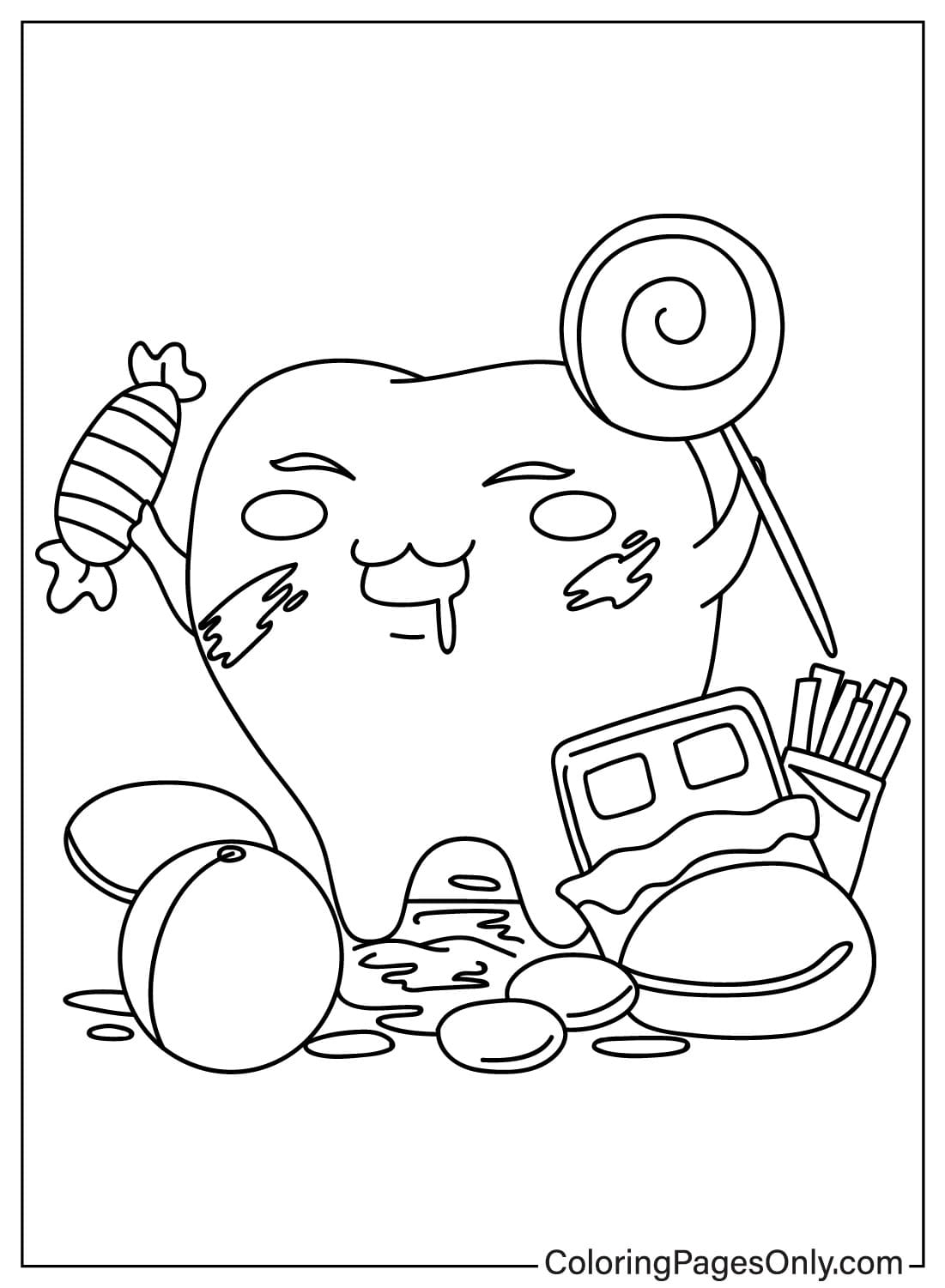
This is a smaller, more focused collection than many on the site: nearly all 24 pages present the same basic subject, a single tooth, in a consistent outline style, with only small differences in line detail between them. A couple of pages lean toward a rounder, friendlier style better suited to younger children. Because the designs are so consistent, this set works well for repeat practice or for printing several copies of a similar shape rather than for browsing a wide variety of scenes.
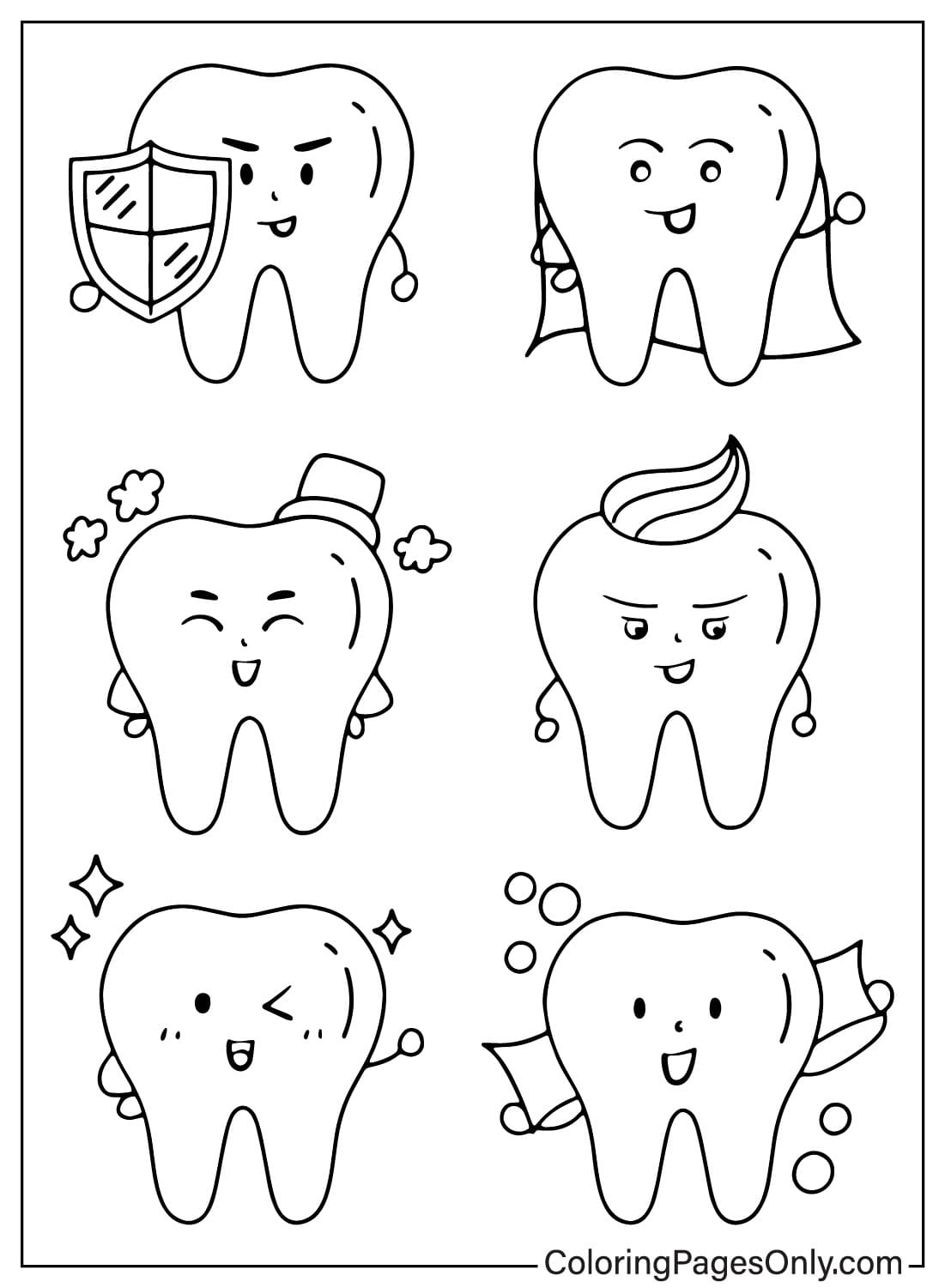
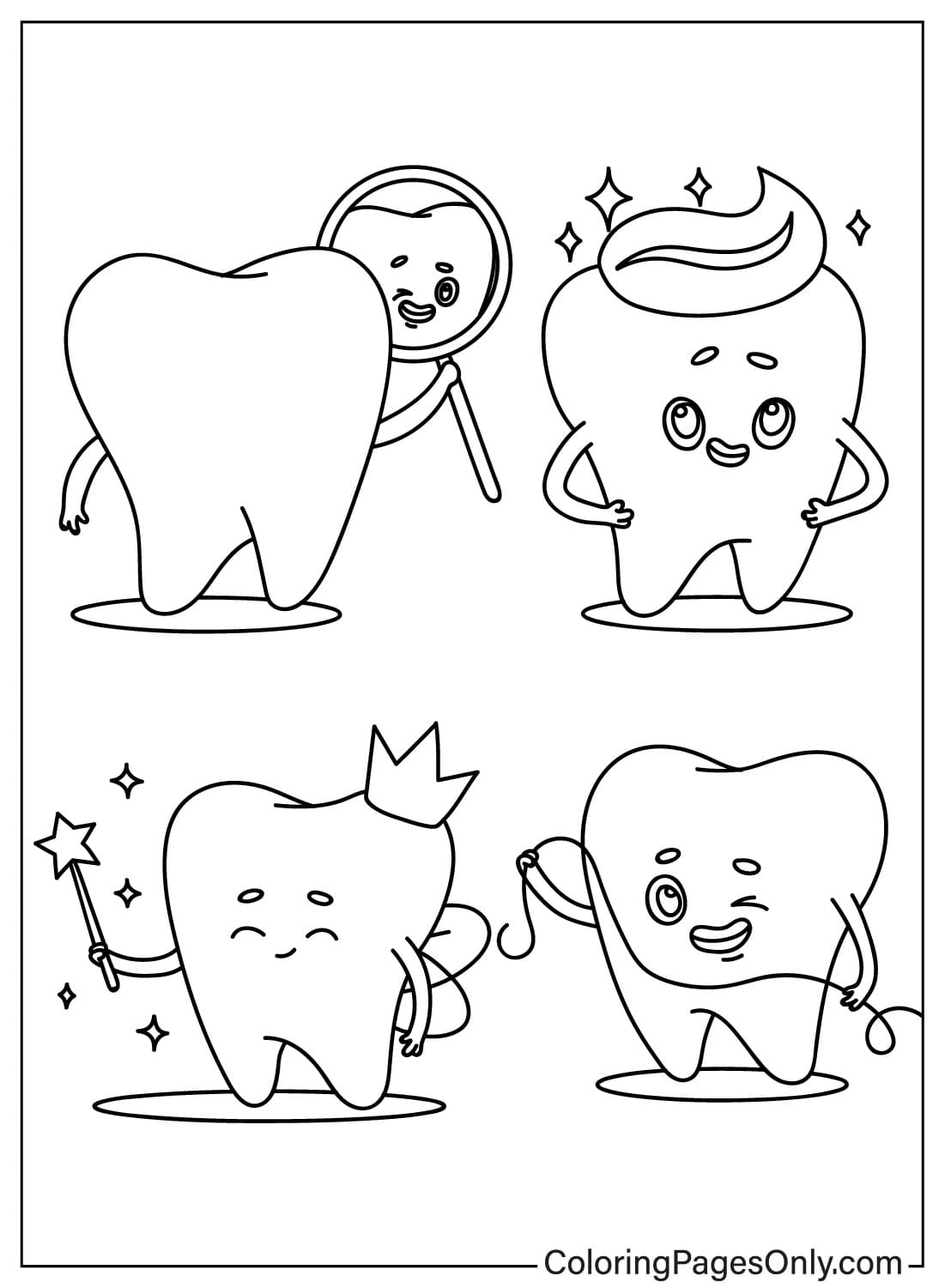
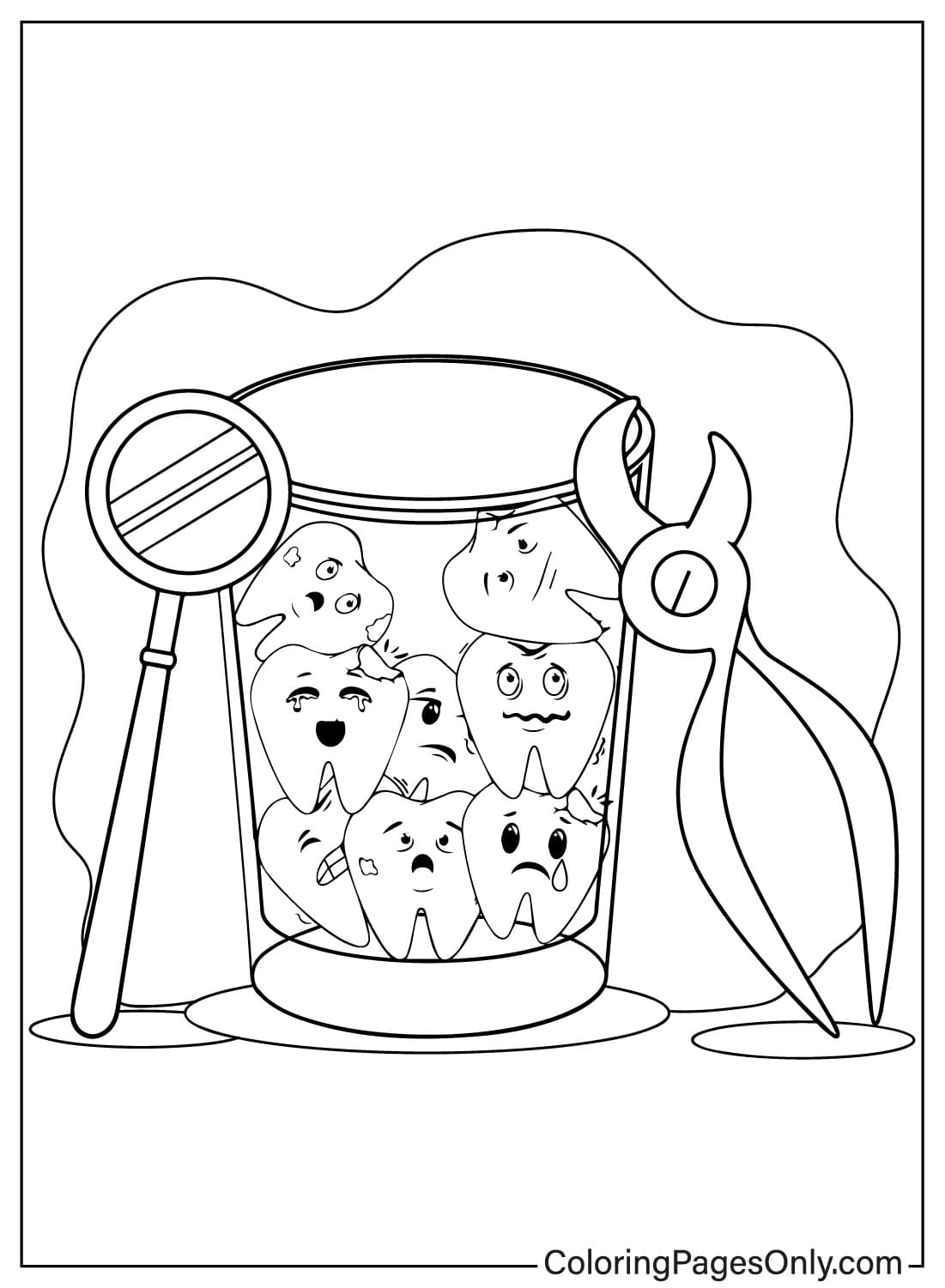
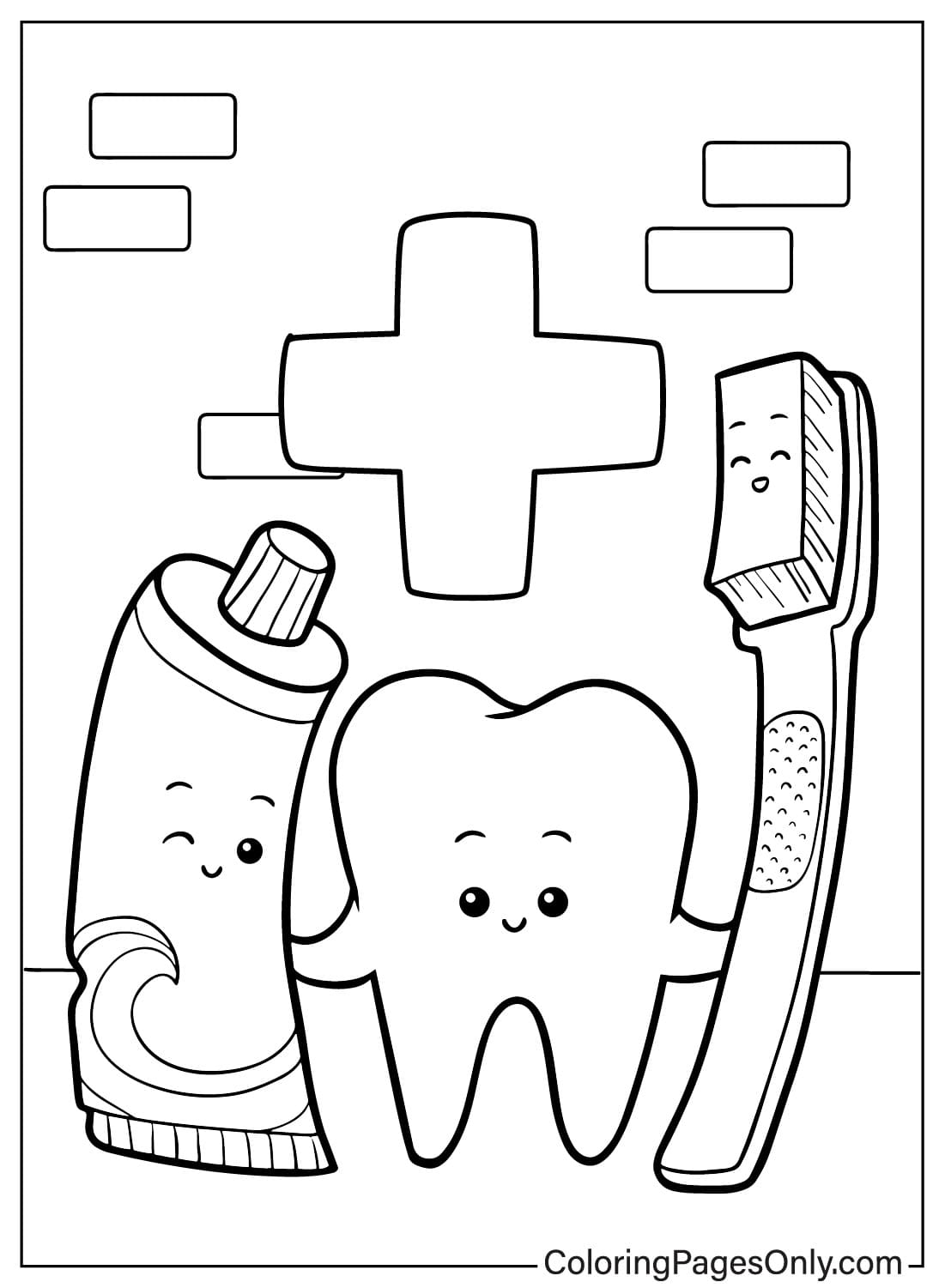
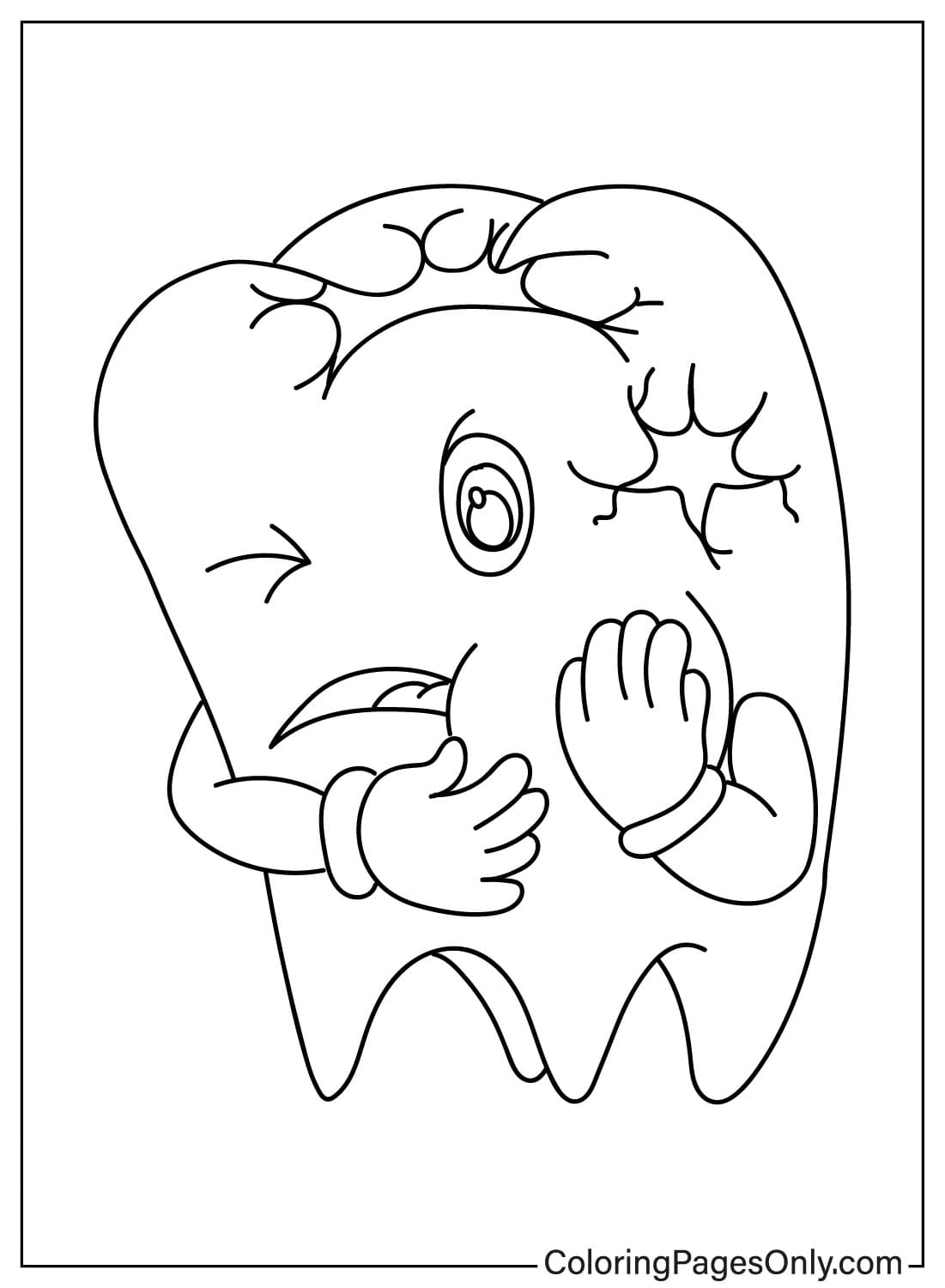
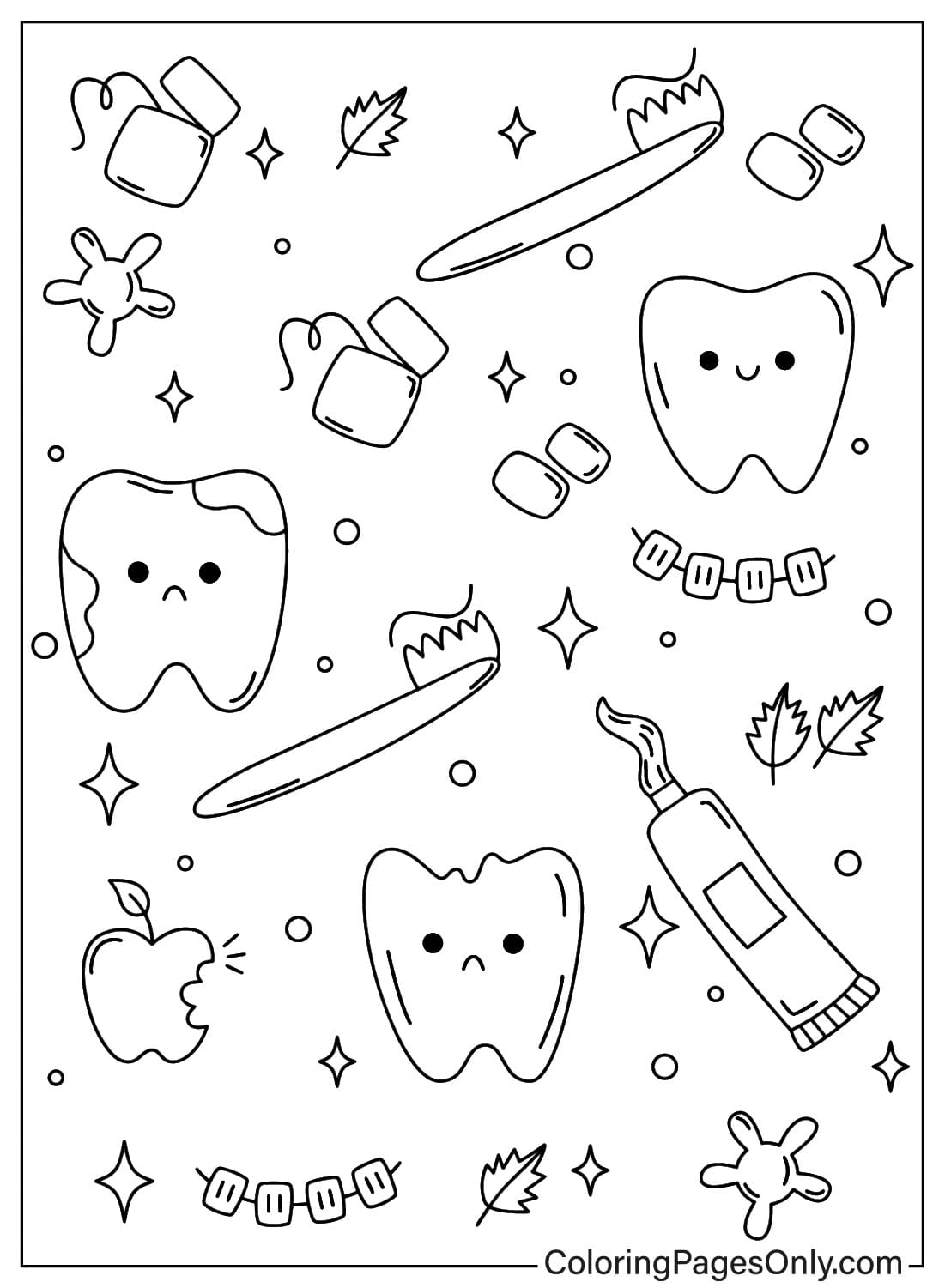
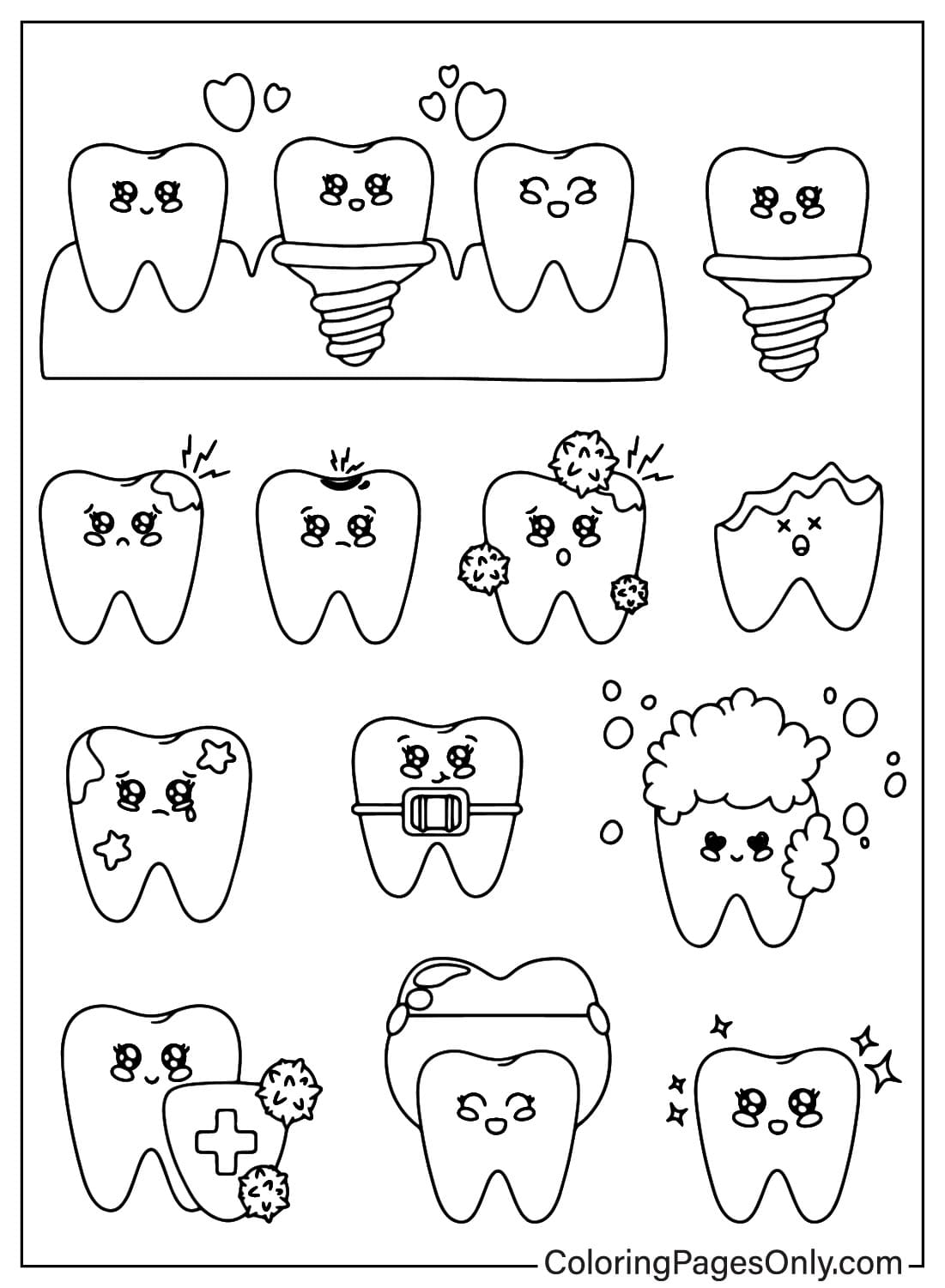
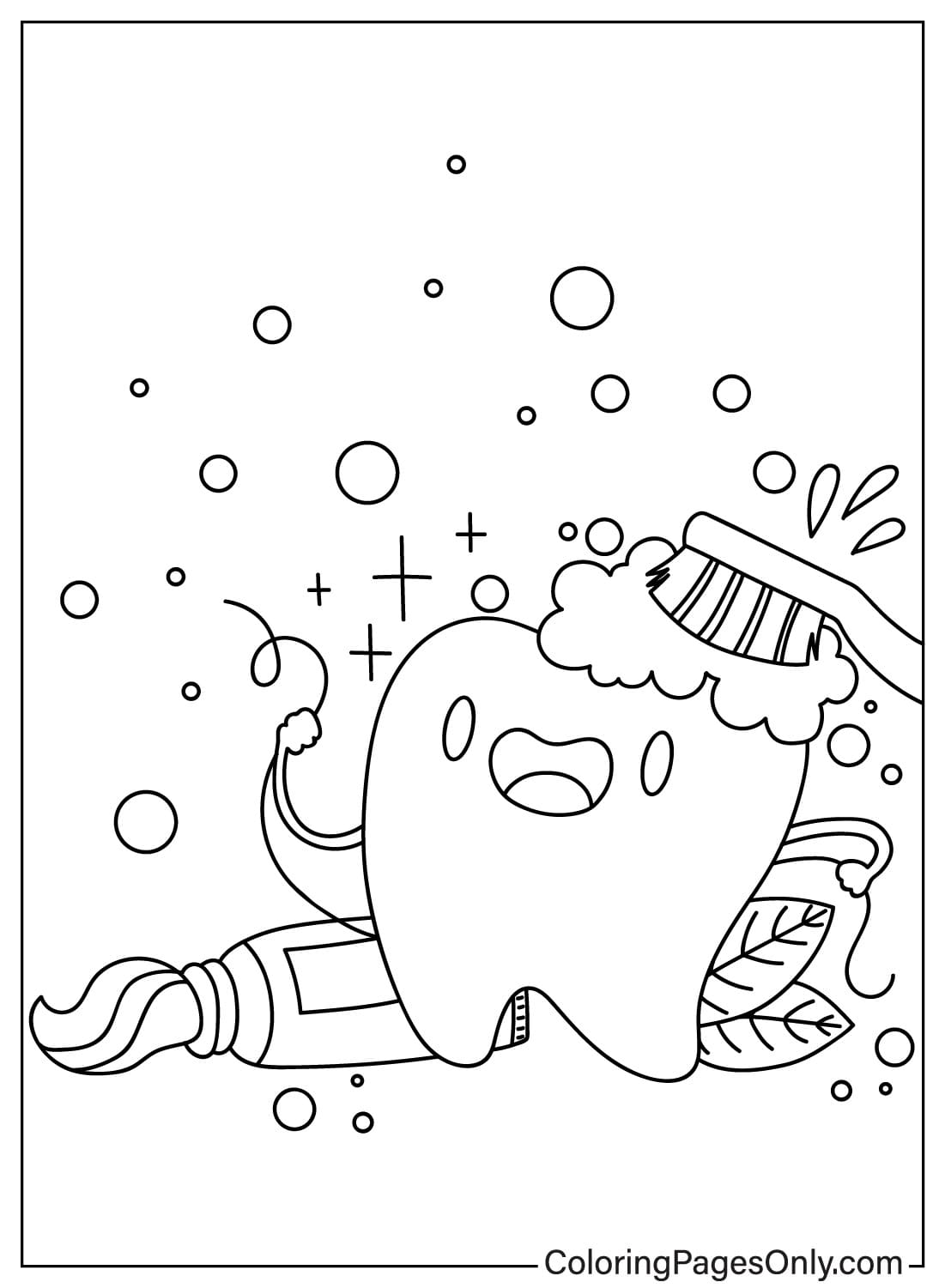
What Is Inside This Collection
Classic Tooth Outlines
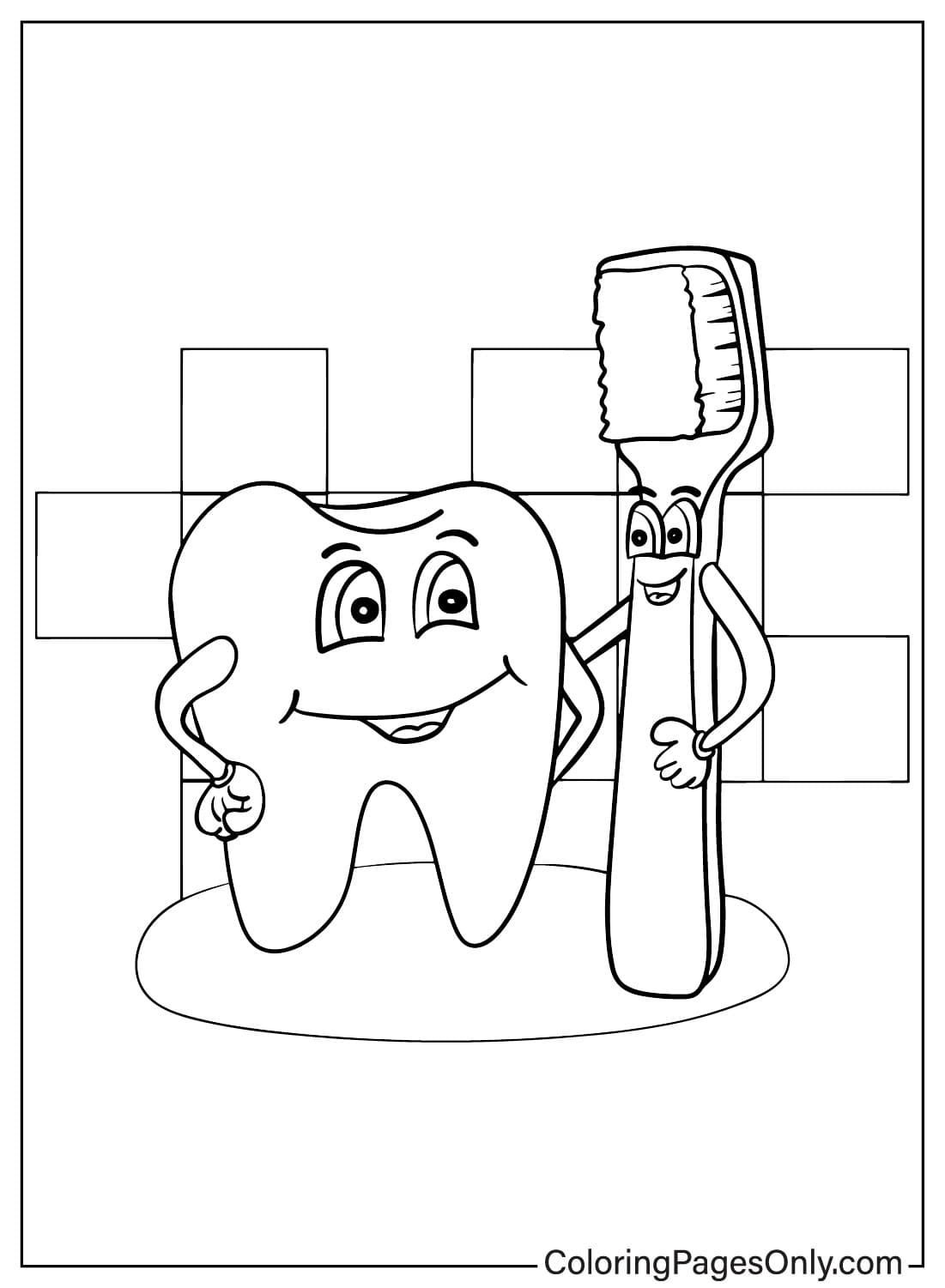
The majority of the 24 pages show a single tooth in a plain, consistent outline style, varying mainly in line weight and level of detail rather than in subject matter. Color suggestion: Use these repeated outlines to practice the tooth’s actual layered structure, shading the enamel a bright white, the dentin beneath it a pale cream, and a small pink or red center for the pulp.
Cute and Kid-Friendly Styles
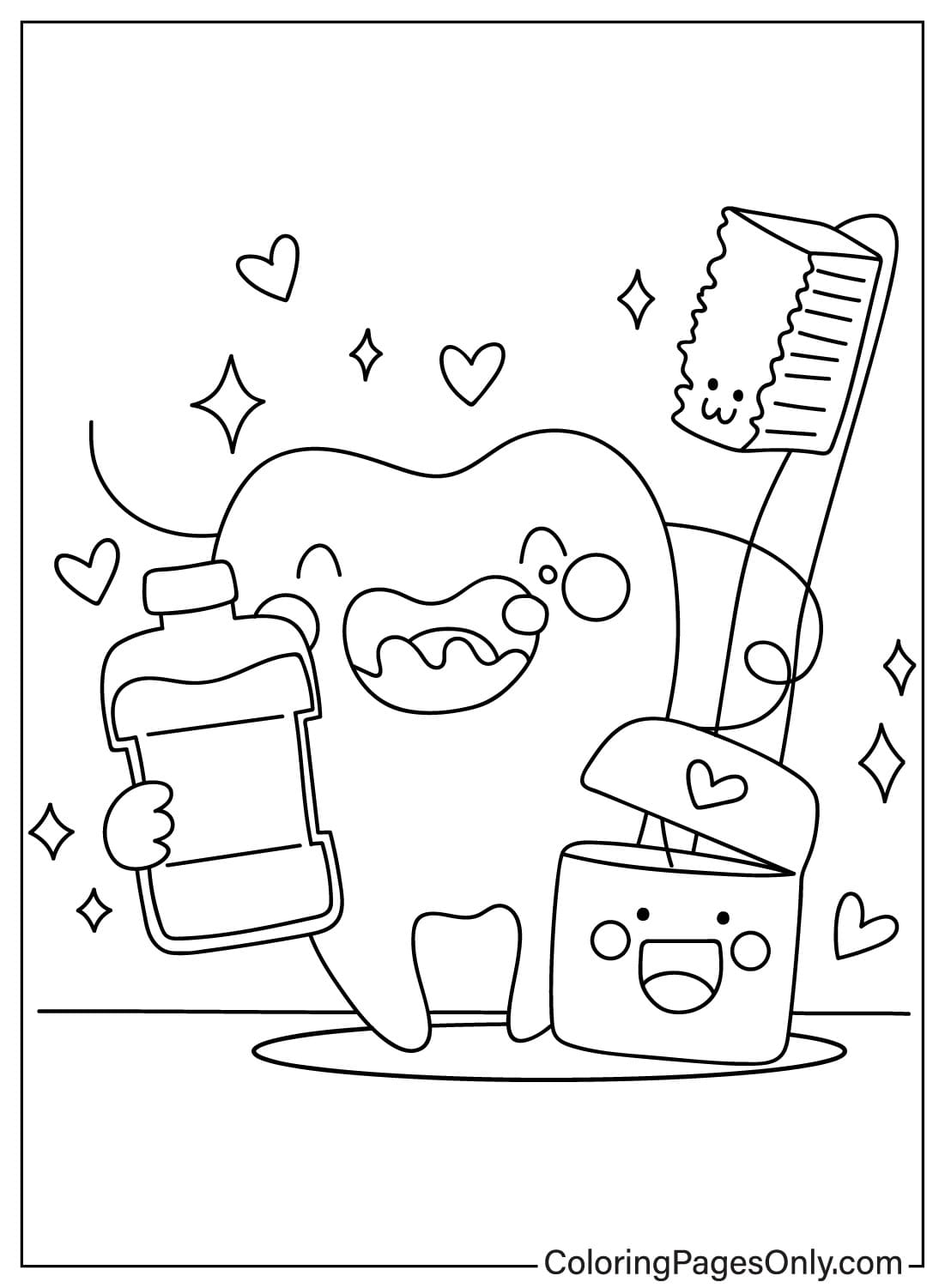
A couple of pages take a rounder, simplified approach better suited to toddlers and preschoolers just starting to color. Color suggestion: a single bright, friendly white or pastel tone works well here, since the simplified shape does not need the layered shading used on the more detailed outlines.
What Tooth Coloring Pages Do
A visual entry point into dental anatomy. Because enamel, dentin, and pulp are simple enough to represent with three different colors, coloring a tooth outline gives kids an early, hands-on way to remember that a tooth is not just one solid piece.
Fine motor practice with a familiar shape. The American Academy of Pediatrics identifies fine motor skill development as a core benefit of structured coloring for children ages 2 through 7, and the rounded, simple shape of a tooth outline makes a good early practice subject for children still building control of a crayon or marker.
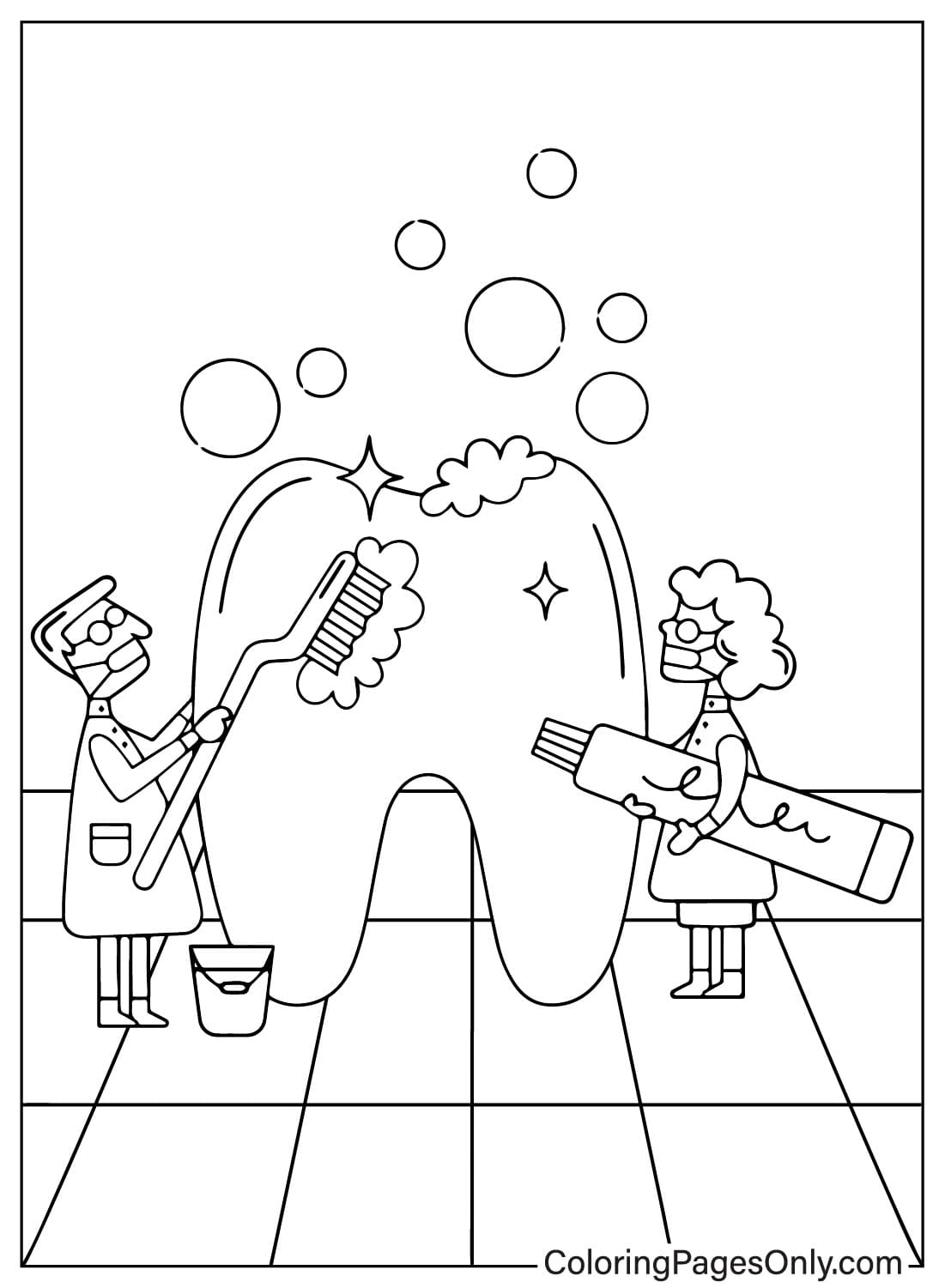
A natural link to a dental care routine. Because losing baby teeth and visiting the dentist are already part of a young child’s life, a tooth coloring page connects easily to conversations about brushing, flossing, and checkups without needing an unfamiliar subject to explain first.
A calm, repeatable activity. Research published in the Art Therapy Journal in 2005 found that structured coloring sessions were associated with a measurable reduction in reported anxiety. A simple, low-detail subject like a single tooth outline is a good choice for a quick, low-pressure coloring session, including right before or after a dental visit.
How to Color Tooth Pages Well
- Enamel: Keep the outer surface a bright Crayola White or a very pale Crayola Timberwolf, since enamel is the lightest part of a real tooth.
- Dentin: Shade the layer just beneath the enamel in Crayola Cream or a very light Crayola Tan, since dentin naturally has a slightly yellower tone than enamel.
- Pulp: Use a small area of Crayola Salmon or Pink near the center of the tooth to represent the soft tissue and blood supply inside.
- Root: Color the root section in Crayola Tan or a light Crayola Sepia, keeping it a touch darker than the enamel above it.
- Outline and cracks: A thin Crayola Black or Sepia line along the tooth’s outer edge helps the shape stay crisp once the inner layers are filled in.
- Background: A plain white or very light Crayola Sky Blue background keeps the focus on the tooth itself rather than competing with the main subject.
5 Creative Craft Ideas With Tooth Coloring Pages
1. Tooth Fairy Keepsake Box
Color a tooth page, glue it to the lid of a small box, and use the box to keep a child’s lost teeth until they are ready to be tucked under a pillow.
2. Brushing Chart Markers
Color several small tooth pages, cut them out, and use them as markers on a two-minute brushing chart to track morning and night brushing over a week.
3. Tooth Layer Cutaway
Color one tooth page in careful layers, enamel white, dentin cream, and pulp pink, to build a simple, hands-on model of what is actually inside a real tooth.
4. Matching Bookmark
Color a favorite tooth outline, trim it to a narrow strip, and cover it with clear tape or a laminate sheet to make a simple, durable bookmark.
5. Dental Visit Countdown
Color one tooth page for each day leading up to a scheduled dental checkup and display them in a row, crossing one off each day to build anticipation instead of anxiety.
Frequently Asked Questions
What are tooth coloring pages?
Free printable designs of a single tooth in a simple outline style. This collection has 24 pages available as PDF downloads or online coloring, with no account required.
What are the different layers of a tooth?
A tooth has four main layers: enamel on the outside, dentin beneath it, the pulp at the center containing nerves and blood vessels, and the root that anchors it into the jaw.
When do baby teeth start falling out?
Baby teeth typically begin falling out around age 6, usually starting with the central incisors, and the process continues until roughly age 12 as permanent teeth take their place.
How many baby teeth do children have?
Children have 20 primary teeth in total, which usually begin erupting between 6 and 12 months of age and are mostly in by around 33 months.
How often should kids brush their teeth?
Dental guidelines generally recommend brushing twice a day for two minutes each time, using an age-appropriate amount of fluoride toothpaste, along with regular checkups.
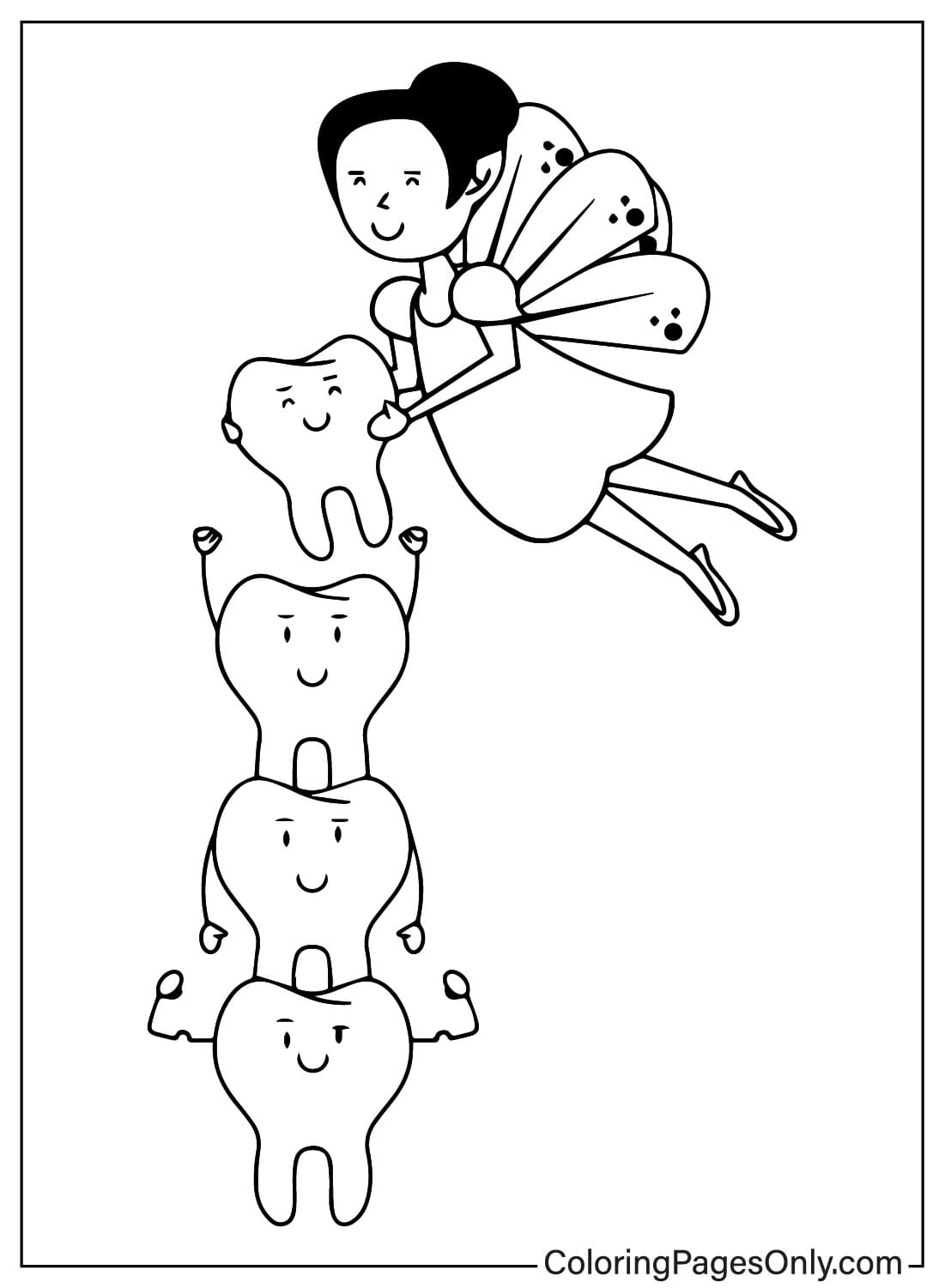
Where does the tooth fairy tradition come from?
Its exact origin is unclear, but the earliest documented version is the Norse and early European tand-fe, or tooth fee, a small payment given to a child for their first lost tooth.
What age group are these pages best suited for?
The simplified, rounder-style pages suit toddlers and preschoolers, while the more detailed outlines work well for early elementary-age children old enough to color inside smaller, layered sections.
Can these pages be used for a dental health lesson?
Yes. The consistent single-subject format makes it easy to hand out matching or near-matching pages to a group and use them to talk through the parts of a tooth or a brushing routine together.
Start Coloring
Download any page by clicking the design. No account, email, or payment is required. Pages print directly from the browser at full resolution or open in the online coloring tool for screen use. Share finished pages on Facebook or Pinterest using the share buttons at the top of each design page.