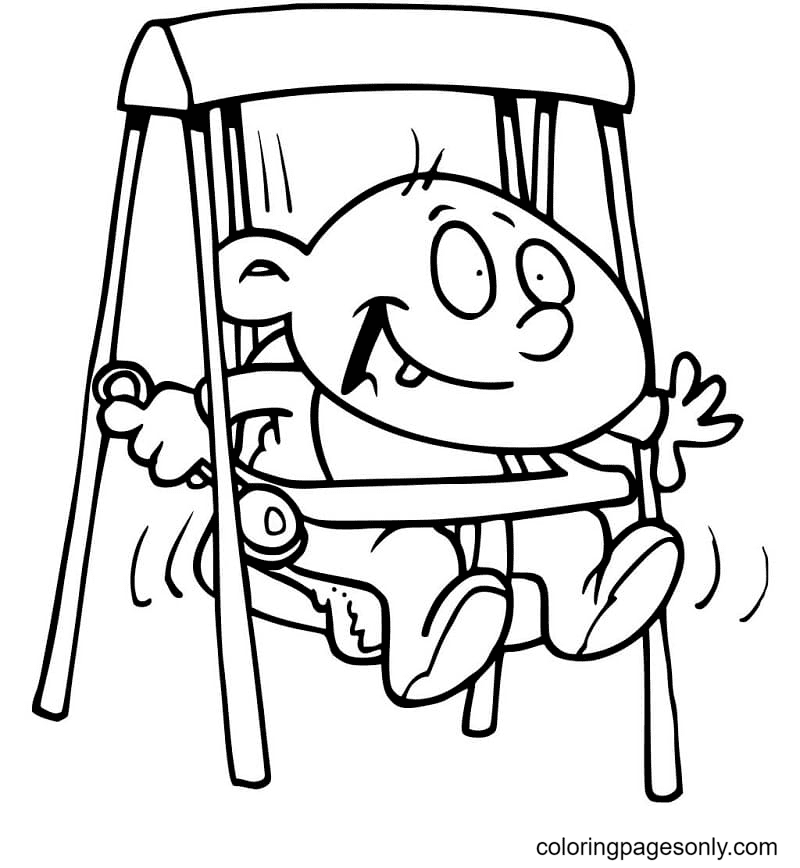
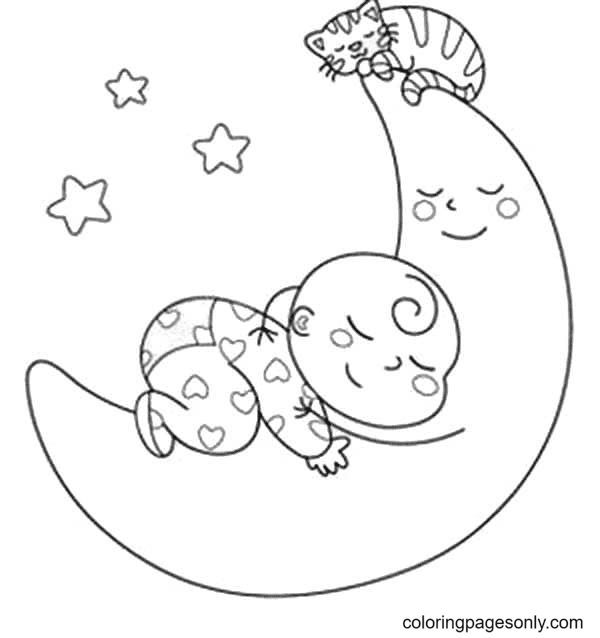
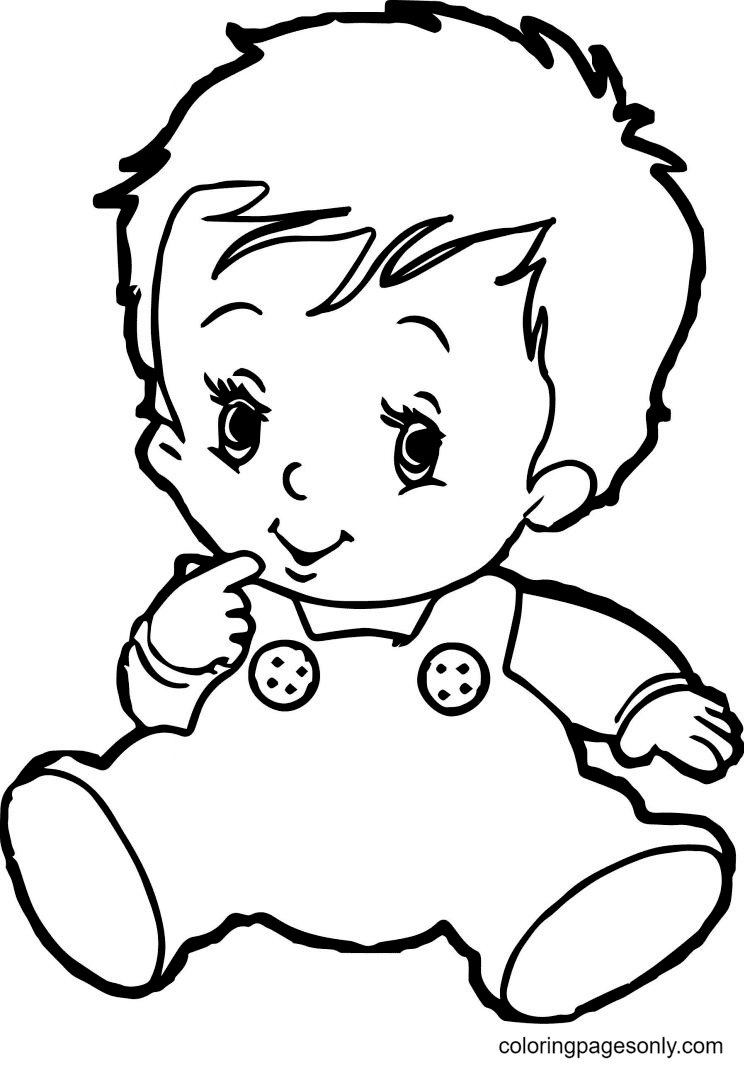
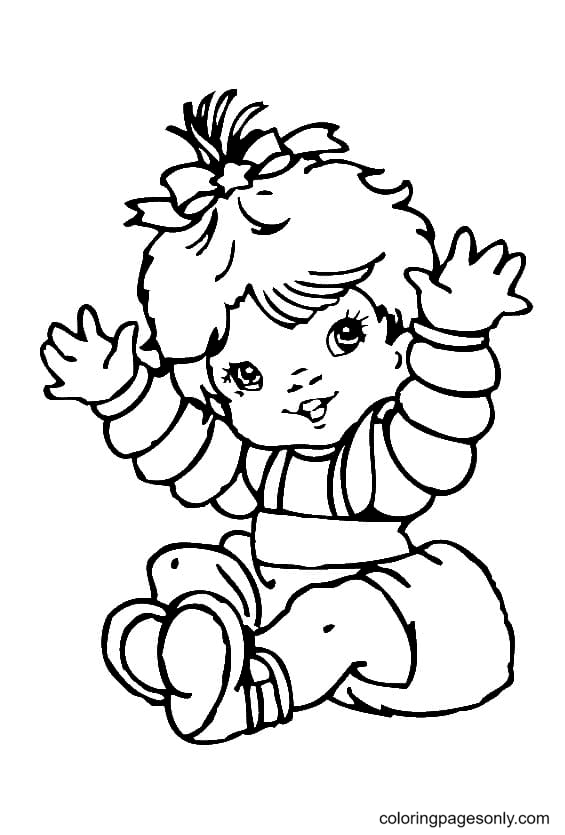
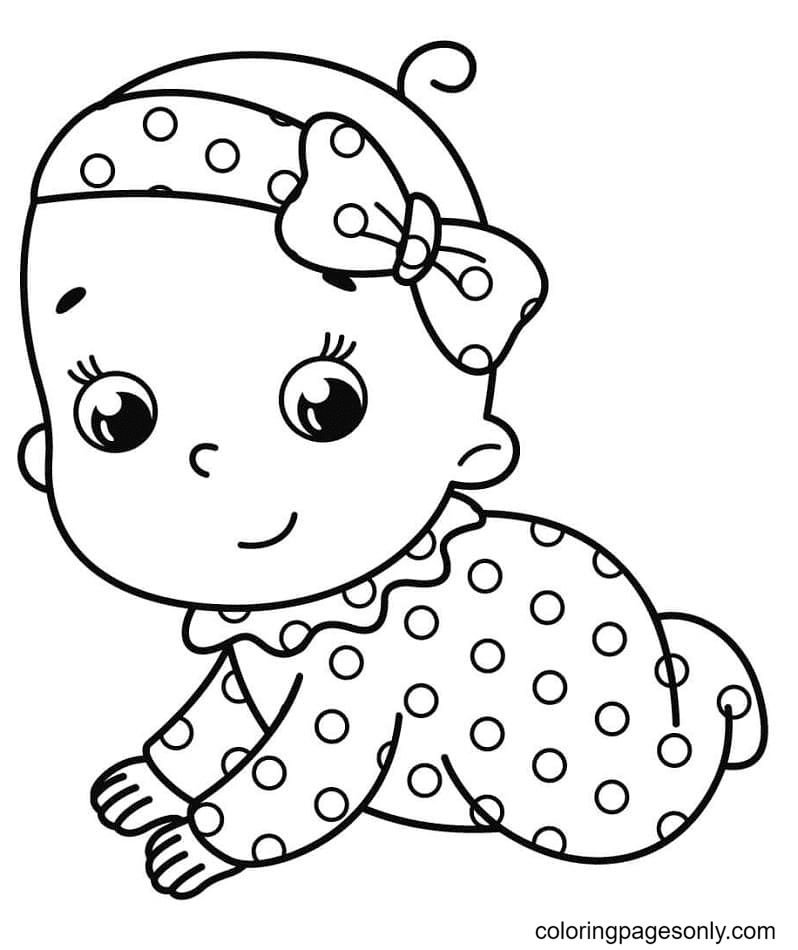
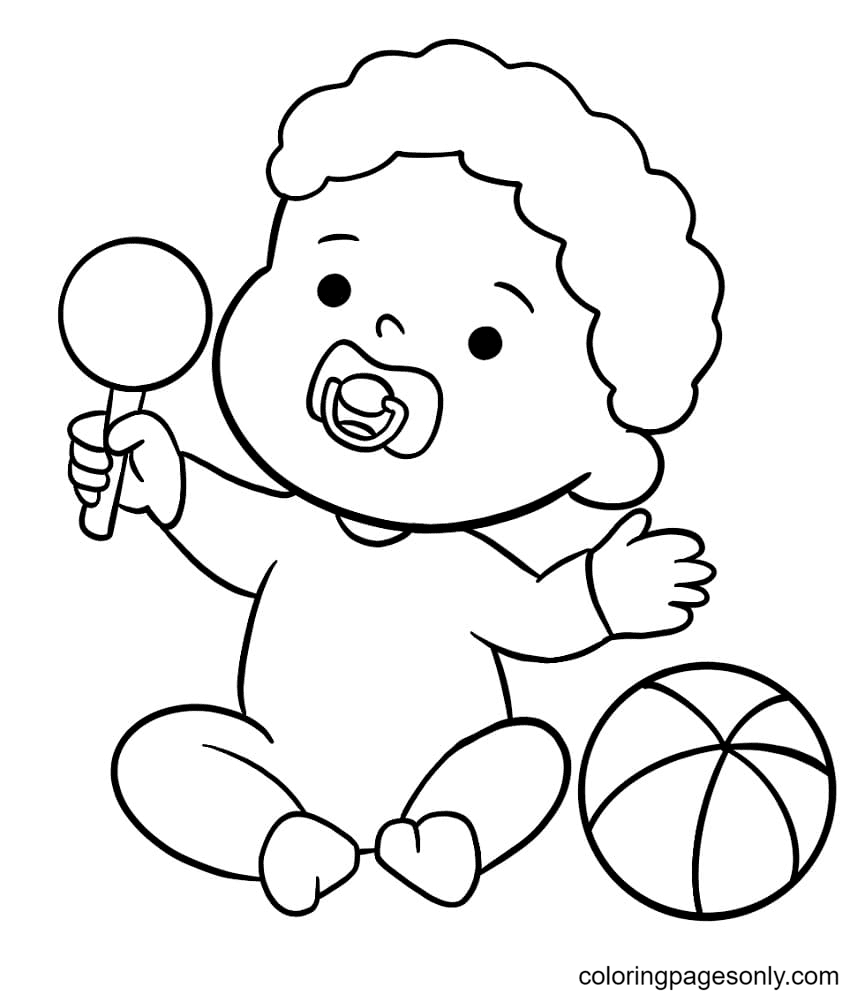
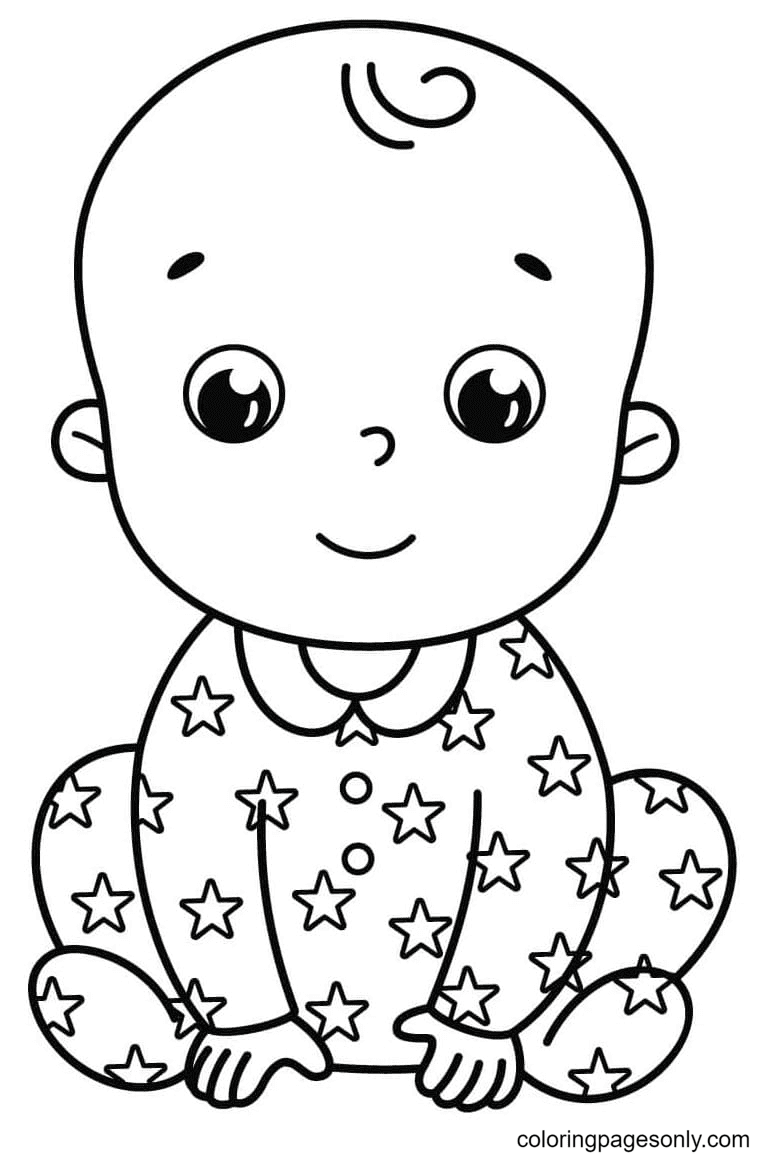
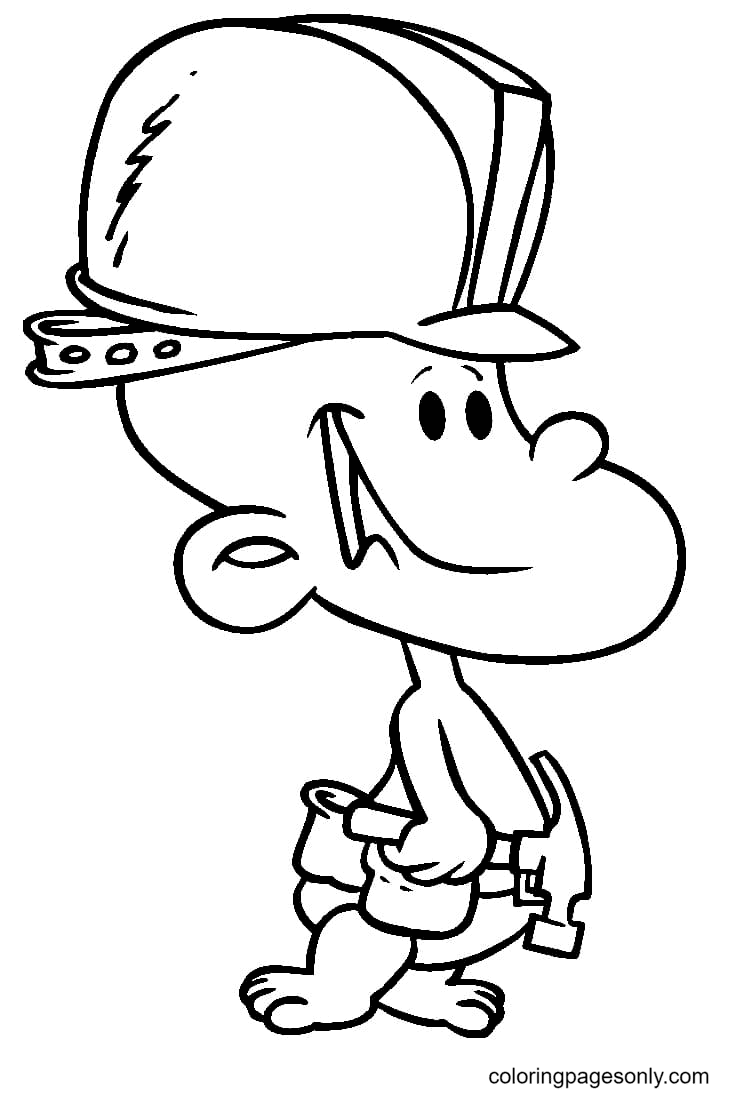
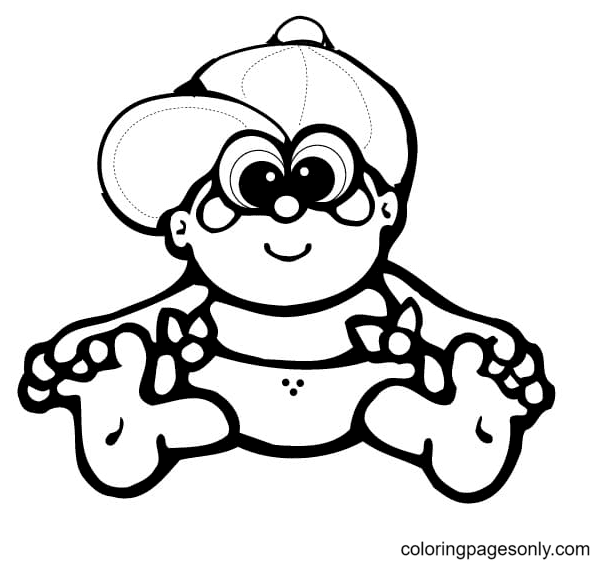
Explore 52+ free baby coloring pages featuring sleeping babies, laughing toddlers, baby boys, baby girls, Boss Baby, and more – available as free printable PDF and interactive online coloring for kids, parents, and teachers.
There is a moment, familiar to almost every parent and caregiver, when a very small child looks up at you with total concentration and absolute trust – and something in you goes still. Babies have that effect on people. They are among the most universally compelling subjects in human experience, and the warmth, humor, and tenderness they inspire translate naturally and powerfully into art.
At ColoringPagesOnly.com, our baby coloring pages collection was built around that feeling. With 52+ free designs spanning sleeping newborns, laughing toddlers, kawaii baby girls, naughty baby boys, babies with rattles and blocks and bubbles, and even the beloved Boss Baby – every page in this collection celebrates a different facet of early childhood, from its quiet magic to its spectacular messiness. Every page is free to download as PDF, JPG, or PNG, and available to color online directly in your browser.
Whether you are a parent looking for a meaningful screen-free activity, a preschool teacher planning a nurturing-themed lesson, or someone preparing for a baby shower and looking for a personal creative touch, this collection was made for you.
What’s Inside Our Baby Coloring Pages Collection?
Our library is organized around the real, recognizable moments of baby and toddler life – from the perfectly still to the wonderfully chaotic – with designs that span every mood, every milestone, and every personality type that makes early childhood so endlessly captivating.
Sleeping Baby Coloring Pages – The Quiet Magic
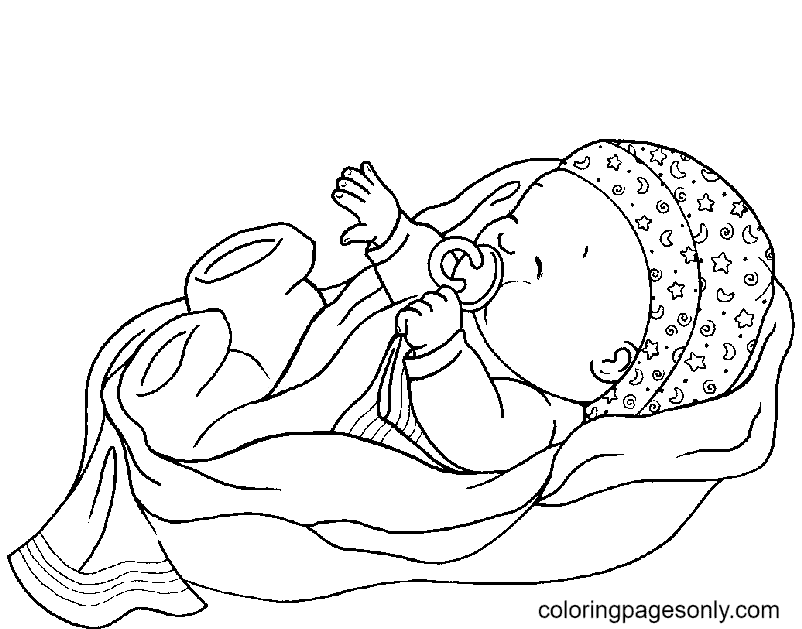
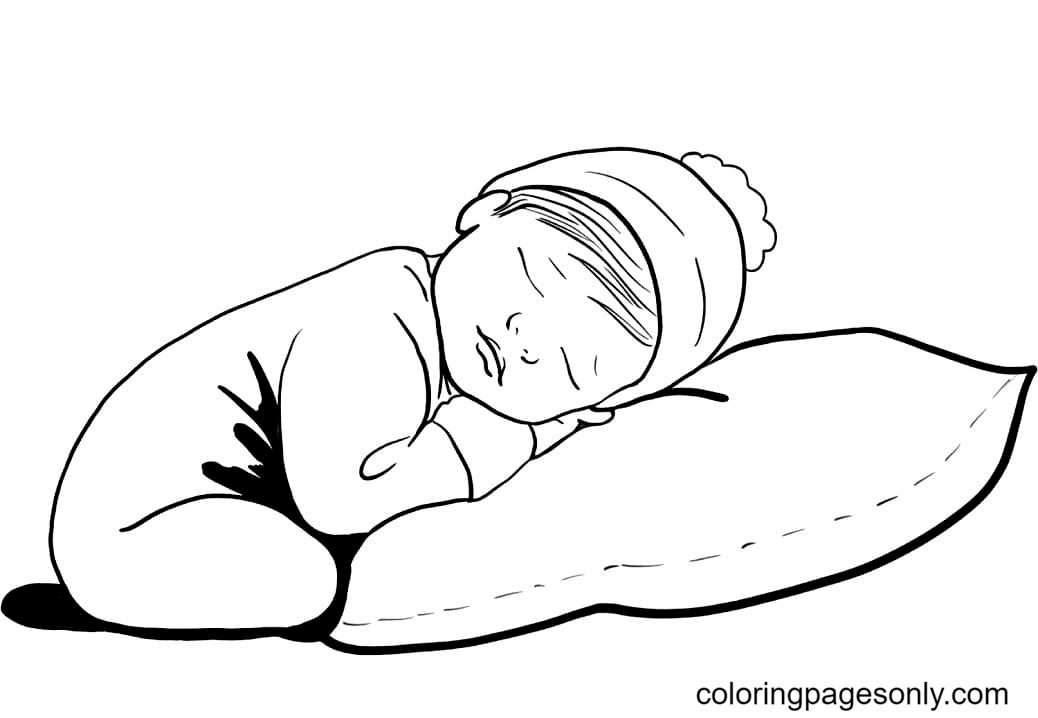
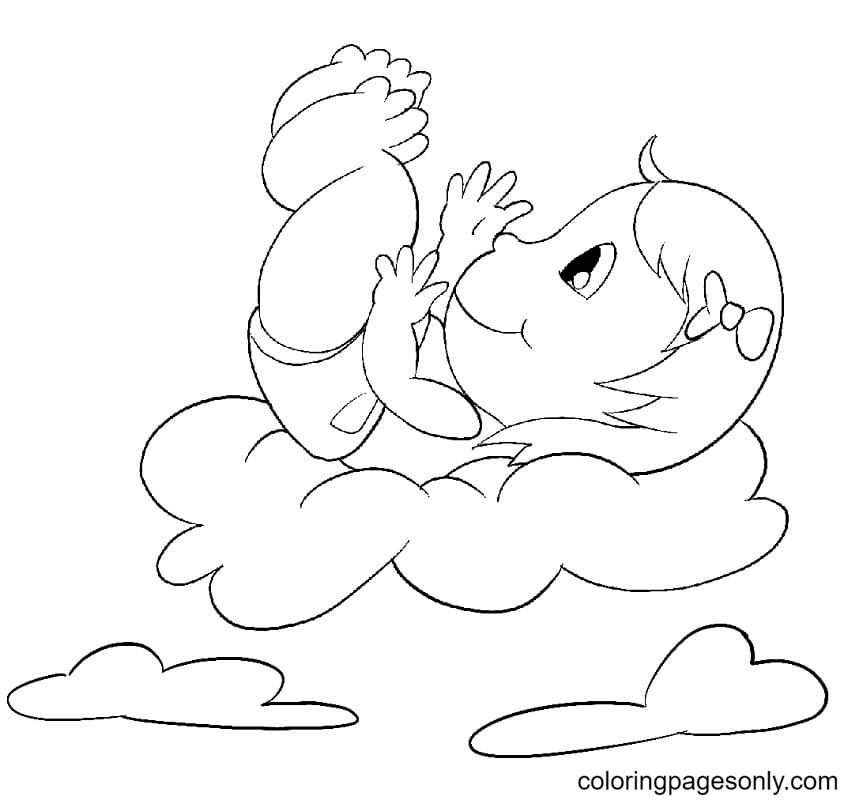
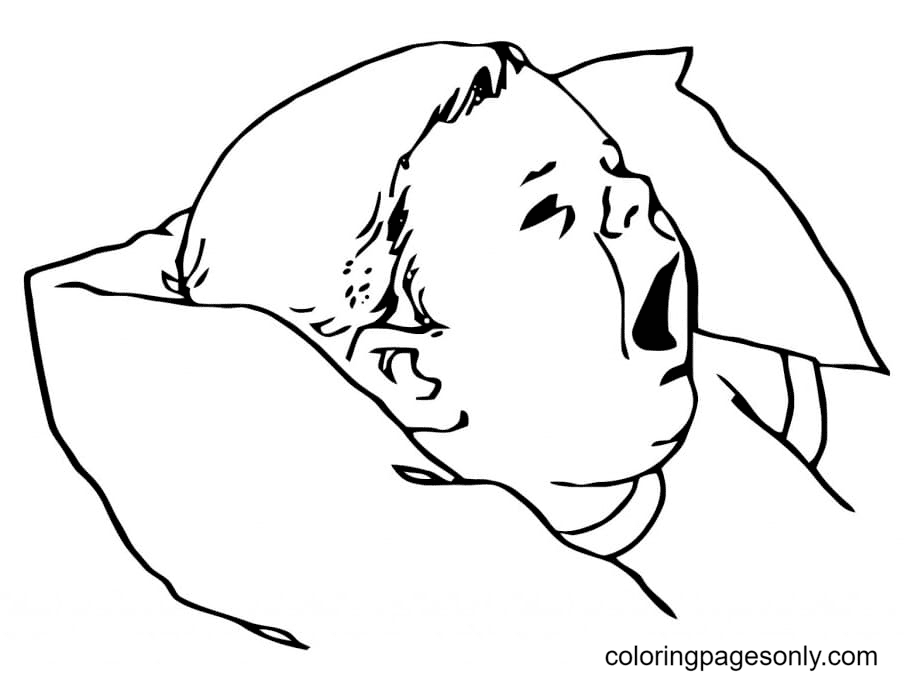
There is a reason sleeping babies appear on nursery walls, greeting cards, and children’s books the world over: a sleeping infant is one of the most universally peaceful images in human experience. Our sleeping baby pages – including Sleeping Baby, Cute Baby Sleeping, and Baby Girl on Cloud – capture that stillness with soft, rounded lines and gentle compositions that invite an equally soft and gentle approach to coloring.
These pages are particularly well-suited to younger children who respond to calm, soothing imagery, and to adults who find that quiet, detailed coloring work provides genuine stress relief and mindful focus. The Baby Girl on Cloud page, with its dreamlike setting and soft curves, is one of the most consistently popular pages in the entire collection – and one of the most beautiful when colored in pastels or watercolor pencils.
Happy & Expressive Baby Coloring Pages – Big Emotions, Small People
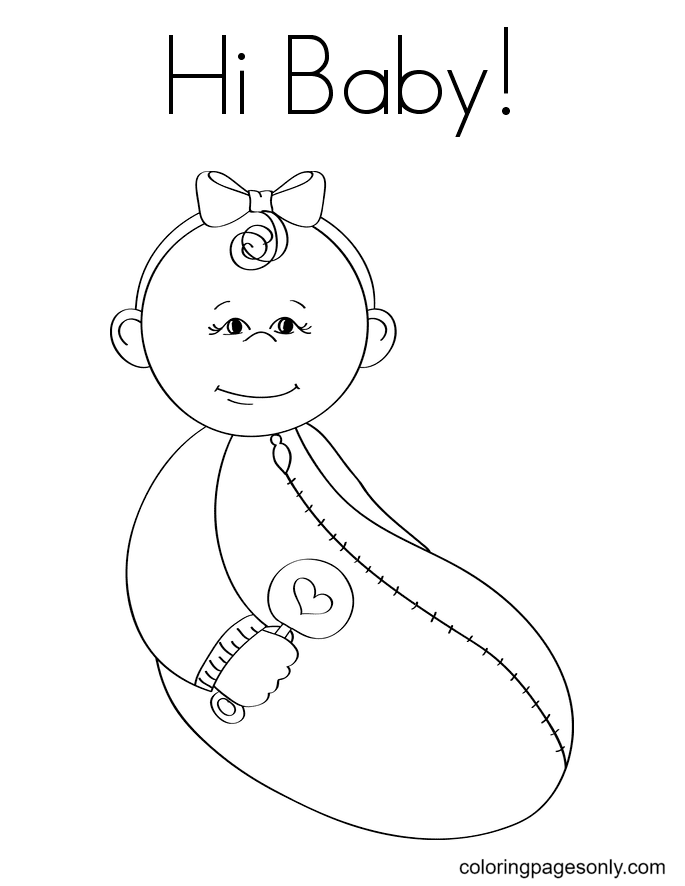
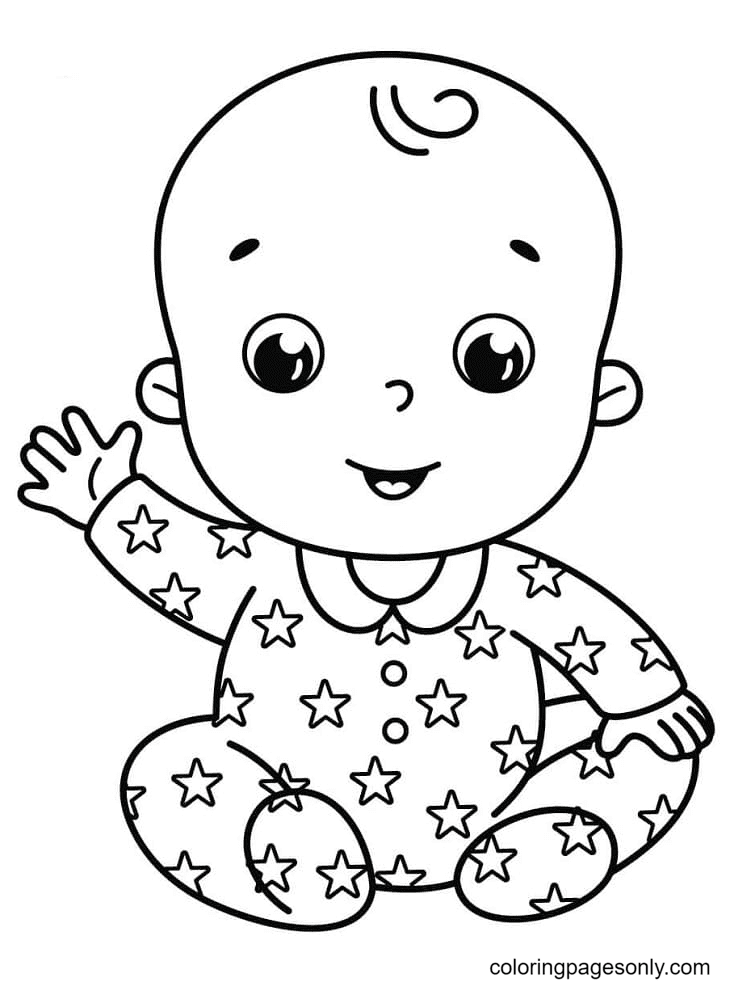
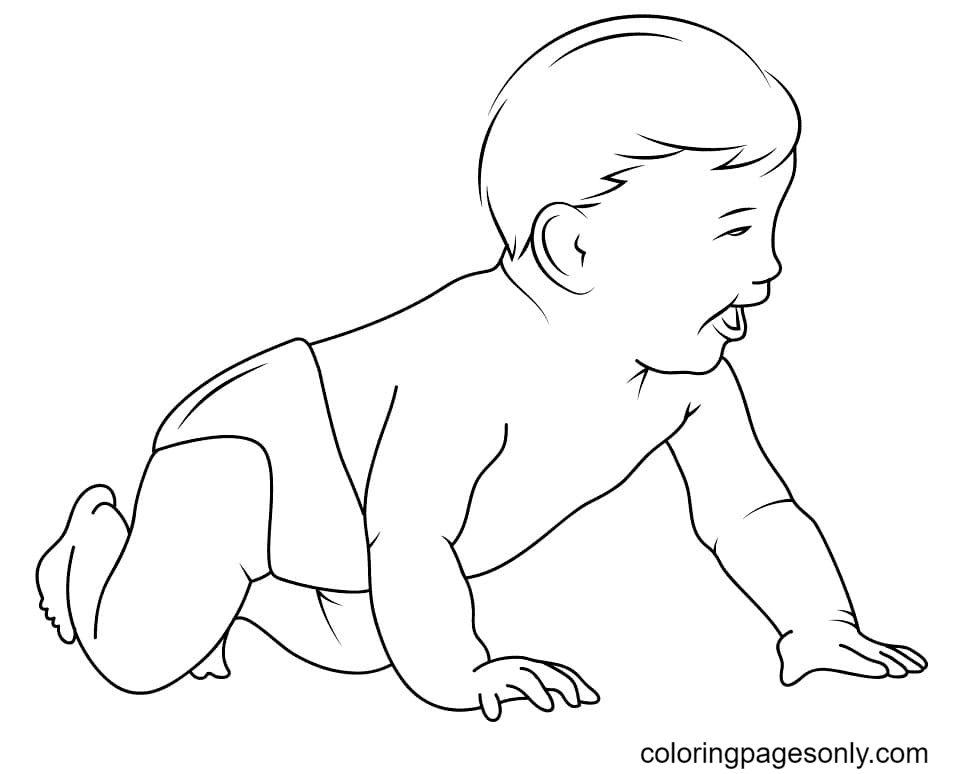
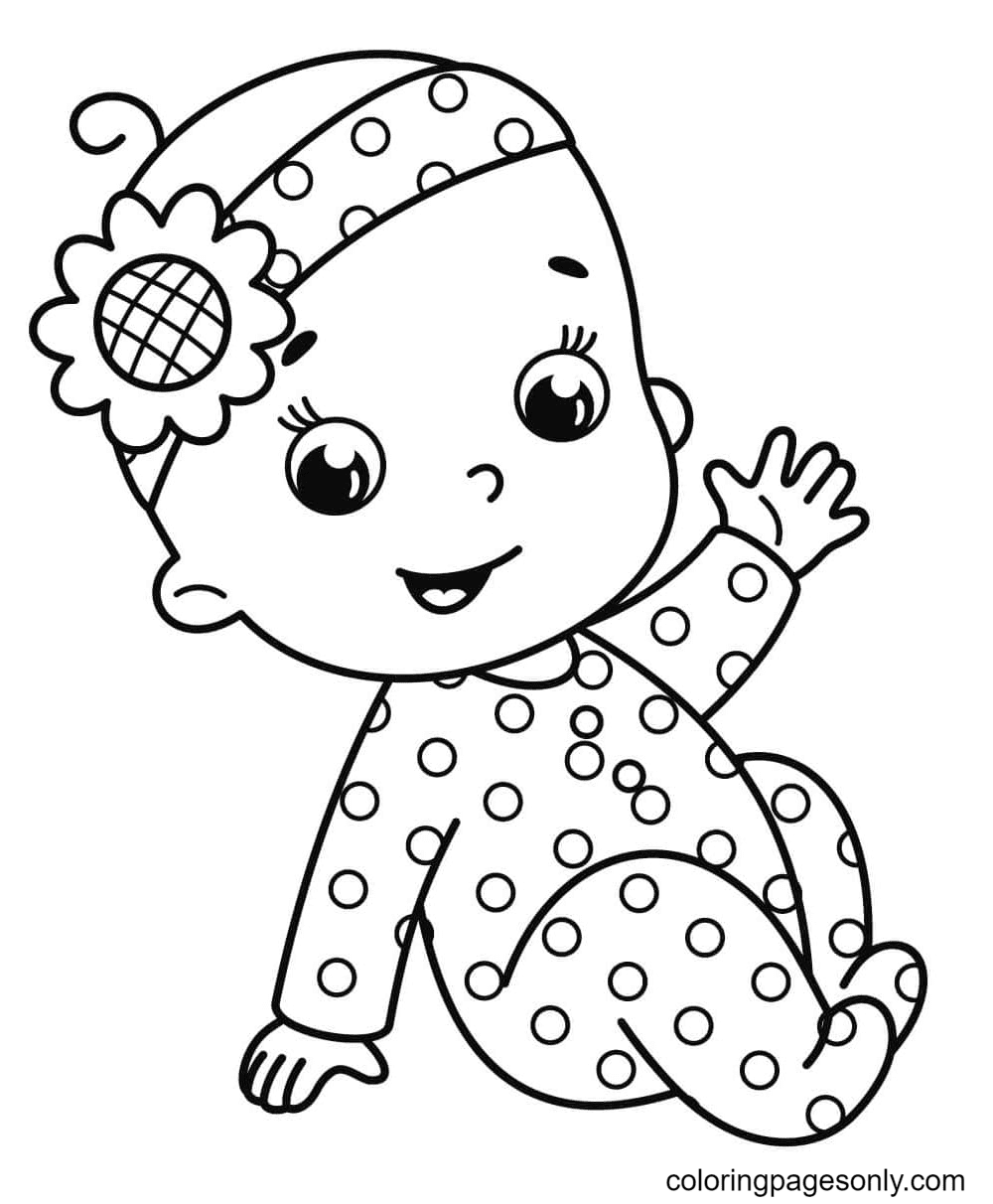
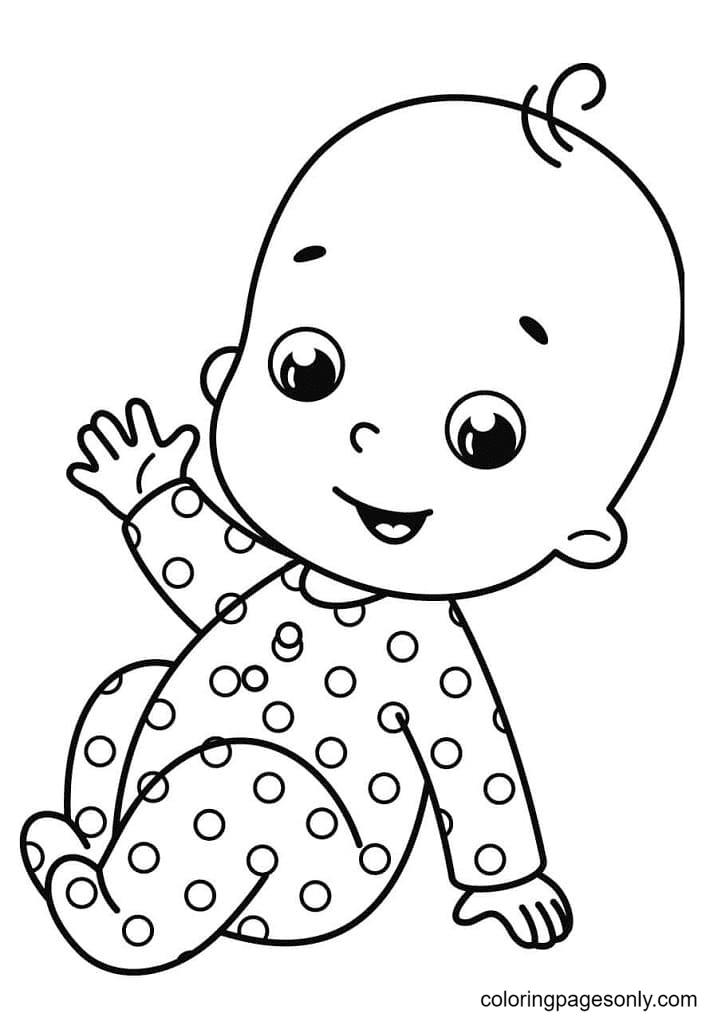
Babies feel everything at full intensity – and our expressive baby pages celebrate that unfiltered emotional honesty with warmth and humor. Happy Baby Girl, Happy Baby Boy, Baby Laughing, Funny Baby, Funny Baby Boy, and Hi Baby each capture a different shade of baby joy: the wide open mouth of a genuine belly laugh, the crinkle-eyed delight of a baby discovering something wonderful, the bright wave of a small hand saying hello to the world.
These pages are exceptional tools for conversations about emotions with young children. Developmental psychologists note that the ability to recognize, name, and discuss emotions in others – called emotional literacy – is one of the most important skills children develop in early childhood, and that engaging with expressive faces, even illustrated ones, actively supports this development. Coloring a laughing baby and talking about why the baby is laughing is a simple, joyful way to build that skill.
Baby Boy & Baby Girl Coloring Pages – Every Child Represented
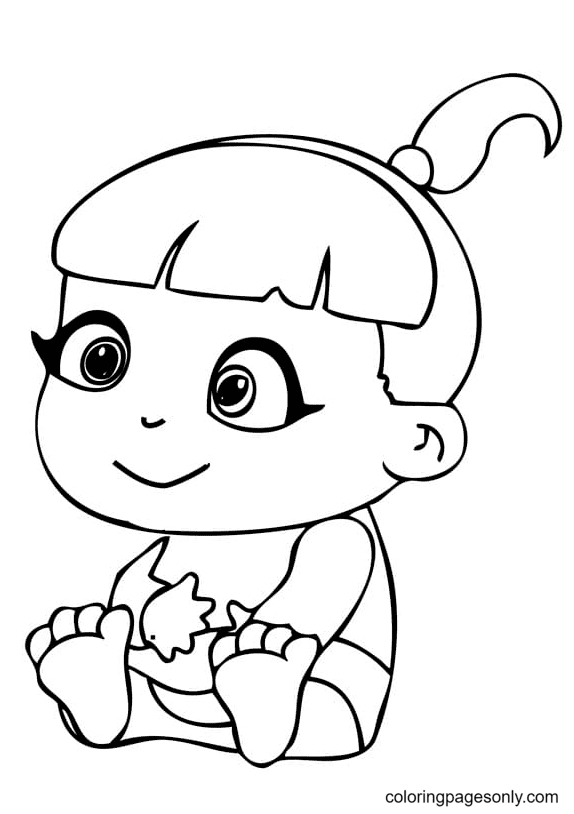
Our dedicated baby boy and baby girl pages ensure that every child can find themselves – or someone they love – reflected in the collection. Baby Boy, Baby Girl, Adorable Baby Boy, Adorable Baby Girl, Lovely Baby Boy, Cute Baby Boy, Cute Baby Girl, Baby Boy Smiles, Baby Girl Smiles, Baby Boy Waving Hand, and Baby Girl Waving Hand give colorists a wide range of expressions, poses, and moments to bring to life.
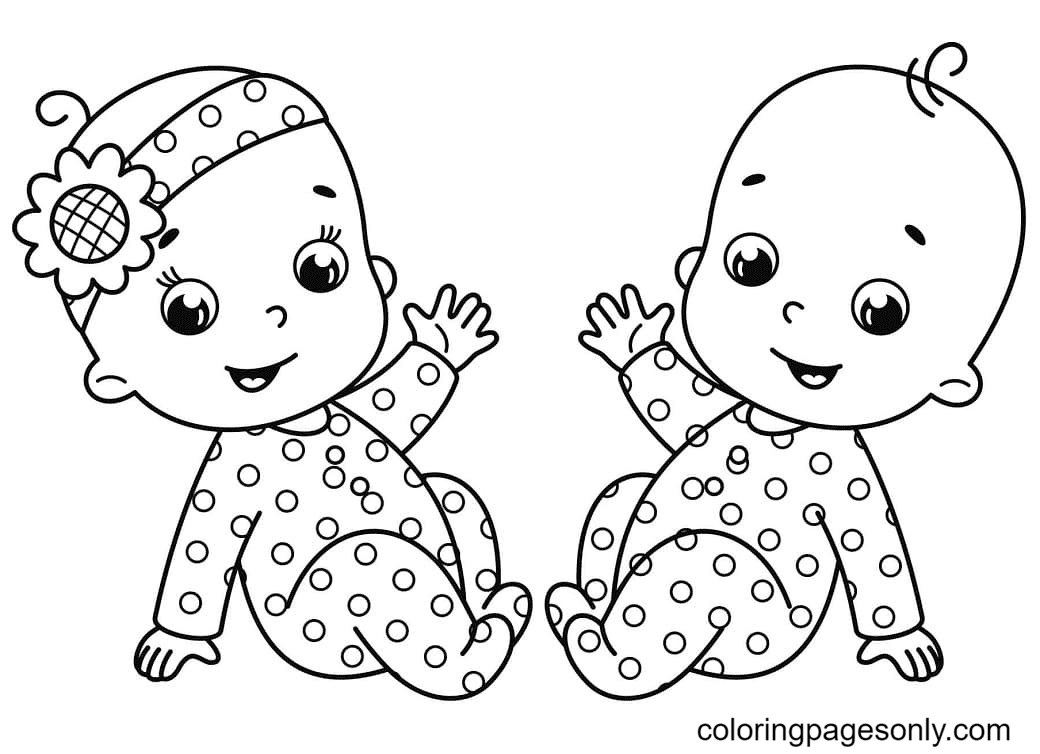
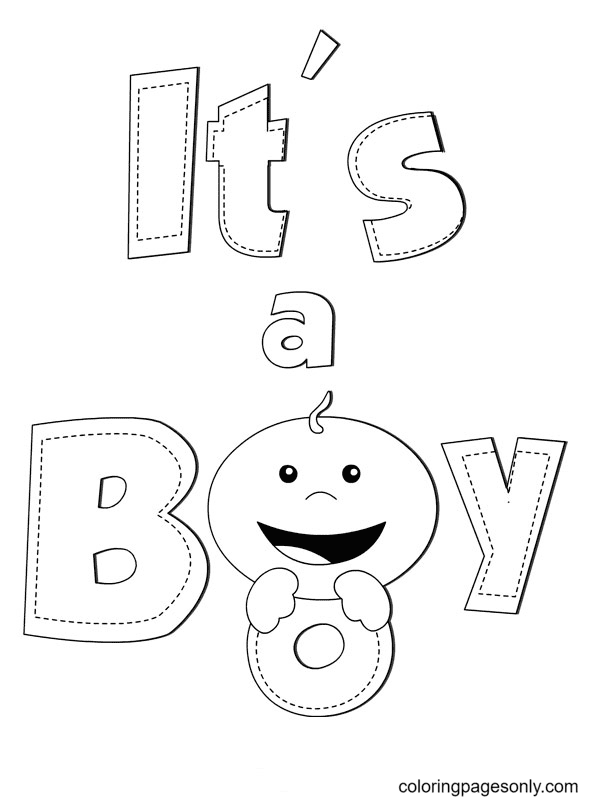
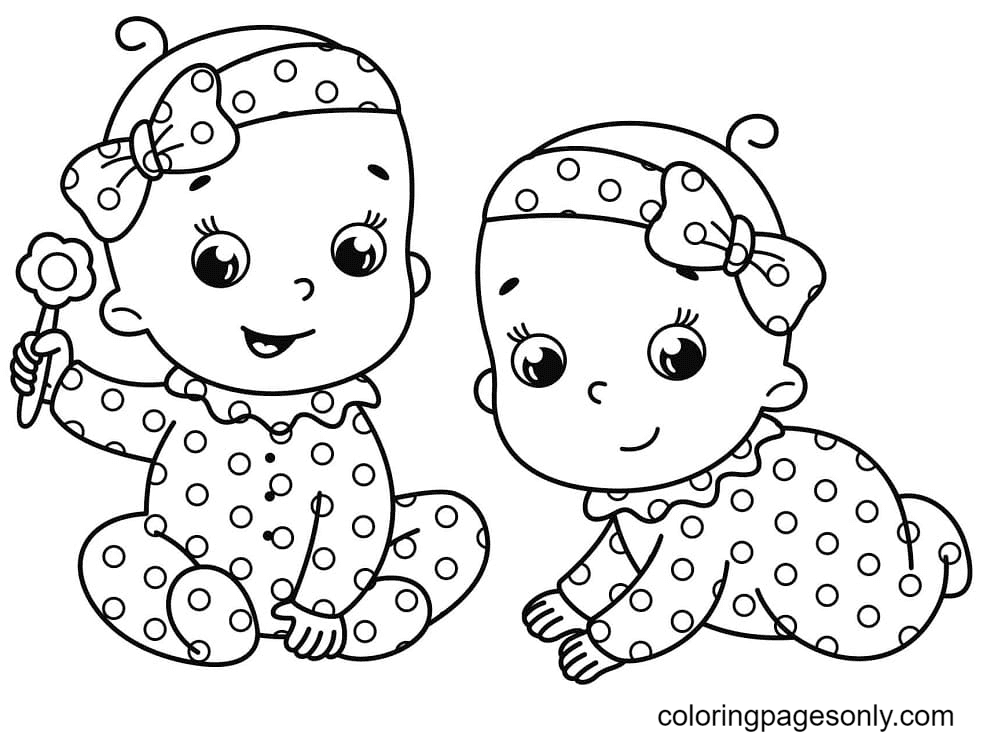
It’s a Baby Boy! and It’s a Baby Girl! announcement pages are particularly popular as personalized gifts – printed, carefully colored, and framed as a handmade baby shower present that no mass-produced card could replicate. Baby Twins captures the particular chaos and double joy of multiples with a composition that rewards coloring two babies in complementary or contrasting color schemes.
Baby with Toys & Everyday Object Pages – The World Through Small Hands
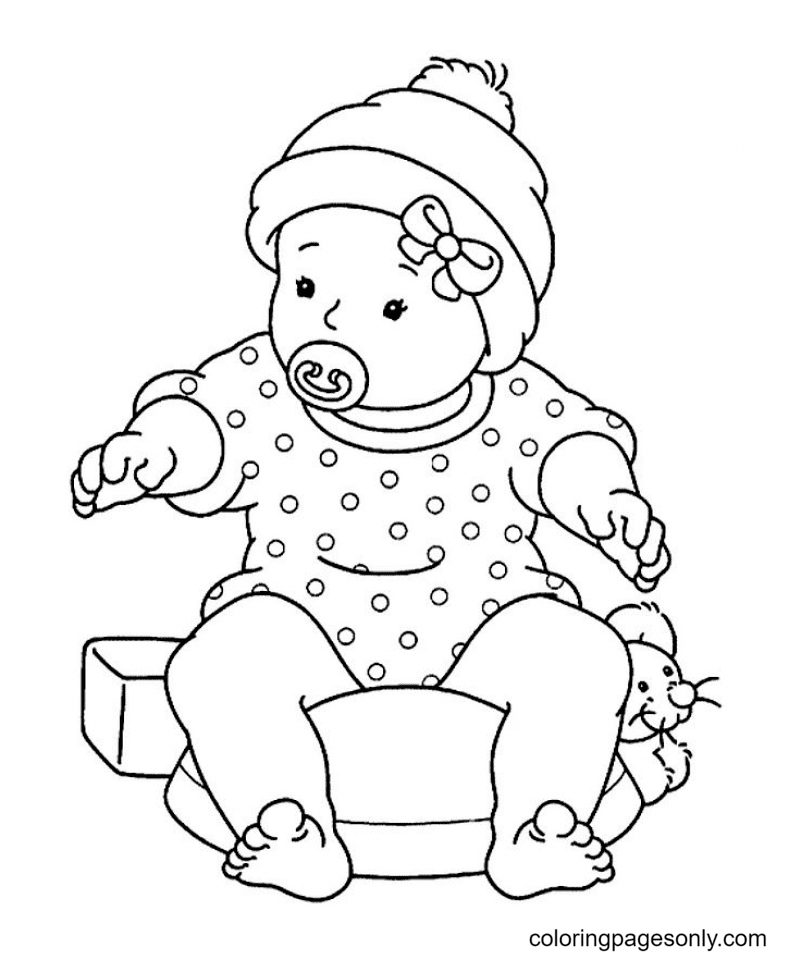
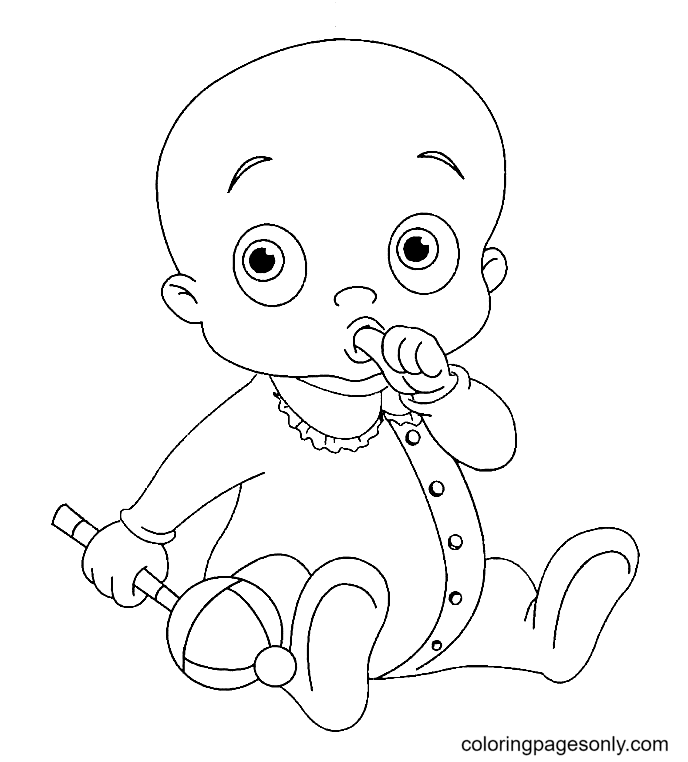
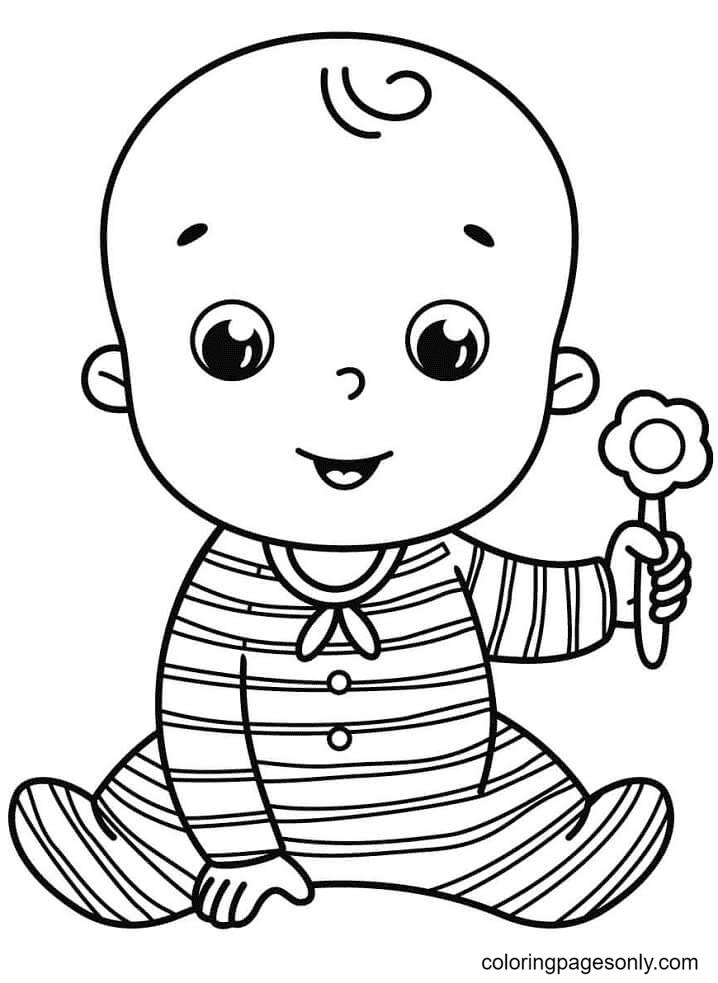
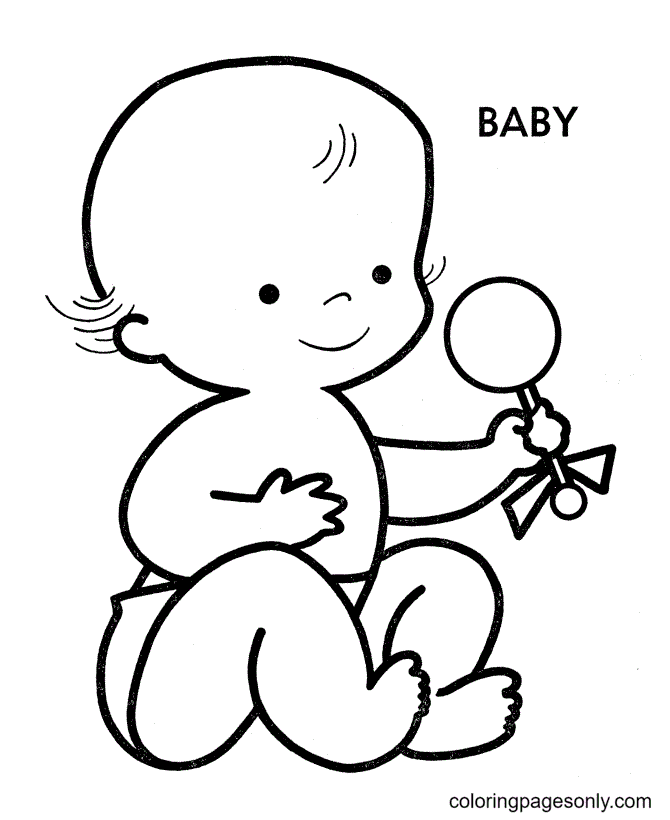
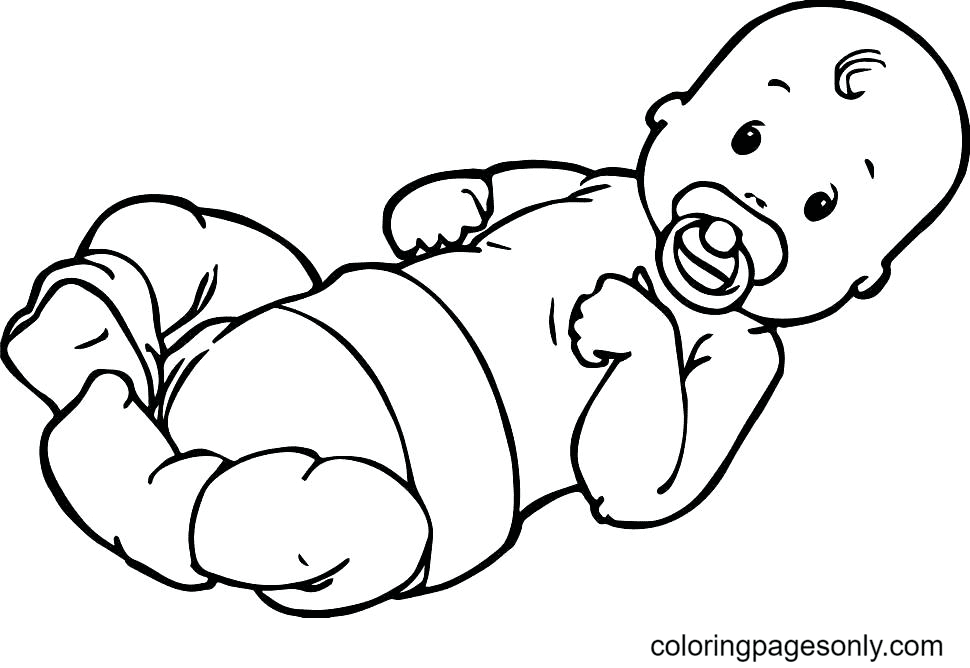
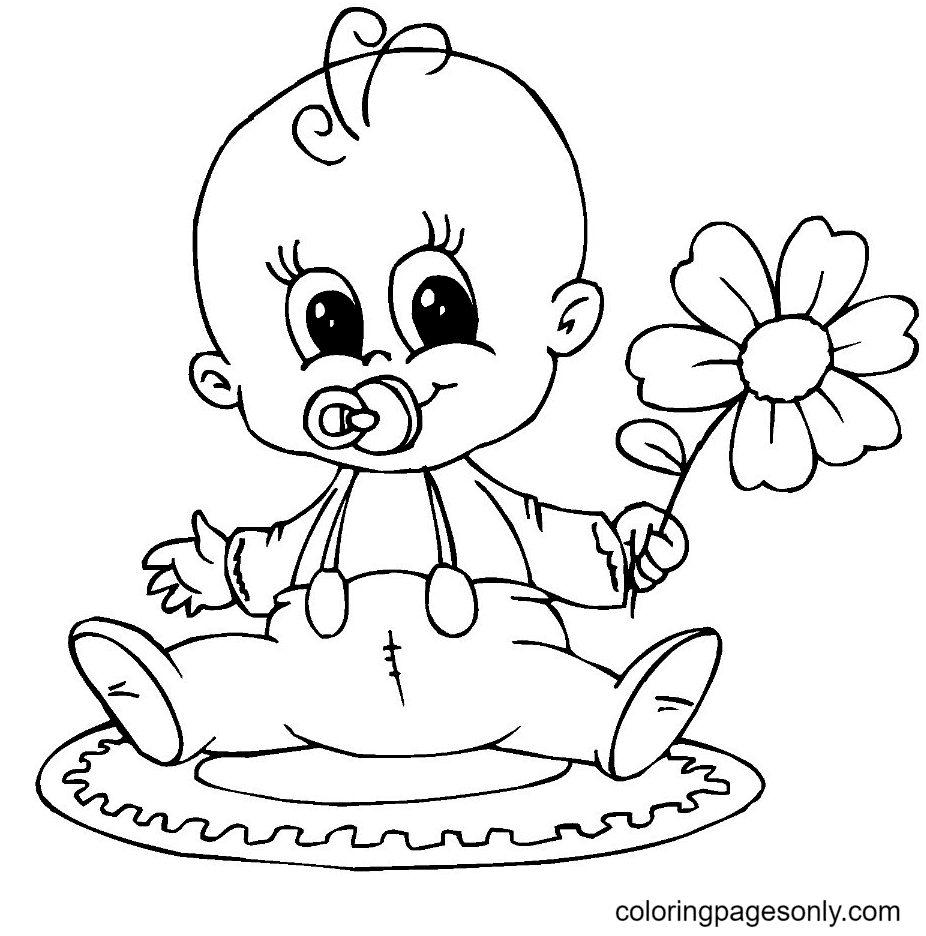
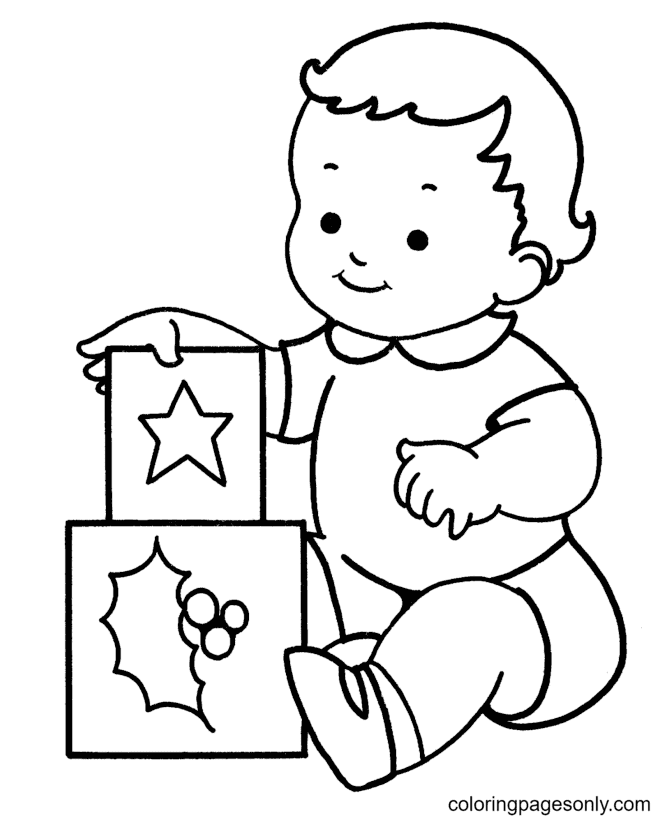
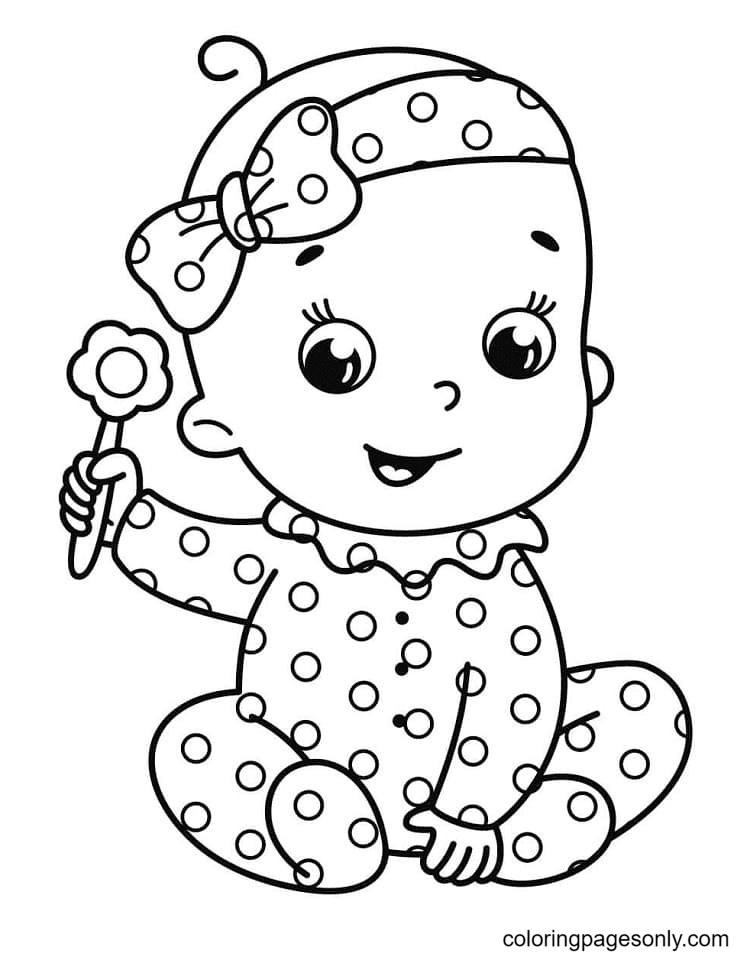
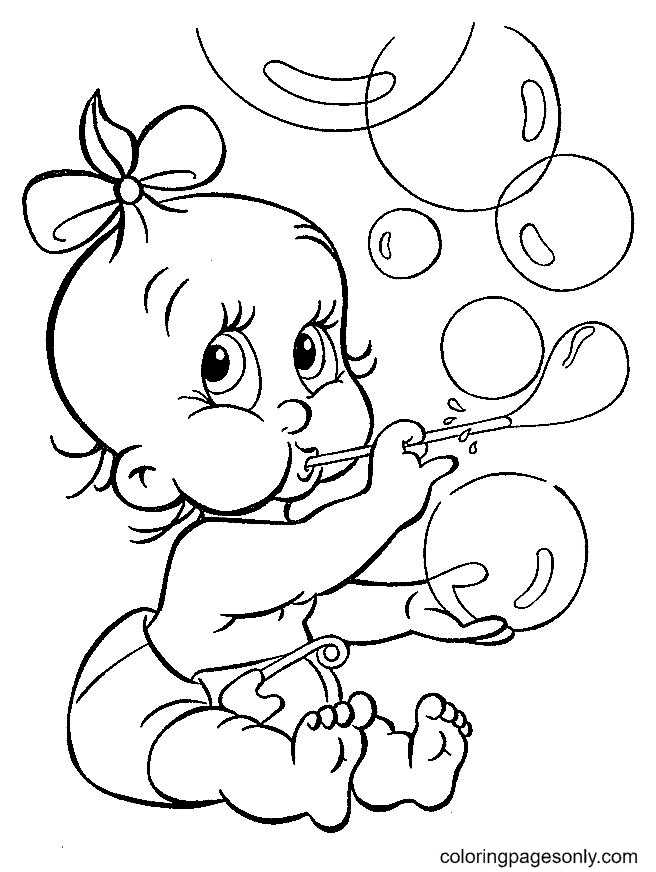
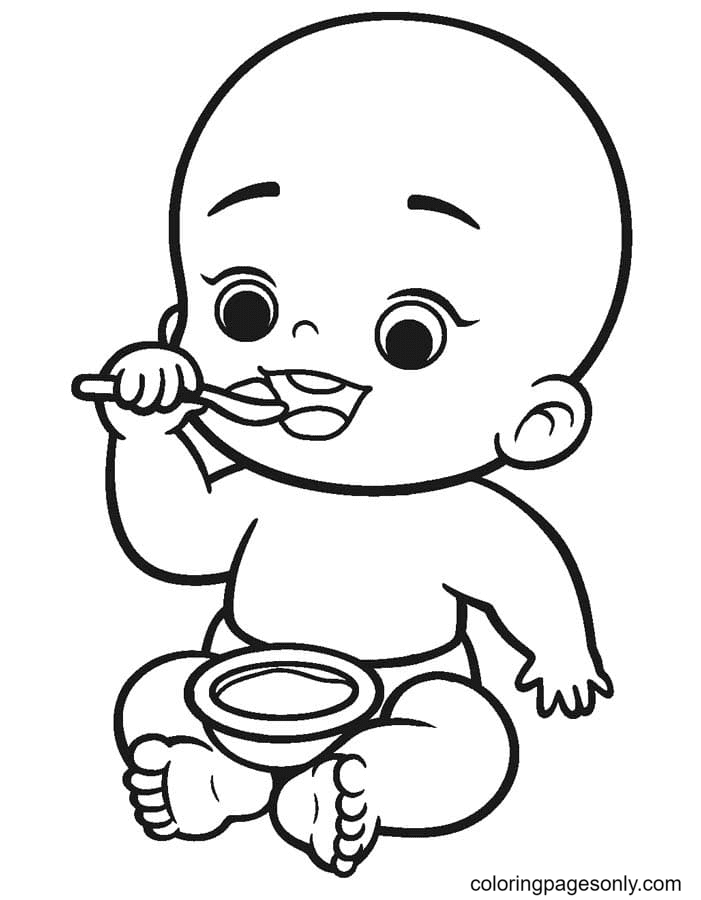
Some of the most charming pages in the collection are those that place a baby in the middle of their everyday world – exploring it with the complete, serious concentration that makes toddlers so endearing to watch. Baby with Rattle, Baby with Blocks, Baby with Pacifier, Baby With Flowers, Baby Boy and Toys, Baby and Bubbles, and Baby Eating each depict a small person fully absorbed in the most important work of early childhood: discovering how things work.
These pages are naturally educational in both directions. Young children coloring a baby with building blocks will often begin talking about their own blocks, their own toys, their own experiences – creating rich language and storytelling opportunities that parents and teachers can follow naturally. Adults coloring these pages tend to find them quietly nostalgic, connecting to memories of early childhood with a gentleness that more complex imagery rarely achieves.
Baby in Motion Coloring Pages – Going Places
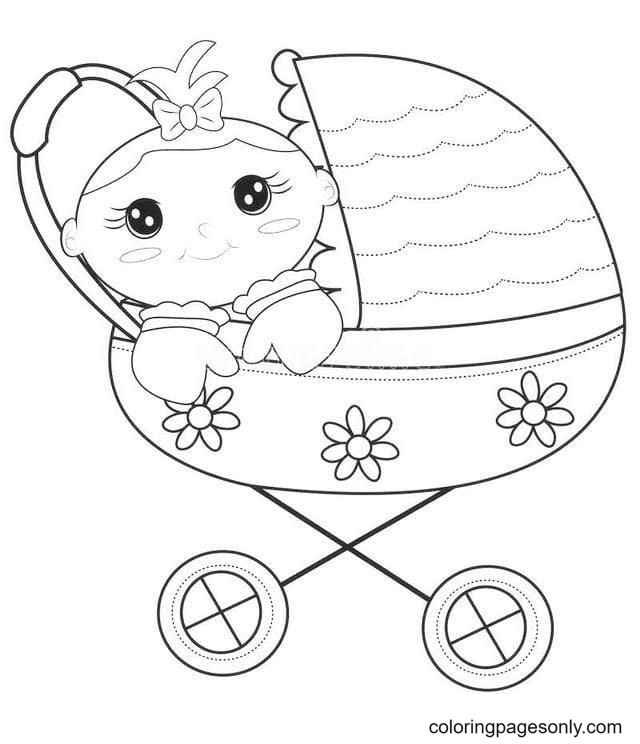
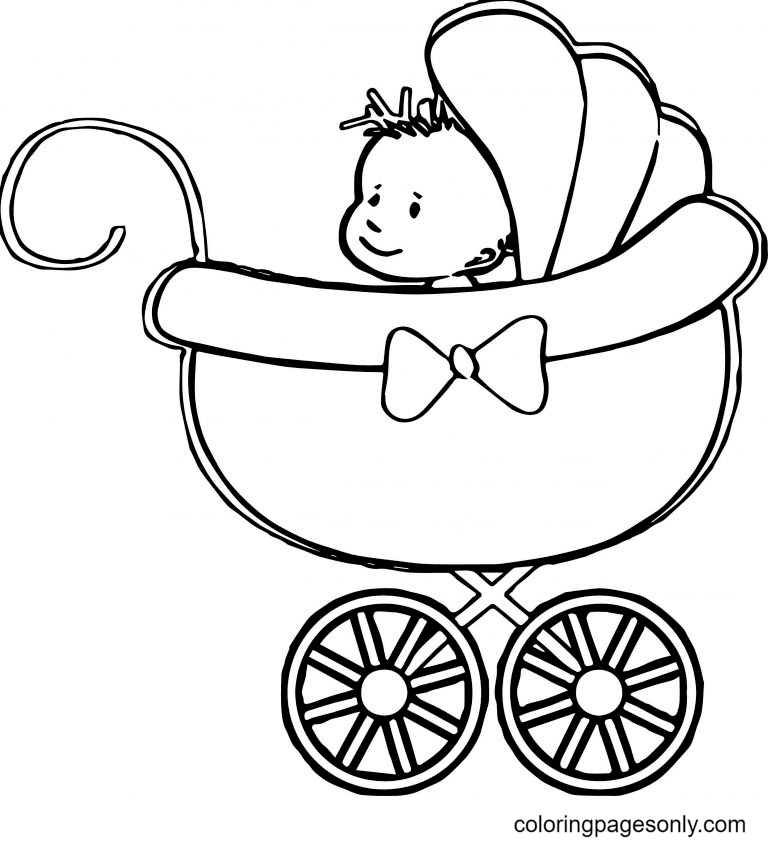
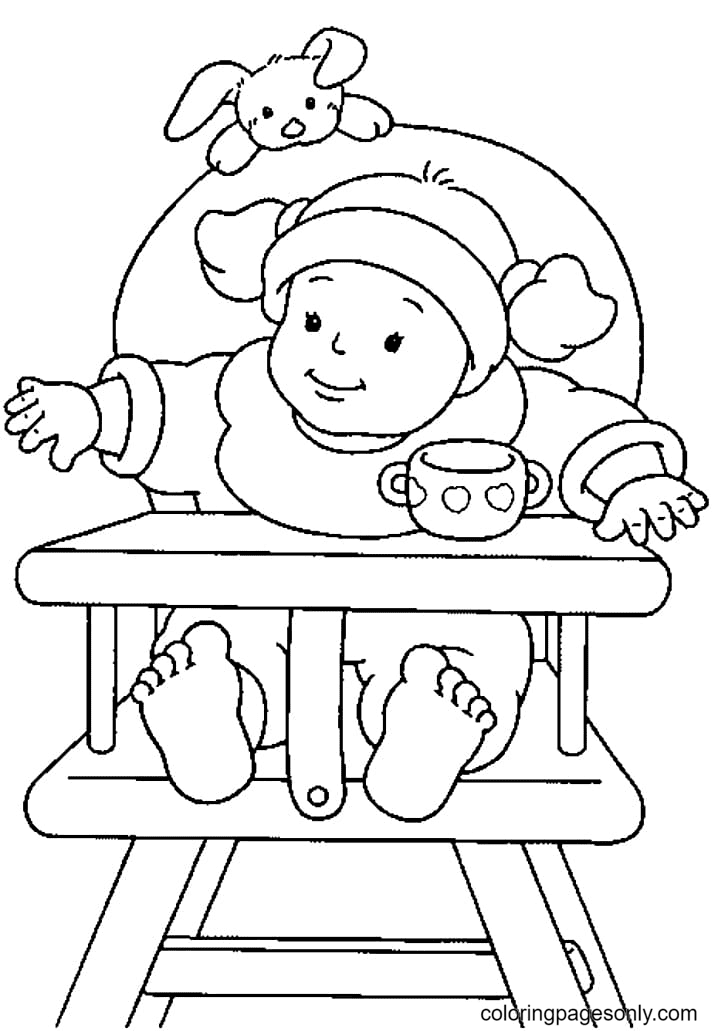
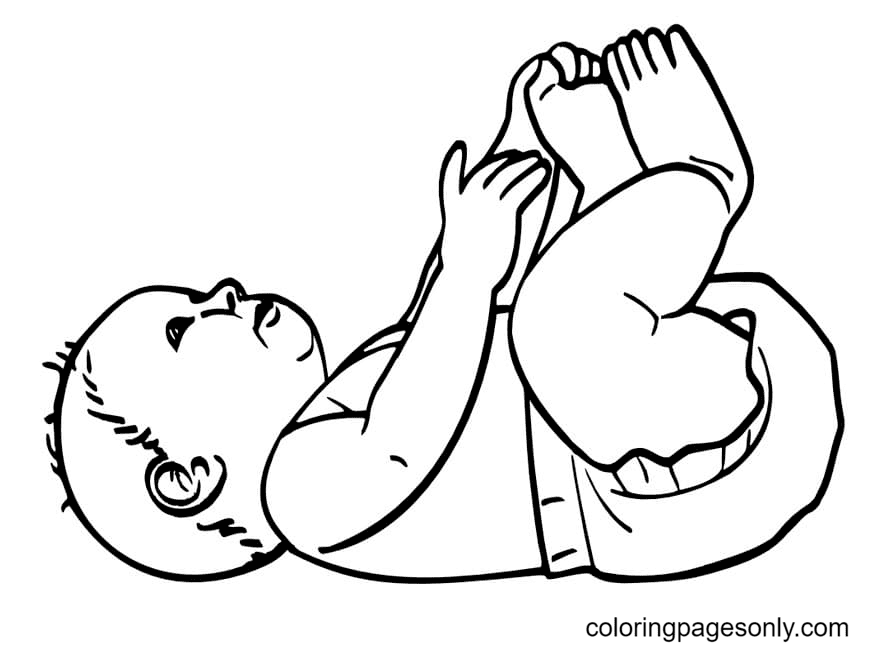
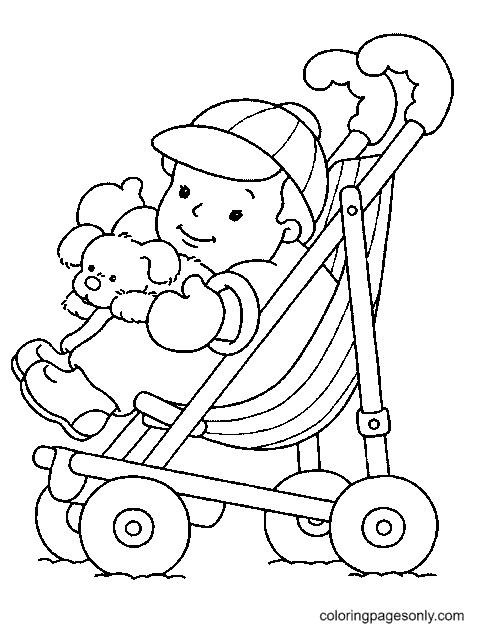
Baby in Stroller, Cute Baby in Stroller, Baby Boy in Stroller, Baby on Chair, Baby Boy Lying Down, and Baby Boy Worker capture babies in the process of being in the world – moving through it, resting in it, and beginning to participate in it on their own developing terms. The Baby Boy Worker page – a baby dressed in work gear with endearing seriousness – is a perennial favorite with children who love role-play and imaginary scenarios, and generates consistent delight from adults who encounter it unexpectedly.
Boss Baby Coloring Pages – Pop Culture Meets Nursery
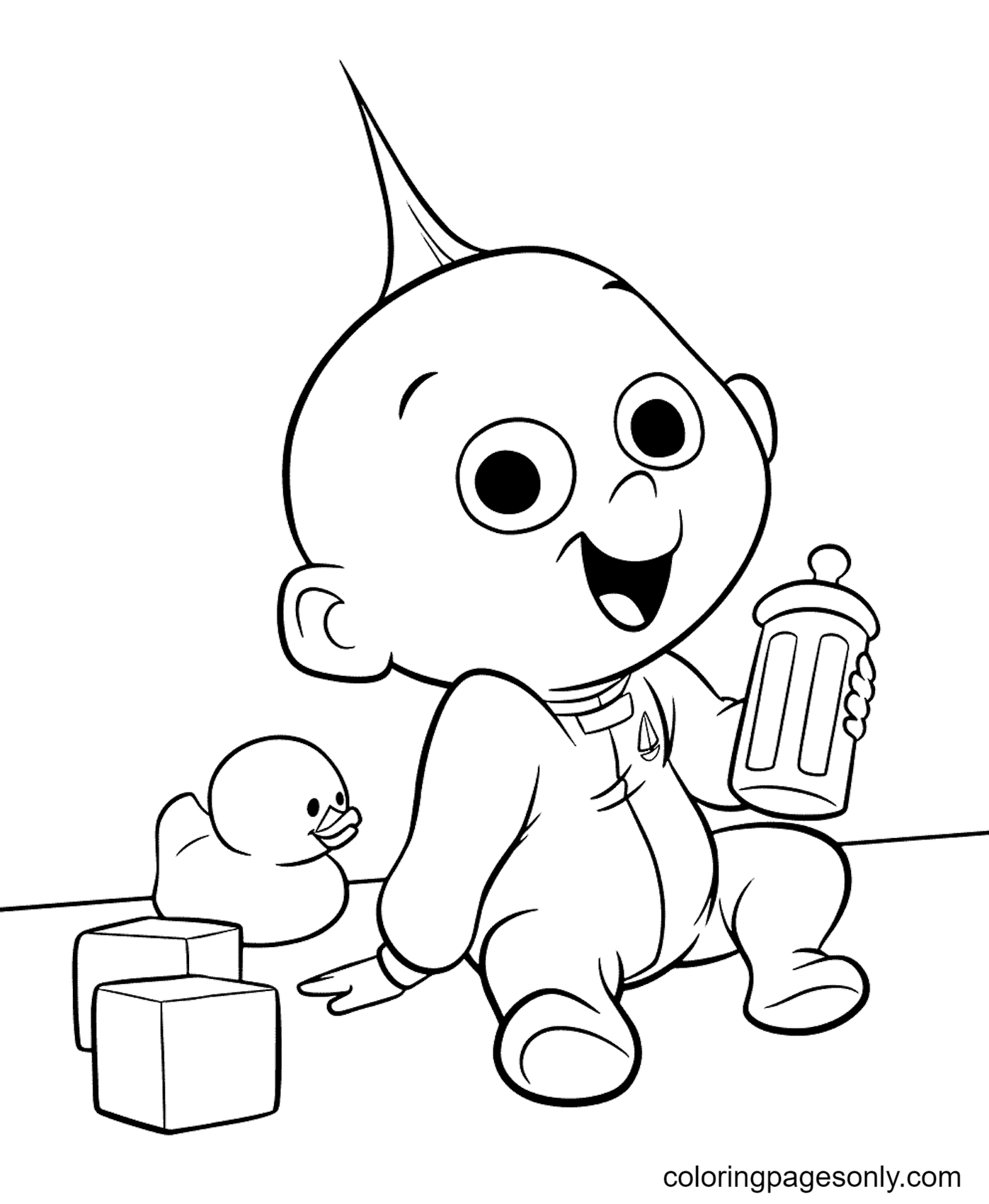
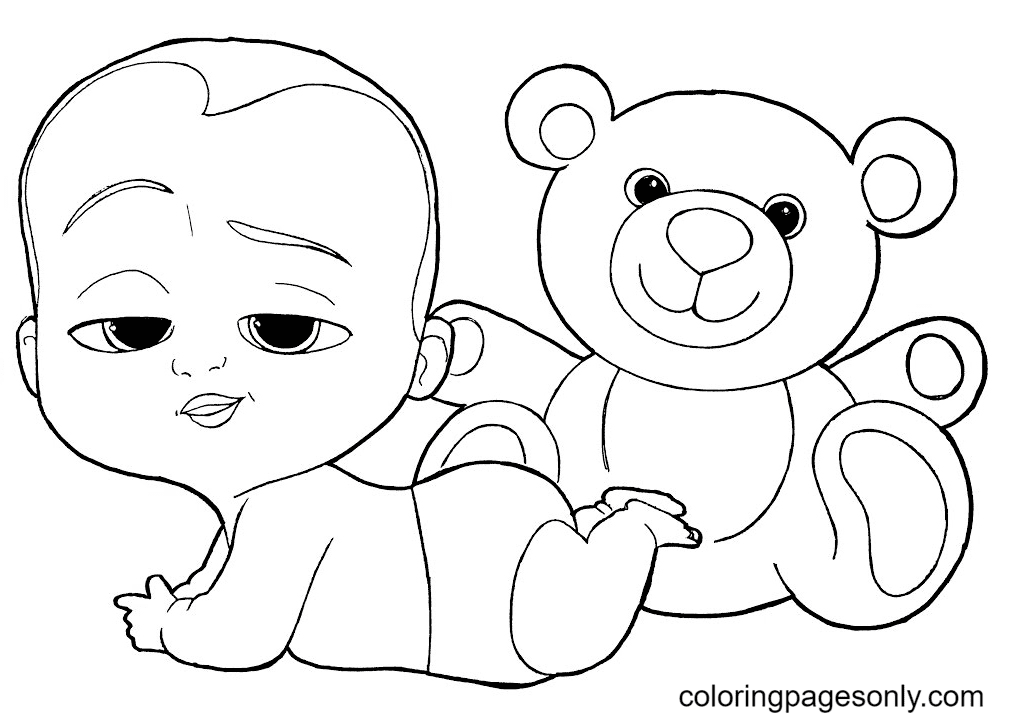
For families who love the Boss Baby franchise – or simply appreciate a baby who means business – our Boss Baby, Cool Boss Baby, and Boss Baby Connect the Dots pages bring the cheeky corporate infant to coloring life. These pages are particularly popular with slightly older children (ages 5–8) who enjoy the joke, love the film, and relish adding their own color personality to a character who already has plenty of his own. The connect-the-dots variation adds a pre-coloring activity that builds number recognition and fine motor control before the coloring even begins.
Kawaii Baby Pages – Sweet, Soft, and Irresistible
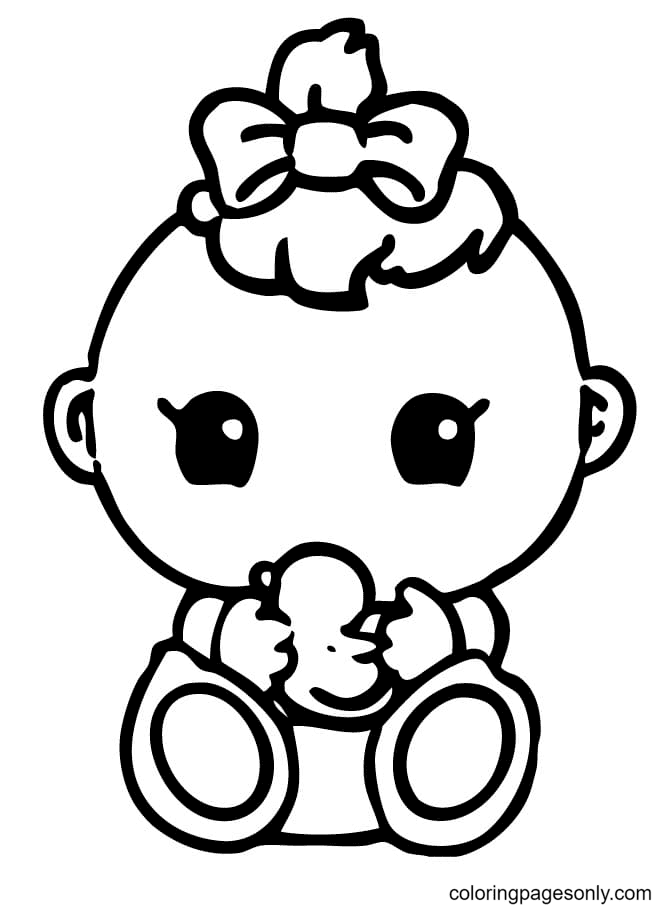
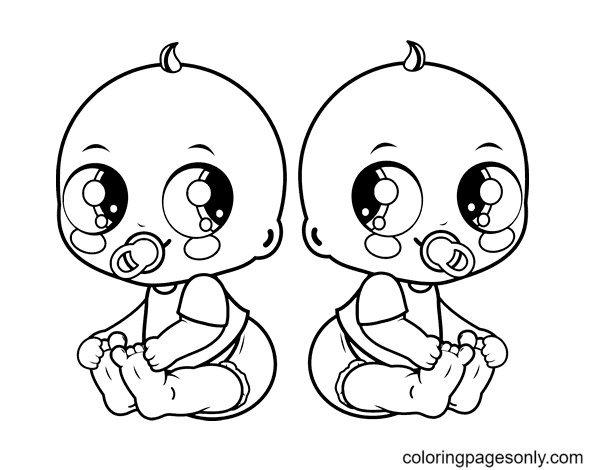
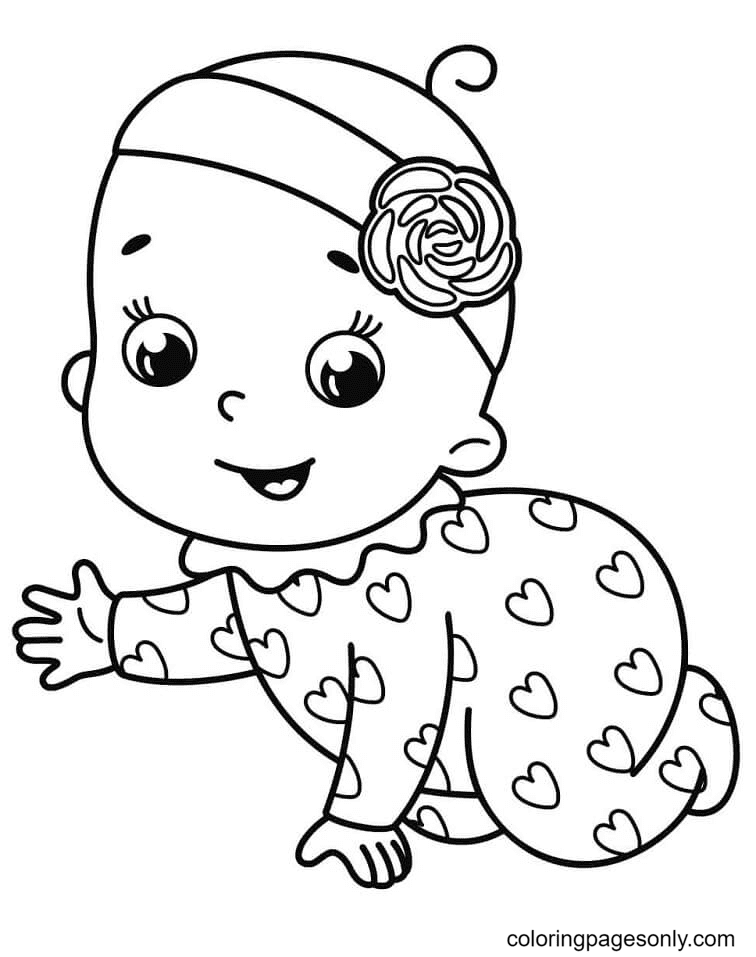
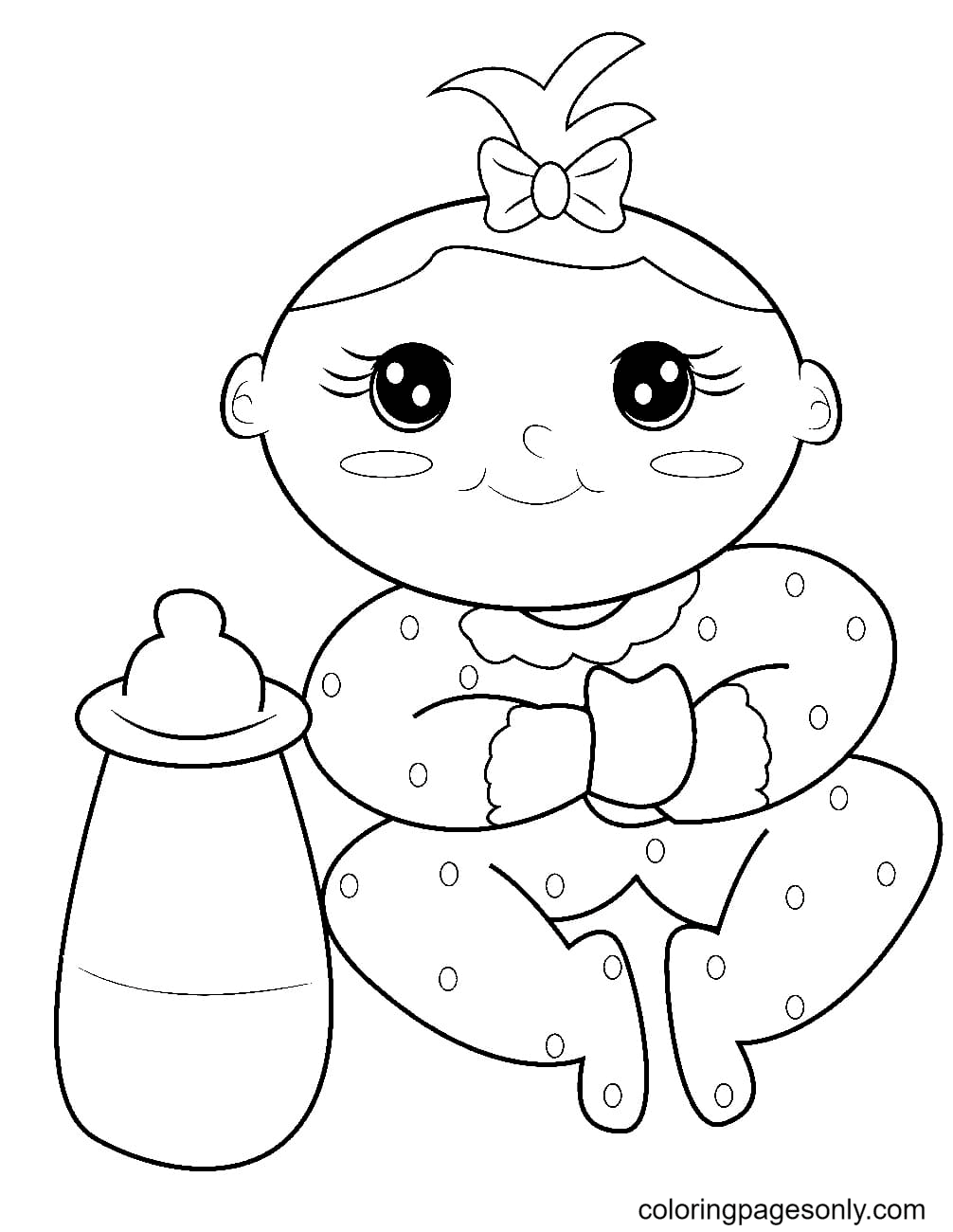
Kawaii Baby Girl brings the Japanese aesthetic of exaggerated cuteness – oversized eyes, rounded features, soft pastel associations – to our baby collection with a design that appeals strongly to children who love anime-adjacent illustration styles. This page is consistently popular with children ages 6–10 and with adult colorists who enjoy kawaii-style art. It pairs beautifully with soft pink, lavender, mint, and peach color palettes and rewards a gentle, careful approach to coloring.
Why You’ll Love Our Baby Coloring Sheets
52+ designs available free, always. Every page in this collection downloads as PDF, JPG, or PNG at no cost – no sign-up, no subscription, no restrictions for personal or educational use. PDF delivers the sharpest print quality for home printing. JPG is ideal for quick single-page sessions. PNG supports digital coloring and creative projects where a transparent background is useful.
Color online or print at home. Our built-in online coloring tool works in any browser – ideal for tablets, classroom devices, and screen-based coloring sessions. Or print on standard A4 paper for a traditional, tactile experience. Both options are always available, always free.
Genuinely suitable for all ages. Simple, open cartoon outlines are perfect for toddlers and preschoolers just developing pencil grip and color awareness. More detailed compositions – the kawaii baby girl, the sleeping baby with soft background elements, the Boss Baby in his suit – reward the patience and skill of older children and adults. Every page has a clear, intentional audience.
Perfect for multiple occasions. Baby shower gift (colored and framed), nursery wall art, classroom quiet-time activity, toddler playdate project, rainy-day screen-free entertainment, preschool lesson anchor – our baby pages serve all of these purposes and more, with no modification required beyond choosing the right design for the moment.
Incredible Benefits of Baby Coloring Pages
The benefits of coloring for child development are well documented across developmental psychology, occupational therapy, and early childhood education research. Baby-themed pages offer a specific set of advantages that extend beyond what most coloring collections provide:
Supports Fine Motor Development at Every Stage
Occupational therapists consistently identify coloring as one of the most effective fine motor activities available to young children. The act of grasping a crayon, controlling its pressure, staying within lines, and switching between implements builds the intrinsic hand muscles and the hand-eye coordination that children need for writing, cutting, self-care tasks, and a lifetime of precise manual work. The American Academy of Pediatrics identifies fine motor skill development as a key developmental milestone throughout the toddler and preschool years – and coloring is one of the most accessible tools for supporting it.
Baby coloring pages are particularly well-calibrated for young colorists: the large, rounded forms of infant bodies, the simple compositions, and the absence of complex background detail give young children achievable targets that build confidence alongside coordination.
Develops Emotional Intelligence and Empathy
Baby-themed coloring pages are among the most emotionally rich subjects available for early childhood art activities. Research from the Zero to Three organization – one of the leading early childhood development nonprofits in the United States – consistently shows that young children develop empathy most effectively through engagement with the emotional experiences of others, particularly through faces, stories, and caregiving scenarios.
When a child colors a crying baby and is asked, “Why do you think the baby is crying? What would make her feel better?”, they are practicing perspective-taking, emotional recognition, and compassionate reasoning – three of the foundational components of social-emotional intelligence that predict positive outcomes across academic, relational, and professional domains throughout life.
Nurtures Caregiving Instincts and Prosocial Behavior
Baby-themed imagery naturally activates what developmental psychologists call the “caregiving behavioral system” – the innate human tendency to respond to infant cues with nurturing behavior. For young children who are themselves navigating the demands of early childhood, engaging with baby imagery through coloring provides a safe, manageable way to practice the role of caregiver rather than care-recipient. This role reversal – coloring a baby, choosing its colors, “taking care of” its image on the page – supports the development of prosocial behavior and nurturing identity that benefits children throughout their development.
Promotes Mindfulness and Calm Regulation
The rhythmic, focused nature of coloring is widely recognized as a mindfulness-adjacent activity that supports emotional regulation in children and adults alike. A 2005 study published in Art Therapy: Journal of the American Art Therapy Association found that structured coloring activities significantly reduced self-reported anxiety in adult participants. For young children – who are still developing the neurological infrastructure for emotional self-regulation – the predictable, controlled, achievable nature of coloring a baby page provides a calming anchor during transitions, difficult moments, or simply the over-stimulated end of a busy day.
Builds Color Recognition, Vocabulary, and Language
As children color – narrating their choices, asking questions, describing what they see – they are actively building color vocabulary, descriptive language, and communicative confidence. “I’m making her blanket yellow and her hat pink” is a richer linguistic construction than it might appear: it involves color naming, possessive pronouns, spatial reasoning, and sequential thought. Baby coloring pages, with their familiar subject matter and emotionally engaging imagery, create natural, unpressured contexts for this kind of language development to flourish.
Supports Screen-Free Family Connection
The American Academy of Pediatrics recommends limiting screen time for children under 18–24 months and ensuring that screen time for children ages 2–5 is limited, high-quality, and accompanied by a caregiver. Baby coloring pages offer a genuinely appealing screen-free alternative that works for mixed-age groups – a four-year-old and a parent can color side by side, choose pages together, and talk about what they’re doing in ways that a shared screen experience rarely facilitates. The physical, tactile nature of the activity provides sensory engagement that screen-based alternatives cannot replicate.
Expert Coloring Tips for Baby Pages
These techniques progress from beginner to advanced – find your level and try working toward the next one:
Start with soft, warm skin tones – and make them your own. Baby skin tones are among the most nuanced and rewarding subjects in illustrative coloring. Rather than defaulting to a single flat peach, layer two or three tones: a light, warm base across the whole body; a slightly deeper, rosier tone on cheeks, knuckles, and the crease of the wrists where skin folds; and a very light highlight – almost white – on the tip of the nose, the highest point of the forehead, and the rounded peaks of tiny hands. This three-tone approach creates the soft, rounded quality that makes a baby illustration feel warm and alive rather than flat and generic.
Use soft, analogous color palettes for cohesion. Baby pages respond beautifully to analogous color schemes – groups of colors that sit next to each other on the color wheel and share a common undertone. Soft pink, lavender, and peach together. Pale mint, sky blue, and soft yellow together. These palettes feel inherently gentle and harmonious, which suits the emotional register of baby imagery. Avoid high-contrast complementary pairings (bright red against bright green, for example) for the baby’s clothing and environment – save bold contrast for accent details like a rattle or a flower, where it draws the eye effectively without overwhelming the softness of the figure.
Give sleeping babies the lightest, most delicate touch. Sleeping baby pages reward the most restrained coloring approach in the entire collection. Use the very lightest pressure with colored pencils, building color gradually in thin, transparent layers. Leave more white paper showing than you think is necessary – the slight translucency this creates mimics the soft, diffuse light of a nursery or a quiet afternoon. Heavy, fully saturated color on a sleeping baby illustration tends to lose the peaceful quality that makes these pages so appealing.
Add subtle texture to clothing and blankets. Baby onesies, blankets, and soft toys all have textile qualities that you can suggest with simple techniques. For knitted blankets, use short, slightly irregular horizontal strokes in alternating lighter and darker shades of the same color family. For smooth cotton fabric, use long, flowing strokes that follow the folds and drapes of the fabric. For the Boss Baby’s suit, firm, clean, slightly overlapping strokes in a muted grey-blue create the crisp, tailored quality that makes the character’s visual joke work.
Use expressive page backgrounds to tell a story. Many baby coloring pages include minimal or no background detail – which is an invitation, not a limitation. A sleeping baby on a white background becomes a much richer image when you add the soft edges of a crib, a gentle pattern on a nursery wall, or the suggestion of warm lamplight in one corner. A laughing baby gains context and narrative weight when placed in a kitchen chair, a garden, or a brightly colored playroom. These additions do not need to be elaborate – even a simple wash of soft color in the background transforms a character study into a scene.
3 Classroom & Home Activity Ideas
Personalized Baby Memory Book
Create a handmade memory book that celebrates a real baby – a new sibling, a cousin, a family friend’s newborn – by assembling a curated selection of baby coloring pages into a bound, illustrated keepsake. Select eight to ten pages from the collection that represent different moments and moods: a sleeping baby for quiet nights, a laughing baby for joyful mornings, a baby with a rattle for playtime, a baby in a stroller for walks in the park.
Color each page with care, choosing a consistent color palette across the whole book – soft pastels, or warm earth tones, or a single accent color repeated throughout – so the finished pages feel like a cohesive series rather than a random collection. Below each illustration, write a short, handwritten caption in the first person: “This is me, sleeping in my crib on rainy afternoons” or “This is me, laughing at everything Dad says.”
Bind the finished pages along the left edge with a long-arm stapler or binder rings, and add a craft-paper cover with the baby’s name and birth date hand-lettered on the front. This book makes a genuinely moving, entirely personal gift for a new parent – one that carries far more warmth and meaning than any store-bought alternative – and it teaches the child who creates it something real about the craft of storytelling through images.
Emotions Sorting Gallery
Turn baby coloring pages into a hands-on emotional intelligence activity for preschool and early elementary classrooms by creating an “Emotions Gallery” wall display that helps children practice recognizing, naming, and discussing feelings.
Select ten to twelve expressive baby pages from the collection – Baby Laughing, Baby Crying, Happy Baby Girl, Funny Baby, Naughty Baby Boy, Hi Baby, Pretty Baby, and others that show distinct emotional expressions. Assign each page to a different child or small group, and ask them to color their baby with colors they associate with how that baby feels: happy babies in yellows and oranges, sad babies in blues and greys, surprised babies in bright, unexpected combinations.
When all pages are complete, arrange them on a classroom wall under category labels – Happy, Sad, Surprised, Silly, Calm – and invite each child to explain their color choices and what they think the baby in their picture is feeling, and why. Follow with a group discussion: “Have you ever felt like that baby? What happened? What helped?”
This activity builds emotional vocabulary, develops empathy and perspective-taking, creates a visually beautiful classroom display, and generates the kind of authentic, child-led conversation about feelings that formal social-emotional learning curricula often struggle to produce.
Baby Shower Coloring Station
Set up a creative baby shower activity that guests of all ages can participate in simultaneously – and that produces something genuinely meaningful for the new parents to take home. Print a selection of fifteen to twenty baby coloring pages in advance, choosing a variety of styles: sweet and sentimental, funny and playful, simple for younger guests, more detailed for adults.
Arrange the pages at a dedicated table with a full range of coloring supplies – colored pencils, fine-tip markers, crayons, and soft pastels for those who prefer them. Invite each guest to choose one or two pages and color them however they like, then sign the back with a personal message, a piece of advice for the new parents, or a wish for the baby.
At the end of the shower, collect all the completed pages and present them to the expectant parent in a binder or folder – a one-of-a-kind illustrated book of good wishes, created by everyone who loves them, that the family will keep long after the cake has been eaten and the tissue paper recycled. For virtual baby showers, participants can download and color their chosen pages independently, photograph them, and submit them to be assembled into a digital slideshow or printed book.
This activity costs almost nothing to organize, requires no artistic expertise from guests, produces zero waste, and results in a keepsake of genuine sentimental value – which is everything a good baby shower activity should be.
Frequently Asked Questions About Baby Coloring Pages
What age group are baby coloring pages best suited for? The collection works across a wide age range. The simplest, most open pages – Cute Baby, Hi Baby, Adorable Baby Boy – are ideal for toddlers ages 2–4 who are just developing grip strength and color control. More detailed pages with clothing textures, background elements, and expressive faces work well for children ages 5–10. The Boss Baby pages appeal strongly to ages 5–8 who know the franchise. Adult colorists find the sleeping baby and kawaii pages particularly rewarding, especially when approached with colored pencils and a light, layered technique.
Are these pages appropriate for a baby shower activity? Absolutely – baby coloring pages make one of the most thoughtful and universally accessible baby shower activities available. They require no artistic skill, cost nothing to prepare, and produce a personalized keepsake that new parents genuinely treasure. We recommend printing a mix of sweet, funny, and detailed pages to suit guests of different ages and preferences, and providing a range of coloring supplies. See the Classroom & Home Activity Ideas section above for a complete guide to organizing a baby shower coloring station.
Can I use these pages in a preschool or kindergarten classroom? Yes, and they are particularly well-suited to early childhood educational settings. Baby-themed pages connect naturally to social-emotional learning curriculum content (recognizing feelings, practicing empathy, discussing caregiving), fine motor development goals, and language development activities. The expressive baby faces generate rich conversation opportunities. Pages depicting everyday baby objects – rattles, bottles, strollers, blocks – support vocabulary development and real-world object recognition.
What coloring supplies work best for baby pages? For young children ages 2–5, chunky crayons and washable markers are ideal – they are easy to grip, forgiving of imprecision, and produce satisfying bold color without requiring significant pressure control. For ages 6 and up, standard crayons, colored pencils, and fine-tip markers all work well. For adult colorists seeking the most nuanced results, quality colored pencils – particularly those with a soft, waxy core such as Prismacolor or Faber-Castell Polychromos – allow the layering and blending techniques that baby skin tones particularly reward.
What is the best approach to coloring baby skin tones? Baby skin tones are among the most rewarding subjects in illustrative coloring precisely because they reward a multi-layered, gentle approach. Begin with the lightest warm tone available – a very light peach, a soft tan, or a pale golden brown, depending on the skin tone you are working toward. Apply it lightly across the entire skin area. Add a second, slightly deeper tone in areas of natural shadow and warmth: cheeks, knuckles, elbow creases, and the crease of the wrist. Finally, leave the highest points – the tip of the nose, the center of the forehead, the rounded peaks of small hands – as the lightest tone or even untouched white paper. This three-layer approach captures the soft, rounded quality of infant skin better than any single-tone application.
How can I use these pages to support a child’s emotional development? The expressive baby pages – Baby Laughing, Baby Crying, Happy Baby Girl, Funny Baby, Naughty Baby Boy – are particularly powerful tools for emotional development conversations. While coloring, ask open, curious questions rather than leading ones: “How do you think this baby is feeling? What do you think happened just before this picture? What would you do if you saw a baby feeling this way?” These conversations, conducted without pressure in the context of a pleasurable activity, build emotional vocabulary, empathy, and perspective-taking in ways that direct instruction rarely achieves. Research from the Zero to Three organization consistently identifies caregiver-guided emotion conversations as one of the strongest predictors of children’s social-emotional competence.
Can these pages be used as nursery wall art? Yes – and this is one of the most popular uses of our baby coloring pages among parents and expectant families. Print on heavyweight matte photo paper or cardstock for the best results, color with quality colored pencils or watercolor pencils for a painterly finish, and frame in simple white or natural wood frames for a cohesive nursery gallery wall. A set of three to five coordinated pages – all colored in the same soft palette – creates a completely personalized, handmade nursery display at a fraction of the cost of commercial nursery art prints.
Are the Boss Baby pages appropriate for young children? The Boss Baby pages are based on the DreamWorks animated franchise rated PG, and are appropriate for the age ranges the films target – generally ages 4 and up. The humor of the Boss Baby character relies on cognitive contrast (a baby behaving like a corporate executive), which children typically begin to understand and find funny around ages 4–6. The connect-the-dots Boss Baby page adds an additional pre-coloring number-sequencing activity that builds numeracy and fine motor skills before the coloring begins.
Getting started is simple: browse the full baby coloring collection right here at ColoringPagesOnly.com, choose your favorite designs, and download them instantly – always free, always without sign-up. Print at home on standard A4 paper, or use our online coloring tool directly in your browser for a screen-based session. Come back regularly – new designs are added to the collection on an ongoing basis.
Babies are the beginning of everything. They arrive knowing nothing and learning everything, feeling the full weight of every emotion without filter or pretense, discovering a world that is entirely new to them and entirely extraordinary because of it. Coloring their portraits – with all the care and attention that the most important people in the world deserve – is a small, joyful way to honor that.
Pick up your crayons. Choose your baby. And bring a little of that warmth to the page.
Share your finished artwork with us on Facebook and Pinterest, and tag #Coloringpagesonly. We love seeing your creative interpretations and the personal stories behind them – every colored page is a tiny piece of someone’s world, and we are grateful for every one you share with us.
Color the sweetness. Celebrate the small. Create something that lasts.
Explore more heartwarming collections from ColoringPagesOnly.com: