Wasp Coloring Pages
 By:
Jennifer Thoa - Content Editor & Designer
Updated:
By:
Jennifer Thoa - Content Editor & Designer
Updated:
Free Wasp Coloring Pages: 23 printable PDF designs of paper wasps, wasp nests, cartoon wasps, and realistic single-wasp sheets. Wasps belong to the same insect order as bees and ants, and most have a narrow, pinched “wasp waist” connecting their thorax and abdomen, a feature that sets them apart from the rounder body of a bee. Each page can be downloaded as a PDF to print or colored online in the browser.
Unlike a honeybee, most wasps have a smooth stinger without a barb, which means a wasp can sting more than once without losing its sting. Despite that reputation, wasps play a helpful role in nature by hunting other insects, including many garden pests, to feed their young. Paper wasps get their name from the papery nest material they build by chewing wood fiber and mixing it with saliva.
This collection spans 23 pages, split between wasps shown with bees and other pollinators, paper wasps and nests, cartoon and playful wasps, realistic single-wasp sheets, and a couple of simple or patterned designs. The coloring angle ranges from a single wasp outline to fuller nest scenes.
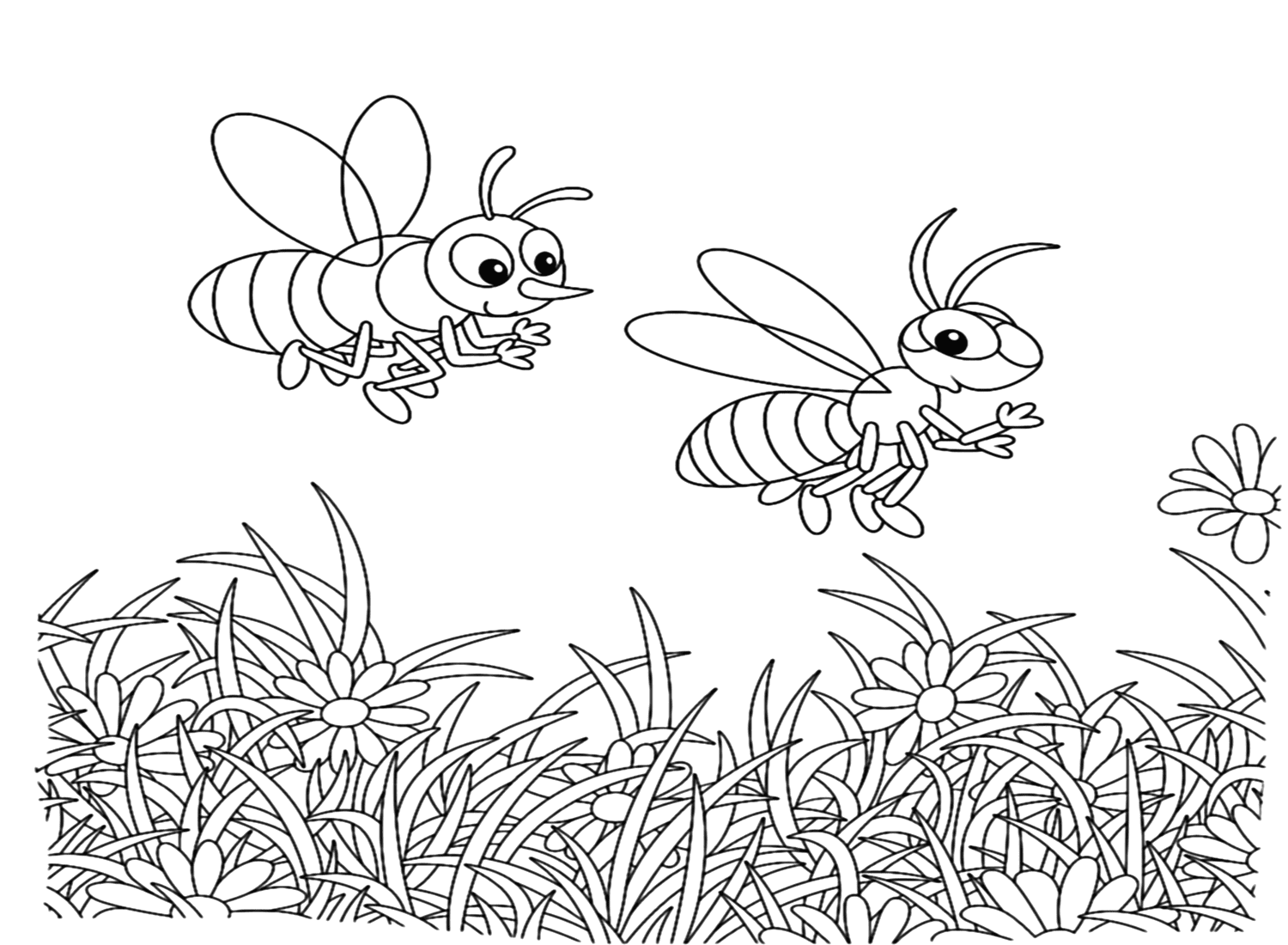
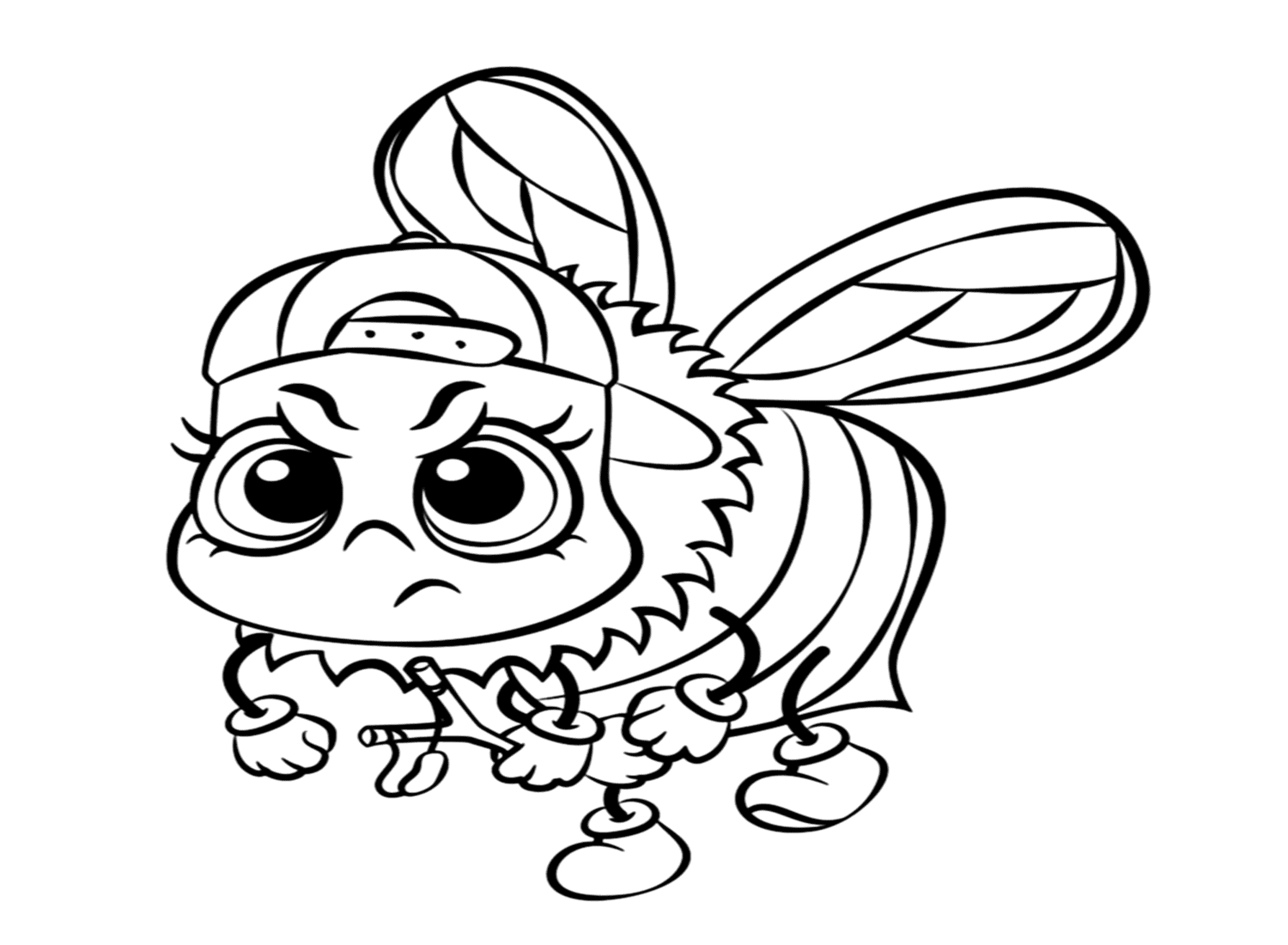
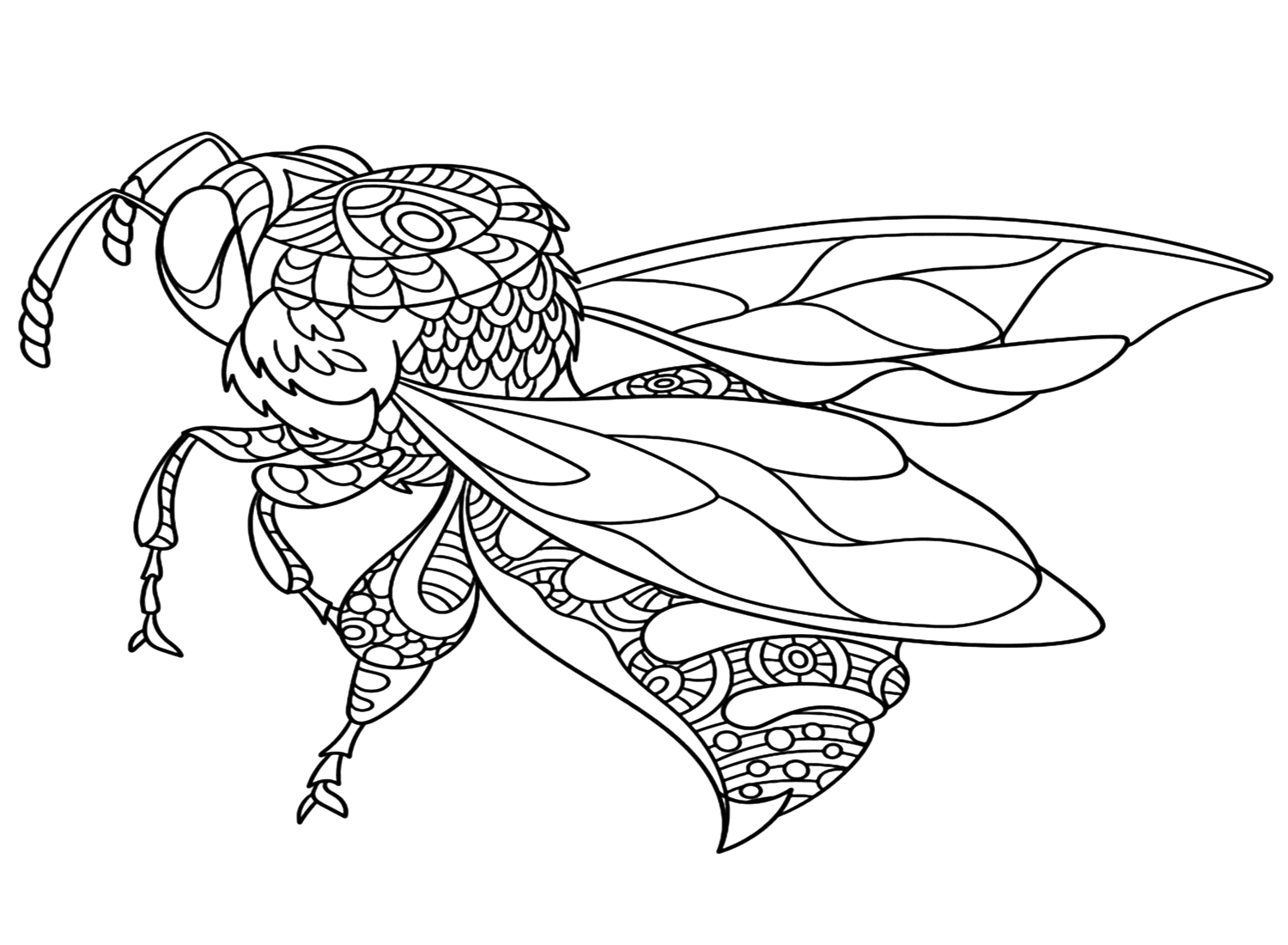
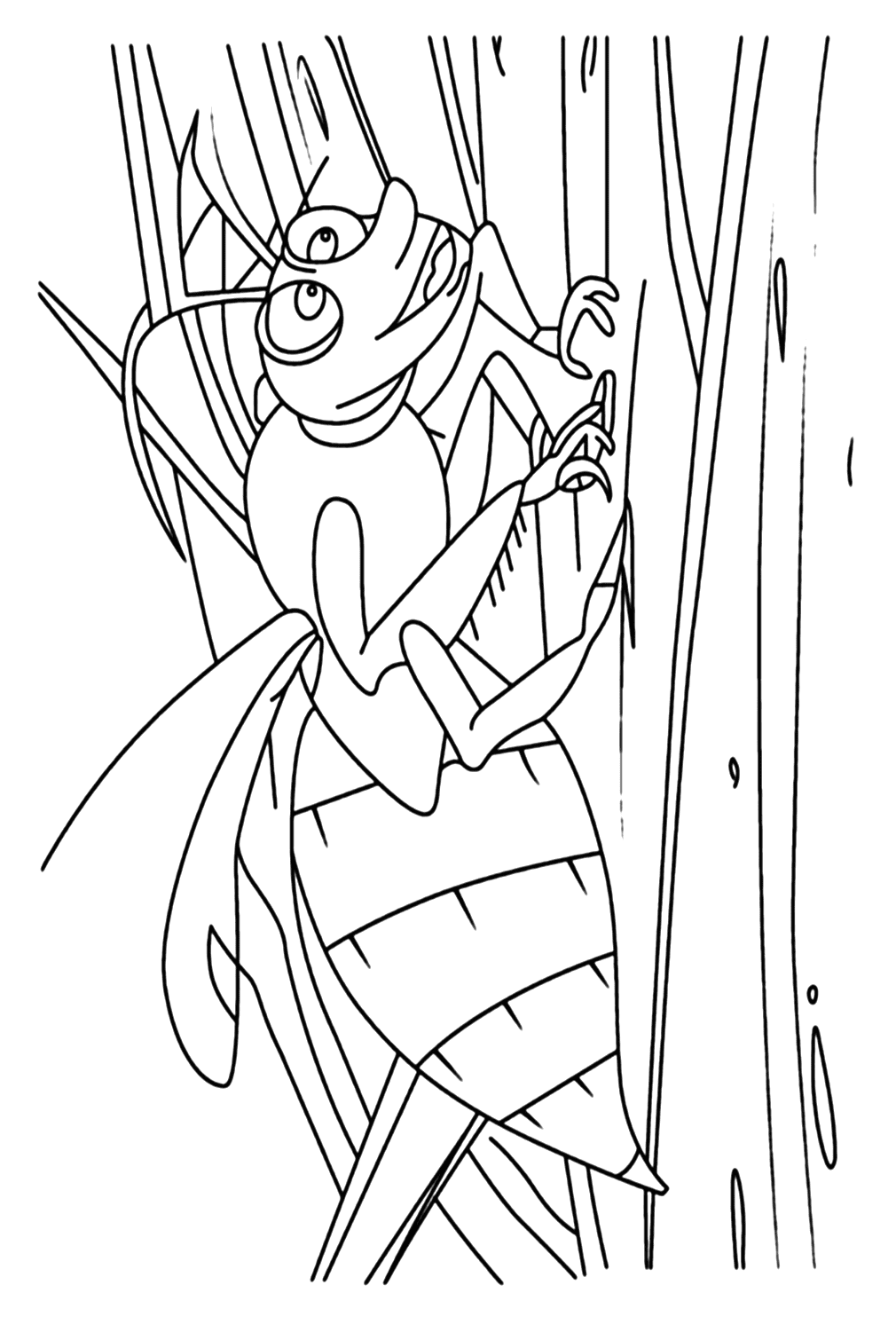
What’s Inside This Collection
The 23 designs group into five categories, from wasps with other pollinators to simple patterned pages.
Wasps with Bees and Other Pollinators
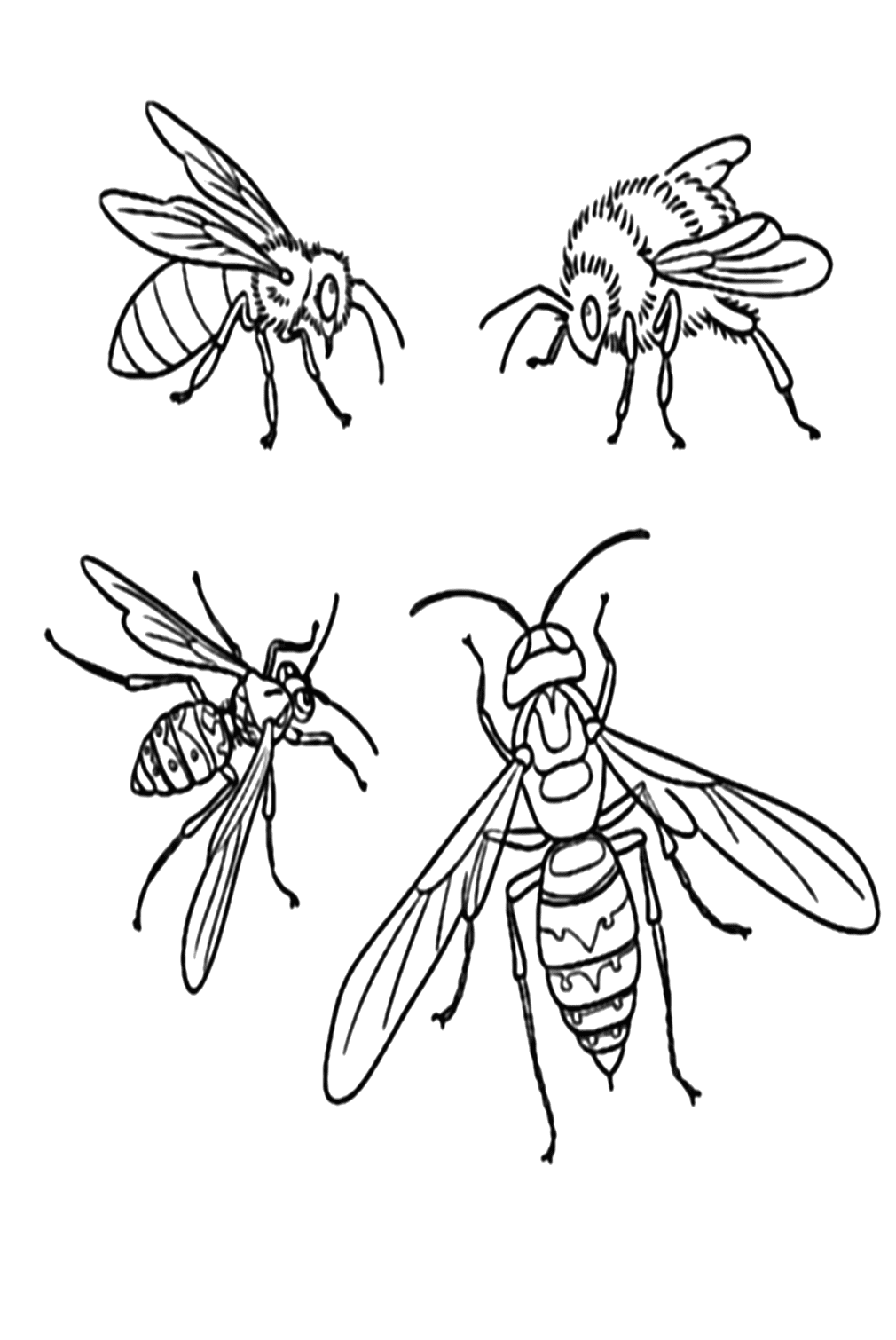
A few pages show a wasp alongside a bee, bumblebee, or hornet, good for a side-by-side lesson comparing how these related insects look different from one another.
Paper Wasps and Nests
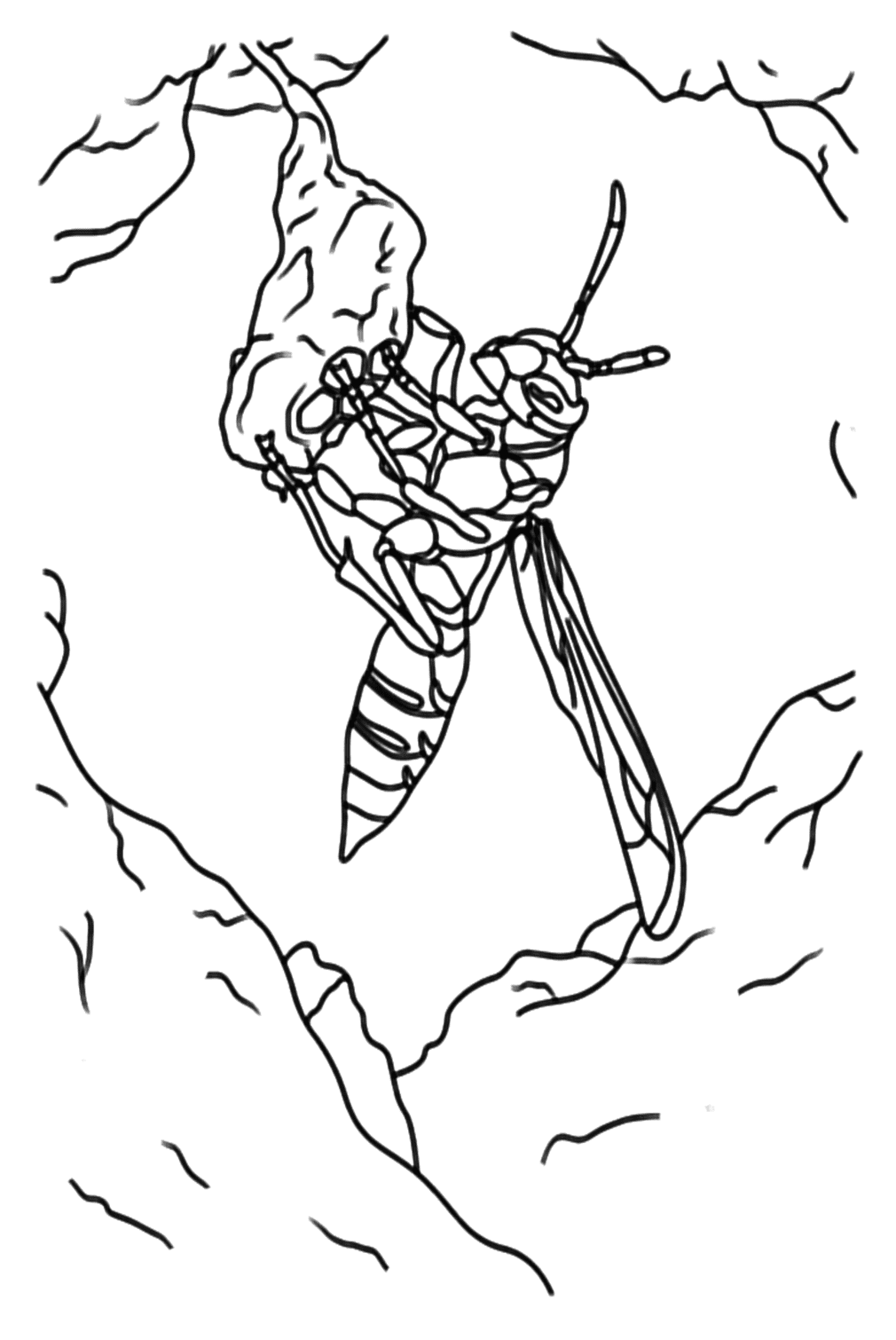
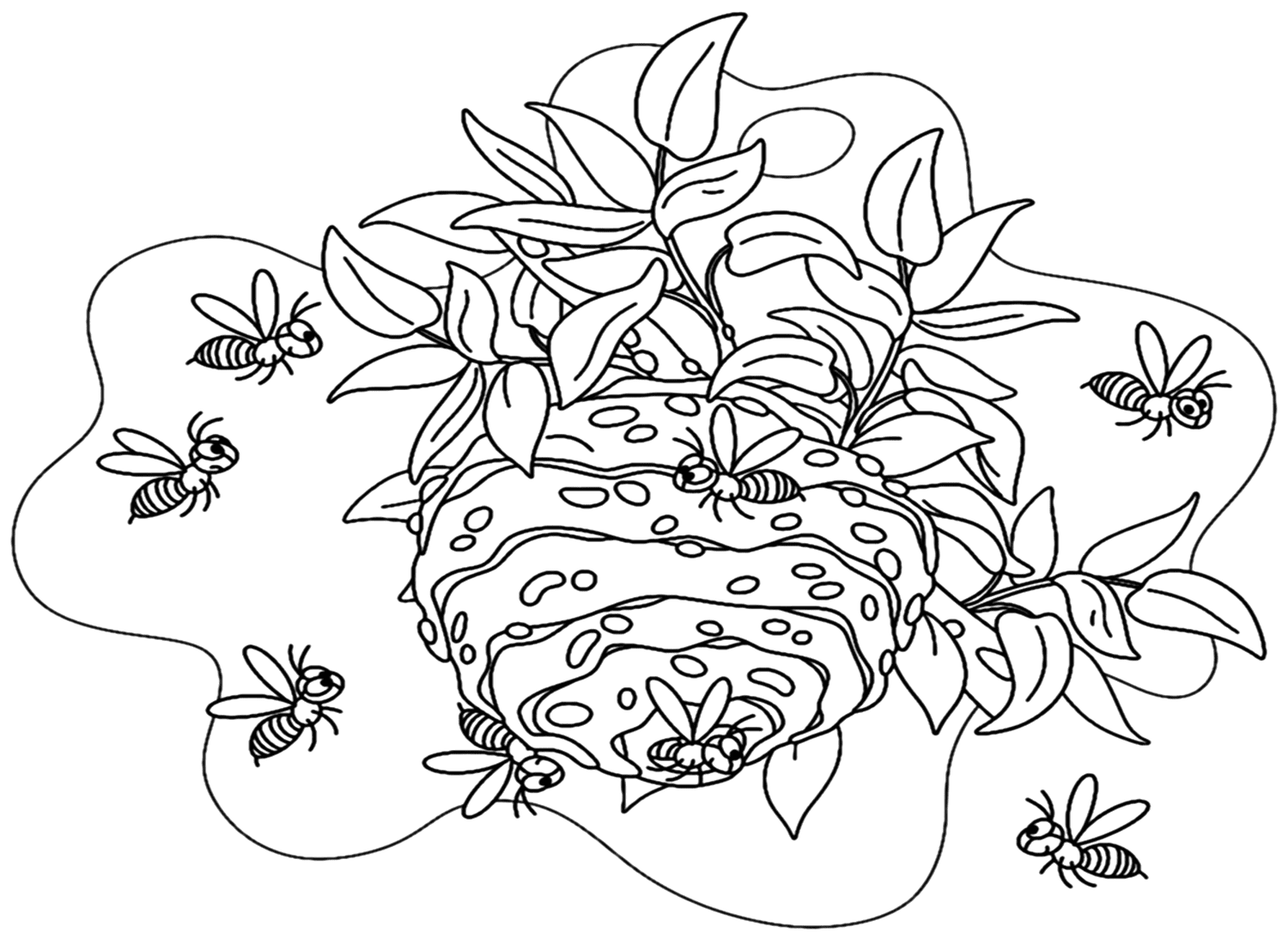
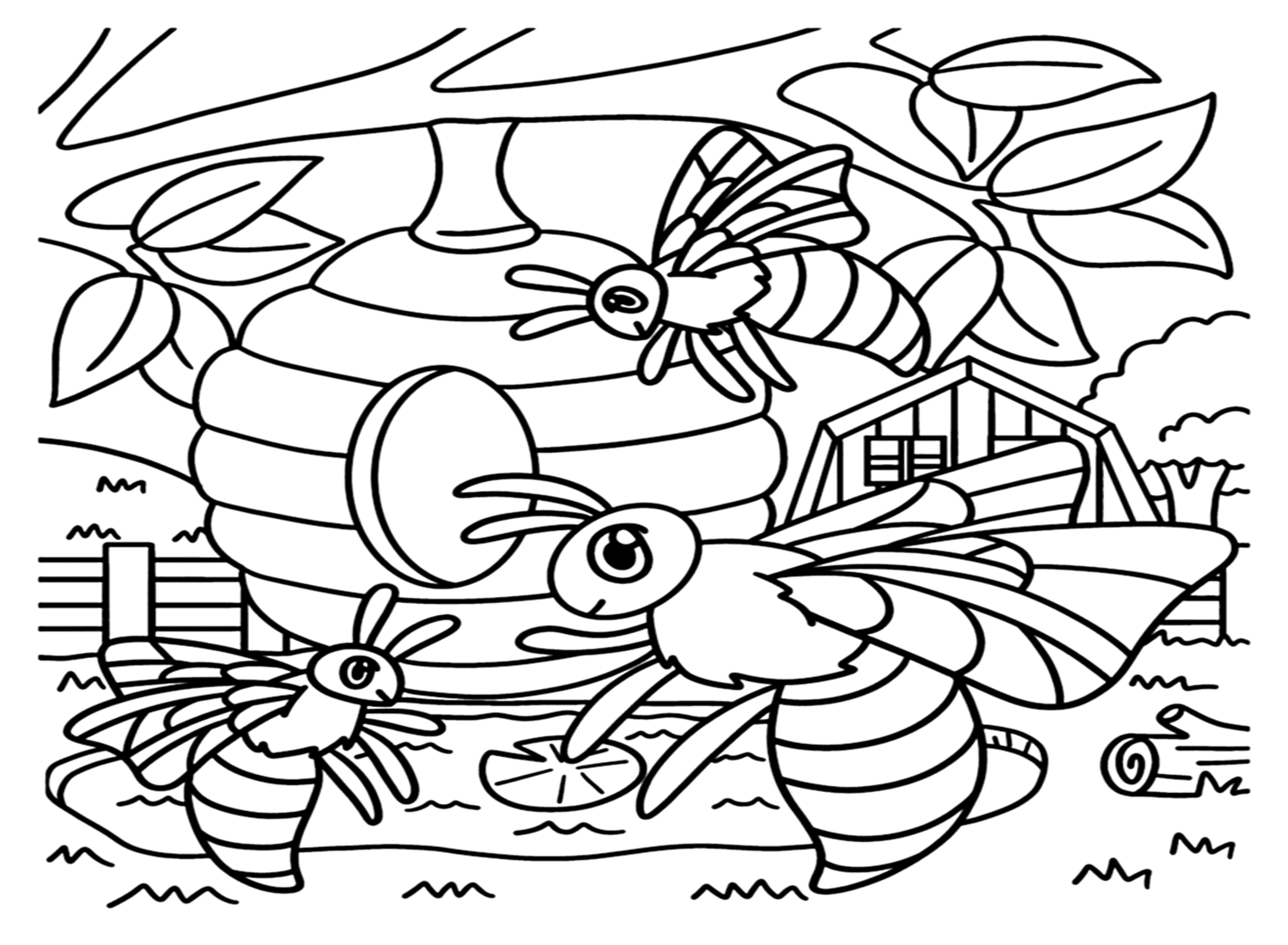
A few pages focus on the papery, honeycomb-patterned nests wasps are known for building, including a close-up paper wasp design and full nest scenes.
Cartoon and Playful Wasps
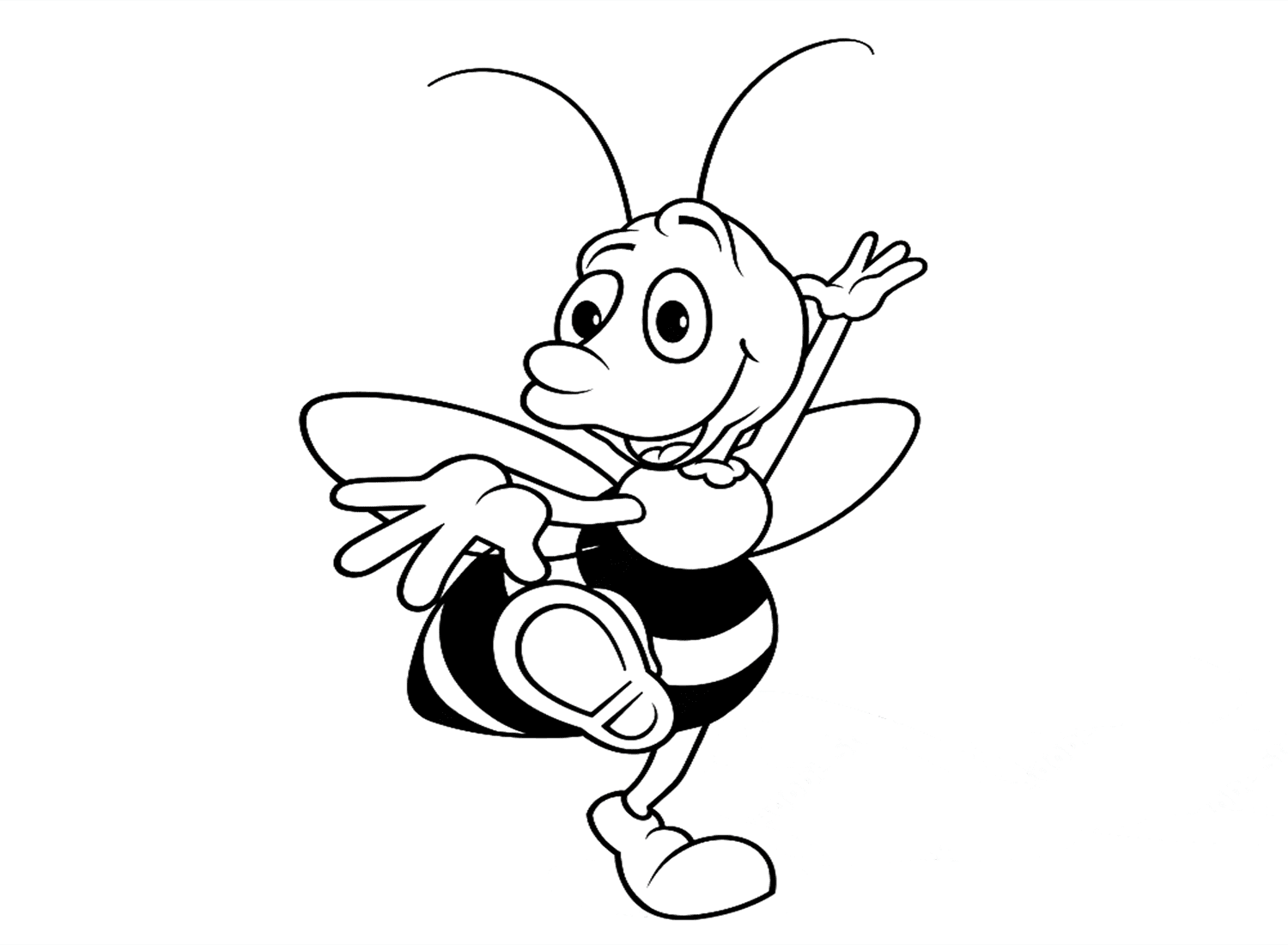
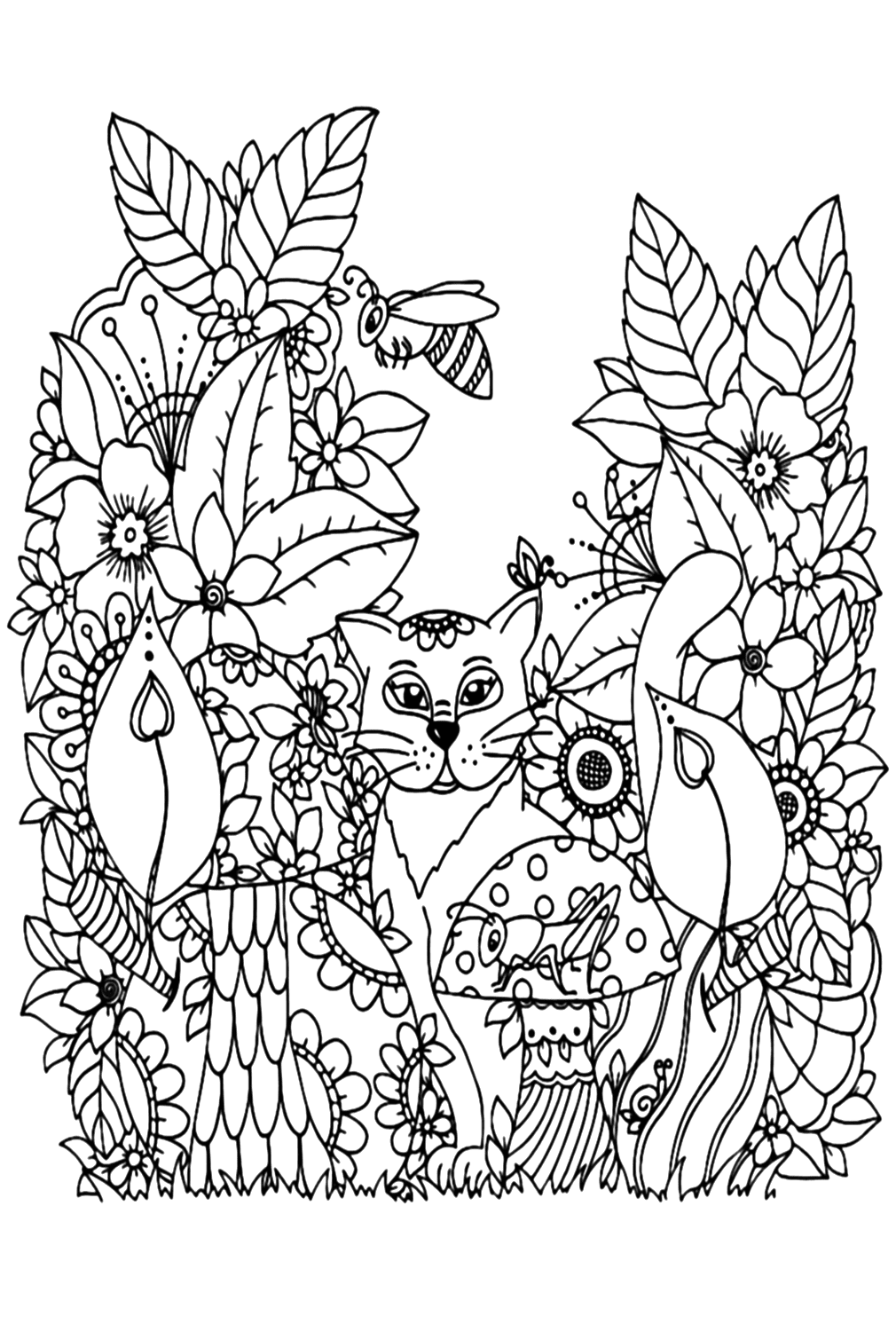
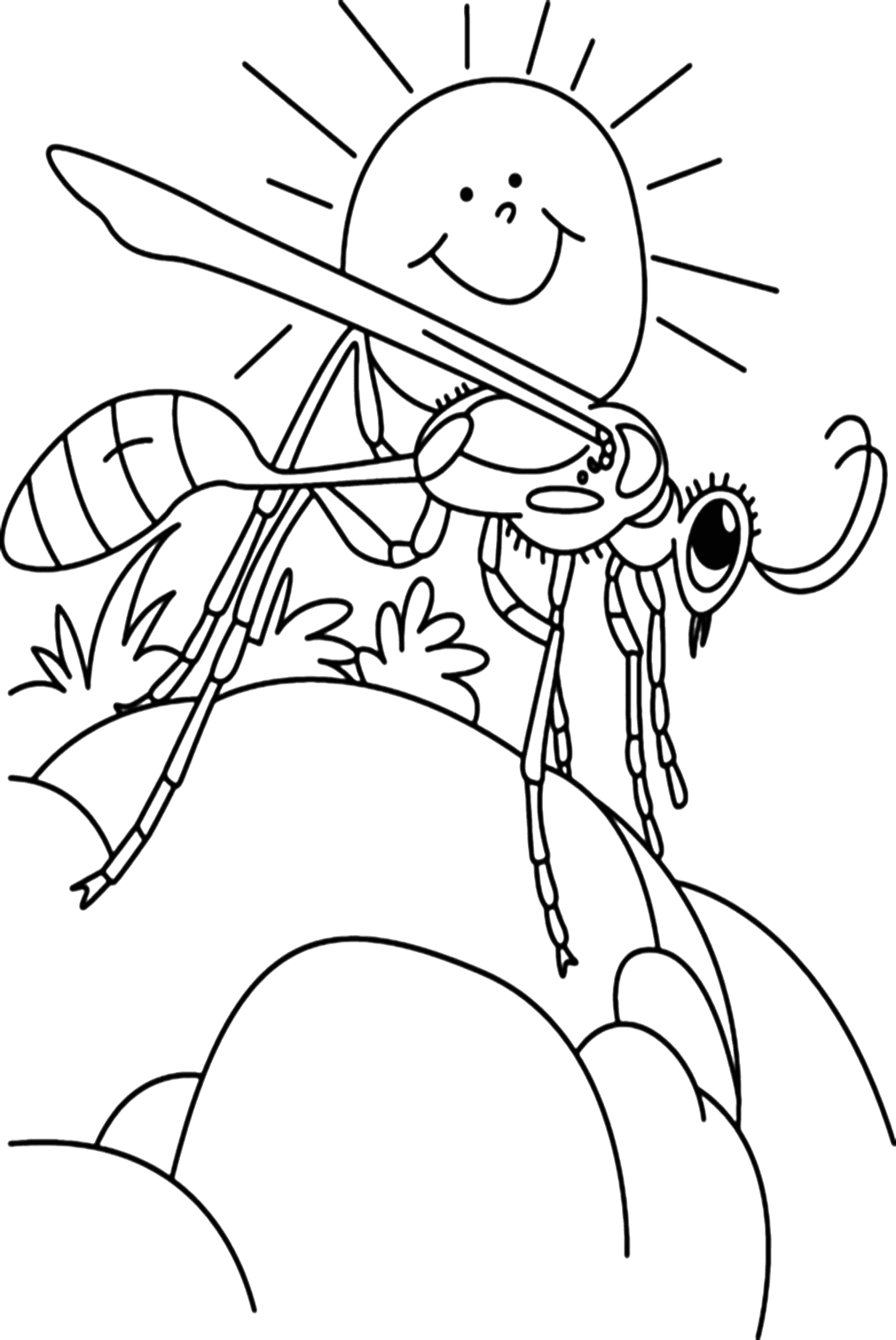
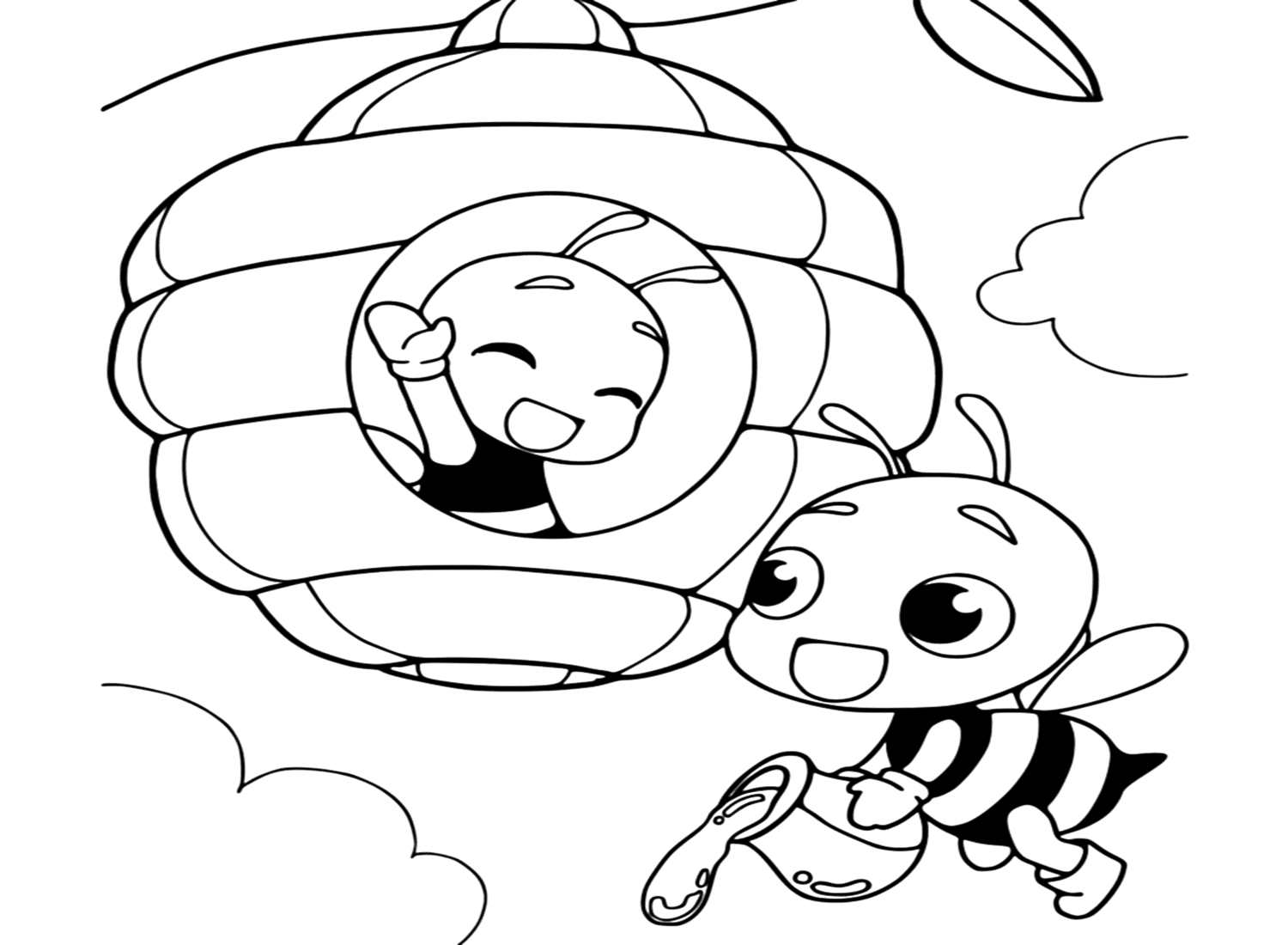
A few pages give a wasp a cartoon look, including one paired playfully with a cat, well-suited to bright, non-realistic colors.
Realistic Wasp Designs
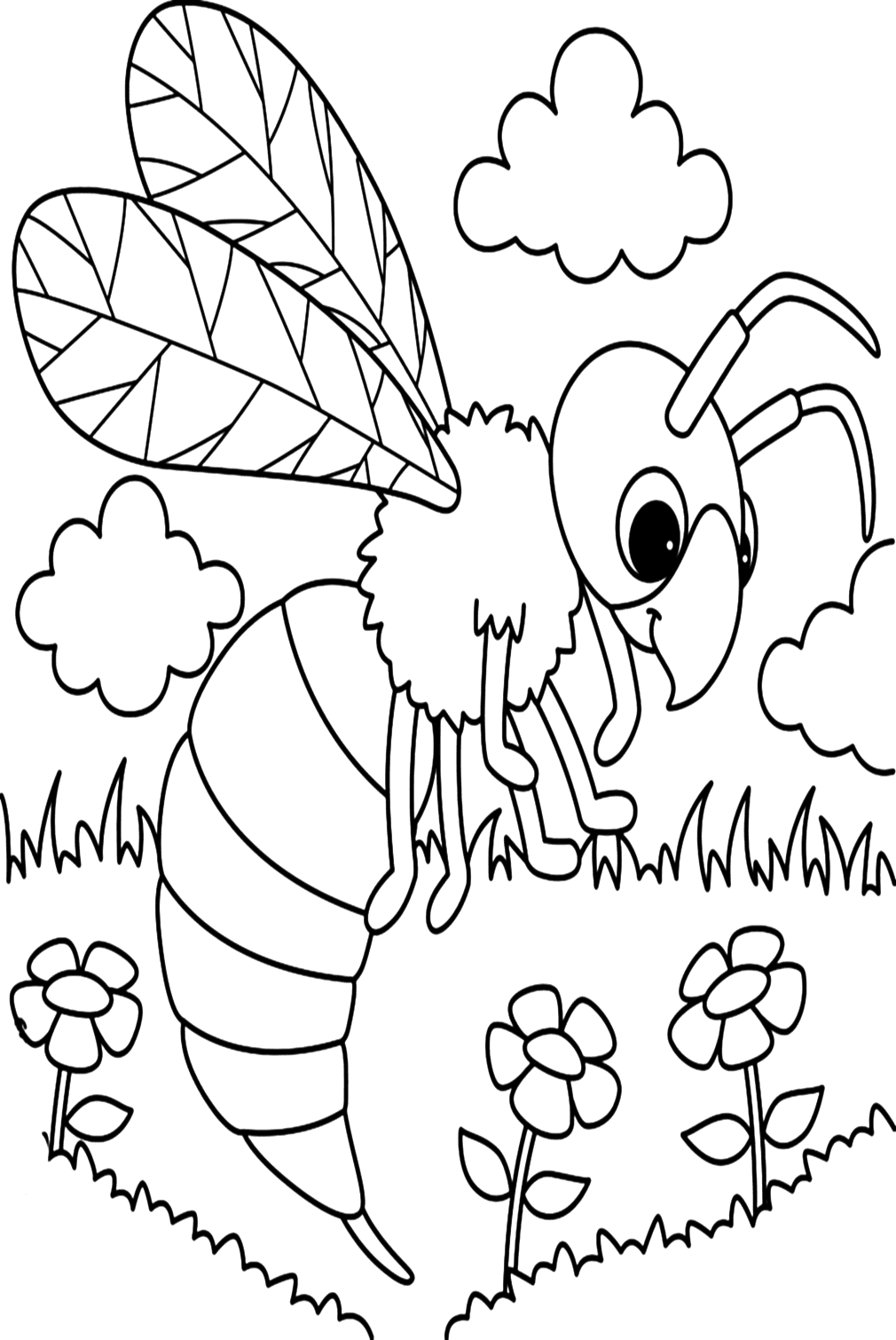
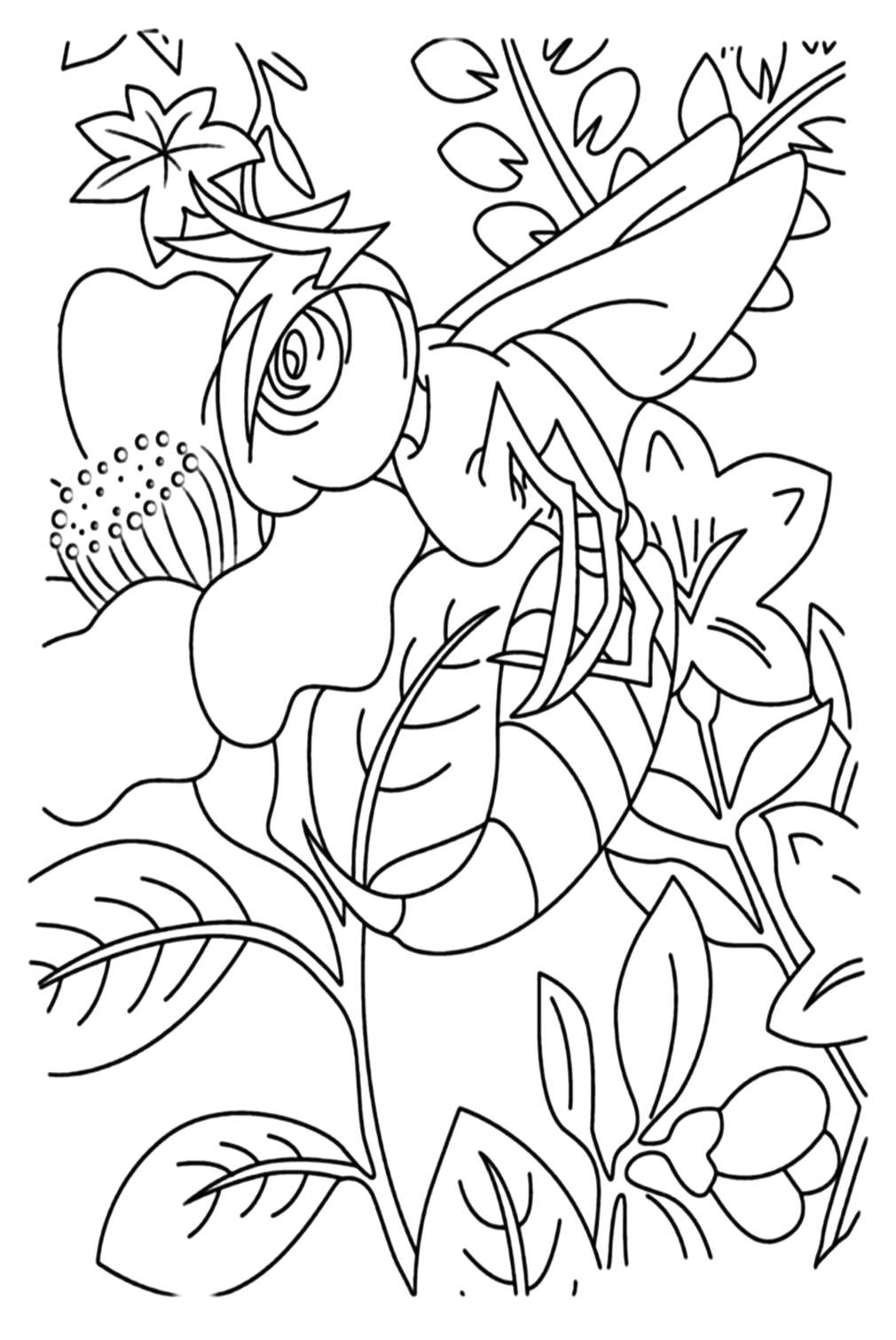
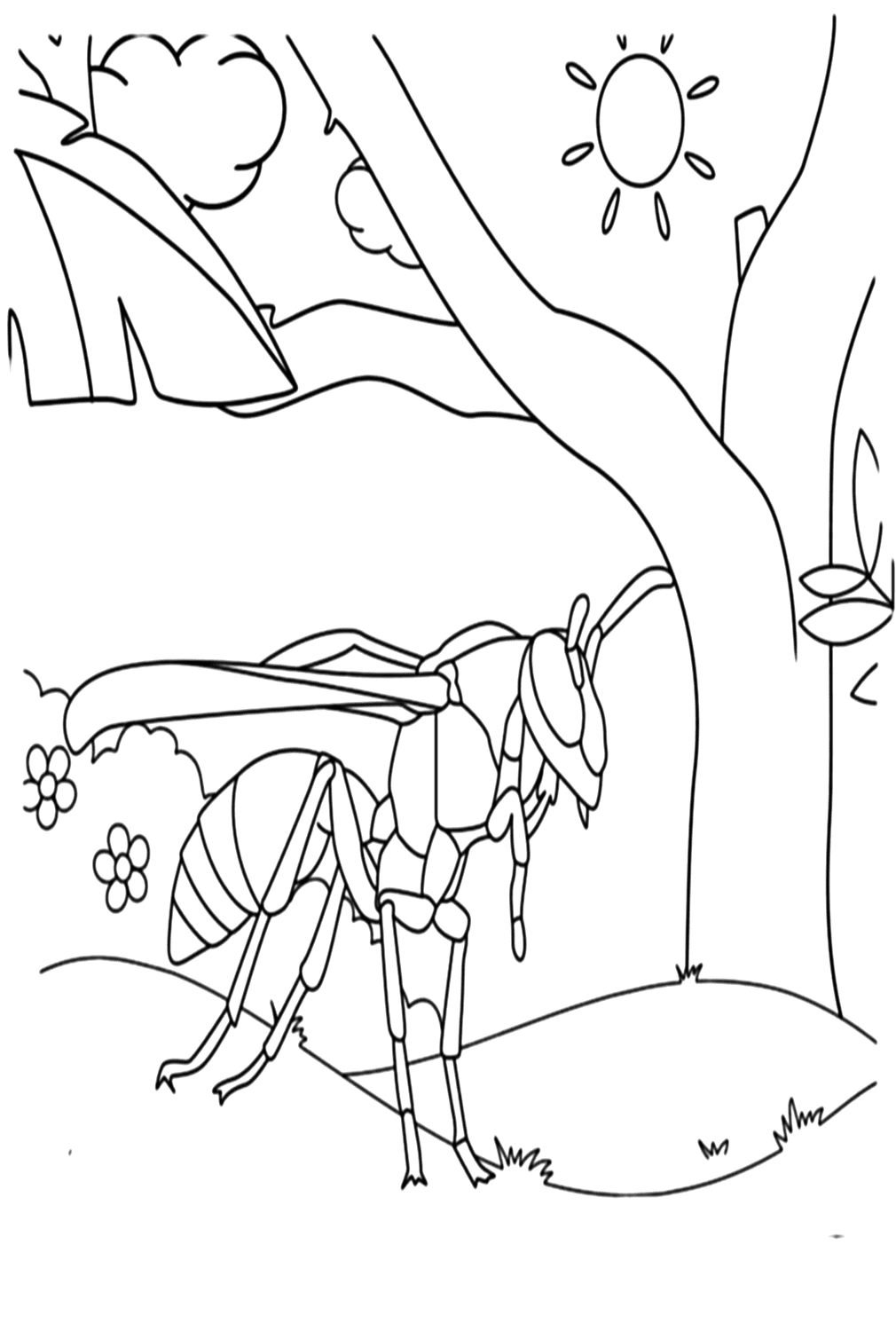
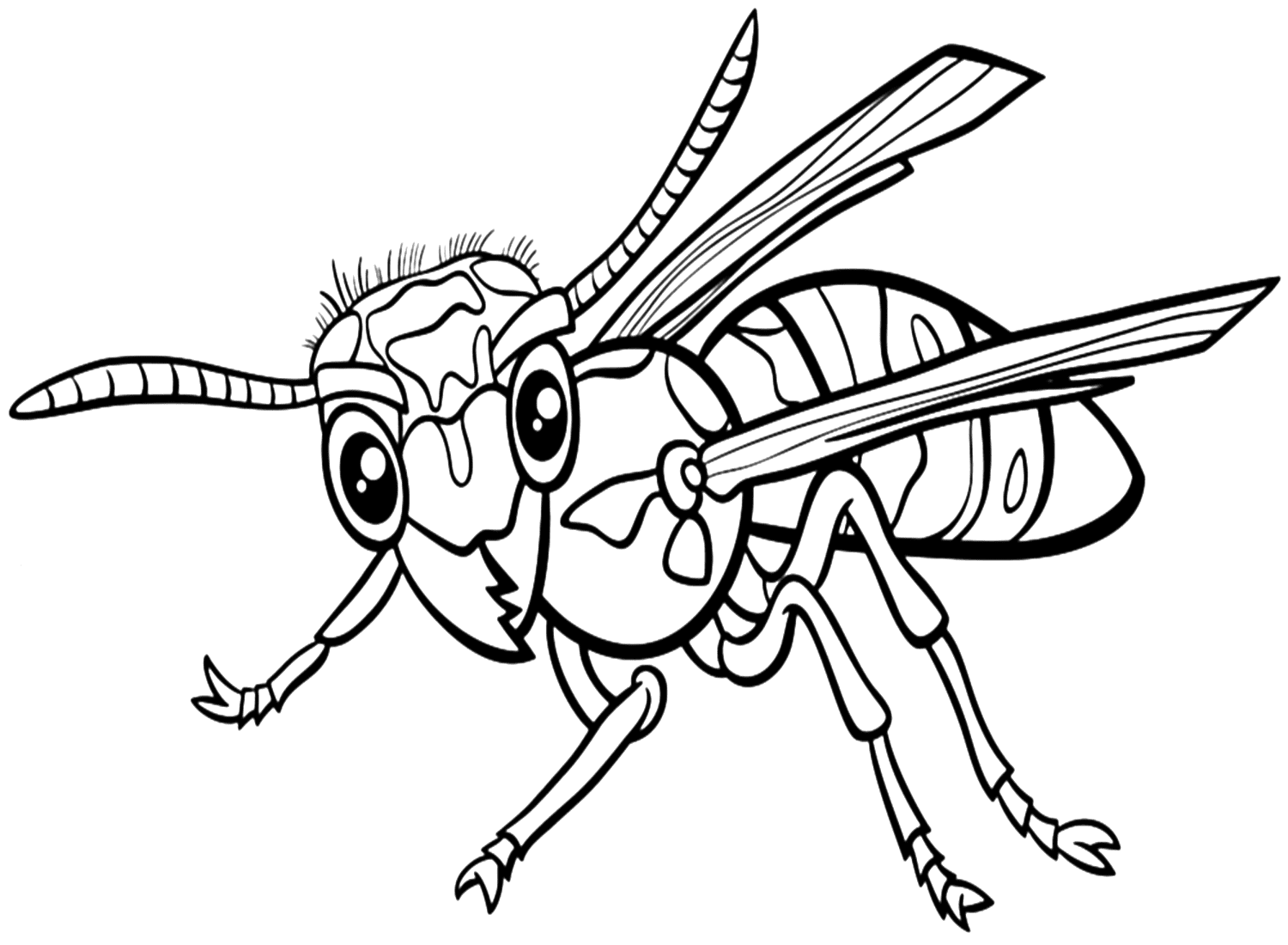
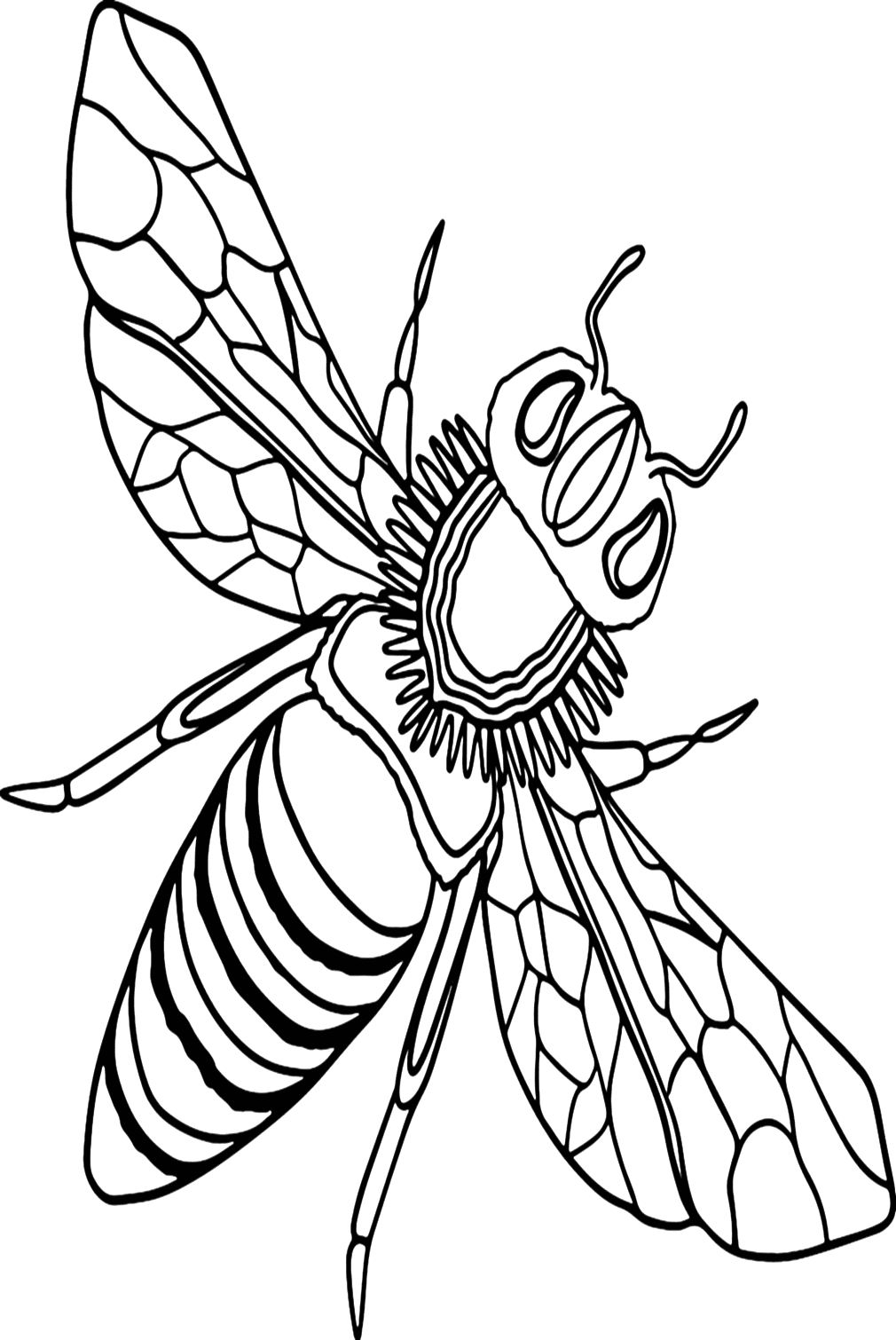
About 11 pages show a single wasp in a straightforward, realistic style, good for practicing the insect’s narrow waist, folded wings, and long legs.
Simple and Patterned Designs
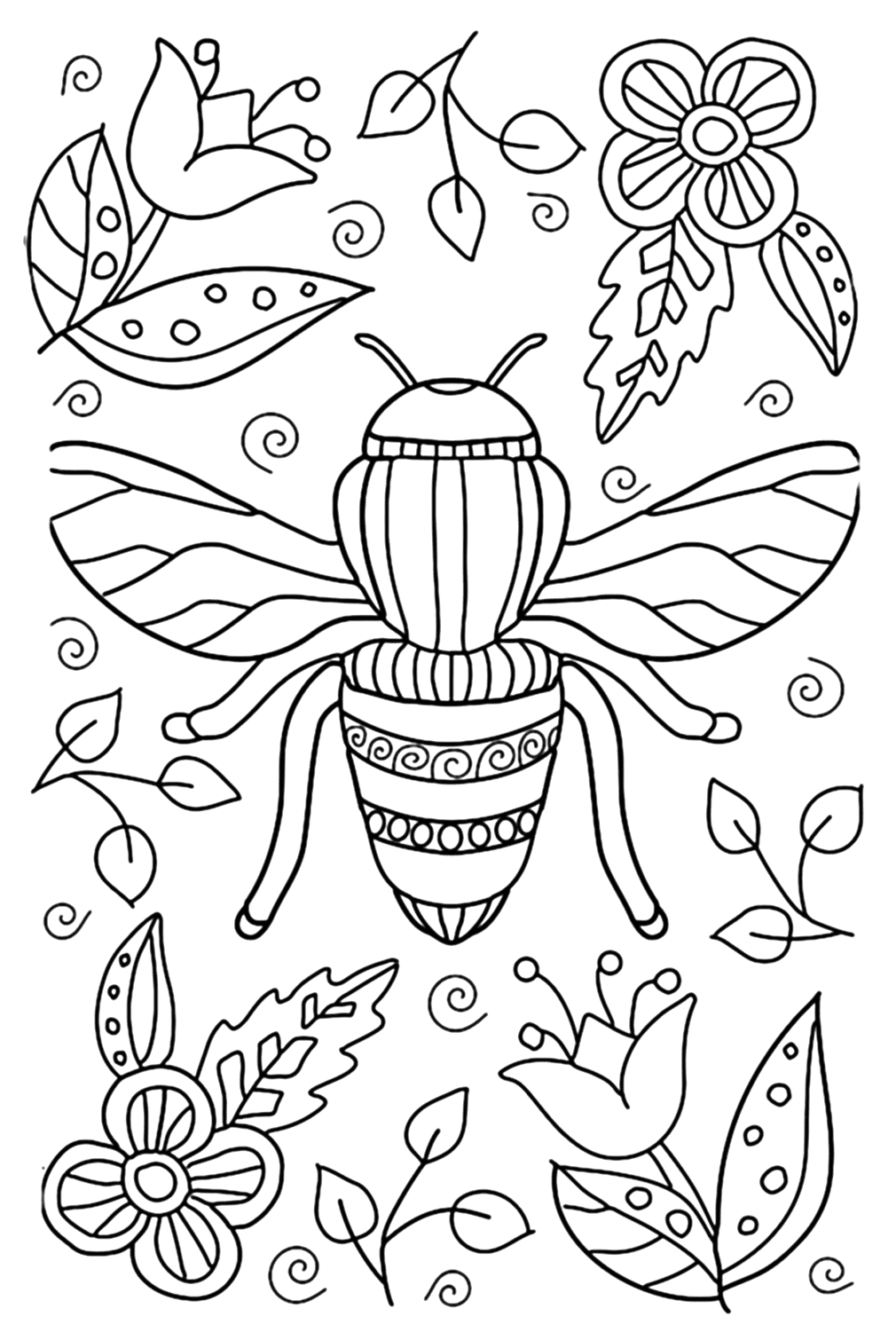
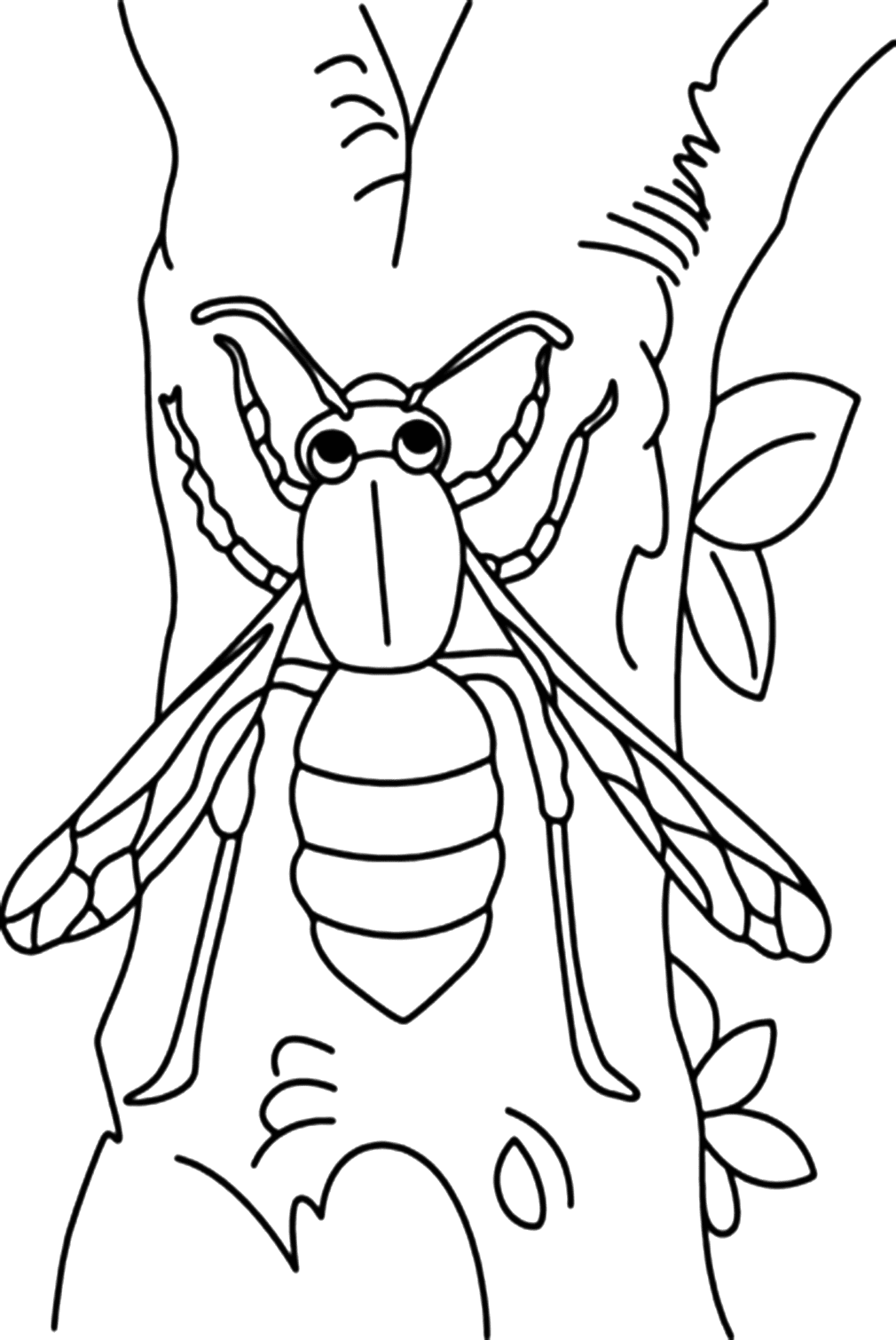
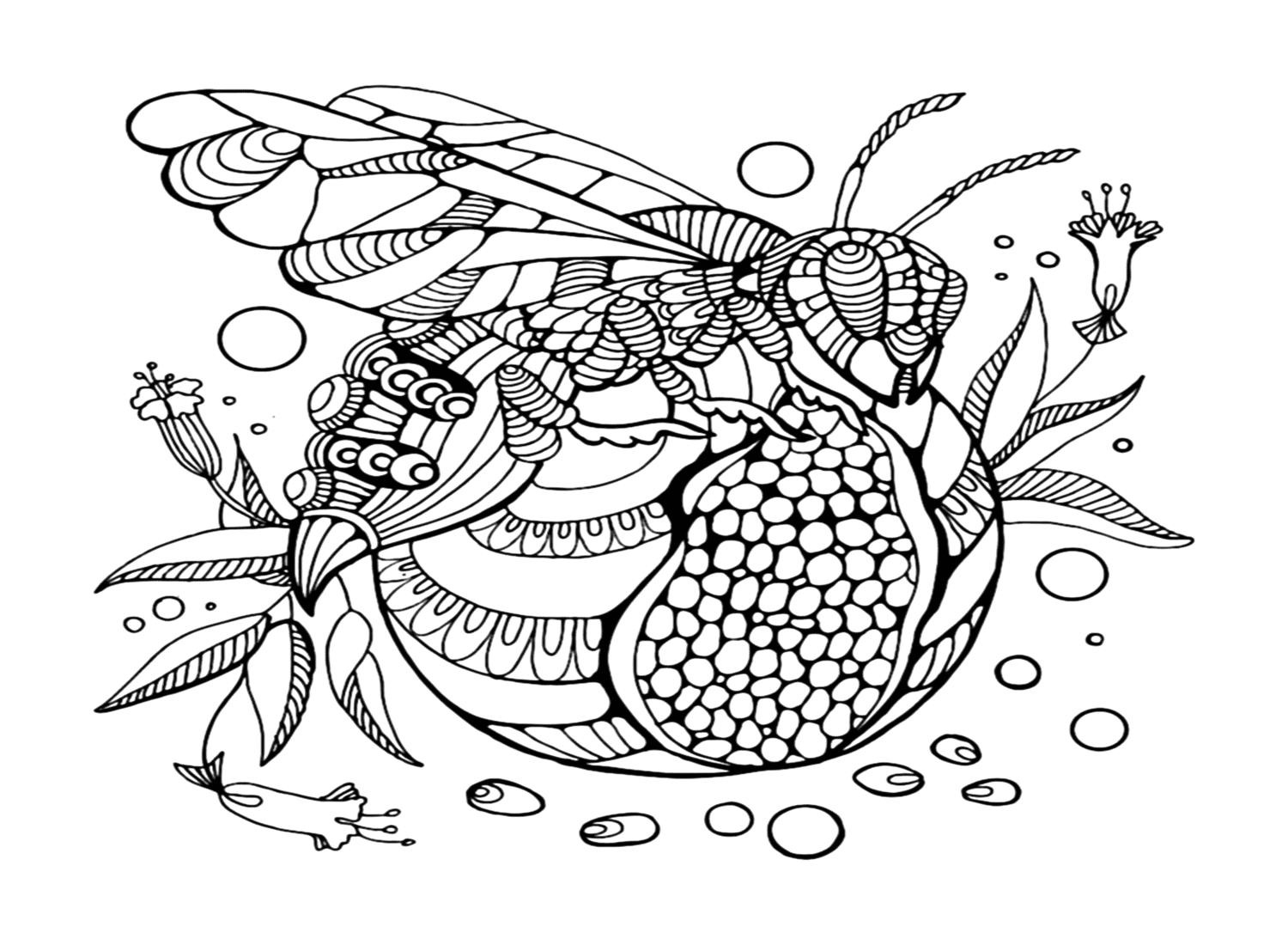
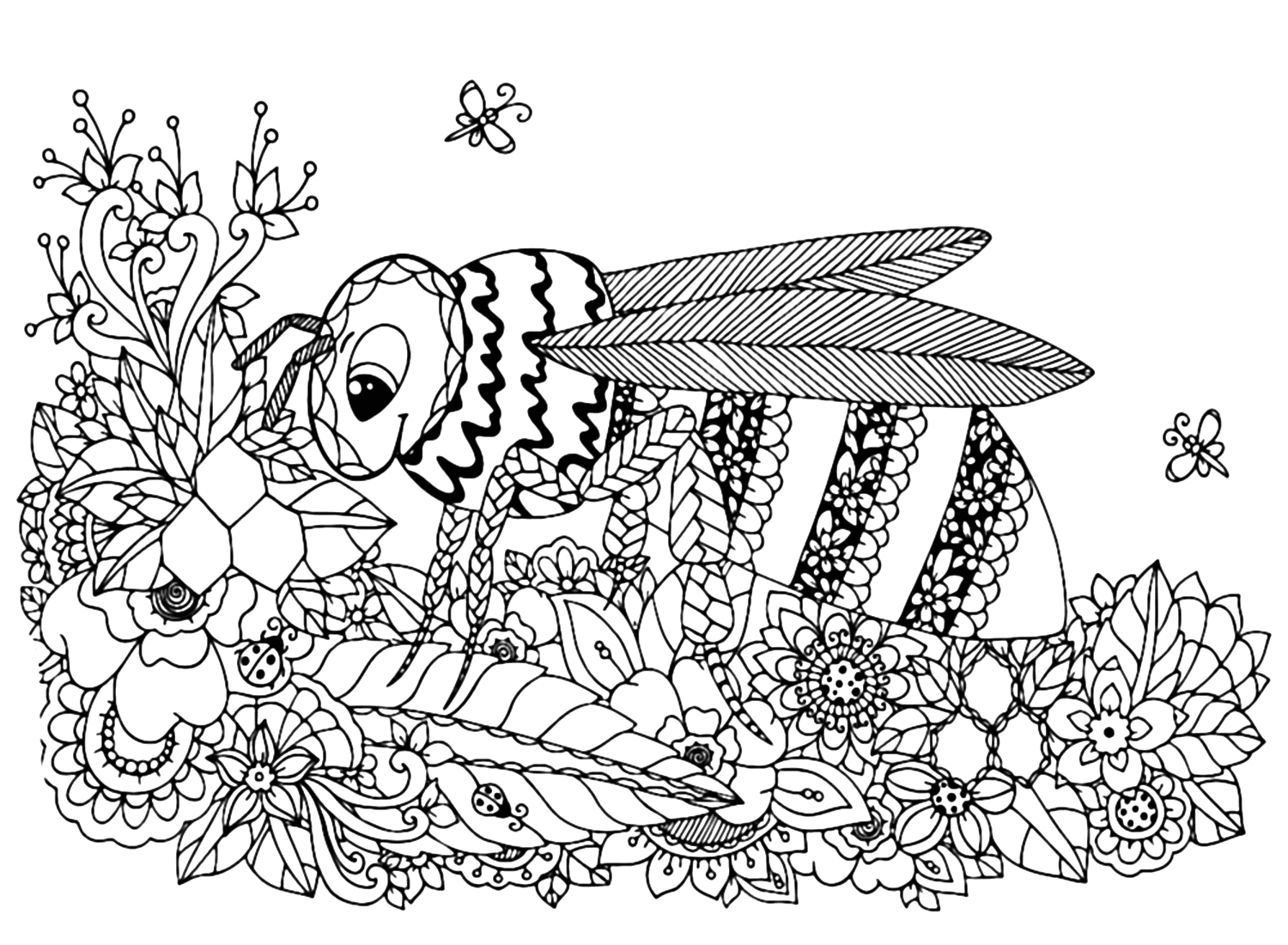
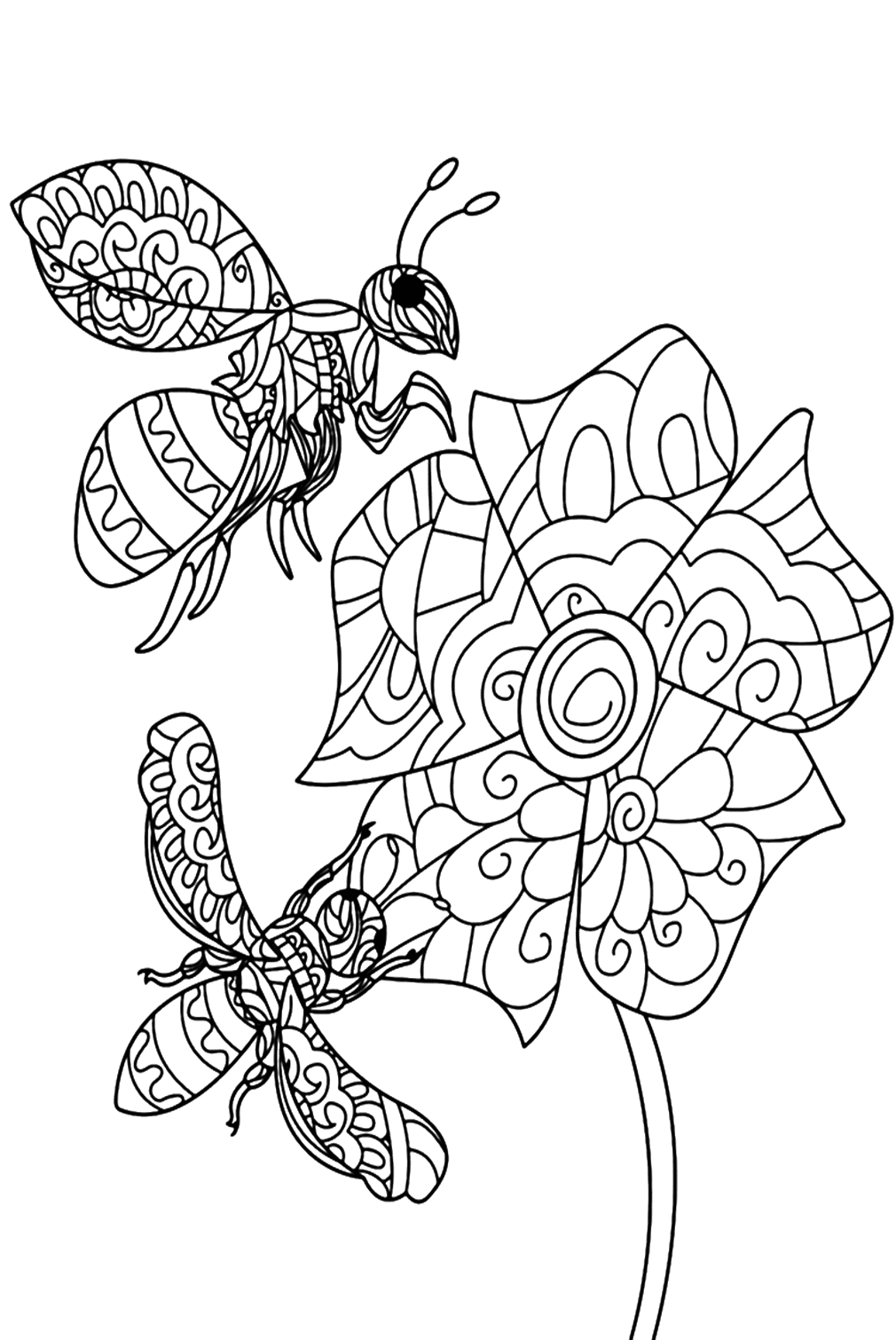
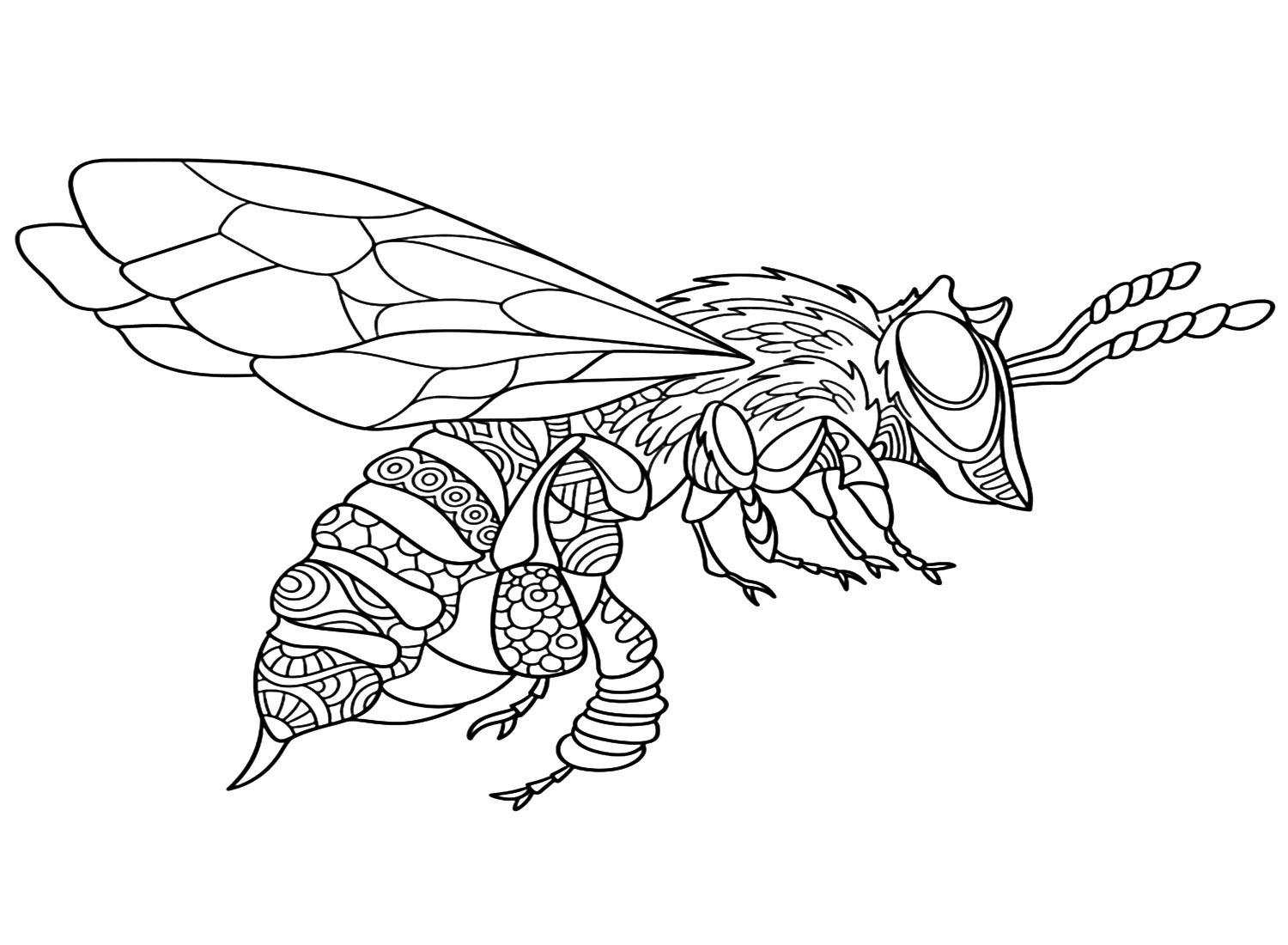
A couple of pages offer a simple, uncluttered wasp outline and one zentangle-style design with a repeating pattern for older colorists.
What Wasp Coloring Pages Do
Careful strokes for a narrow, pinched waist. Keeping color inside a wasp’s narrow waist and thin, folded wings without crossing the lines calls for controlled, contained pencil movement, and the American Academy of Pediatrics identifies fine motor skill development as a core benefit of structured coloring for children ages 2 through 7.
A fact that reframes a misunderstood insect. Since wasps are often seen only as a nuisance, coloring a page alongside a short conversation about how wasps hunt garden pests to feed their young can give families and classrooms a more balanced view of the insect.
A steady, repeatable rhythm. A 2005 study in the Art Therapy Journal documented measurable reductions in anxiety following structured coloring sessions, and the zentangle-style wasp design in this collection adds that same steady, low-pressure rhythm through a repeating pattern.
A close look at nest architecture. Because a few pages show a wasp nest’s honeycomb-like paper cells, coloring these designs gives colorists a natural opening to learn how paper wasps build with chewed wood fiber and saliva.
How to Color Wasp Coloring Pages Well
- Wasp body: Use Yellow and Black in alternating bands for most designs, matching the warning coloration common to many wasp species.
- Wasp waist and legs: Keep the narrow waist and long legs a darker Black or Brown so they stand out clearly against the brighter striped body.
- Wings: A light Gray or a pale, almost-clear wash works well for the thin, folded wings, keeping them from overpowering the rest of the design.
- Paper wasp nests: Use Gray, Tan, or light Brown for the papery nest material, with a slightly darker shade in the shadowed hexagon cells.
- Cartoon wasps: Brighter accent colors, like Blue or Purple for a bow or accessory, work well against the standard Yellow-and-Black body on the playful designs.
- Zentangle wasp: Try a different color for each small pattern section to make the repeating design pop, rather than coloring the whole page one color.
5 Creative Craft Ideas With Wasp Coloring Pages
1. Paper Wasp Nest Model
Color the wasp nest page, then crumple and shape a piece of brown paper into a rounded form to sit next to the colored page as a simple 3D nest model.
2. Backyard Bug Journal Cover
Color a wasp page and use it as the cover for a simple stapled or bound journal for recording backyard insect sightings.
3. Pollinator Comparison Poster
Color the bee-and-wasp page alongside a separate bee page, then mount both on a poster with simple labels comparing the two insects.
4. Wasp Bookmark
Color a small wasp design, mount it on cardstock, and attach a ribbon or tassel at the top for a bookmark that clips over the corner of a page.
5. Classroom Insect Display
Color several wasp pages as a group, cut out the finished designs, and arrange them on a classroom bulletin board alongside other insect pages.
Frequently Asked Questions
What are wasp coloring pages?
Wasp coloring pages are printable line-art designs of paper wasps, wasp nests, cartoon wasps, and realistic single-wasp sheets. This collection includes 23 free designs available as PDFs or online coloring.
What is a wasp?
A wasp is a flying insect in the same order as bees and ants, known for a narrow, pinched waist and, in many species, a smooth stinger that allows it to sting more than once.
What is the difference between a wasp and a bee?
Wasps typically have a smoother, shinier body and a narrower waist than bees, and most wasps can sting multiple times, while a honeybee usually loses its barbed stinger and dies after a single sting.
Why do wasps build paper nests?
Paper wasps chew wood fiber and mix it with saliva to create a papery material, which they shape into the honeycomb-like cells of their nest.
Were wasps helpful to have around?
Yes. Many wasps hunt other insects, including common garden pests, to feed their young, making them a natural form of pest control despite their reputation for stinging.
Is a hornet a type of wasp?
Yes. A hornet is a larger type of social wasp, and one of the designs in this collection shows a wasp alongside a bee, bumblebee, and hornet for comparison.
Are wasp coloring pages suitable for young children?
Yes. The simple and realistic single-wasp designs in this collection use bold, uncluttered outlines suited to preschool and early elementary colorists, while the nest scenes and zentangle page work well for older children and adults.
Do all wasps sting?
No. Many solitary wasp species rarely sting people and go about their lives without forming the large defensive colonies seen in social wasps like yellowjackets and hornets.
Start Coloring
Download any page by clicking the design. No account, email, or payment is required. Pages print directly from the browser at full resolution or open in the online coloring tool for screen use. Share finished pages on Facebook or Pinterest with the share buttons at the top of each design page.