
Free Tank Coloring Pages: 115 printable PDF designs ranging from playful, cartoon-style vehicles to detailed drawings of well-known historic tanks. Each page can be downloaded as a PDF to print or colored online in the browser.
The first tank in history, Britain’s Mark I, entered service in 1916 during World War I and was built to cross trenches and open ground that soldiers on foot could not easily pass. Its rhomboid shape and continuous tracks let it climb over rough terrain in a way ordinary wheeled vehicles could not, and its armor plating was designed to shield the crew inside. To keep the project secret during development, workers were told the strange vehicles were mobile water tanks, and the nickname “tank” stuck long after the truth came out. That basic combination, tracks, a boxy armored body, and often a rotating turret, remains the visual foundation for nearly every tank design colored today, whether it is a faithful historic replica or a simplified cartoon version.
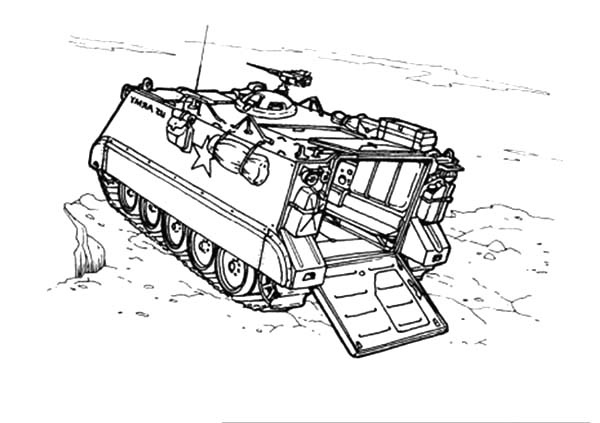
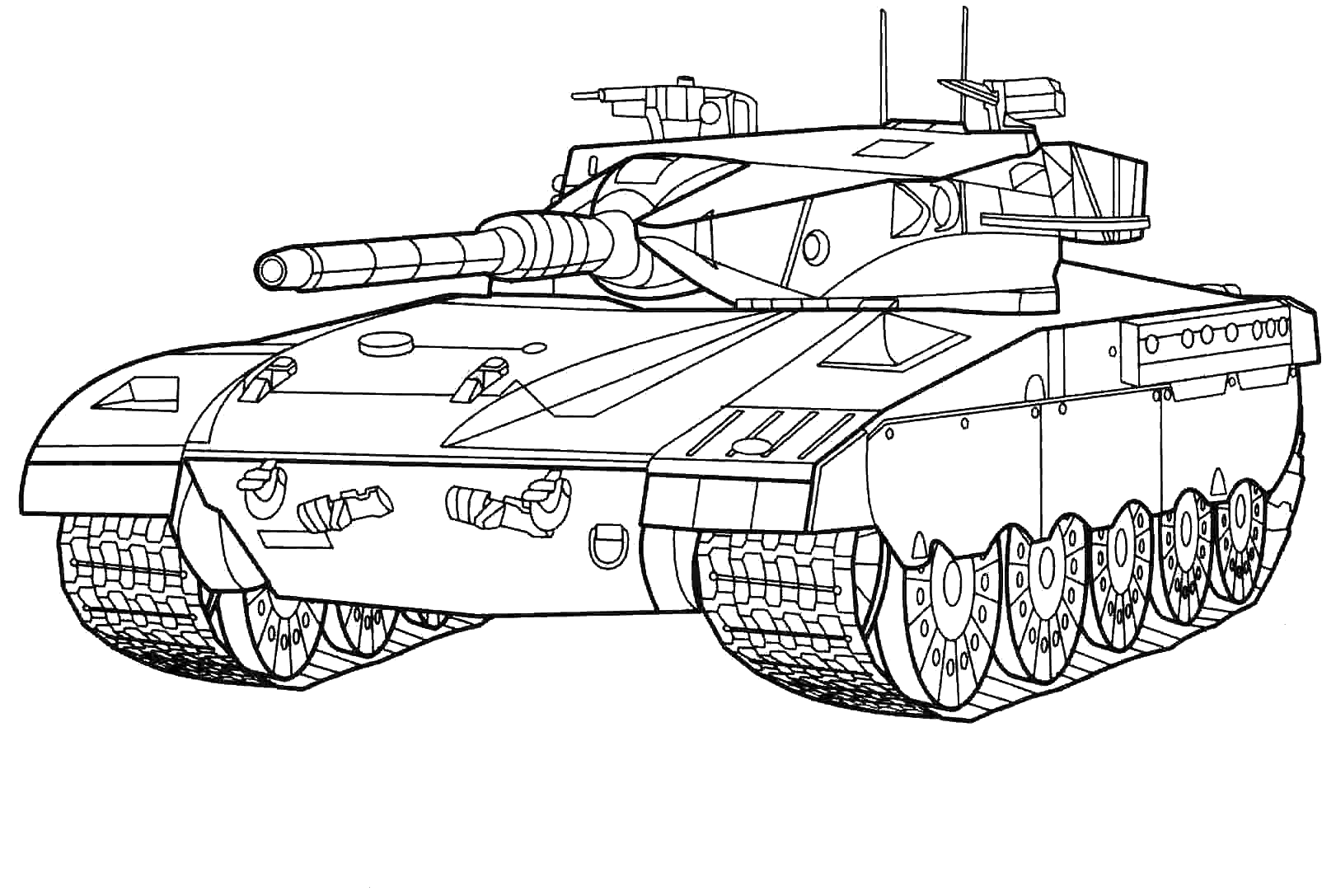
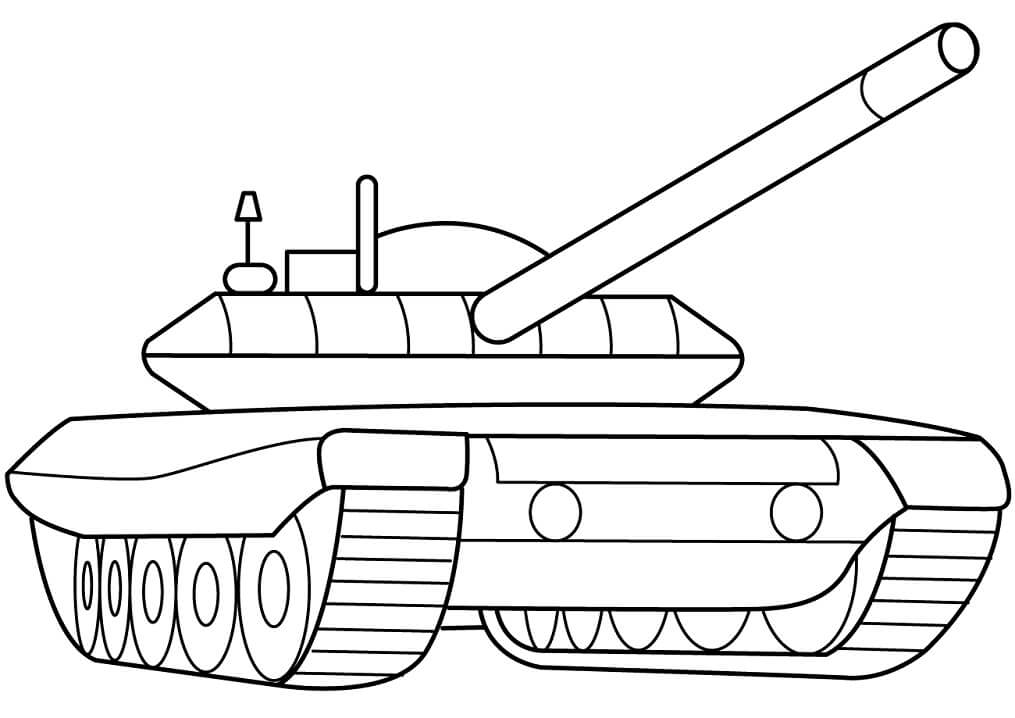
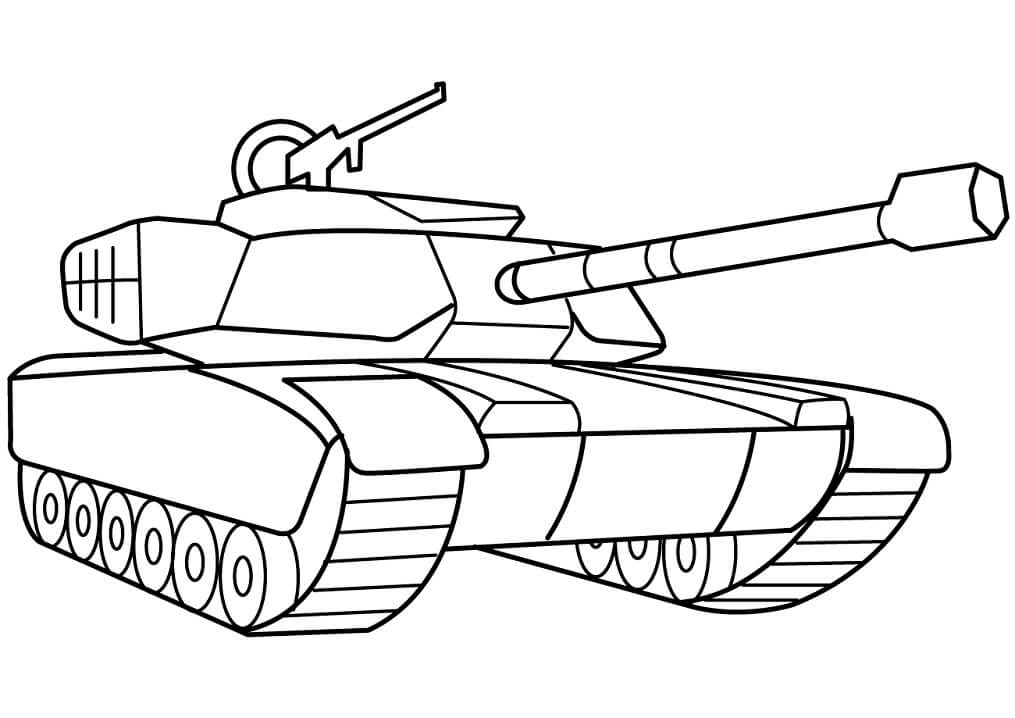
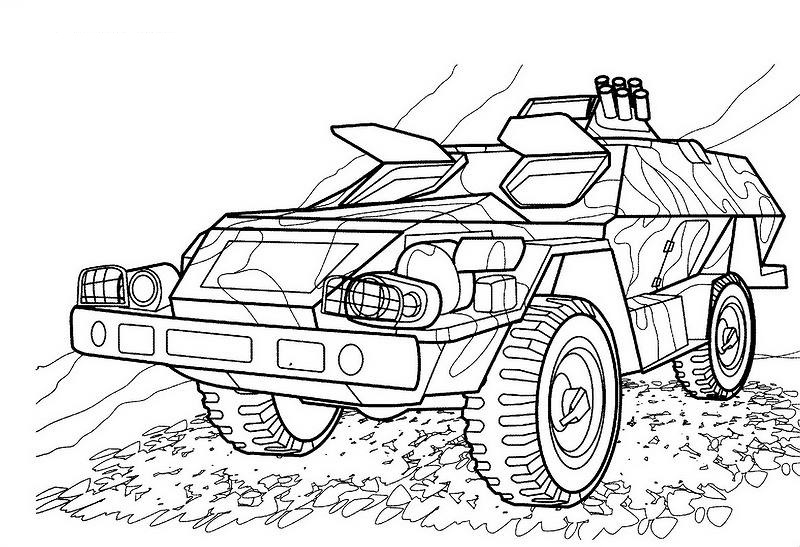
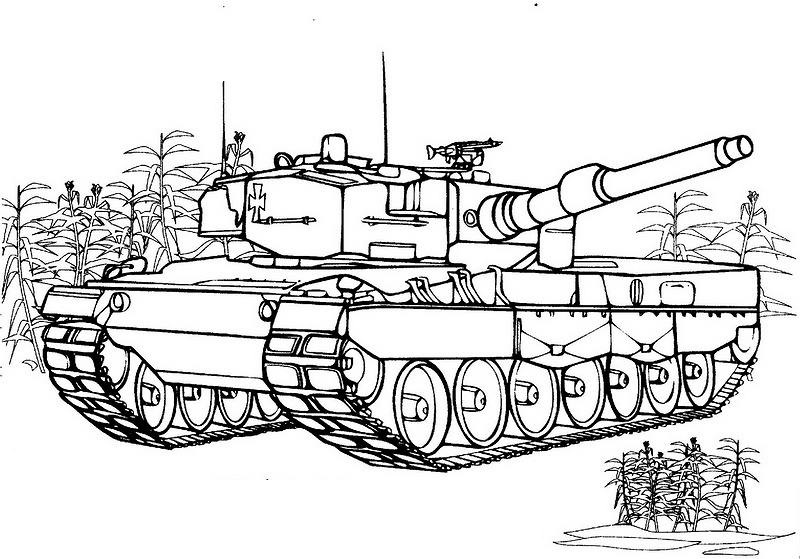
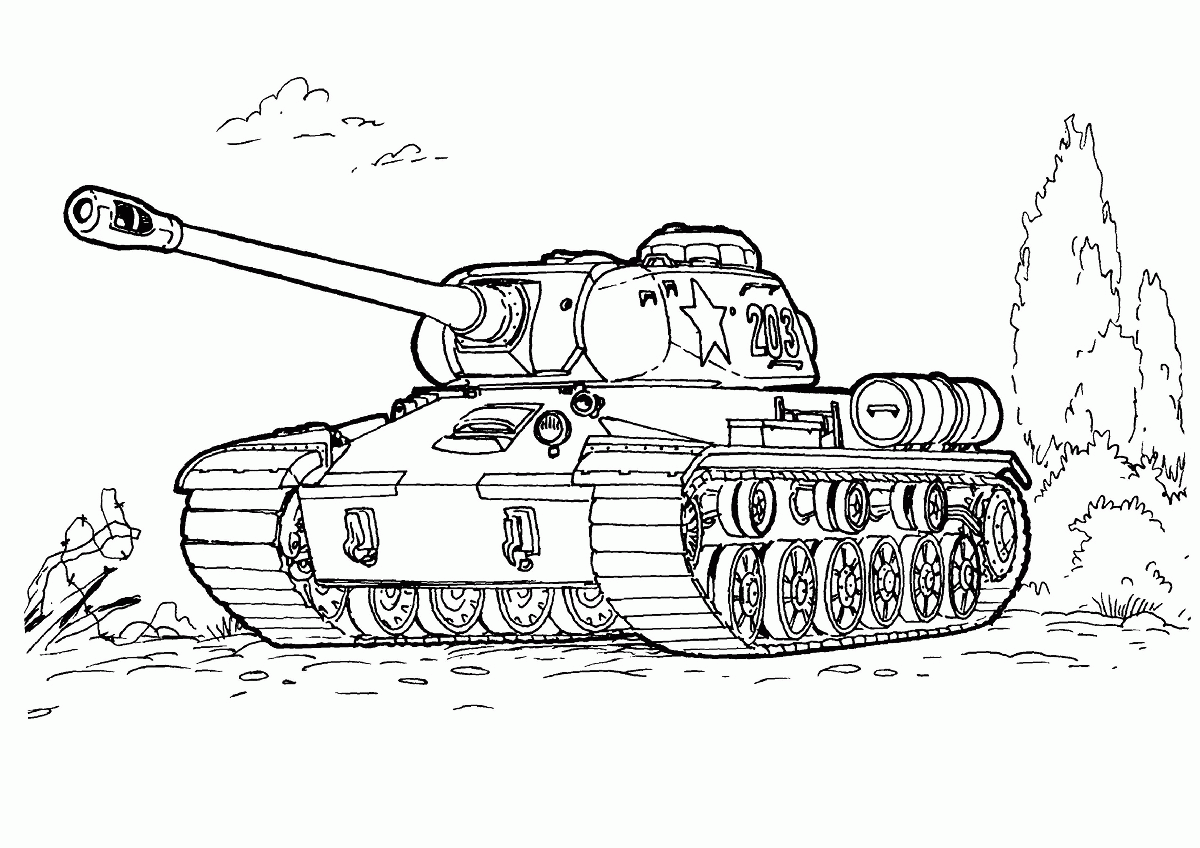
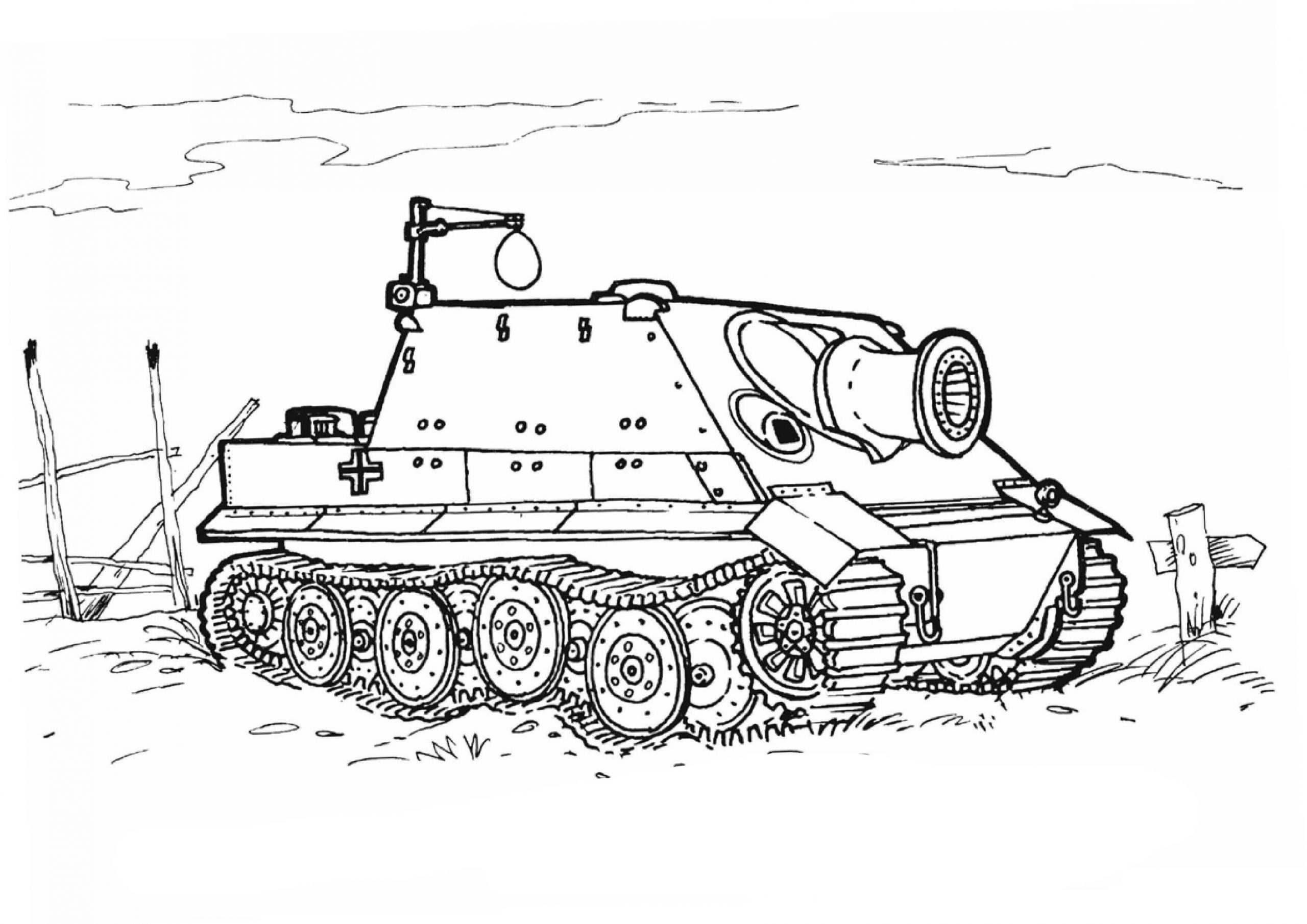
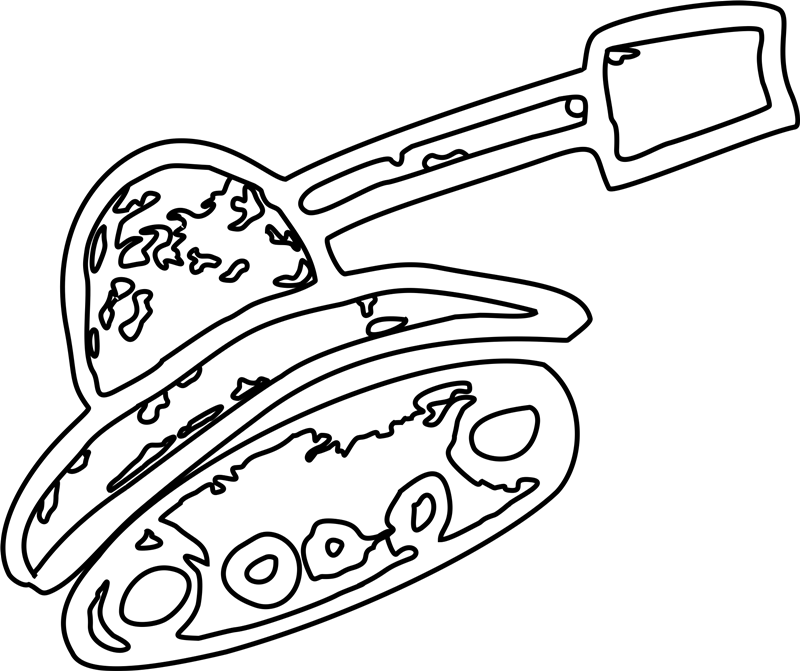
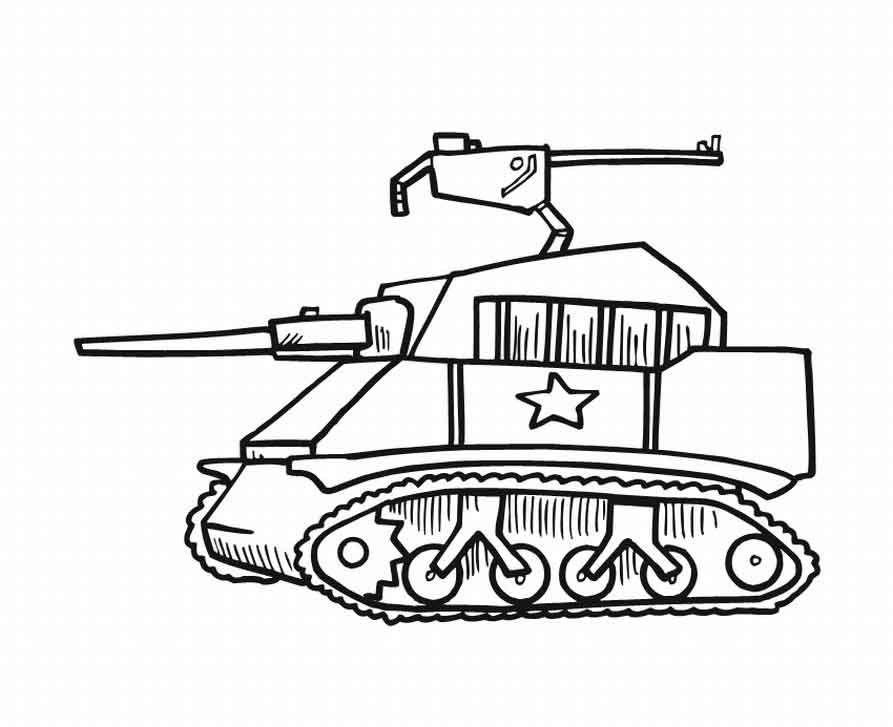
This collection spans 115 pages, split between historic and named tank models, playful and stylized tank designs, and printable general sheets. The coloring angle ranges from a handful of solid, simple shapes to detailed vehicles with visible tracks, hatches, and panel lines.

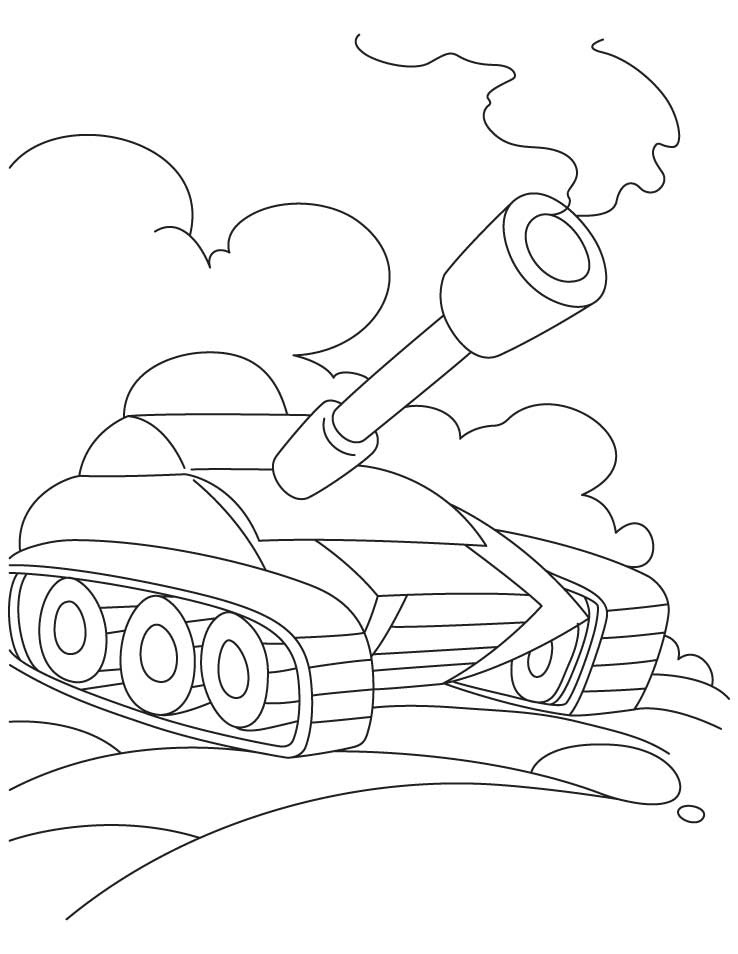
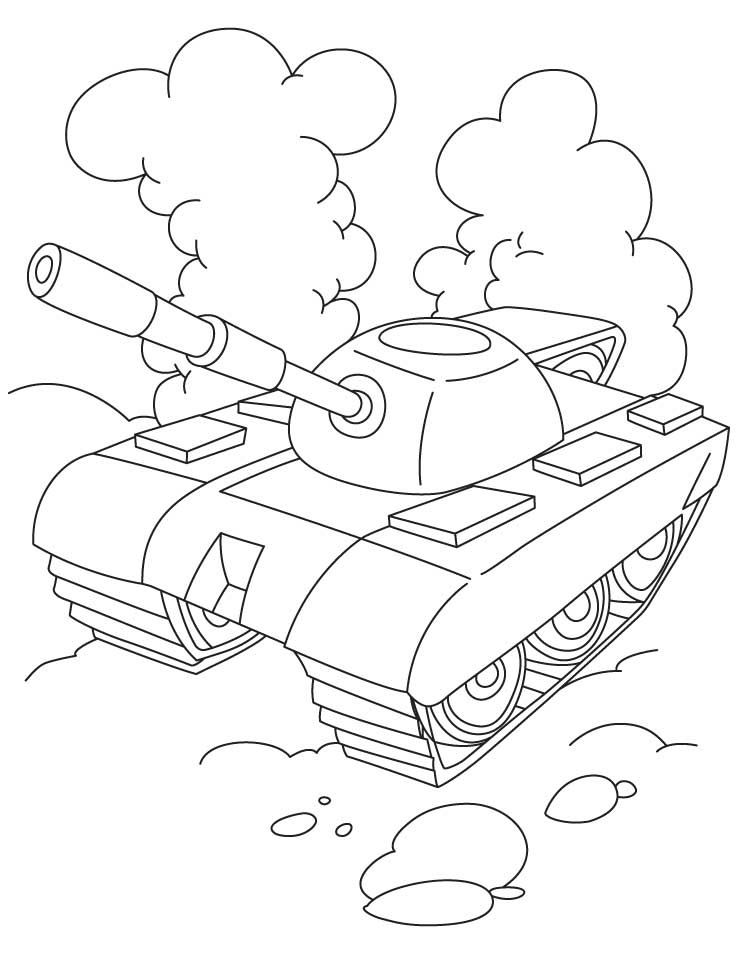
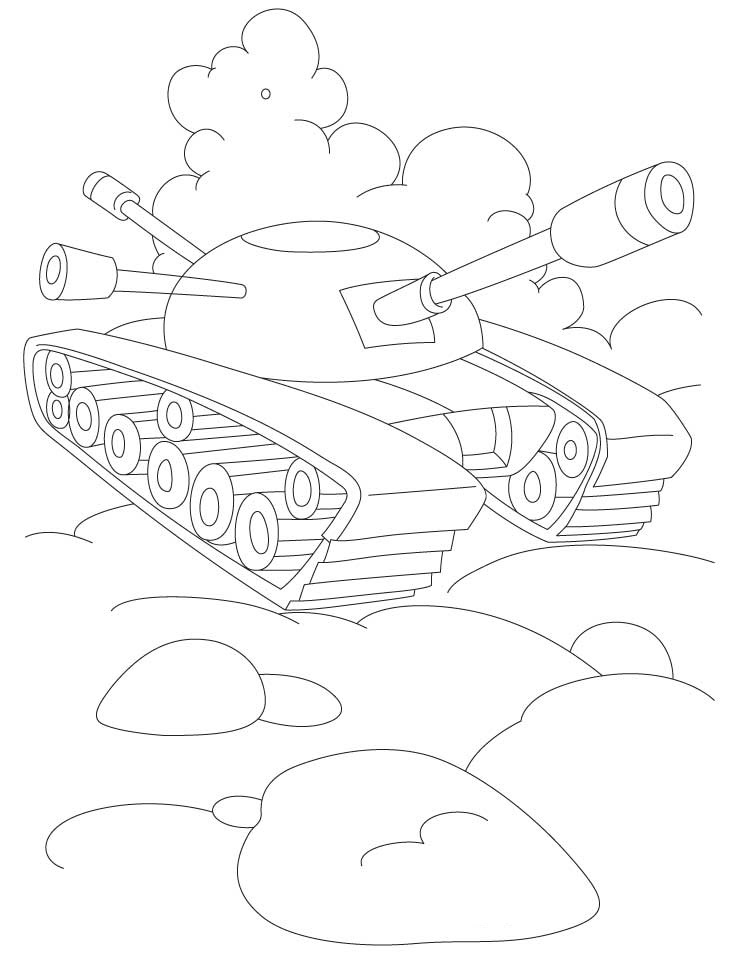
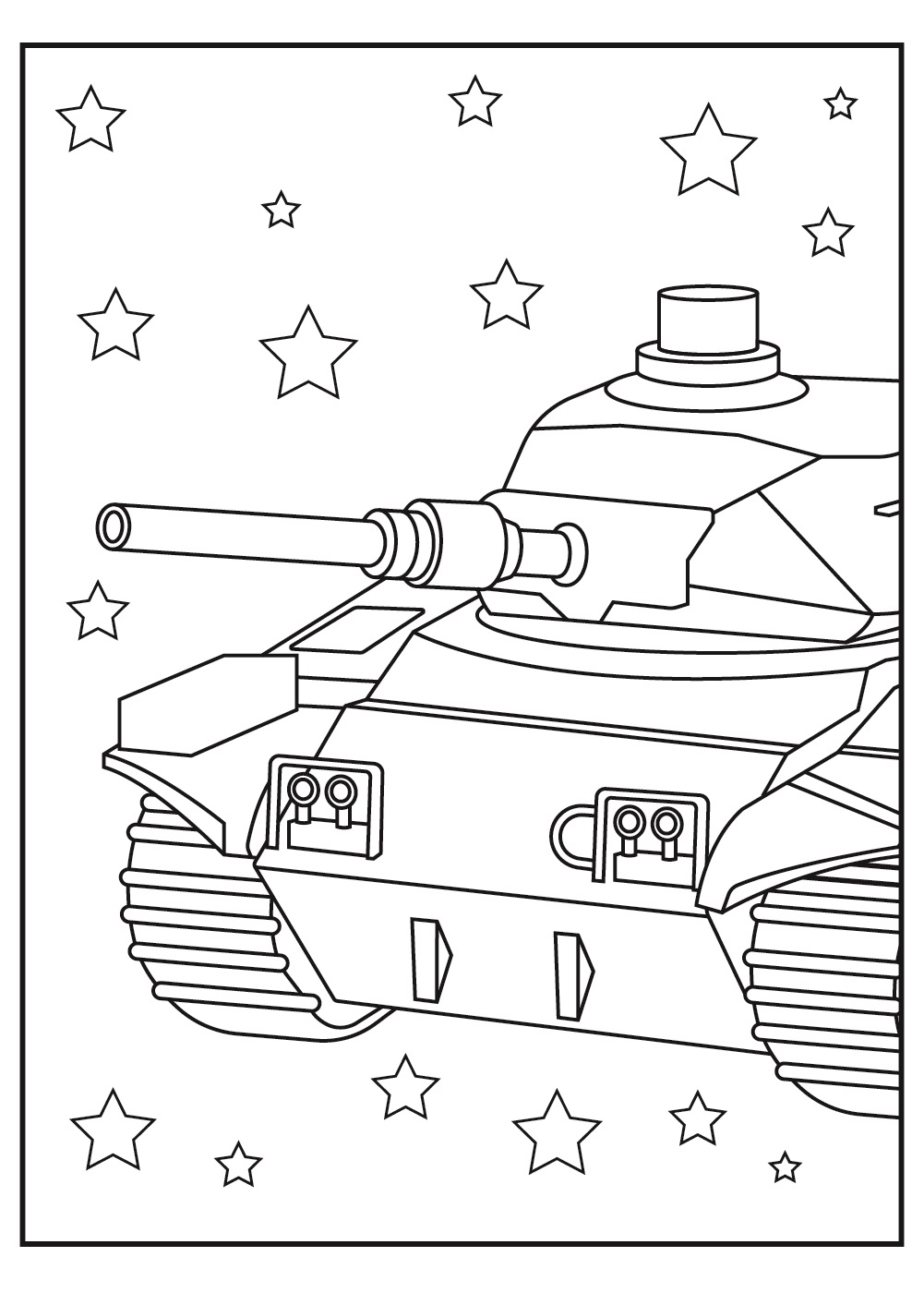
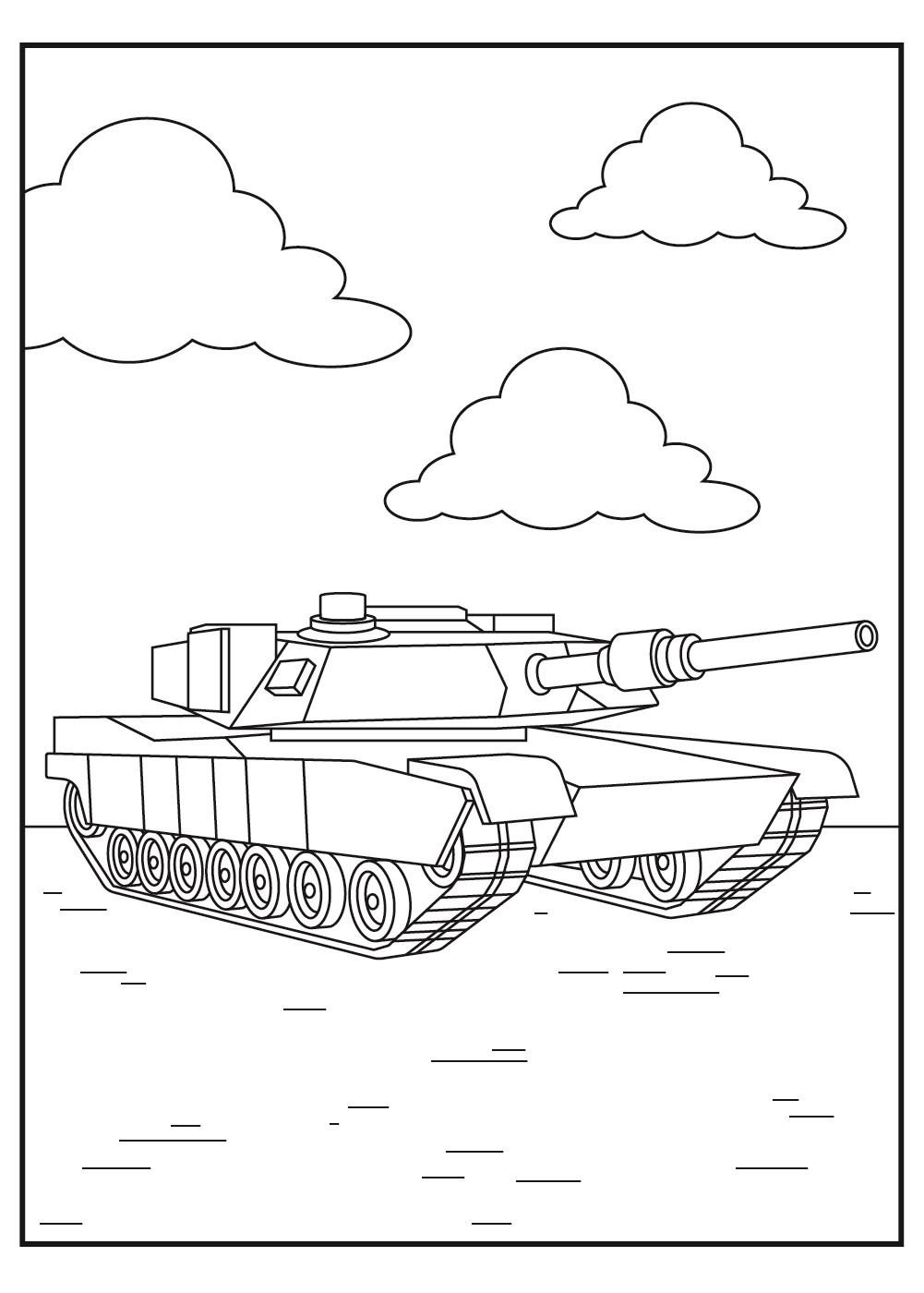
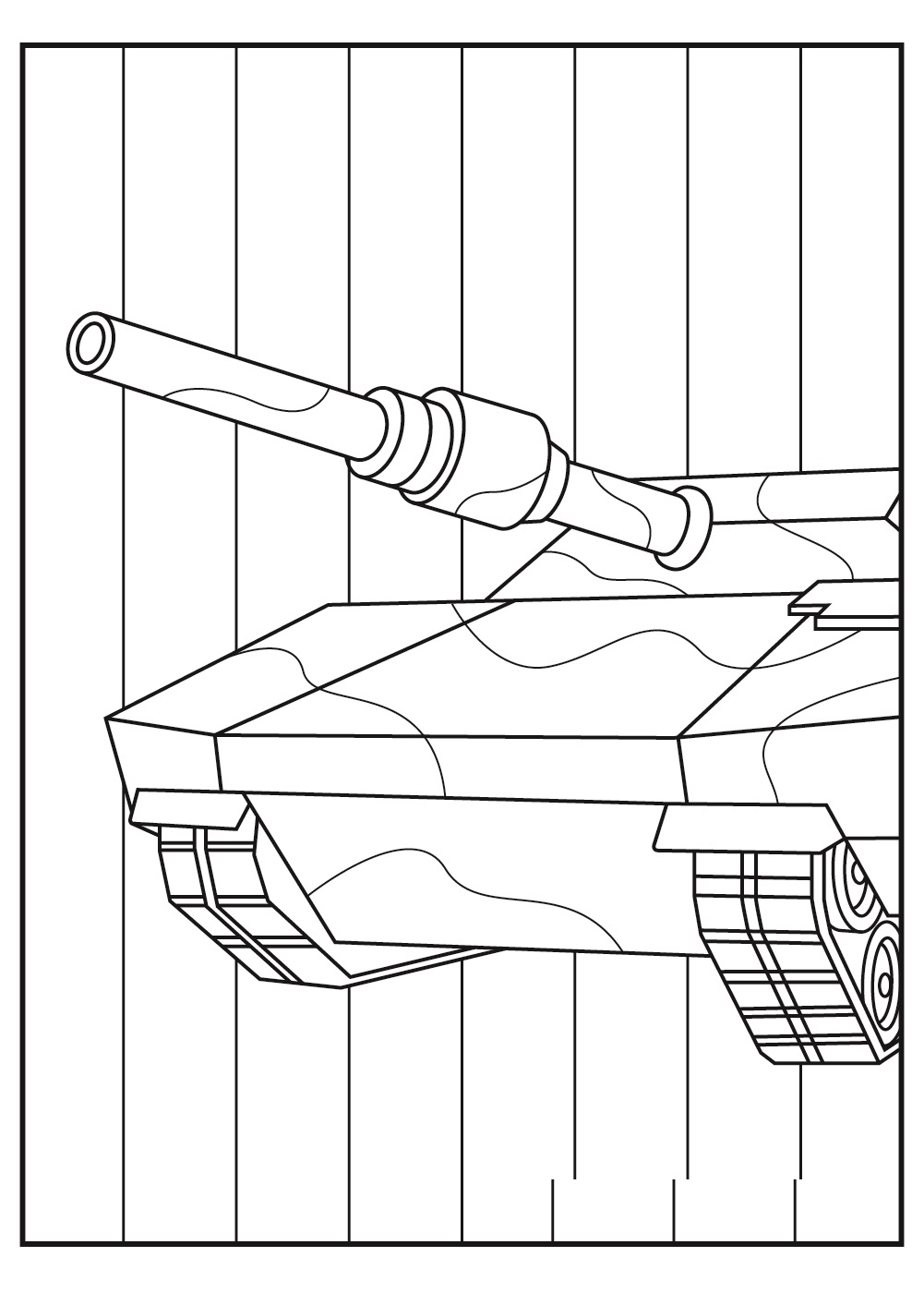
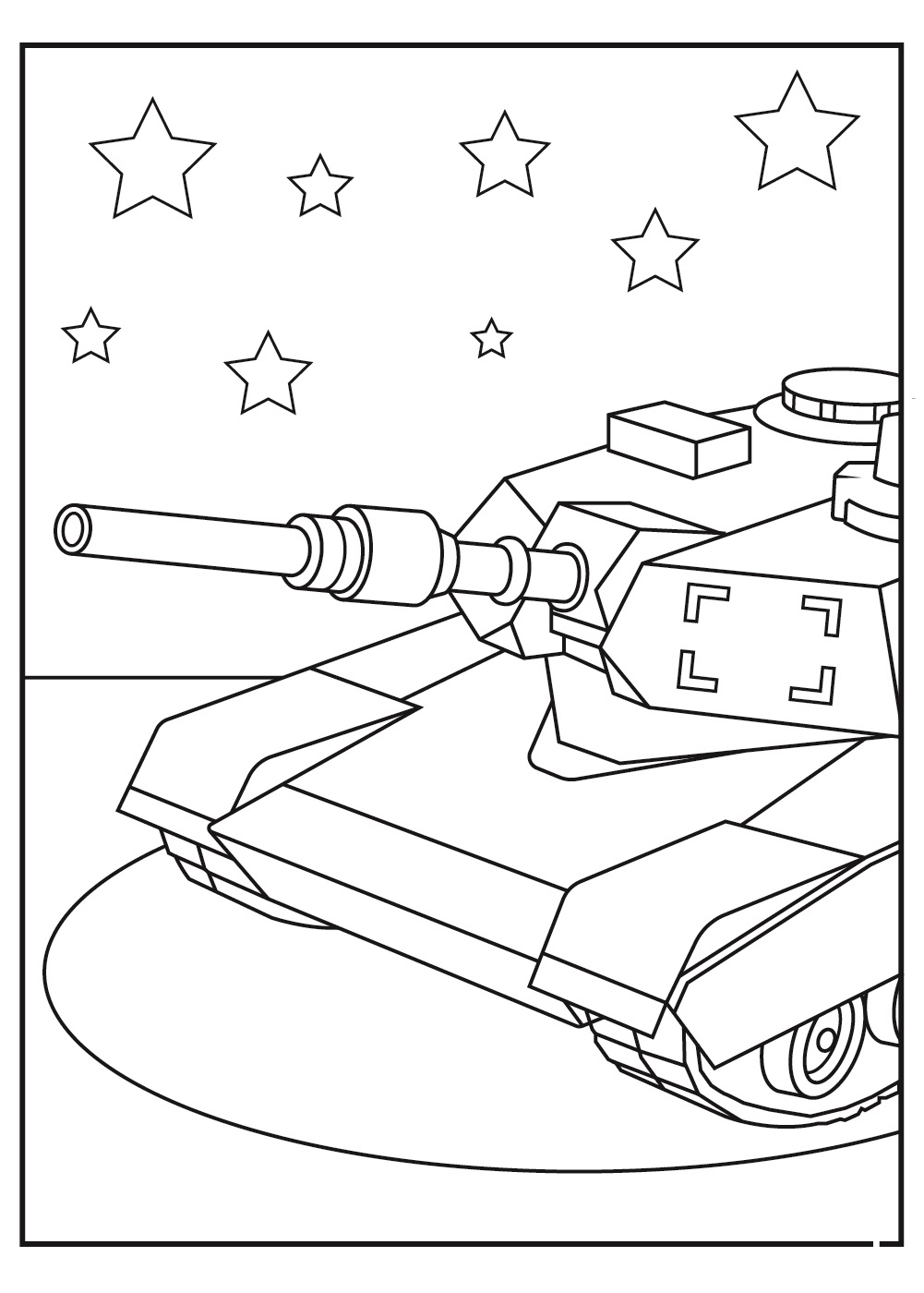
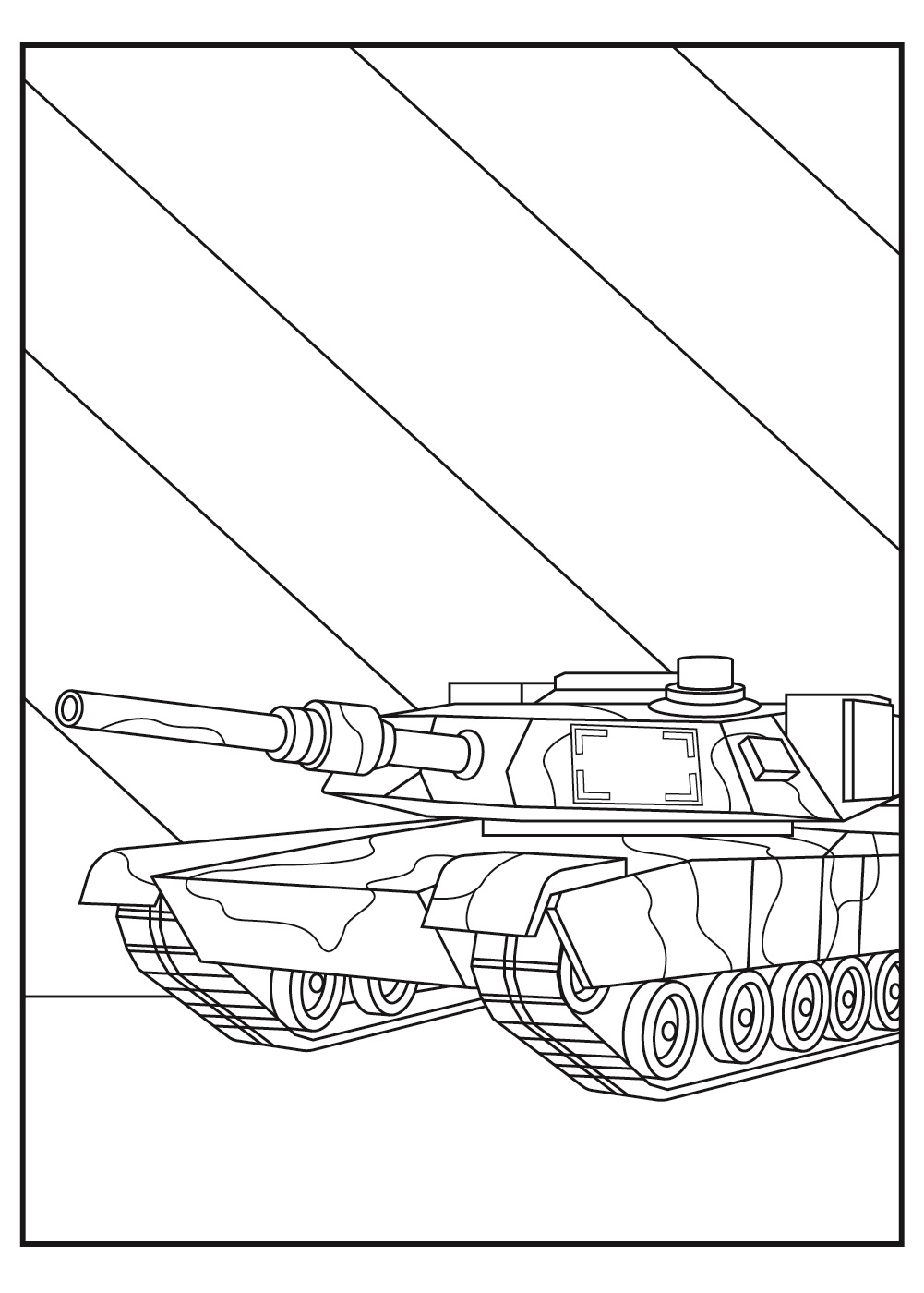
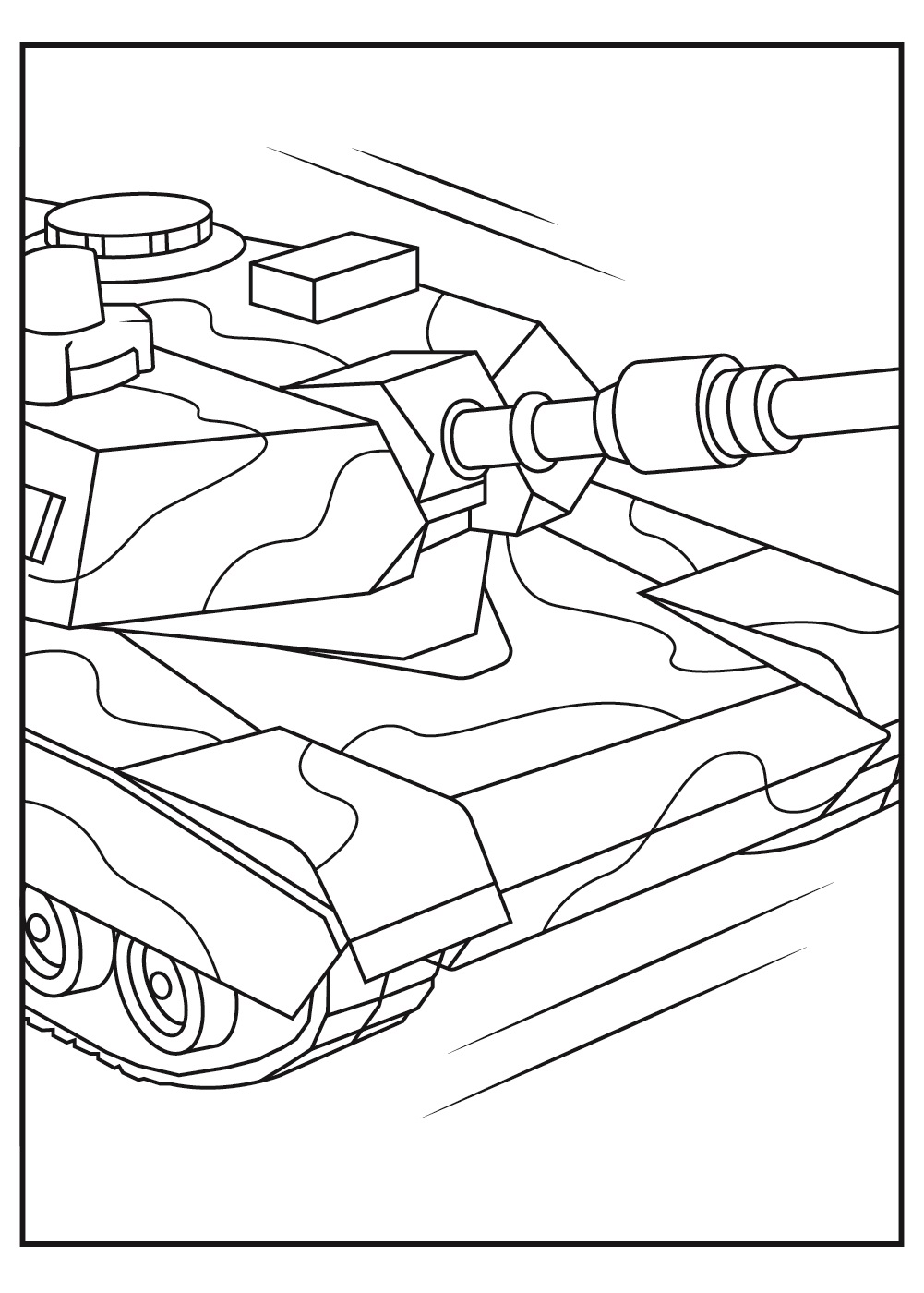
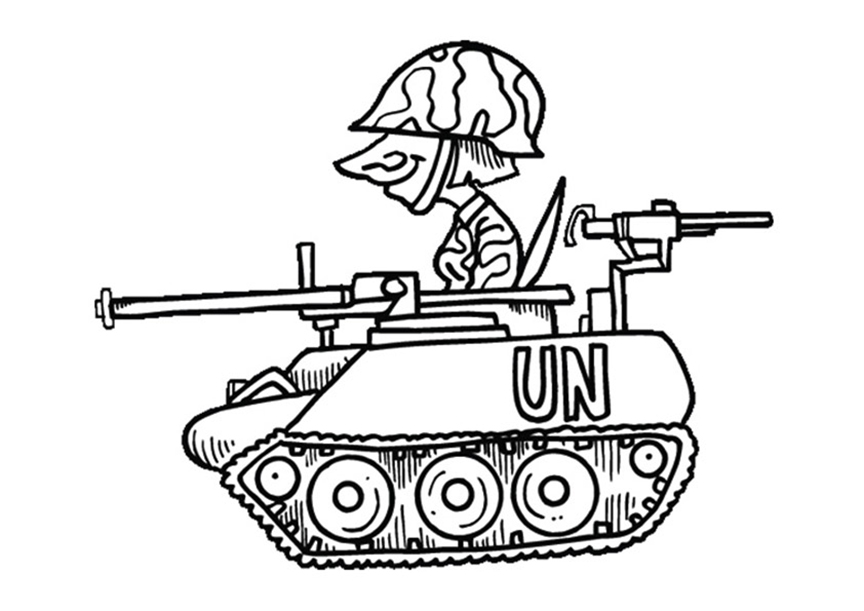
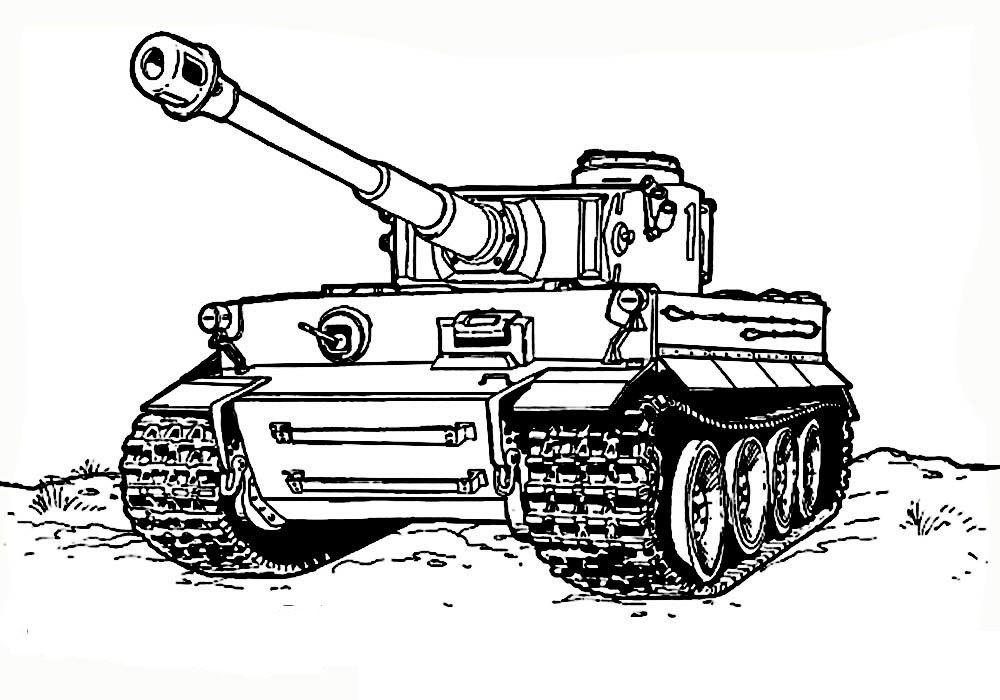
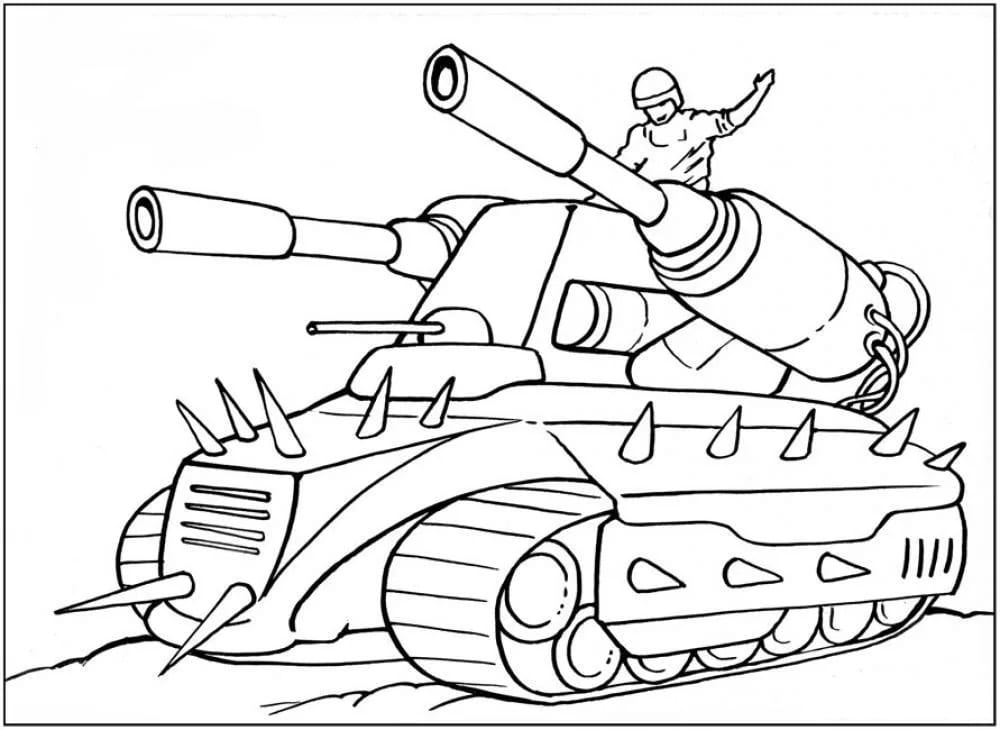
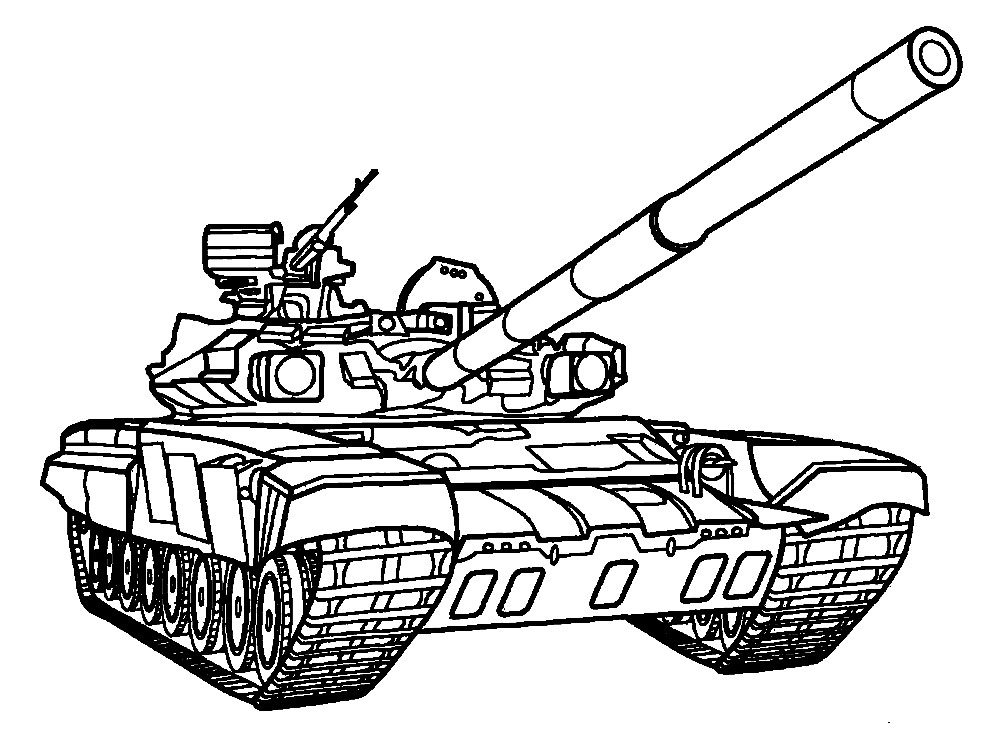
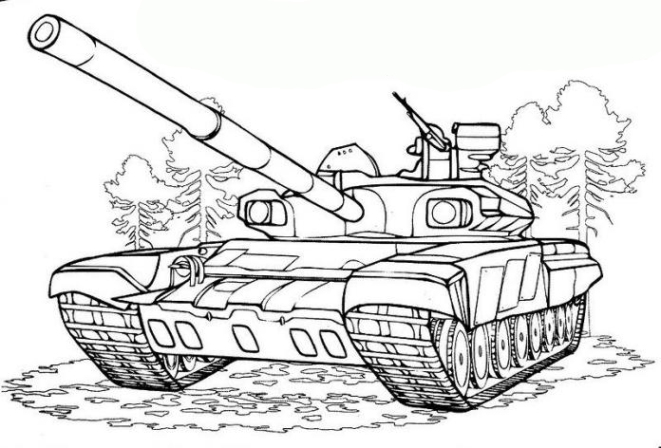
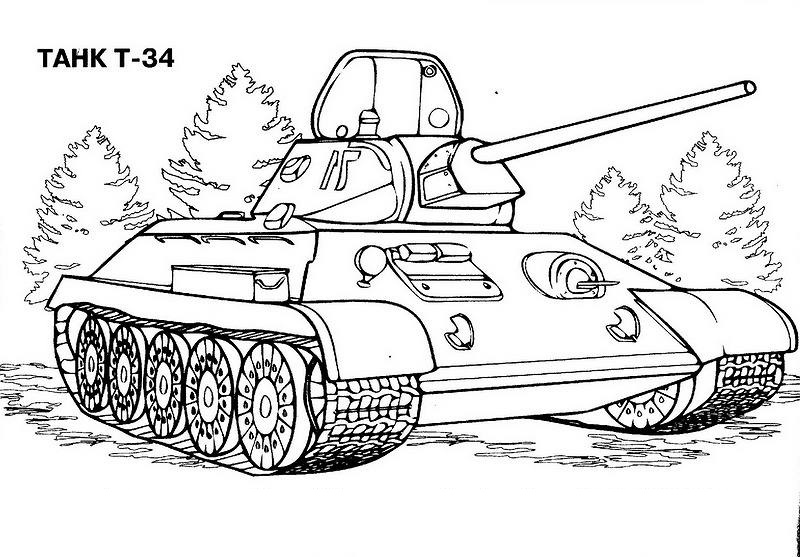
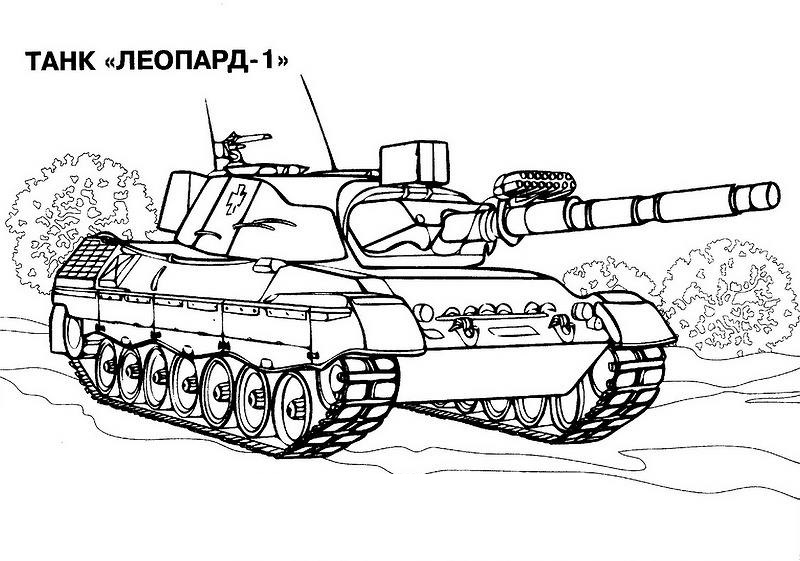
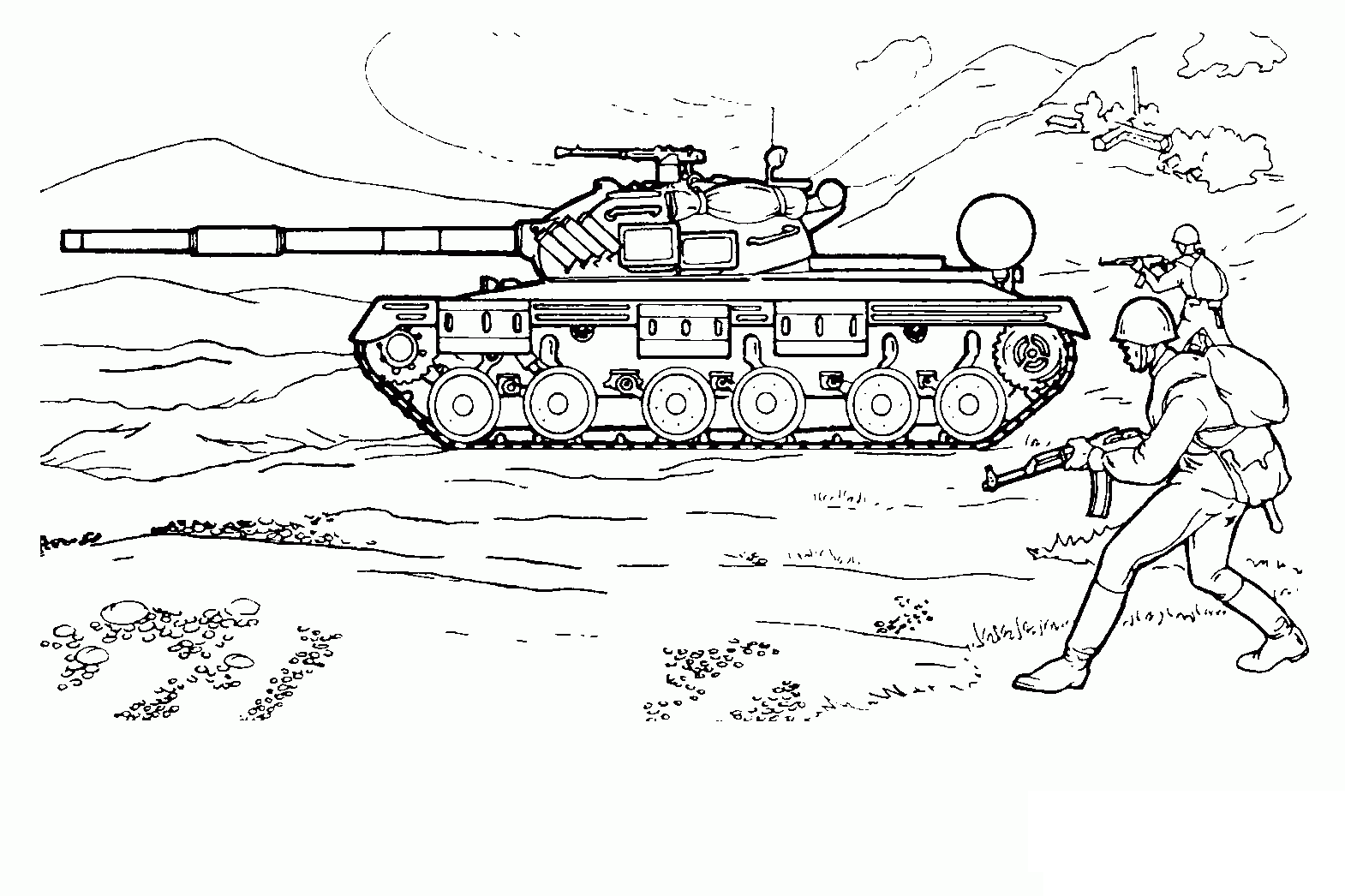
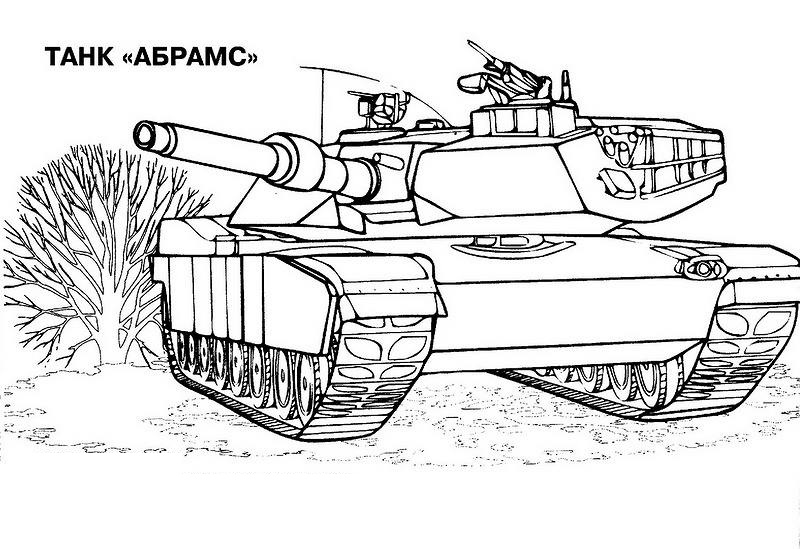
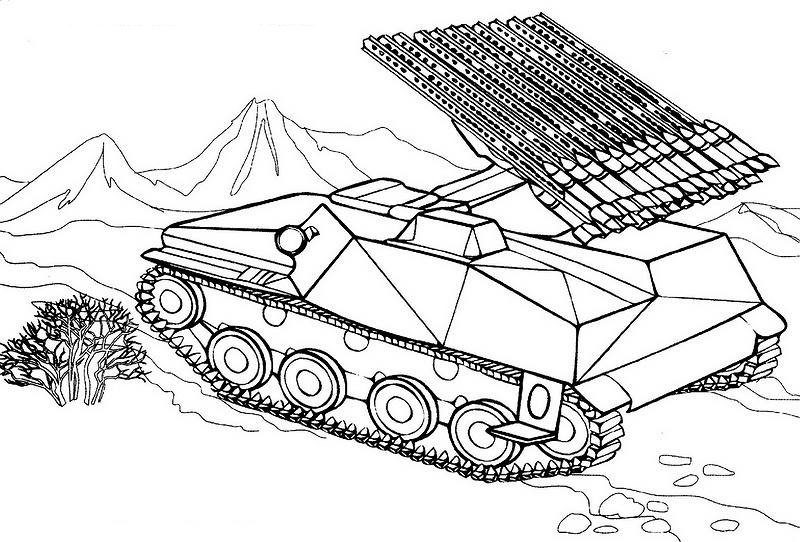
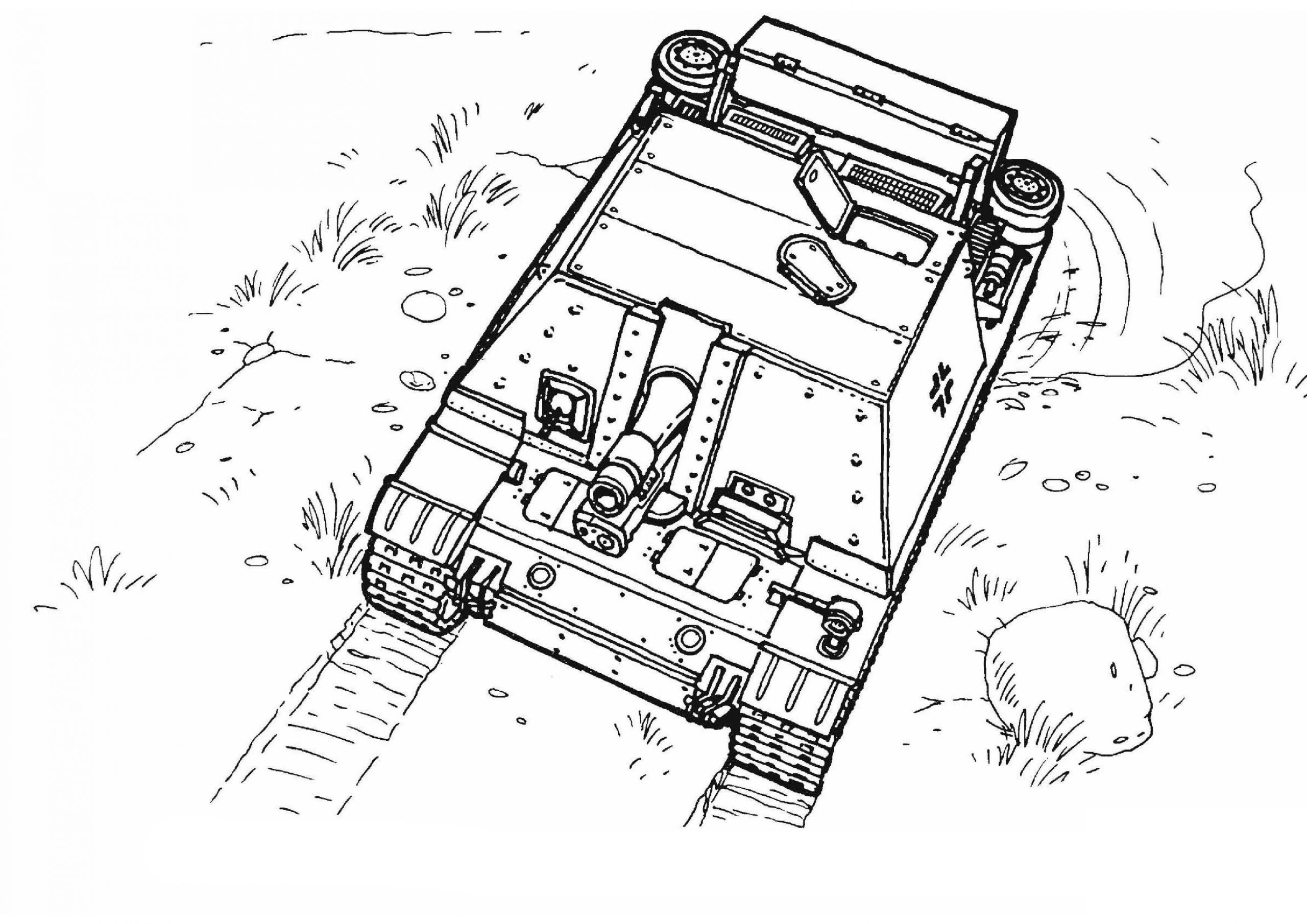
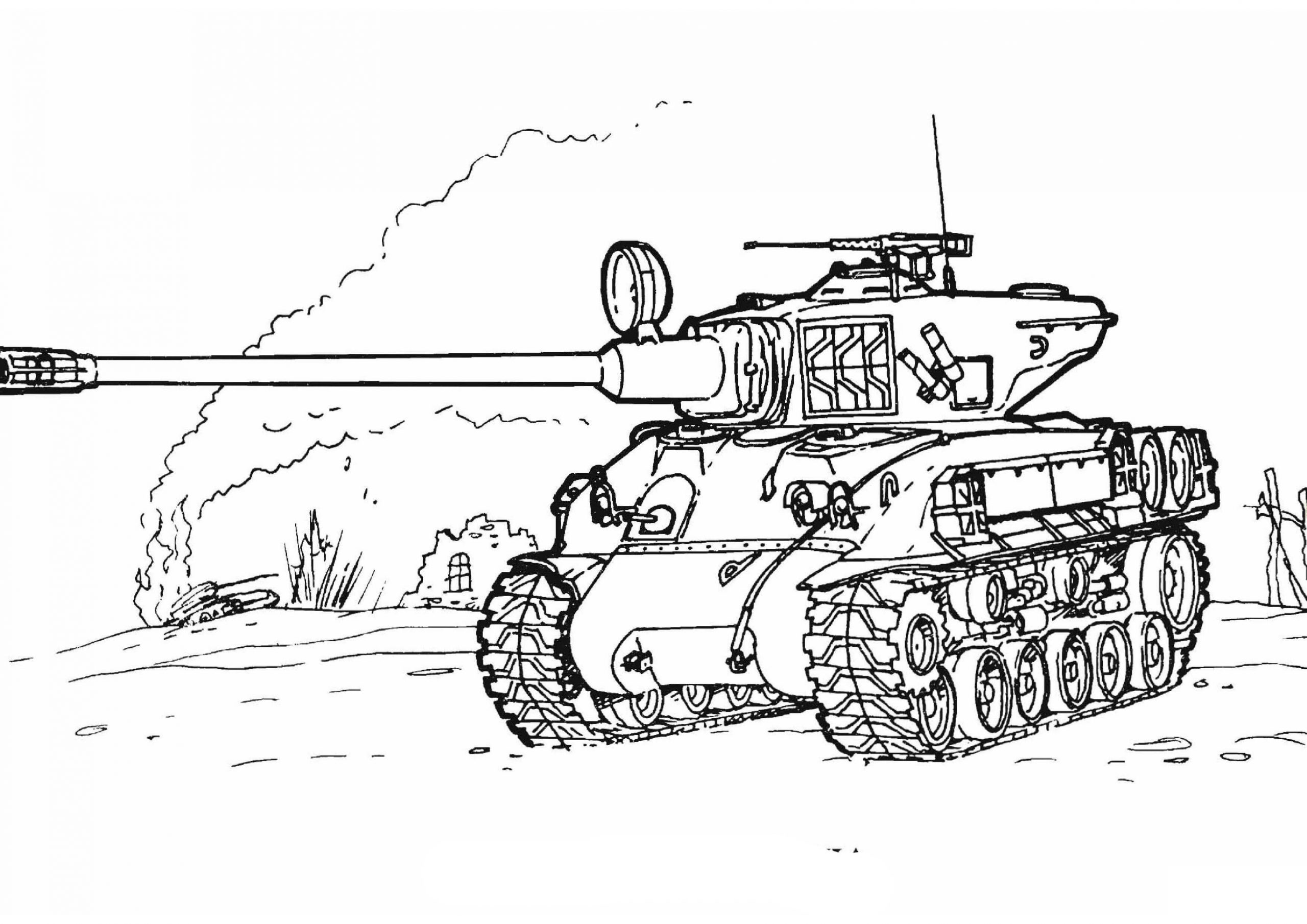
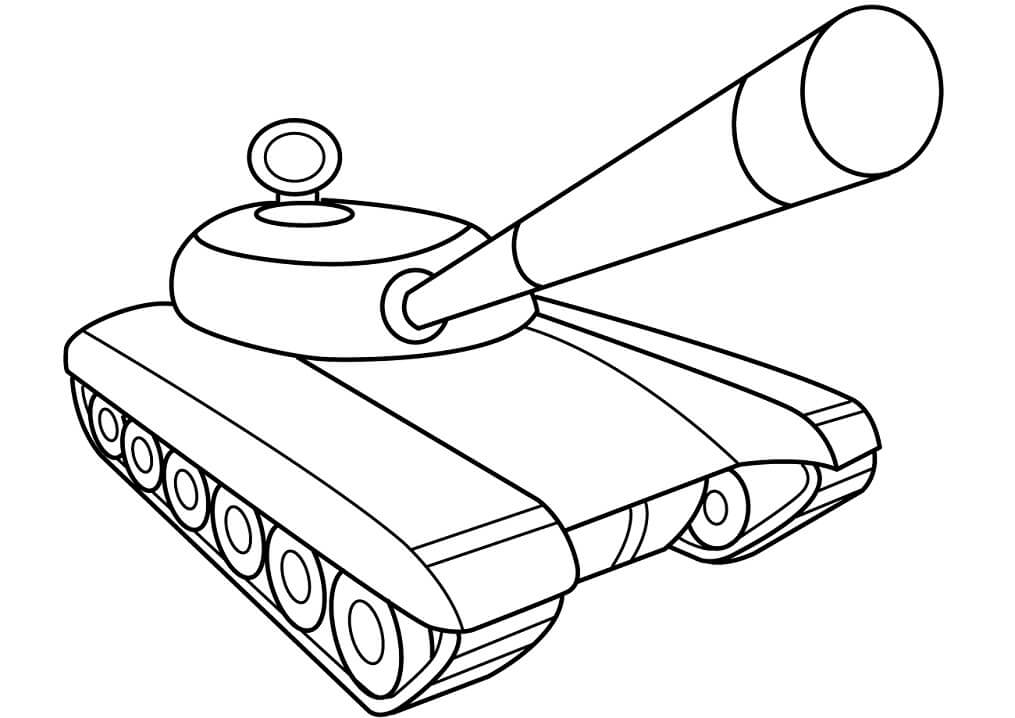
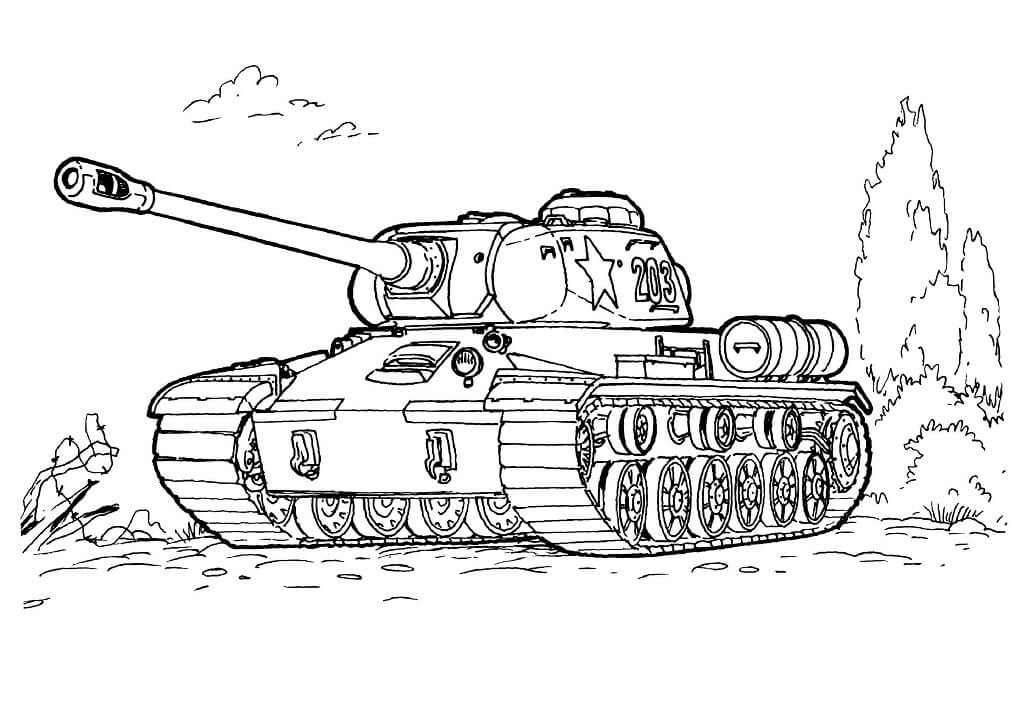
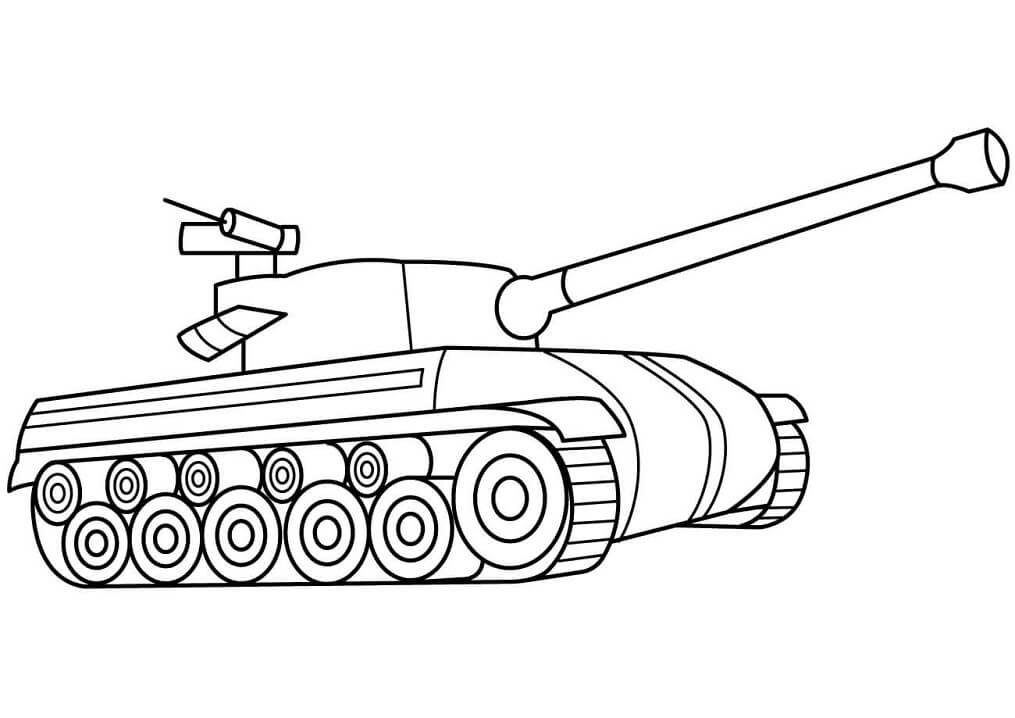
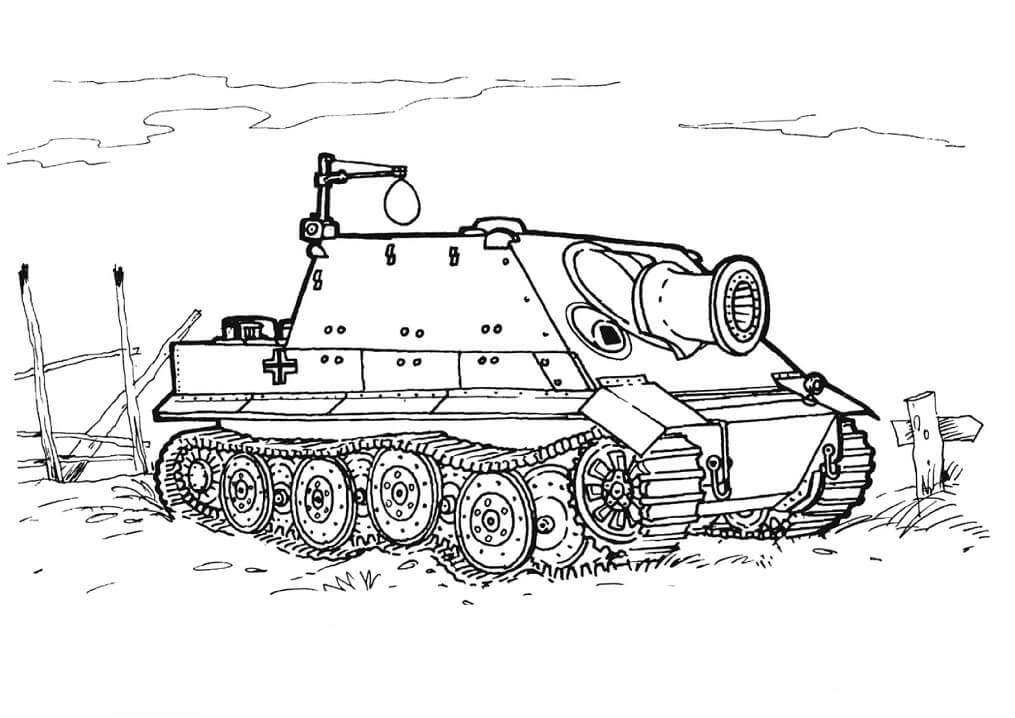
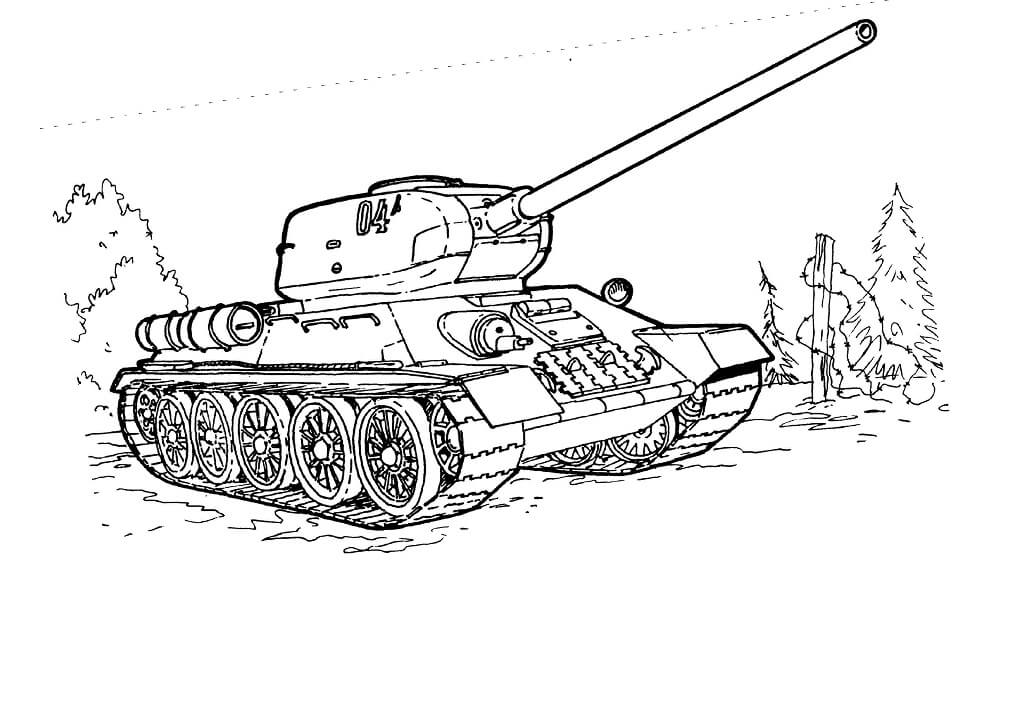
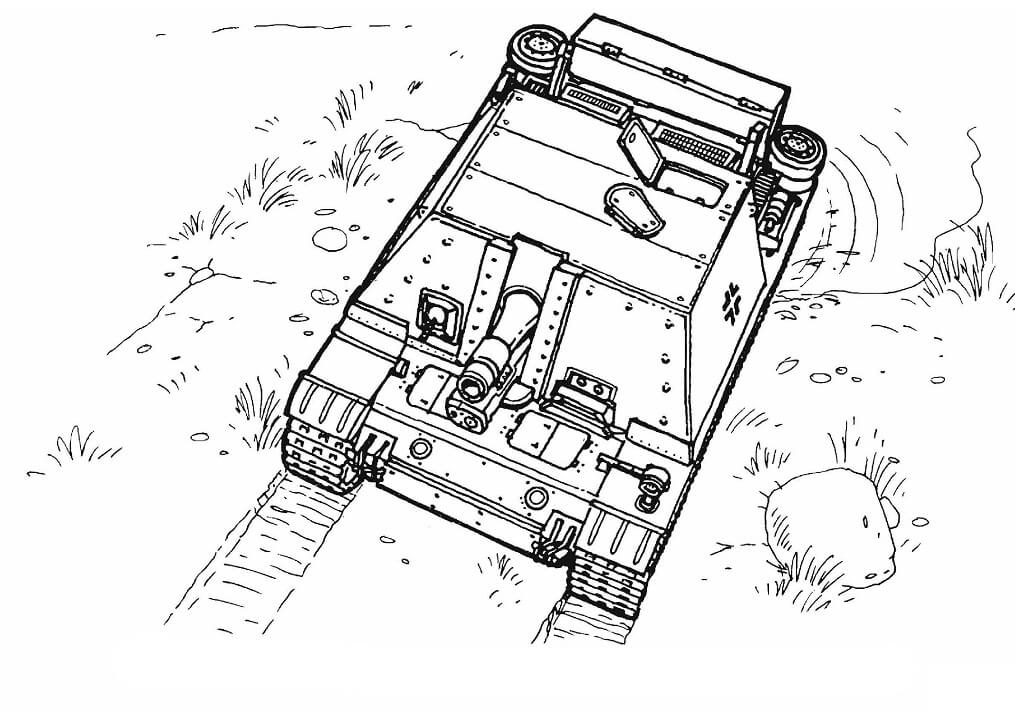
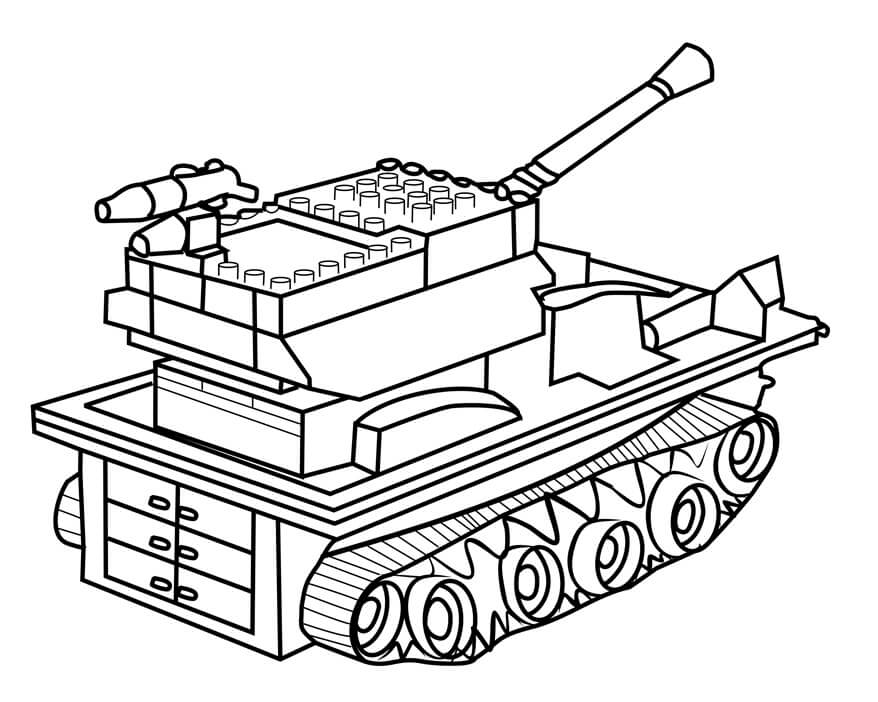
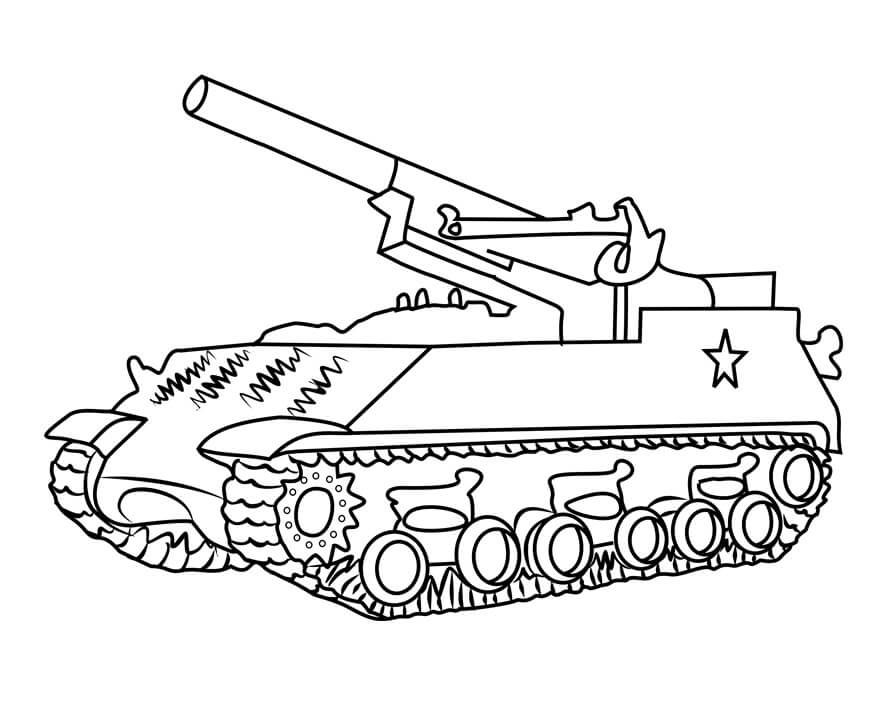
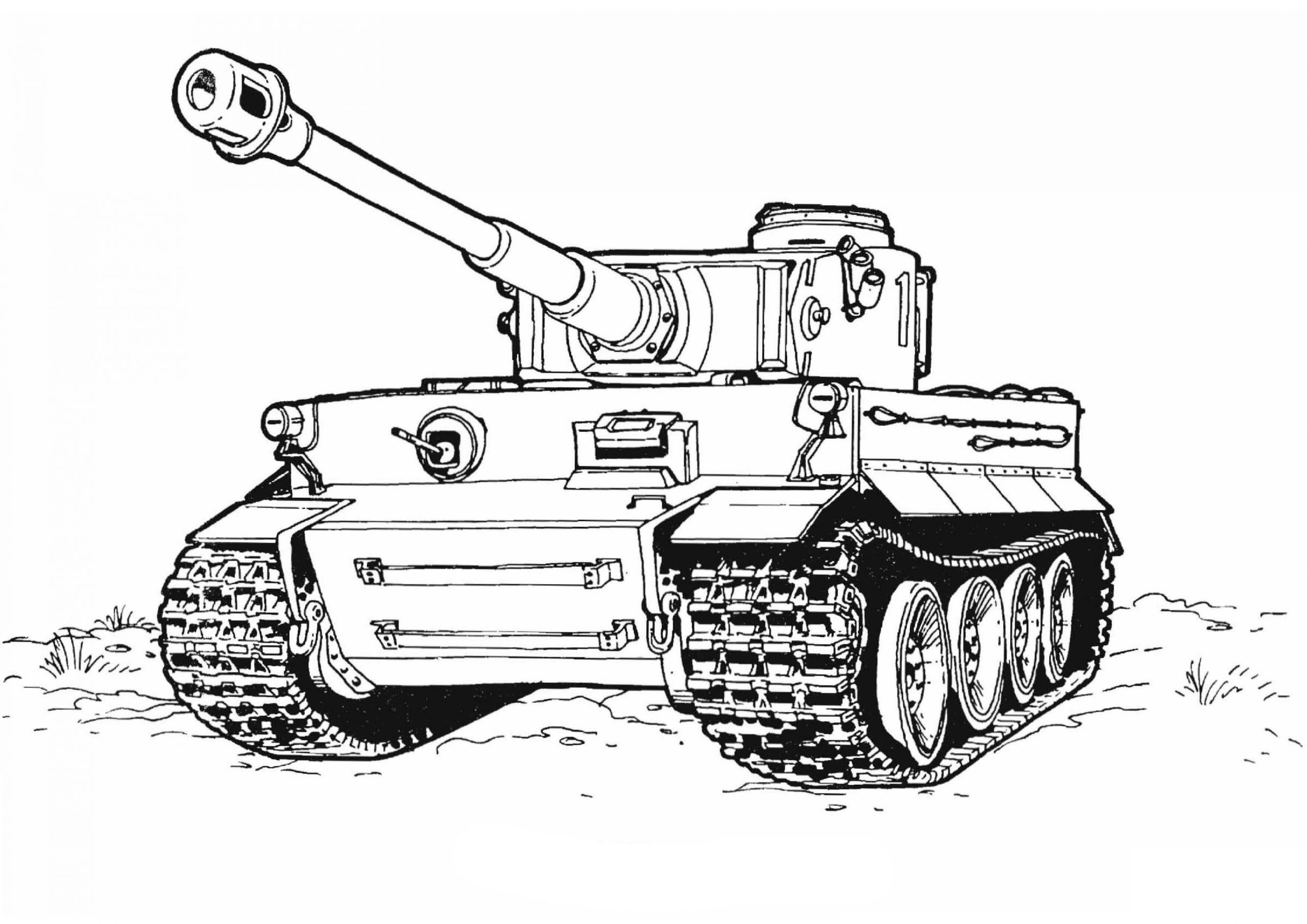
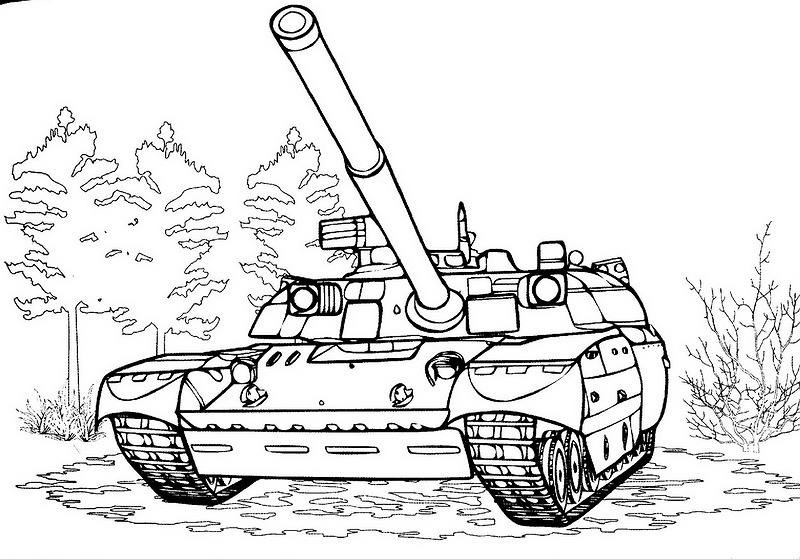
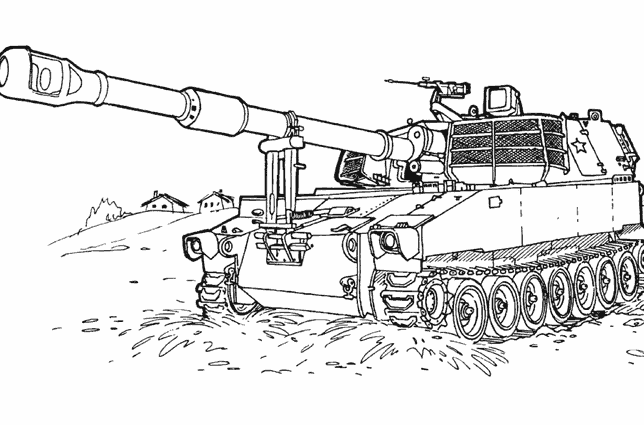
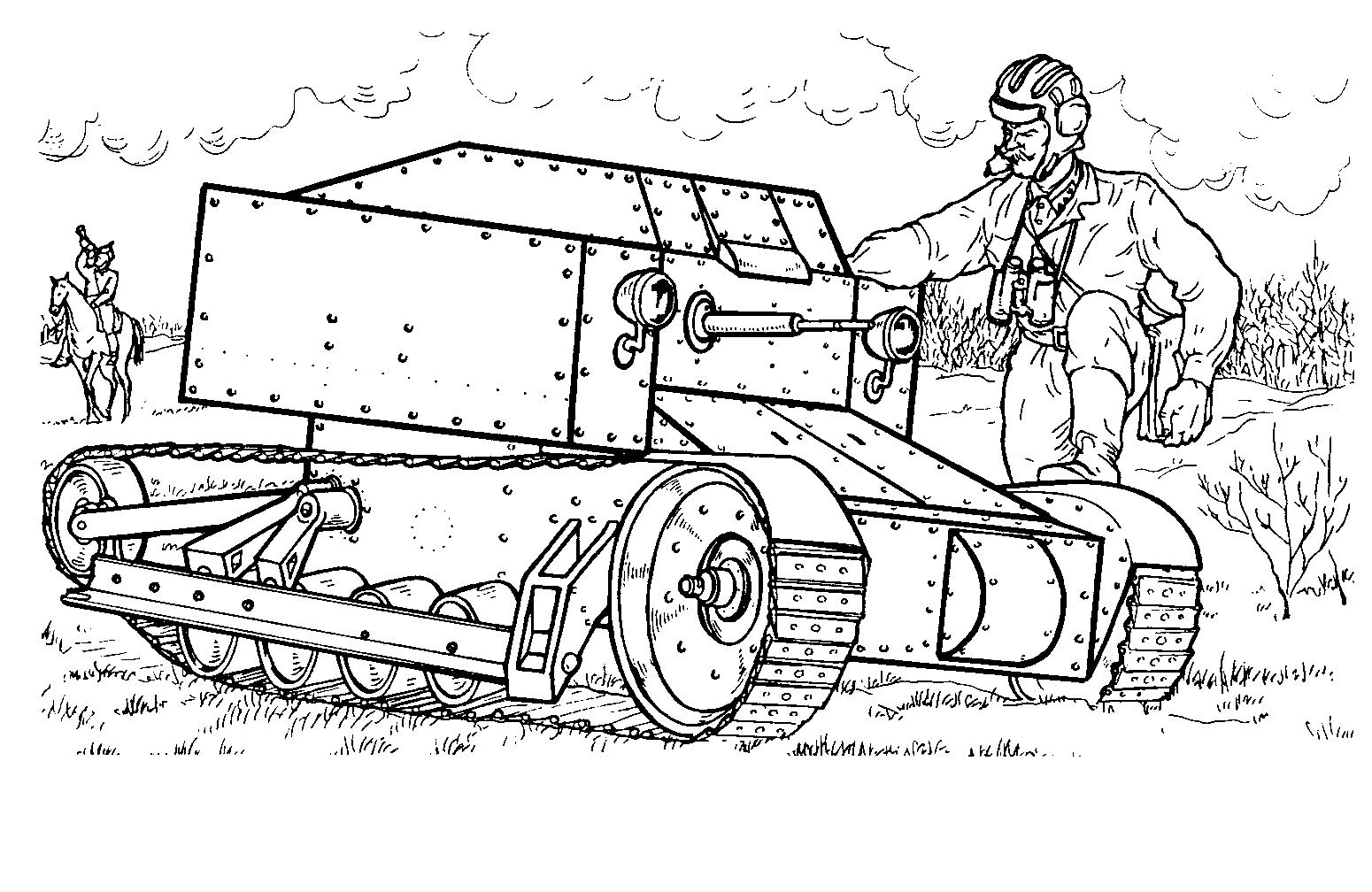
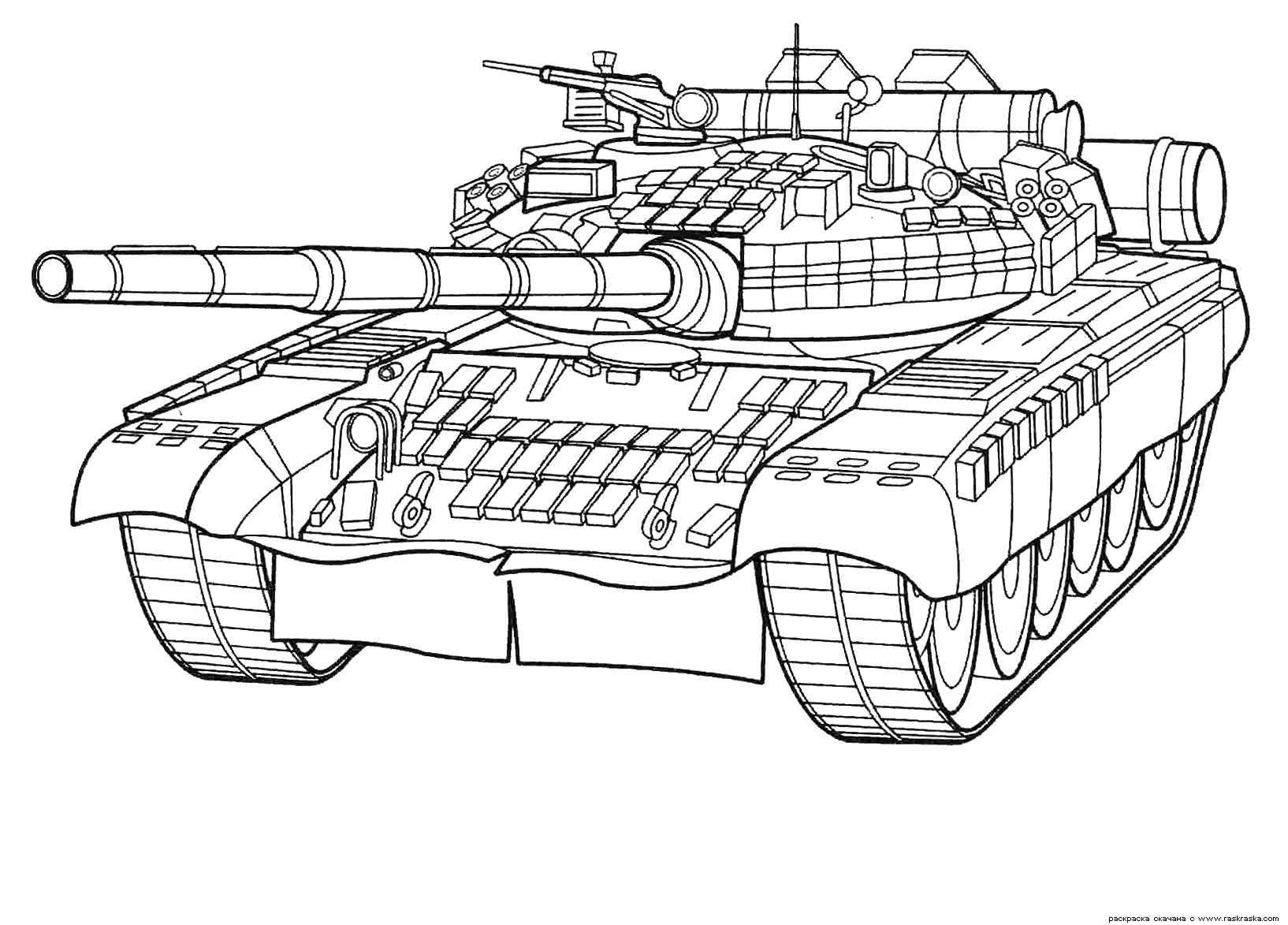
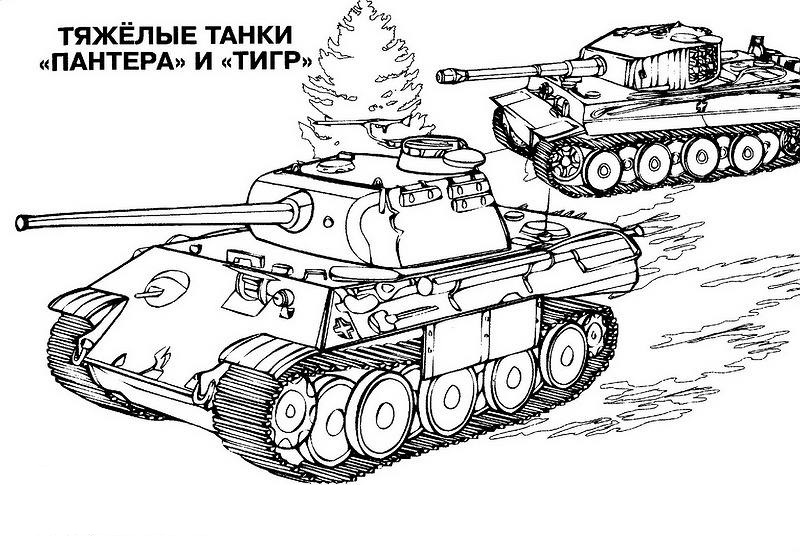
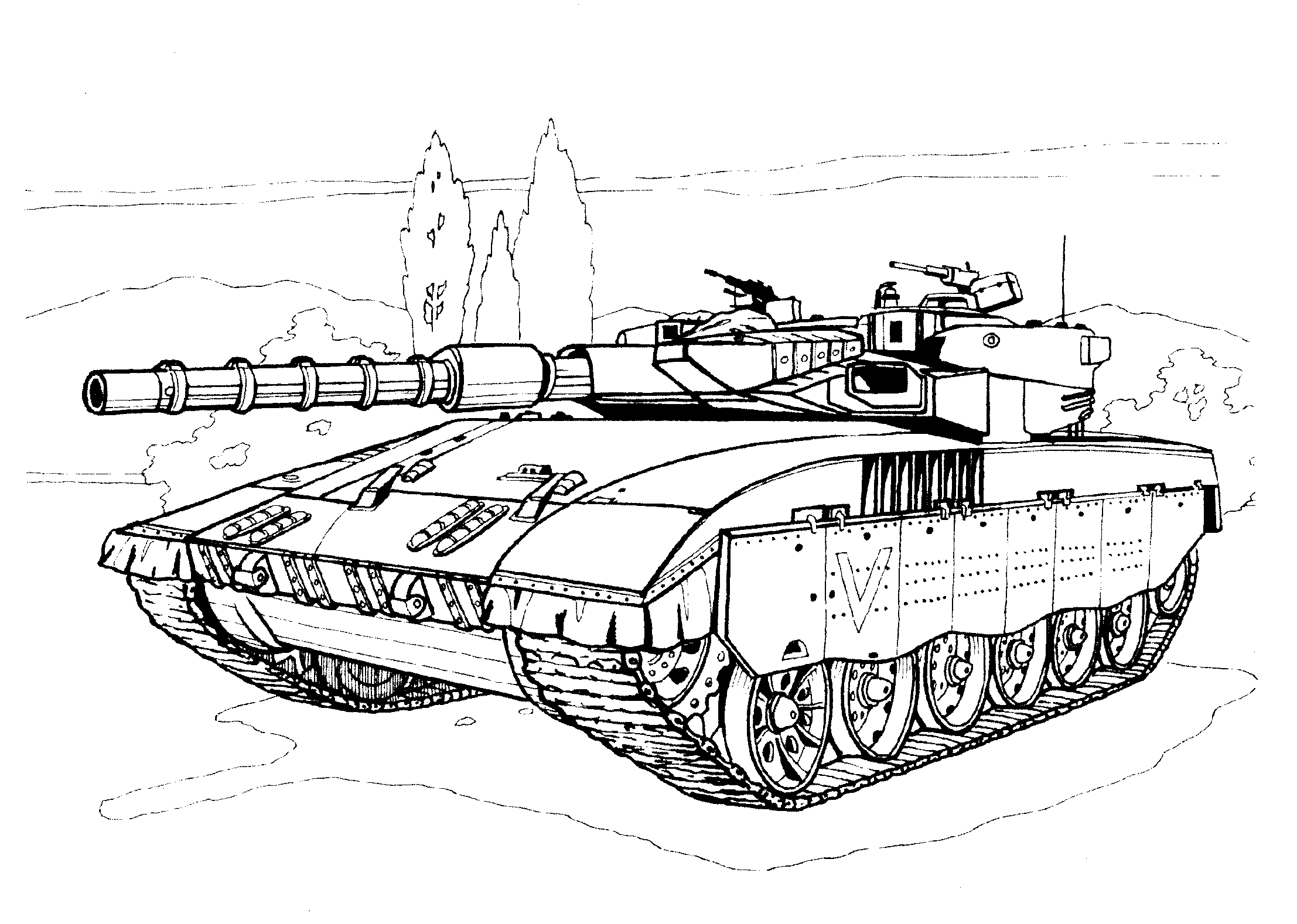
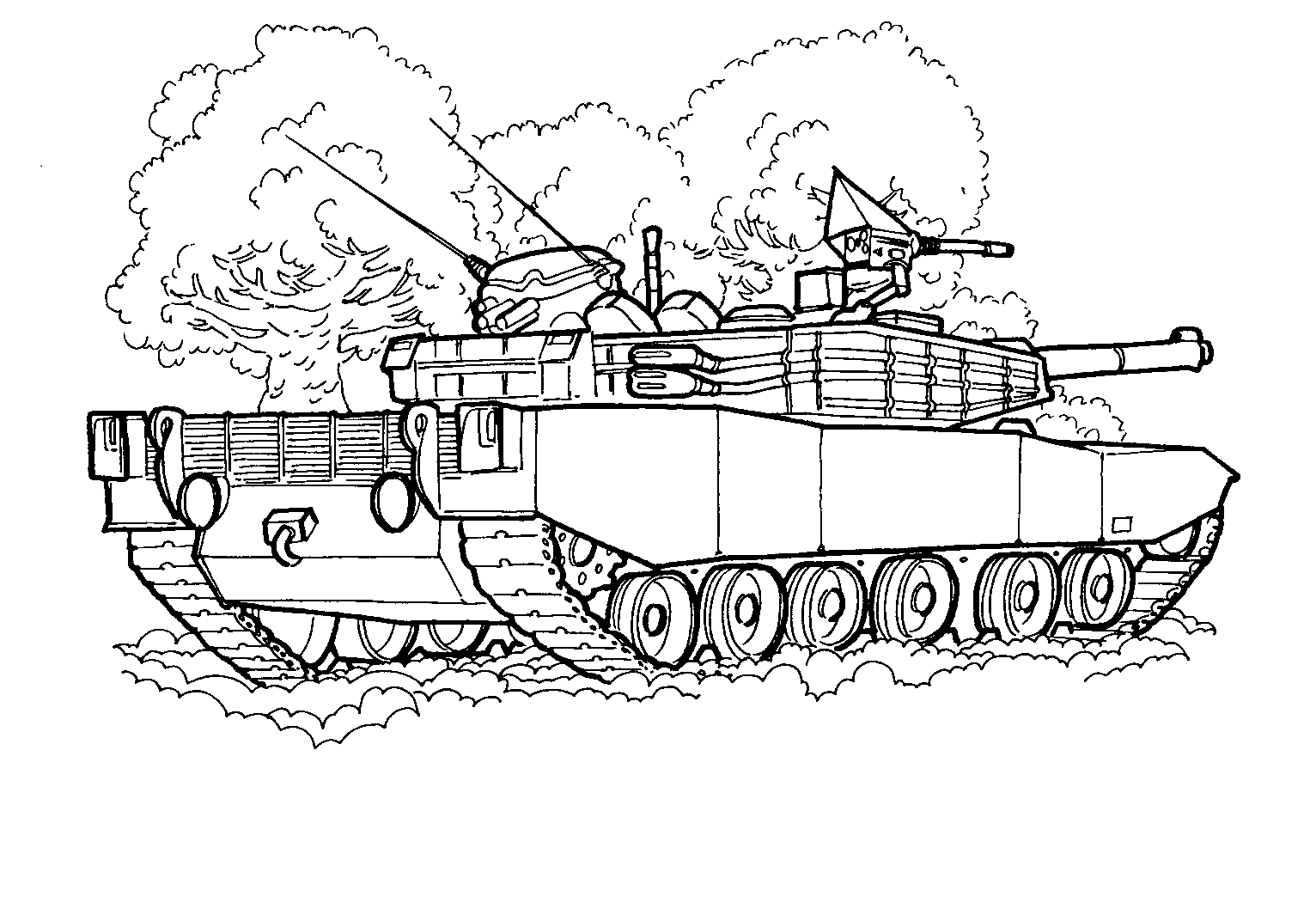
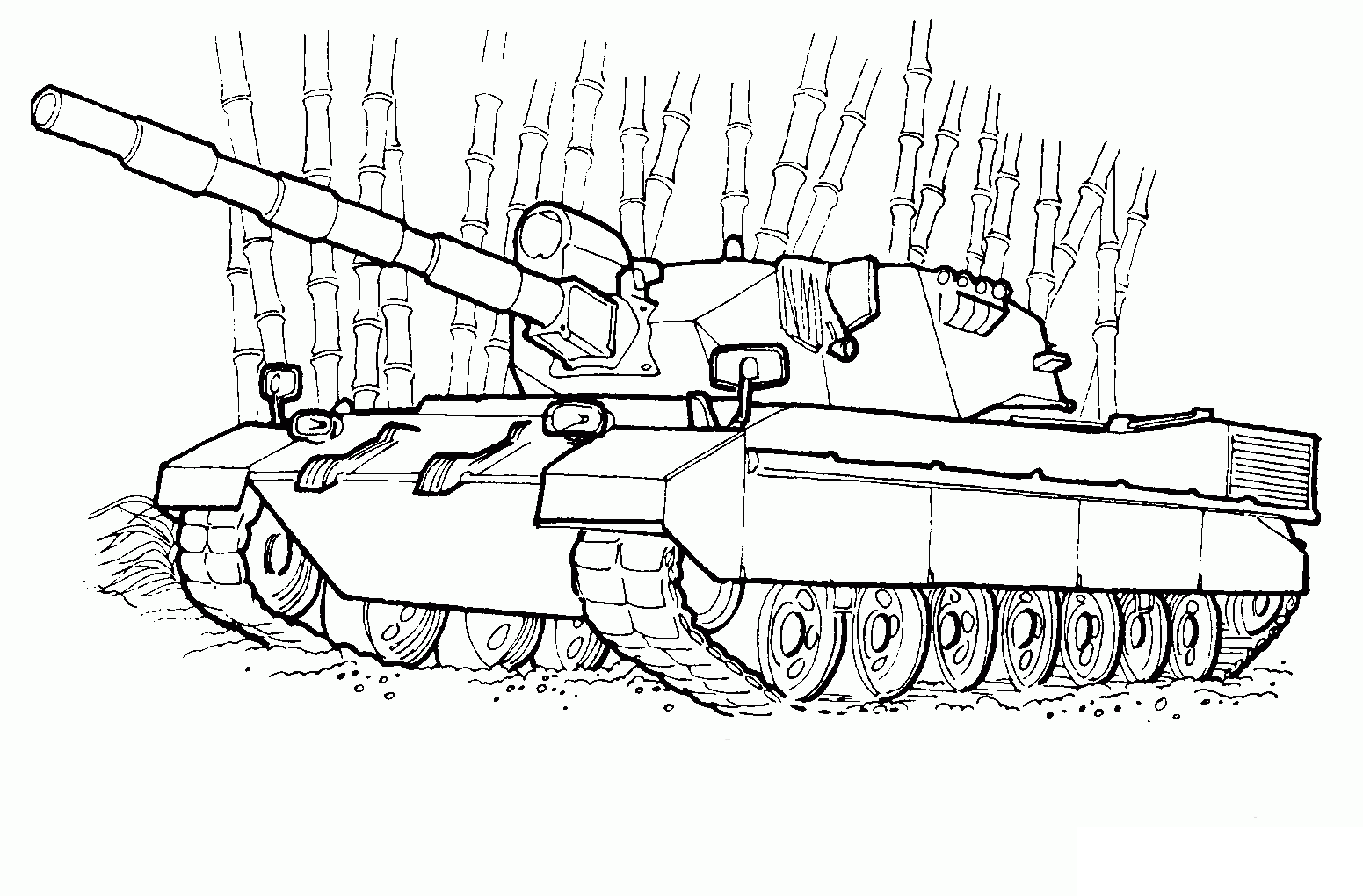
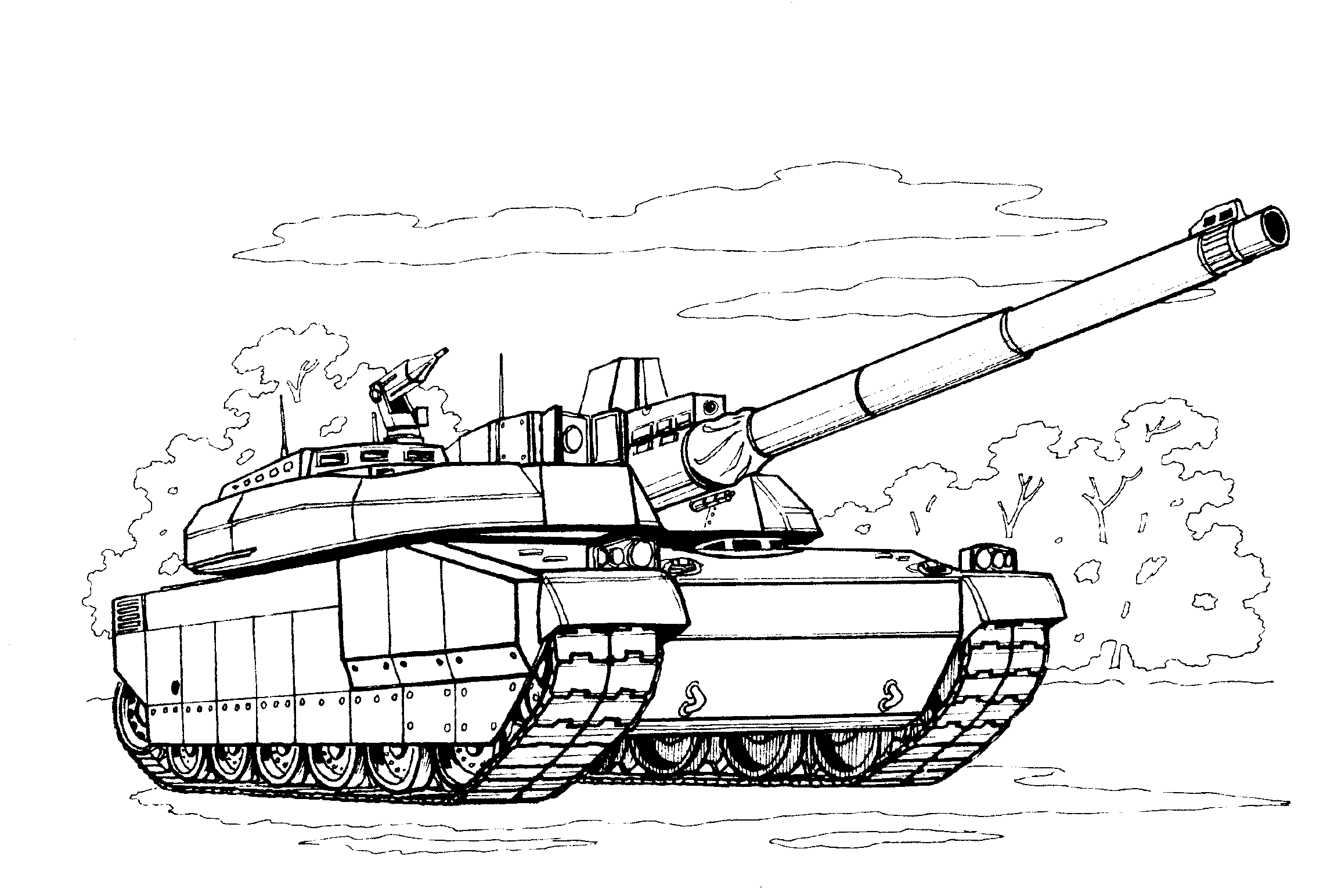
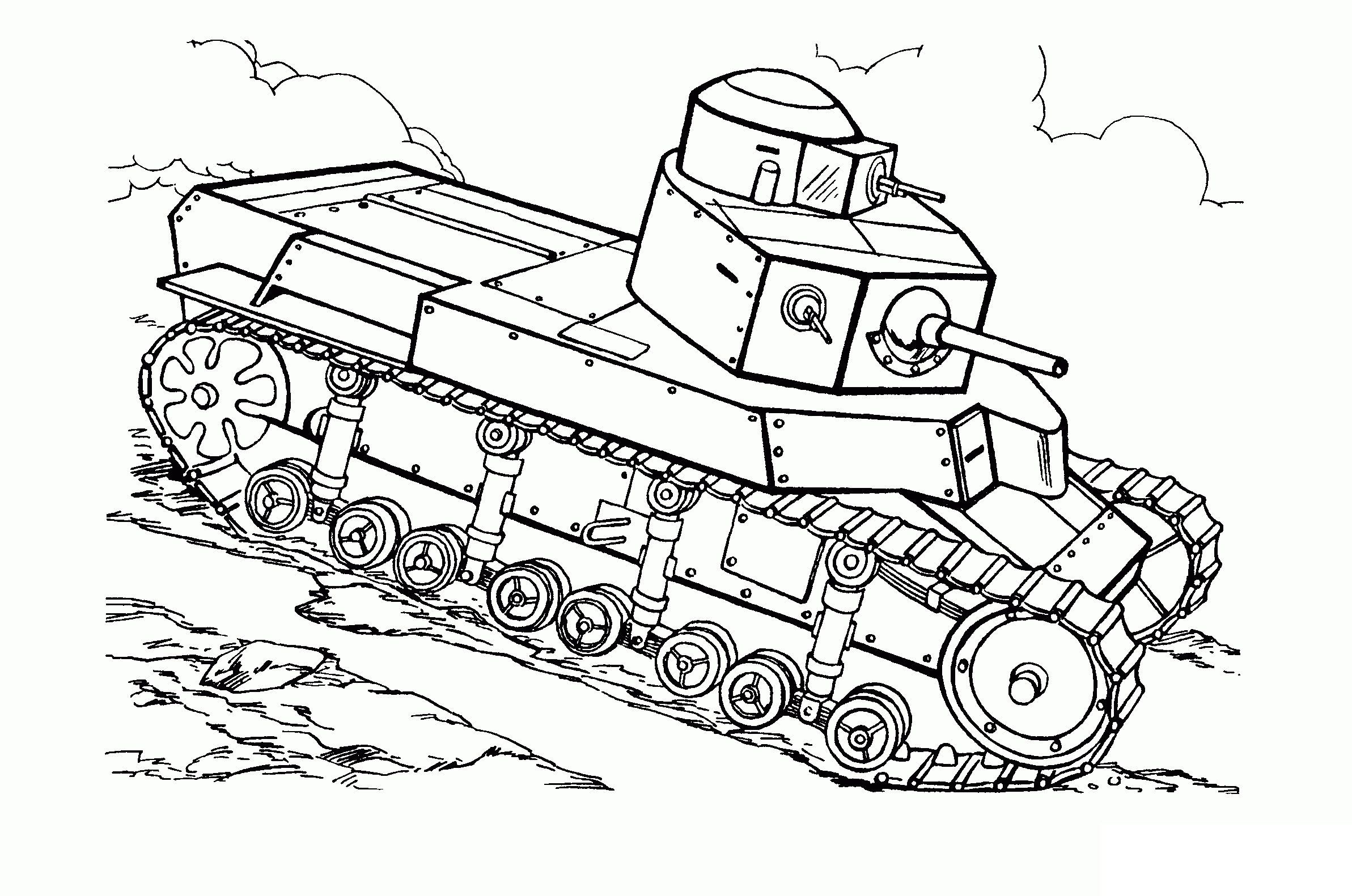
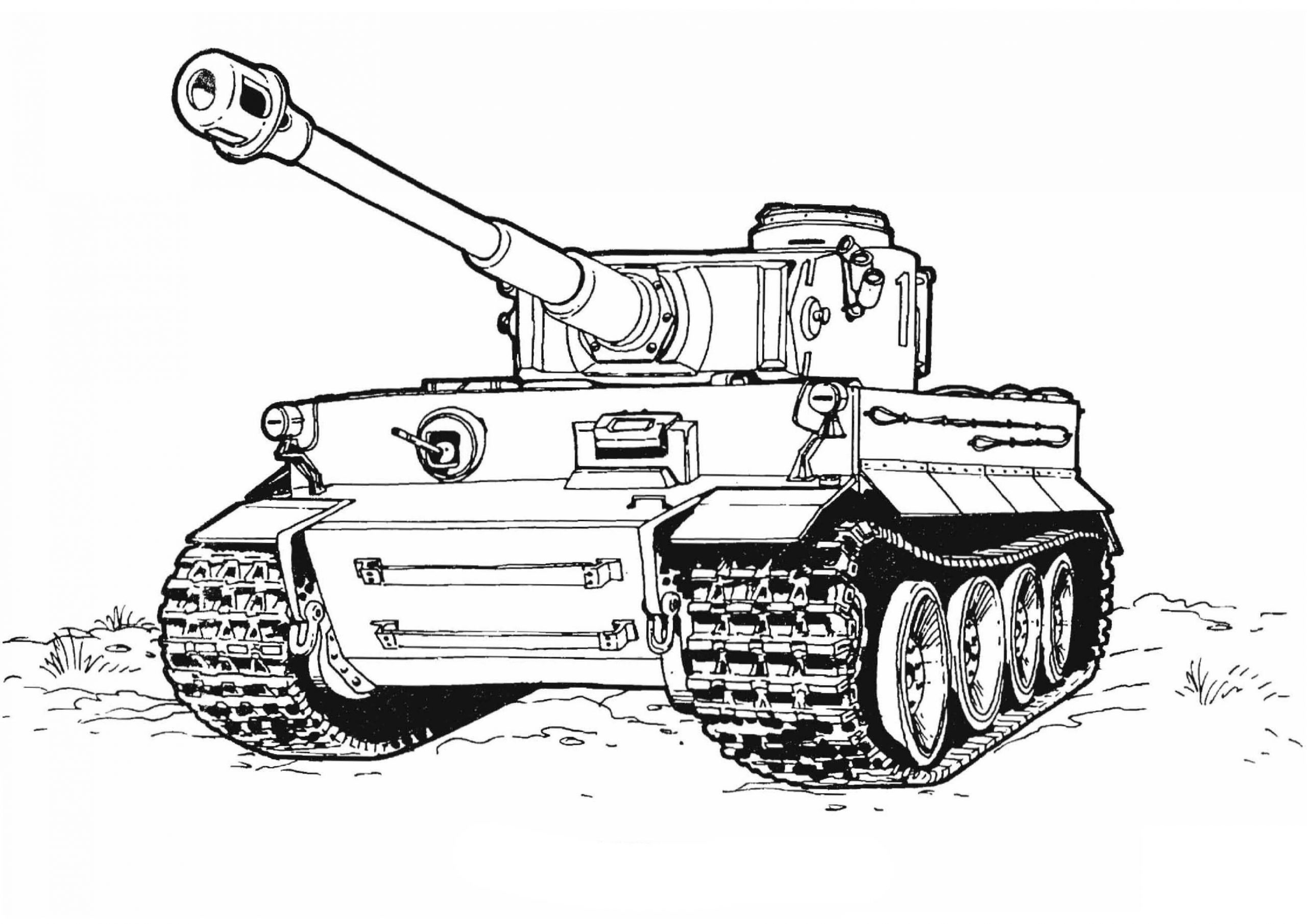
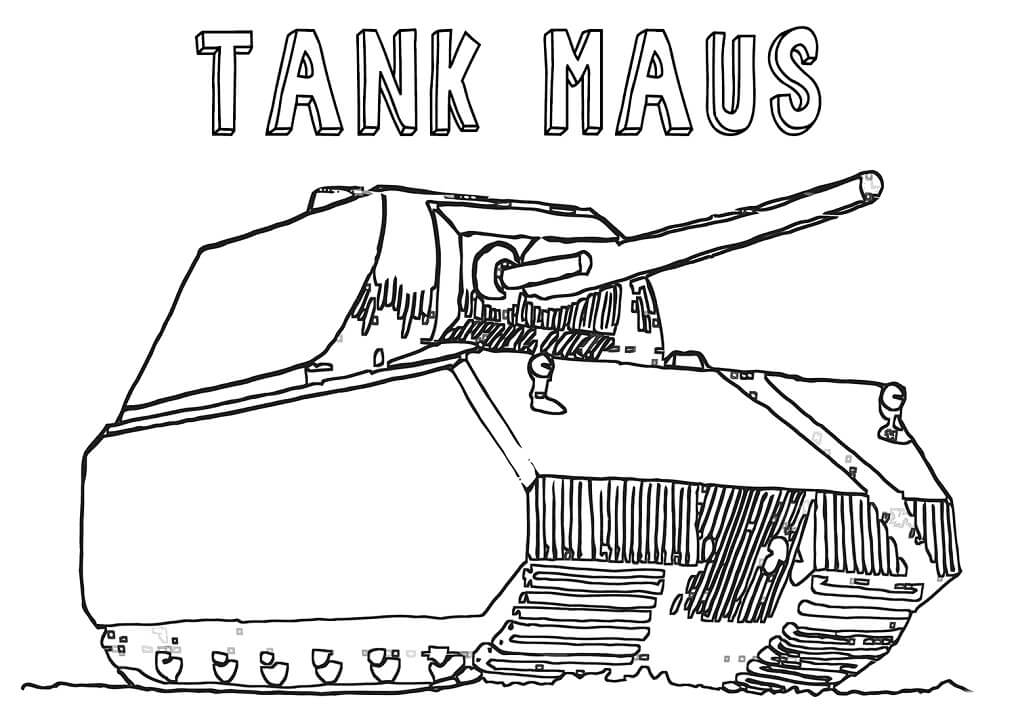

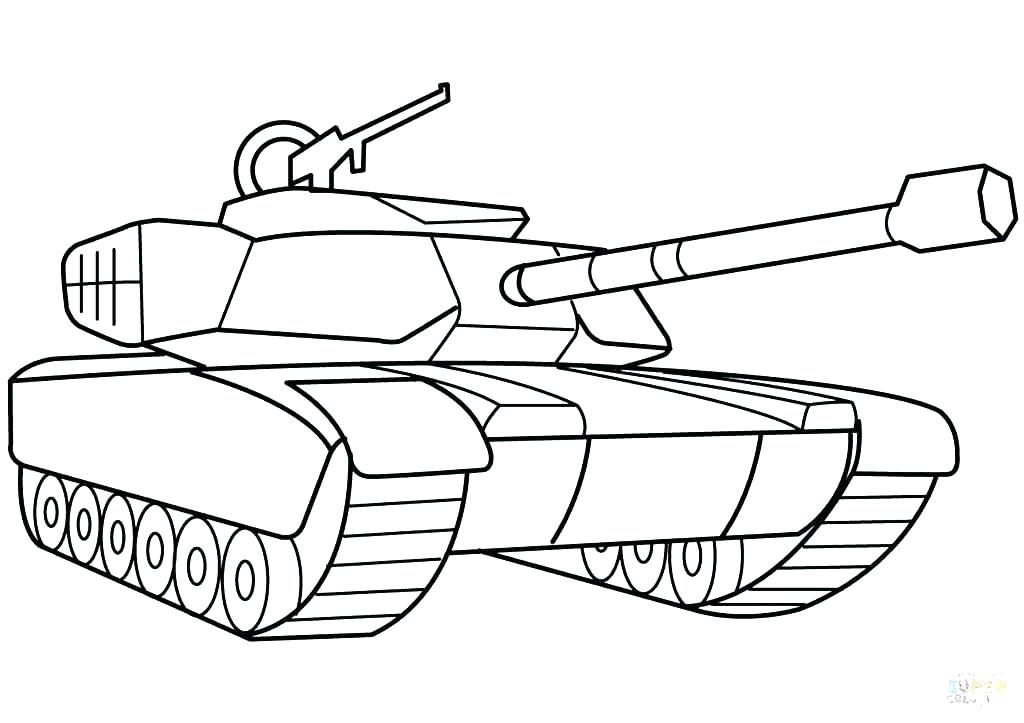
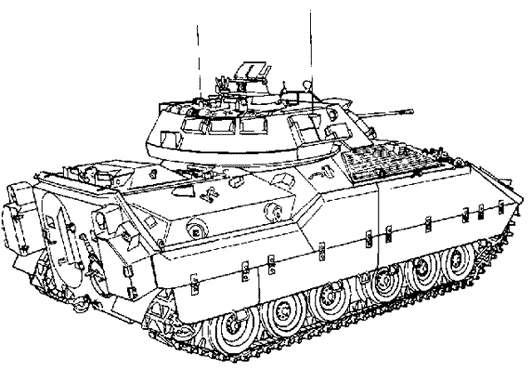
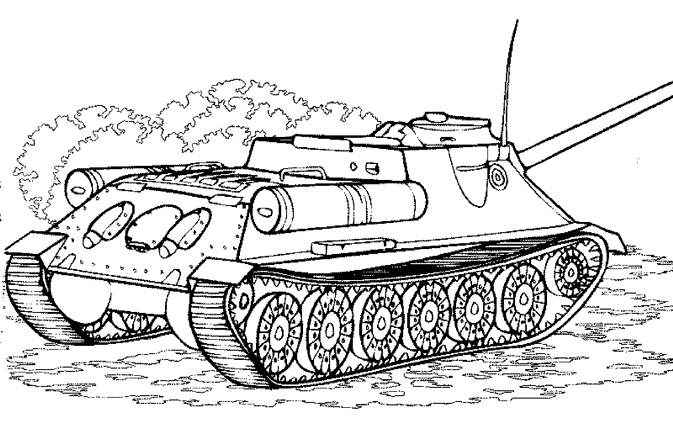
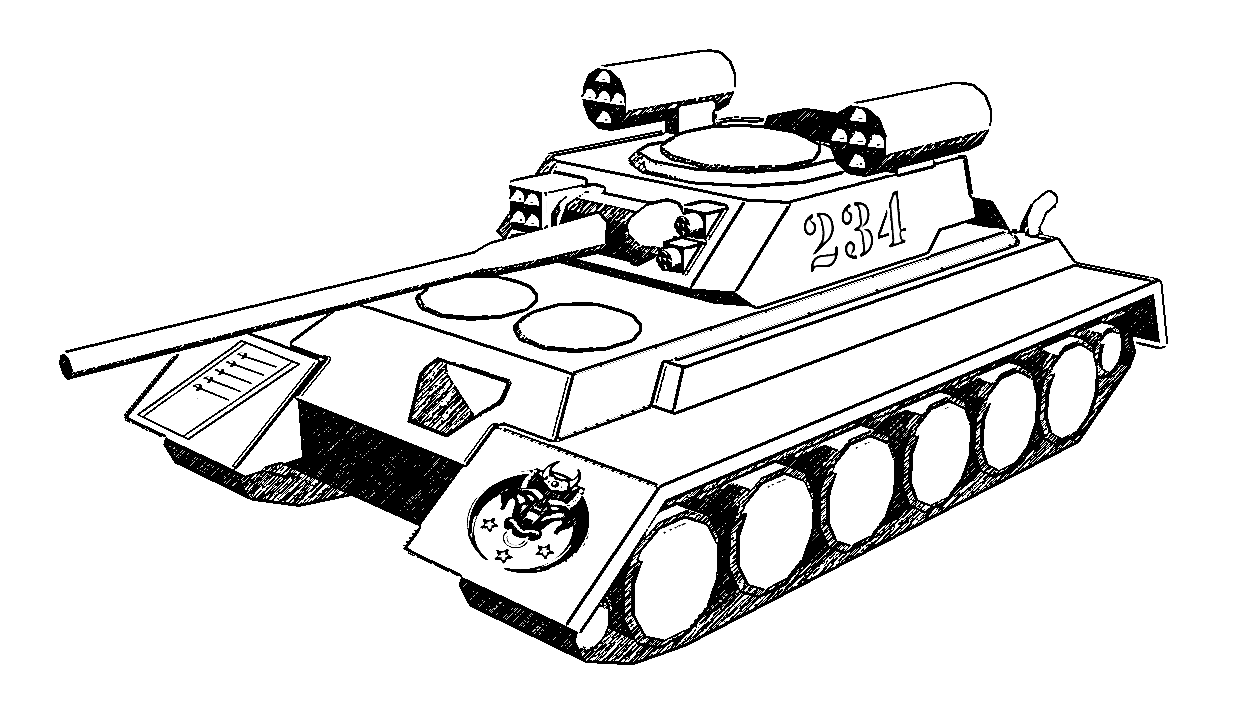
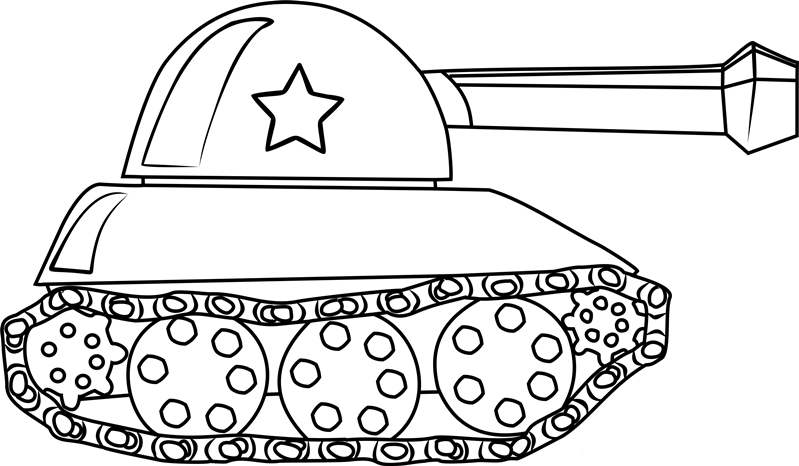
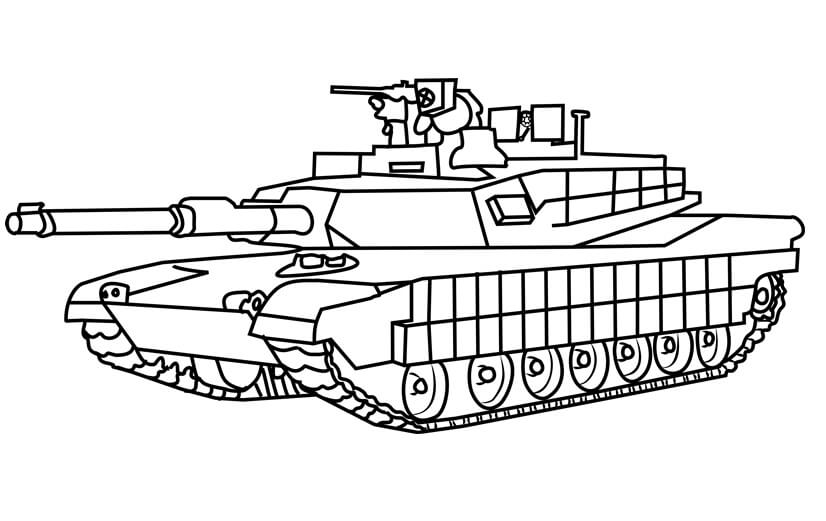
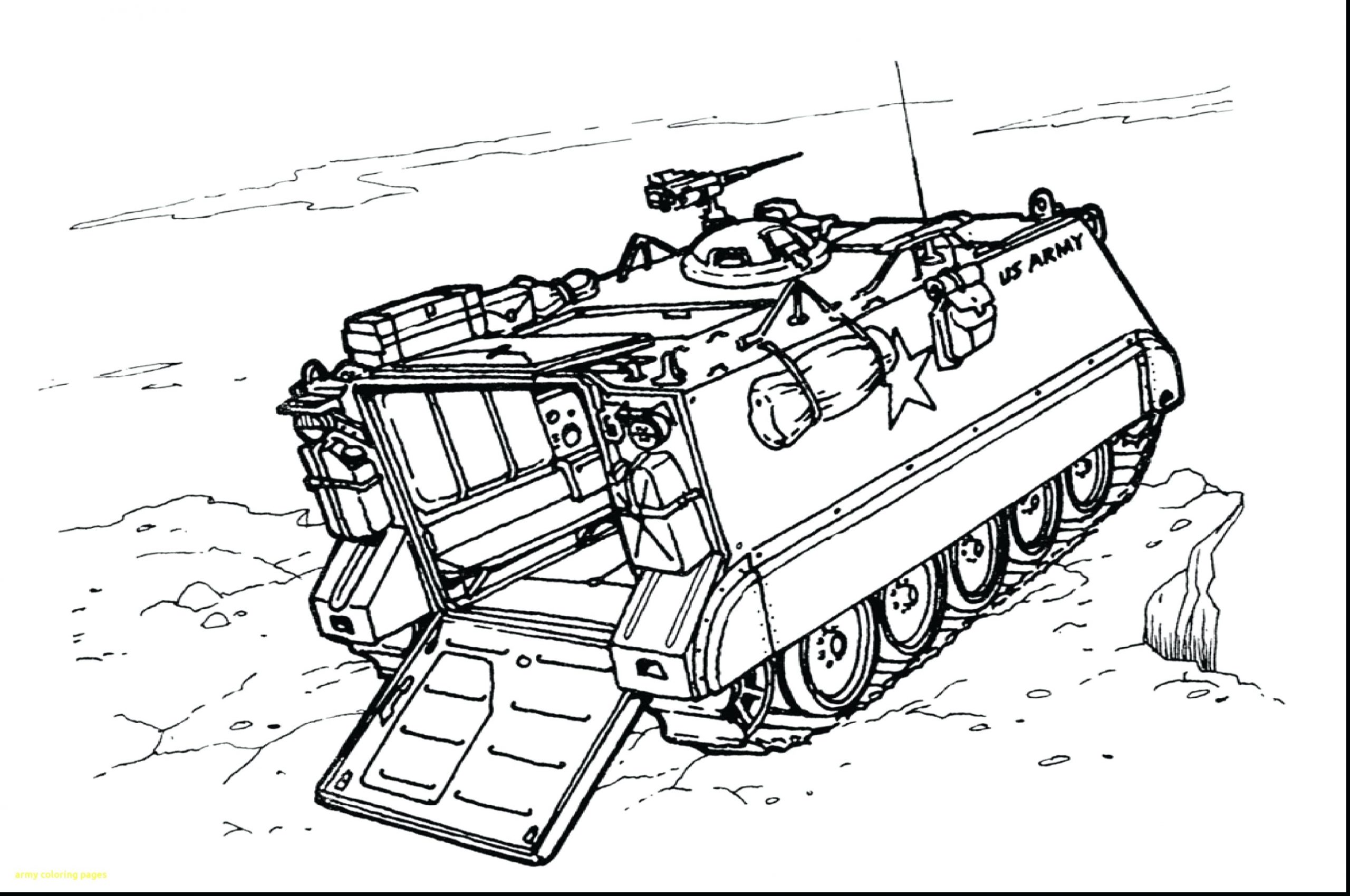
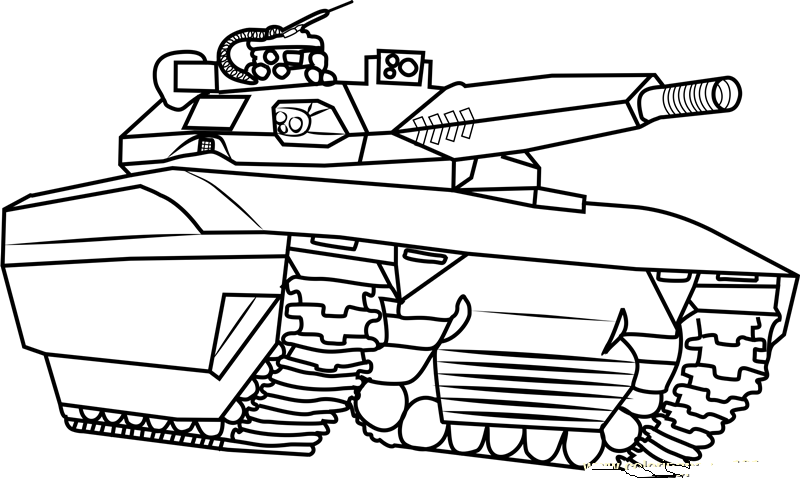
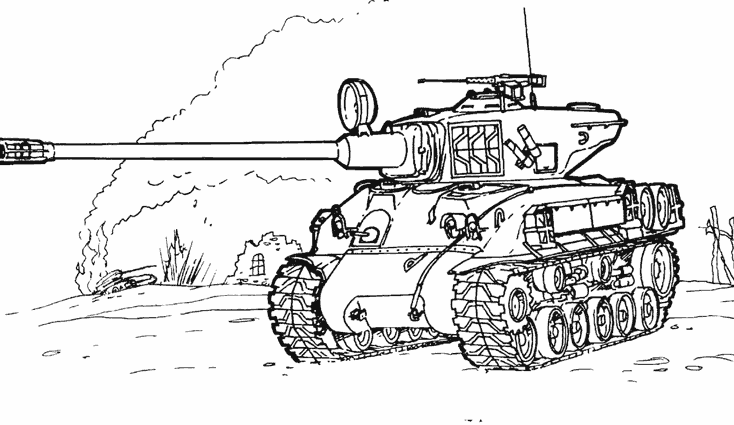
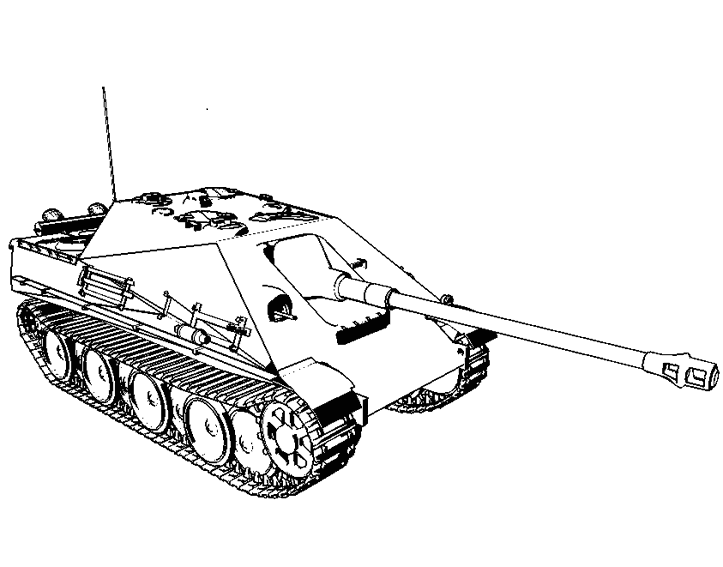
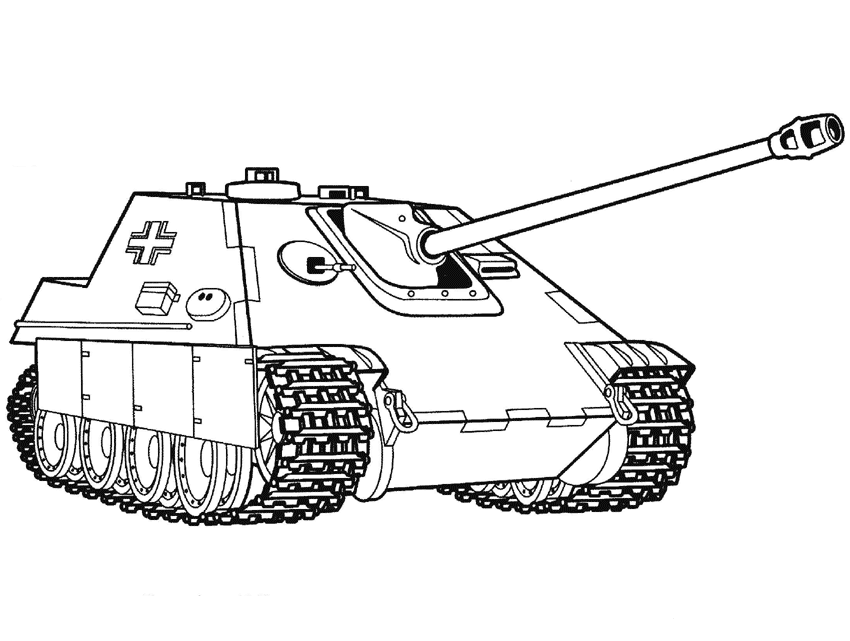
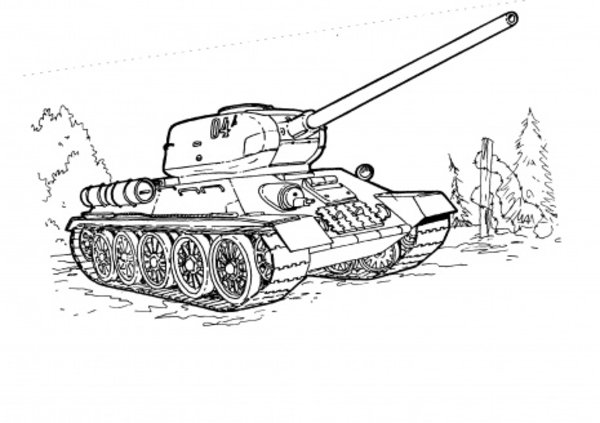
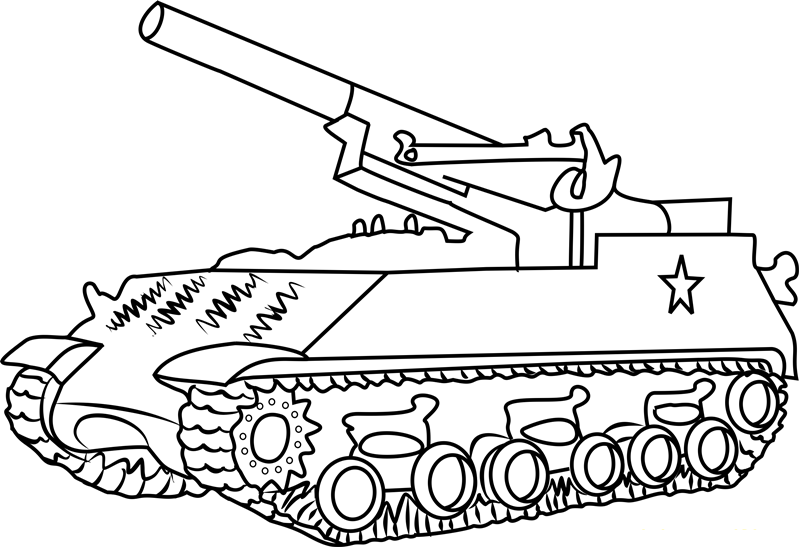
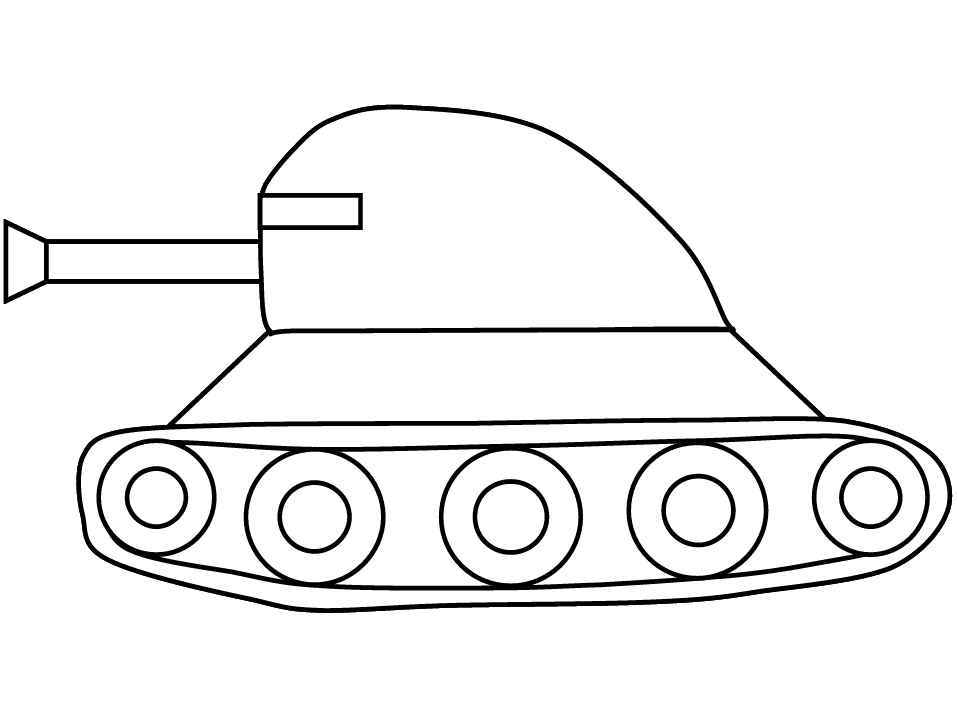
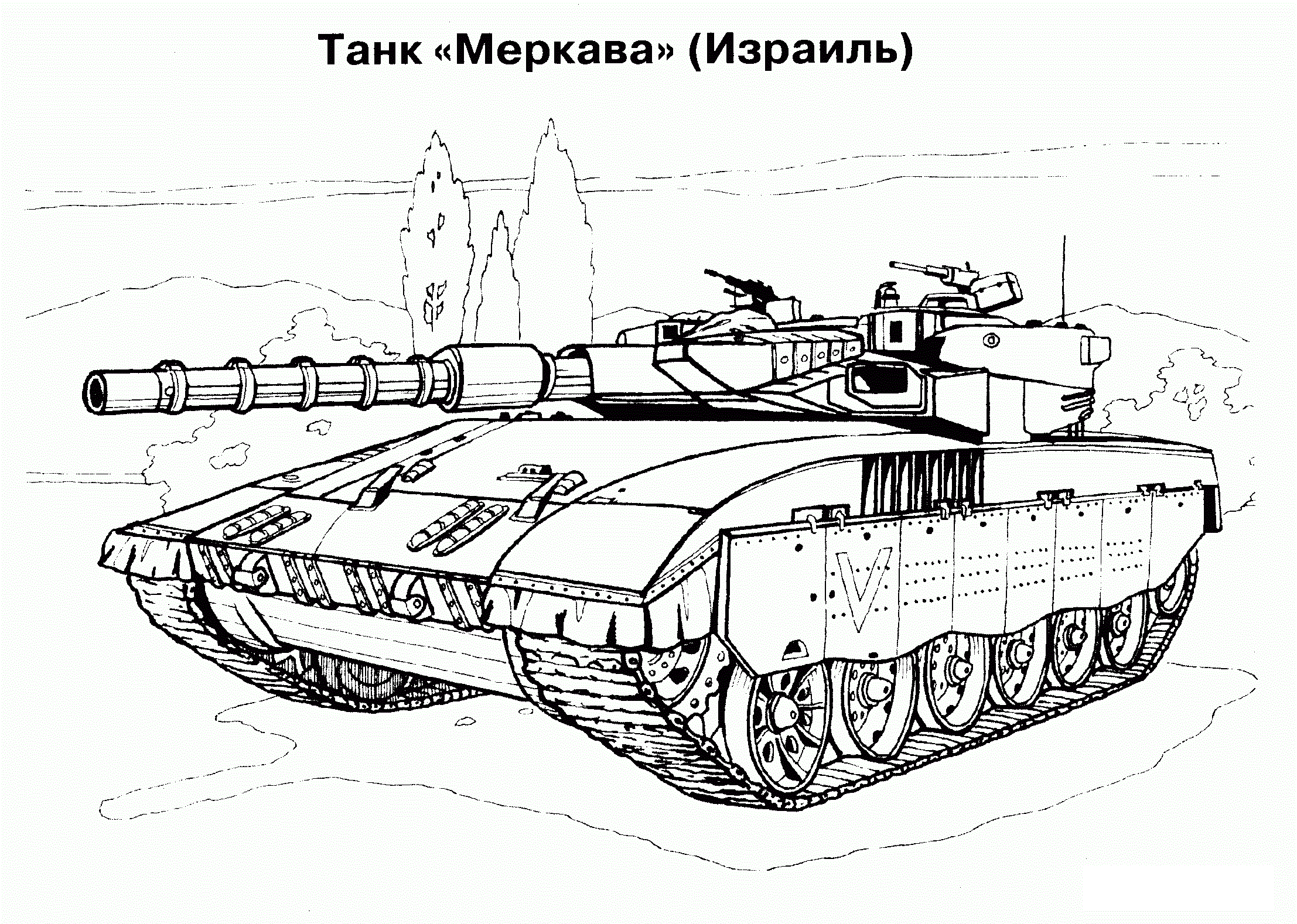
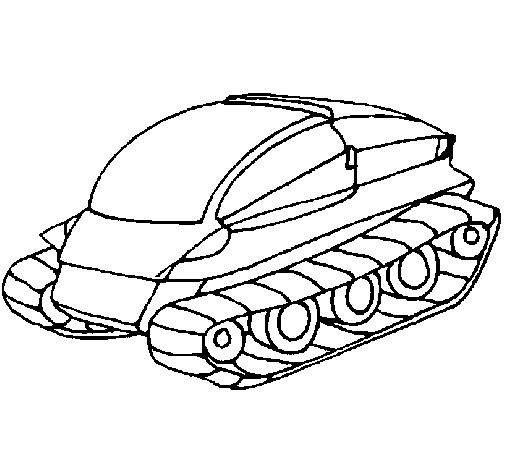

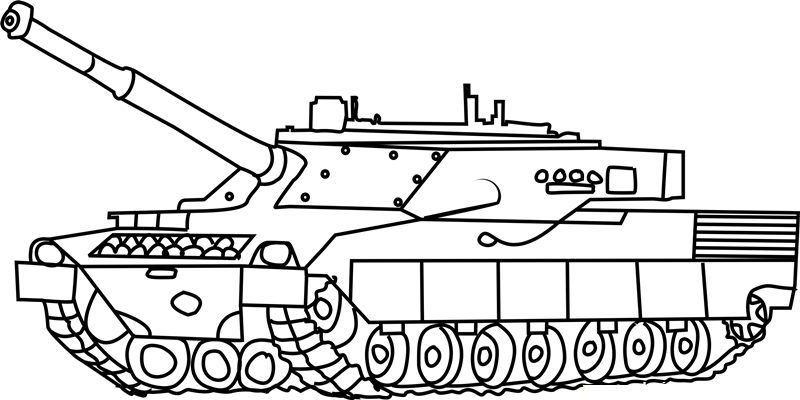
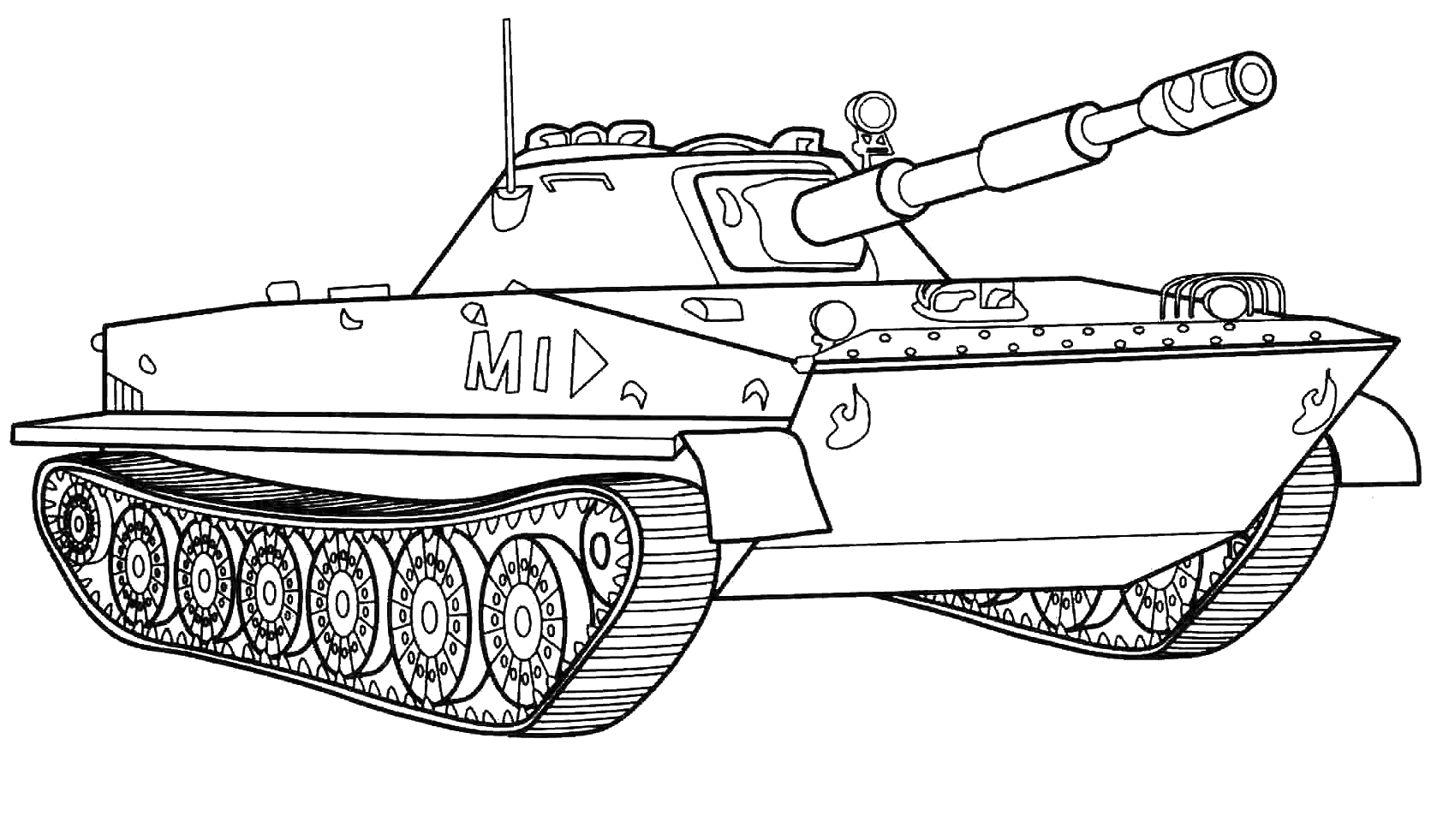
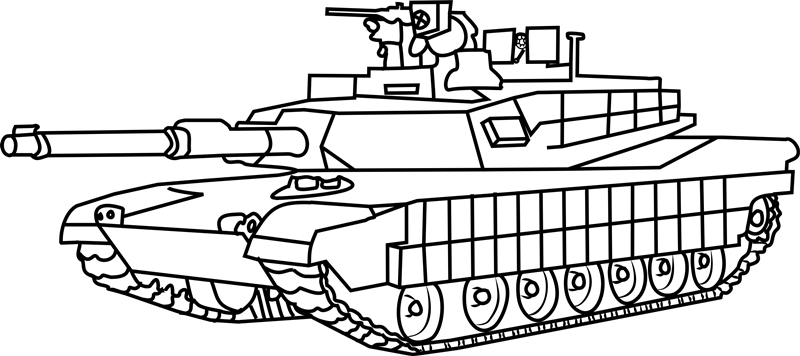
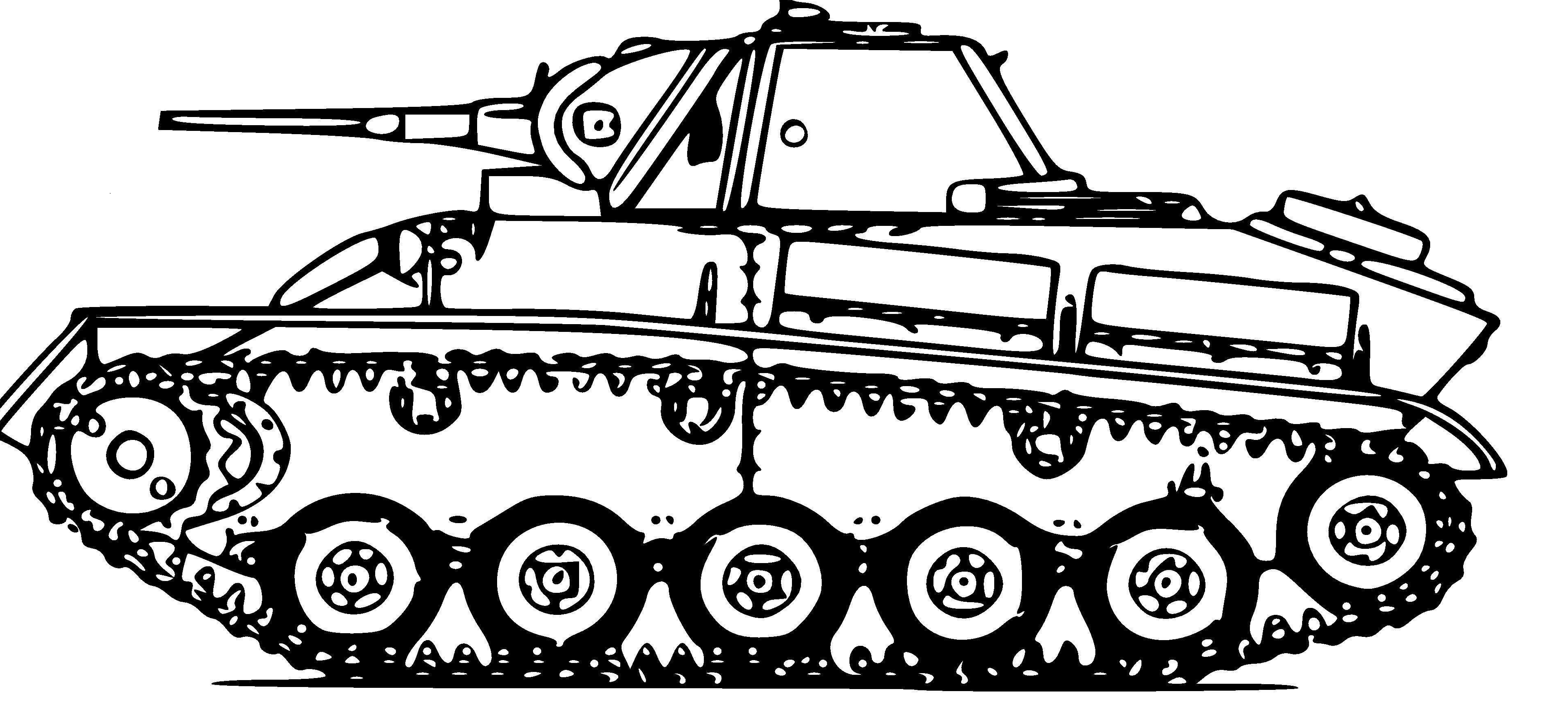


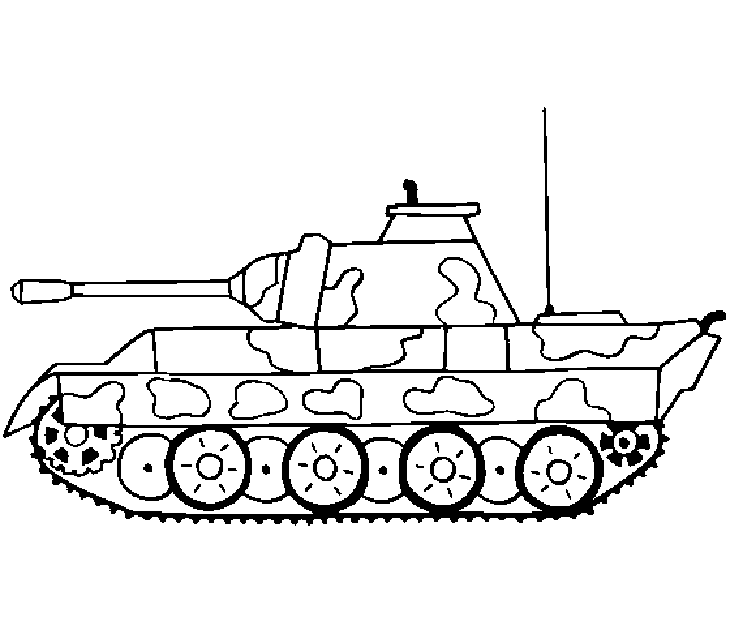
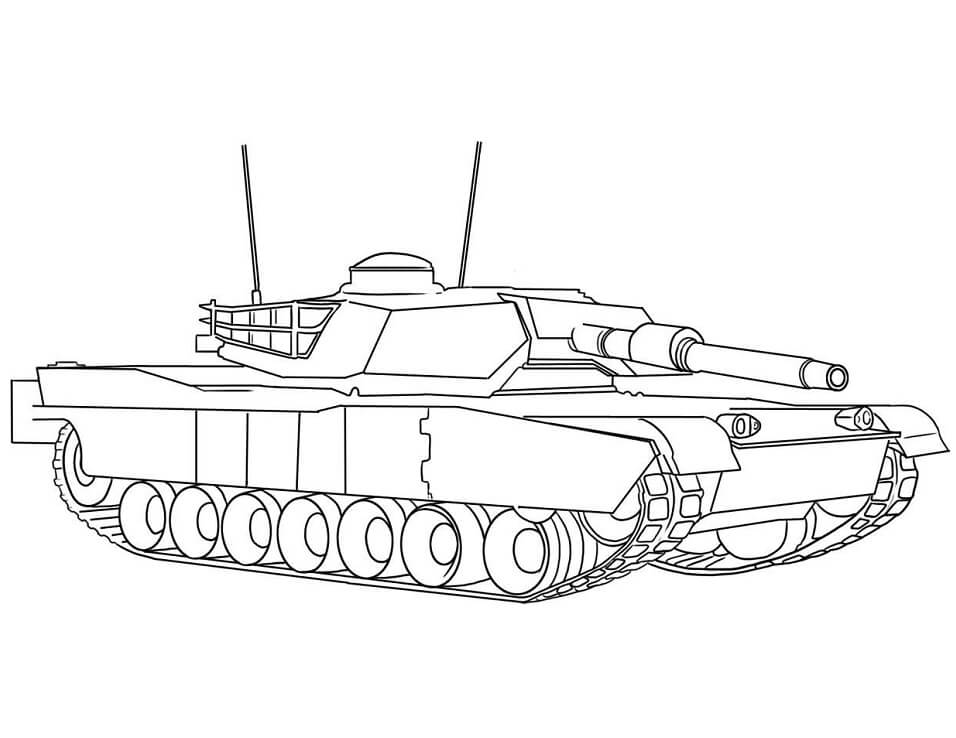
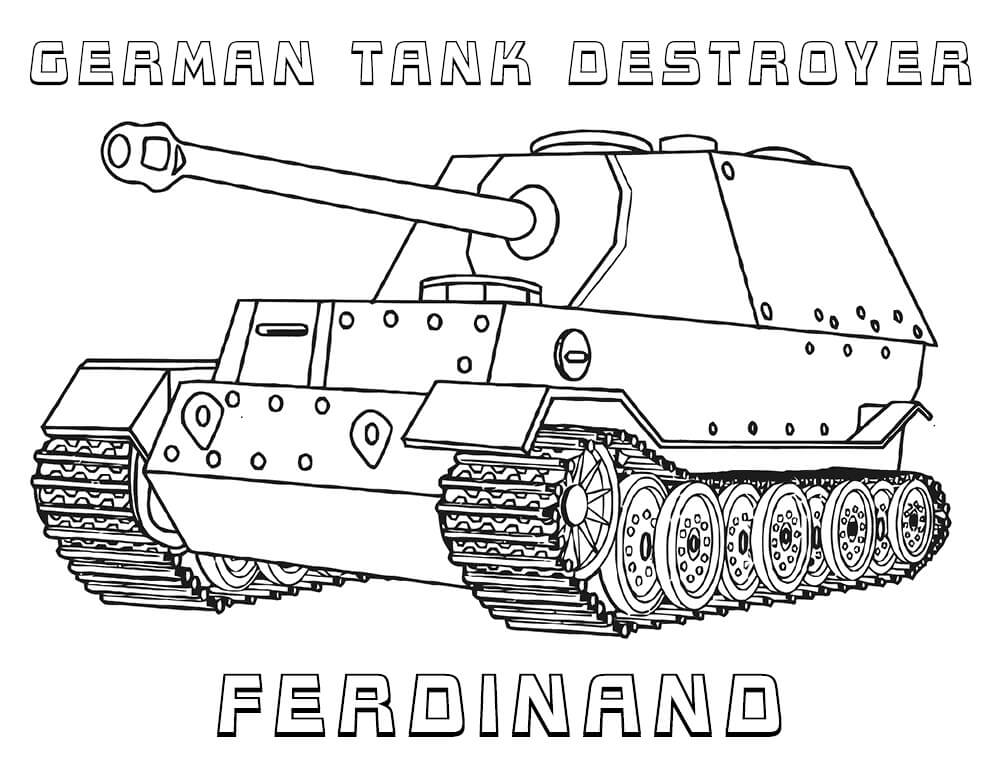
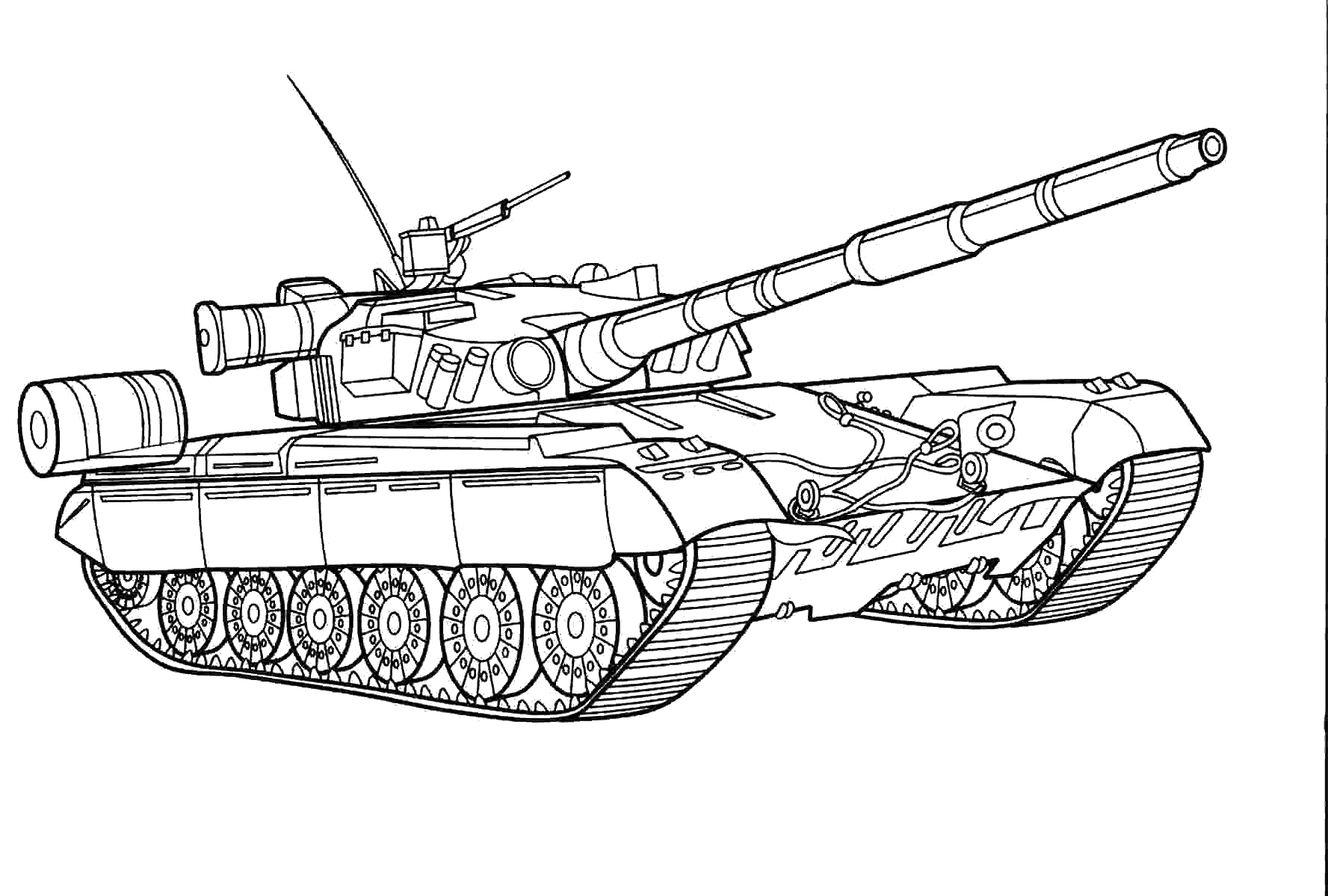
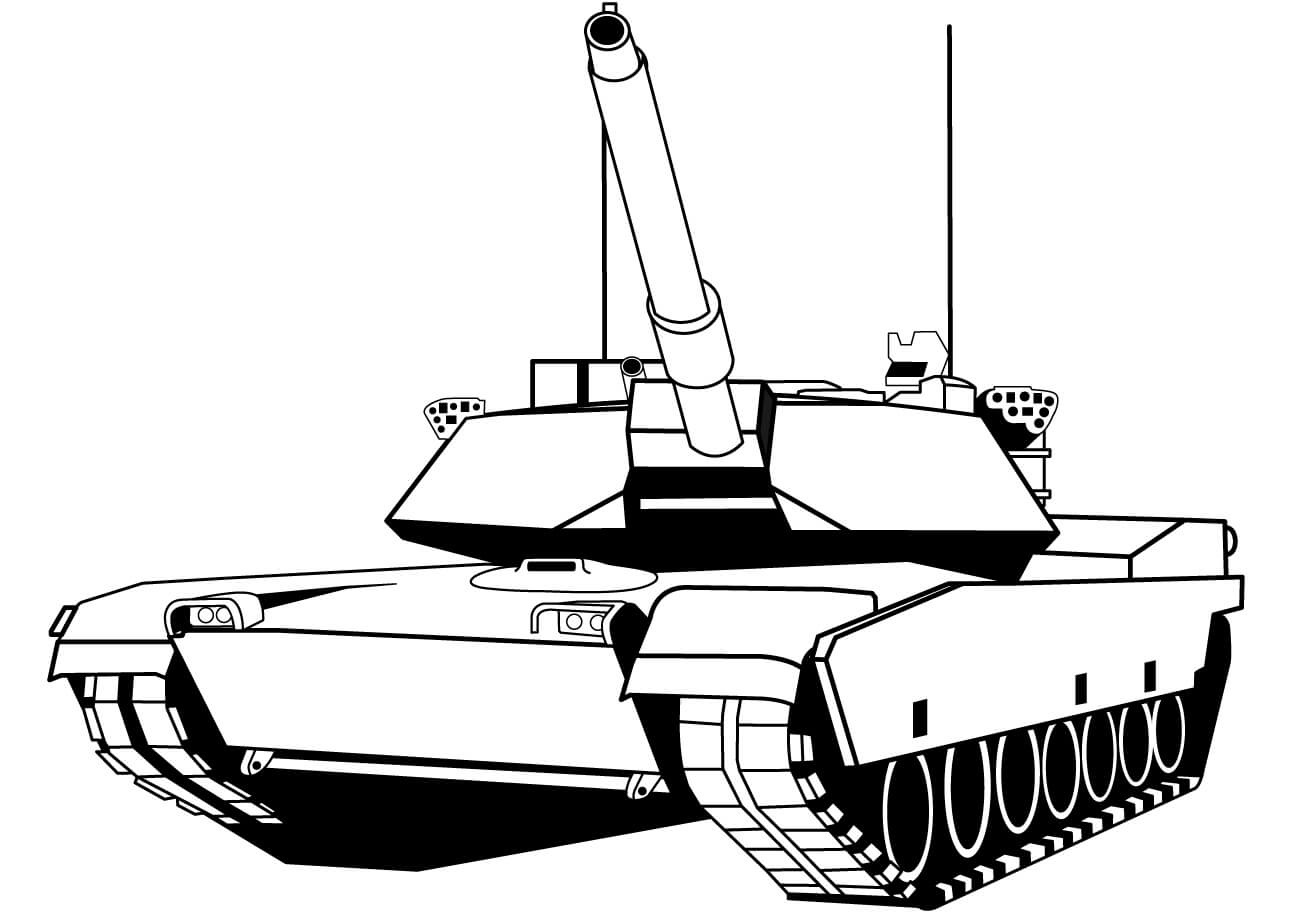
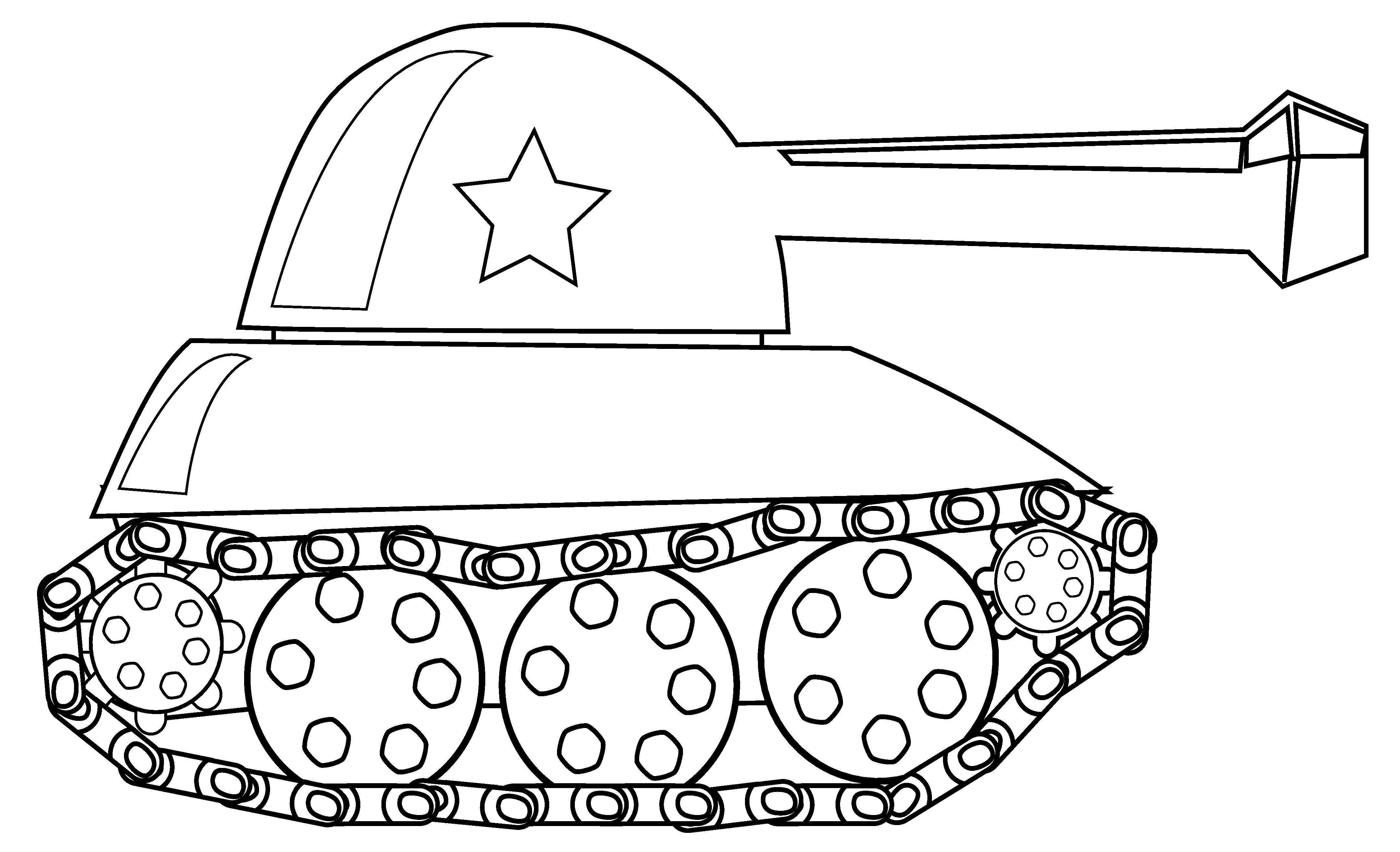
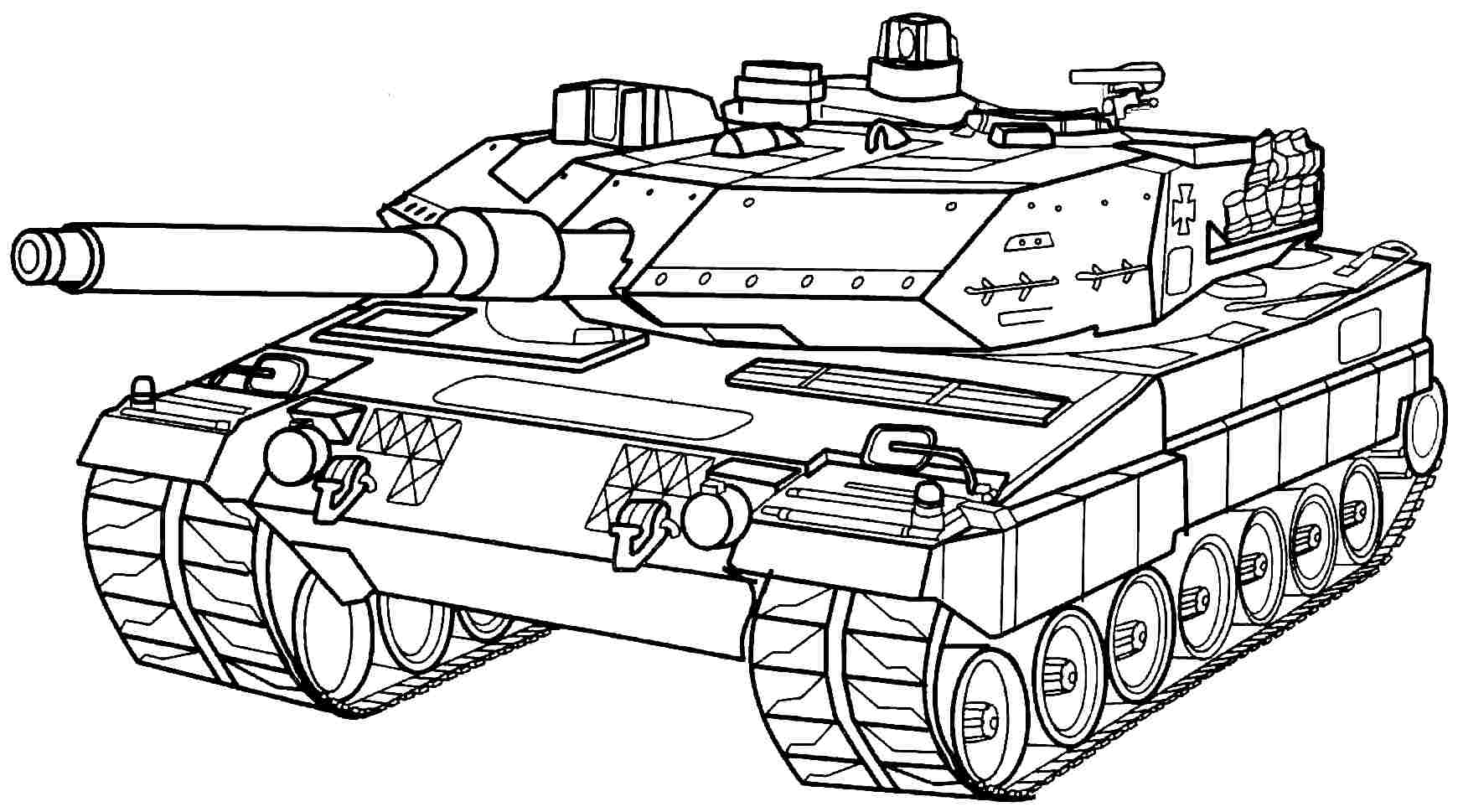
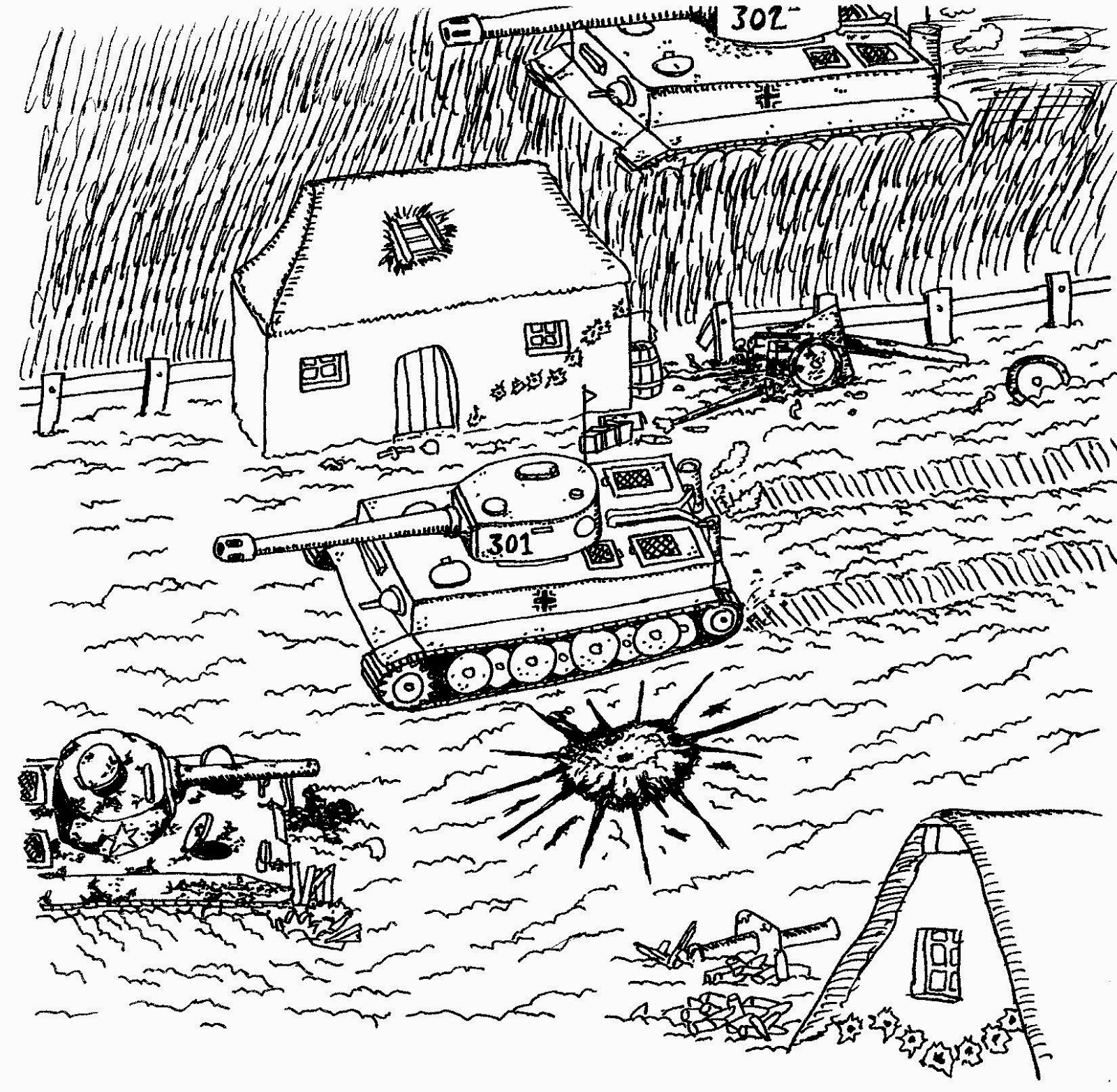
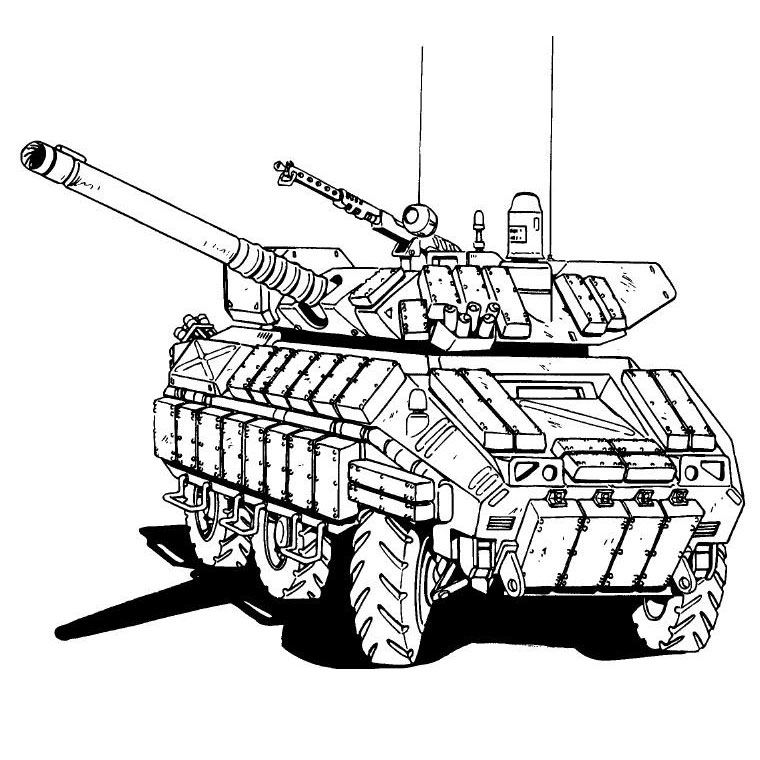
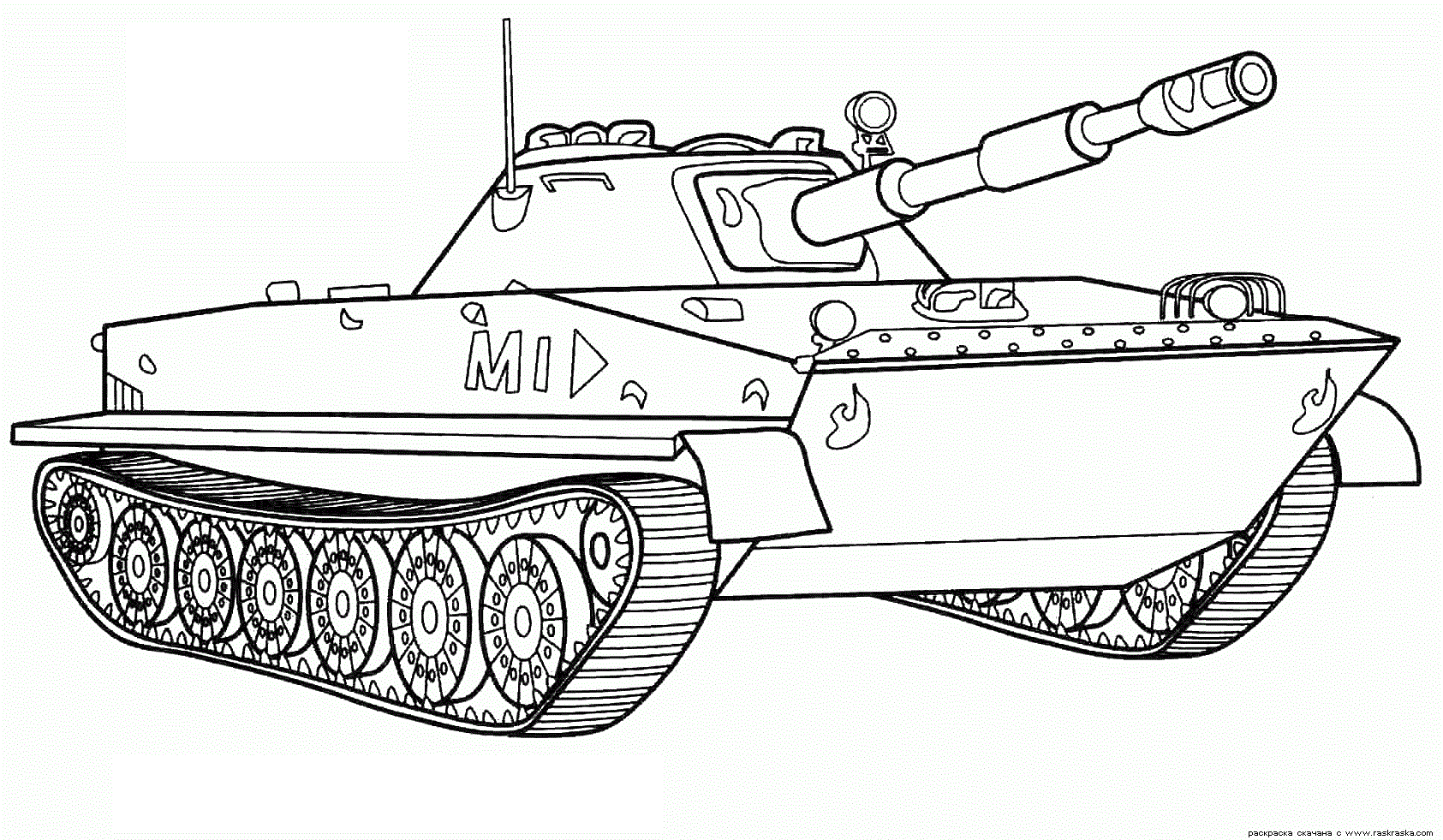
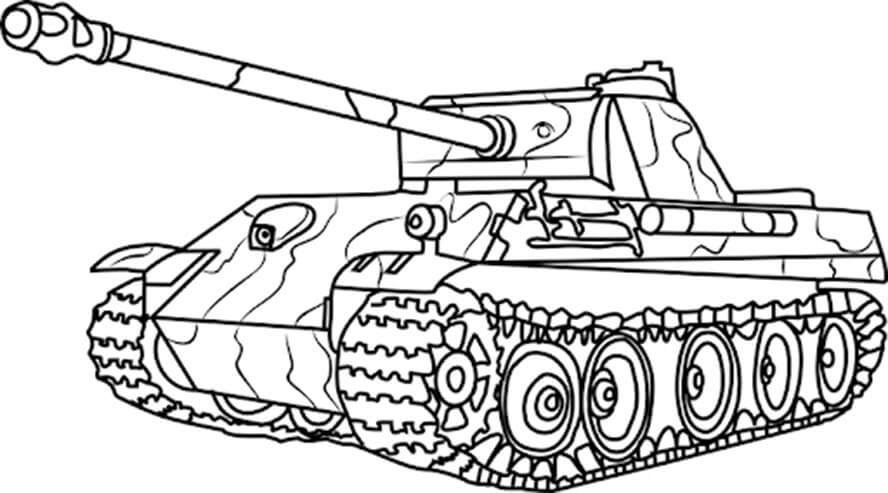
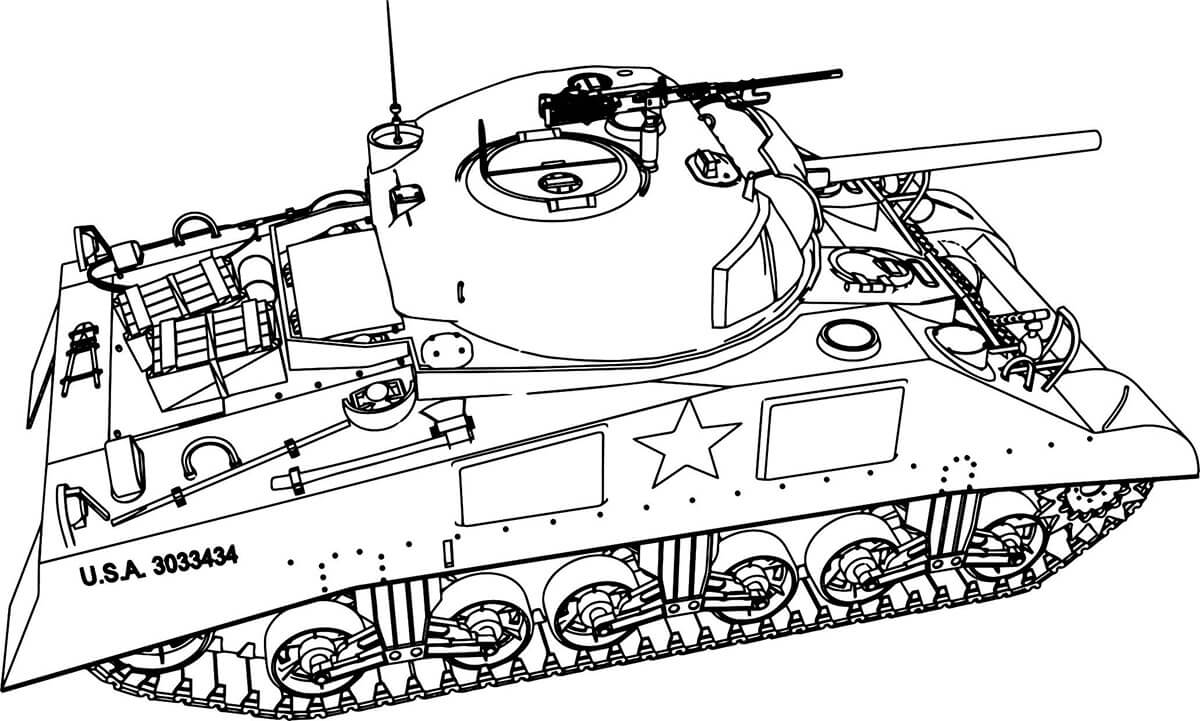
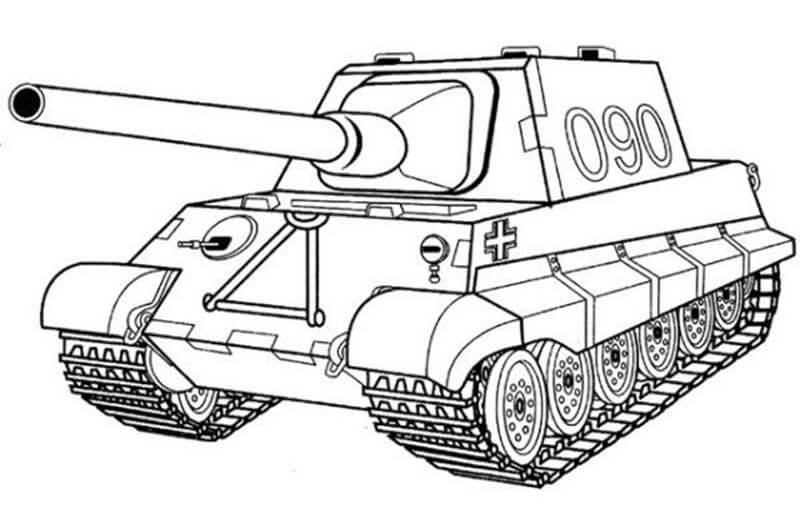
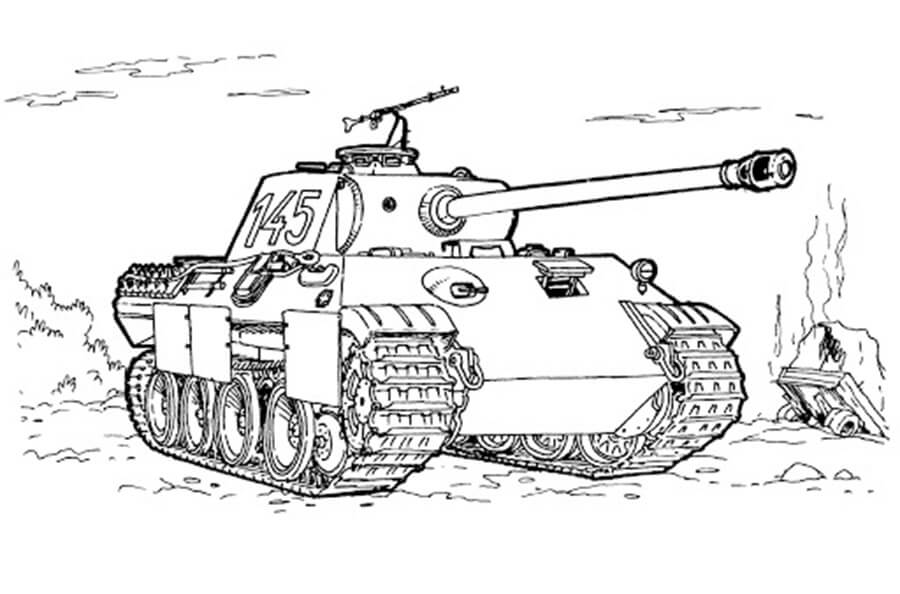
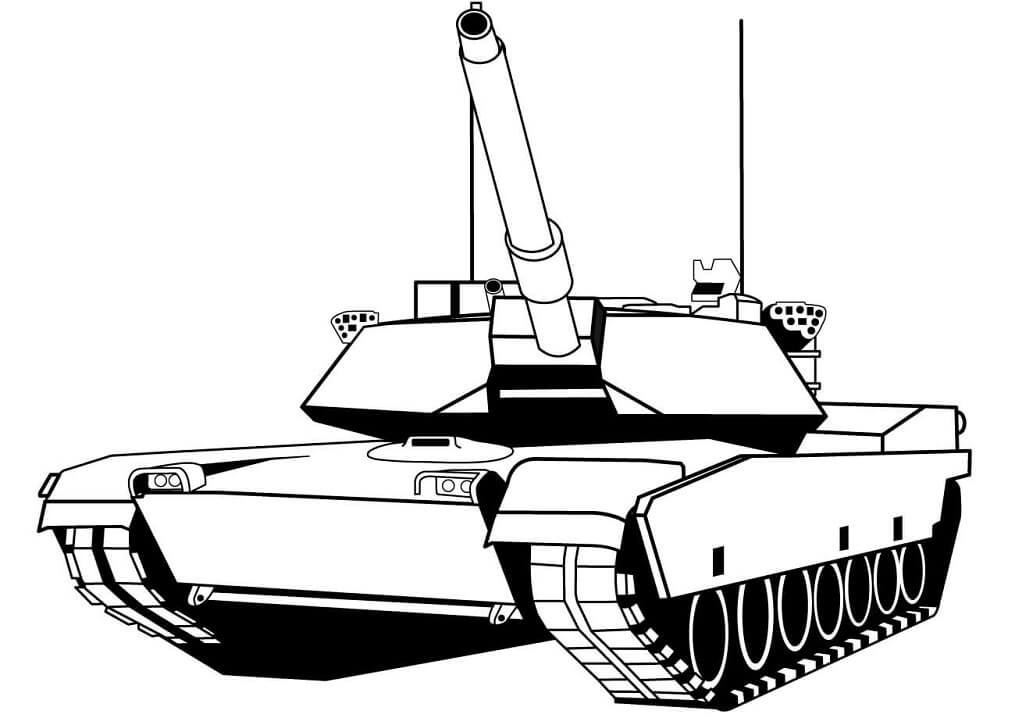
What’s Inside This Collection
The 115 designs group into three categories, from historic and named tank models to printable general sheets.
Historic and Named Tank Models
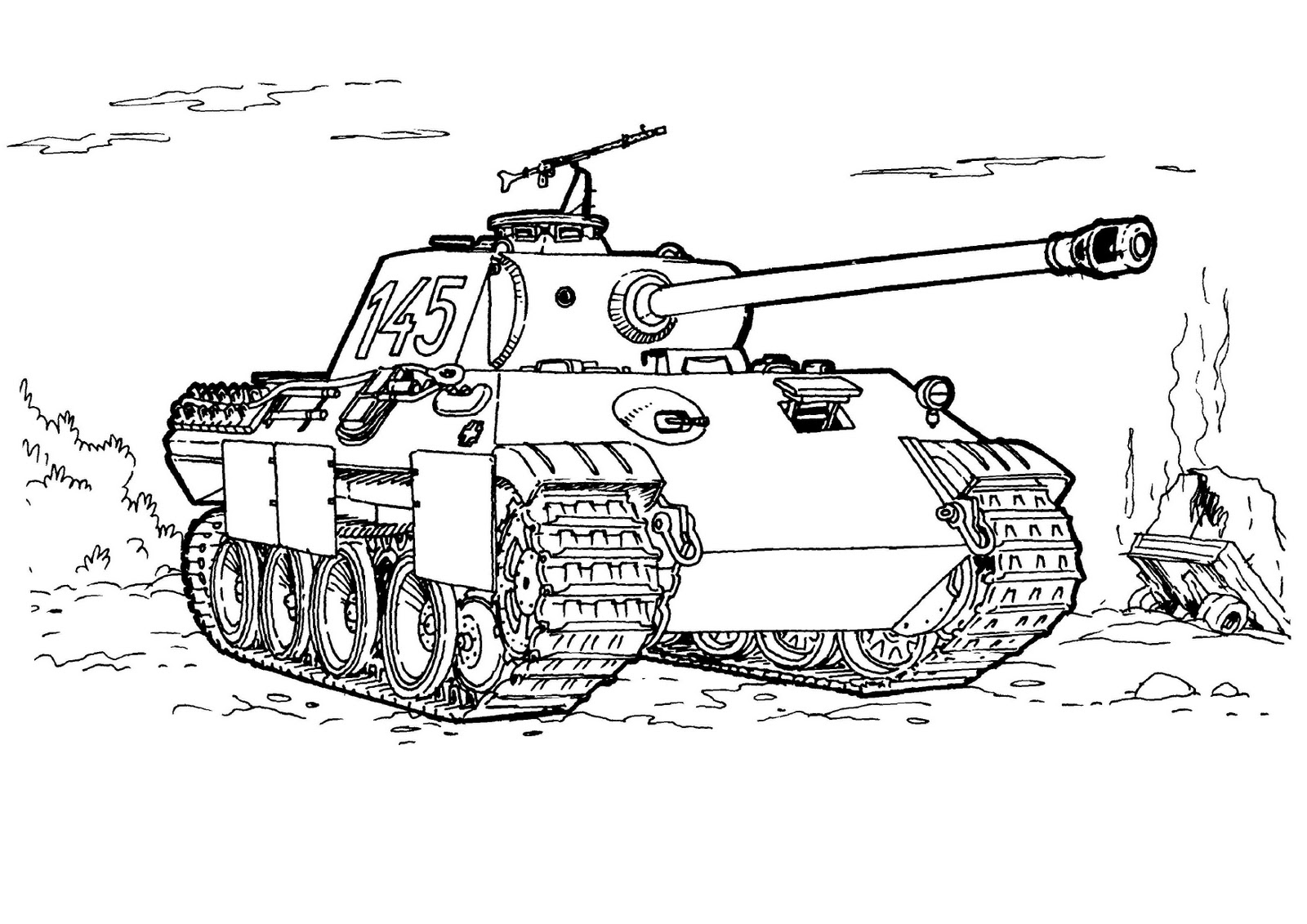
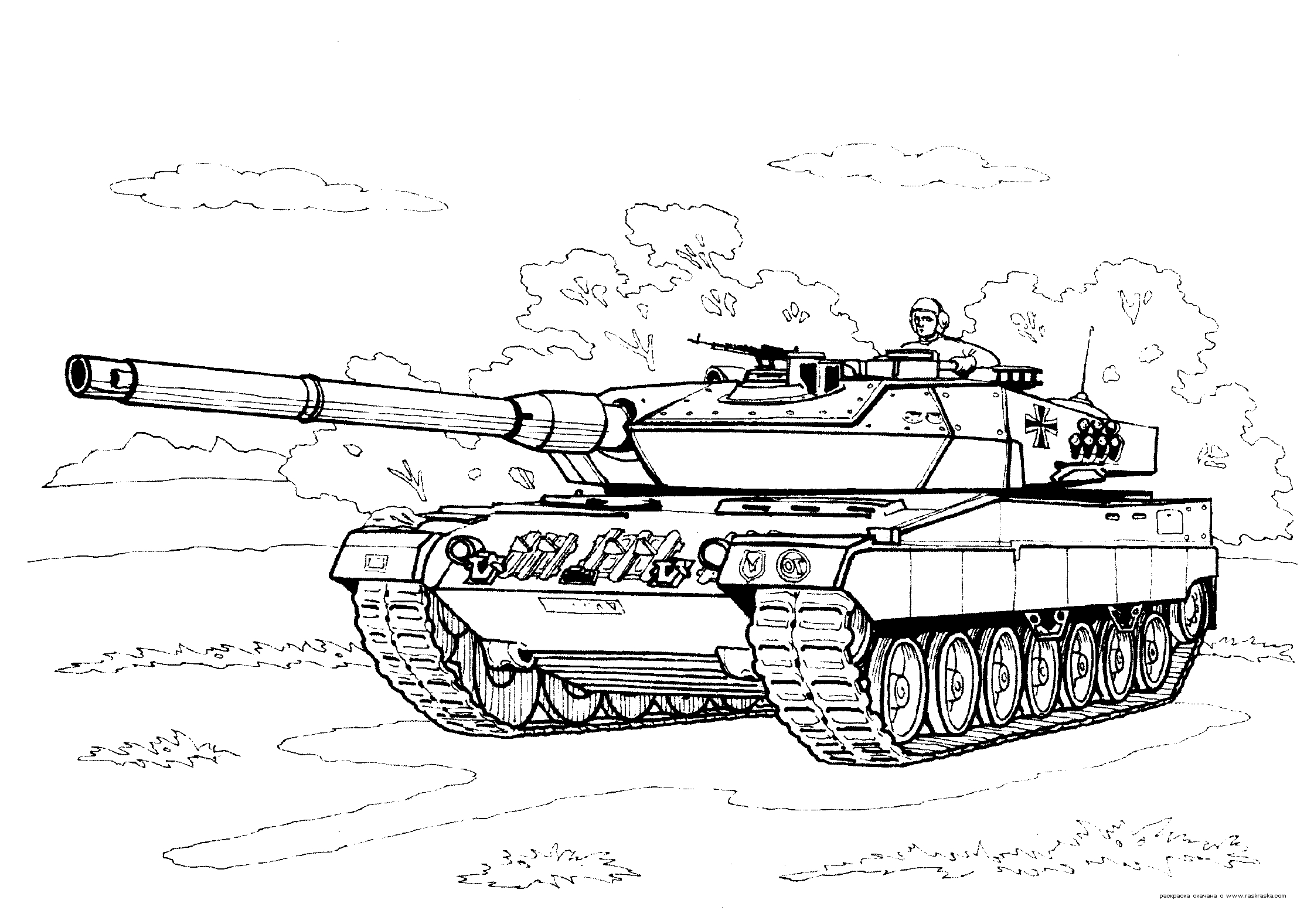
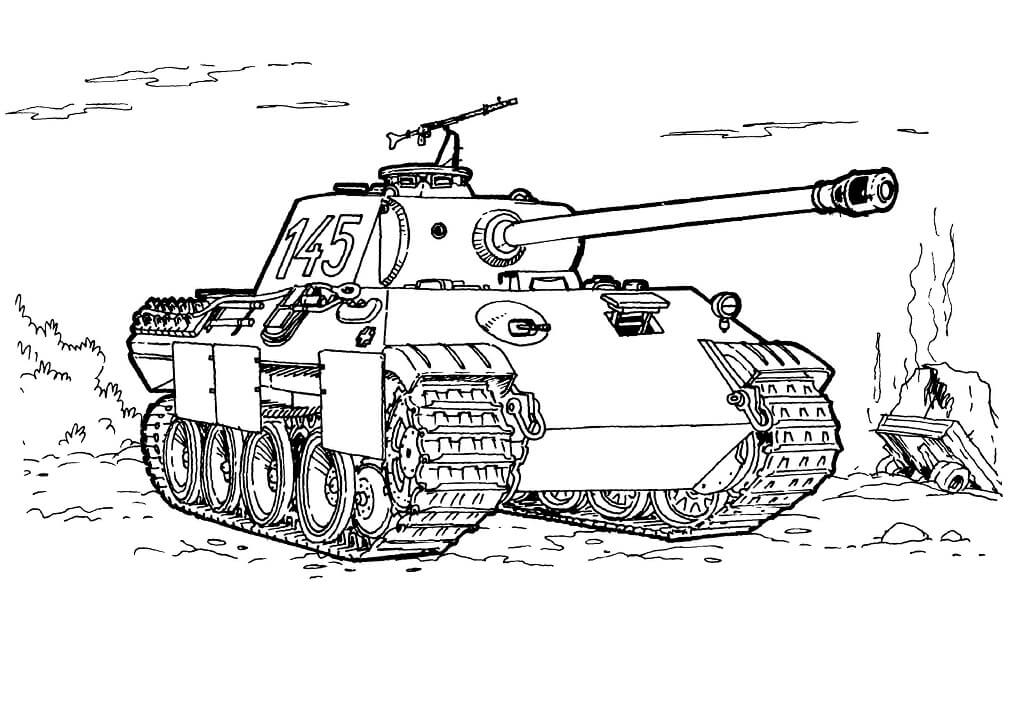
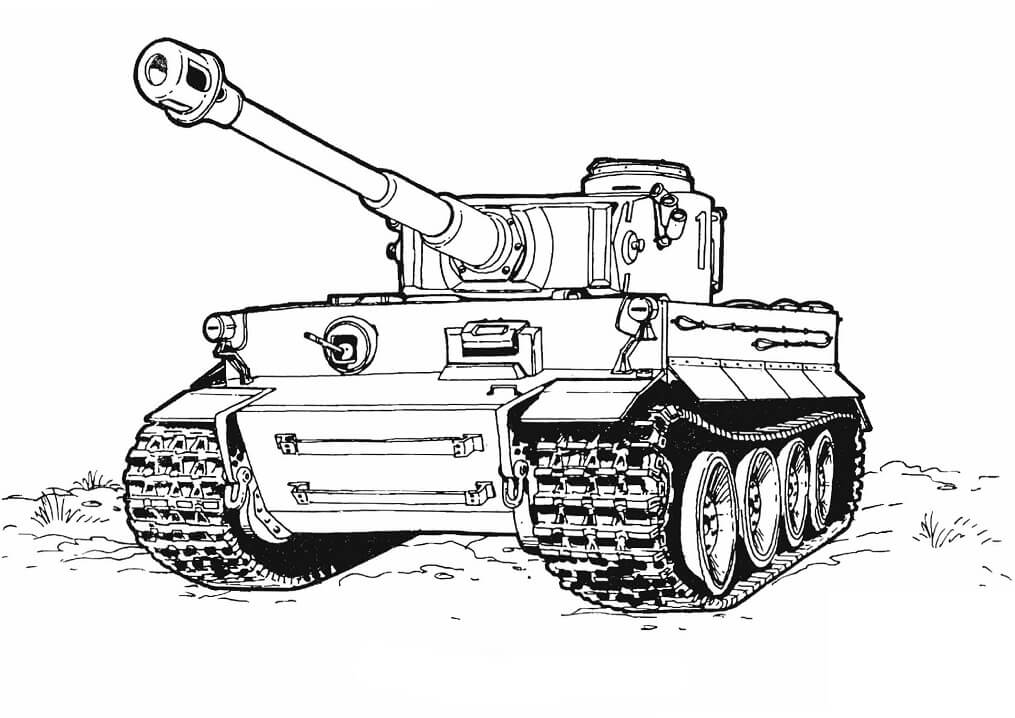
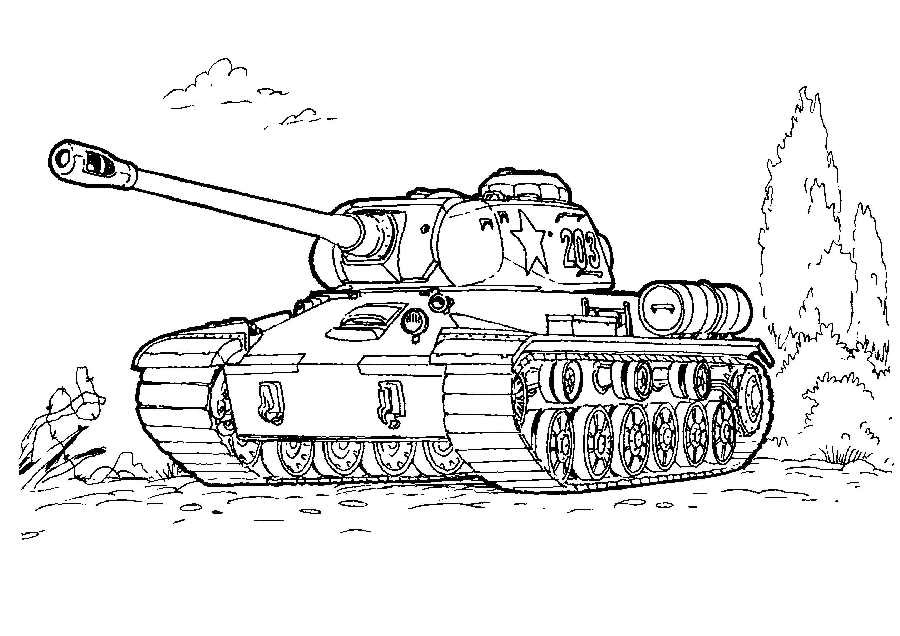
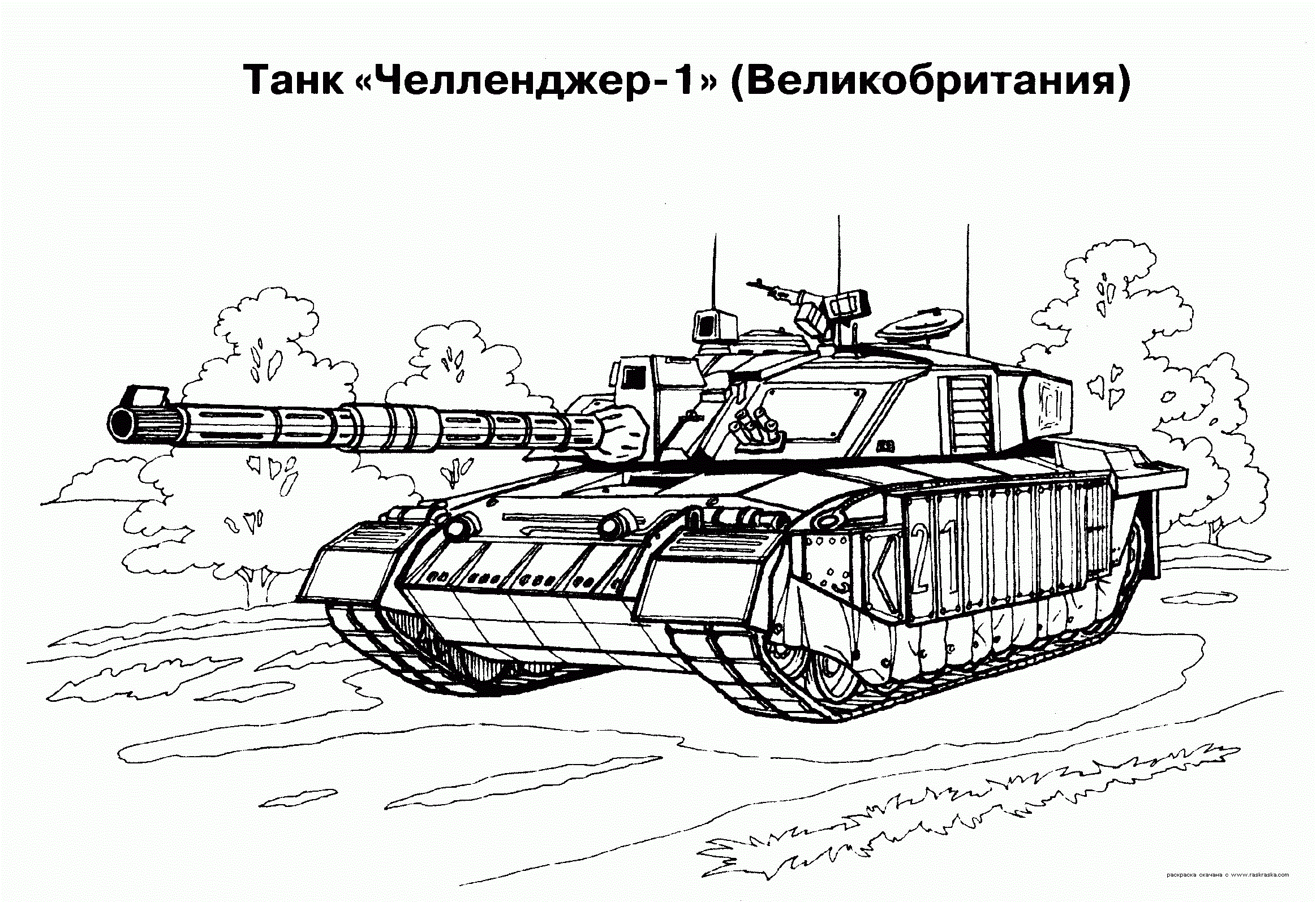
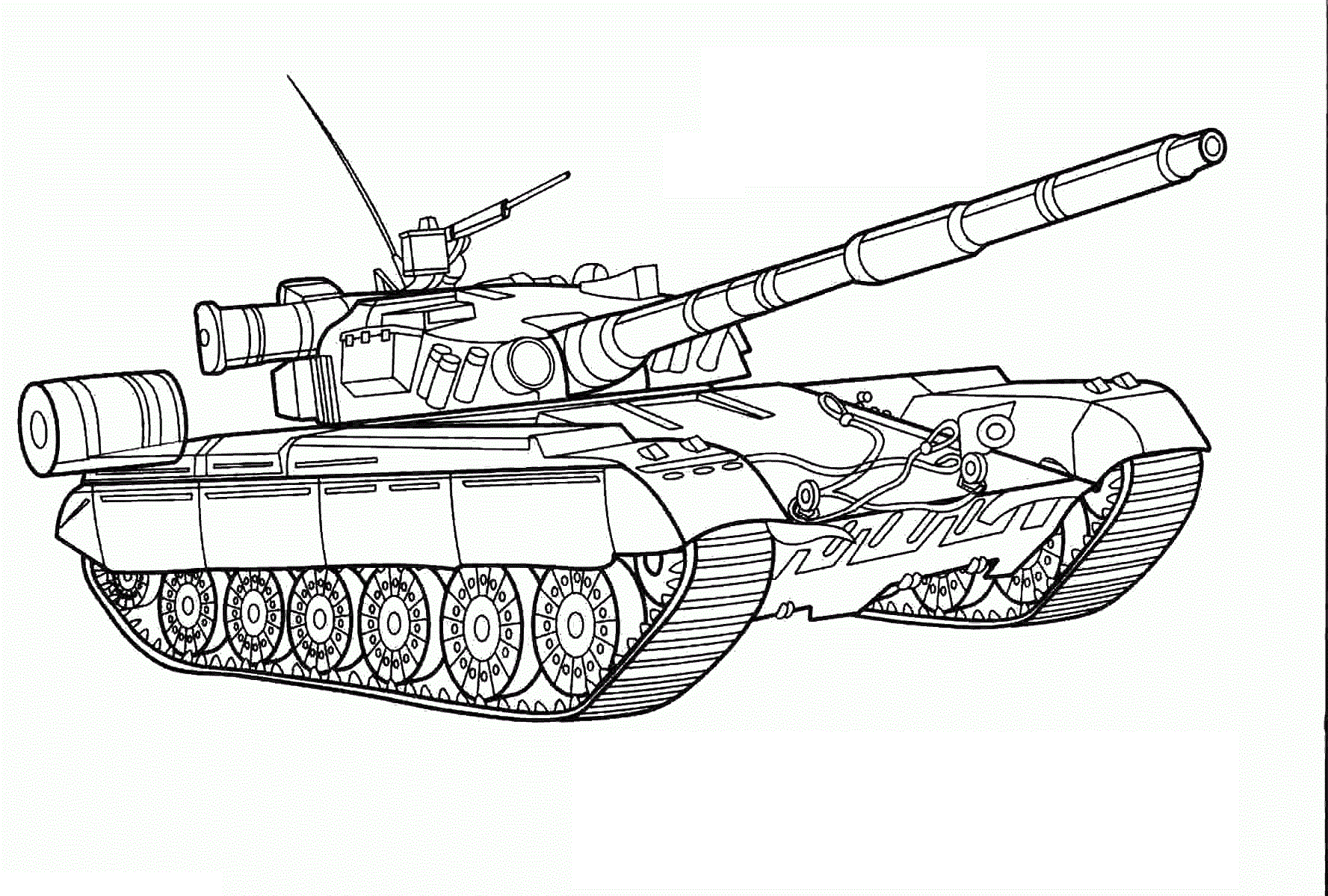
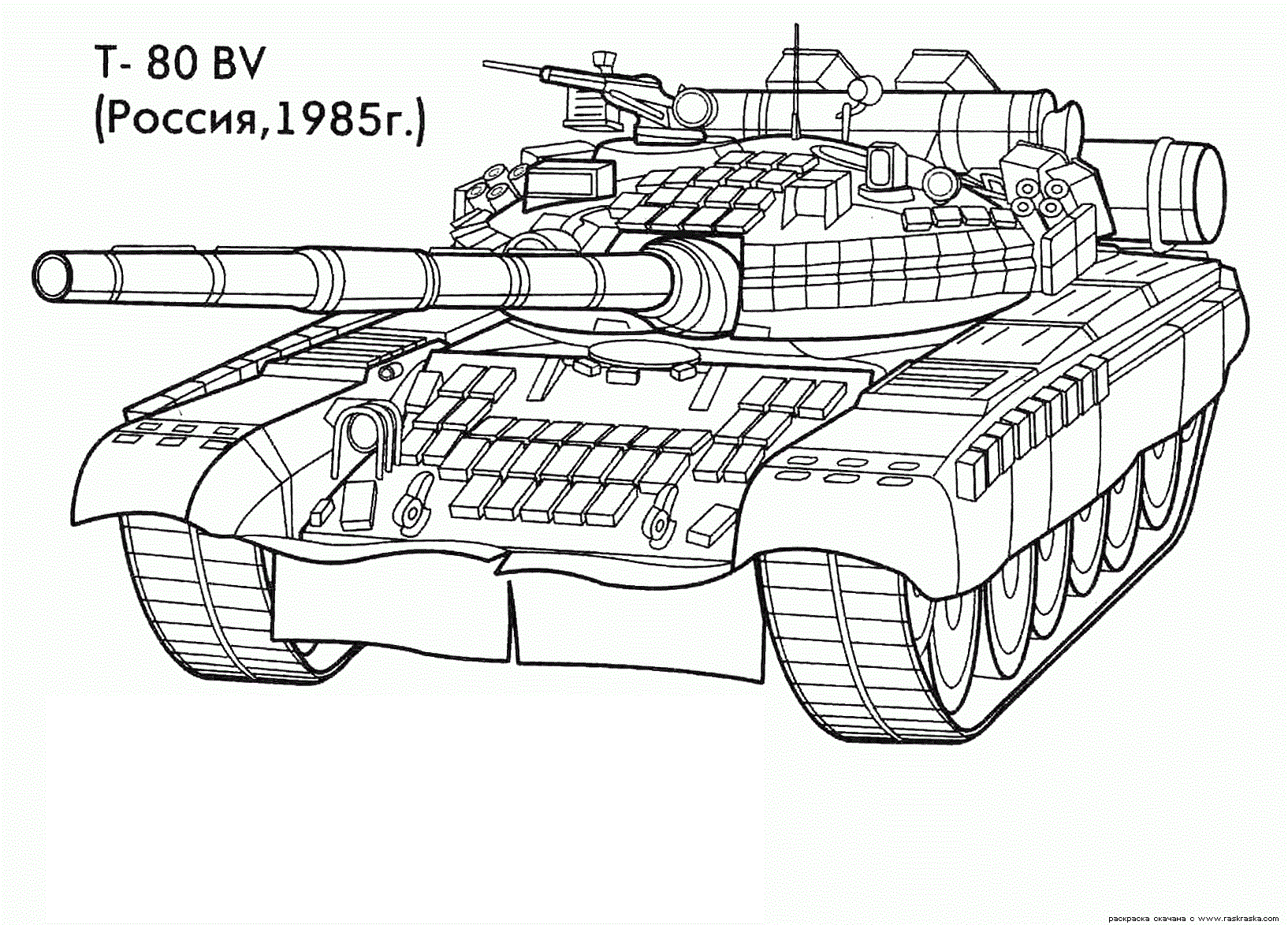
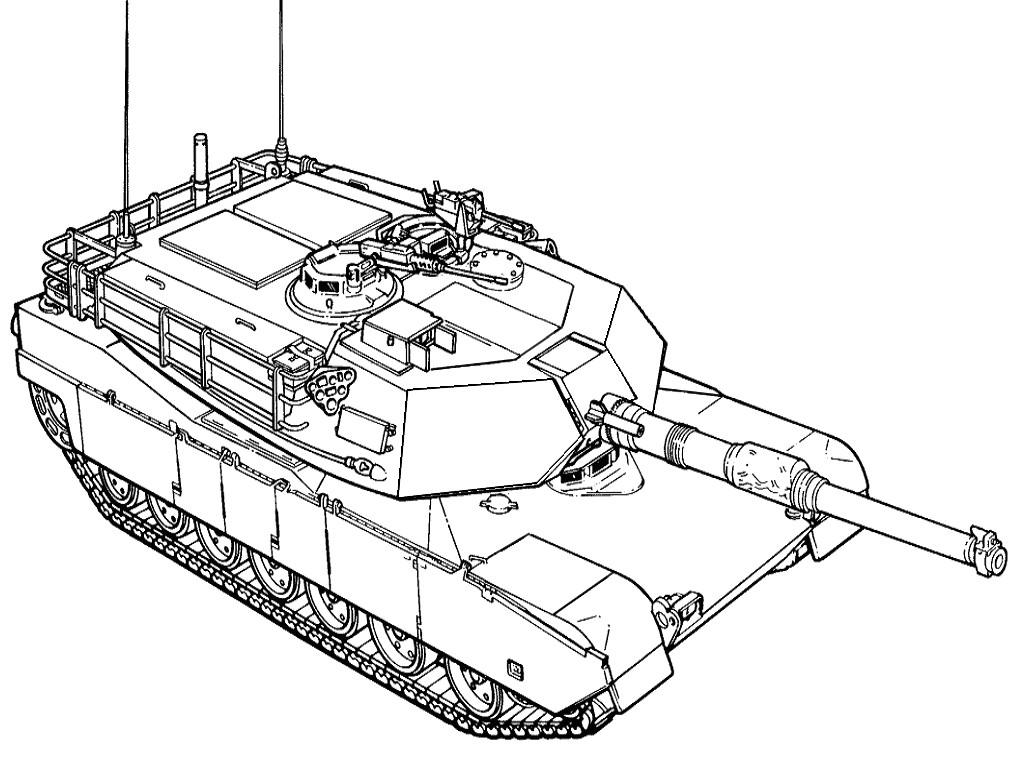
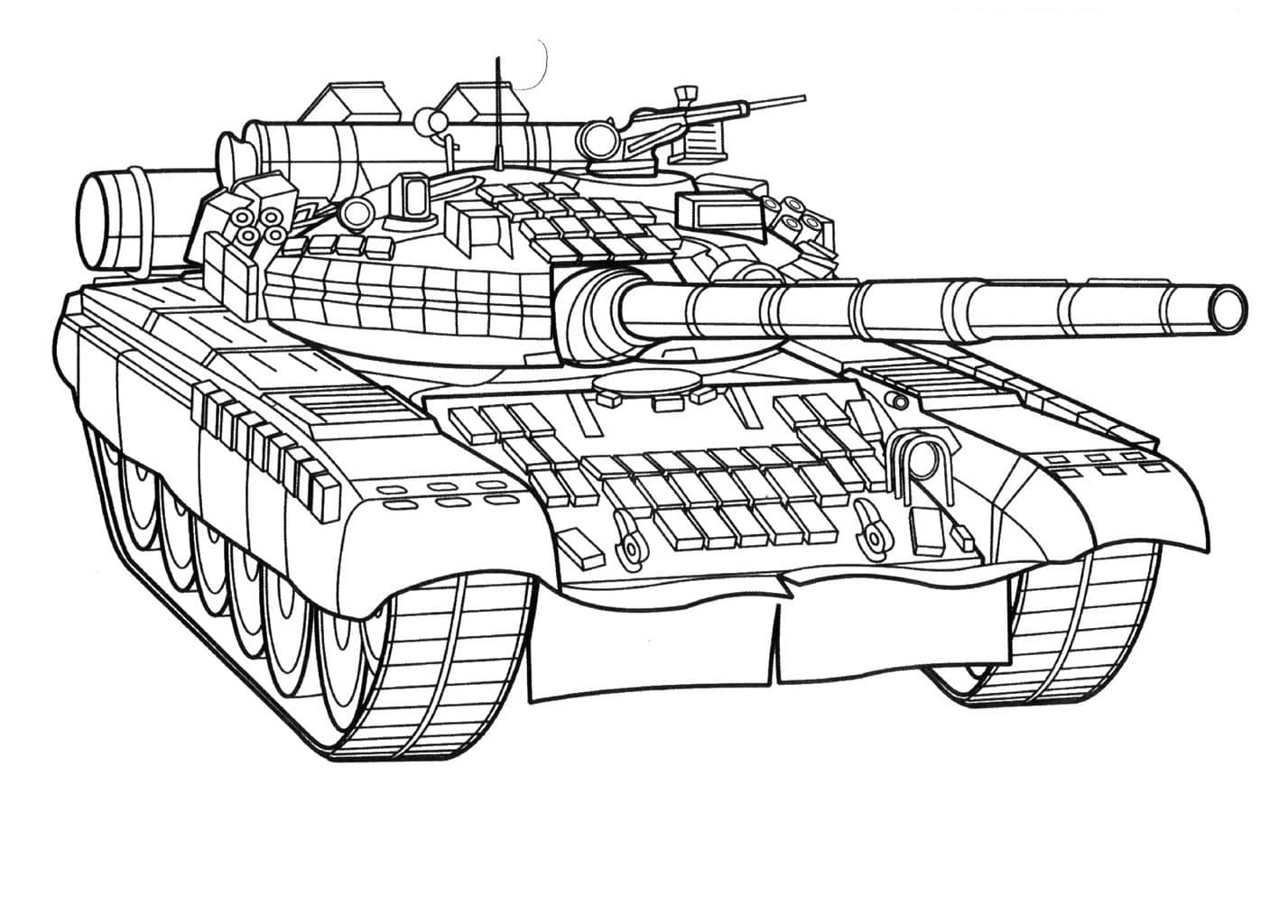
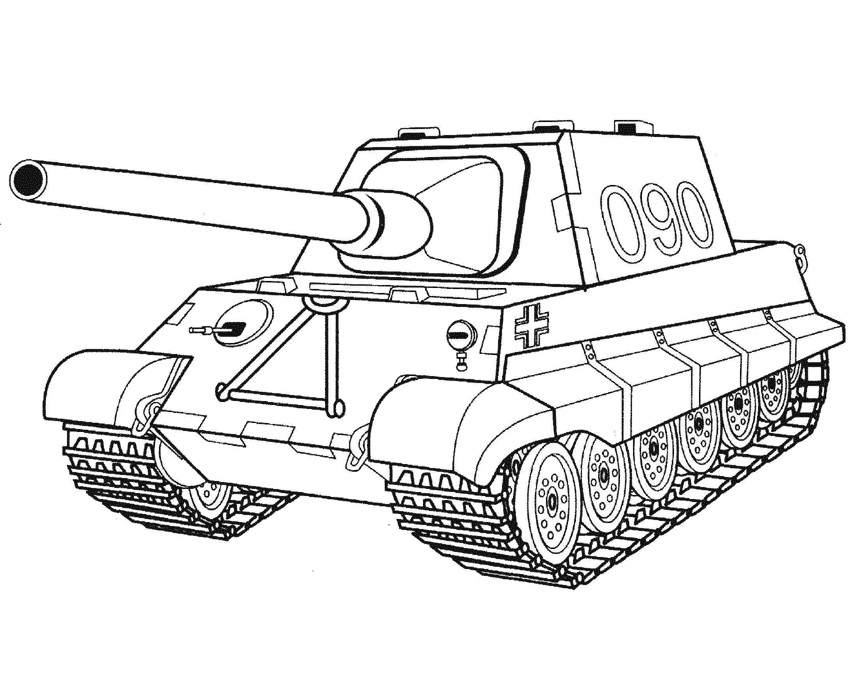
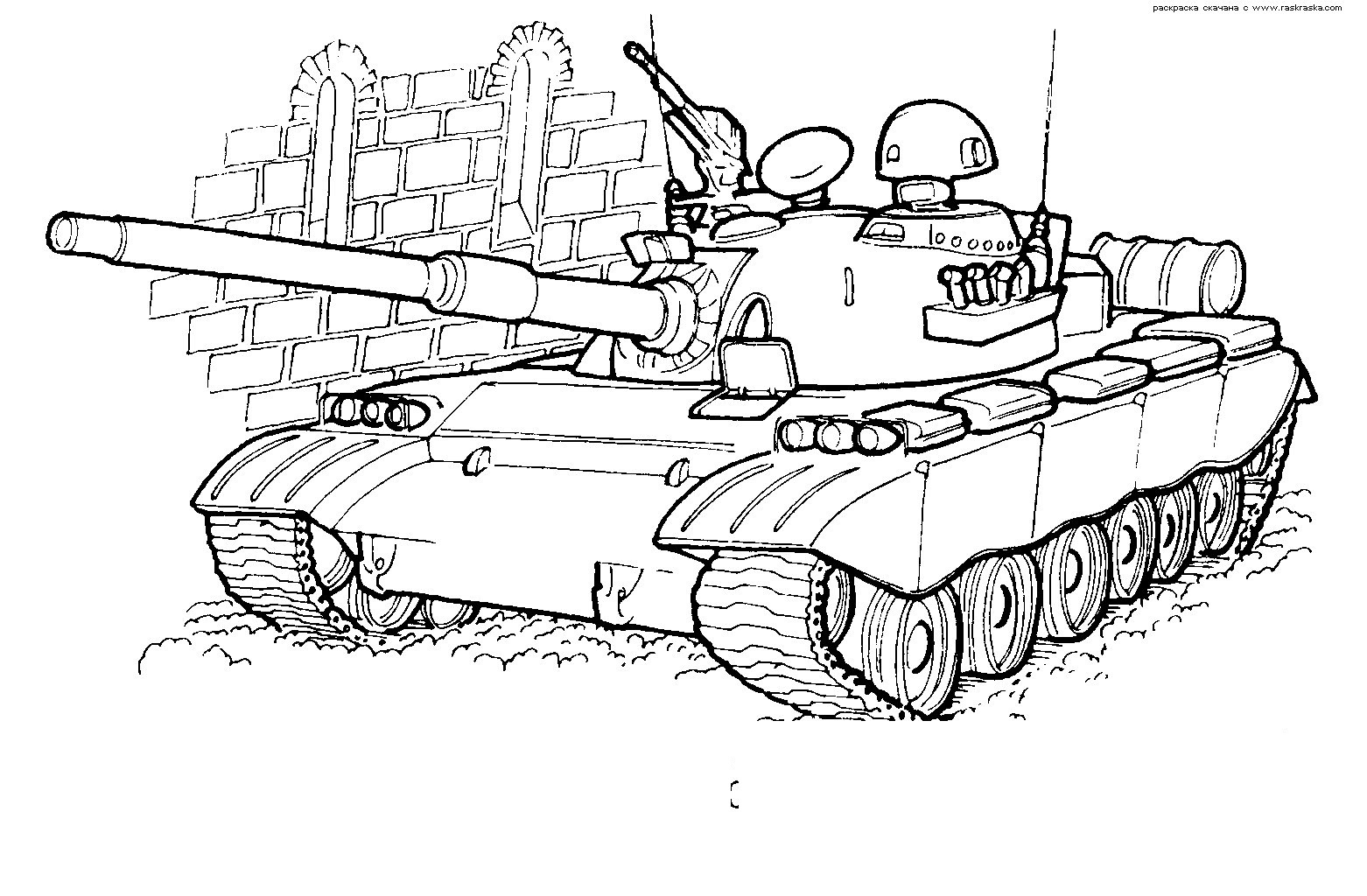
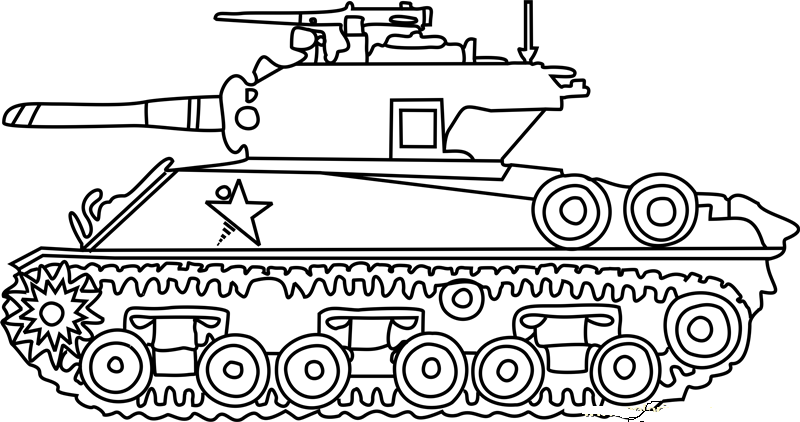
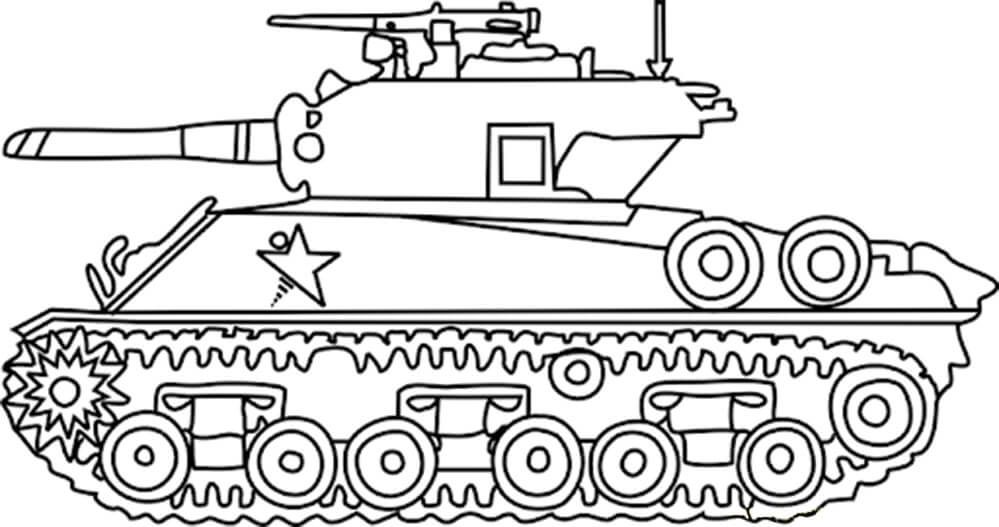
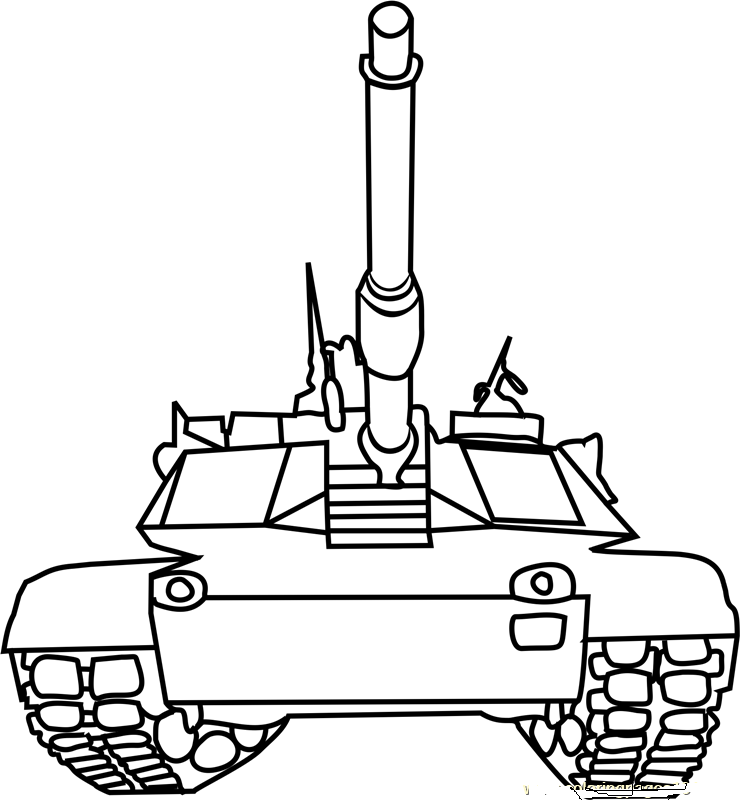
Around 27 pages feature specific, recognizable tanks, including the M1 Abrams, M4 Sherman, T-34, Tiger, and Panther. Olive green and dark gray are the most historically common tank colors, though a lighter tan works well for desert-camouflage versions.
Playful and Stylized Tank Designs
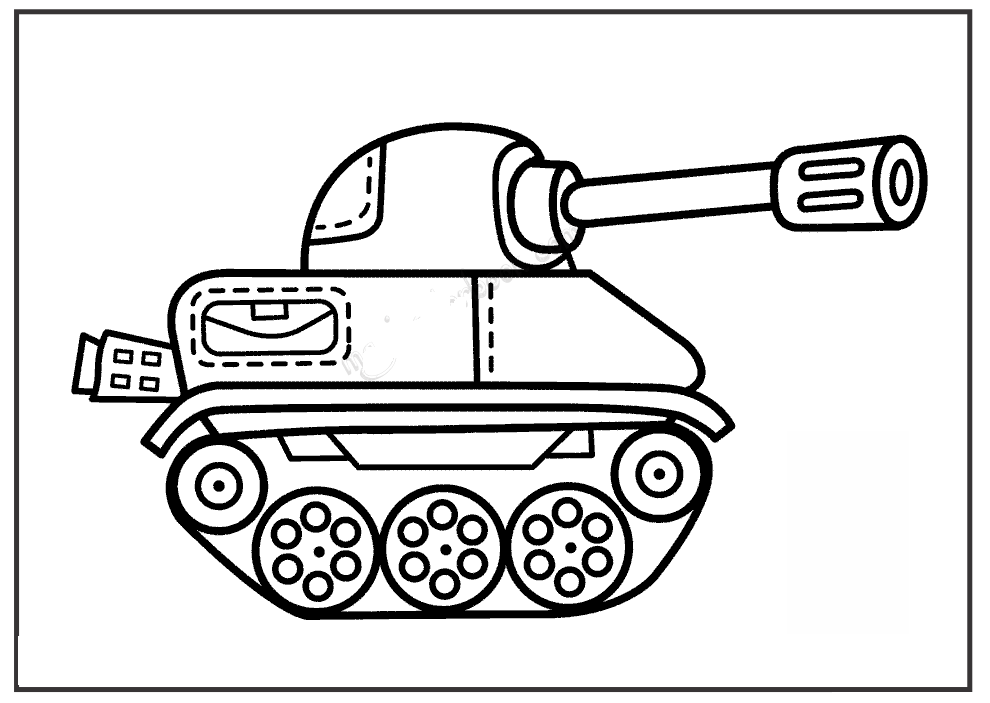
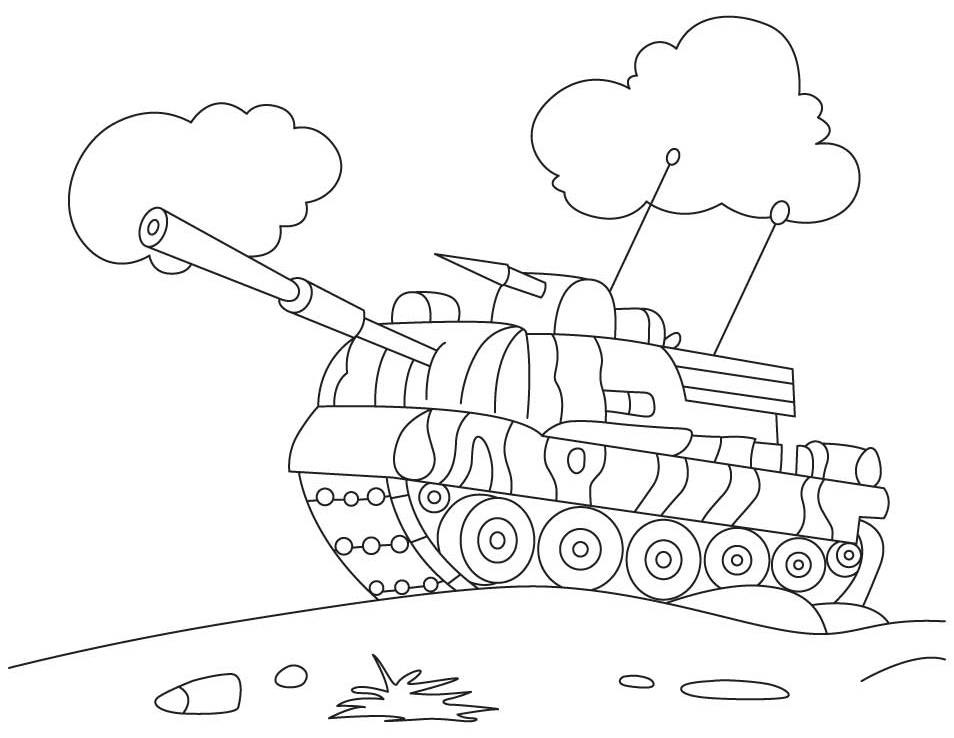
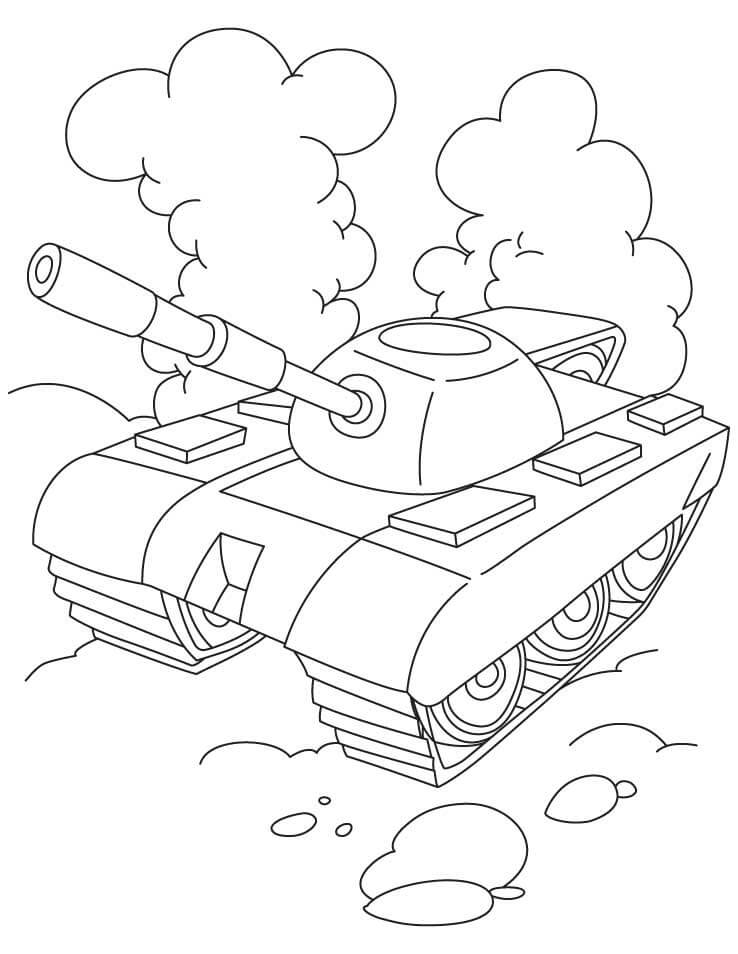
Around 18 pages take a lighter, more playful approach, including cartoon-style tanks, a Lego-brick version, and simplified 2D and 3D designs. Bright, non-military colors like blue, red, or yellow work well here, since these pages are meant to feel fun rather than realistic.
Printable and General Sheets
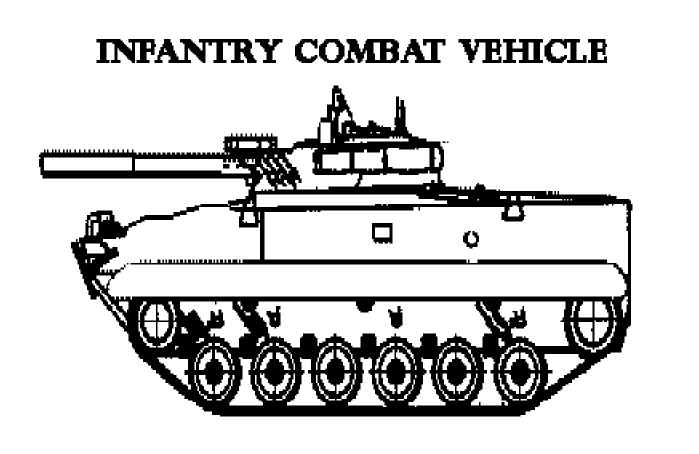
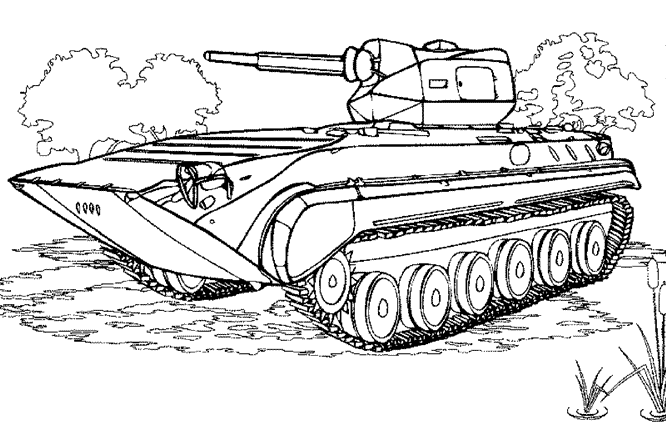
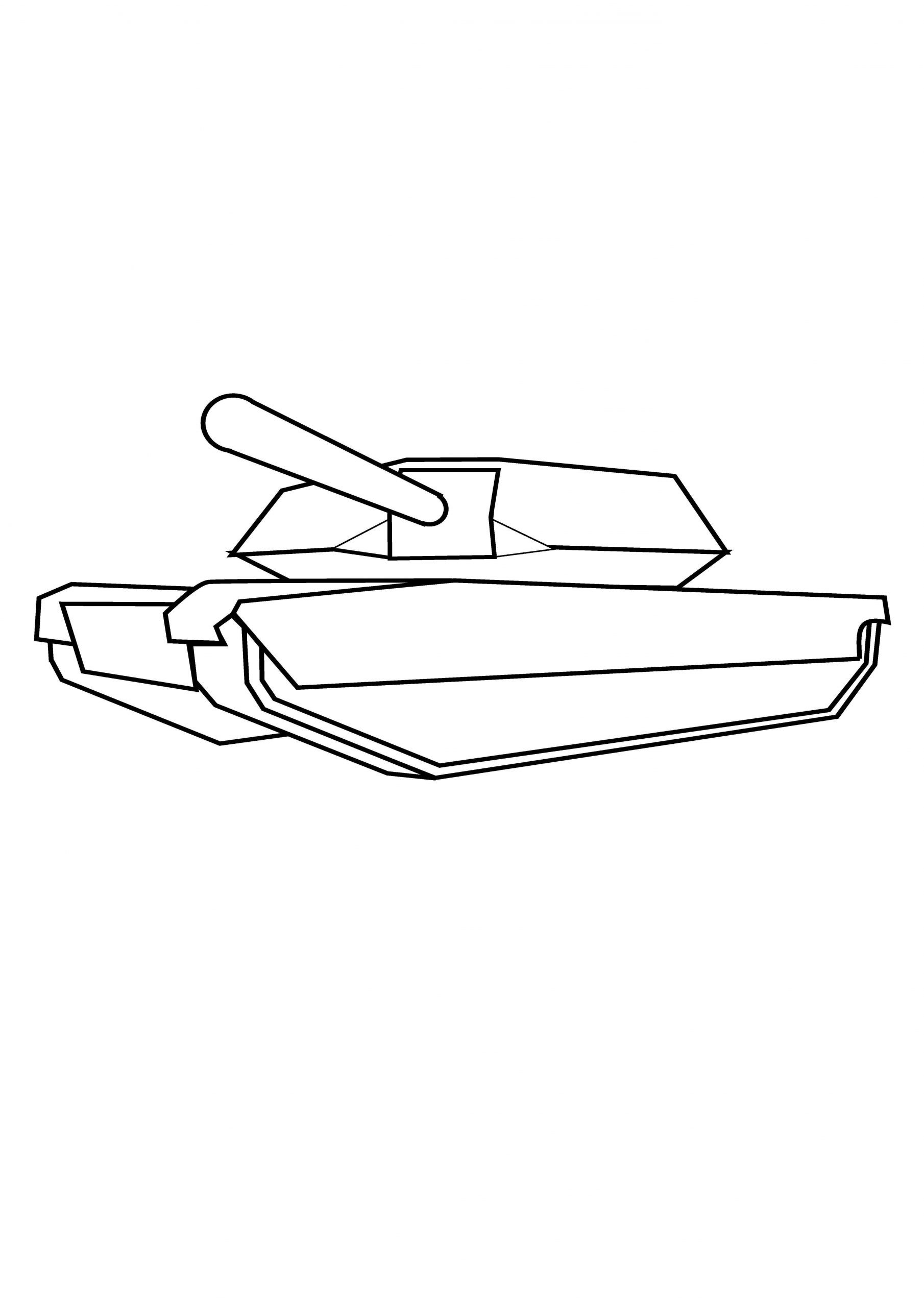
The remaining pages are sized for a quick, single-session print, ranging from simple, standalone tank outlines to numbered design variations. Two or three solid colors, such as green and gray, are enough here since the outlines are straightforward.
What Tank Coloring Pages Do
Careful strokes for mechanical detail. Filling in a tank’s tracks, hatches, and angled armor plating without crossing the lines calls for controlled, contained pencil movement, and the American Academy of Pediatrics points to this kind of precise coloring as a way to build fine motor skills in children between ages 2 and 7.
A hands-on way to explore how machines are built. Many kids are drawn to tanks simply because they are large, mechanical, and unusual-looking, and coloring one gives them a chance to look closely at how tracks, turrets, and panels fit together on a real vehicle.
A steady, repeatable rhythm. A 2005 study published in the Art Therapy Journal recorded measurable drops in anxiety among participants who completed structured coloring sessions, and the detailed, methodical shapes of a tank design offer that same steady, low-pressure task.
Practice with muted, realistic color mixing. Unlike brightly colored subjects, historic tanks call for blending close, muted shades, olive, gray, and tan, giving colorists useful practice in subtle color mixing rather than picking bold colors straight from the box.
How to Color Tank Coloring Pages Well
- Body and armor: Use Olive Green or dark Gray as the base color for most historic tanks, since these are the most common real-world tank colors.
- Tracks: Keep the tracks a dark Gray or Black, adding small lighter highlights on the raised treads to suggest metal and wear.
- Turret and hatches: Use a slightly darker shade of the main body color for the turret and hatch outlines, helping these details stand out without clashing.
- Desert or camouflage versions: For pages depicting desert settings, a sandy Tan or light Khaki works well in place of the classic olive green.
- Cartoon and stylized tanks: Bright, non-military colors like blue, red, or yellow suit the playful designs well, since these pages are meant to feel more like toys than real vehicles.
- Backgrounds: Keep backgrounds simple, using muted greens or browns for a field setting so the tank itself stays the clear focal point of the page.
5 Creative Craft Ideas With Tank Coloring Pages
1. Tank Standee Display
Color a full-vehicle page, glue it to cardstock, and add a folded cardboard tab on the back so it can stand upright on a shelf or desk.
2. History Timeline Poster
Color several historic tank pages, arrange them in order by era, and label each one to build a simple visual timeline poster.
3. Tank Bookmark
Trim a small colored tank design to size, laminate or cover with clear tape, and punch a hole for ribbon to make a durable reading bookmark.
4. Matching Identification Game
Print two copies of several tank pages, color them to match, and use the set to play a simple memory matching game.
5. Greeting Card
Fold cardstock in half, mount a small colored tank design on the front, and write a message inside for a birthday card themed around vehicles and machines.
Frequently Asked Questions
What are tank coloring pages?
Tank coloring pages are printable line-art designs ranging from playful cartoon vehicles to detailed drawings of specific historic tanks. This collection includes 115 free designs available as PDFs or online coloring.
What was the first tank ever built?
The first tank in history was Britain’s Mark I, which entered service in 1916 during World War I. It was built to cross trenches and rough ground that soldiers on foot could not easily pass.
Why is a tank called a “tank”?
The nickname came from wartime secrecy. To hide what the vehicles really were during development, workers were told they were building mobile water tanks, and the name stuck even after the true purpose became known.
Why do tanks use tracks instead of wheels?
Tracks spread a tank’s weight over a larger surface area than wheels, allowing it to climb over rough or soft ground, cross ditches, and maintain traction in conditions that would stop a standard wheeled vehicle.
What are some well-known historic tanks?
This collection includes designs based on well-known historic tanks such as the American M4 Sherman and M1 Abrams, the Soviet T-34, and the German Tiger and Panther, each recognizable by its distinct shape and proportions.
What colors are real tanks usually painted?
Olive green and dark gray are among the most common tank colors historically, while lighter tan or khaki shades are typically used for tanks operating in desert environments.
Are tank coloring pages suitable for young children?
Yes. The simple, cartoon-style, and printable designs in this collection use bold, uncluttered outlines suited to preschool and early elementary colorists. At the same time, the detailed historical models work well for older children and adults.
What colors work best for a cartoon-style tank?
Bright, playful colors like blue, red, or yellow work well for cartoon and stylized tank designs, since these pages are meant to feel fun and toy-like rather than realistic.
Start Coloring
Download any page by clicking the design. No account, email, or payment is required. Pages print directly from the browser at full resolution or open in the online coloring tool for screen use. Share finished pages on Facebook or Pinterest with the share buttons at the top of each design page.