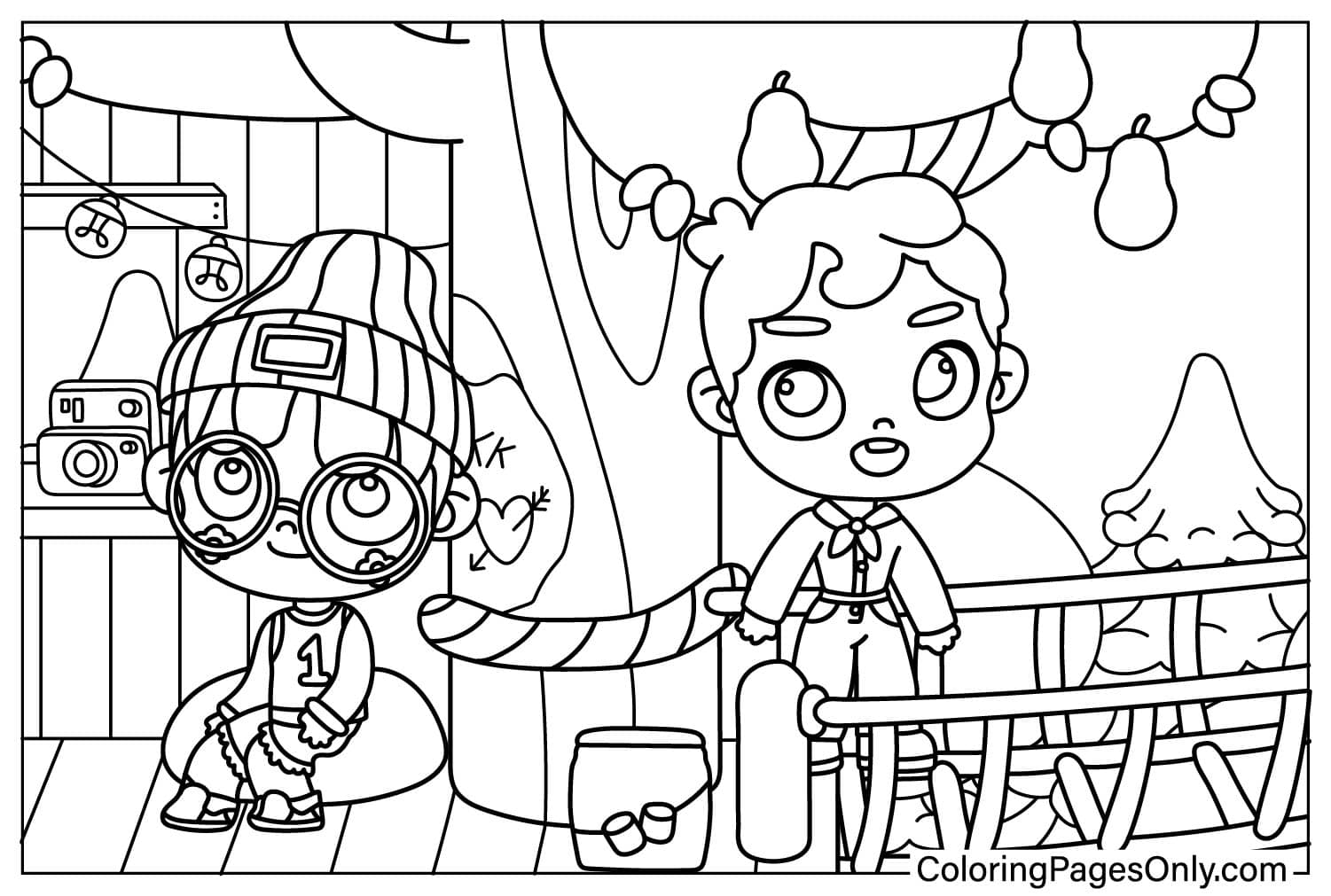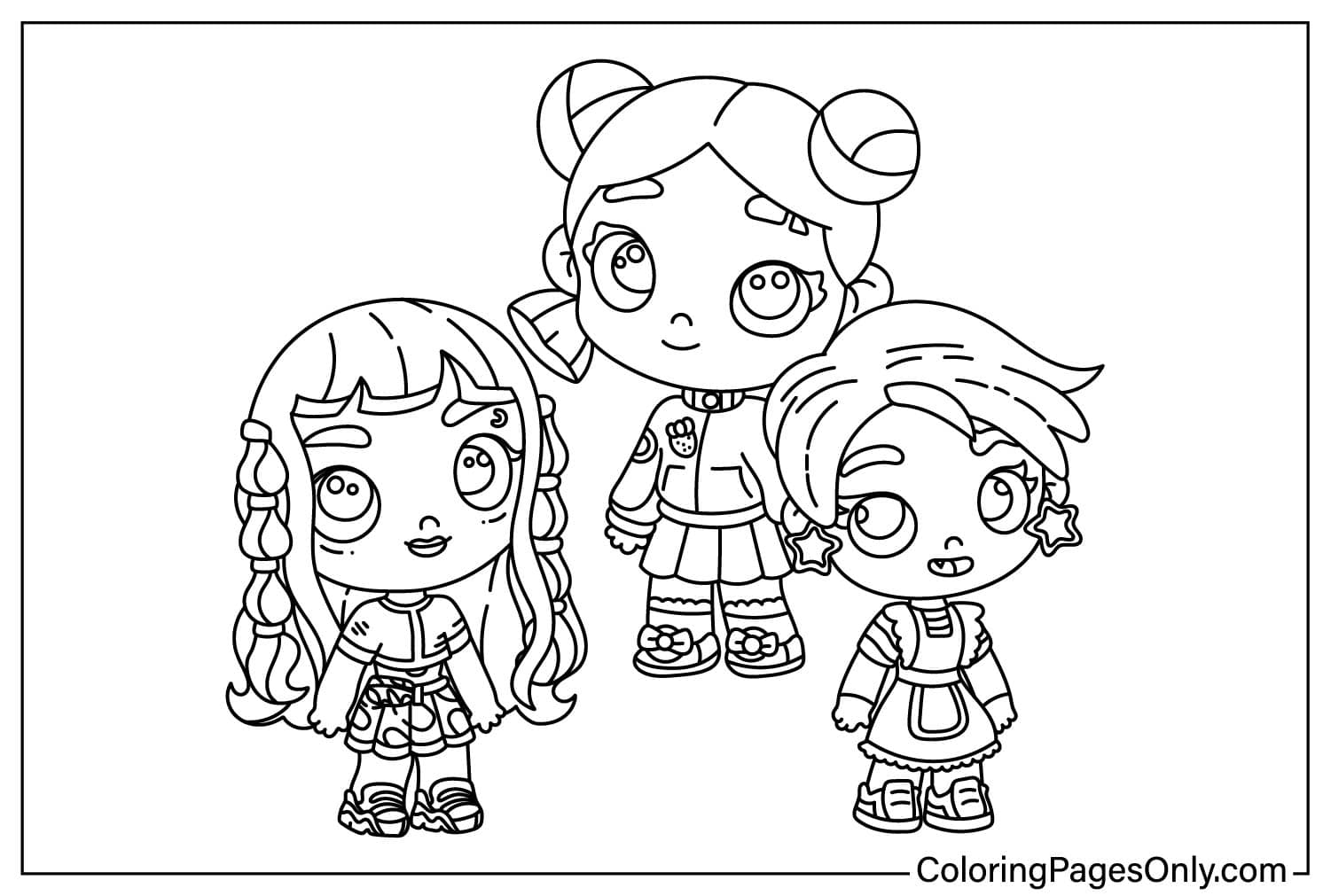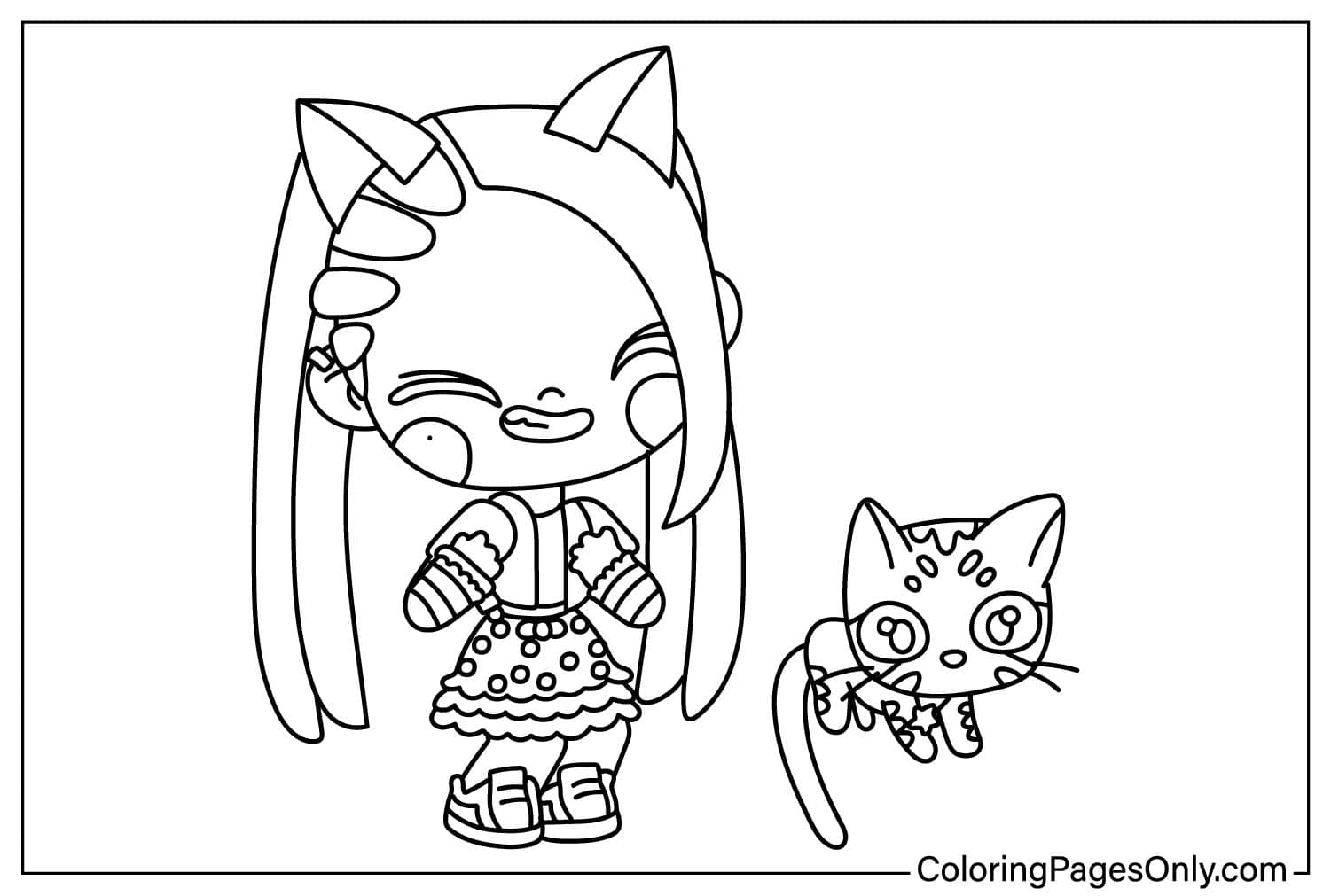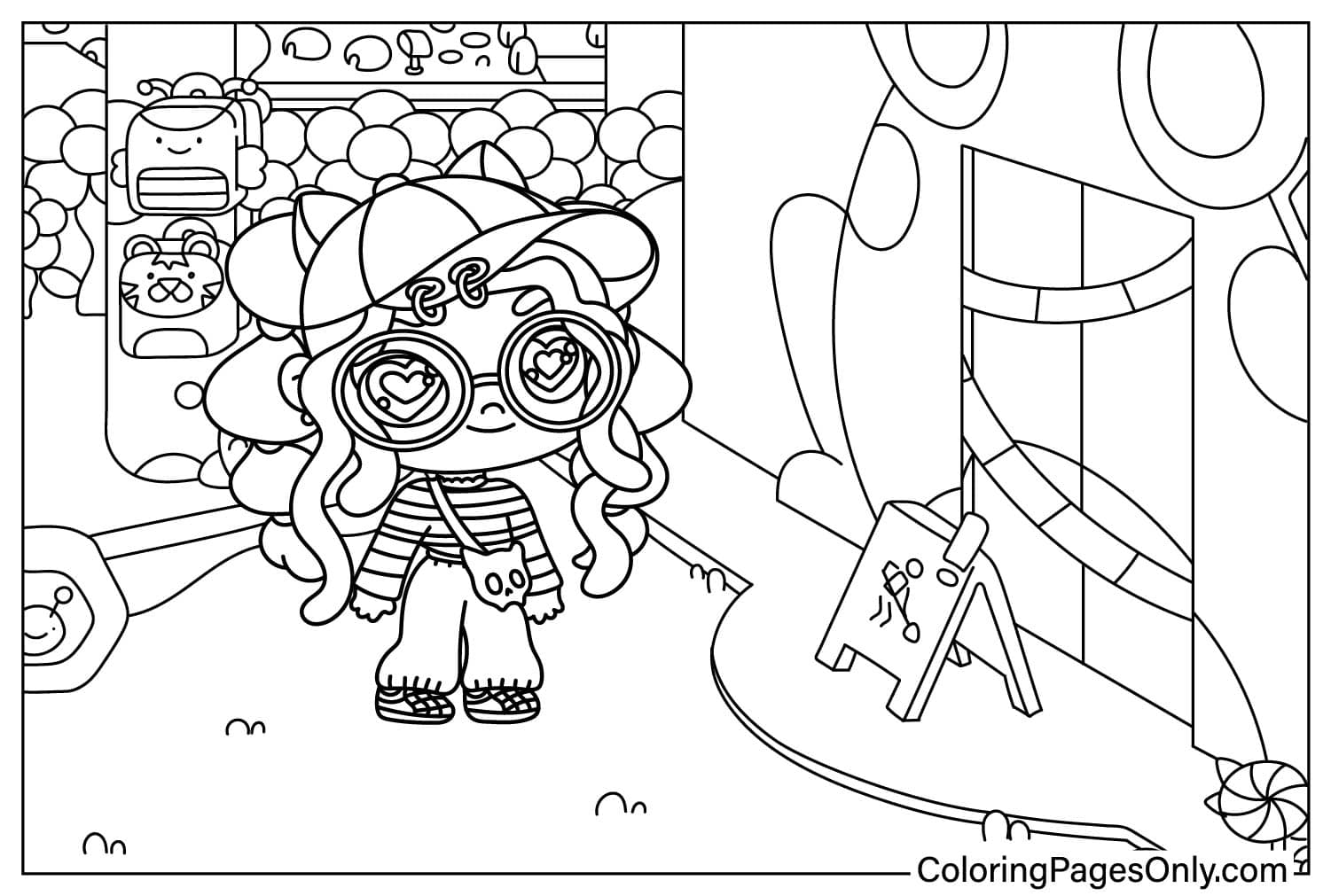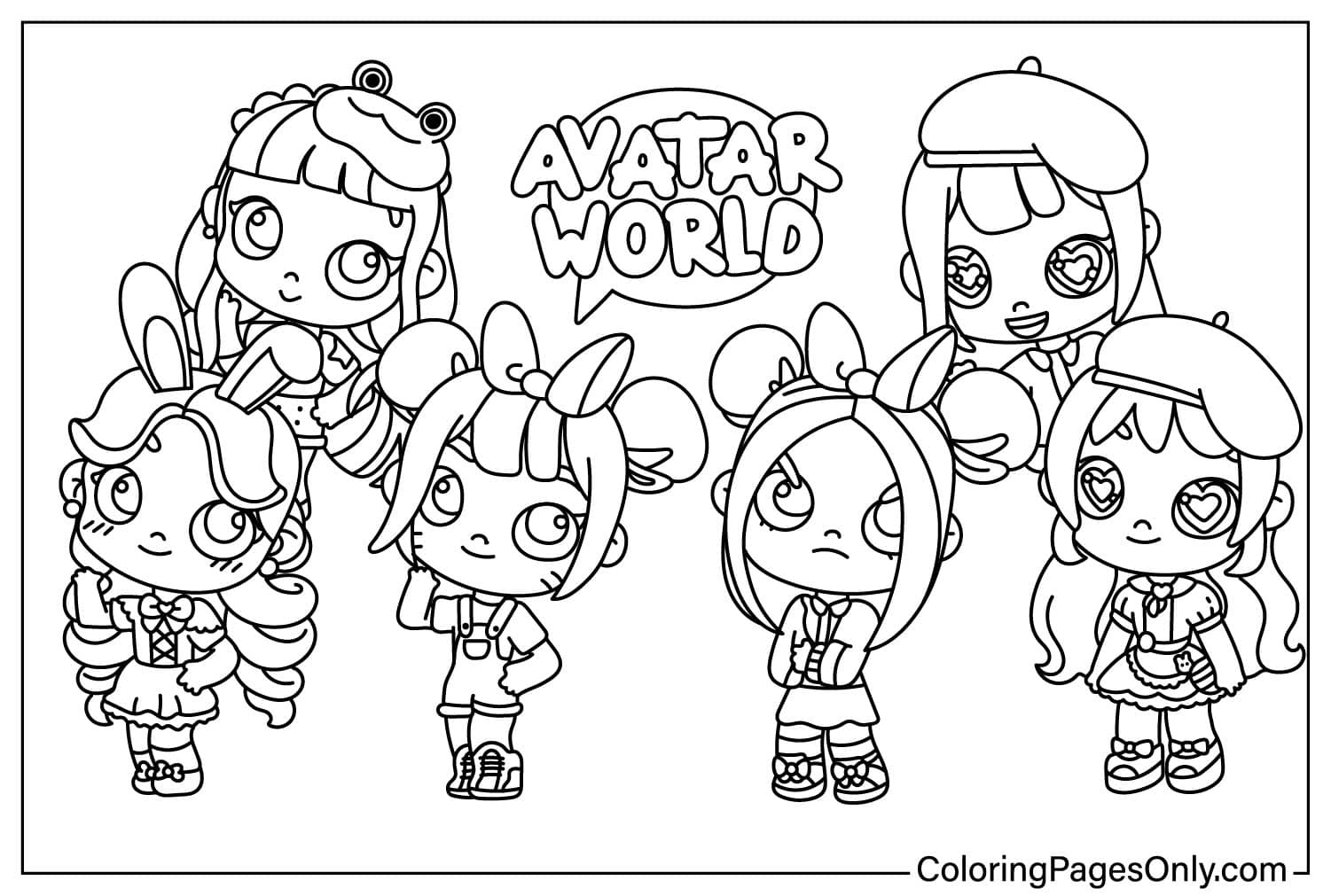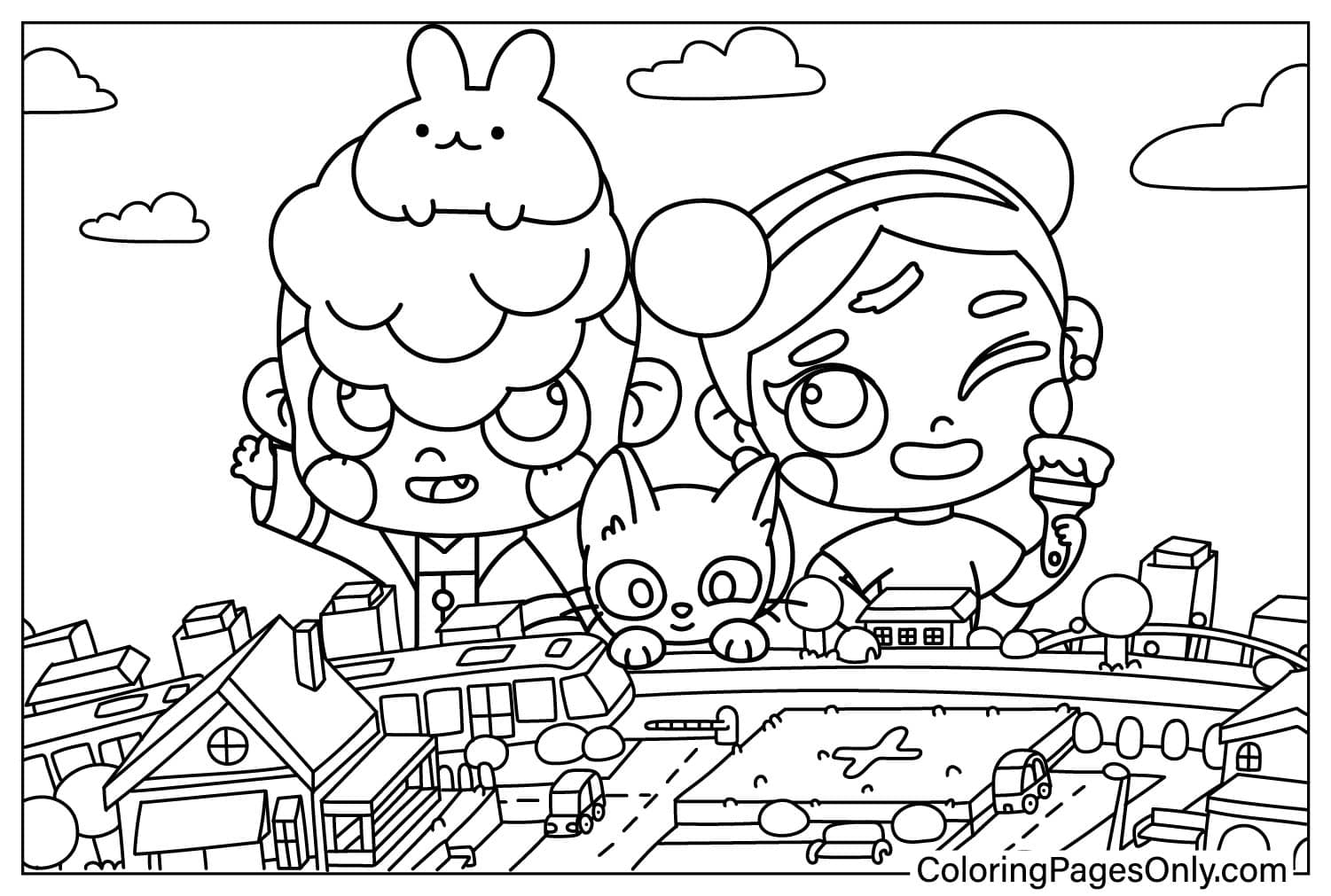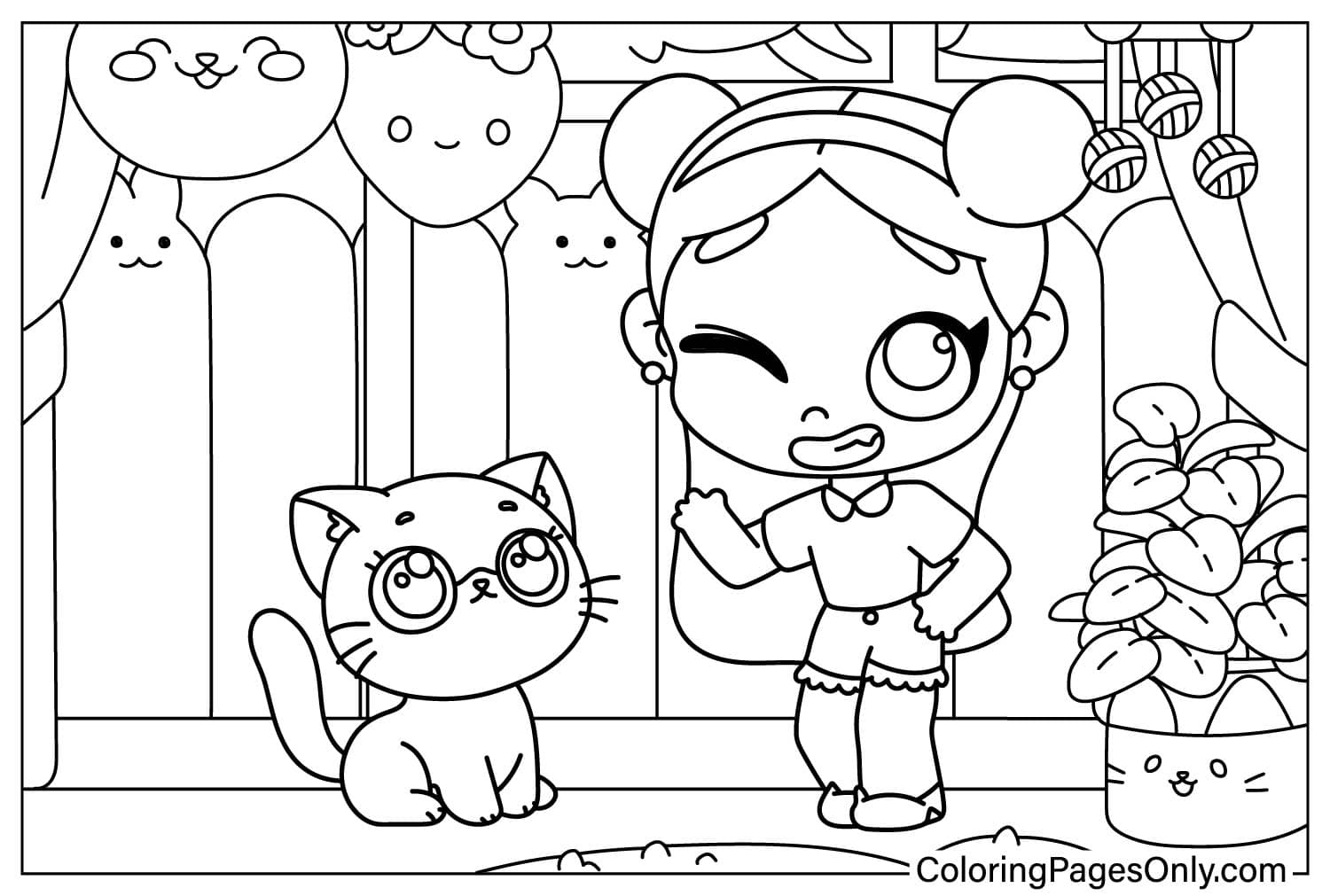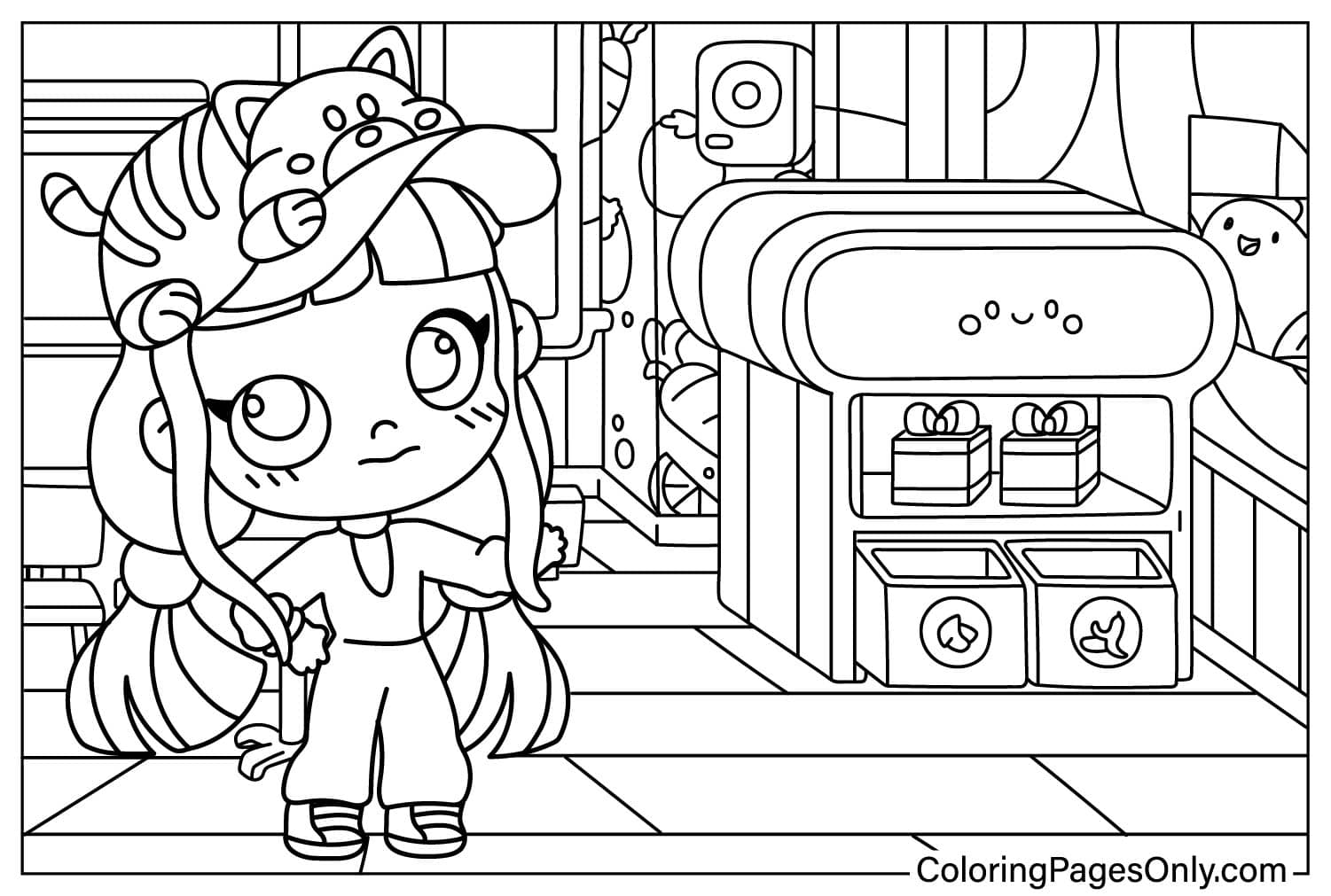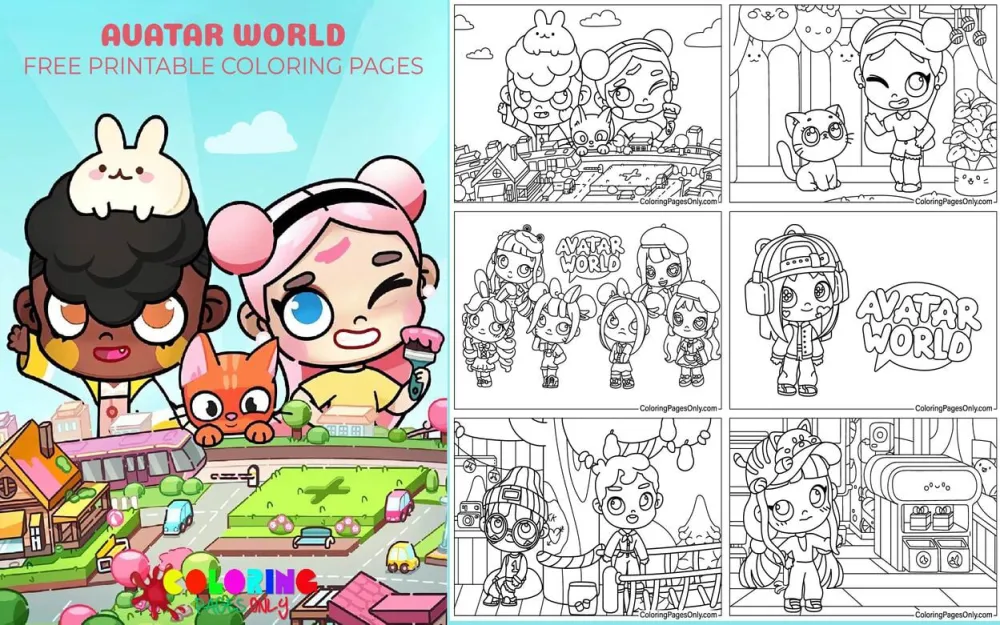
On this page, you’ll find free Avatar World coloring pages – all free to download as PDFs or color online! This collection brings the world of Pazu Games’ hit mobile app to paper: girls designing their perfect outfits, ocean-themed location scenes, the Sanrio crossover characters, gameplay action scenes, and more. Whether your child plays Avatar World every day or has just discovered it, these pages are the perfect off-screen companion to their favorite virtual world!

These pages are perfect for young Avatar World fans who want to bring their favorite characters and locations to life with color – at home, in the classroom, or on a rainy day when screen time is over. Once colored, use them as decoration for your child’s room, as fan art displays, or as custom artwork to inspire their next in-game story!

While you’re here, grab these related pages! Games Coloring Pages · Cartoon Coloring Pages · Unicorn Coloring Pages · Princess Coloring Pages

What Is Avatar World? The Creative Kids’ Game with 100 Million Downloads

Avatar World is a free-to-play role-playing and creative simulation game for children developed by Pazu Games Ltd, a game studio focused exclusively on safe, child-friendly digital experiences. The game is available on iOS and Android and has earned a remarkable 4.77 out of 5 rating from over 4.6 million reviews on the major app stores, with more than 100 million total downloads worldwide. It consistently ranks at #1 in children’s games in Brazil, Spain, and Indonesia, and appears in top charts across dozens of markets globally.

The core concept of Avatar World is what sets it apart from most children’s mobile games: it is not a game you “win.” There are no enemies to defeat, no lives to lose, and no competitive pressure. It is a sandbox world – an open, explorable environment in which children create characters, build homes, explore locations, complete optional quests, and act out whatever stories they want to tell. The developers at Pazu describe it as teaching “important life skills: create, explore, imagine, design, and more” through the simple, engaging act of play.

Avatar World is also notable for being completely ad-free – a feature that players and parents consistently highlight in reviews as one of the game’s most important qualities. While some content packs and additional character slots require a Pazu Plus subscription or in-app purchases, the core gameplay experience – including all map locations – is fully accessible without payment. The free version allows up to three saved avatars.

What You Actually Do in Avatar World – A Complete Feature Guide

Understanding Avatar World’s specific features makes the coloring pages in this collection far richer – because every page depicts a real element of the game that players will immediately recognize.

Avatar Creation – “Be Whoever You Want.” The first thing every player does in Avatar World is design their character. The avatar creator allows customization of facial features (eyes, nose, mouth, expressions), hairstyles (ranging from short pixie cuts to long flowing styles in a wide variety of colors), skin tone, and clothing. Outfits can be assembled from individual pieces – tops, bottoms, shoes, accessories – allowing mix-and-match style combinations. Players can save multiple looks and switch between them at any point in the game, which reflects the real experience of many children who have strong, developed opinions about fashion, color, and personal style. The avatar they create is entirely their own design – a unique visual identity they can see and interact with throughout the game.

Home Building and Decoration. Each player has a home that they can design room by room: placing furniture, choosing color schemes, arranging decorations, and creating themed spaces like a gym, music studio, home office, or creative studio. The home editor allows furniture to be moved and rearranged freely, and DIY crafting allows players to combine materials – bottles, cardboard, and other items – into custom decorations that can’t be bought in the game’s stores. The home is personal space in the truest sense – a direct expression of the player’s aesthetic preferences and imagination.

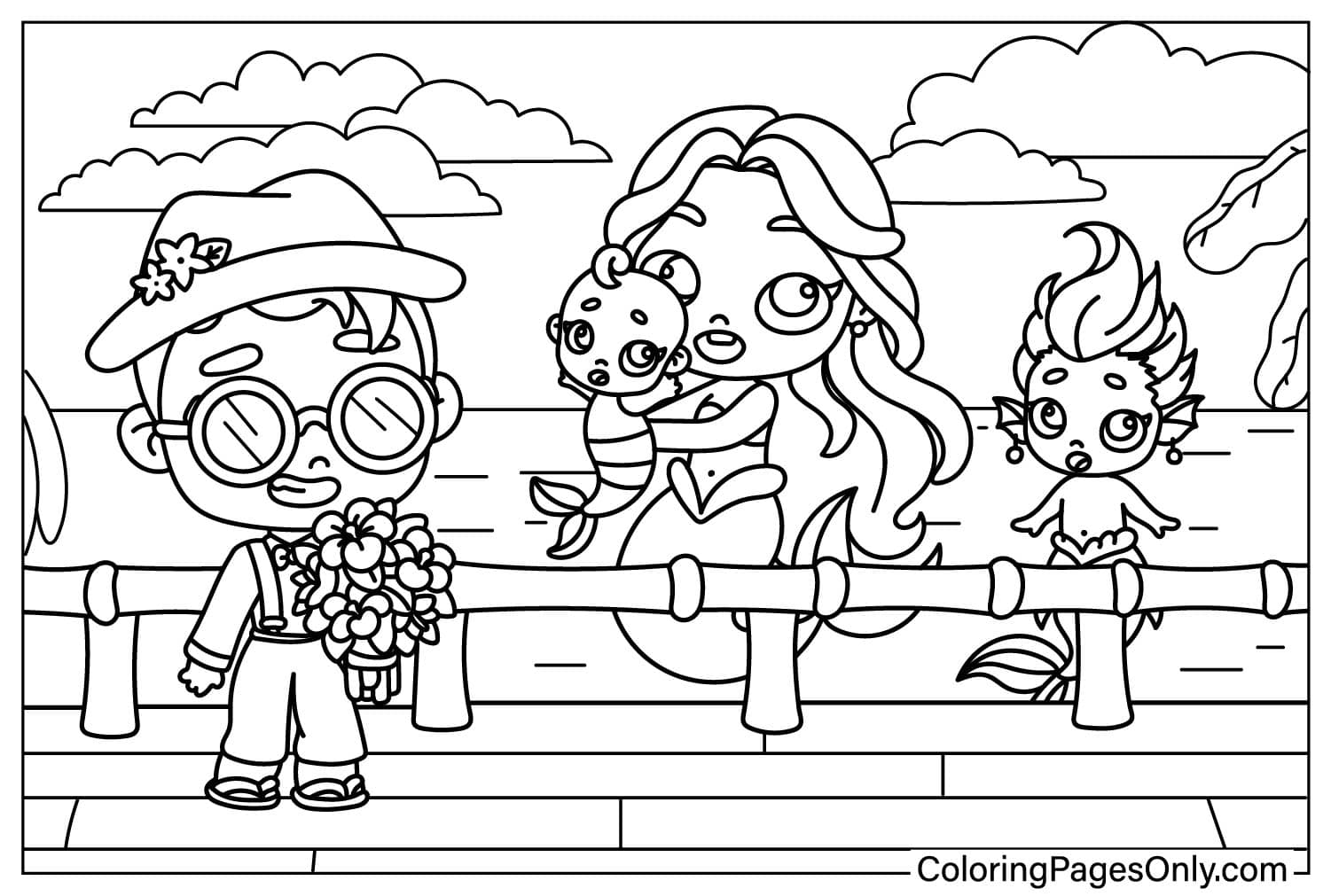
The Towns and Locations. The world map of Avatar World is divided into distinct neighborhoods and specialized locations that players can travel between freely. Each location has its own visual character, its own cast of NPCs (non-playable characters), and its own interactive objects and mini-game opportunities. The Sunrise Hills city – added in a major update – introduced an entire urban environment with new buildings, empty lots that players can develop themselves, and a park space to customize and explore. The “Avatar Ocean World” page in this collection depicts one of the game’s most visually distinctive locations: an aquatic-themed environment with underwater aesthetics, sea creatures, and the bright blues and teals of a marine setting.

NPCs and Interactions. The world of Avatar World is populated with NPCs who respond differently based on what the player does. Different characters have specific items they react to: give a microphone to a singer, and they perform; bring food to a chef, and they cook. These reactive interactions reward curiosity and experimentation – the game never tells the player exactly how to interact with any NPC, so discovering what each character responds to becomes a kind of mini-exploration game within the larger world.

The In-Game Phone. One of Avatar World’s most useful features is an in-game smartphone that players can access at any time. The phone’s contacts app lets the player summon any character to their current location instantly – a convenient way to set up multi-character scenes and storytelling situations. A food delivery app allows ordering meals and snacks to any location. And an outfit-changing feature lets players switch their avatar’s clothing without having to visit a physical store in the game world.

Mini-Games and Quests. Avatar World includes several built-in mini-game challenges that give the open sandbox structure optional goals. The Grocery Store Challenge requires the player to read delivery orders from a monitor, collect the requested items, and use a drone to deliver them. The Treehouse Treasure Hunt sends players searching outdoor locations for hidden golden fruits against a time limit. The Music Band Performance has players gather instruments and stage a concert. These mini-games are short, skill-appropriate for young children, and completeable without external guidance – the game presents each challenge clearly within its context.

Pets. Players can adopt and care for pets – cats and dogs – in their residential home. Pets require feeding, playing with, and cleaning up after, adding a layer of simulated responsibility to the game’s creative sandbox. The pet care dynamic is one of the features most frequently mentioned positively by parents in App Store reviews.

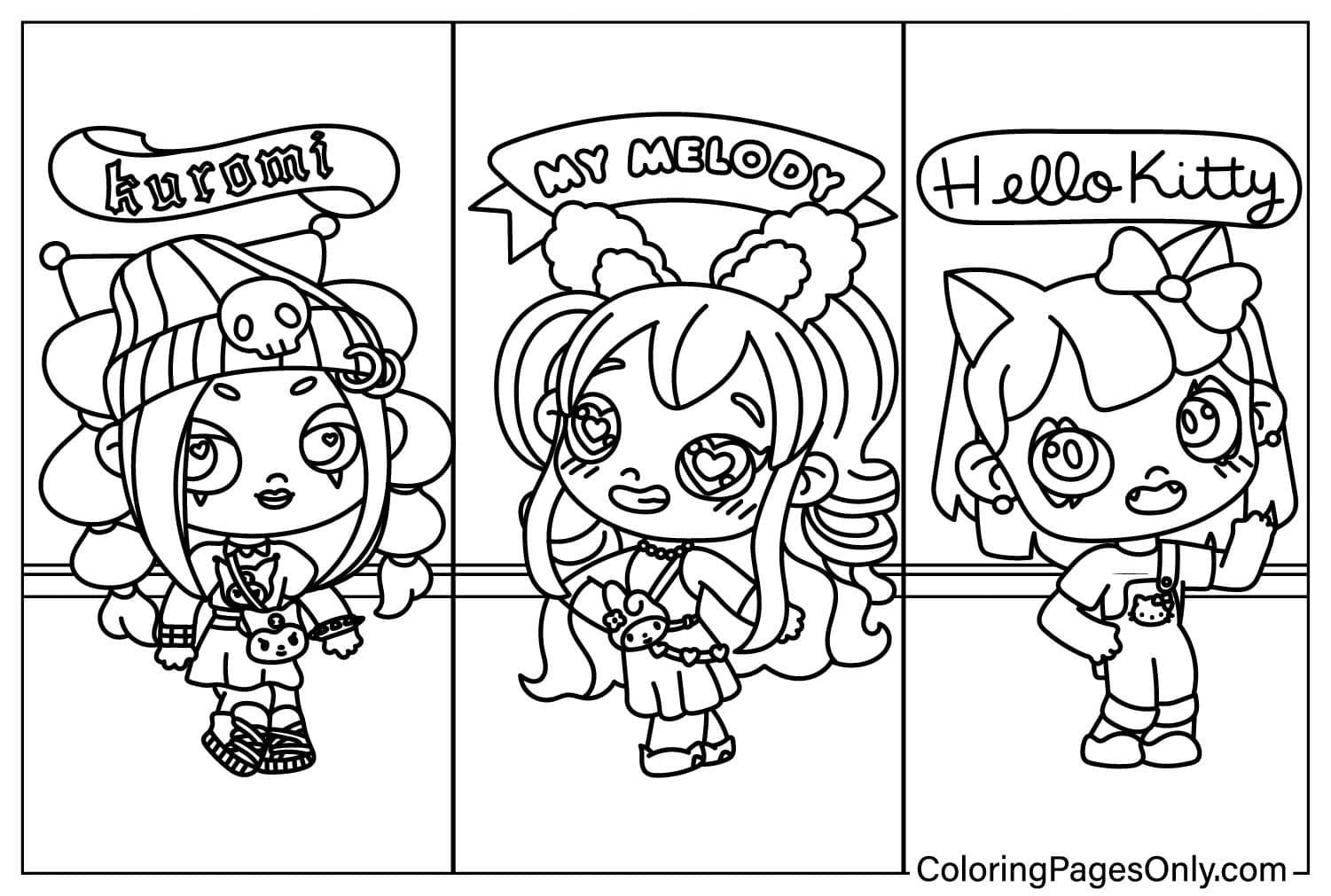
The Sanrio Crossover. The “Avatar World of Sanrio” tile in this collection depicts one of Avatar World’s most popular special content releases – a collaboration with Sanrio, the Japanese company behind Hello Kitty, My Melody, Cinnamoroll, Pompompurin, and other globally beloved characters. Sanrio crossover content in Avatar World brings Sanrio-themed outfits, accessories, and decorations into the game, allowing players to dress their avatars in Hello Kitty-inspired fashion and incorporate Sanrio visual elements into their homes and stories. For children who love both Avatar World and Sanrio characters, this crossover represents two beloved creative worlds in direct conversation.

The Collection’s Pages – What Each Scene Depicts

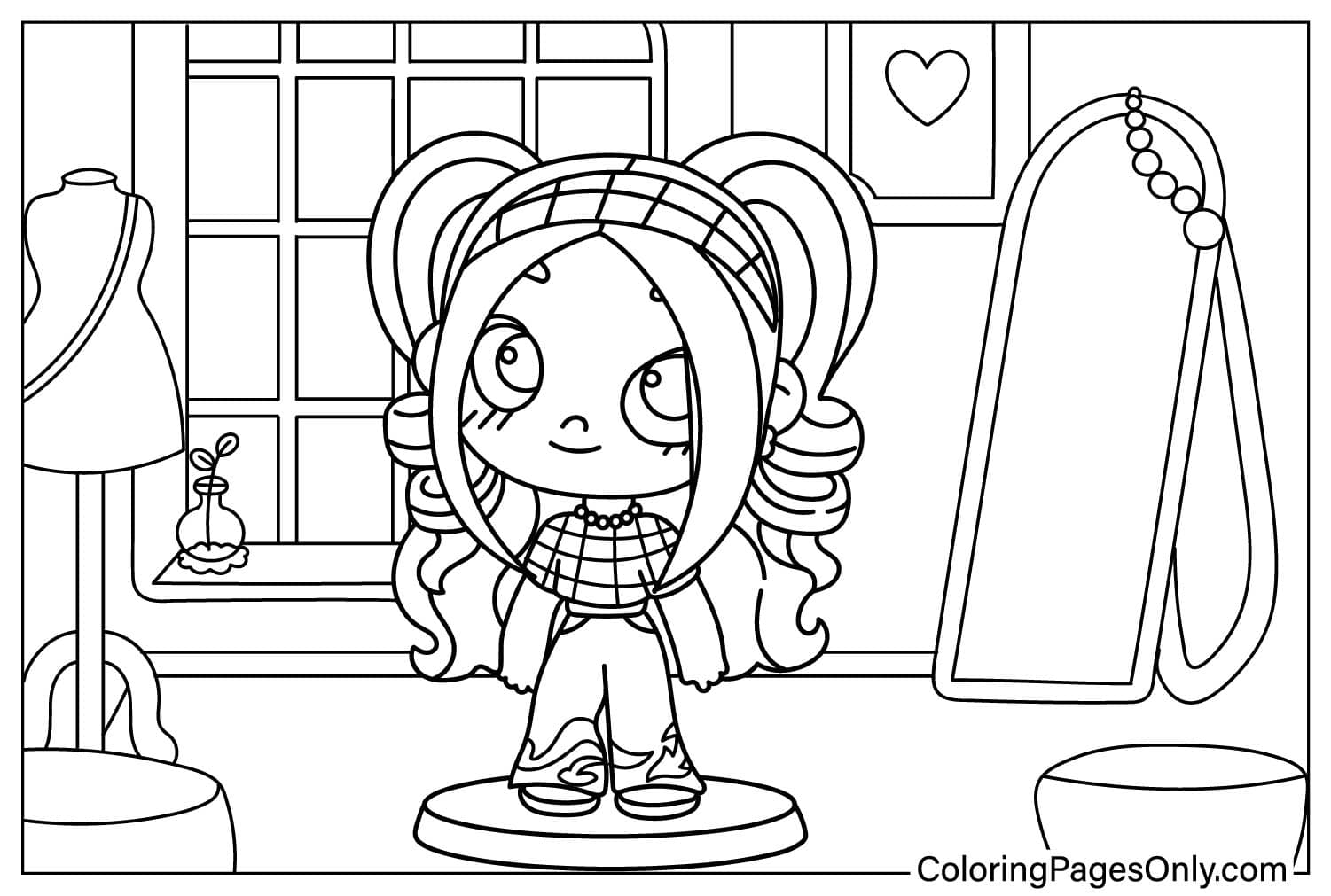
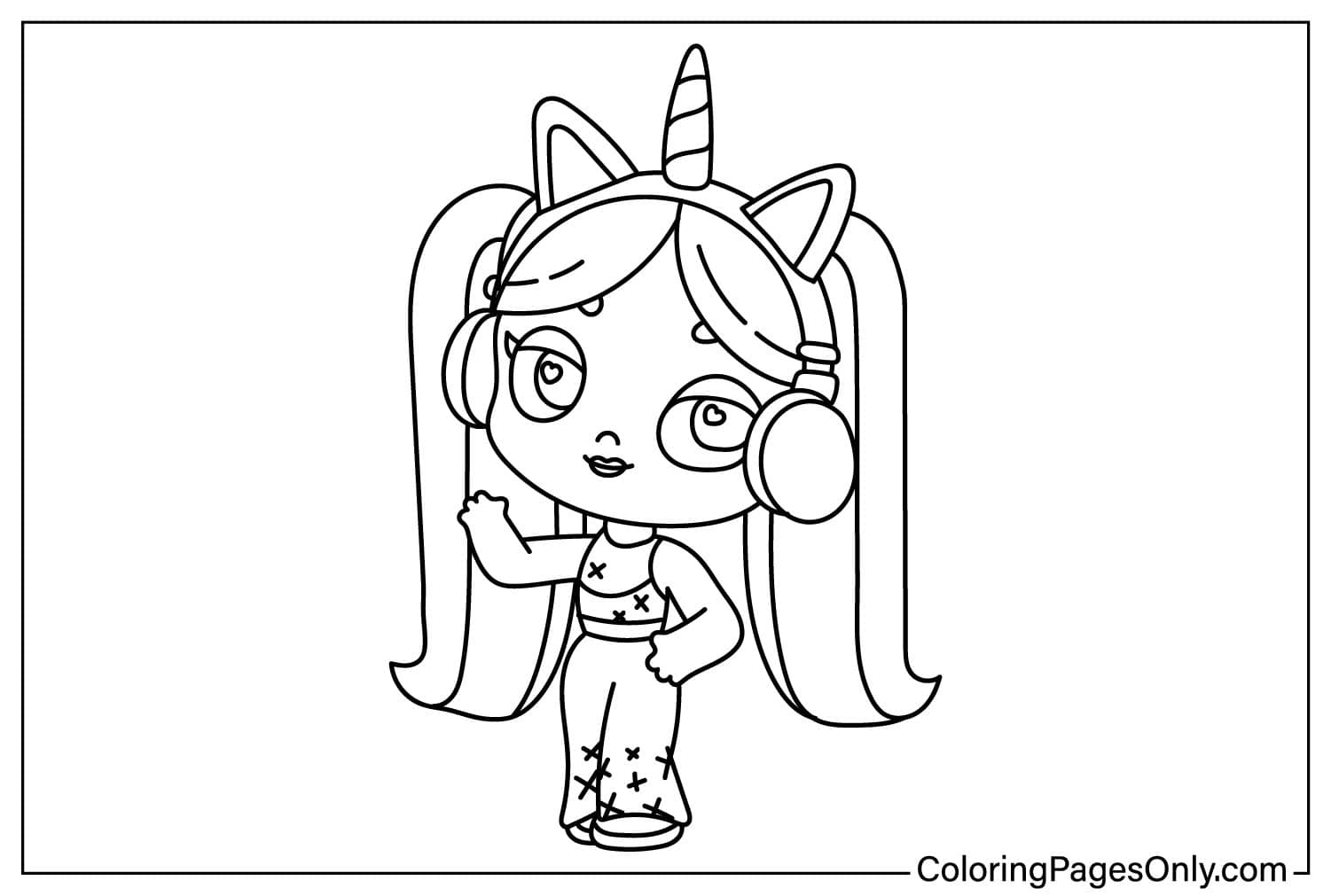
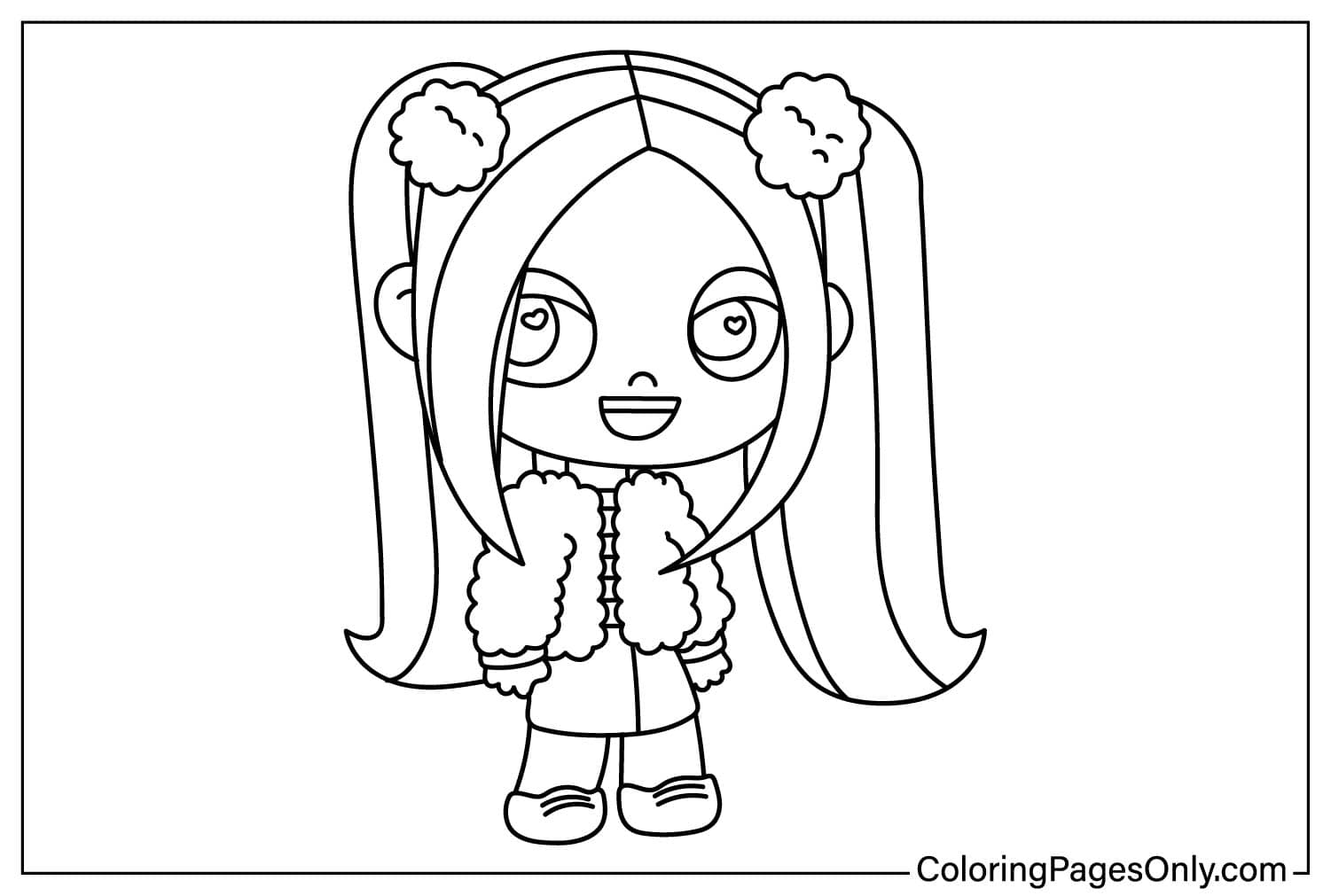
“Adorable Girl of Avatar World” depicts a classic Avatar World character in the game’s distinctive 3D cartoon art style – the rounded facial features, the proportionally large head, the expressive eyes, and the outfit-focused design aesthetic that defines every avatar in the game. This is the collection’s most foundational page: the avatar herself, in a pose that captures the cheerful, confident energy the game encourages in every player.

“Avatar World Girl Coloring Page” shows a female avatar character in the game’s visual style. The key design features to render accurately are the cartoon’s specific proportions: the head is larger relative to the body than in realistic human proportions, the eyes are wide and expressive, the skin is smooth and idealized, and the hair has a slightly simplified, graphic quality that distinguishes the Avatar World aesthetic from more painterly character styles.

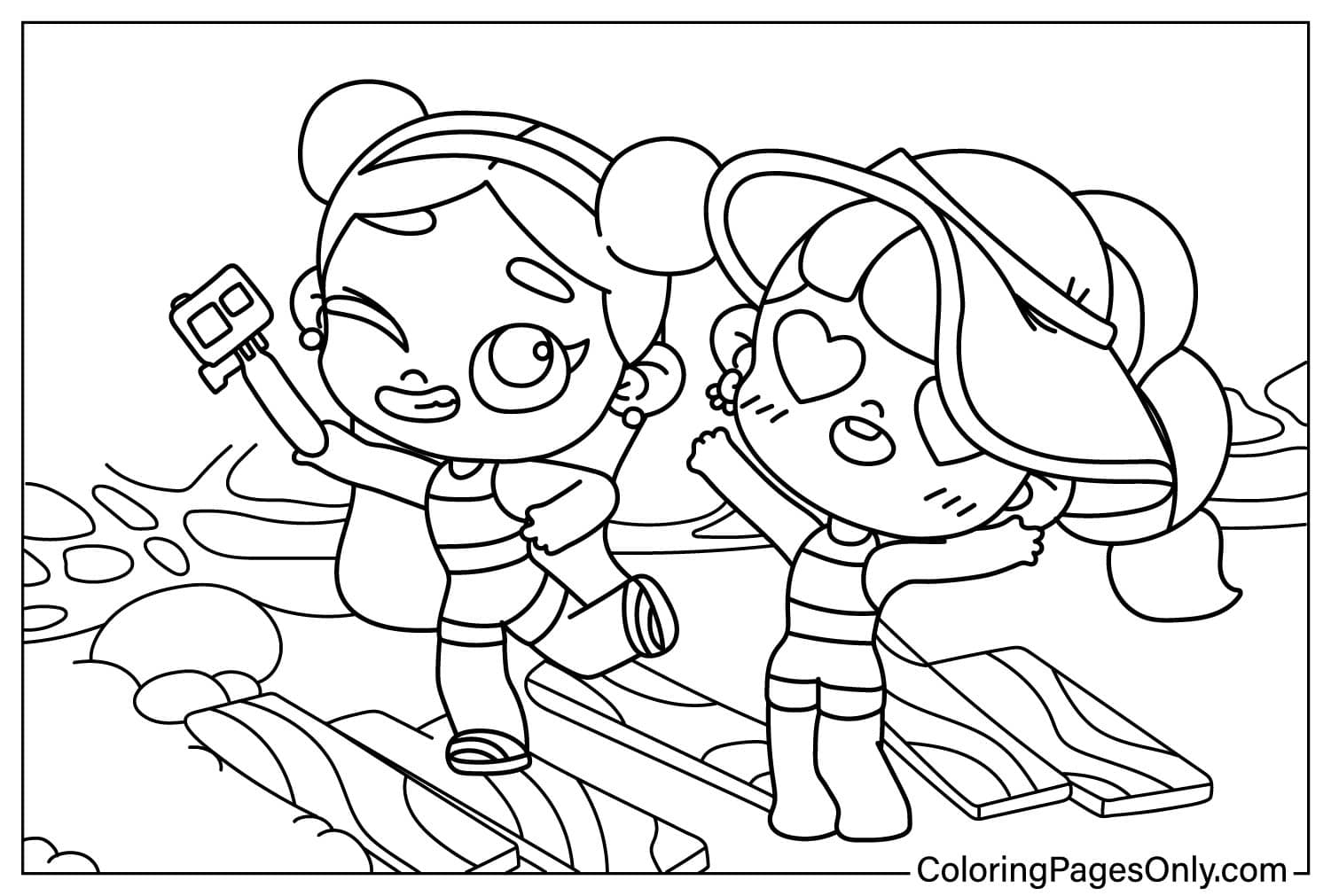
“Avatar Ocean World” depicts the game’s ocean or aquatic-themed location – one of the most visually distinctive settings in Avatar World because its color palette departs entirely from the warm, warm urban tones of the residential and shopping areas. Ocean location scenes are dominated by blues and teals, with bright sea creature designs, underwater lighting effects, and the softer, more organic shapes of a marine environment. This page is the collection’s richest opportunity for a cool-toned, blue-dominant color palette.

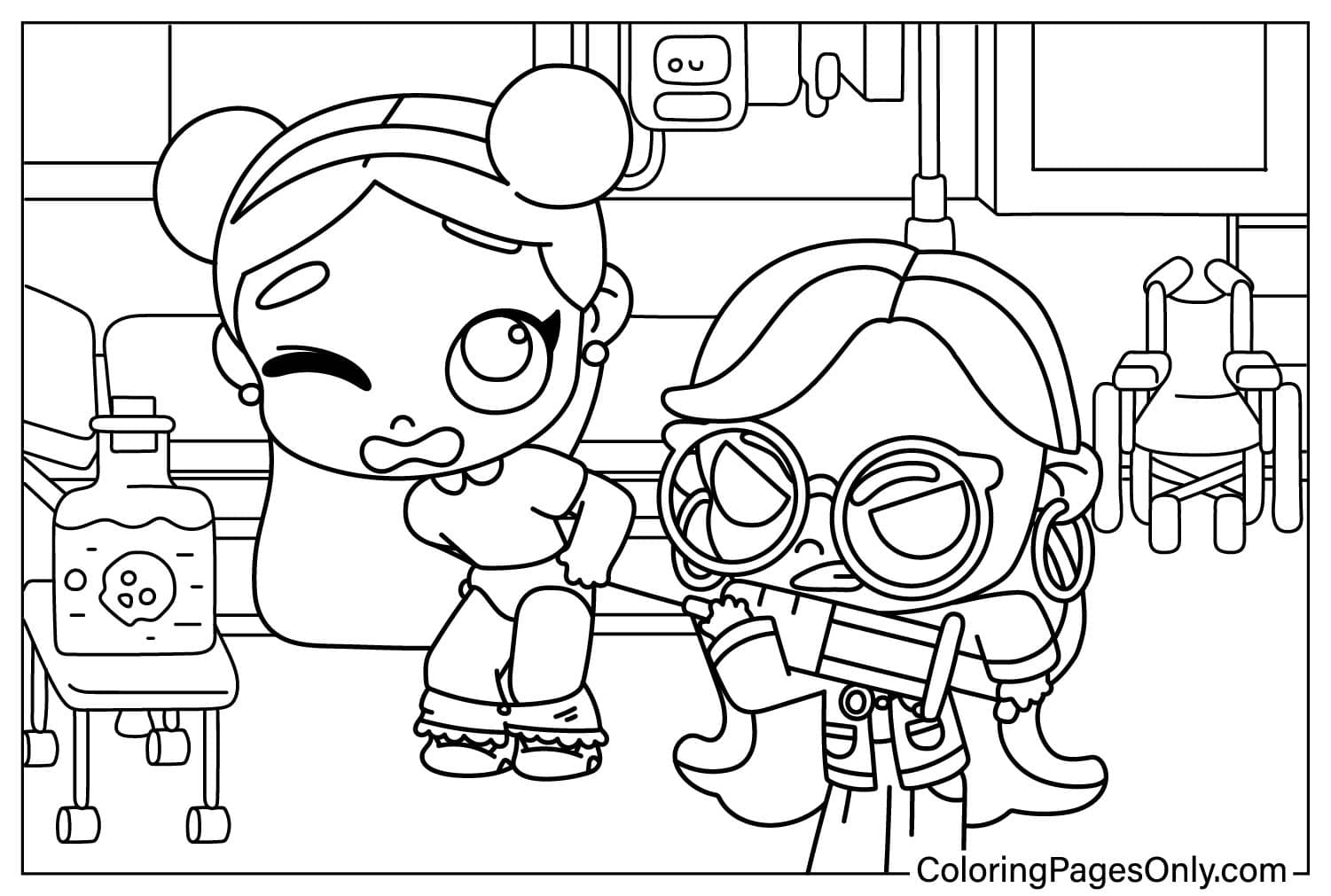
“Avatar World Gameplay Scene Coloring Page” shows the Avatar World experience in a broader context – multiple characters or a setting that communicates the game’s overall aesthetic and scale.

“Avatar World of Sanrio” brings Sanrio characters – Hello Kitty, Cinnamoroll, My Melody, or other iconic figures – into the Avatar World visual style, or depicts Avatar World characters in Sanrio-influenced outfits and settings. This is the collection’s most colorful and character-rich page, combining the flat, pastel-dominant Sanrio palette with Avatar World’s 3D cartoon aesthetic.

Coloring Tips for Avatar World Pages

The Avatar World skin tone is smooth and consistent. Avatar characters have smooth, idealized skin rendered without texture variation – more like the surface of a porcelain figure than natural skin. The key technique: choose a single skin tone from the page’s implied palette (warm peach, light tan, medium brown, deep brown – Avatar World is genuinely diverse in its skin tone options) and apply it with absolute consistency across all skin areas. Any value variation should come only from shadow areas (below the chin, inner arm, side of the face away from the light), not from texture marks or roughness. The smoothness of the skin is what gives Avatar World characters their distinctive look.

The eyes – large, expressive, specific. Avatar World characters have disproportionately large eyes relative to the face, the most visually important element of each character’s identity. The iris should be rendered in a vivid, specific color (bright blue, warm brown, vivid green, deep violet – Avatar World allows unusual eye color choices), with a darker ring at the outer edge of the iris, a light catch highlight at the upper portion of the pupil, and white at the corners of the eye. Eyelashes are usually depicted as a bold, simple fringe that frames the eye shape – render these in a slightly darker version of the hair color rather than pure black.

Hair – graphic and clean. Avatar World hair has a slightly graphic, simplified quality – more like an illustration than a realistic render. Individual hair strands are suggested rather than meticulously rendered. The approach: choose the hair’s base color and apply it to the entire hair mass cleanly. Then add a slightly darker version of the same color in the hair’s shadow areas (behind the ears, at the roots near the scalp, where different sections of hair overlap) and a lighter, slightly warmer version at the hair’s outermost highlighted surface. Keep the transitions between these tones relatively clean and sharp – avatar hair doesn’t have the organic, blended softness of real hair or detailed anime hair.

The Ocean page – saturated blues and aquatic atmosphere. “Avatar Ocean World” works best when the page’s entire palette commits to the cool, saturated blue-teal of an underwater or ocean setting. Start by establishing the background water color – a medium, vivid teal-blue – and let this establish the page’s overall color temperature. Any non-water elements (the avatar’s skin, outfit elements, sea creatures) should be rendered in colors that either complement (warm coral, sandy yellow) or contrast (vivid green sea plants, bright orange fish) the dominant teal-blue, creating visual interest without abandoning the ocean atmosphere.

The Sanrio crossover page – pastel with white dominance. Sanrio’s visual design language is built around soft pastels and a high ratio of white space – the characters themselves are largely white or very light-toned, with pastel accent colors. When coloring any Sanrio crossover page, use the palettes of the specific Sanrio characters depicted as your strict guide: Hello Kitty is white with a yellow bow and no mouth; Cinnamoroll is pure white with very pale blue eyes and pink blush; My Melody is white with a pink hood; Pompompurin is golden yellow with brown spots. Rendering Sanrio characters in saturated or dark colors loses their essential visual identity – the pastel restraint IS the design.

5 Activities

The avatar design challenge. Avatar World’s core mechanic is character creation – designing a visual identity from scratch. After coloring any Avatar World character page from the collection, design your own avatar on blank paper: choose skin tone, hair style and color, eye color, and an outfit. Make every design choice deliberate: why that hair color? Why those specific clothes? What does this avatar’s appearance communicate about their personality? Give your avatar a name and write a one-sentence character description on the back of the page. Display your designed avatar alongside the colored Avatar World page as a companion piece – your created character alongside the game’s universe. This activity directly mirrors the creative process that millions of children undertake every time they start a new avatar in the game.

The home design floor plan. One of Avatar World’s most popular features is home decoration – arranging furniture, choosing themes, and creating distinct rooms. After coloring any Avatar World character page, design a floor plan for that character’s home on a separate piece of paper: draw the outline of the home’s footprint, divide it into rooms (bedroom, living room, kitchen, bathroom, plus any special rooms like a music studio, art room, or gym), and fill each room with a simple sketch of the furniture and decor that would match the character’s personality and style. Color the floor plan in the character’s palette – using the same colors that appear in the character’s outfit and hair as accent colors for the home’s decor. This activity develops spatial thinking, design coordination, and the specific skill of translating character personality into environmental design.

The location palette collection. Avatar World’s different locations each have a distinct visual atmosphere and color palette – the residential neighborhoods are warm and domestic, the ocean location is cool and marine, and the shopping areas are bright and commercial. After coloring the “Avatar Ocean World” page in its aquatic palette, choose two or three additional locations from the game (or invent them based on what you know about the world) and design a “palette card” for each: a small rectangle showing the three or four colors that define that location’s atmosphere. Label each color with what it represents in the location (deep teal = deep water; sandy beige = beach surface; bright coral = sea creatures). Display all palette cards alongside the colored ocean page as a design reference set. This activity teaches color palette thinking – the skill of choosing and maintaining a consistent color language across a visual environment.

The Sanrio character color accuracy test. The “Avatar World of Sanrio” page presents a specific challenge: Sanrio characters have extremely precise, well-known, canonical color palettes that are immediately recognizable to anyone familiar with the characters. After coloring this page, research the official colors of the specific Sanrio characters depicted – Hello Kitty’s exact shade of white-with-yellow-bow, Cinnamoroll’s specific pale blue eyes, My Melody’s exact pink hood tone. Compare your finished coloring to reference images of the canonical characters: how close did you get? Which colors were most accurate, and which diverged most? This activity develops color memory and matching – the ability to look at a specific color, retain it, and reproduce it as closely as possible with available tools.

The NPC story role-play. Avatar World is fundamentally a storytelling game – the avatar is not a protagonist in a designer’s story but in the player’s own story. After coloring any Avatar World scene page from the collection, write or tell a short three-event story featuring the character depicted: what does this character do when they arrive in Avatar World? Which location do they visit first? Who do they meet, and what does that NPC do when the character interacts with them? What is the challenge or mini-game they try to complete? And where do they end up at the end of the story? Use the game’s actual features – the drone delivery grocery challenge, the treehouse treasure hunt, the music band performance – as building blocks for the story rather than inventing entirely new scenarios. This grounds the creative writing activity in knowledge of the game’s actual mechanics and rewards players who know the game well.

These related coloring collections will help you explore the wonderful world of colors. Let’s choose, be creative, and show us your great pictures!

Jennifer Thoa – Writer and Content Creator

Hi there! I’m Jennifer Thoa, a writer and content creator at Coloringpagesonly.com. With a love for storytelling and a passion for creativity, I’m here to inspire and share exciting ideas that bring color and joy to your world. Let’s dive into a fun and imaginative adventure together!