Origami Coloring Pages
 By:
Jennifer Thoa - Content Editor & Designer
Updated:
By:
Jennifer Thoa - Content Editor & Designer
Updated:
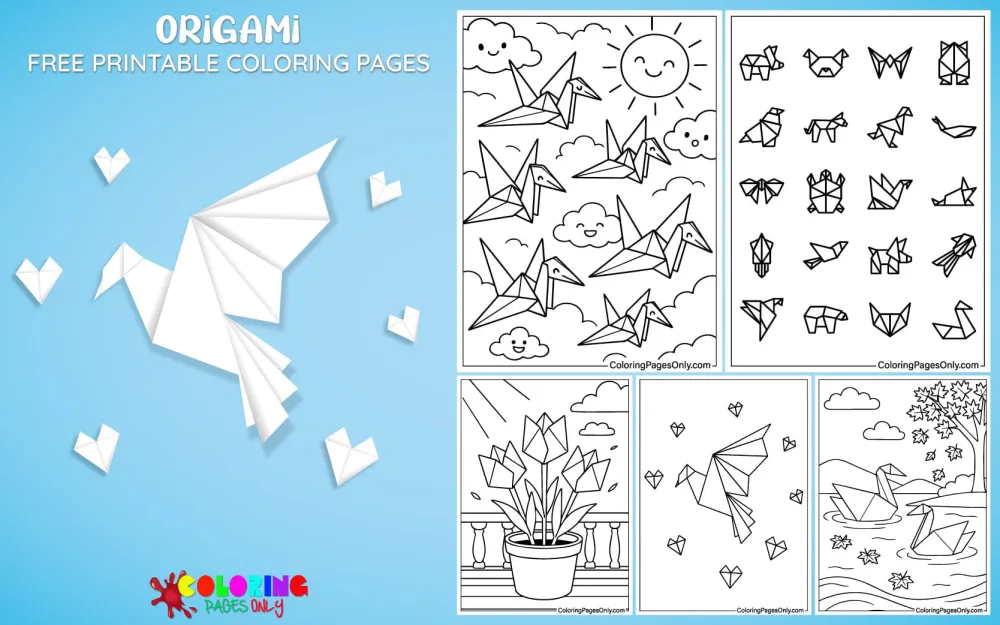
Free Origami Coloring Pages: 37 printable PDF designs covering folded-paper animals, traditional symbolic forms, and a few everyday objects, all drawn in the faceted style of real origami. Each page can be downloaded as a PDF to print or colored online in the browser, with no account required.
Origami takes its name directly from two Japanese words, ori, meaning fold, and kami, meaning paper. The tradition traces back centuries, with the earliest known written reference to a folded paper model appearing in a 1680 poem, and it grew into the detailed, symbolic art form recognized worldwide today. A small number of pages in this set reference a specific licensed video game character rather than a traditional or generic design, and that page is addressed honestly in the FAQ.
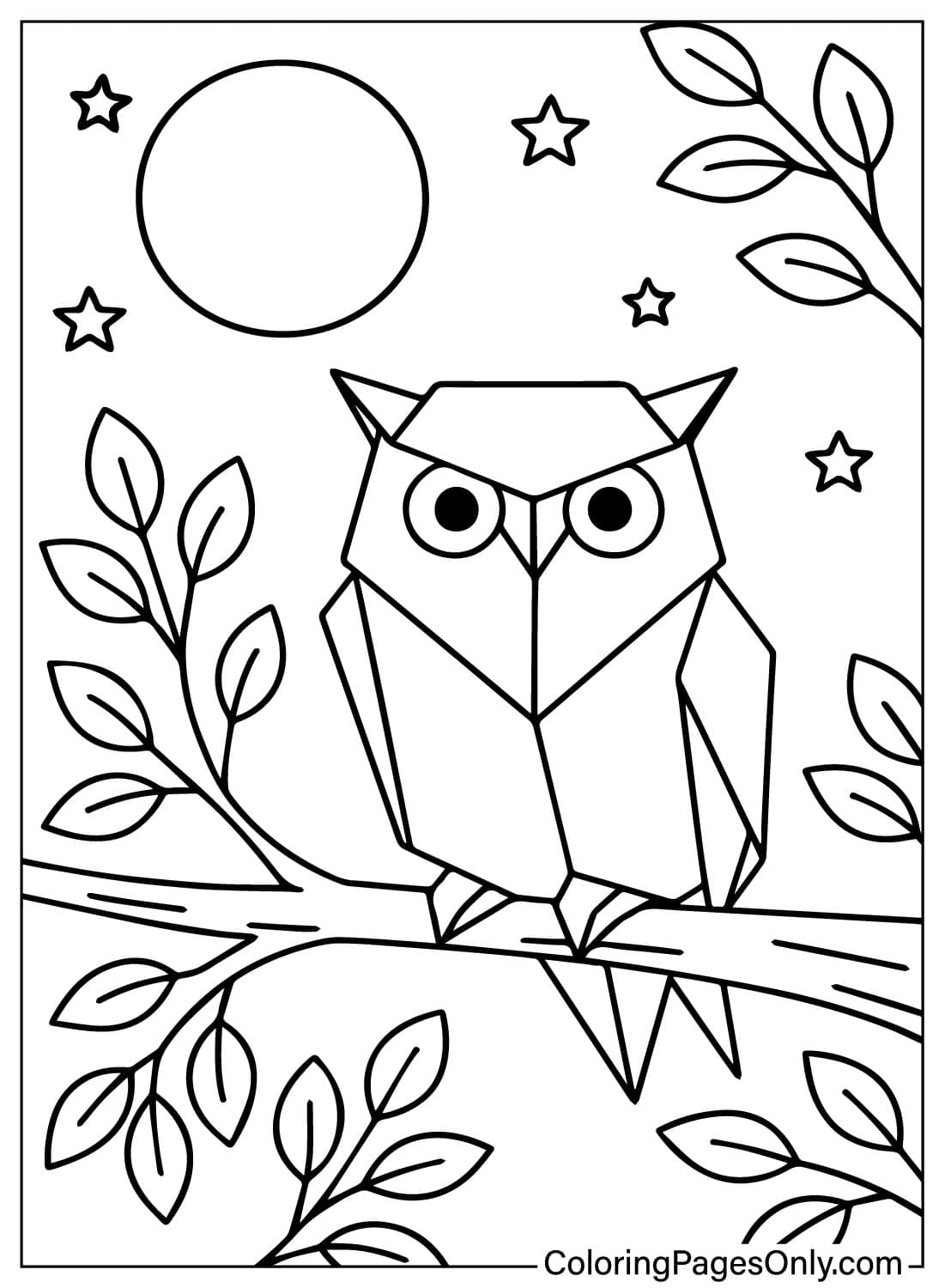
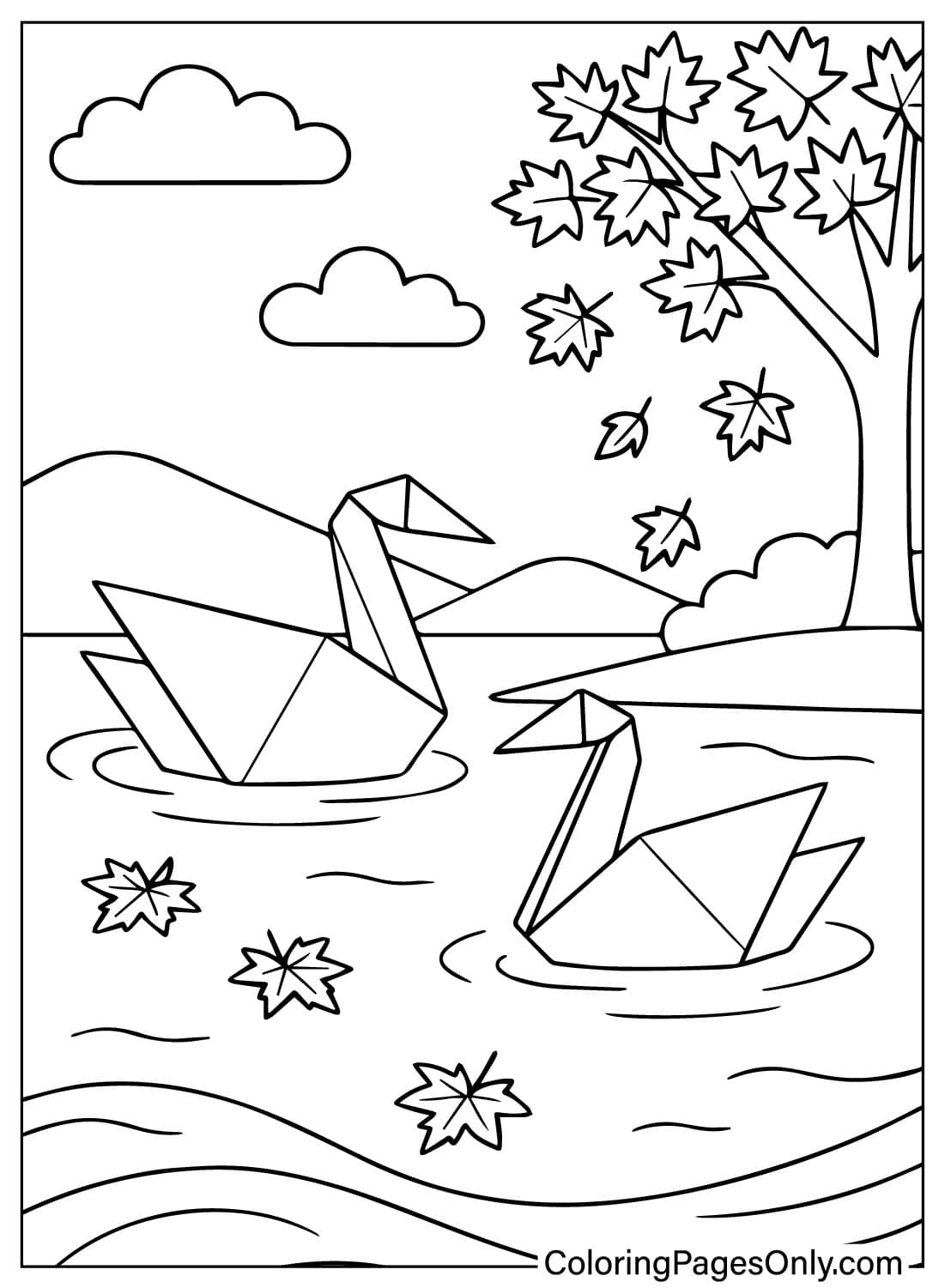
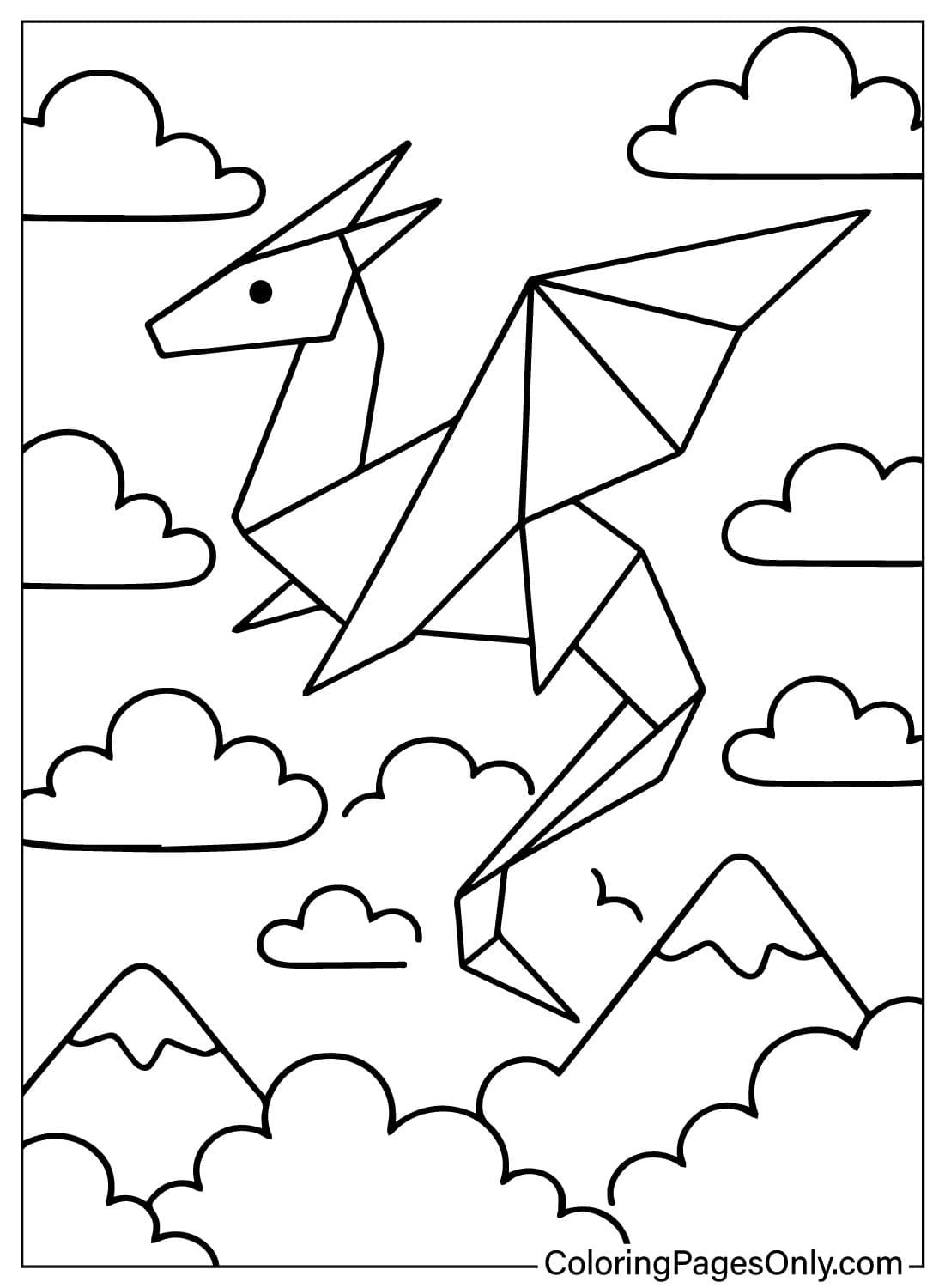
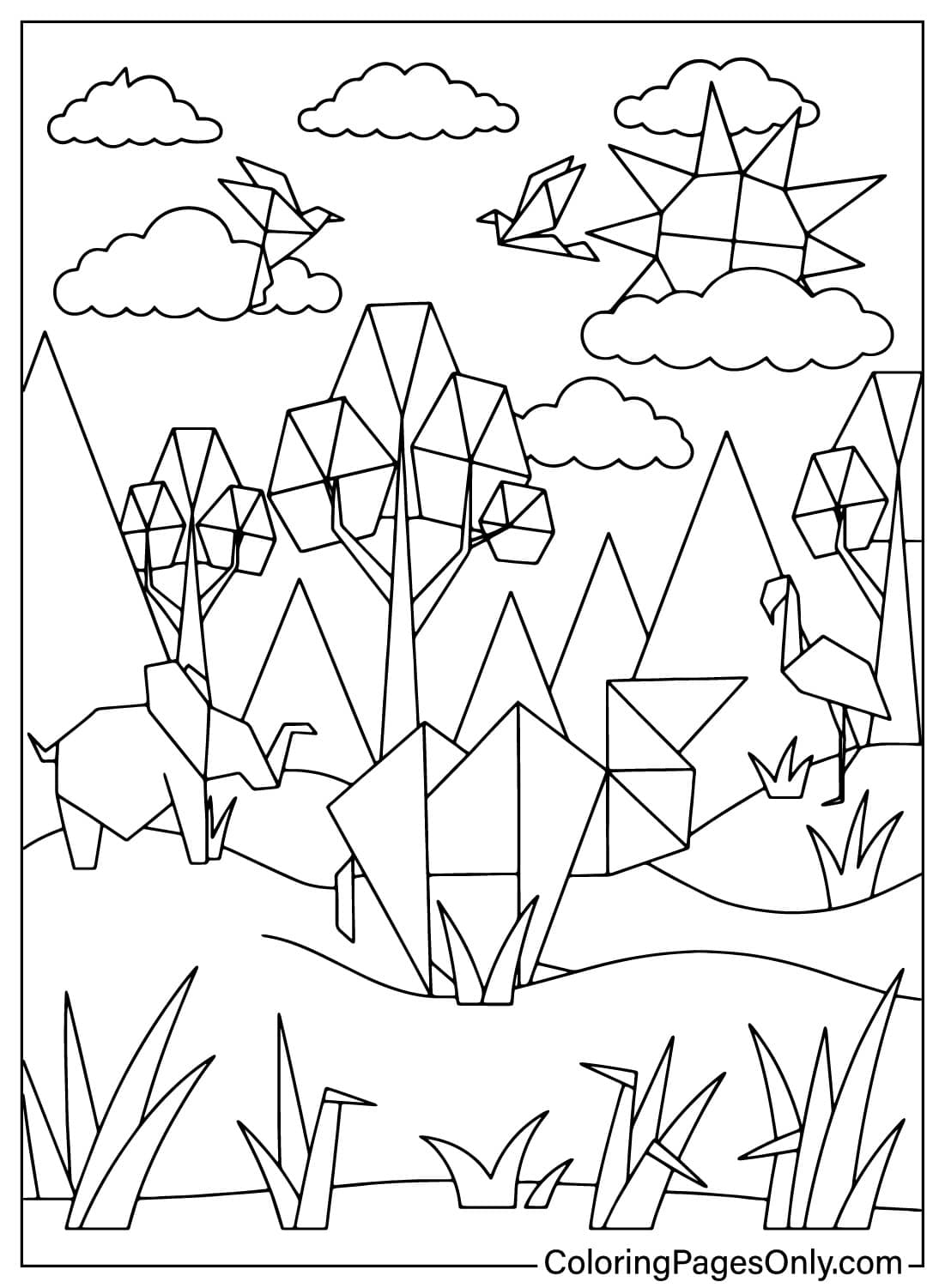
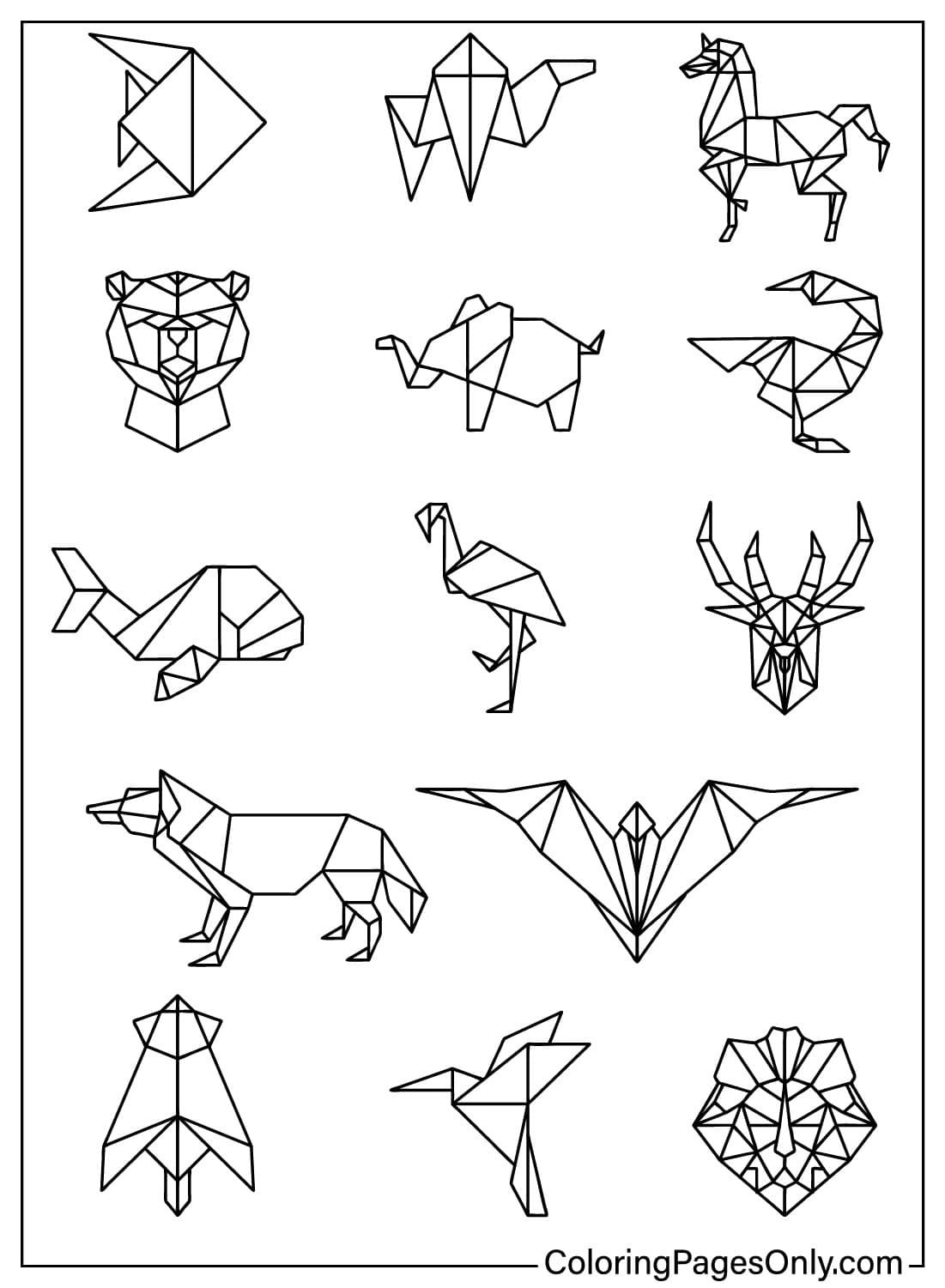
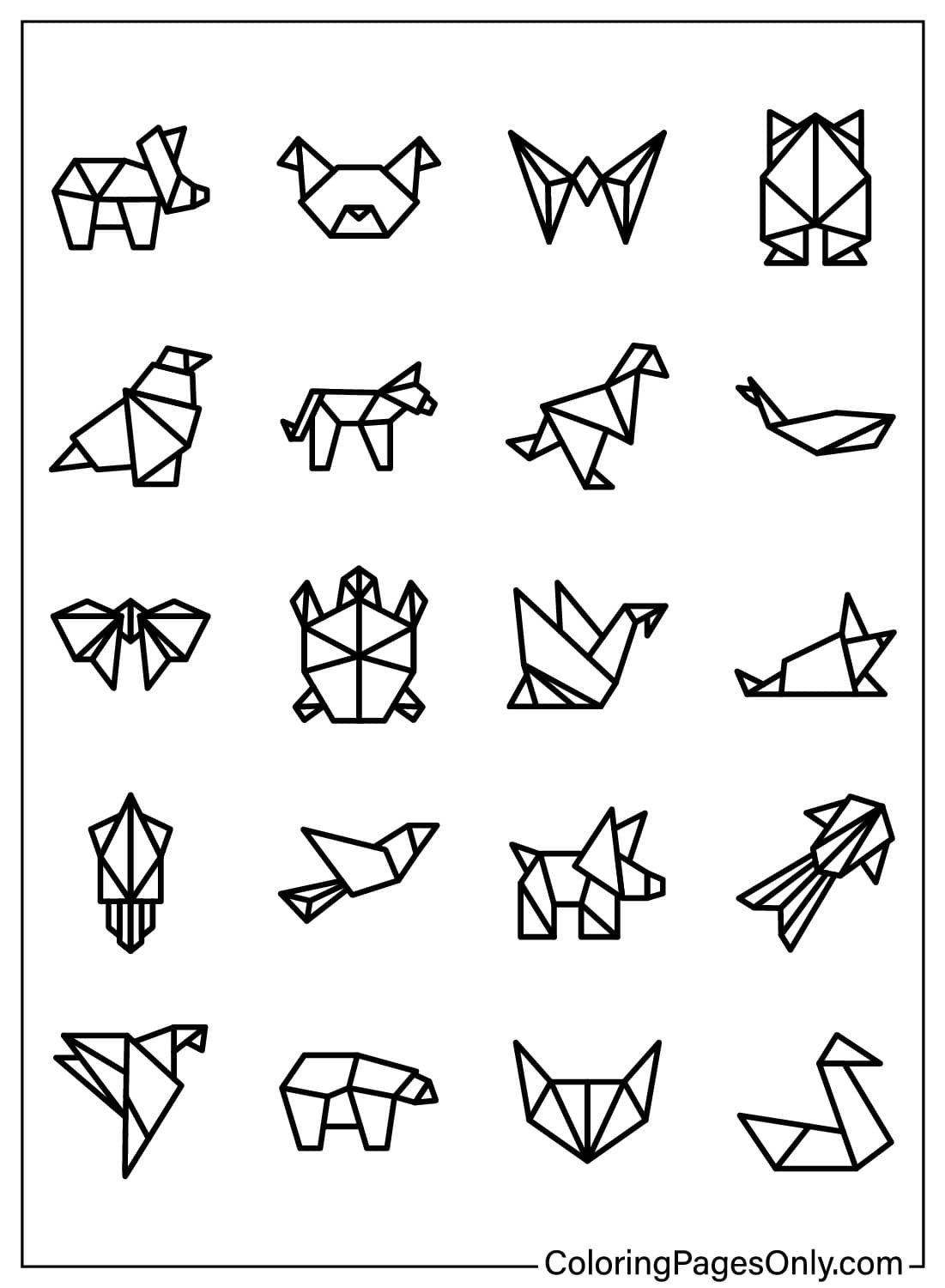
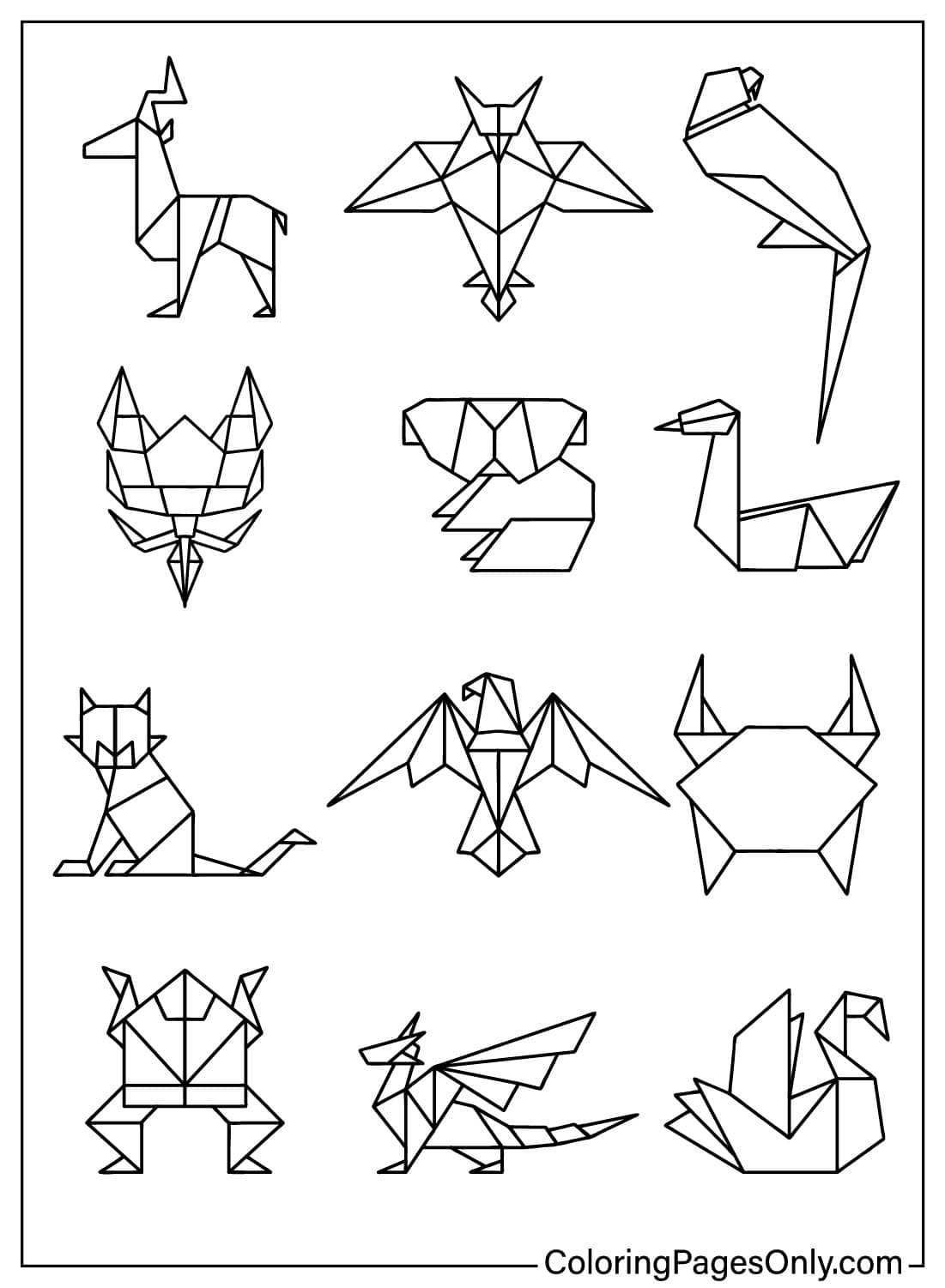
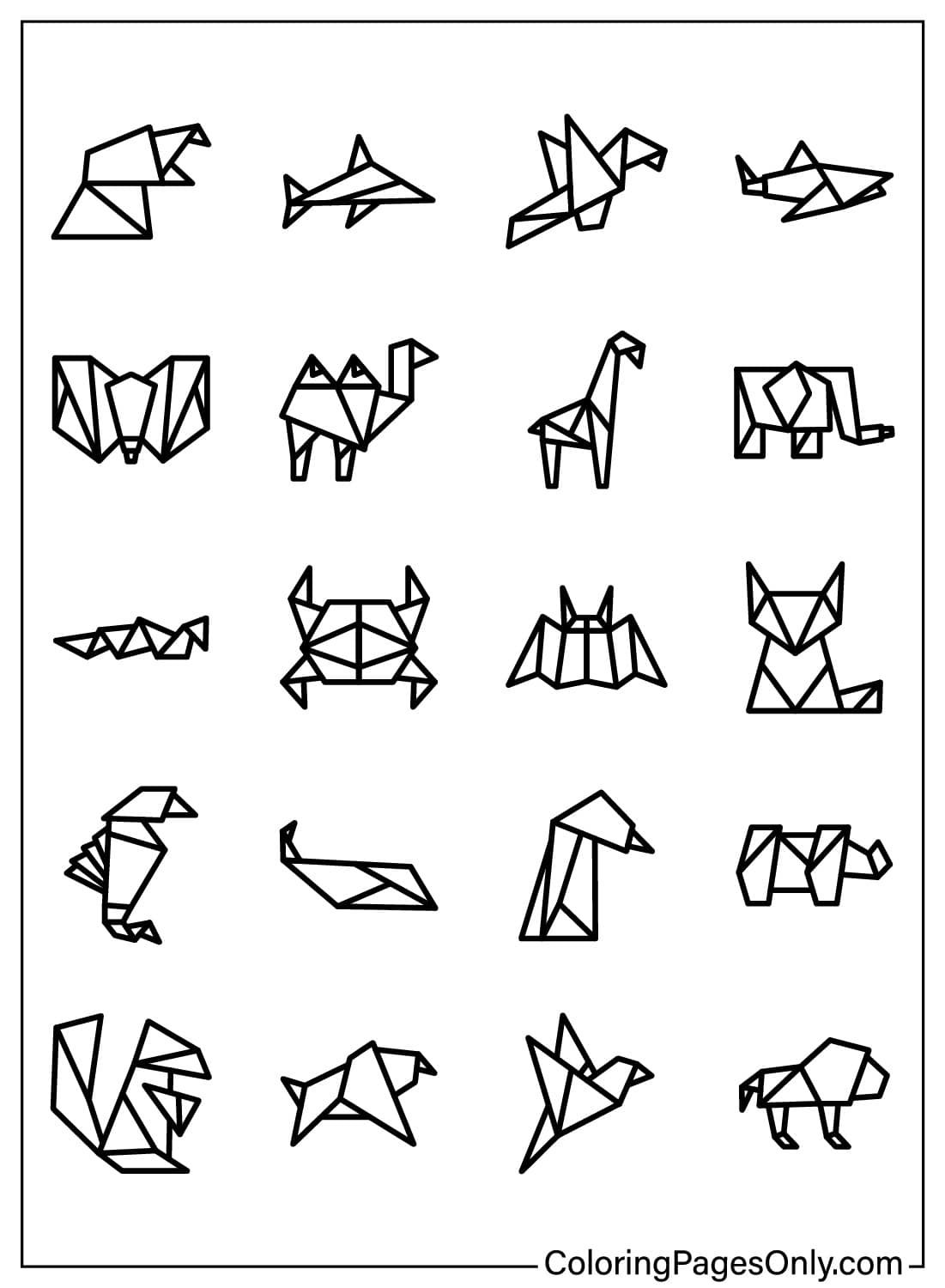
The 37 pages in this set are split into origami animals, traditional and symbolic forms, everyday objects, and a general practice group, giving colorists the sharp, faceted look of folded paper across a wide range of subjects.
What Is Inside This Collection
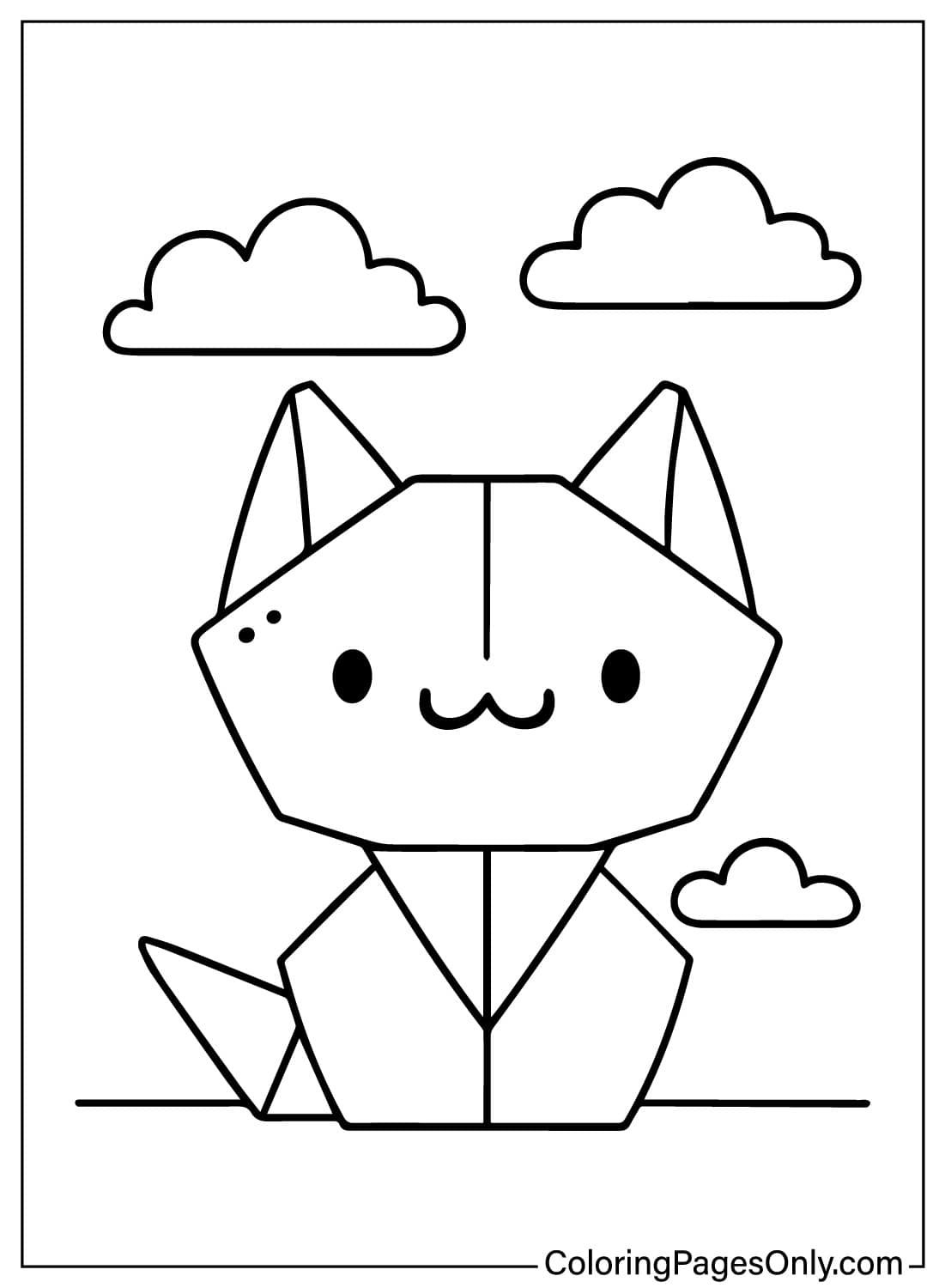
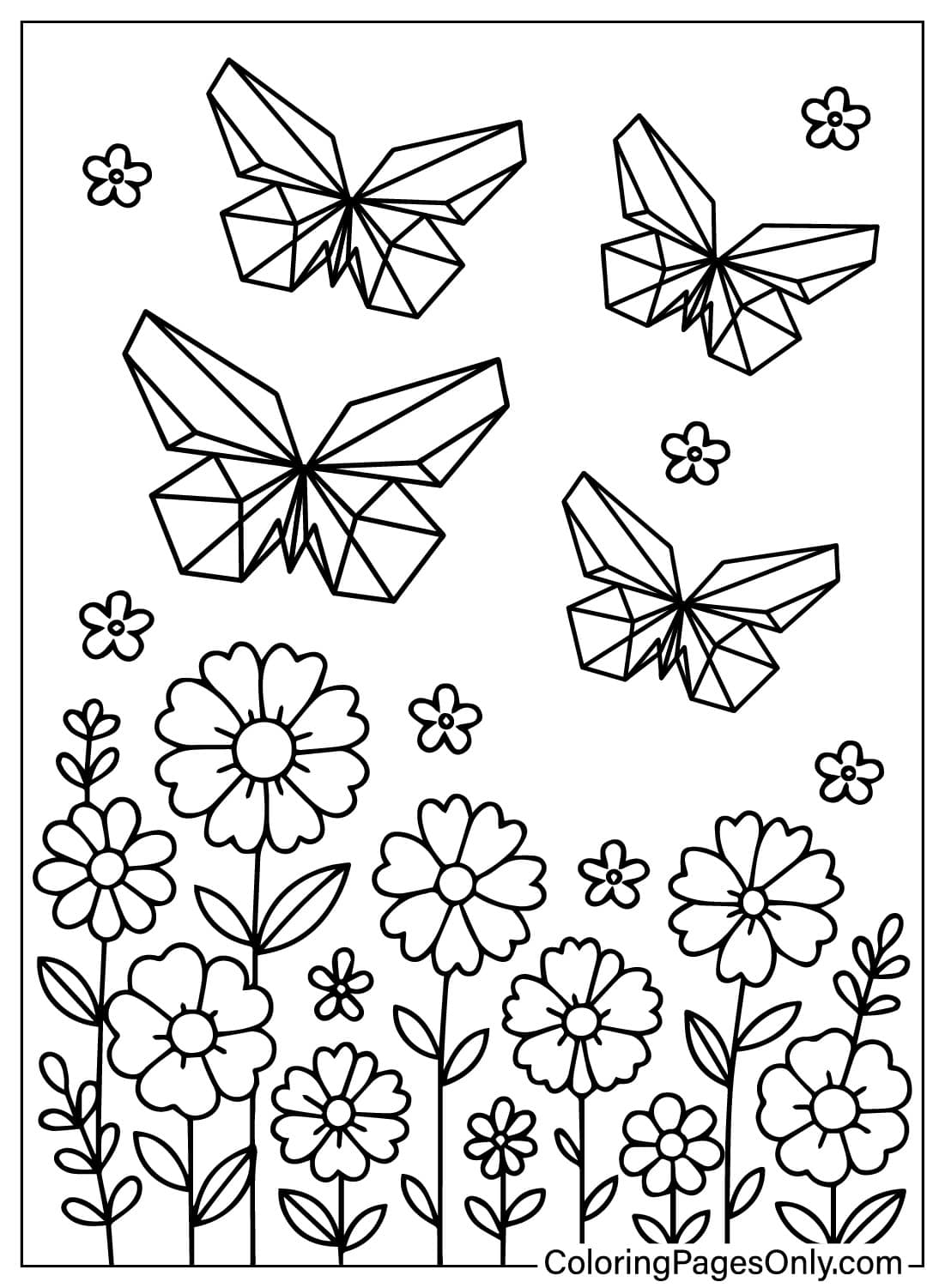
The 37 pages are grouped by subject rather than by a single repeated scene, though nearly every page shares the same angular, folded-paper style.
Origami Animals
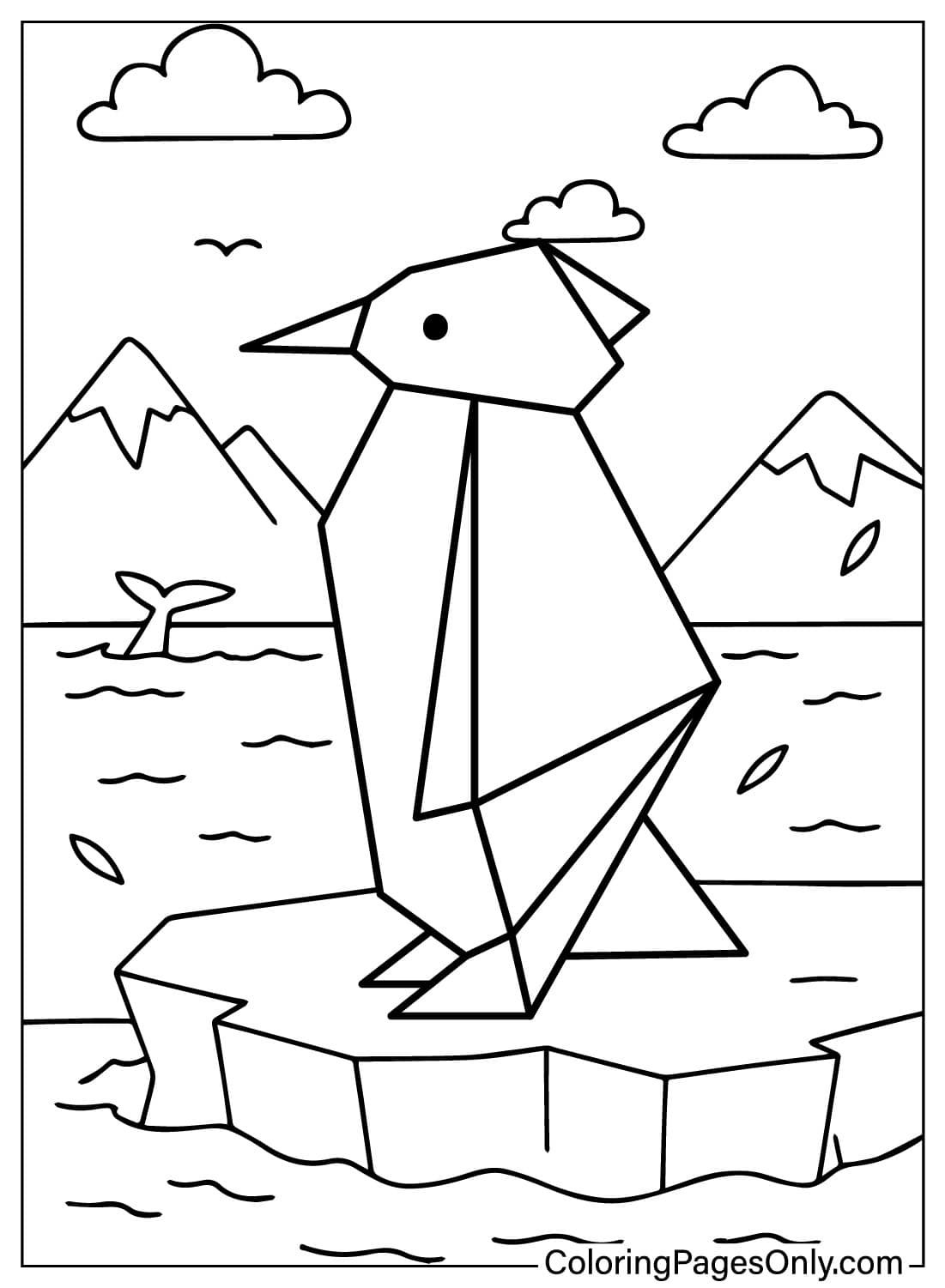
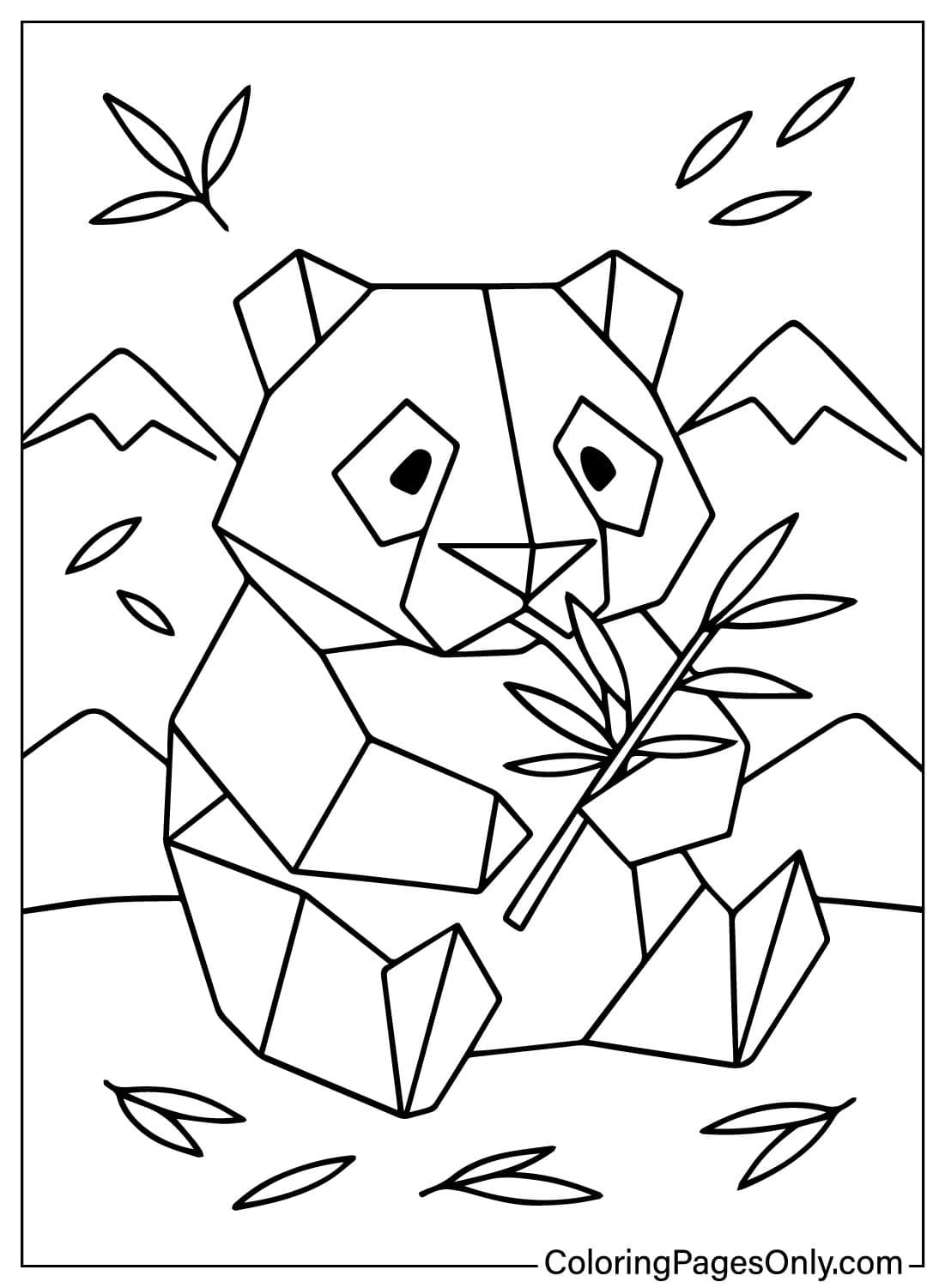
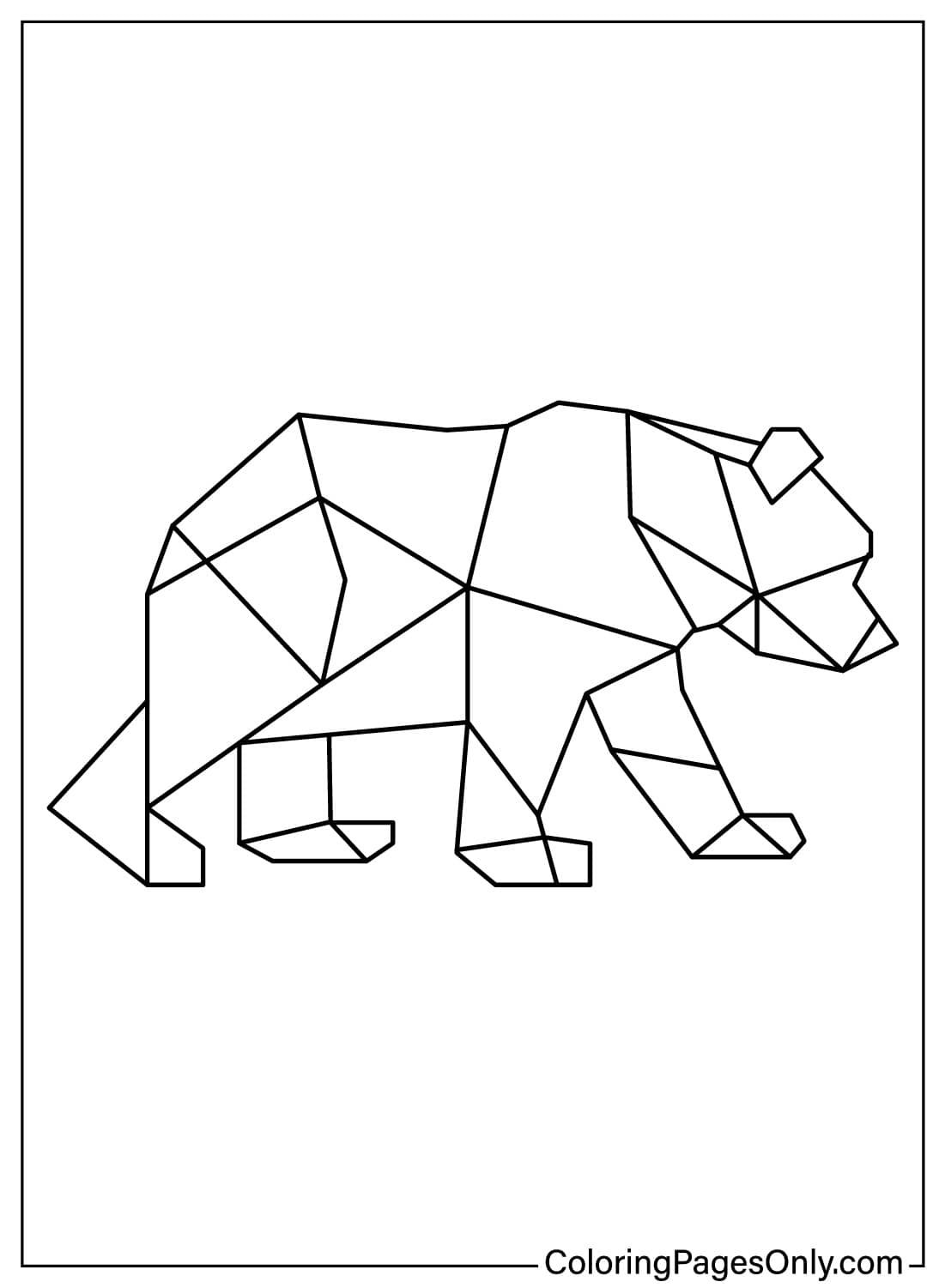
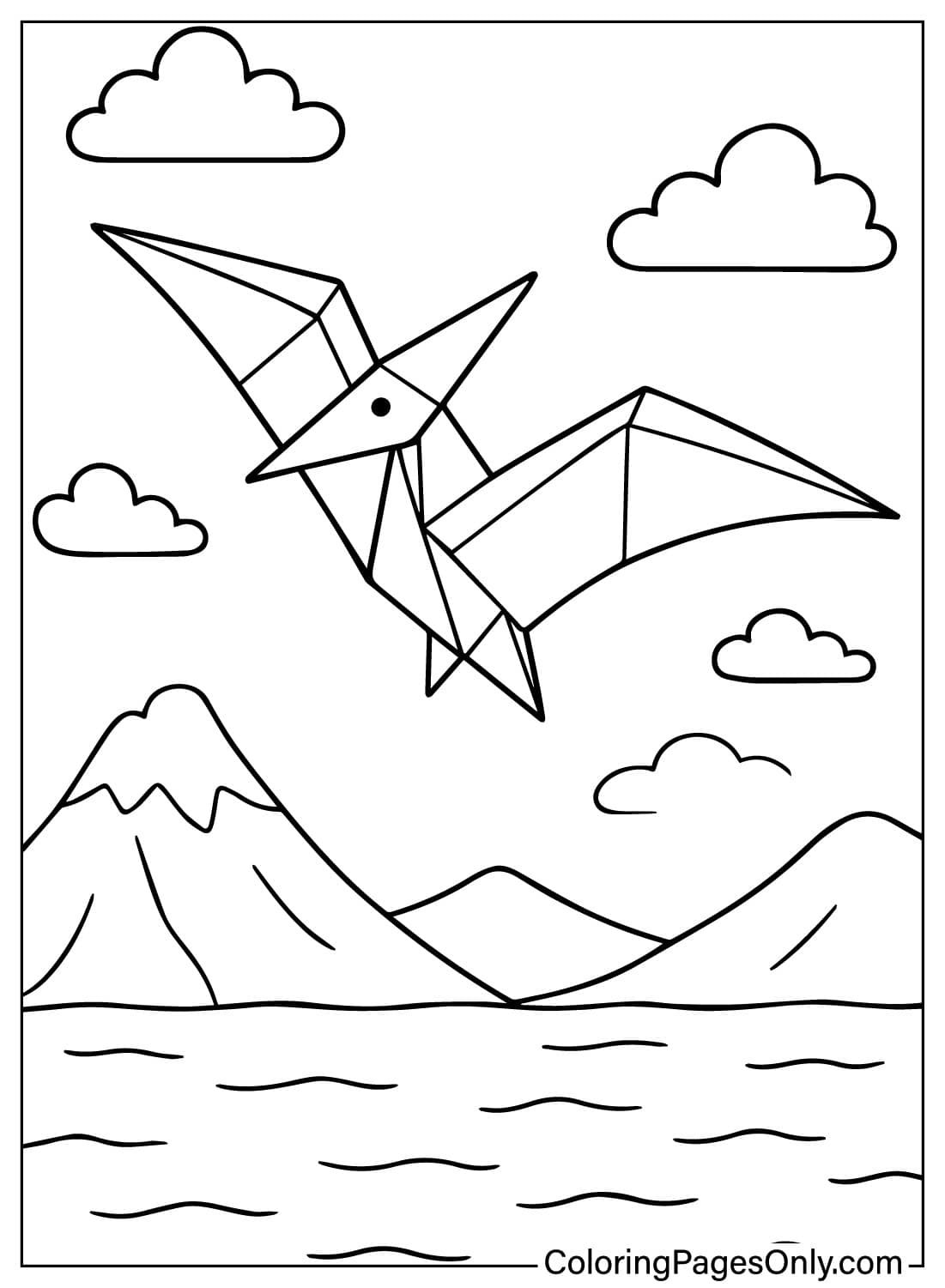
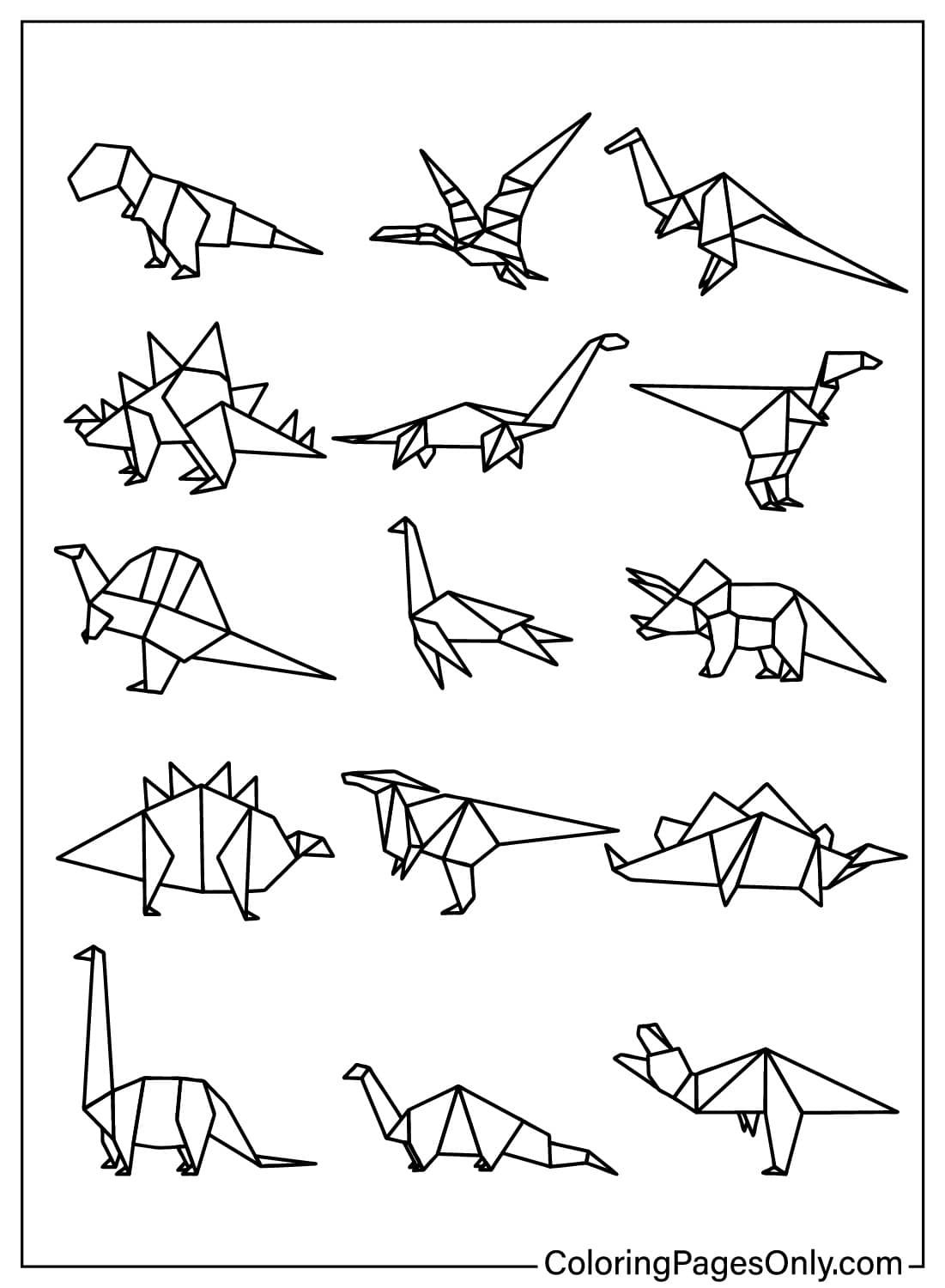
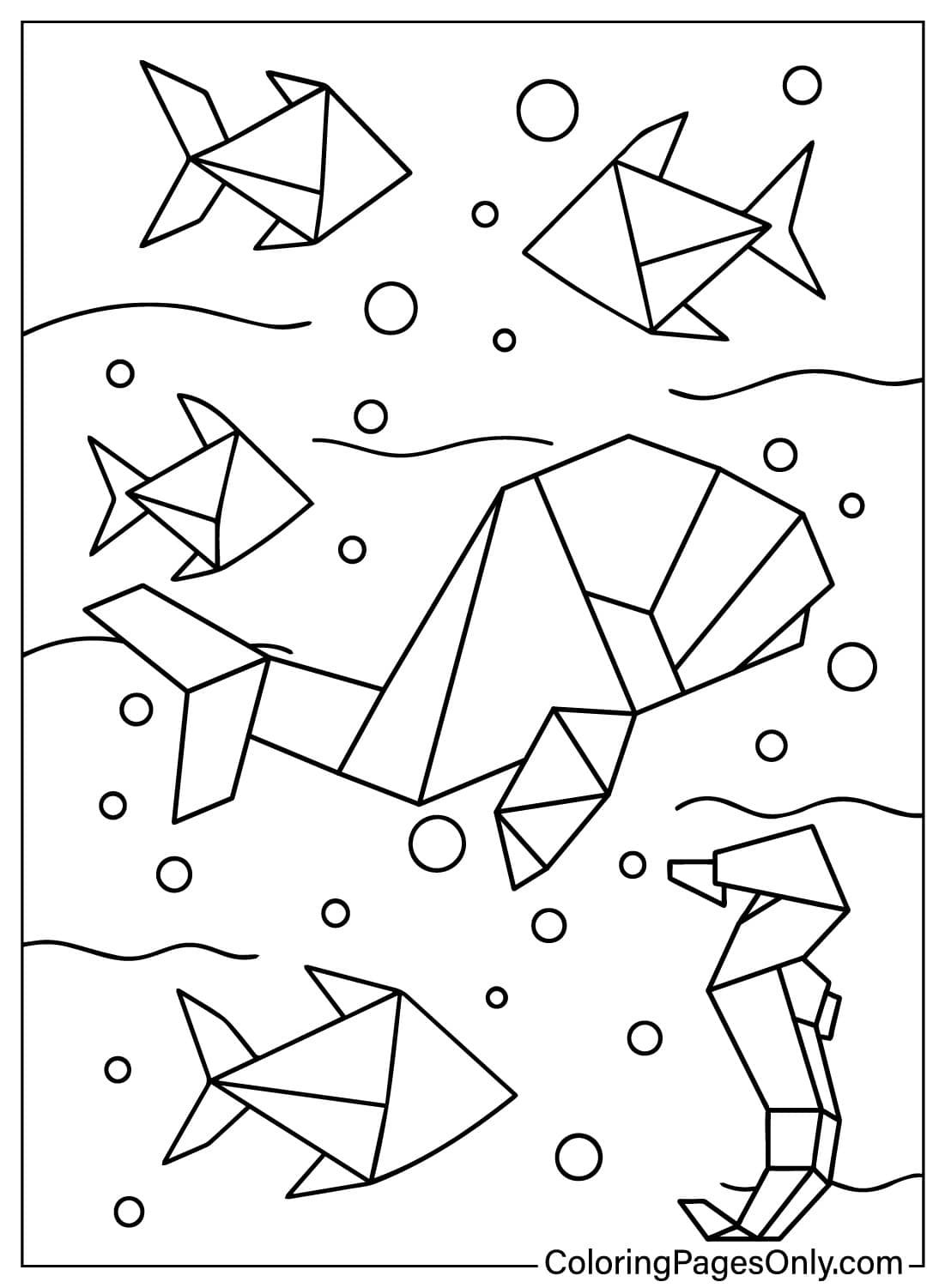
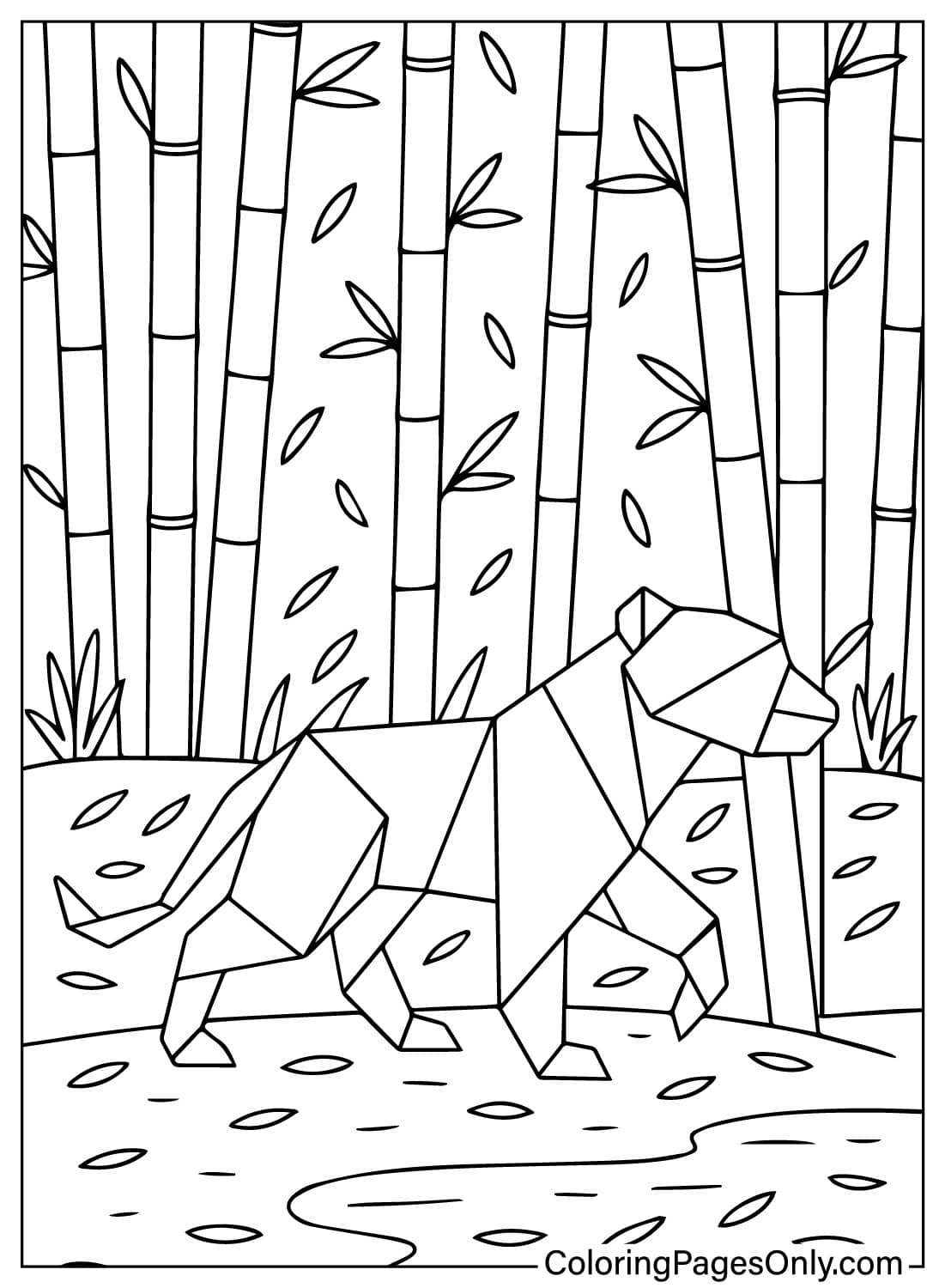
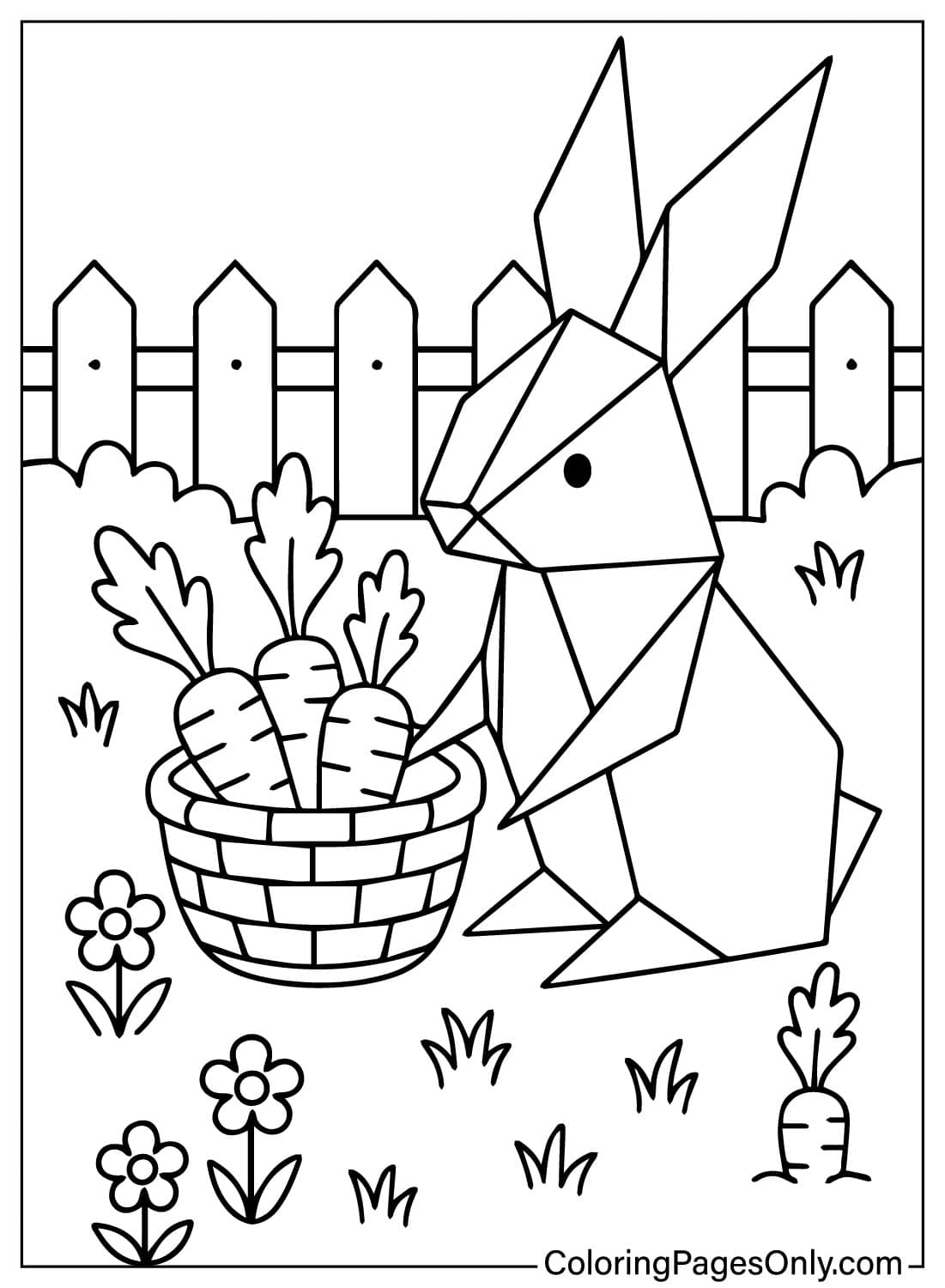
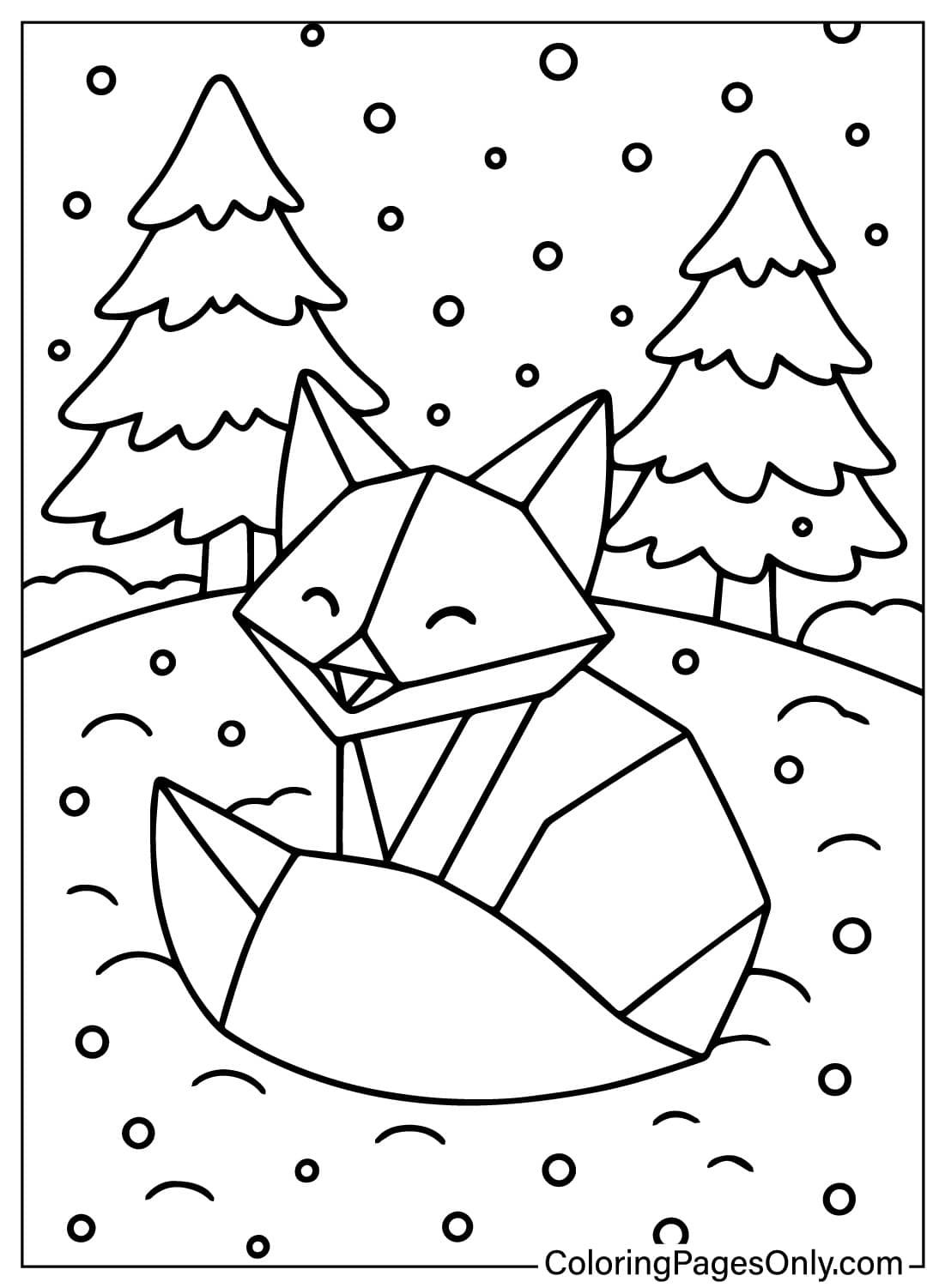
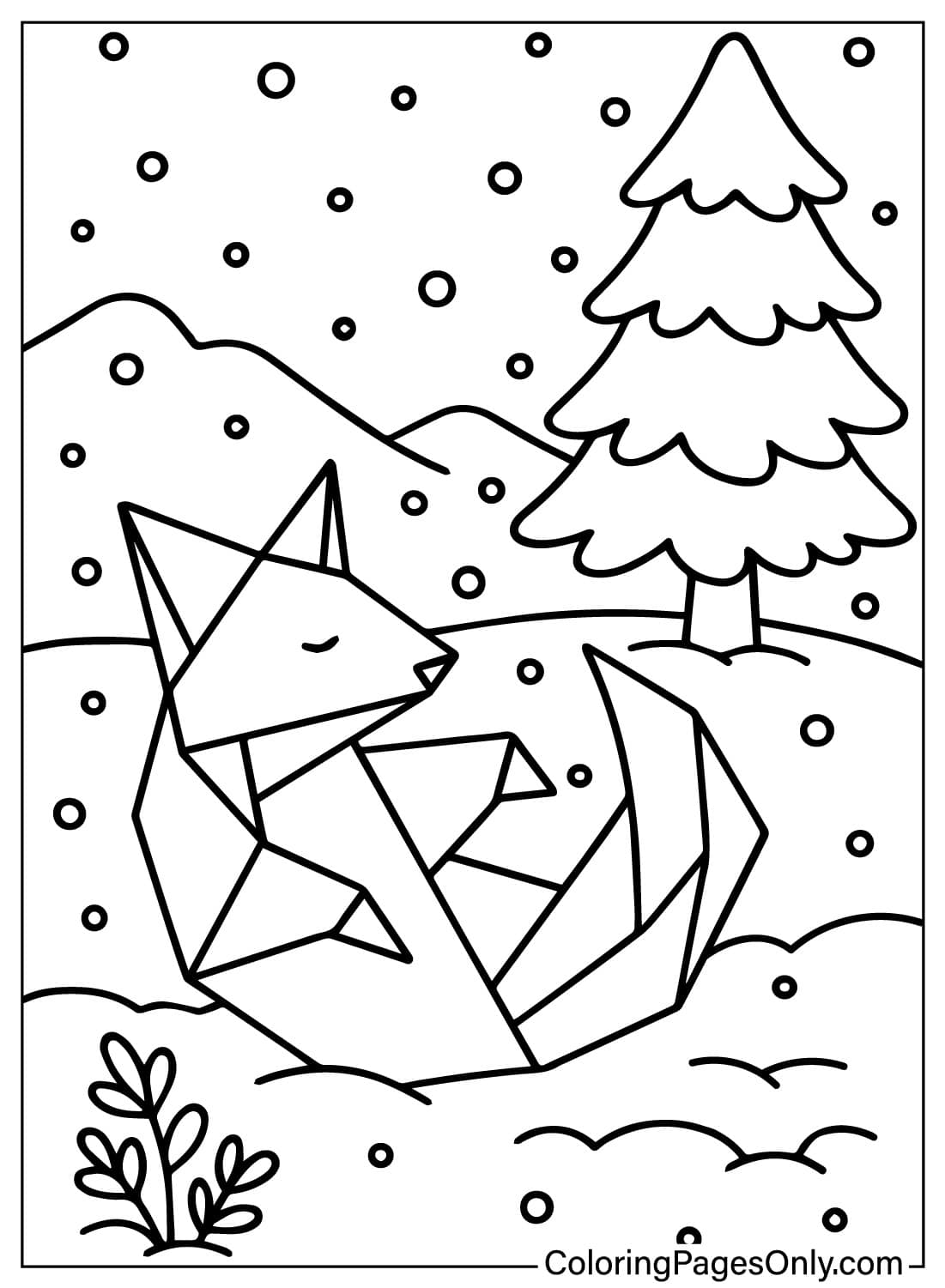
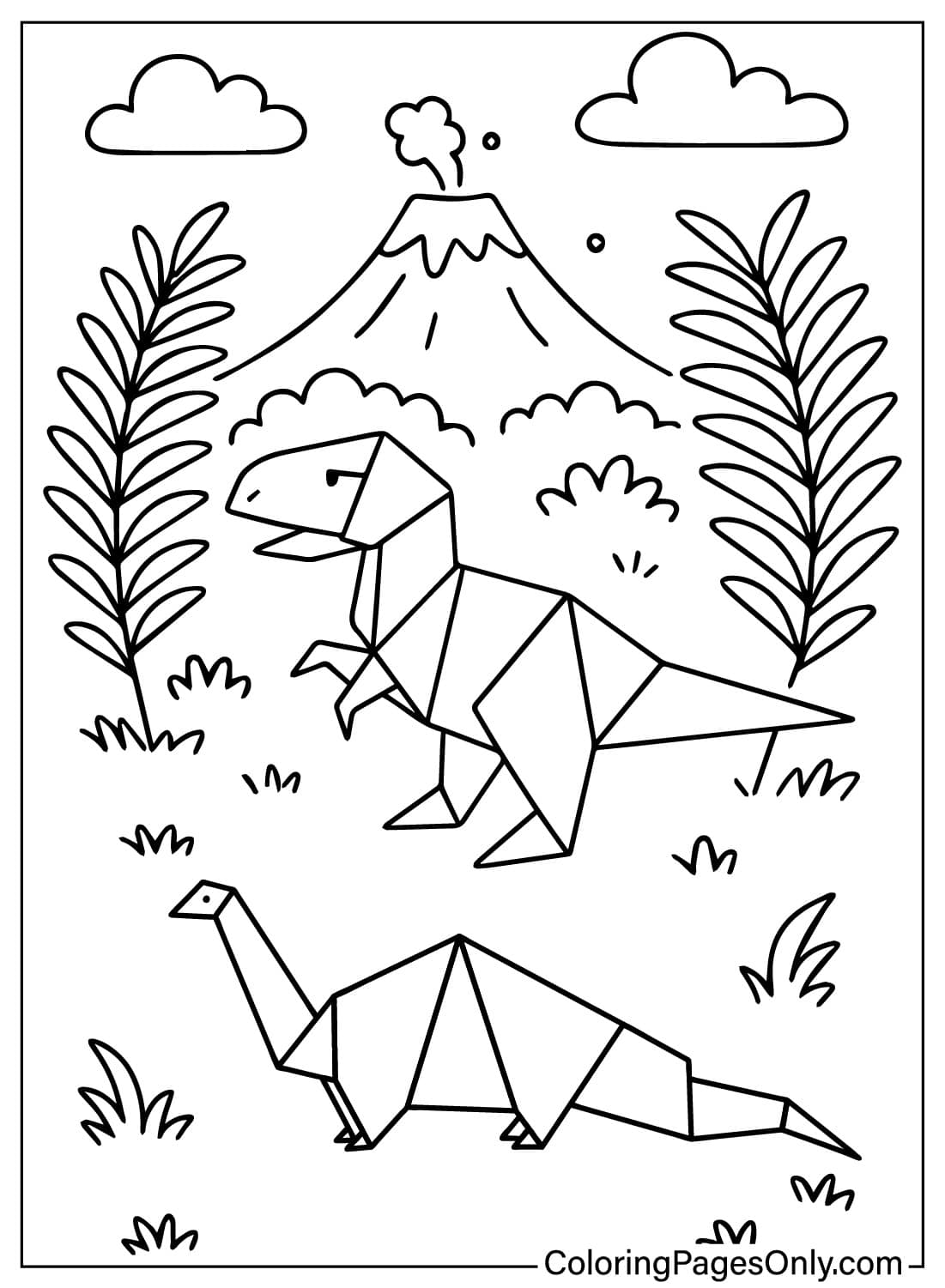
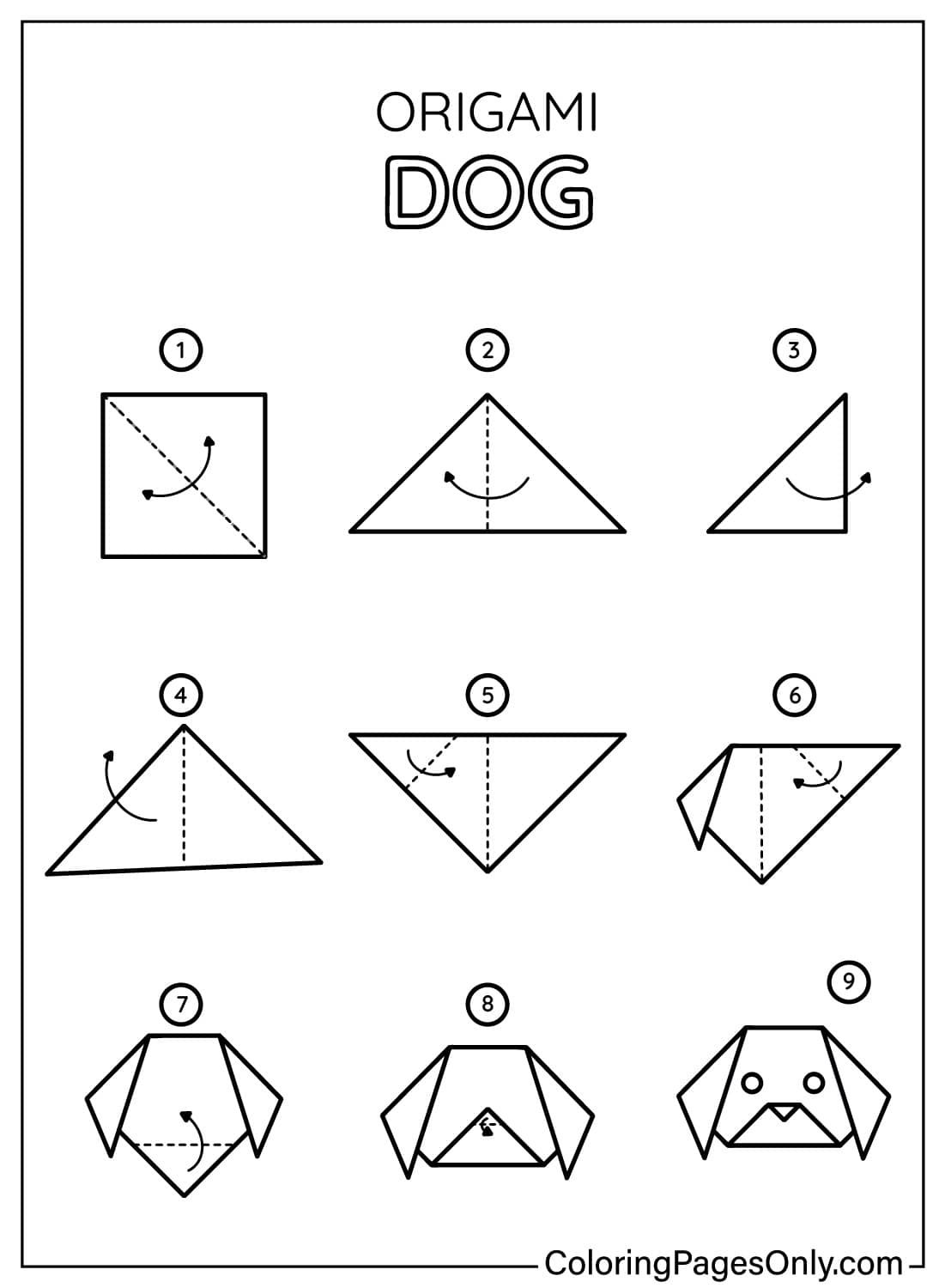
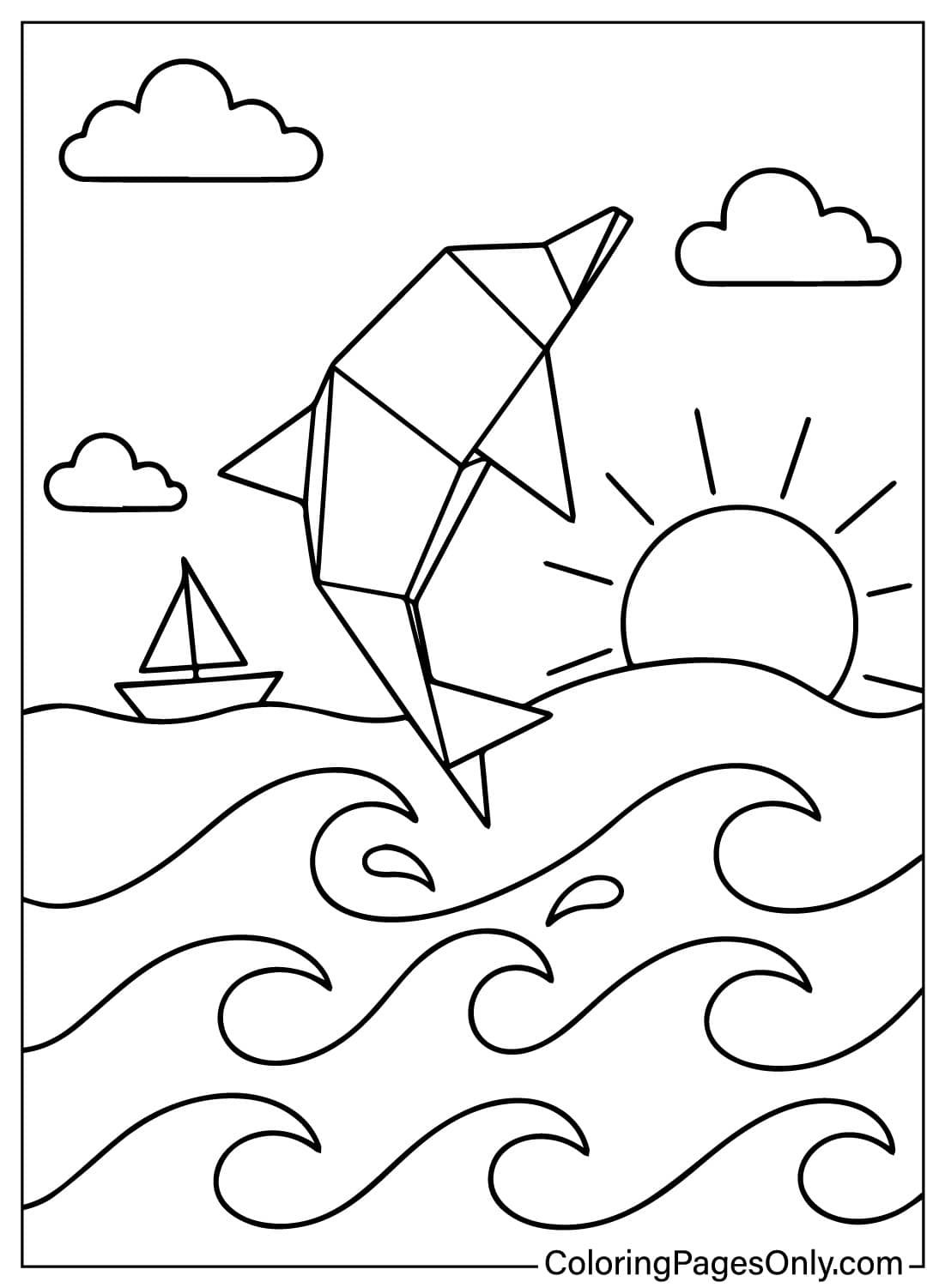
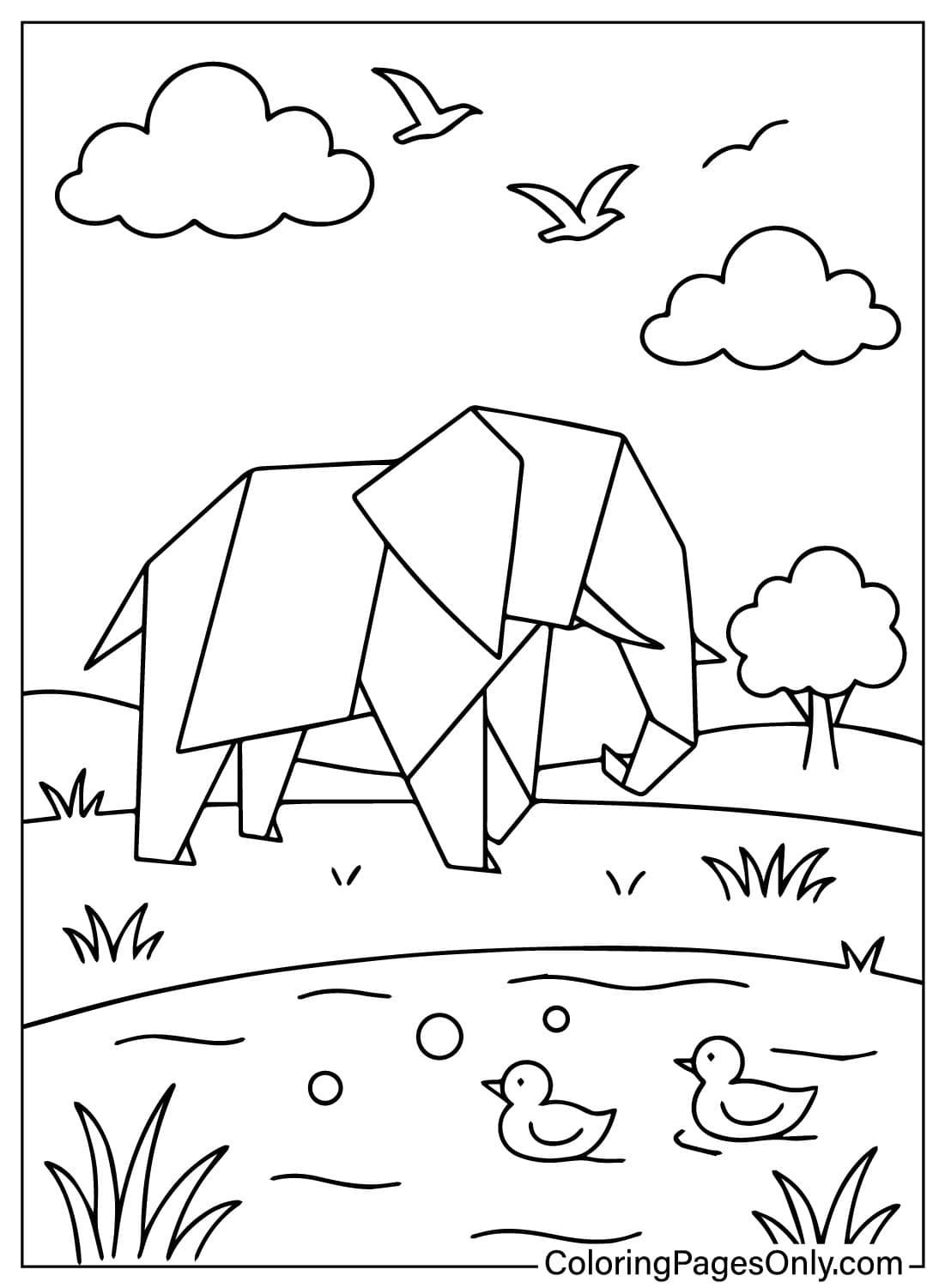
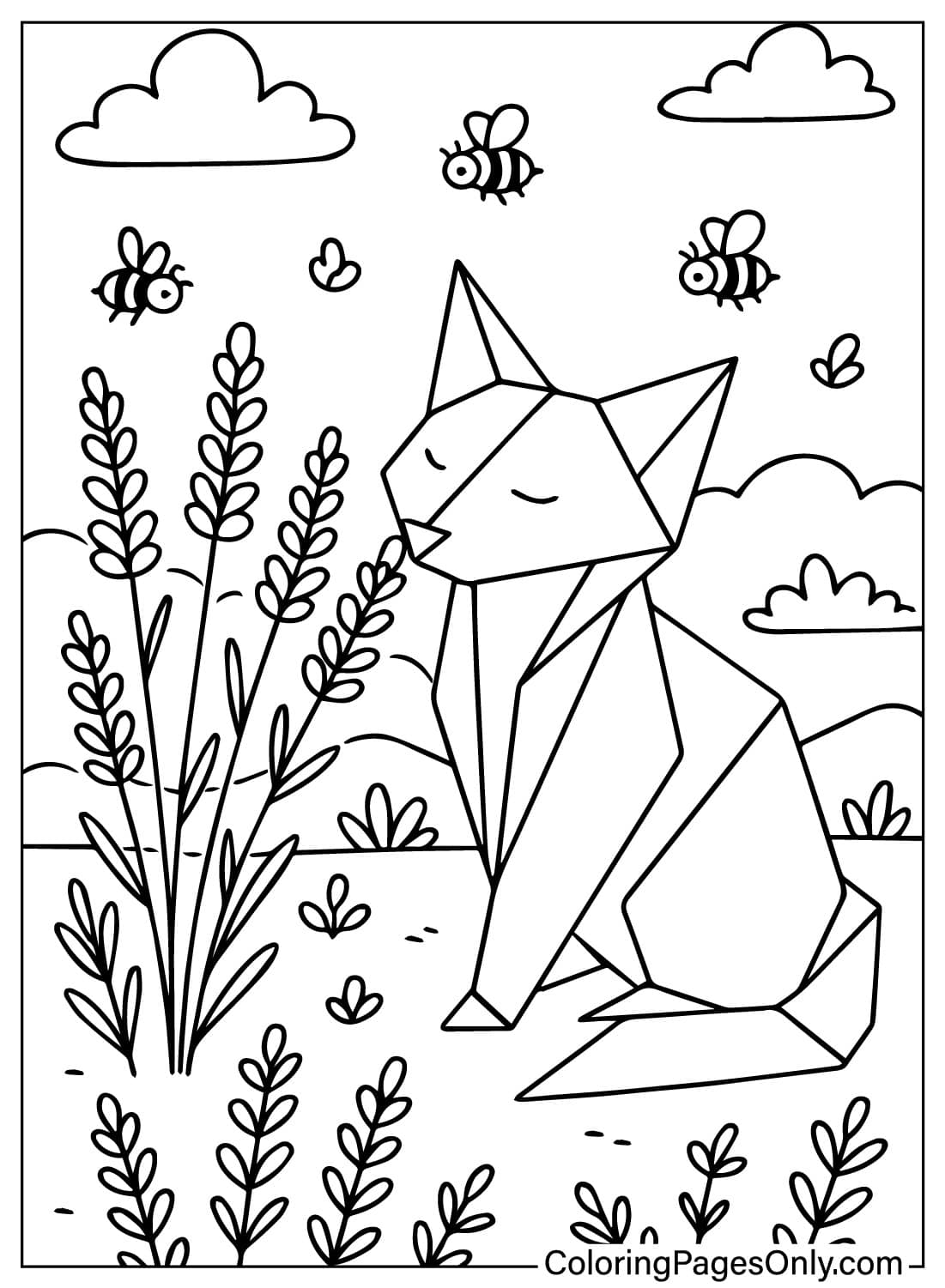
The largest group covers folded-paper versions of animals, from a fox and rabbit to a dolphin, elephant, and dinosaur. These suits have flat, distinct color blocks for each visible facet rather than a single blended fill, since that faceted look is what makes a page read as folded paper instead of a flat illustration.
Traditional and Symbolic Forms
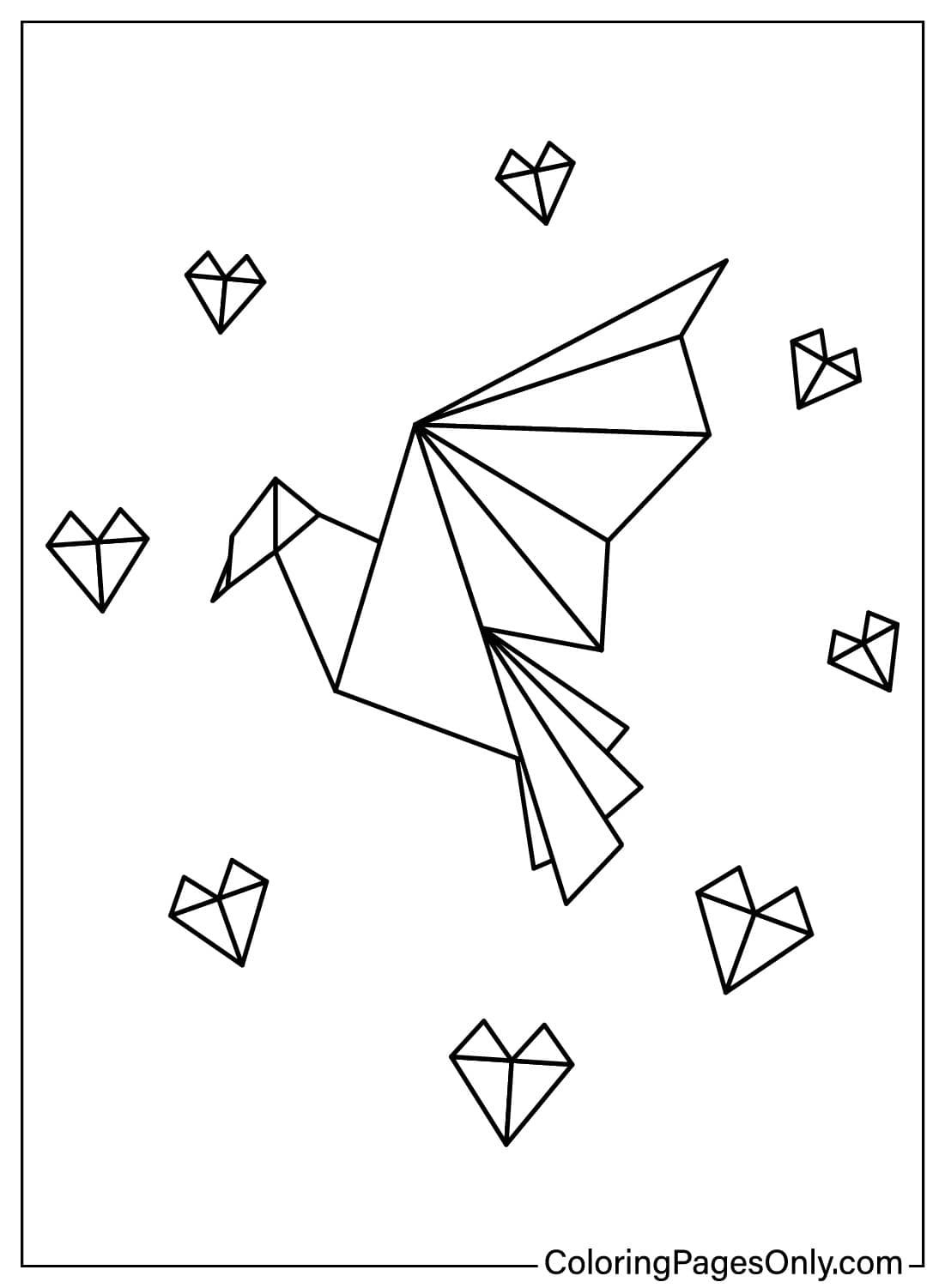
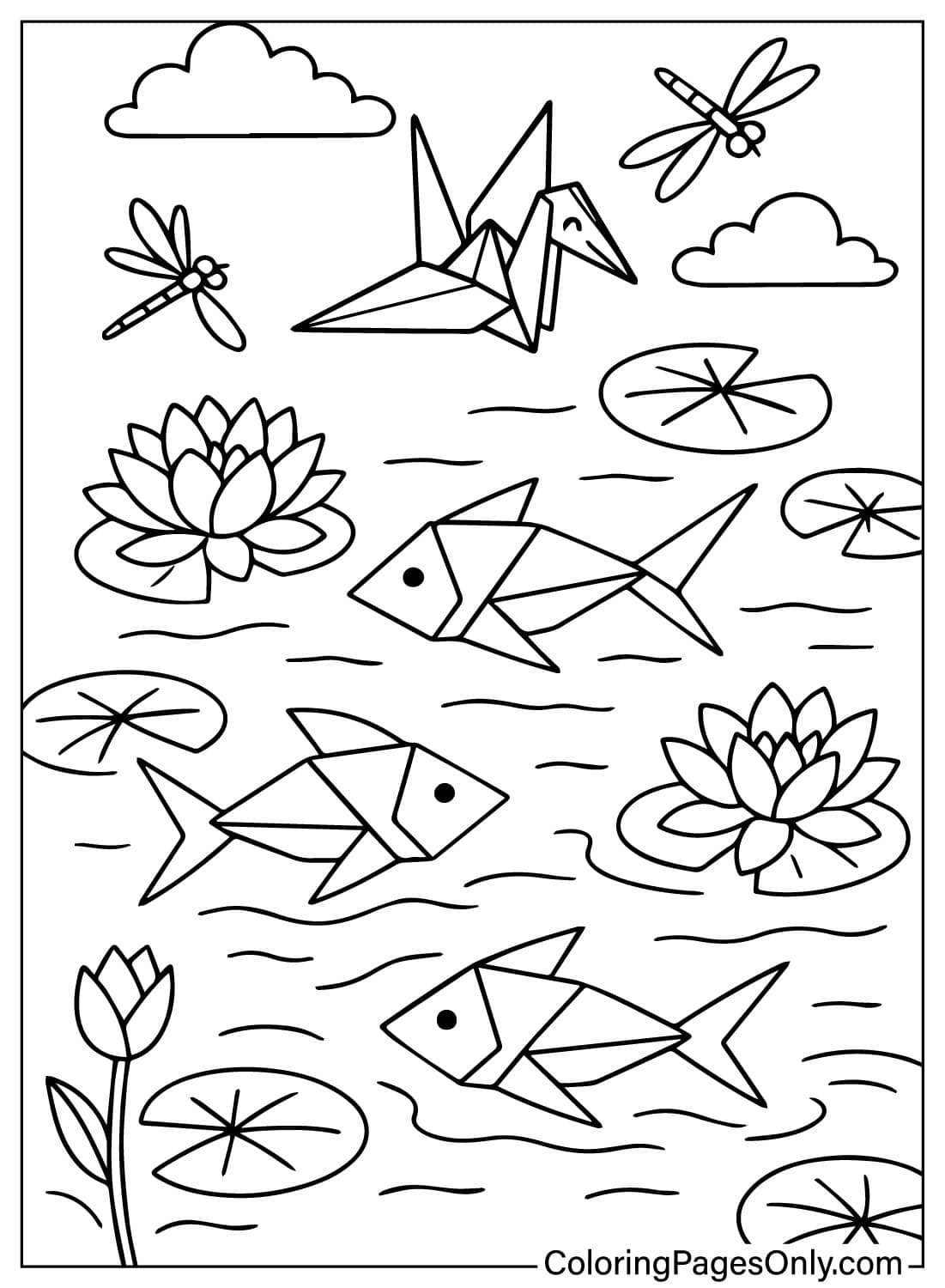
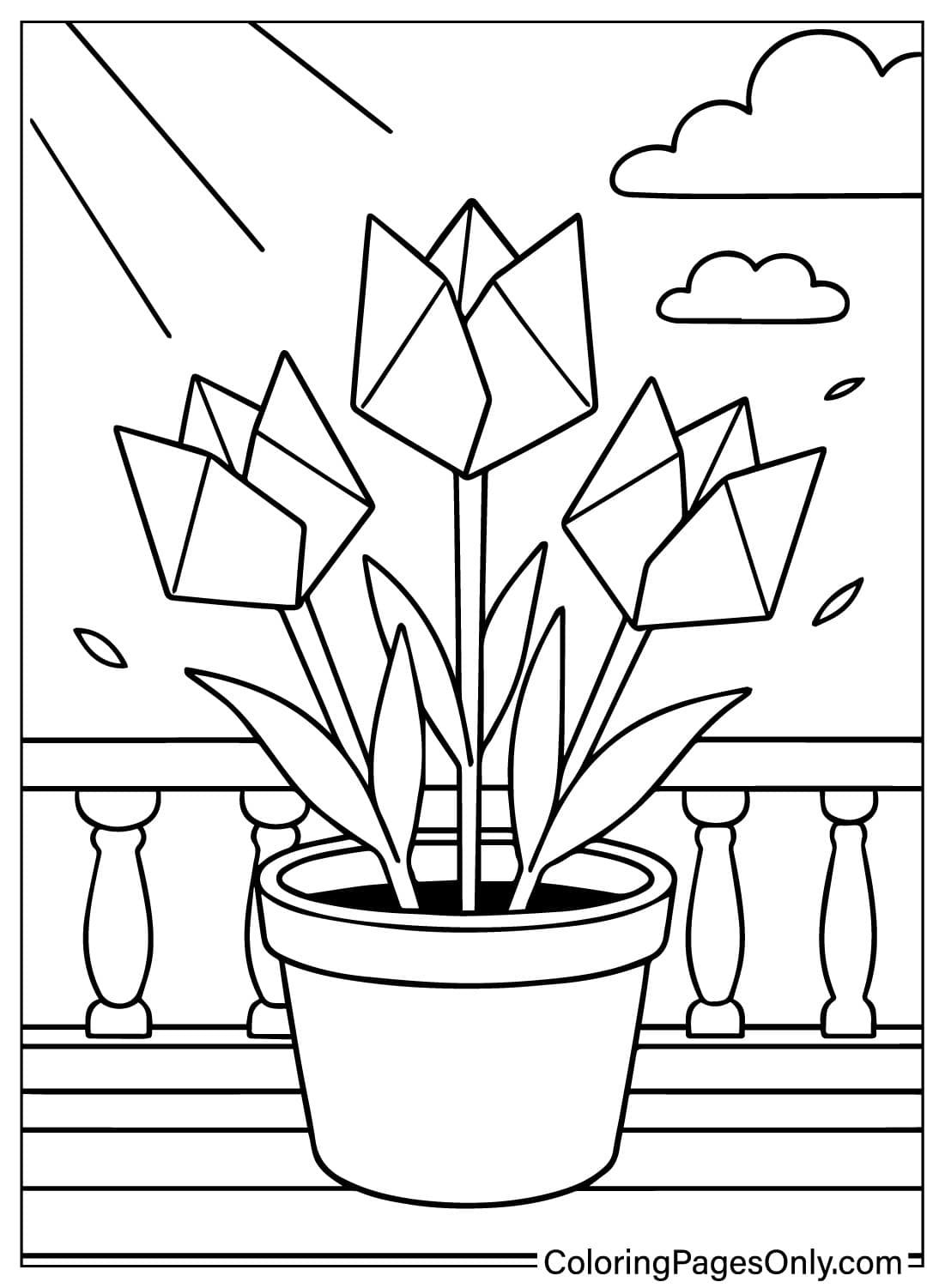
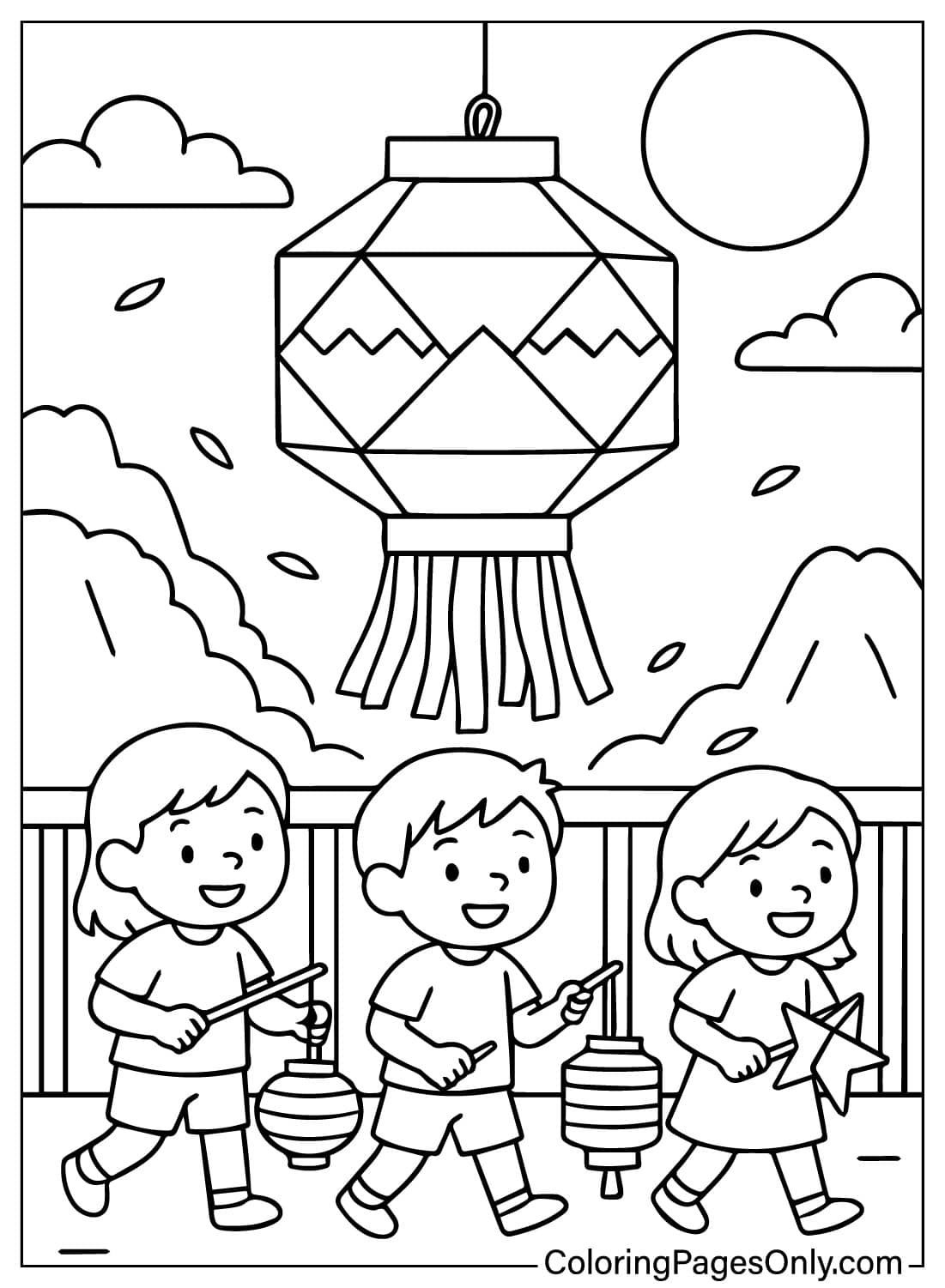
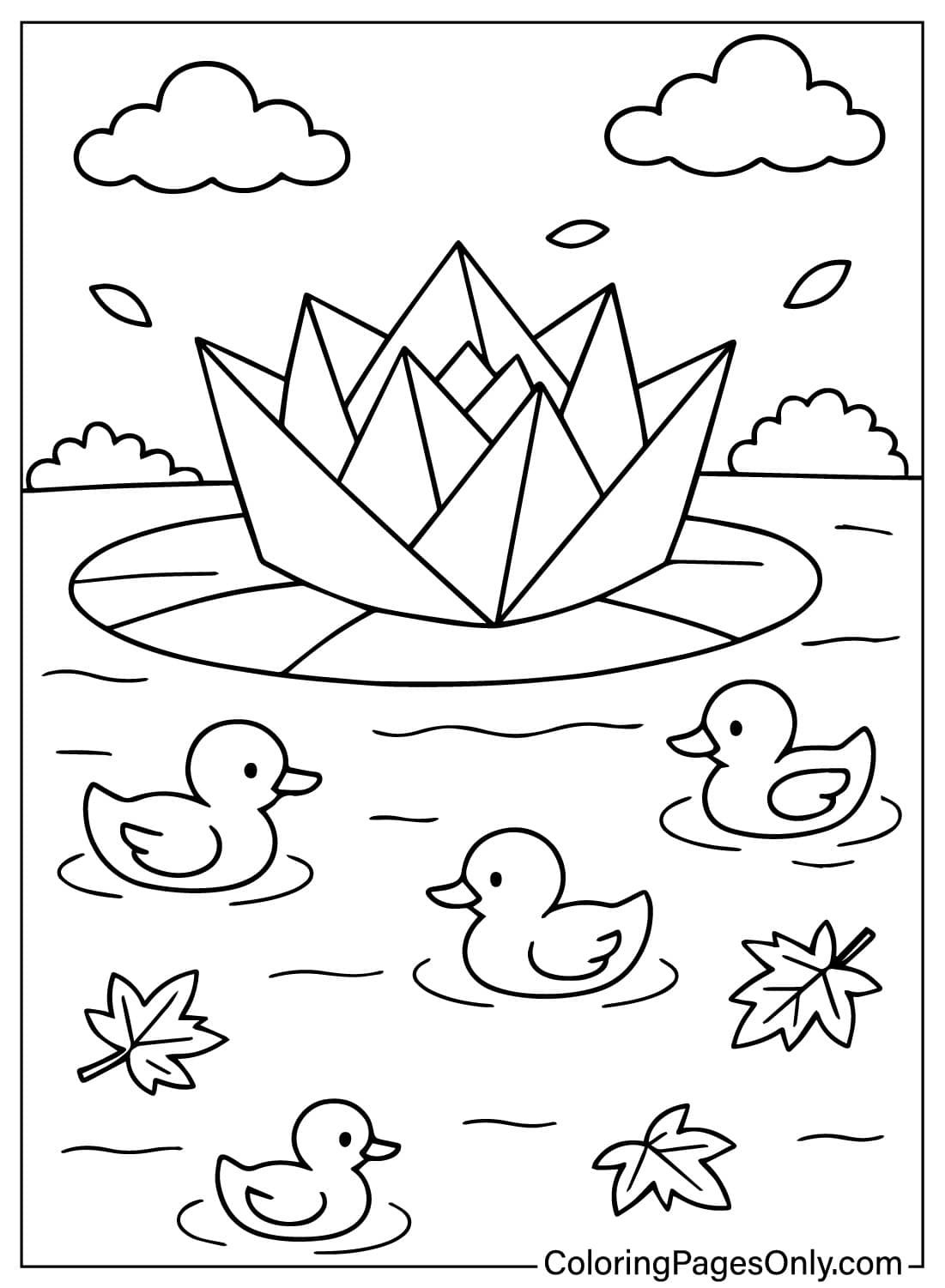
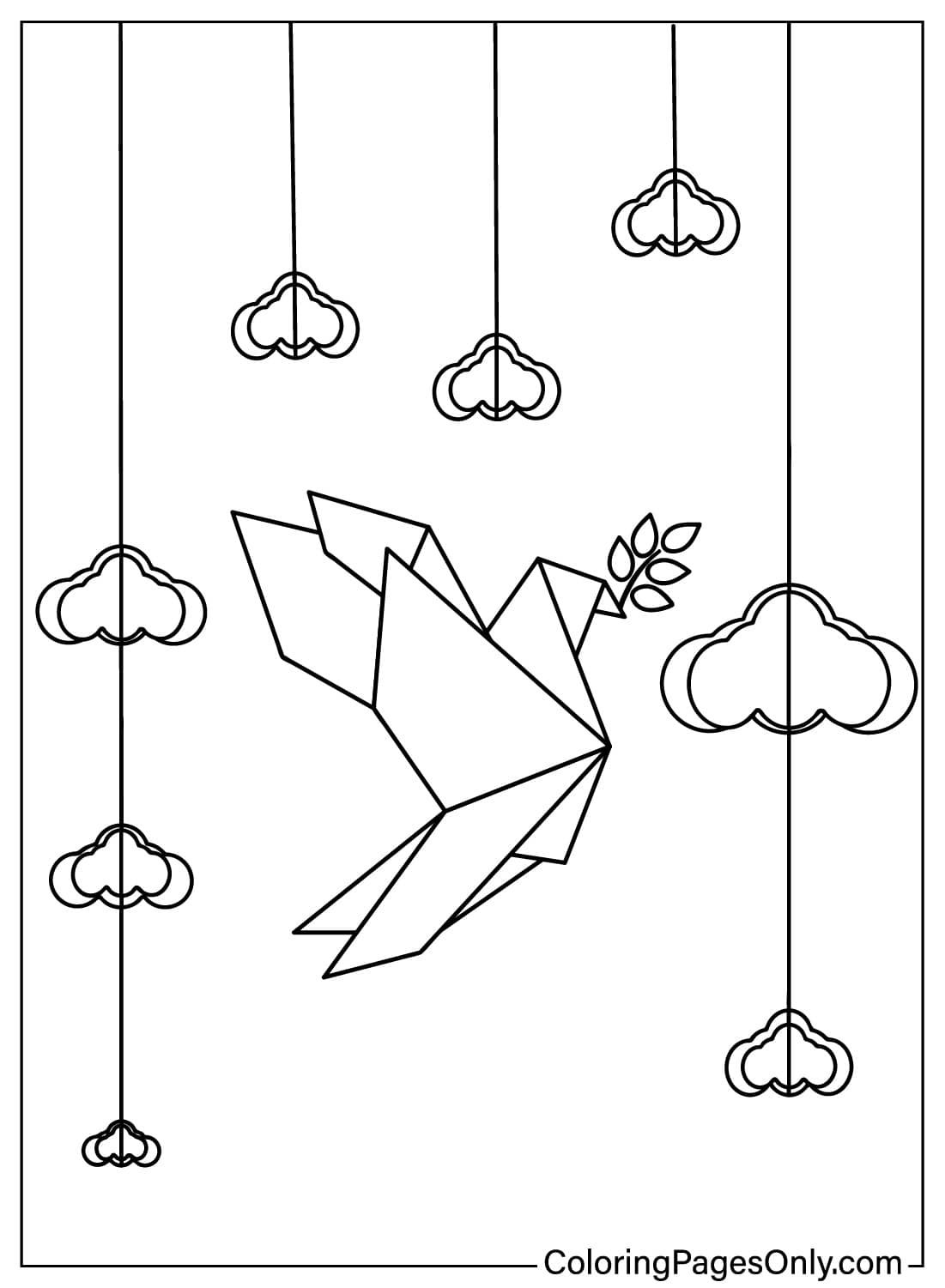
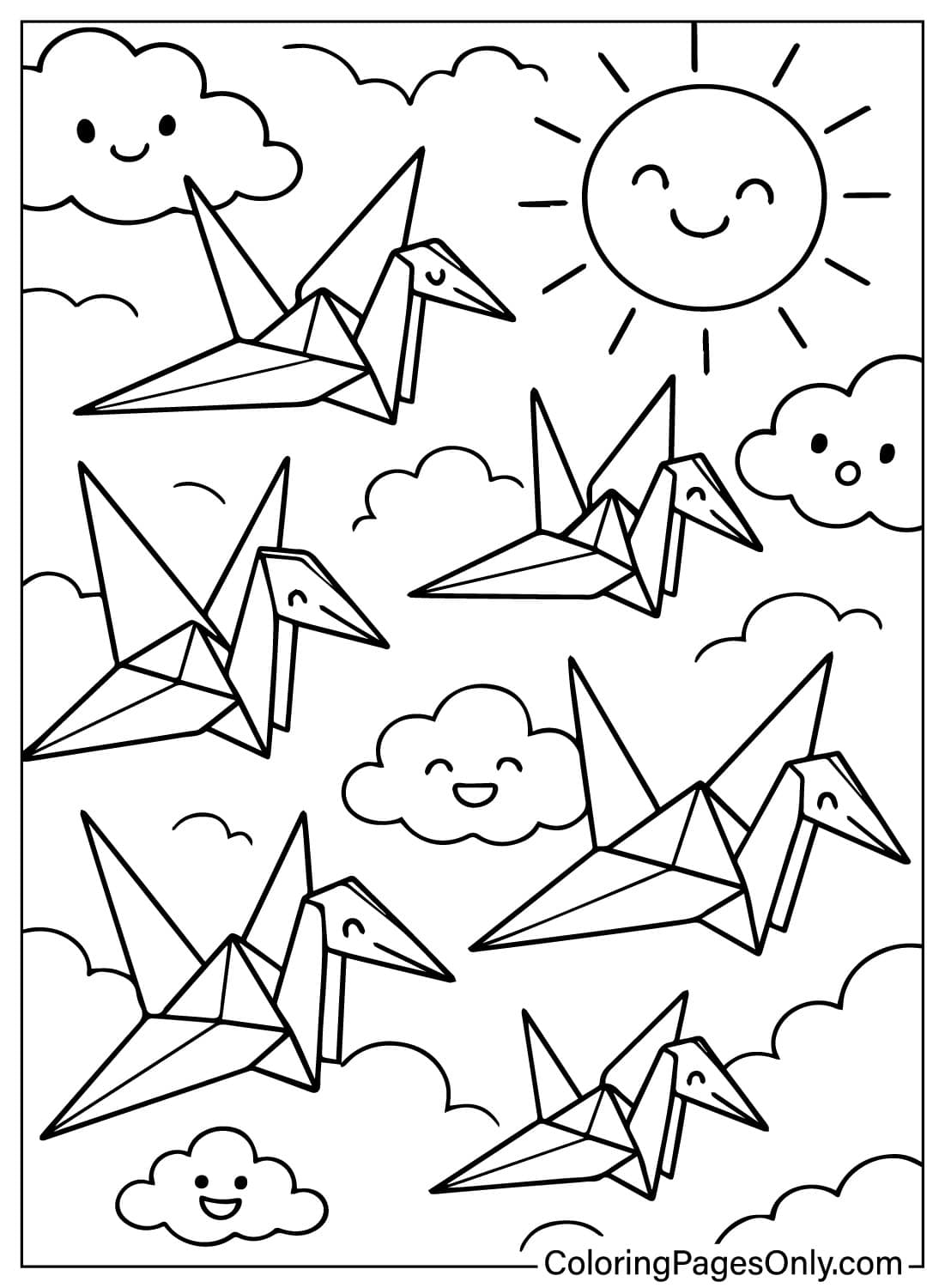
A smaller group covers the classic shapes most associated with origami itself, including the crane, a lotus, a flower, and a lantern. The crane in particular carries real cultural weight in Japan, where it is tied to the senbazuru tradition of folding a thousand cranes as a wish for health or peace, a practice widely known through the story of Sadako Sasaki, a Hiroshima survivor whose effort to fold a thousand cranes made the crane an international symbol of hope.
Everyday Objects
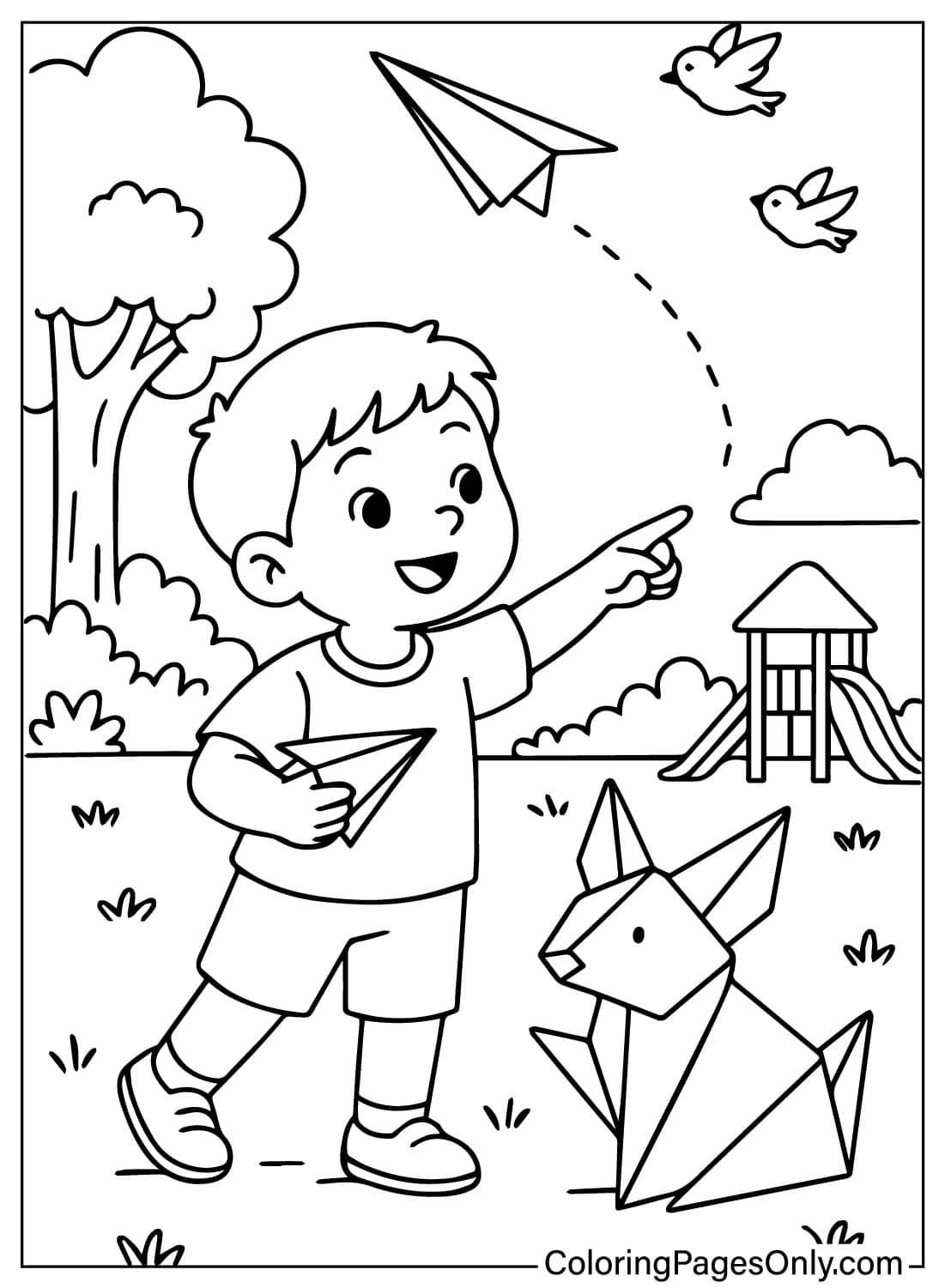
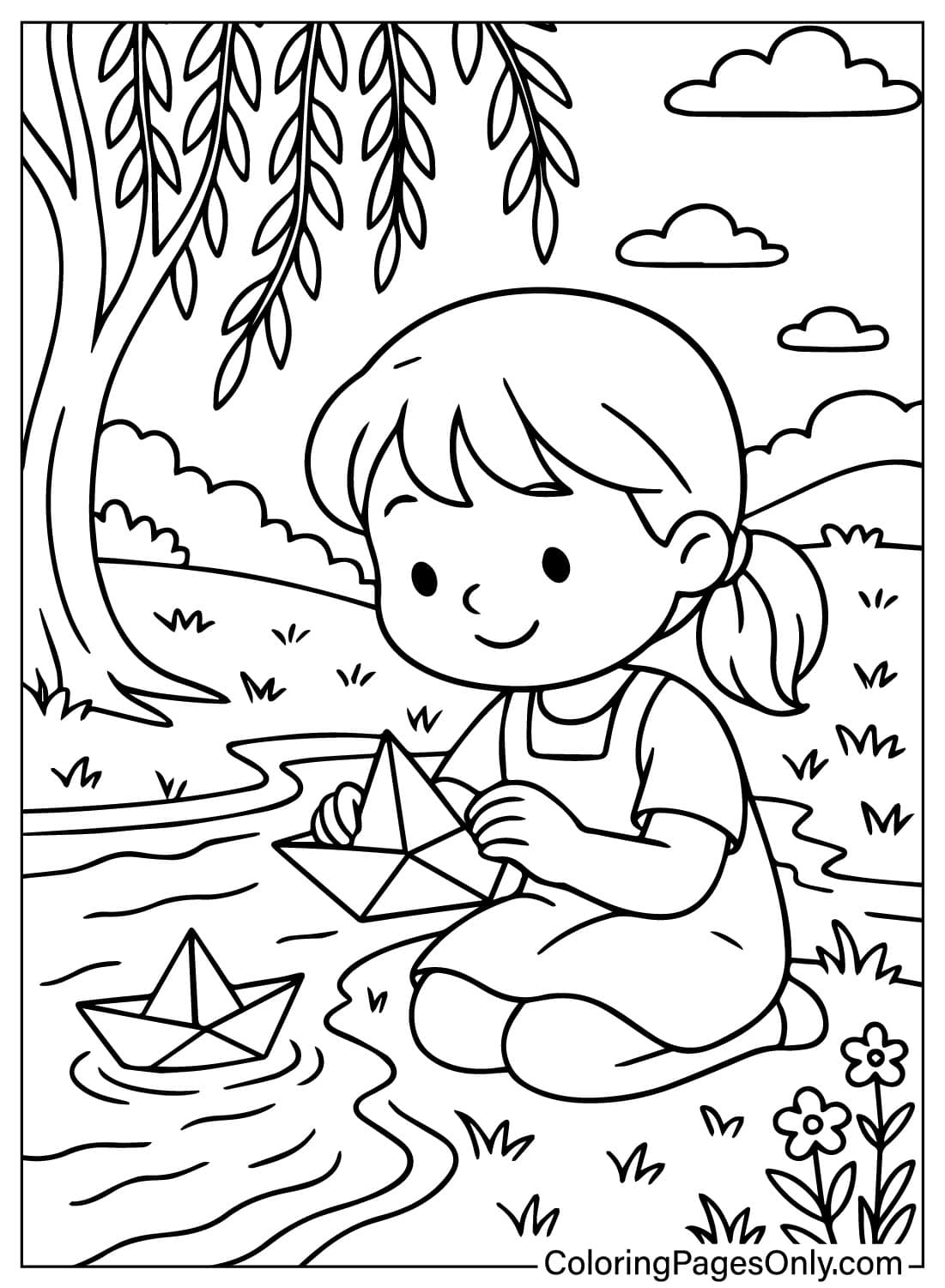
A pair of pages moves away from animals and symbolism toward simple folded objects, a paper airplane and a boat, both classic beginner origami projects.
General and Practice Pages
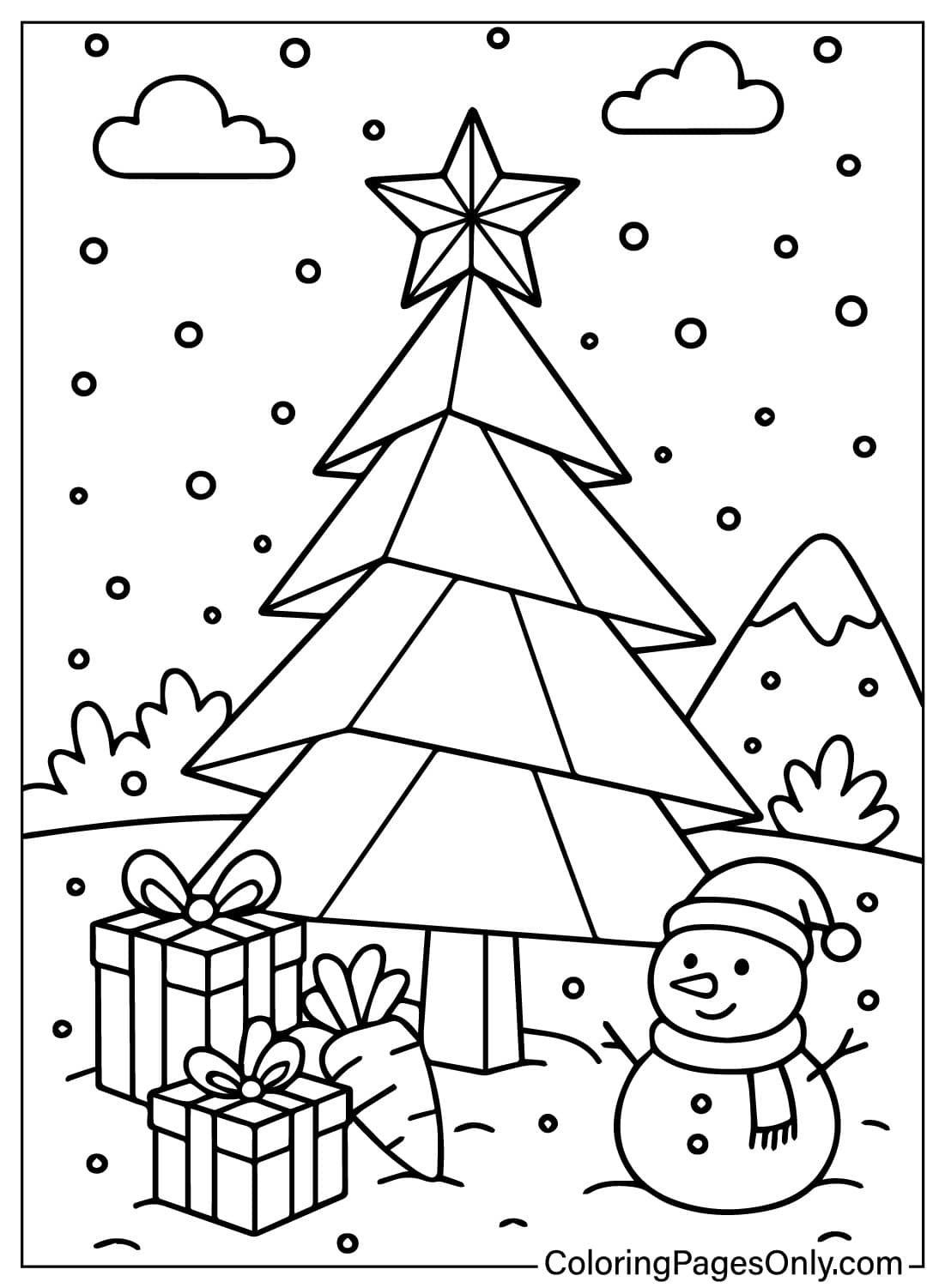
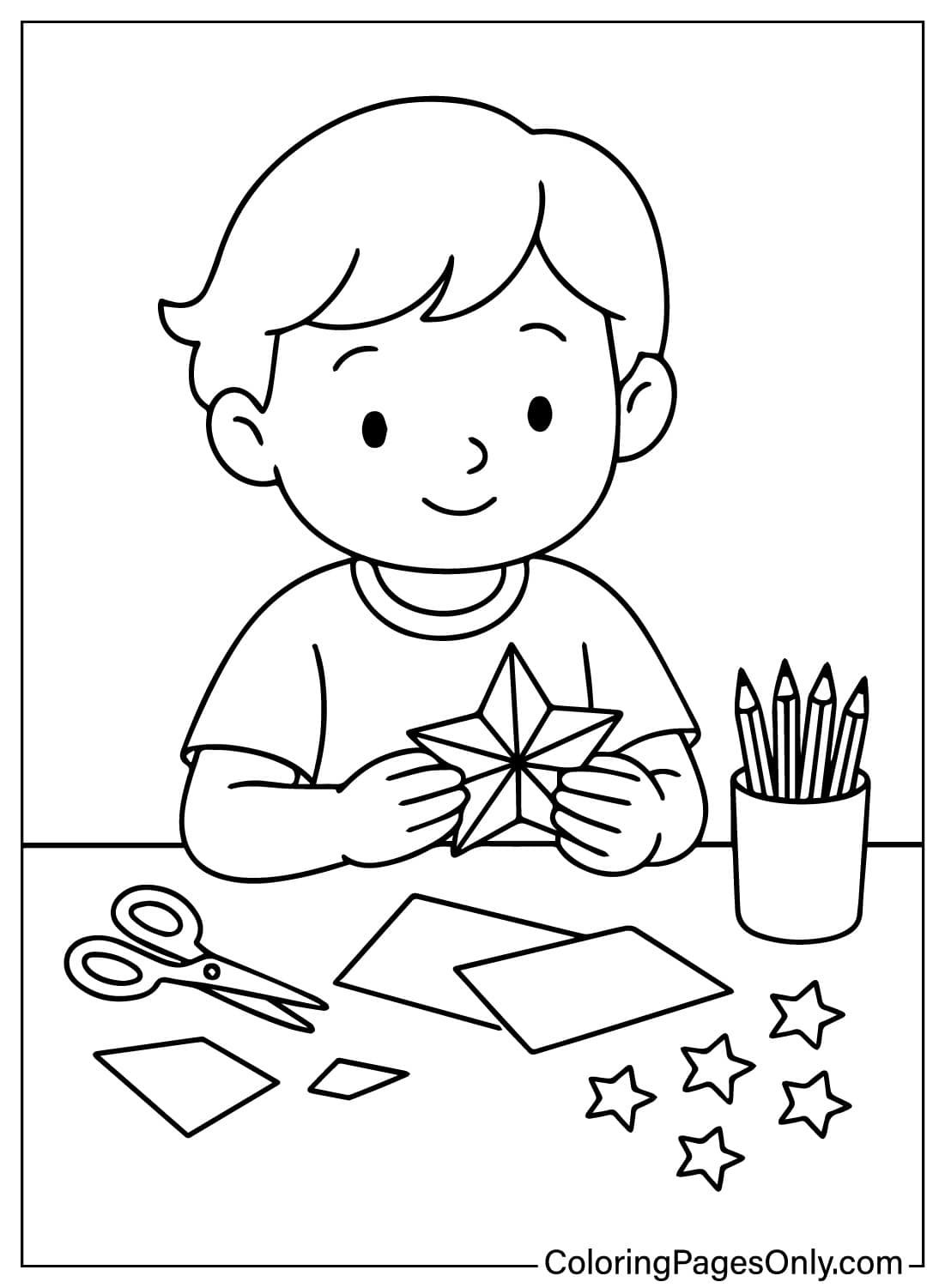
The remaining pages are broader, single-subject designs, including a general Christmas-themed piece and a page showing a child in the middle of folding, useful as a flexible practice set alongside the more specific animal and symbolic pages.
What Origami Coloring Pages Do
Fine motor development through genuinely angular shapes. The American Academy of Pediatrics identifies fine motor skill development as a core benefit of structured coloring for children ages 2 through 7. The sharp, straight-edged facets of a folded-paper design give that practice a different kind of line control than the rounded curves most animal or character pages use, since each flat plane needs a clean, deliberate edge.
A real cultural tradition behind the folded shapes. The crane pages in this set connect to senbazuru, the practice of folding a thousand paper cranes as a wish for health or peace. This tradition grew into an international symbol of hope through the story of Sadako Sasaki. Coloring a single crane page is a small, gentle way to introduce that real history rather than treating the shape as a purely decorative design.
Calm, repetitive shading through facet-by-facet color blocking. A 2005 study in the Art Therapy Journal documented measurable reductions in anxiety following structured coloring sessions, and coloring each individual folded facet a slightly different shade, rather than filling the whole shape at once, calls for the same slow, one-section-at-a-time attention the study associated with that calming effect.
A visual style that mirrors an actual physical process. Unlike most coloring subjects, an origami design represents something that could be folded from a real square of paper, which gives colorists a chance to think about light and shadow across distinct flat planes the way they would appear on an actual folded object, rather than a smoothly rounded illustrated form.
How to Color These Pages Well
- Facet shading: Color each flat plane of a folded shape a slightly different shade of the same base color, since real folded paper catches light differently across each crease.
- Animal bases: Choose a single base color per animal, such as Burnt Orange for a fox or Gray for a dolphin, and vary only the shade across facets rather than switching to an unrelated color.
- The crane: Use White or a soft Pale Pink for a traditional look, since these are the most common colors used for cranes folded for senbazuru and peace-related displays.
- Flowers and lotus: Layer two or three shades of the same color family, such as Carnation Pink into Magenta, across the folded petal facets to suggest natural gradation.
- Everyday objects: Keep the paper airplane and boat in a single, simple paper-like color, such as White or Cream, with a thin, darker outline along each fold line to keep the facets readable.
- Background: Leave backgrounds simple and uncluttered, since origami’s visual appeal comes from the folded subject itself rather than a busy scene around it.
5 Creative Craft Ideas With Origami Coloring Pages
1. Real Crane Pairing
Color the origami crane page, then fold an actual paper crane using a simple step-by-step diagram found online or in a craft book. Display the colored page and the real folded crane side by side.
2. Faceted Color Study
Choose one of the more detailed pages and color each individual facet a distinct shade of the same color family rather than one flat fill. Compare the finished page to a flatly colored version to see how much the shading changes the sense of depth.
3. Peace Crane Garland
Color several small crane pages, cut around each one, and string them together along a piece of thread or ribbon. Hang the finished garland as a simple nod to the senbazuru tradition of stringing folded cranes together.
4. Origami Bookmark
Trim a simple animal or object page into a tall bookmark strip and laminate it or cover it in clear contact paper for everyday use in a book.
5. Fold-and-Color Comparison
Color one origami page completely, then attempt to fold the same real paper model using a beginner diagram. Set the flat colored design next to the finished folded paper version to compare the two.
Frequently Asked Questions
What are origami coloring pages?
A free set of 37 printable PDF and online coloring designs featuring folded-paper animals, traditional symbolic forms, and a few everyday objects, all drawn in origami’s characteristic faceted style. Every page downloads free or opens for online coloring, with no account required.
What does the word origami mean?
Origami combines two Japanese words, ori, meaning fold, and kami, meaning paper, and the earliest known written reference to a folded paper model dates back to a 1680 poem.
Why is the crane such an important origami shape?
The crane is tied to senbazuru, a Japanese tradition of folding a thousand paper cranes as a wish for health or peace. The tradition became internationally known through the story of Sadako Sasaki, a Hiroshima survivor whose effort to fold a thousand cranes turned the paper crane into a global symbol of hope.
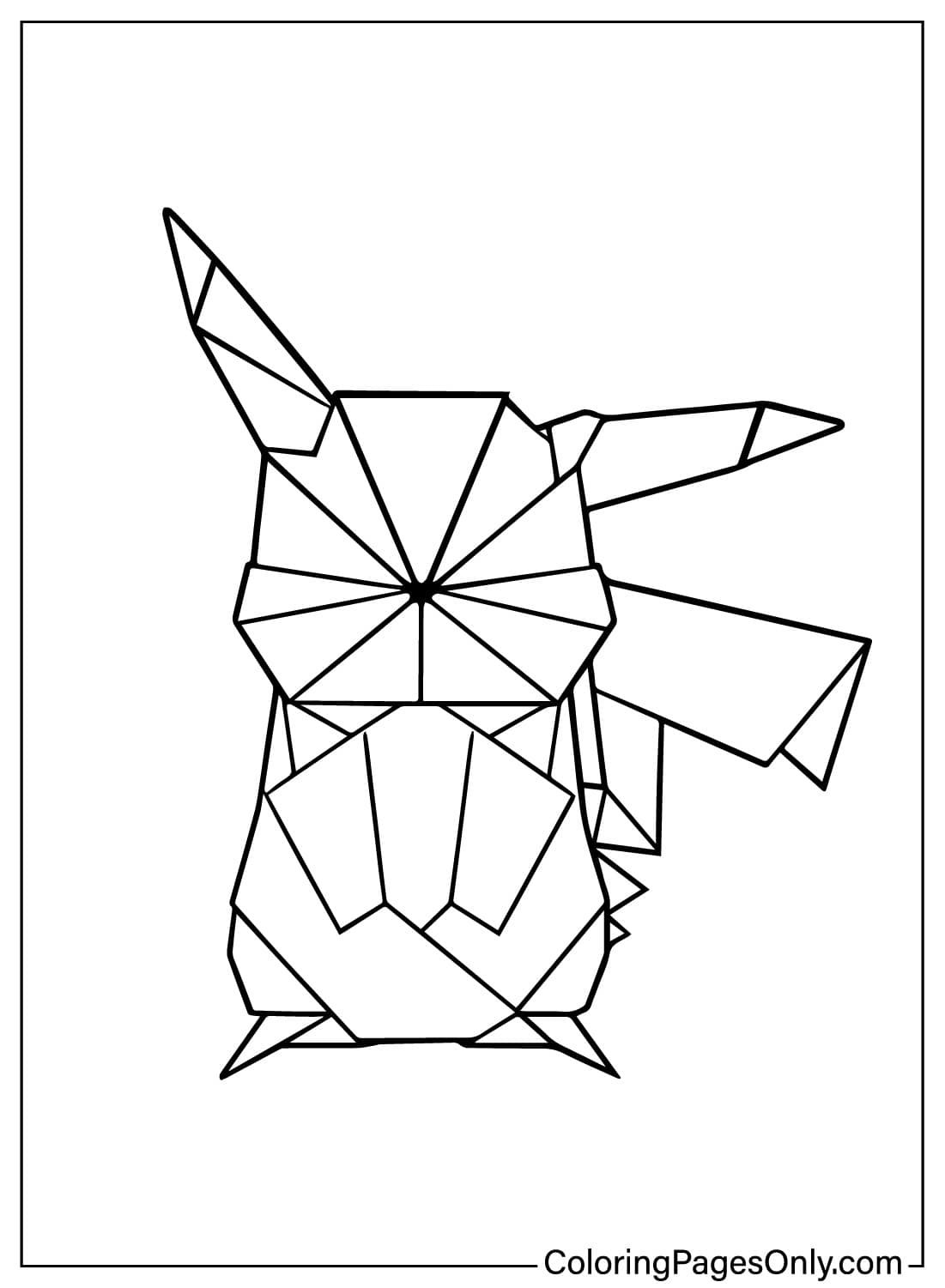
Is the Pikachu-themed page part of the official Pokémon franchise?
No. That page is a fan-made design referencing the character’s general look in a folded-paper style. It is not affiliated with, licensed by, or endorsed by The Pokémon Company, Nintendo, or Game Freak.
Do these pages teach how actually to fold origami?
No. These are coloring designs illustrated in origami’s faceted visual style rather than step-by-step folding instructions, though several of the craft ideas in this article pair a colored page with an actual paper-folding project.
What objects and animals are included in this collection?
The set includes a wide range of animals, from a fox and rabbit to a dolphin and dinosaur, along with traditional symbolic forms like the crane and lotus, and a couple of everyday objects, a paper airplane and a boat.
Are origami coloring pages appropriate for young children?
Yes. The simpler animal and object pages suit toddlers and preschoolers. At the same time, the more detailed, multi-facet designs work well for older children and adults who want a longer, more precise coloring project.
Can this collection be used for a classroom lesson on Japanese culture?
Yes. The crane pages pair well with a lesson on senbazuru and its connection to Sadako Sasaki’s story, offering a gentle, age-appropriate way to introduce a meaningful piece of Japanese cultural history.
Start Coloring
Download any page by clicking the design. No account, email, or payment is required. Pages print directly from the browser at full resolution or open in the online coloring tool for screen use. Share finished pages on Facebook or Pinterest using the share buttons at the top of each design page.