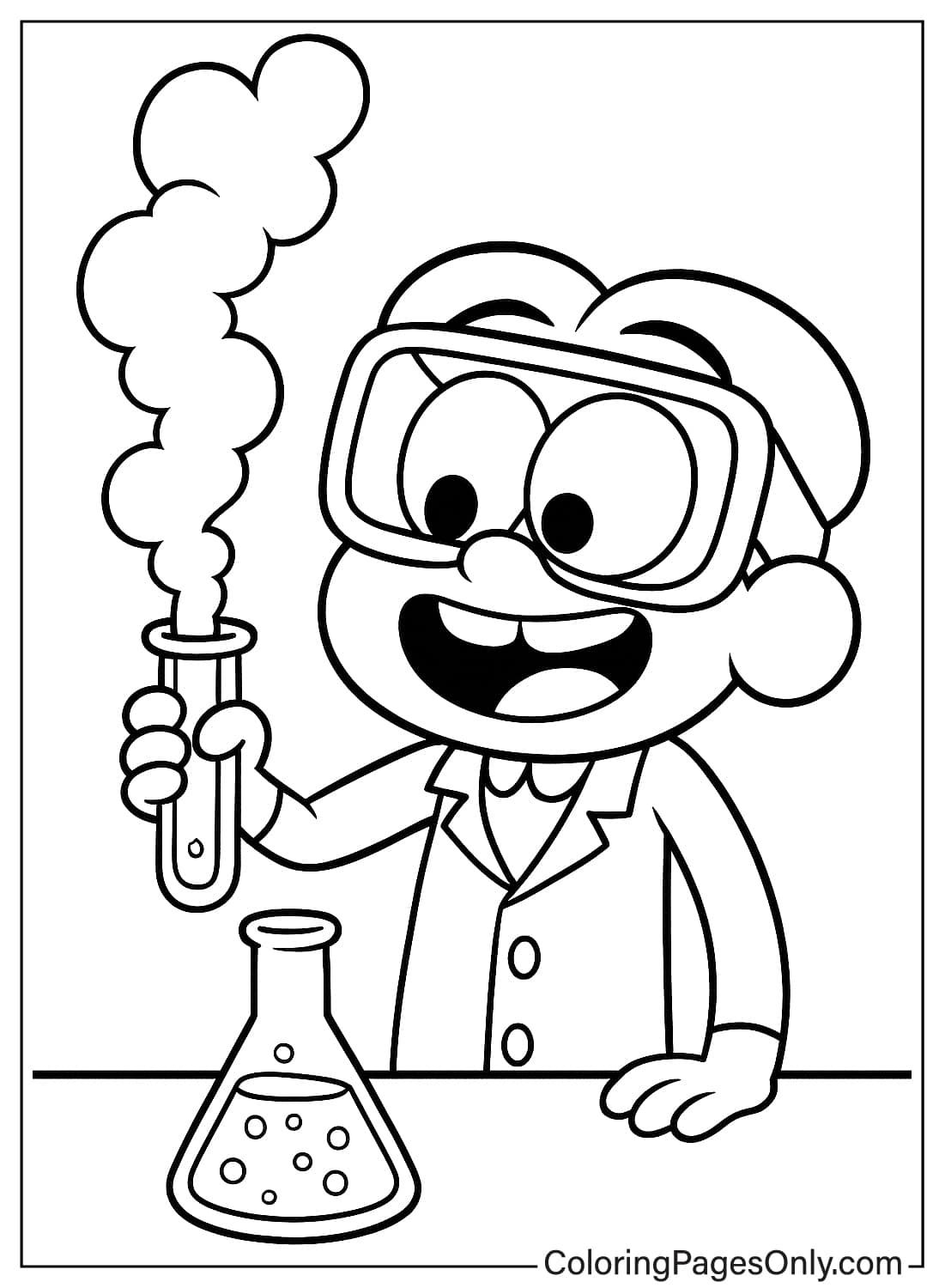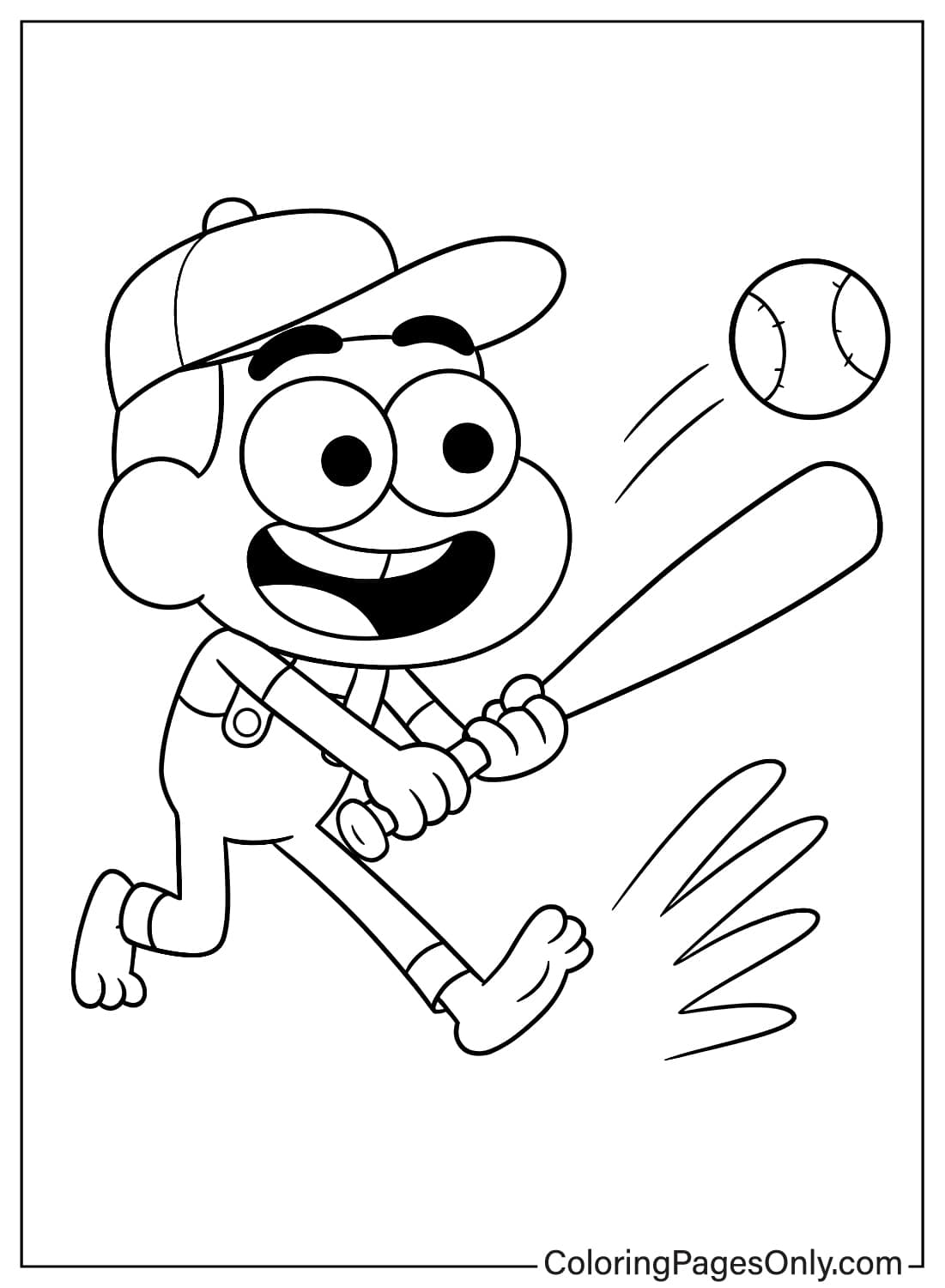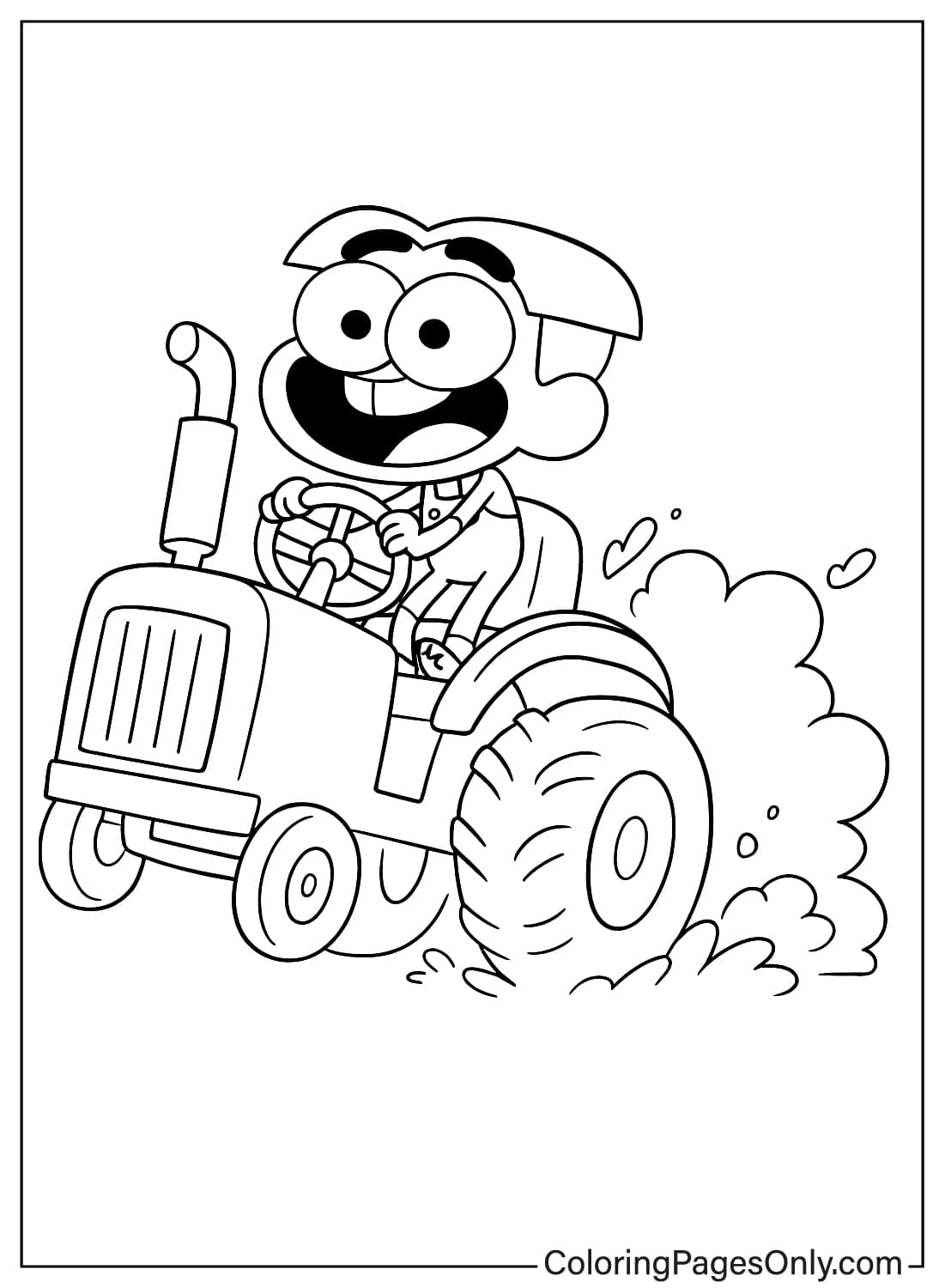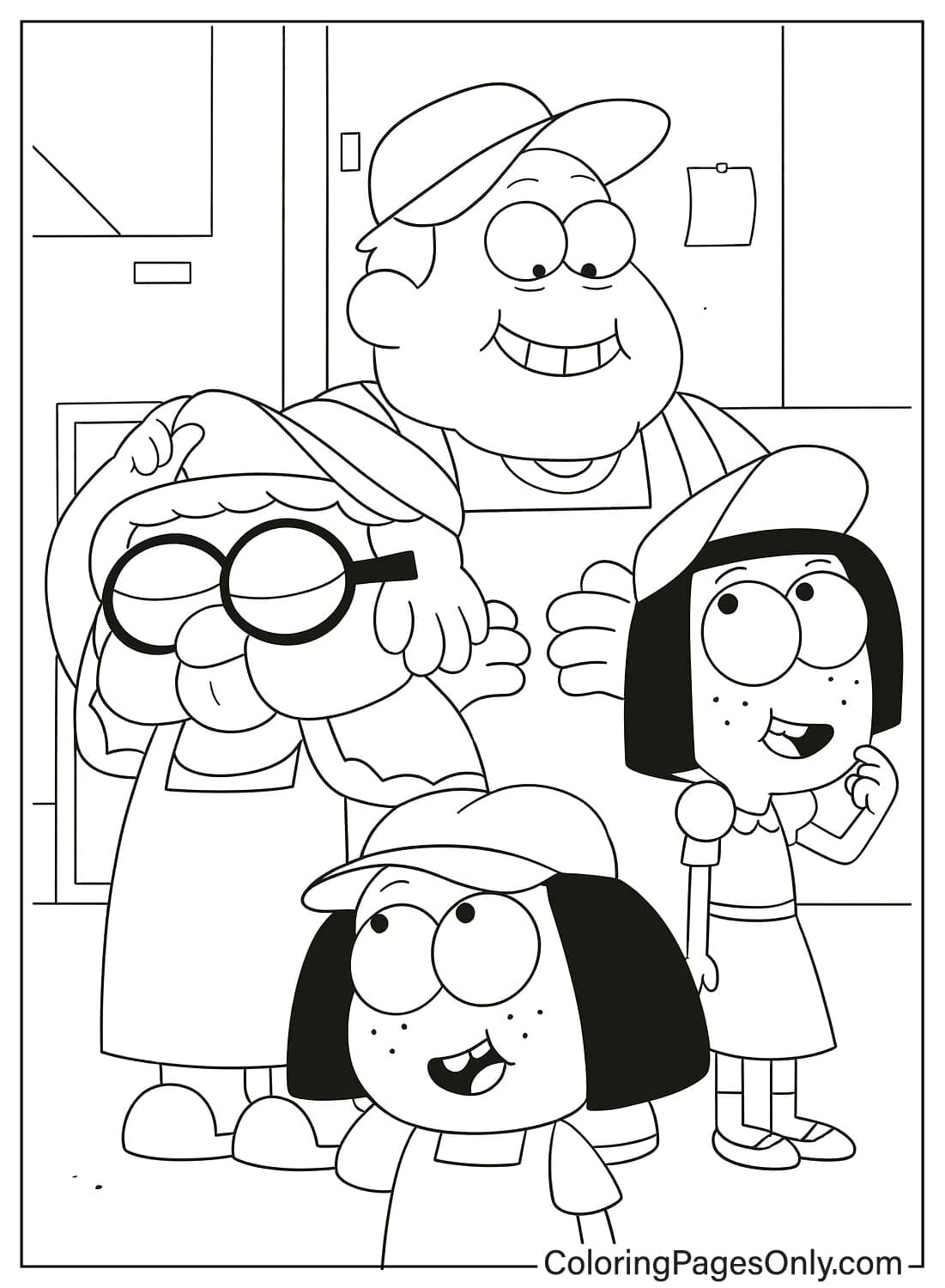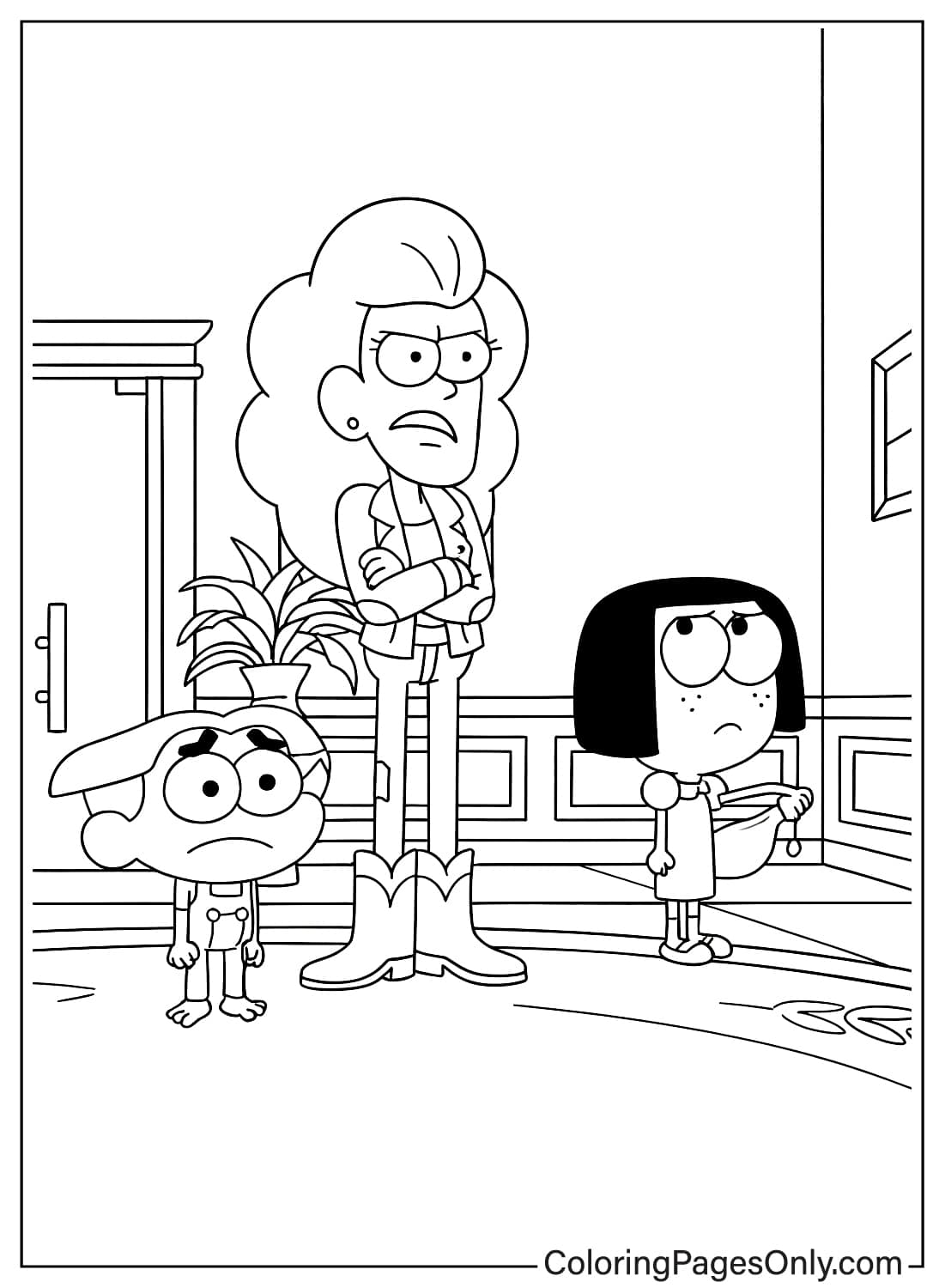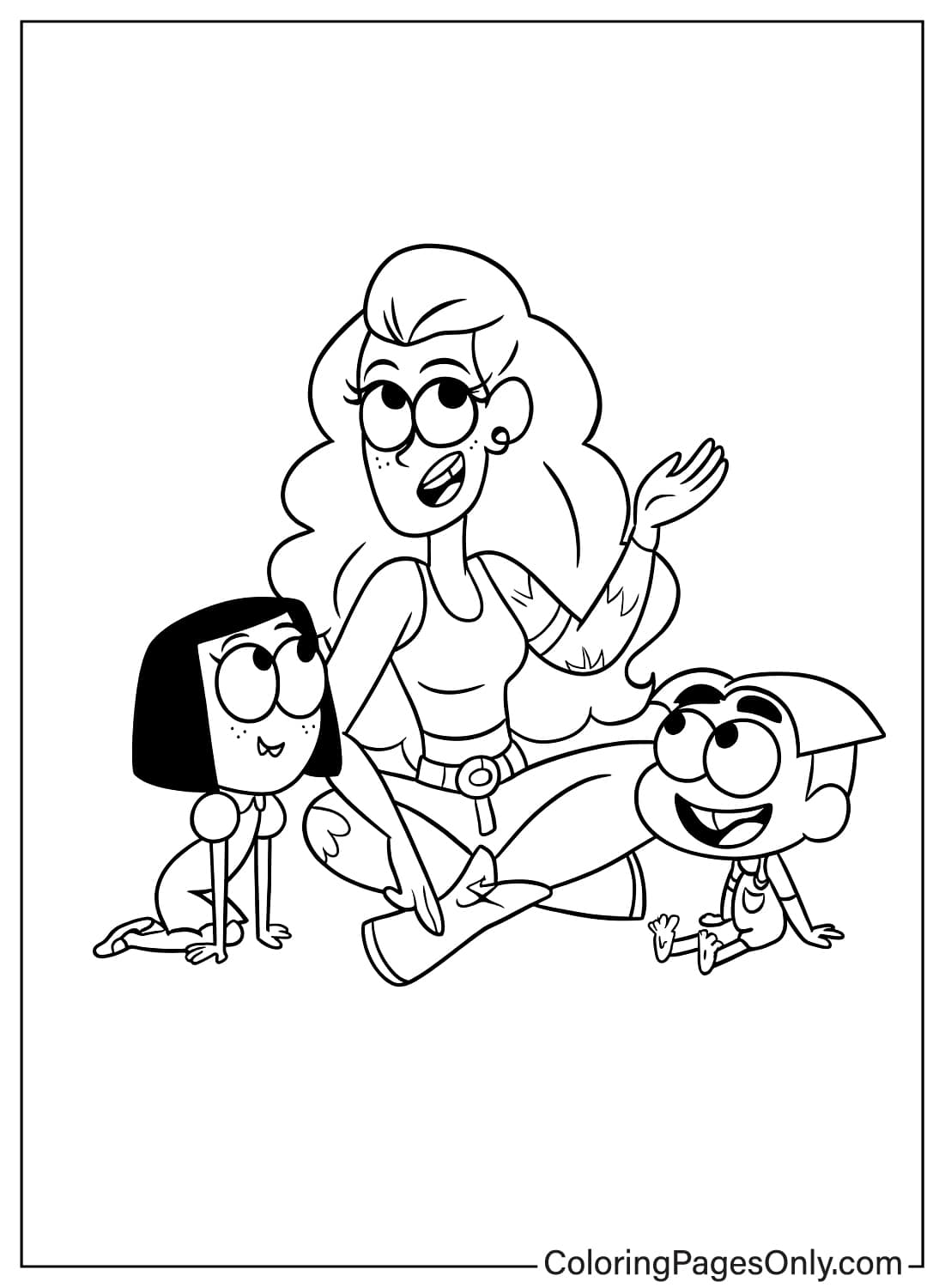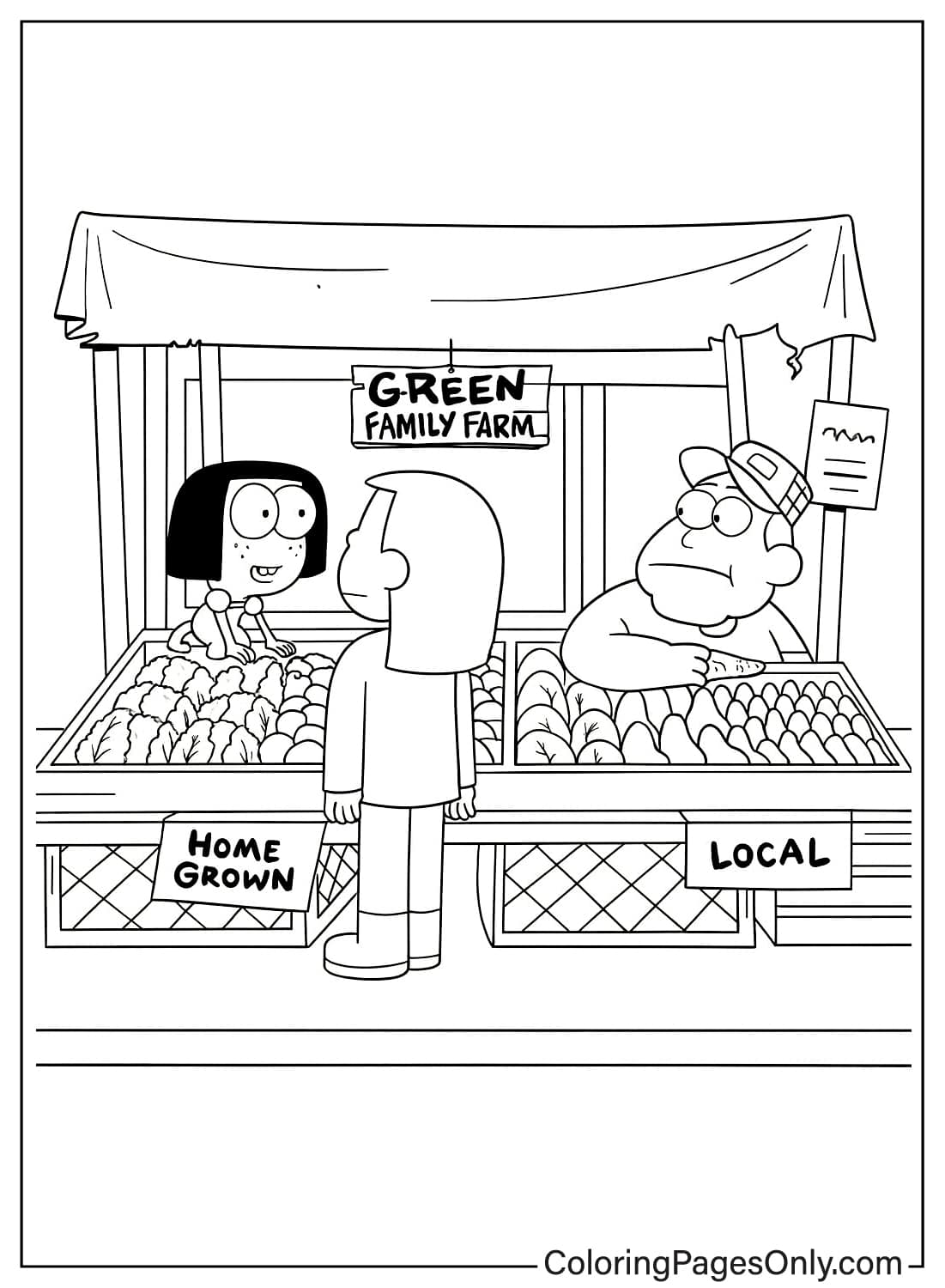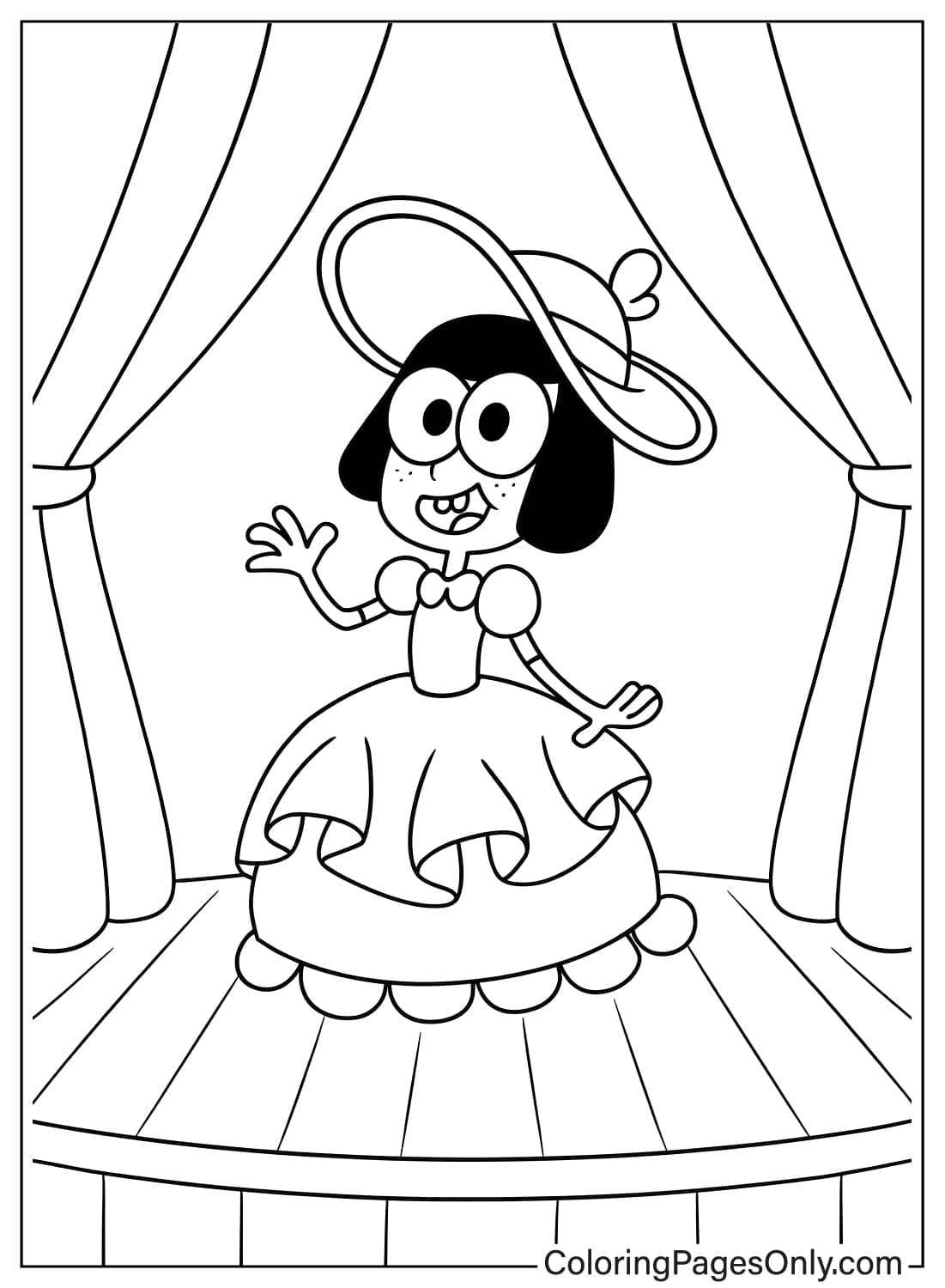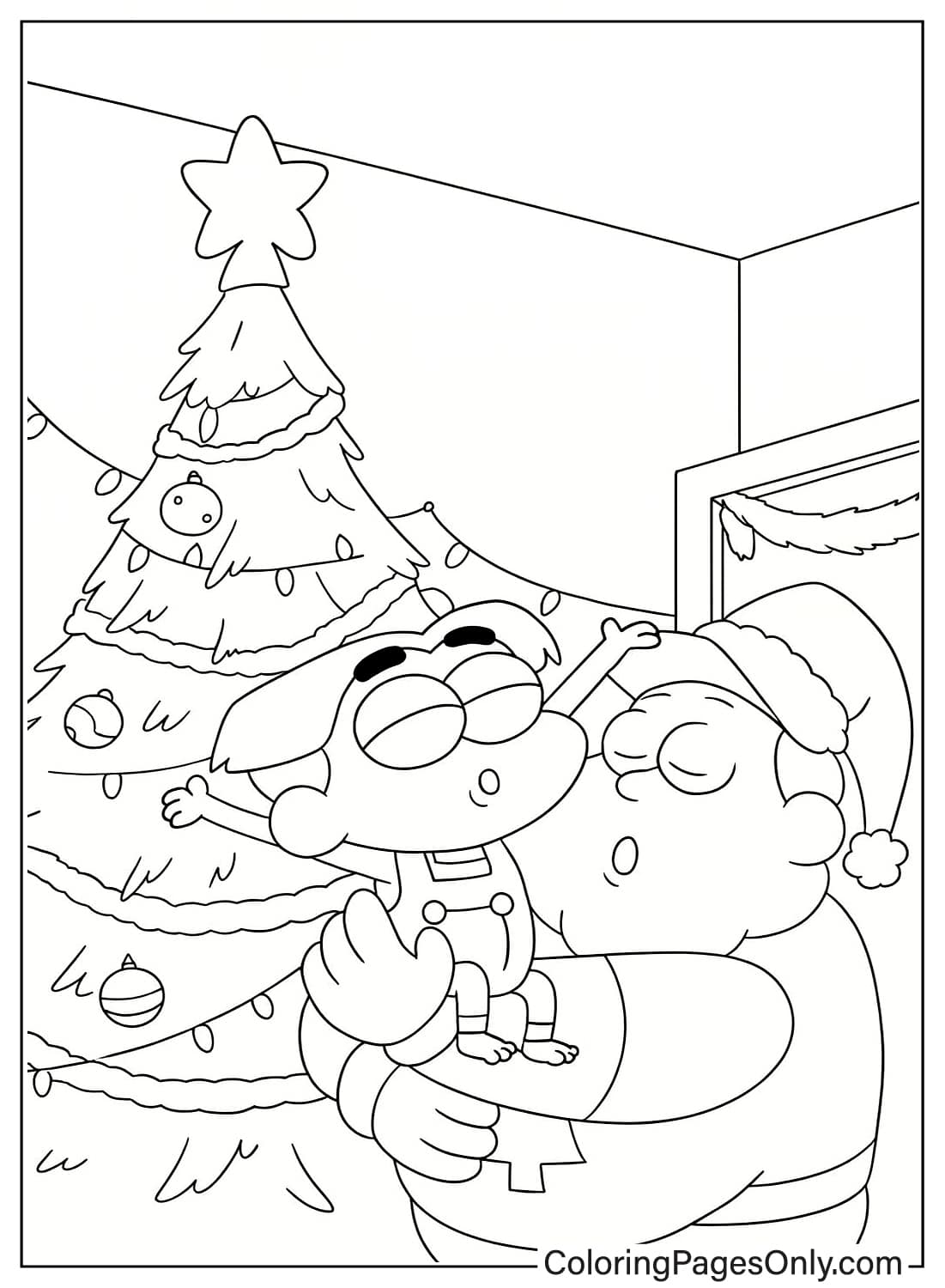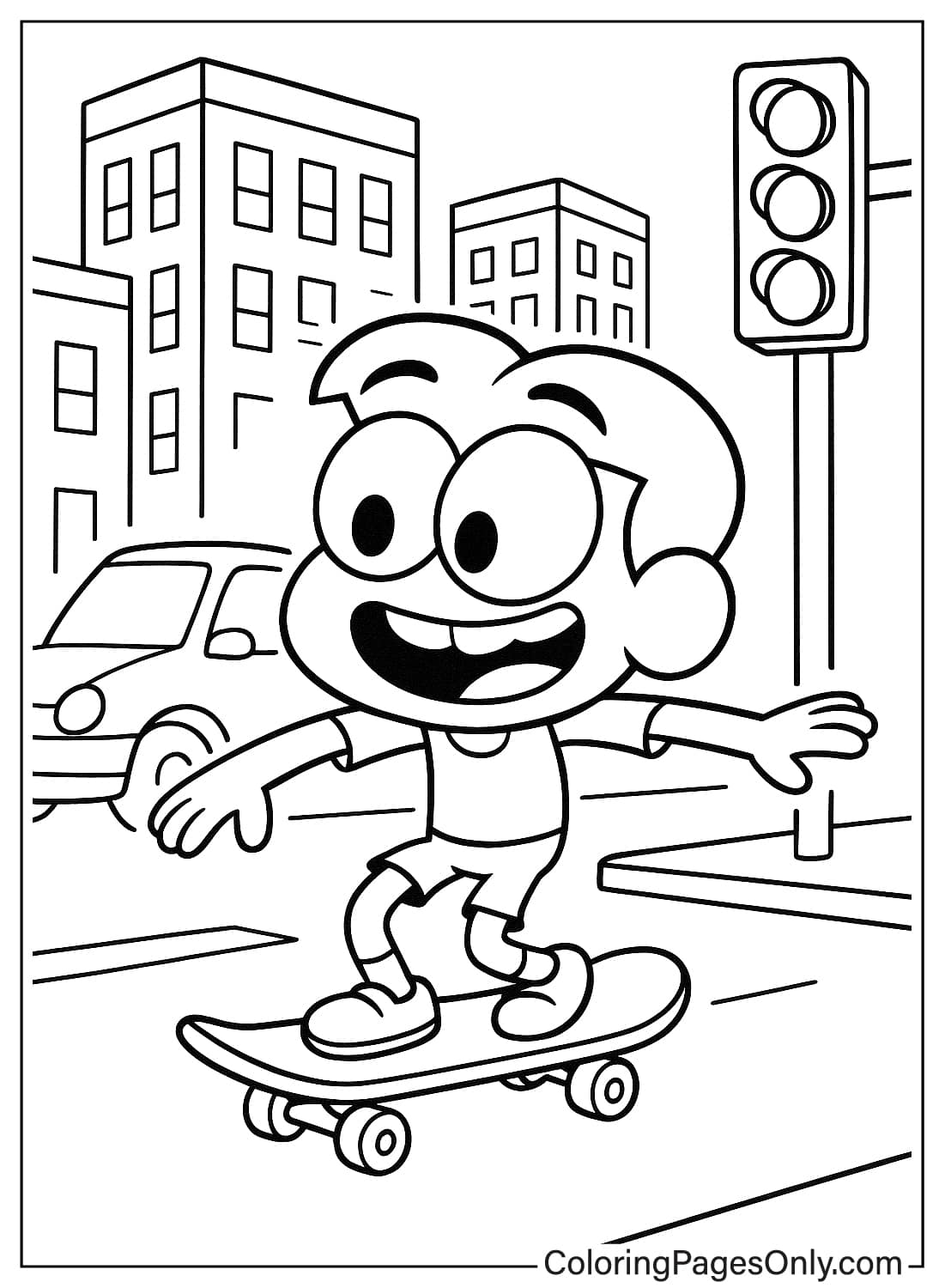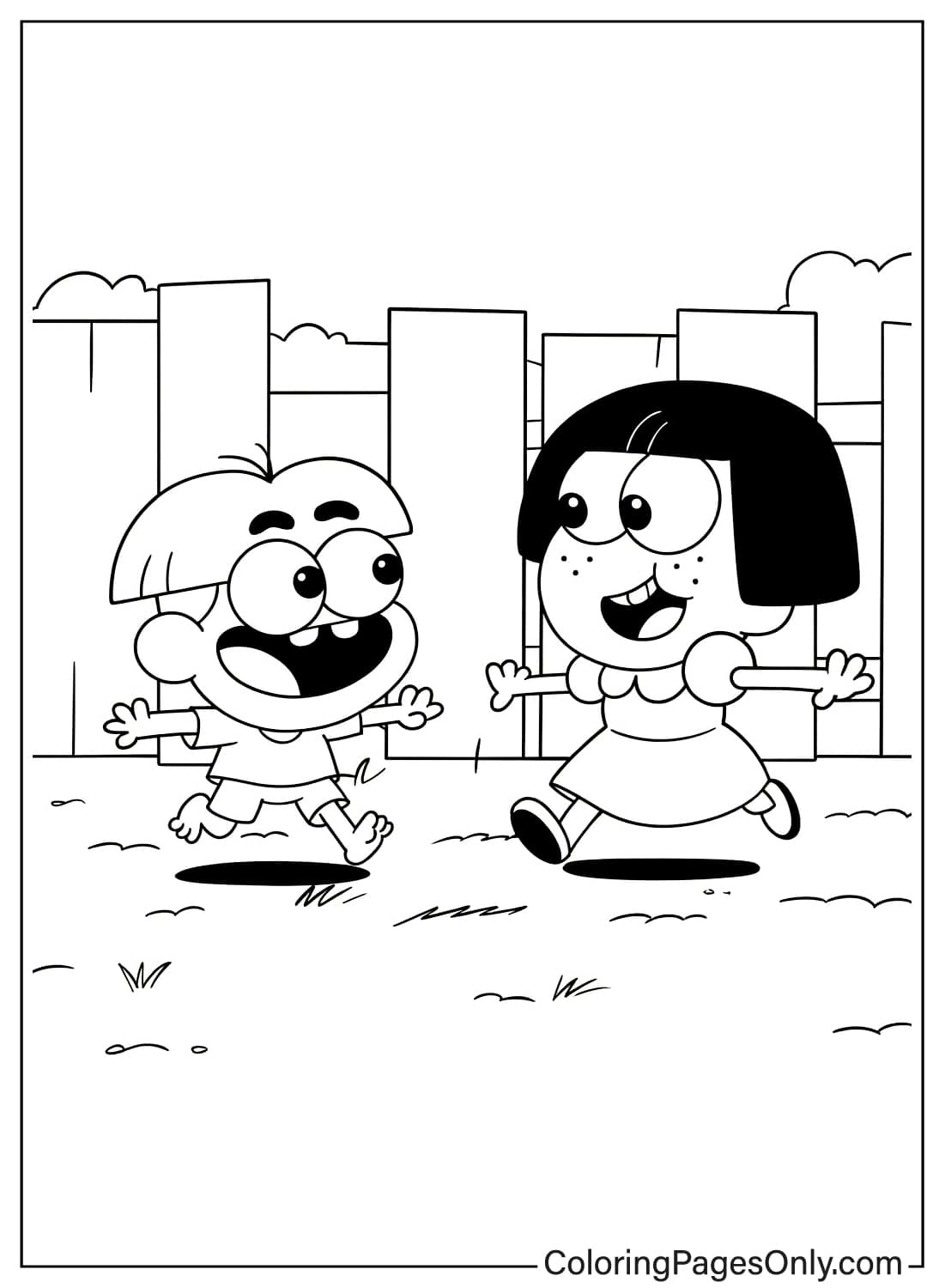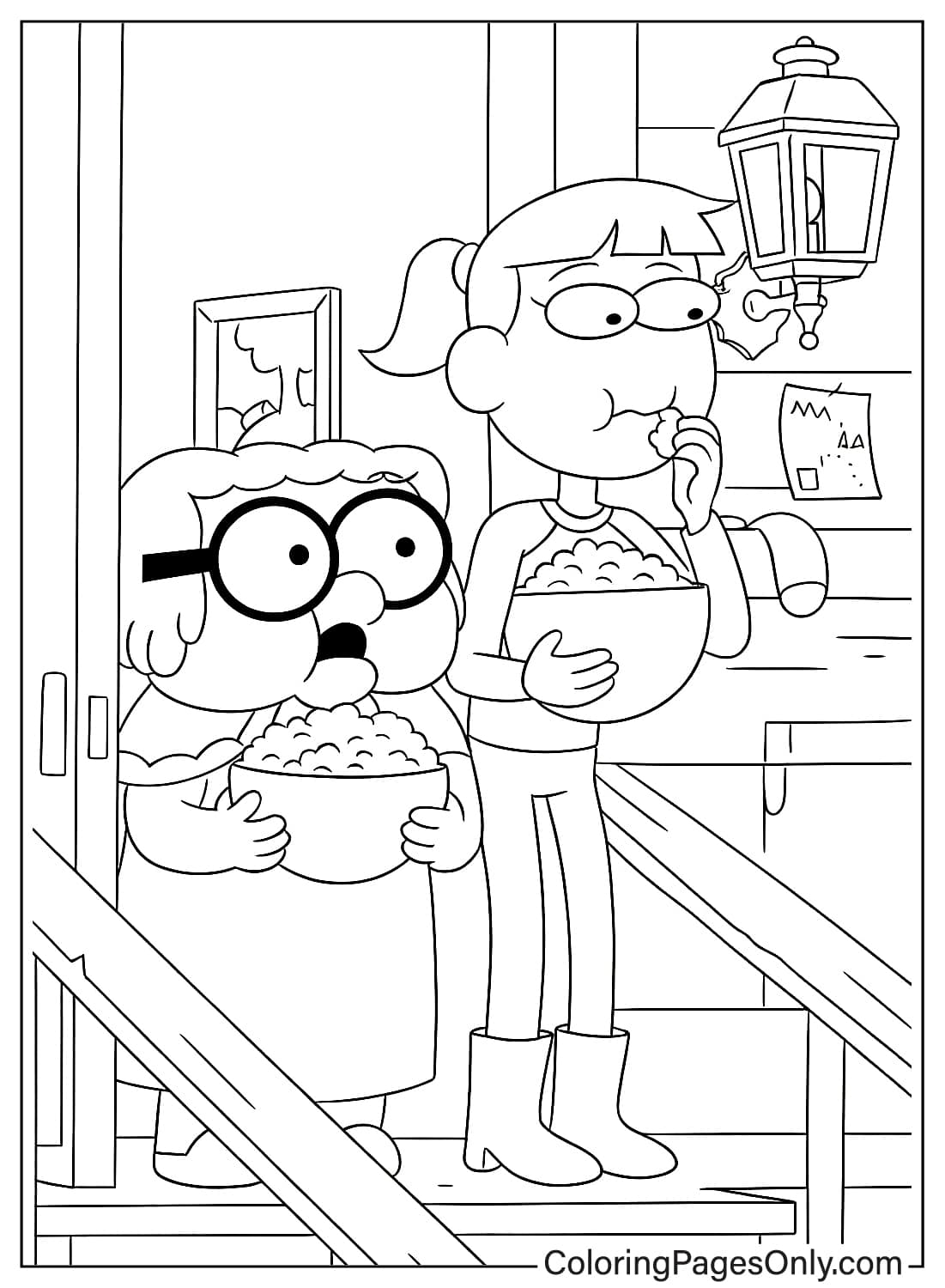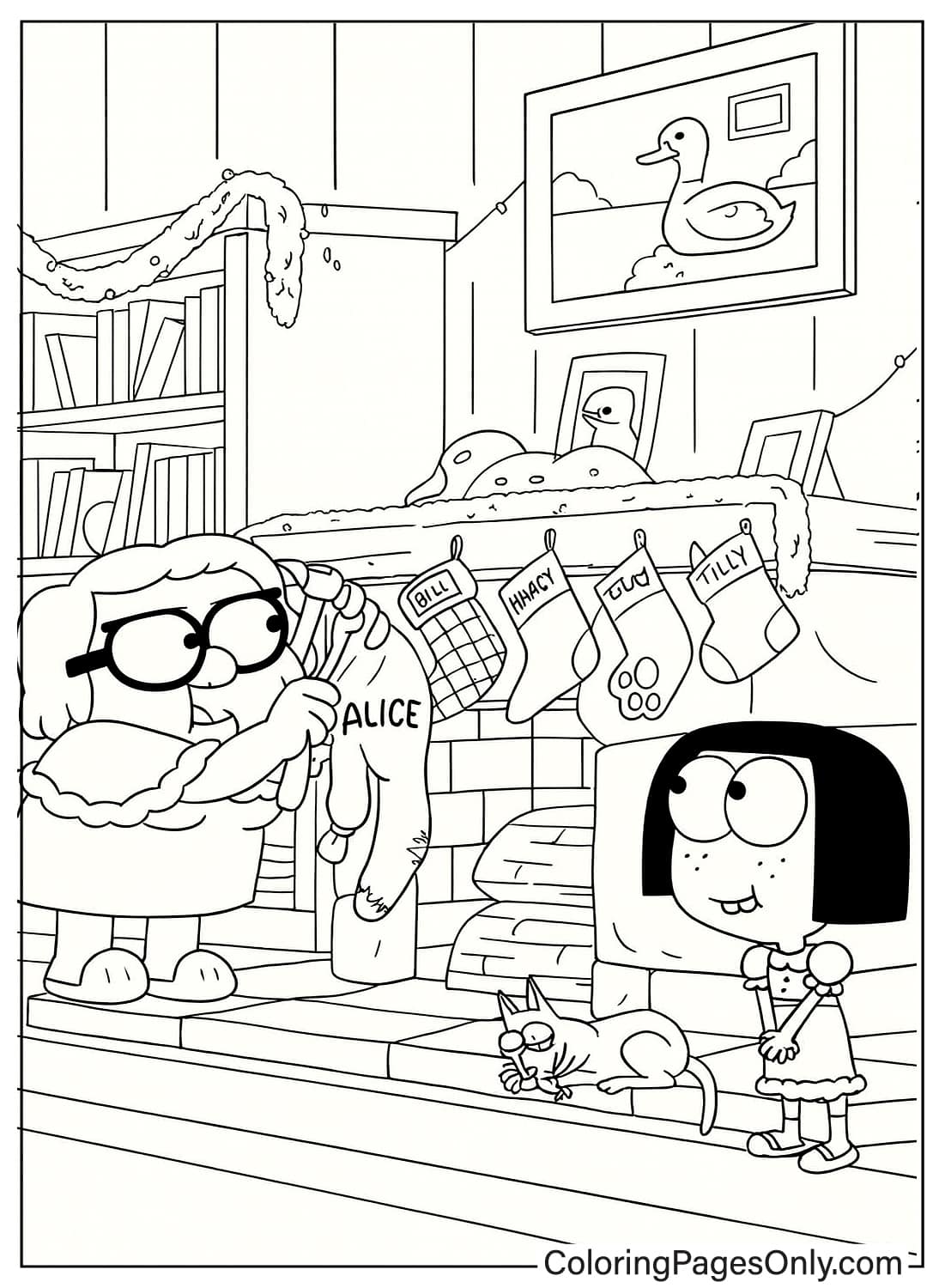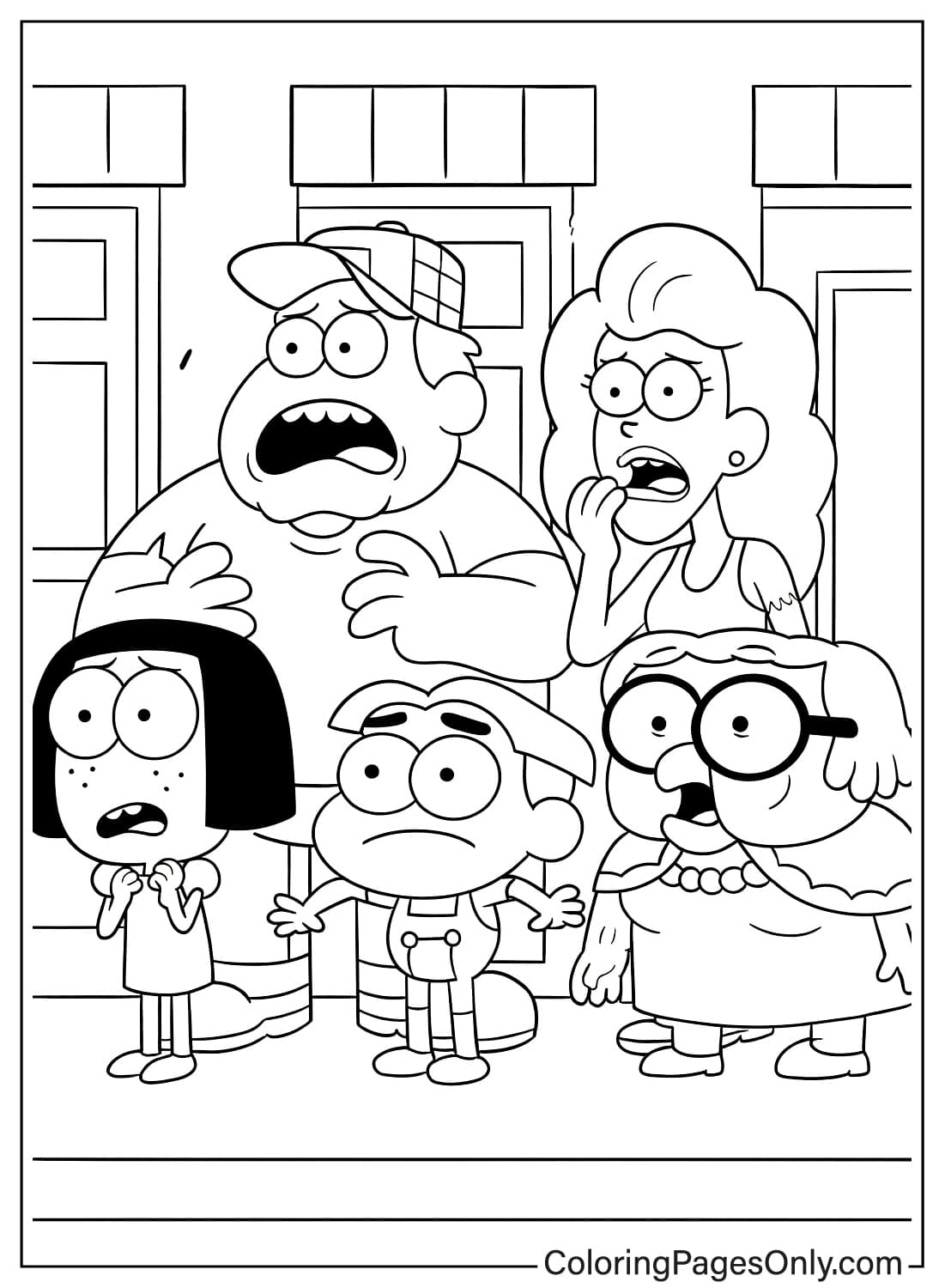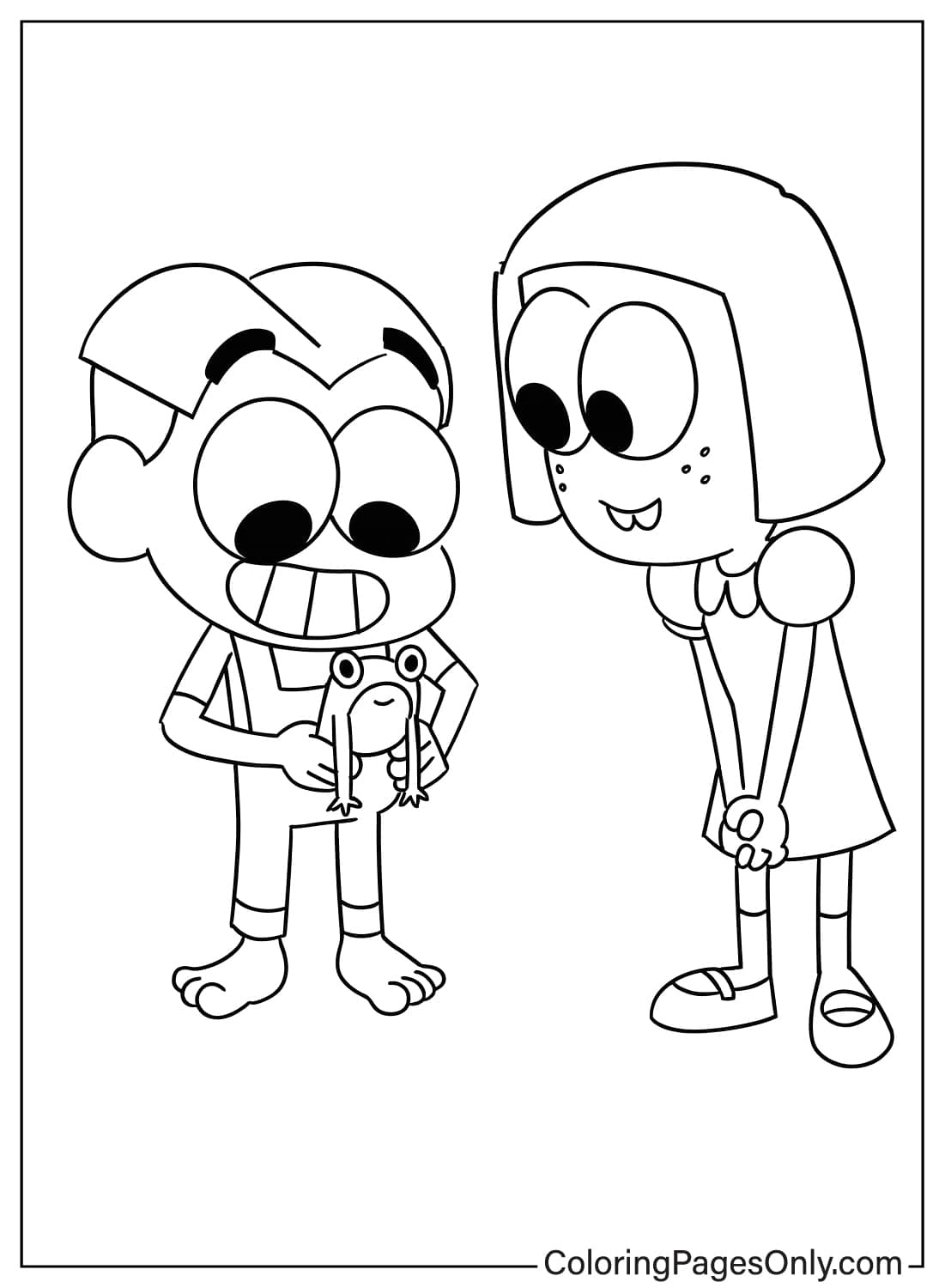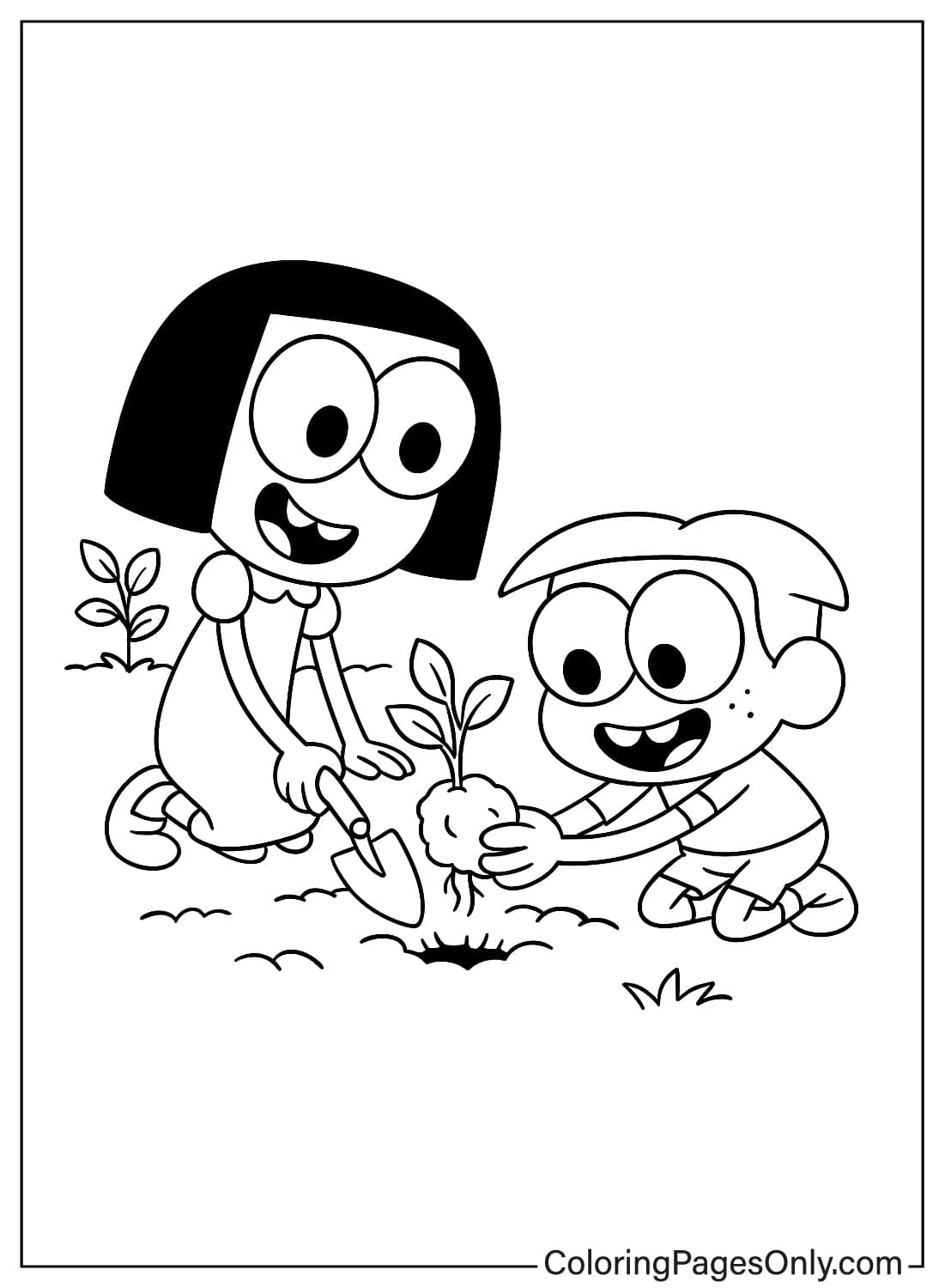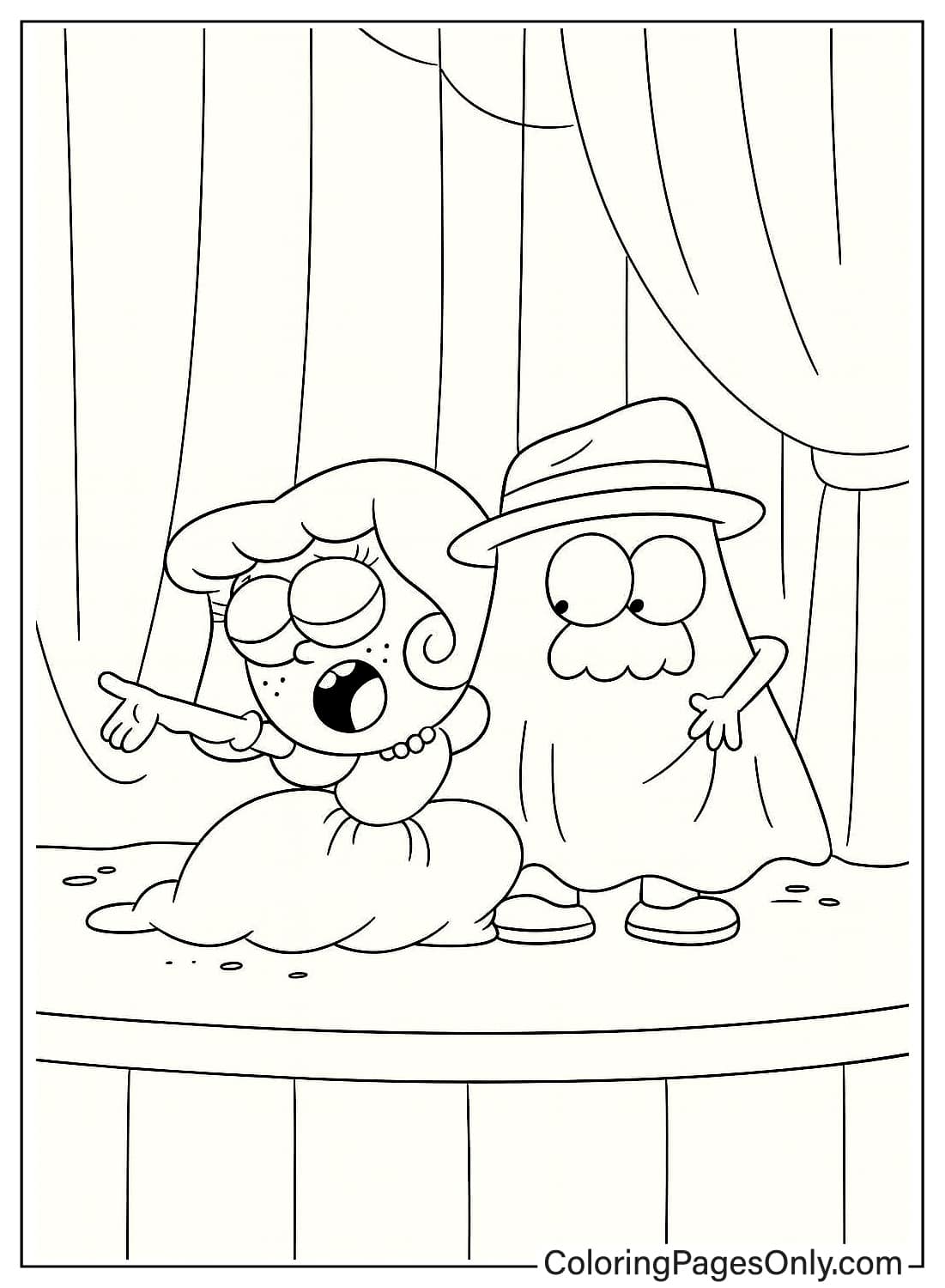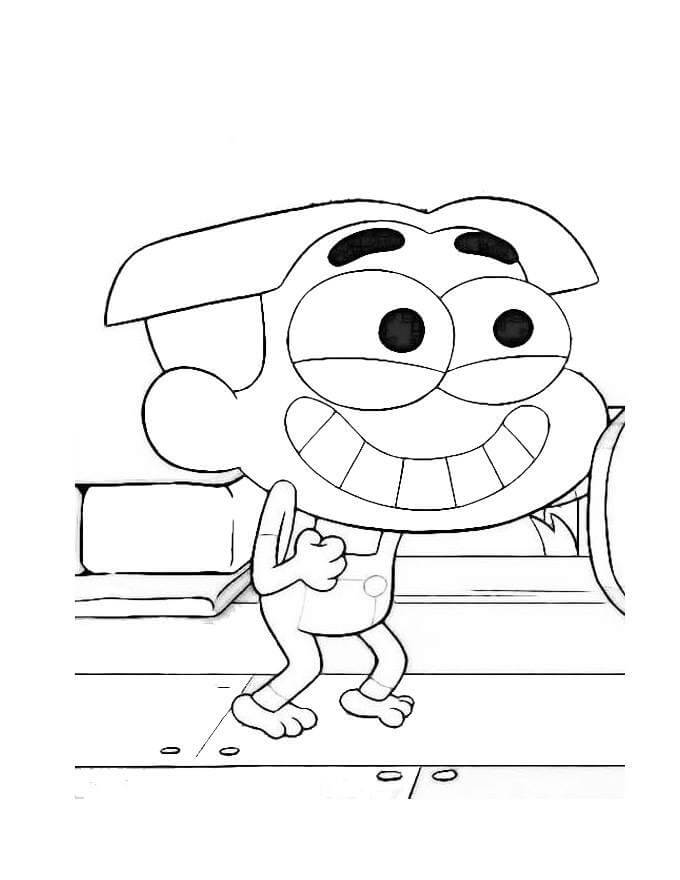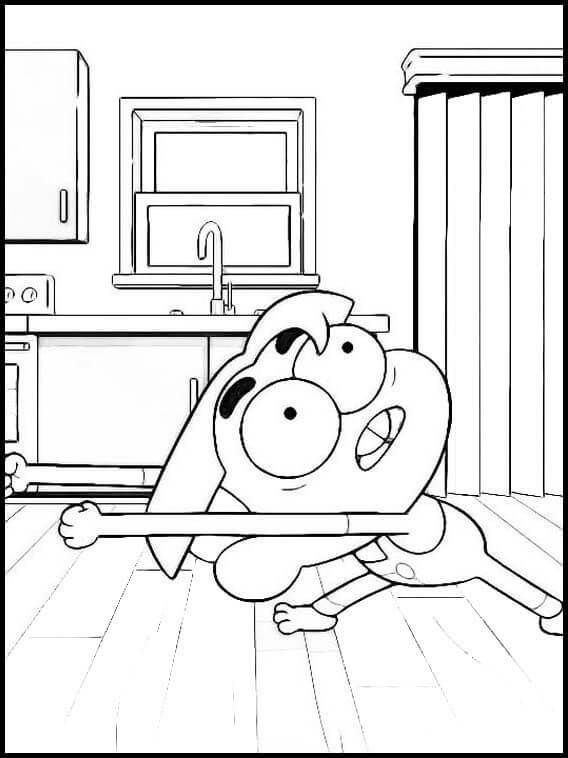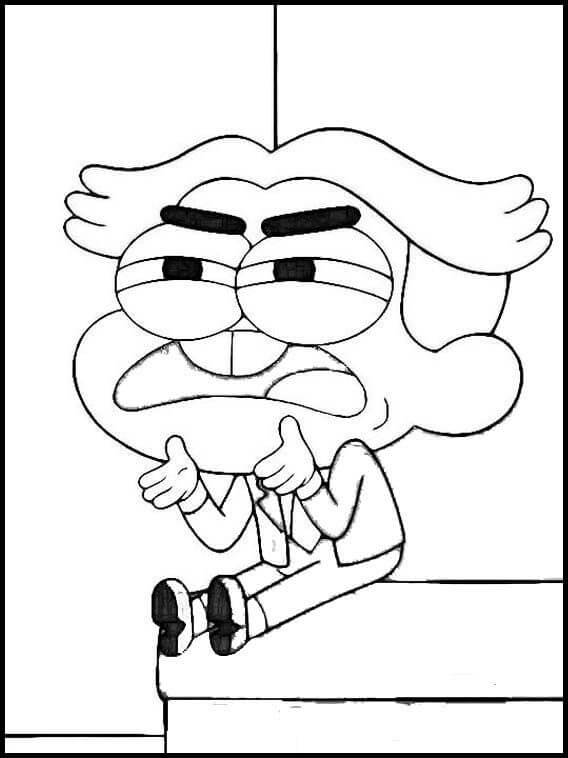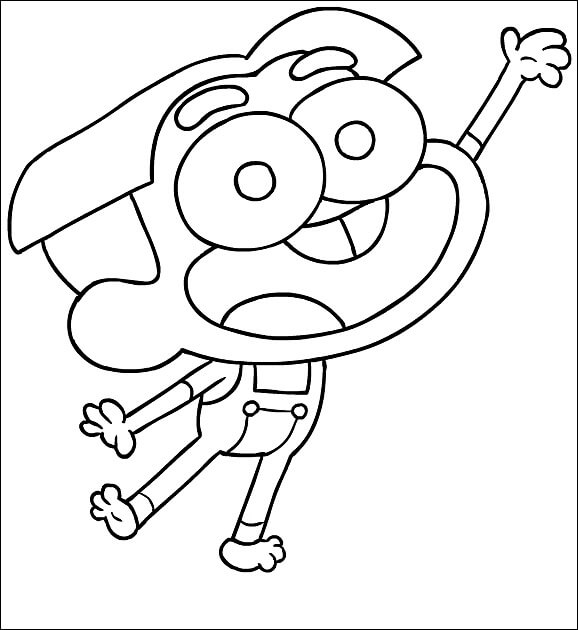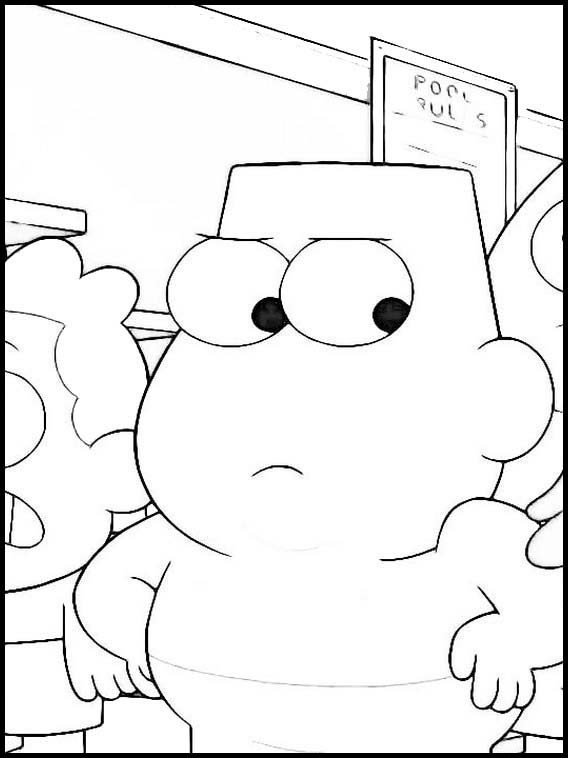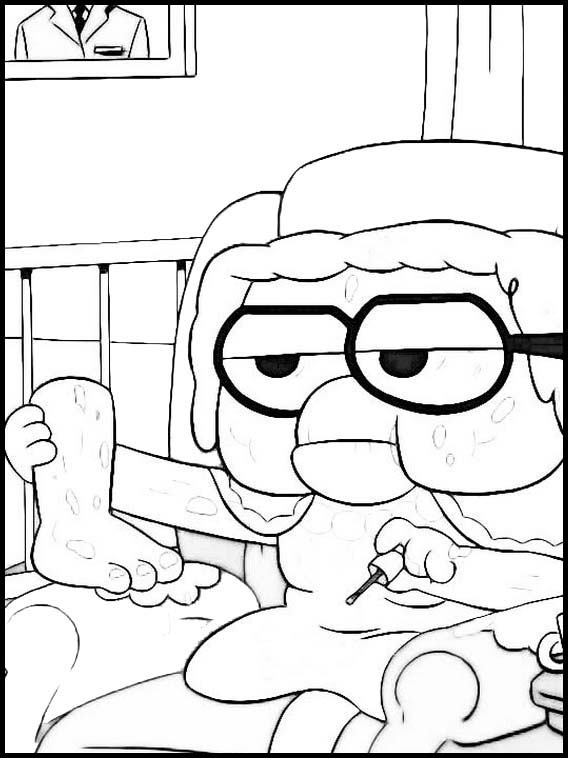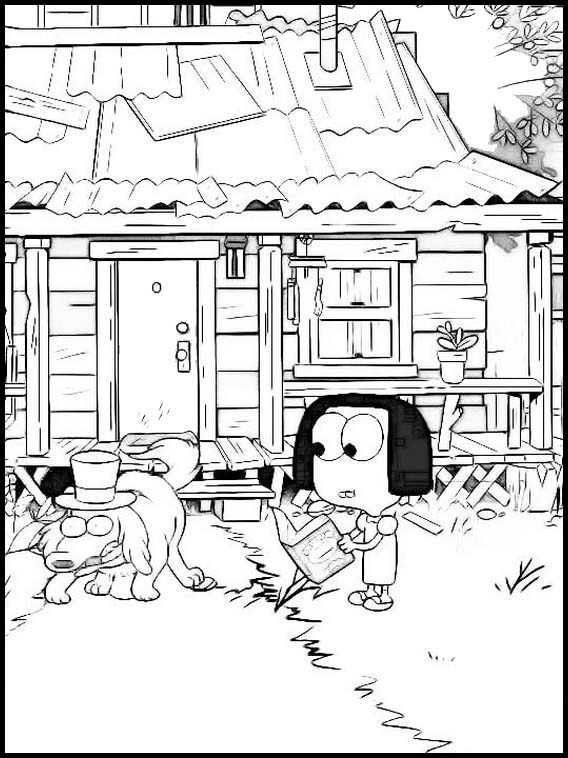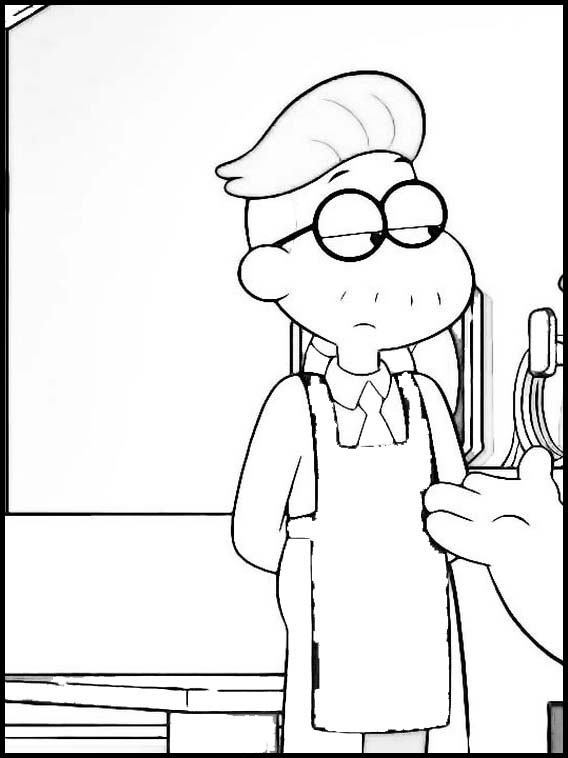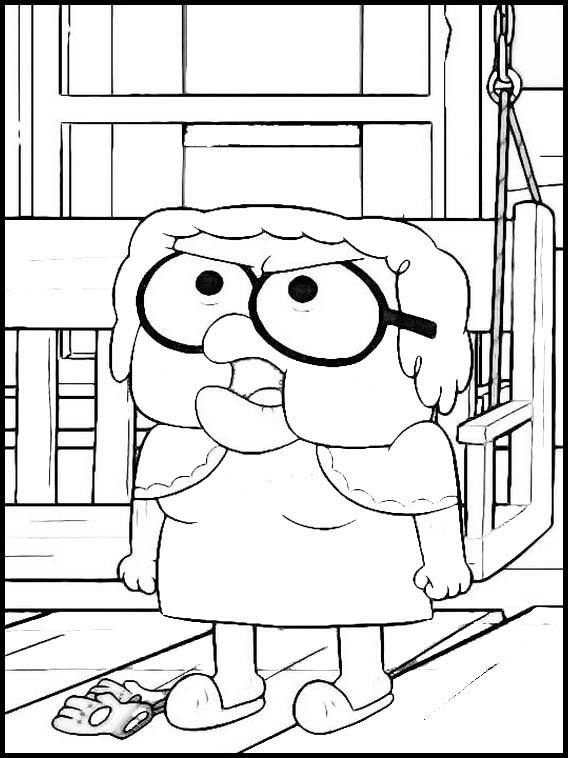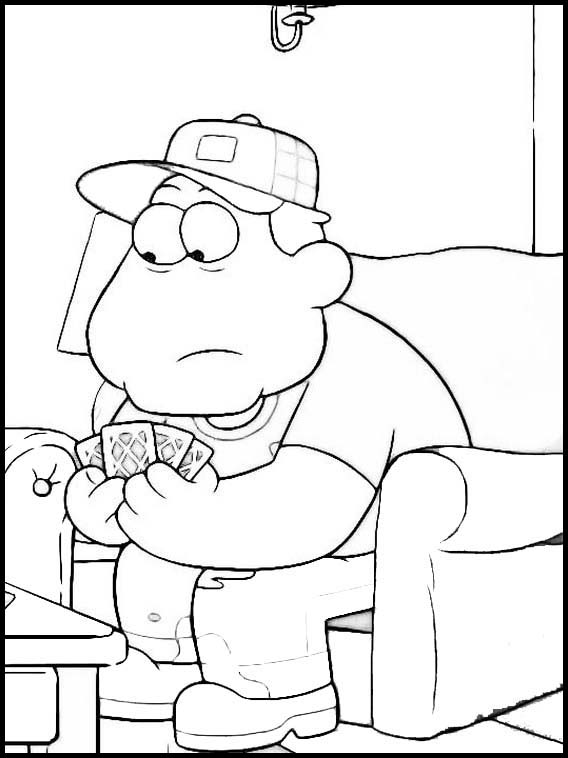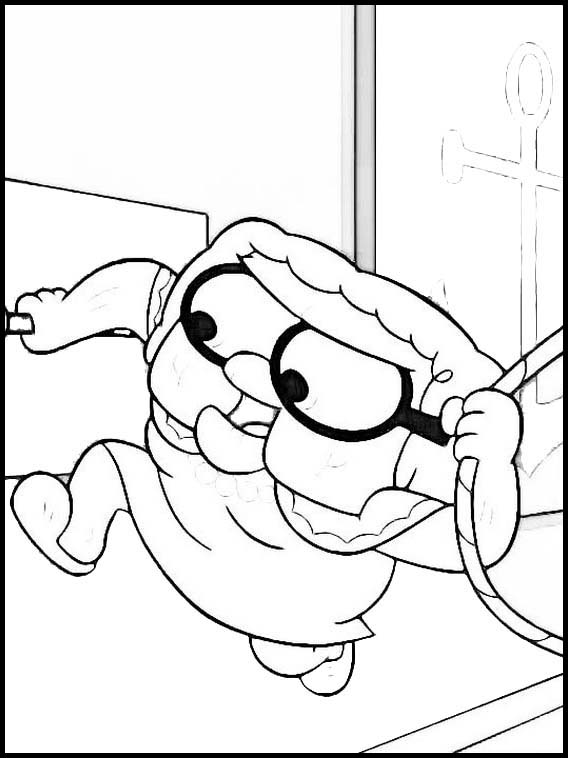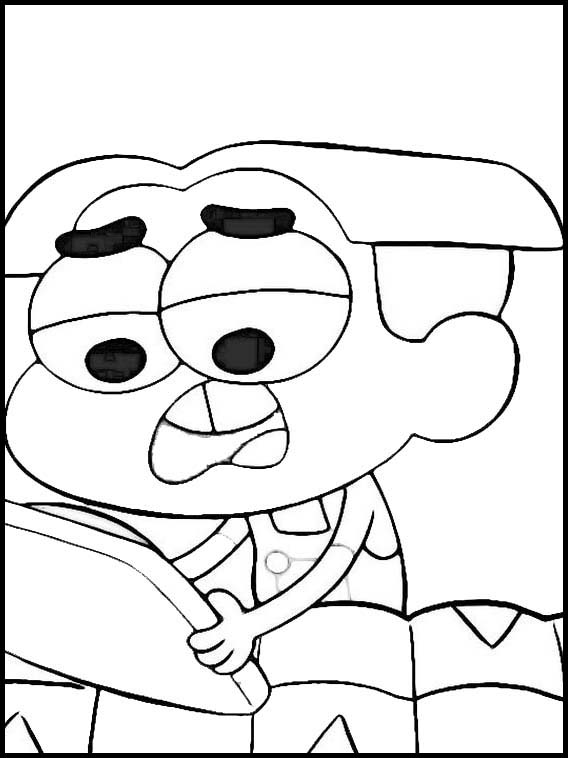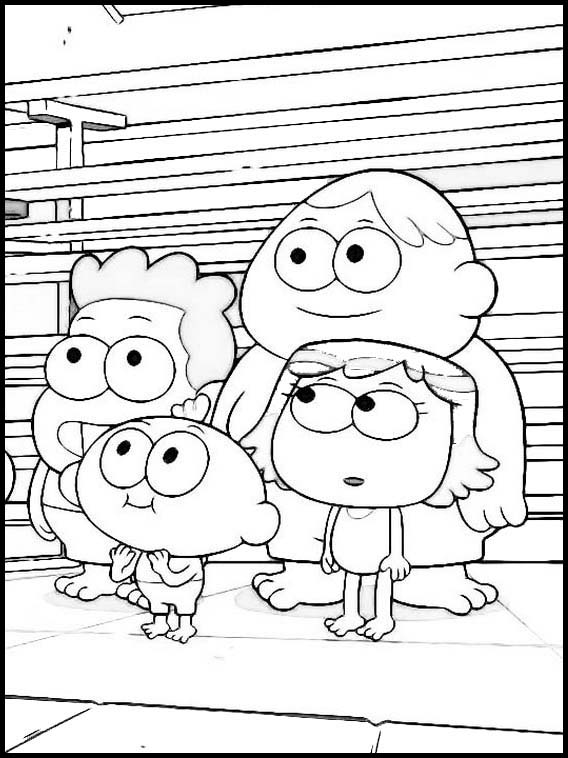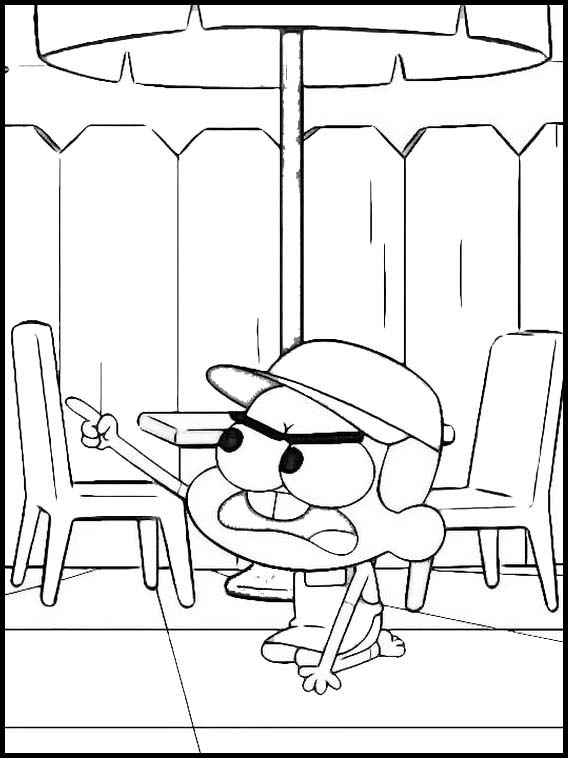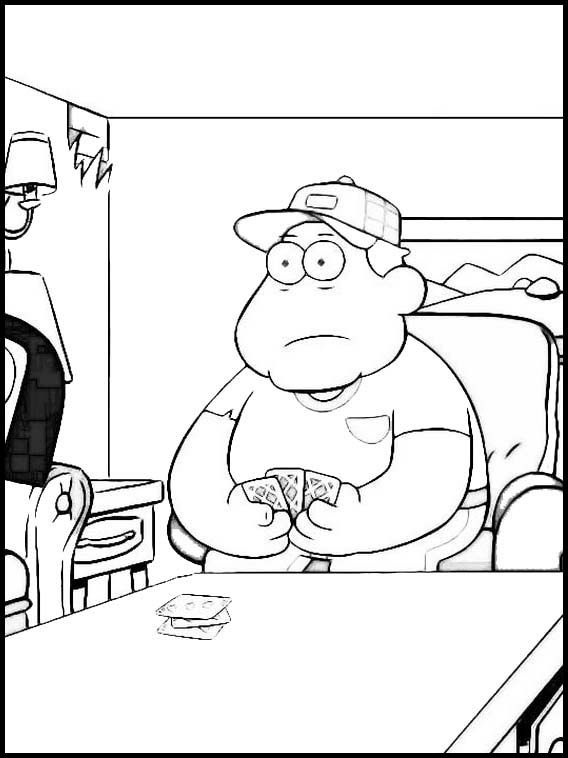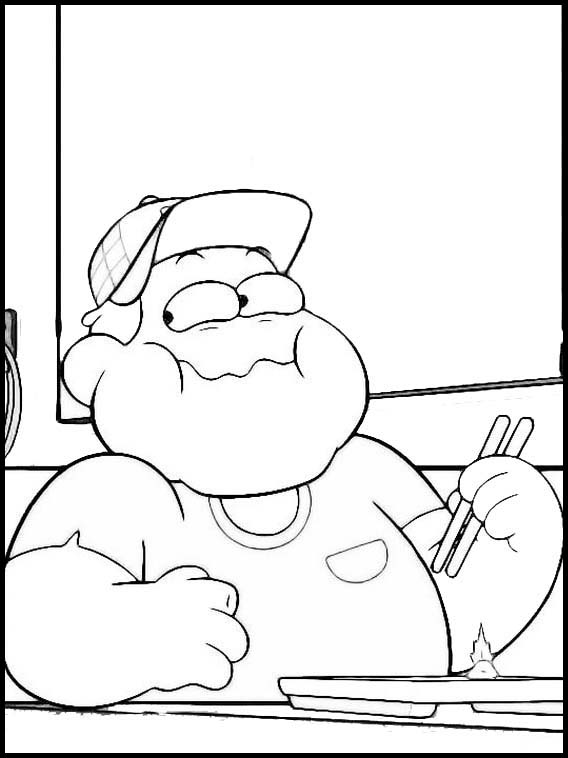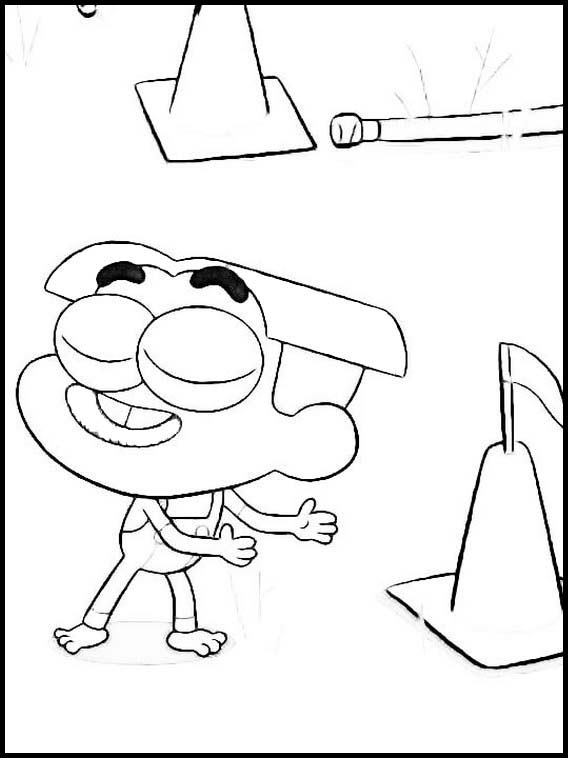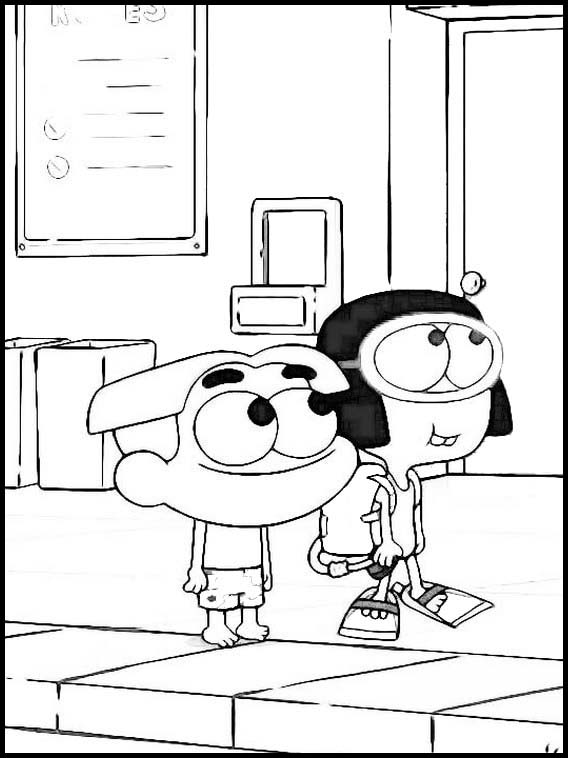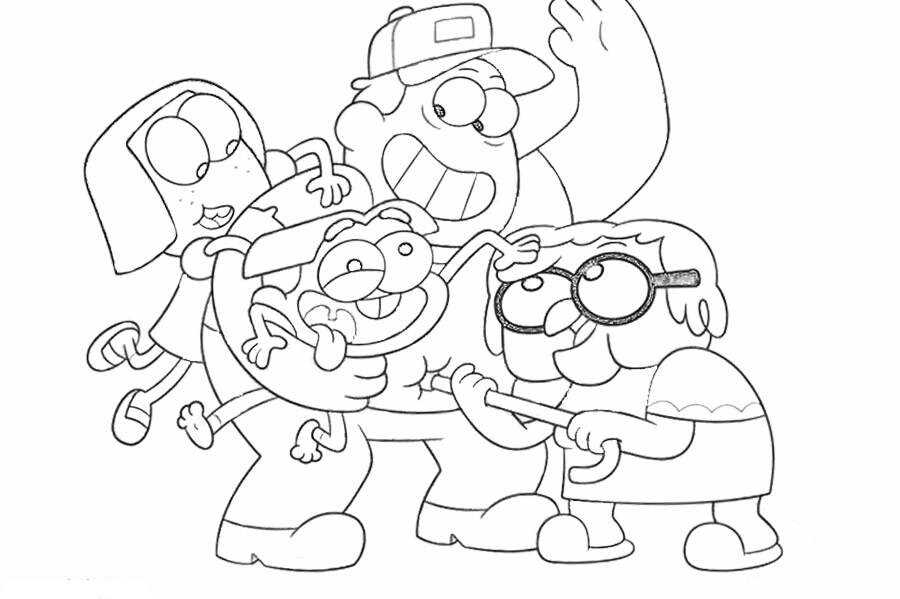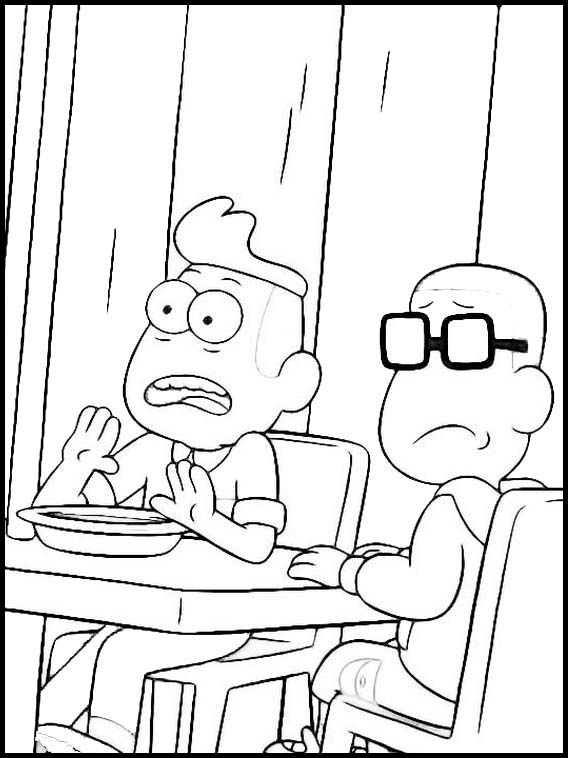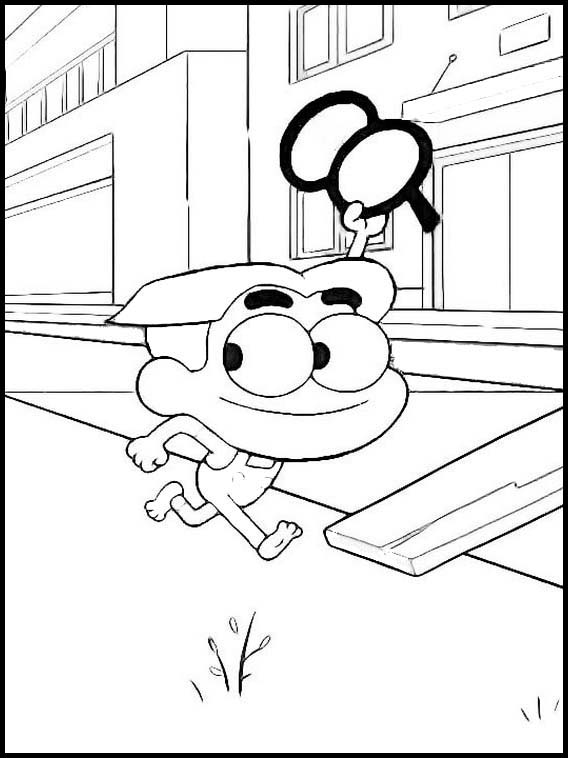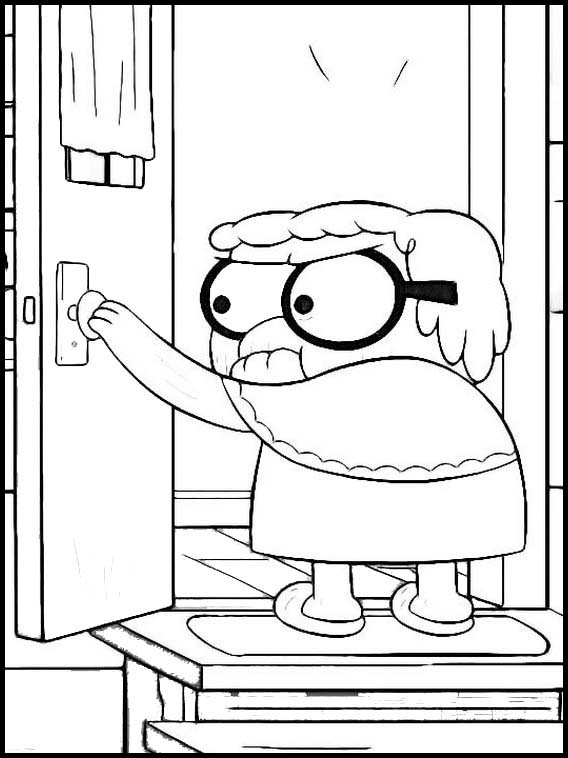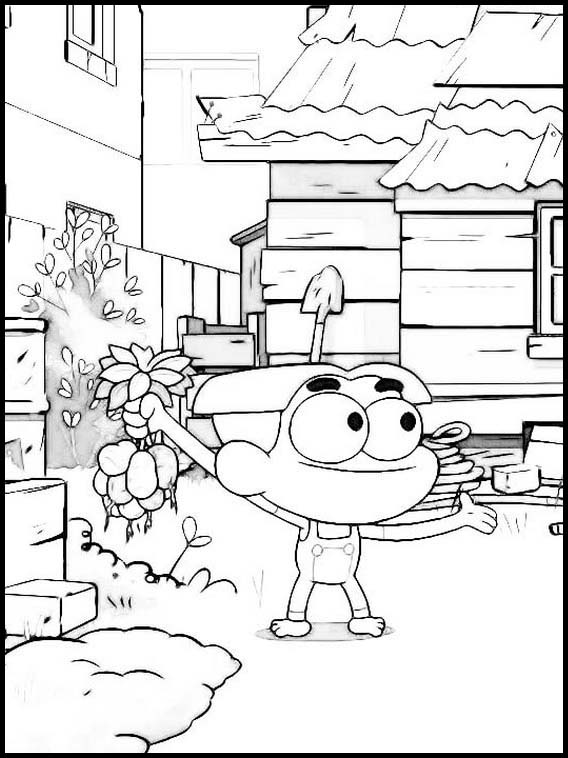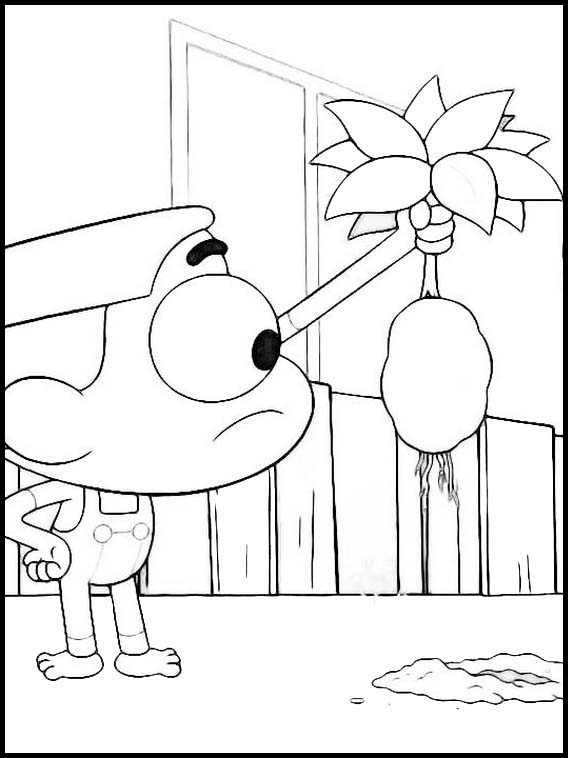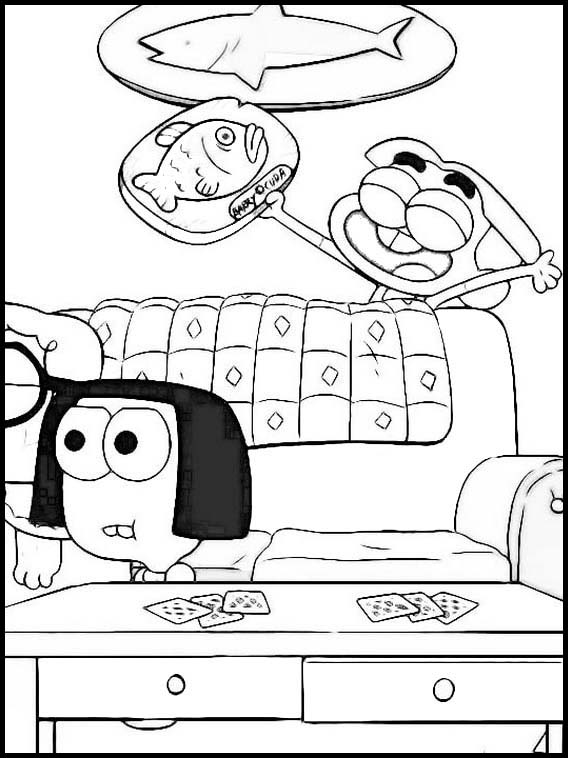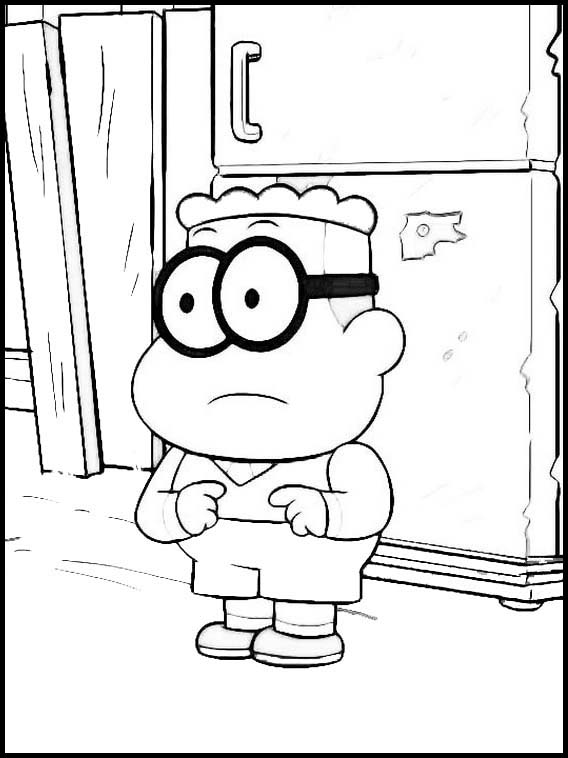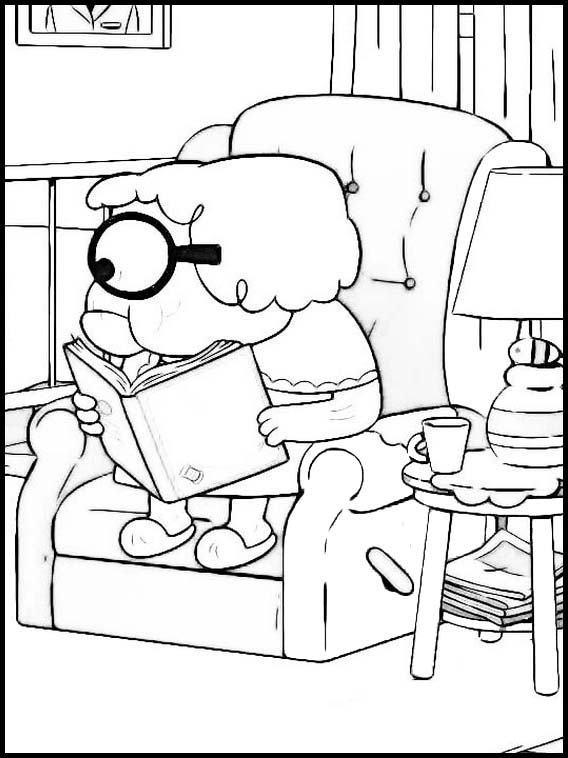
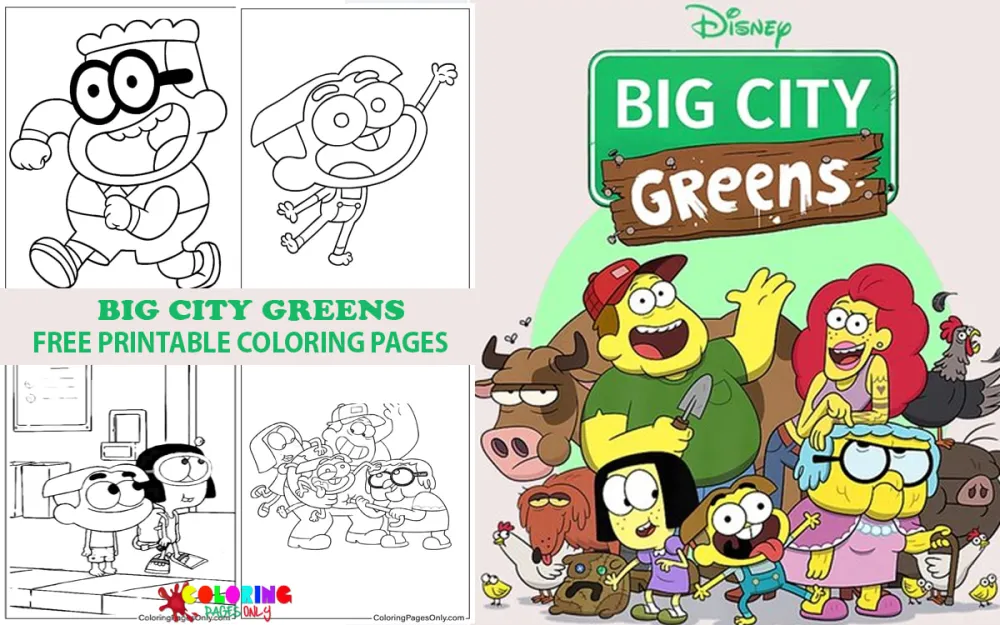
Free Big City Greens coloring pages – 70+ pages featuring Cricket Green, Tilly Green, Bill Green, Gramma Alice, Gloria, Remy, family adventure scenes, Big City locations, and character portraits – free printable PDF and online coloring for fans of the Disney Channel animated series.
Big City Greens is an American animated comedy series created by brothers Shane Houghton and Chris Houghton, produced by Disney Television Animation. The series premiered on Disney Channel on June 18, 2018, and has aired across four seasons with a fifth season in production – a run that reflects the show’s consistent performance as one of Disney Channel’s most successful animated properties of the past decade.
The premise is a culture clash built from personal experience. Shane and Chris Houghton grew up in a rural Midwestern environment before moving to cities for their careers in animation, and Big City Greens is a semi-autobiographical account of that transition run through the specific lens of a mischievous ten-year-old and his family. The Green family – farmer Bill, his mother Gramma Alice, his daughter Tilly, and his son Cricket – moves from the countryside to the unnamed Big City at the start of the series, and the comedy that follows comes from the friction between what the Greens know how to do and what city life asks of them.
Cricket Green is one of the most energetically realized child protagonists in recent American television animation – a boy who approaches every situation with the full commitment of someone who has genuinely never considered that enthusiasm and good intentions might not be sufficient preparation for what he is about to do. He is frequently wrong about this. He never stops being enthusiastic. The balance between these two facts is what makes him one of the most watchable characters in his genre.
These 70+ free pages at ColoringPagesOnly.com cover the full Green family and their Big City adventures. All free, PDF or PNG, print or color online.
What’s Inside
Cricket Green – The Heart of Every Scheme
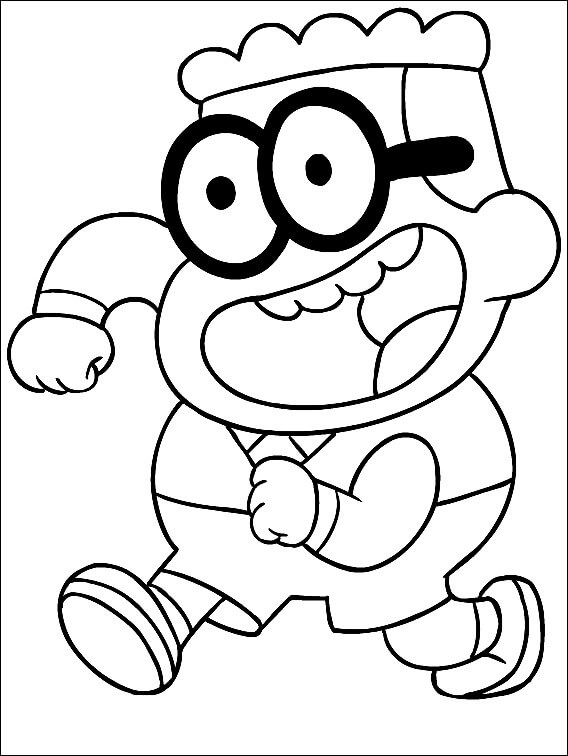
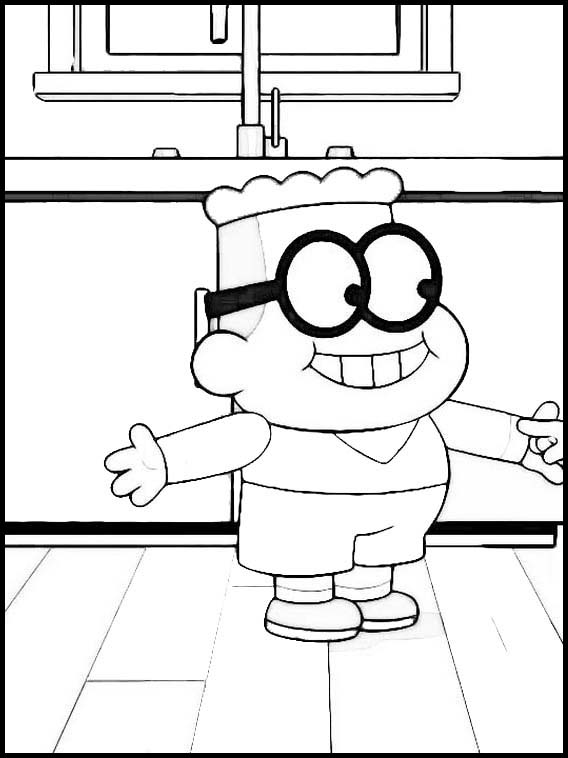
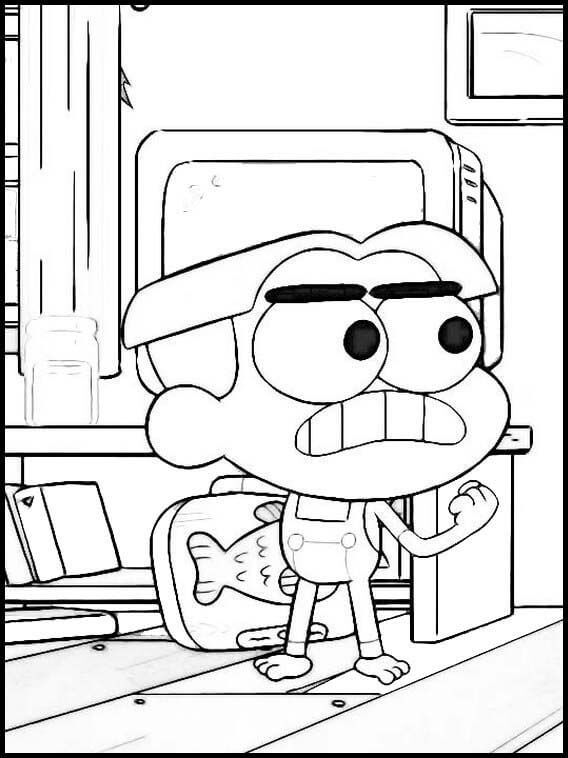
Cricket is ten years old – eleven by the series’ later seasons – compact, energetic, and almost physically incapable of encountering a situation without immediately forming a plan to make it more interesting. His plans typically make things considerably worse before they make them better. They consistently make them more interesting. His fundamental good nature means they almost always end somewhere acceptable, even when the path between his opening idea and that acceptable conclusion involves the structural integrity of multiple city blocks being tested in ways that were not anticipated.
His design is immediately legible: a round face, messy light blond hair, large expressive eyes that convey enthusiasm at the upper end of their range and contrition at the lower end, a white t-shirt, and blue shorts that suggest a child who has never consulted a weather forecast before going outside. His build is compact and slightly stocky – the body language of someone who is low to the ground and moves fast.
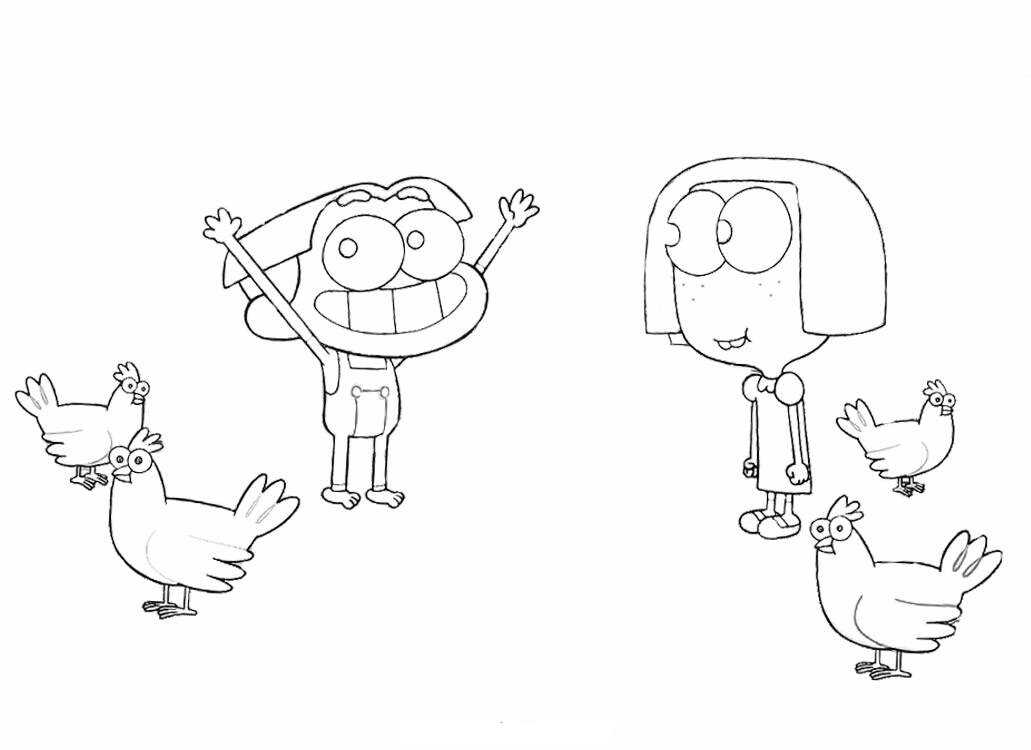
The Cricket pages are the collection’s most energetic – he is rarely photographed in stillness, and the action pages that show him mid-scheme or mid-consequence capture the specific kinetic quality of a character who is always in motion.
Coloring Cricket: His blond hair is a warm, light yellow – not pale and not gold but the specific slightly-warm blond of a Midwestern farm kid whose hair has spent considerable time in outdoor sunlight. His skin is a warm, light tone – pale but warm, not cool. His white t-shirt presents the standard white-fabric challenge: apply very subtle warm grey in the shadow fold areas to give the fabric dimension while keeping the dominant reading white. His blue shorts are a medium, clean blue – not navy, not sky blue, but a straightforward mid-blue.
Tilly Green – The Philosophical Sister
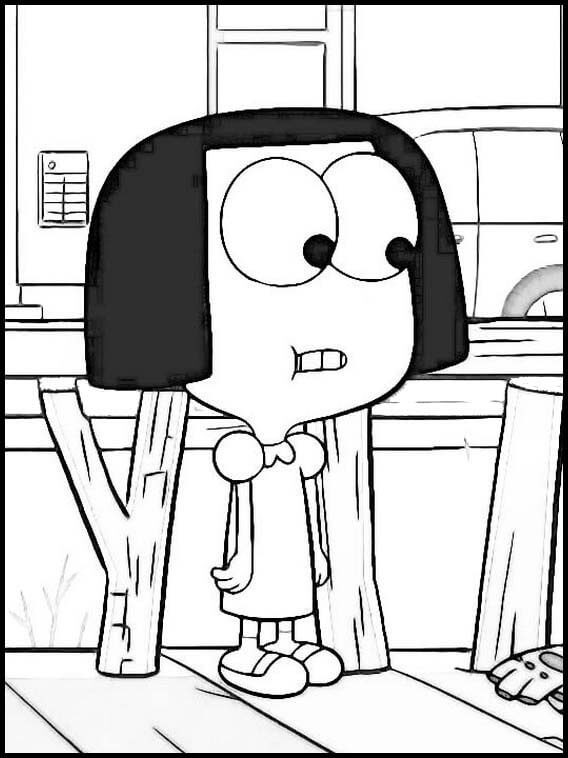
Tilly is Cricket’s older sister – twelve and then thirteen across the series – and one of the most distinctive sibling characters in recent animated television. She is tall and thin, where Cricket is compact and energetic, speaks in a measured, poetic cadence that is neither condescending nor naive but genuinely her own register of communication, and engages with the world through an imaginative framework that treats everything as potentially meaningful.
She has a pet bug named Gloria (not the same Gloria as the coffee shop neighbor – the naming overlap is a running background detail), and her relationship with this pet reflects her general approach to the world: she finds significance in things others overlook, attaches genuine care to things others might dismiss, and maintains her equanimity through situations that would produce panic in most people by engaging her imagination rather than her anxiety.
Her design: long reddish-brown hair usually worn in a ponytail, a tall, thin frame, a pink top and purple lower garment, and the specific quality of a character drawn to move slowly and deliberately through environments where everyone else is moving quickly.
Coloring Tilly: Her reddish-brown hair is the page’s most specific color decision – a warm brown with red undertones, darker than auburn but with the red shift clearly present. Her pink top should be a medium-warm pink, not pastel and not vivid, but the specific settled pink of a garment worn by someone who chose it because it suits them. Her skin tone matches the family’s warm, pale – slightly warmer and with slightly more color than Cricket’s.
Bill Green – The Farmer in the City
Bill is the Green family’s father – a man of genuine capability in the world he grew up in, who is navigating, with varying success, a world where those capabilities are not the most relevant ones. He can fix anything mechanical, grow anything agricultural, and perform physical feats that would be remarkable in any context. He cannot reliably navigate a smartphone or understand why city people do not simply solve problems the way he would solve them.
He is a genuinely good father – warm, present, and invested in his children’s wellbeing in the specific practical way of someone who shows love through action rather than speech. He builds things. He fixes things. He drives them to places they want to go and asks whether they want to talk about it on the way back.
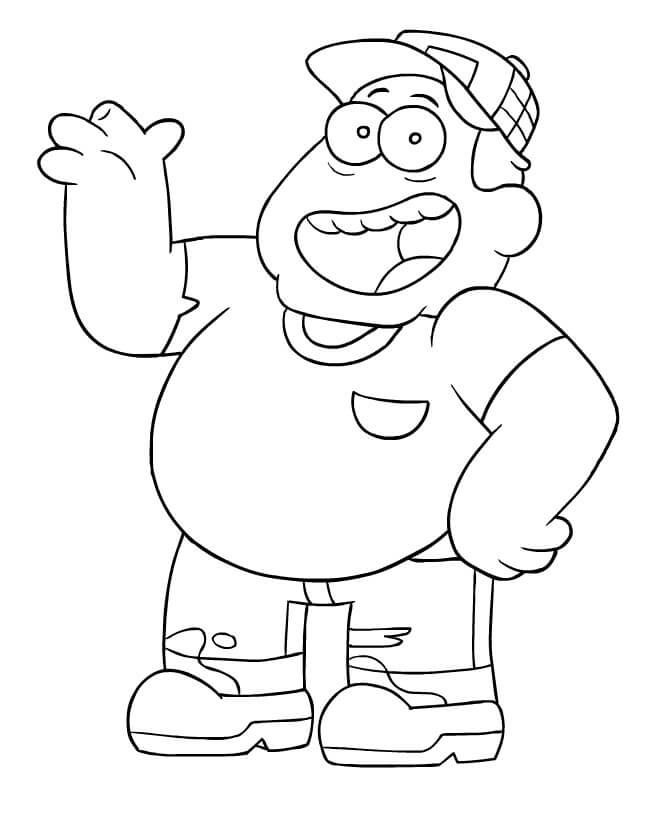
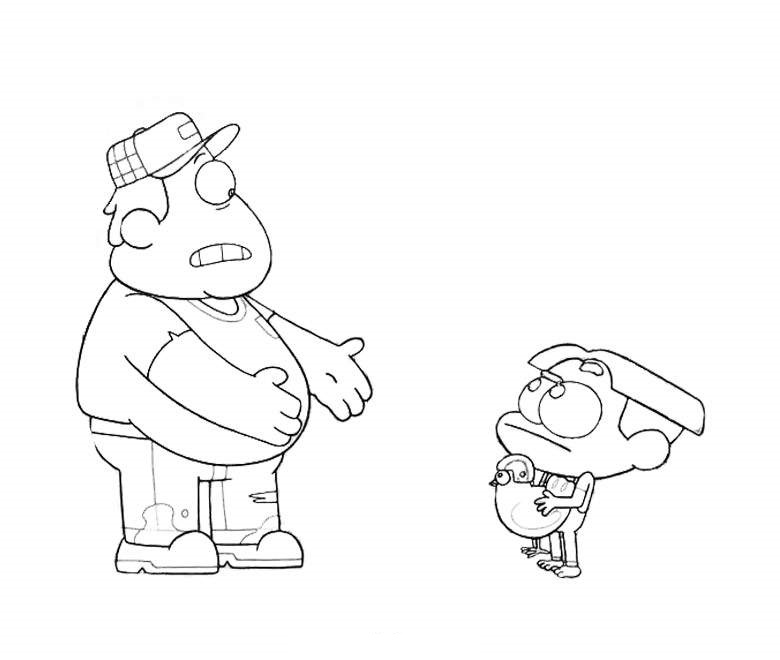
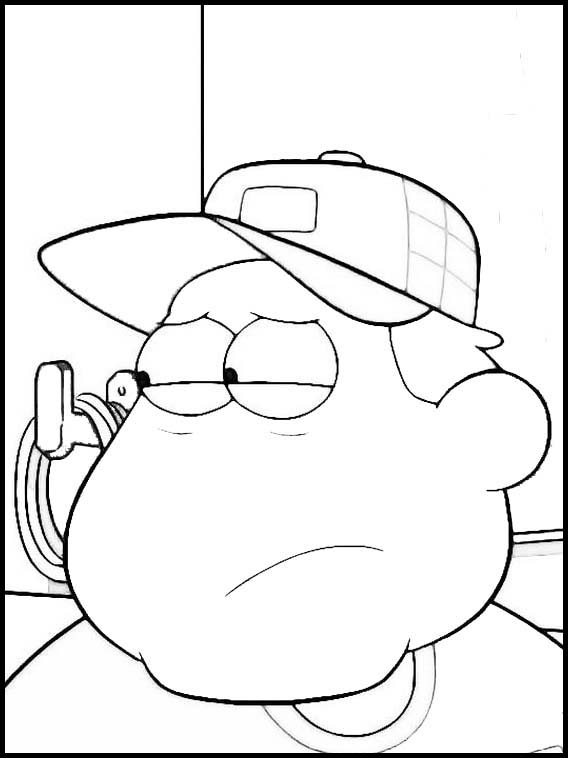
His design is deliberately large – broad shoulders, a prominent brown beard, flannel shirts with rolled-up sleeves, and the overall physical presence of someone built for work that the city doesn’t have much need for. He is the most visually substantial character in the family.
Coloring Bill: His brown beard is a warm, medium-dark brown – the natural brown of an adult male beard, rendered with slightly darker tones in the deepest areas near the chin where the beard is densest. His flannel shirts are typically in plaid patterns – red-and-black plaid or similar warm combinations – which present the opportunity to render a plaid textile surface. Apply the base color first (typically red or green), then add the crossing plaid lines in a darker or contrasting tone. His skin tone is the same warm pale family as his children’s.
Gramma Alice – The Formidable Grandmother
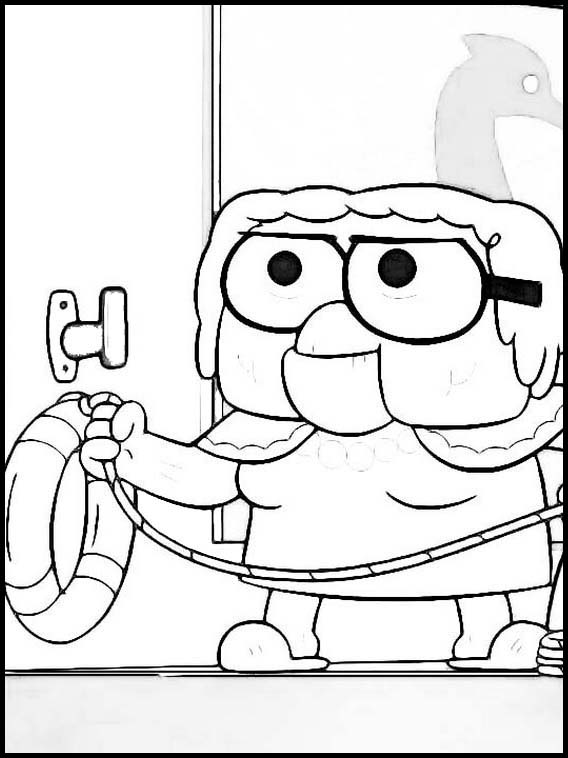
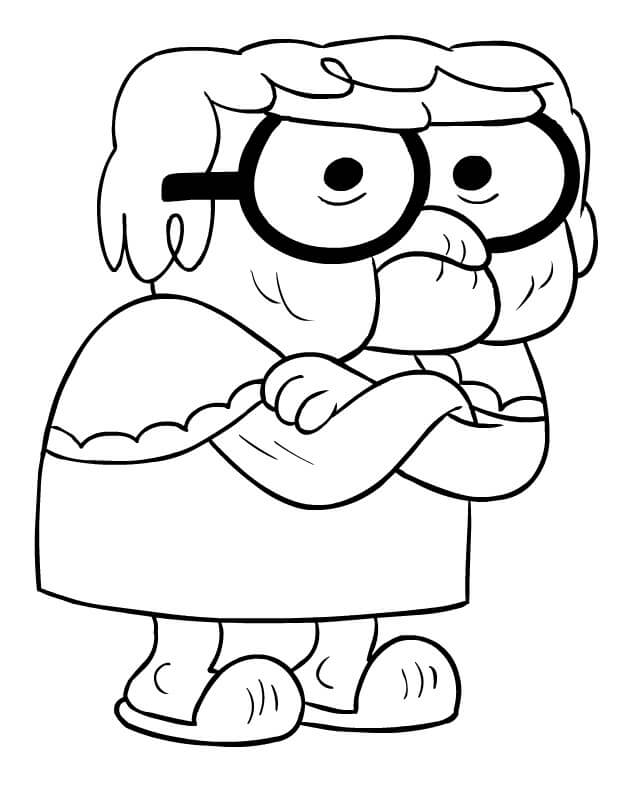
Gramma Alice is Bill’s mother – a small, elderly woman with white hair in a bun who is the series’s most reliable source of competence in any situation requiring physical capability, practical knowledge, or the kind of absolute determination that comes from having lived long enough to know that most obstacles are temporary. She is also the series’s most reliable source of the specific comedy that comes from an elderly woman being more capable than everyone around her expected.
She wears overalls – consistently, across seasons and situations – which is both a character choice and a visual shorthand for who she is: a person who has never cared about dressing for the context she is in, only for the work she is about to do. She can shoot accurately, perform athletic feats that exceed what her age would suggest is possible, and navigate every crisis in the series with the specific calm of someone who has survived everything that has ever been thrown at her.
Her relationship with Cricket is the series’s warmest secondary relationship – she recognizes him as the family member most like herself, which means she is both his greatest ally and the person who holds him to the highest standard.
Coloring Gramma Alice: White hair in a bun – not grey, but the specific white of naturally white hair, rendered with very subtle cool grey in the shadow areas at the back and underside of the bun to give it dimension. Her overalls are a warm medium blue – the specific blue-grey of well-worn denim, slightly faded. The bib pocket and the overall straps should be rendered as slightly lighter than the main fabric to suggest their worn quality. Her skin is older – more textured in the page’s line drawing, with the specific coloring of an elderly woman: warm but with slightly more warmth and depth than her son and grandchildren.
Gloria – The Reluctant Friend
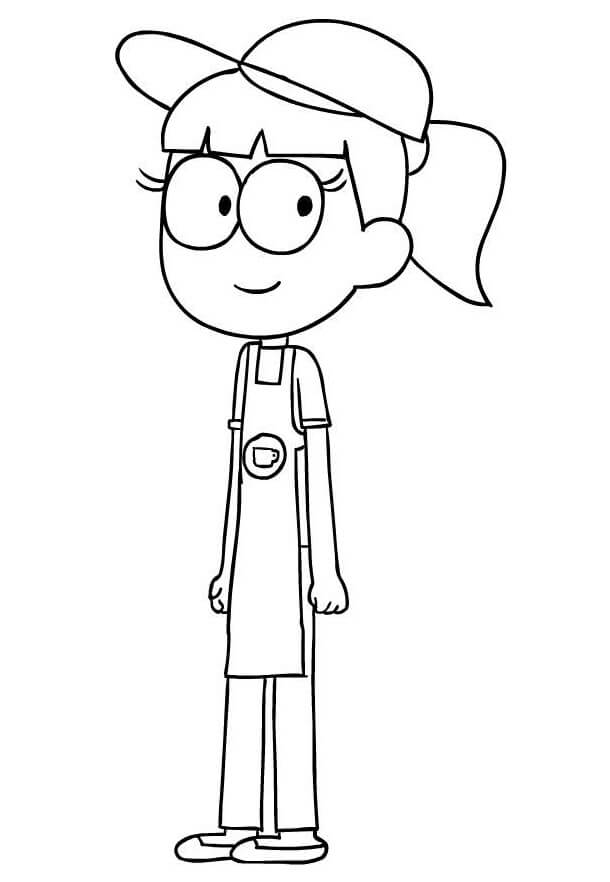
Gloria is Cricket’s neighbor and one of the series’ most consistently developed secondary characters – a young woman with ambitions beyond her current situation, working at Big Coffee (the neighborhood coffee shop) while pursuing goals the series develops across its run. She begins as someone who views Cricket’s presence in her life as an obstacle to productivity and ends somewhere considerably warmer, without the series ever making the transition abrupt or unearned.
Her design: short black hair, a practical work outfit usually including the green coffee shop apron, and the expression of someone who has learned that when Cricket Green approaches with that particular look on his face, something is about to happen to her schedule.
Coloring Gloria: Black hair – the very dark brown-black of natural black hair, with subtle dark blue highlights along the hair’s outer surface where light catches it. Her green coffee shop apron is a medium, slightly muted green – the specific green of service industry workwear. Her skin tone is a warm medium brown – render it with warm undertones throughout and slightly deeper warm tones in the shadow areas.
Remy Remington – The Best Friend
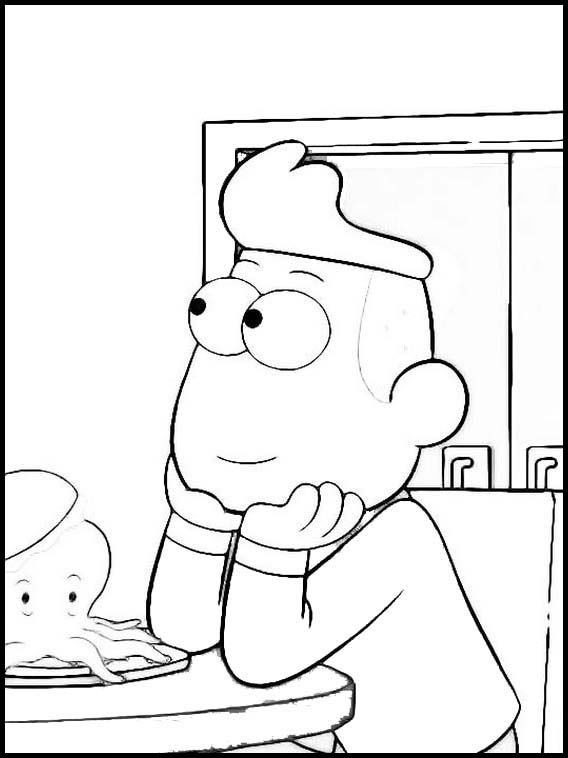
Remy is Cricket’s best friend – a child from a wealthy family whose sheltered upbringing has left him anxious, polite, and almost entirely unprepared for the specific kind of adventure that friendship with Cricket provides. His arc across the series is the growth from anxious and uncertain to genuinely confident – not in spite of Cricket’s chaos but because of it, because having Cricket as your best friend means you spend a significant amount of time discovering that you are more capable than you thought.
His design reads as the visual opposite of Cricket: neat, carefully dressed, hair in order, the general appearance of a child whose parents care about how he looks in public. His expressions lean toward the worried end of their range more often than Cricket’s, which provides considerable comic contrast in any page that shows them together.
Coloring Remy: Brown hair, neatly styled – a warm medium brown that reads as carefully maintained. His clothing is typically neat and formal – collared shirts in warm tones (cream, light blue, occasionally a pattern) – reflecting the family wealth his design communicates. His skin tone is a warm, slightly peach-toned light.
Group and Family Pages
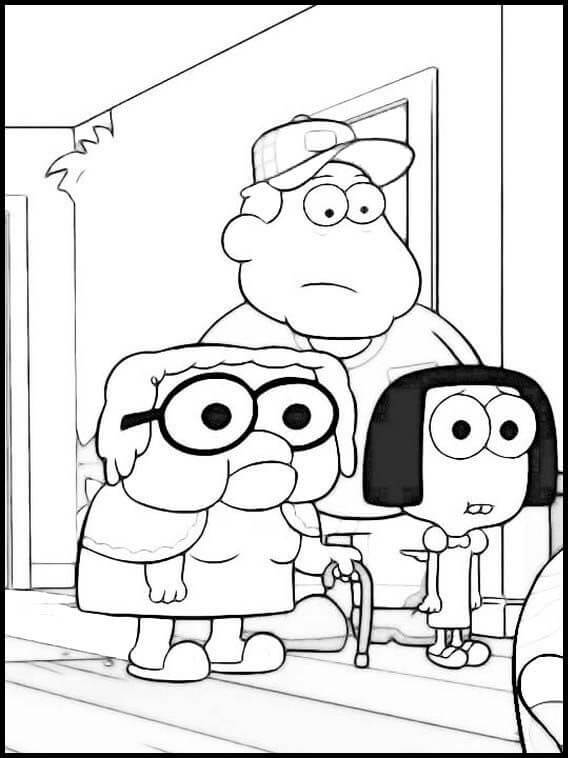
The collection’s group pages – the full Green family together – capture the specific quality of the family unit that makes the series work: four very different people in terms of energy level, age, and capability who are nonetheless completely committed to each other. A page showing Cricket’s maximally enthusiastic face alongside Tilly’s calm, philosophical expression, alongside Bill’s determined warmth, alongside Gramma’s absolute competence is a single image that explains the show’s appeal without needing to describe a plot.
These pages reward the most careful attention to keeping each character’s colors distinct while maintaining the family’s overall warm palette – the Greens are, tonally, a warm family, and the pages that show them together should read as warm when viewed from a distance.
What These Pages Do
Big City Greens is about what families do when the context changes, but the family stays the same. The Green family’s country ways are not presented as wrong or outdated – they are presented as genuinely valuable, as the source of the competencies that let them navigate city crises in ways that city-native characters cannot. The culture clash comedy is warm rather than condescending. Coloring the family together is engaging with that warmth directly.
Cricket’s enthusiasm is the series’s central visual argument. The pages that show Cricket at the peak of his energy – the raised arms, the open expression, the physical commitment to whatever he is currently doing – are visual celebrations of what enthusiasm actually looks like when it is genuine. The 2005 Art Therapy Journal study on structured coloring and anxiety reduction applies throughout, but for these specifically energetic pages, there is an additional dynamic: coloring a character in the midst of enthusiastic action is an engagement with that energy in its most accessible form.
The family designs teach warm-palette color relationships. The Green family’s color palette – Bill’s flannel plaid, Tilly’s warm pinks and browns, Cricket’s blond and white and blue, Gramma’s denim and white – is a warm, earthy ensemble that reads as a family because the colors speak a common language of warmth. Coloring through the full cast develops the specific skill of maintaining chromatic family coherence across different individual palettes.
Fine motor development. The American Academy of Pediatrics identifies fine motor development as a key childhood milestone. Bill’s plaid shirt, Gramma’s overalls stitching, the Big City backgrounds with their architectural detail – all provide motivated, sustained fine motor practice at every developmental level.
How to Color These Pages Well
Bill’s flannel plaid is the collection’s most technically specific challenge. Plaid fabric has a repeating grid structure: one set of parallel lines in one direction, another set in a perpendicular direction, with the squares where they intersect appearing darker than either line alone. To render plaid: apply the base color across the entire shirt area first. Add one set of parallel lines in a darker tone at regular intervals. Add a perpendicular set in the same or a related dark tone. The intersections of the two line sets should be the darkest areas. Keep line spacing consistent, and the result reads as plaid.
The Green family’s house in Big City deserves warm treatment. The Greens’ farmhouse in the middle of Big City is visually distinctive because it does not belong – warm wood siding and farm elements in the middle of an urban environment. When background pages show the house, render it in warm earth tones (warm yellow-brown siding, earthy red or brown trim) that contrast with the cooler, more neutral tones of the city buildings around it. This warm-cool contrast is how the show establishes the Green family as something different from their environment.
Gramma Alice’s denim overalls need a worn-in quality. Brand-new dark denim and well-worn medium denim are different colors and carry different character information. Gramma Alice’s overalls should read as the latter – a medium blue-grey that suggests washing and use have softened the original color. Apply a base of medium blue-grey across the overalls, then add slightly lighter diagonal brush-marks across the fabric surface to suggest the worn highlights of well-used denim.
Tilly’s expressions require careful eye-and-brow work. Her characteristic calm, philosophical quality is communicated primarily through the specific shape of her eyebrows and the slightly heavy-lidded quality of her eyes in a neutral state – she looks, at rest, as though she is considering something at some distance from the present moment. The eyebrow line and the upper eyelid line together create this quality in the page’s line drawing. When coloring, preserve these lines as the darkest, most defined elements of her face to ensure the expression reads correctly.
Big City backgrounds want the specific palette of mid-century American urban environments. The city in Big City Greens reads as an American city of the mid-to-late twentieth century – brick buildings, concrete sidewalks, storefronts with painted signs, the specific color register of urban American commercial architecture. Warm brick red for building facades, cool grey-blue for glass and shadow areas, warm tan for concrete and sidewalk surfaces. This palette, applied consistently to background elements, makes the Green family’s warm earth tones read with maximum contrast against their environment.
5 Creative Craft Ideas
Green Family Portrait
Print one portrait page for each of the four Green family members – Cricket, Tilly, Bill, and Gramma Alice. Color each in their canonical colors: Cricket’s blond and blue, Tilly’s reddish-brown and pink, Bill’s brown beard and plaid flannel, Gramma’s white hair and denim overalls.
Arrange all four on a backing sheet in the format of a family portrait photograph – the taller members (Bill, Gramma) at the back, the shorter ones (Cricket, Tilly) in front. Add a hand-lettered family name placard at the bottom: “The Green Family – Big City.” The finished display captures the family unit that the series centers around as a single, composed image.
Country vs. City Comparison
Print two pages showing Cricket in different contexts – one in a country or farming-related scene, one in a Big City urban scene. Color both with Cricket in consistent clothing and hair color. For the country scene, use warm earth tones in the background – green fields, warm soil, wooden fence elements. For the city scene, use the cooler concrete-and-brick palette of urban environments.
Mount both side by side with labels: “Before Big City” and “In Big City.” The contrast shows the series’ central premise – the same kid in two completely different environments – visible as a color relationship between the two backgrounds.
Cricket and Remy Adventure Map
Print one Cricket page and one Remy page. Color both in their canonical palettes. Cut both out around their outlines. On a large sheet of paper, draw a simplified map of Big City – the Green family house, Big Coffee, Remy’s mansion, the park, and the various locations the series visits.
Mount Cricket and Remy as cutout figures somewhere on the map – in the middle of their current adventure. Add a title: “Cricket and Remy’s Big City” and arrows indicating their path through the city. The finished map is a fan-made geography of the show’s setting.
Gramma Alice Action Sequence
If the collection includes multiple Gramma Alice pages showing her in different physical action poses, which the character’s considerable physical capability across the series provides, print three or four in sequence. Color all with a consistent palette.
Arrange in a left-to-right sequence on a backing sheet with a simple hand-lettered title above each: “Gramma 1,” “Gramma 2,” “Gramma 3.” Below the sequence, add: “Age: None of your business. Capability: Unlimited.” The finished sequence celebrates the character’s specific quality – the elderly woman who consistently outperforms everyone’s expectations.
Big Coffee Menu Board
Gloria works at Big Coffee – the neighborhood coffee shop that serves as one of the show’s recurring location anchors. Print the most detailed Gloria page available and color her in the green apron and dark hair of her canonical design.
Mount the finished Gloria on the left side of a backing sheet. On the right side, design and hand-draw a Big Coffee menu in the format of a café blackboard menu: coffee drinks, prices, and today’s special. Color the menu design in the warm coffee tones of the location’s visual identity.
The finished display pairs a character with her setting in a way that captures the specific slice-of-life quality that Big City Greens brings to its secondary characters and locations.
Frequently Asked Questions
What is Big City Greens, and who created it? Big City Greens is an American animated comedy series created by brothers Shane Houghton and Chris Houghton and produced by Disney Television Animation. The series premiered on Disney Channel on June 18, 2018. The Houghton brothers drew on their own experiences growing up in a rural environment and later moving to cities for their careers in animation, making the show semi-autobiographical. Chris Houghton provides the voice for Cricket Green. The series has aired across four seasons with a fifth season in development, making it one of Disney Channel’s most consistently renewed animated properties of the past several years.
Who are the main characters in Big City Greens? The main characters are Cricket Green, the mischievous ten-year-old protagonist whose enthusiasm for adventure consistently outpaces his preparation for its consequences; Tilly Green, Cricket’s older sister, who is philosophical, imaginative, and the family’s most consistently thoughtful voice; Bill Green, the children’s father, a farmer transplanted to the city whose practical rural competencies serve him well in unexpected ways; and Gramma Alice, Bill’s mother, an elderly woman of formidable physical capability and absolute determination. The primary recurring characters are Gloria, the young woman who works at the neighborhood Big Coffee shop and is repeatedly swept into Cricket’s schemes, and Remy Remington, Cricket’s wealthy best friend, who grows considerably more confident through their friendship.
What is the premise of Big City Greens? The Green family – rural farmer Bill, his mother Gramma Alice, and his children Cricket and Tilly – moves from the countryside to the unnamed Big City at the beginning of the series. The show follows Cricket’s adventures as he navigates city life with the specific combination of enthusiastic curiosity, practical rural skills, and complete unfamiliarity with urban social norms that characterize someone raised in a completely different environment. The comedy comes from the culture clash between the Greens’ country ways and city life, with the series consistently treating both environments with warmth – the Greens’ rural background is a source of genuine capability, not merely a source of fish-out-of-water humor.
How many seasons of Big City Greens have aired? As of 2025, Big City Greens has aired four seasons on Disney Channel since its 2018 premiere. A fifth season has been announced. The series’ consistent renewal reflects its performance as one of Disney Channel’s most successful original animated properties of the past several years. The show has also aired on Disney XD and is available on Disney+ and through digital retailers. The series has grown its cast and deepened its character relationships across its run, with Nancy Green – Cricket and Tilly’s mother, who was absent at the series’ beginning – becoming a recurring presence in later seasons.
Who voices Cricket Green? Cricket Green is voiced by Chris Houghton, one of the show’s creators and the brother of co-creator Shane Houghton. Chris Houghton’s voice performance for Cricket is part of what gives the character his specific energy: the delivery of Cricket’s schemes and exclamations carries the specific quality of someone who genuinely means everything he says in the moment he says it, regardless of how that meaning might interact with physical reality or other people’s plans.
What age group is Big City Greens designed for? Big City Greens is designed primarily for children ages six through twelve, with the show’s humor and character dynamics most accessible to this age range. However, the series’ warm family dynamics and the specifically adult-resonant character of Gramma Alice – whose competence is a consistent source of comedy and admiration – have given it appeal with adult viewers as well. The coloring pages in this collection are appropriate for all ages, with the simpler single-character pages most accessible for younger fans and the more complex group scenes and detailed background pages most engaging for older fans who want more coloring depth.
Browse the full collection at ColoringPagesOnly.com. All 70+ pages free, no sign-up, PDF or PNG, print at home or color online.
Shane and Chris Houghton grew up in the countryside and moved to cities, and made a cartoon about a family that does the same thing. The cartoon is mostly about a ten-year-old who has more enthusiasm than judgment and a grandmother who has more capability than anyone around her expects.
Those two facts between them cover most of what matters about human beings in unfamiliar places: the young who go in headfirst without preparation, and the experienced who have survived enough to be unimpressed by whatever comes next.

Cricket runs toward the situation. Gramma has already handled it.
Pick up your blond yellow. Start with Cricket. The scheme has already started.
Share your work on Facebook and Pinterest and tag #Coloringpagesonly. We especially want to see the family portraits and the Big Coffee menu board projects.
Color the Green family. City or country – family is the constant.
More from our cartoon collections: