Horror Coloring Pages
 By:
Jennifer Thoa - Content Editor & Designer
Updated:
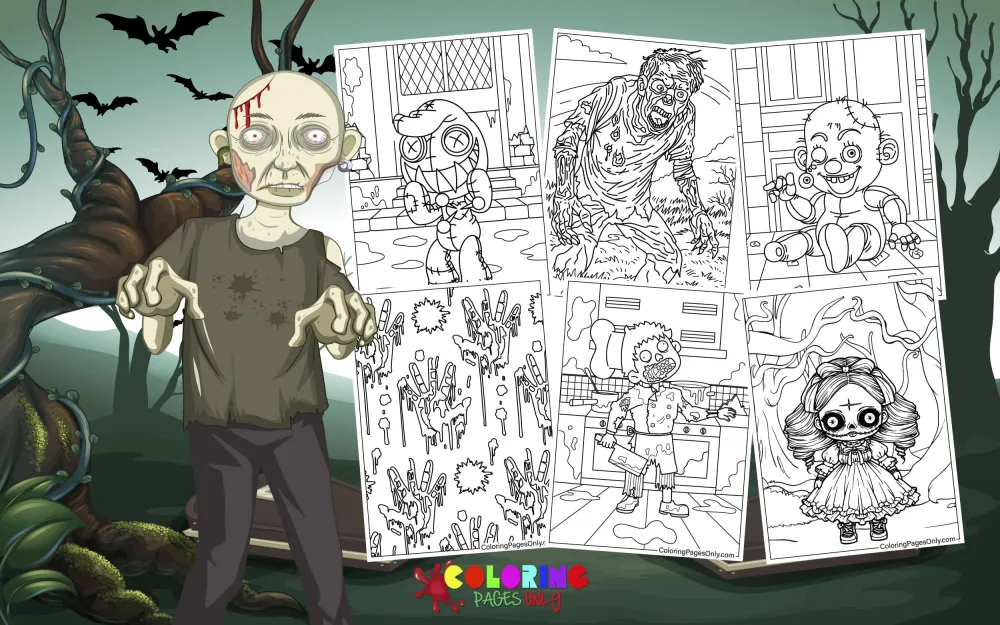
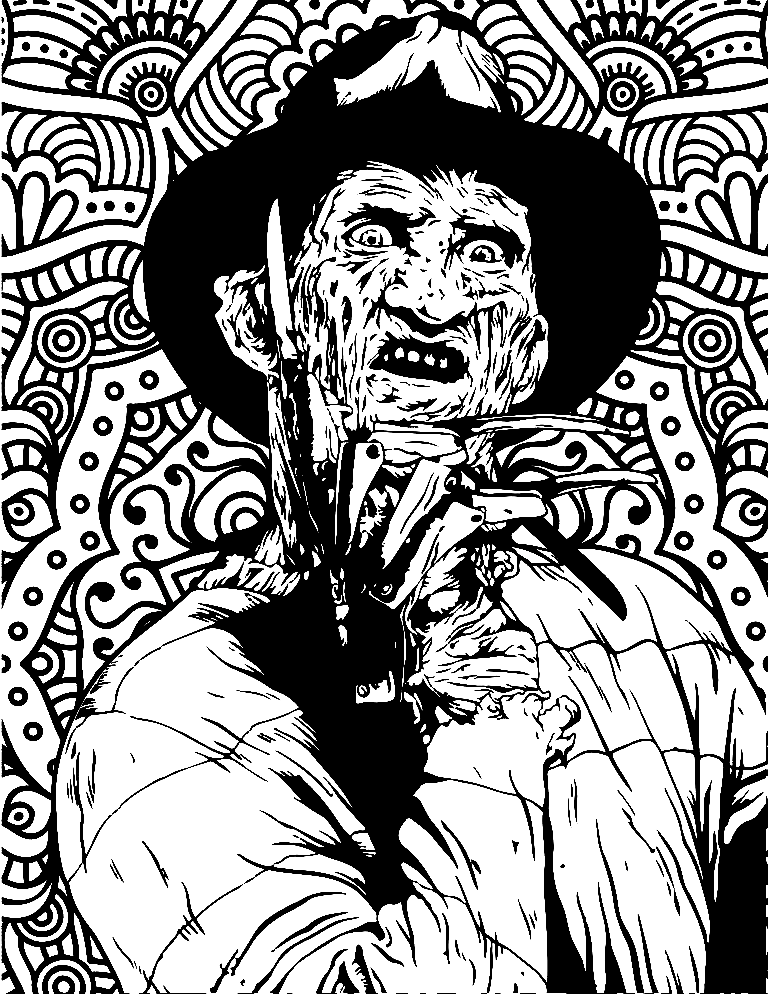
Free Horror Coloring Pages: 39 printable PDF designs of creepy dolls, a jack-in-the-box clown, zombie heads, graveyard skeletons, a snake-haired gorgon, a plague doctor, and detailed Gothic scenes made for teens and adults. Every sheet prints at no cost or can be shaded digitally.
Scary art has a long paper trail. The Gothic novel began with Horace Walpole’s The Castle of Otranto in 1764, and Mary Shelley published Frankenstein in 1818, setting the tone for monsters that still fill movie screens. Medieval painters spread the danse macabre, rows of dancing skeletons reminding viewers that death comes for everyone. The beaked plague doctor costume appeared in 17th-century Europe, and in Mexico, printmaker José Guadalupe Posada drew elegant skeletal calaveras that inspired the Day of the Dead imagery seen today. Adult coloring books took off around 2015, and dark themes became one of their most popular corners.
Many of these pages pack in fine hatching, hair strands, and textured backgrounds, so they suit patient colorists. Simpler toys, potions, and cat sheets make a gentler starting point for newer colorists.




What’s Inside This Collection
Dolls, eerie portraits, bones, monsters, and Gothic scenes divide the 39 designs.
Creepy Dolls, Toys, and Clowns
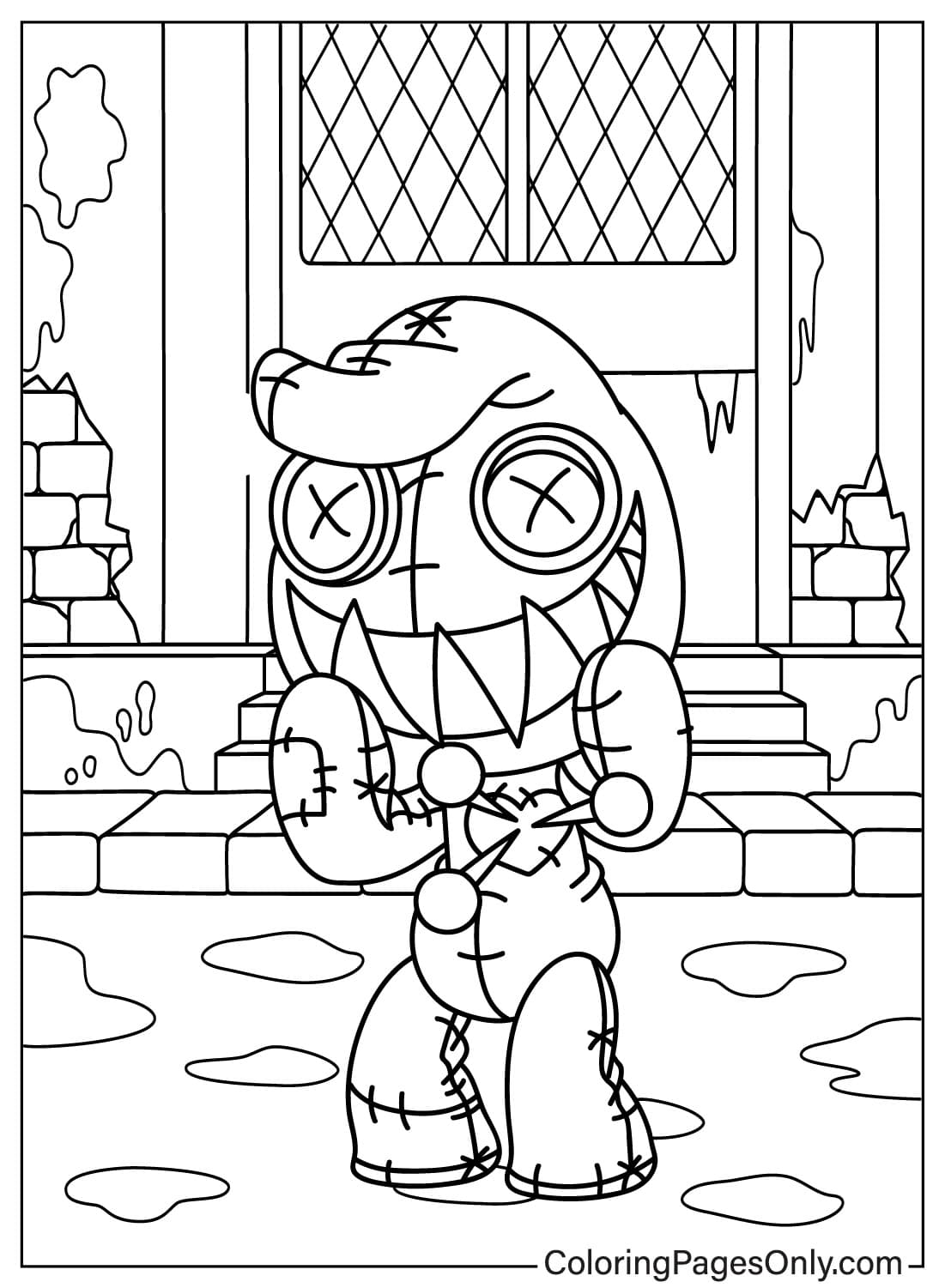
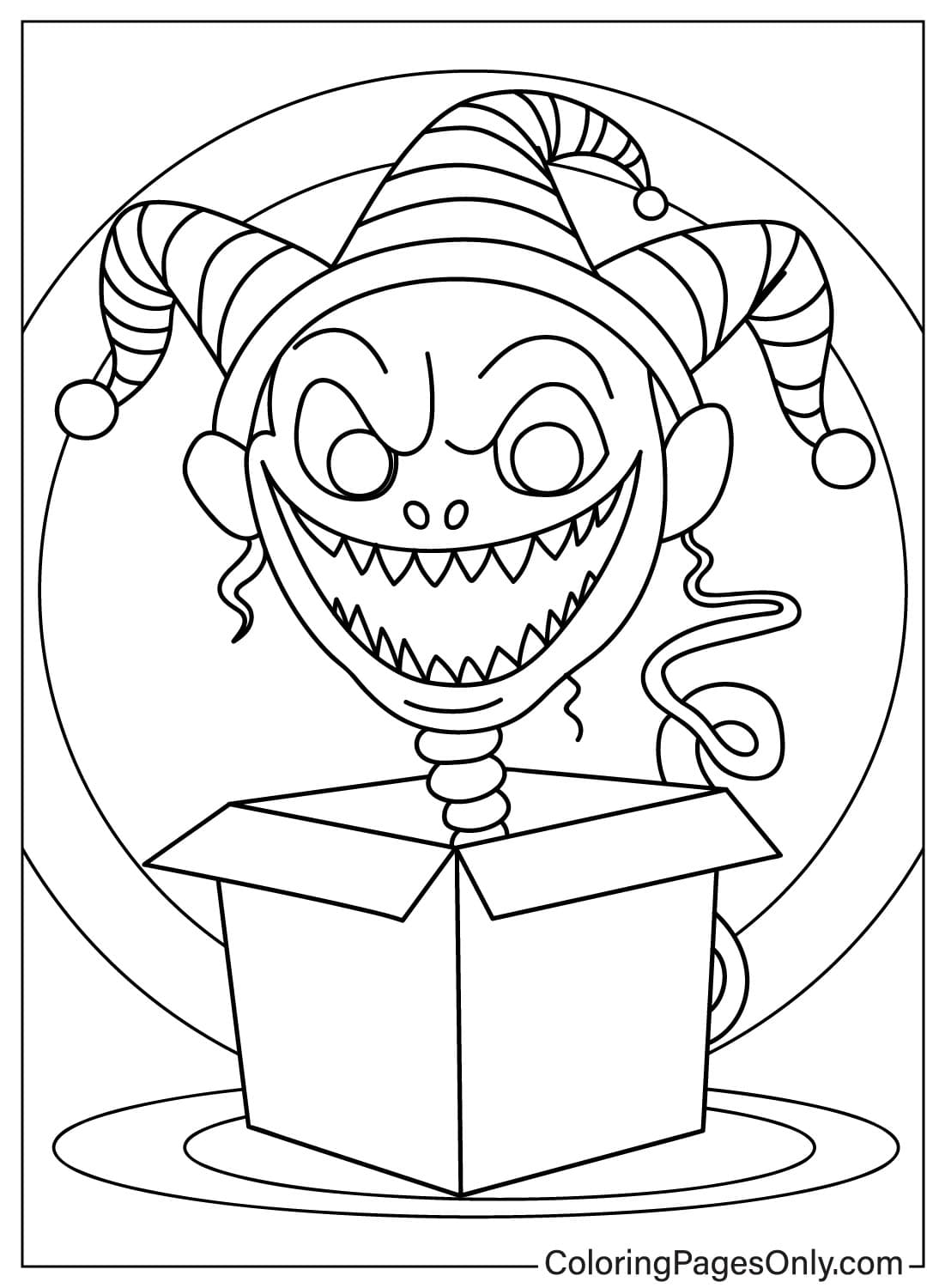
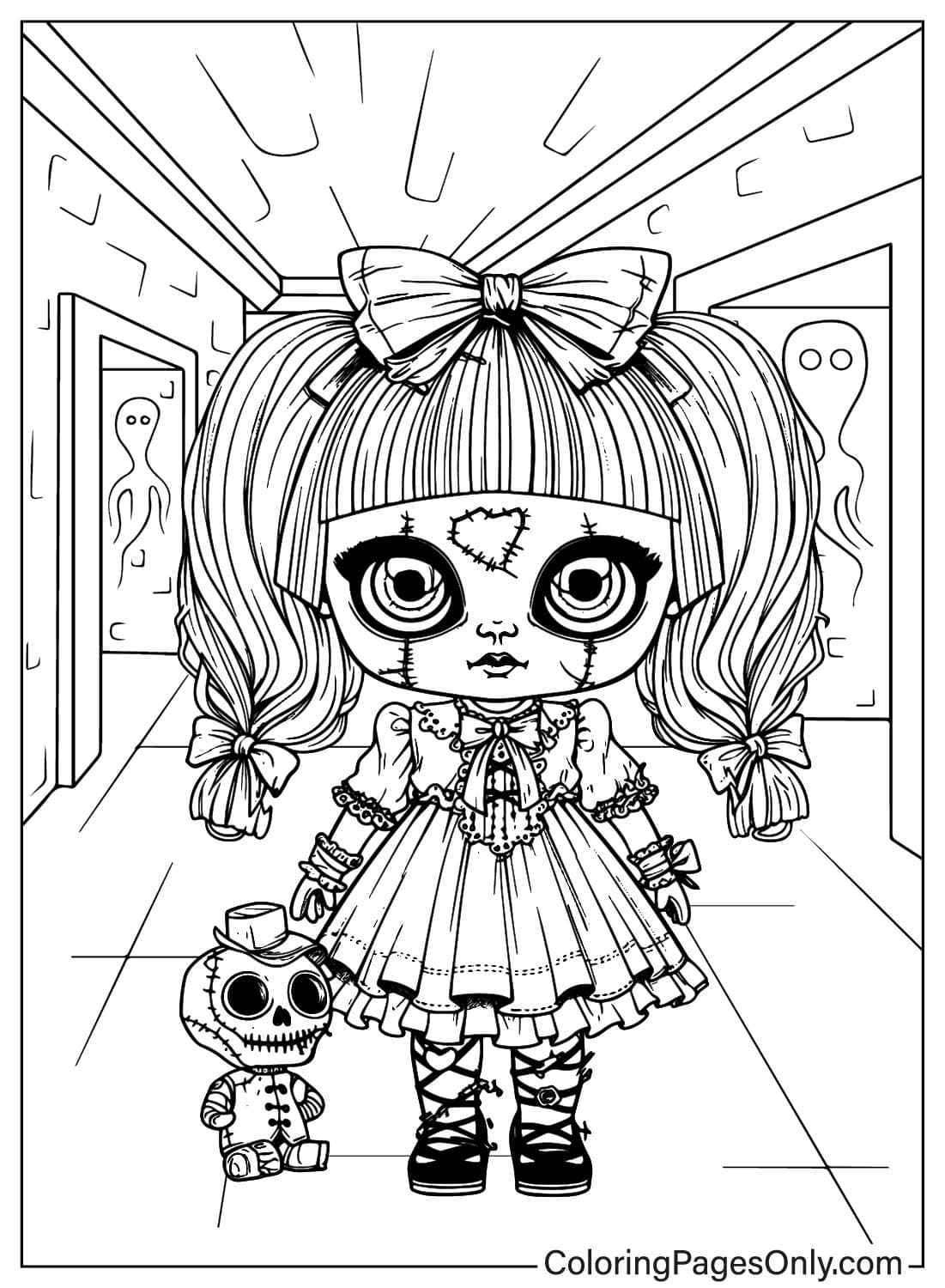
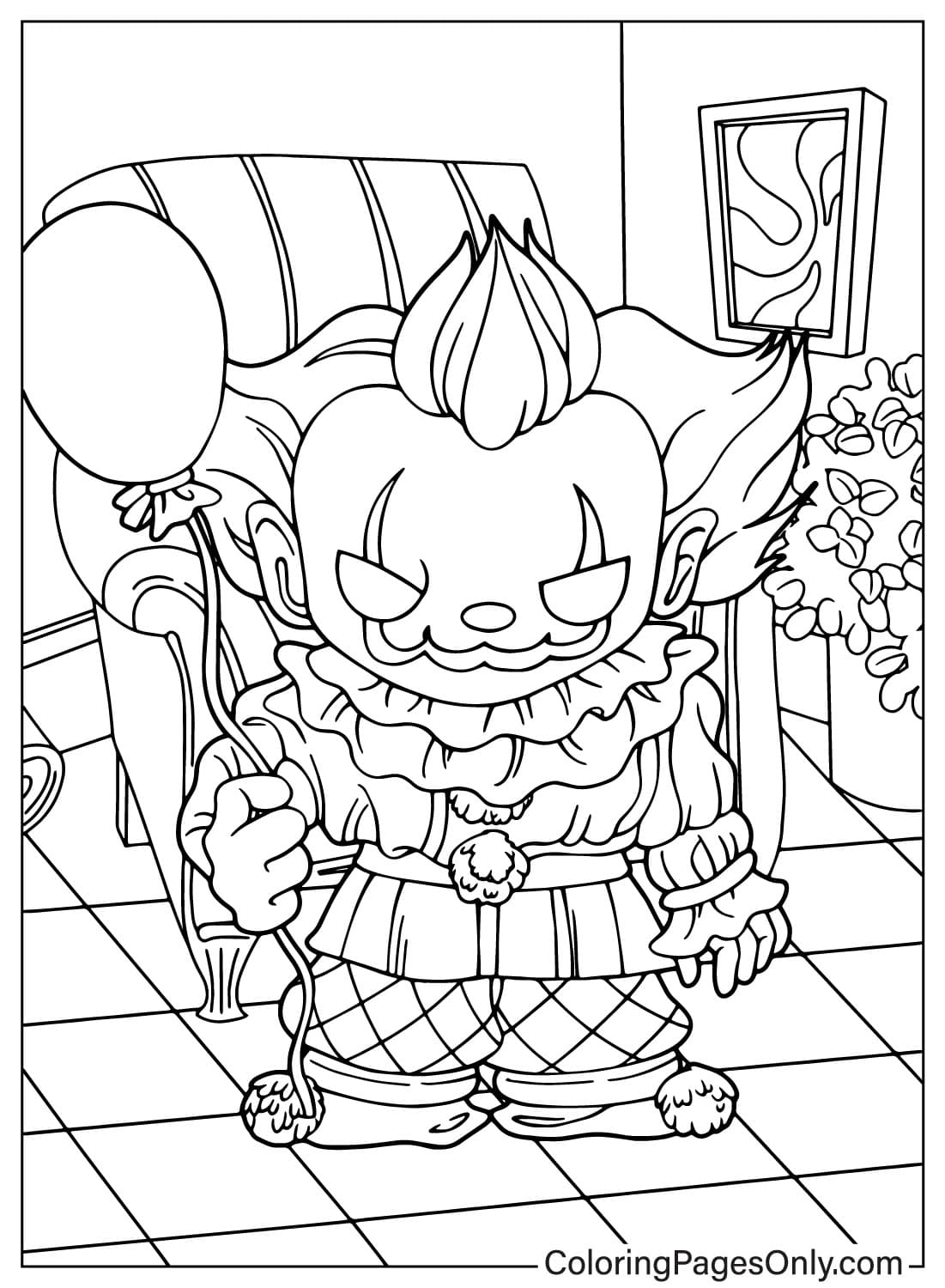
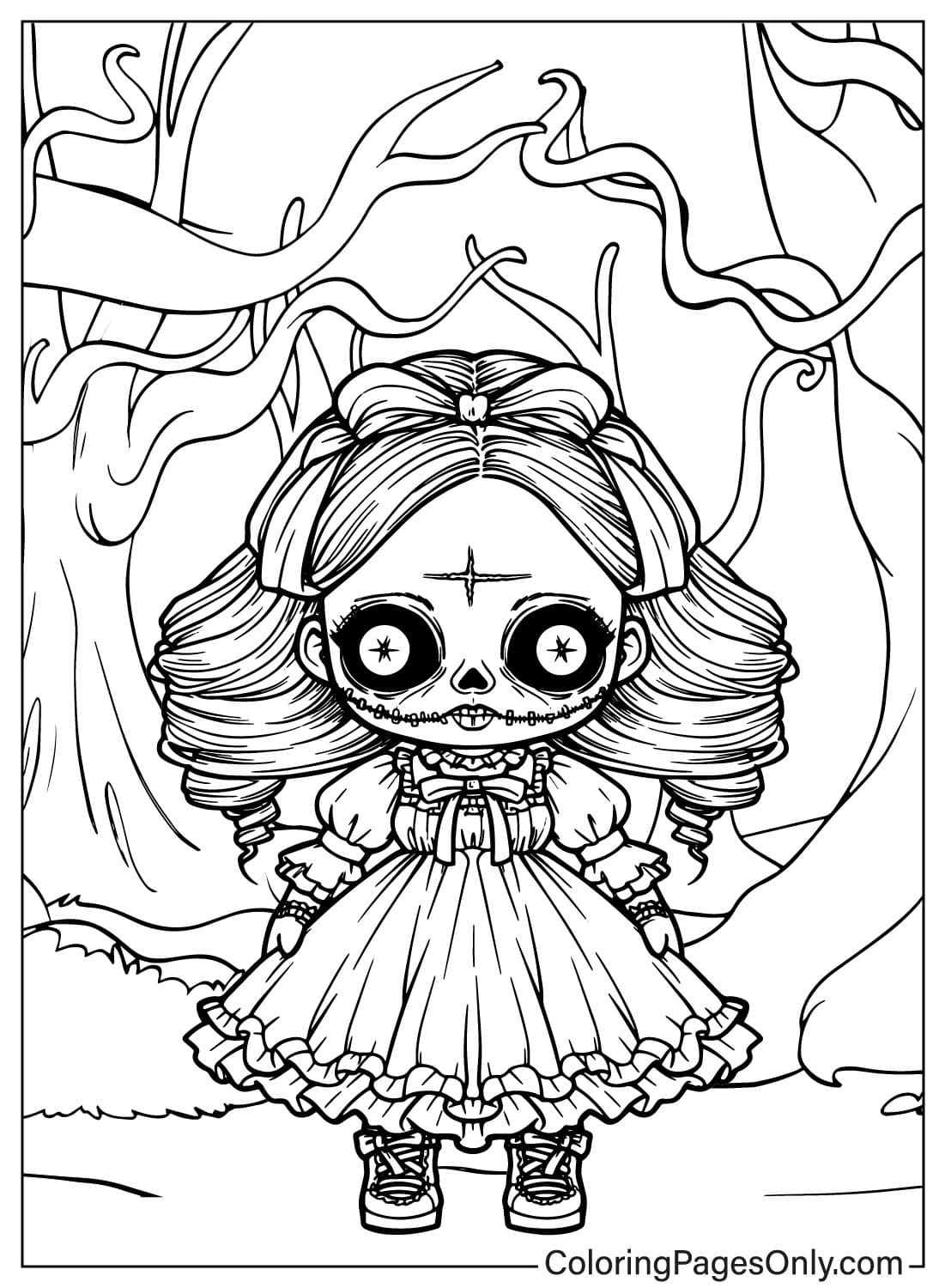
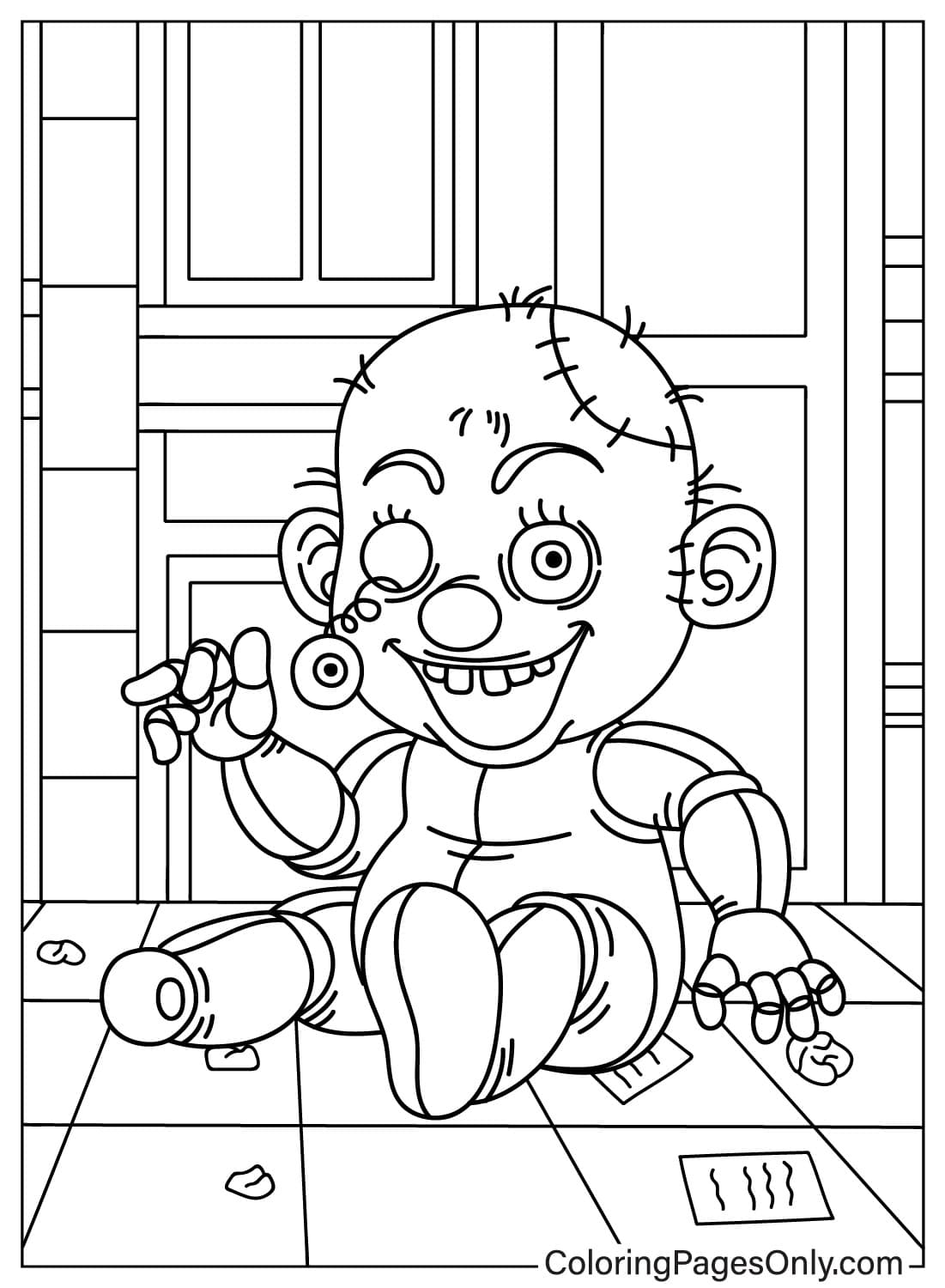
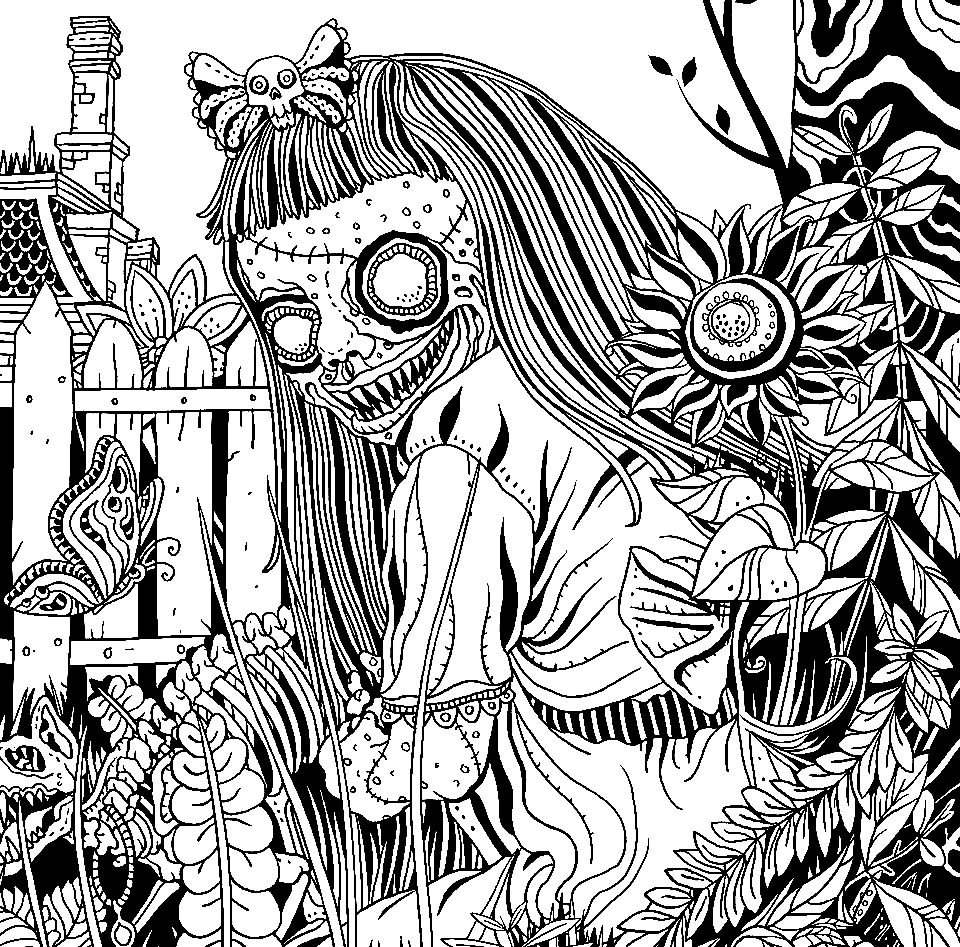
Seven sheets show a scary toy, a horror toy, three spooky dolls, including a Halloween doll, a grinning clown, and a clown bursting from a jack-in-the-box. Try faded Antique White for porcelain faces, cracked lines in Taupe, and a sickly Lime or Mustard on the clown’s suit.
Eerie Portraits
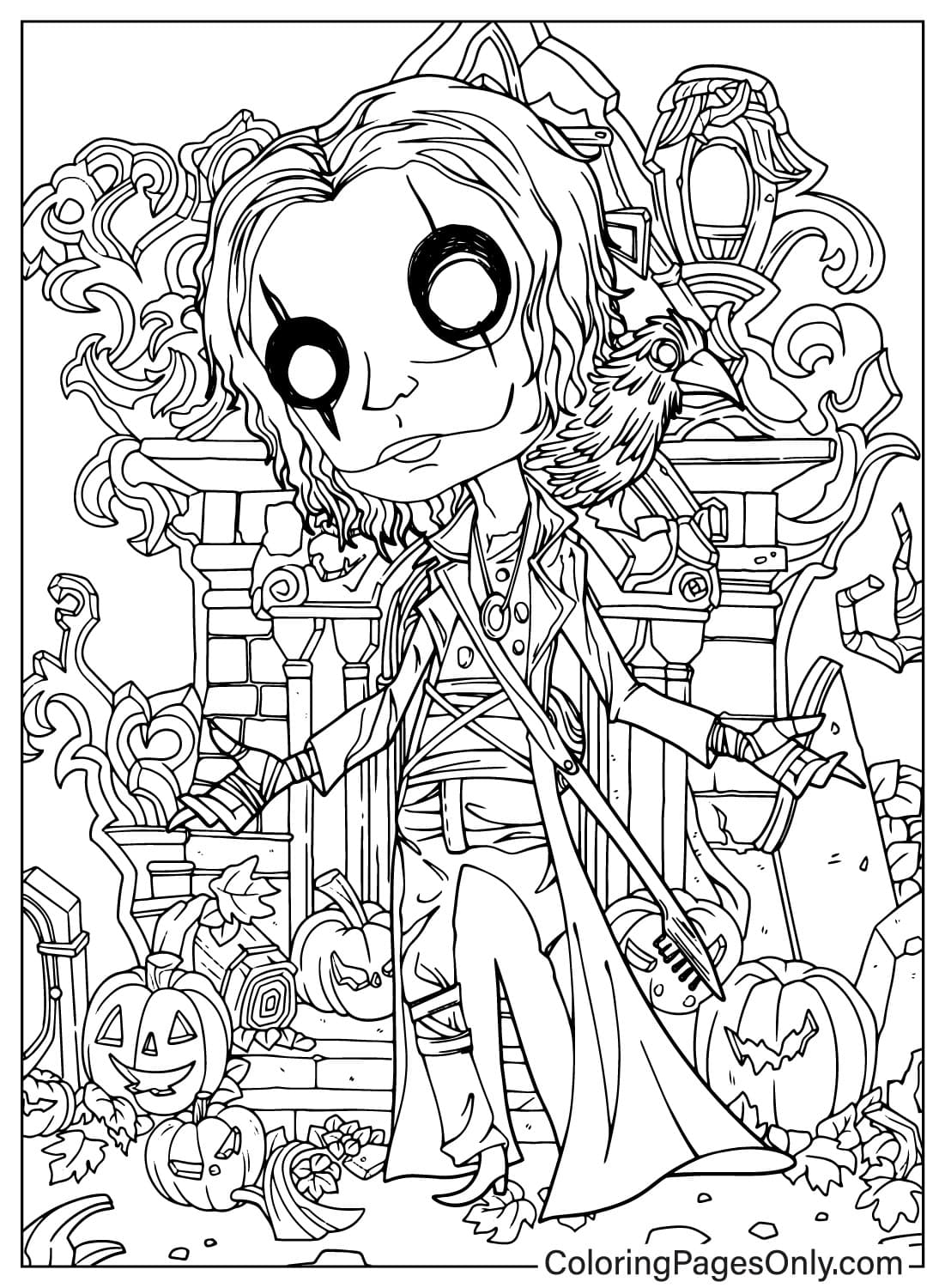
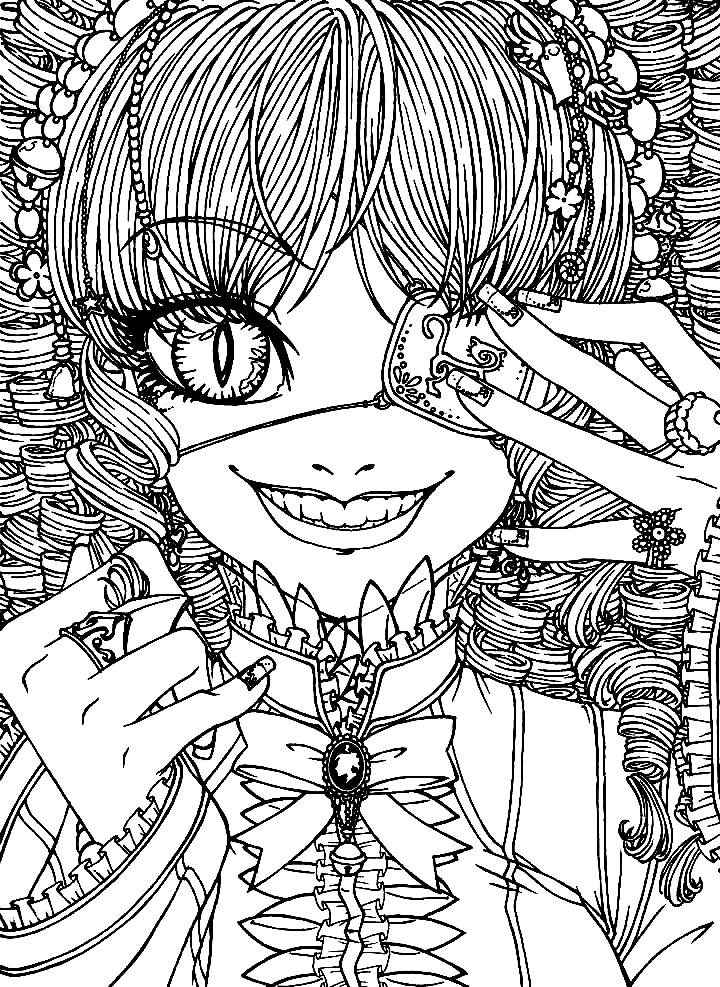
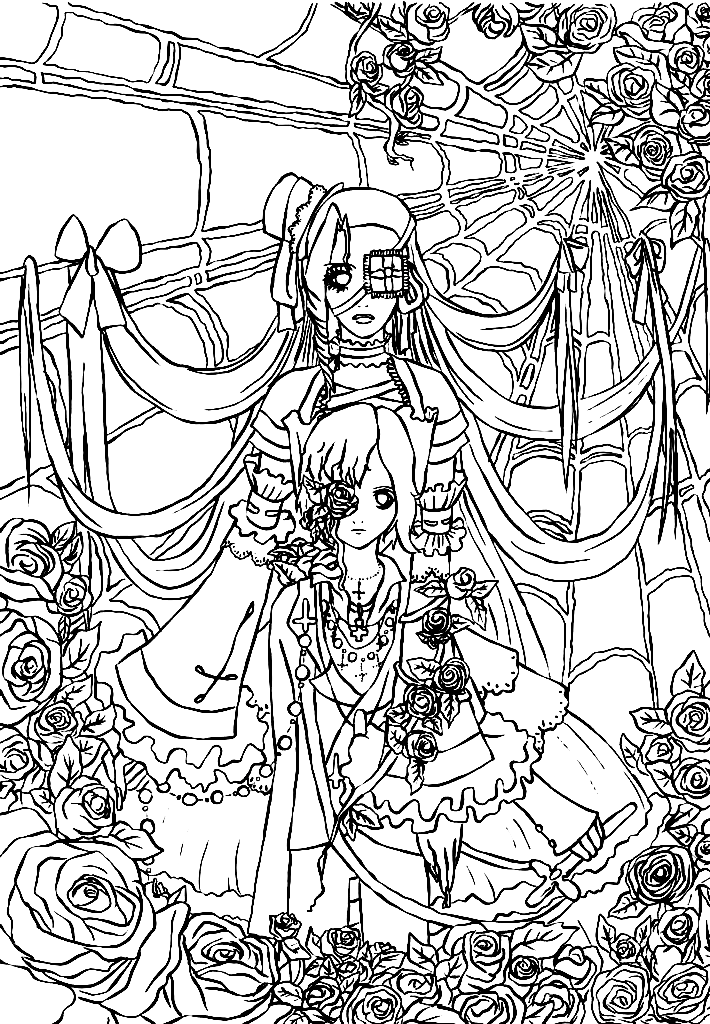
Seven pages feature a spooky boy, a creepy girl, scary girls, a girl with a bandaged face, a Halloween beauty, a boy and girl caught in a spider web, and a “beauty of horror” portrait. Use Ash Gray skin tones, deep Plum lips, and shadowy Charcoal under the eyes.
Snake Women and Witches
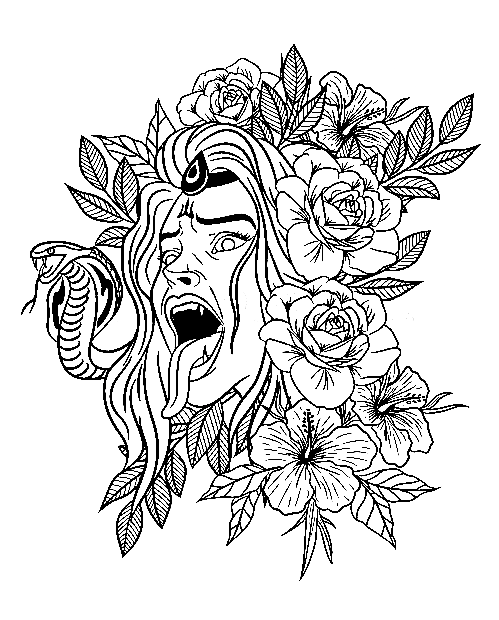
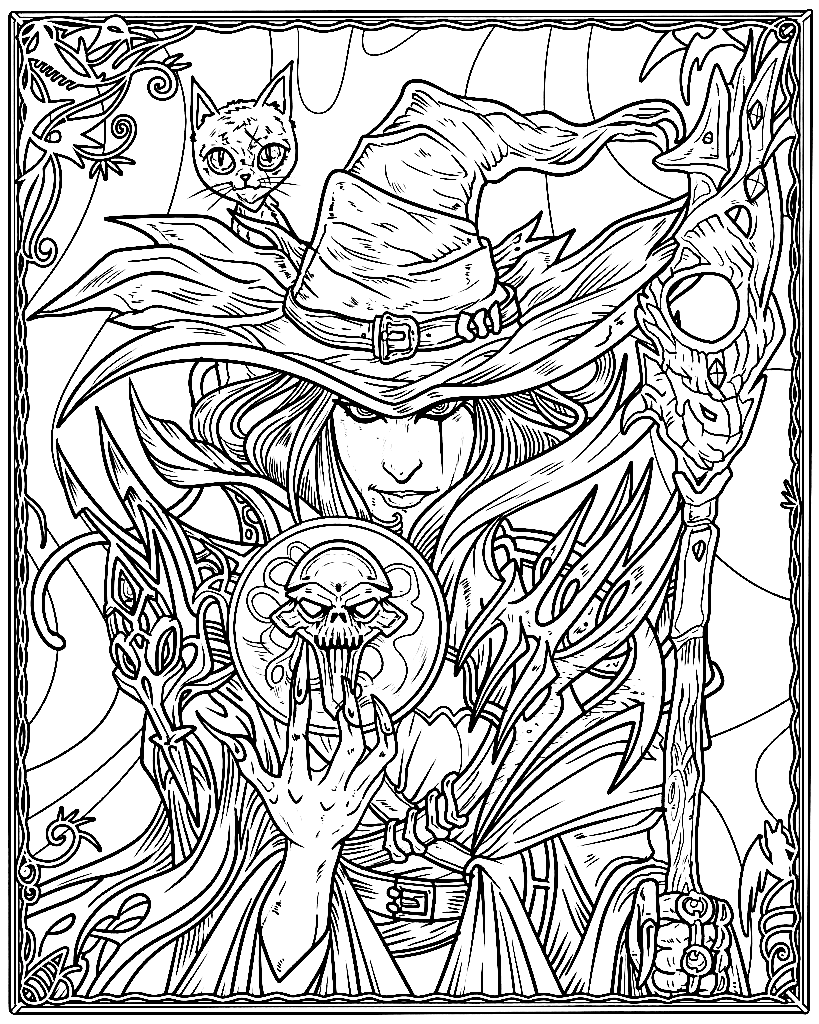
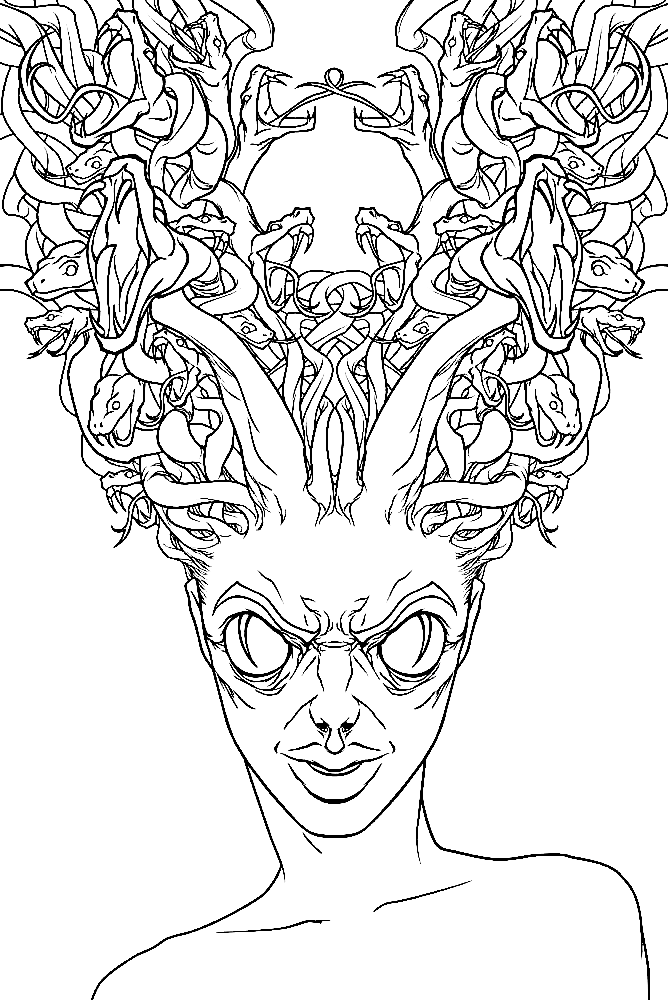
Three sheets show a woman with a snake body, a girl with serpents for hair in the style of Medusa, and a witch holding a staff. Color the snakes in layered Olive and Emerald scales, and give the witch a Midnight Purple robe.
Skulls, Skeletons, and Zombies
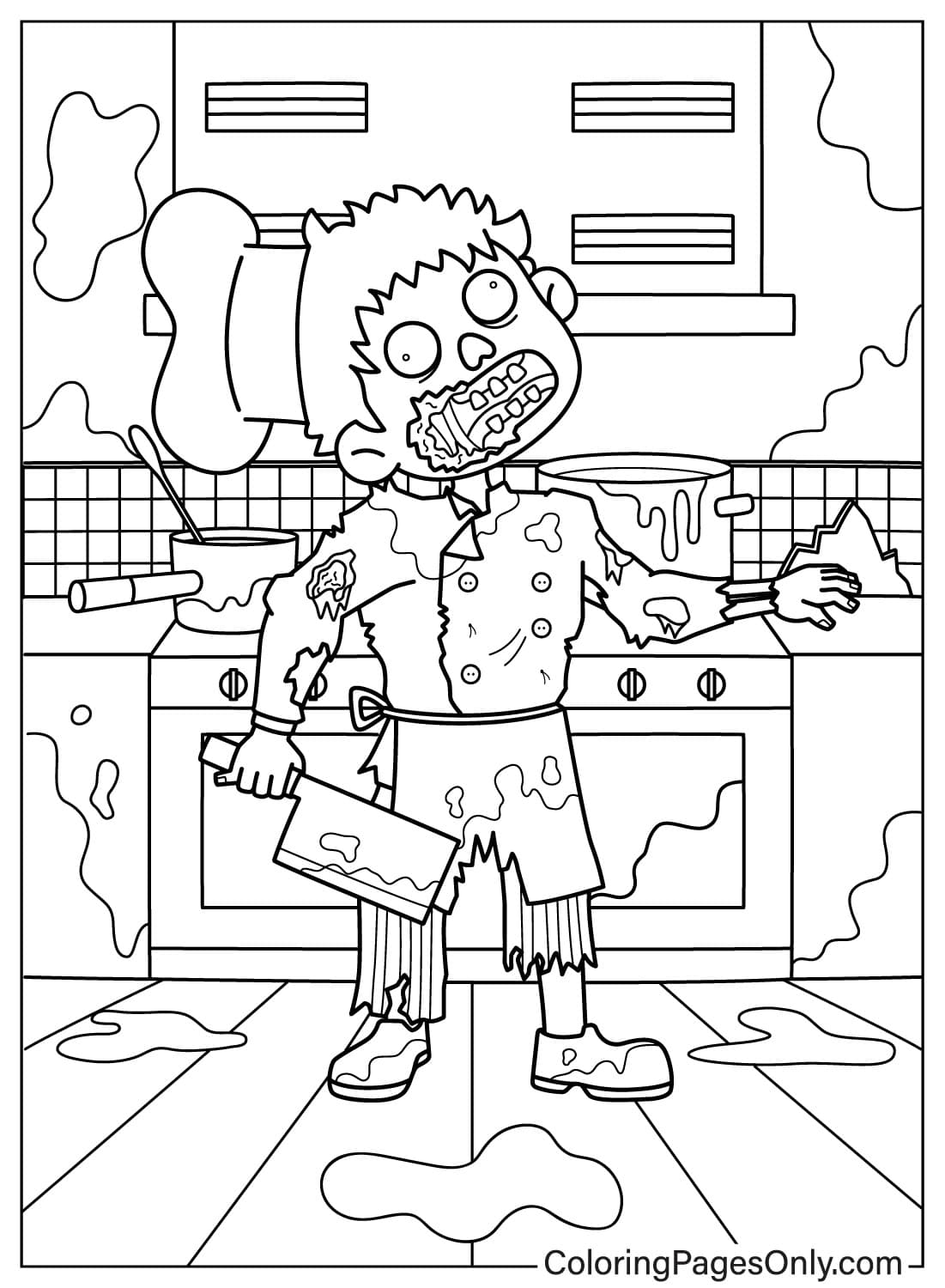
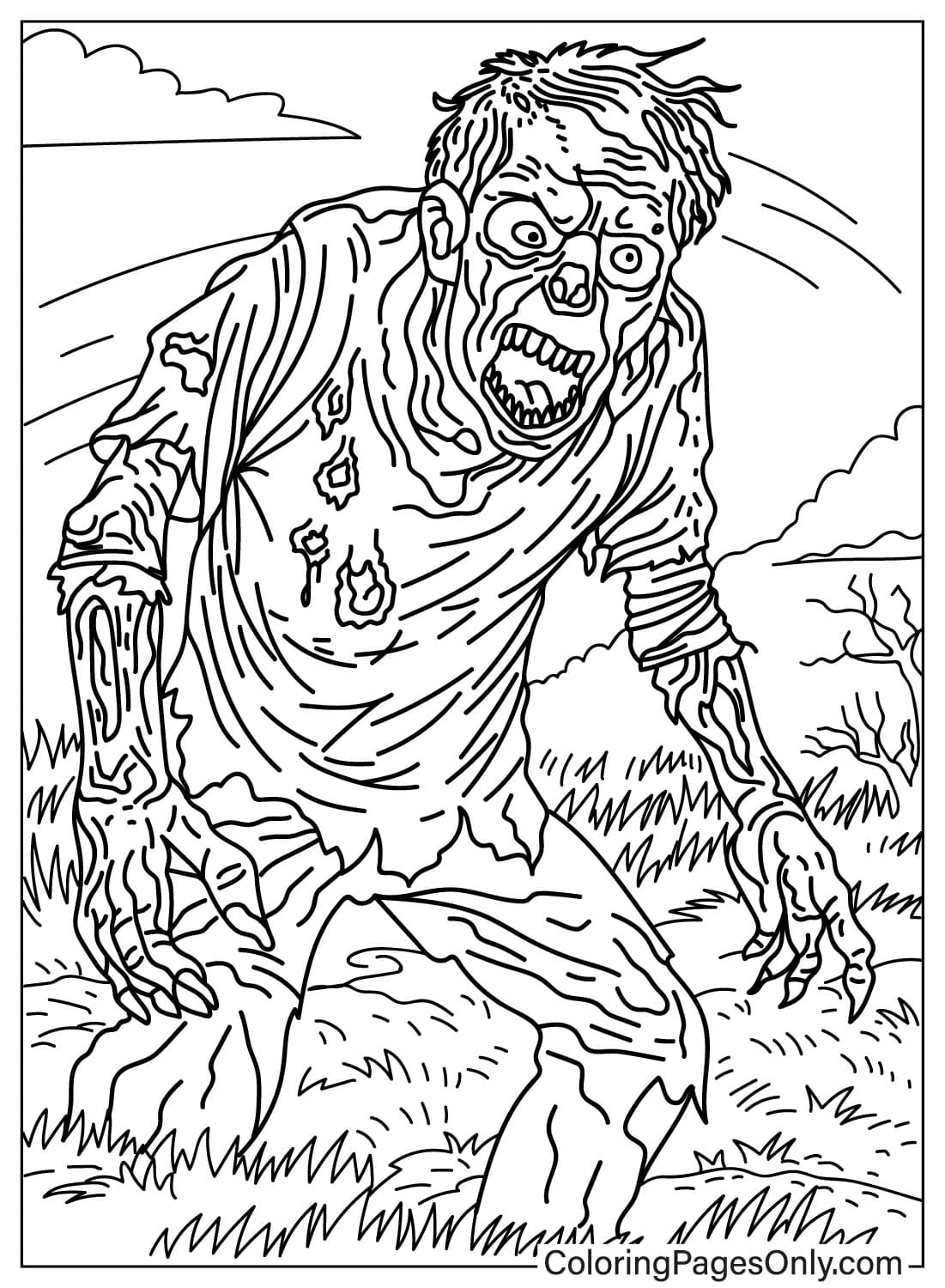
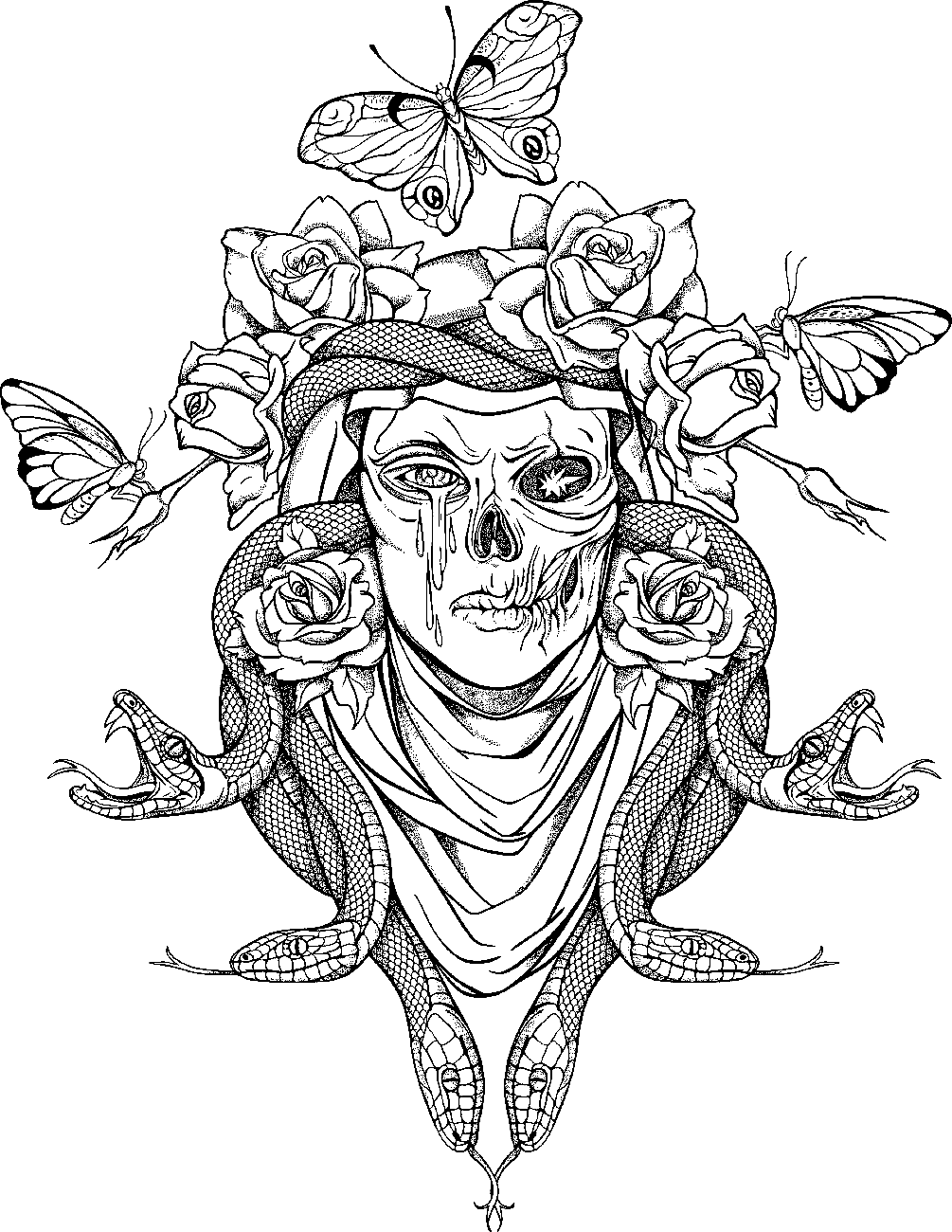
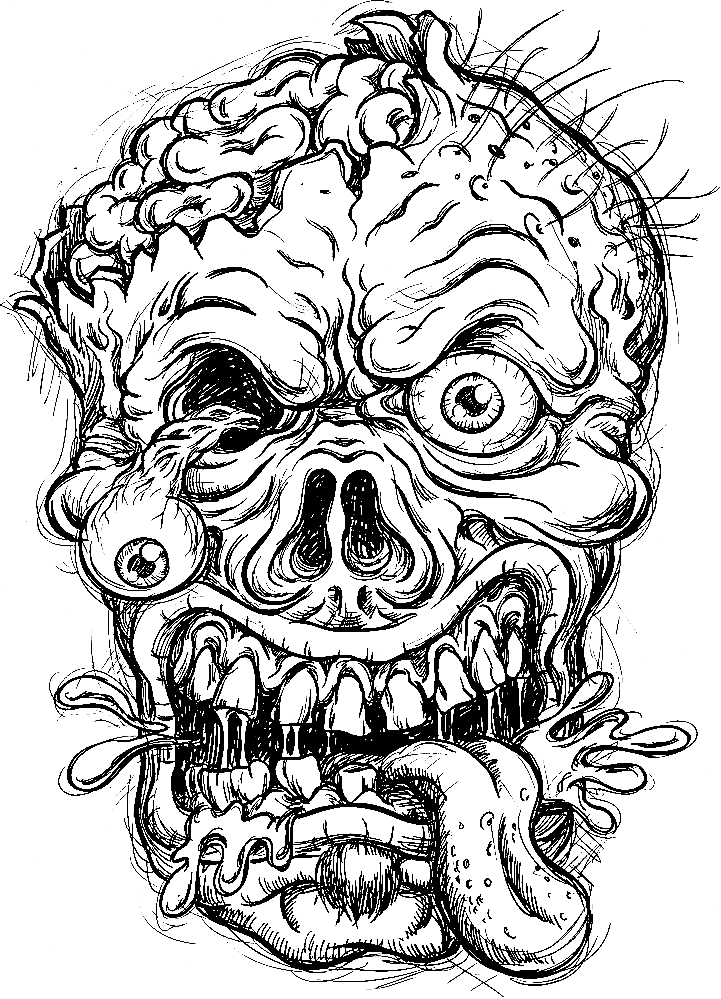
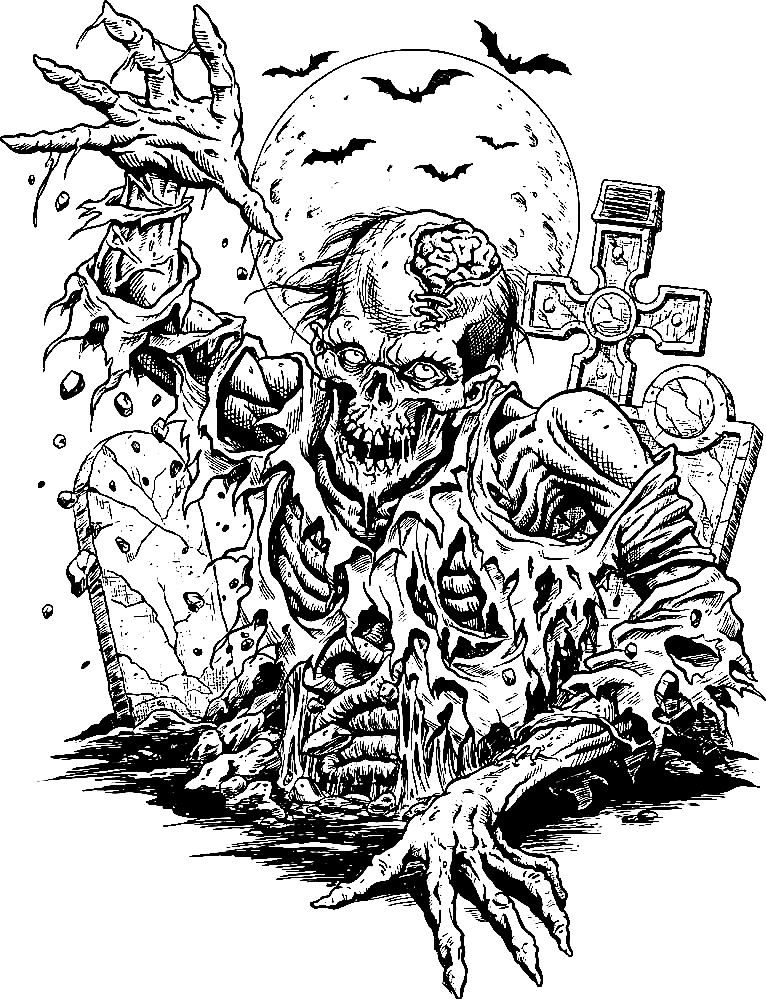
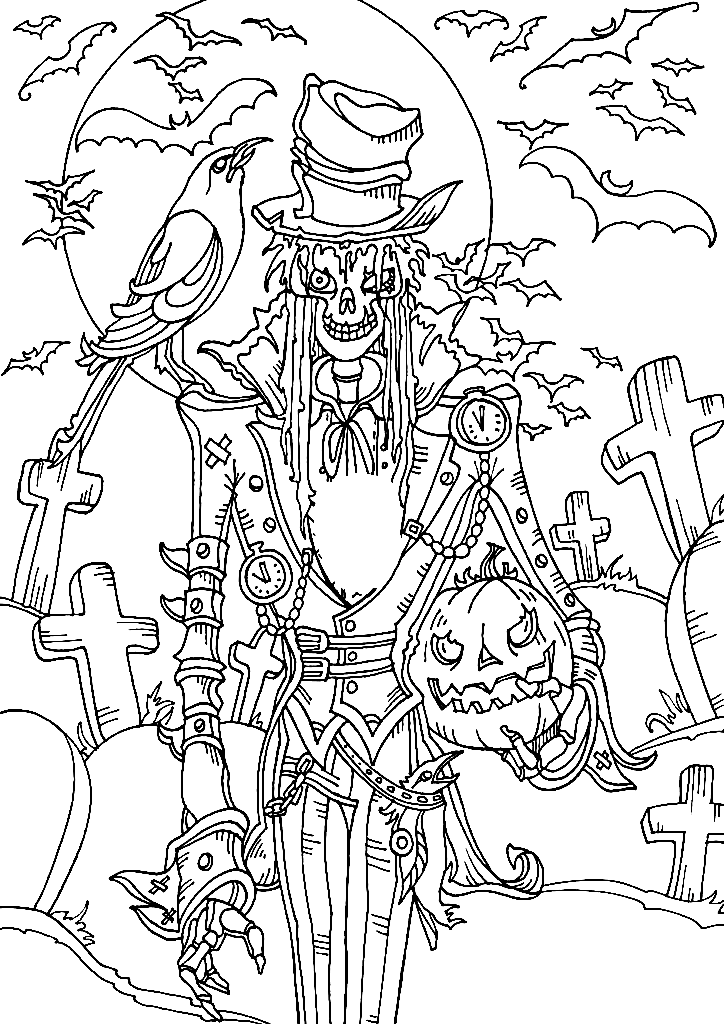
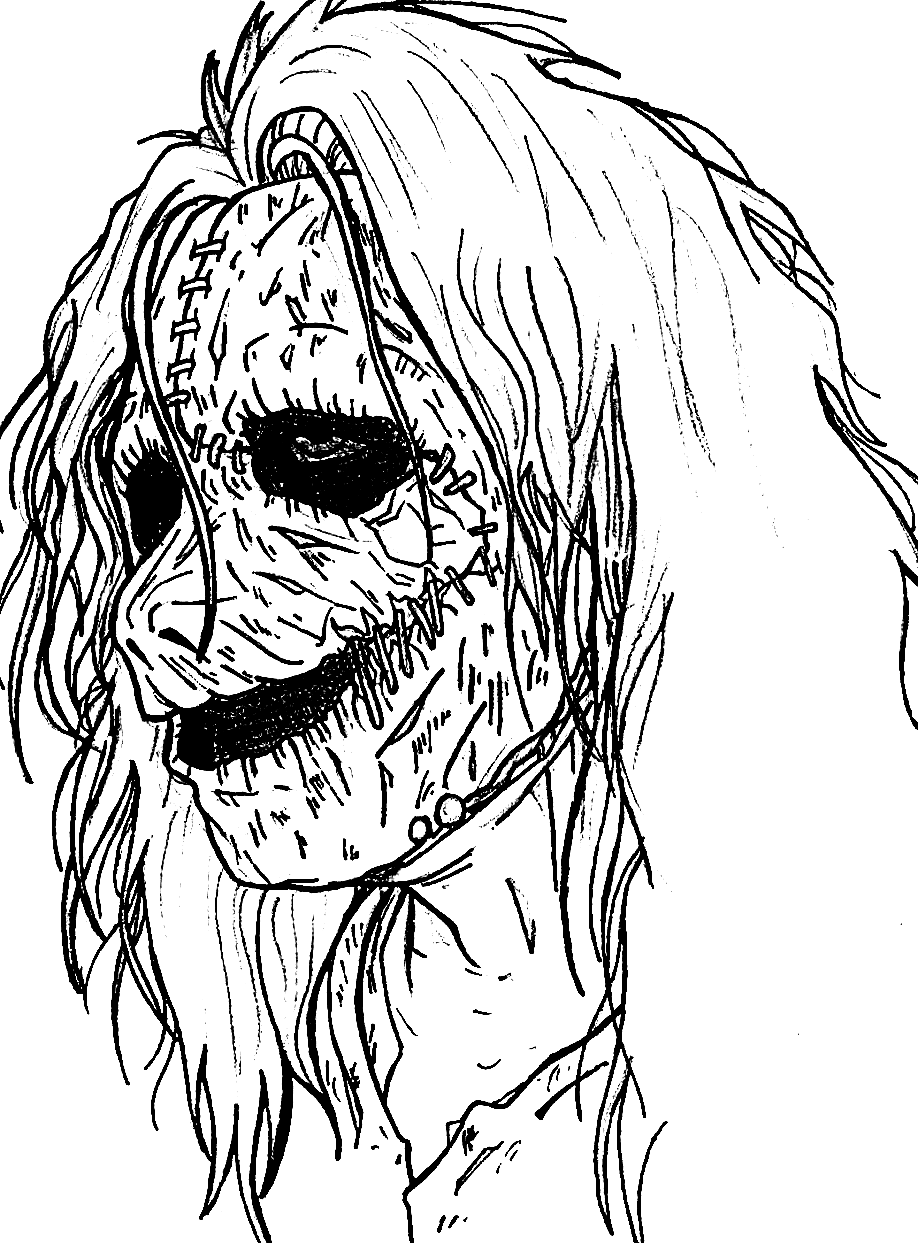
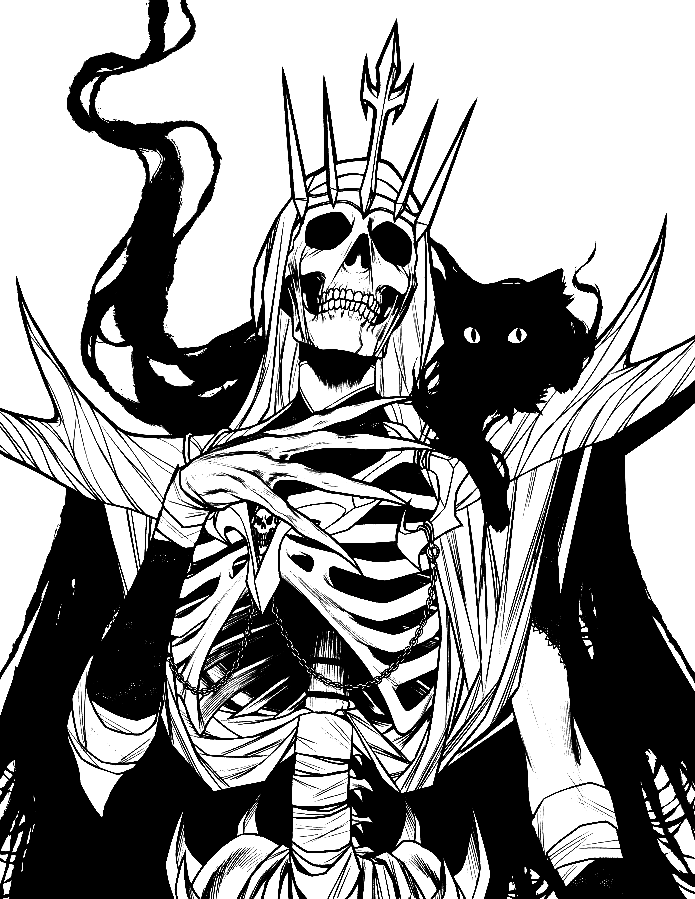
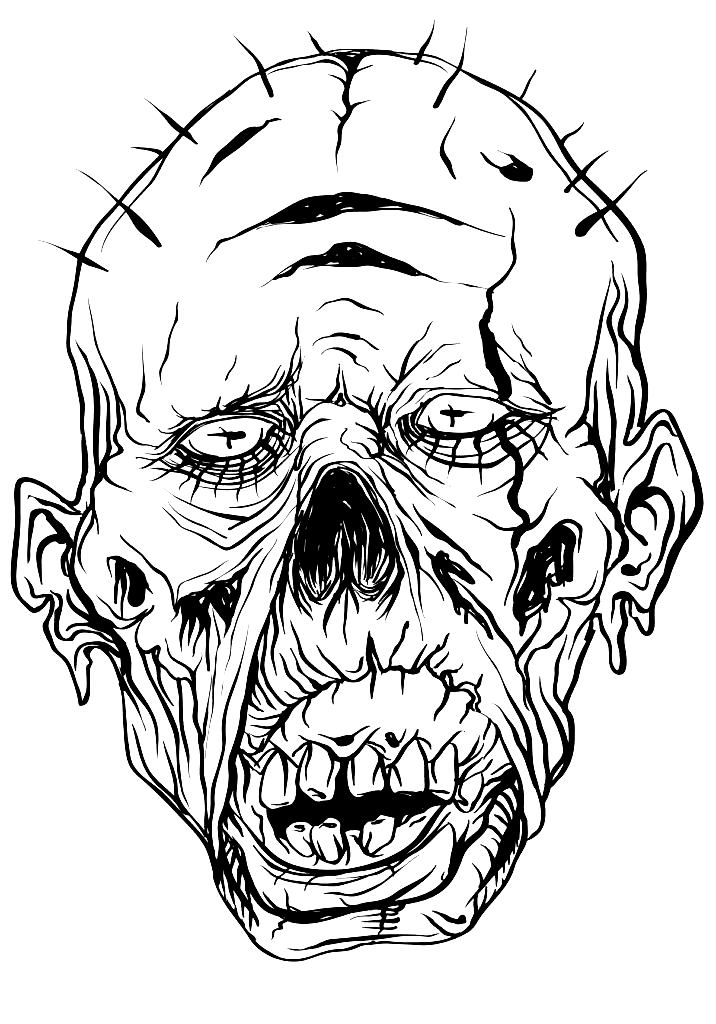
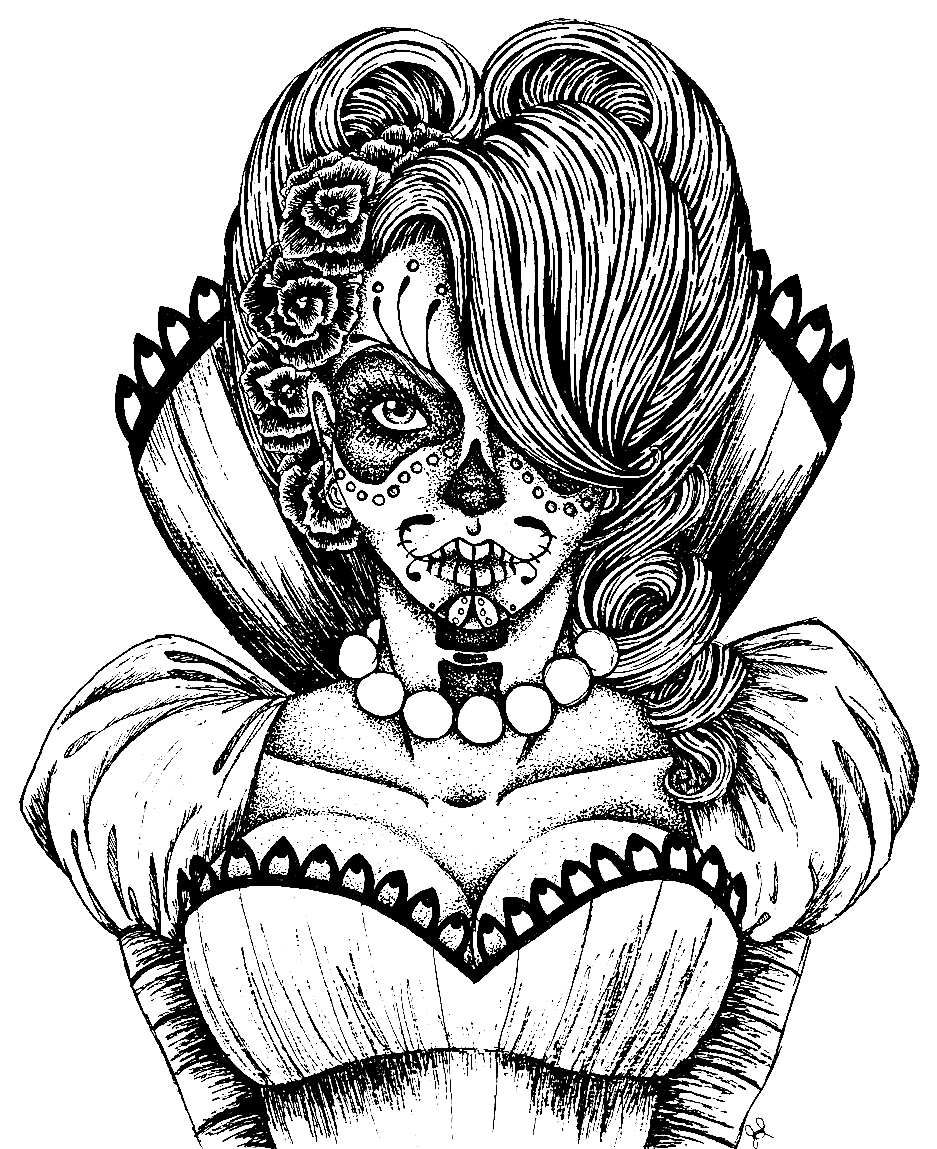
Six designs include a skull surrounded by snakes, butterflies, and roses, two zombie heads, a skeleton rising from a grave, a skeleton in a graveyard, and a Day of the Dead skull girl. Use Bone Ivory with Sepia shading for bones, Moss Green for zombie skin, and bright Marigold and Turquoise for the Day of the Dead design.
Monsters and Creatures
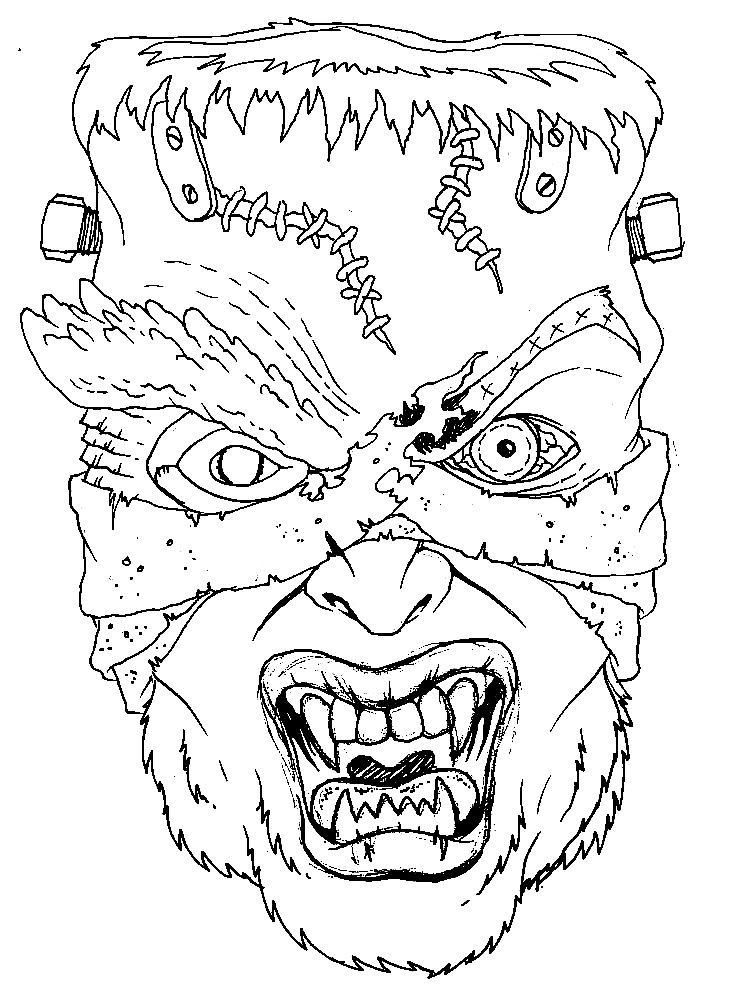
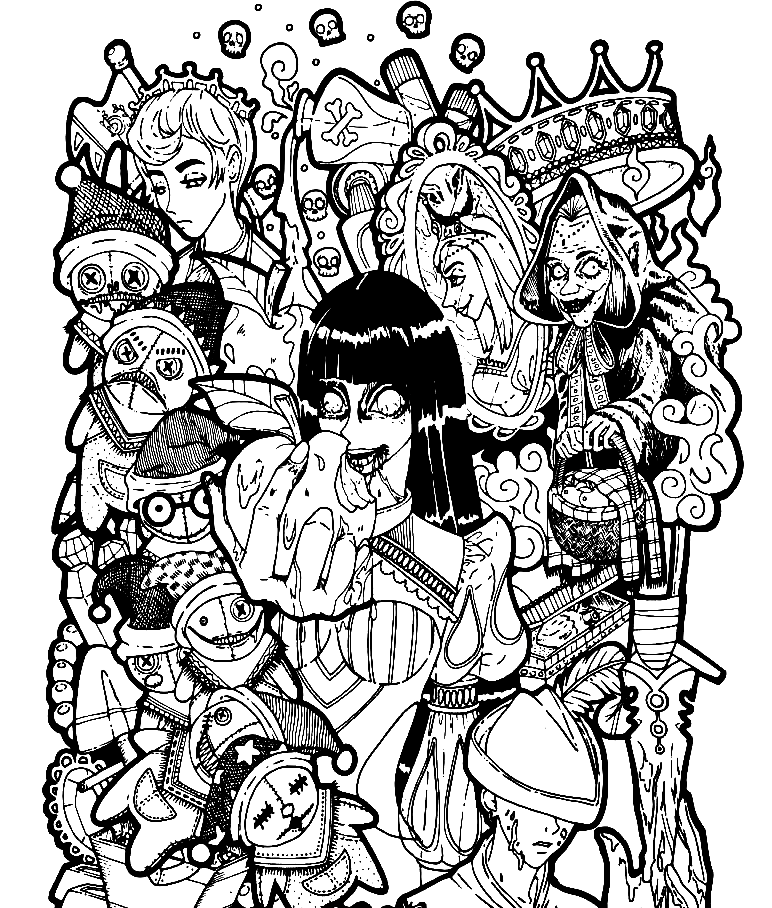
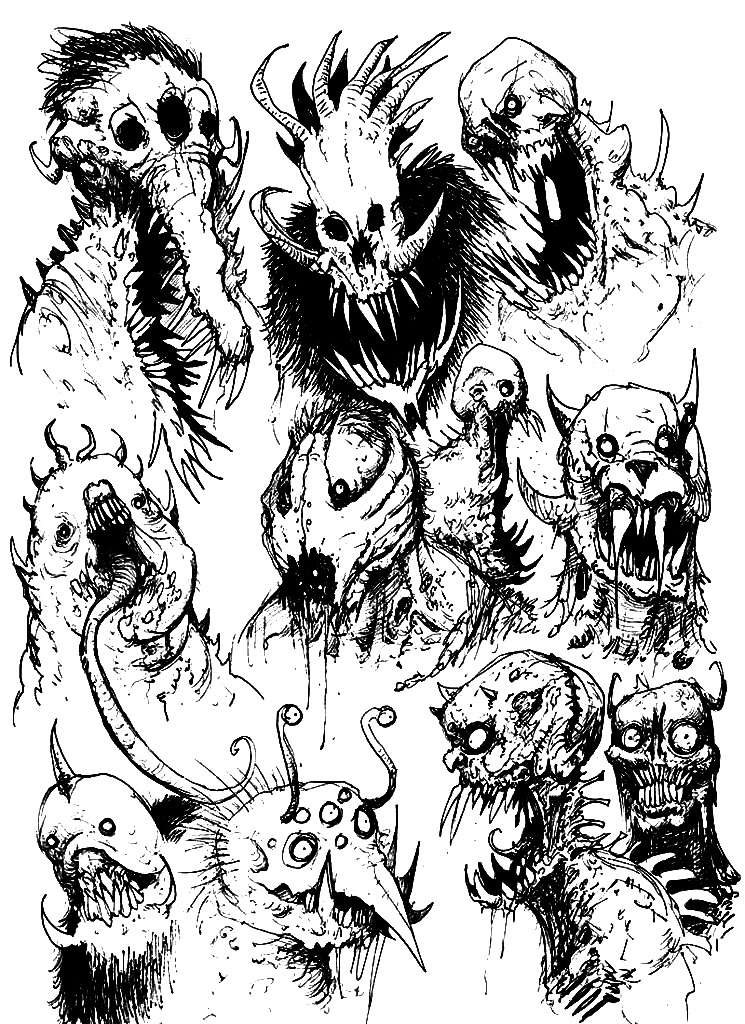
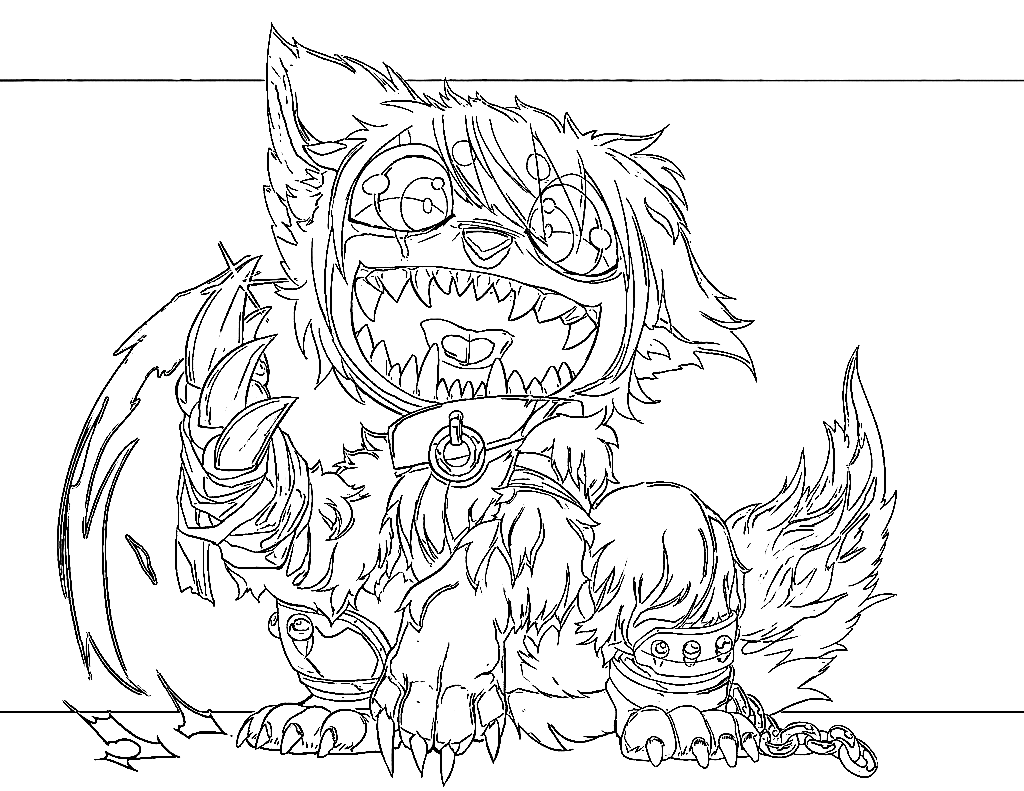
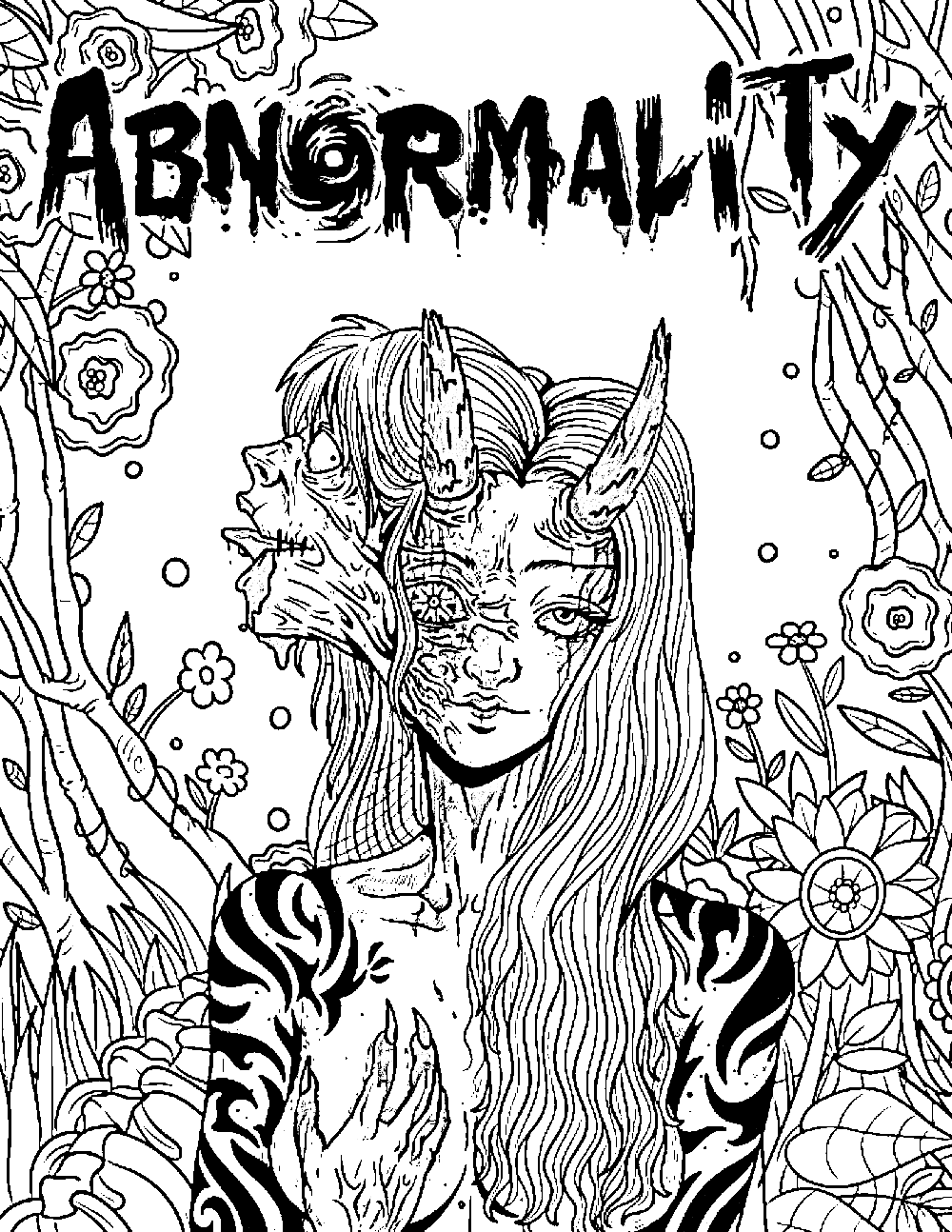
Four pages show grasping horror hands, a crowd of horrible monsters, an evil cat bound in chains, and a strange abnormality. Try glowing Amber eyes on the cat and a toxic Neon Green aura around the monsters.
Gothic Scenes and Objects
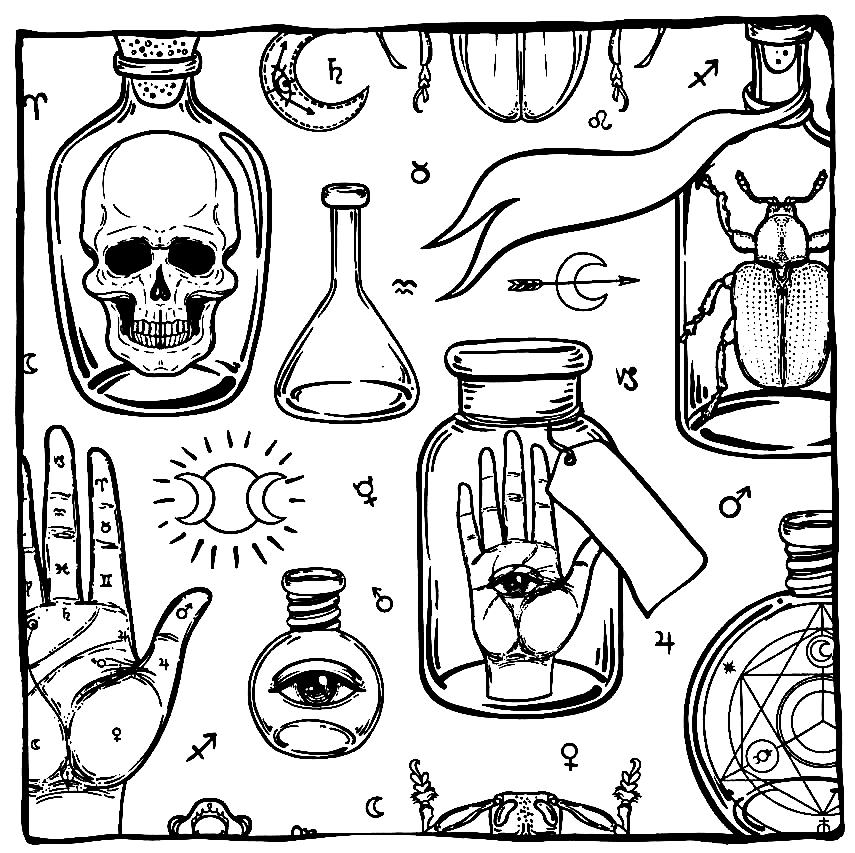
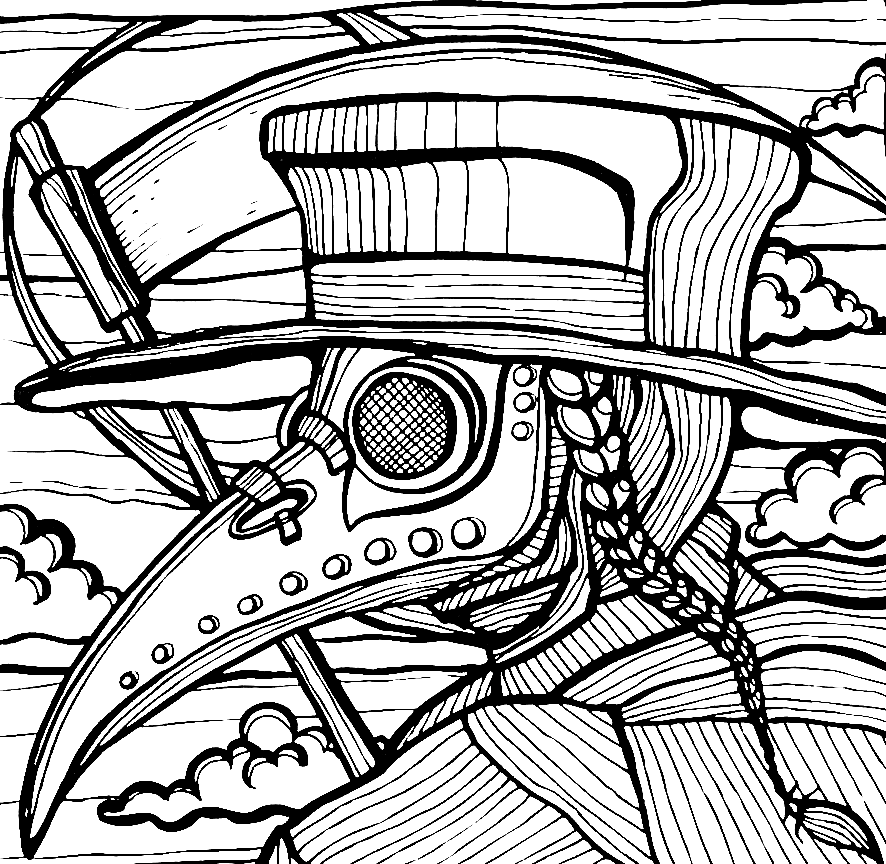
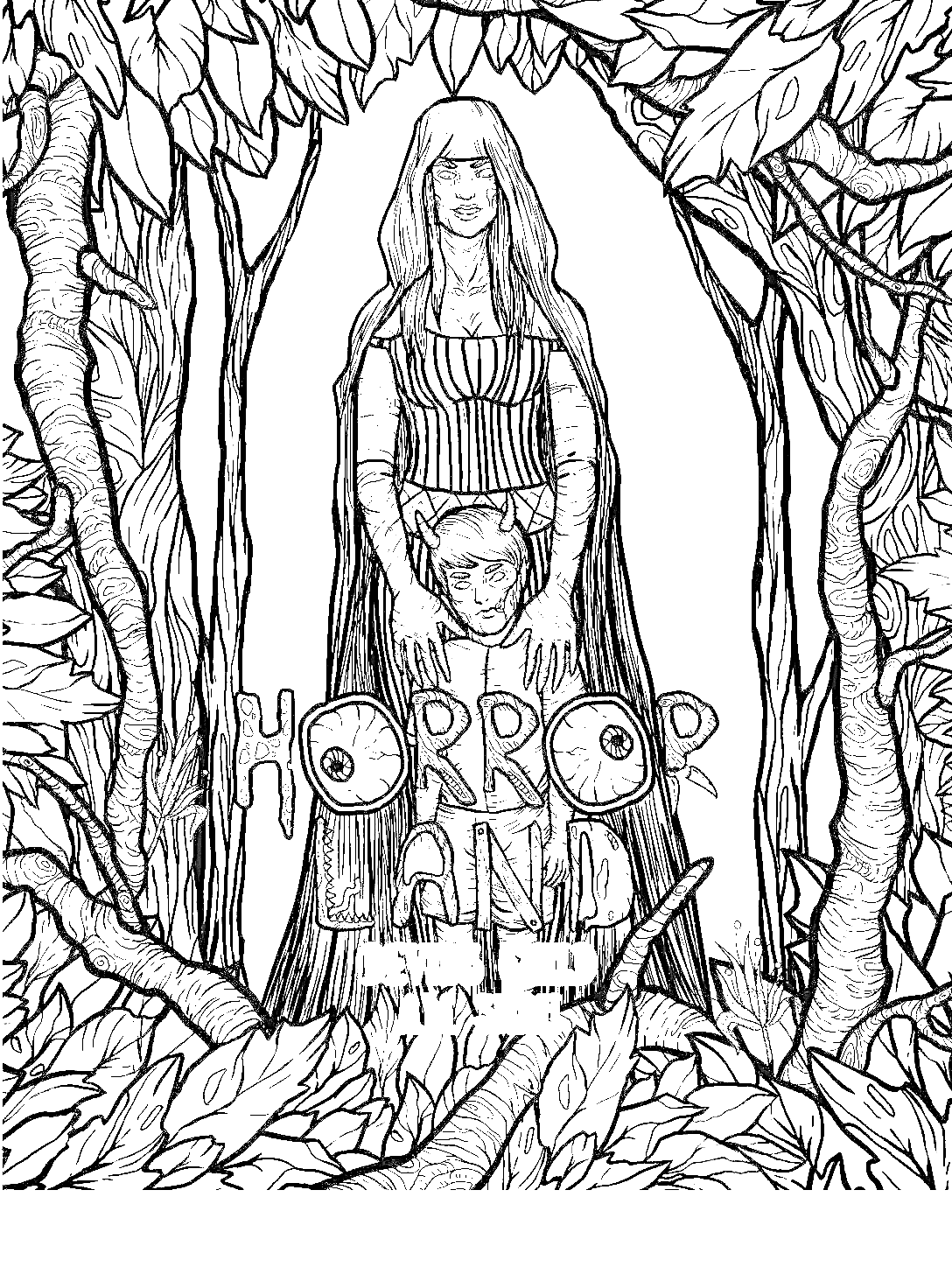
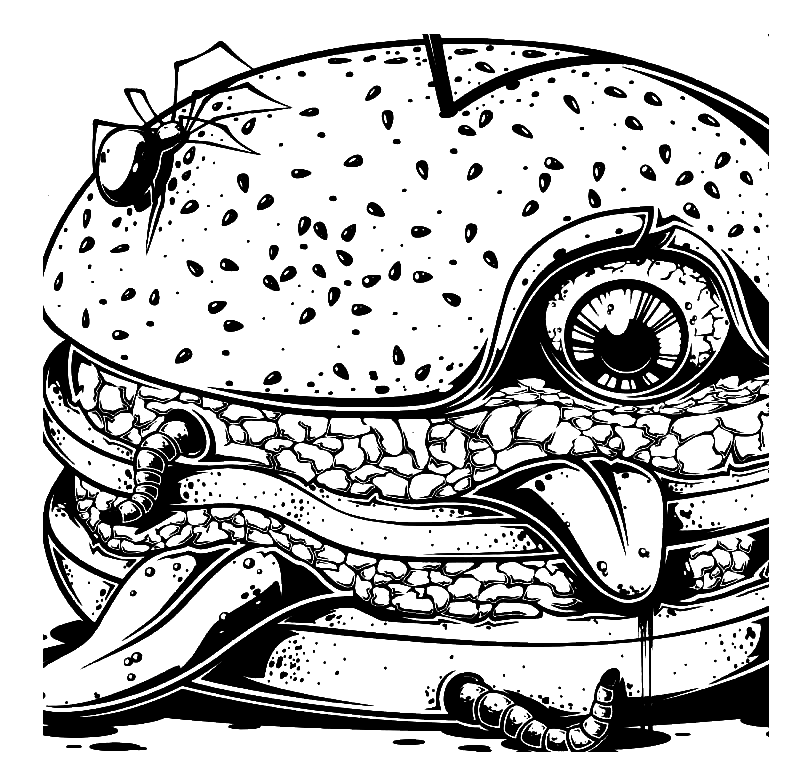
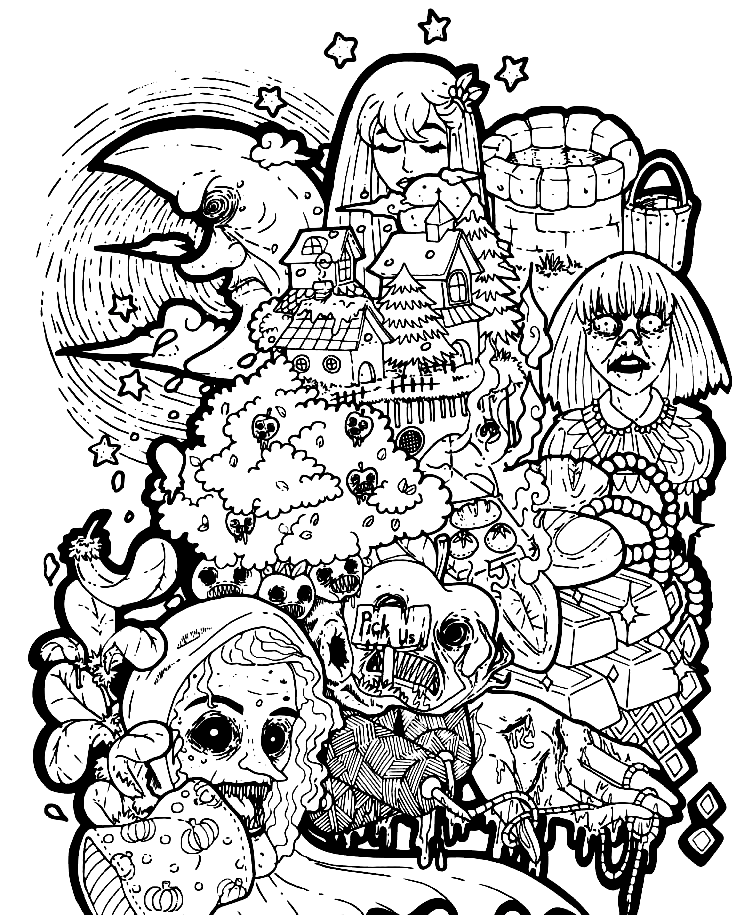
Five sheets include potion bottles, a plague doctor, a haunted Horror Land, a monster hamburger, and a Gothic scary scene. Fill the plague doctor’s coat in Black with a Leather Brown mask and the potions in jewel tones like Ruby, Sapphire, and Emerald.
Detailed Pages for Older Colorists
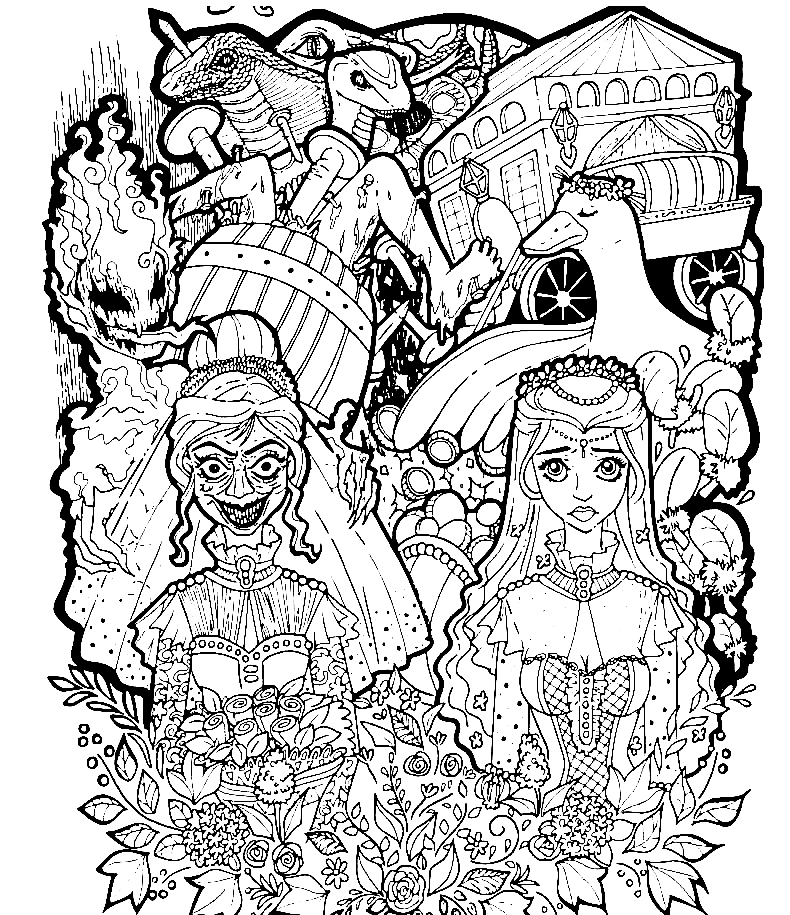
Seven general sheets offer dense horror compositions and movie-style scenes aimed at teens and adults. A limited palette of Black, Blood Red, and one cool Gray keeps these busy pages dramatic.
What Horror Coloring Pages Do
Safely handling fear. Scary images on paper are fully under the colorist’s control. Choosing how dark or bright a monster becomes can make a frightening idea feel smaller and more manageable.
Sharpening fine detail control. Hatching, tiny scales, and hair strands demand precise strokes. Horror art is not for toddlers, yet American Academy of Pediatrics experts see finger coordination surge from toddlerhood to around age 7; intricate horror sheets give older colorists a way to keep polishing it.
Unwinding with dark art. In 2005, the journal Art Therapy carried a trial by Curry and Kasser in which undergraduates shading a ready-made pattern reported calmer nerves afterward than peers sketching with no guide. Many horror fans find that spending quiet time on a skull or Gothic scene is surprisingly relaxing.
Learning art and folklore. Gorgons, plague doctors, and calaveras each come from real history and myth. Coloring them can spark research into Greek legends, European medicine, and Mexican traditions.
How to Color Horror Pages Well
- Limited palette: Choose three or four colors, such as Black, Crimson, and Gray, for a unified, cinematic mood.
- Deep shadows: Build darkness in layers rather than pressing hard once, so details stay visible.
- Glowing eyes: Leave eyes white, then circle them with Yellow and Orange for a lit-from-within glow.
- Aged texture: Rub a light Brown pencil sideways across dolls and bones to suggest grime and age.
- Pop of color: Let one bright element, like a red rose or a potion, stand out against the gloom.
- Fog effect: Blend pale Gray or Lavender at the bottom of graveyard scenes for drifting mist.
5 Creative Craft Ideas With Horror Coloring Pages
1. Haunted Gallery Wall
Color several portraits and frame each with black paper borders edged in silver marker. Hang them in a row like a creepy museum hallway.
2. Potion Shelf Labels
Color the potion bottles page, cut out each bottle, and glue them onto small jars or containers. Invent spooky names for every potion.
3. Graveyard Diorama
Color the skeleton and zombie sheets, snip around every body, and set the crowd inside a shoebox scattered with paper tombstones and cotton fog.
4. Plague Doctor Bookmark
Color the plague doctor sheet, slice the figure into a tall, narrow band, and seal both sides with wide tape. Use it for Gothic novels.
5. Halloween Party Invitations
Color the creepy doll or clown pages at a smaller size, glue them onto folded black cardstock, and write party details inside in silver ink.
Frequently Asked Questions
What are Horror coloring pages?
There are 39 free printable drawings of creepy dolls, clowns, zombies, skulls, gorgons, witches, monsters, and Gothic scenes designed mainly for teens and adults. Print any of them for free, or fill them in through the browser.
Where does horror art come from?
Its roots include medieval danse macabre paintings, the Gothic novels of the 1700s and 1800s, and later monster movies. Mexican printmaker José Guadalupe Posada’s skeleton art also shaped modern-day Day of the Dead imagery.
Why are dolls and clowns so scary?
They look almost human but not quite, a feeling psychologists call the uncanny valley. Fixed smiles and glassy eyes make them unsettling for many people.
Who is the snake-haired woman?
The page with serpents for hair draws on Medusa, the Gorgon from Greek mythology whose gaze turned onlookers to stone.
What is the Day of the Dead skull page?
It shows a girl painted as a calavera, the decorated skull used during Día de los Muertos in Mexico, a celebration that honors loved ones who have died.
What is a zombie?
A zombie is an undead creature from folklore and film. Modern zombie stories became popular after George A. Romero’s 1968 movie Night of the Living Dead.
What age are Horror coloring pages for?
Most designs suit teens 13 and up and adults. A few milder pages, such as the potion bottles or the monster hamburger, may work for younger kids who enjoy Halloween, and a quick look by a parent before sharing the set is sensible.
Why did plague doctors wear beak masks?
Many 17th-century physicians believed disease spread through bad air. The long beak was stuffed with herbs and spices meant to filter that air, though it offered no real protection.
Start Coloring
Choose a creepy doll, a graveyard skeleton, or the plague doctor, print a copy for a late-night session, or color digitally. Sign-up is unnecessary. Horror fans can post their darkest creations on Facebook or Pinterest.