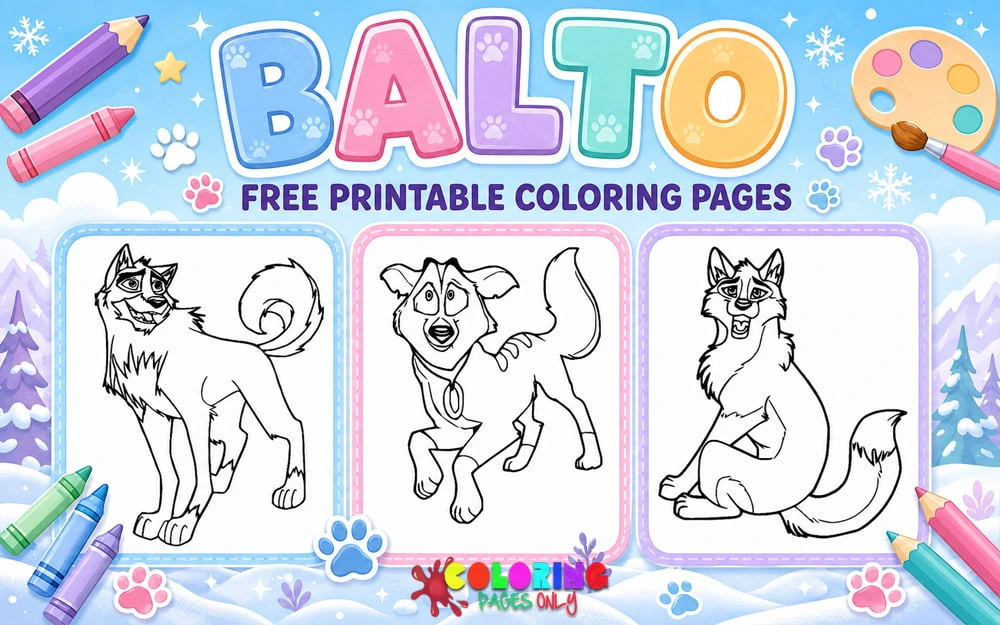
Free Balto Coloring Pages: 48 printable PDF designs of the brave wolfdog Balto running, jumping, barking, and smiling, together with his love Jenna the husky, rival sled dog Steele, Boris the snow goose, and the pups Aleu, Kodi, Dingo, and Saba from the sequels. Family scenes and puppy pages round out the set. Sheets print cleanly from PDF, and the identical artwork opens online for coloring on a phone, tablet, or computer.
Balto is a 1995 animated film from Amblimation and Universal Pictures, directed by Simon Wells, with Kevin Bacon voicing Balto and Bridget Fonda voicing Jenna. Set in Nome, Alaska, it follows a half-wolf, half-husky outsider who proves himself by guiding a sled team through a blizzard to deliver life-saving medicine to sick children. The story was inspired by the real 1925 serum run, and two direct-to-video sequels continued Balto’s family adventures.
The snowy setting and the dogs’ fur coats give the pages a natural palette of grays, browns, and reds against white. Shading thick fur against wintry backgrounds gives animal lovers a rewarding project.

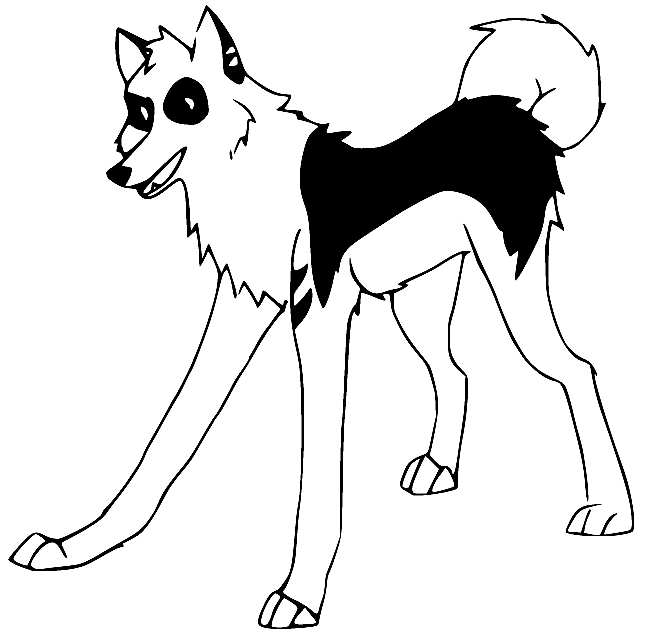
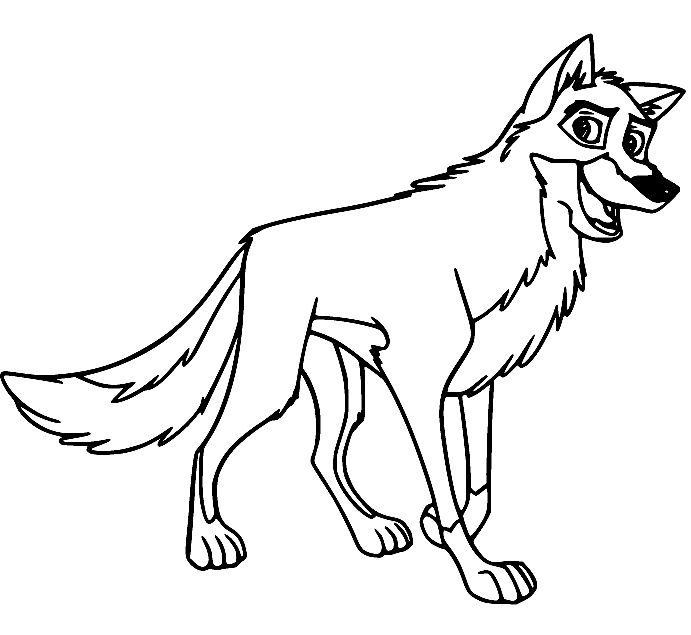
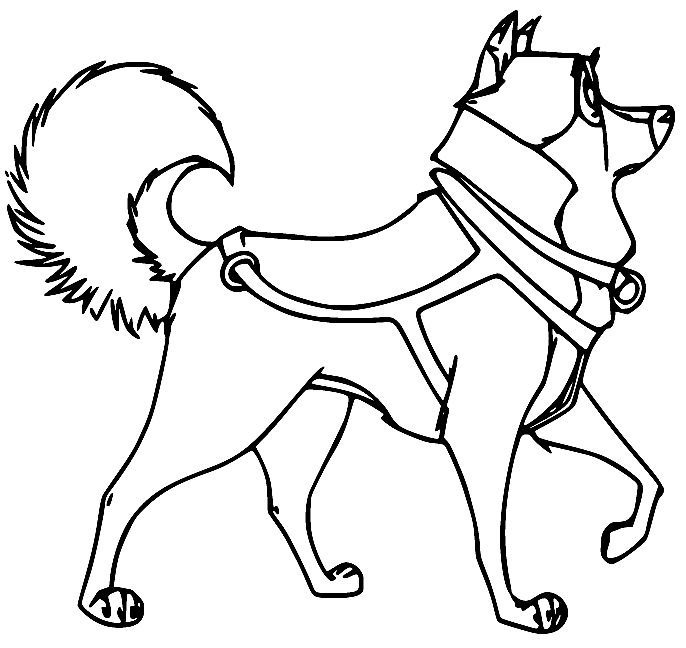
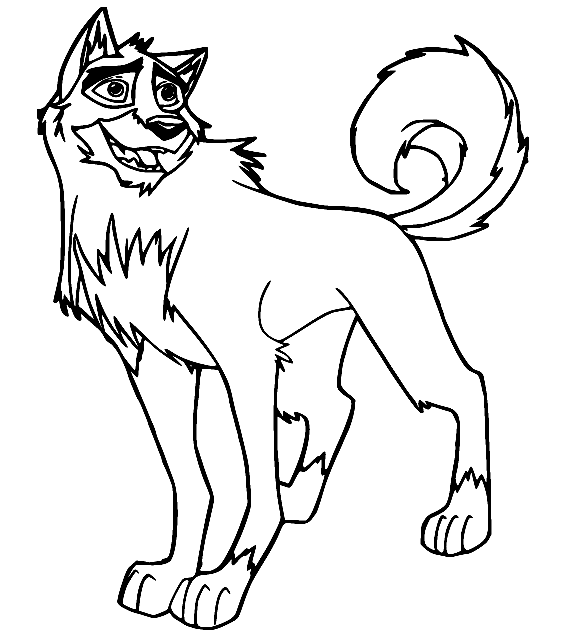
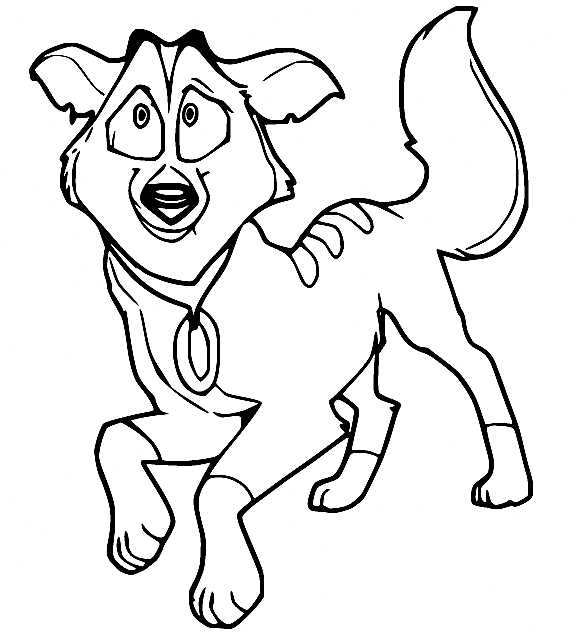
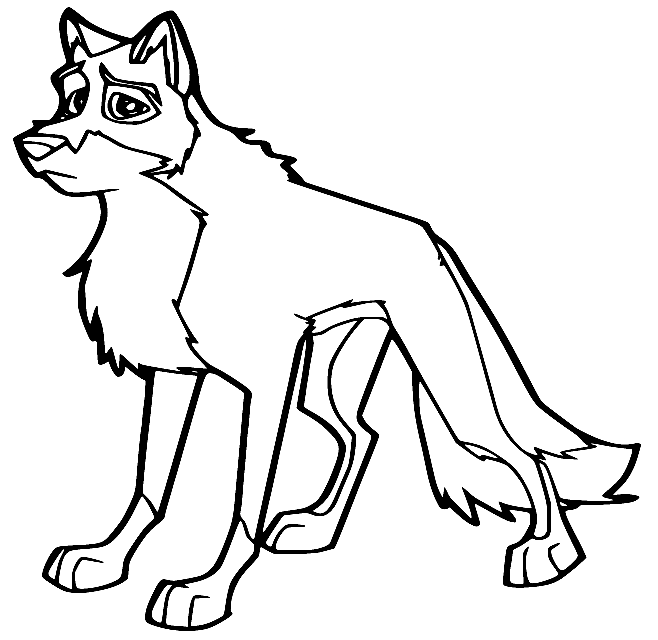
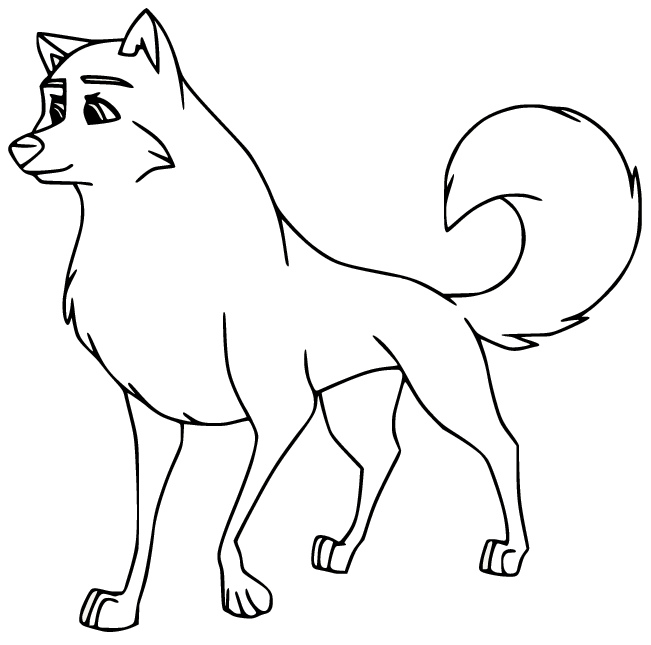
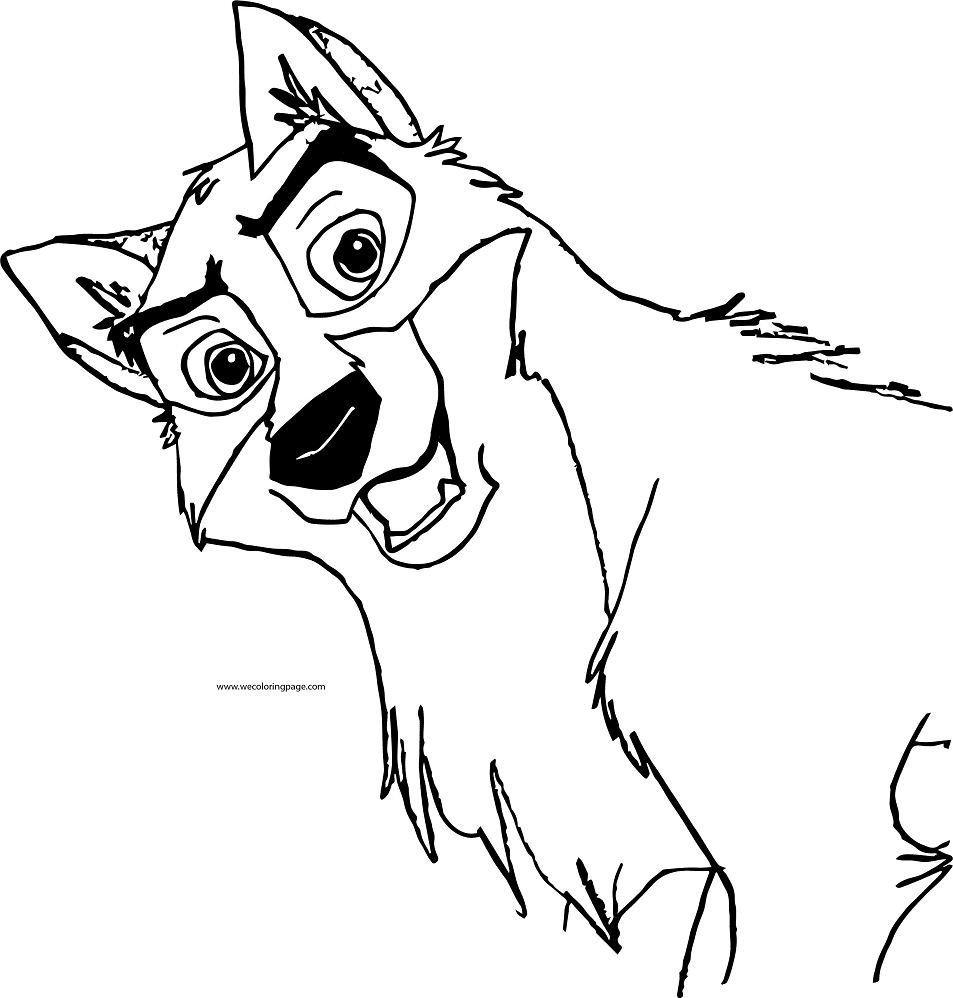
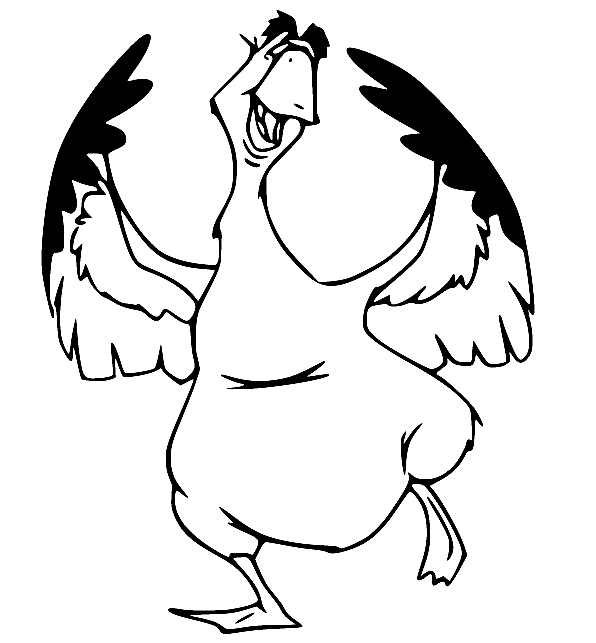
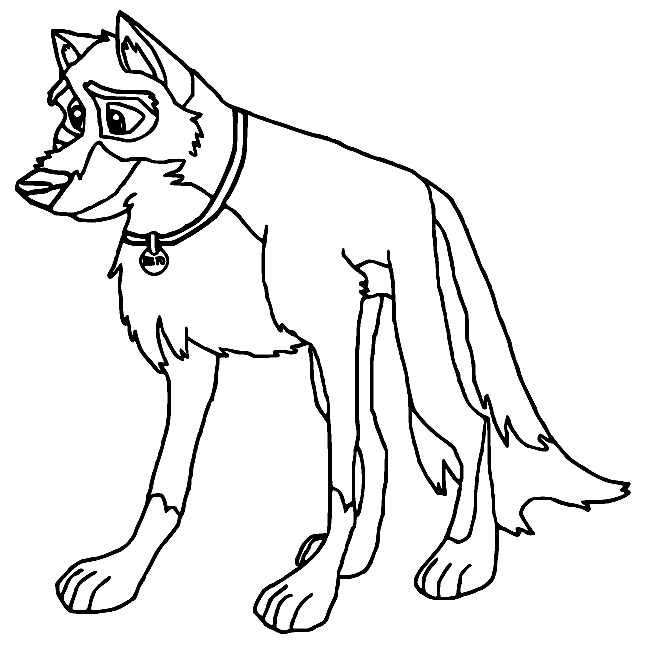
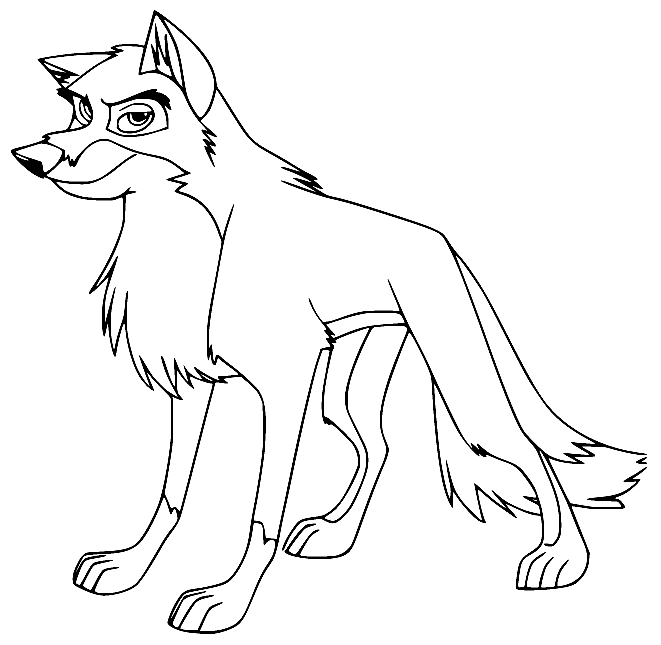
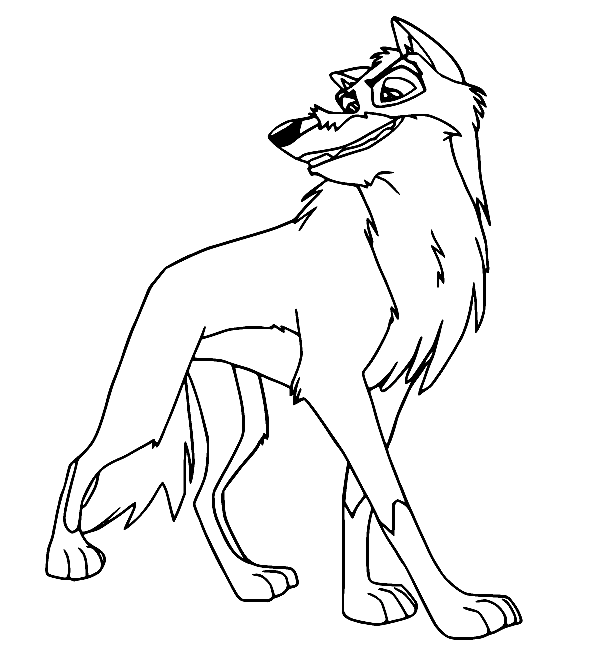

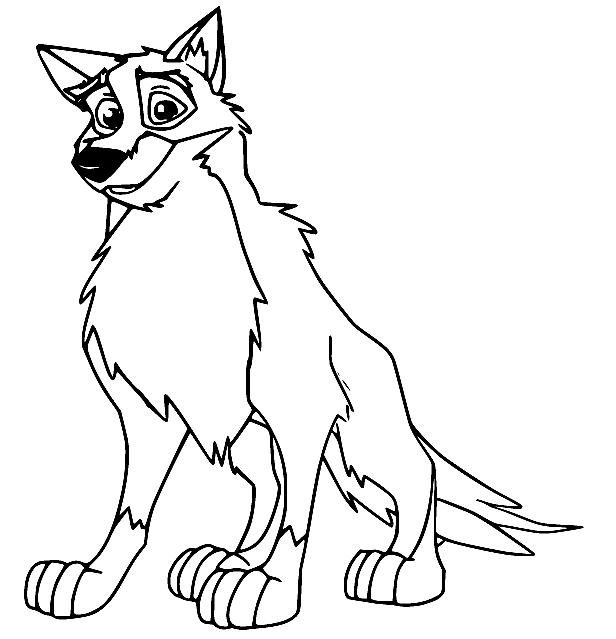
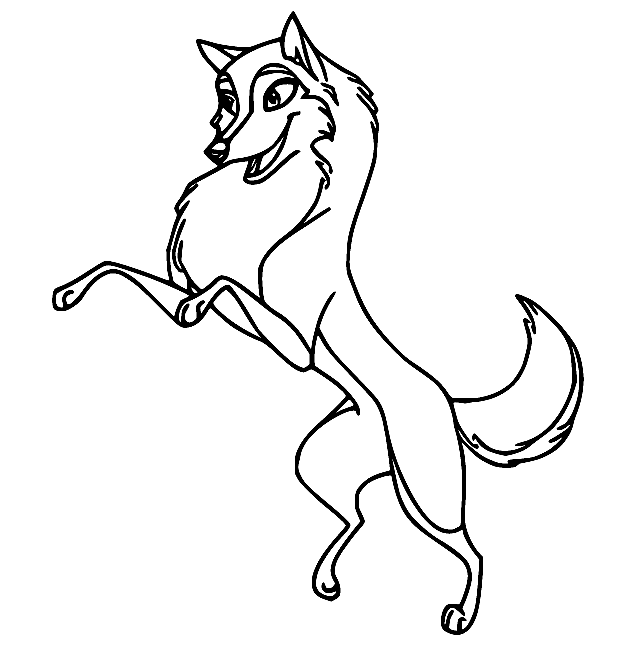
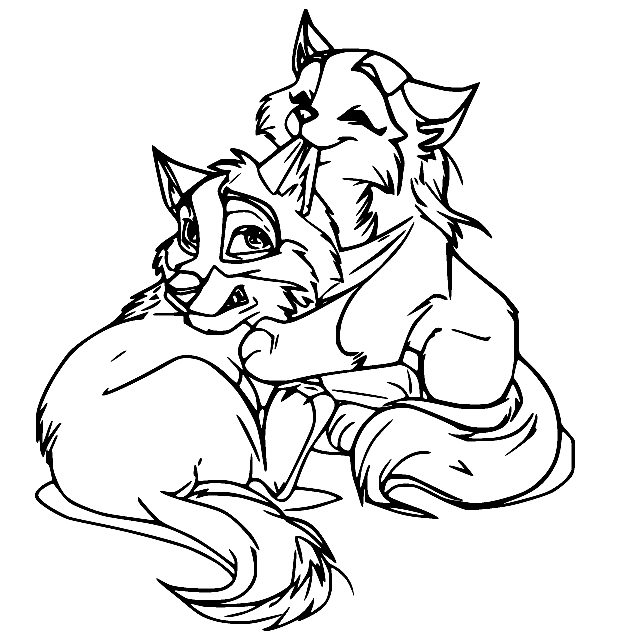
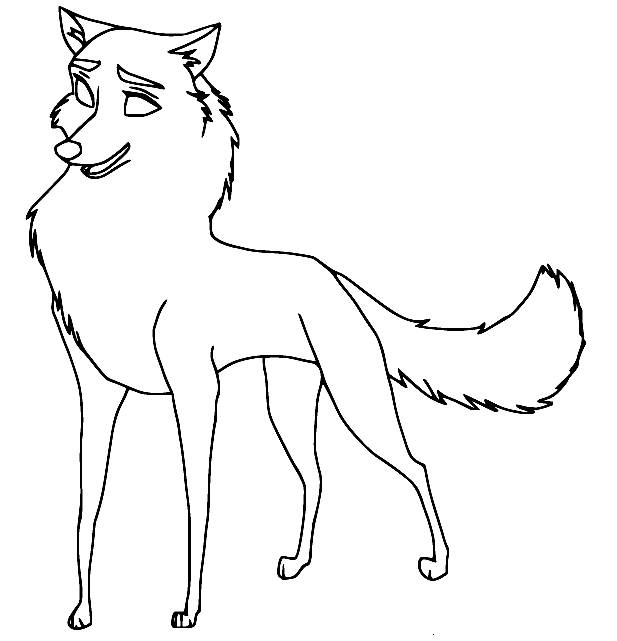
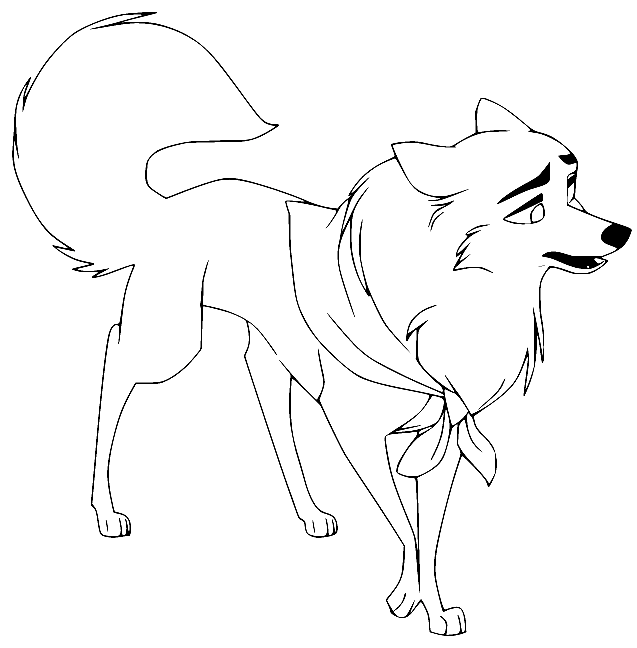
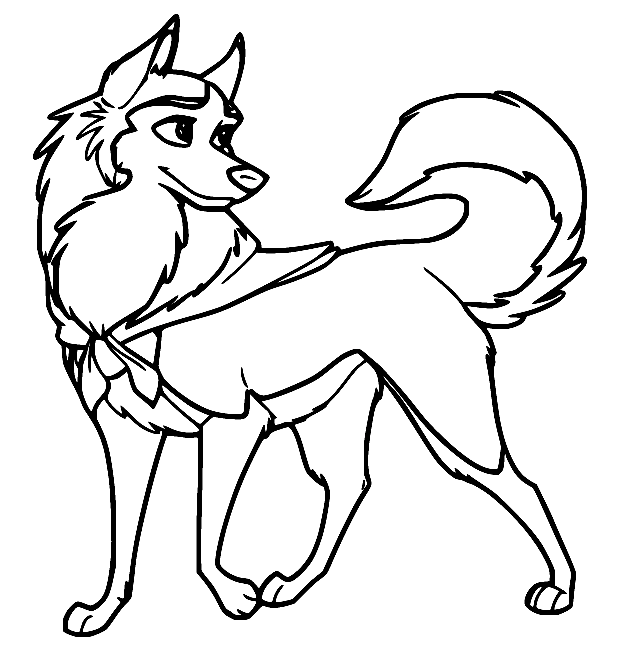
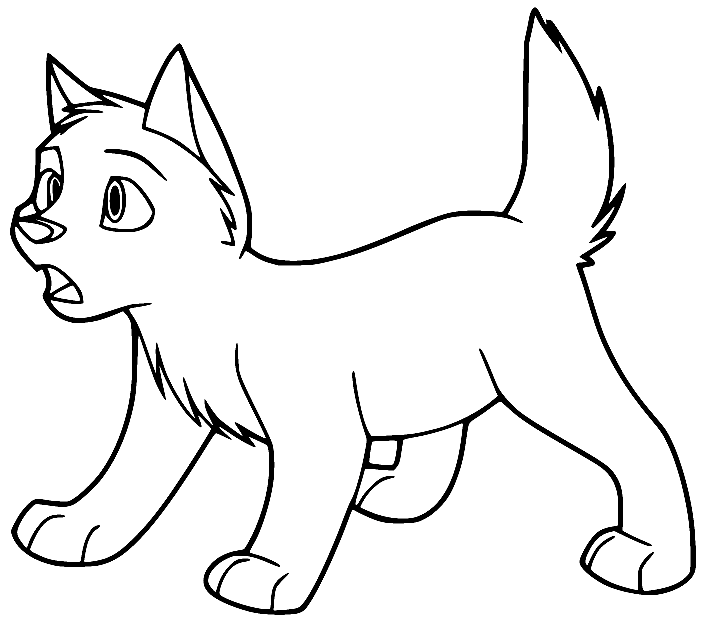
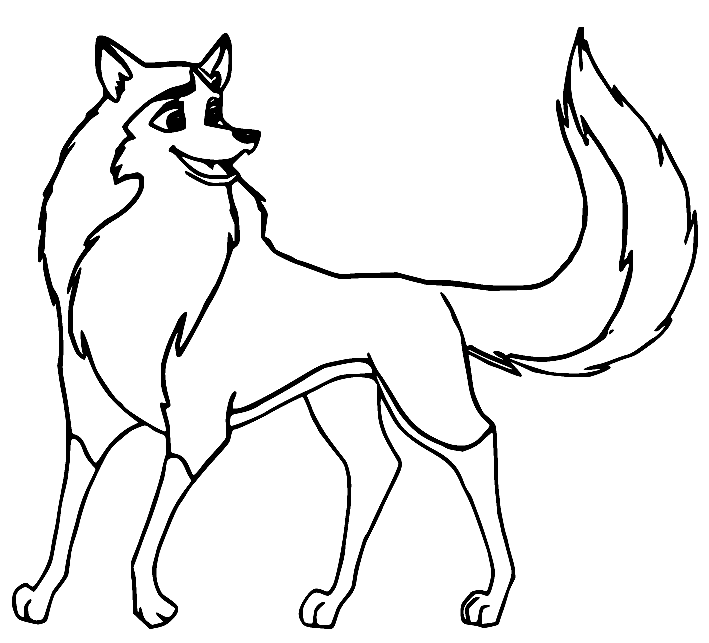
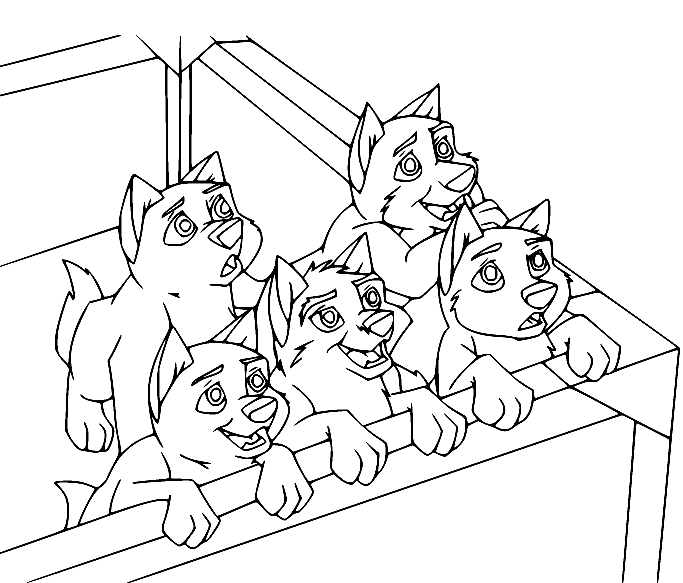
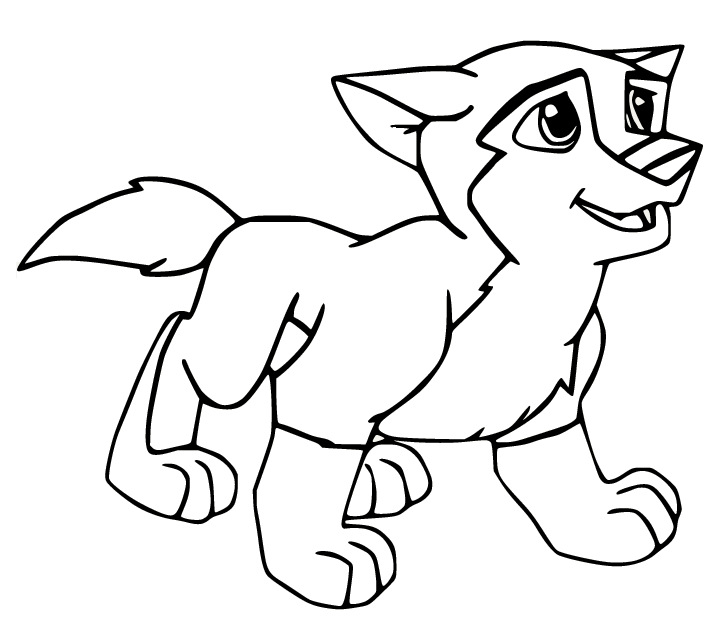
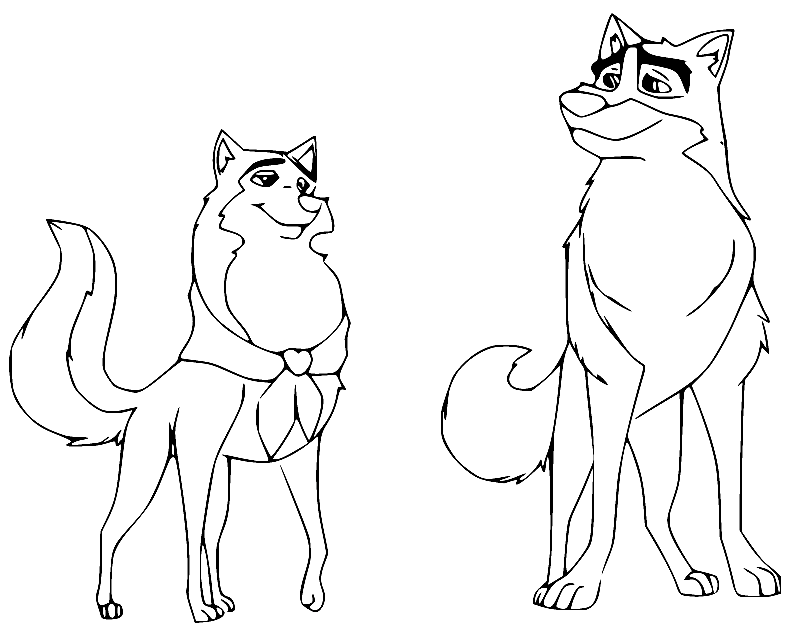
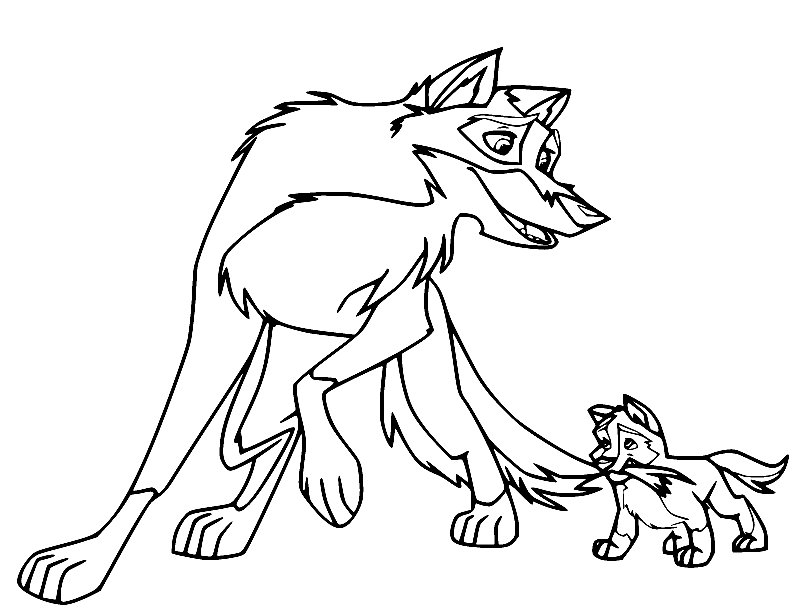

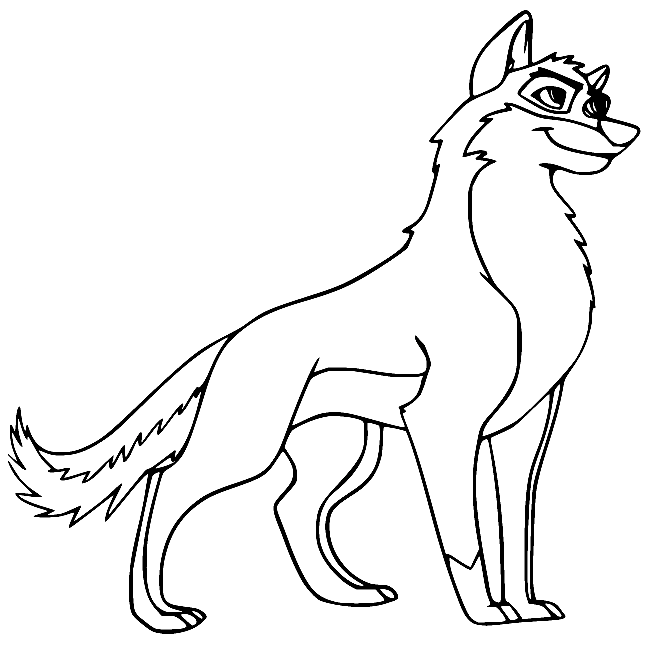
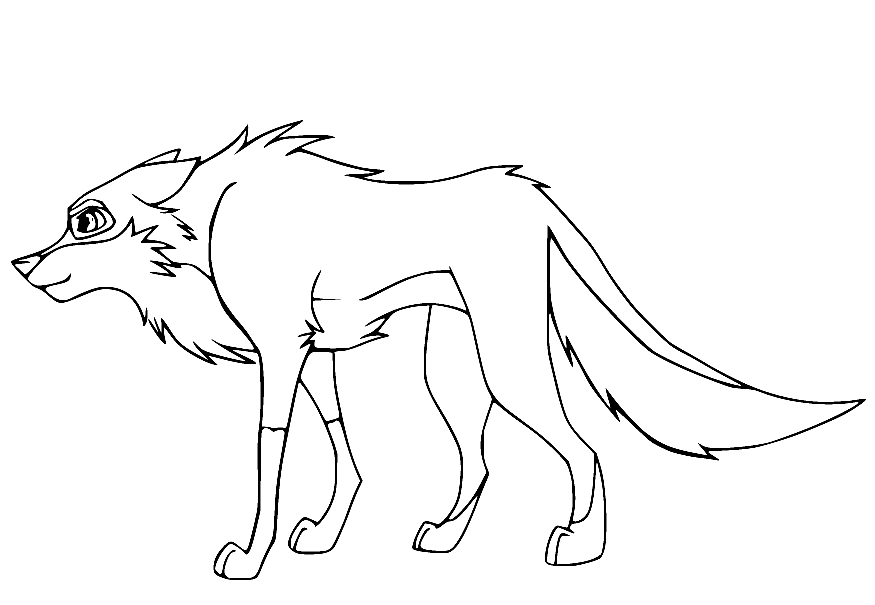
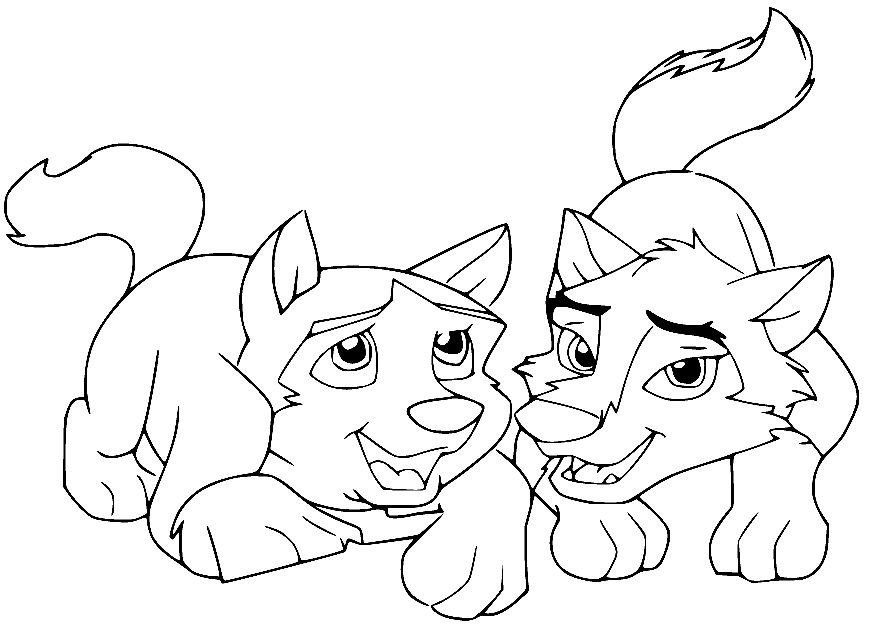
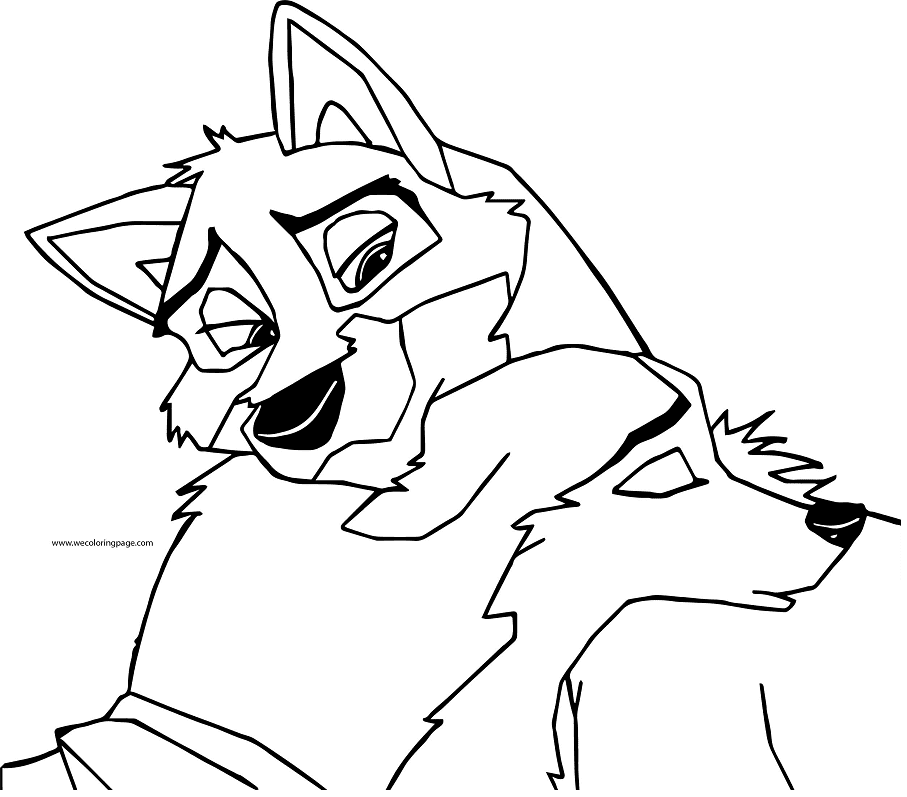
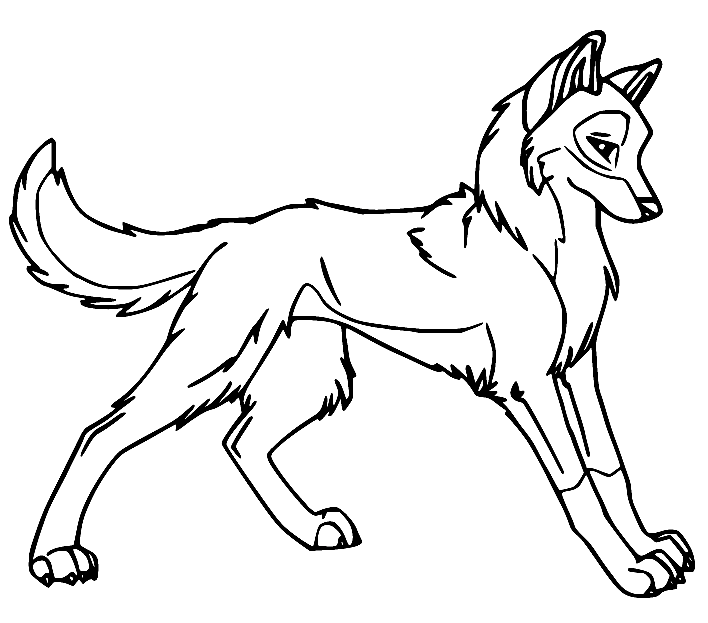
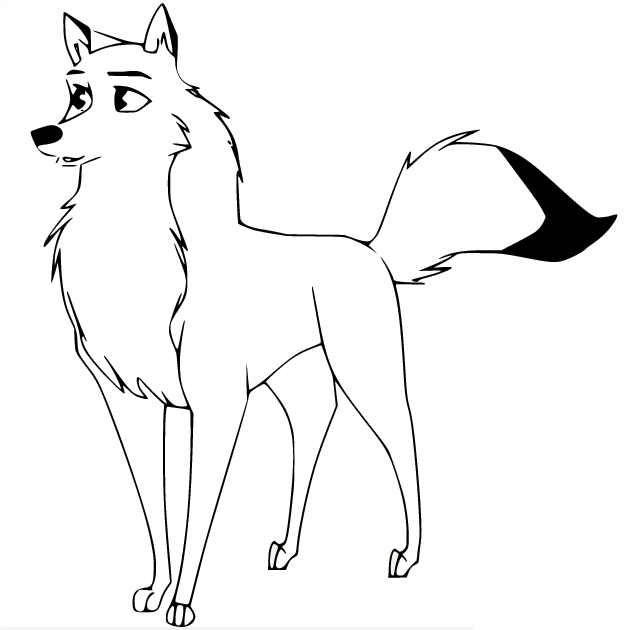
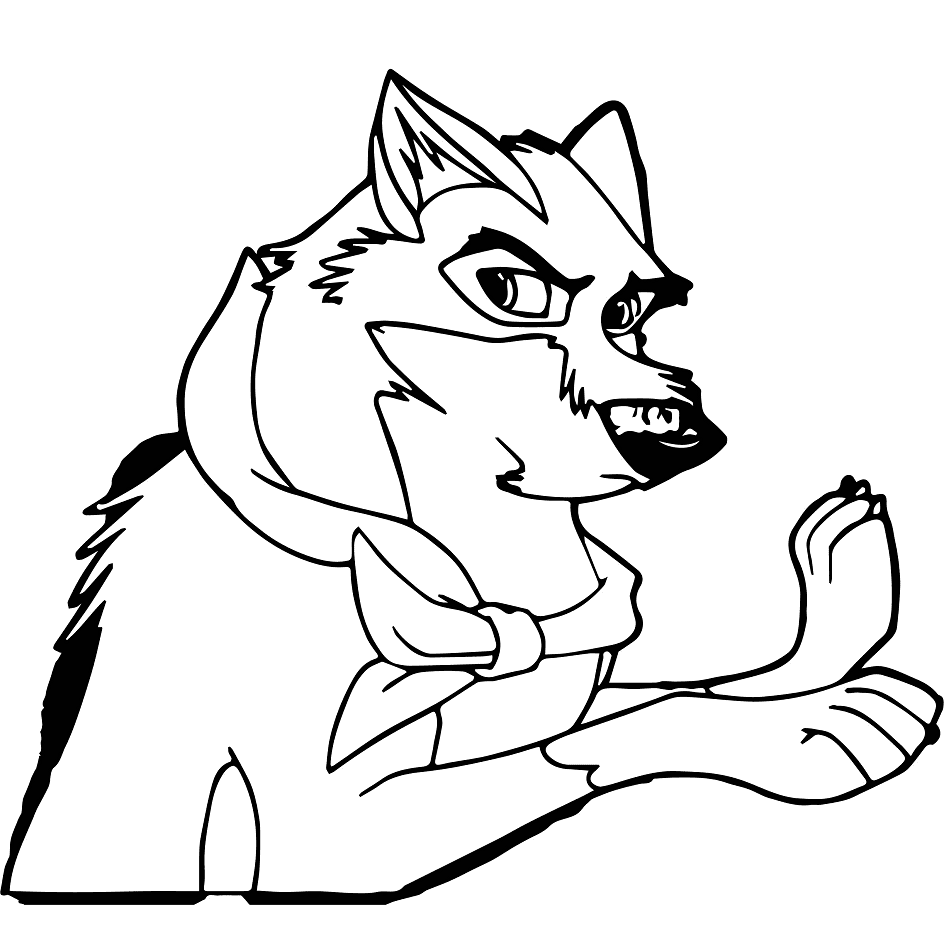
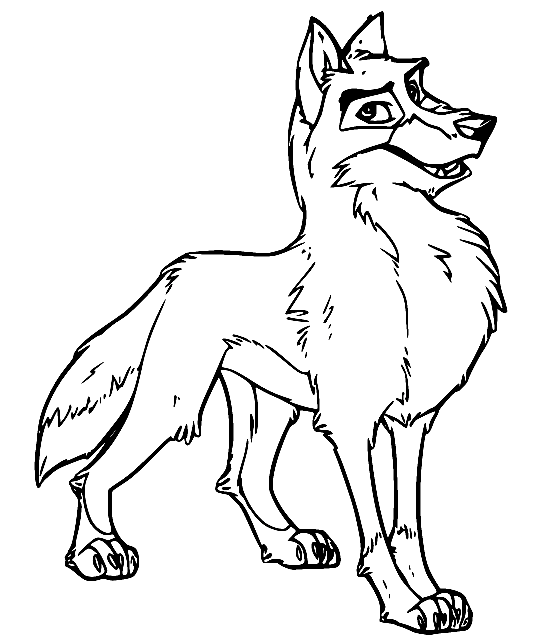
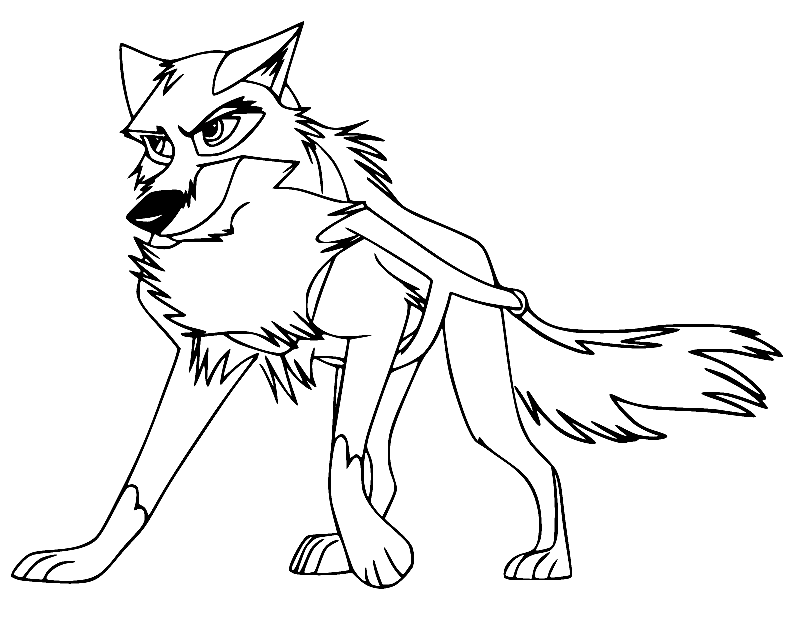
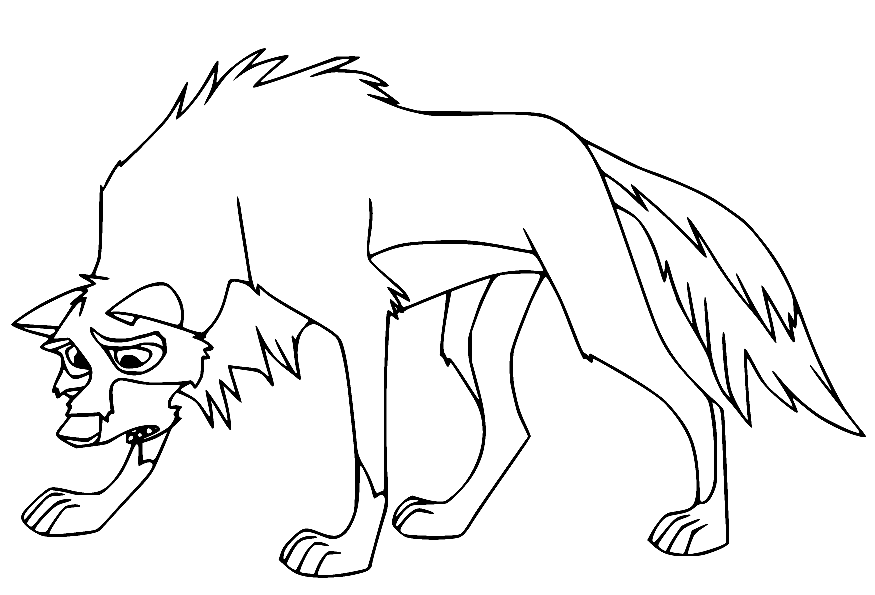
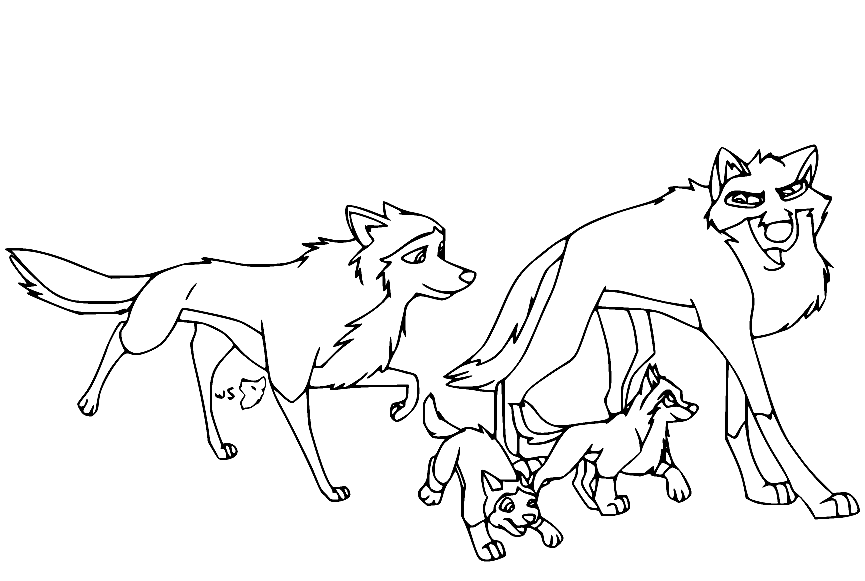
What’s Inside This Collection
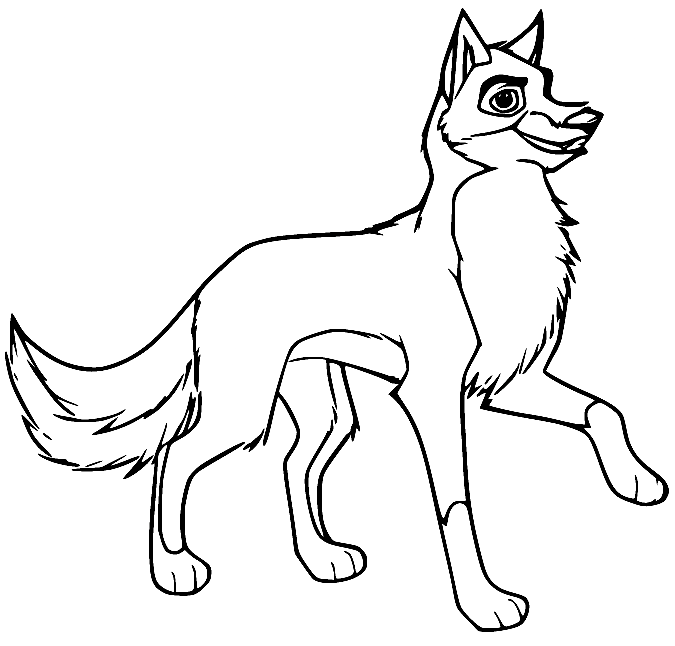
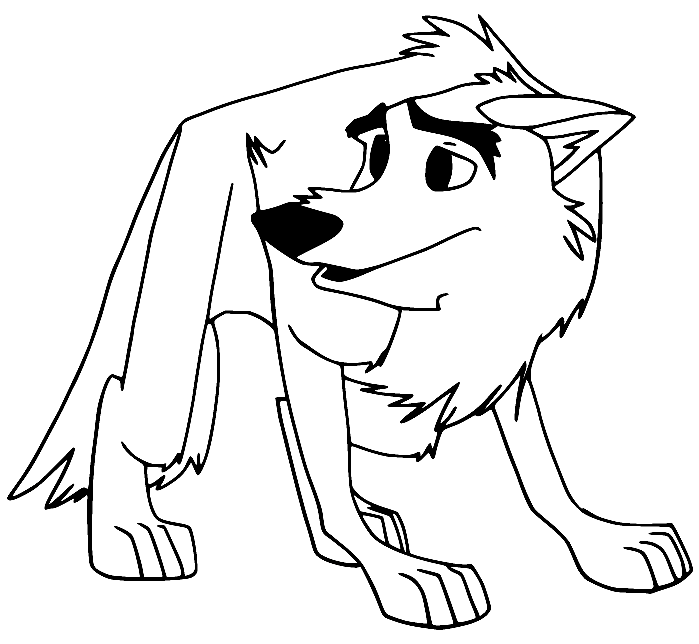
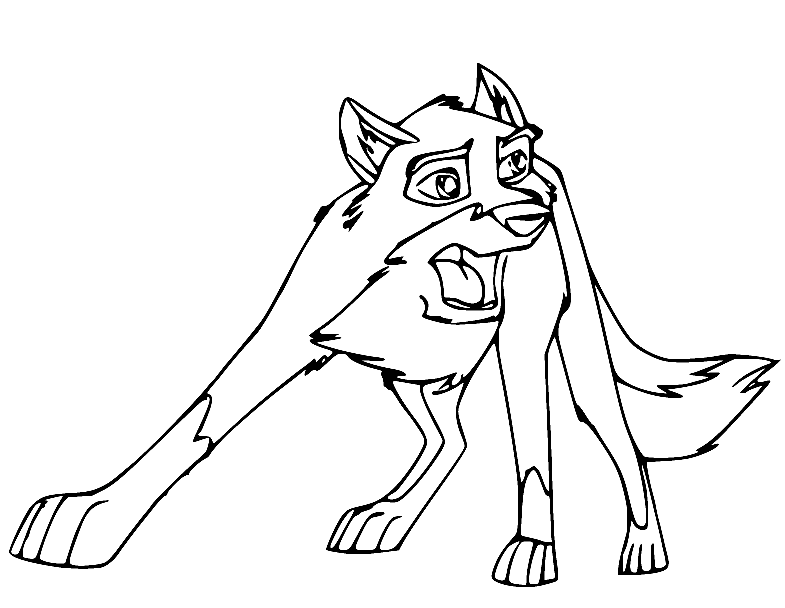
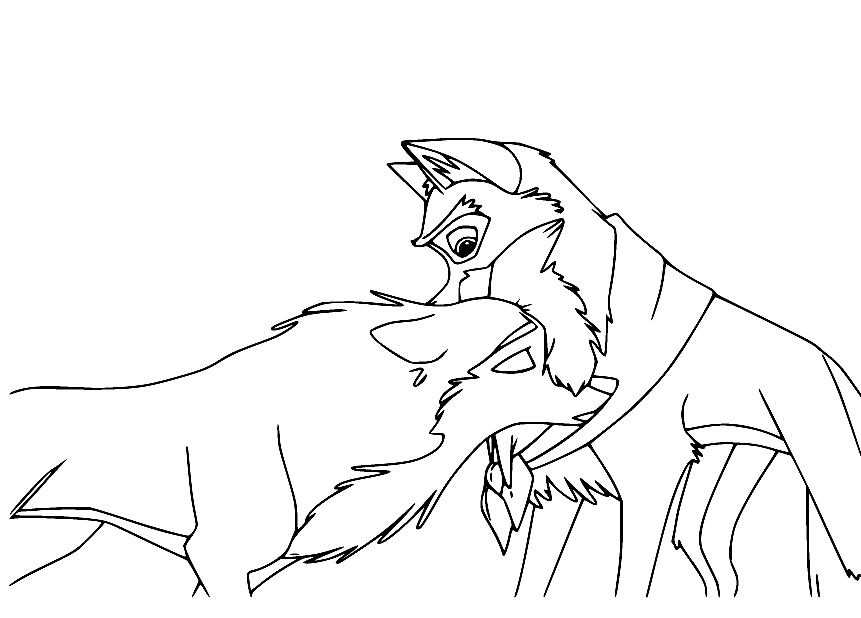
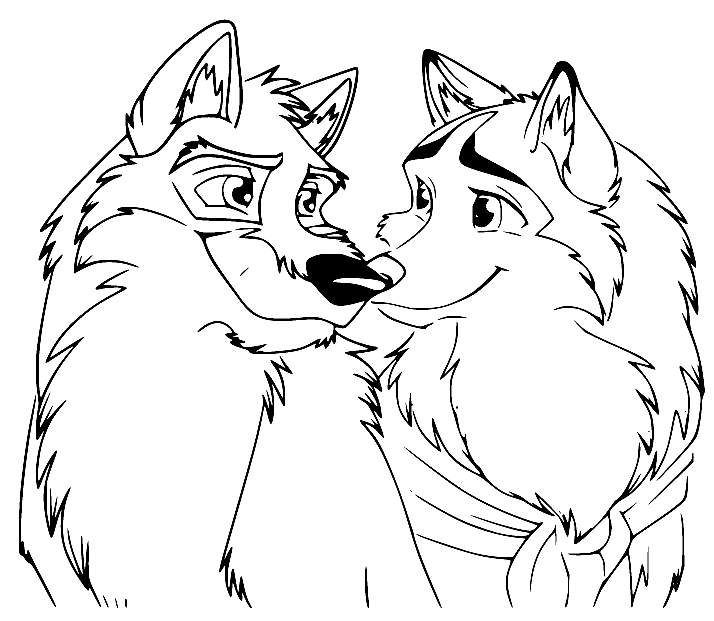
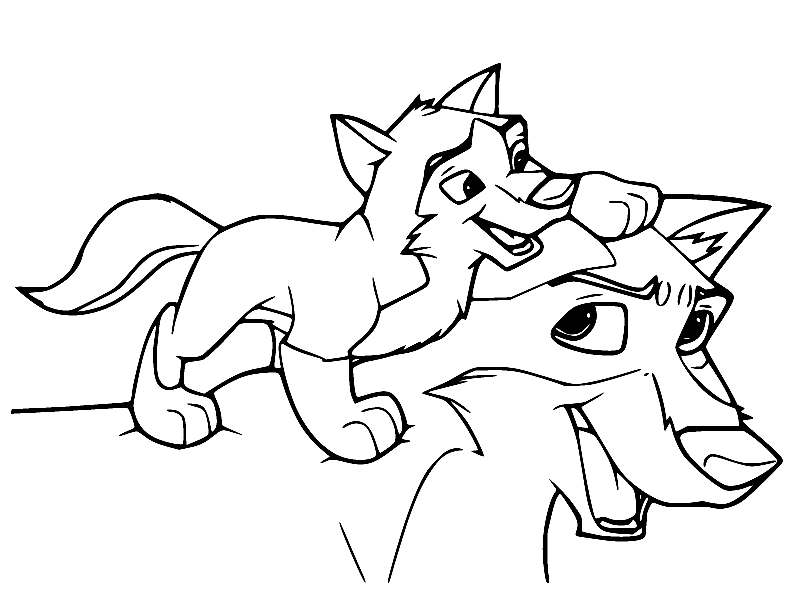
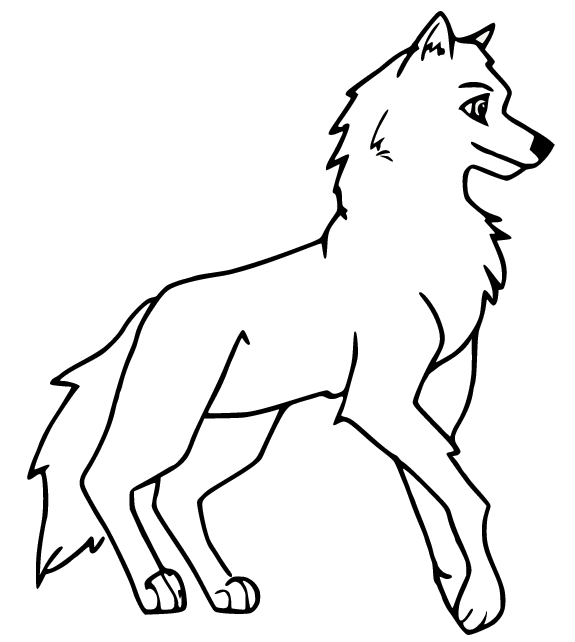
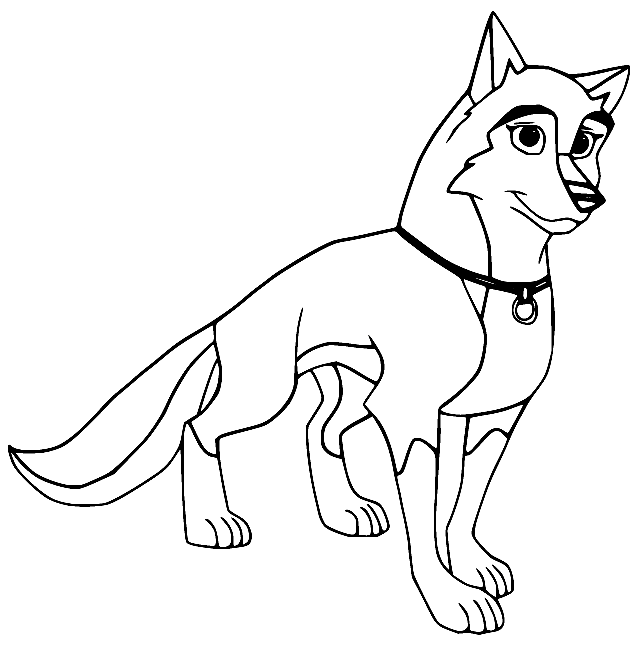
Balto stars in most of the 48 designs, joined by Jenna, the sled team, and his growing family.
Balto Solo and Action Pages
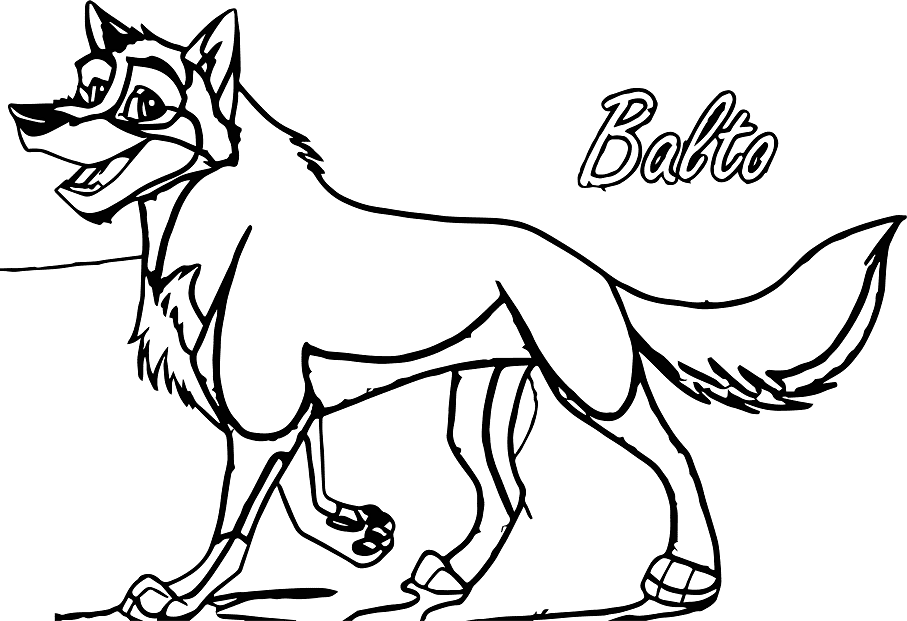
Balto runs, jumps, sits, barks, and looks back over his shoulder. Color his coat in Gray with Tan on the muzzle and chest, then add darker Gray along the back to show his wolf heritage.
Jenna
Jenna smiles, looks back, and wears a red bow in several pages. Her copper coat looks best in Burnt Sienna with a White chest and muzzle, which matches her Siberian husky look in the film.
Balto and Jenna Together
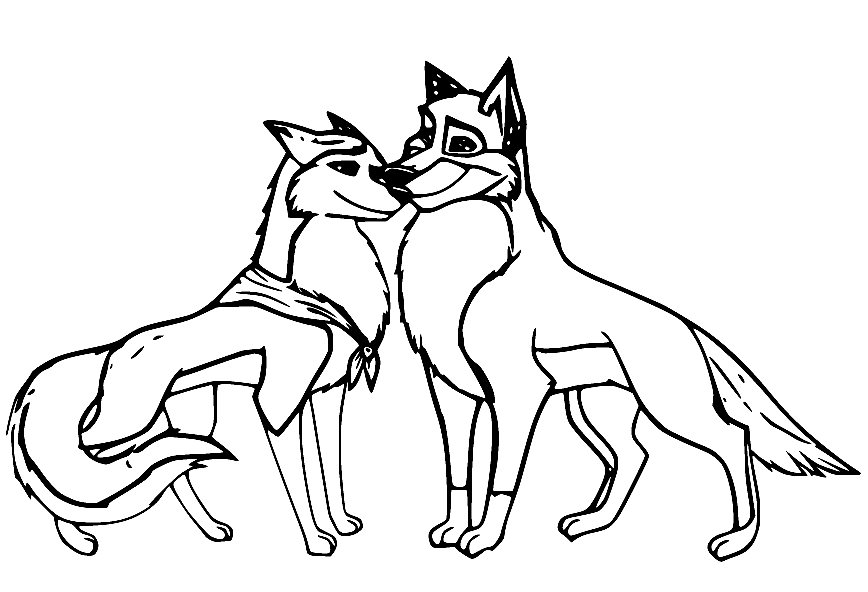
Several pages show the pair side by side, sharing faces, and Balto kissing Jenna. Placing Balto’s cool gray next to Jenna’s warm copper creates a pleasing contrast.
Steele and the Sled Dogs
Steele, the proud lead dog who challenges Balto, appears in three pages, along with Star from the sled team. Use Black and Gray with White markings for Steele and give him piercing Blue eyes.
Boris, the Pups, and Family Scenes
Boris the snow goose, the pups Aleu, Kodi, Dingo, and Saba, and pages of Balto’s whole family fill out the set. Aleu’s gray, wolf-like fur and Blue eyes set her apart, while the puppies look sweet in mixed shades of Gray, Brown, and Tan.
What Balto Coloring Pages Do
Connecting a movie to real history. The film is based on the 1925 serum run, when sled dog teams carried diphtheria medicine across Alaska to save the town of Nome. Coloring Balto running through snow opens the door to learning about that true event and the real dogs, including Balto and Togo, who made it possible. Families can even look up the real Balto statue that still stands in New York’s Central Park.
Fine motor practice on fur and snow. Structured coloring gives children 2 to 7 regular fine motor practice, and the American Academy of Pediatrics regards that skill-building as an important early gain. Balto’s thick fur needs short, layered strokes, while snowy backgrounds teach kids to leave white space on purpose. Puppy pages with simple shapes give younger hands an easier starting point.
A calm and comforting activity. A 2005 Art Therapy Journal study observed lower anxiety in participants after structured coloring. Gentle pages like Balto Sits Down, or Jenna Smiling suit a slow, peaceful session, and the cool winter palette adds to the soothing feel. Coloring a favorite dog can be a cozy activity on a cold day.
Learning about courage and belonging. Balto is teased for being half wolf, yet he becomes the hero who saves the town. His pages invite conversations about being different, standing up for others, and believing in yourself. The sequel pages with Aleu, who also struggles to fit in, extend that message to a new generation.
How to Color Balto Pages Well
- Layered fur: Start with a light base color, then add short strokes of a darker shade in the direction the fur grows. Layering makes Balto’s coat look thick and soft.
- Wolf versus husky: Give Balto grayer, more wolf-like tones and Jenna warmer copper shades. The contrast shows the difference between the two at a glance.
- Bright blue eyes: Use Cerulean or Blue for Steele’s and Aleu’s eyes, leaving a small white highlight. Bright eyes stand out against gray fur.
- Snowy backgrounds: Leave most of the snow white and add pale Blue or Gray shadows under the dogs. Cool shadows make the snow look real.
- Jenna’s bow: Color her bow a strong Red to pop against her copper fur. A single bright accent draws the eye.
- Night sky scenes: For blizzard or night pages, use Midnight Blue and add white dots for falling snow. A dark sky makes the dogs look brave and determined.
5 Creative Craft Ideas With Balto Coloring Pages
1. Serum Run Map
Draw a simple map of Alaska with a dotted trail ending at Nome, then color and cut out Balto to place along the route. Add small labels for snow, wind, and the finish line.
2. Cotton Ball Snow Scene
Color a Balto Running page and glue small pieces of cotton balls around him for snow. The fluffy texture makes the blizzard feel real.
3. Balto Family Tree
Color Balto, Jenna, Aleu, and the other pups, then place them along a tree branch sketched on poster board, labeling each dog by name.
4. Sled Team Paper Chain
Color several dog pages, cut out the dogs, and connect them in a line with paper strips like a sled team. Attach a small paper sled to the end.
5. Hero Medal Card
Color the Strong Balto page, use it as the outside panel of a homemade card, then hang a gold paper medal around his neck. A thank-you note to a real-life hero goes on the inside page.
Frequently Asked Questions
What are Balto Coloring Pages?
Balto Coloring Pages are free printables based on the 1995 animated film and its sequels. The 48 designs include Balto, Jenna, Steele, Boris, Aleu, and the other pups, with every sheet downloadable as a PDF or open for digital coloring.
Who made the Balto movie?
Balto was produced by Amblimation, Steven Spielberg’s animation studio, and released by Universal Pictures in 1995. Simon Wells directed the film.
Was Balto a real dog?
Yes. The real Balto was a Siberian husky who led the final stretch of the 1925 serum run to Nome, Alaska. The movie changed some details, such as making Balto part wolf.
What was the 1925 serum run?
In 1925, a diphtheria outbreak threatened children in Nome, Alaska. Teams of sled dogs relayed medicine across more than 600 miles of frozen trail in about five days, and Balto’s team made the final delivery.
Who is Jenna in Balto?
Jenna is a red Siberian husky who becomes Balto’s closest friend and later his mate. She believes in him even when others in town do not.
Who are Balto’s puppies?
Aleu is the main pup in Balto II: Wolf Quest, while Kodi, Dingo, and Saba appear in Balto III: Wings of Change. Each pup has a different look and personality.
Which ages suit the Balto coloring pages?
With a G rating for the film, these sheets stay family-friendly, focusing on dogs, puppies, and snowy adventures. Preschoolers from about 3 manage the puppy pages well, and the detailed action scenes reward older kids.
Is there a statue of Balto?
Yes. A bronze statue of Balto has stood in New York City’s Central Park since 1925, honoring the sled dogs of the serum run. The real Balto even attended the unveiling.
Start Coloring
Every one of the 48 Balto designs opens with a click, ready to print as a free PDF or to color in the browser, and no account is involved. Finished sled dogs can race over to friends and family, since each page has its own Facebook and Pinterest buttons.