Natural phenomena Coloring Pages
 By:
Jennifer Thoa - Content Editor & Designer
Updated:
By:
Jennifer Thoa - Content Editor & Designer
Updated:
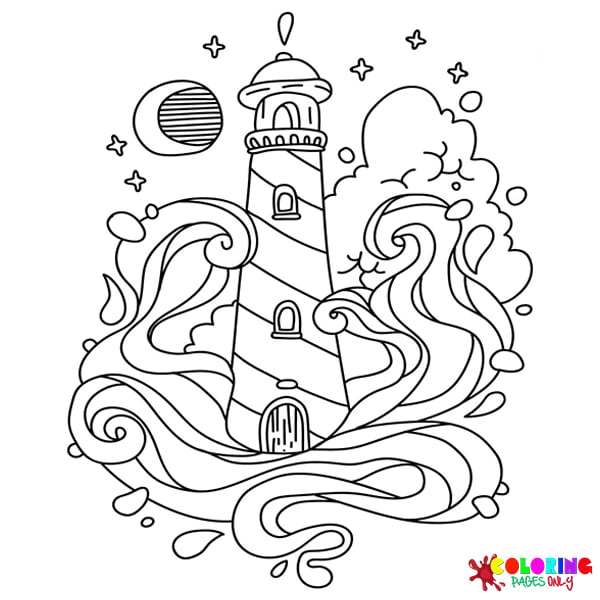
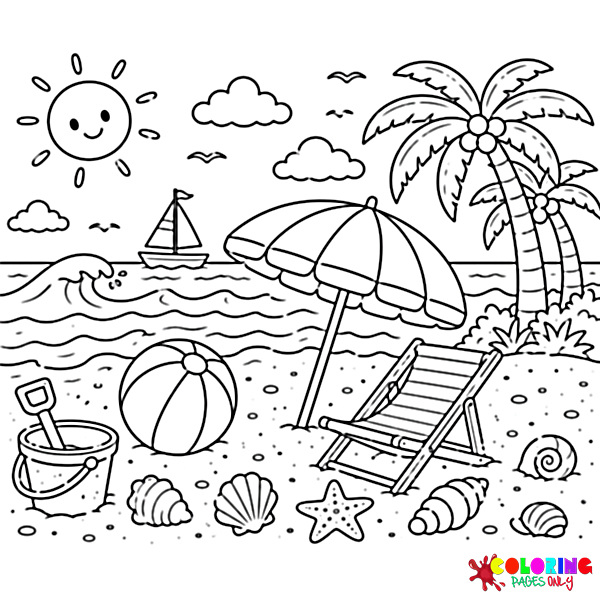
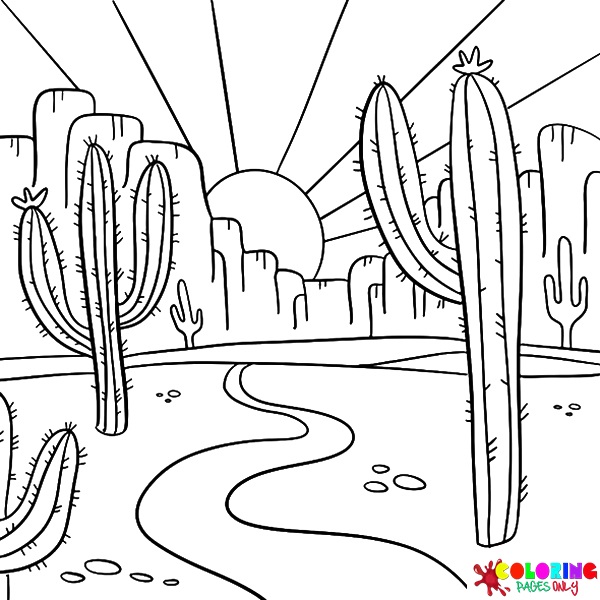
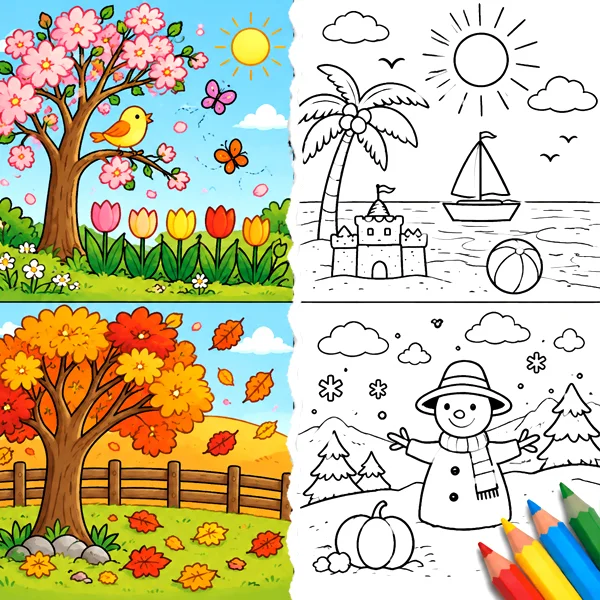
Free Natural Phenomena coloring pages: 78 printable PDF designs covering rain, storms, the water cycle, volcanoes, earthquakes, and other events found in the natural world. Each page can be downloaded as a PDF to print or colored online in the browser.
Natural phenomena are events that occur in nature without human involvement, ranging from everyday weather like rain and rainbows to larger-scale events like volcanic eruptions, earthquakes, and tsunamis. Many of these events are driven by the same underlying systems: the water cycle moves water between the ocean, atmosphere, and land through evaporation, condensation, and precipitation, while earthquakes and volcanoes result from the movement of tectonic plates beneath the Earth’s surface. Severe weather events like tornadoes and storms form when warm and cool air masses interact under the right conditions. Together, these processes shape the weather patterns and geological features seen around the world.
This collection spans 78 pages, grouped into rain, storms, and clouds; the sun, moon, rainbows, and the water cycle; and volcanoes, earthquakes, and other natural events. The coloring angle ranges from simple weather scenes to more detailed diagrams and disaster-related illustrations.





What’s Inside This Collection
The 78 designs group into three categories, from everyday weather to larger geological events.
Rain, Storms, and Clouds
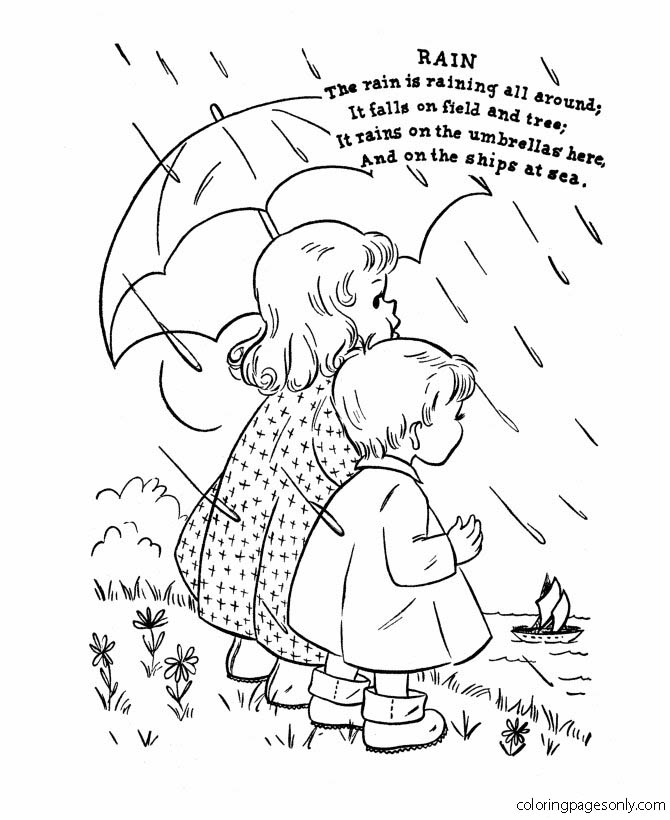
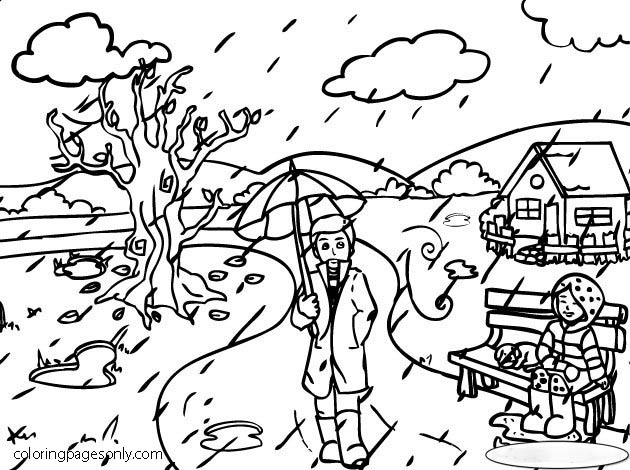
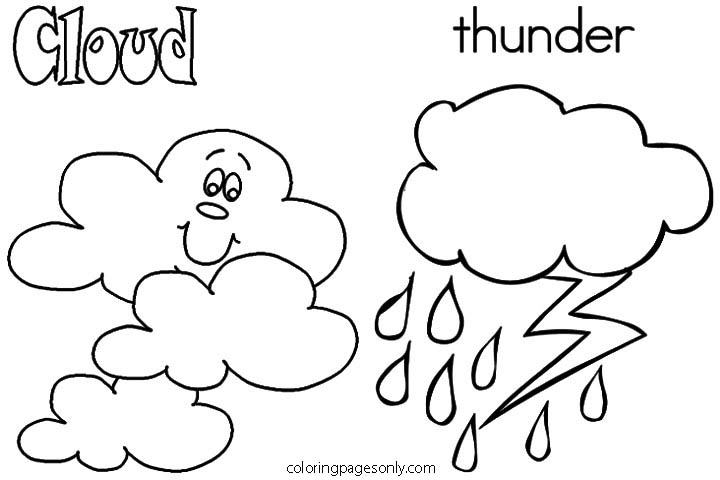
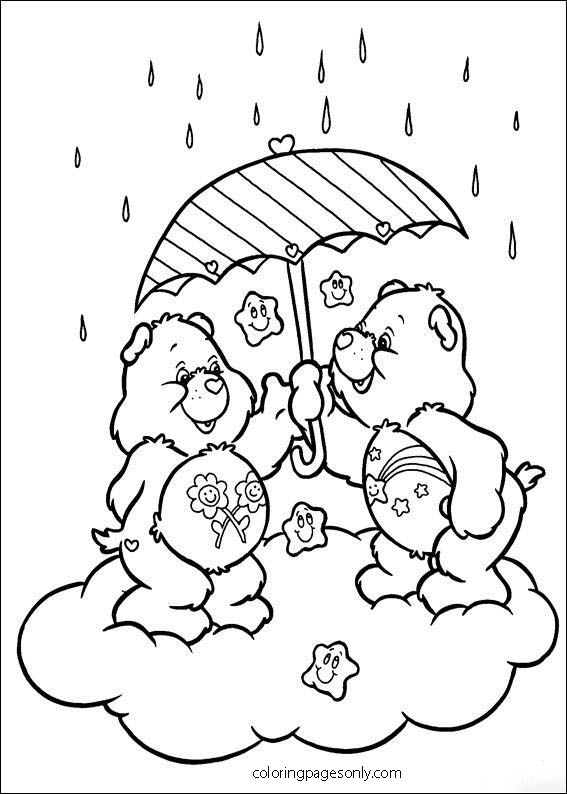
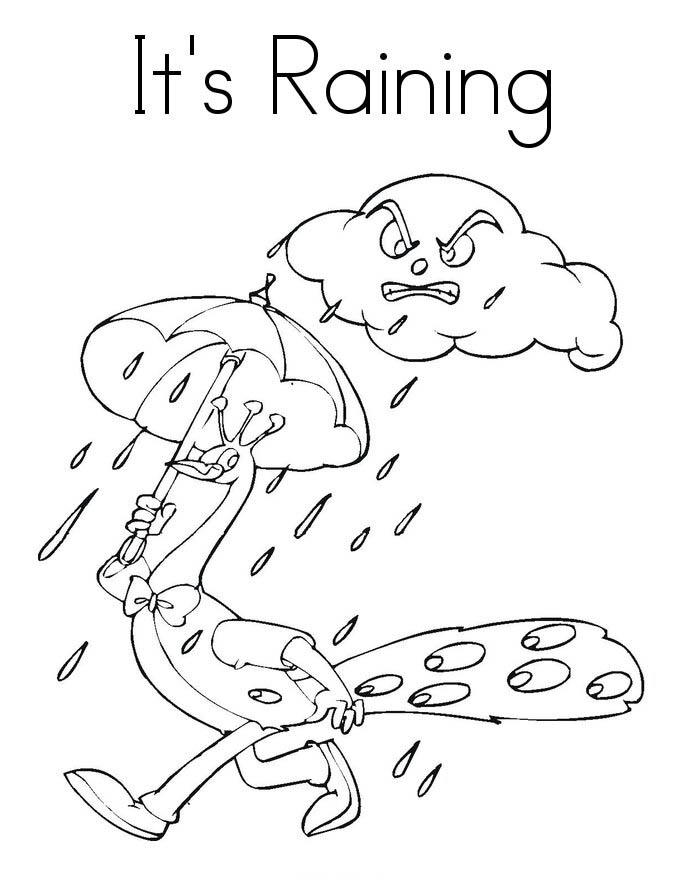
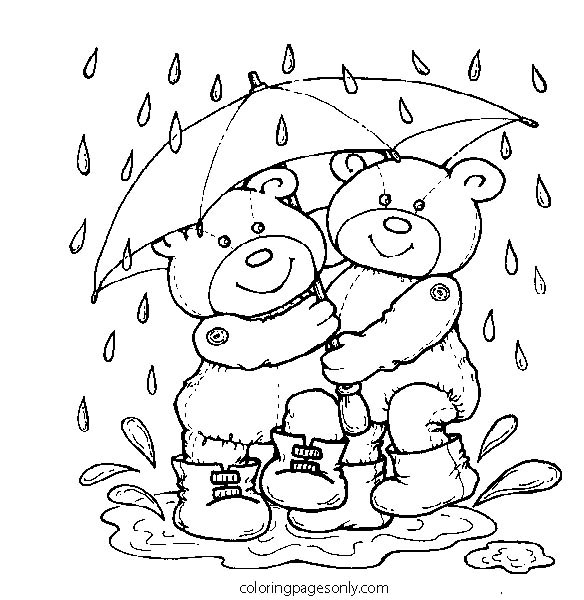
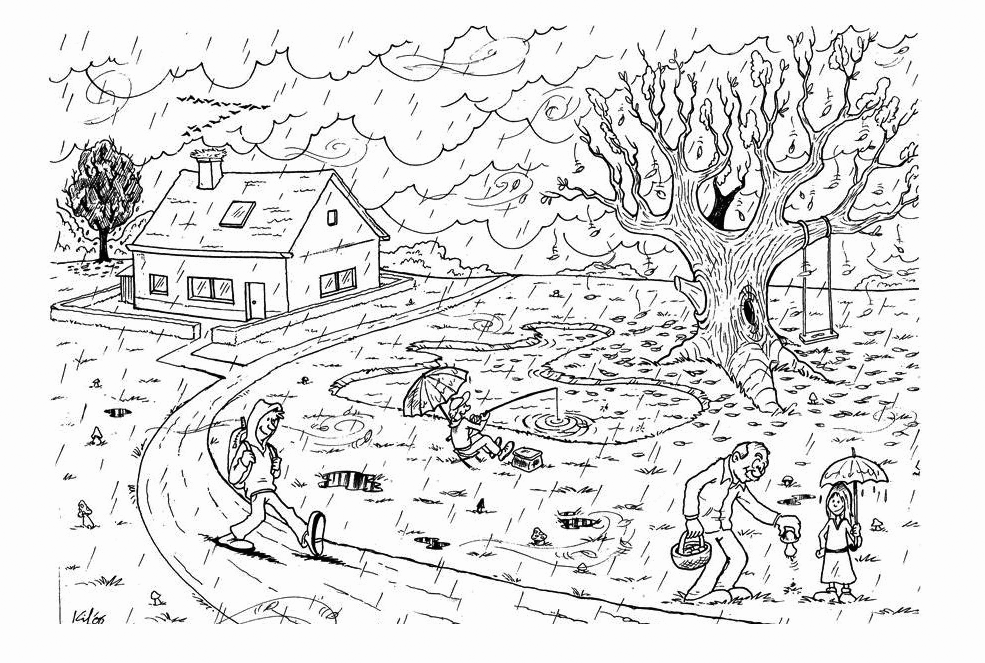
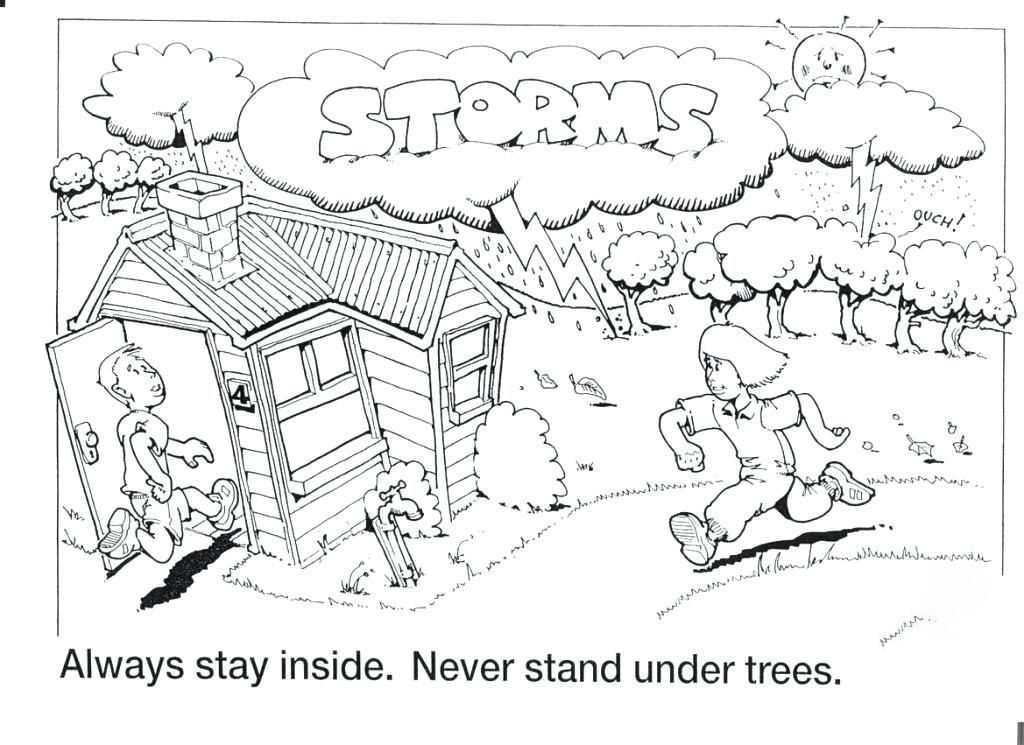
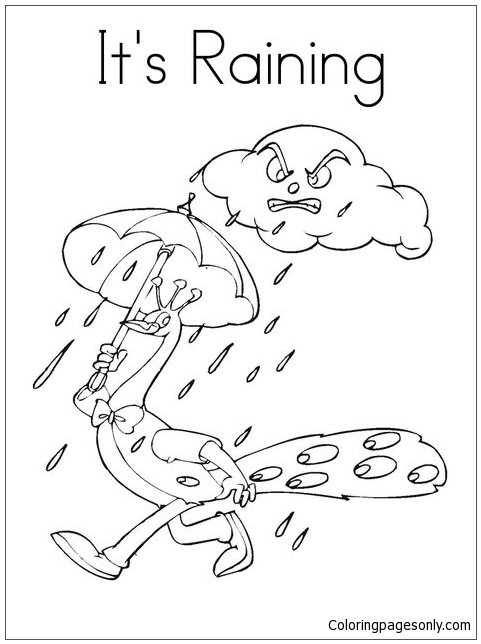
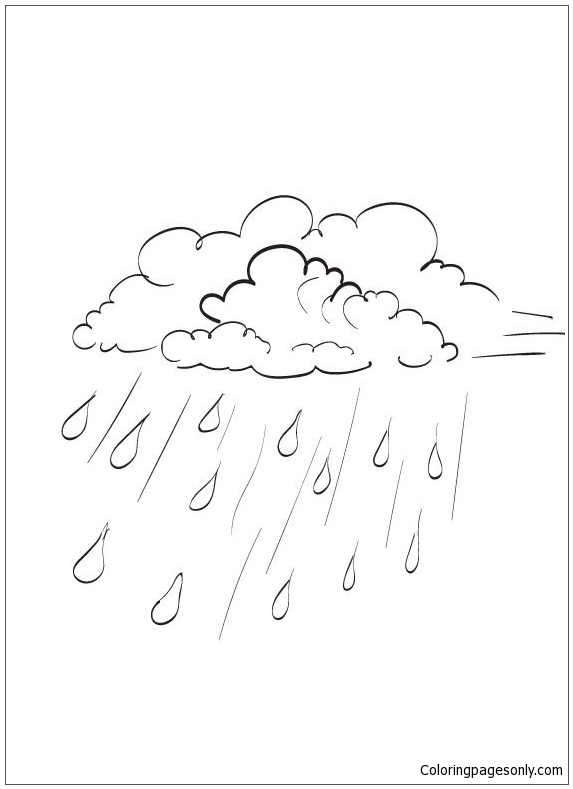
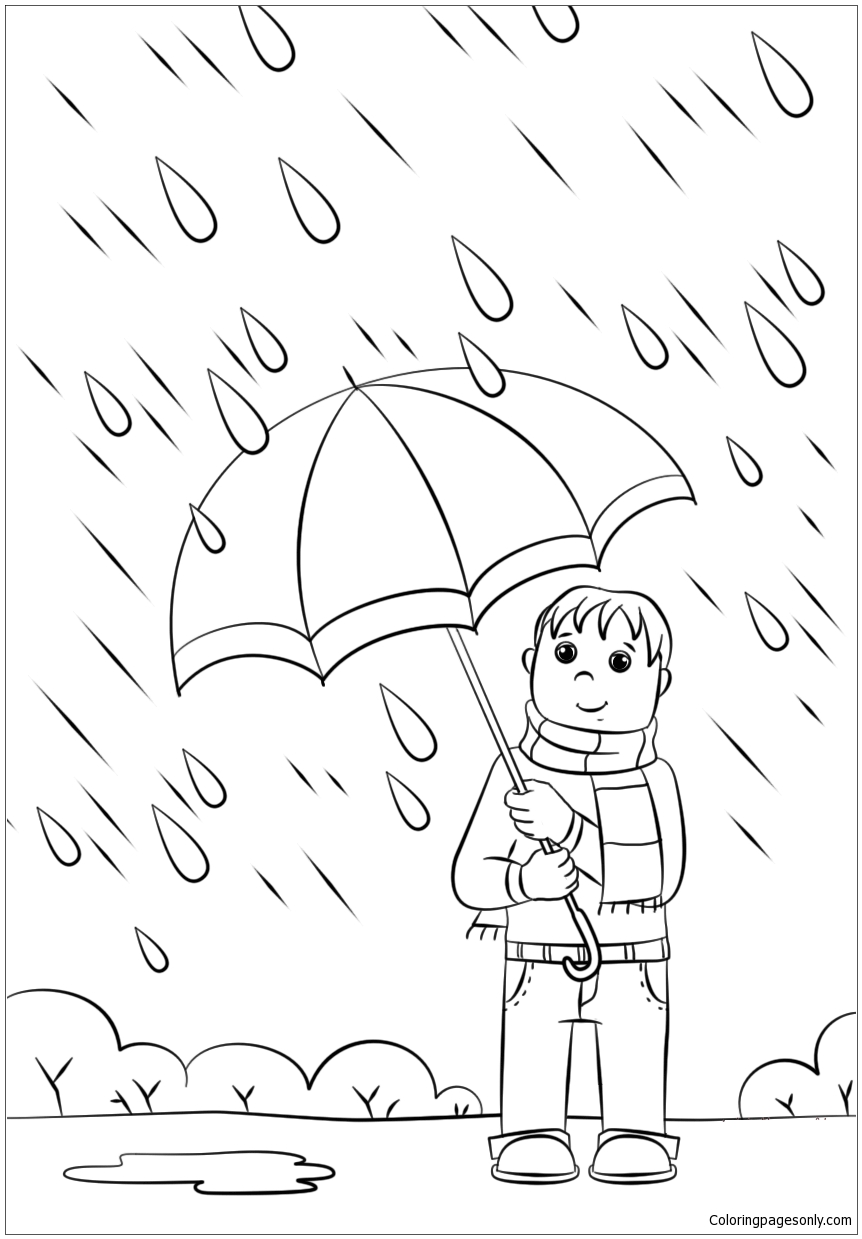
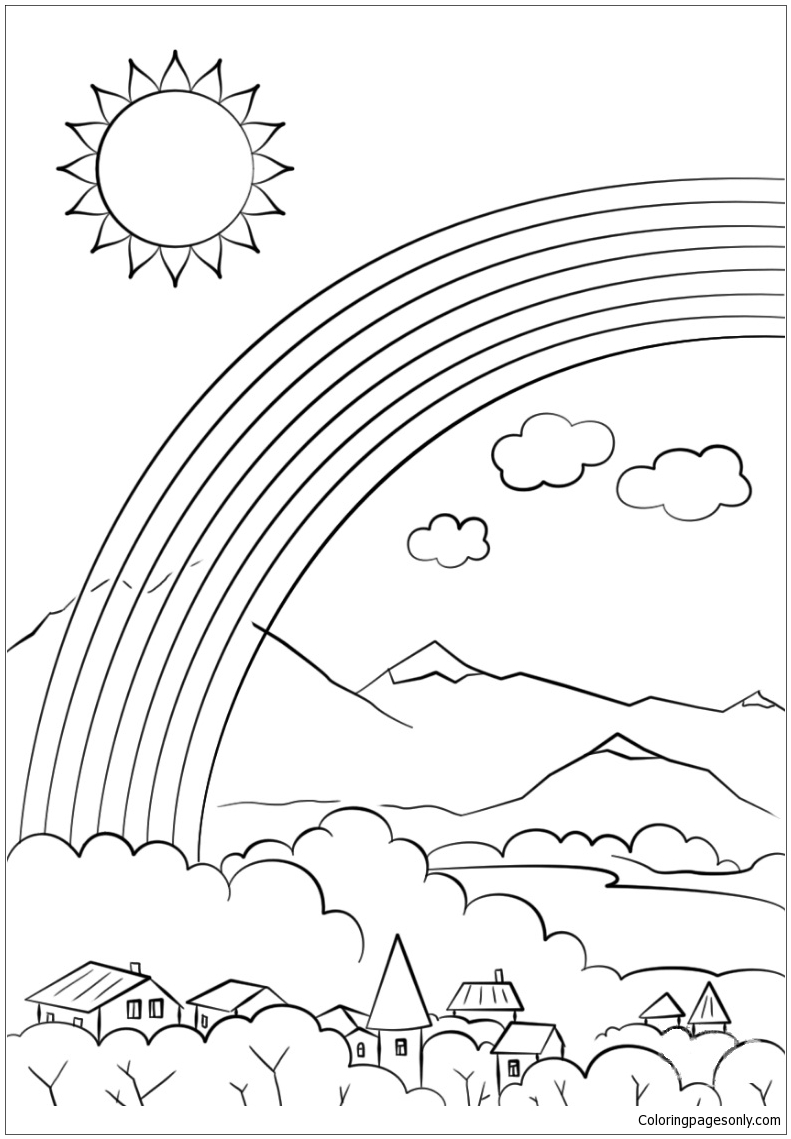
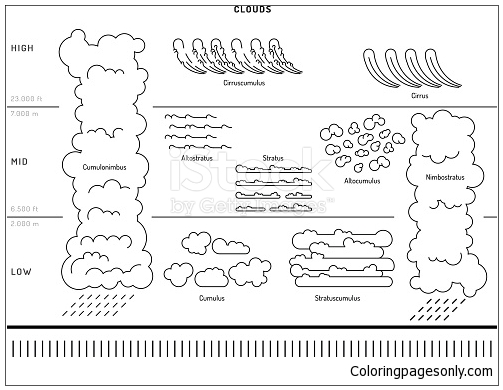
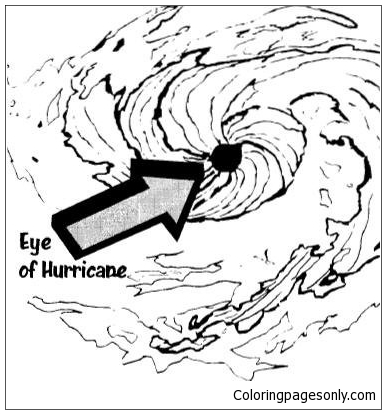
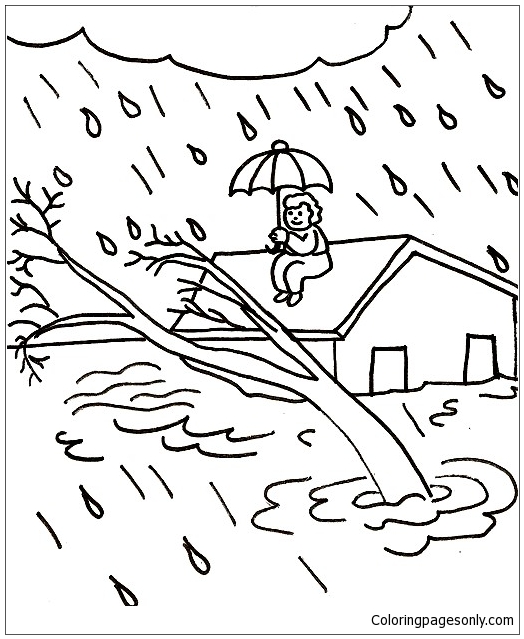
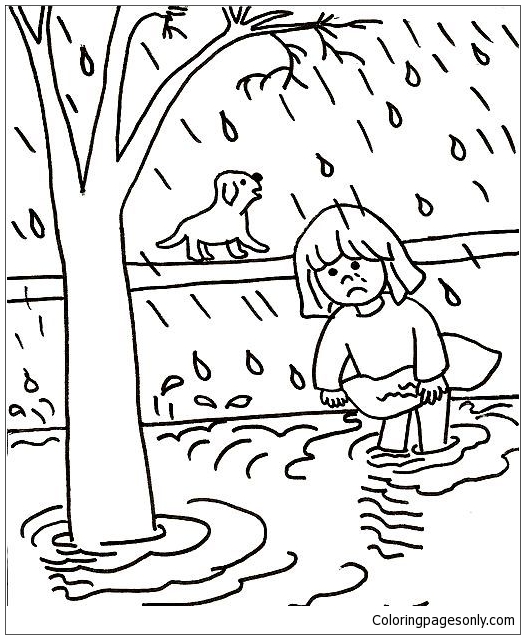
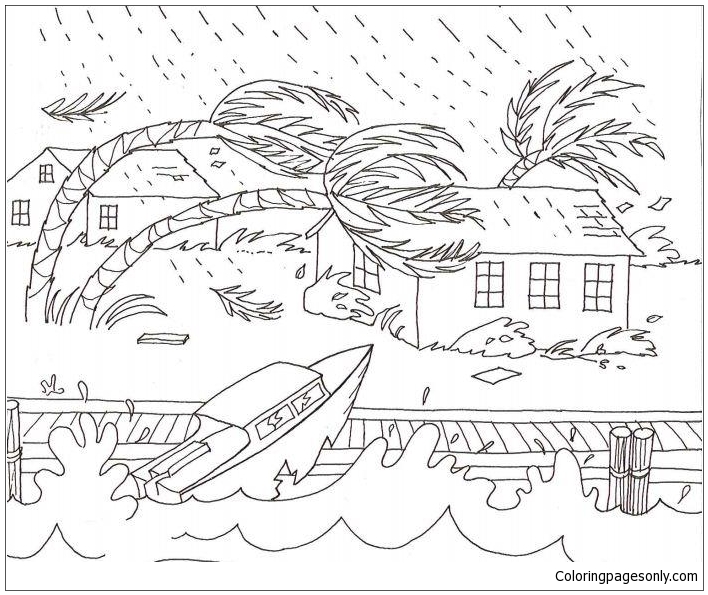
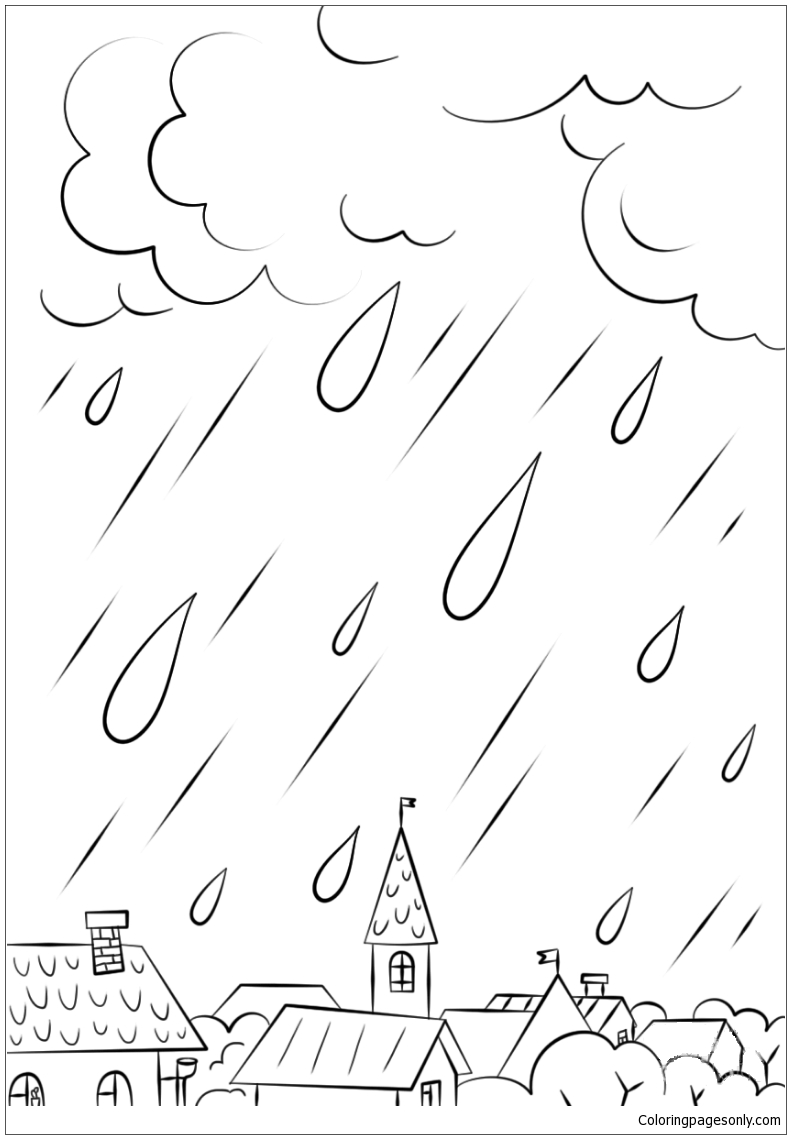
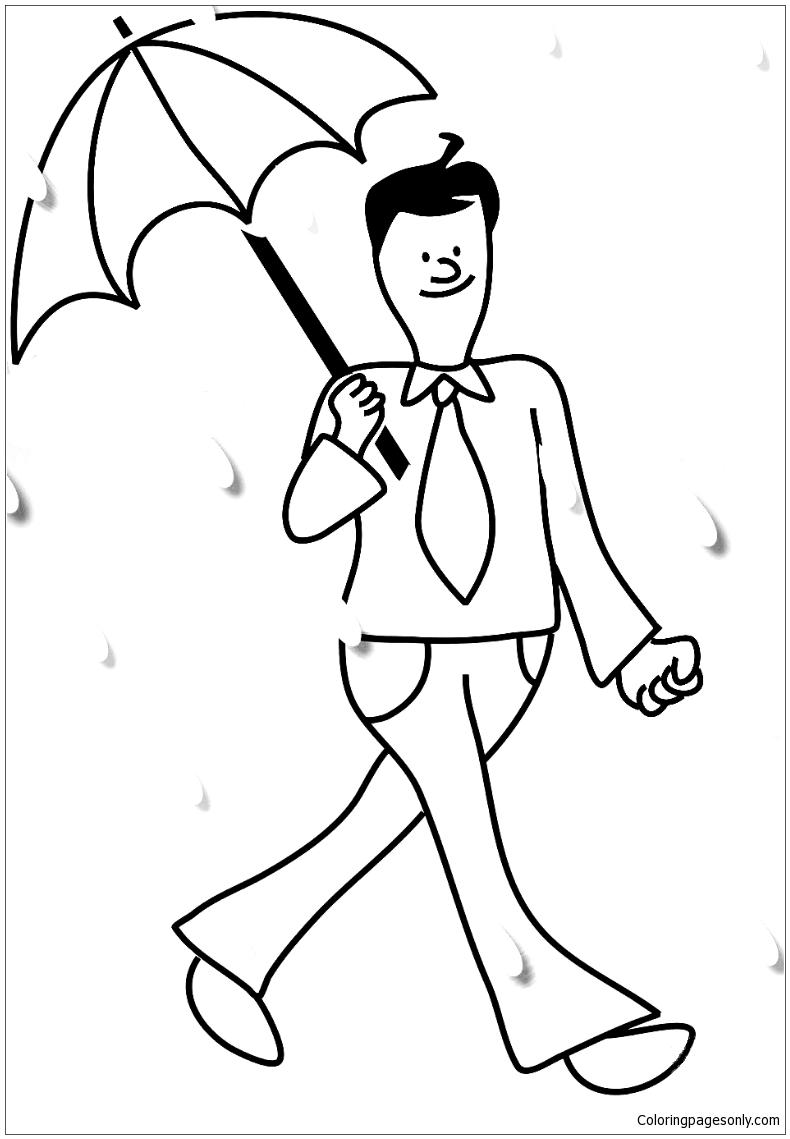
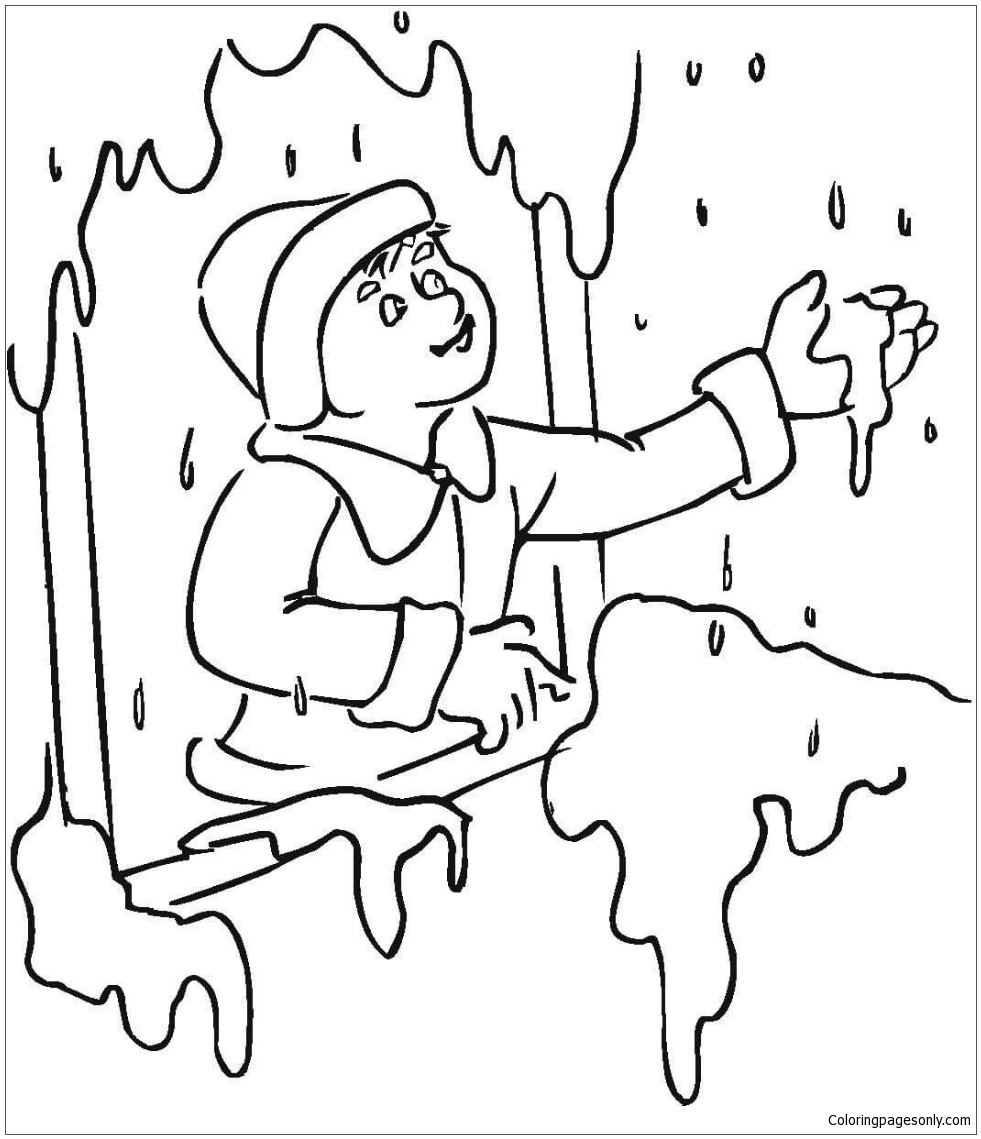
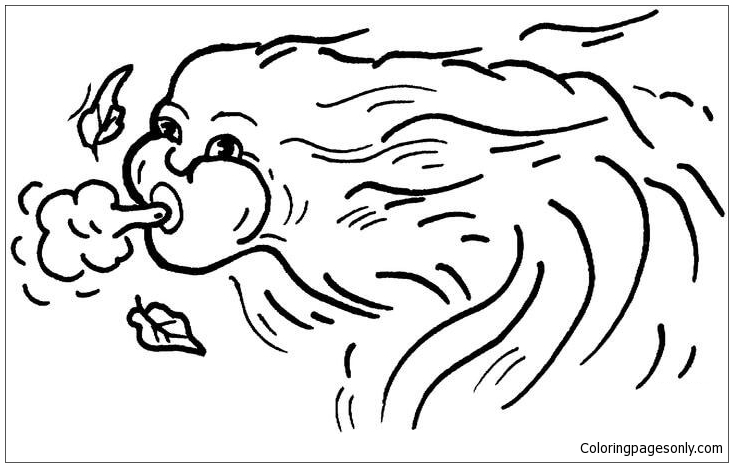
A large group of pages shows rain, storm clouds, thunder, lightning, and wind, along with children and adults experiencing weather with umbrellas and rain boots.
Sun, Moon, Rainbows, and the Water Cycle
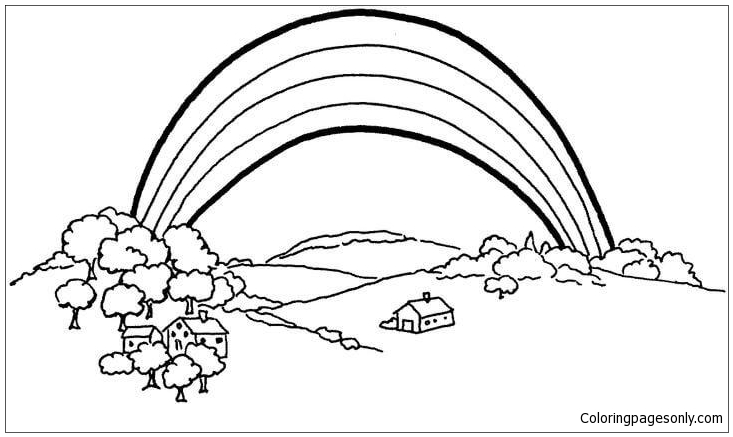
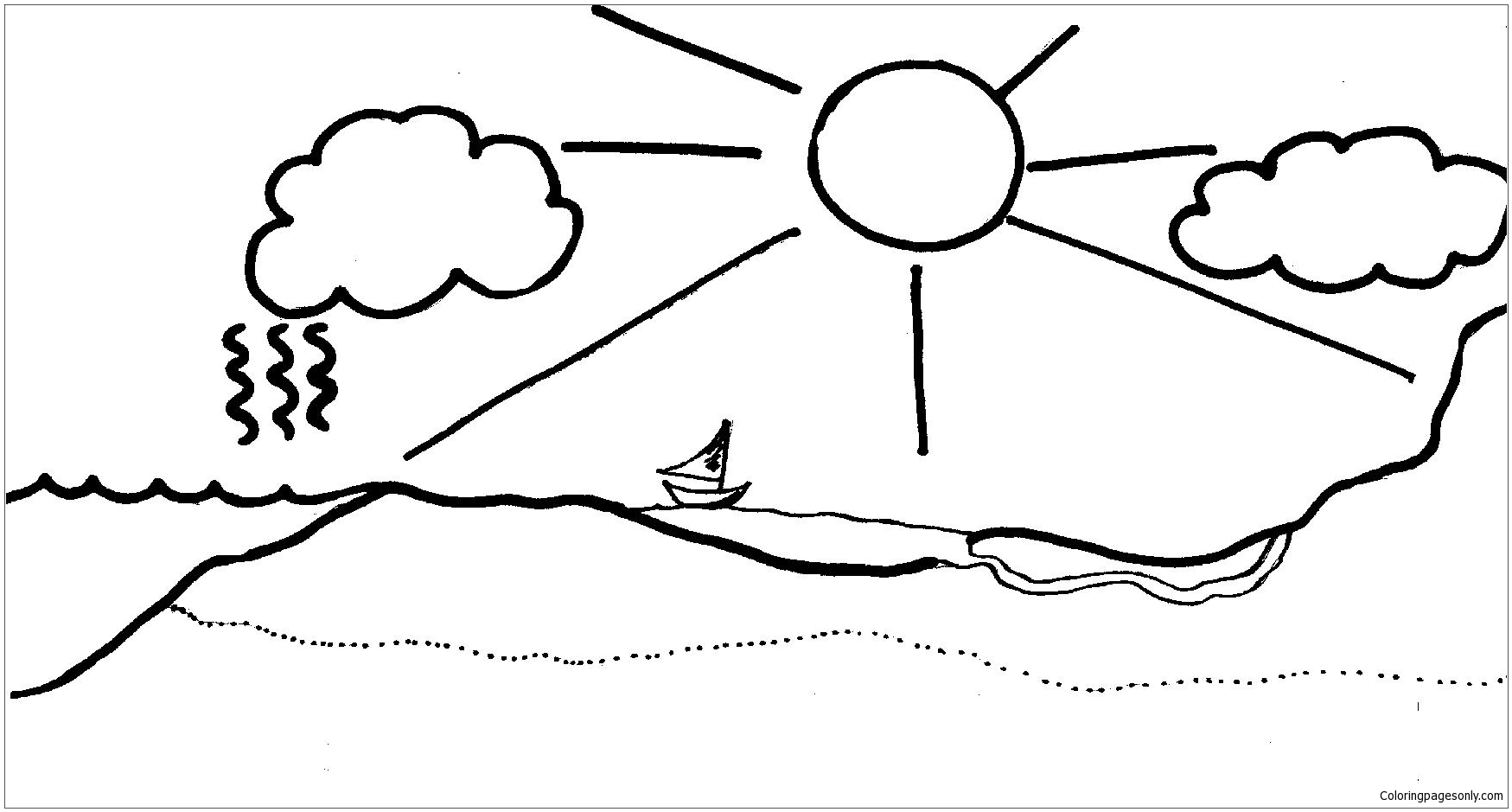
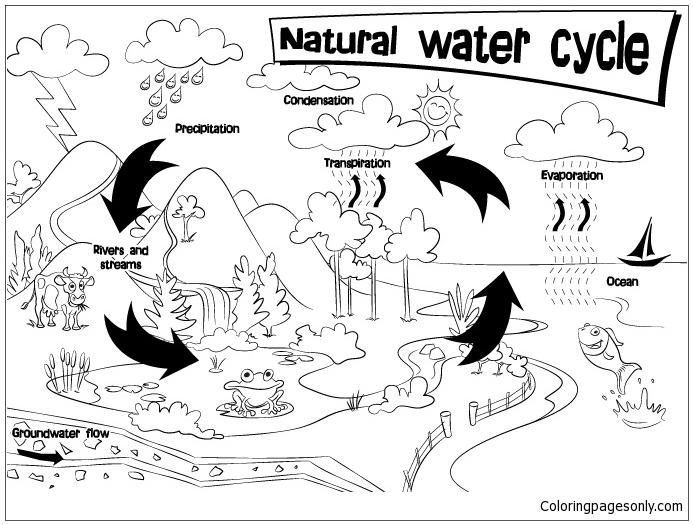
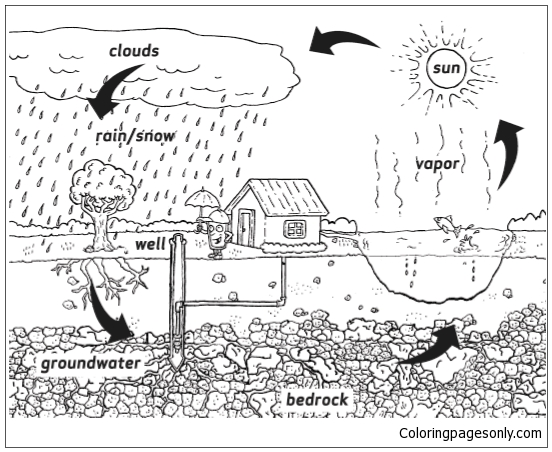
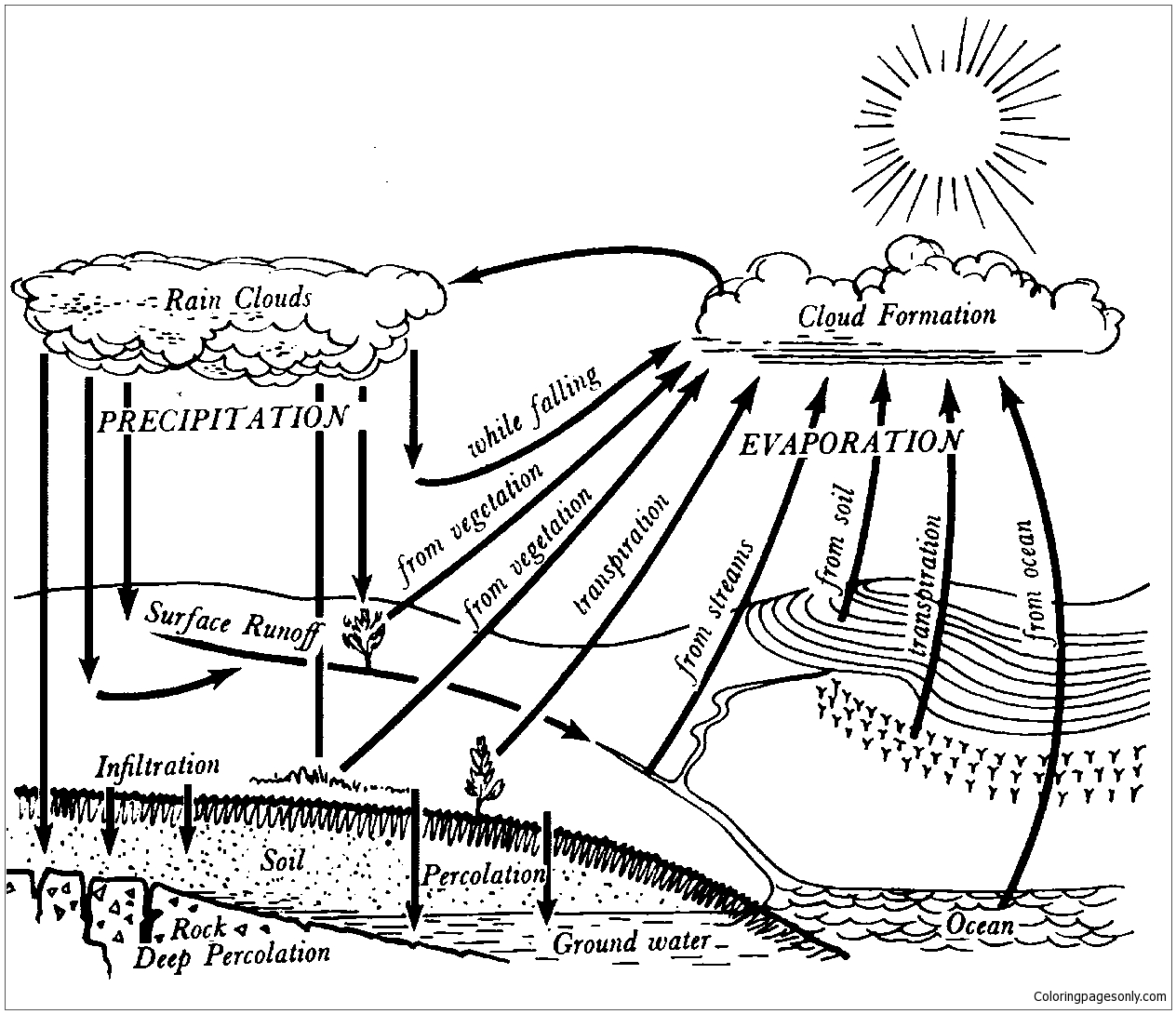
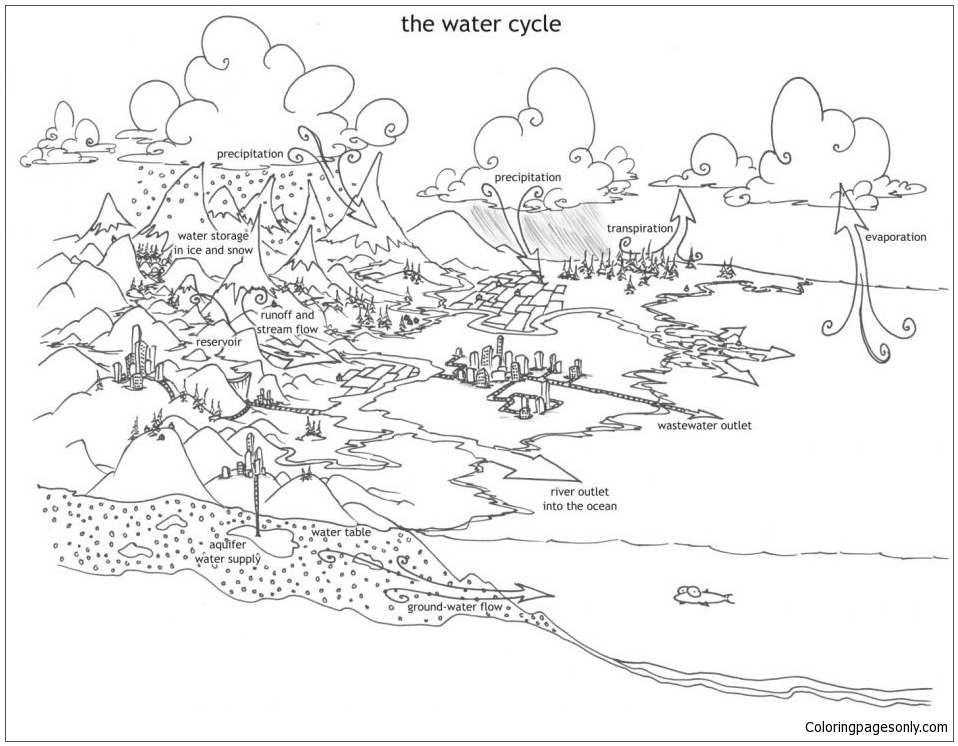
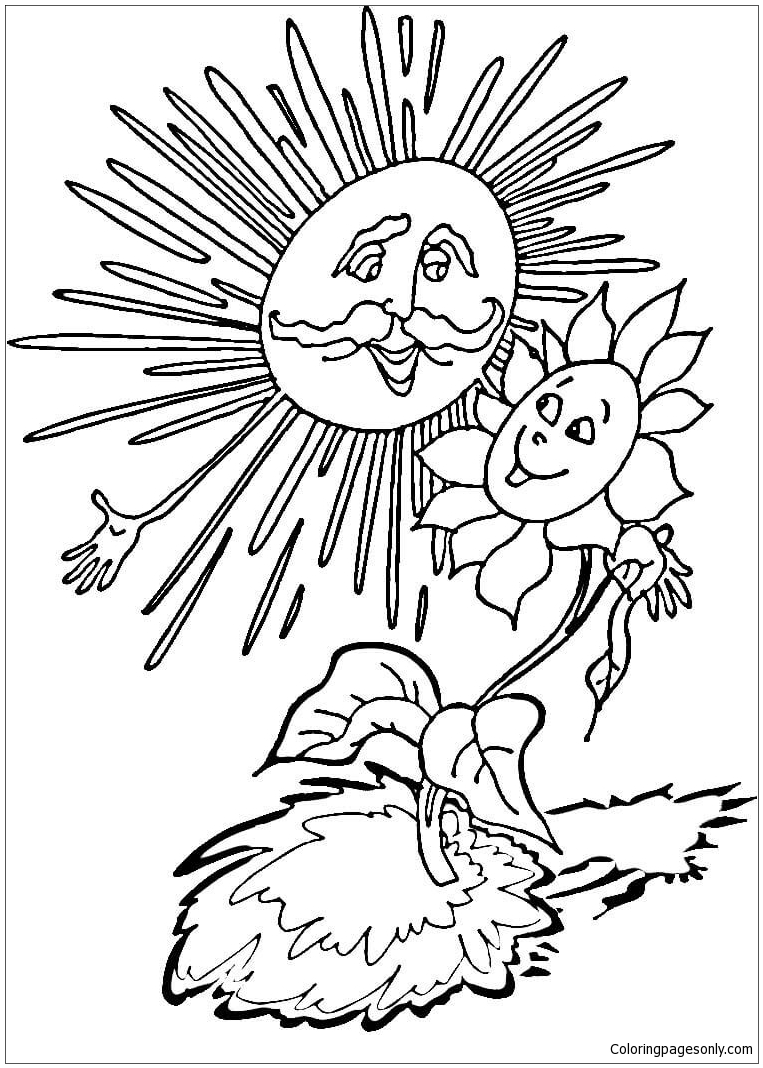
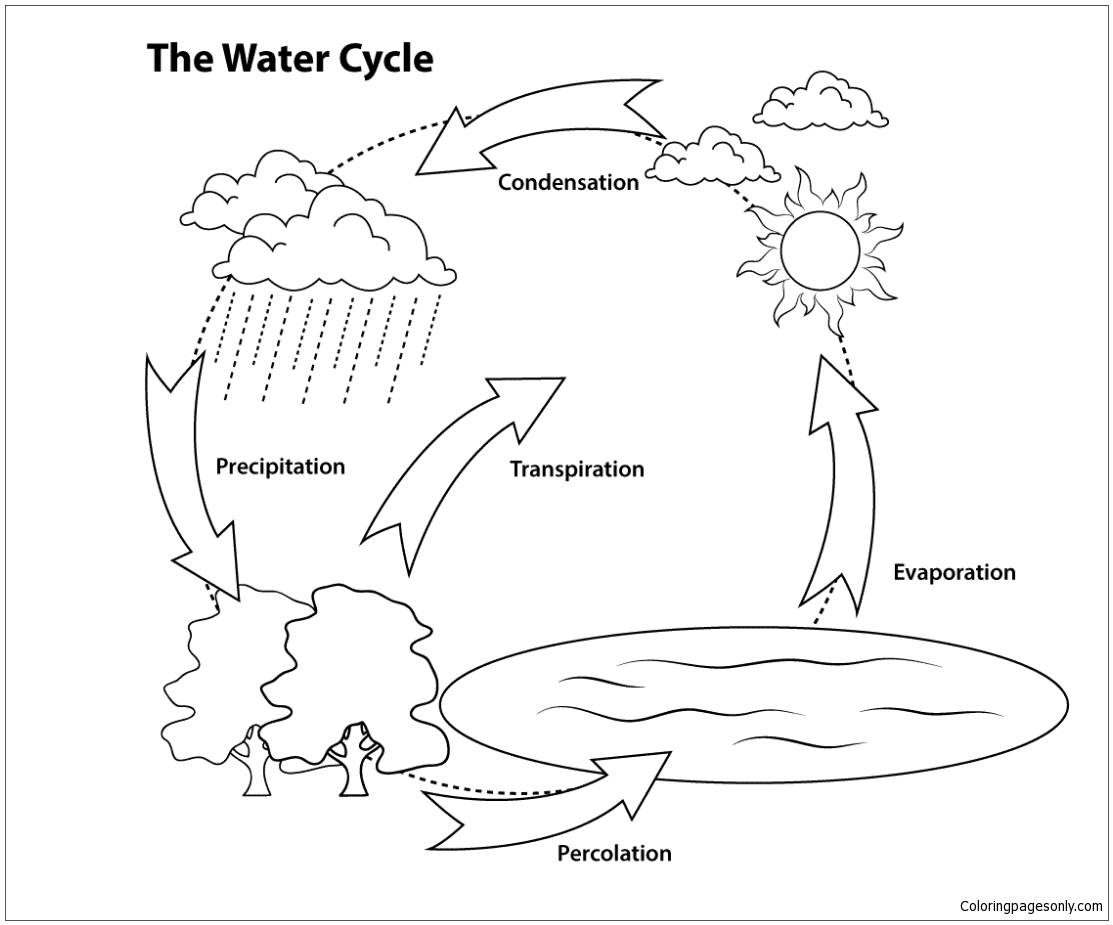
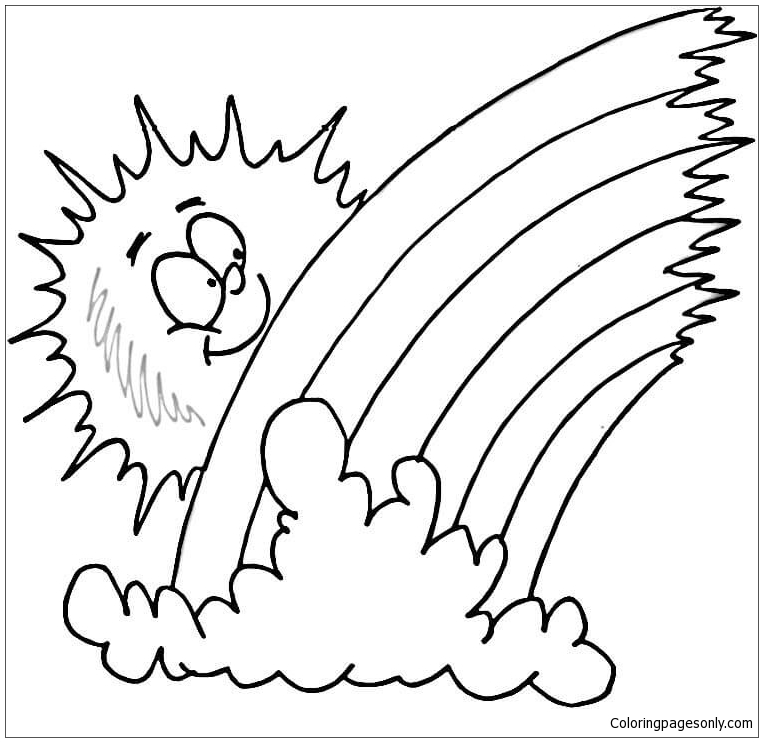
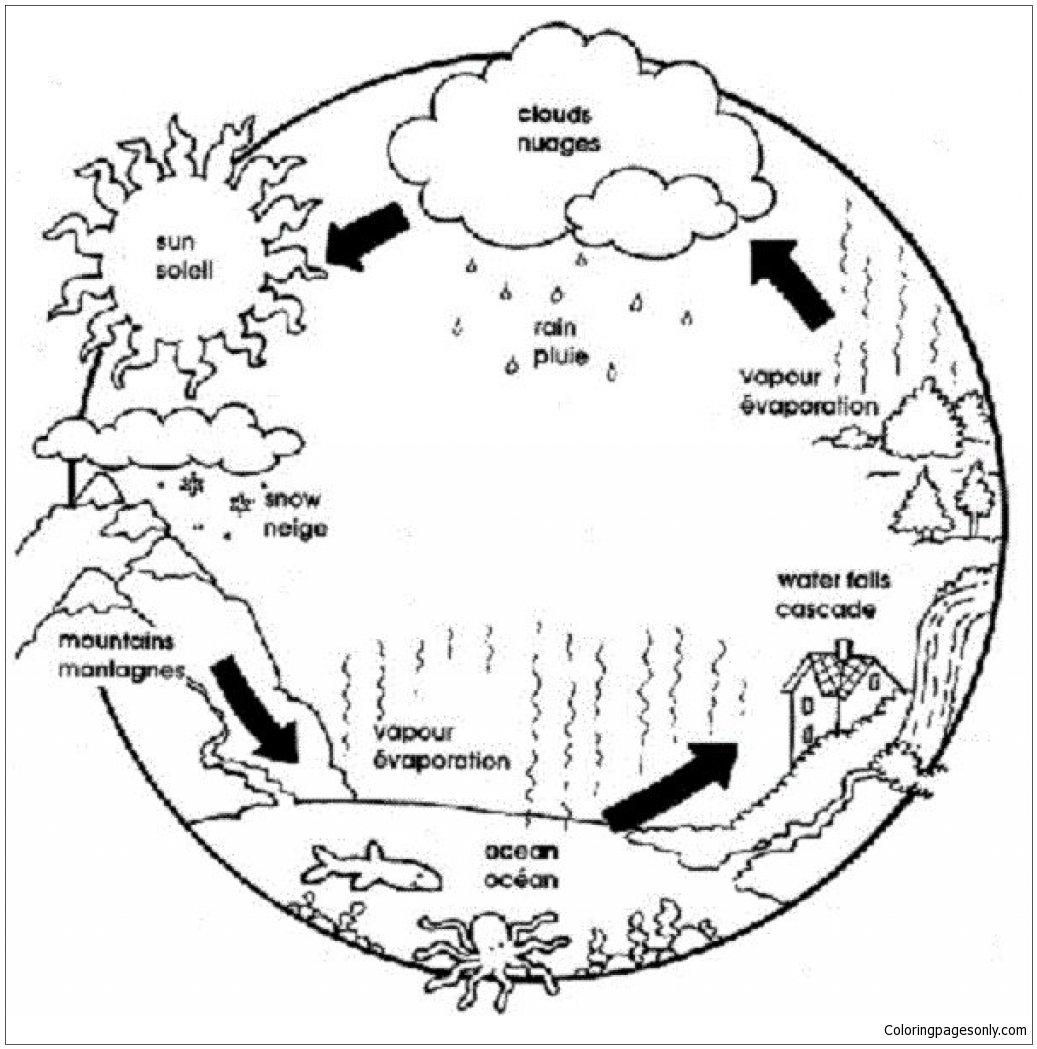
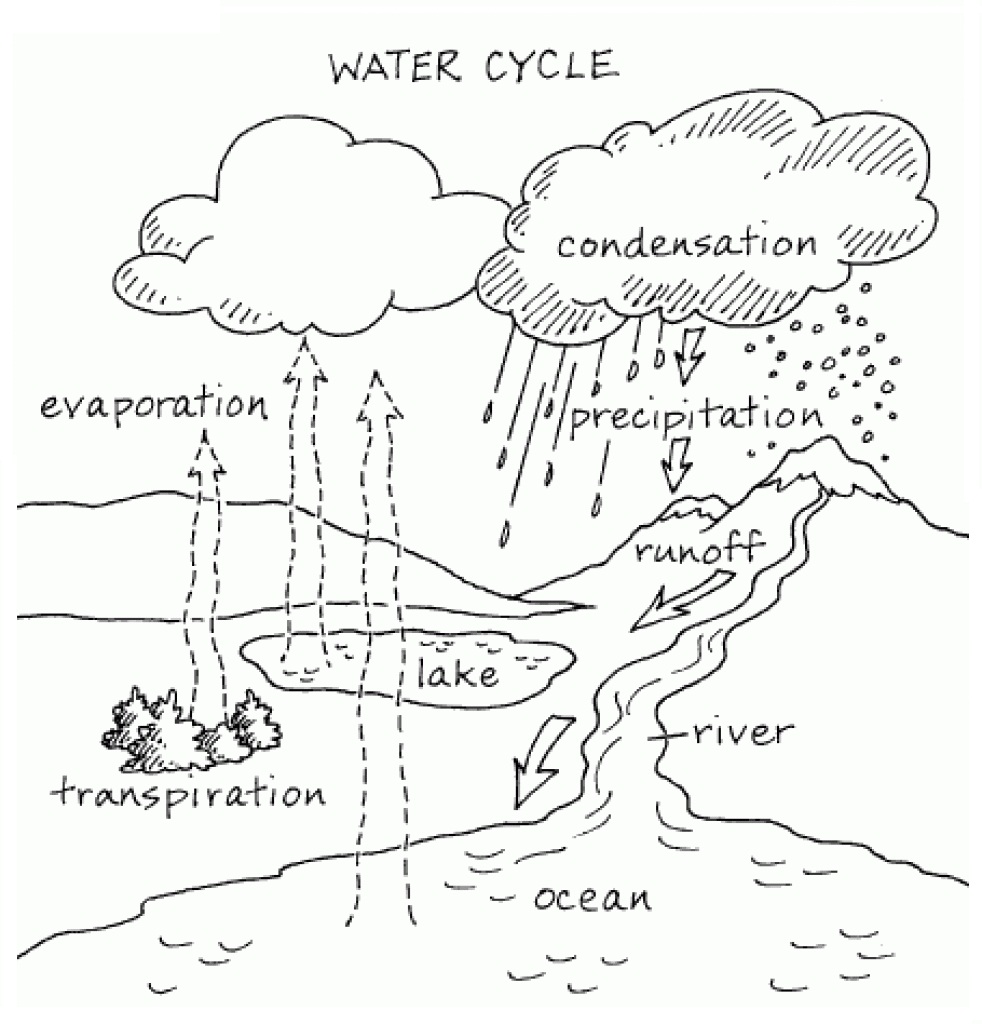
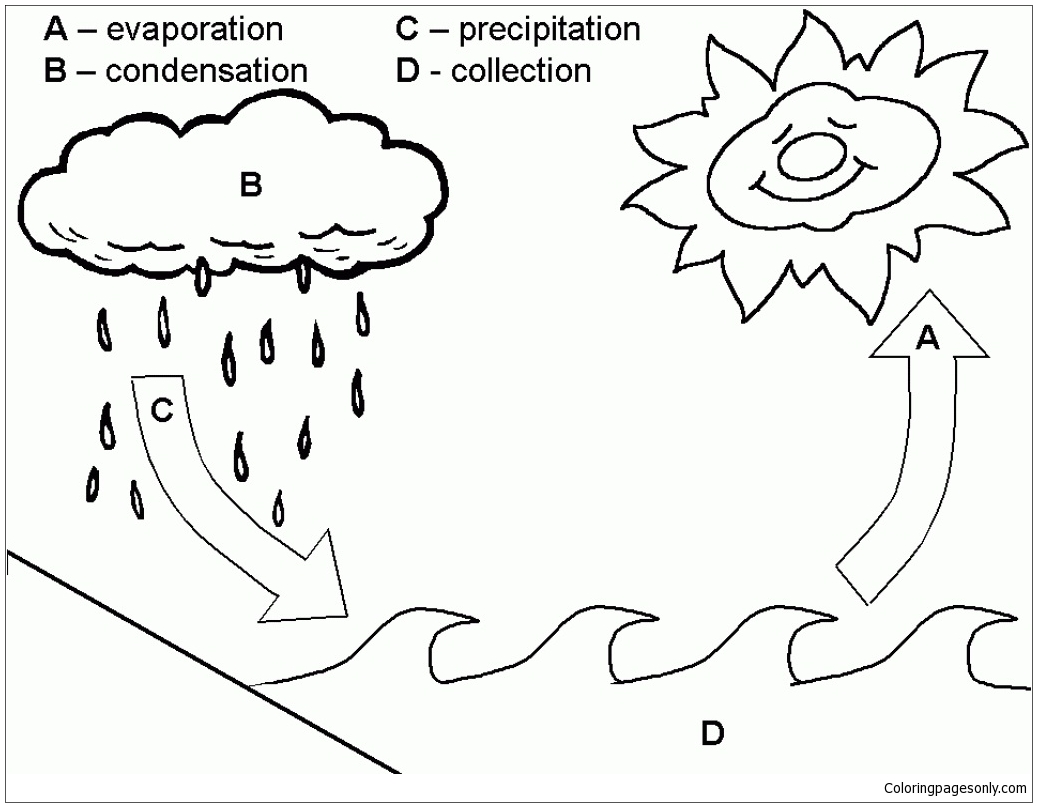
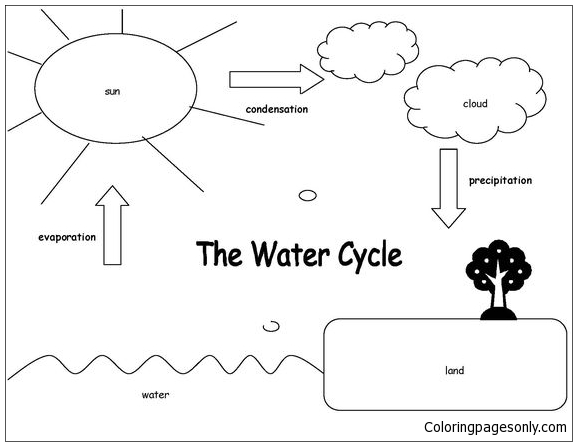
Several pages feature the sun, moon, stars, and rainbows in a friendly, character-driven style, alongside diagrams showing the stages of the water cycle.
Volcanoes, Earthquakes, and Other Natural Events
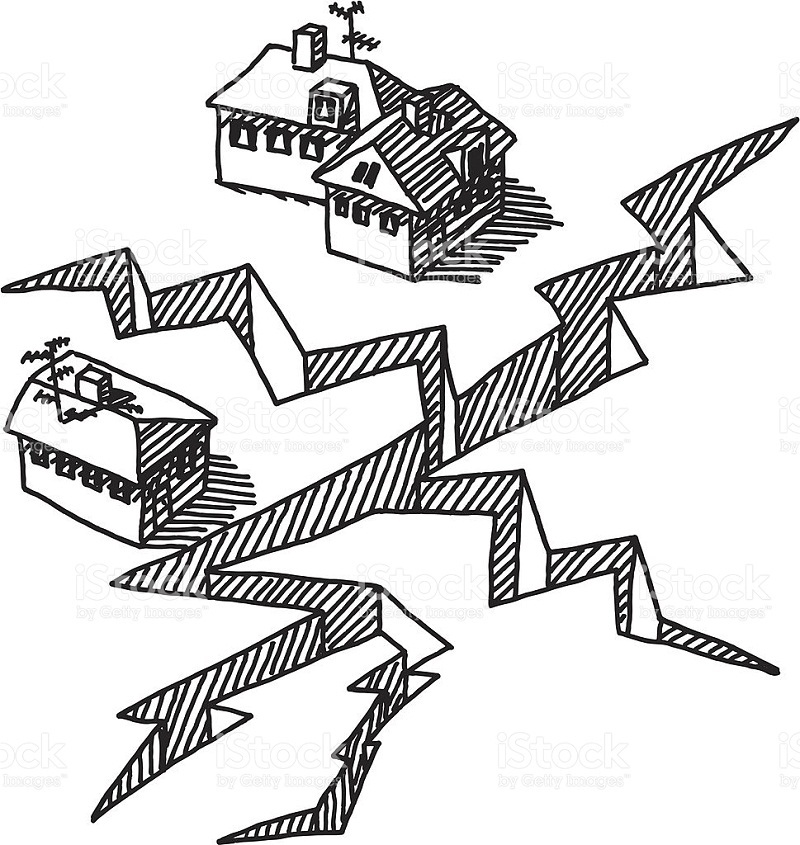
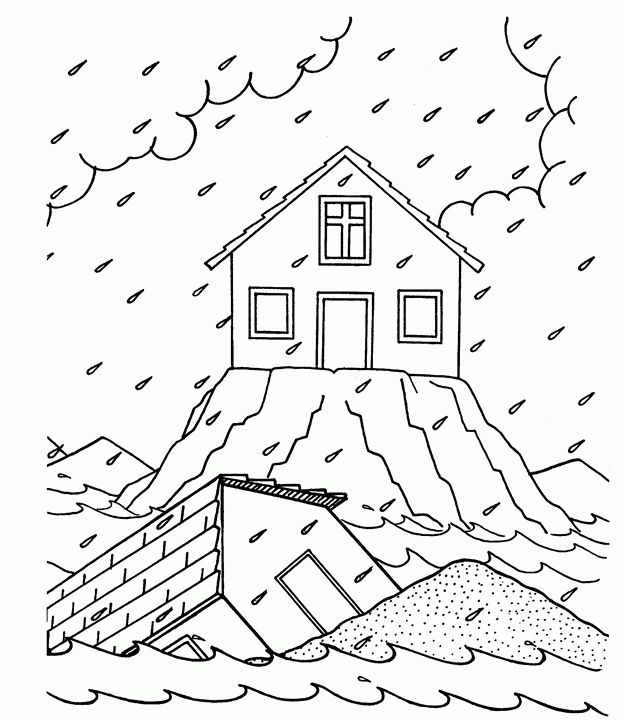
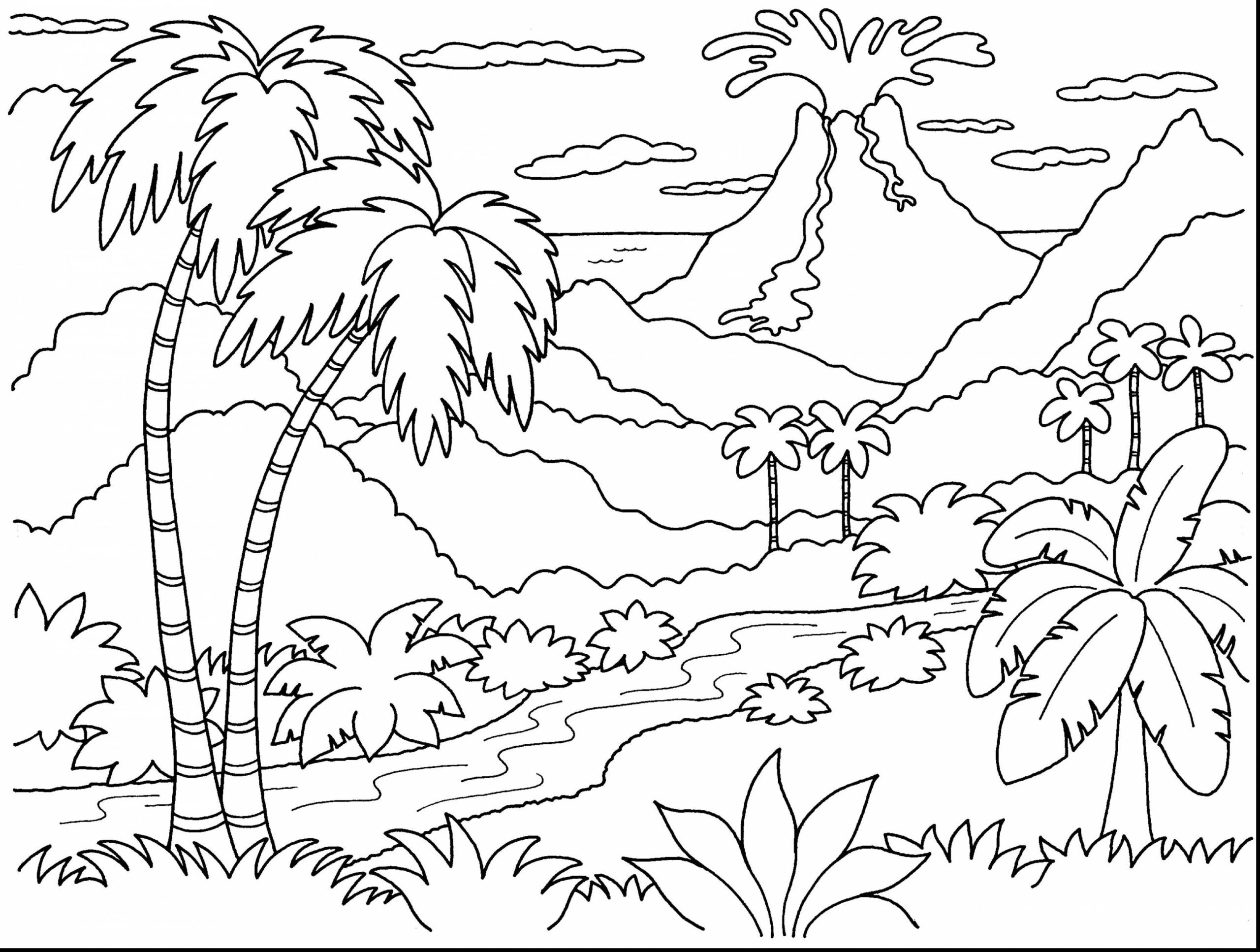
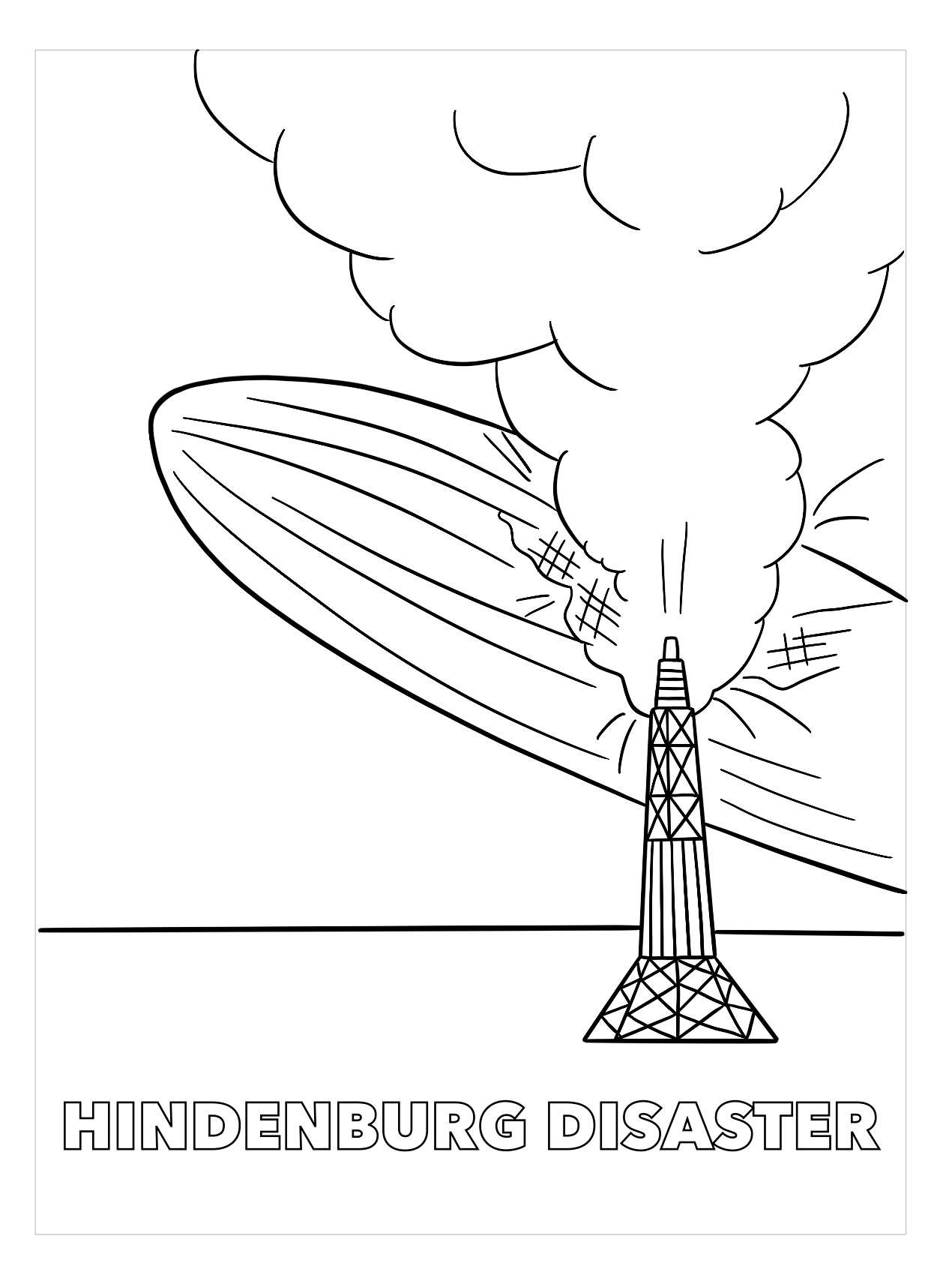
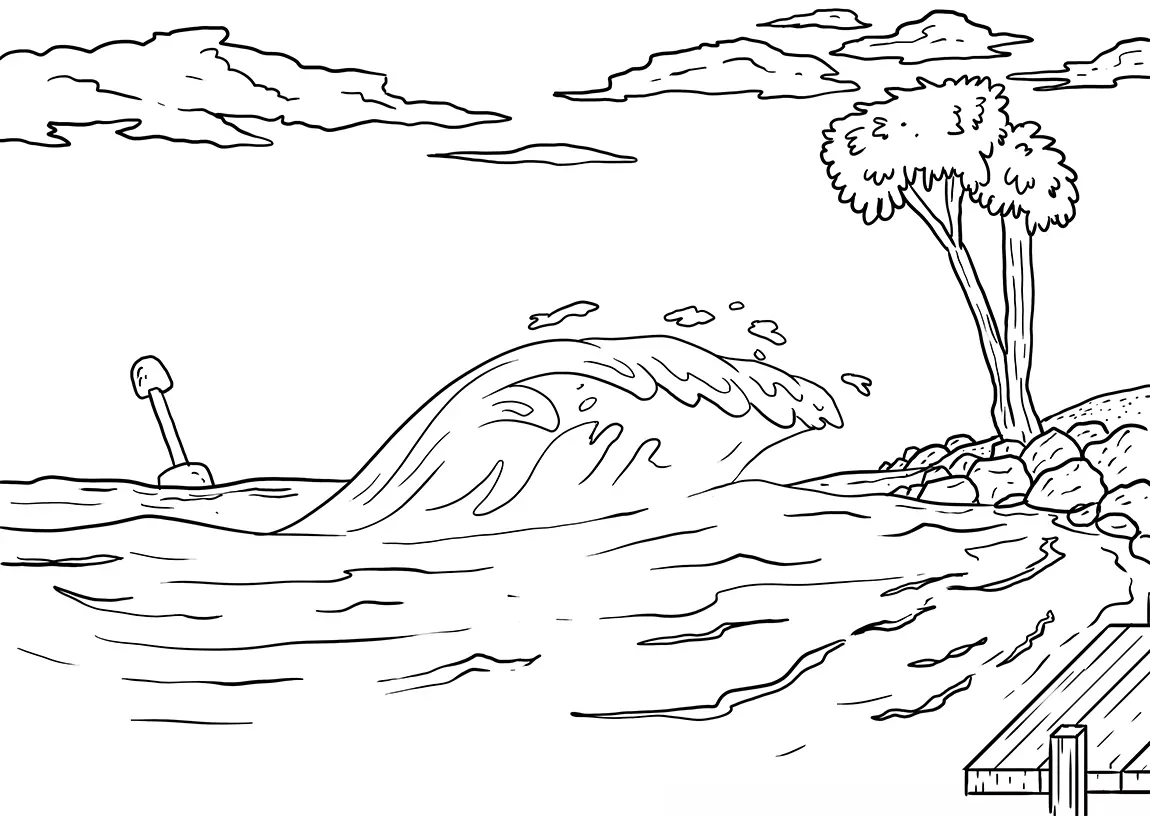
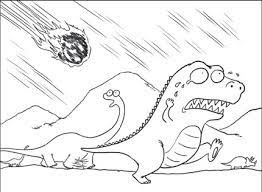
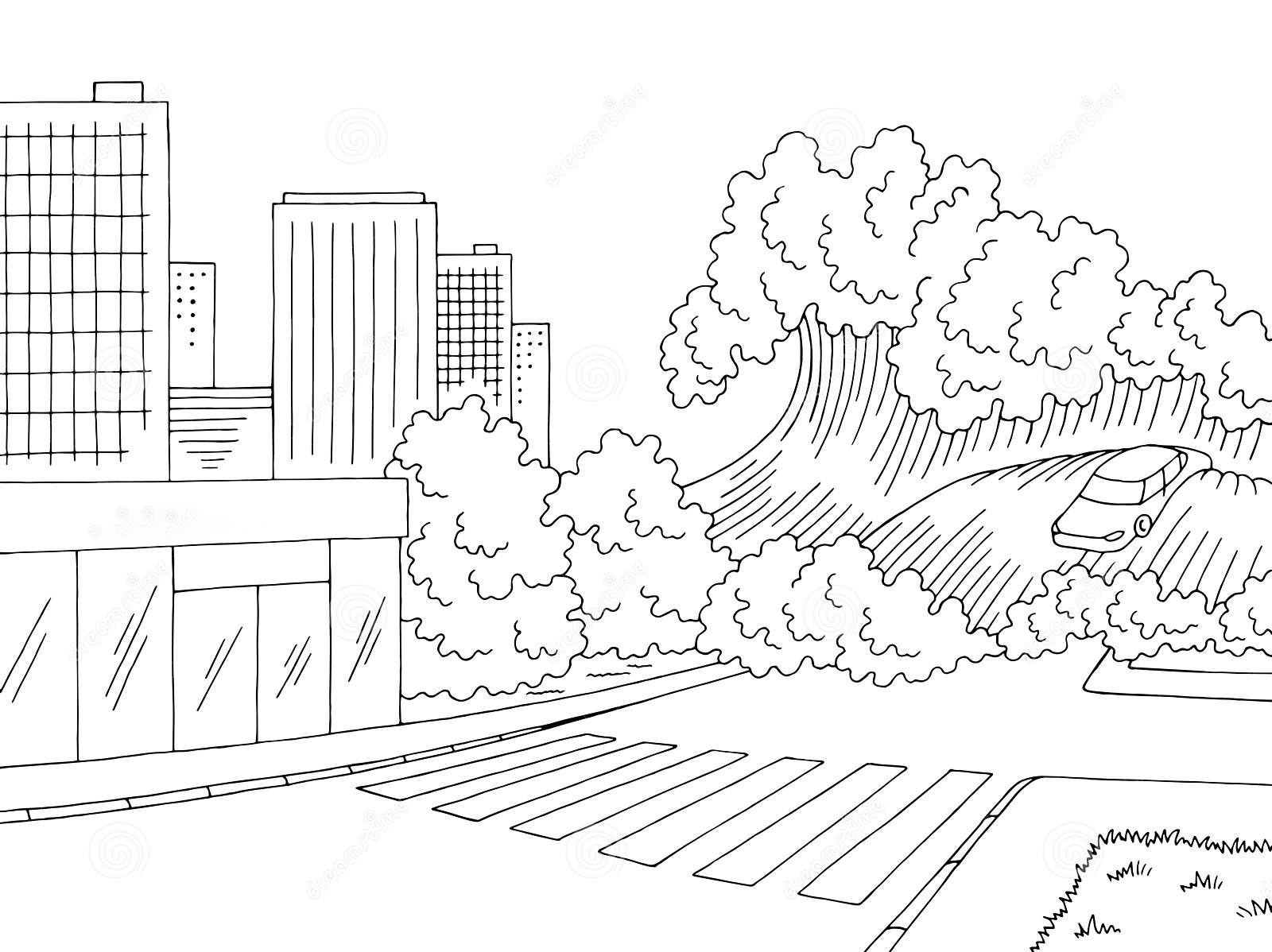
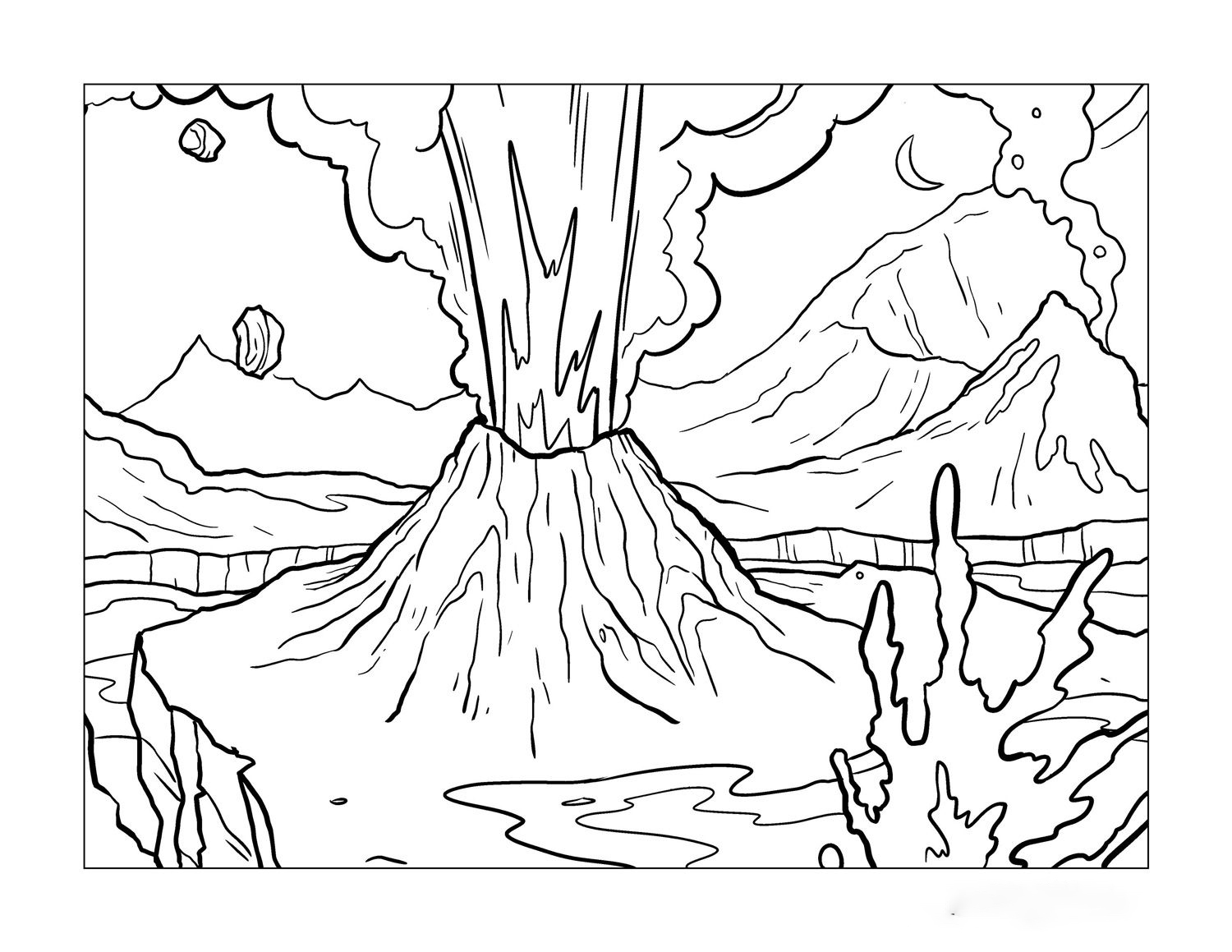
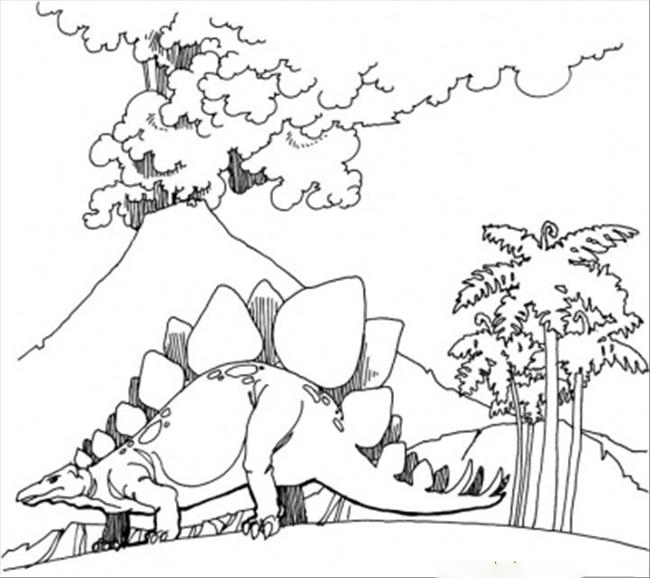
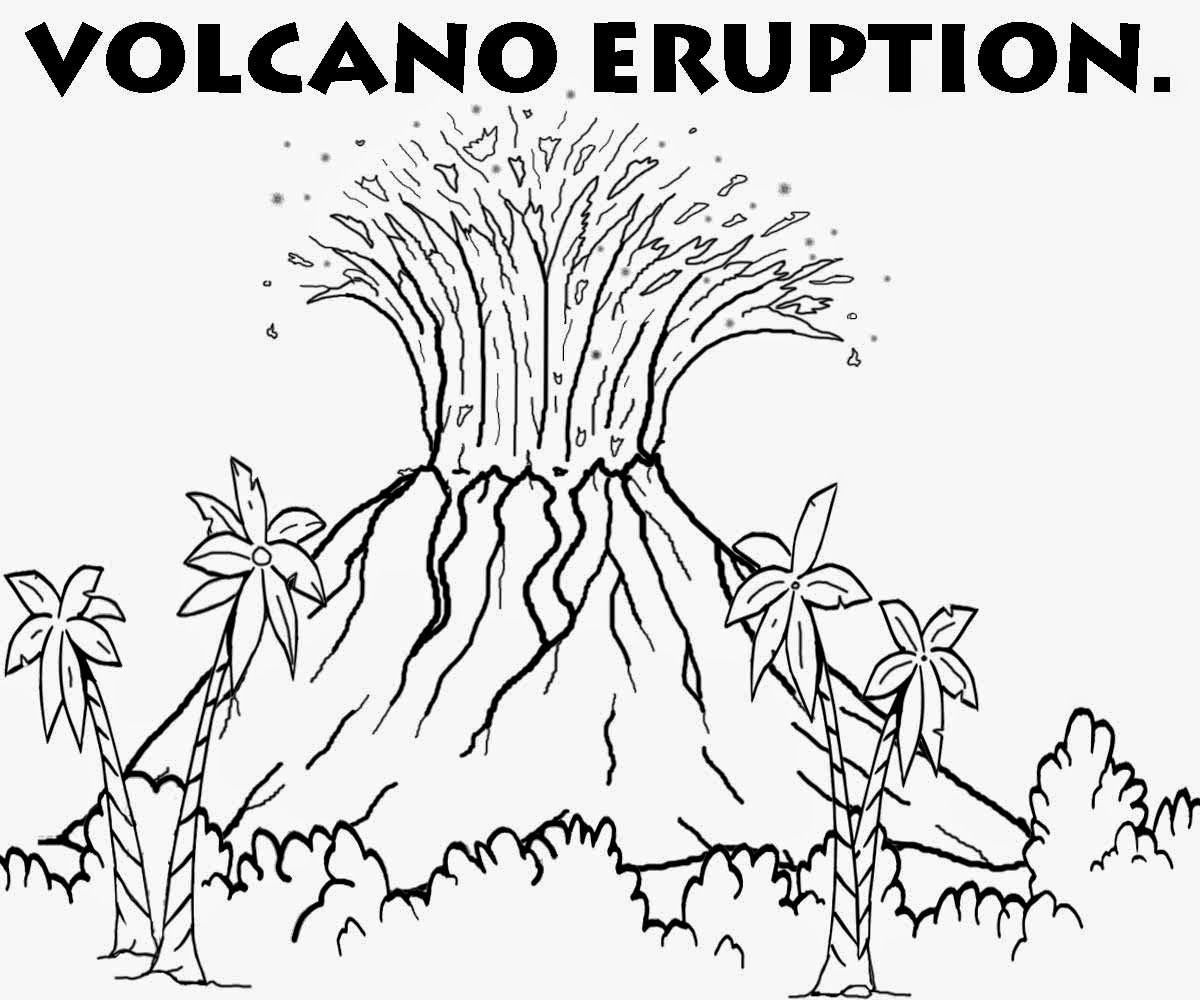
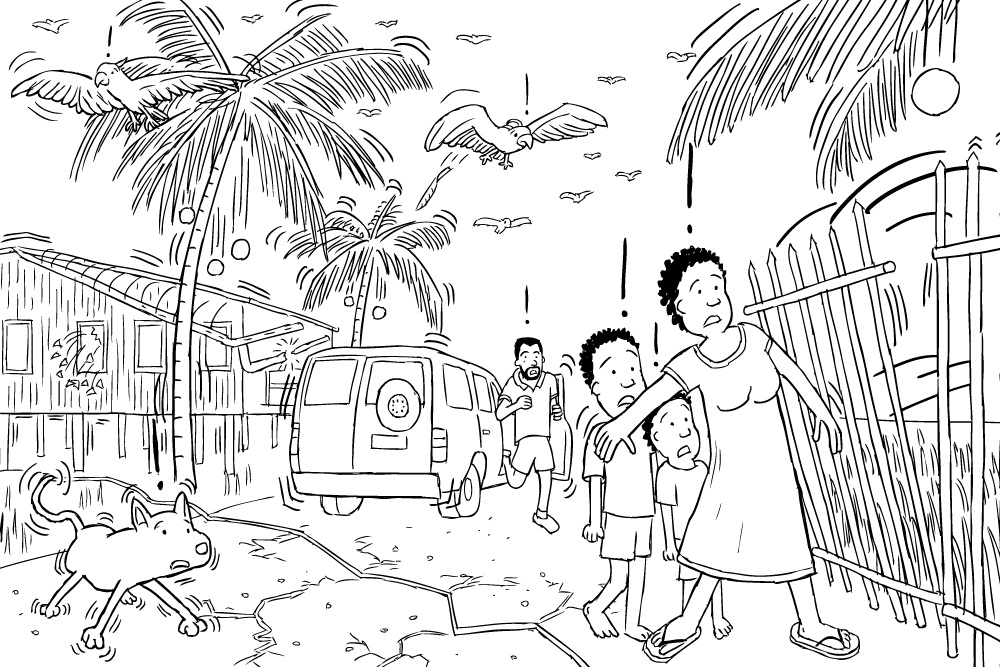
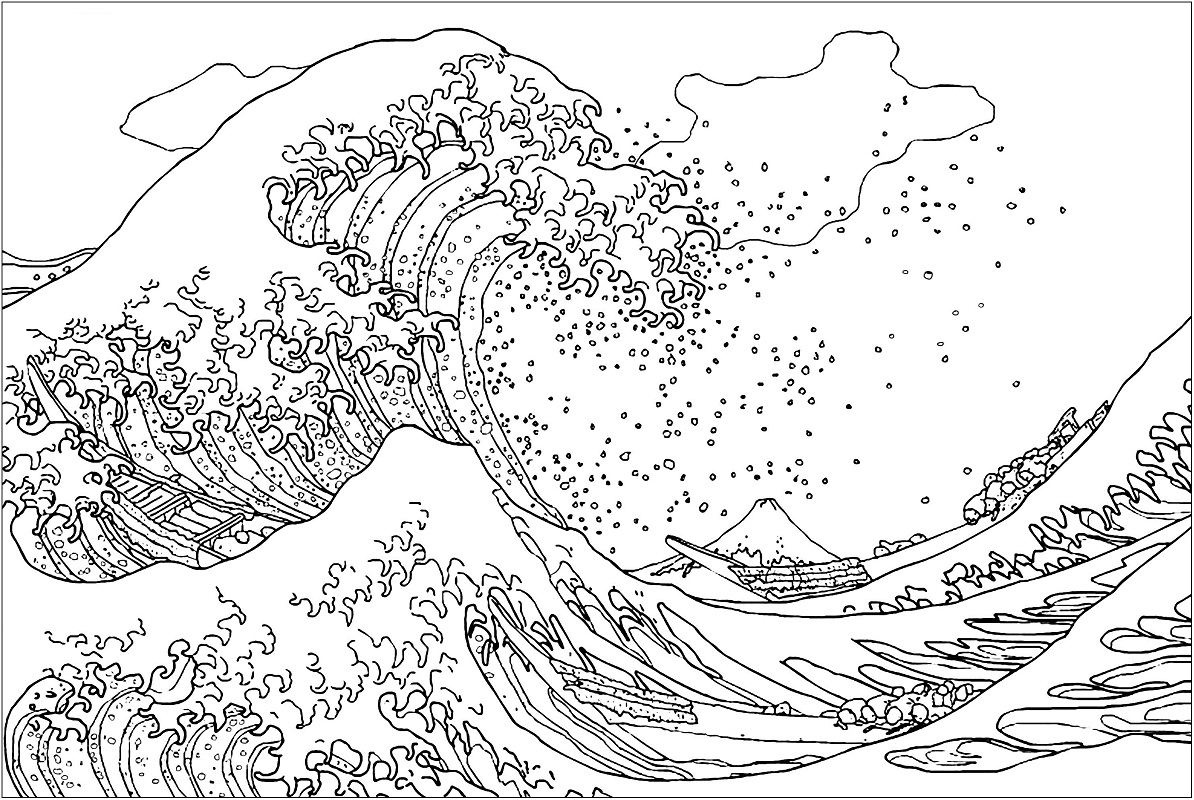
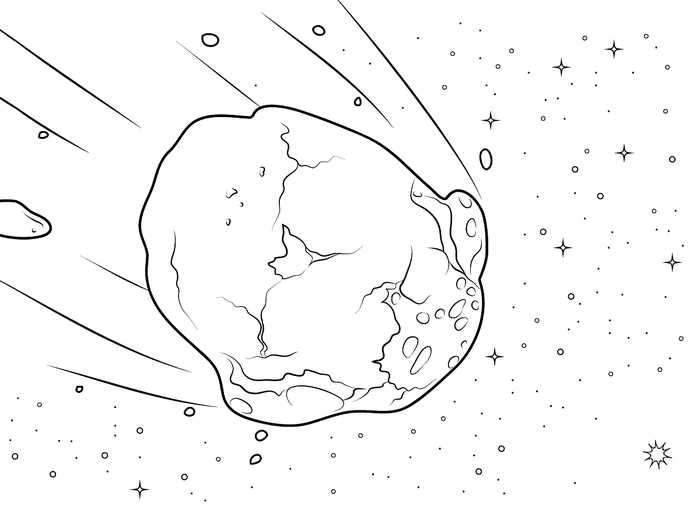
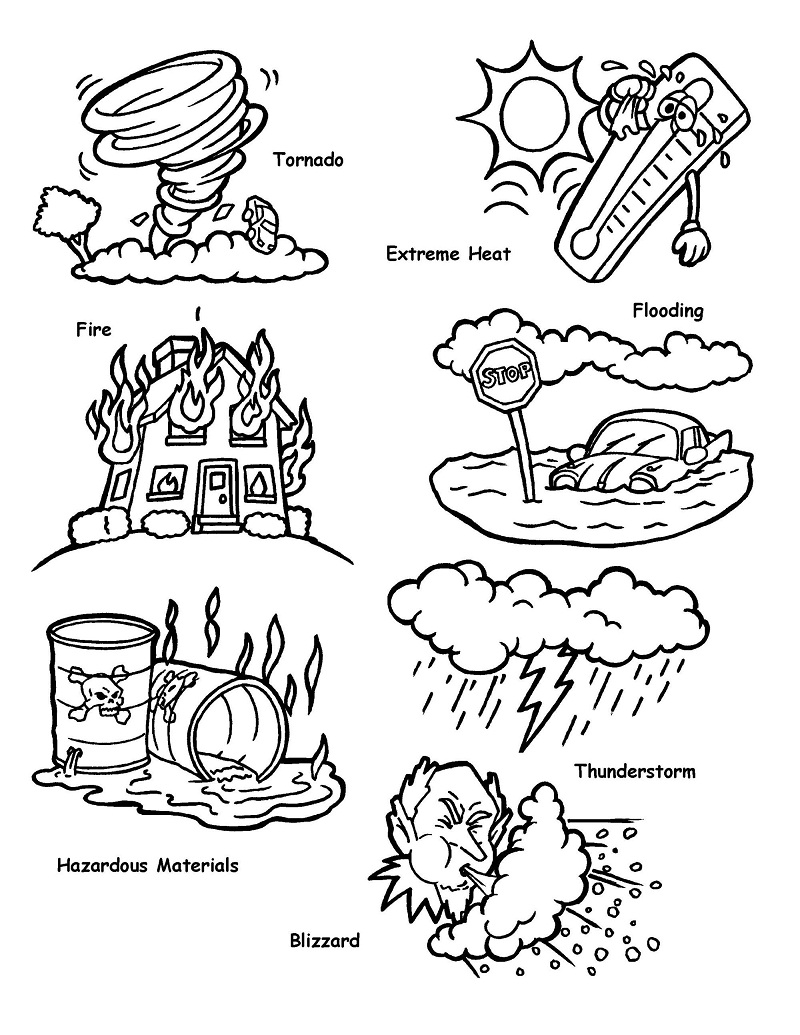
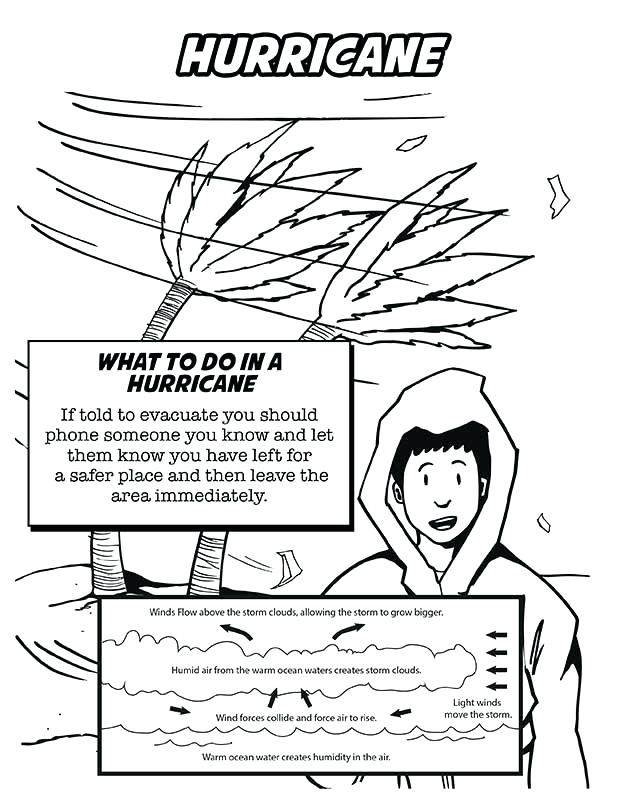
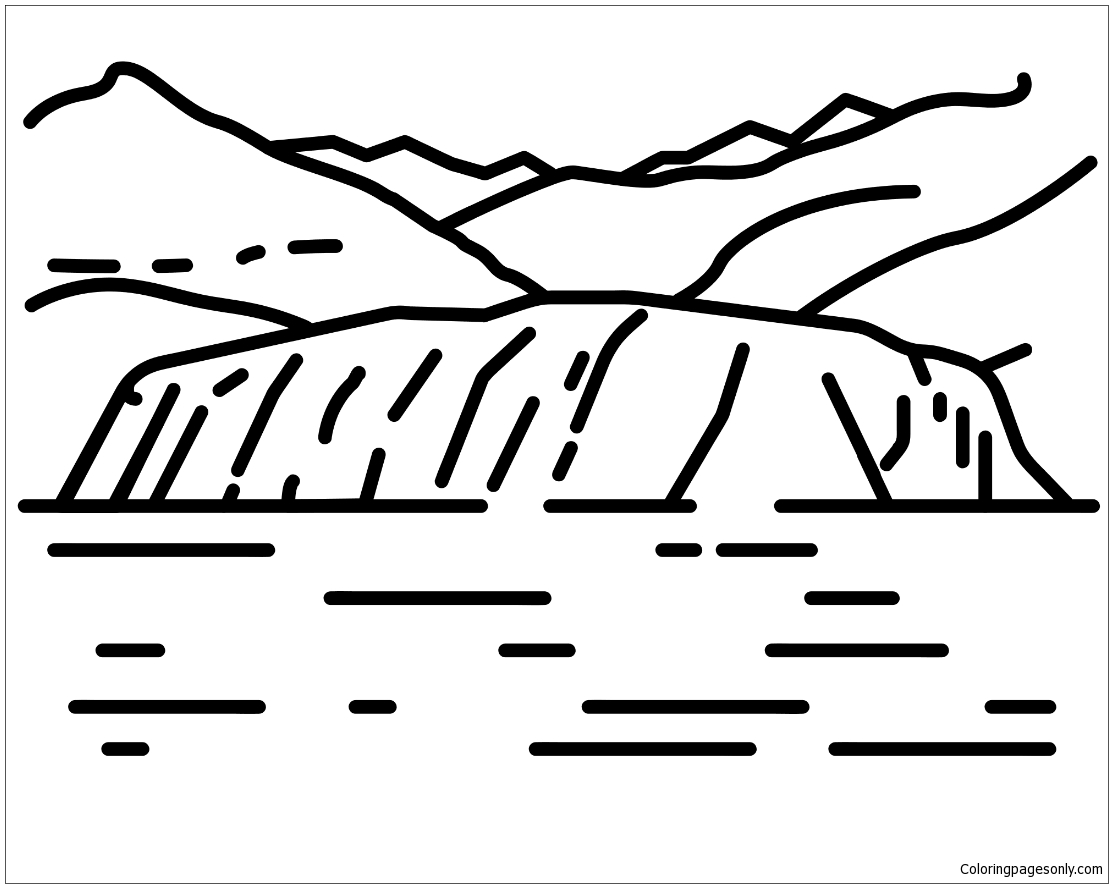
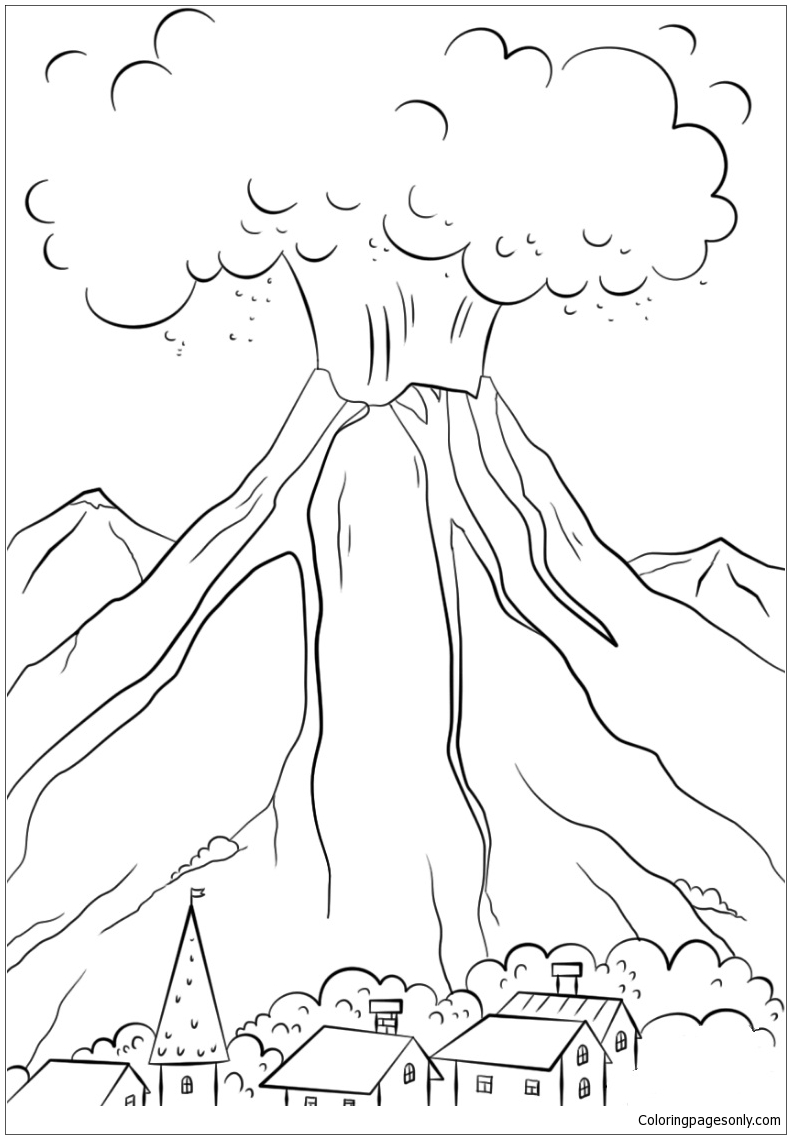
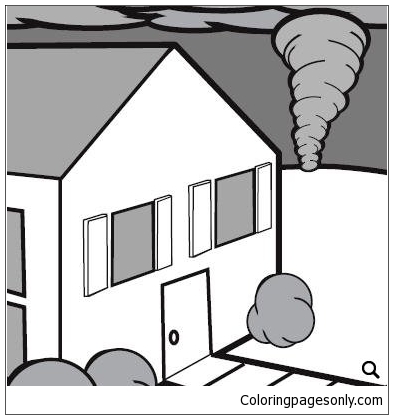
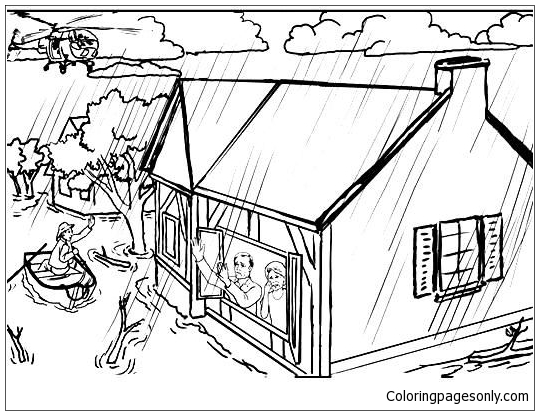
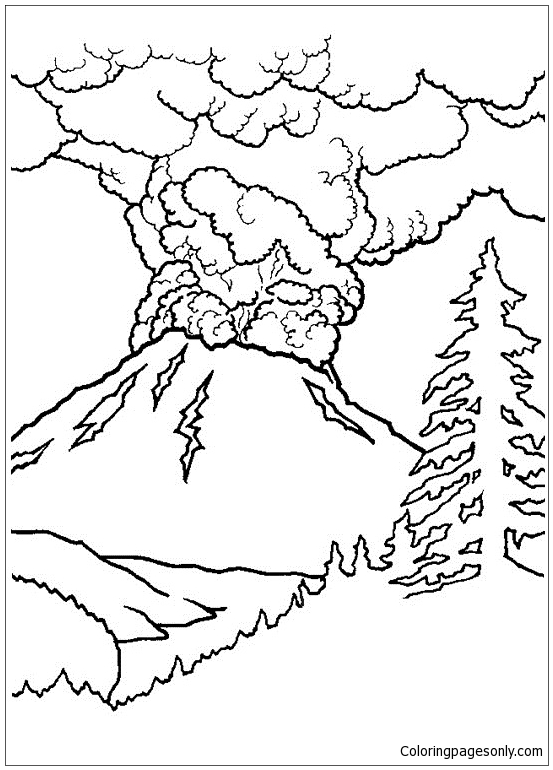
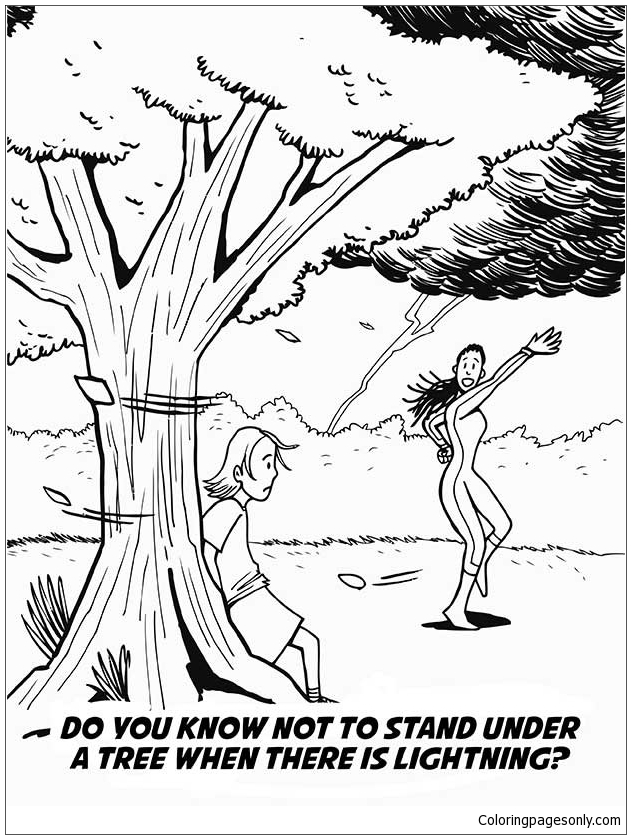
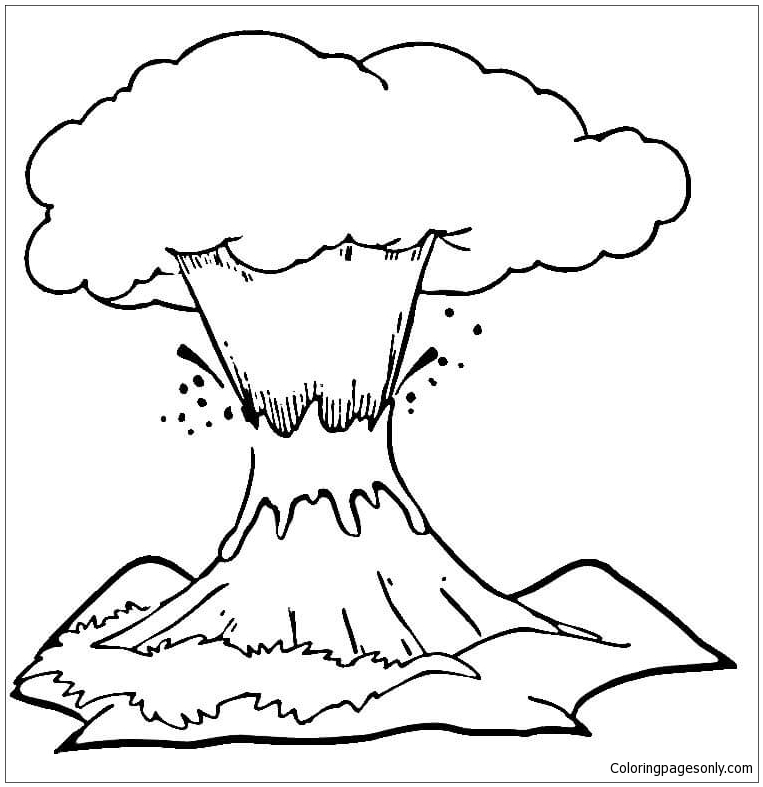
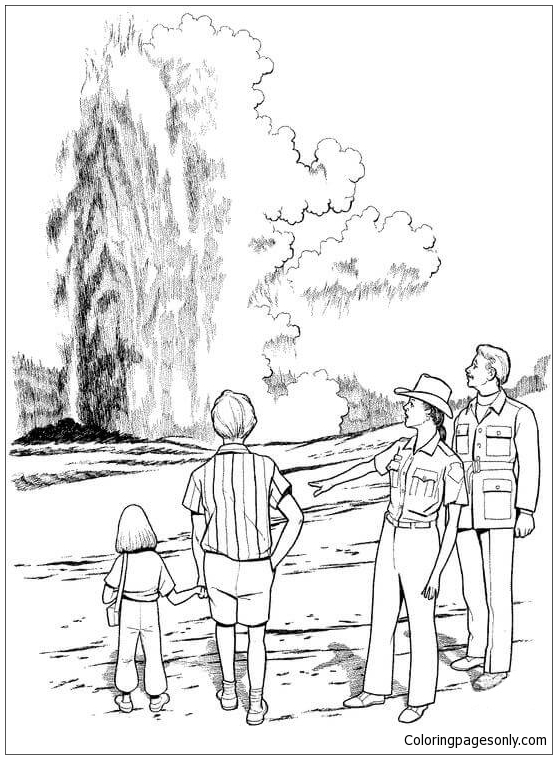
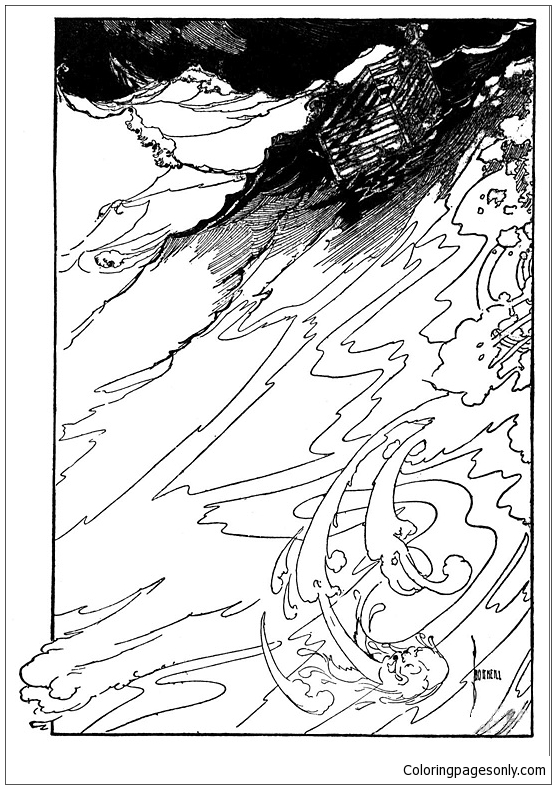
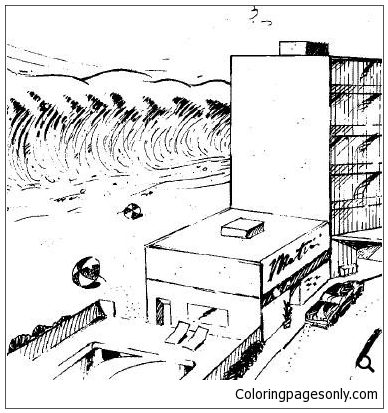
The remaining pages cover larger-scale events, including volcanic eruptions, earthquakes, tsunamis, floods, tornadoes, glaciers, and a geyser, along with a page focused on natural disaster safety.
What Natural Phenomena Coloring Pages Do
Fine motor development through detailed weather linework. The American Academy of Pediatrics identifies fine motor skill development as a core benefit of structured coloring for children ages 2 through 7, and staying inside the lines of raindrops, cloud shading, and water cycle arrows calls for exactly that kind of controlled, contained pencil movement.
An introduction to basic earth science. Coloring a water cycle diagram or a volcano cross-section gives colorists a simple, visual way to learn how these natural systems work, from evaporation and condensation to the movement of tectonic plates.
Anxiety reduction through focus. A 2005 study in the Art Therapy Journal documented measurable reductions in anxiety following structured coloring sessions, and working through a set of similarly themed weather and science pages offers that same steady, repetitive rhythm.
A starting point for safety conversations. Because this collection includes a natural disaster safety page, coloring can pair naturally with a simple conversation about what to do during severe weather or other natural events.
How to Color Natural Phenomena Pages Well
- Storm clouds: Use Gray or Slate Blue for heavier storm clouds, and a lighter Sky Blue for gentler rain scenes.
- The sun: Color the sun a warm Yellow-Orange, adding a Gold outline along the rays for a glowing effect.
- Rainbows: Follow the traditional order of Red, Orange, Yellow, Green, Blue, Indigo, and Violet from the outer band to the inner band.
- Water cycle diagrams: Keep water and precipitation arrows a consistent Blue, and use a light Beige or Tan for land, so each stage of the cycle stays easy to follow.
- Volcanoes: Use Gray or Brown for the mountain itself, with Orange-Red for lava near the top.
- Waves and floodwater: Use a deep Blue-Green for the water, adding White highlights along wave crests and foam.
5 Creative Craft Ideas With Natural Phenomena Coloring Pages
1. Weather Wheel. Color a sun, cloud, rain, and rainbow design, cut each into a wedge, and attach them around a center brad to make a simple spinning weather chart.
2. Water Cycle Poster. Color a water cycle diagram and label each stage by hand to turn it into a simple science poster.
3. Rainbow Suncatcher. Color a rainbow design on thin, translucent paper and tape it to a window so light shines through the colors.
4. Weather Journal Cover. Attach a colored weather design to the cover of a notebook used for tracking the weather each day.
5. Safety Reminder Poster. Color the natural disaster safety page and add a few hand-written safety tips for a simple classroom or home bulletin board display.
Frequently Asked Questions
What are Natural Phenomena coloring pages?
Natural Phenomena coloring pages are printable line-art designs of weather, the water cycle, and geological events like volcanoes and earthquakes. This collection includes 78 free designs available as PDFs or online coloring.
What is a natural phenomenon?
A natural phenomenon is an event that occurs in nature without human involvement, ranging from everyday weather like rain and rainbows to larger events like volcanic eruptions and earthquakes.
What is the water cycle?
The water cycle describes how water moves between the ocean, atmosphere, and land through evaporation, condensation, and precipitation, continually recycling the planet’s water supply.
What causes earthquakes and volcanoes?
Earthquakes and volcanoes are both caused by the movement of tectonic plates, the large sections of the Earth’s crust that shift and interact with each other over time.
What causes tornadoes?
Tornadoes form when warm, moist air and cool, dry air interact within a severe thunderstorm, creating the rotating winds that can develop into a funnel cloud.
What causes a tsunami?
Tsunamis are most often triggered by underwater earthquakes, which displace large volumes of ocean water and send powerful waves toward the coastline.
Are Natural Phenomena coloring pages suitable for young children?
Yes. The simpler sun, rain, and rainbow designs in this collection suit preschool and early elementary colorists, while the water cycle diagrams and disaster-related pages work well for older children learning basic earth science.
Why do rainbows appear after rain?
Rainbows form when sunlight passes through raindrops still in the air, and the light bends and separates into its different colors as it enters and exits each drop.
Start Coloring
Download any page by clicking the design. No account, email, or payment is required. Pages print directly from the browser at full resolution or open in the online coloring tool for screen use. Share finished pages on Facebook or Pinterest with the share buttons at the top of each design page.