Bird coloring pages: 1,486 printable designs across 40 species, spanning farmyard birds, raptors, water birds, tropical companion birds, flightless giants, and songbirds, plus the mythical phoenix. Each page can be downloaded as a PDF to print or colored online in the browser.
This hub groups the collection into seven categories, from familiar backyard birds to the fastest animal on Earth.


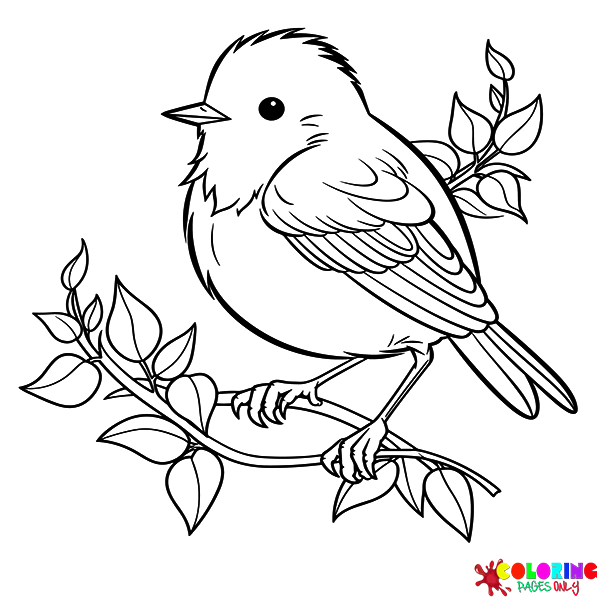
What Is Inside This Collection
Farmyard and Common Birds (317 designs)
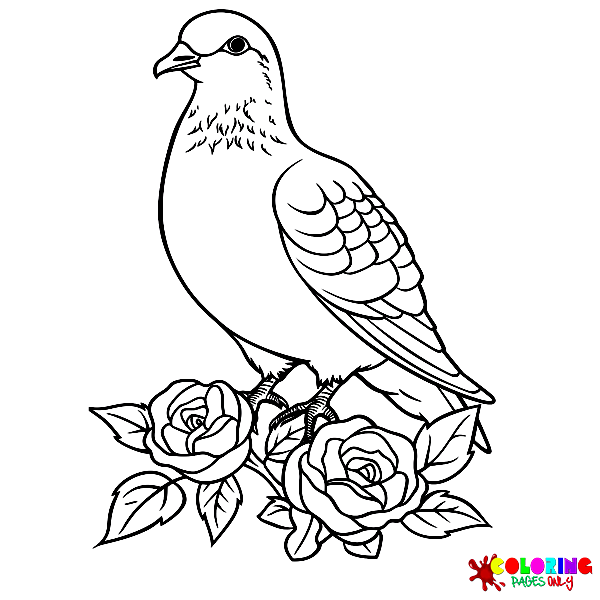
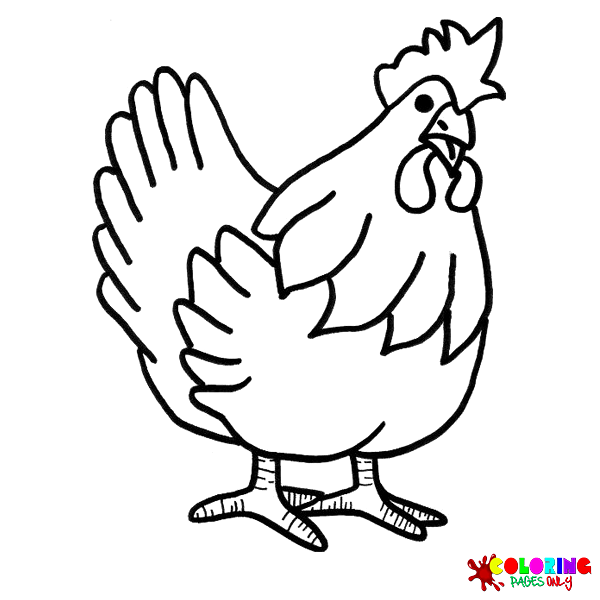
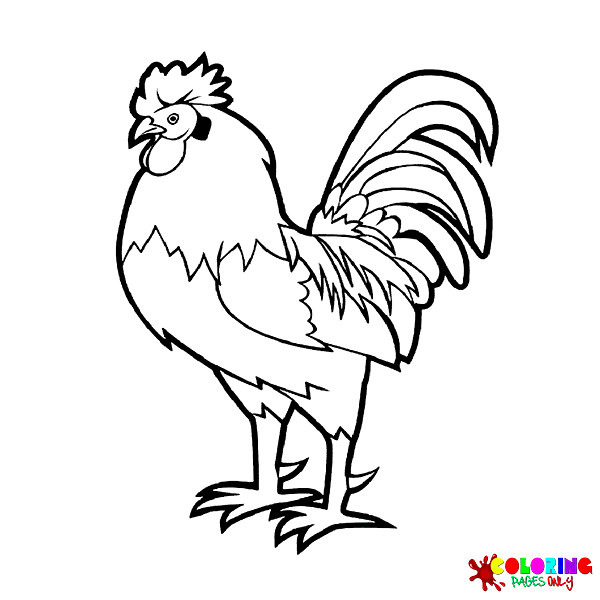
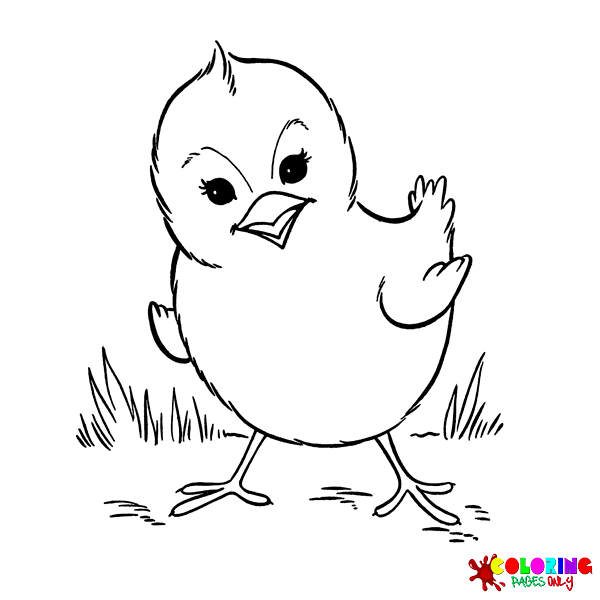
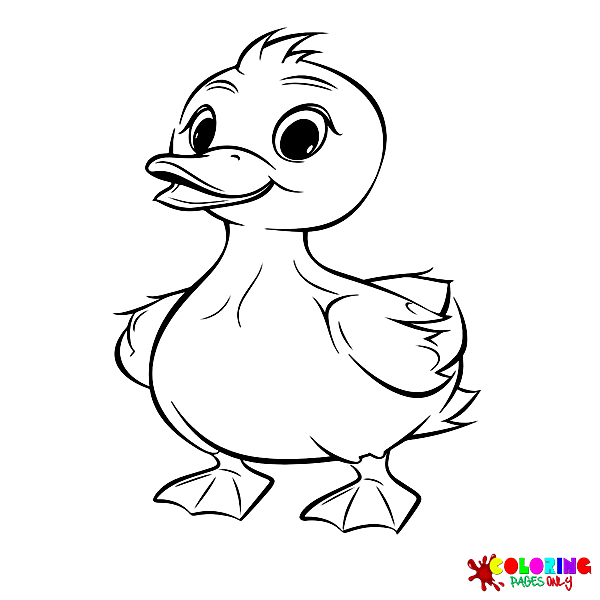
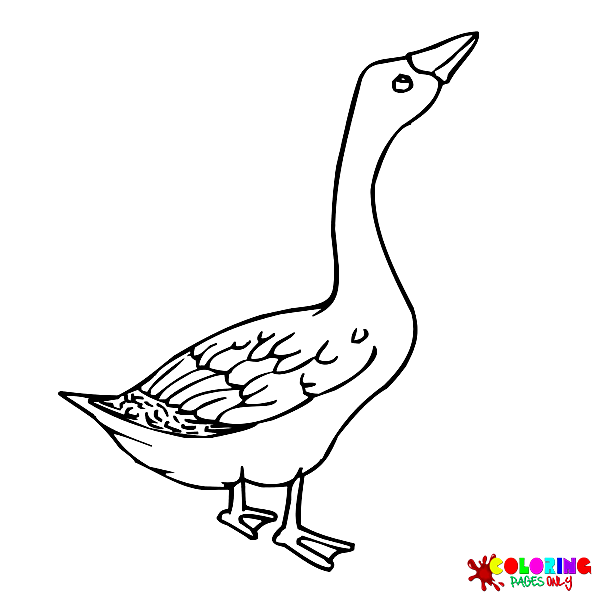
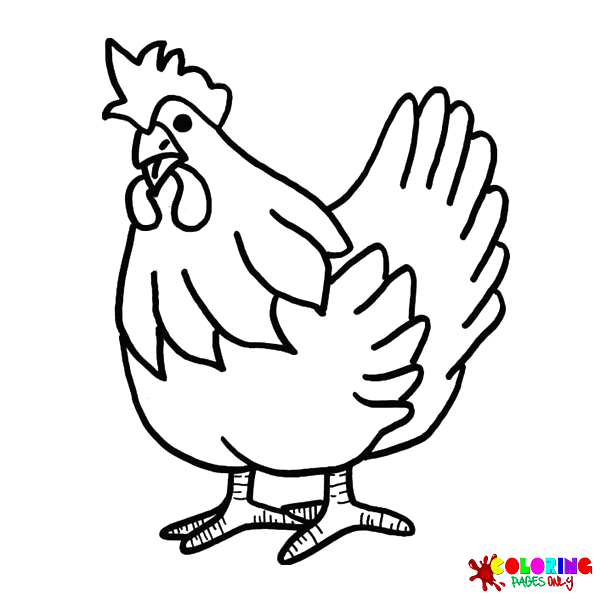
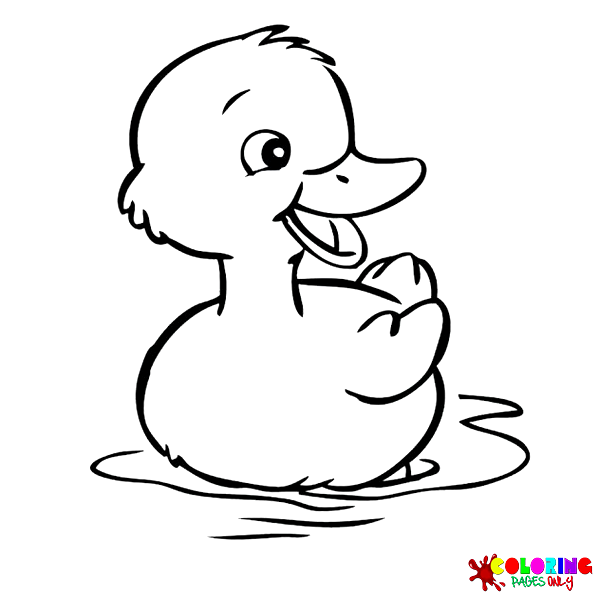
Chick, Chicken, Hen, and Rooster cover the domestic fowl life cycle, from the chick’s soft yellow down to the rooster’s bright red comb and wattle. Duckling and Ducks cover young and adult ducks, and Goose covers the largest common farmyard waterfowl. Pigeon and Doves round out the group; the two are close biological relatives (both belong to the family Columbidae), typically distinguished in illustration by the pigeon’s stockier, gray-toned build versus the dove’s slimmer, often white or pale form.
Birds of Prey and Owls (193 designs)
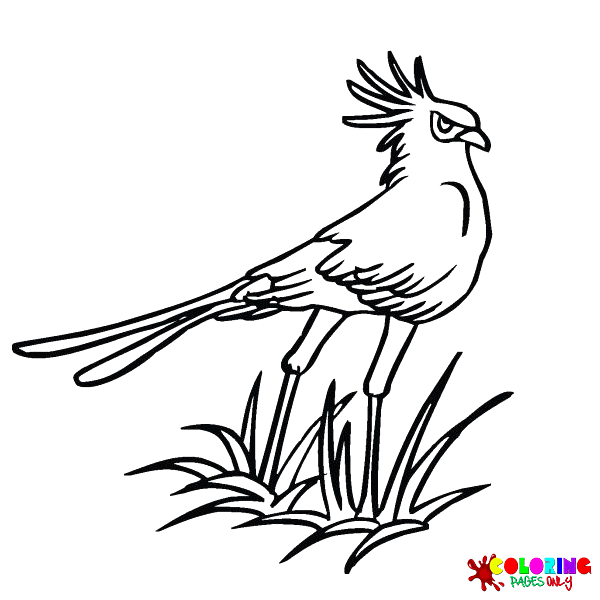
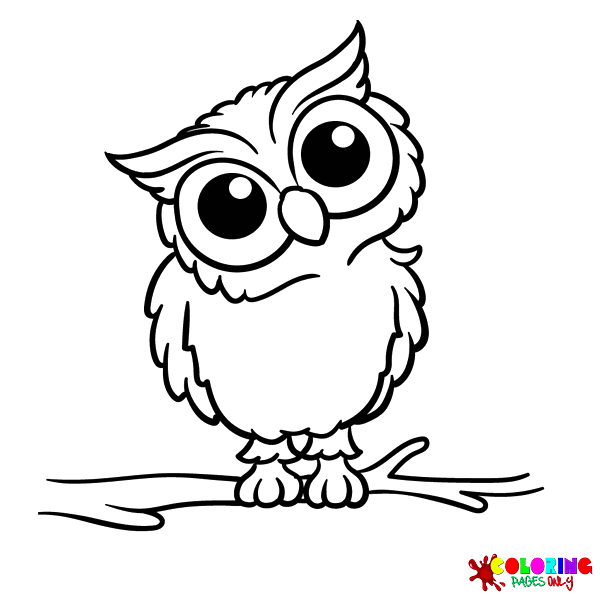
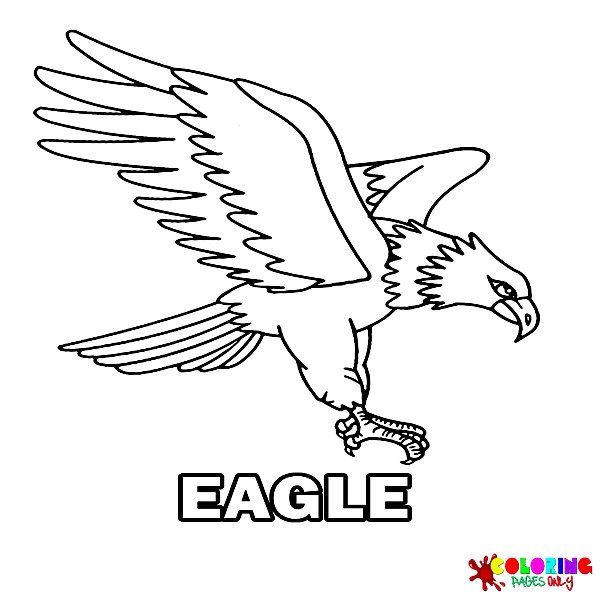
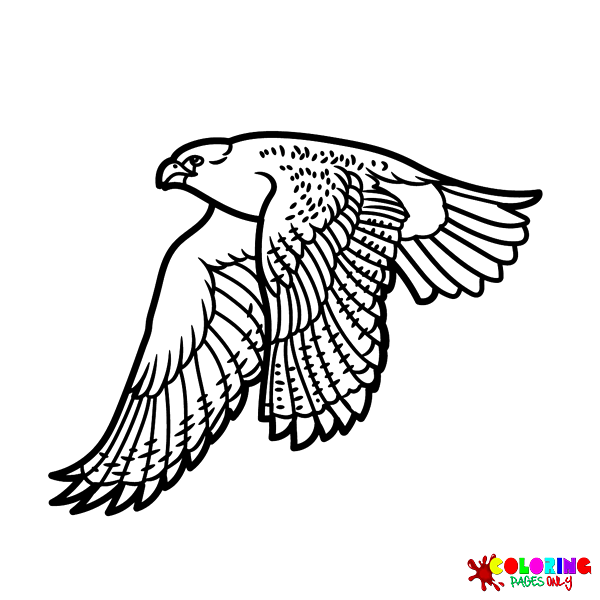
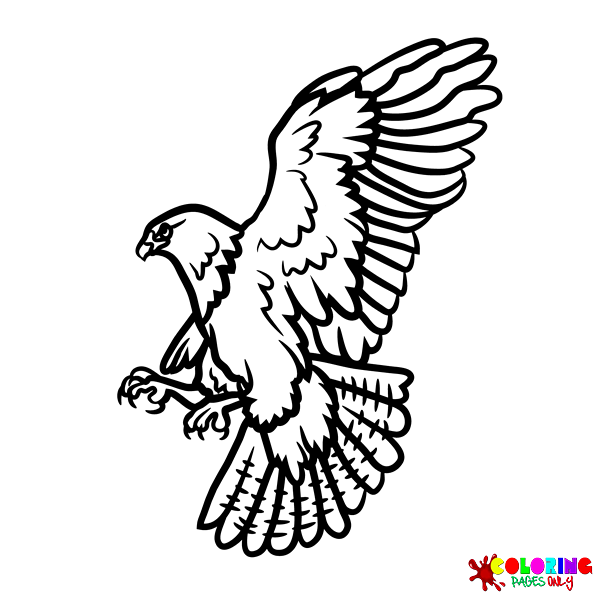
Eagle covers large diurnal raptors, including designs inspired by the bald eagle, the national bird of the United States, known for its white head and tail contrasting with a dark brown body. Hawks and Falcons cover other daytime birds of prey; the peregrine falcon, the fastest animal on Earth, can reach speeds over 200 mph in a hunting dive. Owl covers nocturnal raptors, distinguished by forward-facing eyes, a flat facial disc, and the ability to rotate their heads roughly 270 degrees. Secretarybird covers the tall African raptor known for stomping on prey, including venomous snakes, with its long legs rather than catching them with its talons in flight.
Water and Wading Birds (311 designs)
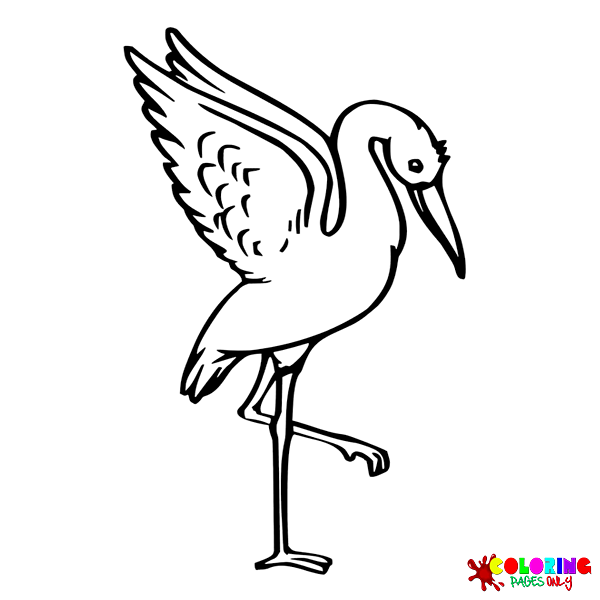
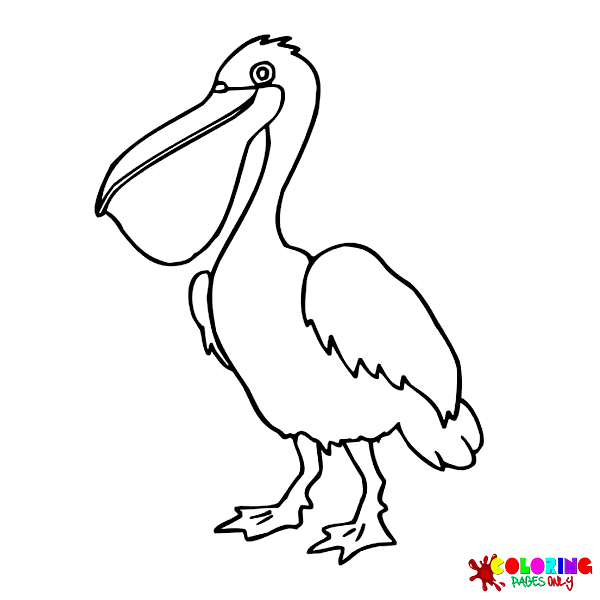
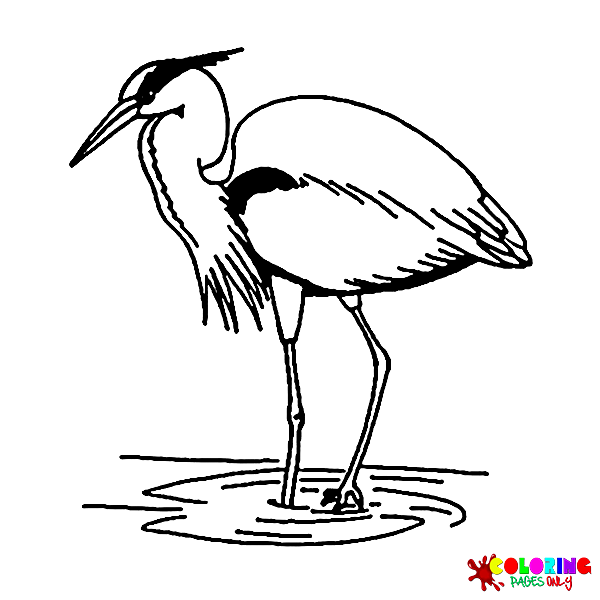
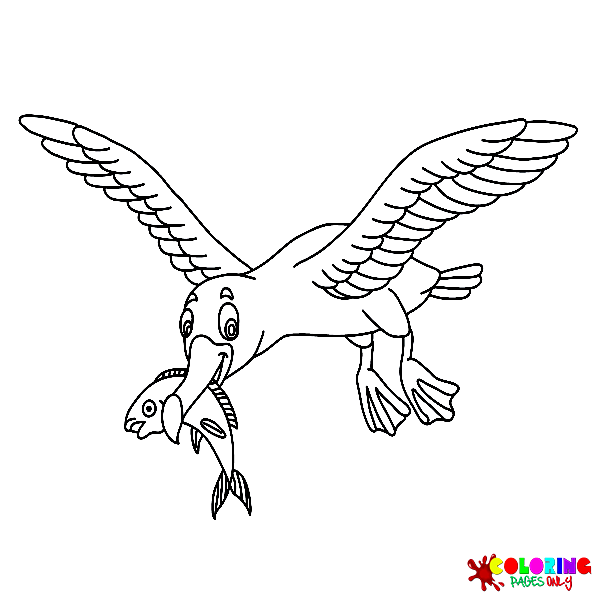
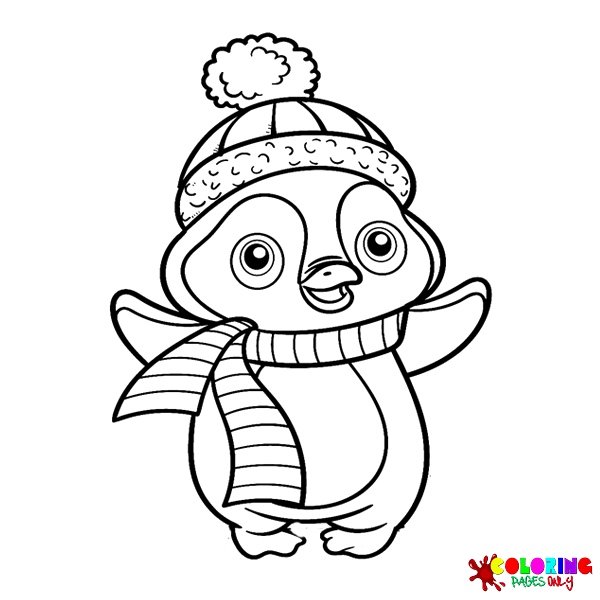
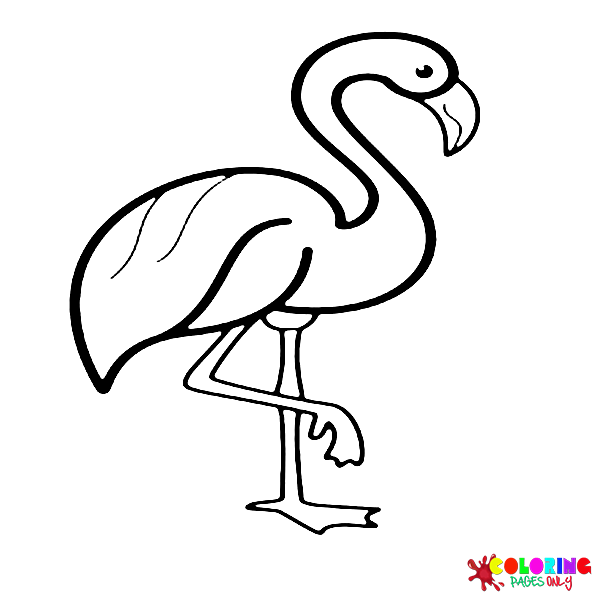
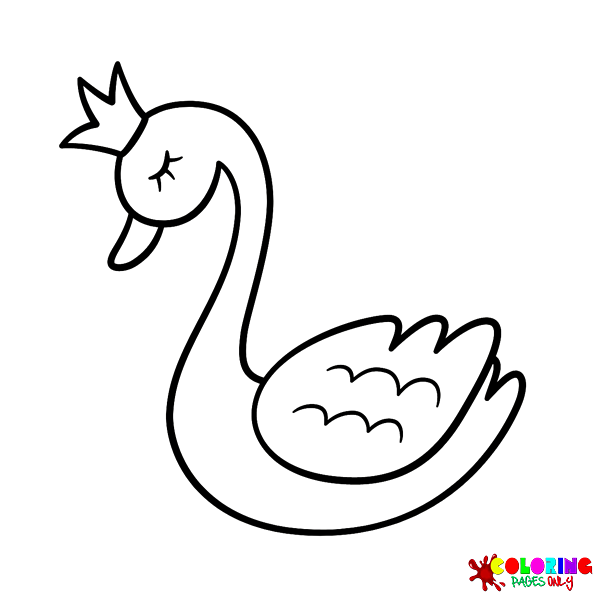
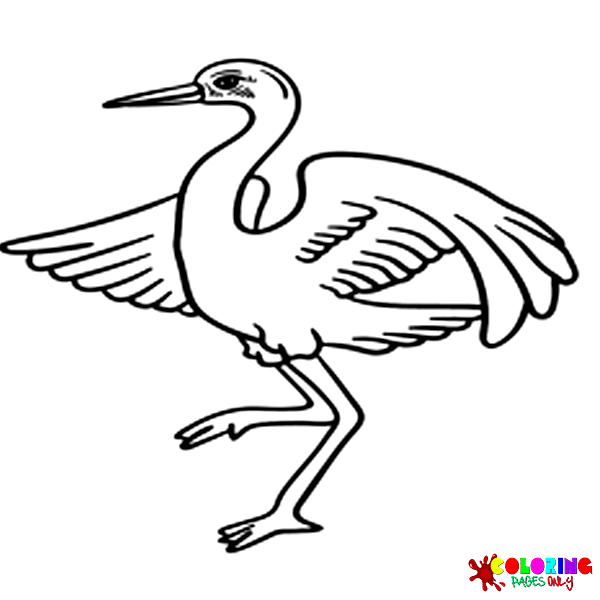
Flamingo covers the pink wading bird whose color comes from pigments in the shrimp and algae it eats, not from its own biology, and whose signature one-legged stance is thought to help conserve body heat. Swans cover the large white waterfowl known for lifelong pair bonding. Pelican covers the large-billed fishing bird with its distinctive throat pouch, and Heron and Crane Bird cover tall, long-legged wading birds, with cranes distinguished by their elaborate courtship dances. Stork covers the large wading bird long associated in folklore with delivering babies. Penguin covers the flightless, aquatic bird found mostly in the Southern Hemisphere, and Albatross covers the seabird with the largest wingspan of any living bird, exceeding 11 feet in the wandering albatross, allowing it to glide for long distances with minimal effort.
Tropical and Companion Birds (262 designs)
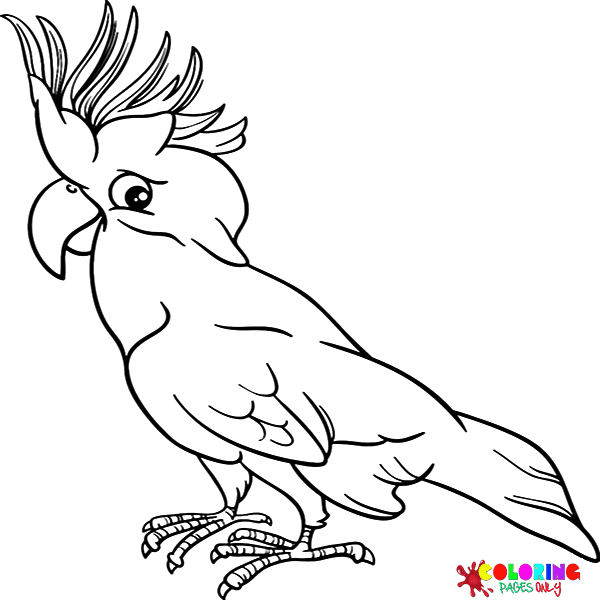
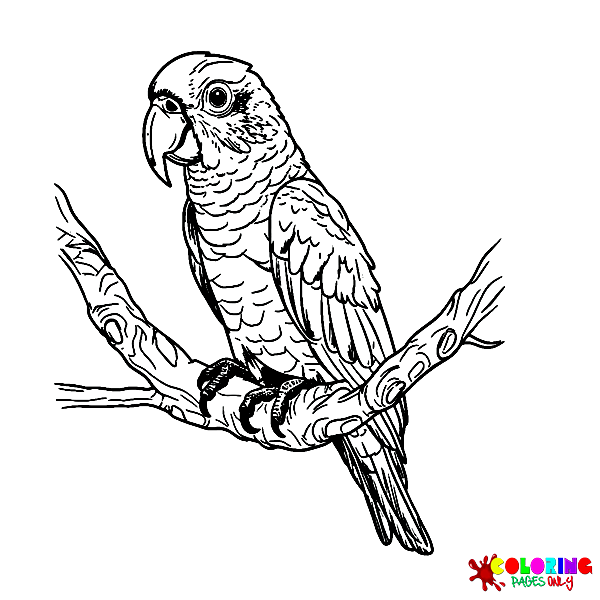
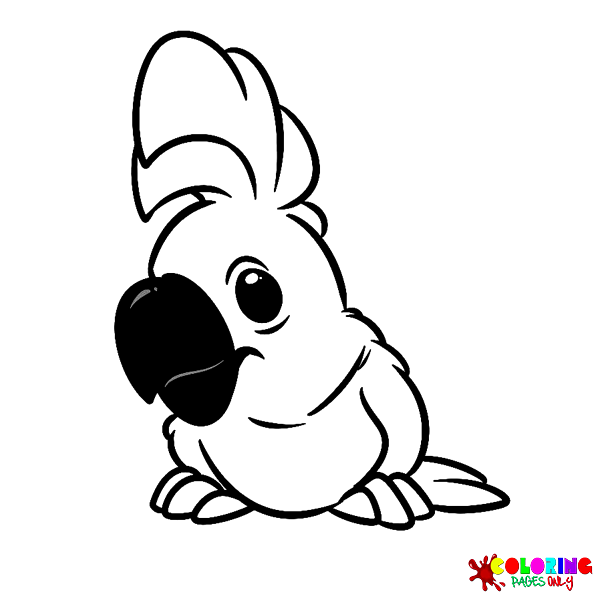
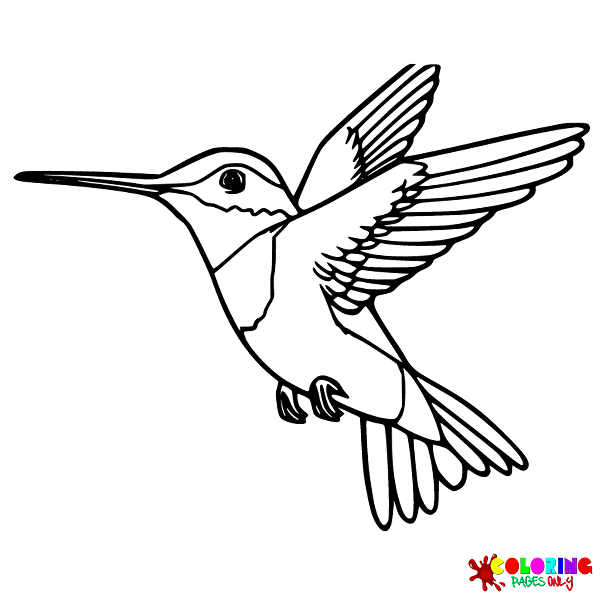
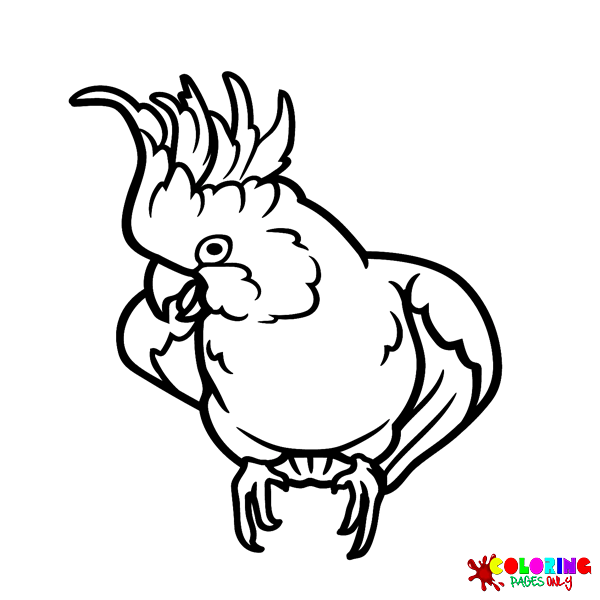
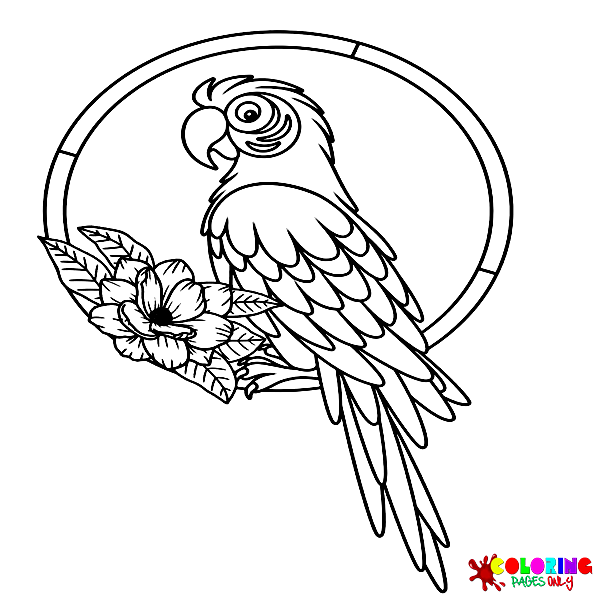
Parrot, Macaw, Cockatiel, Cockatoo, and Parakeet cover the parrot family, popular both as wild tropical birds and companion pets, known for vivid plumage, curved bills, and, in many species, the ability to mimic human speech. Hummingbird covers the smallest birds in this collection, the only birds able to fly backward, with wings that can beat more than 50 times per second in a figure-eight pattern that keeps them hovering in place.
Flightless Giants (105 designs)
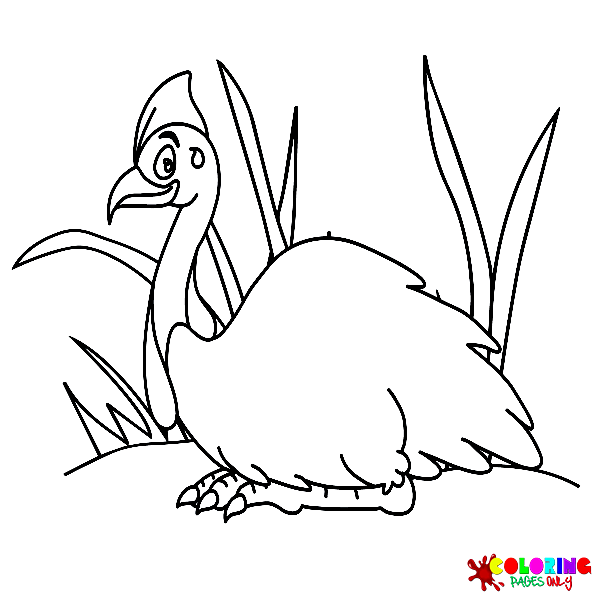
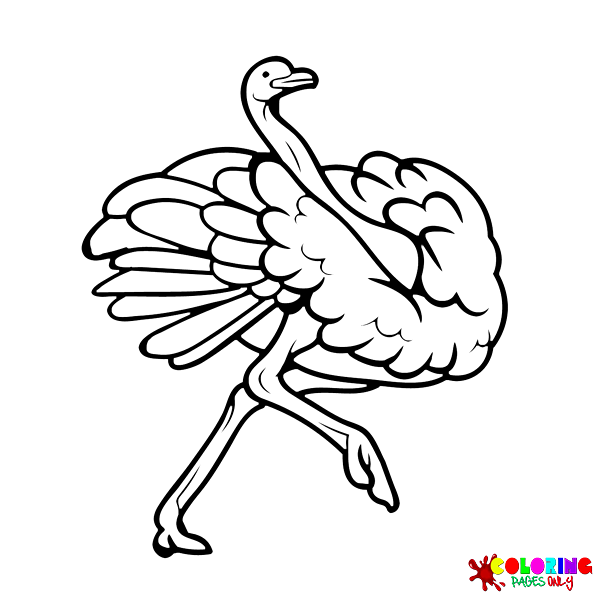
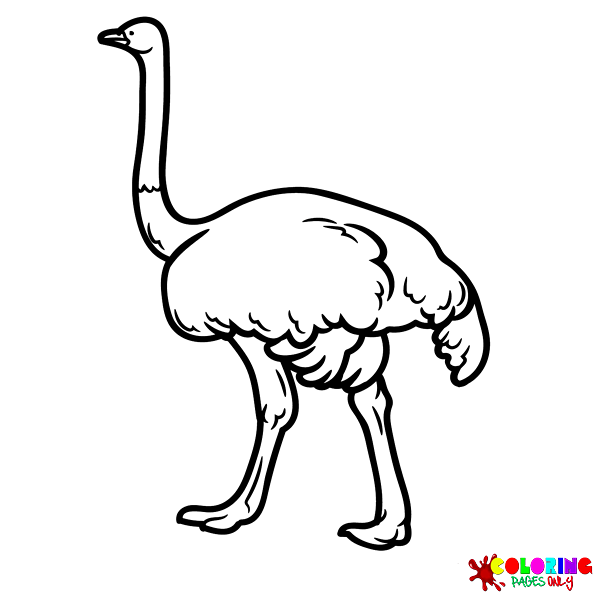
Ostrich covers the largest living bird species, flightless but capable of running at speeds up to 45 mph. Emu covers Australia’s largest native bird, and Cassowary covers the flightless rainforest bird known for a dagger-like claw on each foot, widely cited as one of the more dangerous birds to approach in the wild.
Songbirds and Small Birds (189 designs)
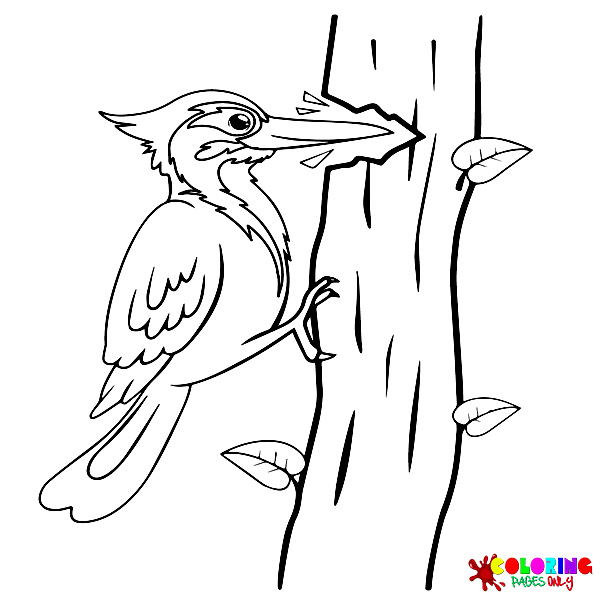
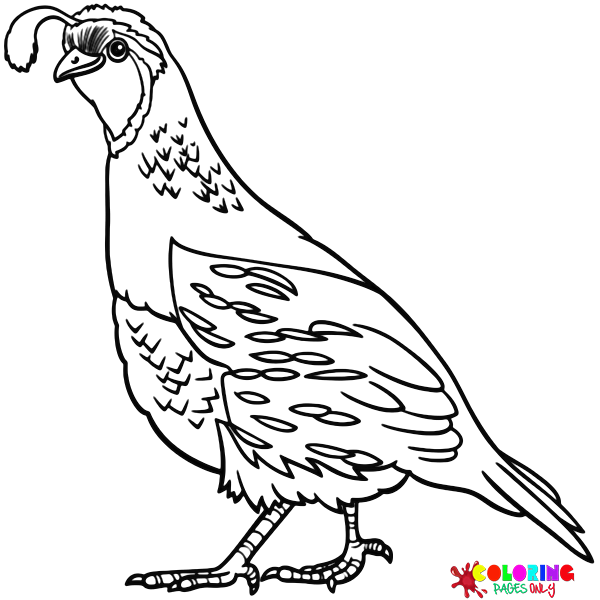
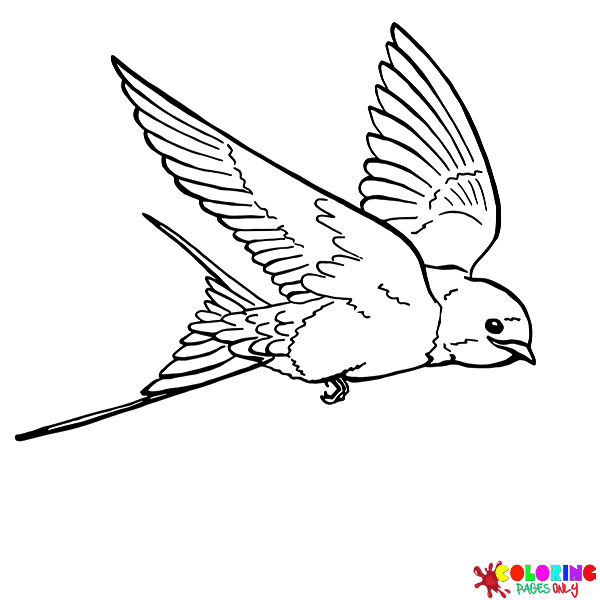
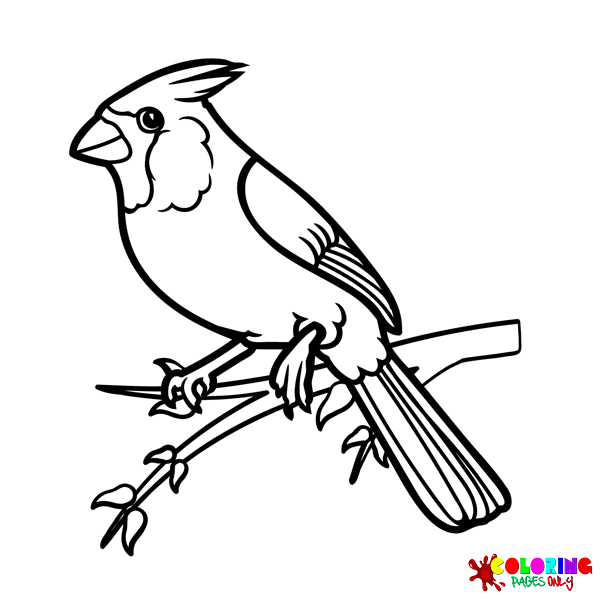
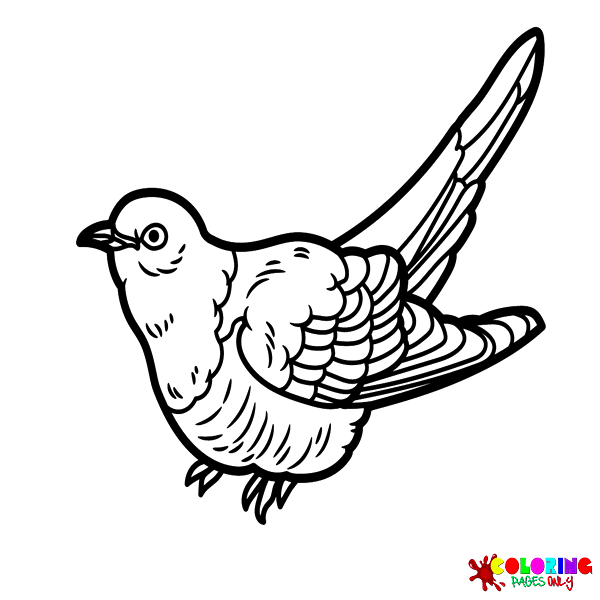
Cardinal covers the bright red North American songbird that is the official state bird of seven US states. Nightingale covers the small brown European songbird celebrated across centuries of poetry for its song, often heard at night. Cuckoo covers the bird best known for brood parasitism, the practice of laying eggs in other birds’ nests for them to raise. Woodpecker covers birds adapted to repeatedly striking wood, with a skull structure that absorbs shock and protects the brain. Quail, Crow, and Swallow round out the group, with crows recognized among the more intelligent birds for their problem-solving and tool use.
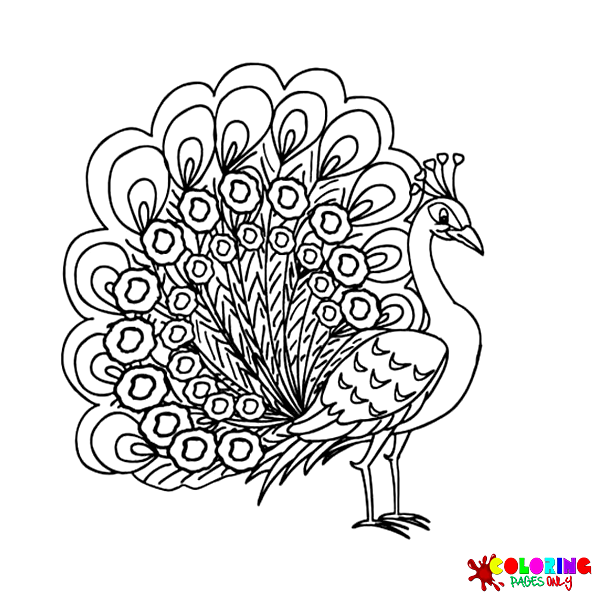
Peacock (65 designs)
Peacock covers the male peafowl’s iridescent, eye-patterned tail feathers, fanned out in a courtship display to attract a peahen; the females themselves have much plainer brown plumage.
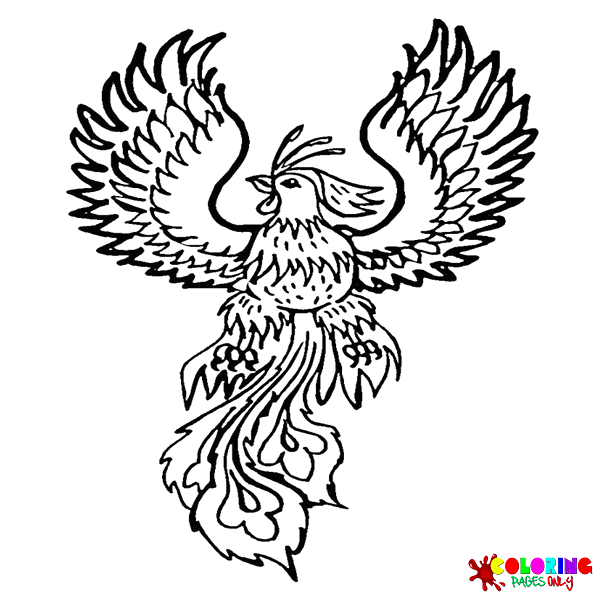
Phoenix (44 designs)
Unlike every other sub-category in this hub, the phoenix is a mythological bird rather than a real species, appearing across Greek, Egyptian, and Chinese mythology as a symbol of death and rebirth, traditionally depicted as bursting into flame and rising again from its own ashes.
What Bird Coloring Pages Do
Fine motor development. The American Academy of Pediatrics identifies fine motor skill development as a core benefit of structured coloring for children ages 2 through 7. Filling in feather patterns and wing details without crossing the lines builds controlled, contained pencil movement.
Real species knowledge. Coloring a flamingo and learning its pink color comes from diet, or coloring an owl and learning how its head rotates, turns a creative activity into a genuine, memorable science fact.
Anxiety reduction through focus. A 2005 study in the Art Therapy Journal documented measurable reductions in anxiety following structured coloring sessions. The repeating feather and wing shapes common across bird illustrations give colorists that same steady, low-pressure focus.
A natural fit for school and nature topics. Because the collection spans farmyard birds, raptors, and water birds, teachers can pull pages that match a specific unit on habitats, migration, or animal classification.
How to Color Bird Pages Well
- Flamingos: use a warm Pink to Salmon gradient, deepest at the wing tips, to reflect the natural coloring driven by diet.
- Bald eagle designs: keep the head and tail Bright White against a Dark Brown body for the species’ signature contrast.
- Peacocks: use Emerald Green and Sapphire Blue for the tail’s “eye” markings, with a Gold outline to make each one stand out.
- Owls: layer two or three shades of Brown or Gray in a mottled pattern rather than one flat color, to suggest real feather texture.
- Parrots and macaws: since real parrot species come in nearly every bright color, treat the palette as an open creative choice rather than a fixed rule.
5 Creative Craft Ideas With Bird Coloring Pages
1. Backyard Bird Field Guide
Color six to eight different bird pages, write one real fact about each species below its picture, and bind the pages together with a long-arm stapler or binder rings for a simple field guide.
2. Peacock Feather Fan
Color a peacock page, cut around the tail shape, and attach it to a craft stick to make a simple hand fan inspired by the peacock’s real display.
3. Bird of Prey Standee
Color a full-body eagle, hawk, or owl page, mount it on cardstock, and fold a small tab at the base so the finished figure can stand upright on a shelf or desk.
4. Phoenix Rising Display
Color a phoenix page in warm reds, oranges, and golds, mount it on a dark background, and add torn orange and yellow paper flames around the base for a simple mythology-inspired display.
5. Water Bird Habitat Diorama
Color a swan, heron, or pelican page, mount it inside a shoebox turned on its side, and add torn blue paper for water and green paper for reeds to build a simple wetland scene.
Frequently Asked Questions
What are bird coloring pages?
Bird coloring pages are printable line-art designs of real bird species, plus the mythical phoenix. This collection includes 1,486 free designs across 40 species, available as PDFs or online coloring.
Which species has the most pages?
Penguin has the largest single sub-category with 92 designs, followed by Parrot with 80 and Flamingo with 71.
Why is the phoenix included in a bird collection?
The phoenix is a mythological bird, not a real species, but it is included here because it is visually and thematically treated as a bird across Greek, Egyptian, and Chinese mythology, appearing as a symbol of death and rebirth.
What is the fastest bird in this collection?
The peregrine falcon, covered in the Falcon sub-category, is the fastest animal on Earth, capable of exceeding 200 mph in a hunting dive.
Why do flamingos appear pink?
A flamingo’s pink color comes from pigments in the shrimp and algae it eats, not from the bird’s own biology; flamingos raised on a different diet do not develop the same coloring.
What is the difference between the Pigeon and Doves pages?
Pigeons and doves are close biological relatives in the same family, Columbidae. On this site, pigeon designs tend toward a stockier, gray-toned build, while dove designs are typically slimmer and paler.
Are bird coloring pages suitable for young children?
Yes. Farmyard birds like Chick, Duckling, and Hen suit the youngest colorists, while more detailed pages like Peacock, Owl, and the birds of prey suit older children and adults.
Which bird in this collection is considered the most dangerous?
The cassowary, a large flightless bird native to Australia and New Guinea, is widely cited as one of the more dangerous birds to approach in the wild because of the sharp, dagger-like claw on each foot.
Start Coloring
Choose a species above to browse that collection, or open any page to download it as a free PDF or color it online in the browser. No account, email, or payment is required. Share finished pages on Facebook or Pinterest with the share buttons on each page.
More Bird Coloring Pages
Jump straight to a specific collection: