Pteranodon Coloring Pages
 By:
Jennifer Thoa - Content Editor & Designer
Updated:
By:
Jennifer Thoa - Content Editor & Designer
Updated:
Free Pteranodon coloring pages: 20 printable PDF designs of one of the largest flying reptiles ever known. Each page can be downloaded as a PDF to print or colored directly online in the browser, with no account required.
Free Pteranodon Coloring Pages cover this Late Cretaceous pterosaur in solo portraits, mid-flight scenes, and a few pages alongside other prehistoric animals. Pteranodon lived in North America roughly 86 to 80 million years ago, and its fossils were first discovered by paleontologist Othniel Charles Marsh in Kansas in 1870, making it the first pterosaur ever found outside Europe. Despite its dinosaur-like reputation, Pteranodon is technically a pterosaur, a separate group of flying reptiles, and one known for its enormous wingspan and distinctive head crest.
The 20 pages range from simple solo portraits to detailed flying and multi-animal scenes. A couple of titles appear to reference different prehistoric creatures rather than Pteranodon itself, and difficulty across the set varies enough for a quick portrait or a busier scene, depending on the moment.
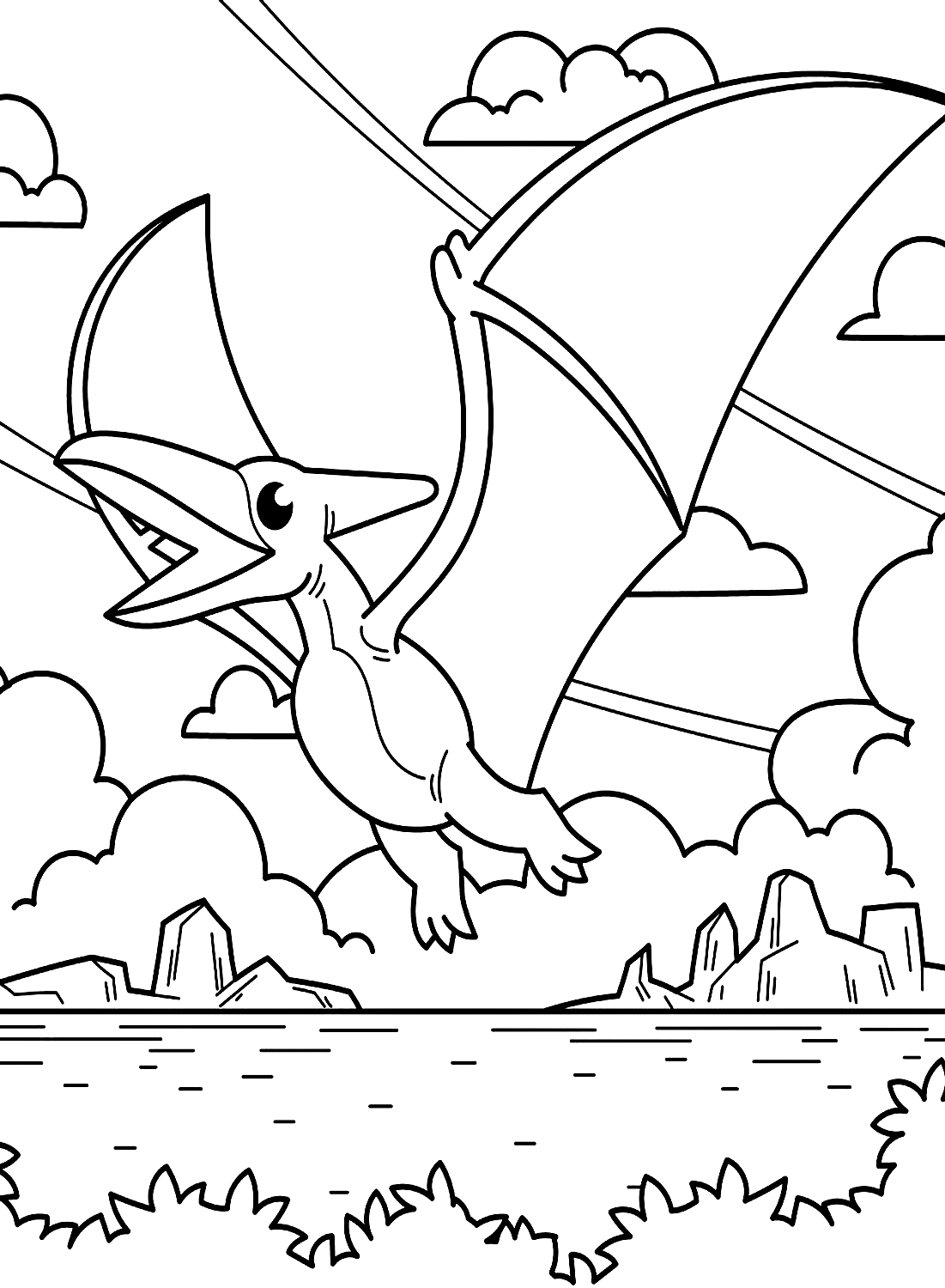
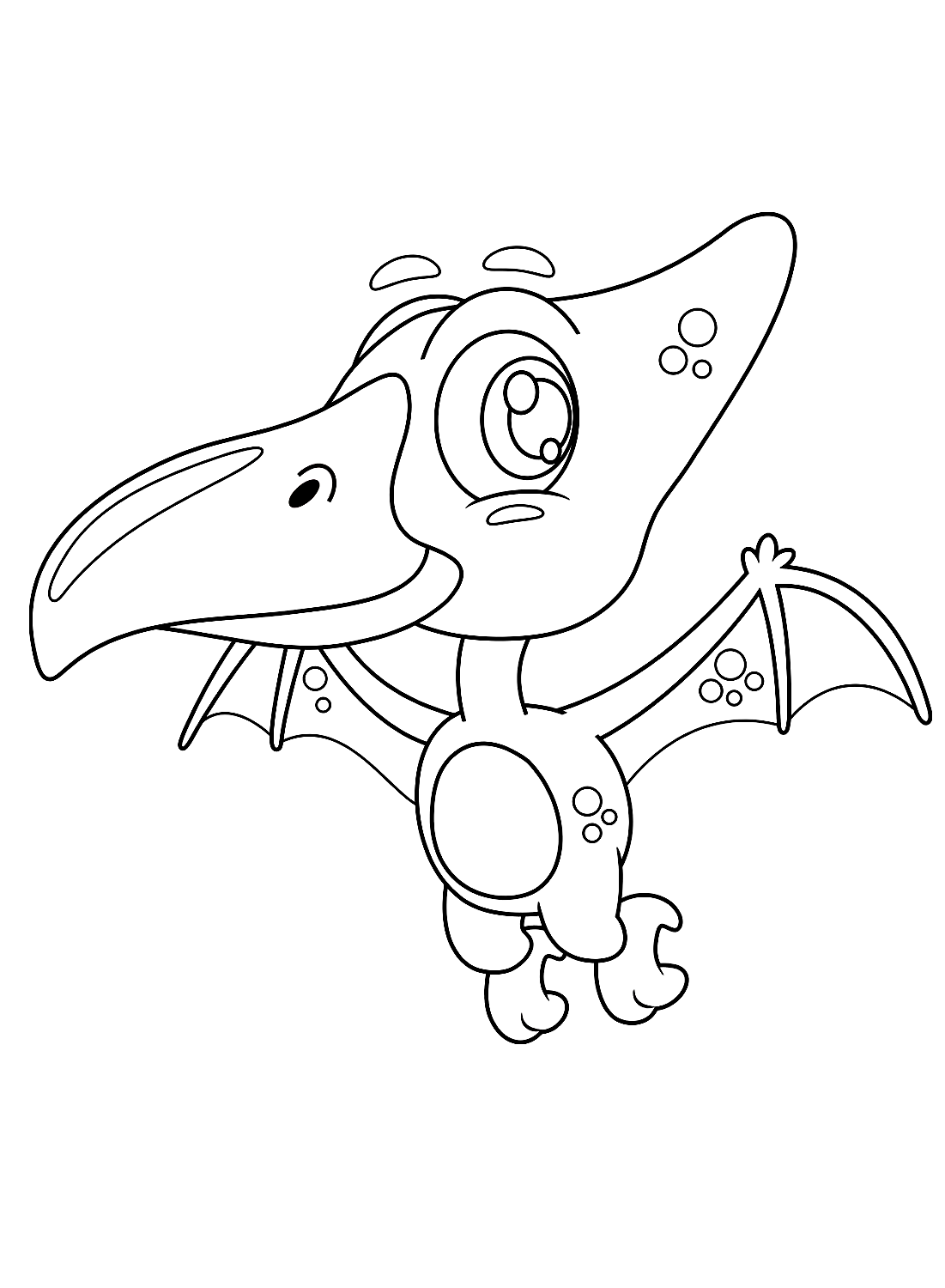
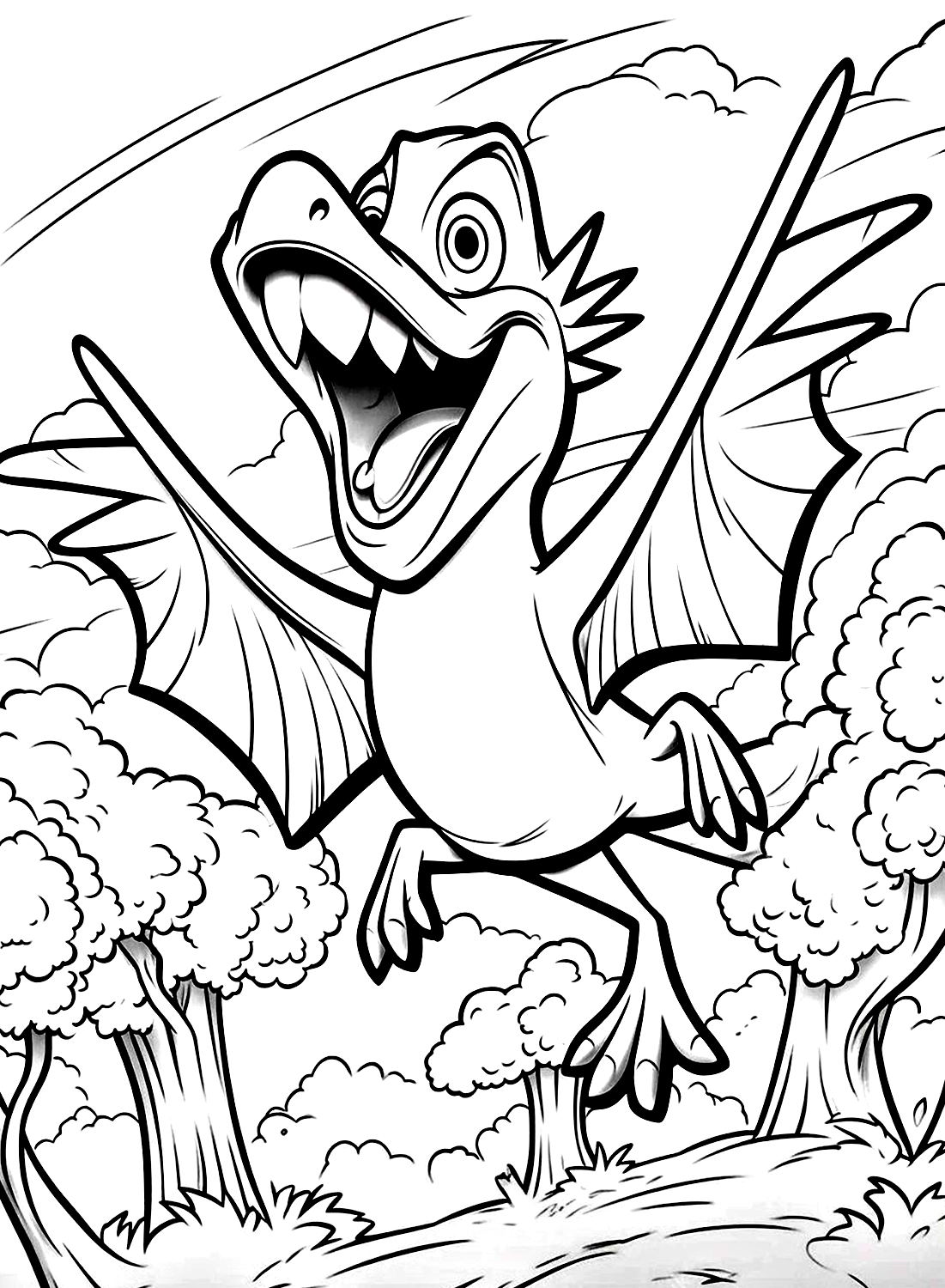

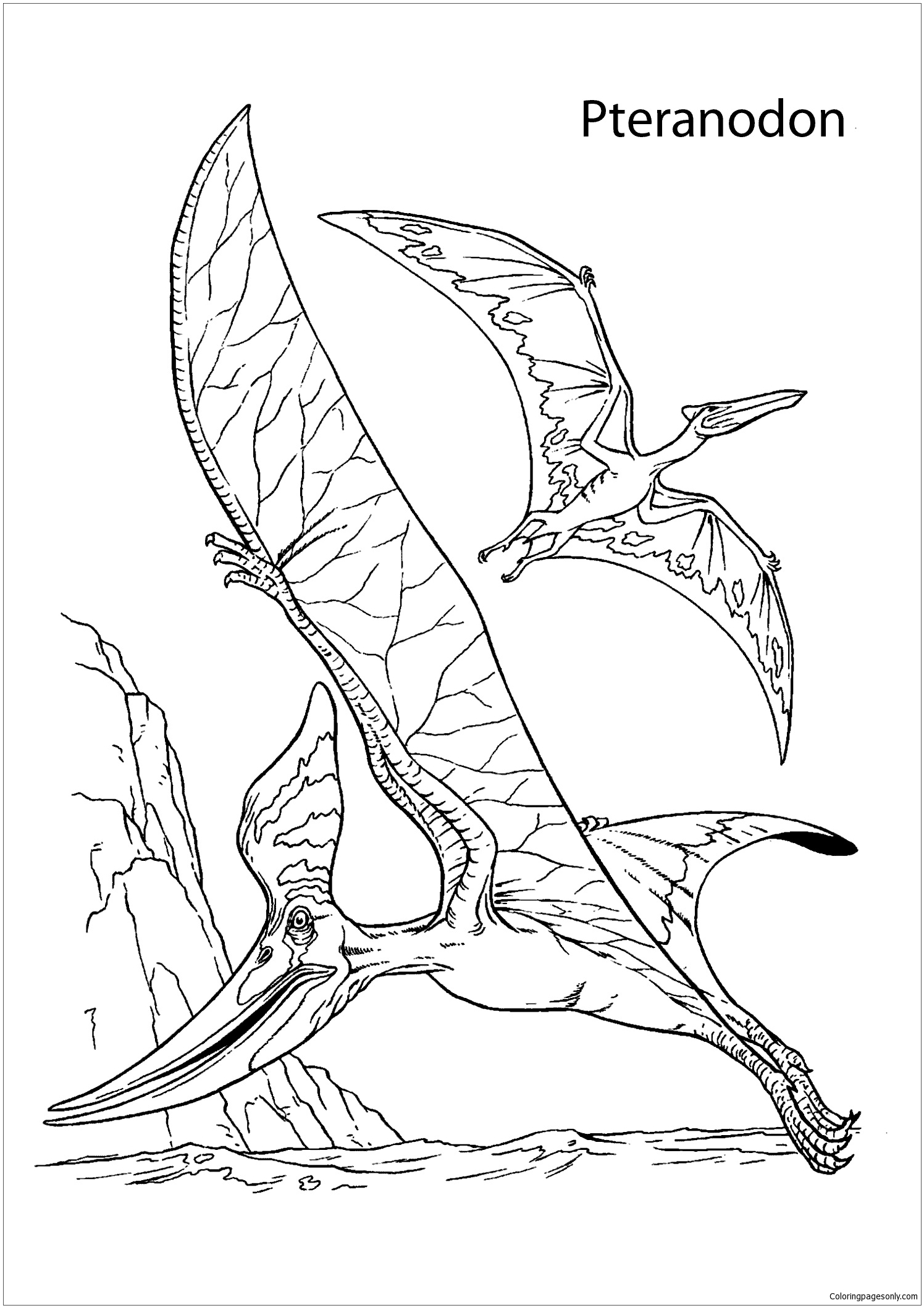
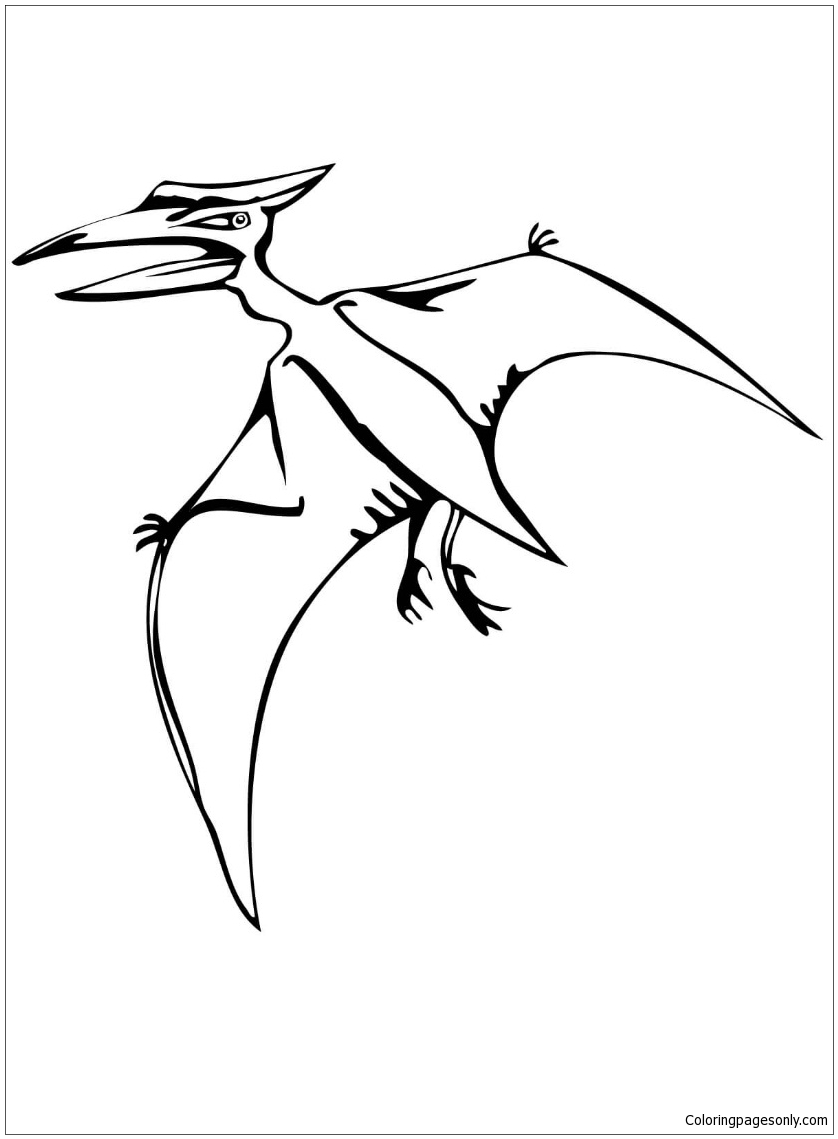
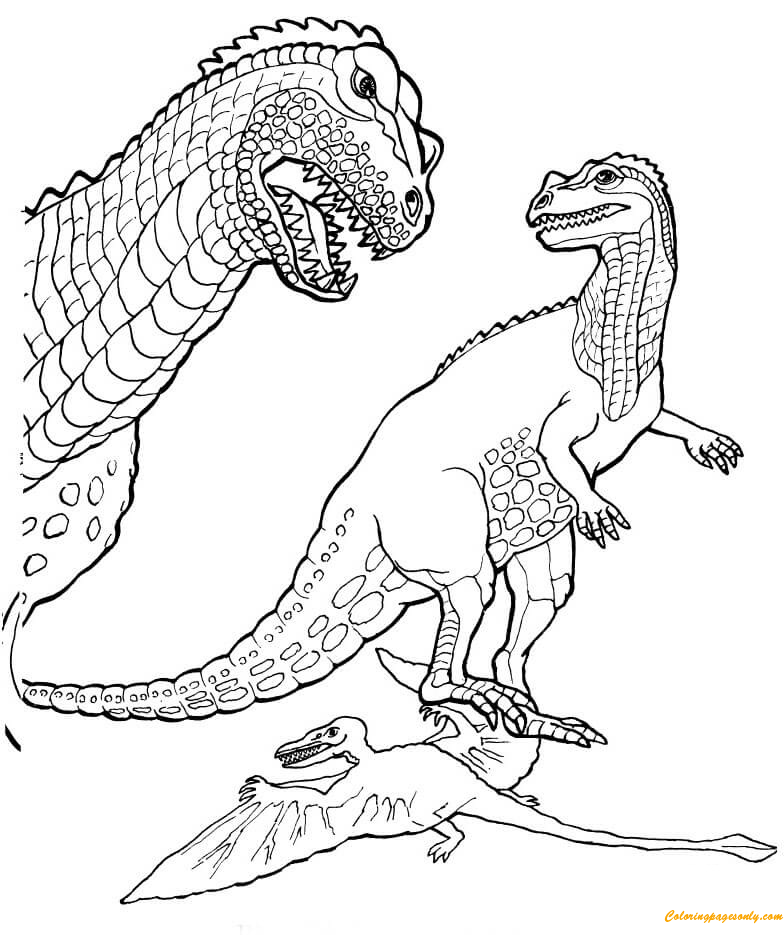
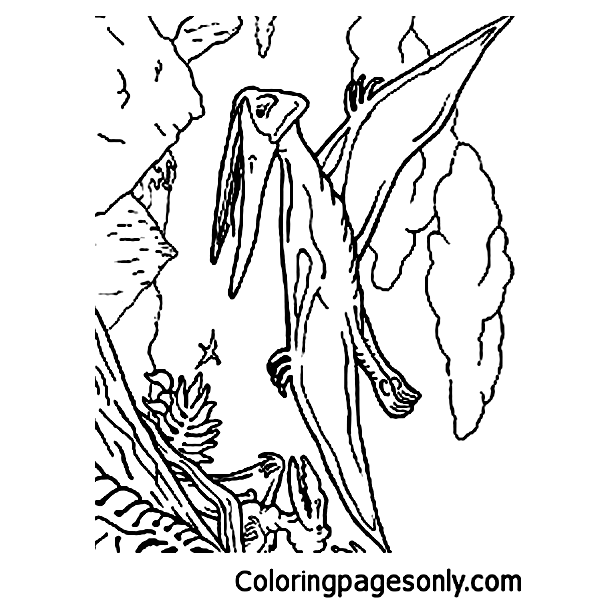
What Is Inside This Collection
The 20 pages are grouped into five sets, from solo portraits to flying scenes, group scenes, pages with other prehistoric animals, and a couple of tiles that appear to reference different creatures.
Solo Pteranodon Portraits
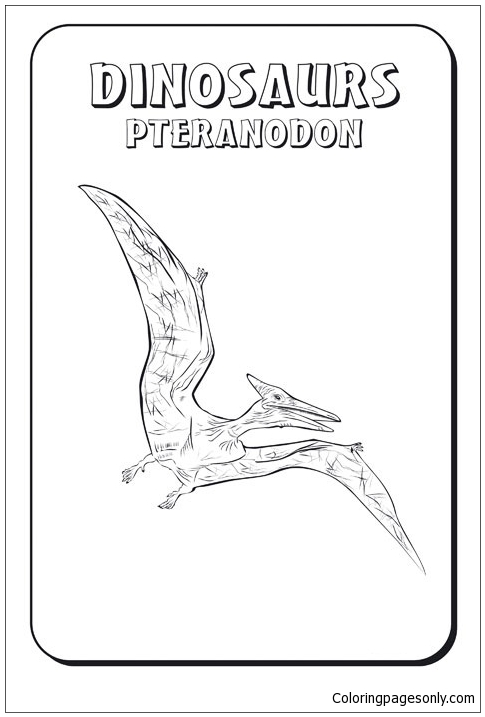
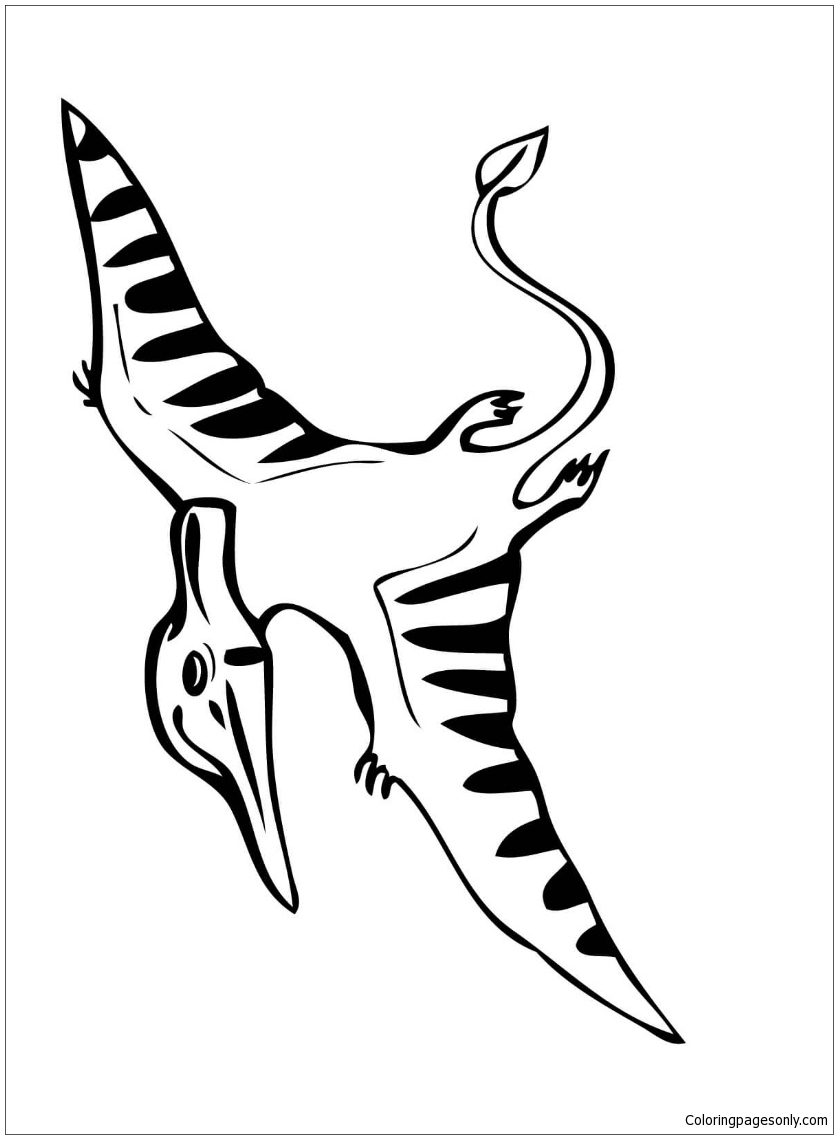
Nine pages give Pteranodon a solo portrait, since it is the largest and most consistent group in the set. A muted Gray, Tan, or Brown base color is a reasonable choice across this group, since the animal’s actual skin color is not preserved in the fossil record.
Pteranodon in Flight
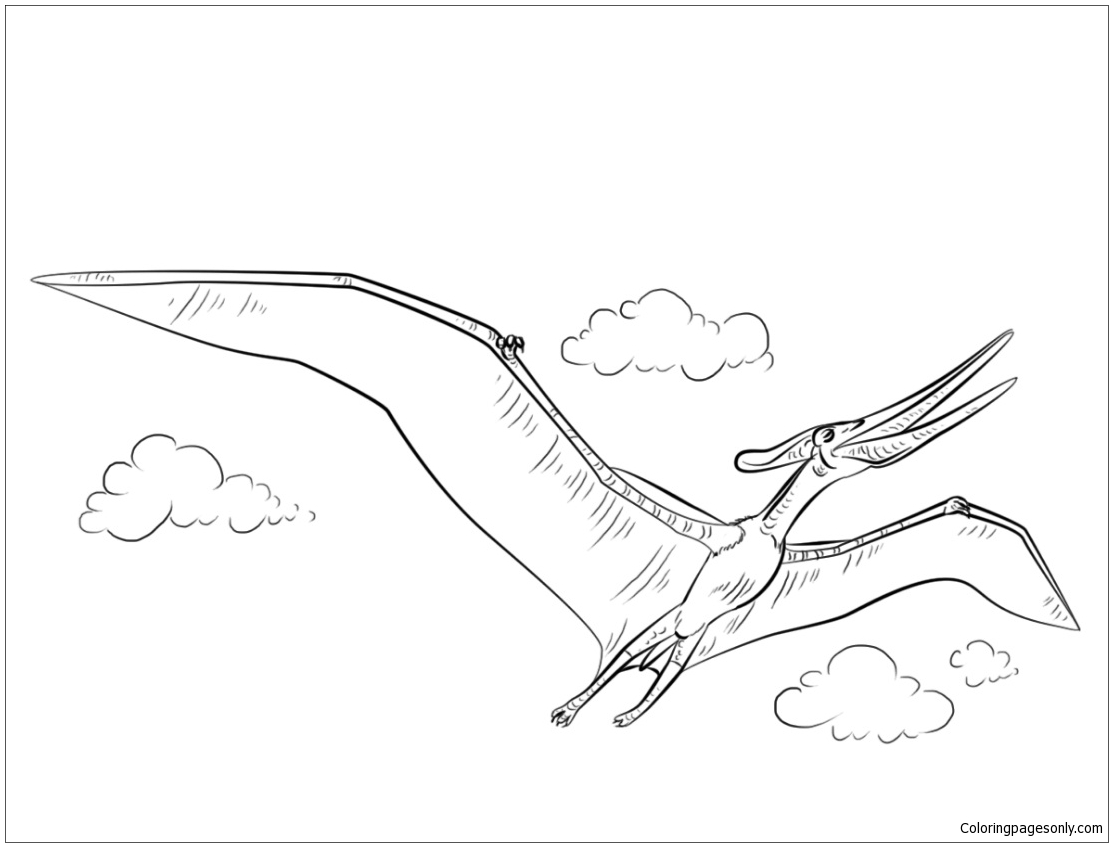
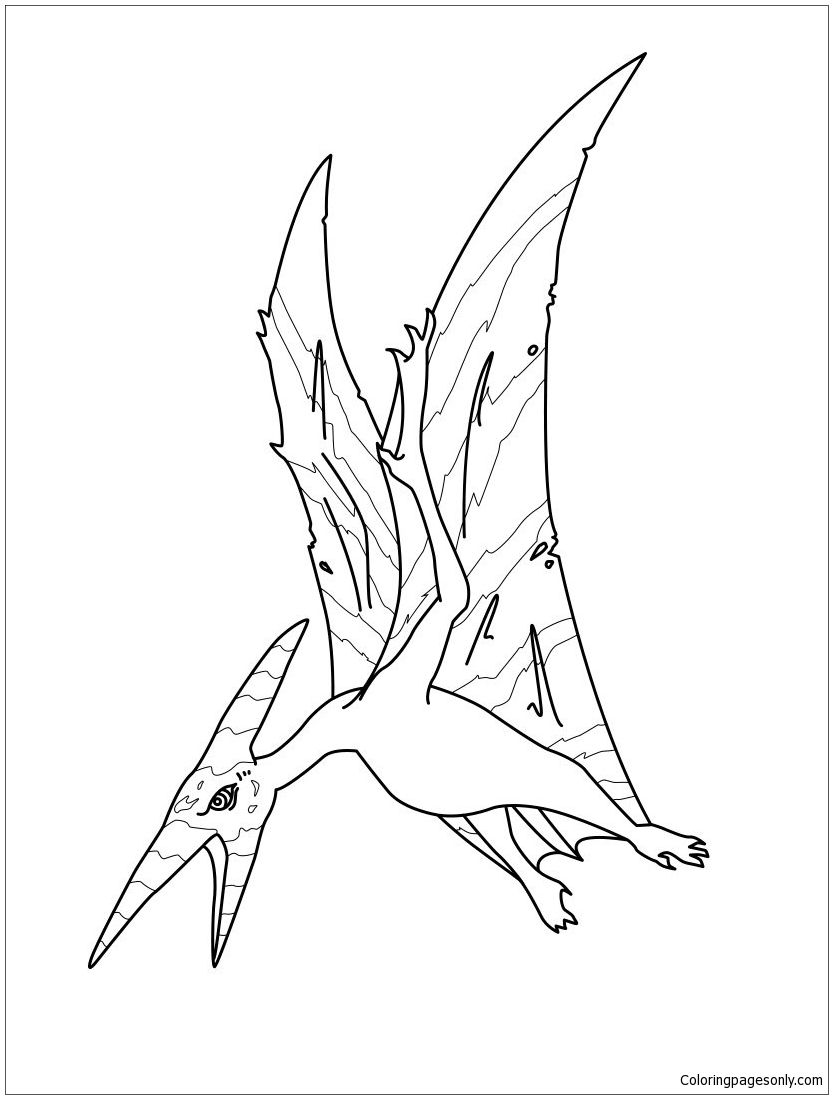
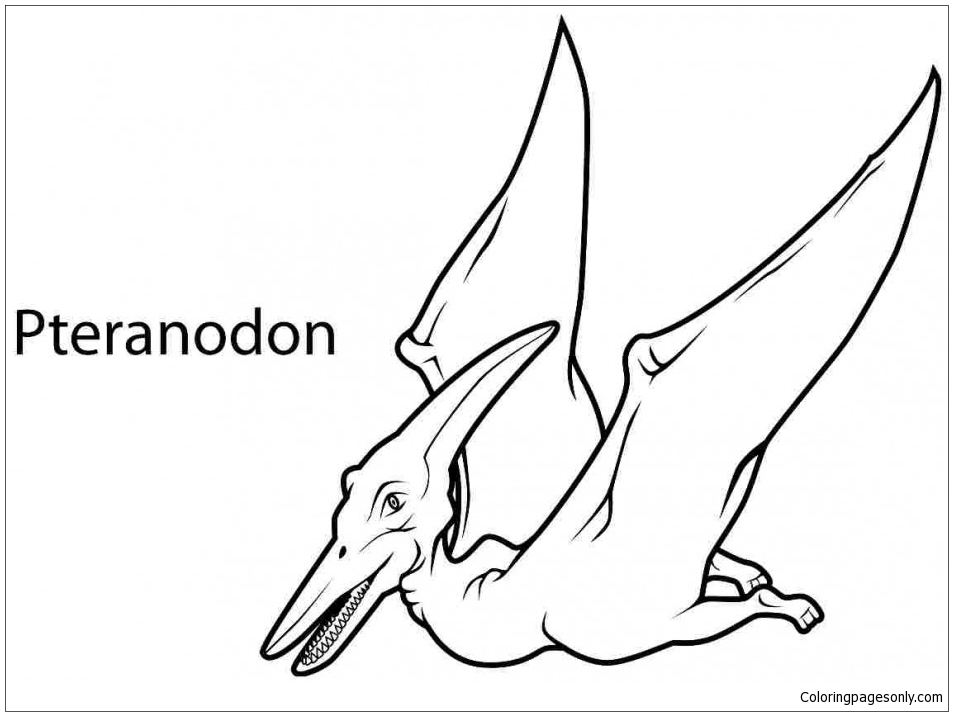
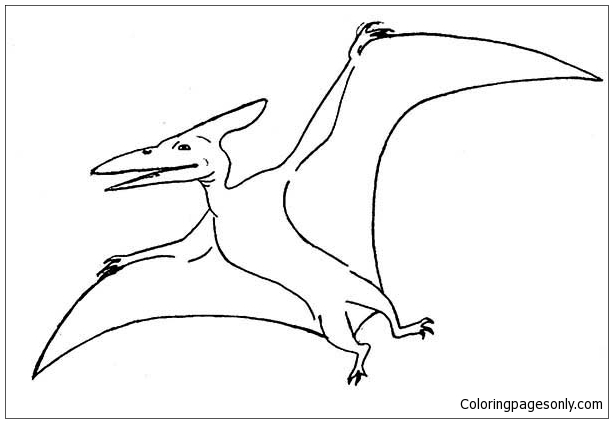
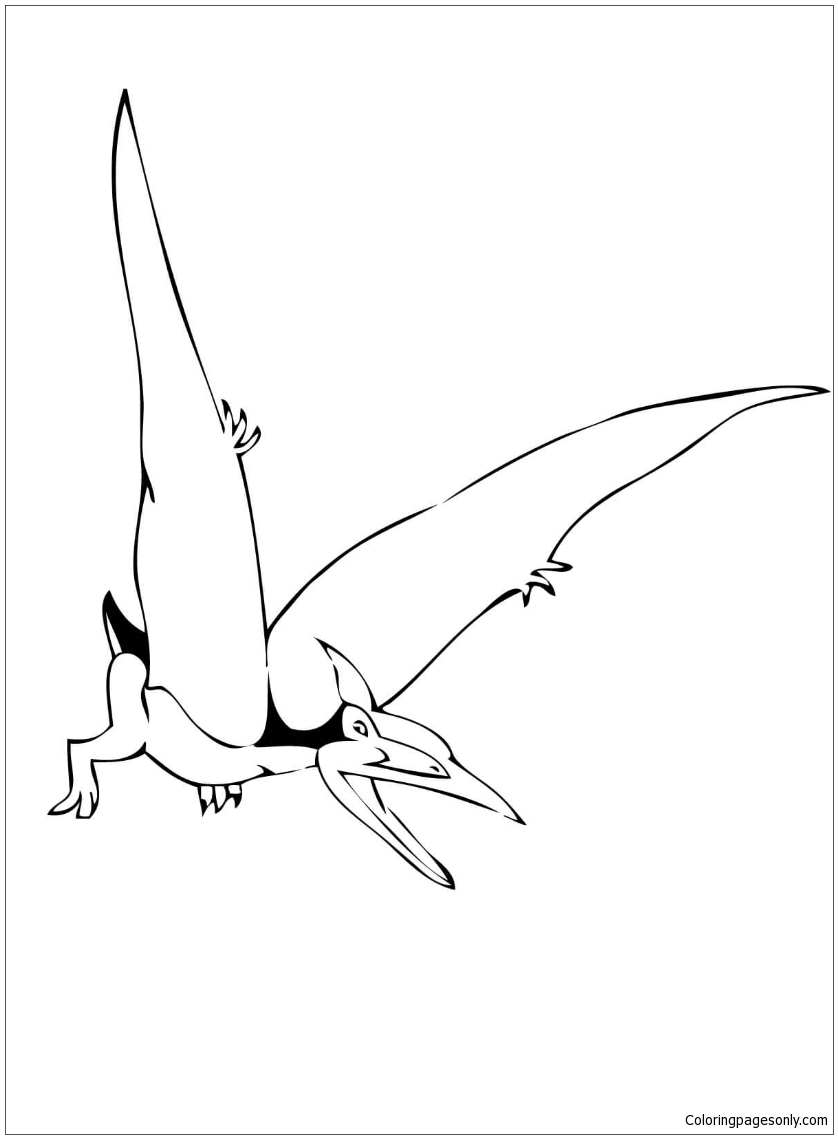
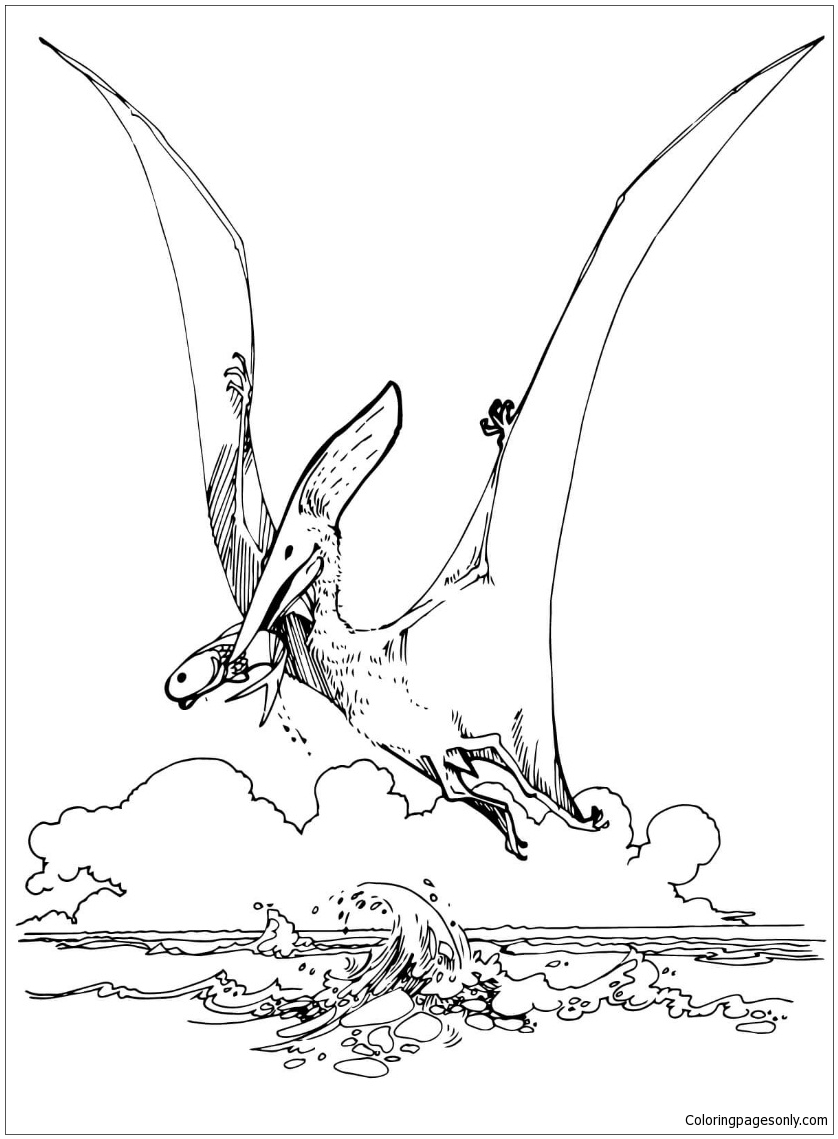
Four pages show Pteranodon mid-flight with its wings spread. These pages suit a slightly lighter or more translucent shade for the thin wing membrane, distinct from the more solid body.
Multiple Pteranodons Together
Two pages show more than one Pteranodon in the same scene. Varying the exact shade of the base color slightly between individuals helps each one read separately in a shared page.
Pteranodon with Other Prehistoric Animals
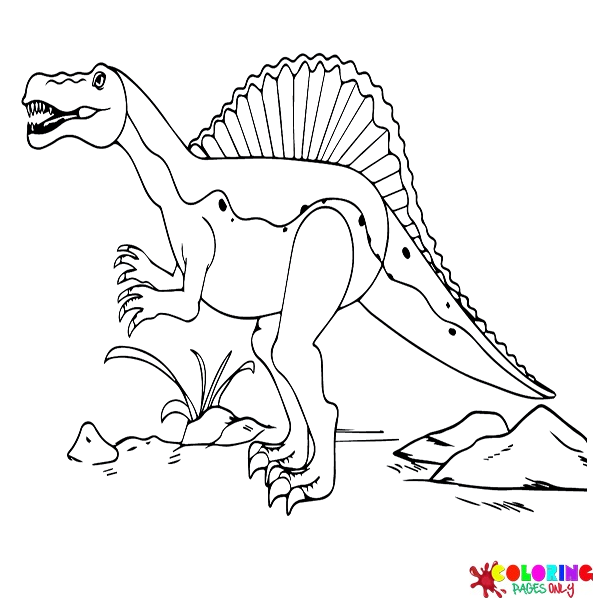
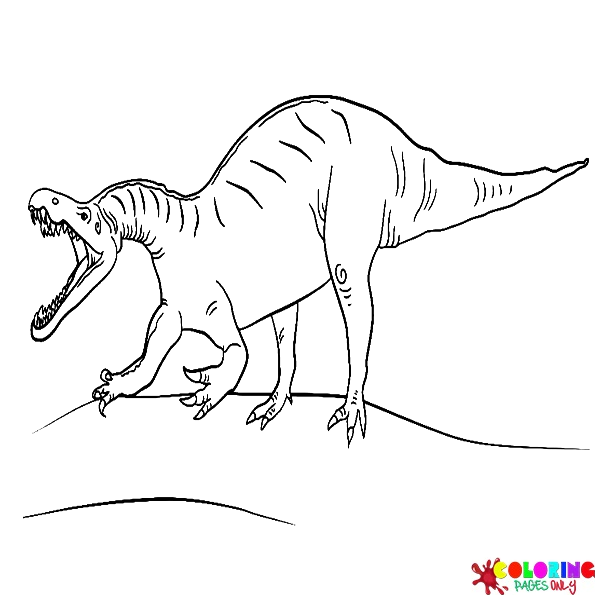
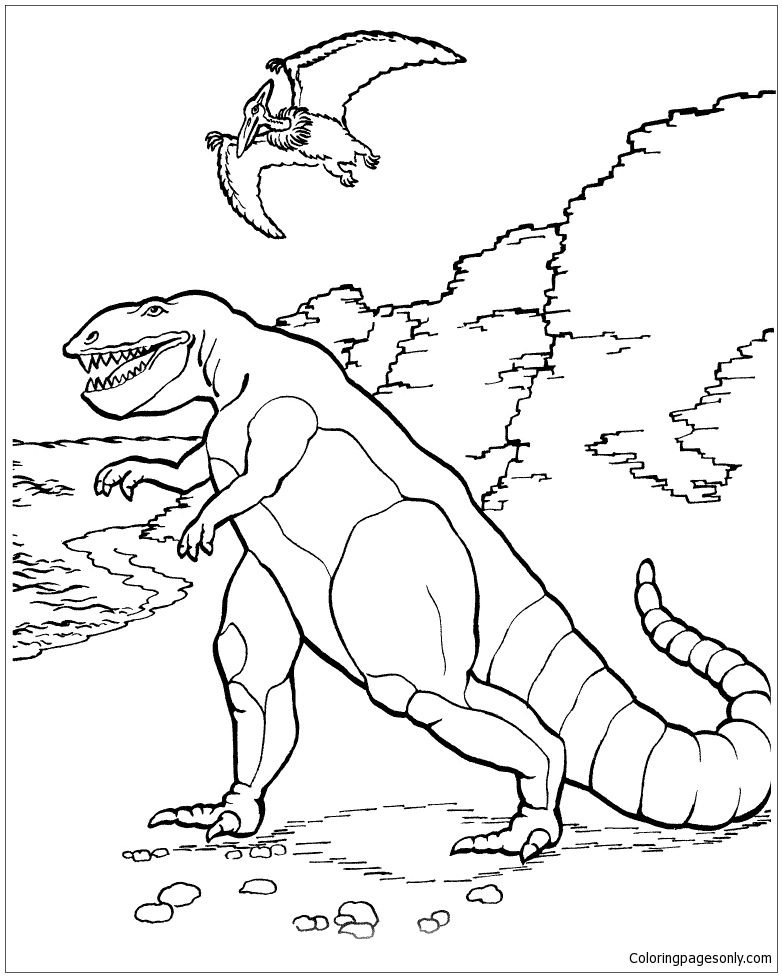
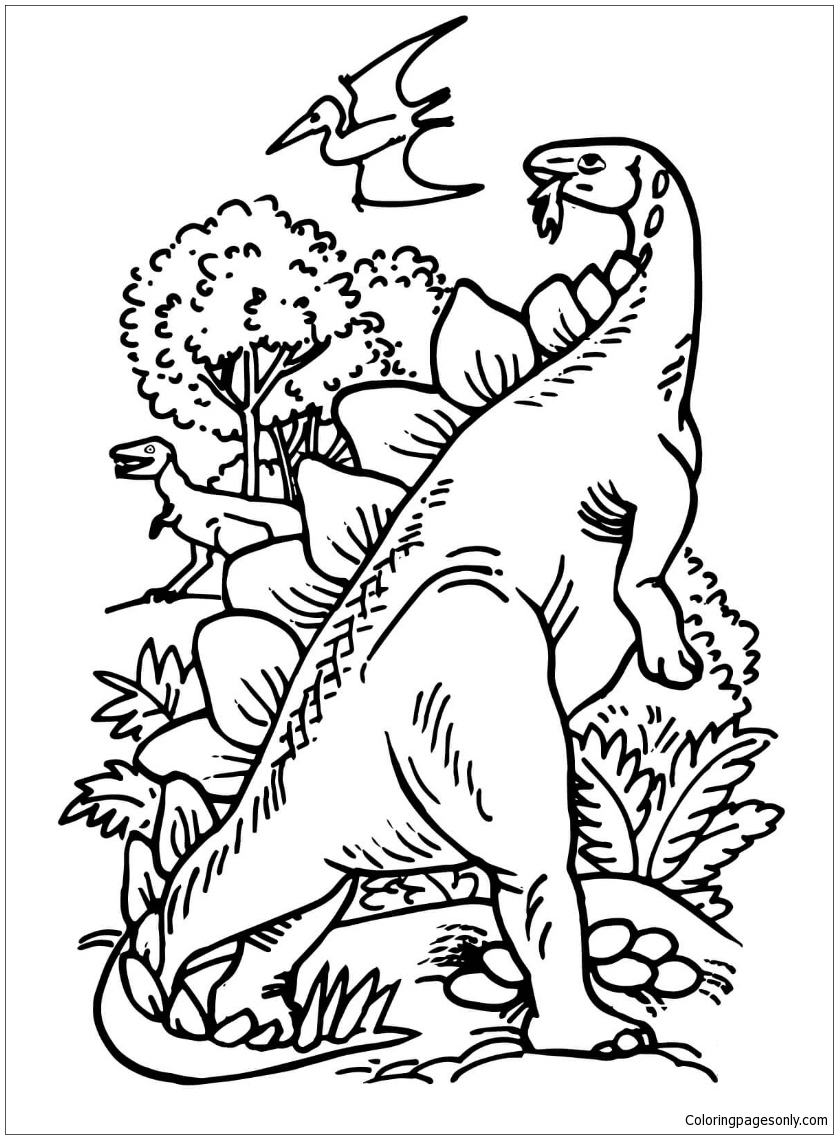
Three pages pair Pteranodon with other prehistoric creatures, including Tarbosaurus, Ceratosaurus, and a bipedal Stegosaurus. Distinct base colors for each animal help Pteranodon stay visually separate from its companions.
Possibly Mismatched Tiles
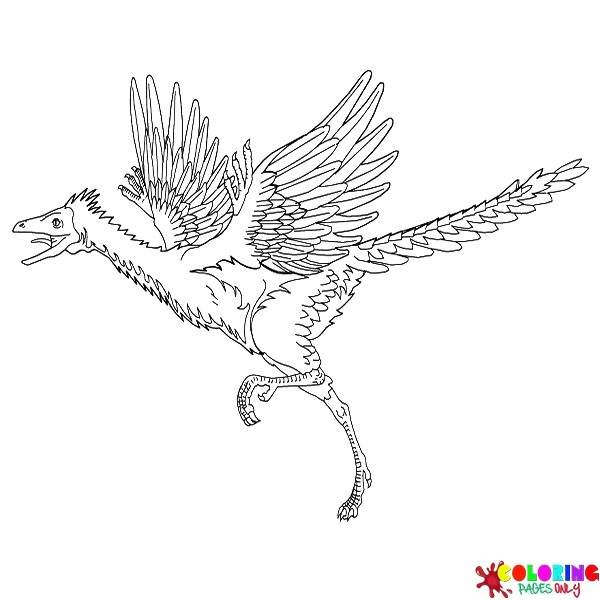
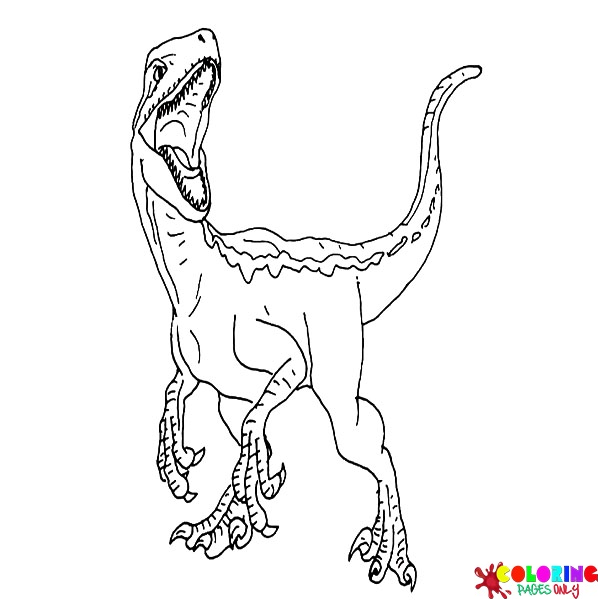
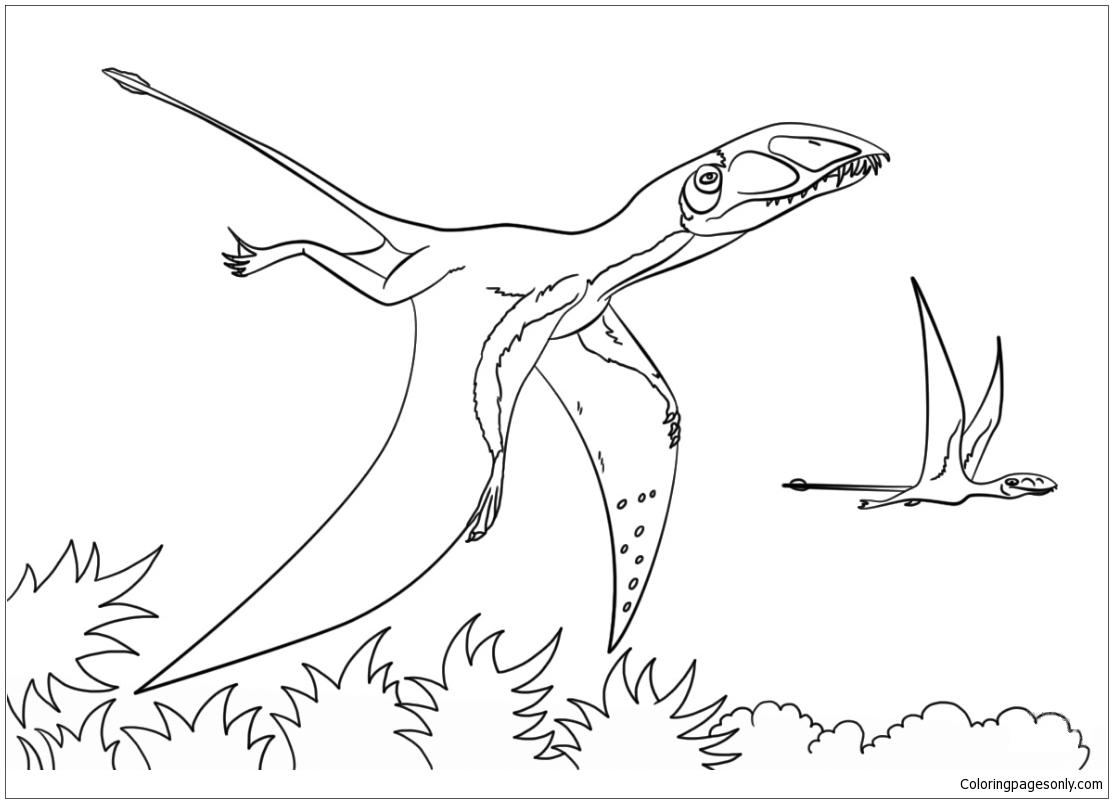
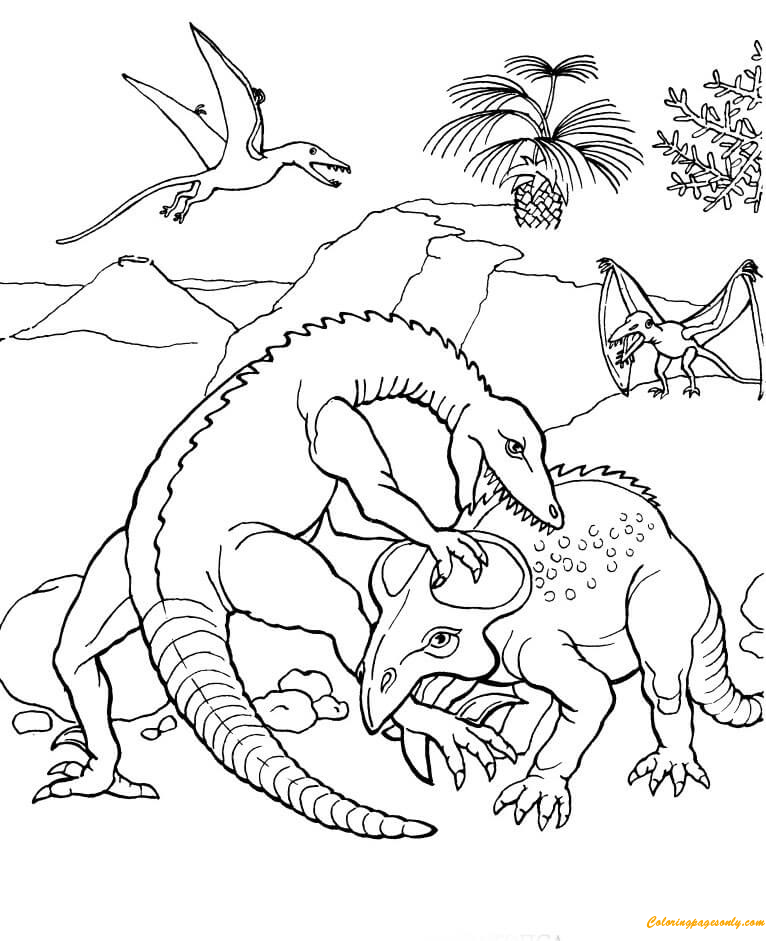
Two tiles in this collection may not depict Pteranodon at all. One shows Dimorphodon, a different and much smaller pterosaur from an earlier prehistoric period, and one, titled Protoceratops Fights, does not reference Pteranodon by name and may depict an unrelated horned dinosaur scene.
What Pteranodon Coloring Pages Do
A flying reptile, not a dinosaur. Pteranodon is often grouped with dinosaurs in toy sets and popular culture, but it actually belongs to a separate group of reptiles called pterosaurs. Coloring a Pteranodon page next to a true dinosaur page is a small, concrete way to notice that these two groups of ancient reptiles, related but distinct, are often lumped together by mistake.
Fine motor development. The layered wing membrane, crest detail, and beak shape ask for controlled, deliberate strokes across a small area, while the simpler solo portraits stay open and forgiving. The American Academy of Pediatrics identifies structured coloring as a core contributor to fine motor skill growth in children ages 2 through 7, and the range of detail across this set gives that practice a natural range of difficulty.
A crest that scientists still debate the purpose of. Pteranodon’s large, backward-sweeping head crest, especially prominent in males, is one of its most striking features. Still, paleontologists have not settled on exactly what it was for, whether display, steering in flight, or something else. Coloring that crest in detail is a chance to notice a real feature of the fossil record that still raises open questions.
Anxiety reduction through focus. Measurable reductions in anxiety following structured coloring sessions were documented in a 2005 study published in the Art Therapy Journal. A single, simple solo portrait page, of which this collection has many, gives a shorter and calmer task to complete than a busier multi-animal scene when a quick, low-stakes activity is what’s needed.
How to Color Pteranodon Pages Well
- Body and wings: since Pteranodon’s skin color is not preserved in the fossil record, muted Gray, Tan, or Brown tones are a common, reasonable artistic choice.
- Wing membranes: Use a slightly lighter or more translucent shade than the body so the thin wing membrane reads differently from the more solid torso.
- The crest: since its exact color is unknown, a slightly darker or contrasting shade from the body helps this signature feature stand out.
- Beak: keep it a plain, toothless shape in a muted Yellow-Gray or Bone tone, distinct from the rest of the head.
- Water and coastal backgrounds: cool Blues and Grays suit the ocean settings that many pages include, since Pteranodon lived around a shallow inland sea.
- Multiple-animal scenes: Use distinctly different base colors for each creature so Pteranodon stays visually separate from any companion animal.
5 Creative Craft Ideas With Pteranodon Coloring Pages
1. Flying Pteranodon Mobile
Color a few of the flying Pteranodon pages, cut them out, and hang them from a hanger or dowel with string at different lengths. Adjust the string lengths so the pteranodons appear to be gliding at different heights. This turns flat pages into a simple hanging display.
2. Prehistoric Coastline Diorama
Color a Pteranodon page and a few background elements like water and rocky cliffs, then glue them into a shoebox to build a small coastal scene. Add the Pteranodon soaring above the water. This recreates the kind of coastal habitat Pteranodon is thought to have lived in.
3. Wingspan Comparison Chart
Color a Pteranodon page, then measure out its real wingspan on a long strip of paper or string to compare against a child’s own arm span. Mark the difference clearly with a label. This turns a coloring page into a hands-on size comparison activity.
4. Fossil Hunter Card
Color a Pteranodon page, glue it to an index card, and write a fact about the fossil record on the back, like where the first specimen was found. Make a few more cards for other prehistoric creatures. This turns a coloring page into a small trivia card set.
5. Pteranodon Bookmark Set
Color a few of the smaller solo portrait pages, trim them into bookmark strips, and add a hole punch and ribbon at the top. Keep one in a favorite book as a small reminder. A batch of five or six makes an easy gift for a classroom studying prehistoric life.
Frequently Asked Questions
What are Pteranodon coloring pages?
A free set of 20 printable PDF designs of Pteranodon, from simple solo portraits to flying scenes and pages with other prehistoric animals, available to print or color online at no cost.
Was Pteranodon a dinosaur?
No. Pteranodon was a pterosaur, a flying reptile related to dinosaurs but classified in a separate group. Pterosaurs and dinosaurs lived alongside each other, but they are not the same thing.
How big was Pteranodon?
Pteranodon had one of the largest wingspans of any known flying reptile, with males reaching roughly 6 to 7 meters, or about 20 to 23 feet, across.
What did Pteranodon eat?
Pteranodon was primarily a fish-eater. Its long, toothless beak was well-suited for catching fish near the surface of the water.
Why did Pteranodon have such a large crest?
Pteranodon’s crest, especially large in males, is thought to have played a role in display or possibly flight, though scientists have not settled on its exact purpose.
What formats are the Pteranodon coloring pages available in?
Every page can be downloaded as a printable PDF or colored directly online in the browser. No account, email, or payment is required for either option.
Are Pteranodon coloring pages suitable for young children?
Yes. Simple solo portrait pages suit toddlers and preschoolers, while flying scenes and pages with other prehistoric animals suit older kids who want more to color.
Can Pteranodon coloring pages be used for a classroom prehistoric life unit?
Yes. The pages work well alongside a short conversation about the difference between dinosaurs and pterosaurs, and about where Pteranodon fossils have been found.
Start Coloring
Download any page by clicking the design. No account, email, or payment is required. Pages print directly from the browser at full resolution or open in the online coloring tool for screen use. Share finished pages on Facebook or Pinterest using the share buttons at the top of each design page.