Archaeopteryx Coloring Pages
 By:
Jennifer Thoa - Content Editor & Designer
Updated:
By:
Jennifer Thoa - Content Editor & Designer
Updated:
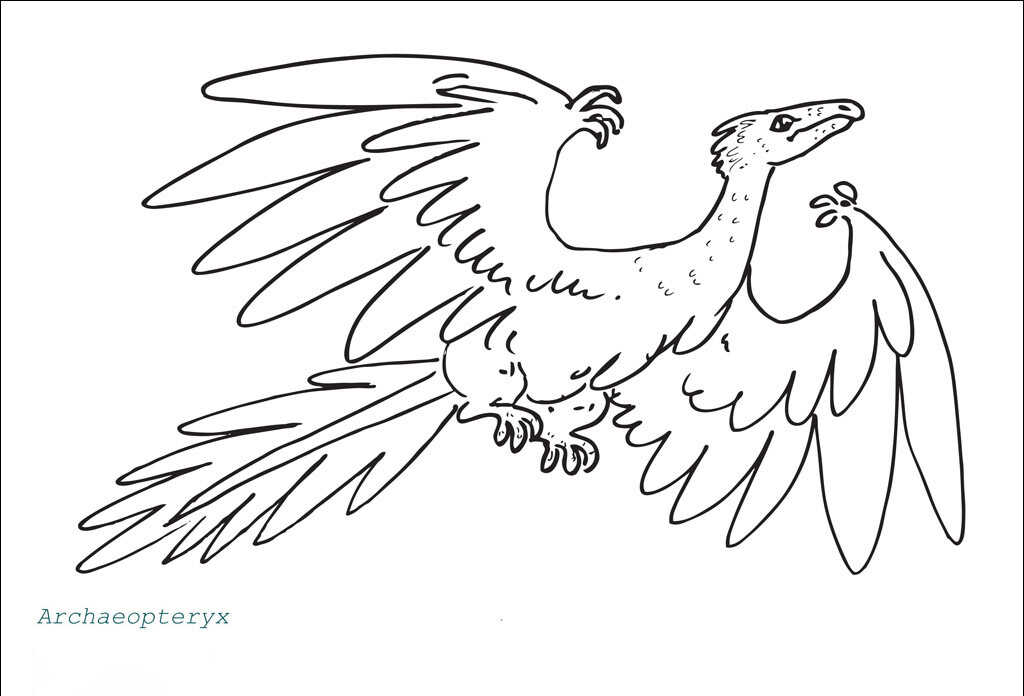
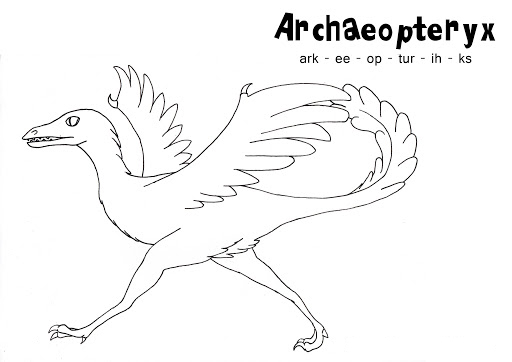
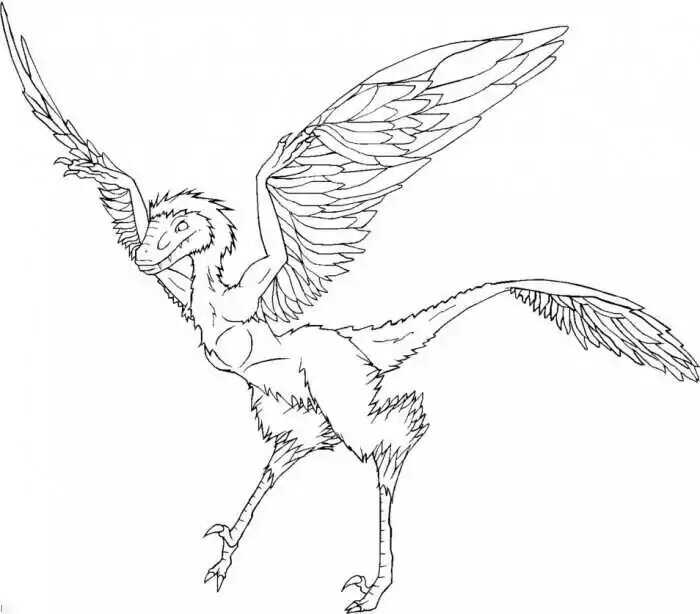
Free Archaeopteryx Coloring Pages: 41 printable PDF designs featuring skeletal and scientific detail, in-flight and motion scenes, Archaeopteryx with other prehistoric creatures, simple and kid-friendly designs, and printable and general sheets. Each page can be downloaded as a PDF to print or colored online in the browser.
Archaeopteryx, whose name comes from the Greek for “ancient wing,” was first identified in 1861 from a single fossilized feather found in the Solnhofen limestone quarries of Bavaria, Germany, just two years after Charles Darwin published On the Origin of Species. The timing could hardly have been more dramatic: scientists debating Darwin’s new theory of evolution were searching for exactly this kind of transitional fossil, and Archaeopteryx delivered a creature with an unmistakable mix of reptile and bird features, teeth, a long bony tail, and clawed fingers alongside true flight feathers and a wishbone. Only around a dozen skeletal specimens have ever been found, all from those same German quarries, whose extraordinarily fine limestone preserved even delicate feather impressions in stunning detail. While Archaeopteryx was long celebrated as the earliest known bird, more recently discovered fossils like Anchiornis and Aurornis have shown that other feathered, bird-like dinosaurs existed alongside or even before it, making Archaeopteryx one important branch on a much larger family tree rather than a single starting point.
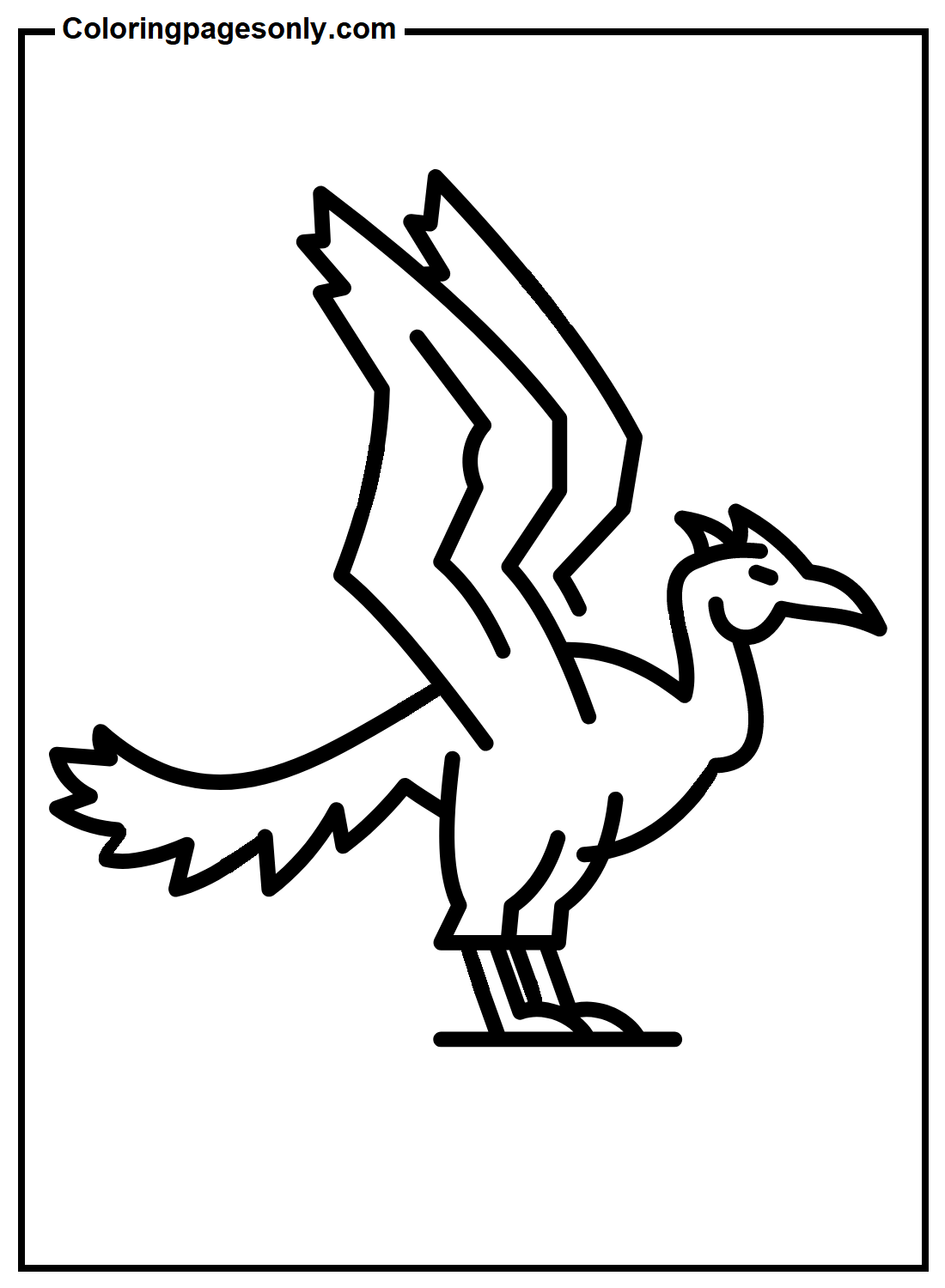
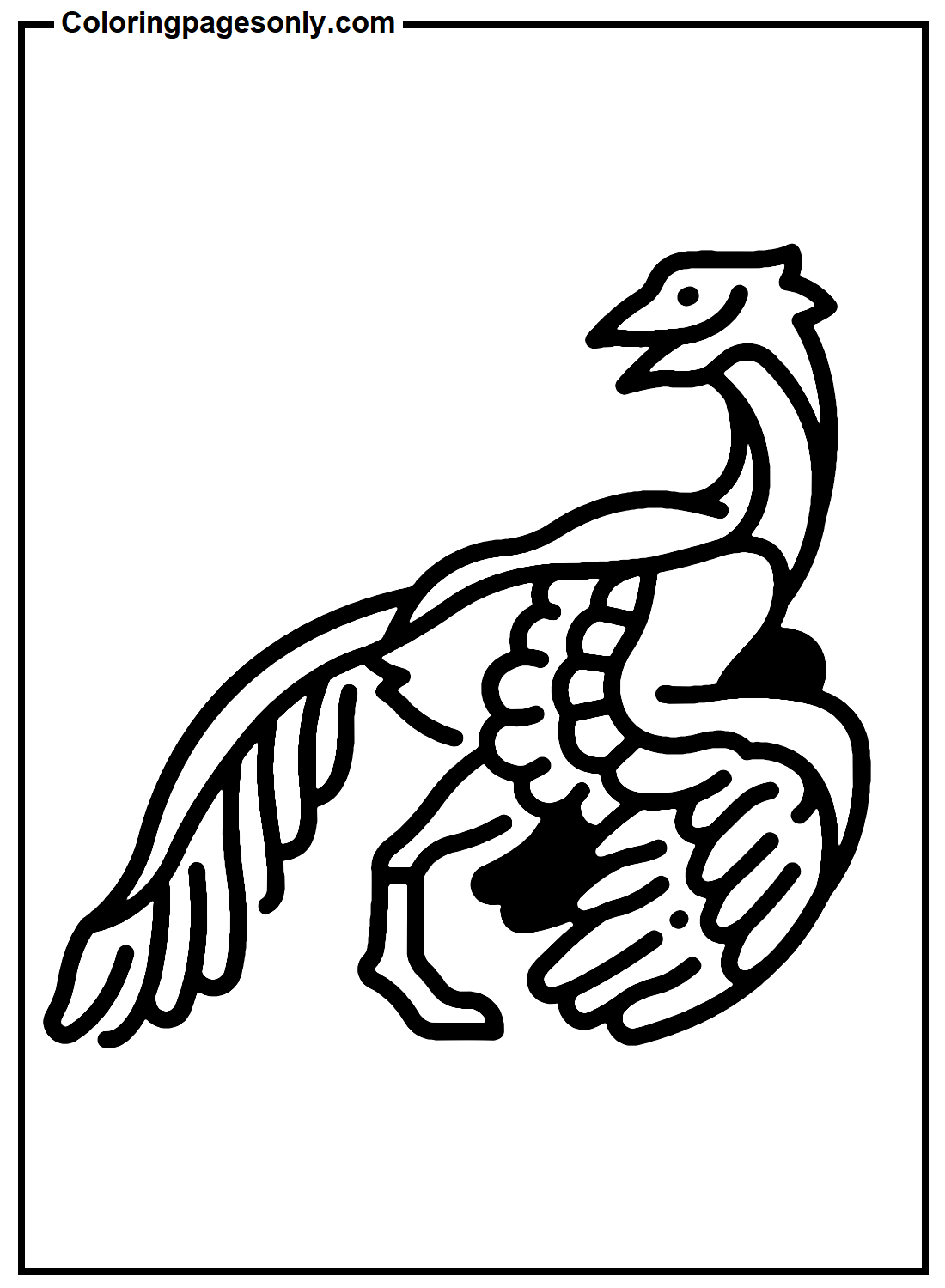
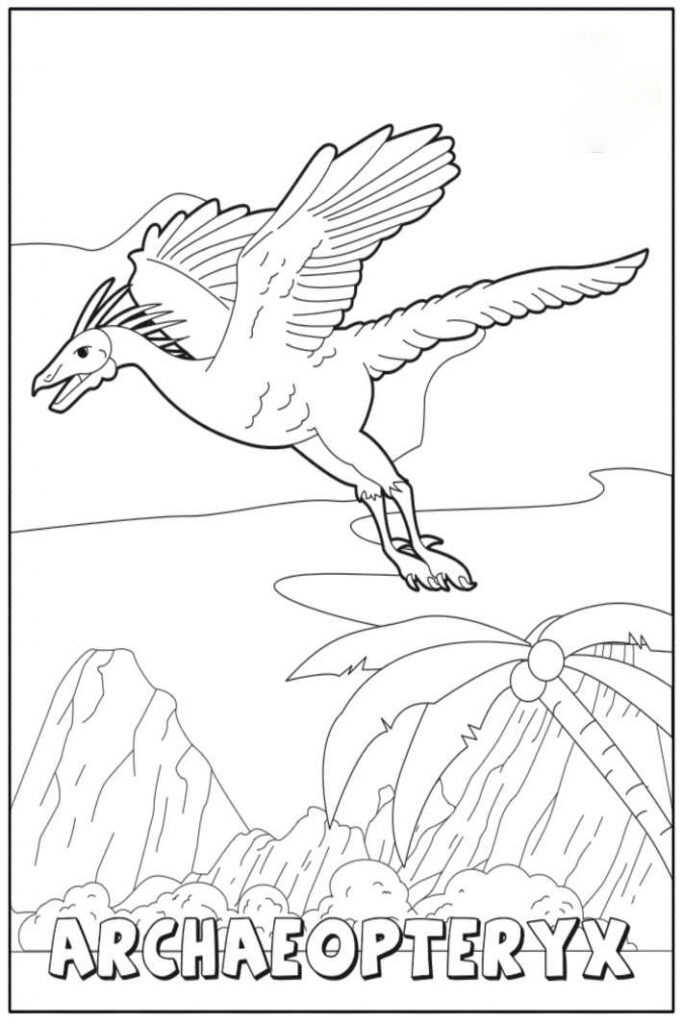
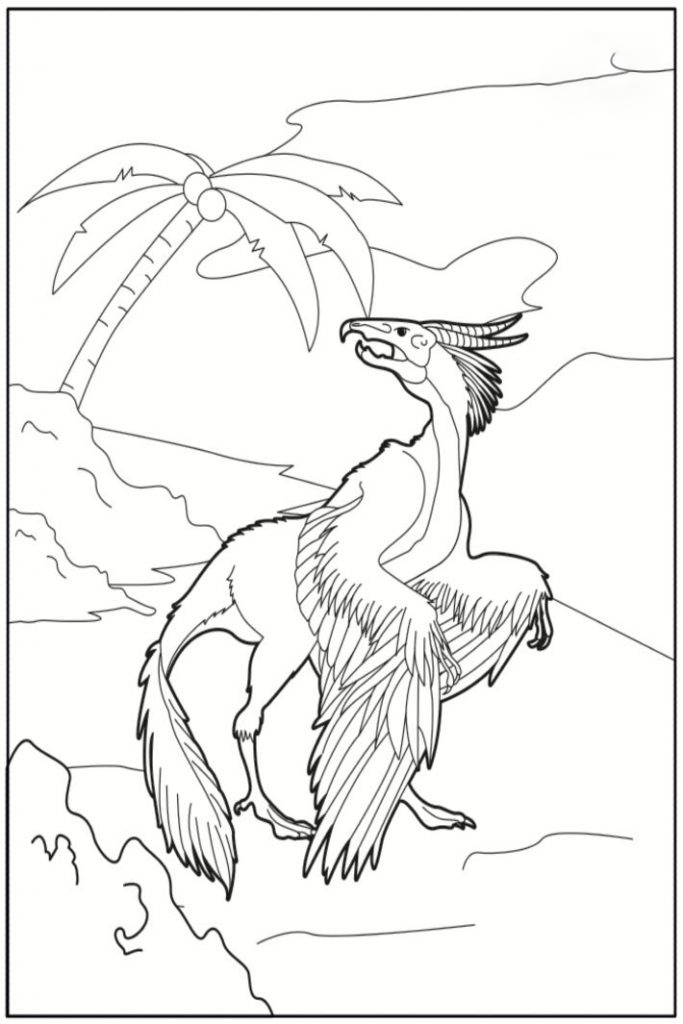
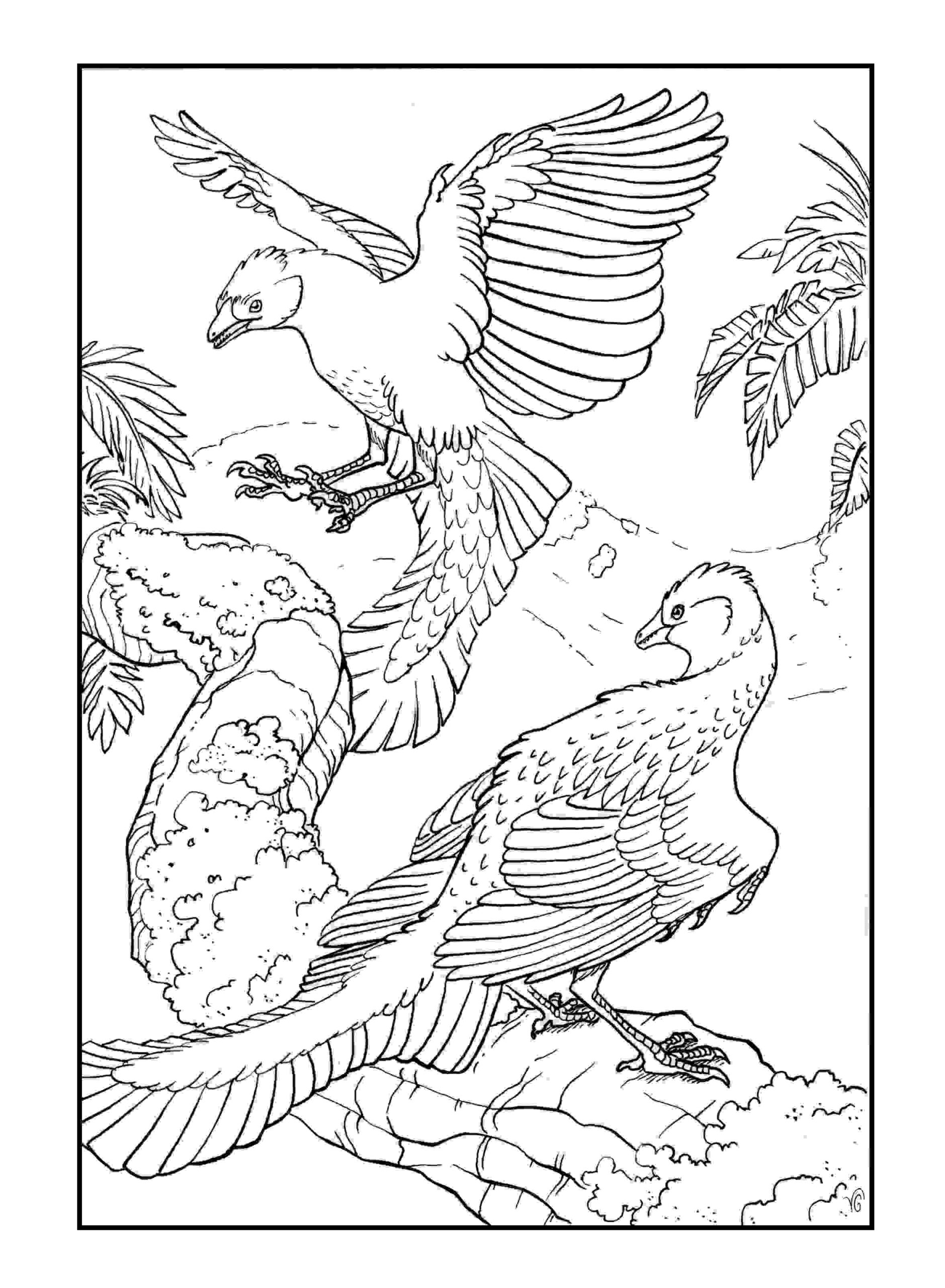
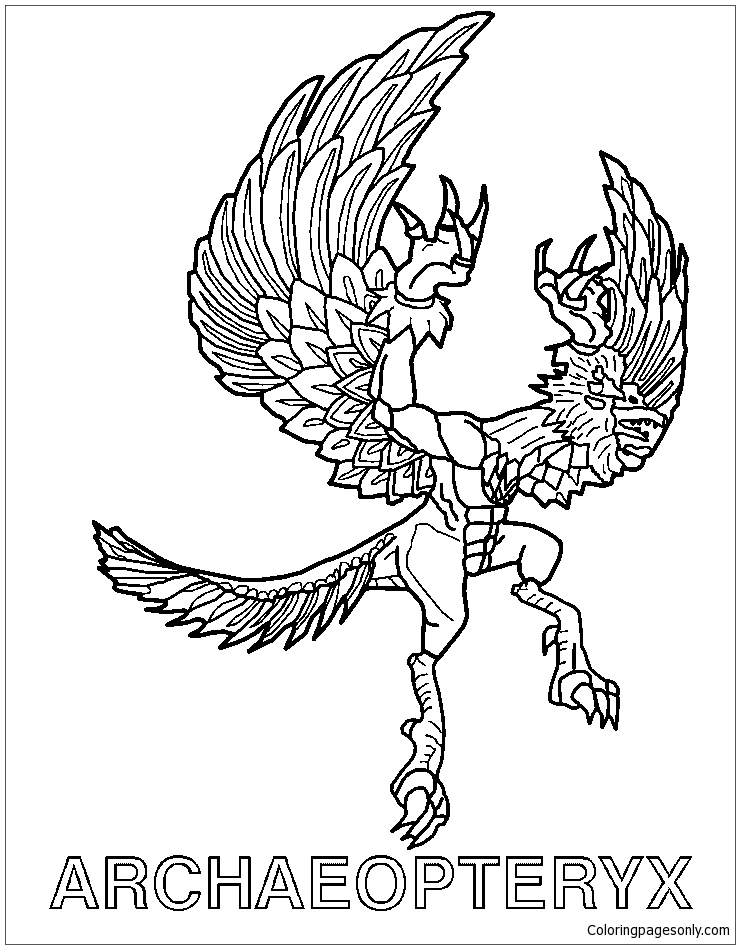
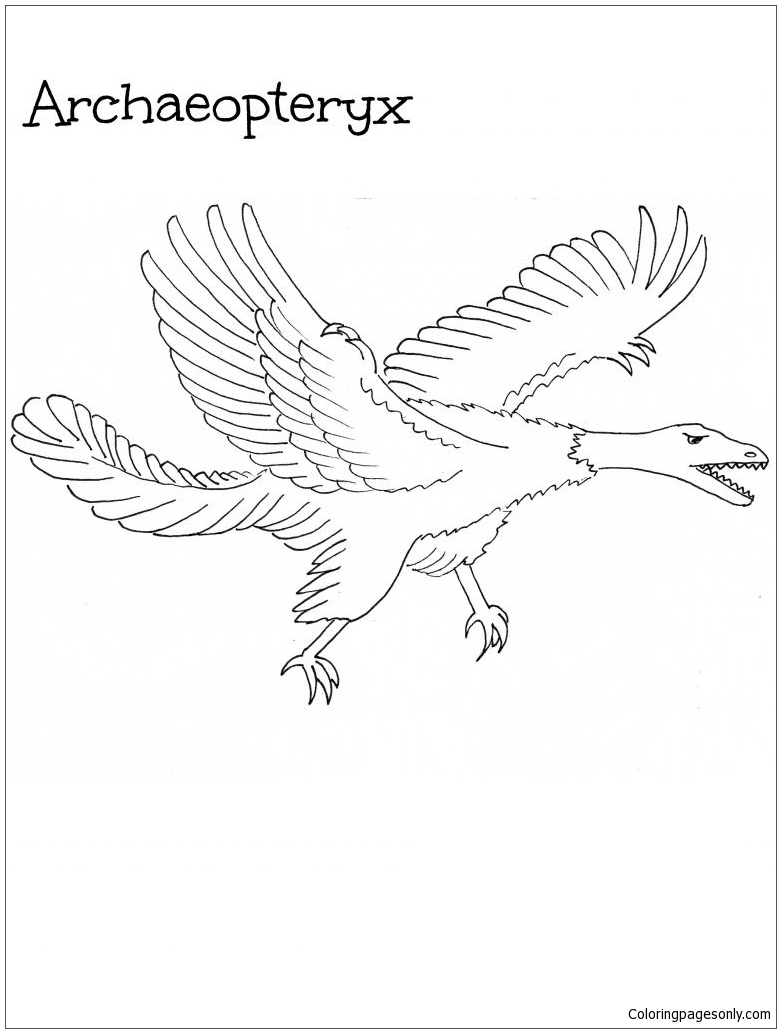
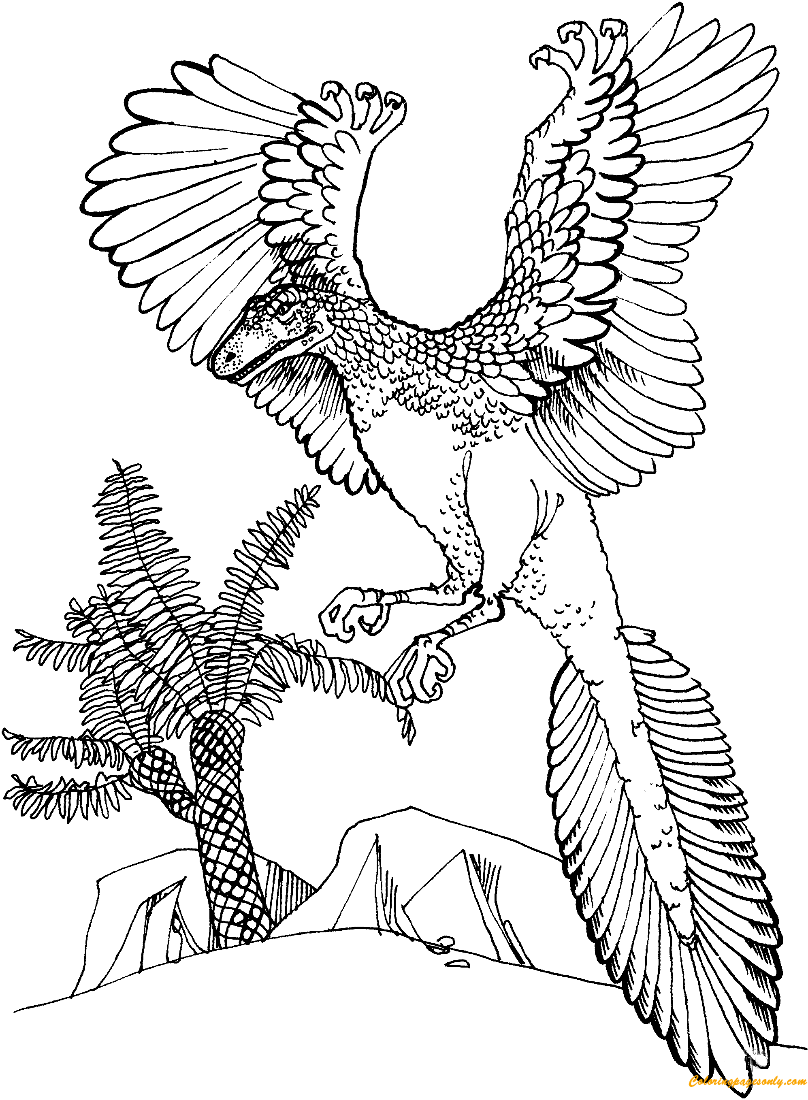
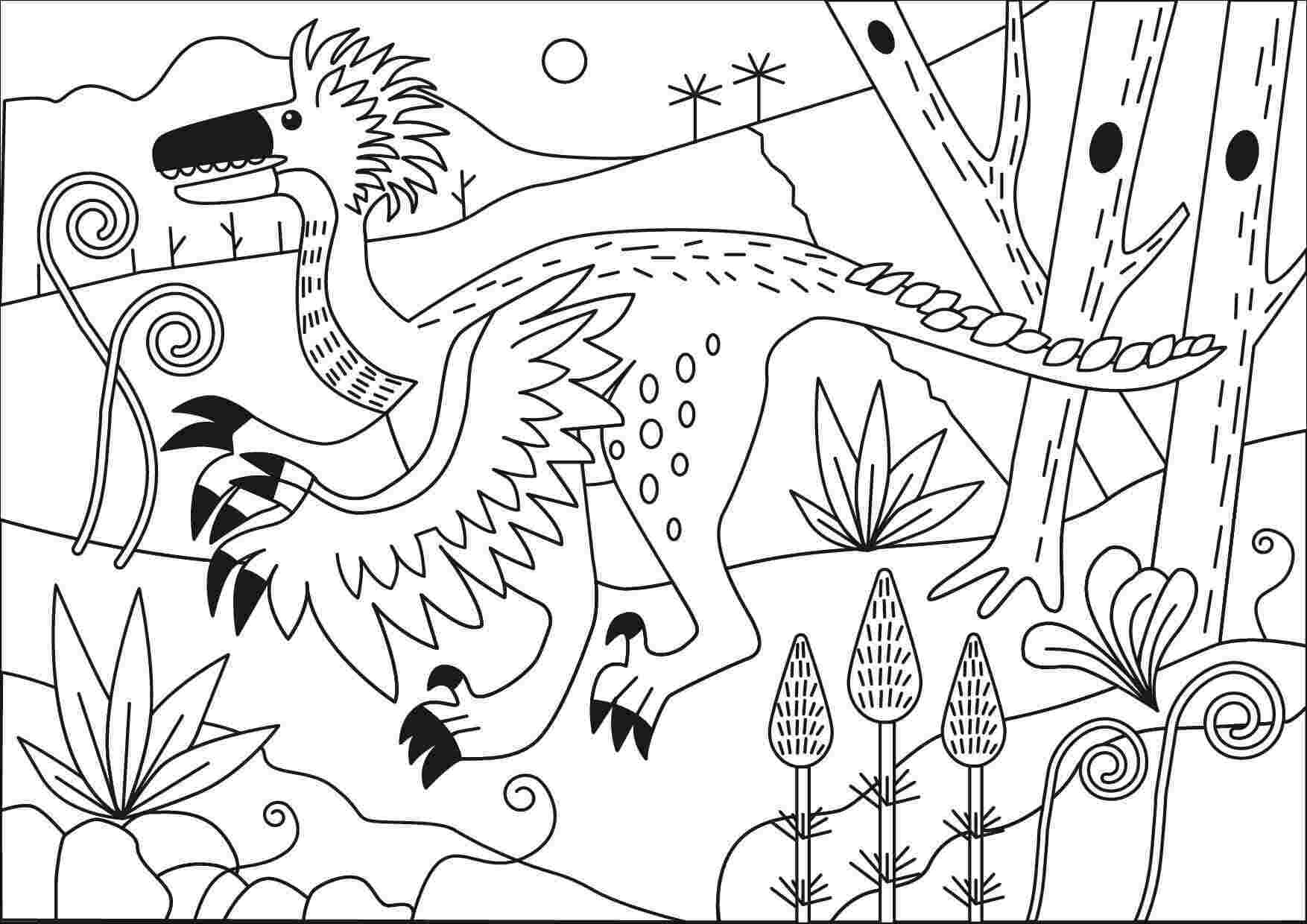
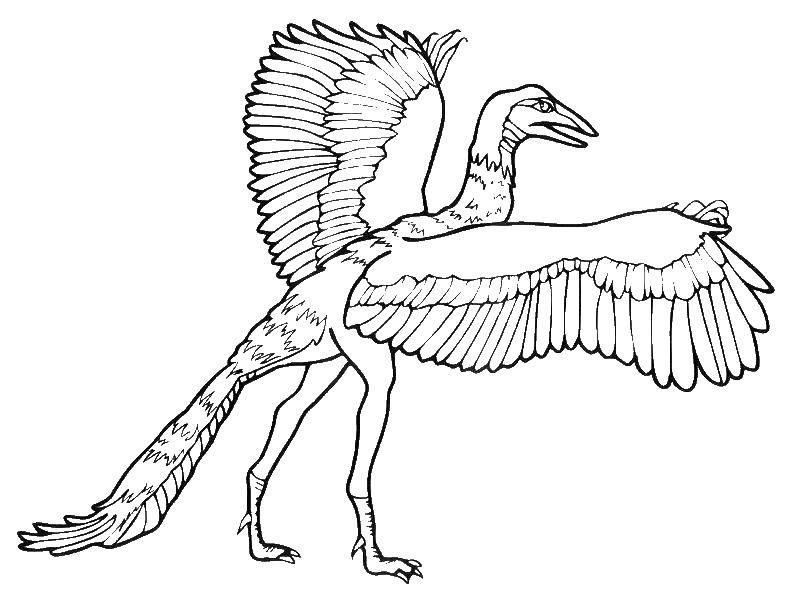
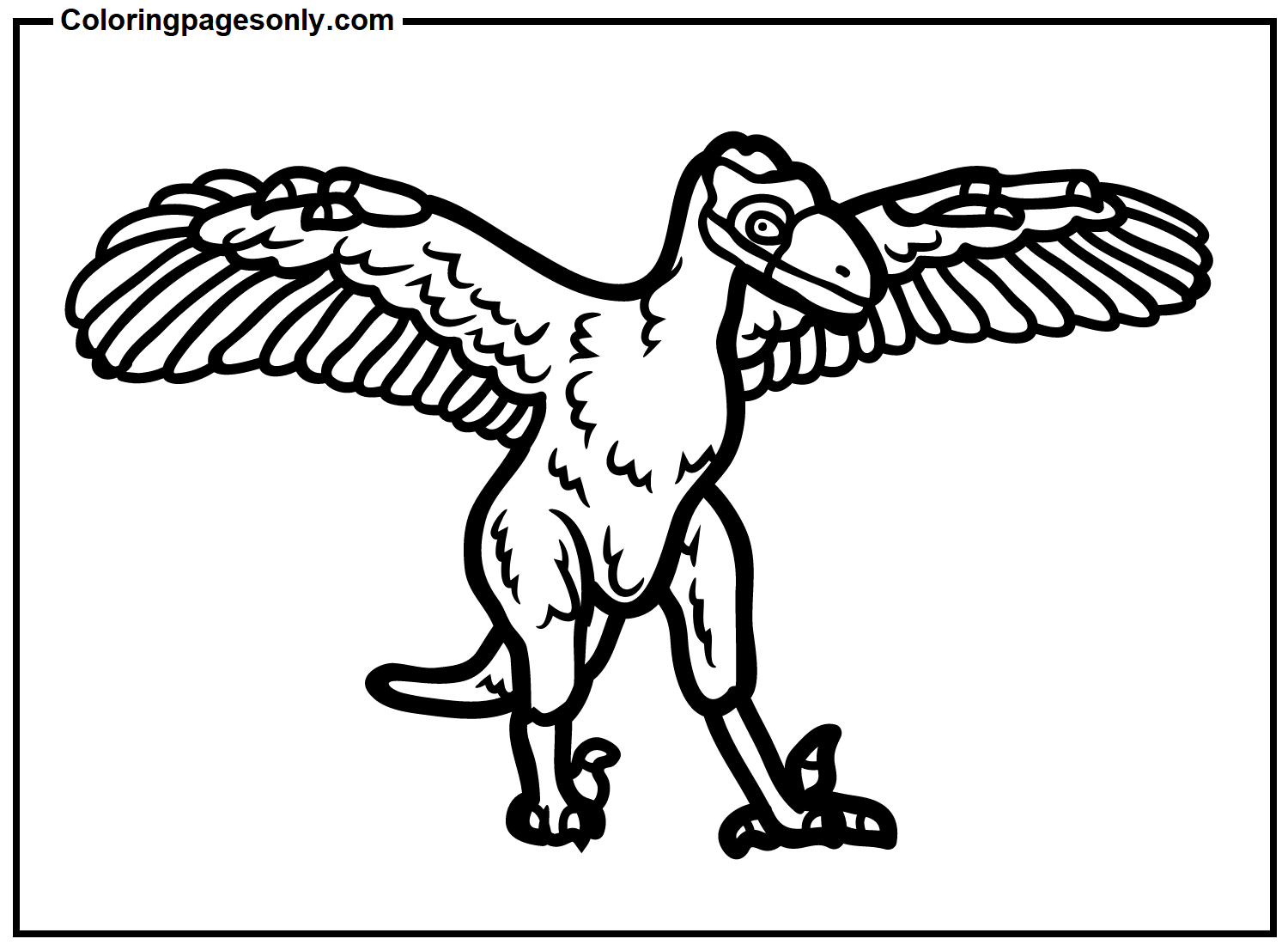
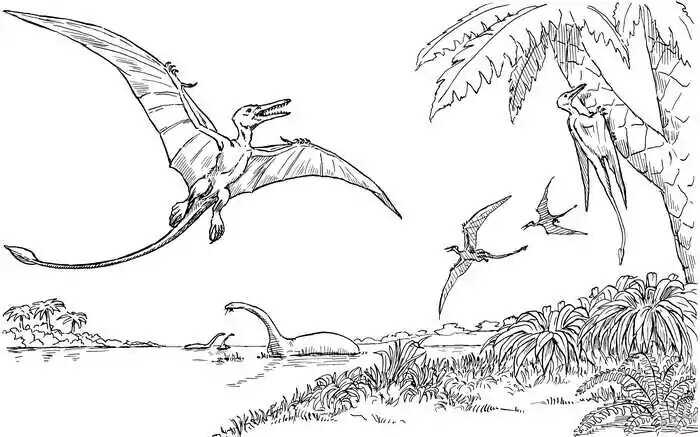
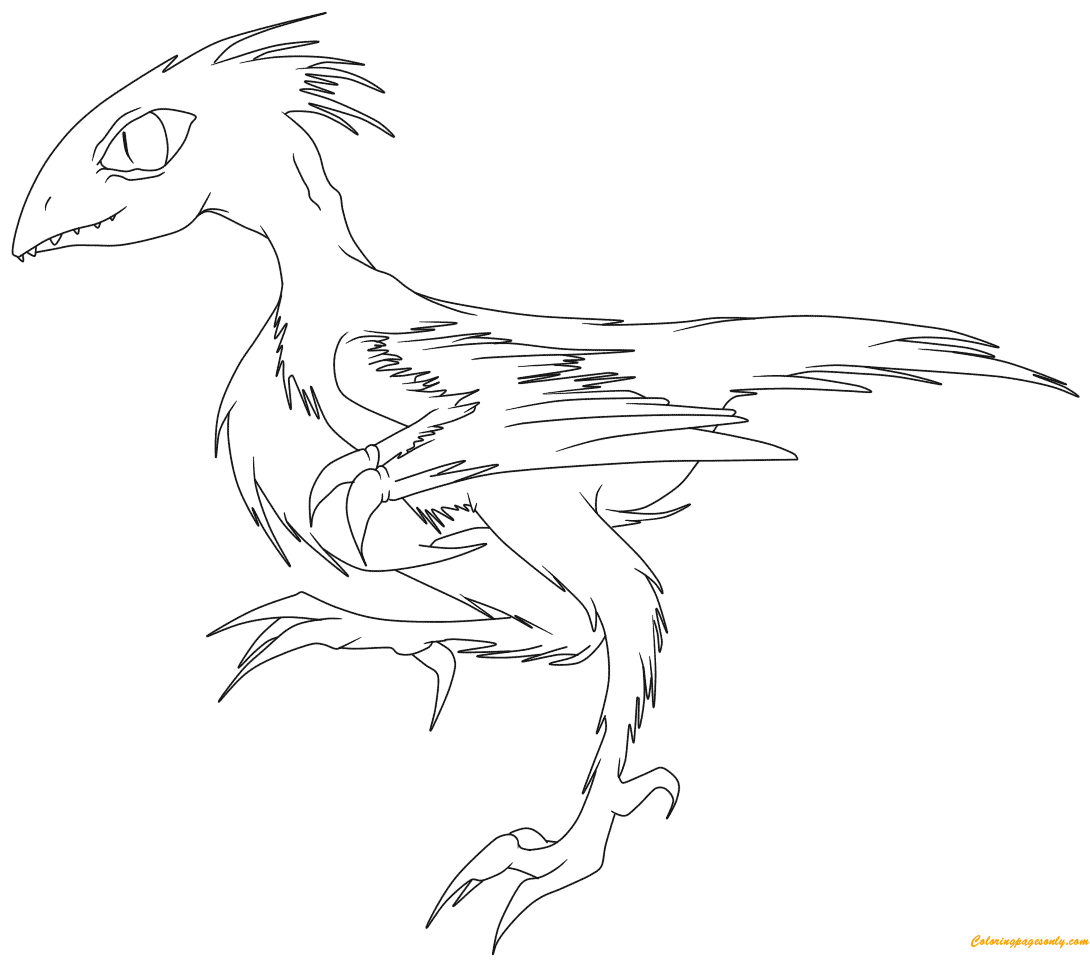
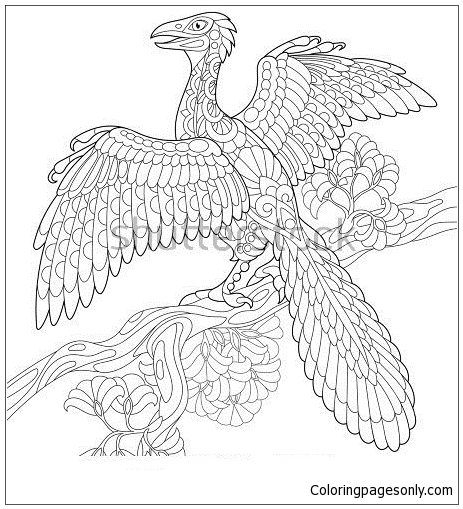
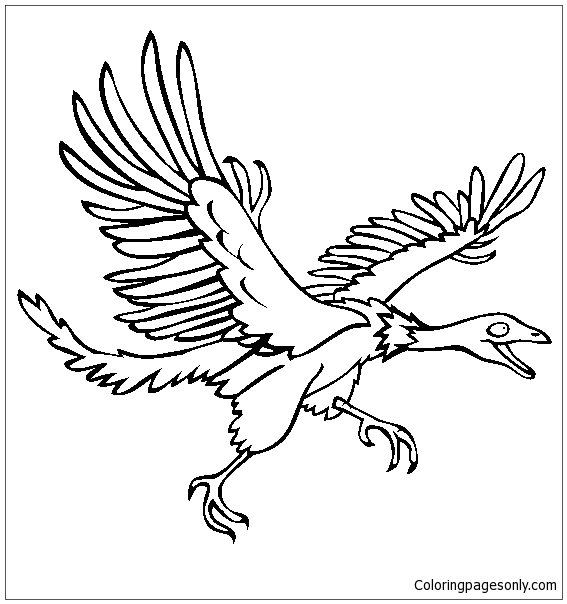
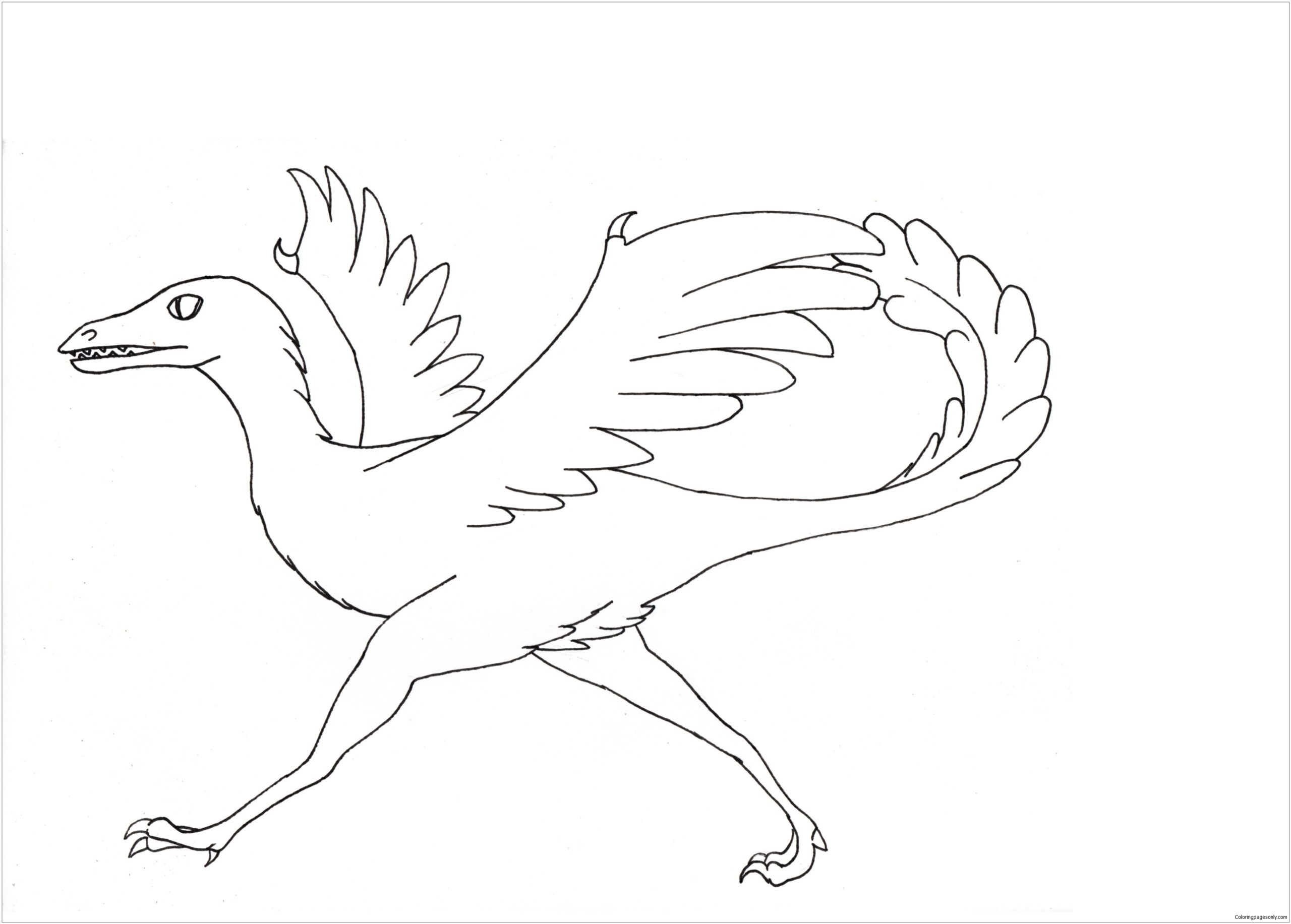
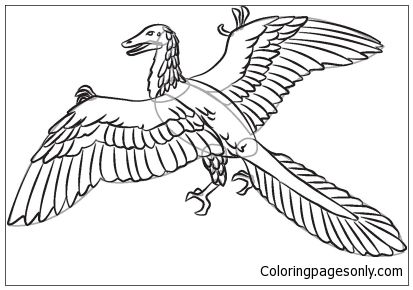
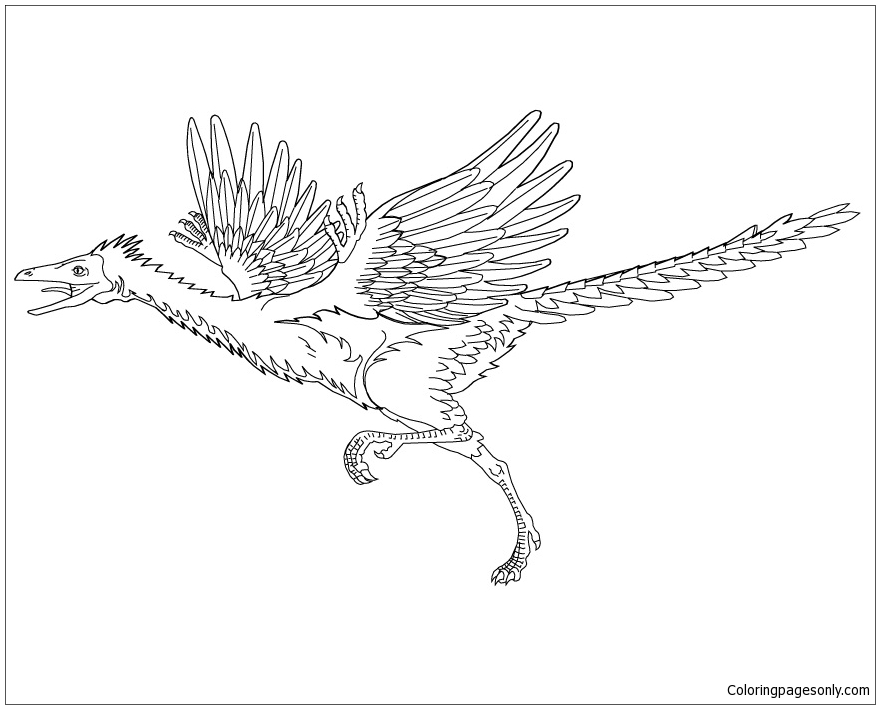
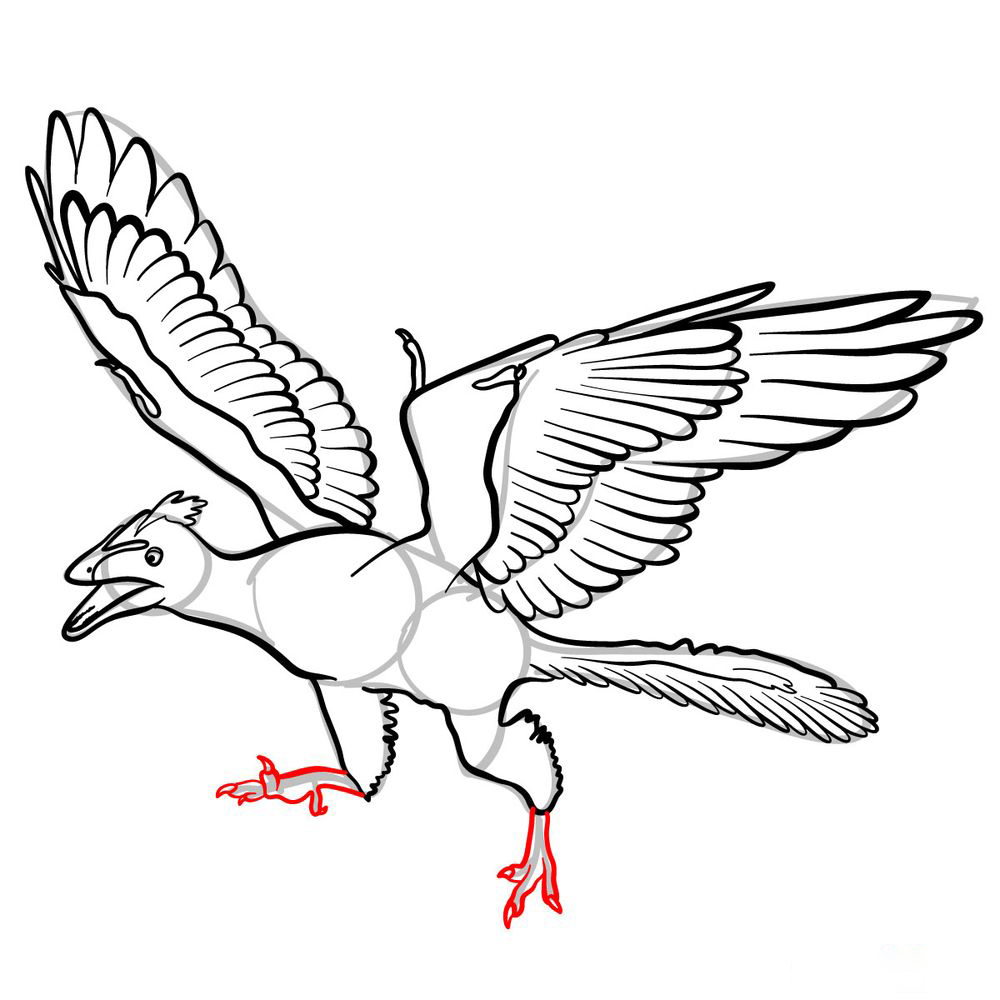
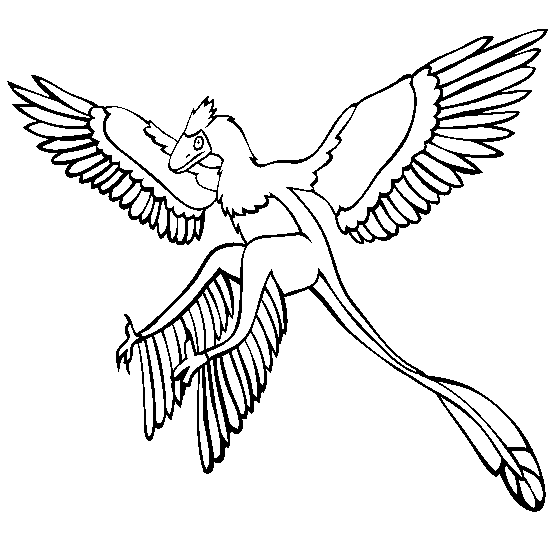
This collection spans 41 pages, split between skeletal and scientific detail, in-flight and motion scenes, Archaeopteryx with other prehistoric creatures, simple and kid-friendly designs, and printable and general sheets. The coloring angle ranges from a simple standalone outline to detailed anatomical and scene-based designs.


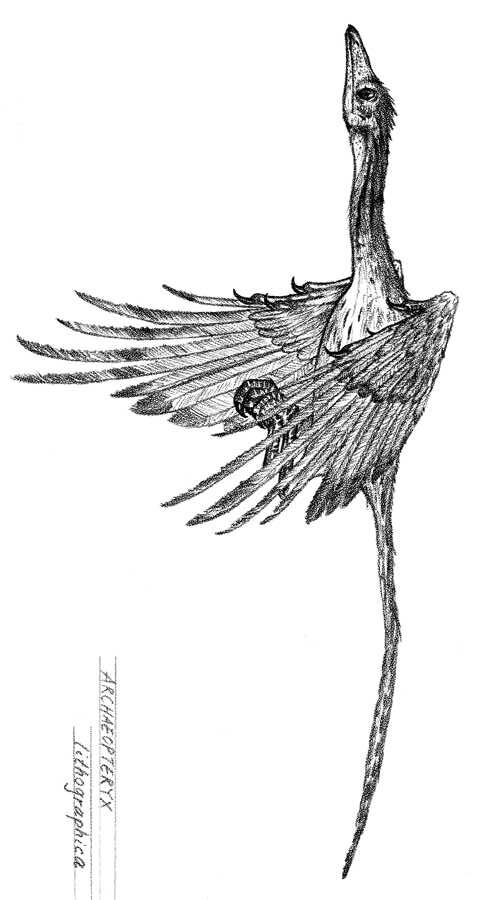
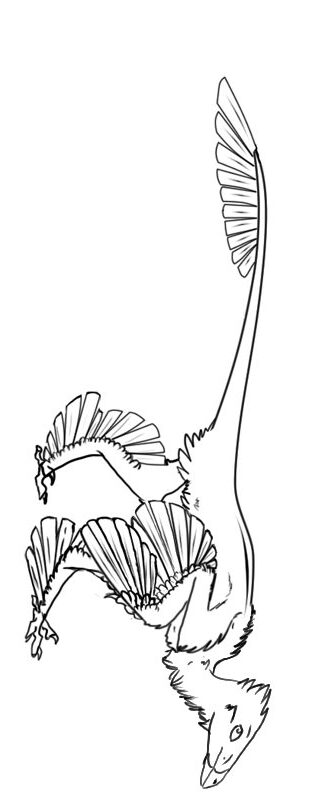
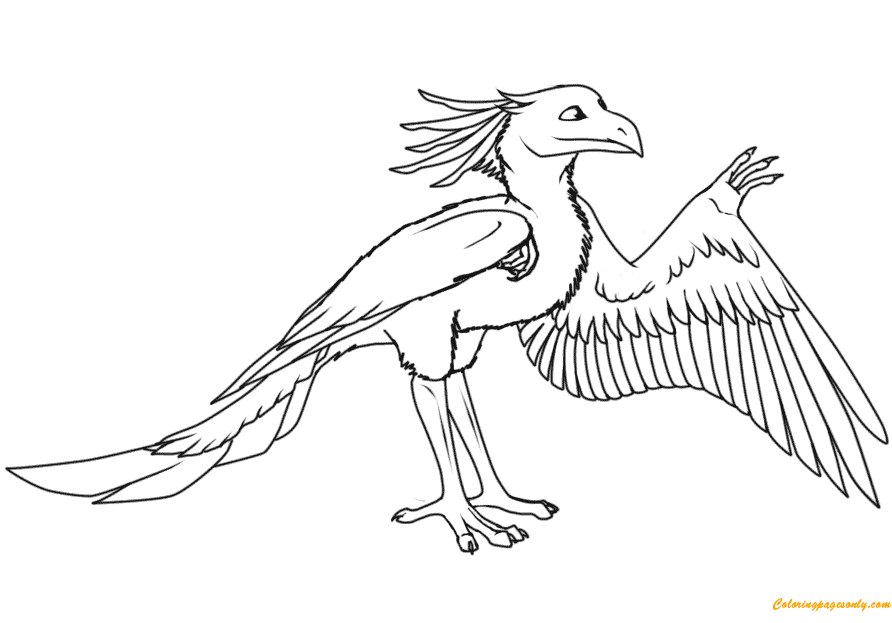
What’s Inside This Collection
The 41 designs group into five categories, from skeletal and scientific detail to printable and general sheets.
Skeletal and Scientific Detail
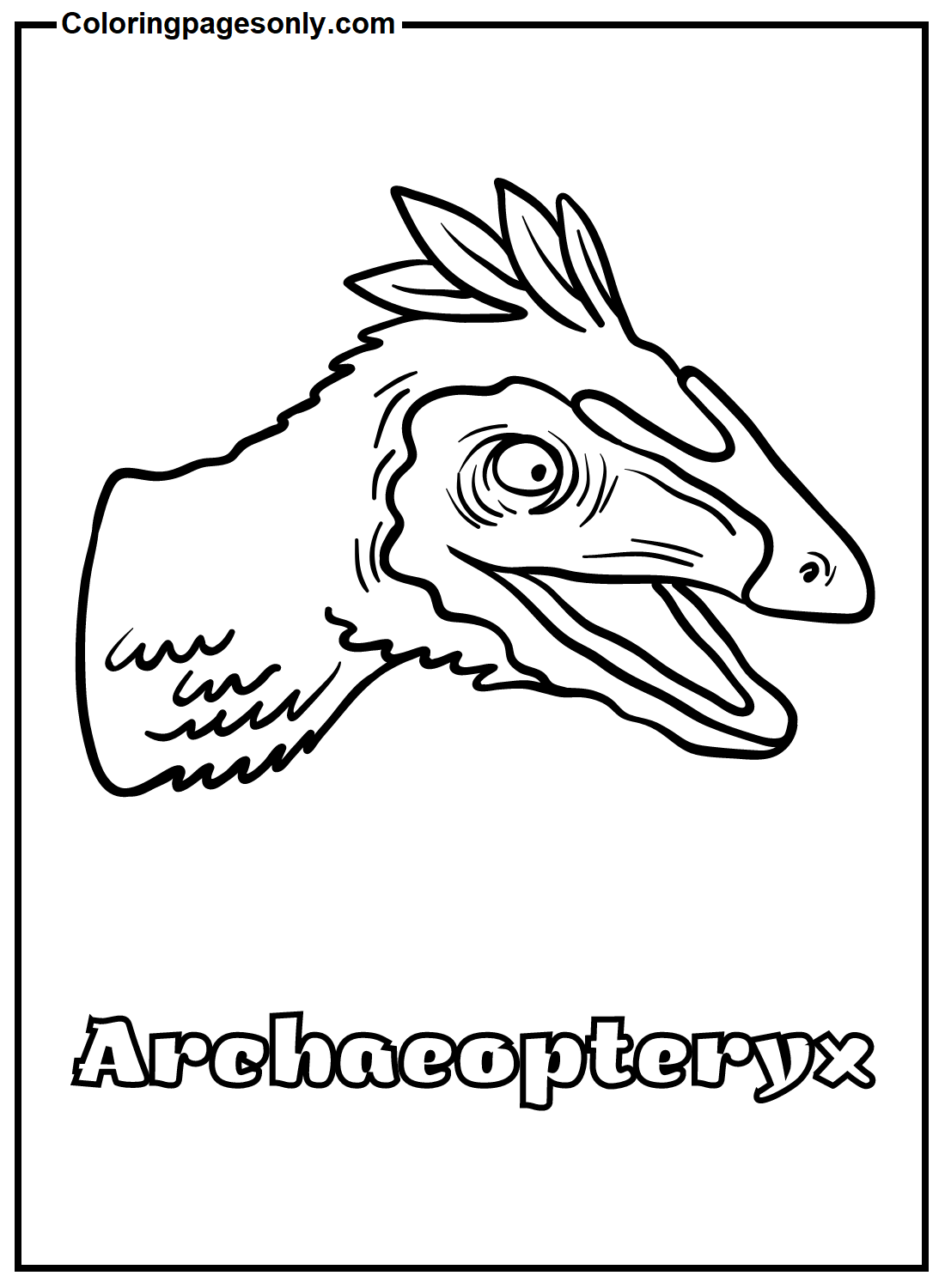
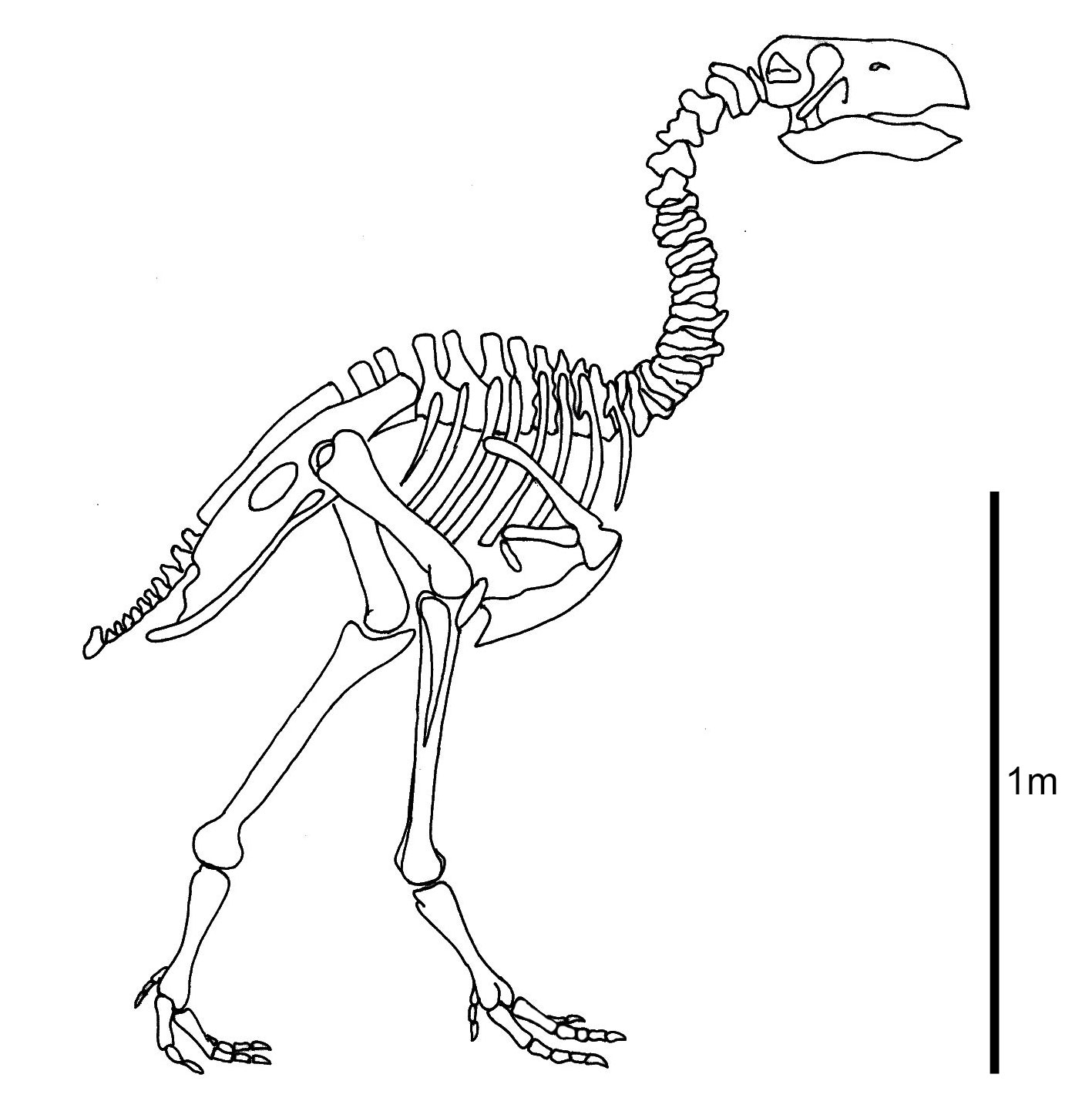
Six pages focus on Archaeopteryx’s anatomy, including skeletal structure and close-up feather and claw detail. Muted bone tones and grays work well for skeletal designs, while natural feather colors suit the more illustrative anatomical pages.
In-Flight and Motion Scenes
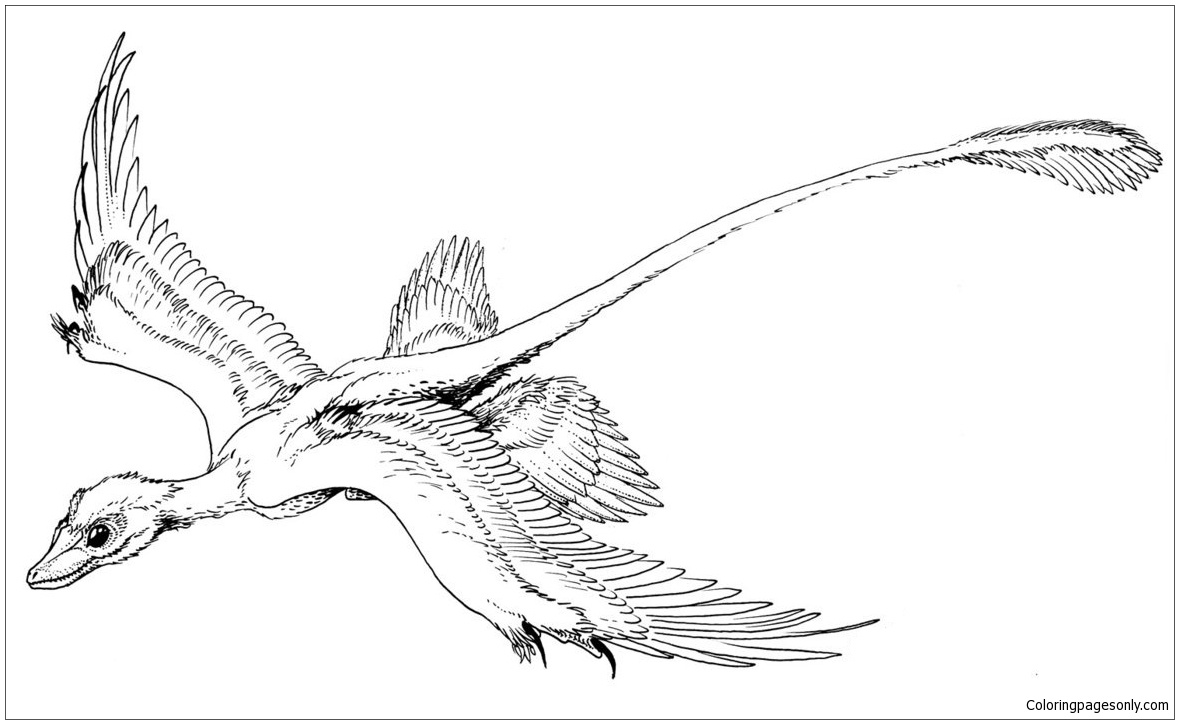
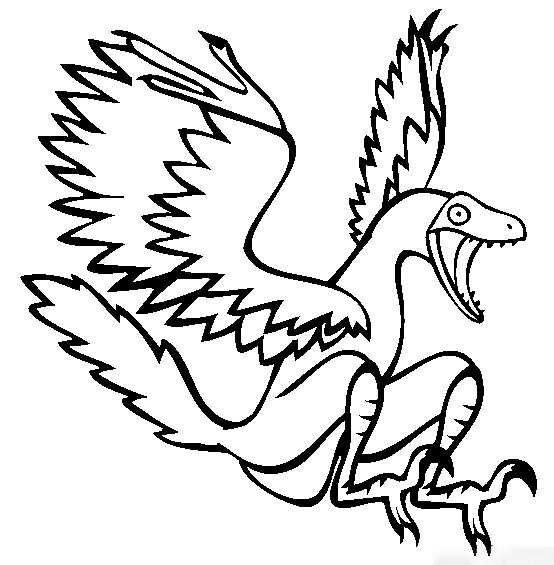
Five pages capture Archaeopteryx running, standing, or in short bursts of flight. Warm browns and tans for the body, with lighter tones along the wing feathers, help these active poses feel dynamic.
Archaeopteryx with Other Prehistoric Creatures
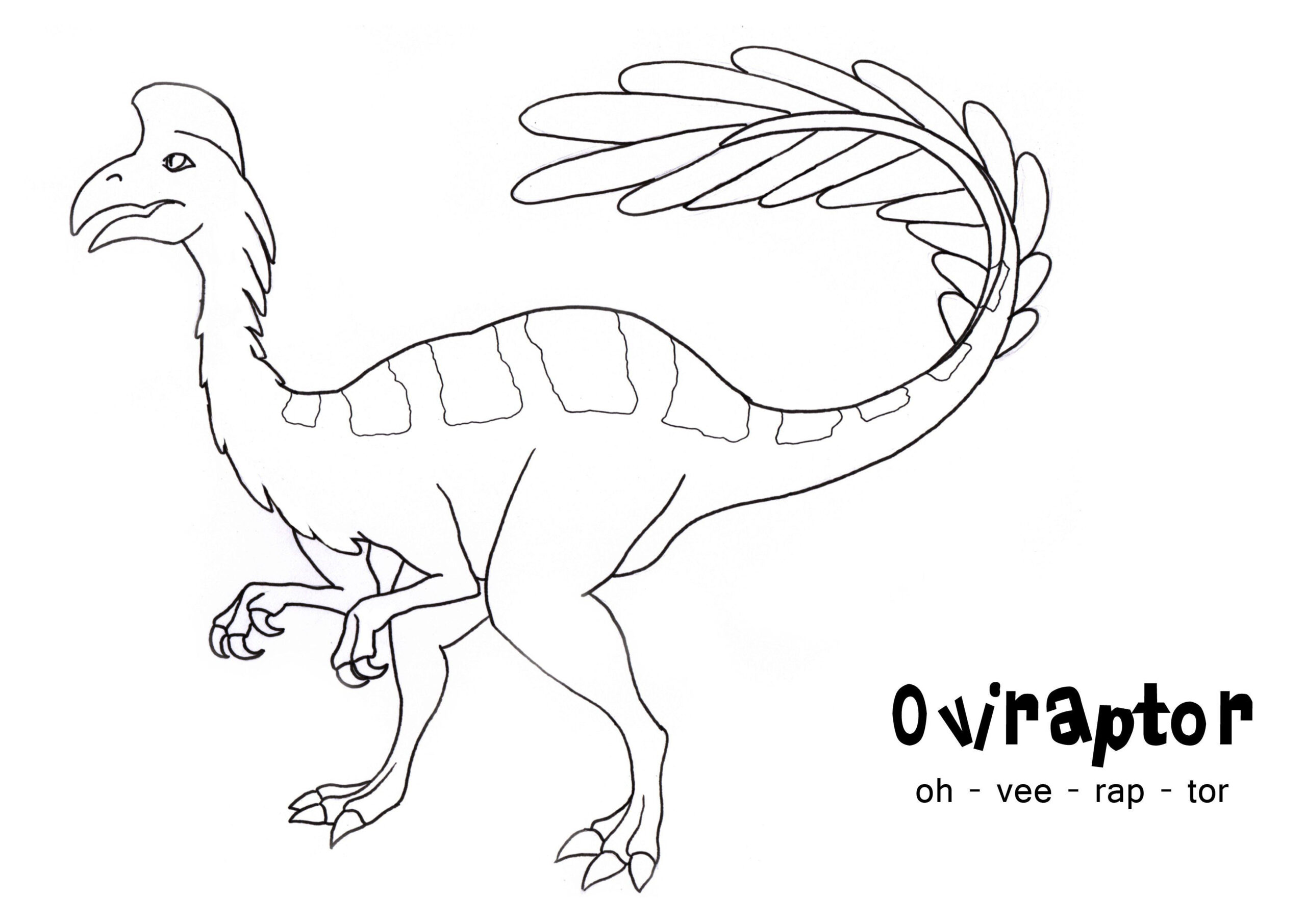
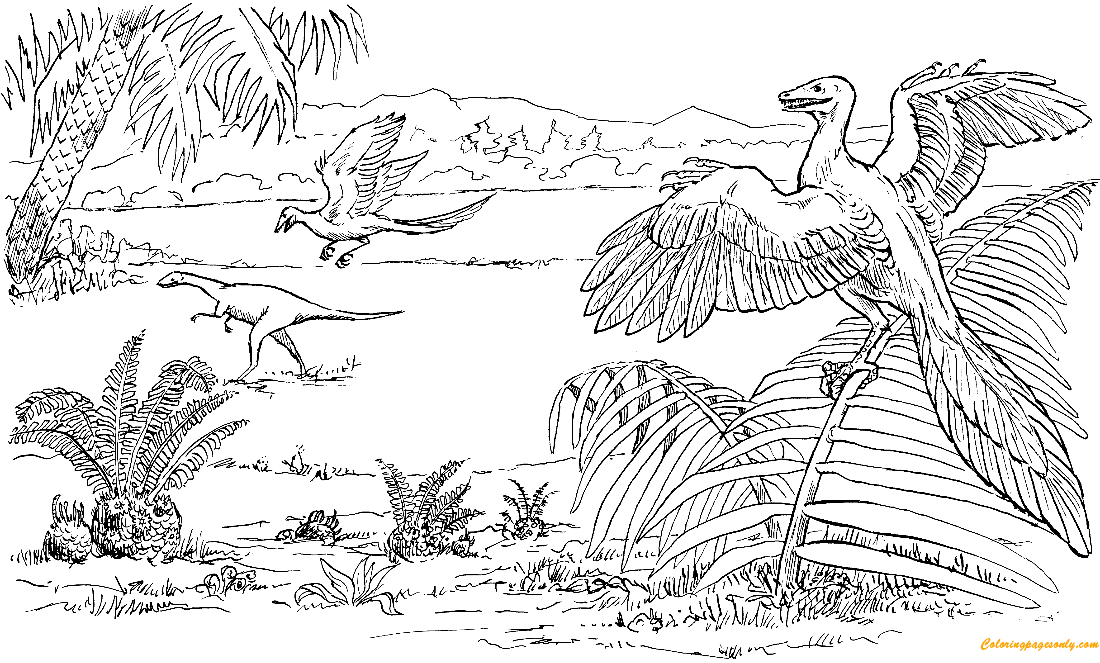
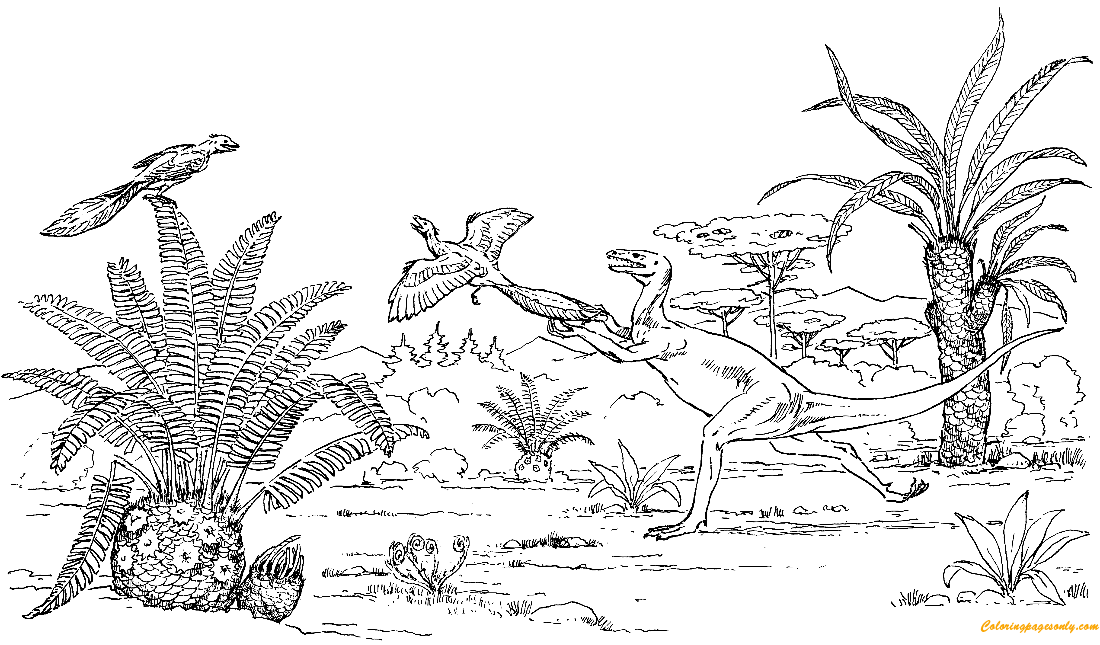
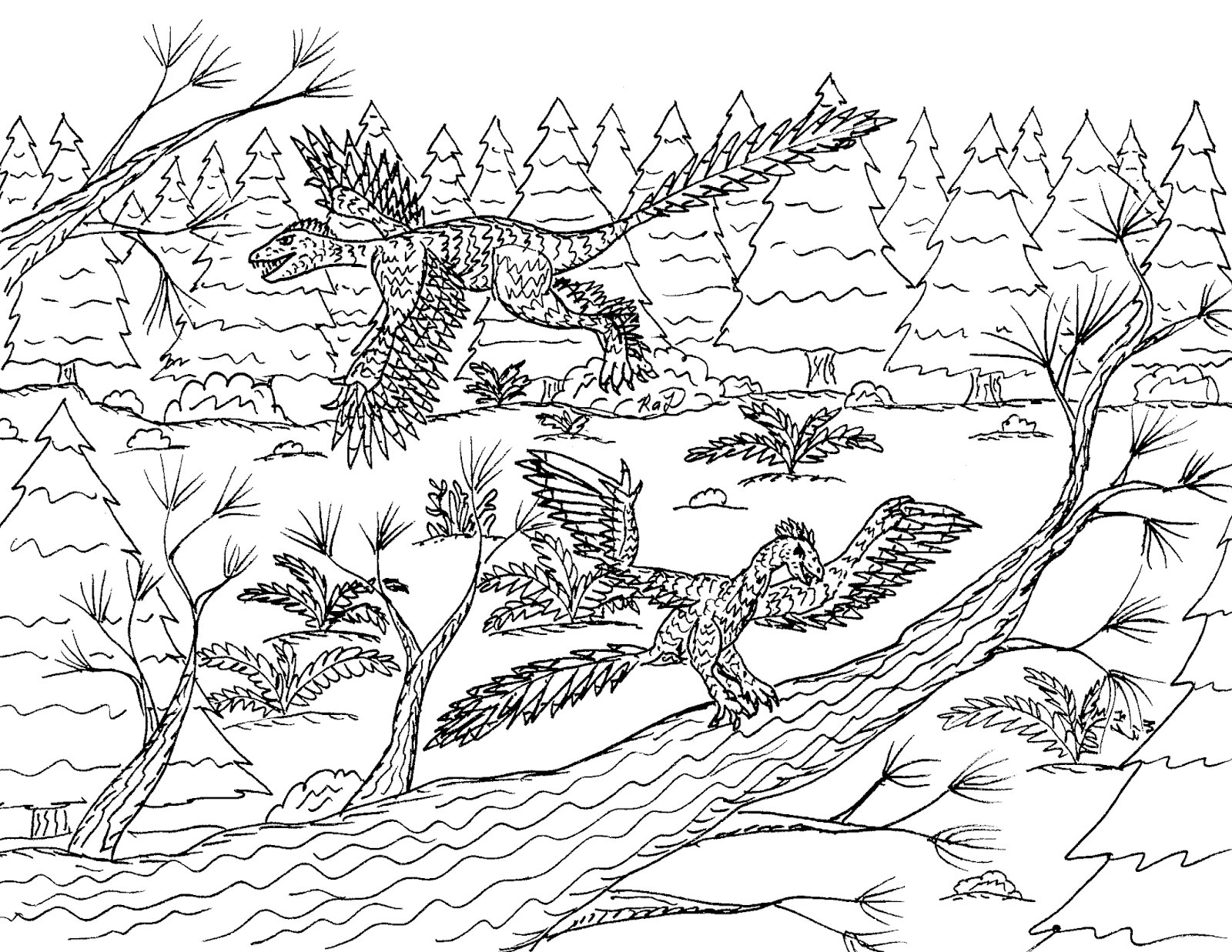
Nine pages place Archaeopteryx alongside other small Jurassic animals, including Microraptor and other feathered or carnivorous dinosaurs. Give each creature its own distinct coloring so the scene stays easy to read.
Simple and Kid-Friendly Designs
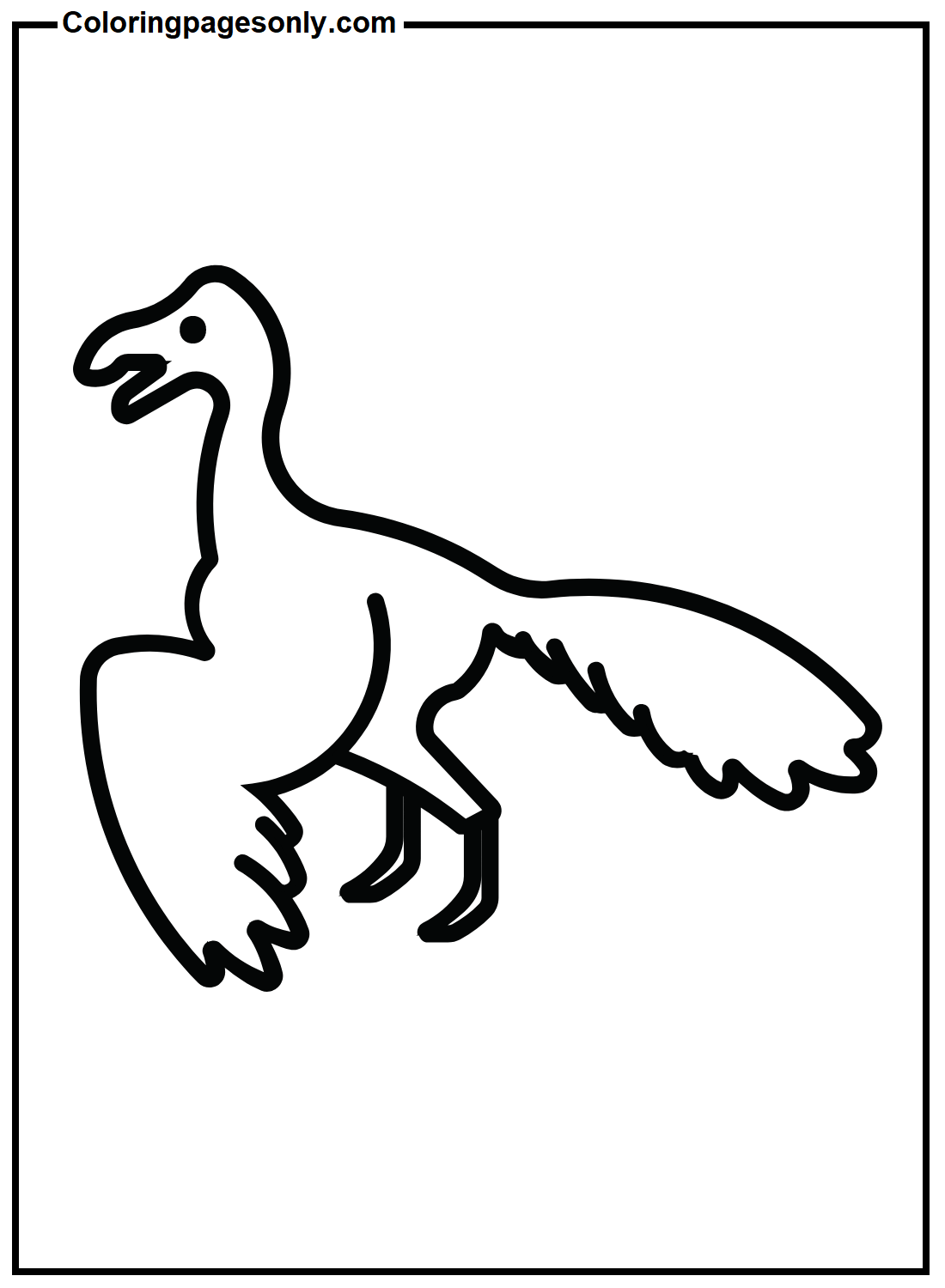
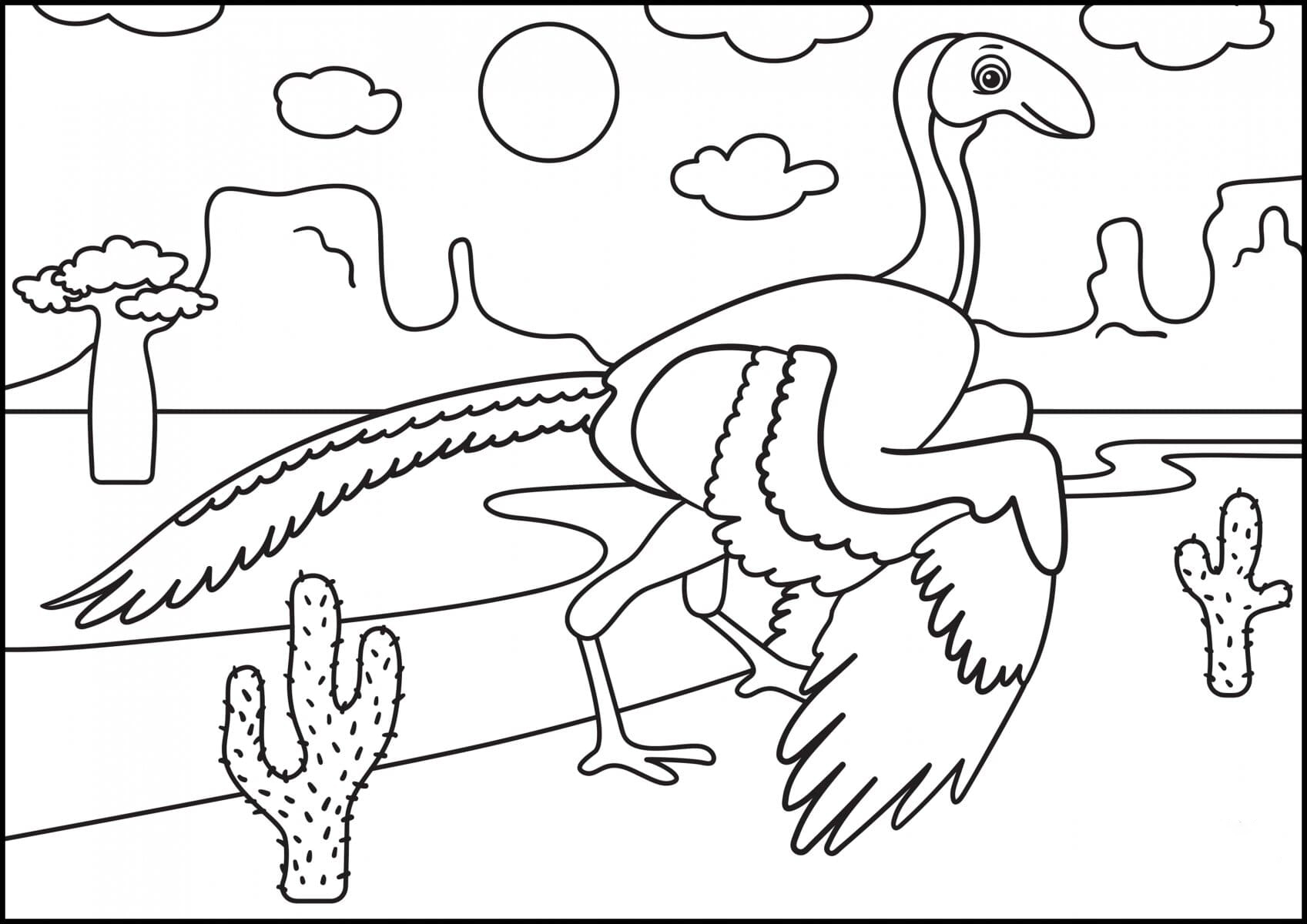
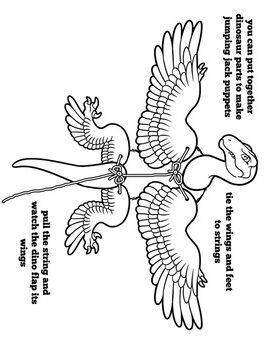
Six pages take a softer, more approachable approach, including a puppet-style design and a simplified preschool-friendly outline. Bright, friendly colors work well here, since these designs lean toward fun over scientific accuracy.
Printable and General Sheets
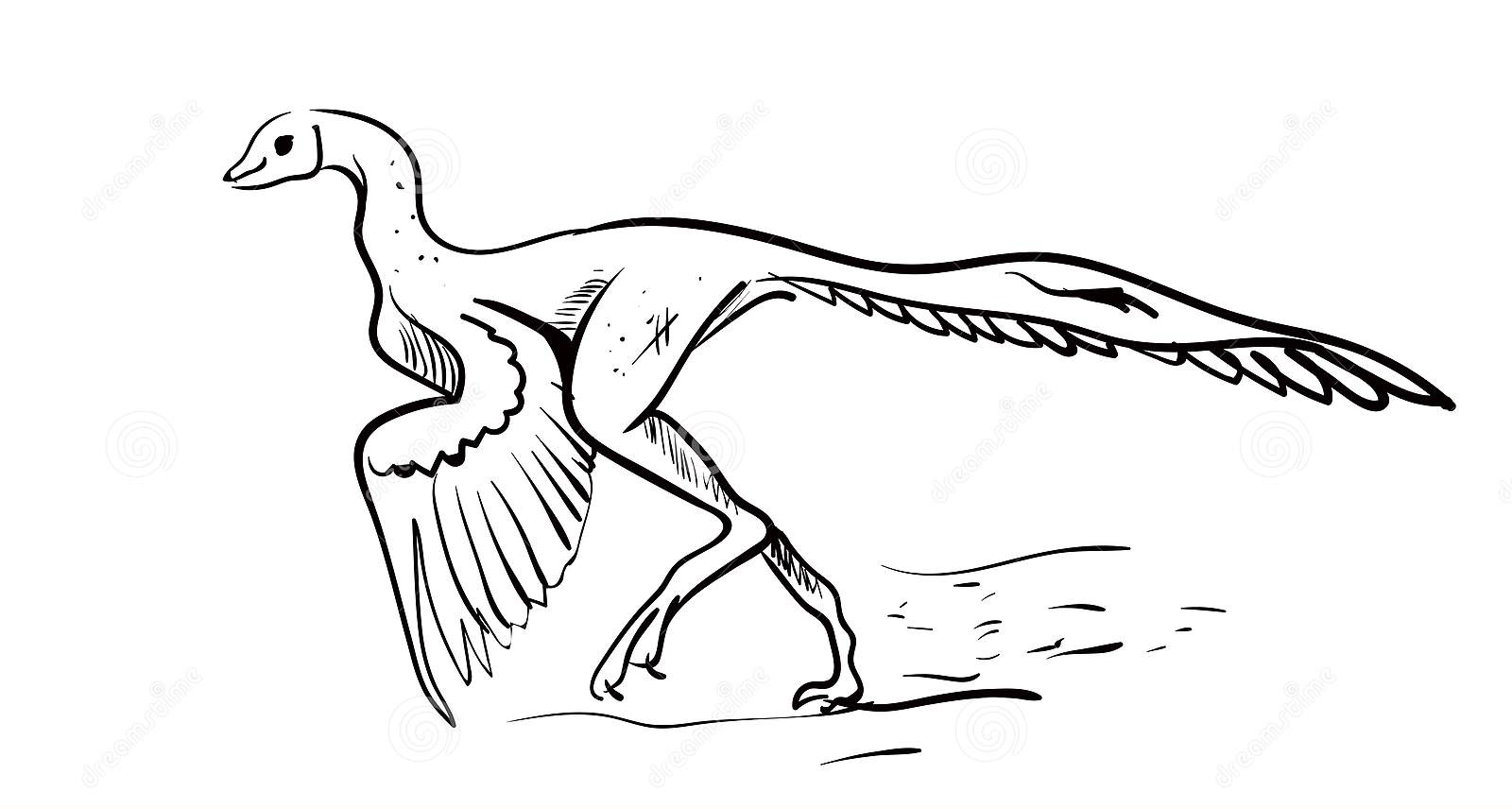
Fifteen pages are sized for a quick, single-session print, most featuring a general, standalone Archaeopteryx outline. Two or three solid colors are enough here since the outlines are simple.
What Archaeopteryx Coloring Pages Do
Careful strokes for individual feather barbs and small claws. Filling in the fine, layered detail of Archaeopteryx’s wing feathers or its small clawed fingers without crossing the lines calls for controlled, contained pencil movement, and the American Academy of Pediatrics points to this kind of precise coloring as a way to build fine motor skills in children between ages 2 and 7.
A concrete way to picture evolution actually happening. Because Archaeopteryx visibly combines reptile traits like teeth and a clawed hand with true bird traits like flight feathers, coloring a page featuring it gives kids a hands-on, visual way to understand how one group of animals can gradually take on traits of another over millions of years.
A steady, repeatable rhythm. A 2005 study published in the Art Therapy Journal recorded measurable drops in anxiety among participants who completed structured coloring sessions, and the detailed feather and anatomical pages in this collection offer that same steady, low-pressure task.
Practice distinguishing similar-looking prehistoric species. Because several pages place Archaeopteryx alongside other small feathered dinosaurs like Microraptor, this collection gives colorists practice using color and detail to tell visually similar prehistoric animals apart, a skill useful across any dinosaur-themed coloring project.
How to Color Archaeopteryx Coloring Pages Well
- Body and feathers: Warm browns, tans, or grays work well as a base, since scientists cannot determine the exact original coloring from fossils alone.
- Wing feathers: A slightly lighter or contrasting tone along the flight feathers helps them stand out from the body and read clearly as wings.
- Claws and teeth: Keep these small reptilian features a pale off-white or bone color, distinct from the surrounding feathers.
- Skeletal designs: Muted grays and tans suit skeleton-focused pages, keeping the color palette closer to real fossilized bone.
- Scene backgrounds: Warm greens and browns suit a Jurassic forest or lagoon setting, similar to the tropical environment where Archaeopteryx actually lived.
- Other prehistoric creatures: Give each additional animal in a scene its own distinct color scheme so the page stays easy to read at a glance.
5 Creative Craft Ideas With Archaeopteryx Coloring Pages
1. Fossil Rubbing Craft
Color a skeletal design, then place a thin sheet of paper over textured cardboard or a placemat and rub over it with a crayon to simulate the look of a fossil impression.
2. Paper Puppet
Color and cut out a design, attach a craft stick to the back, and use the finished puppet to act out a short prehistoric scene.
3. Evolution Fact Cards
Color several pages, then write one reptile trait and one bird trait Archaeopteryx has on the back of each for a simple set of educational fact cards.
4. Bookmark
Trim a small colored design to size, laminate or cover with clear tape, and punch a hole for ribbon to make a durable reading bookmark.
5. Jurassic Scene Collage
Color several Archaeopteryx and prehistoric-creature pages, cut them out, and arrange them together on a poster board to build a full Jurassic lagoon scene.
Frequently Asked Questions
What are Archaeopteryx coloring pages?
Archaeopteryx coloring pages are printable line-art designs featuring skeletal detail, in-flight and motion scenes, Archaeopteryx alongside other prehistoric creatures, simple kid-friendly designs, and general printable sheets. This collection includes 41 free designs available as PDFs or online coloring.
What does the name Archaeopteryx mean?
Archaeopteryx comes from the Greek for “ancient wing.” It is sometimes also called by its German name, Urvogel, meaning “original bird” or “first bird.”
When and where was Archaeopteryx discovered?
The first Archaeopteryx fossil, a single feather, was identified in 1861 in the Solnhofen limestone quarries of Bavaria, Germany, just two years after Charles Darwin published On the Origin of Species.
Why was Archaeopteryx such an important discovery for science?
Archaeopteryx displayed a striking mix of reptile and bird features, teeth, claws, and a long bony tail alongside true flight feathers, making it one of the most compelling early pieces of physical evidence supporting the theory of evolution.
Is Archaeopteryx still considered the first bird?
No longer exclusively. While Archaeopteryx was long regarded as the earliest known bird, later discoveries like Anchiornis and Aurornis revealed other feathered, bird-like dinosaurs from a similar or earlier time period, making Archaeopteryx one important branch of a larger evolutionary picture.
How many Archaeopteryx fossils have been found?
Only around a dozen skeletal specimens and one isolated feather have ever been discovered, all from the same limestone quarries near Solnhofen, Germany.
Are Archaeopteryx coloring pages suitable for young children?
Yes. The simple, printable designs in this collection use bold, uncluttered outlines suited to preschool and early elementary colorists. At the same time, the detailed skeletal and scene-based pages work well for older children and adults.
What colors work best for Archaeopteryx?
Warm browns, tans, or grays make a scientifically reasonable base color, since the exact original coloring cannot be determined from fossils alone, with a lighter contrasting tone along the flight feathers.
Start Coloring
Download any page by clicking the design. No account, email, or payment is required. Pages print directly from the browser at full resolution or open in the online coloring tool for screen use. Share finished pages on Facebook or Pinterest with the share buttons at the top of each design page.