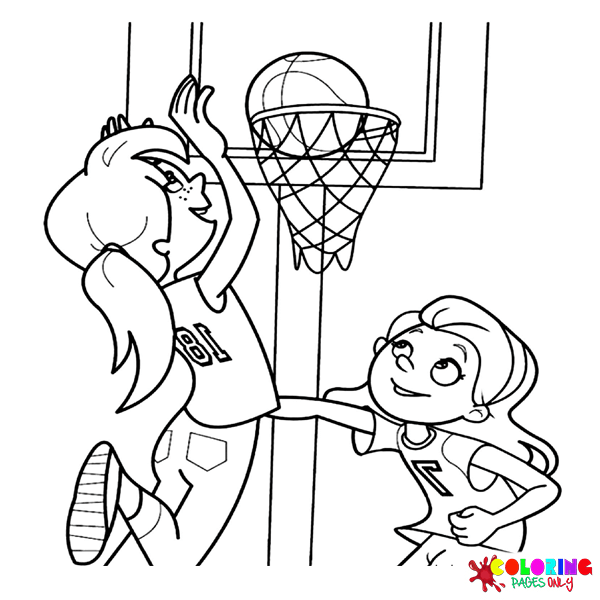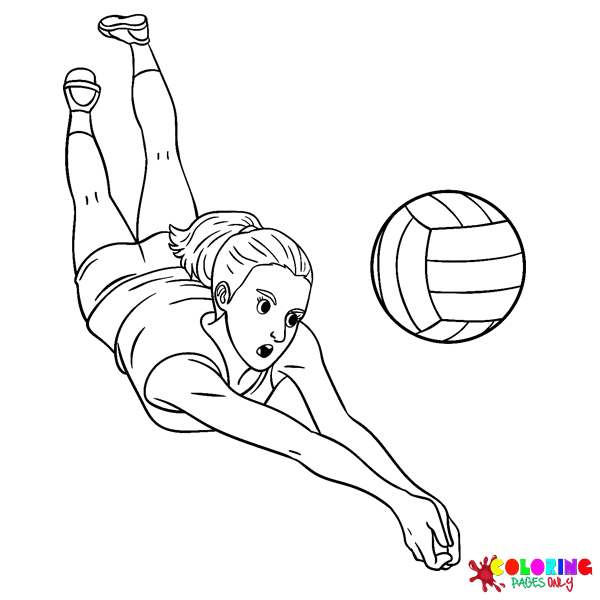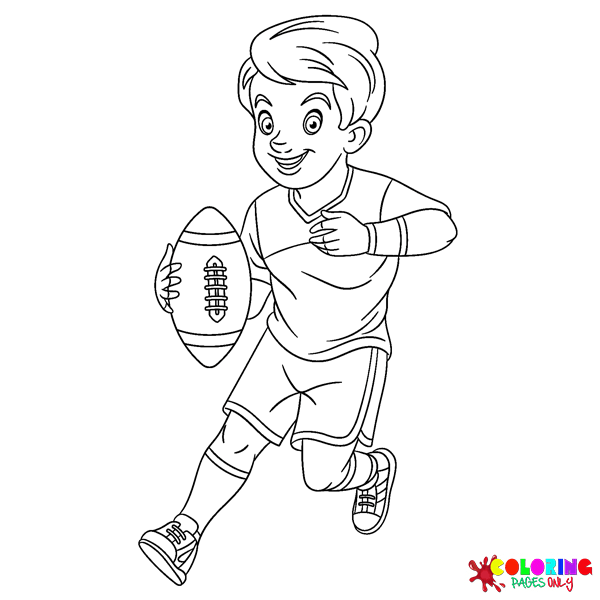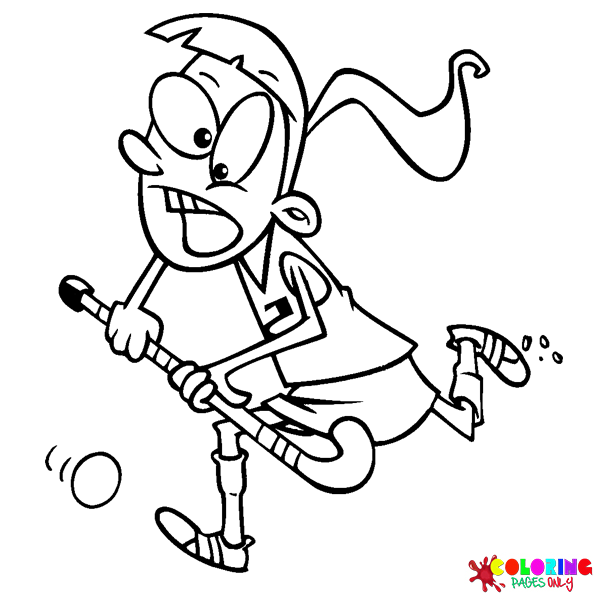


Free Soccer Coloring Pages: 78 printable PDF designs of the planet’s favorite sport, with kids dribbling, shooting, and celebrating, goalkeeper gloves, cleats beside a ball, a trophy cup, a ball in flames, monkeys, hippos, and tigers chasing a ball, and cartoon favorites like Mickey Mouse, Patrick Star, Shin-chan, and Scooby-Doo on the field. None of them costs anything.
The Football Association in London wrote the first shared rules of the modern game in 1863, and the word soccer came from “association” football in English slang of the 1880s. FIFA was founded in Paris in 1904, and the first World Cup was played in Uruguay in 1930. Eleven players line up per side, and the goalkeeper is the only one allowed to handle the ball inside the penalty area. The classic black-and-white ball, introduced at the 1970 World Cup, is made of 12 pentagons and 20 hexagons. The 2026 World Cup, shared by the United States, Canada, and Mexico, became the first with 48 teams.
Simple balls and cute animals suit young kids. Full matches and cartoon crossovers reward older players with more detail.








What’s Inside This Collection
Young players, balls and gear, love-of-the-game printables, animal players, and cartoon characters make up the 78 designs.
Young Players in Action
Twenty-four pages show boys and girls kicking, catching, celebrating, and posing with a ball, in both realistic and cartoon styles. Pick a bold Kelly Green or Electric Blue jersey for each team and add White socks with a colored stripe.
Balls, Gear, and Trophies
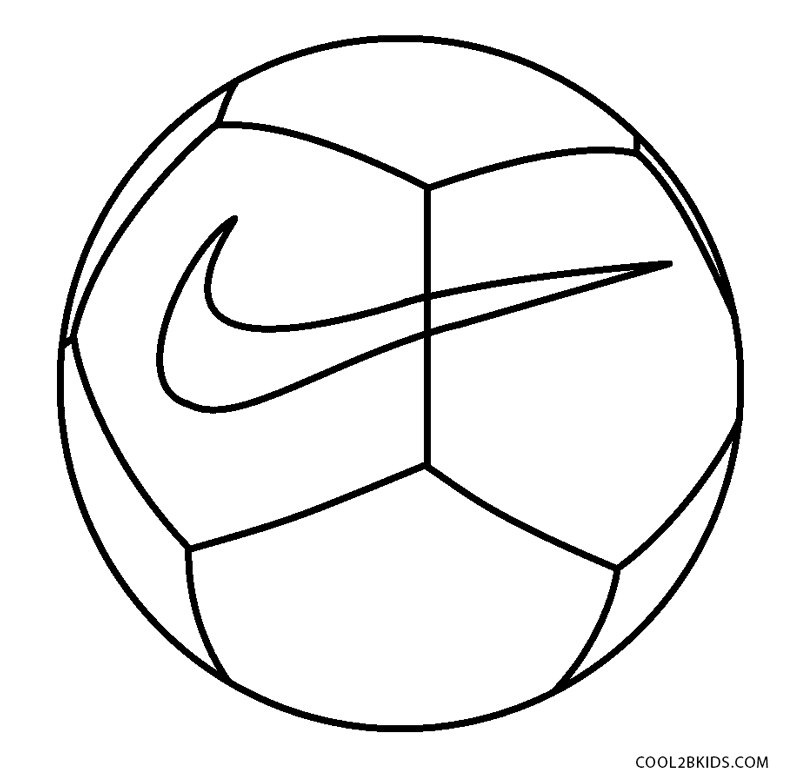
Ten sheets feature classic and cartoon balls, a ball on fire, cleats, goalkeeper gloves, a goal, a cup, and a branded ball. Color the pentagons Black and leave the hexagons White, and give the trophy a polished Metallic Gold.
Love of the Game
Eleven designs include soccer hearts, a love-the-game slogan page, a full game, and general printable sheets. Use Cherry Red for the hearts and Grass Green for the field so the love theme stands out.
Animal Players
Eleven pages show monkeys, a hippo, an elephant, a rhino, a tiger, a leopard, a rabbit, a teddy bear, and a team of animals playing. Give the leopard Goldenrod fur with Sepia spots and the hippo a soft Lavender Gray.
Cartoon Characters on the Field
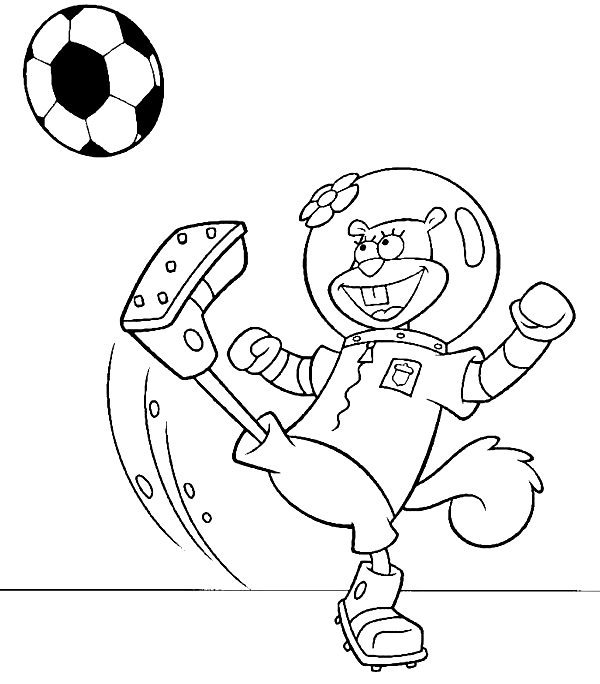
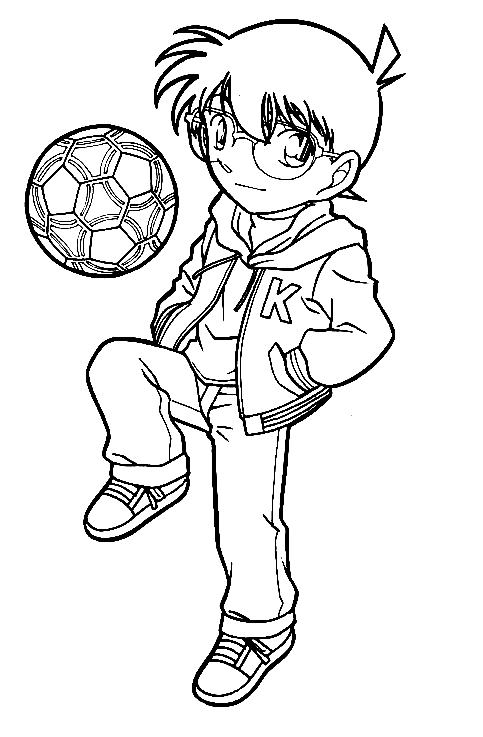
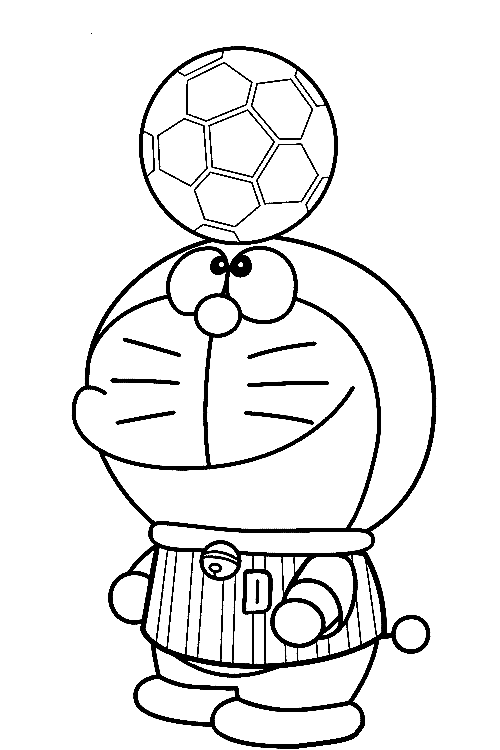
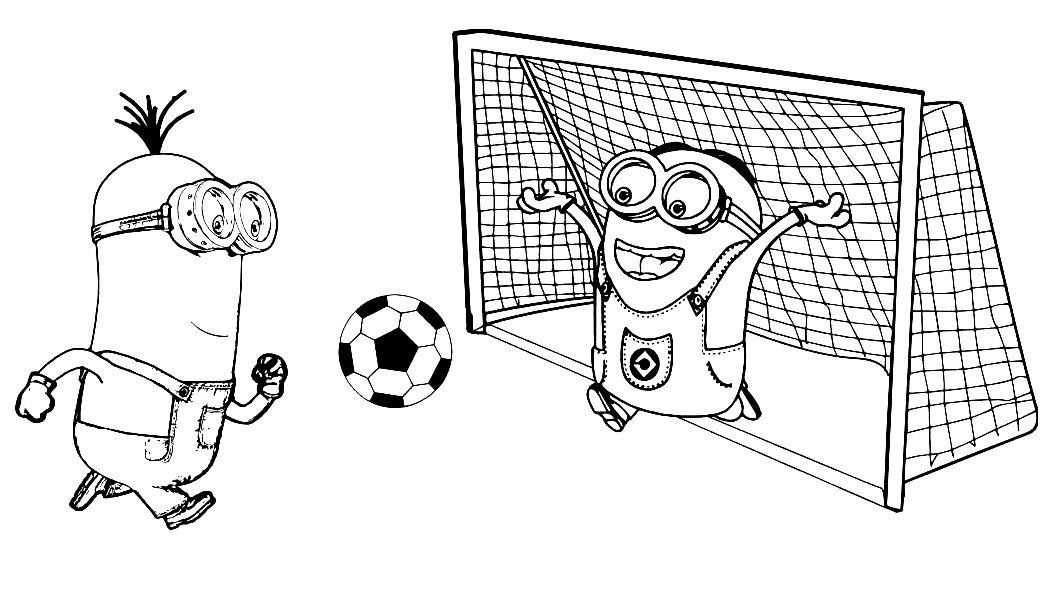
Nineteen sheets bring in Mickey Mouse, Donald Duck, Goofy, Patrick Star, Sandy Cheeks, a Minion, Bart Simpson, Cookie Monster, Scooby-Doo, Woody Woodpecker, Shin-chan, Conan Edogawa, Amy Rose, Pochacco, Noddy, Boule and Bill, Mr. Potato Head, and Piggly Wiggly. Keep each one in its familiar colors, like Cookie Monster’s bright Blue fur, and add a green pitch behind them.
What Soccer Coloring Pages Do
Teaching the basics of the game. Soccer is often the first team sport American kids try, and coloring is an easy way to learn its parts before the first practice. A goal, gloves, cleats, and a ball each open a short talk about positions, the goalkeeper’s special role, and why players cannot use their hands. Parents can then set up a backyard goal and let kids try the moves they colored.
Building teamwork and good sportsmanship. Every goal comes from passing, spacing, and trusting teammates. Coloring group scenes invites conversations about sharing the ball, cheering for others, and shaking hands after a game, win or lose. Coaches can hand out a page after practice and ask each child to color the teammate who helped them most that day.
Strengthening fine motor control. The black-and-white panels of a classic ball are a neat challenge, since each pentagon and hexagon needs its own careful fill. Precise coloring like this builds finger strength and wrist control, which the American Academy of Pediatrics’ pages for parents of three- to five-year-olds tie to future handwriting. Bigger kids can shade the panels nearest the edge to make the ball look round.
Settling down after a busy game day. Soccer is fast and loud, and a calm page can help kids wind down after a match. Rattled volunteers grew calmer when handed geometric outlines than when handed empty paper, according to Curry and Kasser’s results, which ran in the Art Therapy Journal’s 2005 pages. The repeating panels of a ball give that same calming structure.
How to Color Soccer Pages Well
- Classic ball: Color the pentagons Black and leave the hexagons White, outlining each seam in Gray. Following the real pattern makes the ball look authentic.
- Green field: Use alternating stripes of light and dark Green for the grass. Striped turf looks like a freshly mowed stadium pitch.
- Team kits: Give each team a bold, contrasting color, such as Red against Blue. Opposite colors keep the two sides from blurring together.
- Goalkeeper: Color the keeper’s jersey a different color from both teams and the gloves a bright Neon Yellow. Keepers always wear unique colors so referees can spot them.
- Fireball: Blend Yellow, Orange, and Red flames around the ball. A warm gradient shows a powerful kick.
- Cartoon players: Keep characters in their familiar colors and put them in a simple jersey. Mixing classic colors with team kits makes the crossovers fun.
5 Creative Craft Ideas With Soccer Coloring Pages
1. Team Roster Poster
Color a player page for each teammate and add their name and number. Display the poster in the team’s practice area.
2. Paper Ball Bunting
Color several ball pages, cut them into circles, and string them along twine. Hang the bunting for a soccer birthday party.
3. Shoebox Stadium
Color the field and goal pages, line a shoebox with them, and stand paper players on wooden sticks. Children can replay a big match goal by goal.
4. Coach Thank-You Card
Color the trophy page and crease it into an end-of-season greeting for the coach. Players can sign their names inside at the end of the season.
5. Animal League Bracket
Color the animal players and pin them across a large sheet as a tournament bracket. Kids can decide which team wins each match.
Frequently Asked Questions
What are Soccer coloring pages?
This set holds 78 free sheets of young players, balls, and gear, trophies, animal athletes, and cartoon guests in jerseys. Download PDFs for paper or use the browser colorer.
Where did soccer come from?
Ball games have been played for thousands of years, but the modern rules were written by the Football Association in London in 1863. FIFA, the world governing body, was founded in Paris in 1904.
Why is it called soccer?
The word comes from “association” football, shortened in English slang of the 1880s. Most countries call the sport football, while the United States, Canada, and Australia often say soccer.
How many players start for each side?
Eleven start for each side, with one of them in goal. Youth leagues often play smaller games, like 7 or 9 a side, on shorter fields.
What does a classic soccer ball look like?
The classic ball has 12 black pentagons and 20 white hexagons stitched together. That design became famous at the 1970 World Cup.
When was the first World Cup?
The first FIFA World Cup was held in Uruguay in 1930, and Uruguay won it. The 2026 tournament, co-hosted by the United States, Canada, and Mexico, expanded to 48 teams.
What age are Soccer coloring pages for?
The best fit is roughly ages 3 through 12, especially kids on rec or travel teams. Balls and cuddly animals work for toddlers, and busy matches suit older players.
Who can touch the ball with their hands?
Only the goalkeeper can handle the ball, and only inside their own penalty area. All other players must use their feet, legs, chest, or head.
Start Coloring
Choose a goal-scoring girl, a cartoon ball, or Mickey on the pitch, then download it or shade the jersey on a tablet, no account needed. Youth league families can post a finished goal celebration on Facebook or Pinterest.