Skink Coloring Pages
 By:
Jennifer Thoa - Content Editor & Designer
Updated:
By:
Jennifer Thoa - Content Editor & Designer
Updated:
Free Skink Coloring Pages: 19 printable PDF designs featuring classic portraits, nature scenes, and printable sheets. Each page can be downloaded as a PDF to print or colored online in the browser.
Skinks belong to the family Scincidae, which includes roughly 1,275 lizard species found on nearly every continent, making it one of the most diverse lizard families in the world. Unlike many other lizards, skinks are known for their smooth, glossy, overlapping scales, which give their bodies a polished look and help reduce friction as they move through grass, sand, or leaf litter. Most species have cylindrical bodies, cone-shaped heads, and long, tapering tails, and many can voluntarily shed their tail through a defense mechanism called autotomy. The detached tail continues to wriggle and distract a predator while the skink escapes to safety.
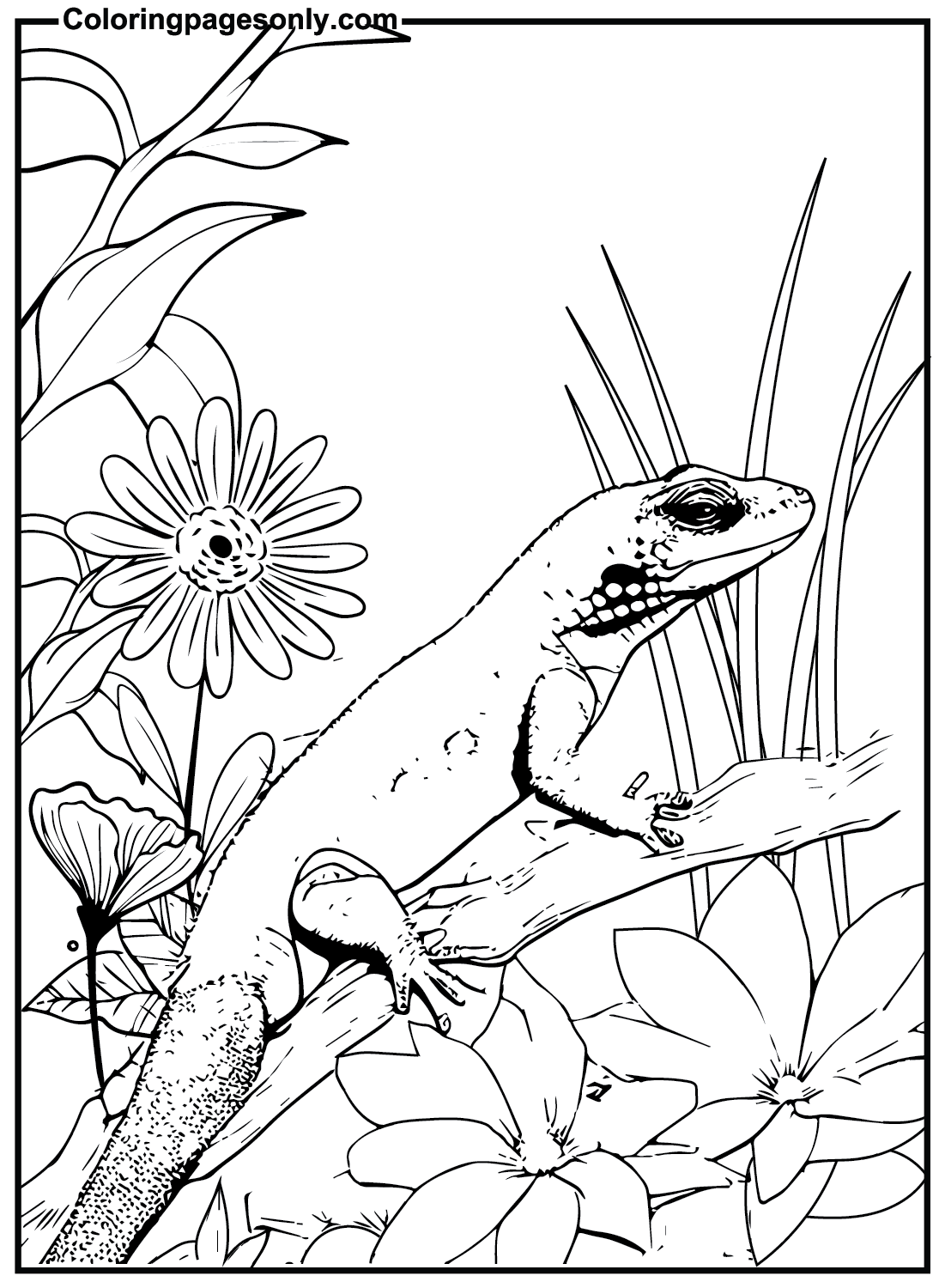
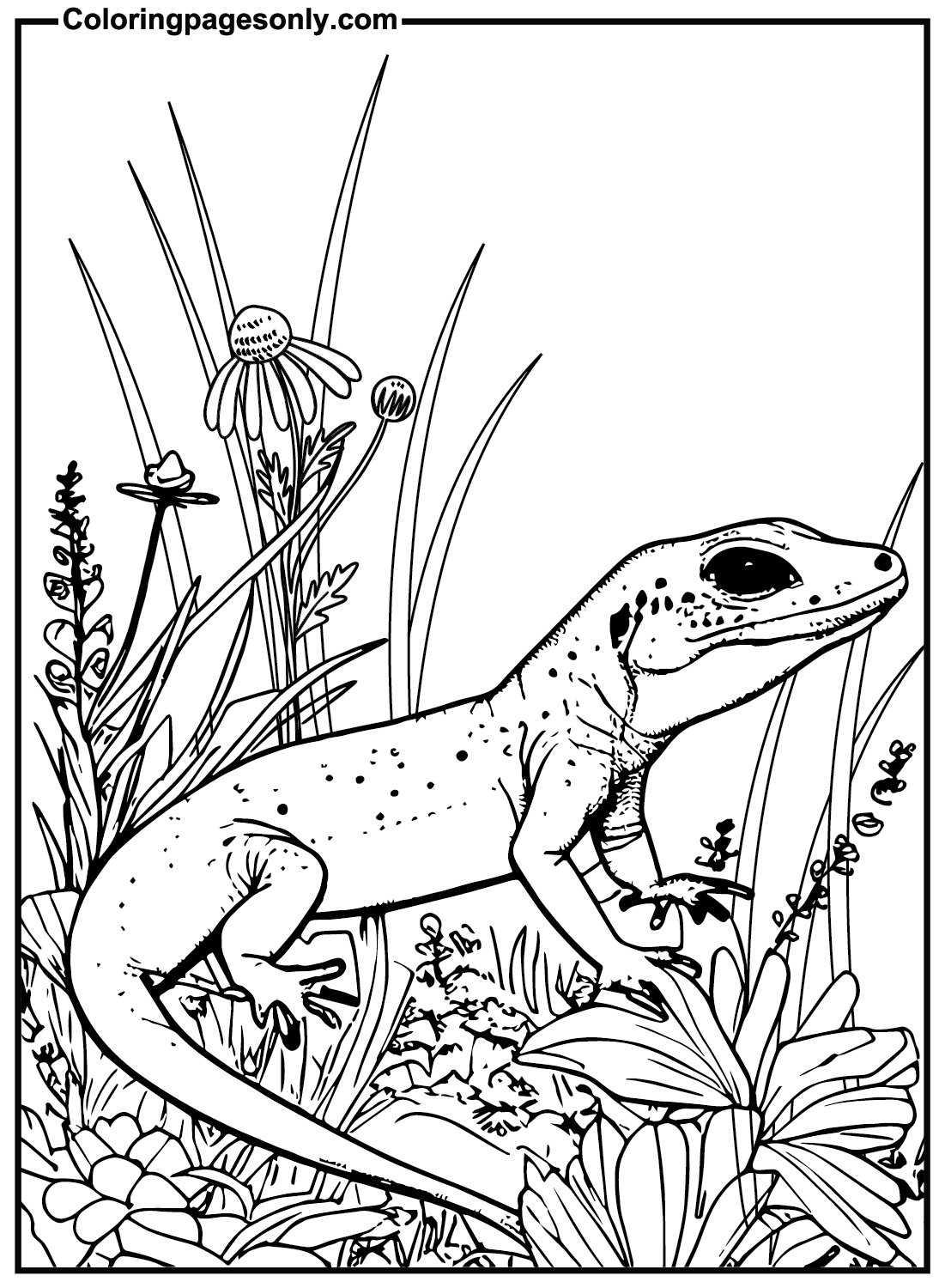
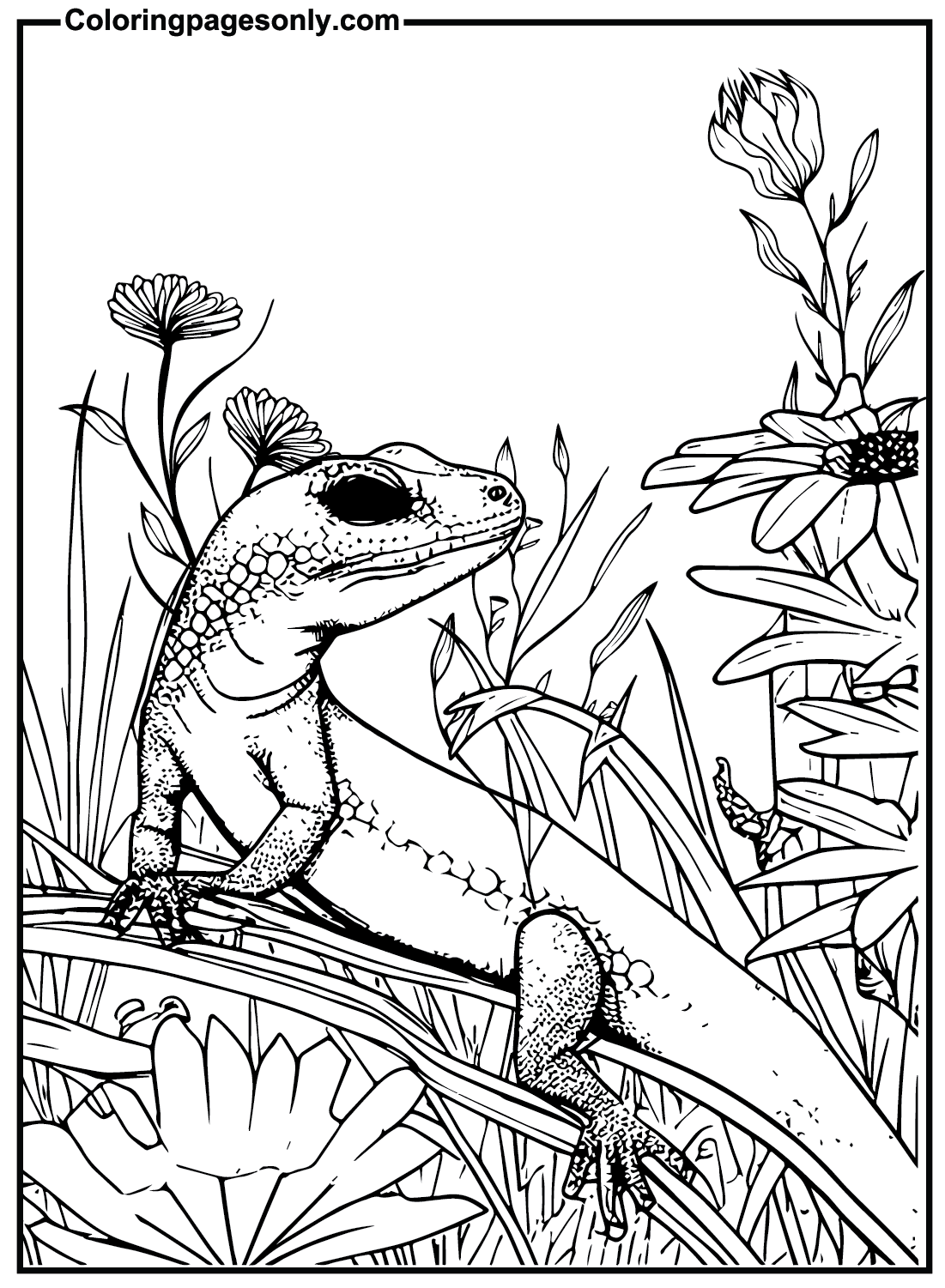
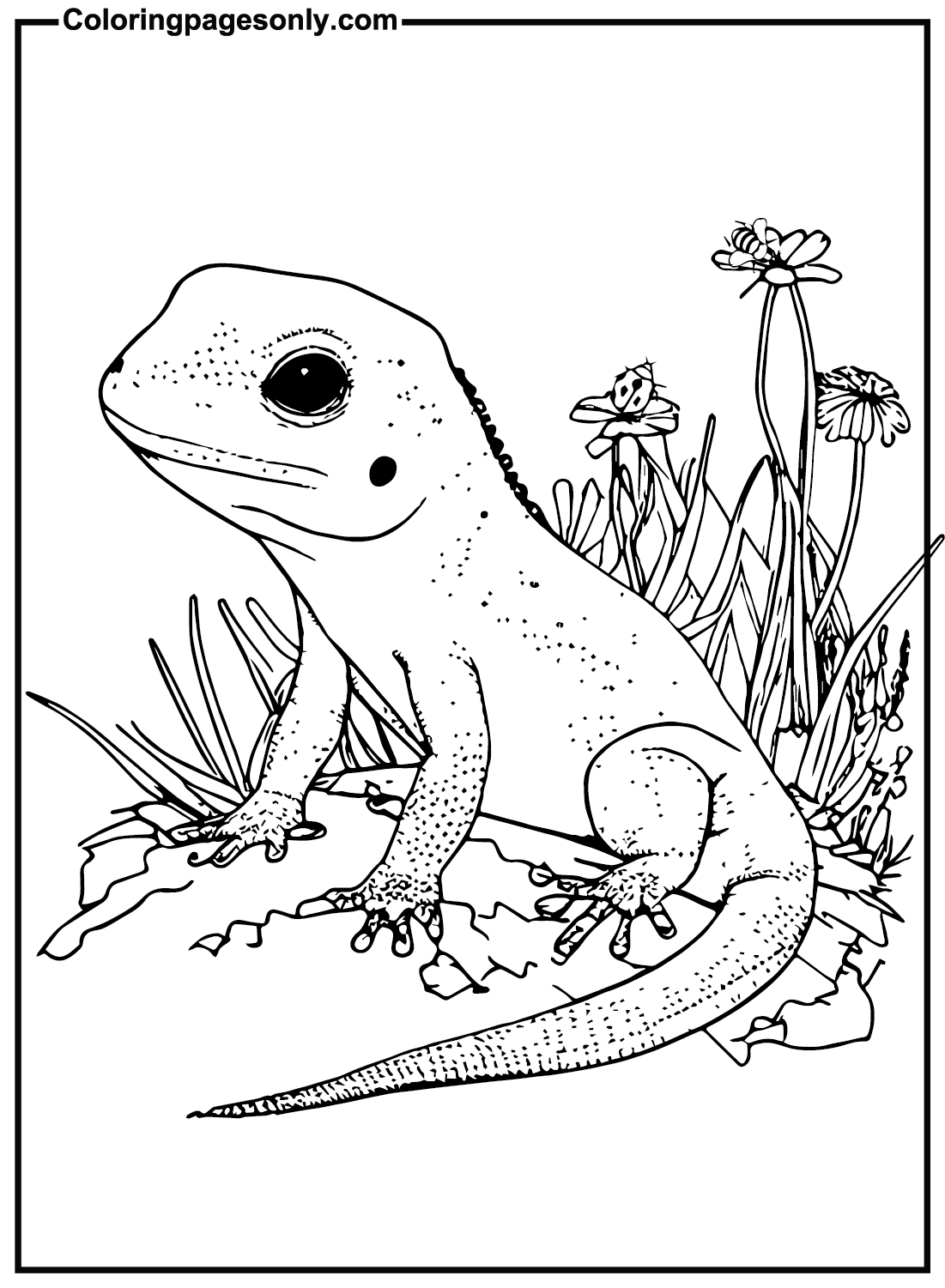
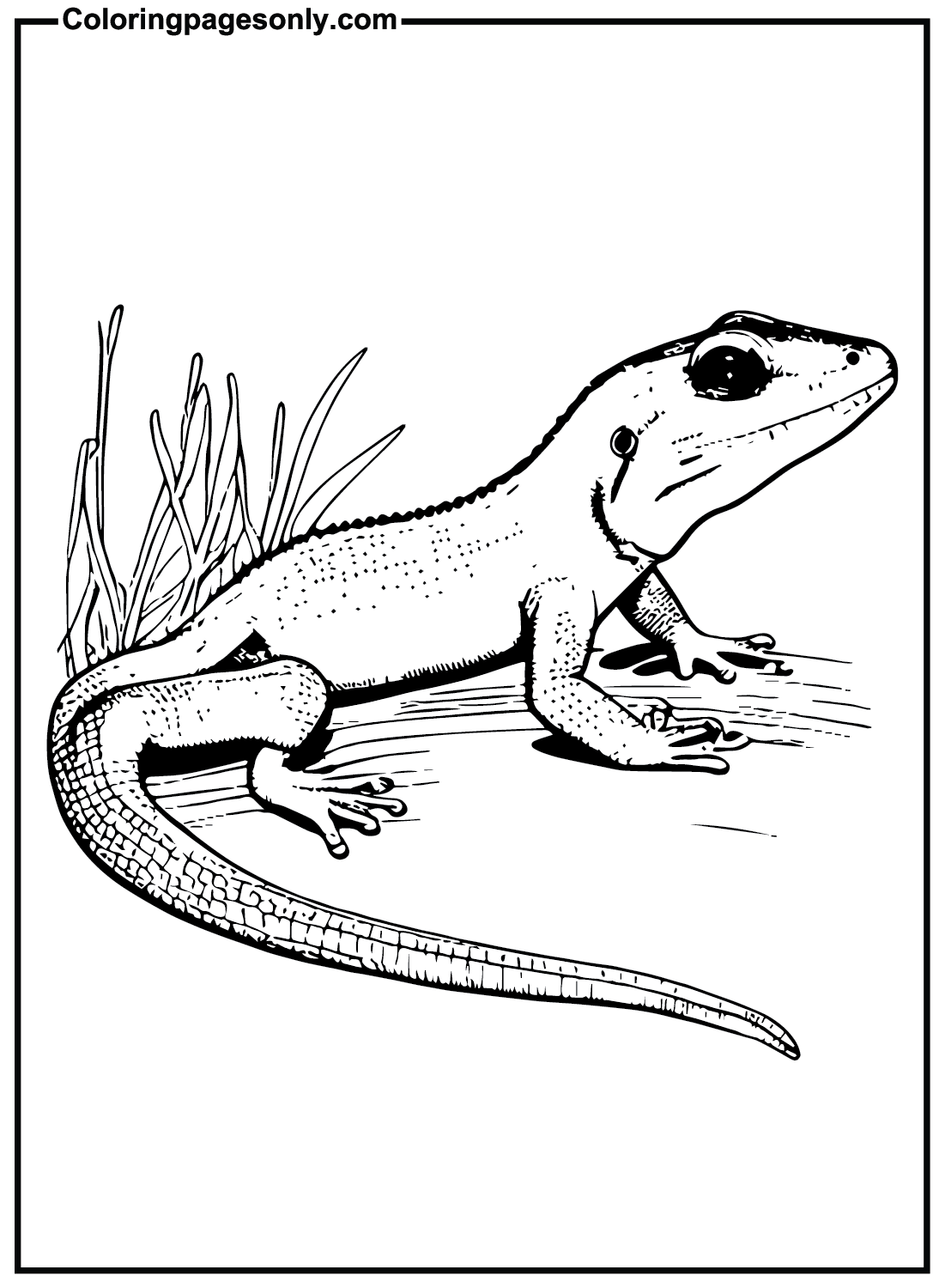
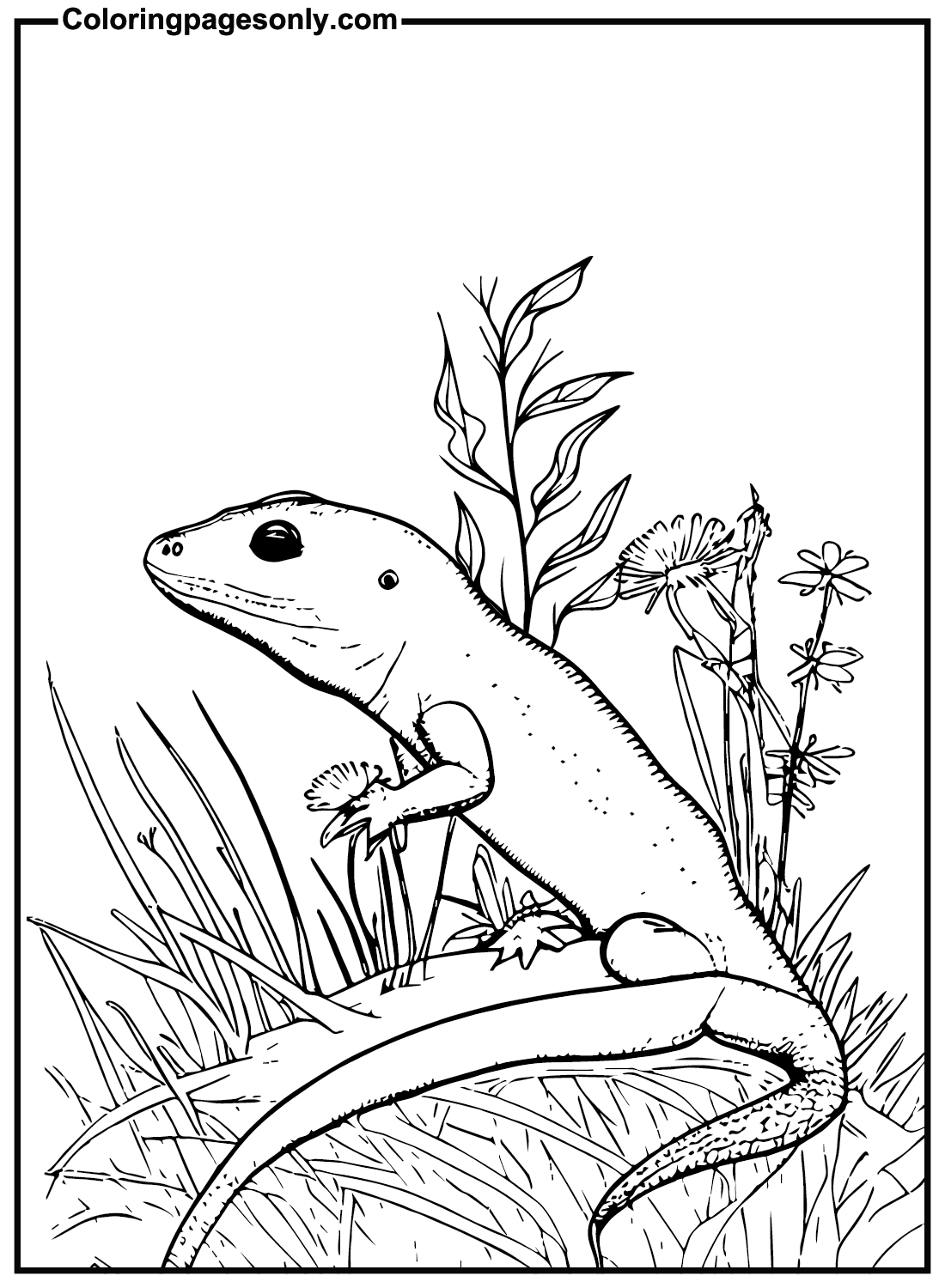
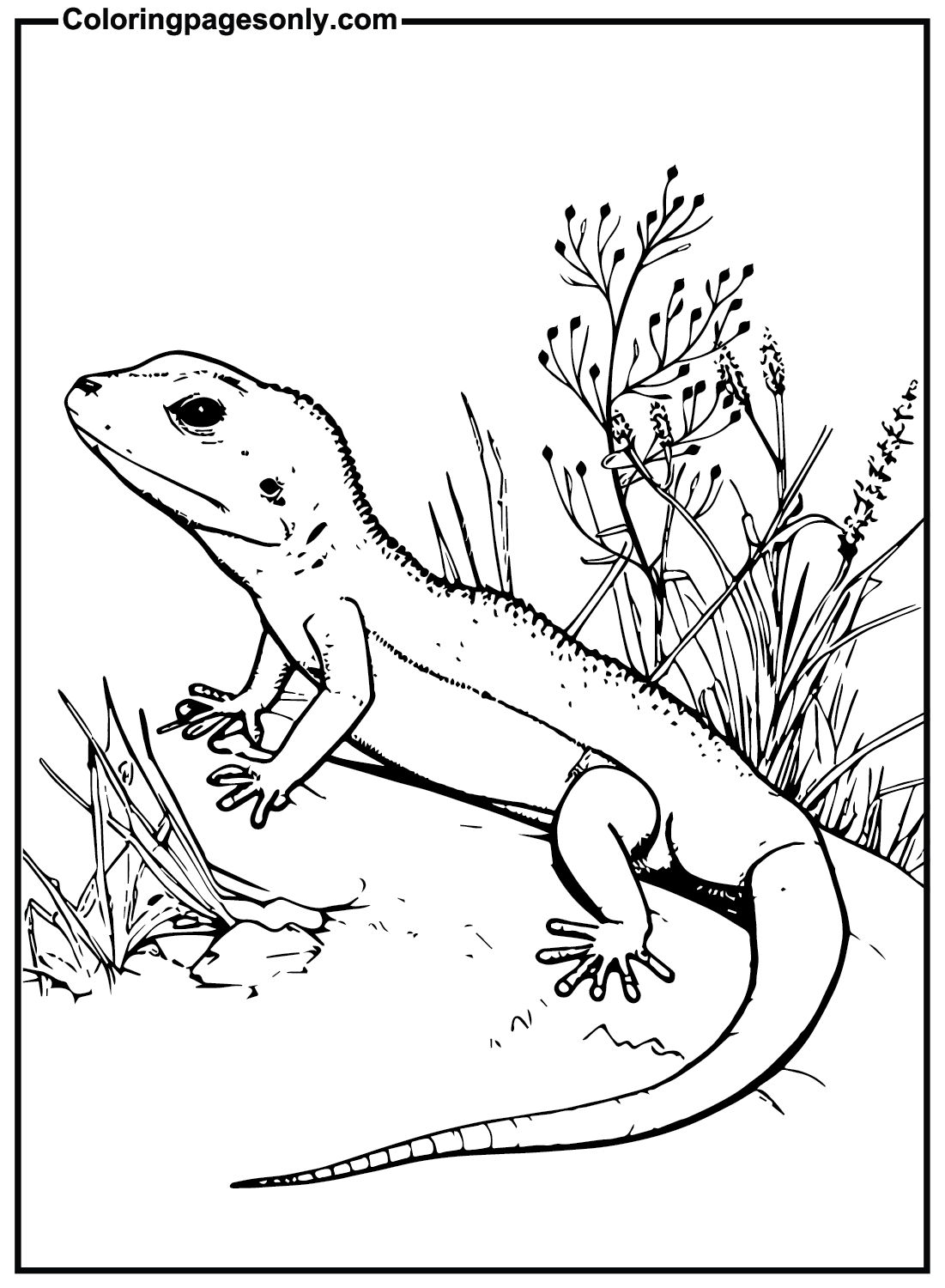
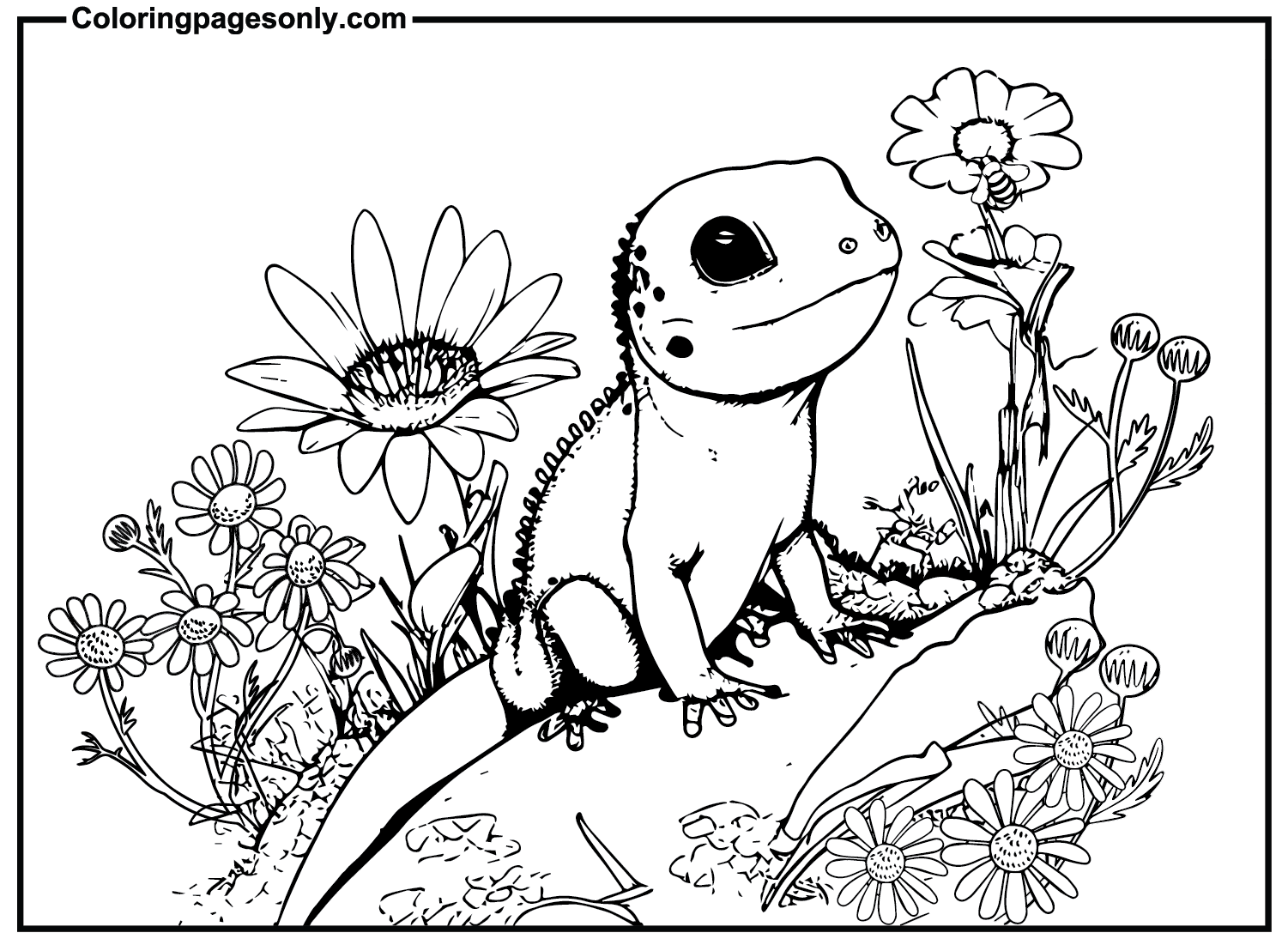
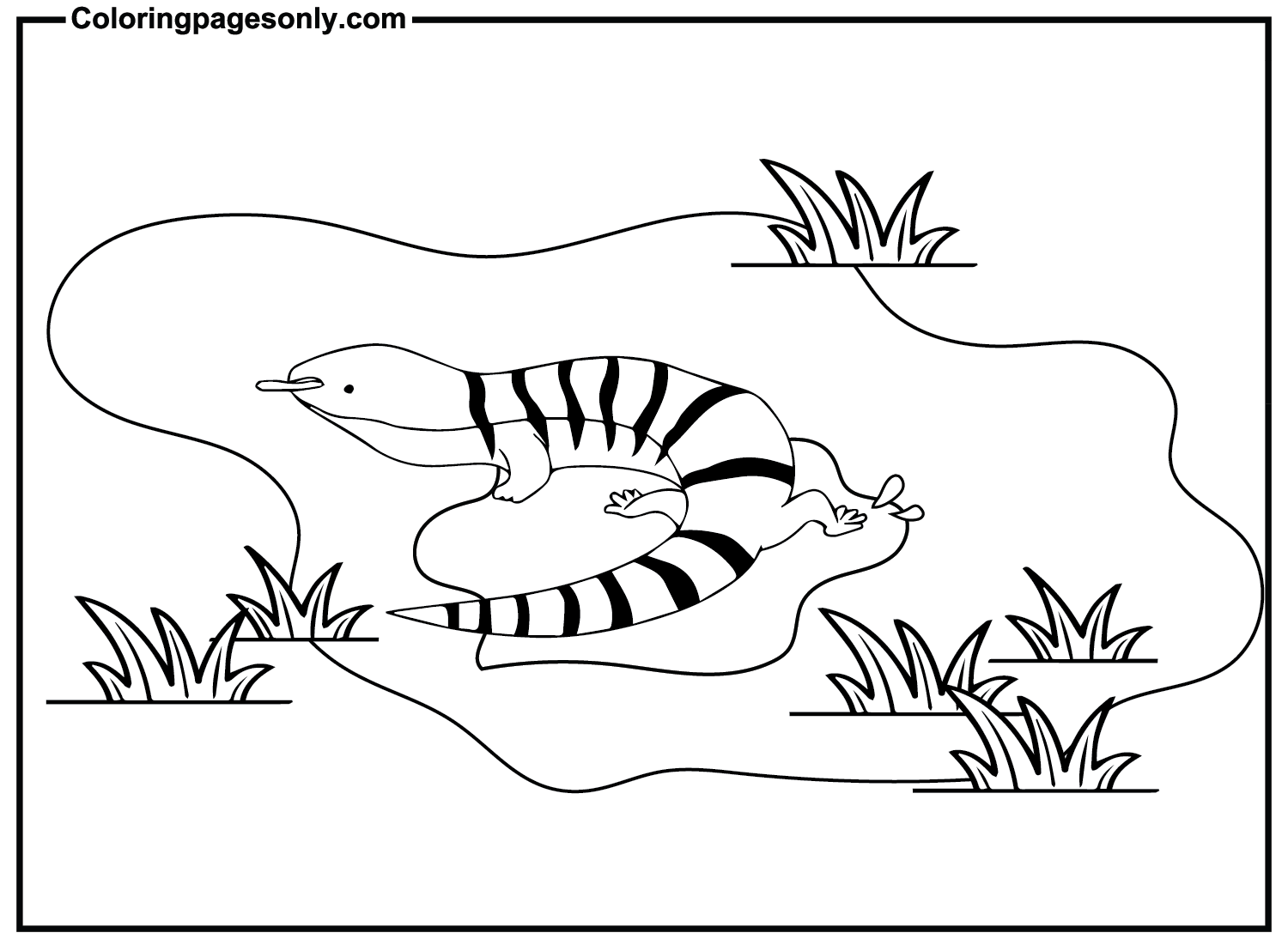
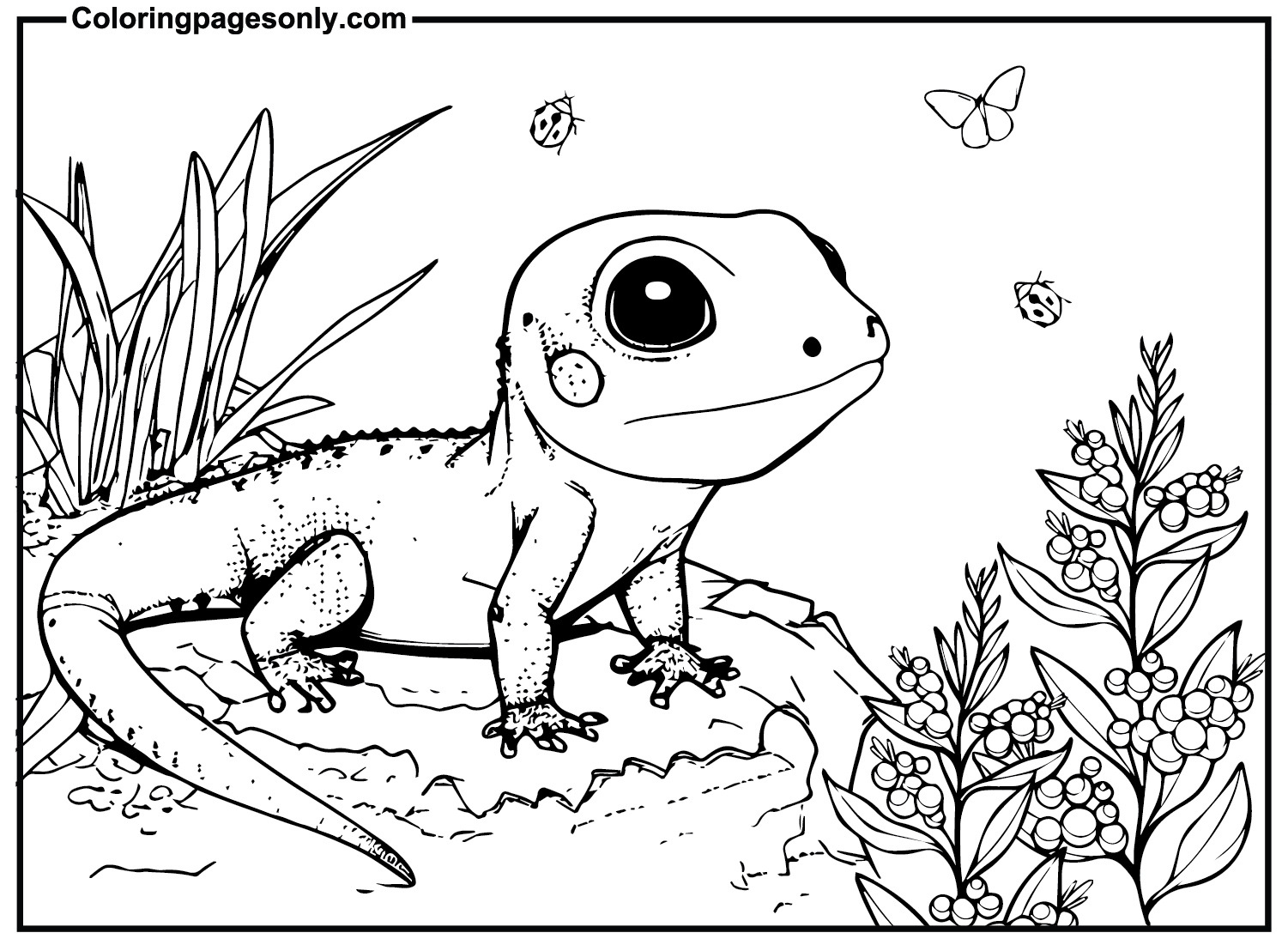
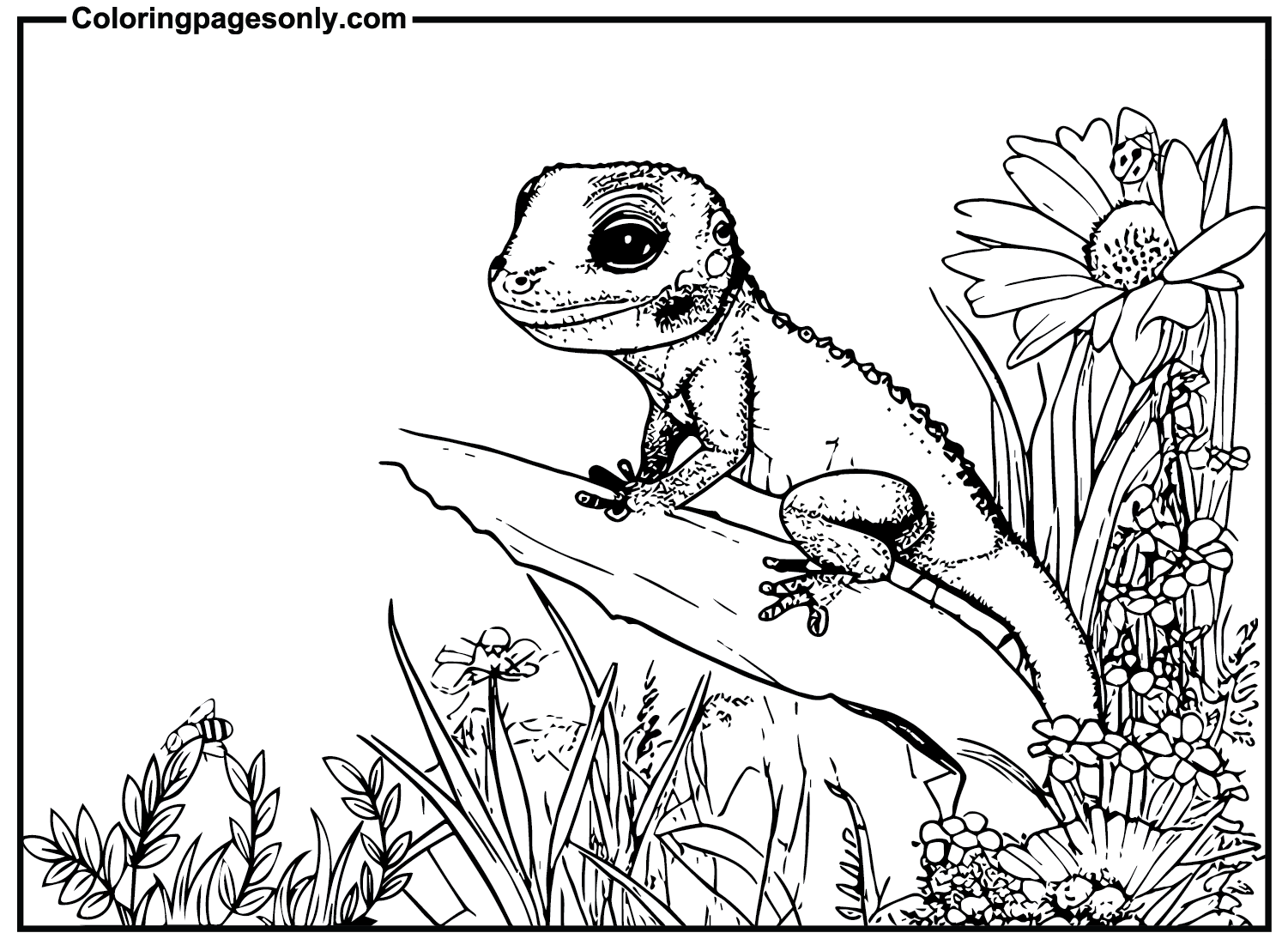
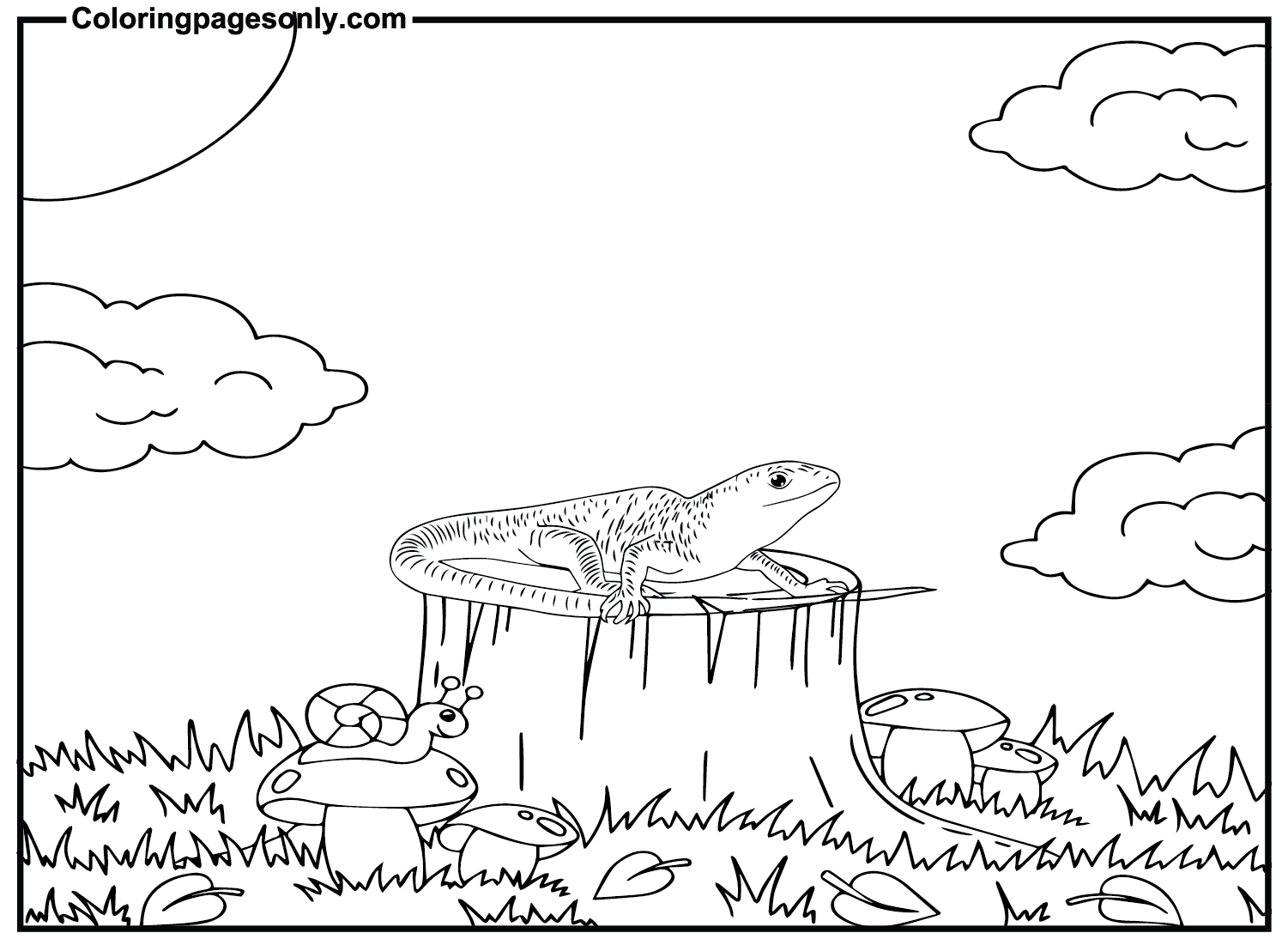
This collection spans 19 pages, grouped into classic portraits, nature-scene designs, and printable sheets. The coloring angle ranges from simple, standalone portraits to fuller, flower-garden scenes.
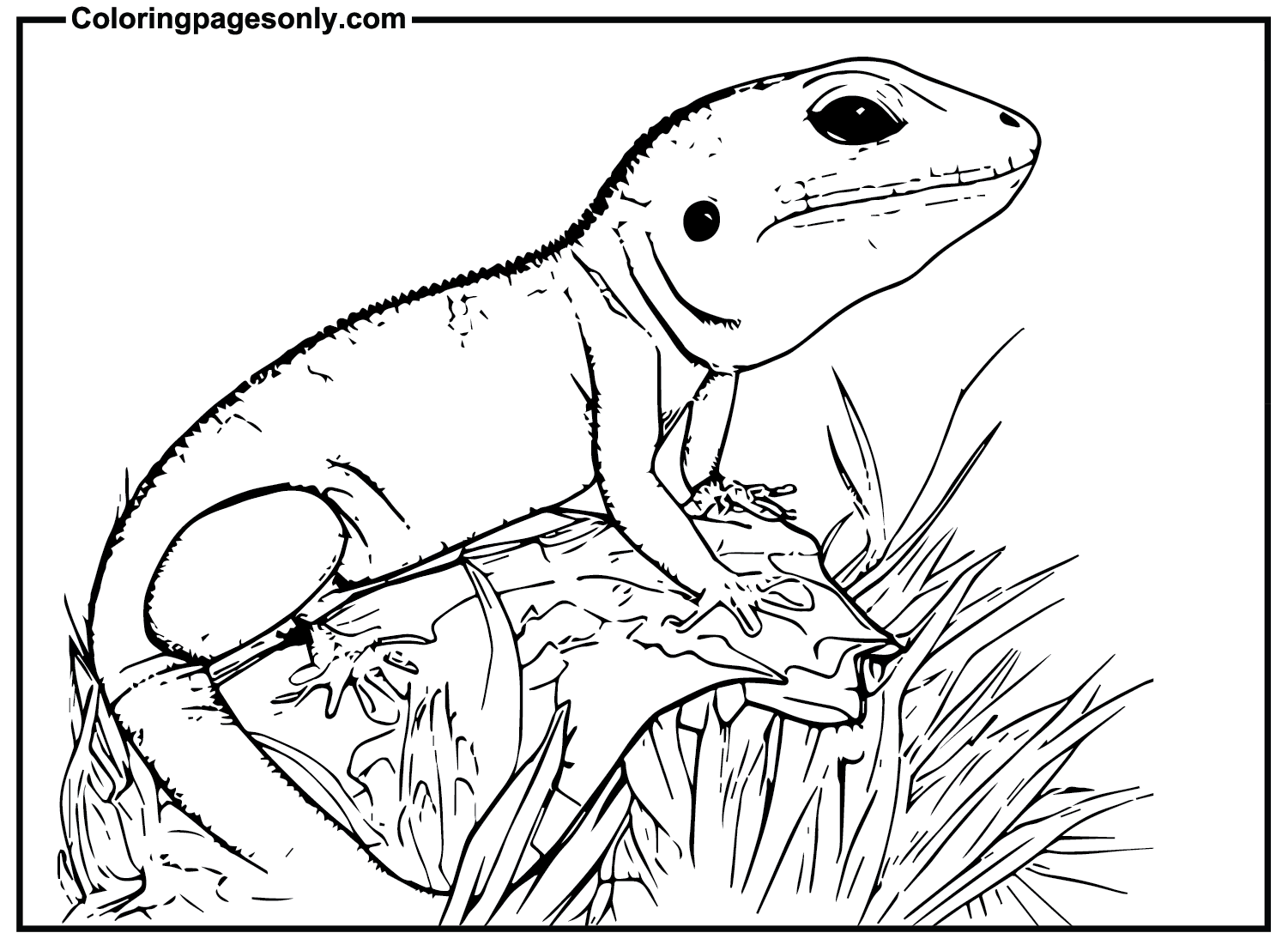
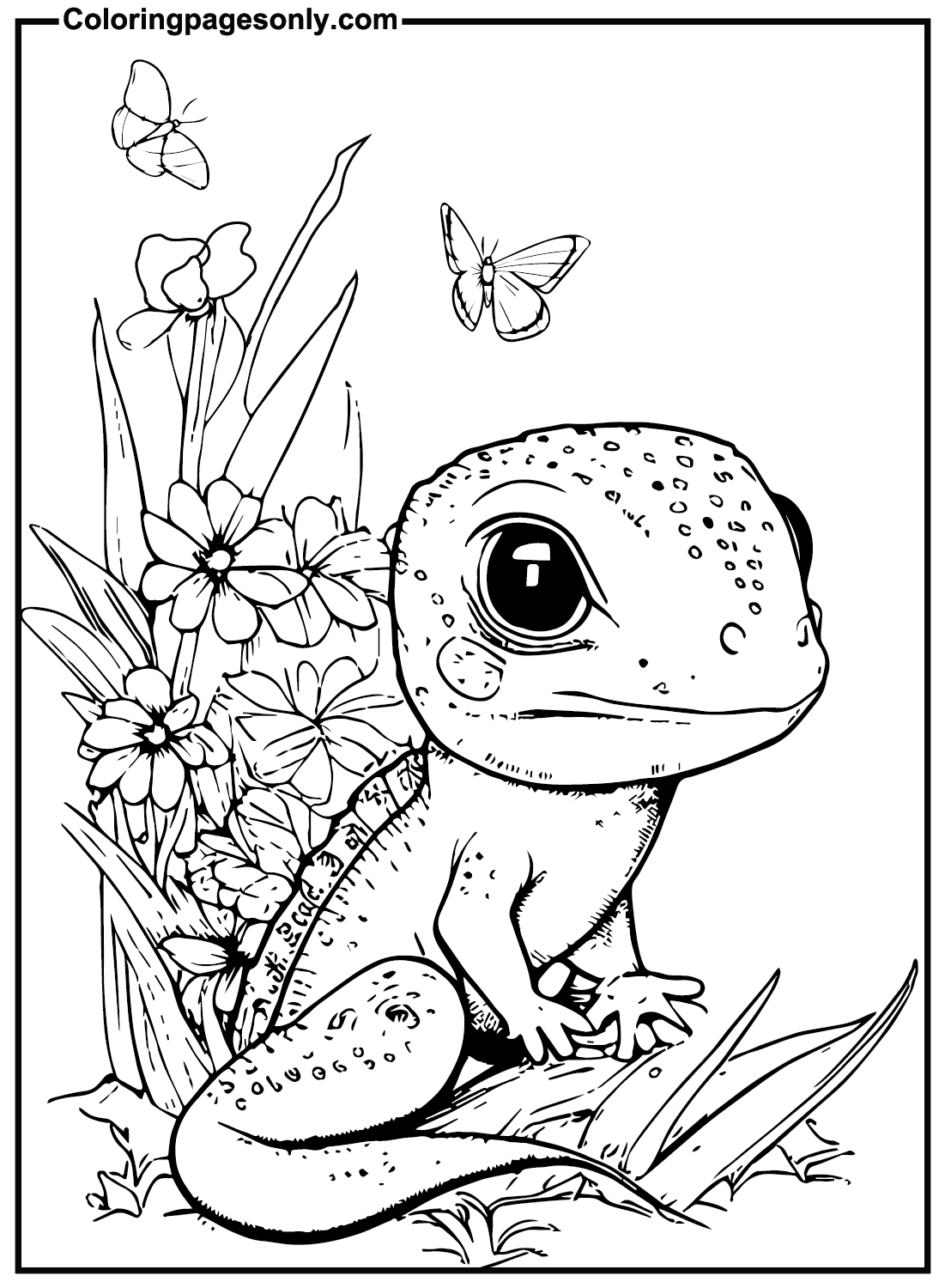
What’s Inside This Collection
The 19 designs group into three categories, from classic portraits to nature-scene artwork.
Classic Portraits
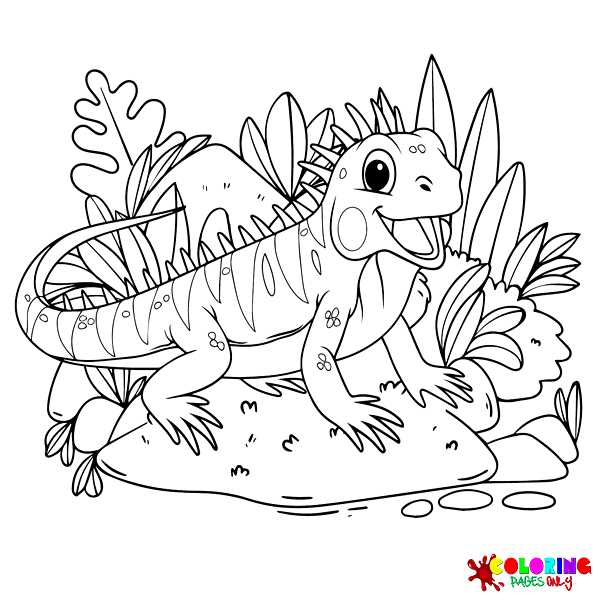
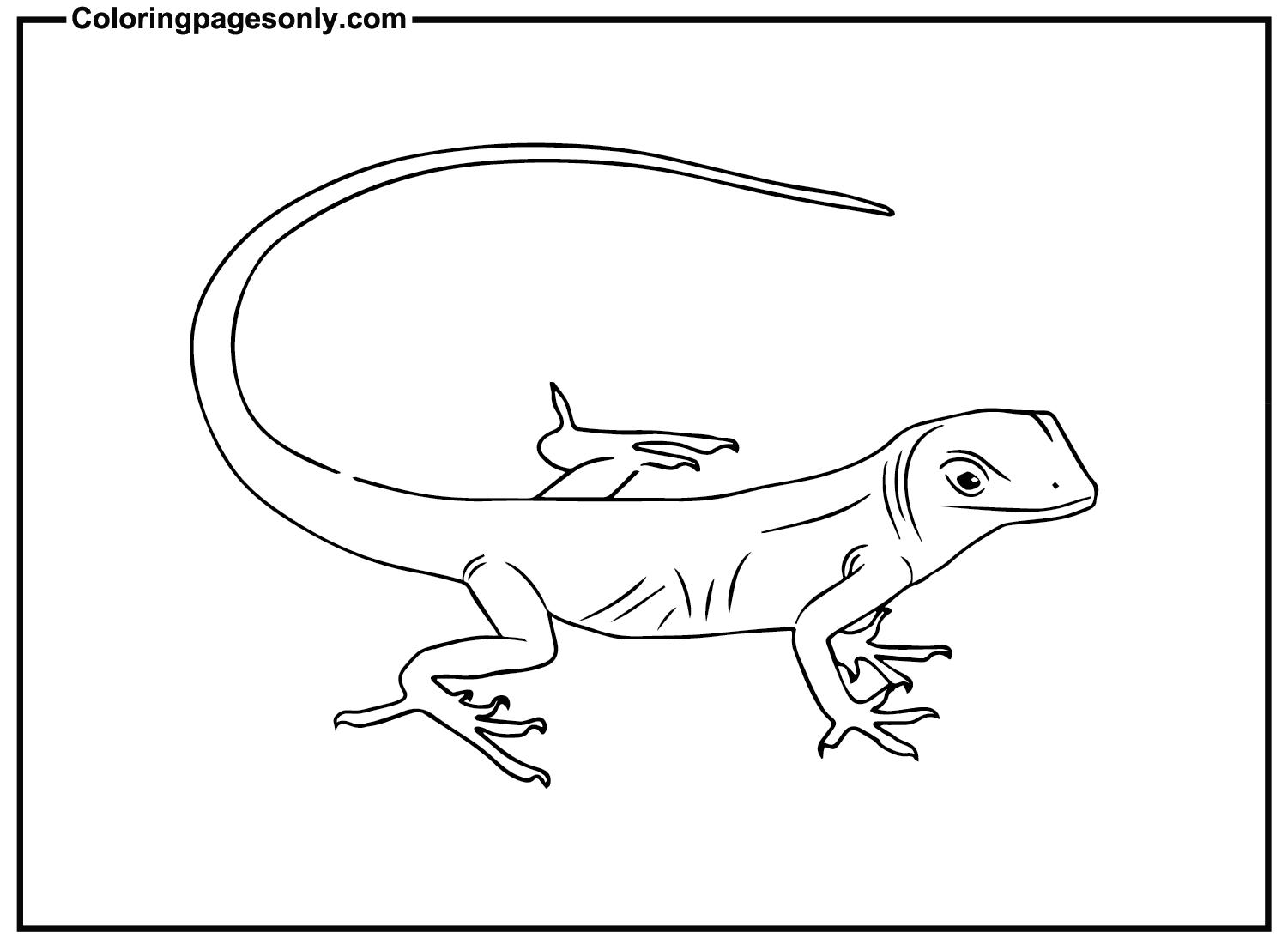
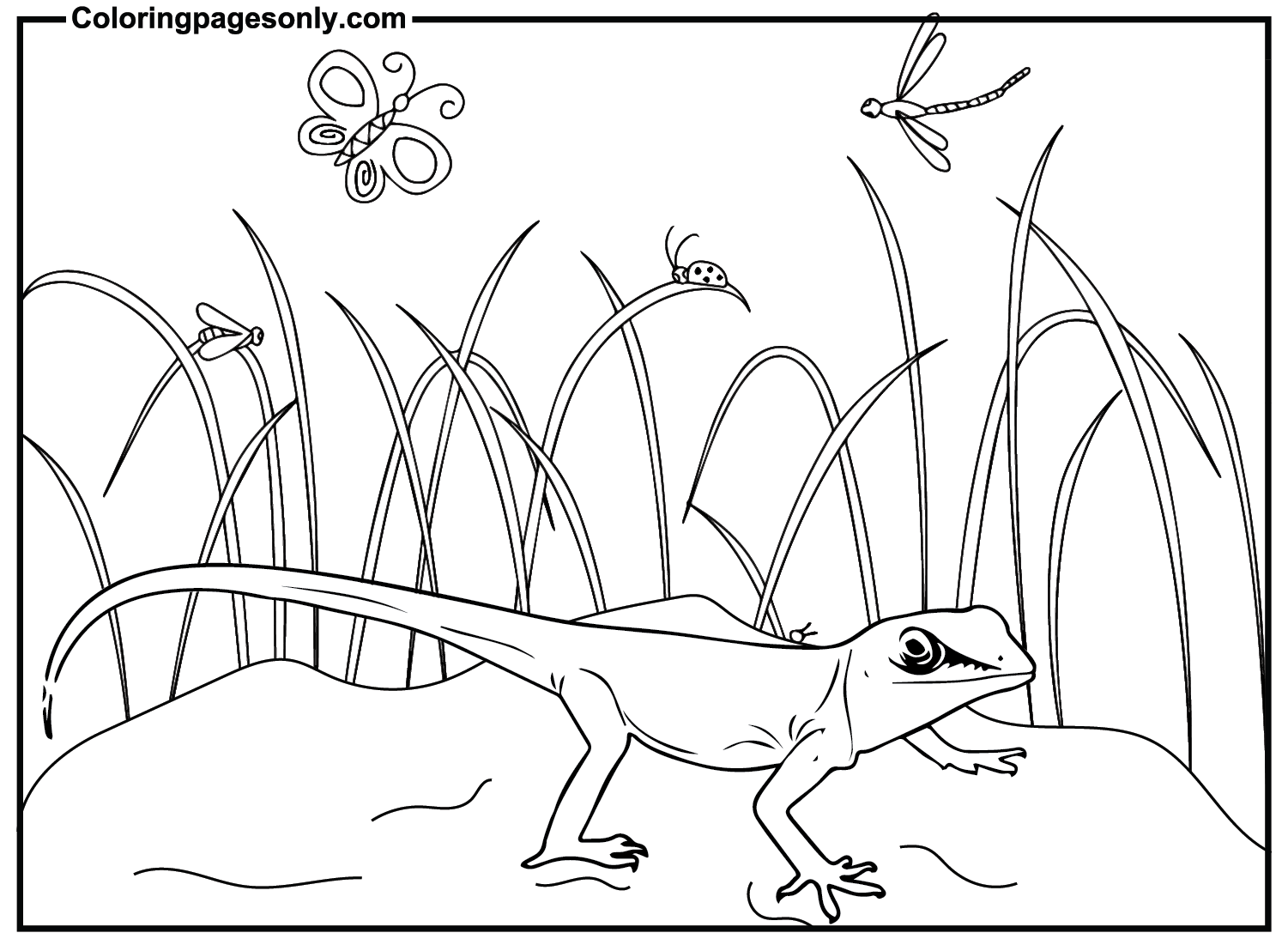
Five pages show a standalone skink in a straightforward pose, including cute and kid-friendly styling, suited to colorists who want to focus on the lizard’s body shape and scale pattern.
Nature-Scene Designs
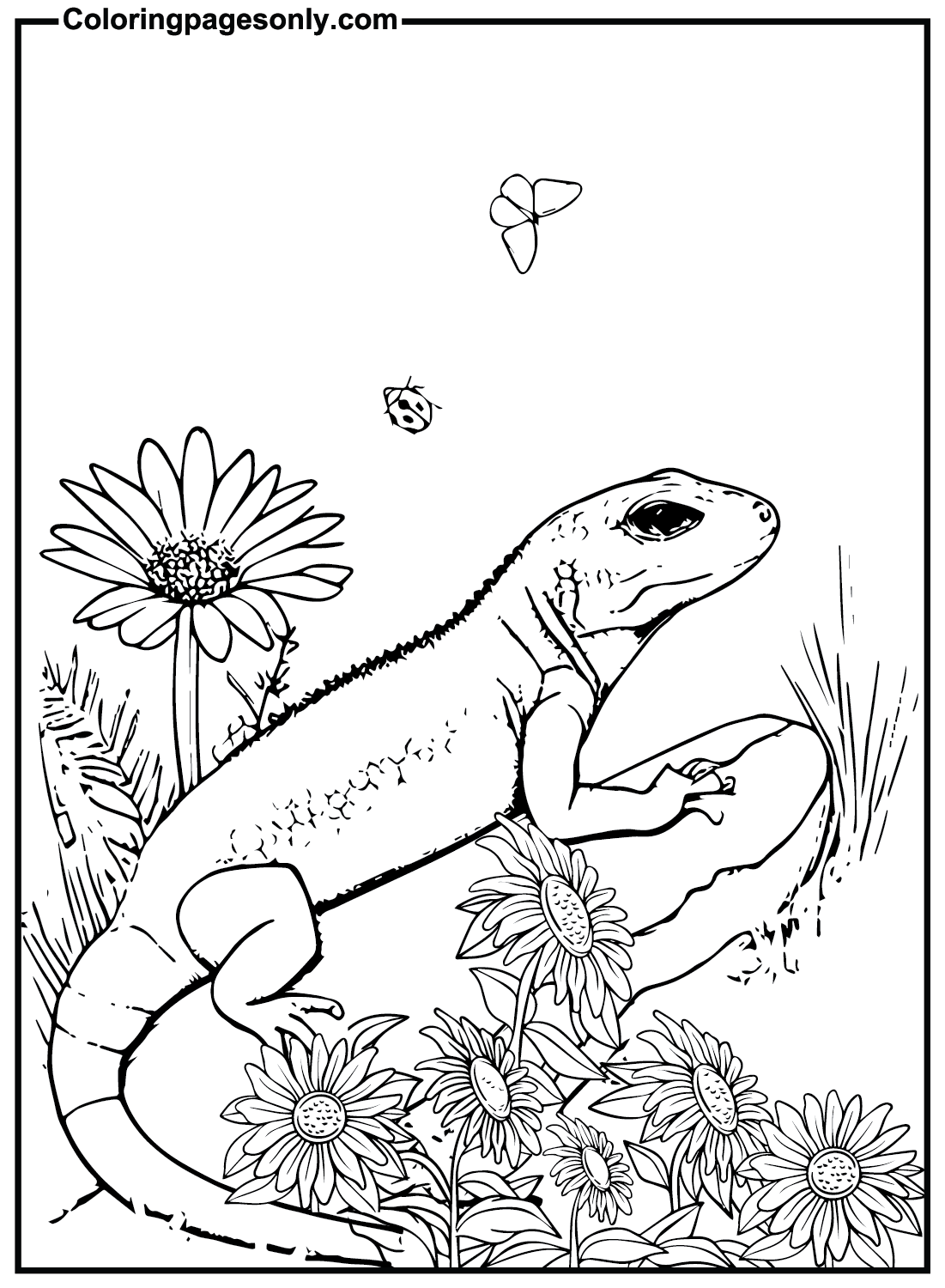
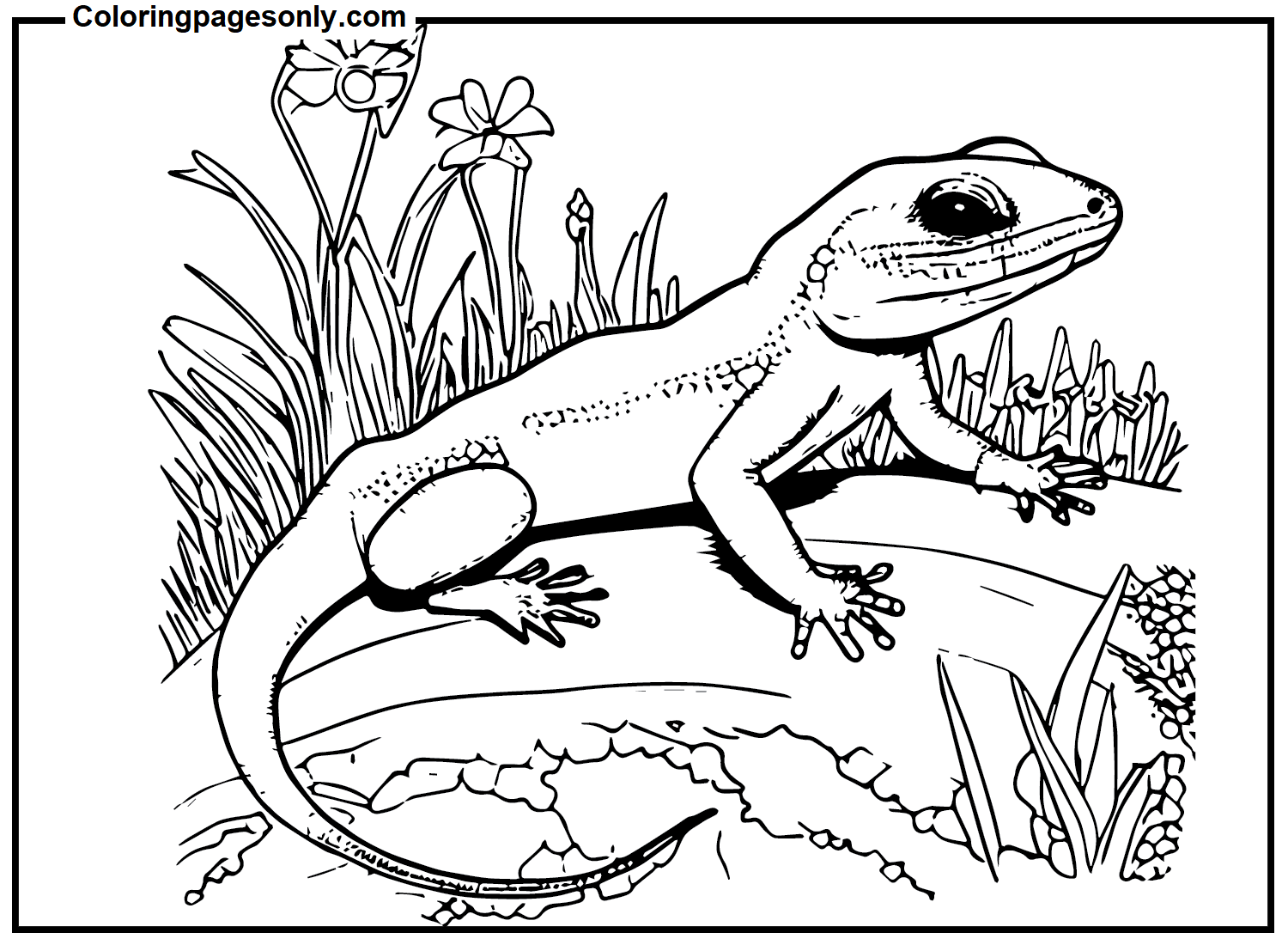
Two pages place a skink alongside flowers, giving colorists a fuller garden-style composition to work with.
Printable and Free Sheets
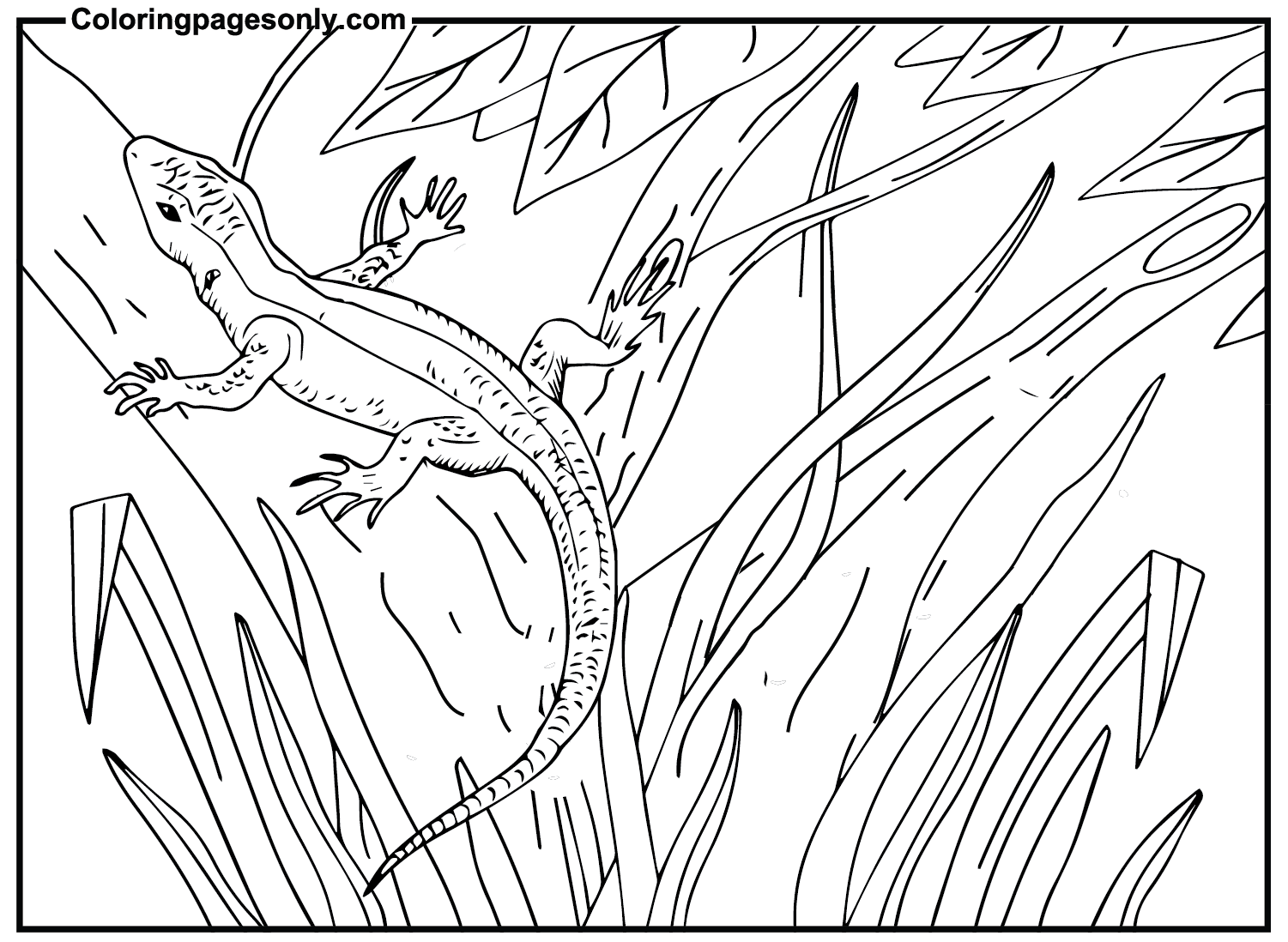
Twelve pages are formatted as general printable sheets, making up the largest share of the collection and useful for a quick, single-session print at home or in the classroom.
What Skink Coloring Pages Do
A different kind of scale texture. A skink’s scales are smooth and glossy rather than rough or ridged like many other reptiles, and capturing that polished, overlapping look calls for smooth, even shading instead of the choppier strokes a coarser-scaled animal might need. The American Academy of Pediatrics ties that kind of controlled, deliberate coloring work to fine motor skill development in children ages 2 through 7.
A genuinely surprising defense mechanism. Many skinks can voluntarily drop their own tail when threatened, a defense called autotomy, and the detached tail keeps wriggling on its own to distract a predator while the skink slips away. That real, slightly strange fact gives a coloring session a natural, memorable talking point.
A calming activity paired with a patient animal. A 2005 study in the Art Therapy Journal found that structured coloring sessions produced measurable reductions in anxiety, and skinks themselves are typically slow-moving, ground-dwelling creatures, a fitting pairing for a slow, unhurried coloring session.
Real license to experiment with color. With more than 1,275 recognized skink species ranging from earthy browns to vivid blues and greens, colorists have a genuine biological basis for trying unconventional color choices rather than sticking to a single expected lizard palette.
How to Color Skink Coloring Pages Well
- Body base: Use warm Brown, Tan, or Olive as a base coat, since these are among the most common natural skink colors, then add a glossy White highlight along the back to suggest smooth, reflective scales.
- Stripes and patterns: Many skinks show subtle striping down the back and sides. Use a slightly darker or lighter shade of the base color for these lines rather than a sharply contrasting one.
- Tail: Keep the tail a consistent shade of the body color, tapering the shading slightly toward the tip to suggest its long, narrowing shape.
- Head and eyes: Use small Black or dark Brown dots for the eyes, keeping the head area a touch darker than the body for subtle depth.
- Flower-scene designs: Use bright, varied colors like Pink, Yellow, and Purple for the flowers, keeping the skin itself in more muted, natural tones so it still reads as the main subject.
- Backgrounds: Keep backgrounds simple with soft Green or Tan tones to suggest a grassy or sandy habitat without distracting from the skink’s scale pattern.
5 Creative Craft Ideas With Skink Coloring Pages
1. Garden Scene Collage
Color a flower-scene page, mount it on green paper, and add paper leaf cutouts around it for a simple garden-themed collage.
2. Nature Journal Cover
Color a small skink portrait and glue it onto the cover of a blank notebook to make a personalized nature-observation journal.
3. Greeting Card
Fold cardstock in half, glue on a colored design, and write a message inside for a friend who loves reptiles or nature.
4. Classroom Reptile Poster
Color several skink pages as a group and arrange them on a poster board for a classroom lesson about reptile diversity.
5. Paper Bookmark
Cut a small colored skink design into a bookmark shape and use it to mark a place in a favorite nature book.
Frequently Asked Questions
What are Skink coloring pages?
Skink coloring pages are printable line-art designs featuring the smooth-scaled lizard in classic portraits, nature scenes, and printable sheets. This collection includes 19 free designs available as PDFs or online coloring.
What is a skink?
A skink is a type of lizard belonging to the family Scincidae, known for its smooth, glossy, overlapping scales and cylindrical body shape.
How many species of skink are there?
There are roughly 1,275 recognized skink species, making Scincidae one of the most diverse lizard families in the world.
Why do skinks drop their tails?
Many skinks use a defense mechanism called autotomy, voluntarily shedding their tail when threatened. The detached tail continues to wriggle, distracting a predator while the skink escapes.
Are skinks dangerous to humans?
No. Skinks are non-venomous and pose no threat to humans, despite sometimes being mistaken for more dangerous reptiles.
What is the largest skink species?
The prehensile-tailed skink (Corucia zebrata) is the largest species, reaching a maximum length of about 76 centimeters, or roughly 30 inches.
Are Skink coloring pages suitable for young children?
Yes. The simple portrait designs in this collection use bold, uncluttered outlines suited to preschool and early elementary colorists, while the nature-scene pages offer slightly more detail for older kids.
Where do skinks live?
Skinks are found on nearly every continent, with especially high diversity in Southeast Asia, the deserts of Australia, and the temperate regions of North America.
Start Coloring
Download any page by clicking the design. No account, email, or payment is required. Pages print directly from the browser at full resolution or open in the online coloring tool for screen use. Share finished pages on Facebook or Pinterest with the share buttons at the top of each design page.