Terrarium Coloring Pages
 By:
Jennifer Thoa - Content Editor & Designer
Updated:
By:
Jennifer Thoa - Content Editor & Designer
Updated:
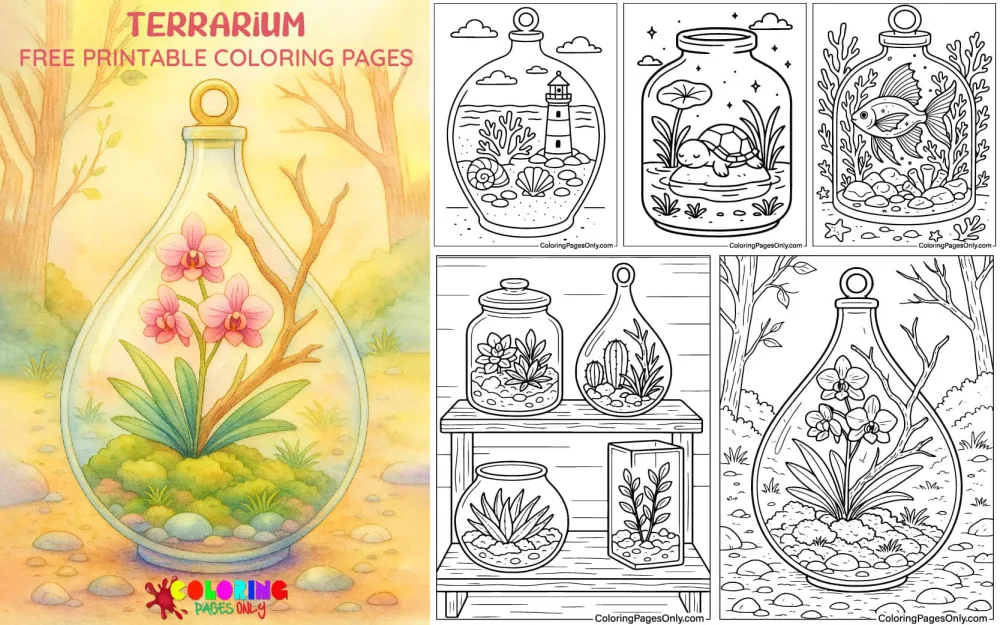
Free Terrarium Coloring Pages: 34 printable PDF designs featuring plants, tiny creatures, and whimsical miniature worlds sealed inside glass jars, domes, and bottles. Each page can be downloaded as a PDF to print or colored online in the browser.
A terrarium is a small, usually glass container used to grow plants in a sealed, self-contained environment, and the idea traces back to a genuine accident. In 1829, London physician and amateur botanist Nathaniel Bagshaw Ward noticed that fern spores and grass seeds had sprouted inside a sealed glass jar he was using to study a moth chrysalis, and the plants kept growing for years without any watering at all. Ward published his findings in 1842, and the resulting glass containers, known as Wardian cases, became a fashionable way for Victorian households to keep delicate plants alive despite the smoky, polluted air of the era. This Terrarium Coloring Pages collection borrows that same enclosed, miniature-world feeling, pairing realistic plant arrangements with more whimsical scenes of sleeping animals, tiny gardeners, and fantasy creatures tucked inside their own small glass worlds.
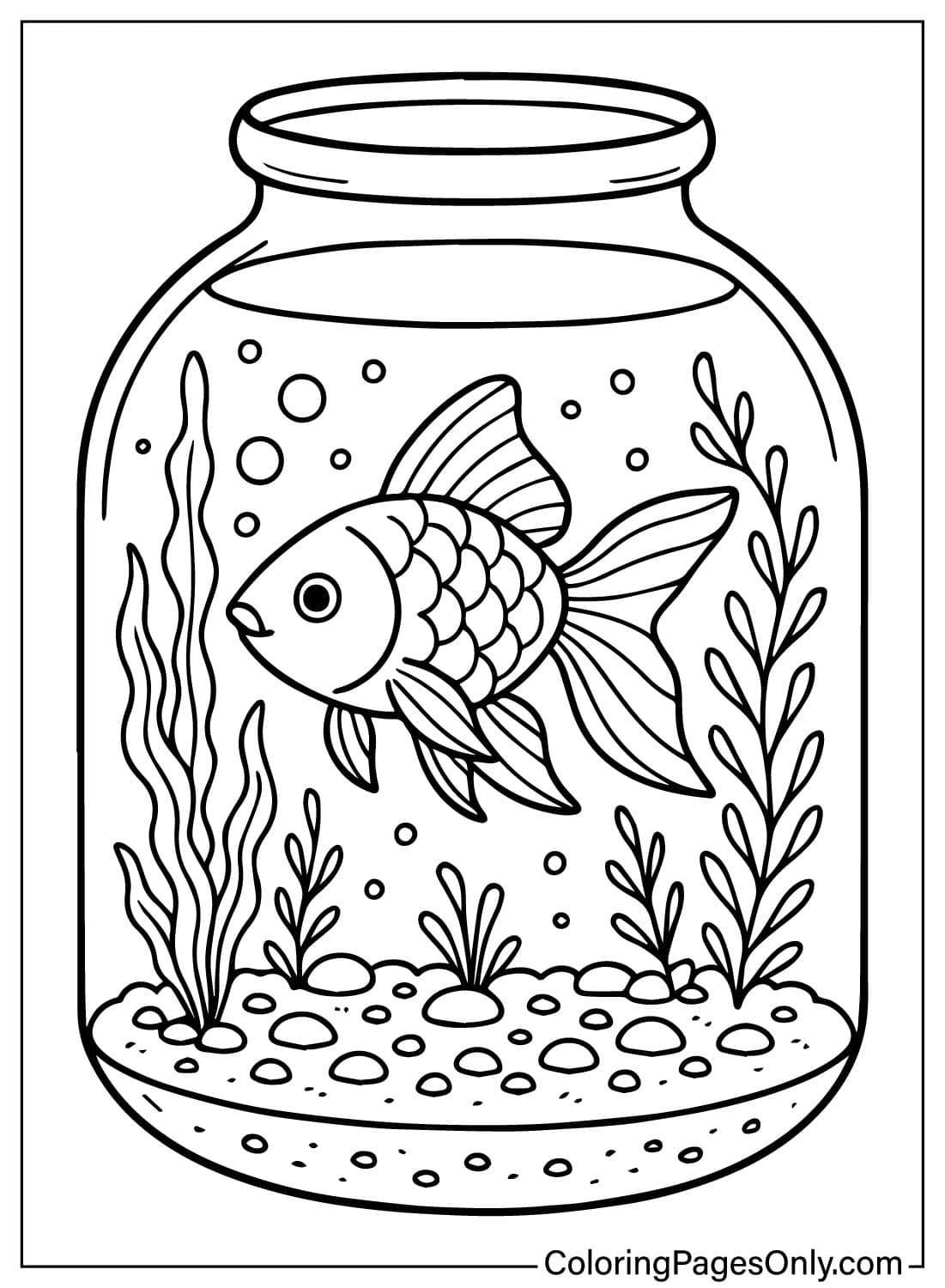
The set spans 34 designs, ranging from simple, single-plant jars well suited to young colorists to detailed, multi-layered scenes for older colorists and adults.
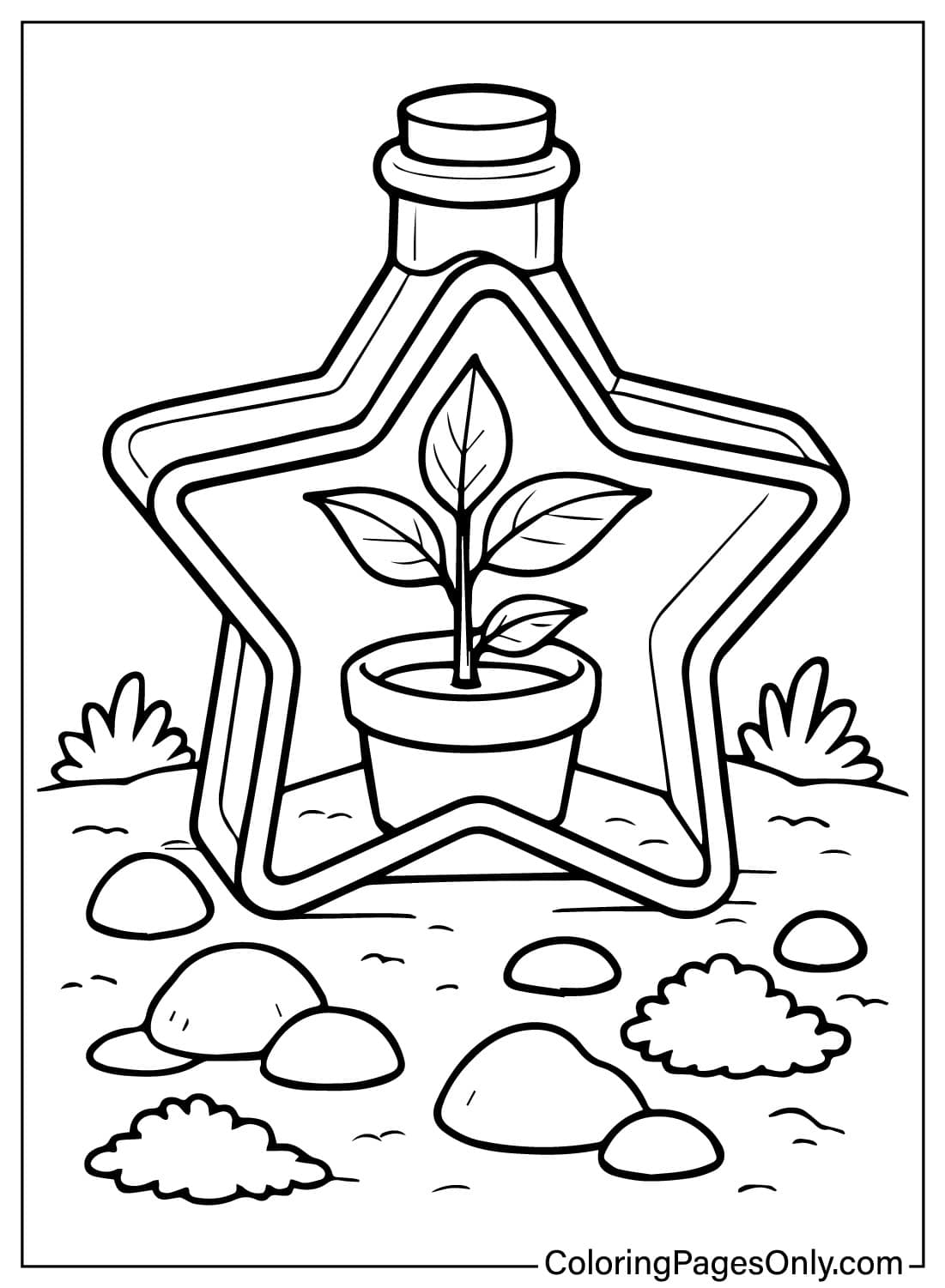
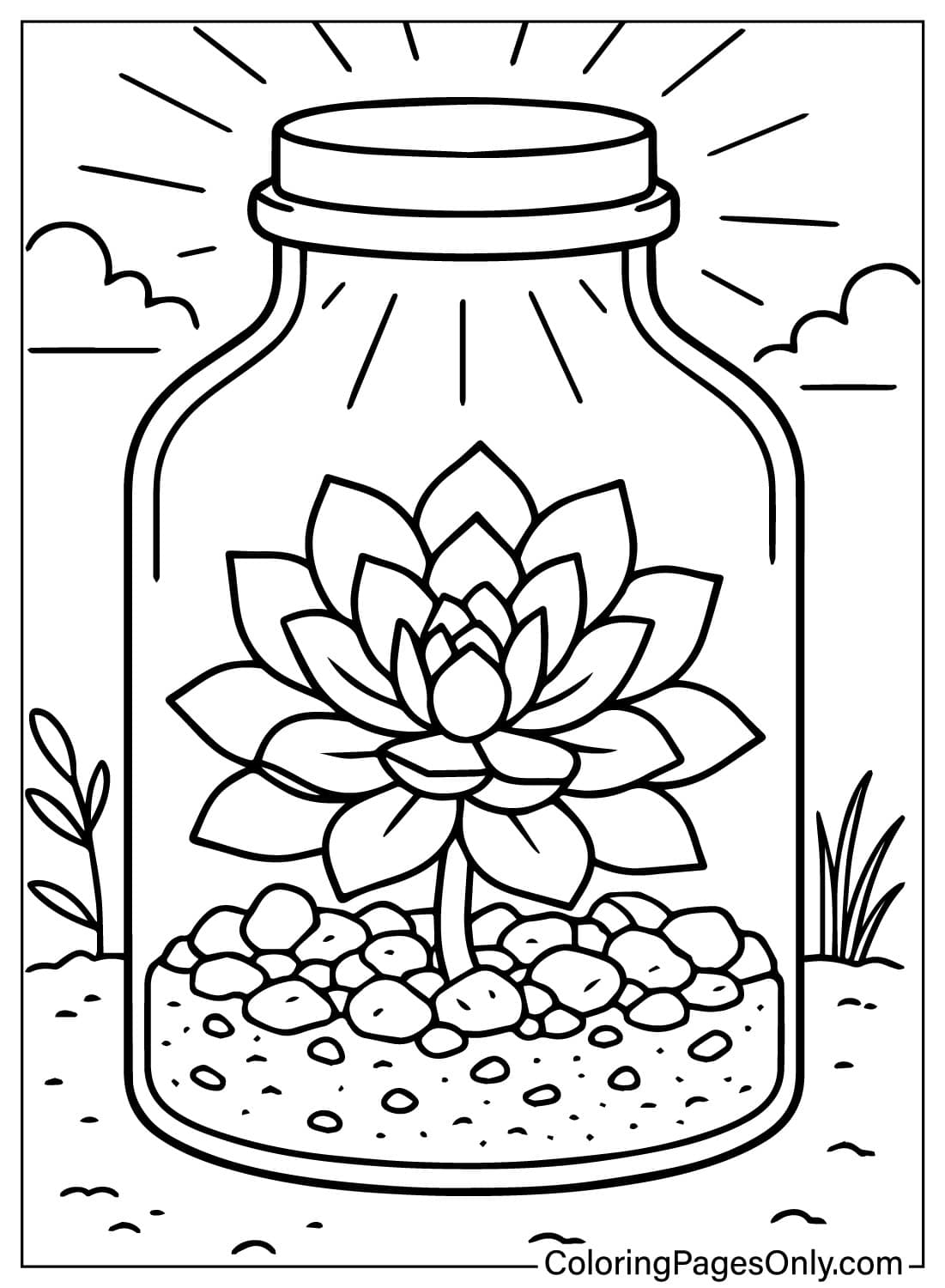
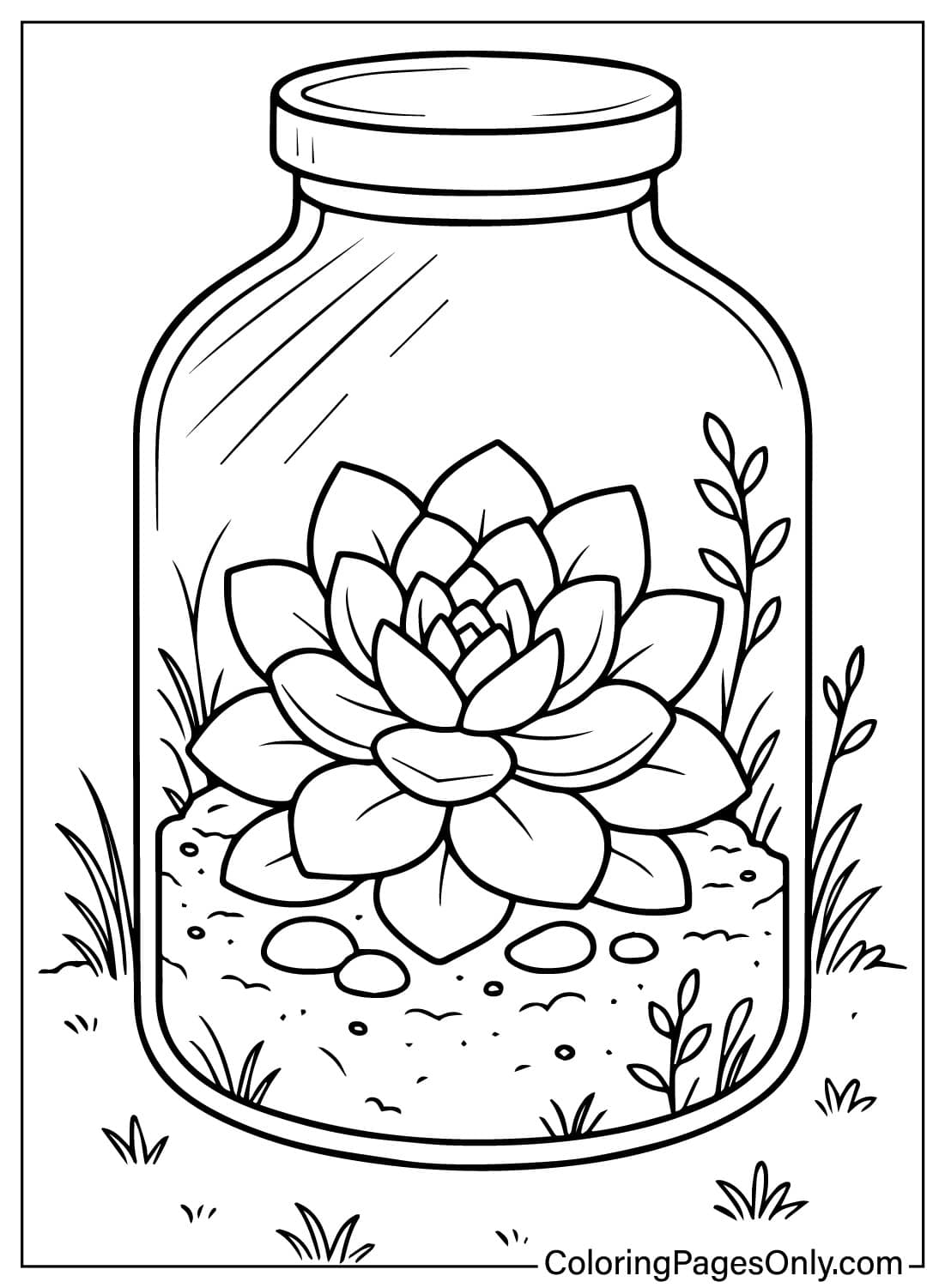
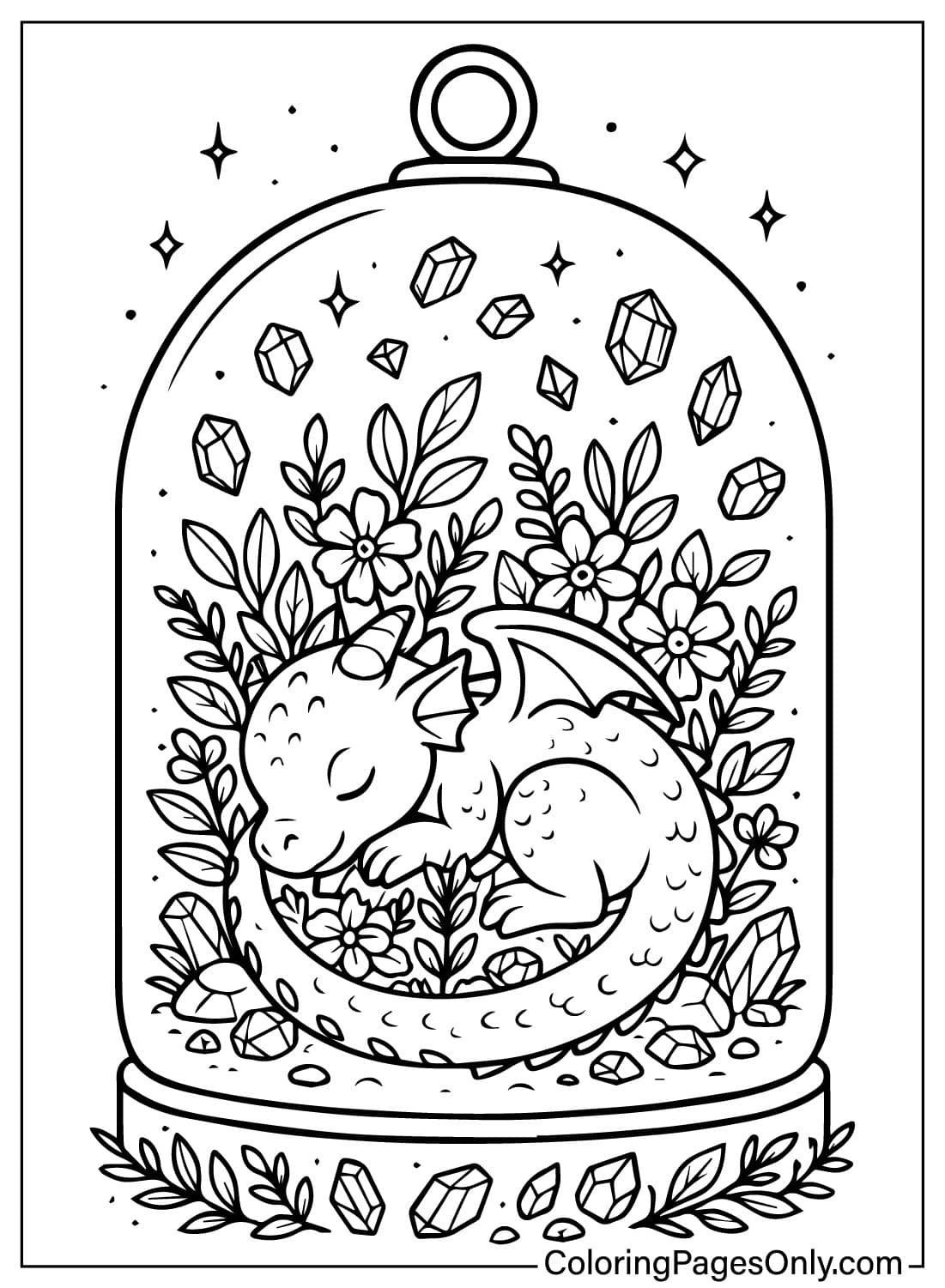
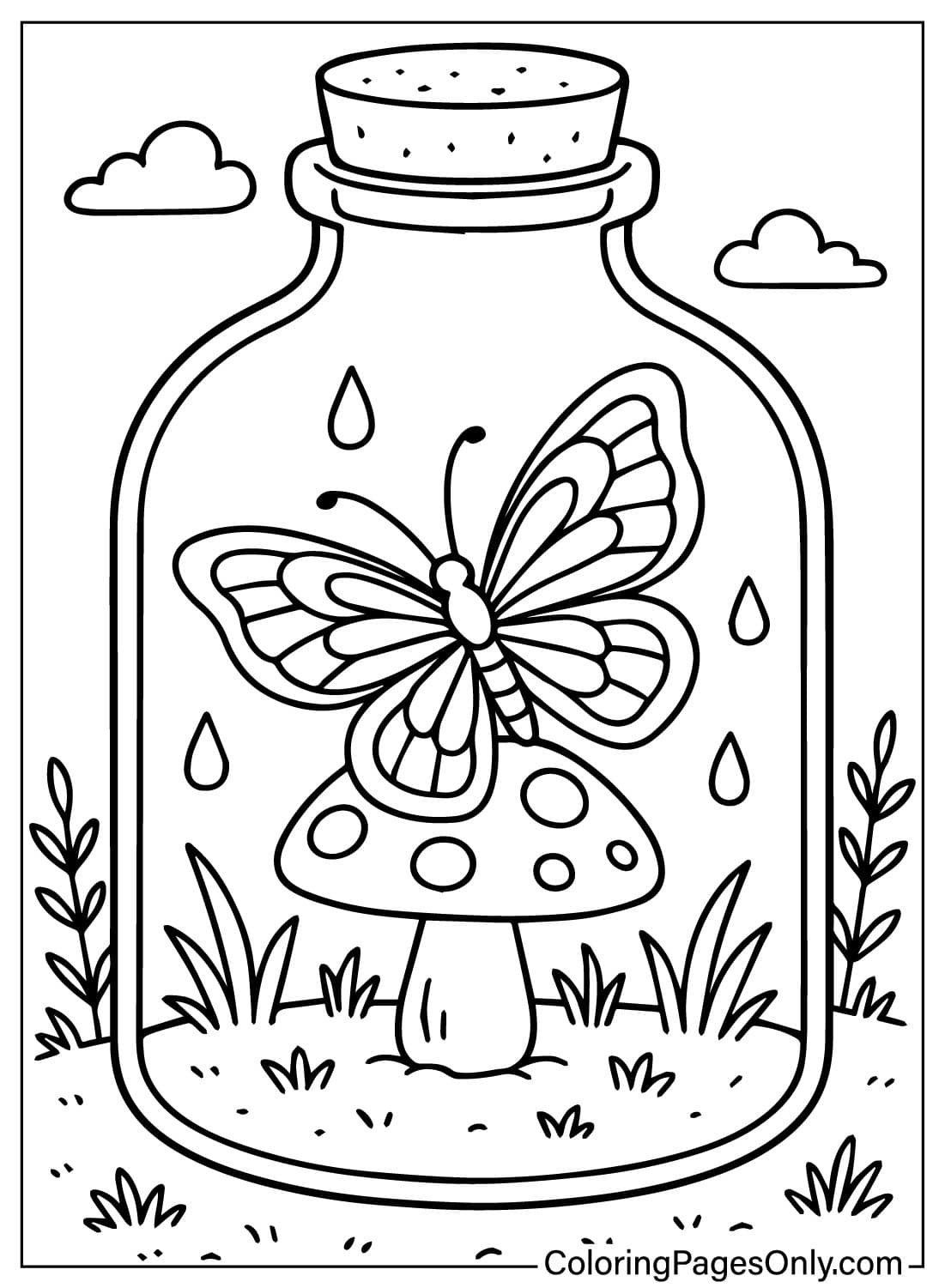
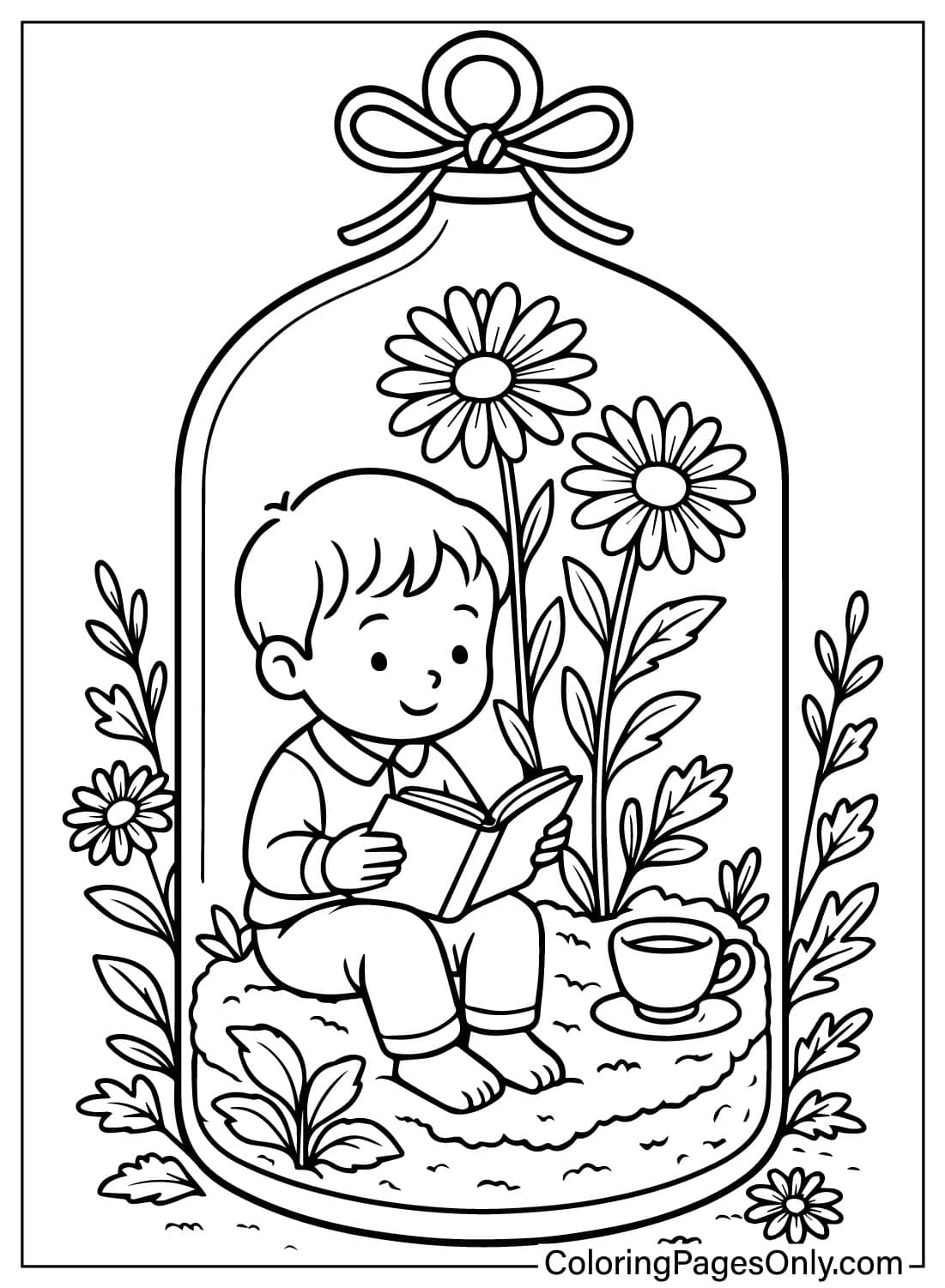
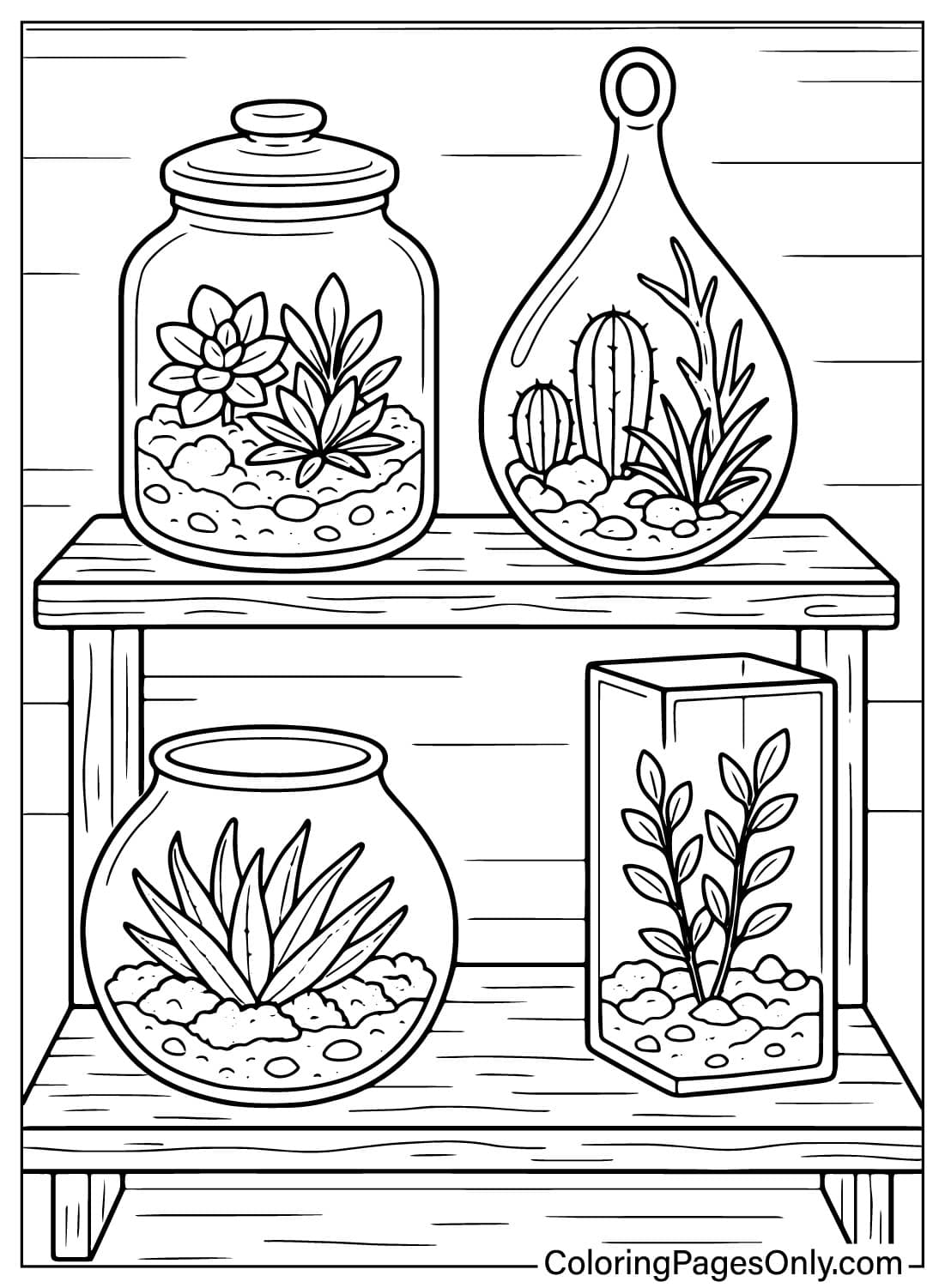
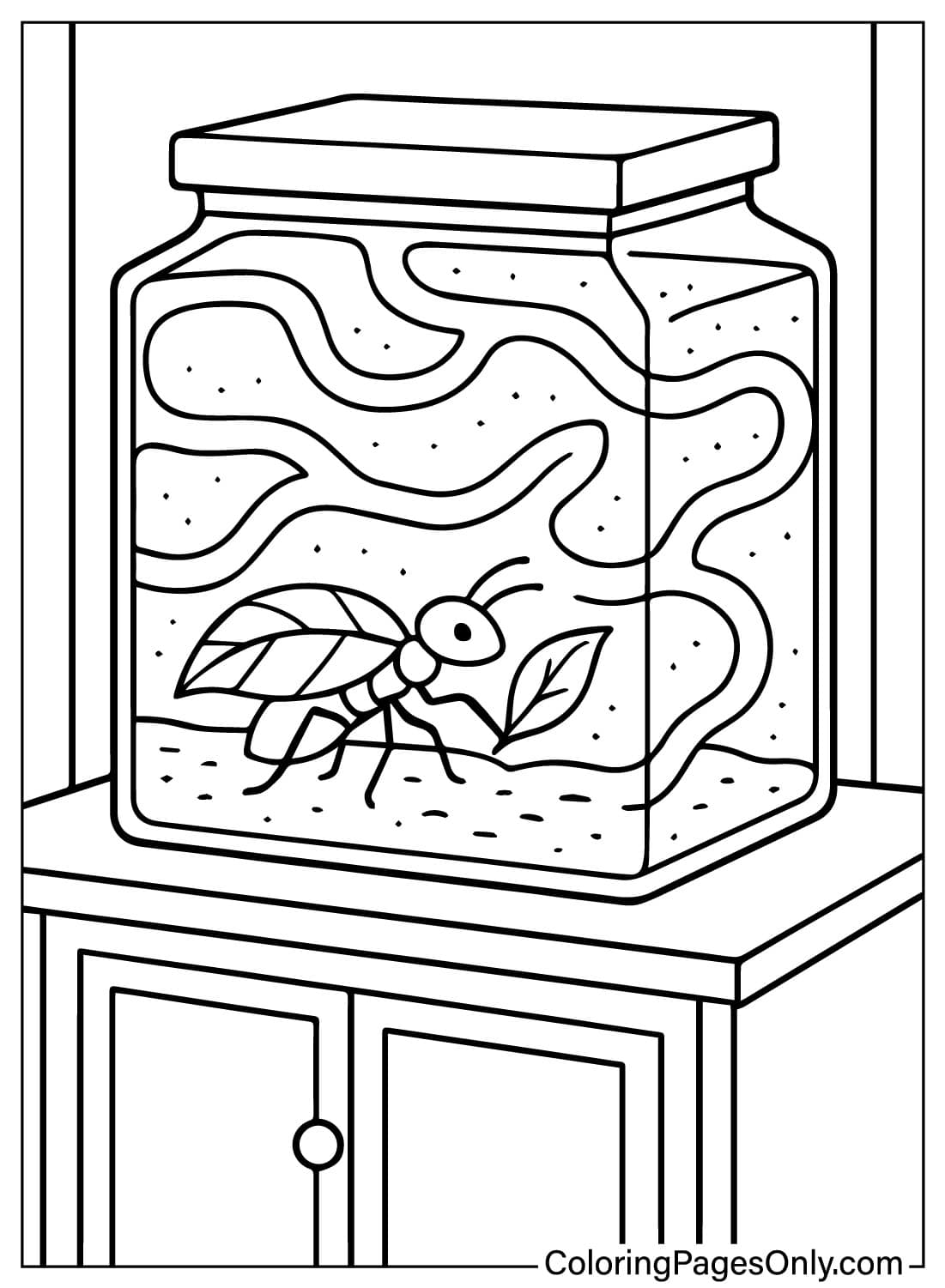
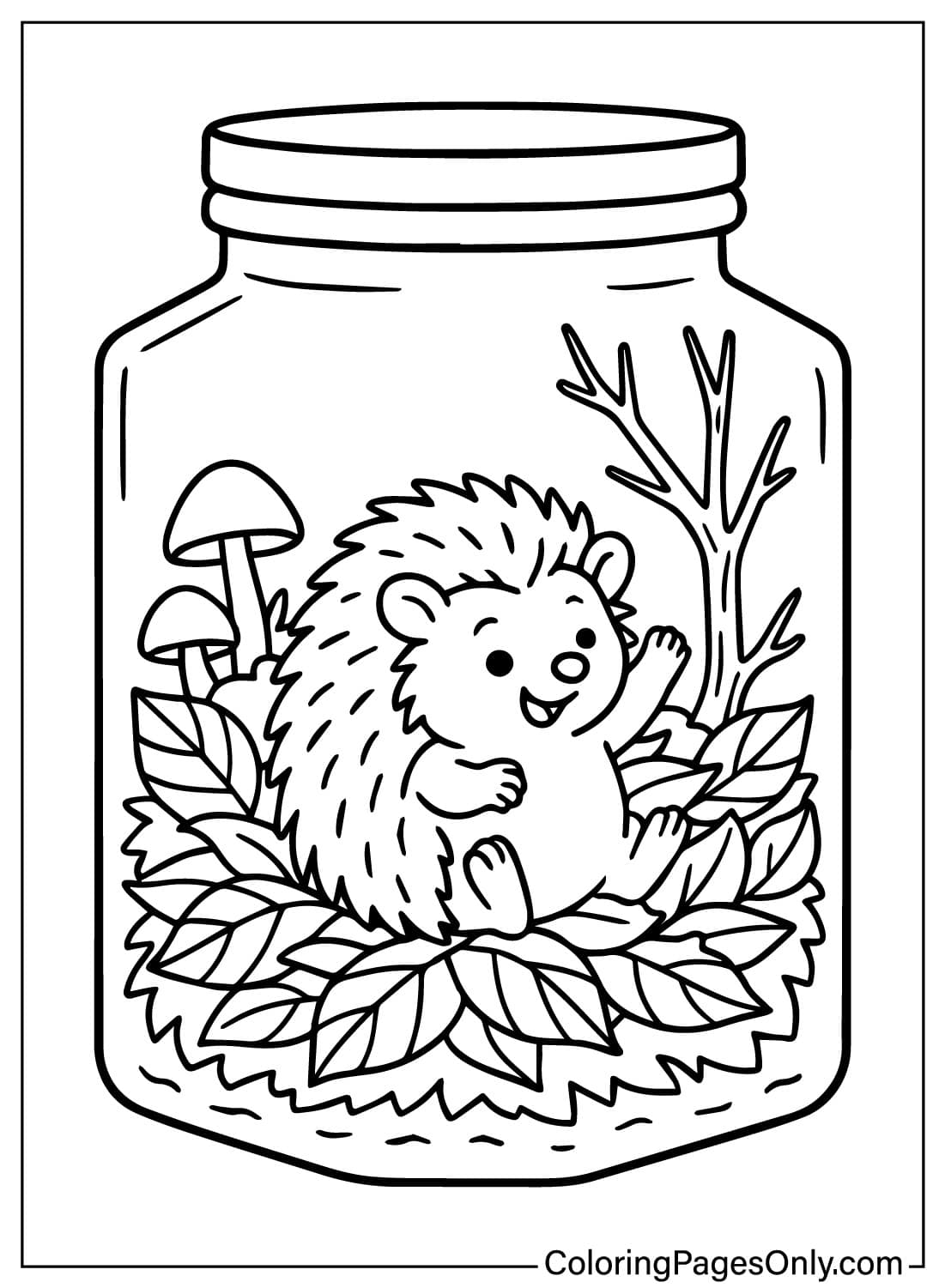
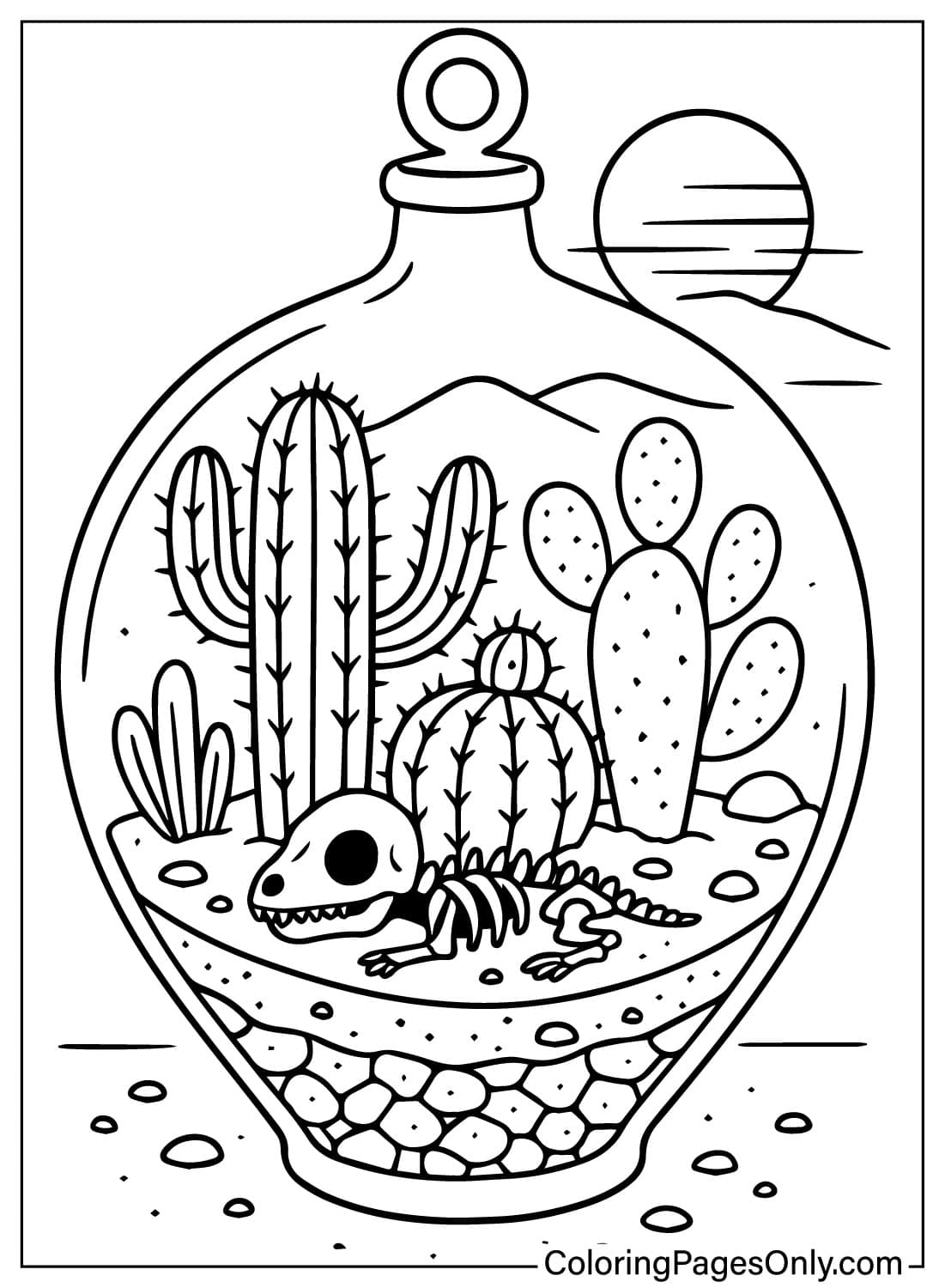
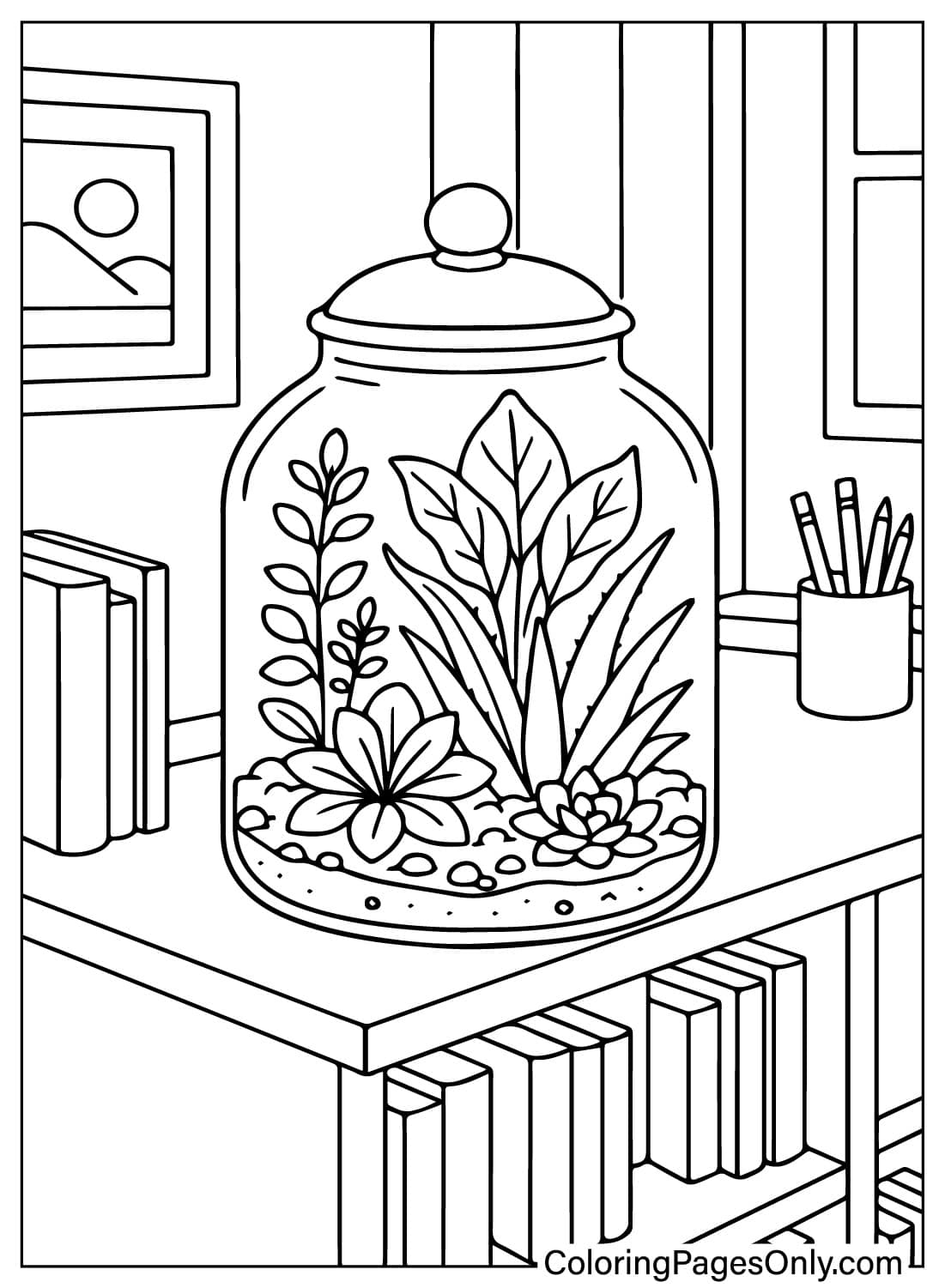
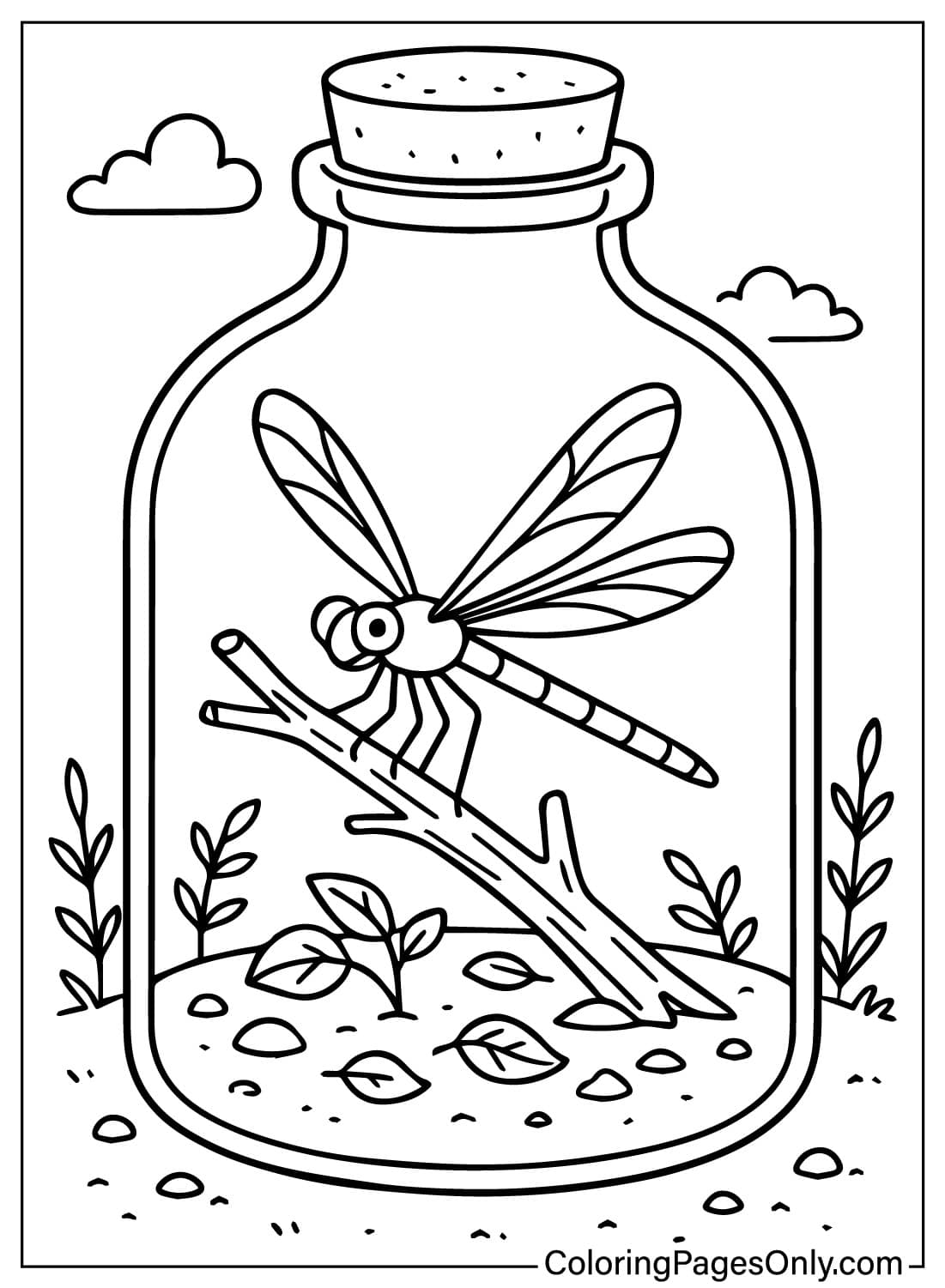
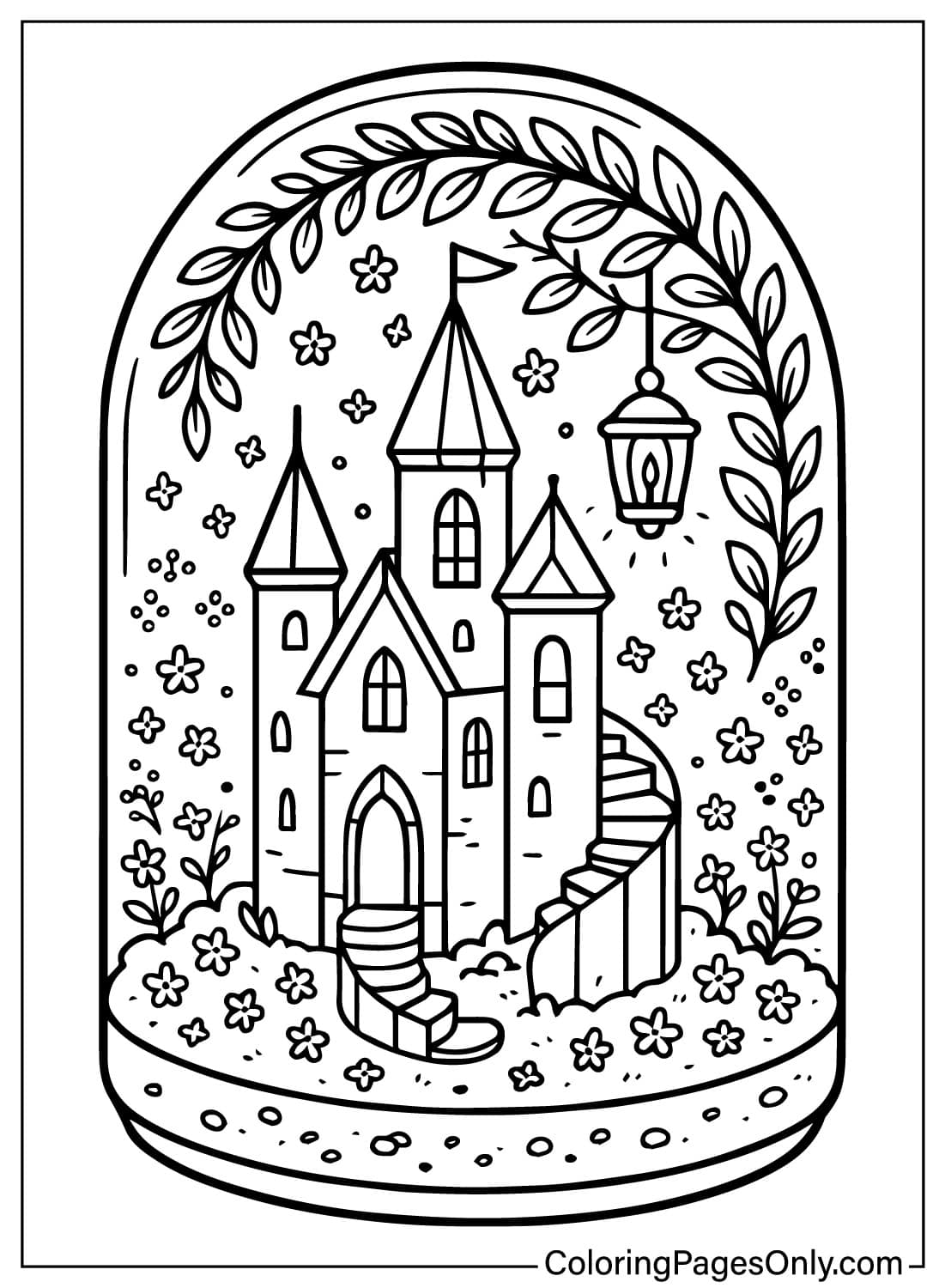
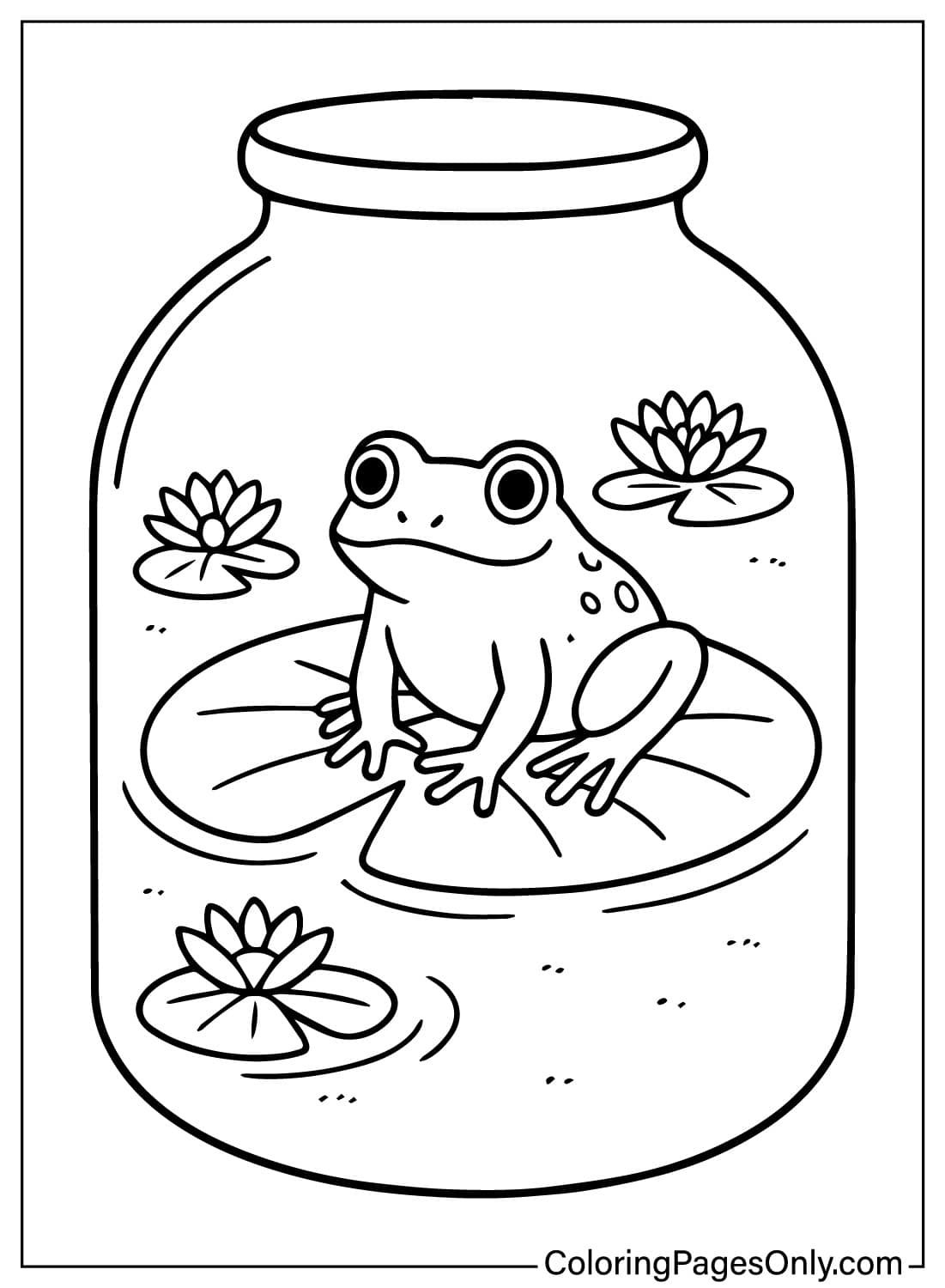
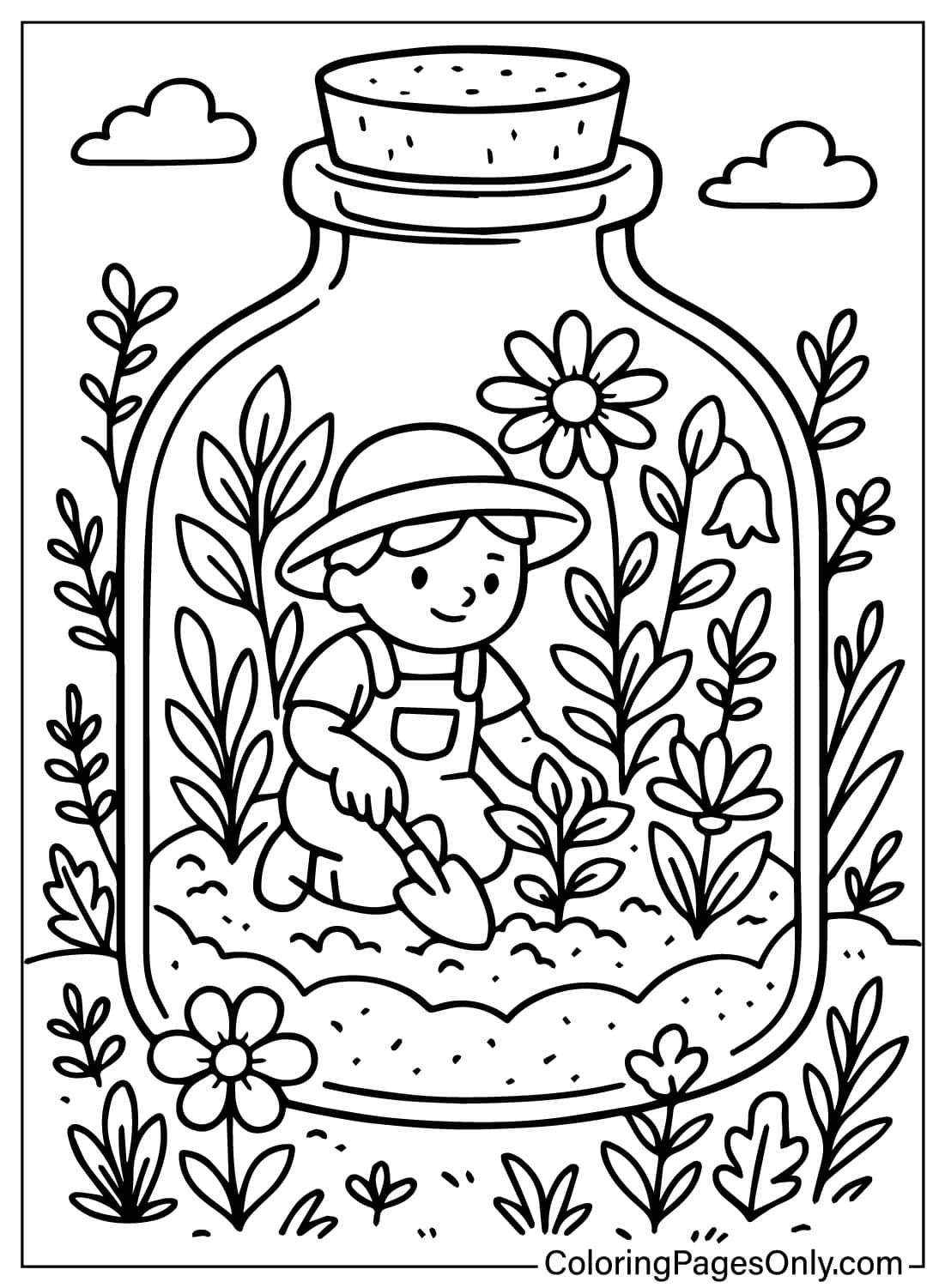
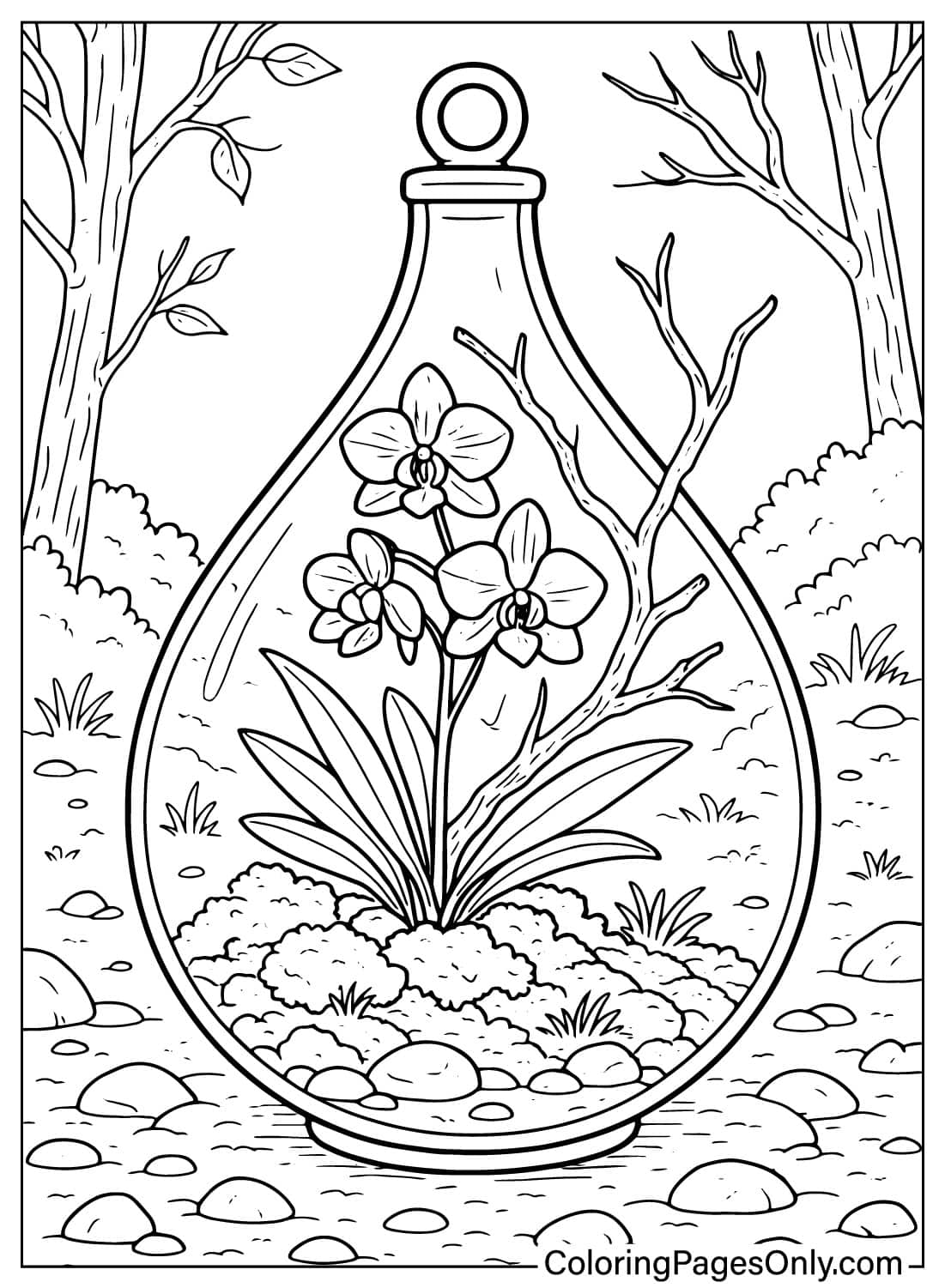
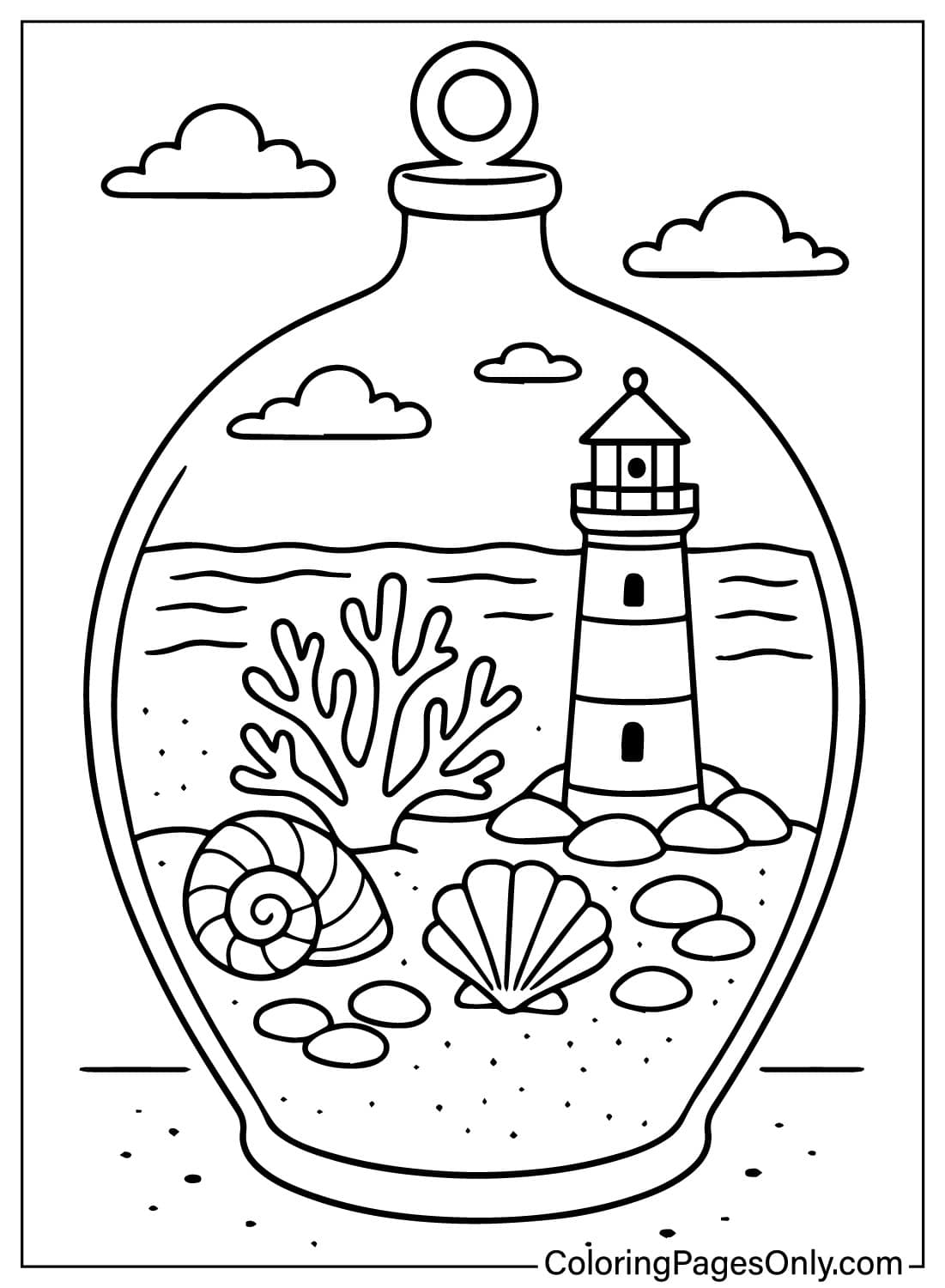
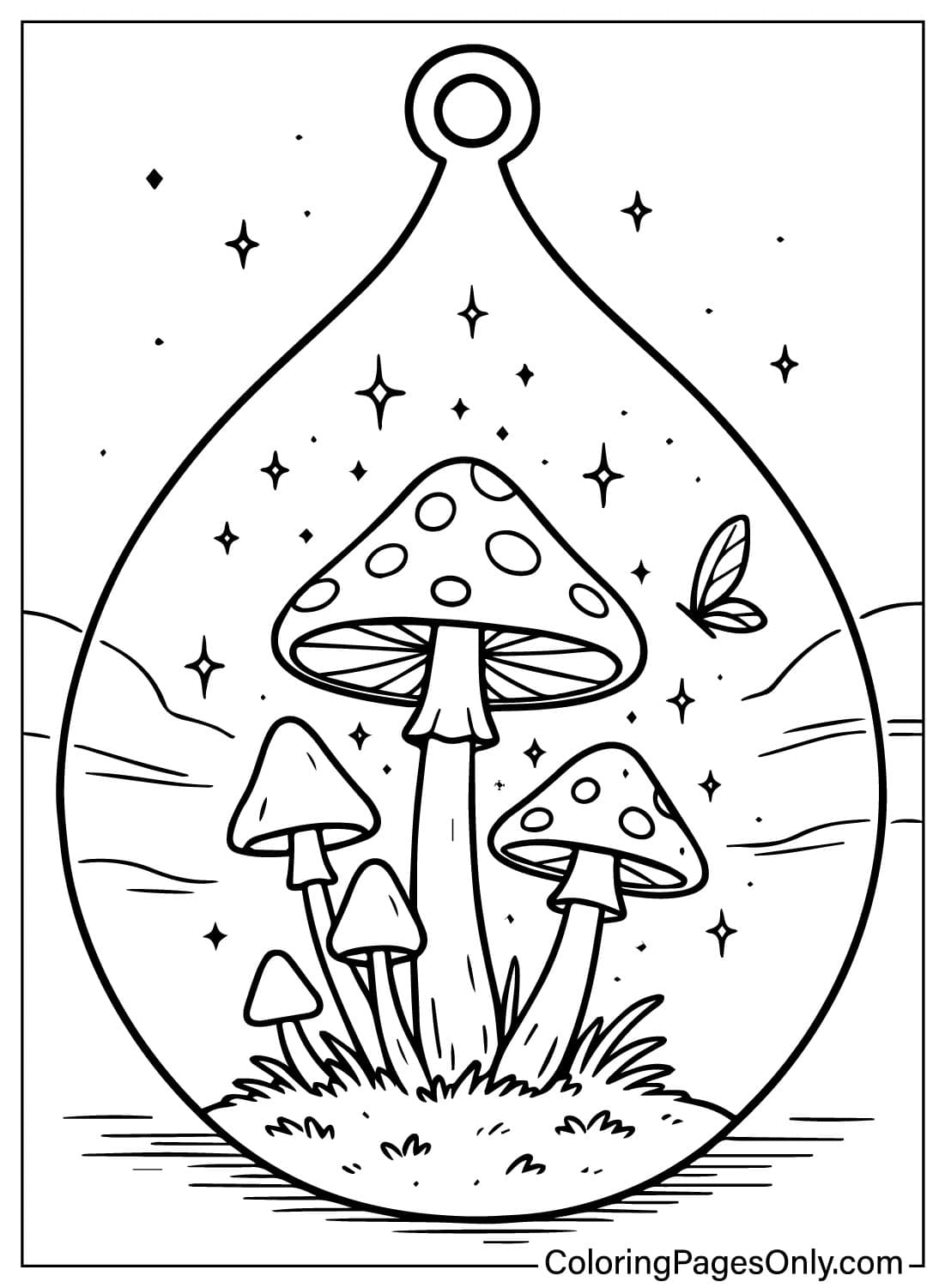
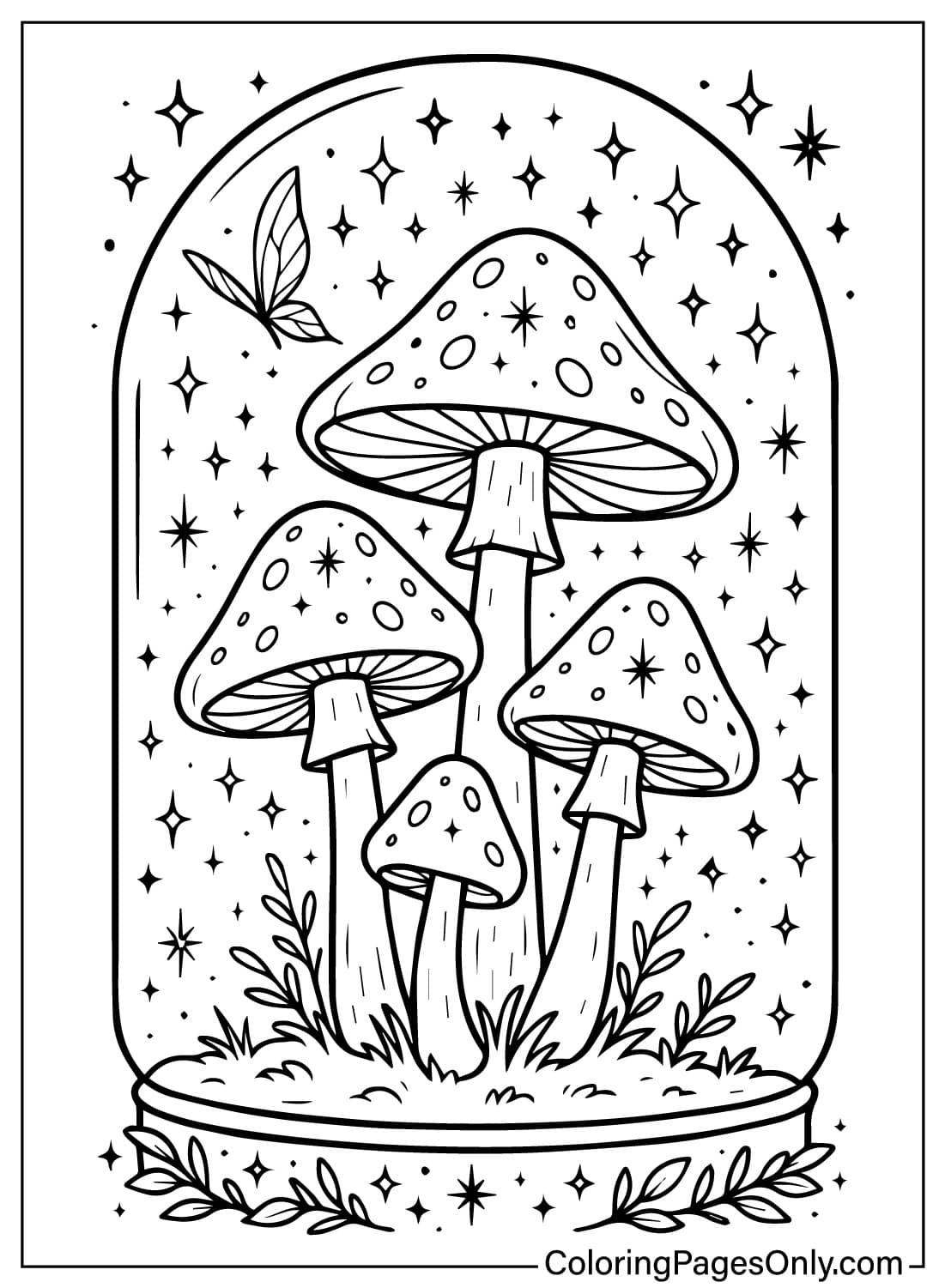
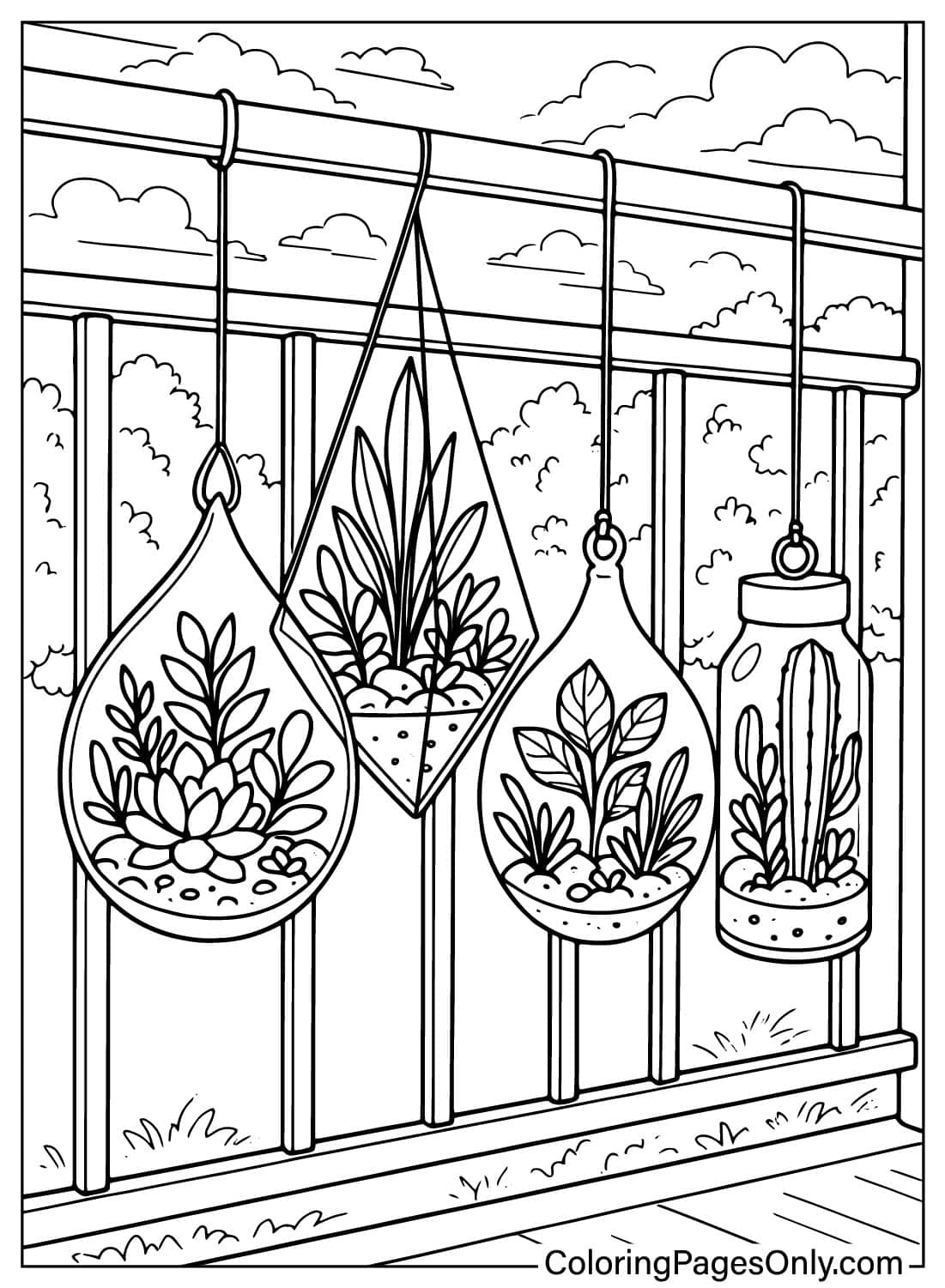
What Is Inside This Collection
The 34 pages fall into four recurring groupings.
Botanical and Succulent Terrariums
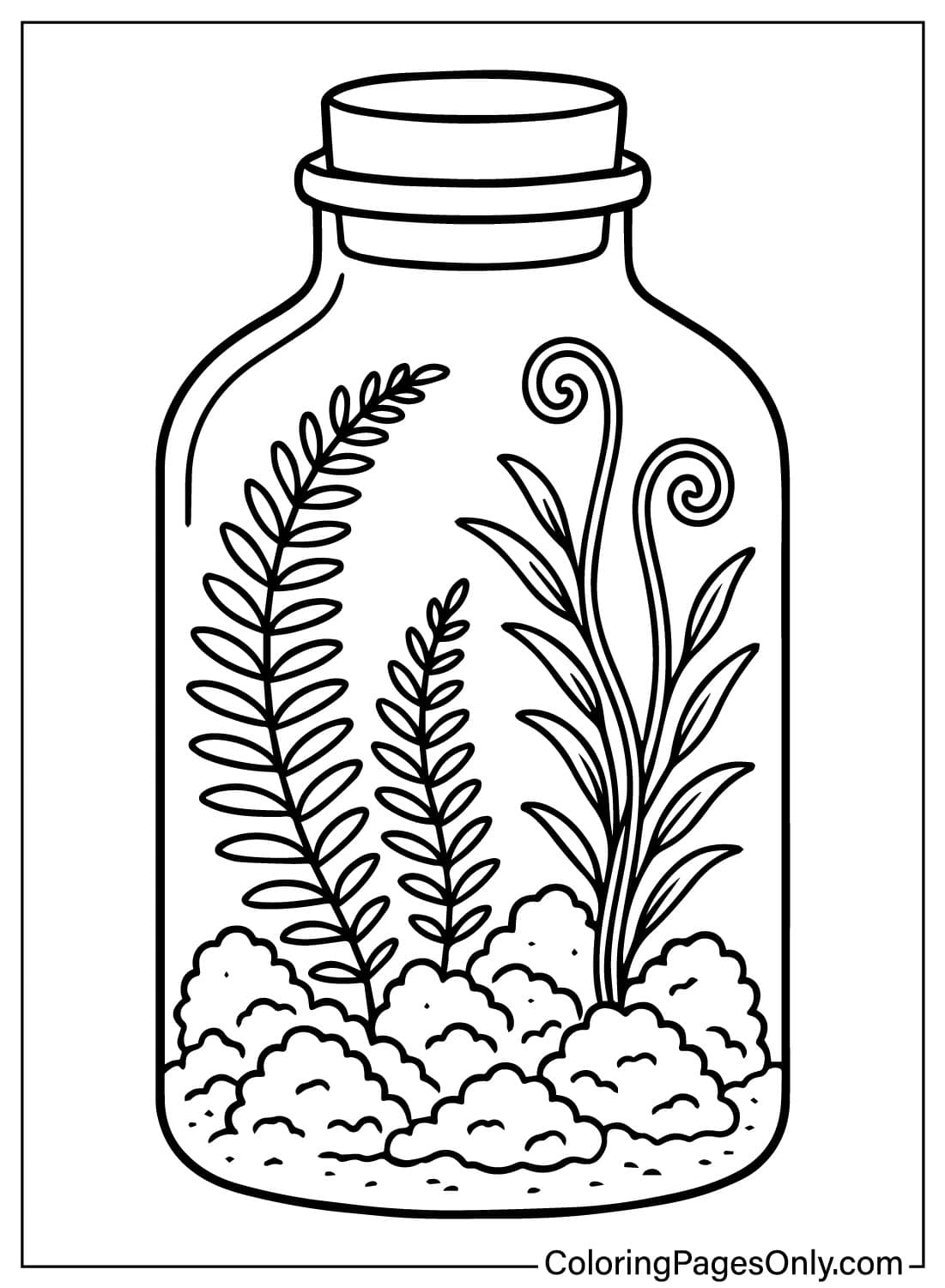
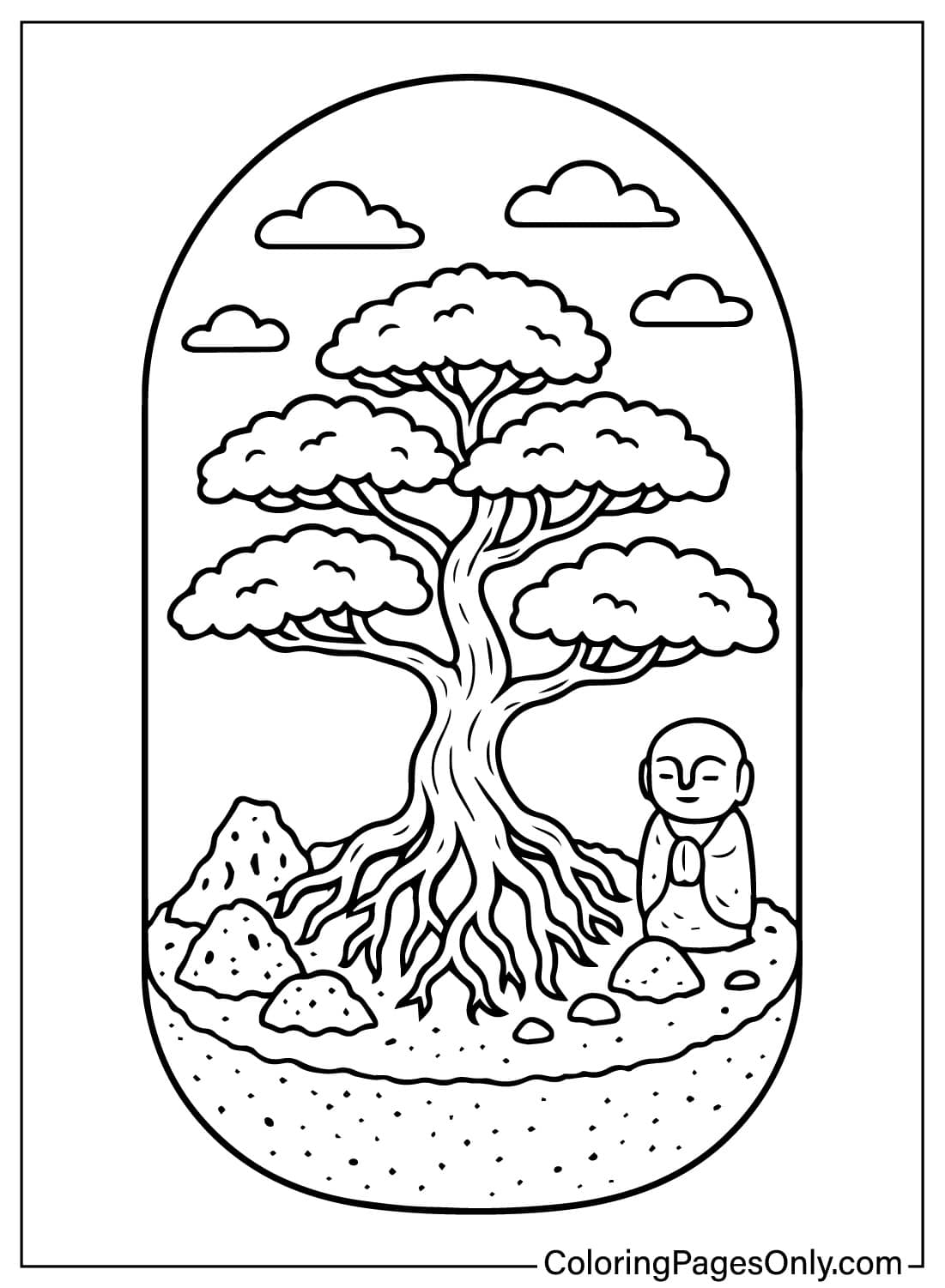
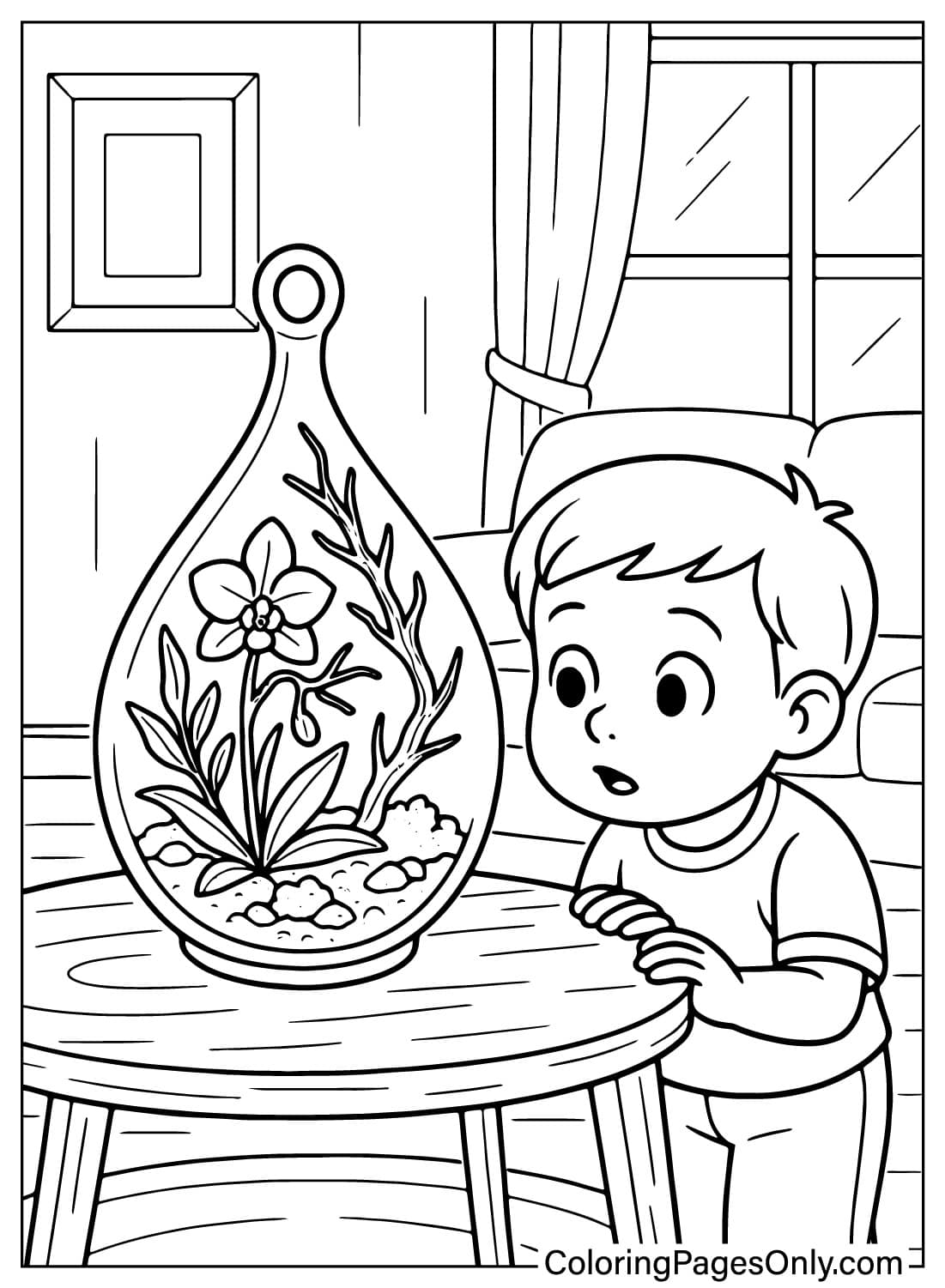
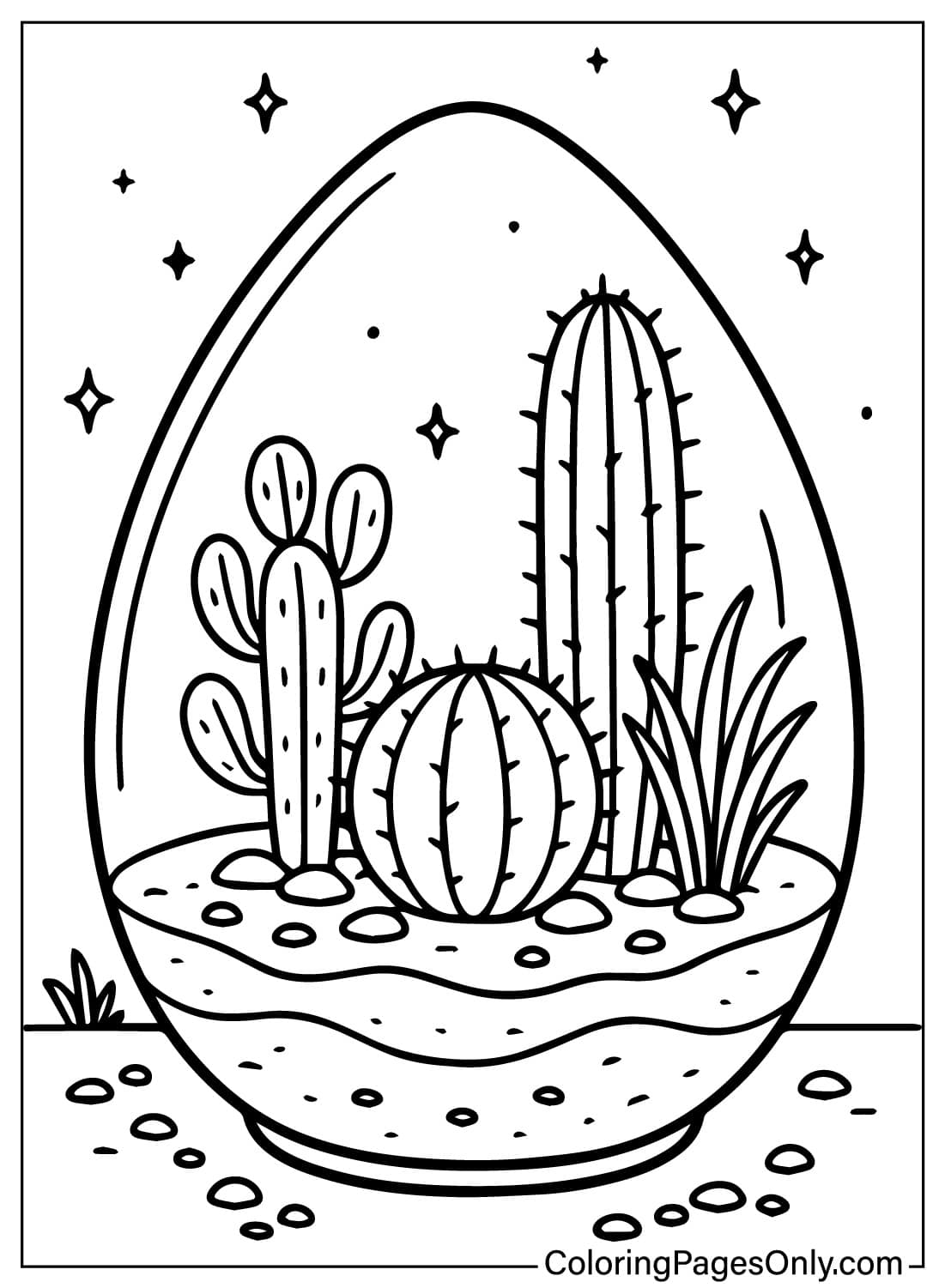
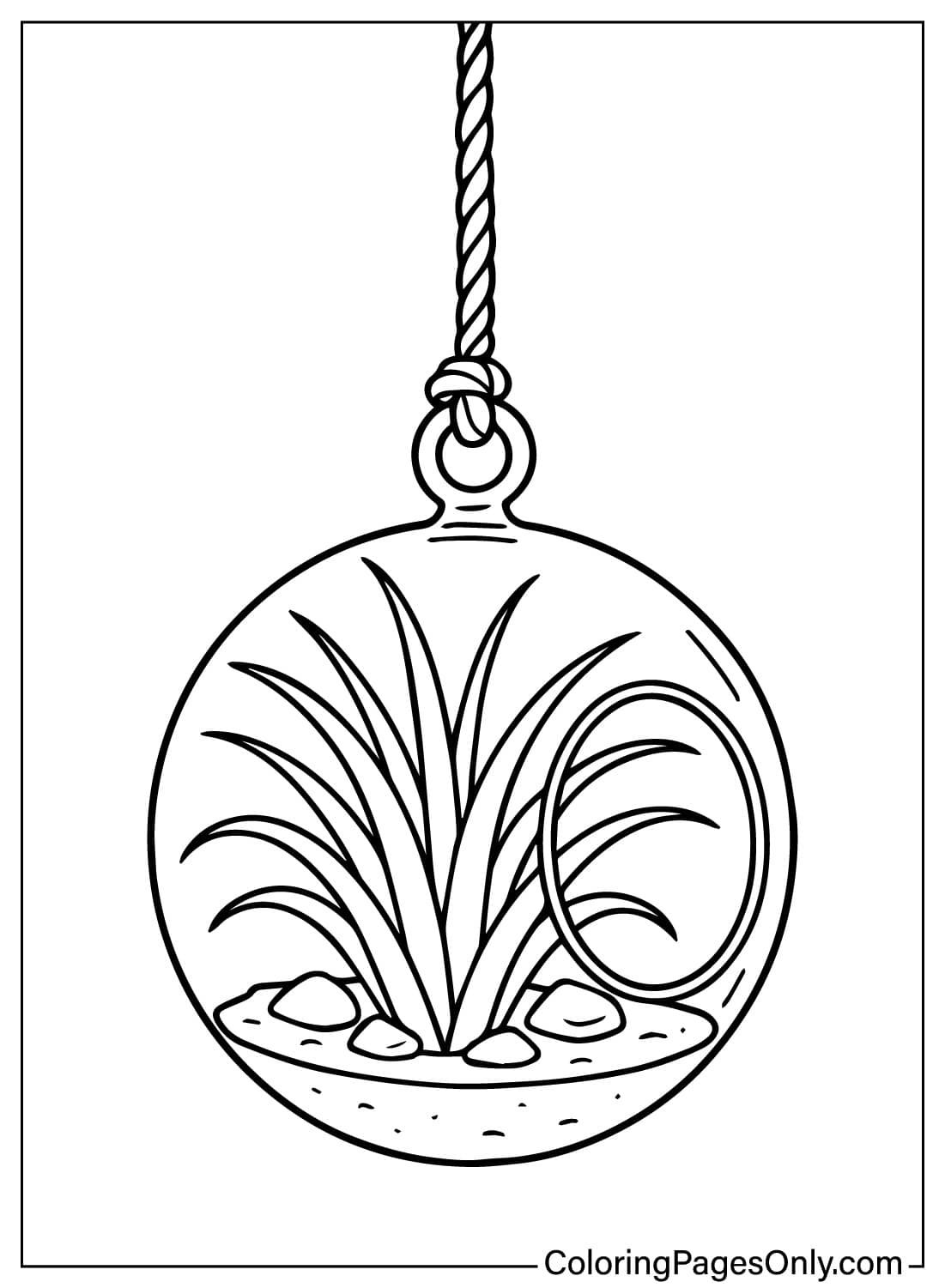
A large number of designs focus on realistic plant life, showing ferns, succulents, cacti, and orchids arranged over layered soil and rock. These pages give colorists a chance to work through several distinct plant textures within a single small composition.
Terrariums with Sleeping Animals and Creatures
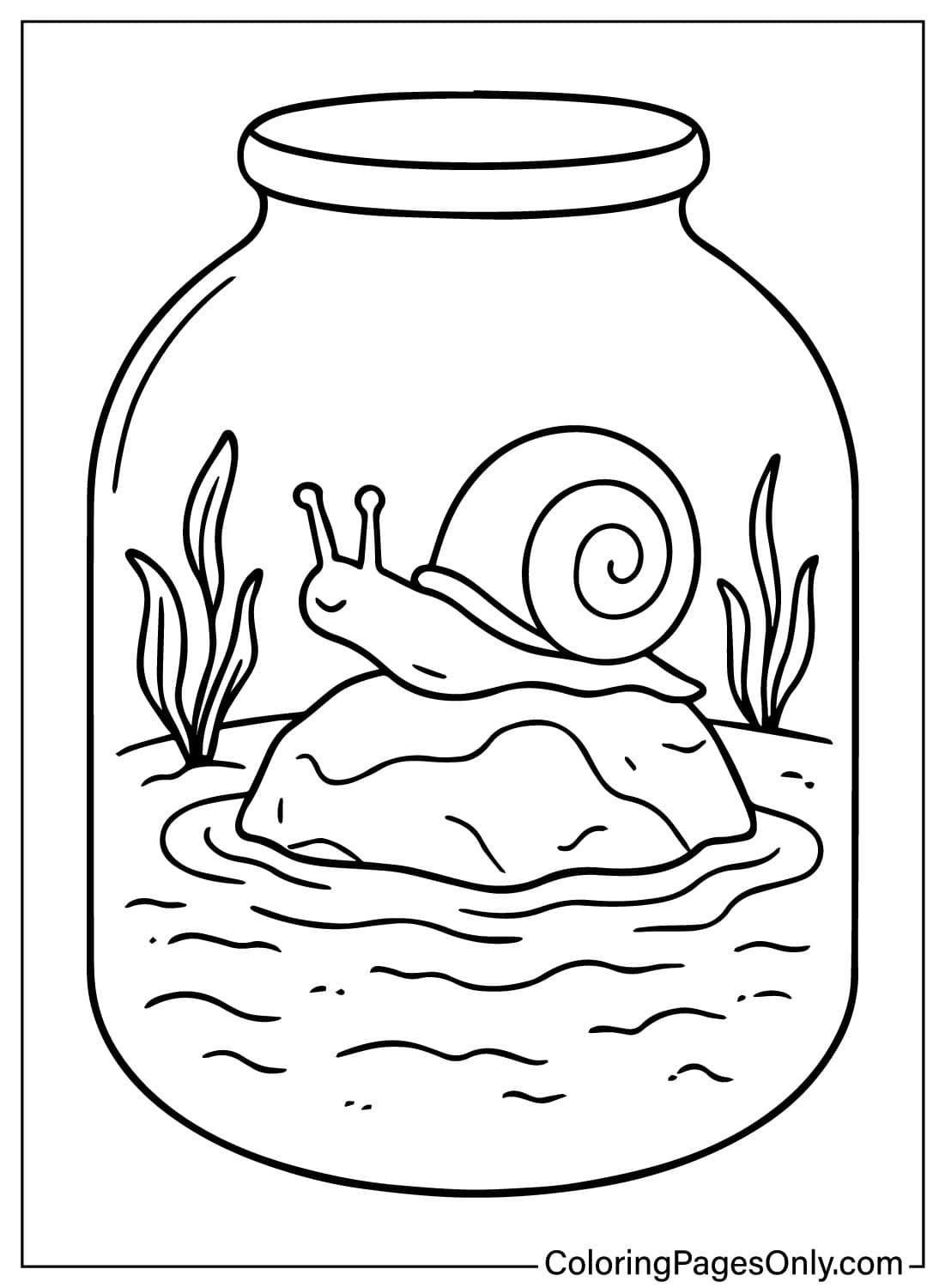
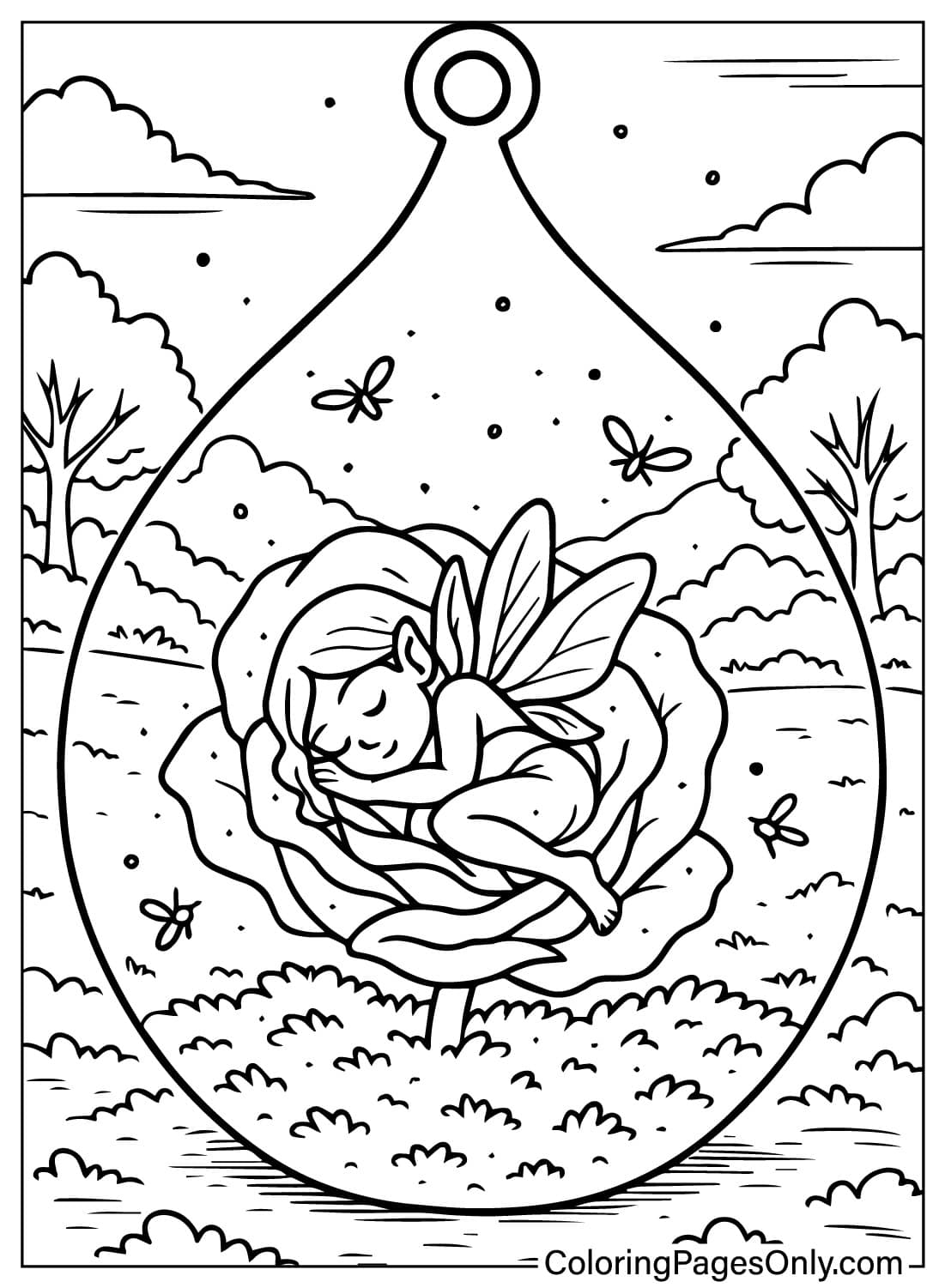
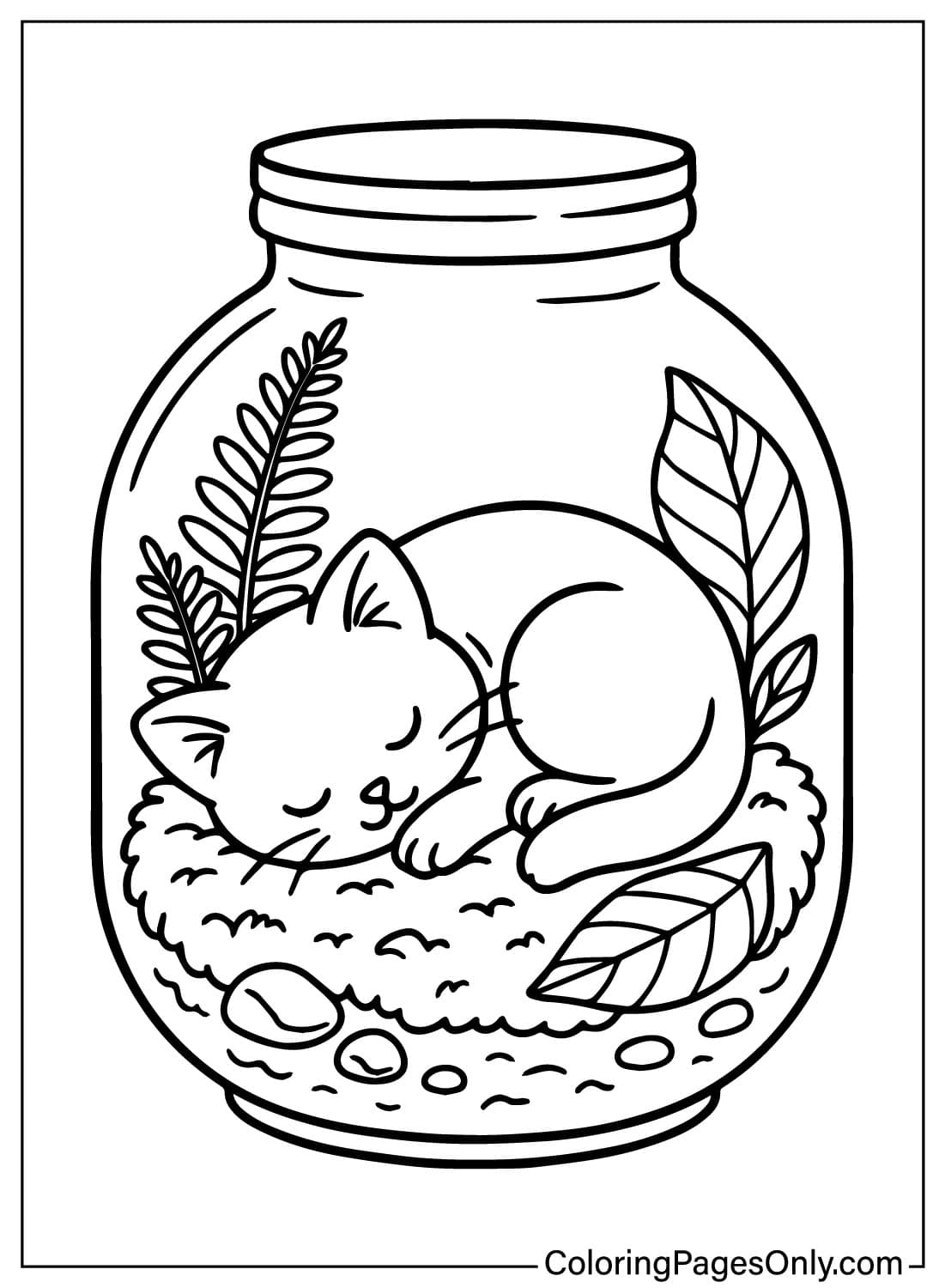
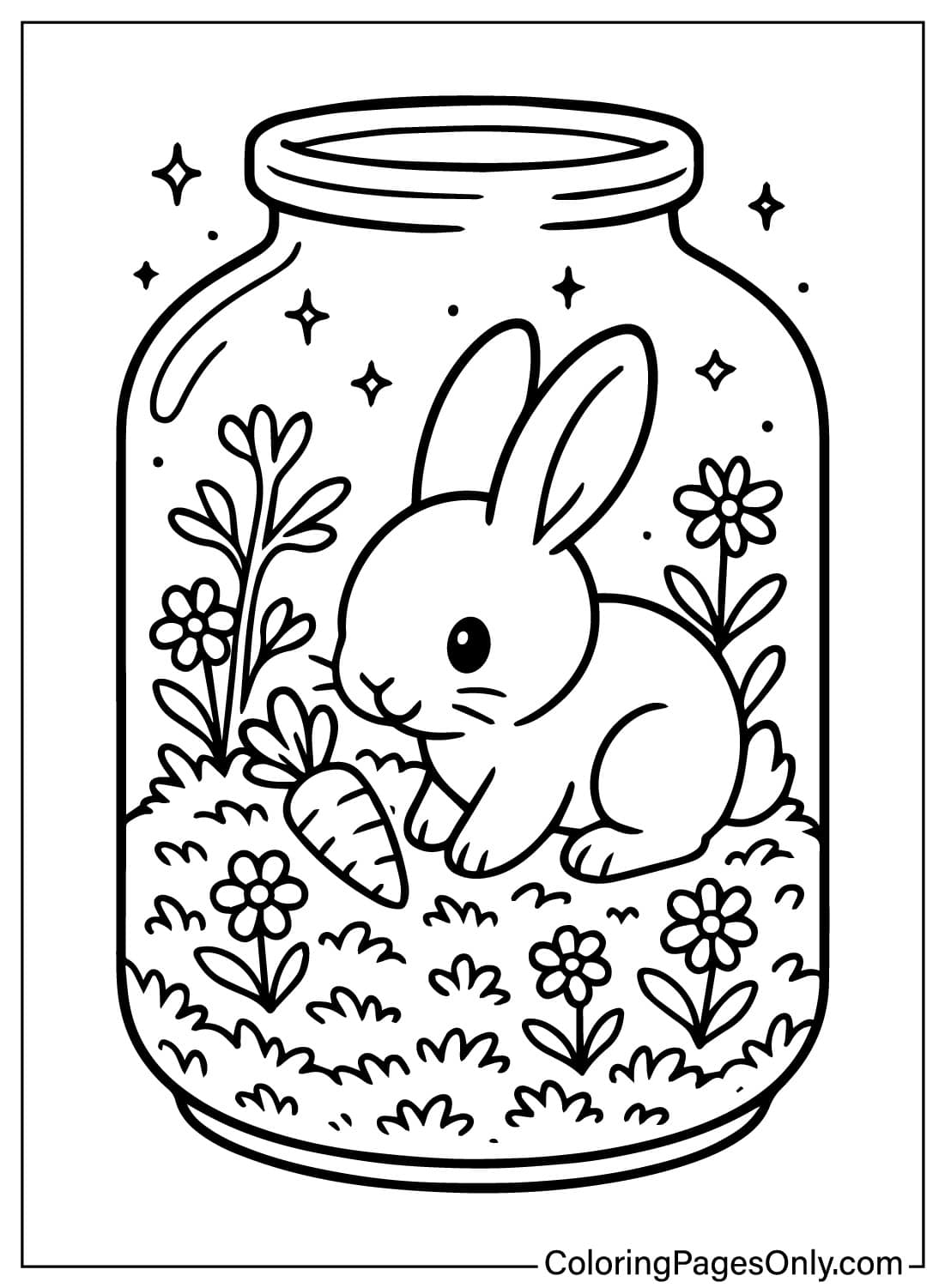
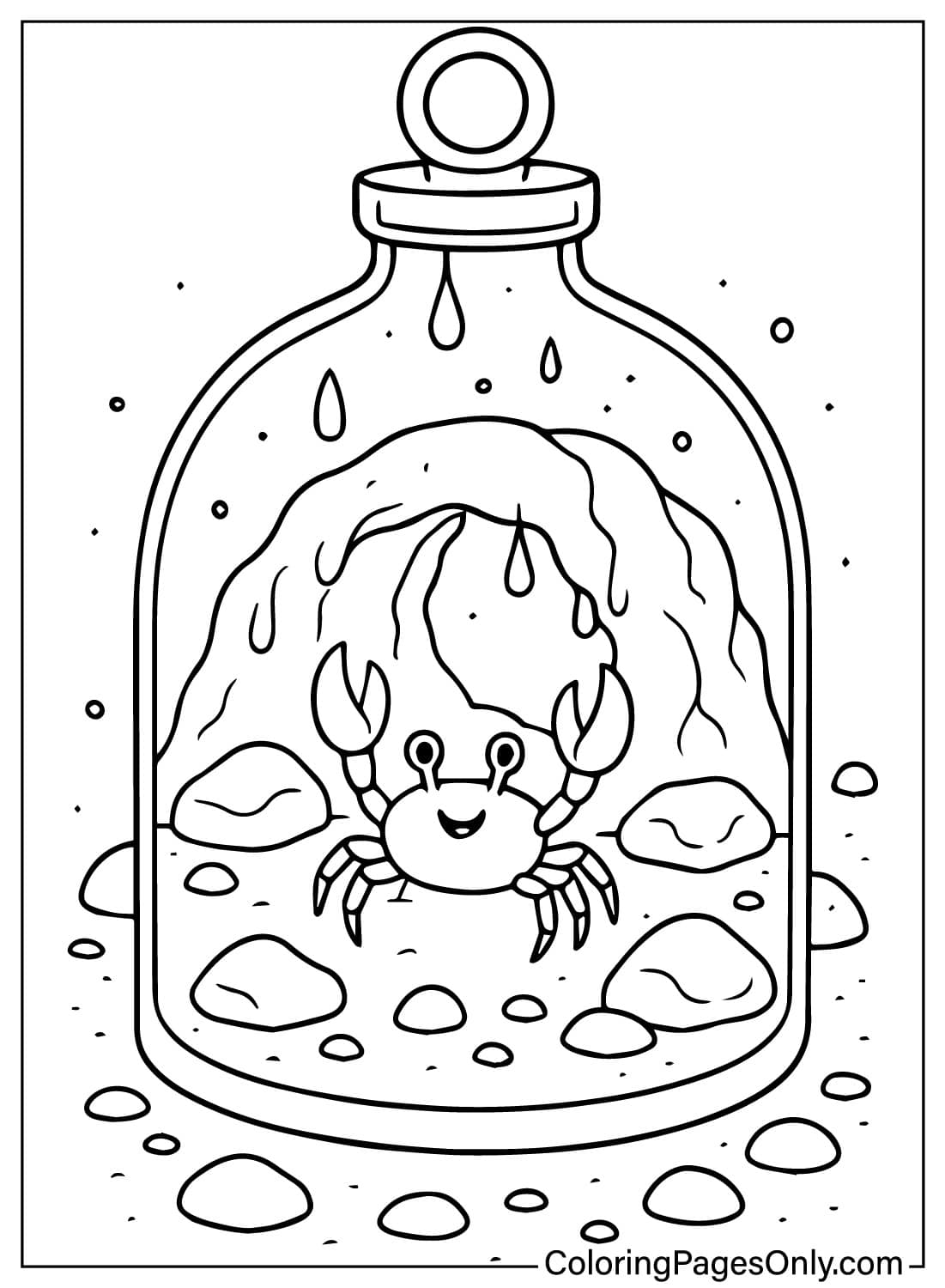
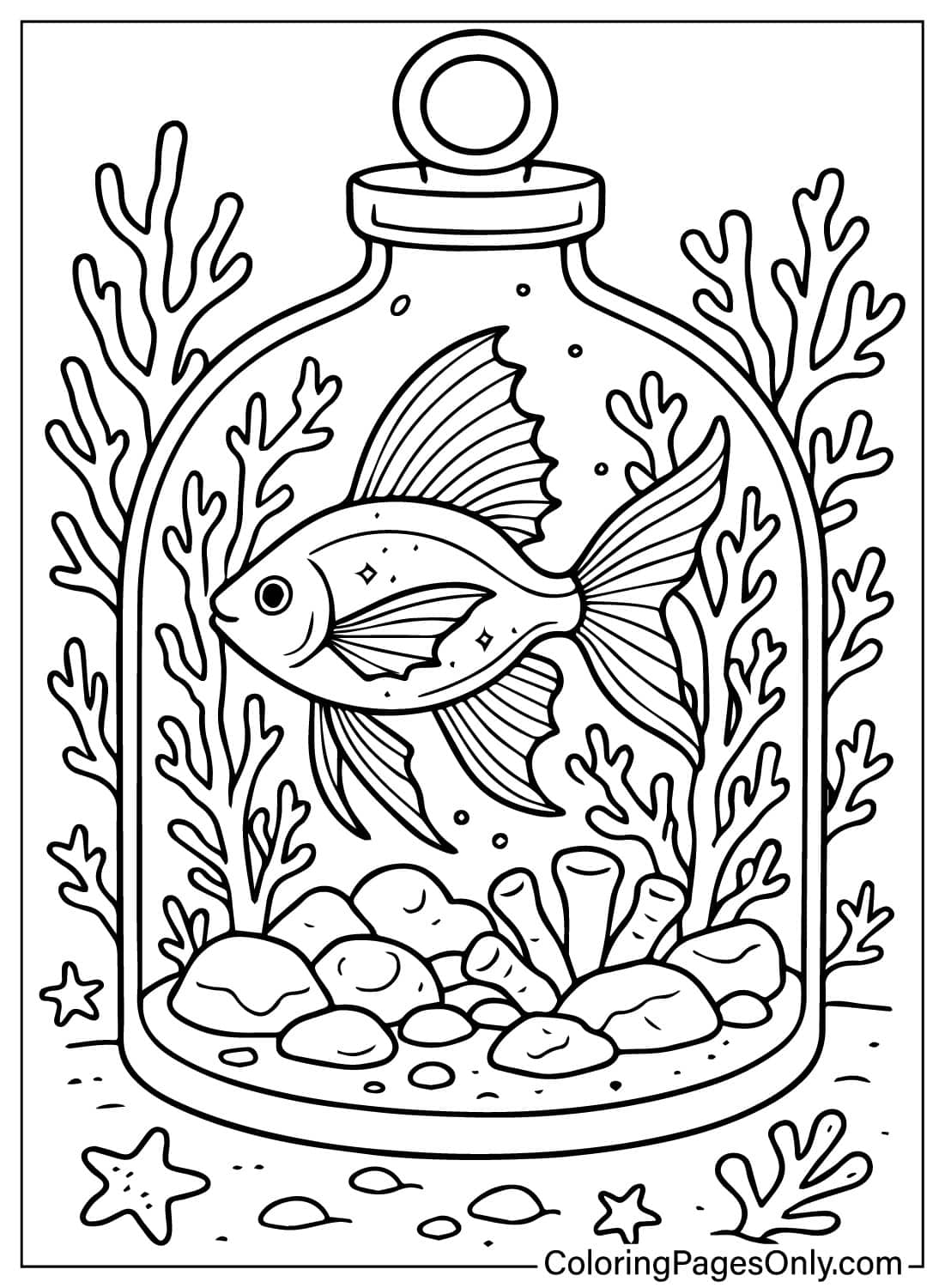
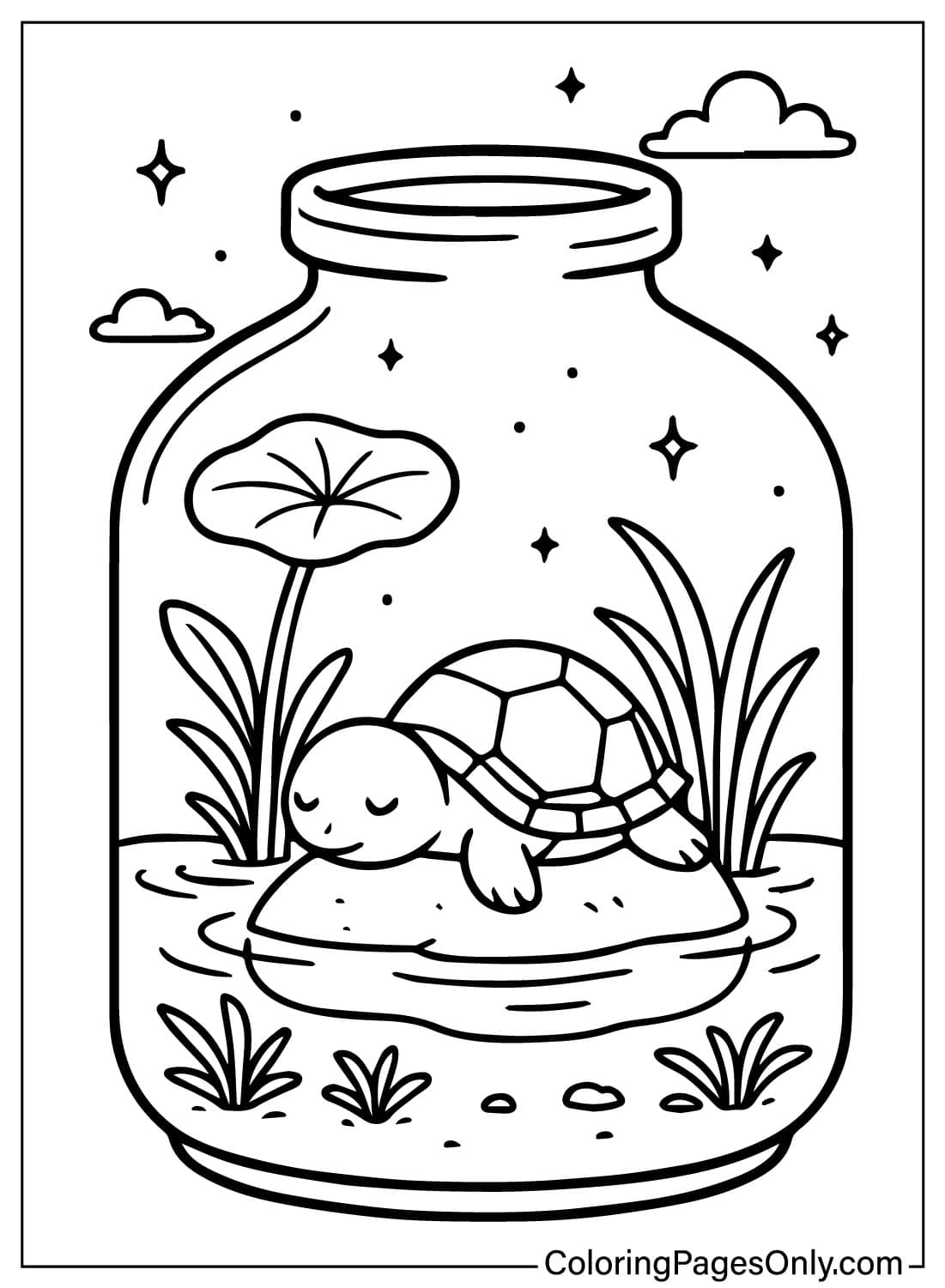
A group of designs tucks a small animal or creature inside the glass container, curled up as though the jar were a cozy little home. These pages give the botanical setting a gentler, character-driven feel for younger colorists.
Whimsical and Fantasy Terrariums
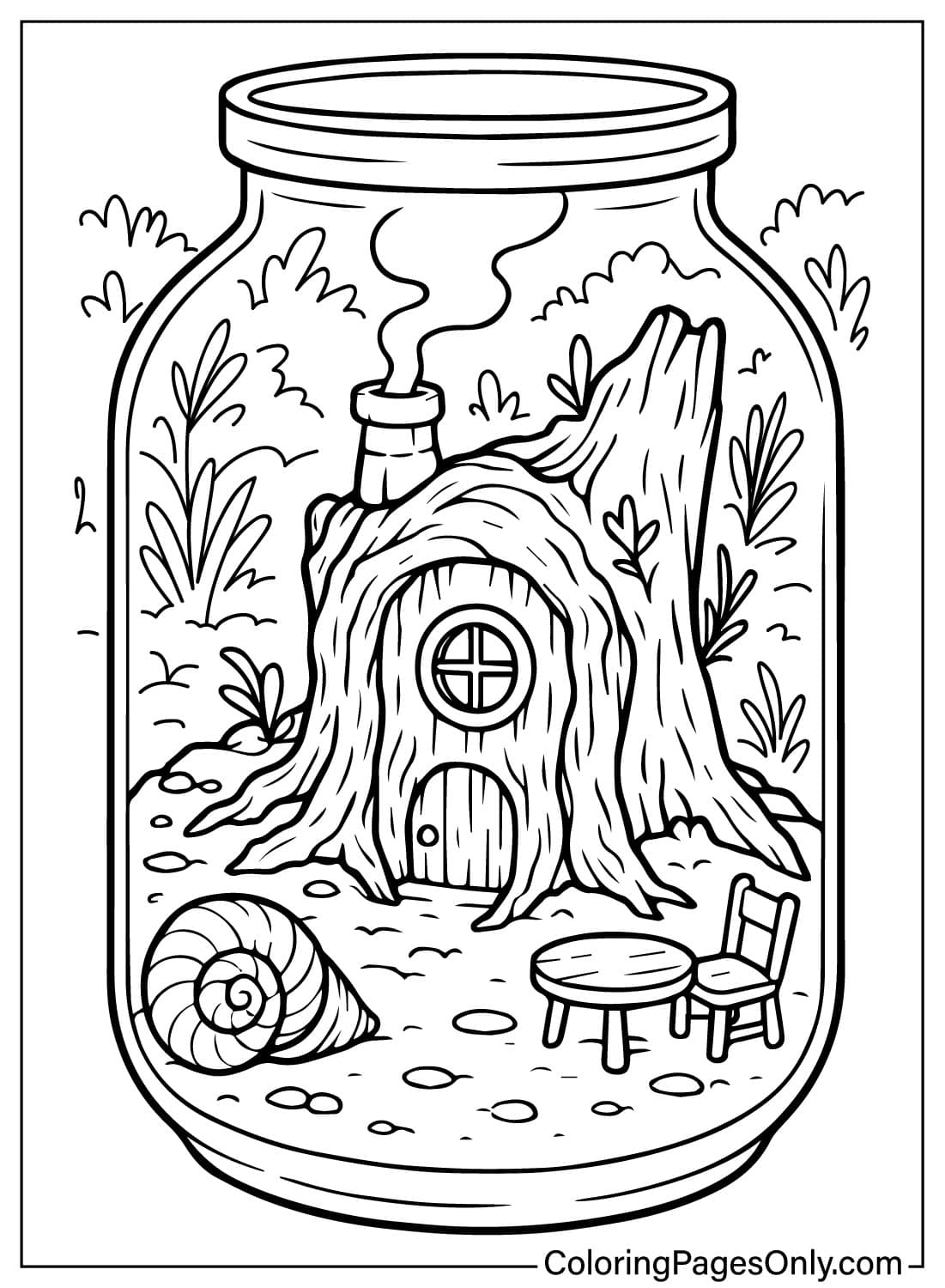
Some designs move fully into fantasy, showing tiny gardeners, fairy homes, glowing mushrooms, or miniature castles inside their glass world. These pages suit colorists who want to build an imaginative scene rather than a realistic plant arrangement.
Hanging and Display Terrariums
A number of pages show the terrarium as part of a larger home setting, hanging from a balcony, resting on a shelf, or sitting on a desk. These designs give colorists more surrounding detail to work with beyond the container itself.
What Terrarium Coloring Pages Do
Fine motor precision across layered detail. The American Academy of Pediatrics identifies fine motor skill development as a core benefit of structured coloring for children ages 2 through 7, and the layered soil, rocks, and glass boundary in a terrarium design asks for more careful, controlled coloring than a single flat shape would require.
A concrete hook for a real scientific accident. Because the terrarium traces back to a genuine, documented discovery, coloring one gives children a memorable visual anchor for a real story about observation and curiosity in science, rather than an abstract idea.
Calm focus around a contained, self-sufficient world. A 2005 study in the Art Therapy Journal documented measurable reductions in anxiety following structured coloring sessions, and the small, enclosed scale of a terrarium scene supports that same quiet, contained sense of focus.
Practice with layered, front-to-back composition. Because a terrarium design typically stacks soil, plants, and glass in visible layers, these pages give colorists practice thinking about depth and spatial arrangement in a way a flatter scene does not require.
How to Color Terrarium Pages Well
- Soil and rocks: Layer Sepia, Burnt Sienna, and Gray in uneven patches to suggest real, varied dirt and stone rather than one flat brown base.
- Leafy plants: Mix Forest Green with a lighter Fern Green at the tips of leaves to add depth without needing heavy shading.
- Succulents and cacti: A cooler Sage Green or Teal helps these plants read as distinct from the warmer greens used for leafy ferns.
- Glass container outlines: A very light Sky Blue or pale Gray along the container’s edge suggests glass without making the whole jar look solid.
- Sleeping animal characters: Keep fur or skin tones soft and slightly muted so the character blends naturally into the miniature scene.
- Fantasy elements: Save the brightest, most saturated colors, like Sunglow Yellow or Magenta, for magical details like glowing mushrooms or fairy lights so they stand out clearly.
5 Creative Craft Ideas With Terrarium Coloring Pages
1. Build a Real Mini Terrarium
After coloring a favorite design, use an actual small glass jar, potting soil, a few pebbles, and a small houseplant or artificial plant to build a real terrarium inspired by the colored page. Displaying the finished terrarium next to its matching coloring page turns the project into a hands-on nature activity. This works especially well as a follow-up to the botanical and succulent designs in the collection.
2. Terrarium Collage Board
Color several terrarium pages, cut them out, and arrange them onto a poster board to build a larger garden-themed display. Overlapping the pieces slightly gives the collage a sense of depth beyond the flat coloring. This works well as a shared classroom project where each student contributes one terrarium.
3. Storytime Garden Booklet
Color a whimsical terrarium page and write a short story on a separate sheet describing who or what lives inside the tiny world. Binding several colored pages and their matching stories together turns the project into a small, handmade storybook. This works especially well as a creative writing extension for older kids.
4. Mini Zen Garden Kit
Color a calm, simple terrarium design and use it as a backdrop behind a small tray filled with sand and a few smooth stones. Raking simple patterns into the sand alongside the colored backdrop creates a small, calming desk display. This pairs well with a quiet wind-down activity at the end of a school day.
5. Terrarium Bookmark
Trim a simple terrarium design to bookmark size and laminate or cover it with clear tape for a durable, everyday bookmark. Punching a hole at the top and threading a short ribbon through makes it easy to spot inside a stack of books. Making a small set with different designs gives a reader several to rotate through.
Frequently Asked Questions
What are Terrarium coloring pages?
They are printable illustrations of small glass containers holding plants, sleeping animals, or fantasy scenes. This collection has 34 designs available as free PDF downloads or for coloring directly online.
What is a real terrarium?
A terrarium is a small, usually glass container used to grow plants in a sealed or partly sealed environment, where humidity and moisture recycle inside the container to keep the plants alive with minimal outside care.
Who invented the terrarium?
The idea is credited to Nathaniel Bagshaw Ward, a London physician who, in 1829, accidentally discovered that fern spores and grass seeds had sprouted inside a sealed glass jar, publishing his findings in 1842 in a design that became known as the Wardian case.
What is the difference between the realistic and fantasy-style designs in this collection?
The realistic designs focus on actual plants like ferns, succulents, and orchids arranged over soil and rock. In contrast, the fantasy-style designs add imaginative elements like sleeping creatures, fairy homes, or glowing mushrooms inside the same glass container.
What colors work best for these designs?
Layered sepia and gray suit soil and rock, forest green and fern green work well for leafy plants, and the brightest colors are best saved for fantasy elements like glowing mushrooms or fairy lights.
Are Terrarium coloring pages suitable for young children?
Yes. The designs use calm, non-graphic scenes with no frightening content, and the simpler single-plant pages in particular are well suited to preschool through elementary-age children.
Can this collection be paired with an actual terrarium-building activity?
Yes. Coloring a botanical design pairs naturally with building a really small terrarium using a jar, soil, and a plant, giving kids a hands-on activity alongside the coloring page.
Can this collection be used for a science or gardening classroom unit?
Yes. The realistic plant designs and the true history behind the terrarium pair well with a classroom or homeschool unit on plants, ecosystems, or the history of science.
Start Coloring
Download any page by clicking the design. No account, email, or payment is required. Pages print directly from the browser at full resolution or open in the online coloring tool for screen use. Share finished pages on Facebook or Pinterest with the share buttons at the top of each design page.