Connect the dots Coloring Pages
 By:
Charlotte Taylor - Content Writer
Updated:
By:
Charlotte Taylor - Content Writer
Updated:
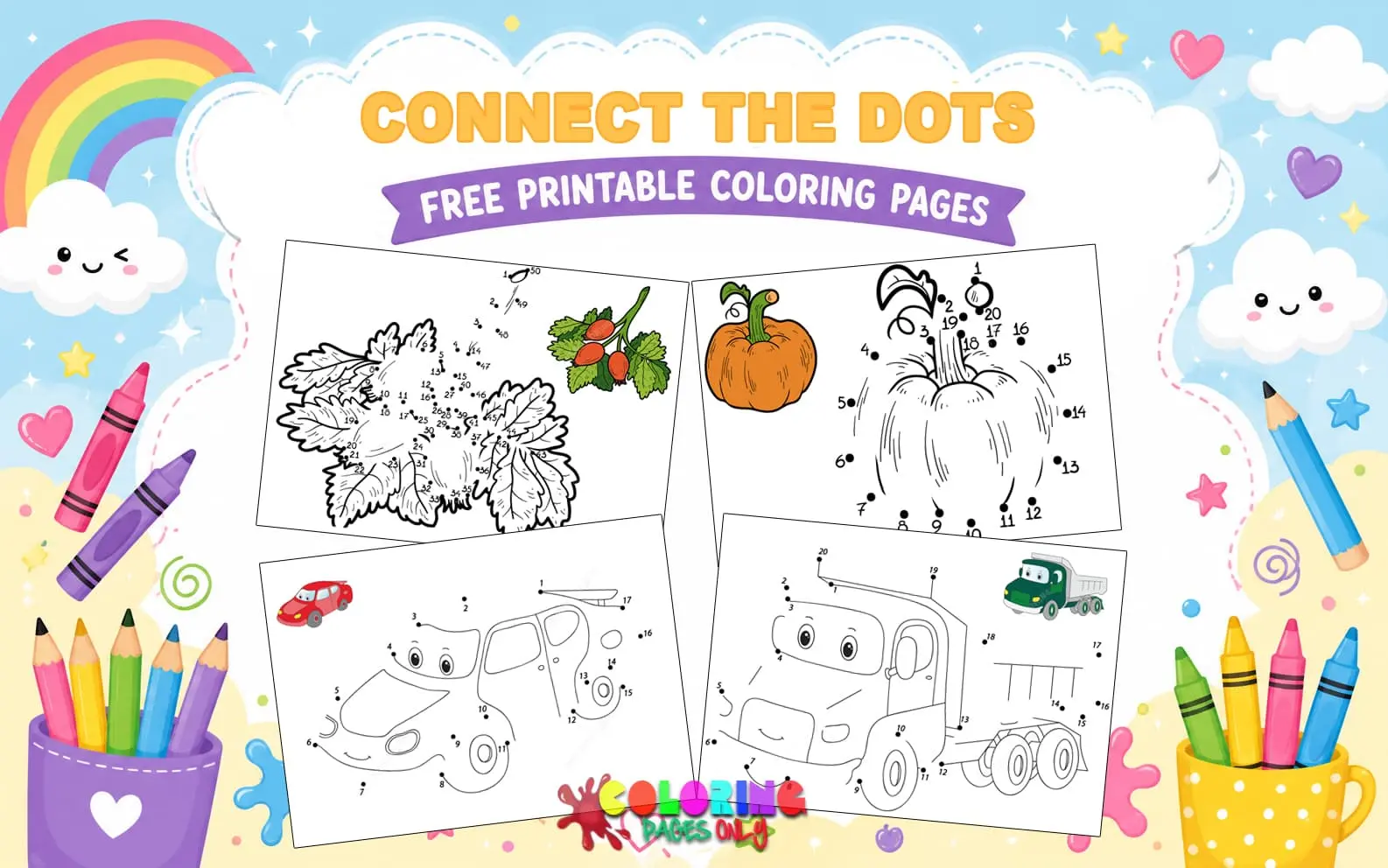
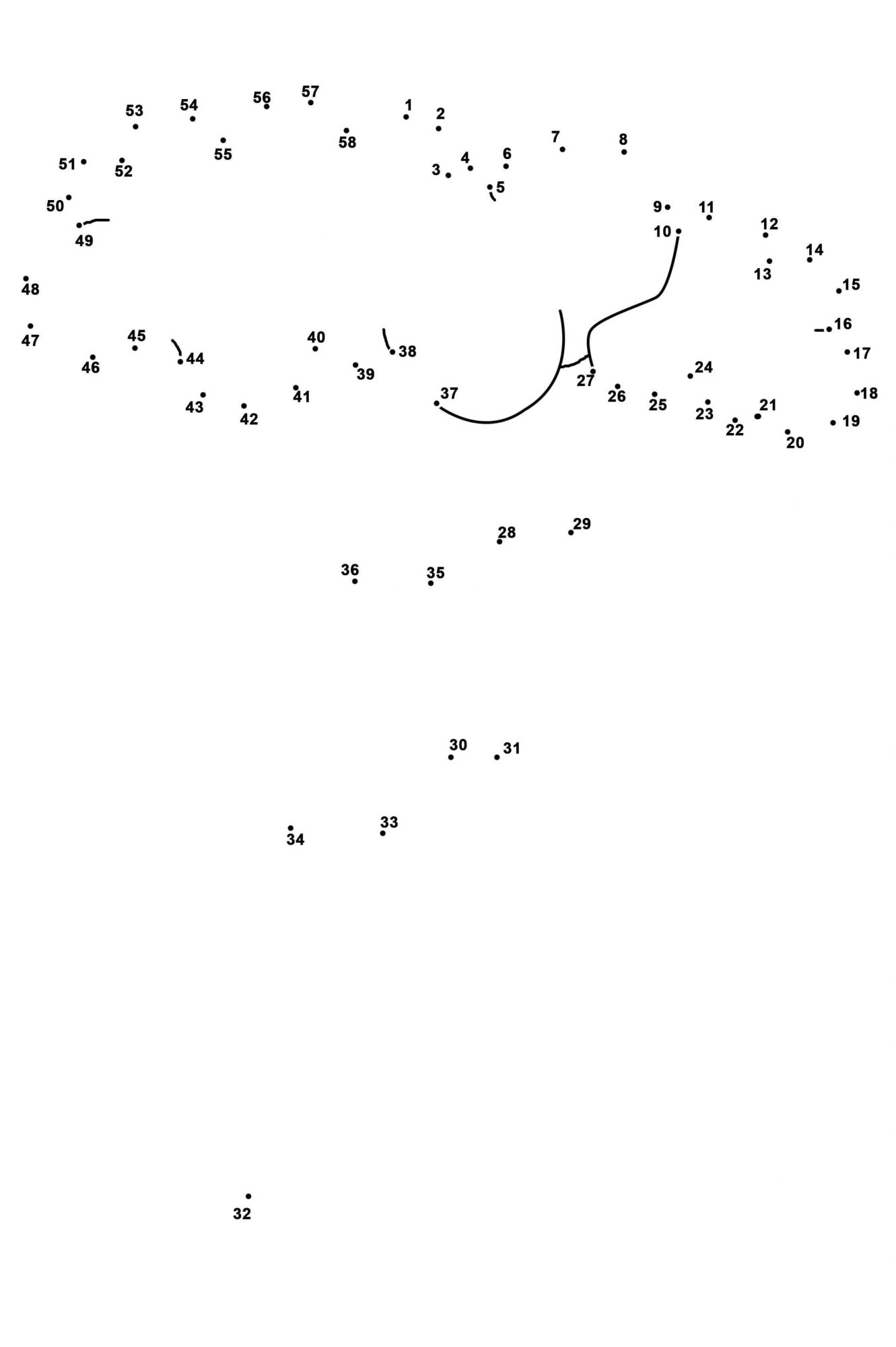
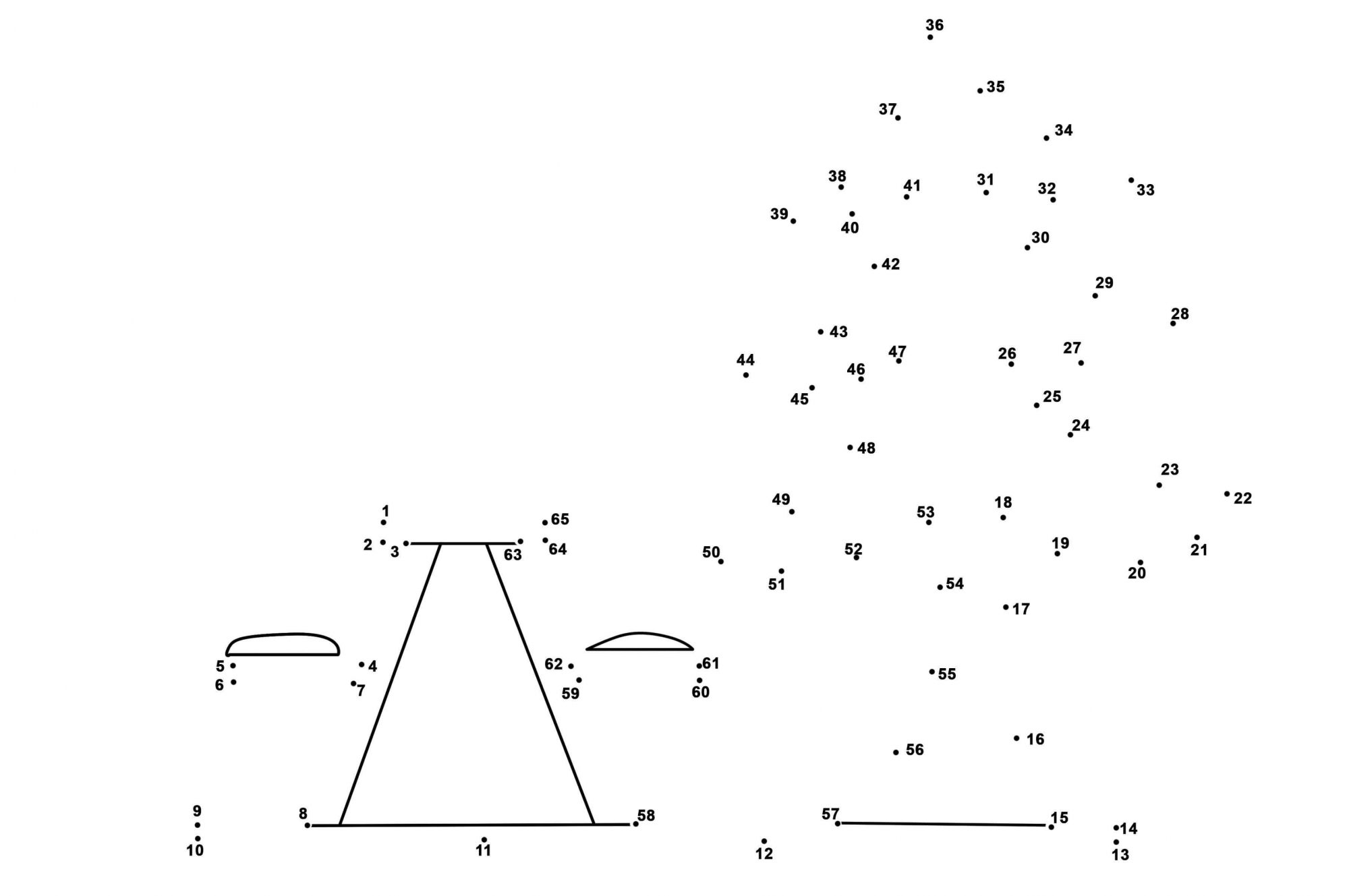
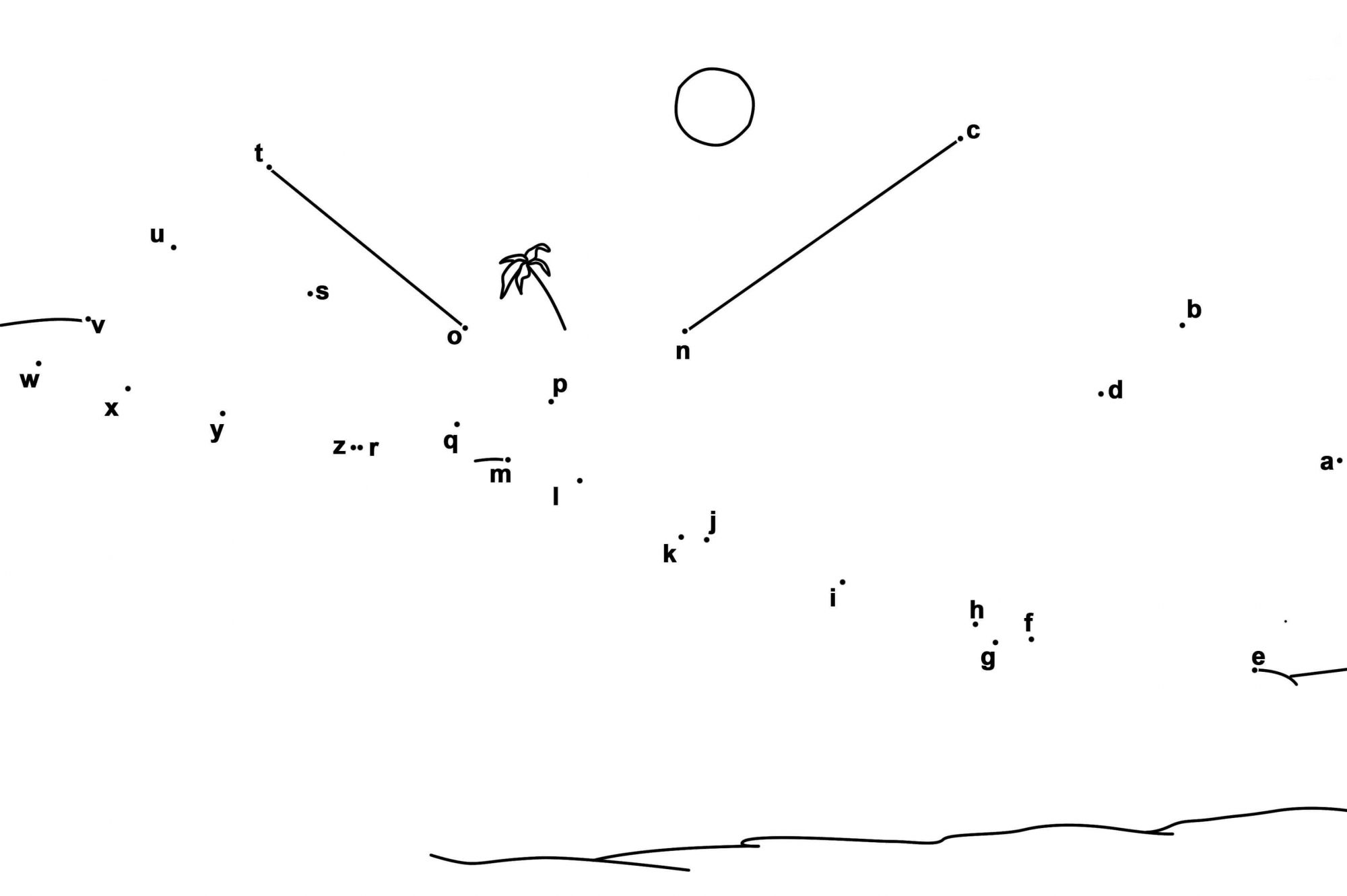
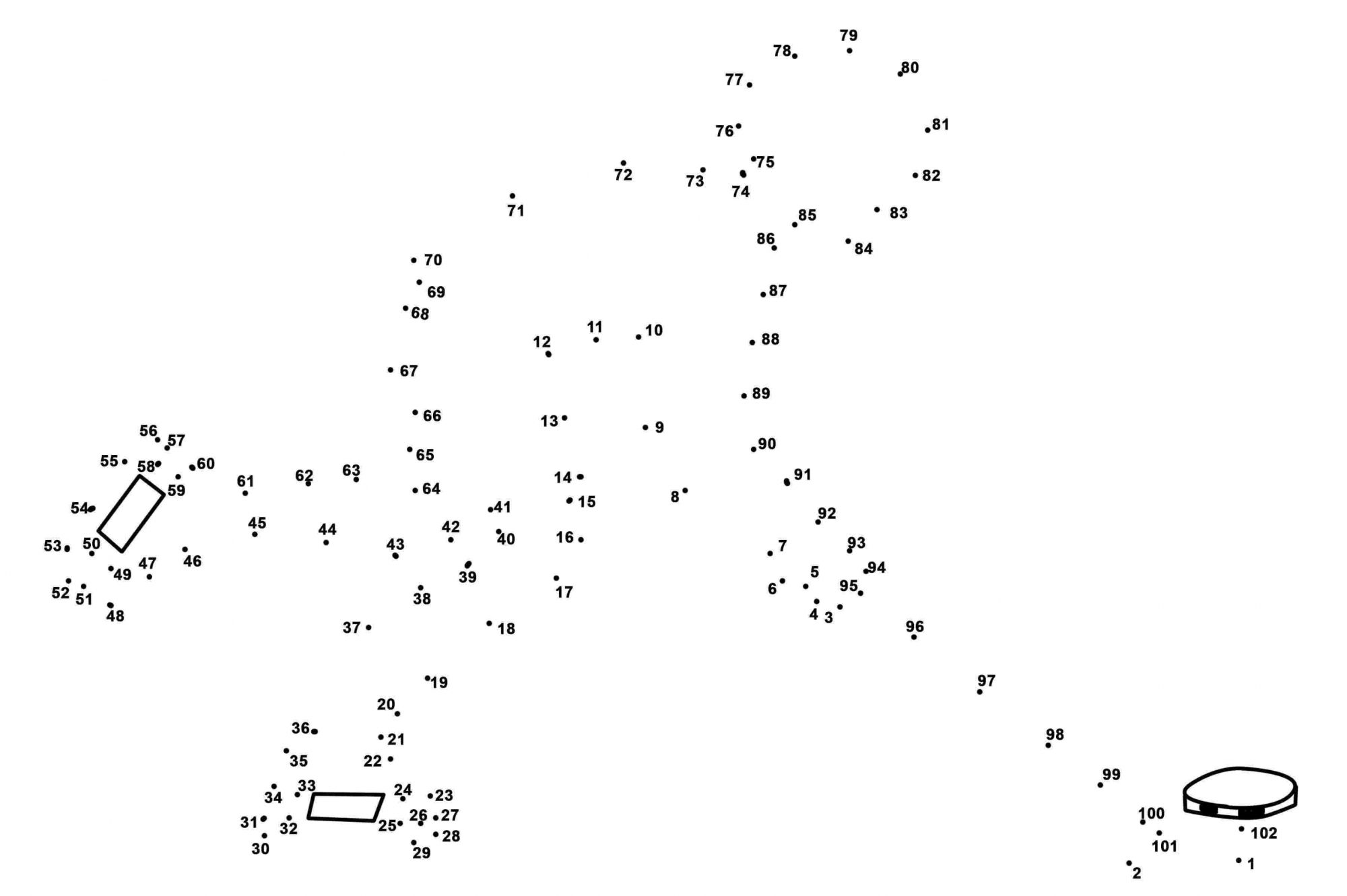
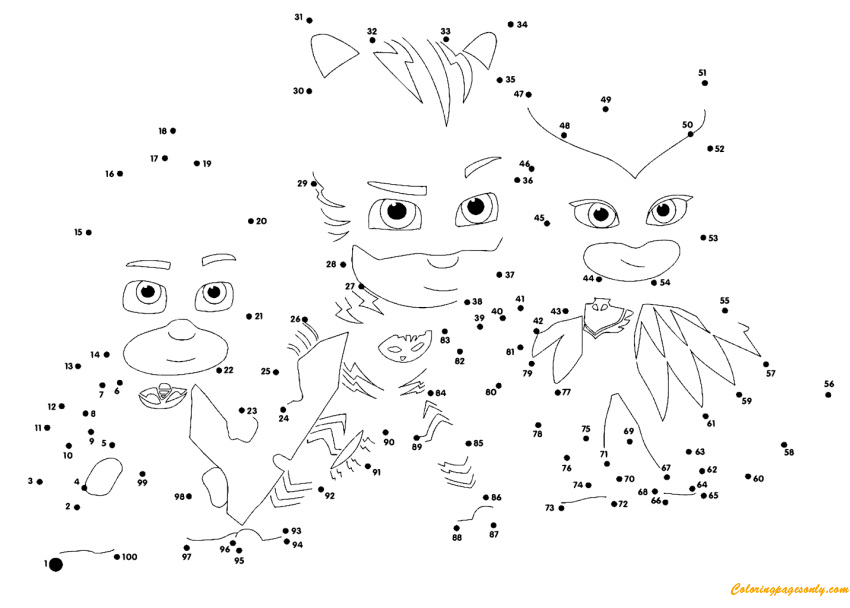
Free Connect the Dots Coloring Pages: 61 printable PDF puzzles where children join numbered points in order to reveal a hidden picture, then color the finished drawing. The set covers vehicles such as a red car, a yellow school bus, a cement mixer, a submarine, and a hot air balloon; about 20 vegetables from carrots and corn to broccoli, leeks, and radishes; rockets and spaceships; athletes like a soccer player, a hockey player, and a ballerina; and scenes such as an igloo, an Egyptian pyramid, and a thunderstorm. Sheets download as PDFs, and every puzzle also works on a touchscreen.
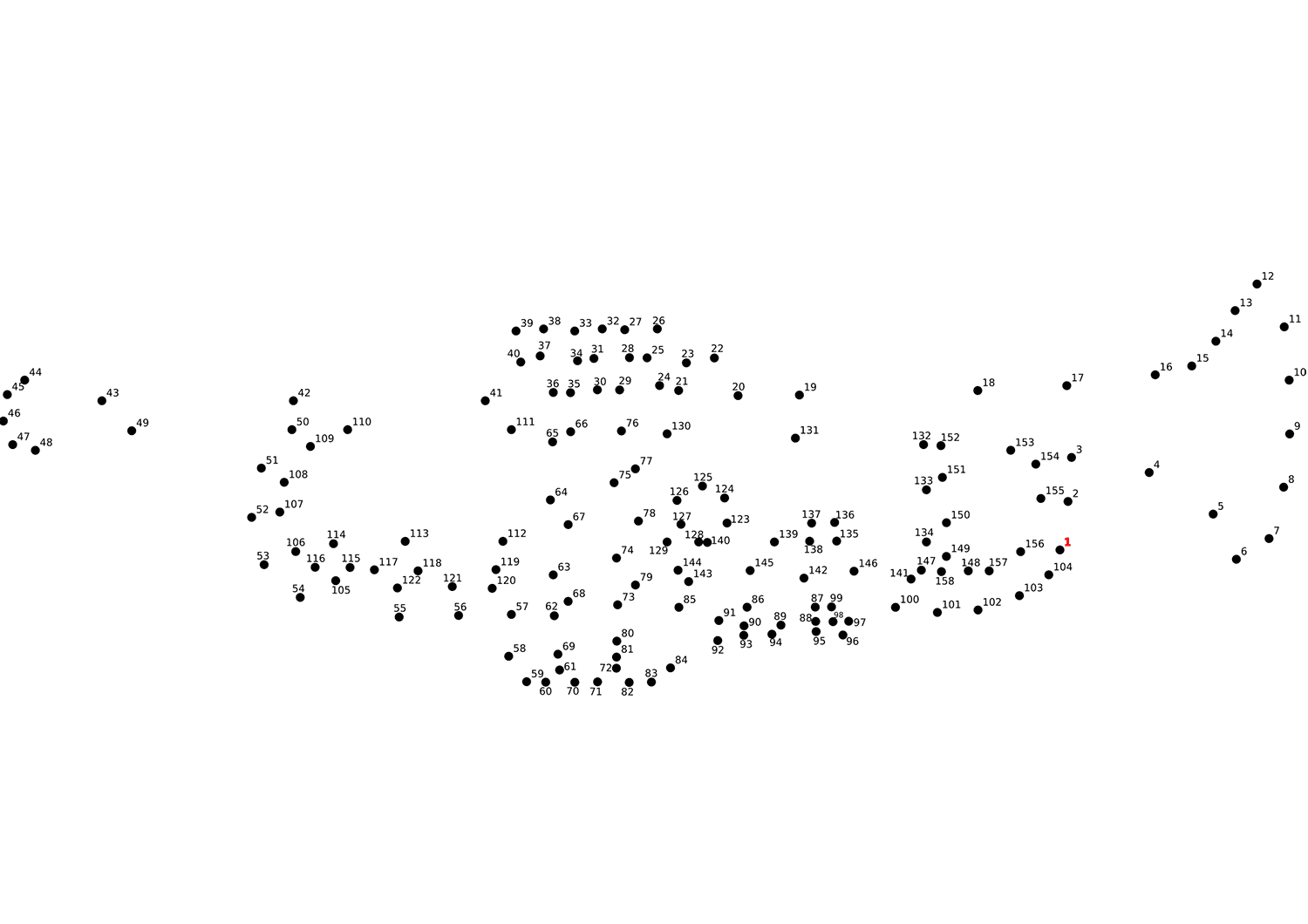
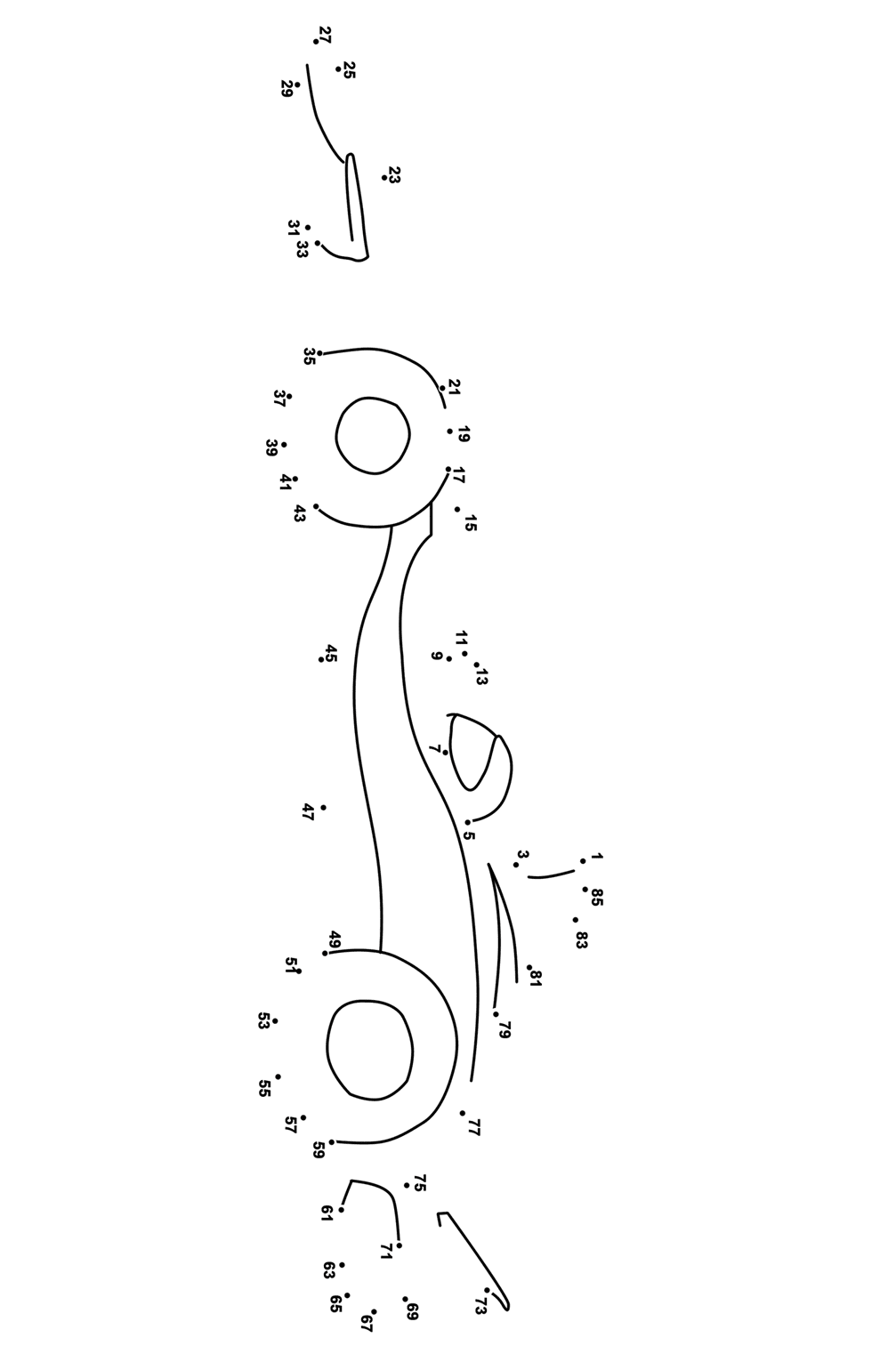
Difficulty ranges widely. The simplest pages run from 1 to 15 for preschoolers just learning to count, mid-level sheets go to 30, and the hardest climb past 50 dots. One race car page uses counting by 2s, turning the puzzle into skip-counting practice.
Connect-the-dot puzzles have filled children’s activity books for generations because they combine two skills at once: recognizing numbers in sequence and drawing controlled lines. The moment the hidden shape appears gives kids an instant reward that keeps them motivated to try the next one.




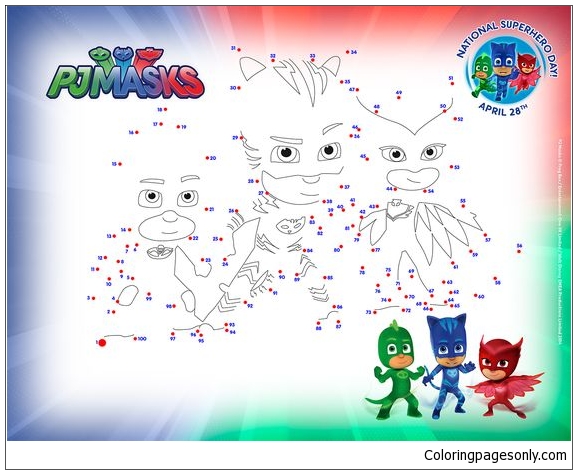
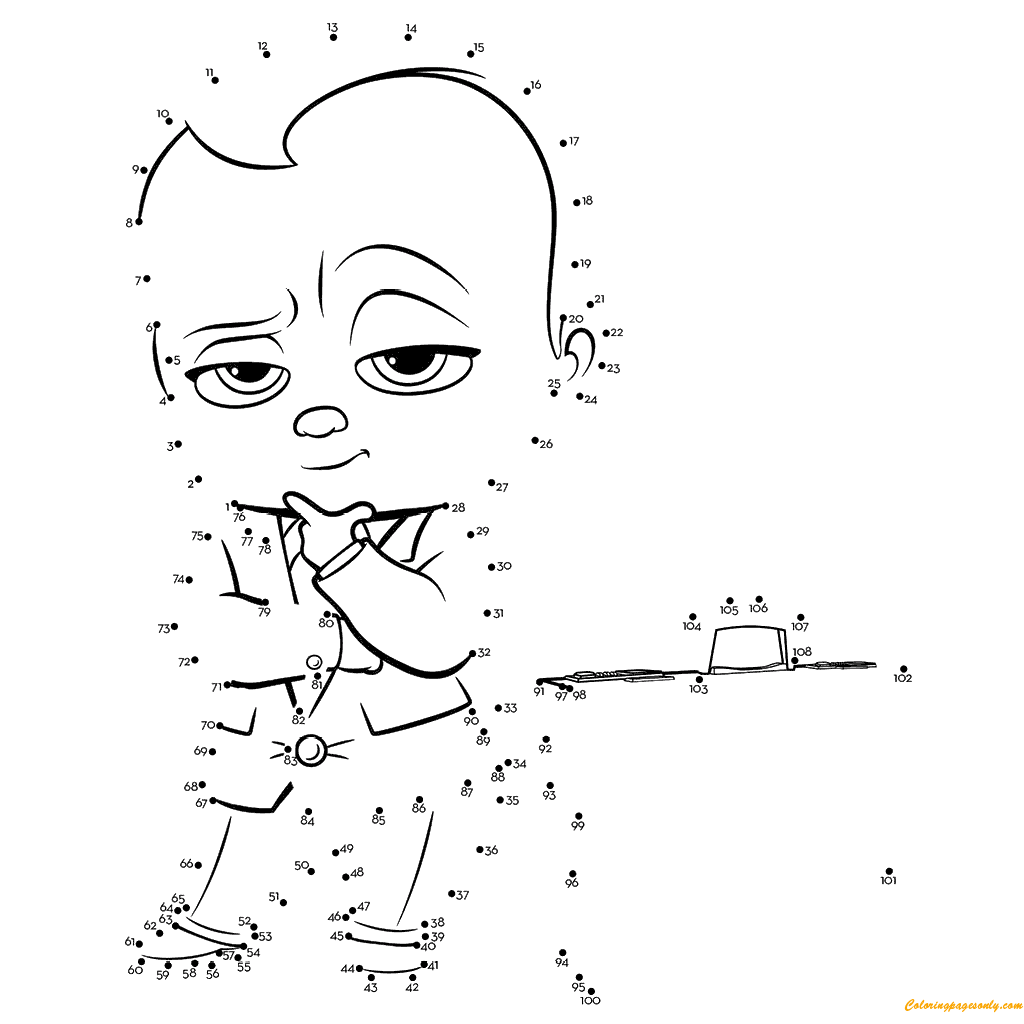
What’s Inside This Collection
Vegetables and vehicles account for more than half of the 61 puzzles, with space, sports, nature, and holiday pages filling the rest.
Vehicles and Transportation
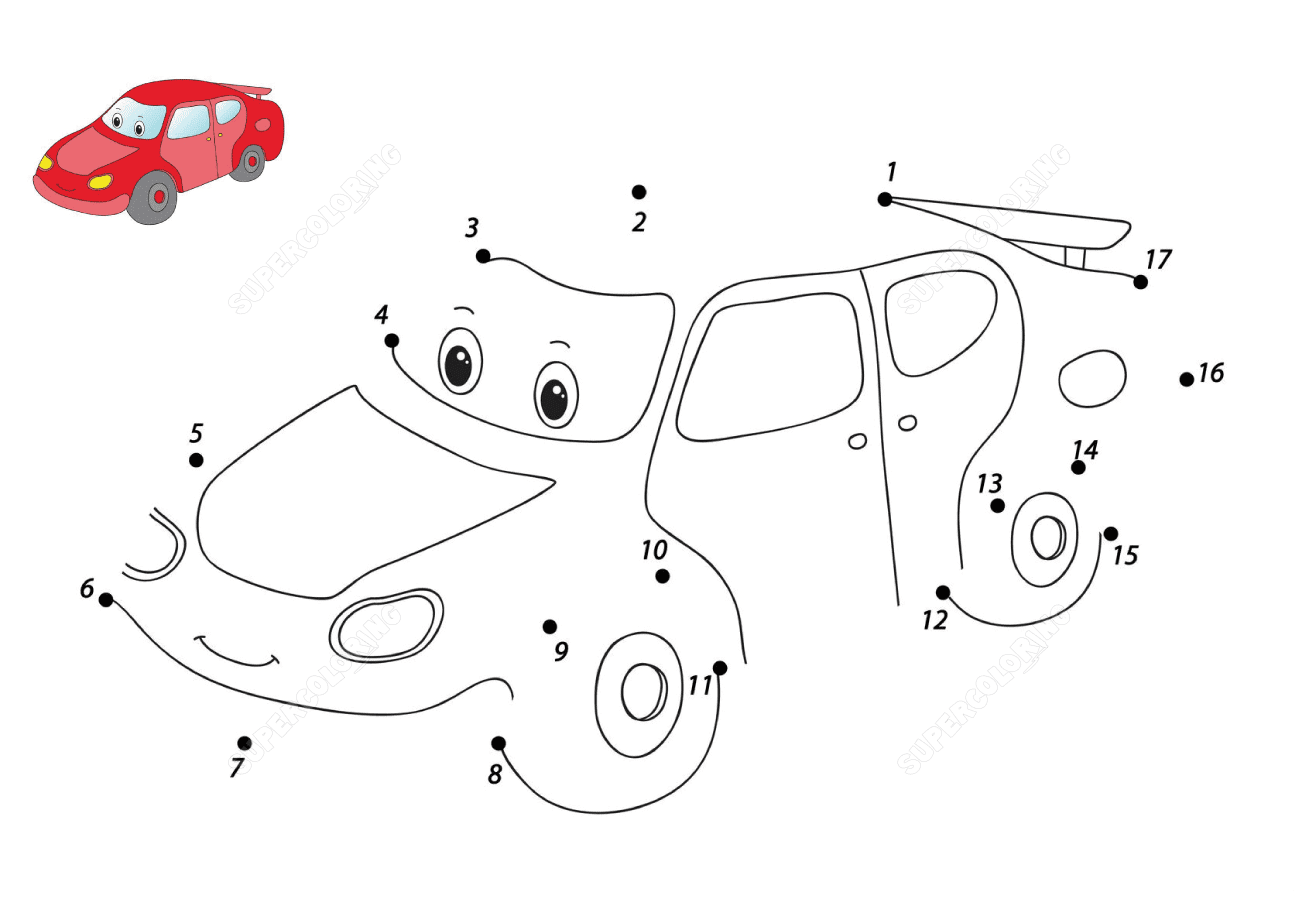
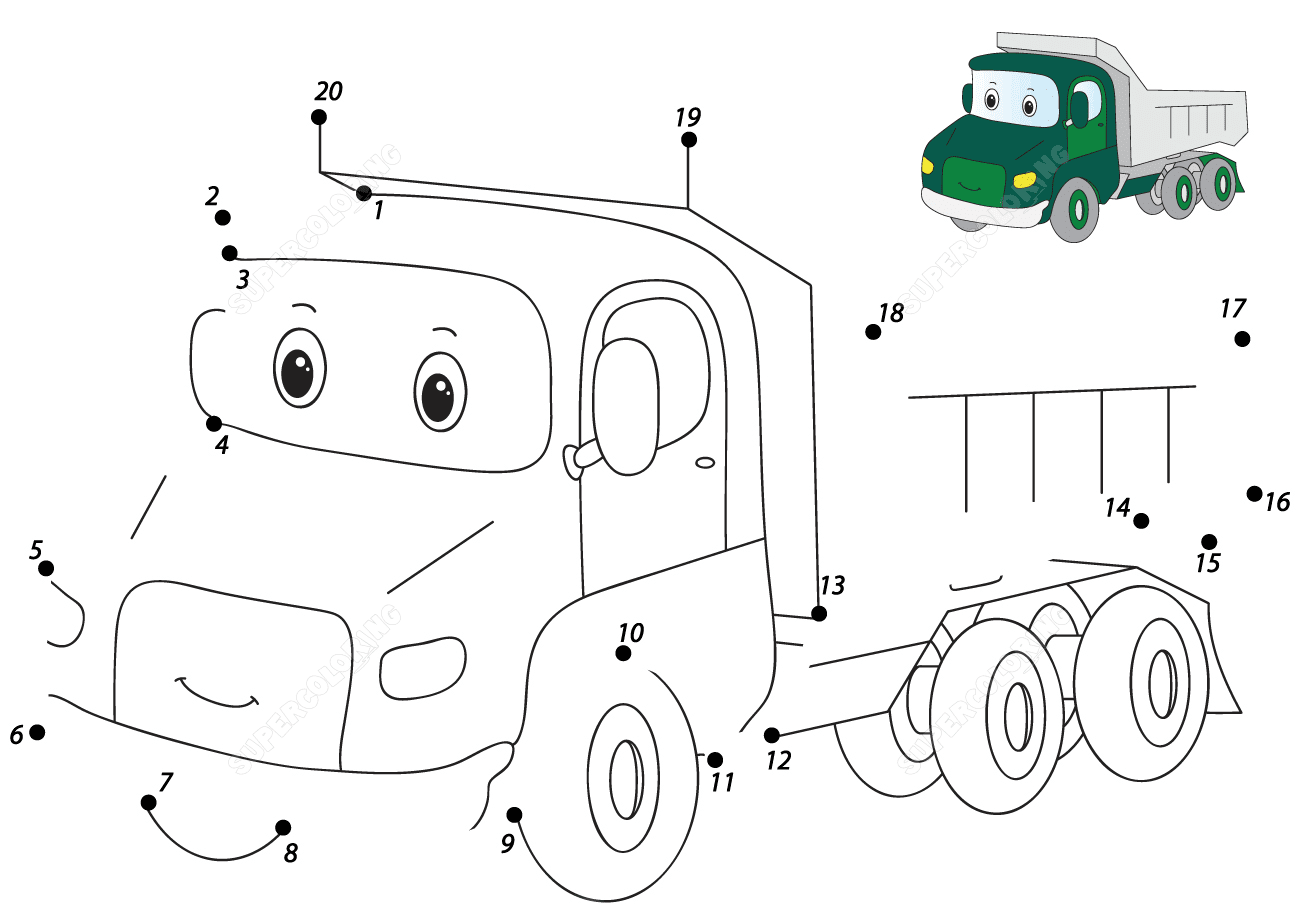
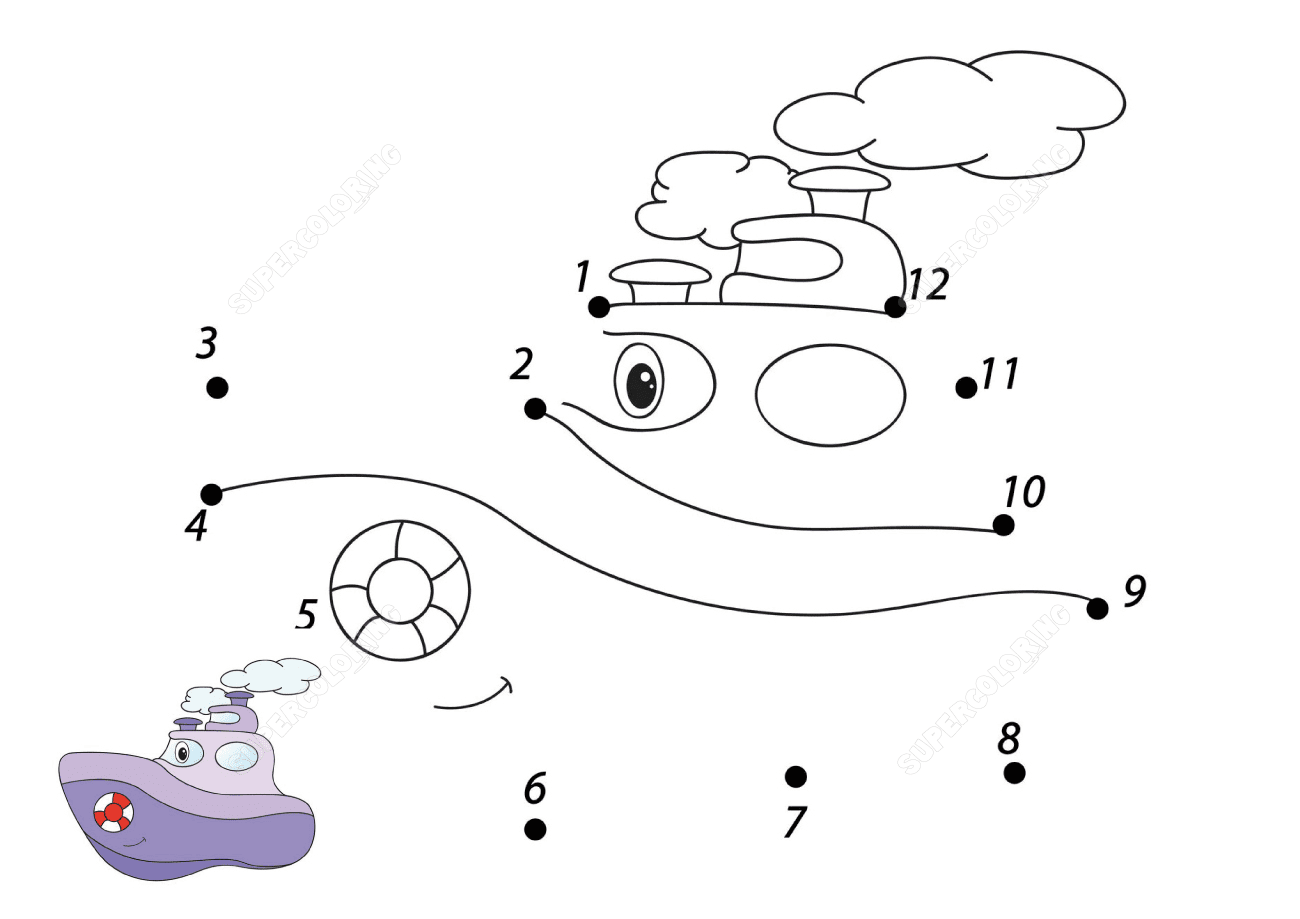
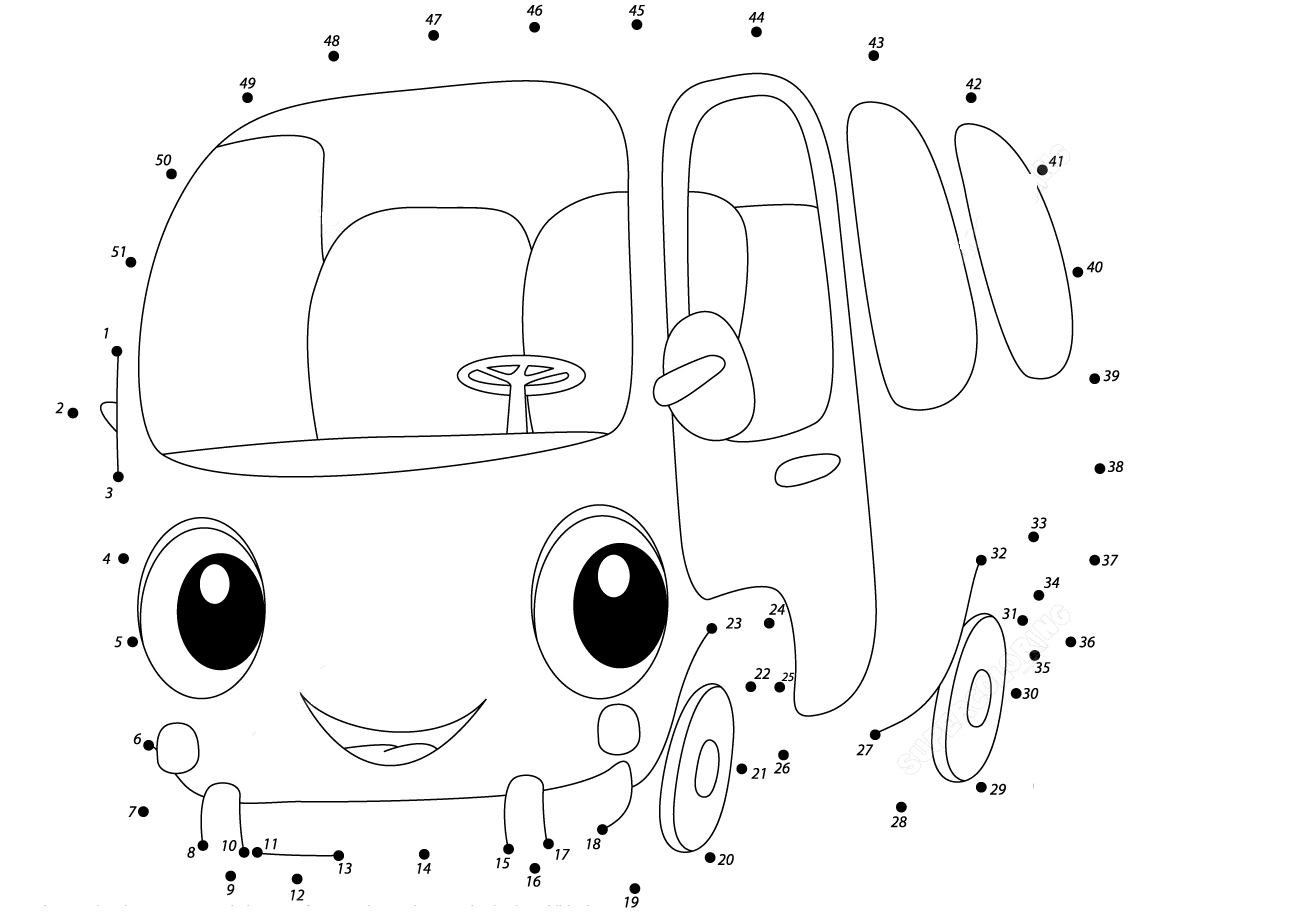
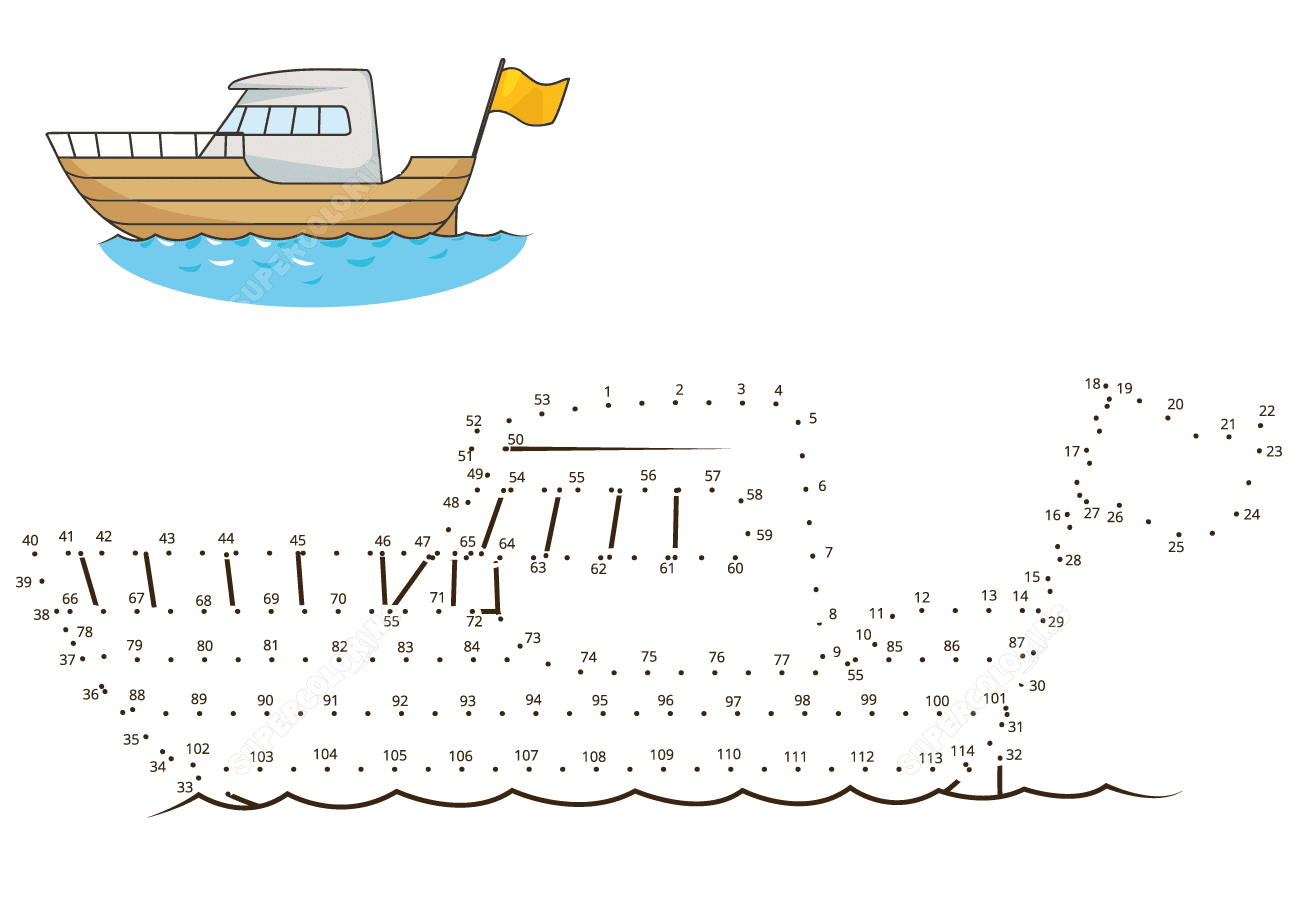
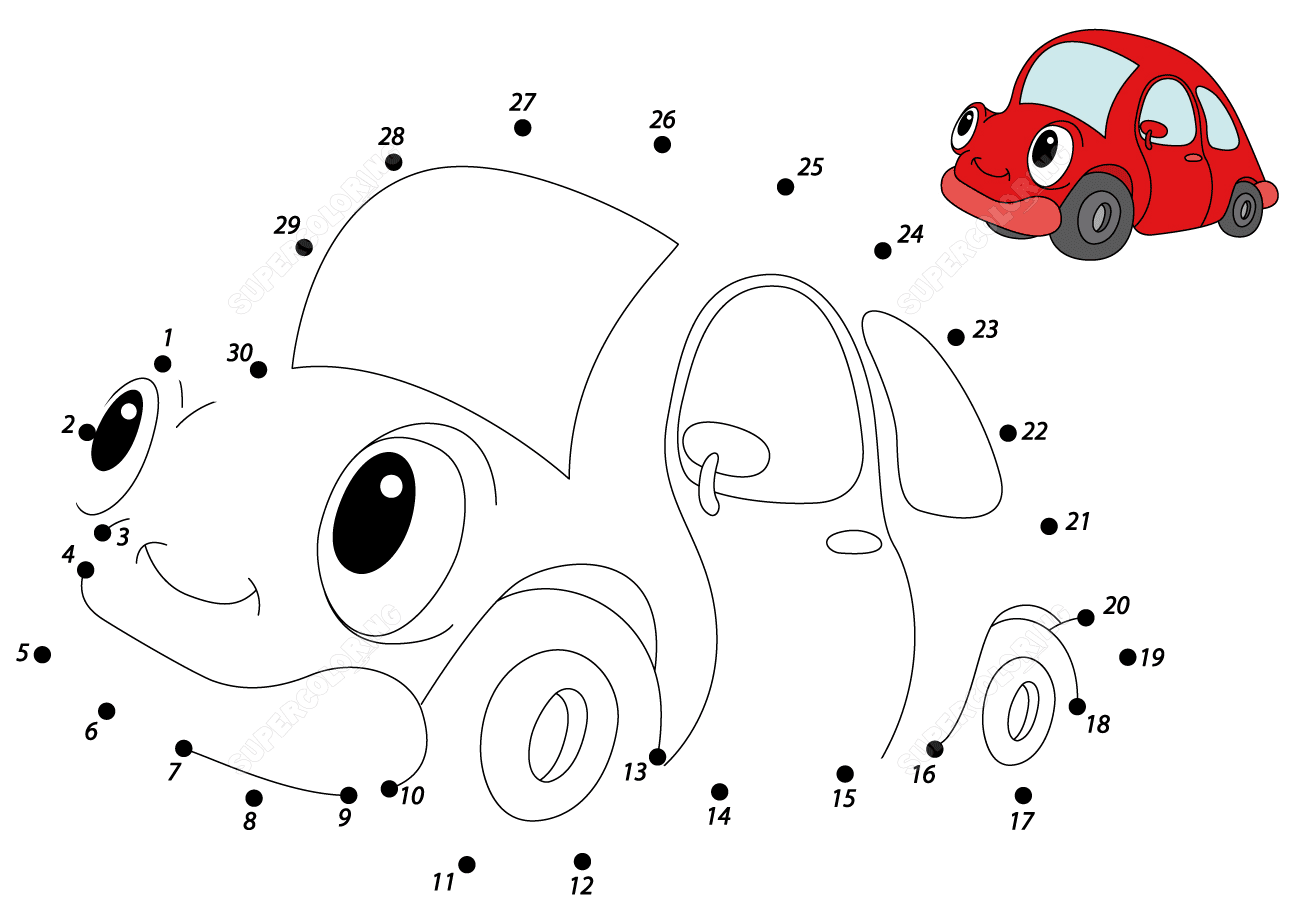
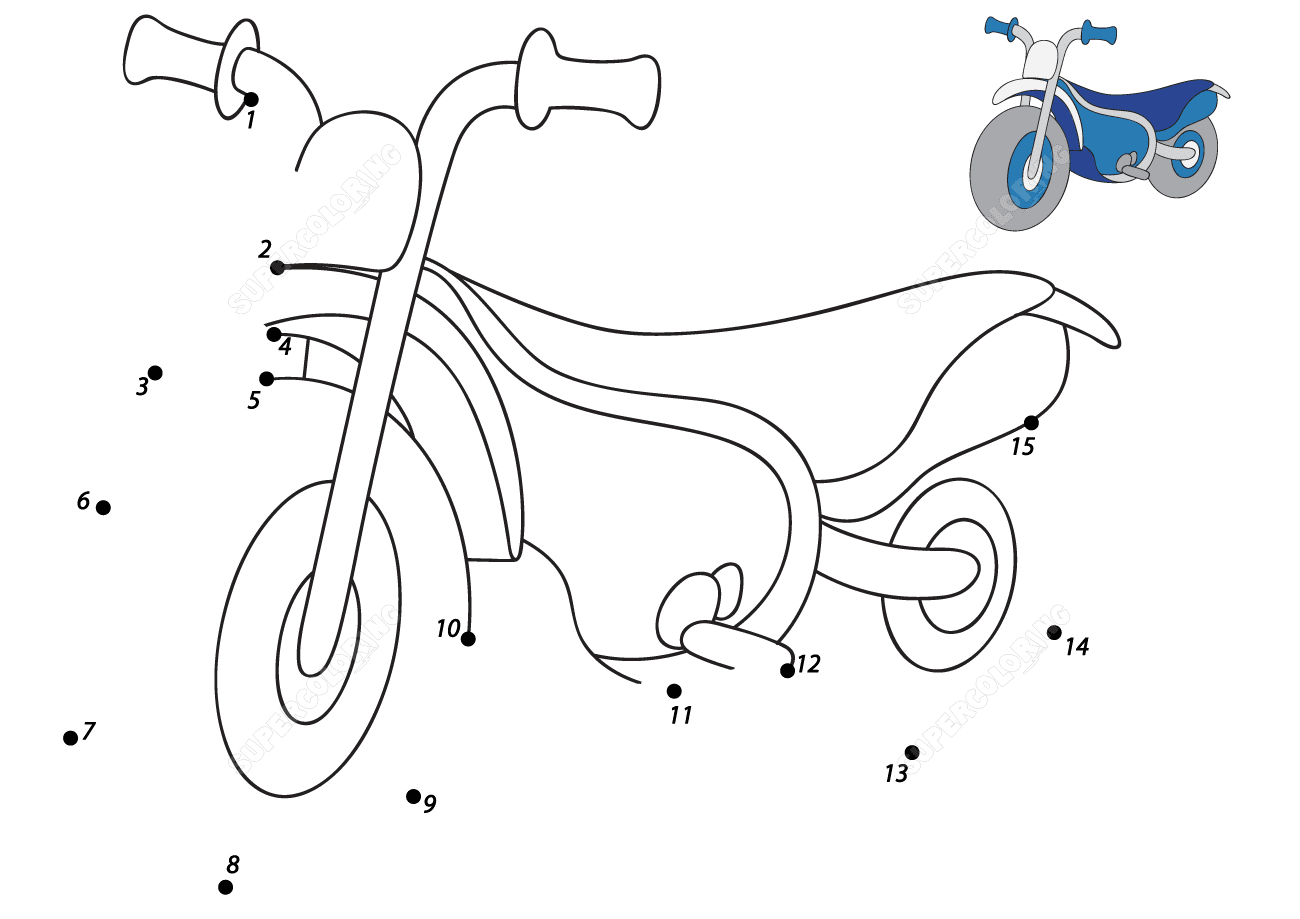
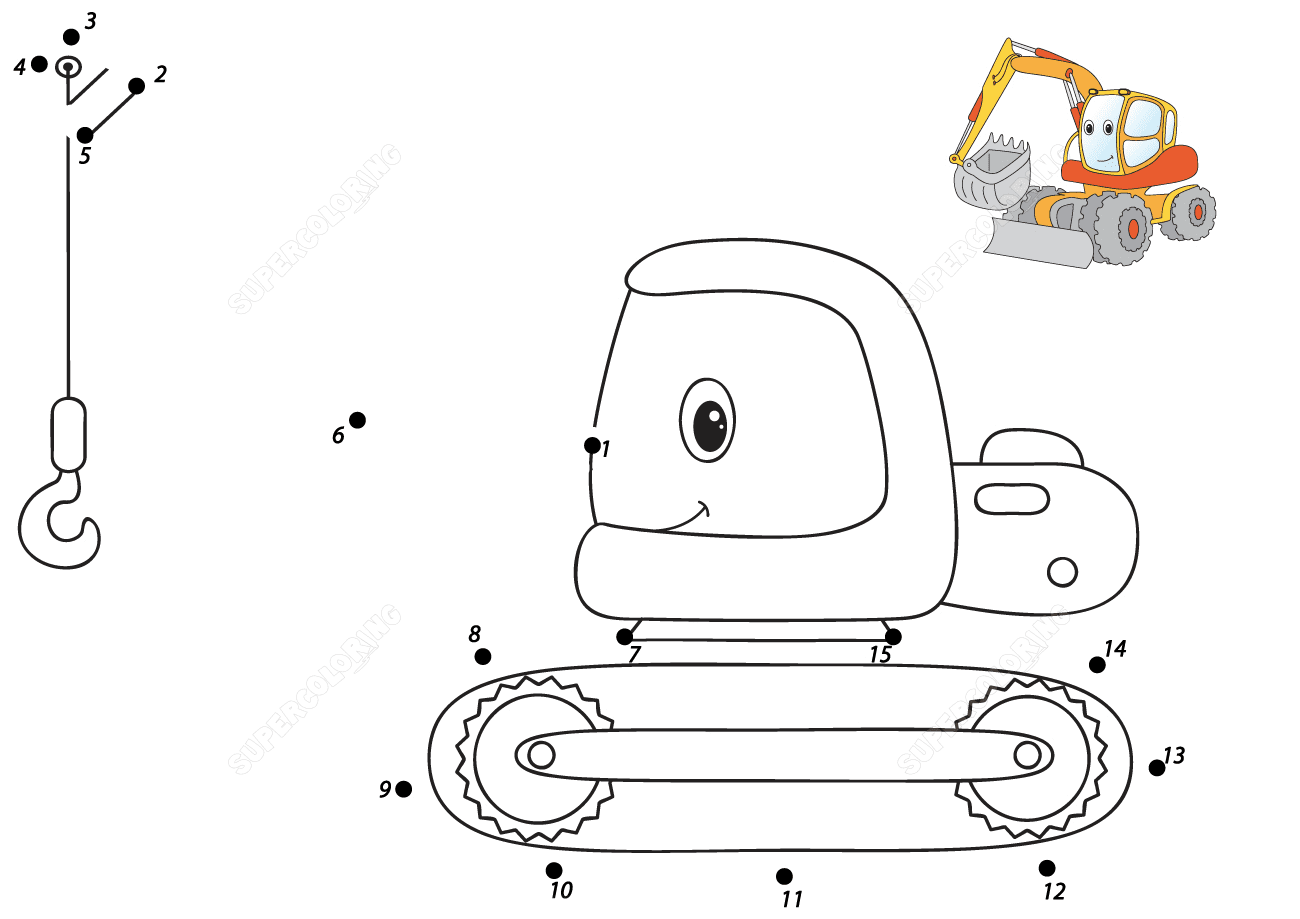
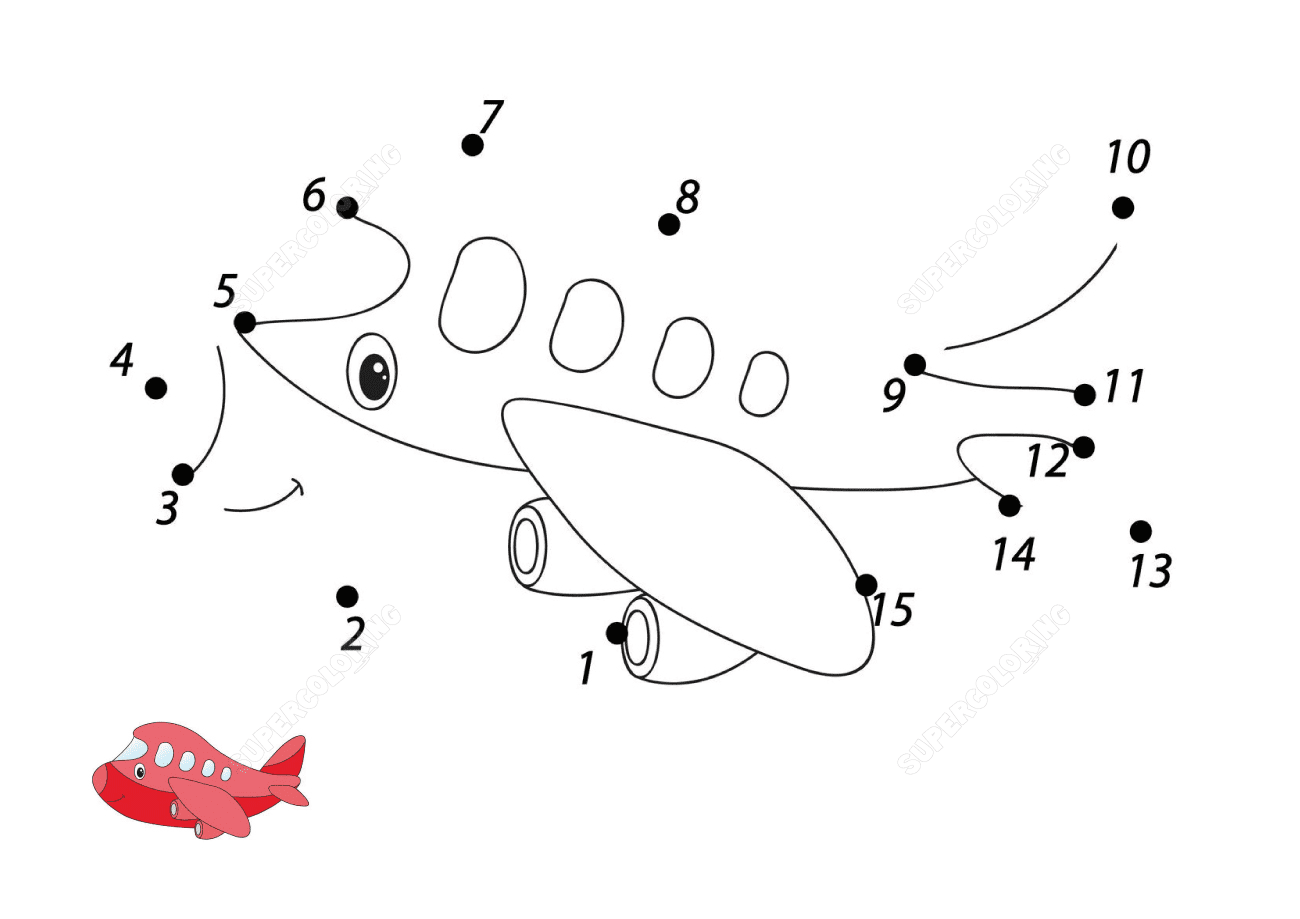
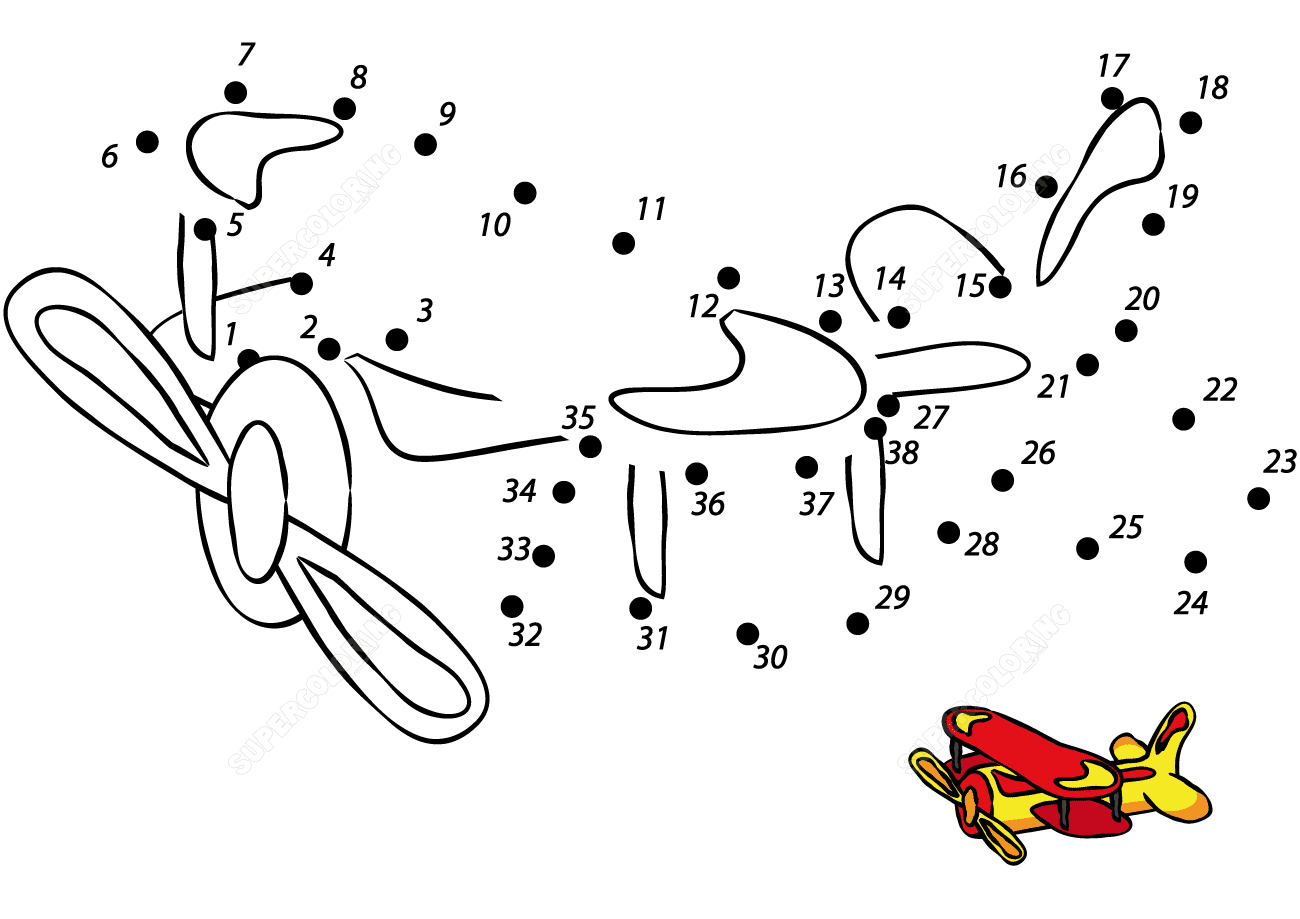
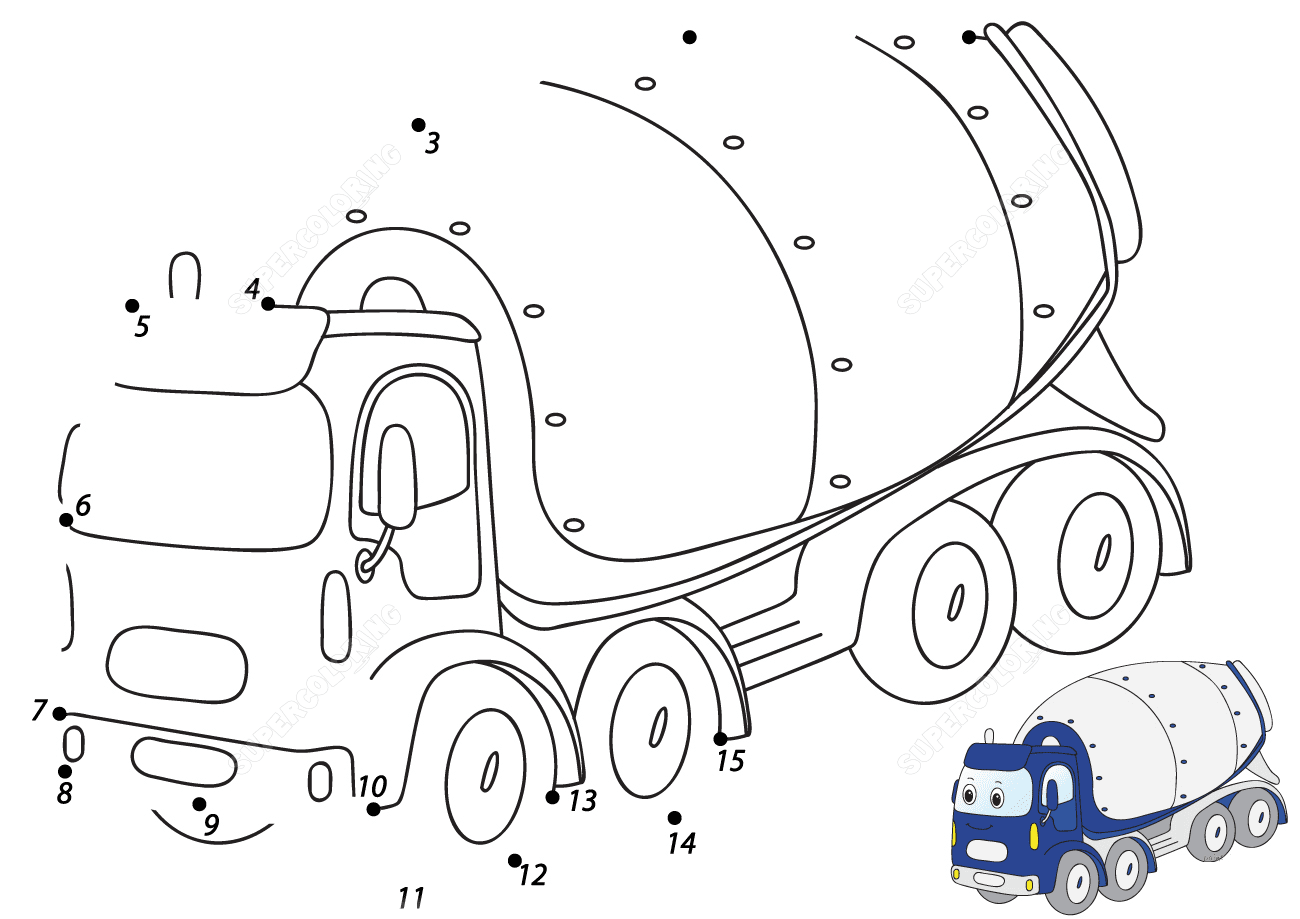
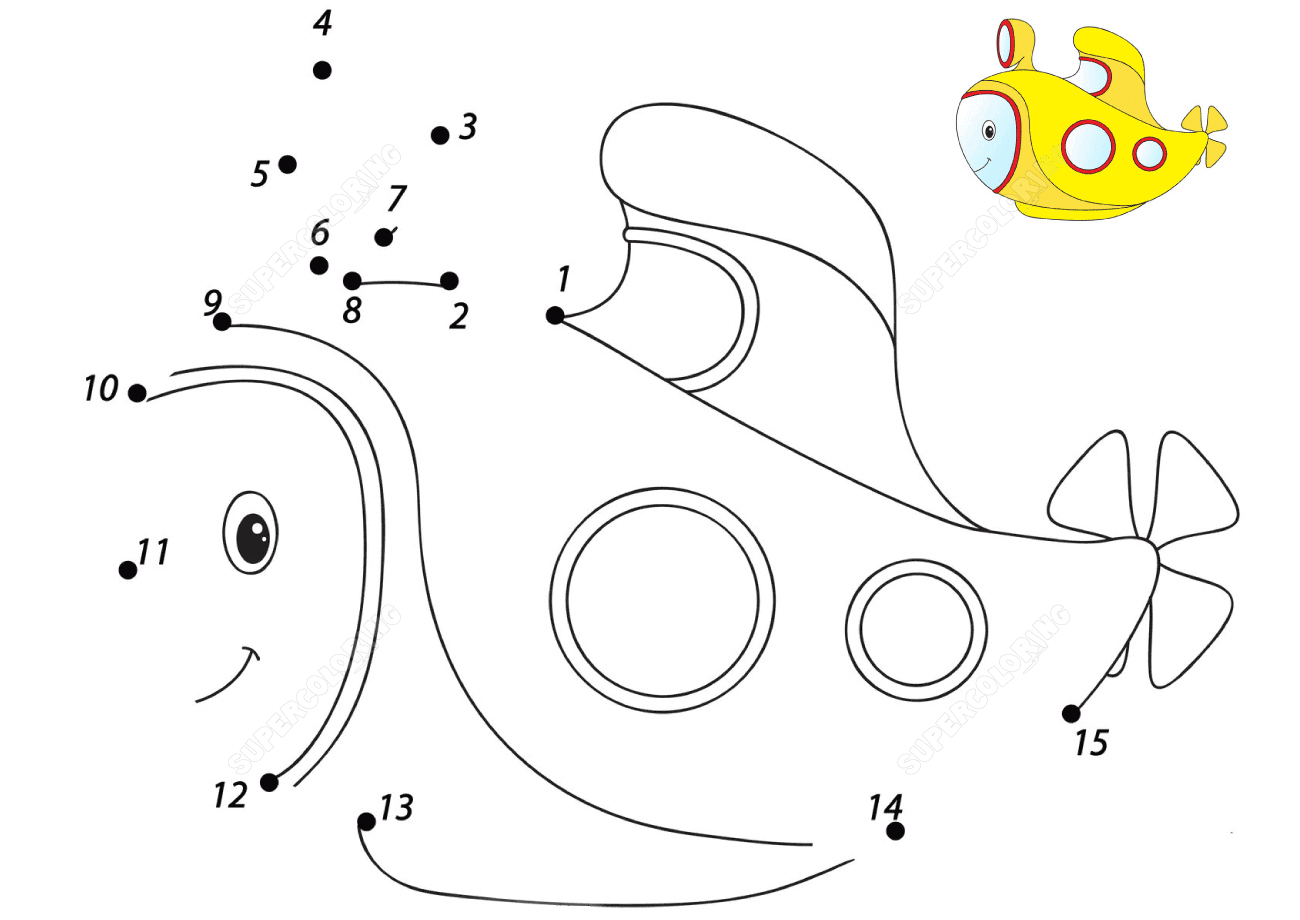
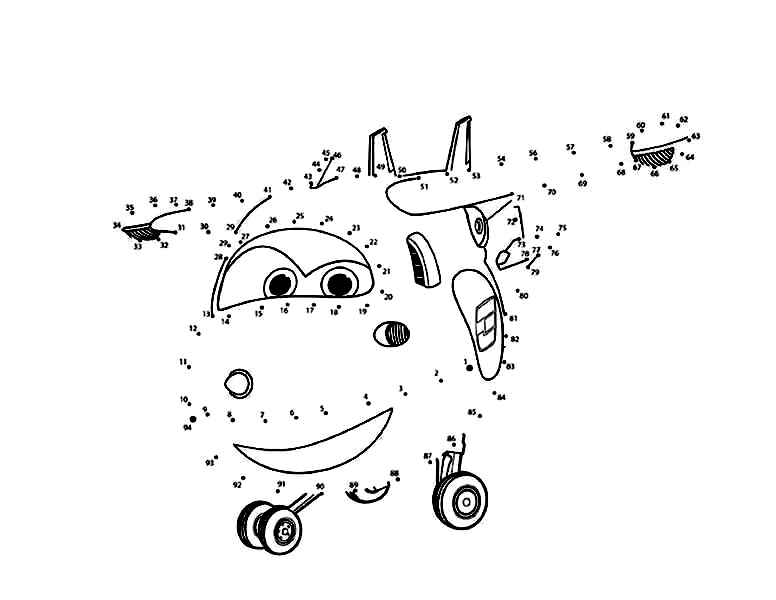
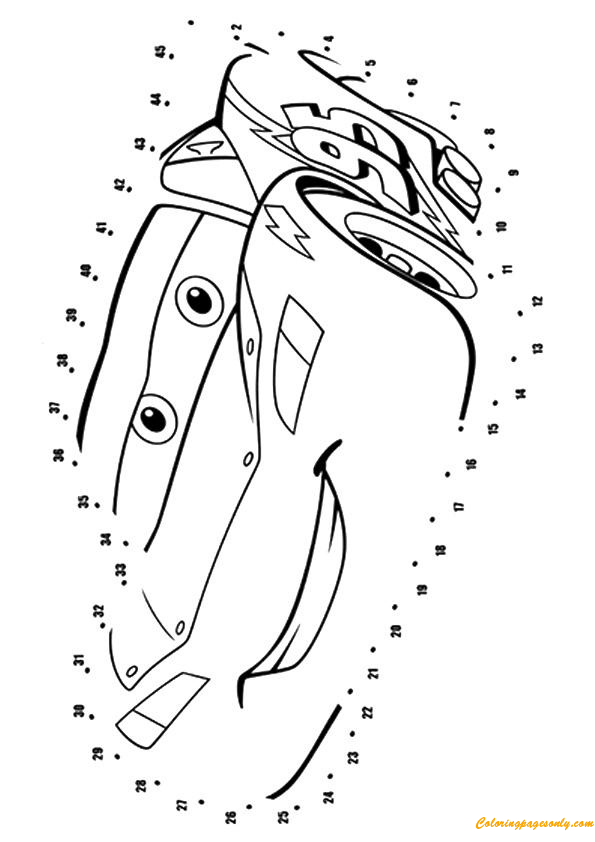
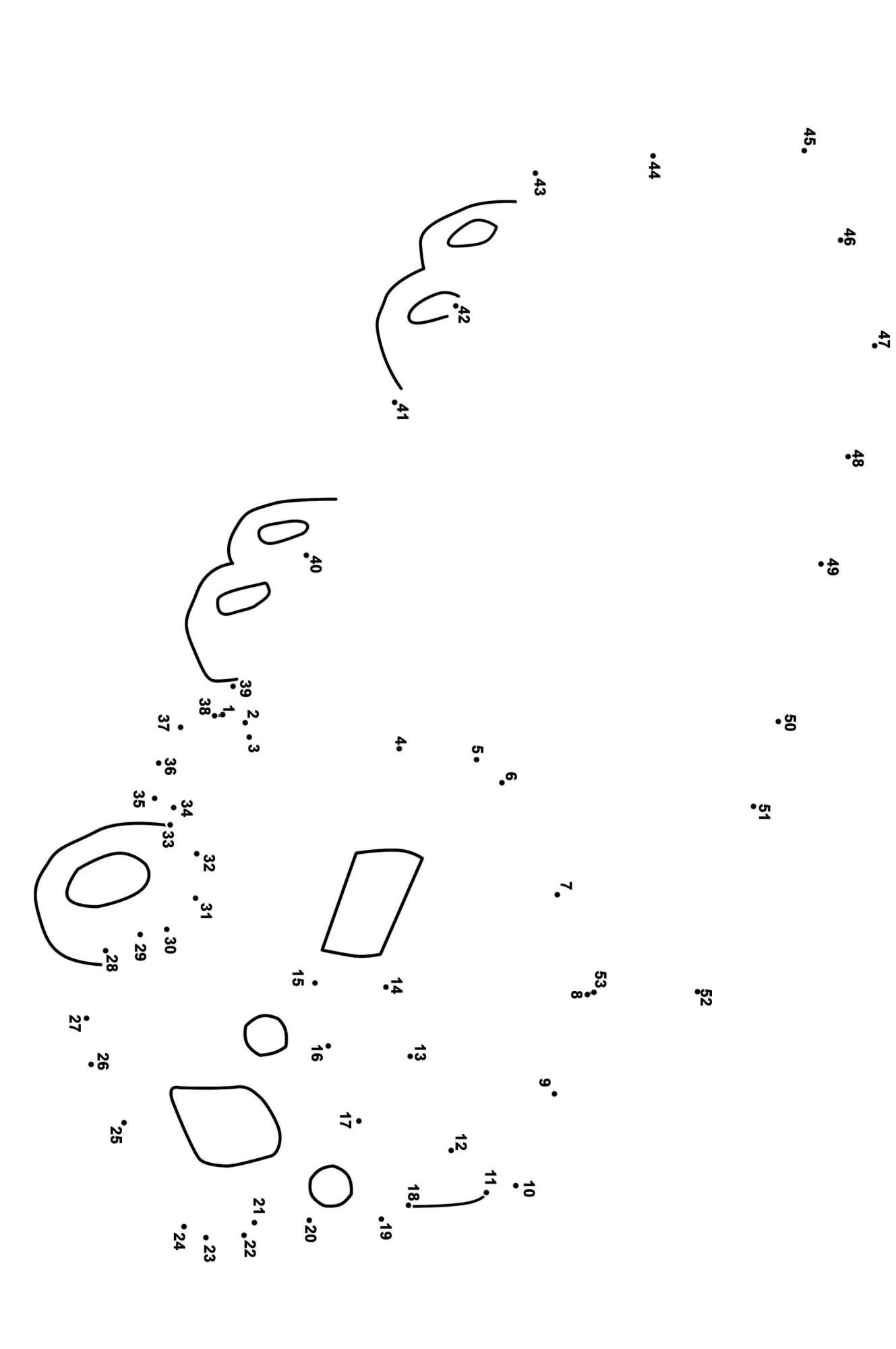
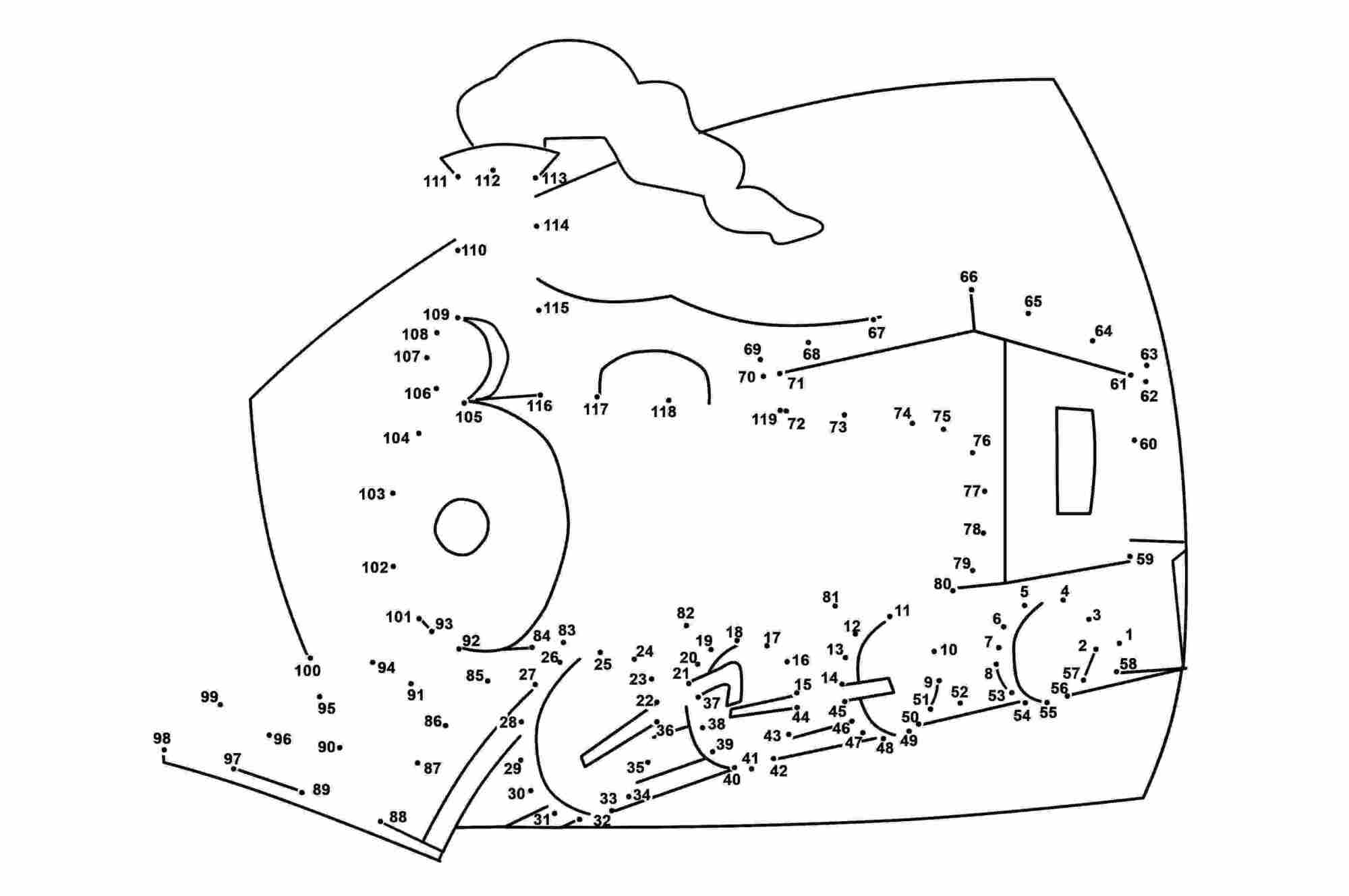
A funny cartoon car, a lorry, a steamship, a yacht, a helicopter, two airplanes, an excavator, a cement mixer, a submarine, a train, a toy truck, a motorcycle (1 to 15), a red car (1 to 30), and a yellow bus (1 to 51) offer the most variety in difficulty. After joining the dots, color the school bus School Bus Yellow with Black windows and the red car a bright Red with Gray wheels.
Vegetables and Plants
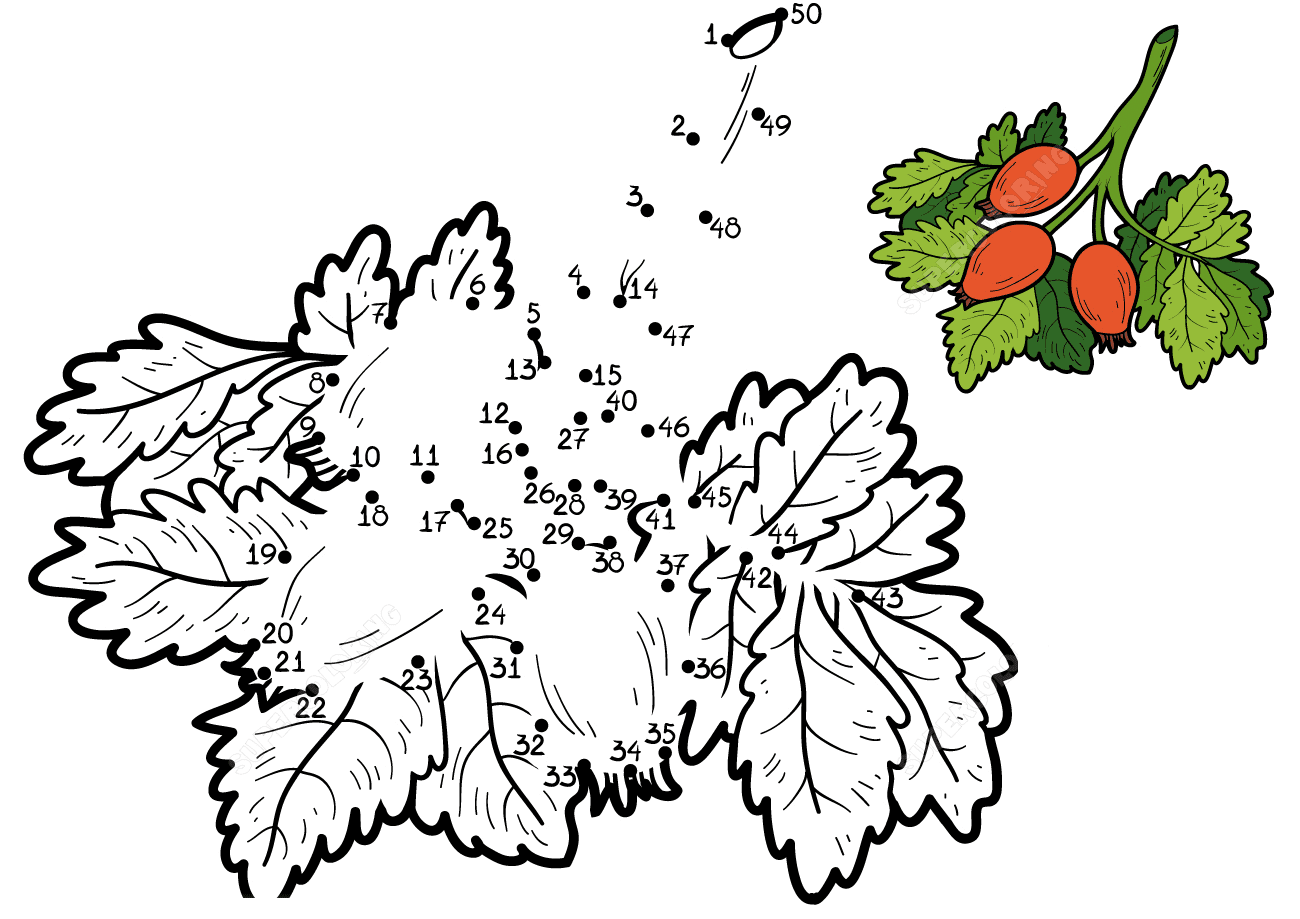
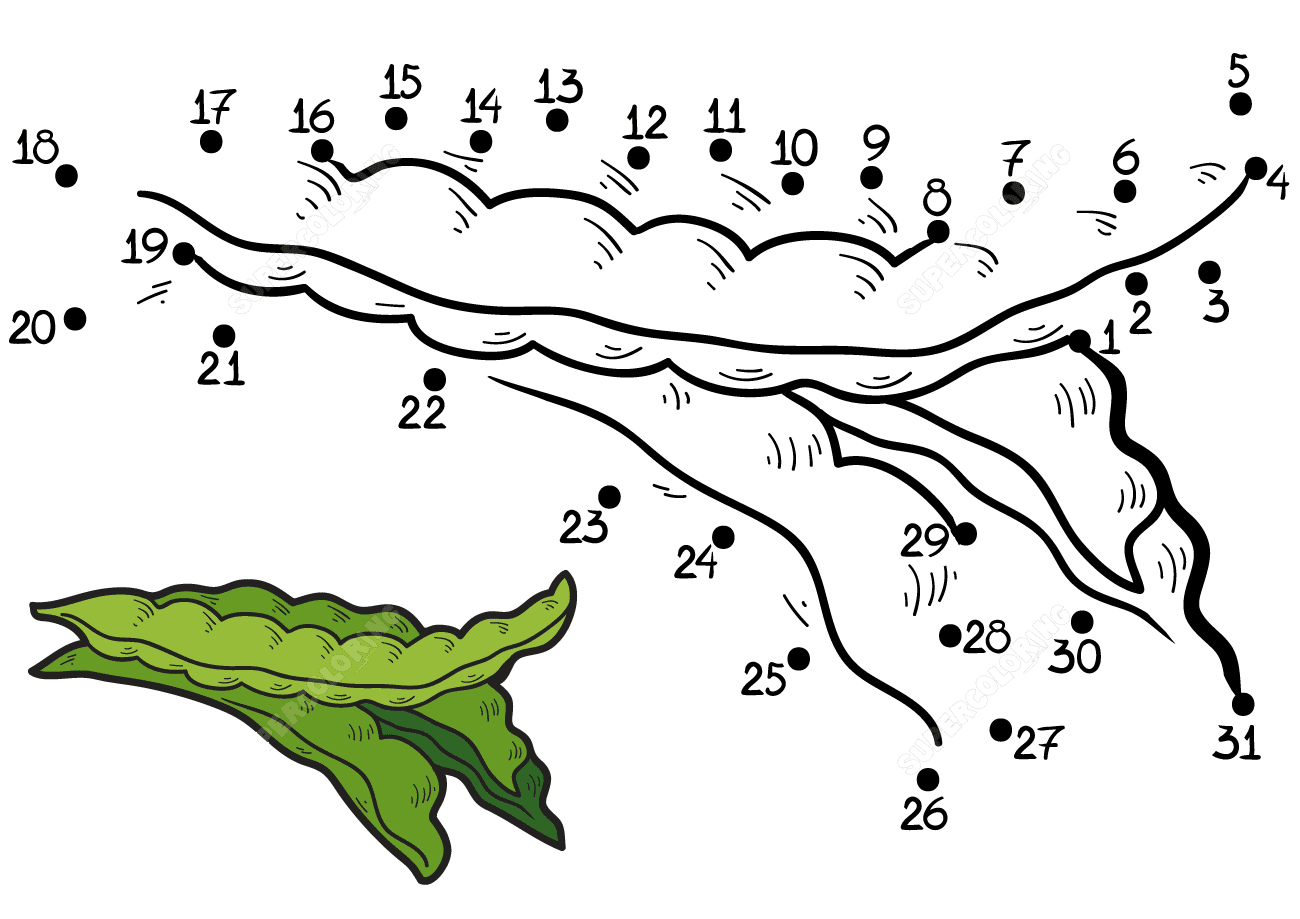
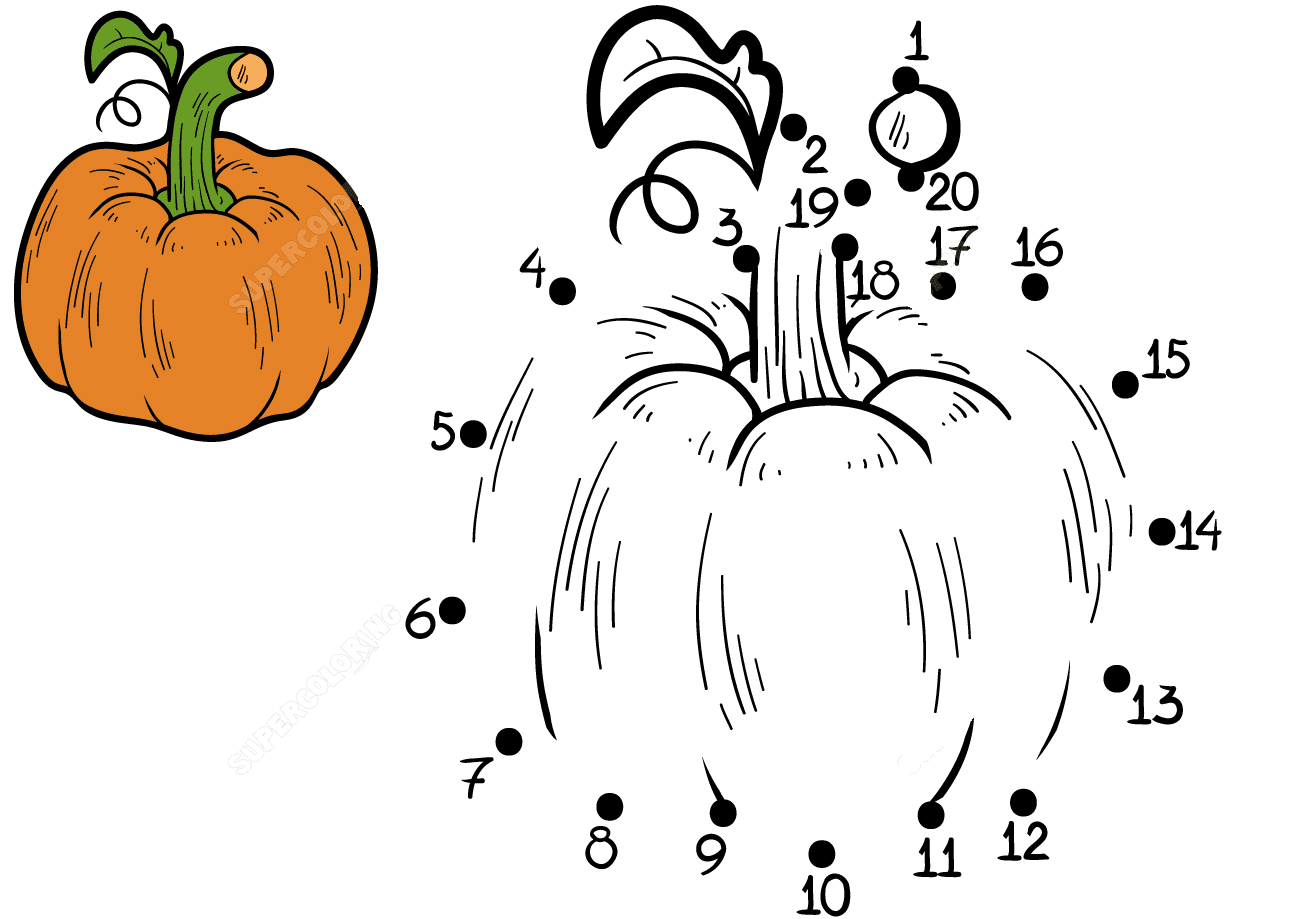
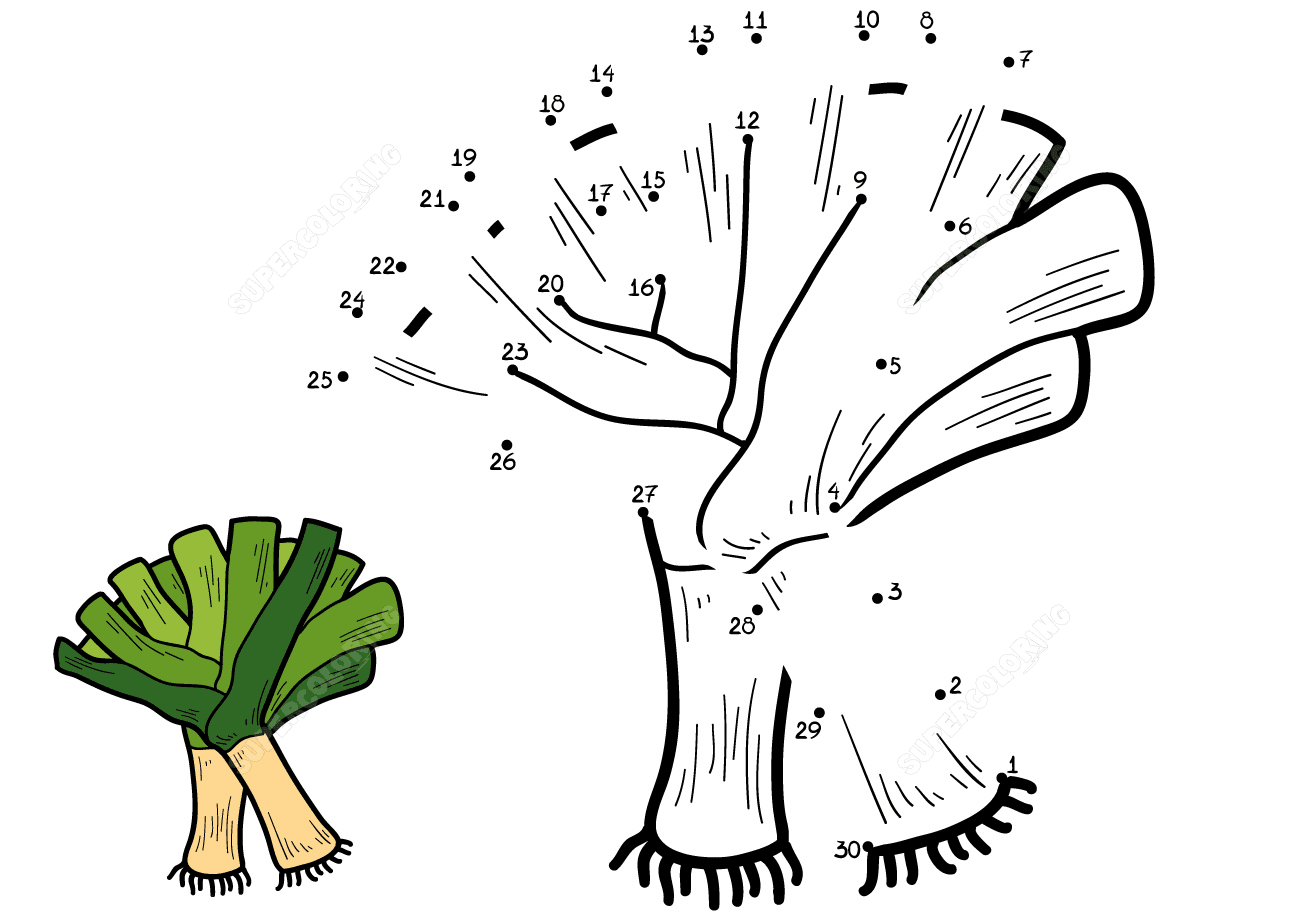
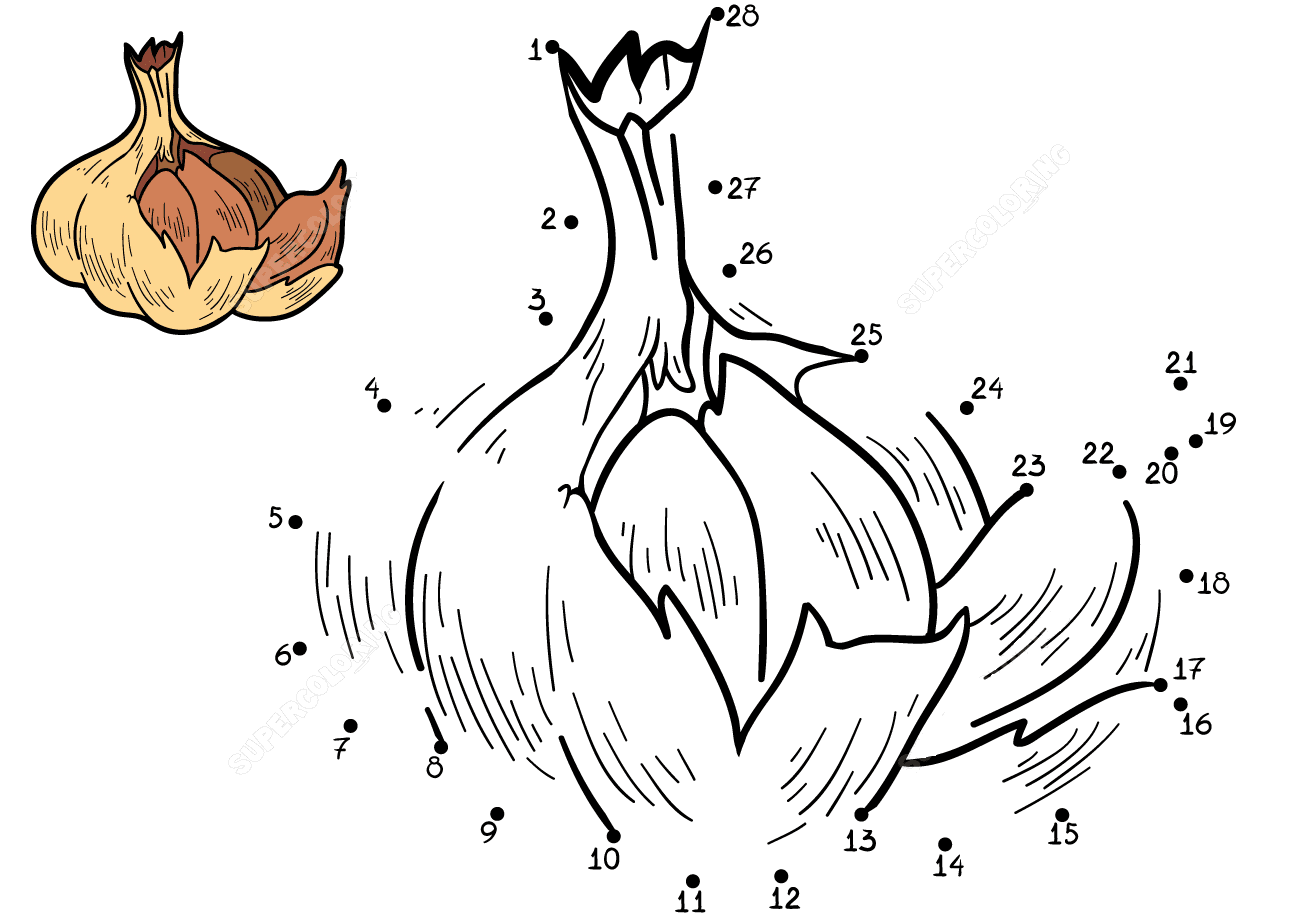
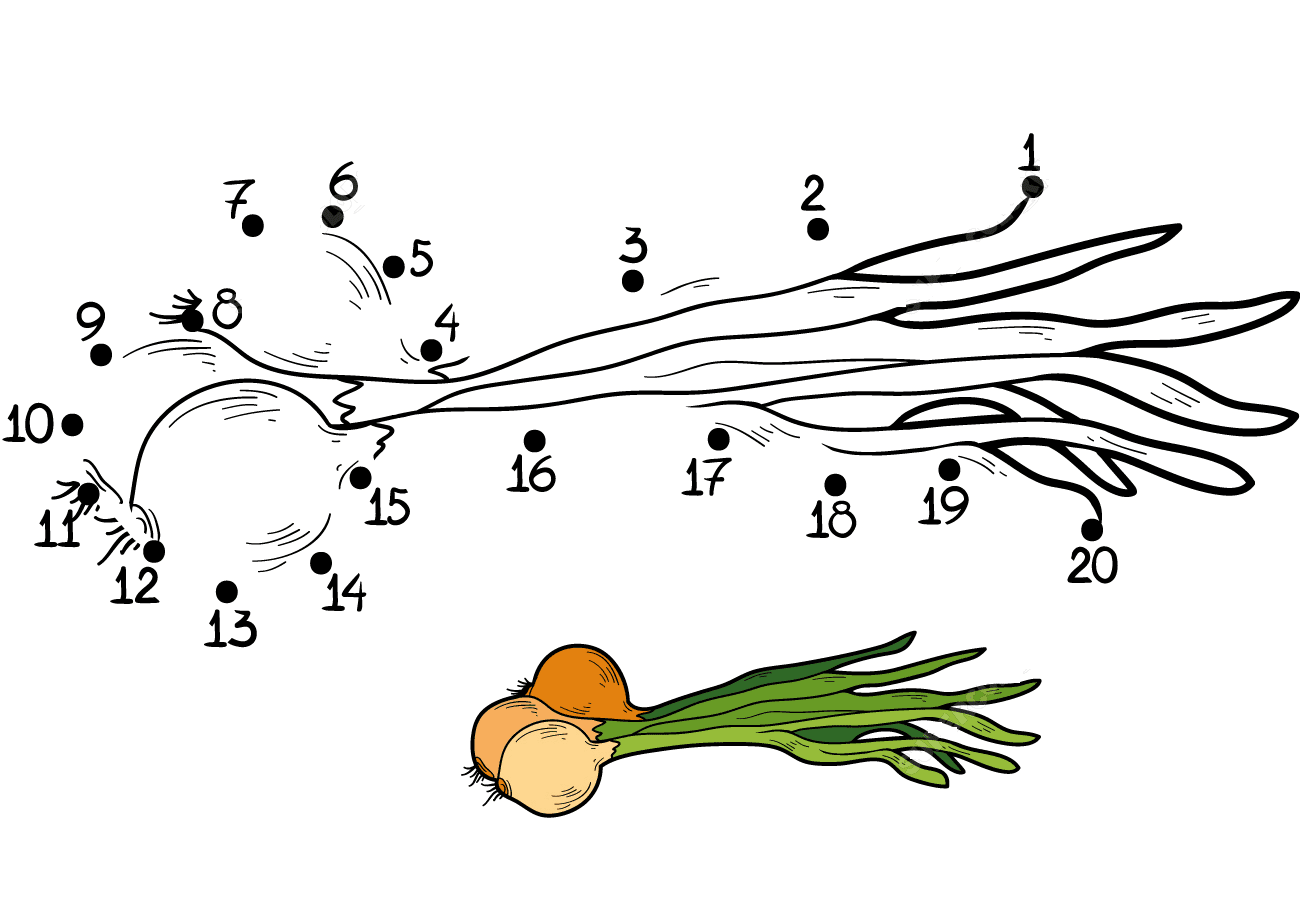
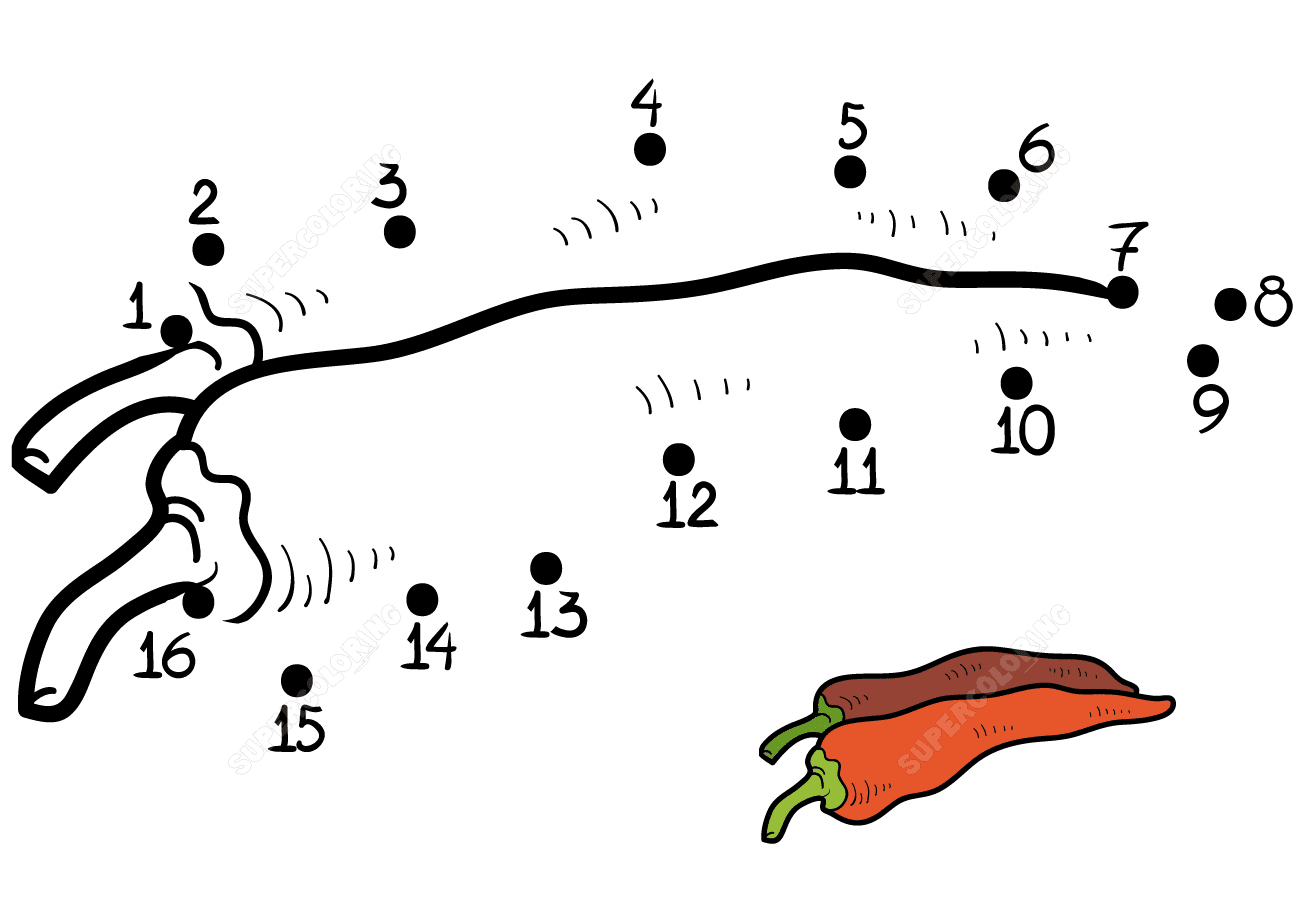
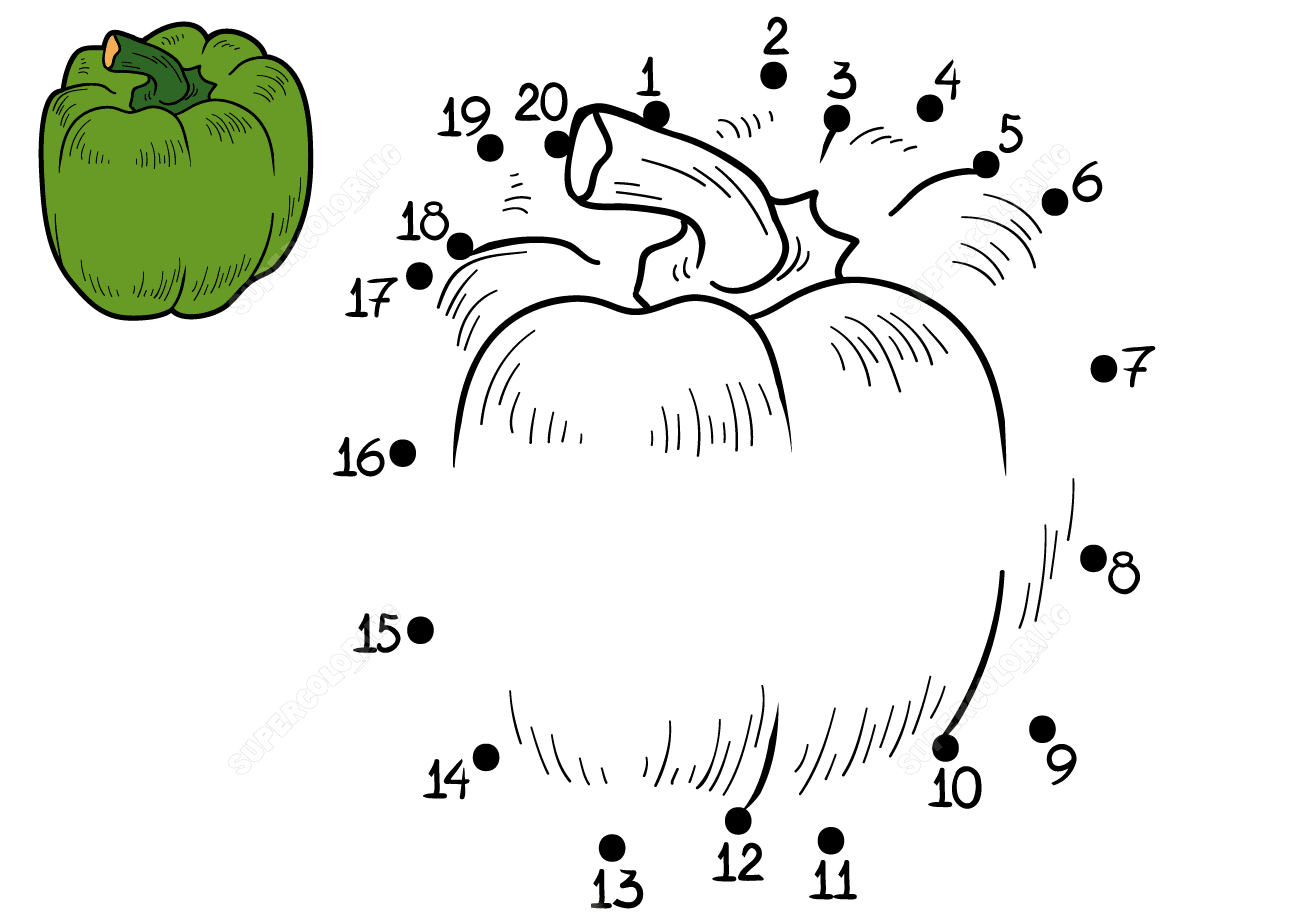
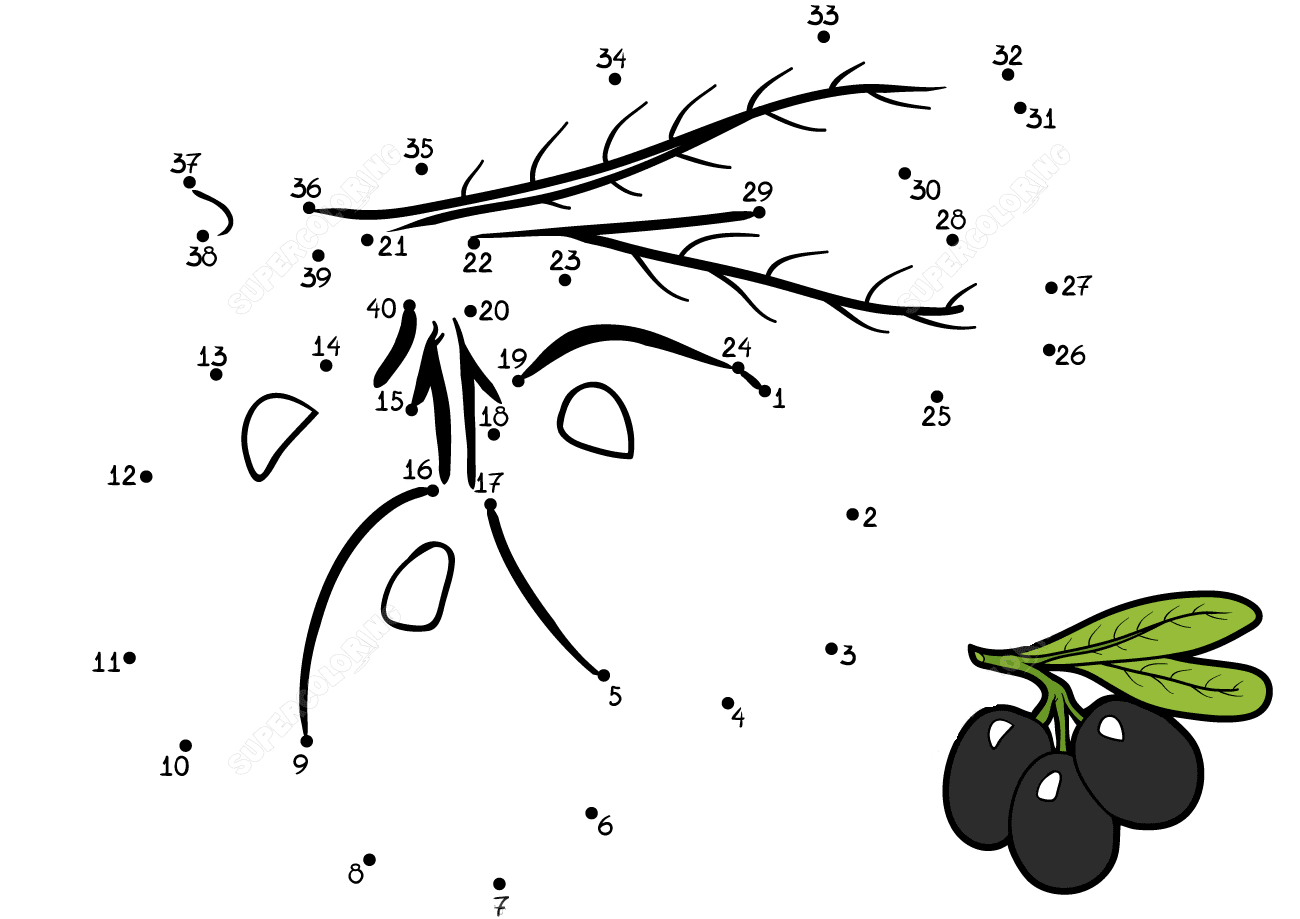
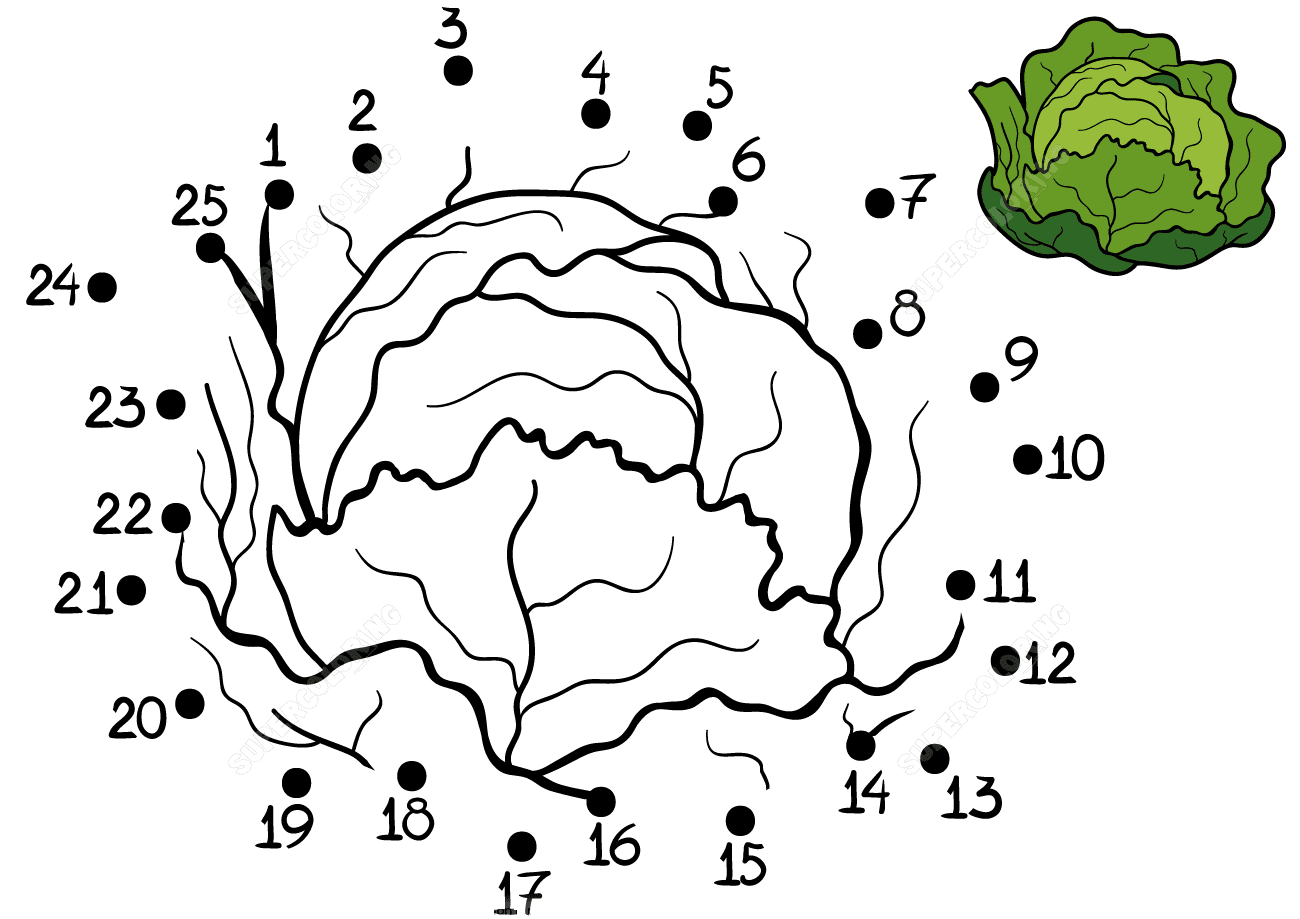
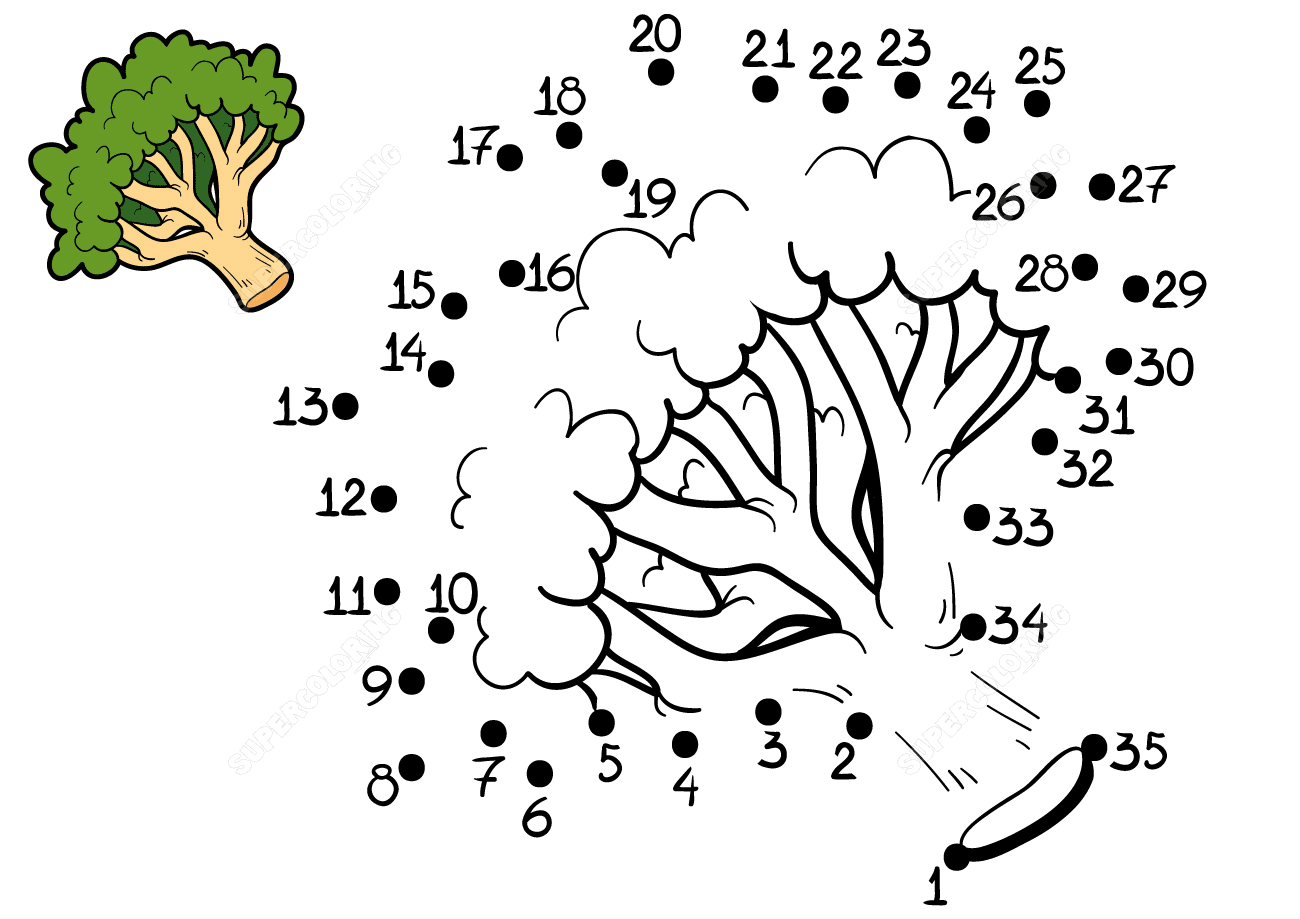
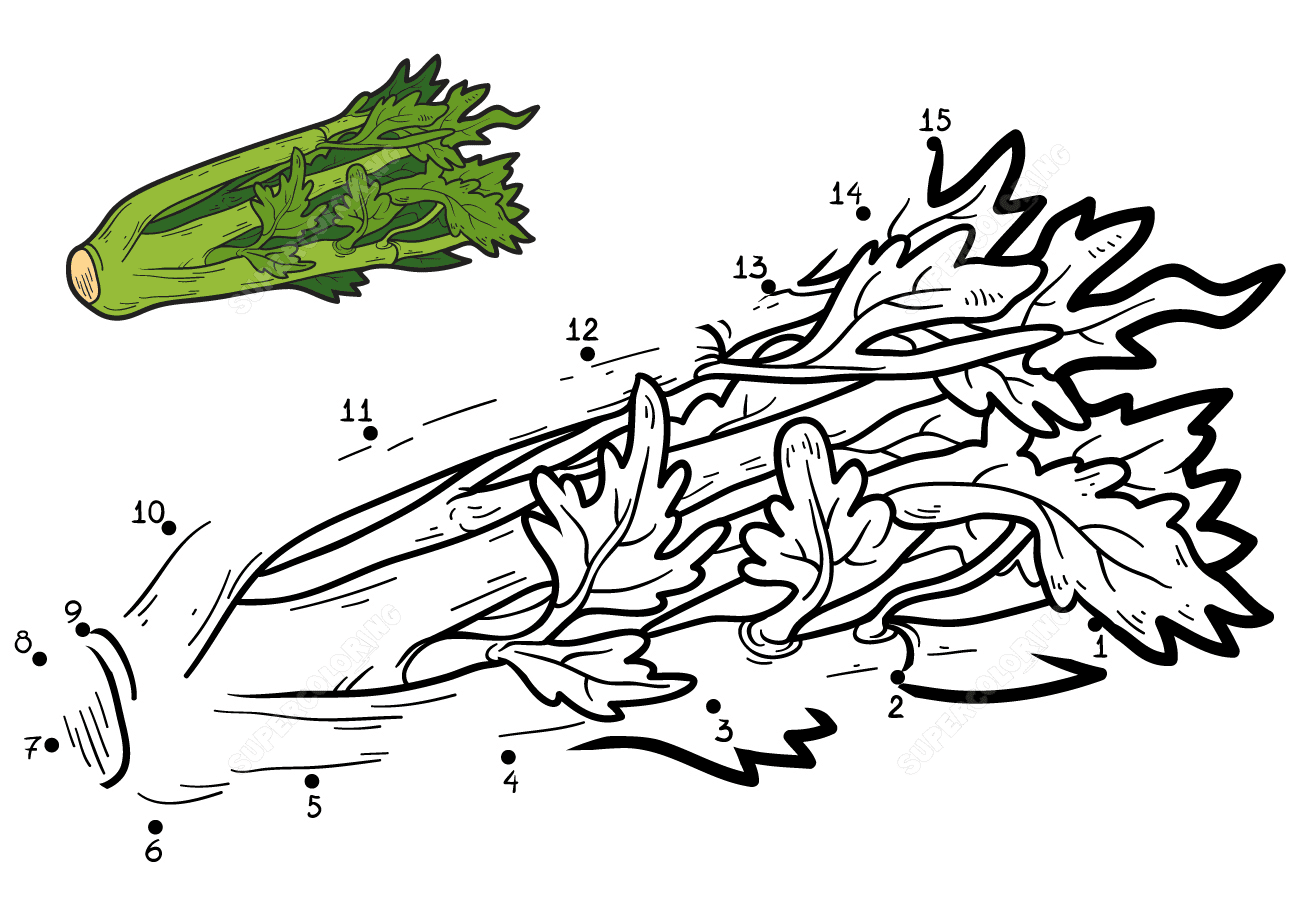
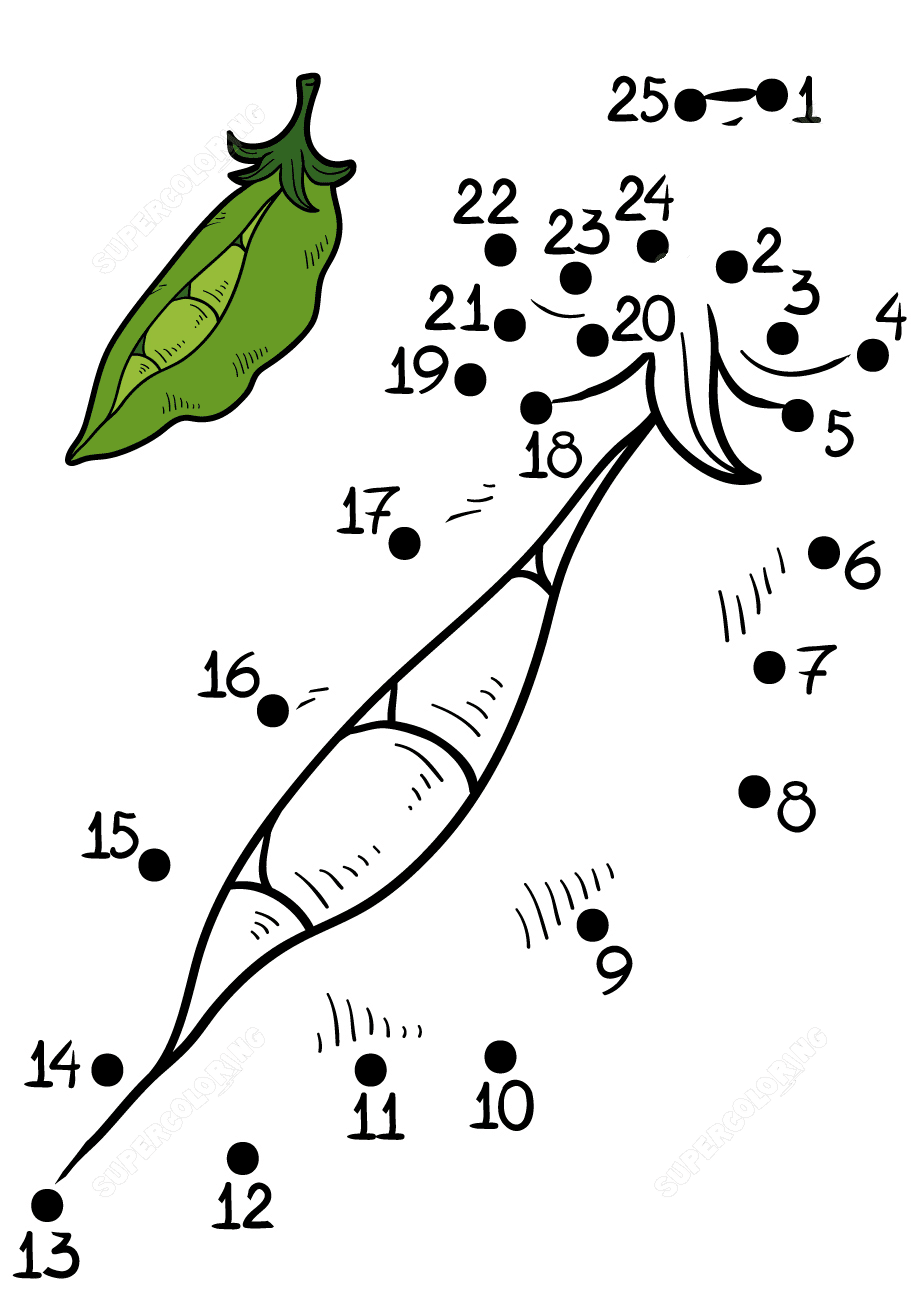
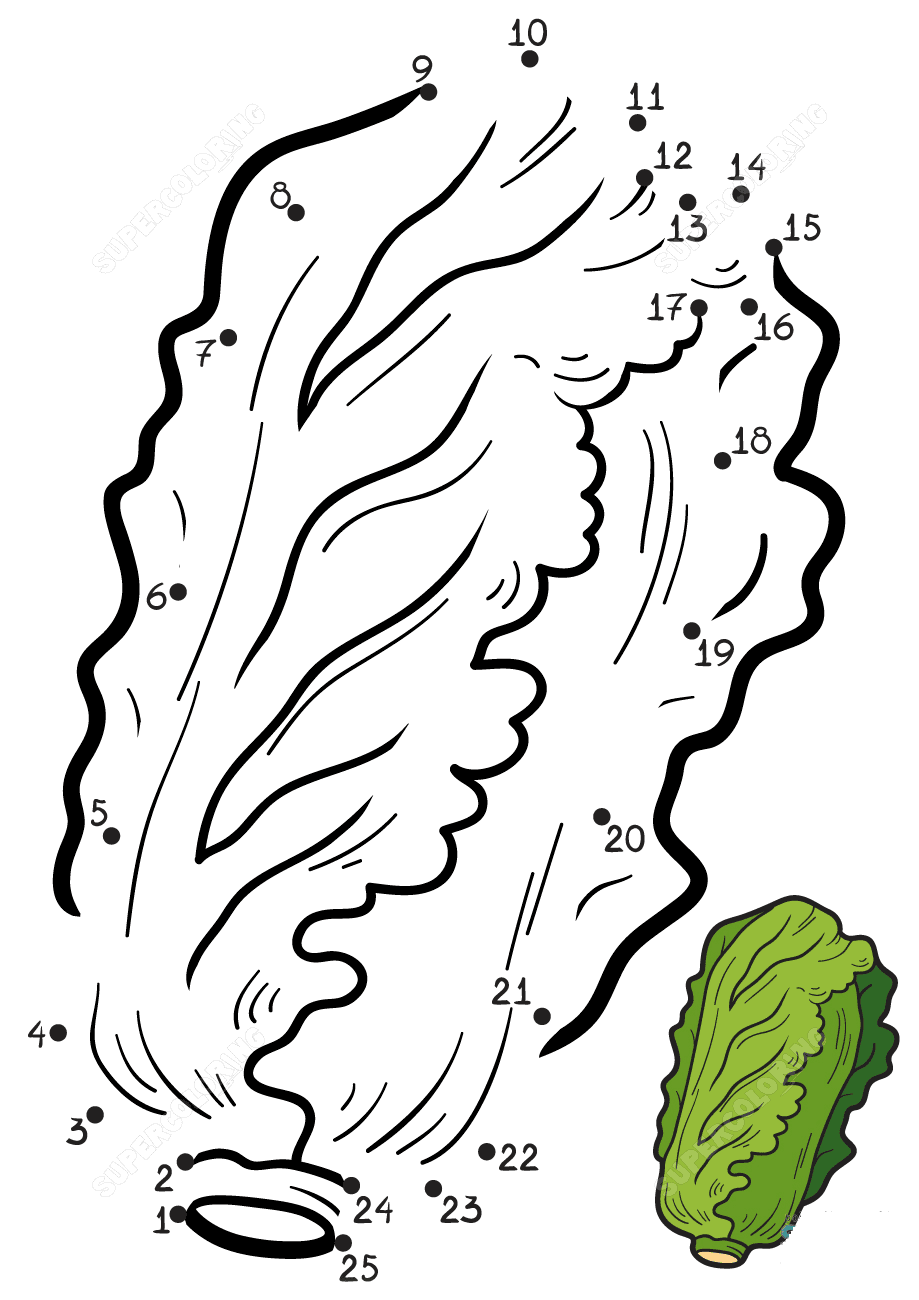
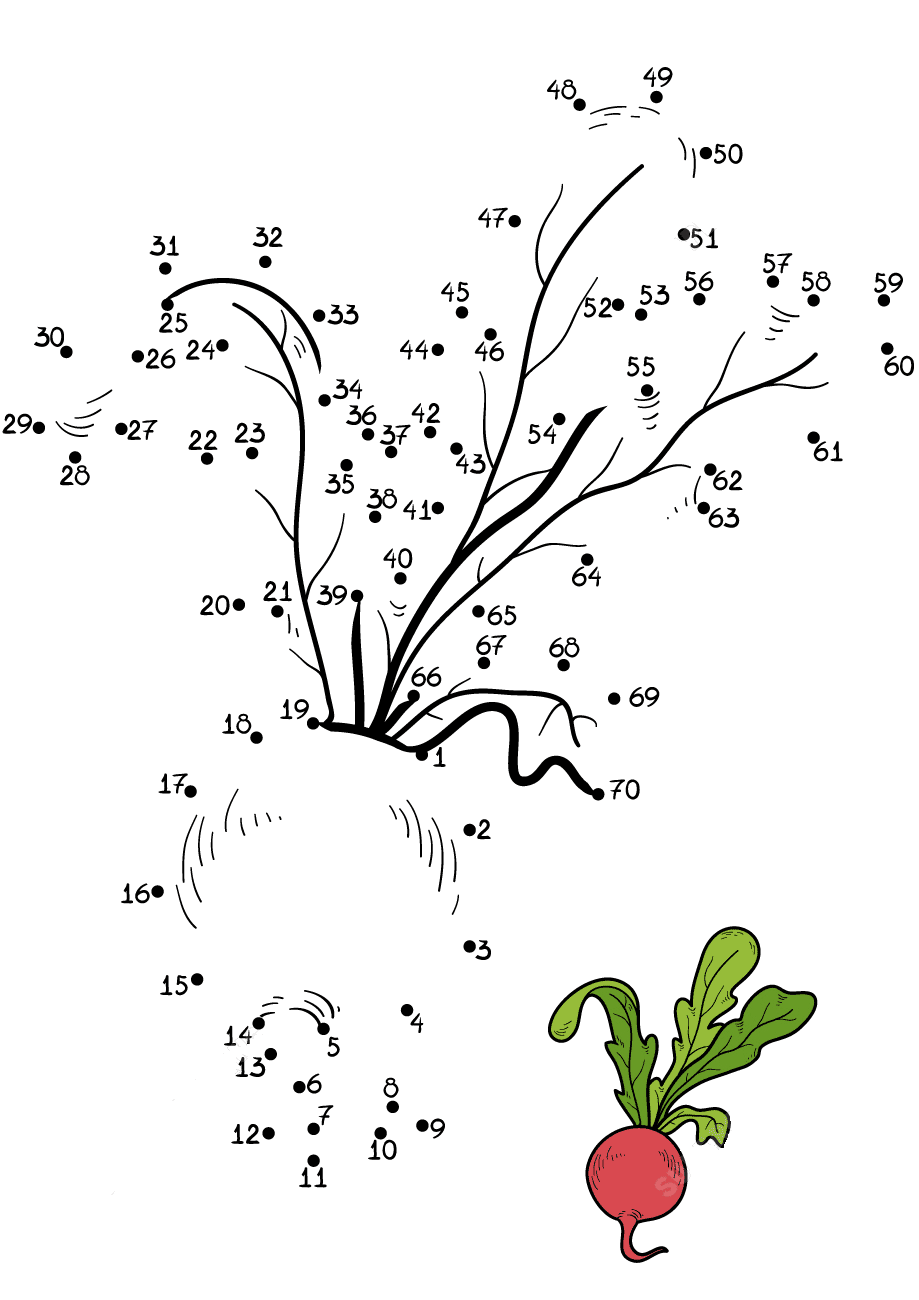
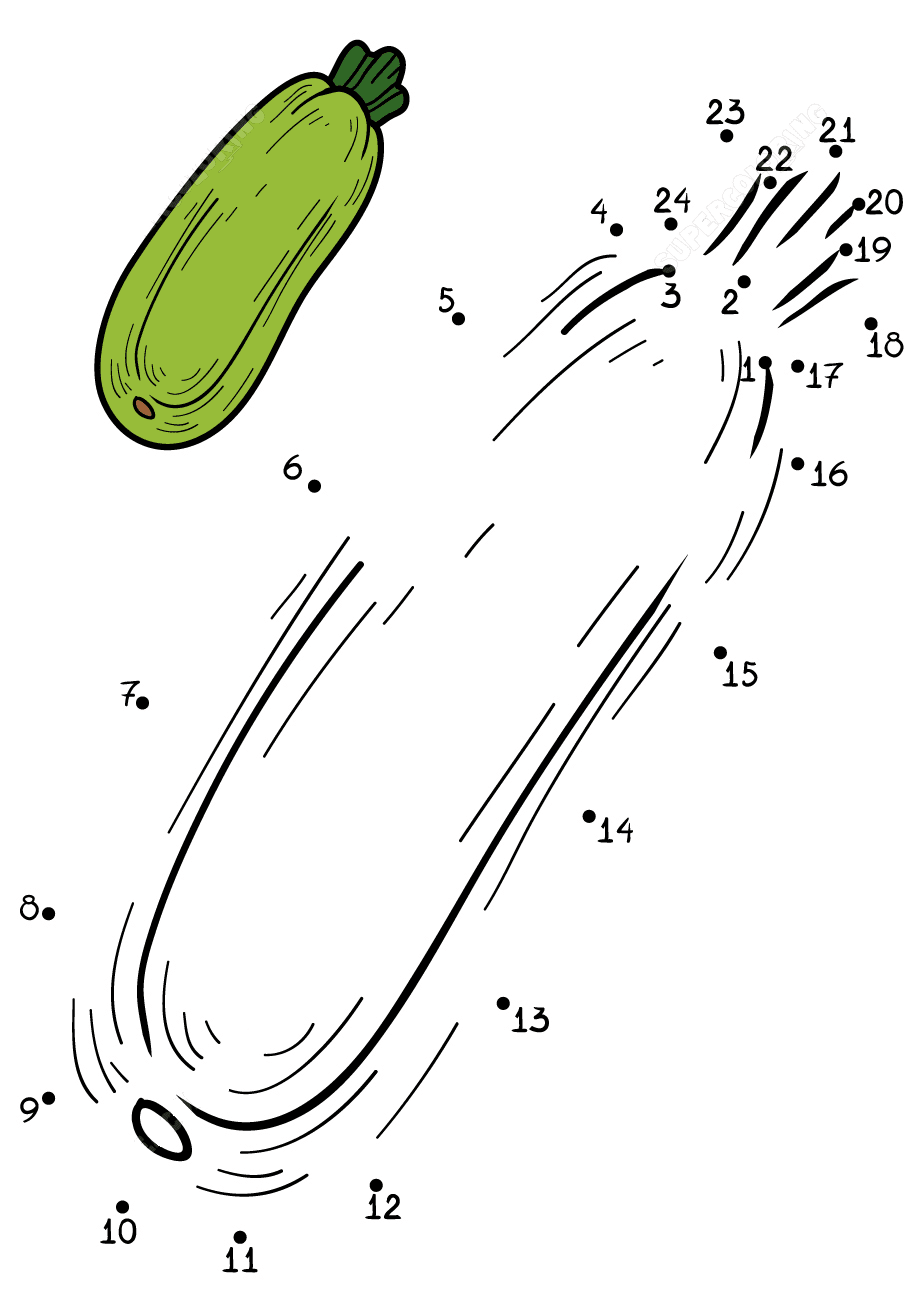
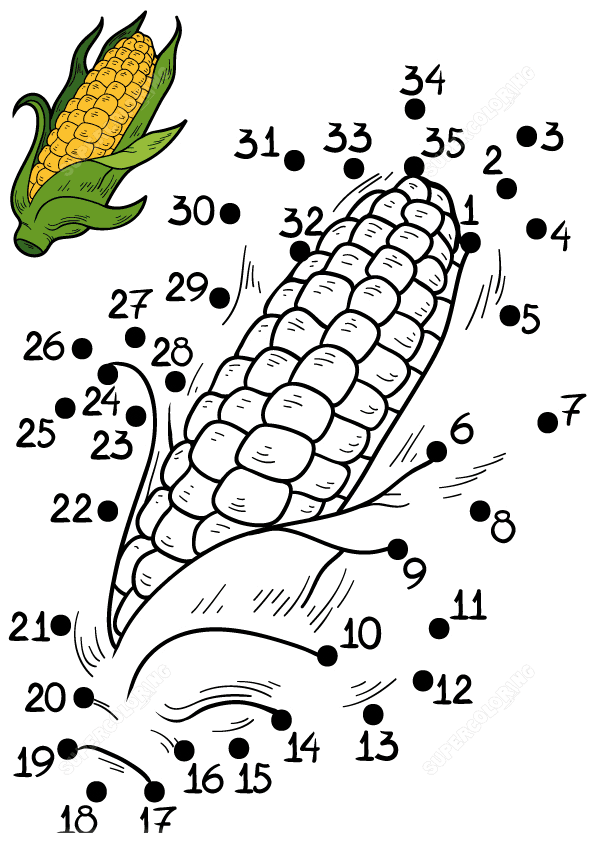
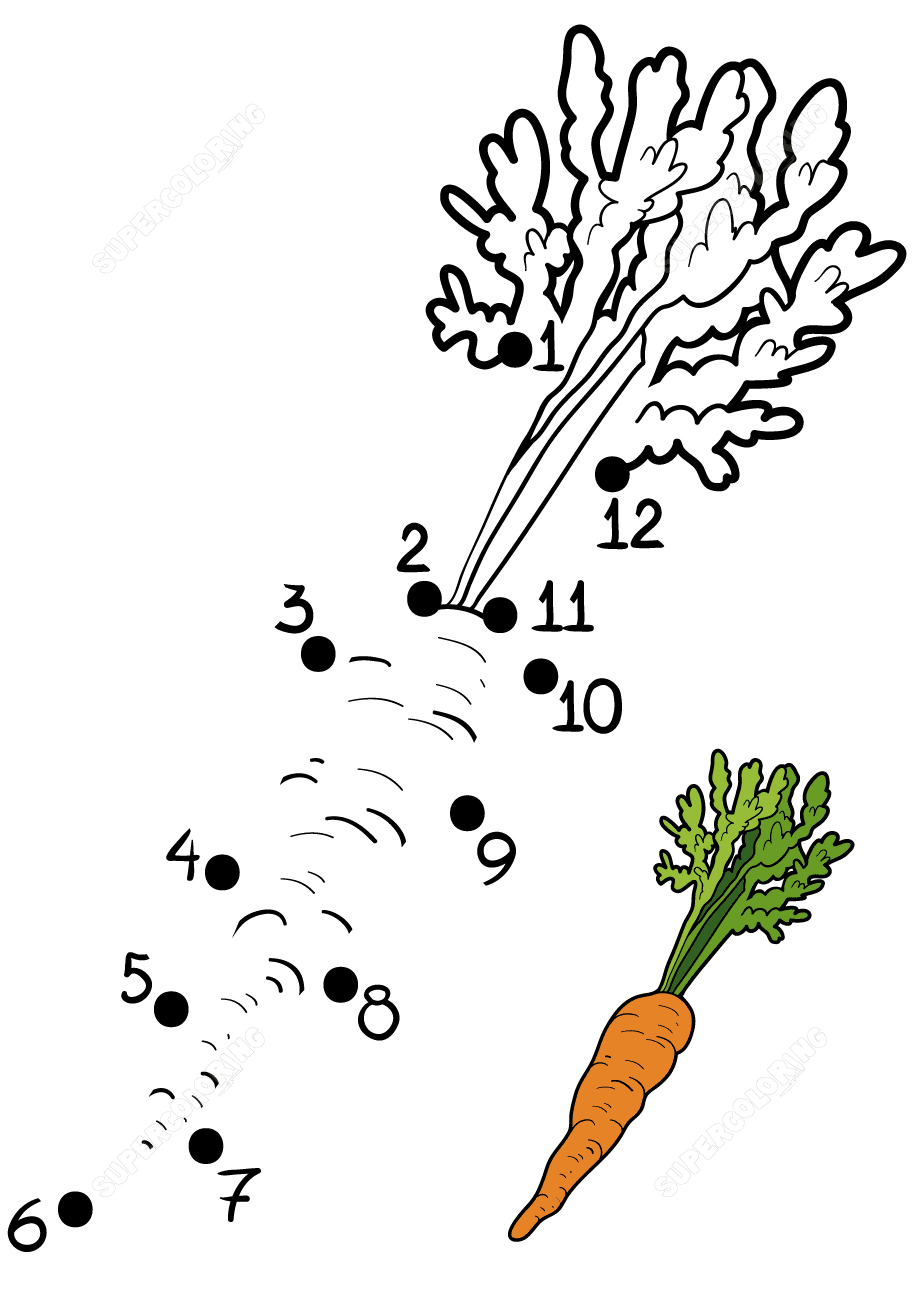
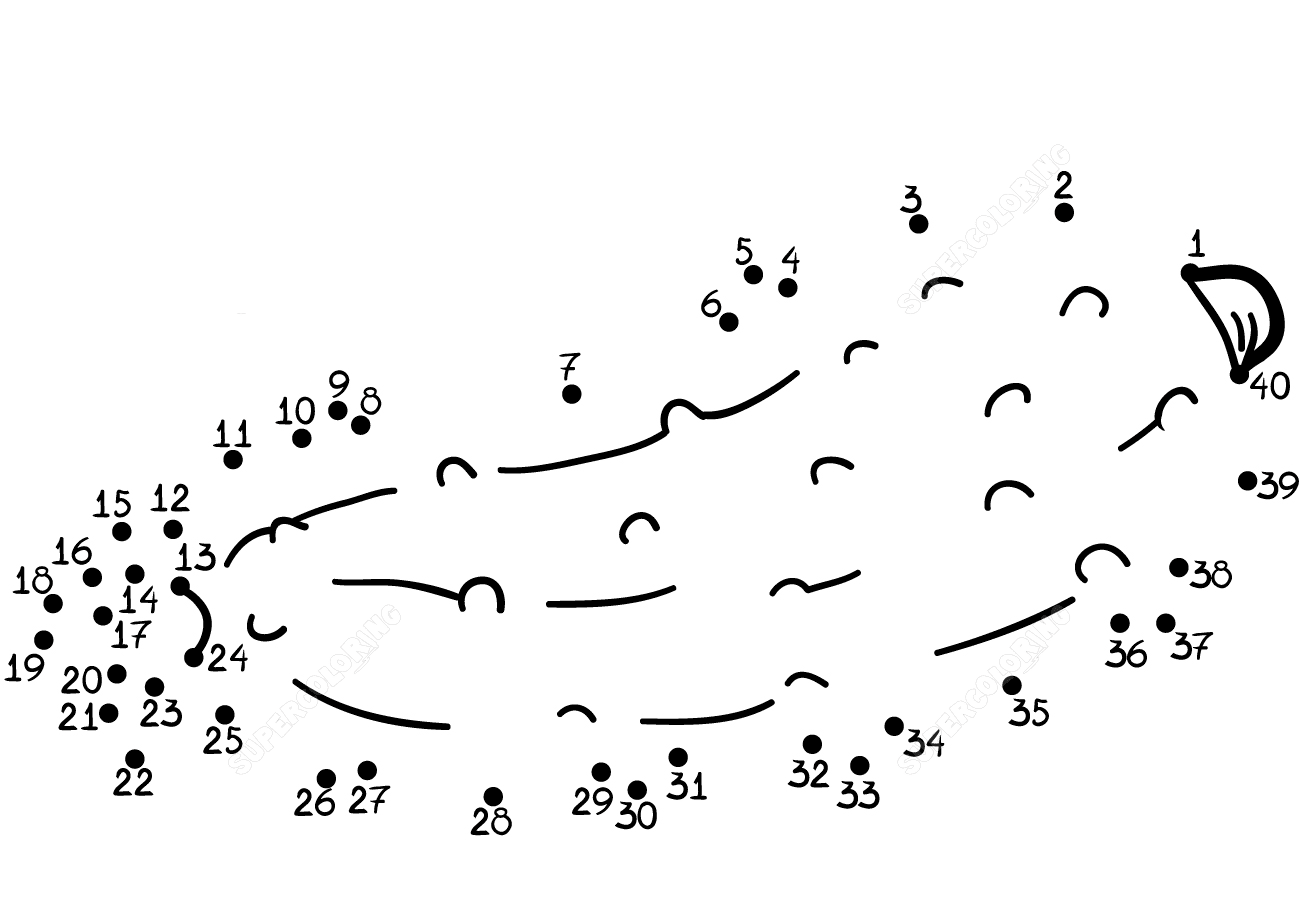
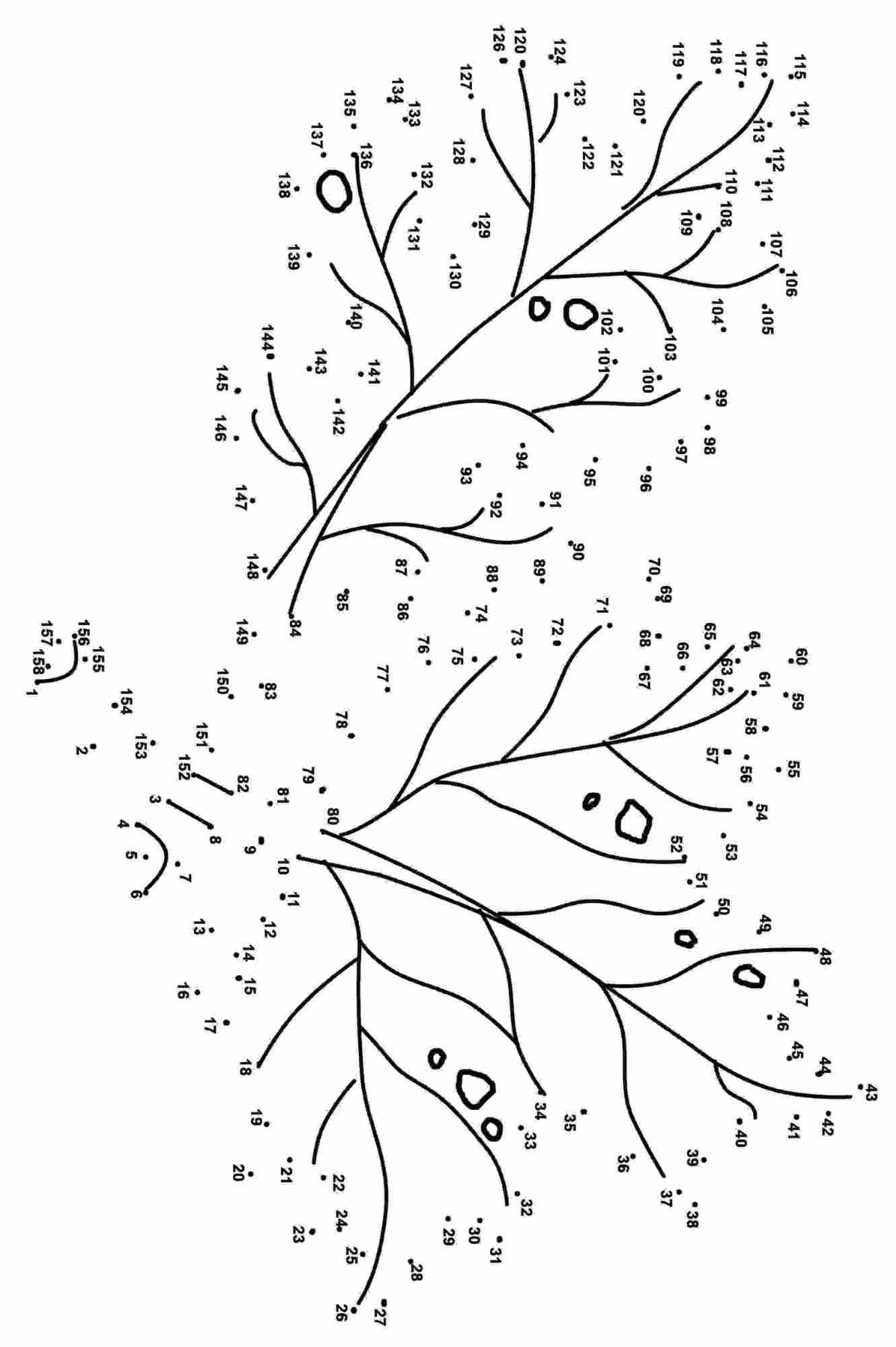
Green beans, leeks, garlic, spring onions, chili peppers, green peppers, olives, cabbage, Chinese cabbage, broccoli, celery, peas, radishes, zucchini, corn, onions, carrots, cucumber, eggplant, a pumpkin, rosehips, kudzu, and maple leaves turn the set into a garden lesson. Use Orange for carrots, Purple for eggplant, Yellow for corn, and Pink and Red for radishes with Green tops.
Space and Sky
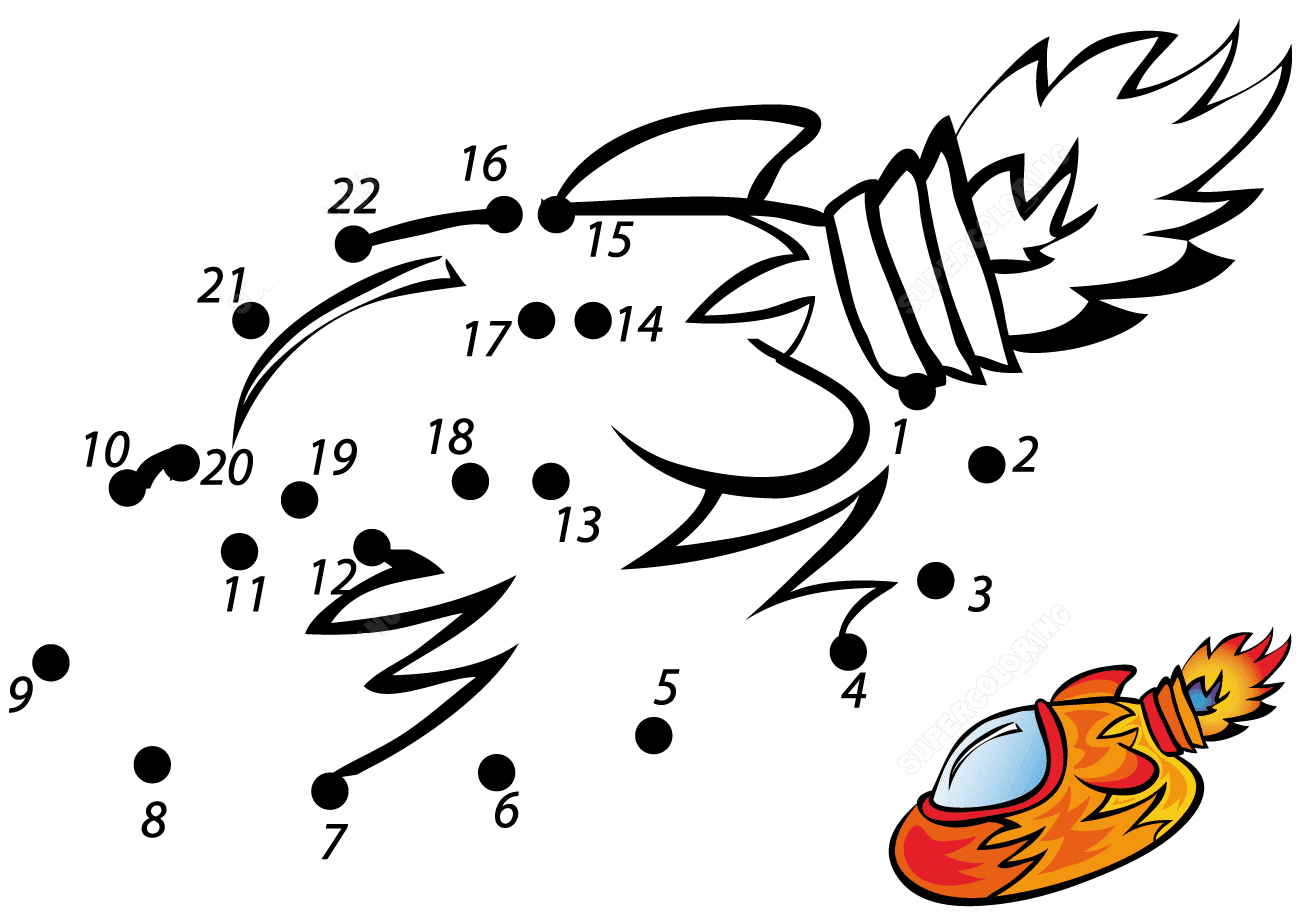
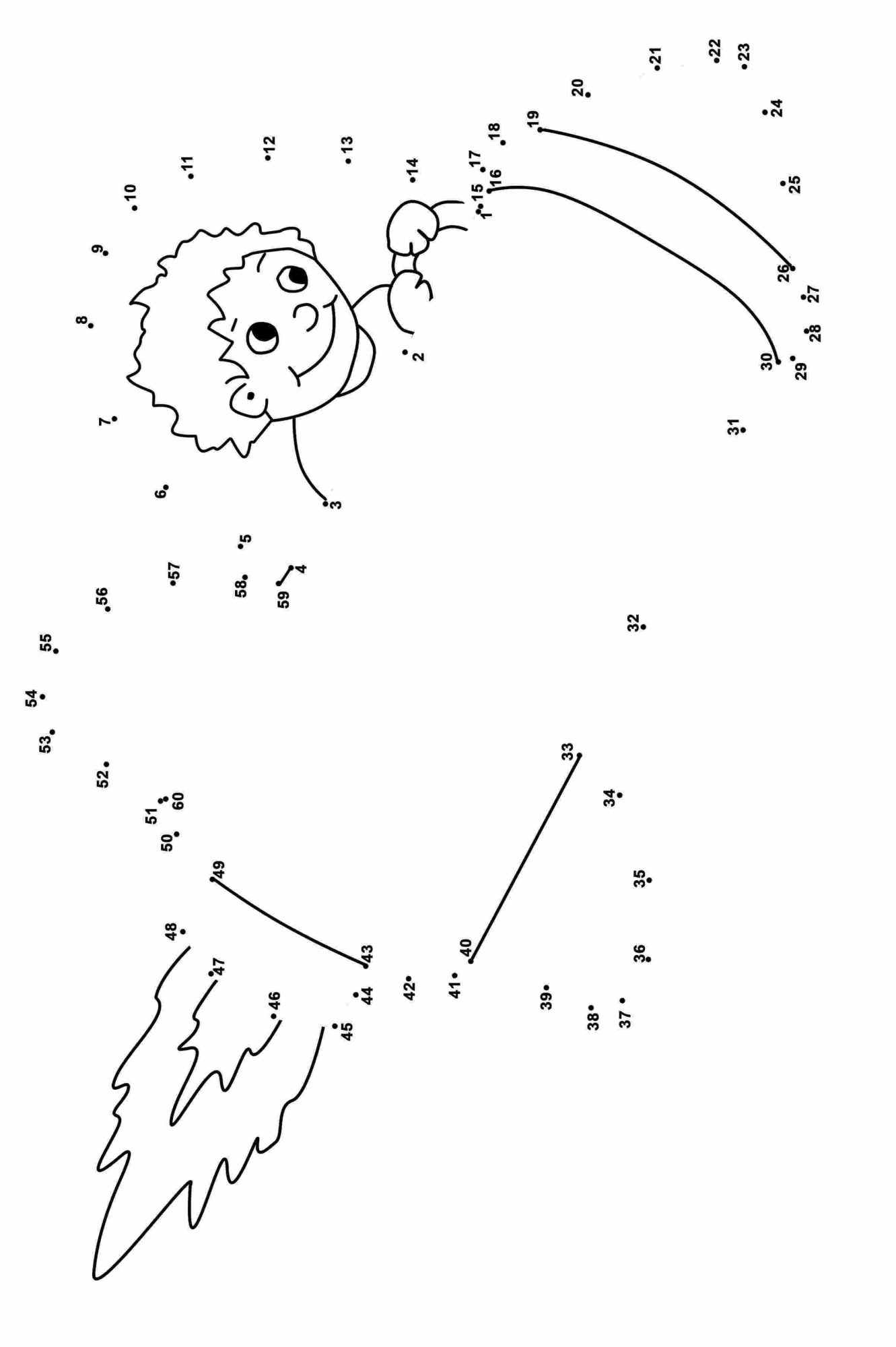
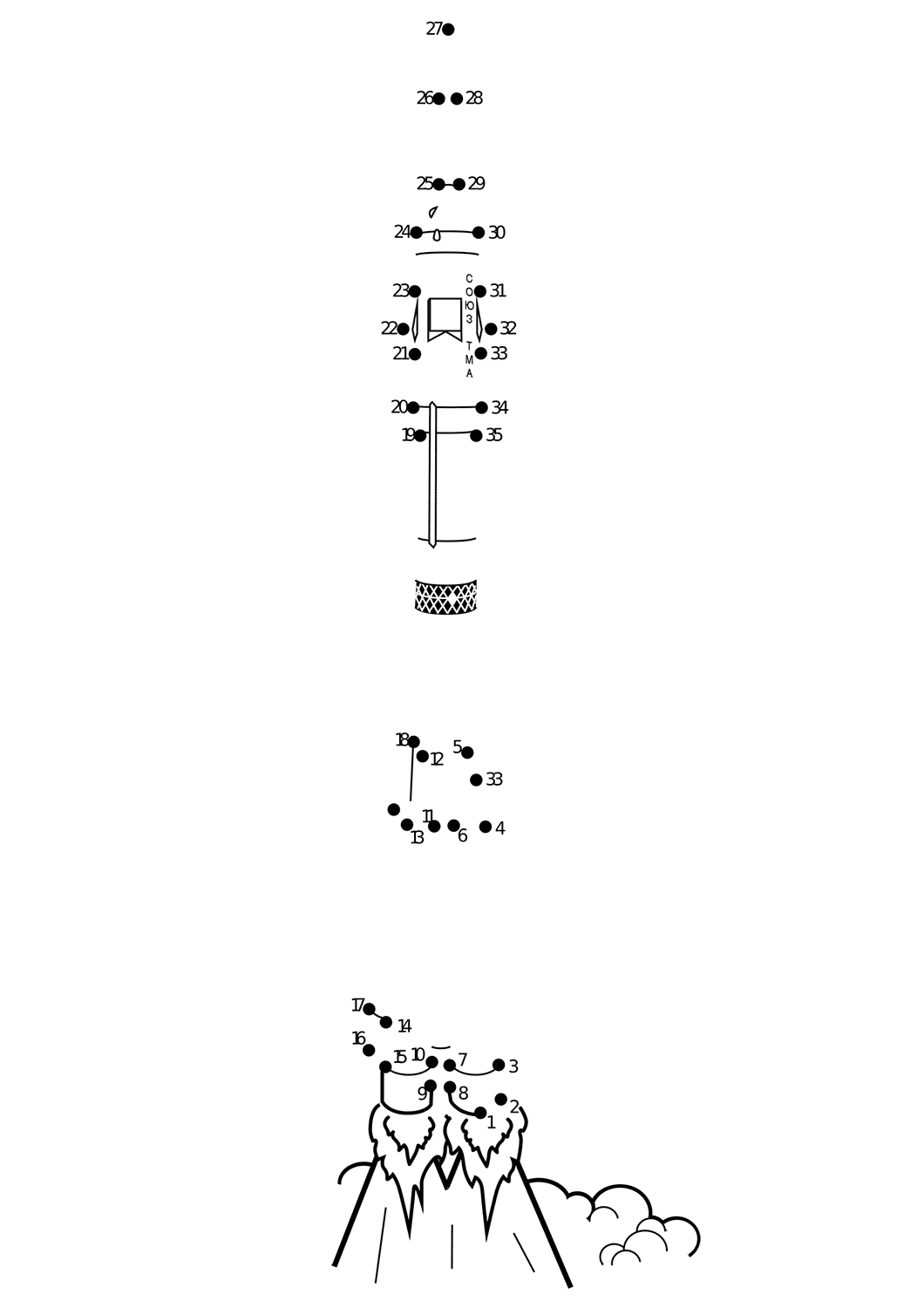
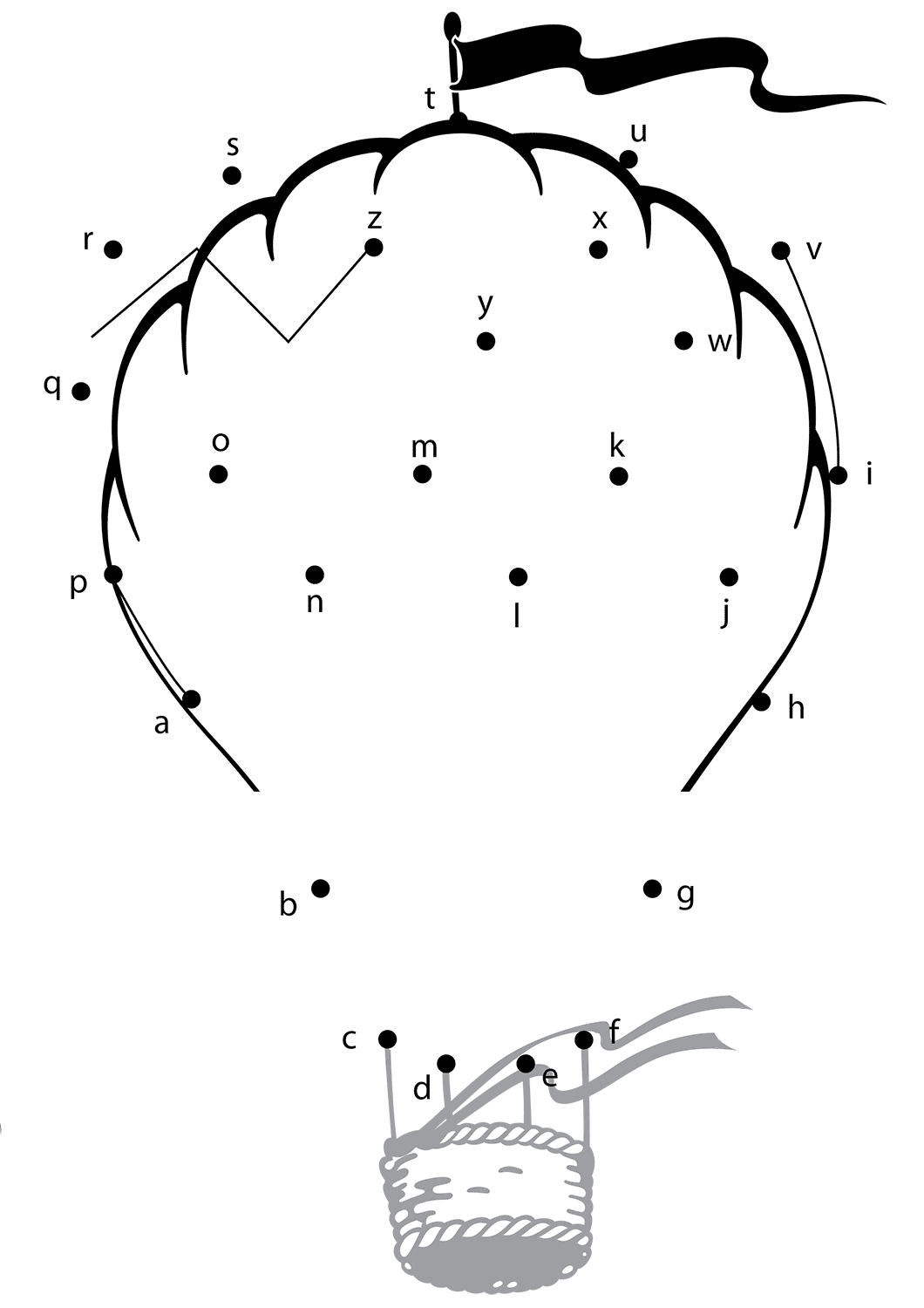
A flying spaceship, a rocket launch, a kid riding a rocket, a hot air balloon, and a thunderstorm reach toward the sky. Color the rocket White with Red fins and add Orange and Yellow flames, and use Gray clouds with Yellow lightning for the storm.
Sports and Activities
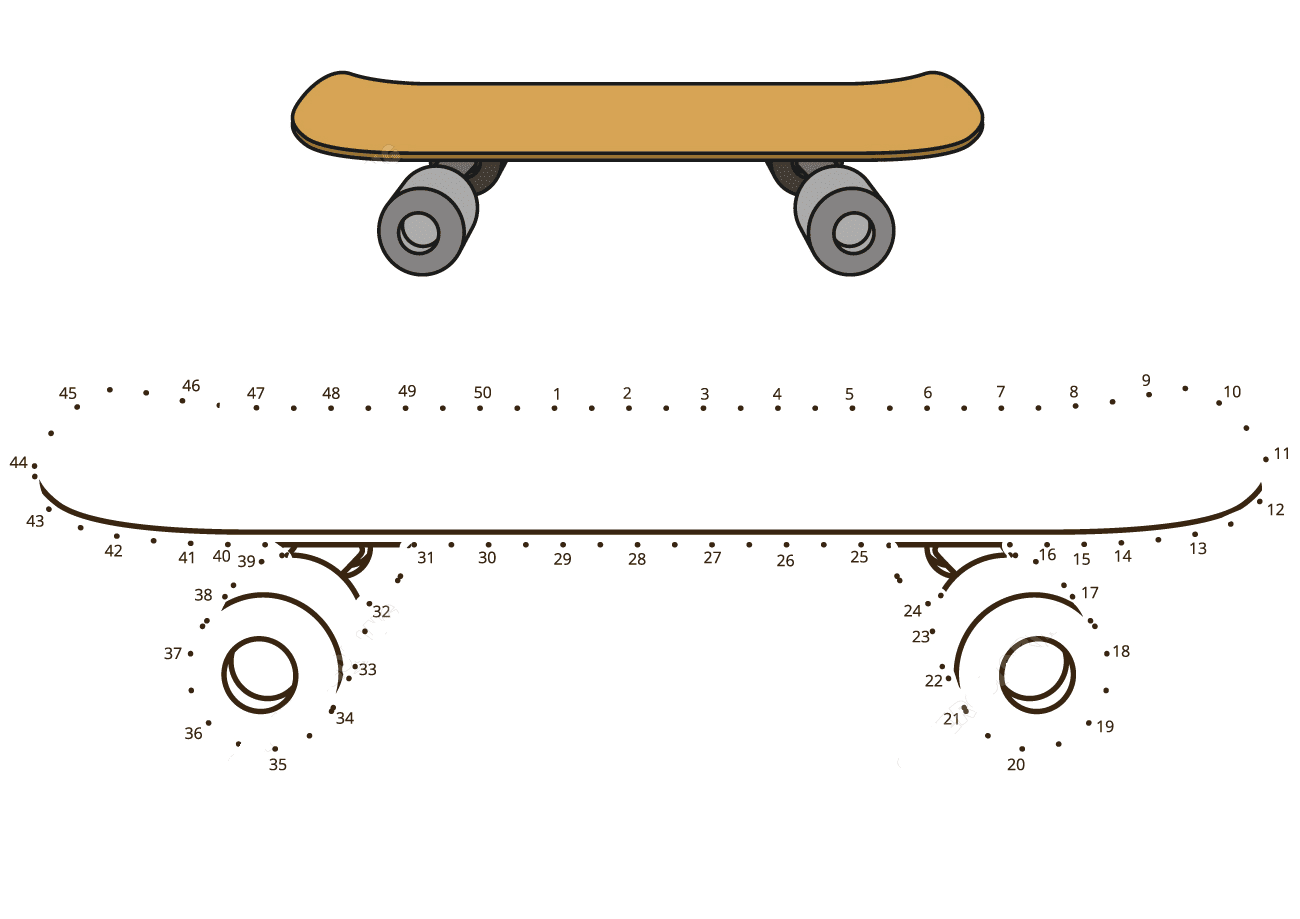
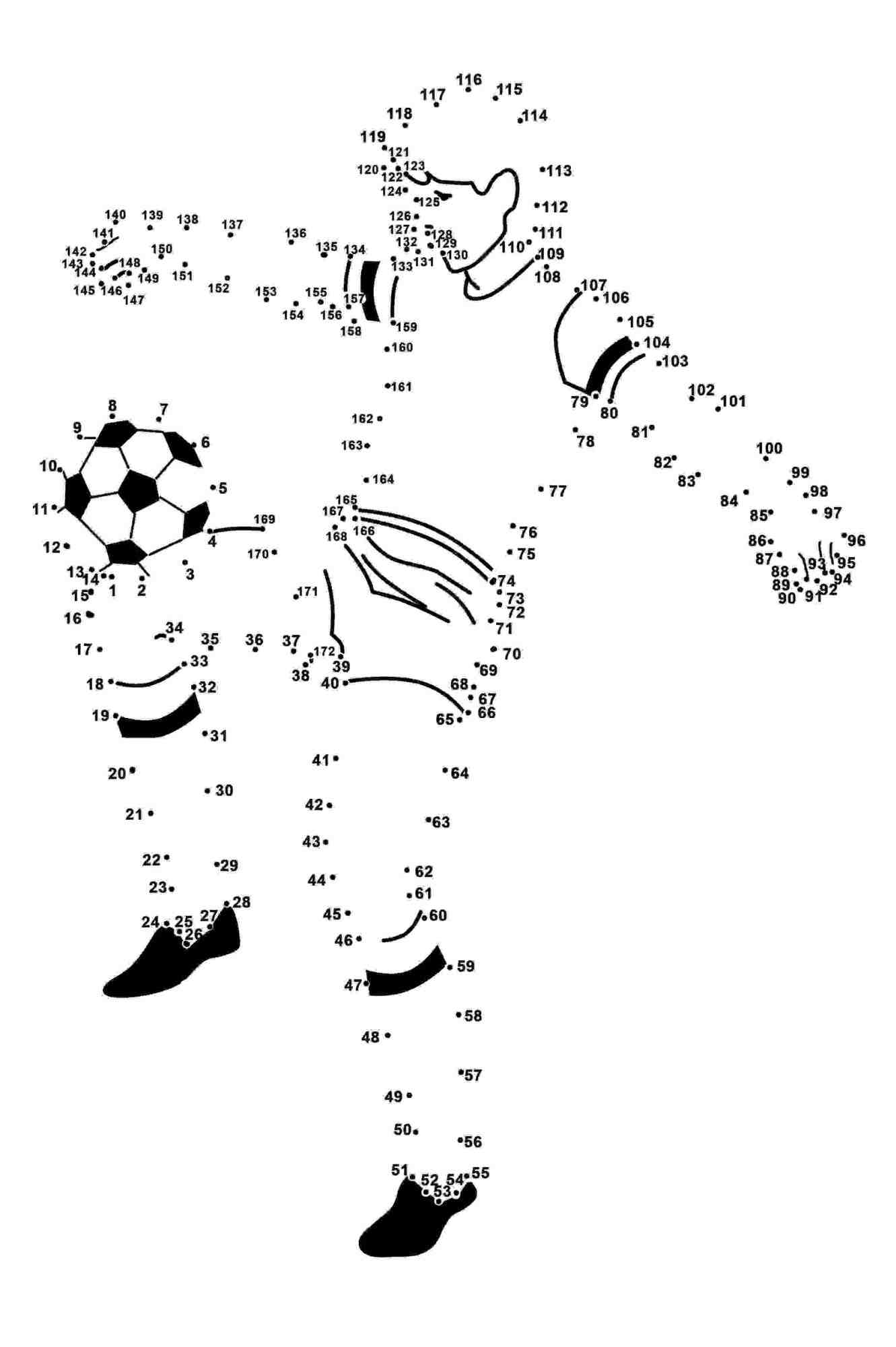
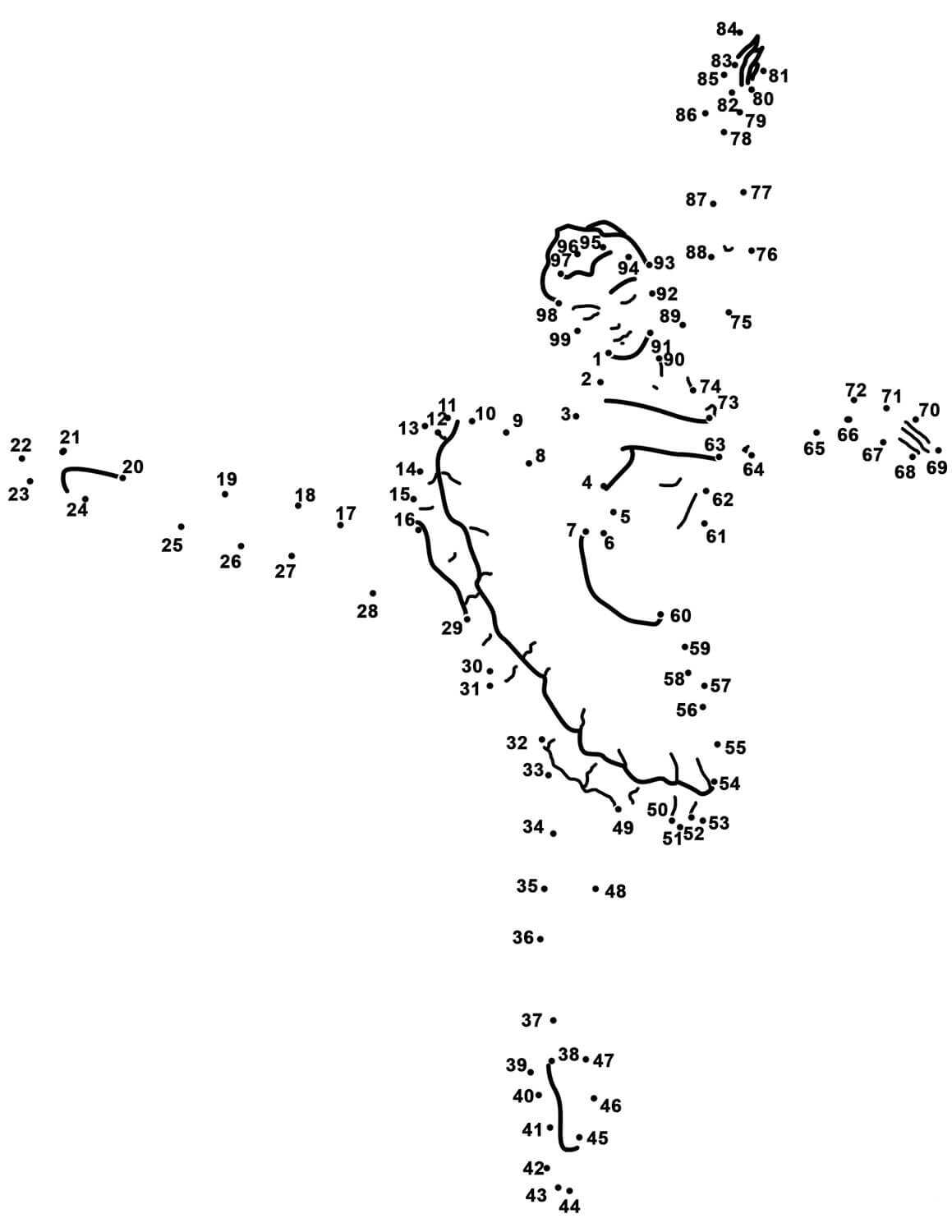
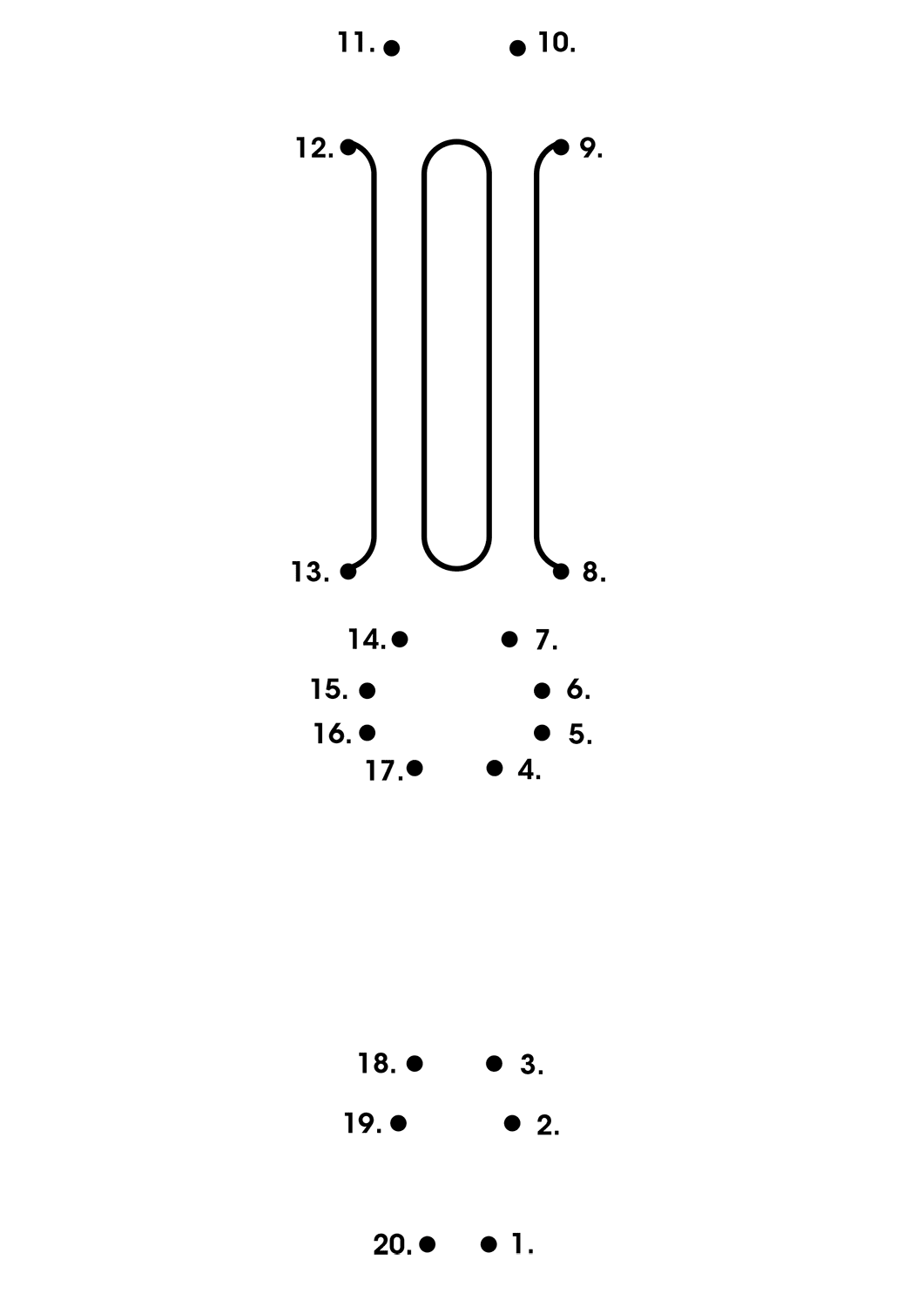
A soccer player with a ball, a hockey player, a dancing ballerina, a skateboard, and a trumpet bring movement and music into the set. Pink suits the ballerina’s tutu, and Black and White pentagons recreate a classic soccer ball.
Places, Tools, and Special Pages
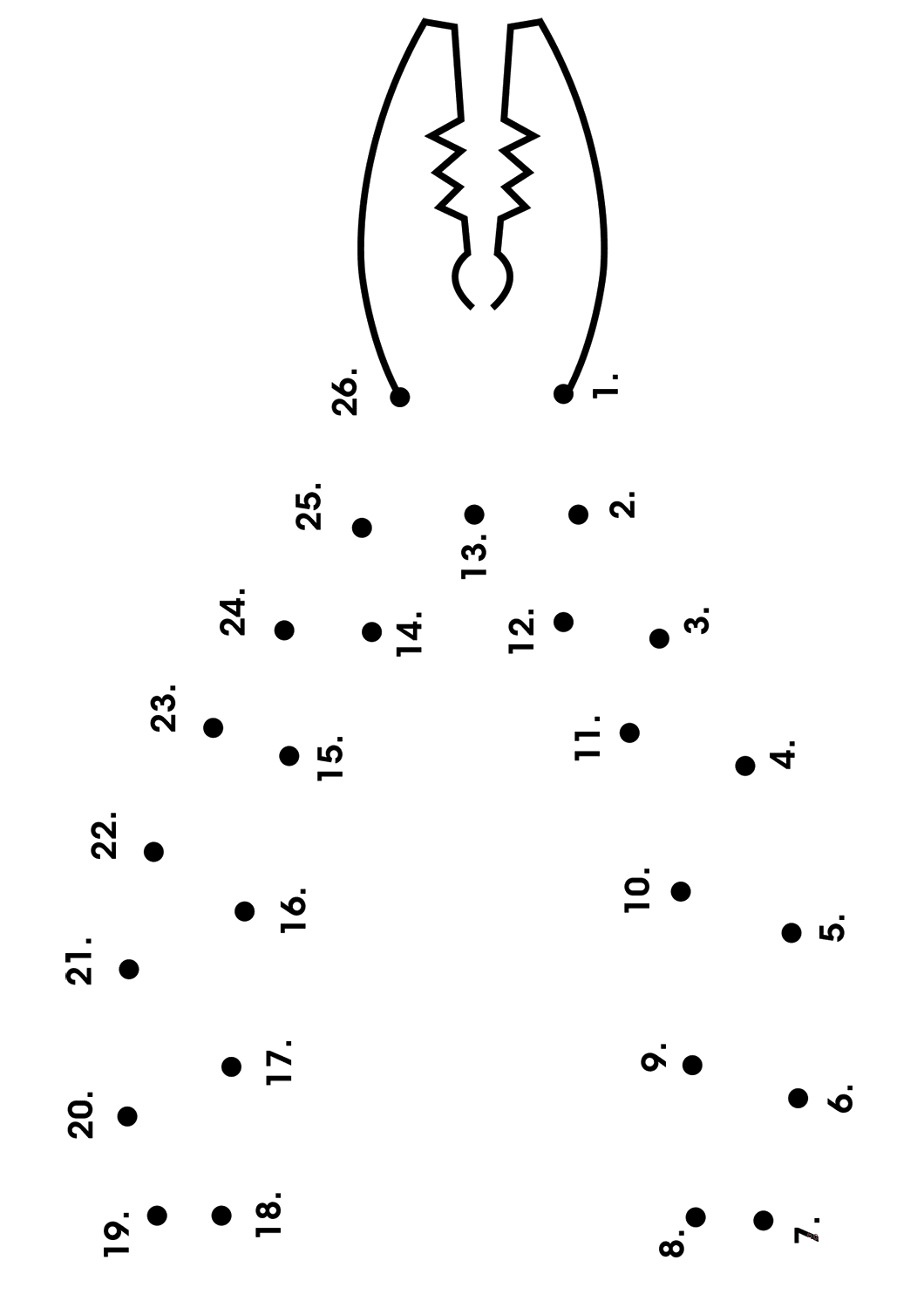
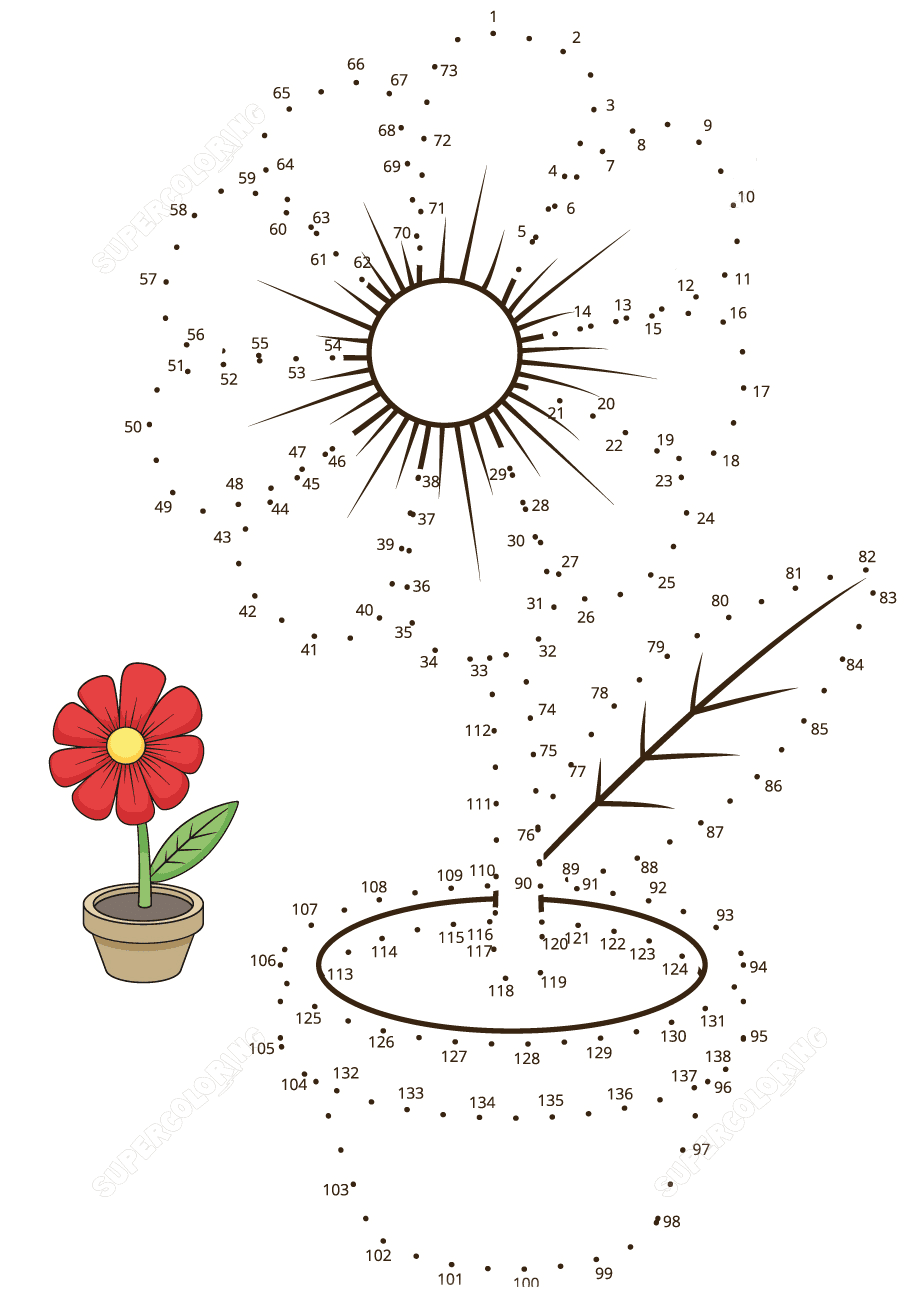
An igloo, an Egyptian pyramid, a pedestrian crossing, a camping sign, a flower pot, pliers, a screwdriver, a Women’s Day page, and a few character worksheets round out the collection. Light Blue shading makes the igloo look icy, and Sandy Tan with Brown lines suits the pyramid.
What Connect the Dots Coloring Pages Do
Practicing number order and counting. Every puzzle requires children to find the next number, which reinforces counting and number recognition from 1 to 50 and beyond. The skip-counting race car adds early multiplication practice by counting in 2s. Teachers often use these sheets as a playful alternative to traditional math worksheets.
Strengthening pencil control. Drawing straight lines between dots builds the hand-eye coordination and pencil grip that the American Academy of Pediatrics guidance counts as part of fine motor development in children 2 to 7. Children must start and stop each line at a precise point, which prepares them for forming letters and numbers. Coloring the finished picture then adds a second layer of fine motor practice.
Focus and calm. Anxiety eased after structured coloring in a 2005 investigation from the Art Therapy Journal, and connecting dots adds an extra element of focused attention. Following a number sequence keeps the mind gently busy, which can help restless children settle. Many classrooms use these sheets as quiet morning work.
Building problem-solving and patience. Kids often try to guess the hidden picture before finishing, which encourages prediction and visual reasoning. Longer puzzles teach patience, since the full image appears only after every dot is connected. Finishing a 50-dot puzzle gives a real sense of accomplishment.
How to Color Connect the Dots Pages Well
- Connect first, then color: Draw all the lines with a pencil before picking up crayons so the shape is complete and clear.
- Use a ruler for long lines: On vehicle and rocket pages, a ruler helps keep straight edges neat.
- Erase stray numbers lightly: Older kids can softly erase the dot numbers after connecting, so the colored picture looks cleaner.
- Realistic vegetables: Use two shades for vegetables, such as Green and Yellow Green for broccoli, to show texture.
- Bright vehicles: Choose bold primary colors like Red, Blue, and Yellow for cars, buses, and trucks.
- Add backgrounds: Draw a road under the cars, water under the boats, and a garden bed under the vegetables to complete each scene.
5 Creative Craft Ideas With Connect the Dots Coloring Pages
1. Mystery Picture Folder
Collect several finished puzzles in a folder labeled “Mystery Pictures,” and let kids challenge siblings or friends to guess each image before connecting.
2. Veggie Garden Poster
Complete and color the vegetable puzzles, trim each one, and plant them in rows on brown paper to make a pretend garden.
3. Transportation Timeline
Connect and color the vehicles, then line them up from slowest to fastest or from land to water to air.
4. Space Launch Display
Color the rocket and spaceship puzzles and glue them onto black paper with star stickers for a night sky scene.
5. Make Your Own Dot Puzzle
After finishing a page, kids can draw their own simple shape, place dots along its outline, and number them for a friend to solve.
Frequently Asked Questions
What are Connect the Dots Coloring Pages?
Connect the Dots Coloring Pages are 61 free printable puzzles where children join numbered dots in order to reveal a hidden picture, then color it. Topics include vehicles, vegetables, rockets, sports, and seasonal scenes, each one printable or playable in a browser.
Where do connect-the-dot puzzles come from?
Dot-to-dot puzzles have been a fixture of children’s puzzle books, newspapers’ kids’ sections, and classroom workbooks for many decades. They remain a classroom favorite because they combine counting, sequencing, and drawing in one activity.
What age are connect-the-dot puzzles for?
Puzzles with 1 to 15 dots suit children around 3 to 4, while 1 to 30 pages fit ages 4 to 6. Puzzles with 50 or more dots and skip-counting sheets work best for kids 6 to 8.
How do connect-the-dot pages help with math?
They practice counting, number recognition, and number order. Skip-counting pages, such as counting by 2s, also introduce early multiplication patterns.
Do connect-the-dot puzzles help with handwriting?
Yes. Drawing controlled lines from one point to another builds pencil grip and hand-eye coordination, both of which support writing letters and numbers.
What is the hardest puzzle in this collection?
The yellow bus (1 to 51) and rosehip (1 to 50) puzzles have the most dots, making them the best challenge for confident counters.
Is connect the dots the same as dot to dot?
Yes. Connect the dots and dot to dot are two names for the same activity, where numbered or lettered points are joined in order to form a picture.
Can connect-the-dot puzzles use letters instead of numbers?
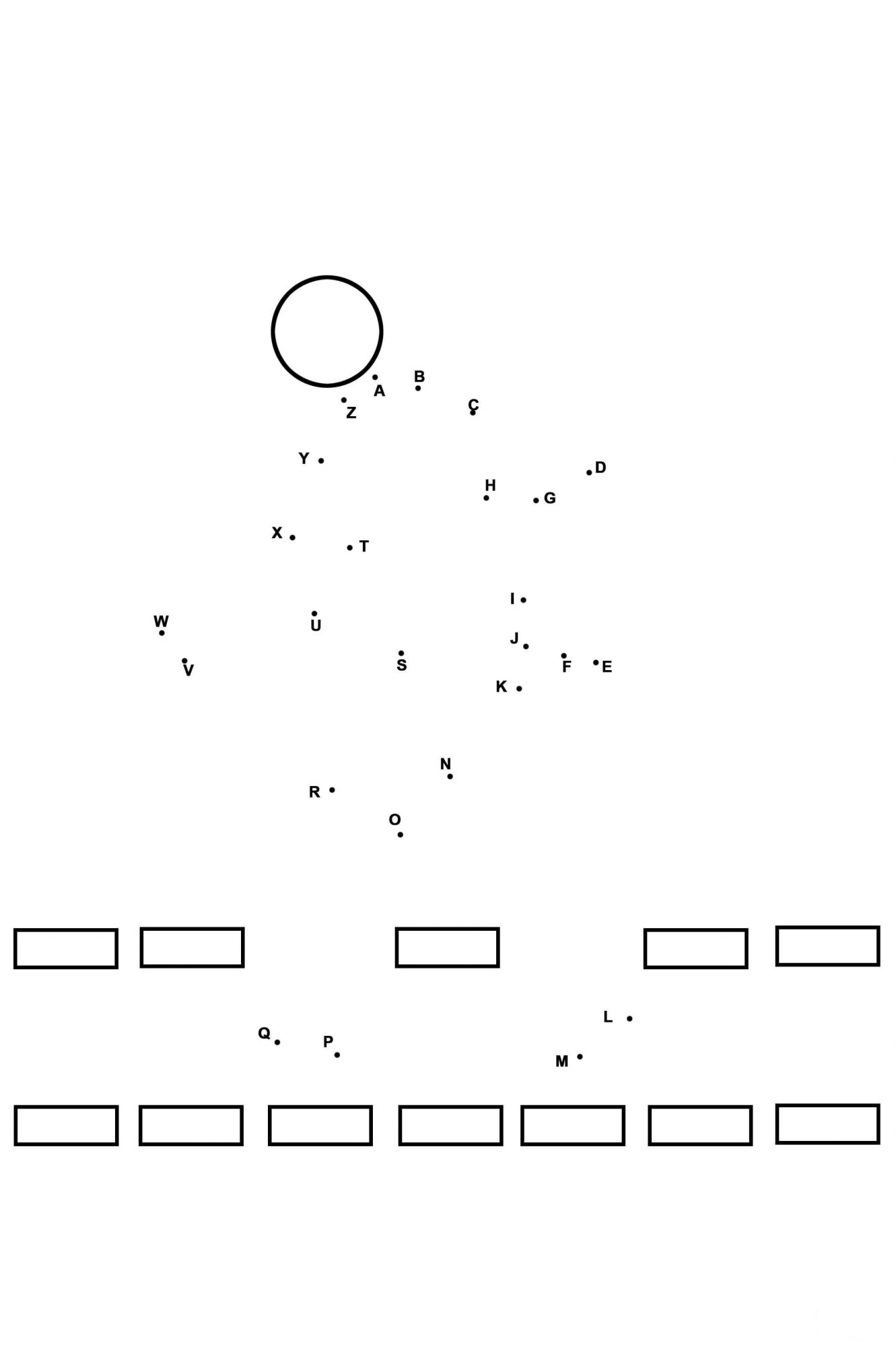
Yes. Some dot puzzles follow the alphabet from A to Z instead of numbers, which helps children practice letter order in the same fun way.
Start Coloring
Start with a short 1-to-15 puzzle or jump to a 50-dot challenge, printing the free PDF or solving it on screen with no account. Each revealed picture is one tap away from Facebook or Pinterest, right on the puzzle’s page.