Zooble Coloring Pages
 By:
Jennifer Thoa - Content Editor & Designer
Updated:
By:
Jennifer Thoa - Content Editor & Designer
Updated:
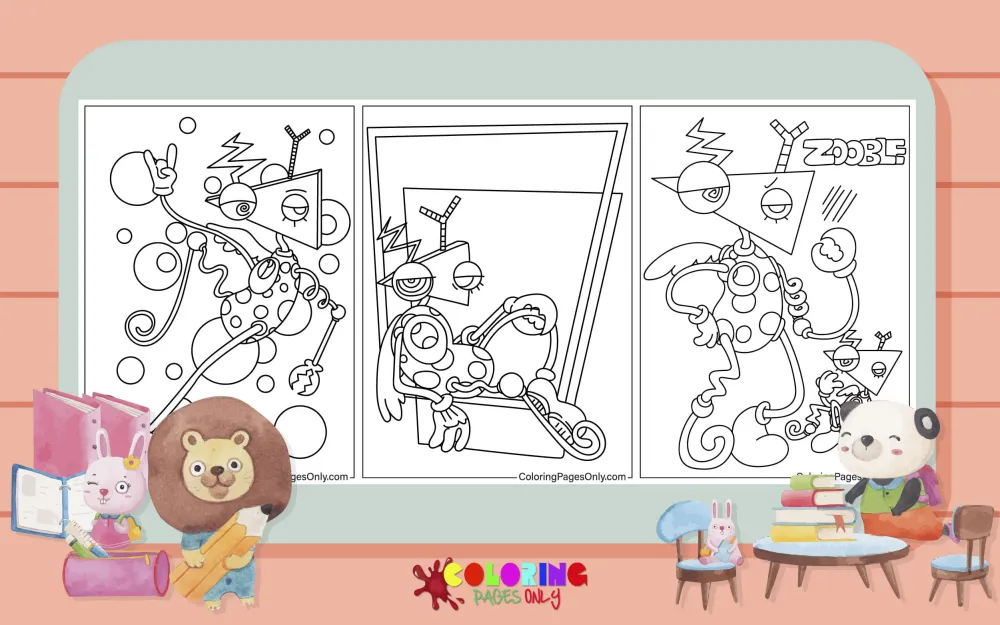
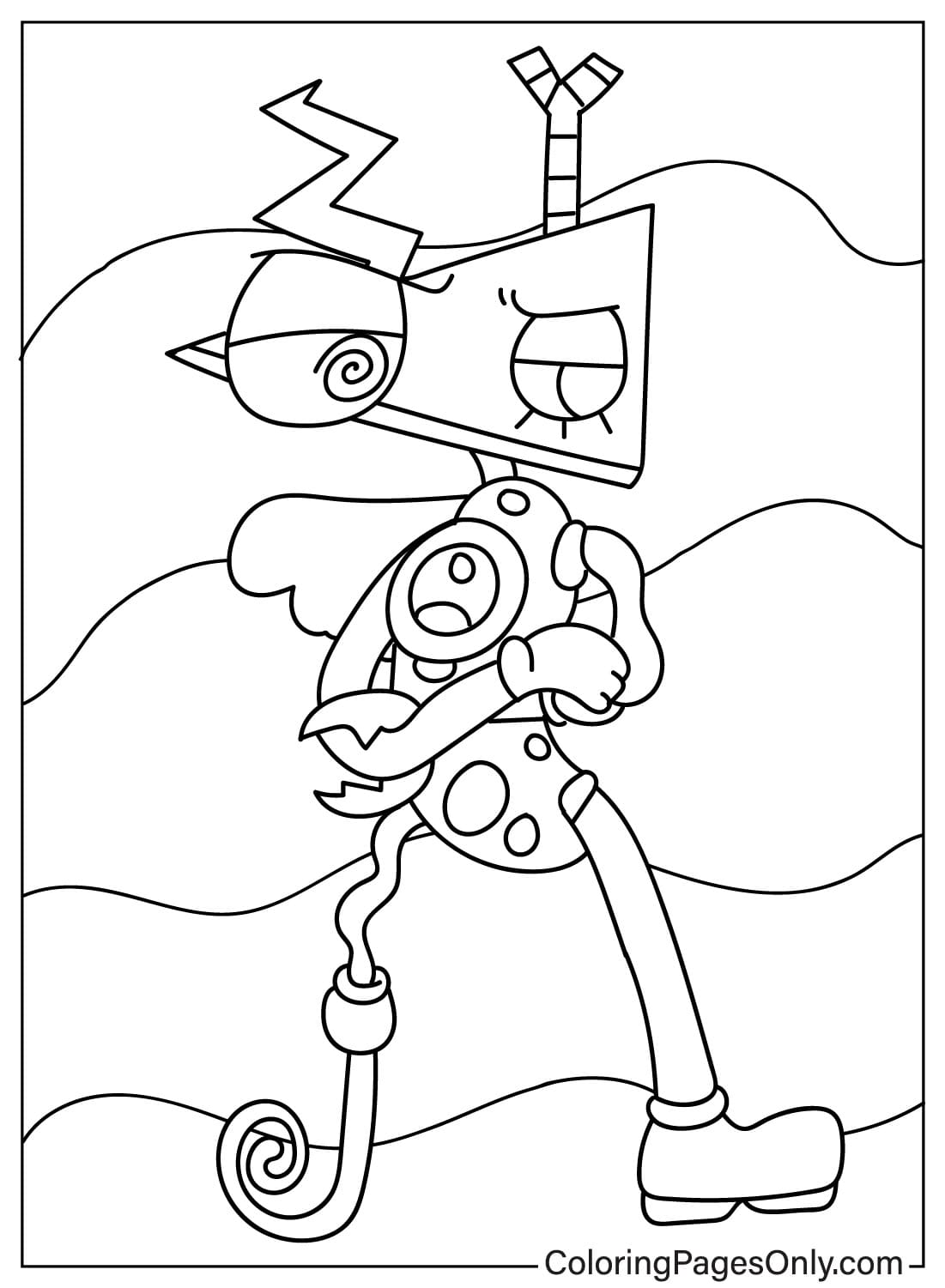
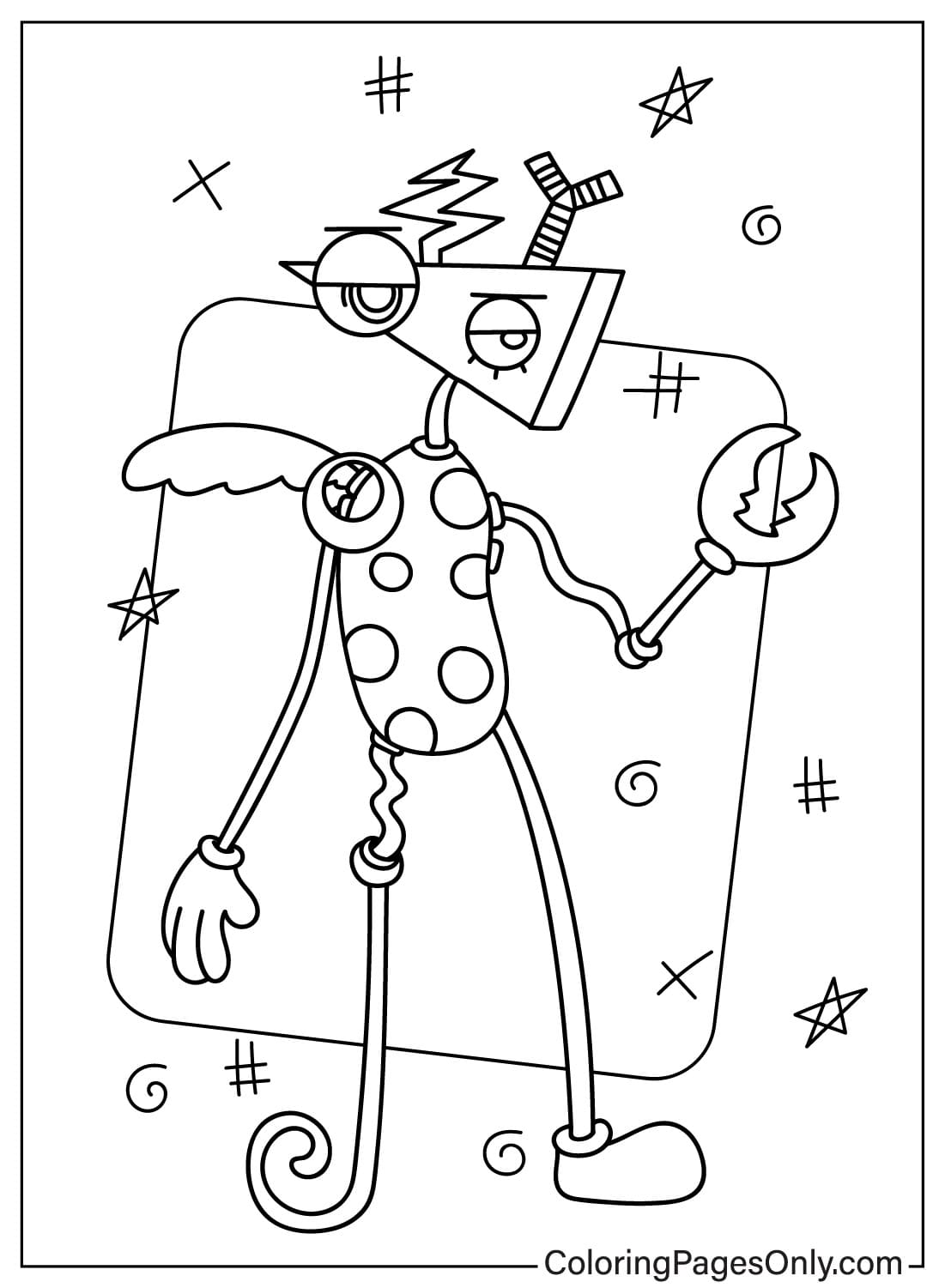
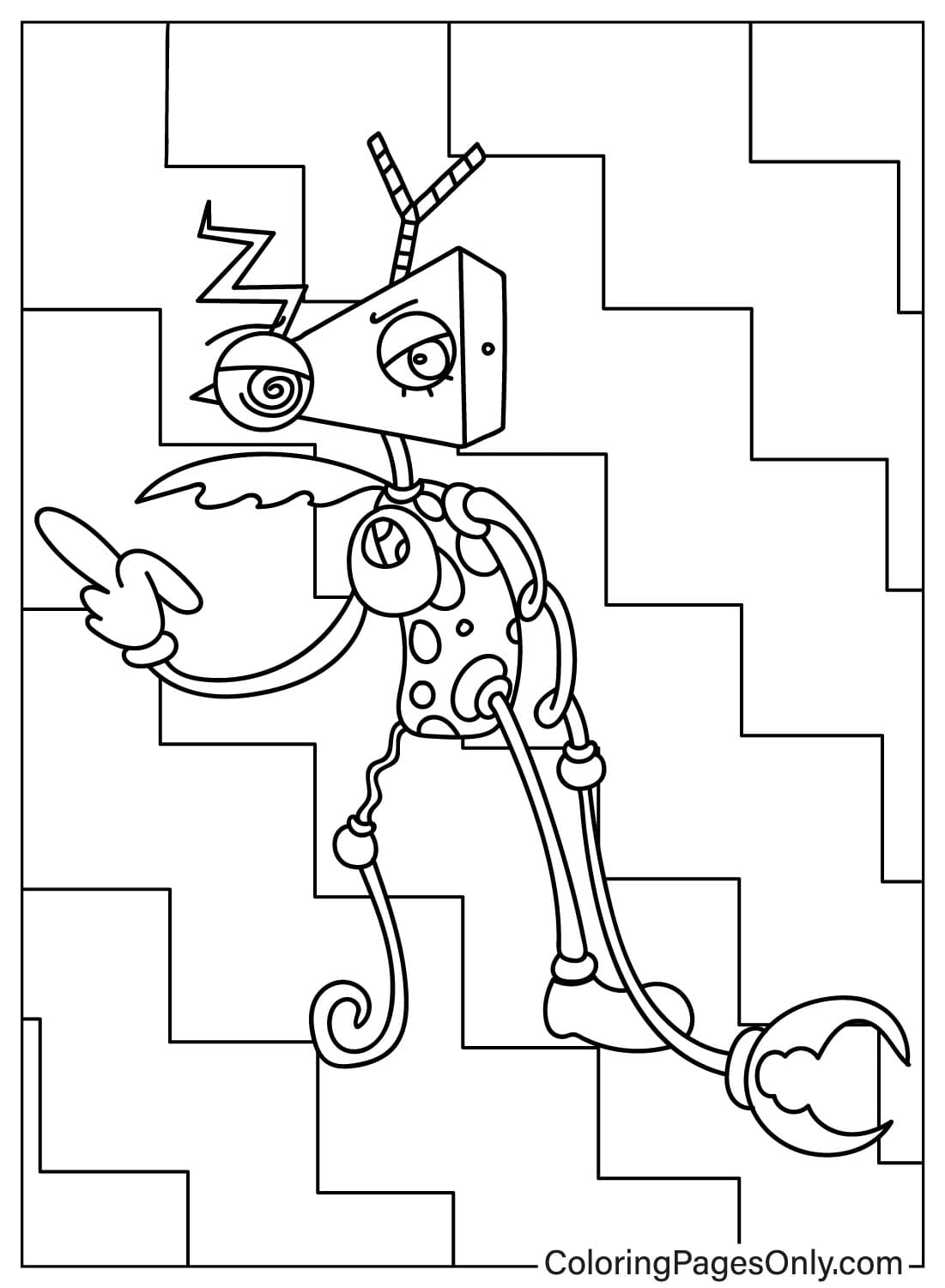
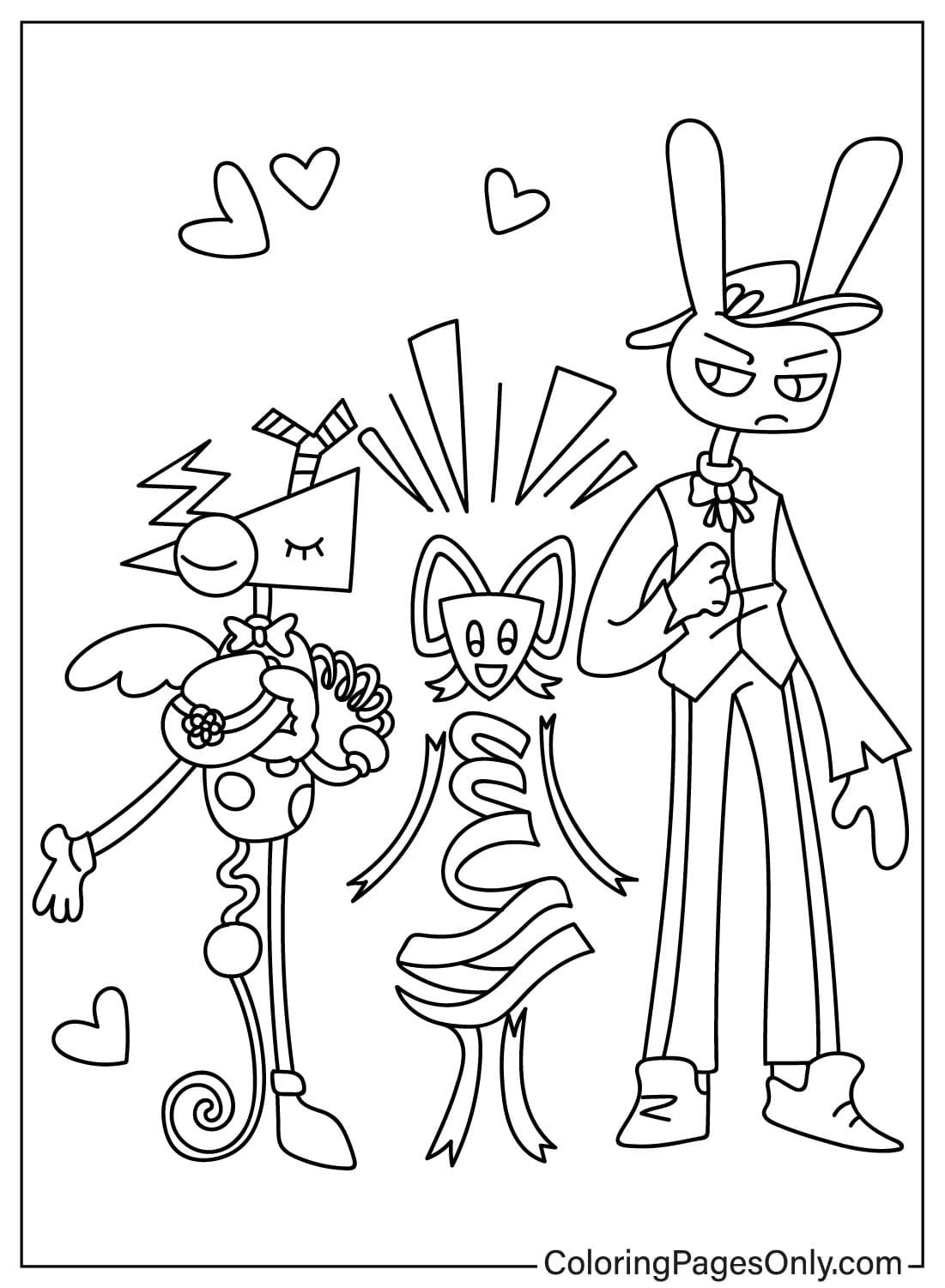
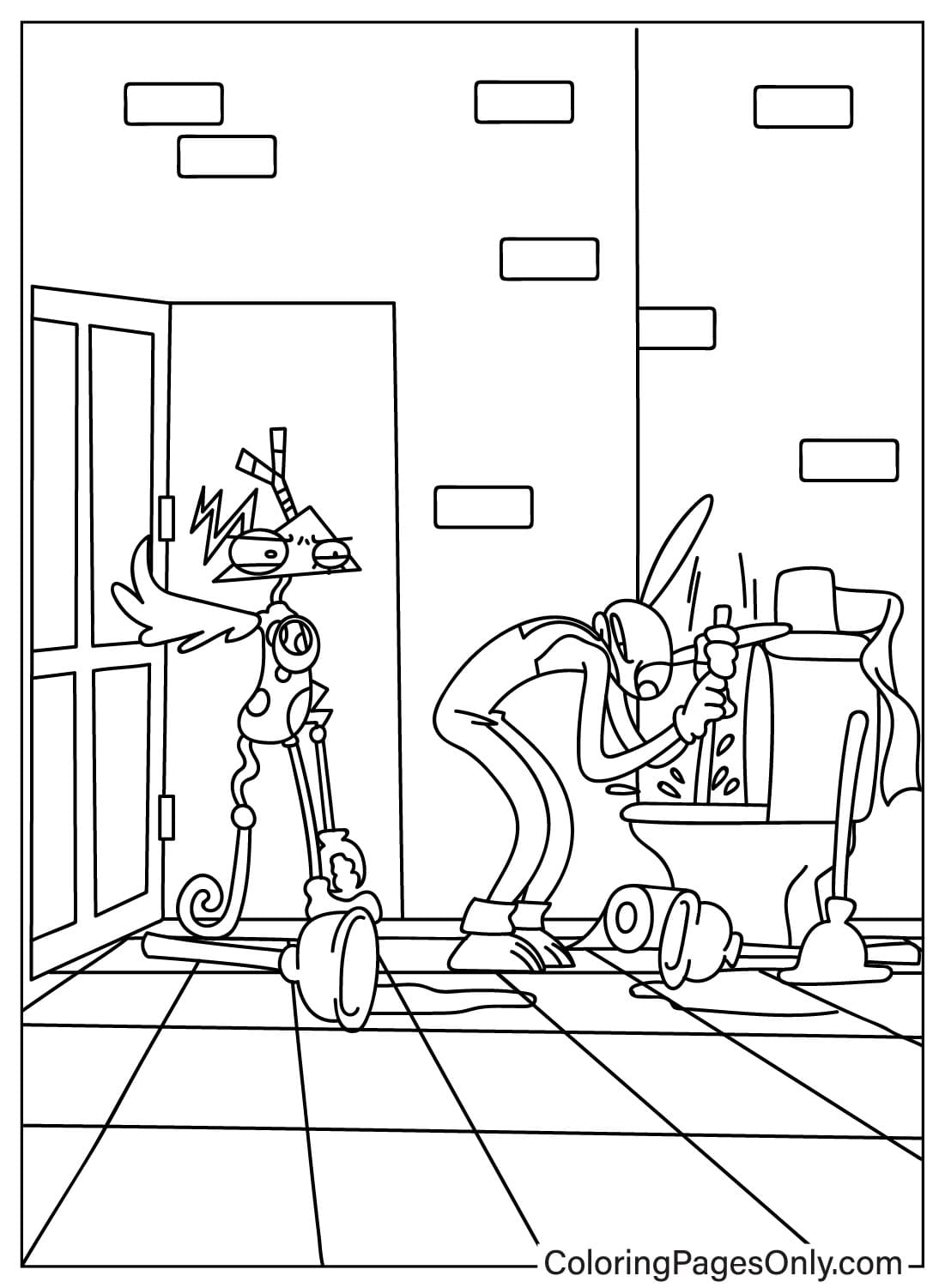
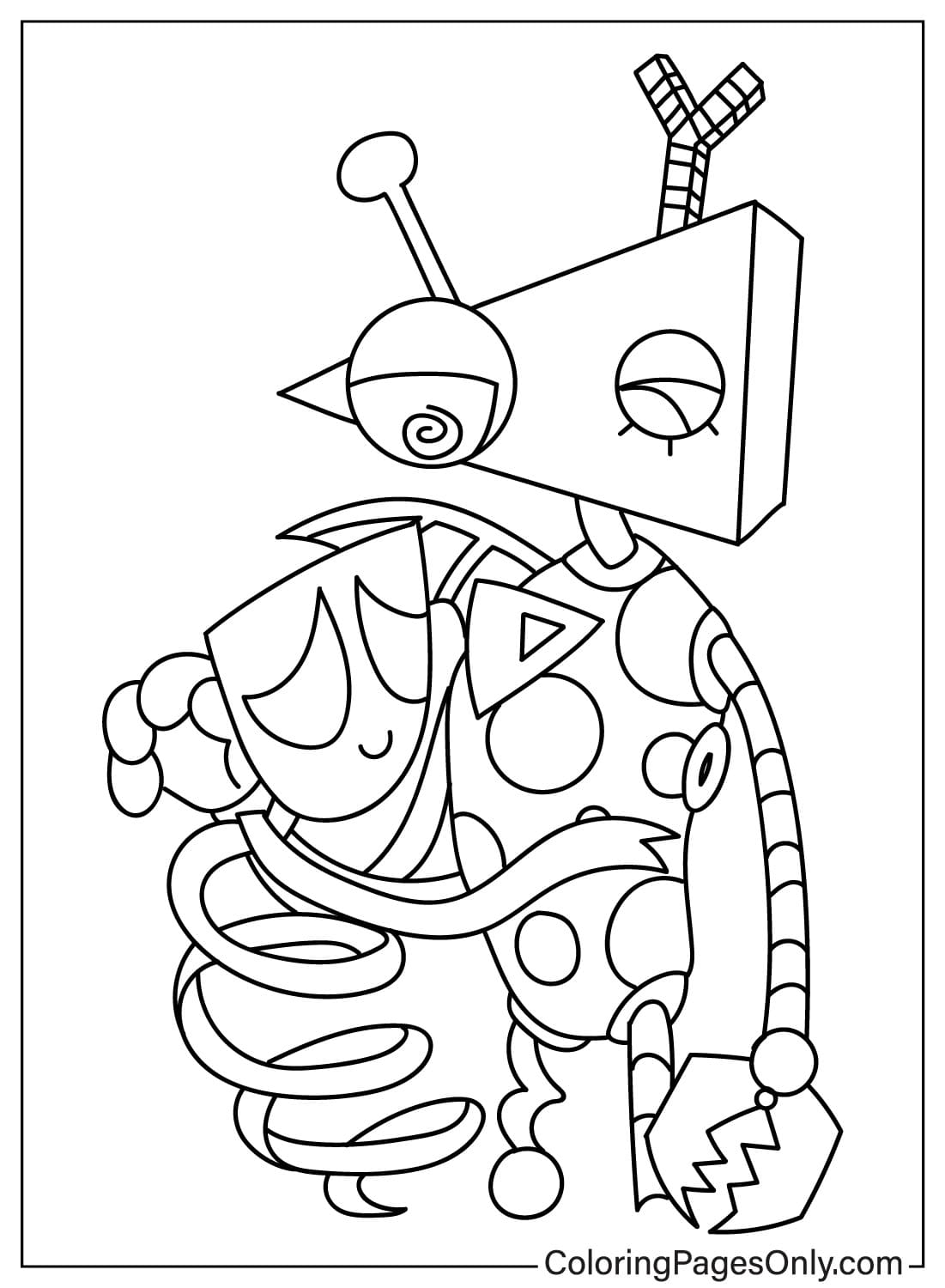
Free Zooble Coloring Pages: 22 printable PDF designs of the grumpy, mix-and-match toy from The Amazing Digital Circus, shown solo in full-body portraits and alongside fellow performers Jax, Gangle, and Kinger. Any sheet can be printed without charge or filled in right on the site.
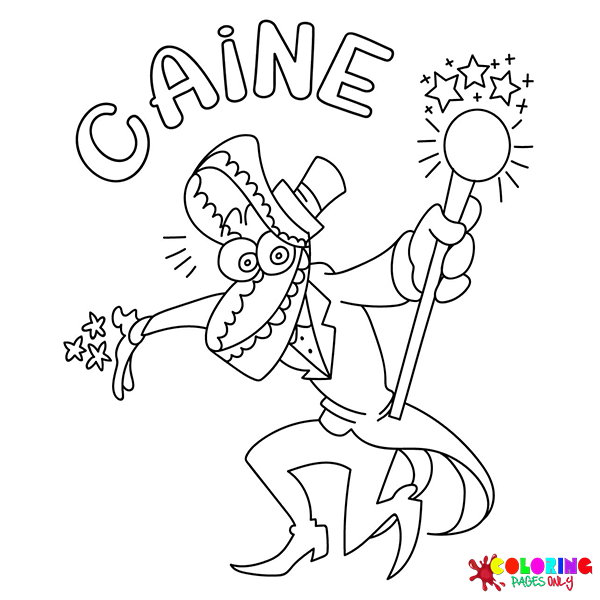
The Amazing Digital Circus is an indie animated web series created by Australian animator Gooseworx and produced by Glitch Productions. Its pilot landed on YouTube in October 2023 and quickly passed hundreds of millions of views. The story follows six humans trapped inside a colorful virtual circus run by Caine, an AI ringmaster with a set of chattering teeth for a head. Zooble stands out because the character’s body is assembled from loose toy pieces that can be pulled off and rearranged. Voiced by Ashley Nichols, Zooble meets every cheerful circus adventure with an eye roll, a sarcastic line, and very little patience.
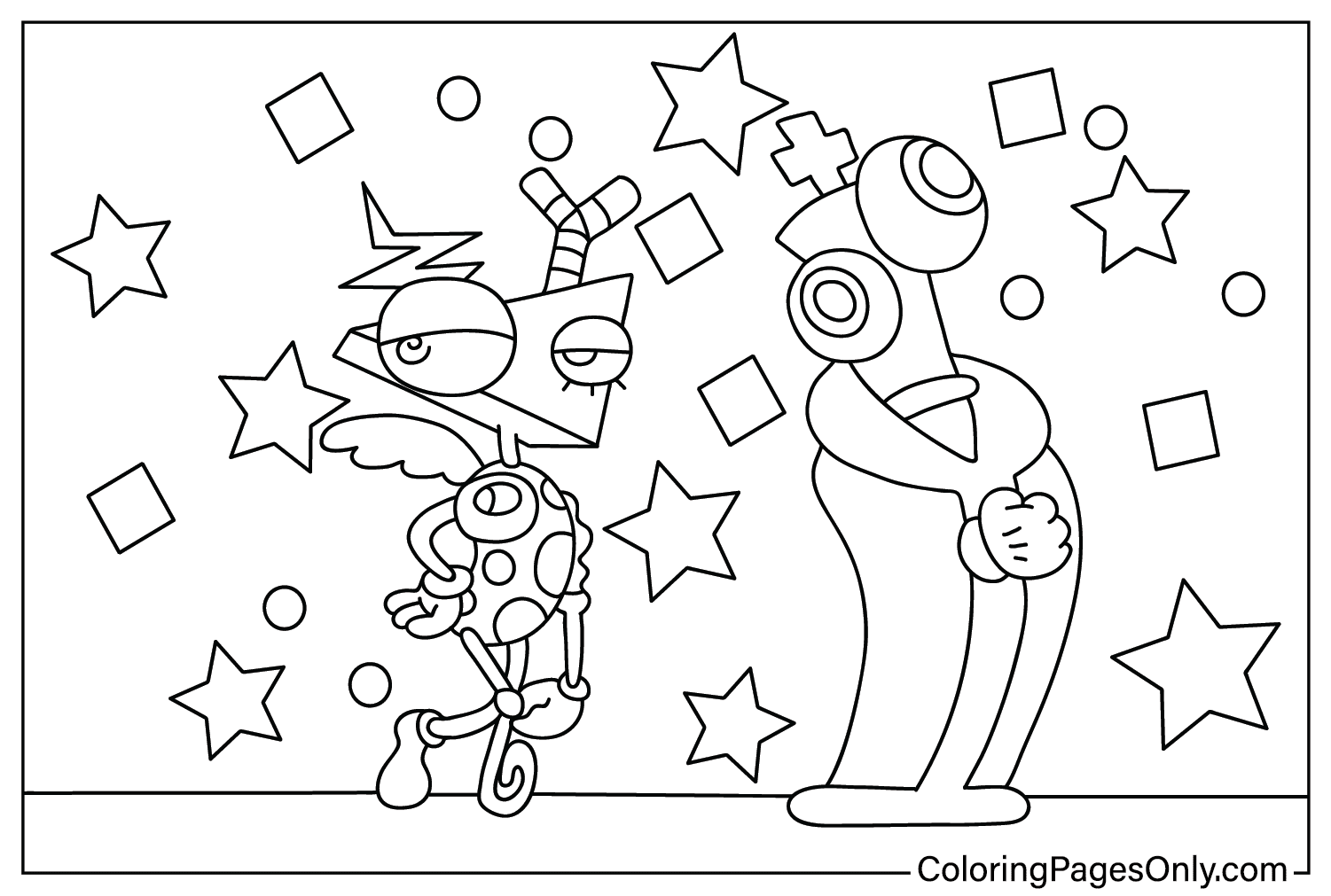
Zooble’s chunky parts and clear outlines make solo sheets easy to start. Group pages with Jax, Gangle, and Kinger add extra characters, overlapping limbs, and more shapes for older fans to sort out.
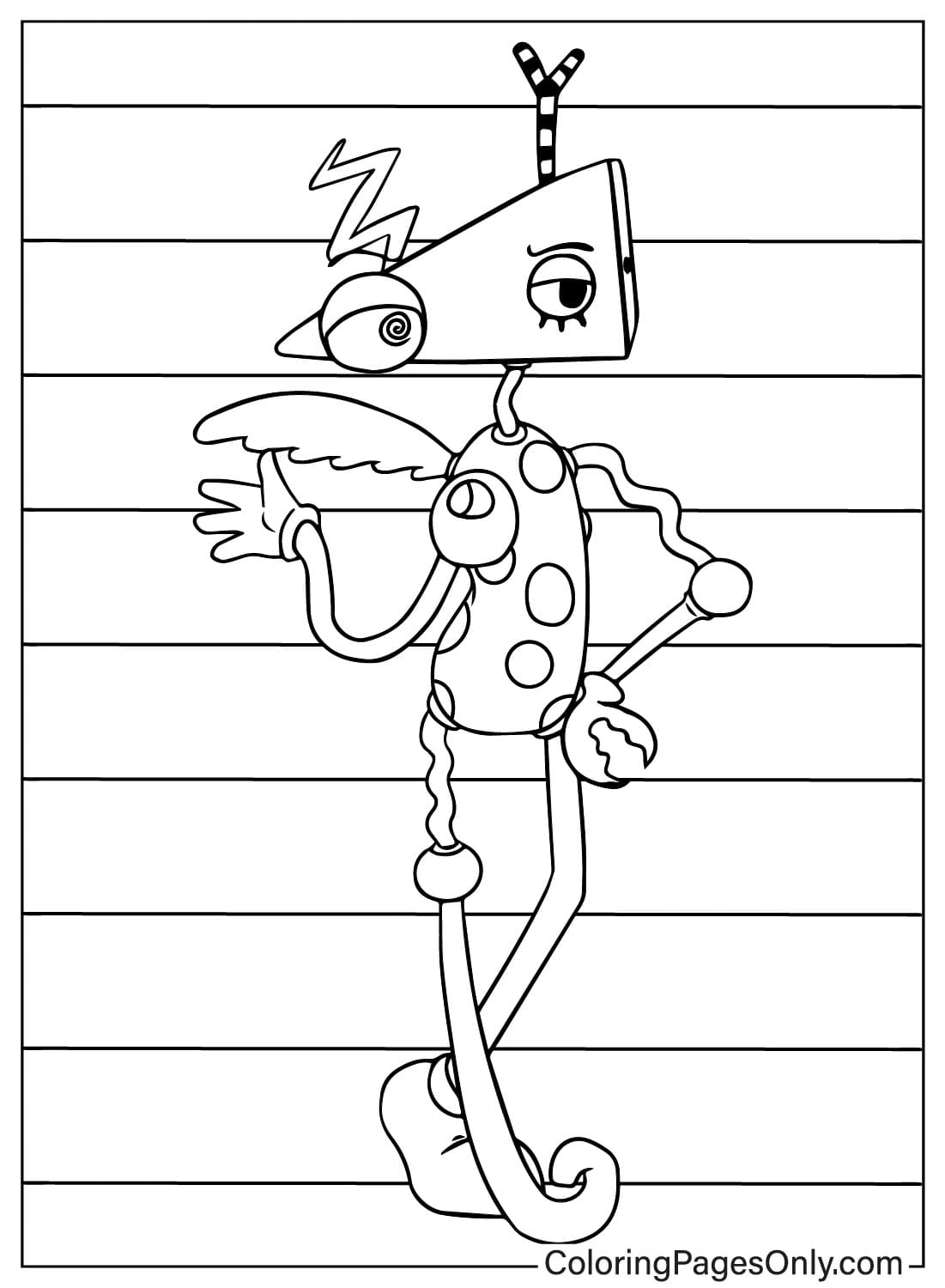
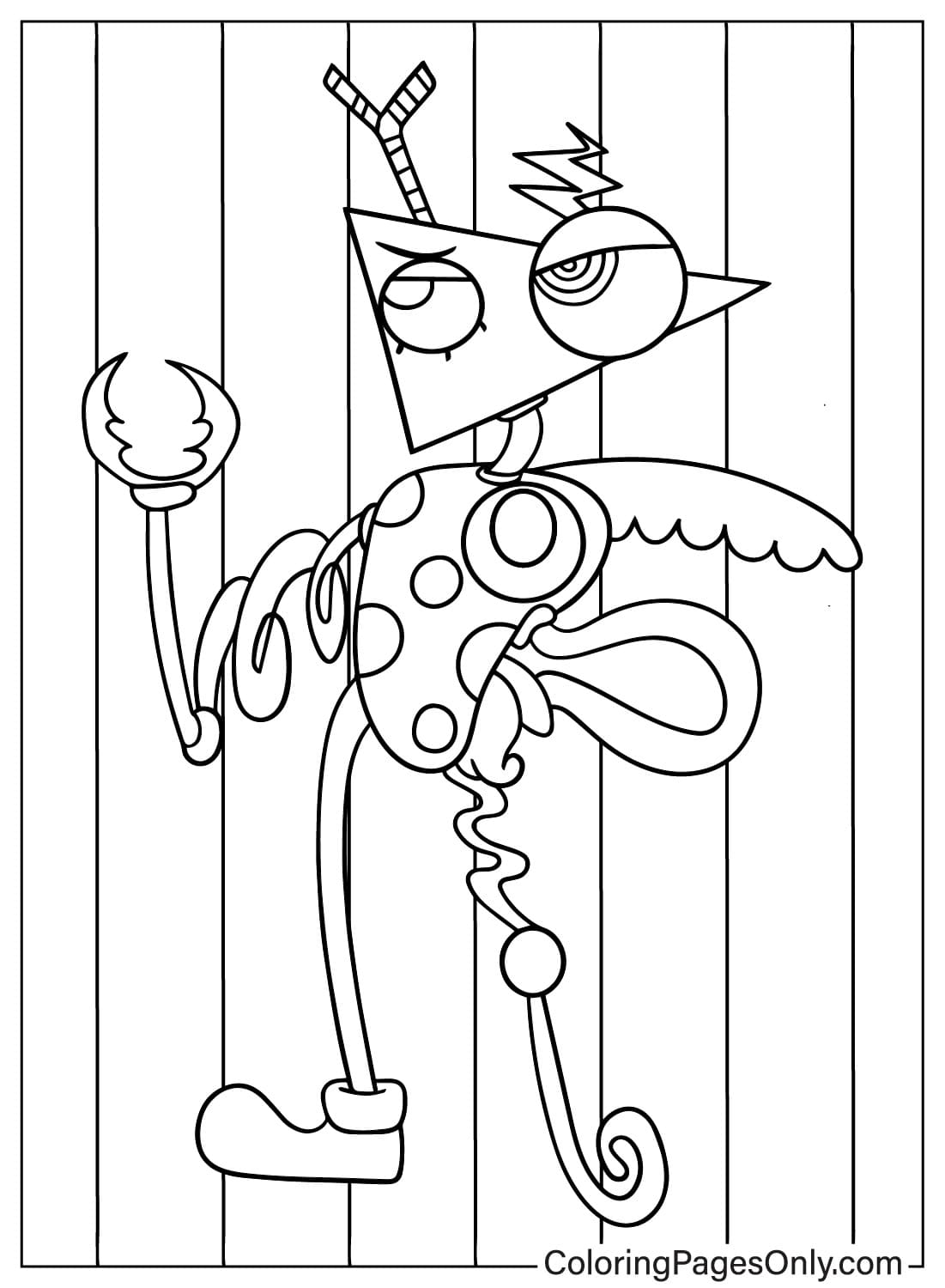
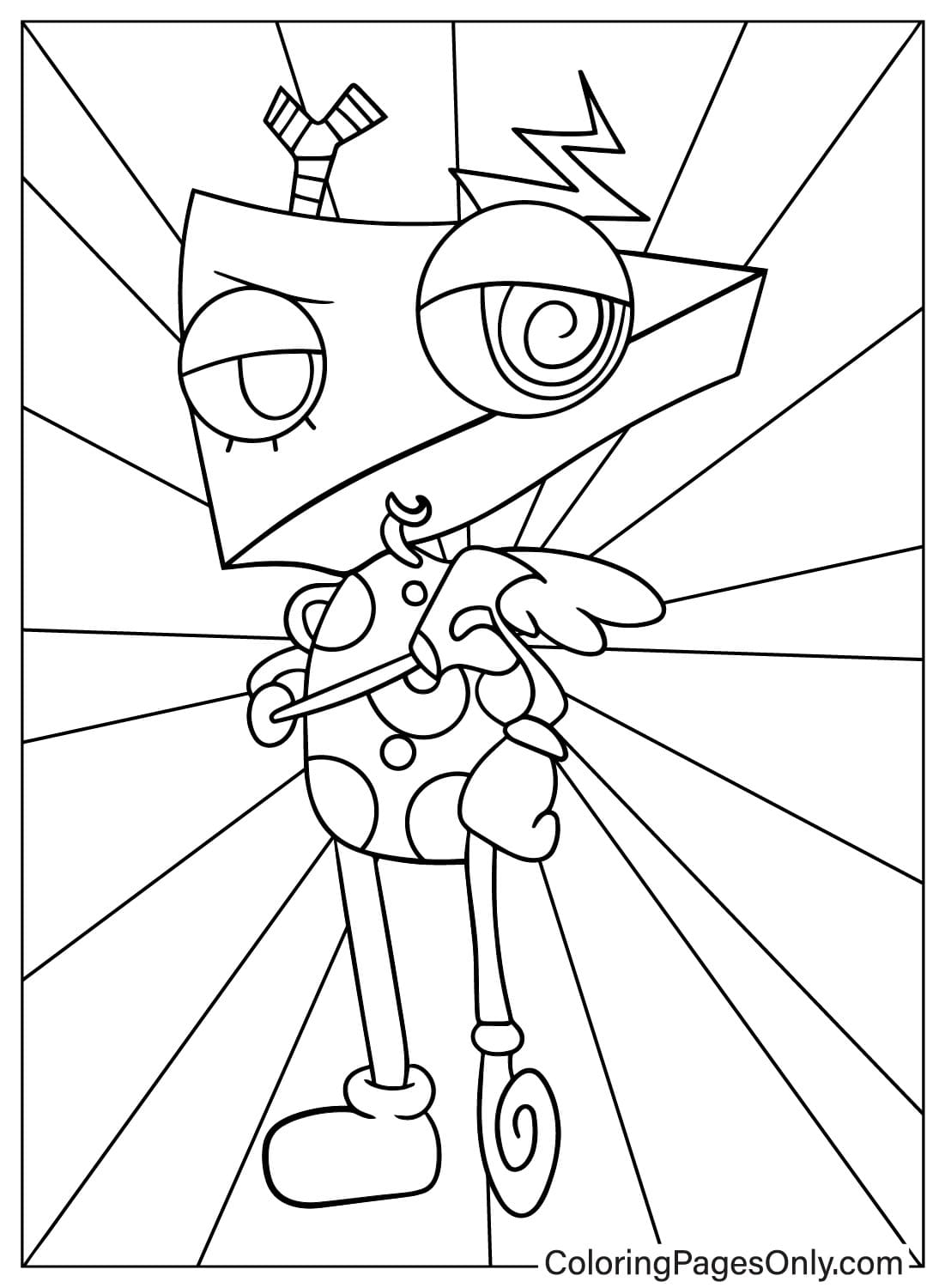
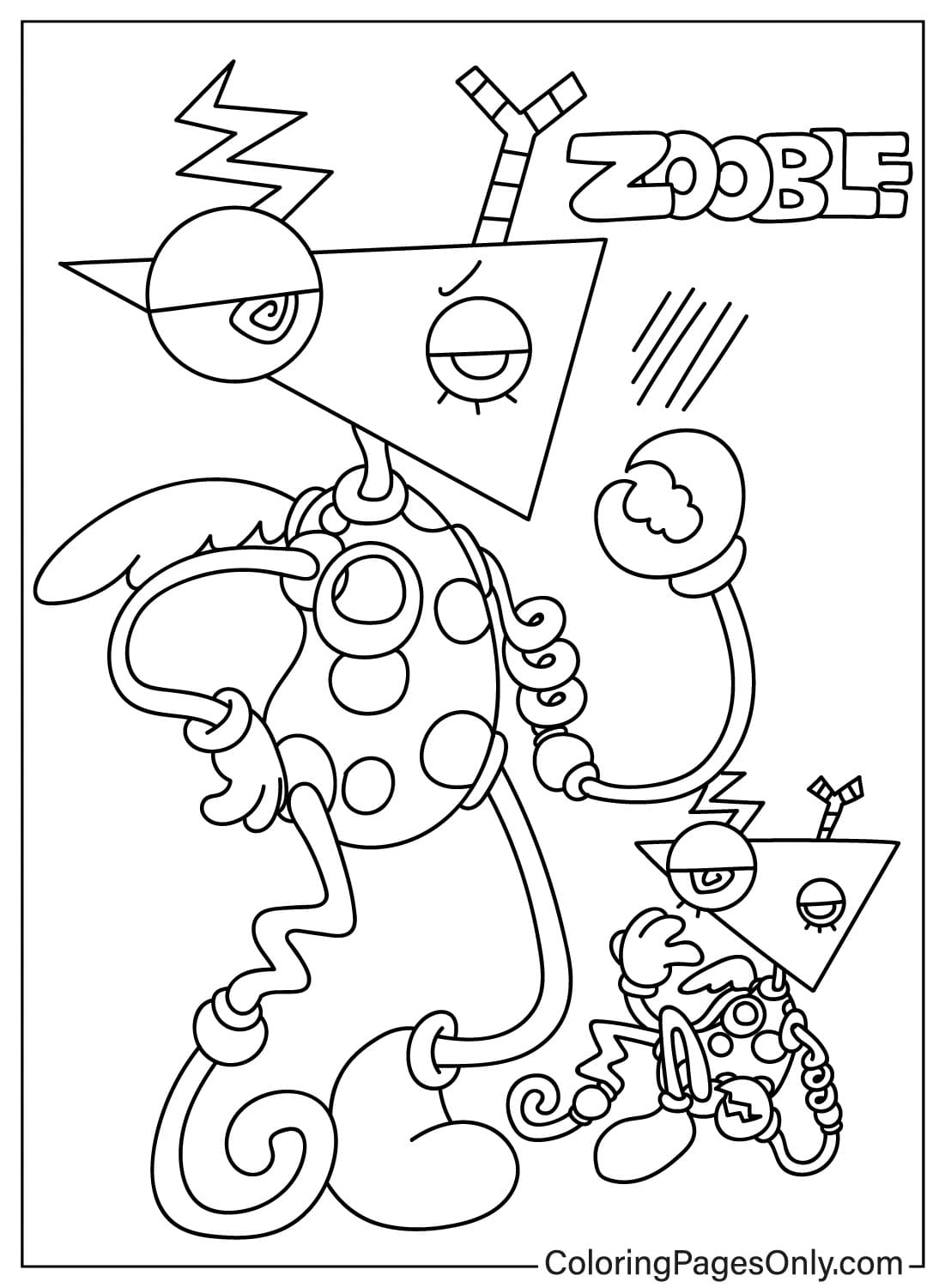
What’s Inside This Collection
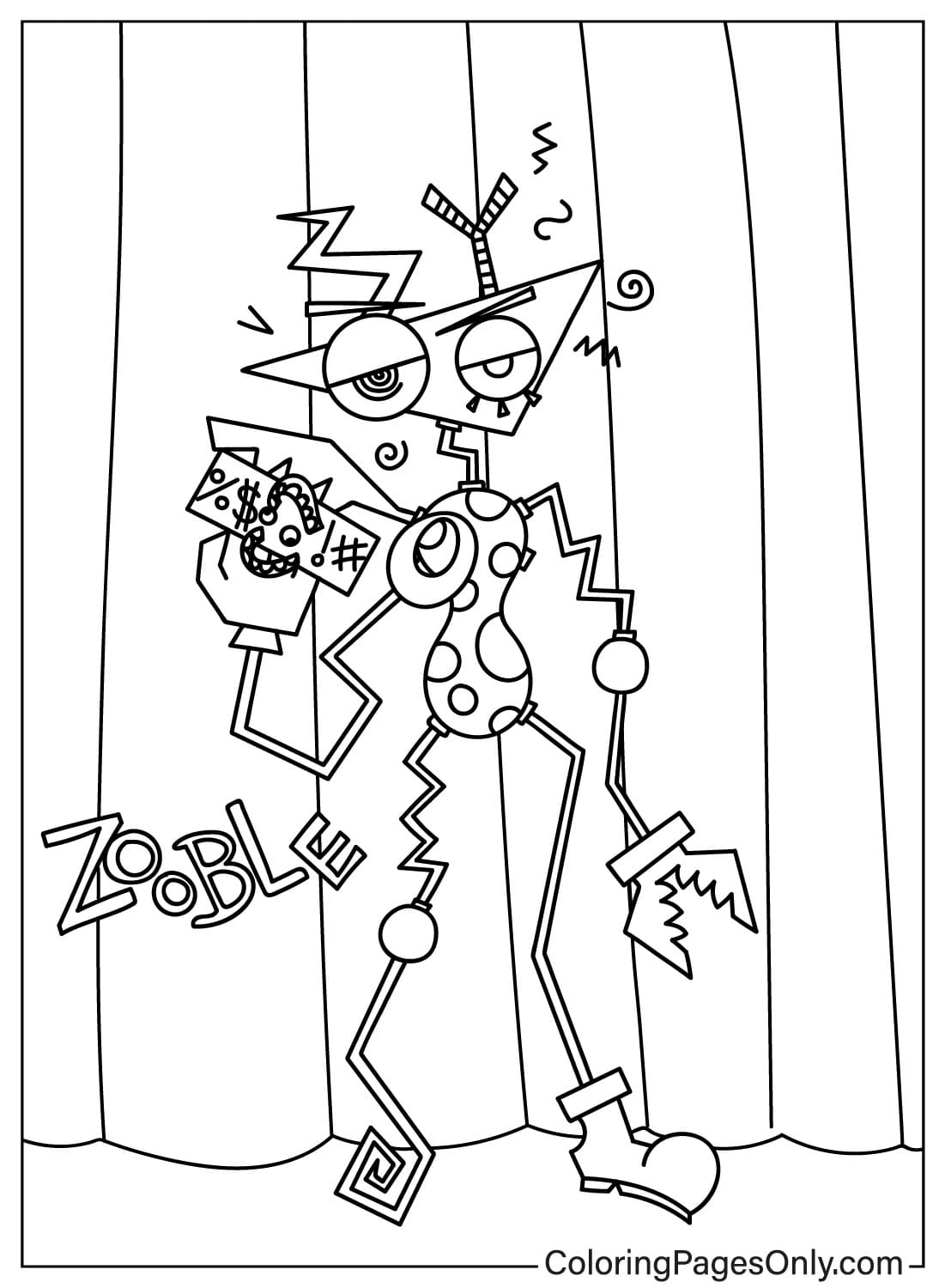
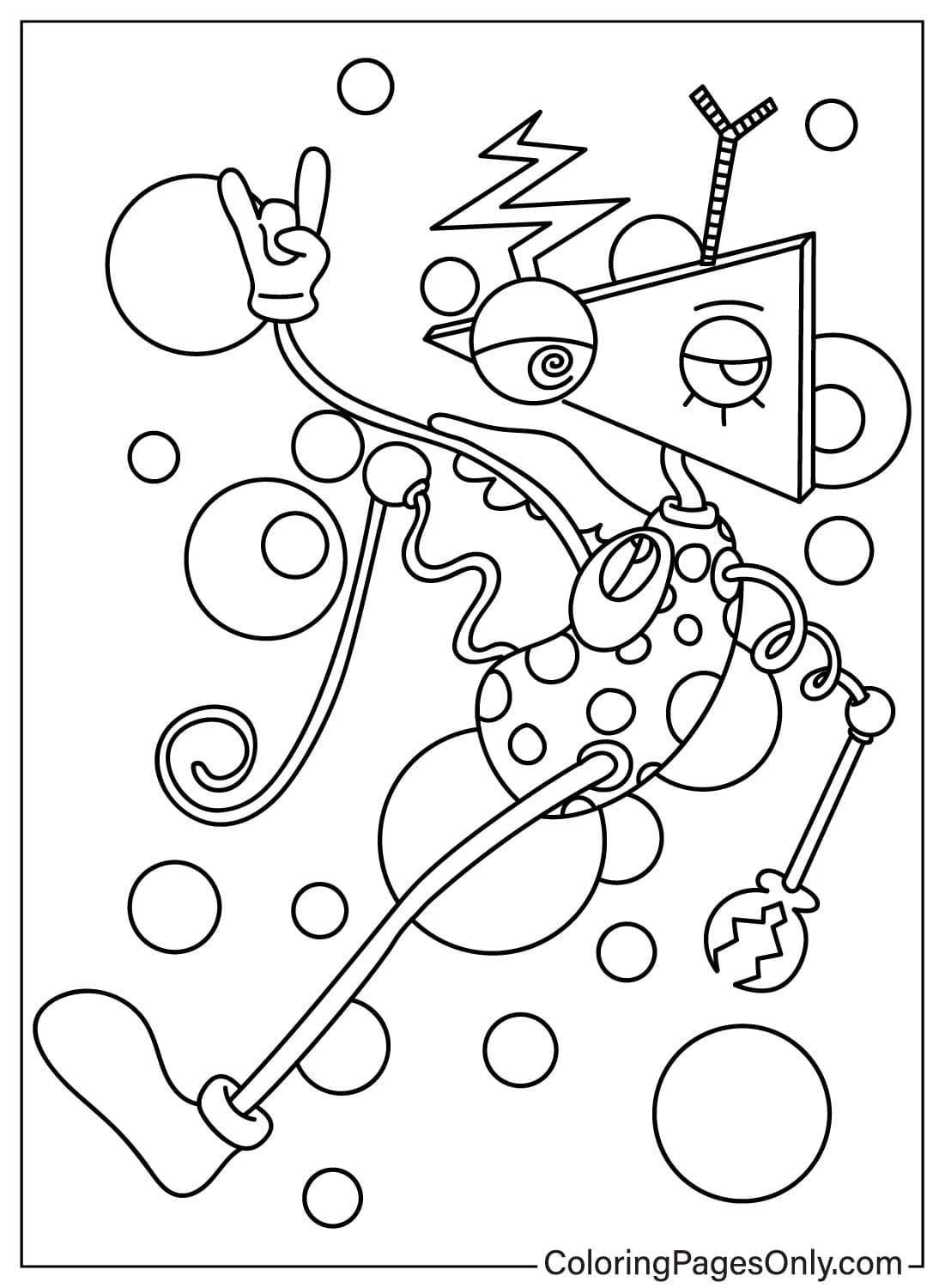
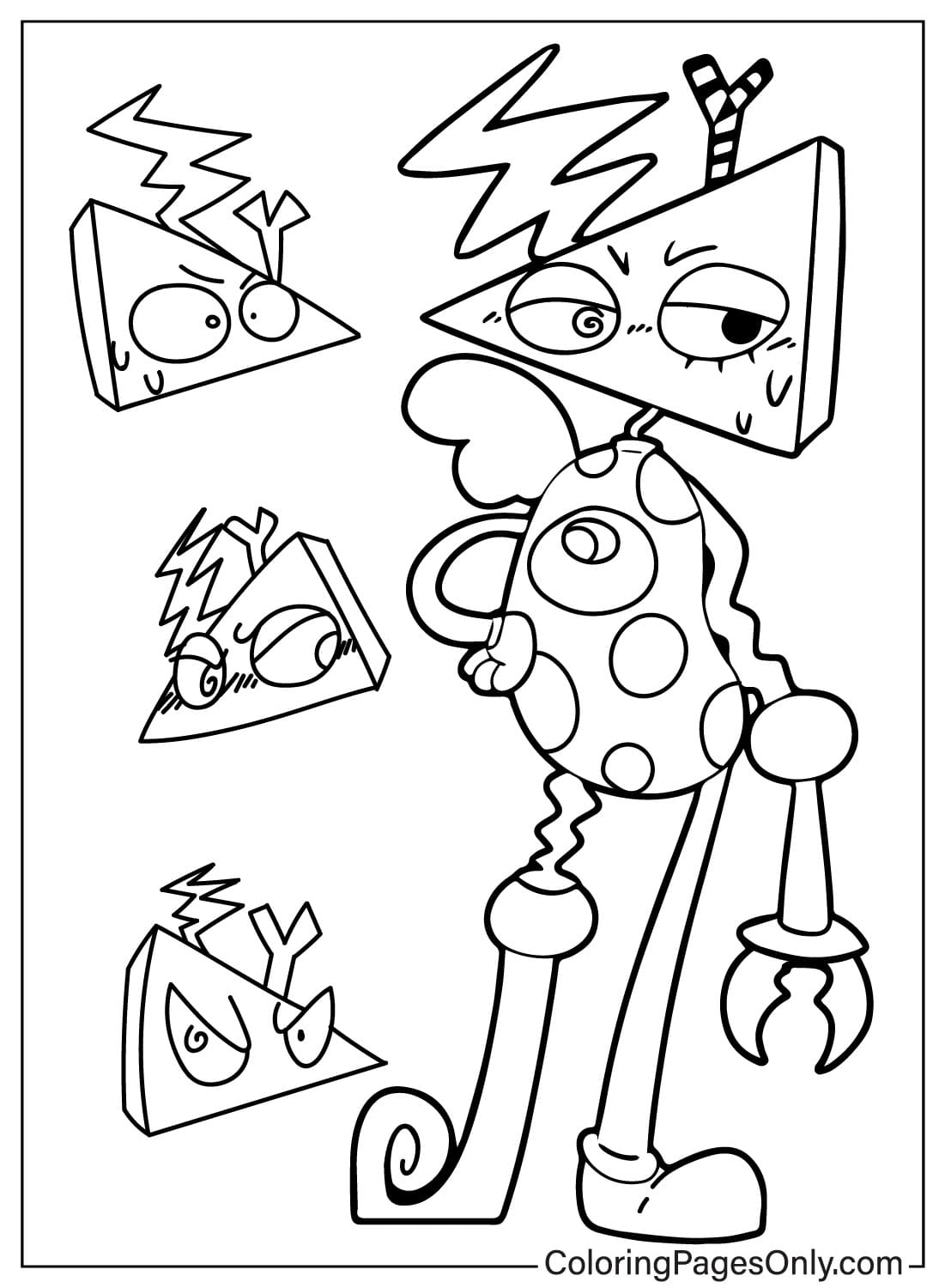
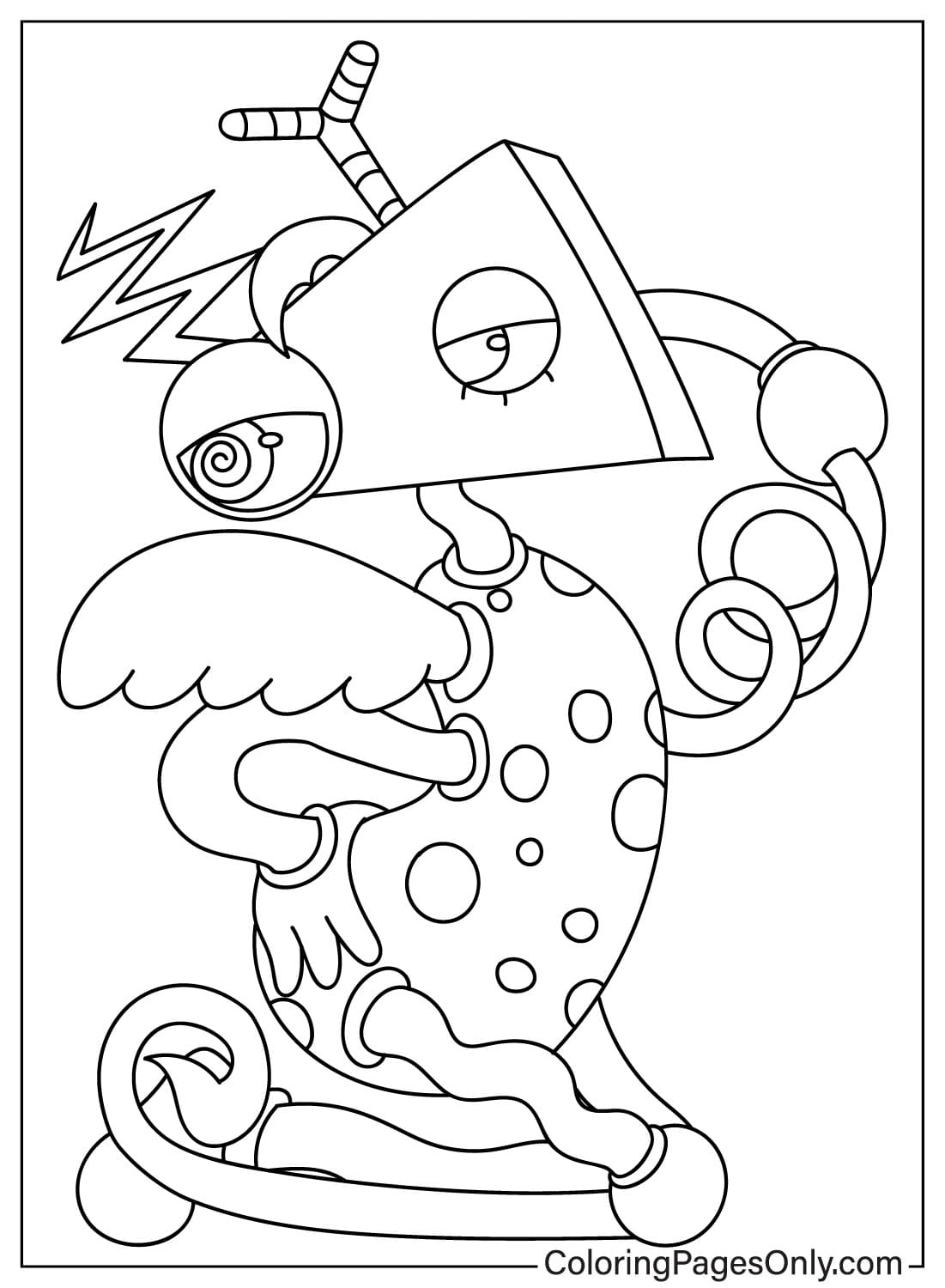
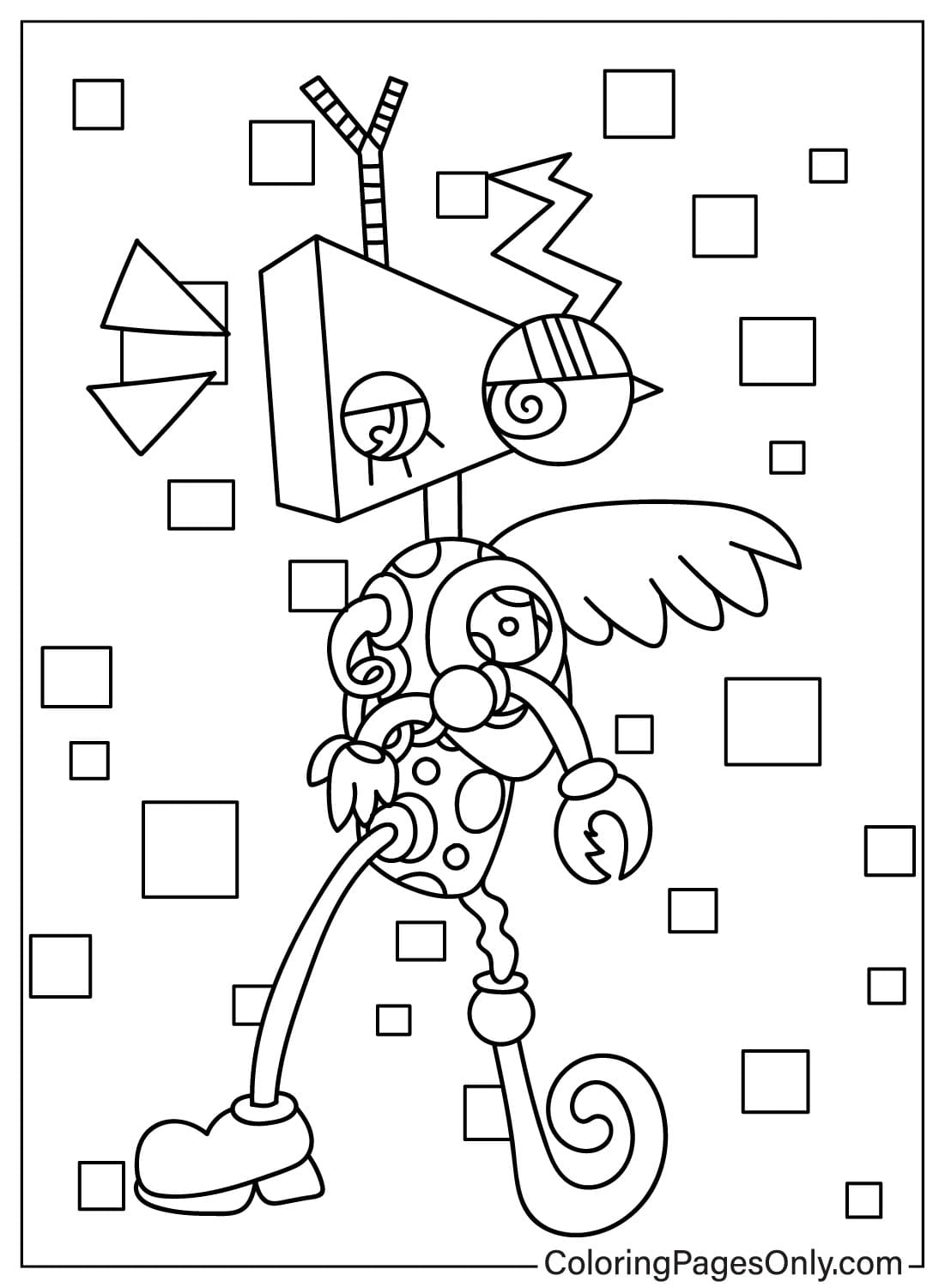
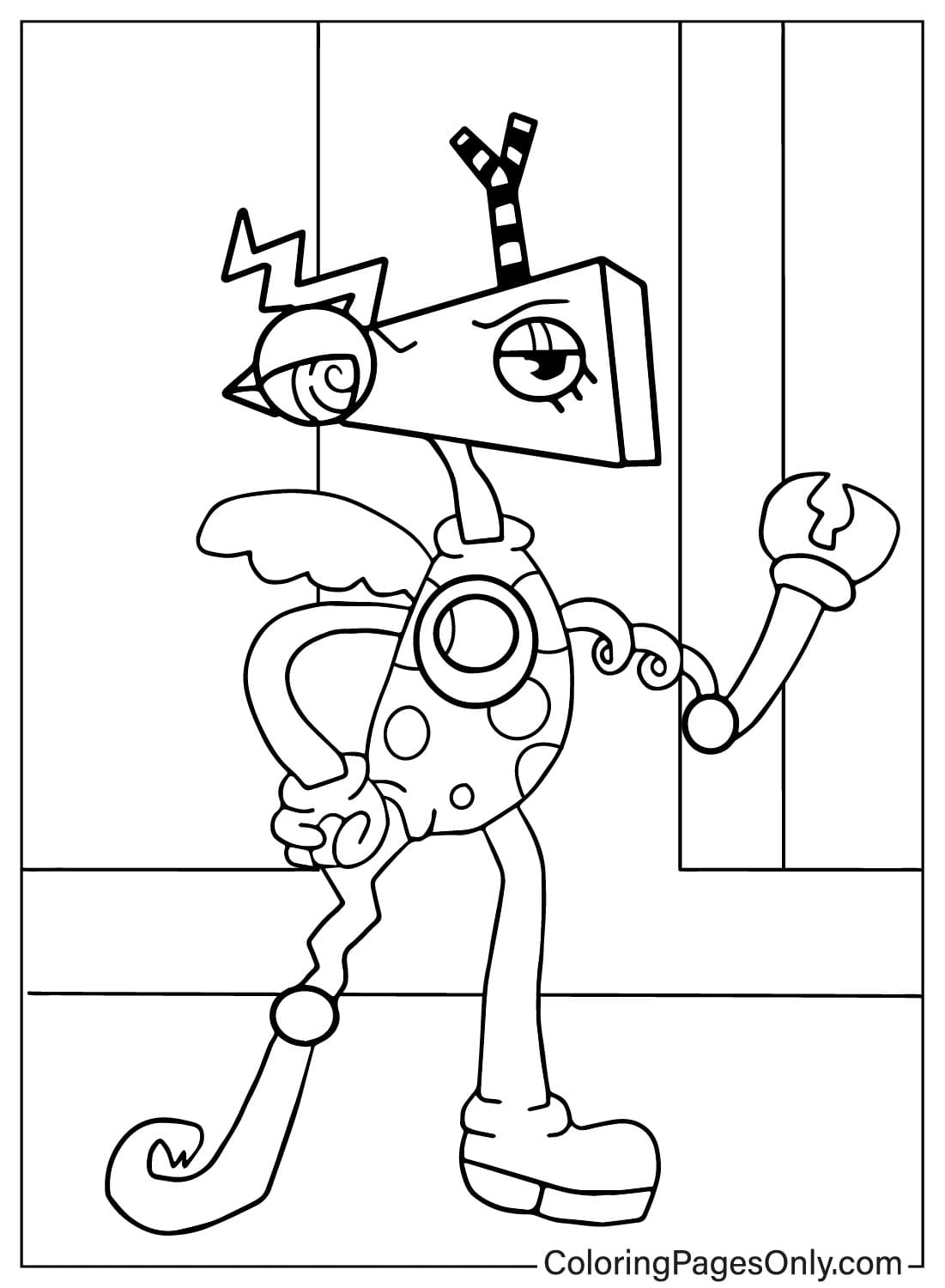
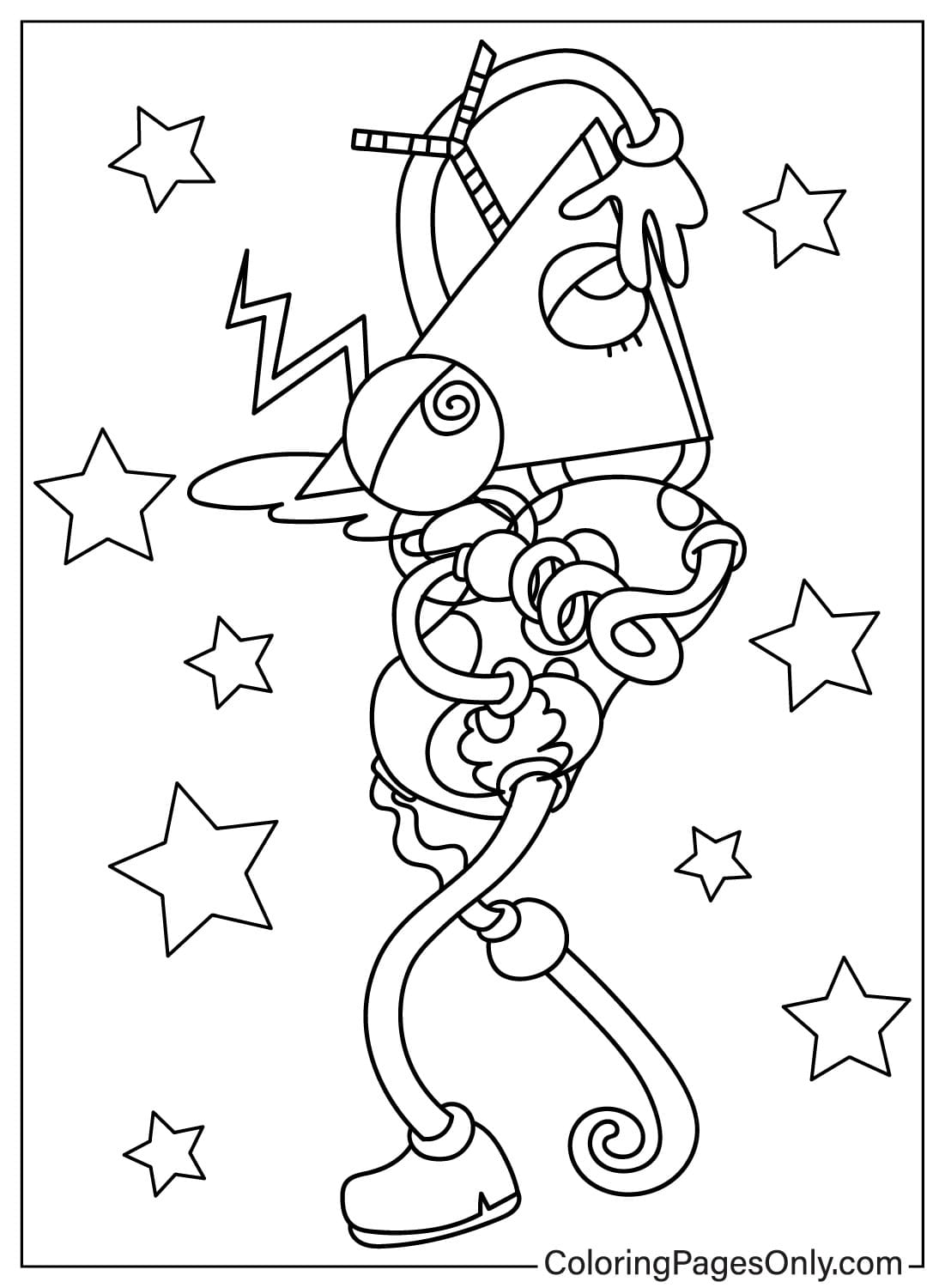
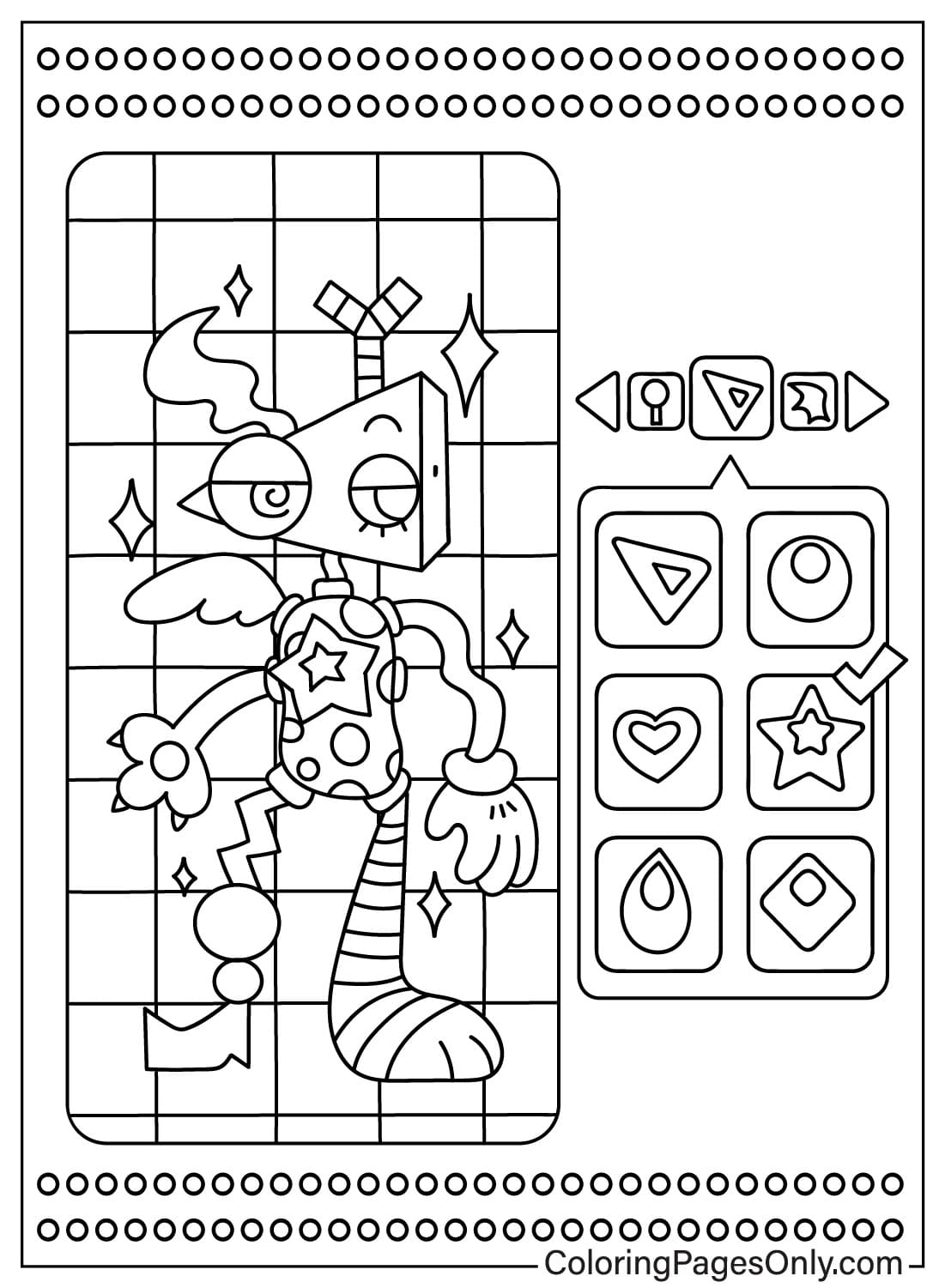
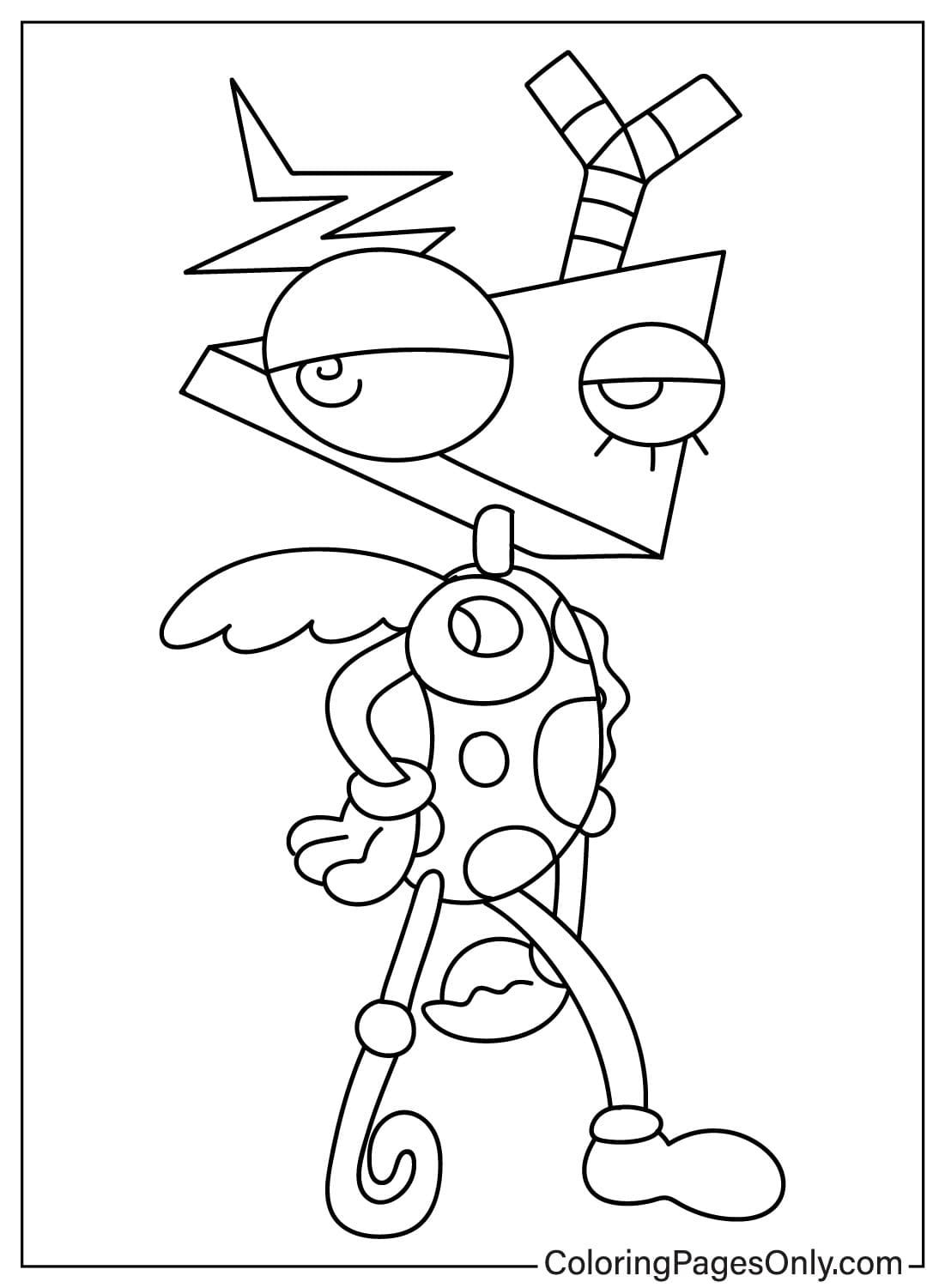
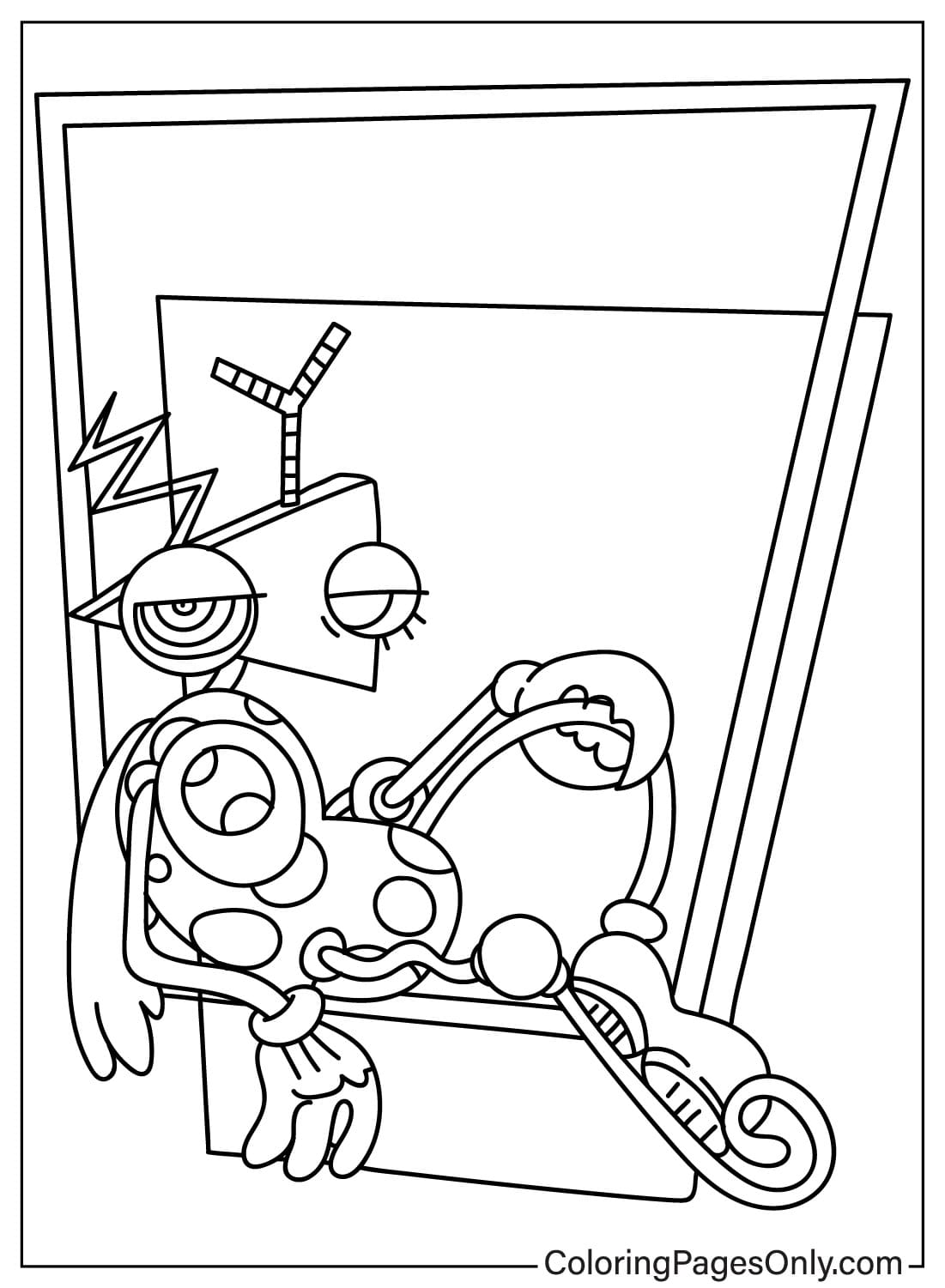
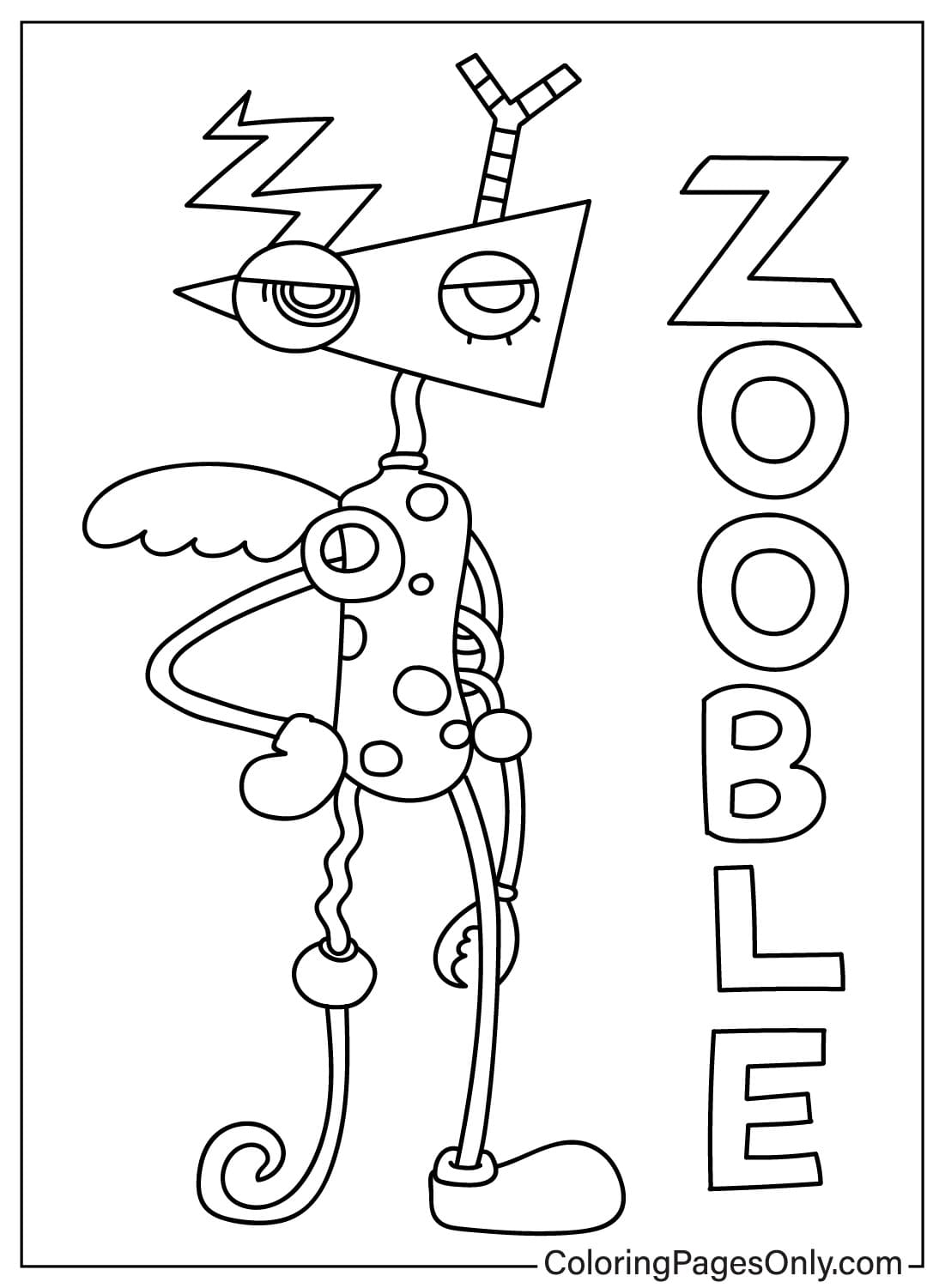
Zooble appears in all 22 designs, mostly alone, with four pages bringing in other circus members.
Zooble Solo Portraits
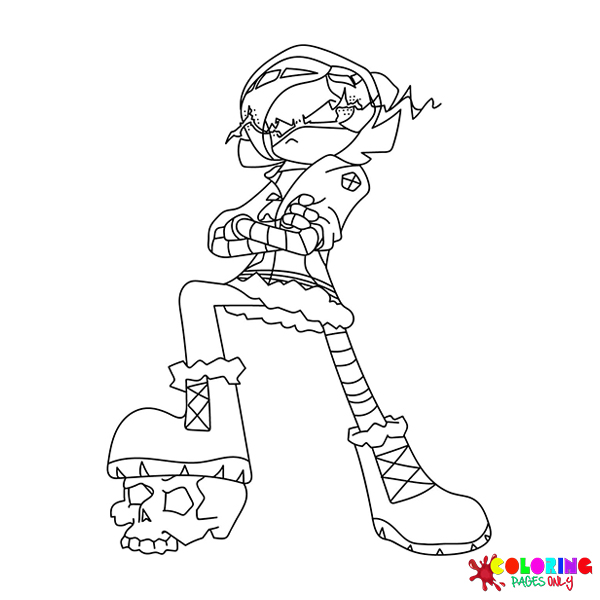
Eighteen sheets show Zooble standing, posing, and staring with a classic unimpressed look. Because the character is built from separate toy pieces, each part can take its own color: try a glossy Black base, bright Magenta and Lemon Yellow accents, and a pop of Red on the eye for a toy-box feel.
Zooble With the Circus Crew
Four pages add teammates: one trio with Jax and Gangle, one with Jax alone, one with Gangle, and one with Kinger. Give Jax Lavender fur and Yellow overalls, Gangle a ribbon body in soft Pink, and Kinger a White and Purple chess-king look so each friend stays recognizable.
What Zooble Coloring Pages Do
Rewarding creative color choices. Since Zooble’s parts are interchangeable in the show, there is no single correct palette. Kids and teens can invent a new combination every time they print the page.
Building precise hand control. Separate toy pieces from many small, closed shapes. American Academy of Pediatrics handouts for parents pin the biggest finger dexterity gains on toddler and kindergarten years, and filling compact, boxy sections keeps that skill sharp even for older colorists.
Calming down with a structured task. Curry and Kasser, reporting their 2005 findings in Art Therapy, observed that young adults felt less anxious after shading premade patterns than after free drawing. A blocky Zooble sheet offers a similar, low-pressure focus.
Opening talks about feelings. Zooble is honest about being frustrated and fed up. Fans can talk about healthy ways to express annoyance and why it helps to have friends who listen.
How to Color Zooble Pages Well
- One color per part: Treat every toy piece as its own block and switch colors at each seam.
- Plastic shine: Skip a thin arc of paper on each rounded piece so the plastic looks glossy.
- Bold contrast: Pair dark parts with bright neon accents so the character reads clearly.
- Eye focus: Color the eye last with the brightest shade on the page.
- Circus tent background: Add Red and White tent stripes behind solo poses for a show-ready scene.
- Crew balance: On group pages, use softer tones for teammates so Zooble remains the center of attention.
5 Creative Craft Ideas With Zooble Coloring Pages
1. Mix-and-Match Zooble Puzzle
Color two or three solo pages in different palettes, then cut each body along its toy seams. Swap the pieces between copies to build brand-new versions.
2. Circus Ticket Booklet
Color the crew pages, shrink them onto small rectangles, and staple them into a mini ticket book. Write a silly act name on each ticket.
3. Paper Toy Box
Color a solo sheet, cut out Zooble, and glue the figure to the lid of a small shoebox painted like a toy chest. Store markers inside.
4. Character Mood Board
Color one page each of Zooble, Jax, Gangle, and Kinger and tack the four sheets side by side on a bulletin board. Add sticky notes describing how each character usually reacts to Caine’s adventures.
5. Glow Accent Poster
Color a solo page with neon highlighters, mount it on black card, and add metallic star stickers around the edges. The bright accents echo the show’s digital look.
Frequently Asked Questions
What are Zooble coloring pages?
This set holds 22 no-cost Zooble drawings from The Amazing Digital Circus, including 18 solo pages and four group scenes with Jax, Gangle, and Kinger. Grab a PDF copy, or color any Zooble design straight in your browser.
Who created Zooble?
Zooble was designed for The Amazing Digital Circus, a series created by Gooseworx and produced by the Australian studio Glitch Productions. The pilot premiered on YouTube in October 2023.
What does Zooble look like?
Zooble is made of mismatched toy parts, such as spheres, cones, and claw-like limbs, that snap together. The pieces can be detached and rearranged, so the character’s shape can change.
Who voices Zooble?
Ashley Nichols provides Zooble’s voice, giving the character a flat, sarcastic delivery that fans often quote.
What is Zooble’s personality?
Zooble is blunt, grumpy, and openly bored by Caine’s adventures, yet often says what the other characters are quietly thinking.
Which other characters appear with Zooble in these pages?
Jax, the purple rabbit prankster, appears in two pages, Gangle, the ribbon character with comedy and tragedy masks, appears in two, and Kinger, the nervous chess piece, appears in one.
What age are Zooble coloring pages for?
The sheets themselves are simple and fine for kids about 8 and up. The web series has dark humor, existential themes, and some strong language, so the show suits teens and grown-ups, and a parent preview of the pilot is wise before younger fans tune in.
Is Zooble the same as Zoobles toys?
No. Zoobles are a separate line of small spring-open toy animals. These pages show only Zooble from The Amazing Digital Circus.
Start Coloring
Pick a solo pose or a crew scene from these 22 designs, then send one to the printer or test a new parts combo digitally. Sign up for free. Circus fans can share their remixed Zooble on Facebook or Pinterest.