
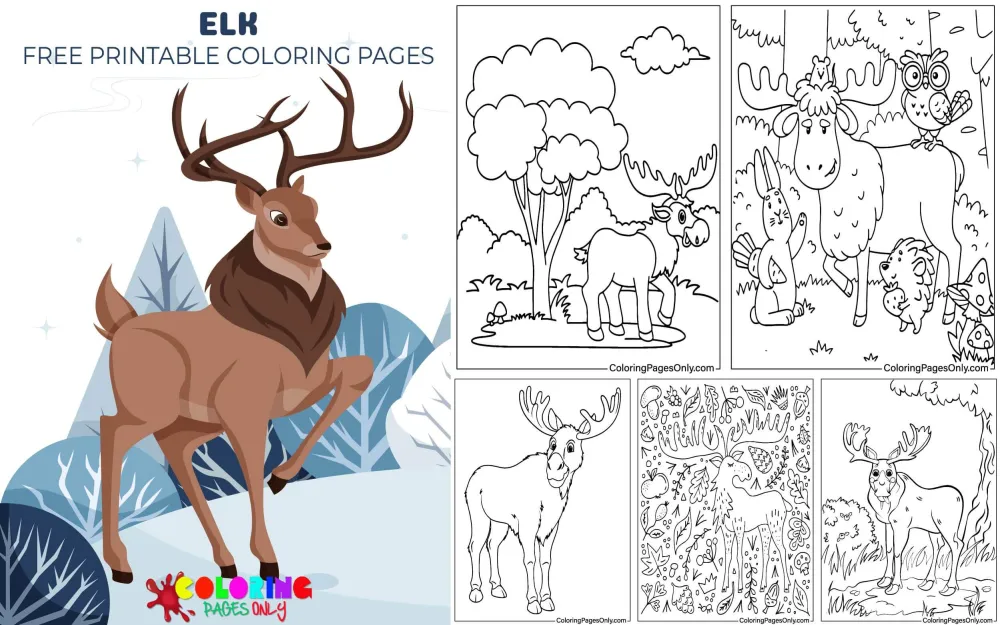
Free Elk Coloring Pages: 29 printable PDF designs featuring realistic and classic portraits, cartoon and mood variants, baby and family scenes, and pattern and puzzle-style designs. Each page can be downloaded as a PDF to print or colored online in the browser.
The elk, Cervus canadensis, is the second-largest member of the deer family in the world, smaller only than the moose. It’s also known as the wapiti, a name borrowed from the Shawnee and Cree word “waapiti,” meaning “white rump,” referring to the pale patch that marks the animal’s hindquarters. During the autumn rut, bull elk produce a distinctive bugling call, a rising sound that begins as a deep bellow, climbs into a high whistle, and ends in a series of grunts, audible for several kilometers on a still day. Their antlers are one of the fastest-growing structures in the animal kingdom, capable of growing up to an inch a day during peak growth before being shed and regrown the following year.
This collection reflects that mix of natural detail and everyday charm across 29 pages: realistic and classic portraits, cartoon and mood variants, baby and family scenes, and pattern and puzzle-style designs. Broad branching antlers and a pale rump patch are the throughline across nearly every page.
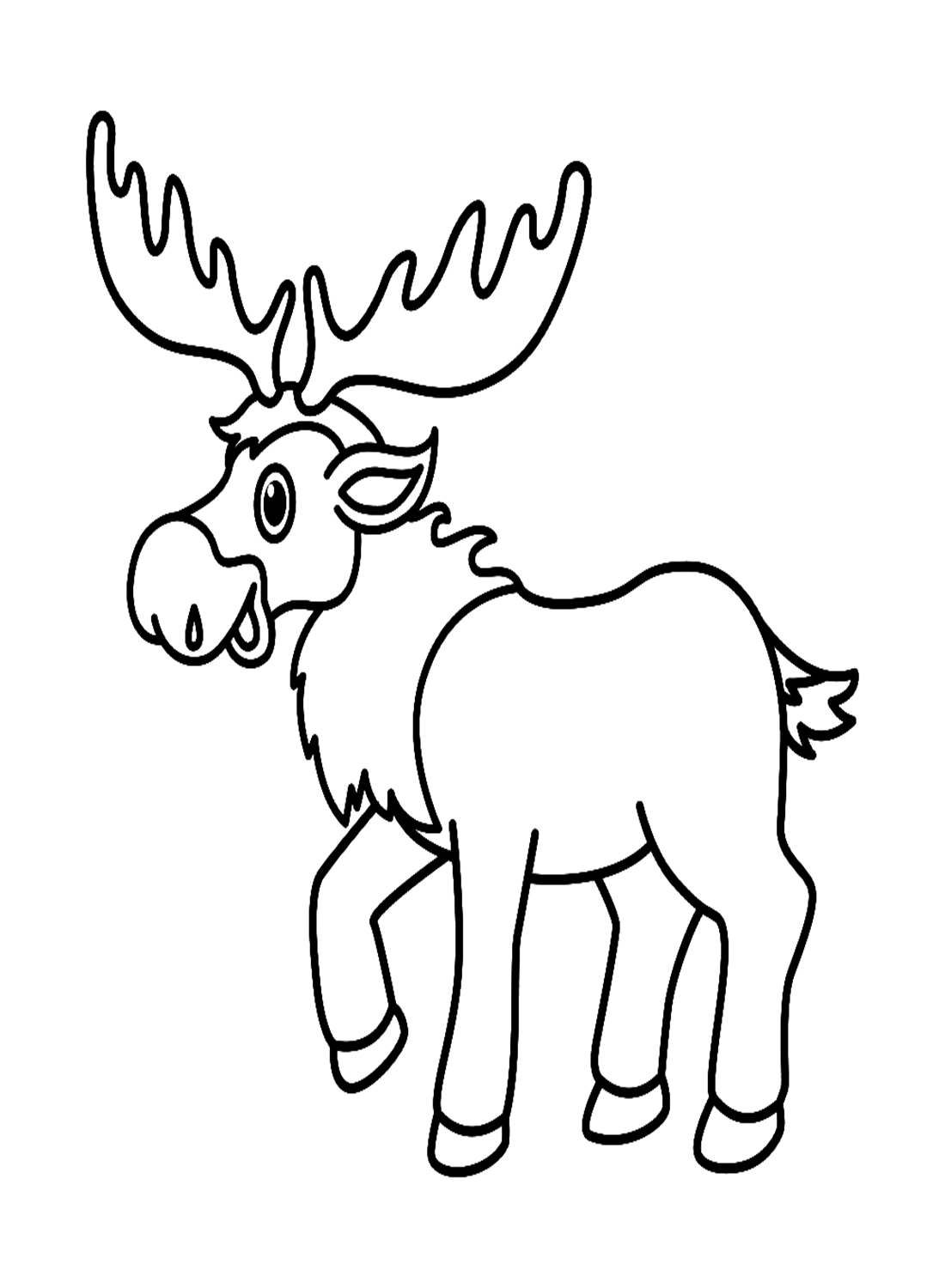
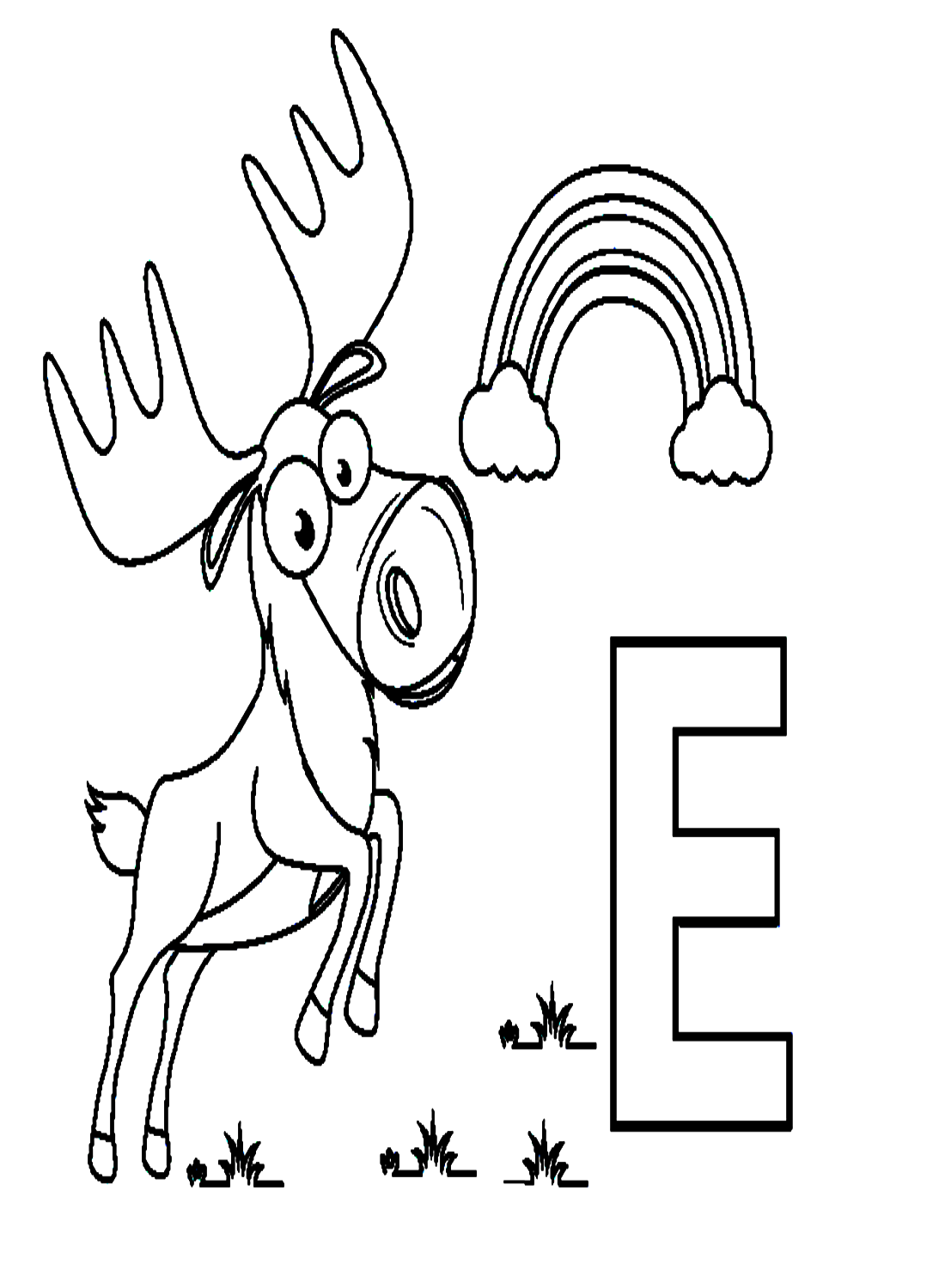
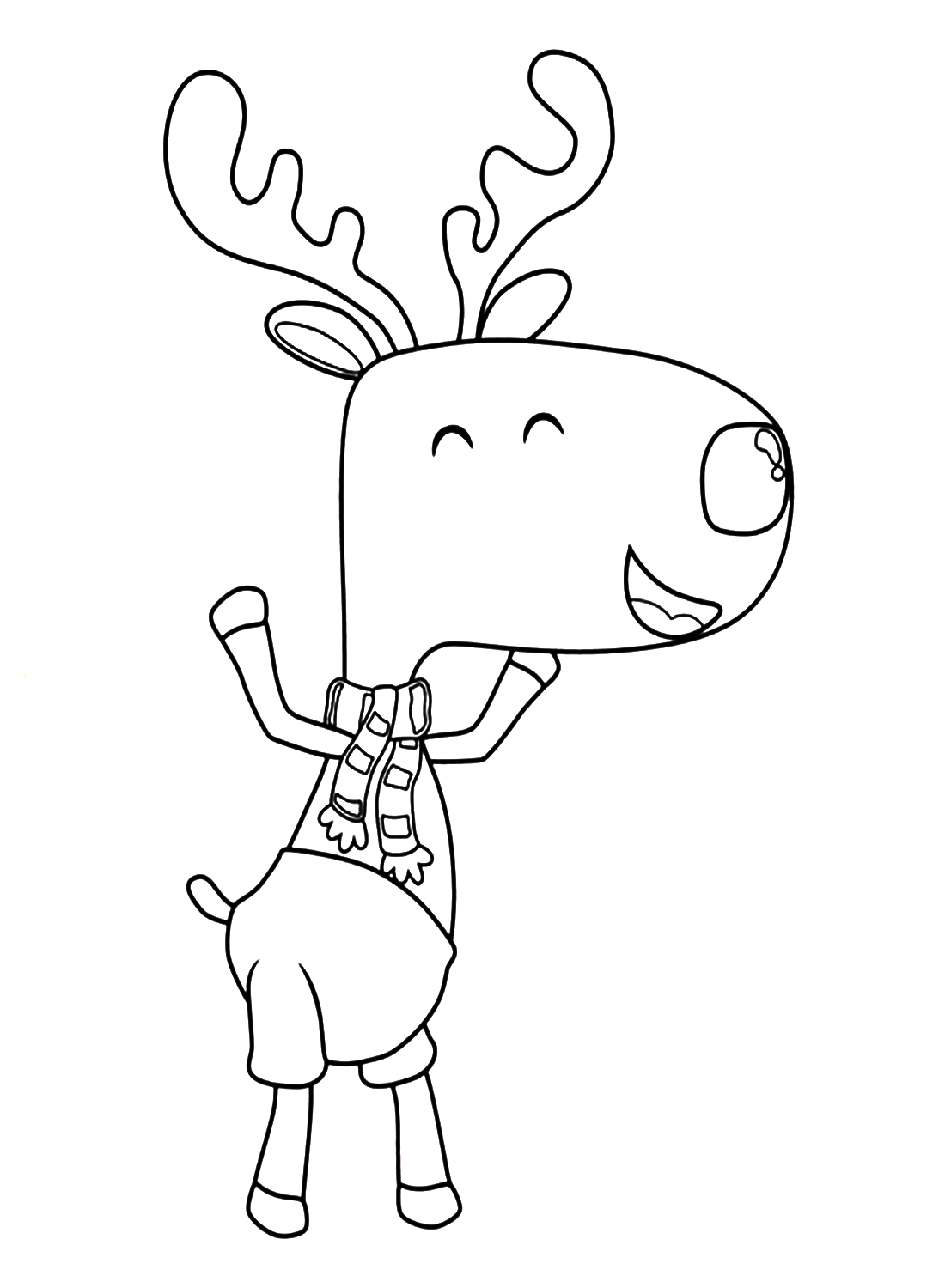
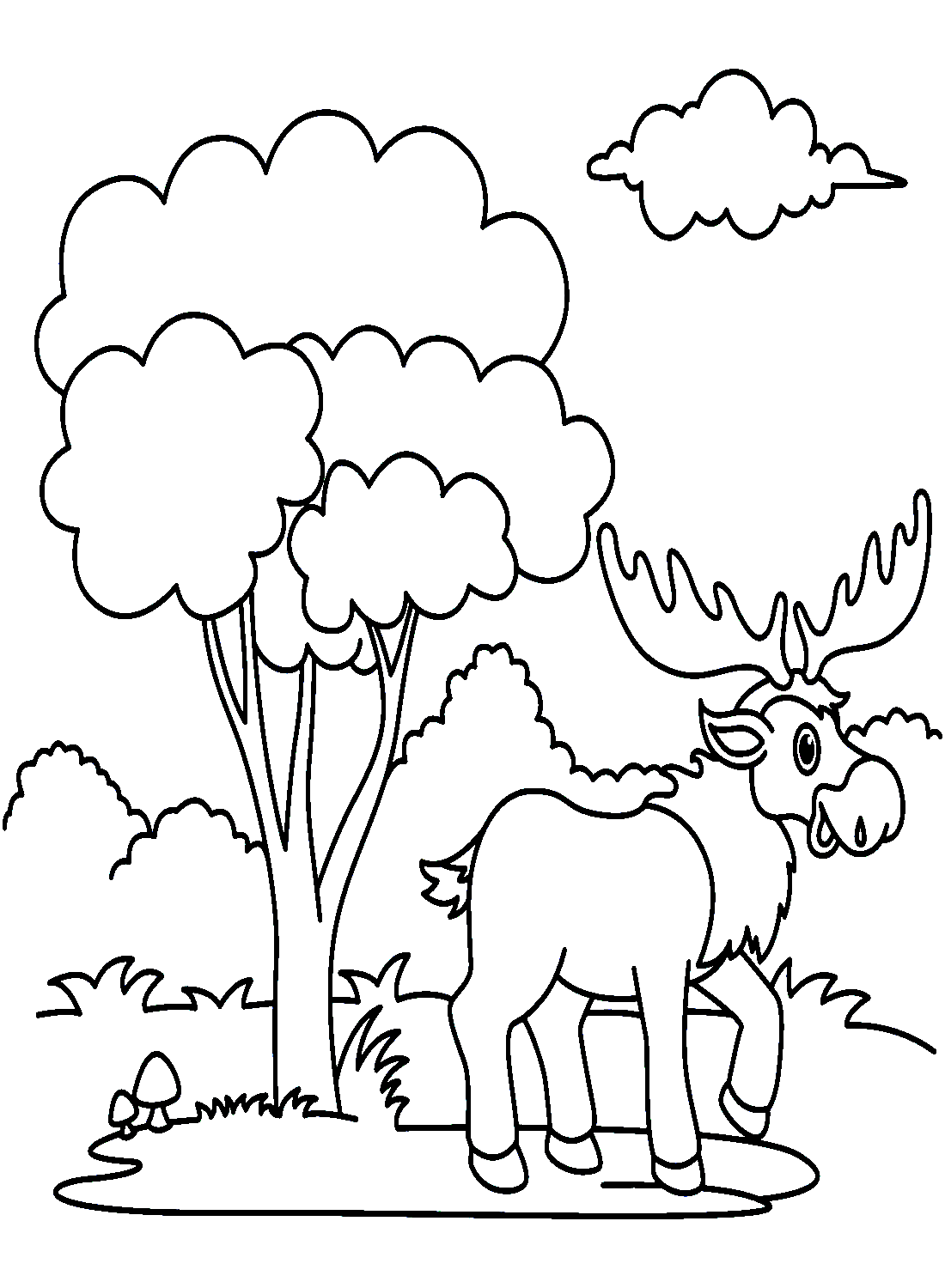
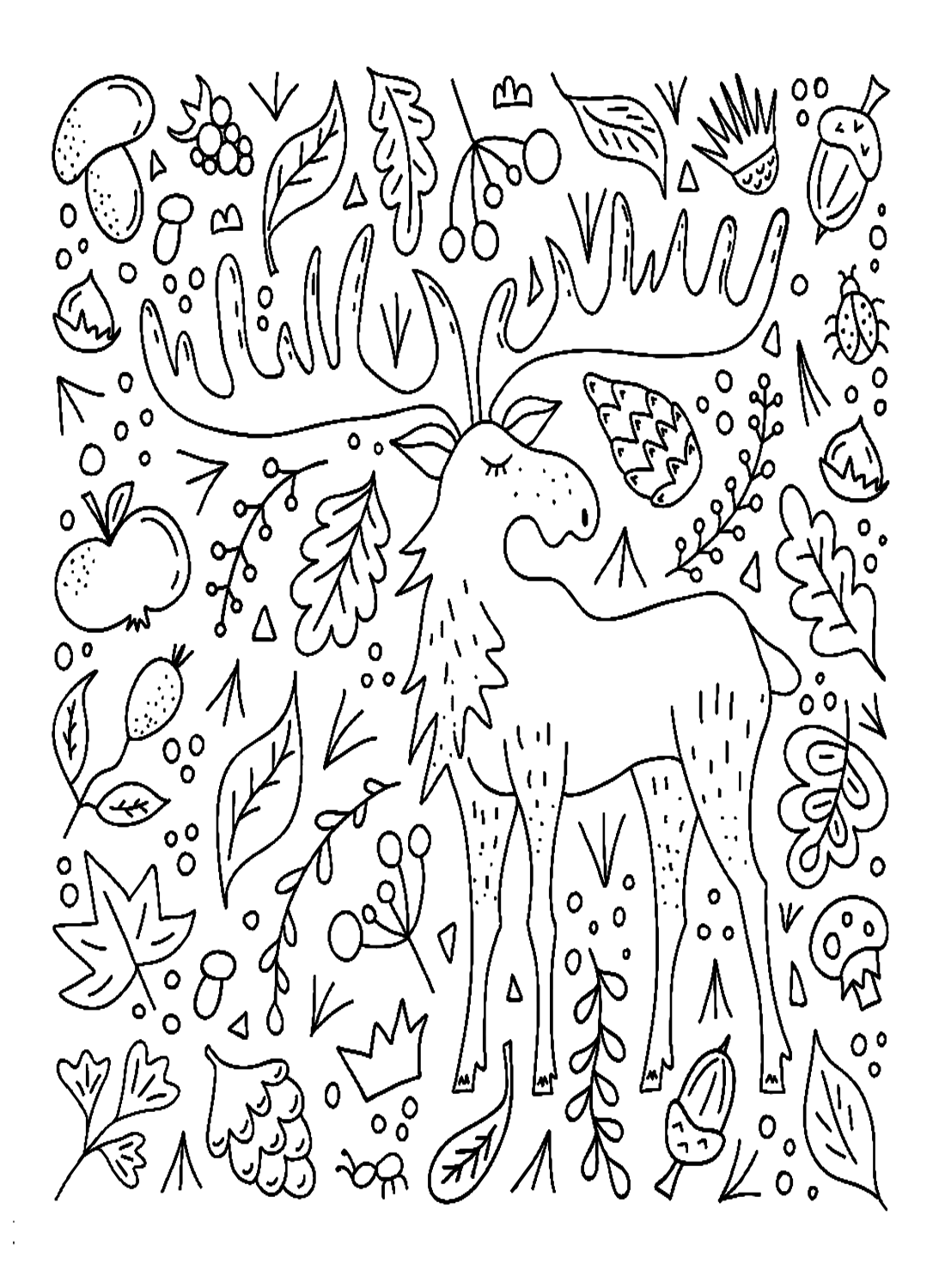
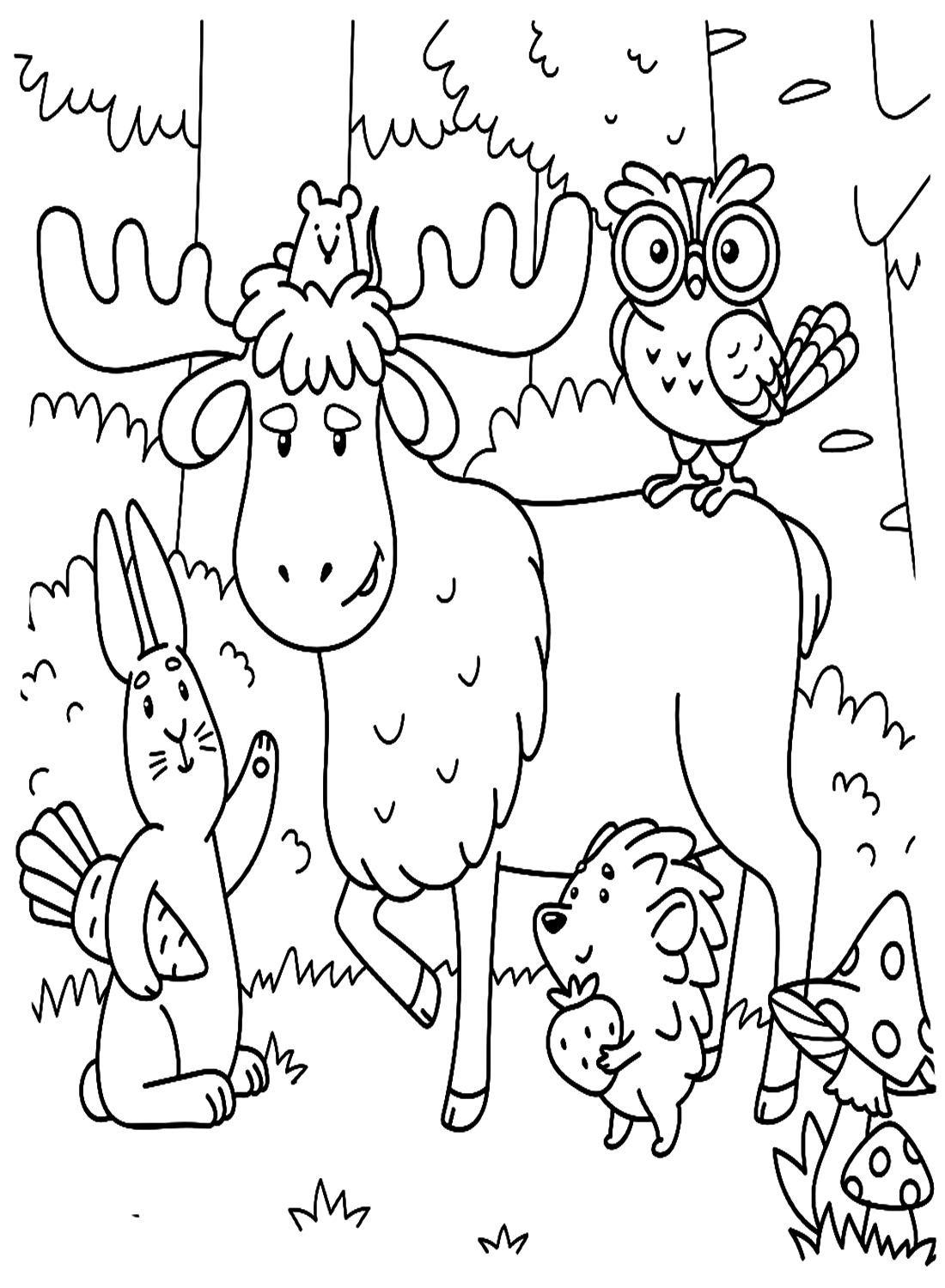
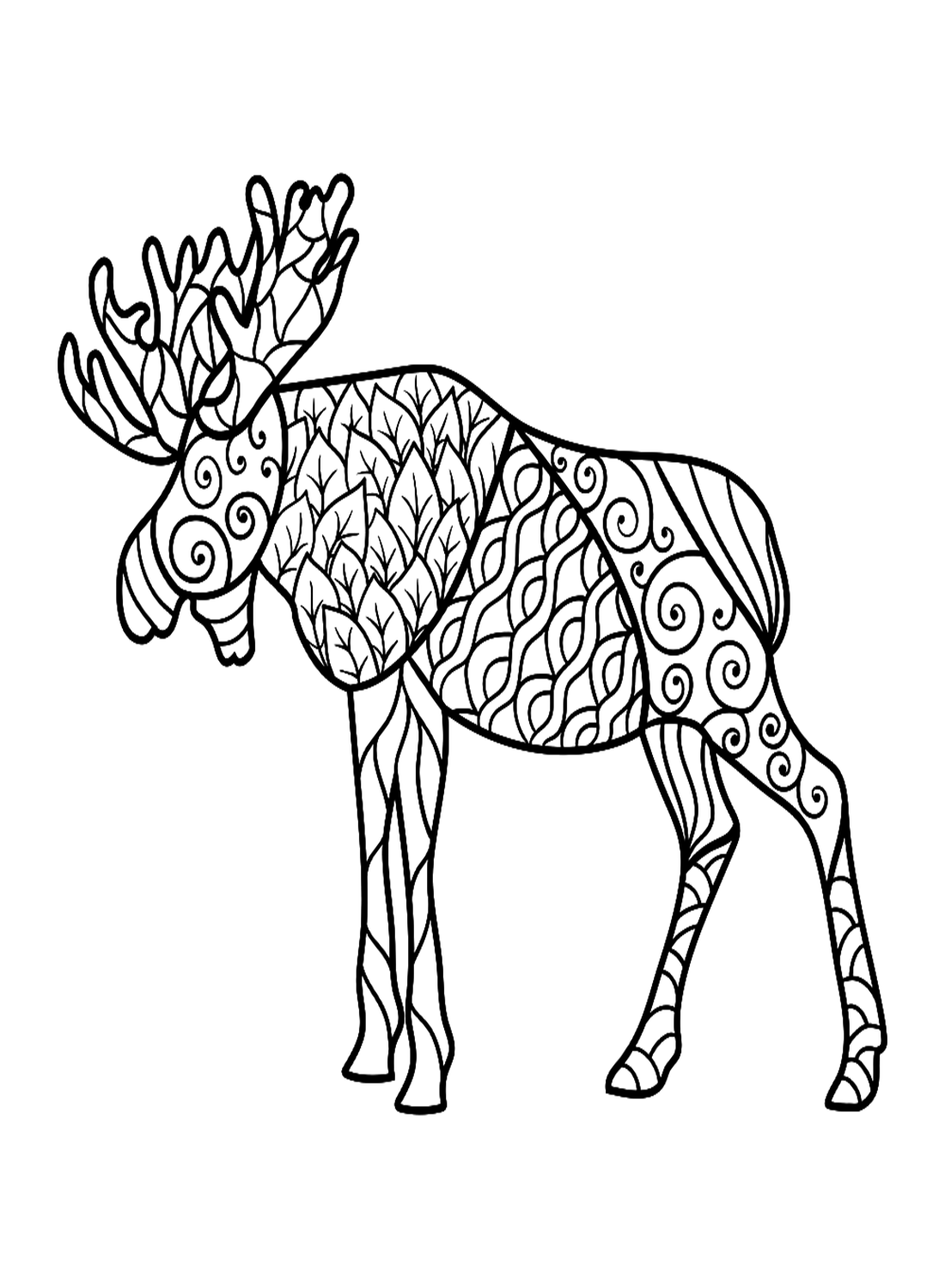
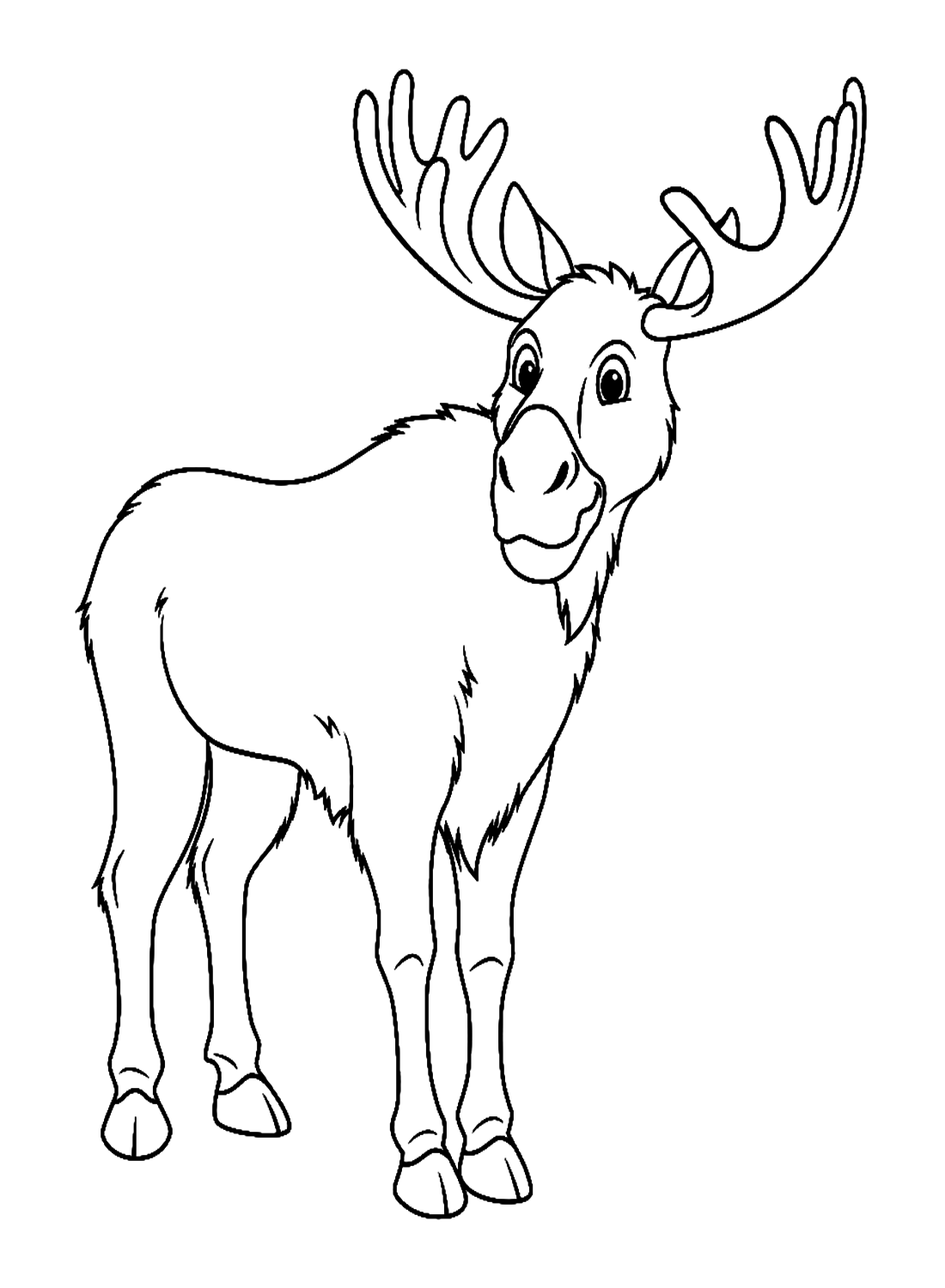
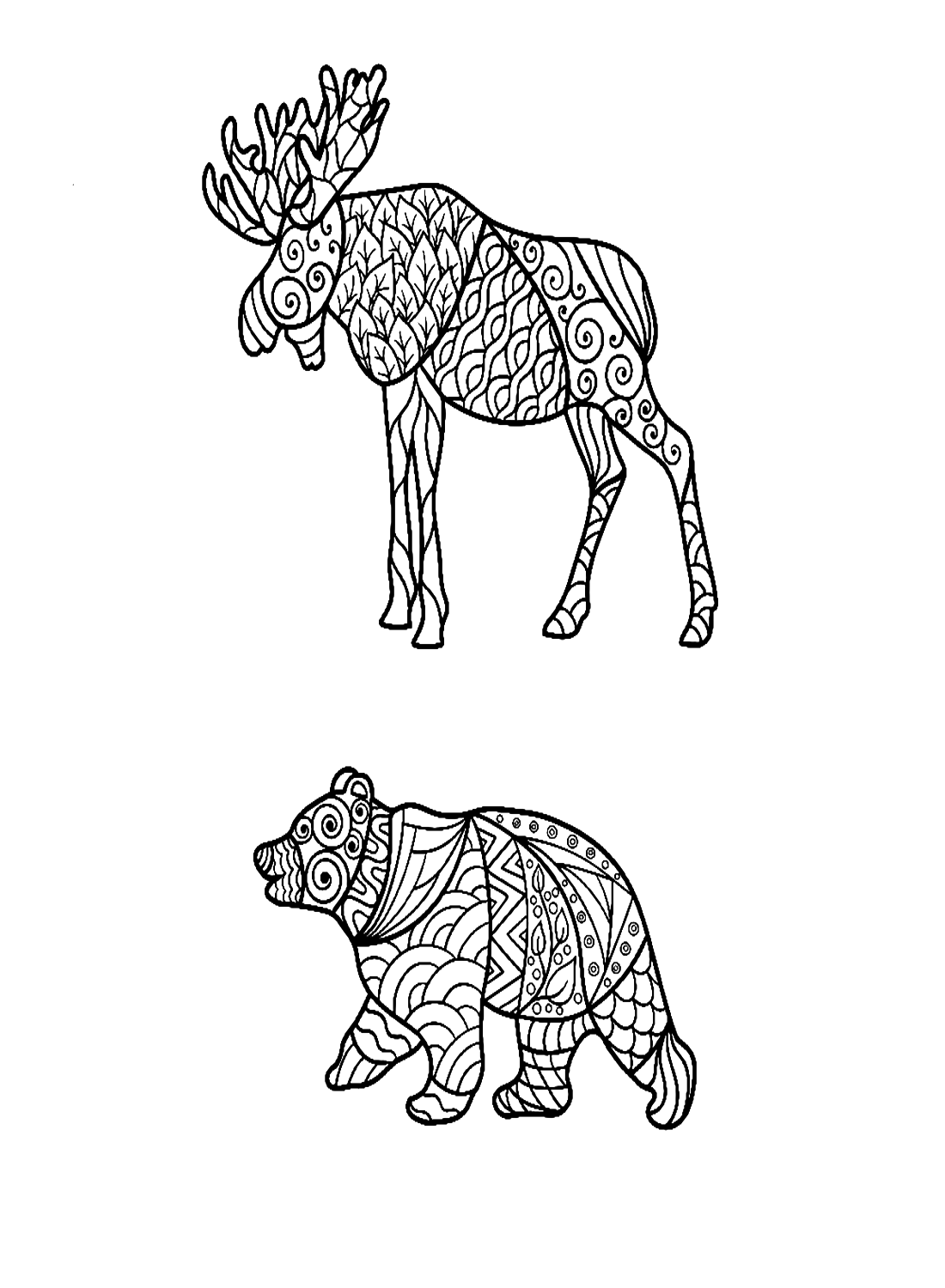
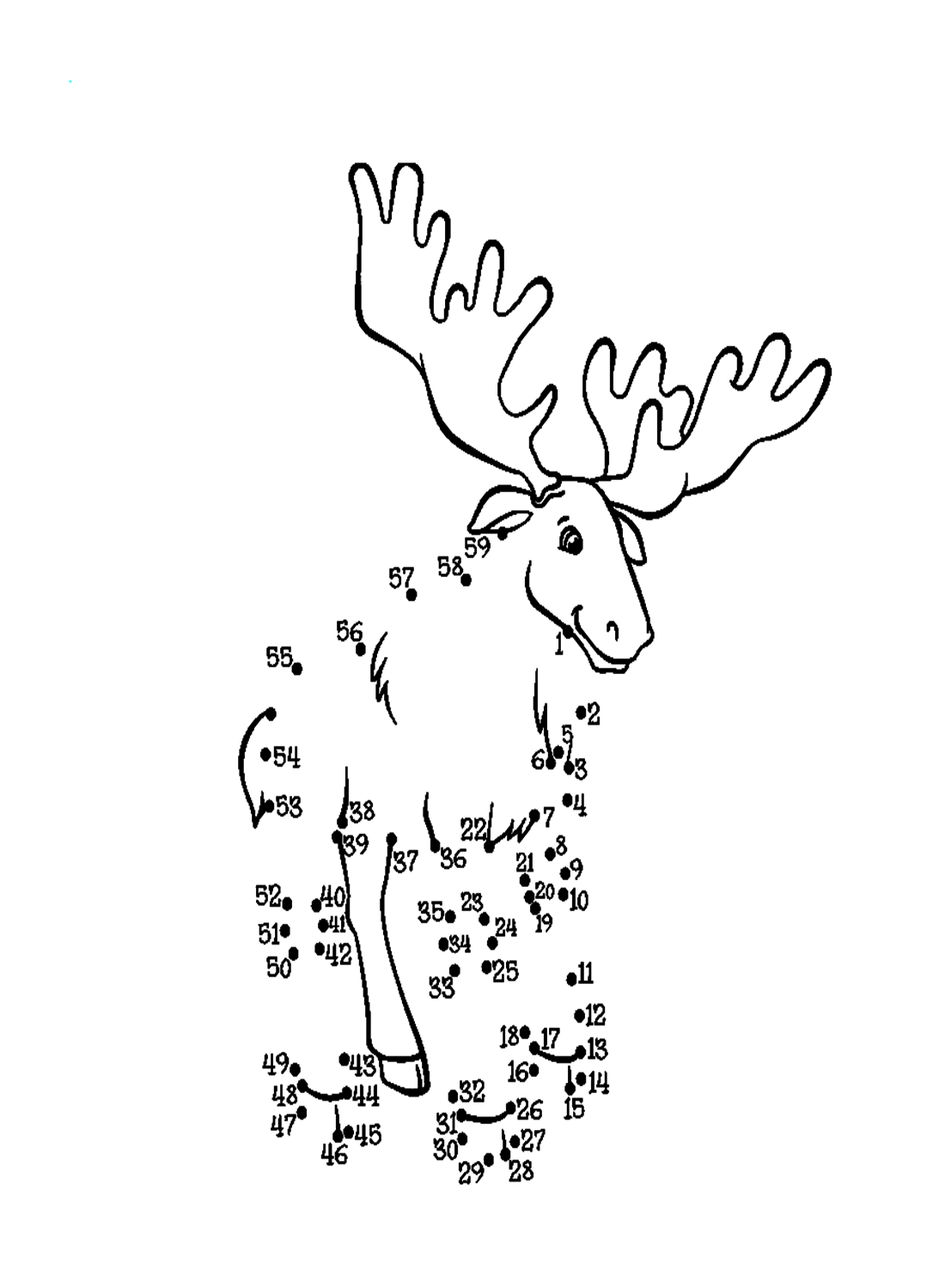
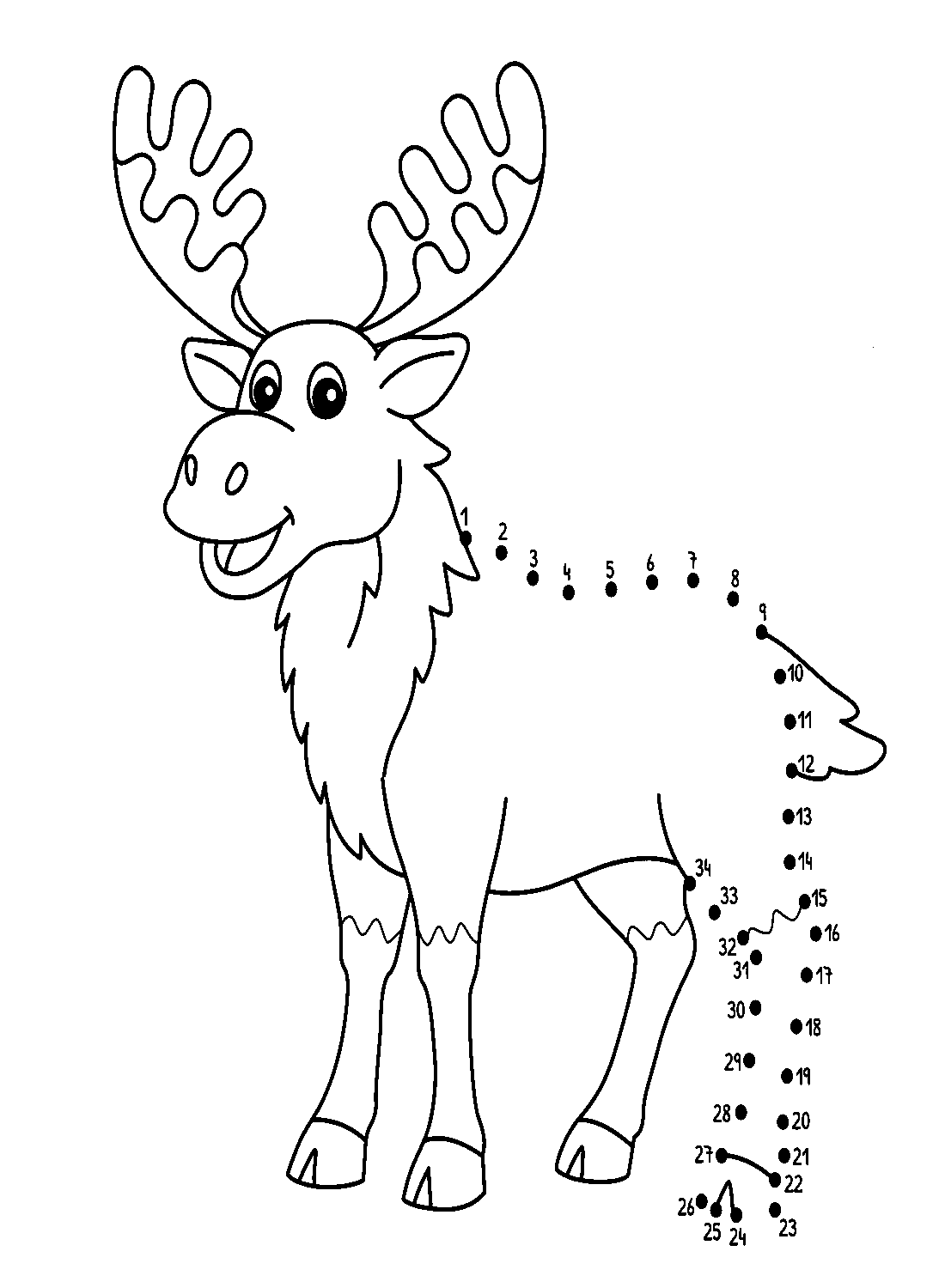
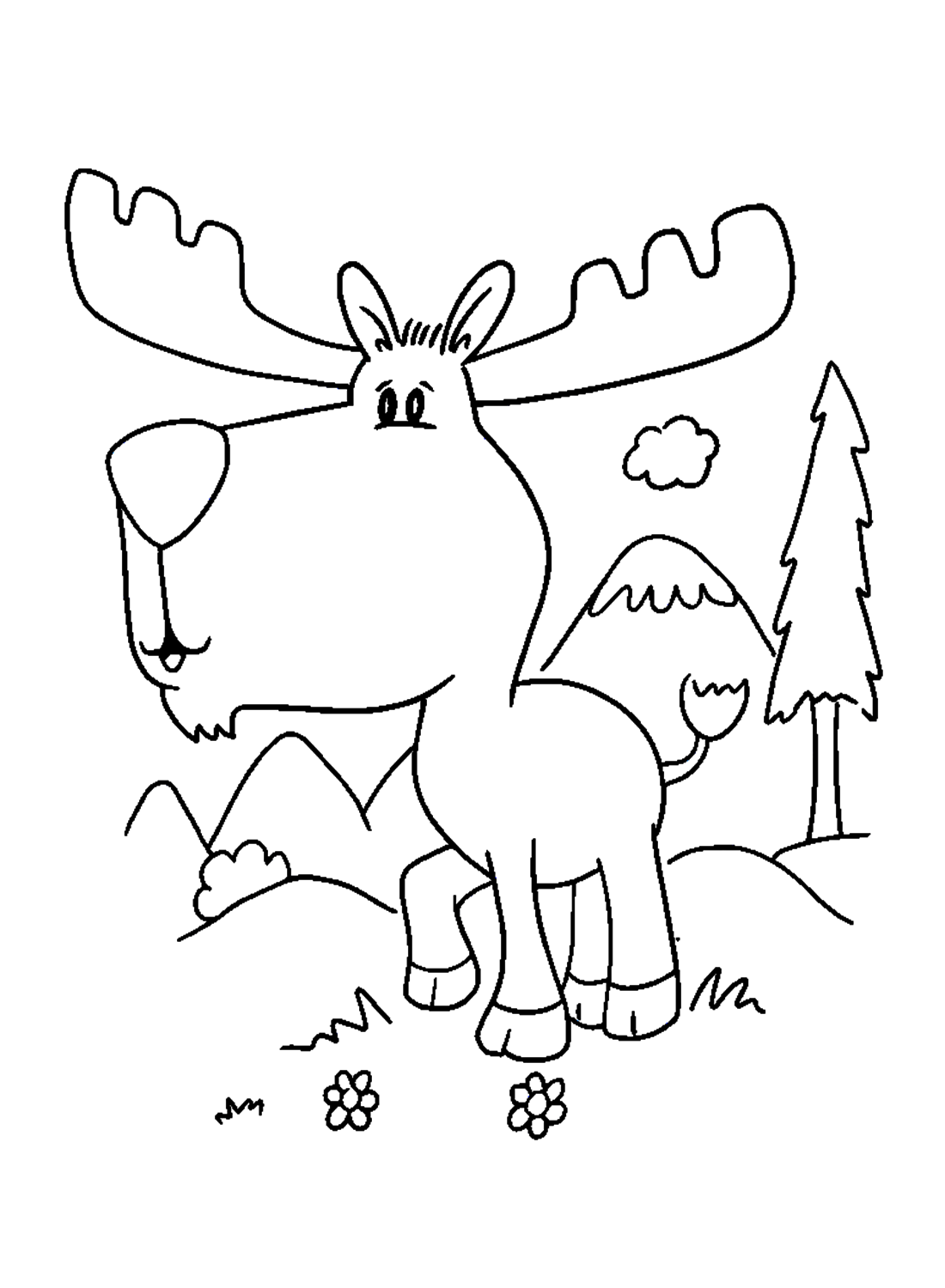
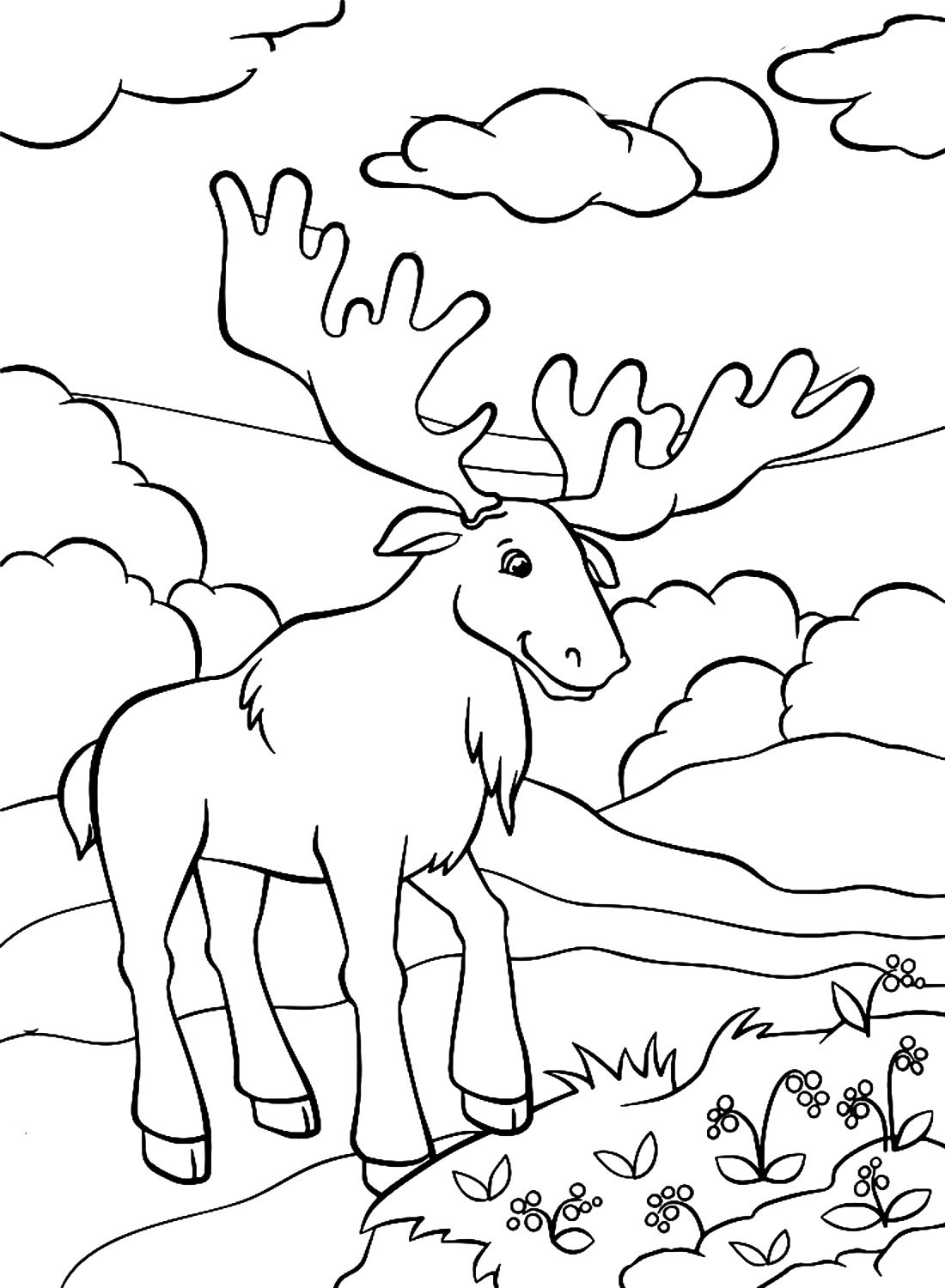
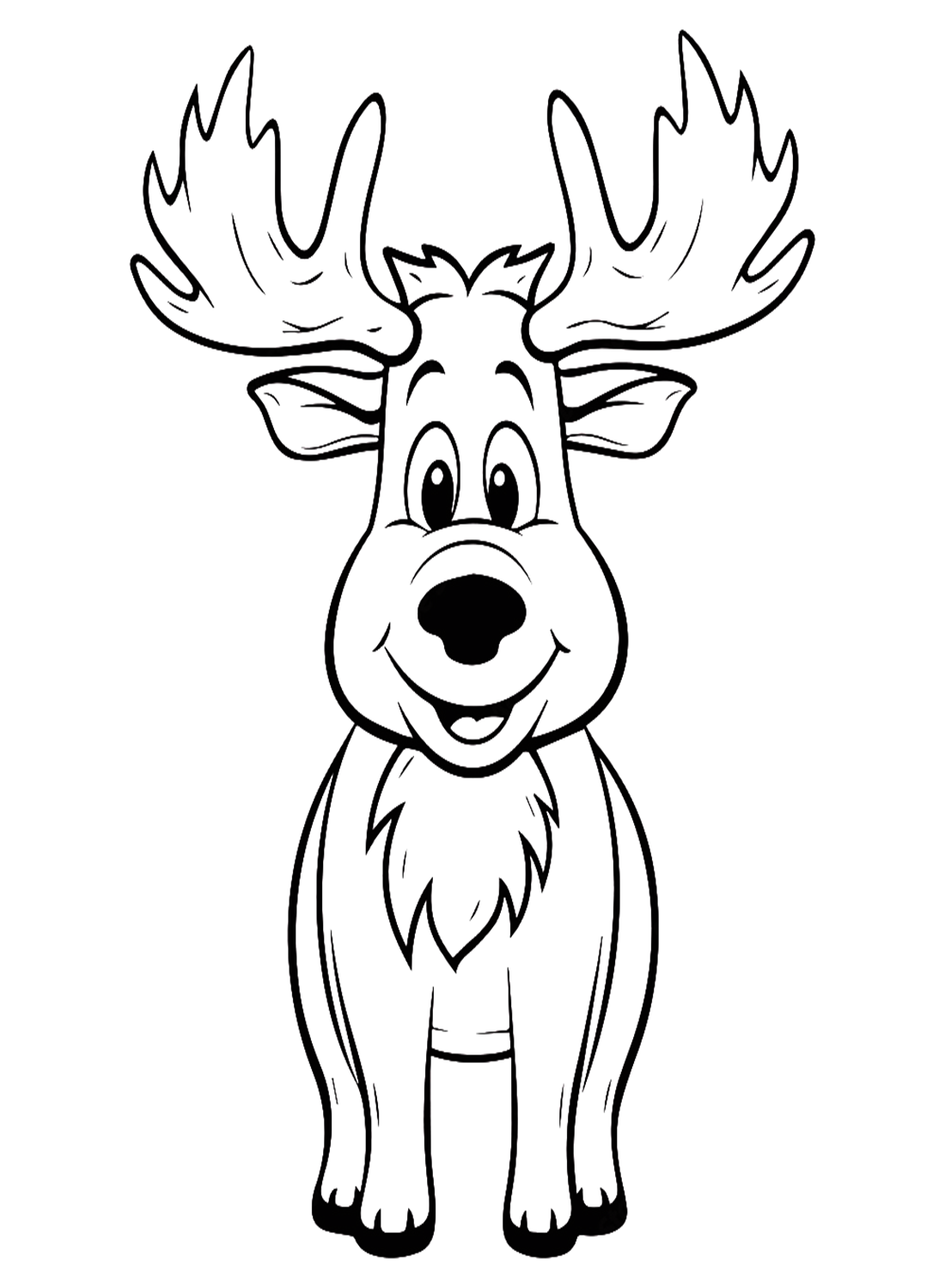
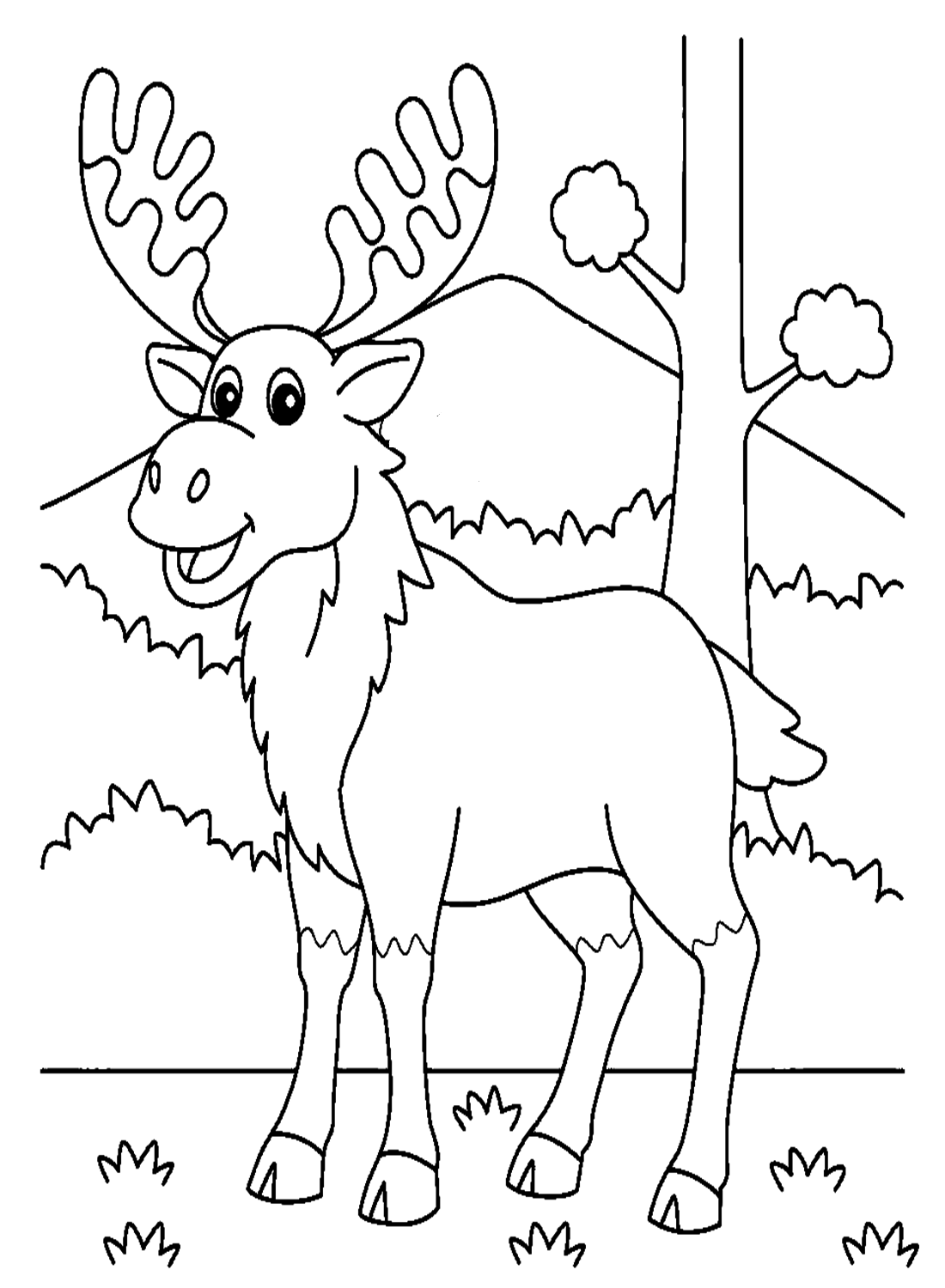
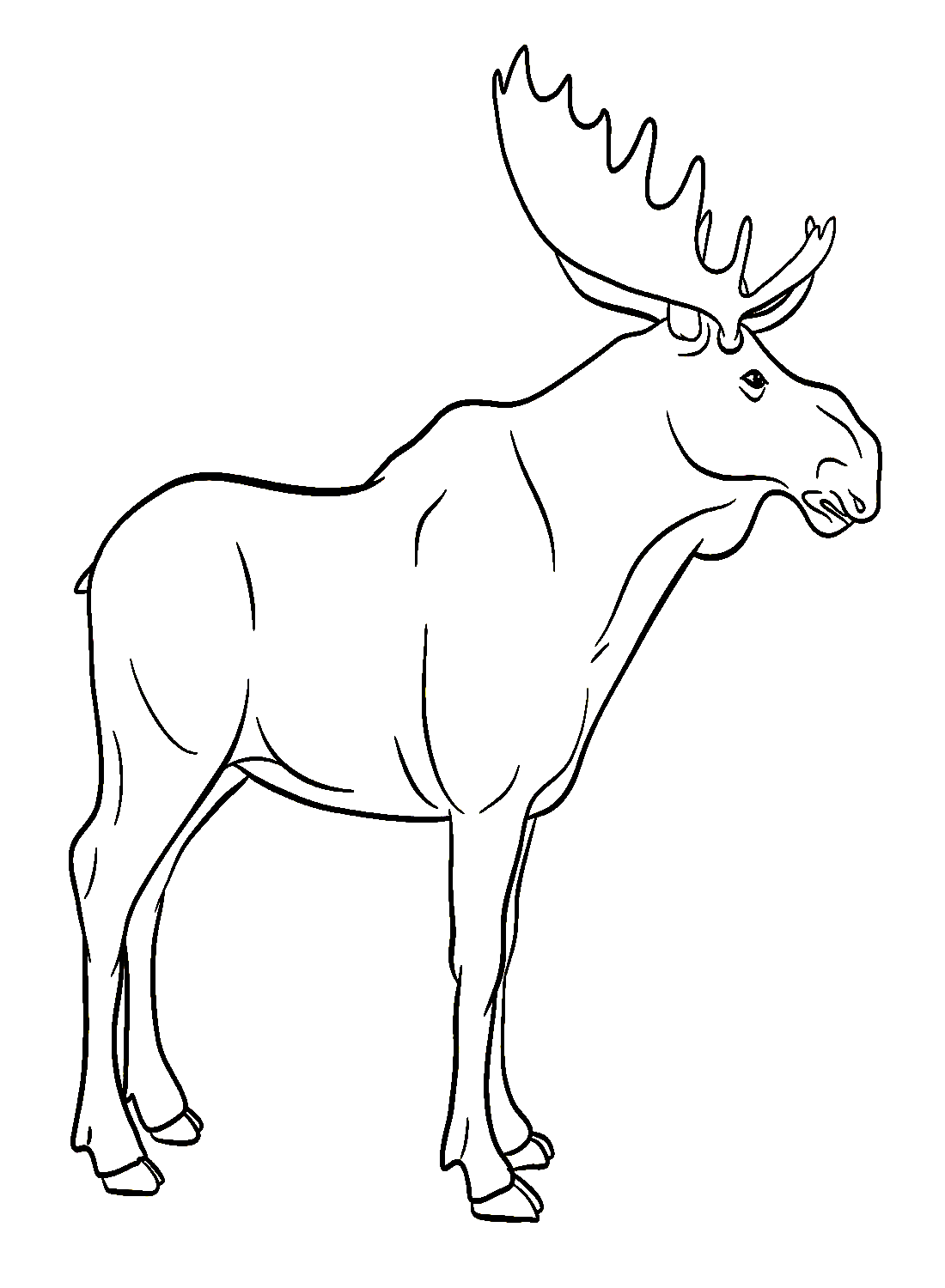
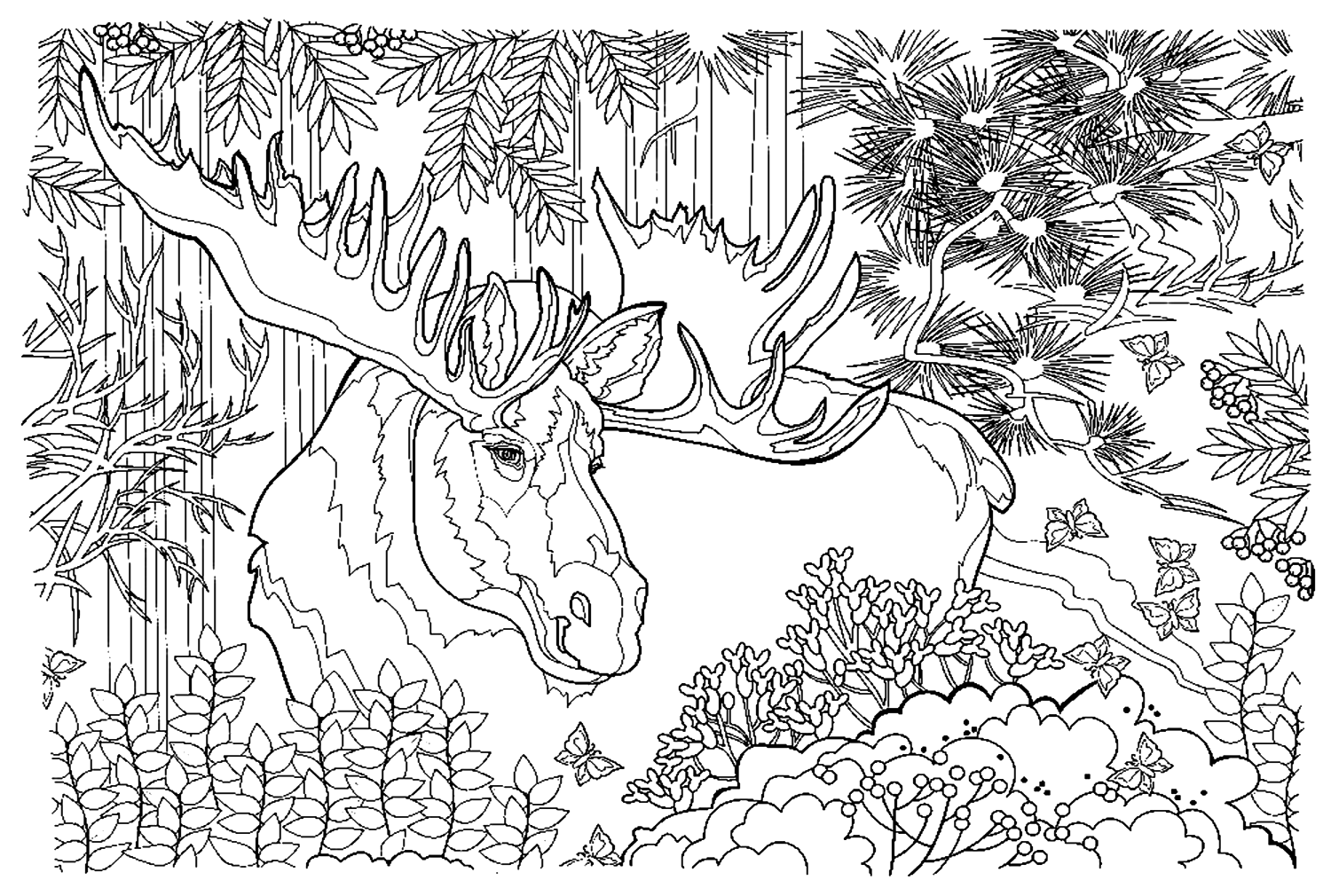
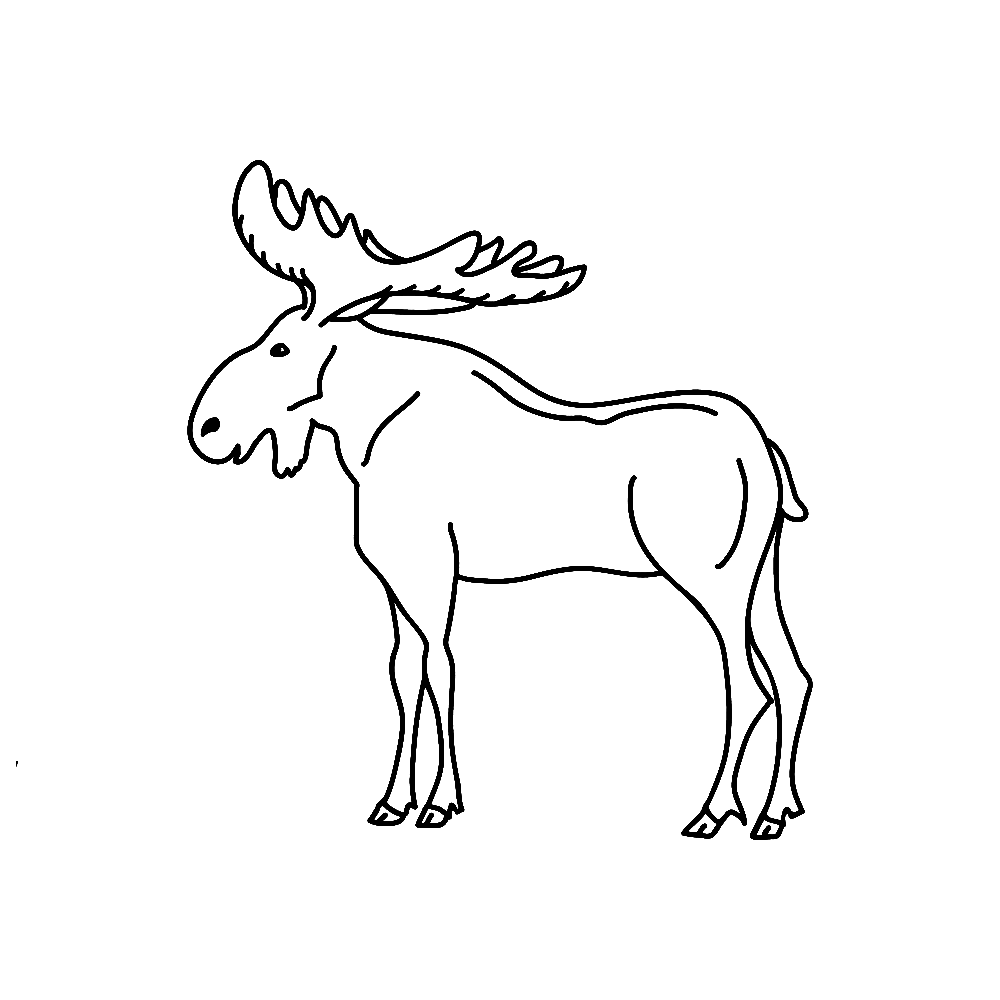
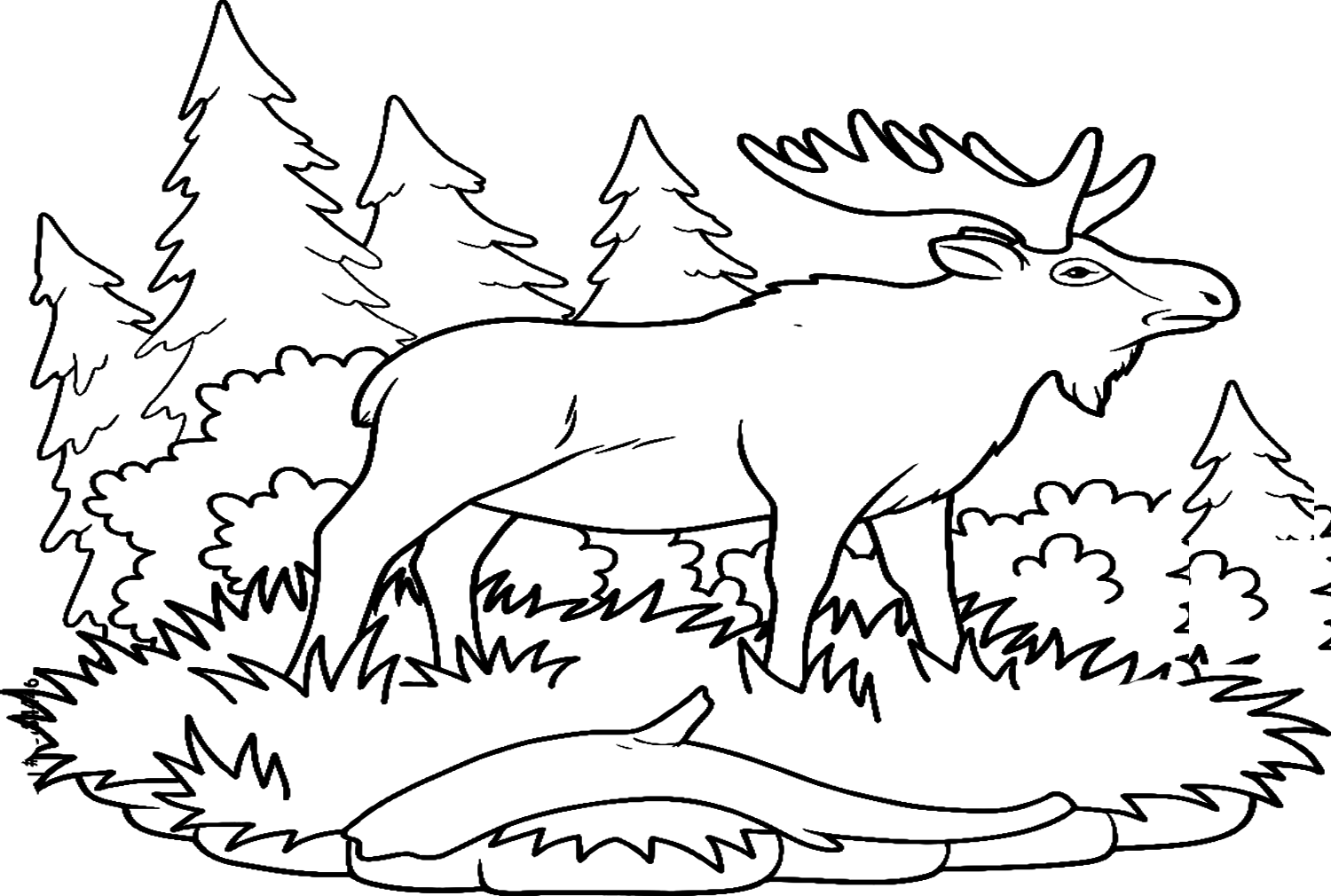
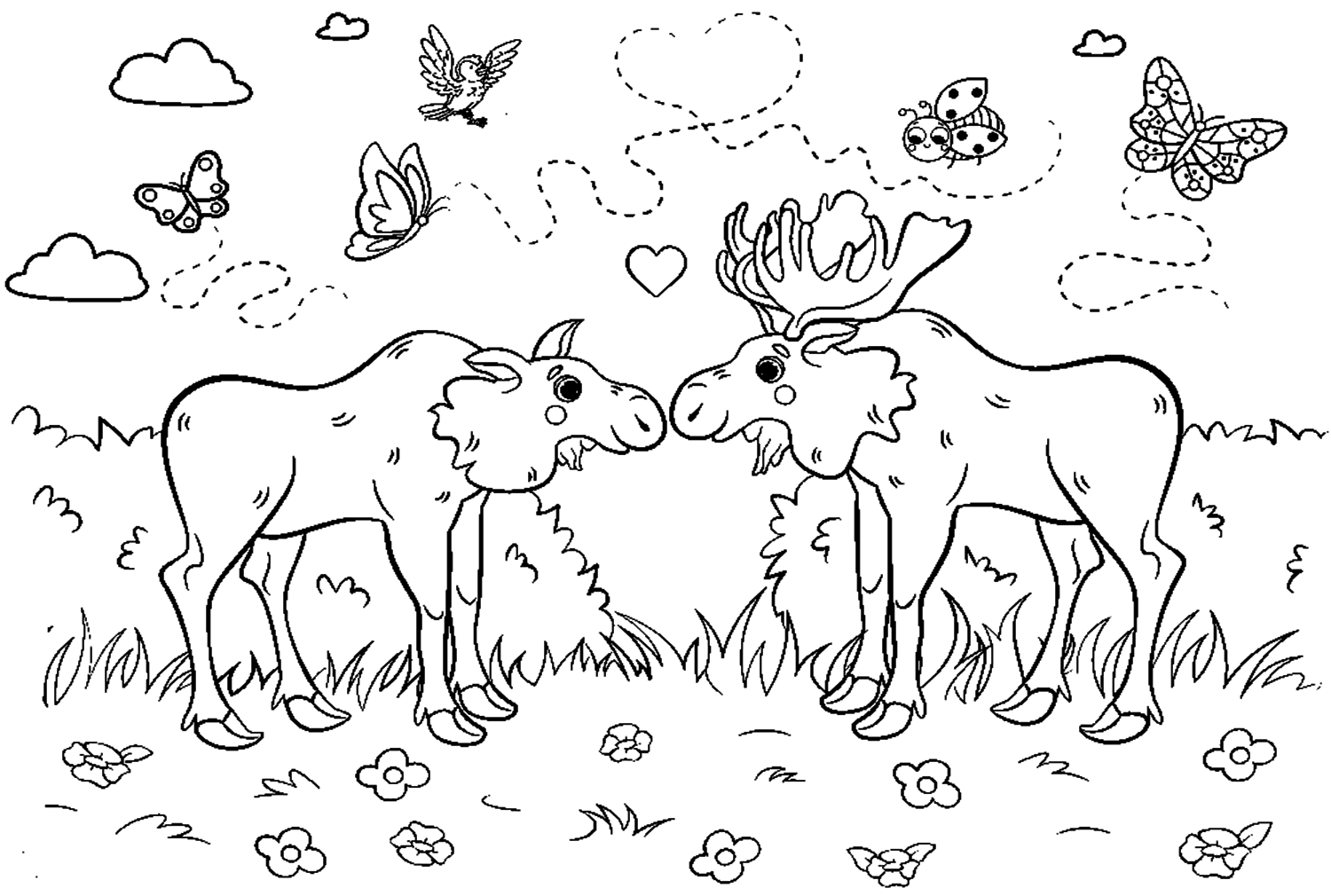
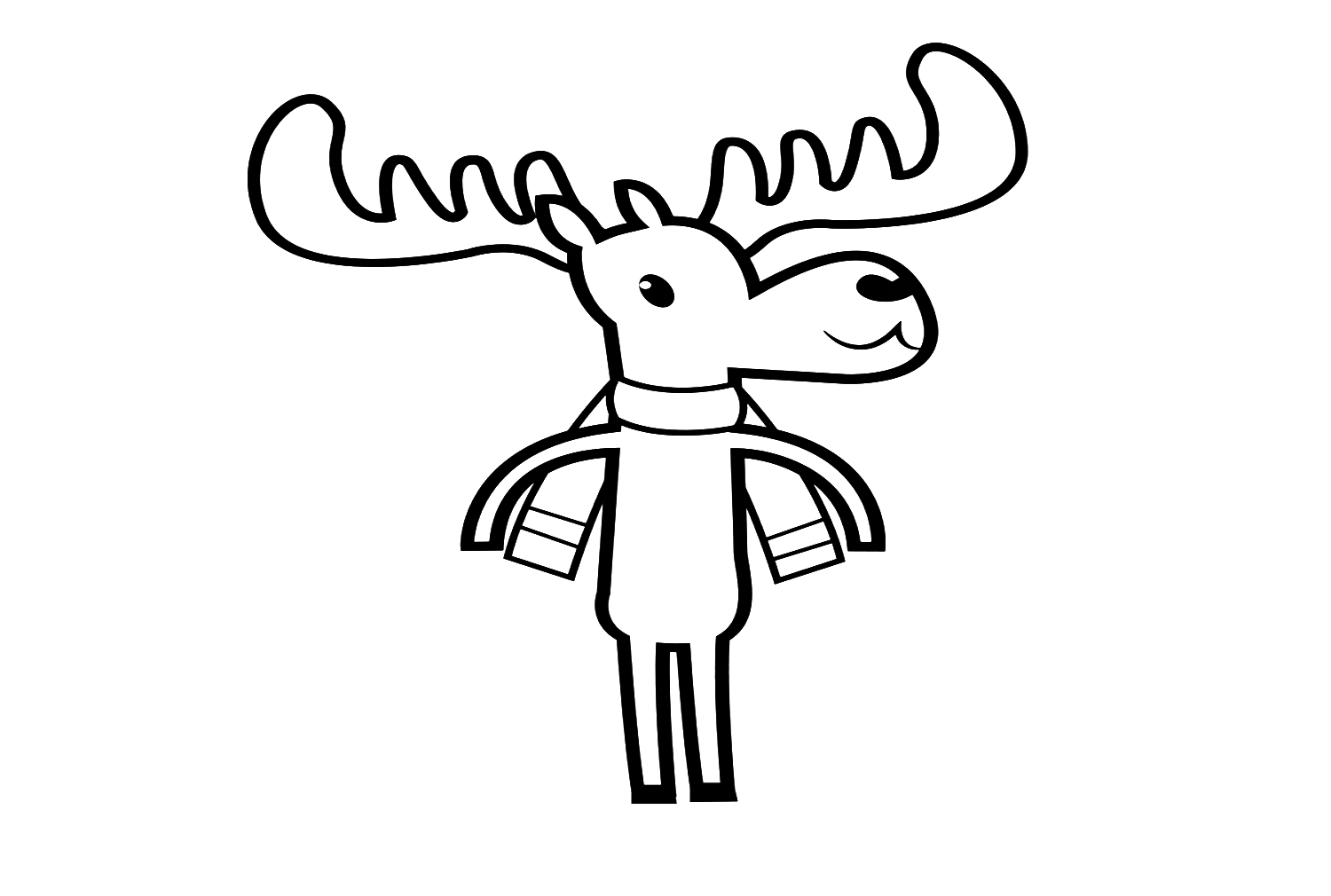
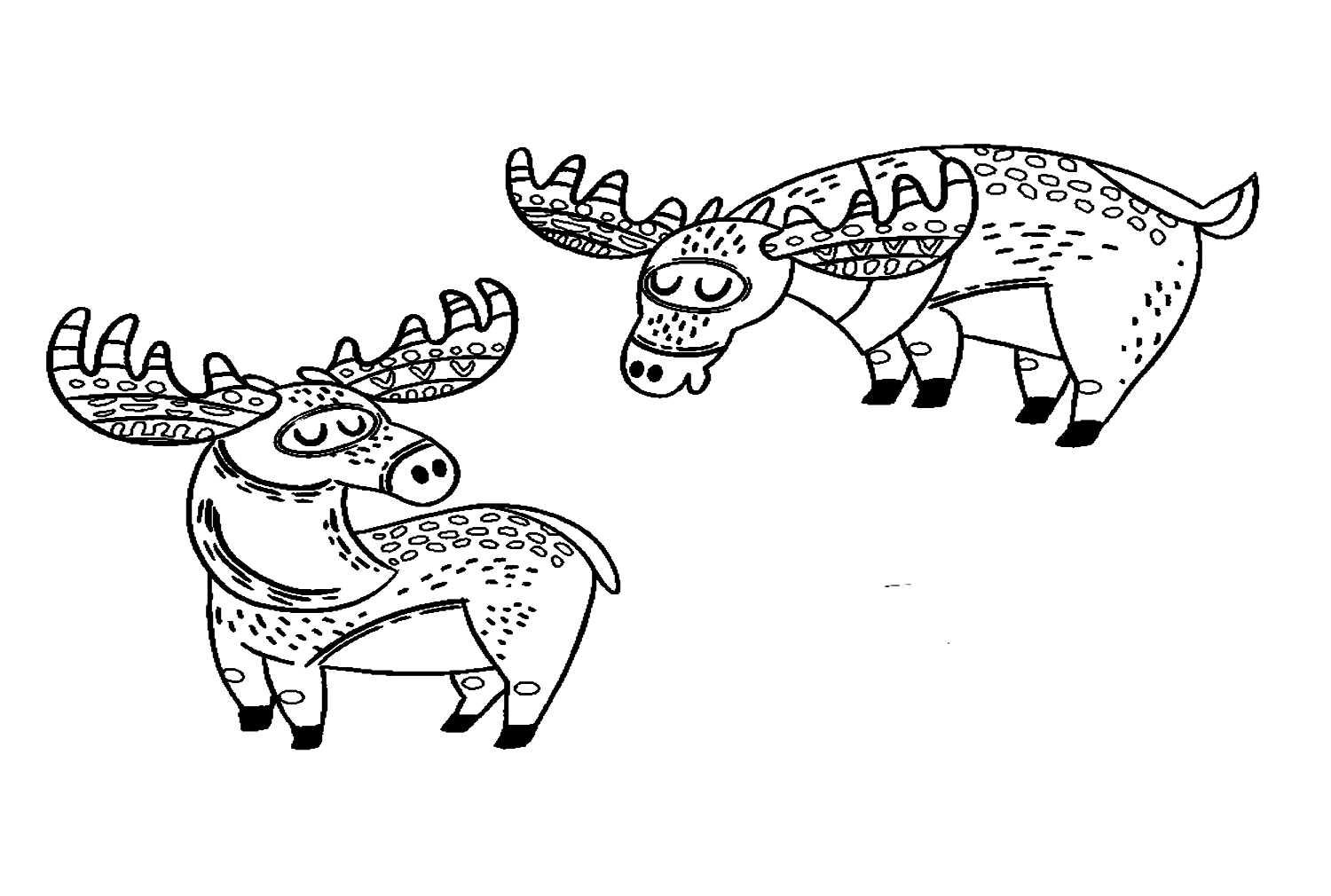
What Is Inside This Collection
The 29 pages are broken into four groups based on content.
Realistic and Classic Portraits
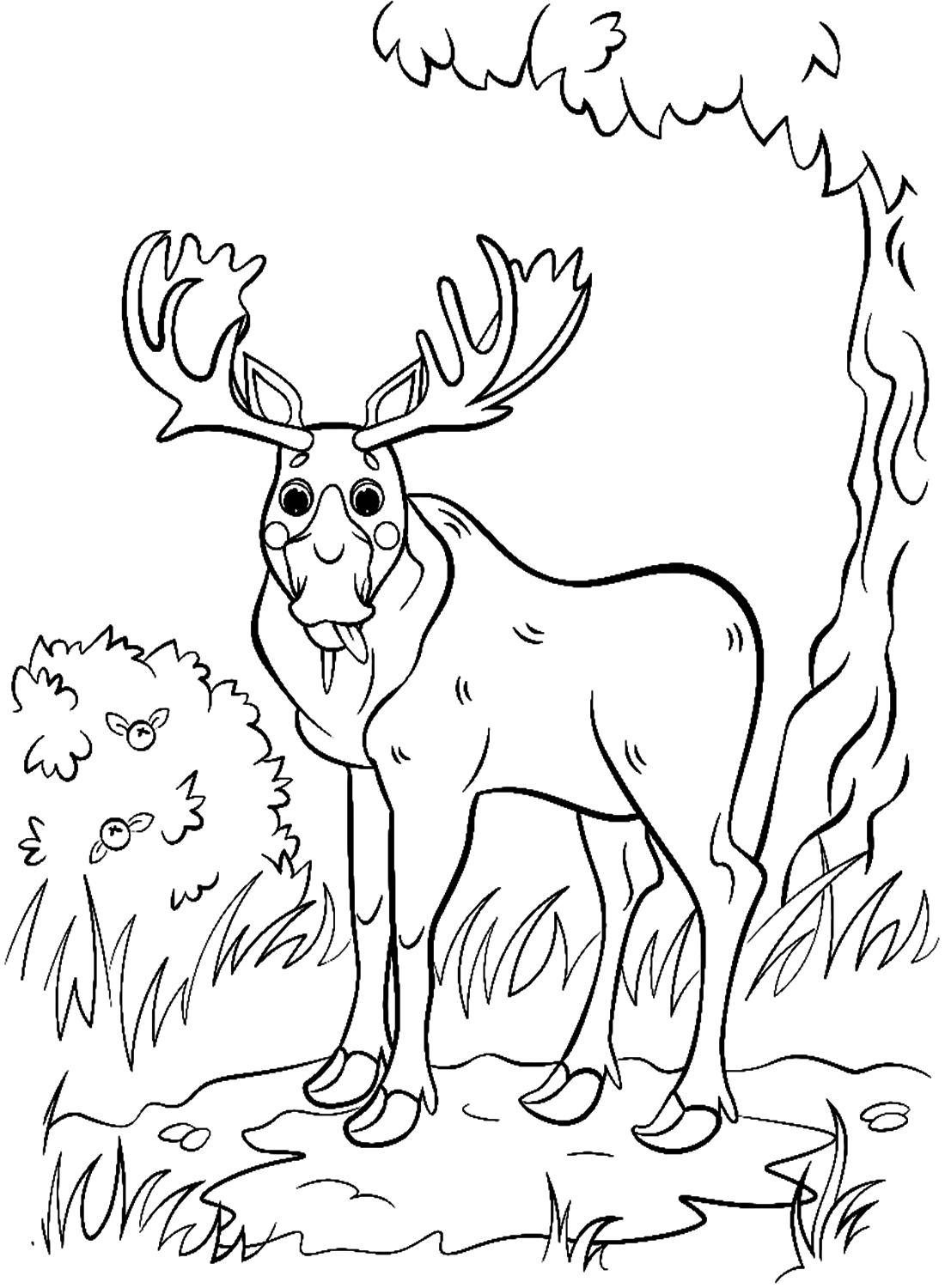
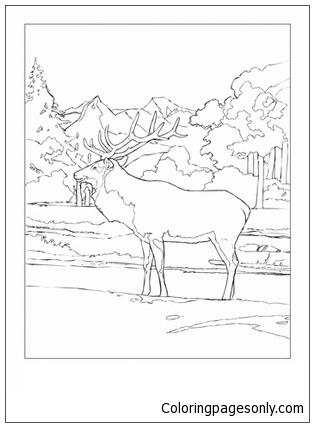
Seven pages show an elk in a fairly realistic or classic outline style, including scenes set in the forest and the Rocky Mountains. Color suggestion: Use a warm reddish-brown for the summer coat, since real elk change coat color seasonally, and reserve the palest tan for the signature rump patch so it reads clearly against the rest of the body.
Cartoon and Mood Variants
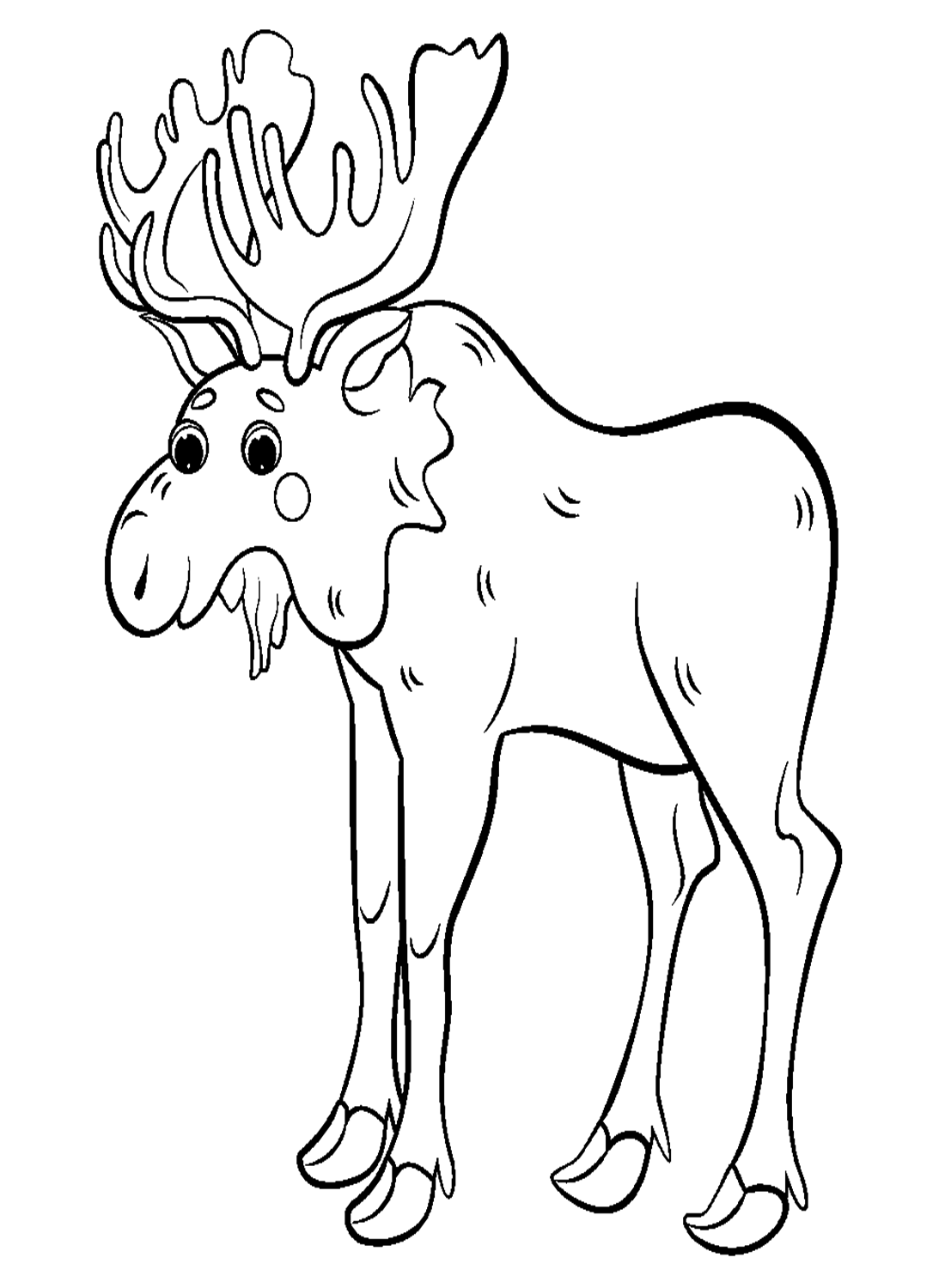
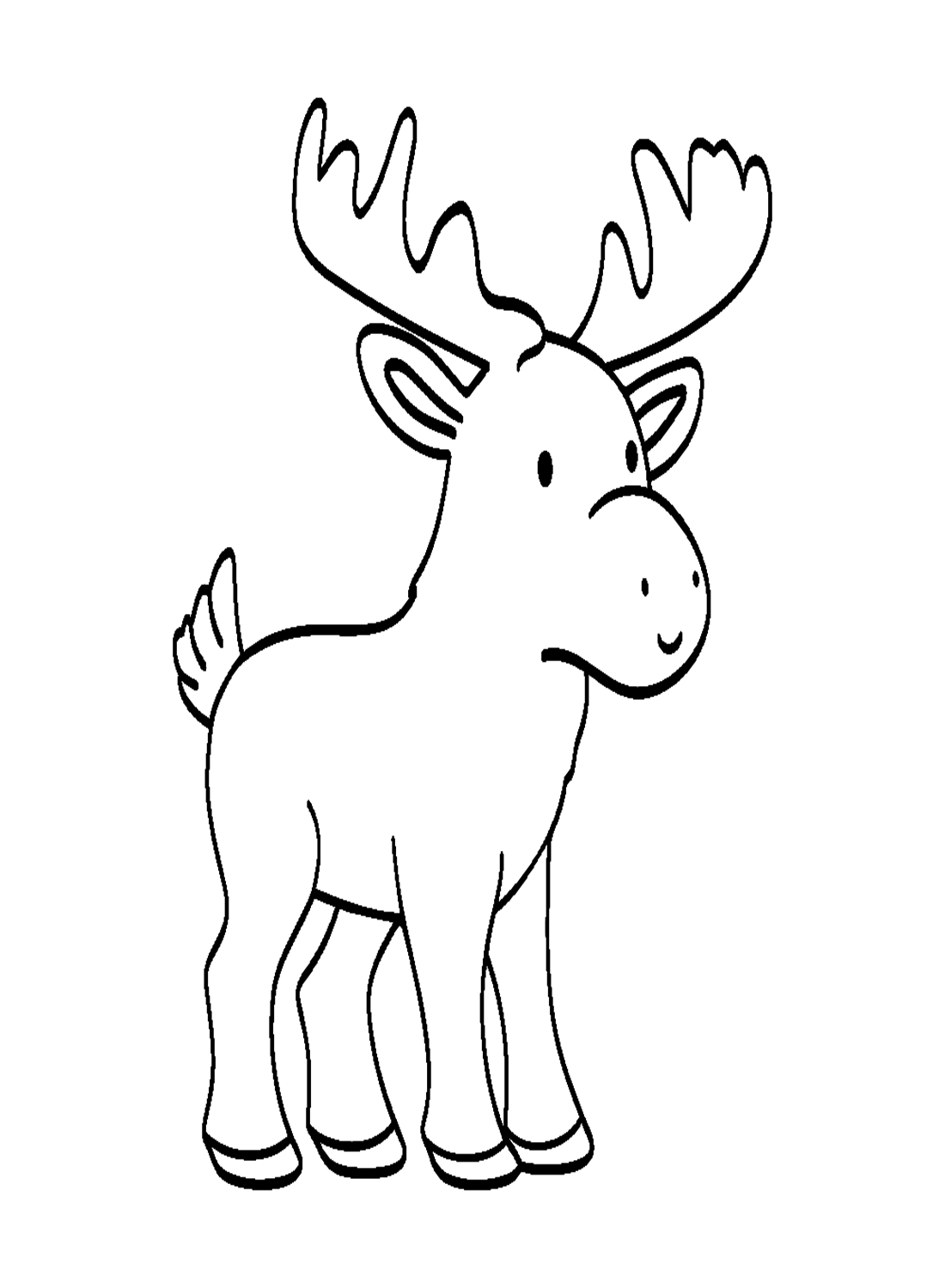
Seven pages give the elk a distinct expression or personality, including happy, sad, and funny versions. Color suggestion: let the mood guide the palette, brighter and warmer tones for the happy and funny pages, cooler and more muted tones for the sad variant.
Baby and Family Scenes
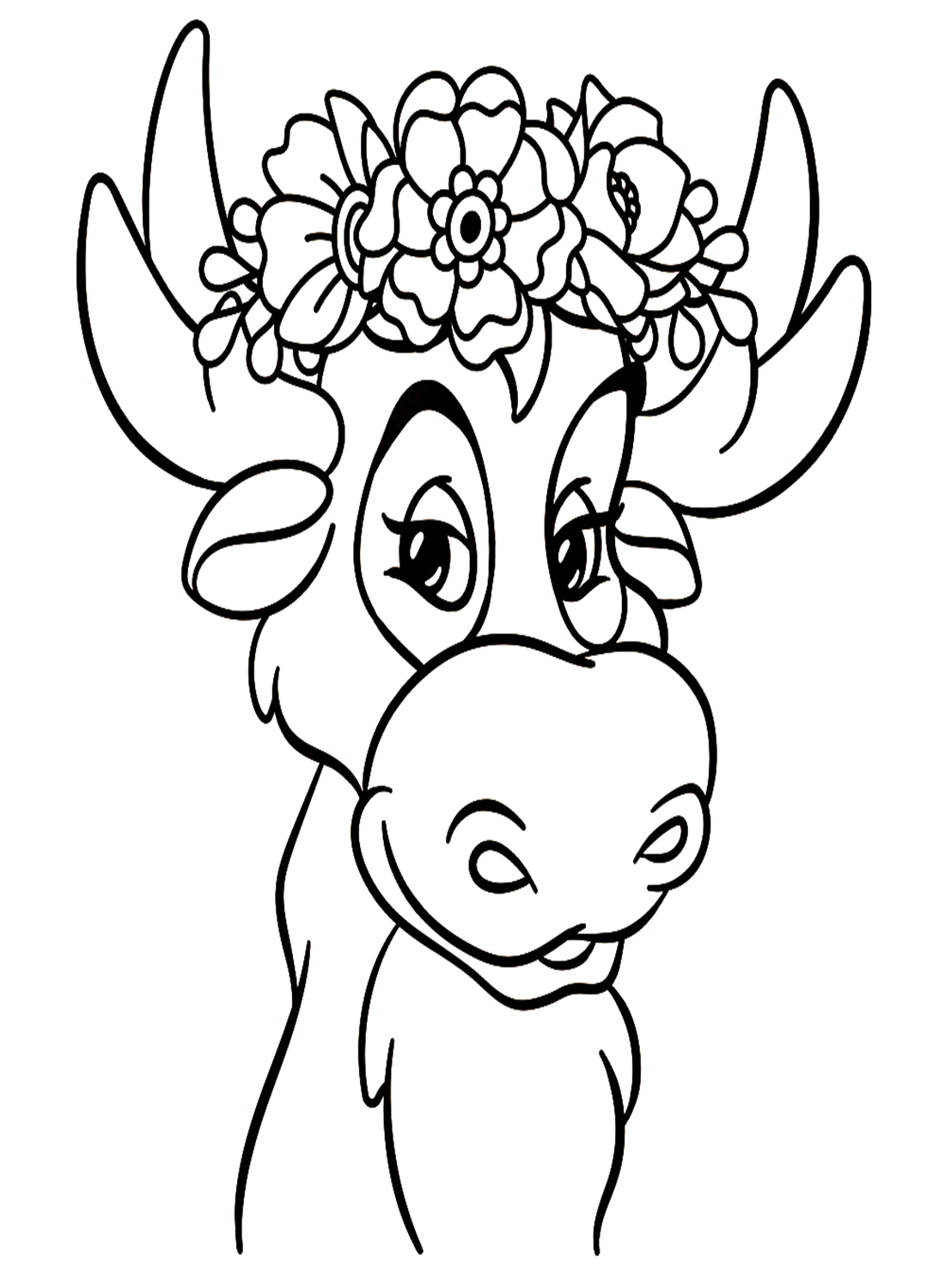
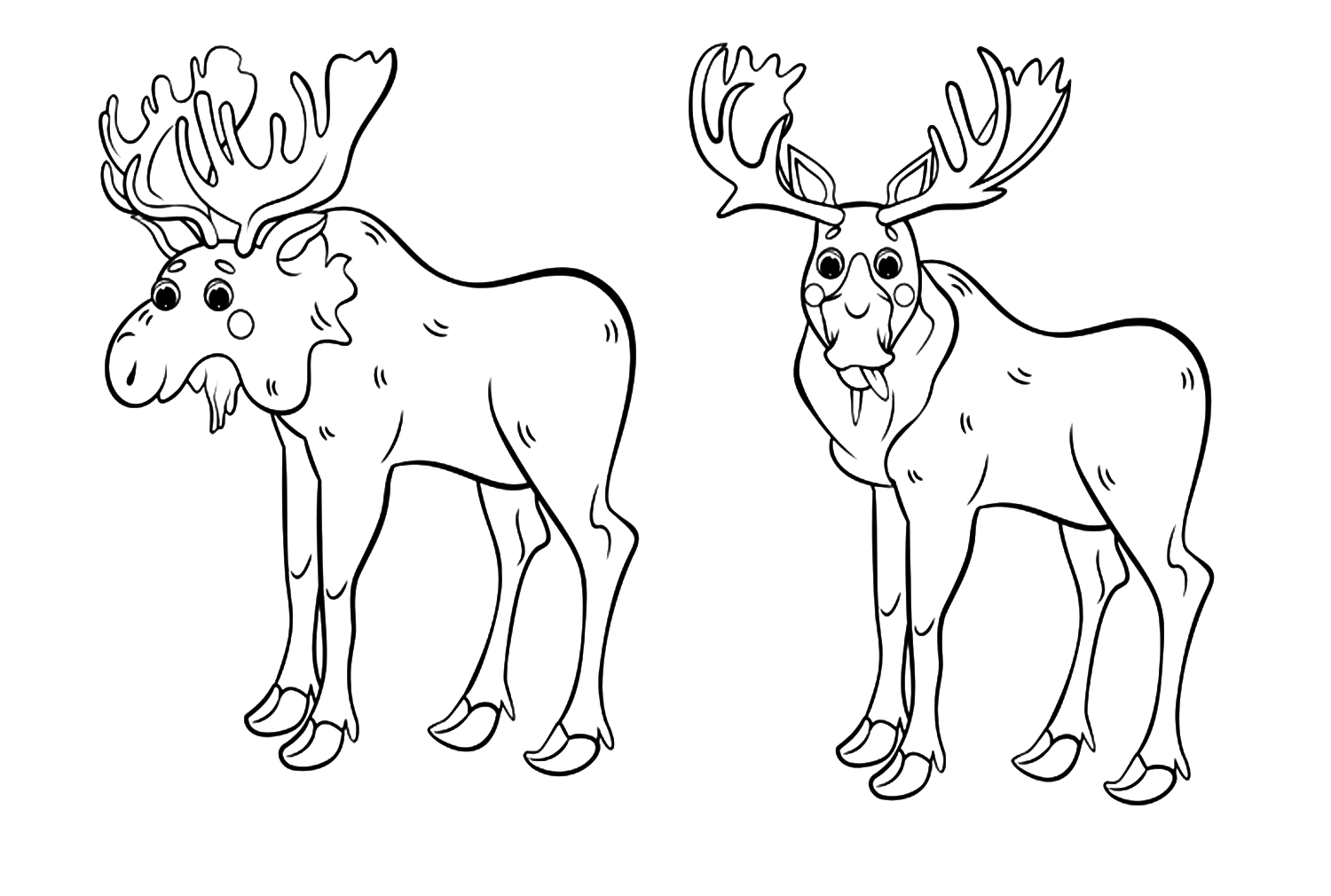
Eight pages show elk calves or family groupings, including a floral-crowned baby elk and a pair of elk shown together. Color suggestion: keep calf coats a touch lighter than the adult portraits, since young elk have a softer, spotted coat in their first few months.
Pattern and Puzzle-Style Designs
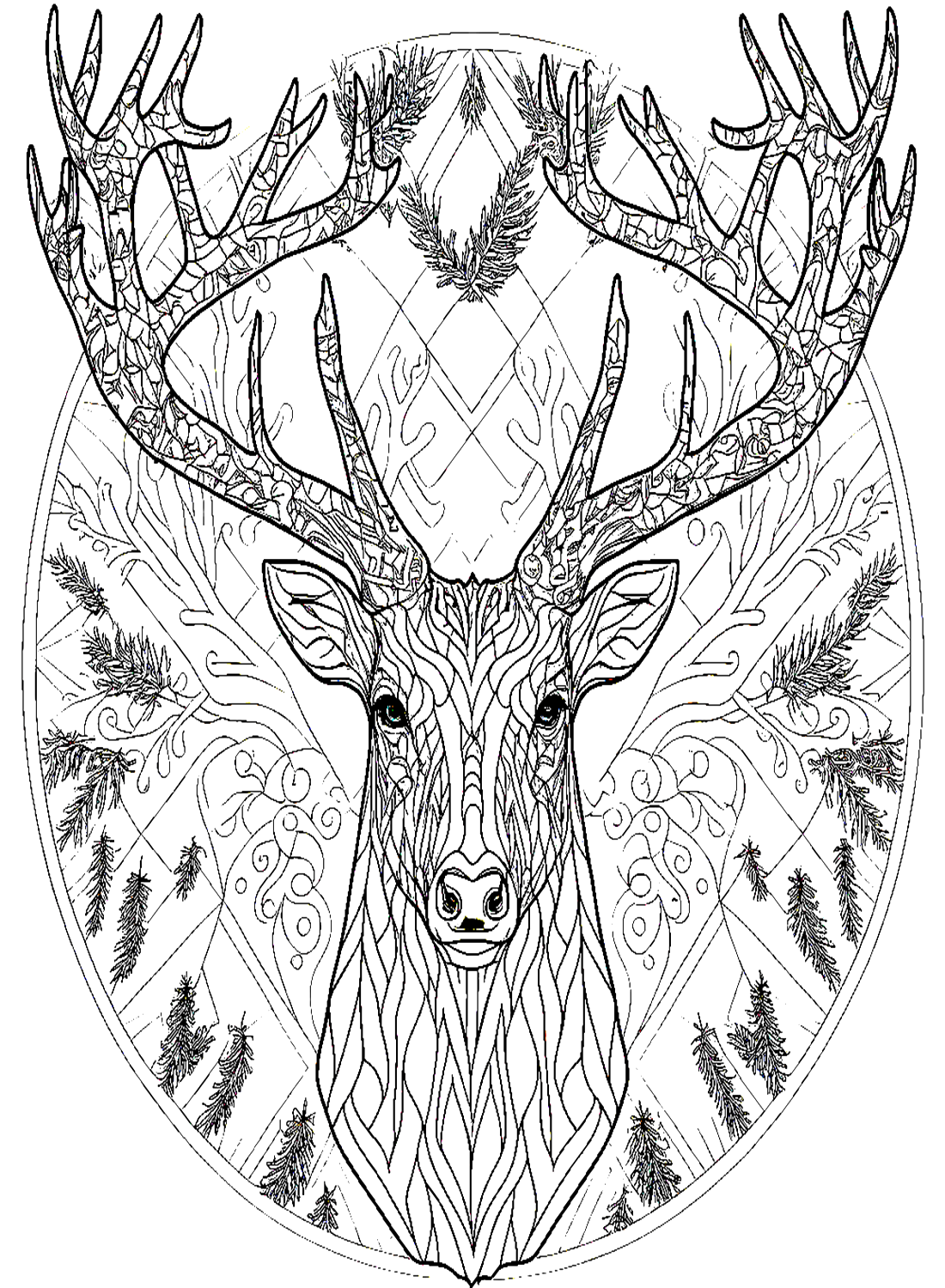
Seven pages take a more decorative or activity-based approach, including zentangle-style patterns, a dot-to-dot design, and a letter-themed page. Color suggestion: on the zentangle pages, alternate two or three colors across the repeating pattern sections to keep the design visually organized rather than overwhelming.
What Elk Coloring Pages Do
A close look at one of the fastest-growing structures in nature. Bull elk antlers can grow up to an inch a day during peak growing season, among the fastest bone growth of any animal, before being shed and regrown from scratch the following year. Tracing the many branching points of an elk’s antlers while coloring gives a hands-on sense of just how much structure develops in that short window, something a flat photo or fact sheet doesn’t convey as directly.
A distinctly audible animal, not just a visual one. Because bull elk are known for their bugling call during the fall rut, a rising sound audible for miles, this collection offers a chance to talk about an animal identified as much by sound as by sight, a detail that sets it apart from more visually defined animals like a zebra’s stripes or a leopard’s spots.
Fine motor practice with intricate branching antlers. The American Academy of Pediatrics identifies fine motor skill development as a core benefit of structured coloring for children ages 2 through 7, and following each branch, or tine, of an elk’s antlers from base to tip requires more precise line control than filling in a single rounded shape.
A calm, familiar activity. Research published in the Art Therapy Journal in 2005 found that structured coloring sessions were associated with a measurable reduction in reported anxiety. A large, gentle animal like the elk makes a satisfying, low-pressure subject for a relaxed coloring session.
How to Color Elk Pages Well
- Coat: Use Crayola Mahogany or Sepia for the reddish-brown body, blending in a touch of Black along the neck and legs, since elk have noticeably darker, shaggier fur in these areas.
- Rump patch: Leave this area a pale Crayola Tan or White, since the light-colored rump is one of the elk’s most identifiable features.
- Antlers: Color the main beam and each branching tine in Crayola Tan or Sepia, since real antlers have a bony, slightly textured surface.
- Calves: Use a lighter Crayola Tan with small White dot highlights to suggest the spotted coat of a young elk.
- Forest and mountain backgrounds: Layer Forest Green and Olive Green for trees, with Gray and White for distant mountain peaks.
- Pattern and zentangle pages: Alternate two or three colors consistently across the repeating sections so the pattern stays legible once fully colored.
5 Creative Craft Ideas With Elk Coloring Pages
1. Character Bookmark
Color a favorite portrait, trim it to a narrow strip, and cover it with clear tape or a laminate sheet to make a simple, durable bookmark.
2. Antler Growth Fact Poster
Color one of the realistic portraits, glue it to a larger sheet of paper, and add a few real facts about antler growth to make a simple educational poster.
3. Forest Scene Diorama
Color one of the forest-themed pages, glue it inside a shoebox turned on its side, and add paper trees to build a simple 3D forest habitat.
4. Greeting Card
Color one of the pages, fold a piece of cardstock in half, and glue the colored page to the front for a handmade nature-themed card.
5. Wildlife Journal Page
Color several of the realistic portraits, staple them together, and add a note under each about real elk behavior to build a simple wildlife journal.
Frequently Asked Questions
What are Elk coloring pages?
Free printable designs of elk in realistic, cartoon, family, and pattern-based styles. This collection has 29 pages available as PDF downloads or online coloring, with no account required.
What is the difference between an elk and a moose?
The elk is the second-largest member of the deer family, while the moose is the largest; the two are sometimes confused because “elk” is also the common name for the moose in parts of Europe.
Why is the elk also called “wapiti”?
The name wapiti comes from the Shawnee and Cree word “waapiti,” meaning “white rump,” a reference to the pale patch on the animal’s hindquarters.
What is elk bugling?
Bugling is the loud, rising call male elk make during the autumn breeding season, used to assert dominance and attract mates, and it can be heard for several kilometers on a still day.
How fast do elk antlers grow?
Bull elk antlers can grow up to an inch a day during peak growth in the spring and summer, making them among the fastest-growing bone structures in the animal kingdom, before being shed each winter.
Where are elk commonly found?
Elk are native to North America and eastern Asia, with especially well-known populations in Yellowstone National Park and Rocky Mountain National Park.
What age group are these pages best suited for?
The simple cartoon and baby elk pages suit children as young as three, while the more detailed, realistic portraits and pattern pages work well for children six and up.
Can these pages be used for a wildlife lesson?
Yes. The mix of realistic portraits and genuine facts about antler growth and bugling makes this set a useful pairing with a lesson on North American wildlife.
Start Coloring
Download any page by clicking the design. No account, email, or payment is required. Pages print directly from the browser at full resolution or open in the online coloring tool for screen use. Share finished pages on Facebook or Pinterest using the share buttons at the top of each design page.