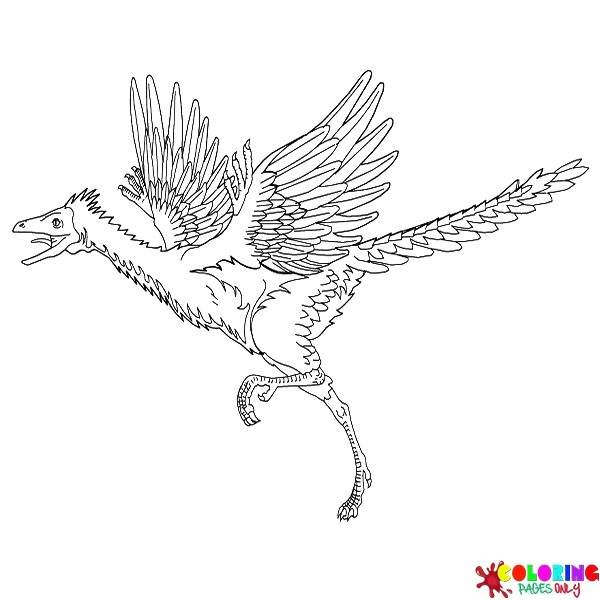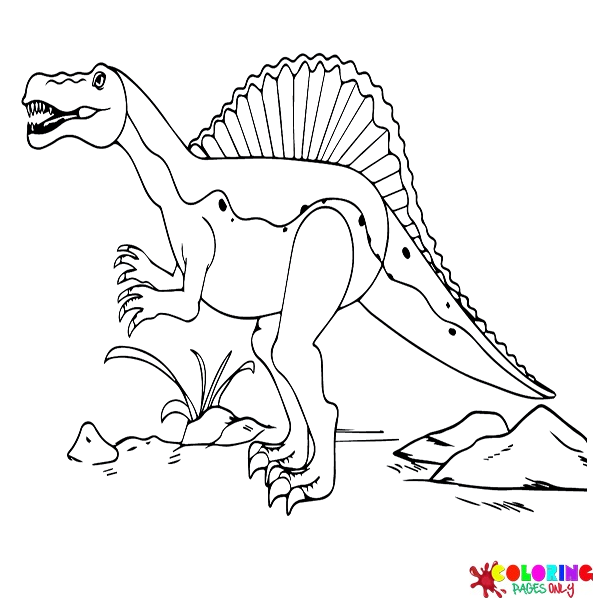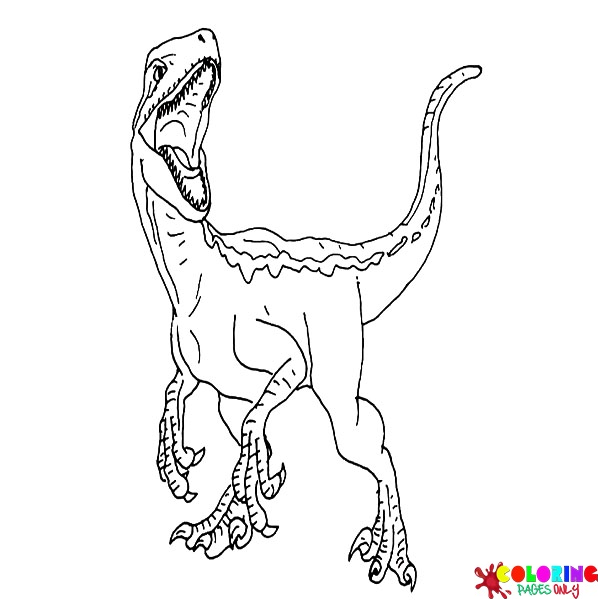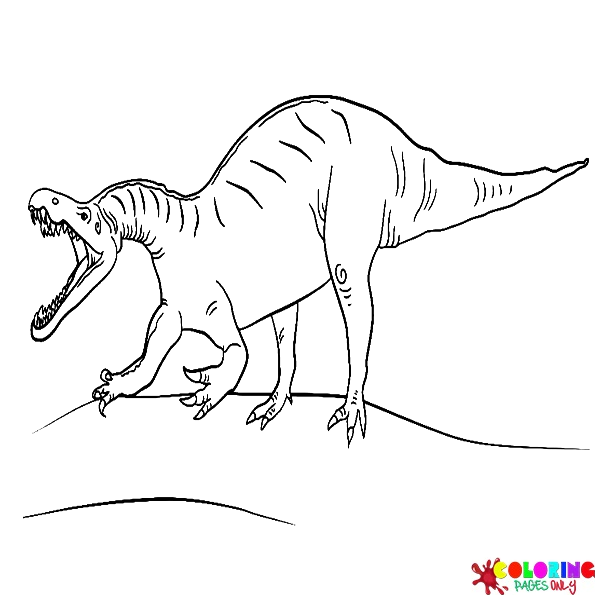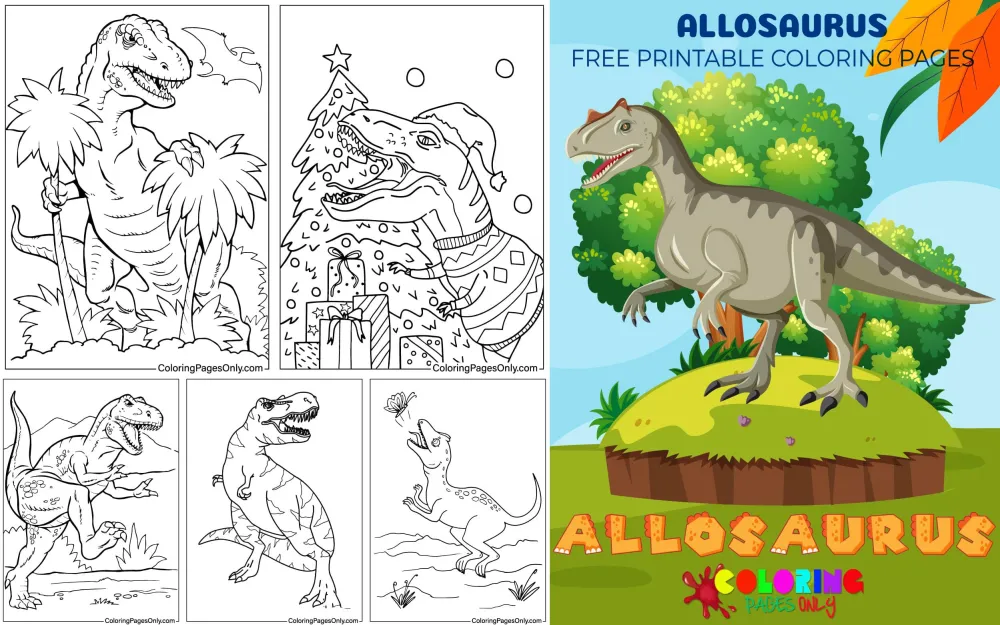
Free Allosaurus coloring pages: 28 printable PDF designs of the Late Jurassic apex predator, along with playful baby dinosaur scenes and dot-to-dot activities. Each page can be downloaded as a PDF to print or colored online in the browser.
Allosaurus was a large, bipedal theropod dinosaur that lived during the Late Jurassic period, roughly 155 to 145 million years ago, and its name means “different lizard” in Greek, referring to vertebrae that looked unlike those of other dinosaurs known at the time. Its fossils were first found in Colorado in 1869 and formally described by paleontologist Othniel Charles Marsh in 1877. Allosaurus typically grew to about 8.5 to 9 meters long, roughly 28 to 30 feet, with some individuals reaching larger sizes, and it hunted large plant-eating dinosaurs across the floodplains of what is now the Morrison Formation in western North America. Its long, muscular hind legs made it a fast runner, while its short forelimbs ended in three sharp claws used for gripping prey, and its jaws were lined with serrated teeth built for slashing rather than crushing bone.
This collection spans 28 pages, grouped into realistic Allosaurus portraits, playful baby dinosaur scenes, and dot-to-dot activities. The coloring angle ranges from simple, bold-lined portraits to fuller prehistoric scenes.
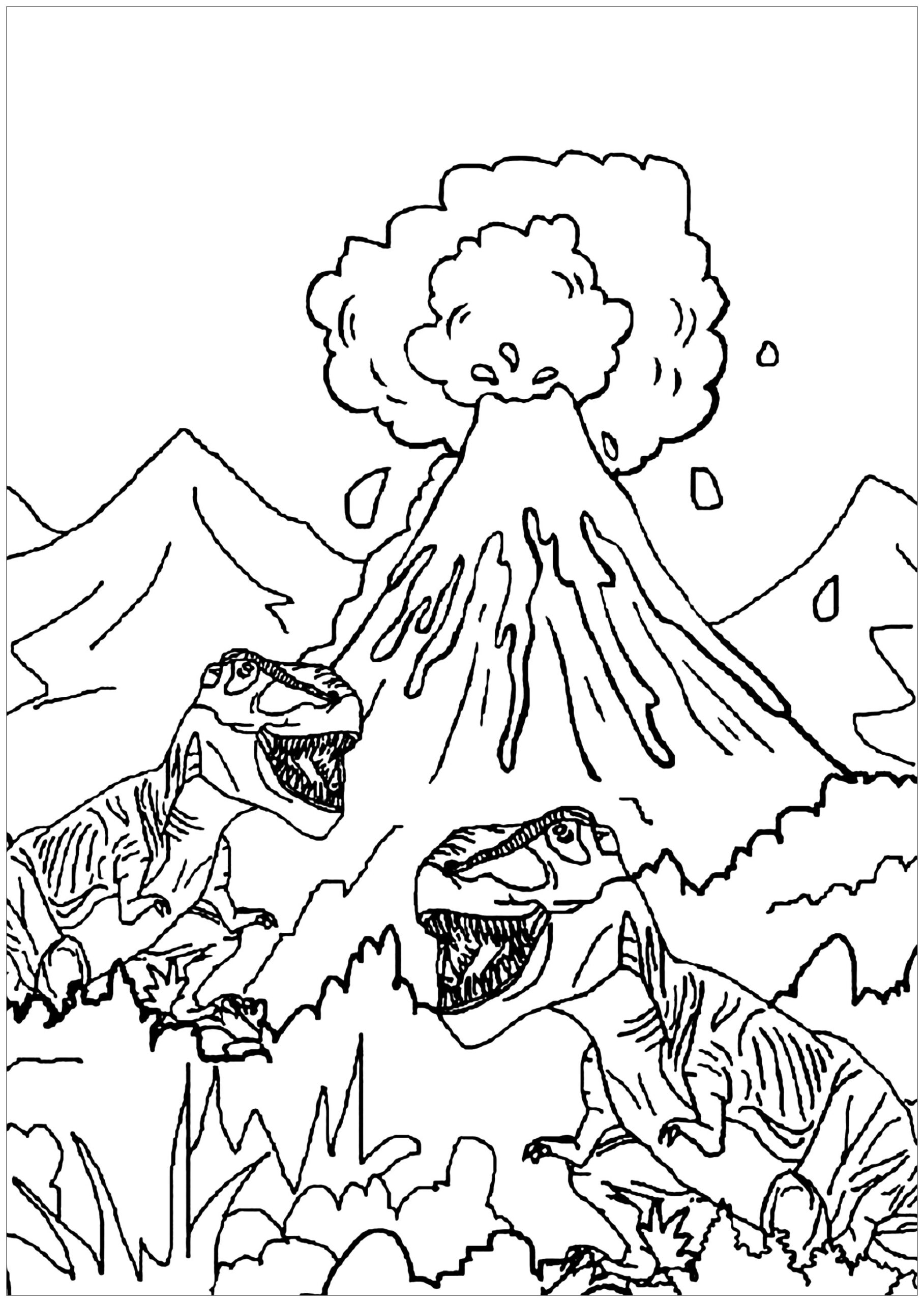
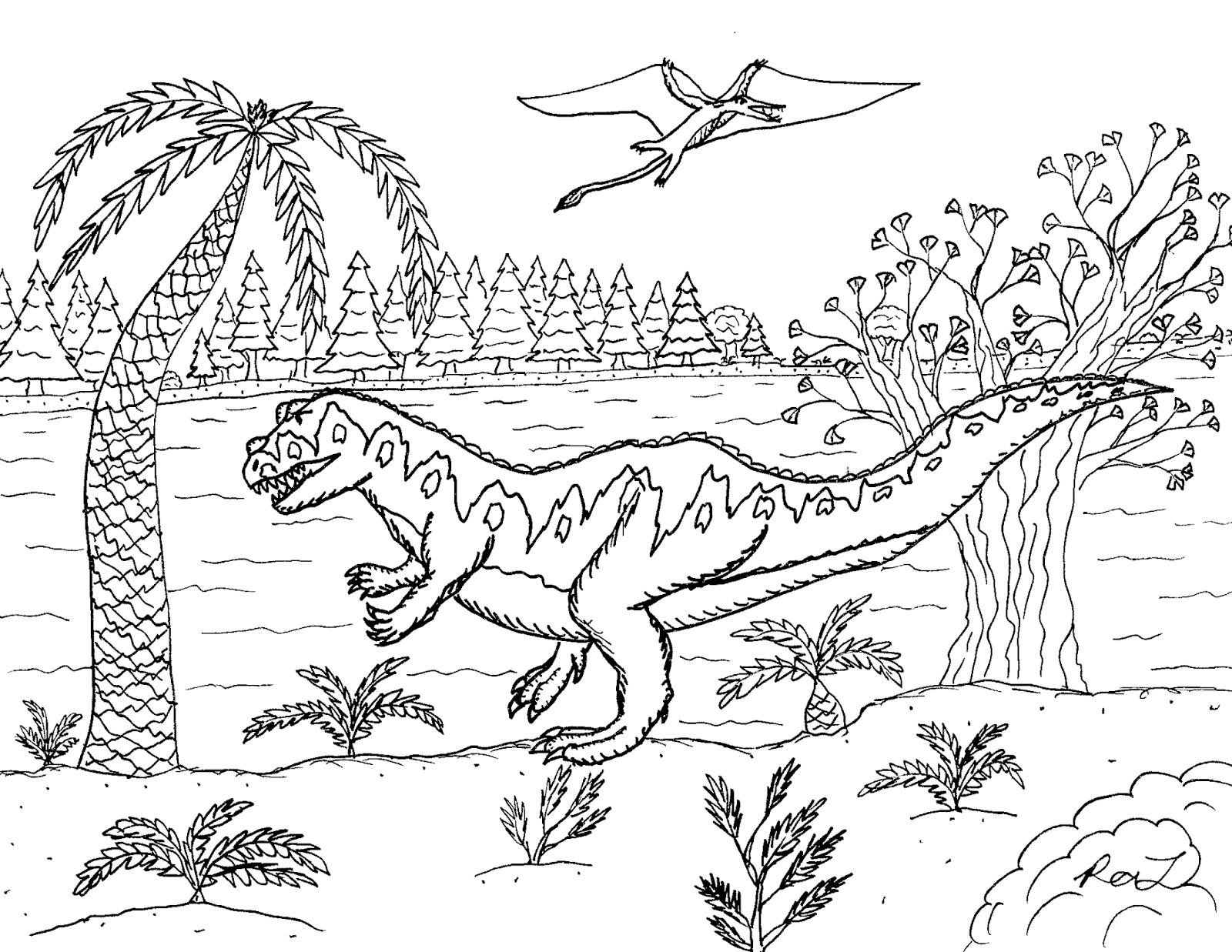
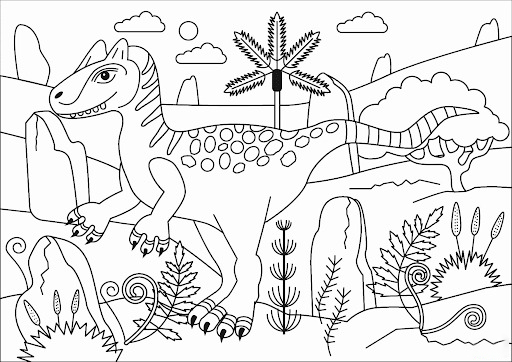
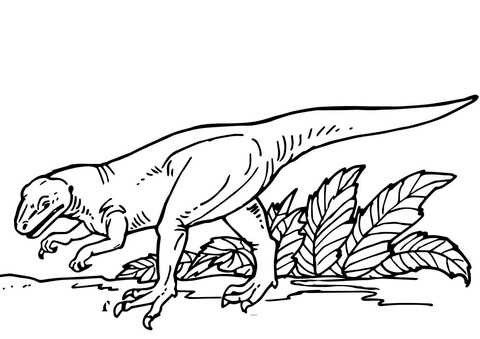
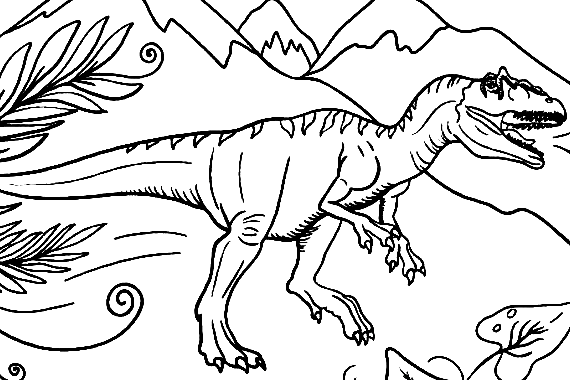

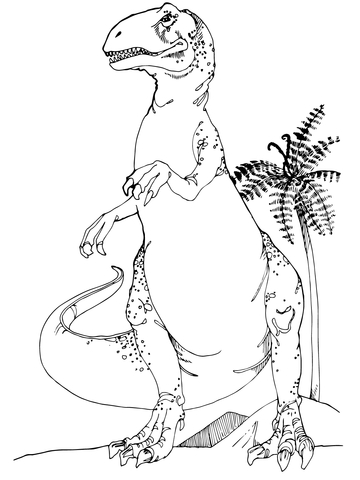
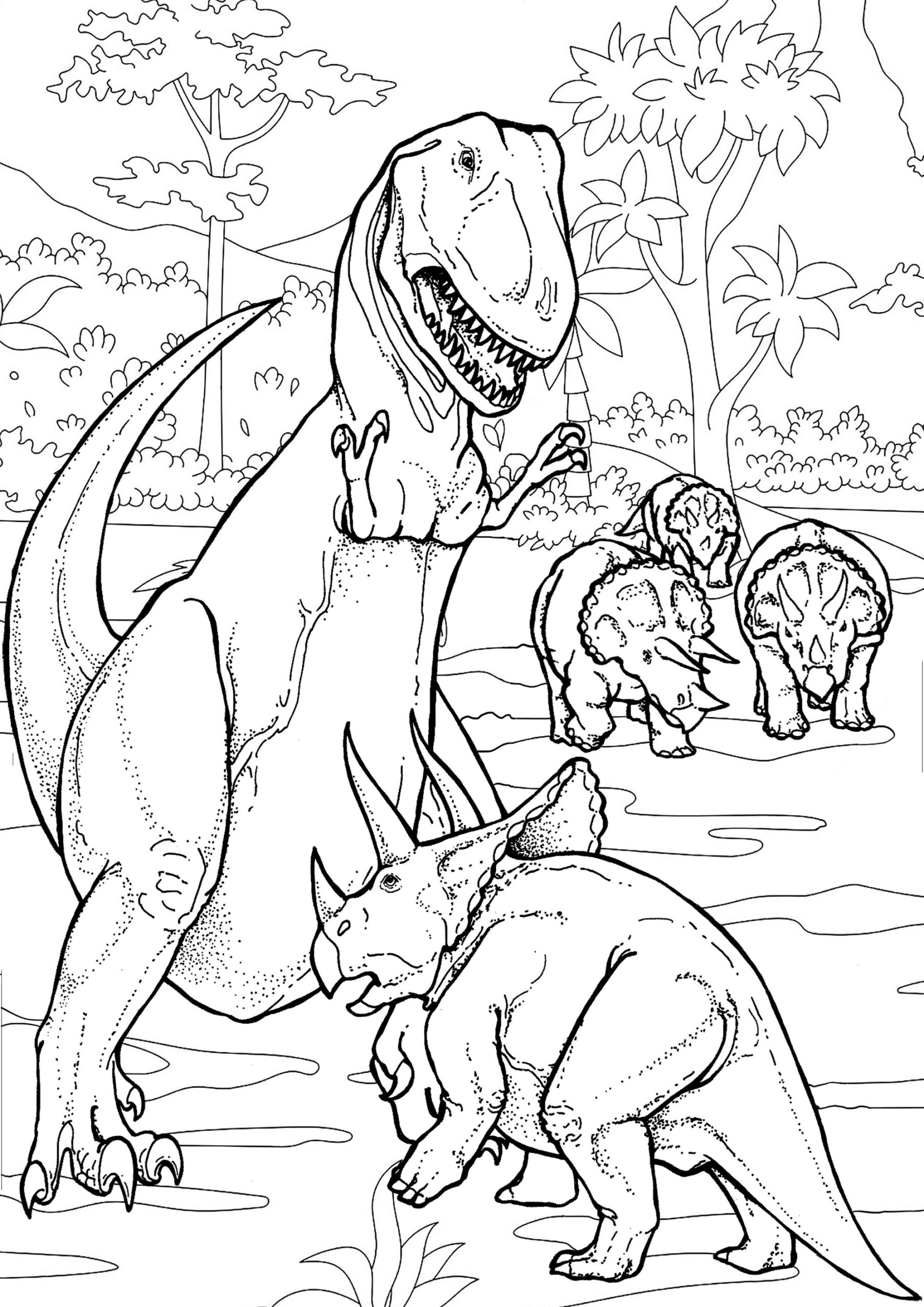
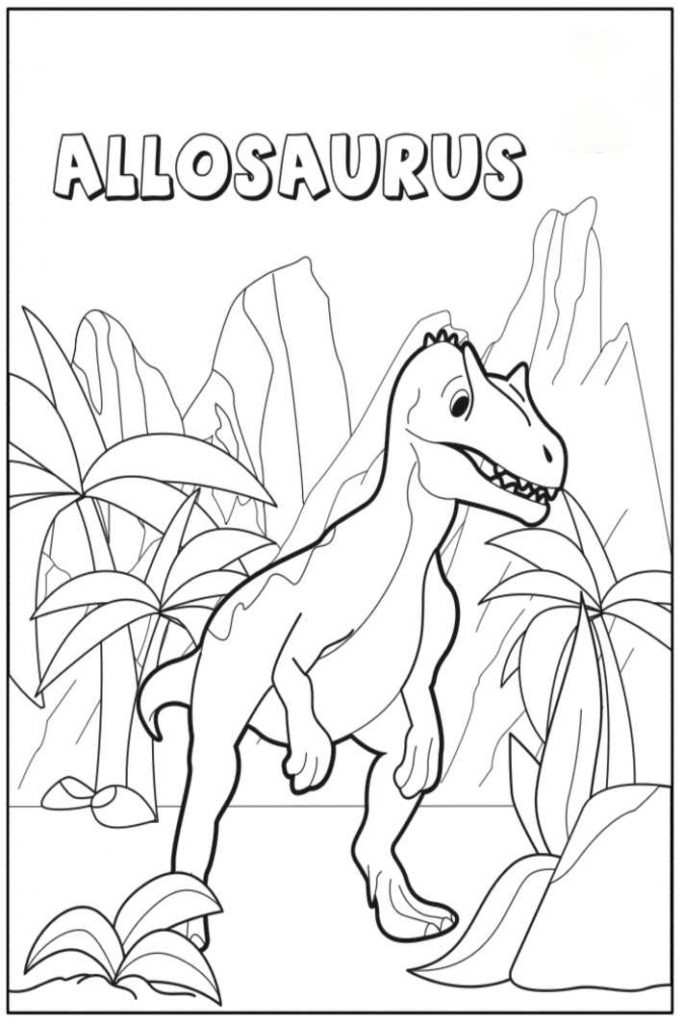
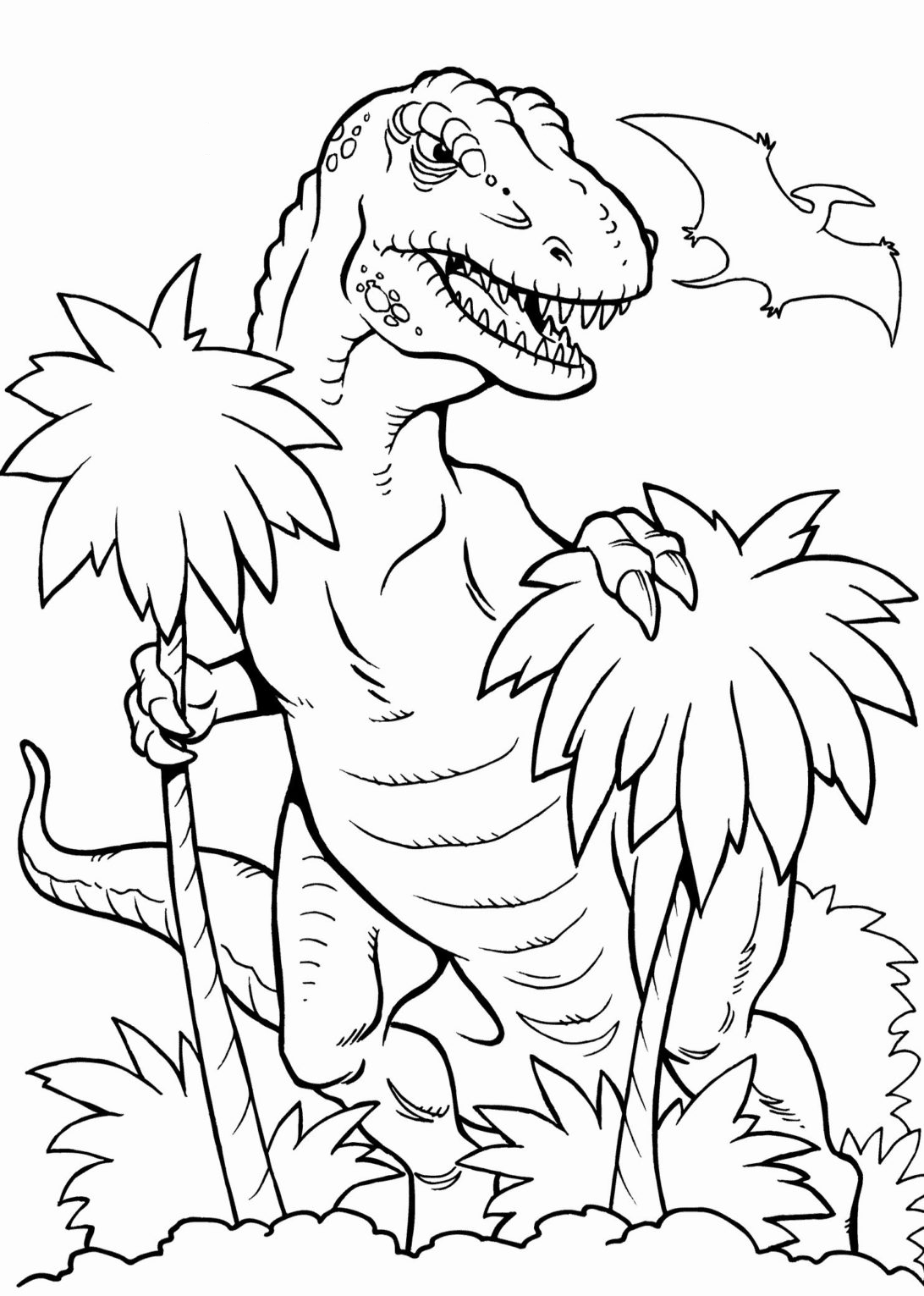
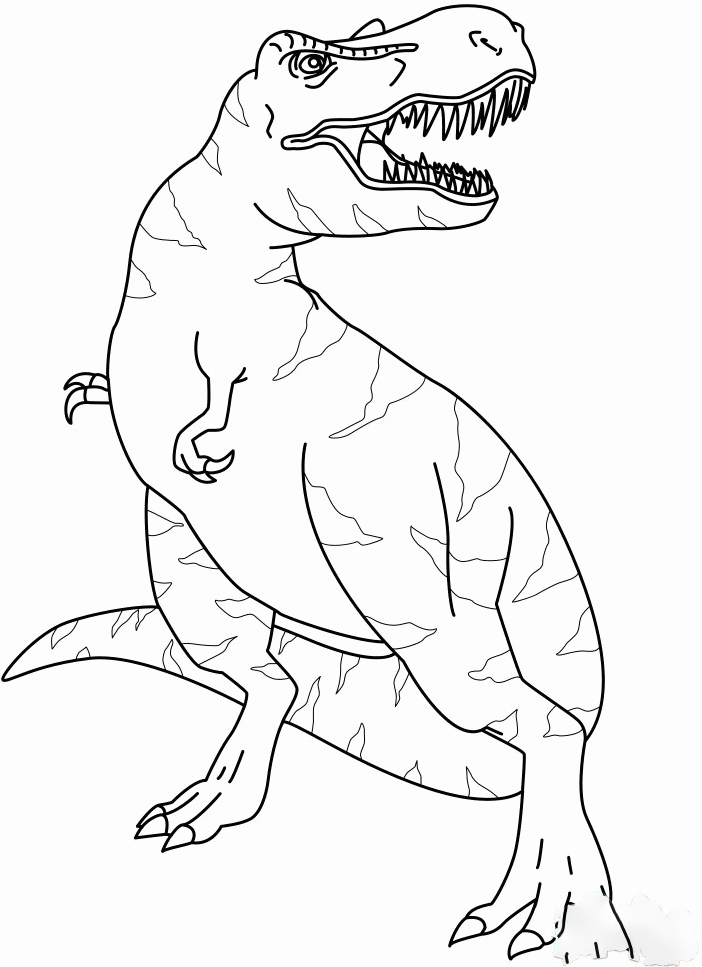
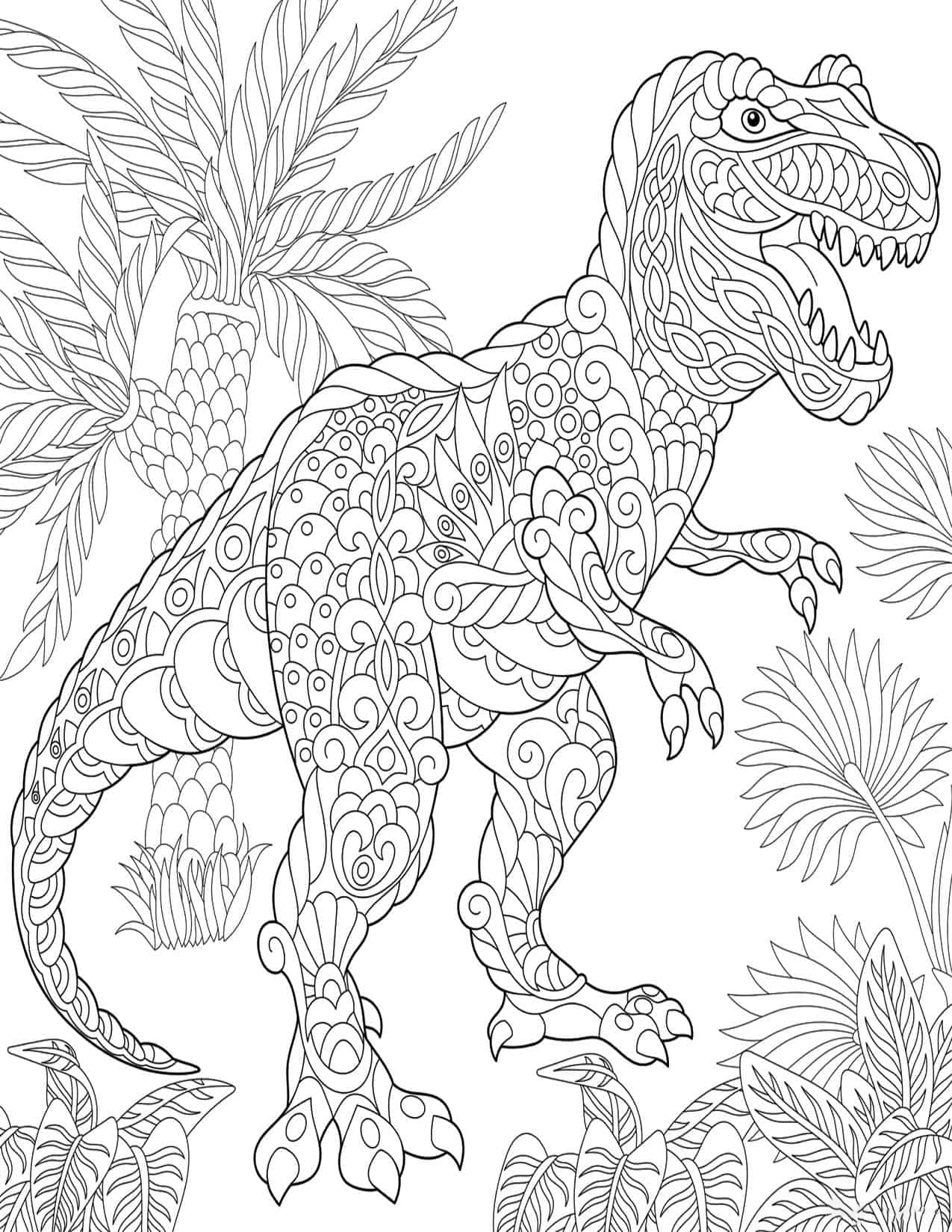
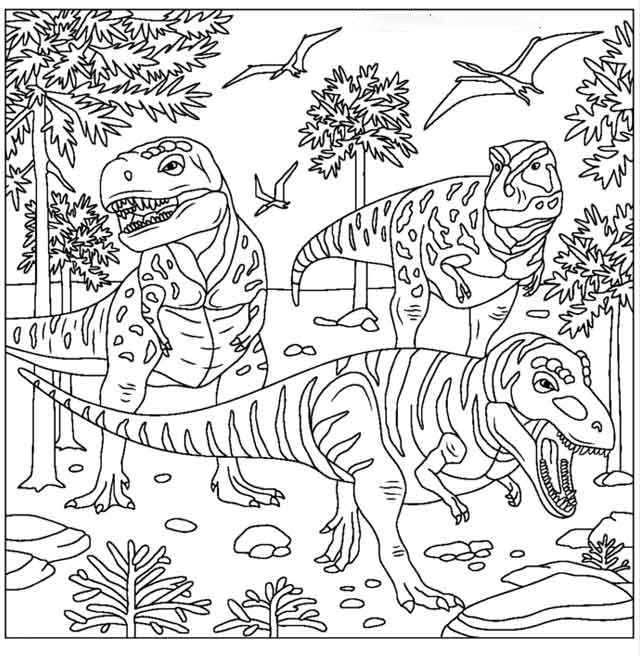
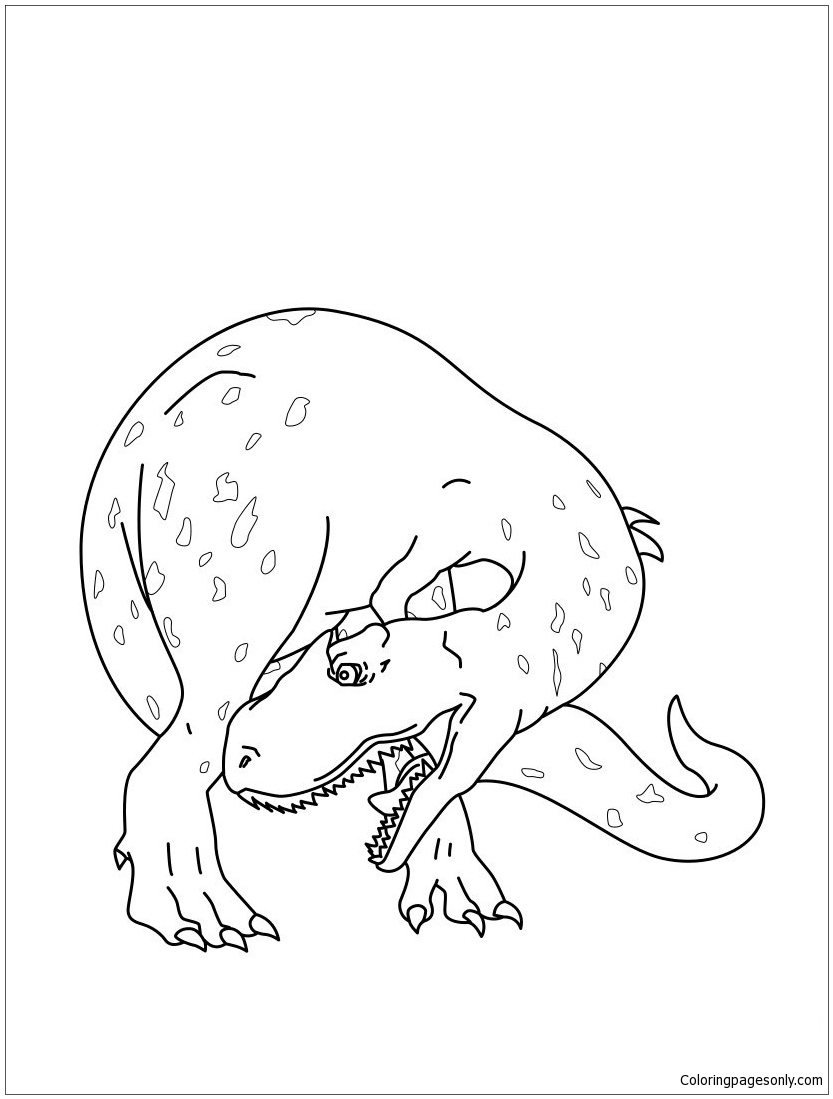
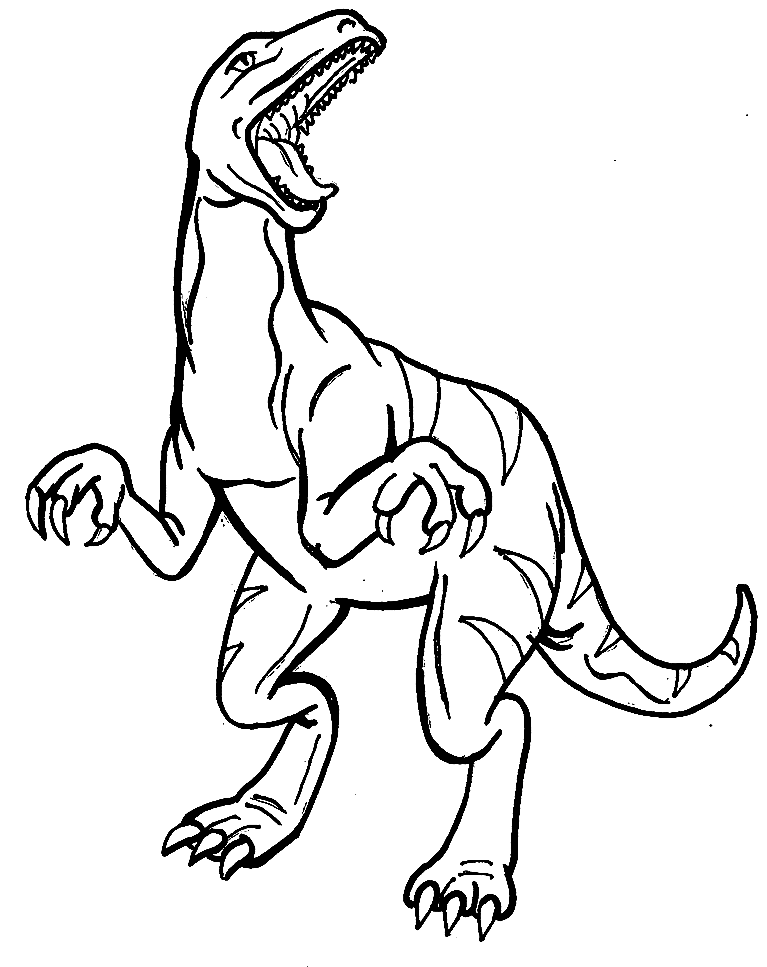
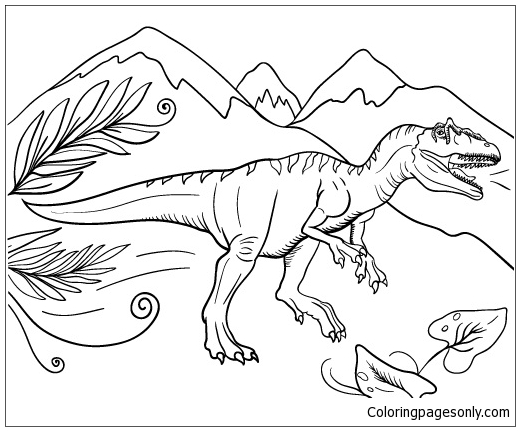
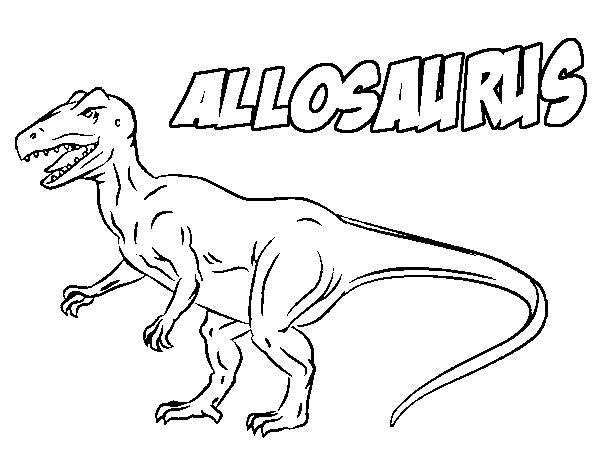
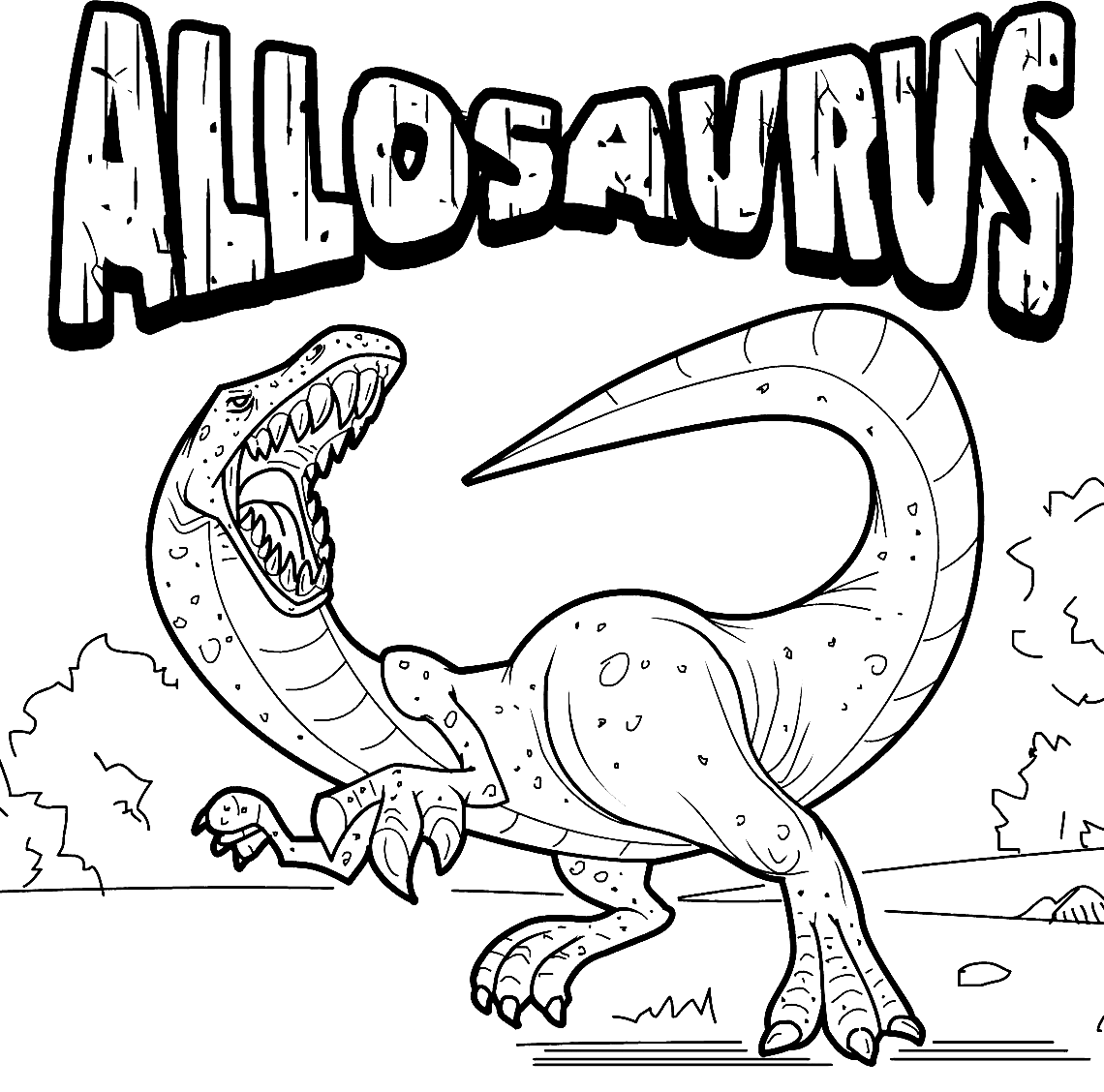
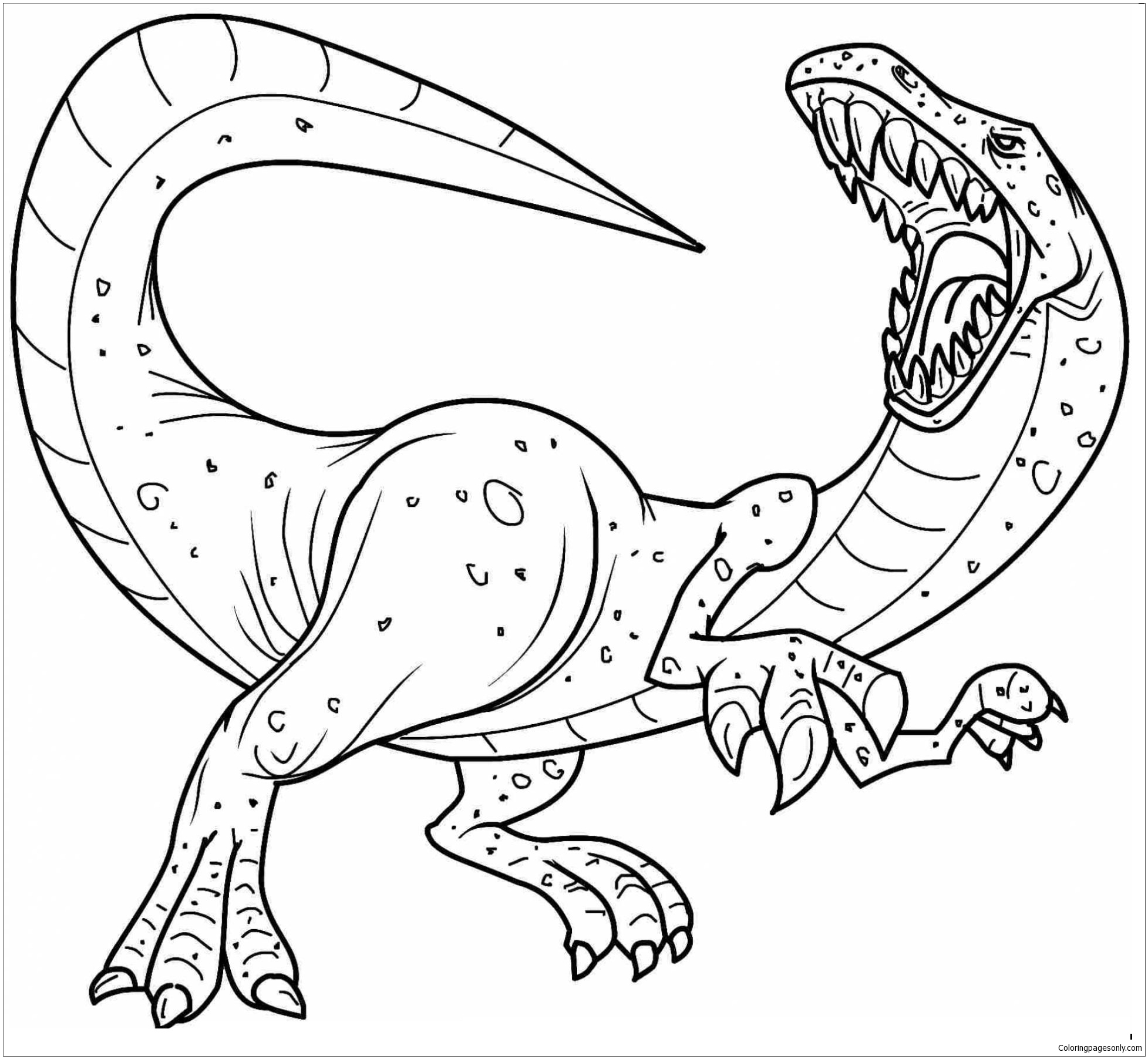
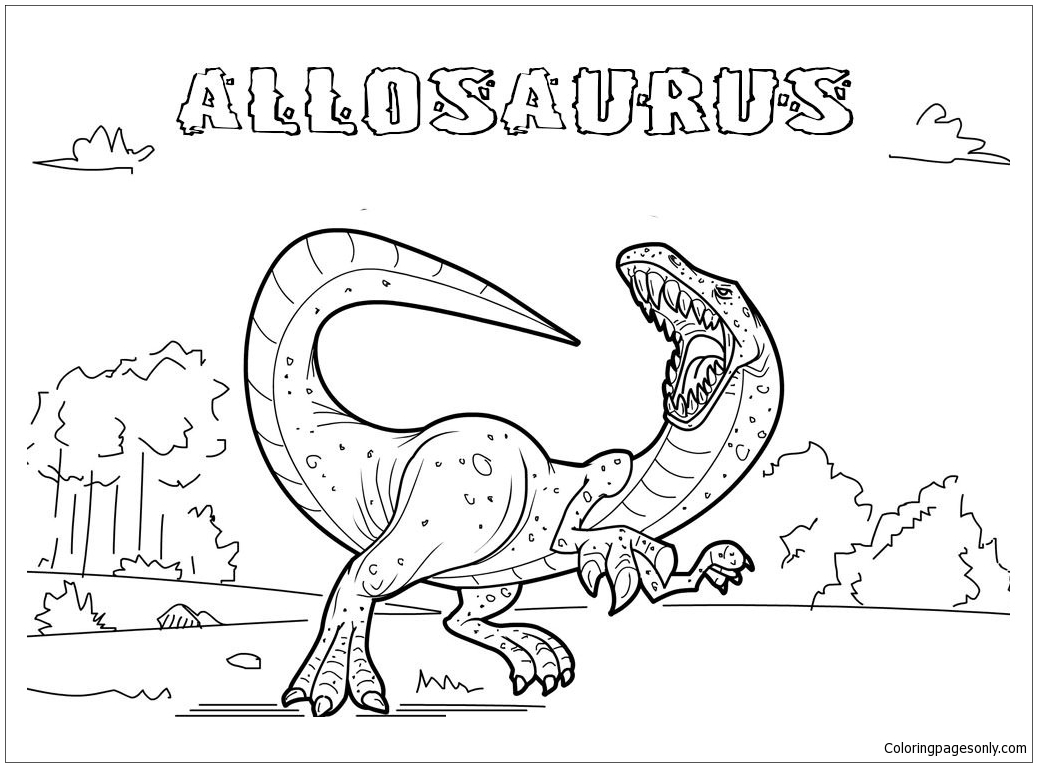
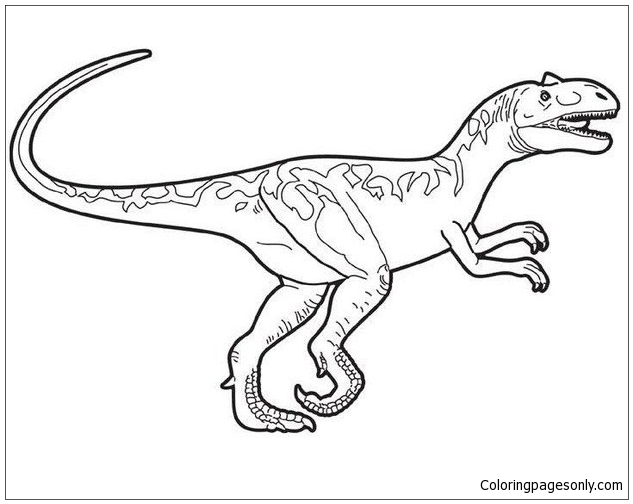
What’s Inside This Collection
The 28 designs group into three categories, from realistic portraits to lighter, playful scenes.
Realistic Allosaurus Portraits
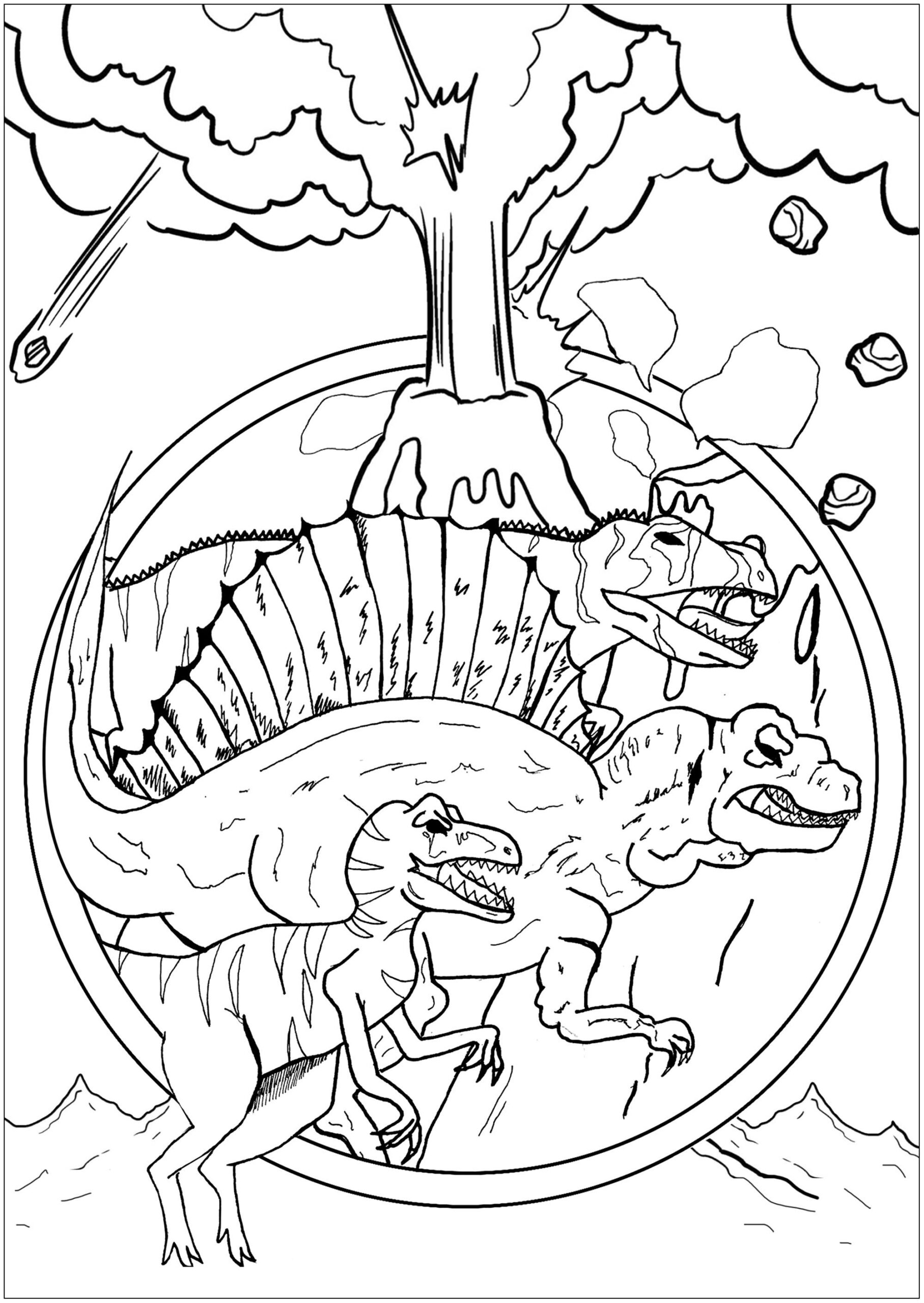
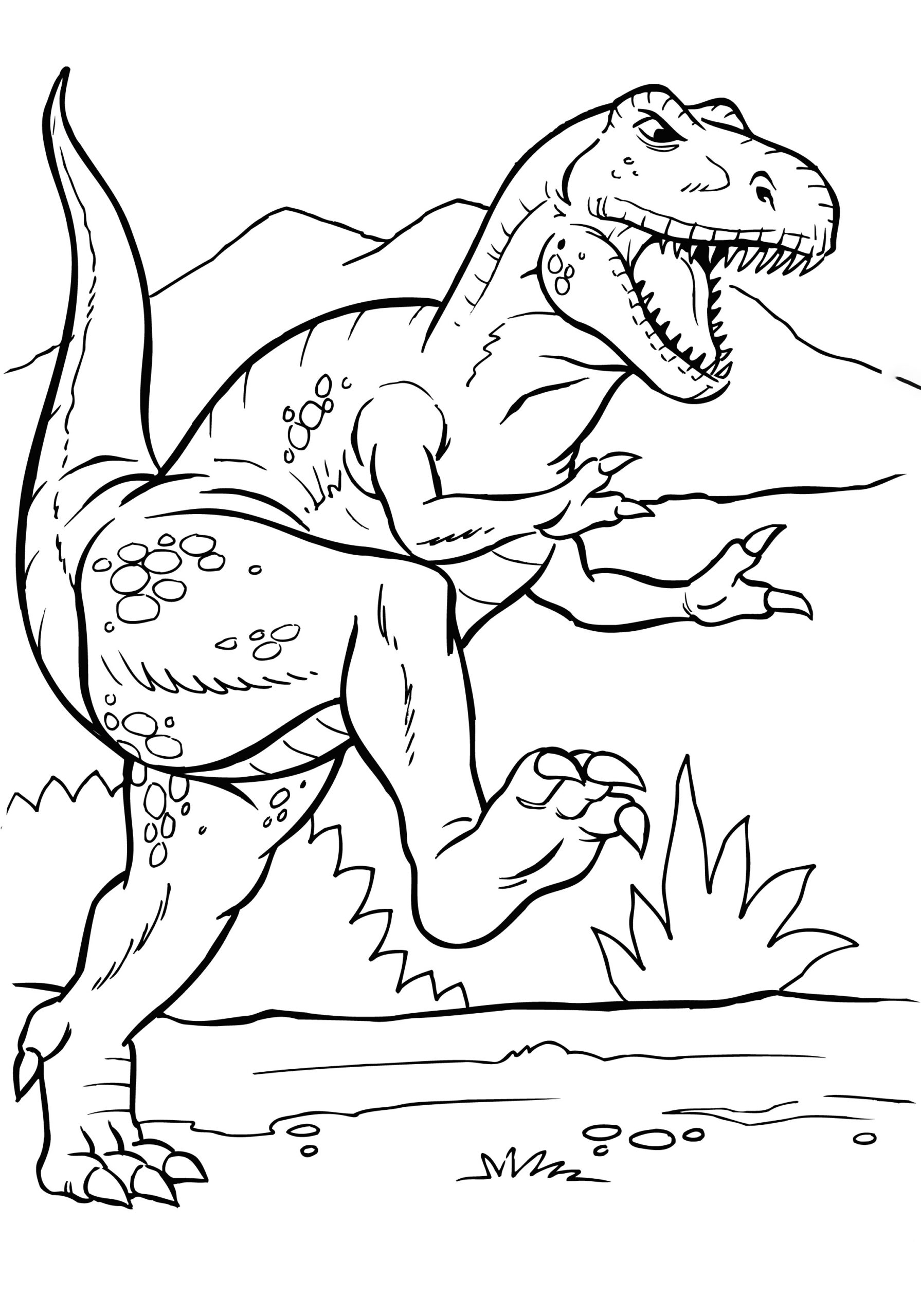
Several pages present Allosaurus in a more traditional style, standing tall with its jaws open, set against prehistoric forest and volcanic backdrops.
Playful Baby Allosaurus Scenes
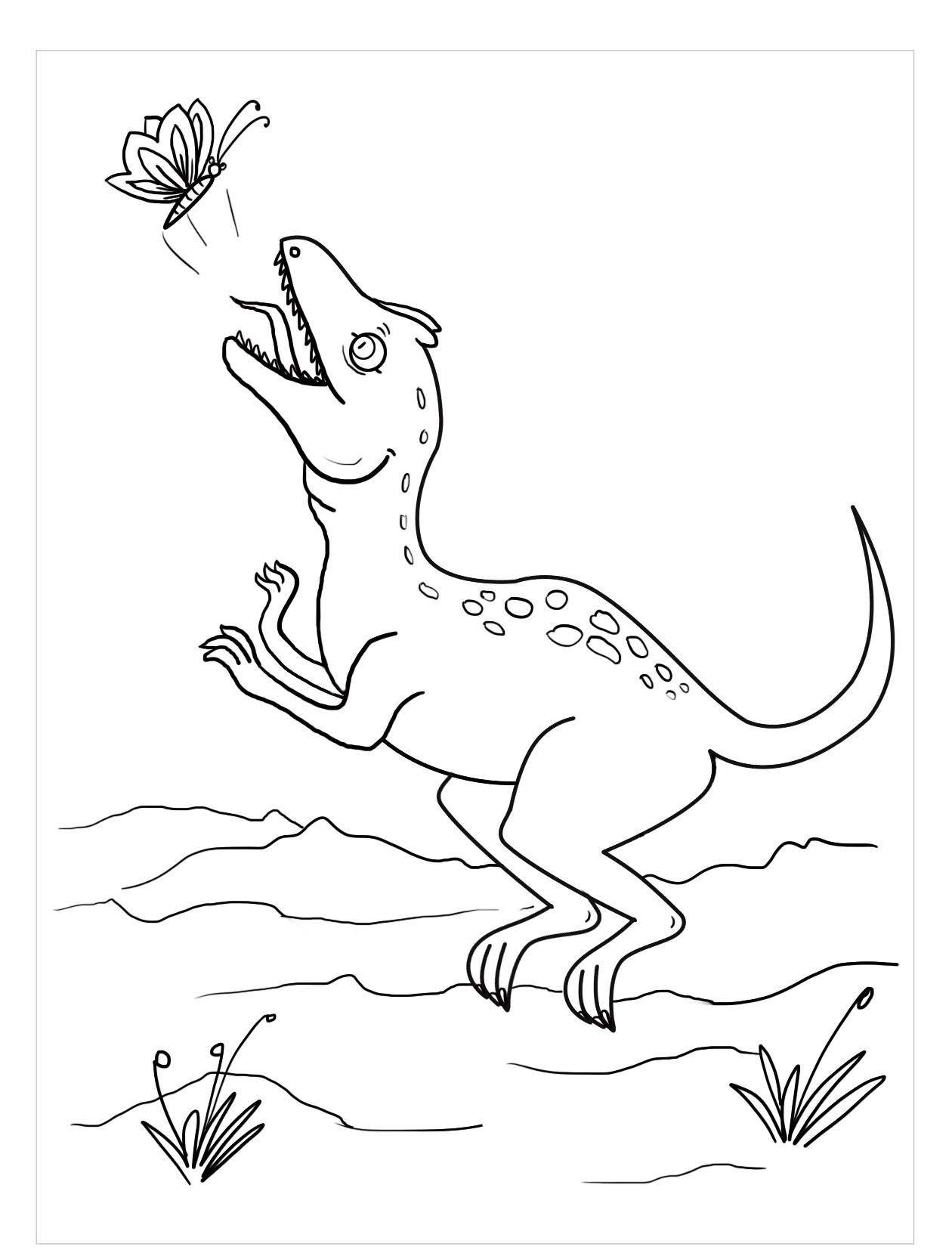
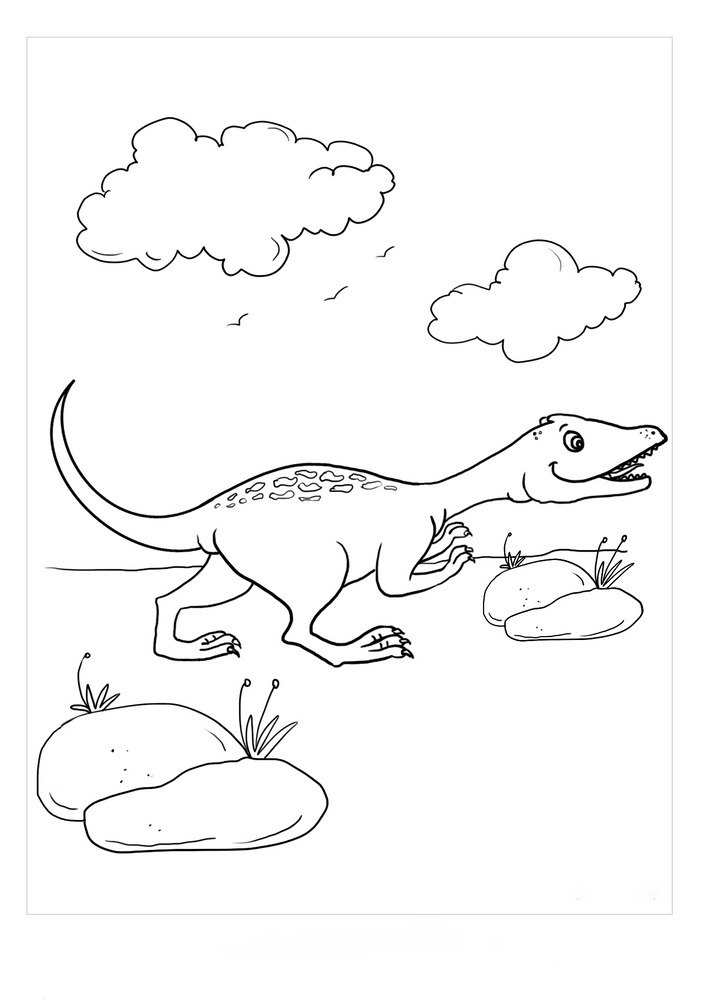
A large group of pages gives Allosaurus a softer, cartoon-style treatment, showing a baby version of the dinosaur playing with friends, catching a butterfly, smiling, or exploring the forest.
Dot-to-Dot and Learning Activities
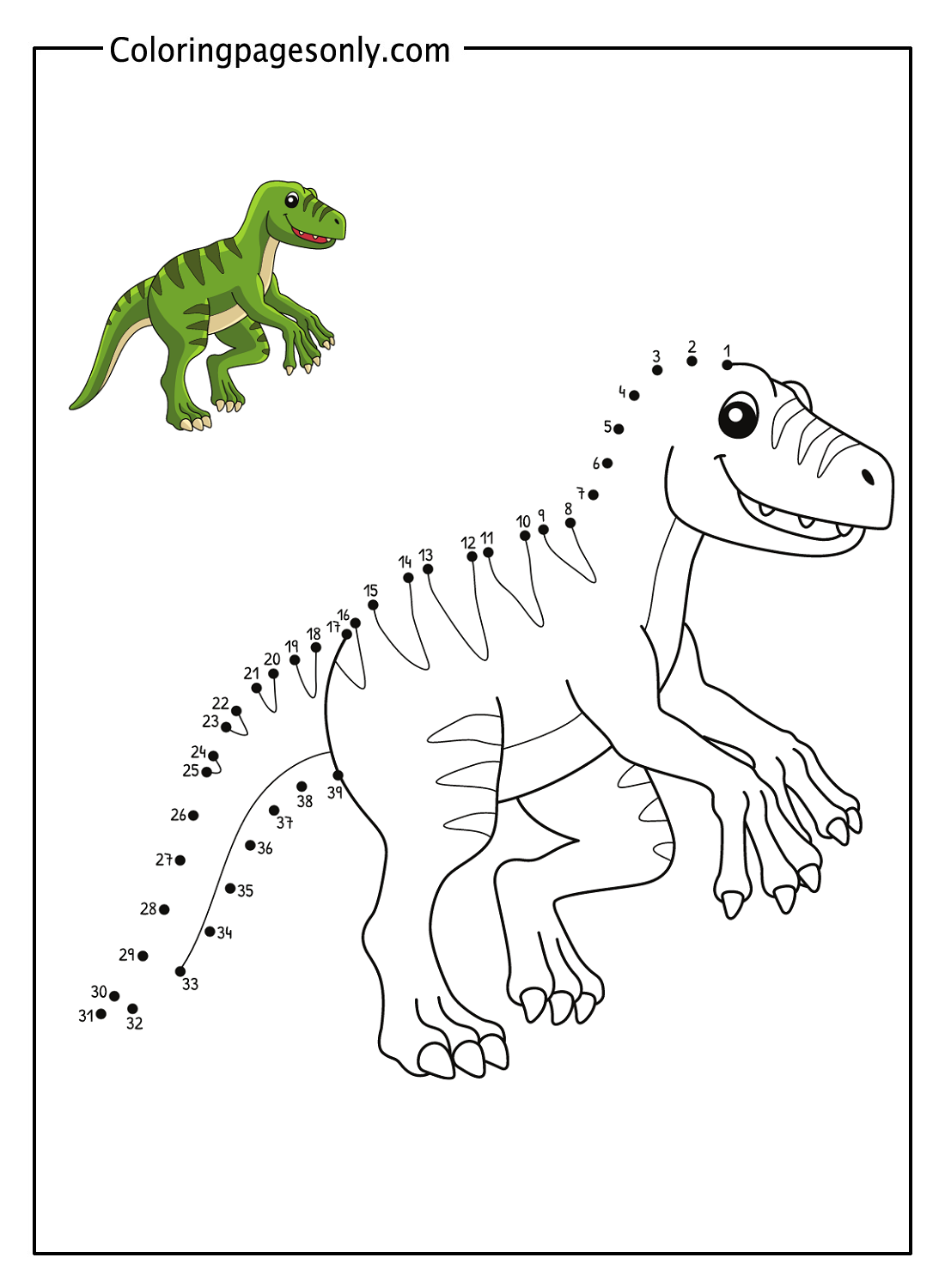
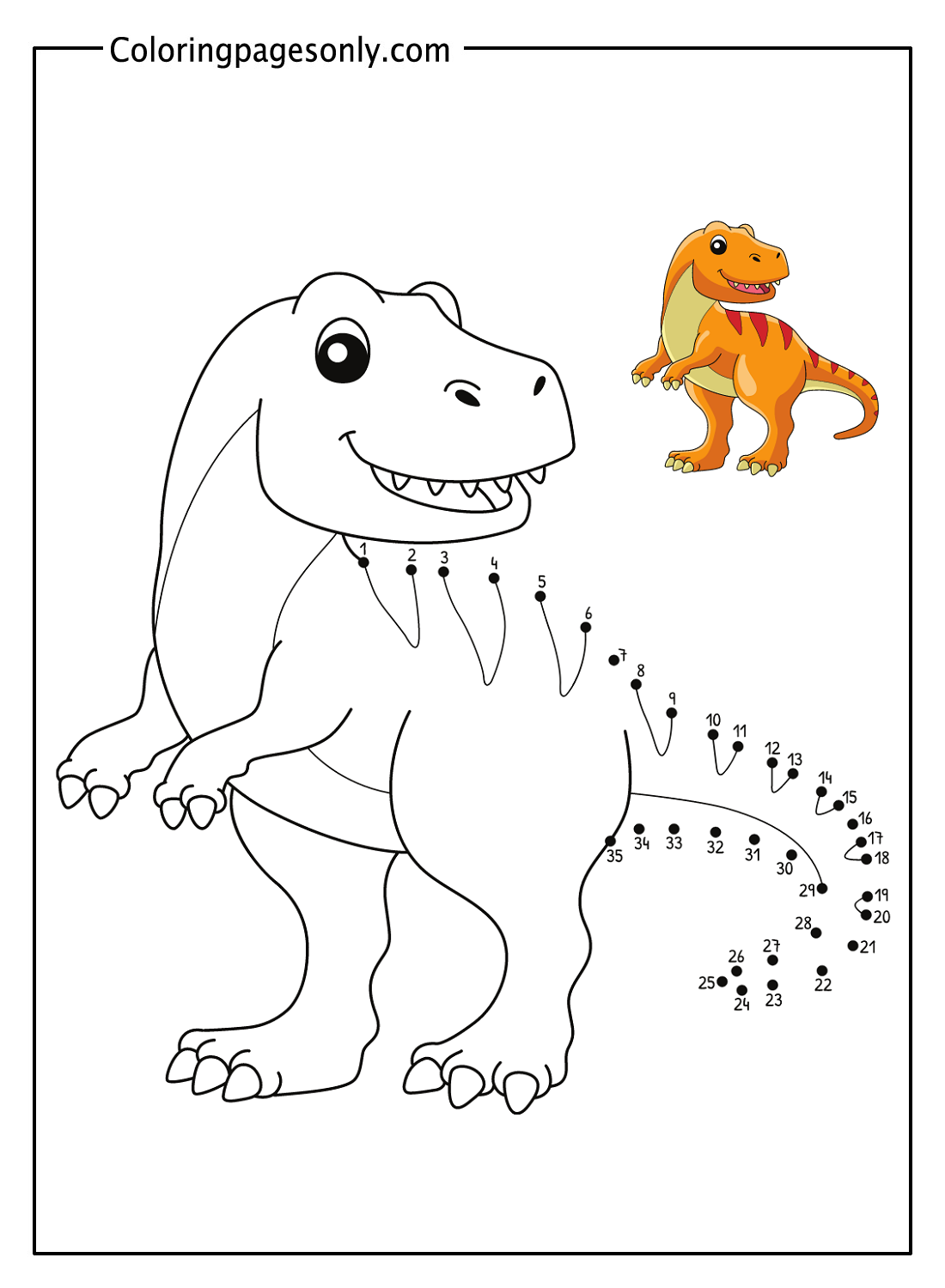
Two pages use a dot-to-dot format, letting colorists connect the numbers to reveal a dinosaur outline before coloring it in.
What Allosaurus Coloring Pages Do
Fine motor development through detailed line work. The American Academy of Pediatrics identifies fine motor skill development as a core benefit of structured coloring for children ages 2 through 7, and staying inside the lines of an Allosaurus’s teeth, claws, and skin texture calls for exactly that kind of controlled, contained pencil movement.
An introduction to the Late Jurassic world. Coloring Allosaurus alongside forest and volcanic backgrounds gives colorists a visual way to explore what the Morrison Formation ecosystem may have looked like roughly 150 million years ago.
Anxiety reduction through focus. A 2005 study in the Art Therapy Journal documented measurable reductions in anxiety following structured coloring sessions, and working through a set of similarly themed dinosaur pages offers that same steady, repetitive rhythm.
Practice with sequencing and counting. The dot-to-dot pages in this collection add a light numeracy exercise before the coloring begins, connecting counting practice to the reveal of a dinosaur shape.
How to Color Allosaurus Pages Well
- Main body: Use Olive Green or an earthy Tan-Brown for the body, keeping the color consistent across the back and tail.
- Belly: Color the underside a lighter Cream or pale Yellow to create contrast with the darker back.
- Teeth and claws: Keep these Off-White or pale Gray, adding a thin dark outline to make the serrated edges stand out.
- Eye ridges: Use a darker shade of the main body color for the small crests above the eyes, a distinctive Allosaurus feature.
- Prehistoric backgrounds: Use deep Forest Green for dense vegetation, with warm Orange or Red accents for any volcanic scenes.
- Baby dinosaur scenes: For the playful, cartoon-style pages, brighter and more varied colors work well, since these designs lean toward a friendlier, storybook look.
5 Creative Craft Ideas With Allosaurus Coloring Pages
1. Prehistoric Landscape Scene. Combine a colored Allosaurus with other dinosaur and plant cutouts to build a larger Jurassic-themed poster or diorama.
2. Dinosaur Bookmark. Color a smaller Allosaurus design, laminate it, and trim it into a bookmark-sized strip.
3. Fossil-Style Wall Art. Frame a detailed colored page to add a paleontology-inspired touch to a bedroom or classroom wall.
4. Dinosaur Fact Cards. Color and cut out a few designs, then write a fact about Allosaurus on the back of each to use as a simple study tool.
5. Shoebox Diorama. Decorate the inside of a shoebox to look like a Jurassic floodplain, then add colored Allosaurus cutouts for a 3D scene.
Frequently Asked Questions
What are Allosaurus coloring pages?
Allosaurus coloring pages are printable line-art designs of the Late Jurassic predator, ranging from realistic portraits to playful baby dinosaur scenes and dot-to-dot activities. This collection includes 28 free designs available as PDFs or online coloring.
When did Allosaurus live?
Allosaurus lived during the Late Jurassic period, roughly 155 to 145 million years ago, making it one of the best-known large predators of that time.
How big was Allosaurus?
Allosaurus typically grew to about 8.5 to 9 meters long, roughly 28 to 30 feet, with some individuals reaching larger sizes based on fossil evidence.
What did Allosaurus eat?
Allosaurus was a carnivore that hunted large plant-eating dinosaurs, including sauropods and other herbivores that shared its floodplain habitat.
Where have Allosaurus fossils been found?
Most Allosaurus fossils come from the Morrison Formation in western North America, particularly Colorado, Utah, and Wyoming, with additional finds reported in Portugal.
What does the name Allosaurus mean?
Allosaurus means “different lizard” in Greek, a name chosen because its vertebrae looked distinct from those of other dinosaurs known when it was first described in 1877.
Are Allosaurus coloring pages suitable for young children?
Yes. The playful baby dinosaur scenes and dot-to-dot pages in this collection suit preschool and early elementary colorists, while the more detailed portraits work well for older children and adults.
What made Allosaurus a successful predator?
Allosaurus had long, muscular legs built for speed, sharp serrated teeth suited for slashing rather than crushing, and three-fingered clawed forelimbs used for gripping prey during a hunt.
Start Coloring
Download any page by clicking the design. No account, email, or payment is required. Pages print directly from the browser at full resolution or open in the online coloring tool for screen use. Share finished pages on Facebook or Pinterest with the share buttons at the top of each design page.