Cane Toad Coloring Pages
 By:
Jennifer Thoa - Content Editor & Designer
Updated:
By:
Jennifer Thoa - Content Editor & Designer
Updated:
Free Cane Toad Coloring Pages: 26 printable PDF designs ranging from realistic field-guide-style portraits to playful fantasy scenes, animal pairings, and a couple of dot-to-dot and pattern activities. Printing starts with the PDF version of any page, and the online coloring tool has the same design ready for anyone to color without paper.
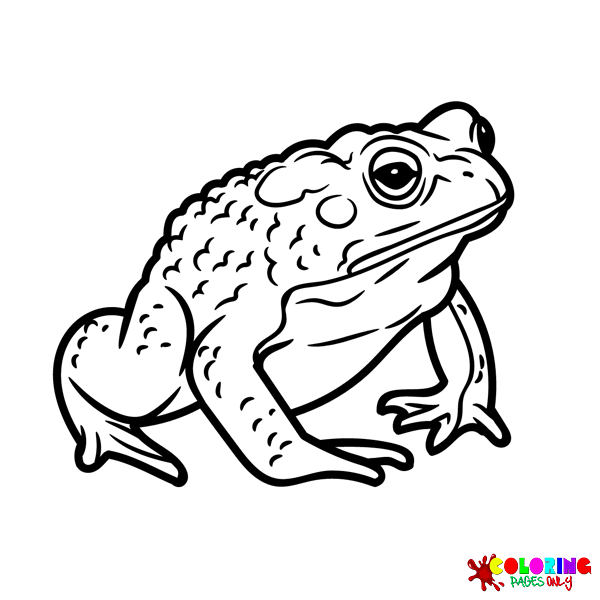
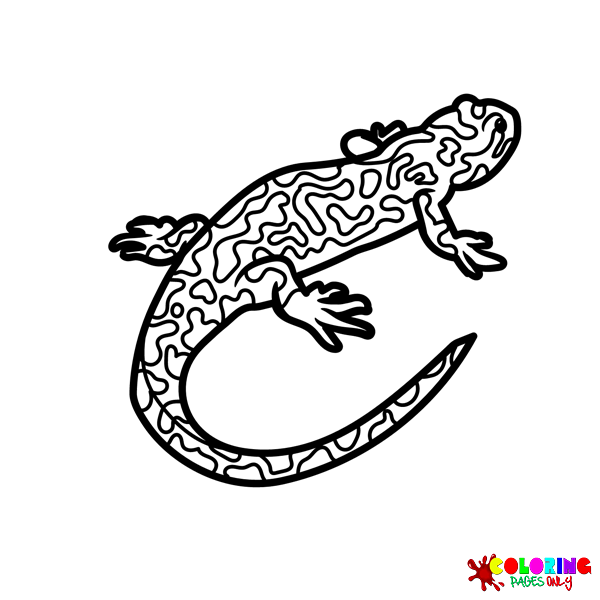
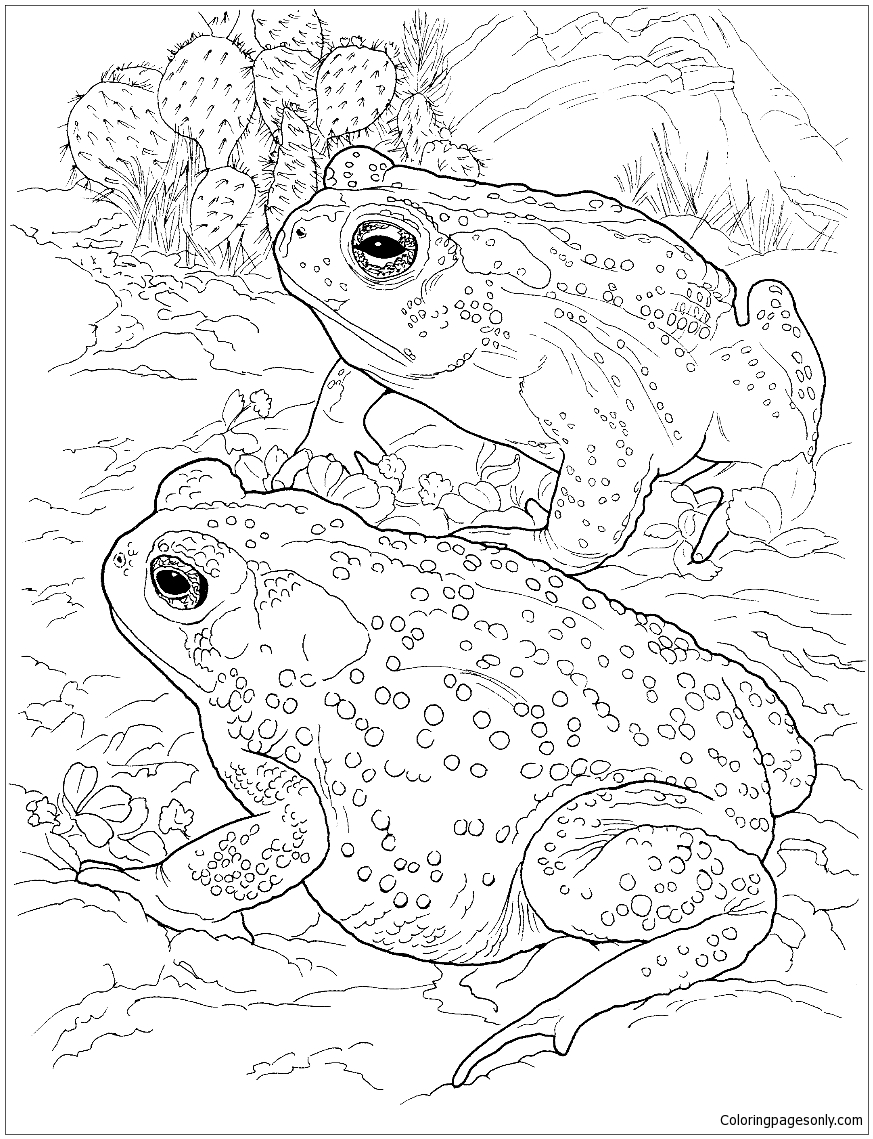
Realistic cane toad portraits form the backbone of the set, with the remaining pages splitting off into playful fantasy scenes, pairings with other creatures, and a couple of activity-style pages. The cane toad itself, scientifically Rhinella marina, is native to Central and South America but became one of the world’s most widely introduced amphibians after it was released in Australia in 1935 to control a beetle damaging sugarcane crops. In real life, its skin secretes a toxin called bufotoxin, strong enough to sicken or kill pets and predators unfamiliar with it, which is why the standard safety advice for anyone who spots one in the wild is to look without touching. One page in this set features a related but different species, the Sonoran Desert Toad, included alongside the cane toad pages as a close amphibian relative.
Twenty-six pages spanning realistic portraits, fantasy scenes, and activity pages give this set enough range to work as either a quick coloring session or a fuller amphibian-themed activity book.
What Is Inside This Collection
Realistic Cane Toad Portraits
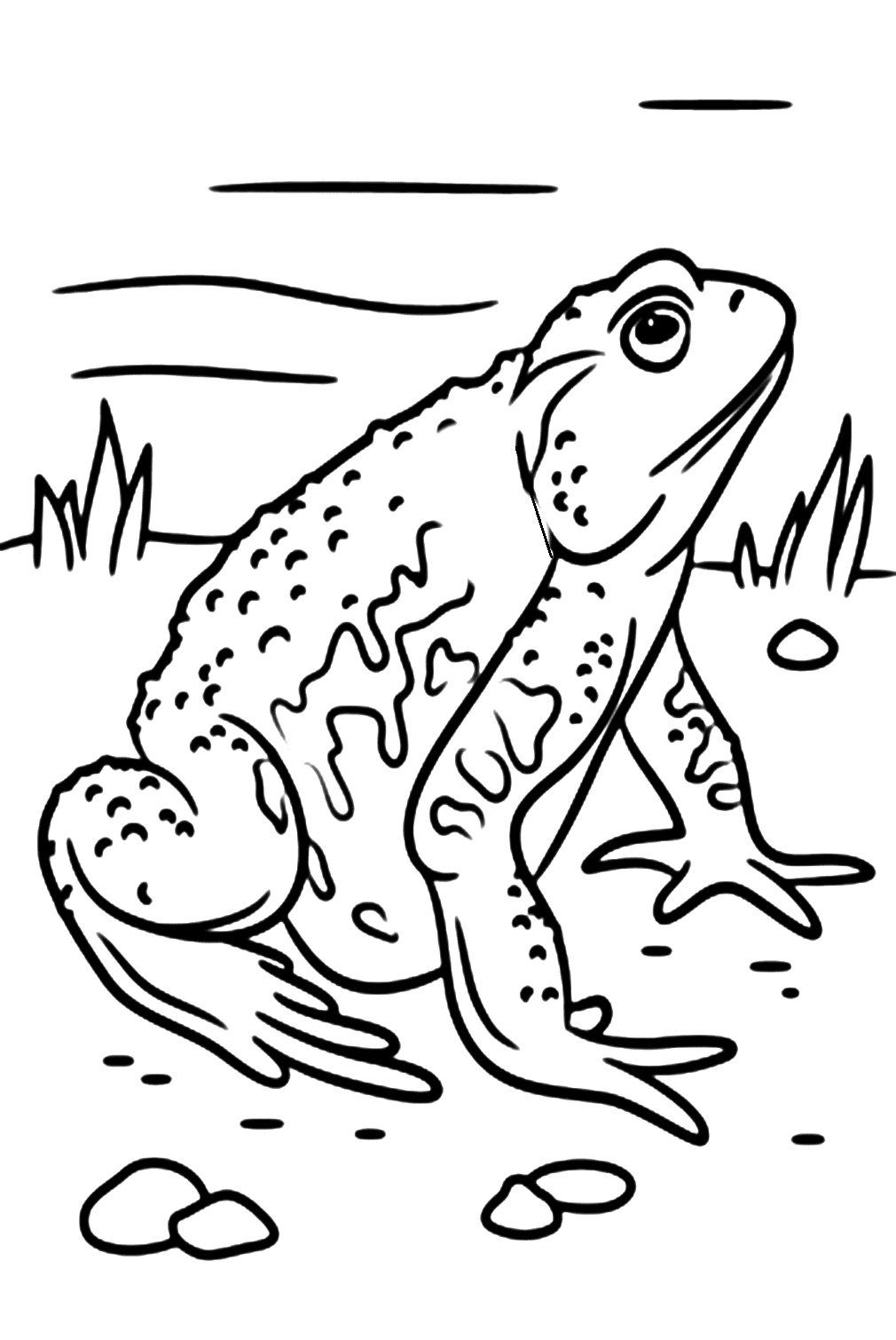
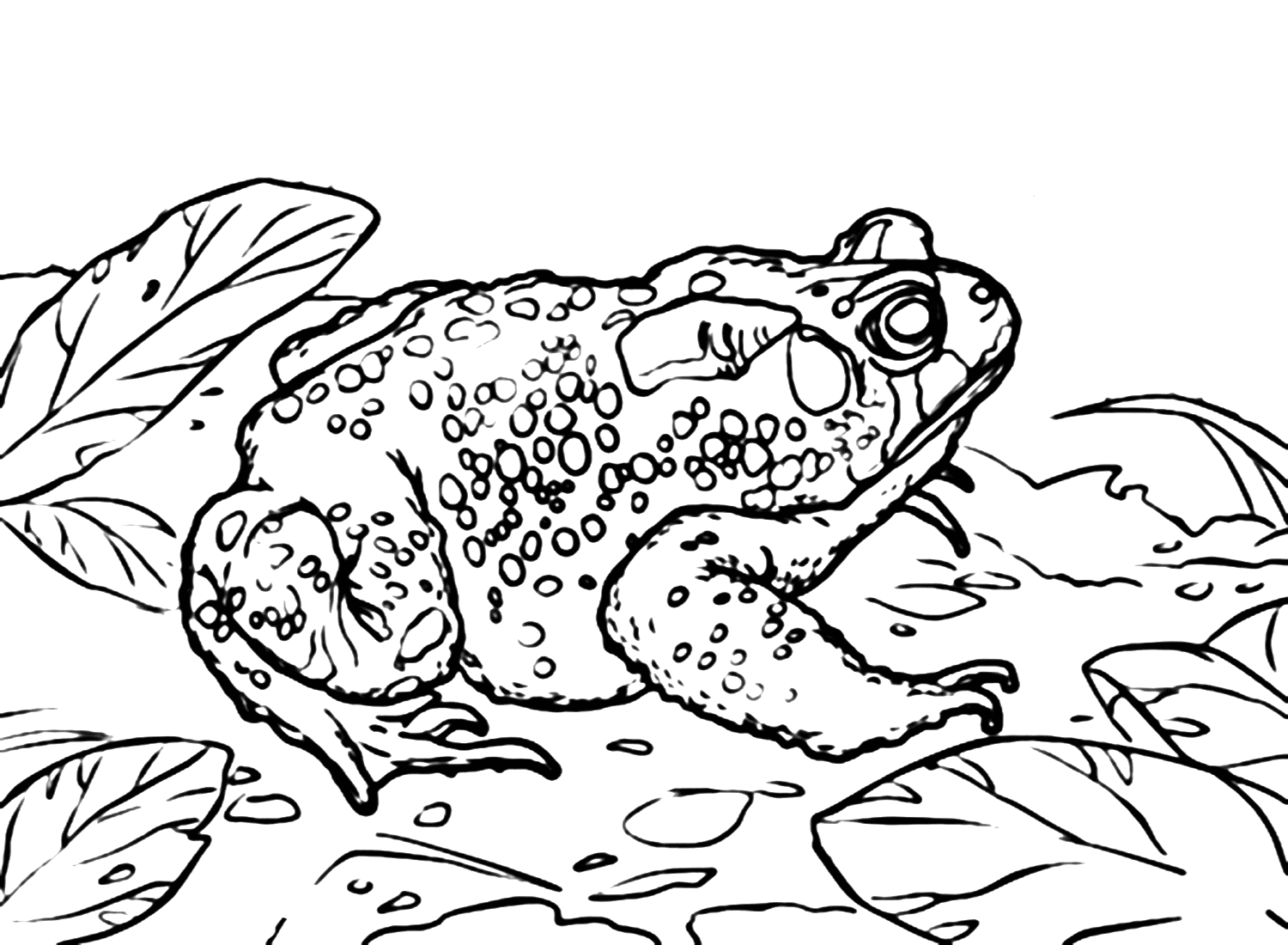
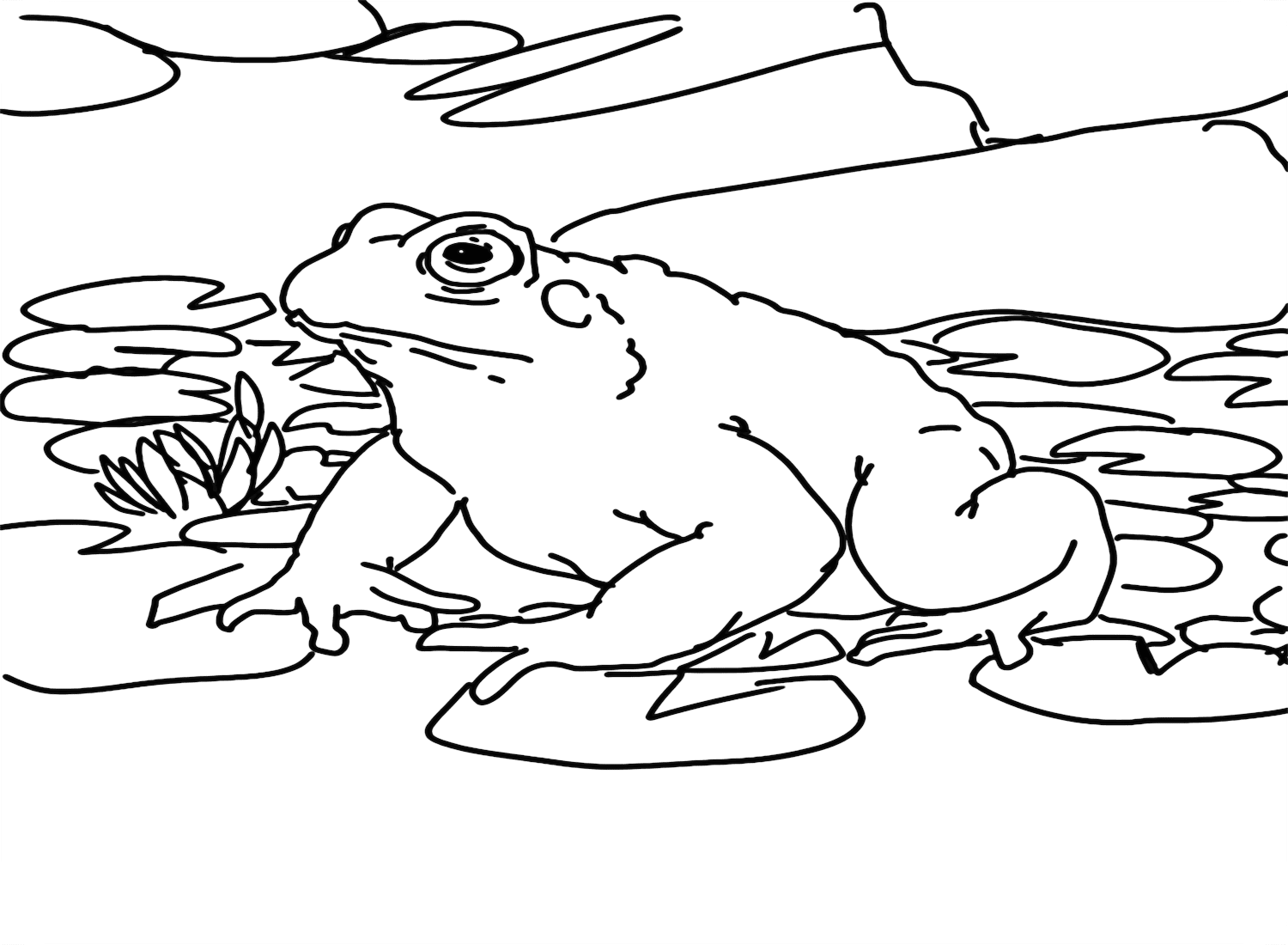
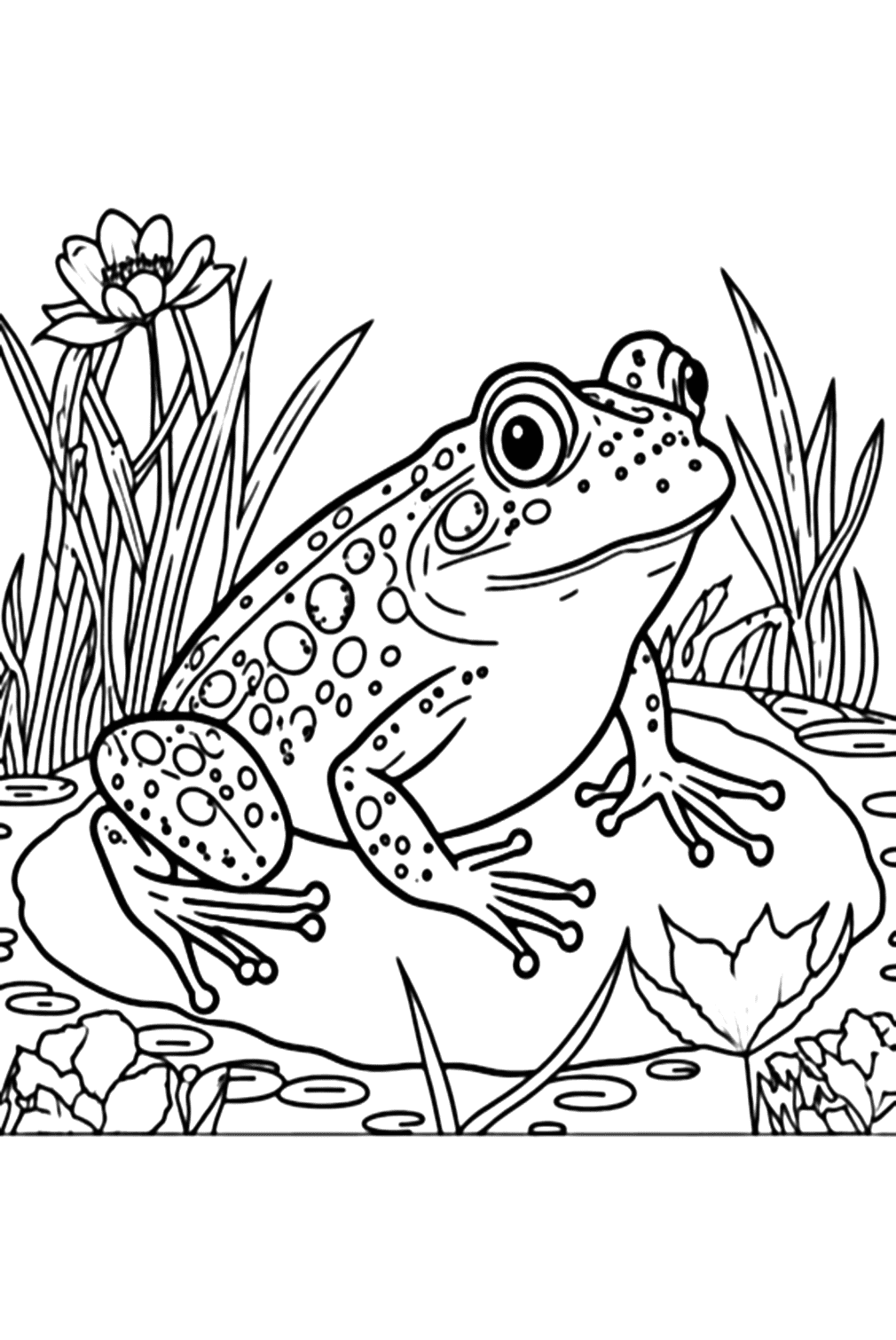
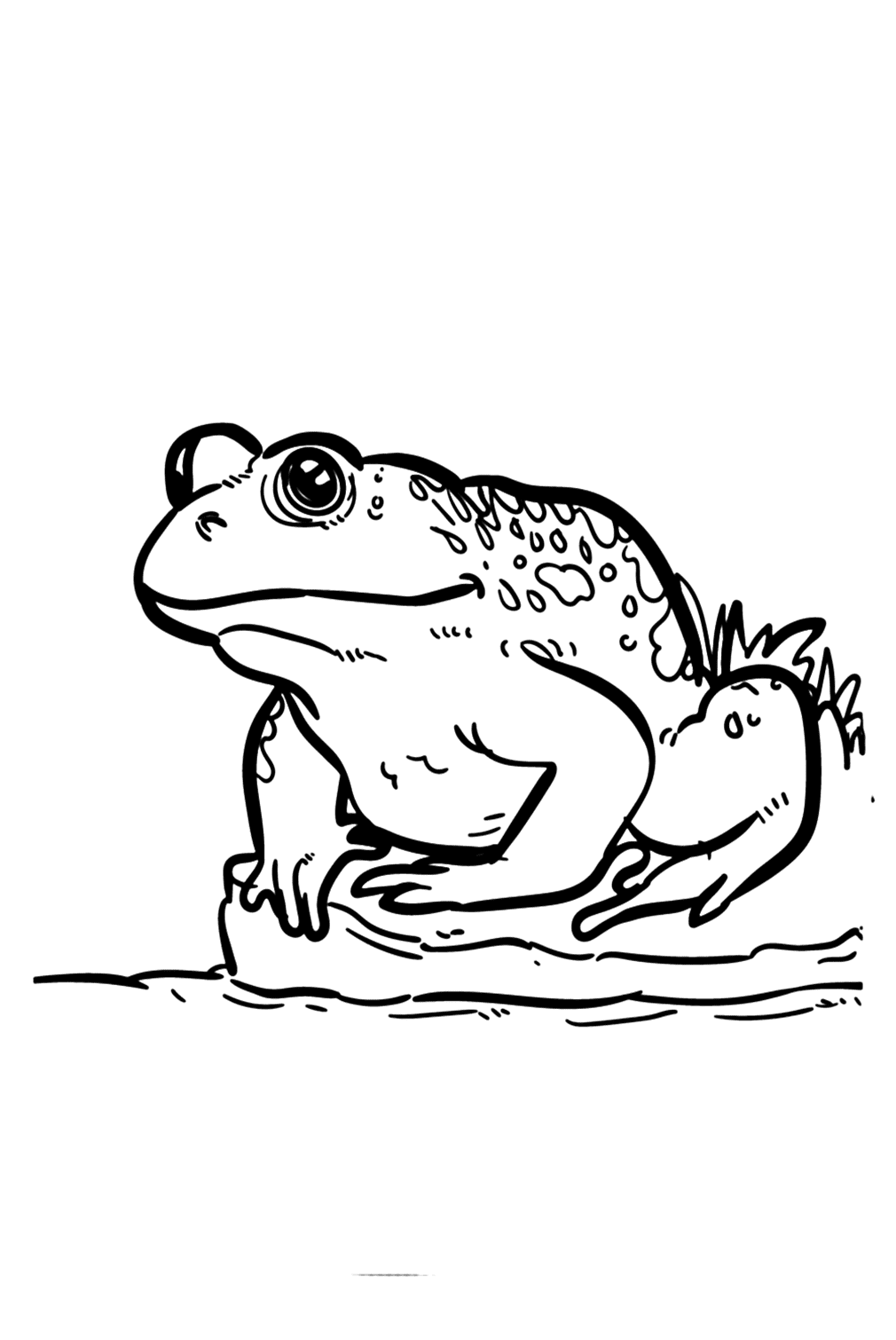
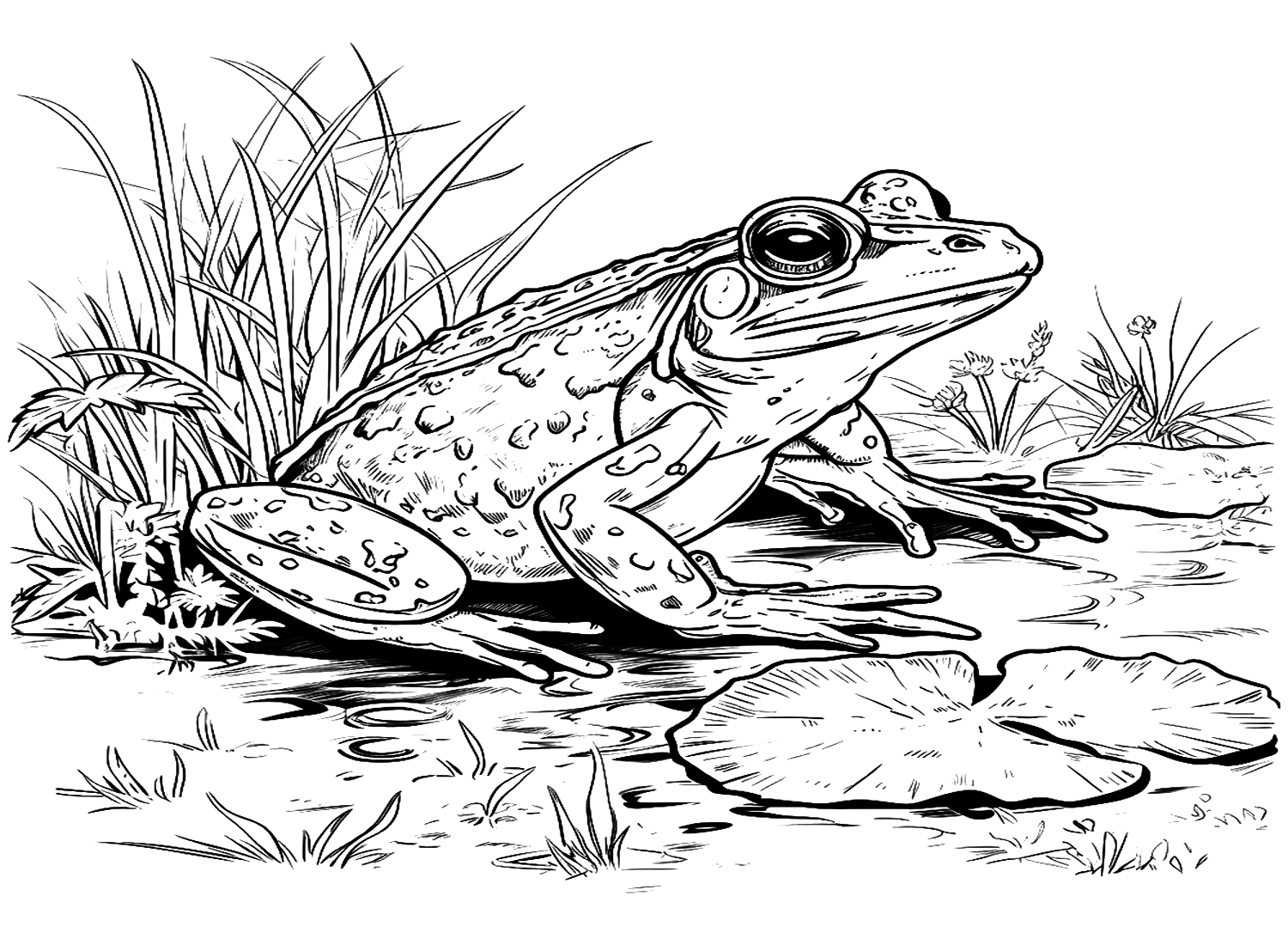
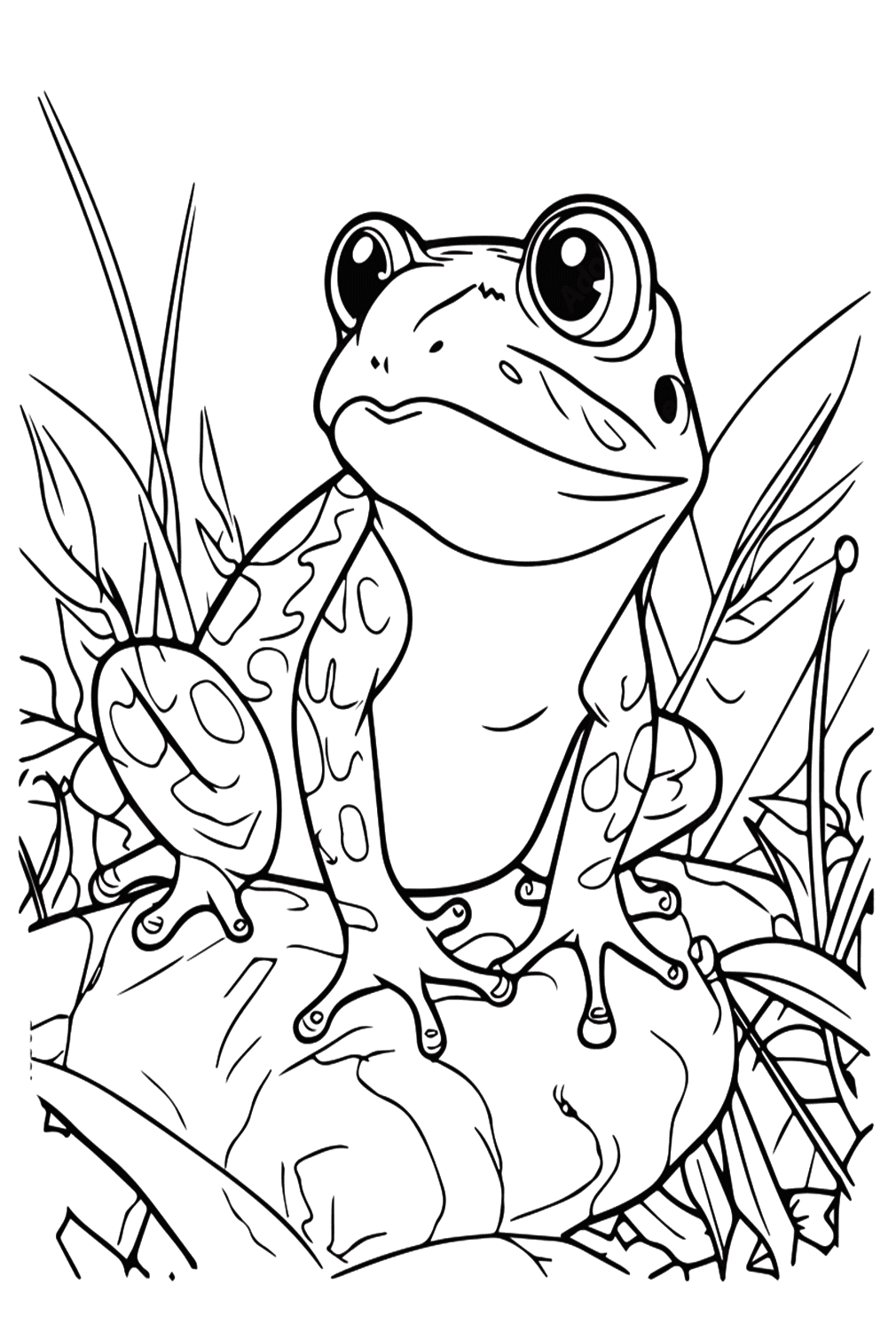
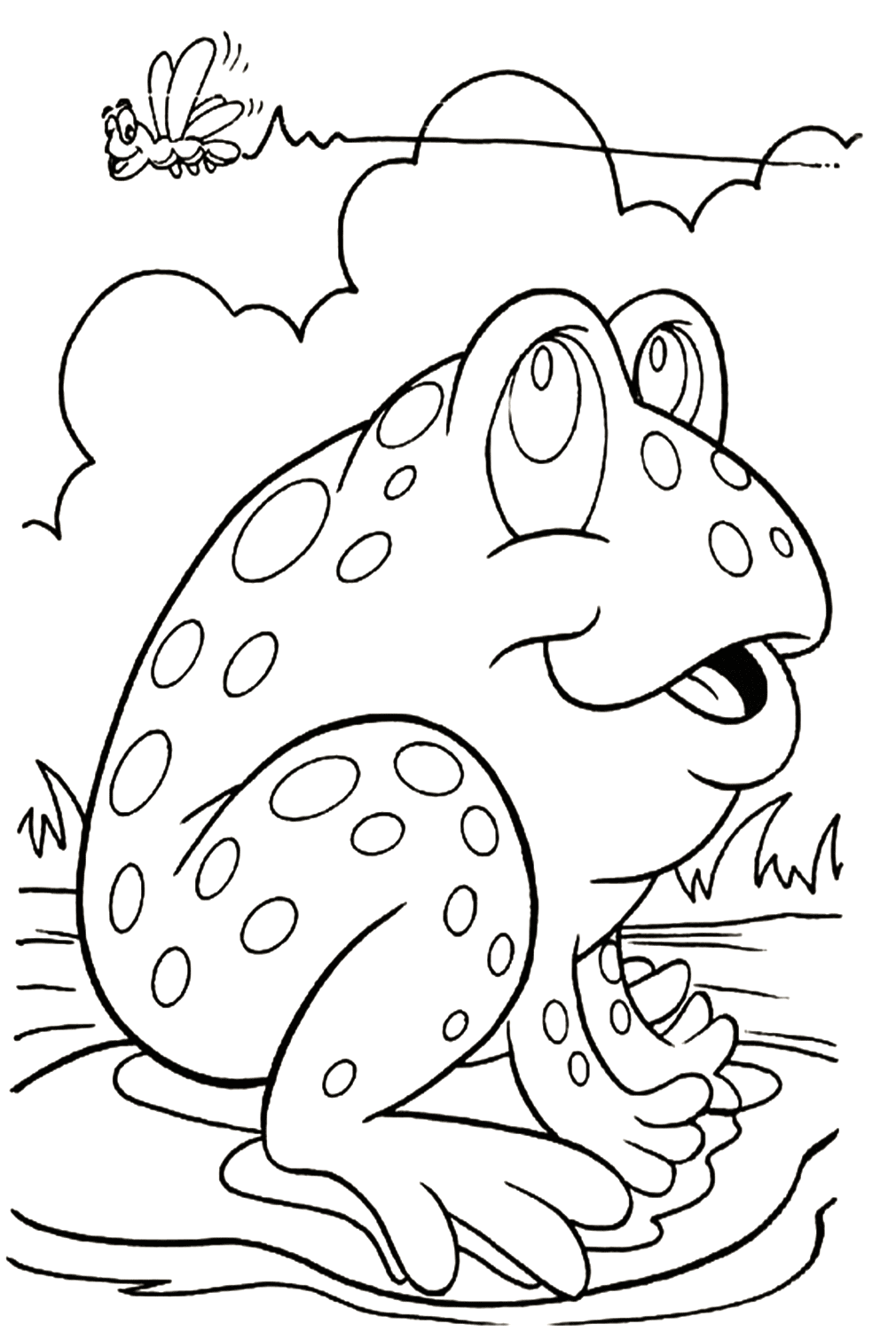
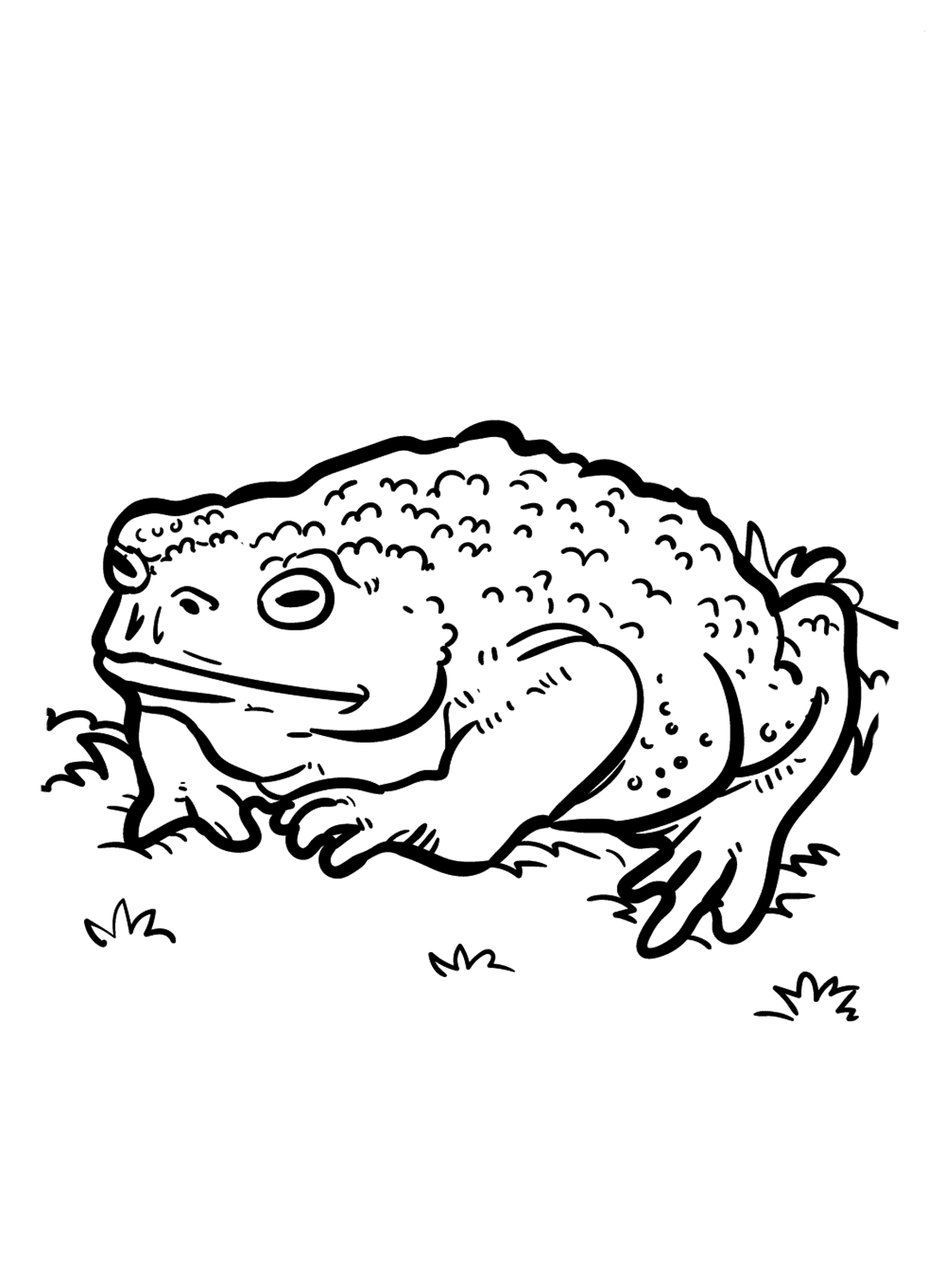
The largest group presents the cane toad in a straightforward, field-guide style, showing its warty skin, broad head, and natural coloring across a range of simple to detailed poses.
Playful and Fantasy Cane Toads
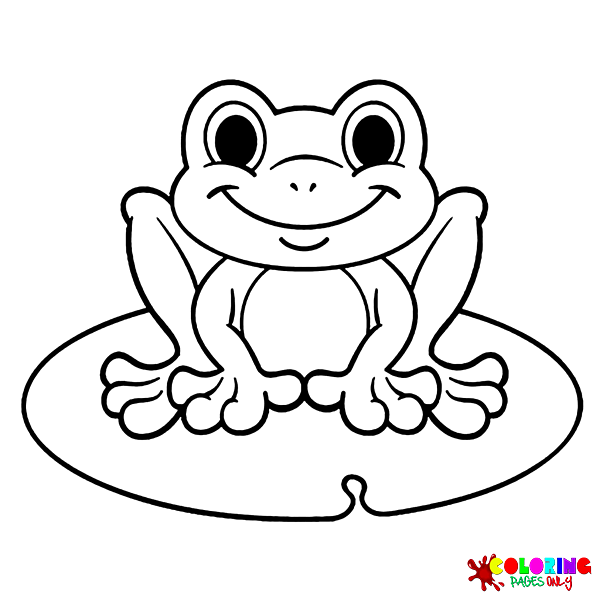
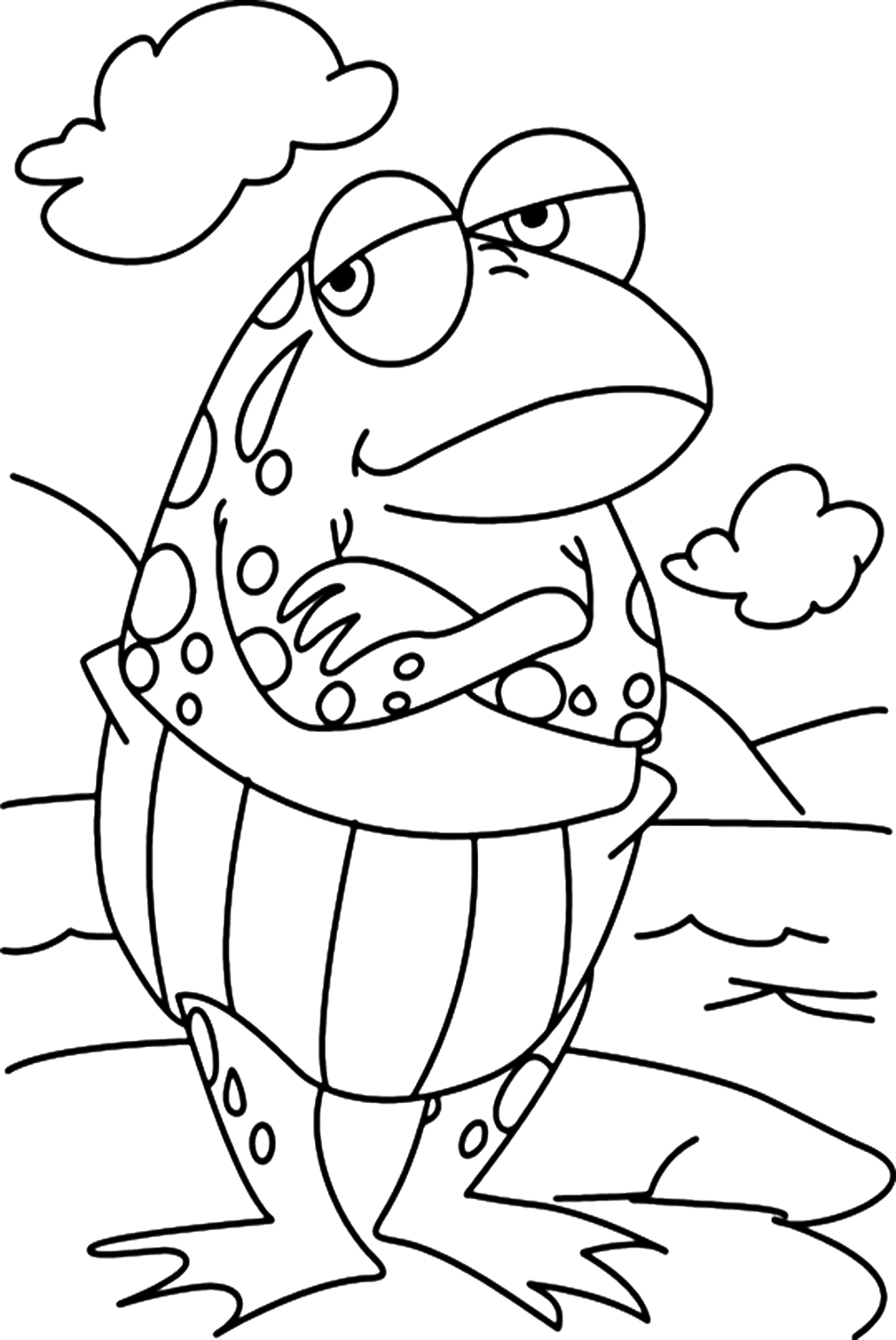
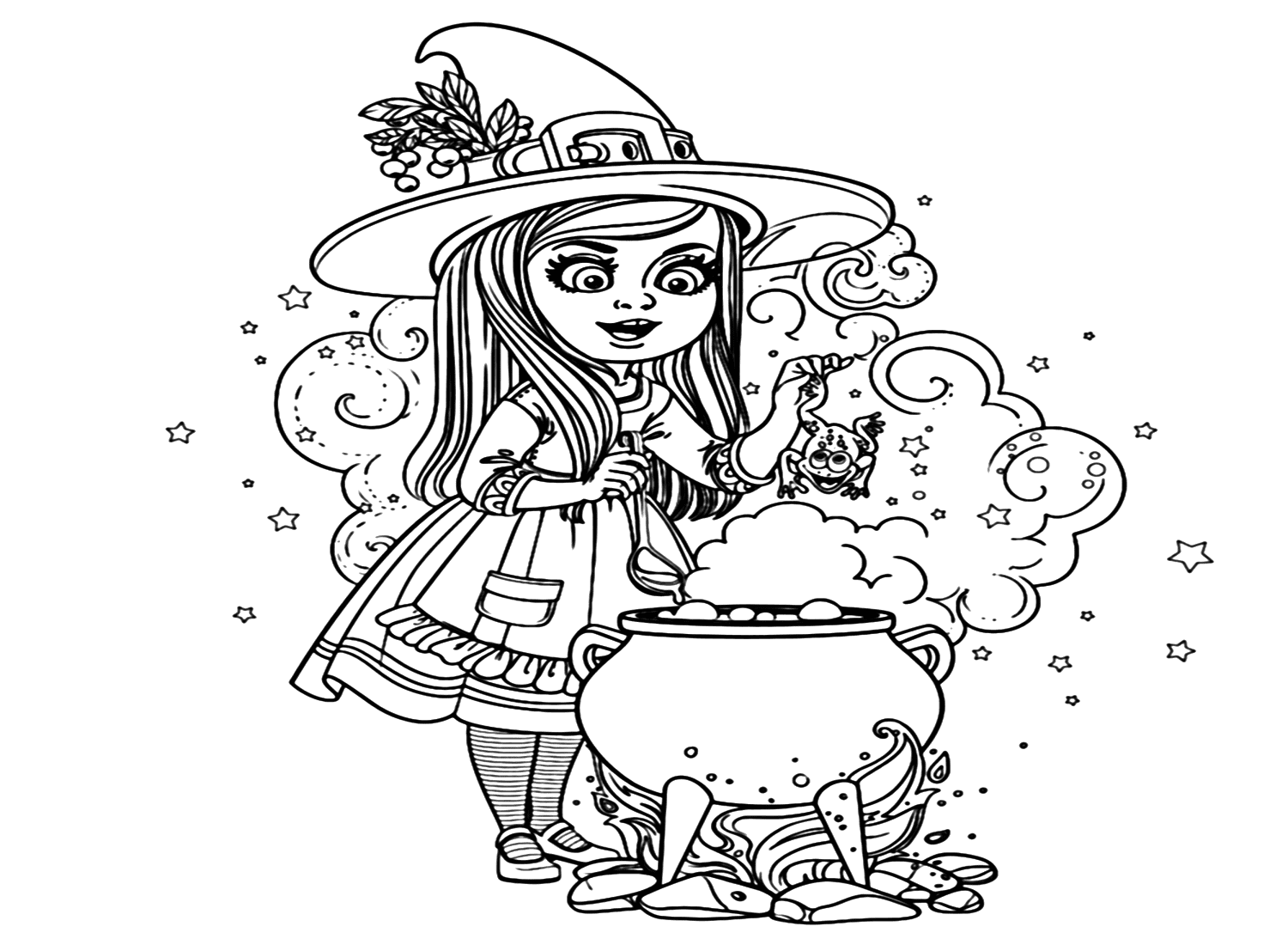
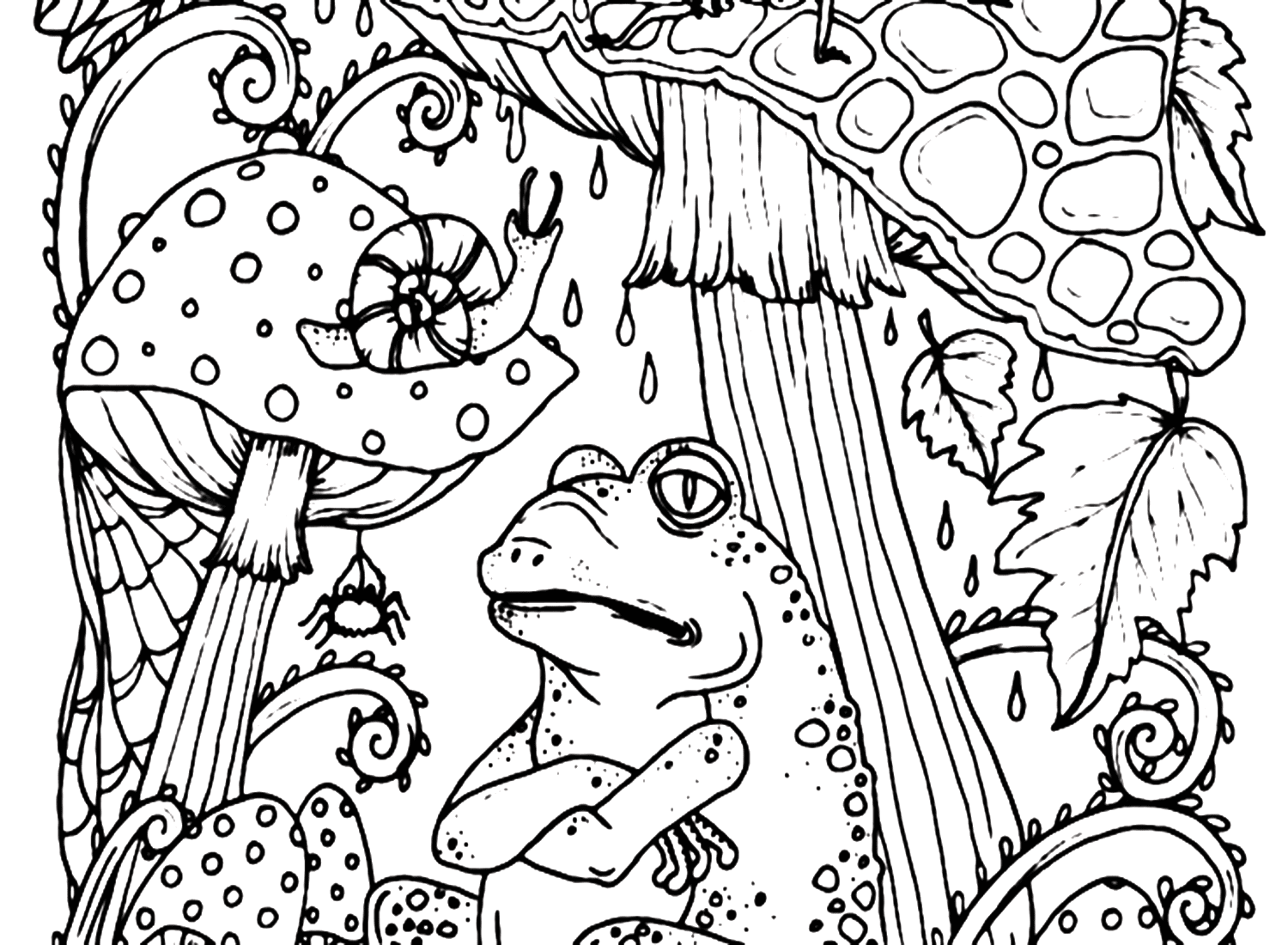
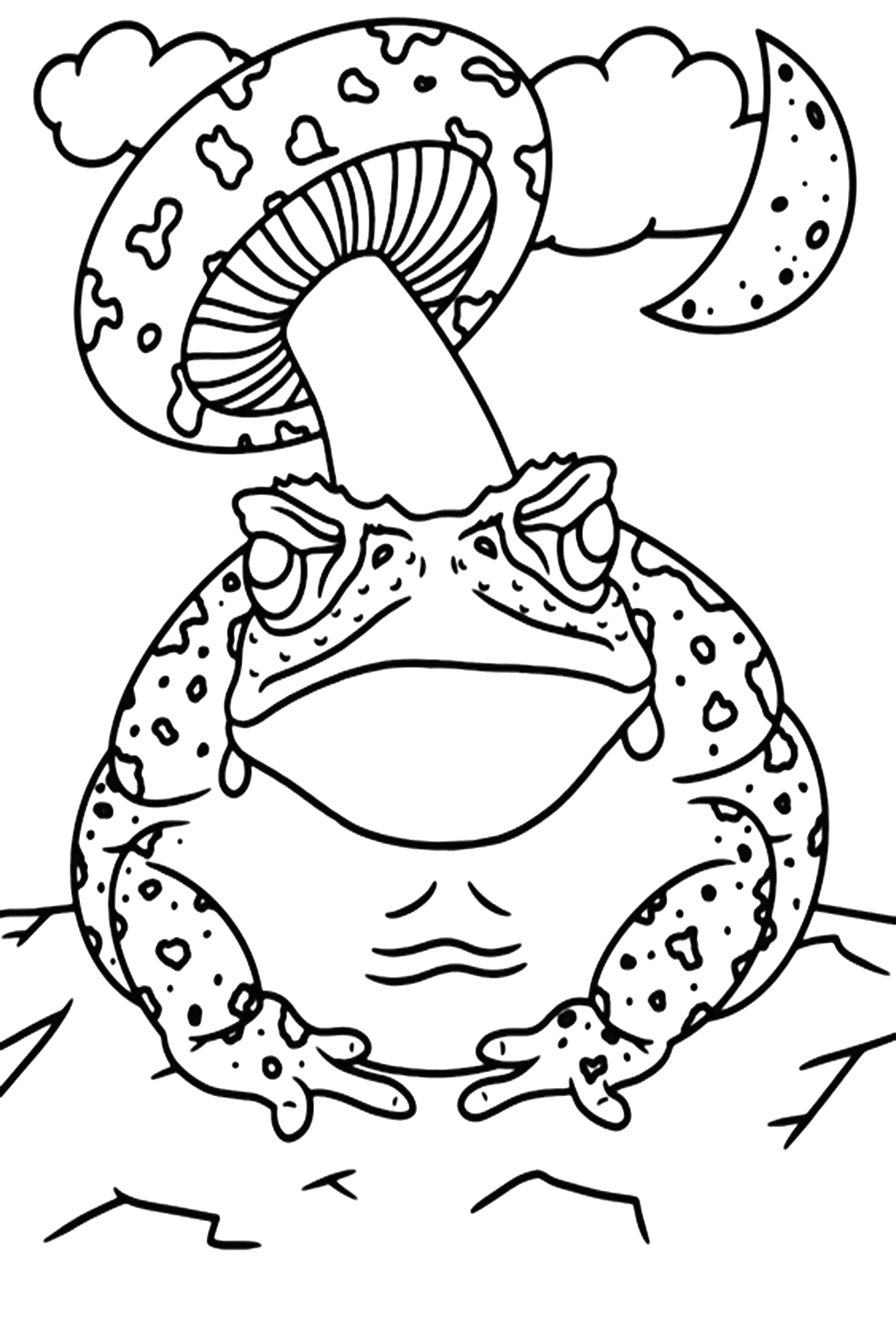
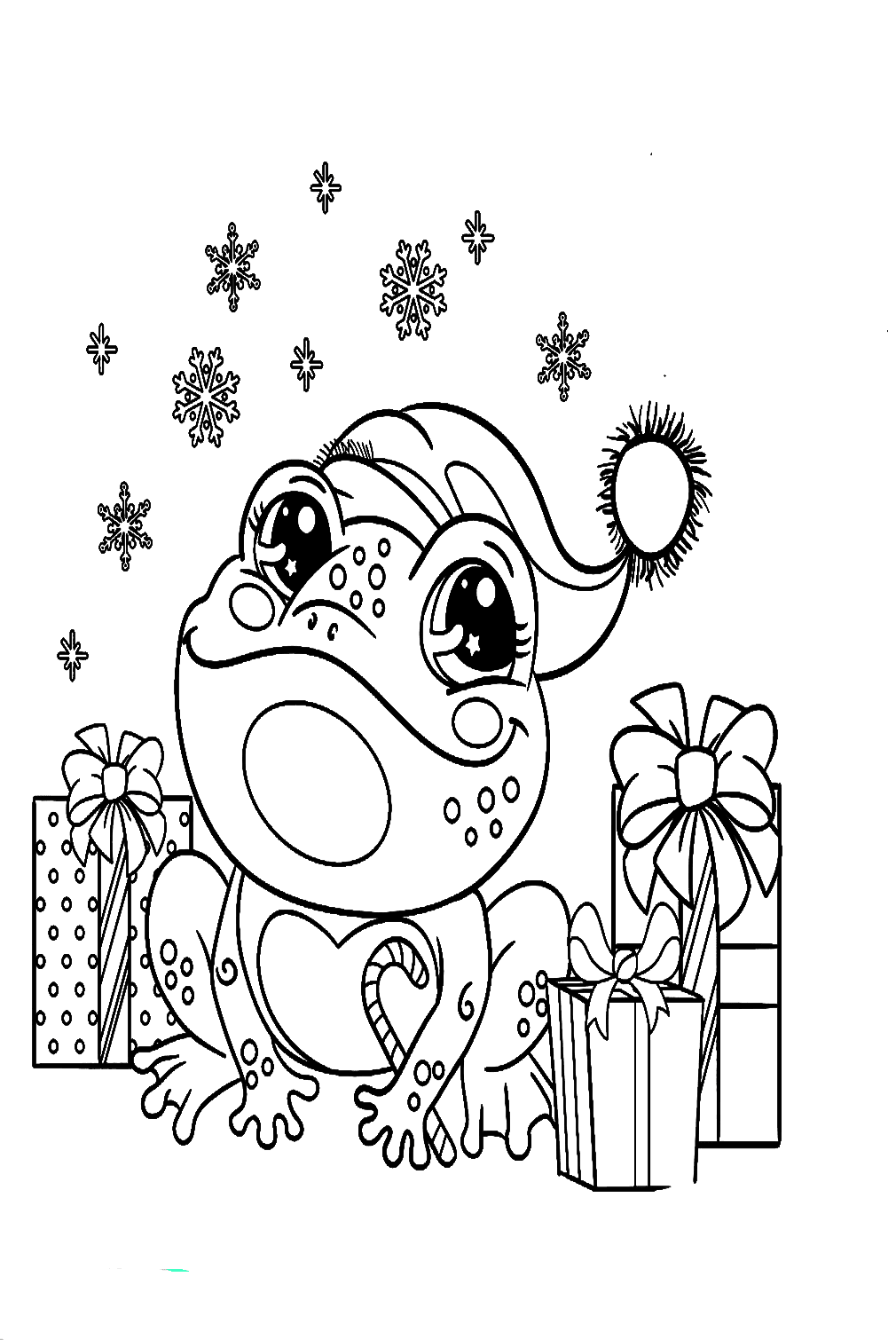
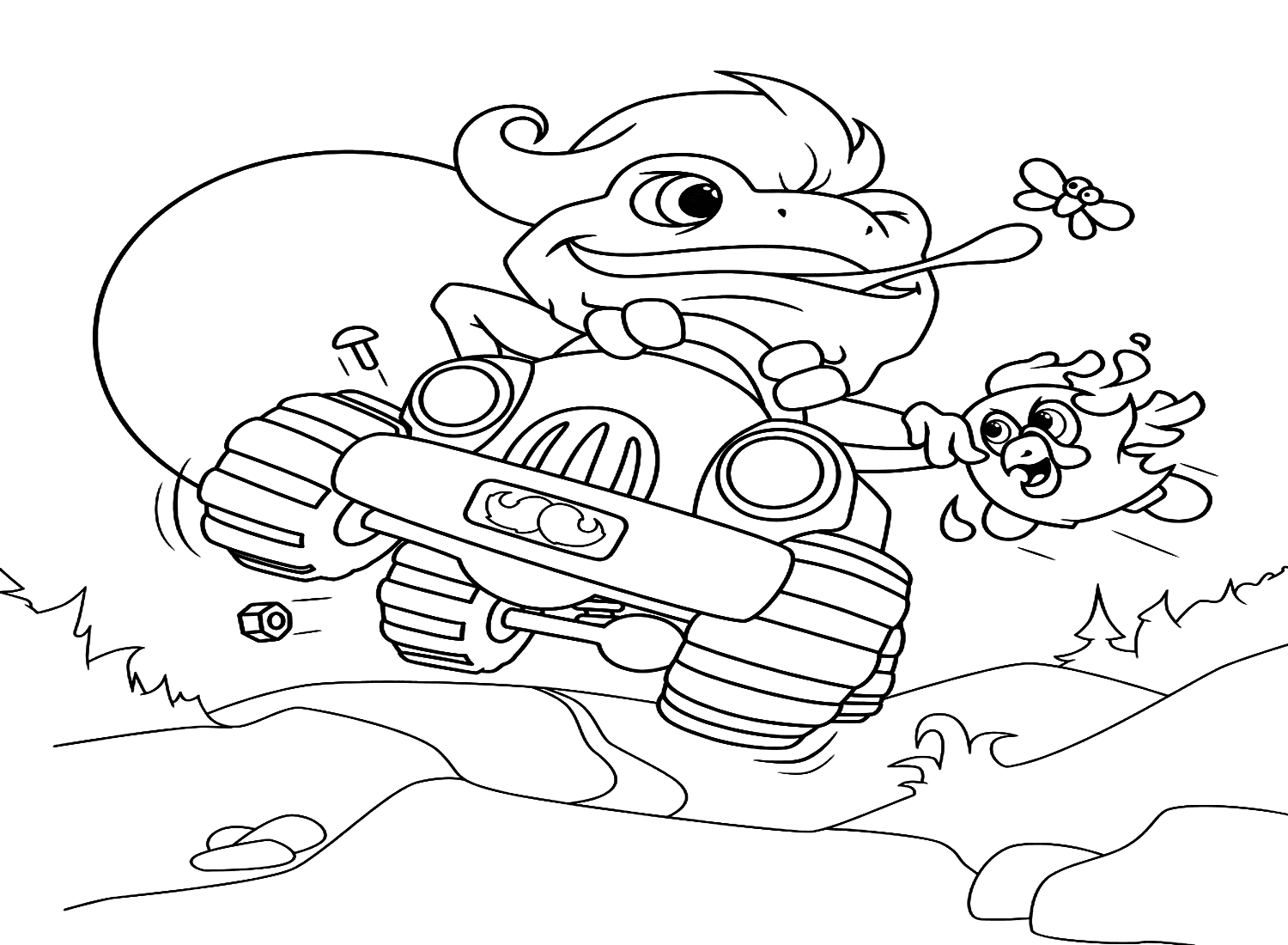
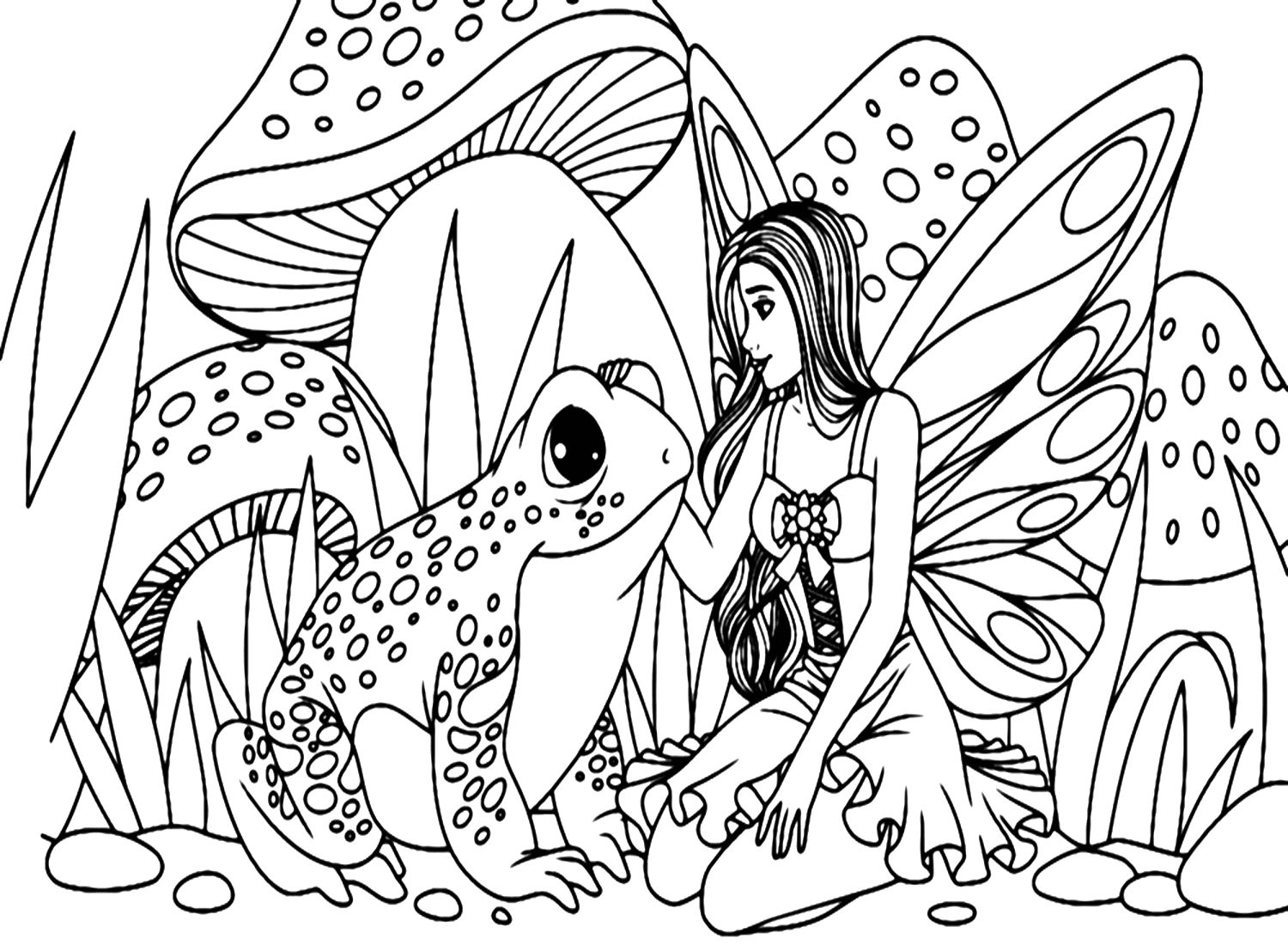
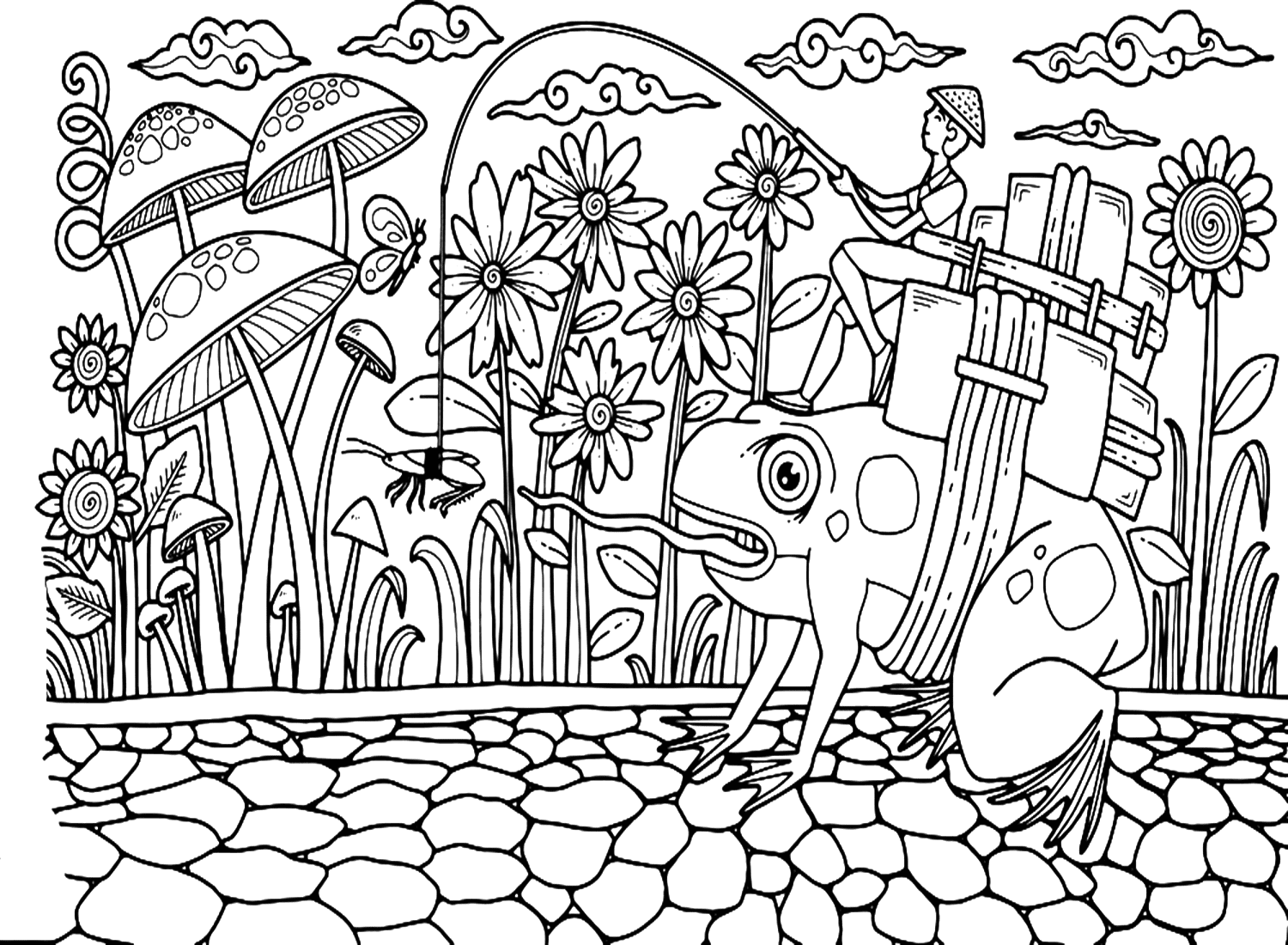
Several pages take the cane toad in a lighter direction, cartoon styling, a Christmas theme, a fantasy forest setting, or a giant version paired with a curious girl.
Cane Toads with Other Creatures
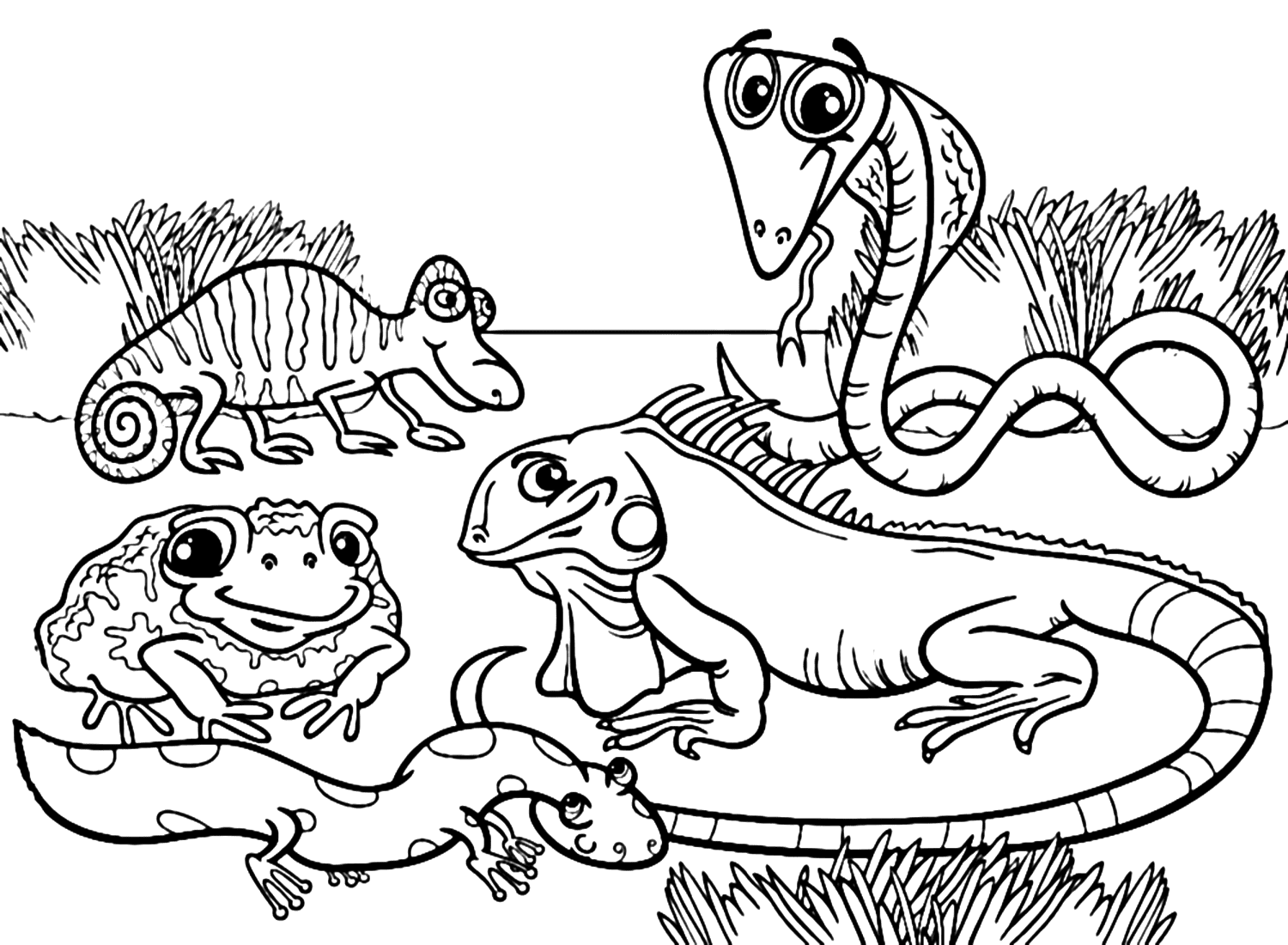
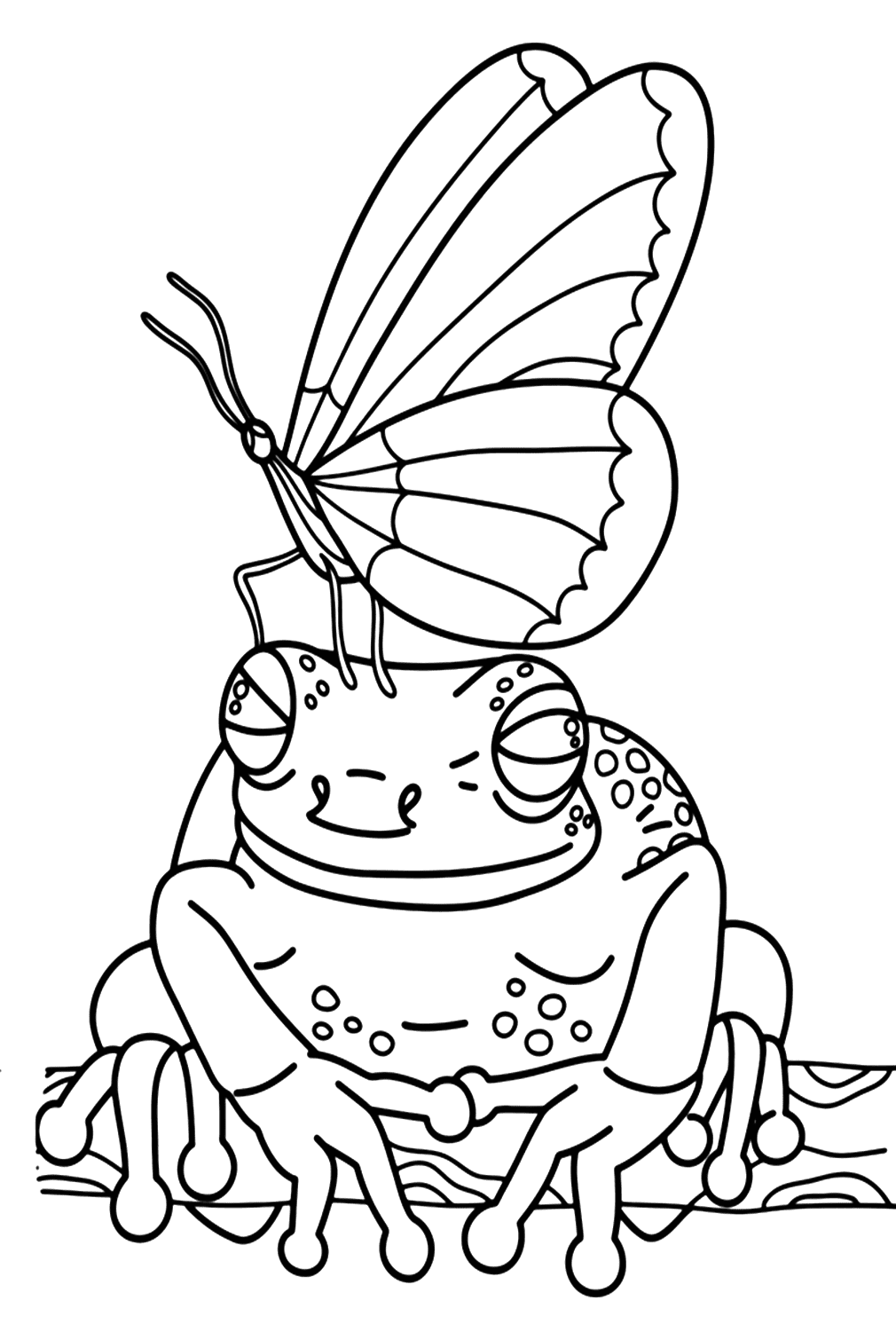
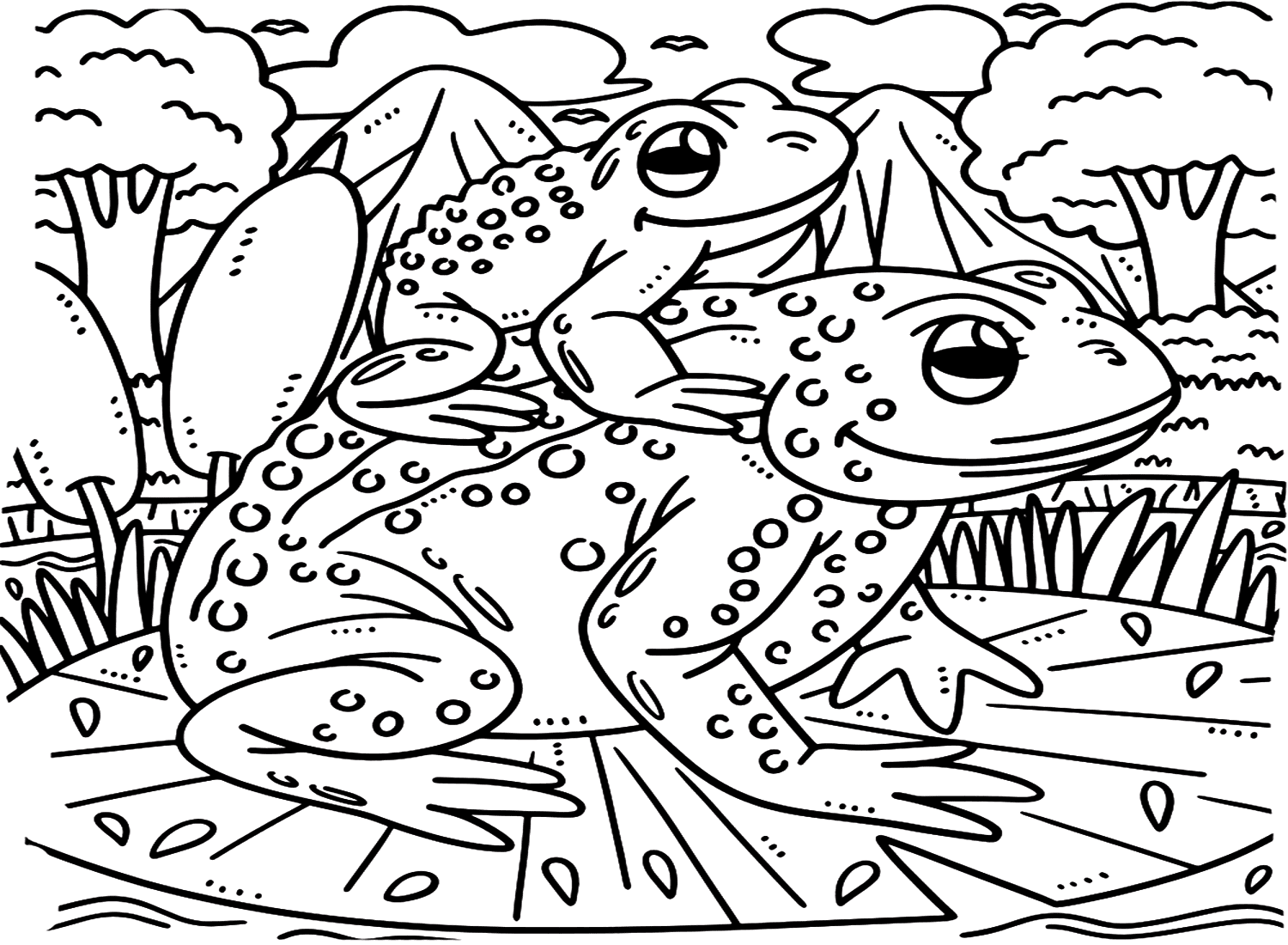
A smaller group pairs the cane toad with another animal or character in the same scene, a butterfly, a mother-and-baby pairing, or a gathering of other amphibians.
Activity Pages
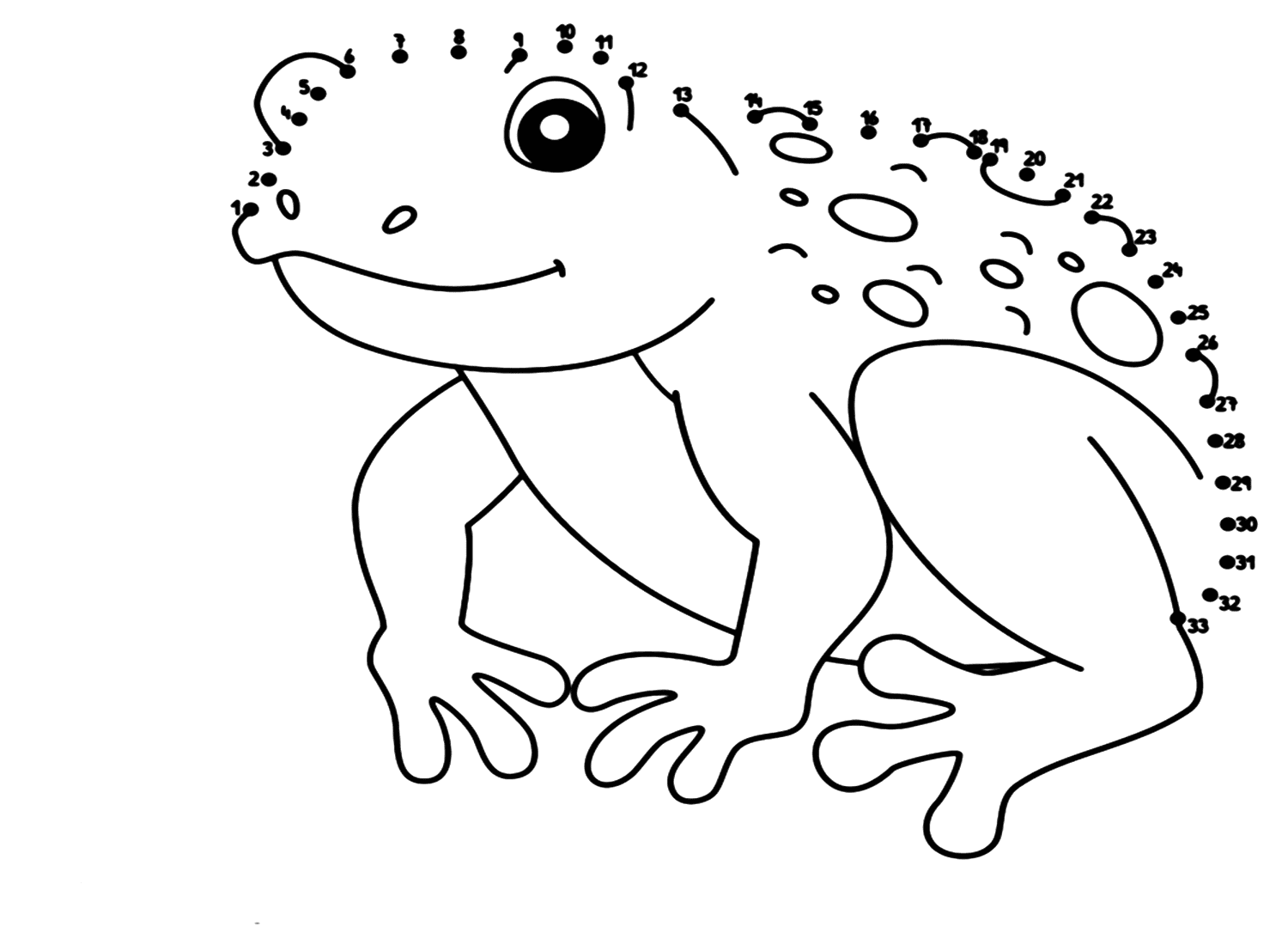
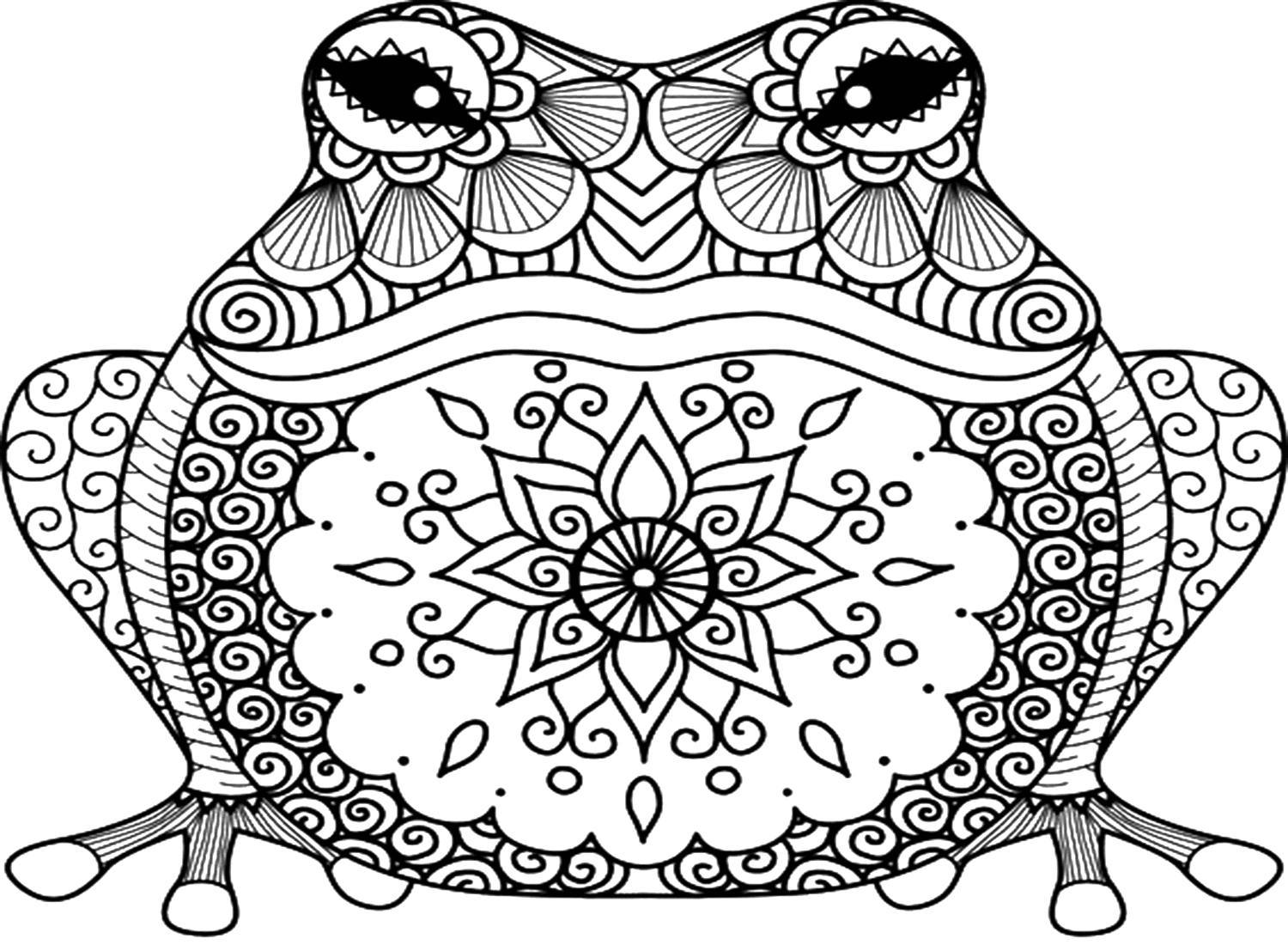
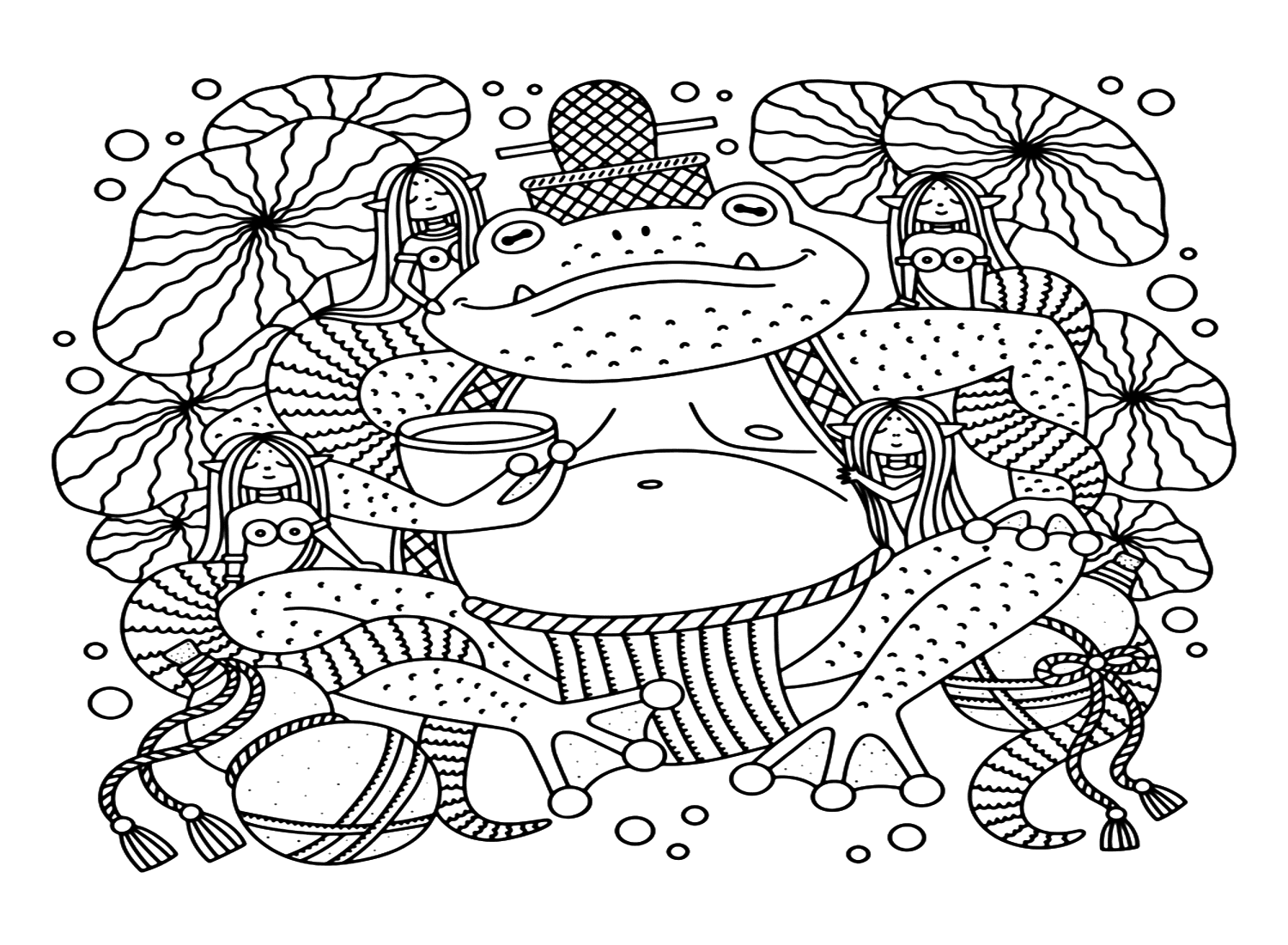
The remaining pages turn the cane toad into a puzzle-style activity, a dot-to-dot outline, and a mandala-style pattern design.
What Cane Toad Coloring Pages Do
Fine motor development. The American Academy of Pediatrics ties fine motor skill growth in children ages 2 through 7 to structured coloring, and the bumpy, warty texture running across a cane toad’s skin gives a young hand a naturally varied surface to trace.
Accurate wildlife and ecology awareness. Learning that the cane toad is an introduced species with real ecological consequences gives a child a genuine, verifiable science fact to pair with the coloring activity, rather than a purely decorative one.
Anxiety reduction through focus. Structured coloring sessions produced a measurable drop in anxiety in a 2005 Art Therapy Journal study, and working through a cane toad’s dense, textured skin pattern gives that calming focus plenty of small detail to hold attention.
A safe way to study something venomous. Coloring a cane toad gives a child a hands-on way to learn about a genuinely toxic animal without any of the real risk involved in handling one.
How to Color Cane Toad Pages Well
- The body base: Use Crayola Olive Green, Raw Sienna, or Sepia, depending on the pose, since real cane toads range from olive brown to reddish brown rather than bright green.
- Warty skin texture: Dot small, closely spaced marks of a slightly darker shade across the body to suggest the toad’s rough, bumpy skin without outlining every individual wart.
- The parotoid glands: Shade the two raised areas just behind the eyes in a slightly darker tone than the surrounding skin, since these glands are a real, distinguishing feature of the species.
- The underside: Color the belly in a lighter Crayola Tan or Cream than the back, matching the paler coloring most toads have on their underside.
- Fantasy and playful designs: Use brighter, less naturalistic colors on the cartoon and fantasy pages, since these designs are built for a whimsical tone rather than field-guide accuracy.
- Garden and outdoor backgrounds: Keep backgrounds in soft Crayola Yellow, Green, and Forest Green so the toad itself, in its earthier tones, still reads as the clear subject of the page.
5 Creative Craft Ideas With Cane Toad Coloring Pages
1. Cane Toad Fact Poster
Color one of the realistic portrait pages and mount it on a sheet of paper. Write two or three real facts about cane toads underneath, such as where they came from and why they spread so widely. The finished poster pairs the coloring activity with a small science lesson.
2. Toad Bookmark
Color one of the simpler cane toad pages and cut it into a narrow bookmark shape. Laminate or cover with clear contact paper for durability. The finished bookmark makes an easy, small gift for another young reader.
3. Amphibian Habitat Diorama
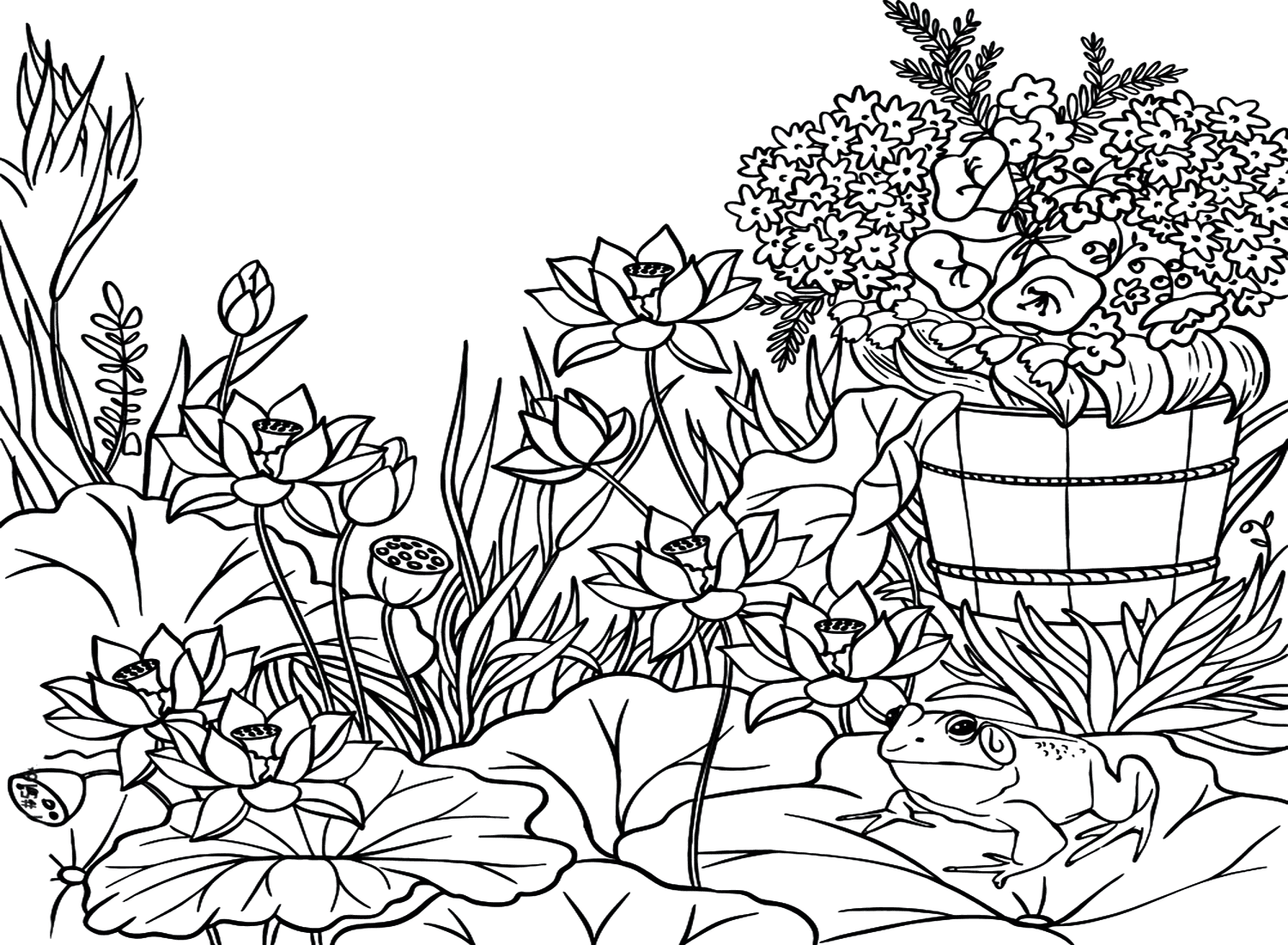
Color one of the outdoor scene pages and stand it upright inside a shoebox turned on its side. Add small paper cutouts of plants or water to build out the habitat. The diorama turns a flat page into a small three-dimensional scene.
4. Dot-to-Dot Speed Challenge
Print the dot-to-dot cane toad page and time how long it takes to connect every number before coloring the finished outline. Try the challenge again on a second copy to beat the first time. The activity adds a friendly bit of competition to the coloring session.
5. Invasive Species Awareness Card
Color one of the realistic pages and write a short note on the back explaining what an invasive species is, using the cane toad as the example. The finished card turns the coloring activity into a small, shareable lesson on ecology.
Frequently Asked Questions
What are Cane Toad coloring pages?
A free set of 26 printable designs featuring the cane toad, ranging from realistic field-guide-style portraits to playful fantasy scenes, animal pairings, and dot-to-dot or pattern-based activity pages.
What is a cane toad?
The cane toad, scientifically Rhinella marina, is a large toad native to Central and South America, known for its warty skin, broad head, and the toxin it secretes from glands located just behind its eyes.
Why are cane toads considered invasive in some places?
Cane toads were introduced to Australia in 1935 to control a beetle damaging sugarcane crops. Still, with no natural predators there, their population grew rapidly, and their toxin has harmed native animals that try to eat them.
What is the Sonoran Desert Toad page, and is it the same species?
No. The Sonoran Desert Toad is a different, related species included in this set as a close amphibian relative rather than another depiction of the cane toad itself.
What colors work best for coloring a cane toad?
Olive green, raw sienna, or sepia work well as a base for a realistic look, with a lighter tan or cream underside and slightly darker shading around the raised parotoid glands behind the eyes.
Can these pages be colored online instead of being printed?
Yes. Every design in the set opens in the browser-based coloring tool, so a page can be finished on a tablet or computer without printing anything first.
Are Cane Toad coloring pages suitable for young children?
A single, clearly outlined cane toad suits a child around age four who is coloring their first amphibian page. The dot-to-dot, mandala, and busier fantasy scenes ask for more patience and fit better with a child six or older.
Can this set be used for a lesson on invasive species or ecology?
Yes. The cane toad’s real history as an introduced species gives a teacher or parent a concrete, well-documented example to use when introducing the concept of invasive species and ecological balance.
Start Coloring
Opening a page costs nothing and skips any sign-up step, just a click on the design. The online coloring tool offers the same page to anyone finishing it without a printer. A completed cane toad reaches Facebook or Pinterest through the share buttons above it.