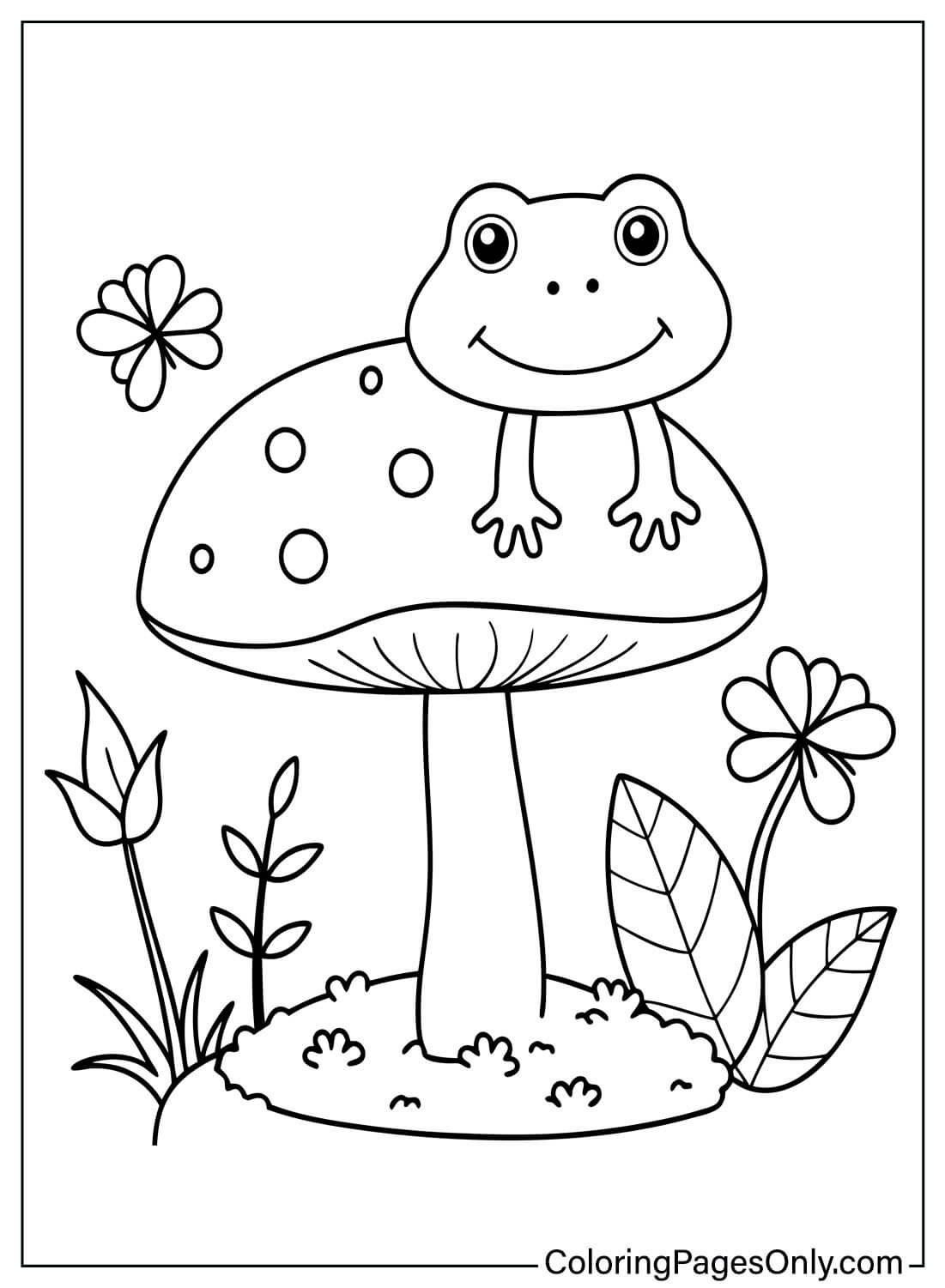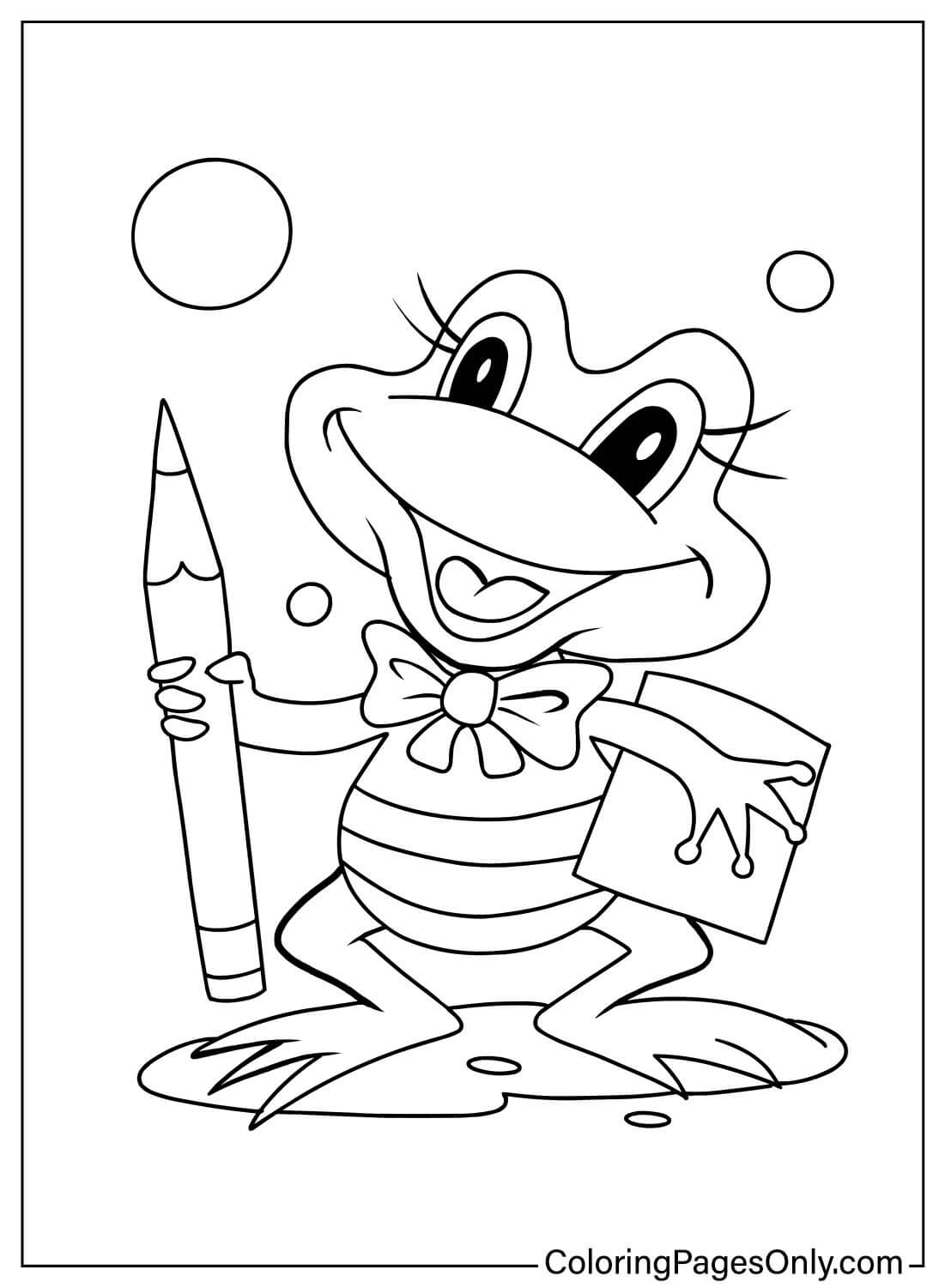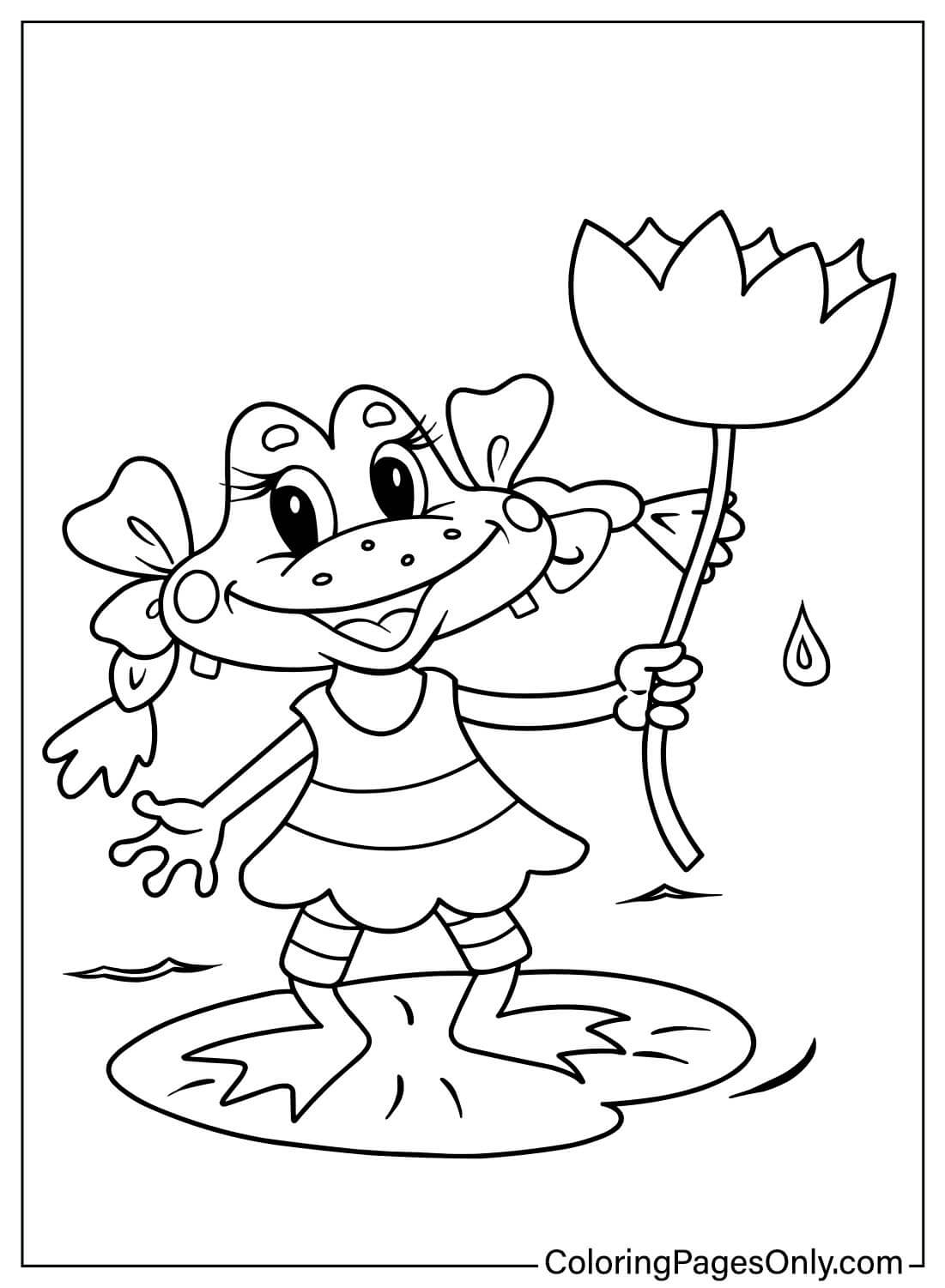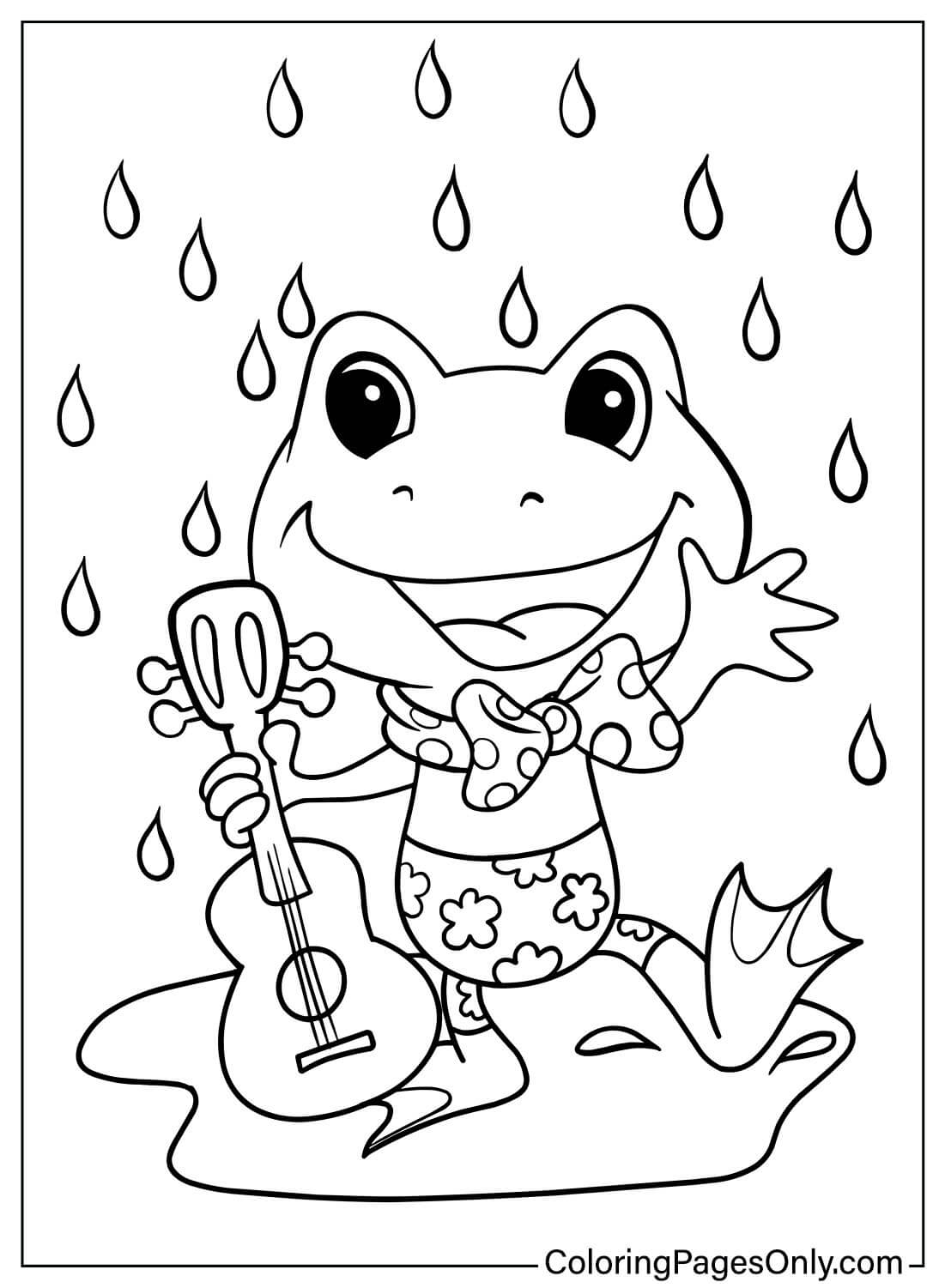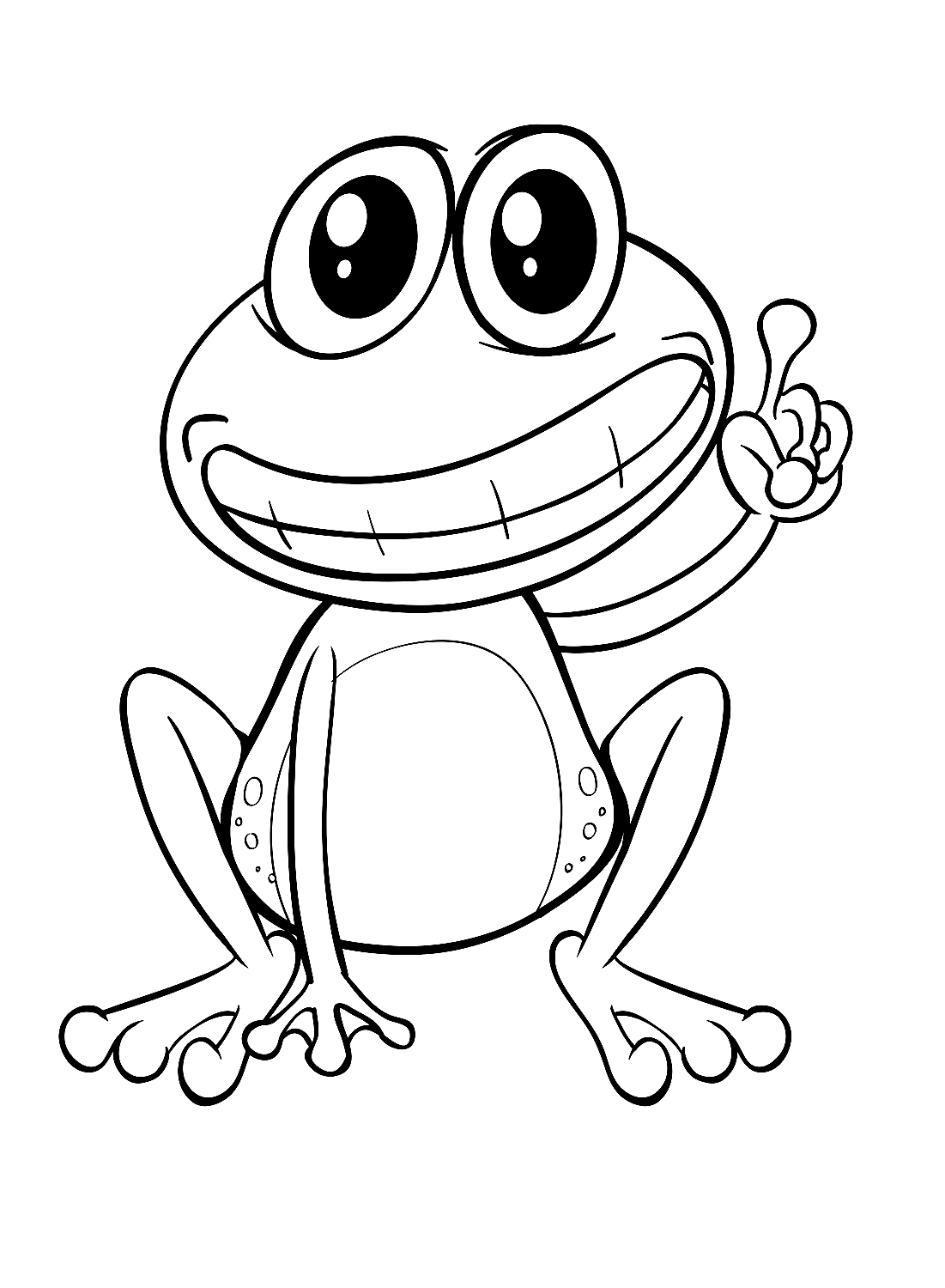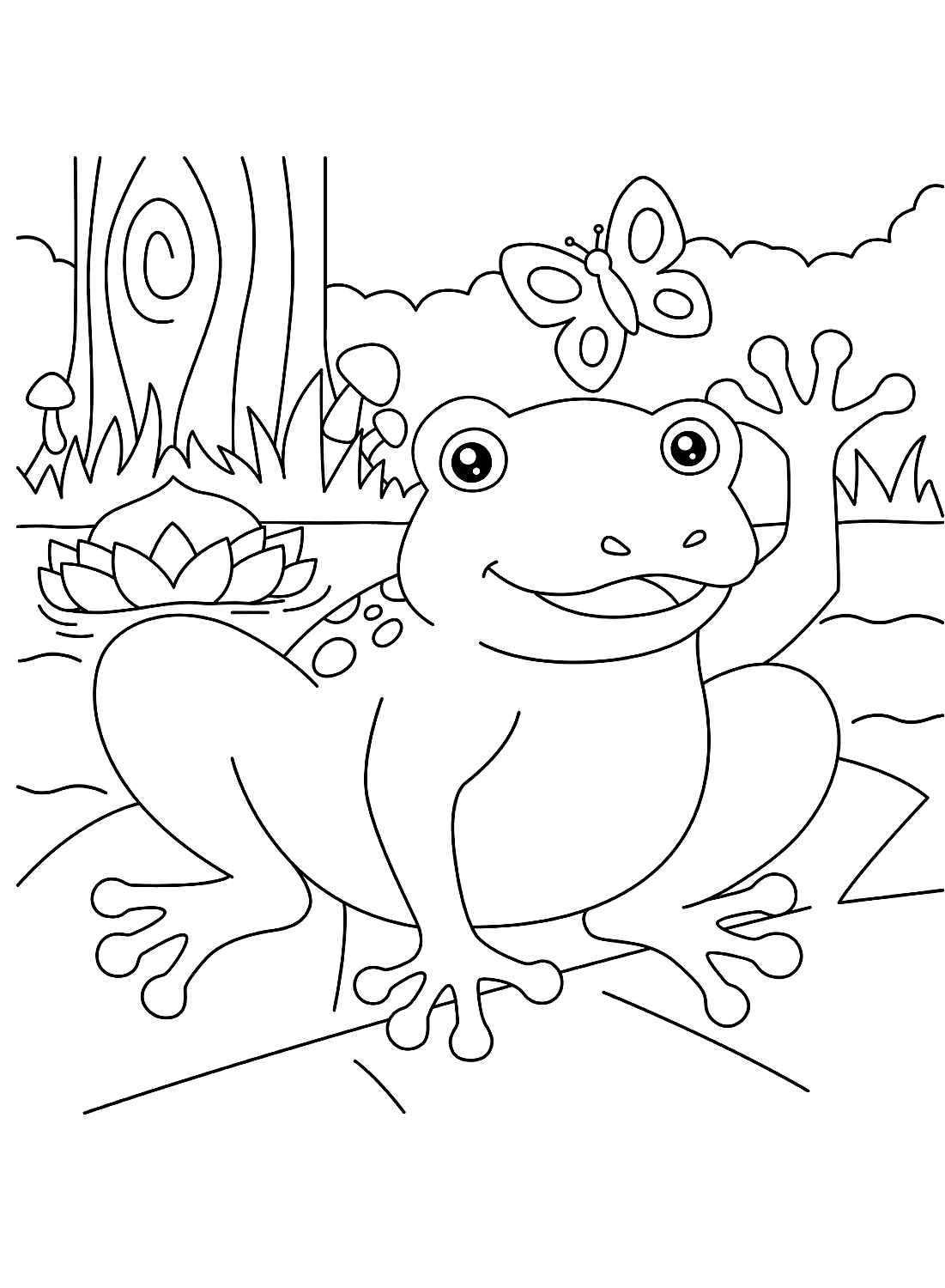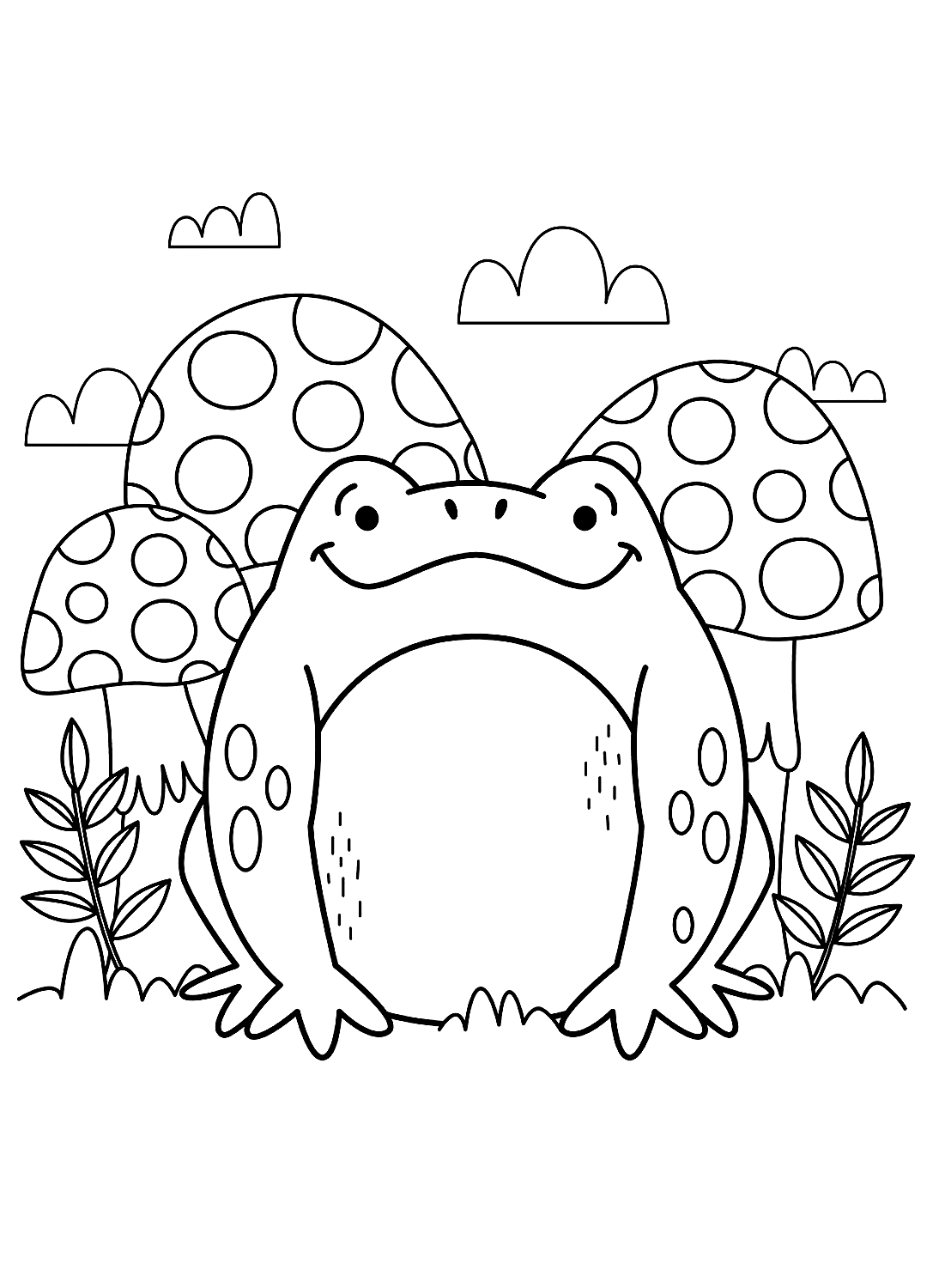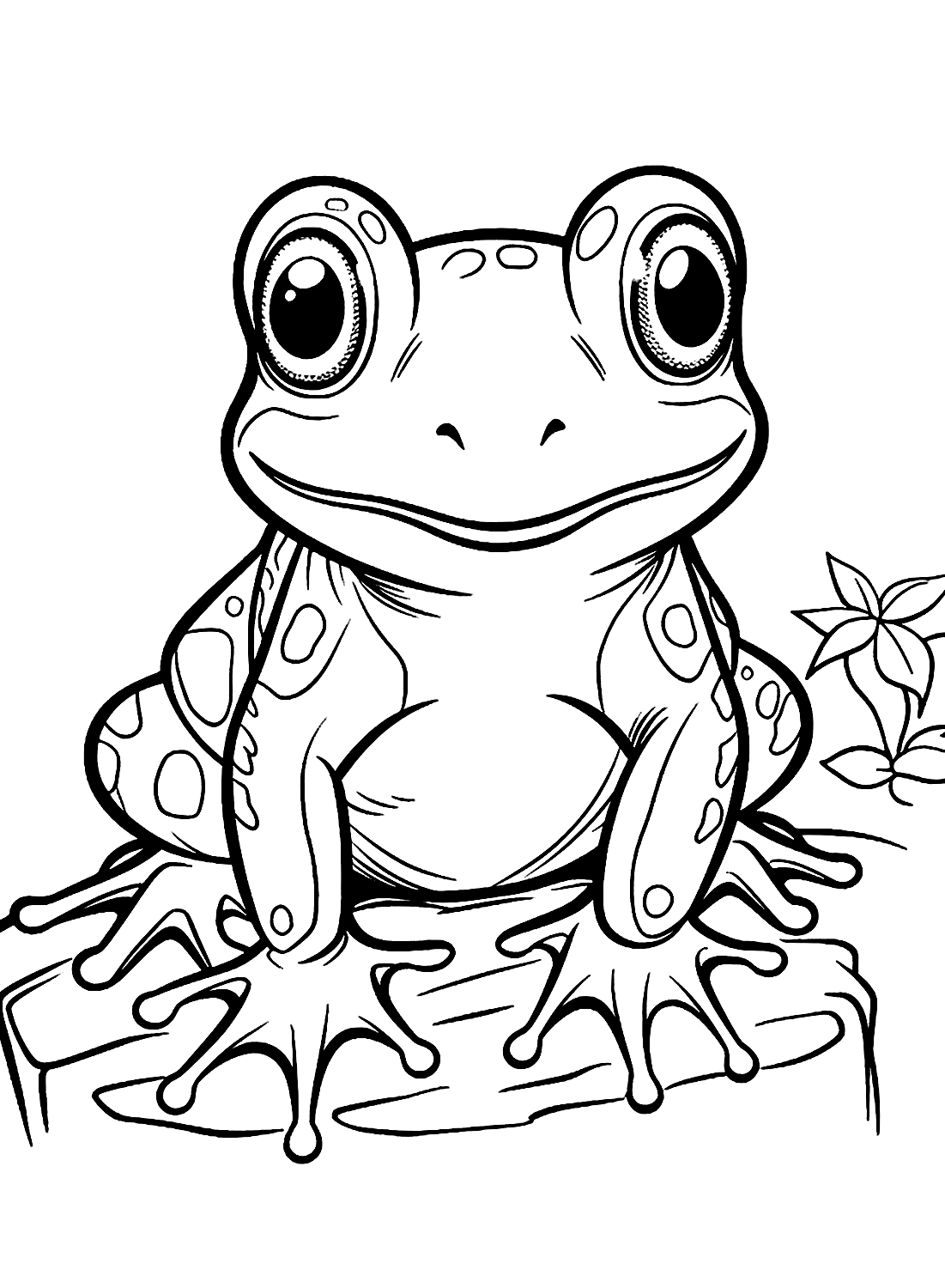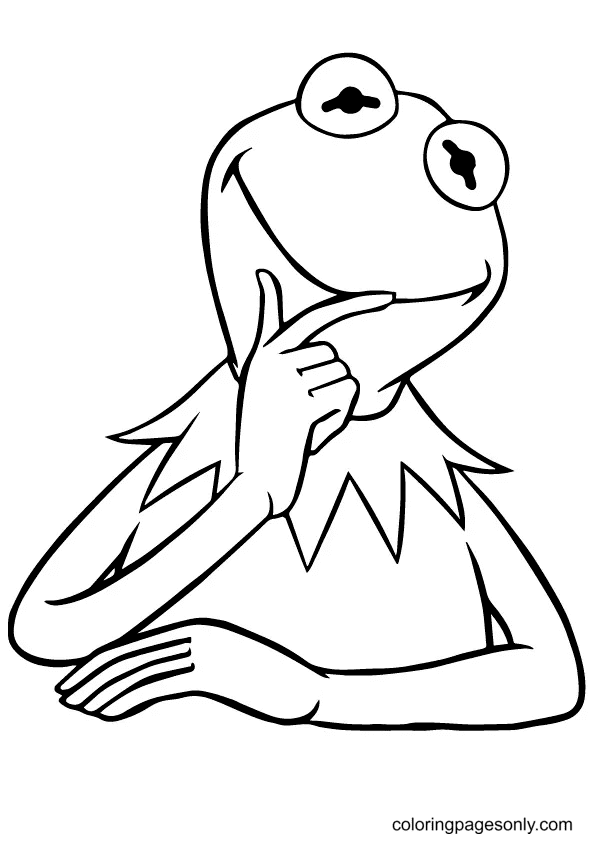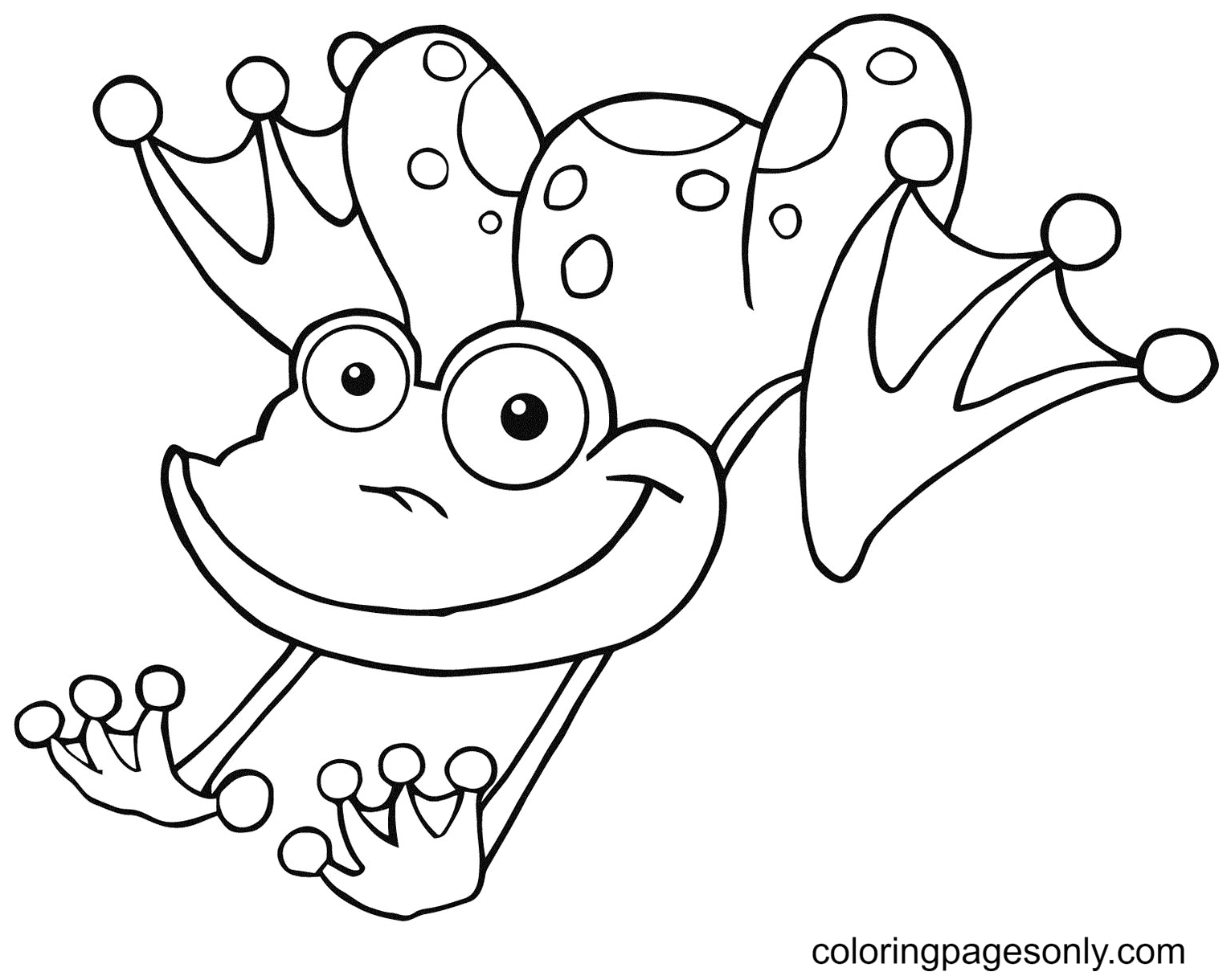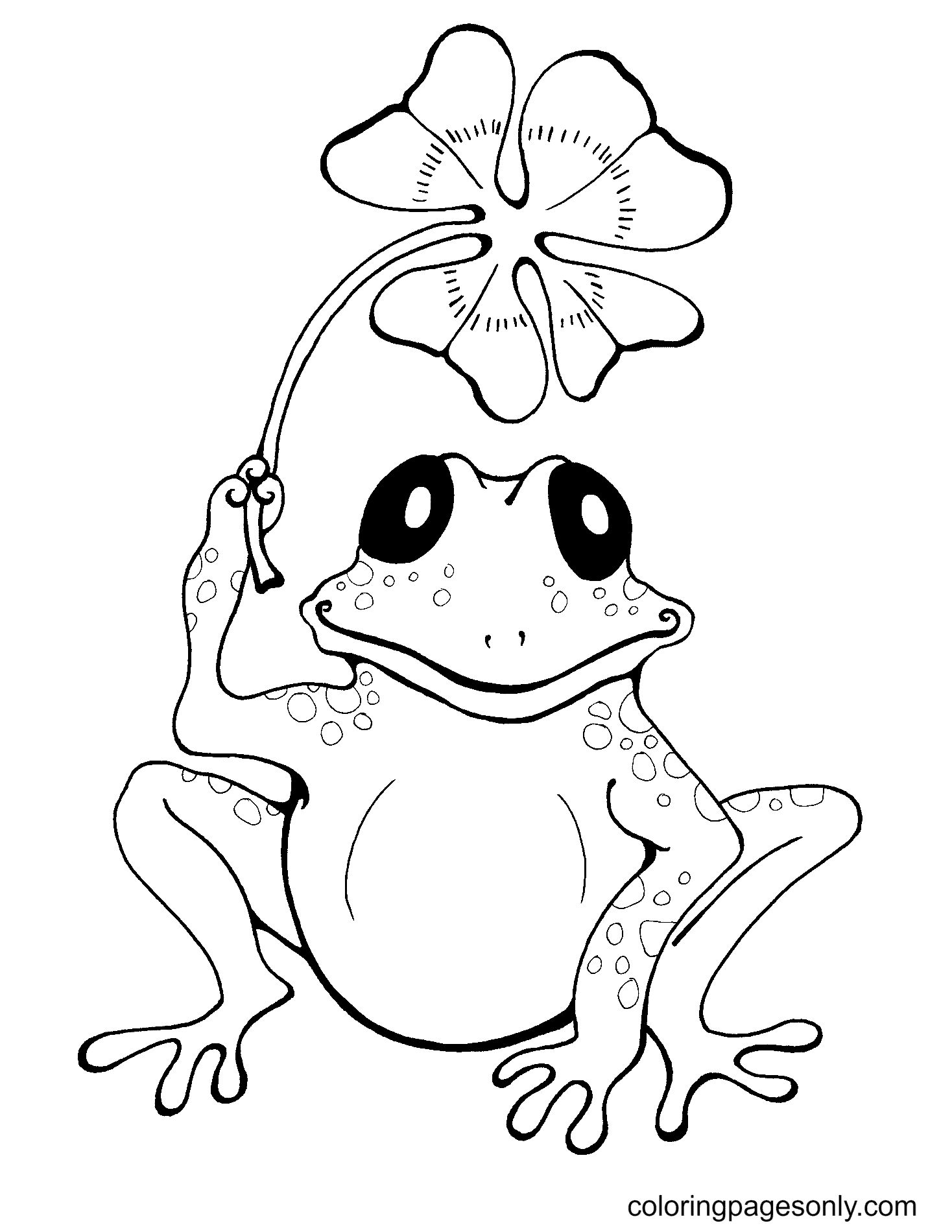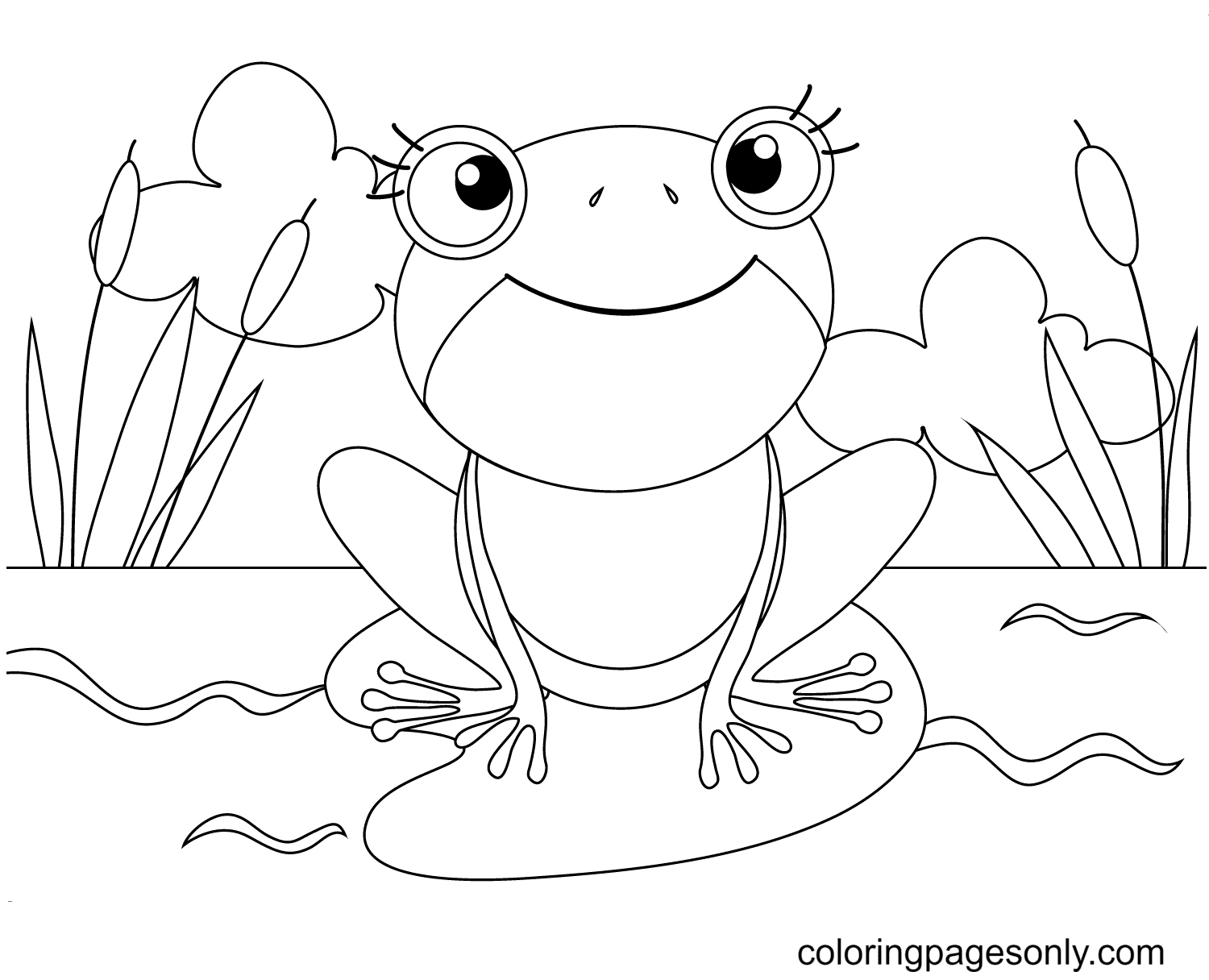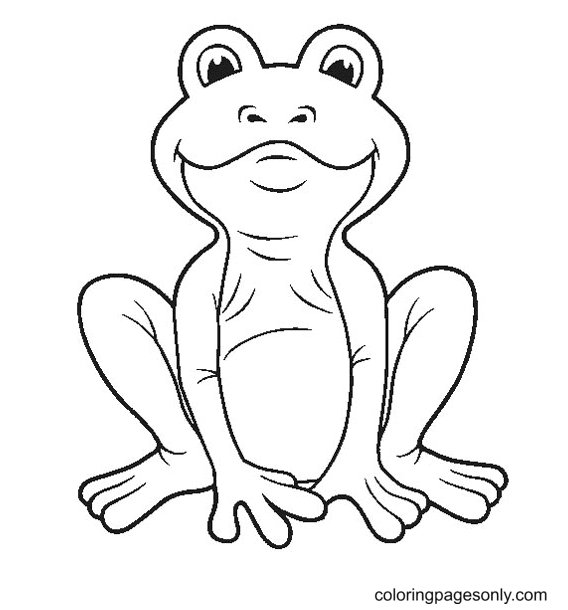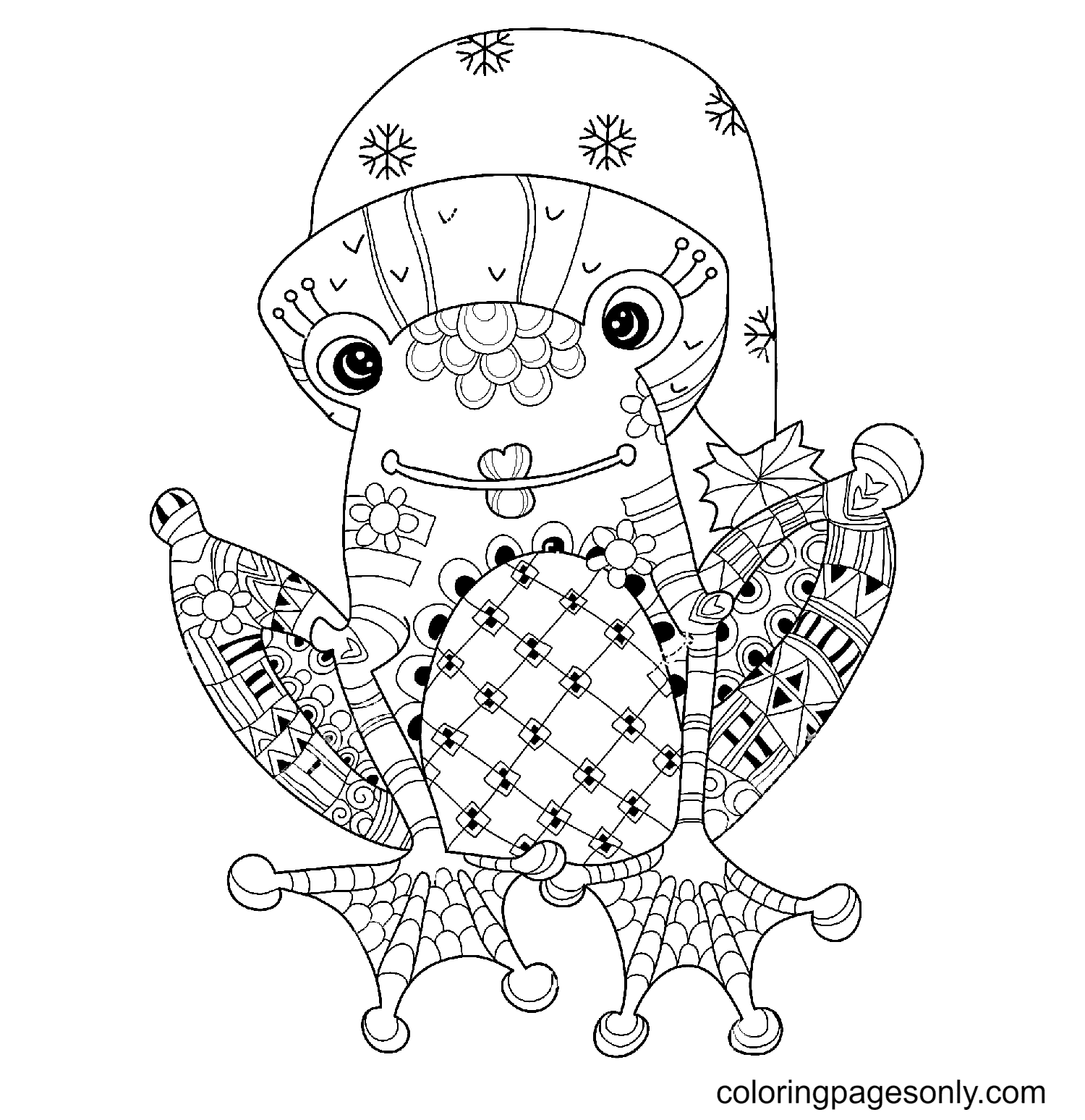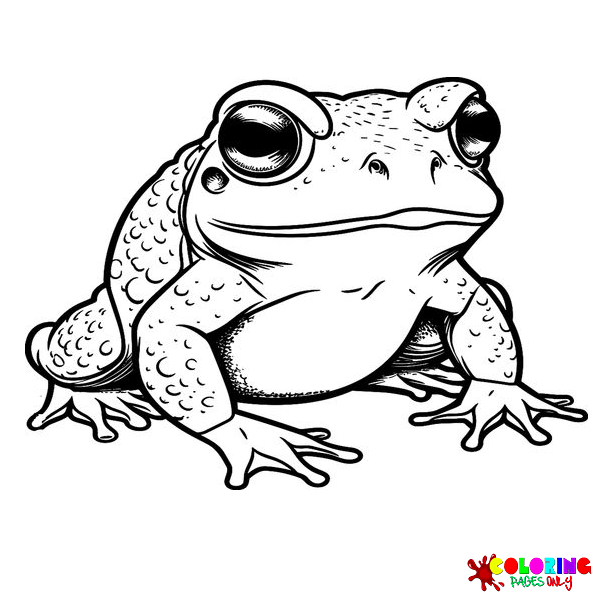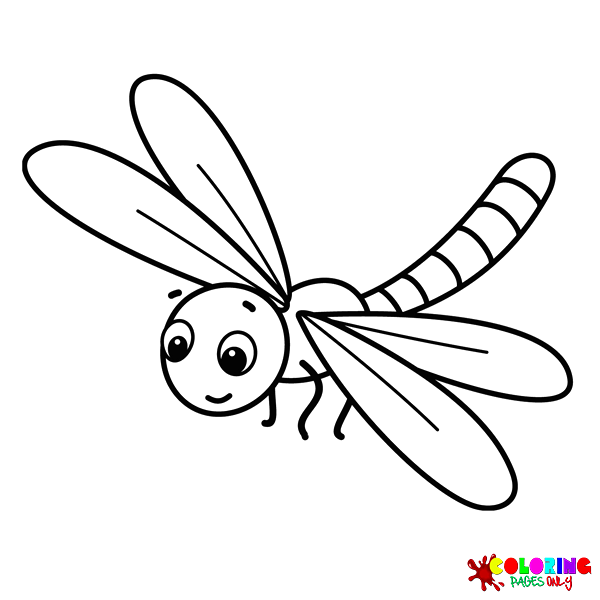
Frog Coloring Pages at ColoringPagesOnly.com is one of the site’s most varied animal collections, with 80+ free printable pages covering frogs in every style, mood, and context. The collection spans simple cute cartoons for young children, naturalistic pond scenes with lily pads and dragonflies, royalty and fantasy frogs (the Frog Prince, King Frog, Unicorn Frog), musical frogs (mandolin, ukulele), kawaii and zentangle designs for older colorists, seasonal holiday frogs (Christmas, Halloween witch hat, Valentine’s Day), educational pages (Frog Maturation Process, Tadpole in the Water), and complex adult-oriented designs including mandala and abstract treatments. The full Animals collection is available through our Animals Coloring Pages hub, and the broader amphibian family is covered at Amphibian Coloring Pages.

Every page is completely free – download as PDF to print or color online in your browser. No sign-up, no cost.

About Frogs

Frogs are among the most widespread and ecologically important animals on Earth, with over 7,000 known species distributed across every continent except Antarctica. They belong to the order Anura within the class Amphibia – the same class as toads, salamanders, newts, and caecilians. The word “Anura” means “without tail” in Greek, describing the adult frog’s most obvious anatomical characteristic compared to its tadpole stage.

Frogs are found in virtually every terrestrial and freshwater habitat: tropical rainforests, temperate woodlands, deserts, mountain streams, suburban ponds, and rice paddies. Their adaptability is remarkable – the wood frog (Rana sylvatica) survives the North American winter by literally freezing solid and thawing in spring; the water-holding frog of Australia estivates underground for years during drought; the red-eyed tree frog sleeps on leaf undersides with specialized sticky toe pads that hold it in place without any muscular effort.

As indicator species, frogs are among ecology’s most sensitive environmental monitors. Their permeable, moist skin absorbs substances from both water and air simultaneously, making them among the first species to show stress when an ecosystem is compromised by pollution, habitat loss, or climate change. Herpetologists and conservation biologists monitor frog population health as a reliable early warning system for broader ecosystem problems.

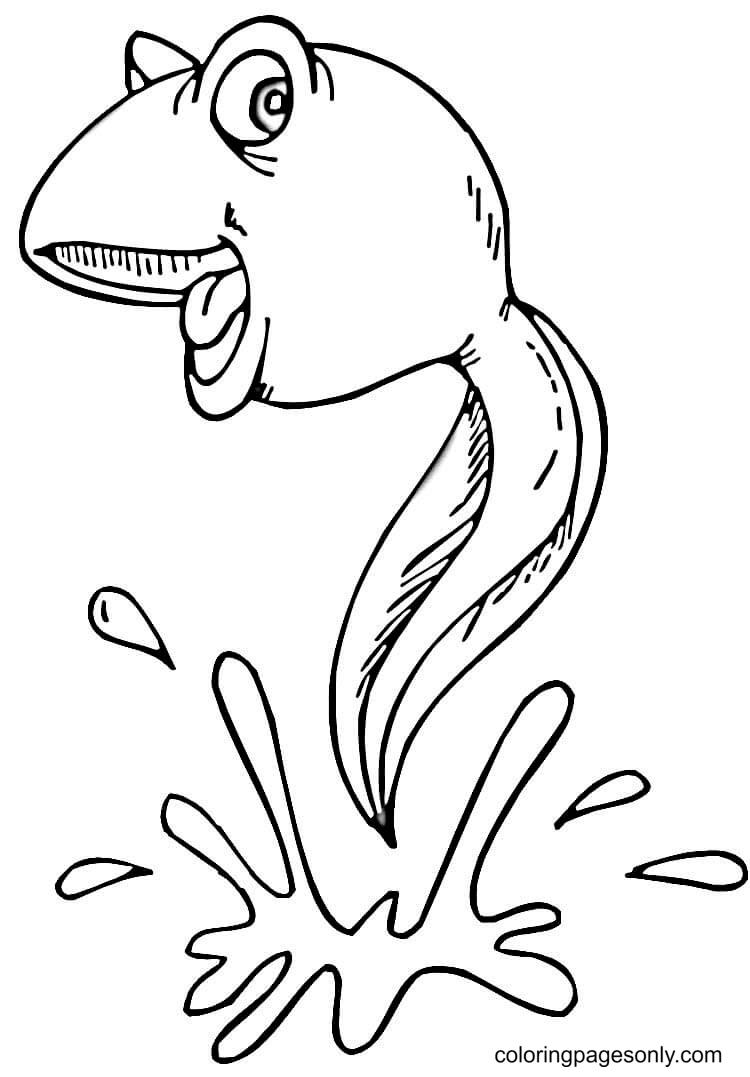
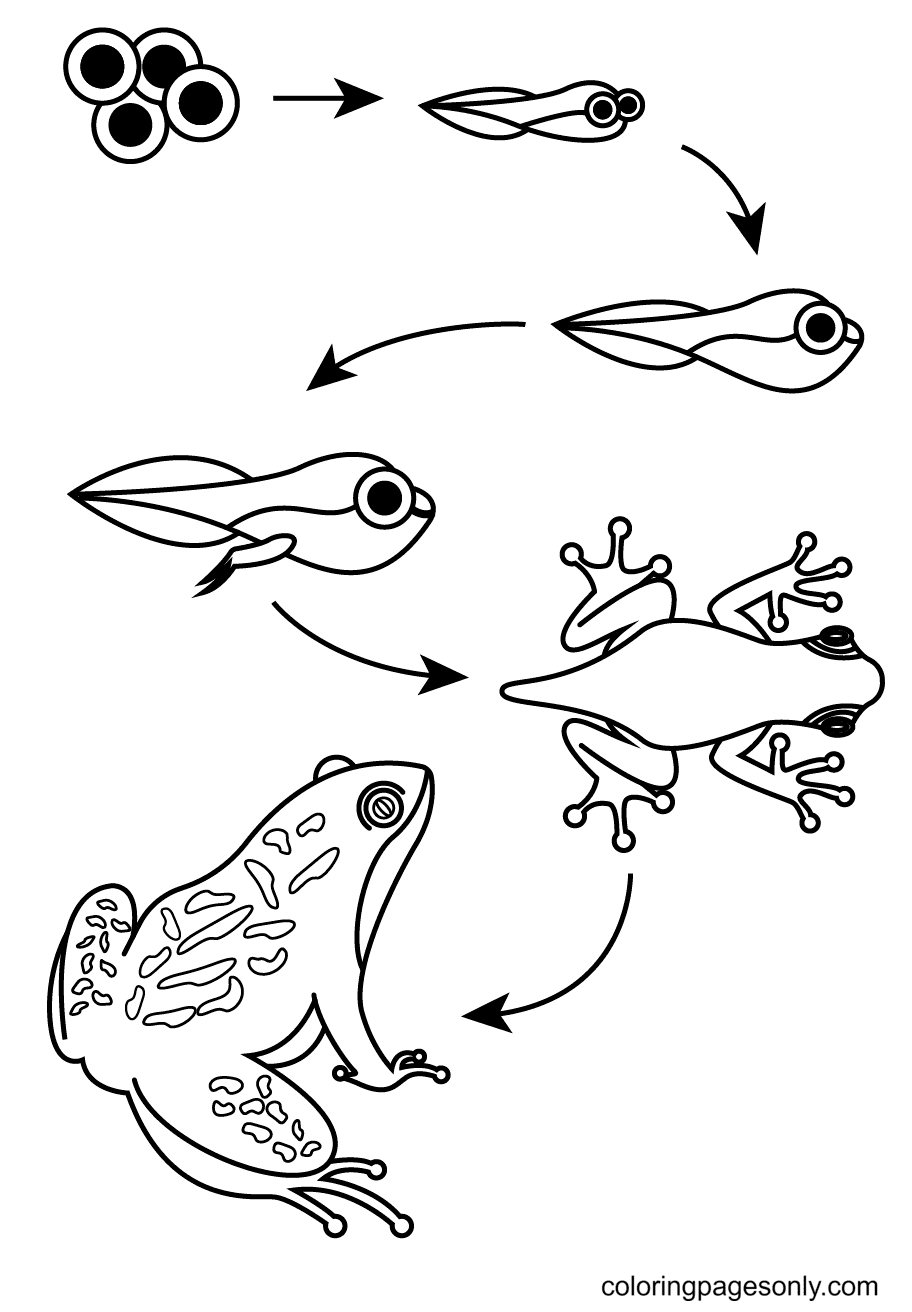
The life cycle of a frog – depicted in the Frog Maturation Process and Tadpole in the Water tiles – is one of the most dramatic metamorphoses in the animal kingdom. Eggs are laid in water or on moist surfaces; tadpoles hatch as fully aquatic larvae with tails and gills; over weeks to months, they undergo a complete anatomical transformation – developing legs, losing the tail, developing lungs, shifting from filter-feeding to insect-hunting – and emerge as adult frogs capable of living both in water and on land.

What’s in This Collection

Cute and Cartoon Frogs for Young Children

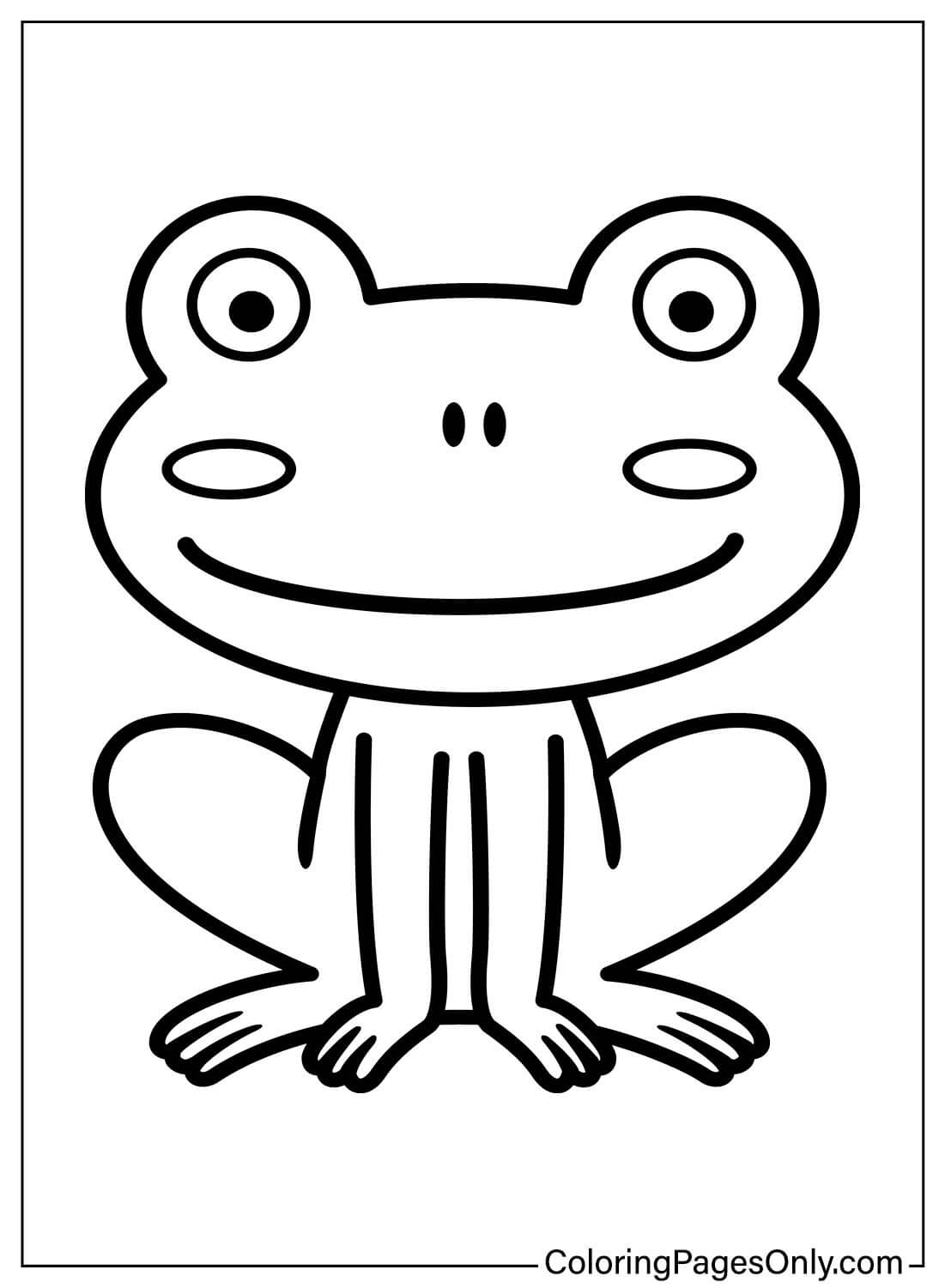
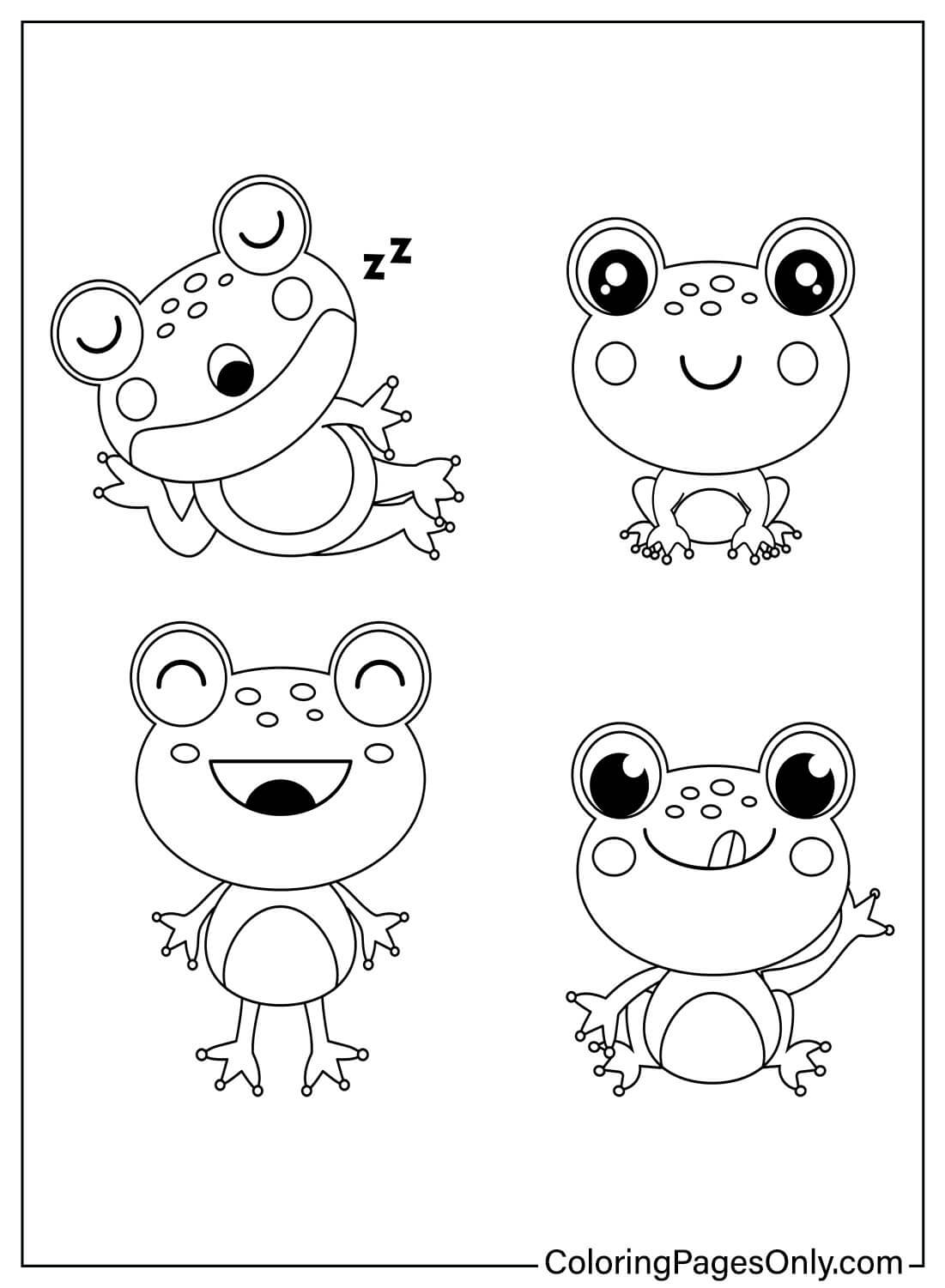
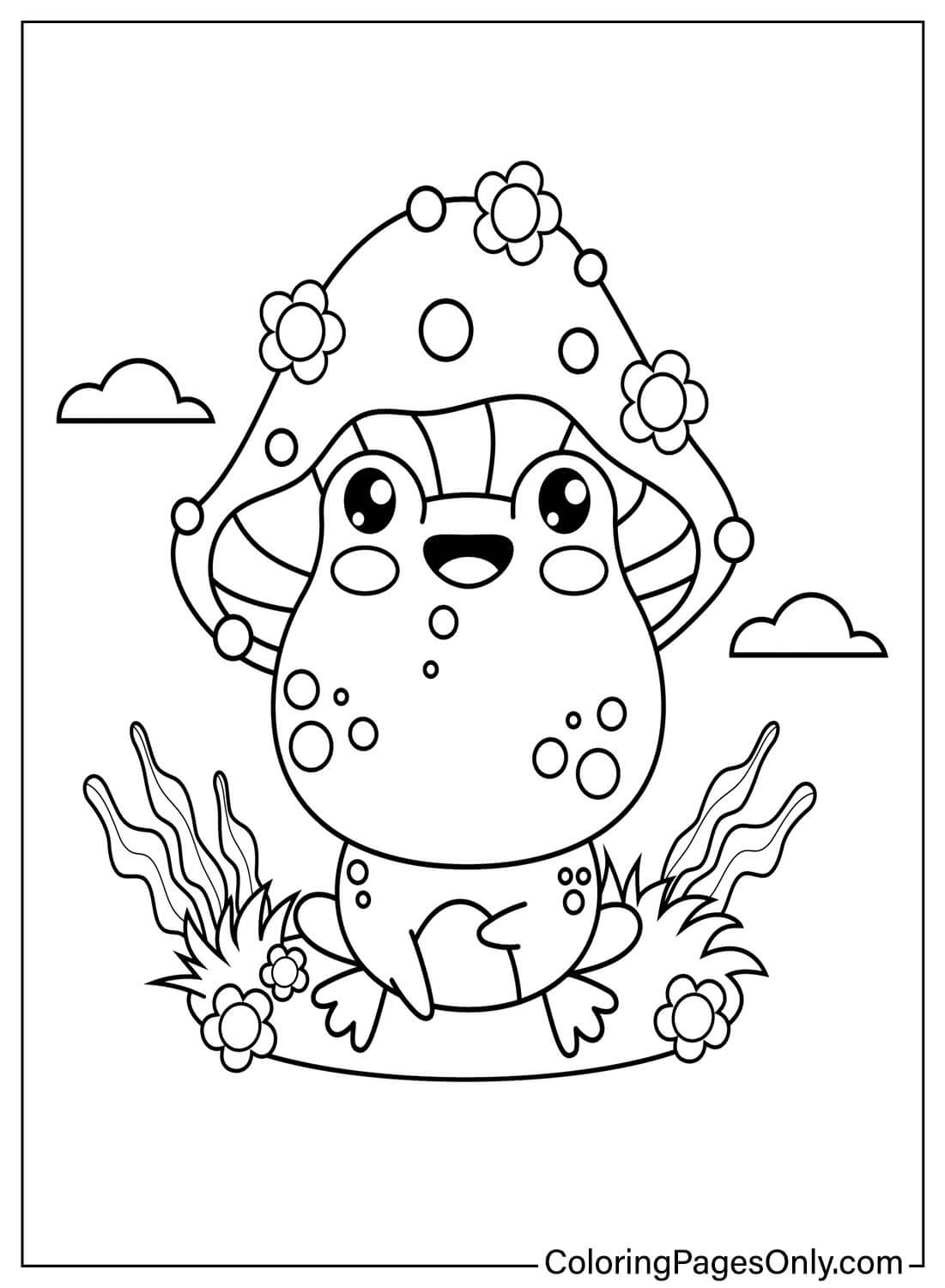
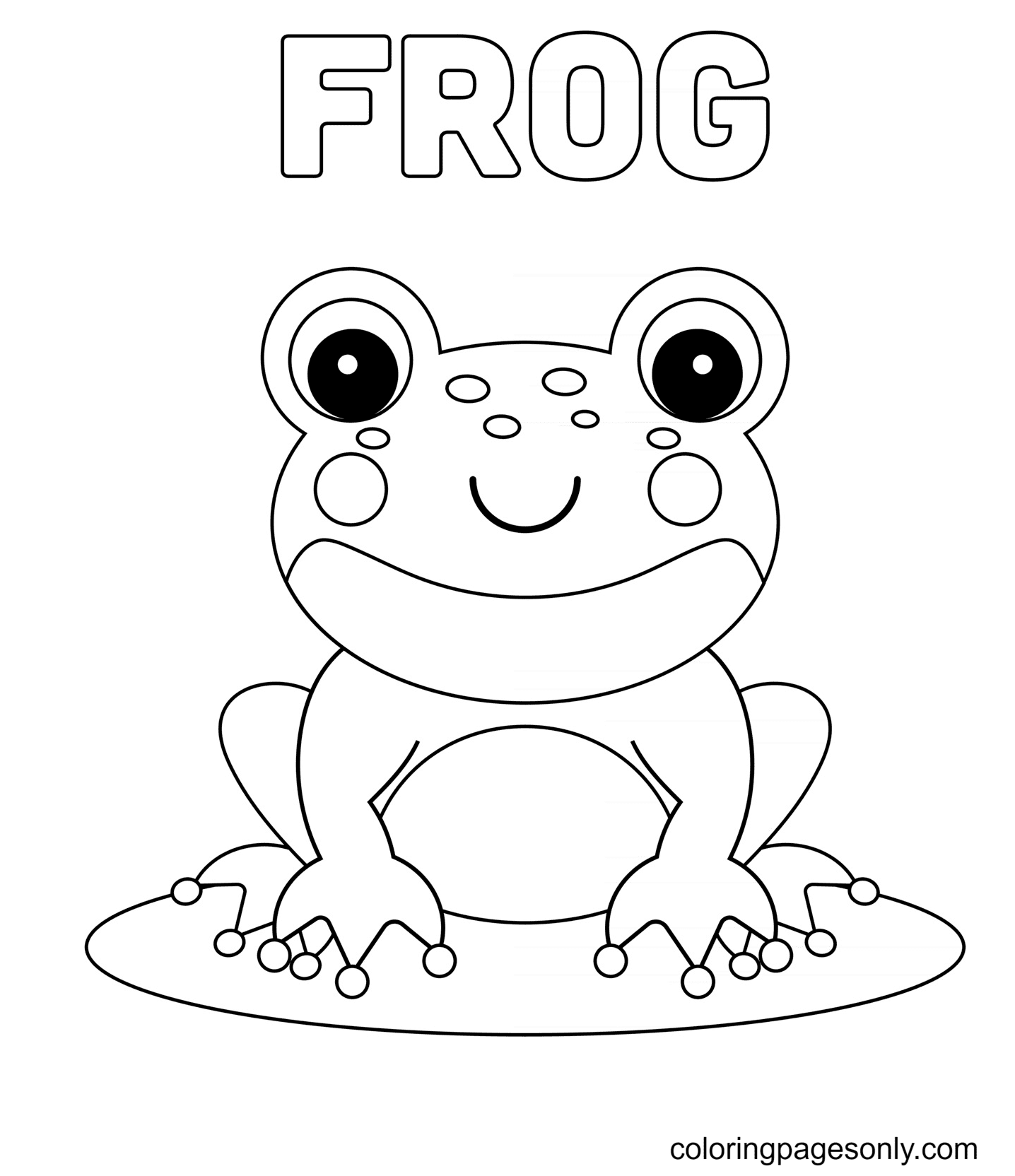
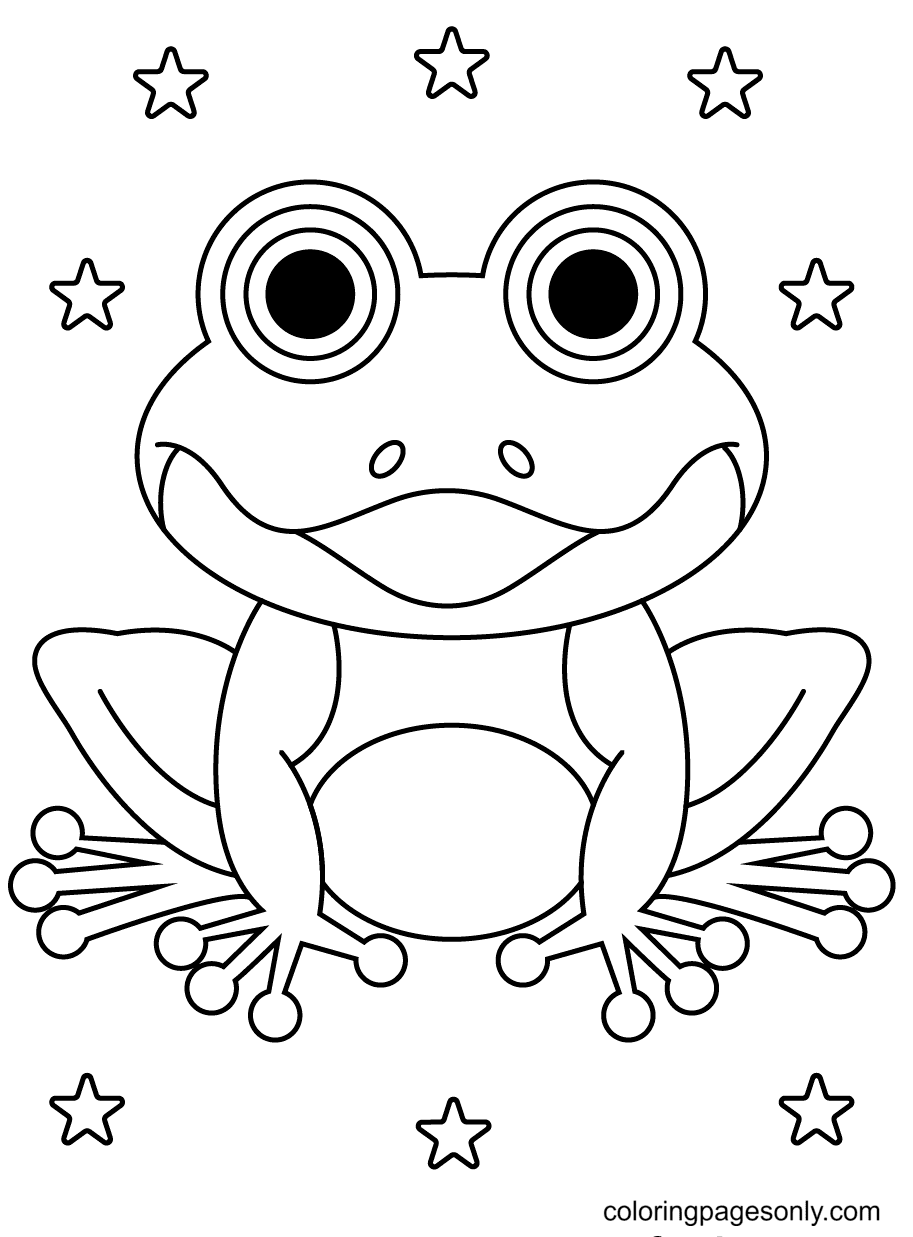
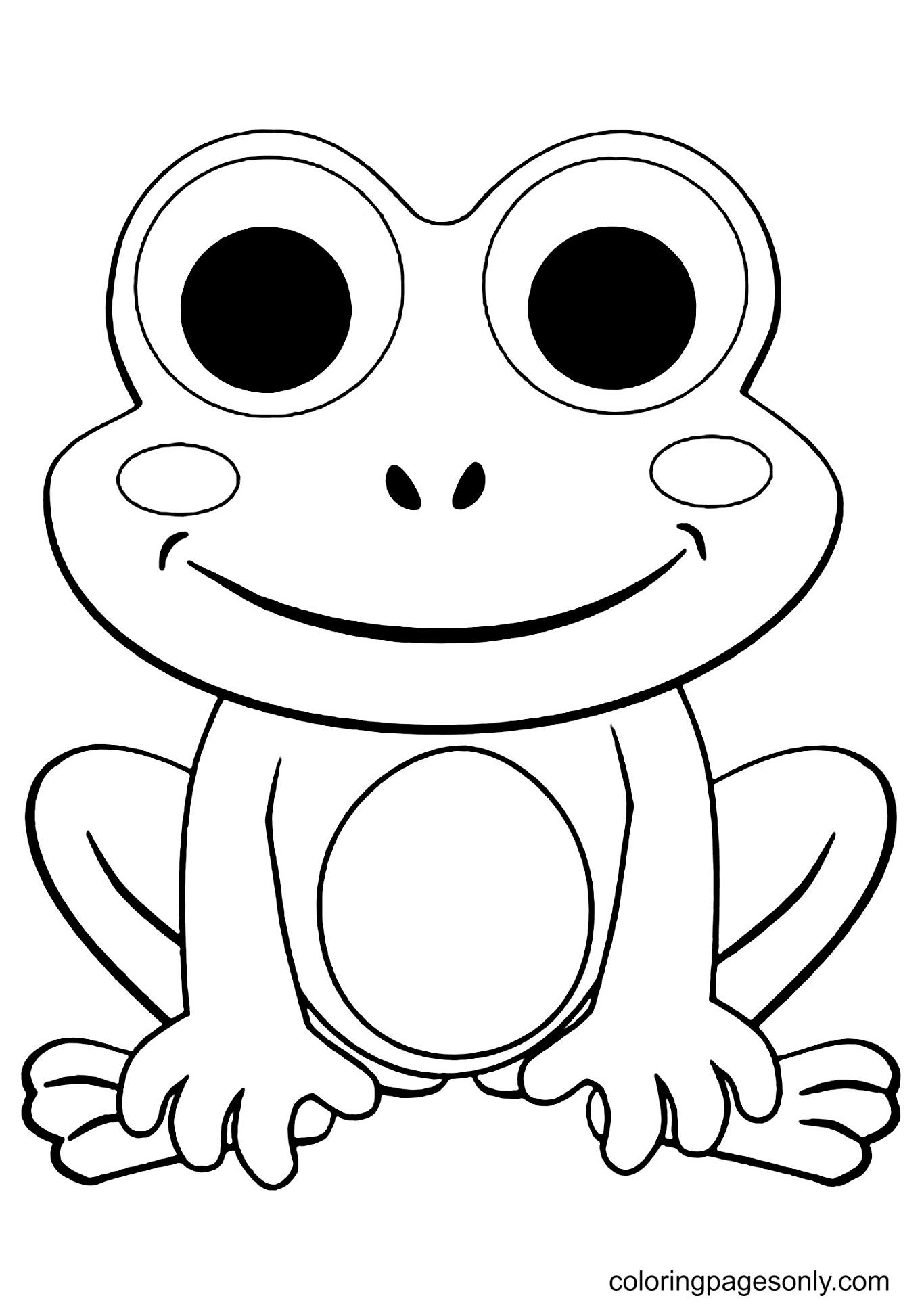
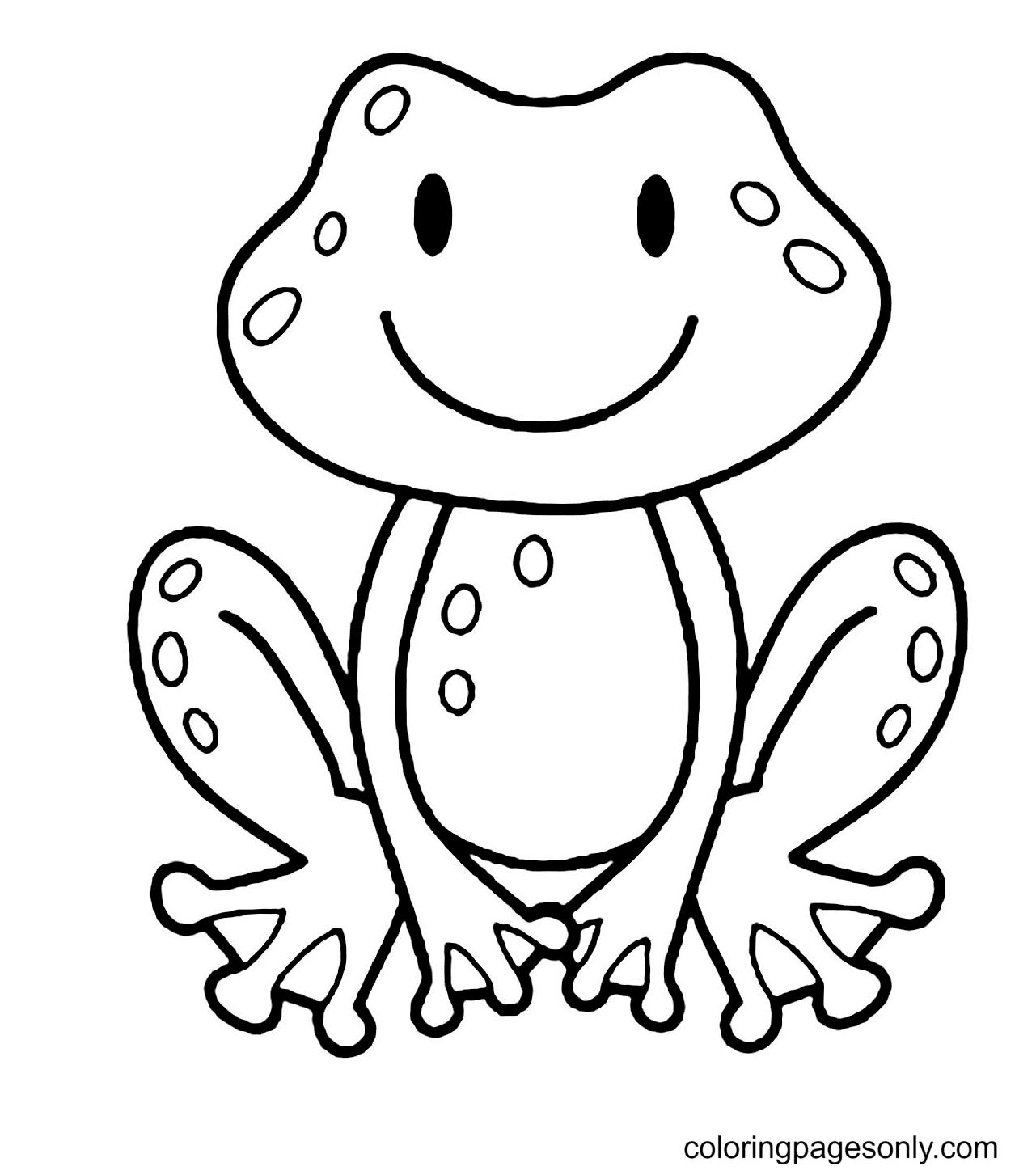
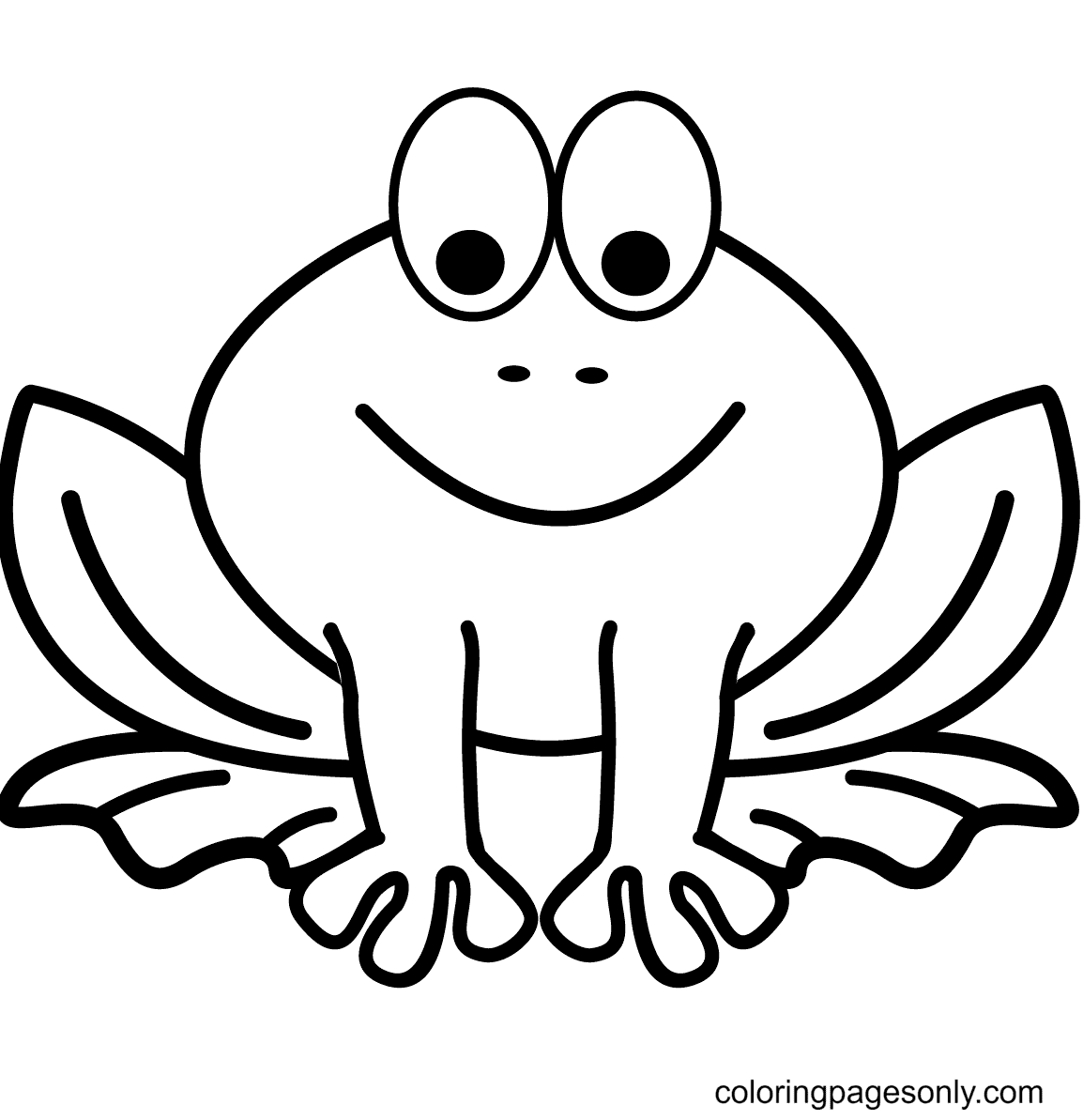
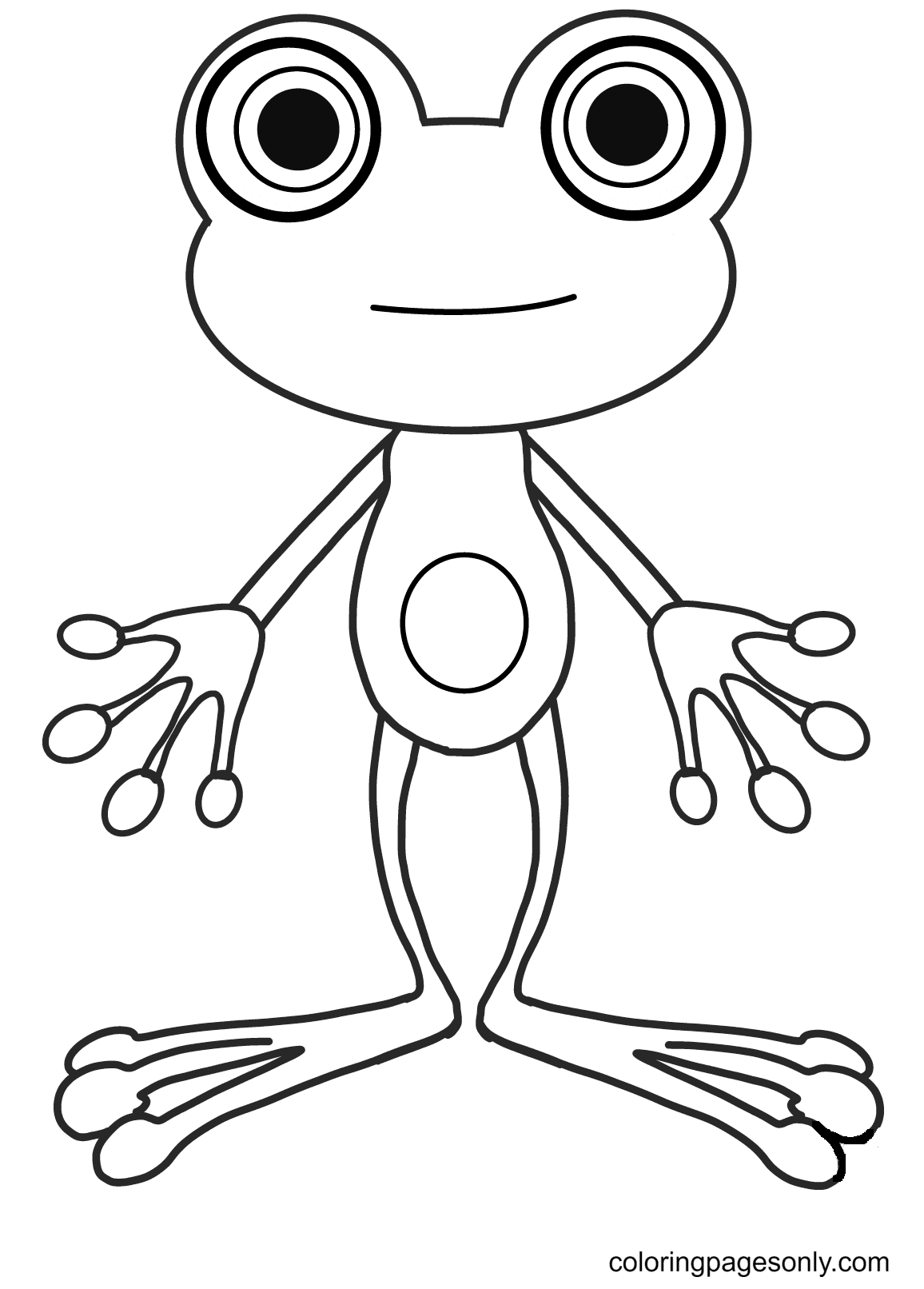
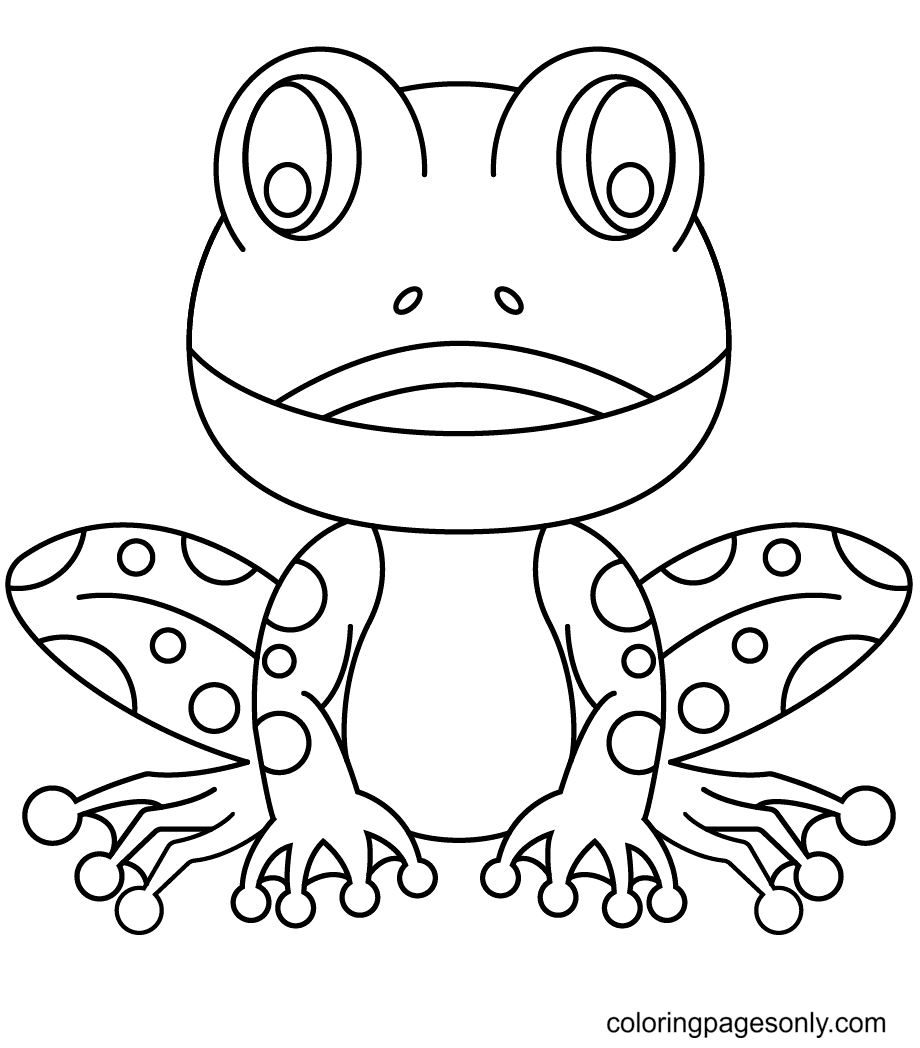
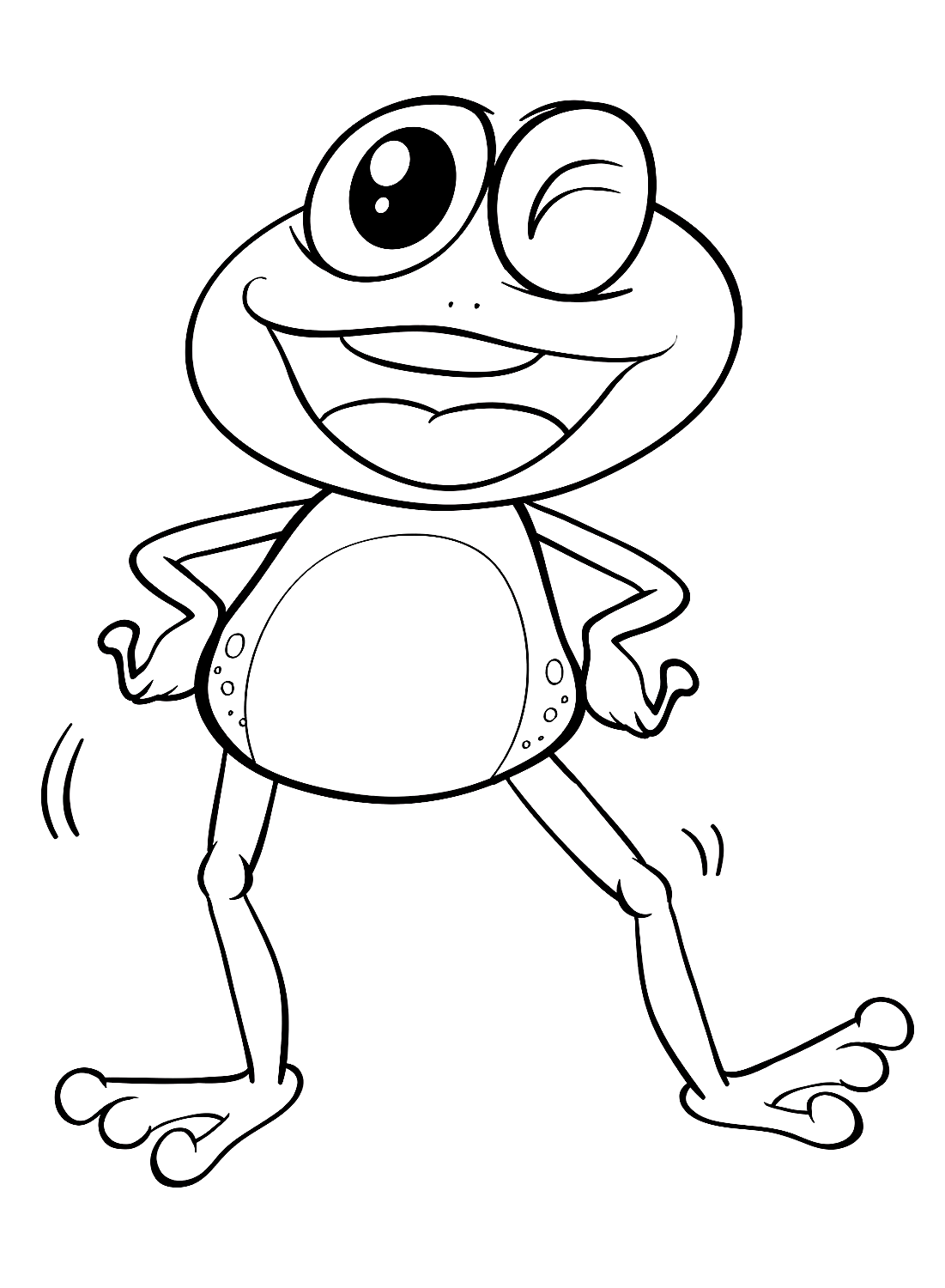
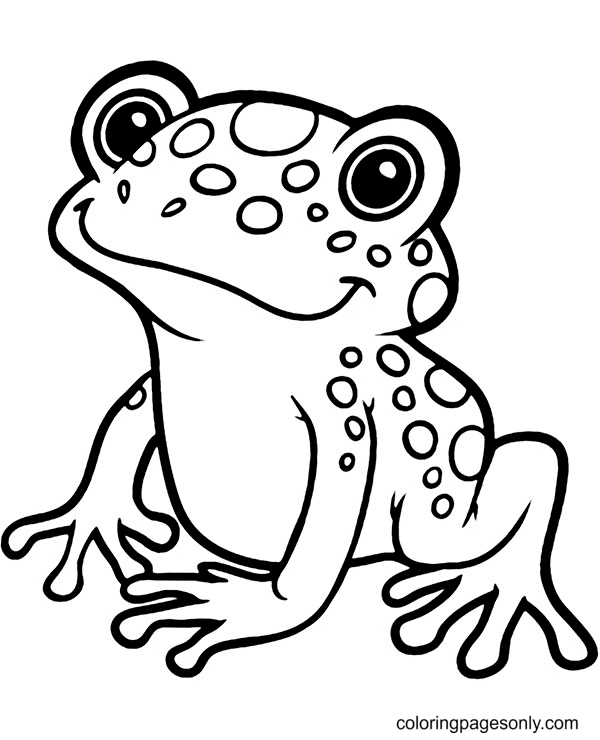
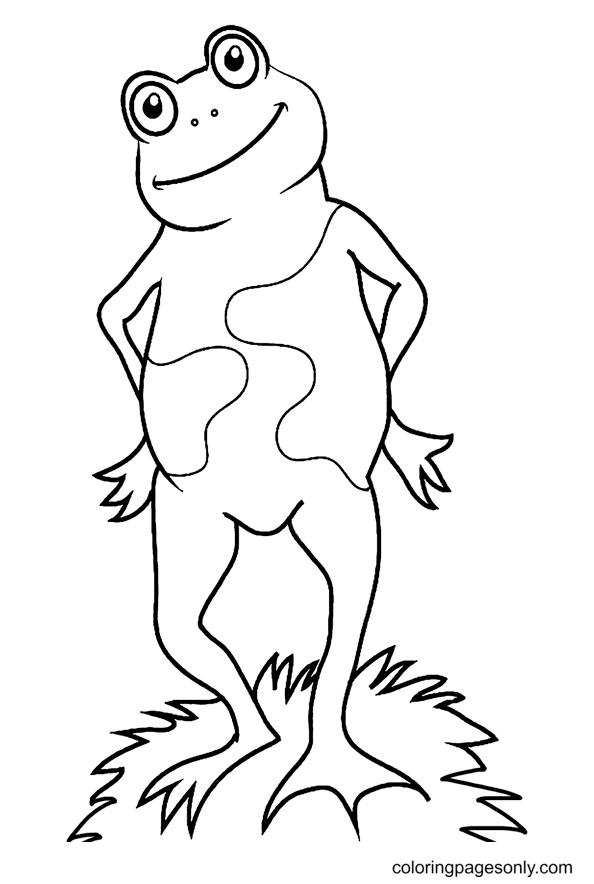
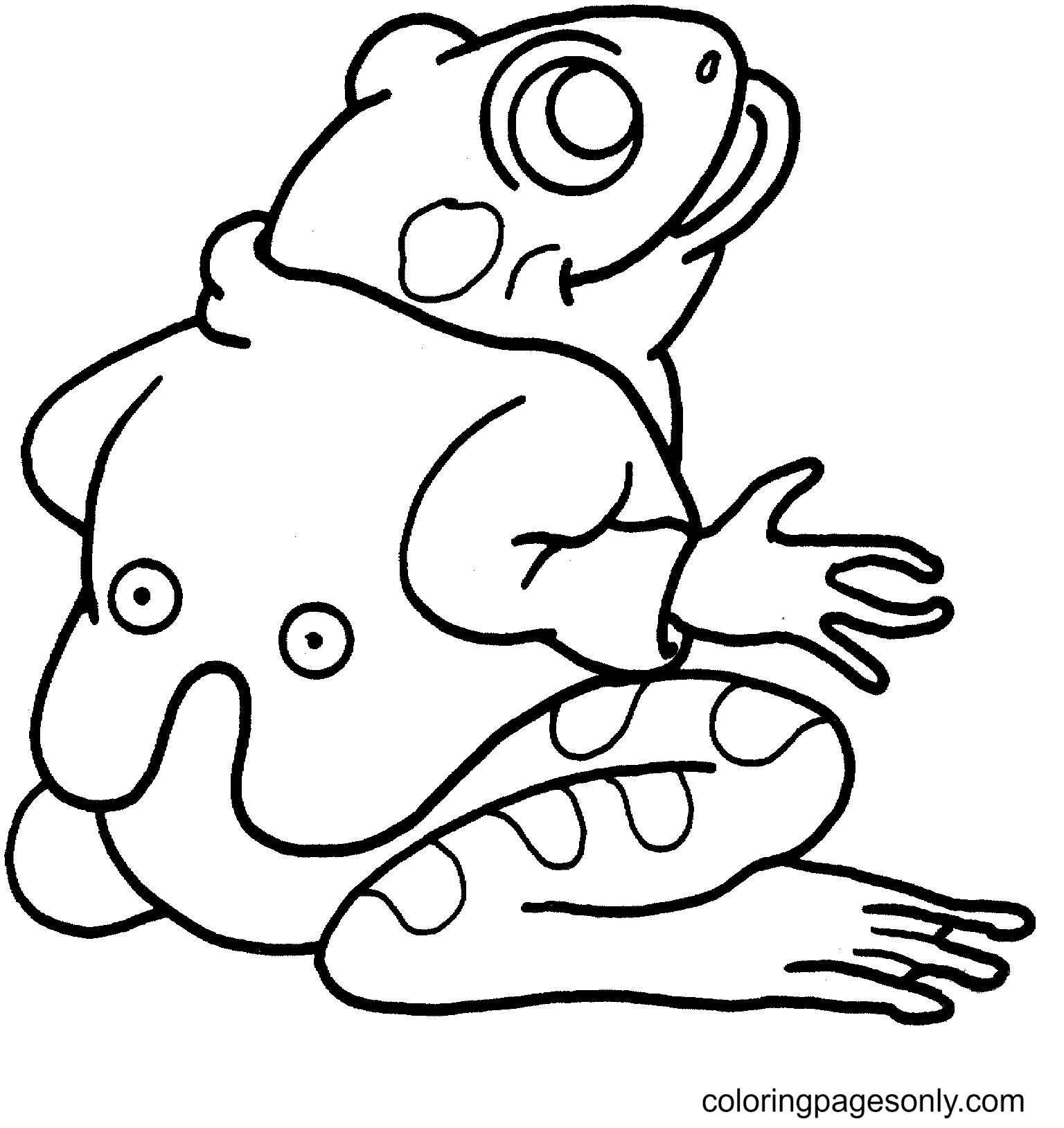
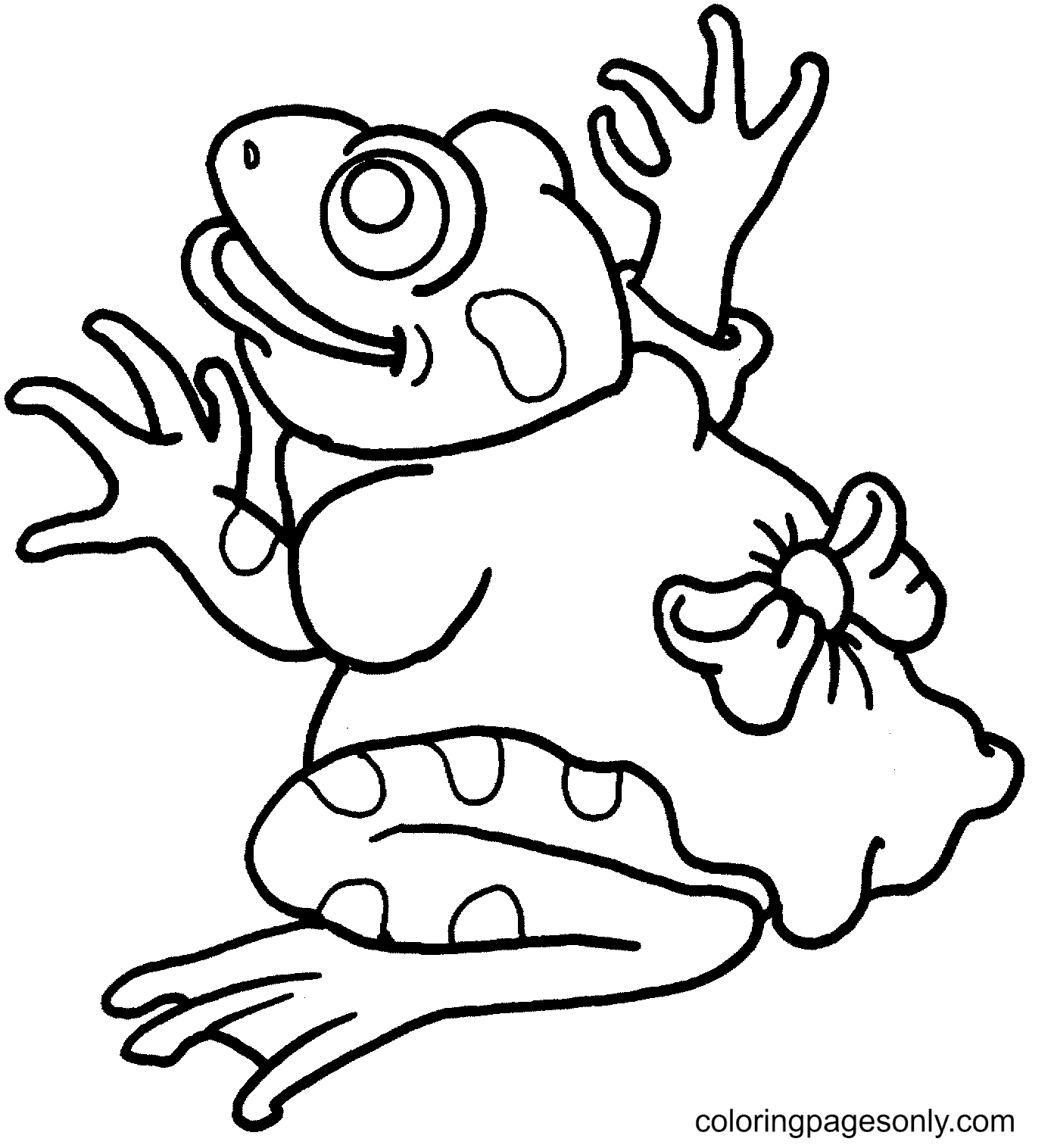
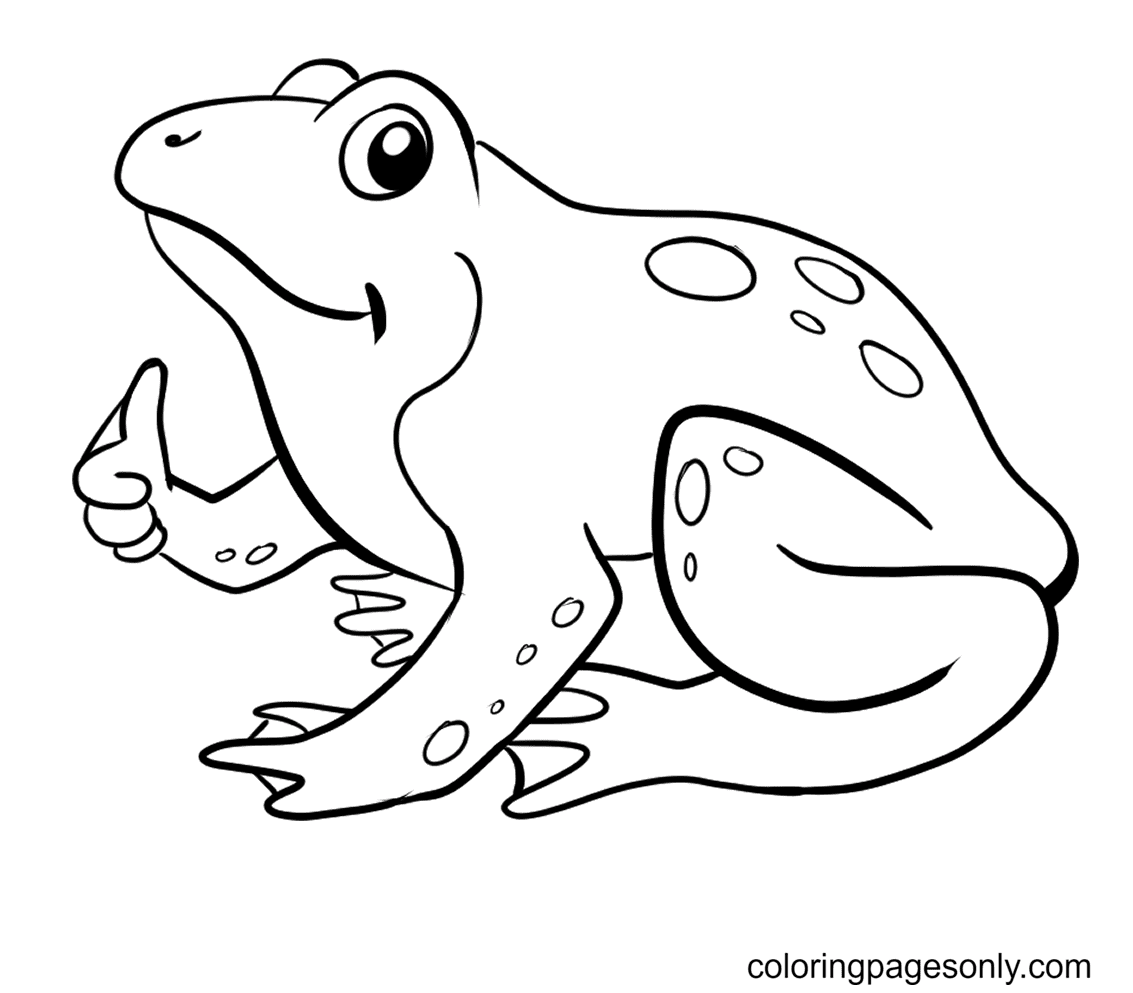
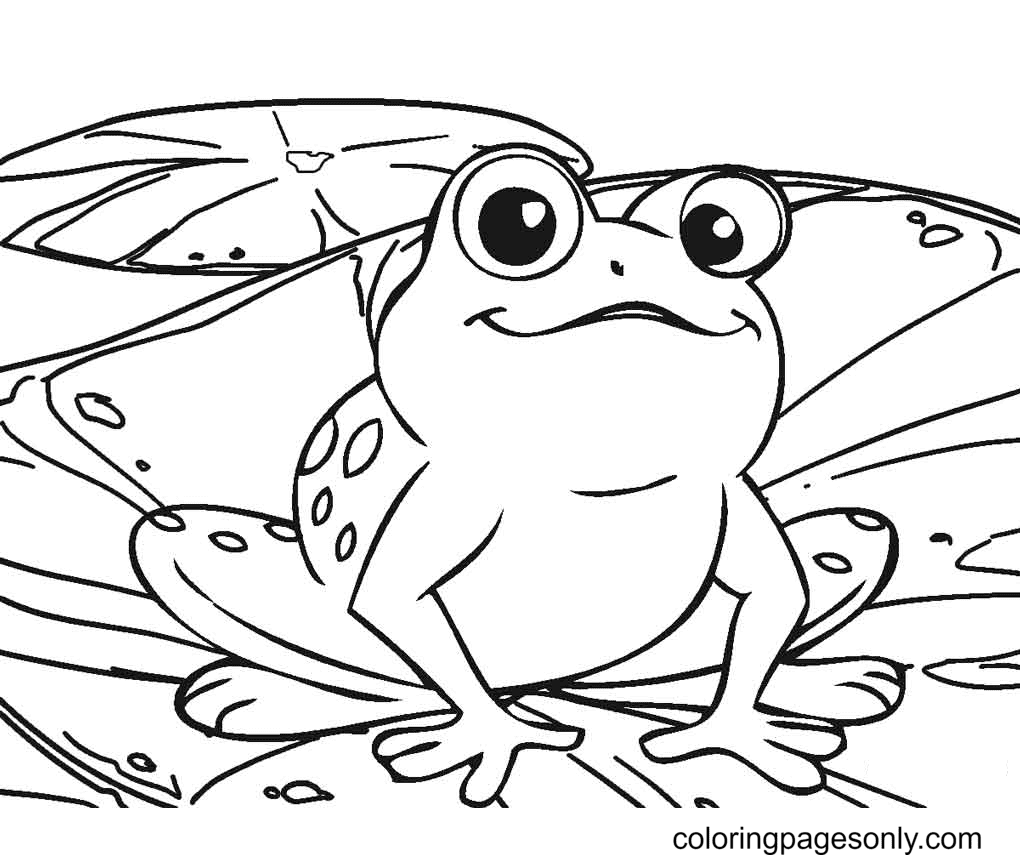
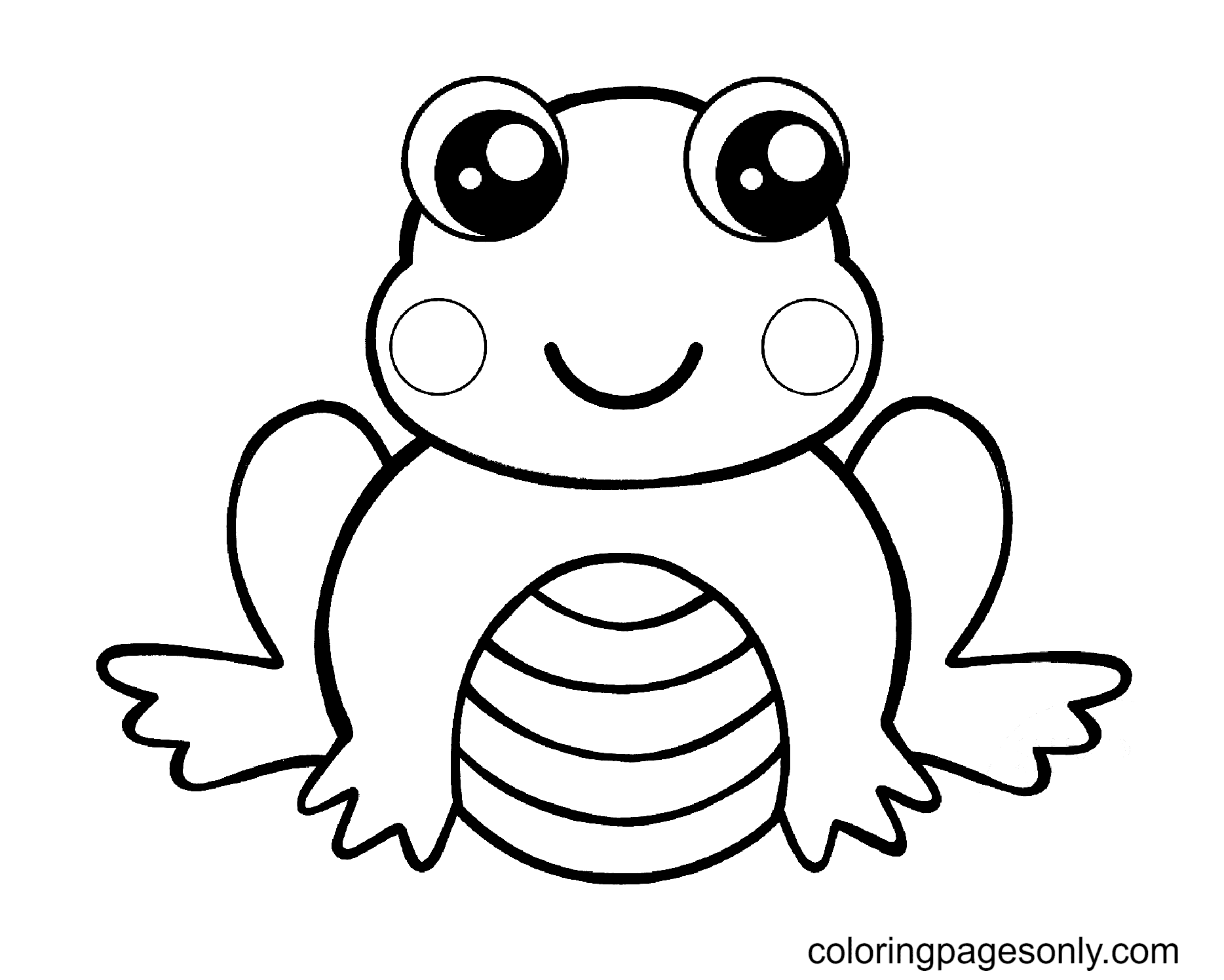
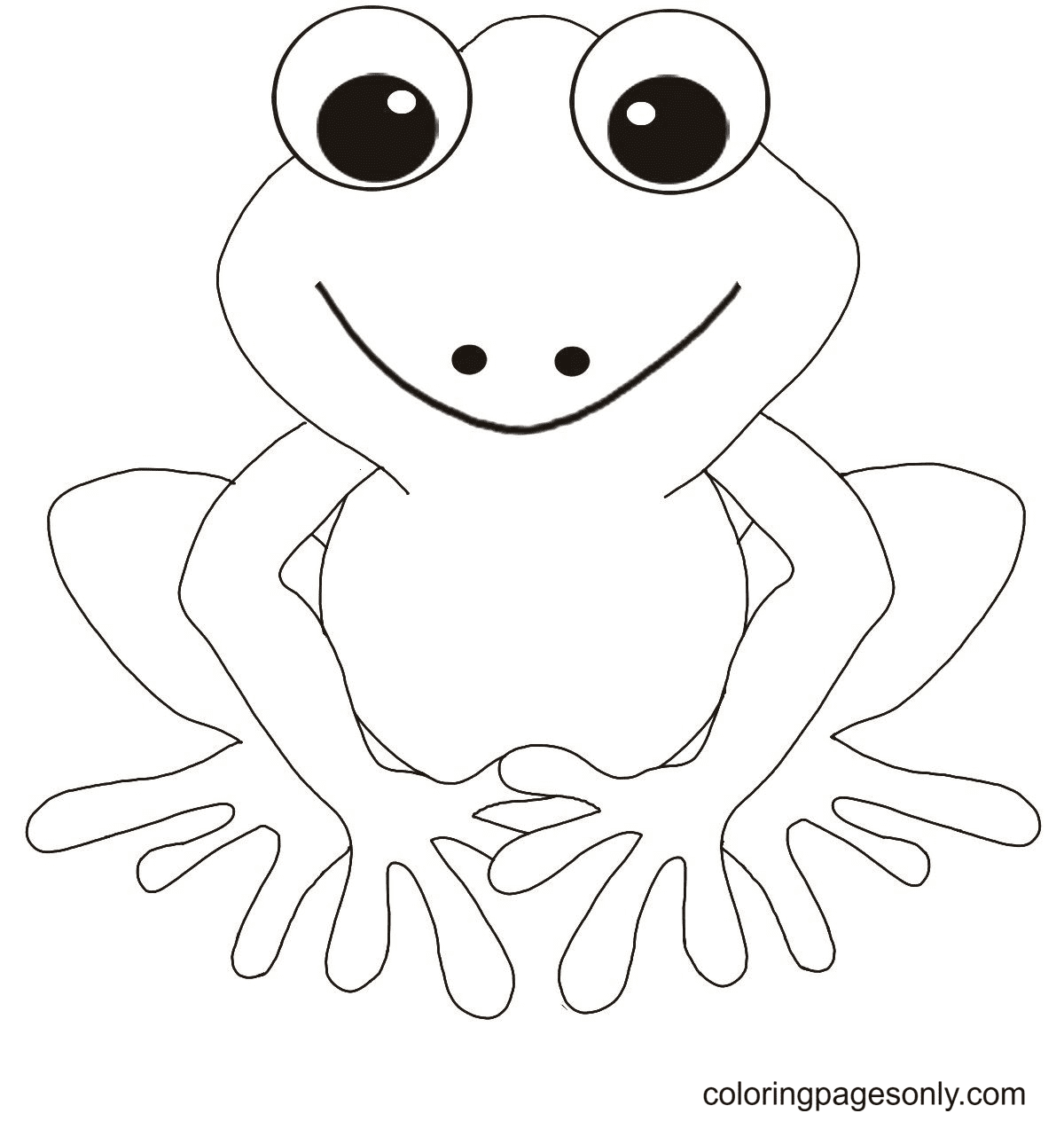
The largest category in the collection and the collection’s best entry point for children ages 3–7. Tiles including Cute Frog for Kids, Happy Frog for Kids, Cute Baby Frog, Cute Little Frog, Cute Free Frog, A Frog Looks Cute and Happy, Friendly Frog, Cartoon Frog, and Kawaii Frog use simplified, rounded character designs with large expressive eyes and minimal internal detail – the visual language of children’s illustration at its most accessible.

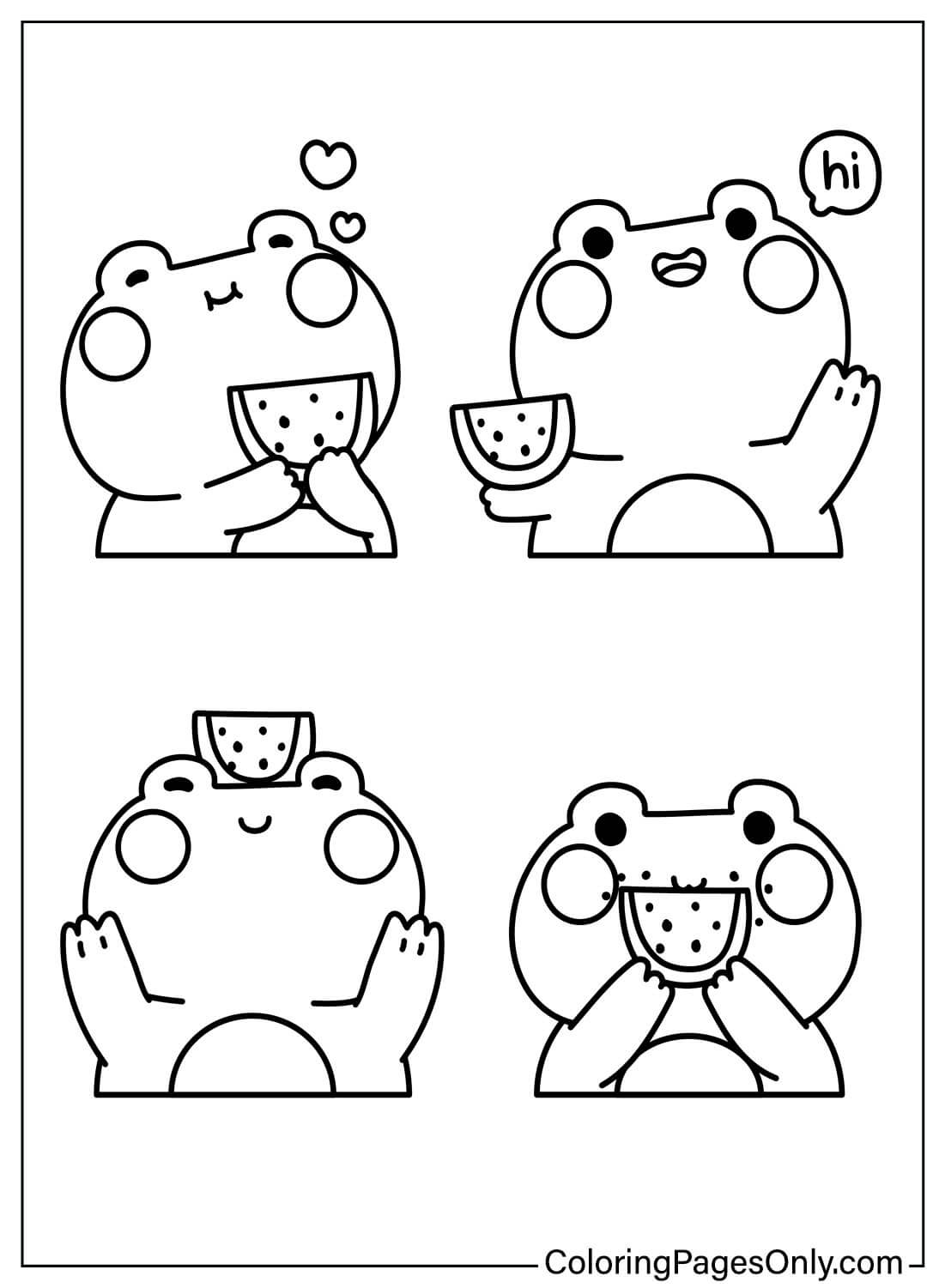
These tiles prioritize large, clearly defined color zones that allow young colorists to fill broad areas with color without requiring precise control within outlines. They work equally well with chunky crayons for preschoolers and standard colored pencils for early elementary ages. The Cute Frog with Watermelon tile adds a secondary object (the watermelon slice) that gives children a second color problem to solve alongside the frog itself – the strong red-and-green contrast of watermelon makes it one of the most satisfying secondary elements in the collection.
Frogs in Nature and Pond Habitats

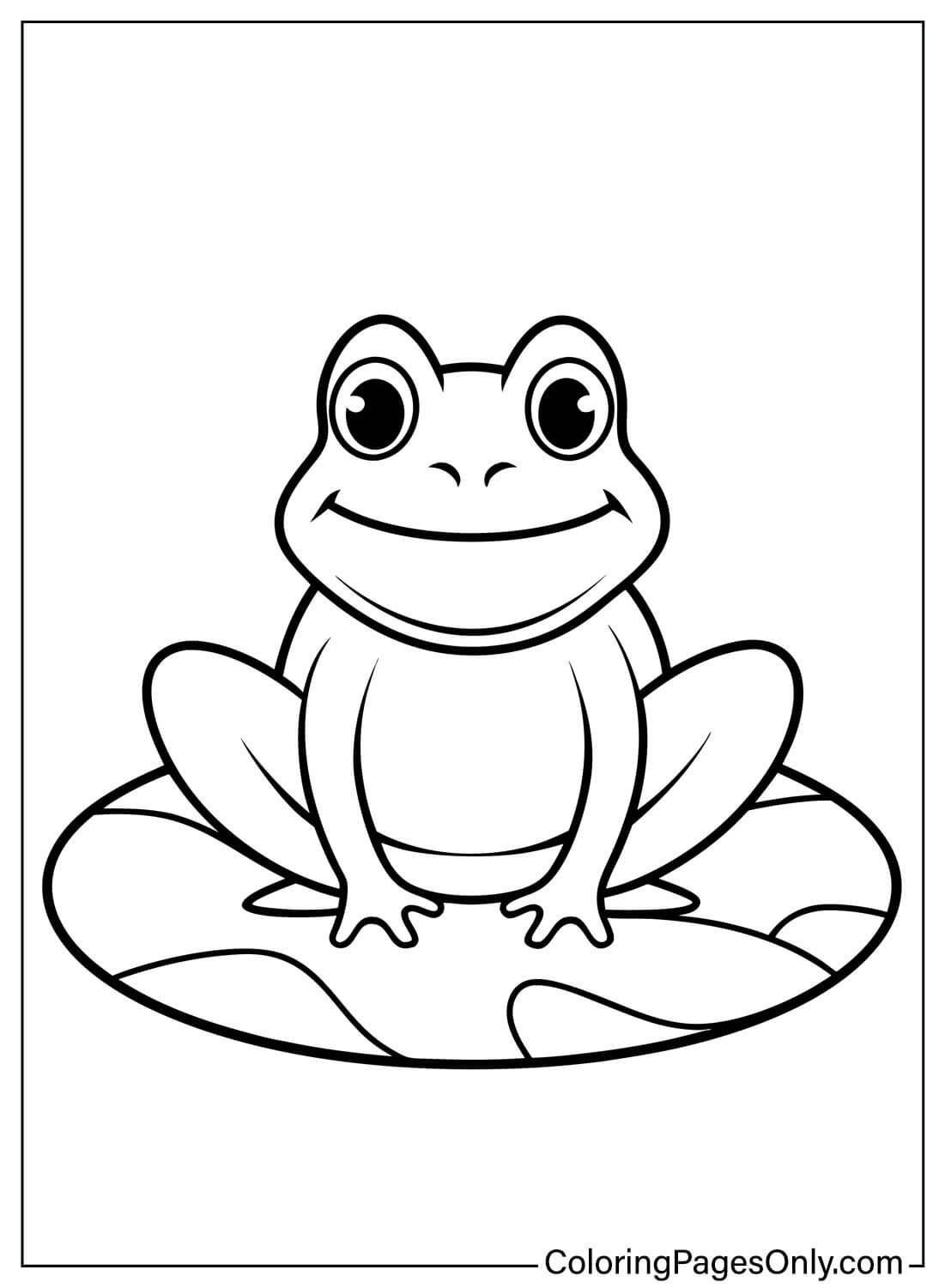
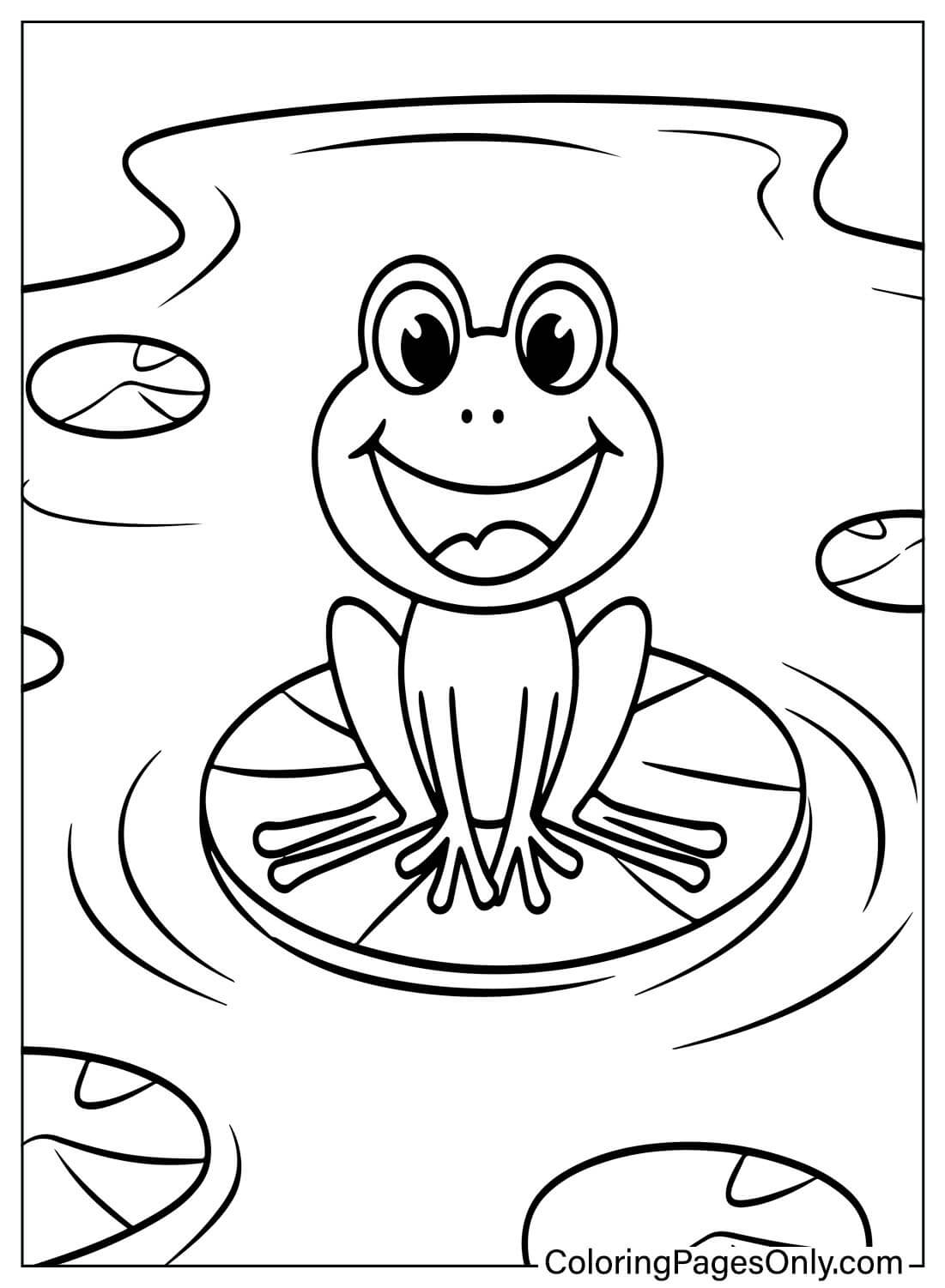
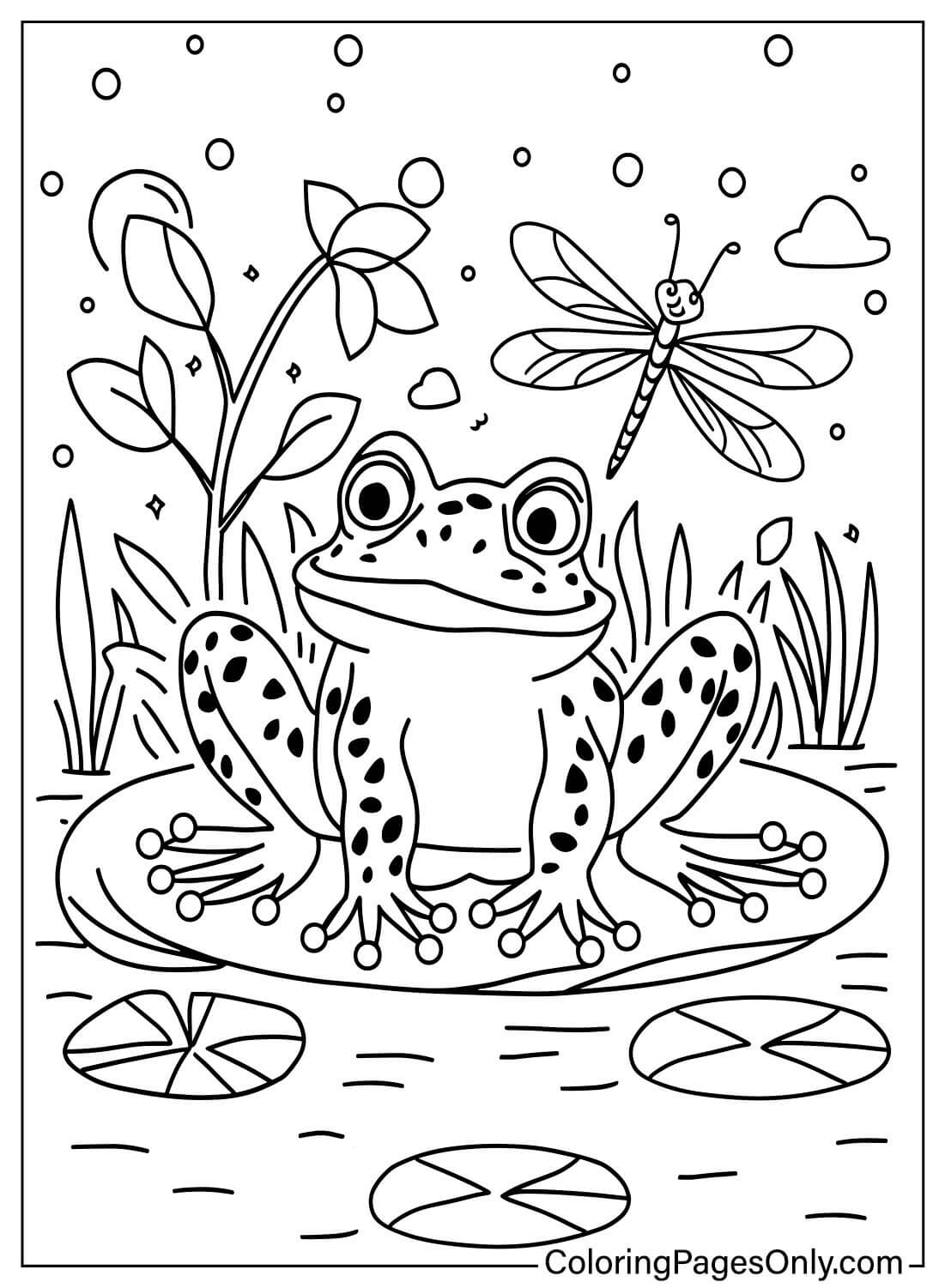
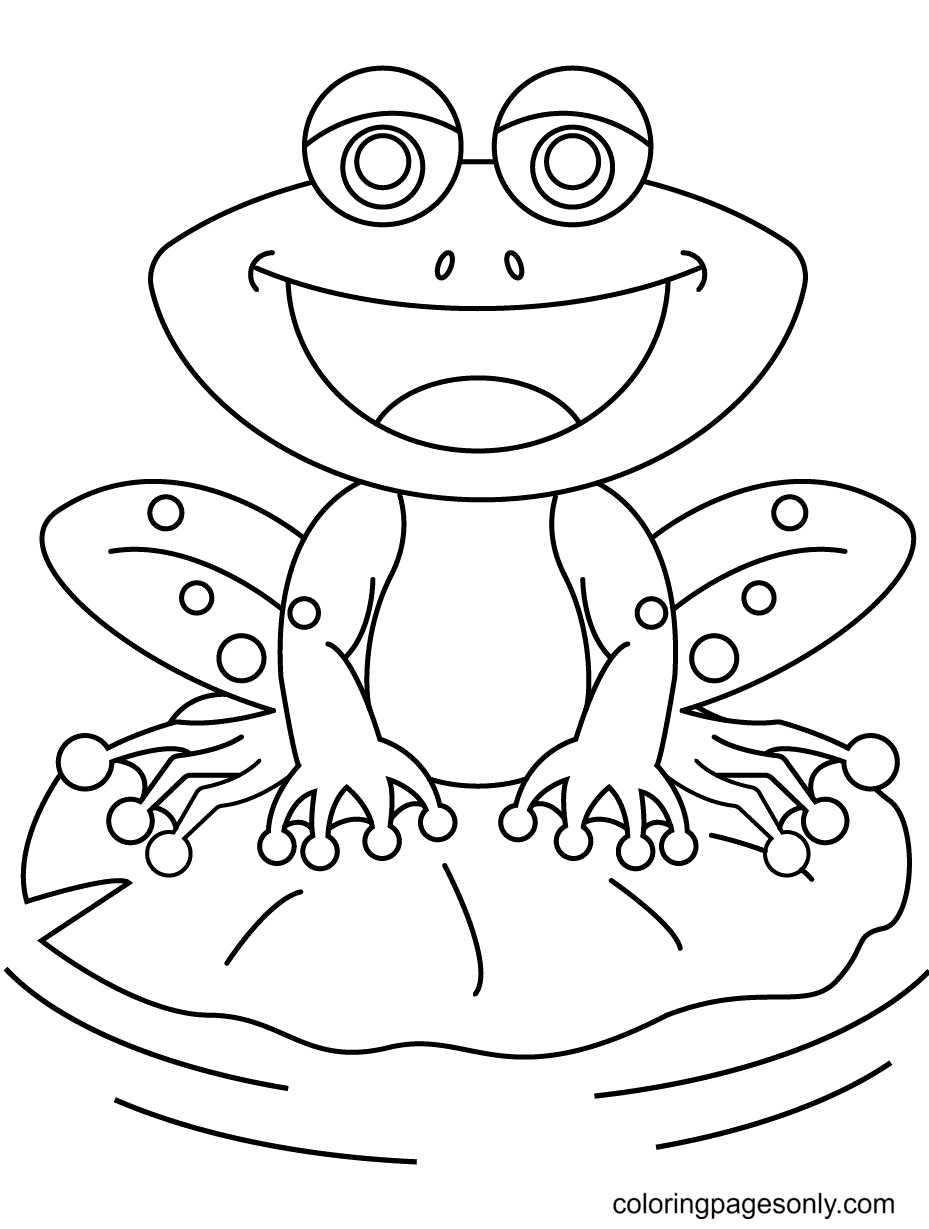
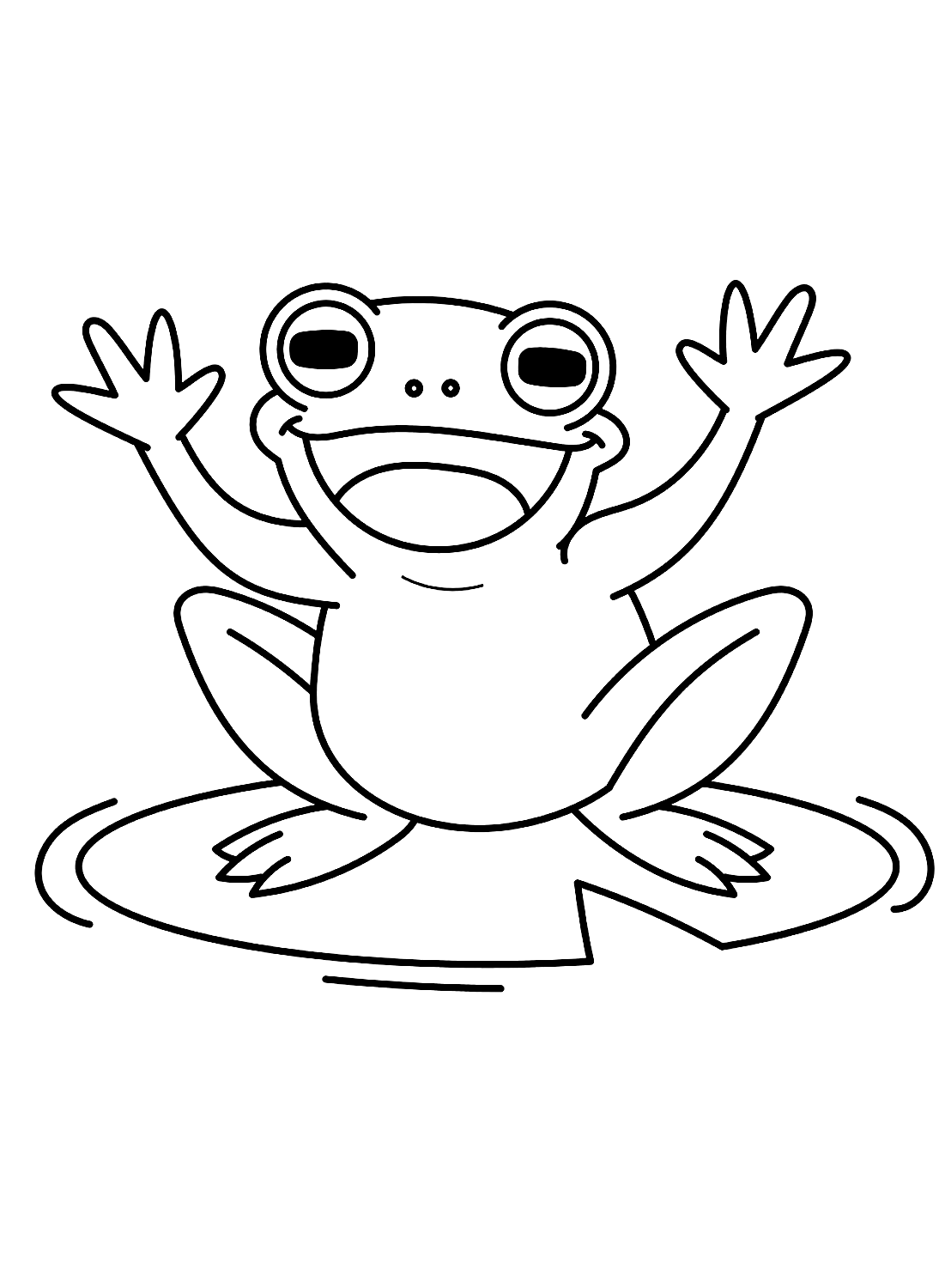
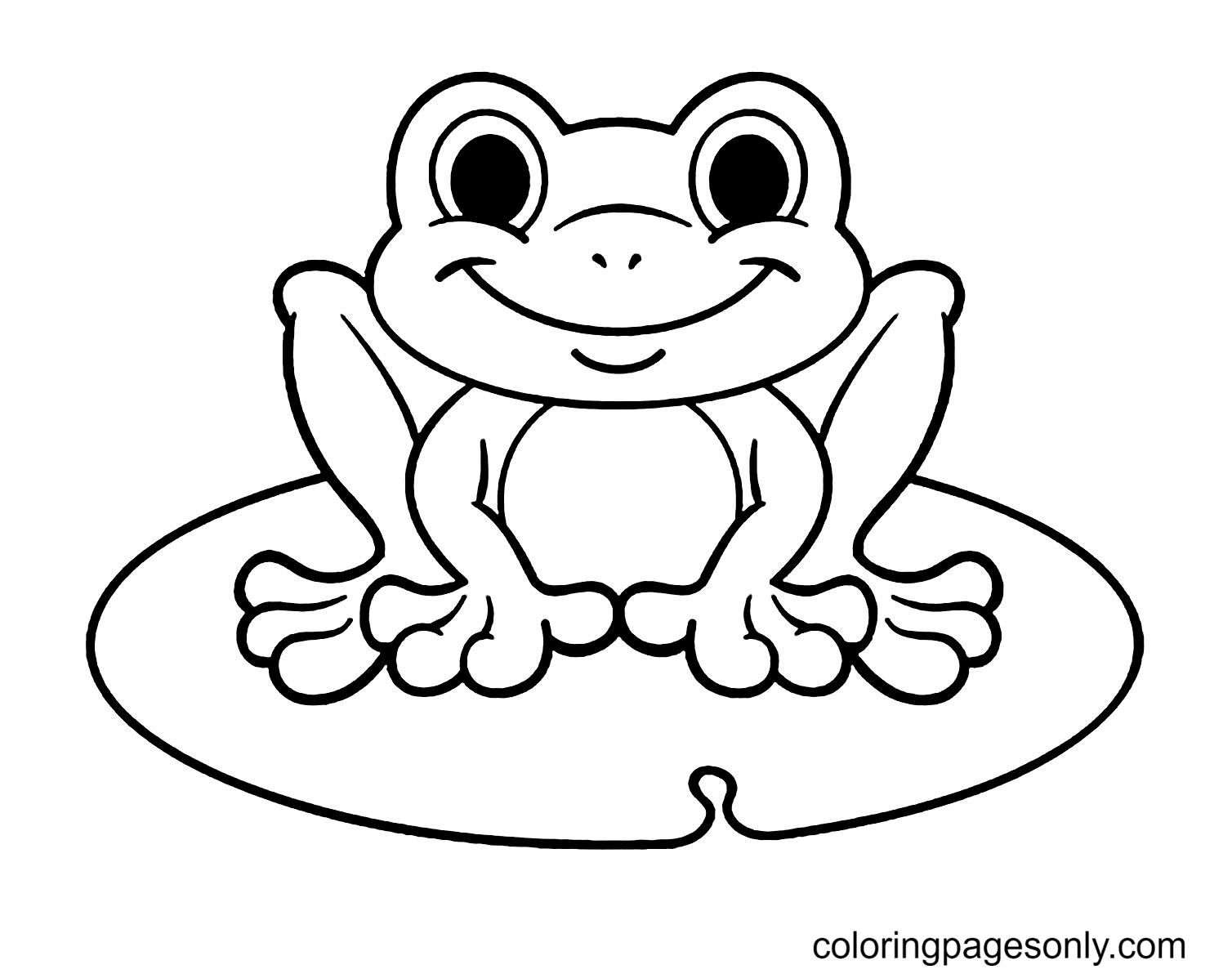
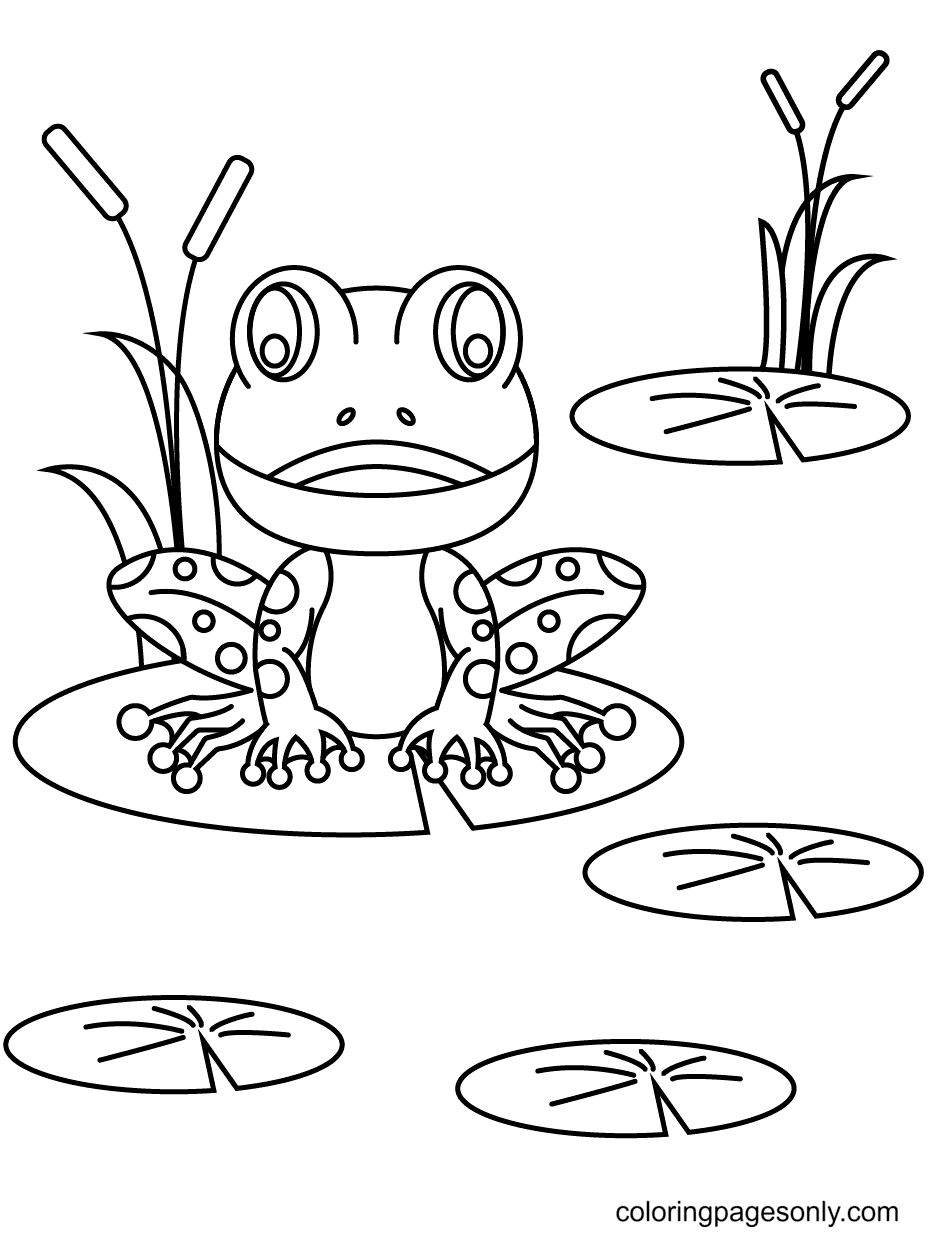
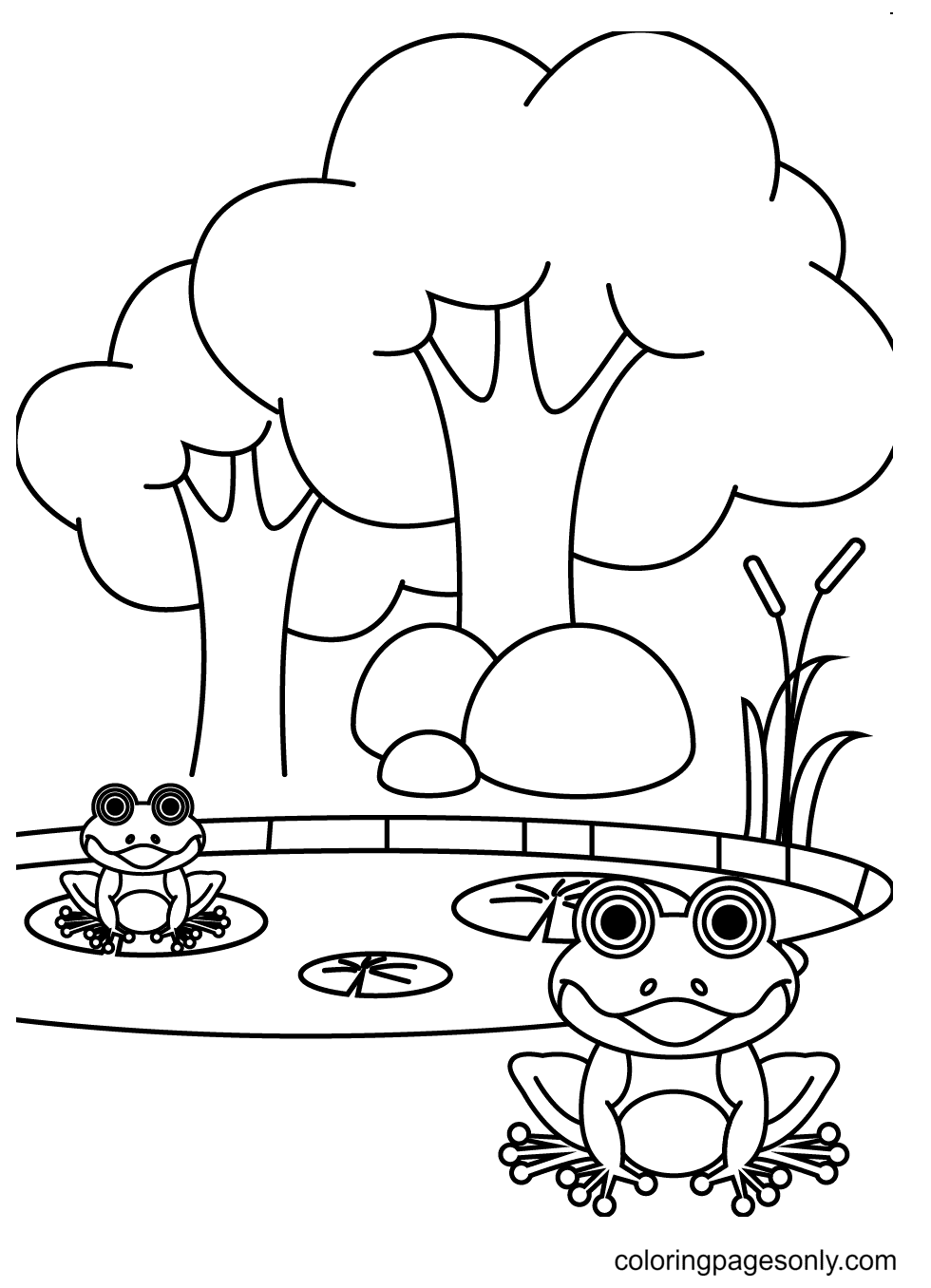
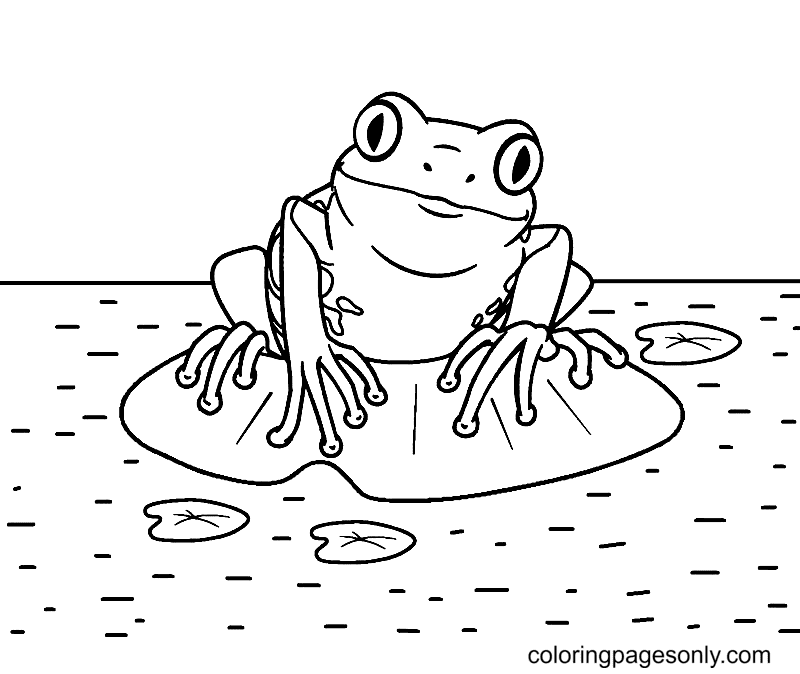
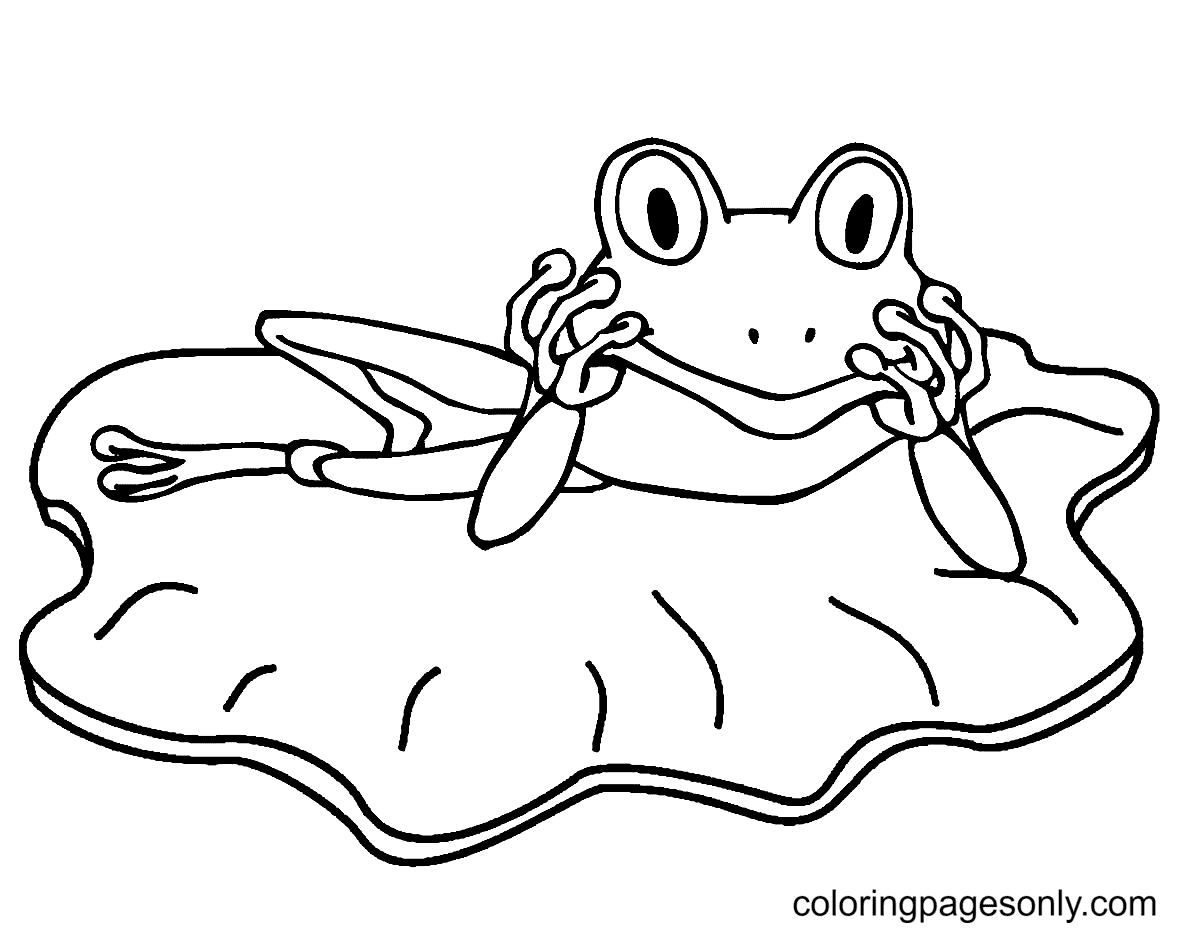
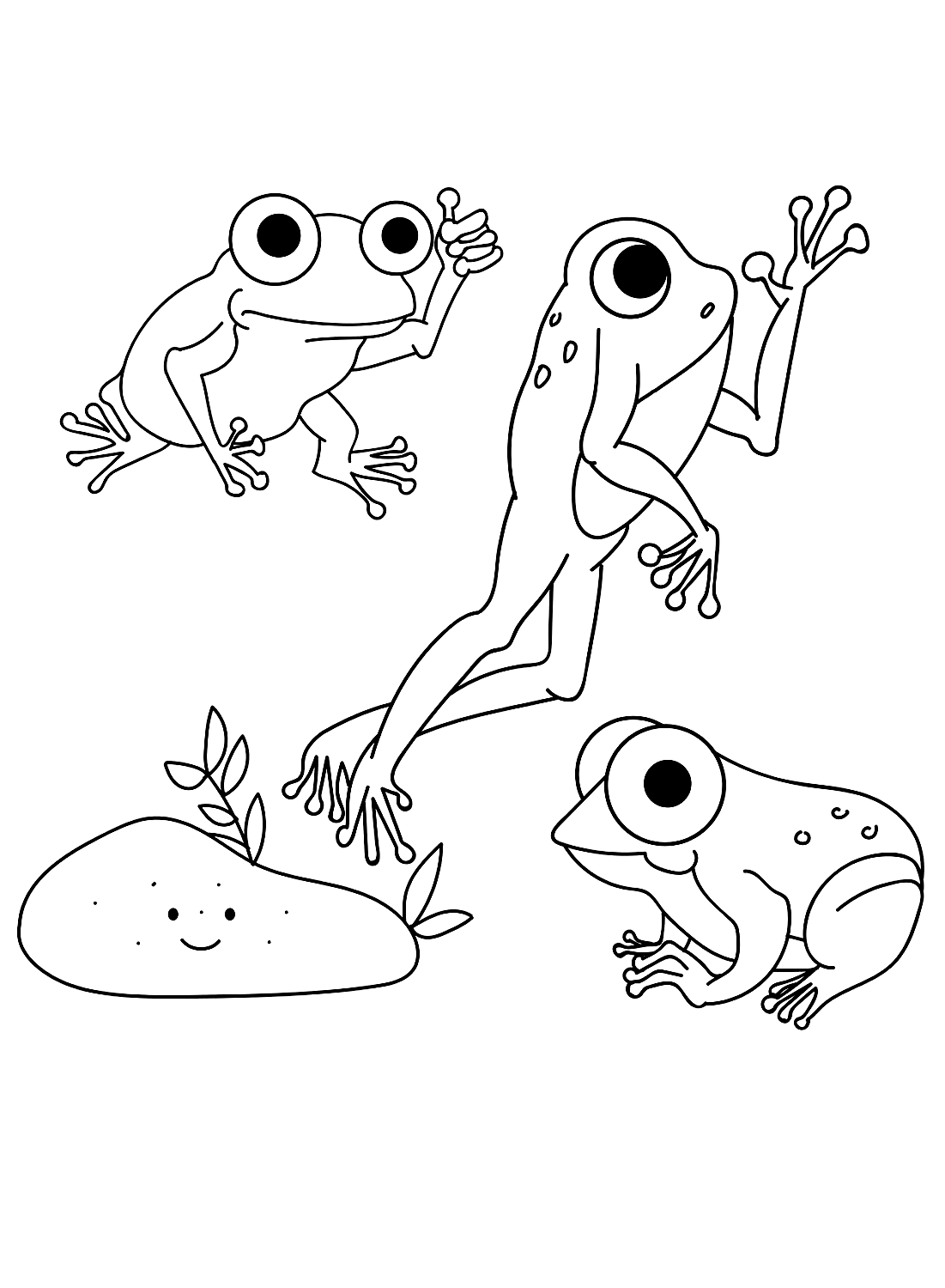
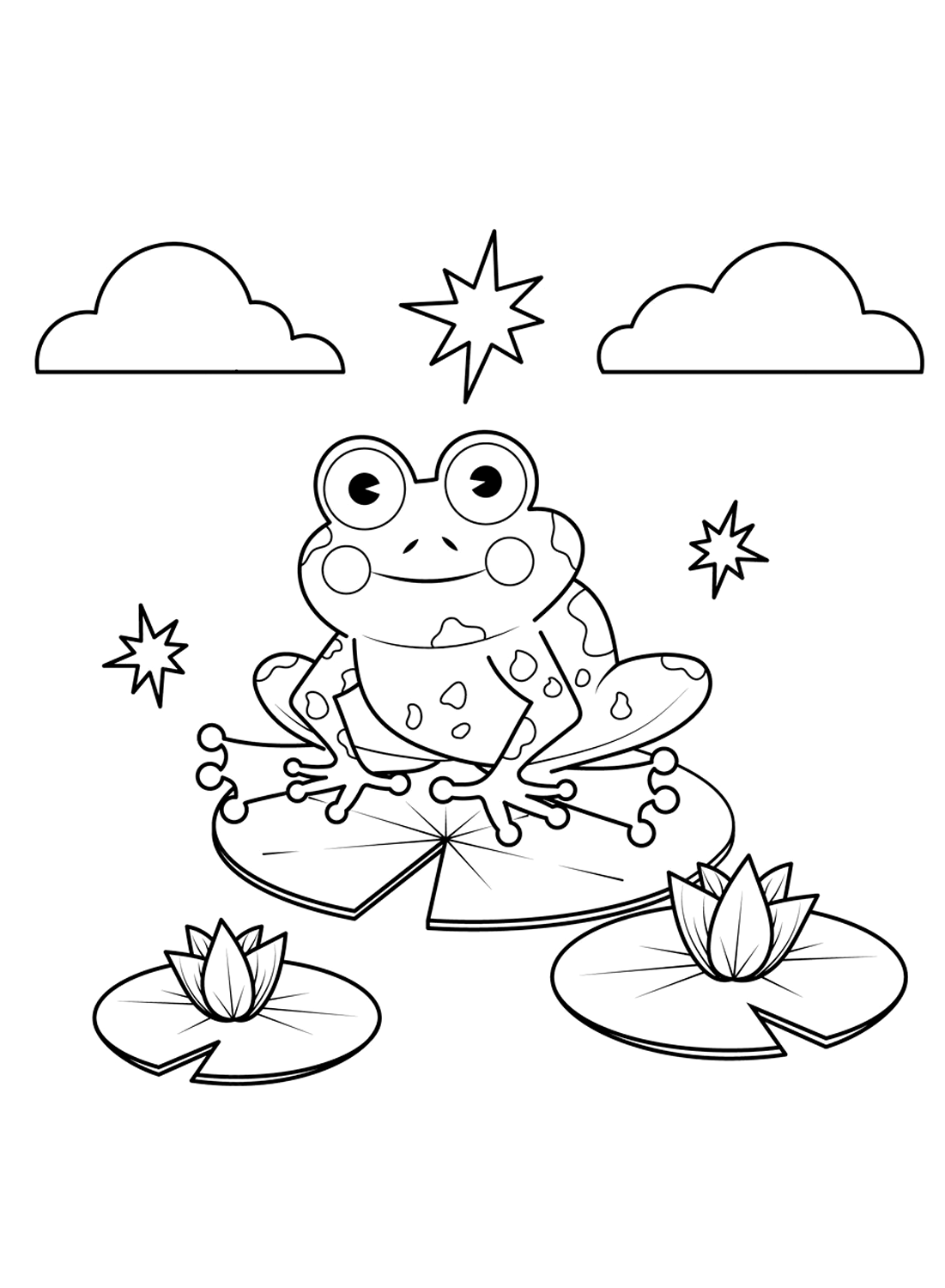
The collection’s most numerous thematic cluster covers frogs in their natural environments with varying degrees of naturalism. Frog on Lilypad, Frog On a Lily Pad, Frog On a Lilypad, Frog Relaxing on a Lilypad in The Pond, Two Cute Frogs Relaxing On a Pond, Frog and Lily Pad, and Frog and Lilypads all explore the iconic frog-on-a-lily-pad composition that is one of nature art’s most enduring subjects.

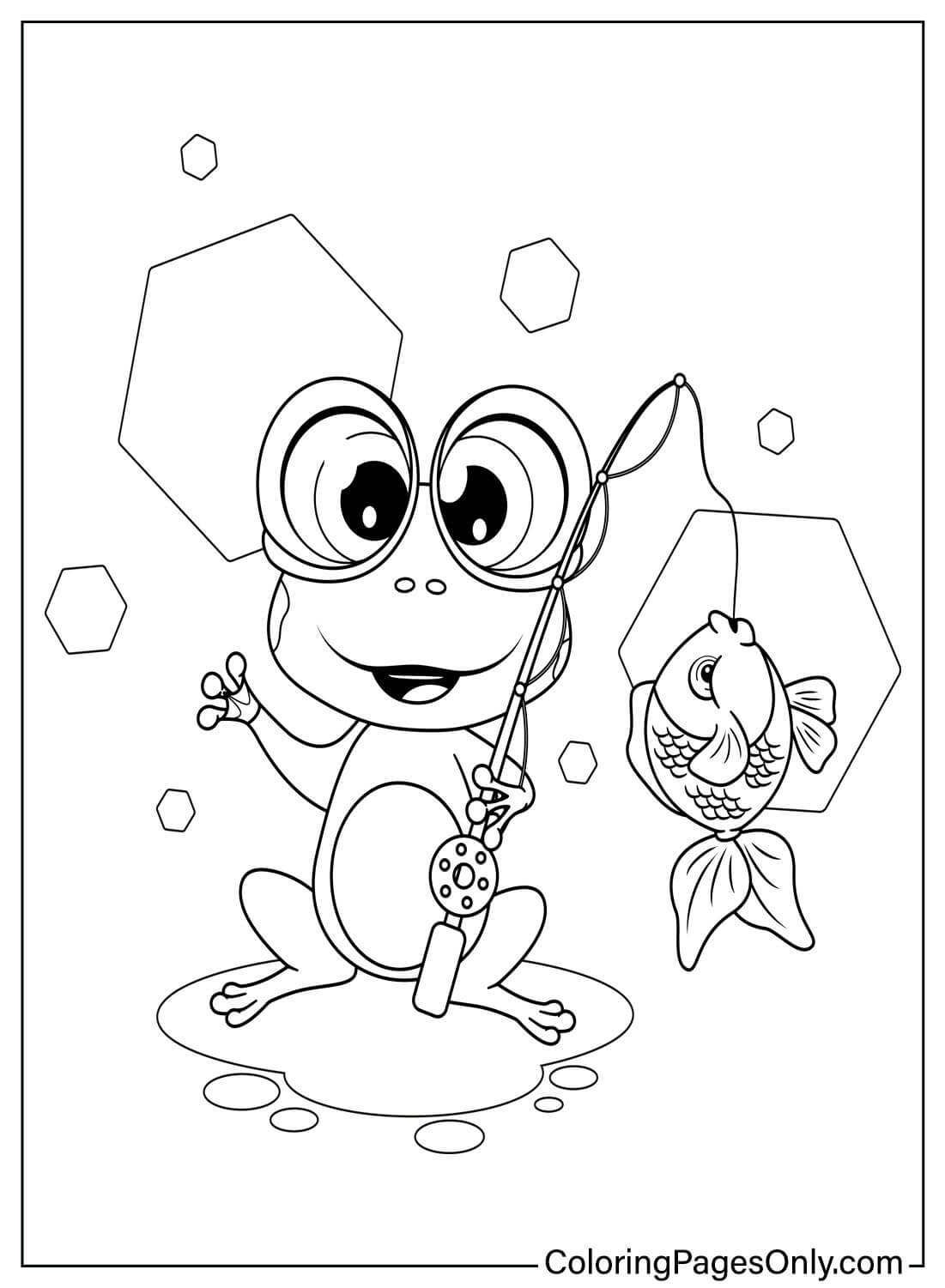
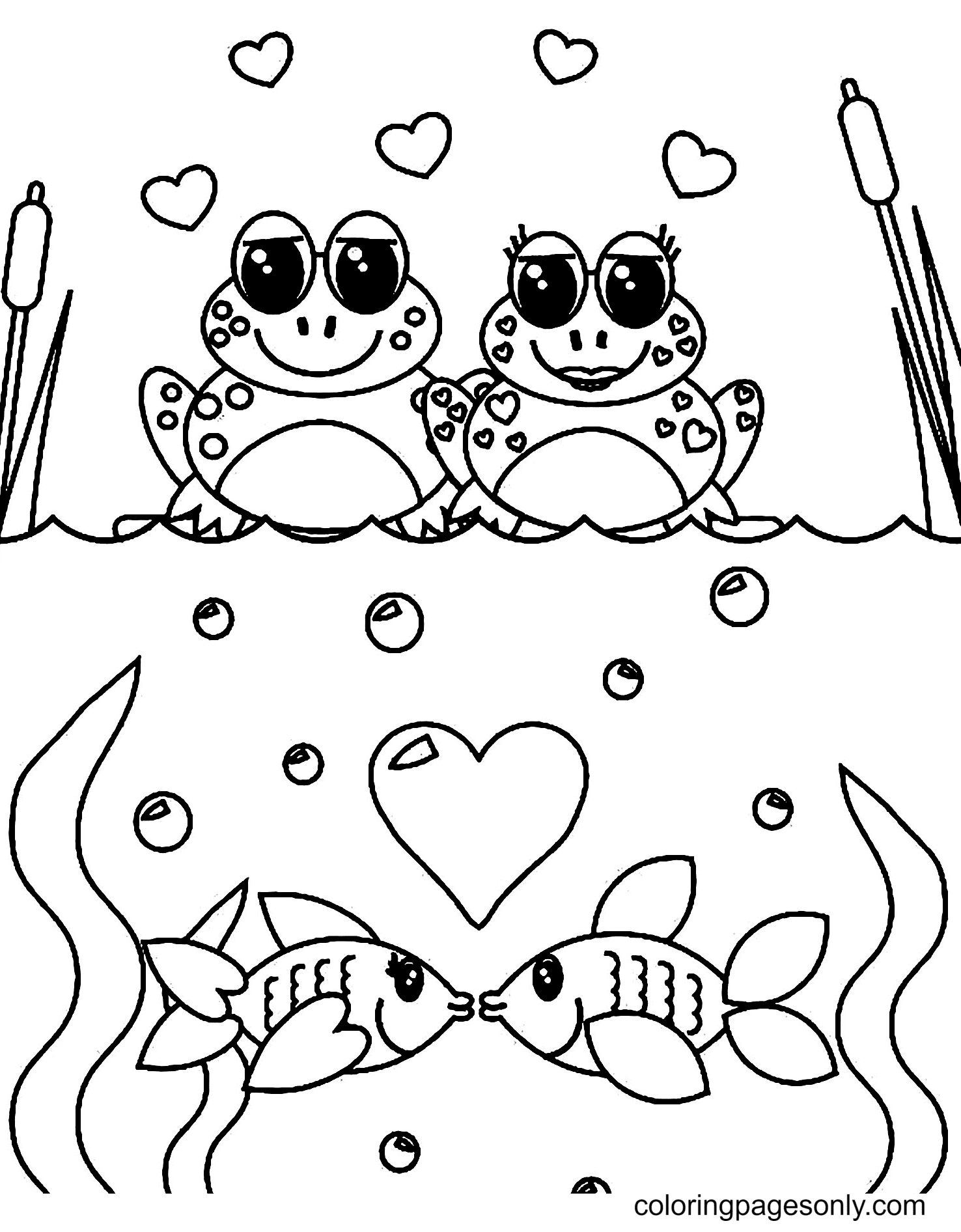
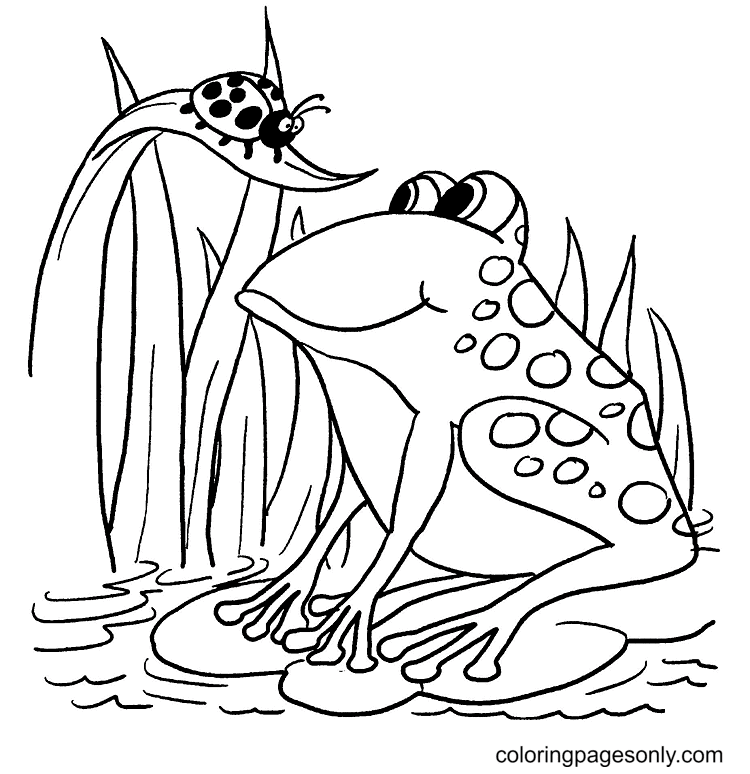
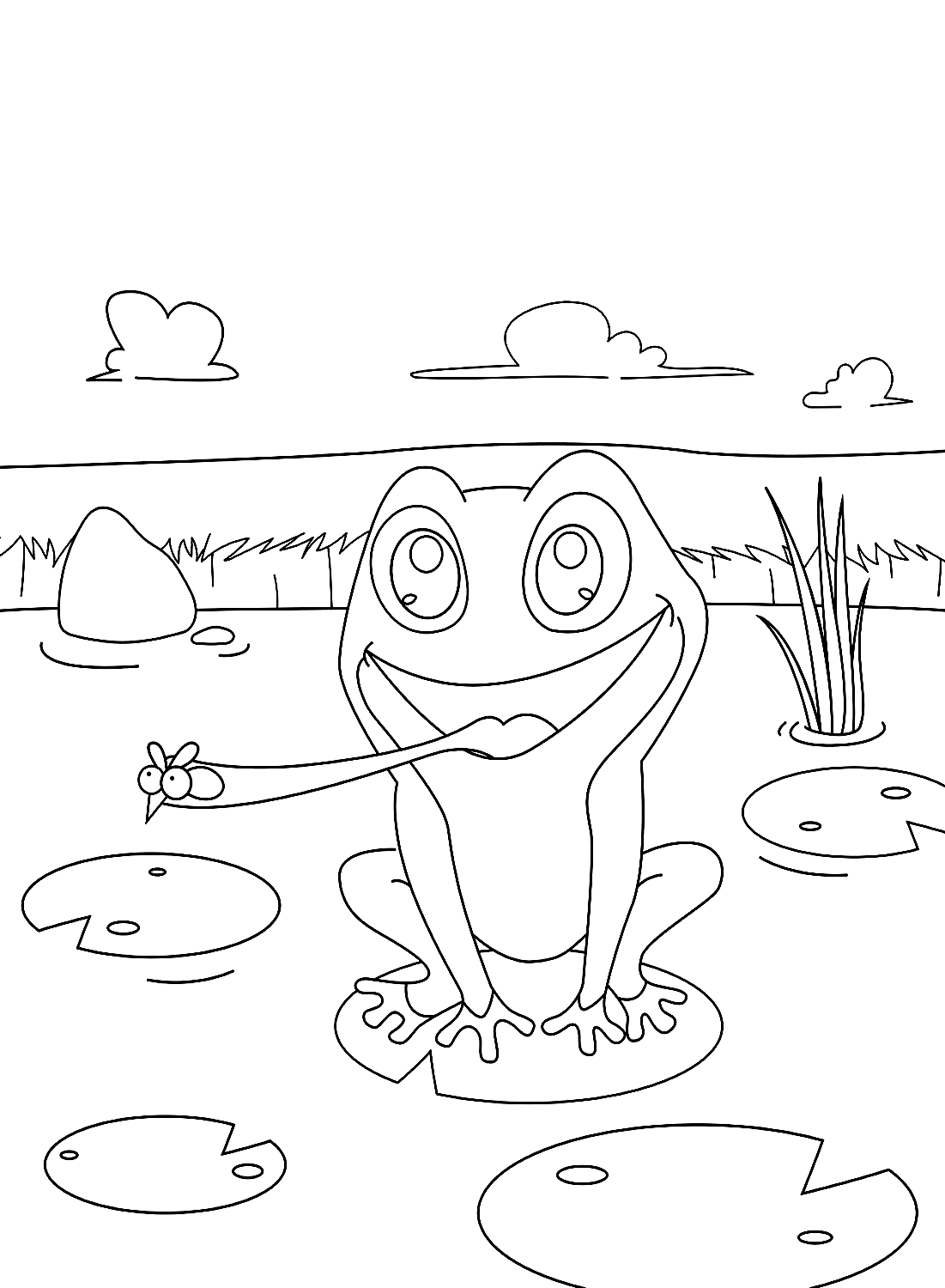
The pond ecosystem tiles – Frog and Dragonfly, Frog and Ladybug, Pair of Frogs and Pair of Fish, Frog with Fishing Rod and Fish, Frog eats insect coloring, Frog Catches Prey – place frogs in the ecological relationships that define their natural context. The Frog with Lotus and Frog and Lotus tiles use the lotus flower – a culturally significant water plant in Asian and Buddhist traditions – as the companion element rather than the more Western lily pad.

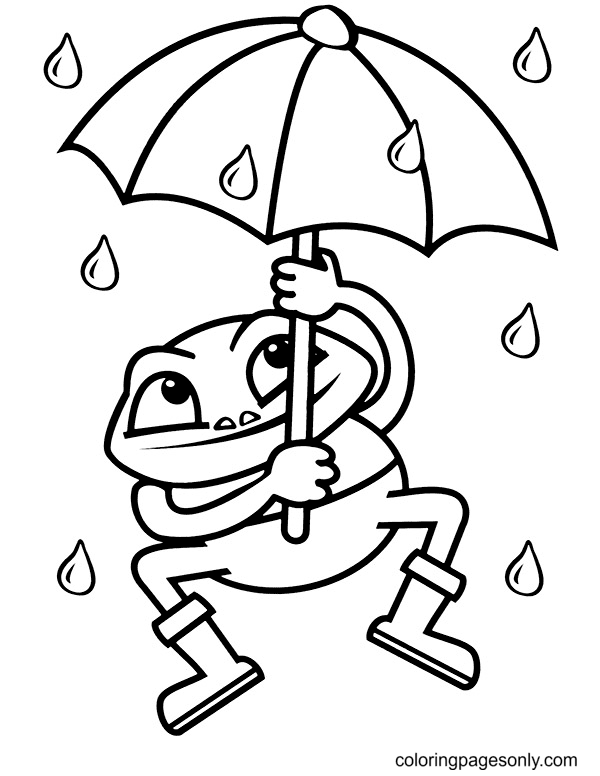
The Rainbow and Frog tile places a frog in a post-rain outdoor setting – connecting frogs’ natural appearance after rainfall (when they emerge to breed and feed) with one of children’s most beloved weather phenomena.

Royalty and Fantasy Frogs

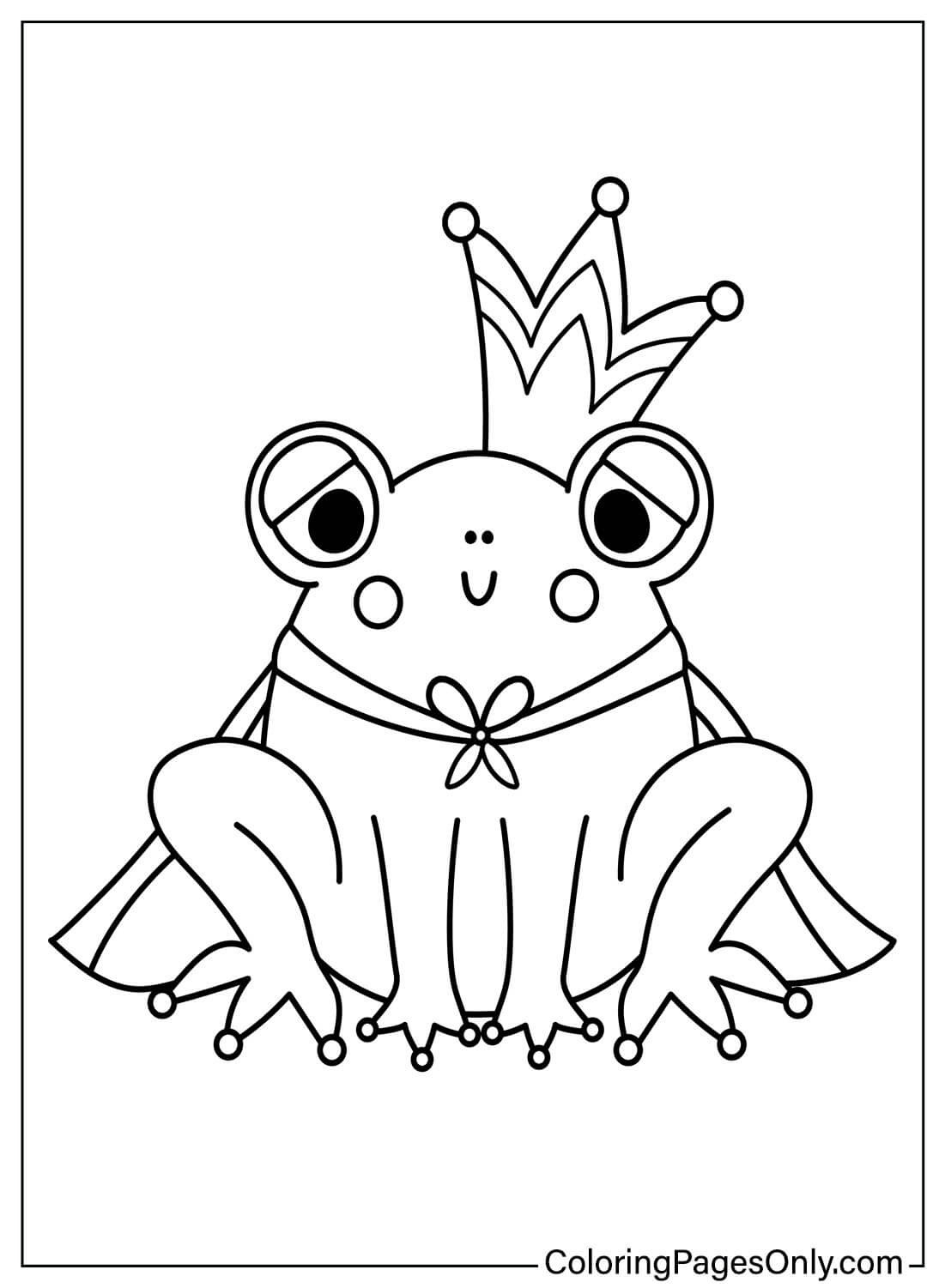
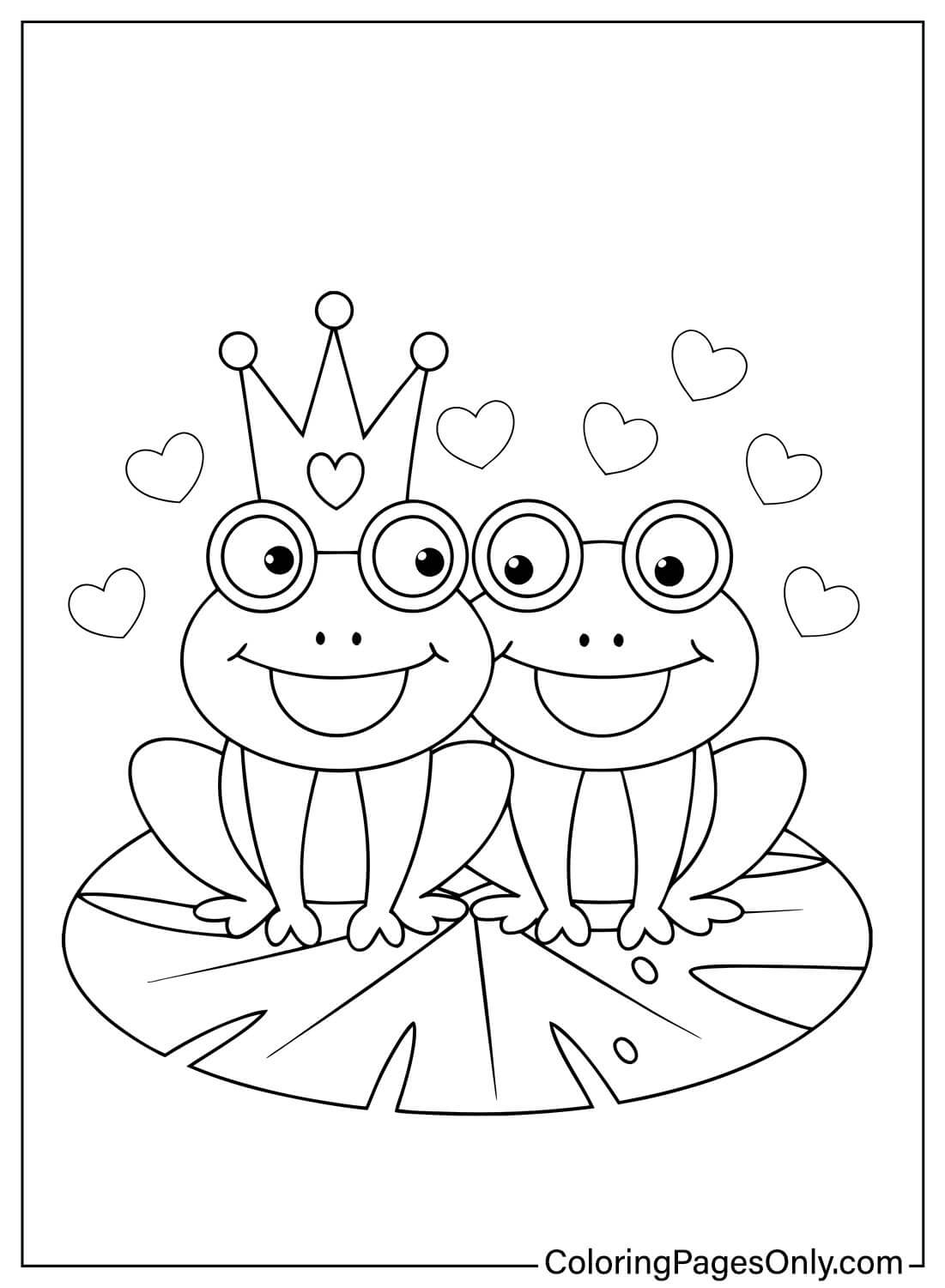
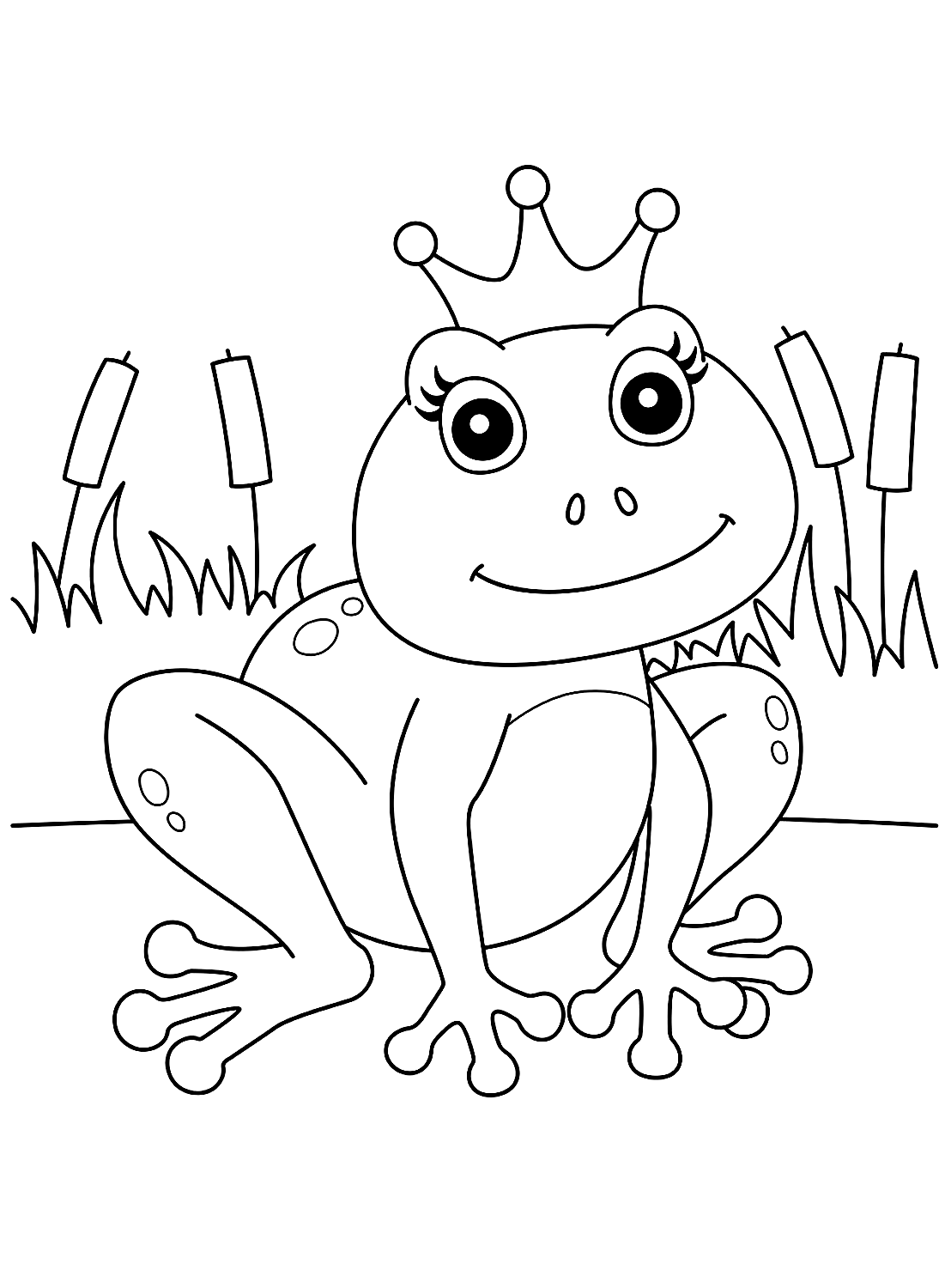
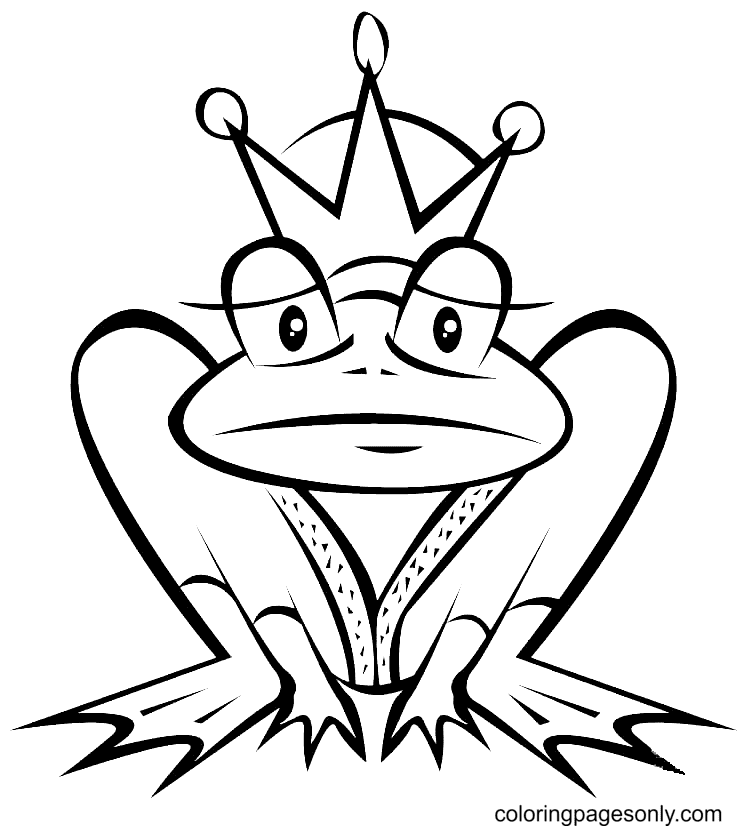
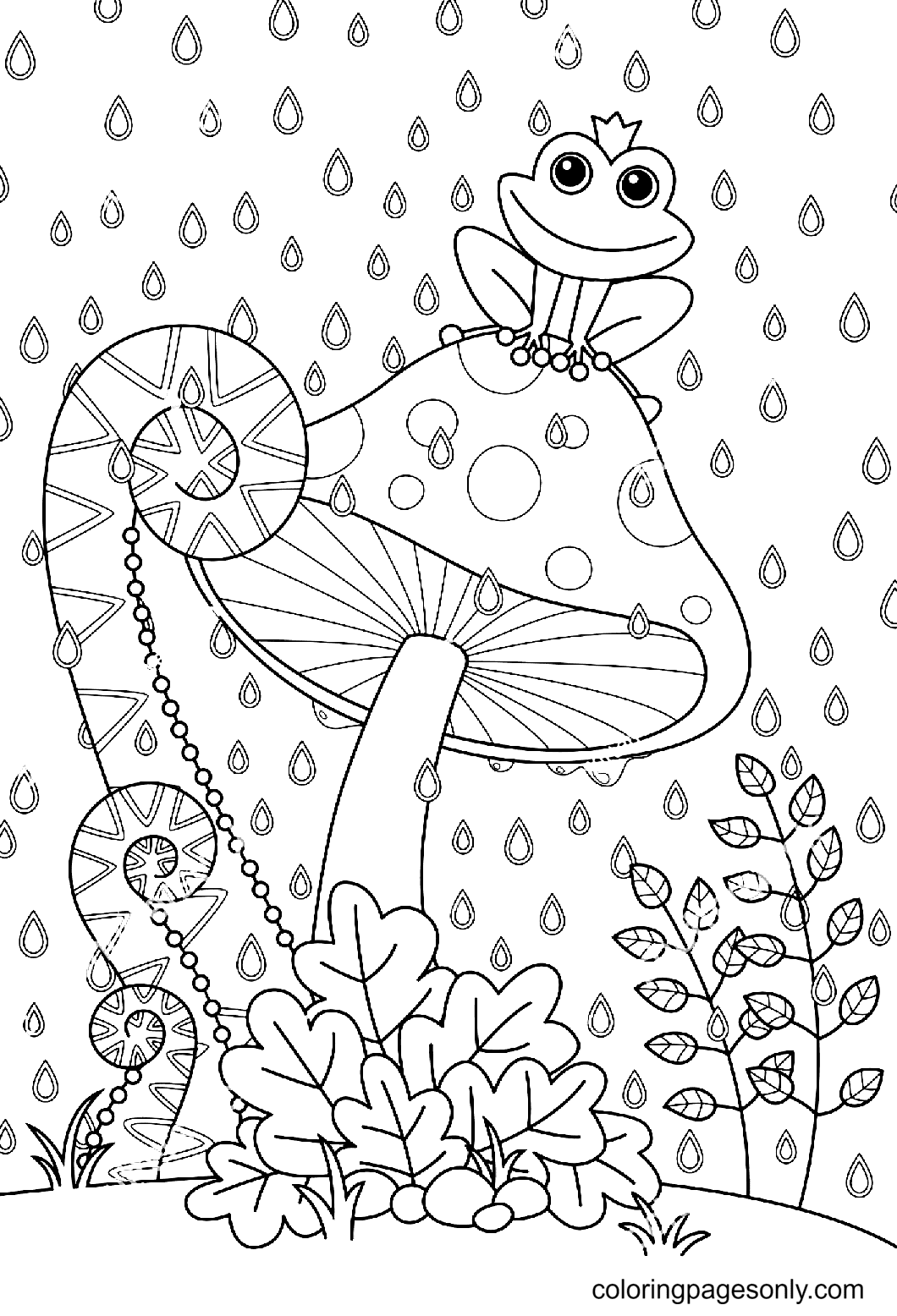
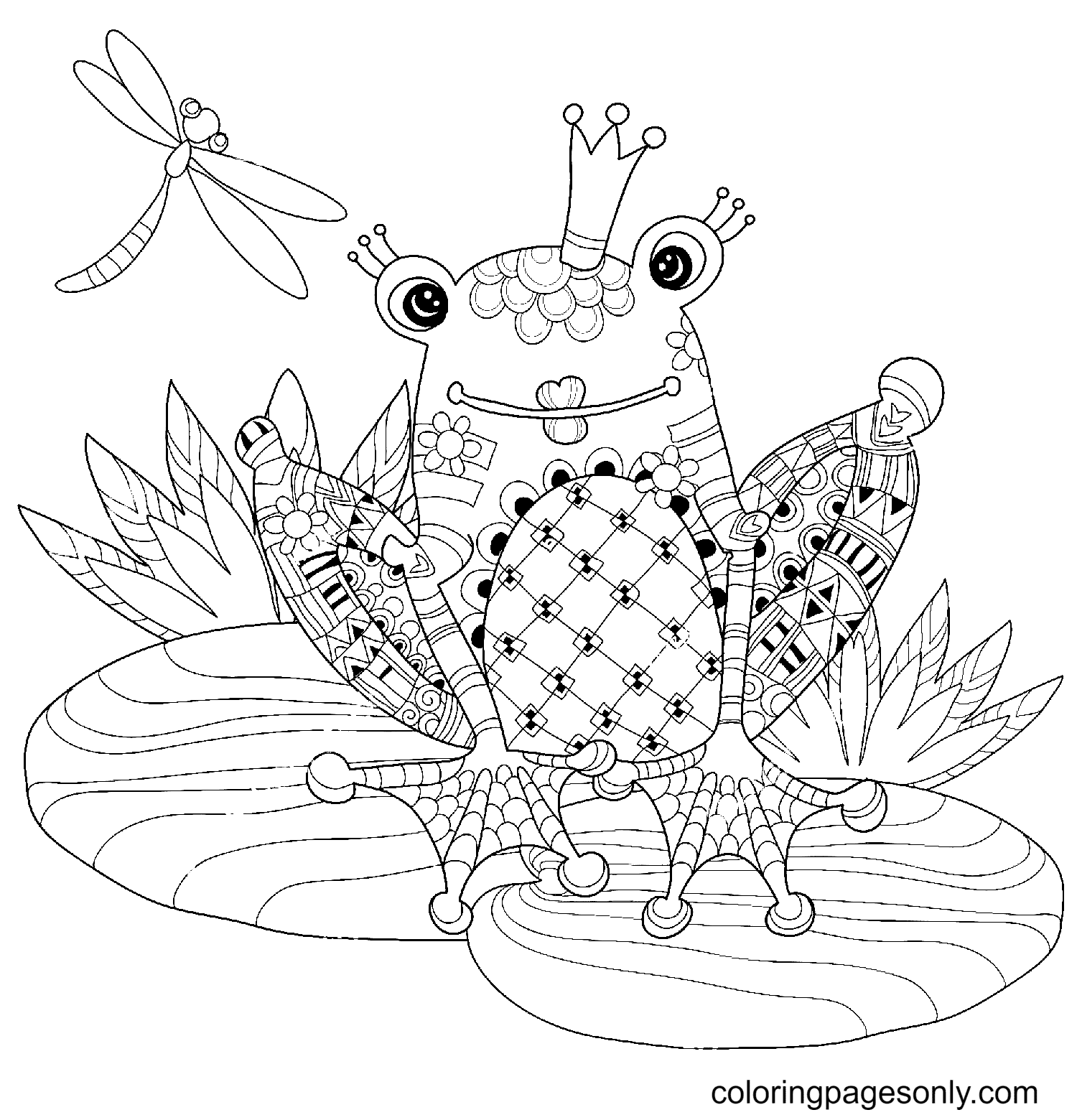
One of the collection’s most distinctive sub-clusters is built around the Frog Prince fairy tale tradition. The Frog Prince with Crown, The Frog Prince, King Frog coloring page printable, and Cute Frog Prince in Crown With Lotus tiles all explore the crowned frog as a fairy tale character archetype. The Frog Prince story – in which a prince is transformed into a frog and must be kissed to be restored – is one of the most widely known fairy tales in Western tradition, making the crowned frog an immediately recognizable concept to children of all ages.
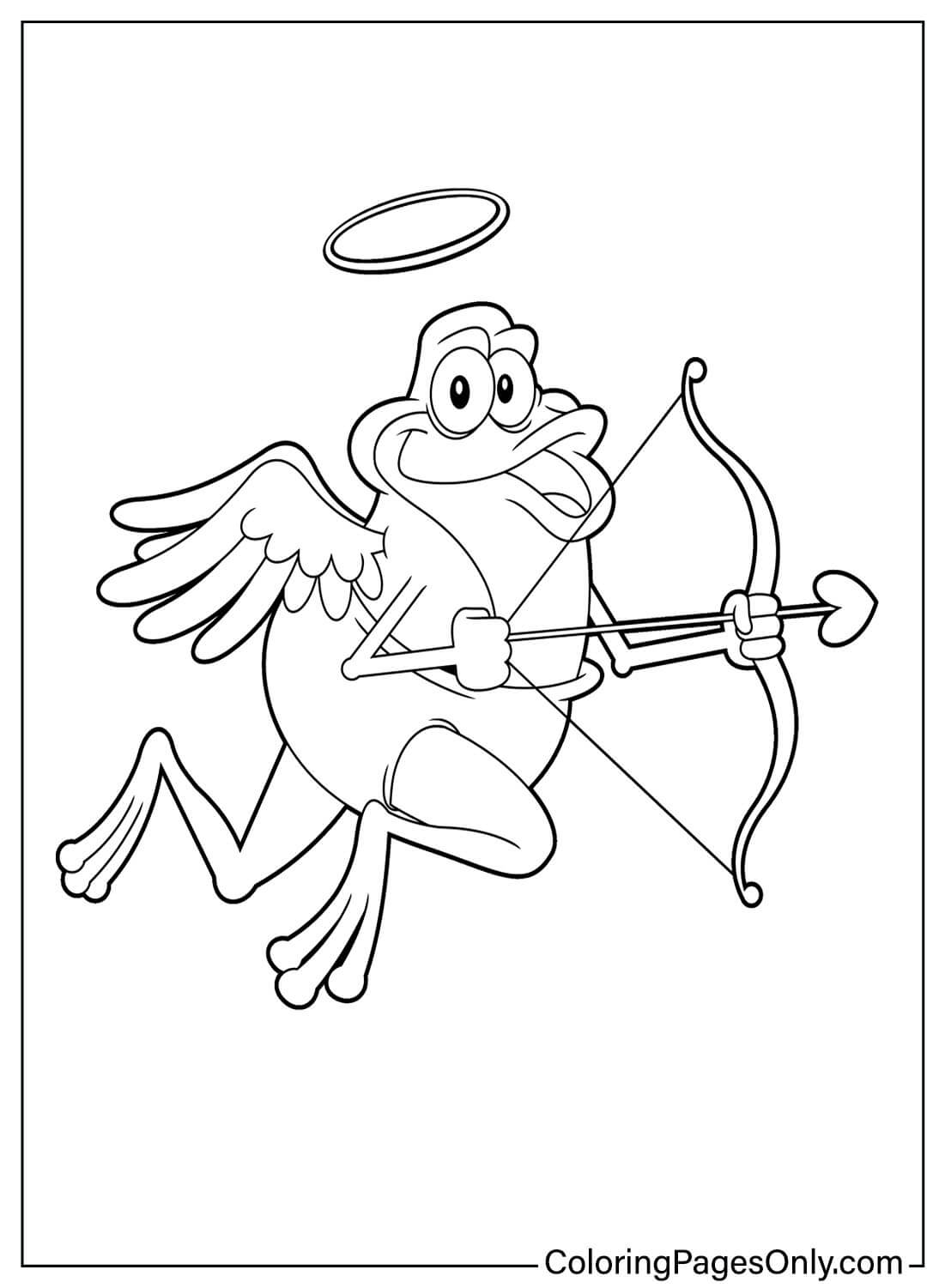
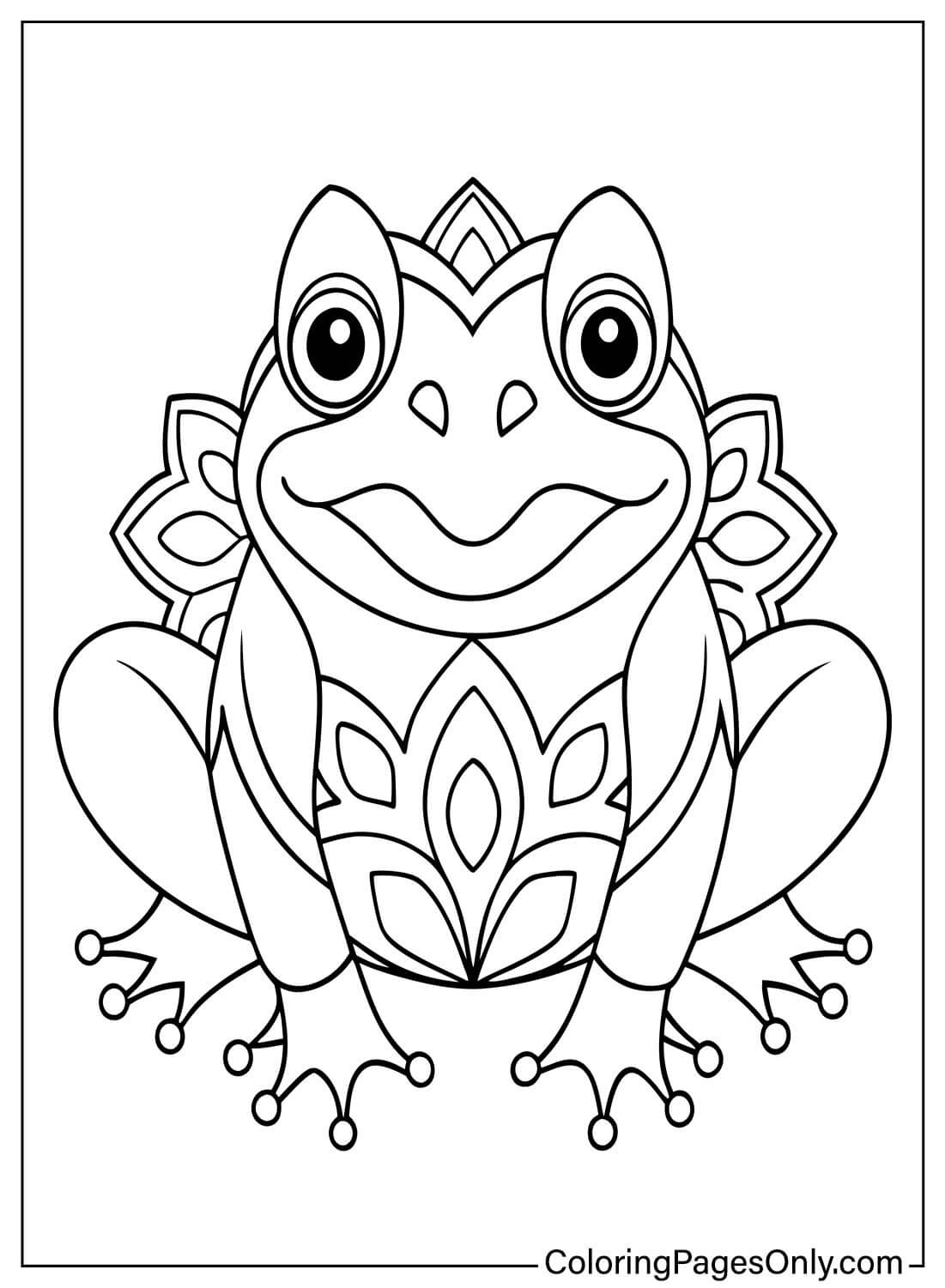
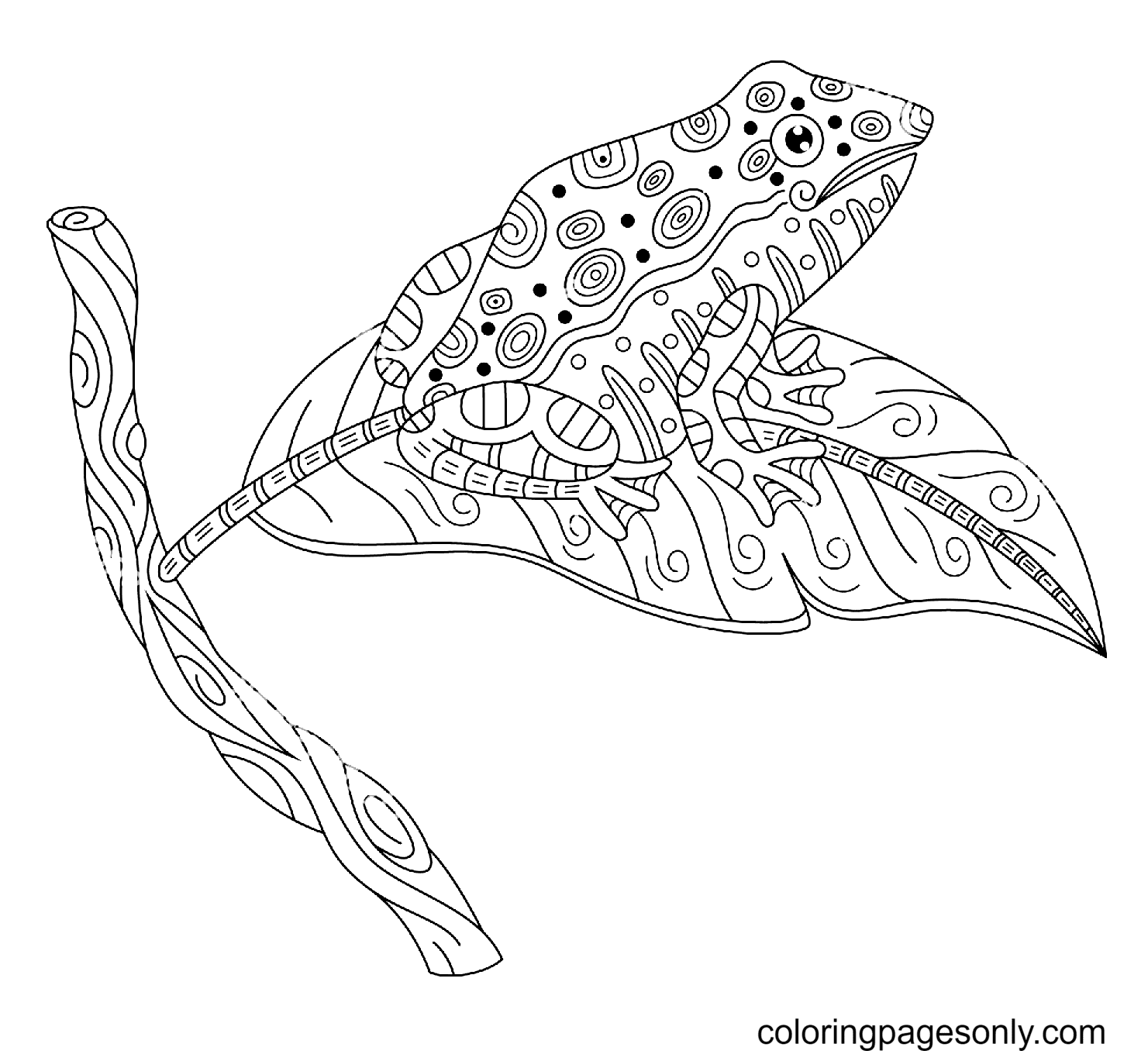
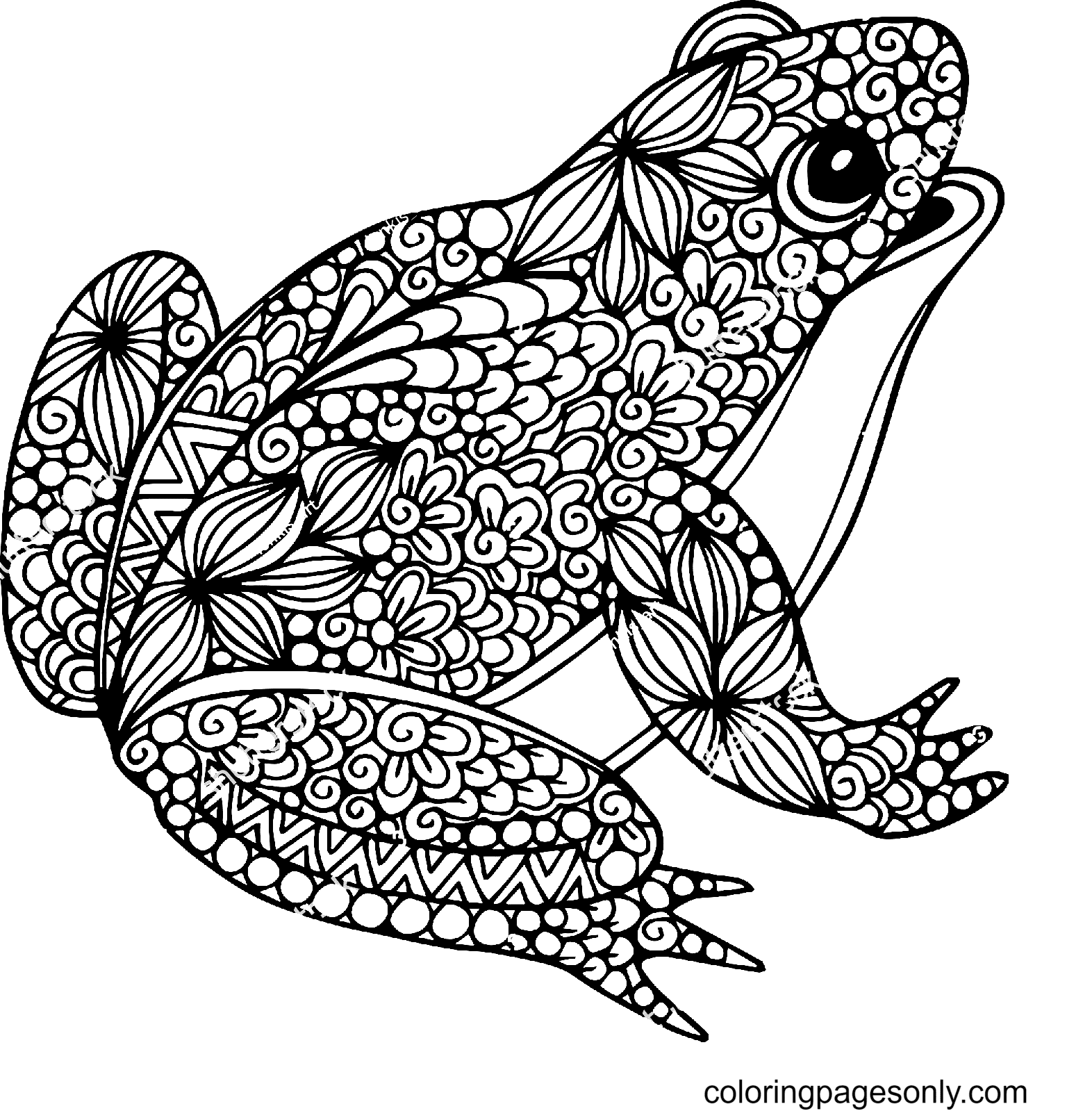
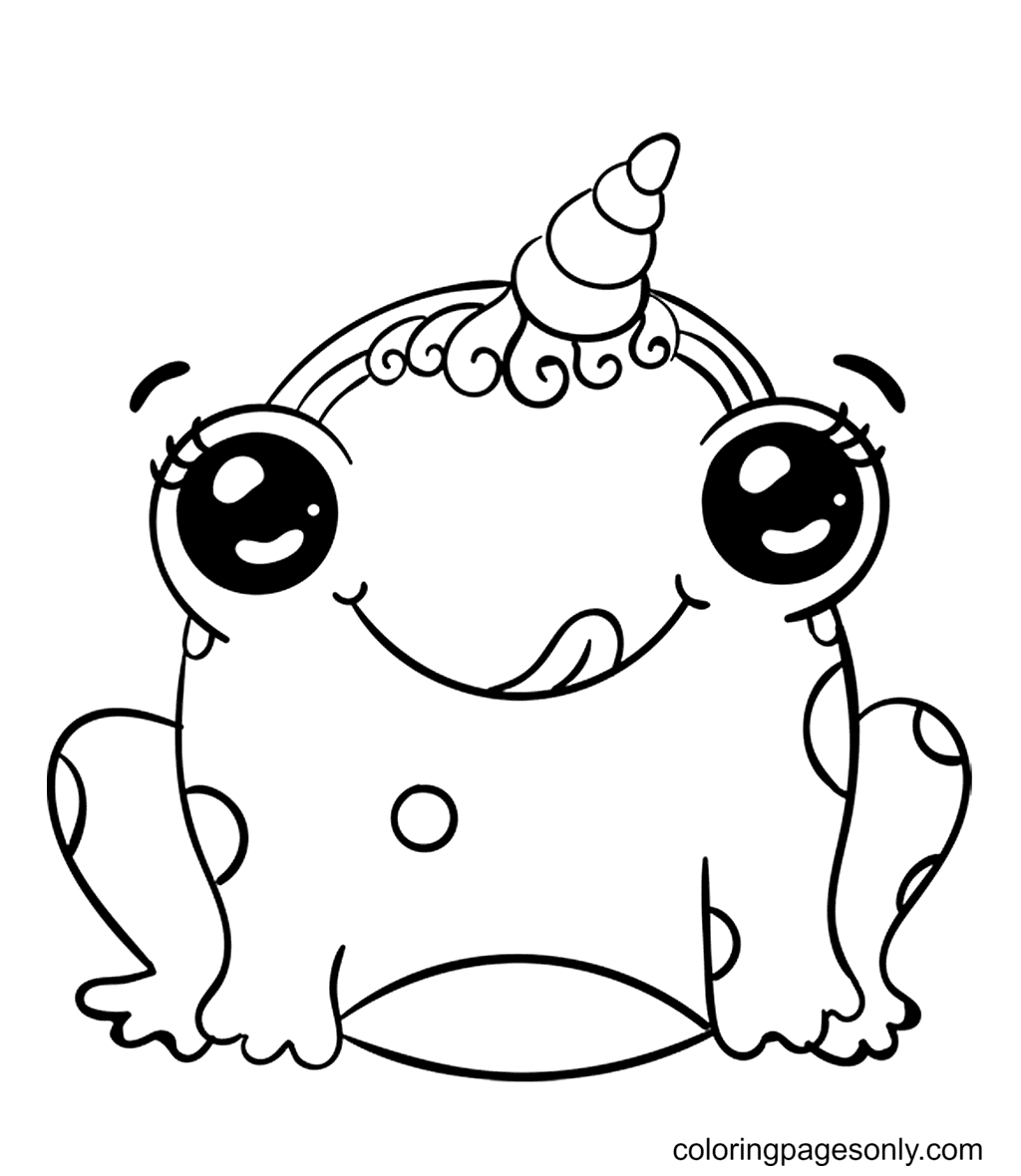
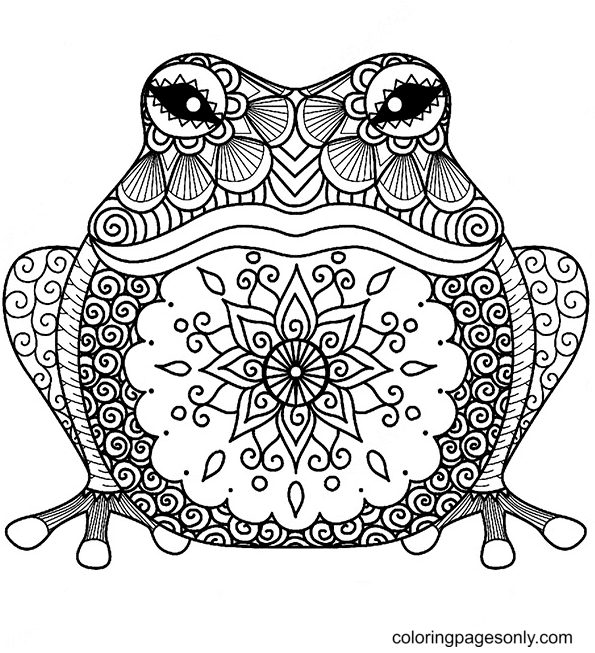
The fantasy extension includes Unicorn Frog (a frog with a unicorn horn, combining two of children’s most popular design subjects), Frog Cupid Cartoon (a Valentine’s Day-themed fantasy variant), and the abstract/artistic variants: Frog with an Intricate Pattern, Abstract Frog, Zentangle Frog Sitting On a Tree Leaf, and Cute Frog Mandala.

Musical Frogs

A small but charming sub-cluster – Frog plays the Mandolin and Frog with a Ukulele – depicts frogs as musicians. These tiles have particular appeal for children who play instruments themselves or are interested in music. The specific instrument choices (mandolin and ukulele rather than guitar or piano) give these tiles an unexpectedly folk-music character, making them feel distinctive rather than generic.

Seasonal and Holiday Frogs

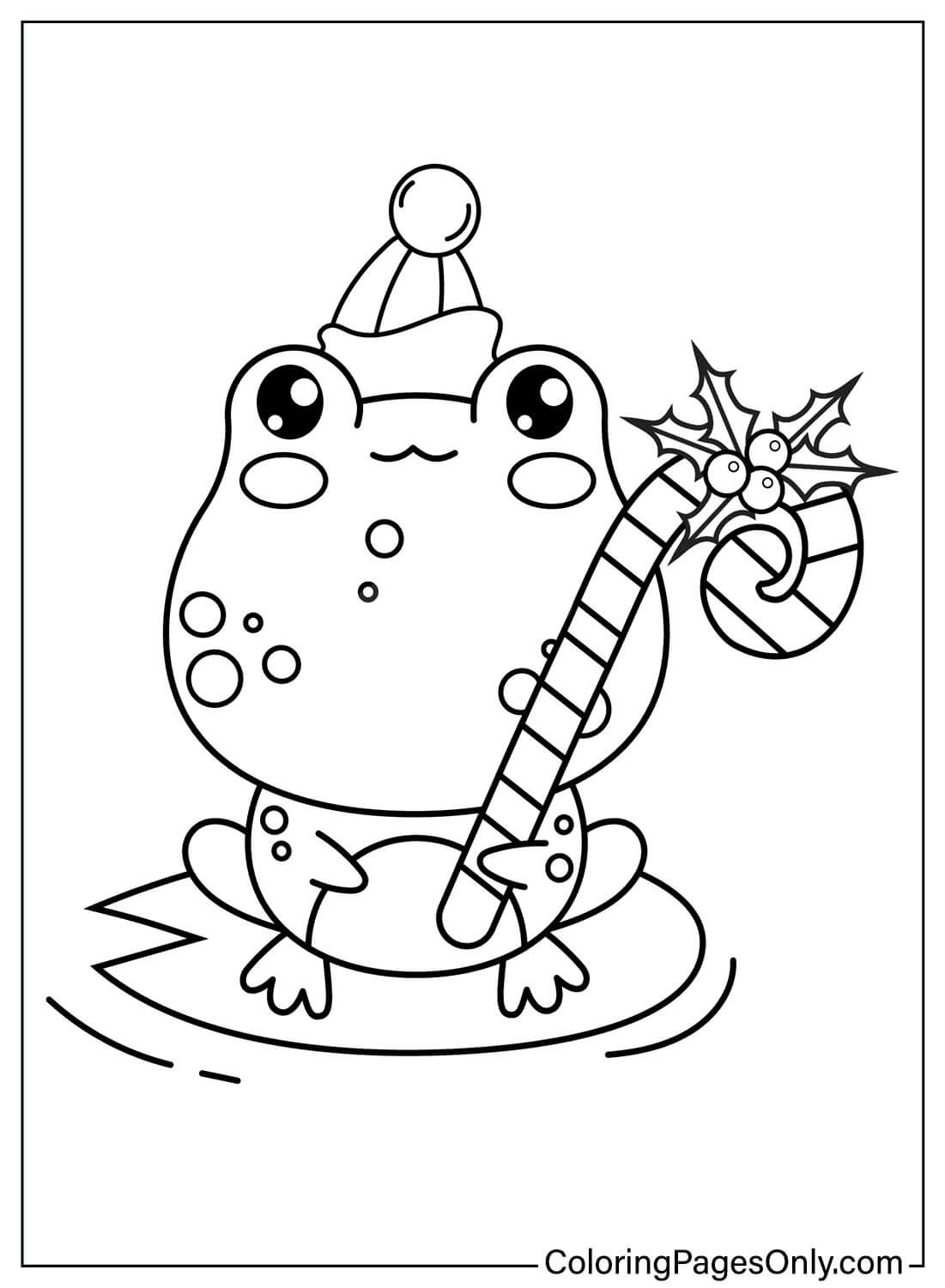
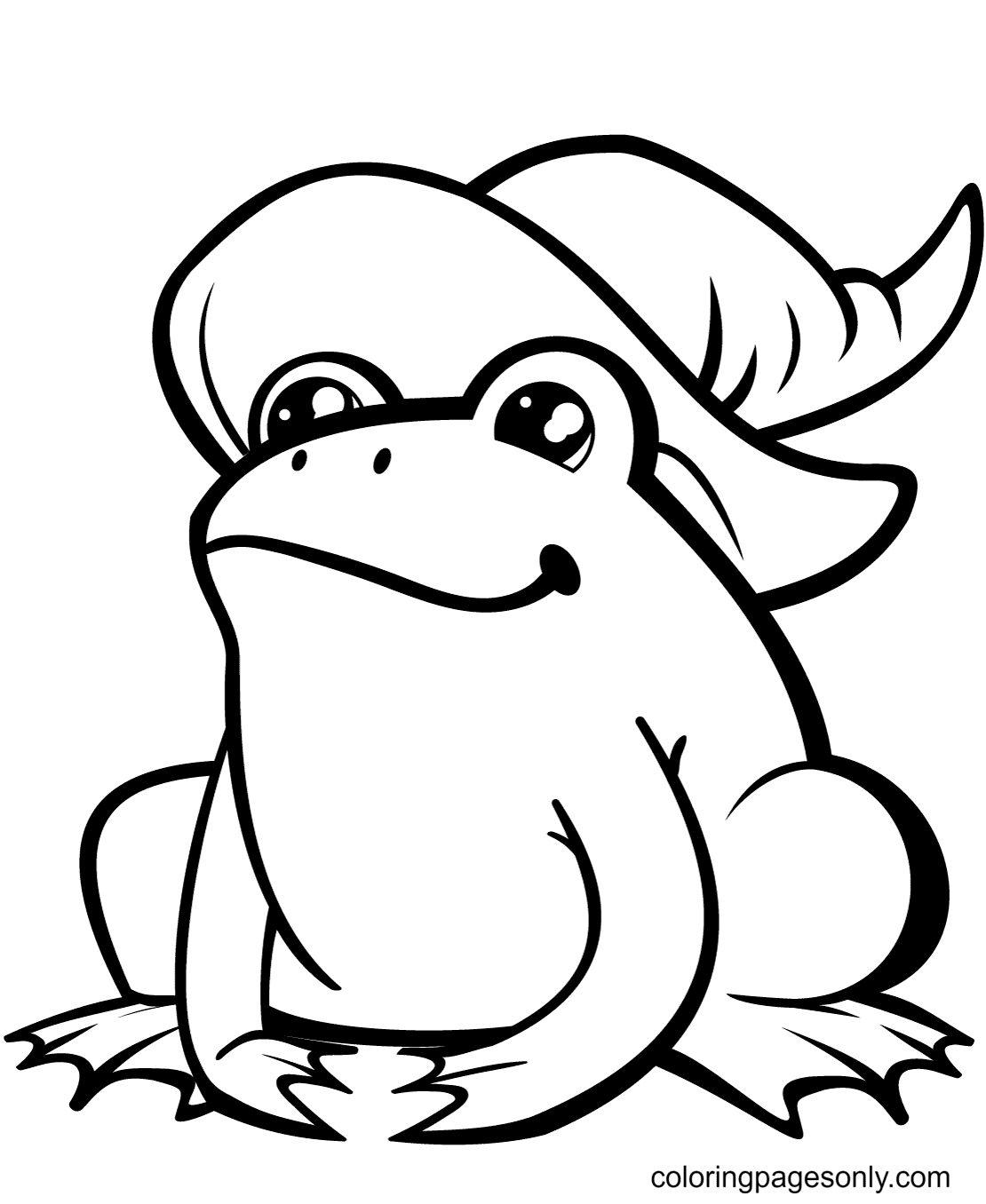
Christmas Frog in Winter Hat, Cute Frog Prince in Christmas Hat, and Cute Frog in Witch Hat cover December and Halloween, respectively. These tiles work as seasonal decoration pieces when colored and displayed – a witch-hat frog on a refrigerator in October or a Santa-hat frog on a classroom bulletin board in December. The Cute Frogs Valentine’s Day tile depicts two frogs in a Valentine’s Day composition suitable for card-making activities. The Cute Frog Graduation tile is the most specific occasion tile in the collection – a frog in a graduation cap and gown, suitable for end-of-school-year celebrations.

Educational Pages

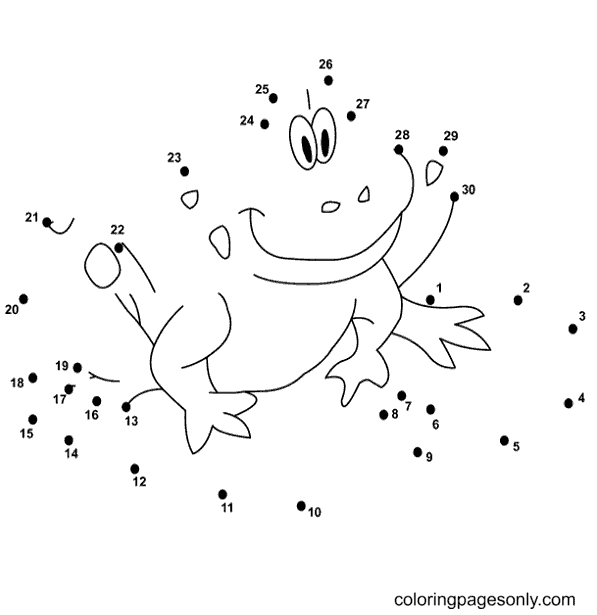
Three tiles serve specific educational purposes. The Frog Maturation Process tile is the collection’s most curricular page, depicting the complete frog life cycle from egg to tadpole stages to adult frog in a single sequential illustration. This tile is ideal for science units on metamorphosis, life cycles, and amphibian biology at the elementary school level. The Tadpole in the Water tile focuses specifically on the aquatic larval stage. The Connect Dots Worksheet With Frog provides fine motor skill practice through numbered dot connection before transitioning to coloring – a two-stage activity suitable for ages 4–7.
Complex Designs for Older Colorists

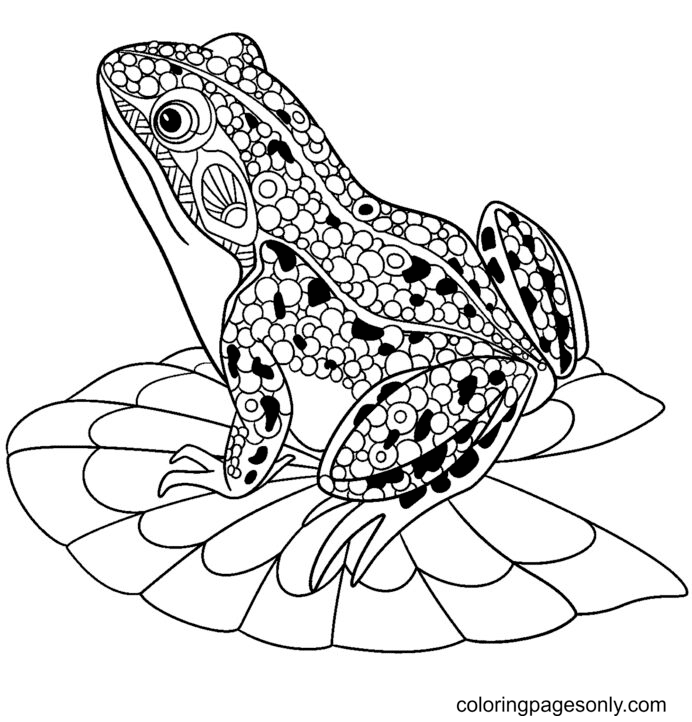
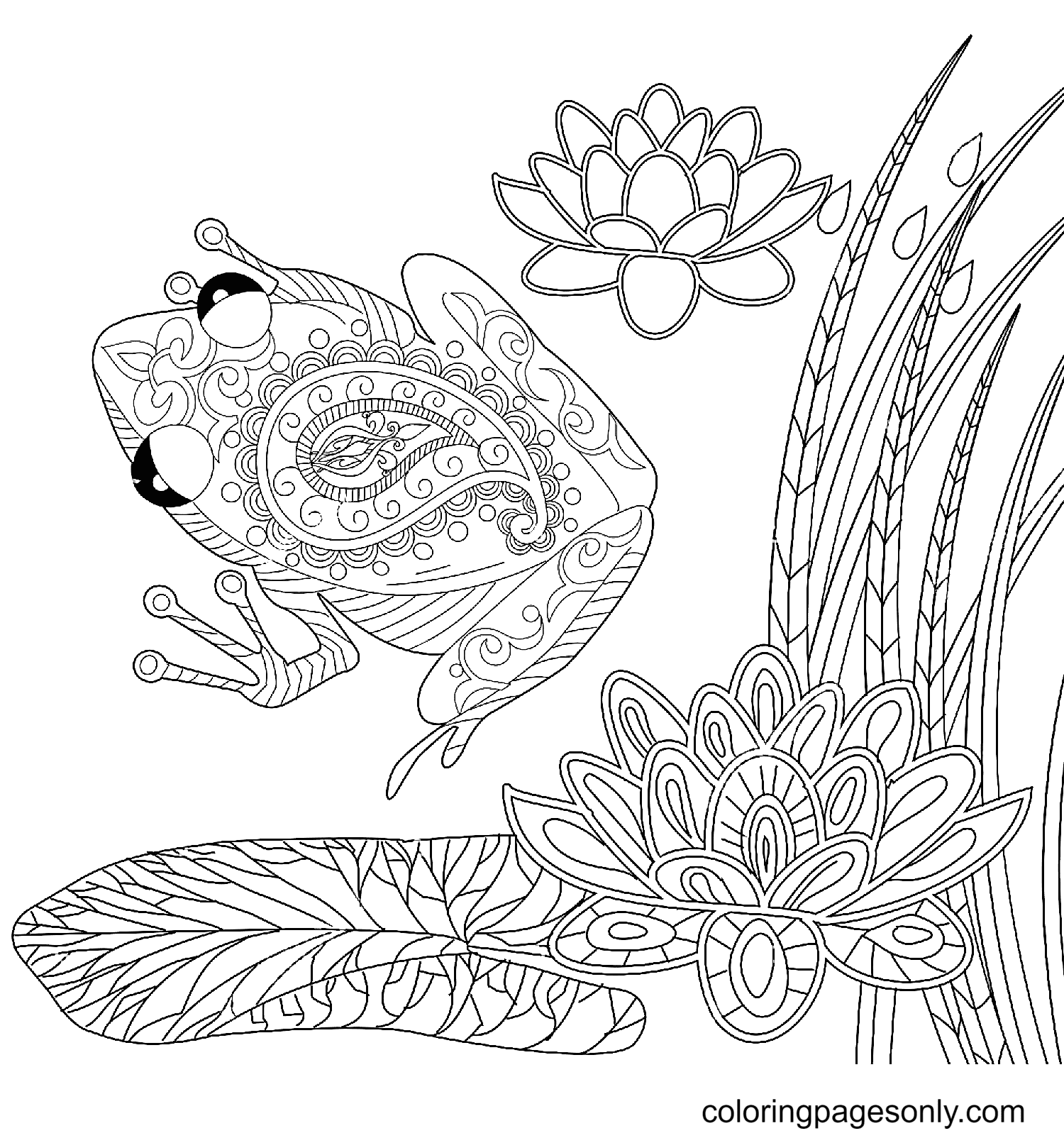
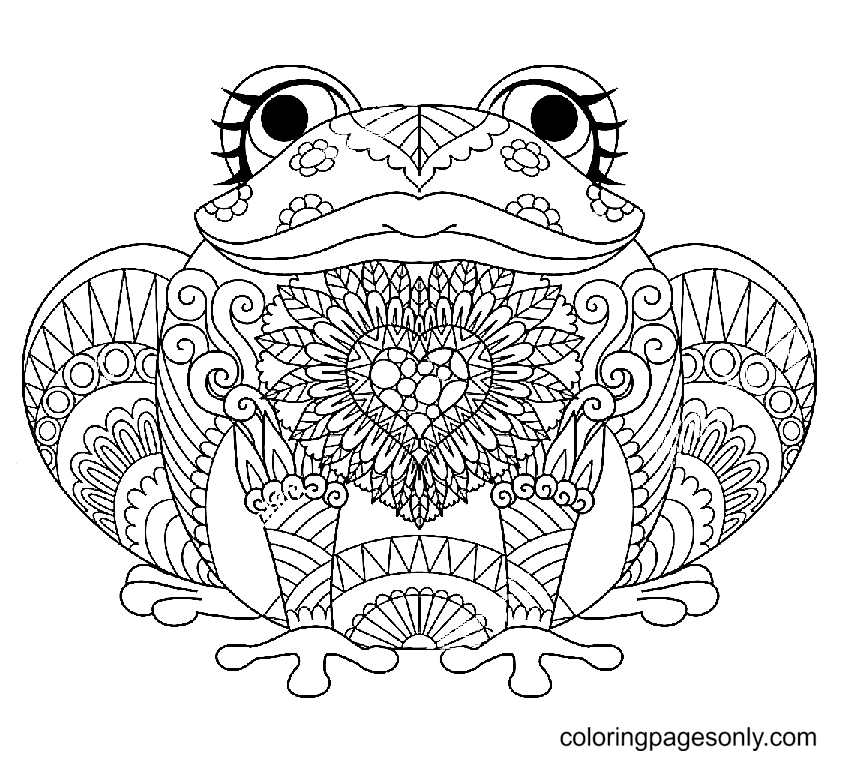
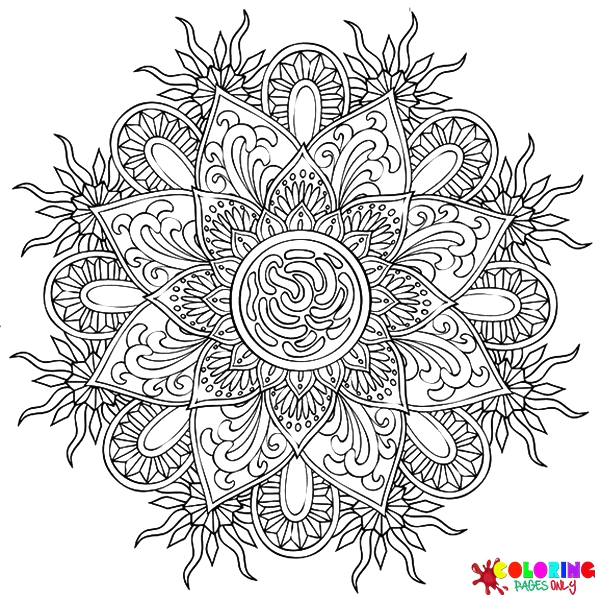
The Zentangle Frog Sitting On a Tree Leaf and Cute Frog Mandala tiles represent the collection’s most technically demanding pages – intricate geometric and organic pattern work that fills every area of the frog’s body with detailed internal design rather than leaving zones for flat color. These pages require fine-tip tools (fine-tip markers, sharp colored pencils) and considerable time investment, but produce visually spectacular results. They are best approached as an adult coloring activity or as a challenge for older children (ages 10 and up) with strong fine motor control and patience for detailed work. For stress-relief coloring using intricate patterns, see our guide on coloring pages for stress relief and anxiety.

Coloring Guide: Frog Species and Their Distinctive Palettes

One of the most enjoyable aspects of frog coloring is the extraordinary color variety of real-world frog species. Unlike most animals, which cluster around earth tones and muted naturalistic colors, frogs include some of the most vivid and unexpected colors in the vertebrate world. This variety gives colorists freedom to choose between realistic natural palettes and inventive creative choices, both of which produce visually satisfying results.

Common Green Frog (Temperate Pond Frog)

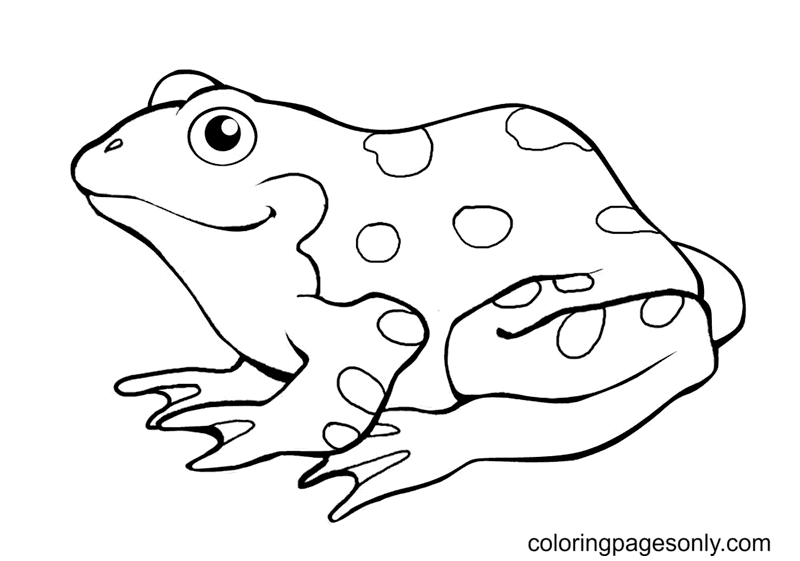
The default image most people hold of a frog is based on the common pond frog species: medium-to-dark green as the primary body color, sometimes with brown mottling on the back for camouflage, a yellow or cream throat (particularly in males during breeding season), and tan or olive-brown on the lower sides and legs. The eyes are golden-amber with a horizontal pupil. This is the appropriate palette for the naturalistic pond scene tiles – Frog on Lilypad, Frog Catches Prey, Frog Relaxing on a Lilypad – and produces the most recognizable, realistic-looking result.

Red-Eyed Tree Frog

The red-eyed tree frog (Agalychnis callidryas) is one of the most photographed and recognized frog species in the world, and is likely the model for many of the collection’s more vivid, cute frog designs. Its palette is one of the most striking in the animal kingdom: vivid bright green body (the same saturated, warm green of fresh grass), vivid orange-red feet and hands with visible suction cup toe pads, a white or cream belly, vivid blue-and-yellow-banded flanks visible along the sides of the body, and the namesake bright vivid red eyes with a vertically slit pupil. Using this species as the coloring reference for the cute frog tiles transforms them from generic cartoon frogs into recognizable, scientifically accurate (if simplified) representations of a real and celebrated species.

Poison Dart Frogs

Poison dart frogs (family Dendrobatidae) of Central and South American rainforests are the most vividly colored vertebrates on Earth – their brilliant colors serve as aposematic warning signals (warning coloration) that alert predators to their toxicity. Their palettes include: electric blue with black spots (blue poison dart frog), vivid red-orange with black spots (strawberry poison dart frog), bright yellow-green with black spots, and deep yellow with black. Any of these palettes applied to the cute or exotic frog tiles produces a stunning, visually intense result that is entirely true to nature.

Coloring the Lily Pad

The lily pad is the frog’s most common companion in the collection and deserves its own treatment. The surface of a lily pad is a medium-to-dark green – slightly muted and waxy rather than the vivid, bright green of fresh grass. The pad’s surface has fine radiating veins extending from the center notch to the outer edge, slightly lighter than the pad surface. The underside of a lily pad (visible at the edges where the pad curves down toward the water) is a pale, slightly purple-tinged cream. A lily pad in shadow (the underside of a pad floating above dark water) appears almost entirely pale and colorless. The notch at the edge of a lily pad – the characteristic cut from center to rim – is one of the most recognizable botanical shapes in nature illustration.
Lotus flowers (appearing in the lotus tile variants) use a different palette from water lilies: pale pink or white petals with vivid yellow stamens at the center, and blue-green leaves that are more upright and waxy than the flat lily pad.
Coloring Water and Pond Surfaces

For the pond scene tiles, the water color depends on context. Shallow, clear water in sunlight appears as a light, slightly green-tinted blue – the color of shallow water with aquatic plants visible beneath. Deep pond water in shade appears as a dark, cool blue-green to near-black. The surface of still water shows reflections – a light sky reflection appears as a pale, slightly desaturated version of the sky color; a dark bank reflection appears as a dark band at the water’s edge. Adding these reflected light effects, even simply, dramatically increases the realism of any pond scene page.

FAQs

What colors should I use for a frog? The most common color of a real frog is medium to dark green for temperate pond frogs. For a more vivid result, the red-eyed tree frog uses bright green with red eyes and orange feet. Poison dart frogs use electric blue, vivid orange-red, or bright yellow – all accurate to real species.

What is a lily pad? A lily pad is the large, flat, floating leaf of the water lily plant (genus Nymphaea). Frogs rest on lily pads because the flat, water-level surface gives them a stable platform to hunt insects, absorb heat from sunlight, and watch for predators while remaining close to water for a fast escape dive.

What is the life cycle of a frog? Frogs begin as eggs laid in or near water. Eggs hatch into tadpoles – aquatic larvae with tails and gills. Over several weeks to months, tadpoles undergo metamorphosis: legs develop, the tail is absorbed, lungs develop, and the animal emerges as a juvenile frog capable of living on land and in water. The Frog Maturation Process tile depicts this complete sequence.

Are there really frogs with vivid colors like red or blue? Yes. Poison dart frogs of Central and South America include species in vivid red, electric blue, bright yellow, and orange. Their bright colors are warning signals to predators, indicating their toxicity. The red-eyed tree frog has a vivid green body with bright red eyes. Many exotic tropical frog species are far more colorful than the familiar green temperate pond frog.

What is the difference between a frog and a toad? Frogs typically have smooth, moist skin and spend more time in or near water, while toads have dry, bumpy (warty) skin and are more terrestrial. Frogs tend to have longer, more powerful hind legs for jumping, while toads move with shorter hops or walking. Both are classified as frogs (order Anura) – “toad” is a common name for certain species within the same group rather than a scientifically distinct category. The Cane Toad and other toad species are covered in our Cane Toad Coloring Pages.

What does the Zentangle frog page involve? Zentangle-style pages replace the frog’s smooth body surfaces with intricate geometric and organic pattern work, including repeating shapes, spirals, and line patterns that fill each body area. These are advanced coloring pages that work best with fine-tip pens or well-sharpened colored pencils and reward patient, detail-oriented coloring sessions.

Which frog pages are best for very young children? The Cute Frog for Kids, Happy Frog for Kids, Cute Baby Frog, Cute Little Frog, and Connect Dots Worksheet With Frog tiles are specifically designed for the youngest colorists – large zones, bold outlines, and simple compositions. For guidance on matching coloring page complexity to a child’s developmental stage, our coloring pages by age guide covers ages 1-12.

All 80+ Frog Coloring Pages are free – download as PDF or color online. Share your finished pages on Facebook and Pinterest.

These related coloring collections will help you explore the wonderful world of colors. Let’s choose, be creative, and show us your great pictures!


Sophia Williams – Writer and Social Network

Hi everyone! I’m Sophia Williams, a social media specialist at Coloringpagesonly.com. My goal is to spread the love of color and creativity to everyone. Join me online as we share inspiration, connect through art, and fill the world with vibrant, joyful colors!