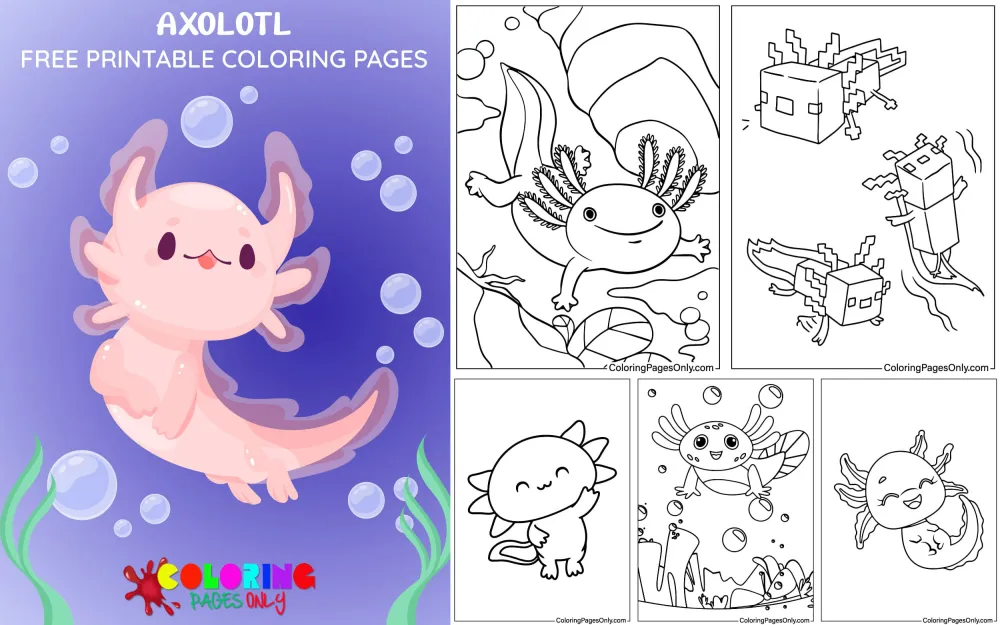
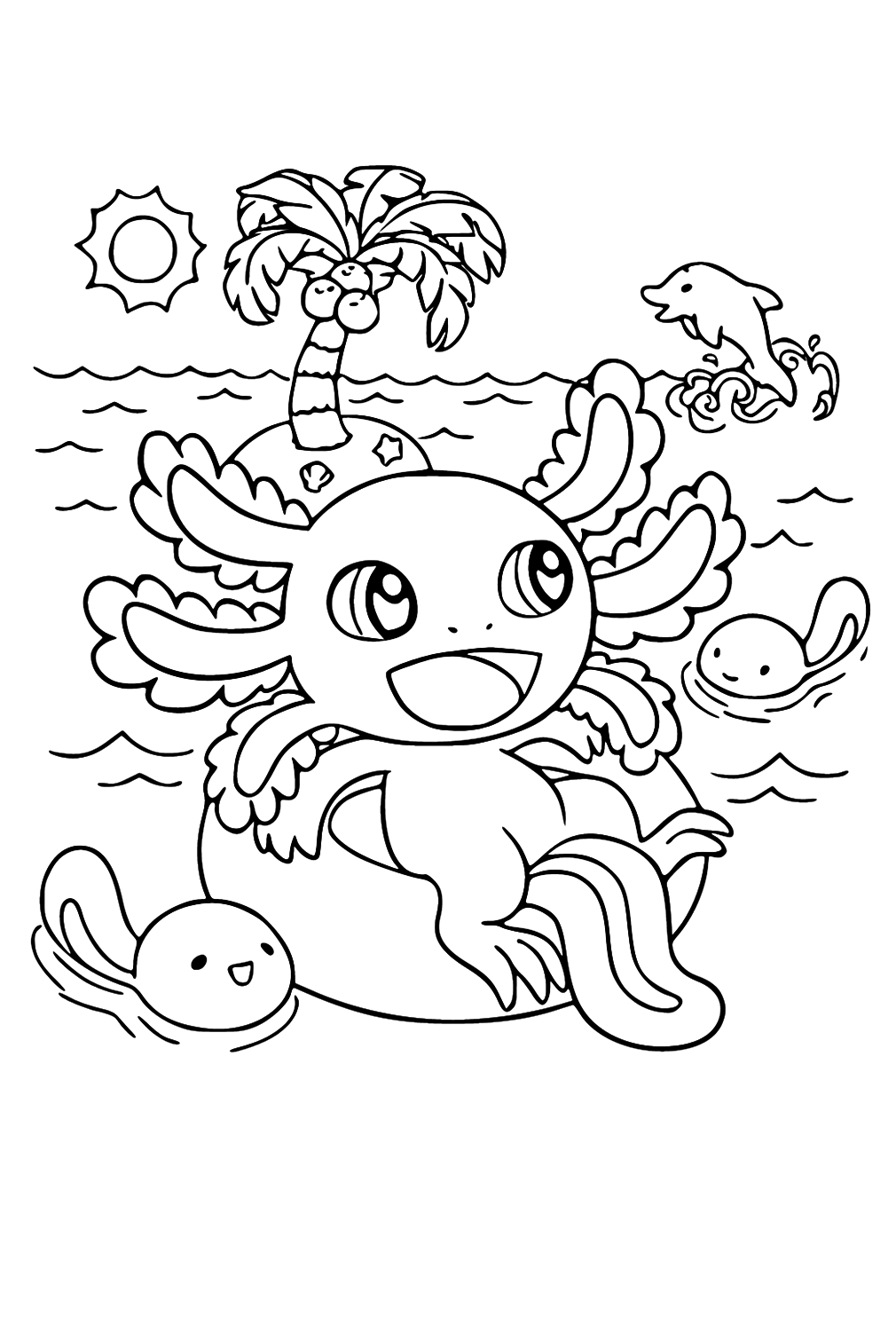
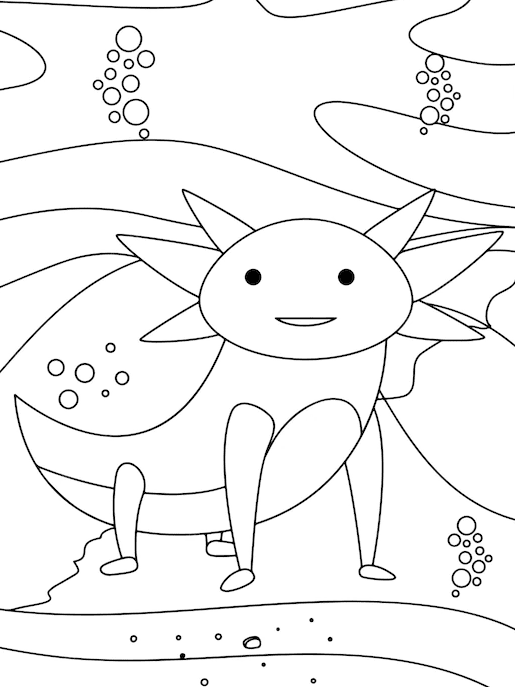
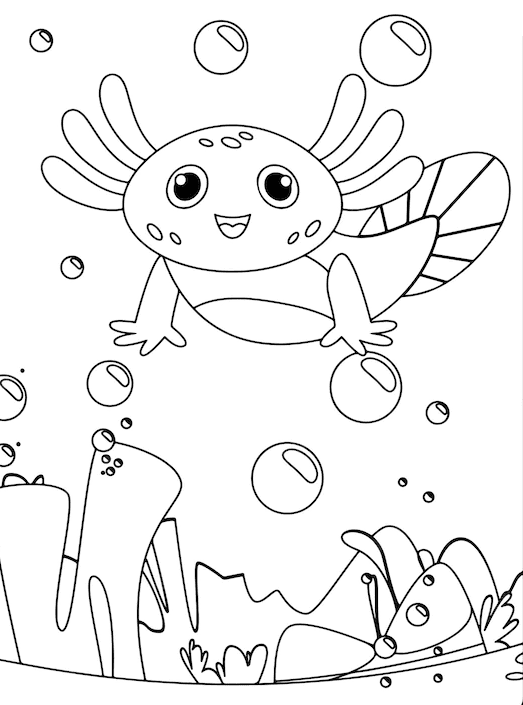
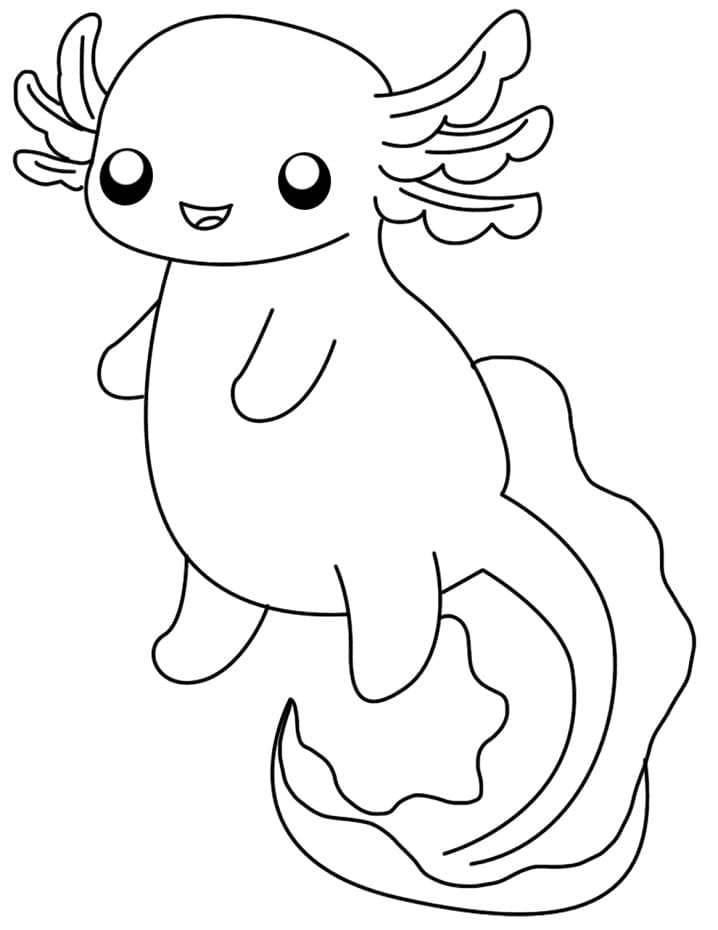
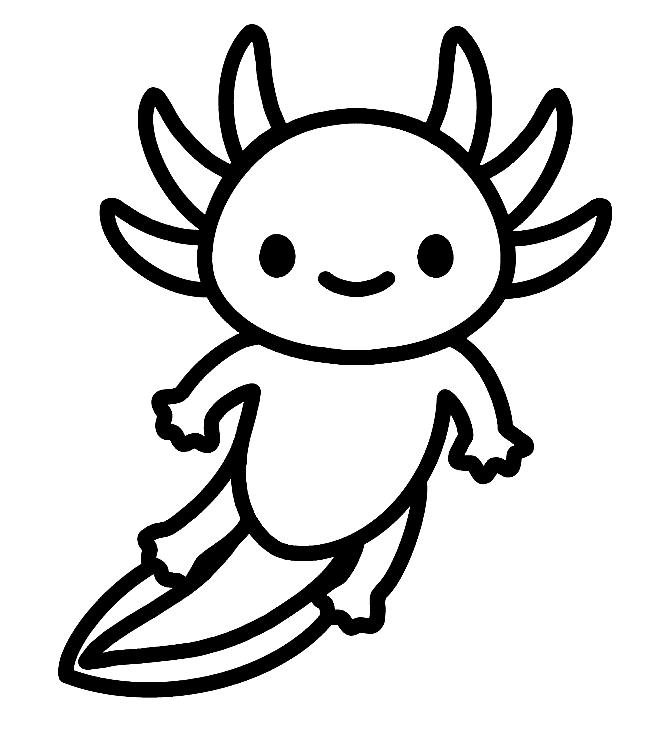
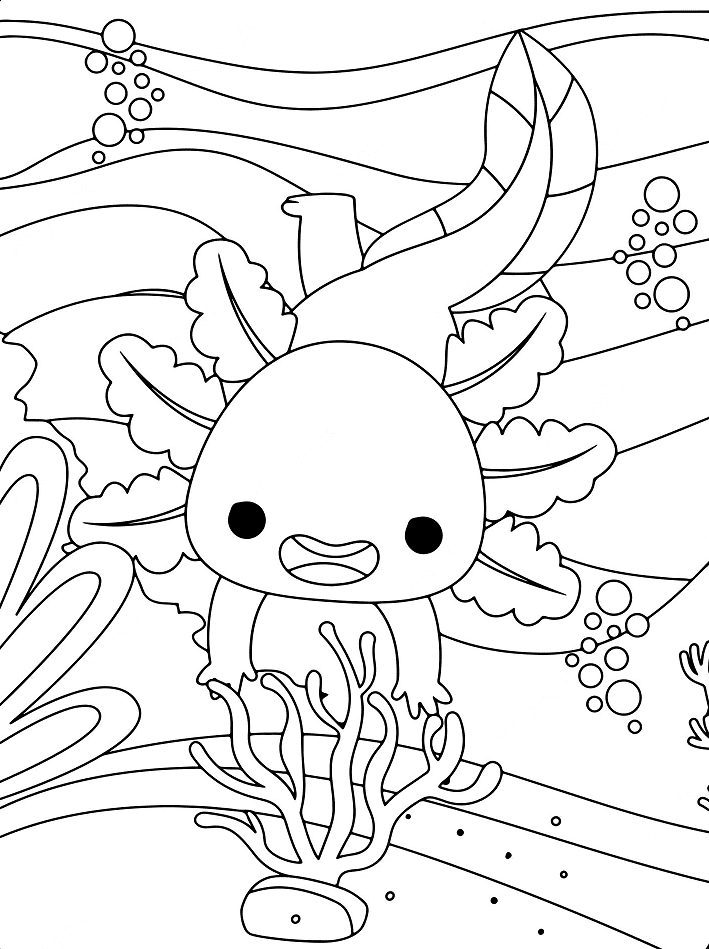
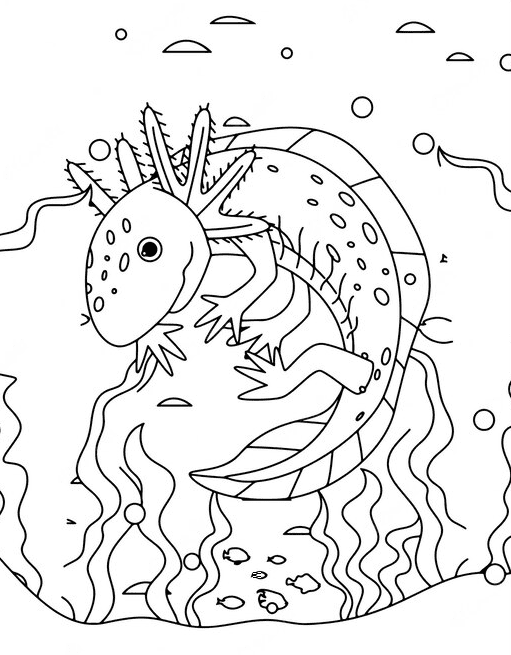
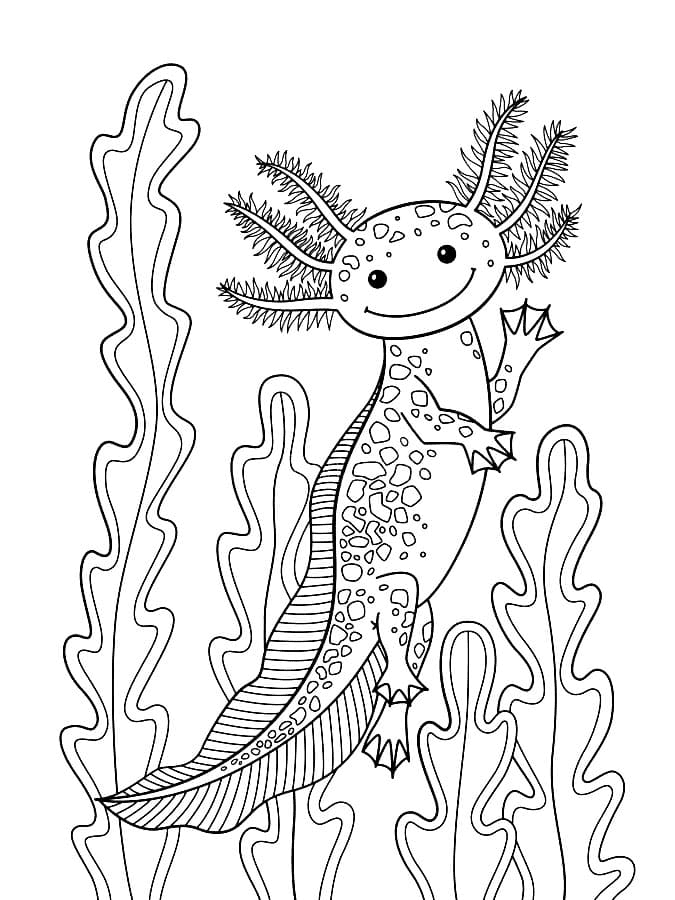
Free Axolotl Coloring Pages: 53 printable PDF designs of the smiling salamander with feathery gills, from realistic and baby axolotls to cartoon versions riding a scooter, baking a cake, and celebrating Valentine’s Day. A dot-to-dot page adds a learning activity. No page costs anything, on paper or on screen.
The axolotl (Ambystoma mexicanum) is a salamander found in the wild only in the canals and lakes of Xochimilco, on the southern edge of Mexico City. Unlike most amphibians, it never fully grows up: adults keep the frilly external gills and fin of a larva and stay in the water their whole lives, a trait scientists call neoteny. Axolotls can regrow lost legs, parts of the spinal cord, and even sections of the heart, a gift that medical researchers study closely. The name comes from the Aztec language Nahuatl, and Mexico honored the animal on its 50-peso banknote. In the wild, the species is critically endangered.
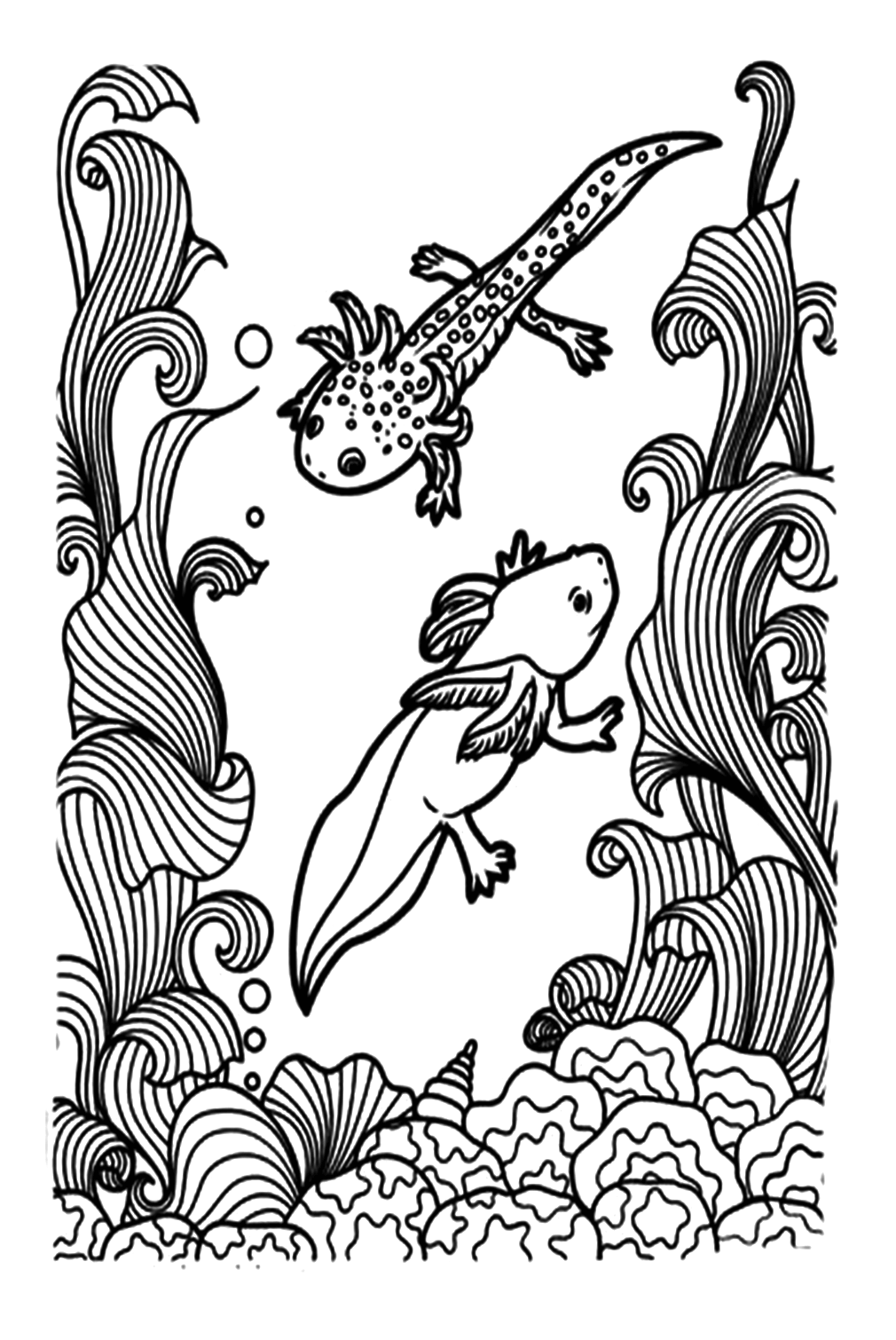
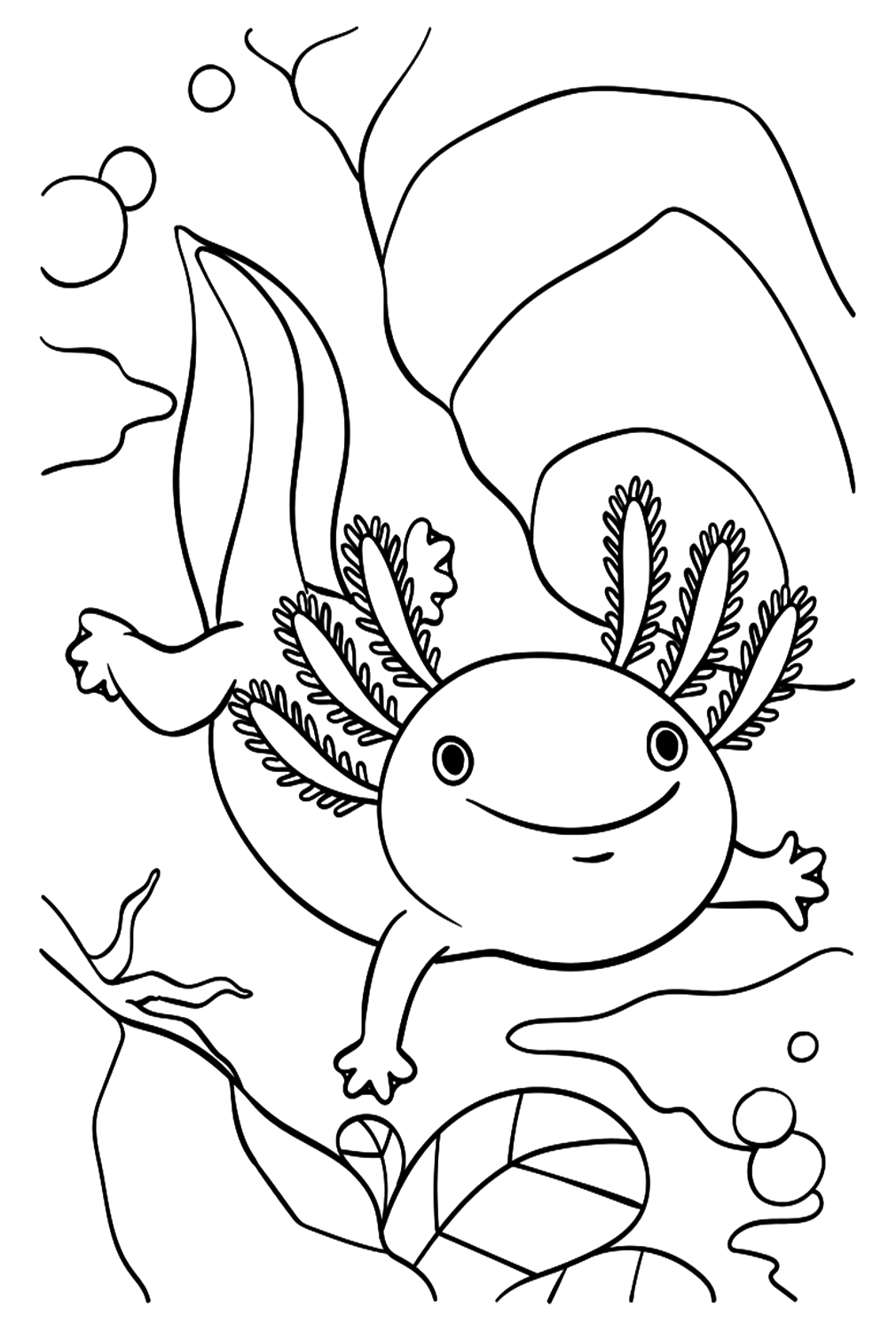
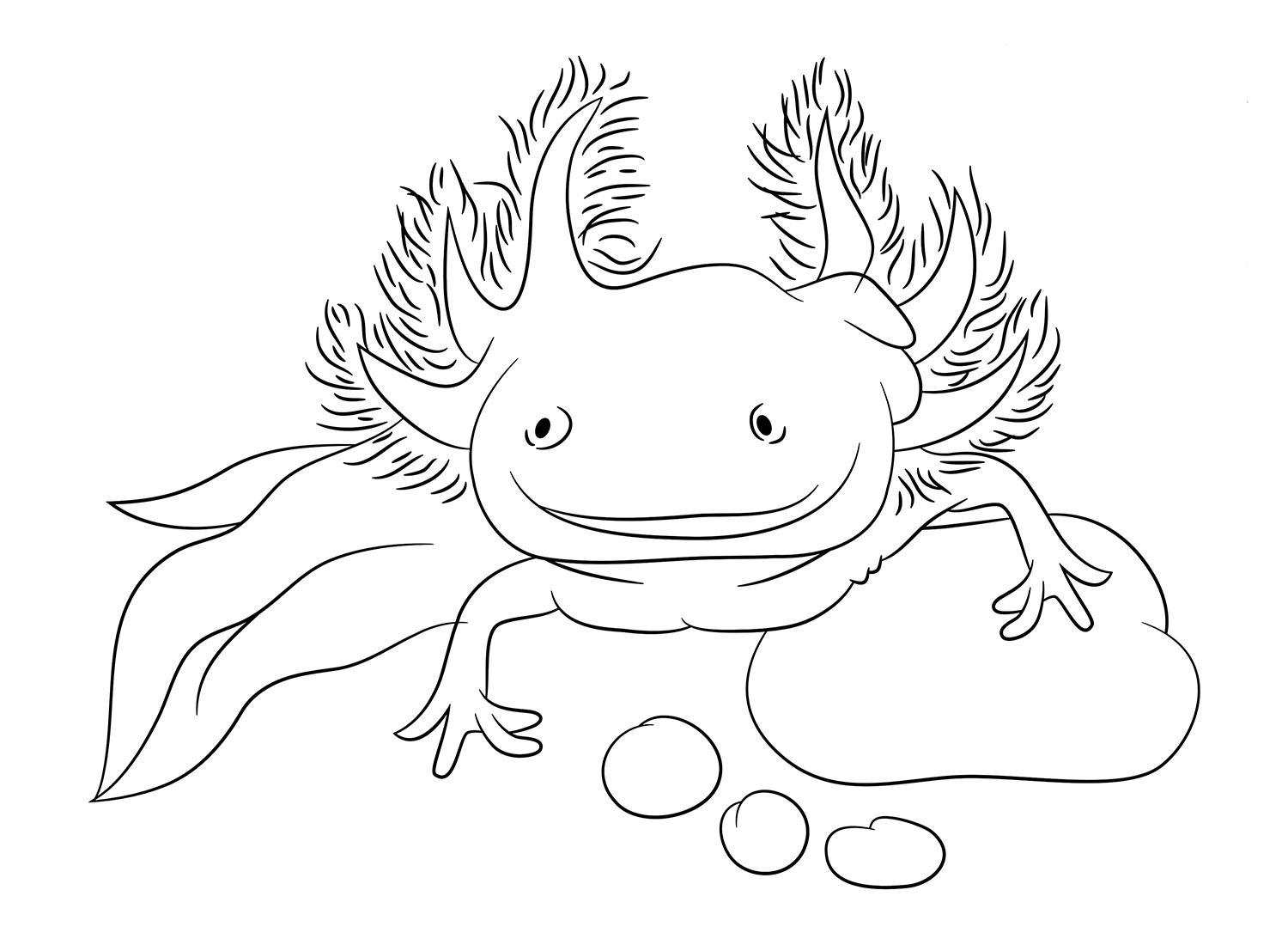
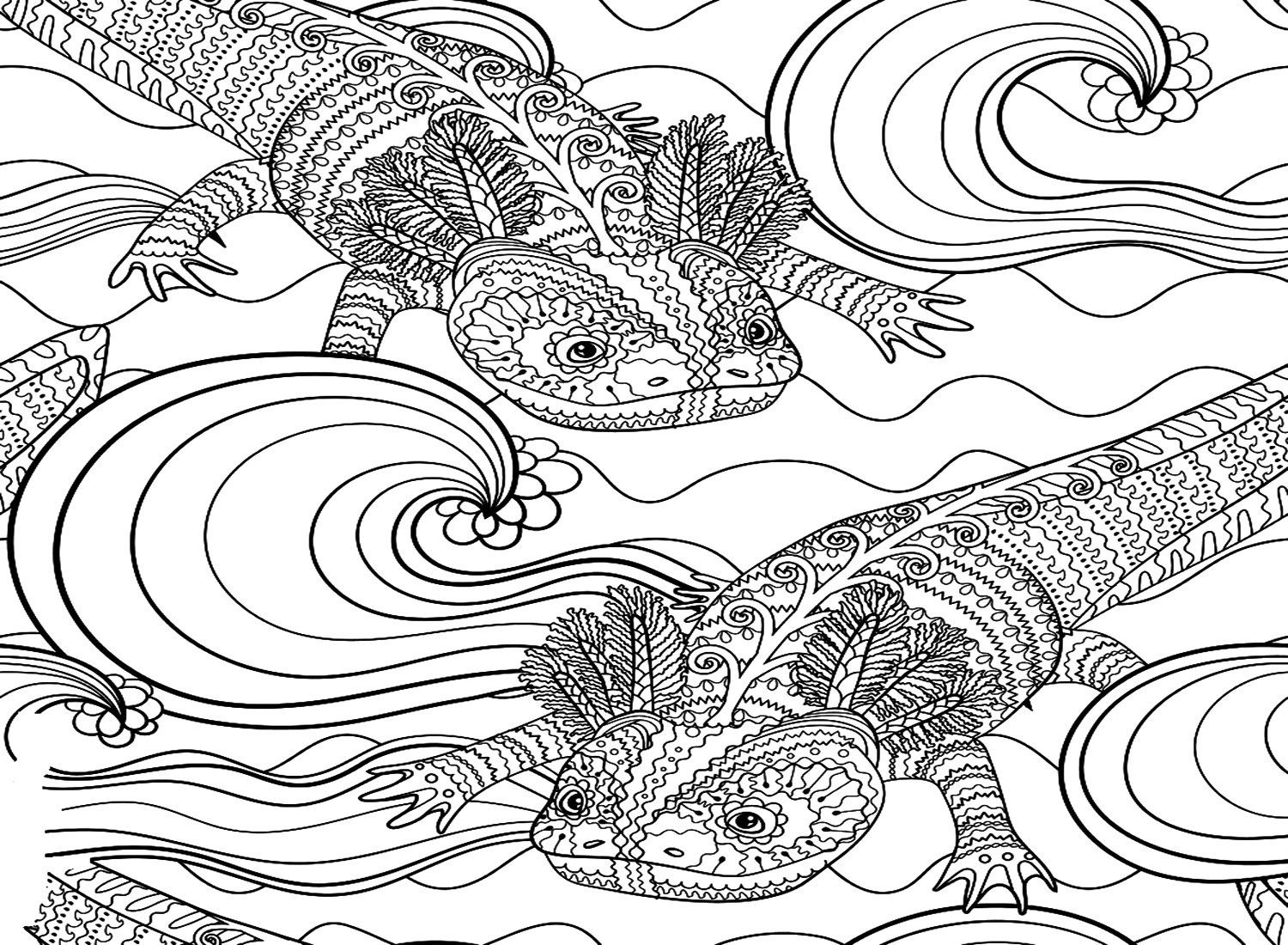
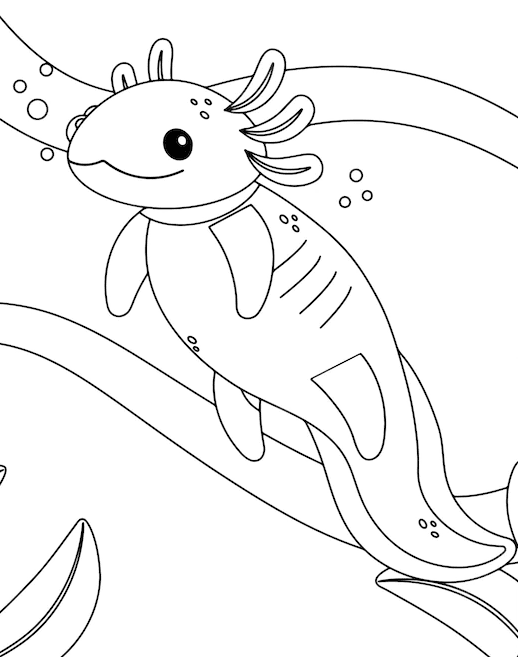
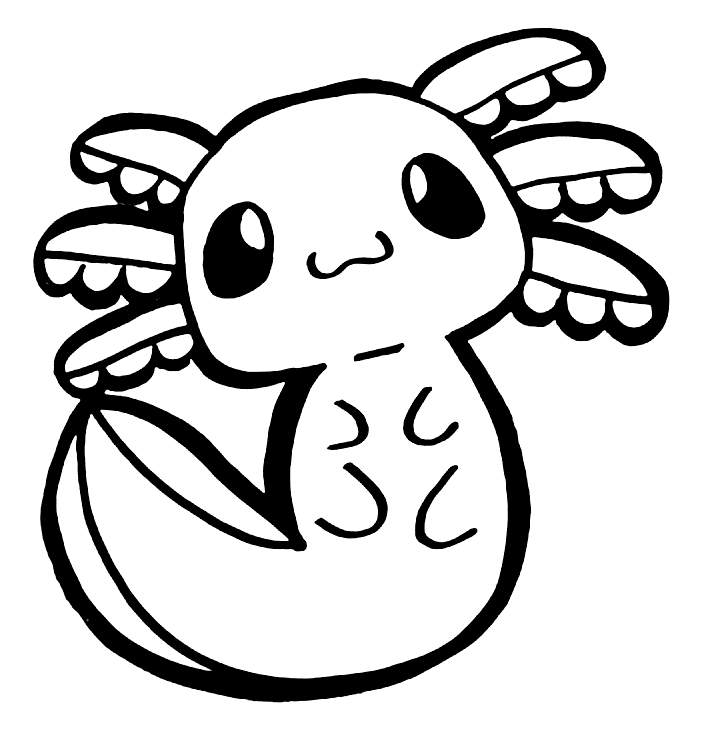
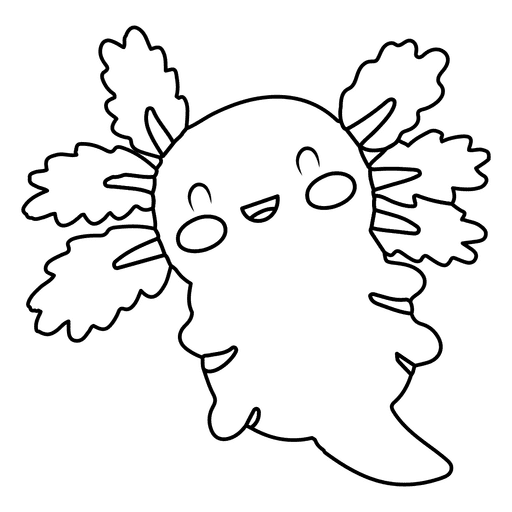
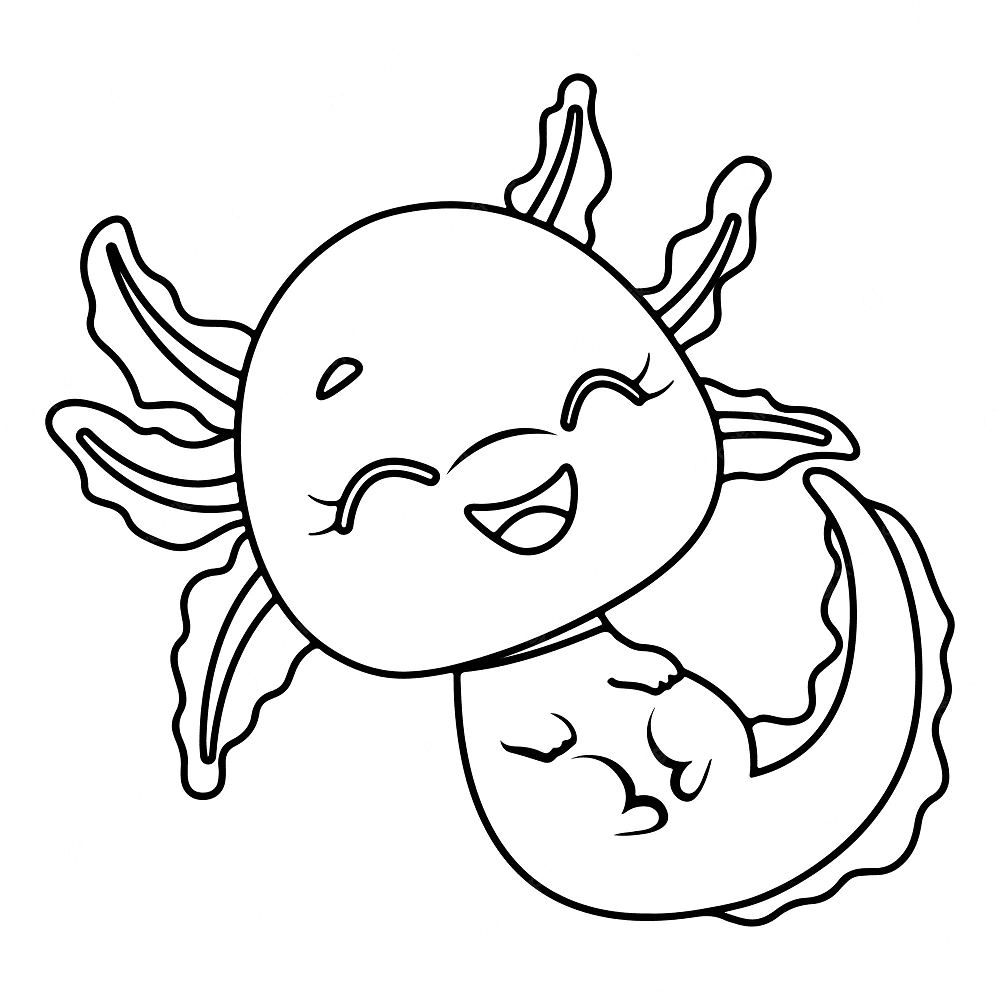
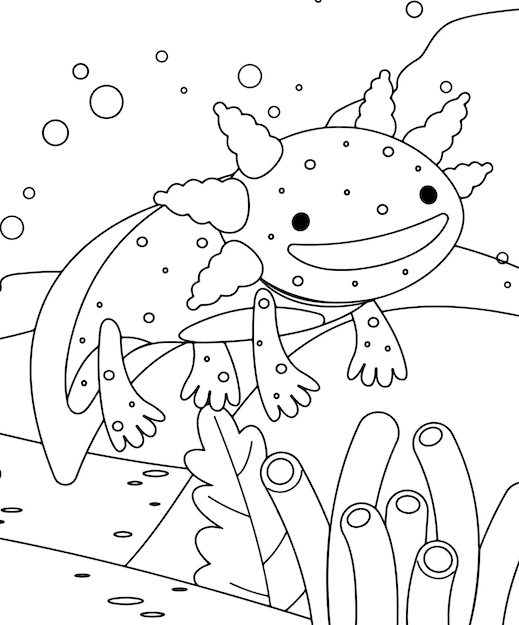
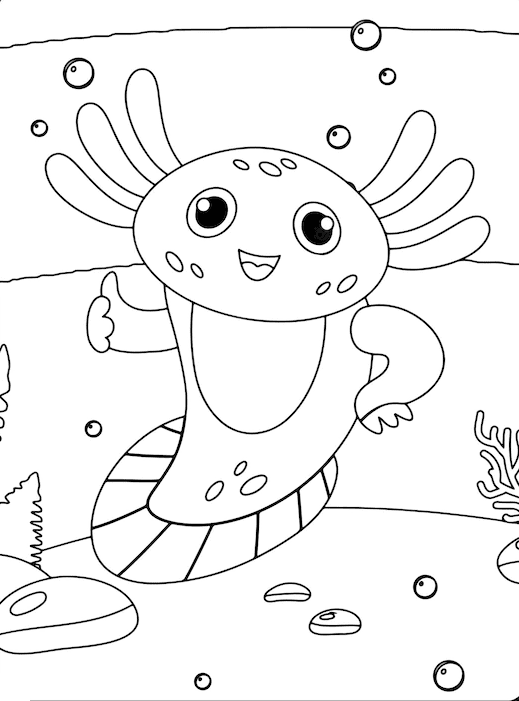
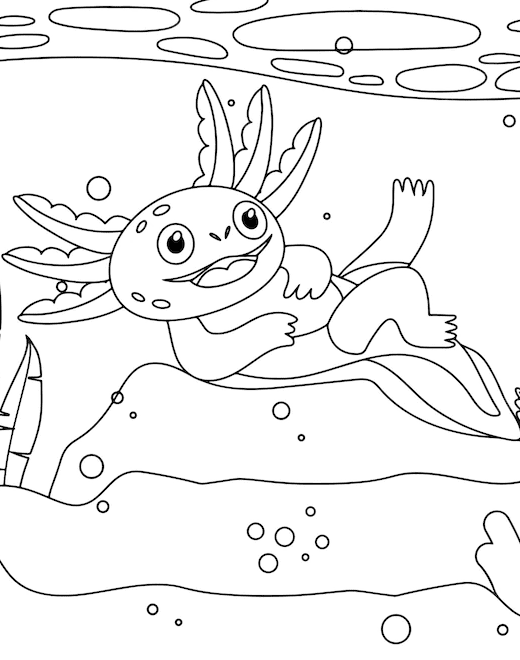
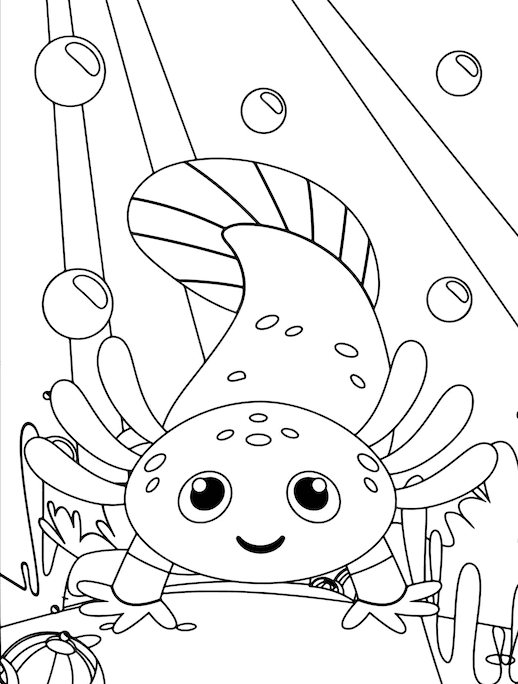
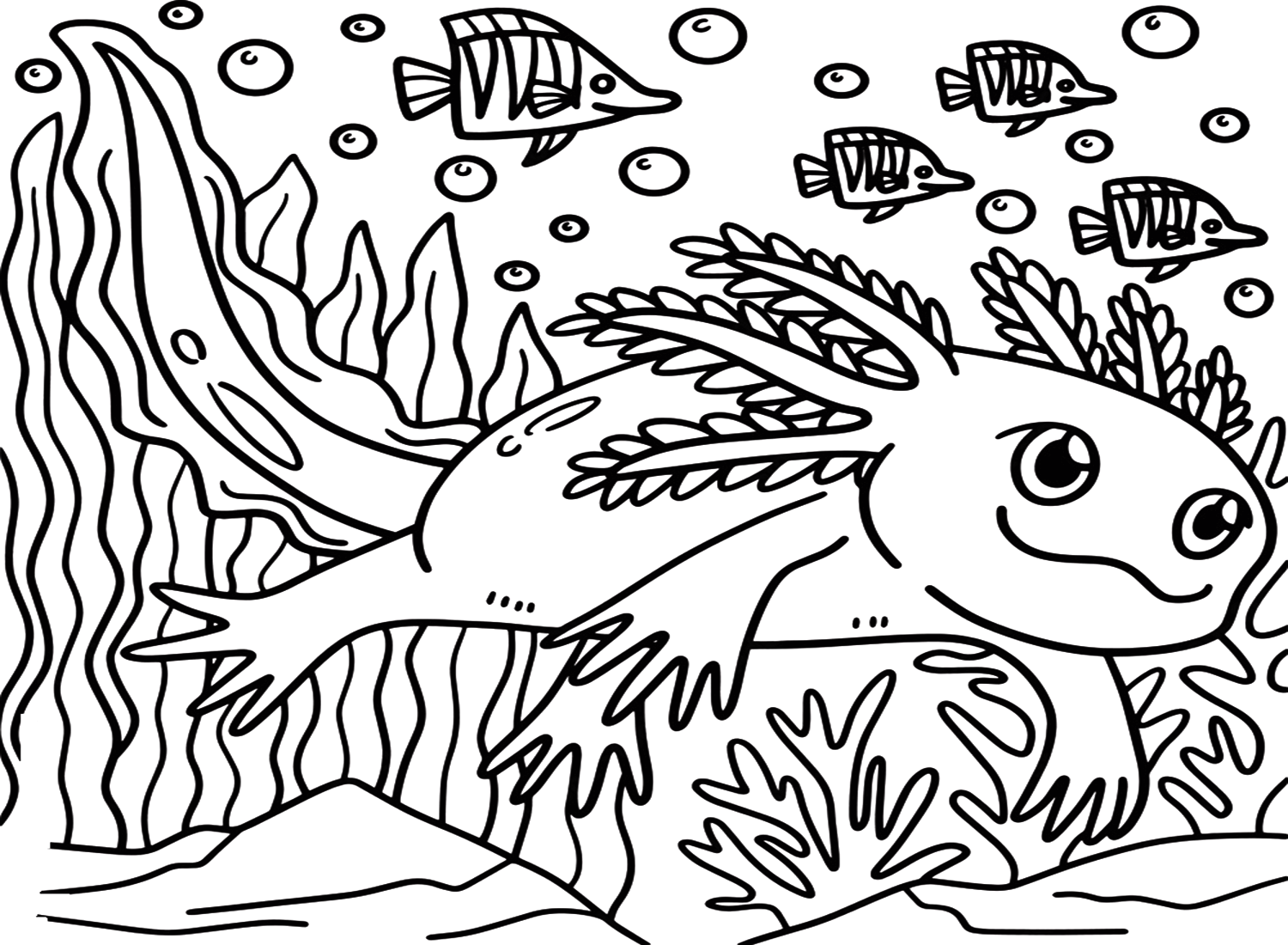
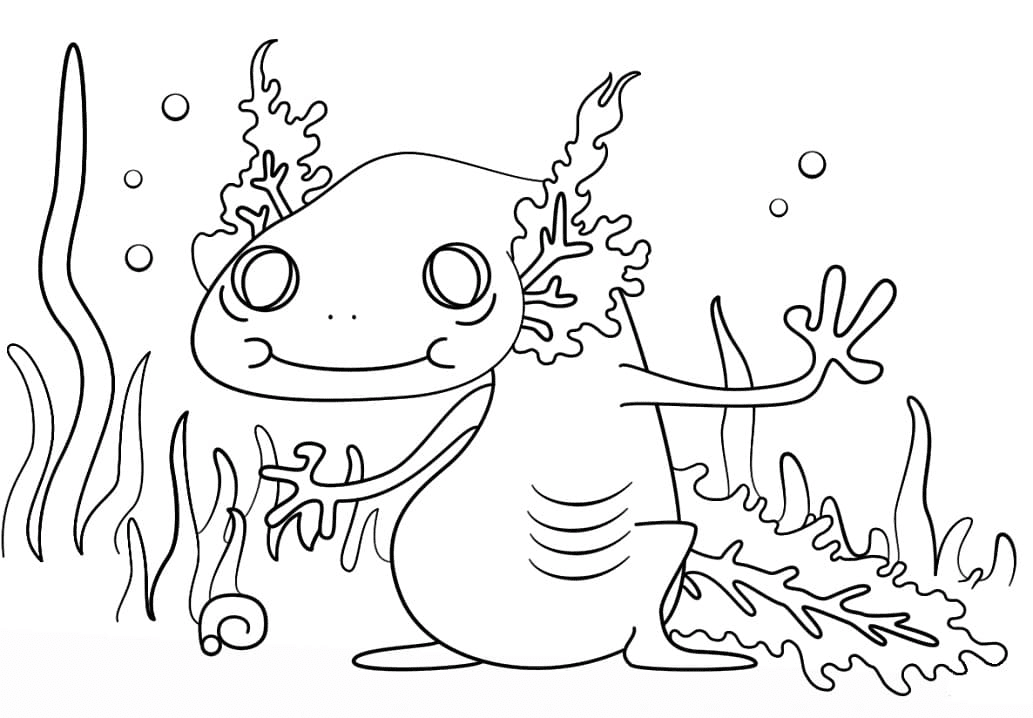
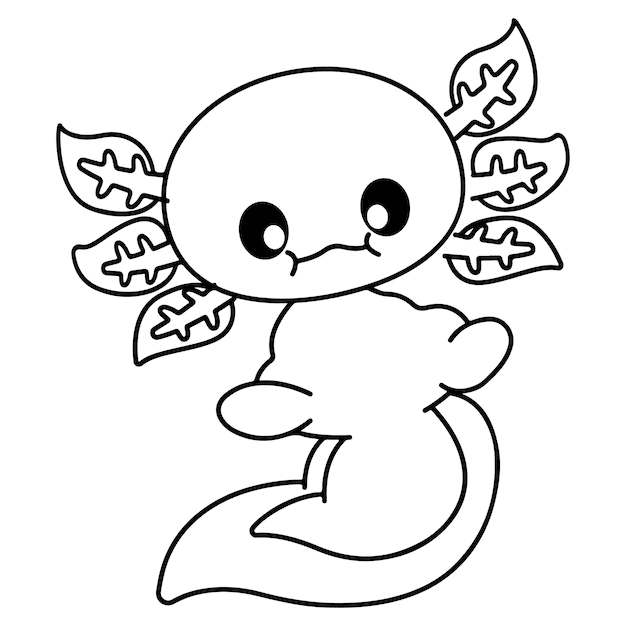
Rounded heads, wide smiles, and simple bodies make most pages easy for small hands. The realistic sheet, speckled skin, and frilly gill details offer older kids a slower, more detailed project.
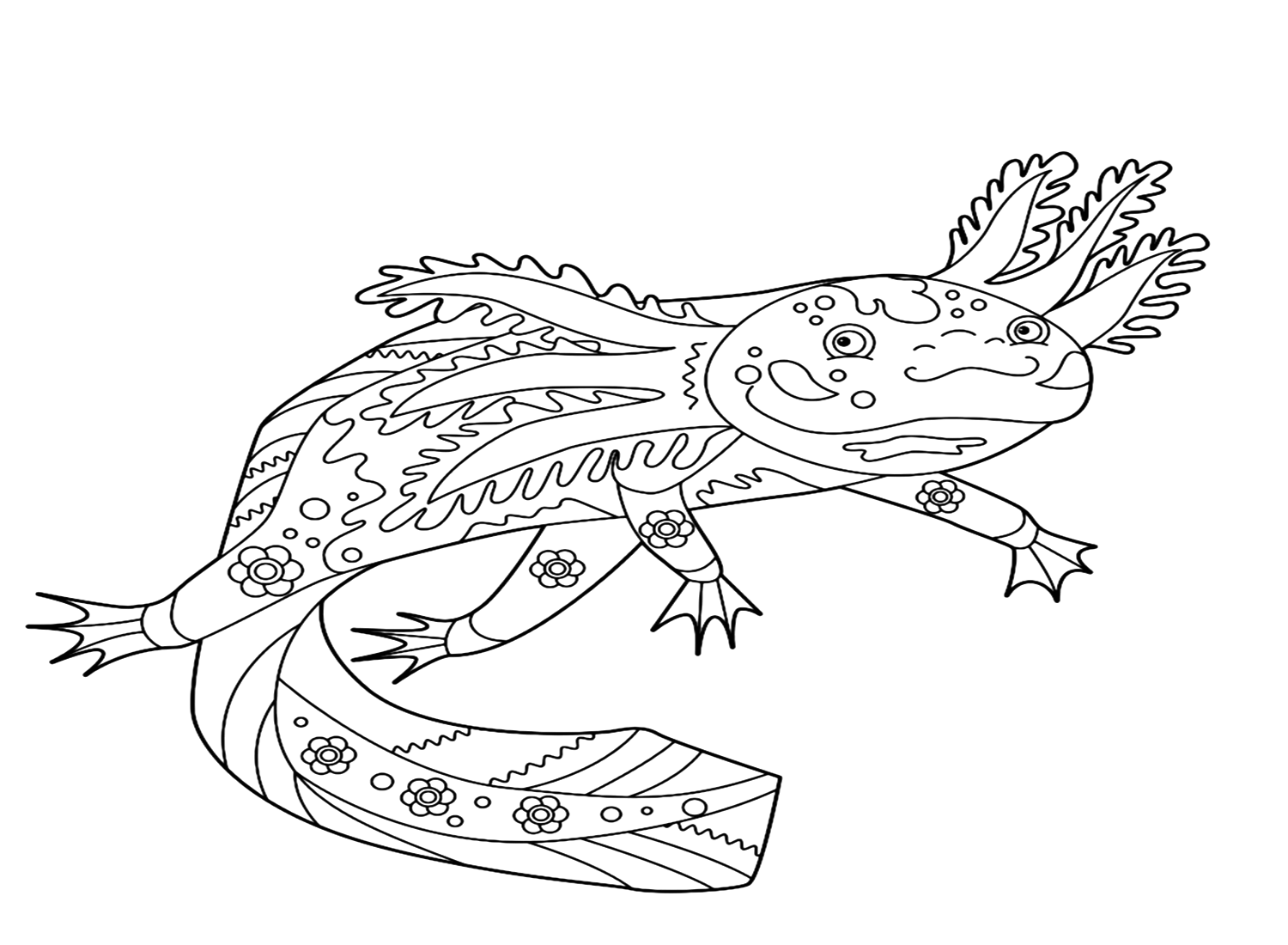
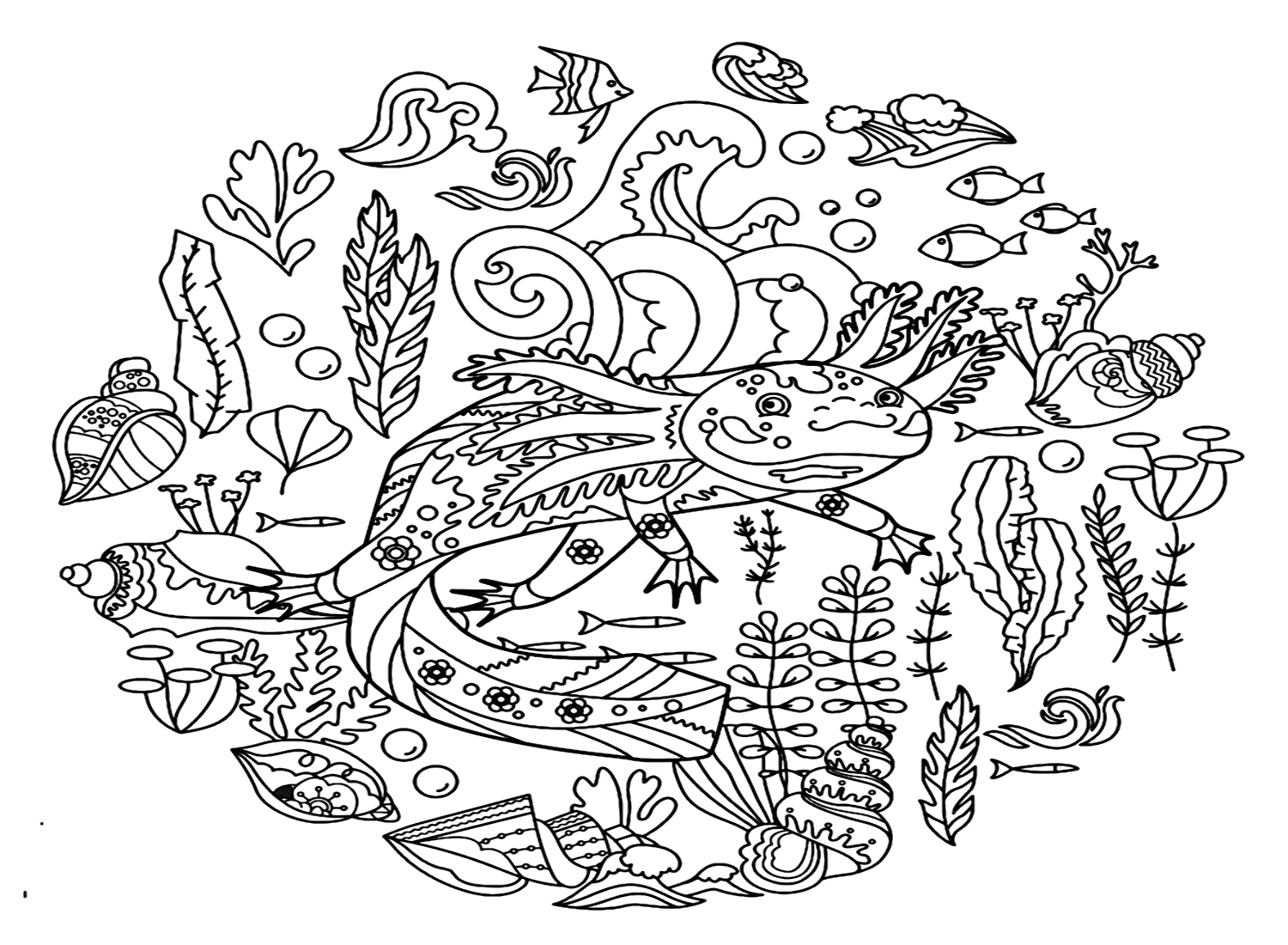
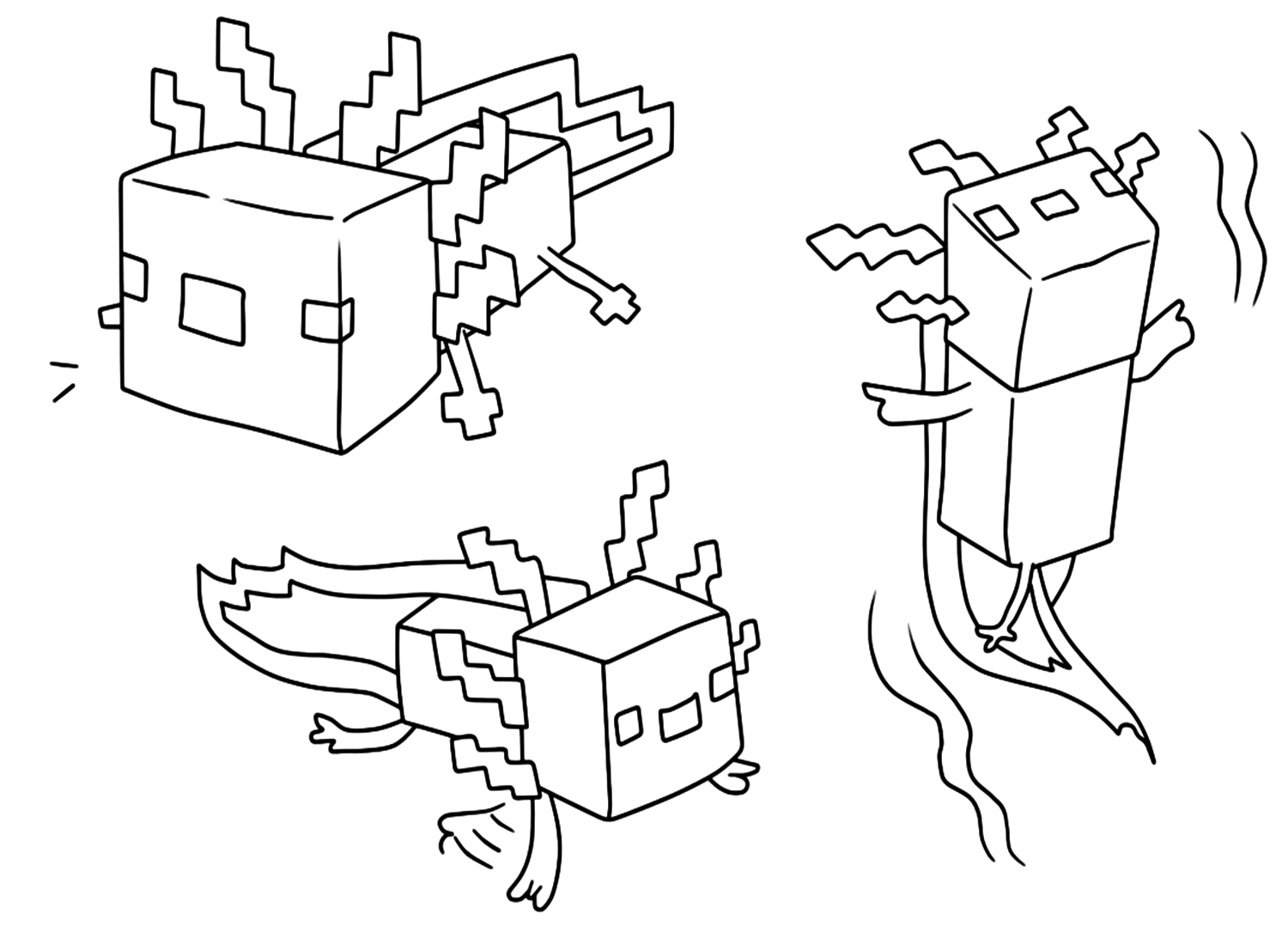
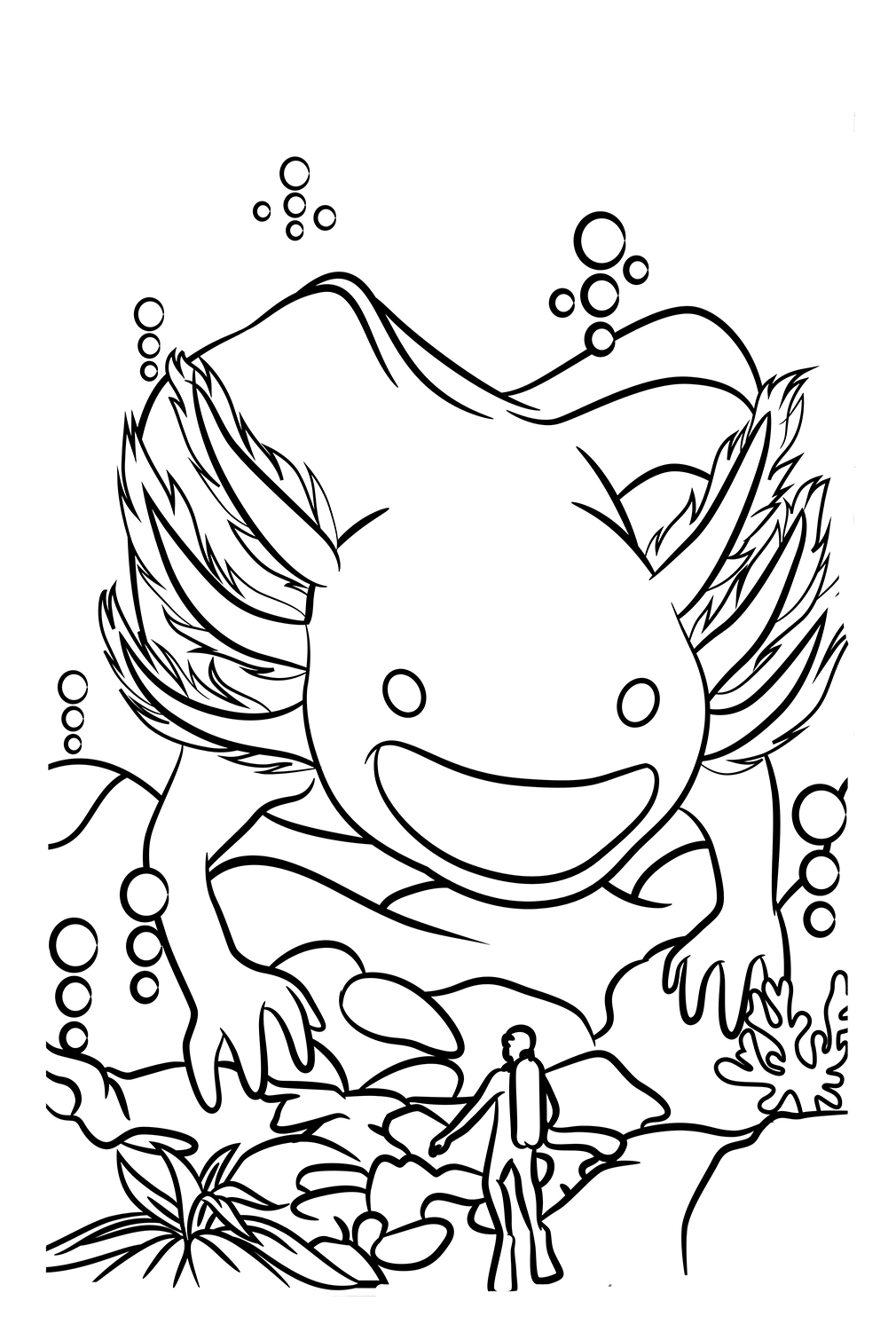
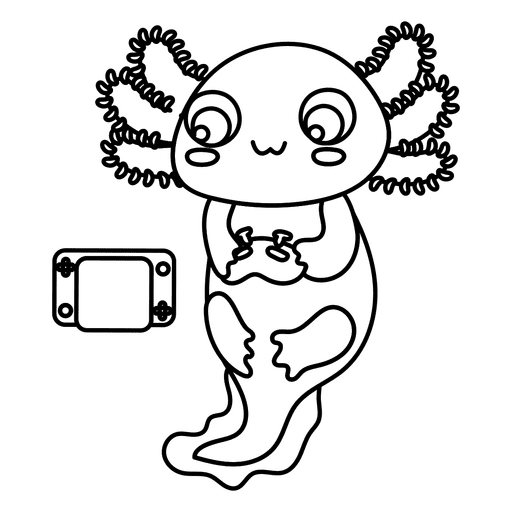
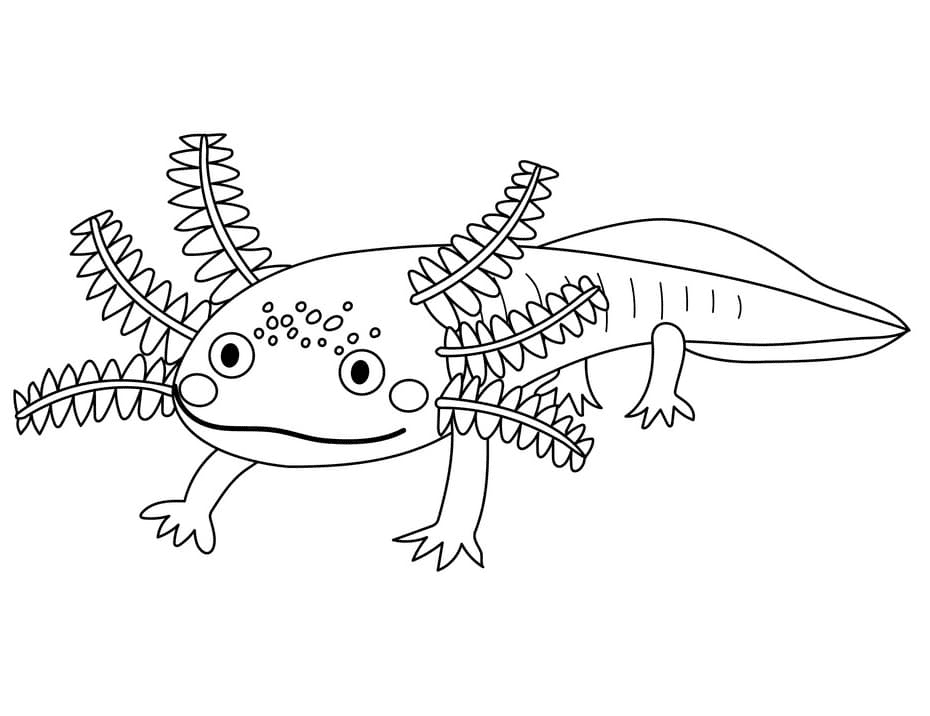
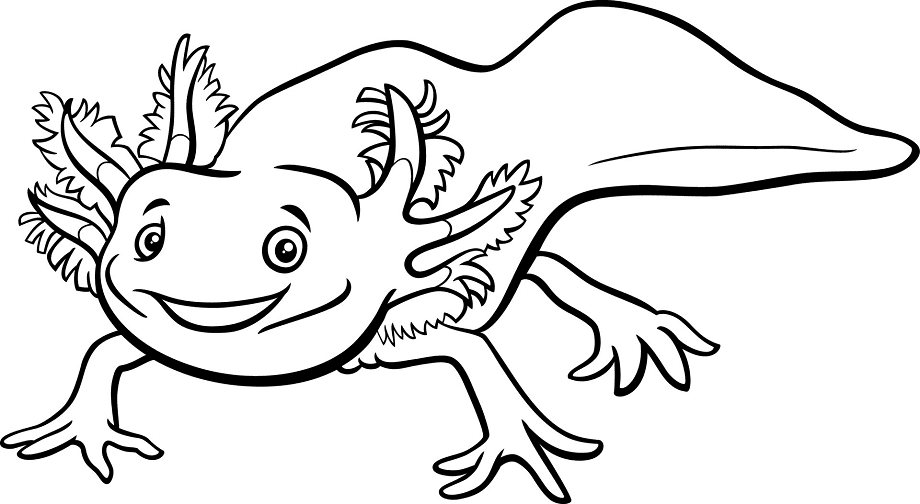
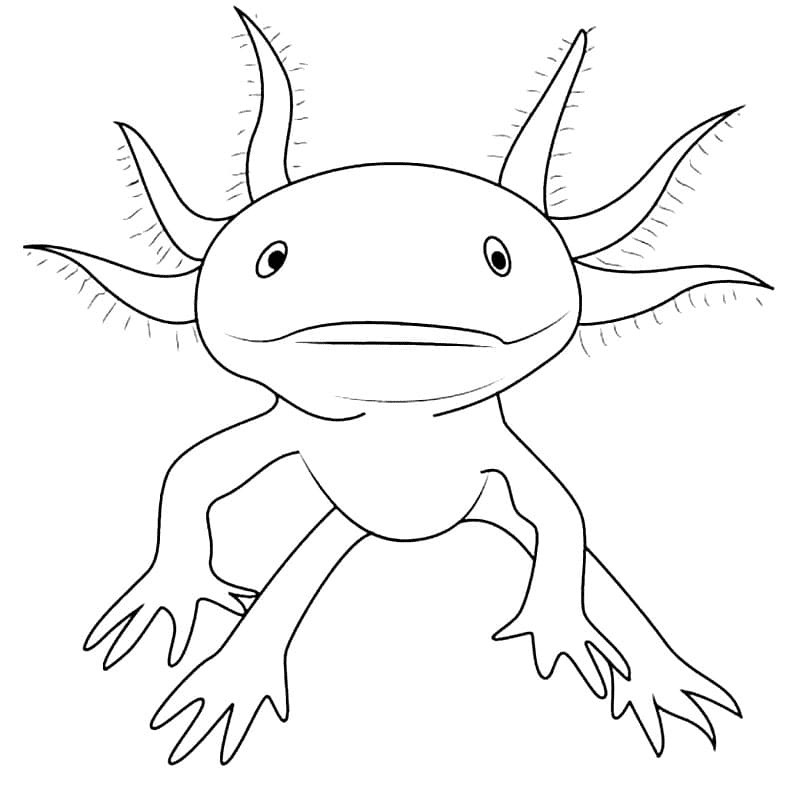
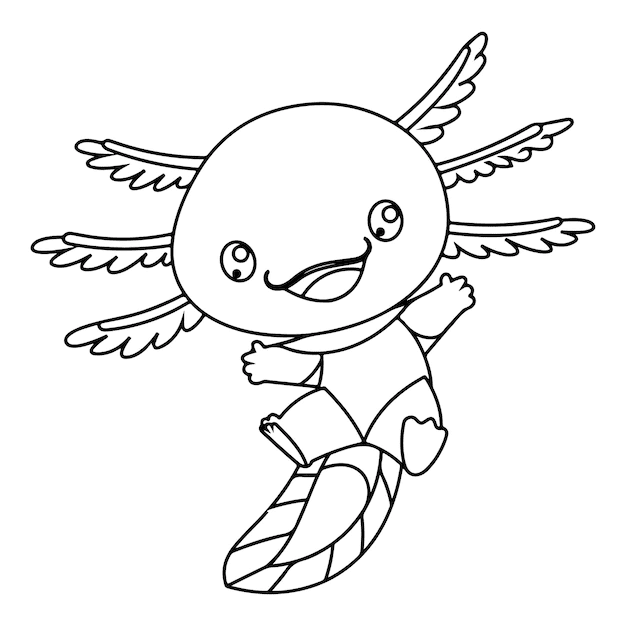
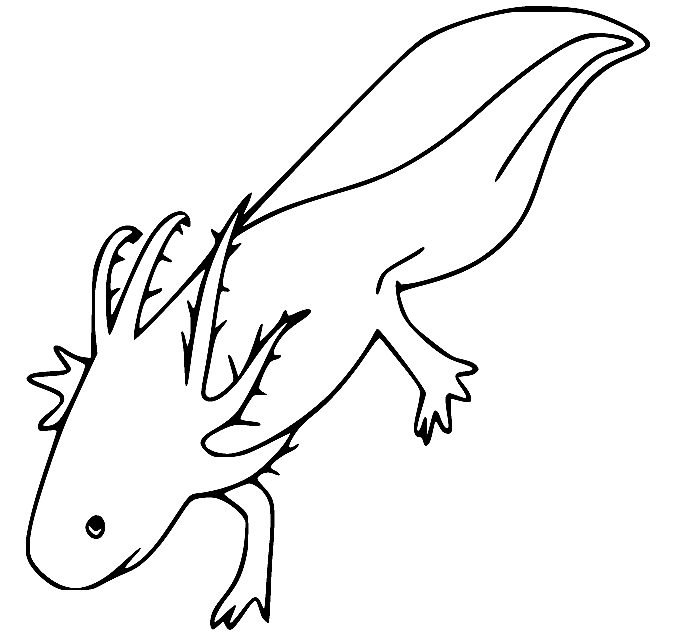
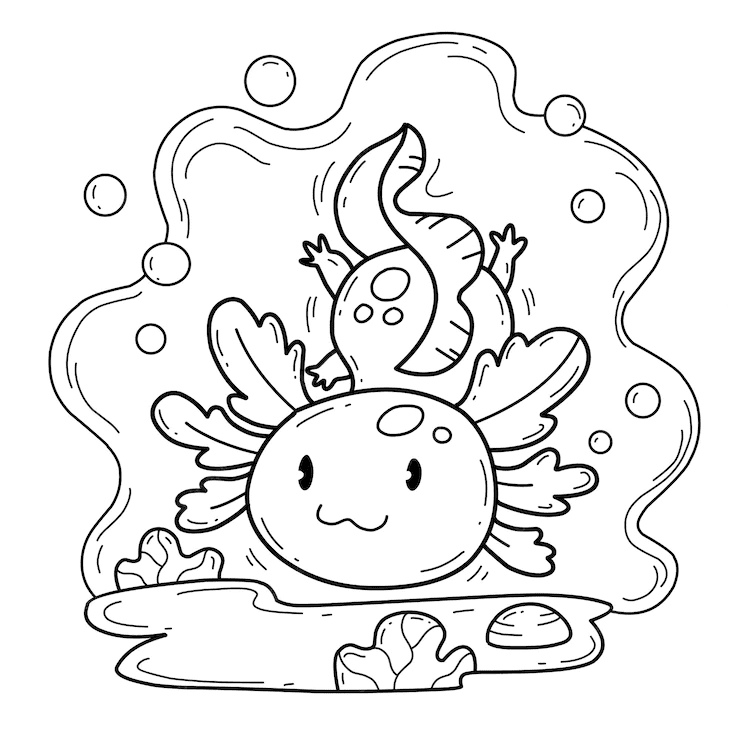
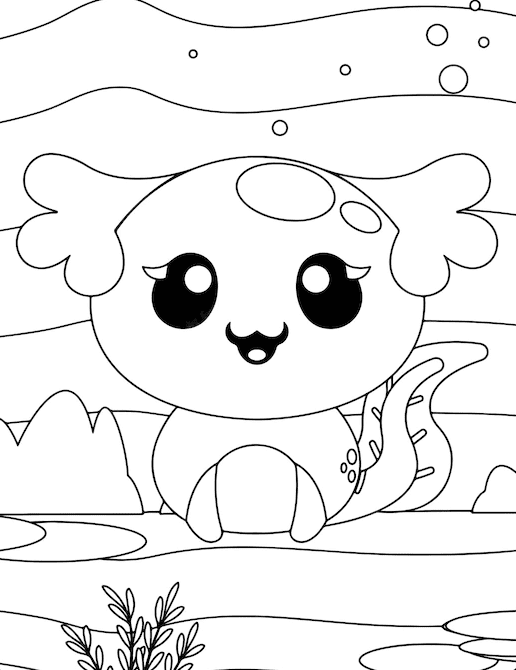


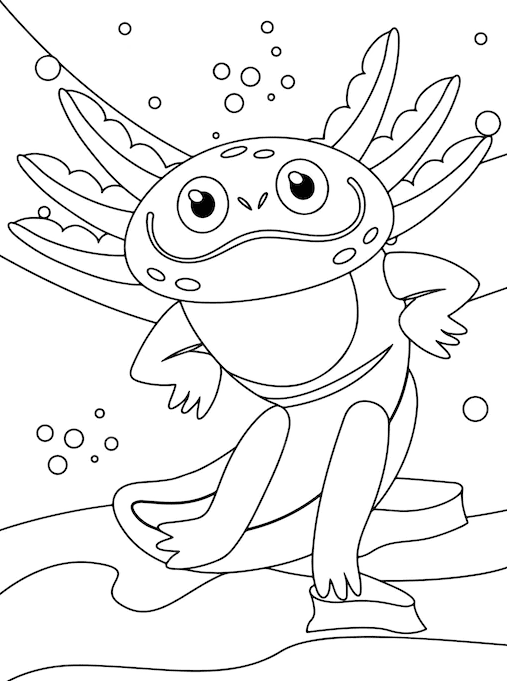
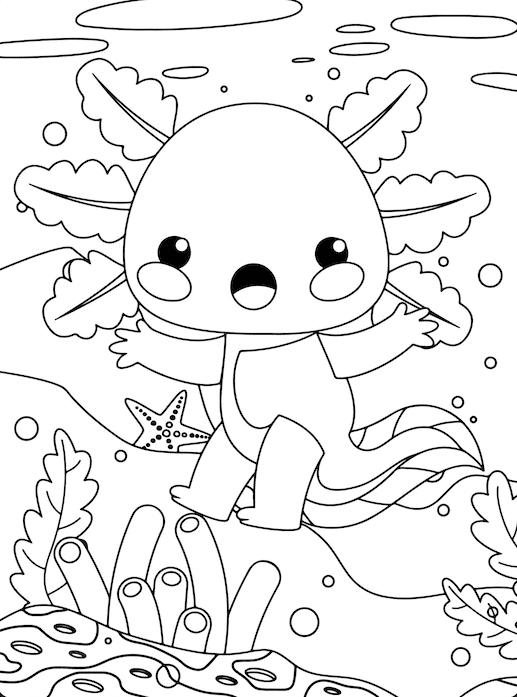
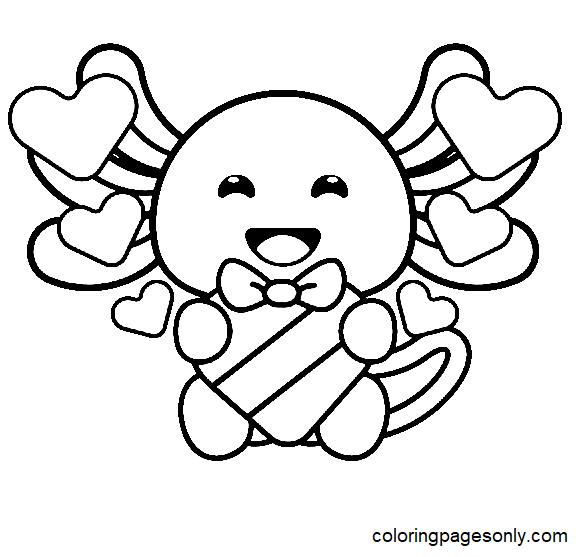

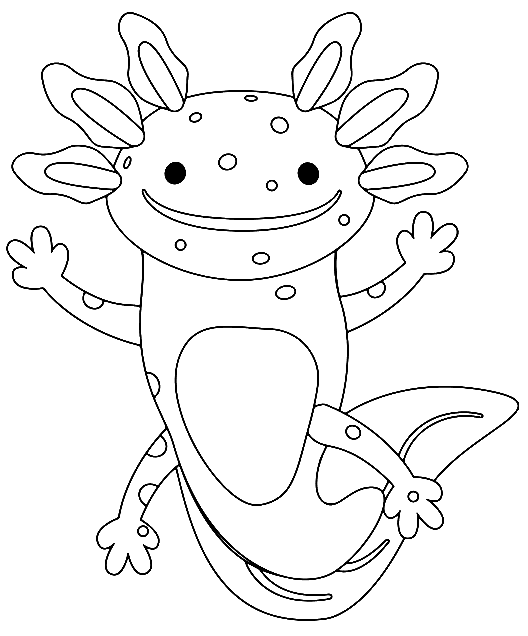

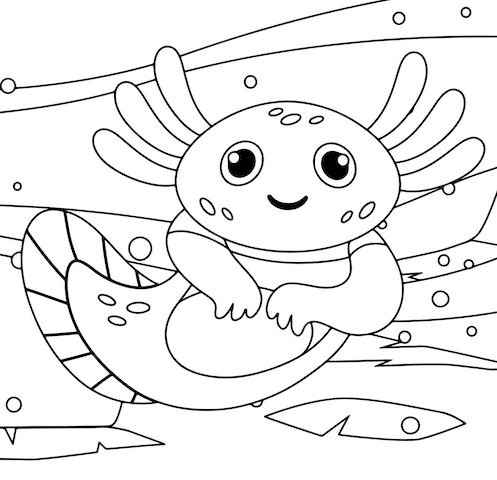
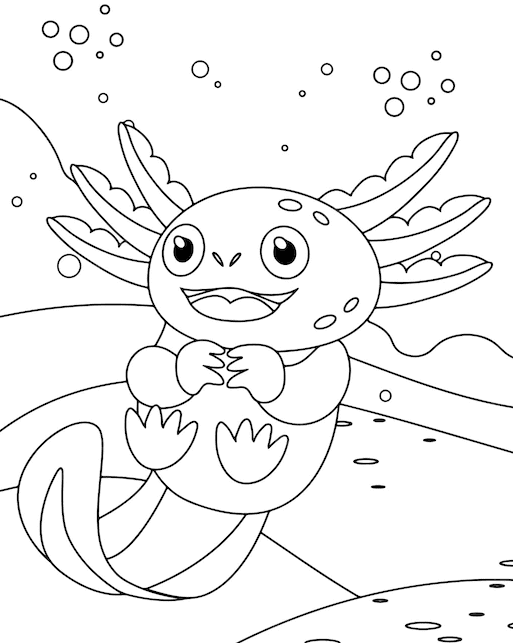
What’s Inside This Collection
Cute moods and cartoon designs lead the 53 pages, with babies, themed scenes, and learning sheets completing the set.
Cute, Happy, and Funny Axolotls
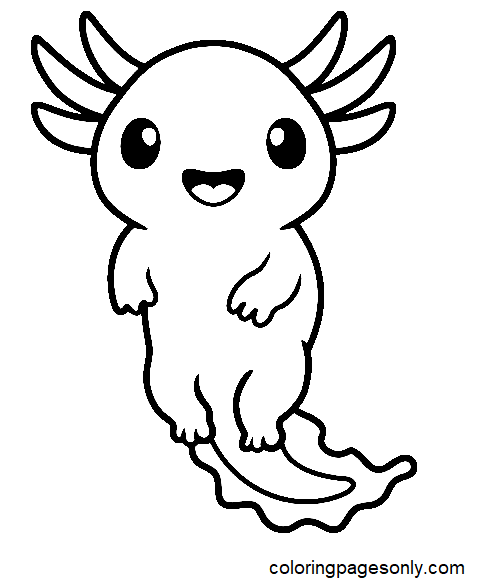
Thirteen sheets show pretty, lovely, laughing, sweet, and smiling axolotls. The pet-shop favorite is the pale pink leucistic type, so try Bubblegum Pink skin with Coral Red gills and tiny Black dot eyes.
Cartoon Axolotls
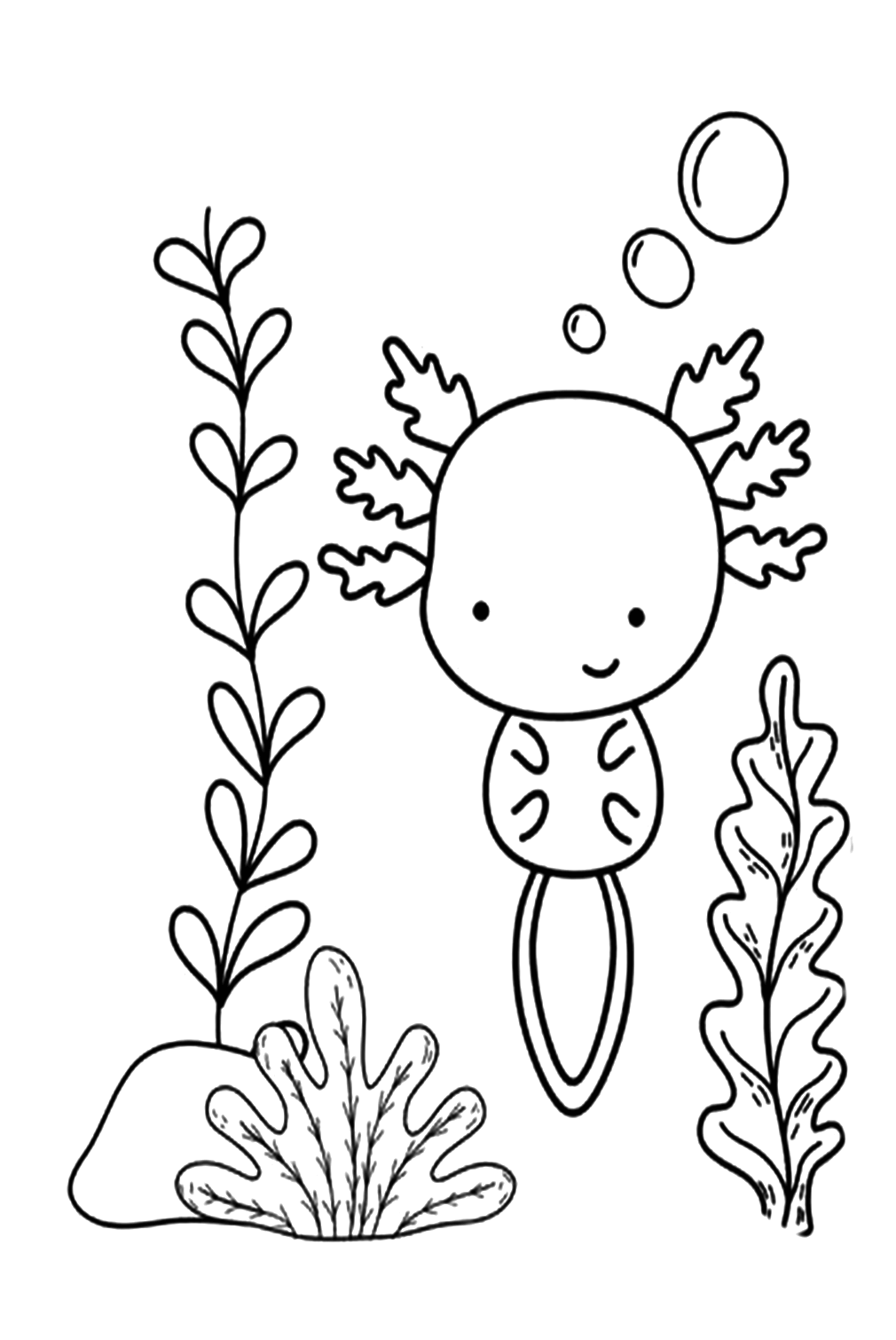
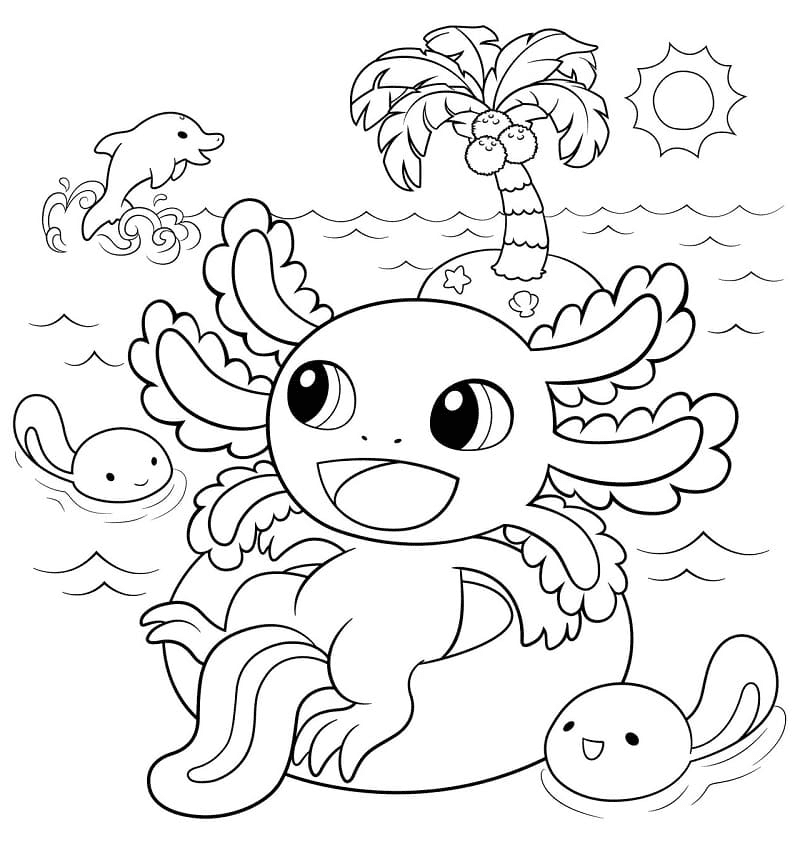
Seven designs give the animal a playful cartoon style, smiling and relaxing. Try Lavender or Mint for a fantasy look, and add Rose blush circles on the cheeks.
Baby Axolotls
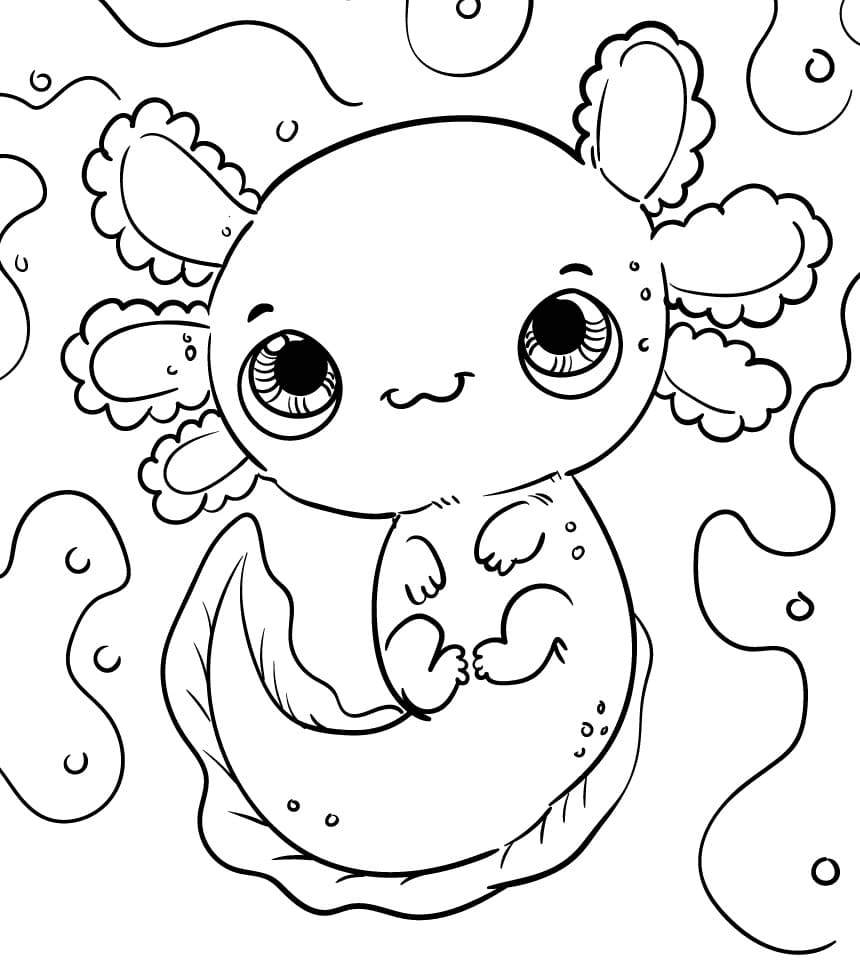
Five pages show tiny, round babies. Use soft Peach or Light Pink with slightly brighter gills so the little ones look fresh and new.
Themed and Crossover Pages
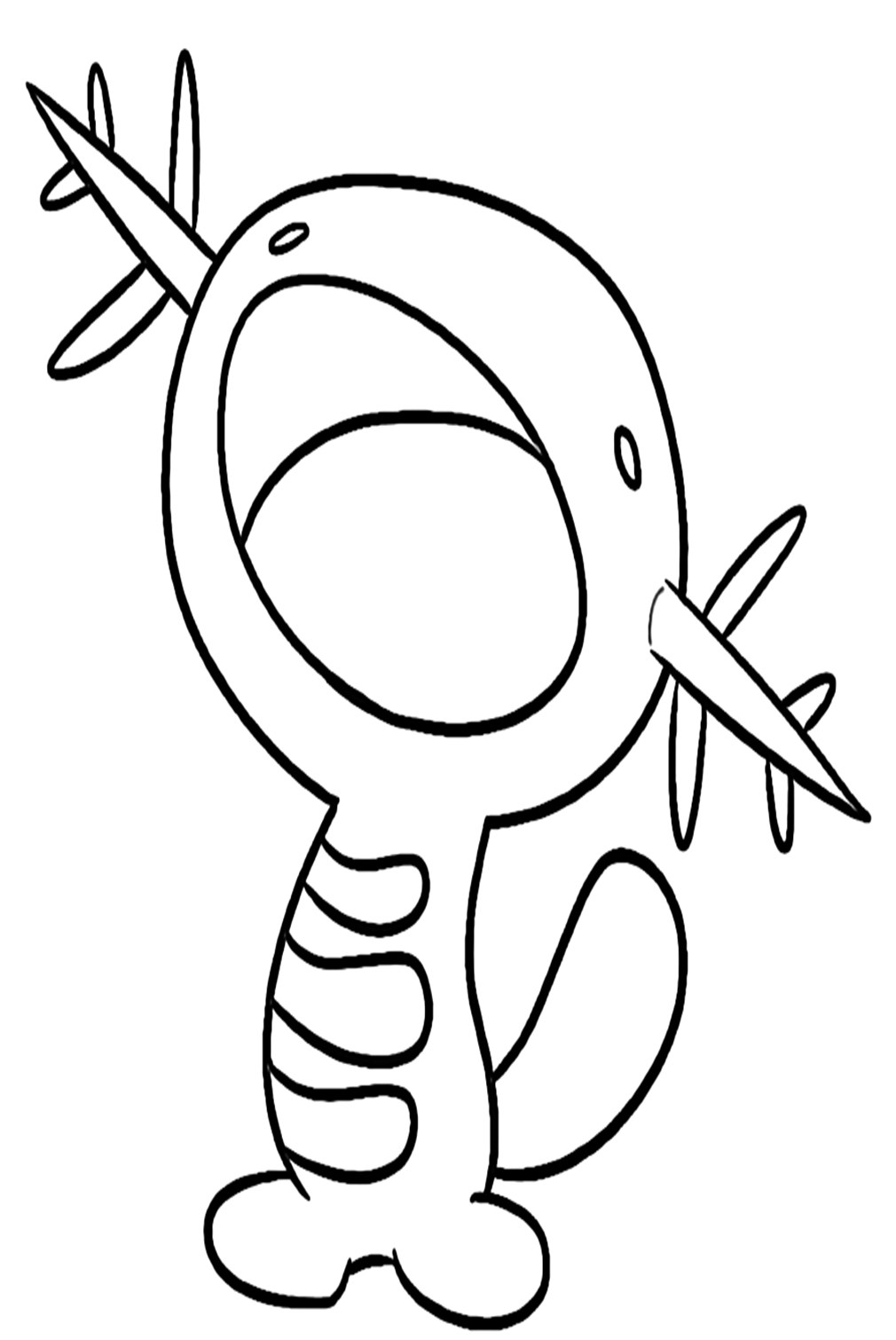
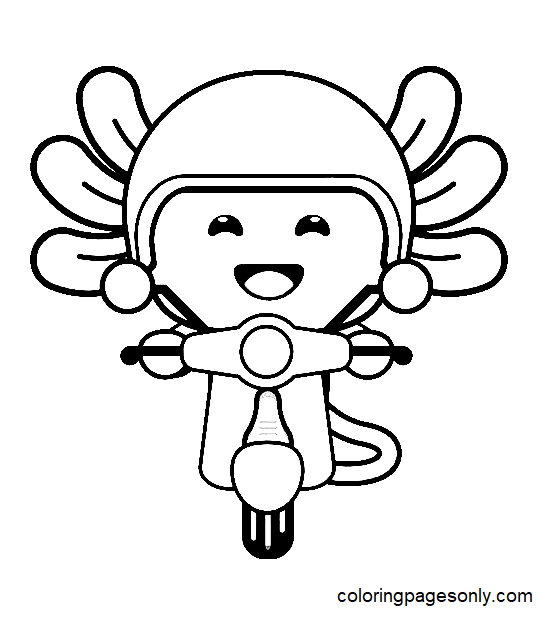
Six sheets put axolotls into fun situations: riding a scooter, cooking with a cake, celebrating Valentine’s Day, gaming, as a plush-style Squishmallow, and as Wooper, the Pokémon inspired by axolotls. Give the Valentine page Cherry Red hearts, and color Wooper in its familiar Sky Blue.
Realistic and Learning Pages
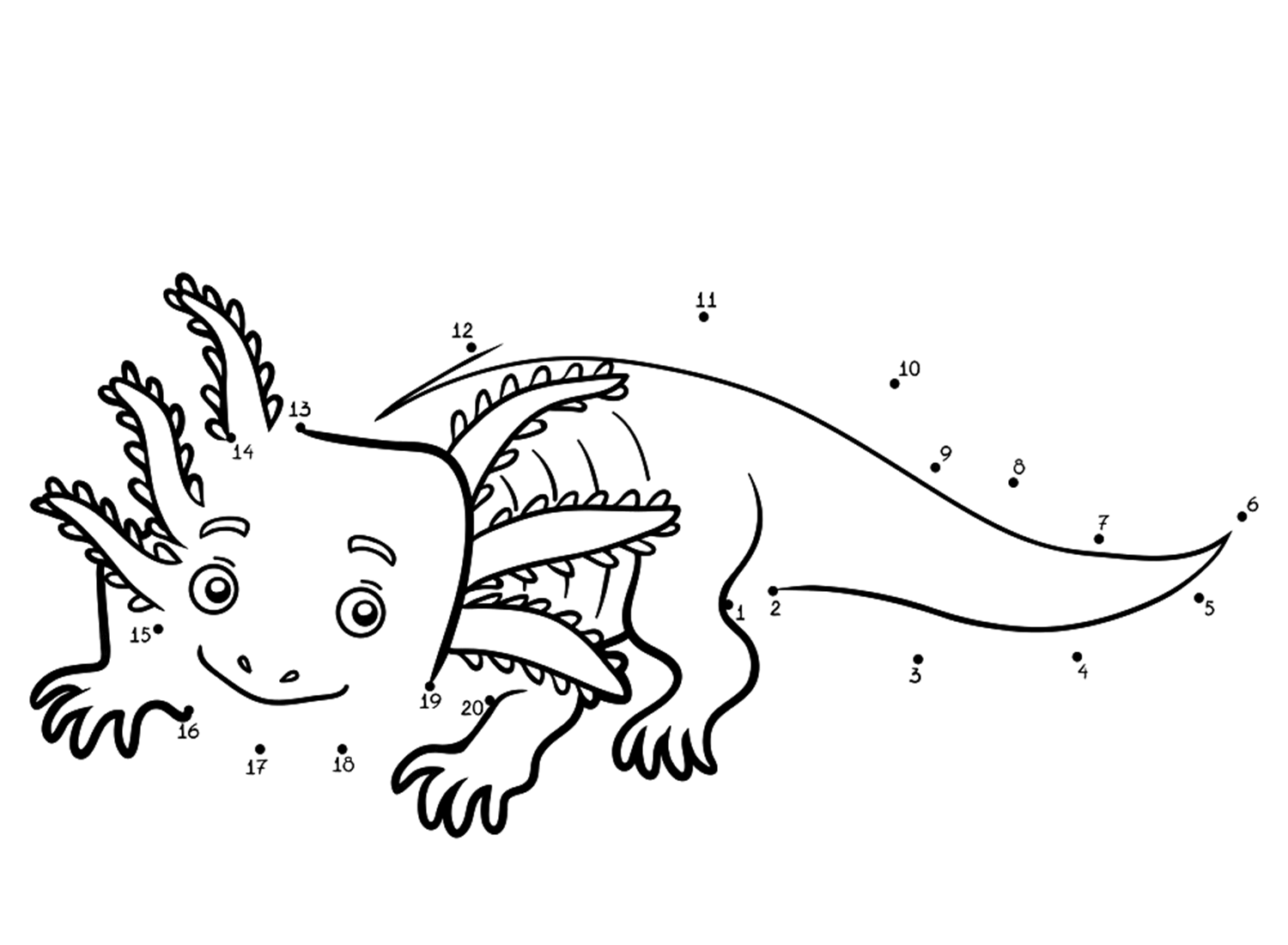
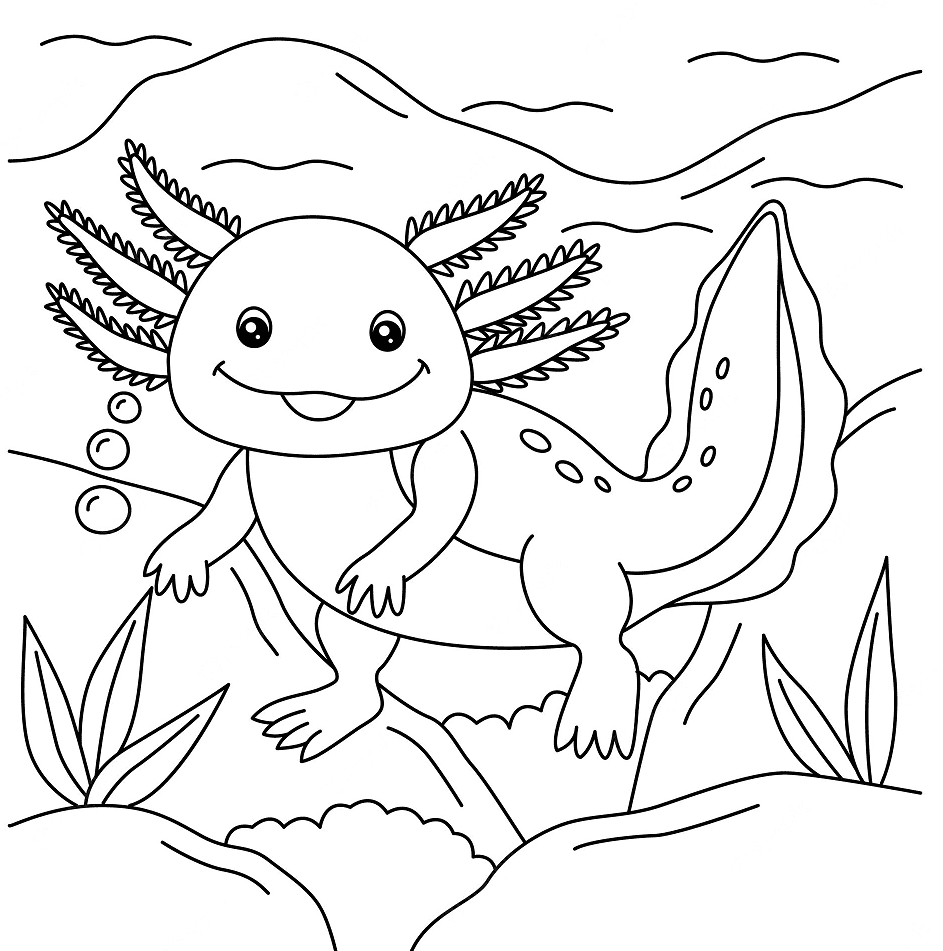
Four designs focus on the real animal, including a realistic portrait, a “Mexican walking fish” page, a natural axolotl, and a dot-to-dot activity. Wild axolotls are usually dark Olive Brown with Black speckles, so try that palette for the realistic sheet.
Classic Printable Sheets
Eighteen general pages show single axolotls in simple poses. These are perfect for trying color morphs like Golden Albino, Copper, or speckled Gray.
What Axolotl Coloring Pages Do
Teaching real biology. Few animals can regrow body parts the way an axolotl can. Coloring a page is a natural moment to explain gills, regeneration, and why this salamander lives underwater forever.
Building early hand control. Round bodies and wavy gill shapes help kids practice smooth curves. American Academy of Pediatrics milestone advice ties rapid small-muscle growth to the toddler and kindergarten years, and simple animal outlines are well matched to that stage.
Creating a relaxing break. Studying college students for a 2005 Art Therapy article, Curry and Kasser found that coloring within a ready design calmed anxiety more than unguided drawing. A smiling axolotl is a cheerful choice for quiet time.
Raising awareness about conservation. Wild axolotls are critically endangered. Kids can learn that pollution and habitat loss in Mexico City threaten the species and talk about ways people protect it.
How to Color Axolotl Pages Well
- Feathery gills: Color each gill branch in a slightly darker shade than the body, with tiny strokes for a frilly look.
- Glossy skin: Skip a tiny patch of paper on top of the head so the skin looks wet.
- Color morphs: Try pink leucistic, golden albino, or dark wild-type colors on different pages.
- Water background: Blend Aqua and Teal around the axolotl with a few white bubbles.
- Blush cheeks: Add soft pink circles to cartoon faces for extra cuteness.
- Speckles: Dot darker spots over the body for realistic wild-type patterns.
5 Creative Craft Ideas With Axolotl Coloring Pages
1. Axolotl Aquarium Box
Color several axolotls, trim each one, and dangle them on thread inside a blue-painted shoebox. Add green paper plants and pebbles along the bottom.
2. Regeneration Fact Cards
Color a realistic page and glue it on an index card. Write one fact about how axolotls regrow limbs on the back.
3. Axolotl Paper Puppet
Color a cartoon axolotl, attach it to a craft stick, and glue yarn pieces to the gills. Kids can make it swim and talk.
4. Valentine Axolotl Card
Color the Valentine page, fold red cardstock in half, and mount the axolotl on the front. Write a punny message like “You’re axolotl fun.”
5. Color Morph Chart
Color the same simple axolotl in four different natural colors and line them up on poster paper. Label each one: wild, leucistic, golden albino, and copper.
Frequently Asked Questions
What are Axolotl coloring pages?
There are 53 free printable drawings of axolotls in cute, cartoon, baby, realistic, and themed styles, plus a dot-to-dot sheet. Any of them can be printed or colored in the browser at no cost.
Where do axolotls come from?
Axolotls are native only to the lake and canal system of Xochimilco near Mexico City. Their name comes from Nahuatl, the language of the Aztecs.
Are axolotls fish?
No. Despite the nickname “Mexican walking fish,” axolotls are amphibians, a type of salamander related to newts.
Why do axolotls keep their gills?
Axolotls stay in a larval form their whole lives, a condition called neoteny. They keep their feathery external gills and live fully in water.
Can axolotls really regrow body parts?
Yes. They can regenerate limbs, tails, parts of the spinal cord, and even portions of the heart and brain, which scientists study for medical research.
What colors can axolotls be?
Wild axolotls are dark brown or olive with speckles. Pets also come in pink leucistic, golden albino, white albino, copper, and other color morphs.
What age are Axolotl coloring pages for?
Three-year-olds can manage the cartoon and baby pages, while realistic designs and the dot-to-dot fit kids from 5 to 10.
Are axolotls endangered?
Yes. Wild axolotls are listed as critically endangered because of water pollution, invasive fish, and urban growth around their lake habitat.
Start Coloring
Choose a cartoon axolotl, a baby, or the realistic page from these 53 designs, then print a class set or shade it on a laptop, no account needed. Animal fans can share their pink and speckled creations on Facebook or Pinterest.