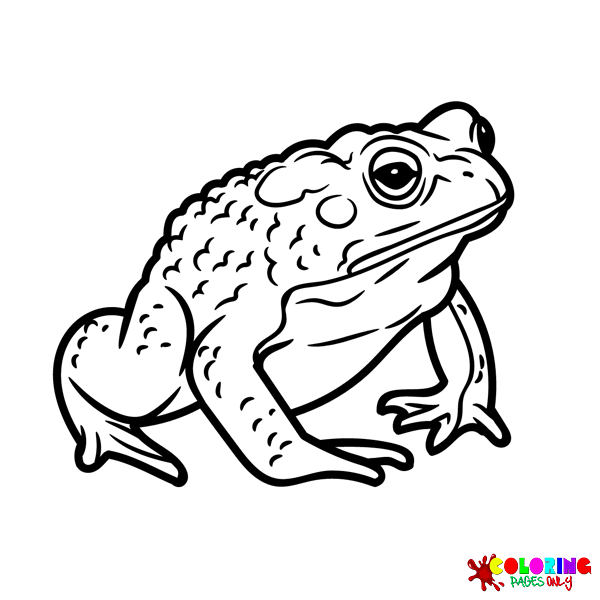
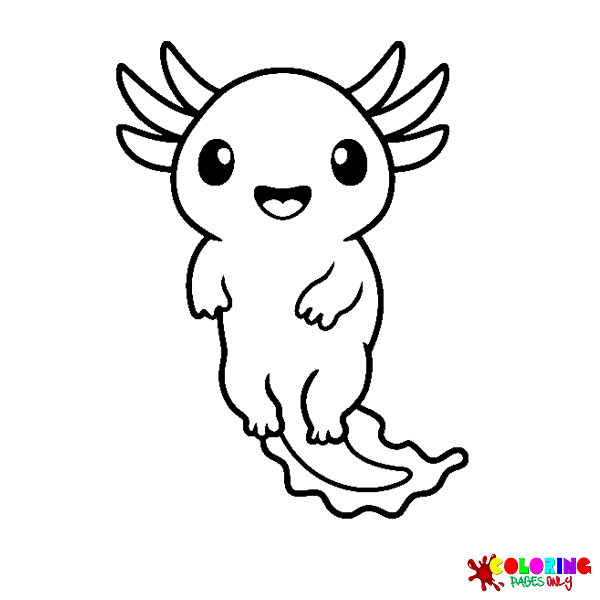
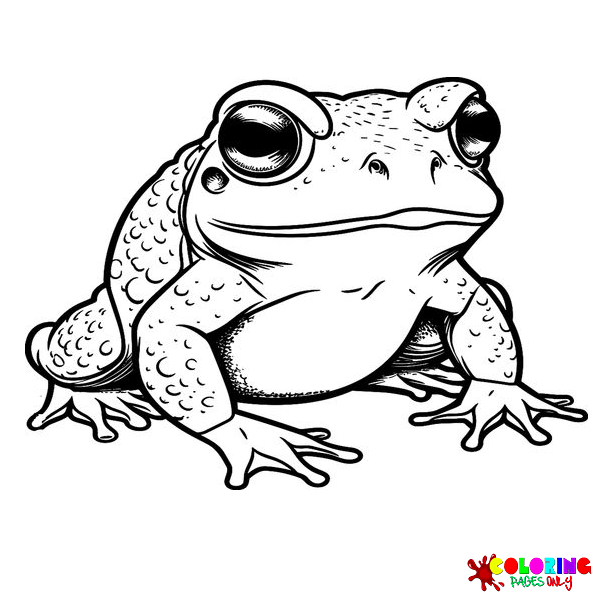
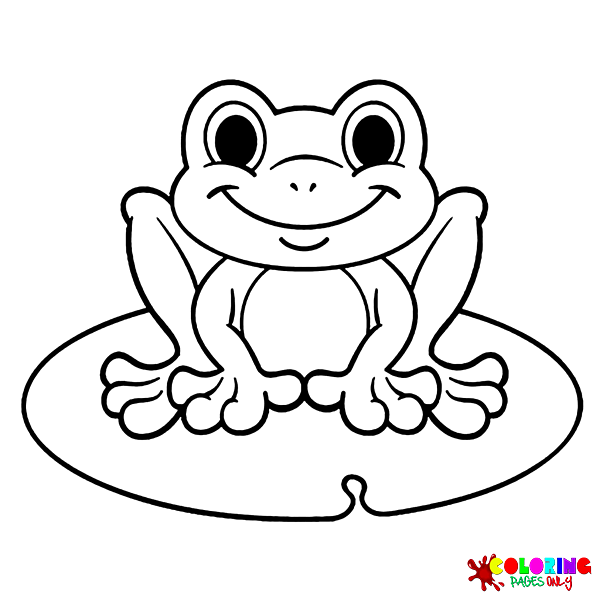
Salamander Coloring Pages
 By:
Jennifer Thoa - Content Editor & Designer
Updated:
By:
Jennifer Thoa - Content Editor & Designer
Updated:
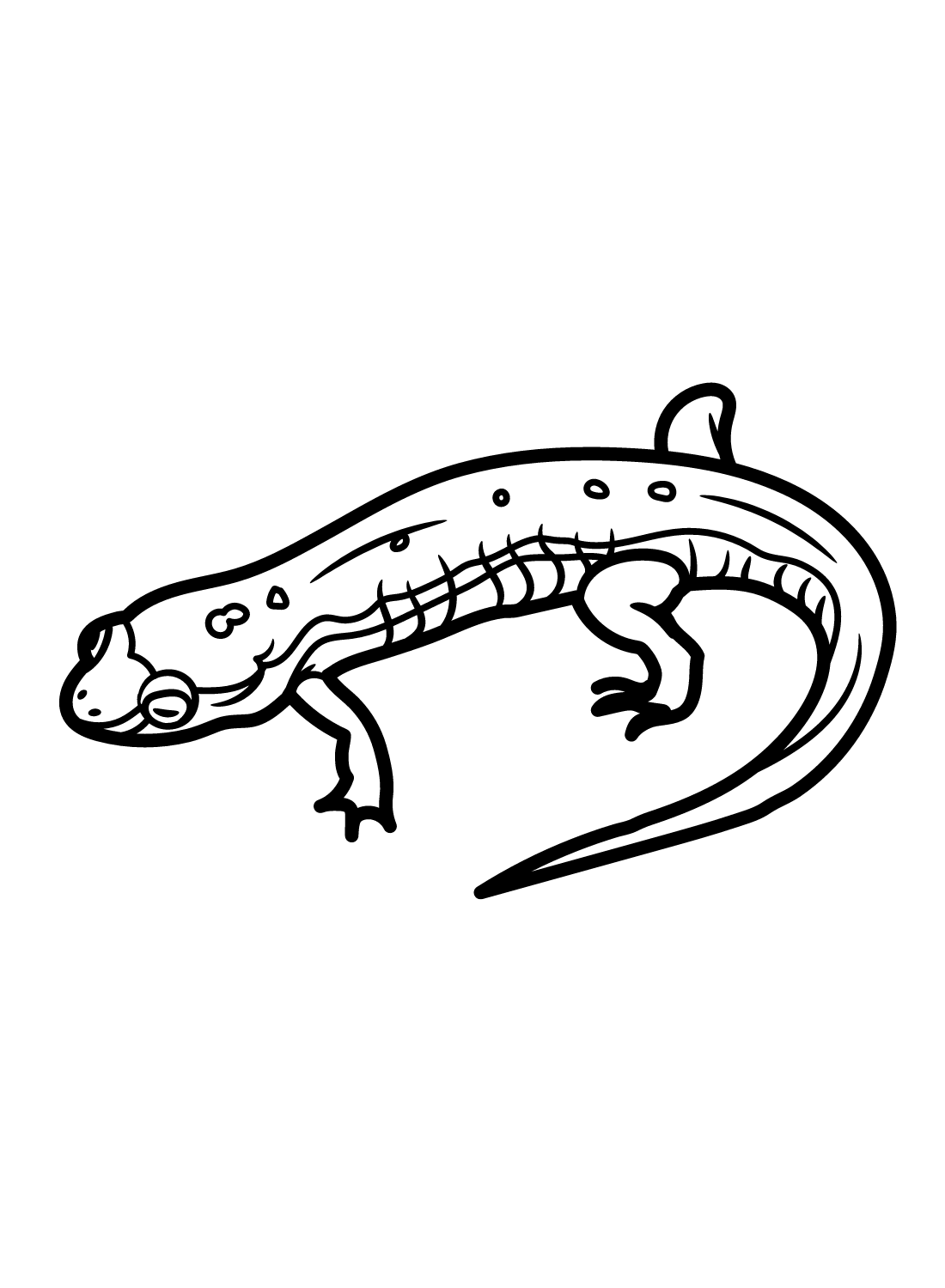
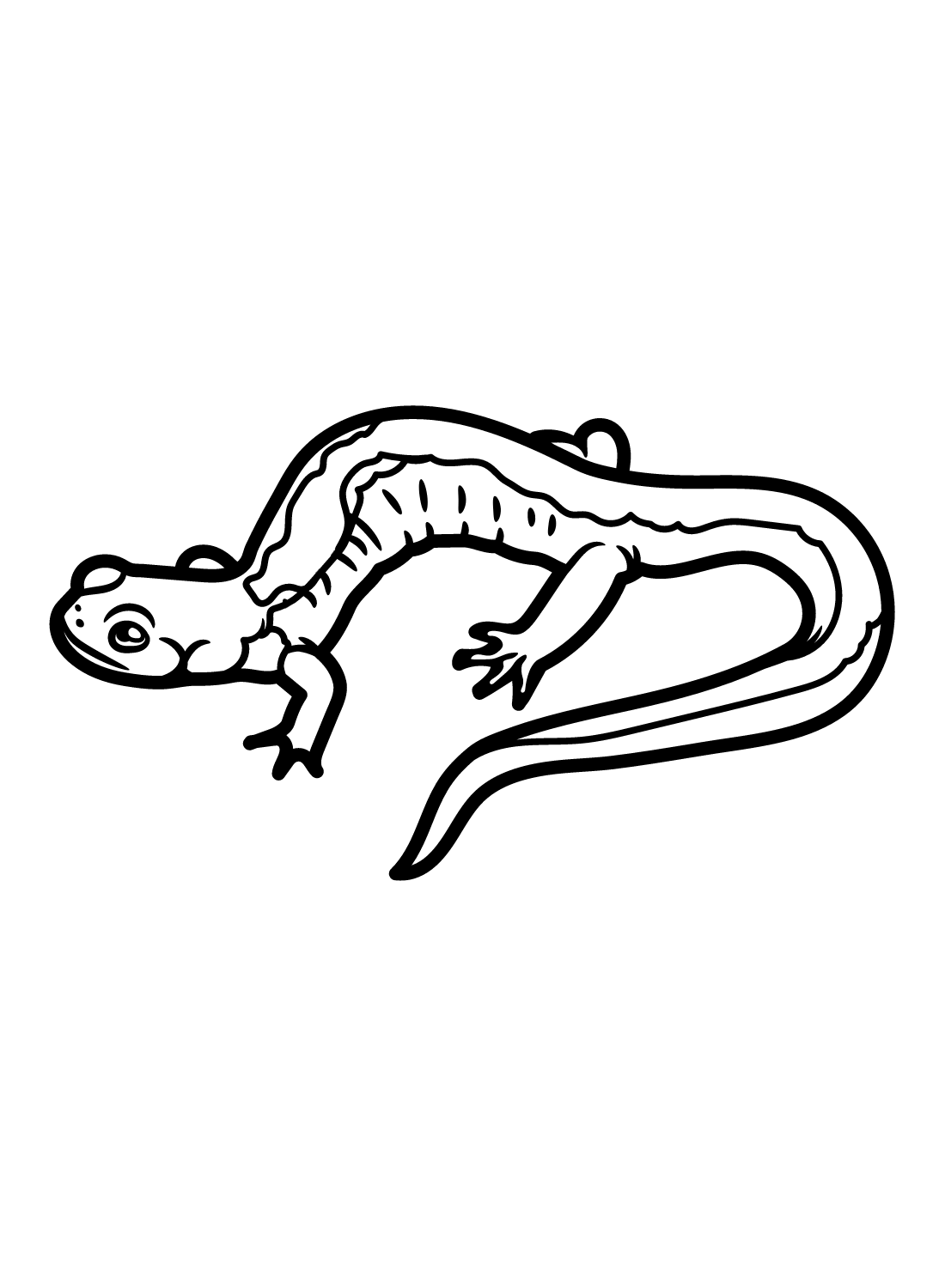
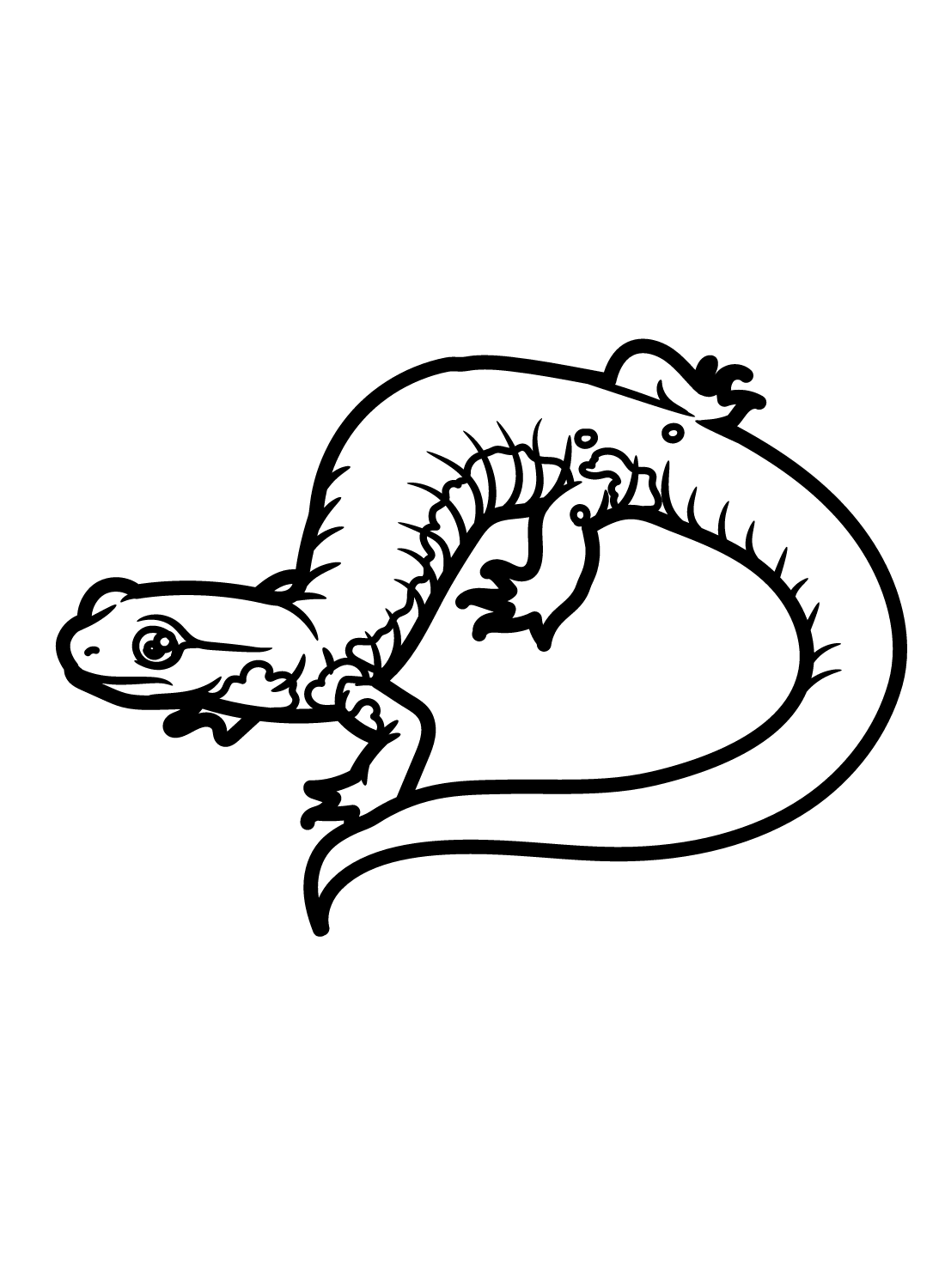
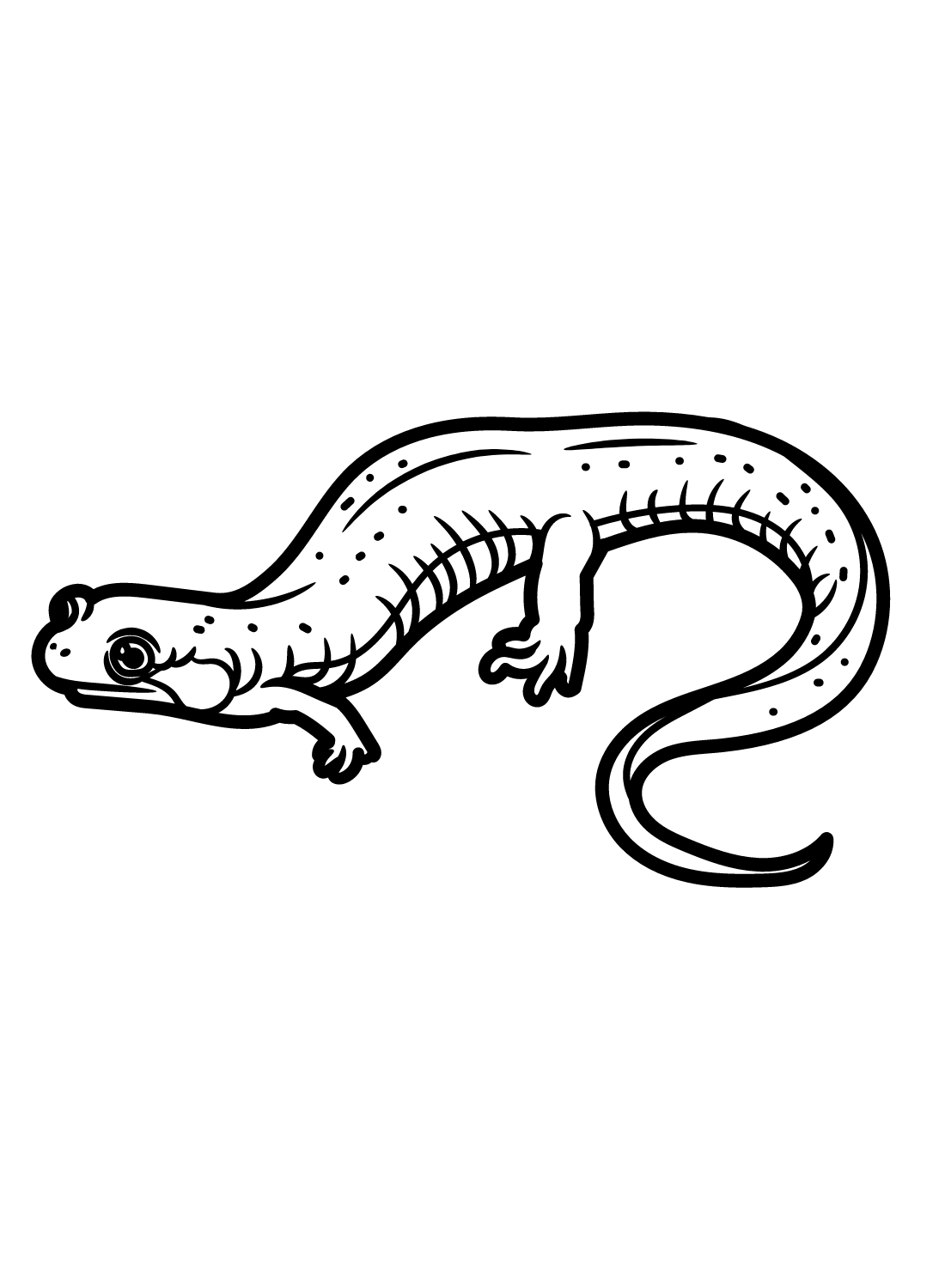
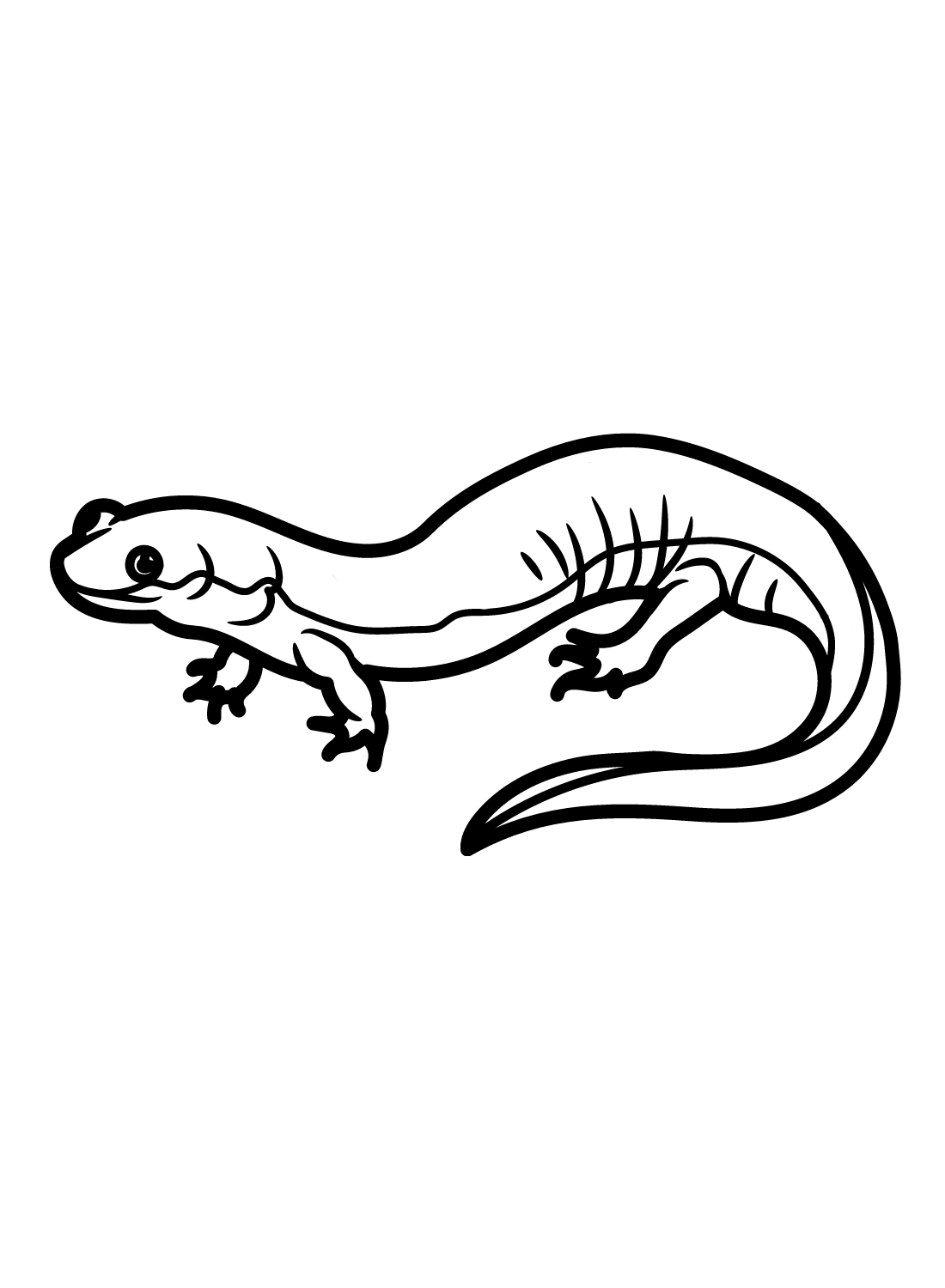
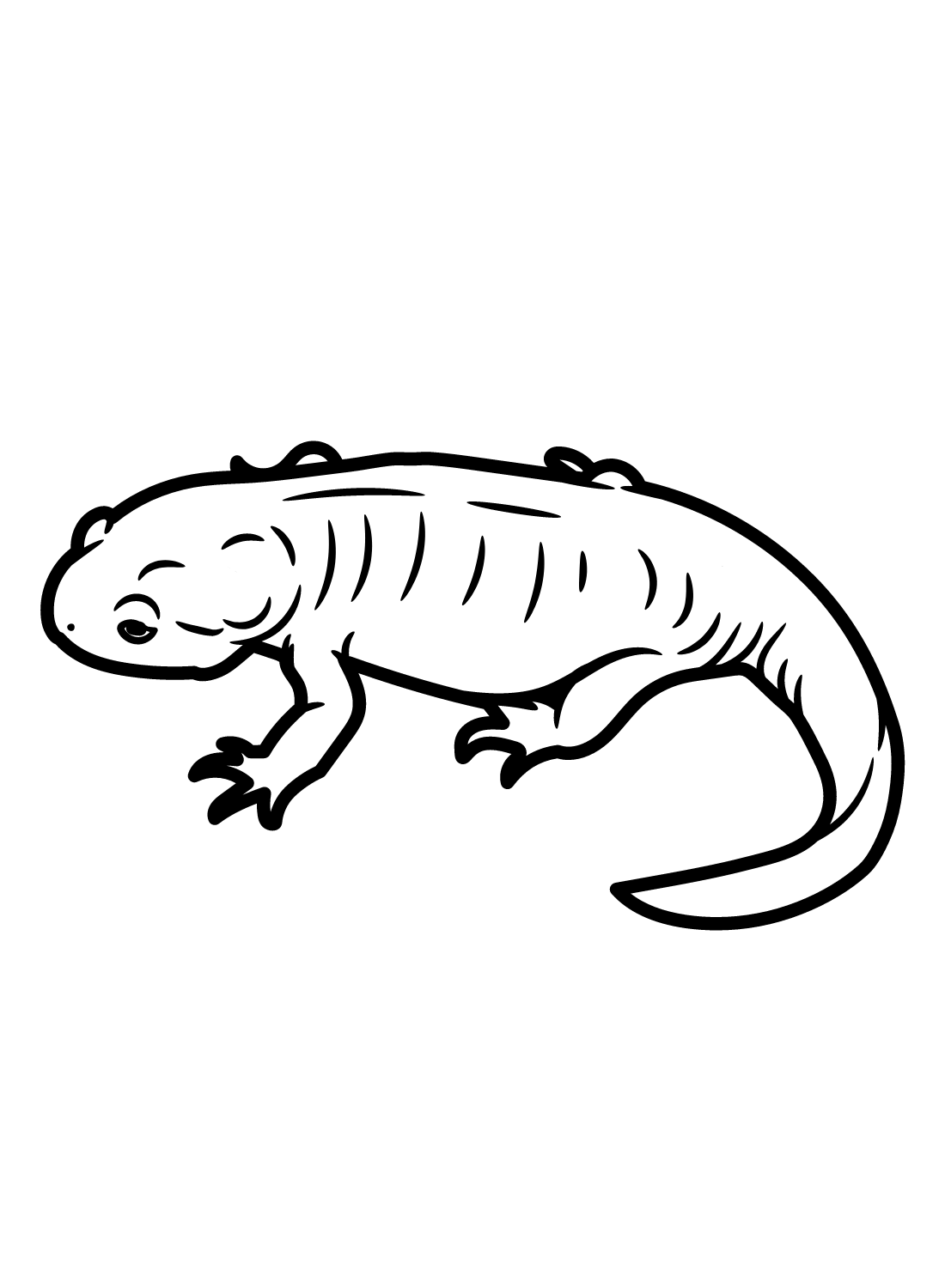
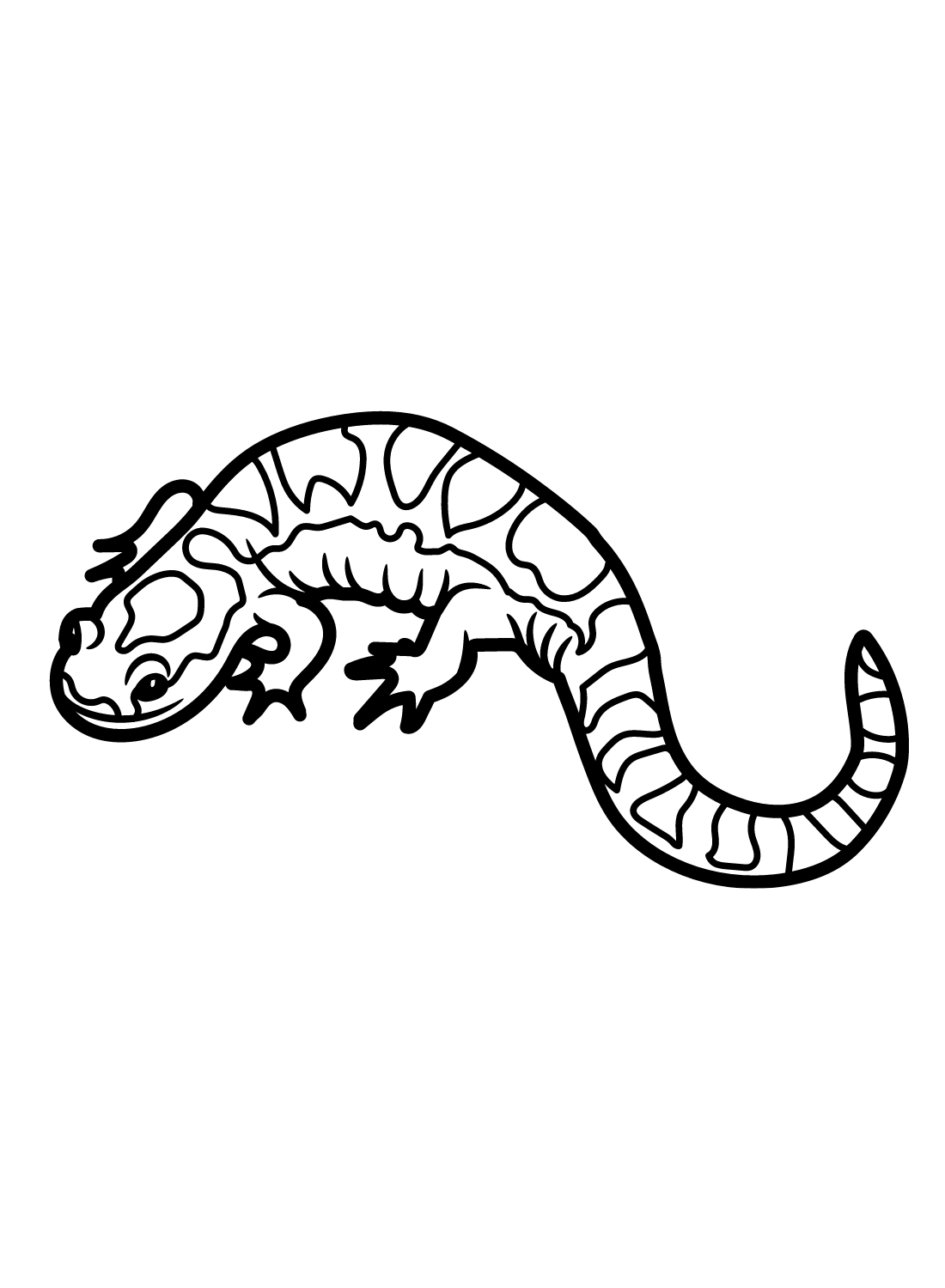
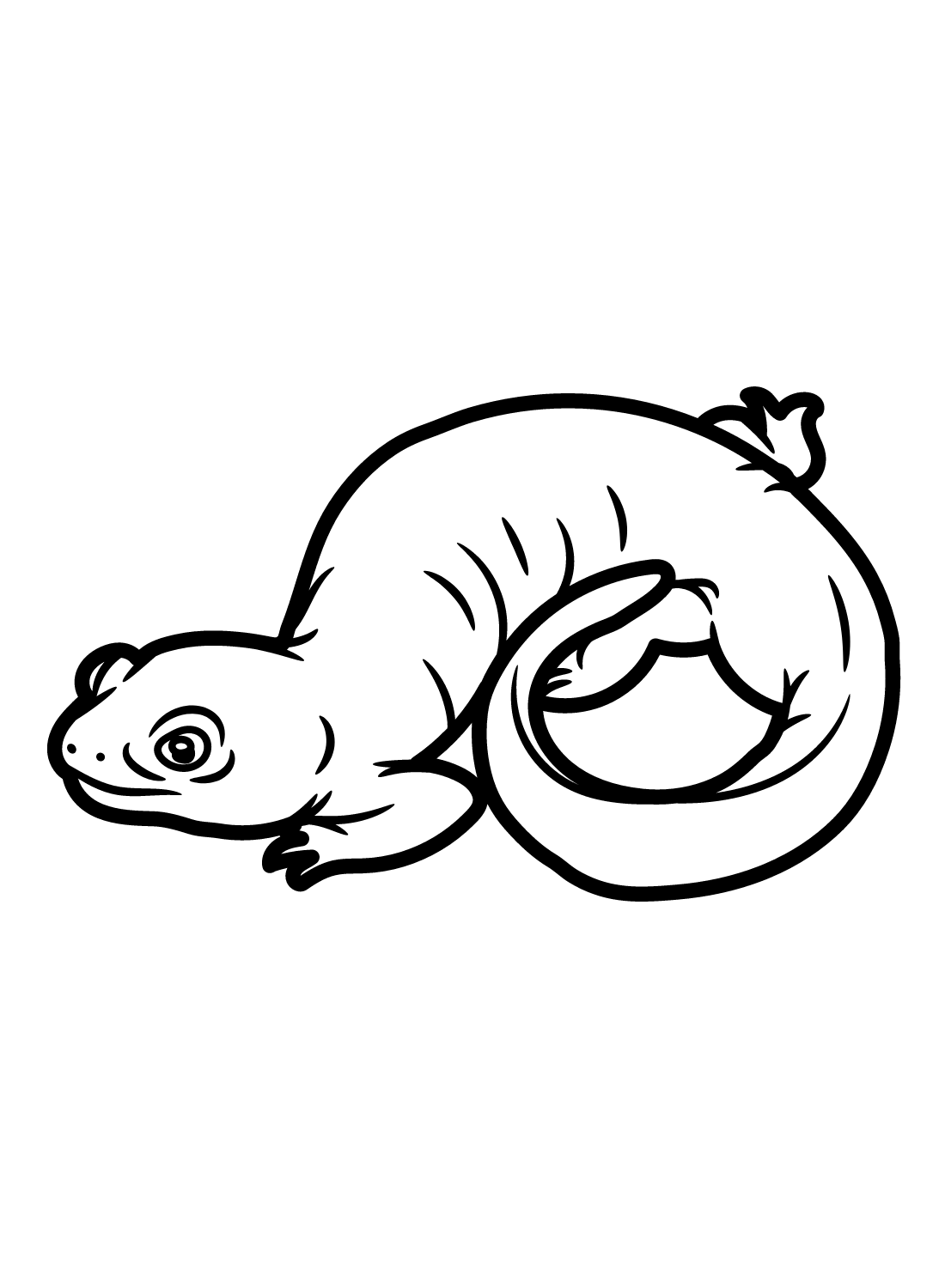
Free Salamander Coloring Pages: 27 printable PDF designs featuring brightly patterned species, muted earth-toned species, and generic realistic salamander illustrations. Each page can be downloaded as a PDF to print or colored online in the browser.
Salamanders belong to the order Caudata, which includes roughly 740 known species found across North America, Europe, and Asia. Many of the species in this collection, including the red, red-backed, and seal salamanders, belong to the lungless salamander family, Plethodontidae, the largest group of salamanders in the world. As the name suggests, these salamanders have no lungs at all and breathe entirely through their moist skin and the lining of their mouth. Other species here, like the tiger and marbled salamanders, belong to a different family, the mole salamanders, which do have lungs and tend to spend more time underground.
This collection groups its 27 pages by color and pattern, from brightly marked species to more muted, earth-toned ones and simple, realistic designs, so kids and adults can pick a page that matches their skill level. Each page is available as a downloadable PDF or as an online coloring tool that works directly in the browser.
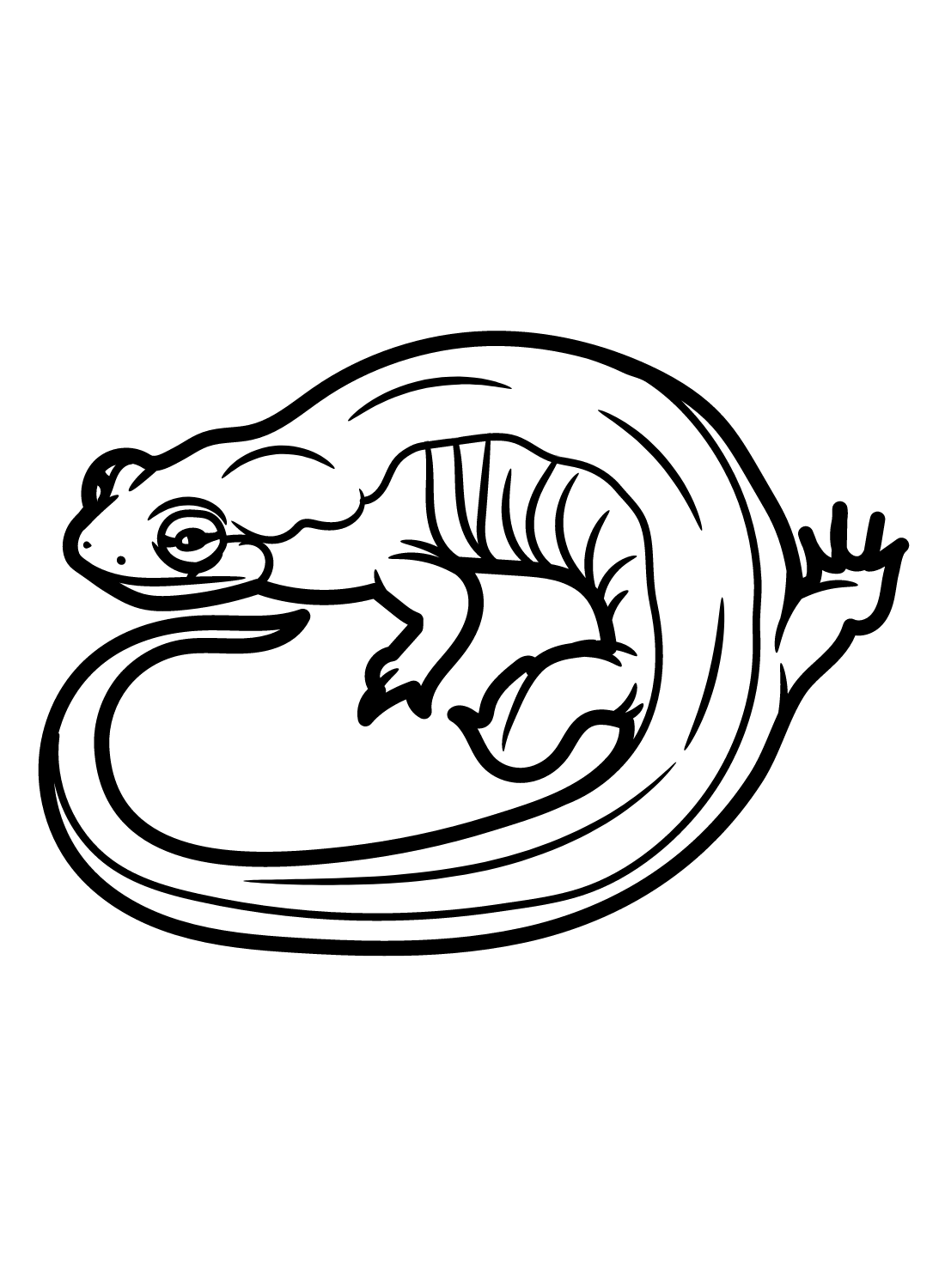
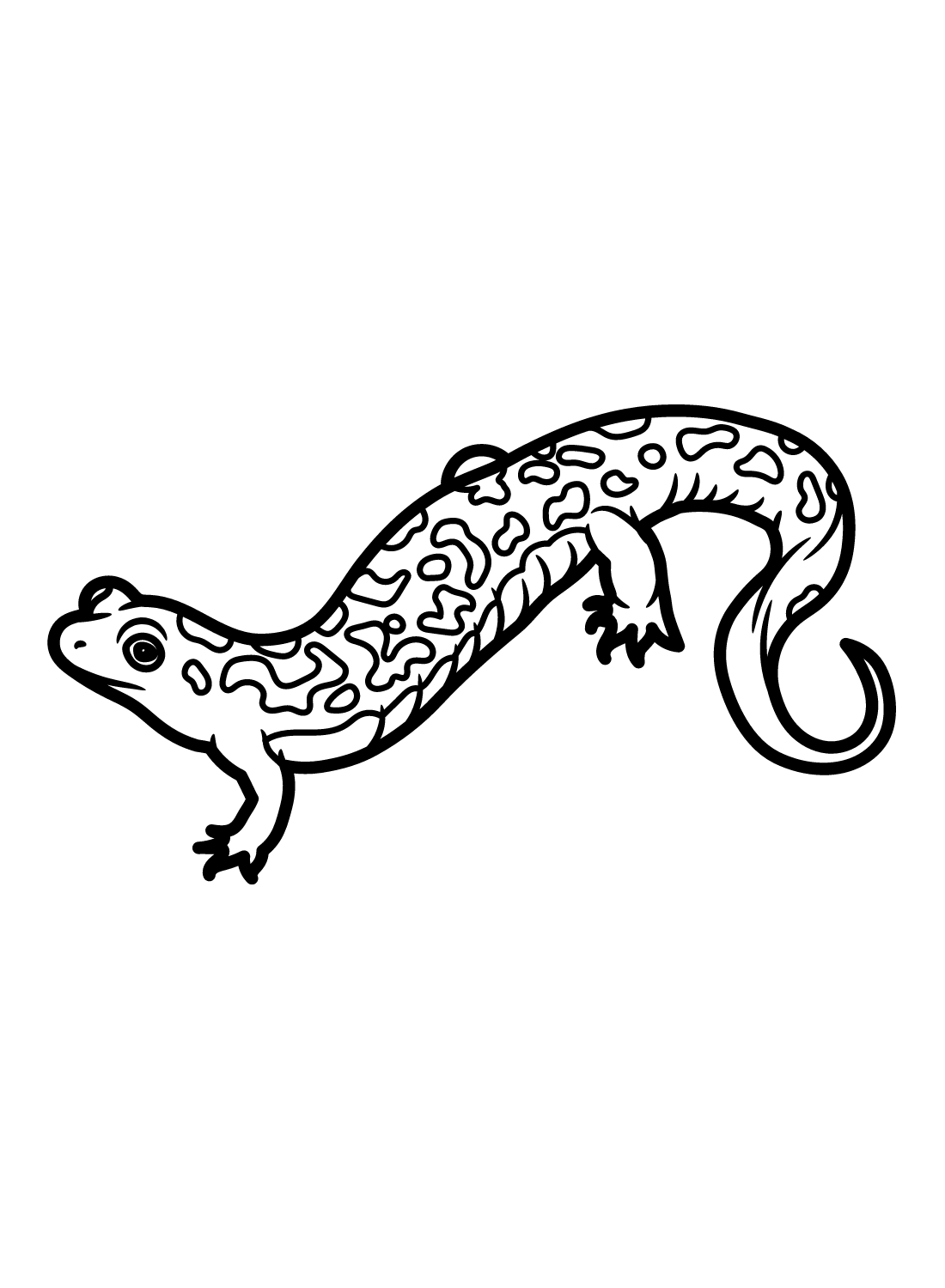
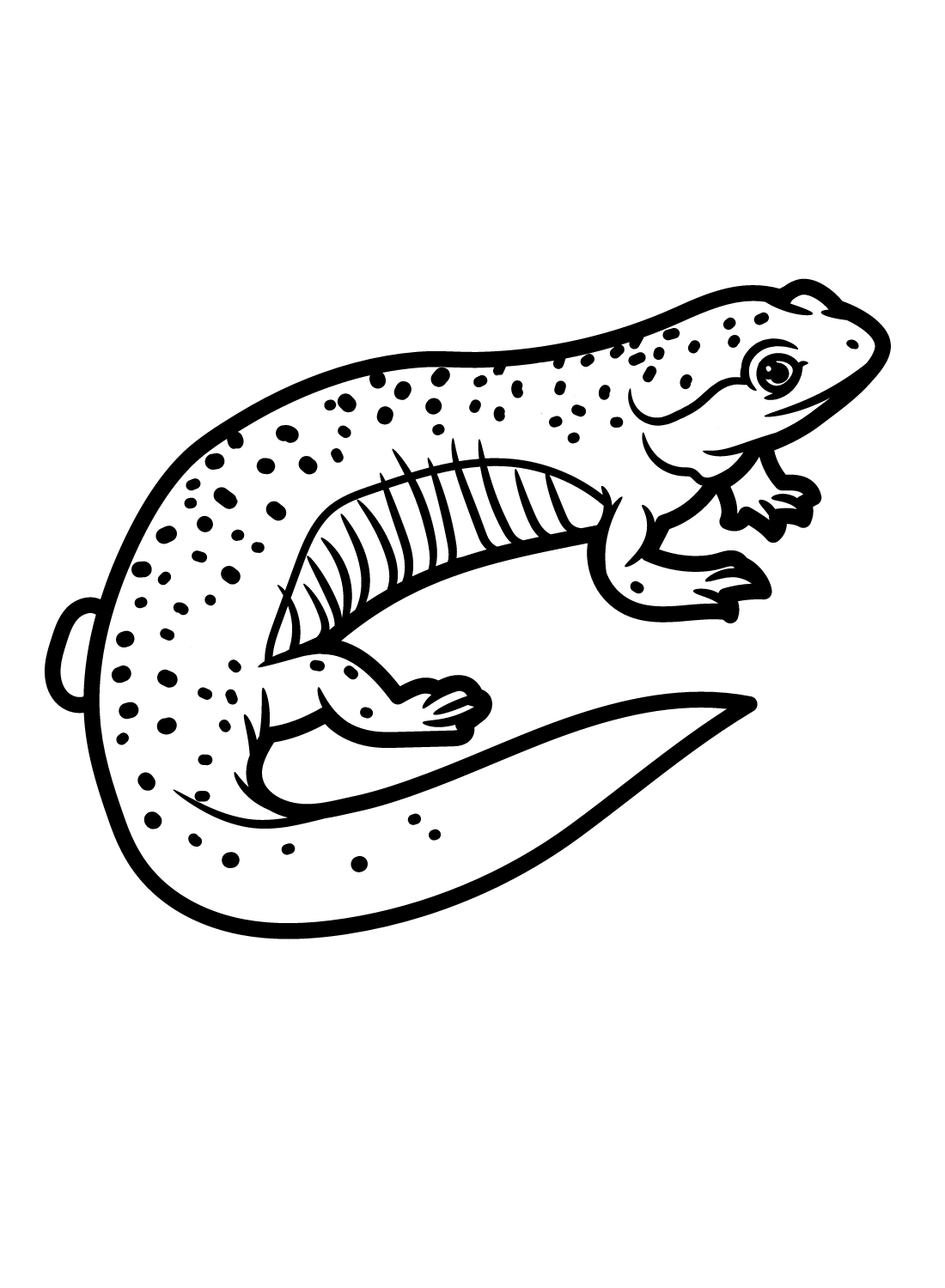
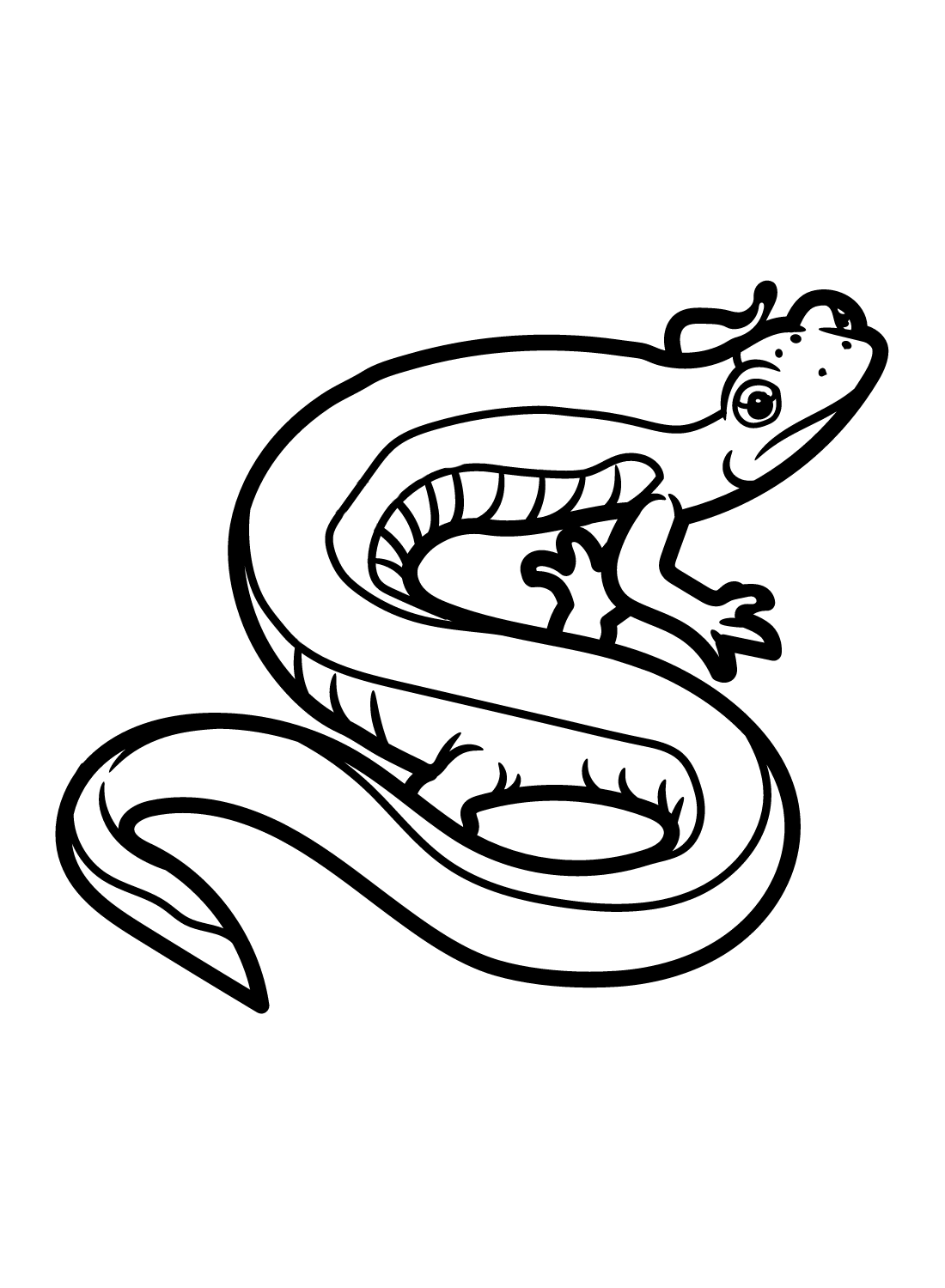
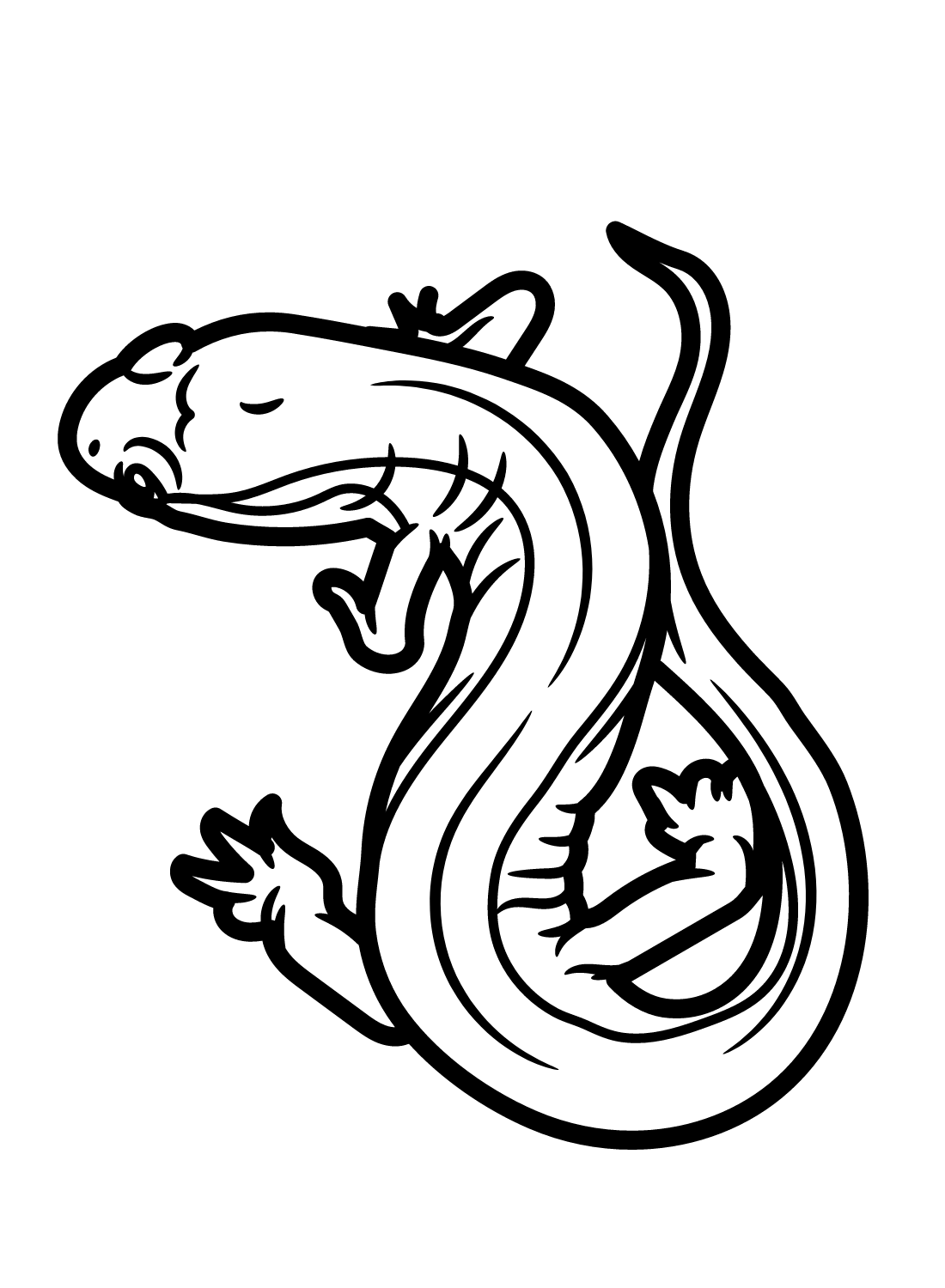
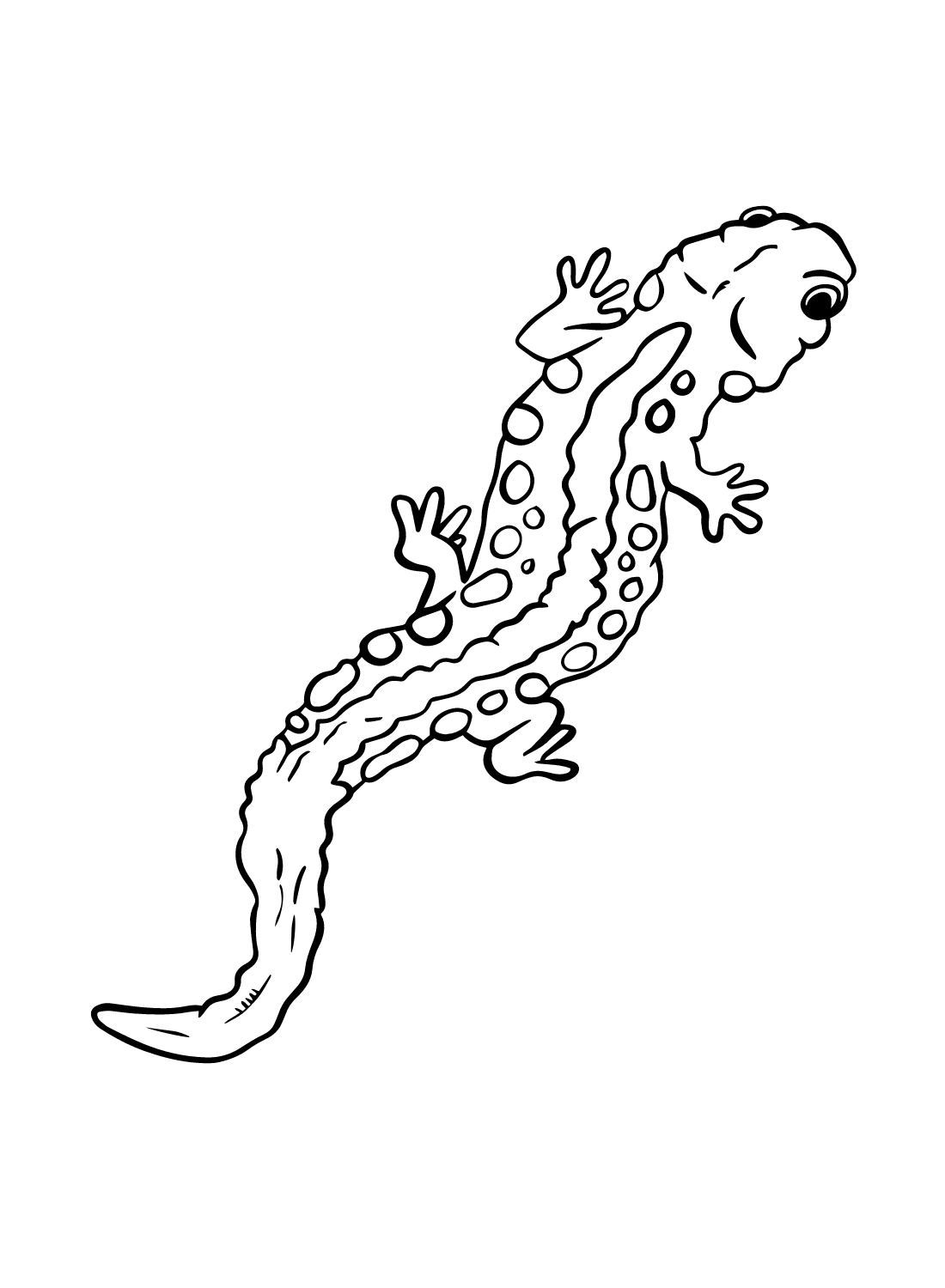
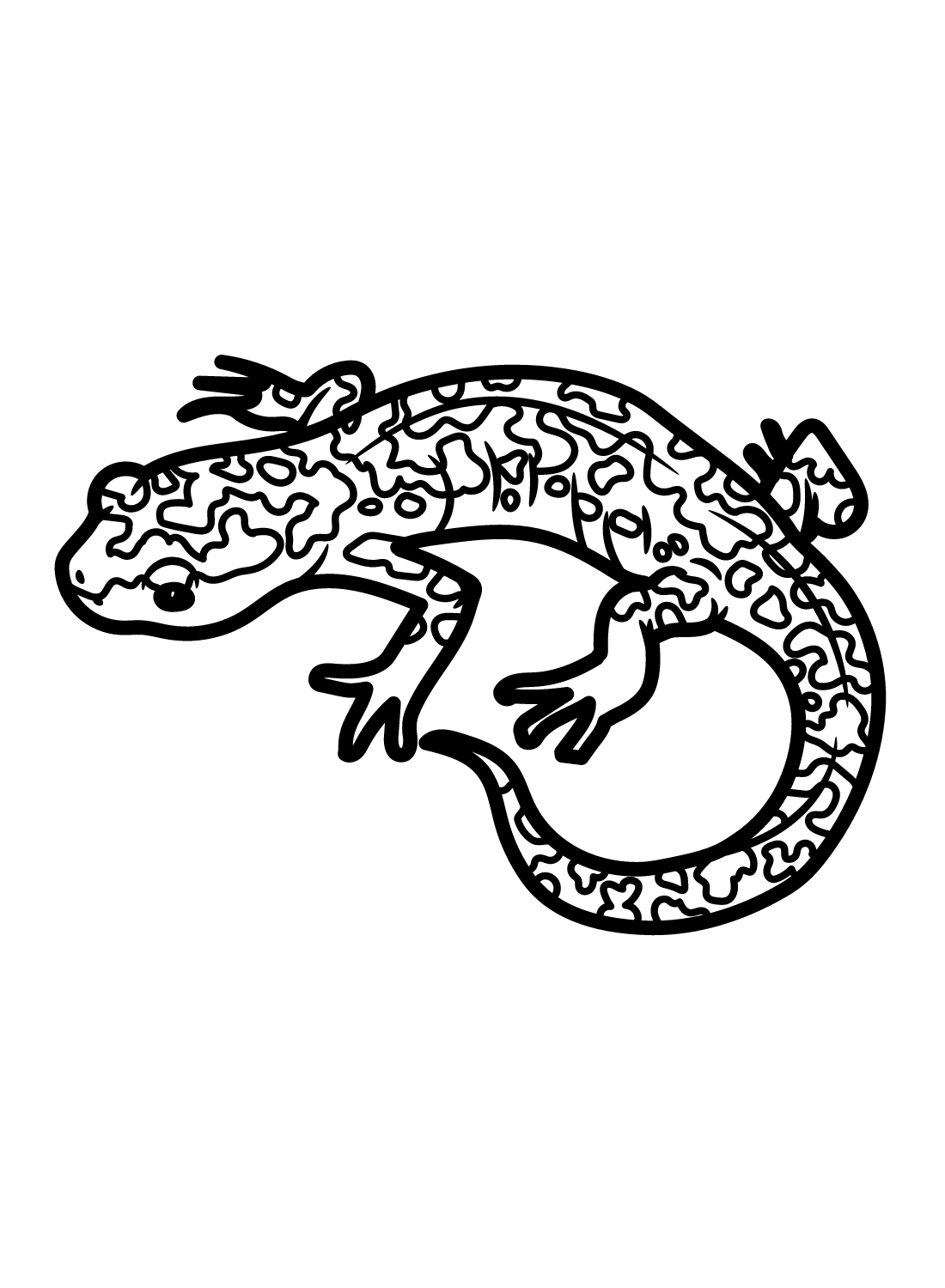
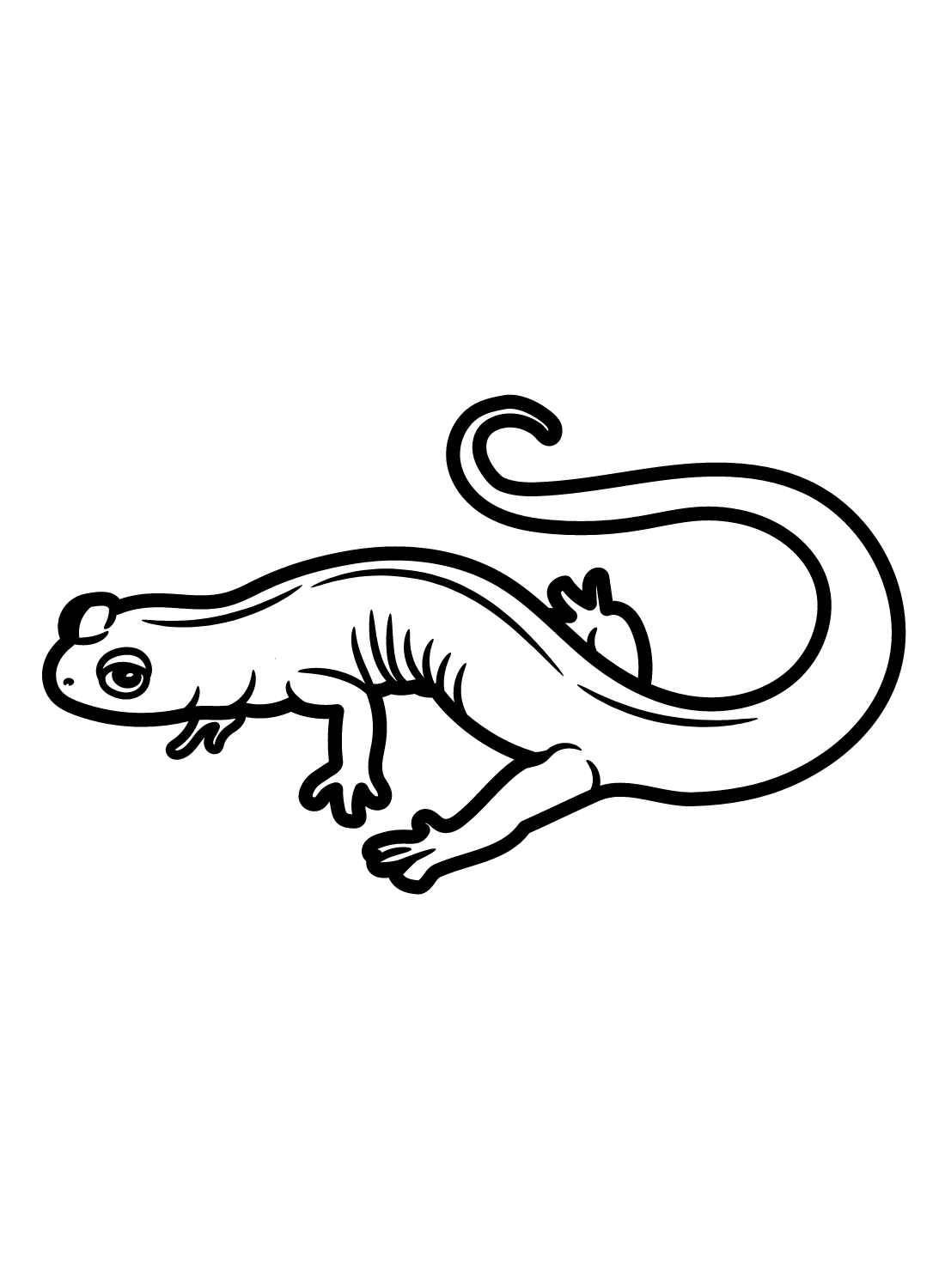
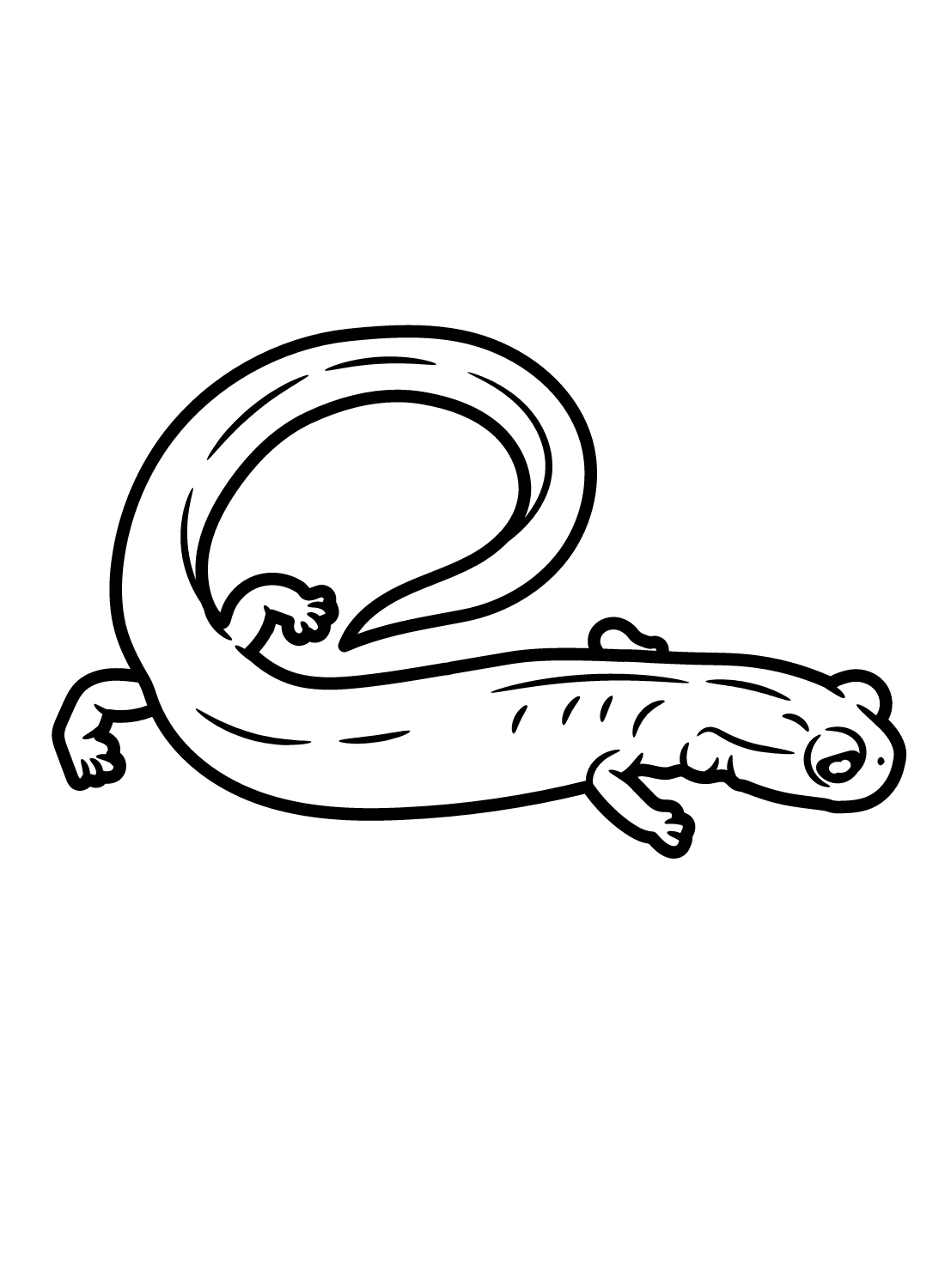

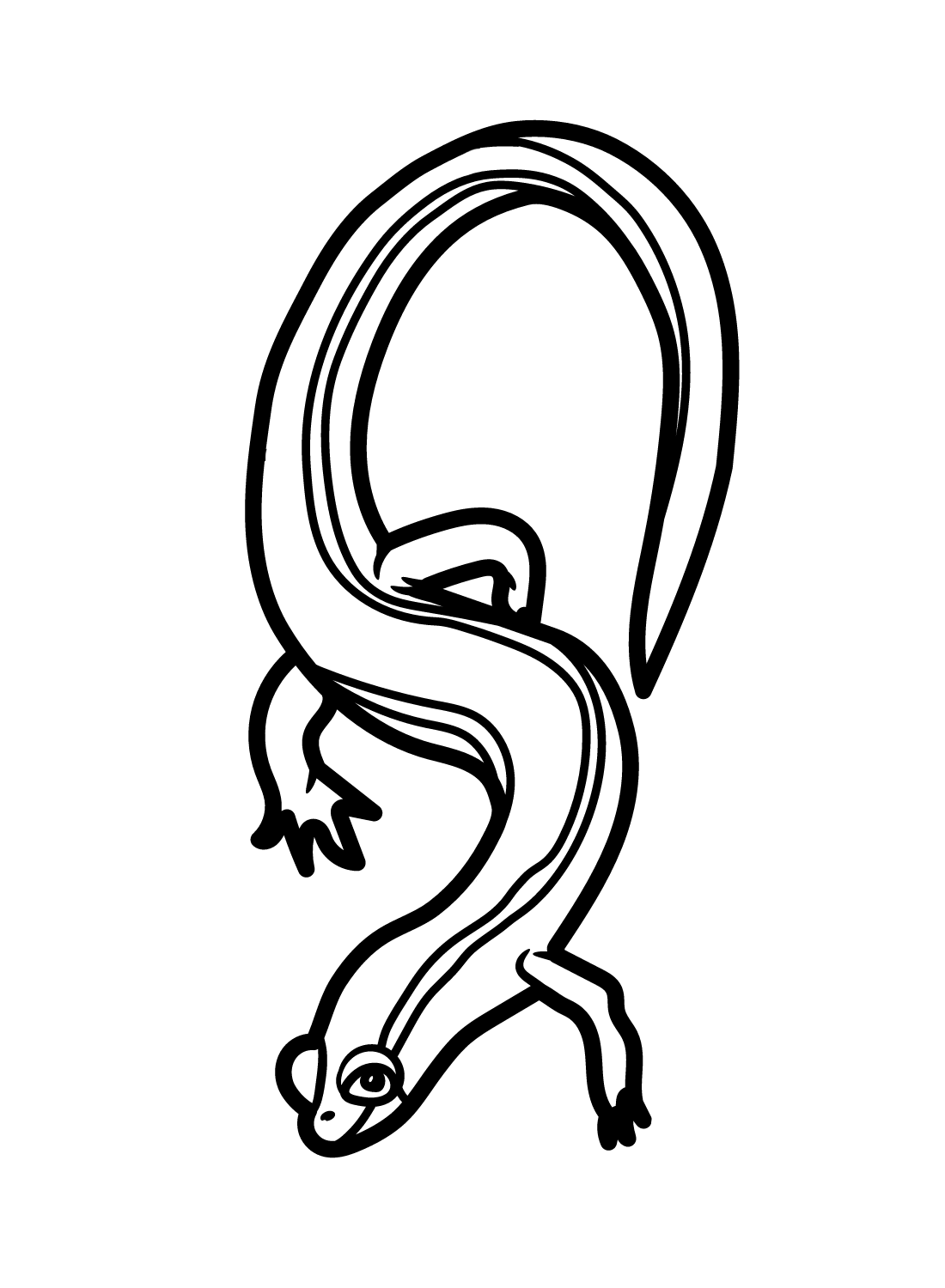

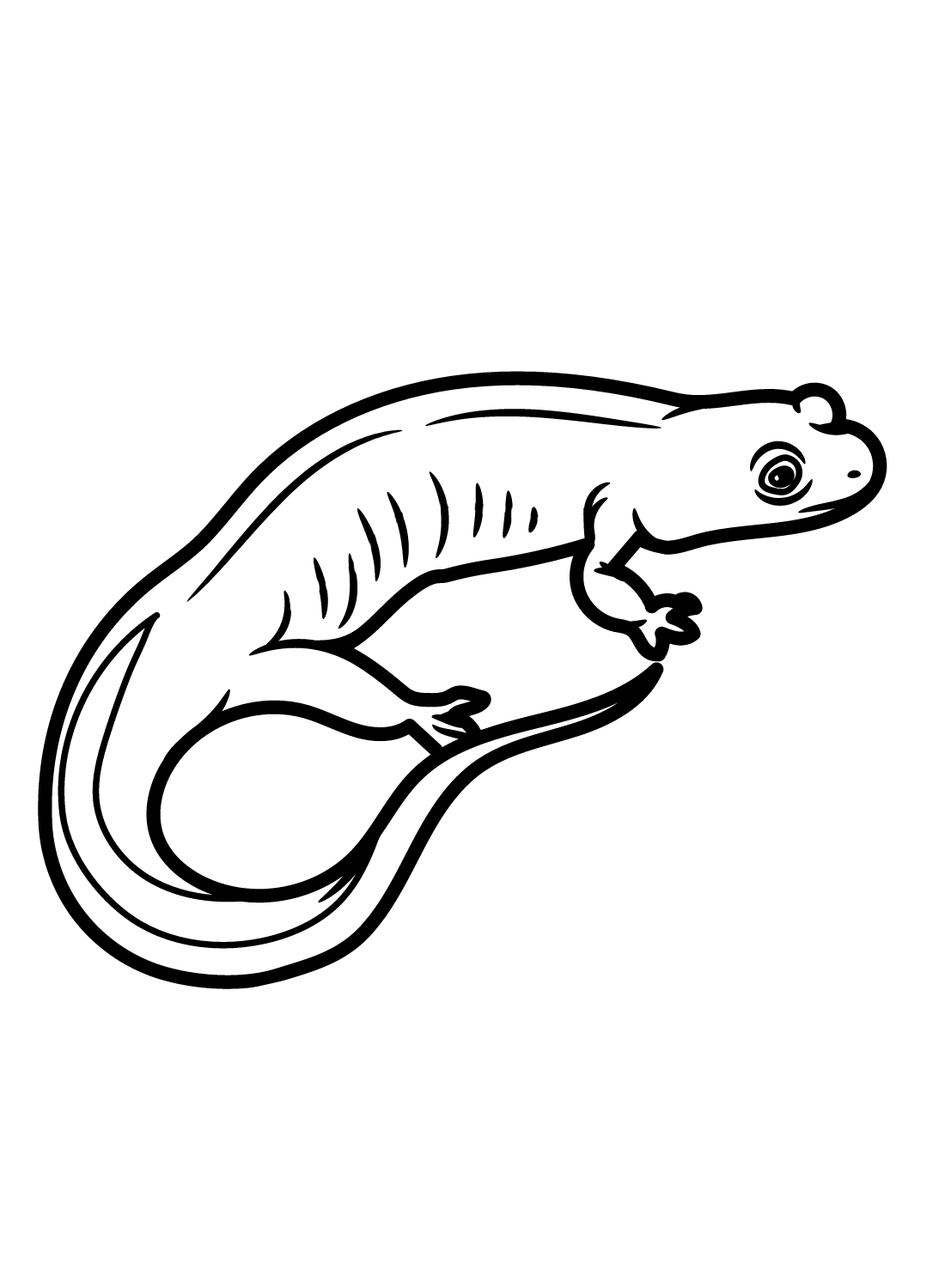
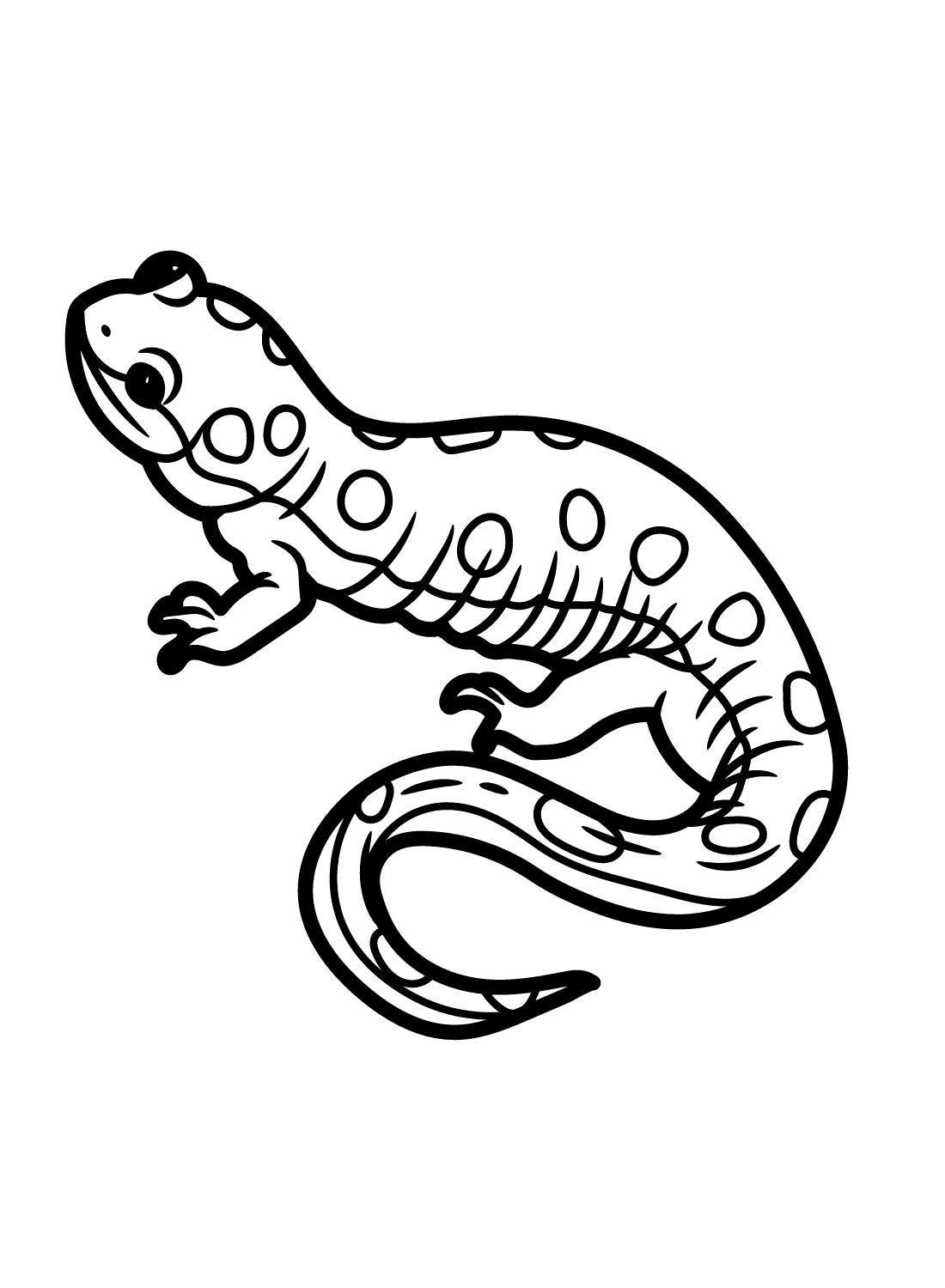

What Is Inside This Collection
The 27 pages are split into three groups based on coloring style.
Brightly Patterned Species
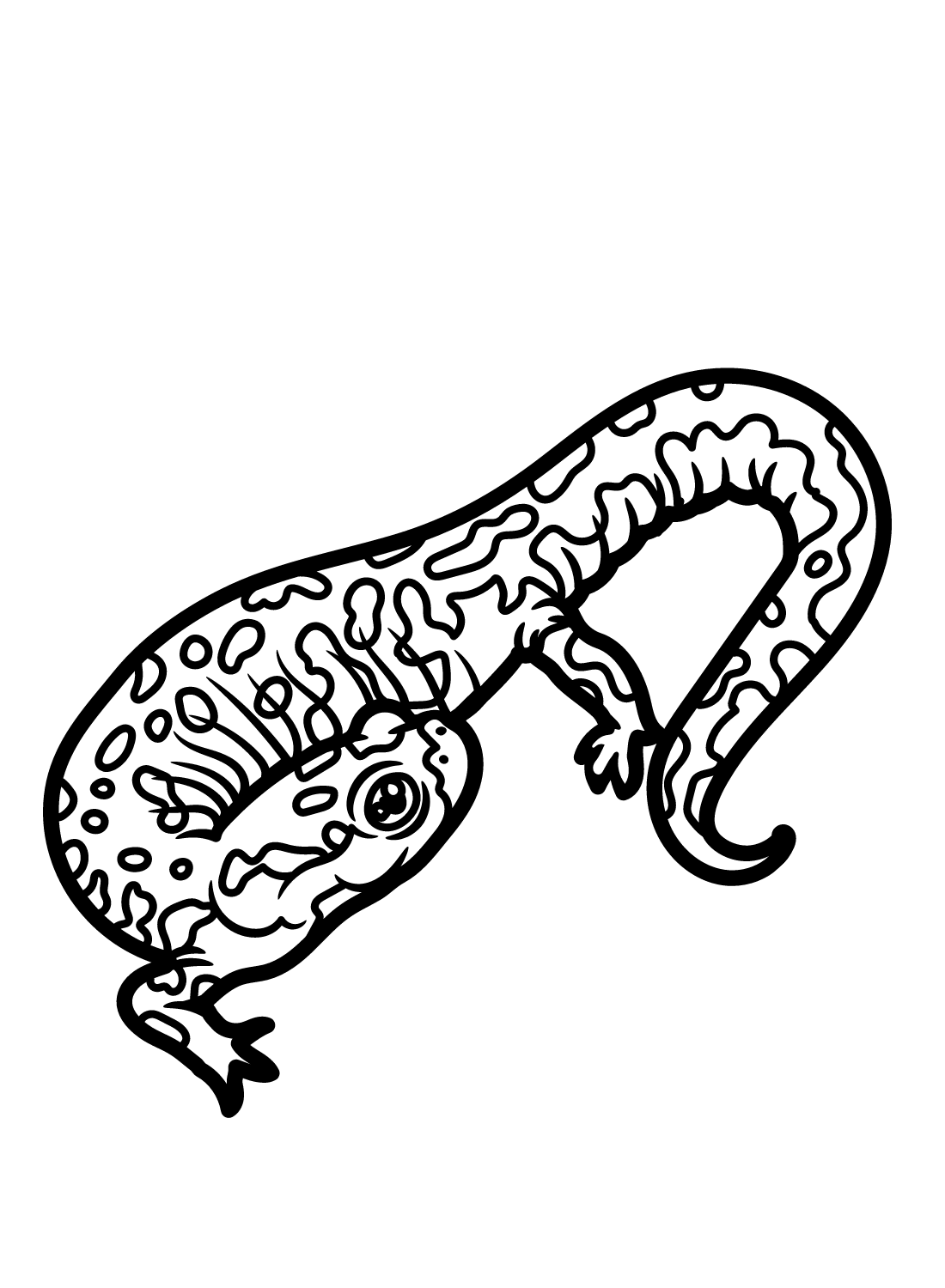
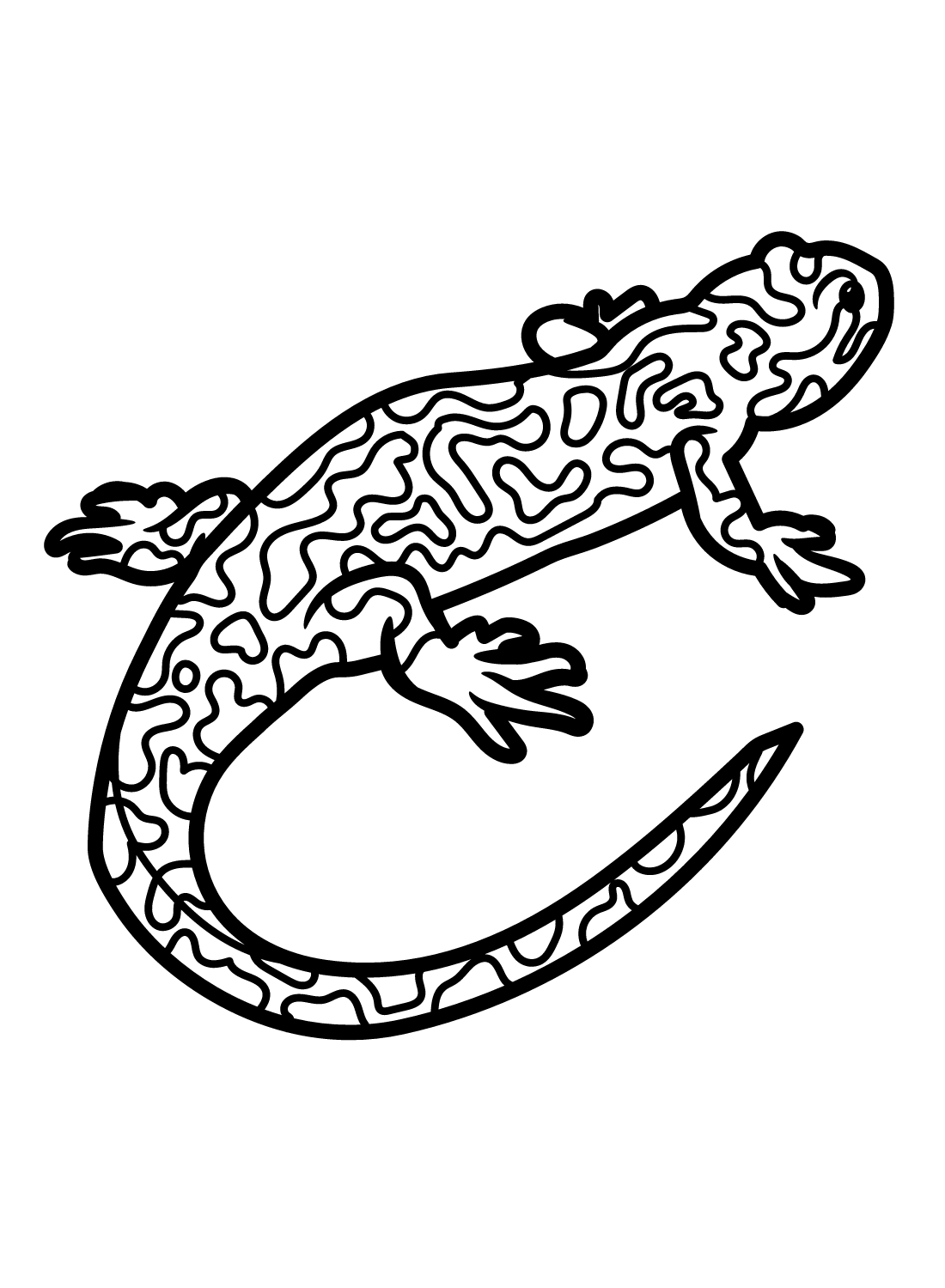
Seven pages feature species known for bold markings, including the fire, tiger, California tiger, marbled, red, red-backed, and spring salamanders. Use a dark Black or deep Brown base, then add vivid Yellow, Orange, or Red spots and blotches, since these species stand out specifically because of their high-contrast patterns.
Muted and Earth-Toned Species
Fifteen pages feature species with subtler, more camouflaged coloring, such as the slimy, dusky, mud, mole, black, green, and gray-cheeked salamanders. Use Brown, Olive Green, Gray, or dark Red-Brown as the base, keeping the palette closer to forest-floor tones with only light variation across the body.
Generic Realistic Designs
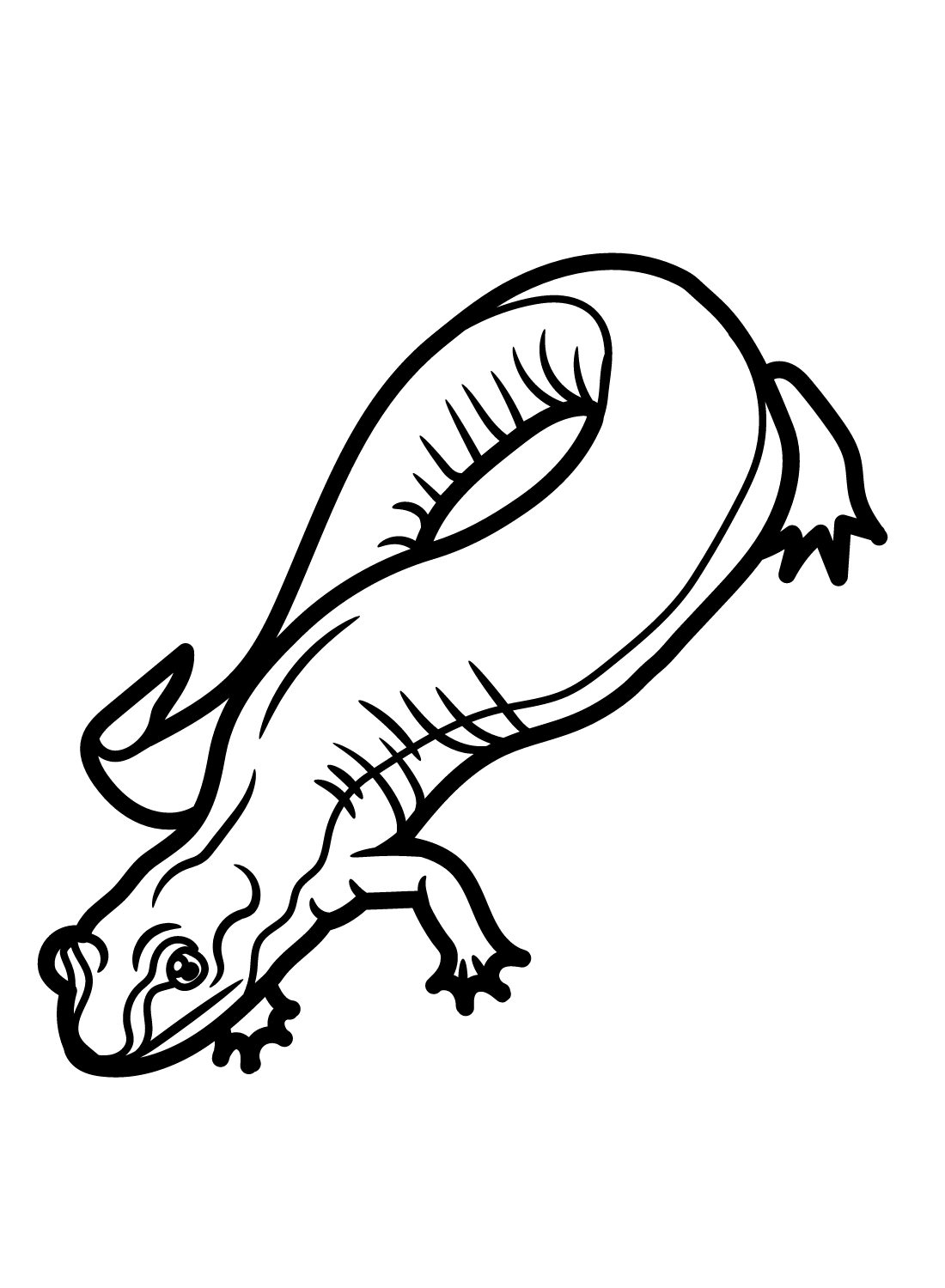
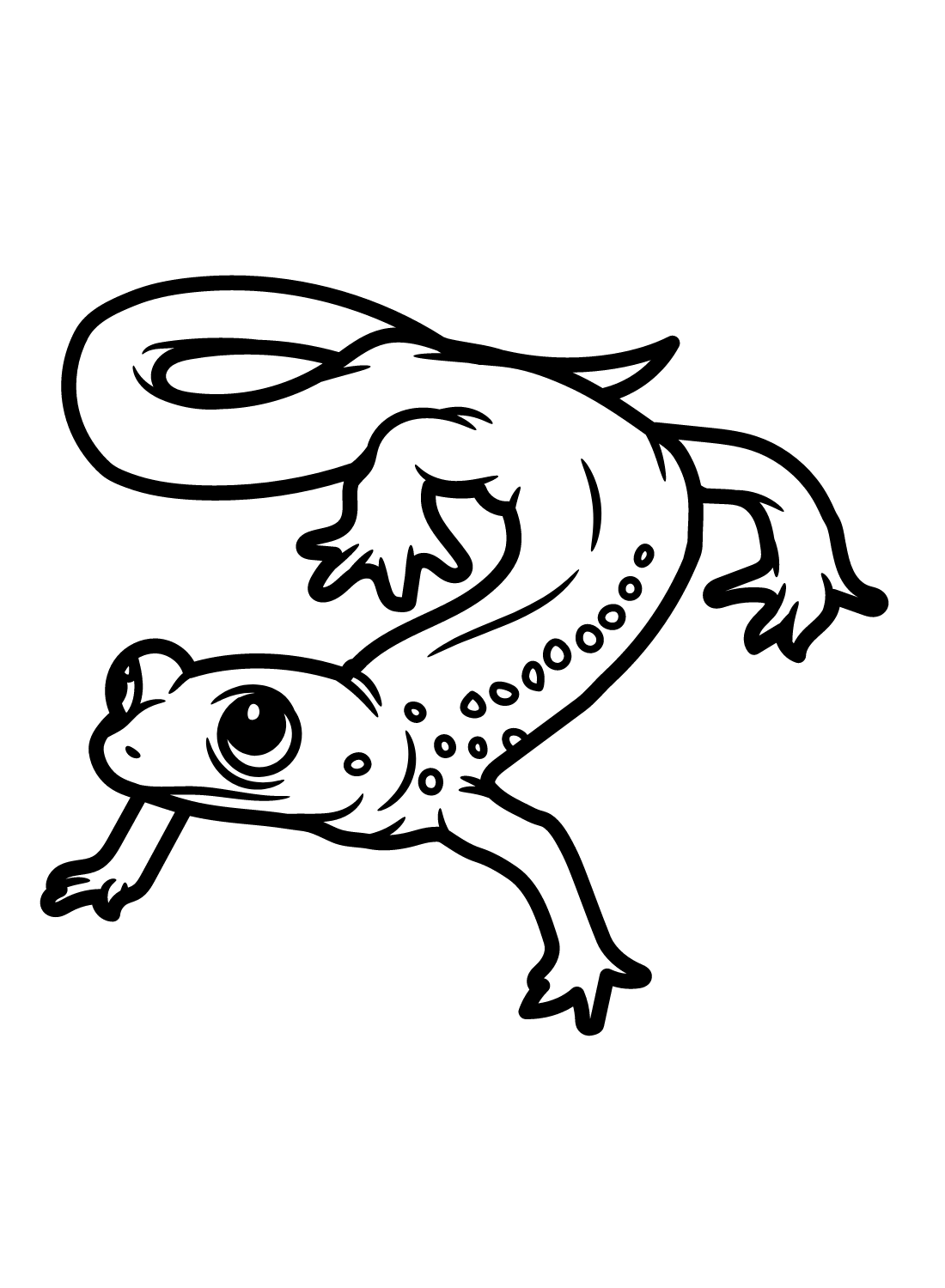
Five pages show a salamander in a simple, unlabeled, realistic style rather than a named species. Use whichever earthy or patterned palette from the two groups above appeals most, since these pages aren’t tied to one specific real-world coloring scheme.
What Salamander Coloring Pages Do
Fine motor development. Many of the species pages in this collection show detailed spot or blotch patterns scattered unevenly across the body, and placing each mark individually without letting them merge together takes closer hand control than filling in one flat color. The American Academy of Pediatrics identifies fine motor skill development as a core benefit of structured coloring for children ages 2 through 7, and a spotted species page gives that practice a genuinely irregular, detailed challenge.
A body plan built without lungs. Most of the named species in this collection belong to the lungless salamander family, meaning they get all their oxygen by absorbing it directly through their skin rather than breathing air into their lungs. That gives parents and teachers a natural opening to talk about how differently animals can be built to solve the same basic problem of getting oxygen into the body.
Anxiety reduction through focus. A 2005 study in the Art Therapy Journal documented measurable reductions in anxiety following structured coloring sessions. The repeated small spots and blotches across a patterned salamander page offer a steady, low-pressure detail to work through, which suits that kind of unhurried session well.
Species-based color practice. Because this collection includes real named species with genuinely different coloring, from the fire salamander’s bold yellow-and-black pattern to the slimy salamander’s near-uniform dark gray, colorists get practice matching a palette to a specific animal rather than choosing colors freely on every page.
How to Color Salamander Pages Well
- Bright, patterned species: Use a dark Black or deep Brown base, then add Yellow, Orange, or Red spots and blotches, following the irregular, high-contrast look of species like the fire or marbled salamander.
- Muted, earth-toned species: Use Brown, Olive Green, or Gray as the base, keeping the color close to forest-floor tones with only subtle shading variation.
- Back stripes: For species known for a stripe down the back, like the red-backed salamander, add a single band of a contrasting color, Red, Orange, or Tan, running from head to tail.
- Belly and underside: Keep the underside a lighter Cream or pale Yellow than the back, since most salamanders are noticeably paler on their bellies.
- Skin sheen: Use a light layer of White or pale Blue highlight along the back to suggest the moist, slightly glossy look of real salamander skin.
- Generic realistic designs: Pick any palette from the patterned or muted groups above, since these pages aren’t tied to one specific real coloring scheme.
5 Creative Craft Ideas With Salamander Coloring Pages
1. Species Color Guide Craft
Color several different named-species pages, then label each one and arrange them into a simple homemade field guide comparing their different colors and patterns.
2. Forest Floor Diorama
Color several muted, earth-toned salamander pages, cut them out, and arrange them among paper leaves and small twigs inside a shoebox to build a small woodland scene.
3. Salamander Fact Poster
Color a large salamander page and add hand-written facts around it, such as how a lungless salamander breathes, for a simple classroom science poster.
4. Salamander Bookmark
Color one of the smaller salamander designs, trim it to a bookmark shape, and add a ribbon or paper tassel through a hole punched at the top.
5. Salamander Garland
Color multiple salamander pages, cut around each one, and string them together with twine for a nature-themed room decoration.
Frequently Asked Questions
What are salamander coloring pages?
Salamander coloring pages are printable designs that show the animal in different styles, including brightly patterned real species, muted earth-toned species, and generic realistic designs. This collection includes 27 pages, each downloadable as a PDF or available to color online.
How many species of salamander exist?
Salamanders belong to the order Caudata, which includes roughly 740 known species found across North America, Europe, and Asia.
What makes lungless salamanders special?
Lungless salamanders, family Plethodontidae, are the largest group of salamanders in the world. As their name suggests, they have no lungs at all, absorbing oxygen entirely through their moist skin and the lining of their mouth.
Are salamanders the same as lizards?
No. Salamanders are amphibians with moist, often glandular skin, while lizards are reptiles with dry, scaly skin. Despite looking somewhat similar, the two groups aren’t closely related.
Is it safe to touch a salamander like the fire salamander?
Not always without care. Some species, including the fire salamander, secrete a mild toxin through their skin as a natural defense, so it’s a good idea to wash your hands after handling any wild salamander and avoid touching your face beforehand.
How many salamander coloring pages are in this collection?
This collection includes 27 salamander coloring pages, split across brightly patterned species, muted earth-toned species, and generic realistic designs.
Are salamander coloring pages suitable for young children?
Yes. The generic realistic designs use simpler, bolder shapes that suit younger children well. The named-species pages, with their detailed spot and blotch patterns, suit older children and adults who want more precise coloring practice.
Where do most of the species in this collection live?
Many of the named species here, including the Ocoee, Junaluska, and seal salamanders, are native to the Appalachian Mountains in the eastern United States, a region known for having some of the highest salamander diversity anywhere in the world.
Start Coloring
Download any page by clicking the design. No account, email, or payment is required. Pages print directly from the browser at full resolution or open in the online coloring tool for screen use. Share finished pages on Facebook or Pinterest with the share buttons at the top of each design page.