Diplodocus Coloring Pages
 By:
Jennifer Thoa - Content Editor & Designer
Updated:
By:
Jennifer Thoa - Content Editor & Designer
Updated:
Diplodocus coloring pages: 27 free printable PDF designs covering general Diplodocus portraits, Diplodocus in groups and scenes, Brachiosaurus, a real fellow sauropod, and Riojasaurus, an ancient ancestor. Print any page as a PDF, or color it right in the browser, no account needed either way.
Diplodocus is arguably the most-seen dinosaur skeleton in history, thanks to one very generous industrialist. When a nearly complete skeleton was found in Wyoming in 1899, businessman Andrew Carnegie funded the dig. He had the mounted skeleton, nicknamed “Dippy,” cast in plaster and sent as gifts to major museums across the world, including London, Berlin, Paris, Vienna, Madrid, Mexico City, and more. For millions of people over the past century, Dippy was the very first dinosaur they ever saw in person.
The name itself comes from a real anatomical detail: “Diplodocus” is Greek for “double beam,” referring to the unusual double-pronged shape of the bones running under its tail. That same tail is behind a famous theory that Diplodocus could crack it like a whip fast enough to break the sound barrier. However, a 2022 computer modeling study found the tail likely couldn’t actually reach supersonic speed, putting a genuinely fun idea back under real scientific debate.
These pages suit dinosaur fans who love a real museum icon as much as a coloring subject, kids curious about long-necked giants, and anyone who enjoys knowing the true history behind a familiar shape.

Quick Answer
Diplodocus coloring pages are a free set of 27 printable PDFs and browser-based coloring sheets covering general Diplodocus portraits, Diplodocus in groups and scenes, Brachiosaurus, and Riojasaurus.
Best for: children aged 3 and up, with the group scenes and related-species pages suited to slightly older kids
Formats: printable PDF and online coloring
Popular pages: the classic Diplodocus portrait, the chibi version, Dinosaurs in Forest, and Brachiosaurus with baby
Creative uses: a Dippy history fact card, a tail-shape detail study, a real-neighbors-versus-ancestors card, and a Morrison Formation scene
What’s Inside Diplodocus Coloring Pages
General Diplodocus Portraits
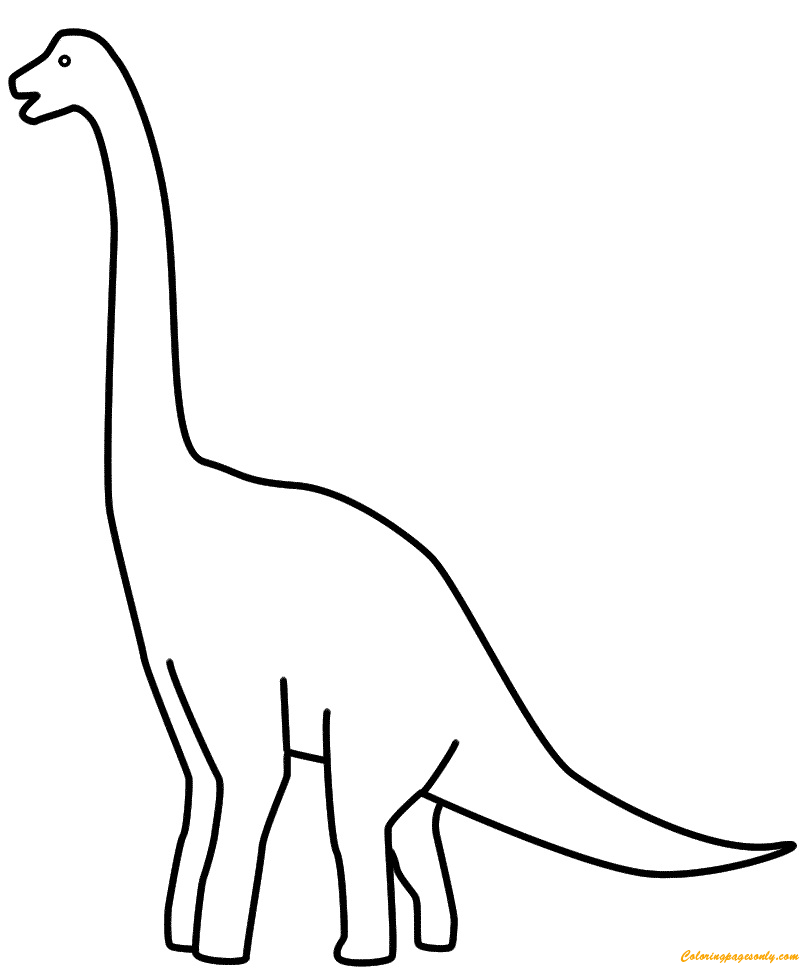
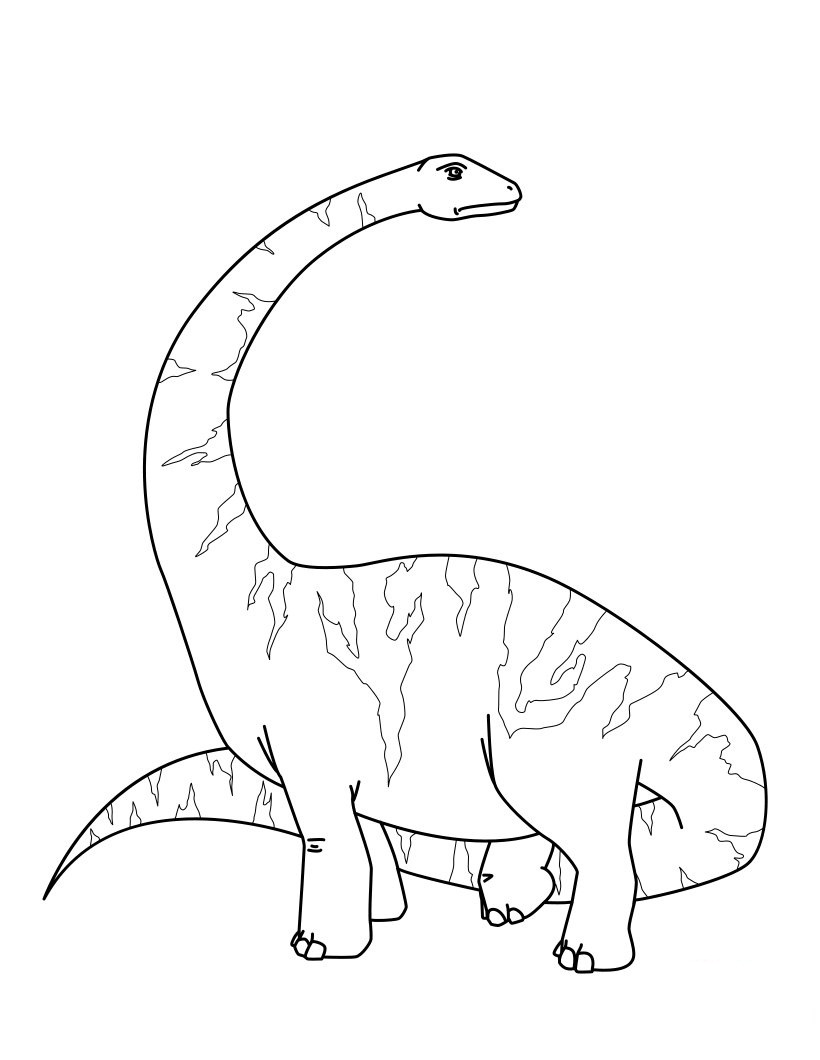
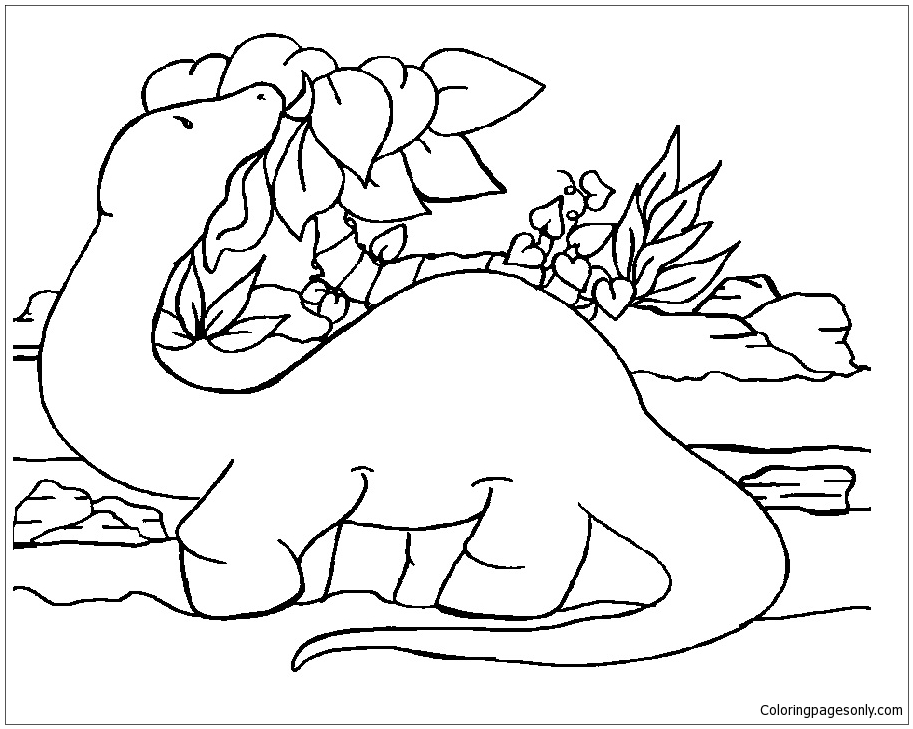
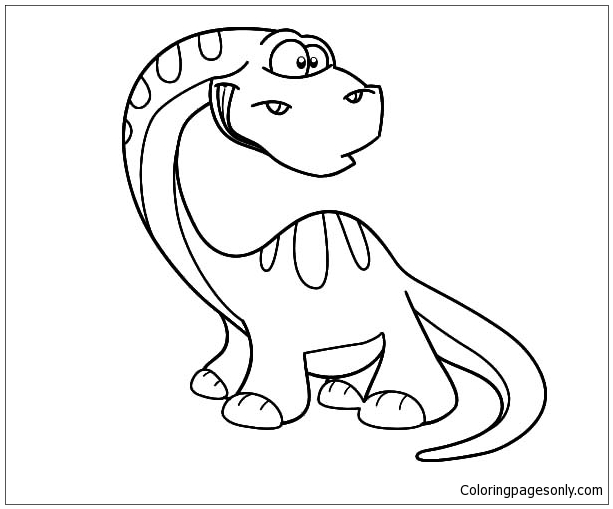
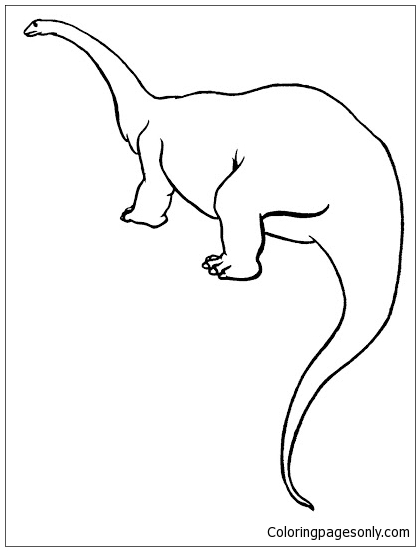
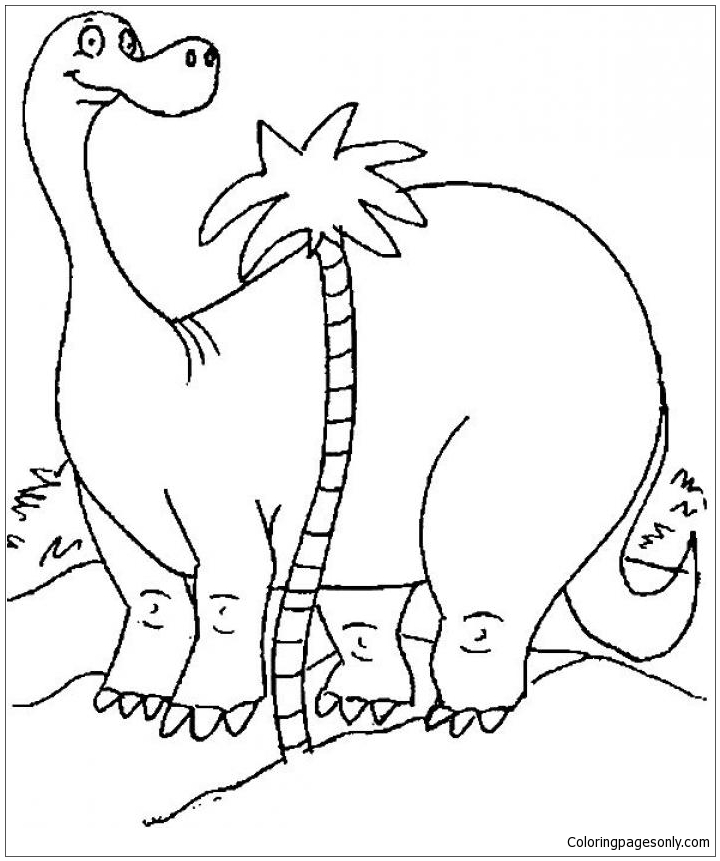
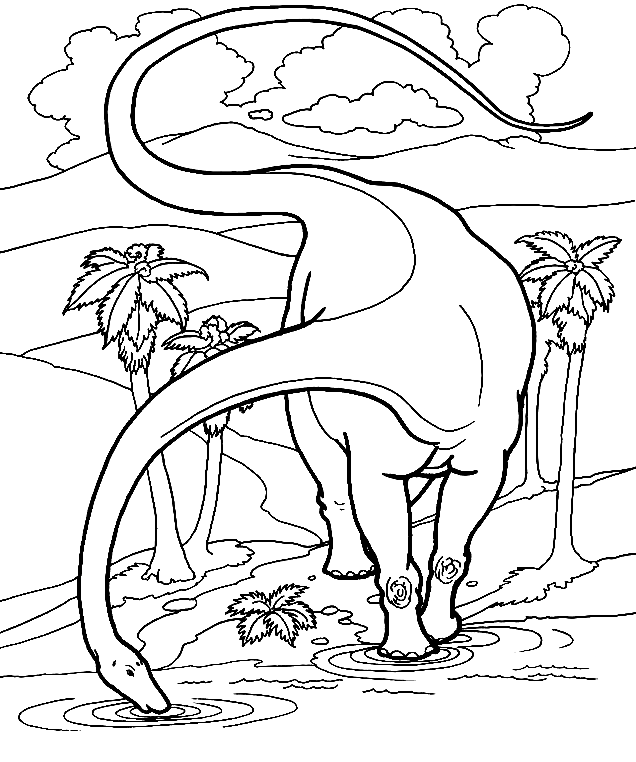
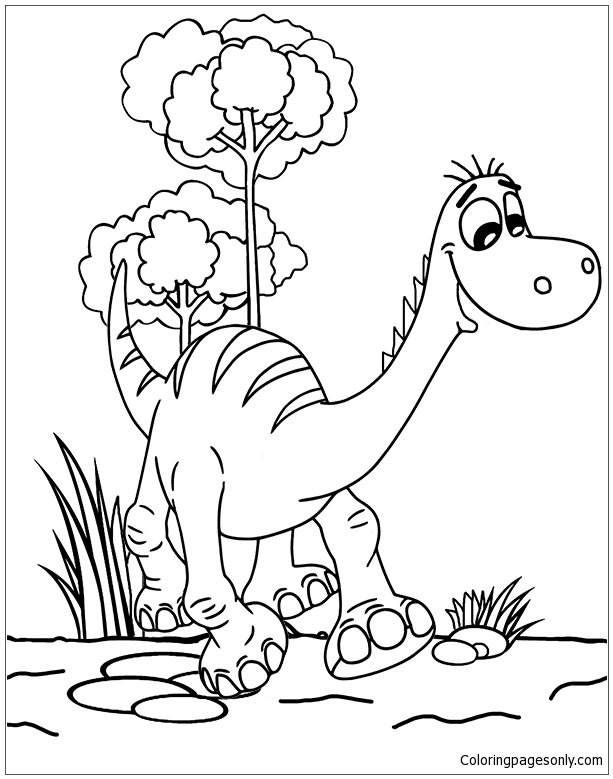
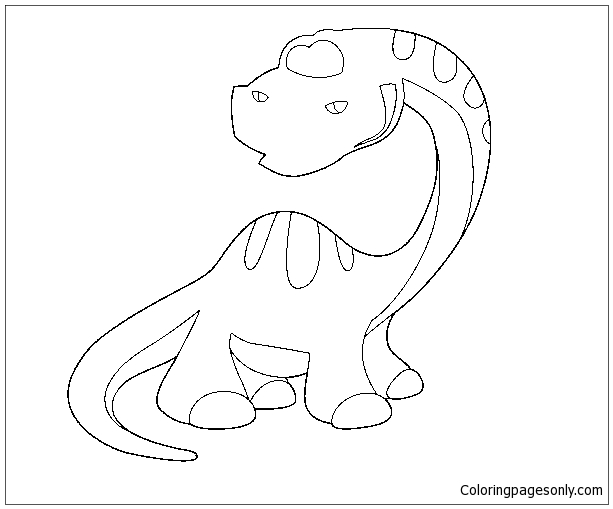
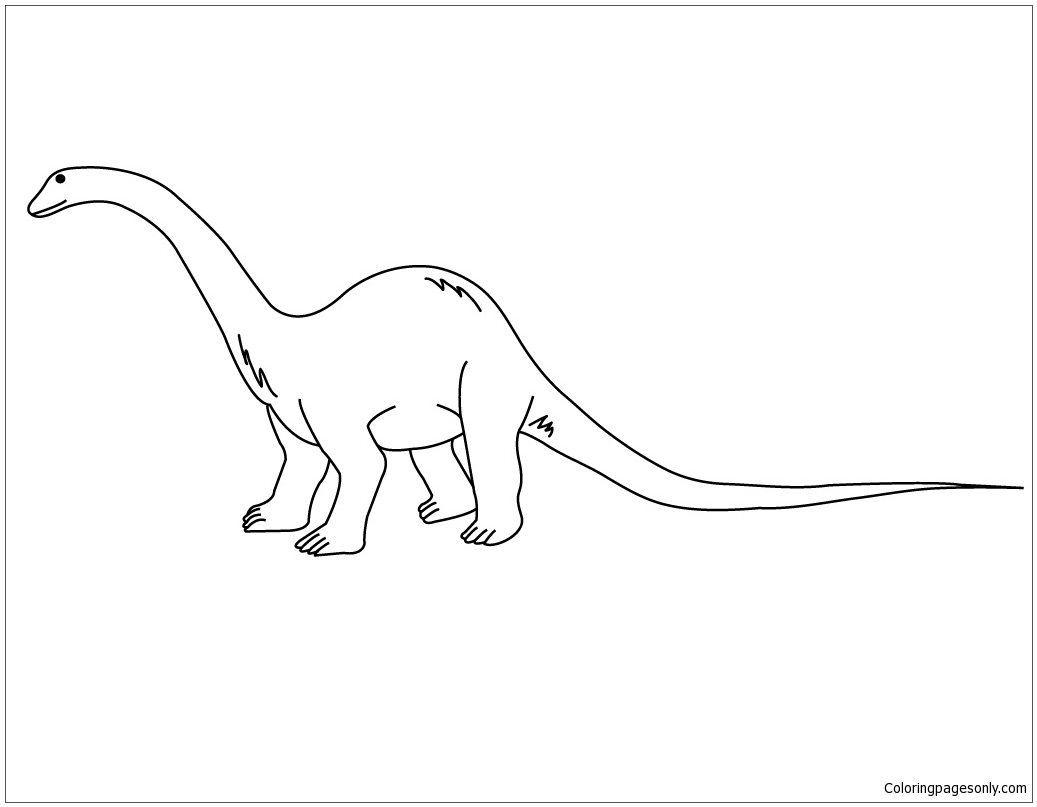
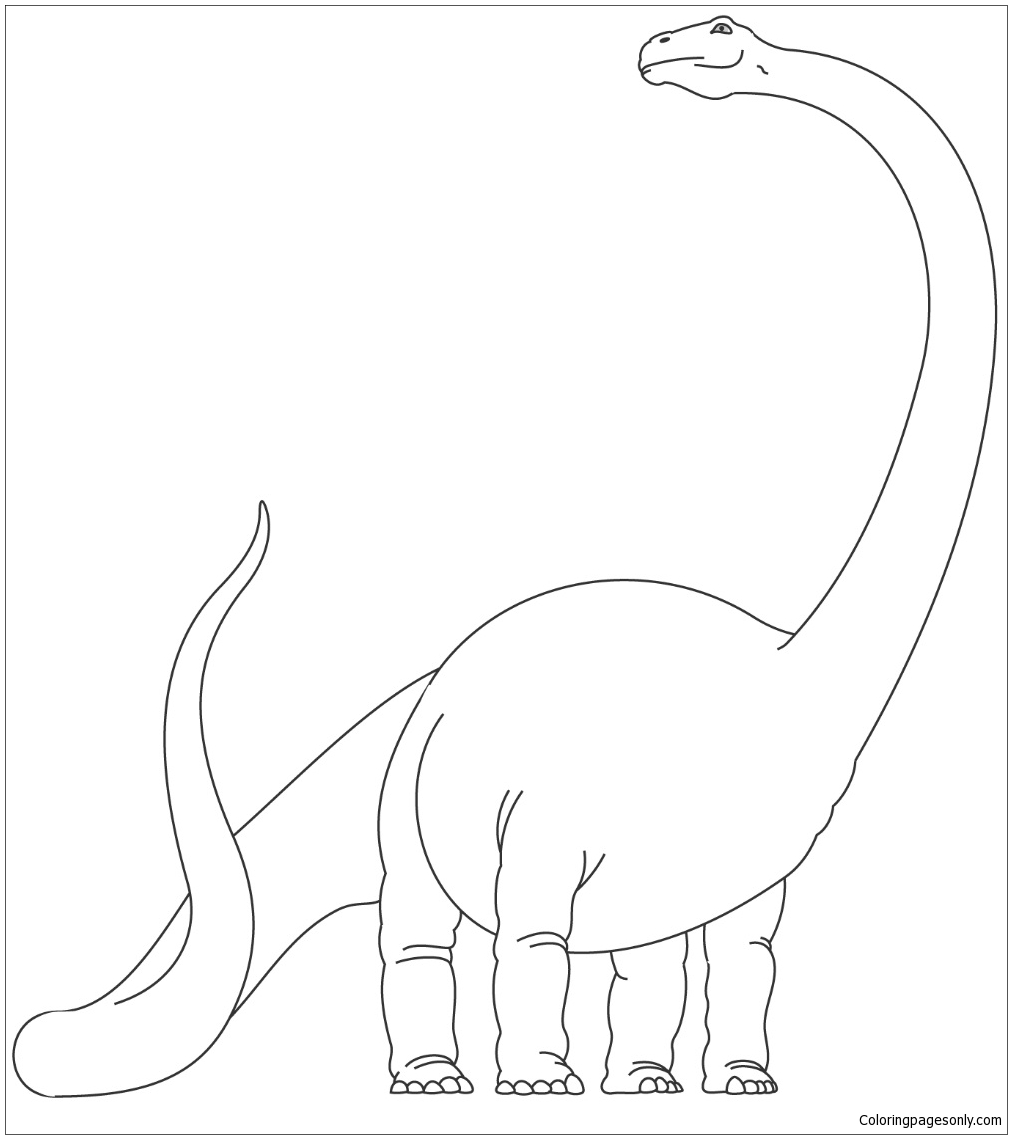
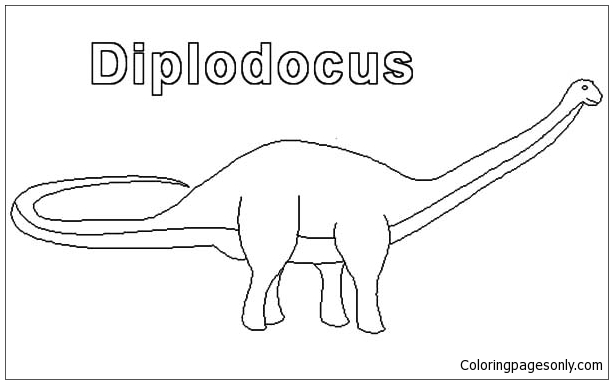
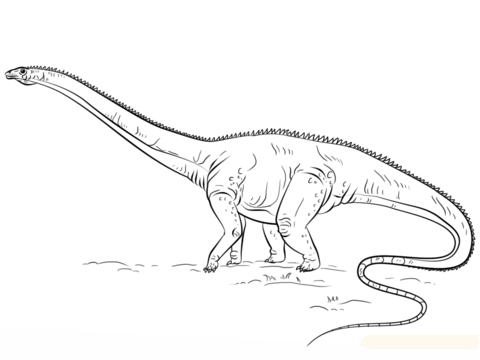
The largest group covers Diplodocus on its own: several numbered versions, a chibi take, a young Diplodocus, and a couple of cartoon-style designs.
Its distinctive double-beamed tail bones are the detail worth the most care here. Keeping that long, tapering tail clearly separate from the equally long neck, rather than letting the two silhouettes blur together, is what makes a Diplodocus portrait read correctly.
Diplodocus in Groups and Scenes
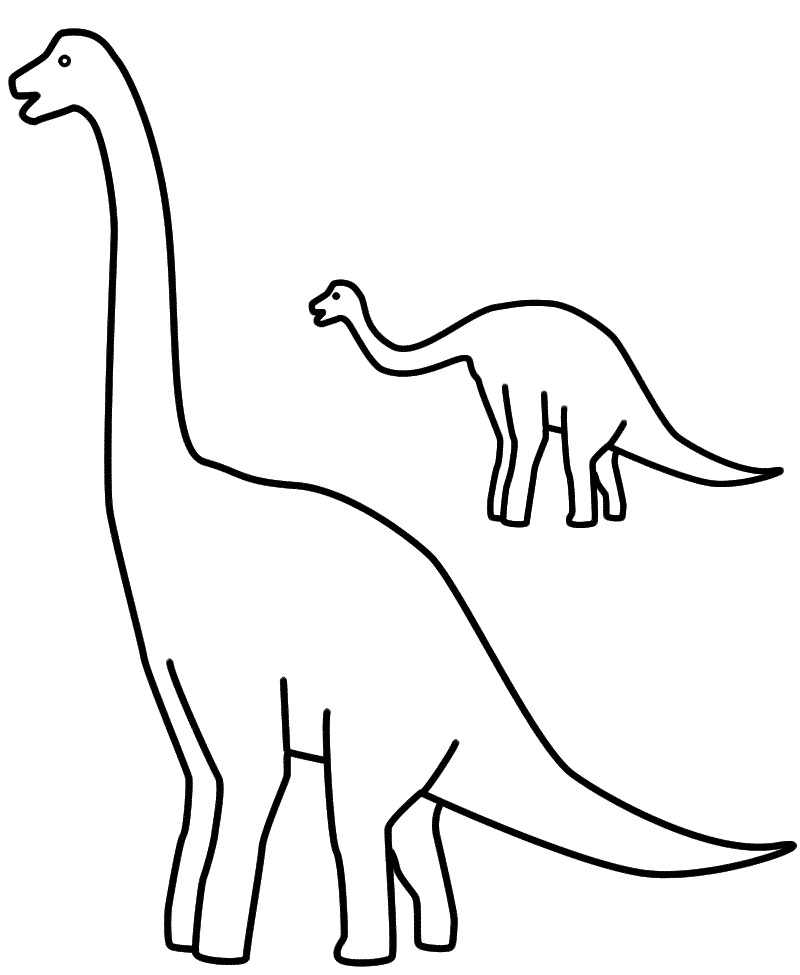
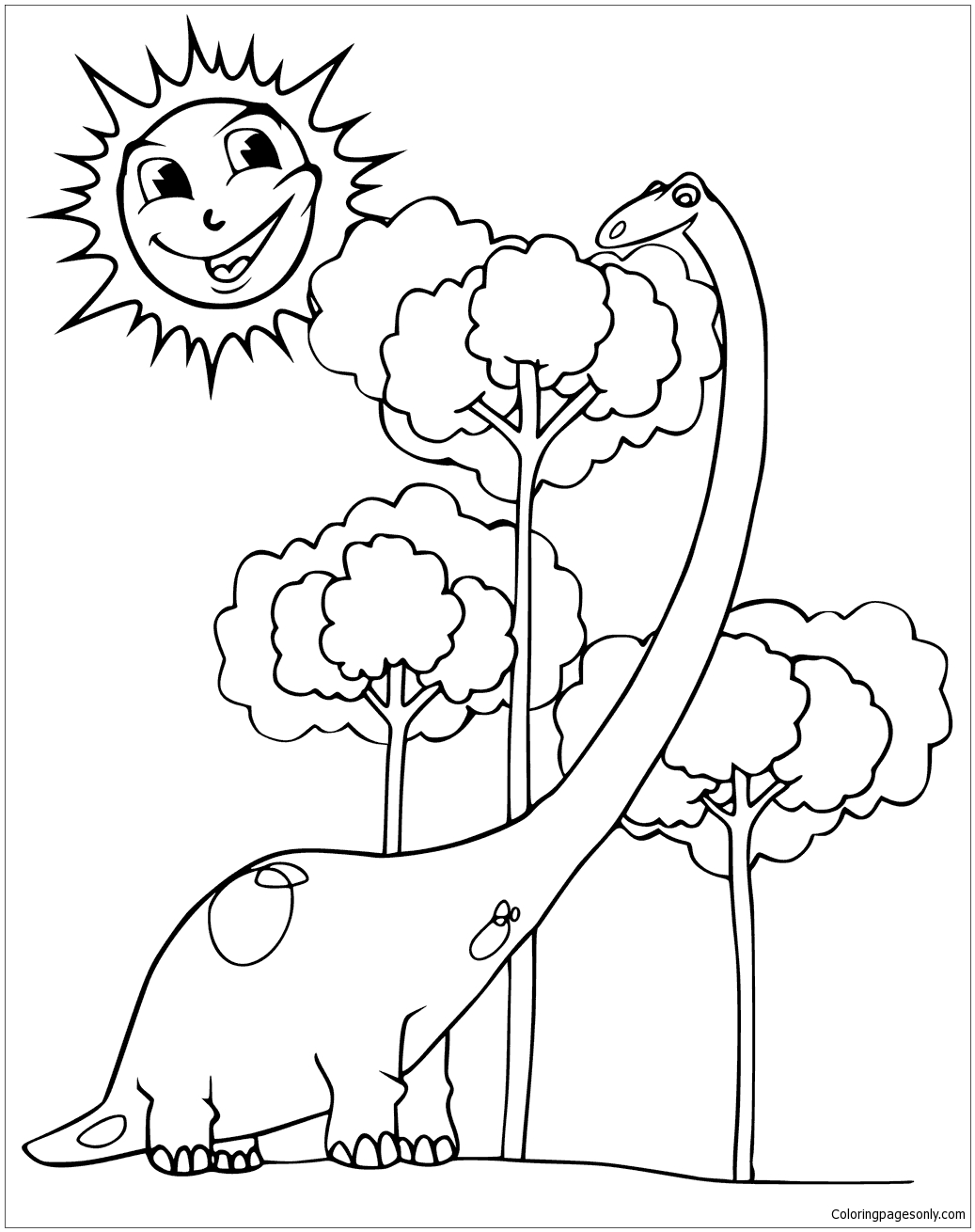
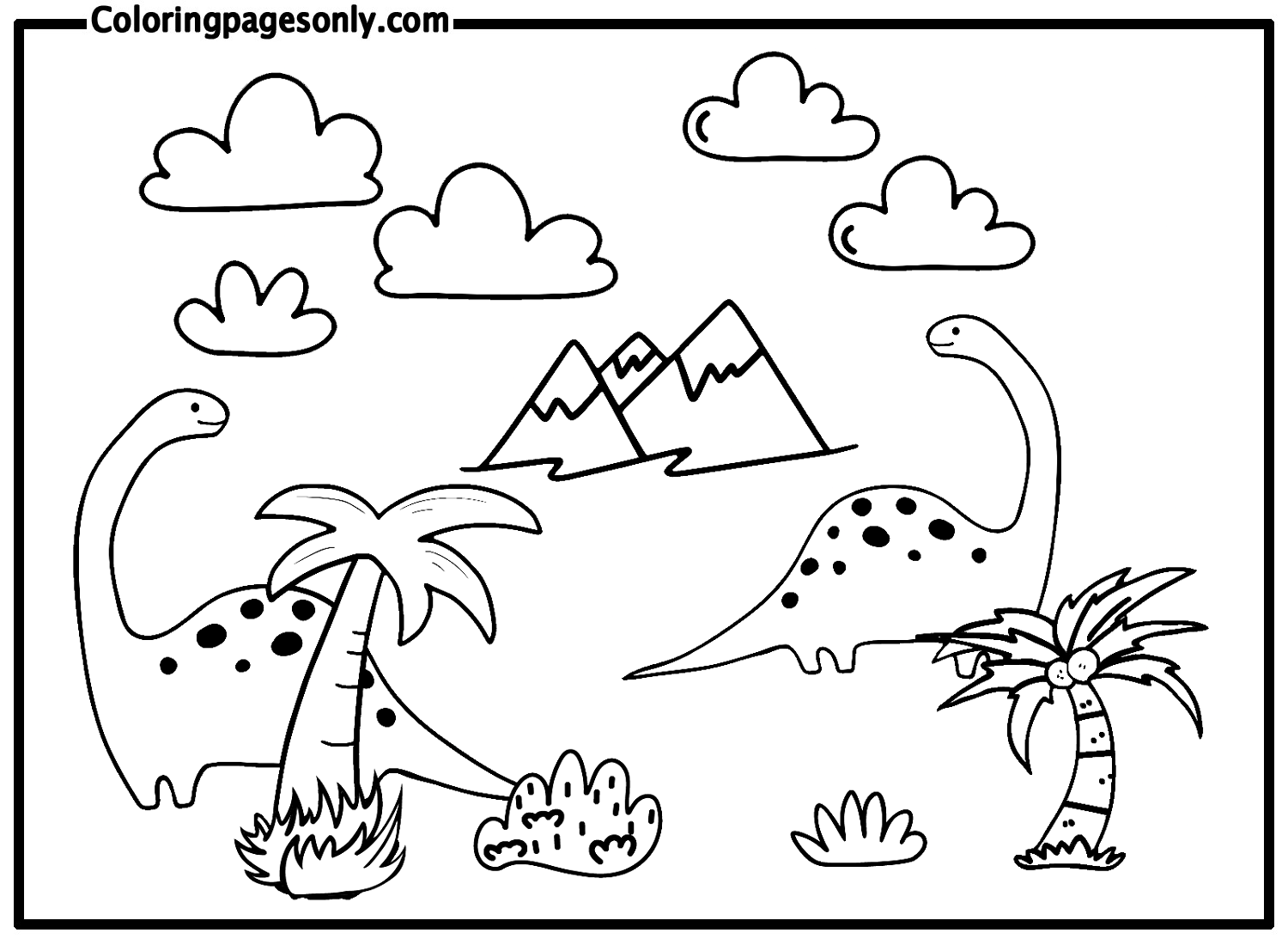
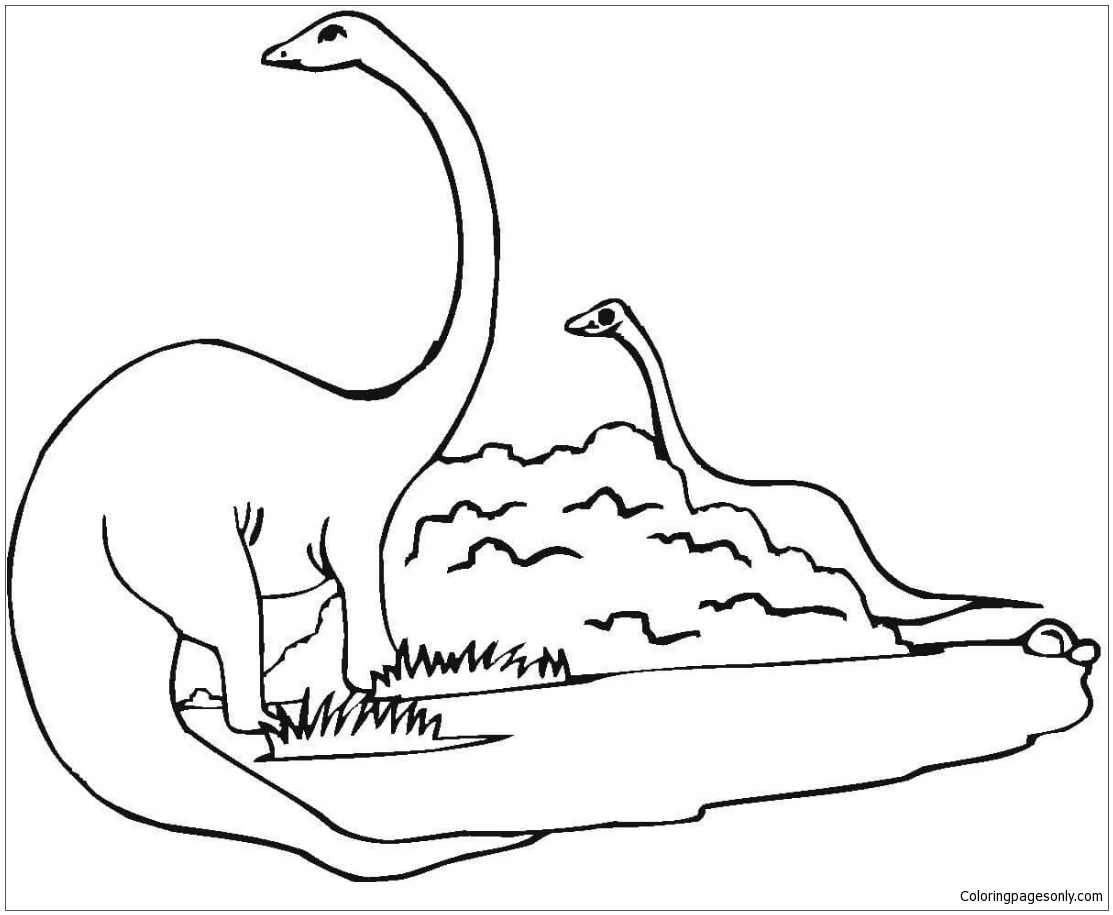
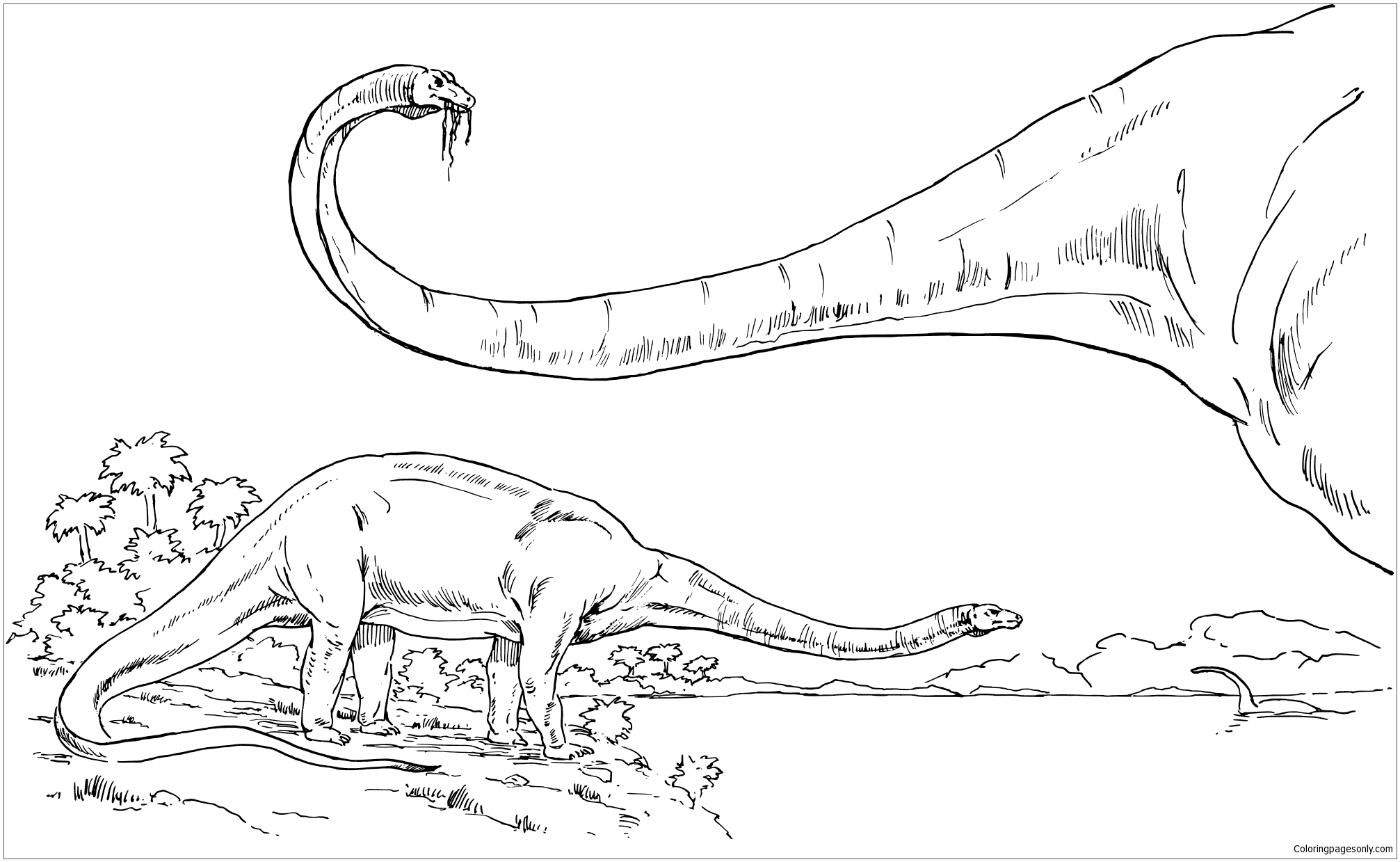
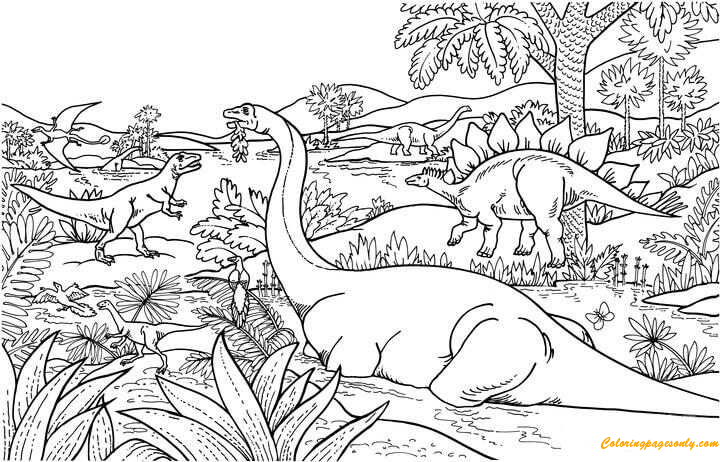
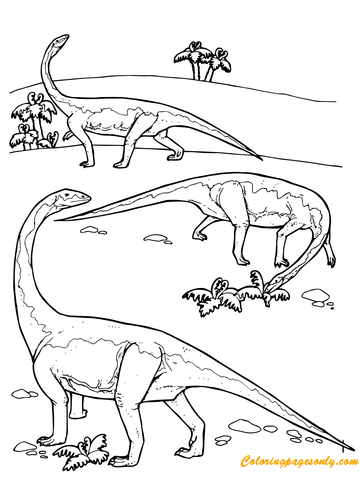
A smaller group places Diplodocus in context: a forest scene and a page showing two of them together.
Since real Diplodocus likely lived and moved in the company of other large sauropods, group scenes are a genuinely accurate way to show it, more so than most dinosaurs are usually pictured alone.
Brachiosaurus, a Real Fellow Sauropod
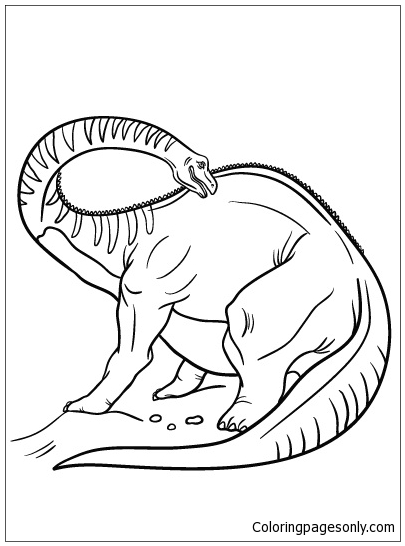
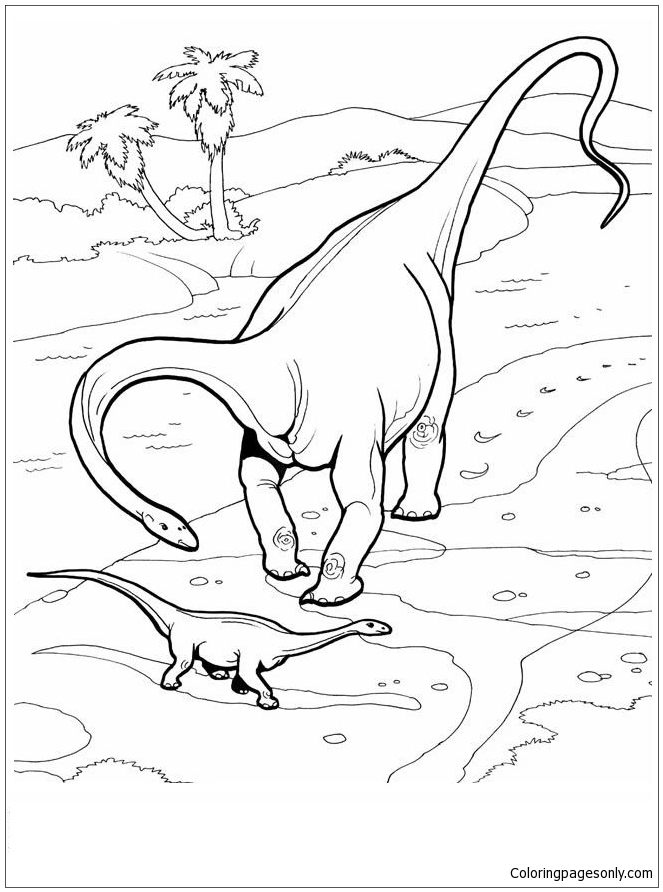
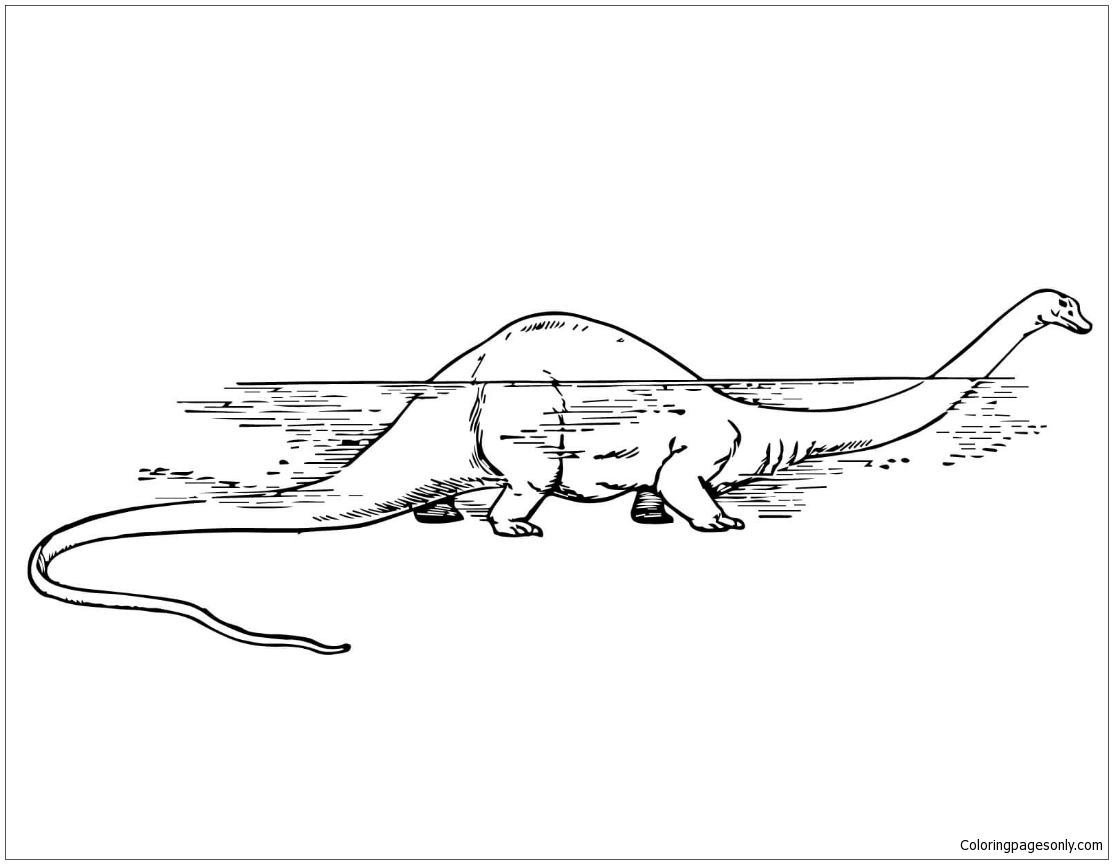
This group covers Brachiosaurus, including one with a baby, a genuine contemporary of Diplodocus that shared the same Late Jurassic environment in what’s now the western United States.
Since Brachiosaurus had a taller, more upright posture than Diplodocus, giving it a steeper neck angle in these pages, rather than a flatter one, keeps the real difference between the two body plans clear.
Riojasaurus, an Ancient Ancestor
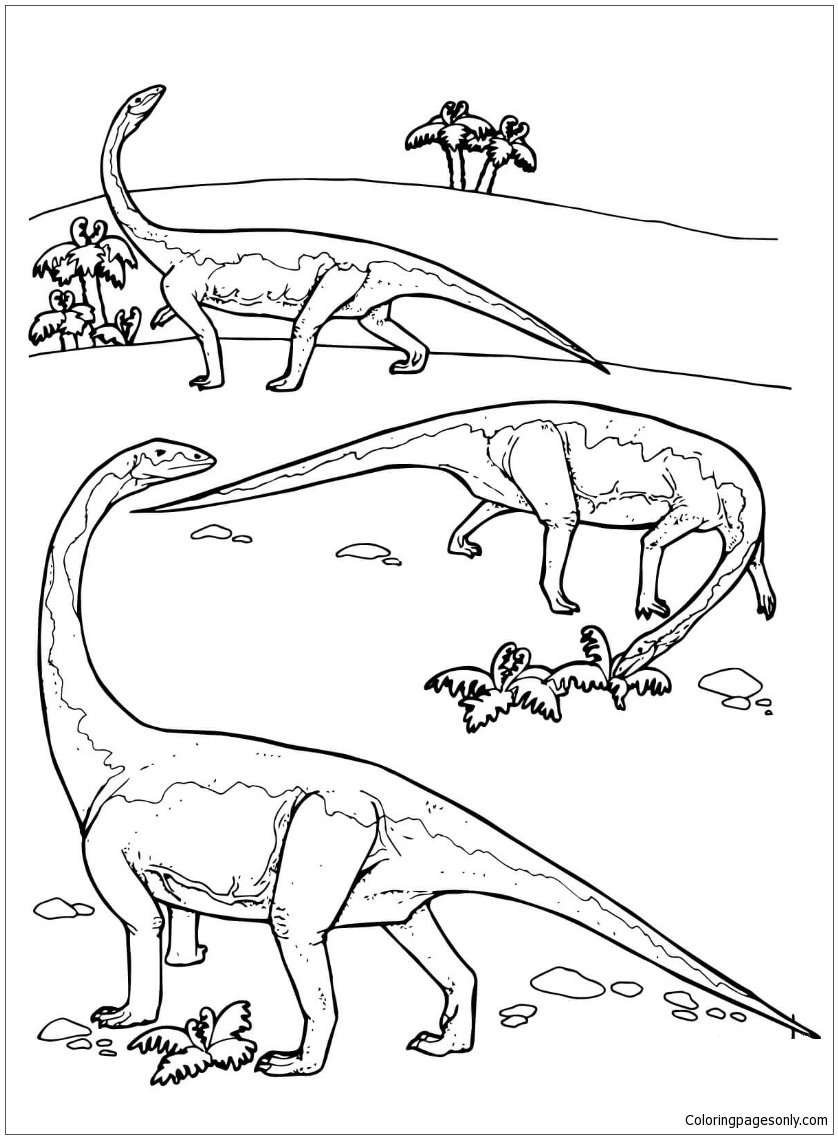
The rest of the set covers Riojasaurus, an early relative of the long-necked dinosaurs that actually lived tens of millions of years before Diplodocus, during the Triassic Period rather than the Jurassic.
Unlike the Brachiosaurus pages, these aren’t meant to depict a real neighbor of Diplodocus. Riojasaurus is worth coloring as its own, earlier chapter in the long-necked dinosaur story instead.
What These Pages Do
The real story behind Dippy’s fame is worth knowing before any crayon touches the page. A single philanthropist’s decision to cast and gift a dinosaur skeleton to museums on several continents is a genuine, well-documented piece of science history, and it’s part of why “dinosaur” became such a familiar word to begin with.
Fine motor development gets a specific workout tied to Diplodocus’s actual namesake feature. The American Academy of Pediatrics identifies structured coloring as a genuine contributor to fine motor growth in children roughly between two and seven years old, and getting the tail’s real double-beamed taper right, distinct from the neck’s more even curve, asks for a level of shape control that’s specific to this dinosaur’s own anatomy.
There’s a small, honest update worth passing along about how even famous museum displays keep changing. Dippy’s own tail position was adjusted over a century of research, originally shown dragging on the ground, and later raised once new evidence came in. Art Therapy Practitioners have noted that seeing a finished, well-known display revised rather than left as-is can model something valuable for a child: that getting something more right later isn’t a failure, it’s just how careful work actually goes.
This set also carries a quieter idea about shared discovery worth naming. One specimen, cast and sent to cities on several different continents, became a shared point of reference for people who otherwise had nothing in common, a real example of one piece of knowledge reaching across borders rather than staying in one place. Coloring a dinosaur with that genuinely international story behind it is a small way of touching that same idea.
How to Color Diplodocus Coloring Pages
Keep the tail’s double-beamed taper distinct from the neck. That specific shape is where the name Diplodocus actually comes from, and it’s worth the most careful attention on any portrait.
Give Brachiosaurus a steeper, more upright neck angle than Diplodocus. The two sauropods had genuinely different postures, and that distinction is worth keeping visible when they appear near each other.
Treat Riojasaurus as its own earlier chapter, not a neighbor of Diplodocus. It lived tens of millions of years before Diplodocus existed, so these pages work best colored as a separate story.
Use group and forest scenes to show scale. Diplodocus was genuinely massive, and placing it among trees or alongside other dinosaurs is an accurate way to convey just how large it actually was.
5 Creative Craft Ideas with Diplodocus Coloring Pages
Dippy History Fact Card
Color a general Diplodocus portrait and add a short note about the real 1899 discovery and Andrew Carnegie’s worldwide museum gifts – ten minutes of coloring, plus a genuine piece of science history.
Tail-Shape Detail Study
Color one or two portraits slowly, focusing entirely on the double-beamed shape of the tail bones. Fifteen minutes for a project tied directly to the name itself.
Real-Neighbors-Versus-Ancestors Card
Color the Brachiosaurus and Riojasaurus pages side by side and write a short note about which one actually lived alongside Diplodocus and which one came tens of millions of years earlier – fifteen minutes, built around telling real timelines apart.
Morrison Formation Scene
Color the Dinosaurs in Forest page alongside a Brachiosaurus page and talk about the real fossil site in the western United States where both dinosaurs have actually been found together. Twenty minutes for a genuinely accurate scene.
Global Discovery Board
Color a Diplodocus portrait and list a few of the real cities, London, Paris, Berlin, that received their own cast of the same skeleton. Fifteen minutes for a display built around a real story of shared discovery.
FAQ About Diplodocus Coloring Pages
Are these Diplodocus coloring pages free, and can I color them online?
Completely free, with nothing to sign up for. Print the PDF for the table, or open the online tool to color straight from the browser.
What age group are these Diplodocus coloring pages best suited for?
The general portraits work well from age 3. The group scenes and the Brachiosaurus and Riojasaurus pages, which carry more background context, suit slightly older kids.
Why is Diplodocus called “Dippy,” and is that a real nickname?
Yes. Dippy is the real nickname for a famous composite Diplodocus skeleton at the Carnegie Museum of Natural History, made famous when replica casts were sent to major museums around the world in the early 1900s.
What does the name Diplodocus actually mean?
It’s Greek for “double beam,” referring to the unusual two-pronged shape of the bones running underneath its tail.
Could Diplodocus really crack its tail like a supersonic whip?
It’s a famous theory, but recent research has questioned it. A 2022 computer modeling study suggested the tail likely couldn’t reach the speed of sound, so this remains a genuinely open scientific debate rather than a settled fact.
Did Diplodocus really live alongside Brachiosaurus?
Yes. Both are genuine Late Jurassic sauropods found in the same fossil-rich Morrison Formation in the western United States, alongside dinosaurs like Stegosaurus and Allosaurus.
Are these pages based on a specific museum specimen?
No. These are general, original illustrations inspired by the real animal and its history, not reproductions of any specific museum’s copyrighted mount or artwork.
Can I use these pages for a classroom lesson on dinosaurs or museum history?
Yes. The real Dippy story makes a genuinely engaging, age-appropriate example for a classroom lesson on how museums share scientific discoveries with the public.
Start Coloring
Download any page by clicking the design. No account, email, or payment is required. Pages print directly from the browser at full resolution or open in the online coloring tool for screen use. Share finished pages on Facebook or Pinterest using the share buttons at the top of each design page.