Grass Coloring Pages
 By:
Jennifer Thoa - Content Editor & Designer
Updated:
By:
Jennifer Thoa - Content Editor & Designer
Updated:
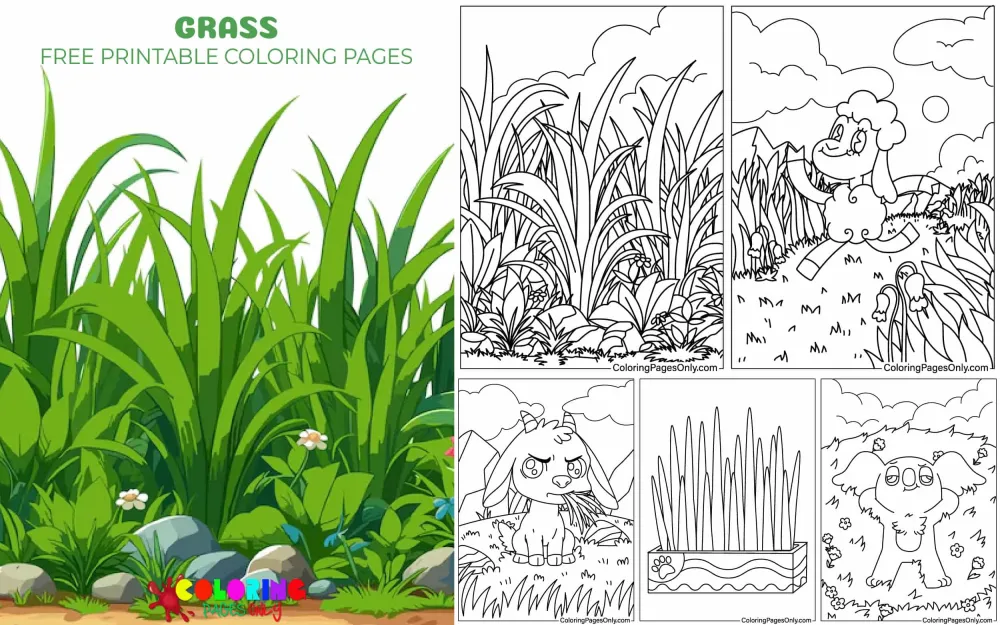
Free Grass Coloring Pages: 30 printable PDF designs featuring simple grass patterns, farm animals grazing, wildlife in natural settings, and broader multi-animal scenes. Each page can be downloaded as a PDF to print or colored online in the browser.
Grass belongs to Poaceae, one of the largest and most widespread plant families on Earth, with roughly 10,000 to 12,000 species covering close to a quarter of the planet’s vegetated land. What makes grass unusual among plants is where it grows from: unlike most plants, which grow from the tip of the stem, grass grows from the base of each blade. This low growth point is why a lawn can be mowed again and again, or grazed by animals, without killing the plant, since the growing point stays protected near the ground. Poaceae also includes the cereal crops that feed most of the world, including wheat, rice, corn, and barley, making grass one of the most agriculturally important plant families in existence.
This collection reflects that everyday and ecological presence across 30 pages: simple grass patterns, farm animals grazing, wildlife in grassy settings, and broader scenes combining people, animals, and plants. Soft, textured blades in varying lengths are the throughline across nearly every page.
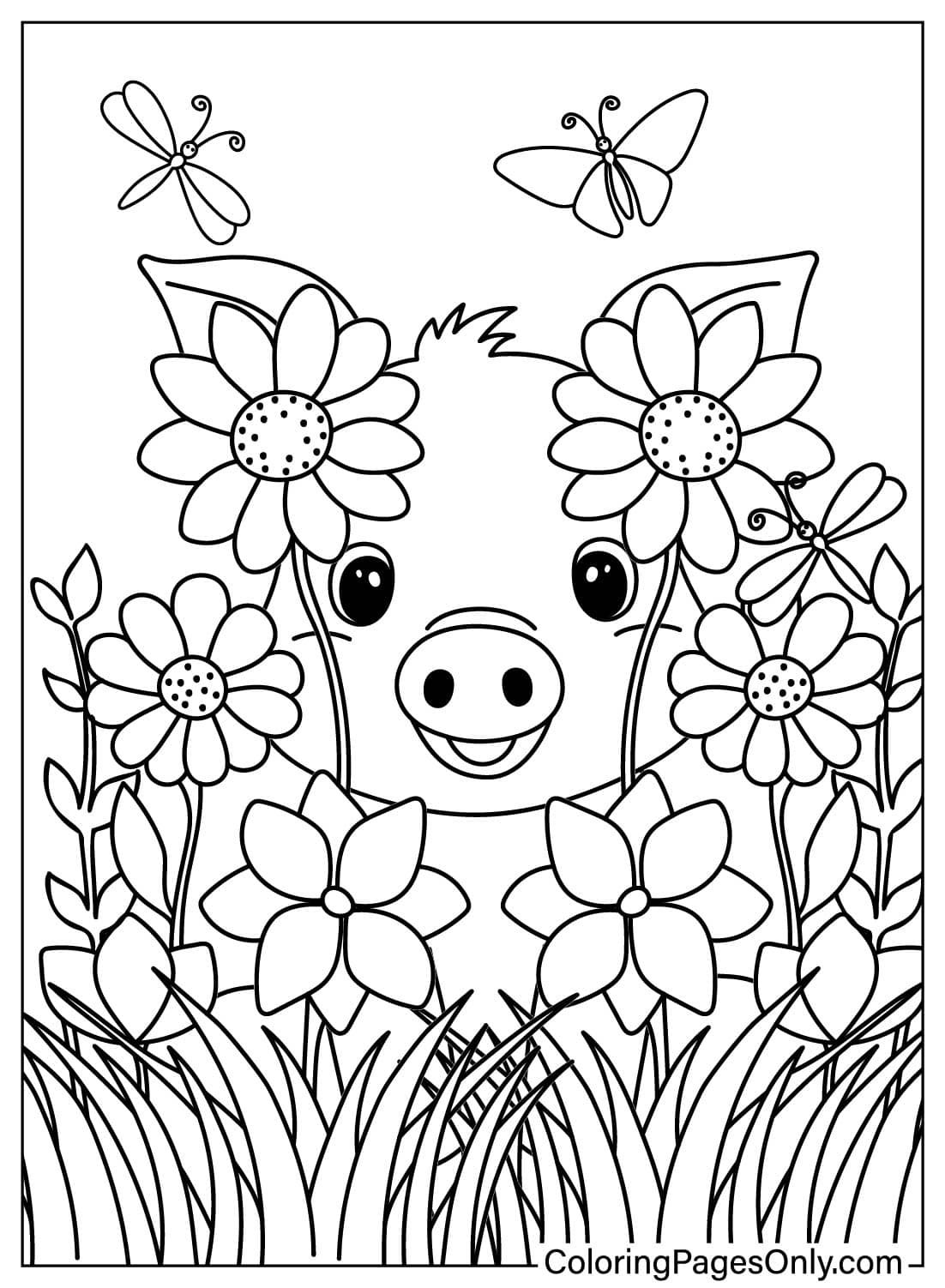
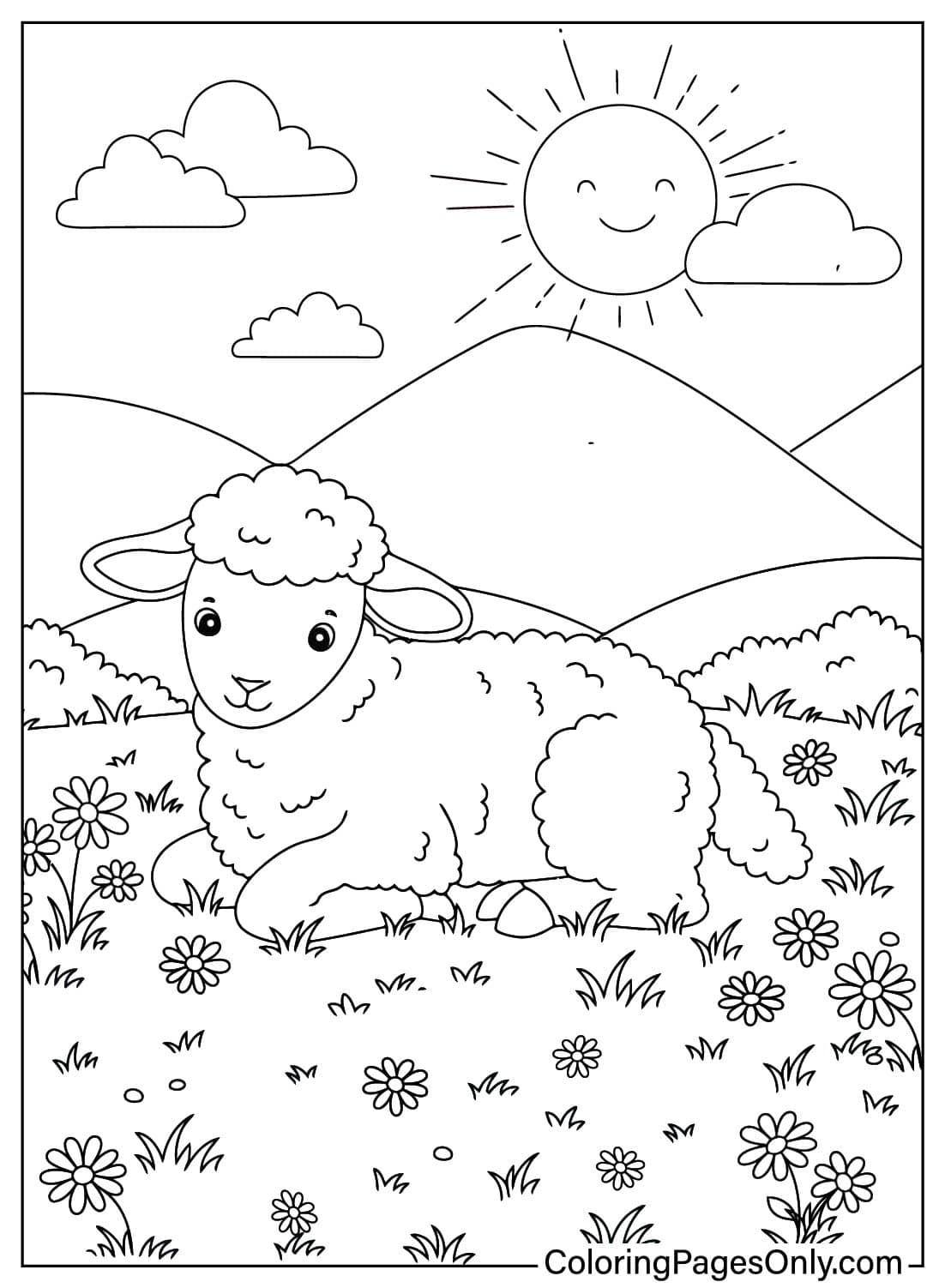
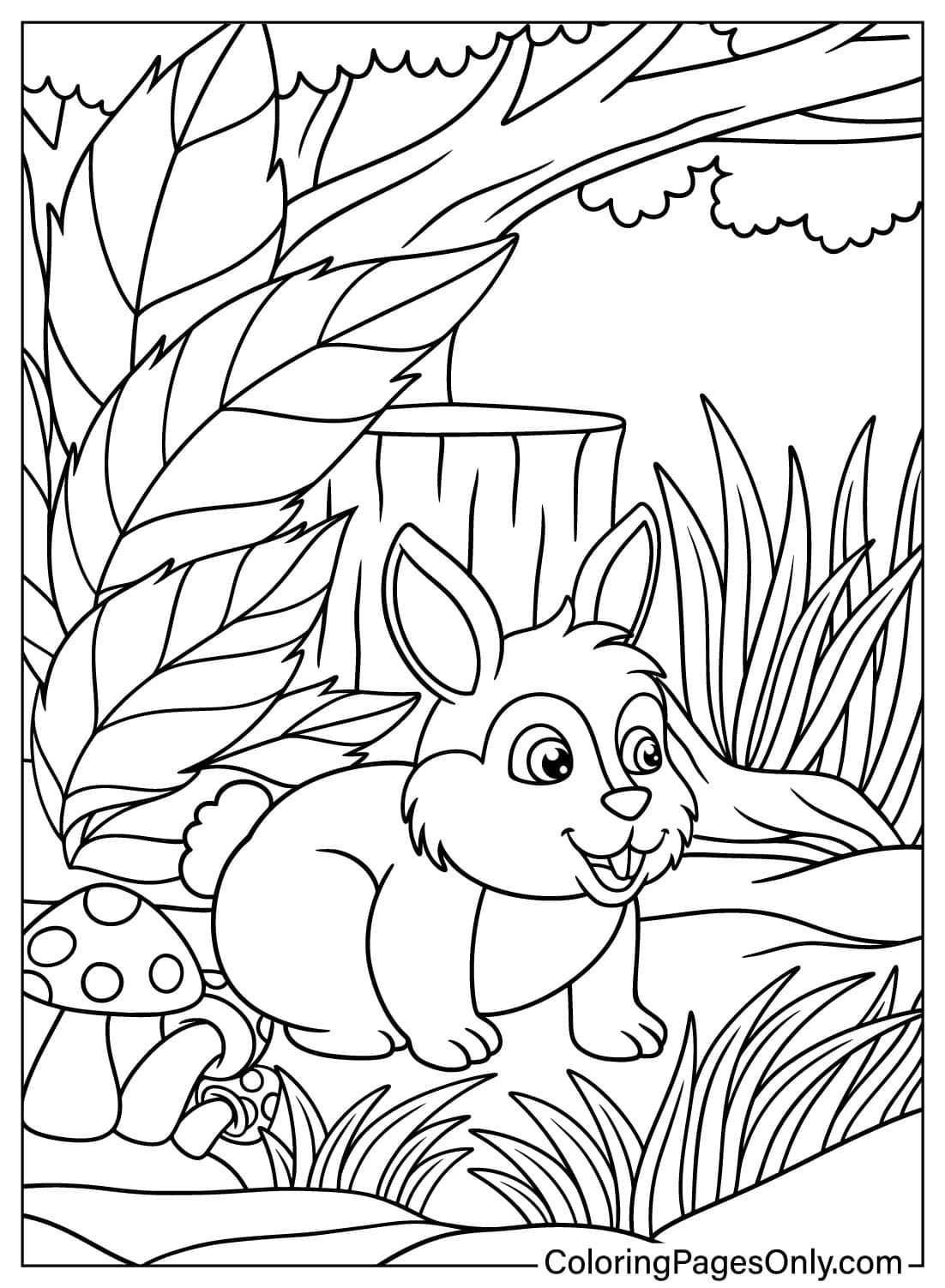
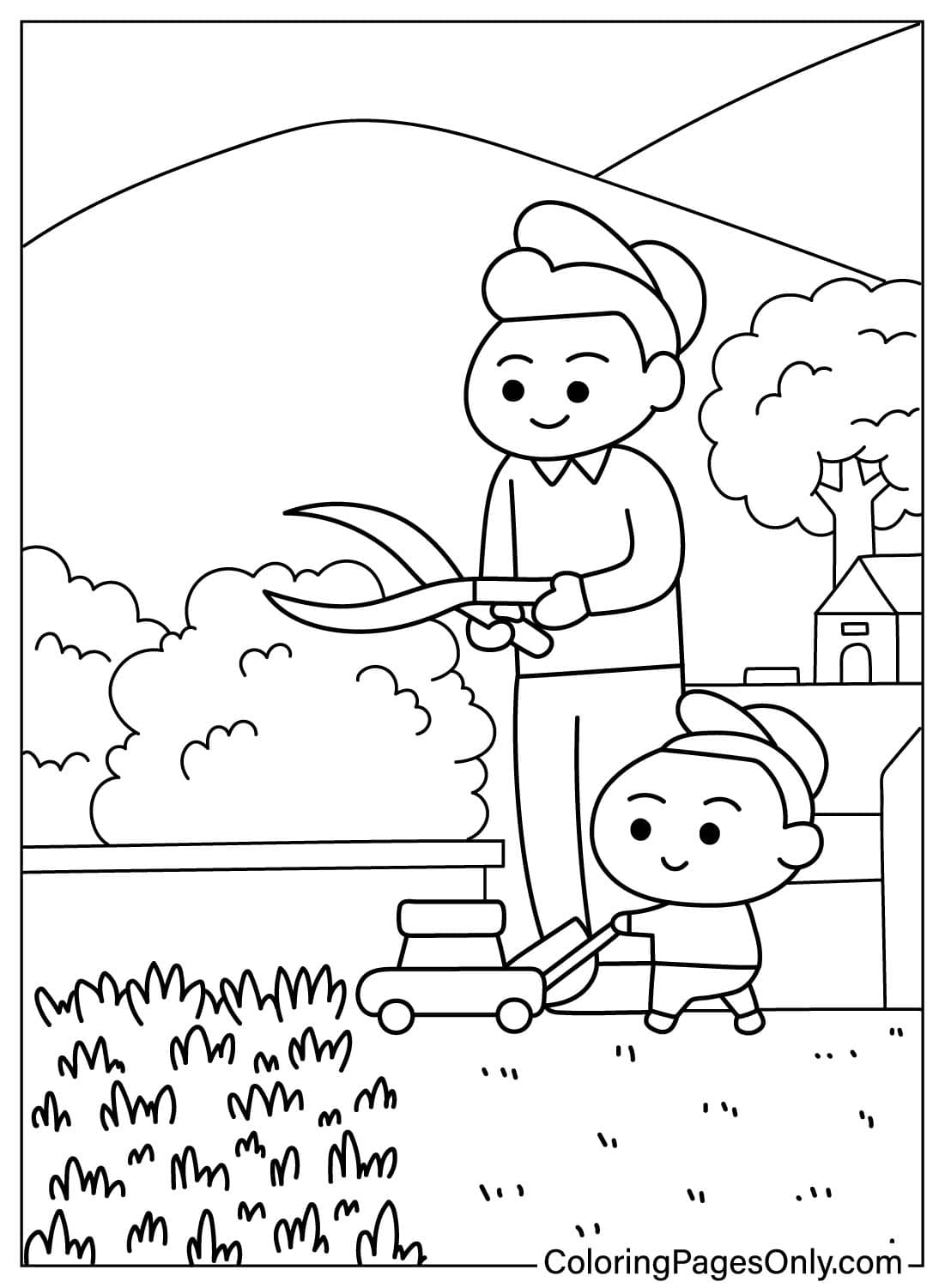
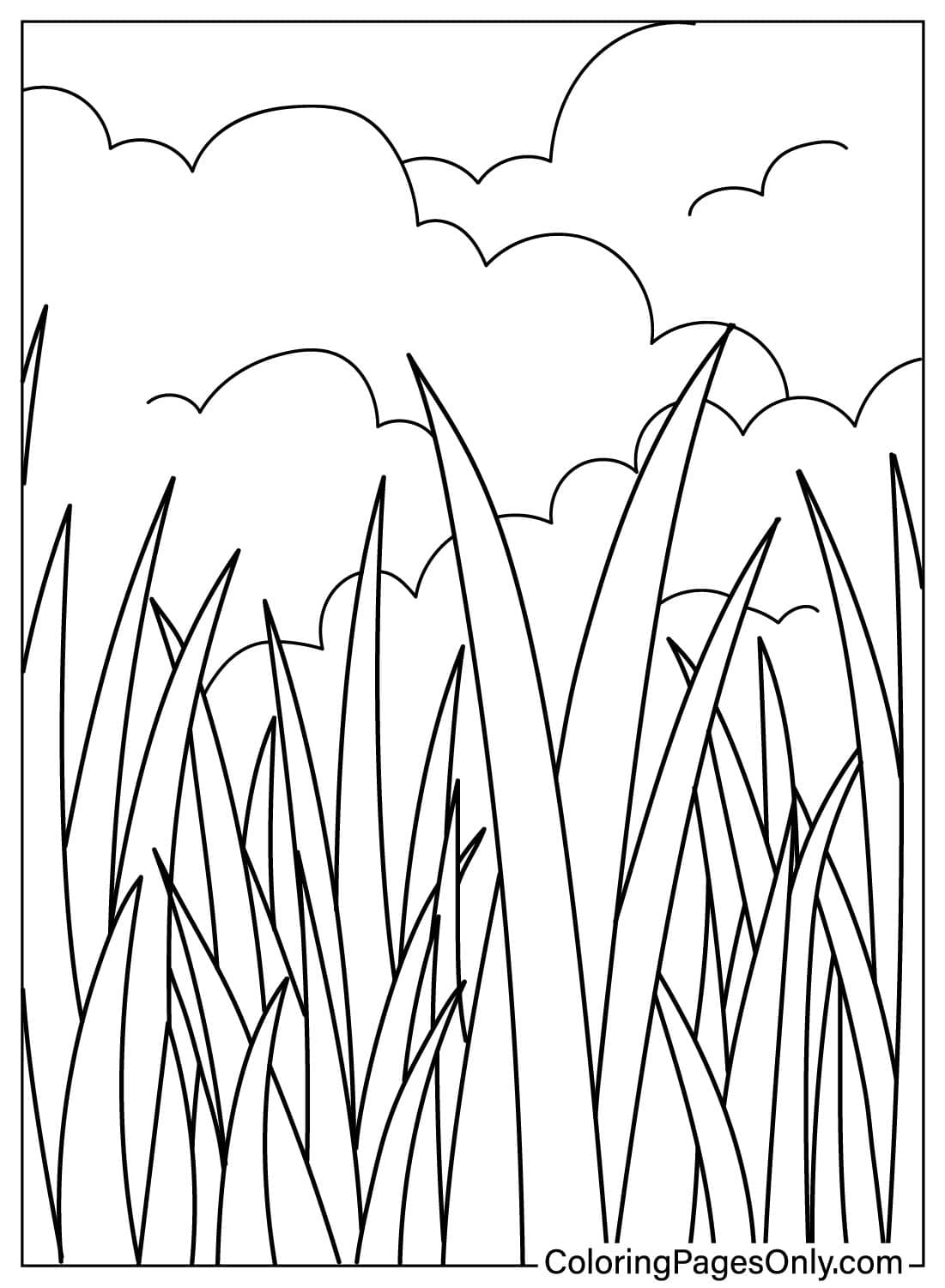
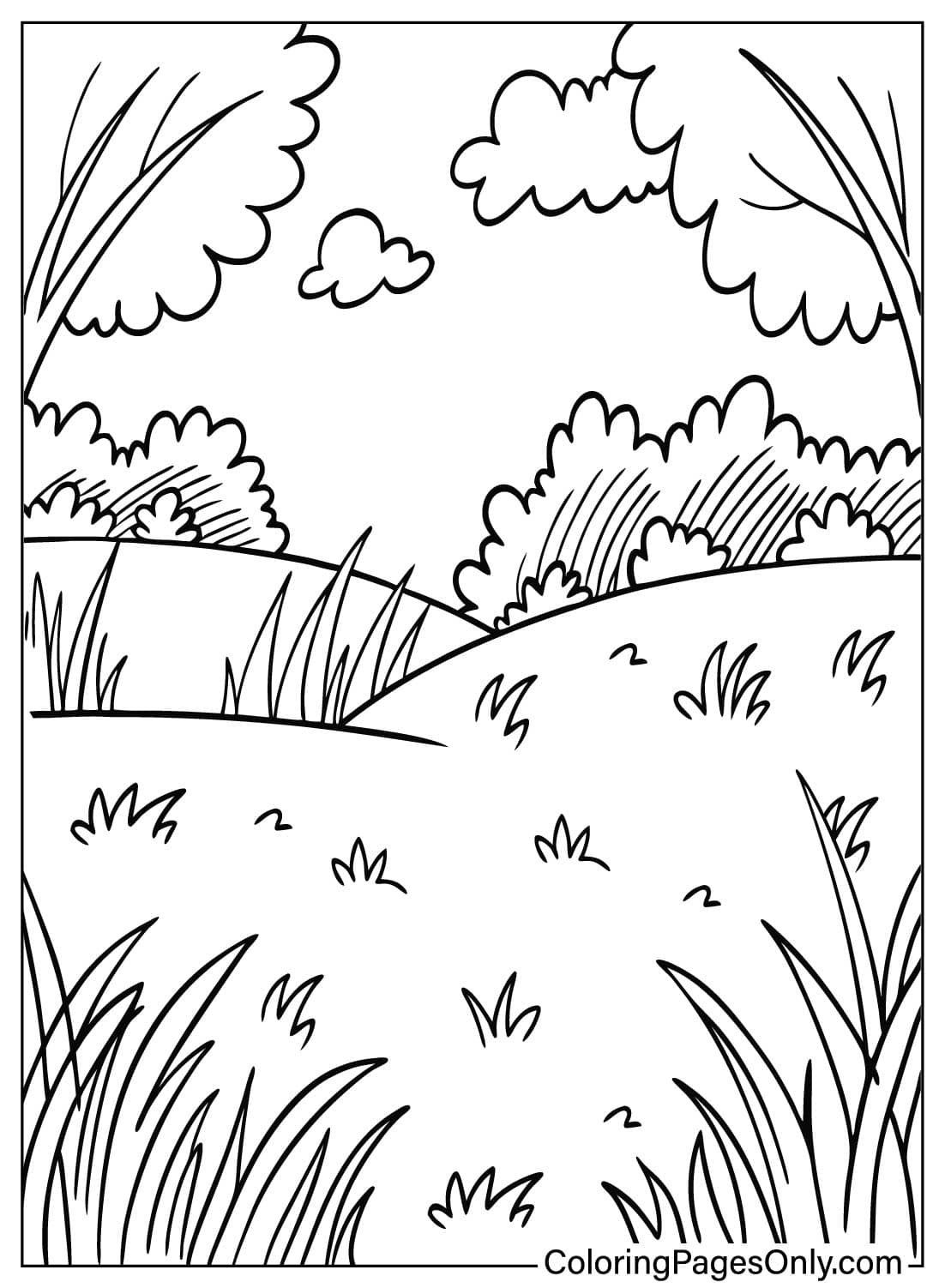
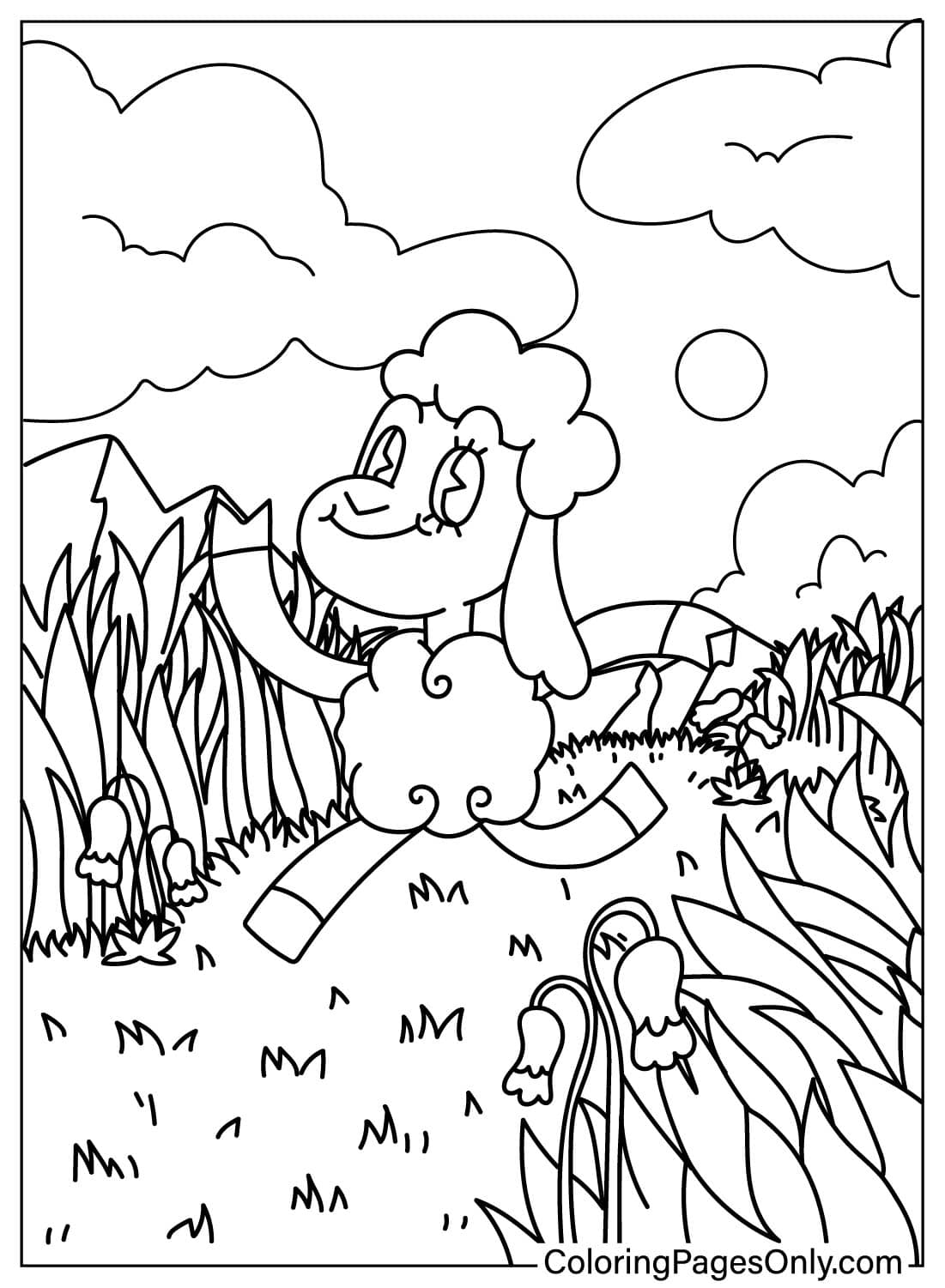
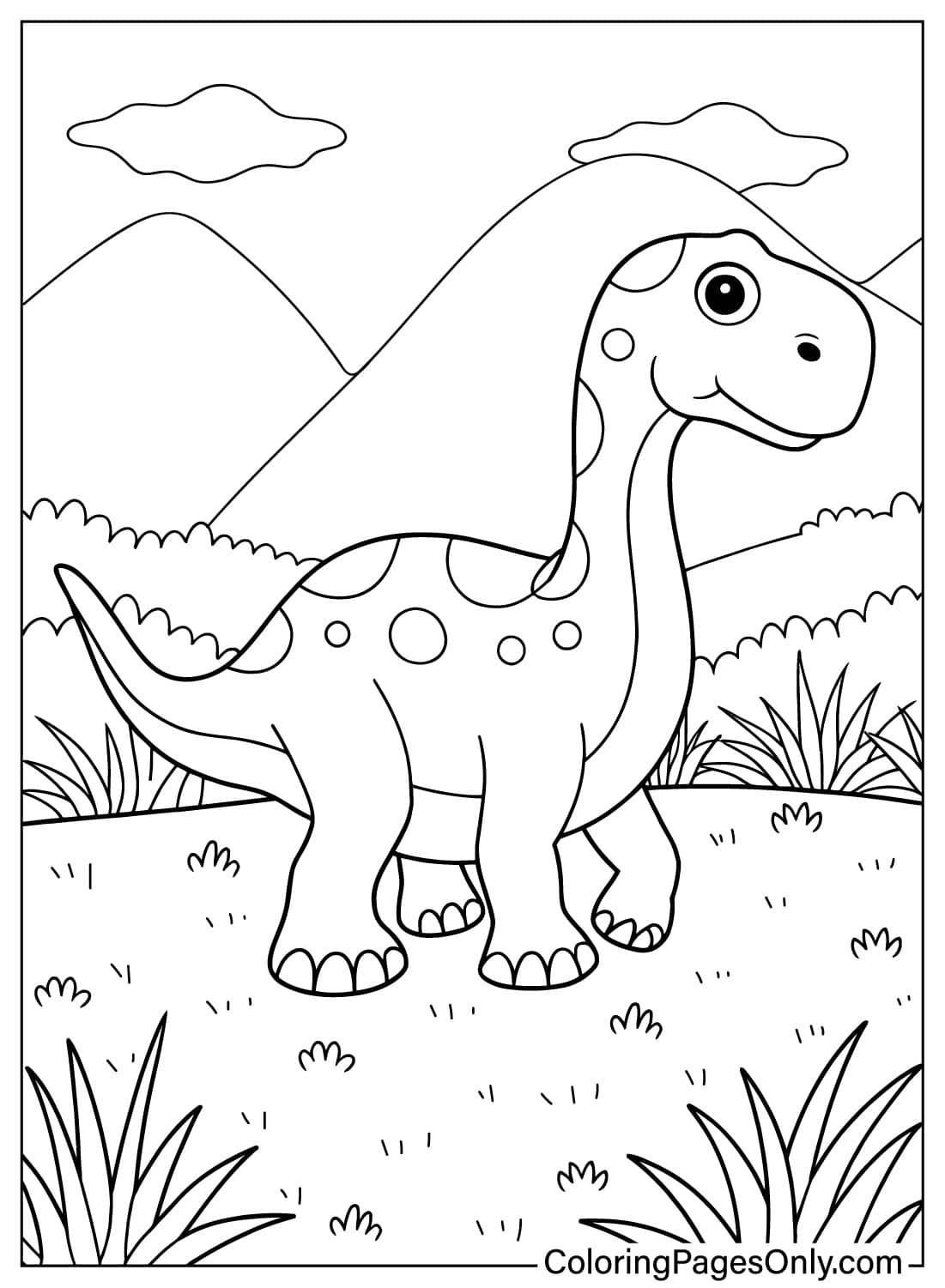
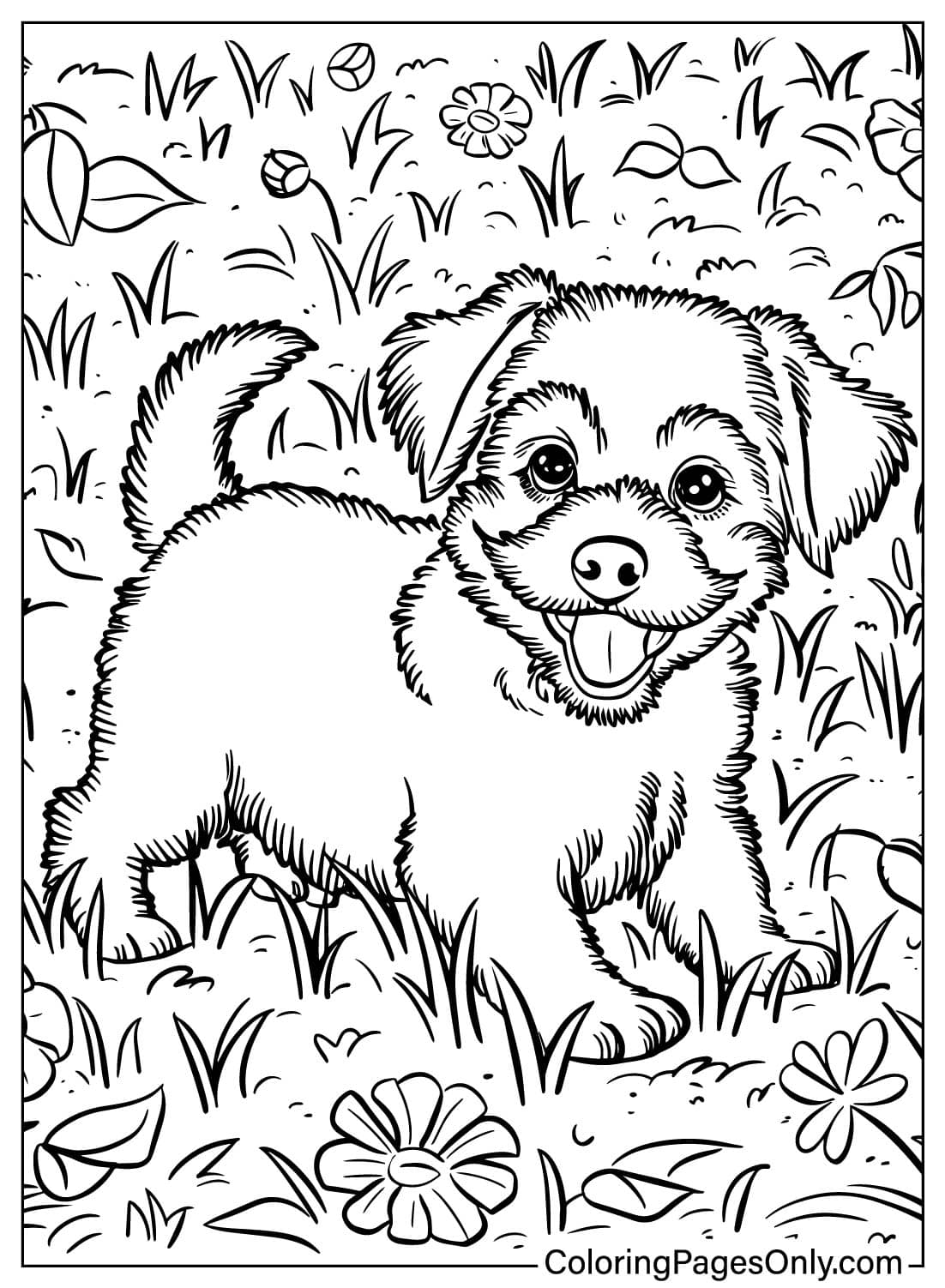
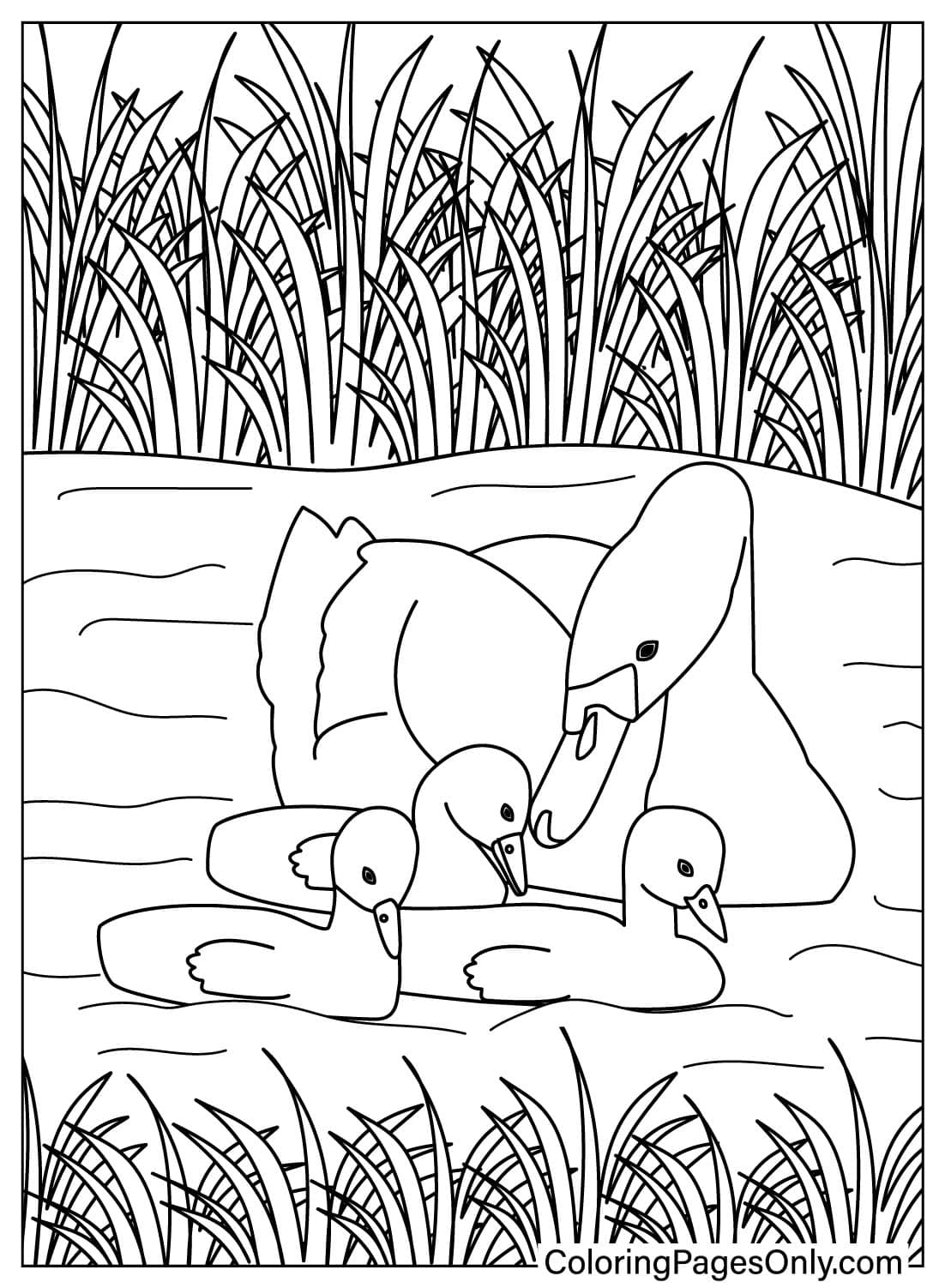
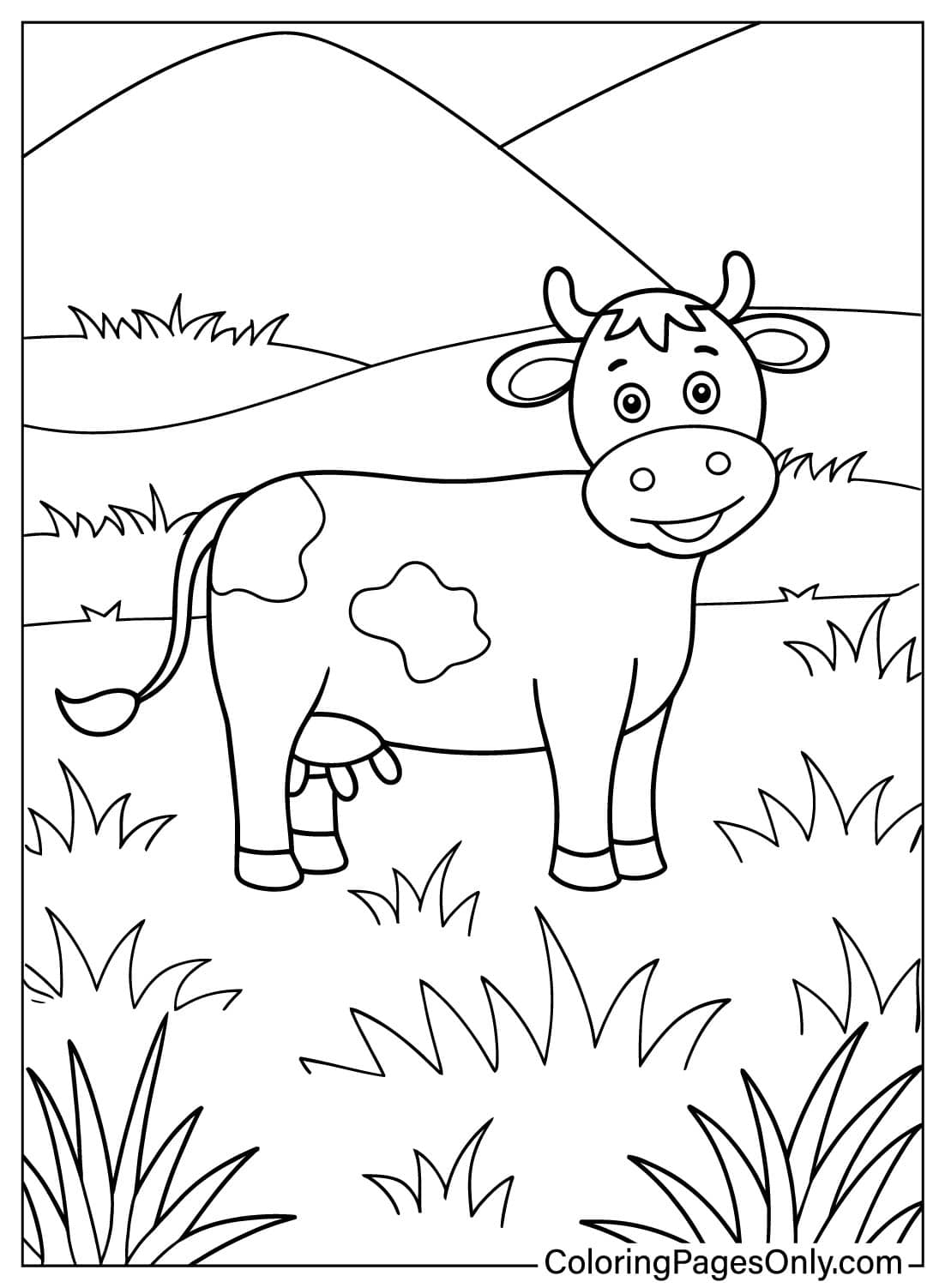
What Is Inside This Collection
The 30 pages are broken into four groups based on content.
Simple Grass Designs
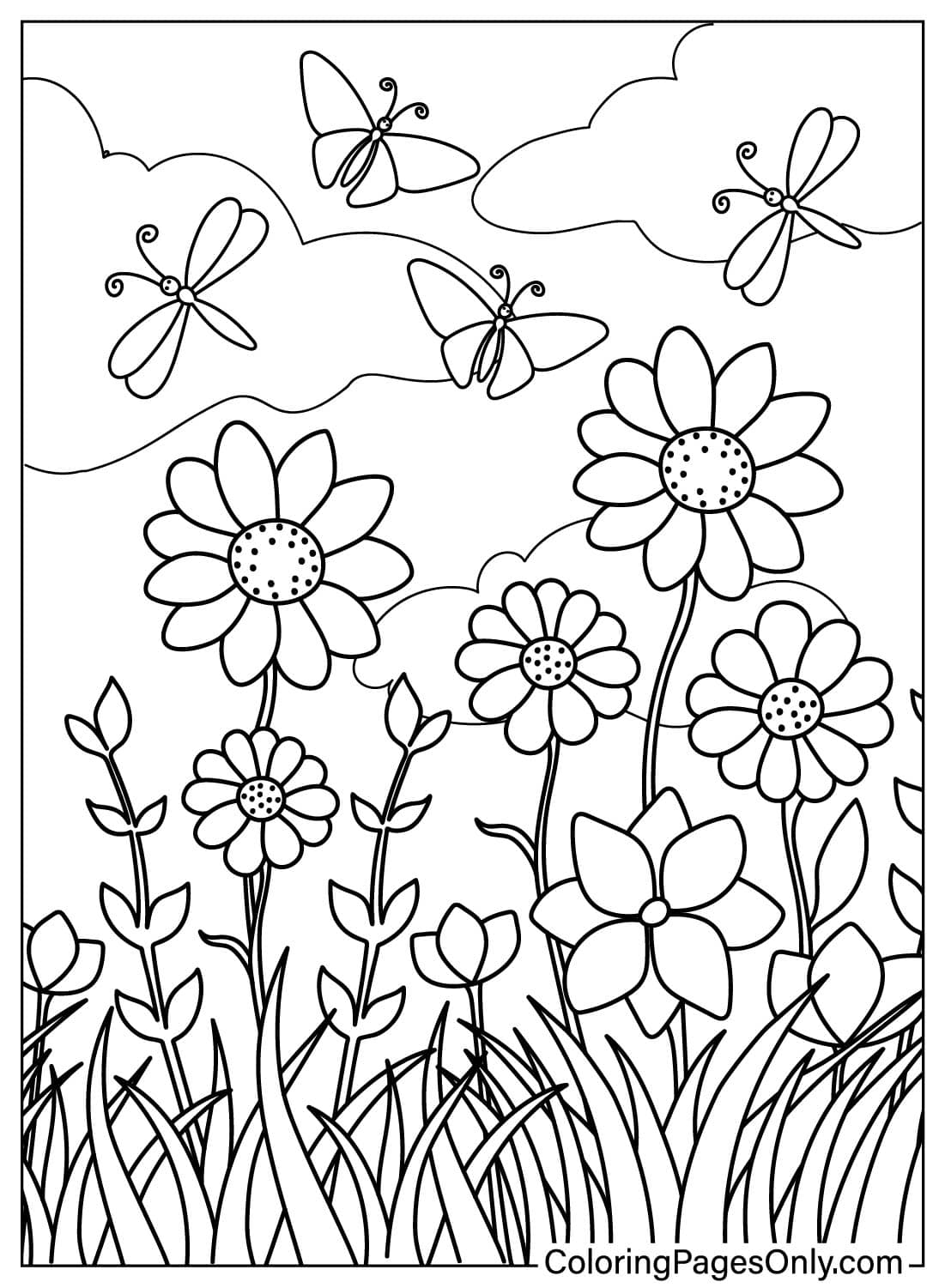
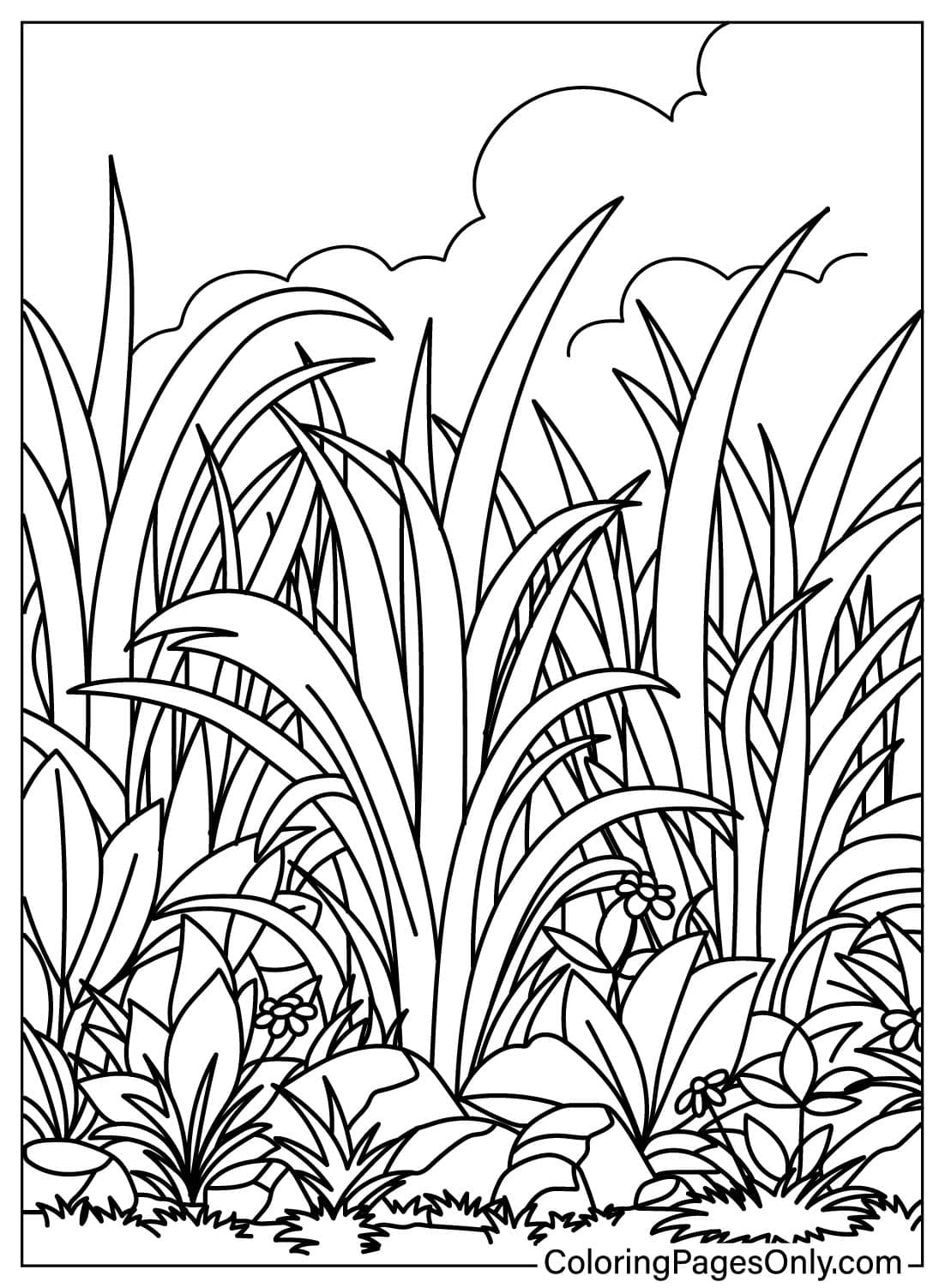
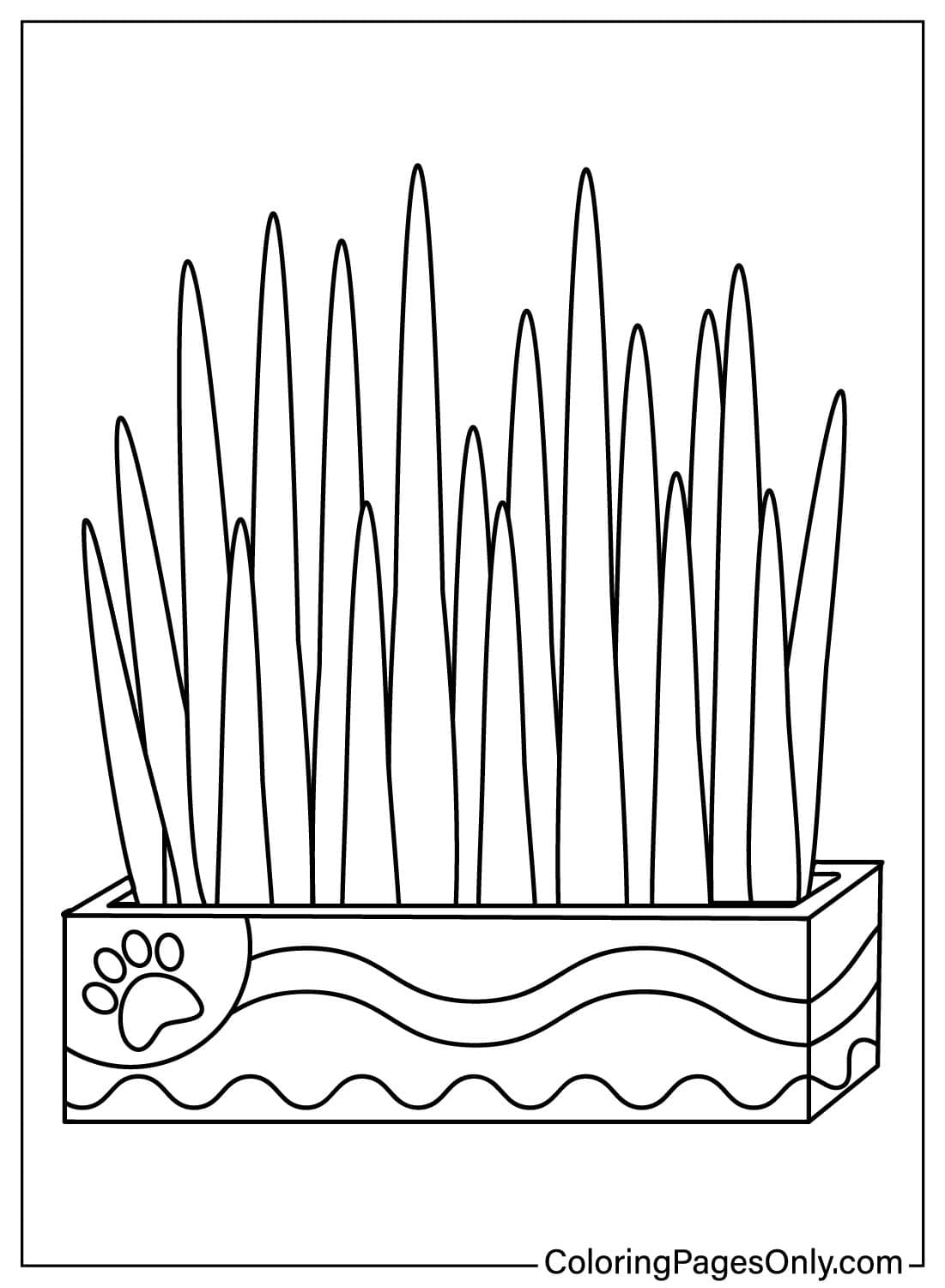
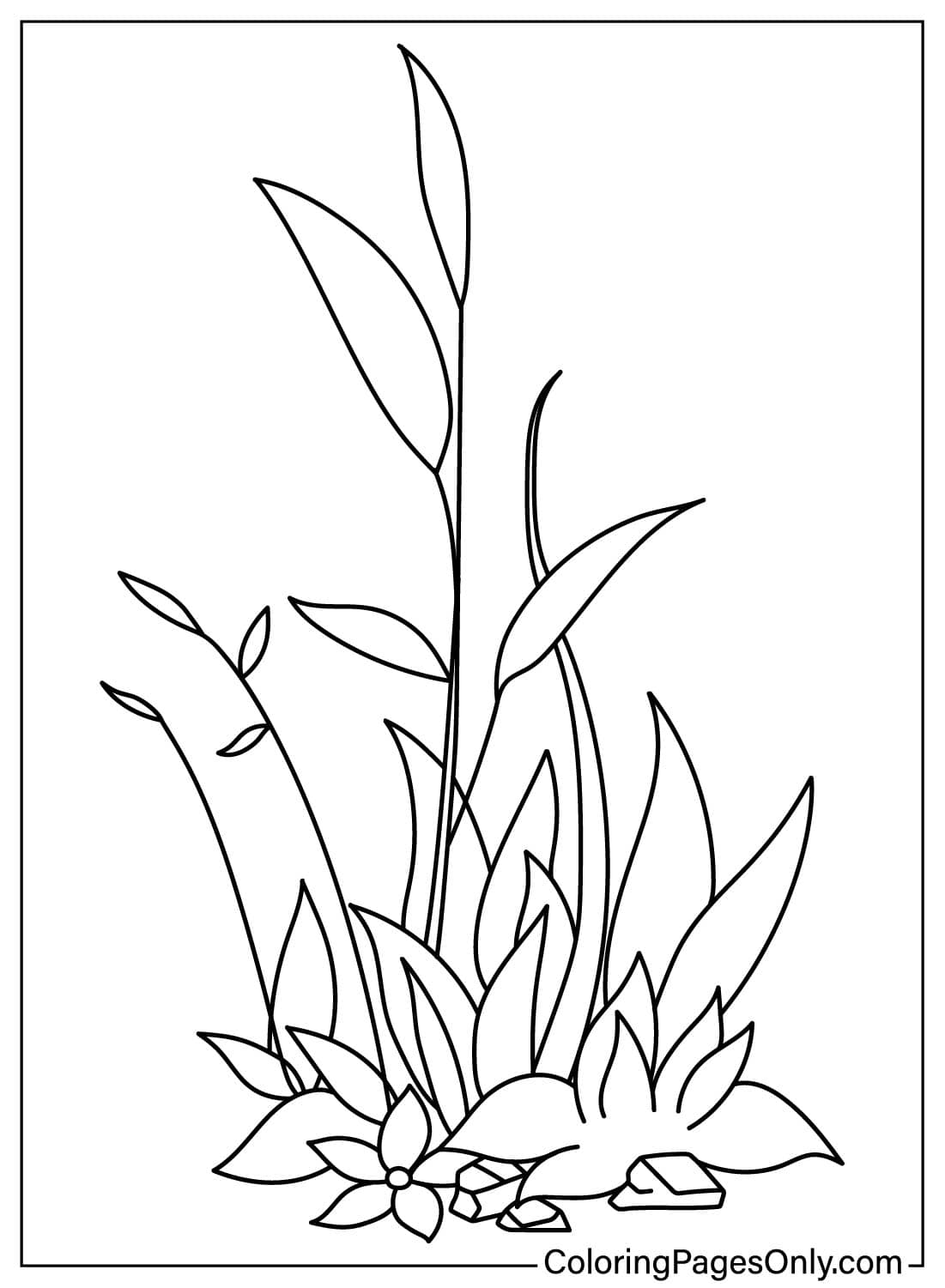
Six pages focus on grass itself, from a basic patch of blades to a spring meadow scene without any animals or people included. Color suggestion: layer two or three shades of green rather than one flat color, since real grass rarely reads as a single uniform tone.
Farm Animals Grazing
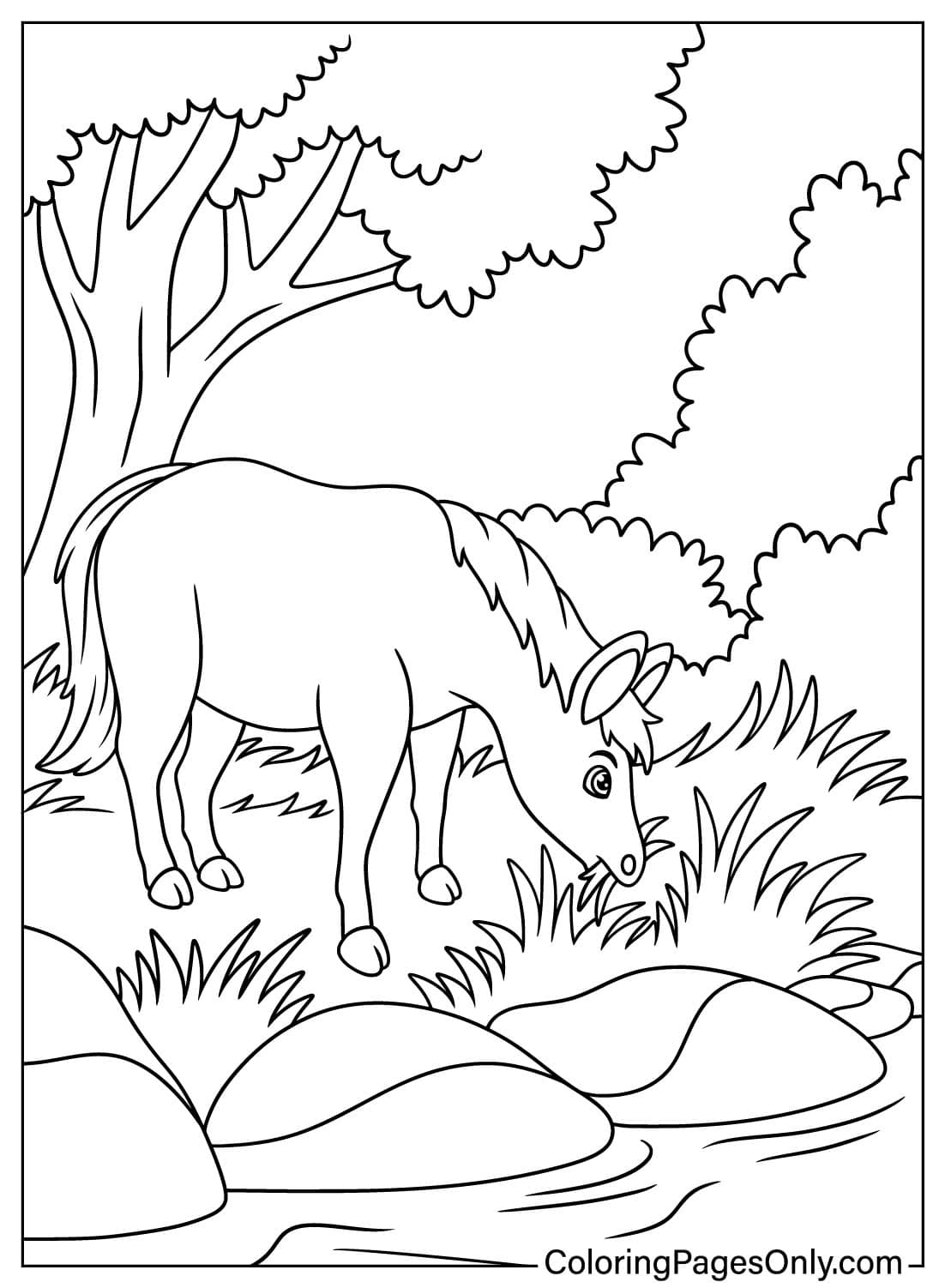
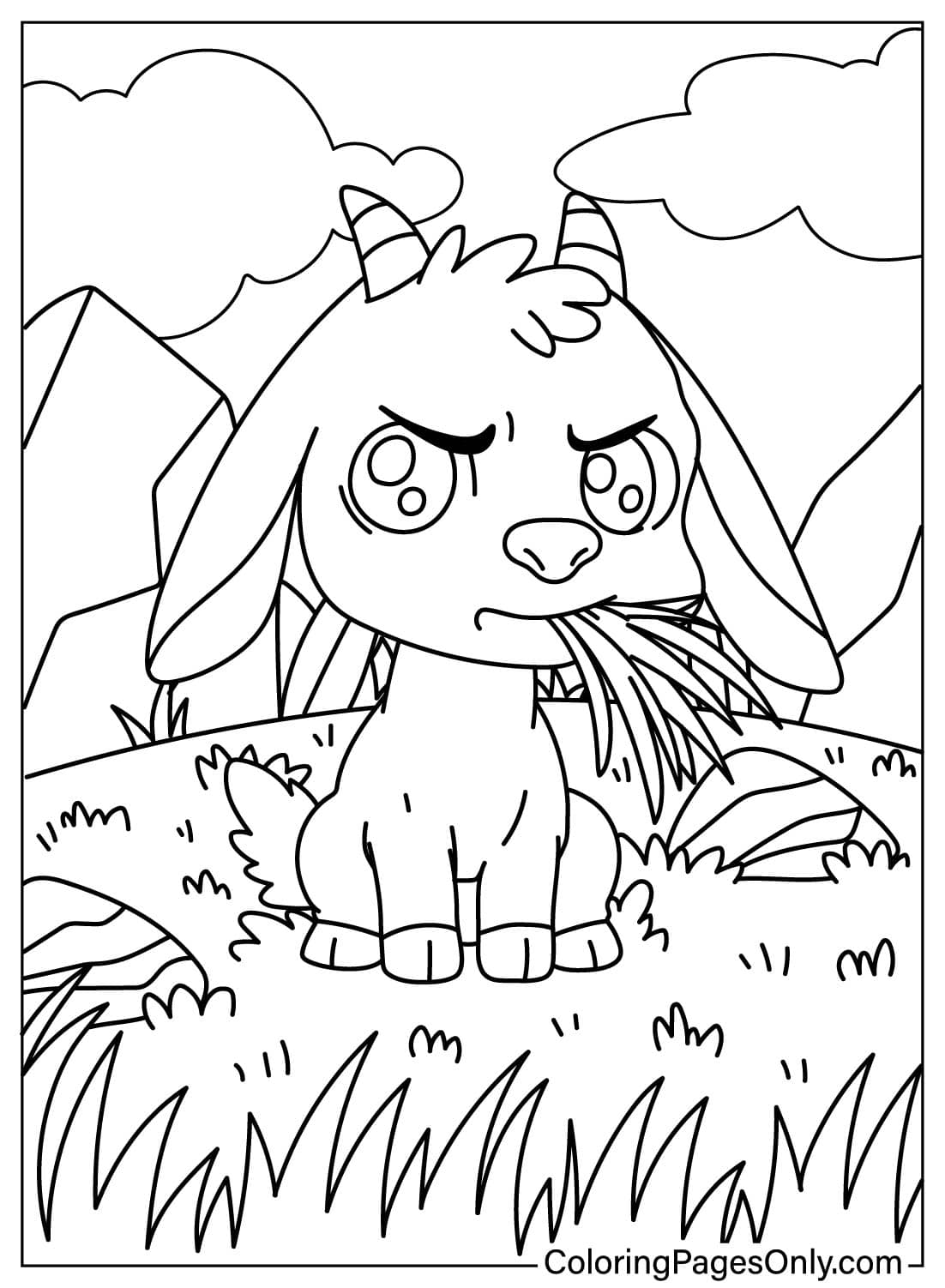
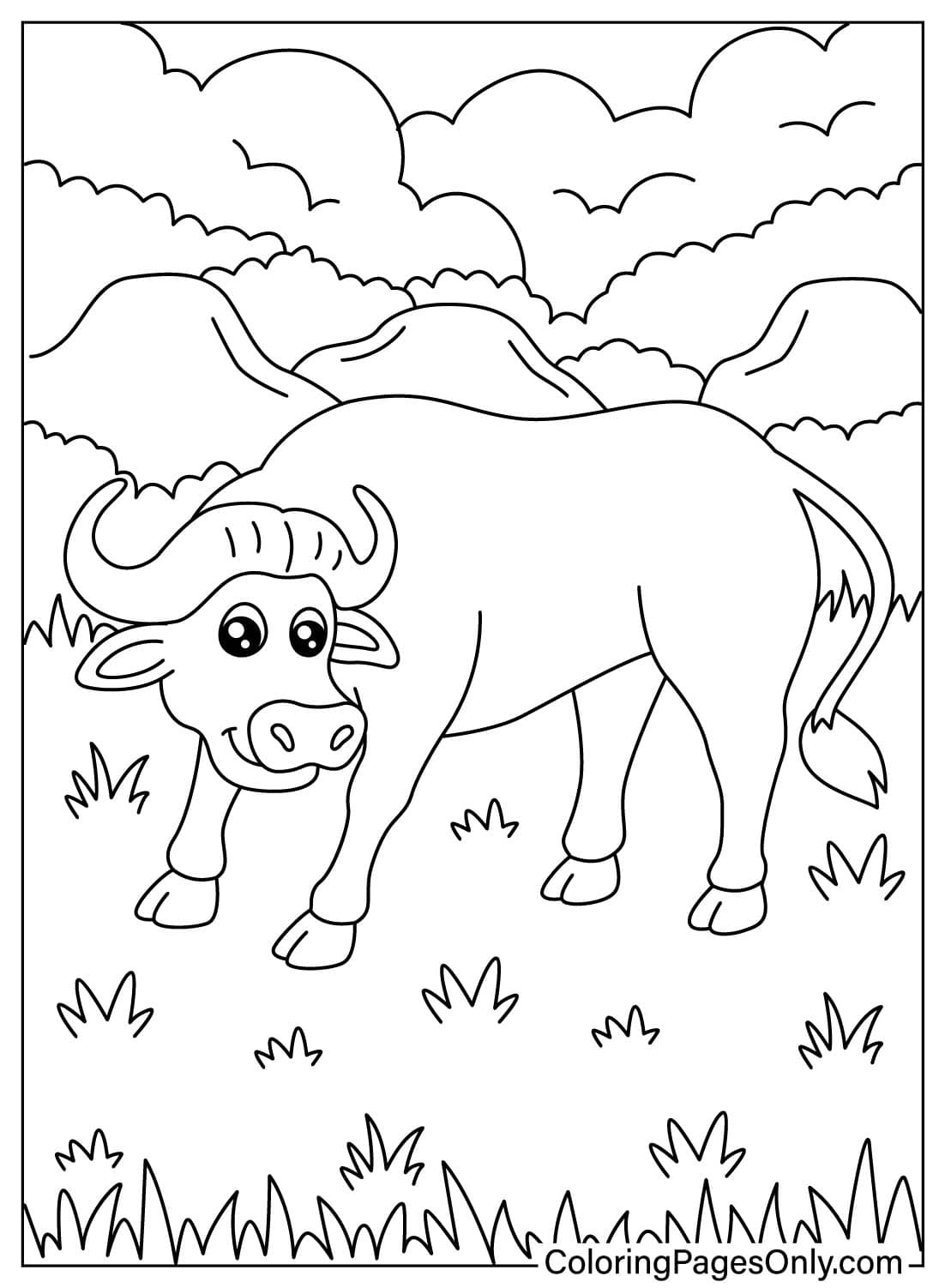
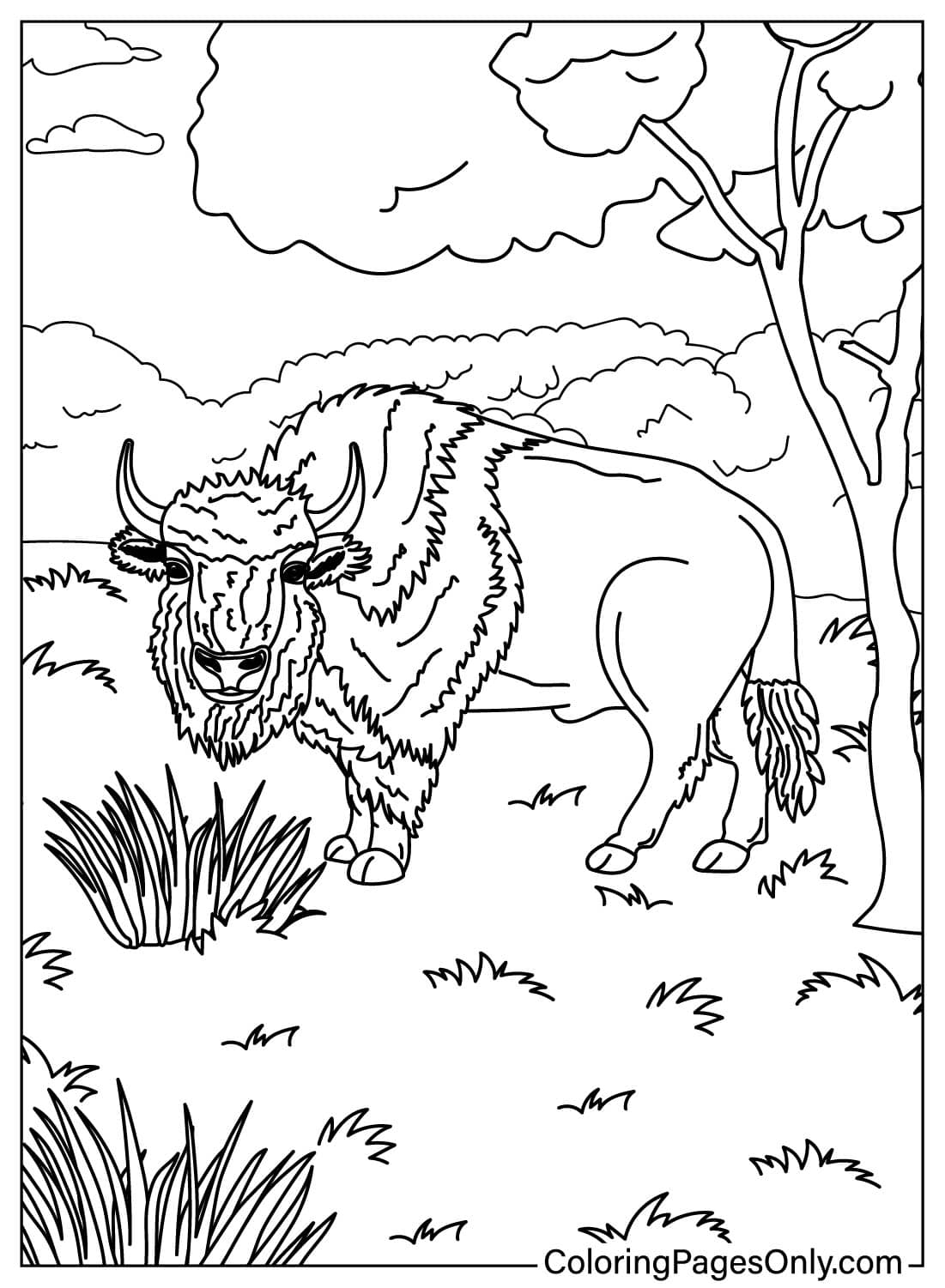
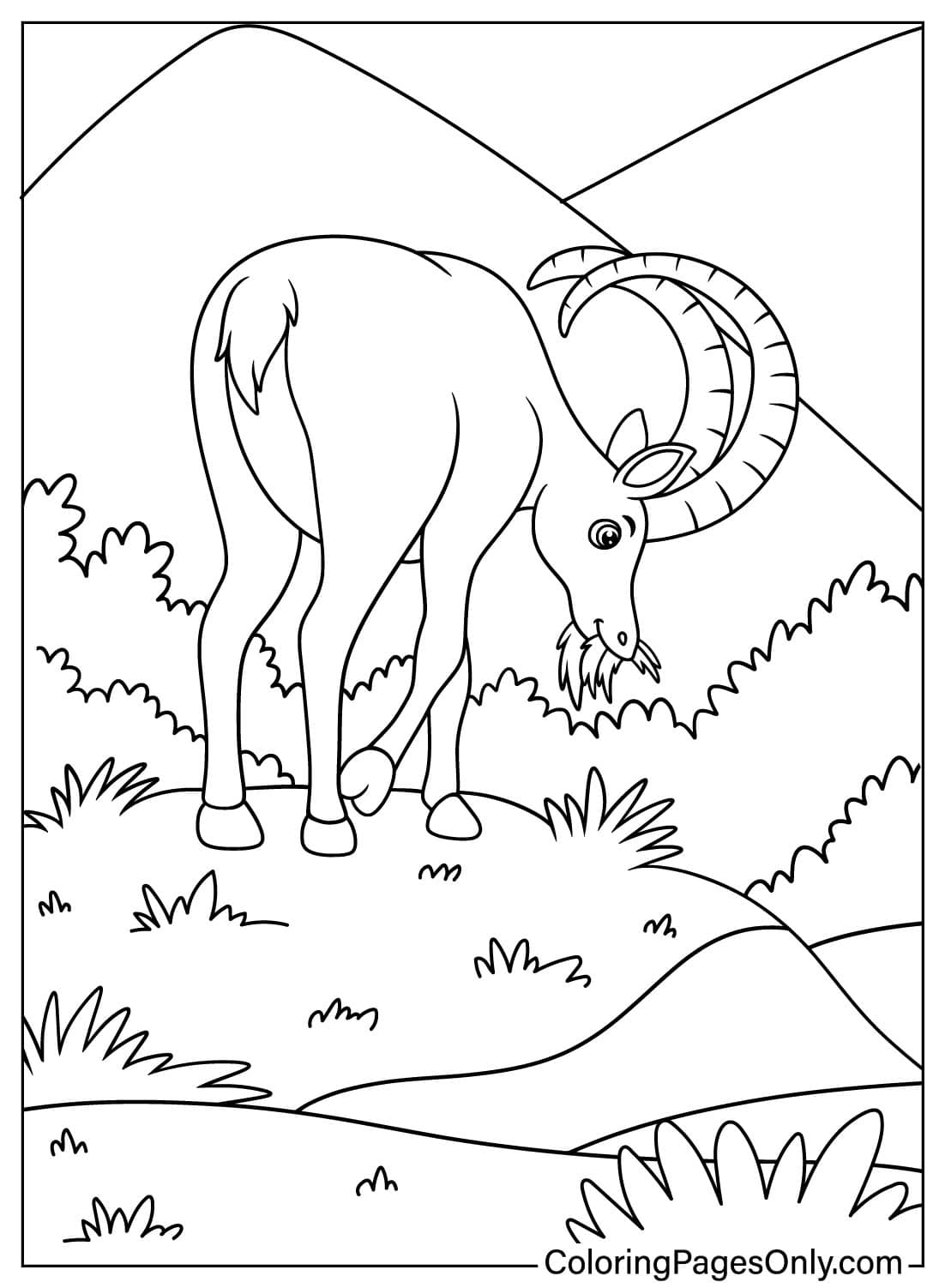
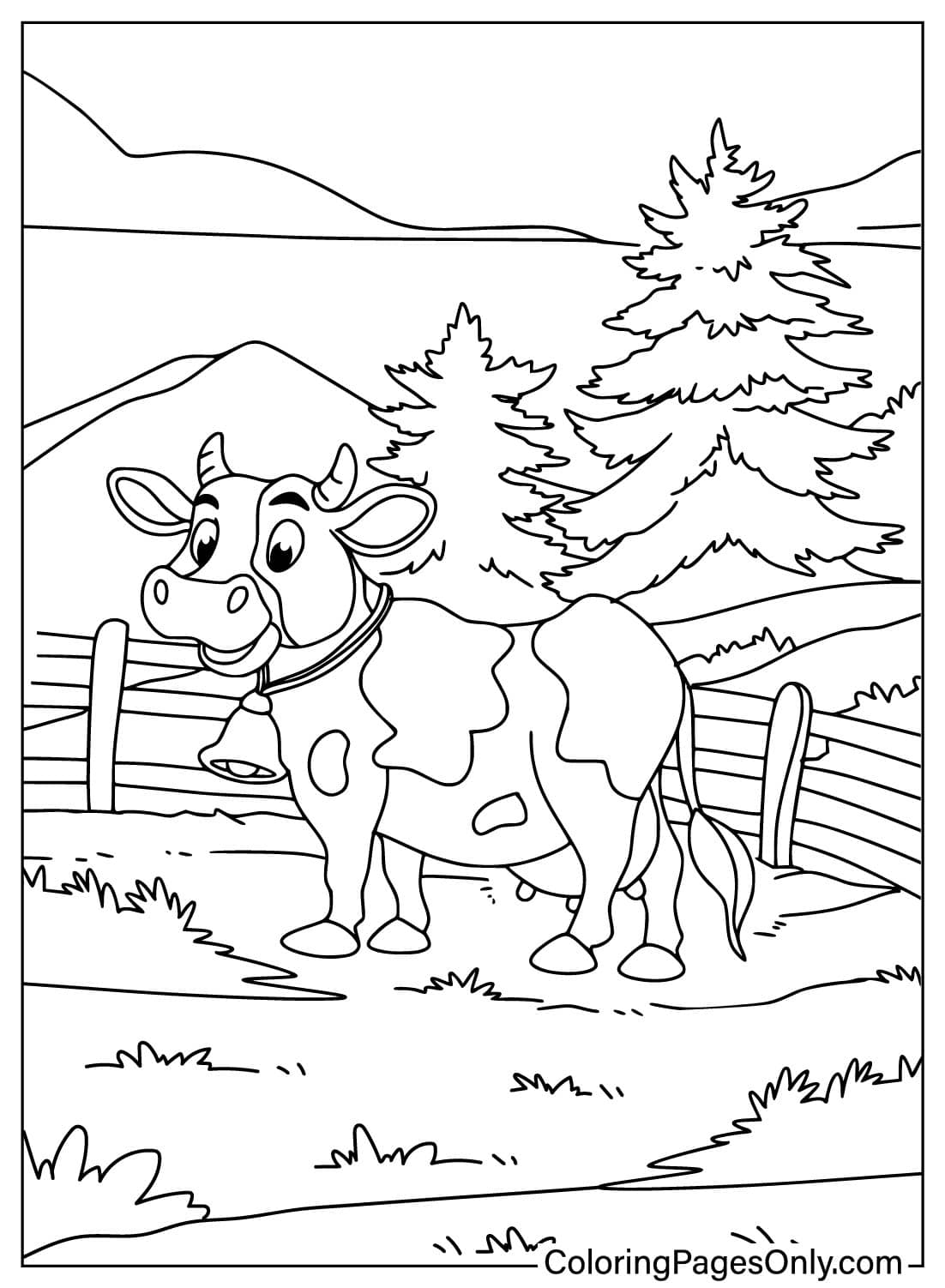
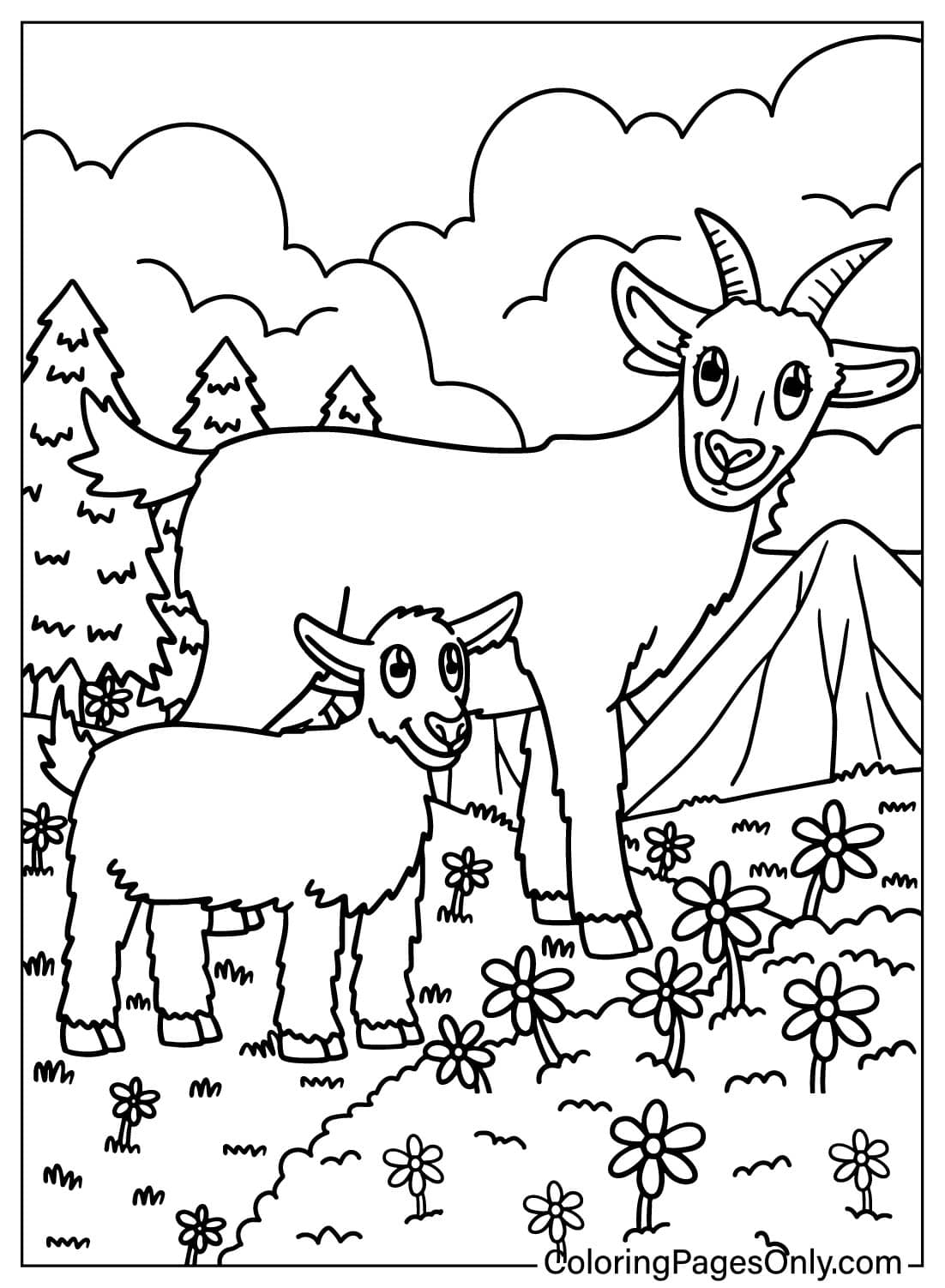
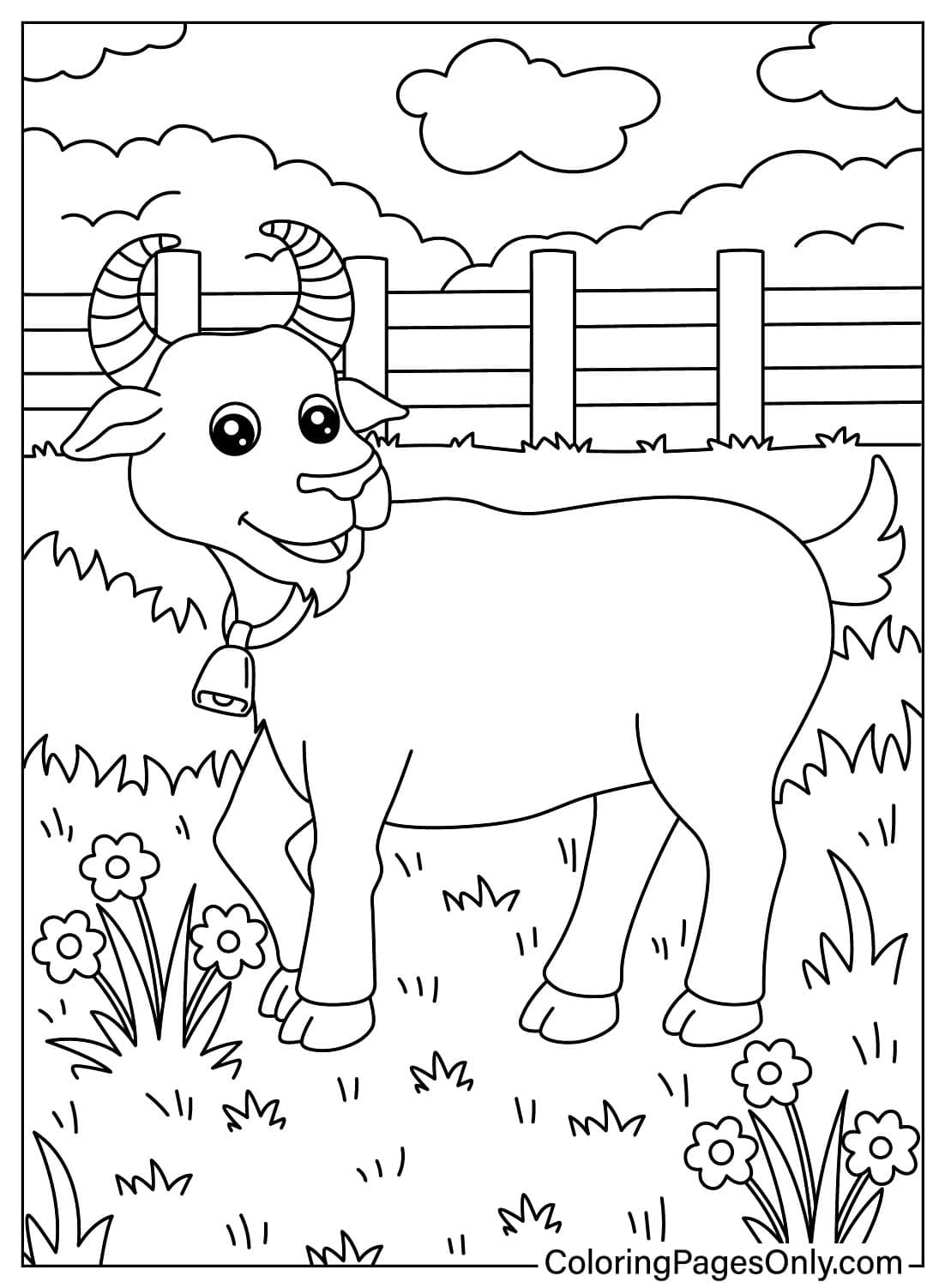
Nine pages show farm animals like cows, sheep, goats, and buffalo grazing on grass, reflecting the plant’s central role as livestock feed. Color suggestion: keep the grass slightly muted so each animal’s own coloring stands out as the clear focal point of the page.
Wild and Woodland Animals
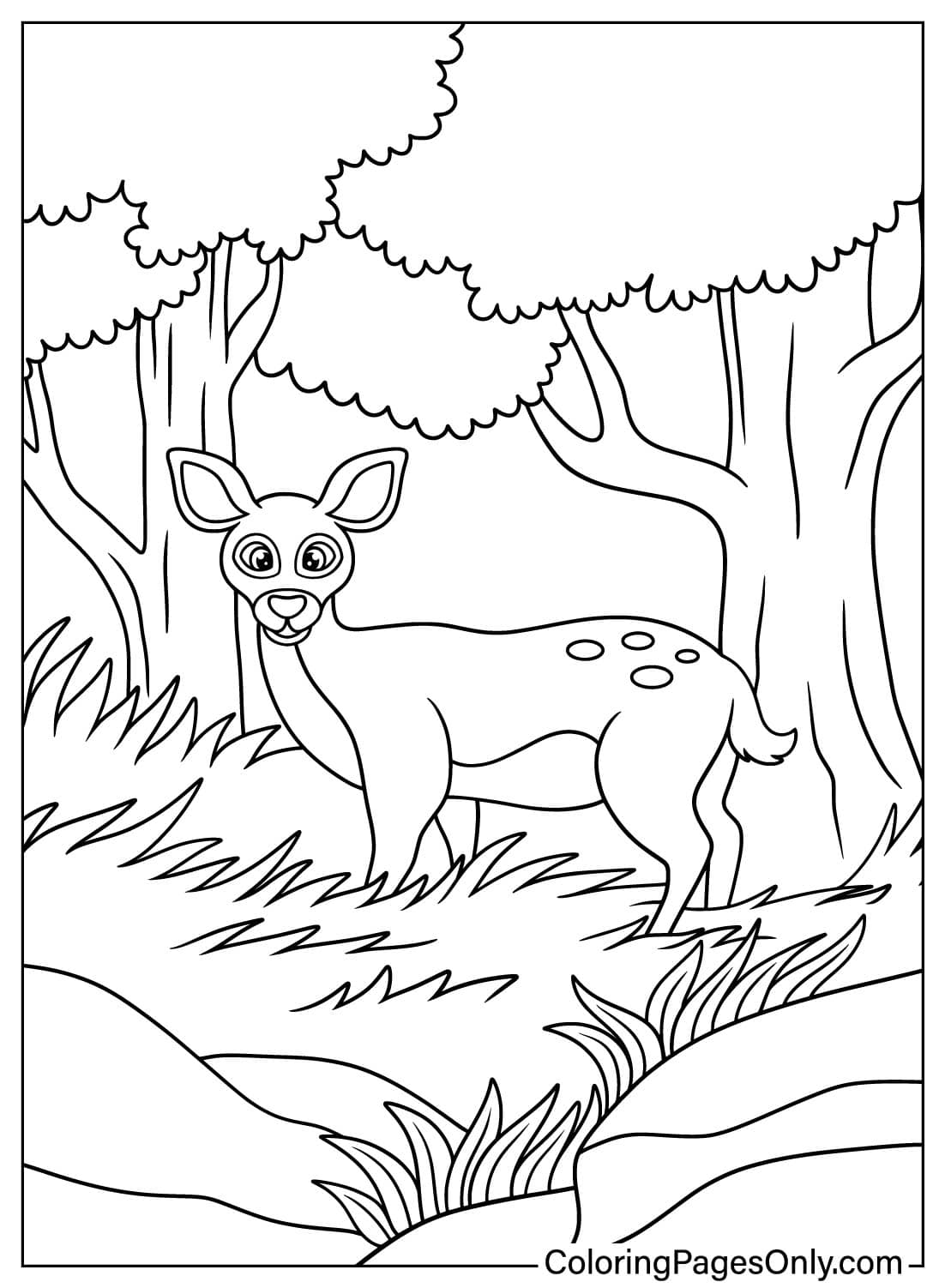
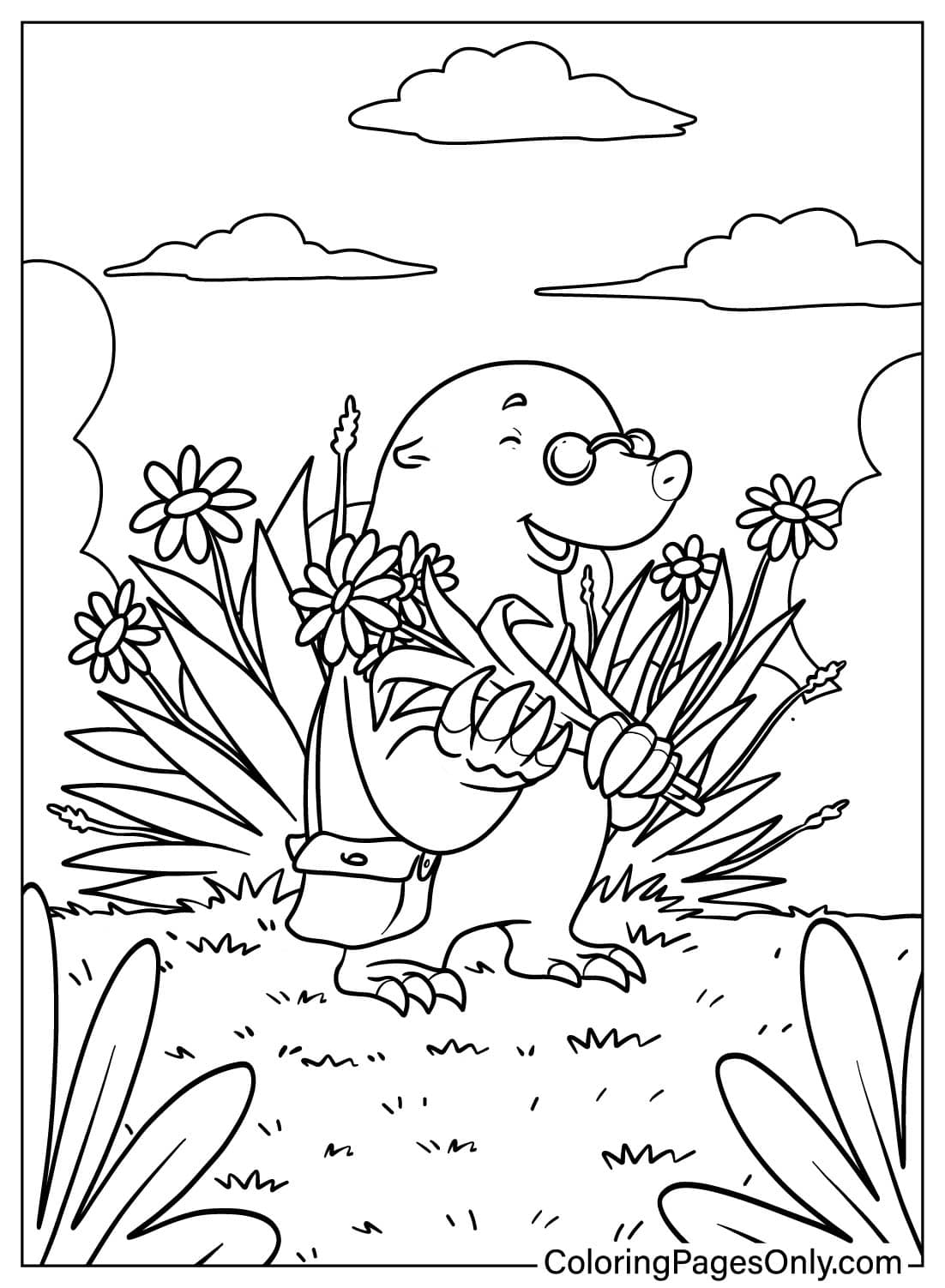
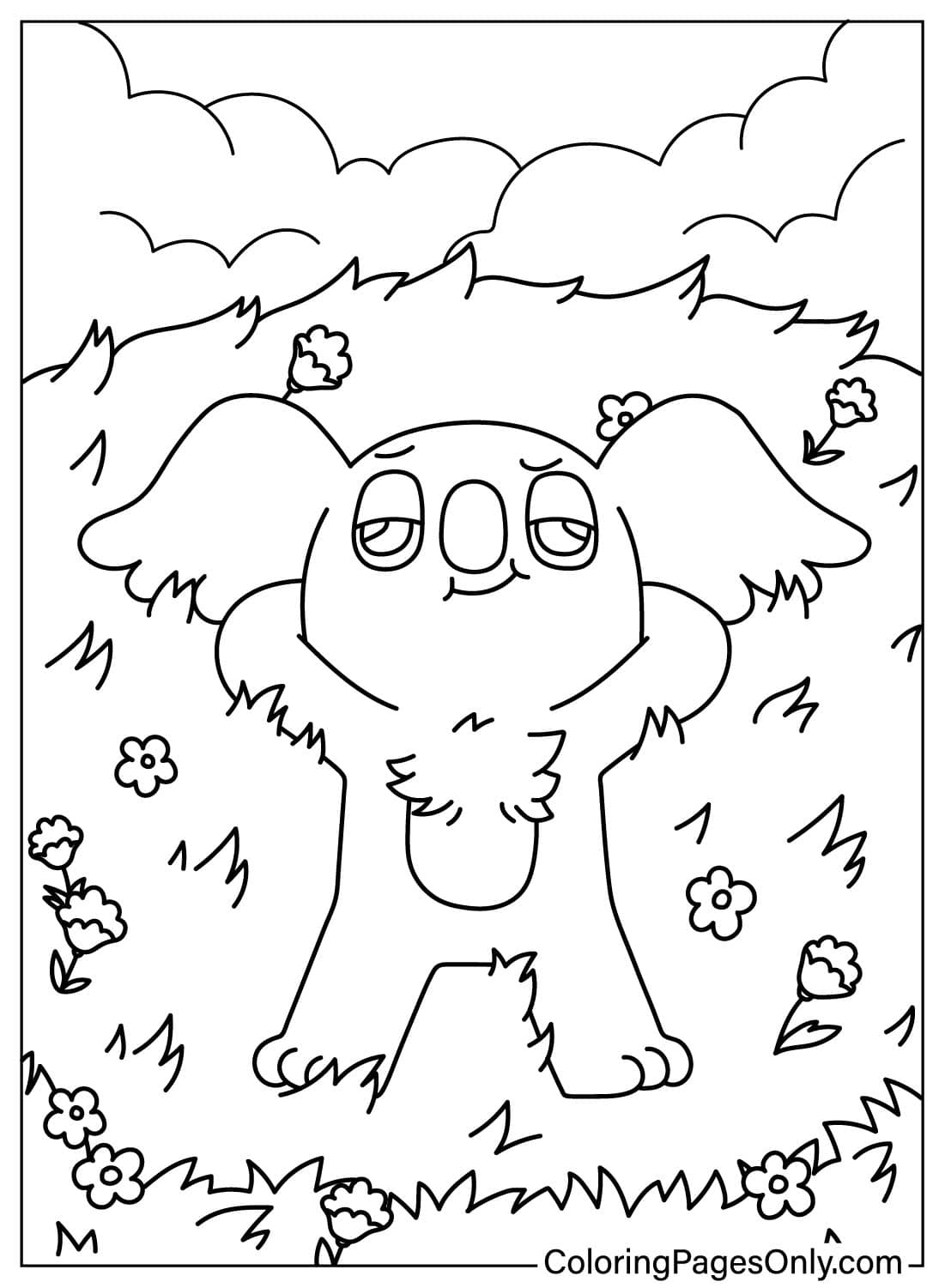
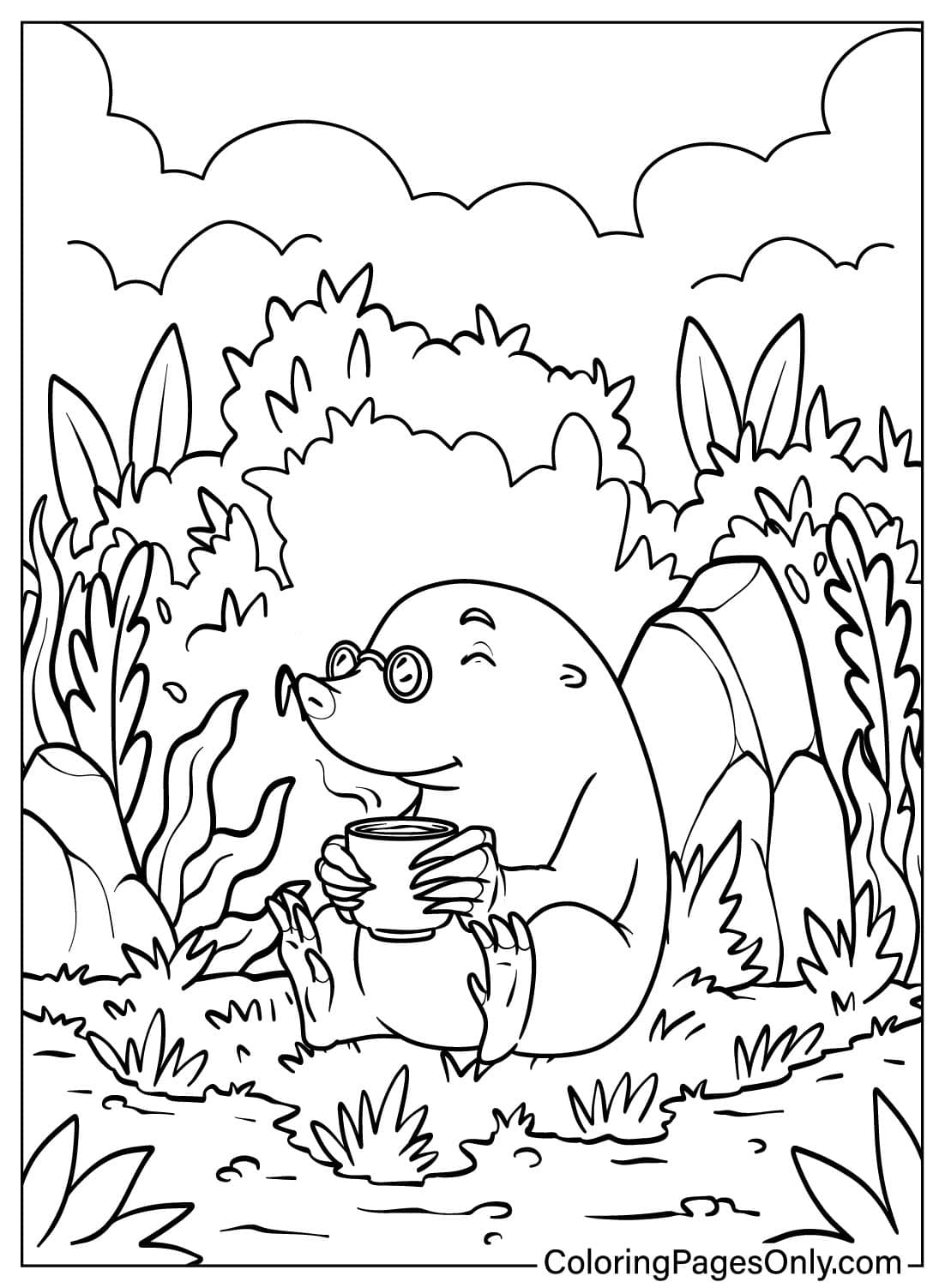
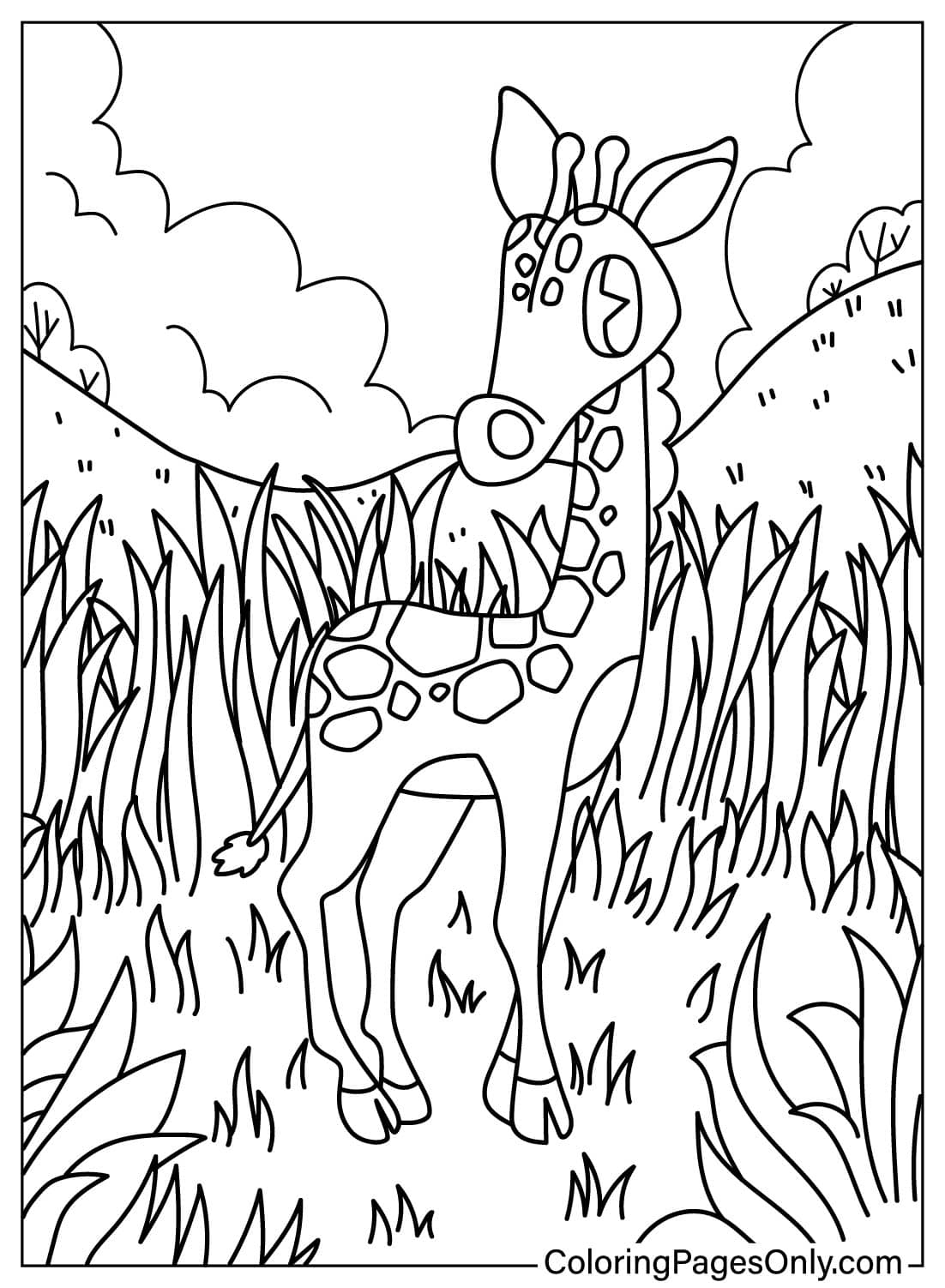
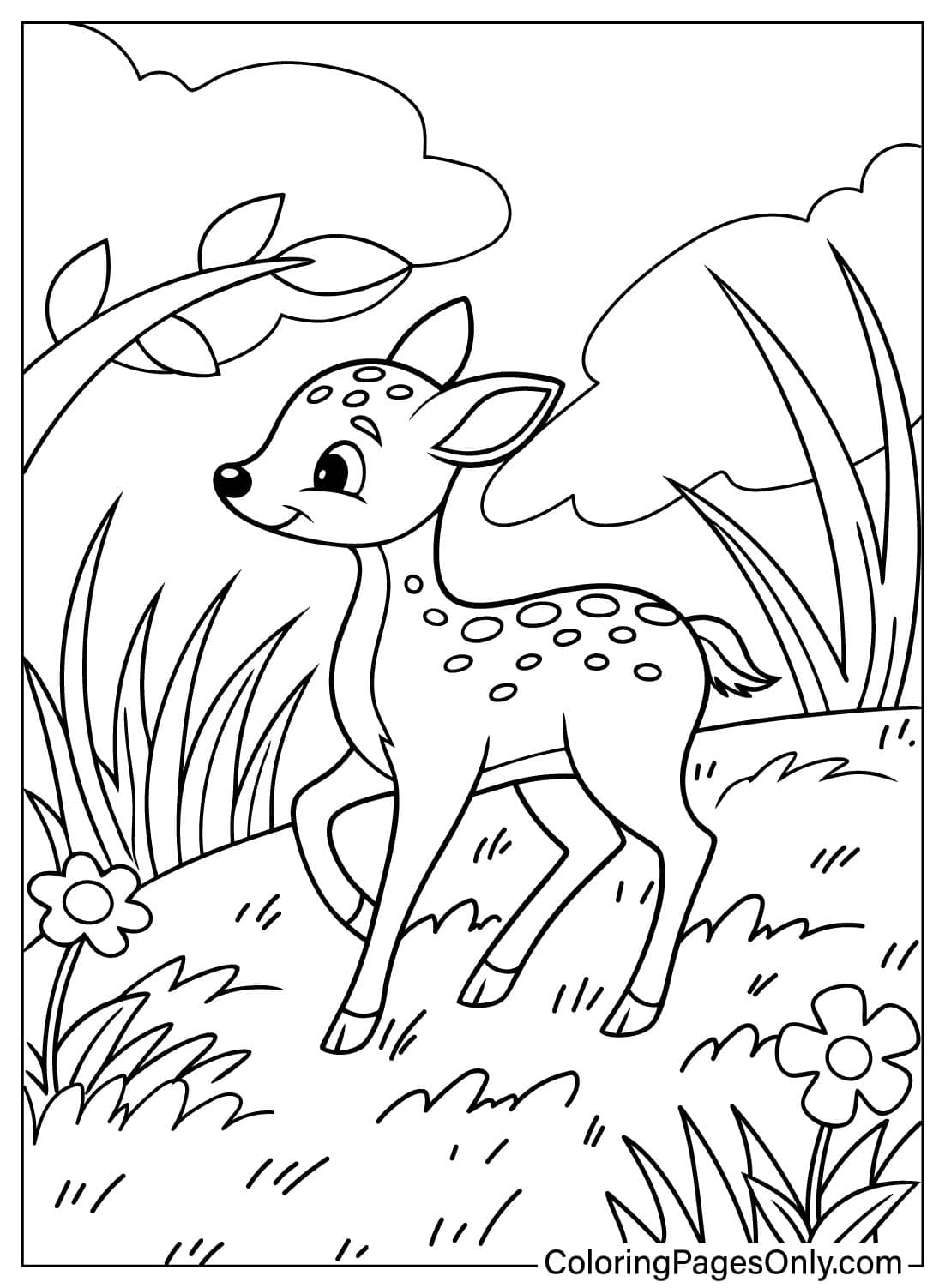
Eight pages show wild animals, including rabbits, deer, a giraffe, and even a dinosaur, in grassy settings. Color suggestion: vary the grass height and color slightly around each animal to suggest a more natural, less manicured setting than the farm scenes.
General Multi-Animal and People Scenes
Seven pages combine several animals, people, or a mix of both within a single grassy scene. Color suggestion: assign each figure in these busier pages its own distinct palette so the scene stays easy to read at a glance.
What Grass Coloring Pages Do
A close look at an overlooked plant. Because grass is so common that it often goes unnoticed, these pages give kids a reason to actually study its texture and structure, from individual blades to the way it fills a whole scene.
Fine motor practice with repetitive detail. The American Academy of Pediatrics identifies fine motor skill development as a core benefit of structured coloring for children ages 2 through 7, and coloring dozens of individual grass blades gives repeated practice with small, controlled strokes.
A natural entry point into food chains. Because so many pages in this set show animals grazing, the collection offers an easy way to talk about how grass supports entire food chains, from farm animals to wildlife.
A calm, familiar activity. Research published in the Art Therapy Journal in 2005 found that structured coloring sessions were associated with a measurable reduction in reported anxiety. A simple, natural subject like grass makes a good low-stakes choice for a relaxed coloring session.
How to Color Grass Pages Well
- Base grass color: Use Crayola Forest Green as a base, then layer in Yellow Green and Olive Green for lighter and darker blades throughout the same patch.
- Spring scenes: Lean toward brighter, fresher greens like Crayola Spring Green to match the lighter, newer growth typical of the season.
- Farm animals: Keep each animal’s natural coloring accurate, brown and white for cows, cream for sheep, so the grazing scene feels grounded and realistic.
- Wild animals: Use each animal’s natural palette, tan and white for deer or dinosaur, and let the grass provide a slightly varied backdrop rather than a flat single color.
- Flowers among the grass: Where a page includes flowers, use a bold contrasting color like Crayola Scarlet or Goldenrod so they stand out clearly against the green.
- Busier multi-animal scenes: Keep the grass color consistent across the whole page, even as individual animal and people colors vary, so the setting still reads as one unified scene.
5 Creative Craft Ideas With Grass Coloring Pages
1. Nature Journal Page
Color one of the simple grass or wildlife pages and glue it into a notebook alongside a few notes about grass or animals observed outdoors, building a simple nature journal entry.
2. Grass Puzzle
Color one of the larger scene pages, glue it to a piece of cardboard for durability, and cut it into a handful of large, simple puzzle pieces.
3. Character Bookmark
Color a favorite page, trim it to a narrow strip, and cover it with clear tape or a laminate sheet to make a simple, durable bookmark.
4. Greeting Card
Color one of the animal or scene pages, fold a piece of cardstock in half, and glue the colored page to the front for a handmade nature-themed card.
5. Planter Wrap
Color one of the simple grass pages, trim it to fit around a small plant pot, and glue it in place to give a plain pot a hand-decorated, nature-inspired look.
Frequently Asked Questions
What are Grass coloring pages?
Free printable designs of grass, grazing farm animals, wildlife, and multi-animal scenes. This collection has 30 pages available as PDF downloads or online coloring, with no account required.
Why does grass survive being mowed so often?
Grass grows from the base of each blade rather than the tip, so mowing or grazing removes only the upper part of the plant while the growing point stays protected near the ground.
How many species of grass are there?
The grass family, Poaceae, includes roughly 10,000 to 12,000 species and covers close to a quarter of the Earth’s vegetated land.
Why do so many animals in this collection eat grass?
Grass is a primary food source for many farm and wild animals, which is why grazing scenes with cows, sheep, goats, deer, and other animals are common across this collection.
What family of plants does grass belong to?
Grass belongs to the plant family Poaceae, one of the largest and most widespread flowering plant families on Earth.
What age group are these pages best suited for?
The simple grass patterns suit children as young as three, while the more detailed farm and wildlife scenes work well for children five and up.
Can these pages be used for a plant science lesson?
Yes. The mix of simple grass designs and grazing animal scenes makes this set a useful starting point for a lesson on plant growth or basic food chains.
Is grass related to cereal crops like wheat and rice?
Yes. Wheat, rice, corn, and barley all belong to the same plant family as grass, making it one of the most agriculturally important plant families in the world.
Start Coloring
Download any page by clicking the design. No account, email, or payment is required. Pages print directly from the browser at full resolution or open in the online coloring tool for screen use. Share finished pages on Facebook or Pinterest using the share buttons at the top of each design page.