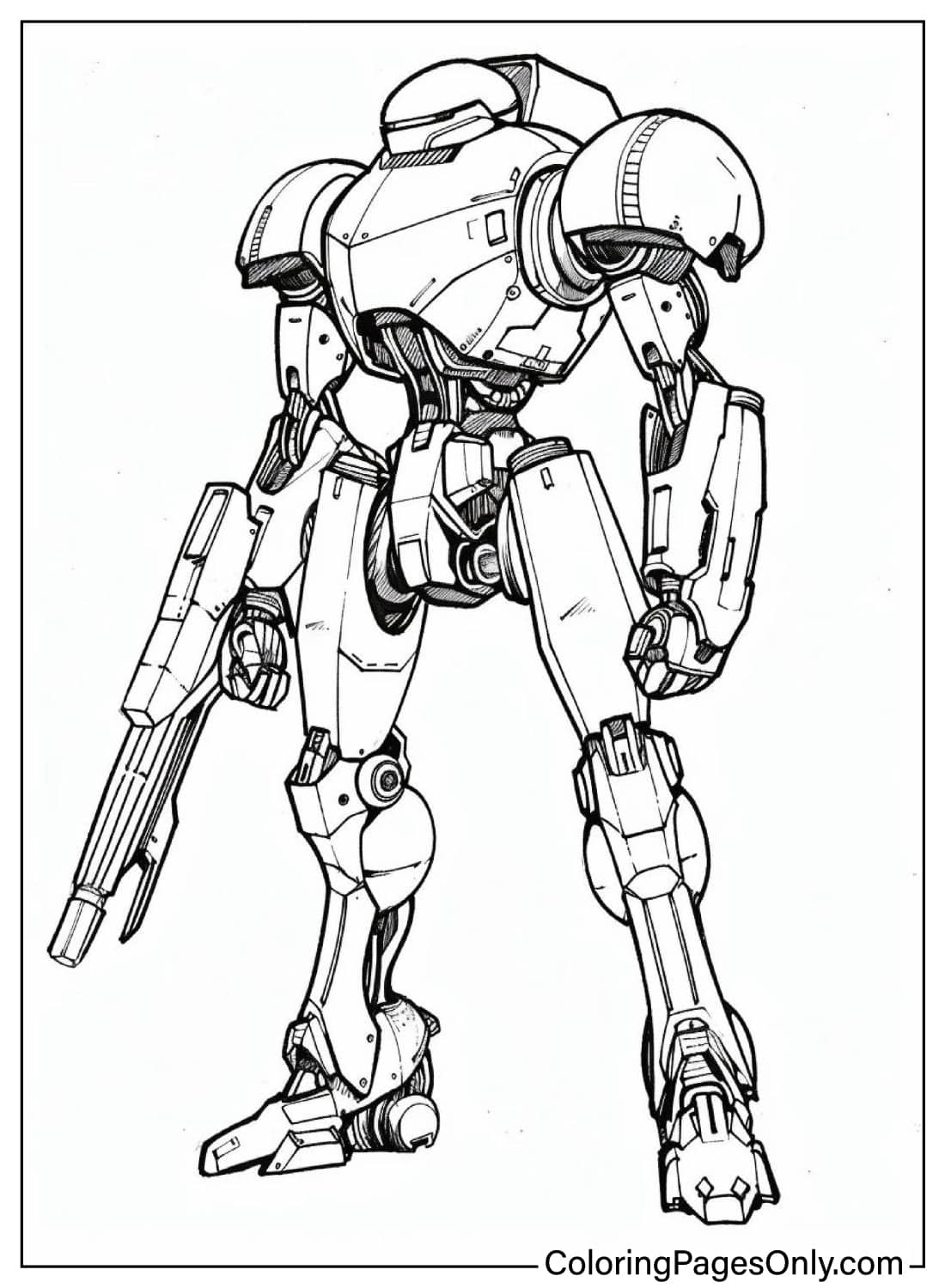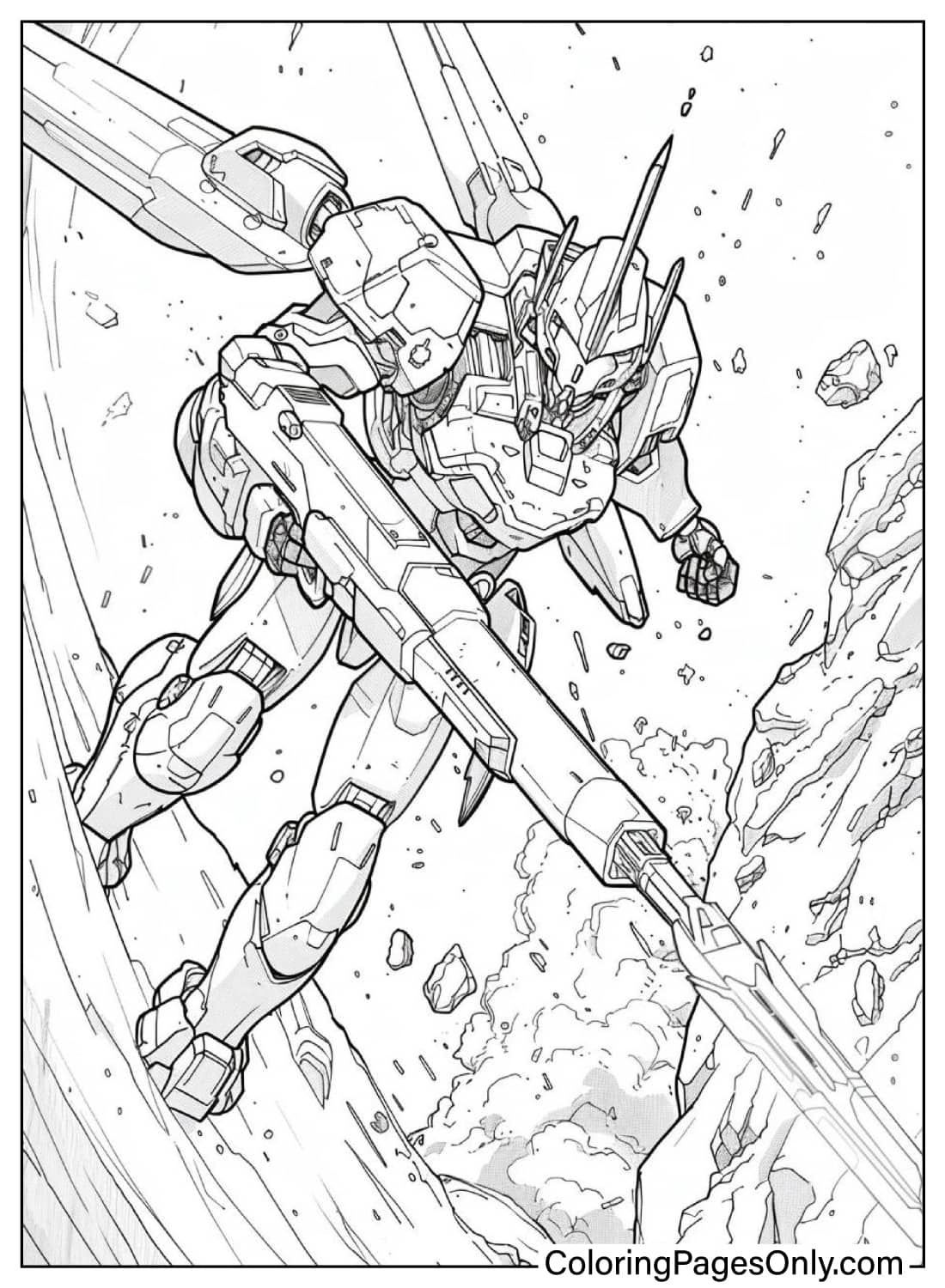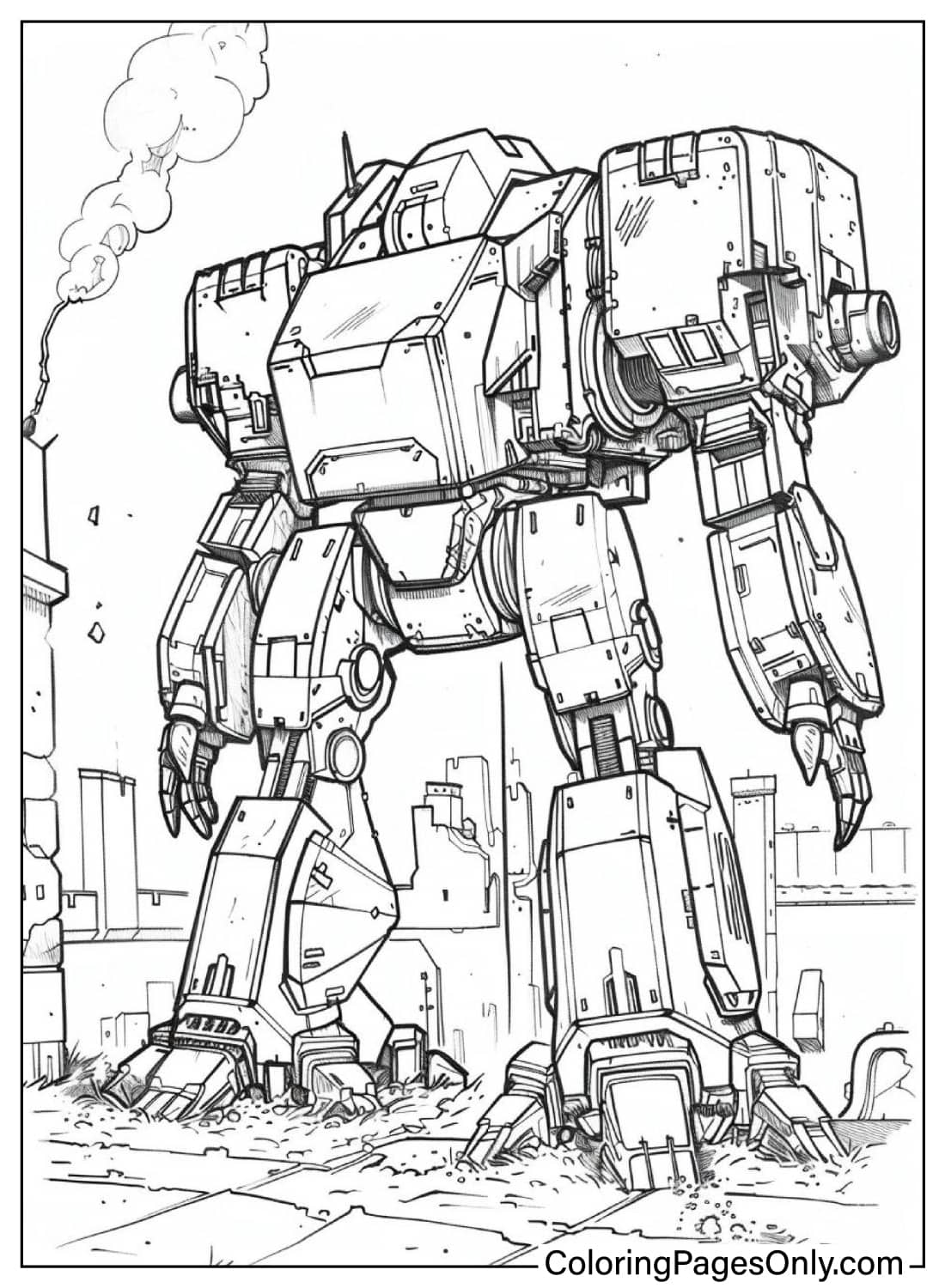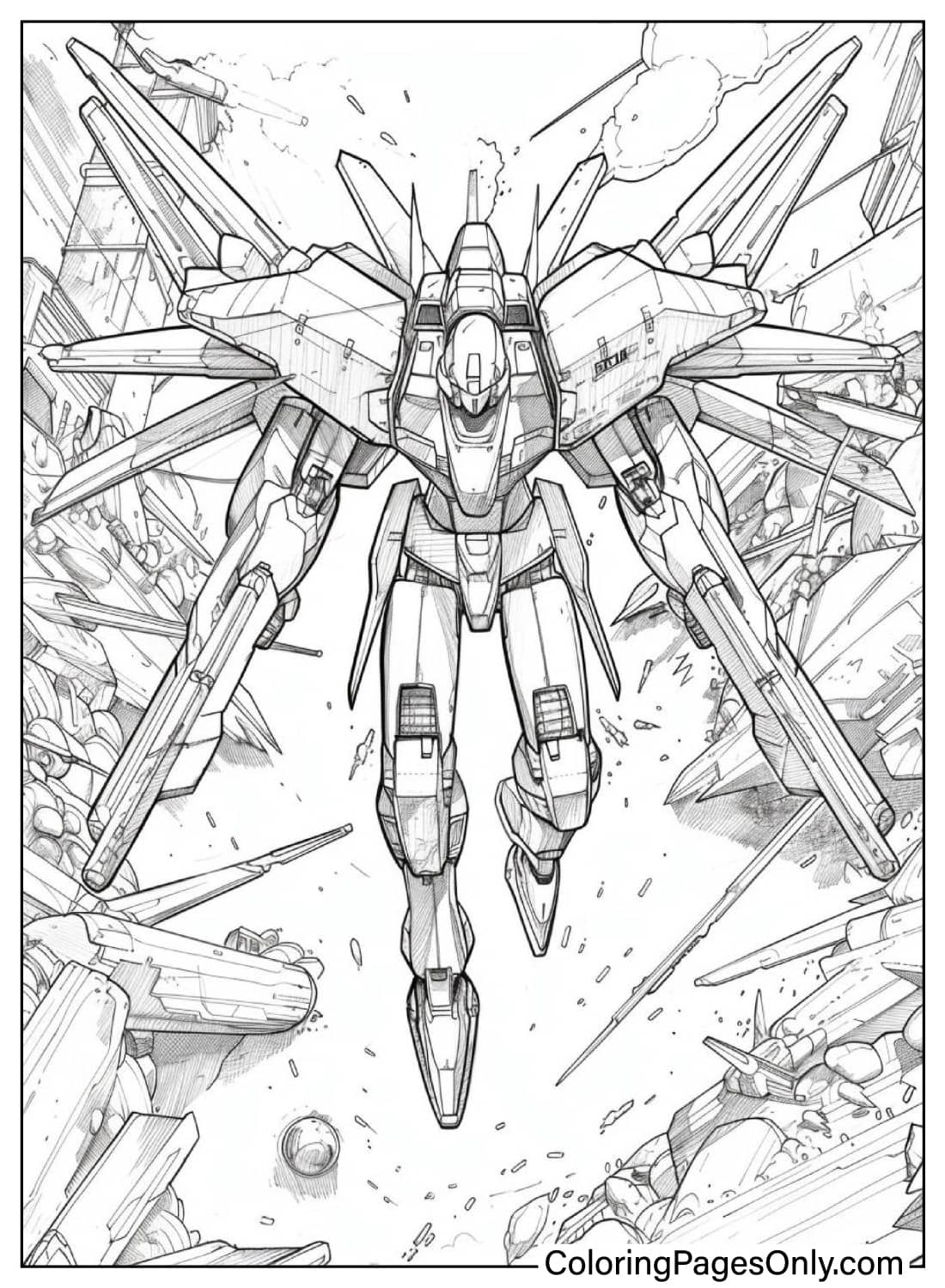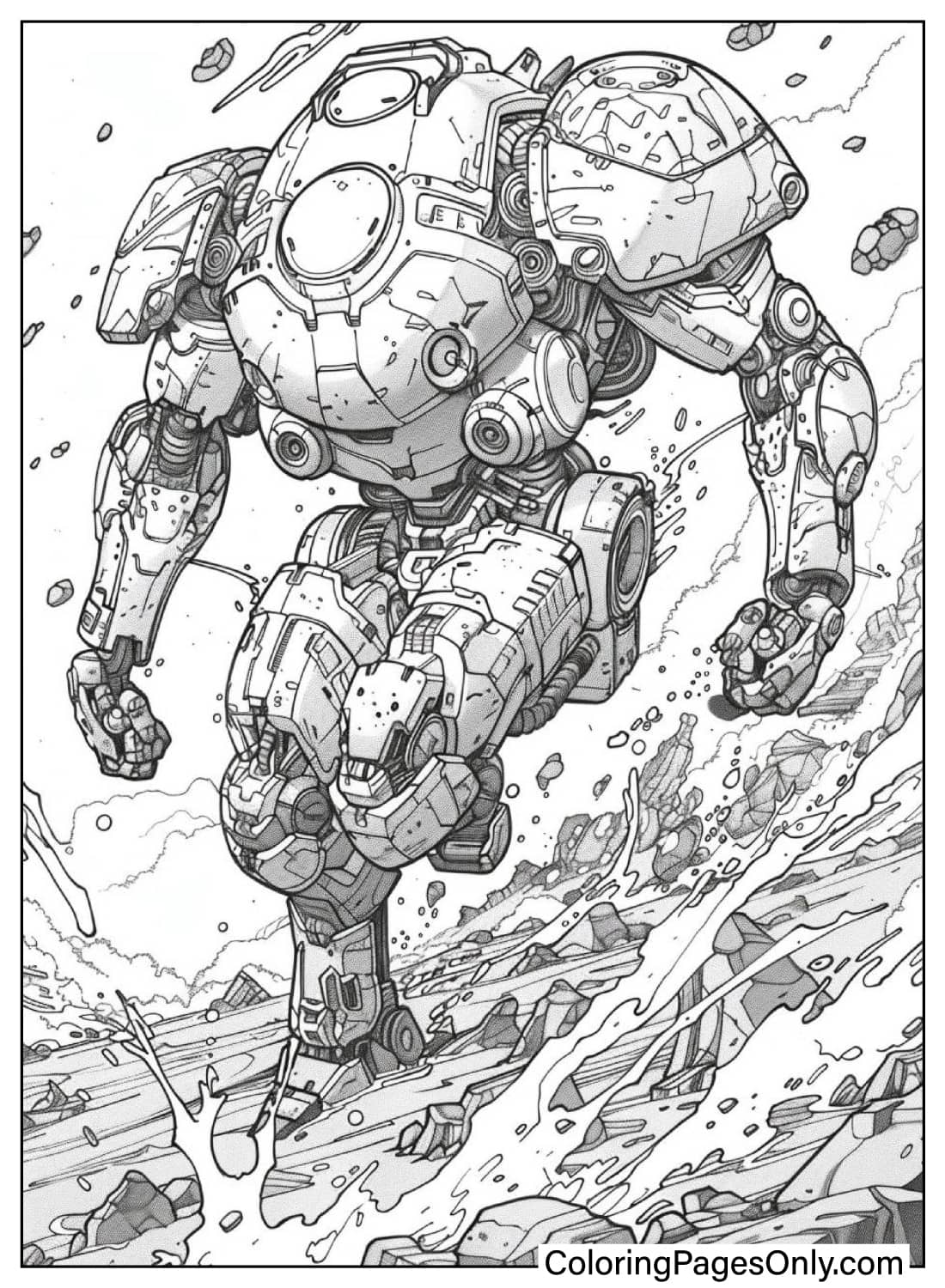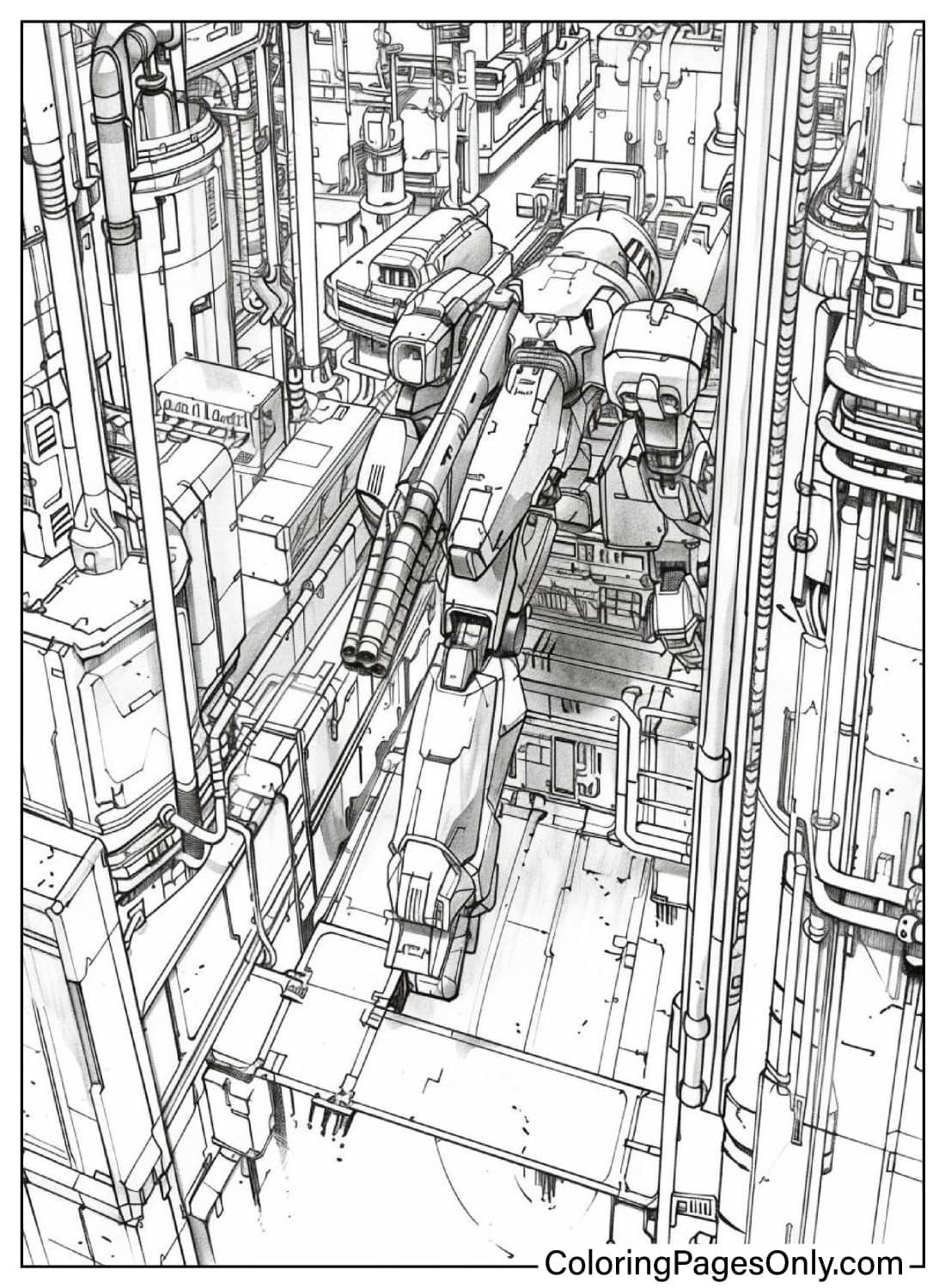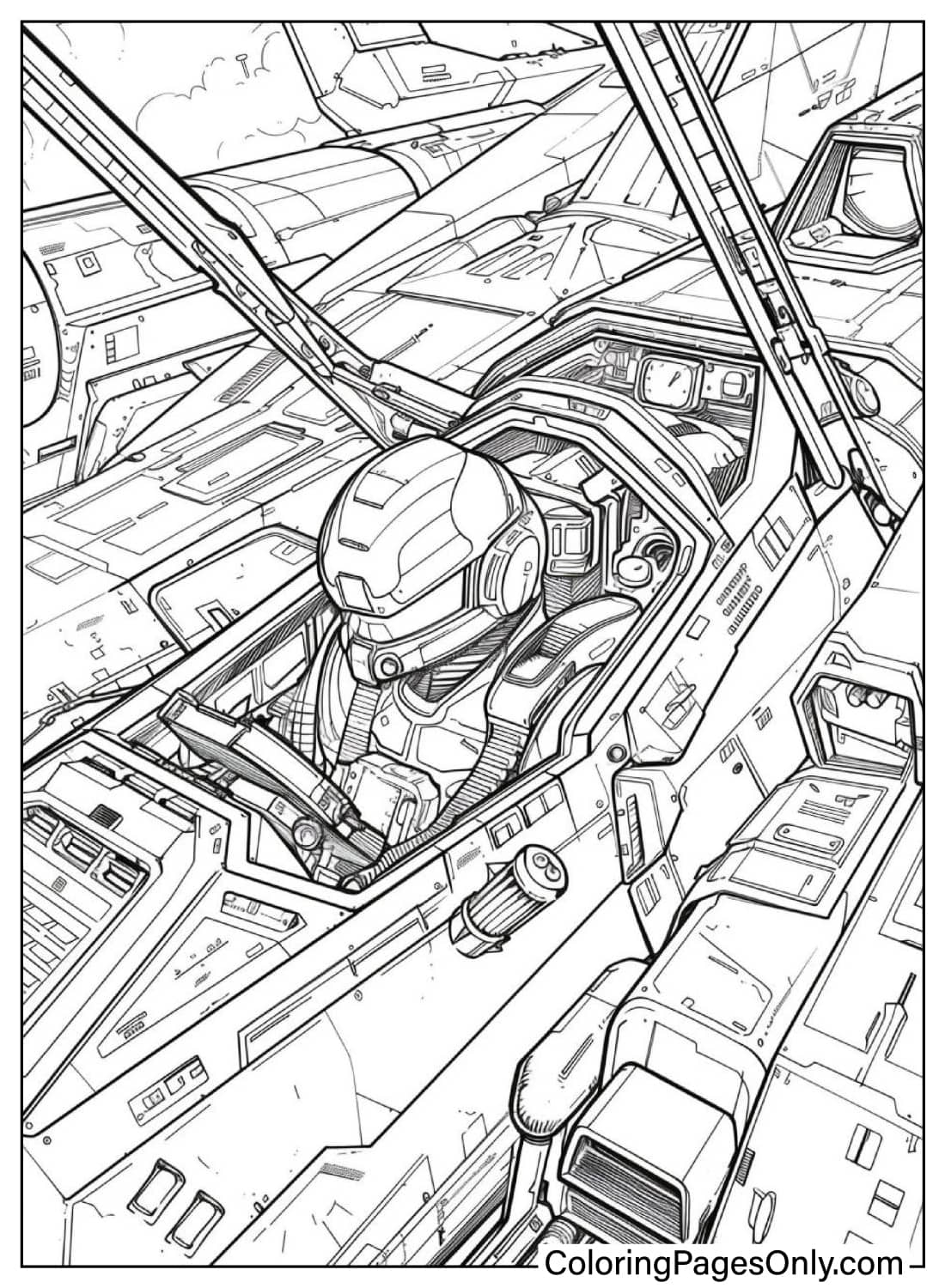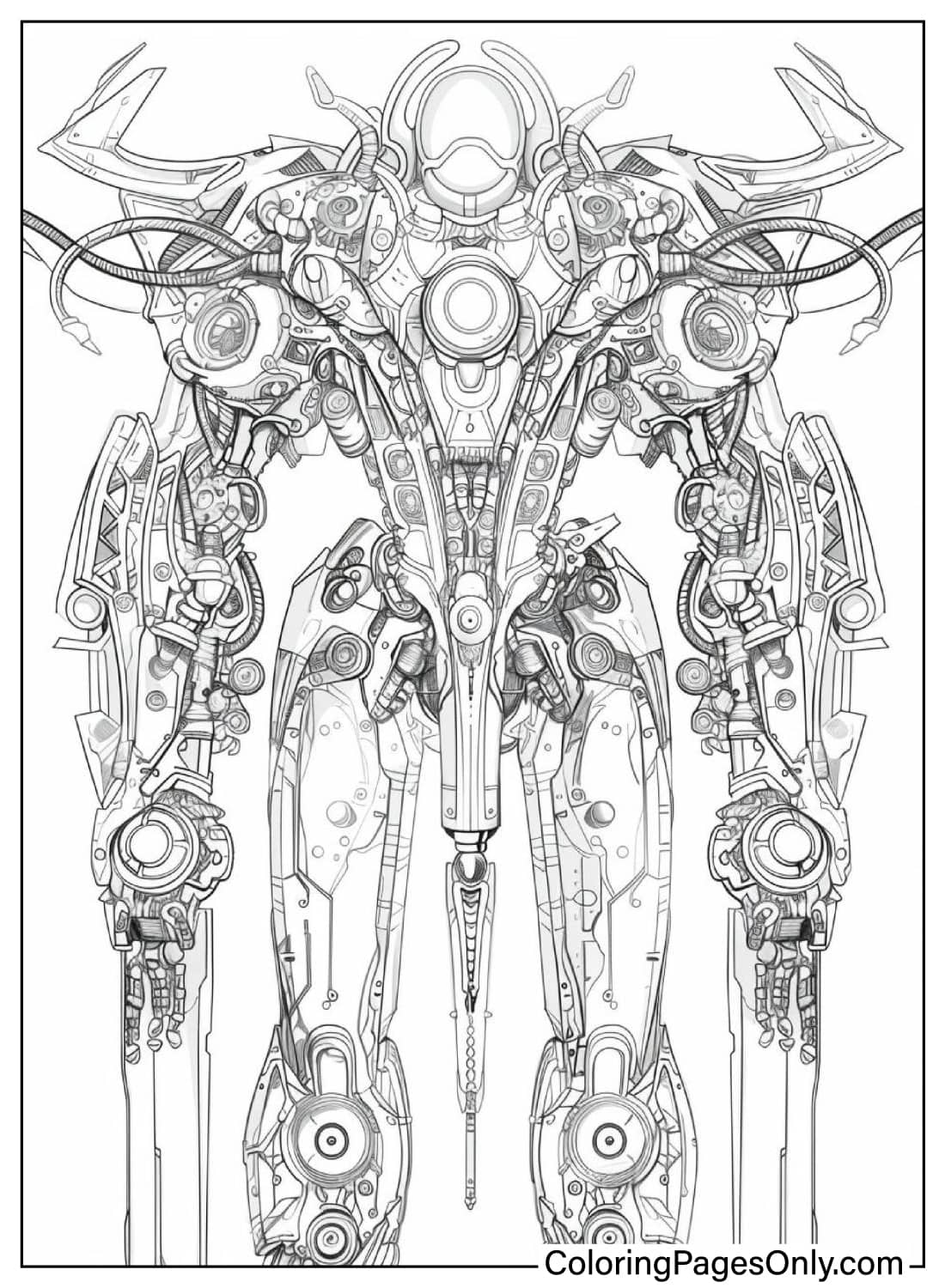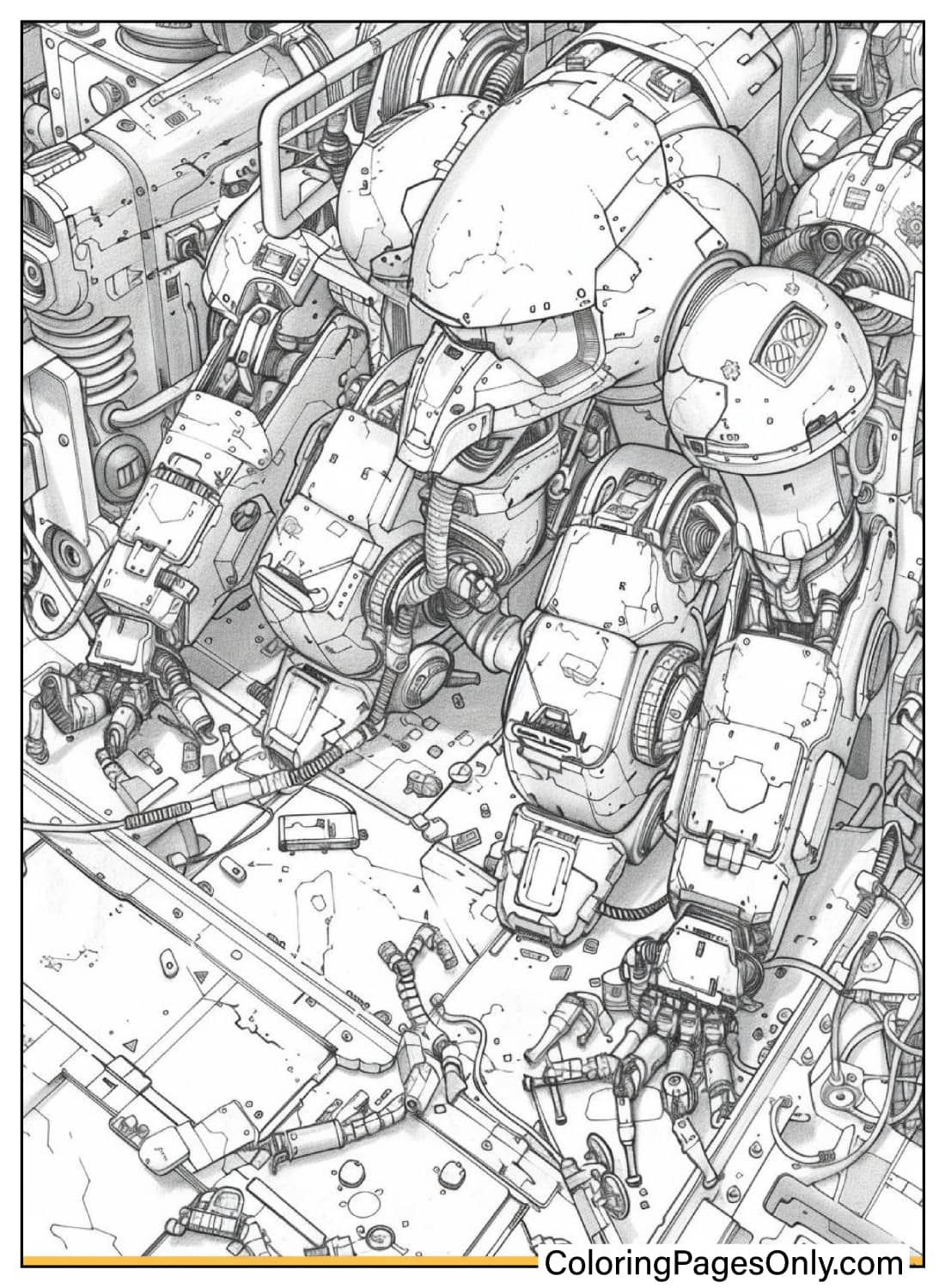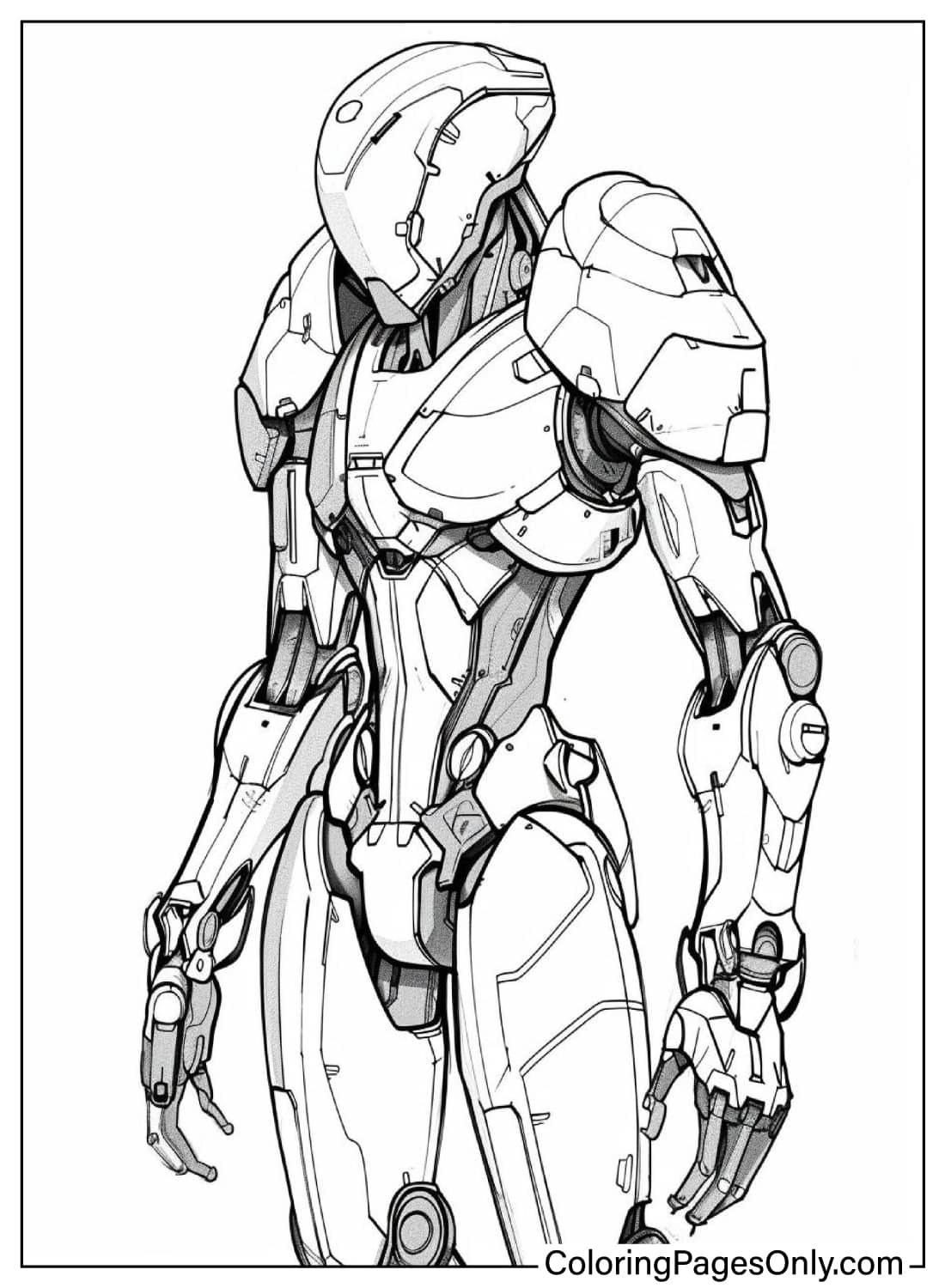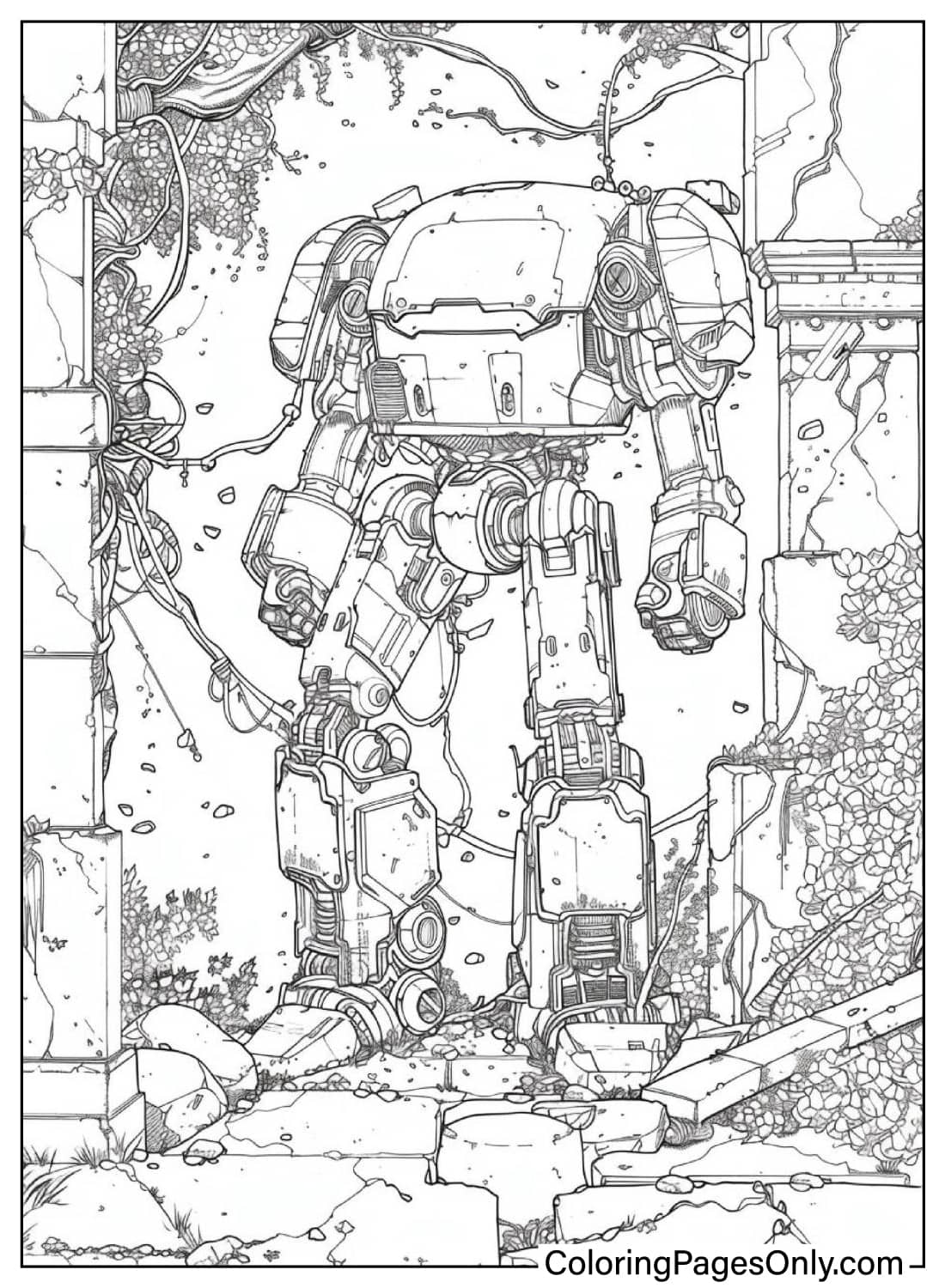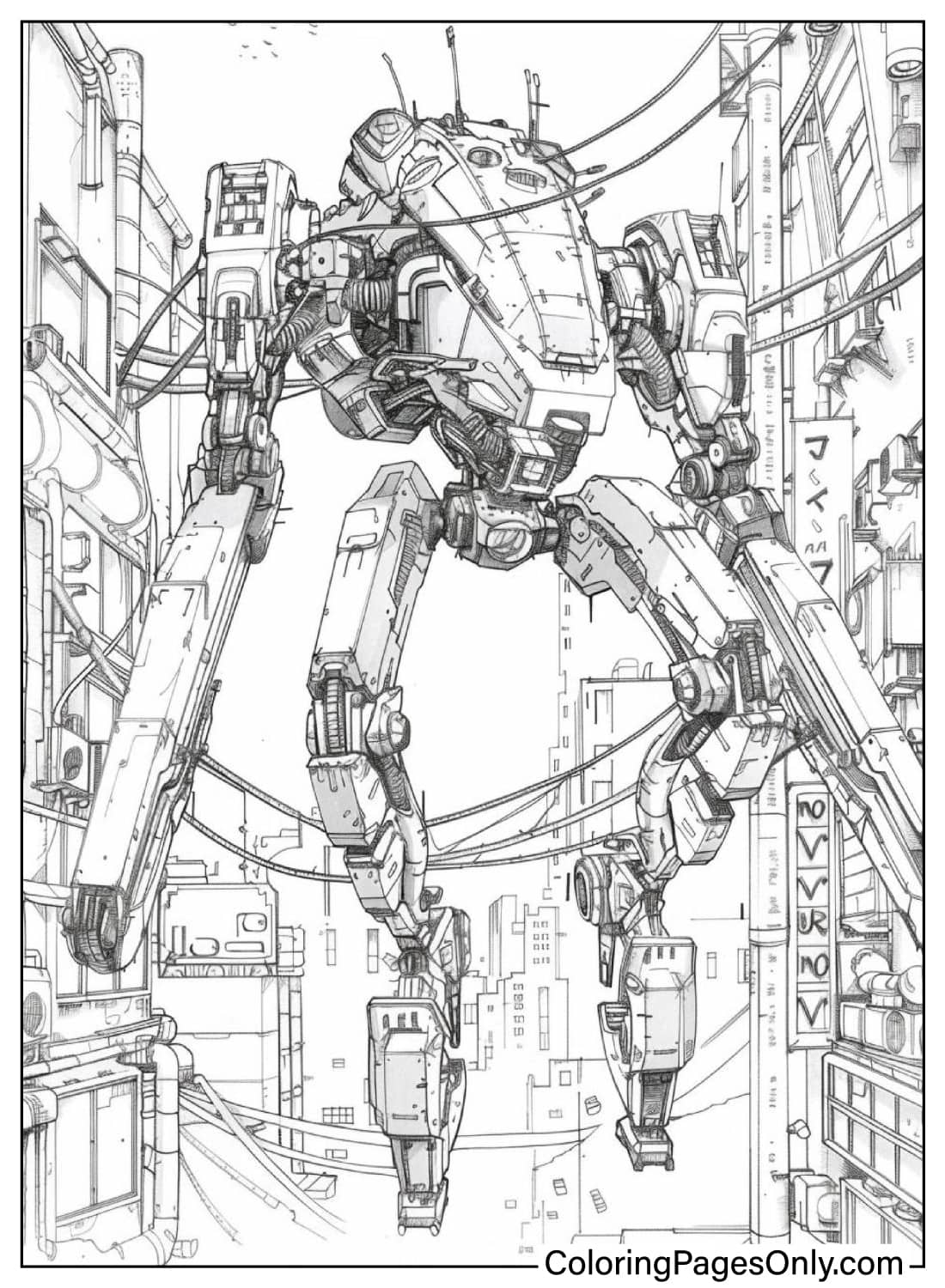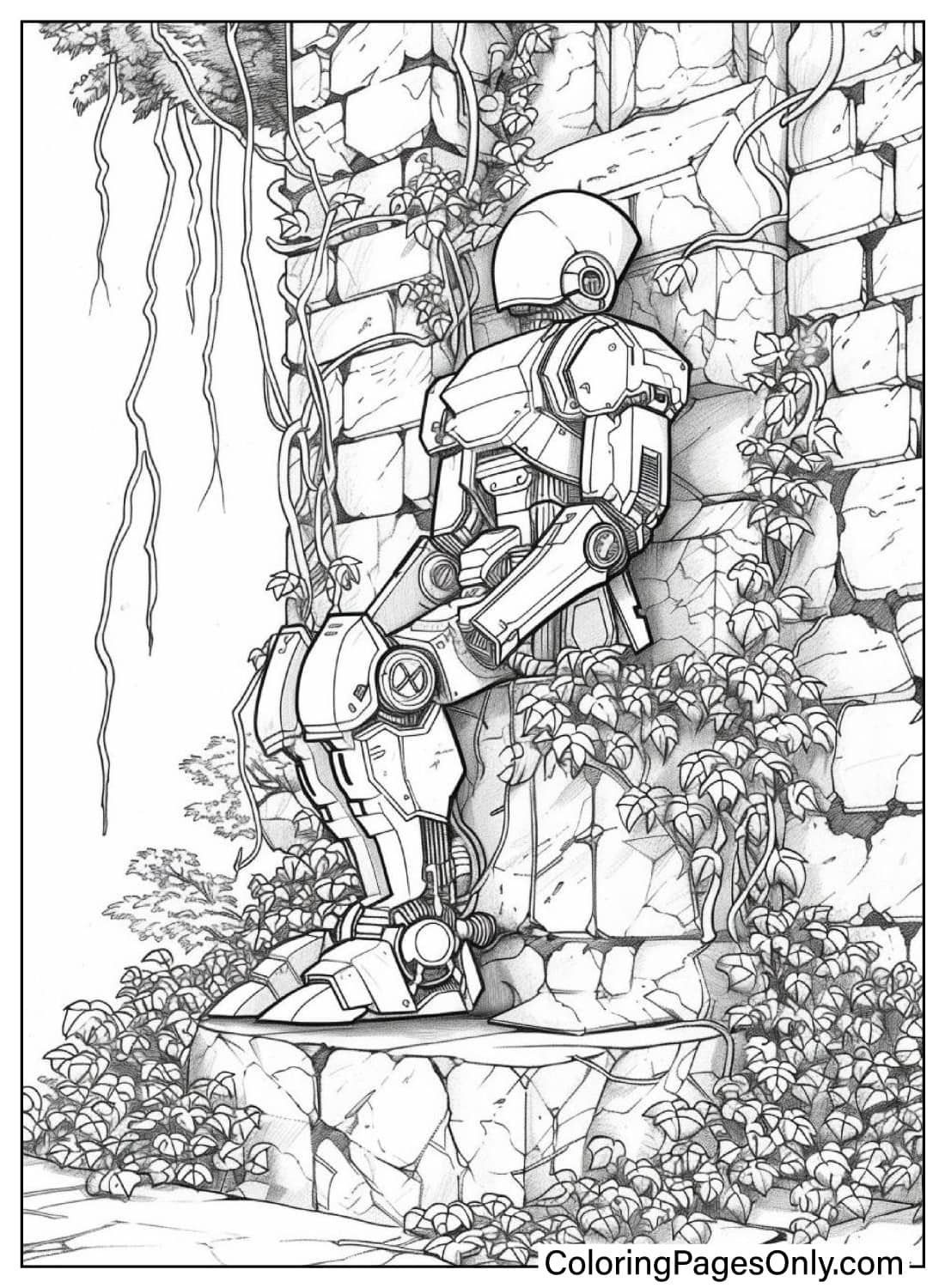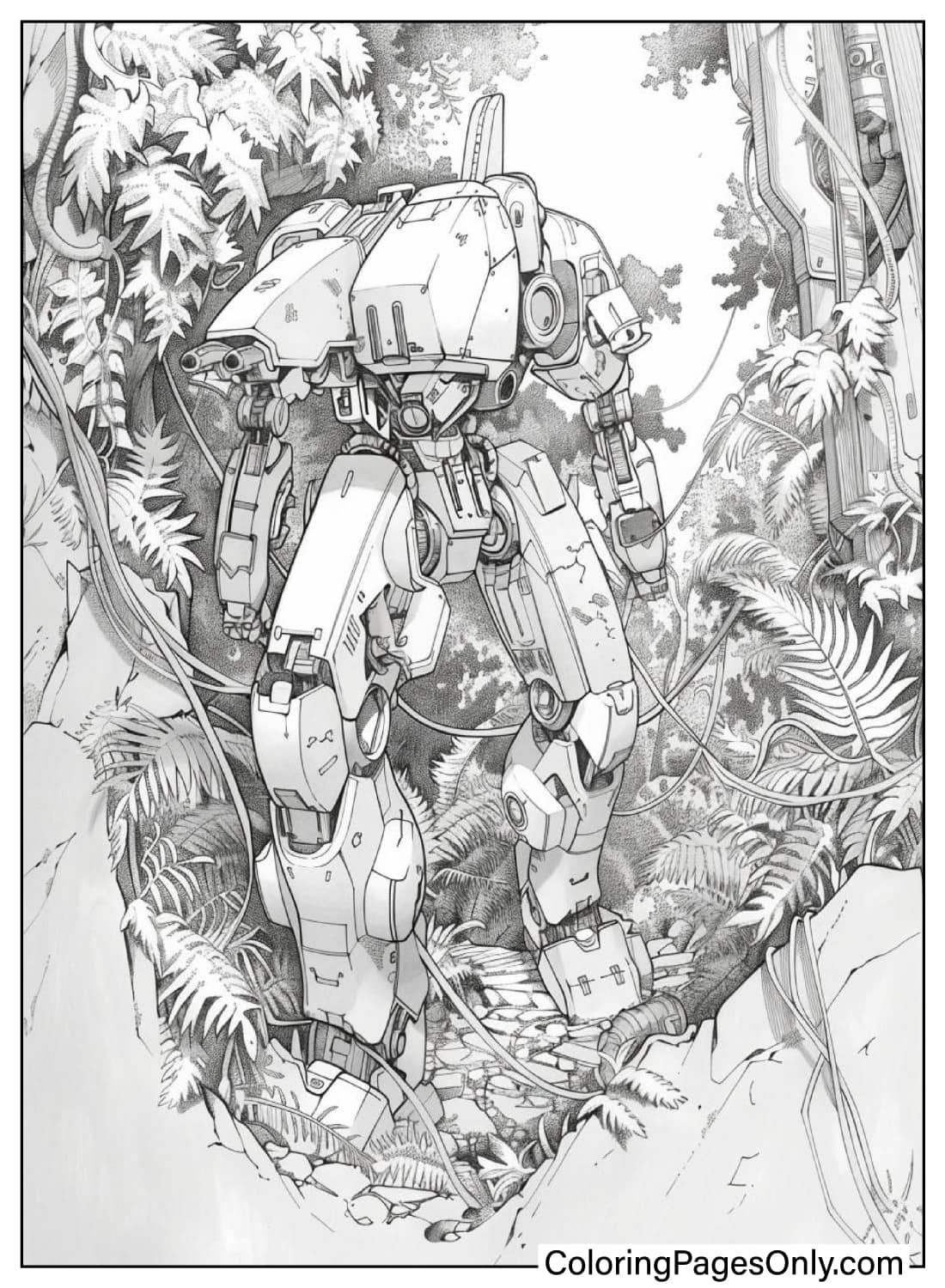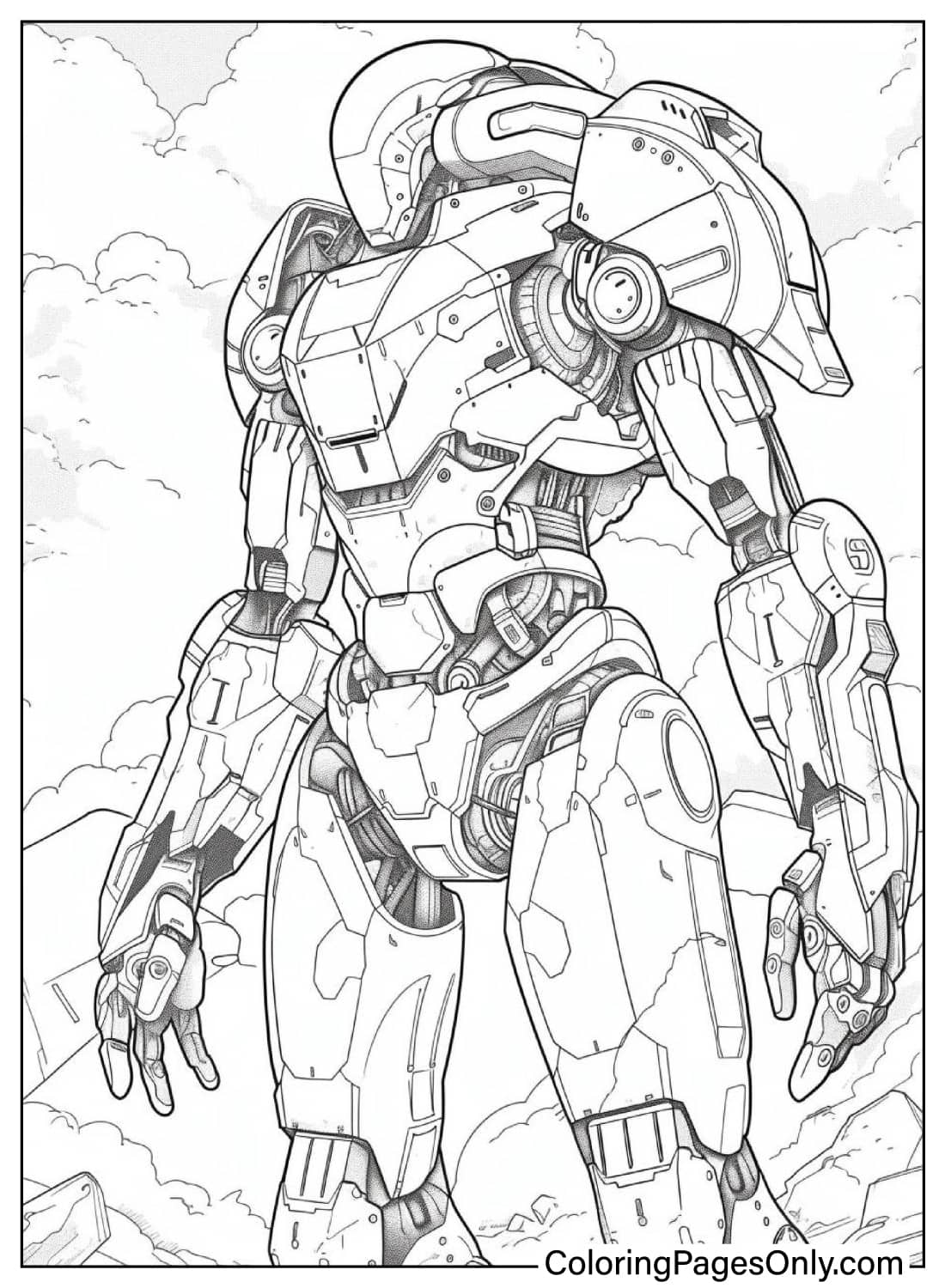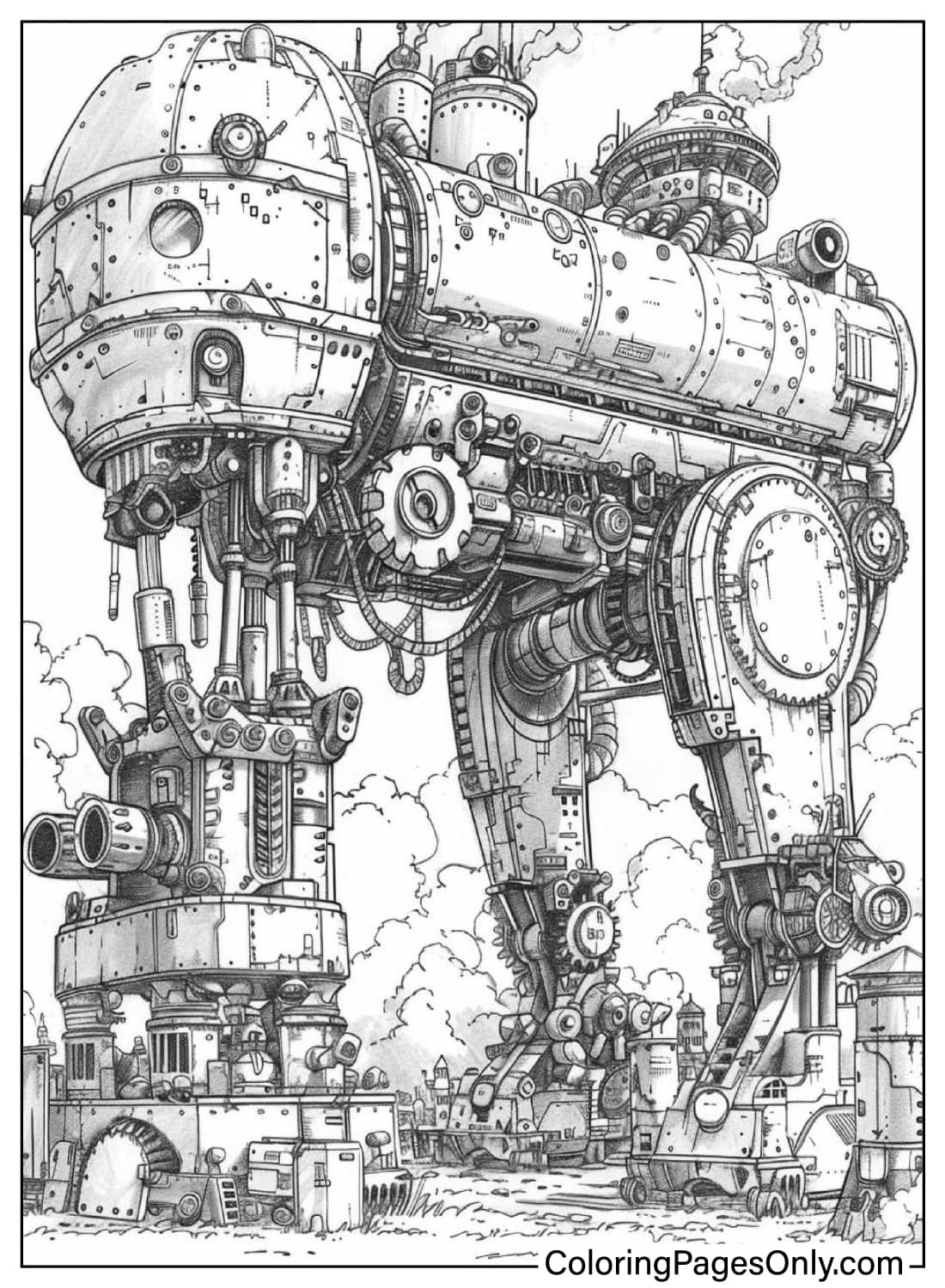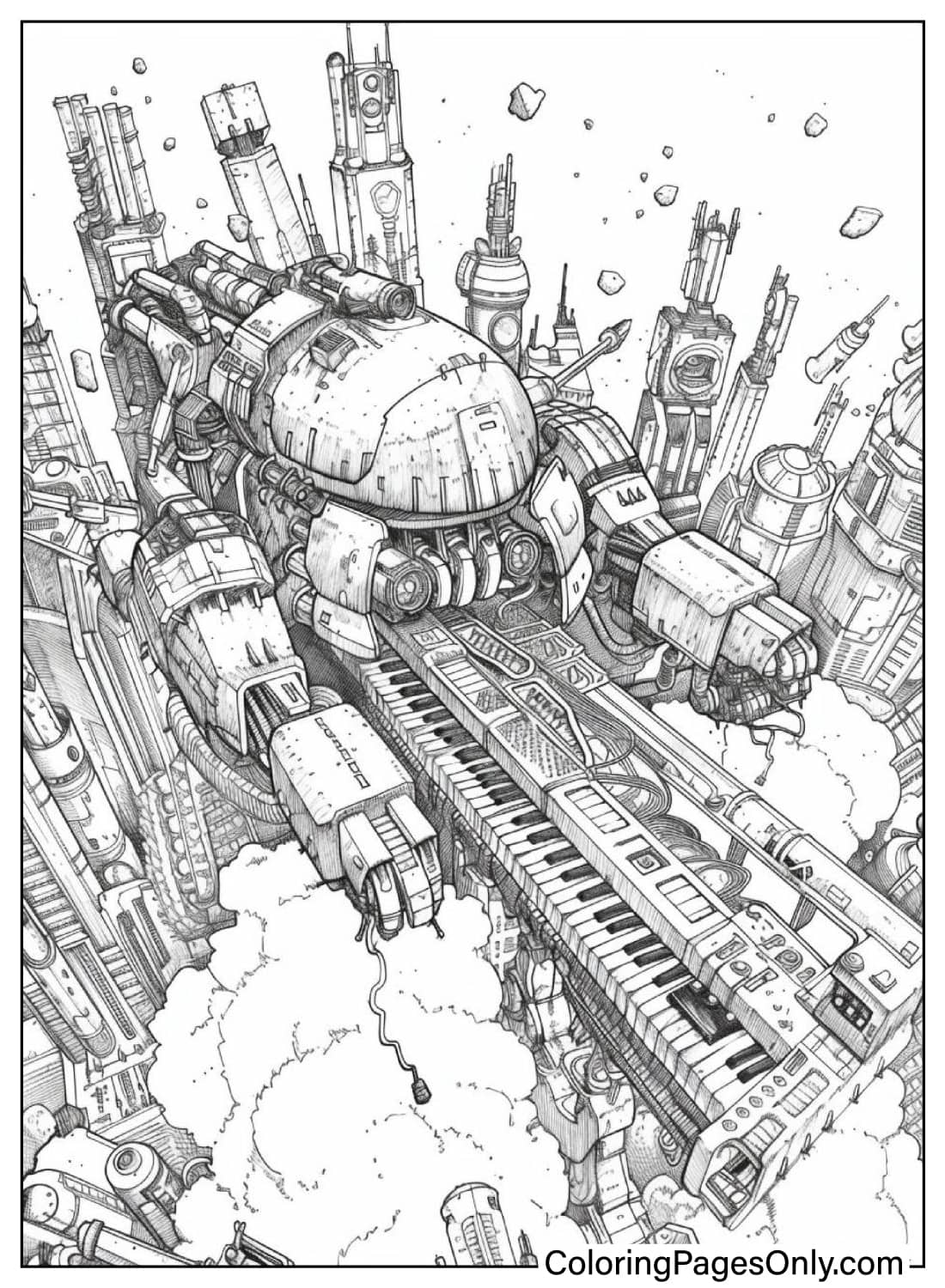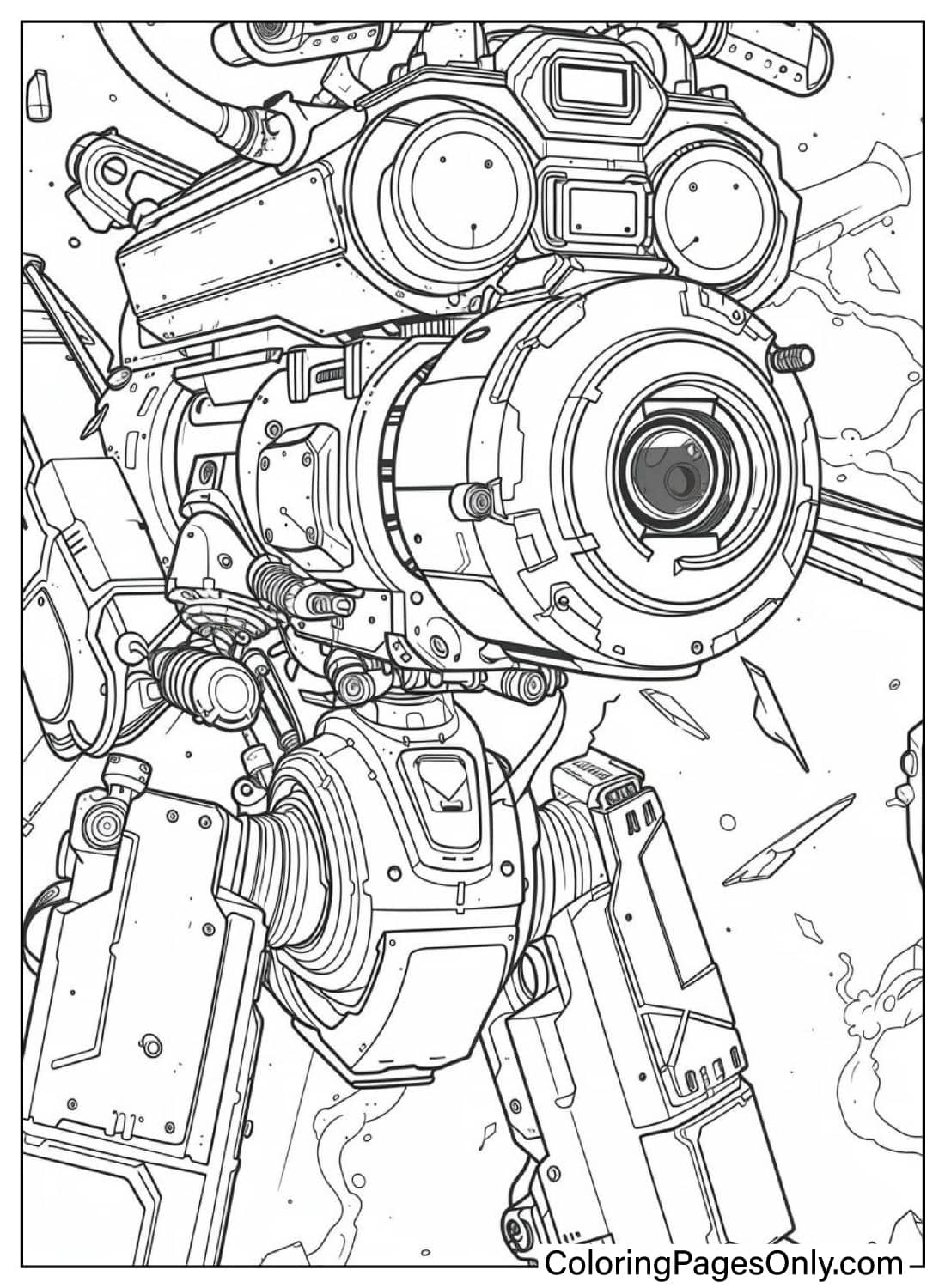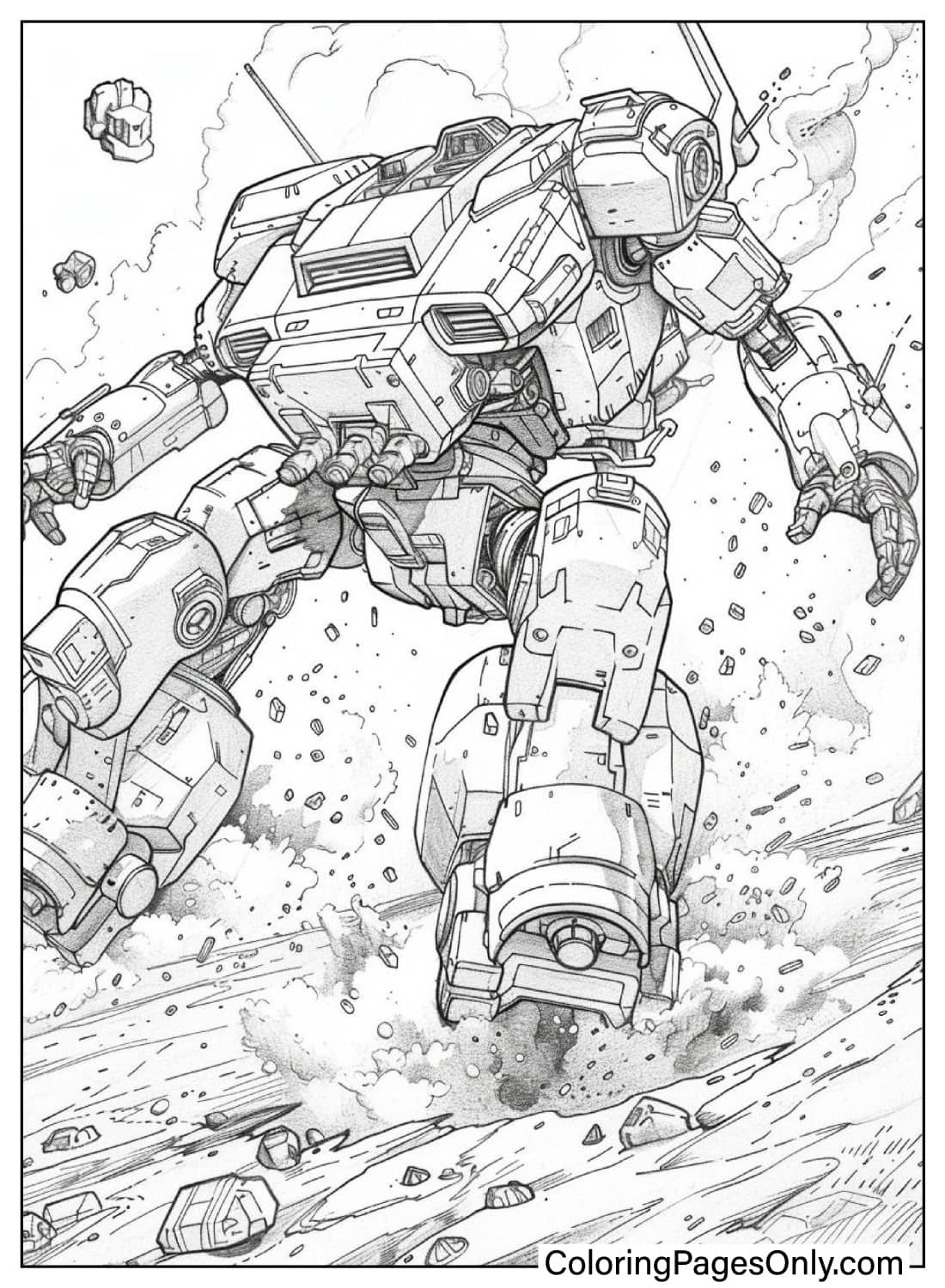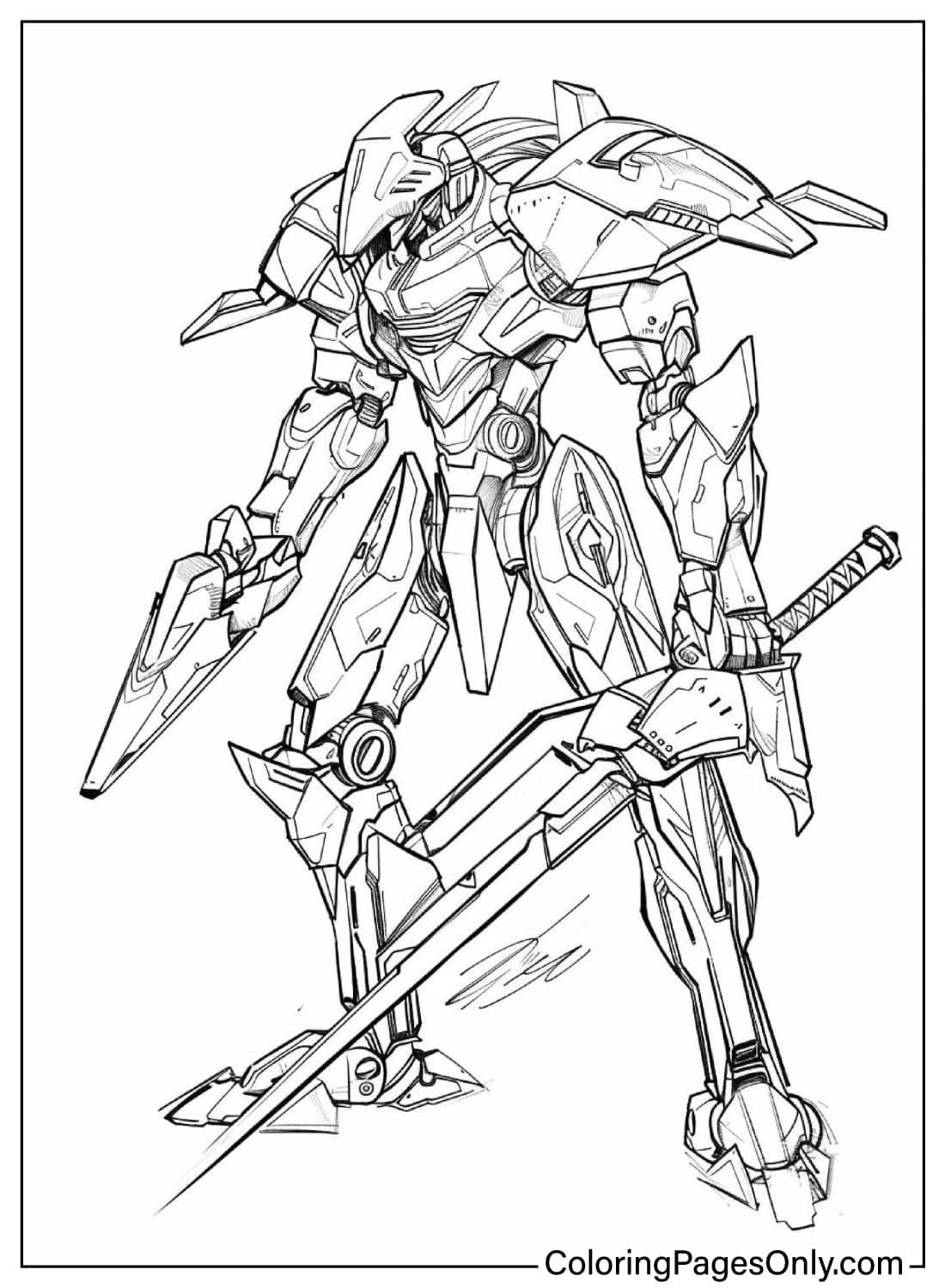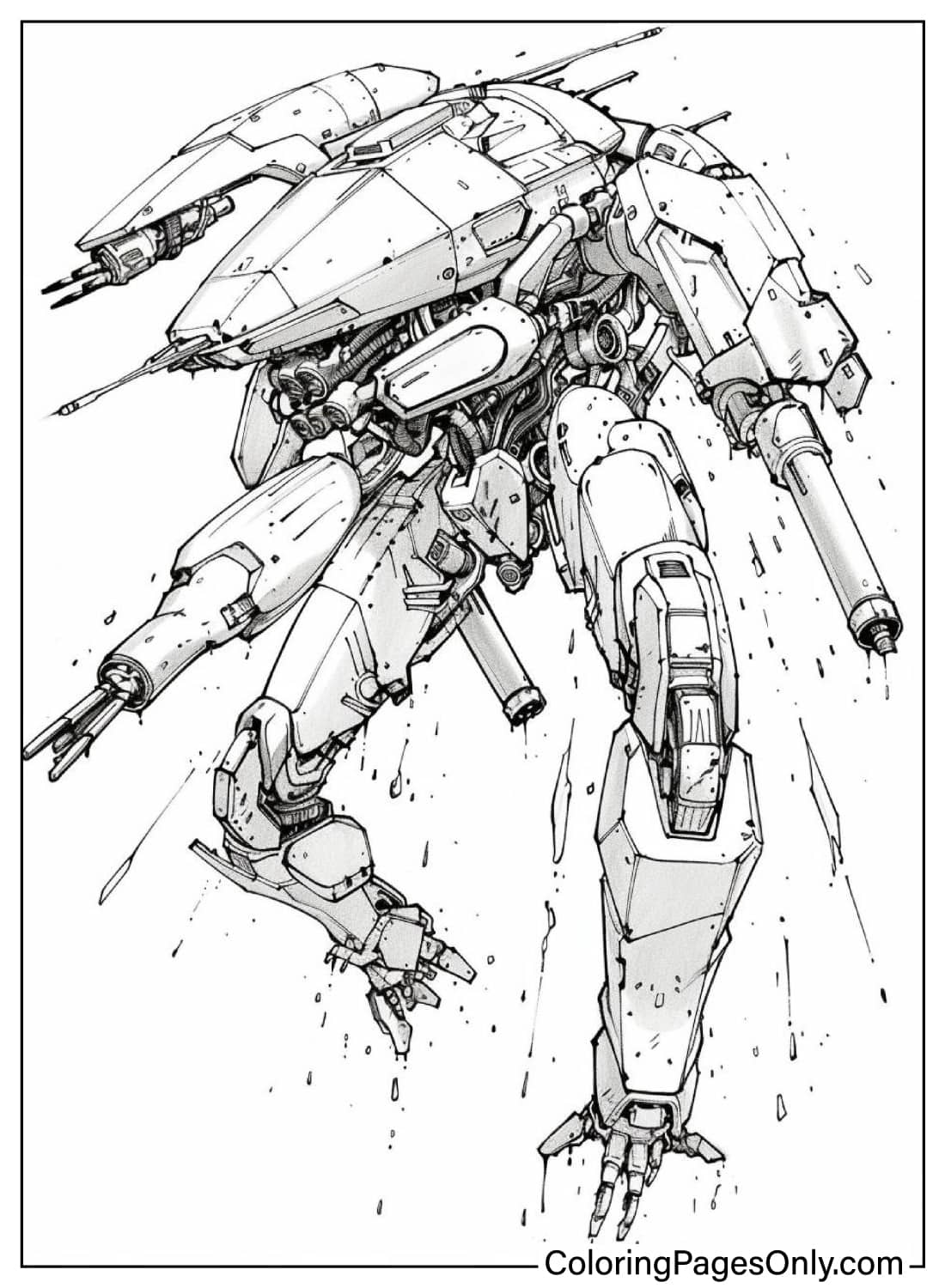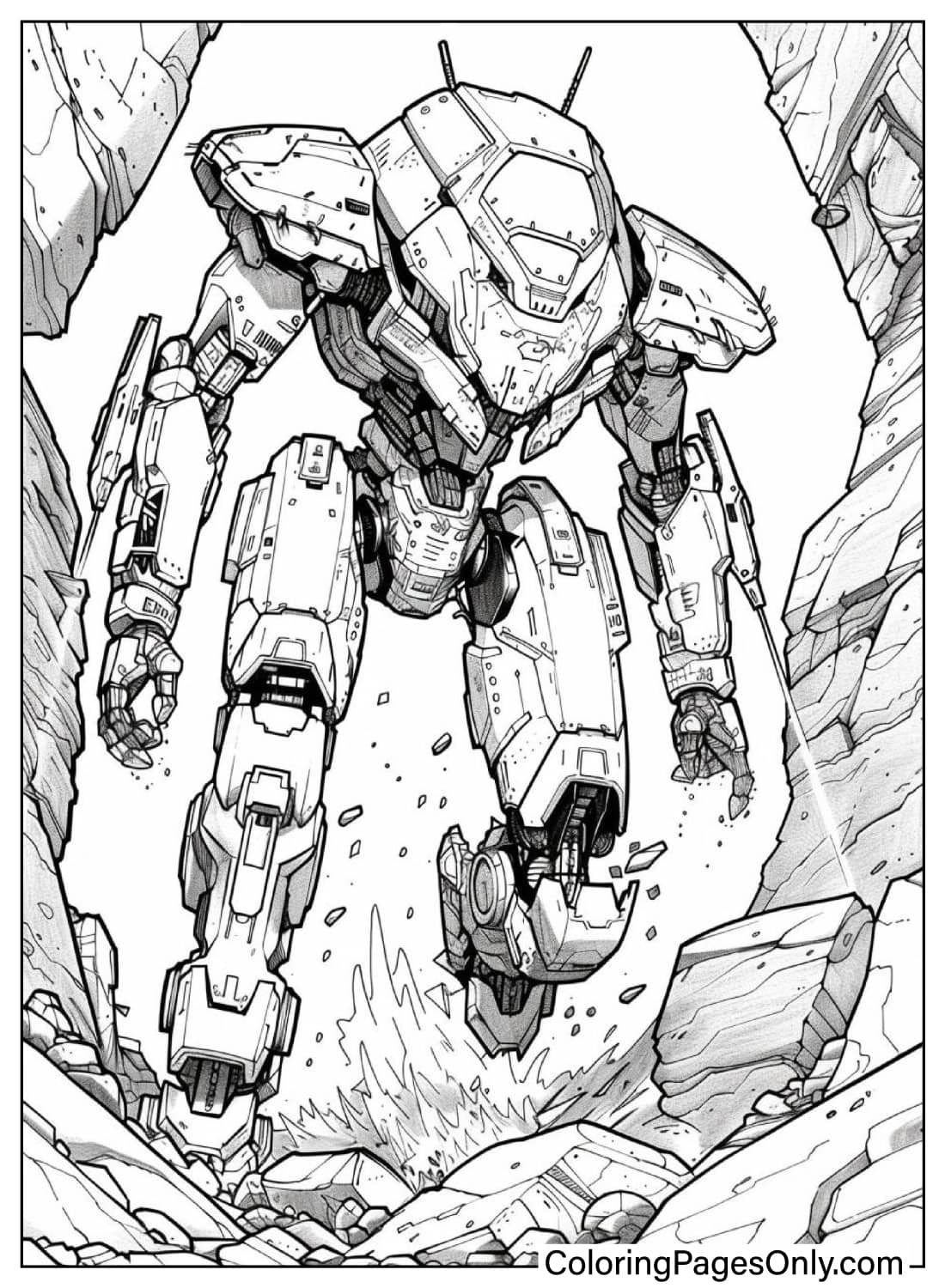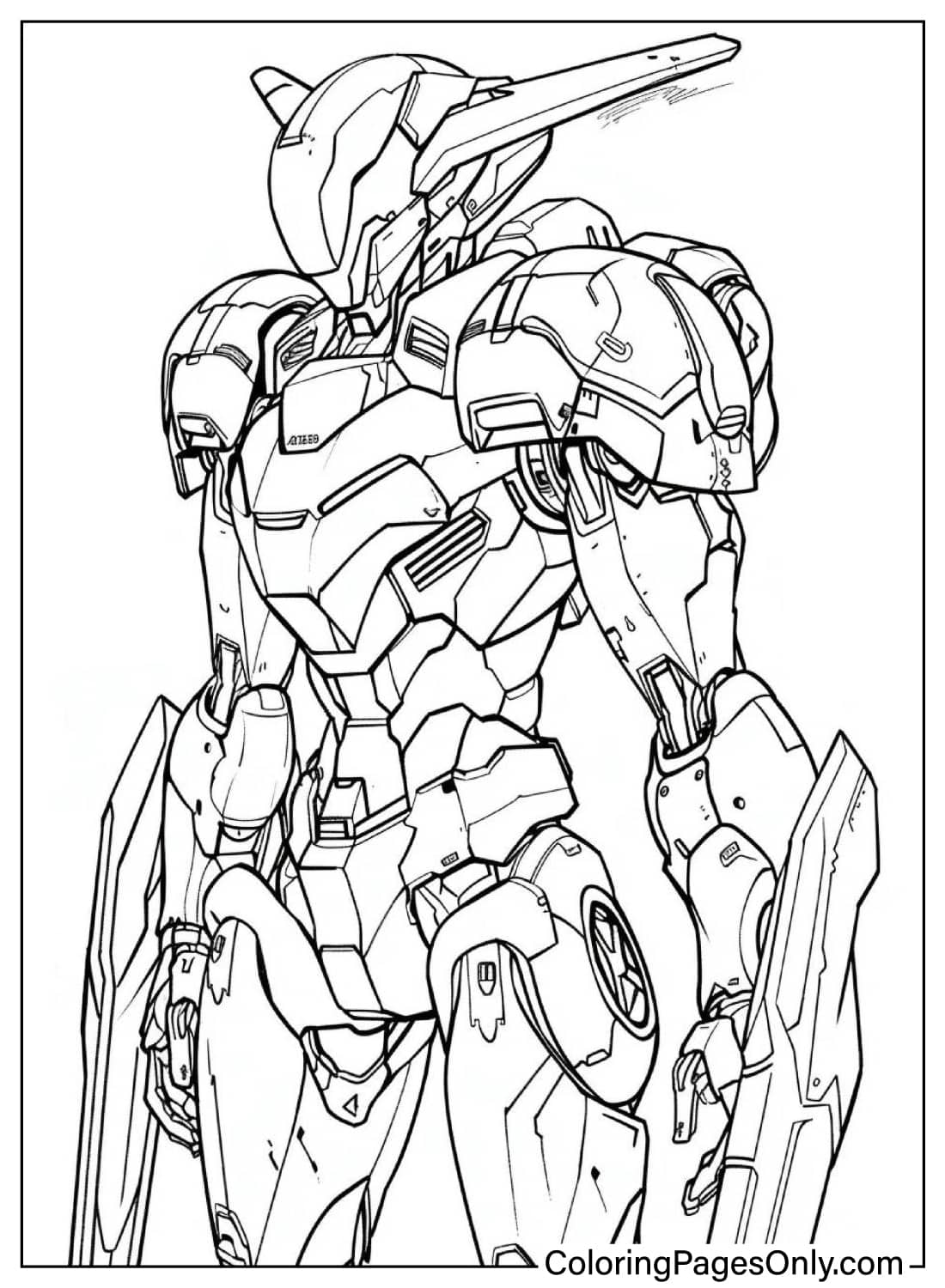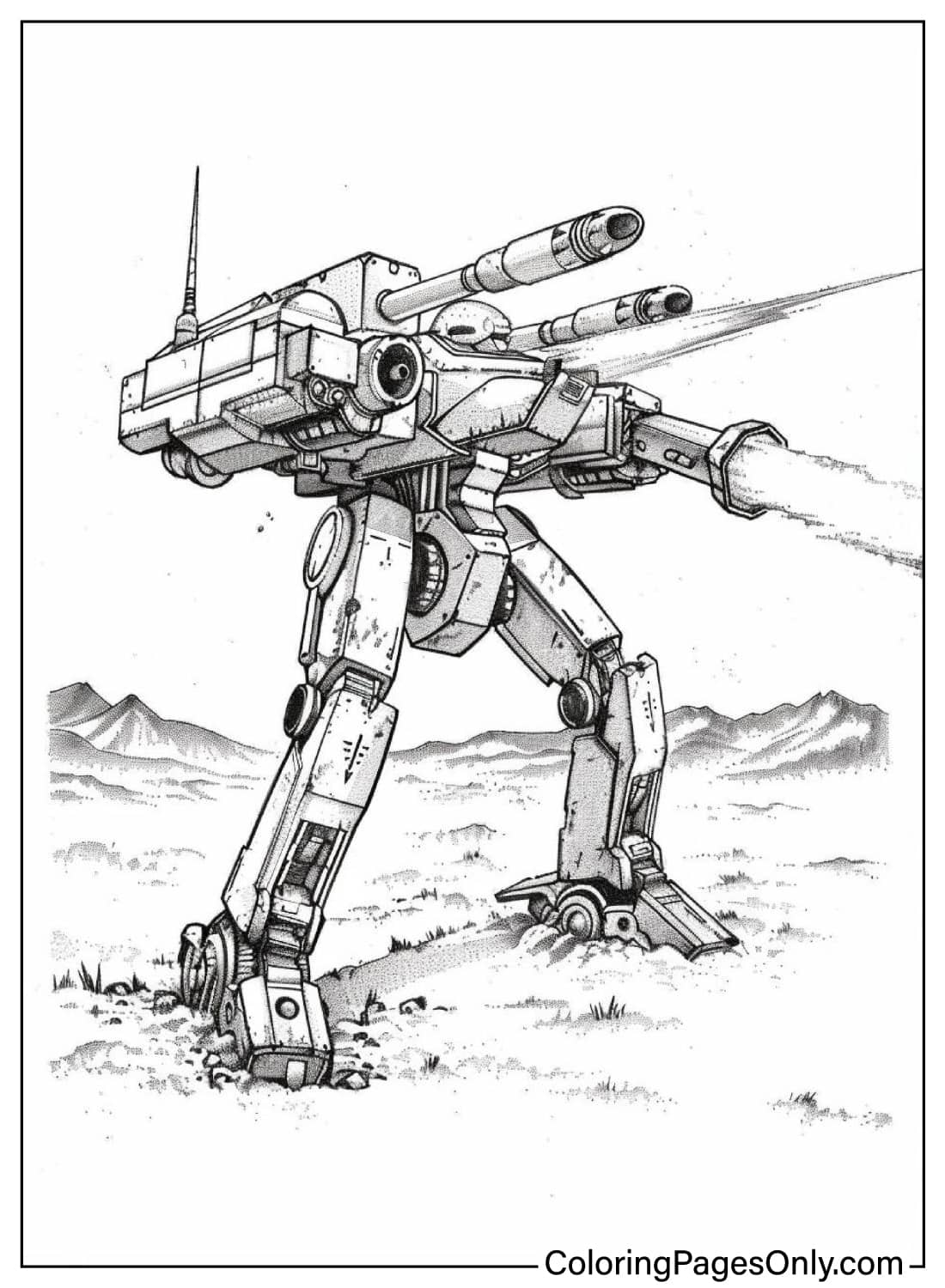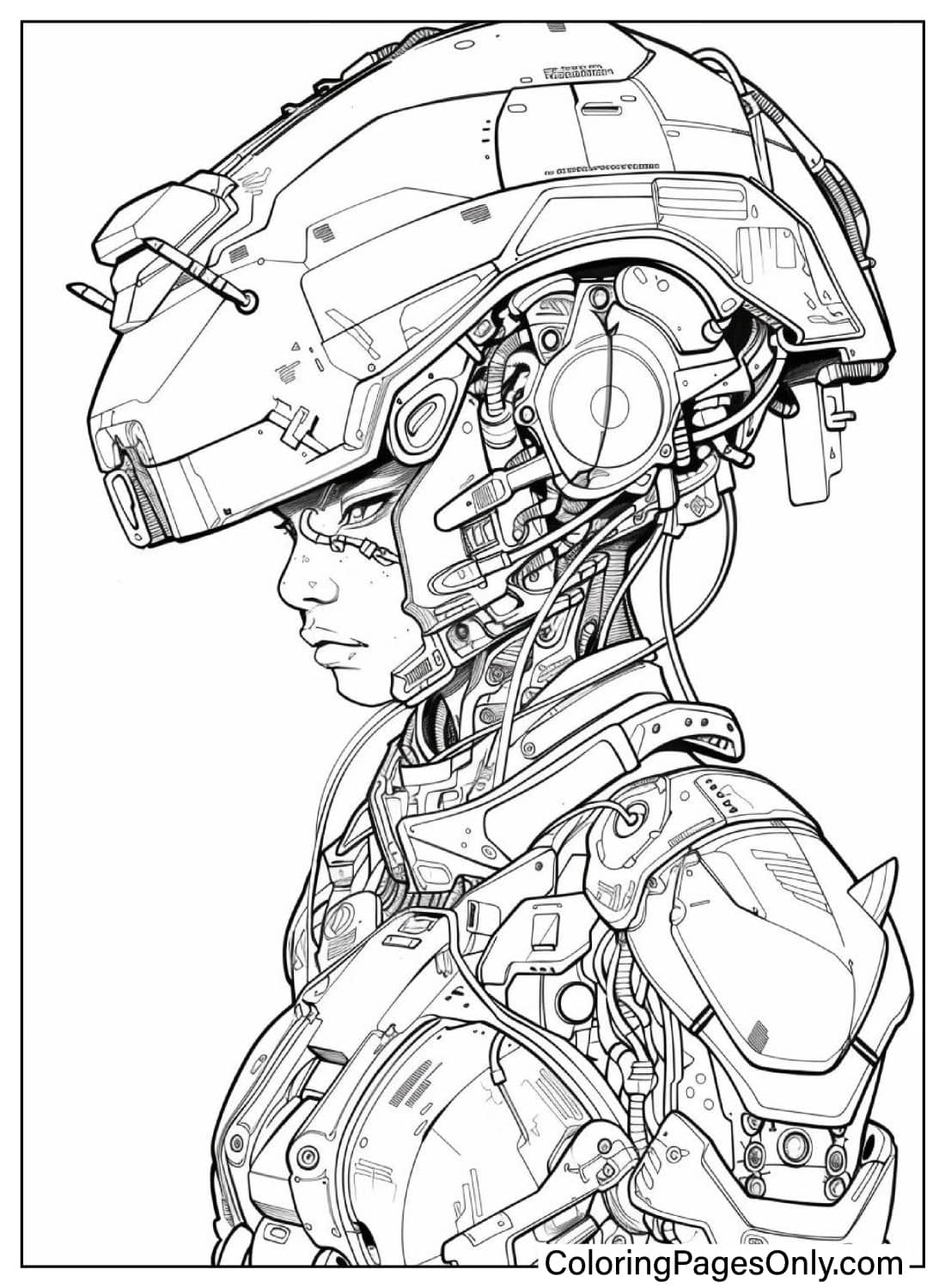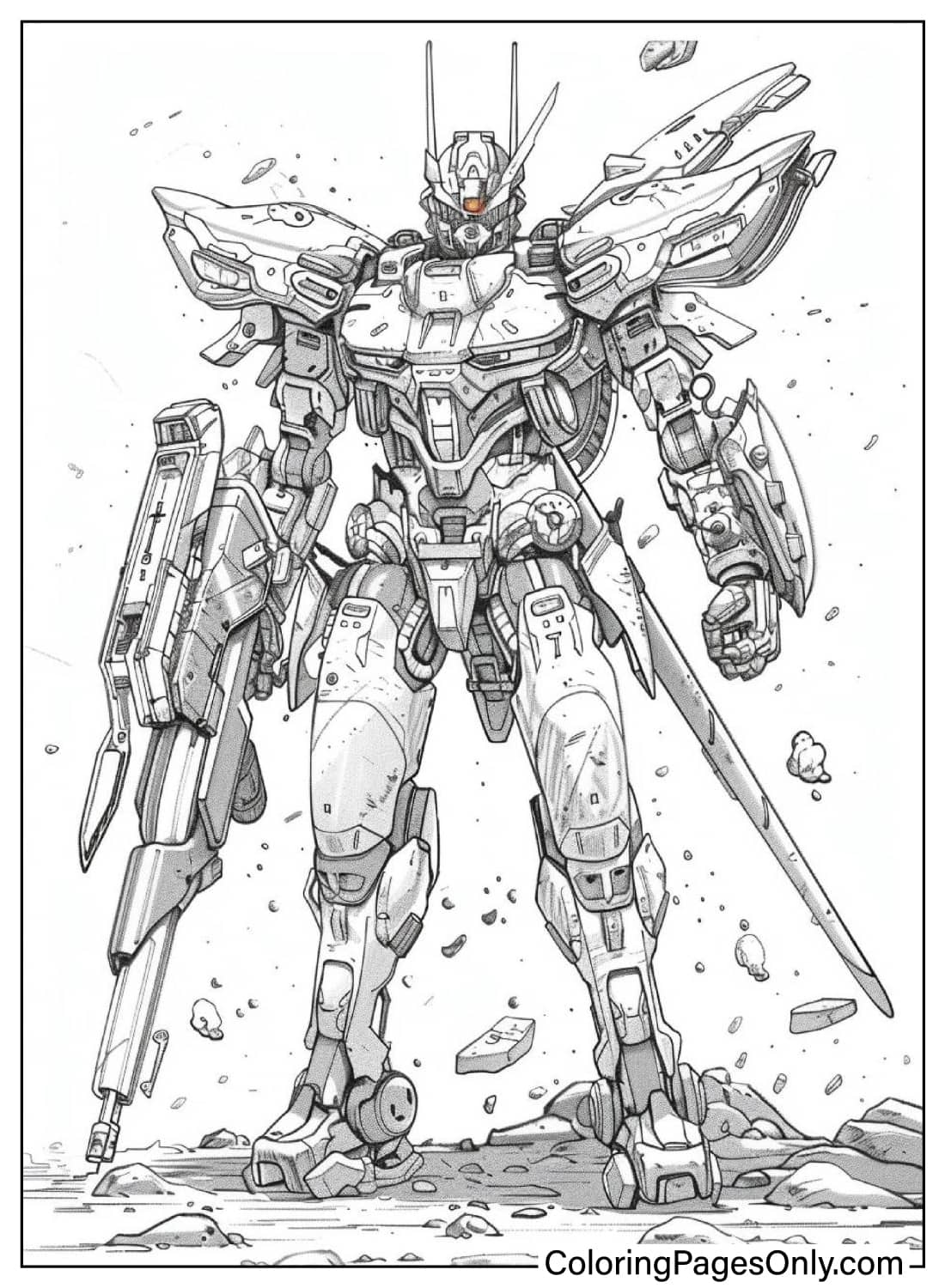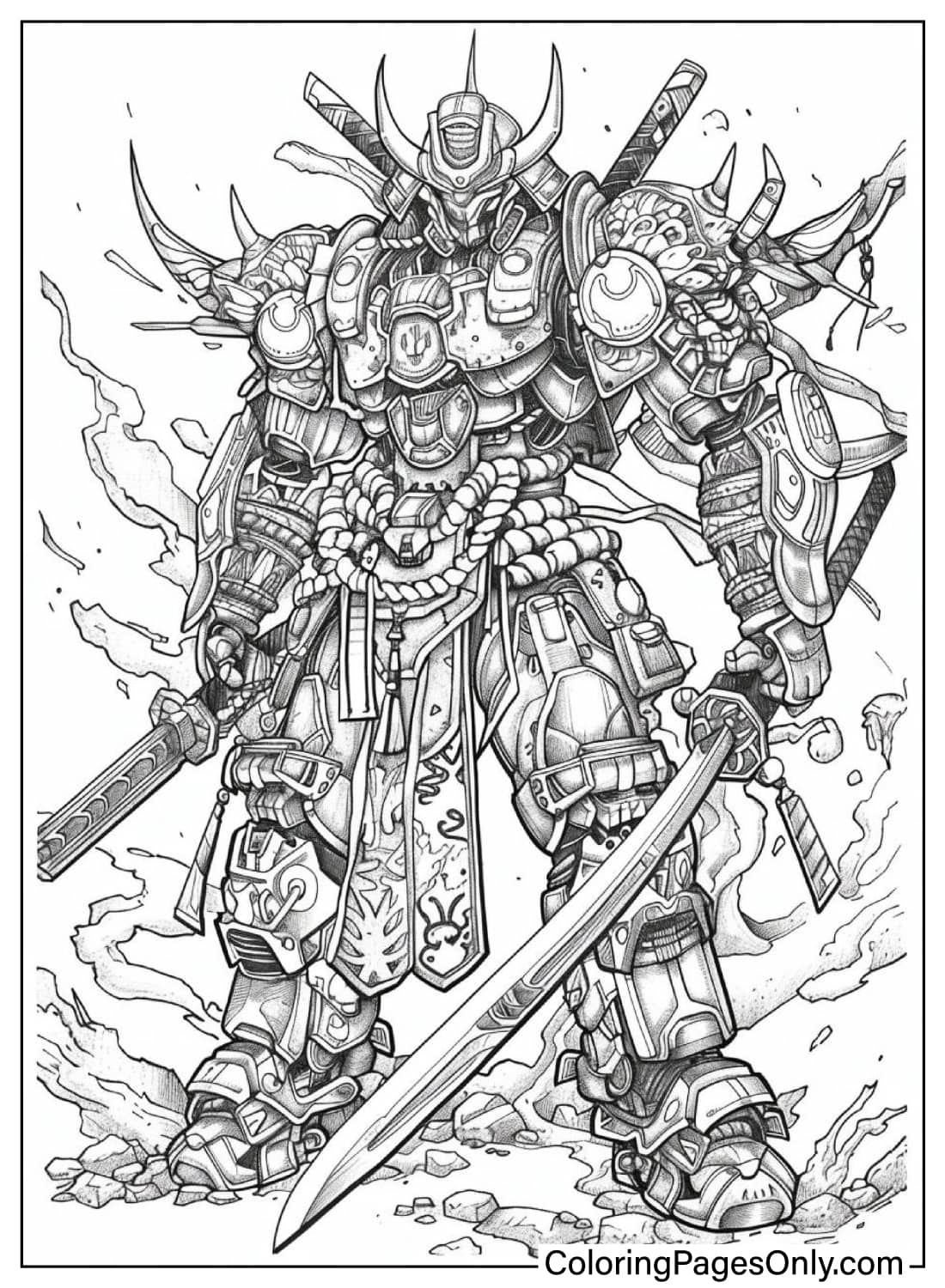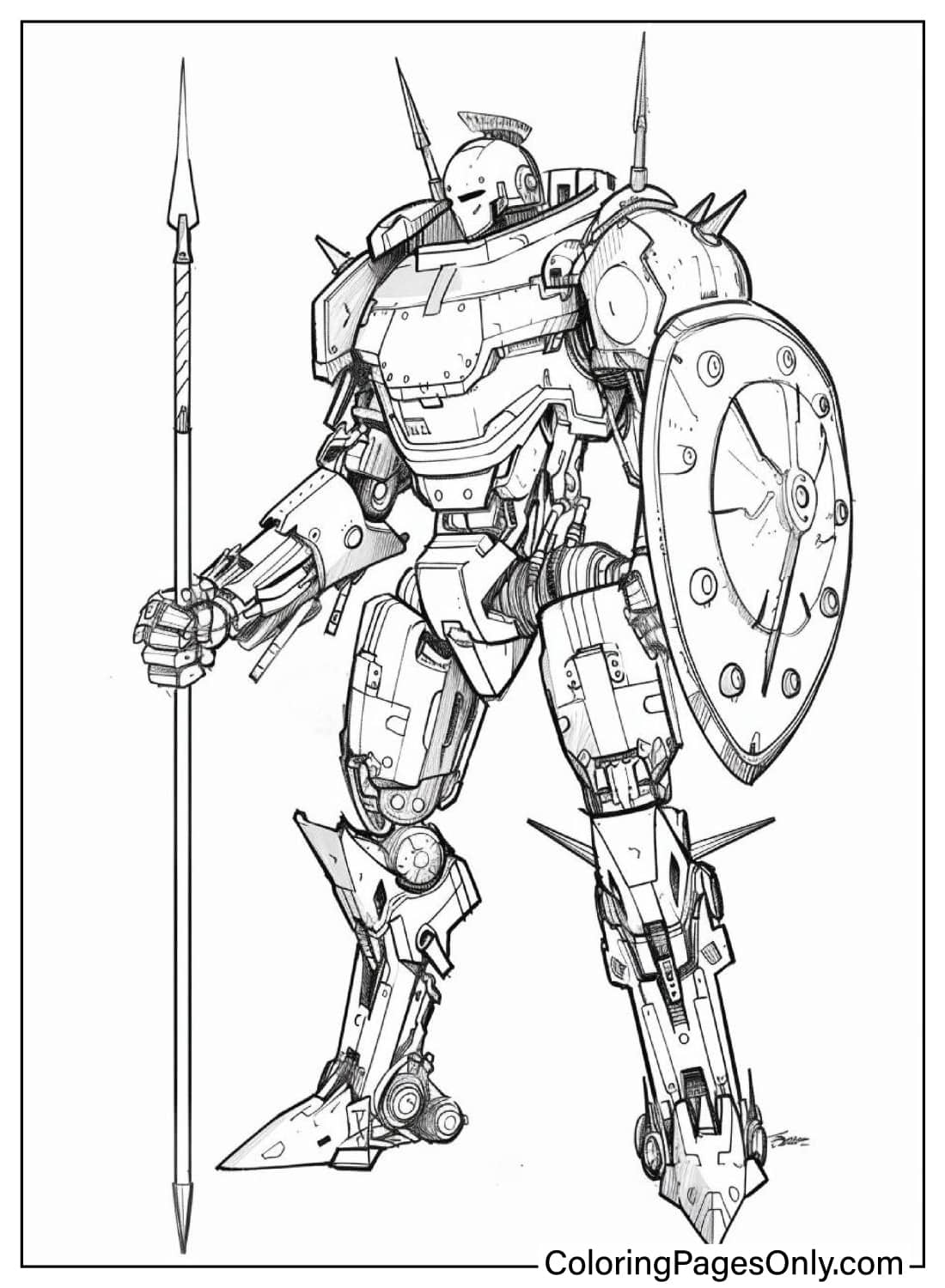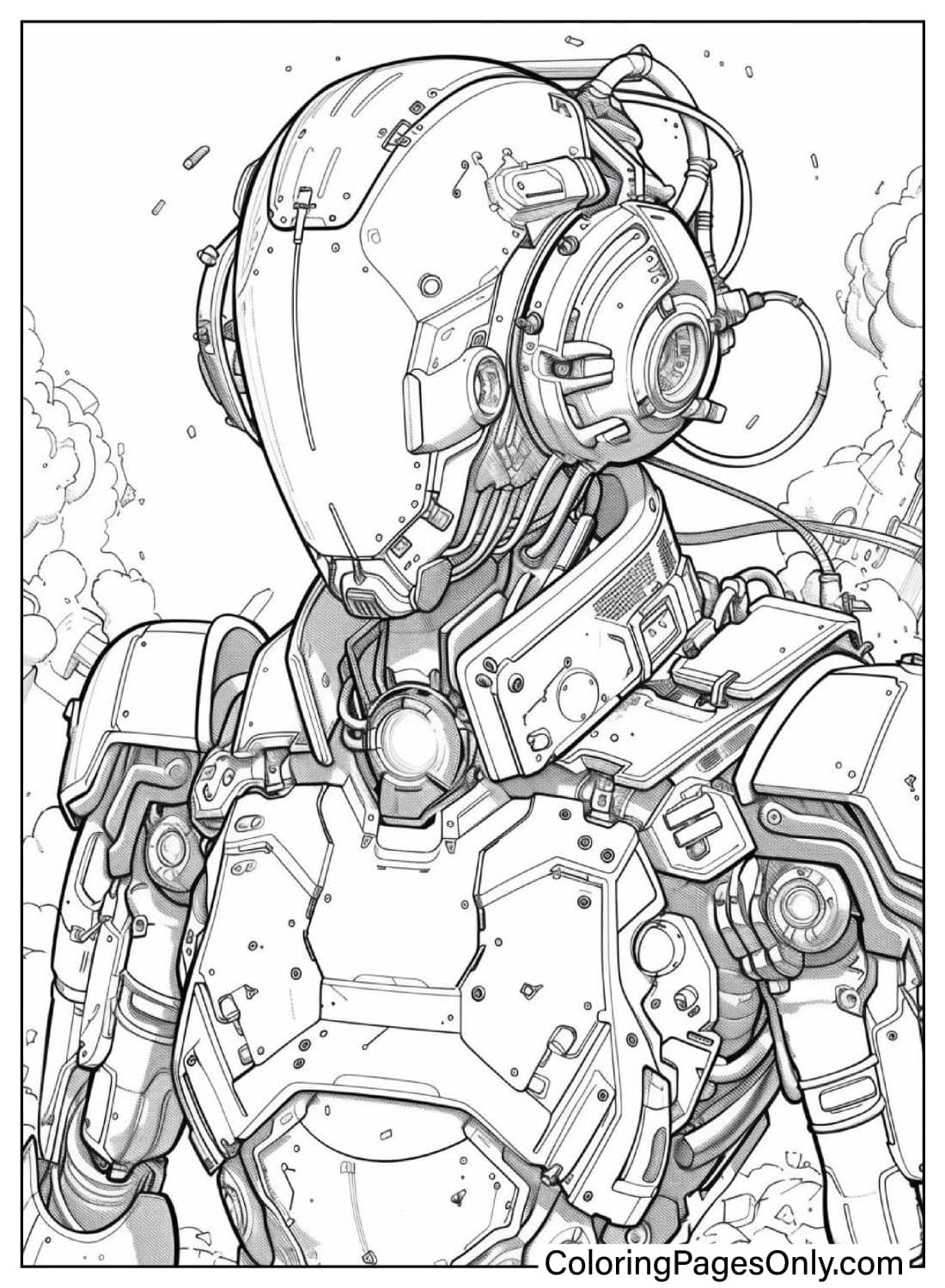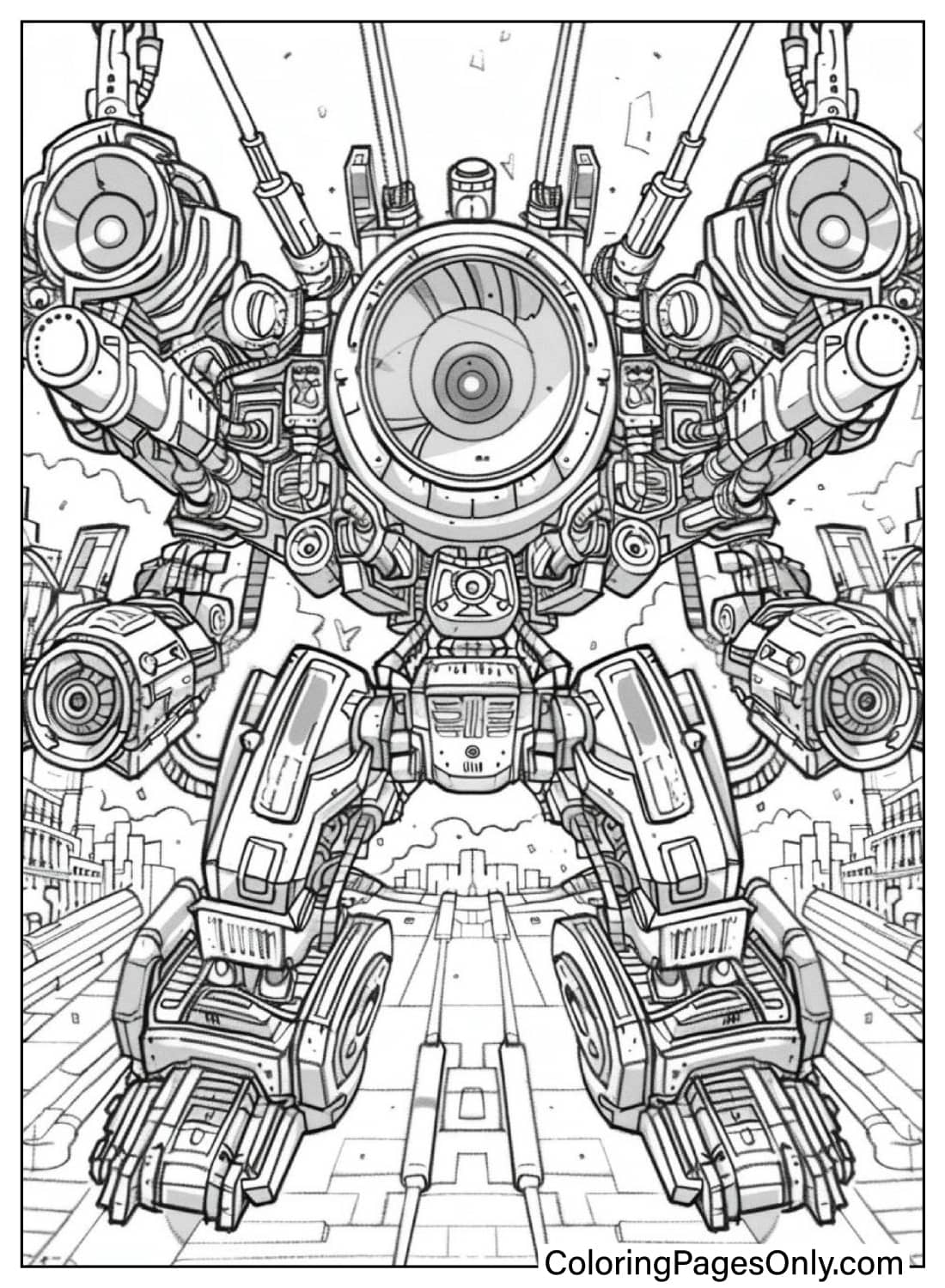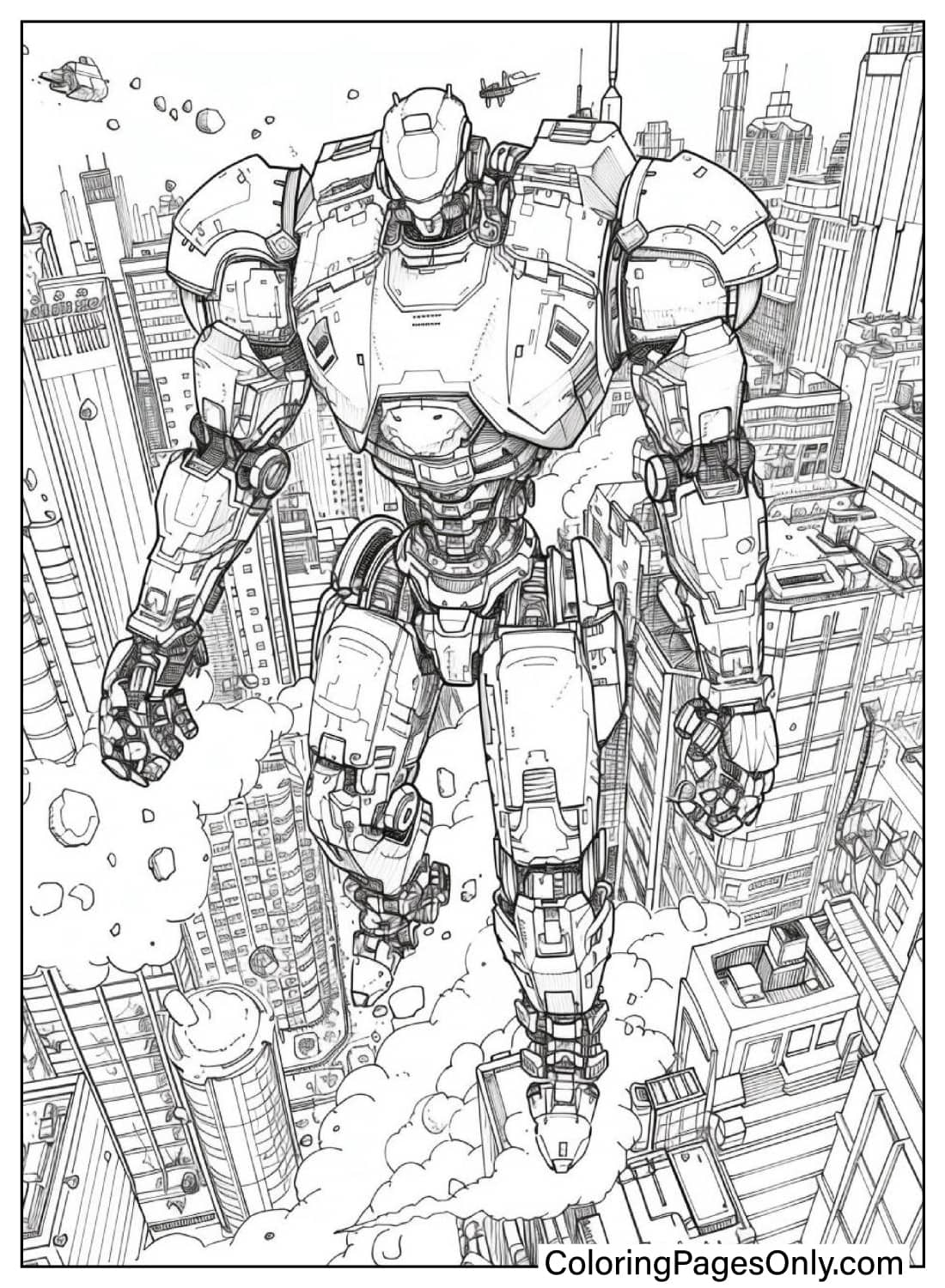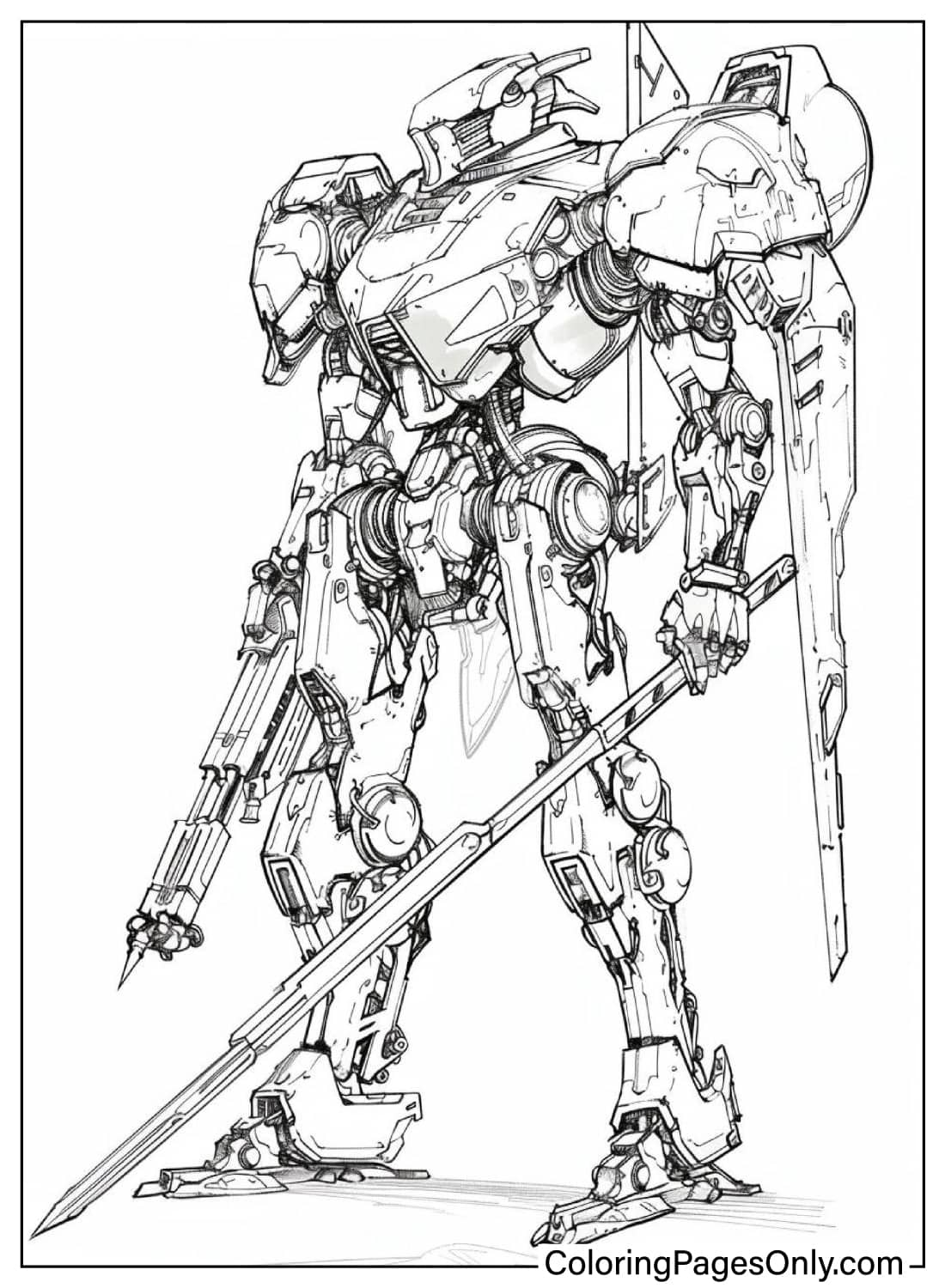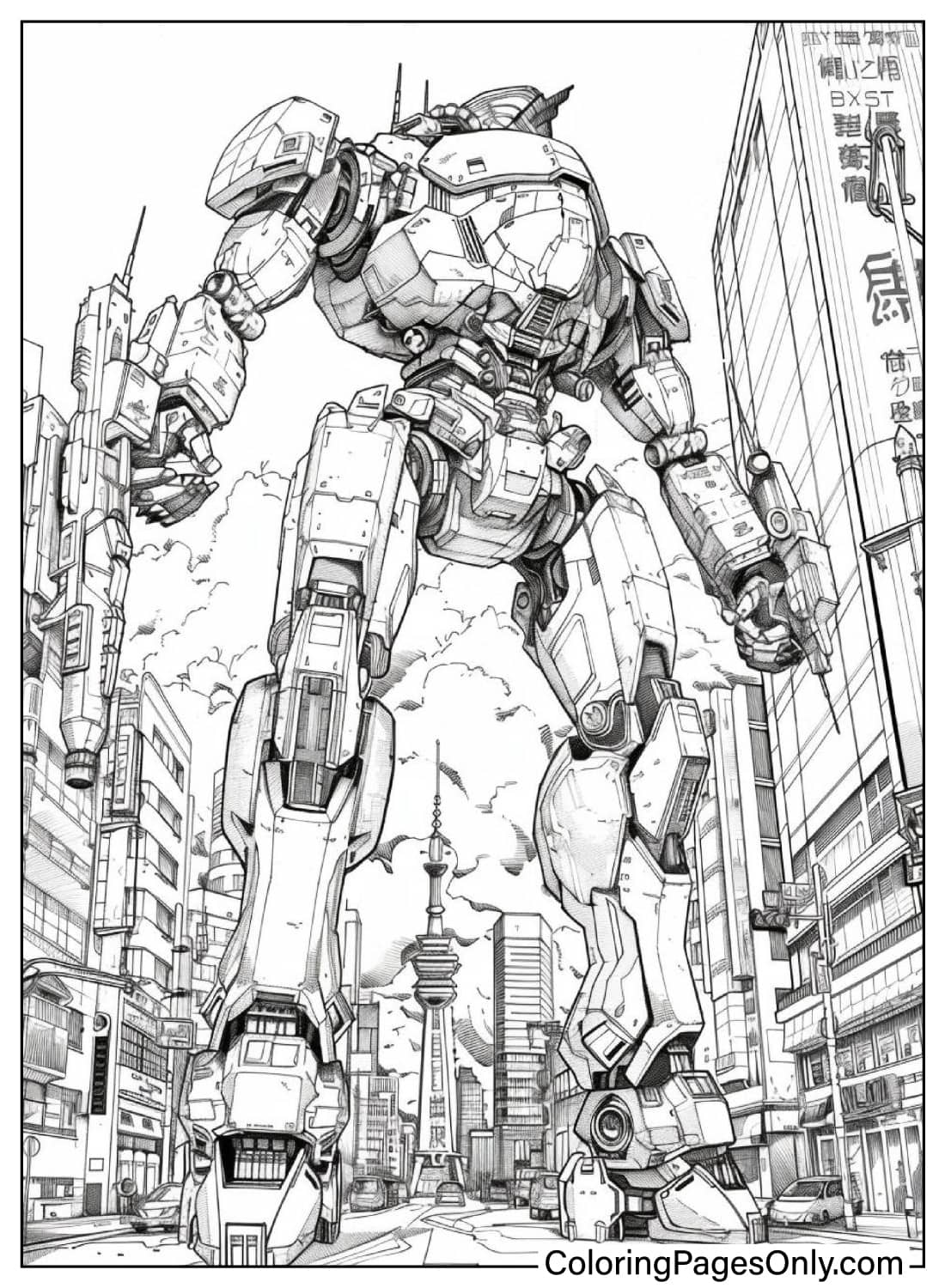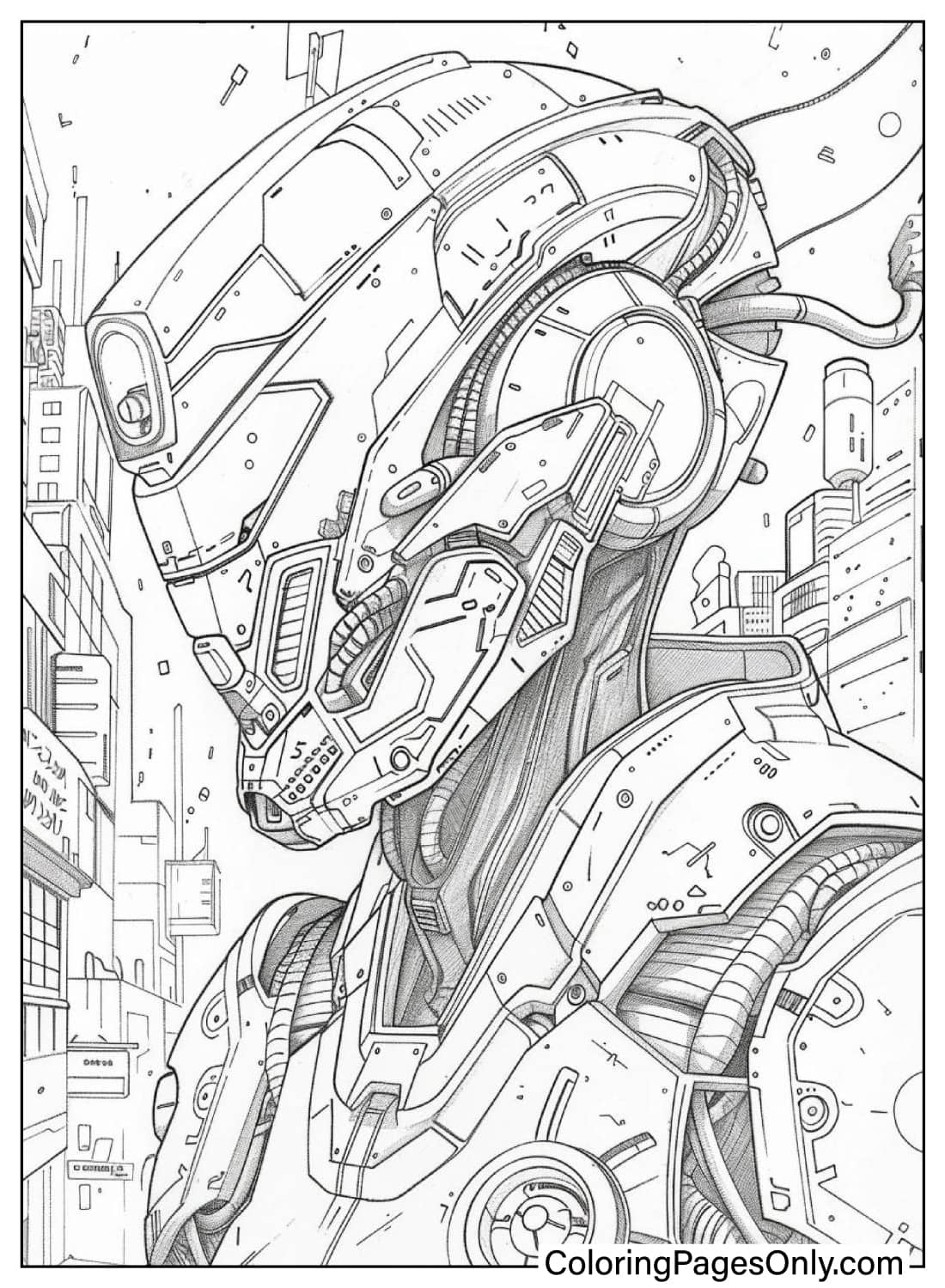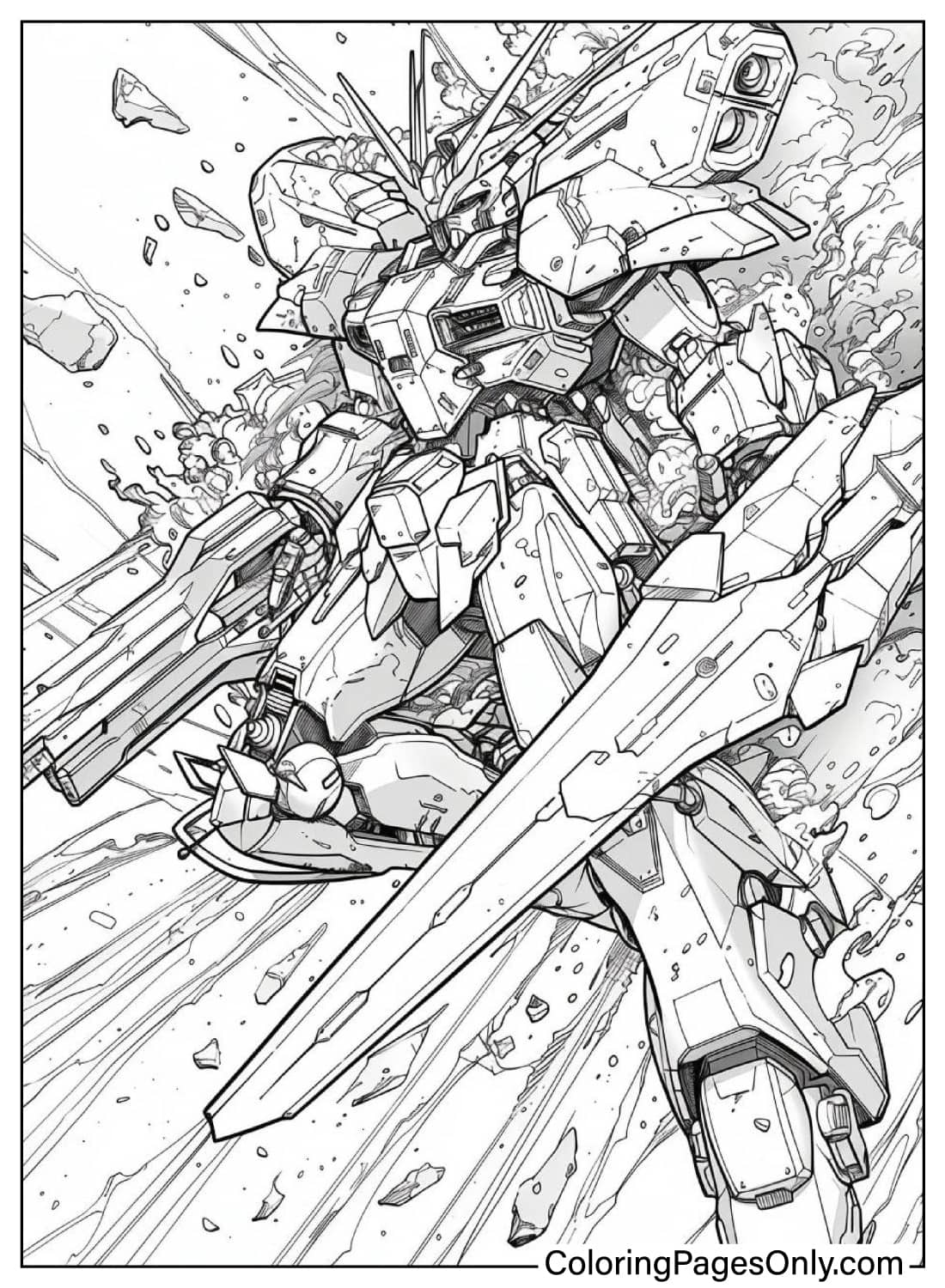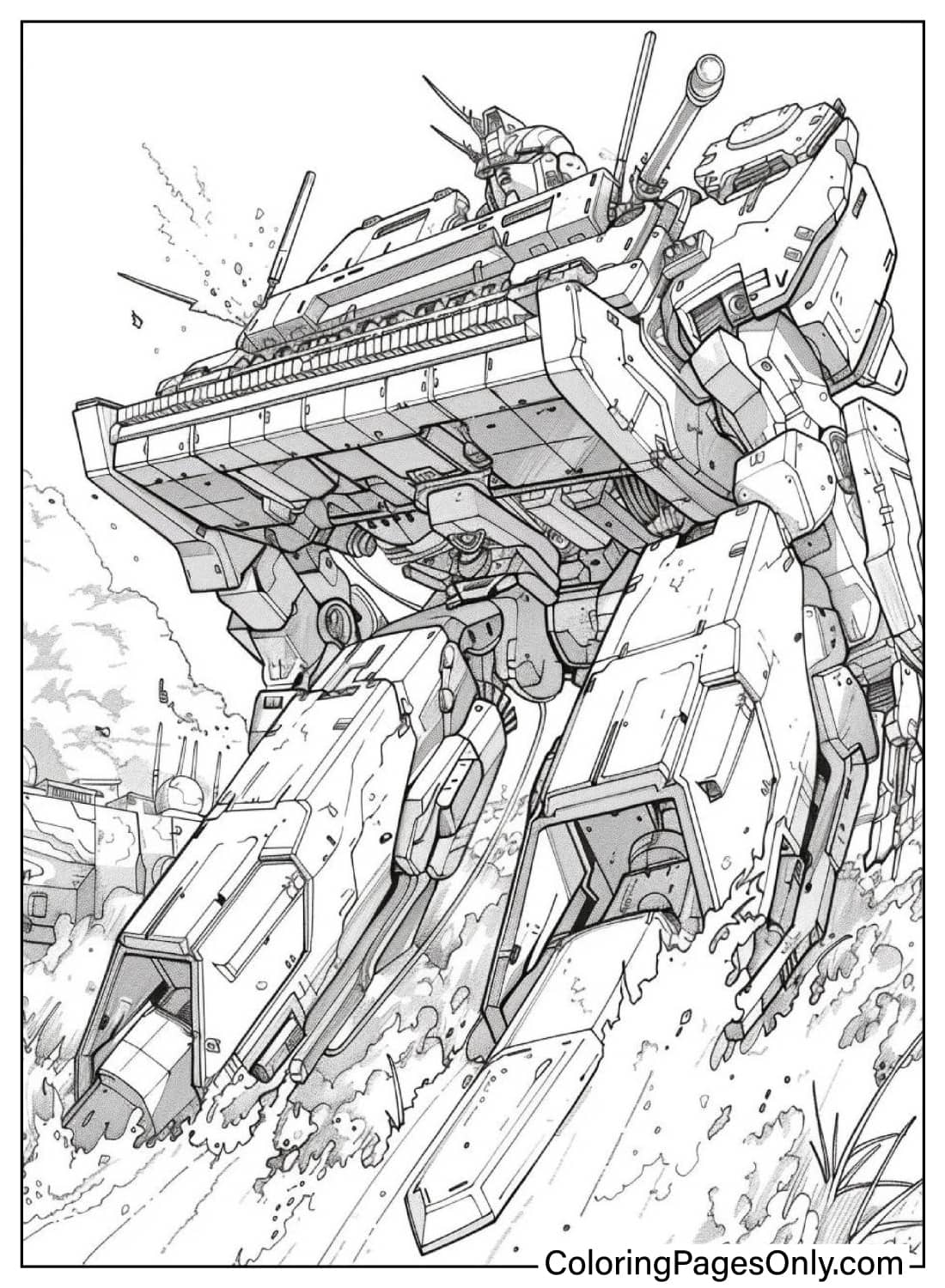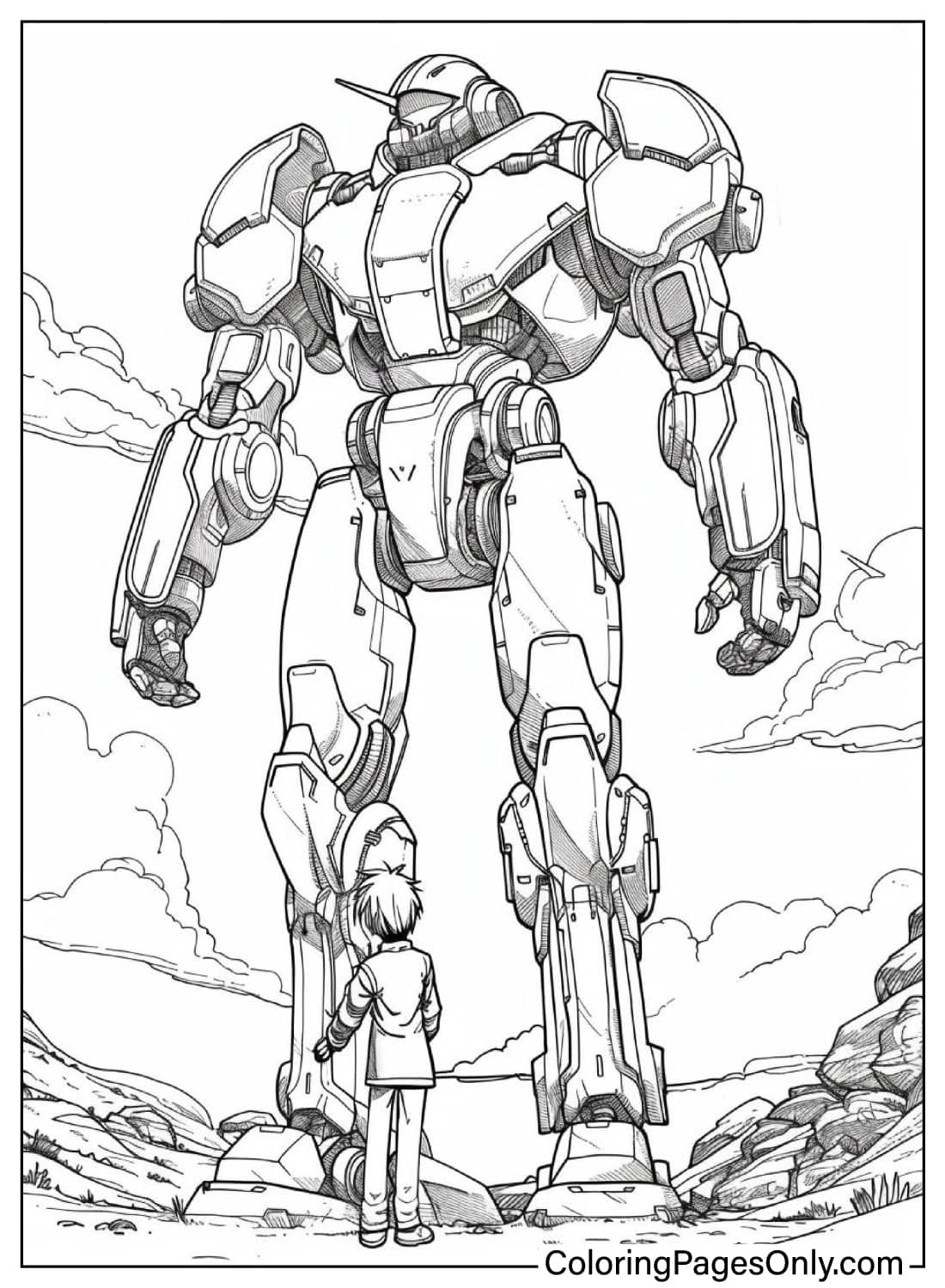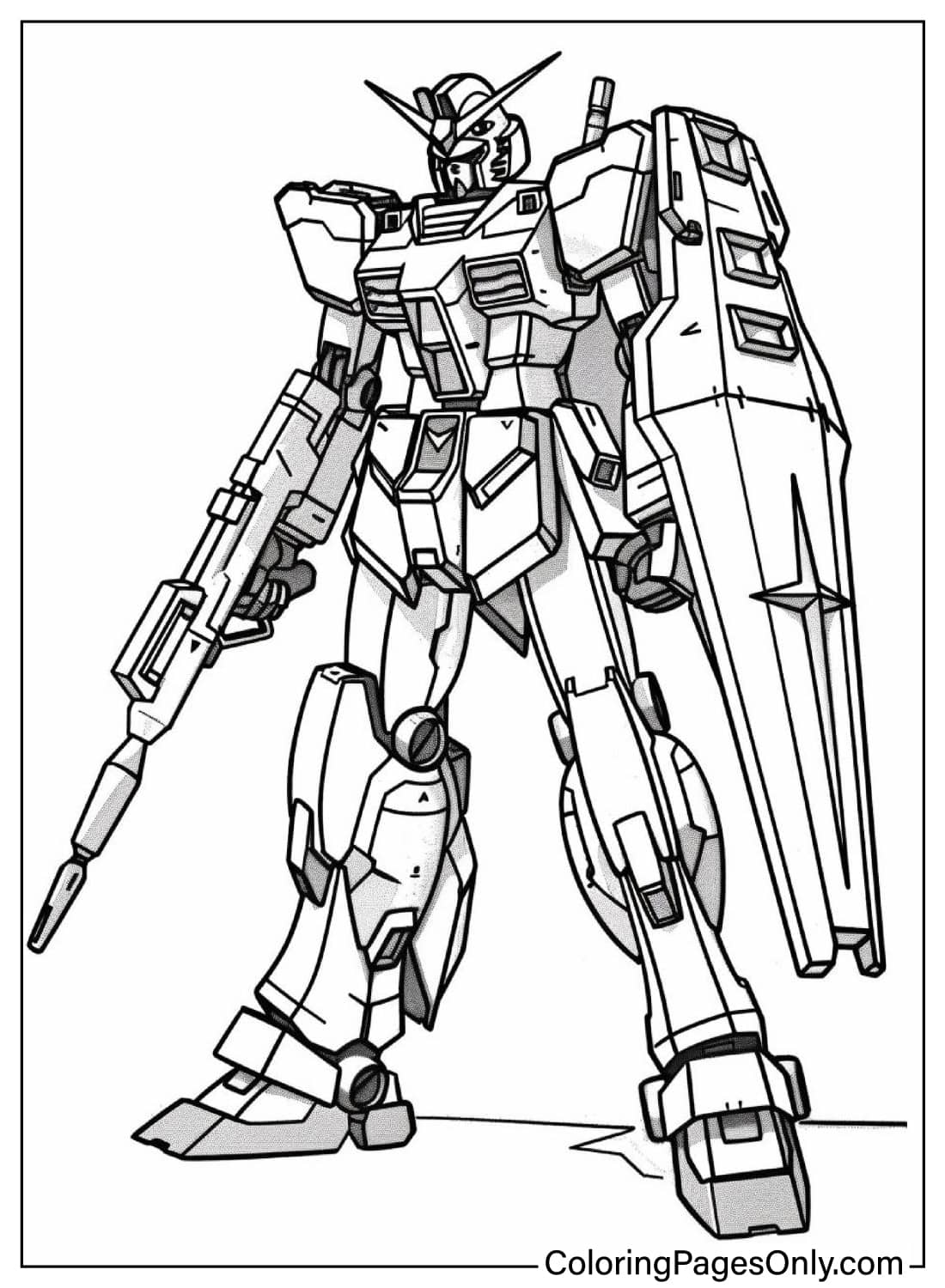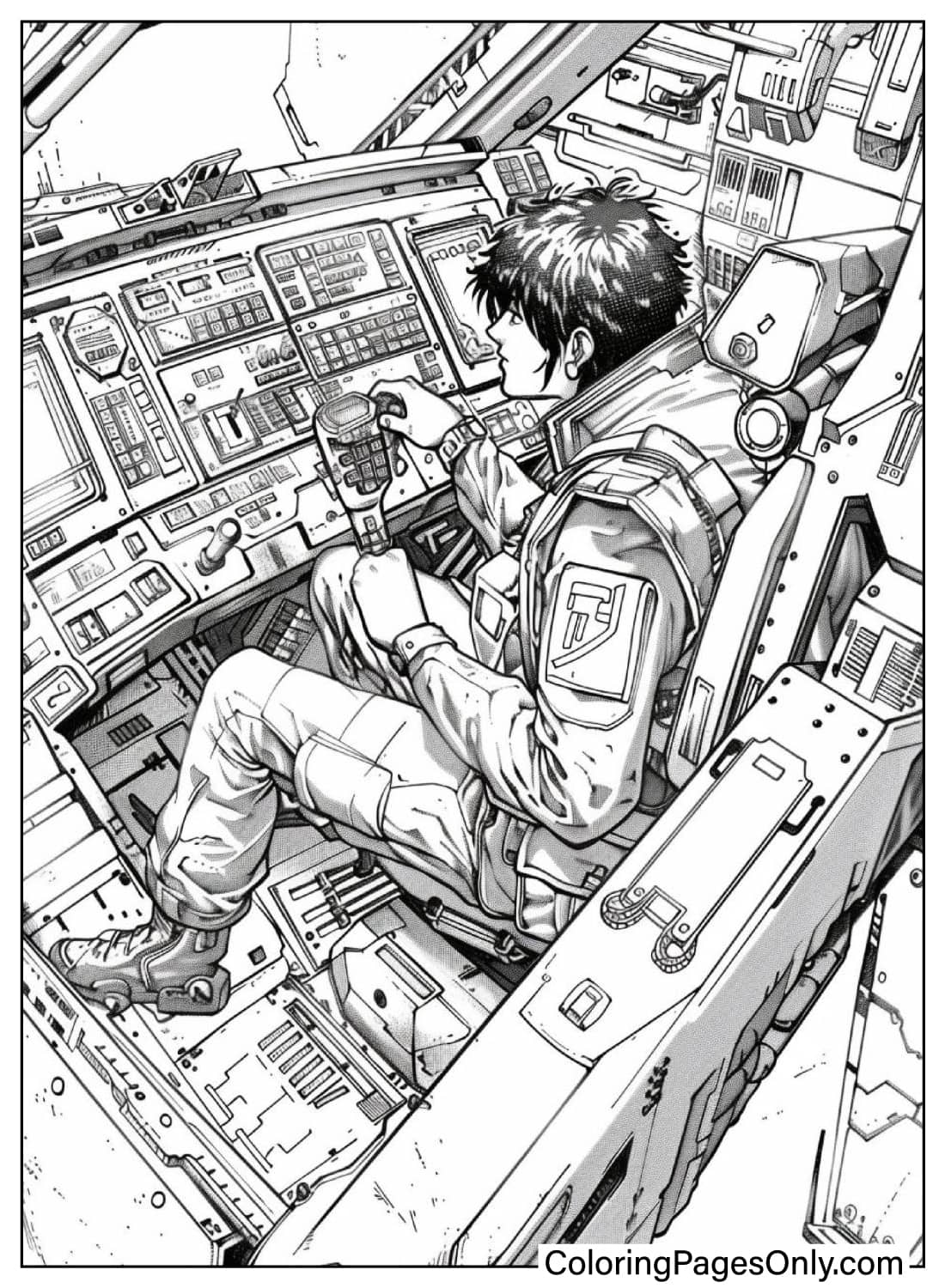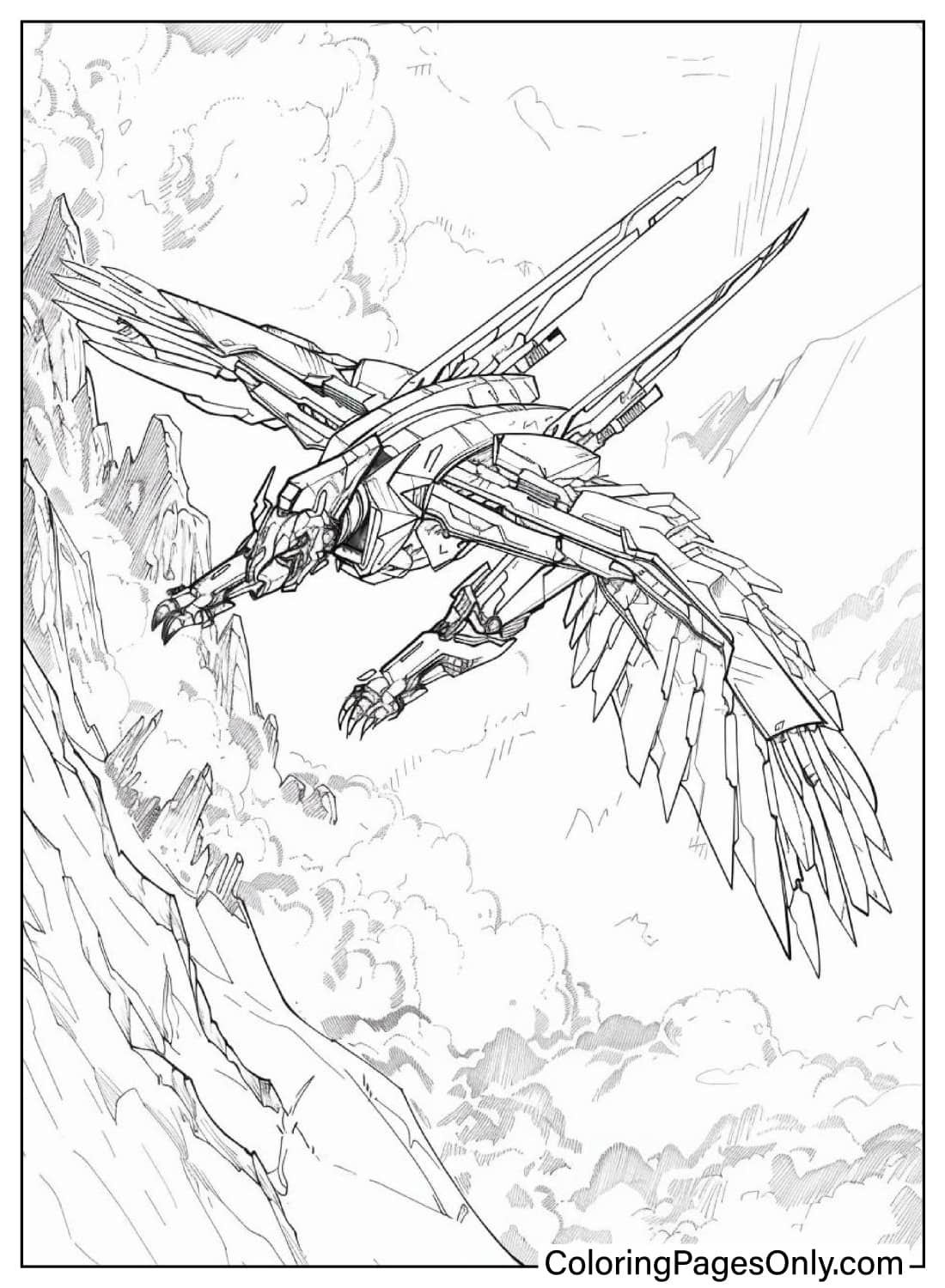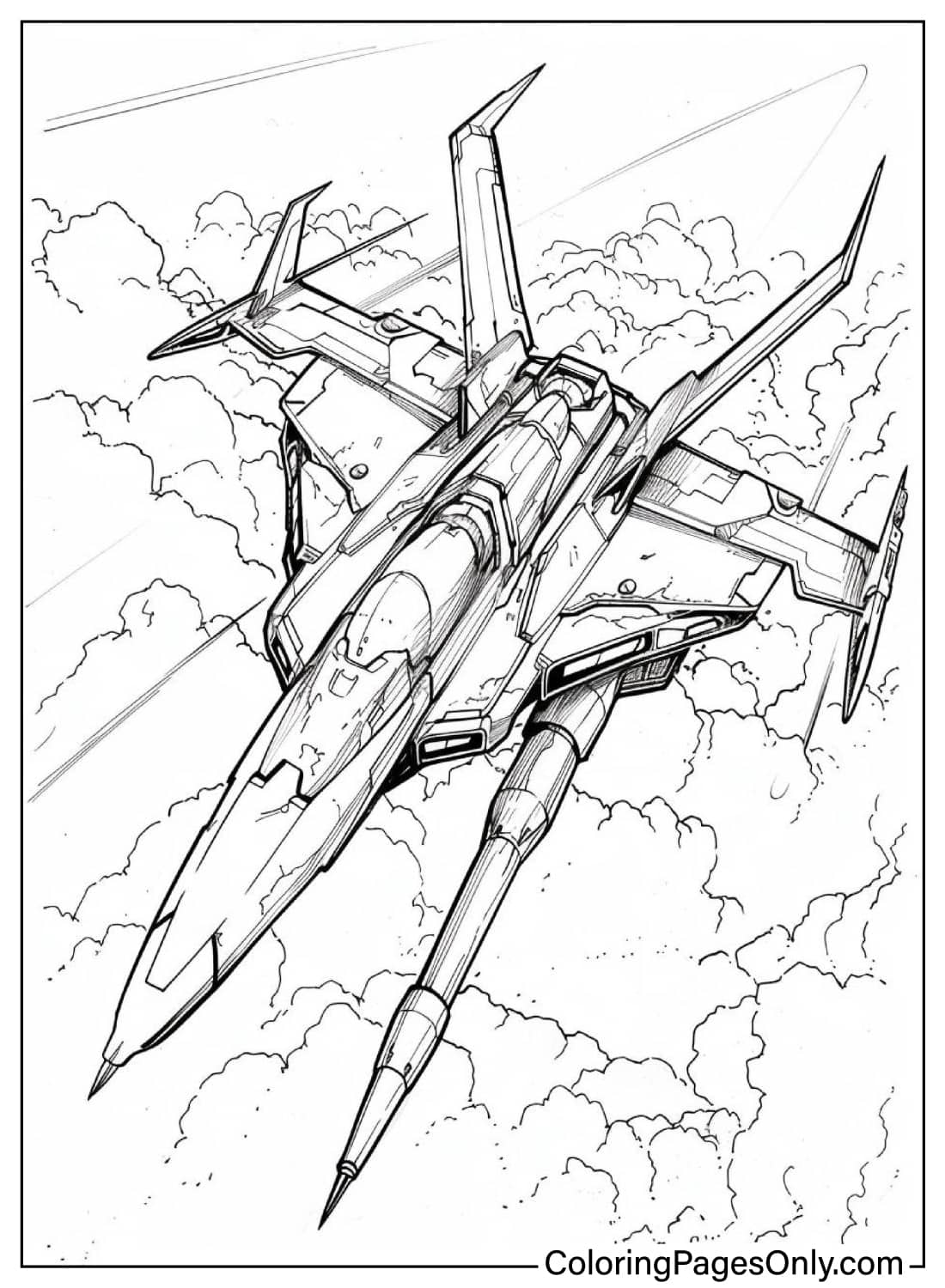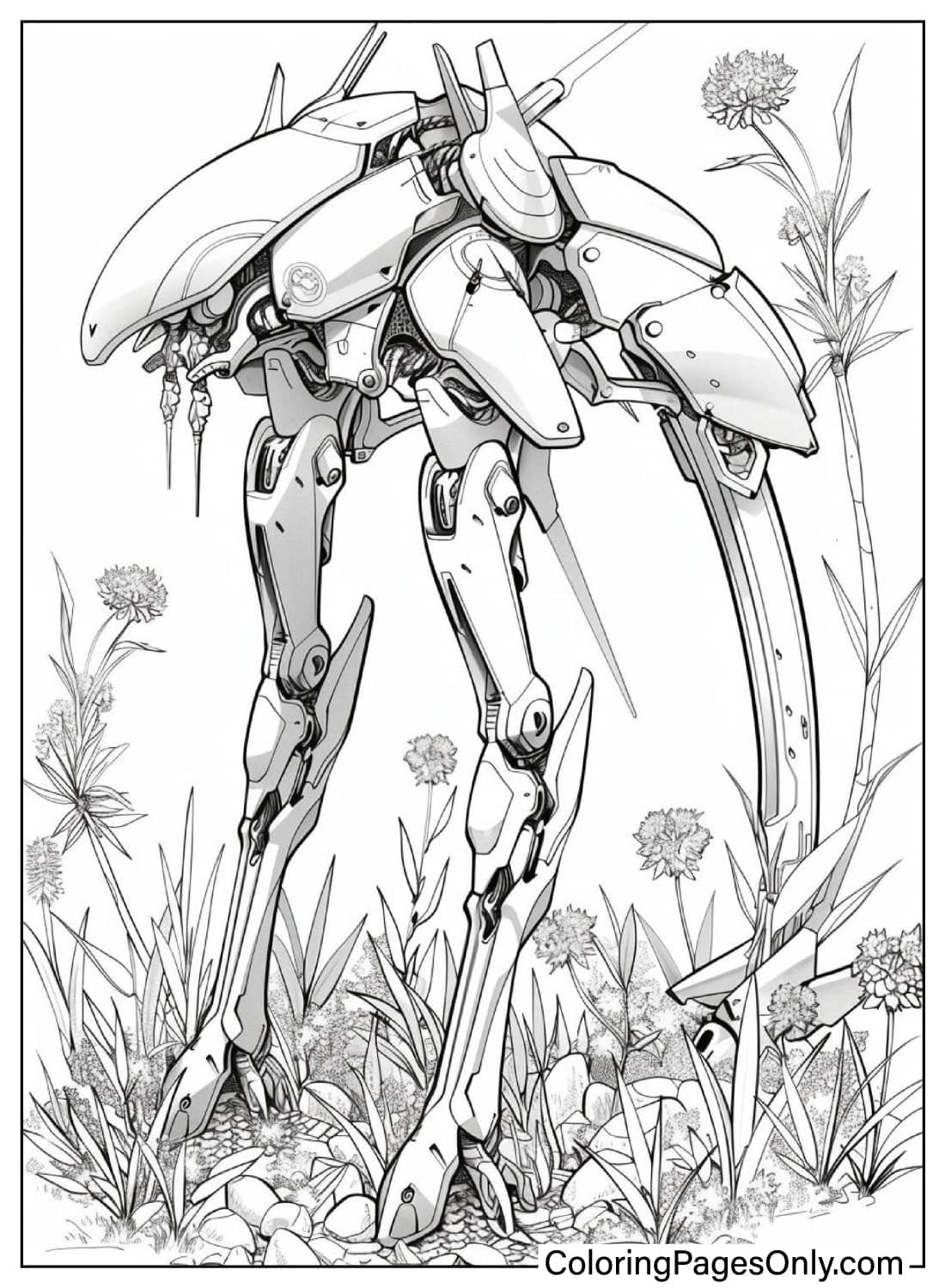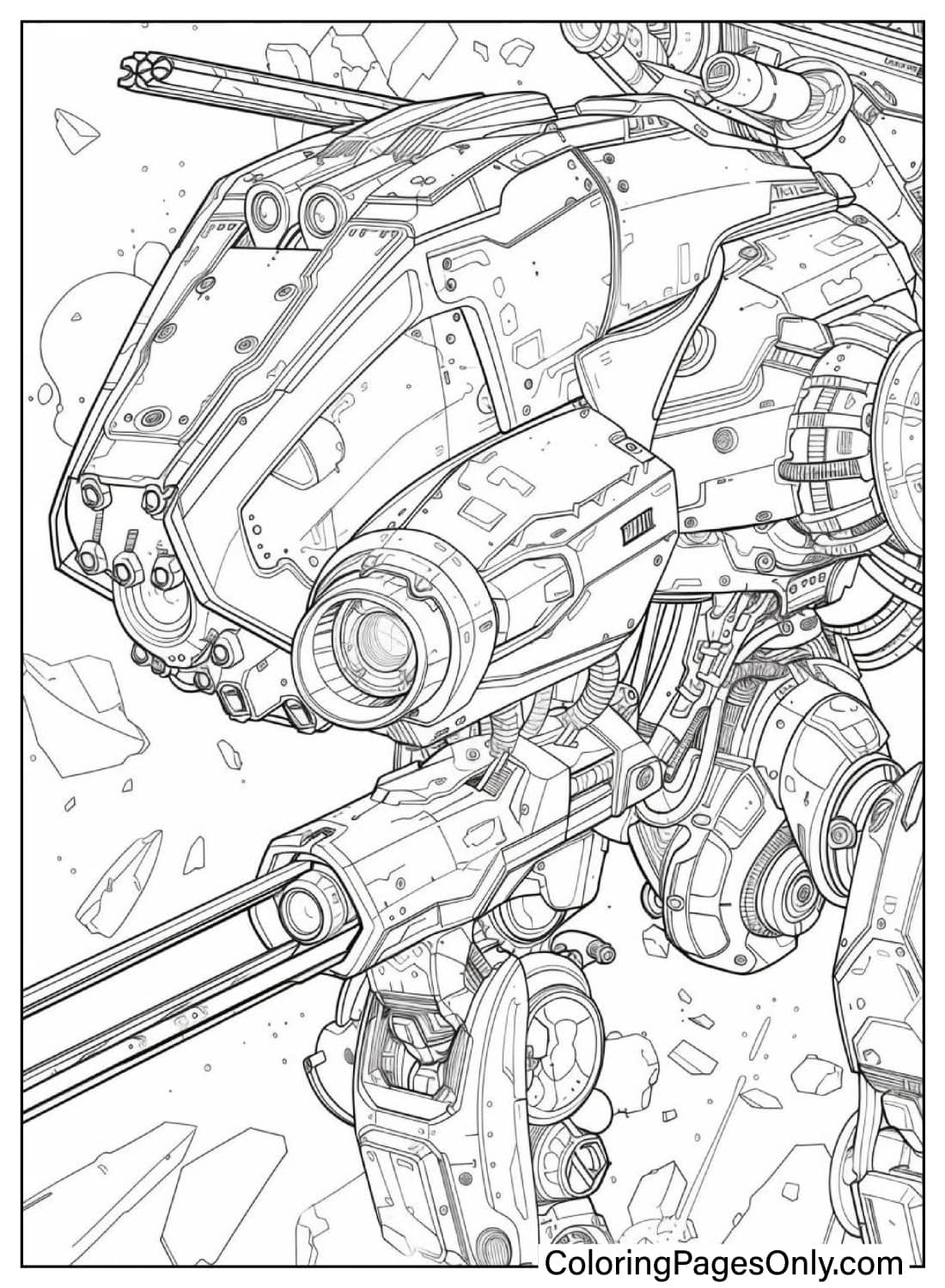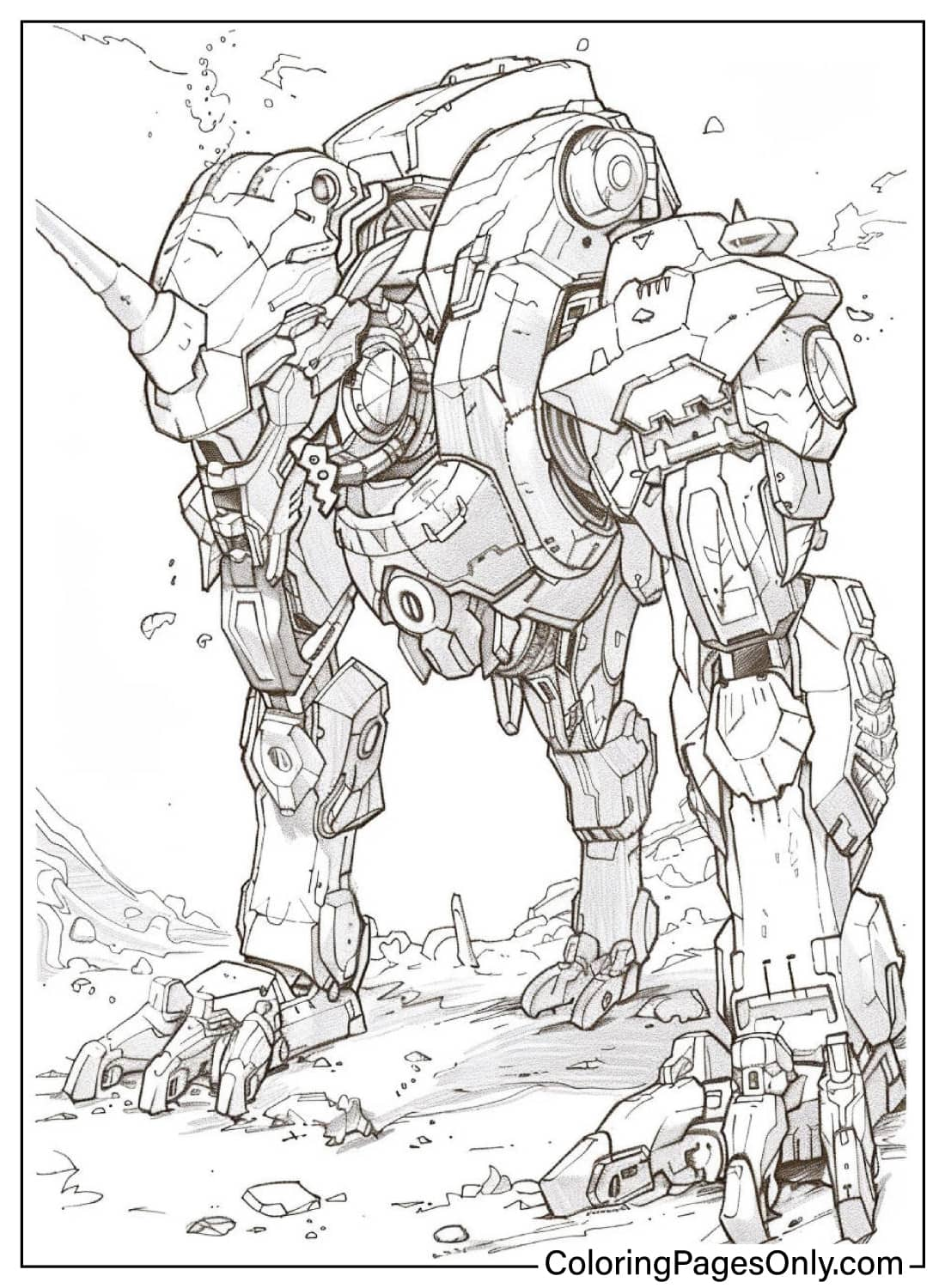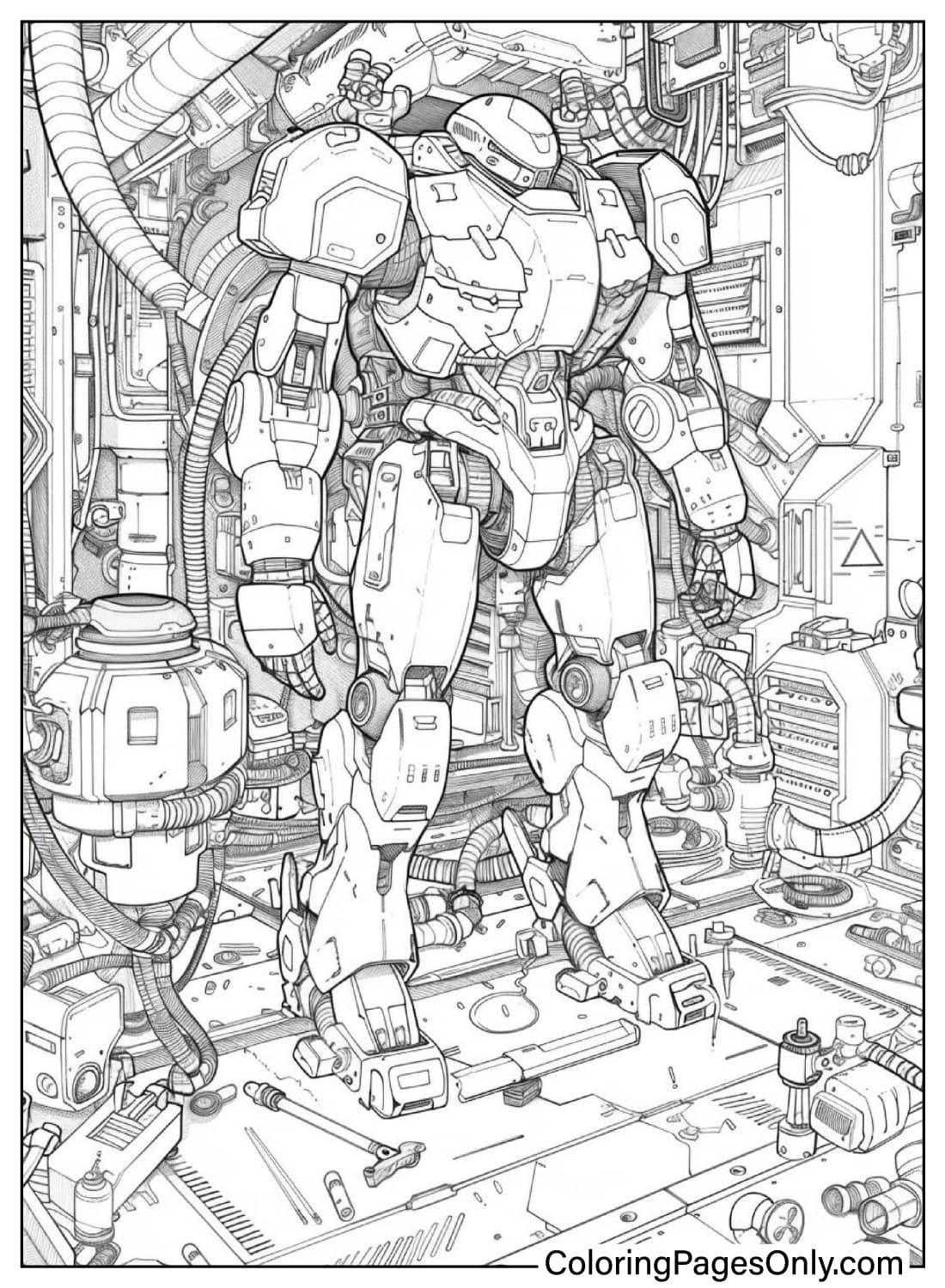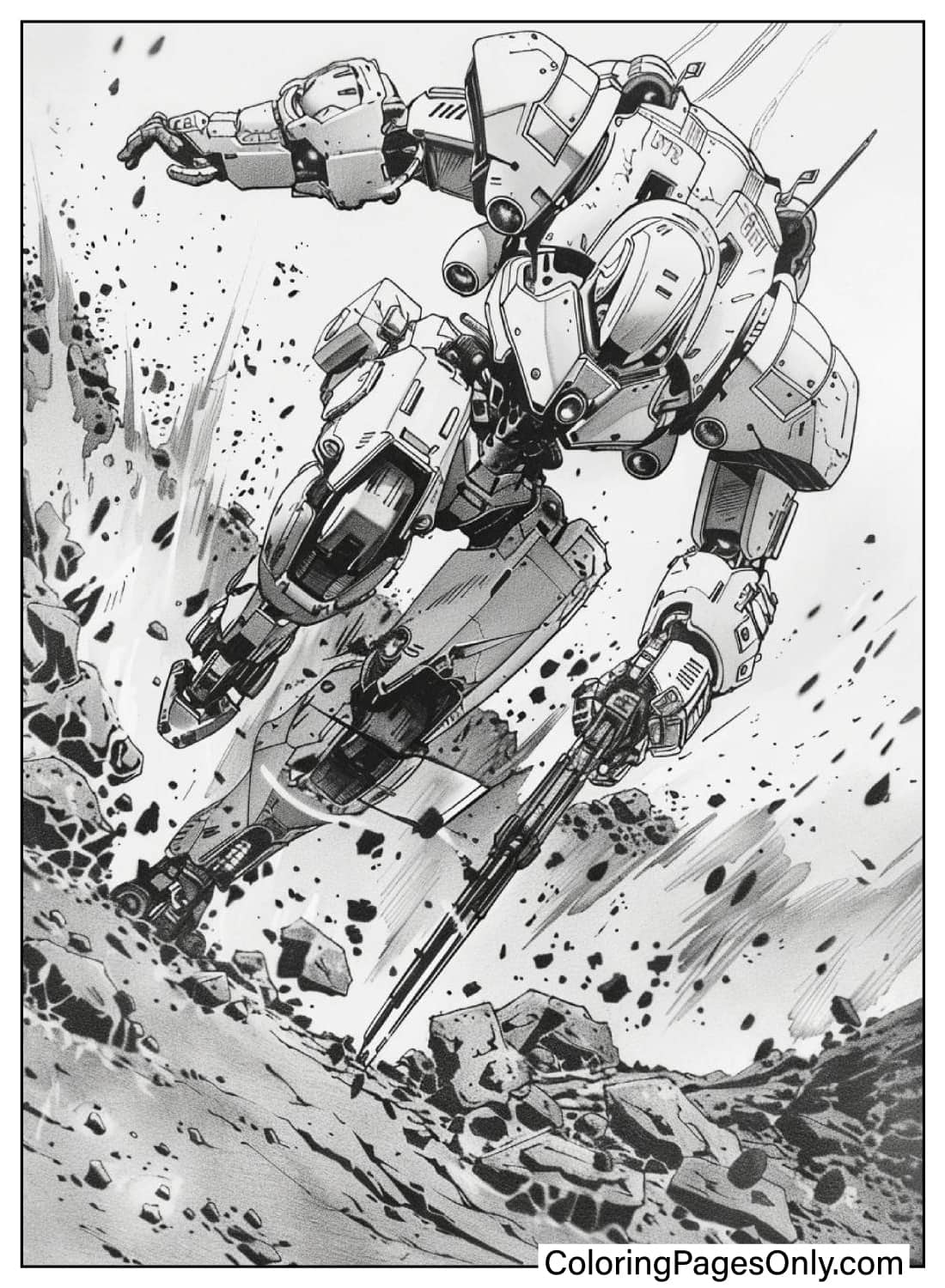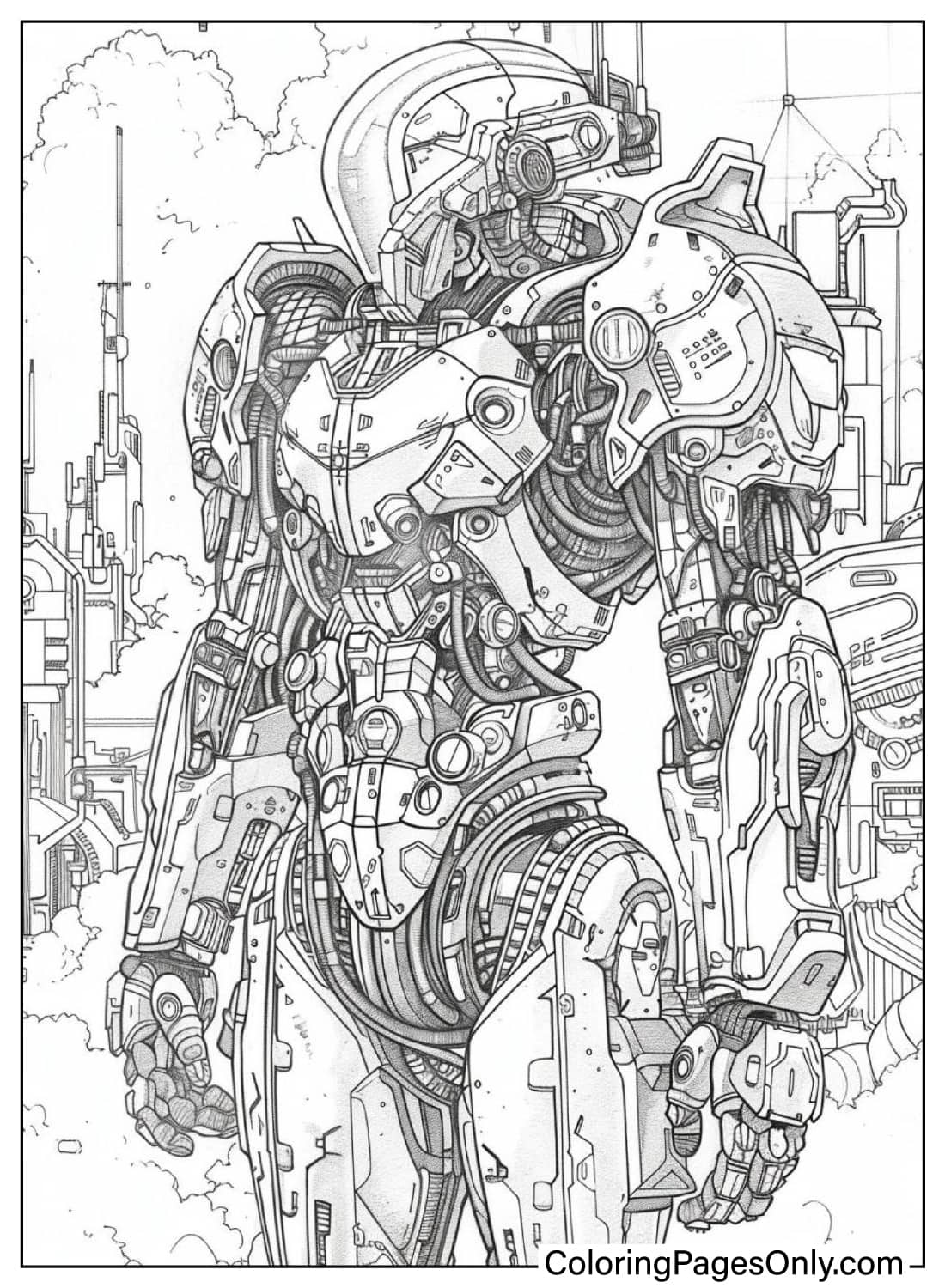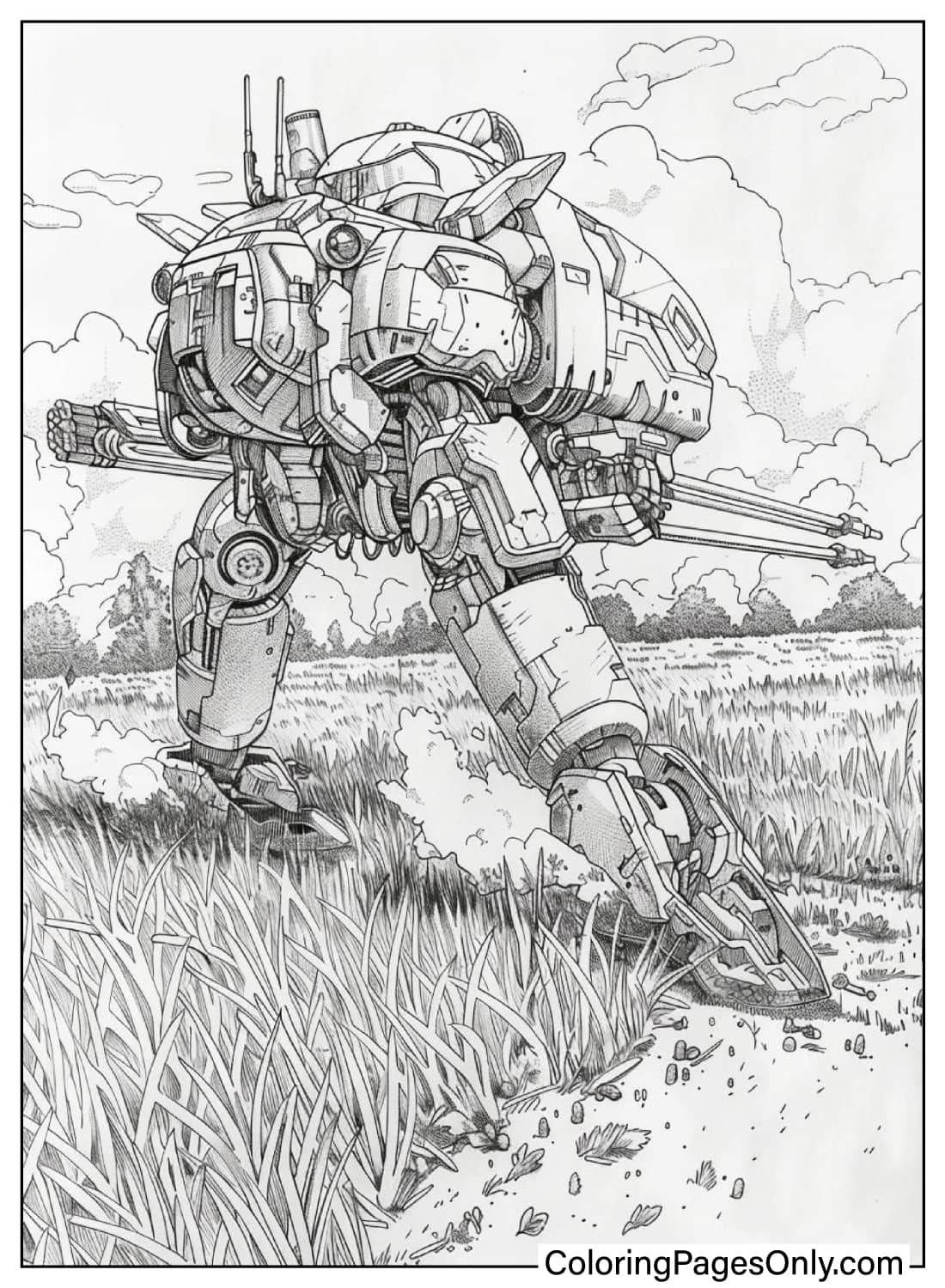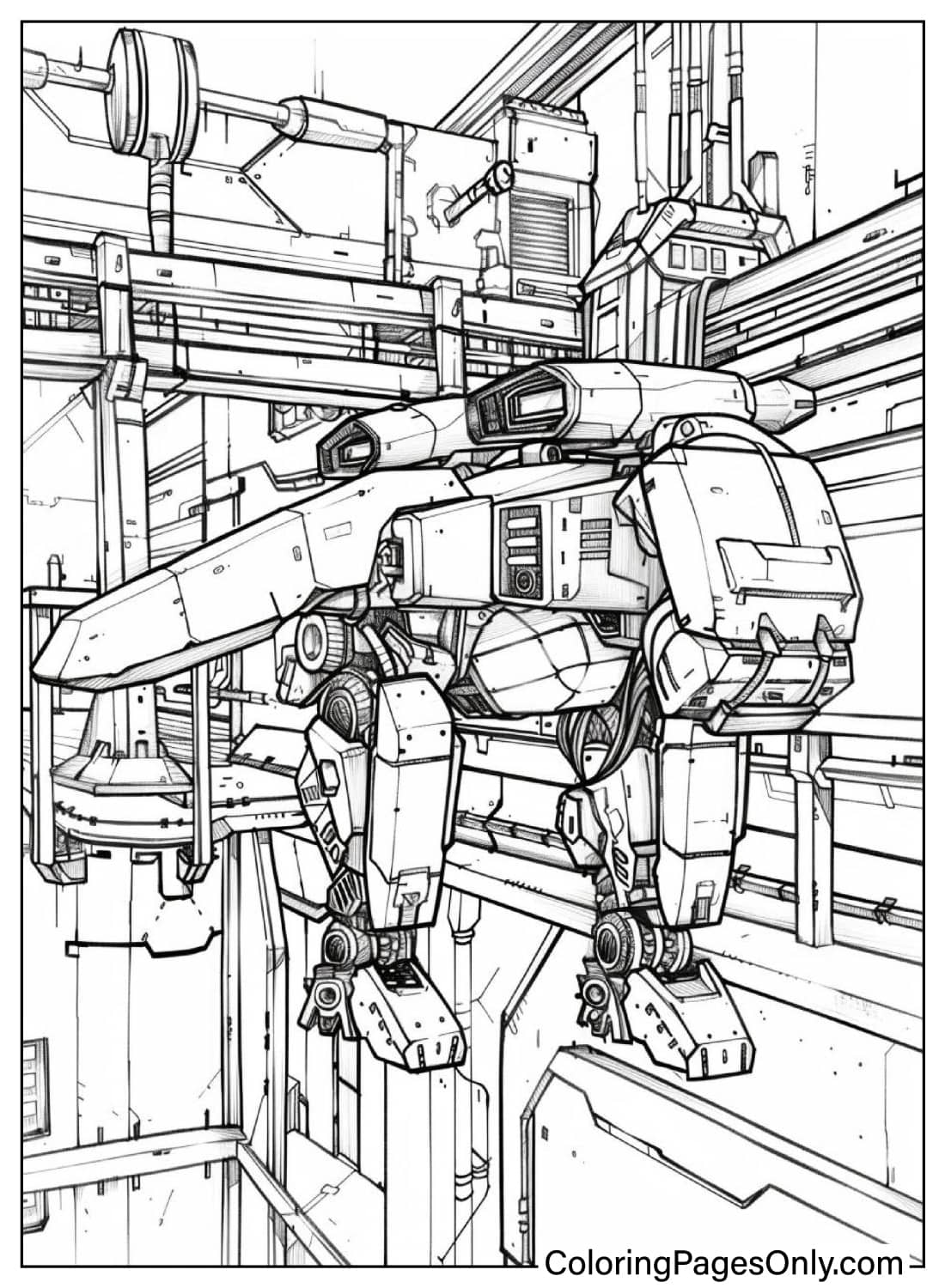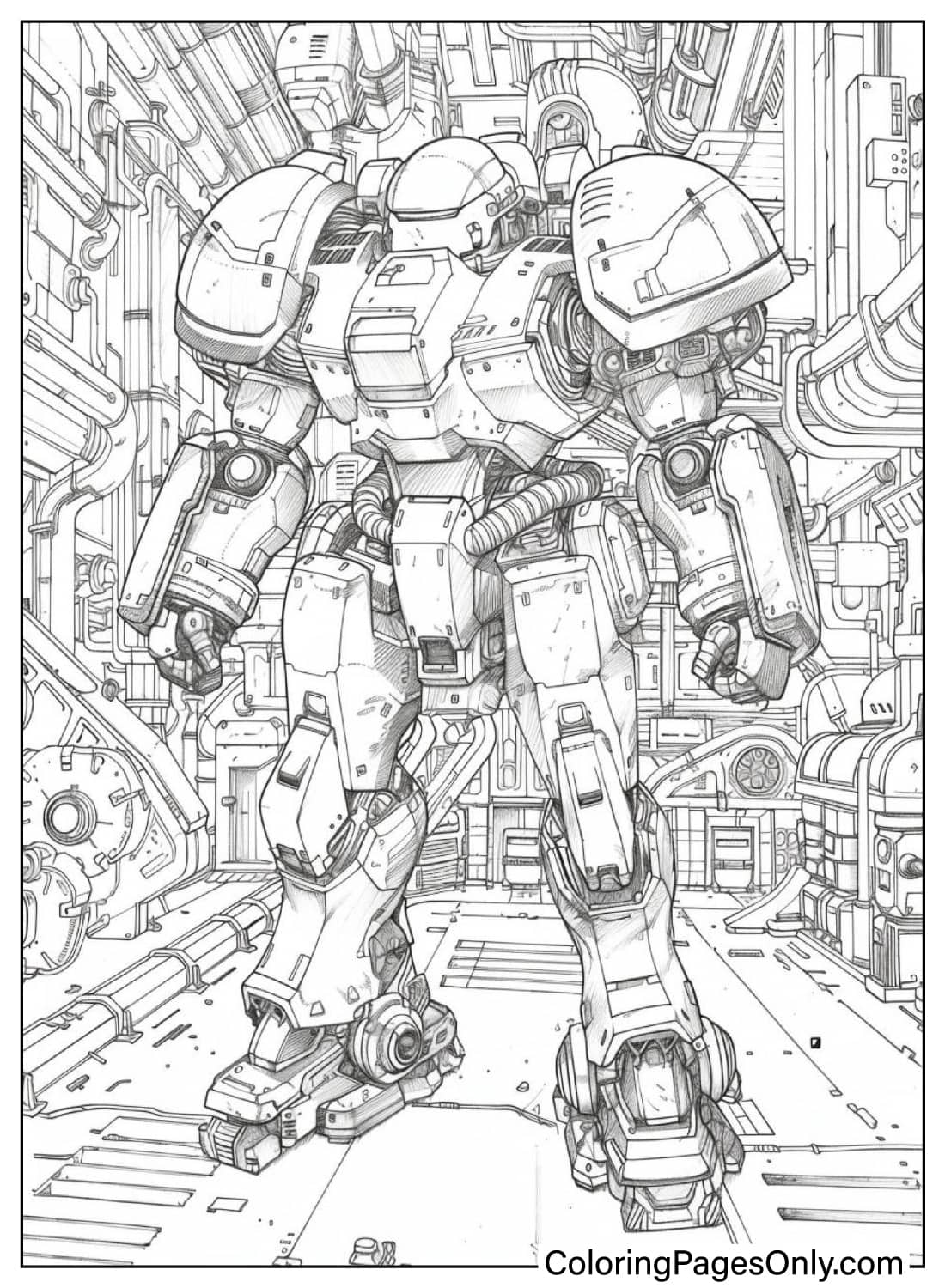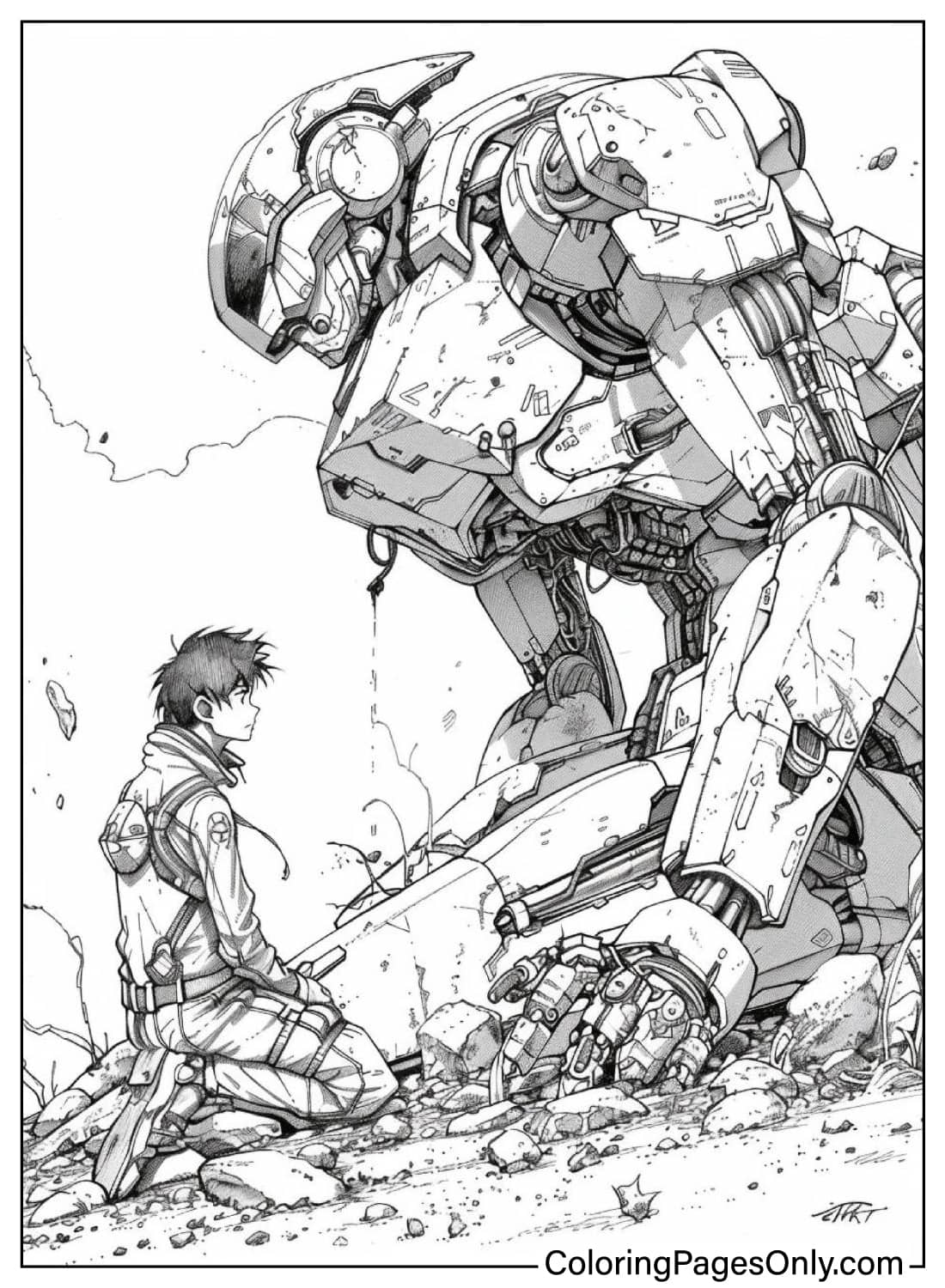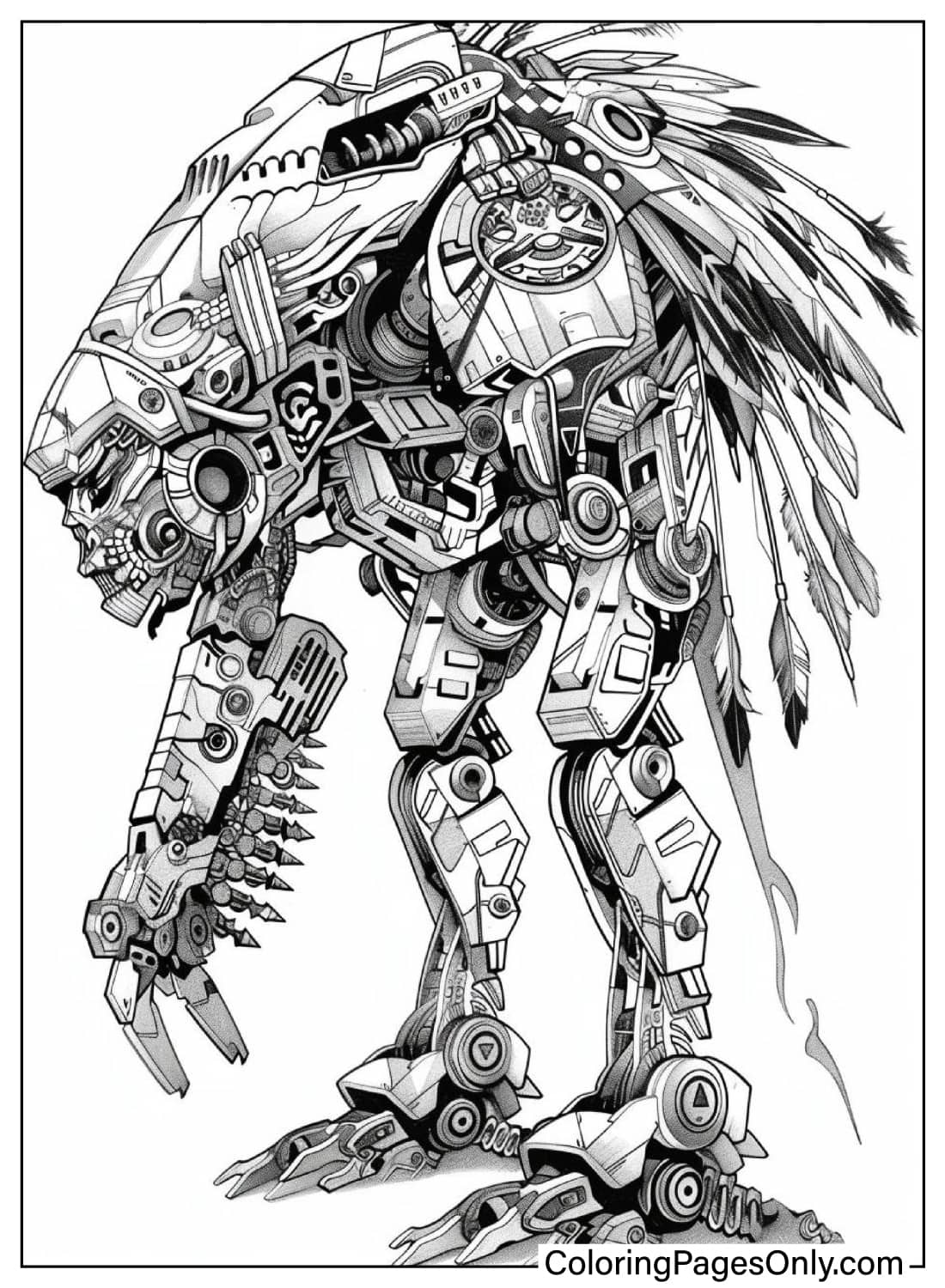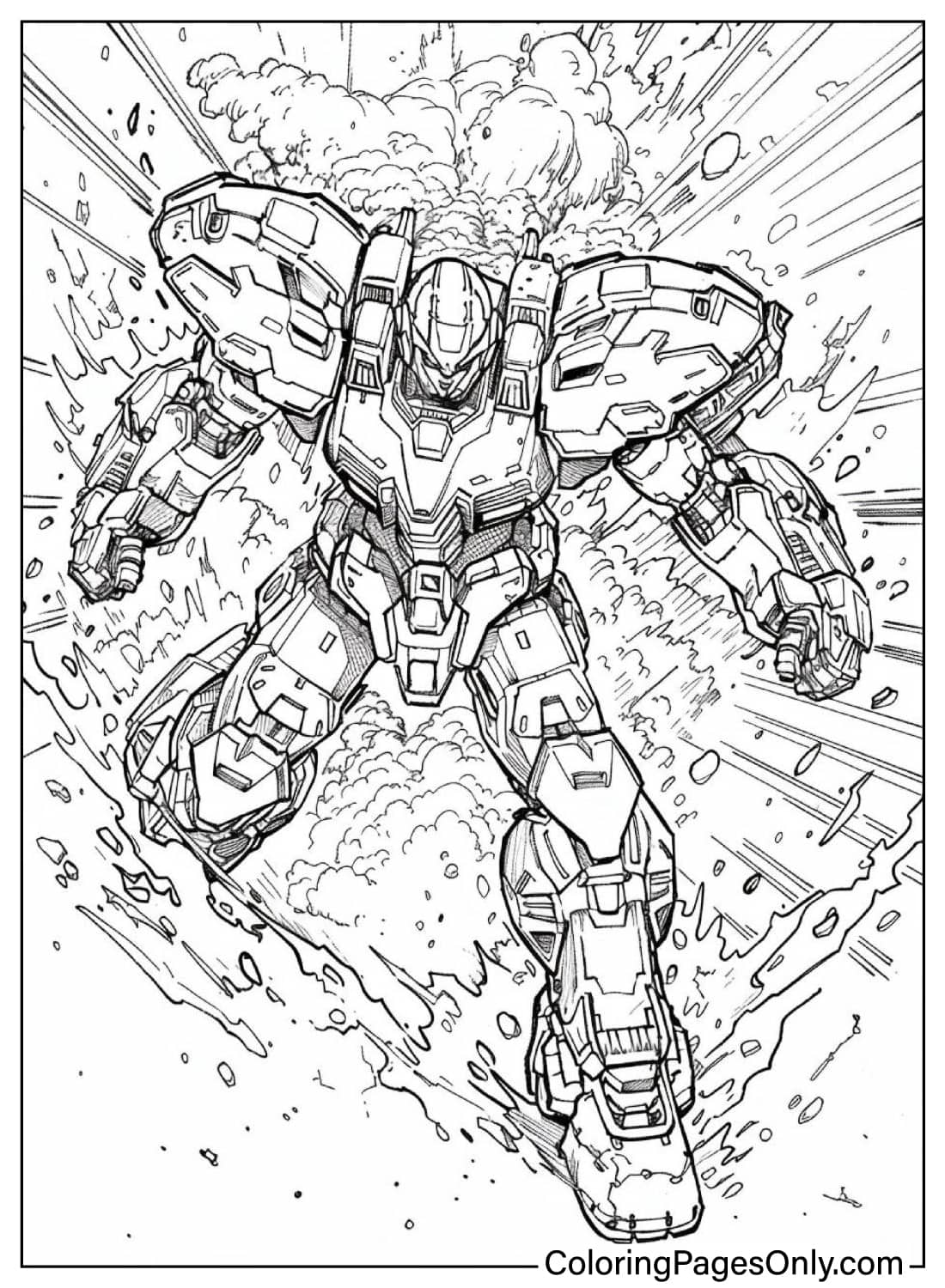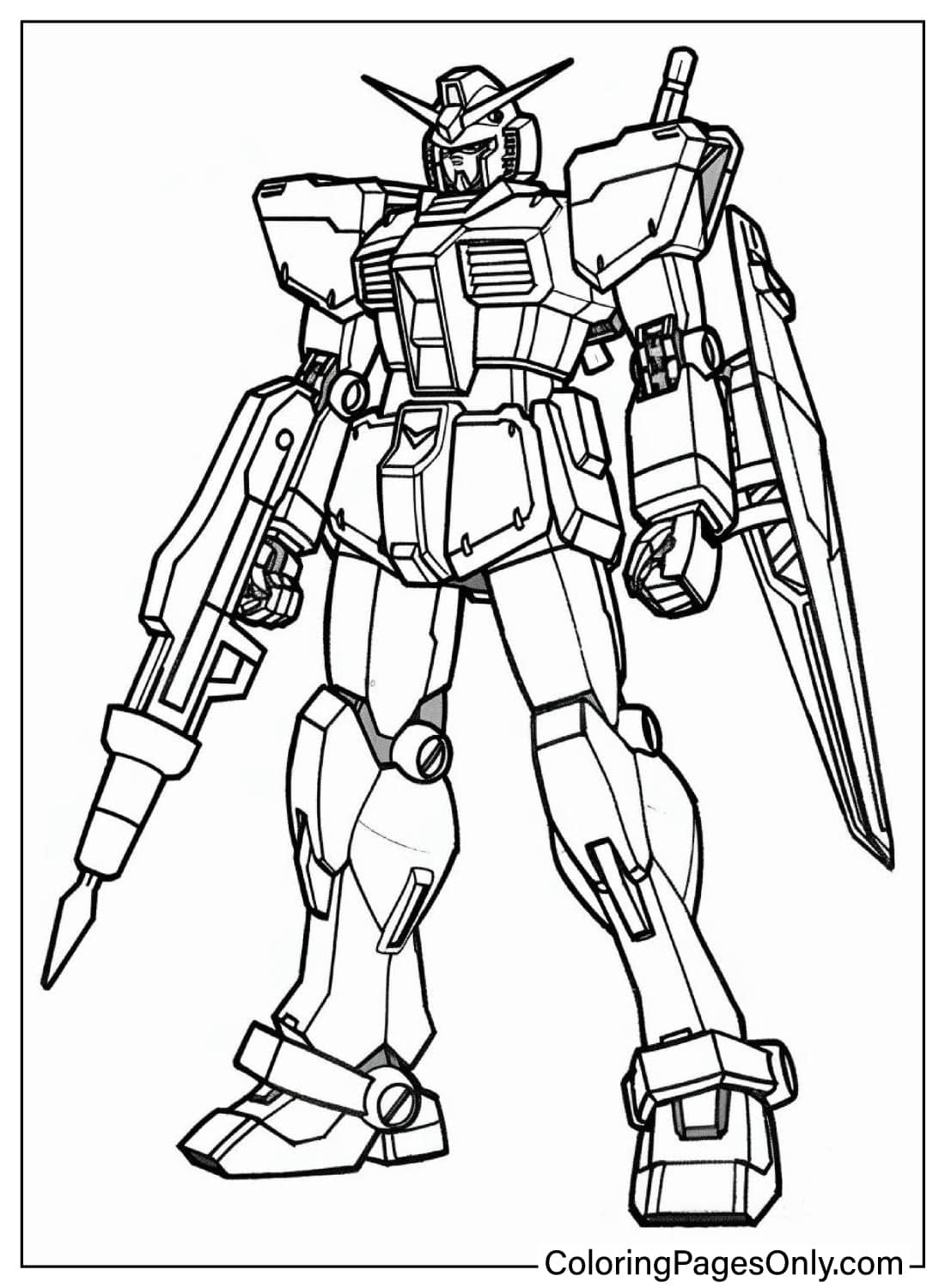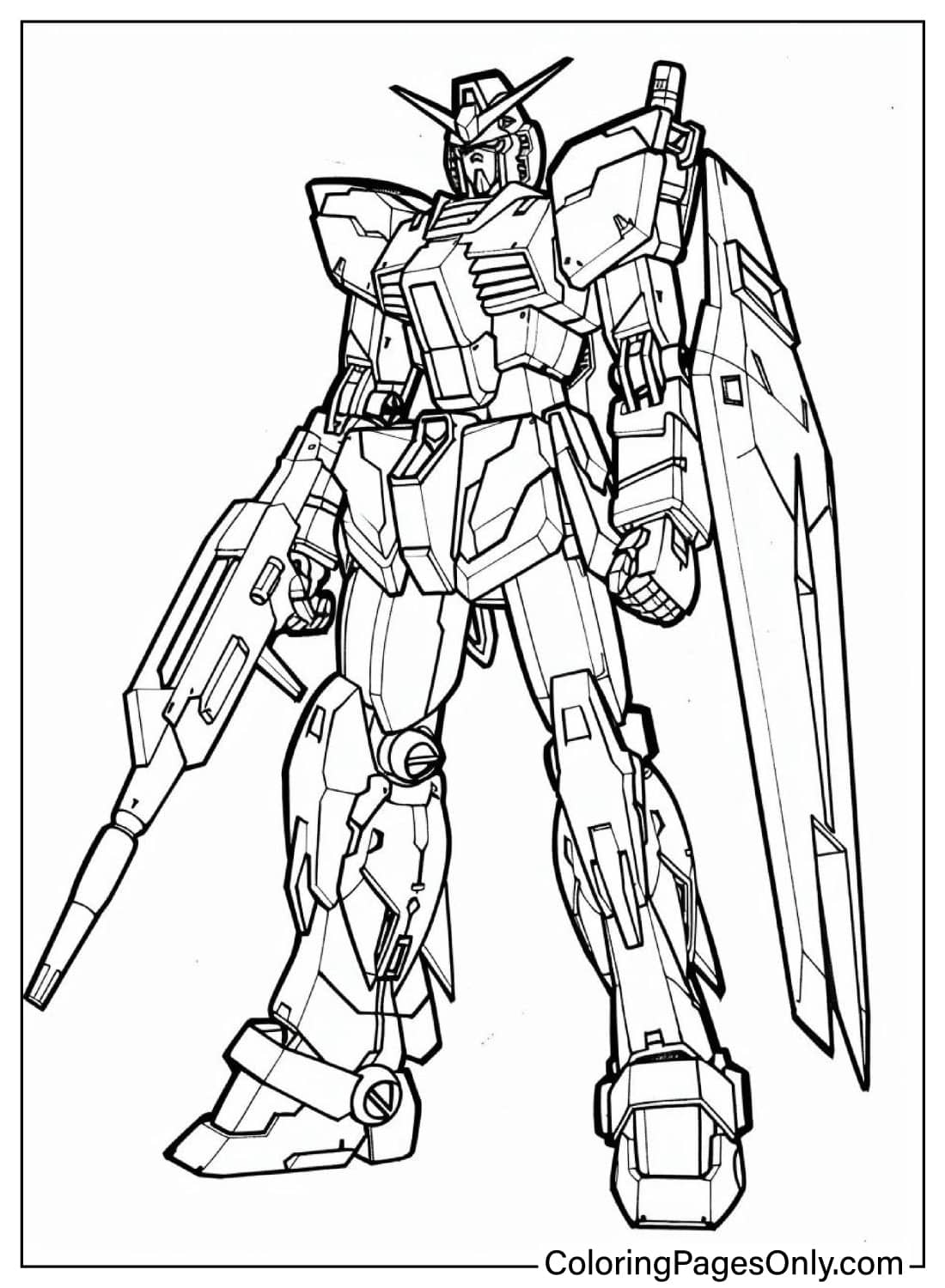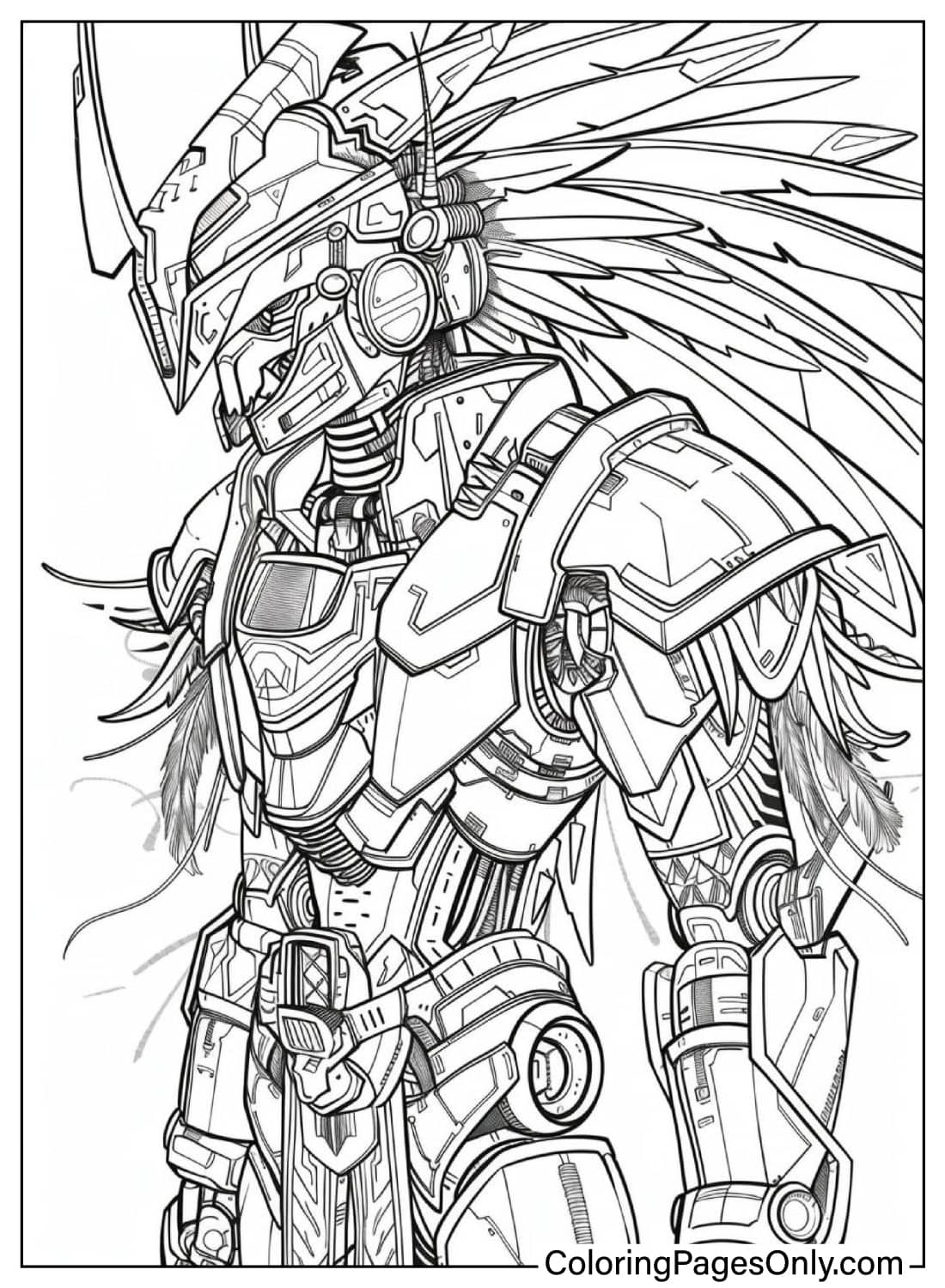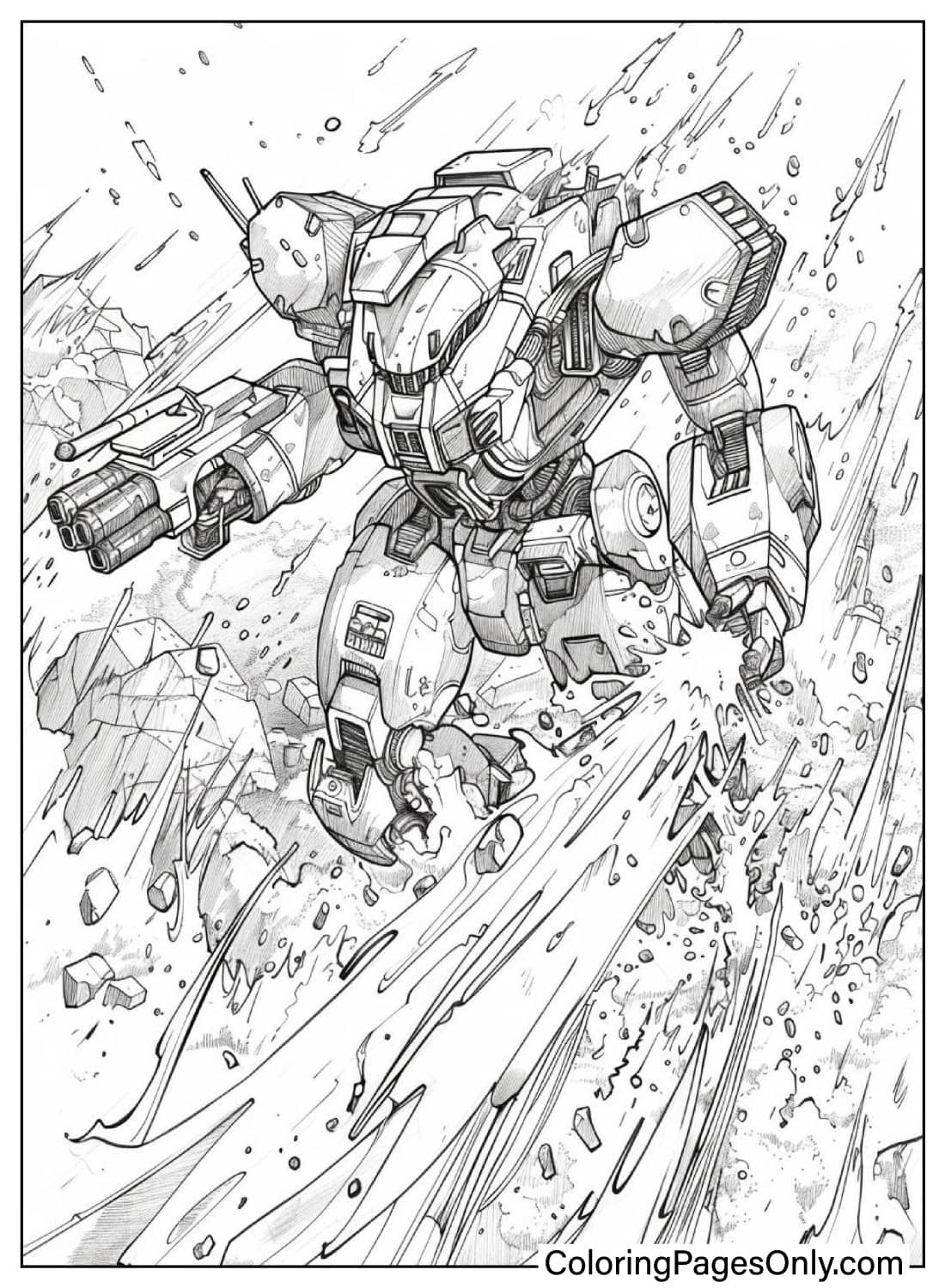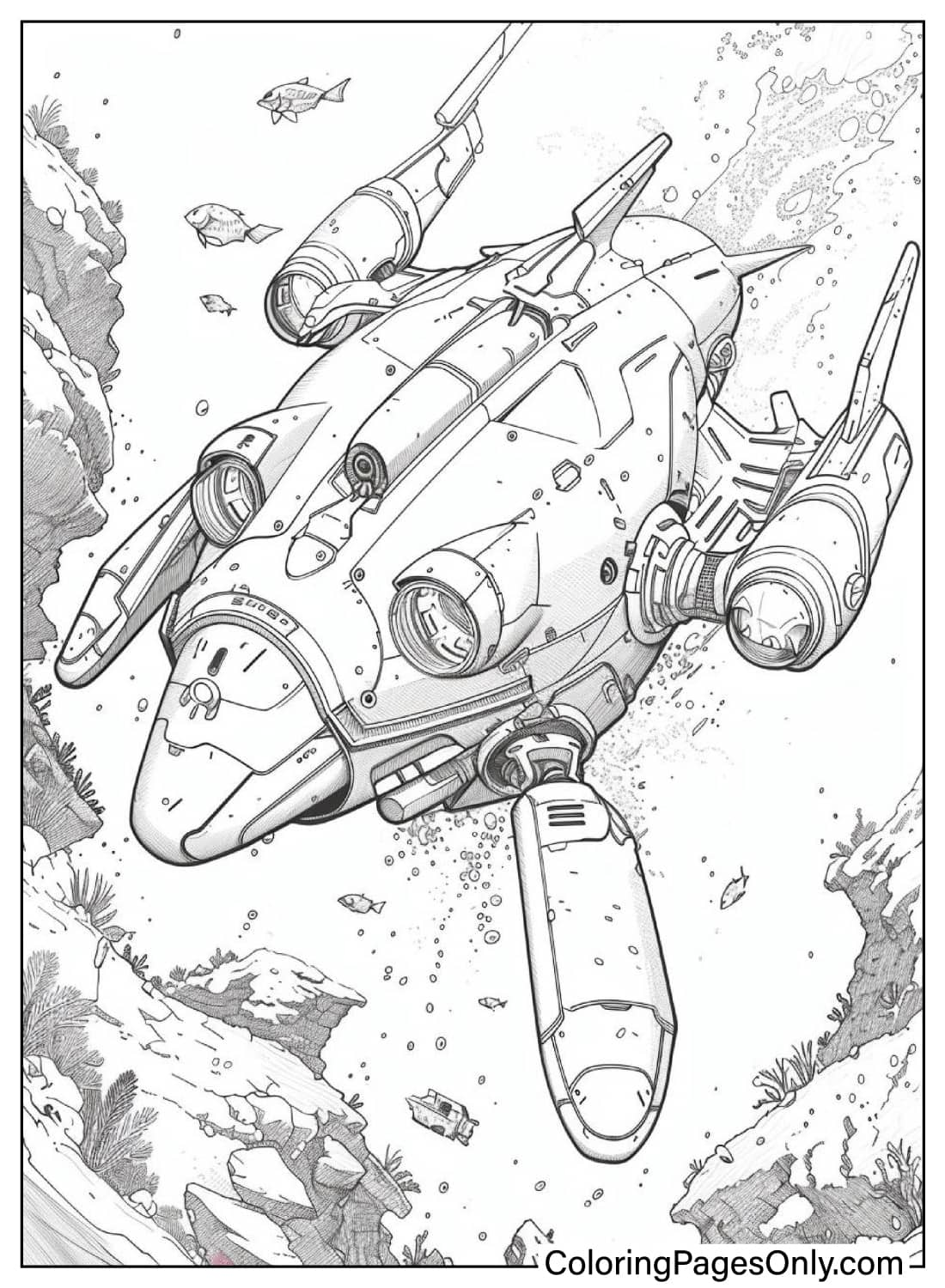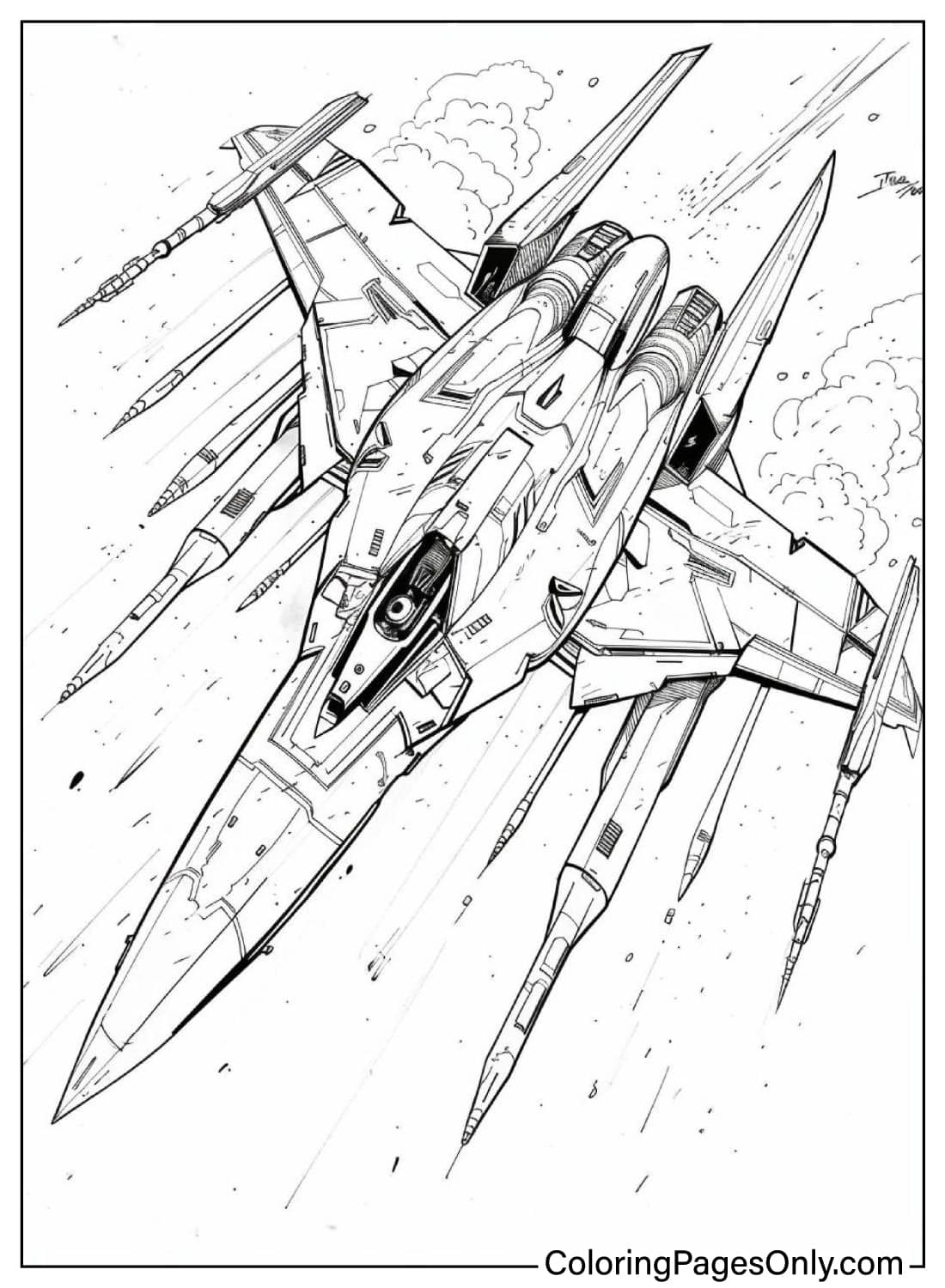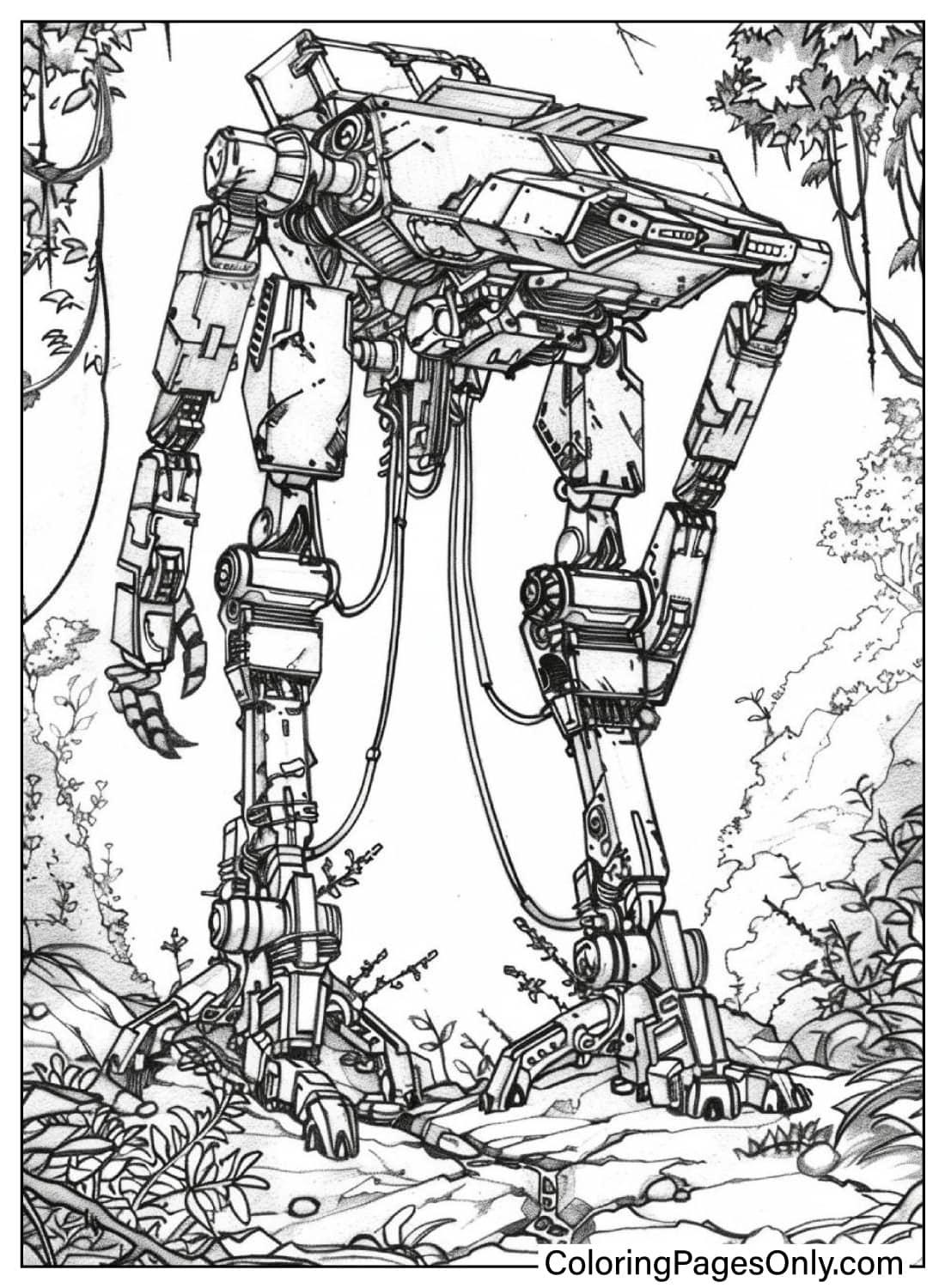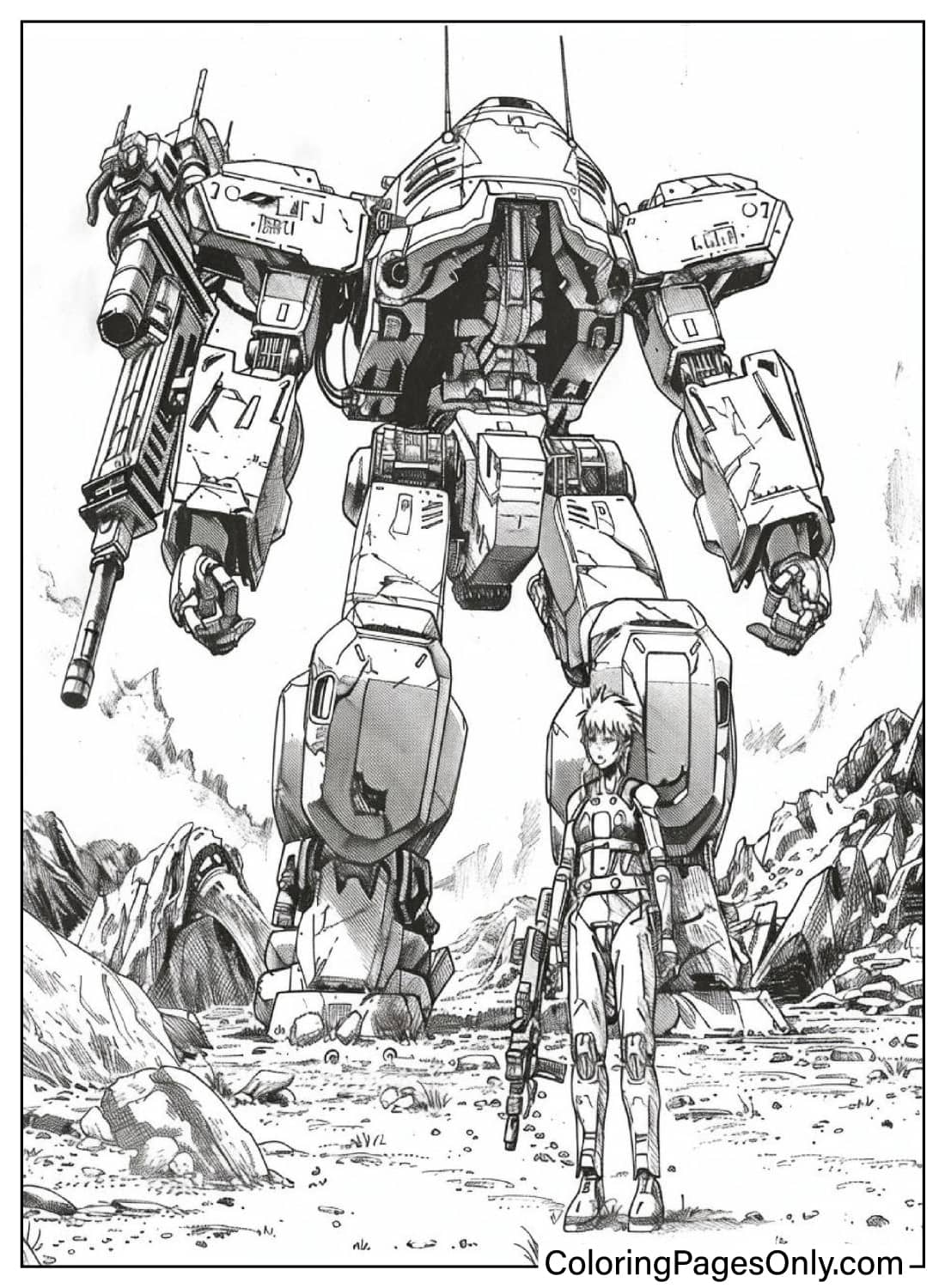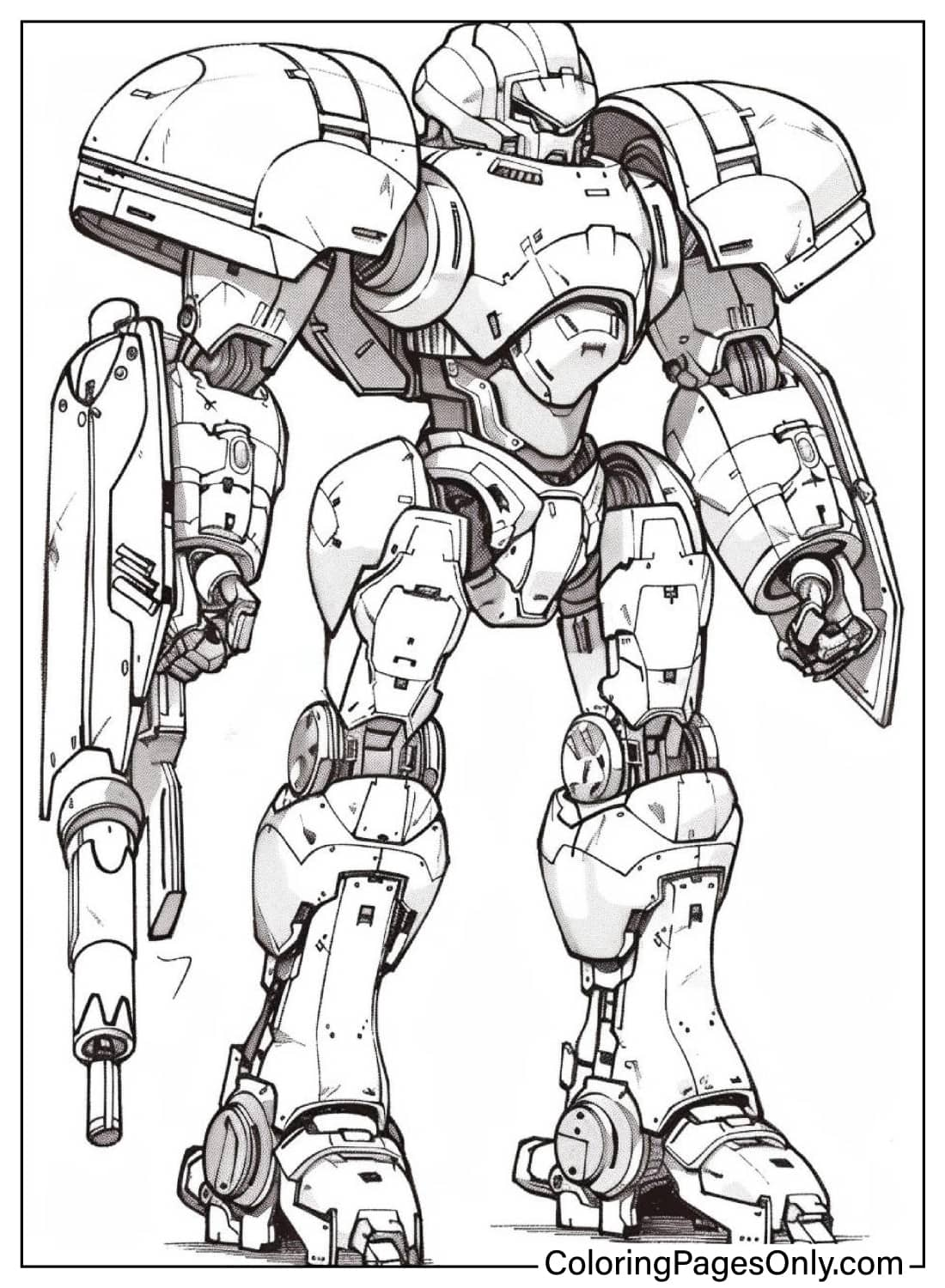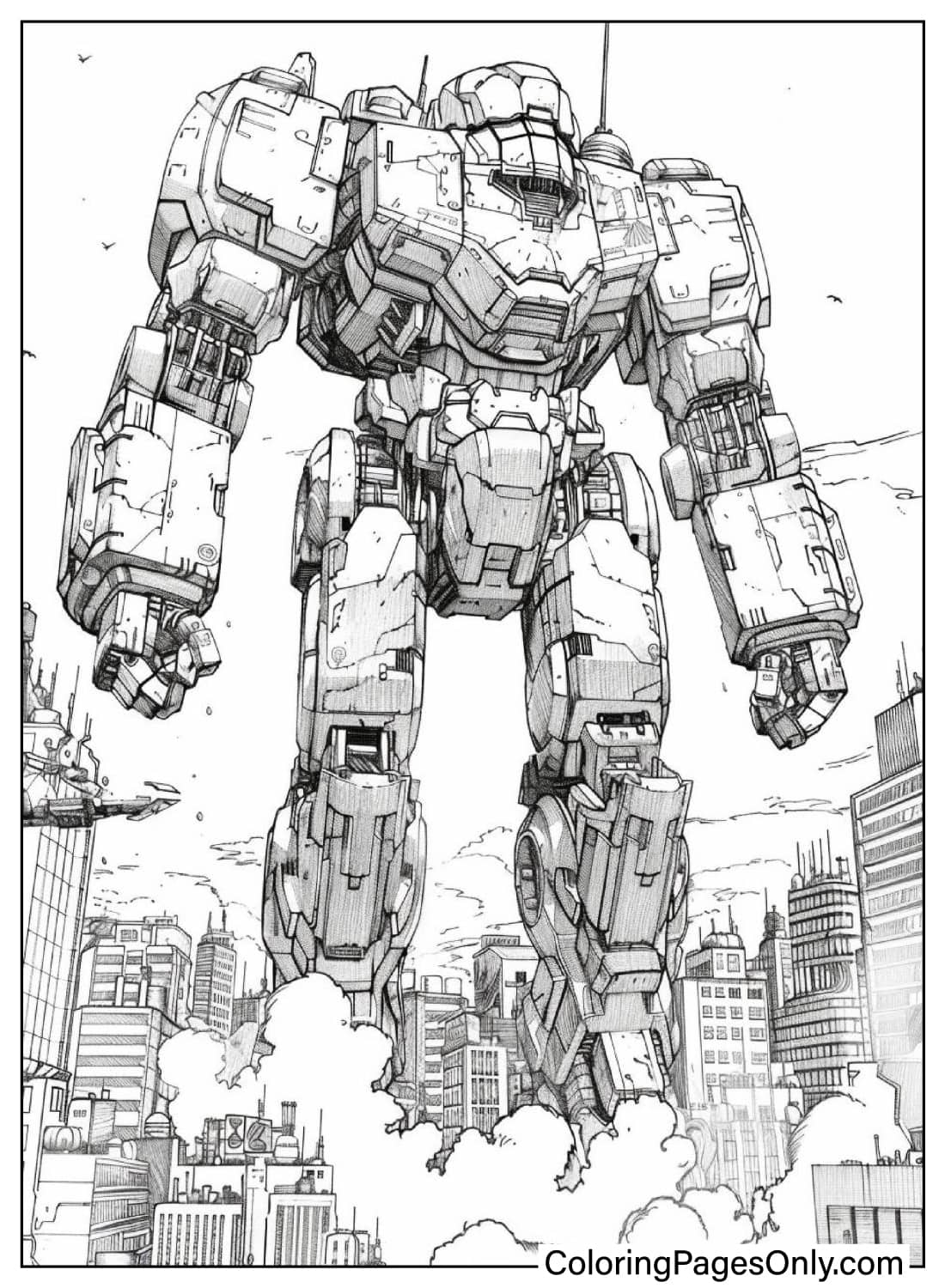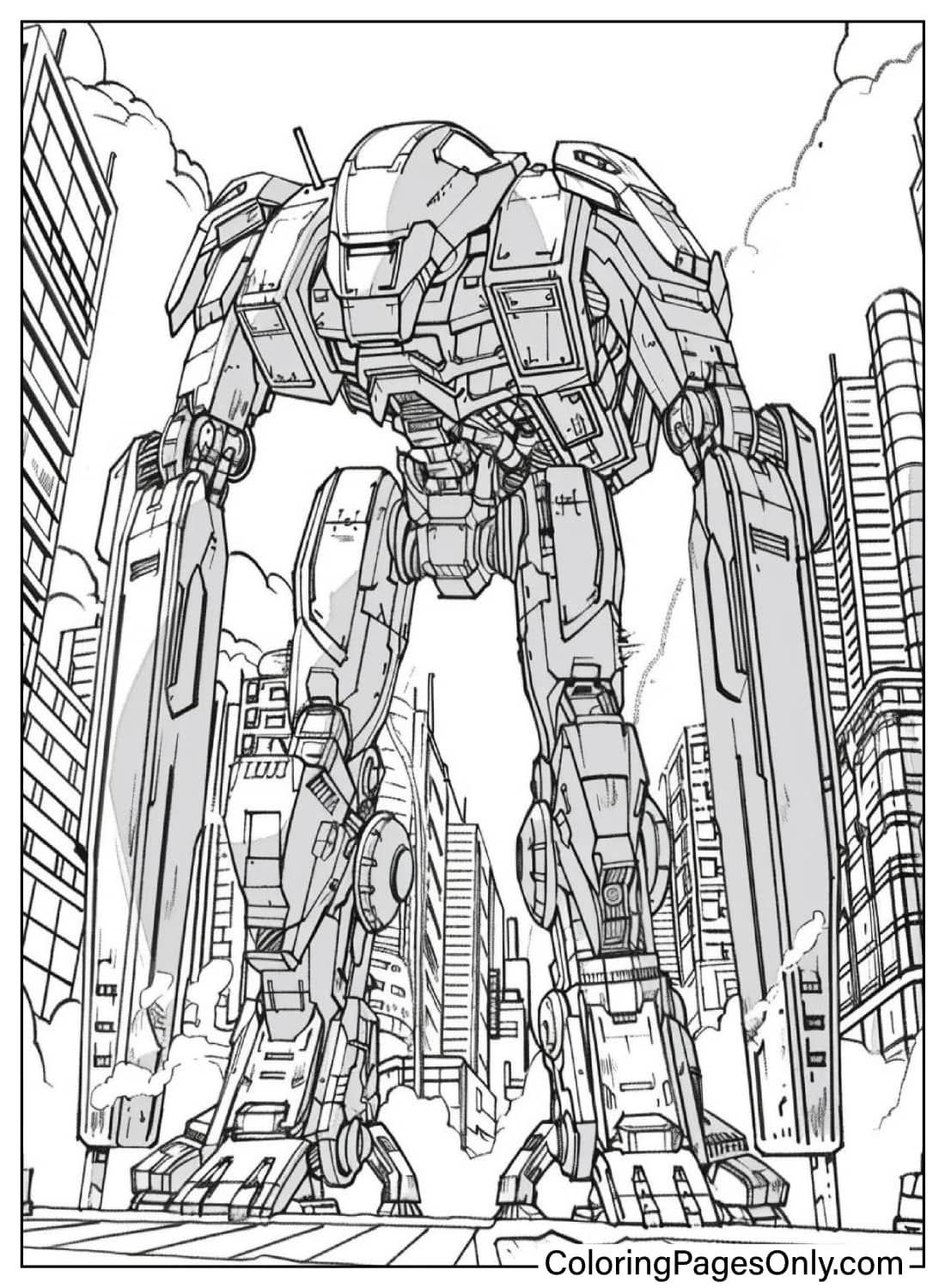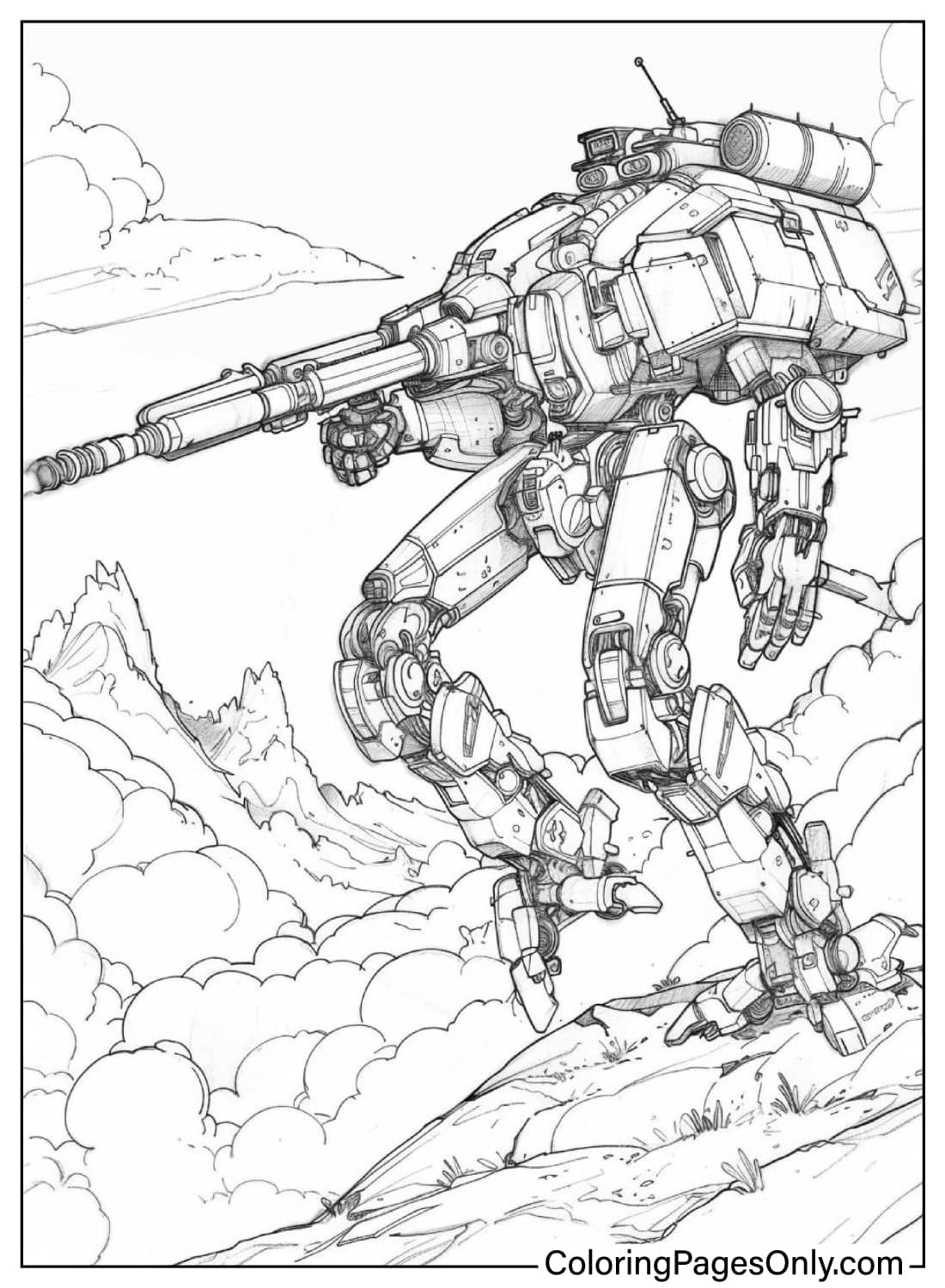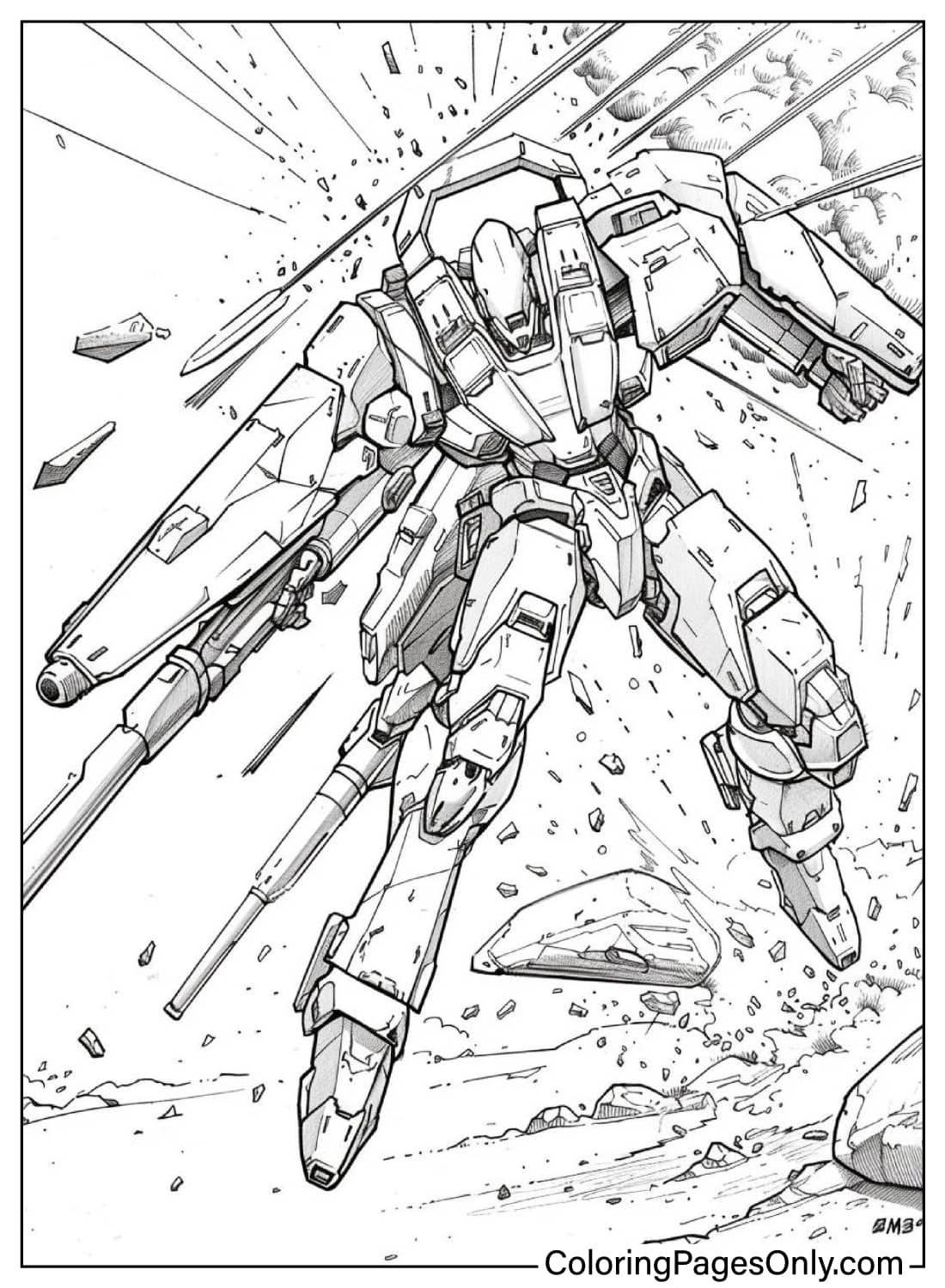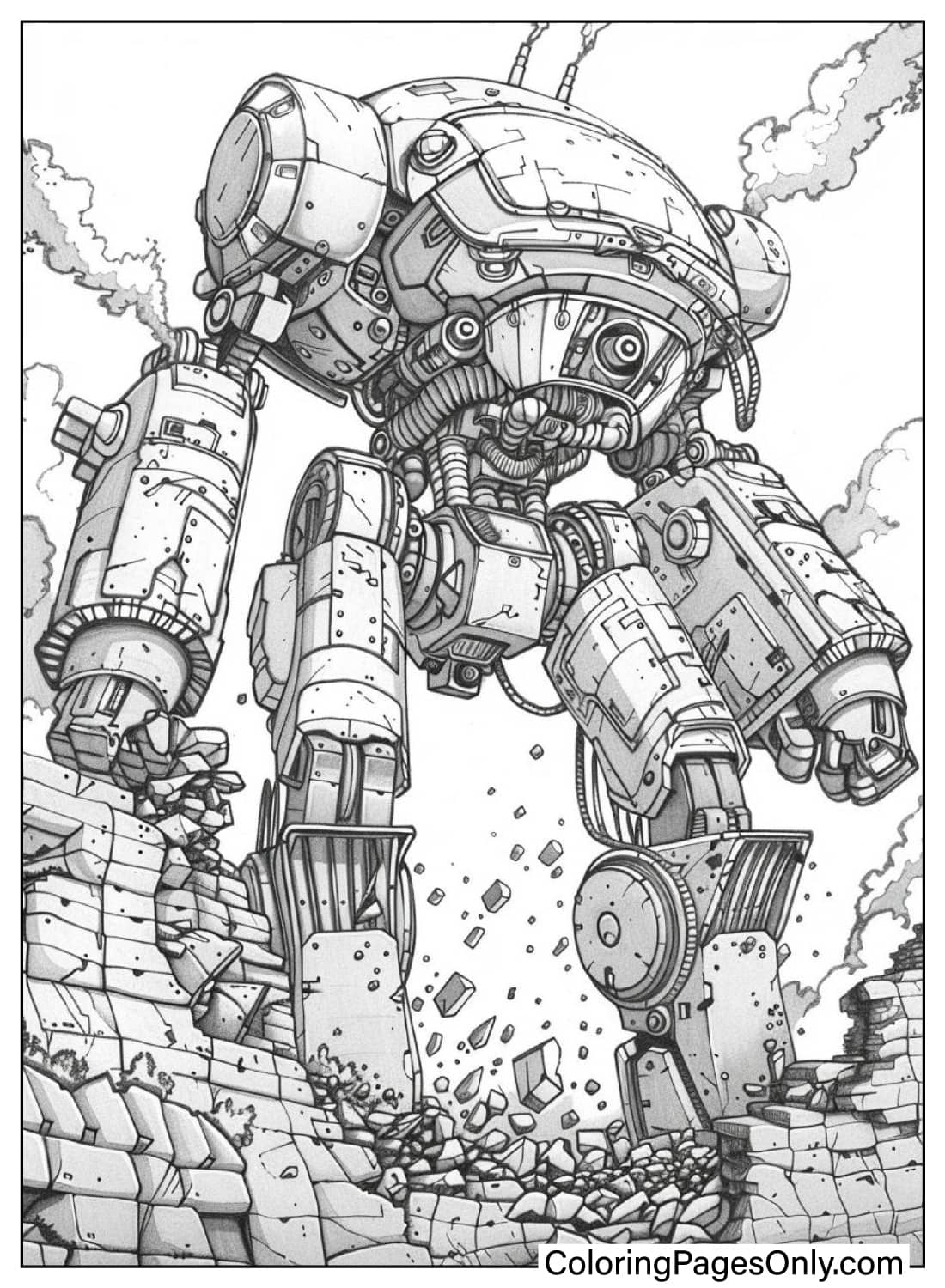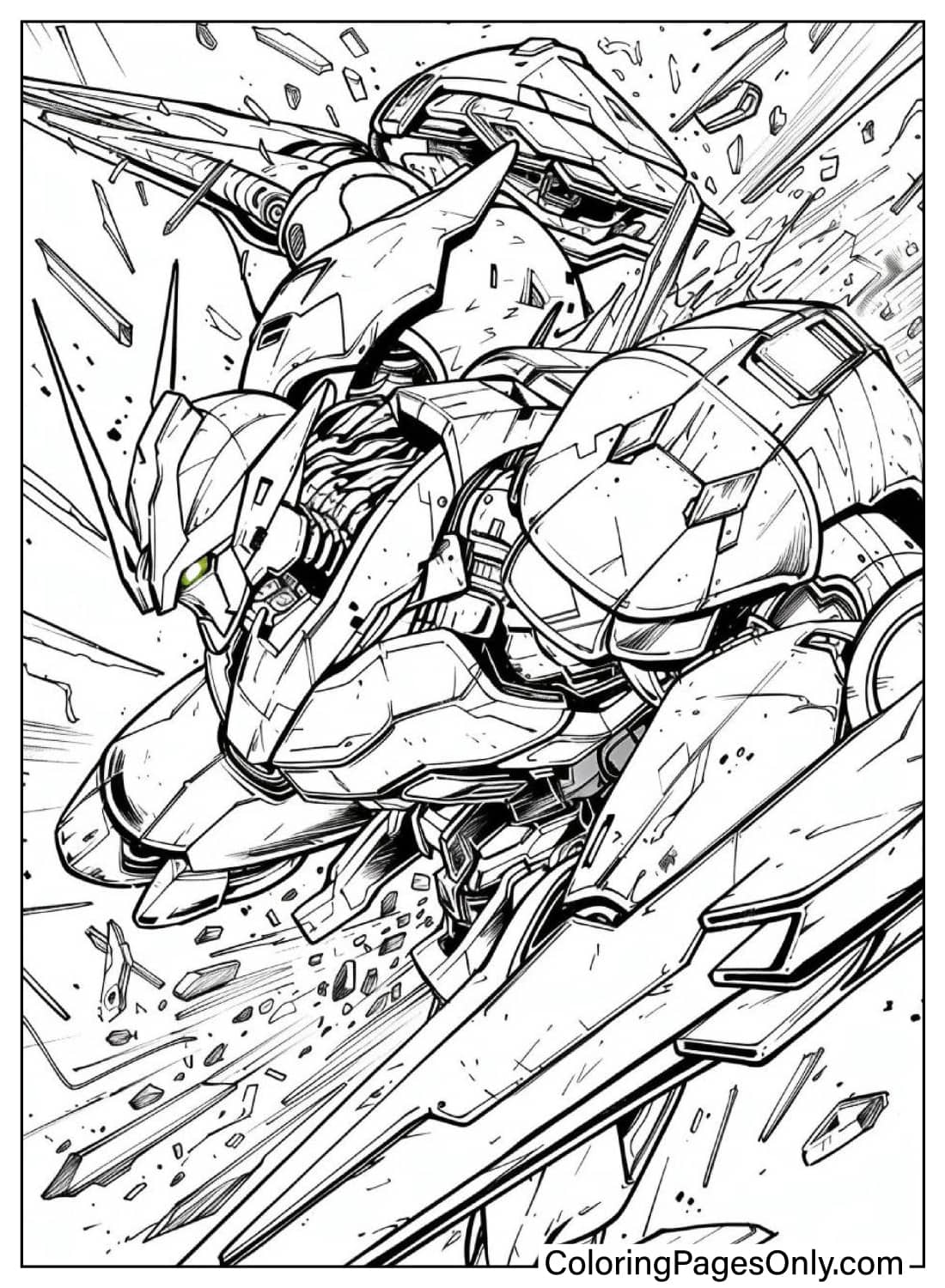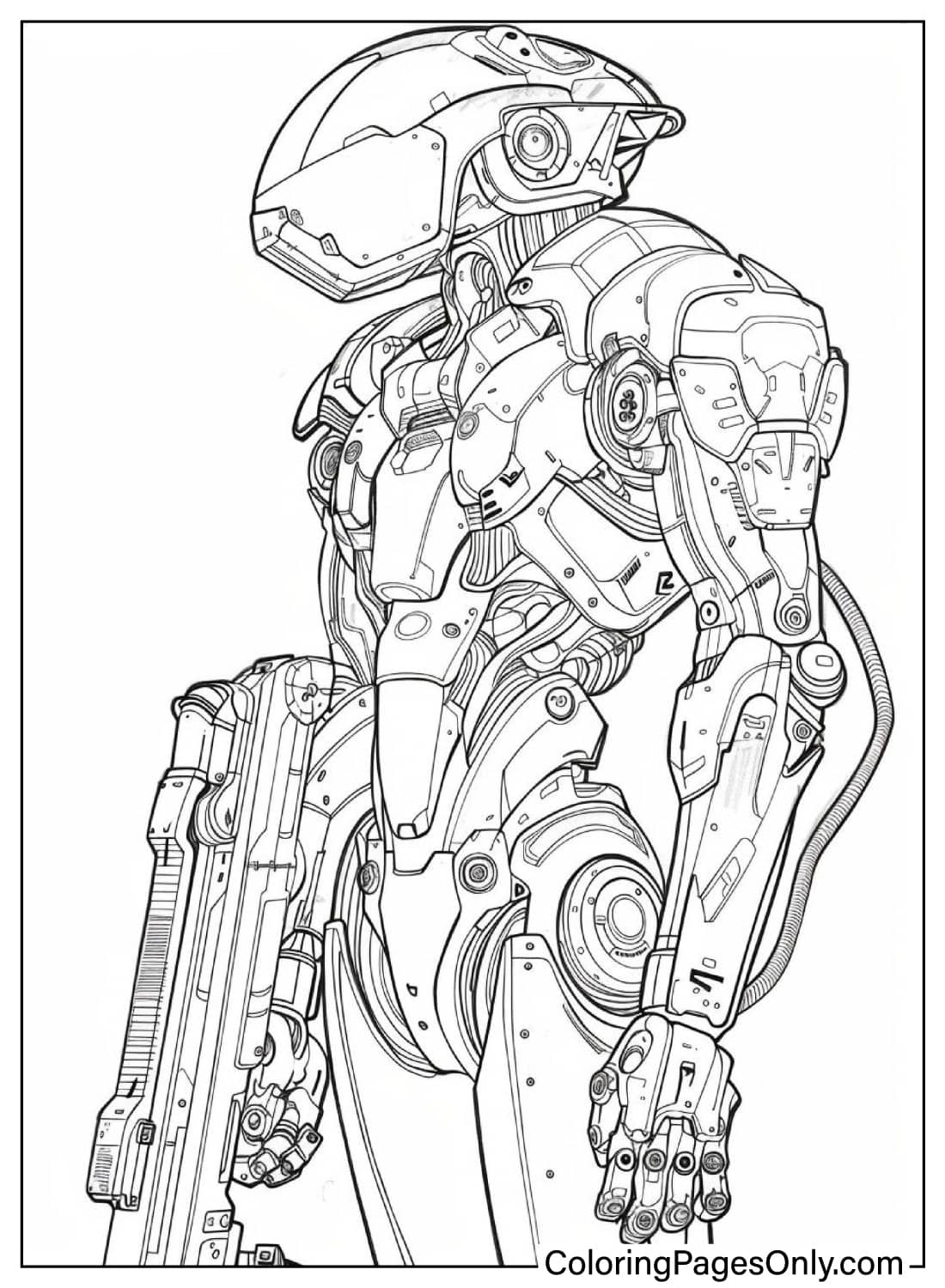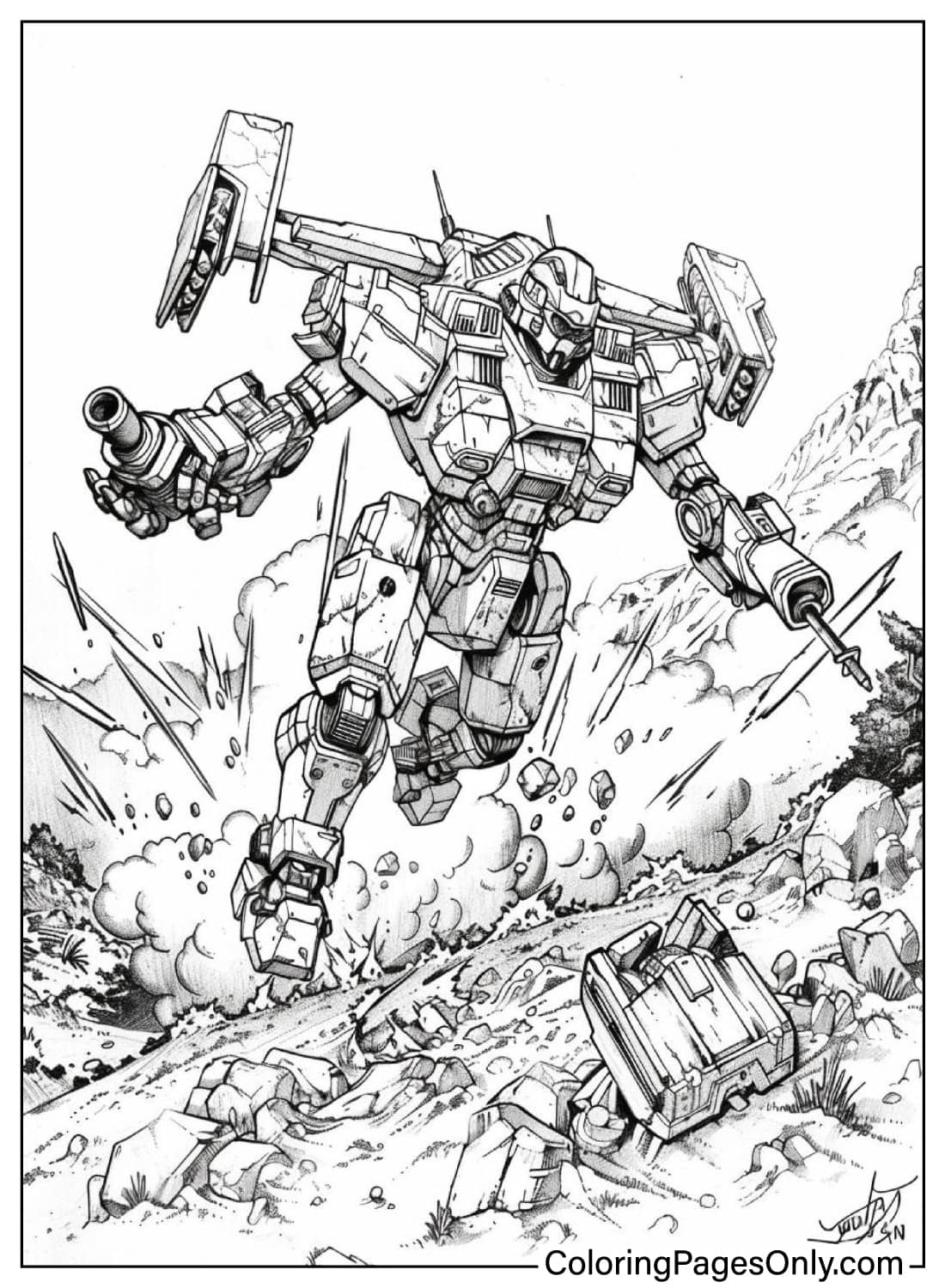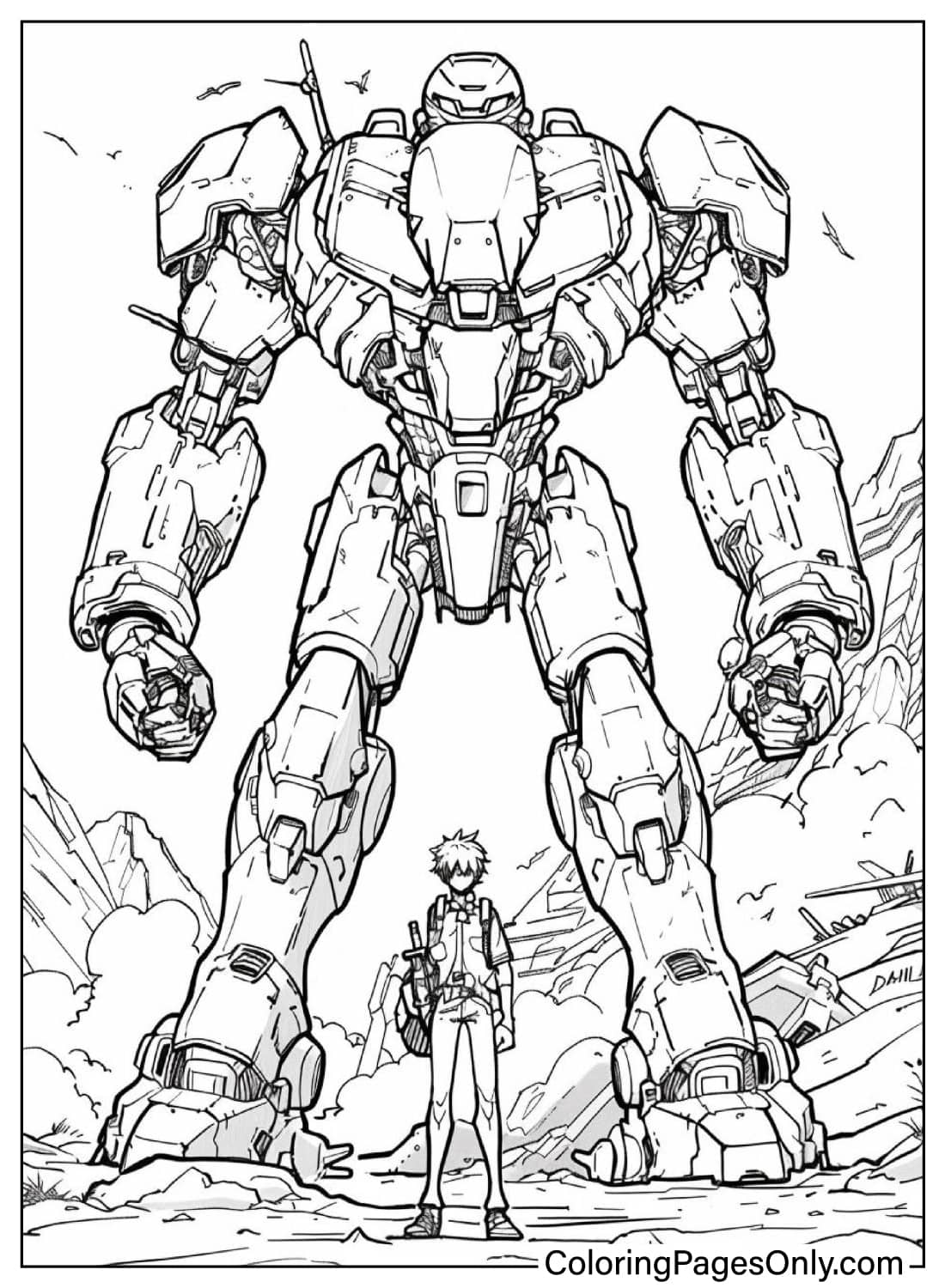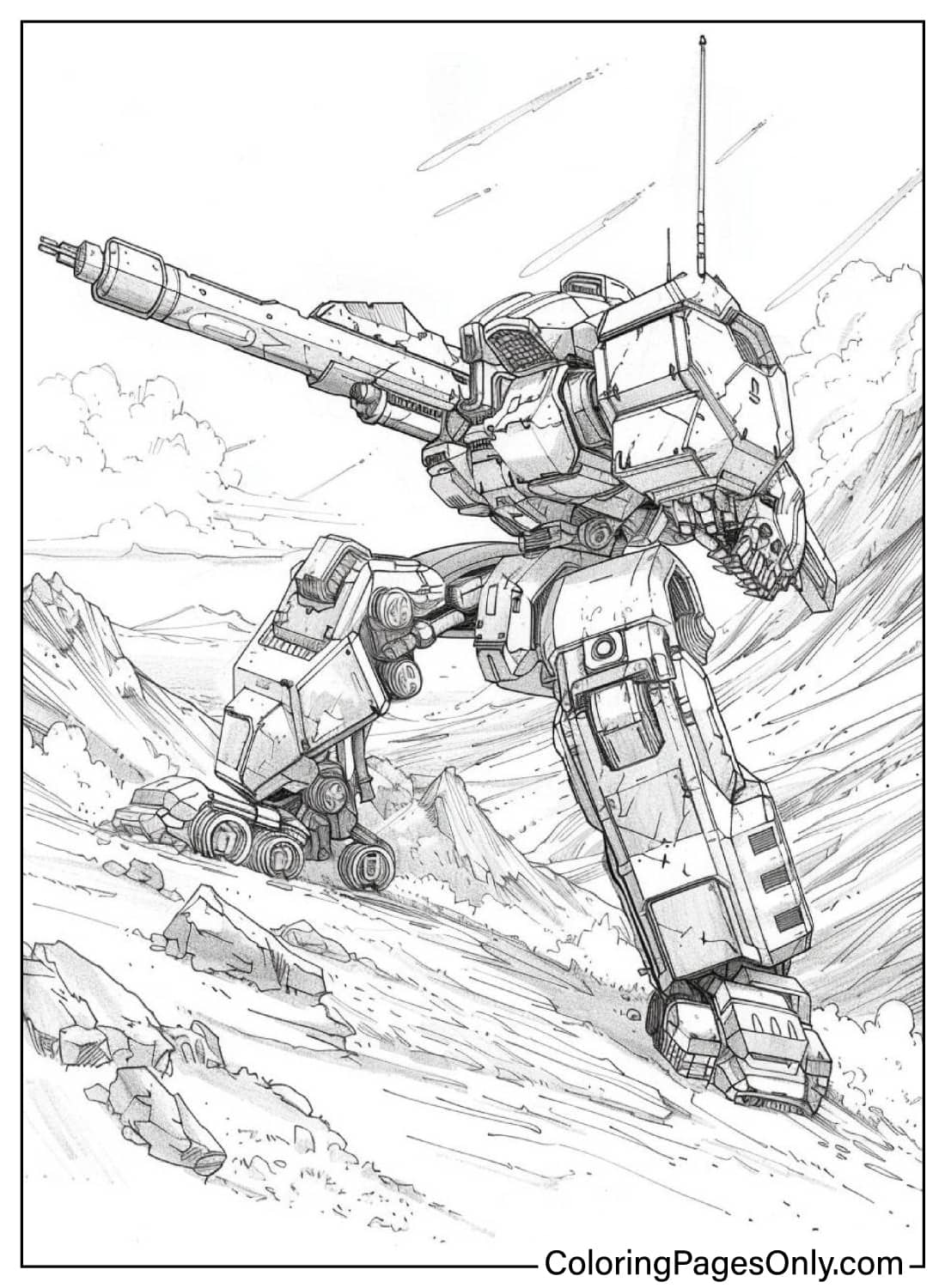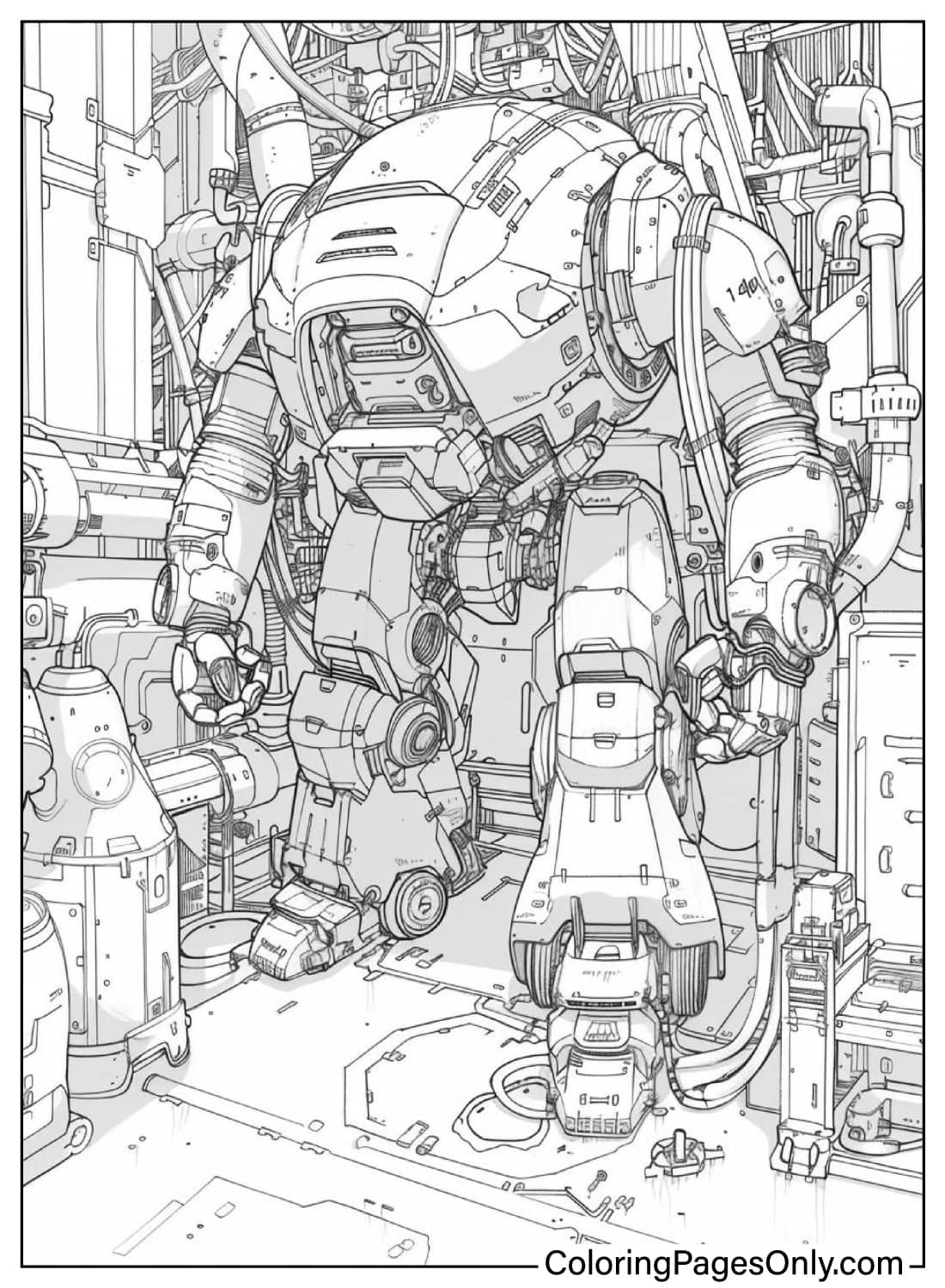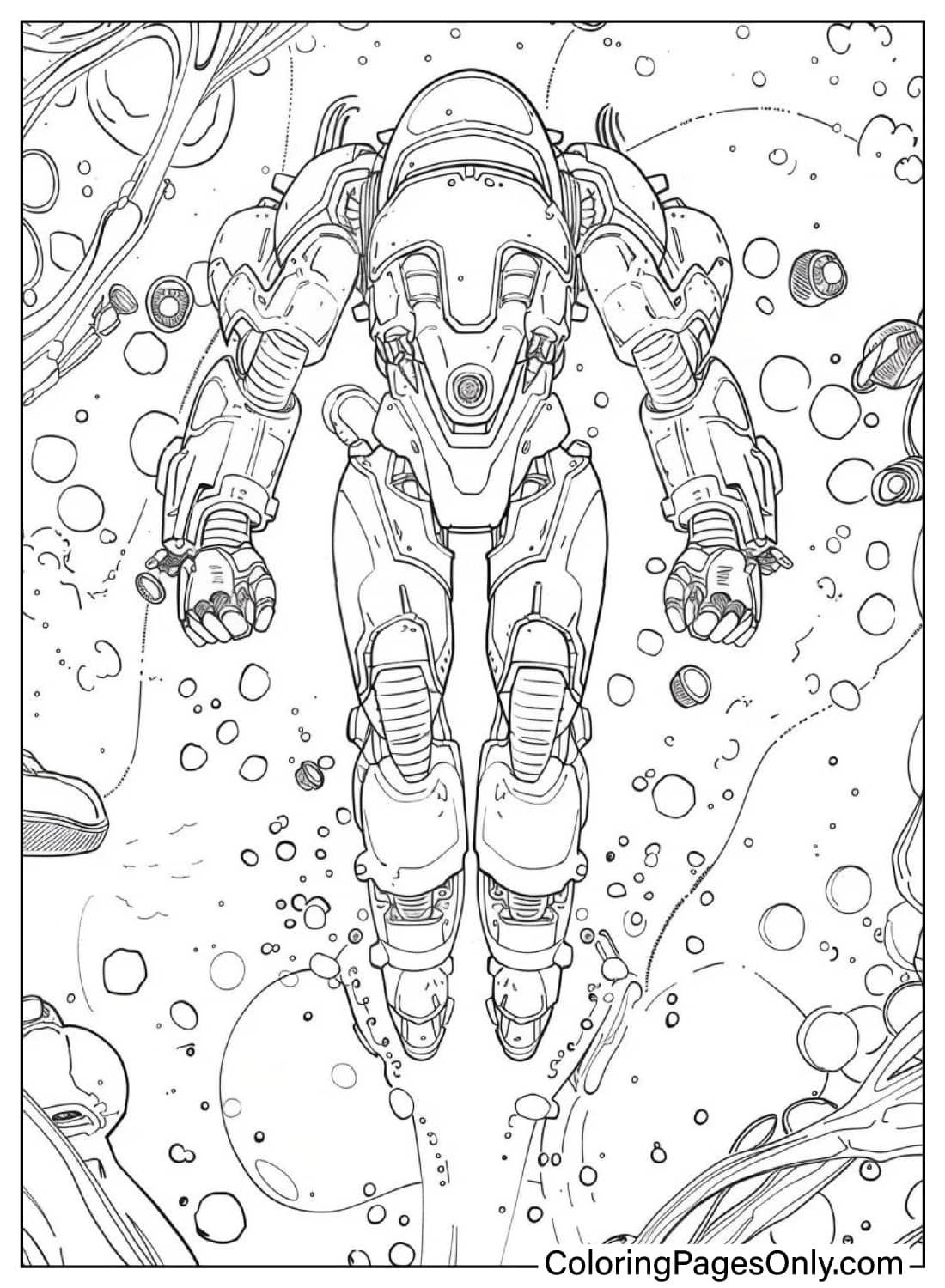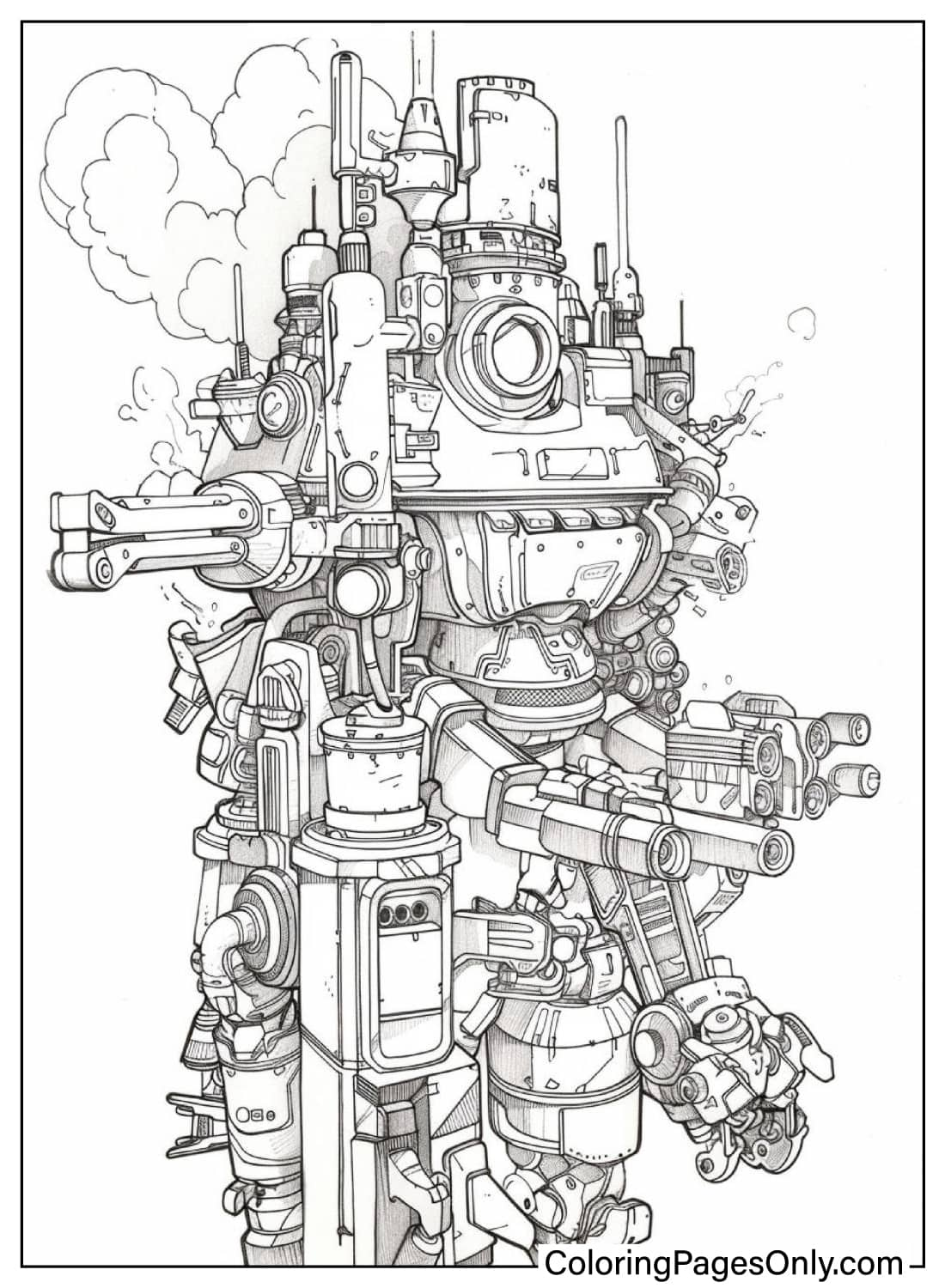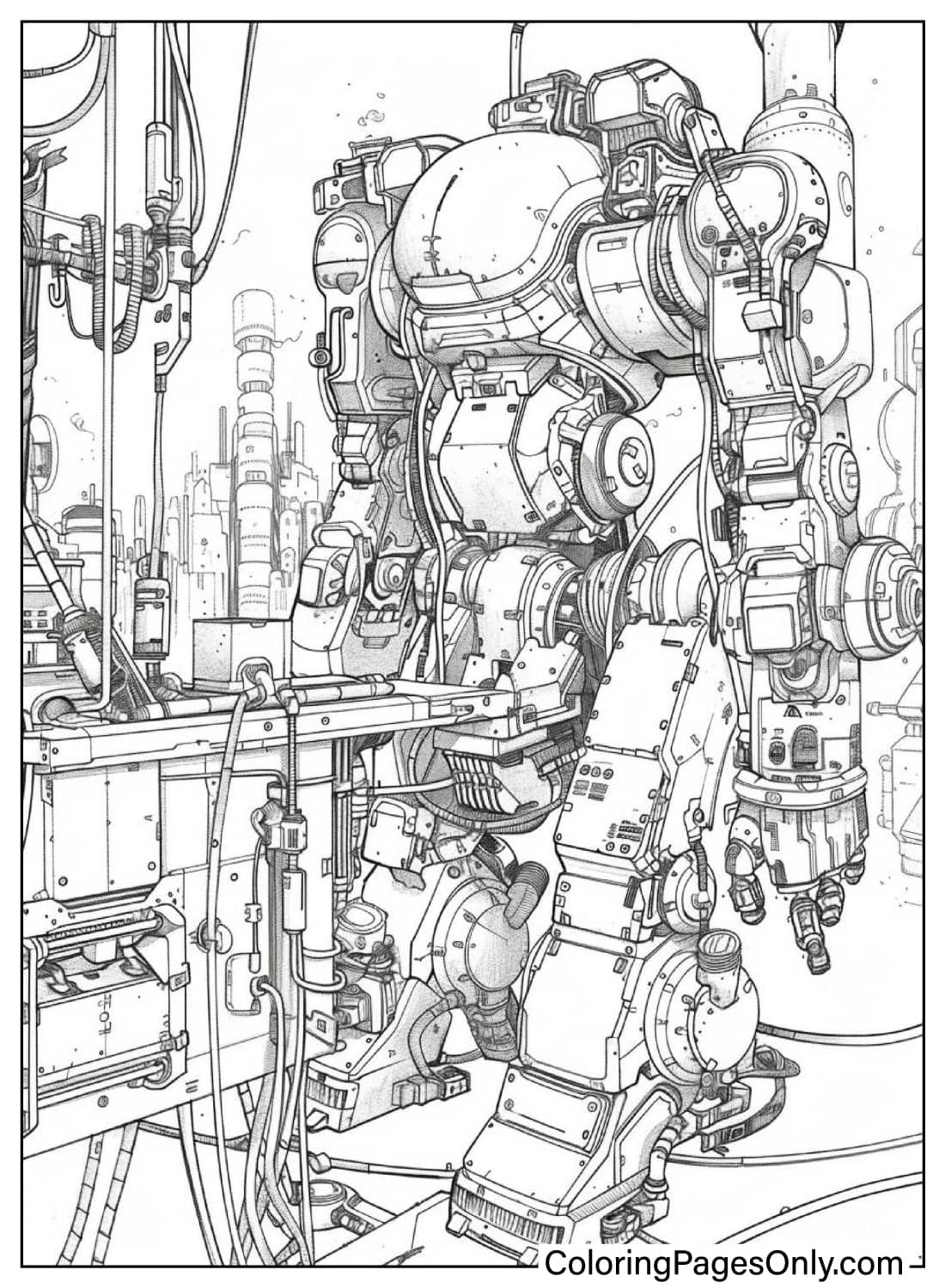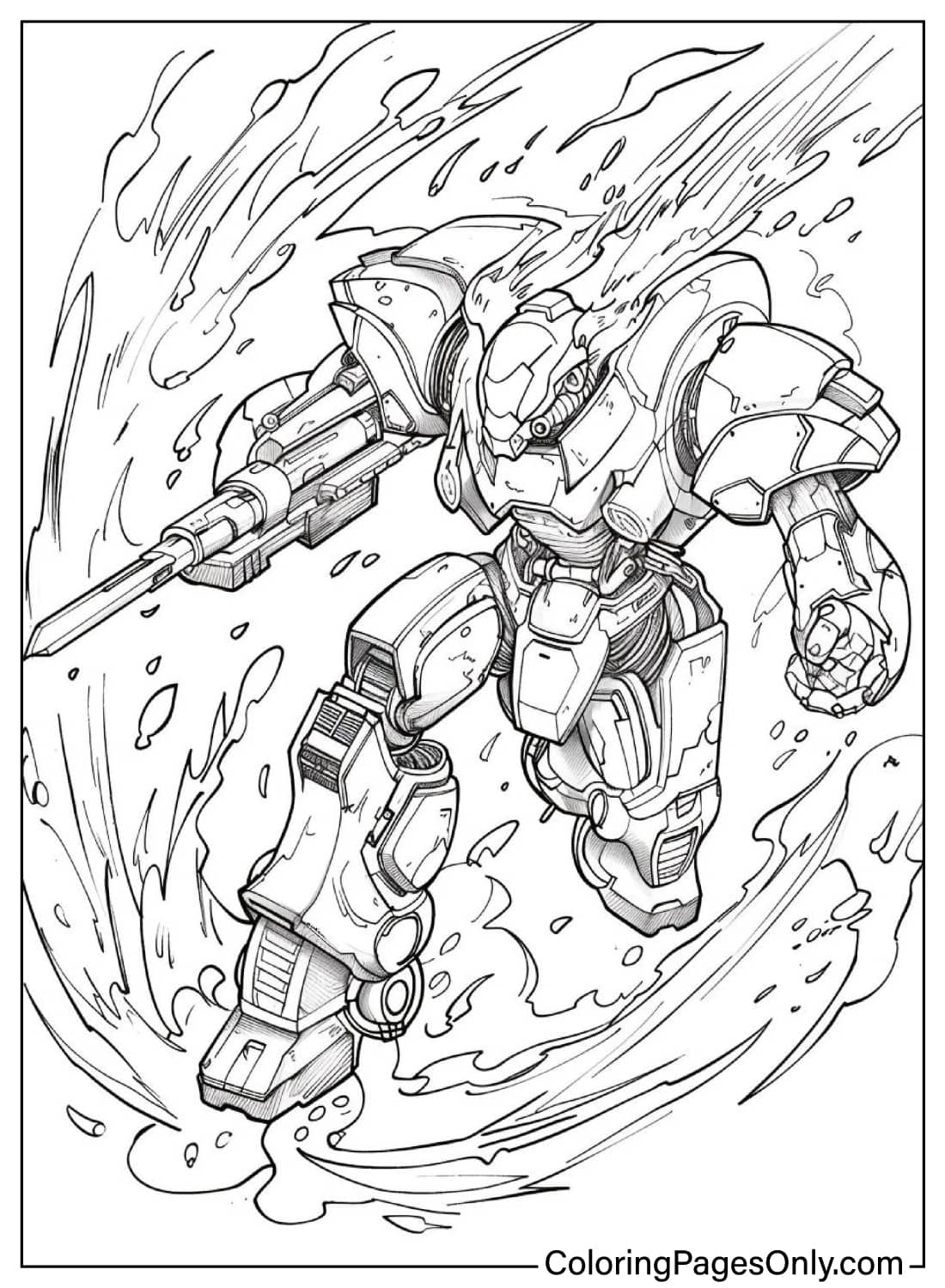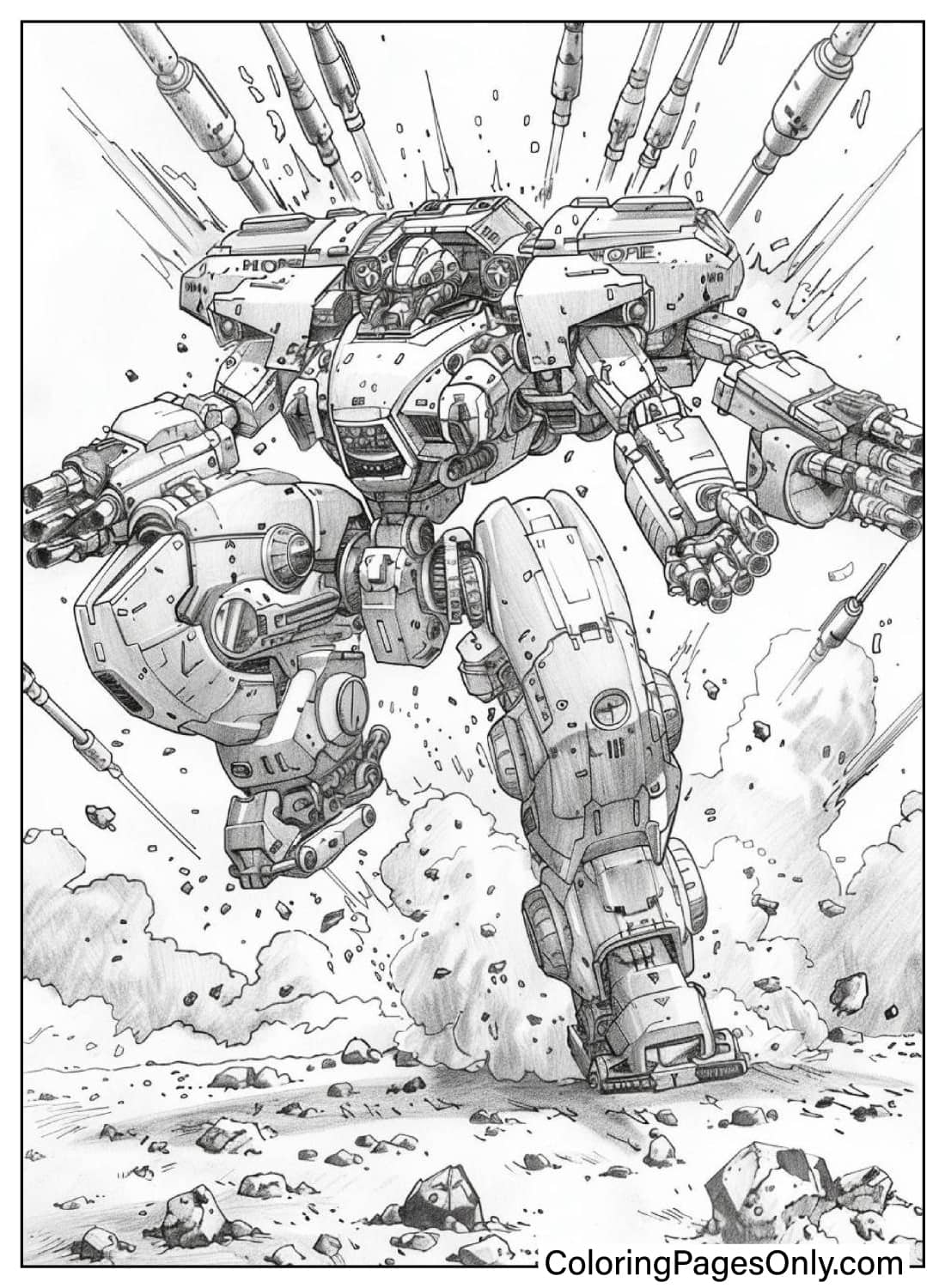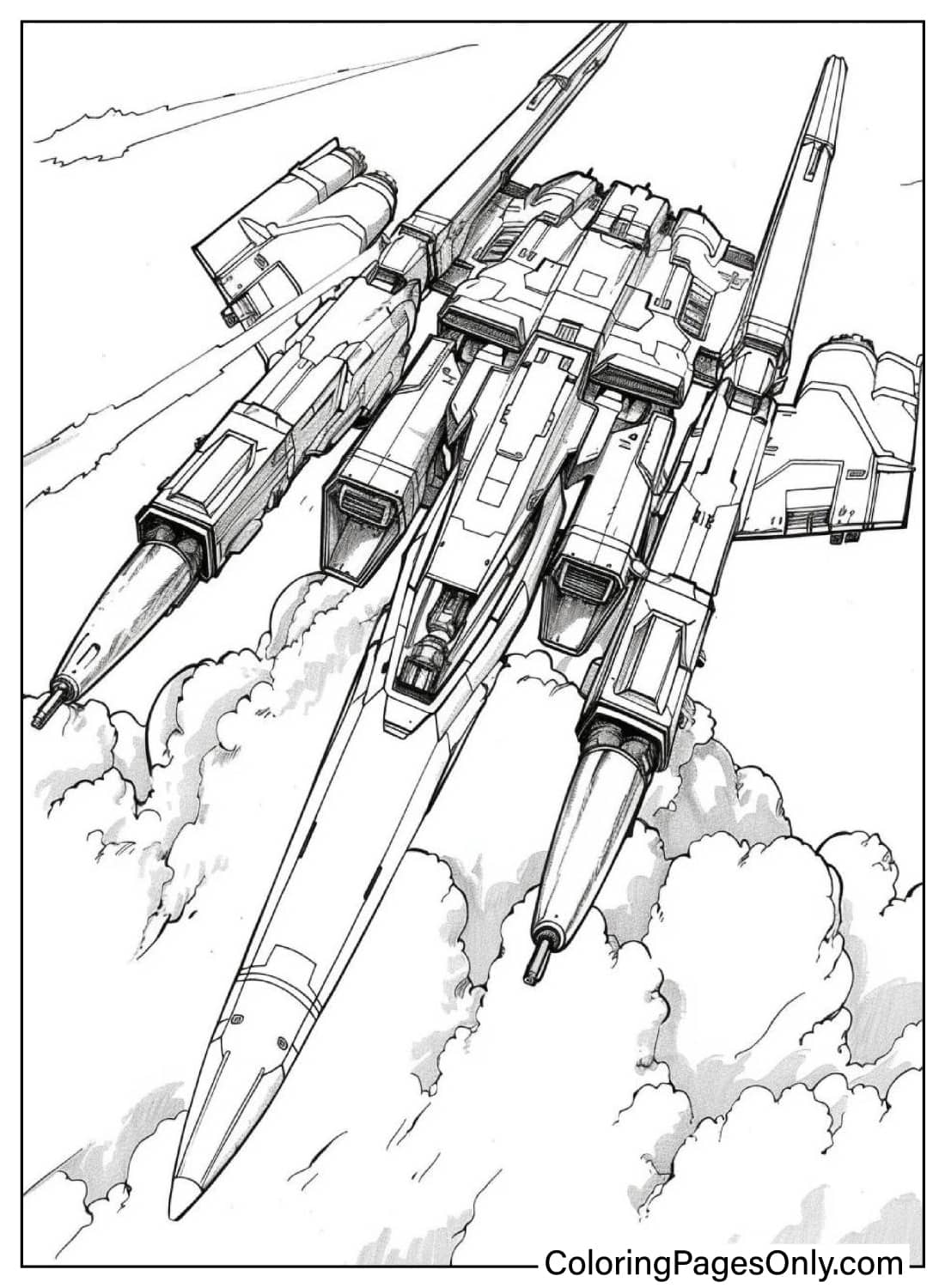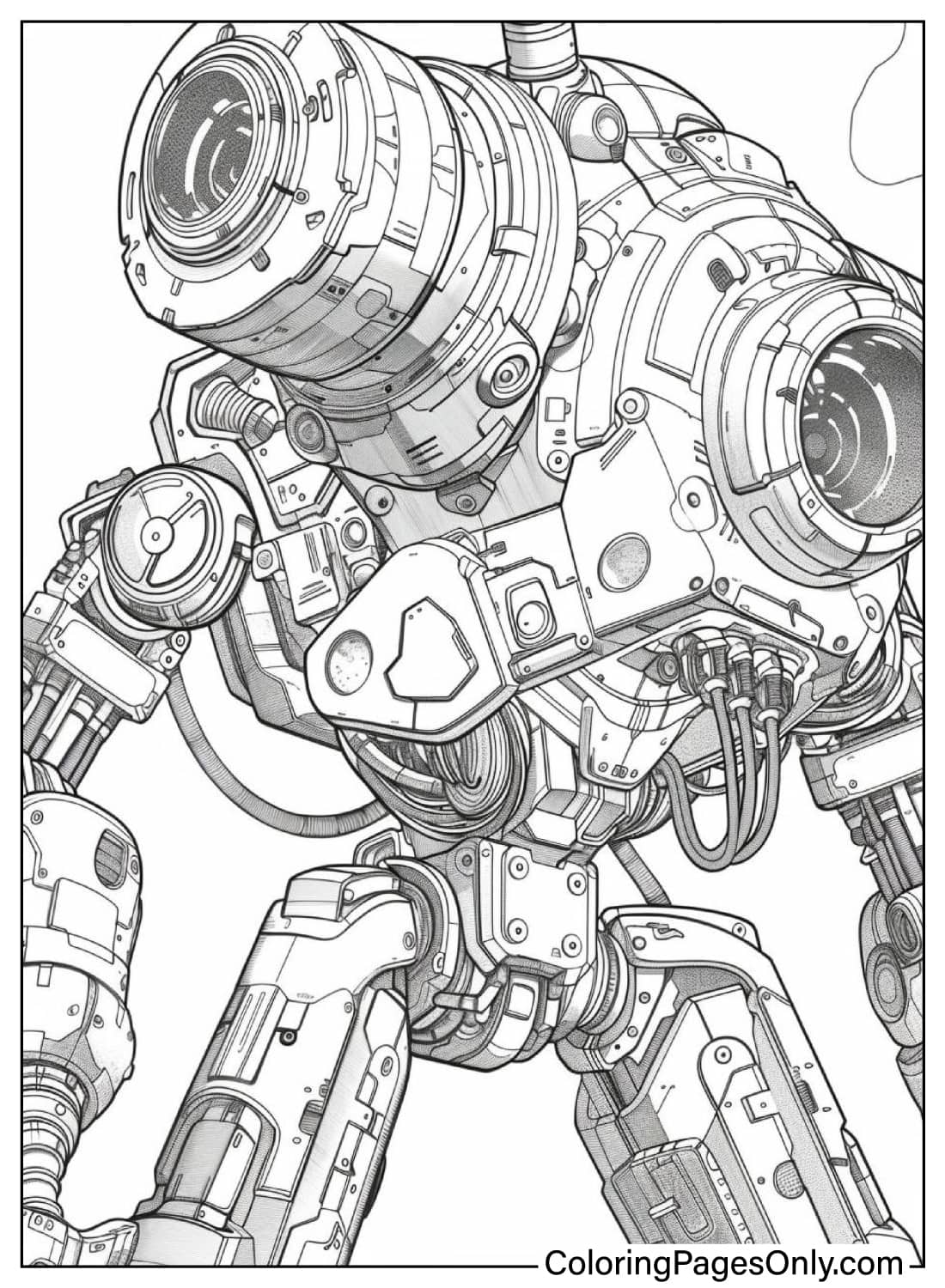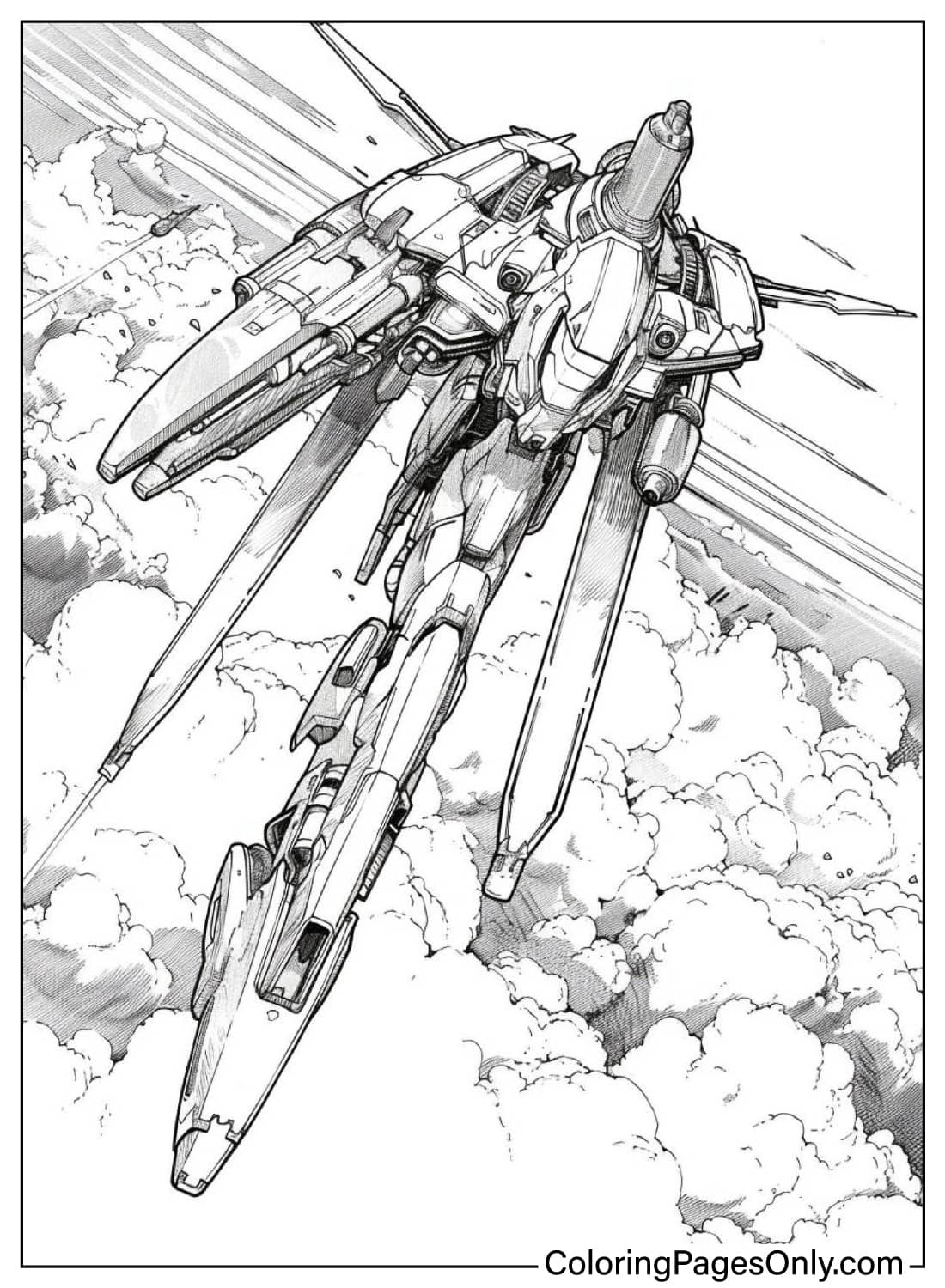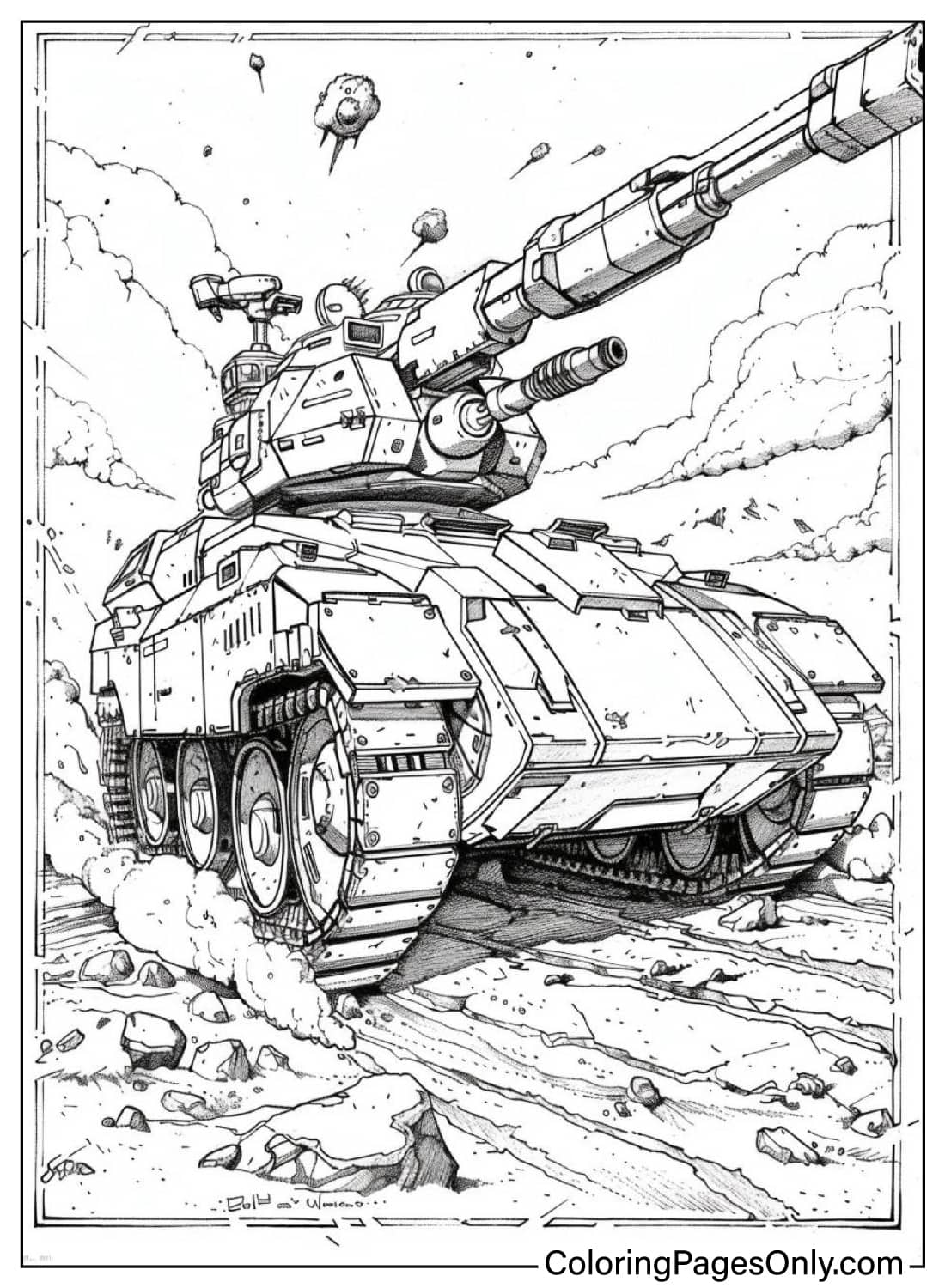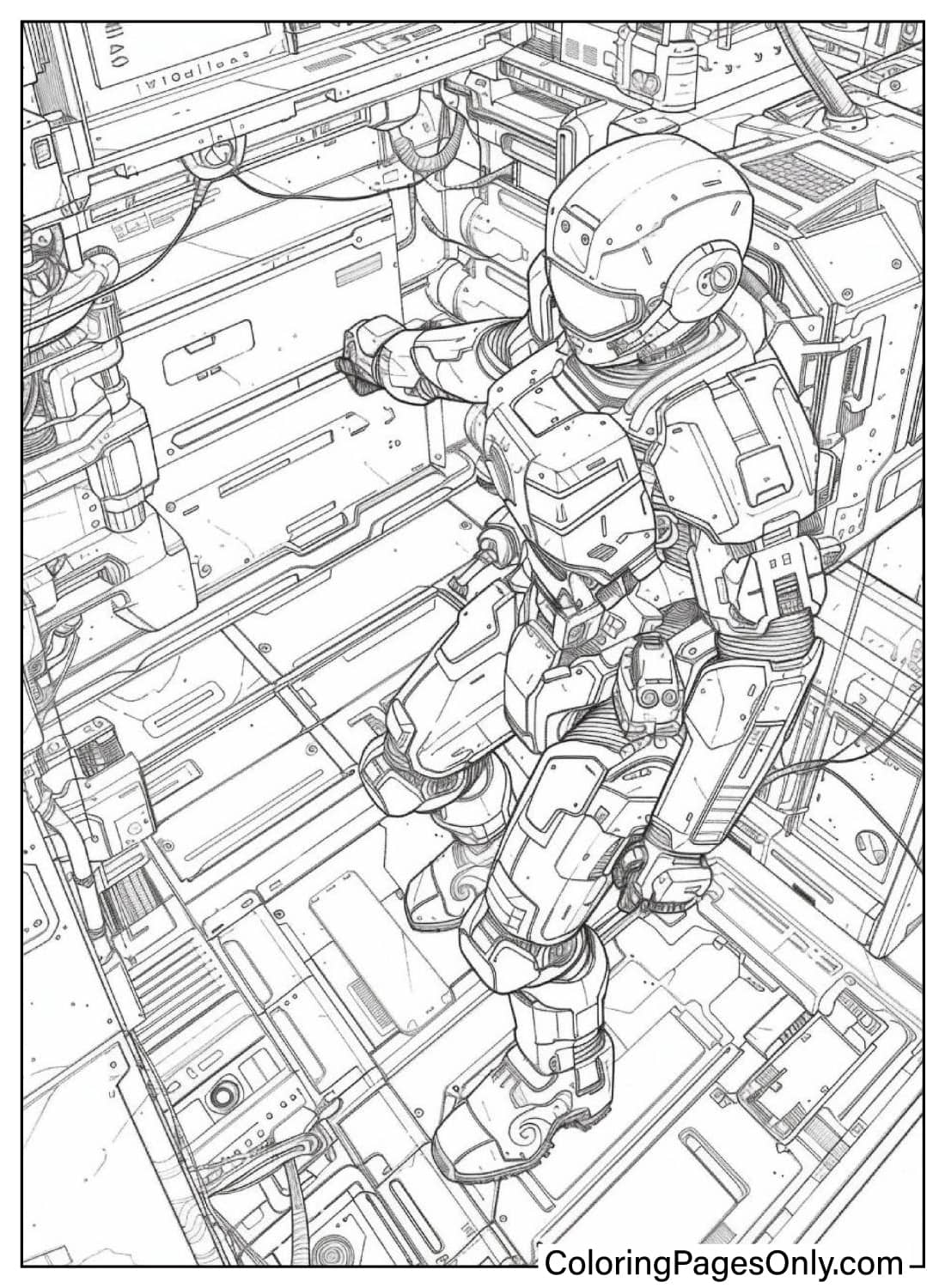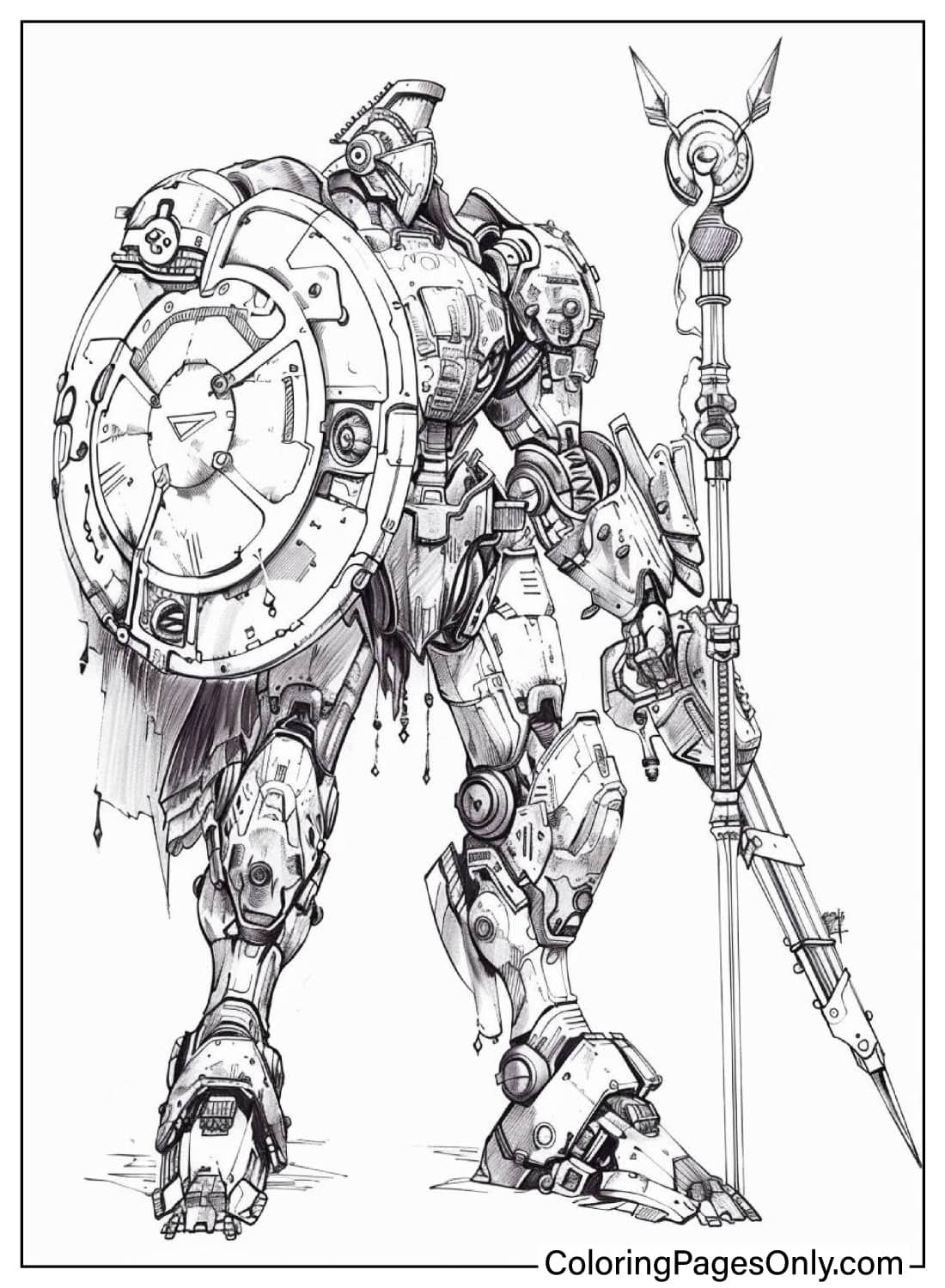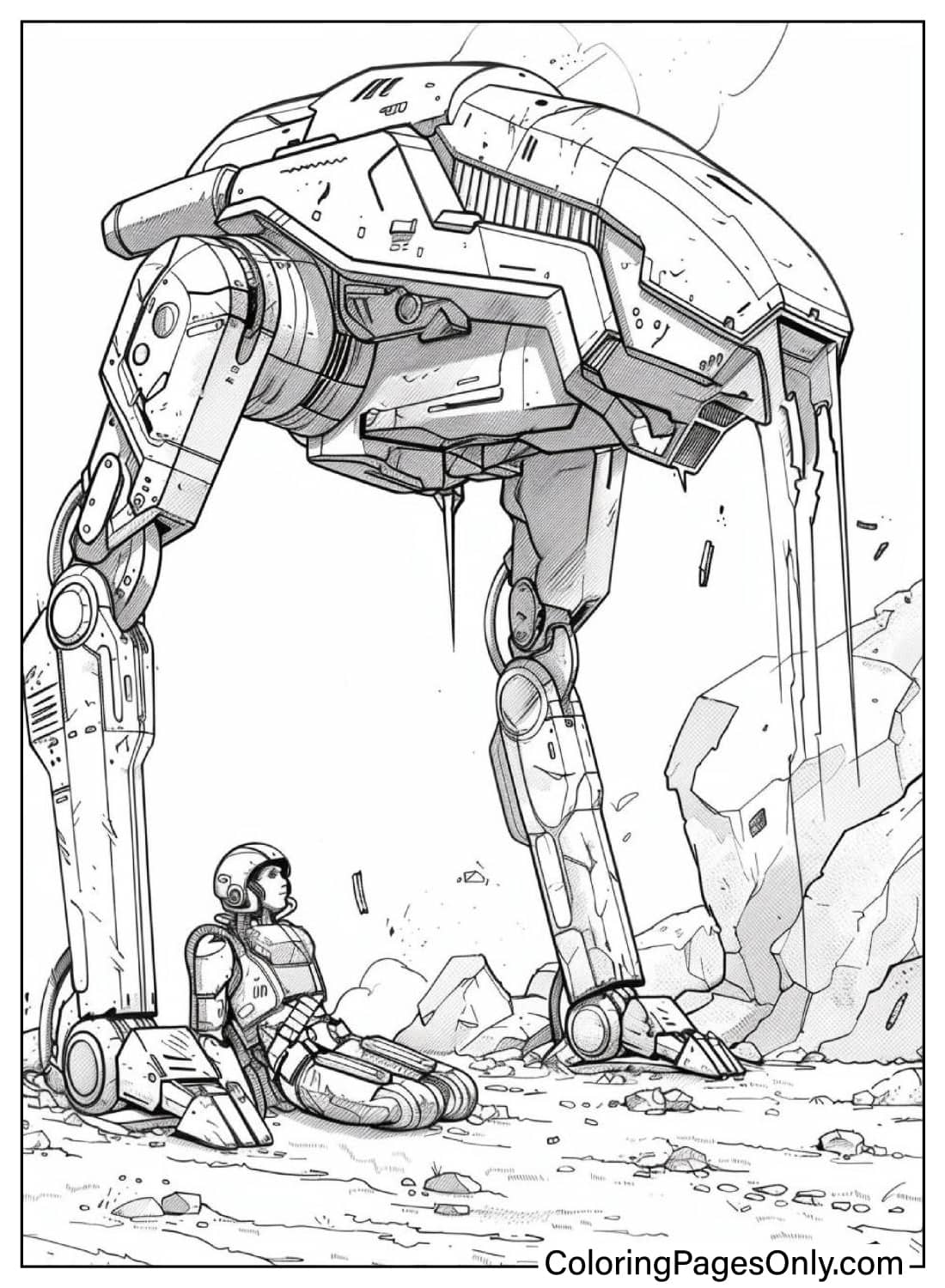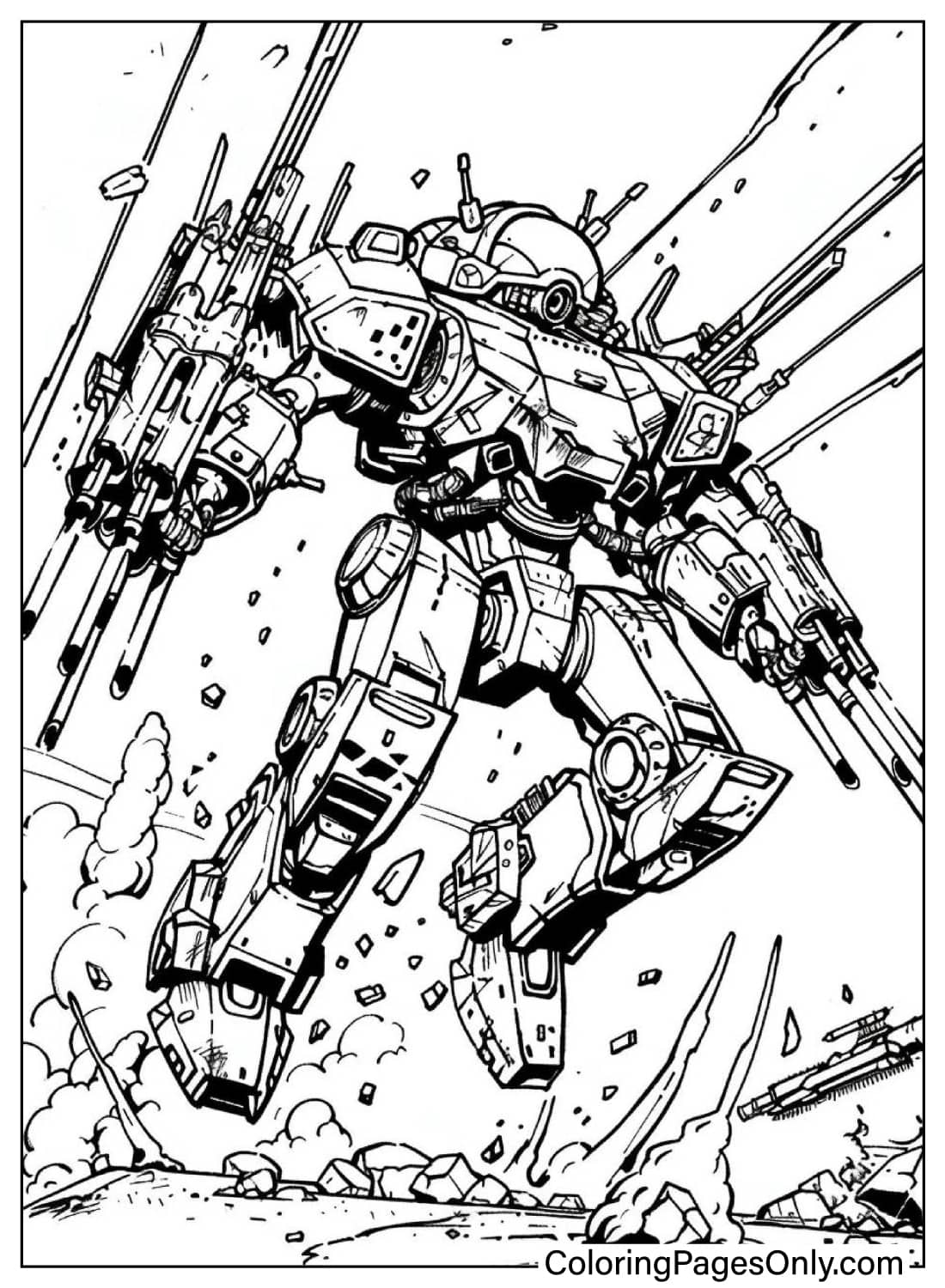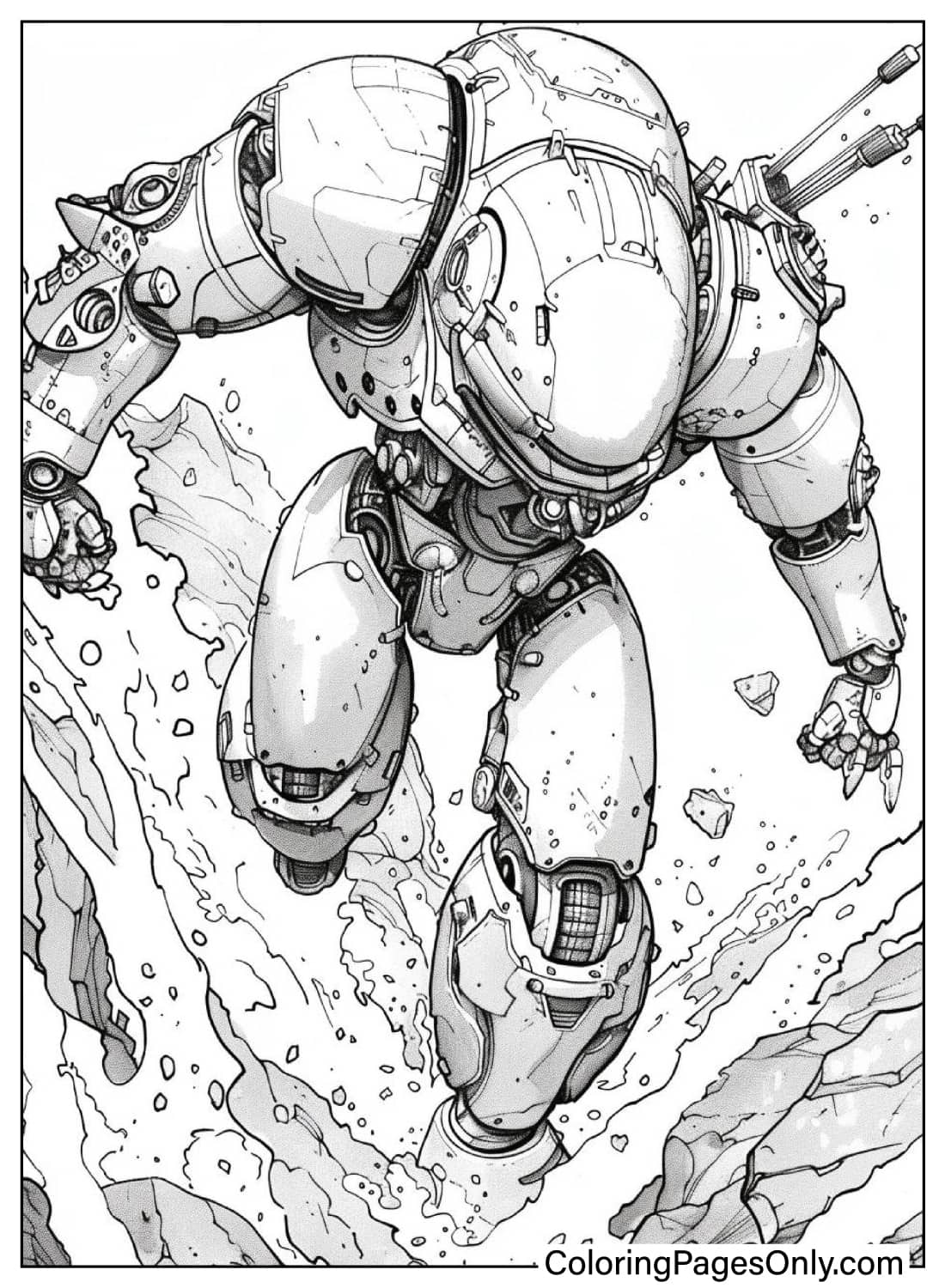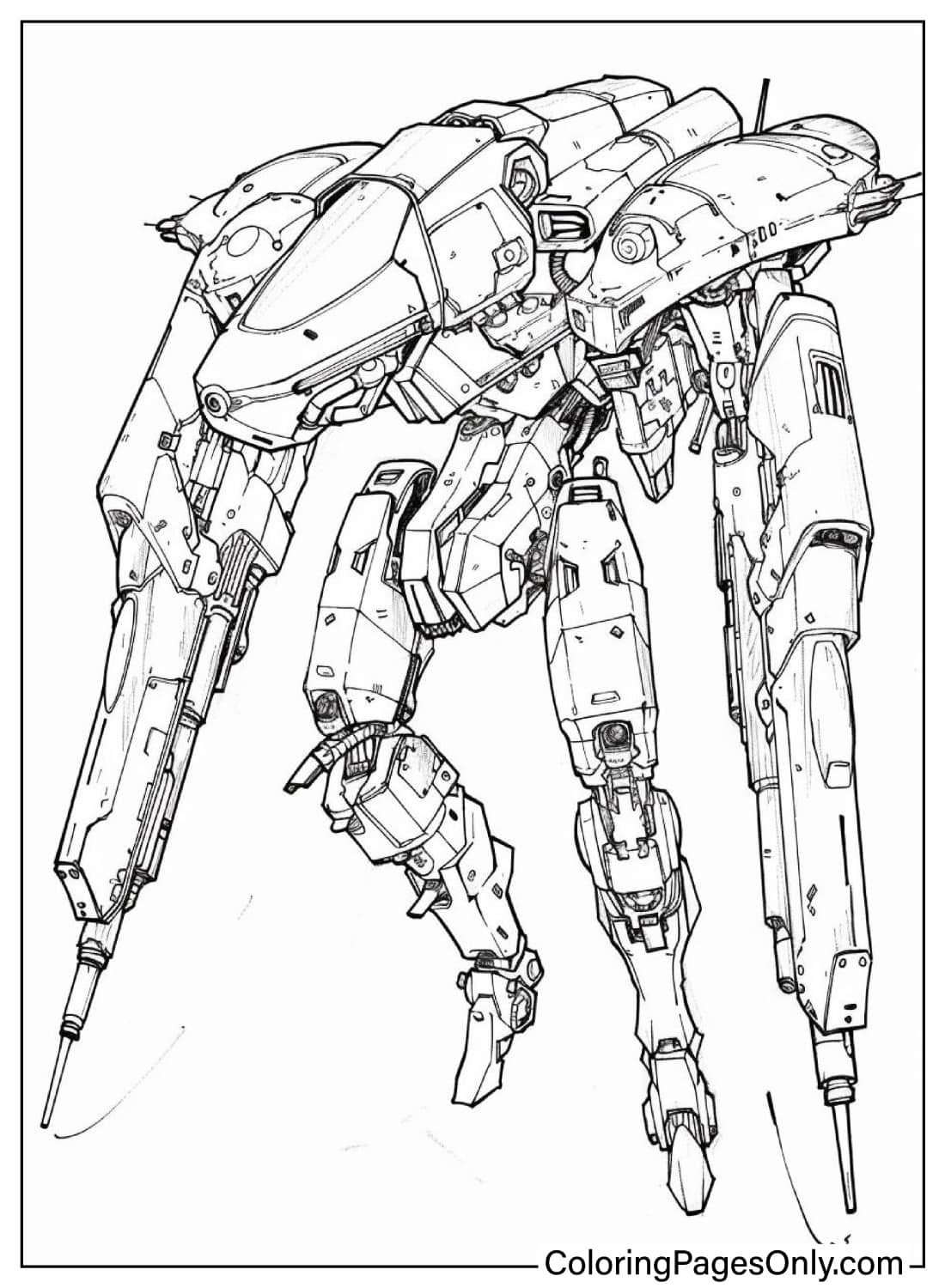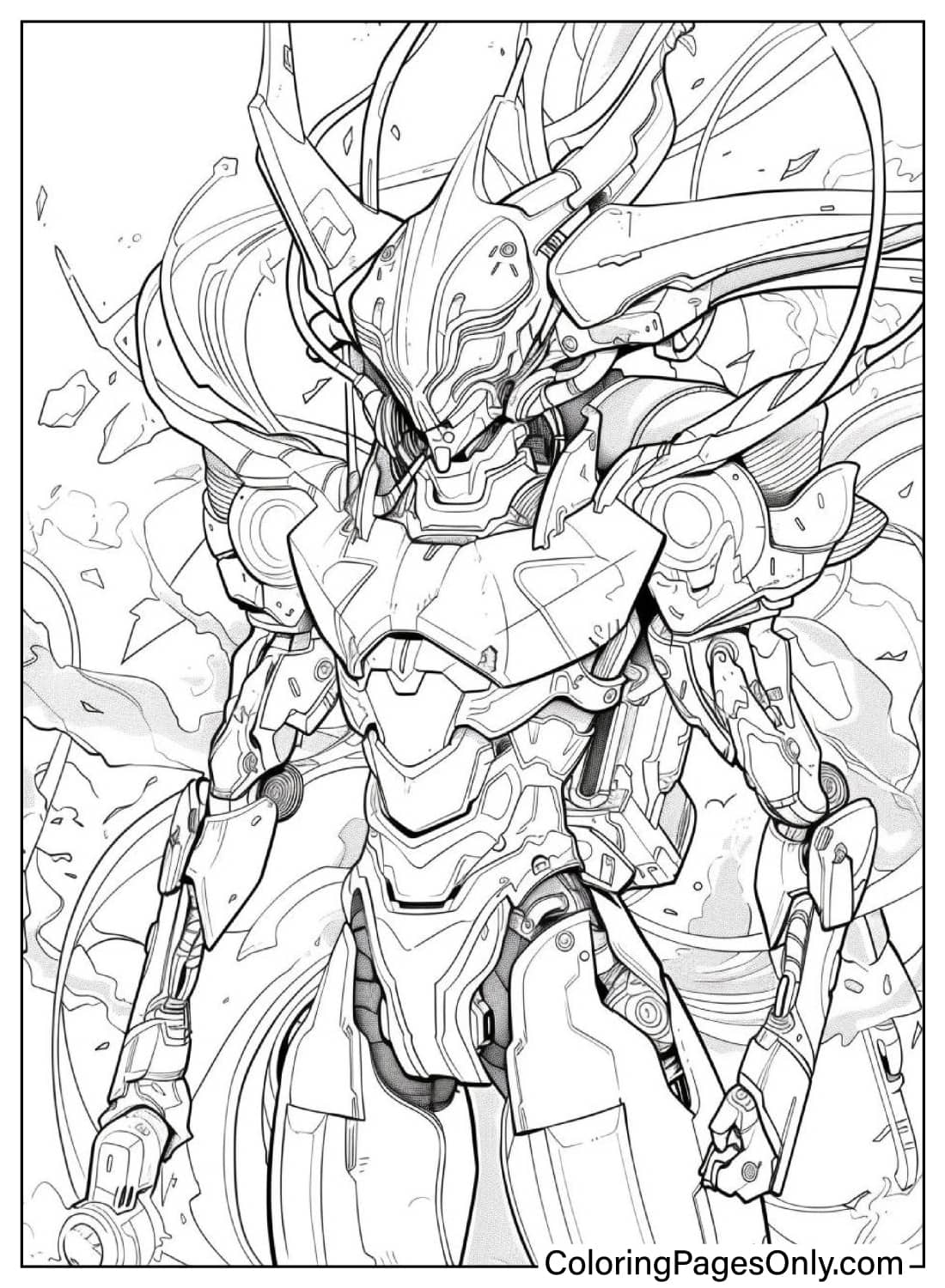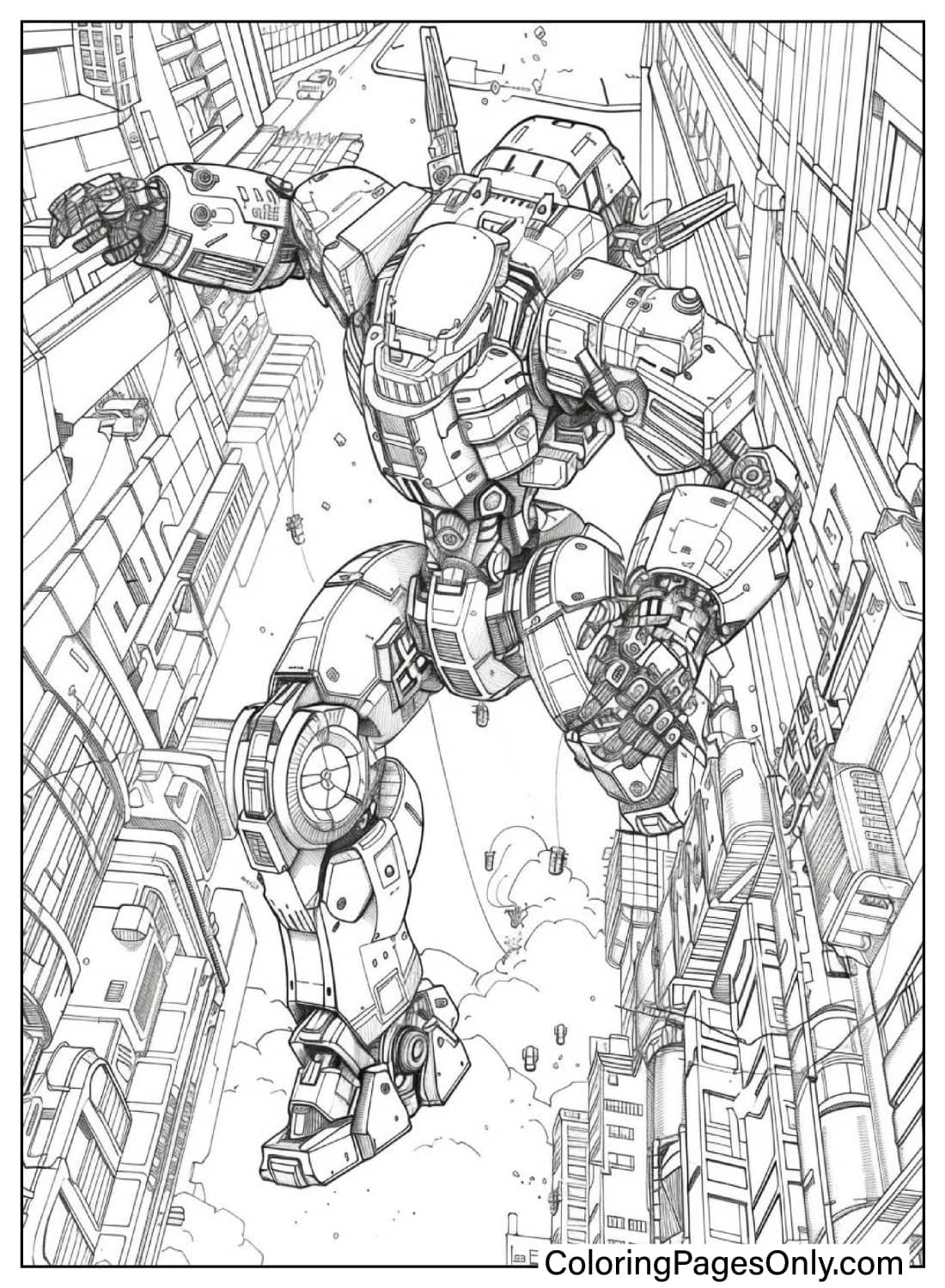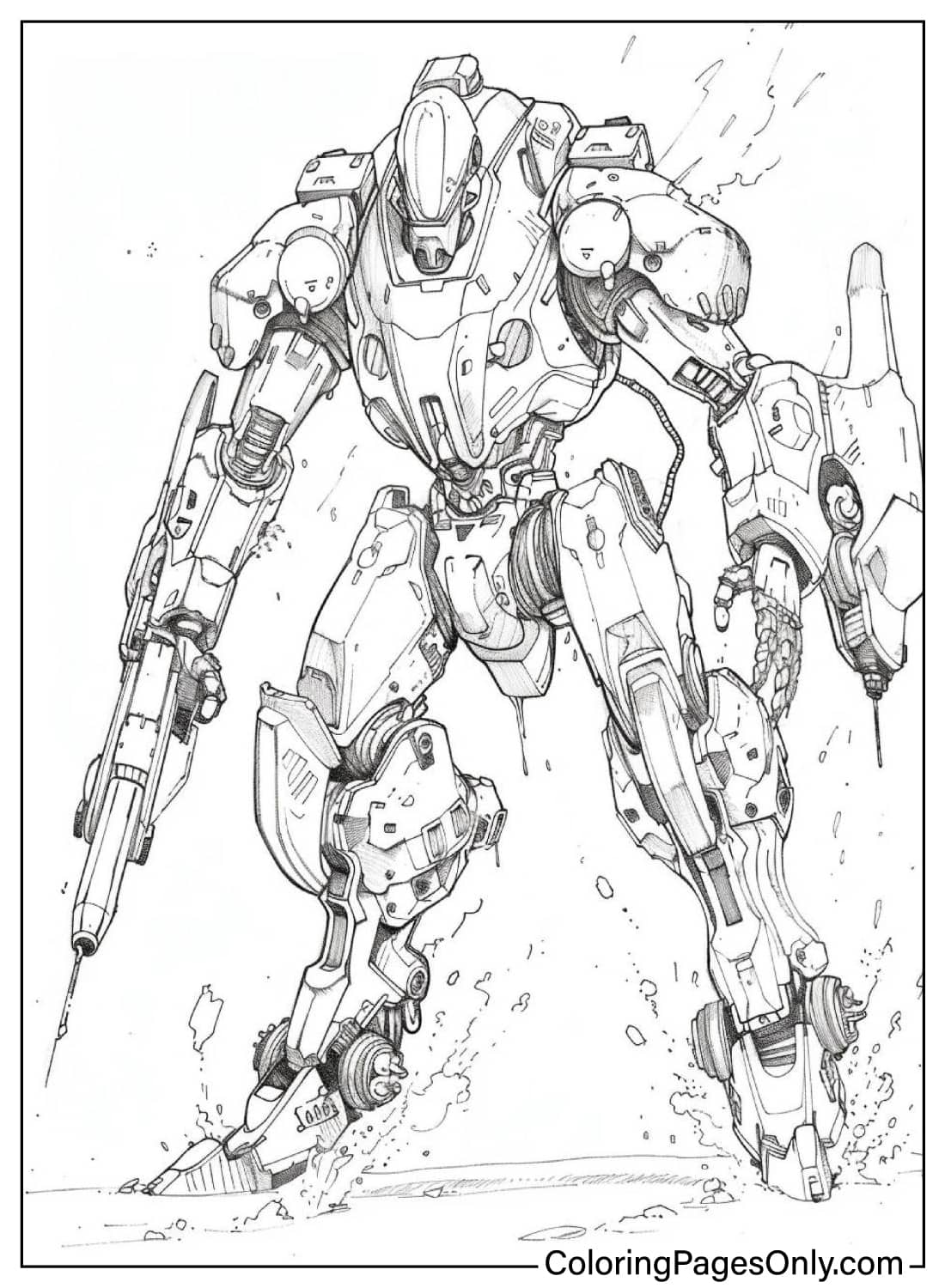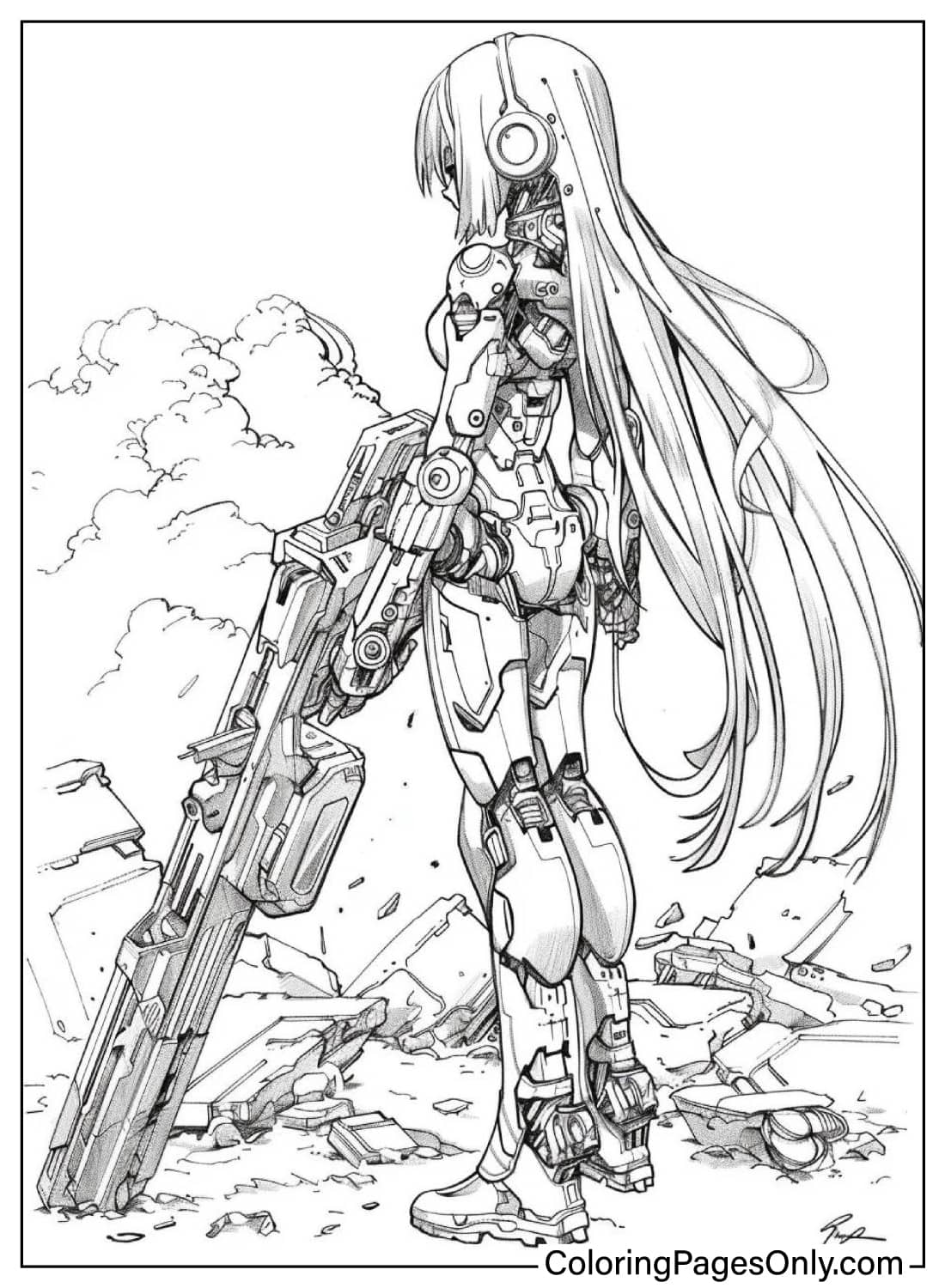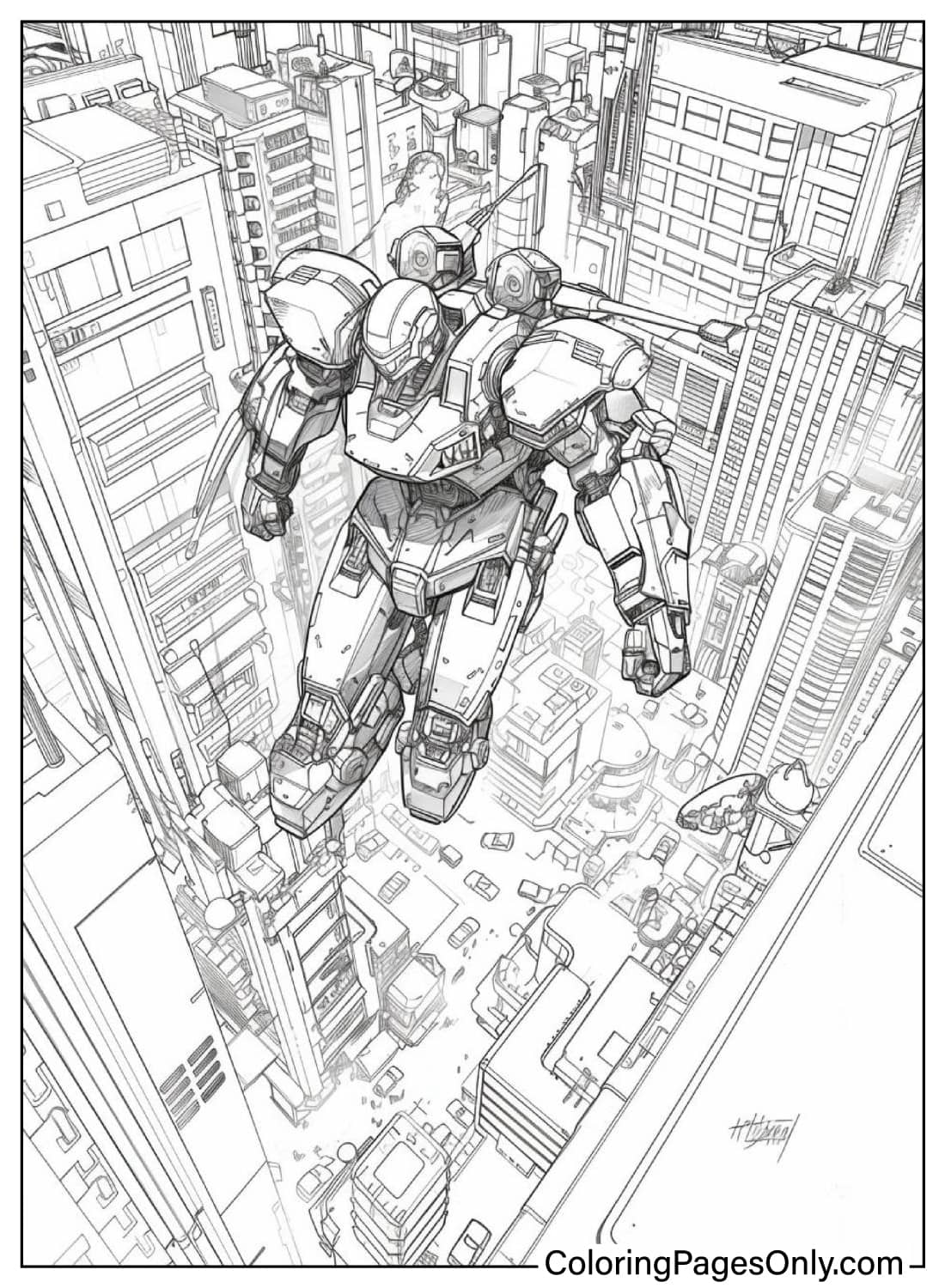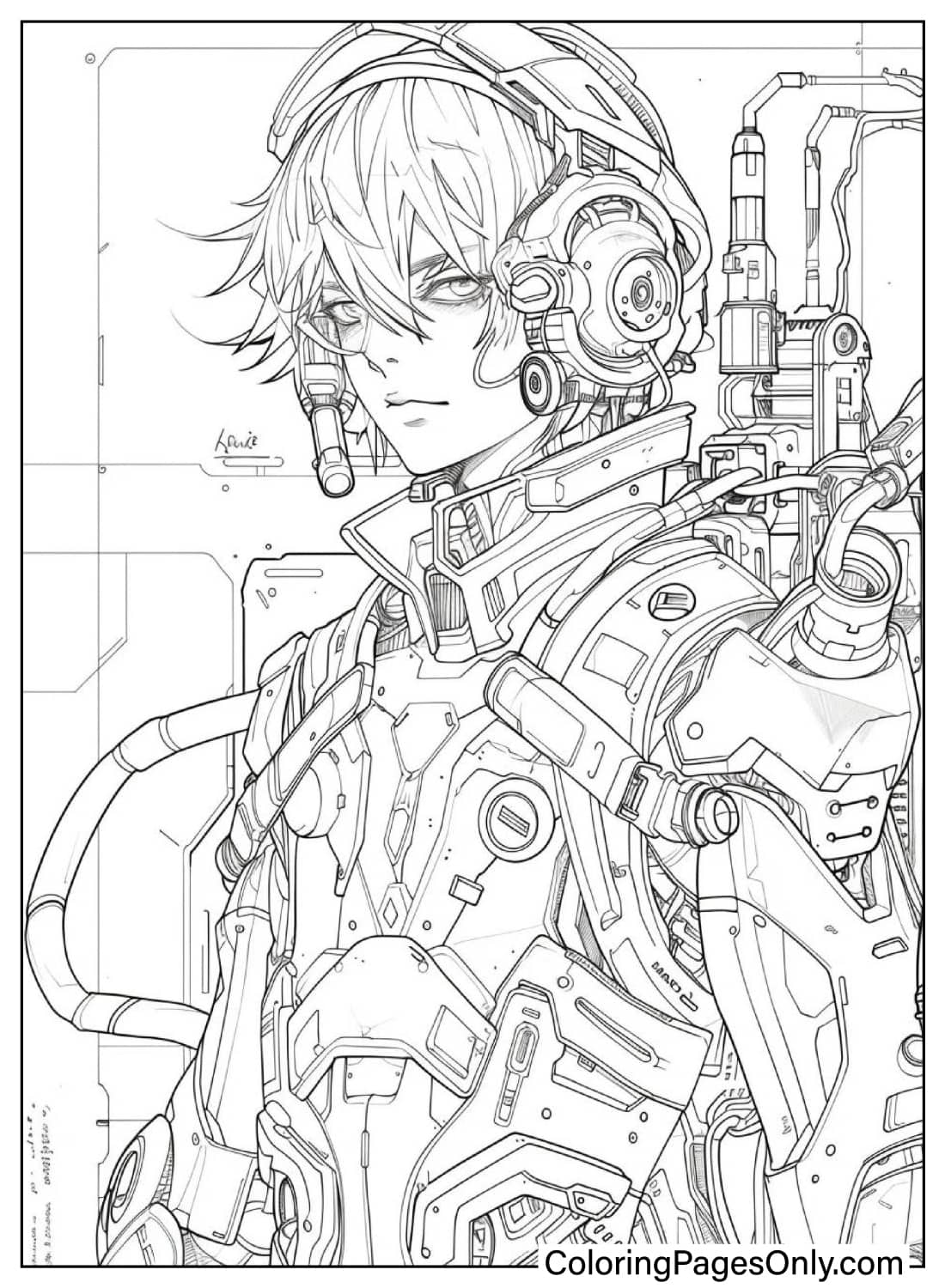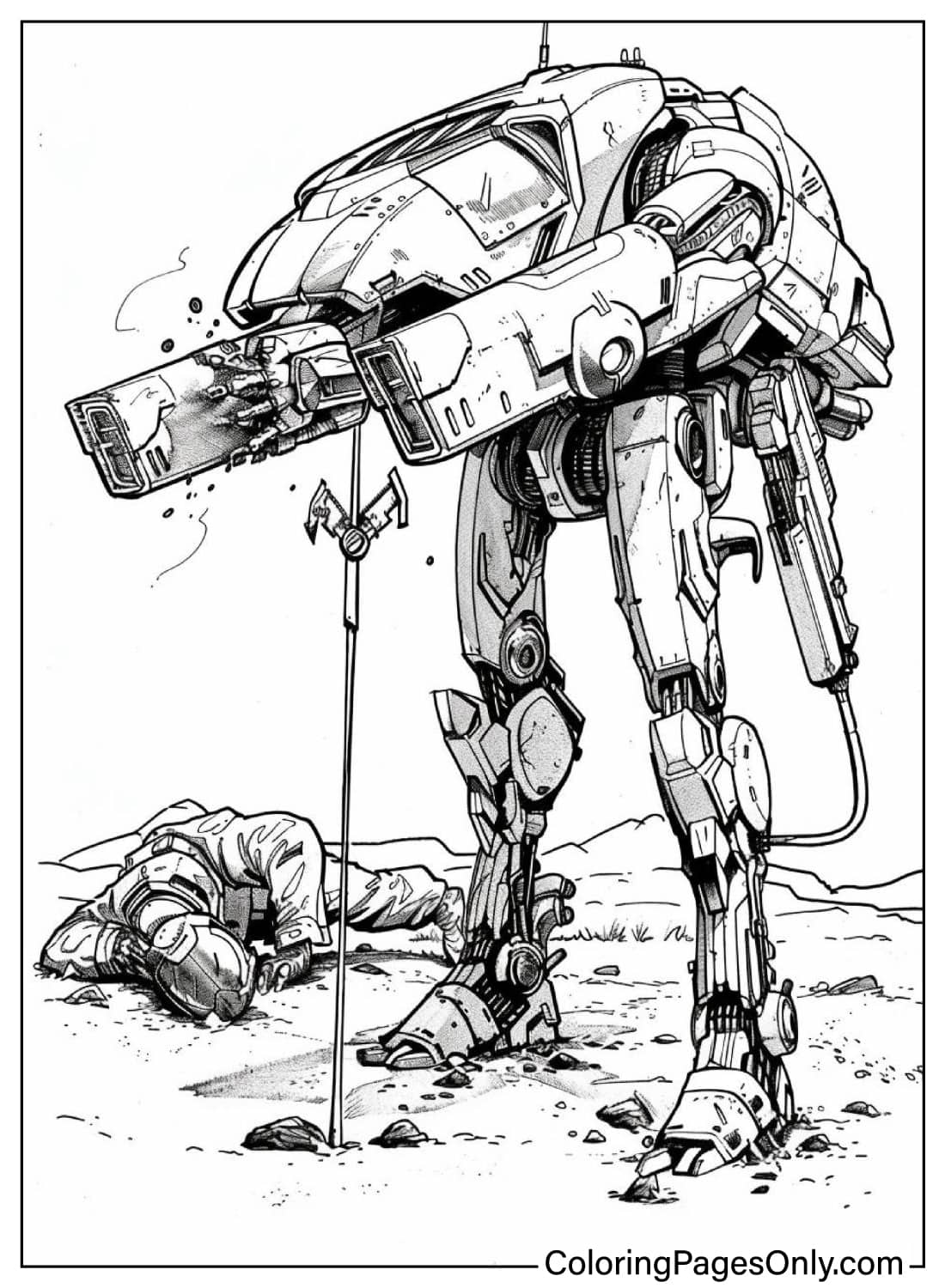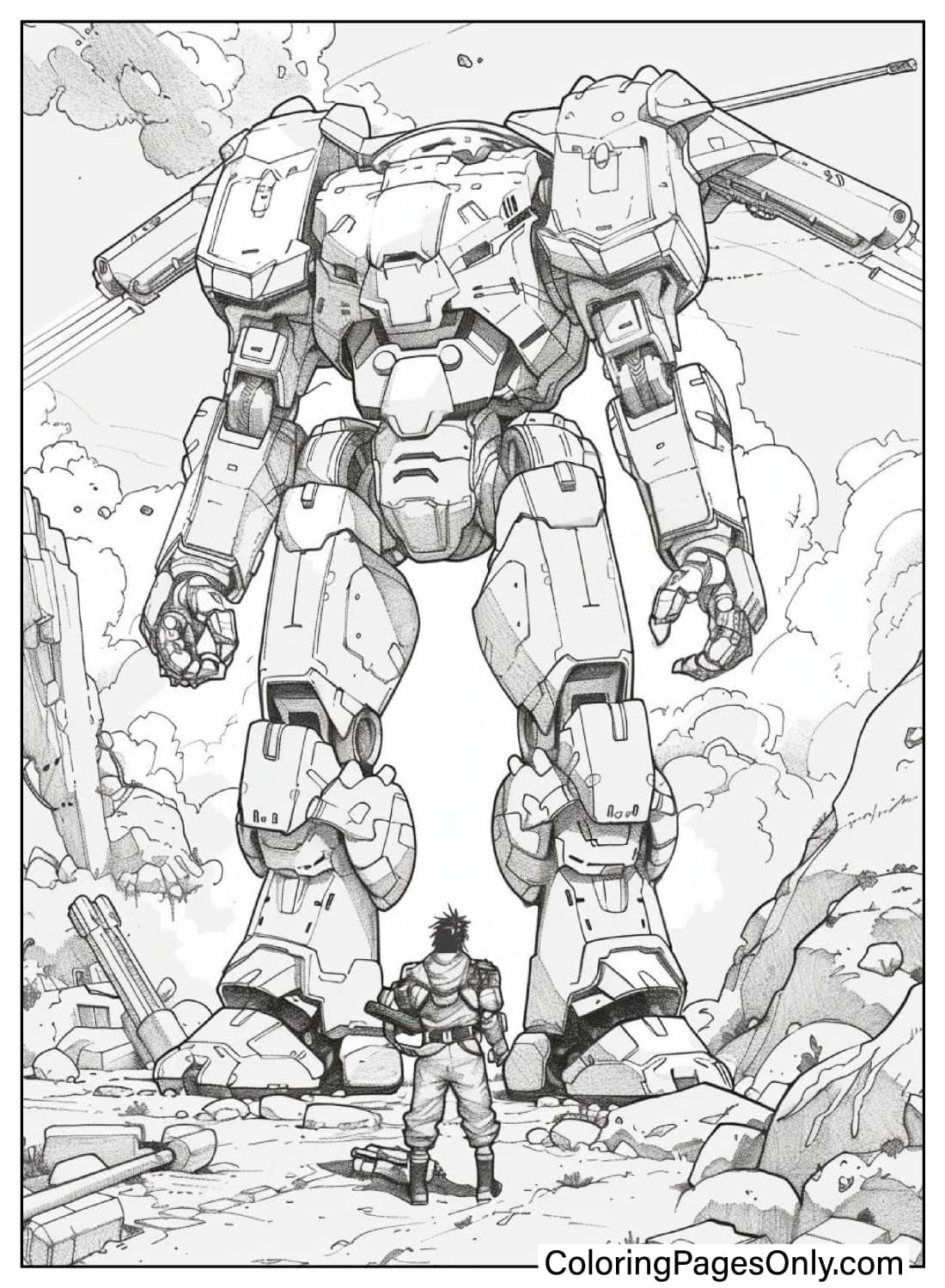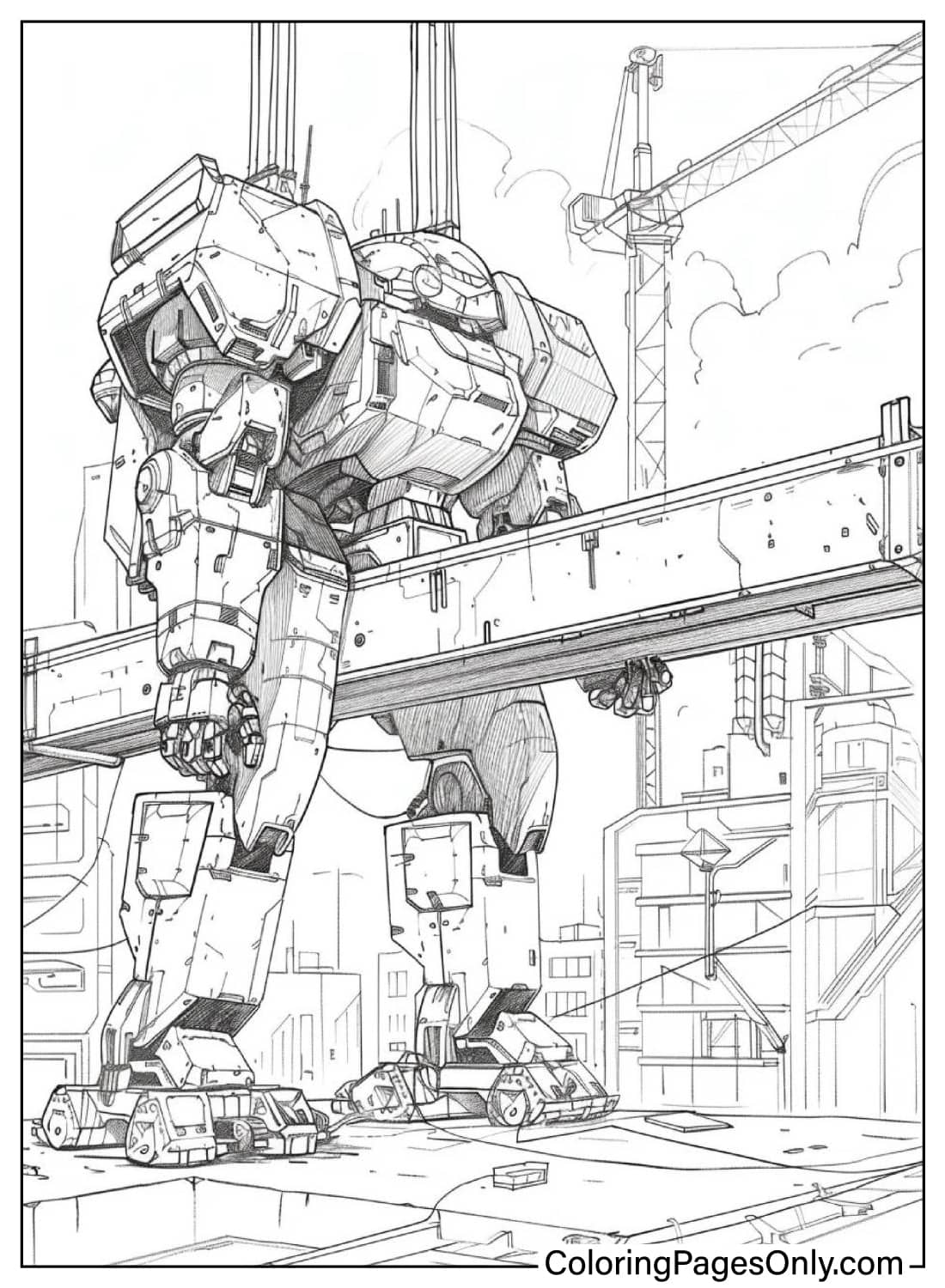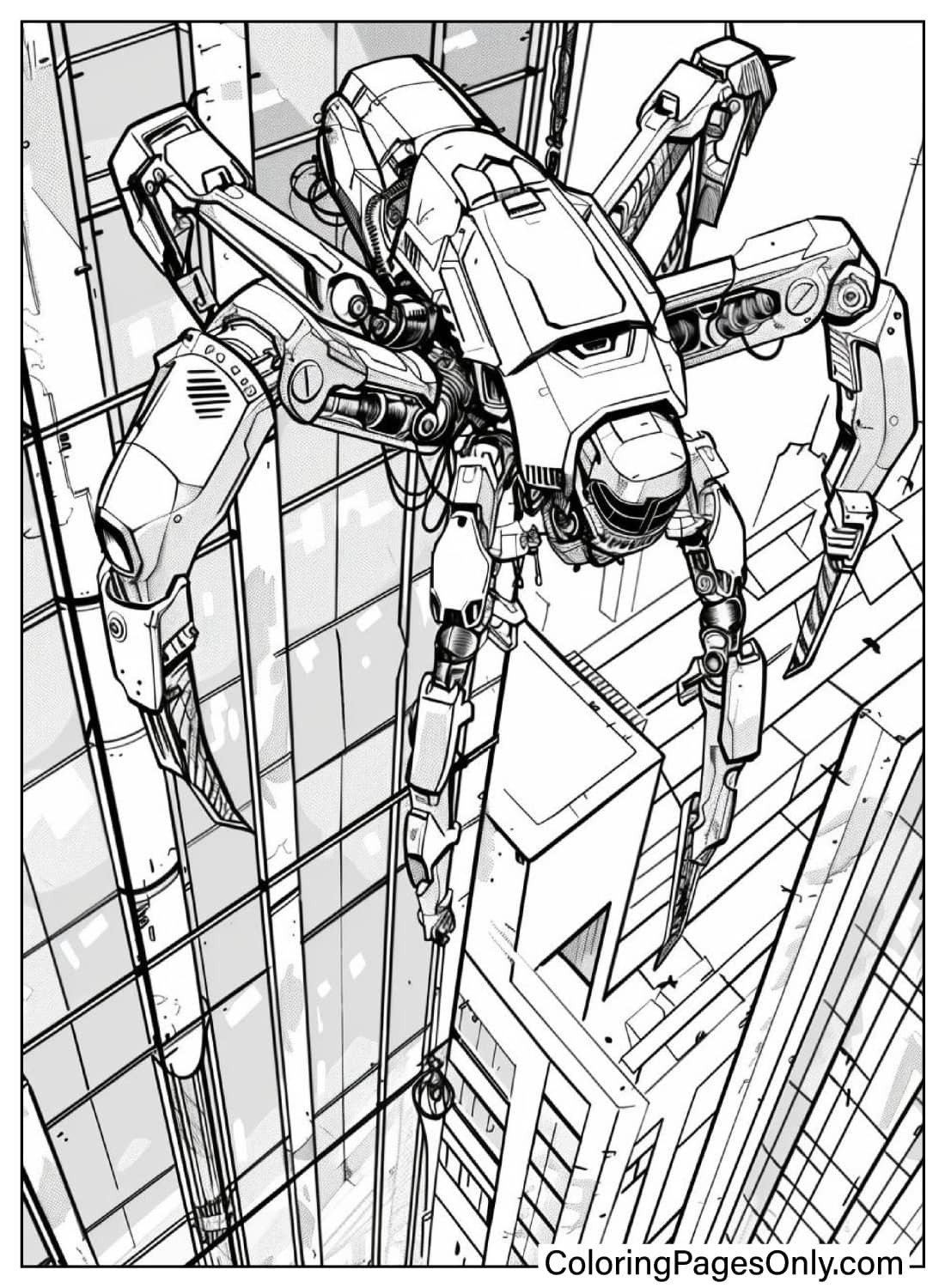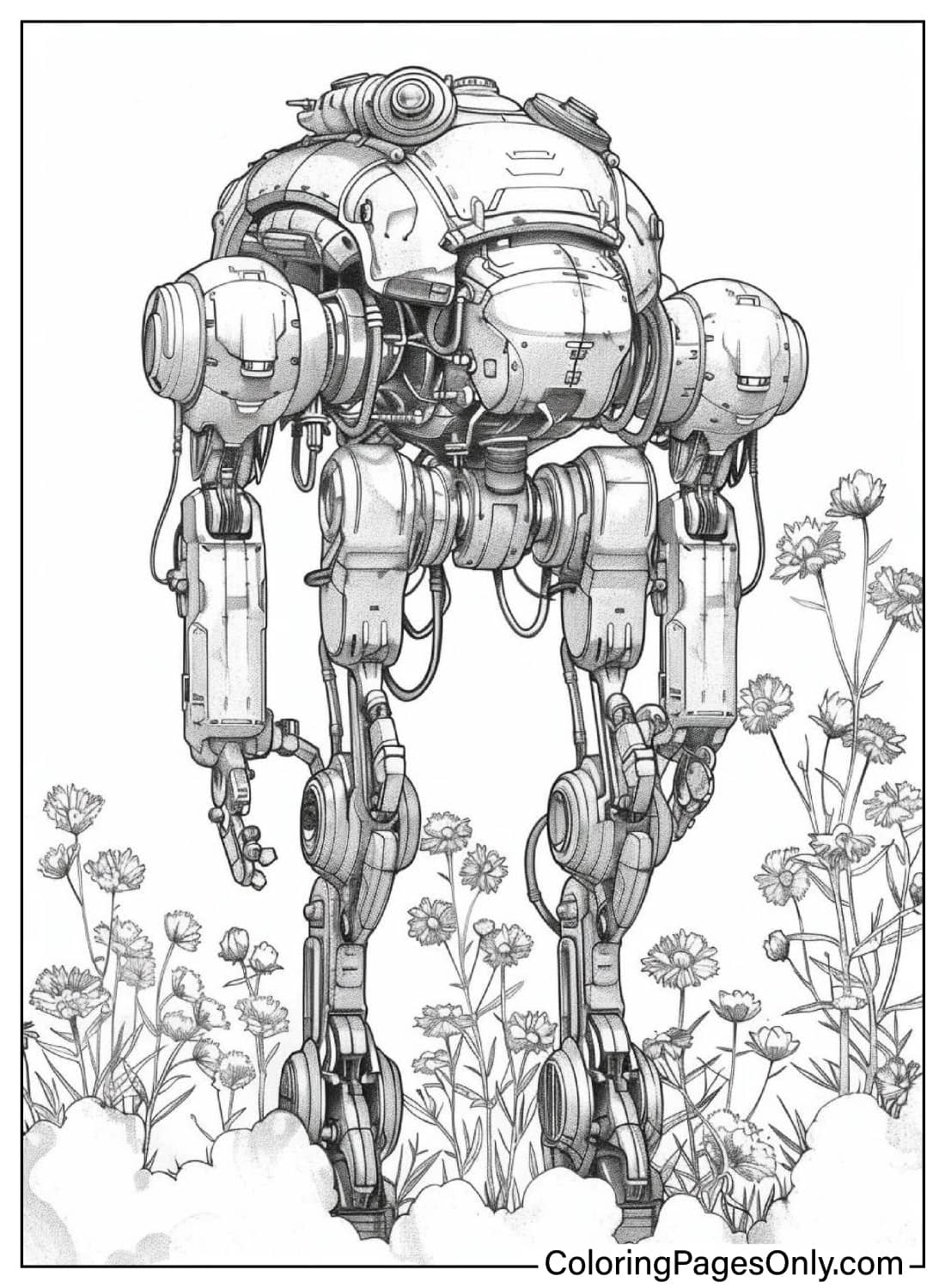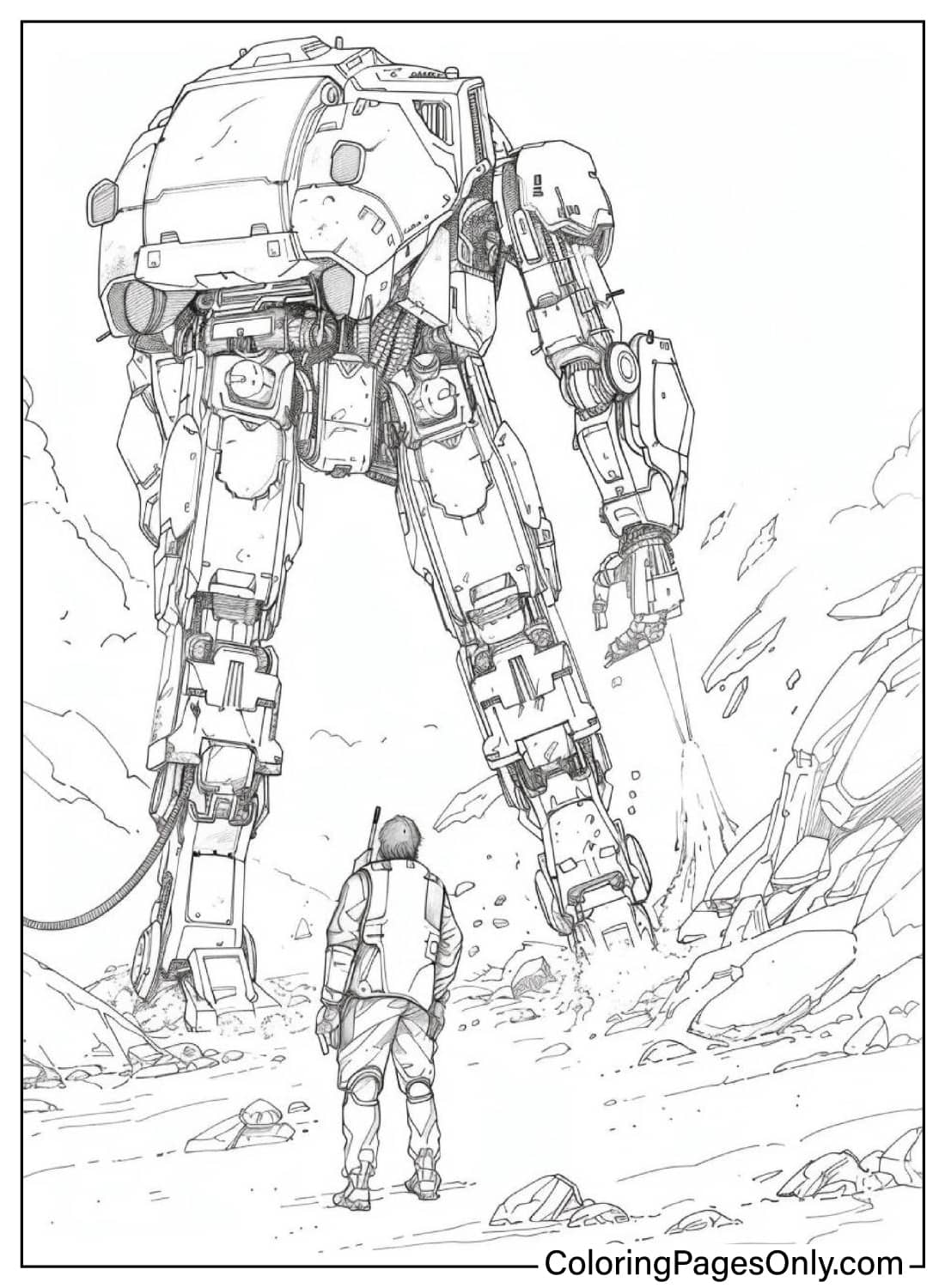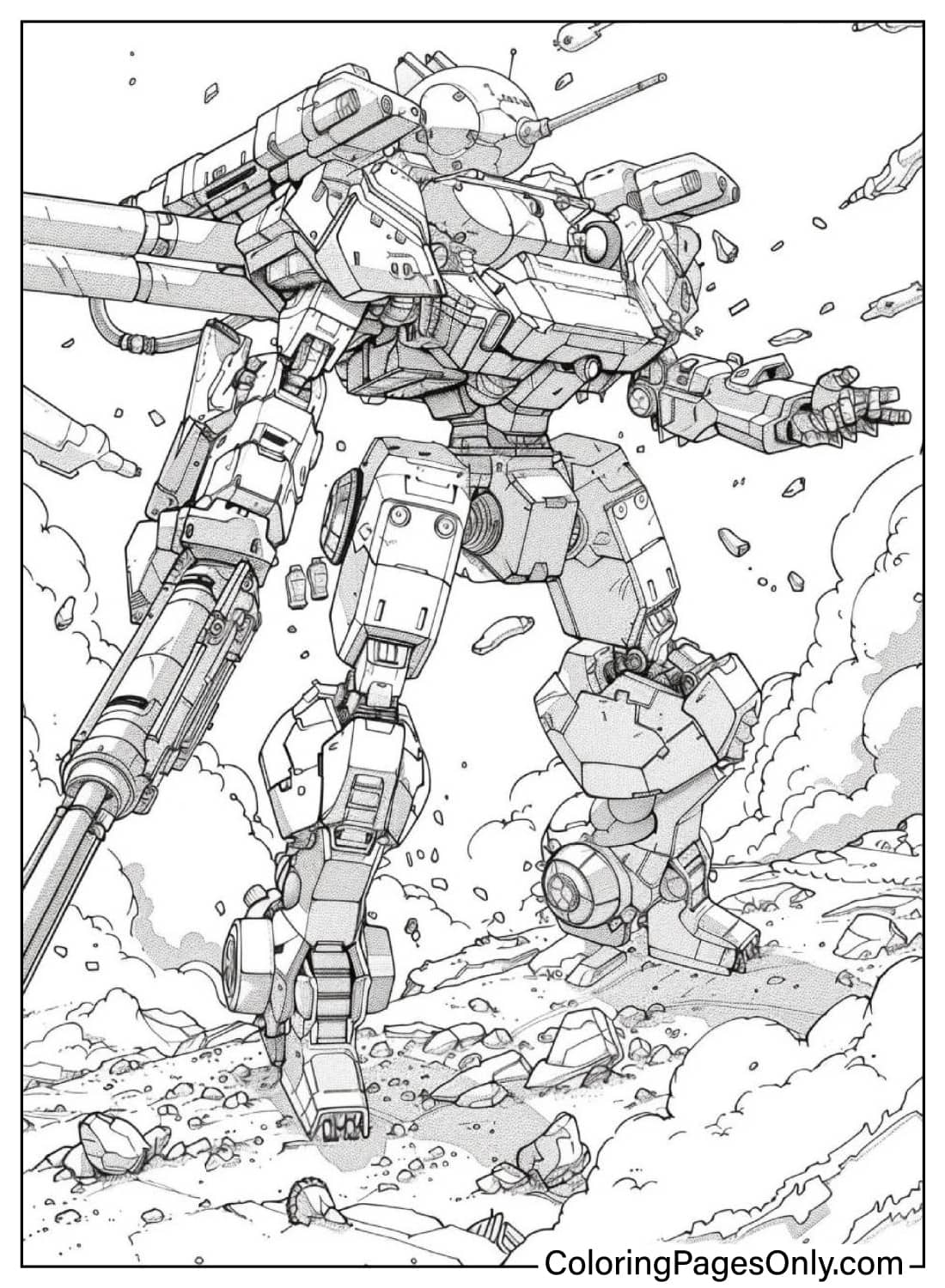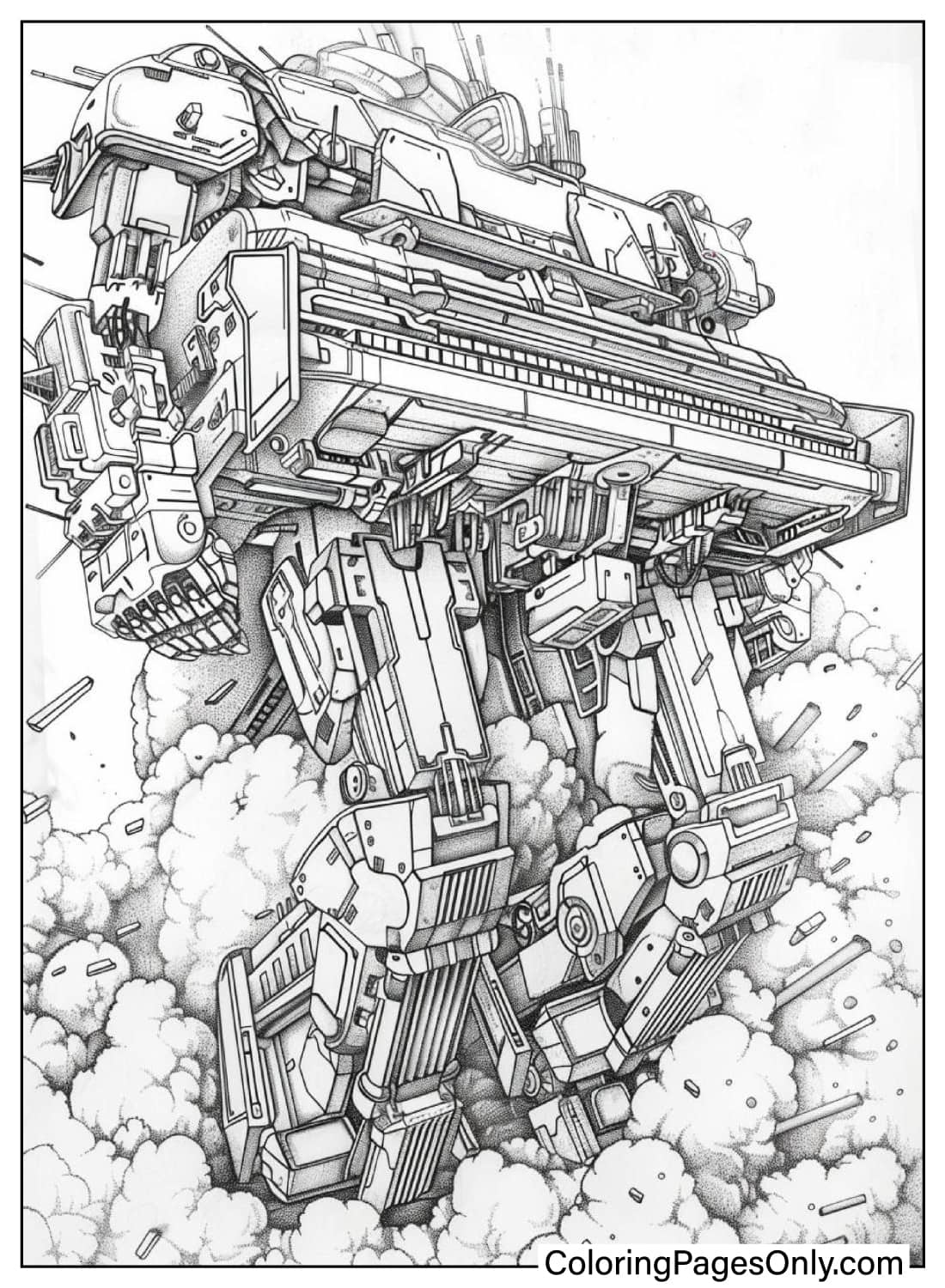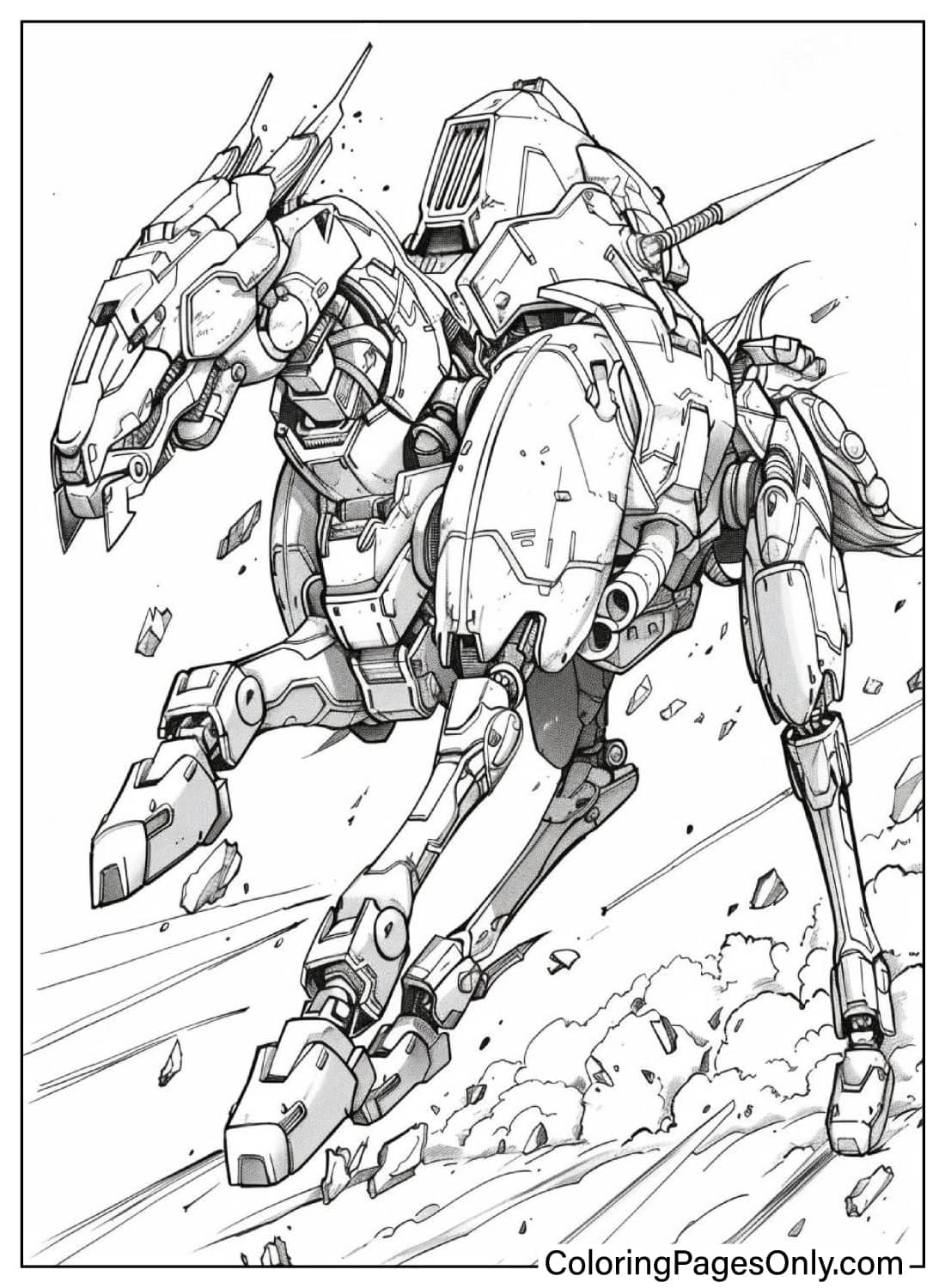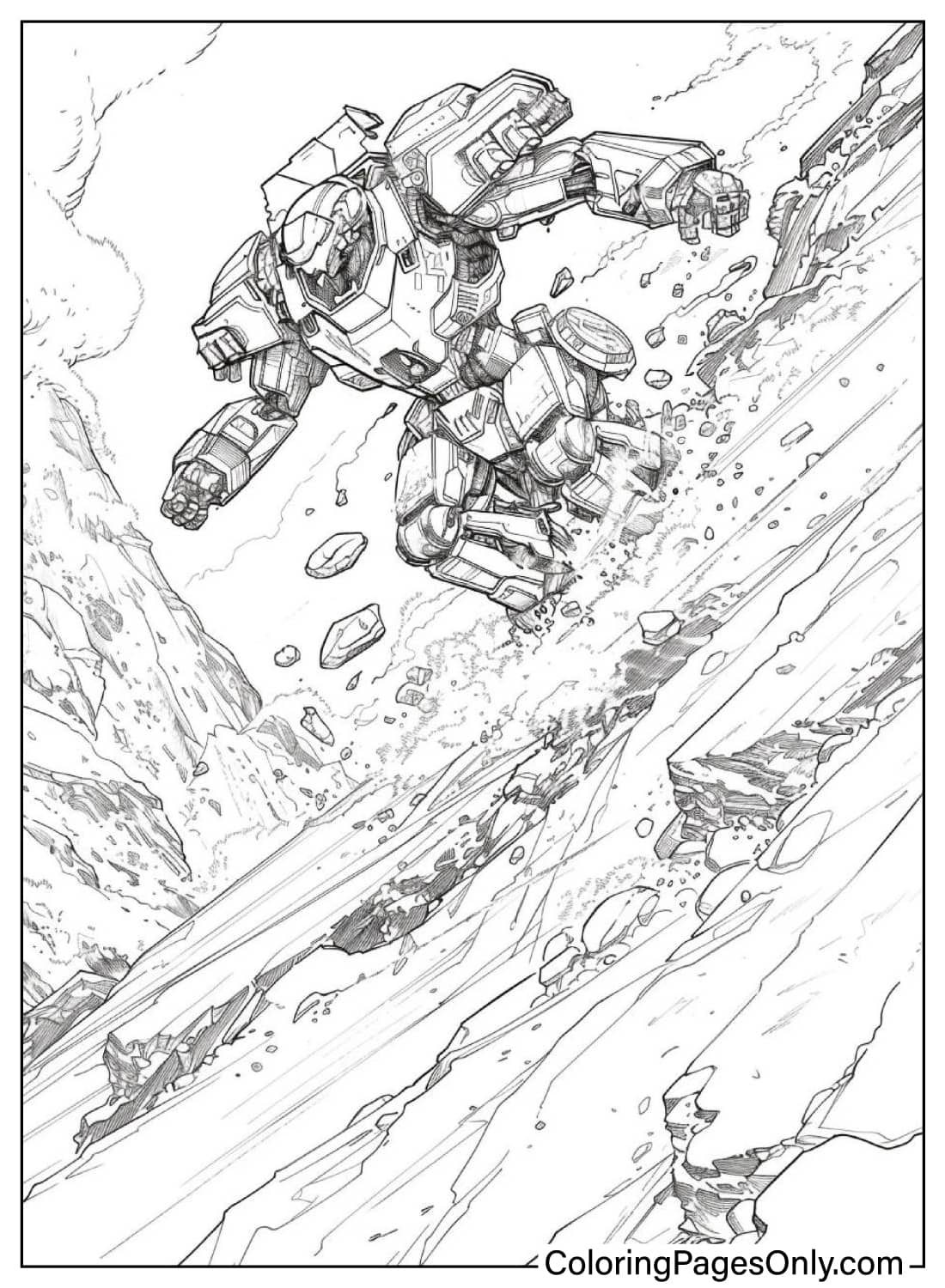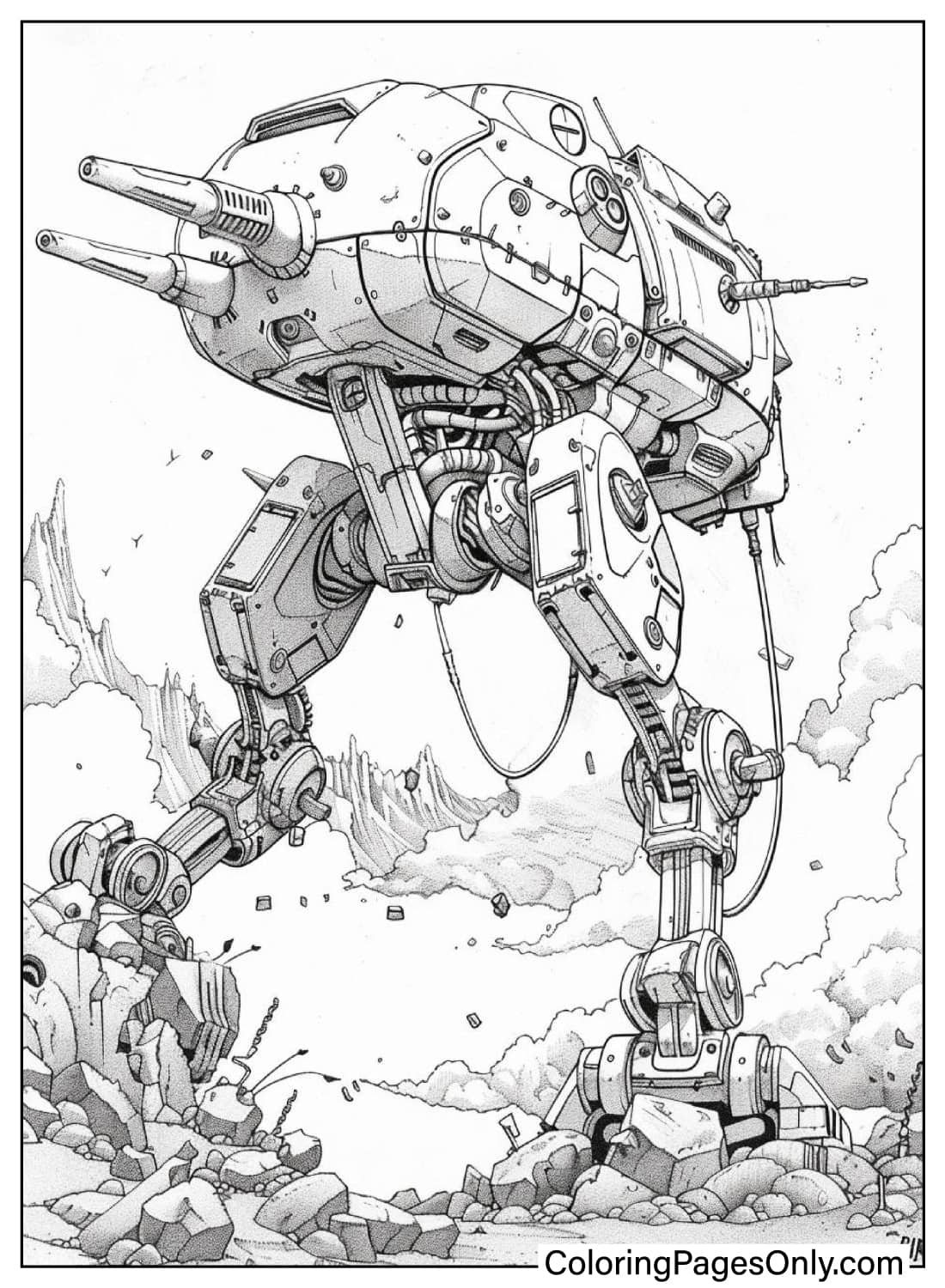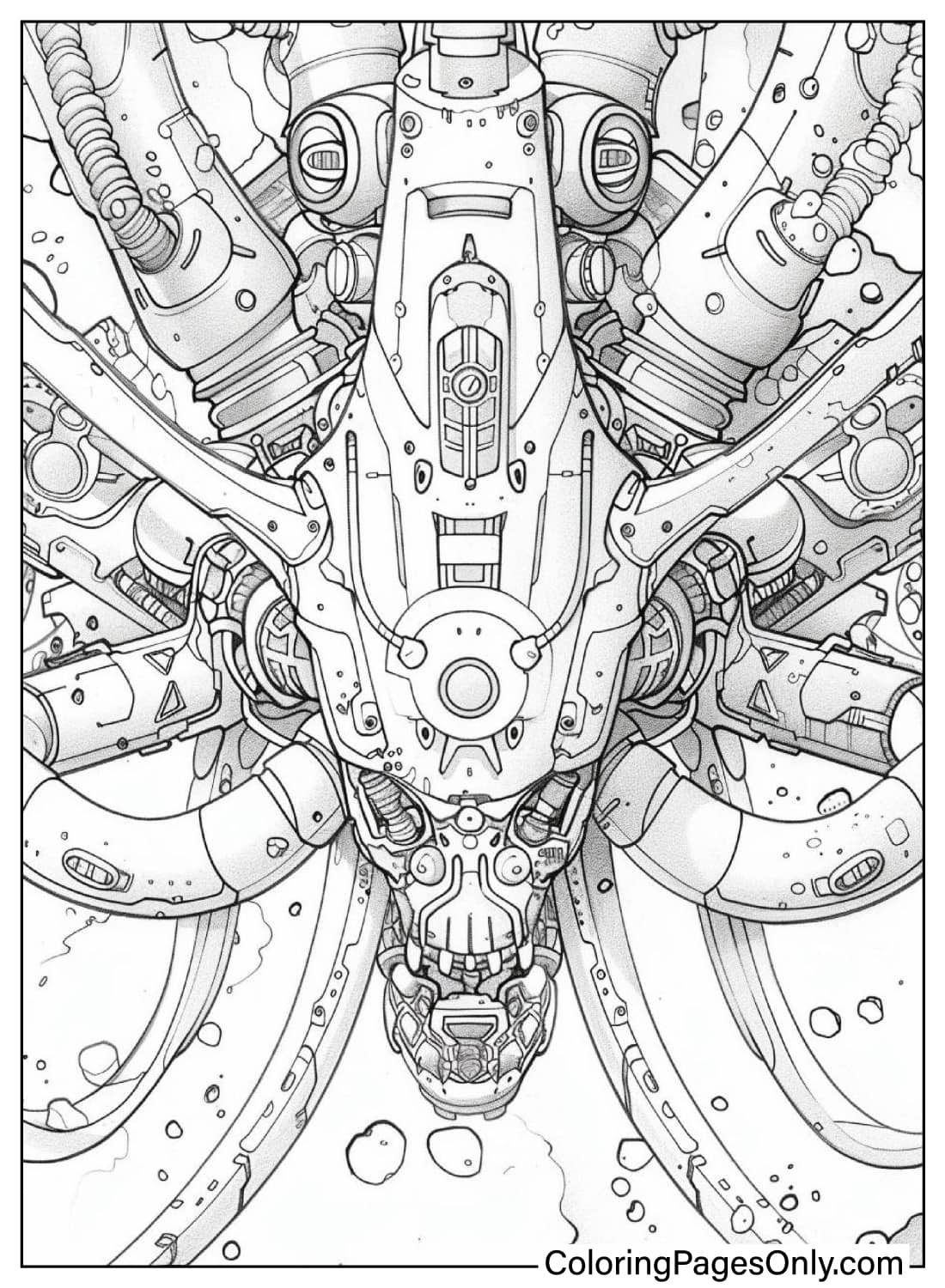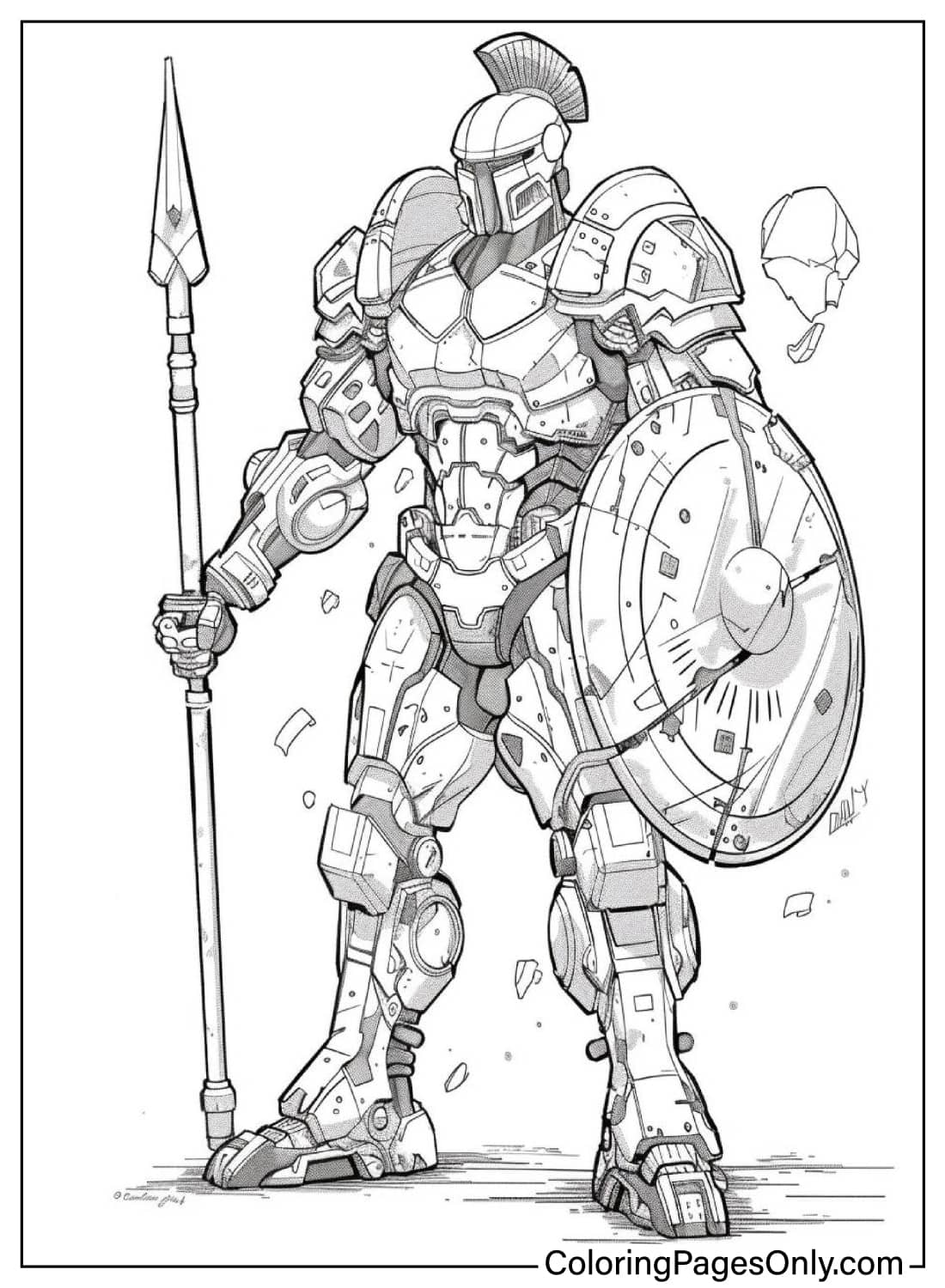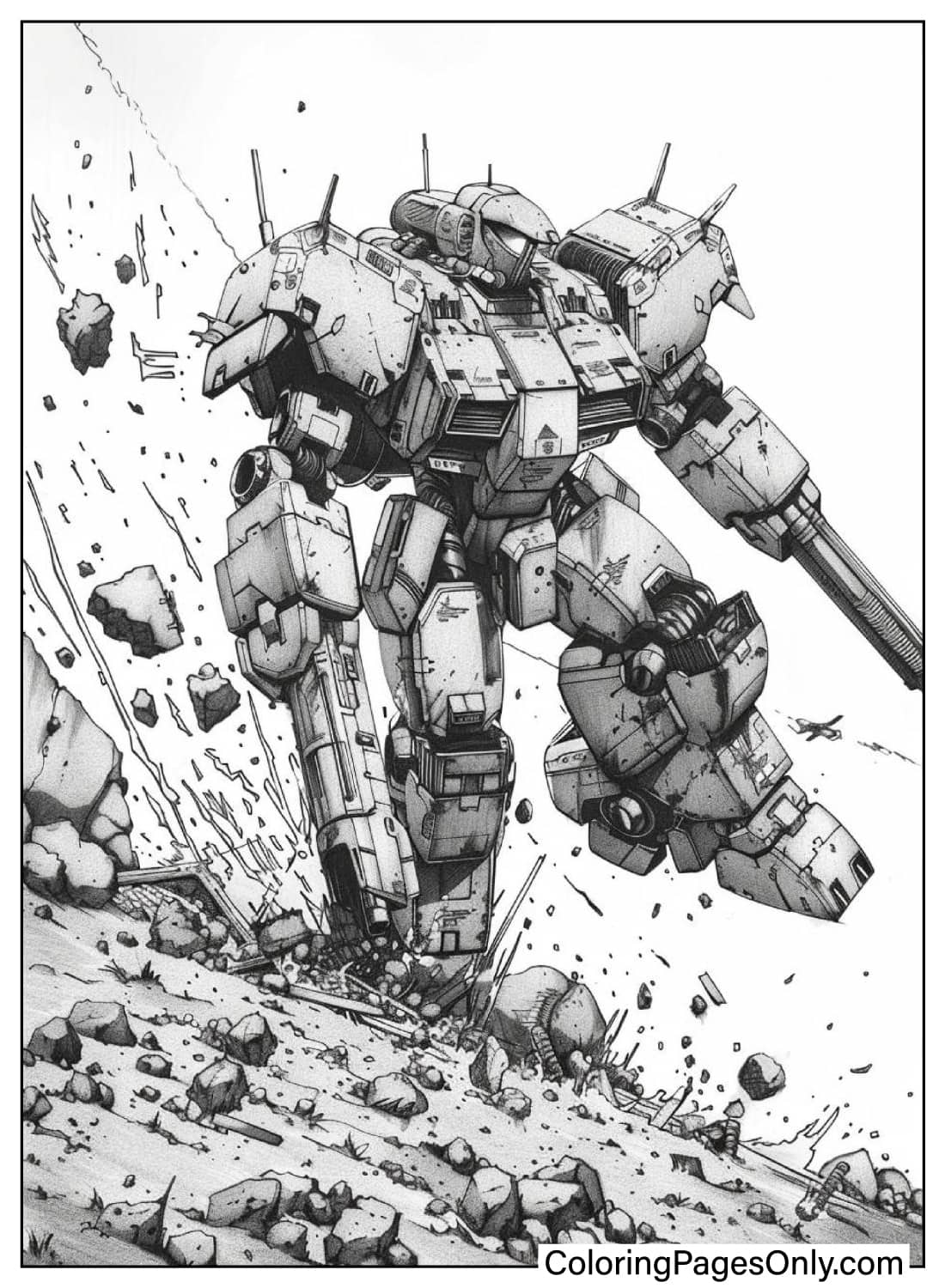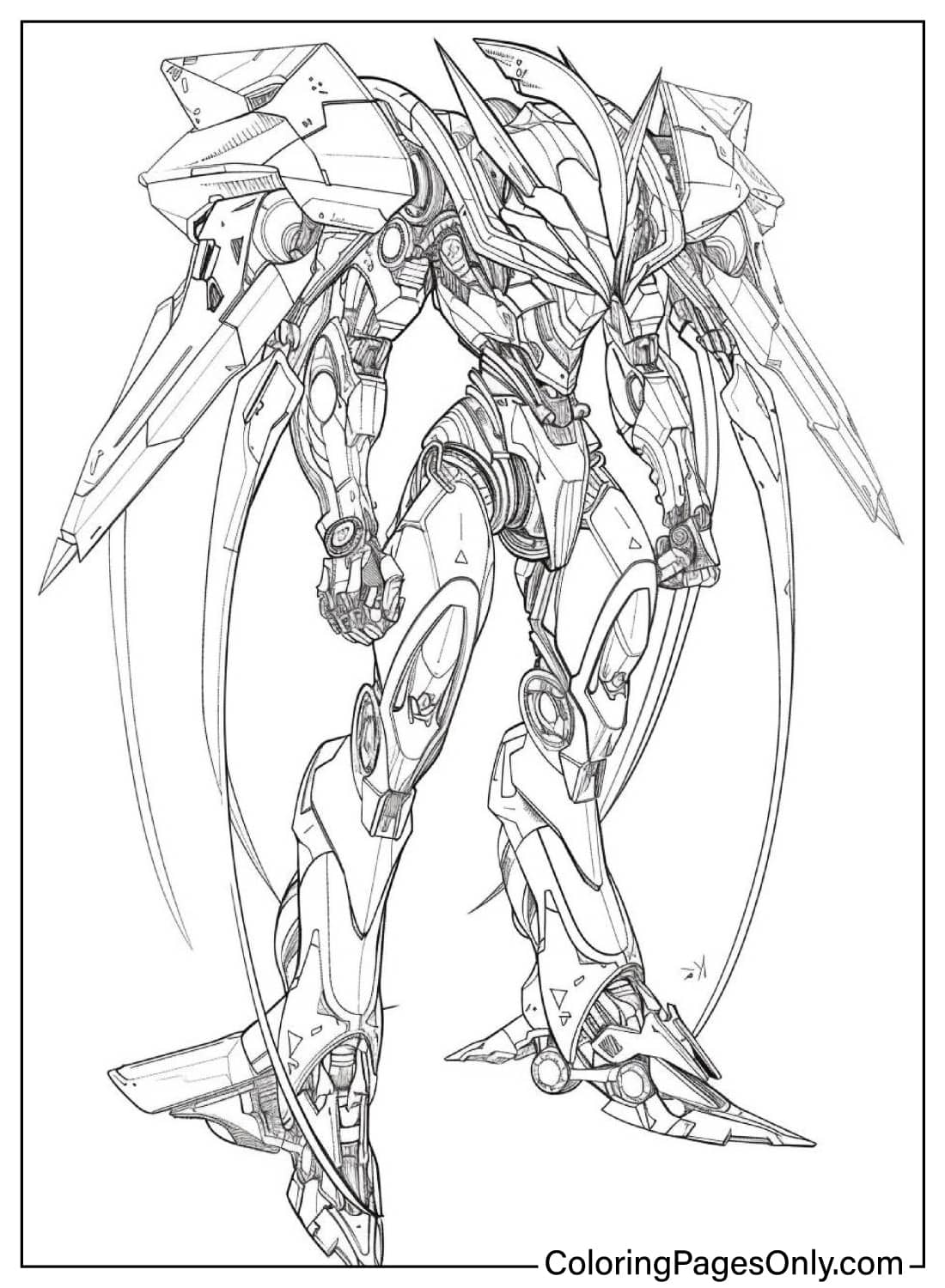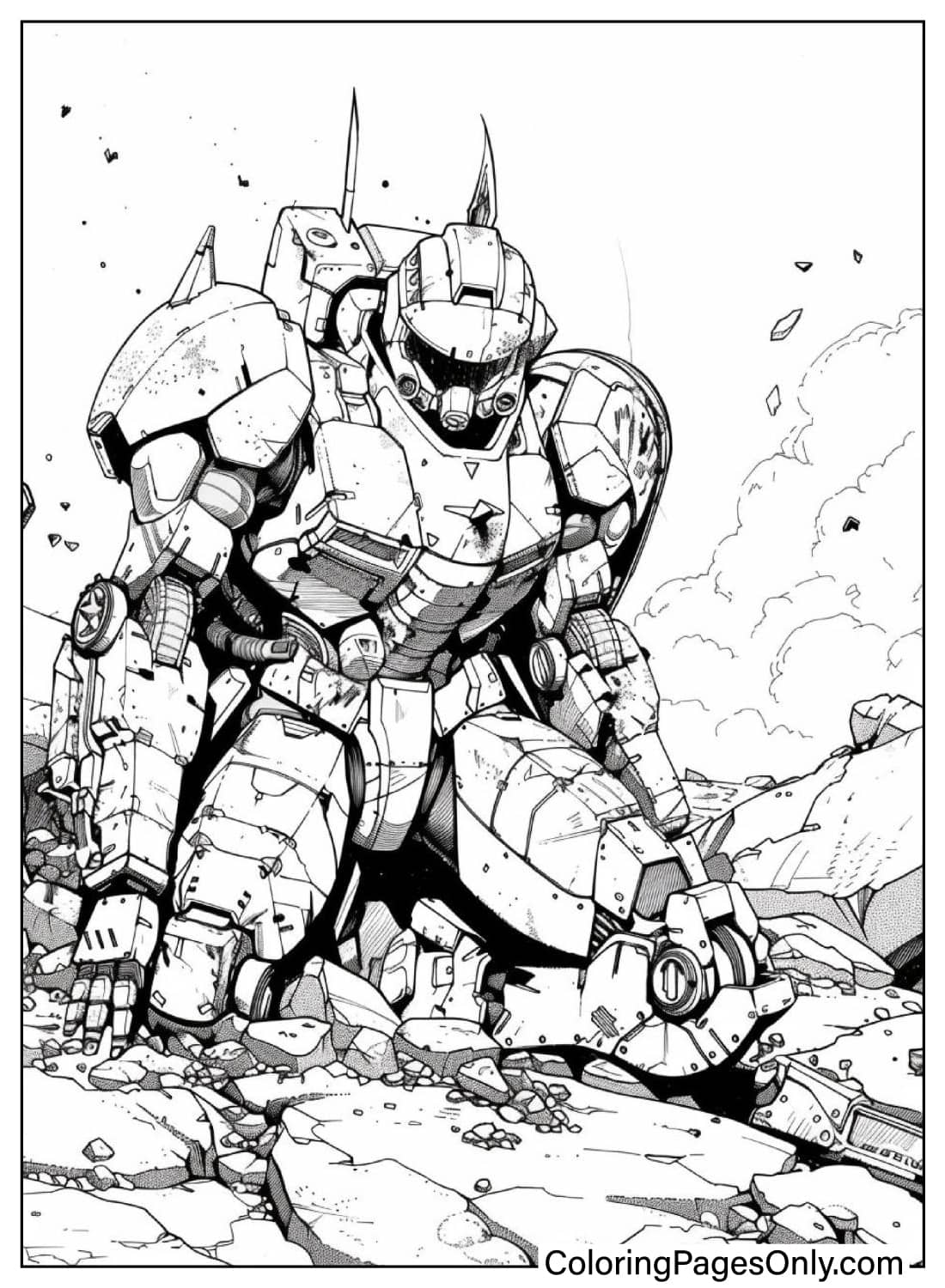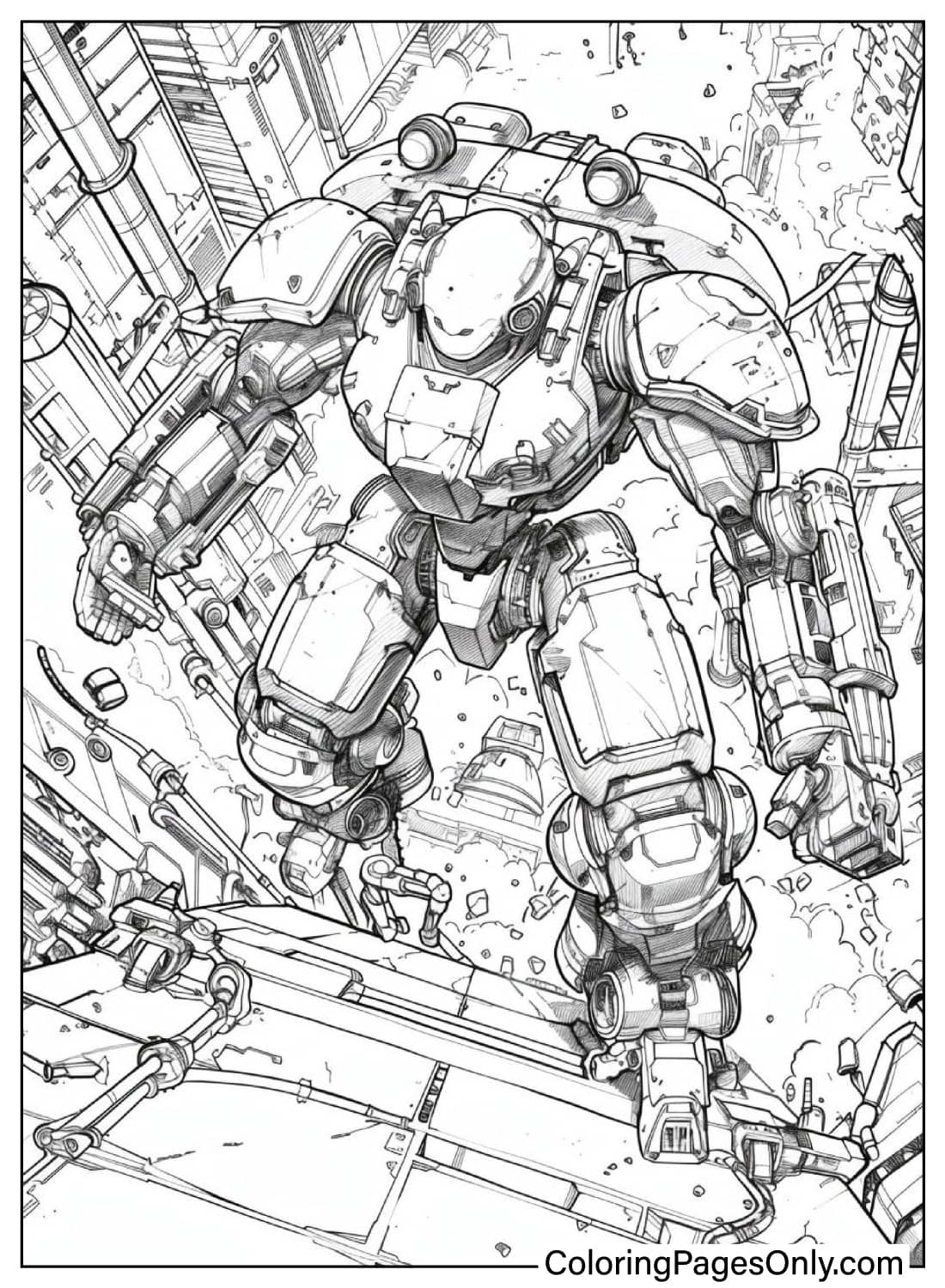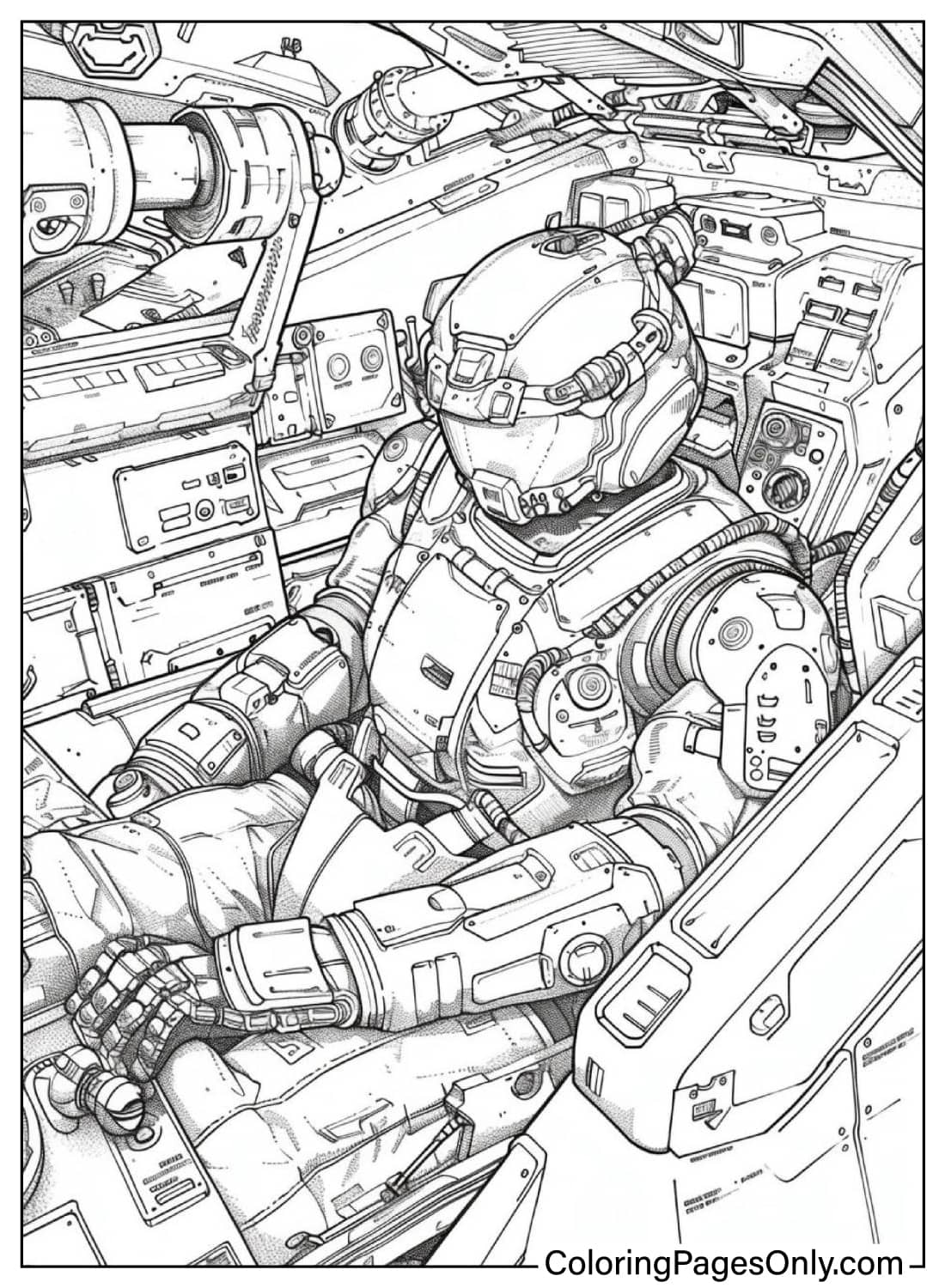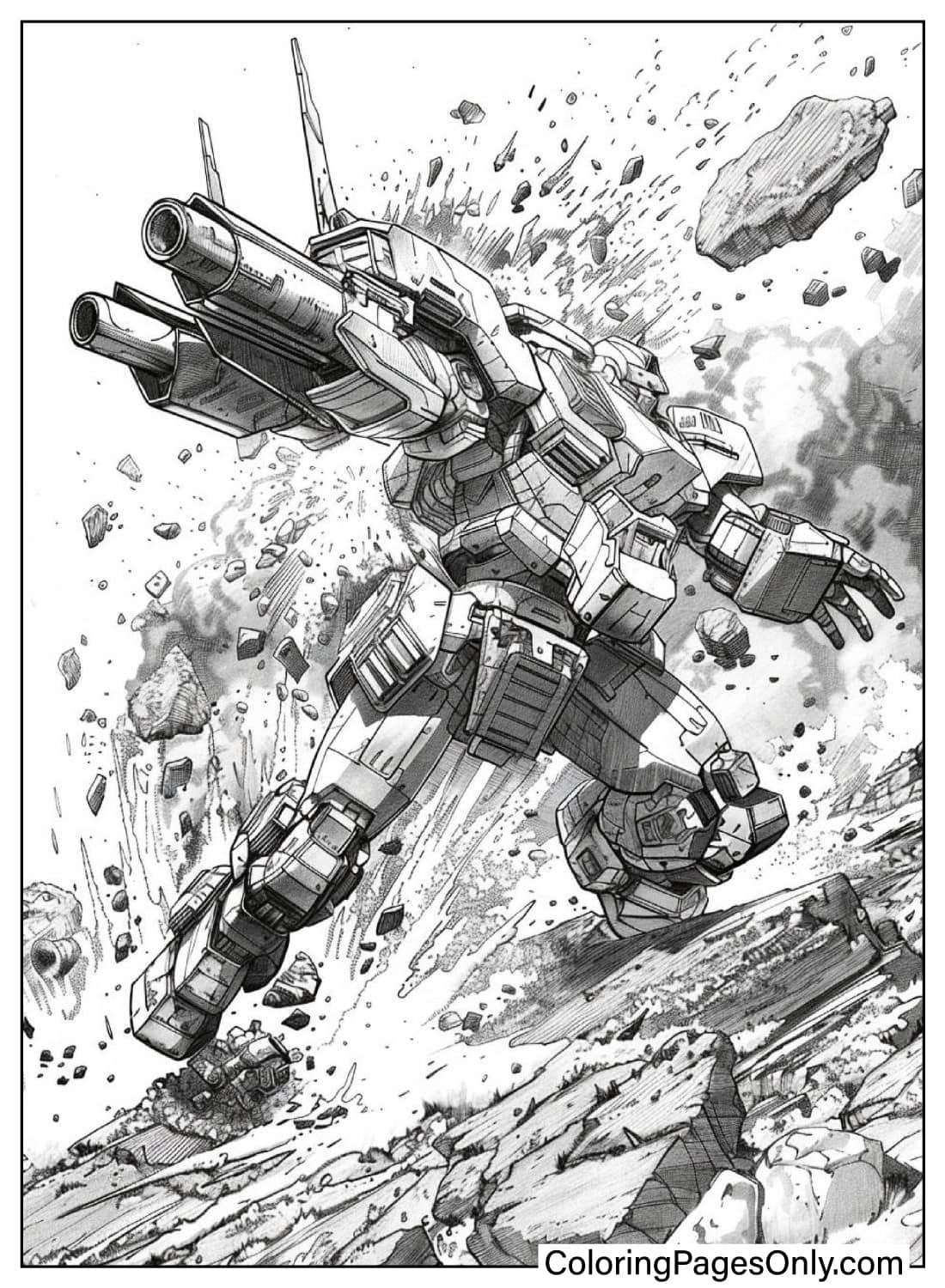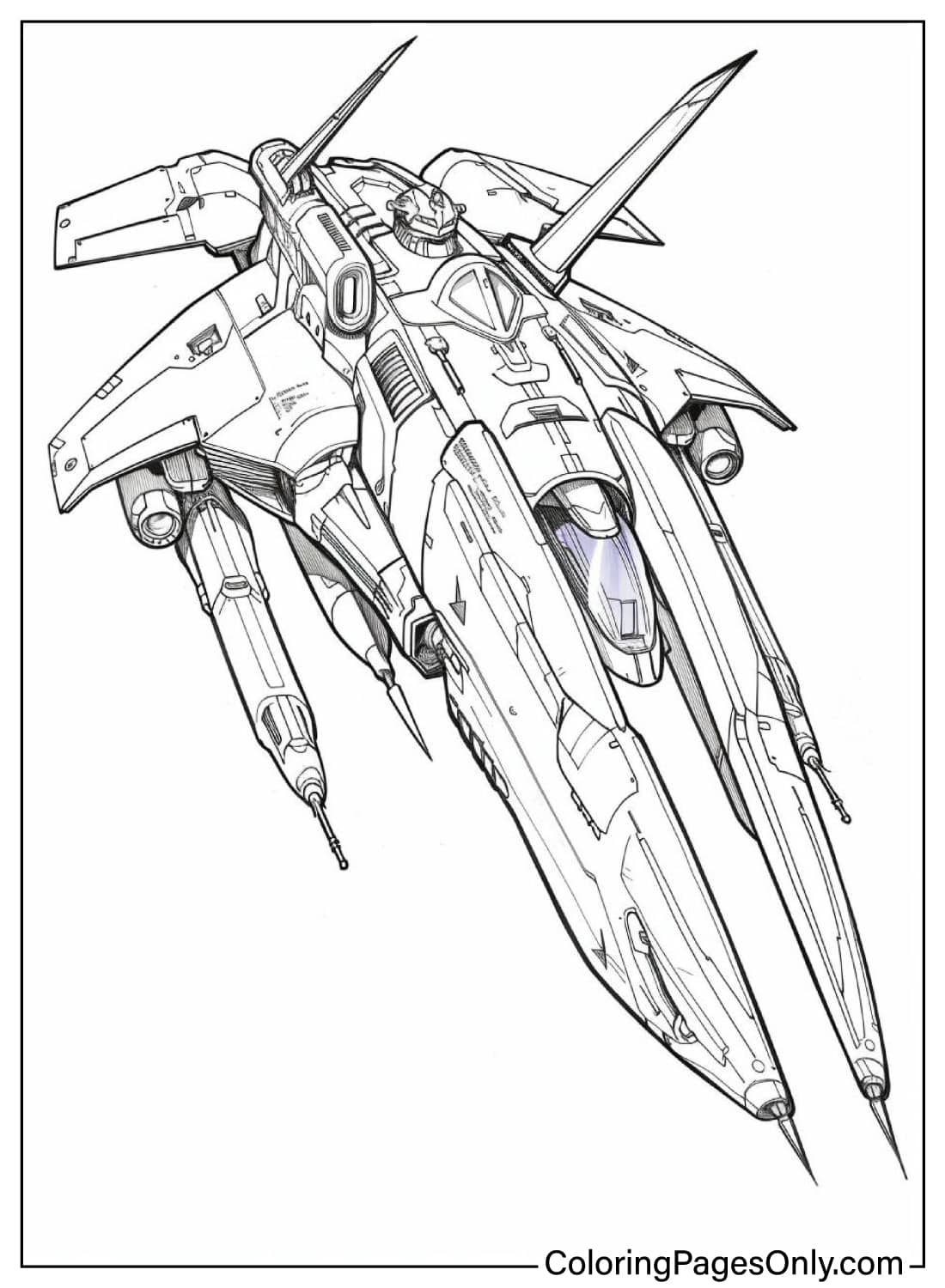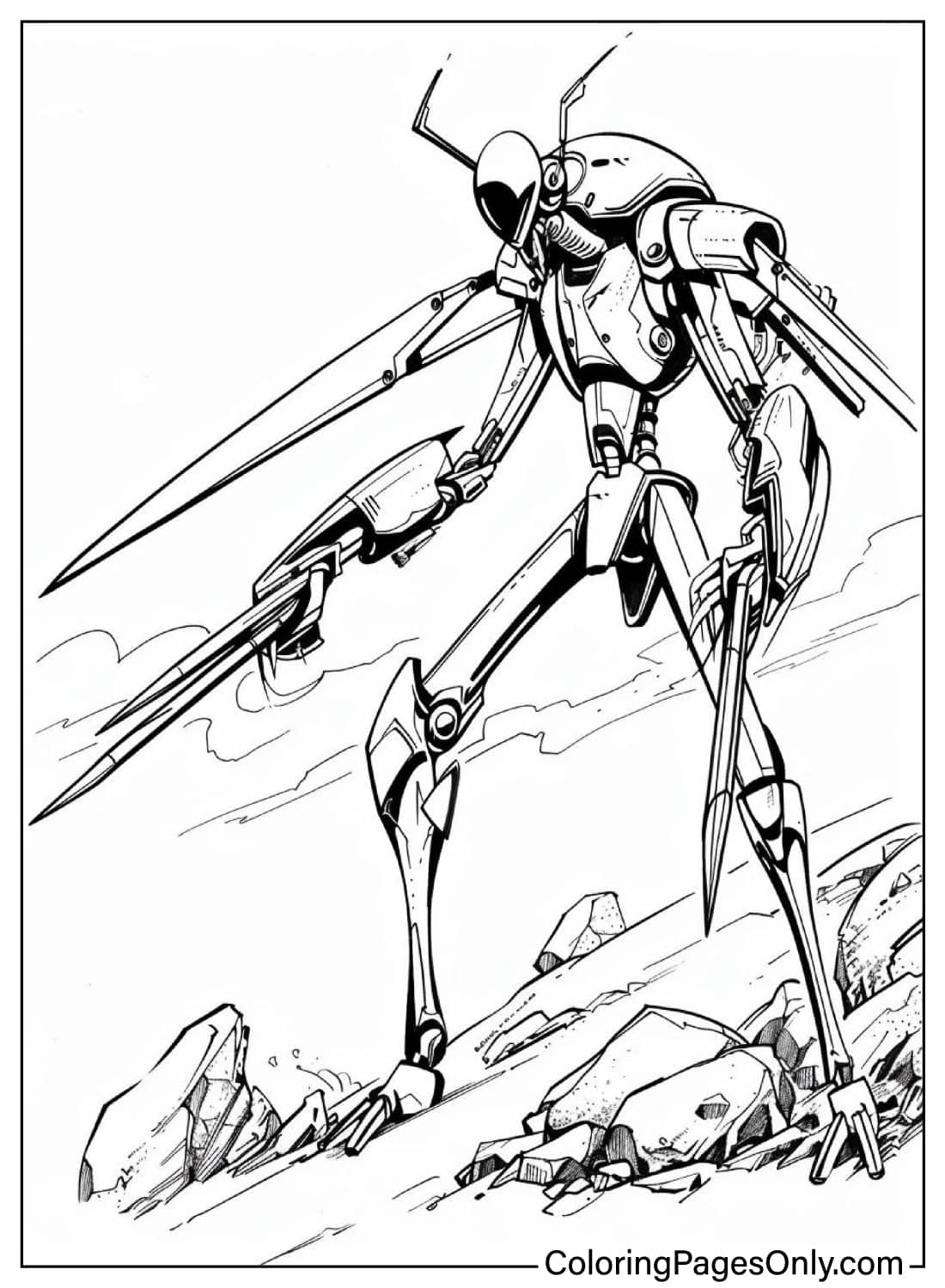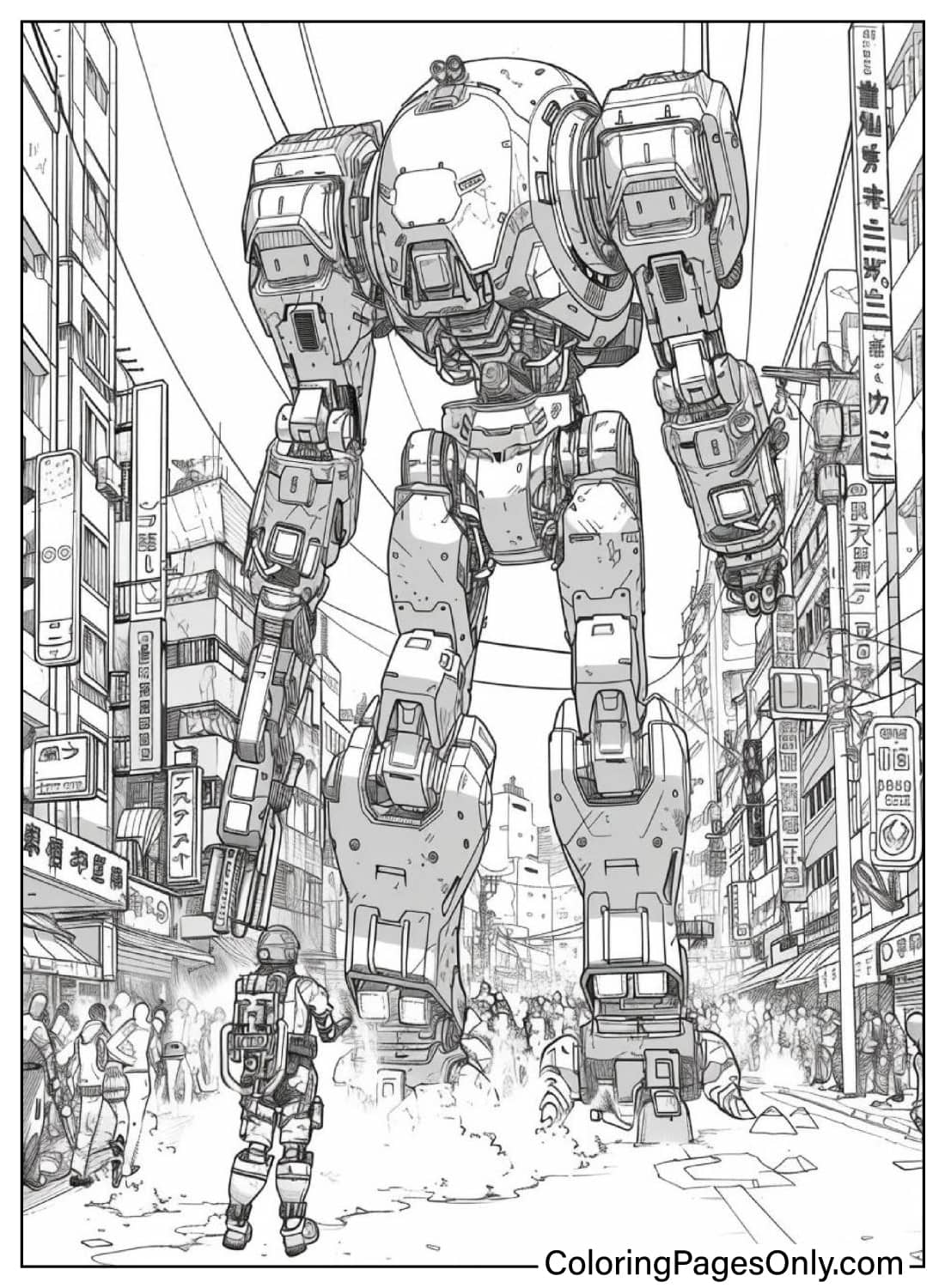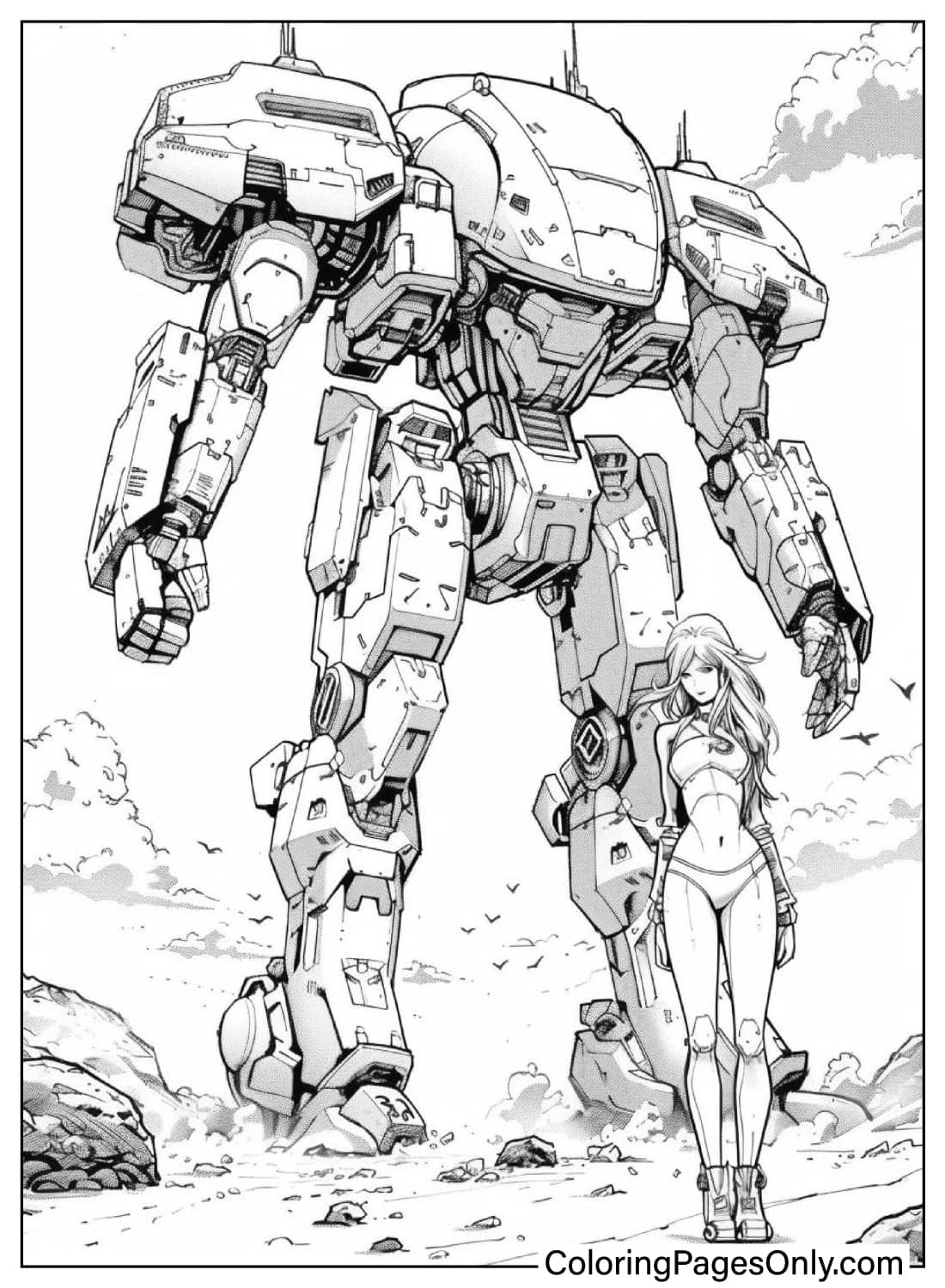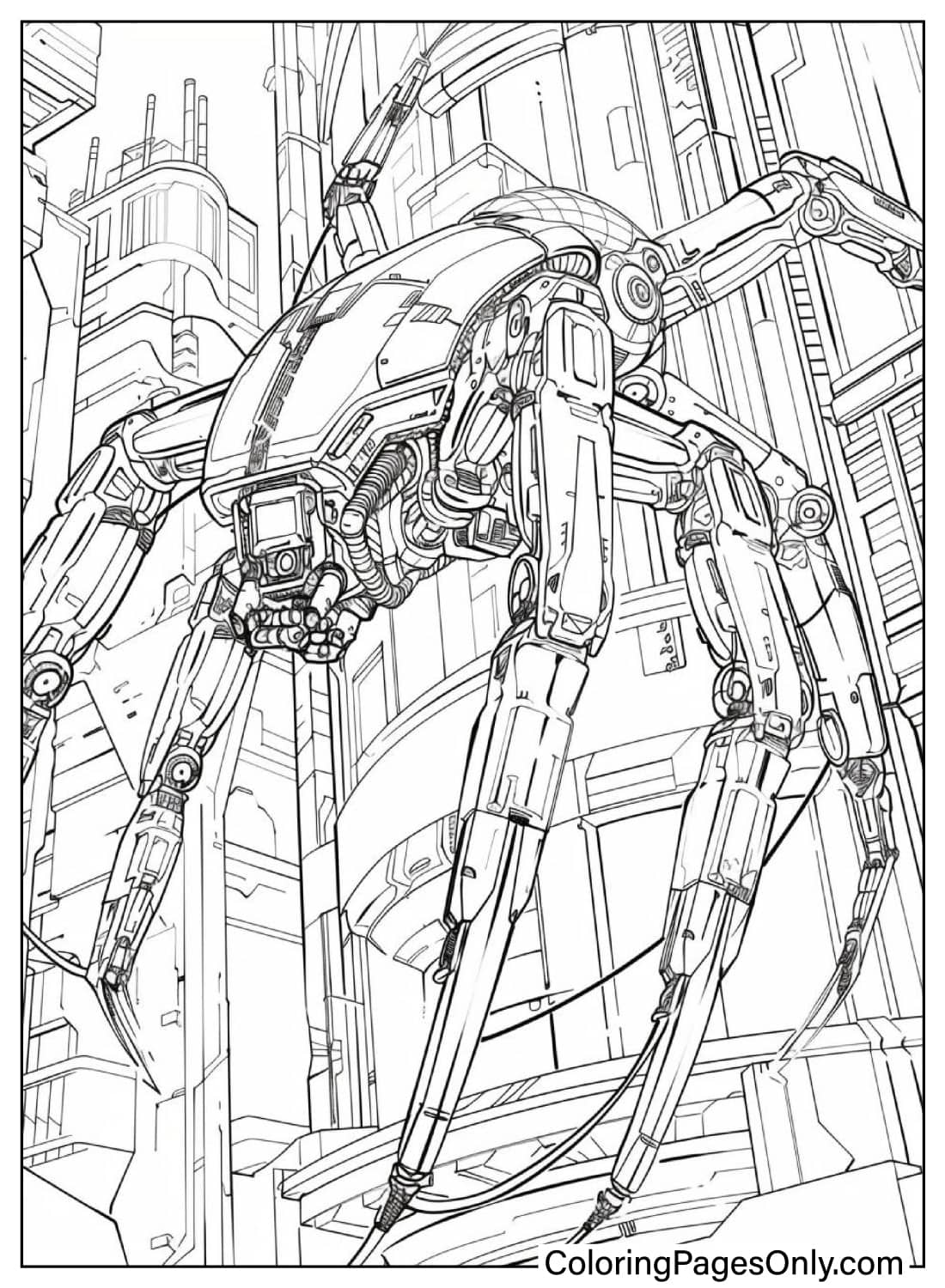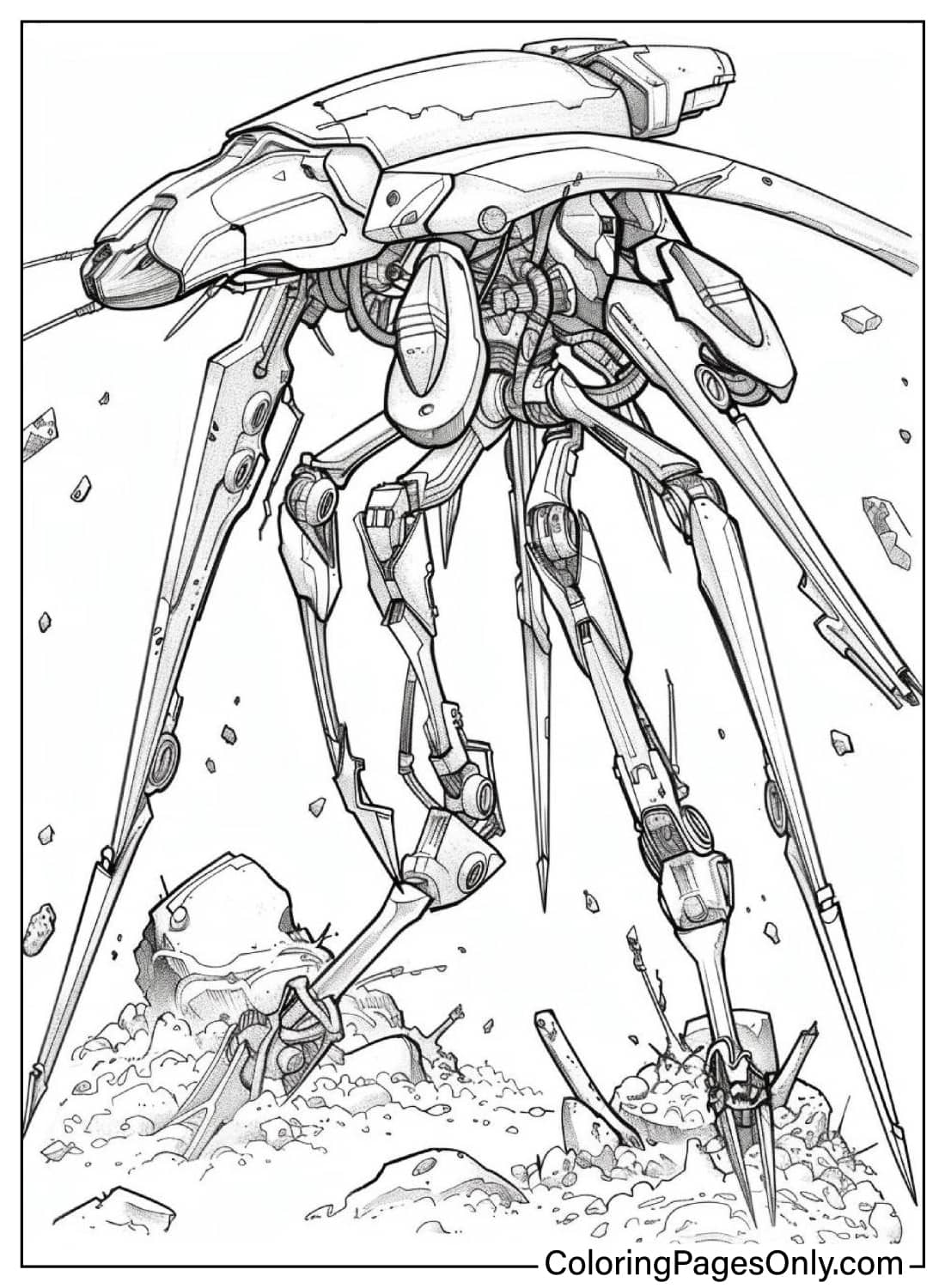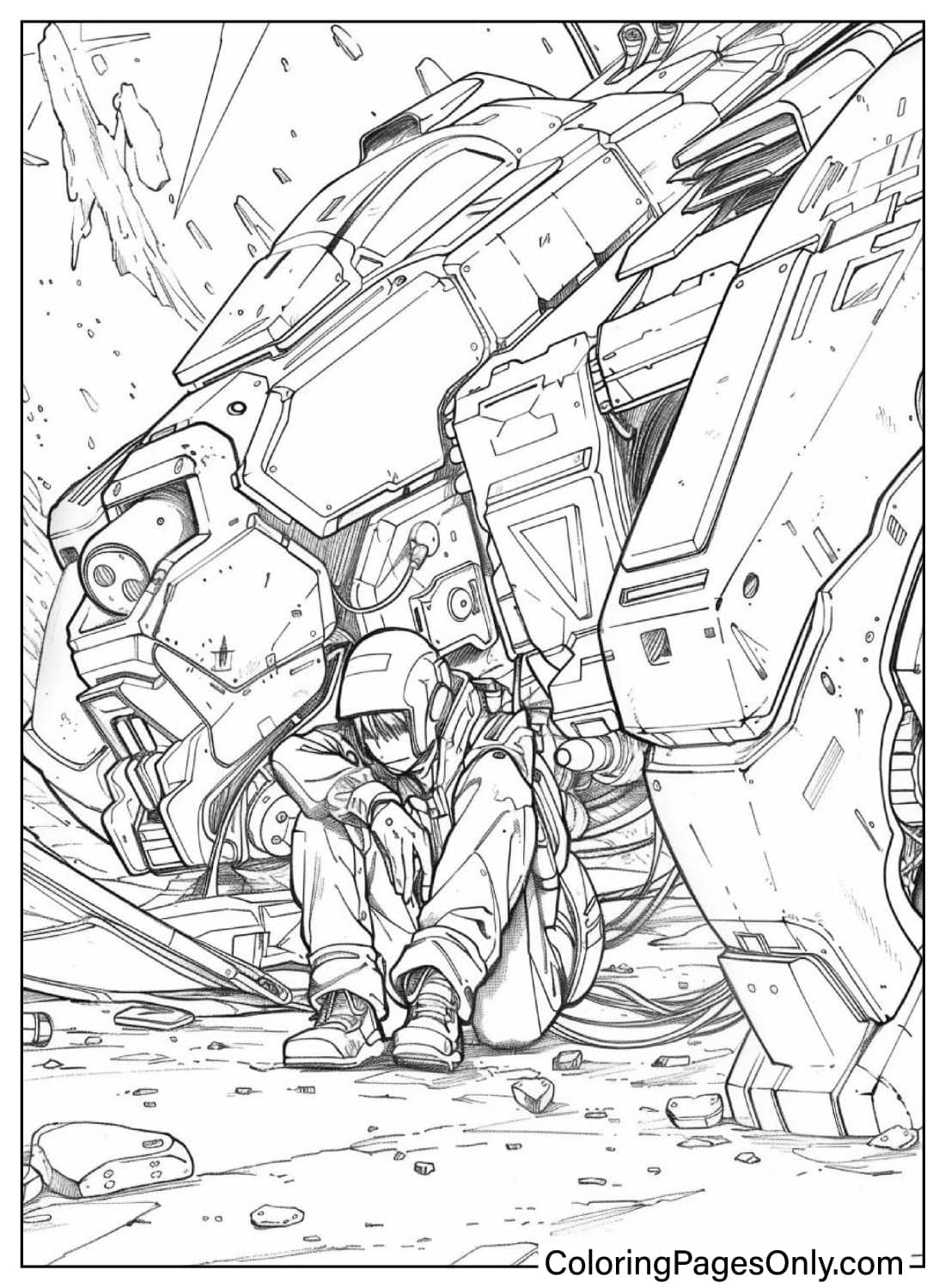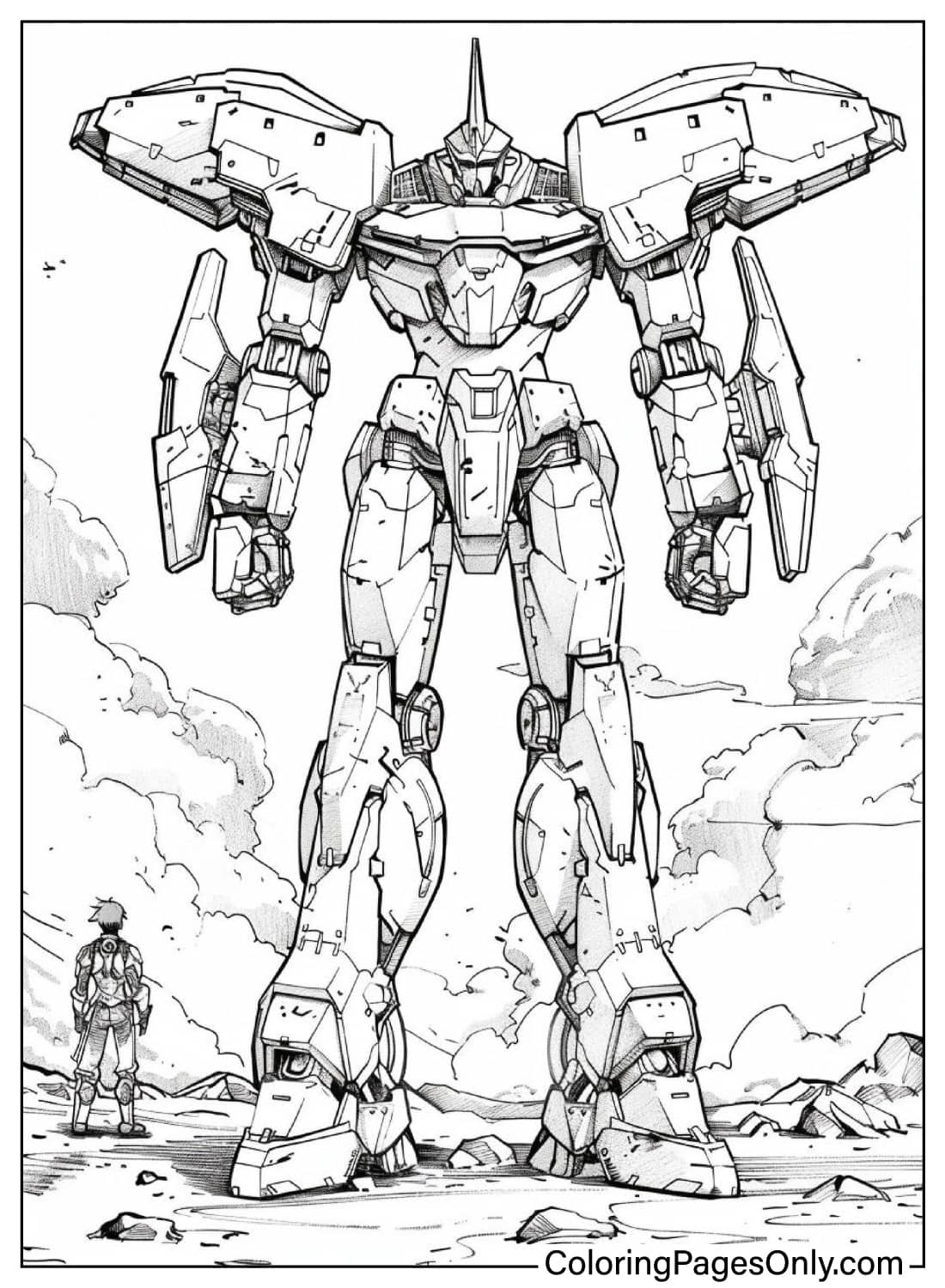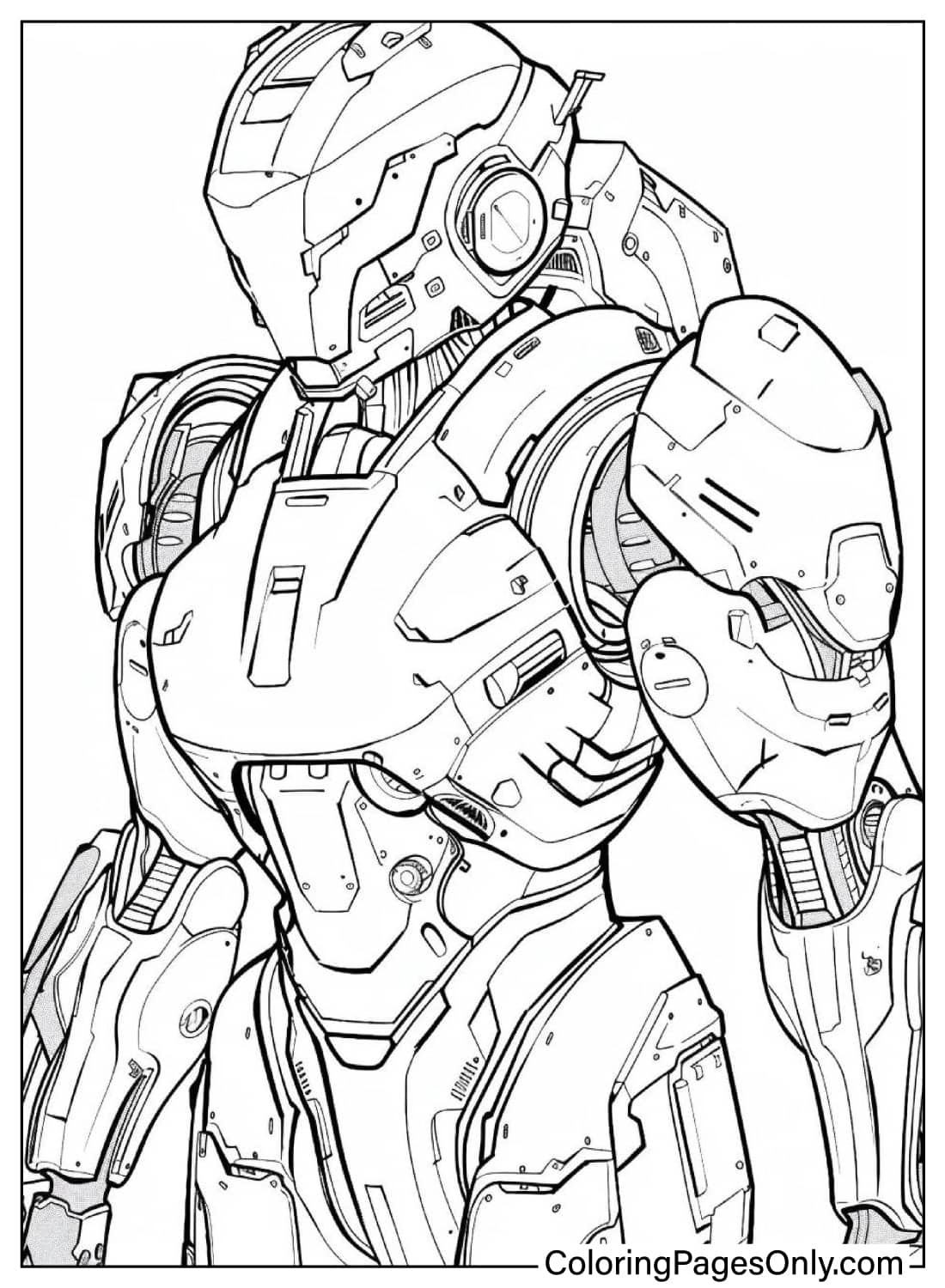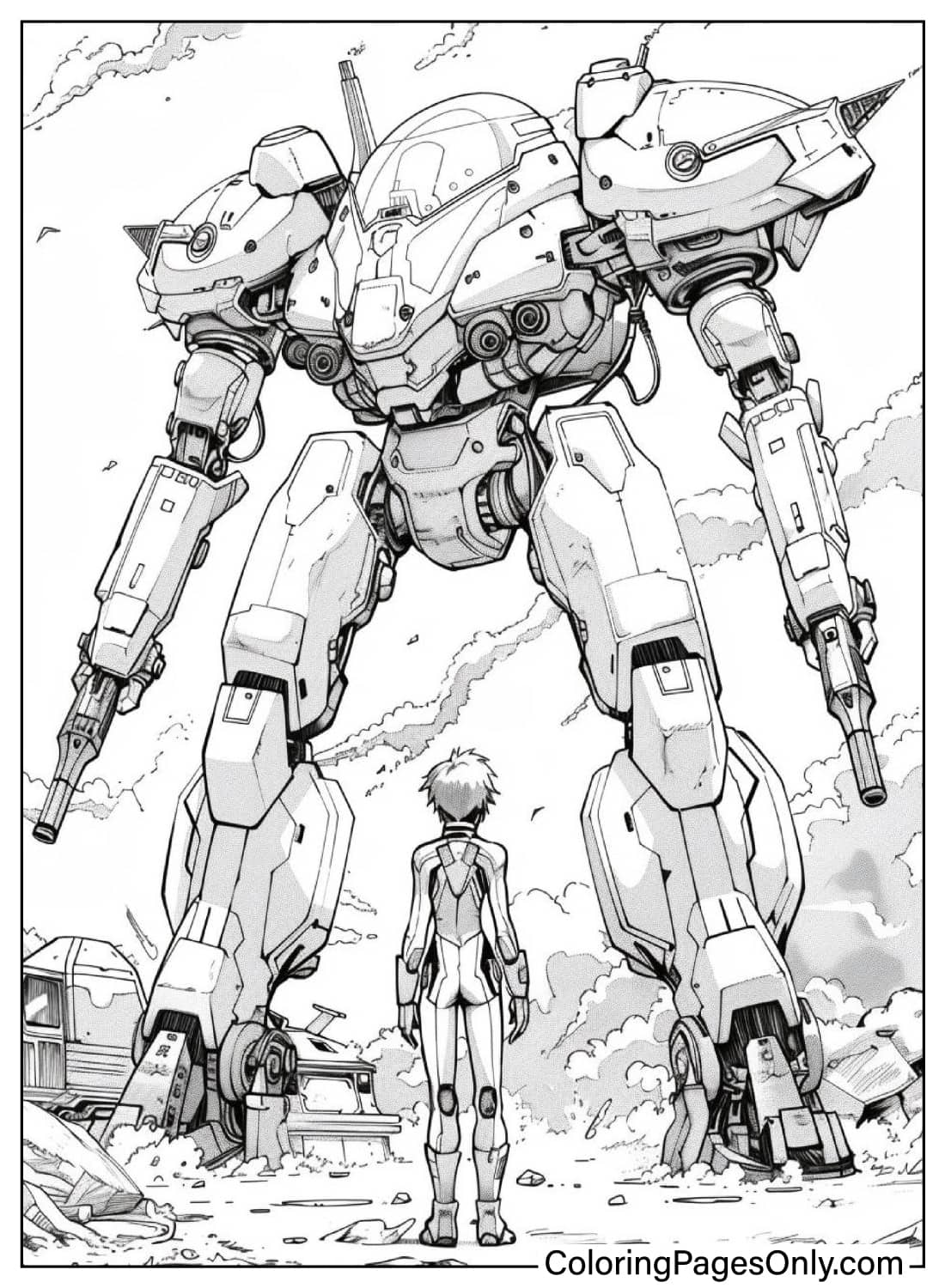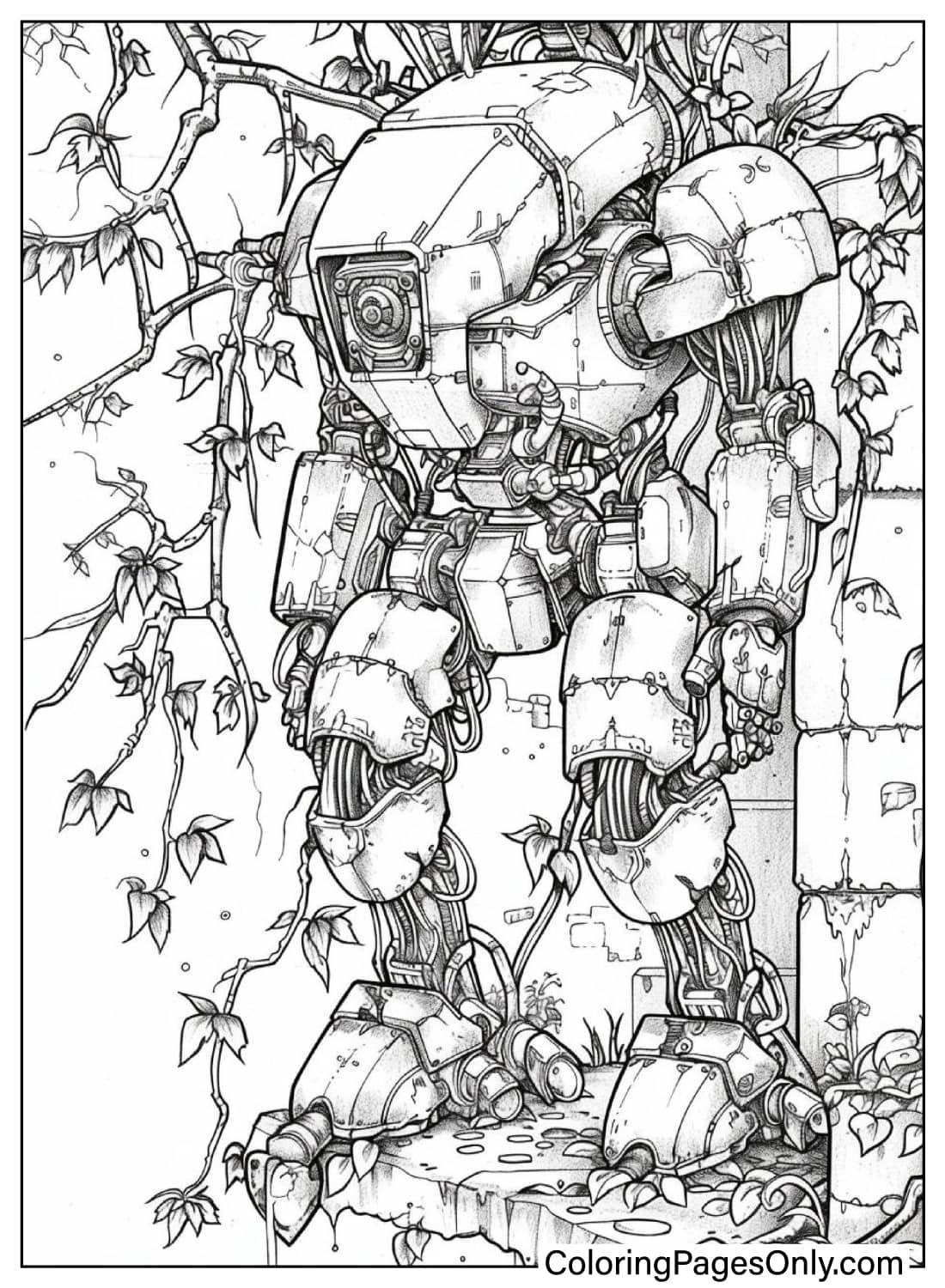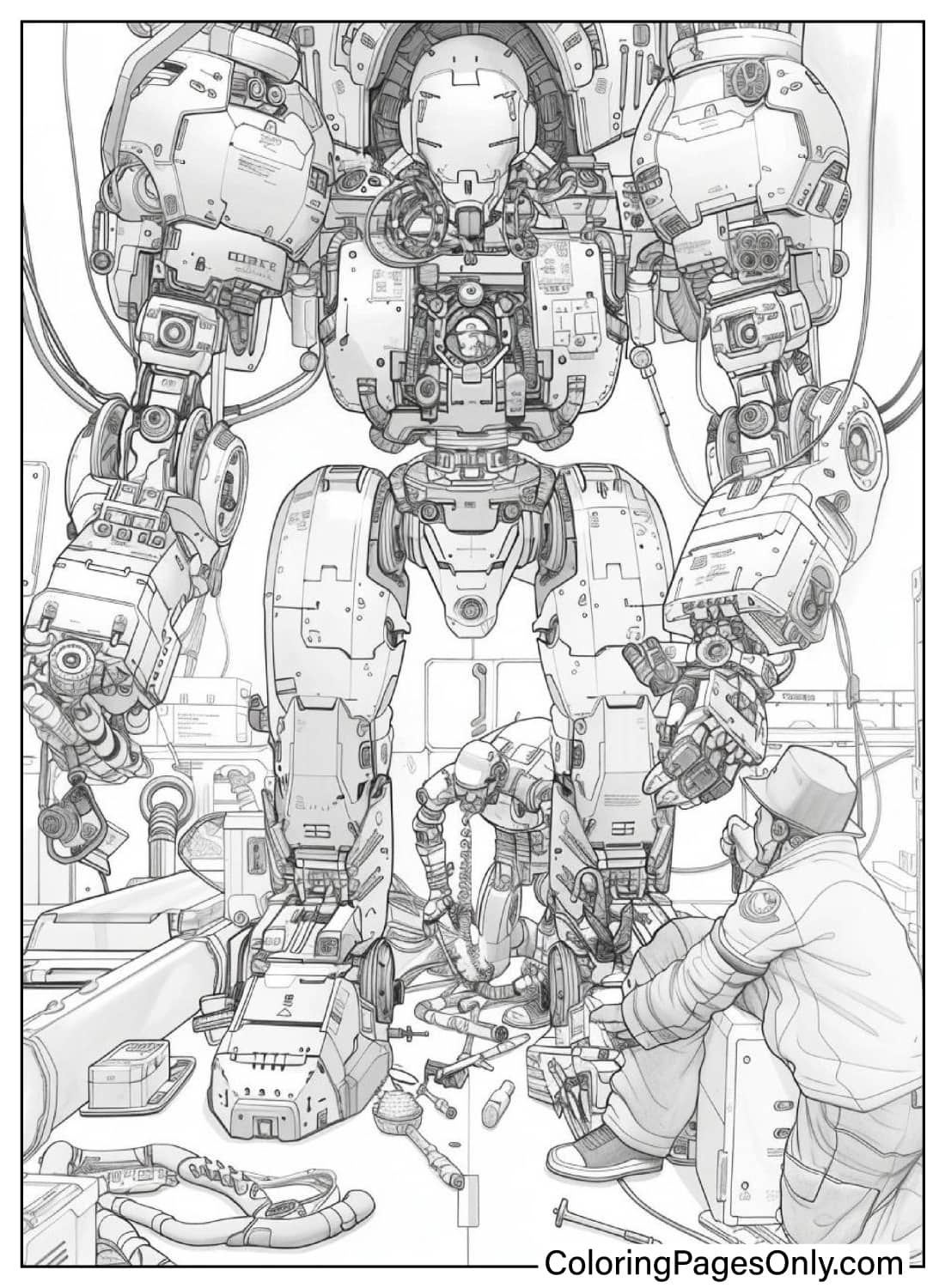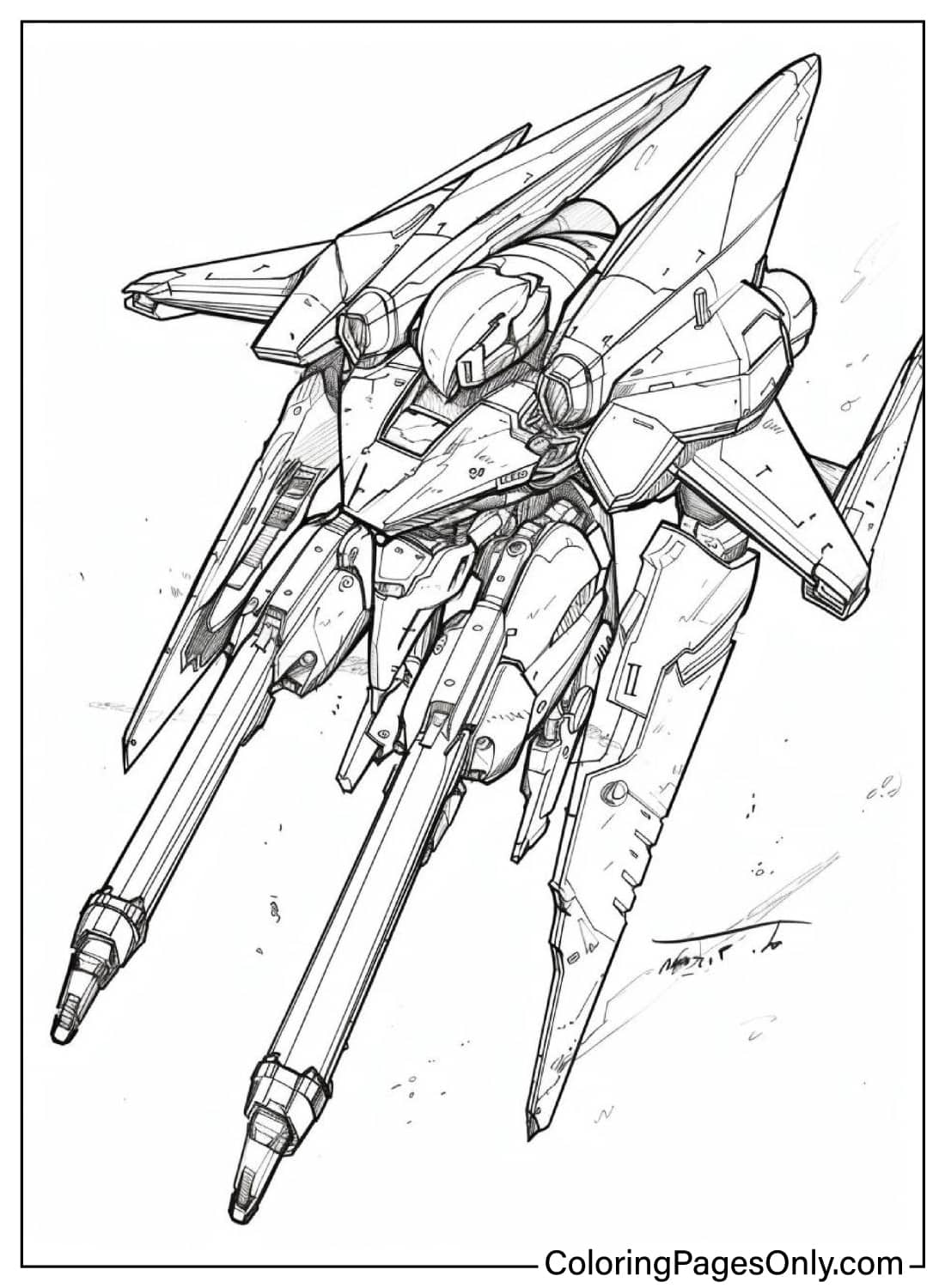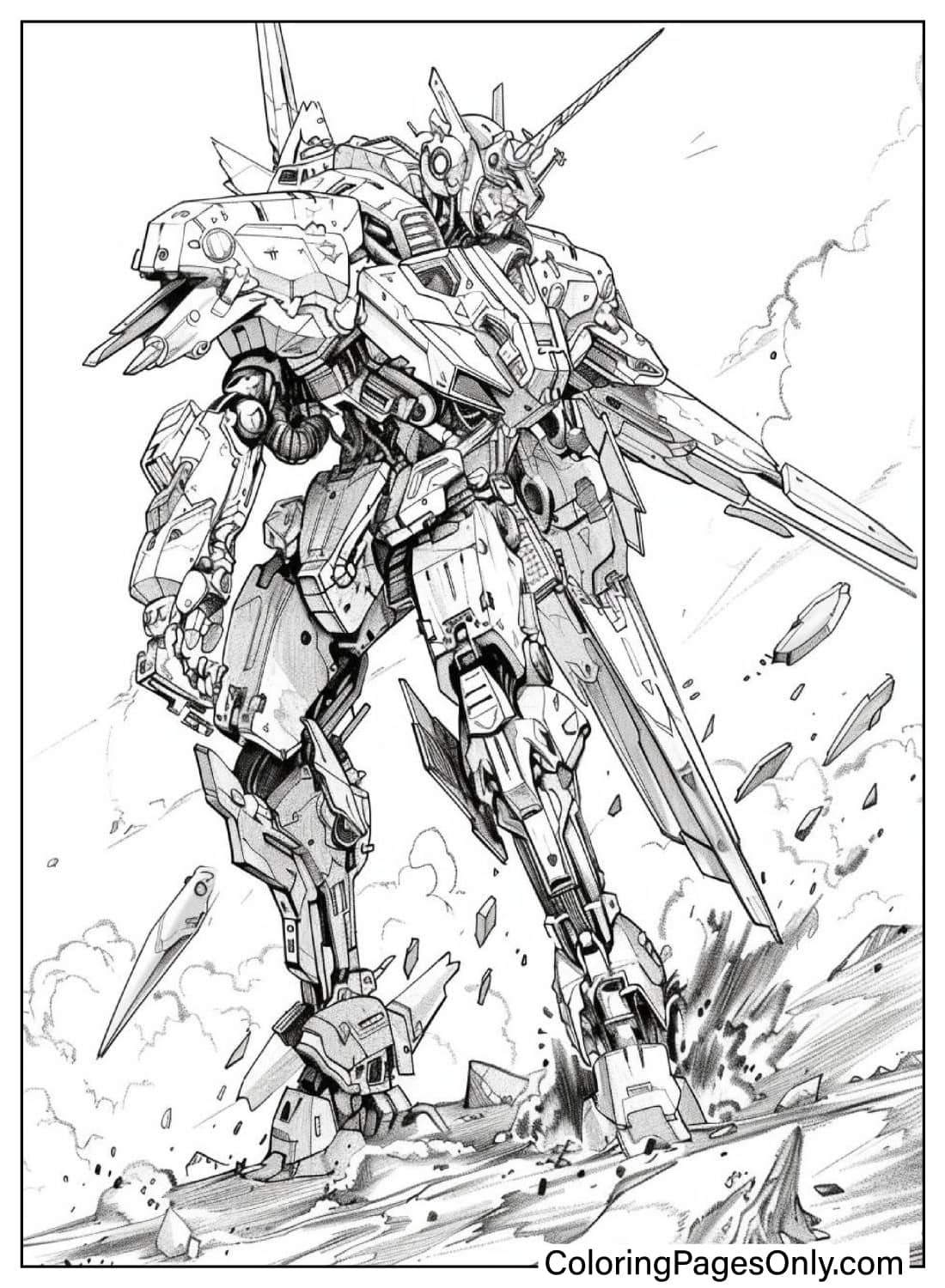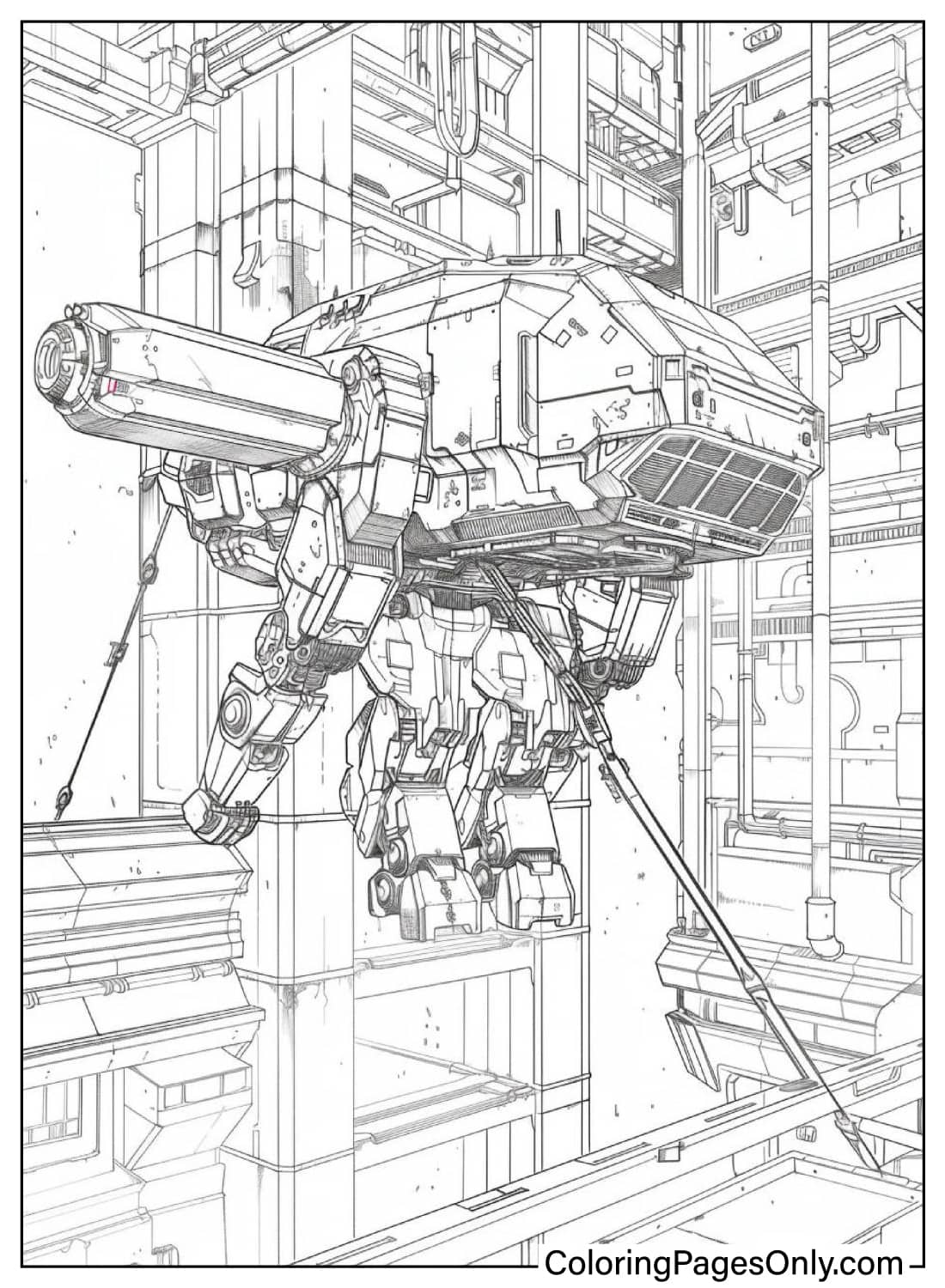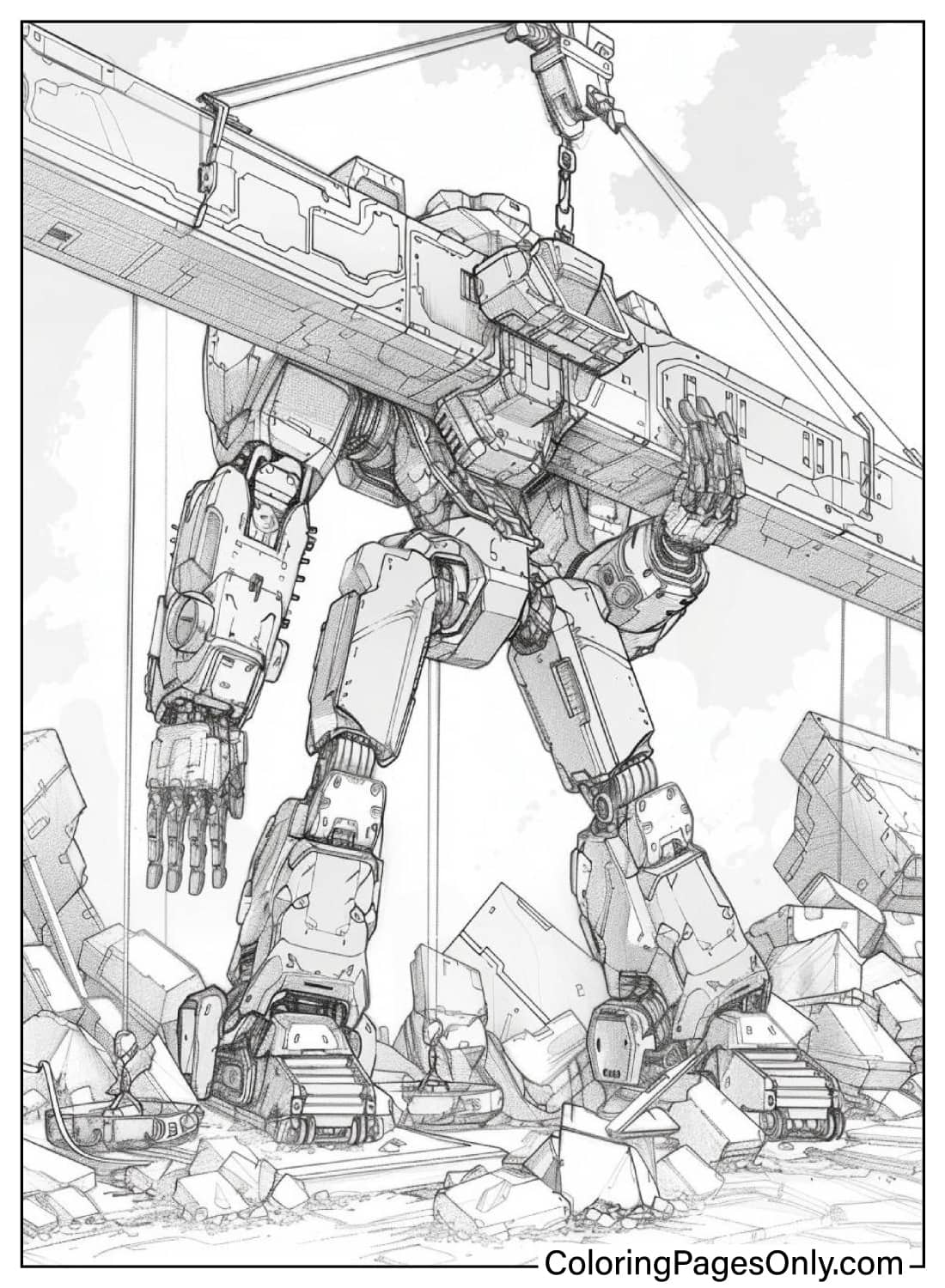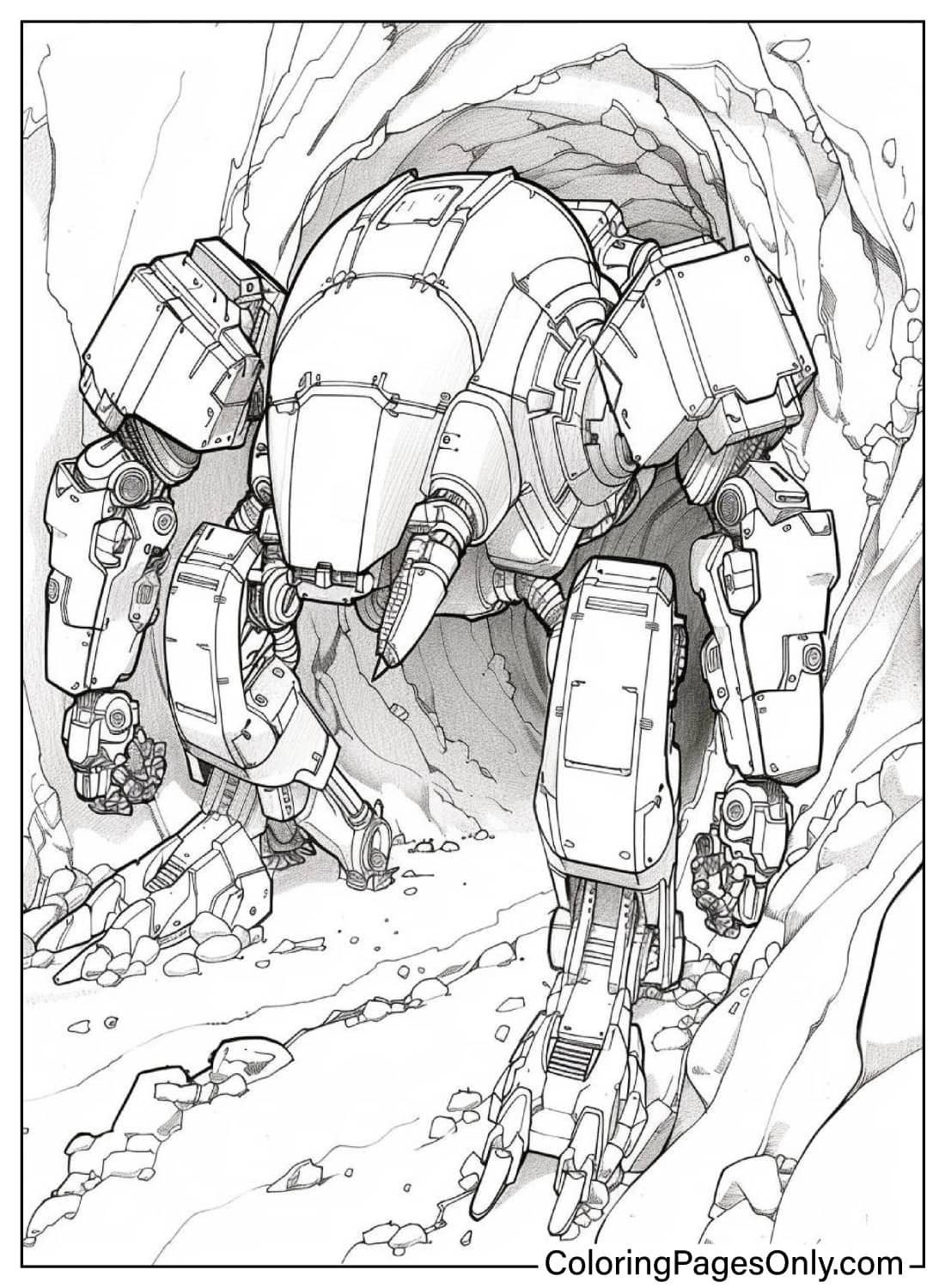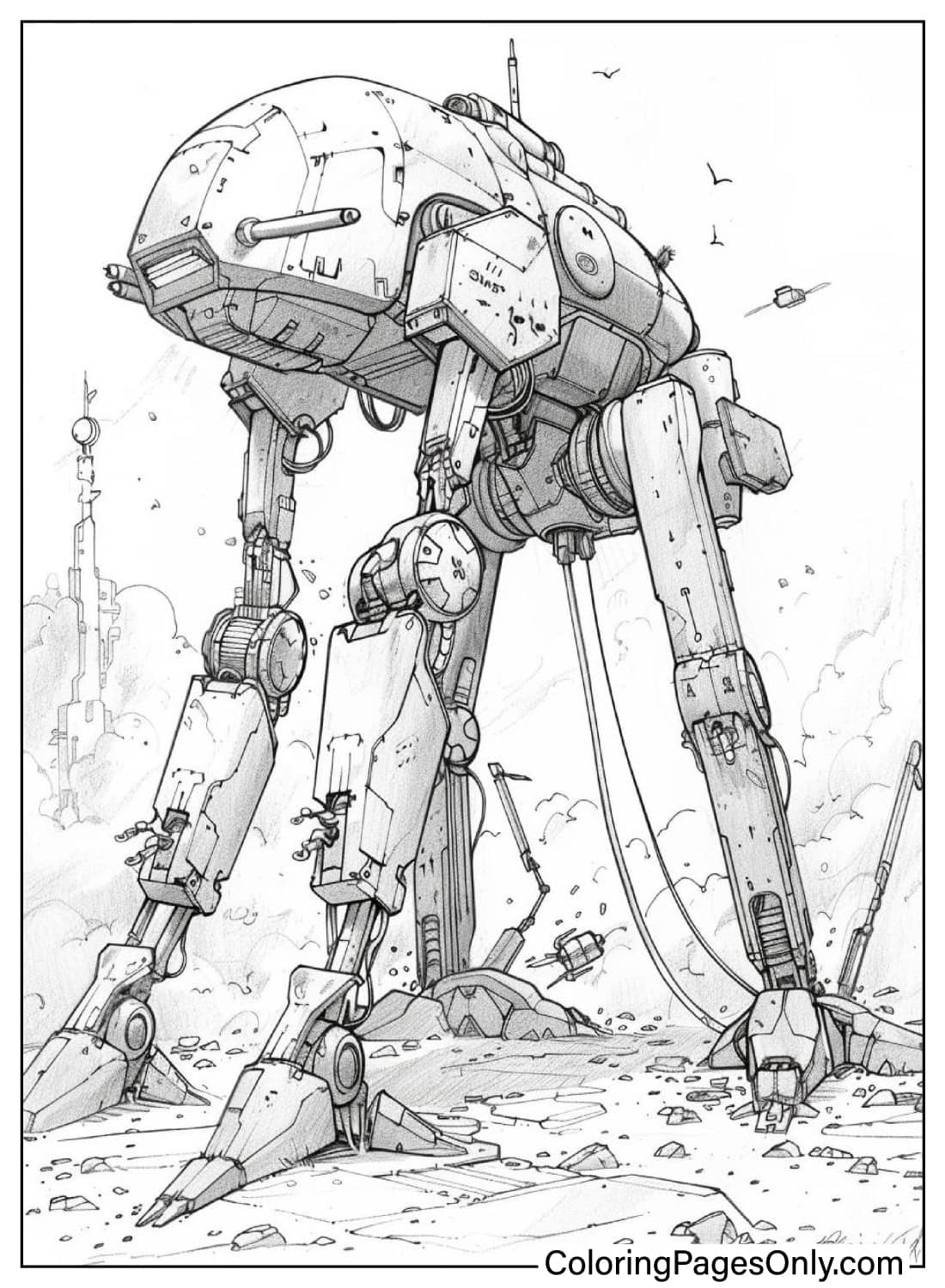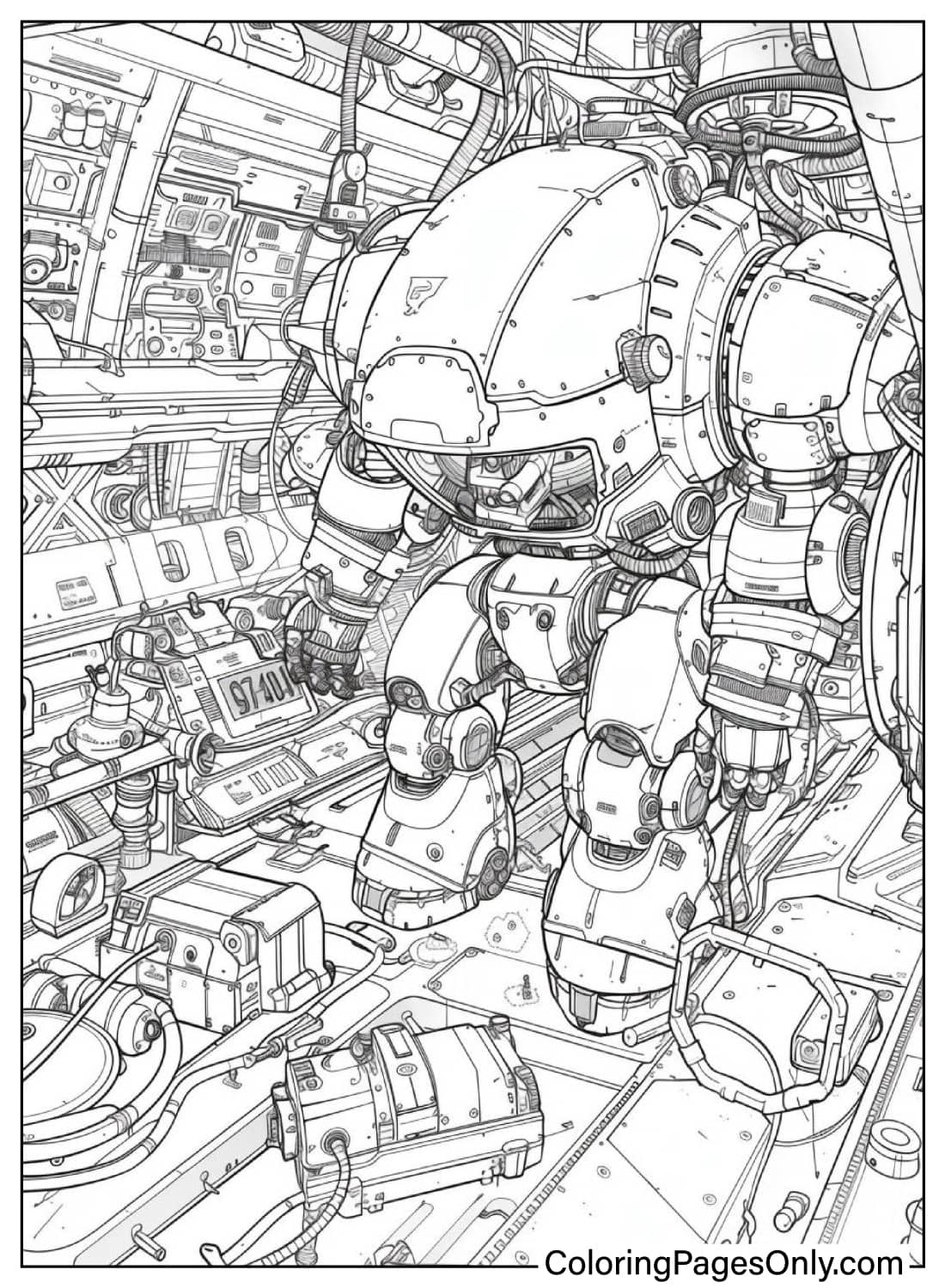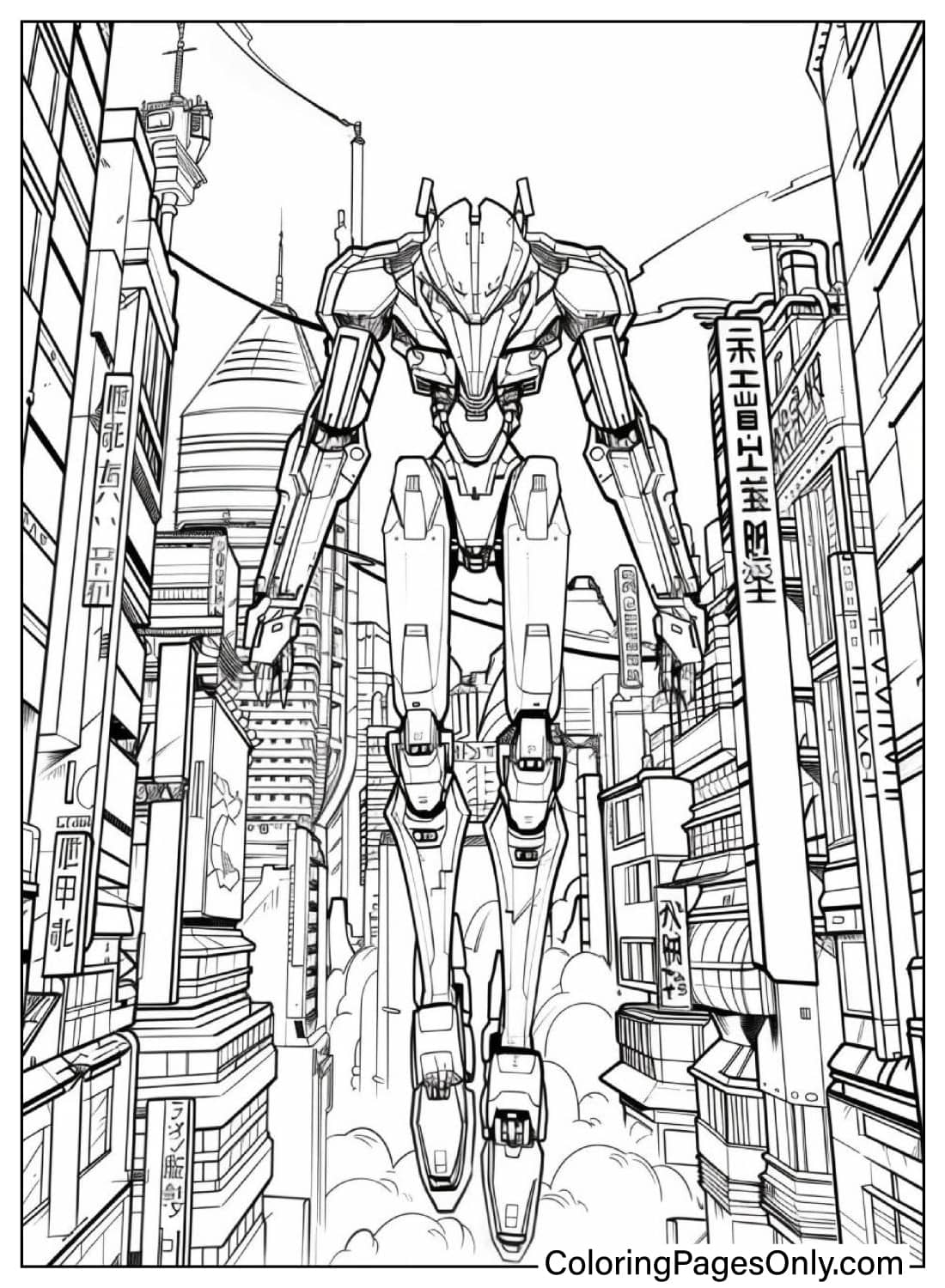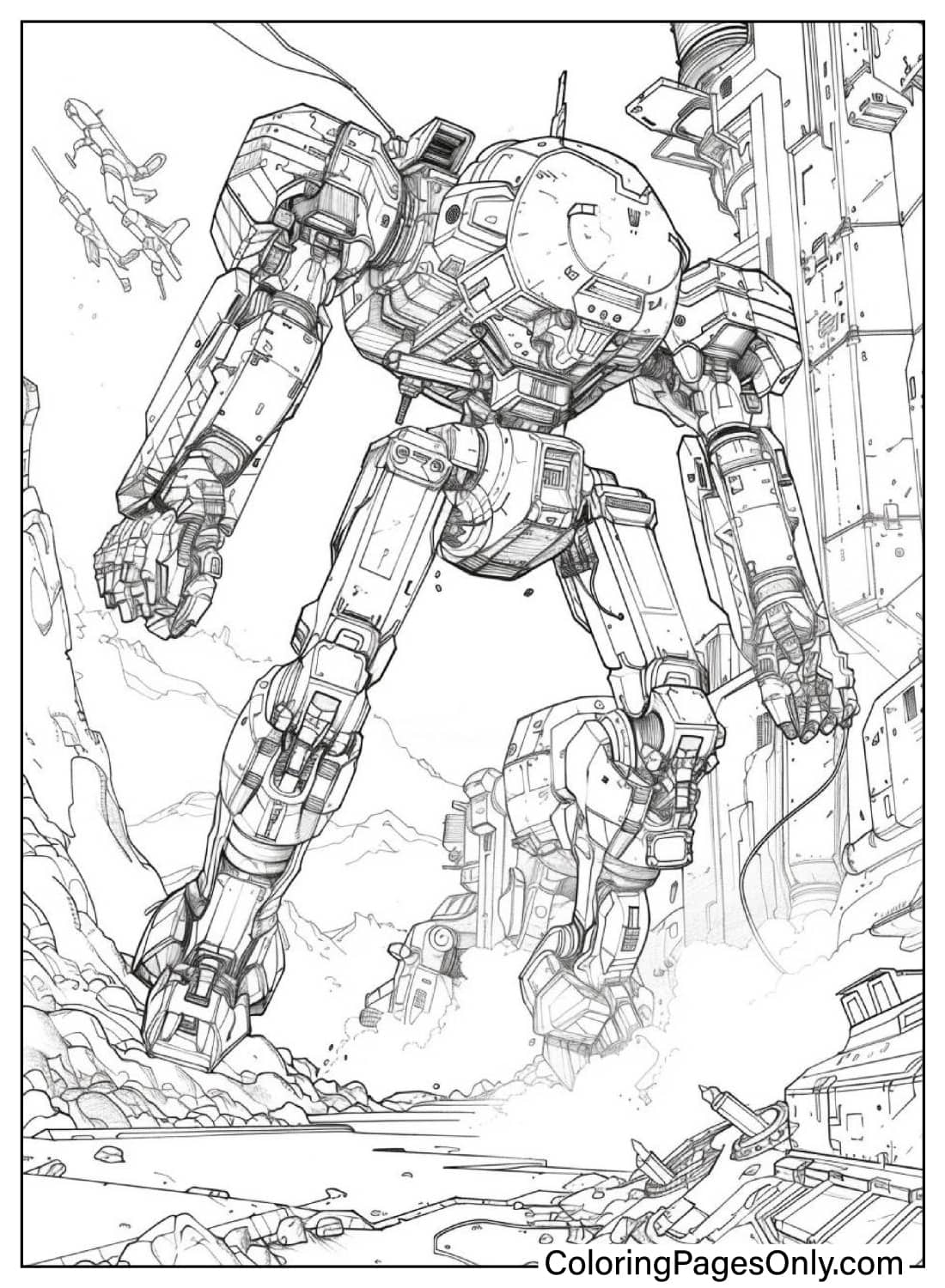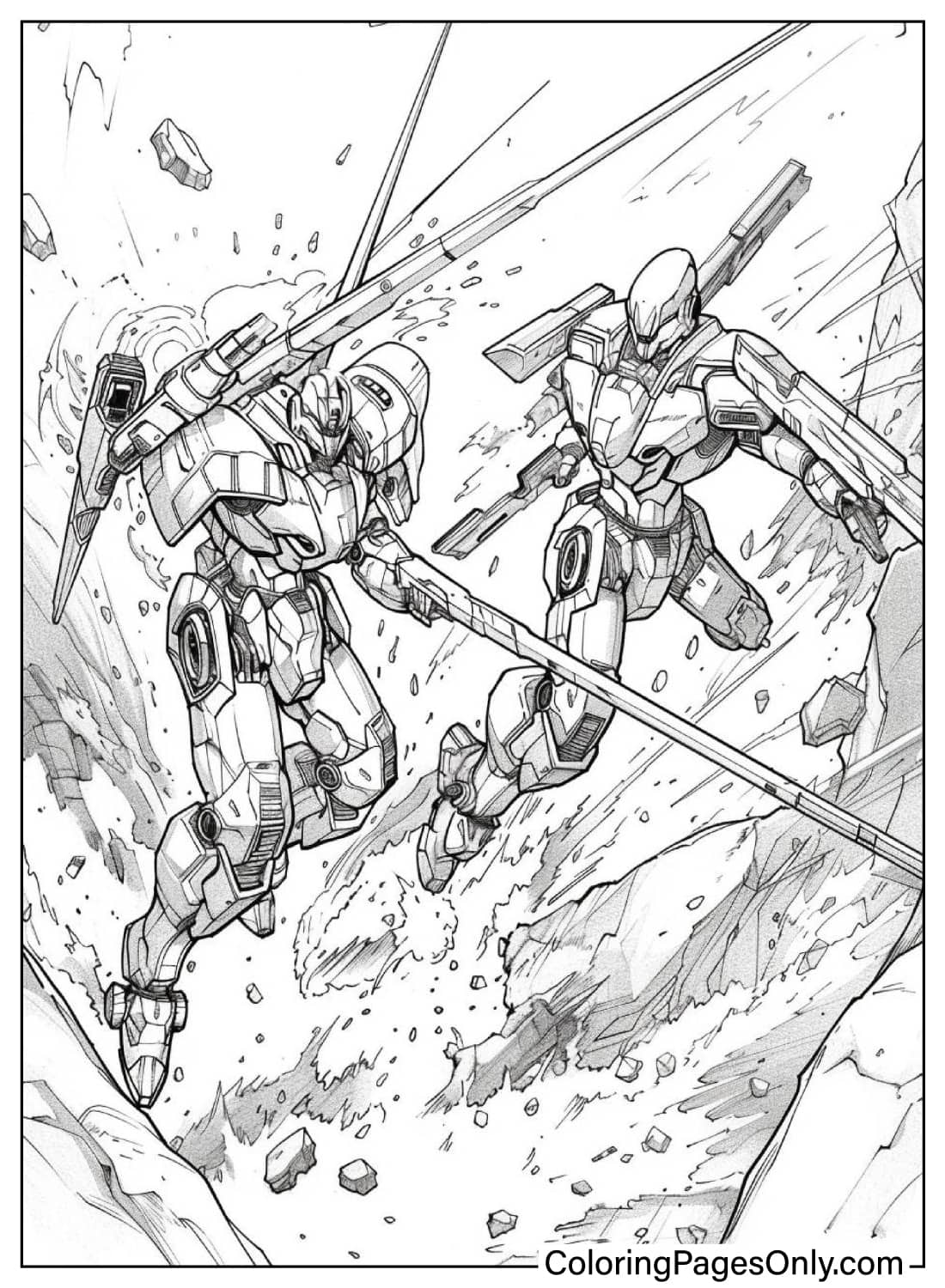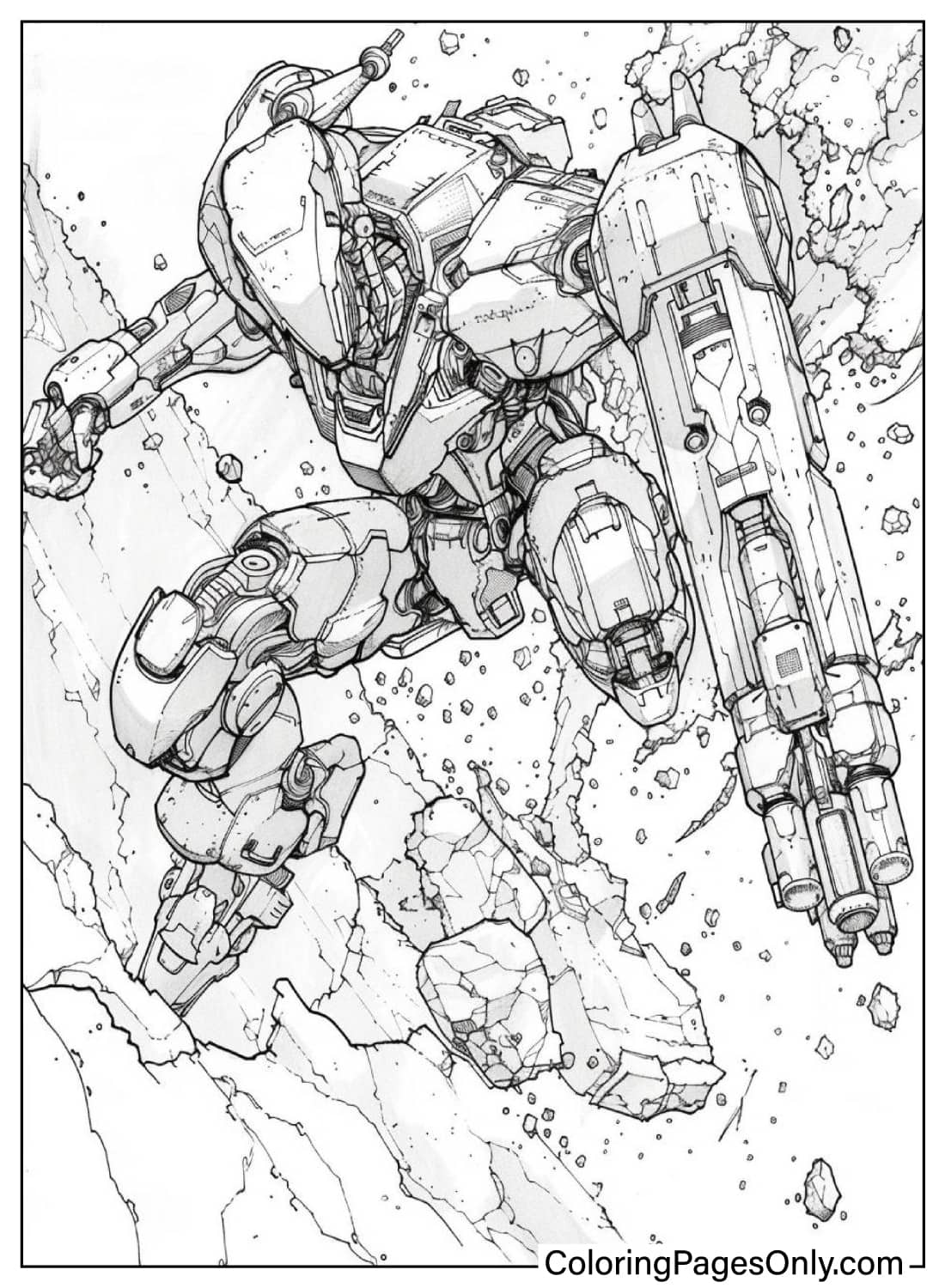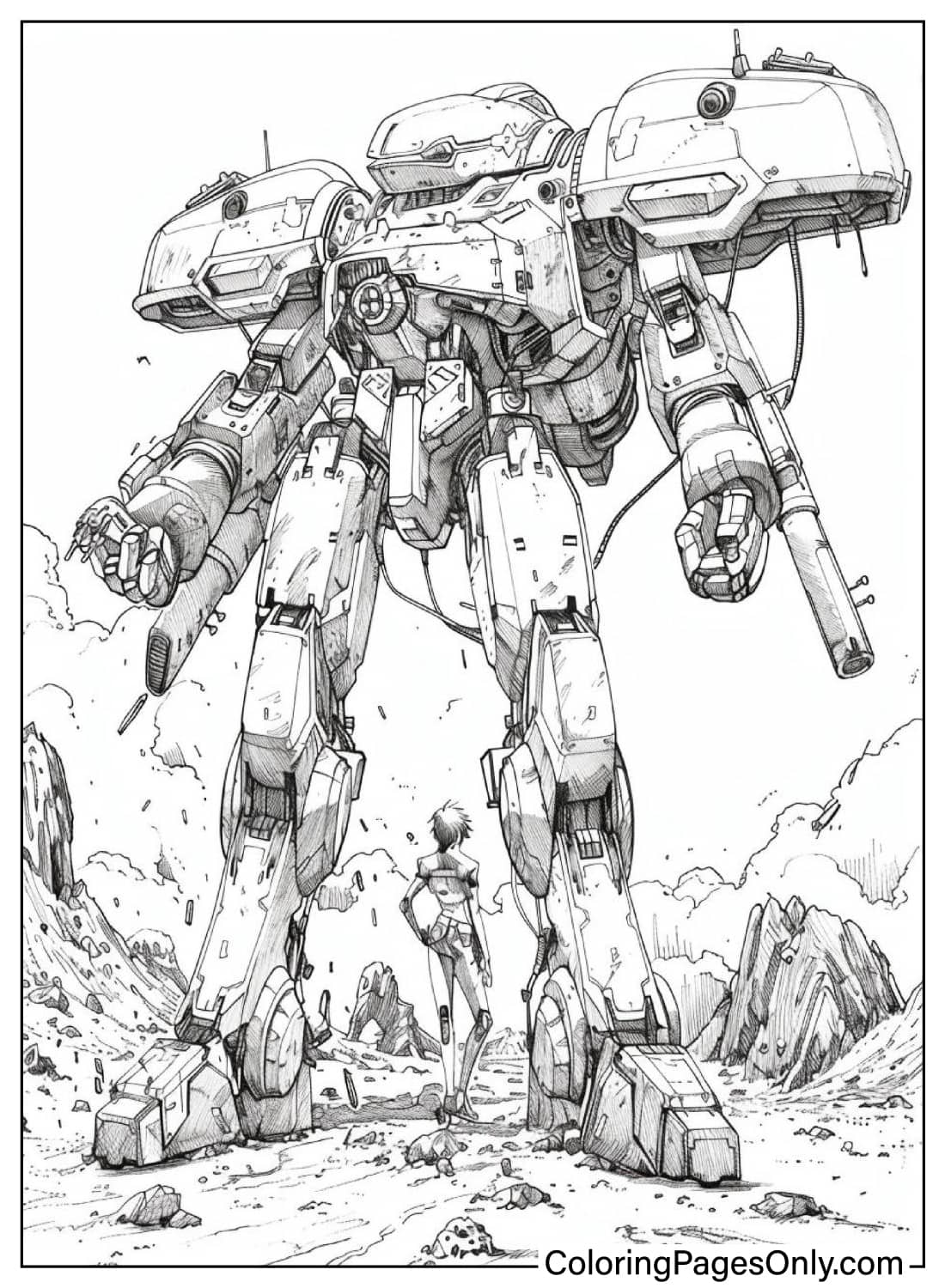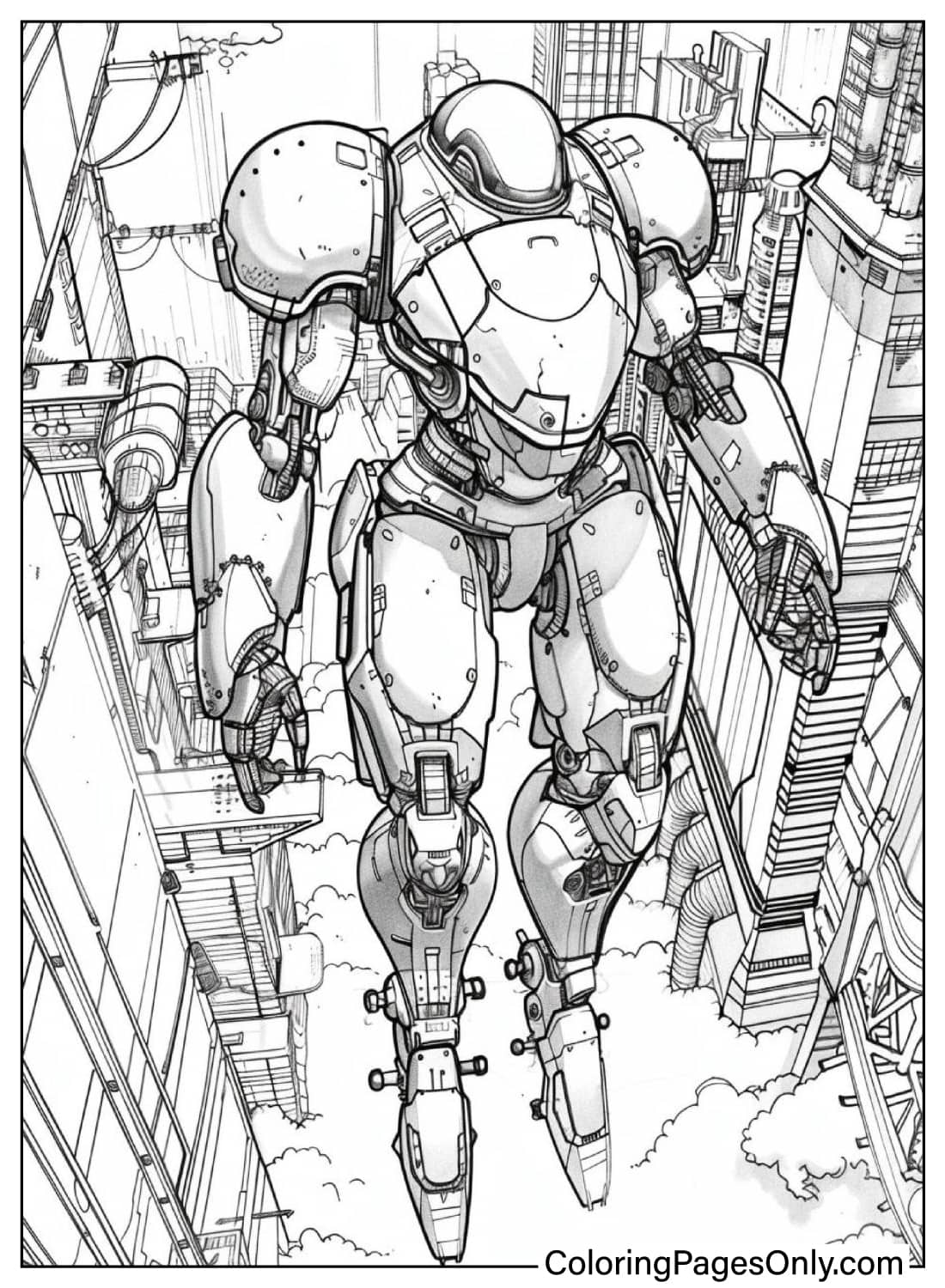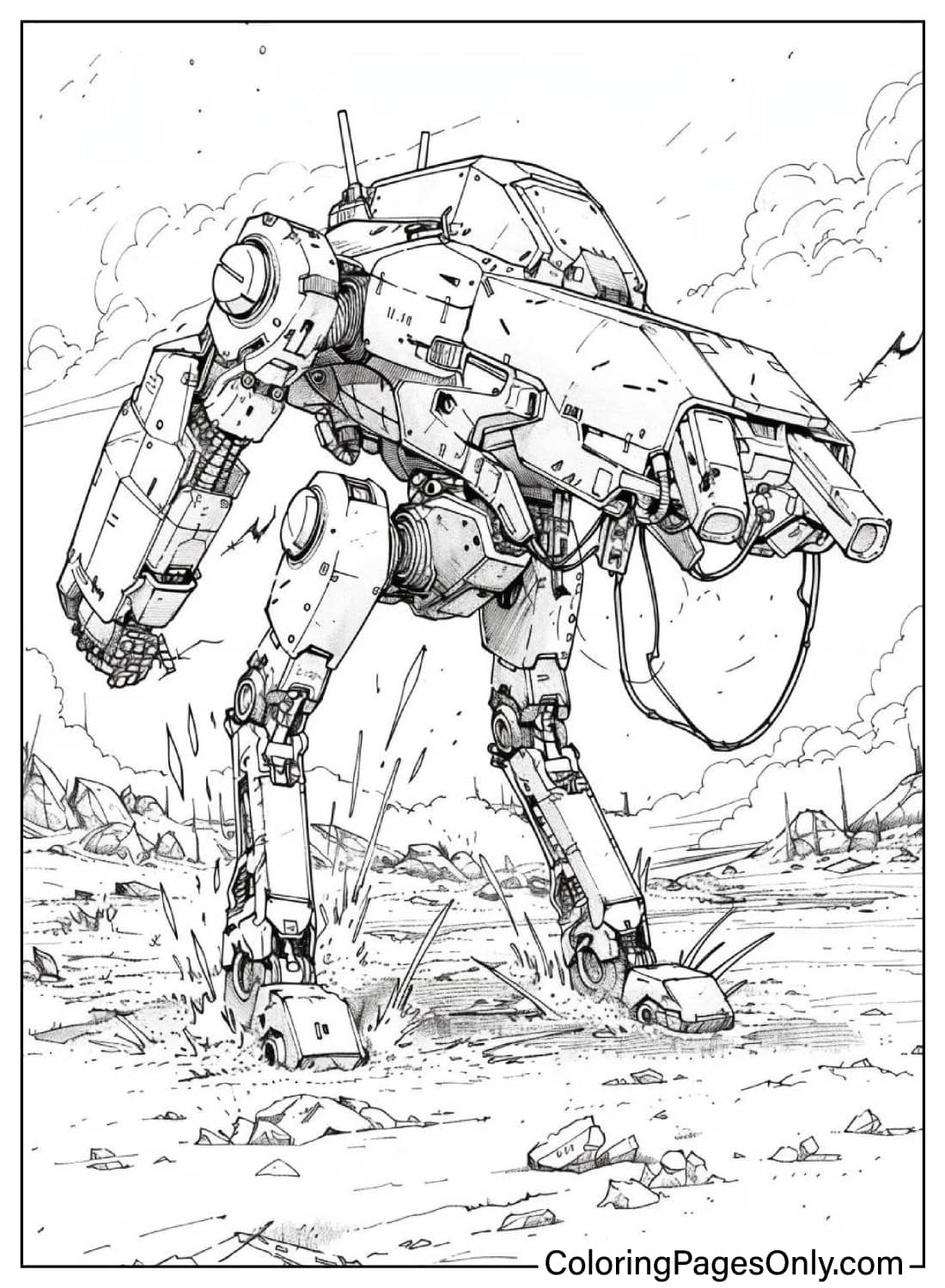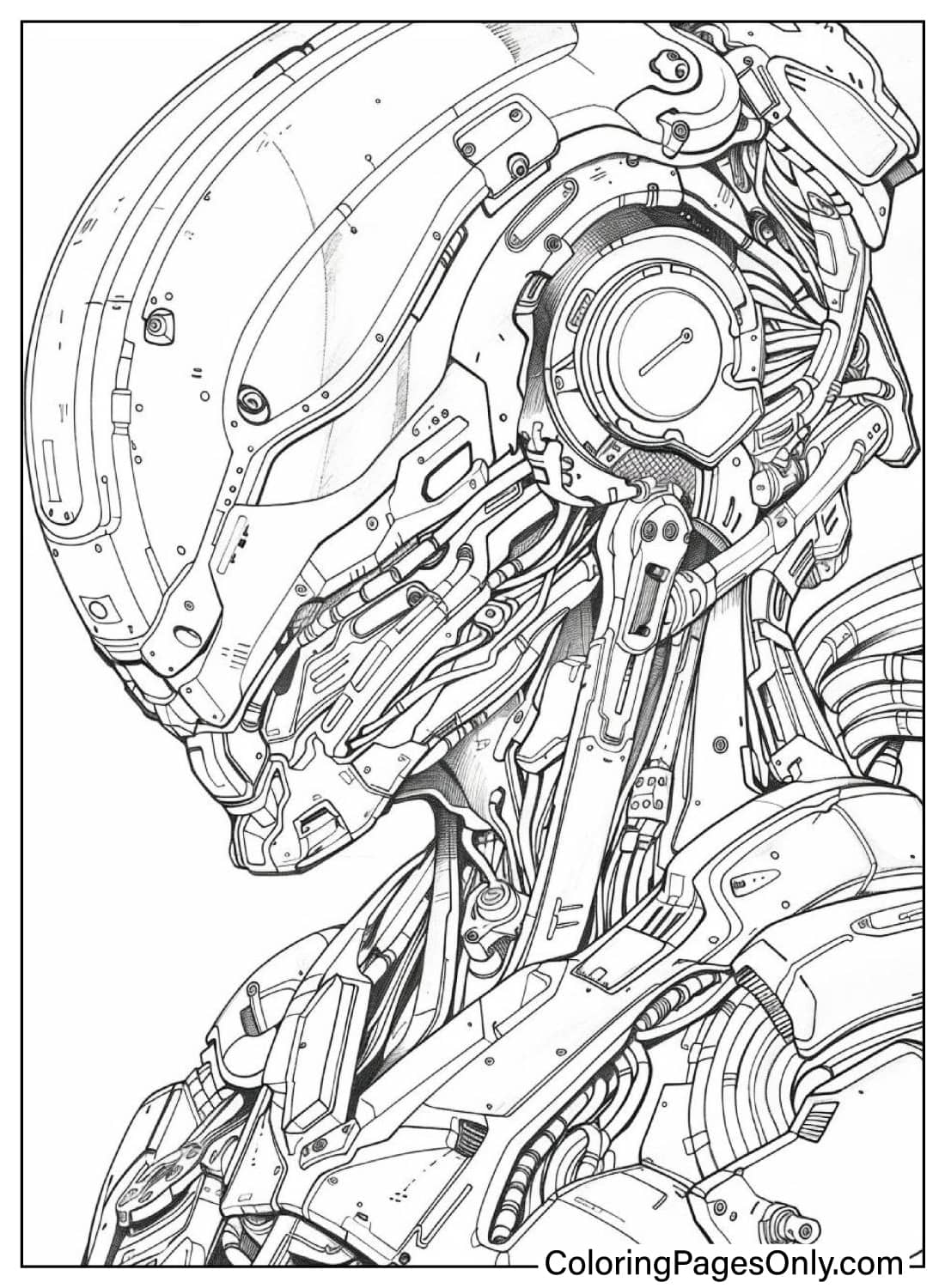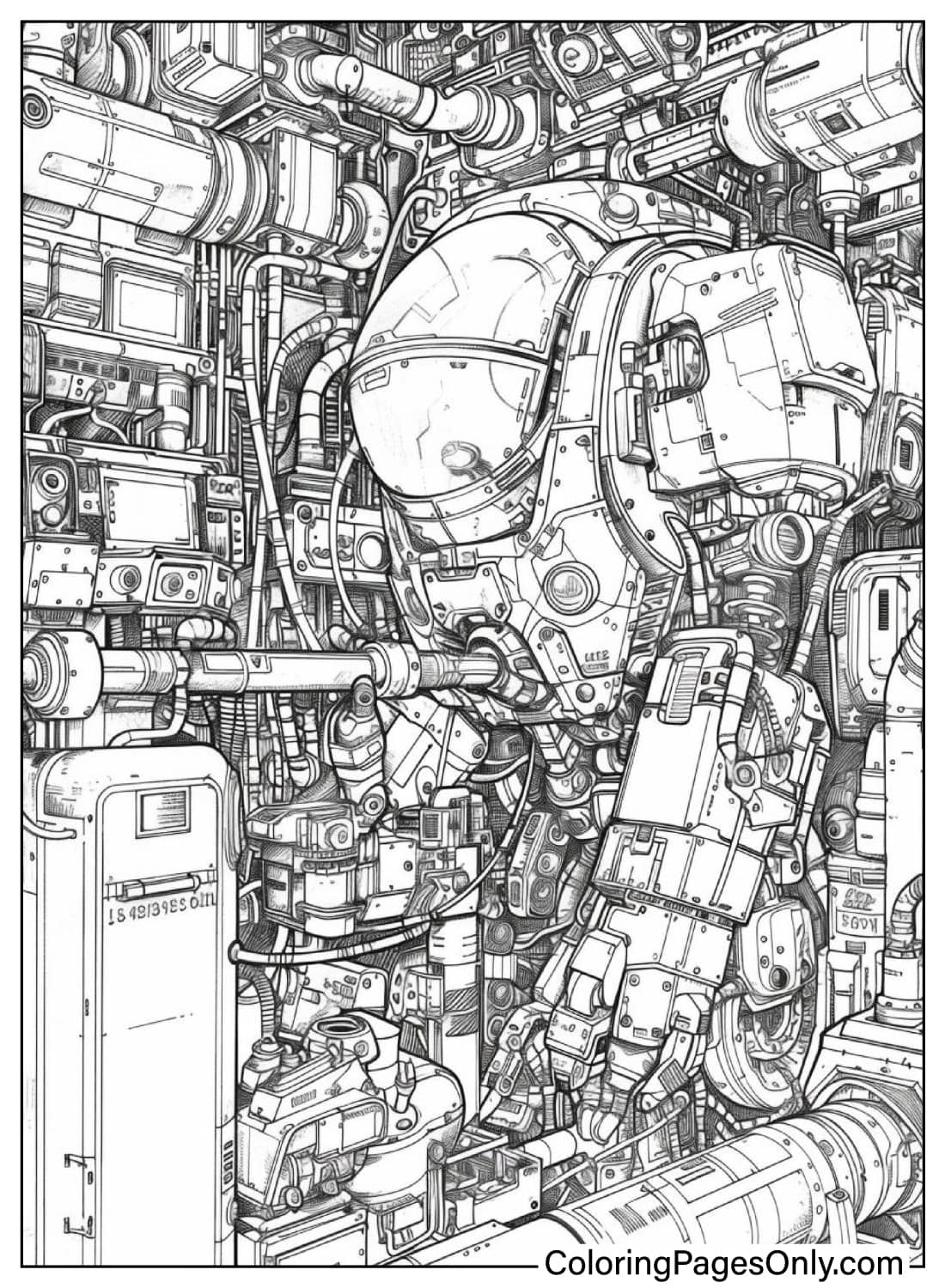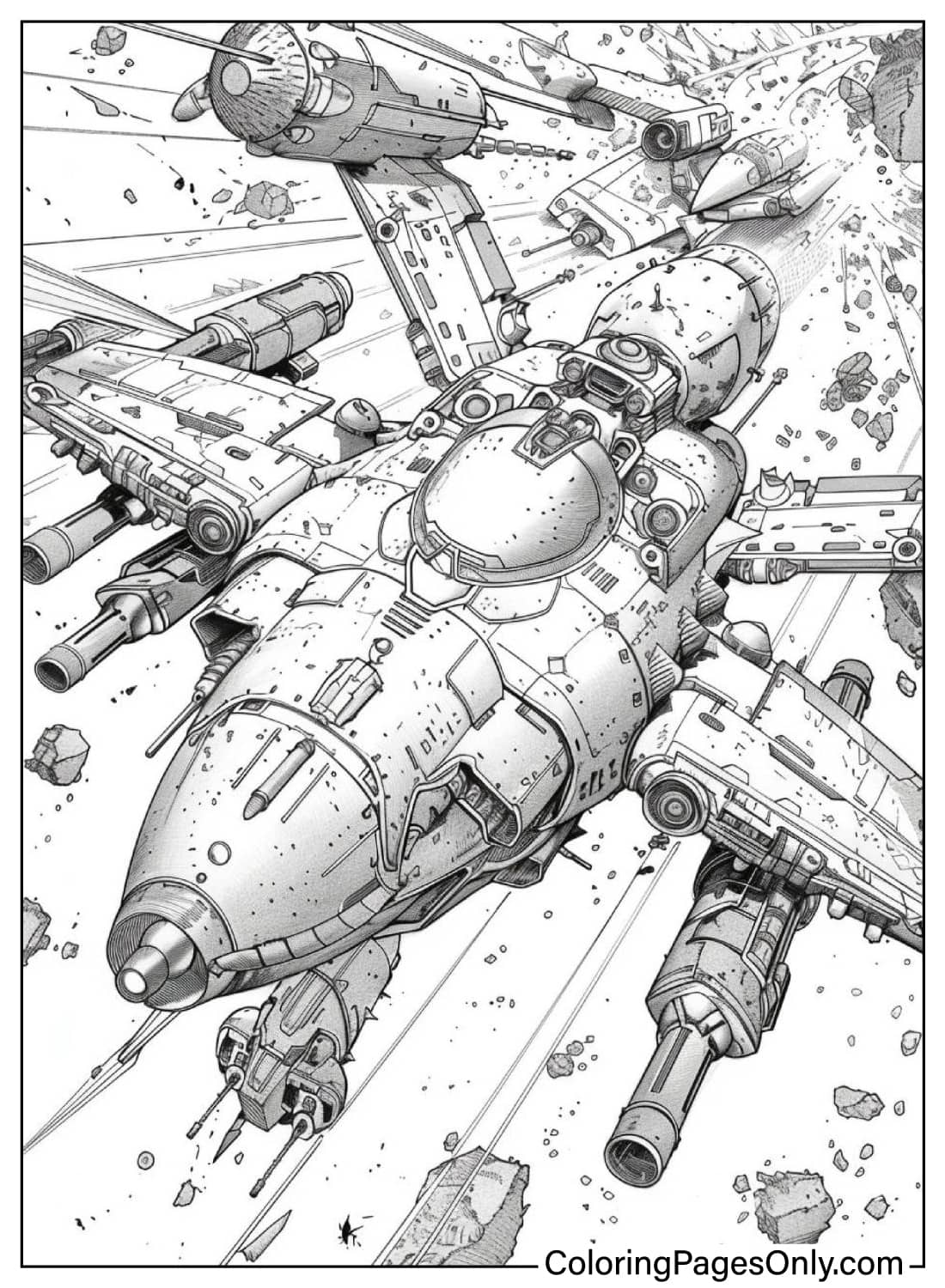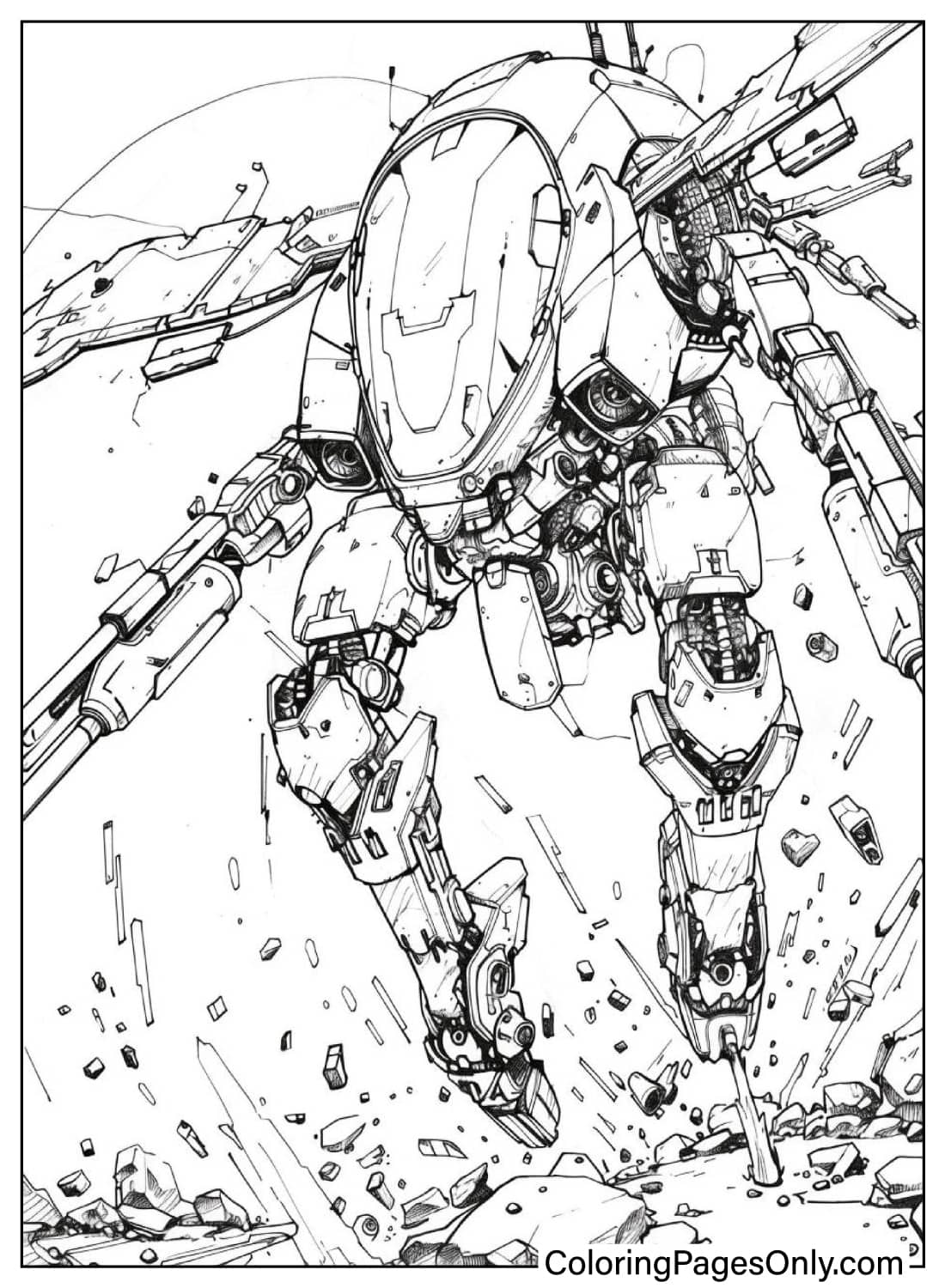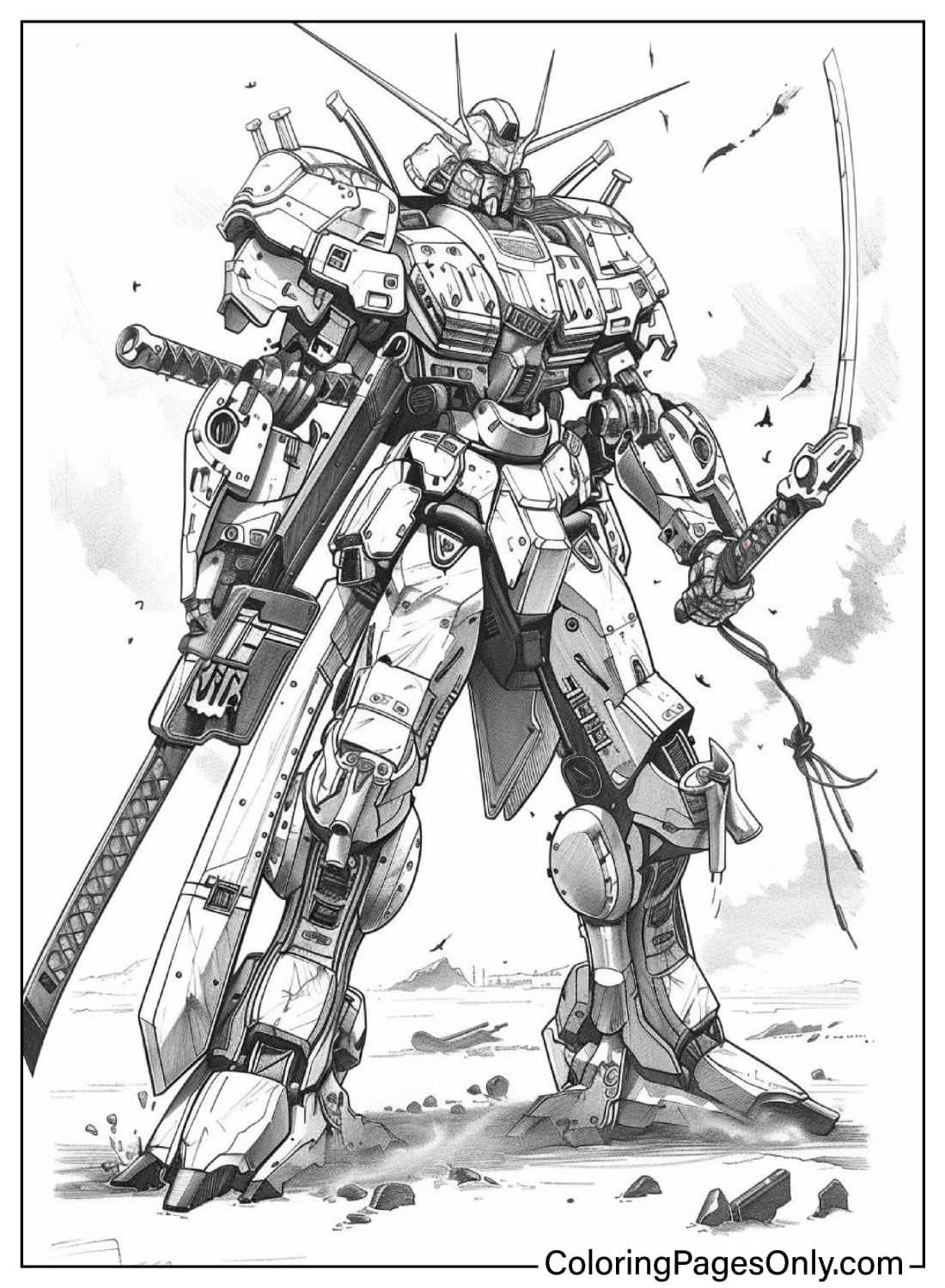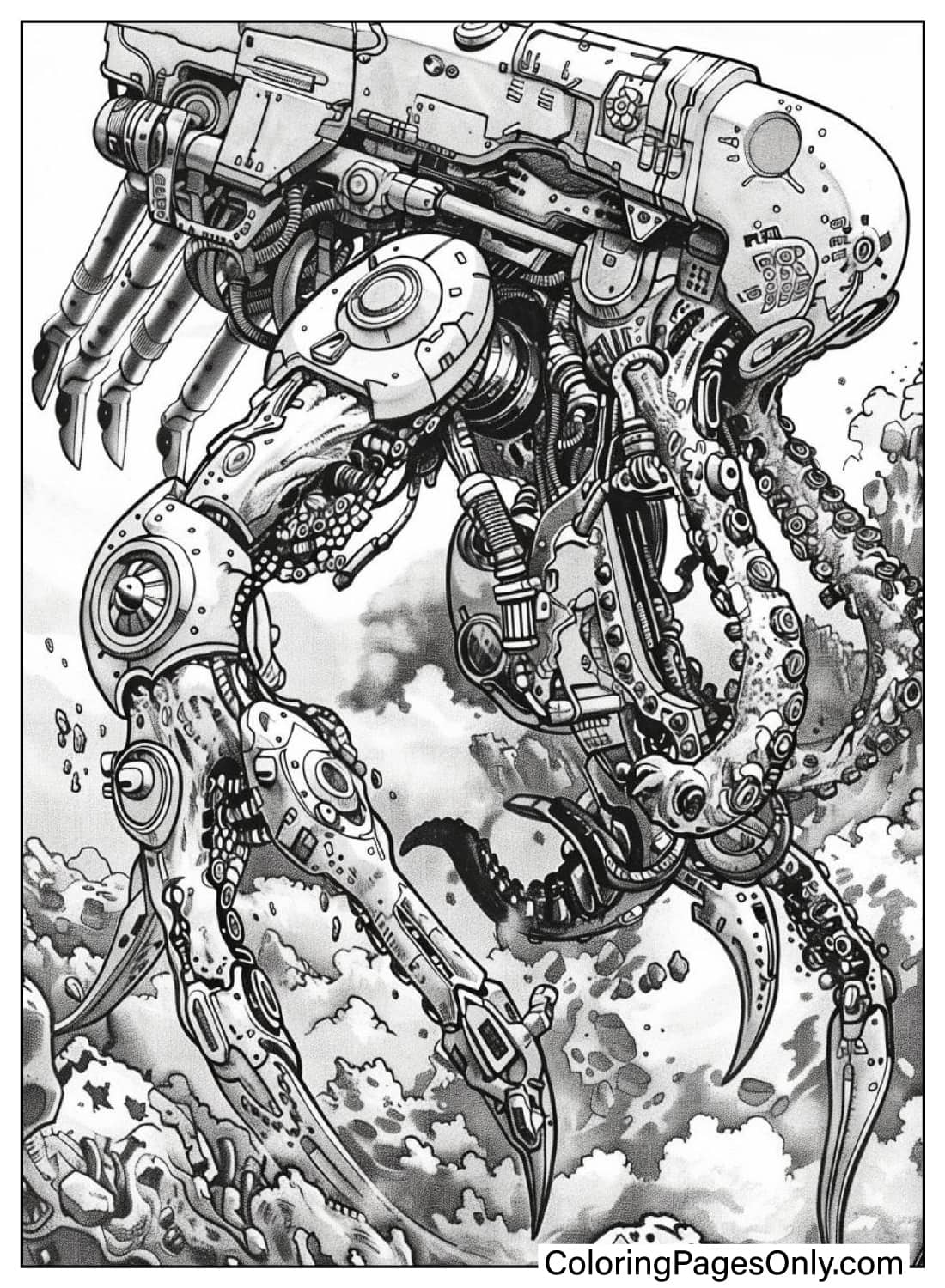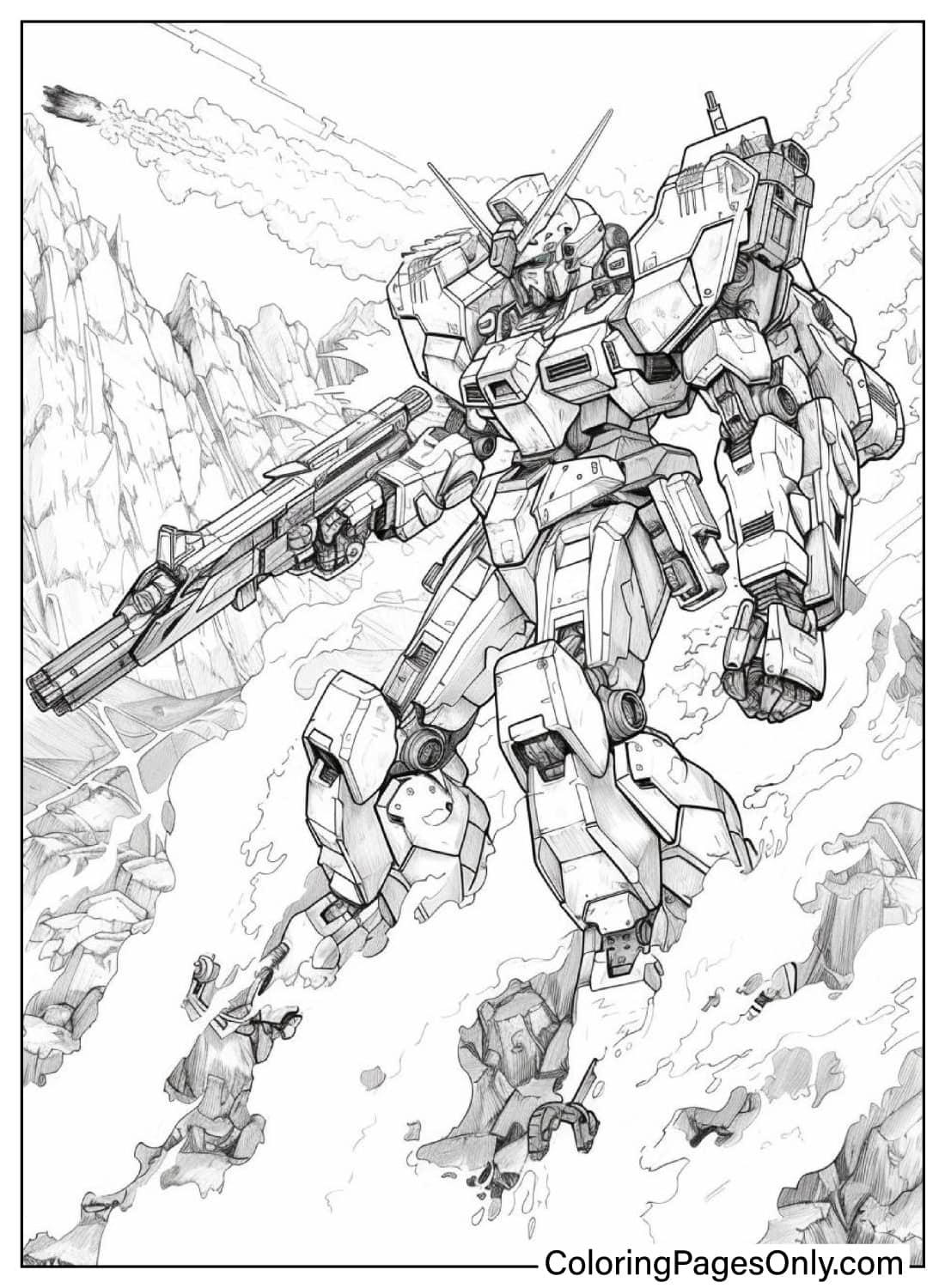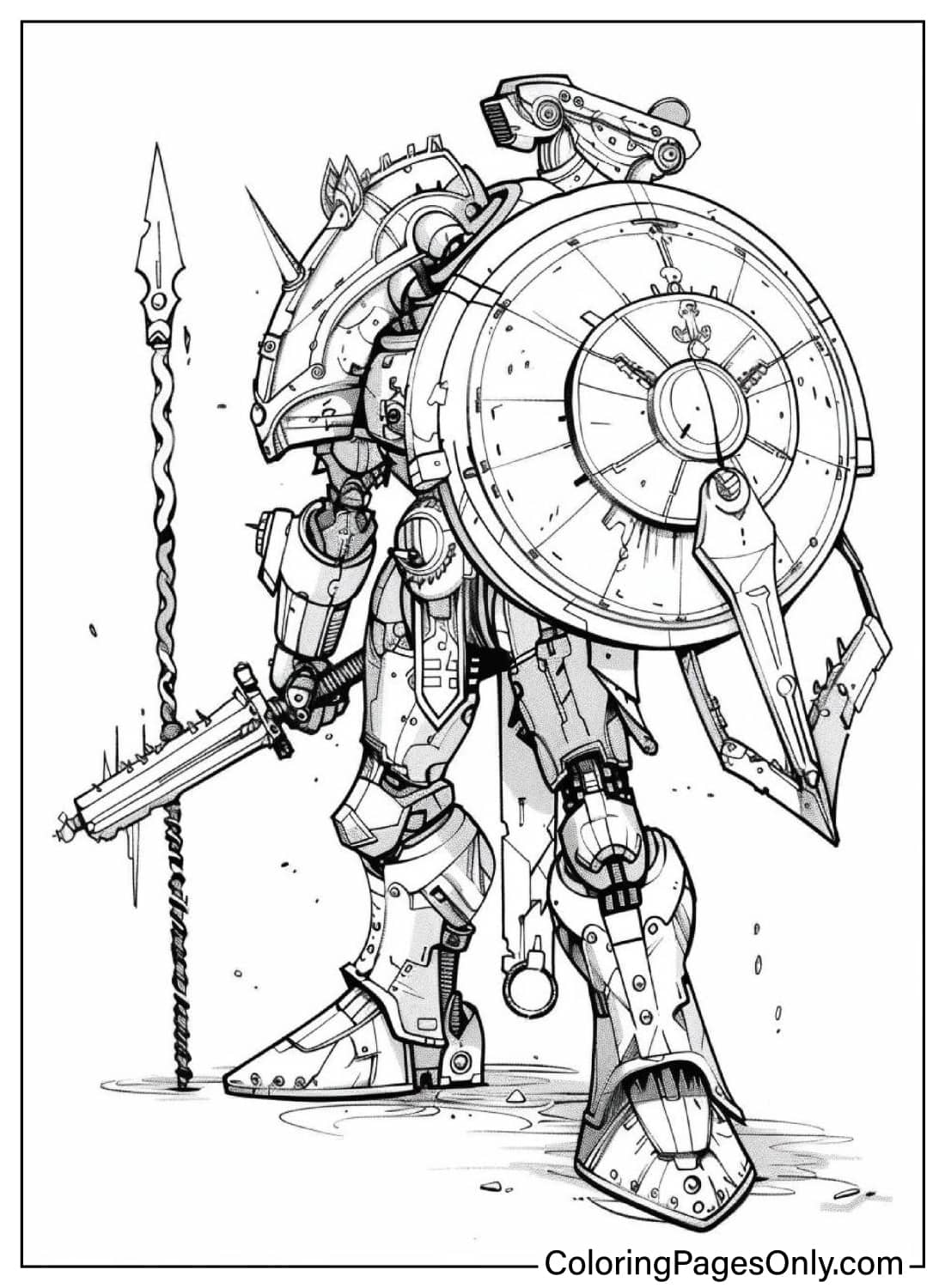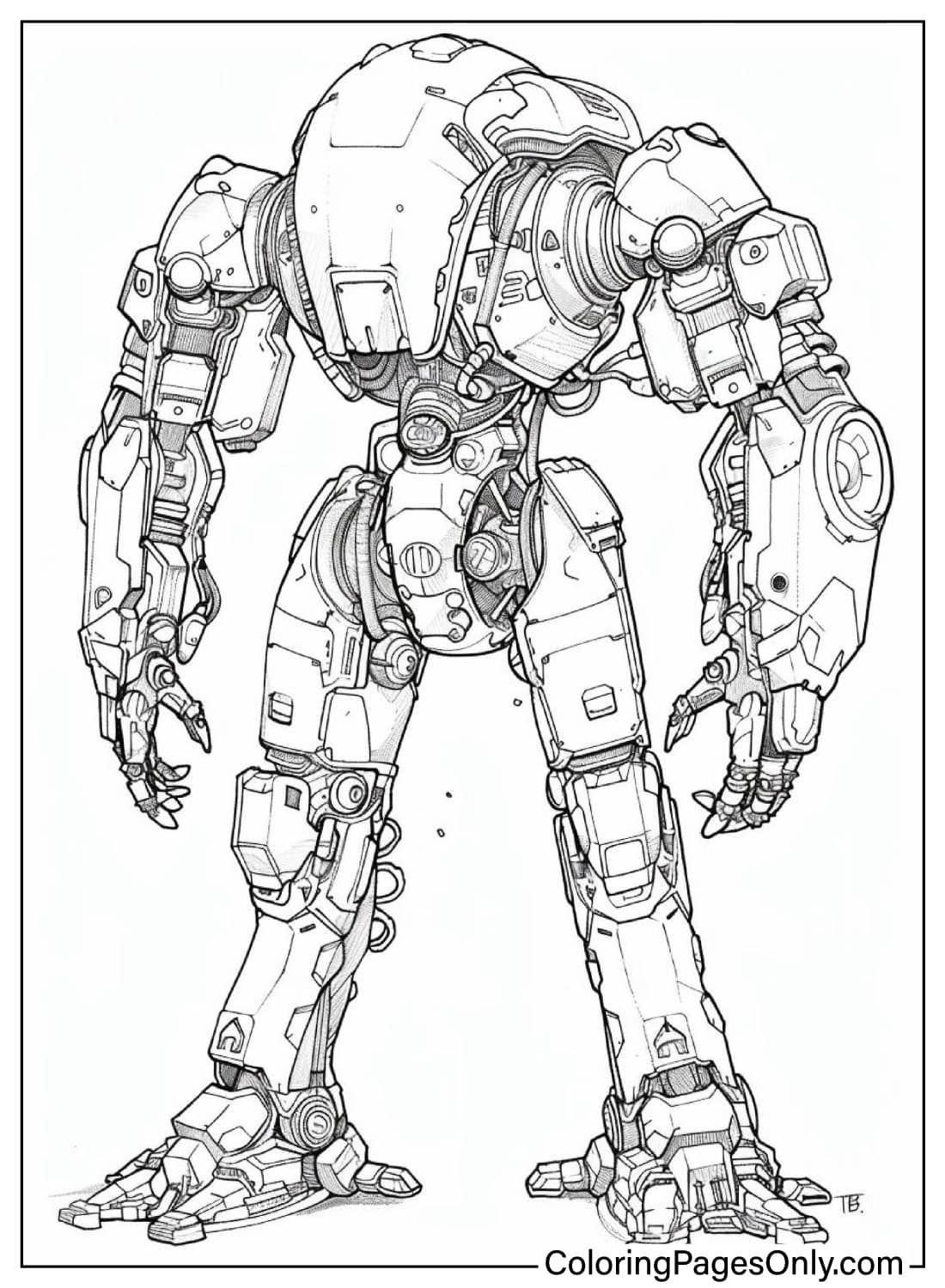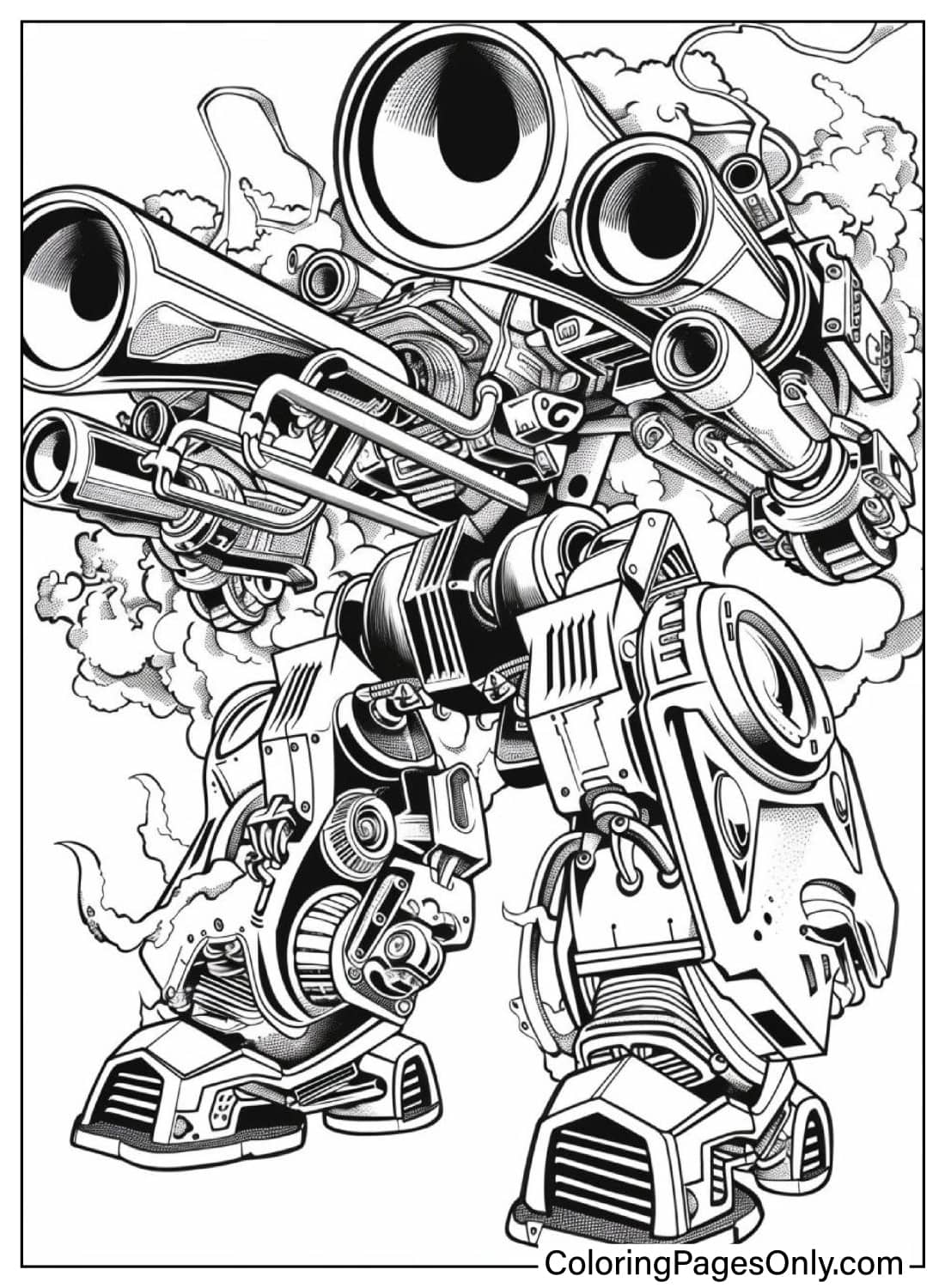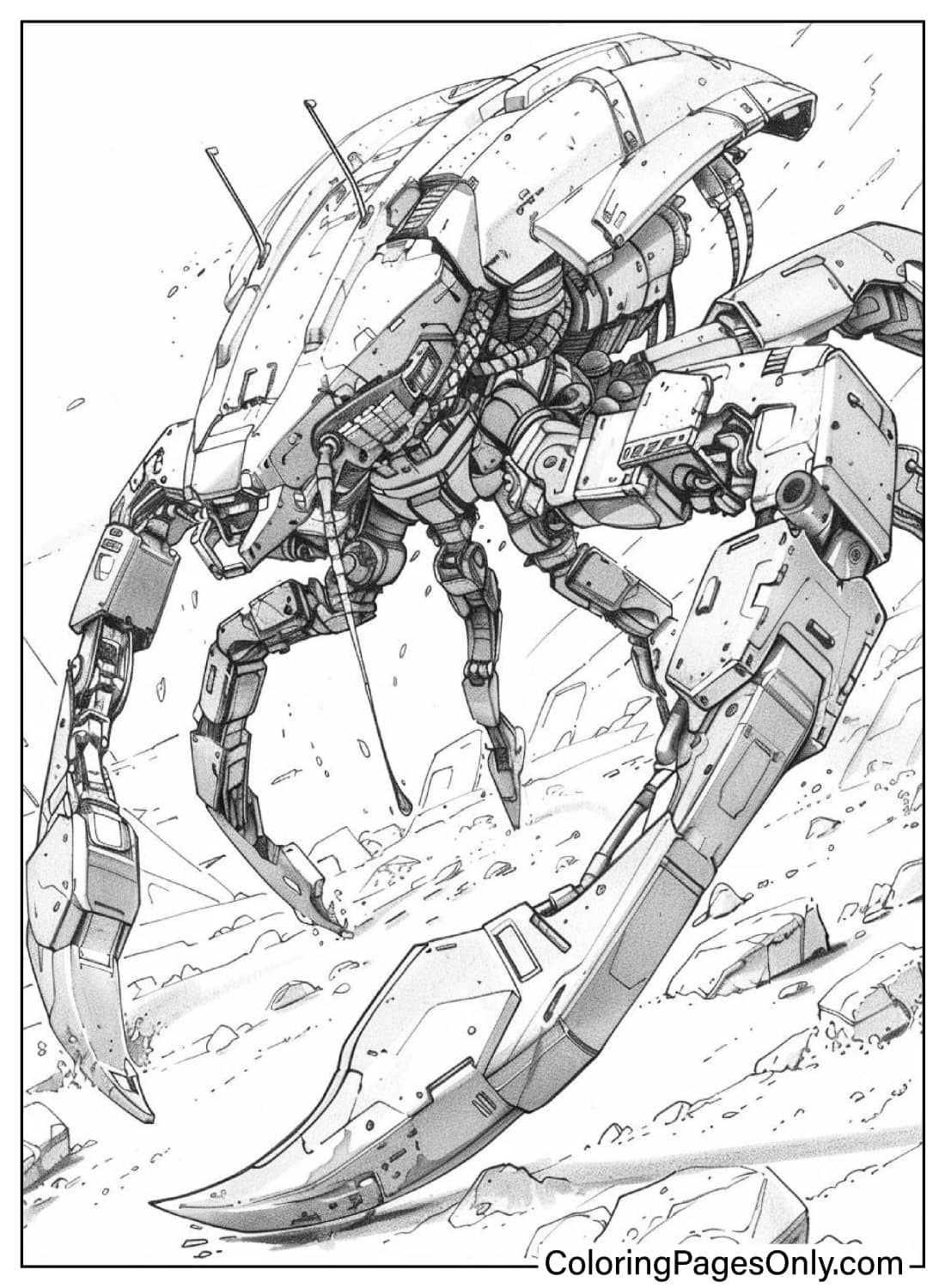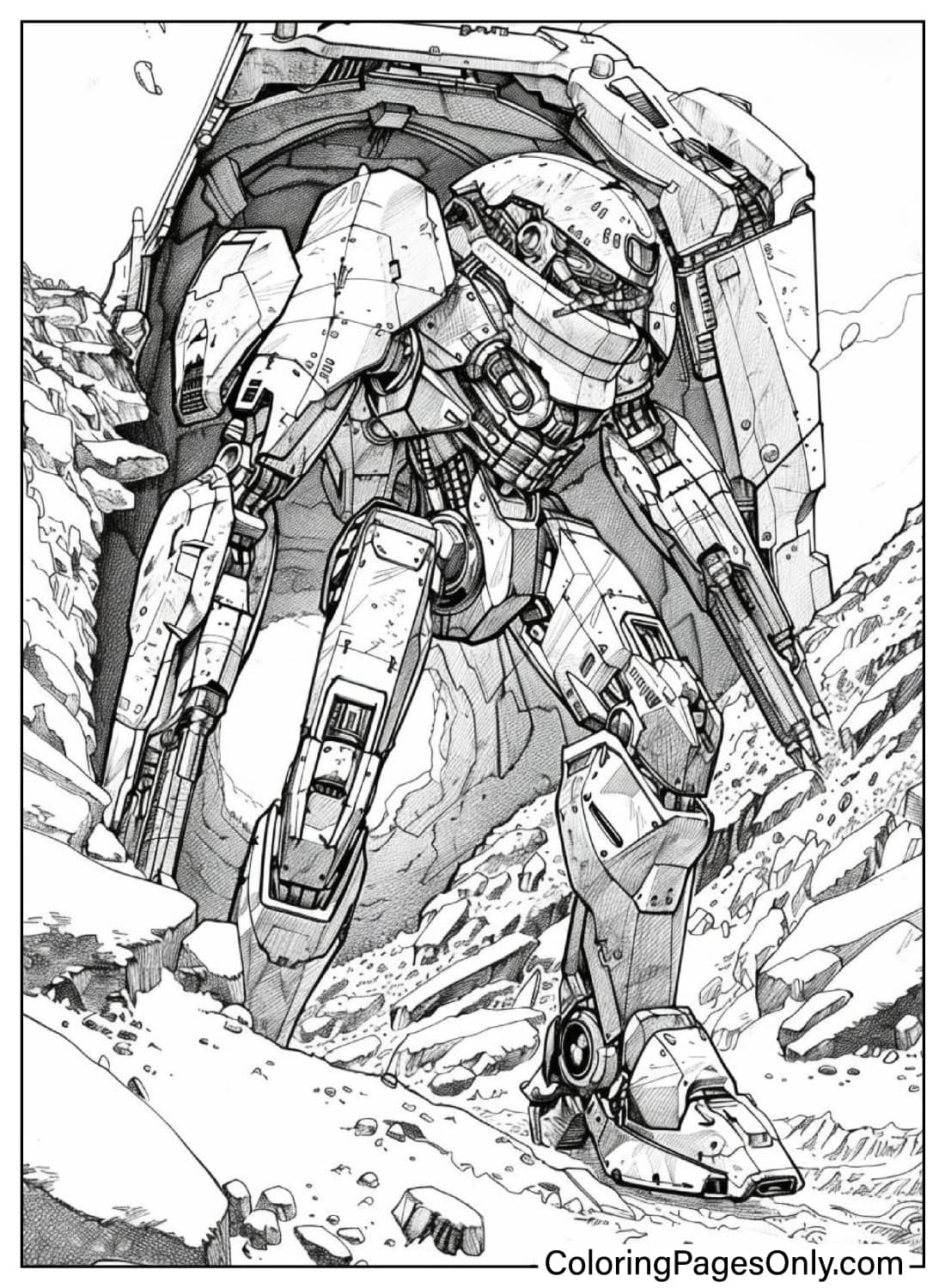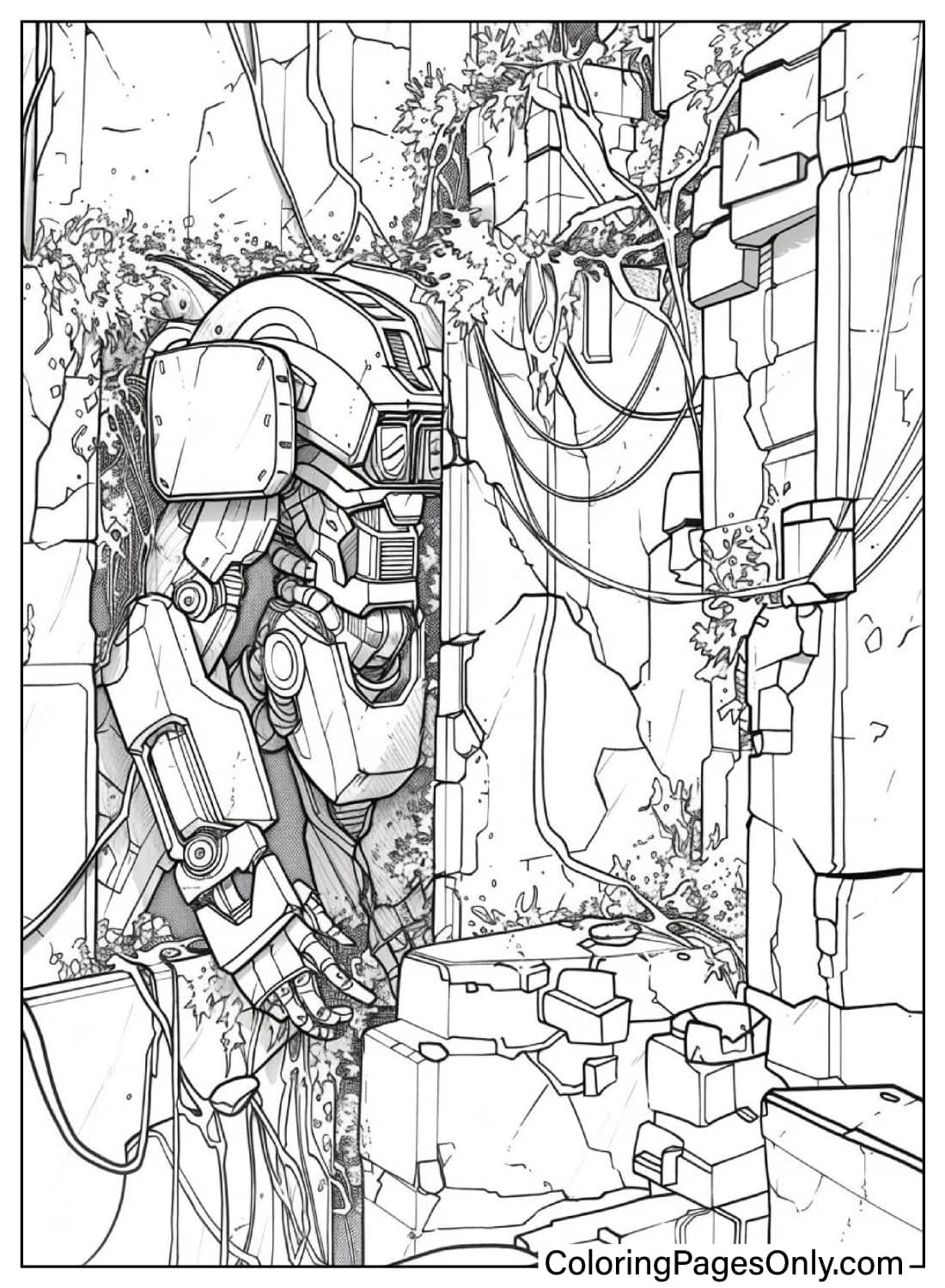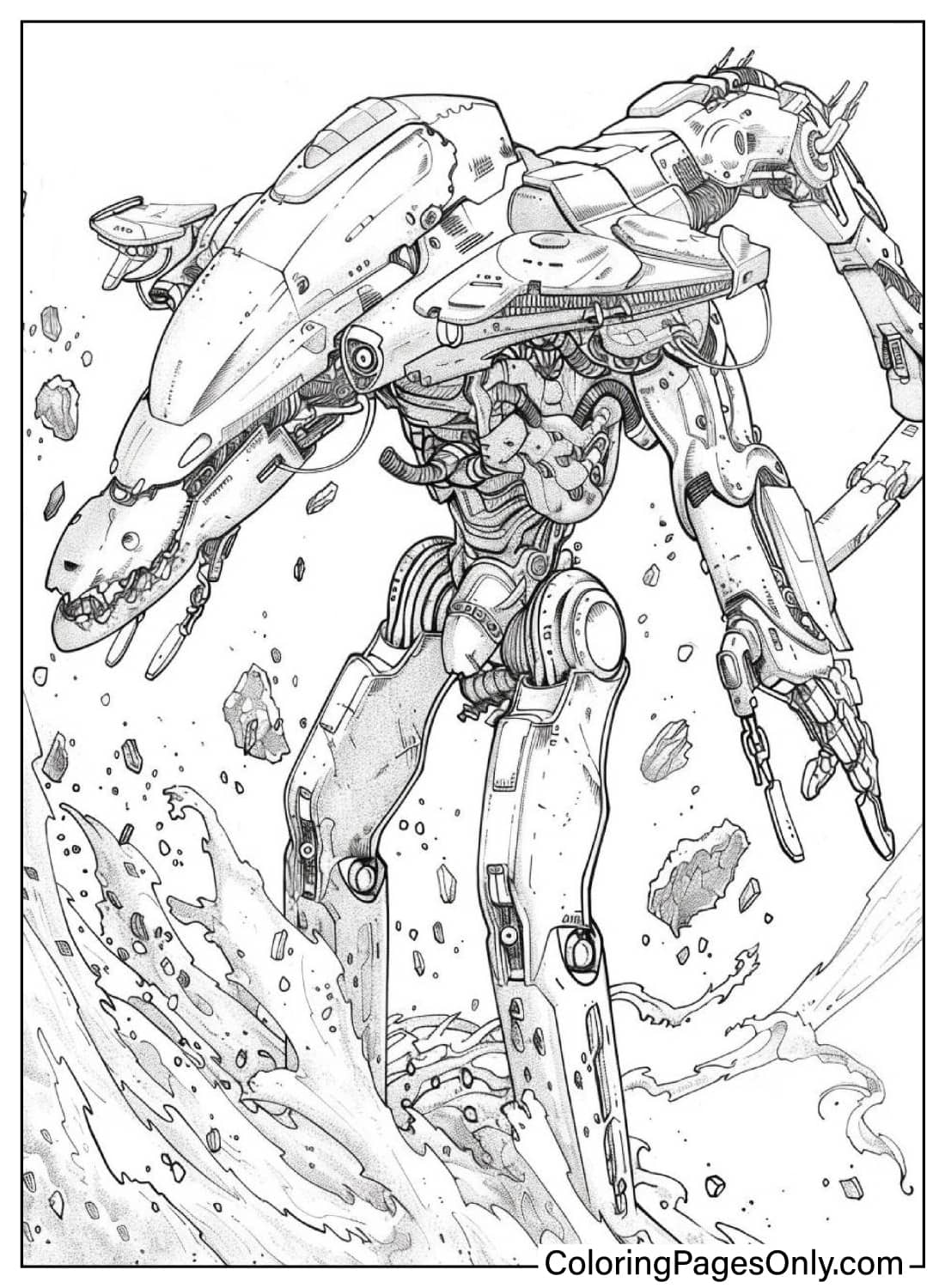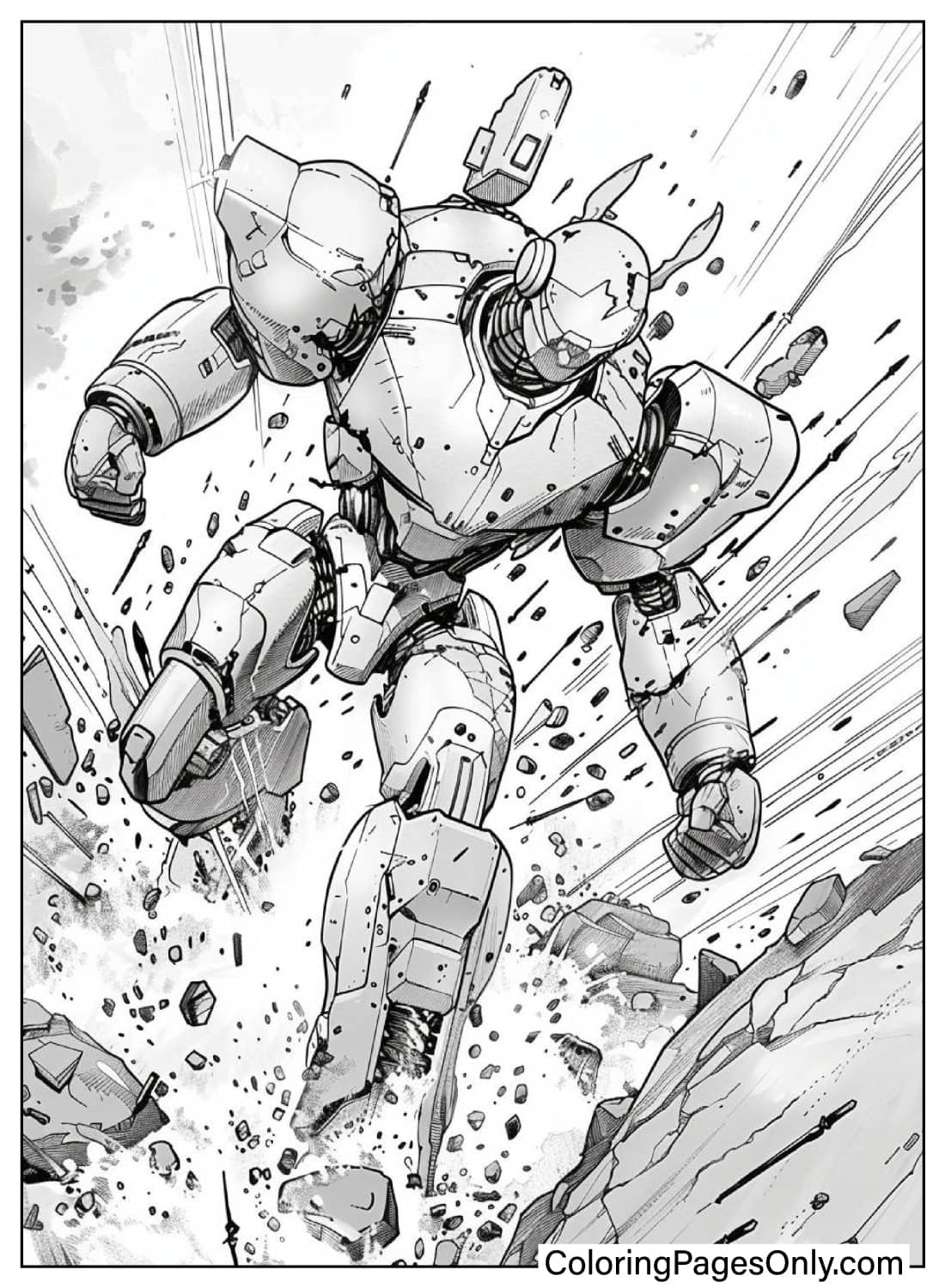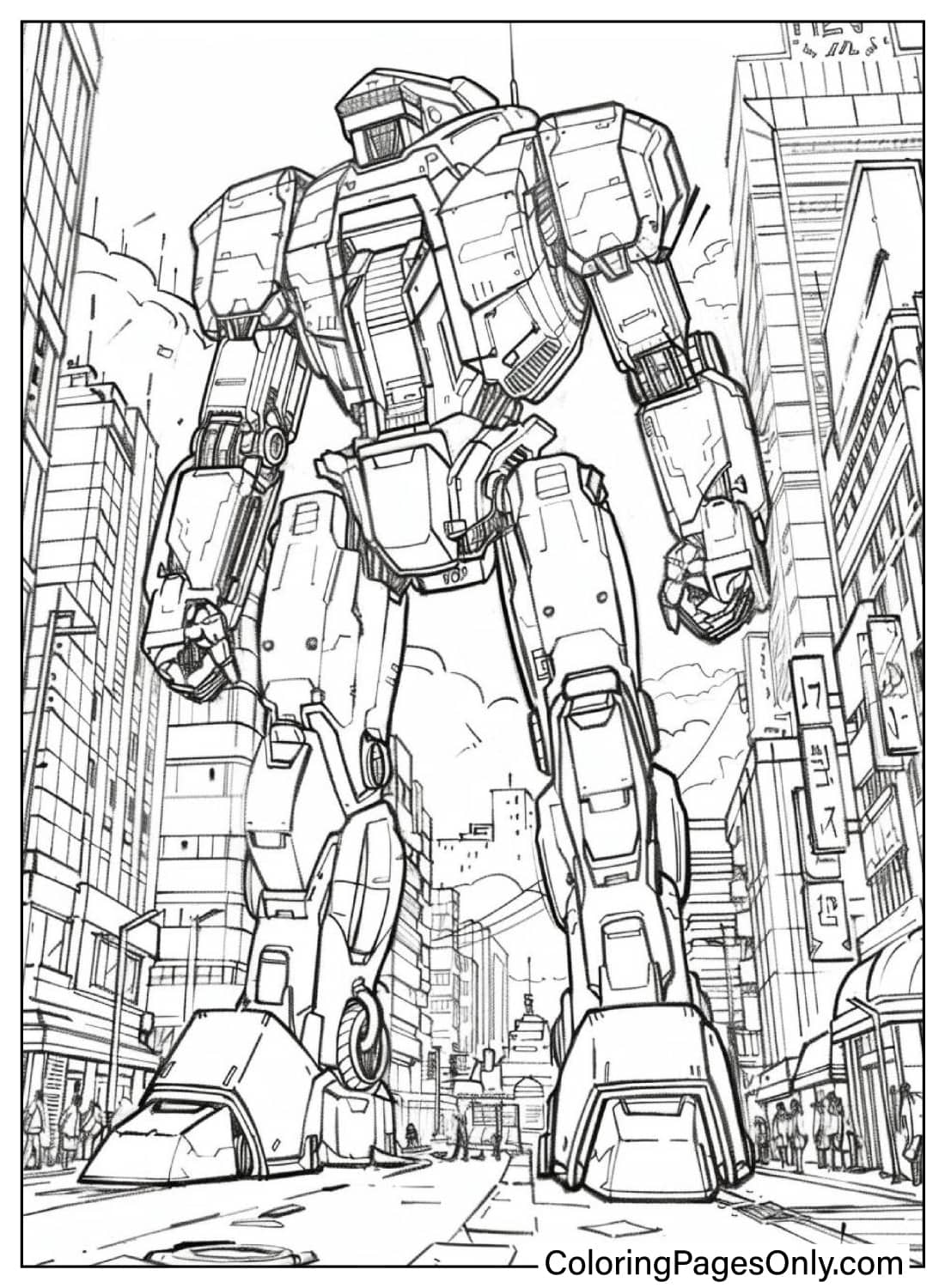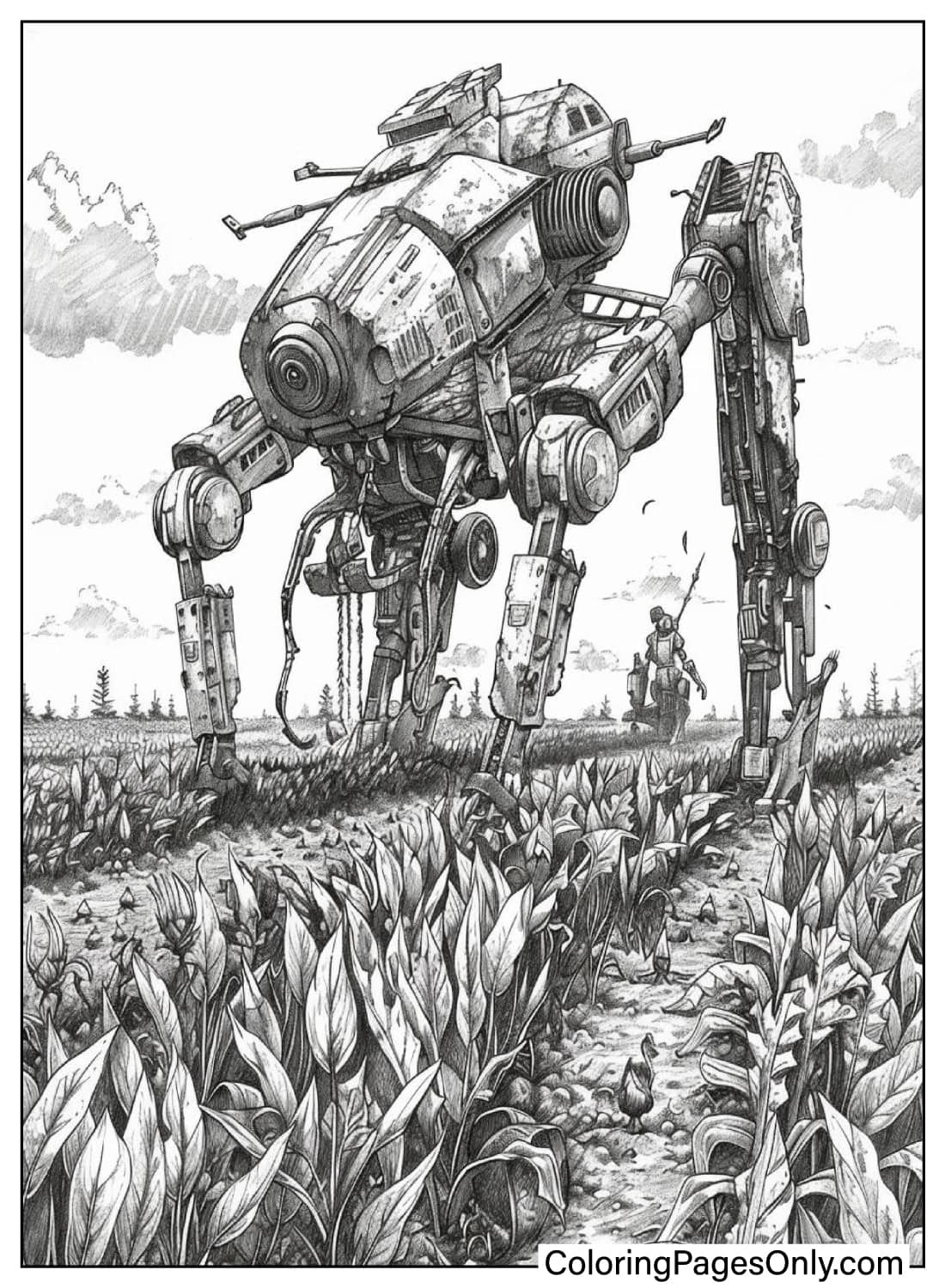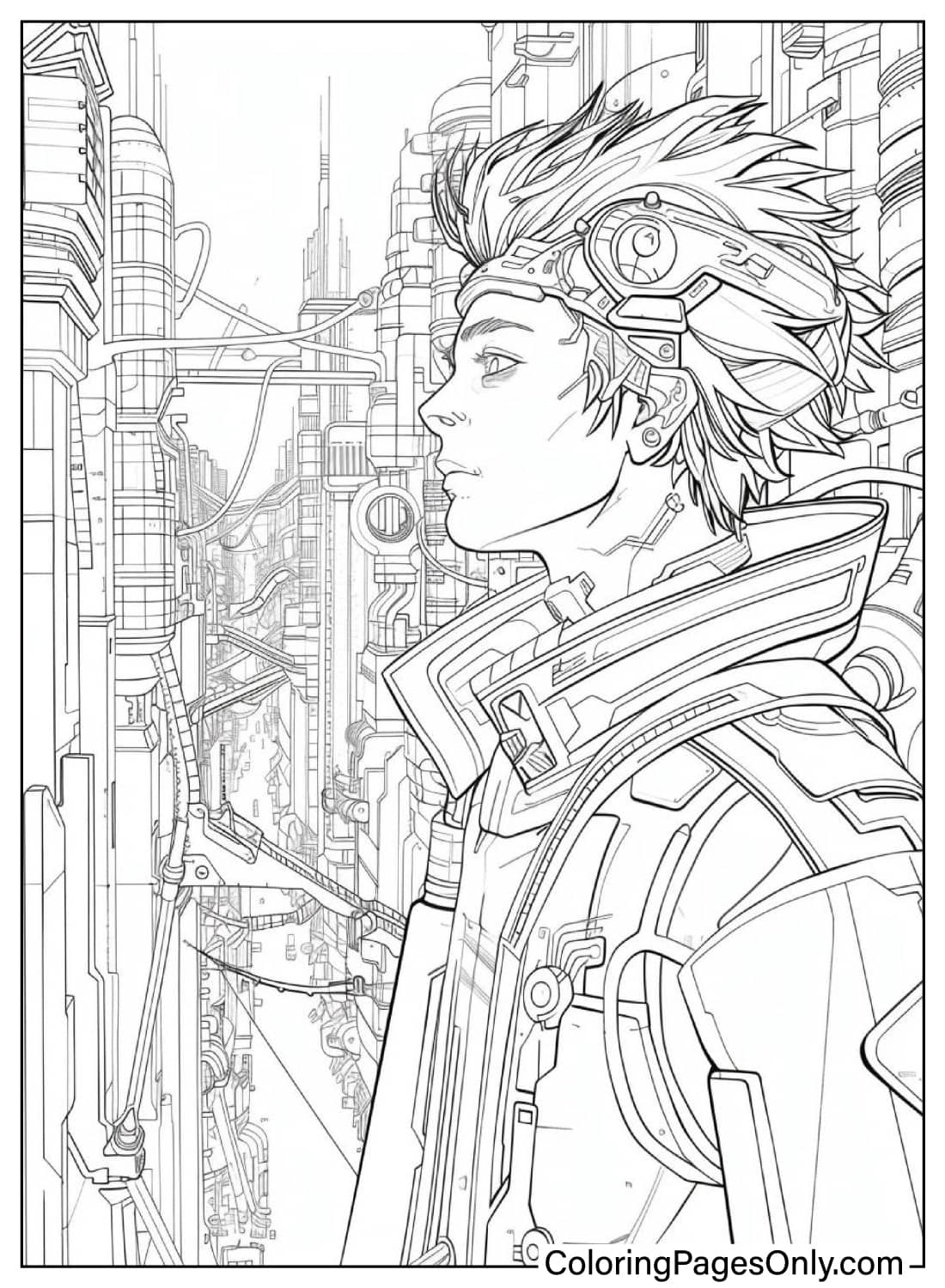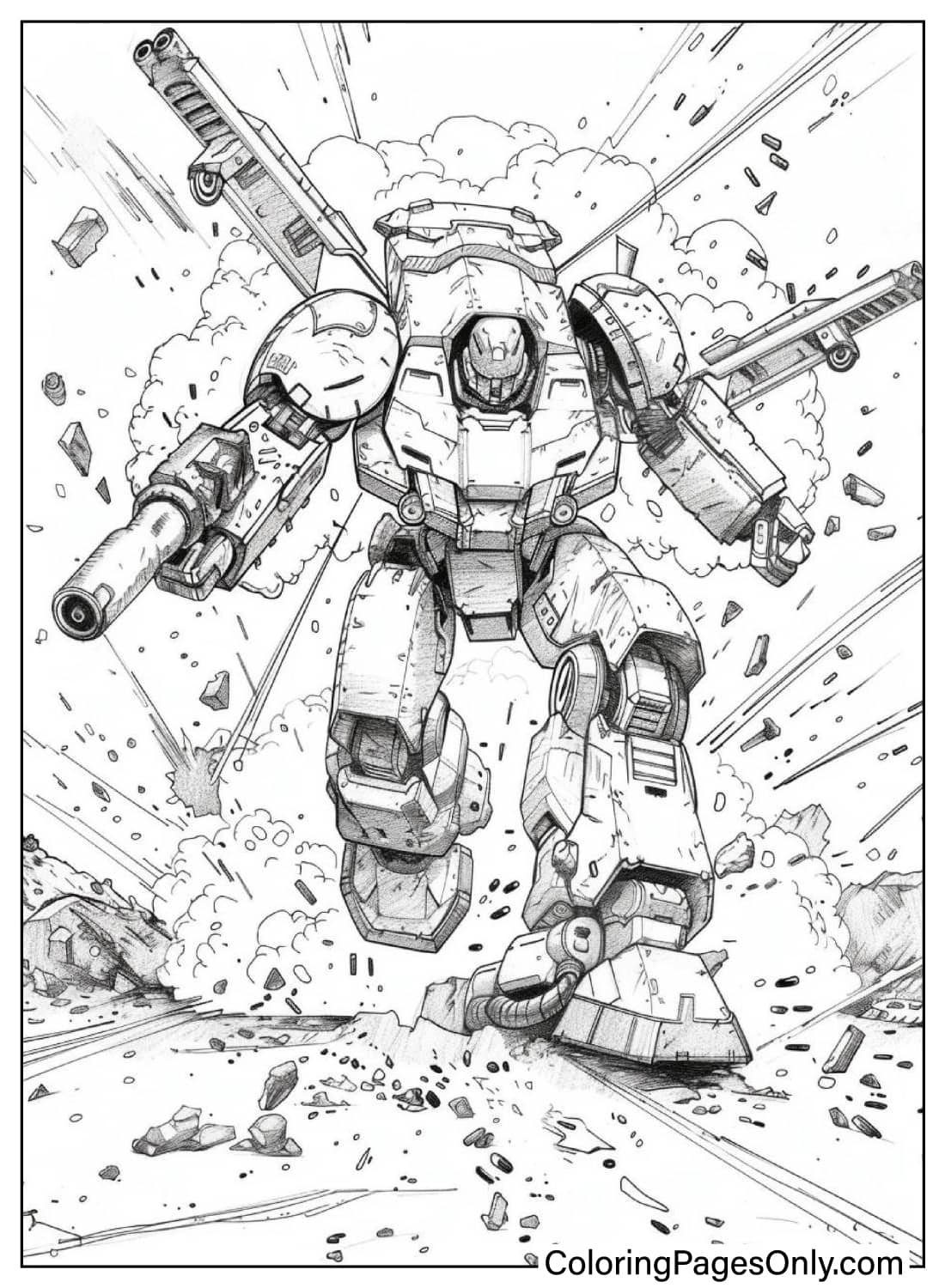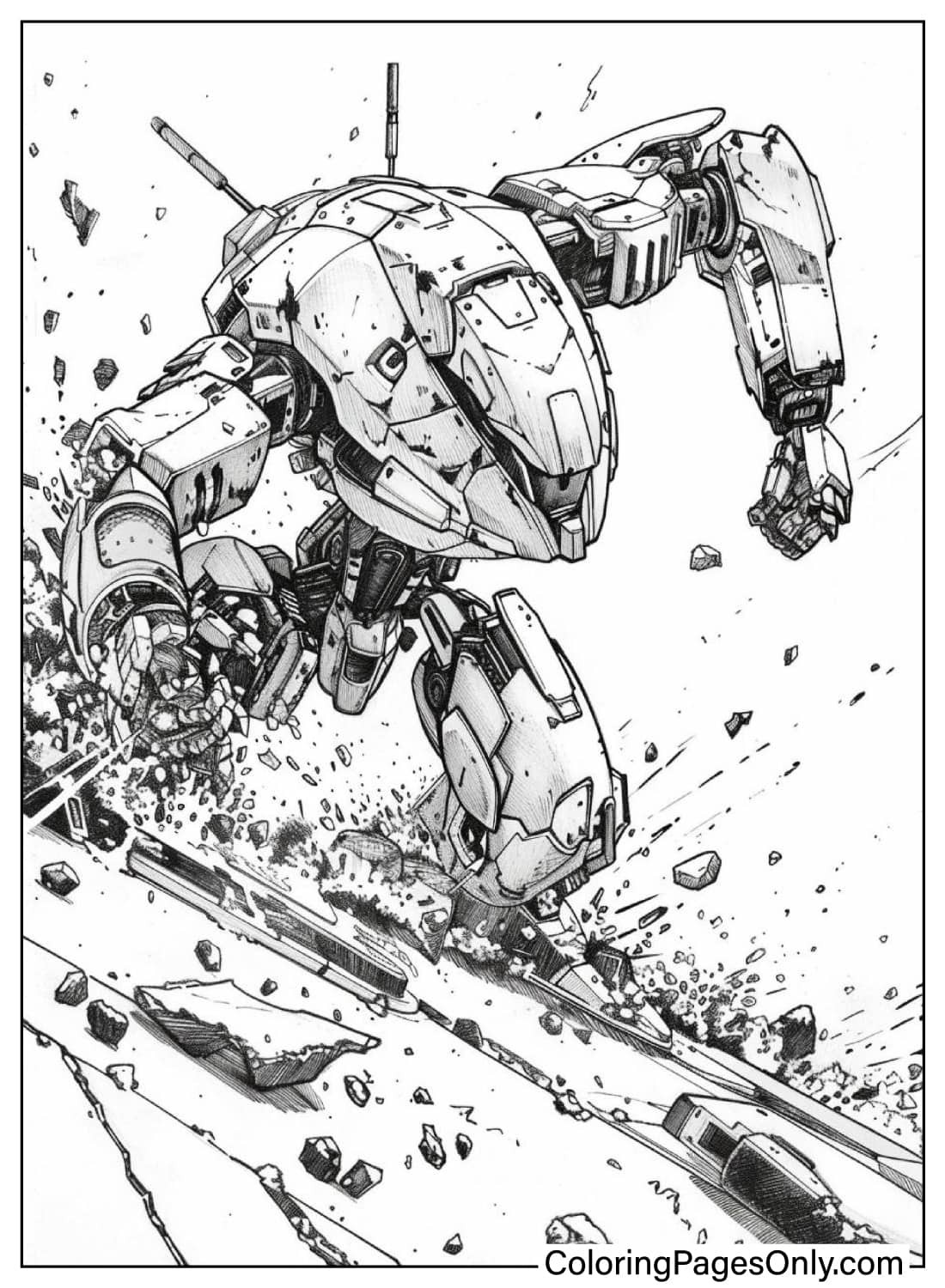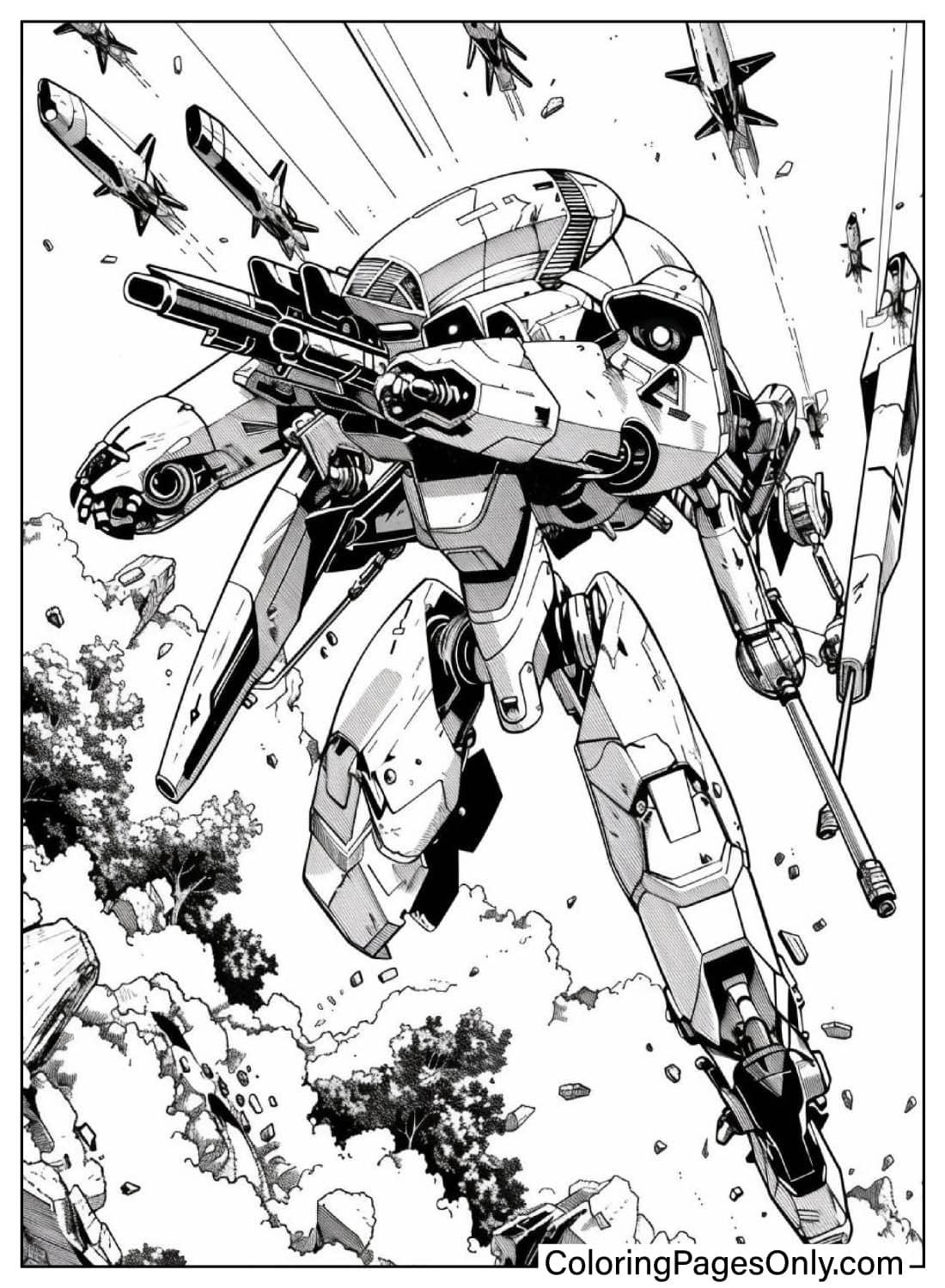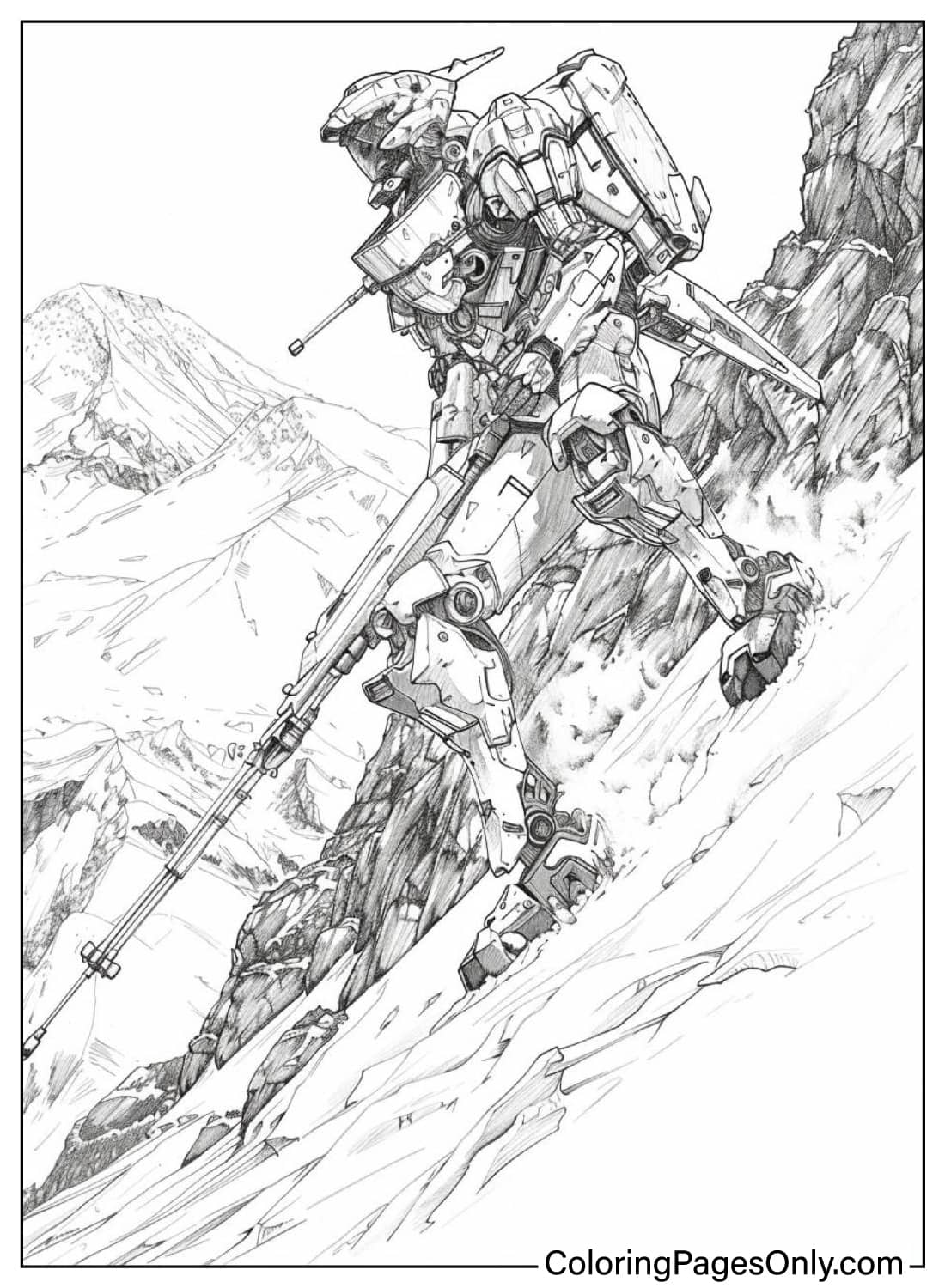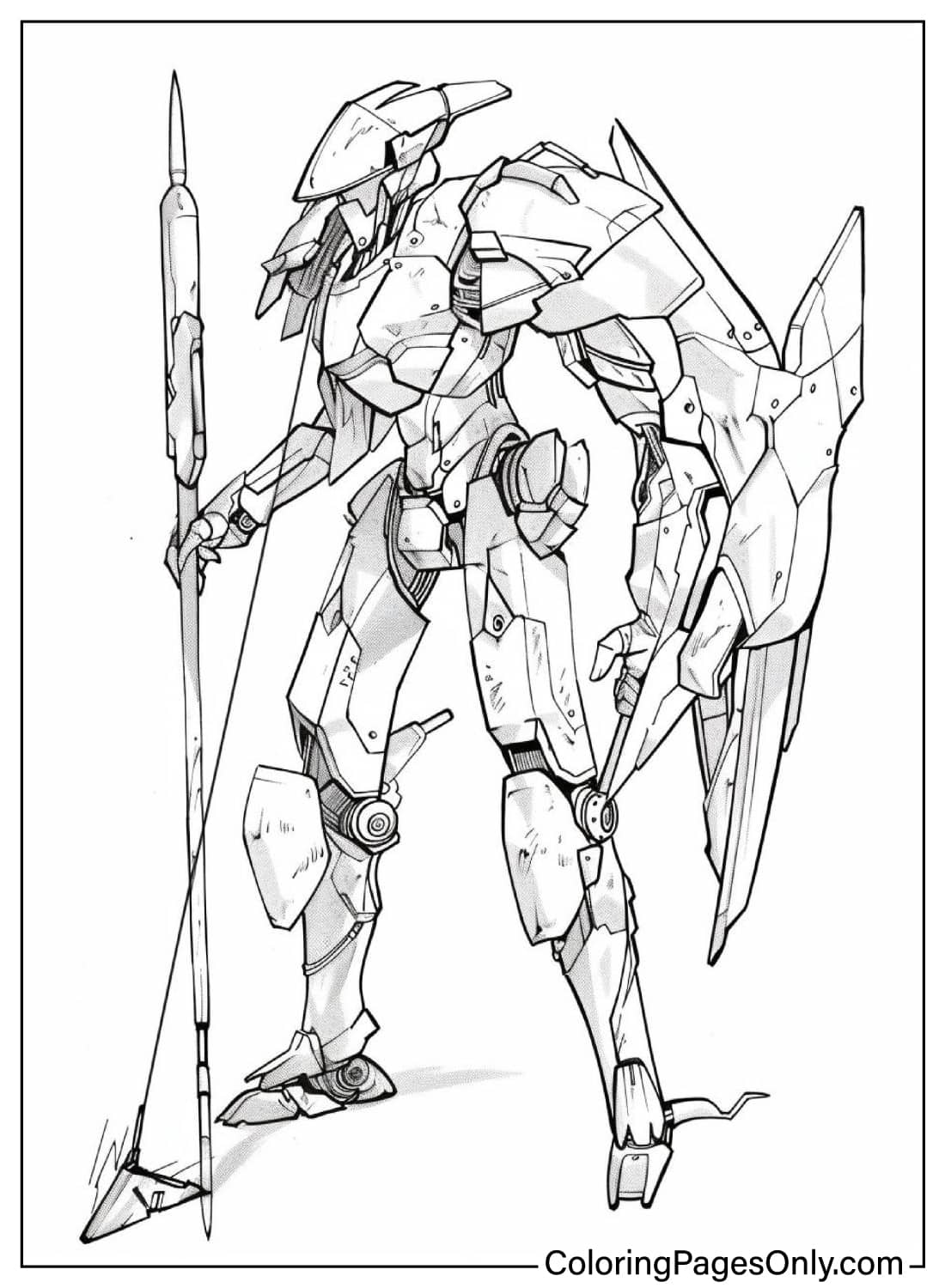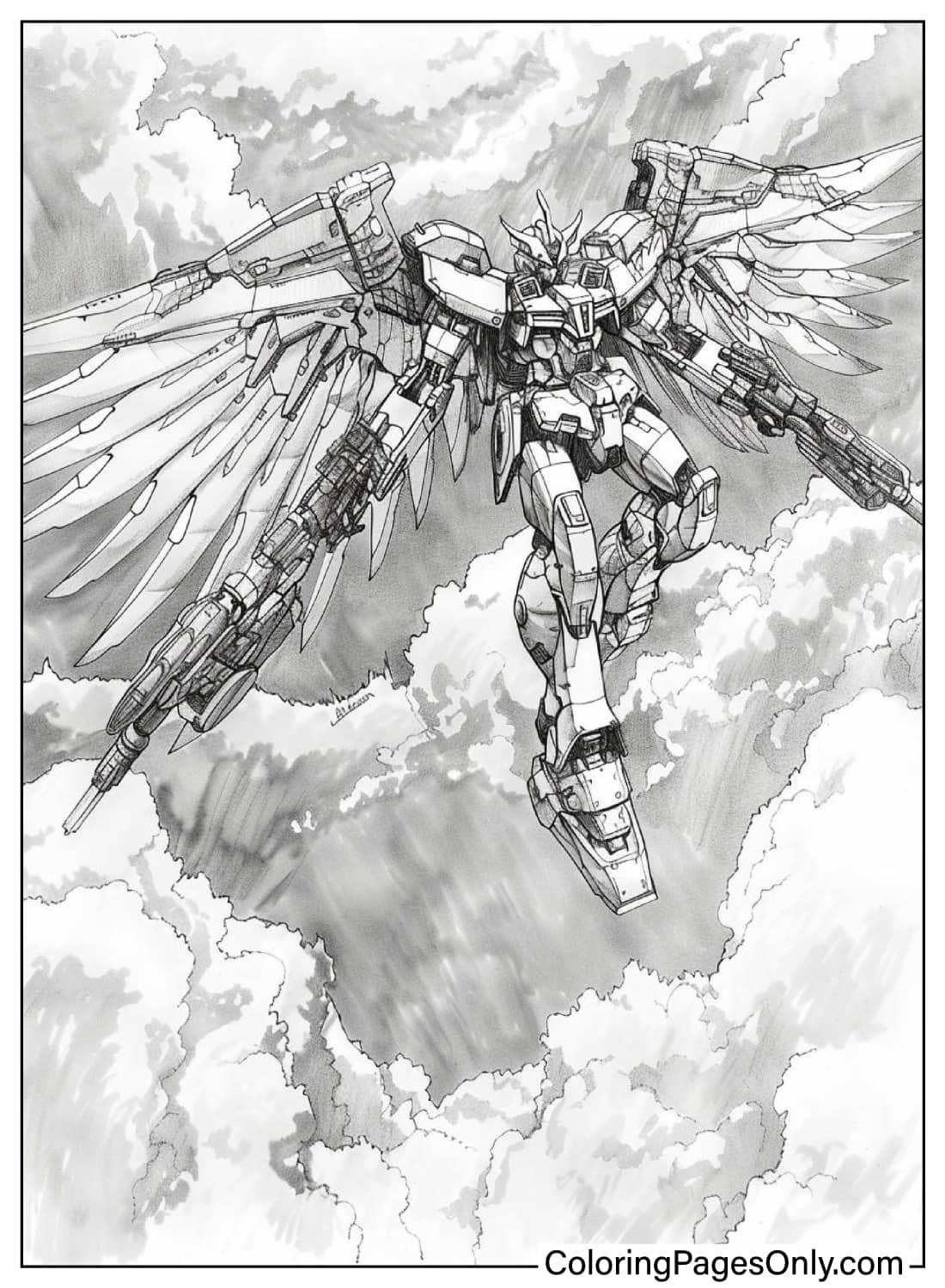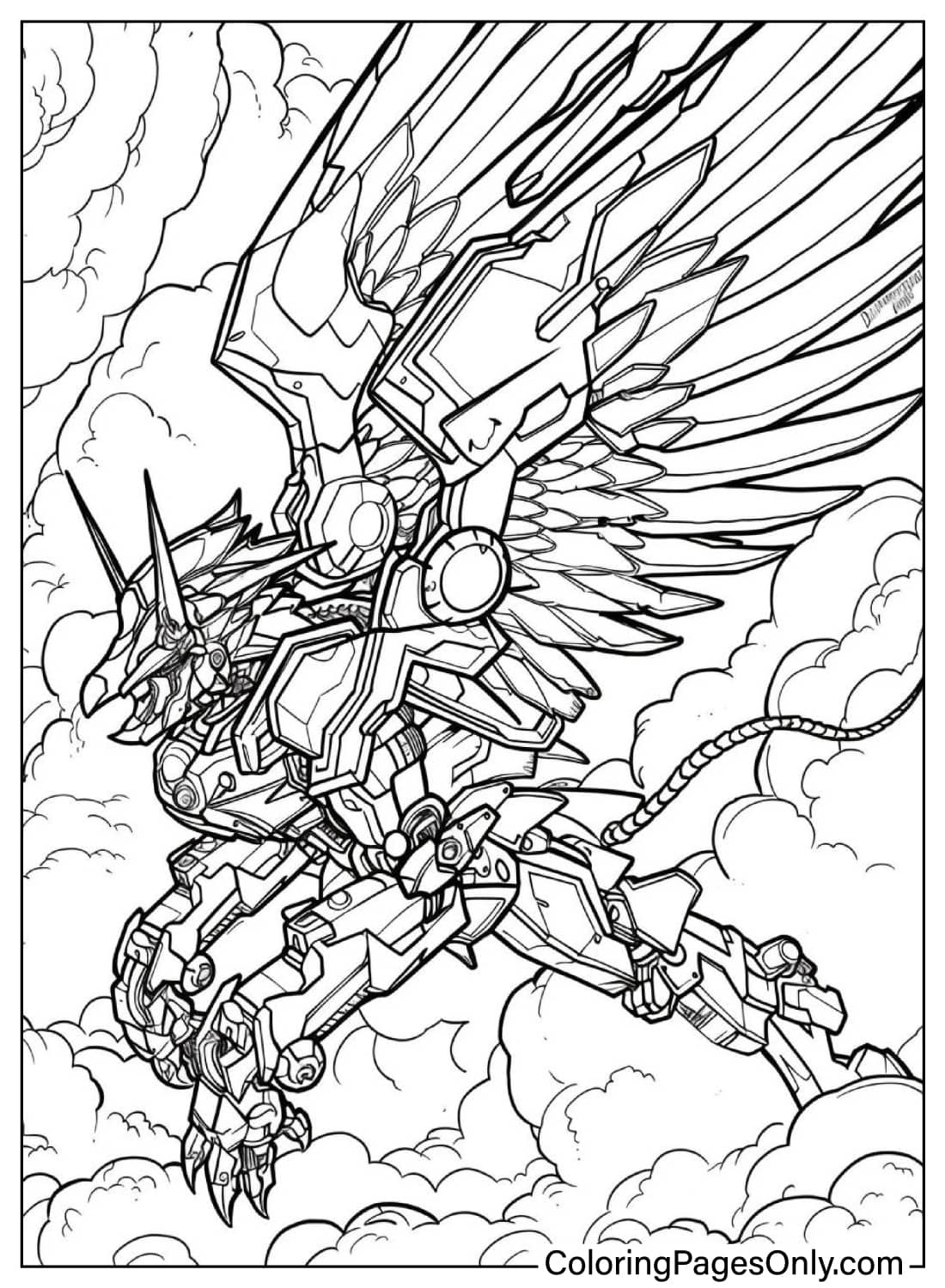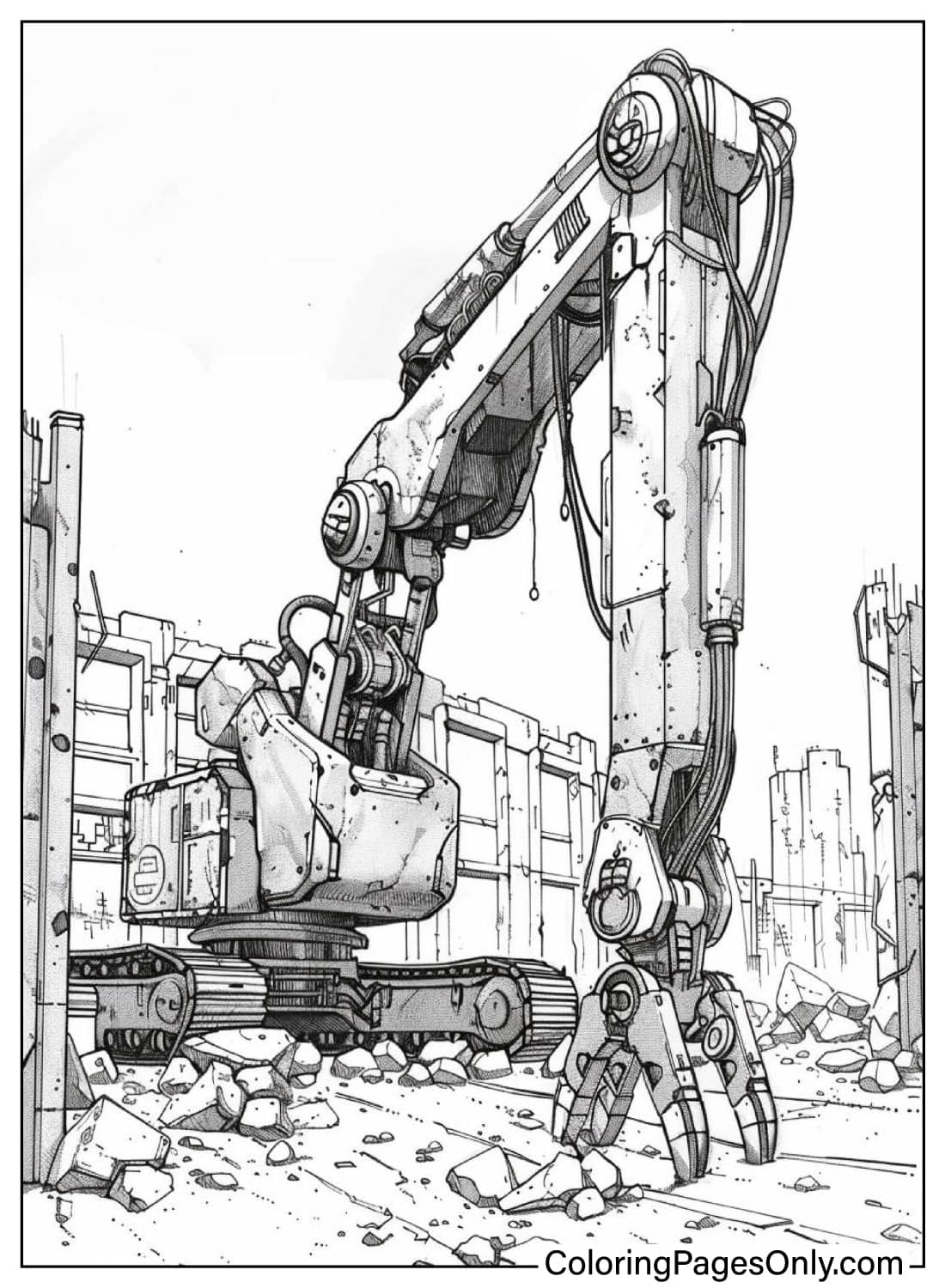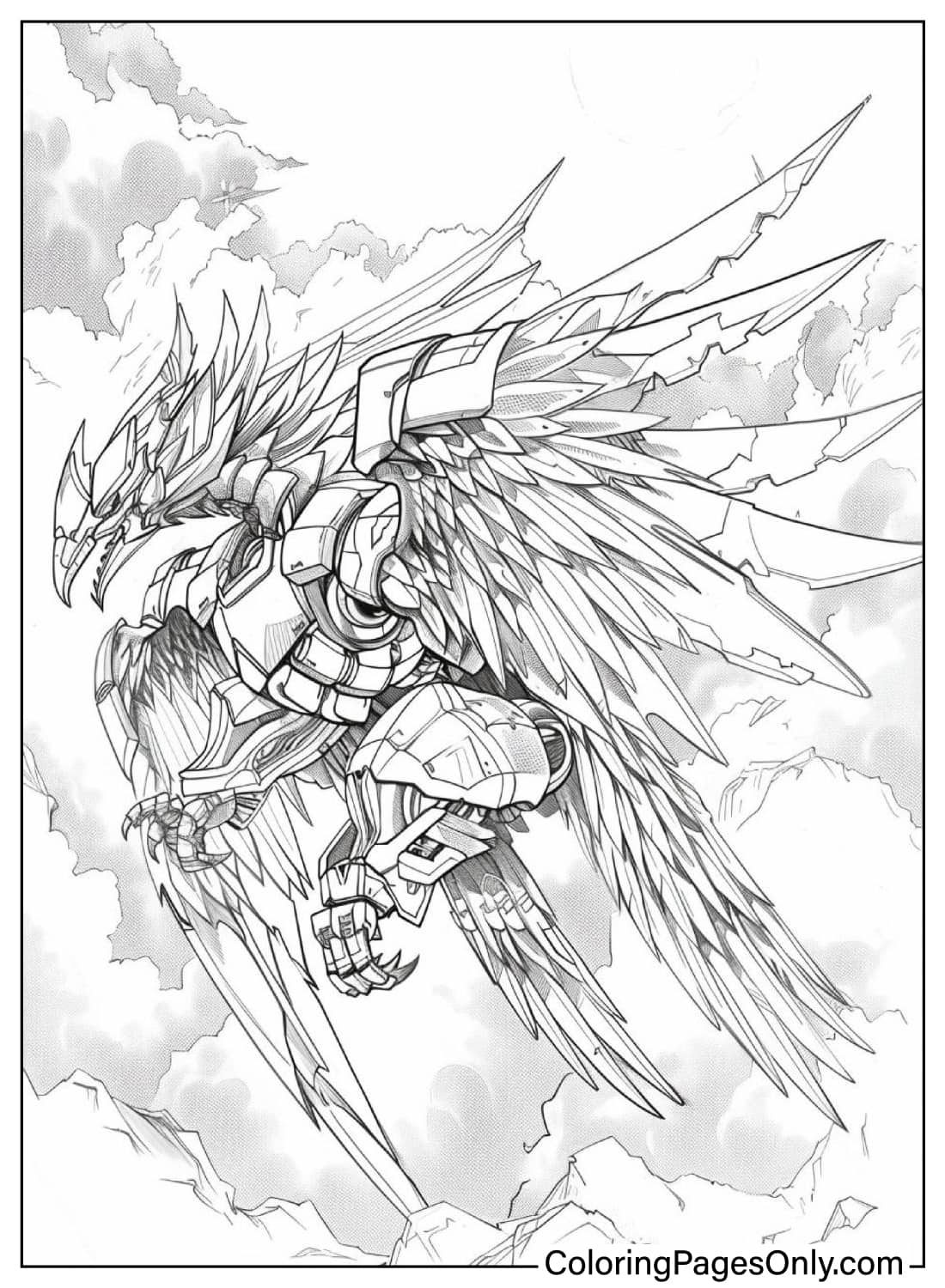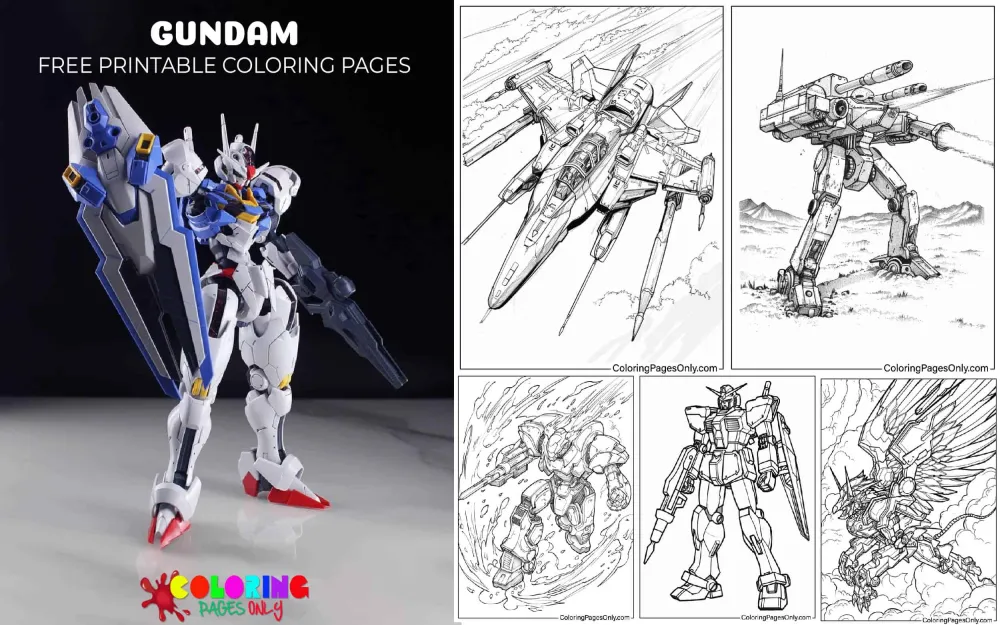
Free Gundam coloring pages – 190+ pages featuring the RX-78-2 Gundam, Zaku II, Wing Gundam Zero, Freedom Gundam, Unicorn Gundam, Gundam Barbatos, Gundam Aerial, SD Gundam chibi versions, battle scenes, pilot portraits, and mobile suits from across every major Universal Century and Alternate Universe series – free printable PDF and online coloring for mecha fans of all ages.
Mobile Suit Gundam first aired on Nippon TV on April 7, 1979 – a television series created by Yoshiyuki Tomino and produced by Sunrise that changed the direction of the mecha genre so fundamentally that everything before it and everything after it is understood in relation to it. The shift it introduced was specific: previous giant robot anime – the super robot genre that Mazinger Z and Getter Robo had established – presented robots as essentially magical extensions of their pilots’ will, capable of feats that required no technical explanation. Gundam’s mobile suits were machines. They required fuel. They broke down. They could be destroyed by weapons available to both sides of the conflict. Their pilots were not destined heroes but people caught in a war they did not start.
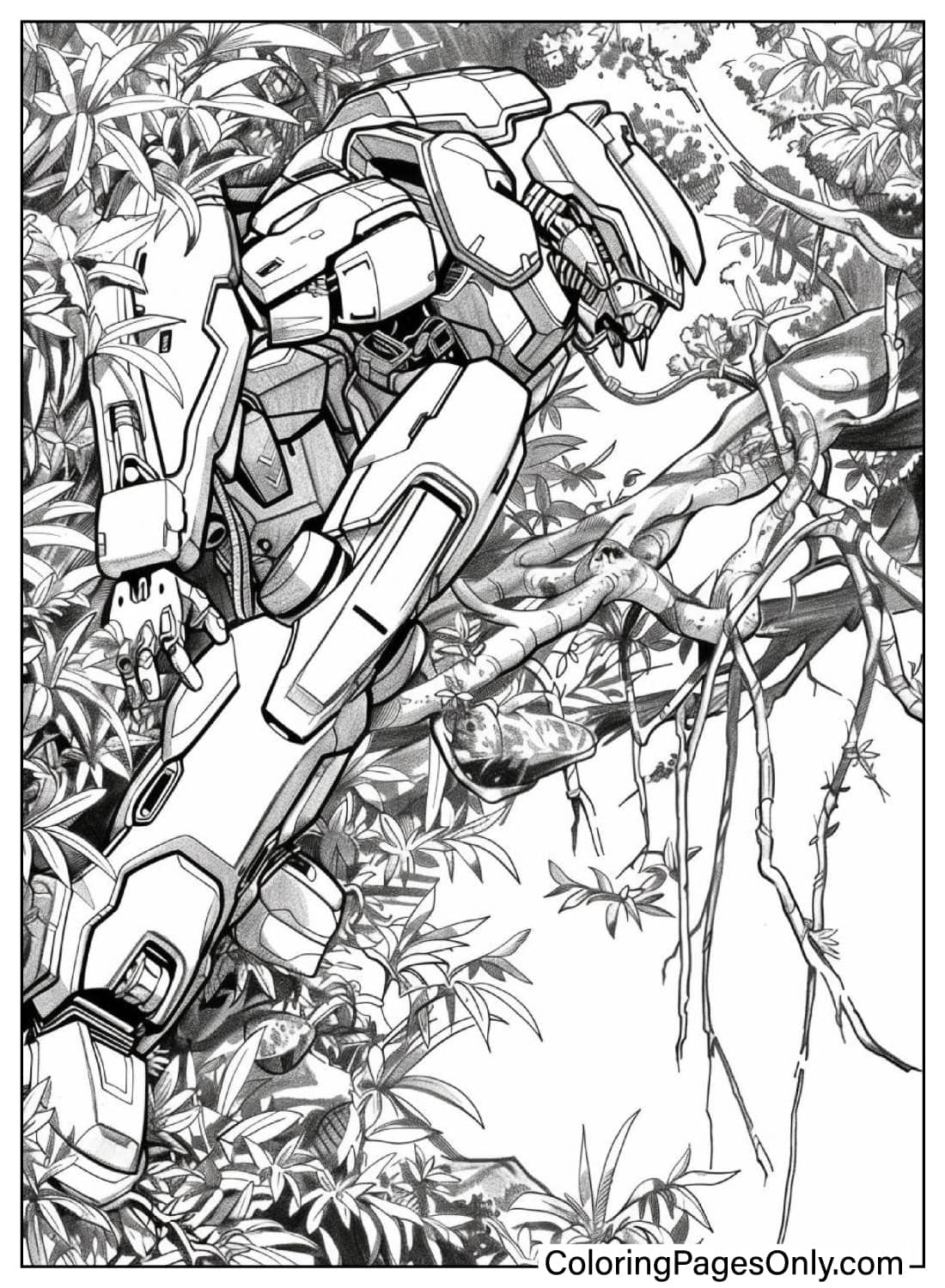
The first series was canceled early due to low initial ratings, then resurrected by massive toy sales and the specific devotion of the audience that had found it. The theatrical compilation films released in 1981-1982 established their legacy. The model kit line – Gunpla, manufactured by Bandai – became one of the most commercially significant toy lines in Japanese history, with over 500 million kits sold. The franchise has produced dozens of anime series across multiple timelines, and the original RX-78-2 Gundam stands as one of the most recognized robot designs in the world.
These 190+ free pages at ColoringPagesOnly.com span the full breadth of Gundam’s visual history. All free, PDF or PNG, print or color online.
What’s Inside
RX-78-2 Gundam – The Original
The RX-78-2 is where everything begins. Designed by Kunio Okawara for the 1979 series and piloted by Amuro Ray – a teenager on a civilian space colony who discovers the prototype mobile suit when Zeon forces attack his colony – it established the visual vocabulary that every subsequent Gundam design references, diverges from, or deliberately subverts.
Its color scheme is the franchise’s canonical identity: white as the primary body color, red at the chest V-fin bib, hands, and feet, blue across the torso and upper legs, and yellow at the V-shaped twin antenna – the “V-fin” that became the Gundam design’s most persistent signature element, present in modified form across virtually every subsequent mobile suit bearing the Gundam name. The design is humanoid in a way that 1979 robot anime was not quite prepared for – it has a face, not a faceplate, with visible eyes behind a visored section, giving it an expression that varies across the franchise’s interpretations.
Its weapons – the beam rifle, the shield with the Federation insignia, and the beam saber stored in the backpack – are each individually recognizable to anyone who has followed the franchise, and pages showing Amuro Ray’s Gundam in combat stances with these weapons are among the collection’s most historically resonant.
Coloring the RX-78-2: The canonical palette is specific enough that deviation is immediately detectable to franchise fans. White: applied cleanly across all major body surfaces. Red: a pure, vivid red – not brick red, not orange-red, but the specific red of the series’ promotional materials, at the chest bib, the hands, and the boots. Blue: a medium, slightly navy blue across the torso panels and upper legs. Yellow: the V-fin antenna and occasional trim, a warm, vivid yellow, not gold. The face visor is dark – near-black – which gives the eyes the specific quality of a vehicle’s windshield rather than a biological eye.
Zaku II – The Iconic Antagonist
The Zaku II is Gundam’s most important design decision that is not a Gundam. The MS-06 Zaku II is the mass production mobile suit of the Principality of Zeon – the antagonist faction of the Universal Century – and its design was deliberately differentiated from the Gundam in ways that communicate the franchise’s approach to its two sides.
Where the RX-78-2 is white, symmetrical, and human-featured, the Zaku II is military green (a specific dark, slightly yellowish green), not quite symmetrical – the left shoulder carries a distinctive spiked armor piece – and faces outward through a single mono-eye camera rather than the bilateral eye arrangement of the Gundam. The mono-eye, which rotates within its socket and is often depicted as glowing red, became one of the franchise’s most recognizable visual elements: the single red point of light in the dark green of an enemy mobile suit’s face.
Char Aznable’s personal Zaku – painted in his distinctive red/pink to match his reputation as “The Red Comet” for his speed in combat – is one of the most famous specific mobile suits in the franchise, a customized version of a mass-production design marked as belonging to one of anime’s most compelling recurring antagonists.
Coloring the Zaku II: Military green – the specific dark, slightly yellow-shifted green of military hardware, not forest green and not olive drab,b but the specific Zeon green – across all major body surfaces. The mono-eye: a dark visor area with a single red point of light at whatever position the head is facing. The shoulder spike armor: same green but can receive a slightly darker tone to differentiate it from the main body. Char’s Zaku uses a vivid rose-red or salmon-red that reads as distinctive rather than as primary-color red.
Wing Gundam Zero – The Angel
Wing Gundam Zero is the final and most powerful mobile suit of Mobile Suit Gundam Wing (1995) – an alternate universe series set in the “After Colony” timeline that became enormously popular in the Western markets where it aired as part of the Toonami programming block, introducing many North American and European viewers to Gundam for the first time.
Its design is the franchise’s most visually dramatic departure from the utilitarian military aesthetic of the Universal Century: large, symmetrical angel wings that open from the backpack during combat, a white primary scheme with gold accents, and the “Zero System” – a cockpit interface that overwhelms the pilot with battle data but provides superhuman tactical precision at the cost of psychological stability. The wings are not merely decorative – they contain thruster systems and structure for the suit’s operation in space – but their visual effect is angelic in a way that military mecha design rarely achieves.
Coloring Wing Gundam Zero: White primary scheme with gold accents – the gold appears at the V-fin, at armor trim points, and at the wing joint attachment points. The wings themselves are white with blue trim along their leading edges. The key coloring decision is the wing treatment: the main wing surfaces should be white, but the inner surface (visible when wings are spread) shows the thruster structure in blue-grey and gold. The “neo-bird mode” transformation to a jet shape is a separate visual register from the humanoid combat mode.
Freedom Gundam – The Liberator
The Freedom Gundam from Mobile Suit Gundam SEED (2002) – set in the “Cosmic Era” timeline and the series that revitalized Gundam’s commercial performance in the early 2000s – is piloted by Kira Yamato and represents one of the franchise’s most influential post-original designs.
Its color scheme combines white with deep blue and gold in proportions that feel more formal and ceremonial than the utilitarian white-red-blue of the original Gundam. Its most distinctive visual element is the METEOR unit backpack – a massive set of six articulated wings containing beam cannons that open into a dramatic spread configuration during combat. The Freedom’s high-energy maneuverability – it can engage multiple targets simultaneously through its wing-mounted weapons – makes its action pages among the most compositionally dramatic in the collection.
Coloring Freedom Gundam: White primary body, deep navy-blue for the large wing components and several body panels, and gold for the V-fin, joint covers, and accent trim. The six-wing backpack in full spread configuration should receive the deep blue as the primary wing color with white at the leading edges. The gold should be a warm, vivid gold – not pale yellow and not bronze – that reads as metallic and expensive. The contrast between deep navy and warm gold is what gives the Freedom its ceremonial quality.
RX-0 Unicorn Gundam – The Transformation
The Unicorn Gundam from the OVA series Mobile Suit Gundam Unicorn (2010-2014) represents the franchise’s most dramatically staged visual transformation. In Unicorn Mode – the default configuration – it is entirely white, with a compact silhouette and a single horn projecting from its head. In Destroy Mode, the armor separates and spreads, revealing the psycho-frame structure beneath: a crystalline pink-red glowing material that runs through the entire suit like a skeleton made of light.
The Unicorn’s transformation from compact white to spread-armored psycho-frame revelation is one of Gundam’s most visually effective moments. The psycho-frame – which glows in response to the pilot’s Newtype brainwaves – gives the Destroy Mode Unicorn the appearance of a robot on fire from the inside, which was the specific aesthetic achievement Katoki Hajime’s design was pursuing.
Coloring Unicorn Mode: Pure white across all surfaces – the cleanest, flattest white in the collection, with minimal shadow work to maintain the monolithic uniformity of the mode. The single horn should be the same white. Coloring Destroy Mode: The same white for the outer armor panels, now spread to reveal the psycho-frame – a vivid, warm pink-red that reads as luminous, applied to the framework visible between the armor sections. The psycho-frame should be rendered at maximum saturation and with a slight glow effect at the edges (lighter pink-red halo around darker pink-red center) to suggest that it produces light.
Gundam Barbatos – The Iron Knight
Gundam Barbatos from Mobile Suit Gundam: Iron-Blooded Orphans (2015-2016) is the mobile suit of Mikazuki Augus – a child soldier working for the private military company Tekkadan. Its design takes the franchise’s furthest departure from the clean, military-precision aesthetic of the Universal Century: Barbatos has the proportions and visual language of medieval European plate armor adapted to mobile suit scale, with a bulkier, less geometrically precise body shape than most Gundam designs.
Its early appearances show it in a damaged, incomplete state – armor panels missing, internal structure visible, the specific look of old military hardware kept running past its intended service life. As the series progresses, it receives upgrades and modifications, and the progression of its forms across the series represents one of Gundam’s most sustained visual developments of a single mobile suit.
Coloring Barbatos: White primary scheme with deep red accent panels and dark blue secondary surfaces – the same color family as the original RX-78-2 but distributed differently to produce the more rugged, asymmetric quality of Barbatos’s design. The worn, battle-damaged pages – showing the suit with exposed inner frame – should receive dark grey or dark metallic treatment in the exposed frame areas, contrasting with the white outer armor.
Gundam Aerial – The Witch from Mercury
Gundam Aerial from Mobile Suit Gundam: The Witch from Mercury (2022-2023) is piloted by Suletta Mercury – the franchise’s first female protagonist – and represents the newest significant addition to the franchise’s mobile suit canon. Its design combines the white of most Gundam mobile suits with a vivid, bright green that reads as technological and organic simultaneously – the GUND-ARM technology that defines the Aerial’s operation uses a quasi-biological interface that the green coloring visually suggests.
The series is set in a school environment – a Hogwarts-for-mecha-pilots premise – and the Aerial’s design has a lighter, more graceful quality than the military Gundams of the Universal Century, consistent with its context. Its backpack structure creates a wing-like silhouette that references both Freedom Gundam’s wings and the lighter, more civilian design language of the series’ setting.
Coloring Gundam Aerial: White primary body with vivid, medium-bright green accents – the green appears at the V-fin, the backpack fin system, panel lines across the body, and the eyes. The green should be a specific, clear green – not dark and not neon, but the precise mid-value green that reads as technological. The contrast between the clean white body and the bright green details gives the Aerial its distinctive quality.
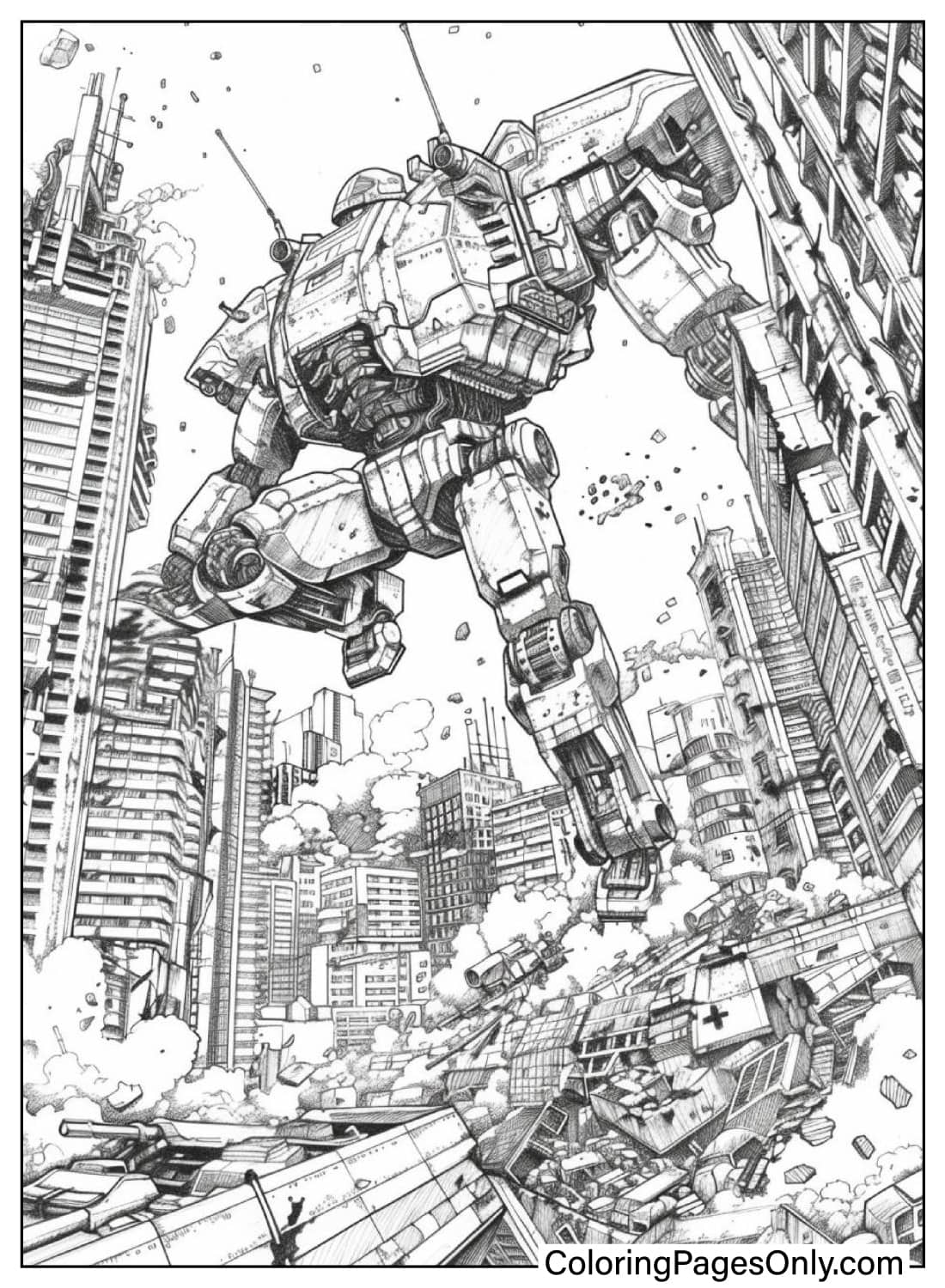
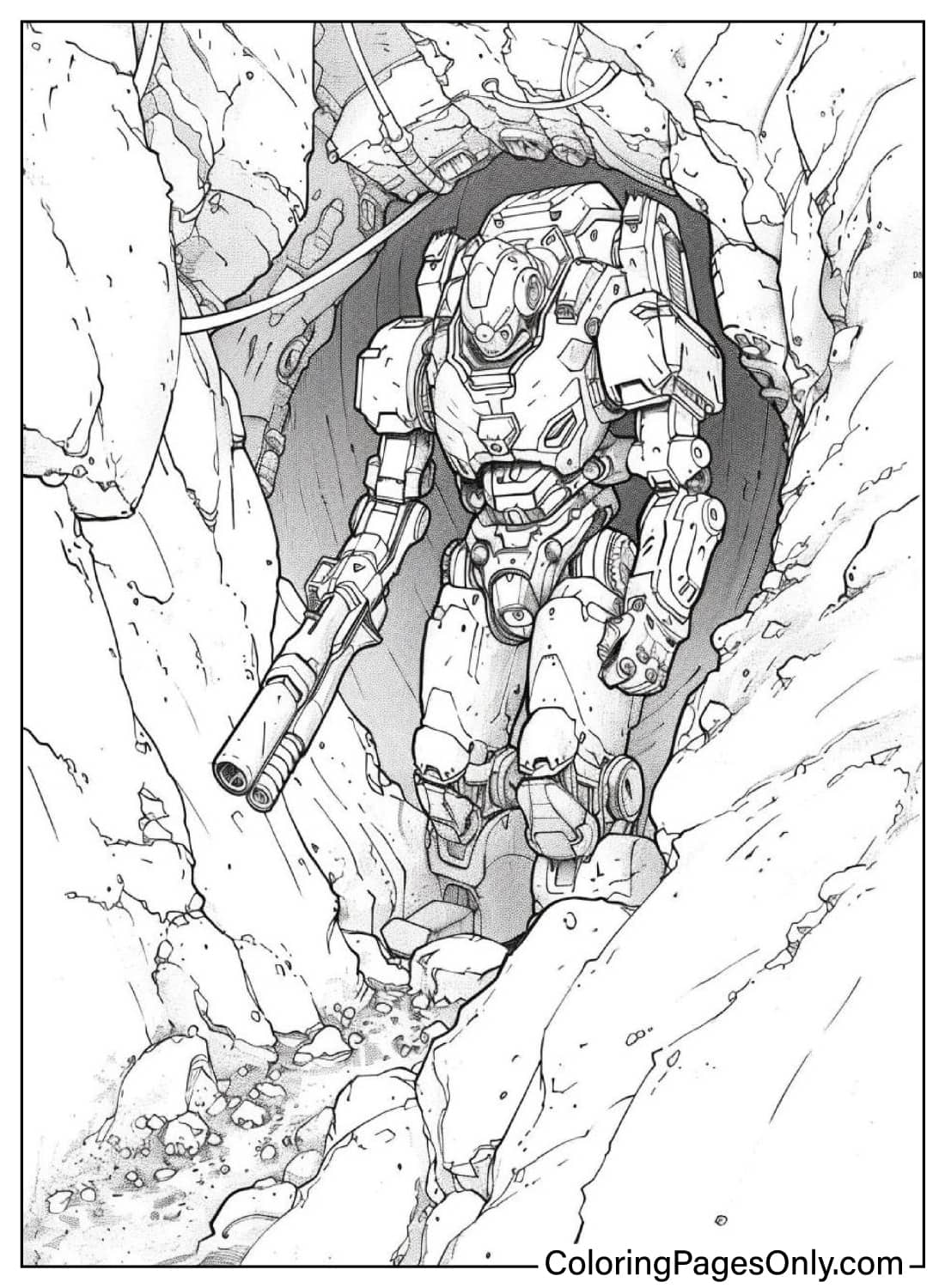
SD Gundam – Chibi Mobile Suits
SD Gundam (Super Deformed Gundam) is the franchise’s most accessible visual register – mobile suits rendered in the large-head, small-body proportions of chibi illustration, maintaining the design elements that make each suit recognizable while adapting them to a format that emphasizes charm over intimidation.
The SD format has its own long history within the franchise, with dedicated SD Gundam media including the long-running SD Gundam BB Senshi model kit line and animated series. SD pages give younger fans and newcomers to the franchise an entry point that the more mechanically complex full-scale mobile suit pages do not provide – the shapes are simpler, the proportions are rounder, and the design elements are exaggerated in the specifically cute direction rather than the specifically threatening direction.
What These Pages Do
Gundam is one of the most sustained arguments in popular culture for the proposition that mechanical design carries meaning. Every design decision in a mobile suit – the color scheme, the symmetry or asymmetry, the eye configuration, the weapon loadout, the silhouette – communicates something about the faction, the pilot, and the narrative function of that suit within its series. Coloring through the collection while paying attention to these design choices is engaging with visual storytelling at a fundamental level.
The franchise’s mecha design tradition is the most developed in animation history. Kunio Okawara’s original designs, Mamoru Nagano’s work on Zeta Gundam, and subsequent designers across forty-five years of production have created a visual language for humanoid military machinery that has no equivalent in any other medium. The coloring pages give direct access to that tradition.
The panel line system of Gunpla models is a genuine lesson in surface rendering. The model kit tradition that Gundam spawned has its own coloring vocabulary – panel lines, gradients, weathering effects – that translates directly to coloring practice. Fans who build Gunpla and fans who color Gundam pages are engaged in related activities: deciding how light falls on mechanical surfaces and applying that decision systematically.
Fine motor development. The American Academy of Pediatrics identifies fine motor development as a key childhood milestone. The mechanical surface detail of mobile suits – panel lines, thruster nozzles, sensor clusters, weapon details – provides exactly the motivated, sustained fine motor practice that is most developmentally effective. The 2005 Art Therapy Journal study on structured coloring and anxiety reduction applies throughout this collection, which is the site’s largest mecha coloring collection at 190+ pages.
How to Color These Pages Well
Learn the panel line system before coloring complex mechanical pages. Panel lines are the engraved or raised lines that divide a mobile suit’s armor into separate pieces – they are the most important detail in any mechanical surface. In Gunpla terminology, panel lines are applied after the base color to define the armor’s structure. In coloring pages, they exist as the drawn lines within each colored zone. Apply your base color first across the entire zone, then add a slightly darker version of the same color along the panel lines themselves to give the armor its three-dimensional structure.
The Universal Century color scheme has a specific logic. Federation mobile suits (Gundam types) tend toward white, red, blue, and yellow – bright, tri-color schemes with civilian administration overtones. Zeon mobile suits tend toward military green, grey, and dark colors – the visual language of military hardware. This color logic allows accurate identification of suit allegiance before any design detail is read.
Beam weapons have their own coloring vocabulary. The beam saber – the franchise’s most used weapon – produces a pink-magenta beam that is visually distinct from any physical blade. The beam rifle fires a pale yellow or pale green beam. When coloring weapon energy effects: white or near-white at the center of the beam (hottest, most intense), the beam’s characteristic color (pink for saber, pale yellow for rifle) in the main beam body, and a slightly lighter, more diffuse halo of the same color at the edges.
The mono-eye of Zeon mobile suits must be rendered as a light source. The mono-eye is not a painted surface – it is a camera sensor that reads as illuminated from within. Apply a deep black or very dark grey across the entire sensor visor area first. Then place the mono-eye itself – a single circular or oval highlight in vivid red or sometimes orange – at whatever position the page indicates. Add a very slight red-tinted glow at the edges of the mono-eye circle. The eye should read as the brightest, most vivid element on an otherwise dark face.
White mobile suits need the full three-zone treatment across every panel. A white mobile suit rendered in flat white reads as an uncolored page. Apply very light blue-grey as the shadow tone in the recessed areas between armor panels and on the underside of all overhanging elements. Apply pure white only on the surfaces most directly facing the light source. The result is a white mobile suit with visible dimensional form – the most important technical challenge in this collection.
5 Creative Craft Ideas
Universal Century Timeline Display
Print the most complete page available for each of the UC’s most significant mobile suits: the RX-78-2 Gundam, the Zaku II, the MSZ-006 Zeta Gundam, and the RX-0 Unicorn Gundam. Color each in the canonical scheme.
Mount all in chronological order on a long backing sheet with the year of each series below the figure: “0079 – One Year War,” “0087 – Gryps Conflict,” “0093 – Second Neo Zeon War,” “0096 – Laplace Incident.” The display shows the Universal Century’s visual evolution as a continuous timeline – the same franchise’s design language developing across four decades of in-universe time and four real decades of production.
Federation vs. Zeon Color War
Print three Federation mobile suit pages (Gundam types) and three Zeon mobile suit pages (Zaku types). Color all Federation suits in their canonical white-red-blue-yellow palette. Color all Zeon suits in their canonical military green and grey palette.
Mount all six on a backing sheet divided down the center: “Earth Federation” on the left, “Principality of Zeon” on the right. The visual result makes the franchise’s color-as-allegiance system immediately legible – the entire political conflict of the Universal Century represented as a chromatic opposition.
Wing Gundam Zero Full Spread Display
Wing Gundam Zero’s most dramatic visual configuration – both wings fully extended, the Twin Buster Rifle deployed, the full spread of the angel wing silhouette – is the collection’s single most visually imposing individual mobile suit image. Print the most complete Wing Zero page available. Color it carefully: white primary body, gold accents, white wings with blue leading edge trim.
Mount on a deep blue or starfield-black backing sheet – a space environment that gives the wing silhouette maximum visual impact. The wings should reach to the edges of the page; mount the backing sheet larger than the printed page to give the wings room to read as enormous. Add the title at the bottom: “XXXG-00W0 Wing Gundam Zero – AC 196.”
Unicorn Gundam: Two Modes Side by Side
If the collection includes both a Unicorn Mode and a Destroy Mode page, this craft is the most technically specific in the collection. Print both. Color the Unicorn Mode entirely in clean white – pure, flat, uniform white, the most minimal coloring possible. Color the Destroy Mode with white armor panels and the vivid pink-red psycho-frame visible in the sections where armor has spread.
Mount both side by side on a dark backing sheet – the white of the Unicorn Mode reads as clean against darkness; the psycho-frame’s pink-red reads as luminous. Add labels: “Unicorn Mode – NT-D inactive” and “Destroy Mode – NT-D activated.” The two images together make the suit’s transformation argument complete as a coloring project.
My Custom Gundam Design
Select the most neutral mobile suit outline in the collection – any page that shows a complete Gundam-type silhouette with minimal specific design features. This is your canvas for a custom mobile suit design.
Choose a color scheme not used by any existing Gundam: perhaps a deep purple primary with silver accents, or a forest green with gold trim, or a matte black with orange details. Apply your chosen scheme systematically – primary color first across all body surfaces, secondary color at the design’s accent points, tertiary color at the smallest detail areas.
At the bottom of the page, give your design a designation following the Gundam naming convention: “RX-[number] [Name] Gundam.” Write the pilot’s name, the faction, and one line describing the suit’s special capability. The finished page is a piece of personal franchise engagement – your mobile suit, designed within the visual language of the franchise’s tradition.
Frequently Asked Questions
What is Gundam, and when did the franchise begin? Gundam is a Japanese mecha (giant robot) media franchise created by director Yoshiyuki Tomino and produced by Sunrise (now Bandai Namco Filmworks). The original series, Mobile Suit Gundam, first aired on Nippon TV on April 7, 1979. Initial ratings were poor enough that the series was shortened. Still, the audience it found was devoted, and subsequent theatrical compilation films and the model kit line it spawned established the franchise as a commercial and cultural foundation of Japanese popular culture. The franchise has since produced dozens of anime series across multiple timelines, a vast model kit industry (Gunpla), manga, video games, and merchandise. The Gunpla model kit line alone had sold over 500 million kits as of 2015.
What is a “Mobile Suit” in the Gundam universe? A Mobile Suit is a humanoid, piloted mechanical weapon in the Gundam universe – a giant robot designed for warfare. The term distinguishes Gundam’s approach from earlier “super robot” anime: mobile suits are machines, subject to physical constraints, requiring fuel and maintenance, and destroyable by weapons available to both sides of any conflict. The specific mobile suits called “Gundams” are typically high-performance prototypes or advanced production models named after the fictional material “Gundarium” (originally “Lunarium”) and distinguished by specific design elements – most notably the V-fin antenna configuration – that have persisted across the franchise’s many timelines as the visual signature of the Gundam type.
What are the main Gundam timelines, and how do they relate? The Gundam franchise is organized into multiple parallel timelines that share the name and visual vocabulary of Gundam without sharing narrative continuity. The Universal Century (UC) is the original and most narratively interconnected timeline, beginning with the 0079 One Year War in the first series and extending through dozens of connected stories. Alternate Universe series – each beginning its own independent continuity – include After Colony (Gundam Wing), Cosmic Era (Gundam SEED), Anno Domini (Gundam 00), Post Disaster (Iron-Blooded Orphans), and the Ad Stella setting of The Witch from Mercury. Each timeline explores the franchise’s central themes – war, political conflict, human evolution, and the tragedy of armed conflict – through different historical analogies and narrative approaches.
What is Gunpla, and how does it relate to the anime? Gunpla – a portmanteau of “Gundam” and “plastic model” – is the model kit line produced by Bandai based on Gundam’s mobile suits. The first Gunpla kits were released in 1980, one year after the original anime, and immediately became enormously popular. The kits are produced in several grades – High Grade (HG), Real Grade (RG), Master Grade (MG), and Perfect Grade (PG) – representing increasing levels of detail, part count, and fidelity to the animated design. Building and customizing Gunpla is a hobby with its own dedicated community, competition circuits, and related media (the Gundam Build Fighters anime series features characters who battle with their own Gunpla). The Gunpla coloring tradition – painting kits, applying decals, panel-lining, and weathering – is directly related to the skills that Gundam coloring pages develop.
Who are the most important Gundam pilots across the franchise? The franchise’s most significant pilots include Amuro Ray, who pilots the original RX-78-2 Gundam in the 0079 series and develops throughout the Universal Century as one of the first acknowledged Newtypes – humans with enhanced spatial awareness and empathy suited to space habitation. Char Aznable – Amuro’s principal antagonist across multiple UC entries – pilots red-colored mobile suits as the “Red Comet” and represents the franchise’s most recurring anti-heroic figure. In alternate universes, Heero Yuy (Wing), Kira Yamato (SEED), and Setsuna F. Seiei (00) are among the most recognized. Suletta Mercury, protagonist of The Witch from Mercury, is historically significant as the franchise’s first female lead protagonist.
What makes Gundam different from other mecha anime? Gundam’s foundational distinction is its “real robot” approach – treating mobile suits as machines within a realistic military framework rather than as super-powered extensions of their pilots’ will. The original 1979 series was explicit that both sides in its war – the Earth Federation and the Principality of Zeon – had legitimate grievances, that soldiers on both sides were people with human motivations rather than cartoon villains, and that the Gundam’s victory in any battle was not guaranteed by destiny. This moral and narrative complexity has remained the franchise’s consistent characteristic across four decades: the wars in Gundam are consistently presented as tragedies whose costs are distributed across all parties, and the Gundam itself is as often a burden to its pilots as it is an advantage.
What age group are these pages most suited for? The SD Gundam chibi pages – with their simple round proportions and accessible design – are appropriate and engaging for ages four to seven. The simpler mobile suit portrait pages, with clean outlines and single-suit compositions, are most rewarding forages seven to ten. The complex mechanical pages – multiple suit compositions, battle scenes, detailed panel line work, pages from more adult series like Iron-Blooded Orphans – are most engaging for ages ten and up, with significant adult fan engagement throughout the collection. The 190+ page count reflects the franchise’s genuinely multigenerational audience, and different sections of the collection are calibrated for different points on that range.
Browse the full collection at ColoringPagesOnly.com. All 190+ pages free, no sign-up, PDF or PNG, print at home or color online.
Yoshiyuki Tomino created Gundam in 1979 and gave the robots fuel gauges, maintenance problems, nd pilots who could be shot. He told a war story where both sides had reasons for what they were doing, and nobody won cleanly. The machine at the center of it all was a machine – extraordinary, yes, but subject to the same physical laws as everything else.
Forty-five years later, the franchise has produced more mobile suit designs than any single person can fully document, across timelines where the politics are different. The characters are different,t but the central question remains consistent: what does it cost to fight, and who pays that cost, and what does the machine in the middle of it mean to the person who pilots it.
The white of the RX-78-2. The military green of the Zaku. The angel wings of Wing Zero. The psycho-frame of the Unicorn glowing in Destroy Mode.
Pick up your white V-finn in yellow. The One Year War is beginning.
Share your work on Facebook and Pinterest and tag #Coloringpagesonly. We especially want to see the Federation vs. Zeon color war displays and the custom Gundam design projects.
Color the mobile suit. Know the timeline. I am Gundam.