Ichthyosaur Coloring Pages
 By:
Jennifer Thoa - Content Editor & Designer
Updated:
By:
Jennifer Thoa - Content Editor & Designer
Updated:
Free Ichthyosaur Coloring Pages: 14 printable PDF designs featuring this dolphin-shaped marine reptile in realistic portraits, fossil designs, and ocean scenes. Each page can be downloaded as a PDF to print or colored online in the browser.
Despite the “-saur” in its name, an ichthyosaur was not a dinosaur. It belonged to a separate group of marine reptiles that lived alongside dinosaurs during the Mesozoic era but were no more closely related to them than they were to modern lizards. Ichthyosaurs first appeared in the Early Triassic period around 250 million years ago. They gradually evolved a dolphin-like body shape, a striking example of convergent evolution since true dolphins would not exist for tens of millions of years afterward. The first ichthyosaur fossils were identified around 200 years ago by English fossil collector Mary Anning at Lyme Regis, a discovery that helped establish the field of paleontology. This Ichthyosaur Coloring Pages collection captures that sleek, prehistoric sea creature across realistic portraits, fossil-inspired designs, and scenes shared with other ancient marine reptiles.
The set spans 14 designs, ranging from simple solo portraits to more detailed scenes paired with other prehistoric sea creatures.
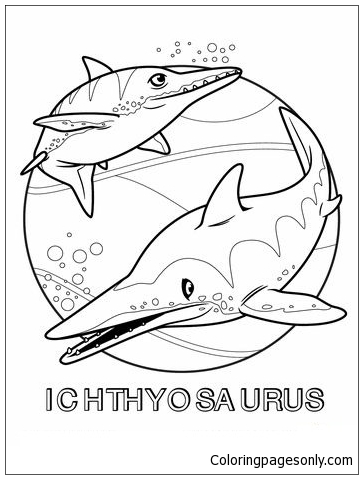
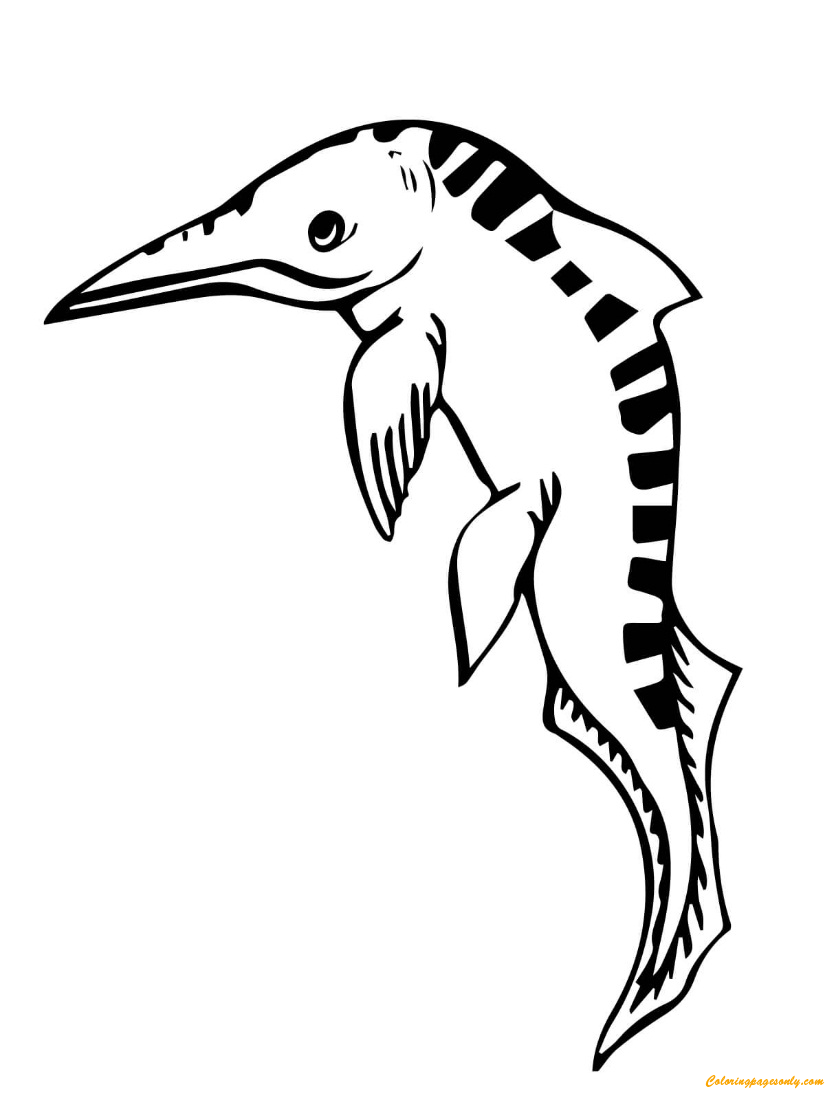
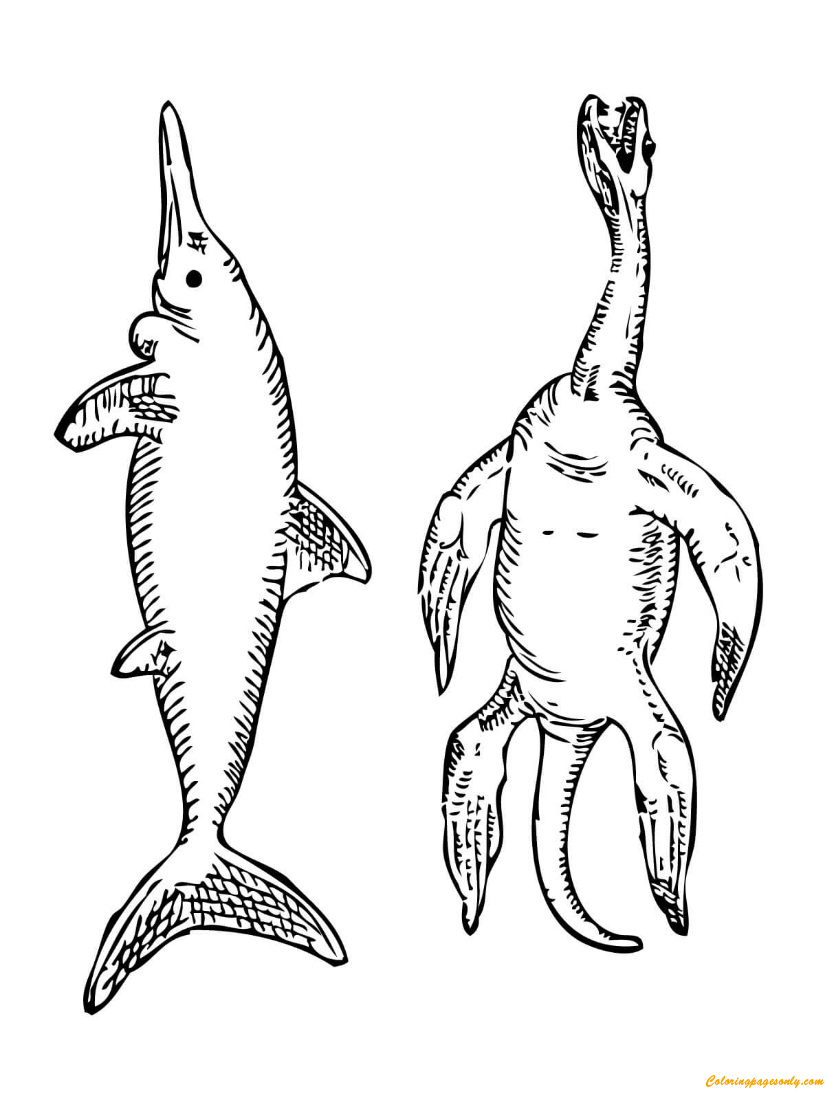
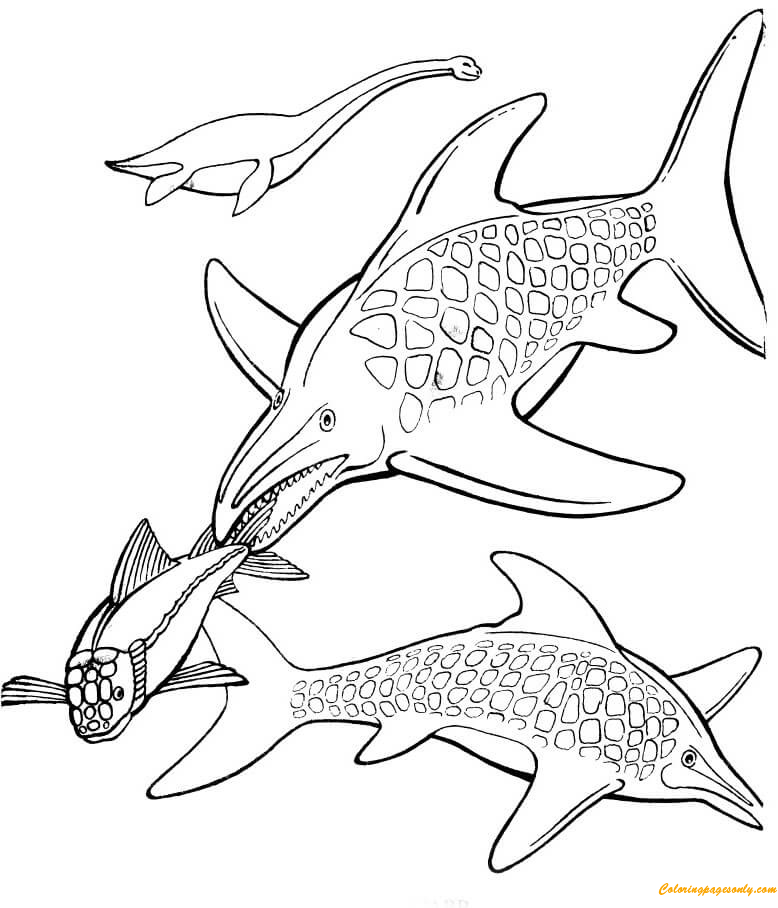
What Is Inside This Collection
The 14 pages fall into four recurring groupings.
Realistic Ichthyosaur Portraits
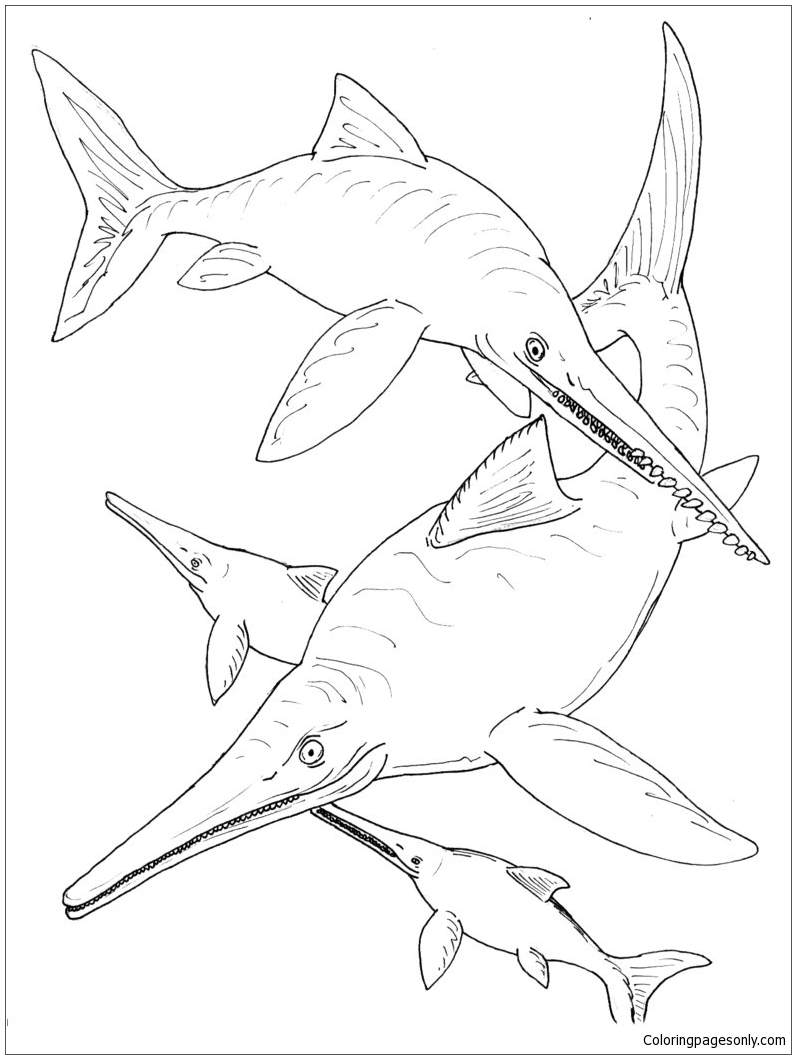
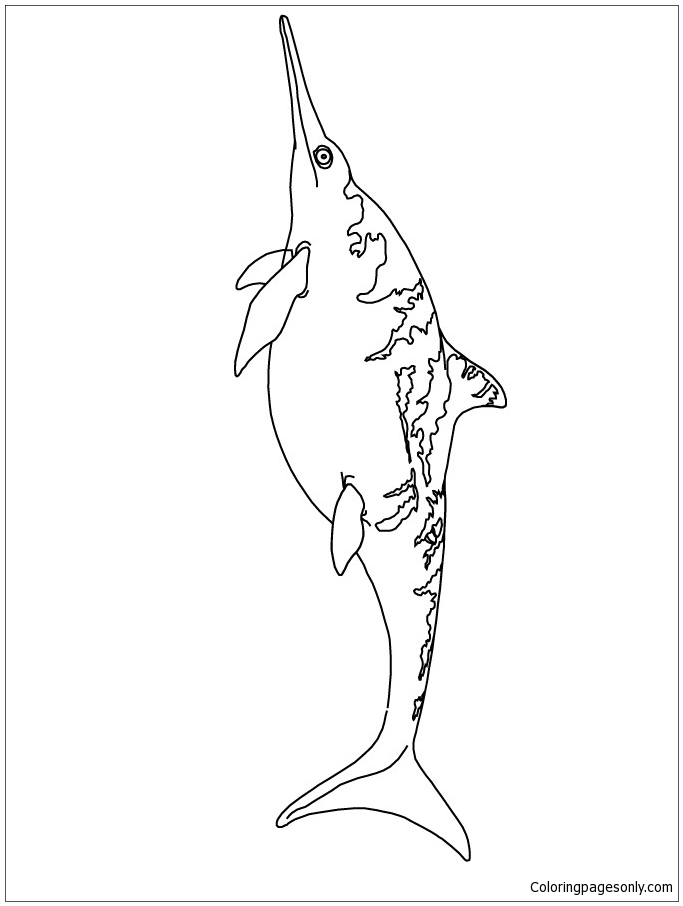
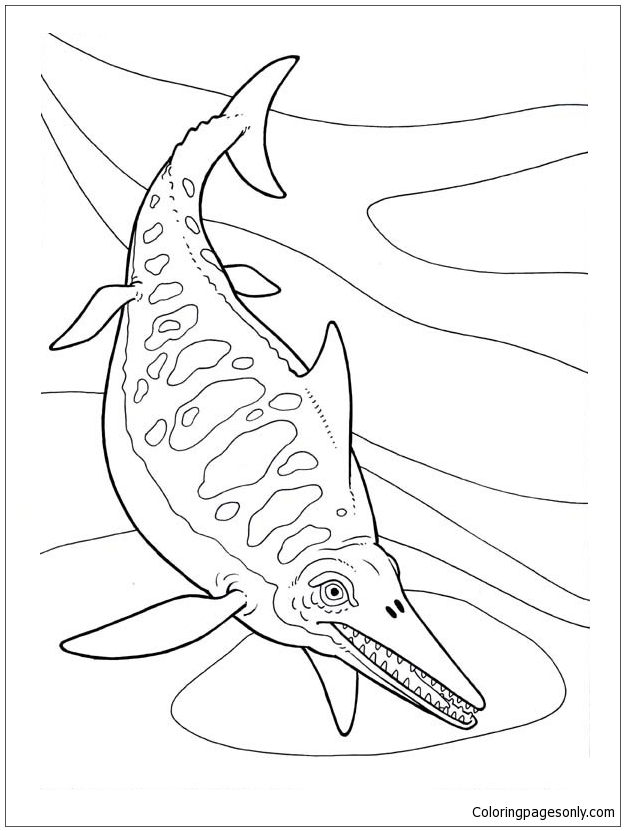
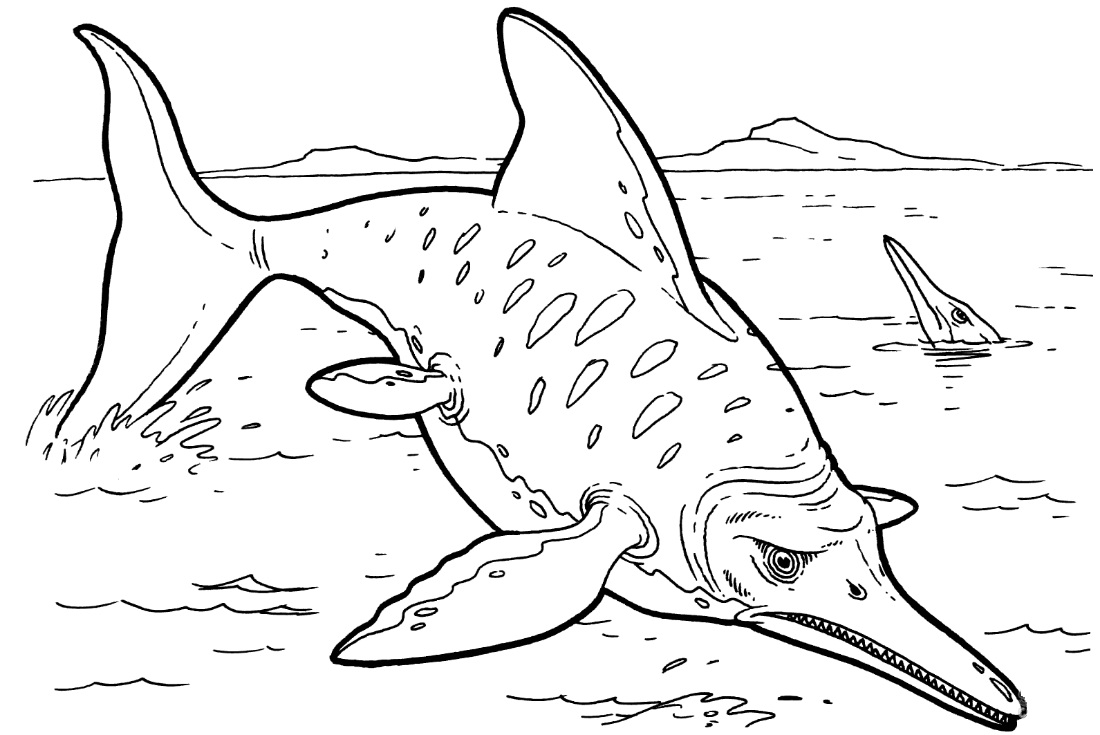
Several designs focus on a single, accurately shaped ichthyosaur, capturing its long snout, large eyes, and dorsal fin. These pages suit colorists who want to concentrate on the animal’s distinctive, streamlined body.
Ichthyosaurs with Other Marine Reptiles
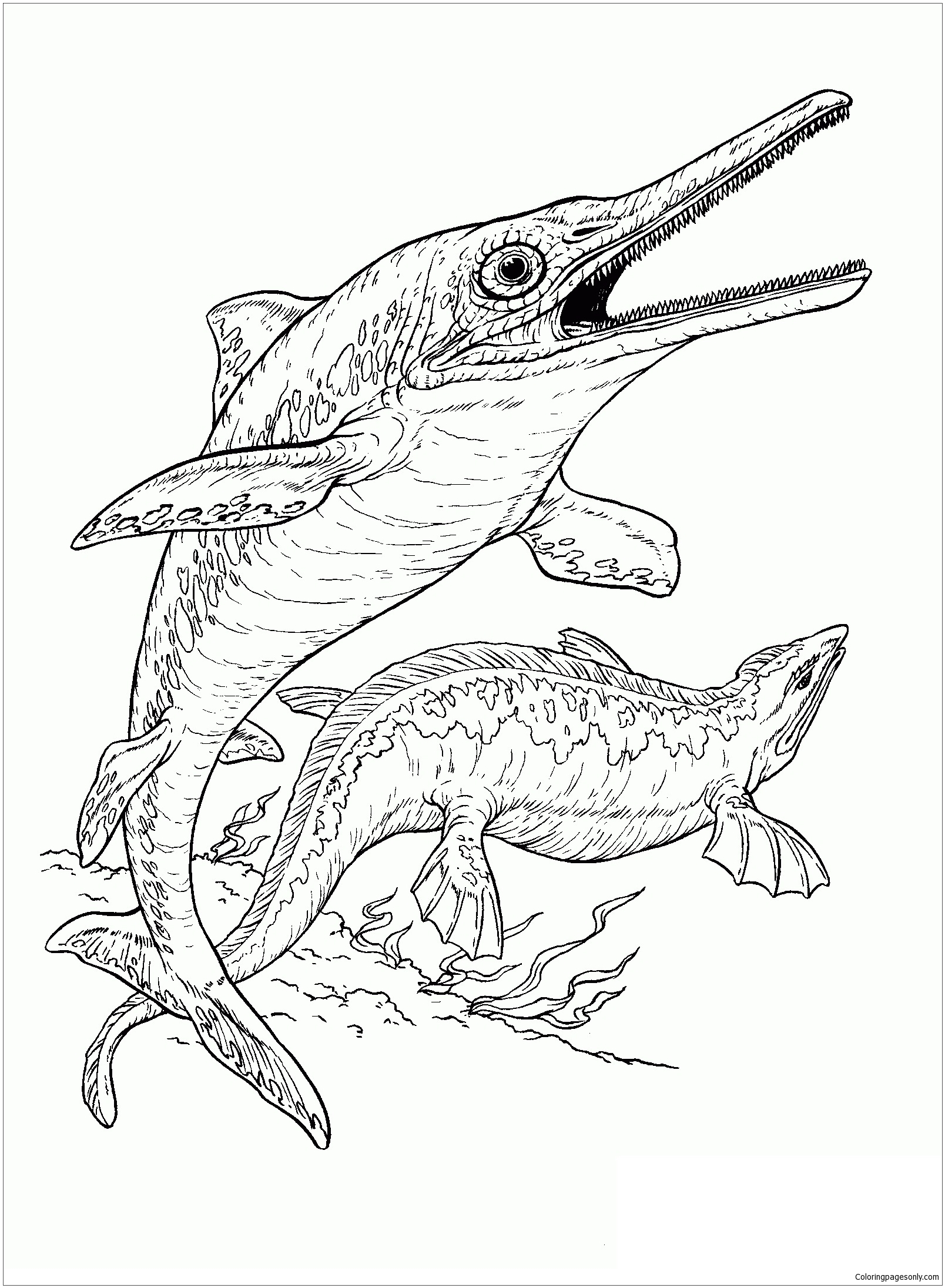
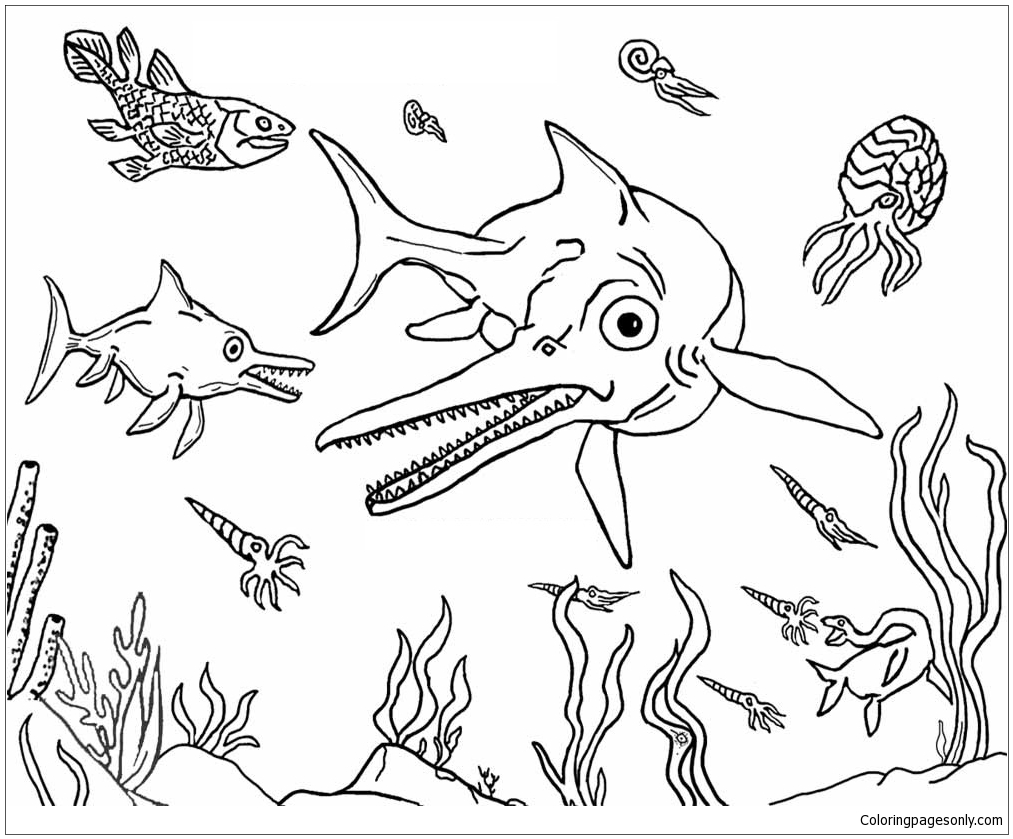
A group of designs pairs the ichthyosaur with other prehistoric sea creatures, like the plesiosaur, another marine reptile from the same general era. These scenes help colorists visually compare two different types of ancient sea life.
Ichthyosaur Fossils and Skeletons
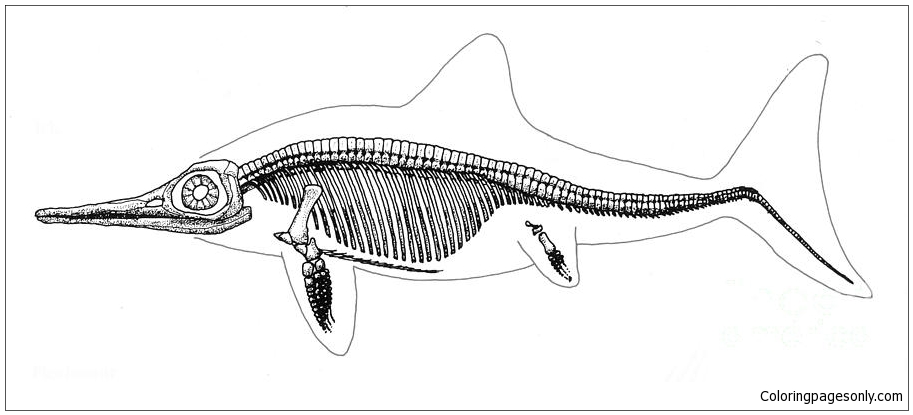
Some designs focus on the ichthyosaur’s skeletal structure rather than a fleshed-out body. These pages give colorists a more scientific, museum-style version of the creature to work with.
Ichthyosaurs in Ocean Scenes
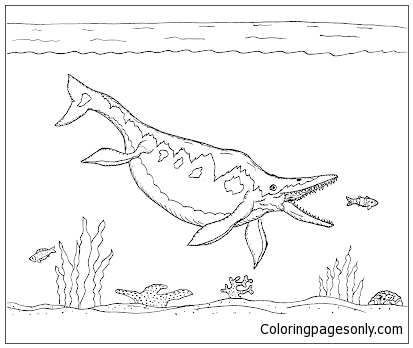
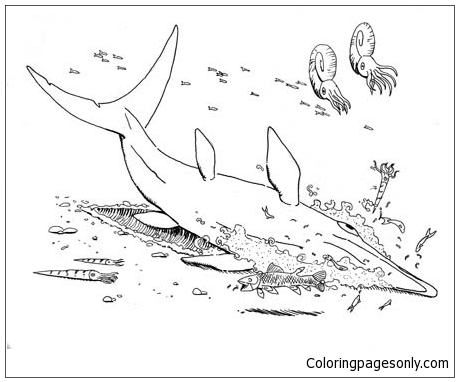
A number of pages place the ichthyosaur within a fuller underwater setting. These designs give colorists more background detail, like water and other sea life, to work with beyond the animal itself.
What Ichthyosaur Coloring Pages Do
Fine motor precision for a streamlined body. The American Academy of Pediatrics identifies fine motor skill development as a core benefit of structured coloring for children ages 2 through 7, and the smooth, continuous curves of an ichthyosaur’s dolphin-like body ask for a different kind of controlled stroke than the more angular shapes found on land-dwelling dinosaurs.
A concrete hook for a real scientific distinction. Because ichthyosaurs are genuinely not dinosaurs, despite the shared “-saur” suffix and often being lumped in with them, coloring one gives children a memorable way to learn a real point of paleontological classification.
Calm focus through fossil-inspired detail. A 2005 study in the Art Therapy Journal documented measurable reductions in anxiety following structured coloring sessions, and the intricate bone structure on the skeleton-style designs gives colorists a slow, detailed area to work through.
An entry point into the history of paleontology. Because ichthyosaur fossils were first identified by Mary Anning, a real historical figure whose work helped establish the field, these pages give kids a chance to connect a favorite creature to the actual history of scientific discovery.
How to Color Ichthyosaur Pages Well
- Body: A cool Slate Gray or Steel Blue base reflects current thinking about ichthyosaur coloring, often compared to a modern dolphin or shark.
- Underside: A lighter Silver or pale Gray on the belly adds contrast and depth to the streamlined body.
- Eyes: Ichthyosaurs had unusually large eyes for their size, so a bold Black or dark Charcoal helps this feature stand out clearly.
- Fins and tail: Keep the dorsal fin and crescent-shaped tail a slightly darker shade than the main body to help them read as distinct features.
- Skeleton designs: A warm Bone White or Cream suits the fossilized bone structure, with a muted Tan or Gray background to suggest rock or sediment.
- Ocean backgrounds: A gradient from lighter Aqua near the surface to deeper Navy or Teal further down gives underwater scenes a sense of real depth.
5 Creative Craft Ideas With Ichthyosaur Coloring Pages
1. Fossil Dig Discovery Card
Color an ichthyosaur skeleton page, then pair it with a short handwritten note about Mary Anning’s real fossil discoveries at Lyme Regis. Displaying the colored page next to the note turns the activity into a simple history and science lesson. This works especially well as a classroom introduction to how fossils are actually found and studied.
2. Prehistoric Ocean Diorama
Color an ichthyosaur page, cut it out, and glue it inside a shoebox turned on its side to build a small prehistoric ocean scene. Adding paper cutout waves, other marine reptiles, or ammonite shapes gives the diorama more depth. Cutting a small viewing window in the front of the box turns the finished scene into a miniature display piece.
3. Dinosaur or Not Sorting Game
Color the ichthyosaur page alongside a few real dinosaur pages, then sort them into two piles based on which ones are true dinosaurs and which are not. Talking through why the ichthyosaur belongs in the “not a dinosaur” pile reinforces the real classification lesson. This works well as a quick classroom or homeschool activity.
4. Size Comparison Poster
Color an ichthyosaur page and mount it on a long strip of paper marked with length measurements, noting that ichthyosaurs ranged from about one foot long to over 60 feet for the largest known species. Comparing this range to a familiar object, like a car or a school bus, helps make the size scale easier to picture. This works well paired with a lesson on how paleontologists estimate the size of ancient animals.
5. Ichthyosaur Bookmark
Trim a simple ichthyosaur design to bookmark size and laminate or cover it with clear tape for a durable, everyday bookmark. Punching a hole at the top and threading a short ribbon through makes it easy to spot inside a stack of books. Making a small set with different designs gives a reader several to rotate through.
Frequently Asked Questions
What are Ichthyosaur coloring pages?
They are printable illustrations of the ichthyosaur, a prehistoric marine reptile, shown in realistic portraits, fossil designs, and ocean scenes. This collection has 14 designs available as free PDF downloads or for coloring directly online.
Is an ichthyosaur a dinosaur?
No. Despite the “-saur” suffix, ichthyosaurs were marine reptiles that lived alongside dinosaurs during the Mesozoic era but belonged to an entirely separate group, no more closely related to dinosaurs than they were to lizards or snakes.
Who discovered ichthyosaurs?
The first ichthyosaur fossils were identified around 200 years ago by English fossil collector Mary Anning at Lyme Regis on England’s Jurassic Coast. This discovery helped establish the field of paleontology.
How big did ichthyosaurs get?
Ichthyosaur size varied enormously, from species under a foot long to the largest known specimens, which are estimated to have exceeded 60 feet, rivaling the size of a modern blue whale.
What did ichthyosaurs eat?
Most ichthyosaurs fed on fish and soft-bodied creatures like squid and ammonites, though some of the larger species had heavier jaws suited to eating other marine reptiles.
What colors work best for these designs?
A cool slate gray or steel blue suits the body, a lighter silver works for the underside, and a warm bone white fits the skeleton-style designs well.
Are Ichthyosaur coloring pages suitable for young children?
Yes. The designs use recognizable, non-graphic shapes with no frightening content, making them appropriate for preschool through elementary-age children.
Can this collection be used for a paleontology classroom unit?
Yes. The real history behind ichthyosaur discovery and their true classification as marine reptiles rather than dinosaurs pair well with a classroom or homeschool unit on fossils, prehistoric life, or the history of paleontology.
Start Coloring
Download any page by clicking the design. No account, email, or payment is required. Pages print directly from the browser at full resolution or open in the online coloring tool for screen use. Share finished pages on Facebook or Pinterest with the share buttons at the top of each design page.