Toad Coloring Pages
 By:
Jennifer Thoa - Content Editor & Designer
Updated:
By:
Jennifer Thoa - Content Editor & Designer
Updated:
Free Toad Coloring Pages: 21 printable PDF designs featuring realistic toad illustrations, whimsical, rich toad characters, cute and kid-friendly versions, sketch-style line art, and expressive designs. Each page can be downloaded as a PDF to print or colored online in the browser.
Toads aren’t a separate scientific group from frogs; they’re actually a type of frog. The “true toads” belong to the family Bufonidae, which includes roughly 600 species found on every continent except Antarctica, and until it was introduced in the 1930s, Australia. What sets a true toad apart is mostly its dry, bumpy skin and shorter, stockier legs built for hopping rather than the long leaps frogs are known for. Behind each eye, a toad also carries a pair of raised parotoid glands that secrete a mild toxin as a natural defense against predators, which is why it’s a good idea to wash your hands after handling one.
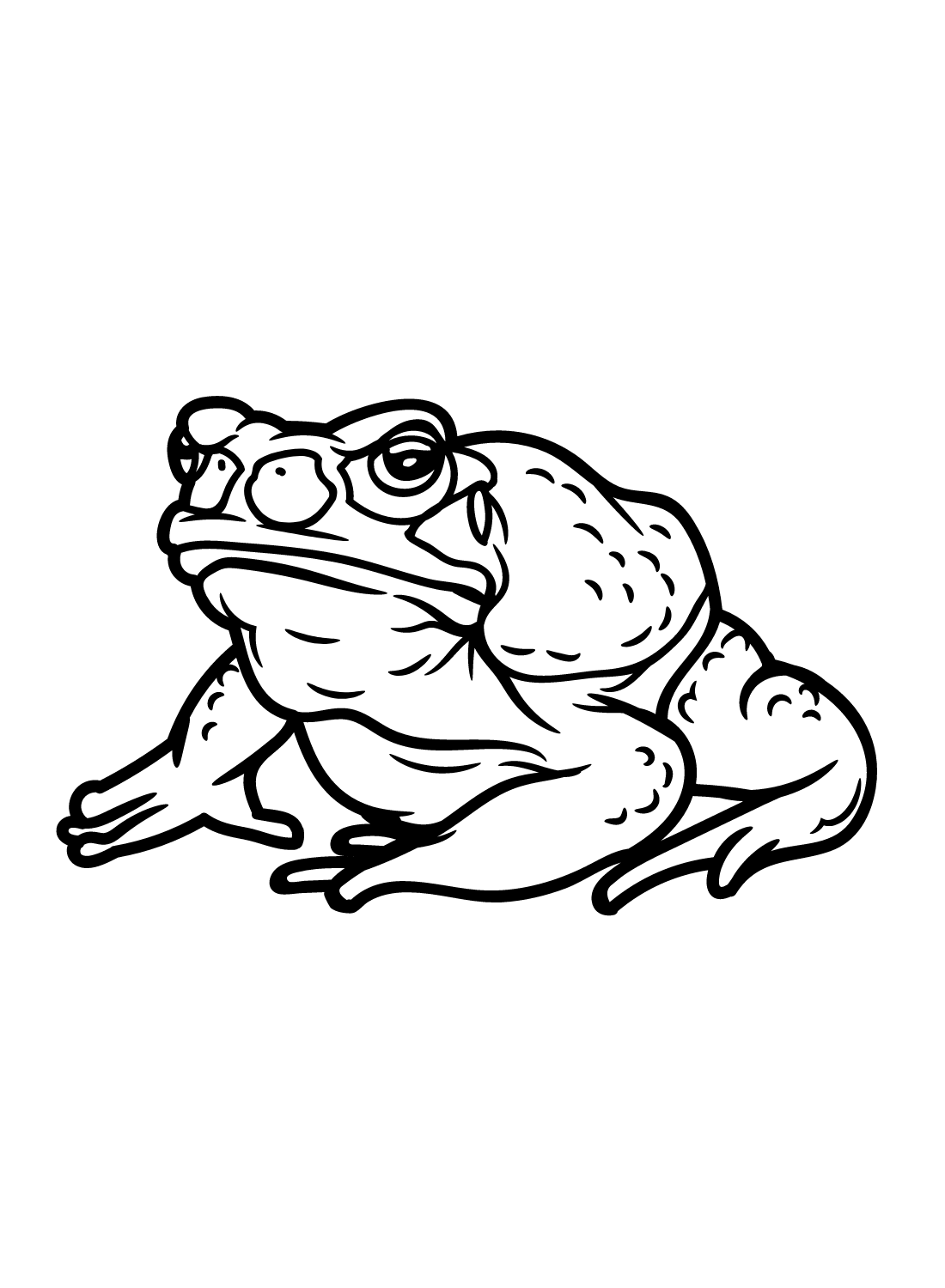
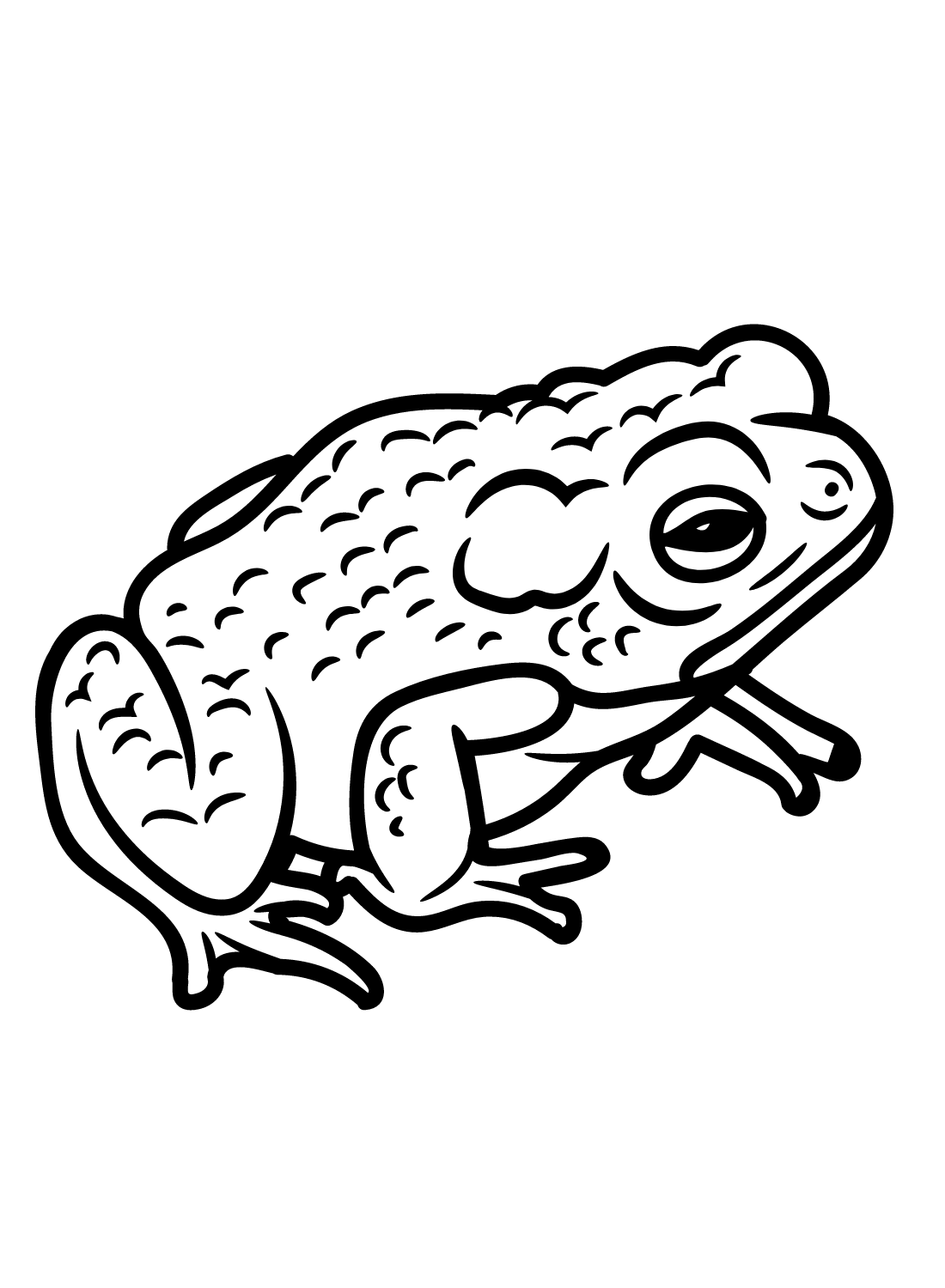
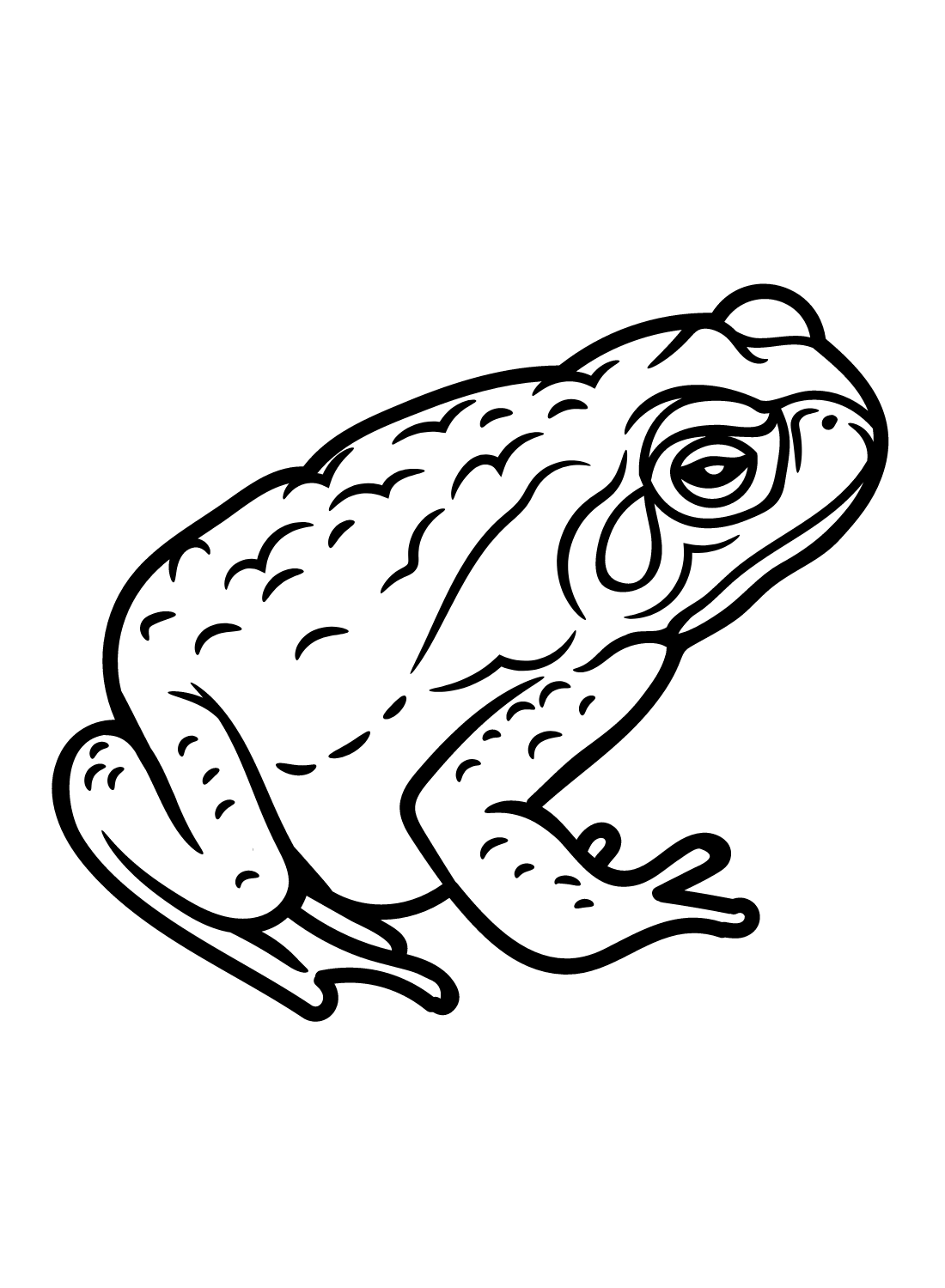
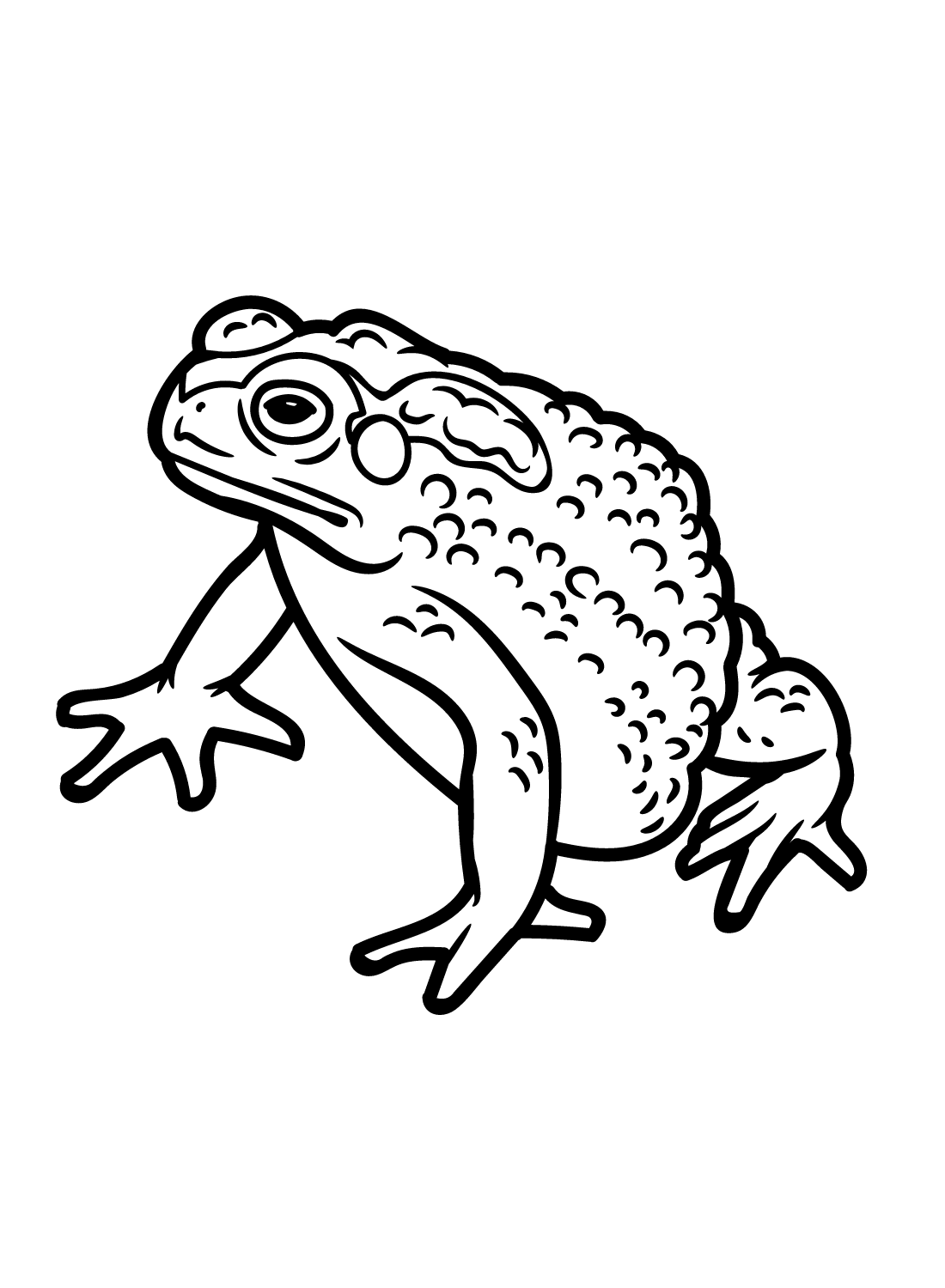
This collection groups its 21 pages by style, from true-to-life toad illustrations to whimsical, rich toad characters and sketch art, so kids and adults can pick a page that matches their skill level. Each page is available as a downloadable PDF or as an online coloring tool that works directly in the browser.

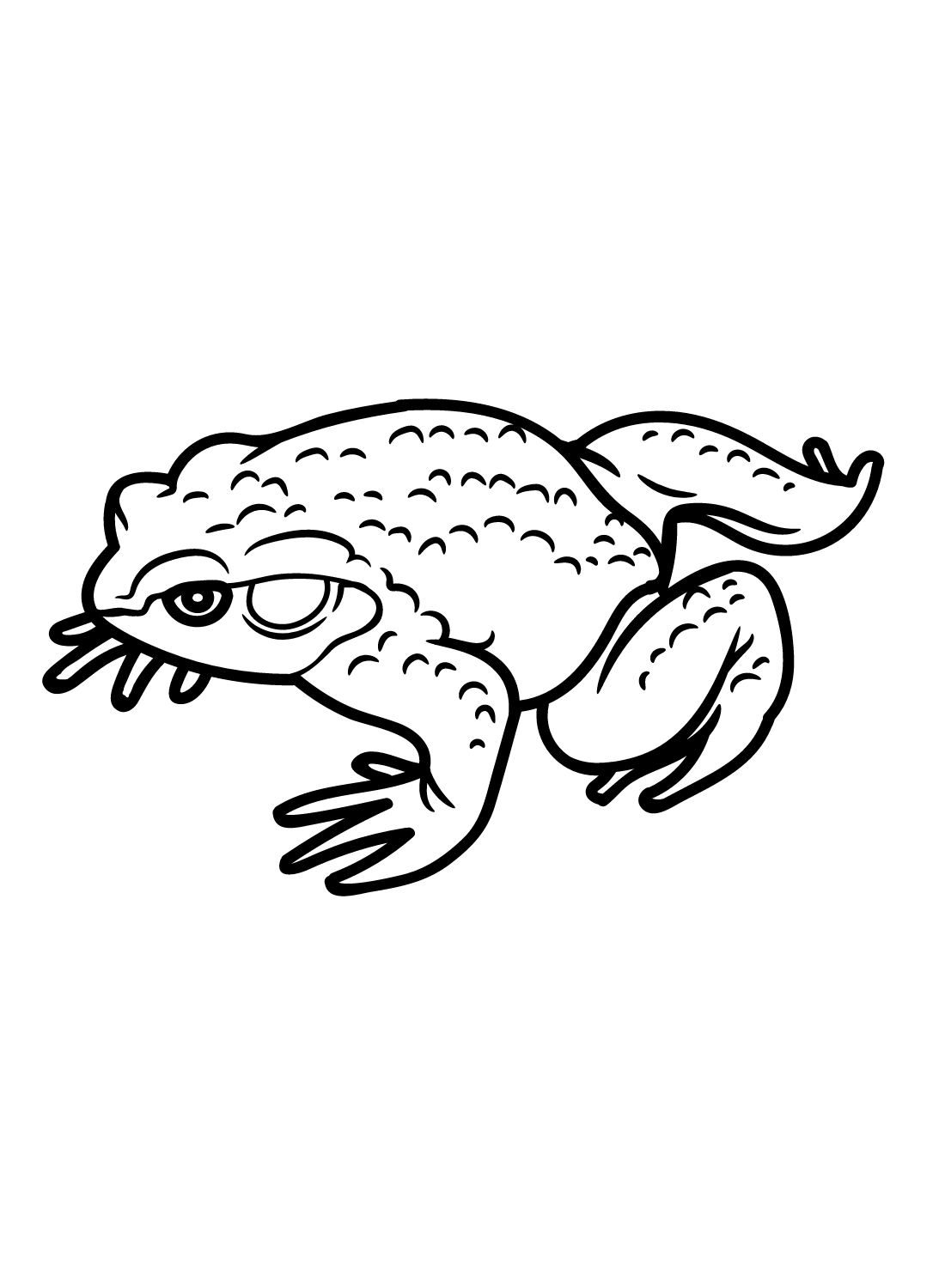
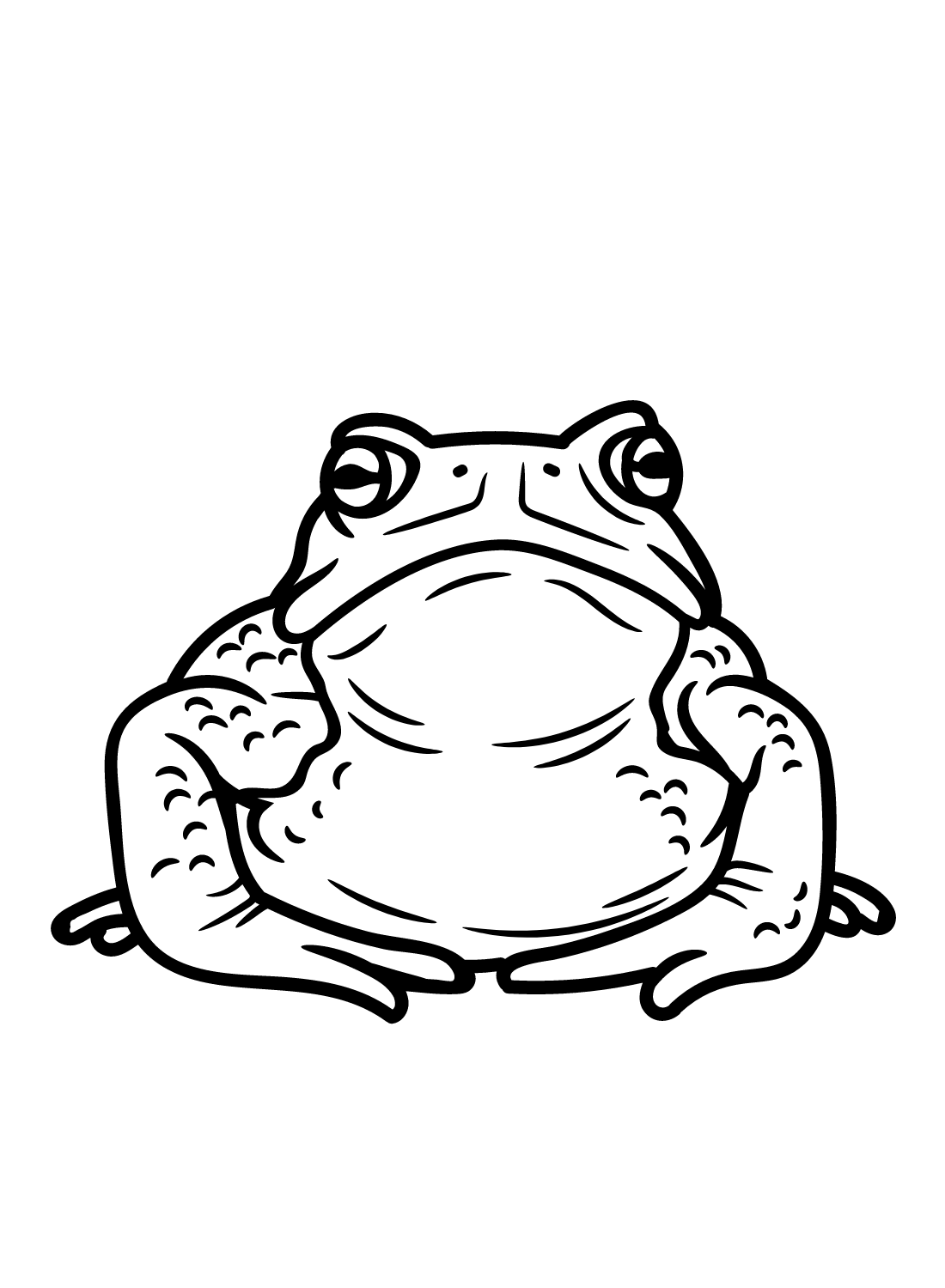
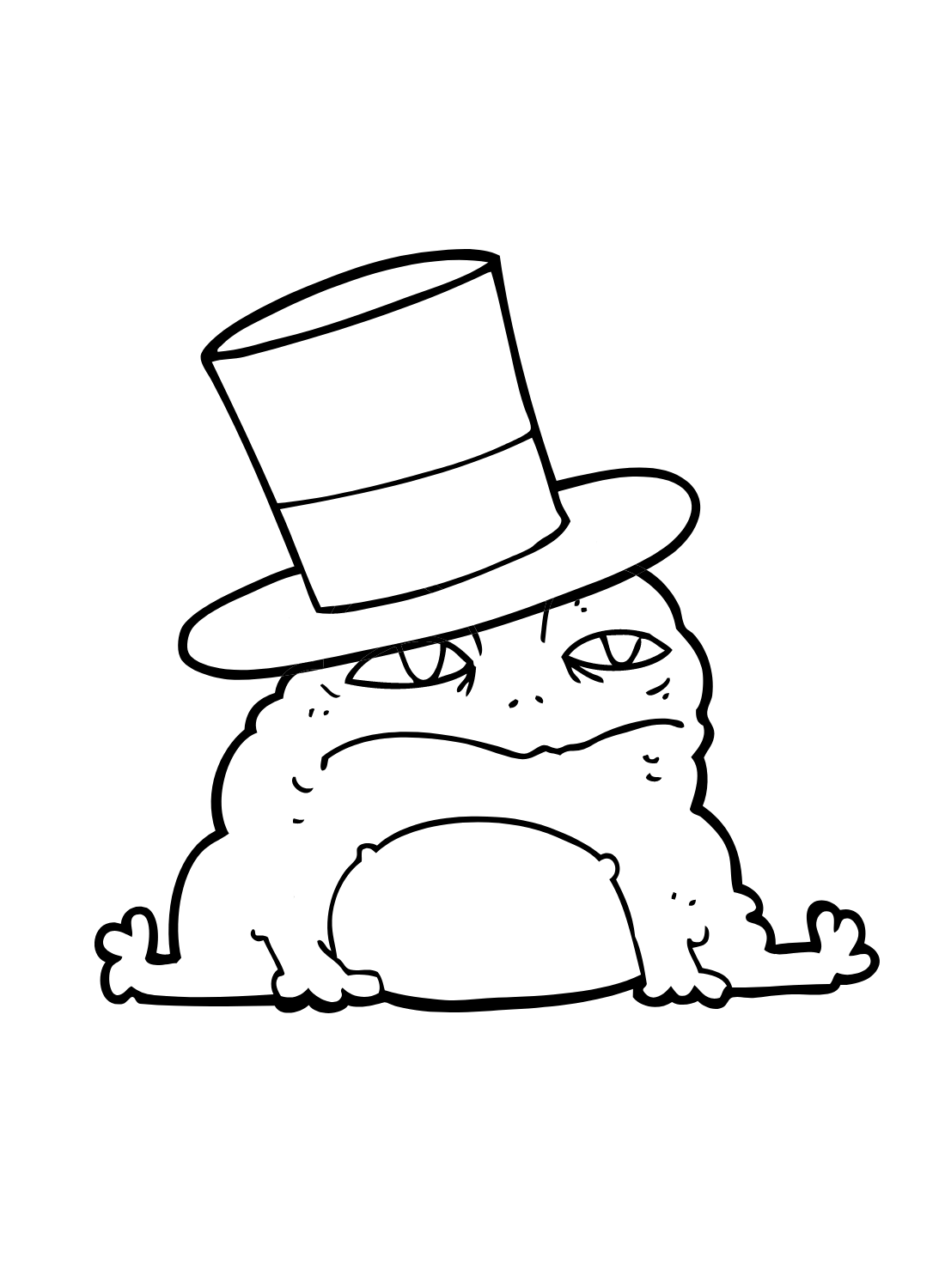
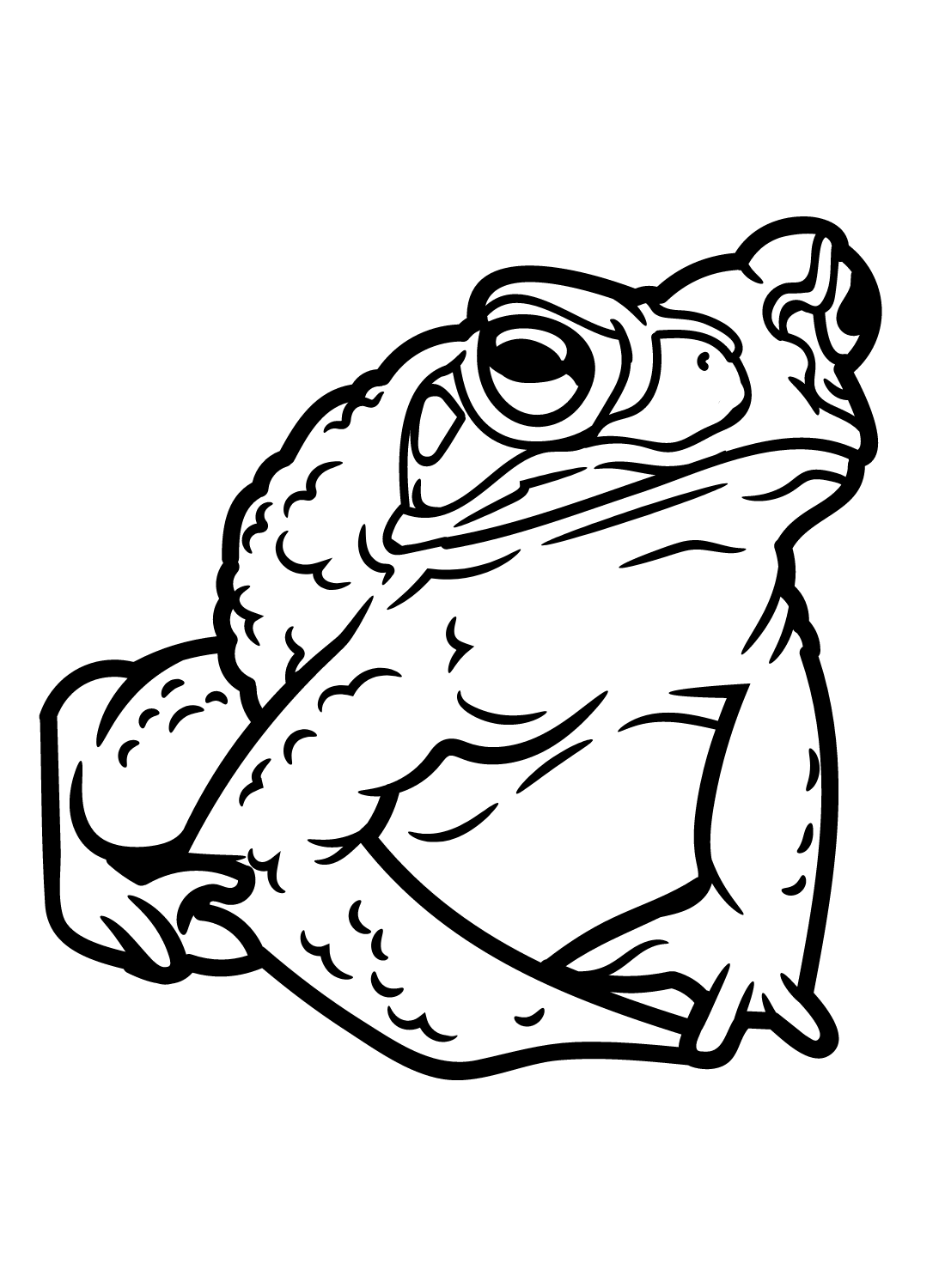
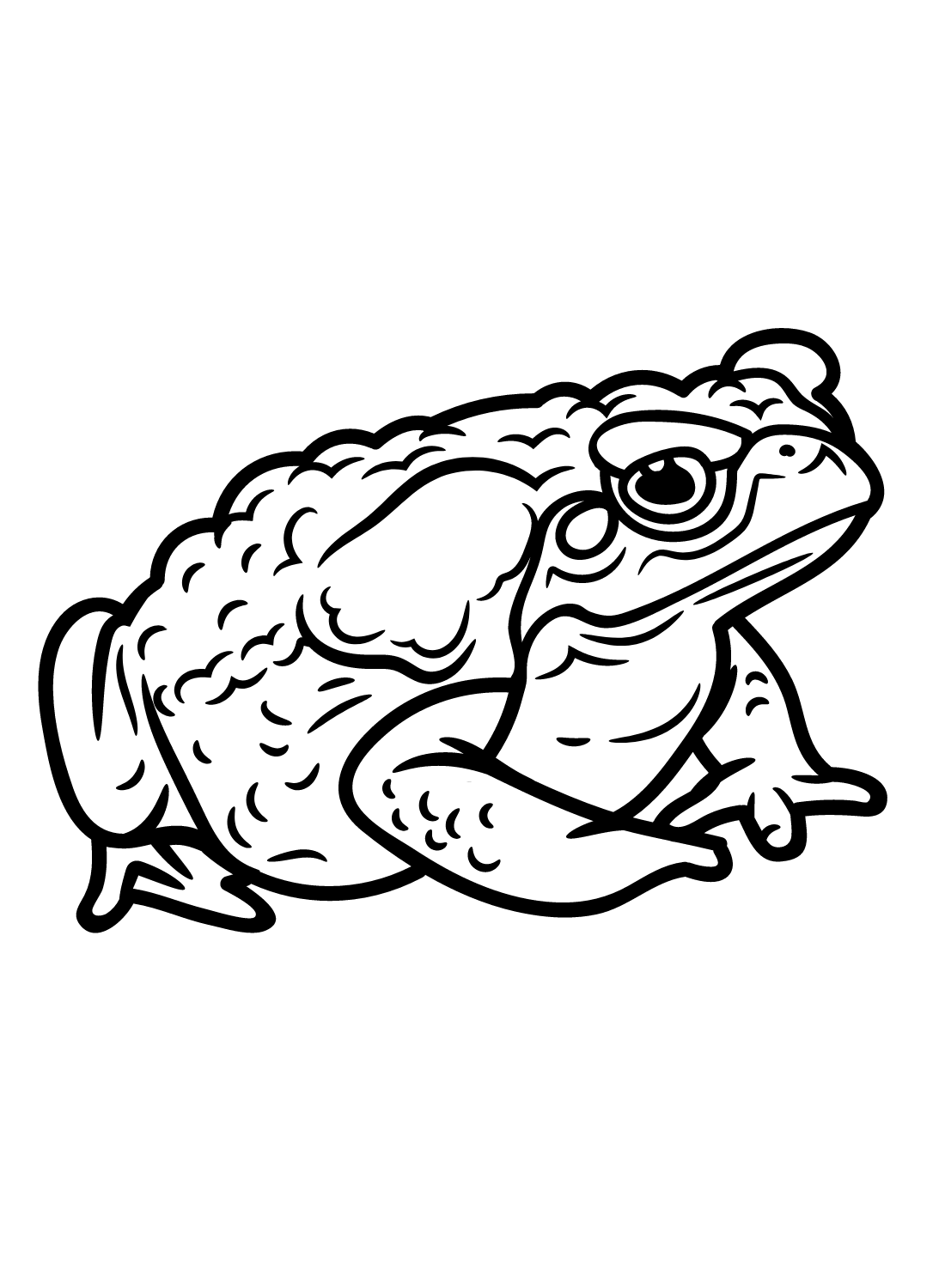
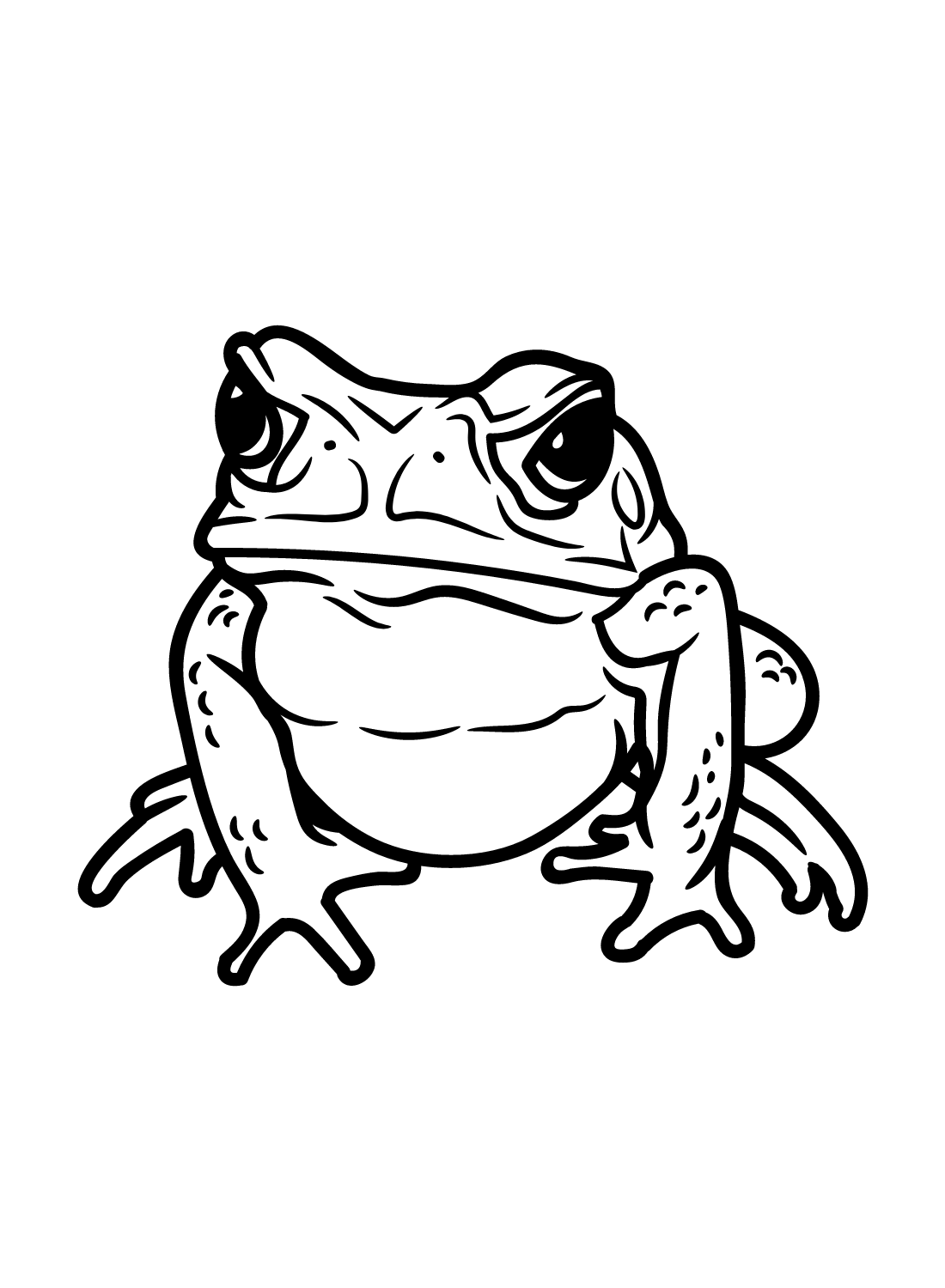
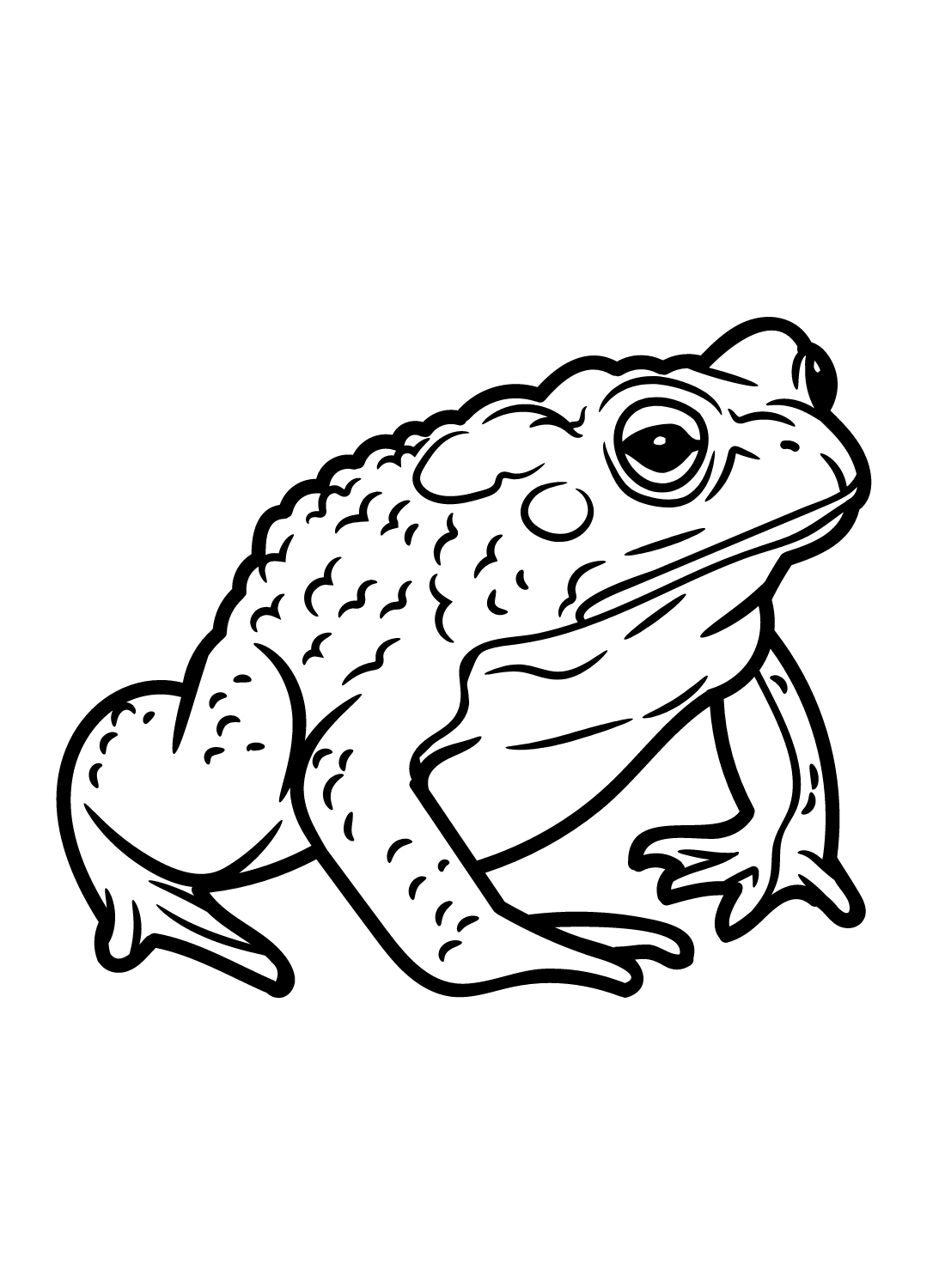
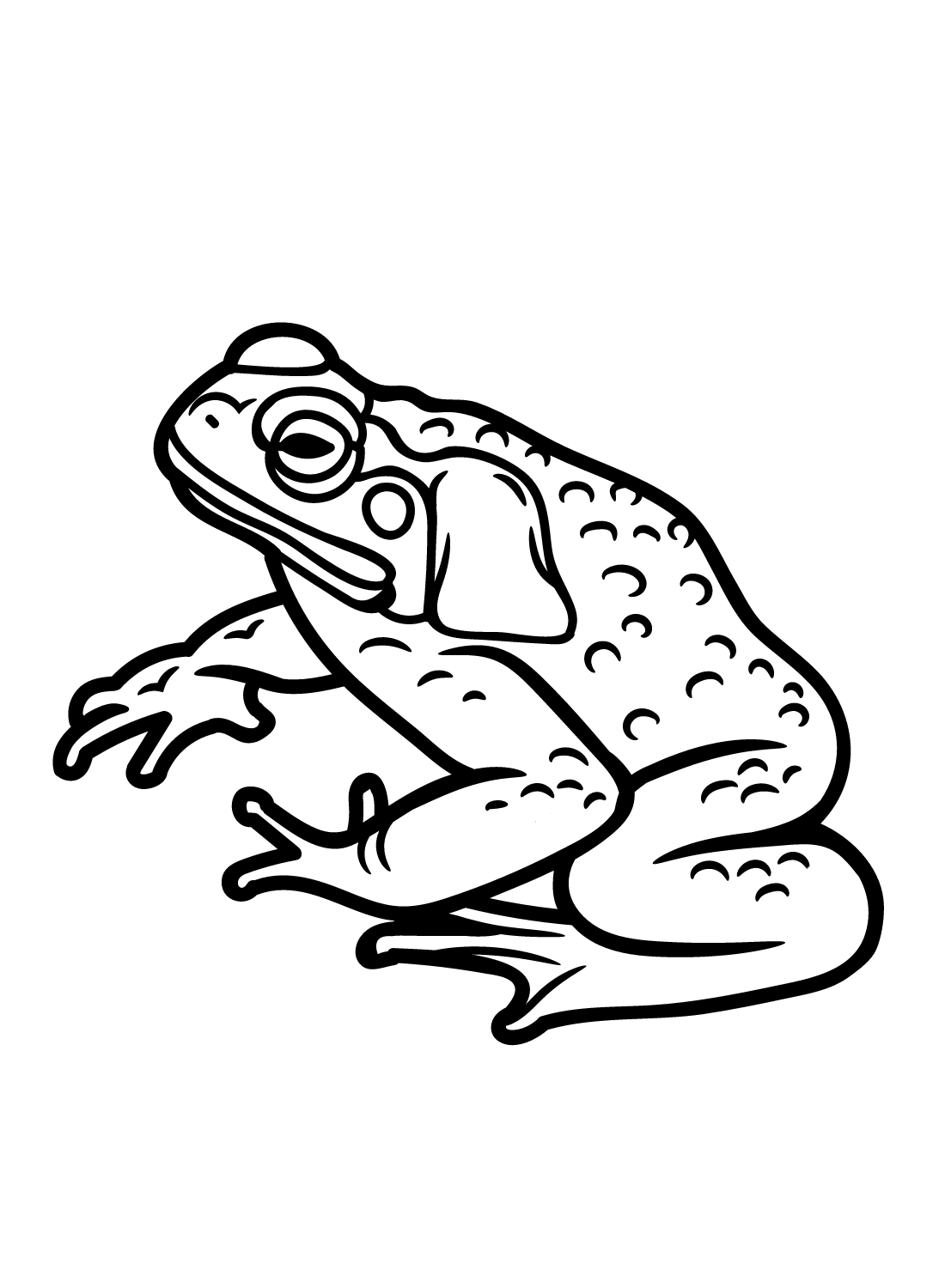
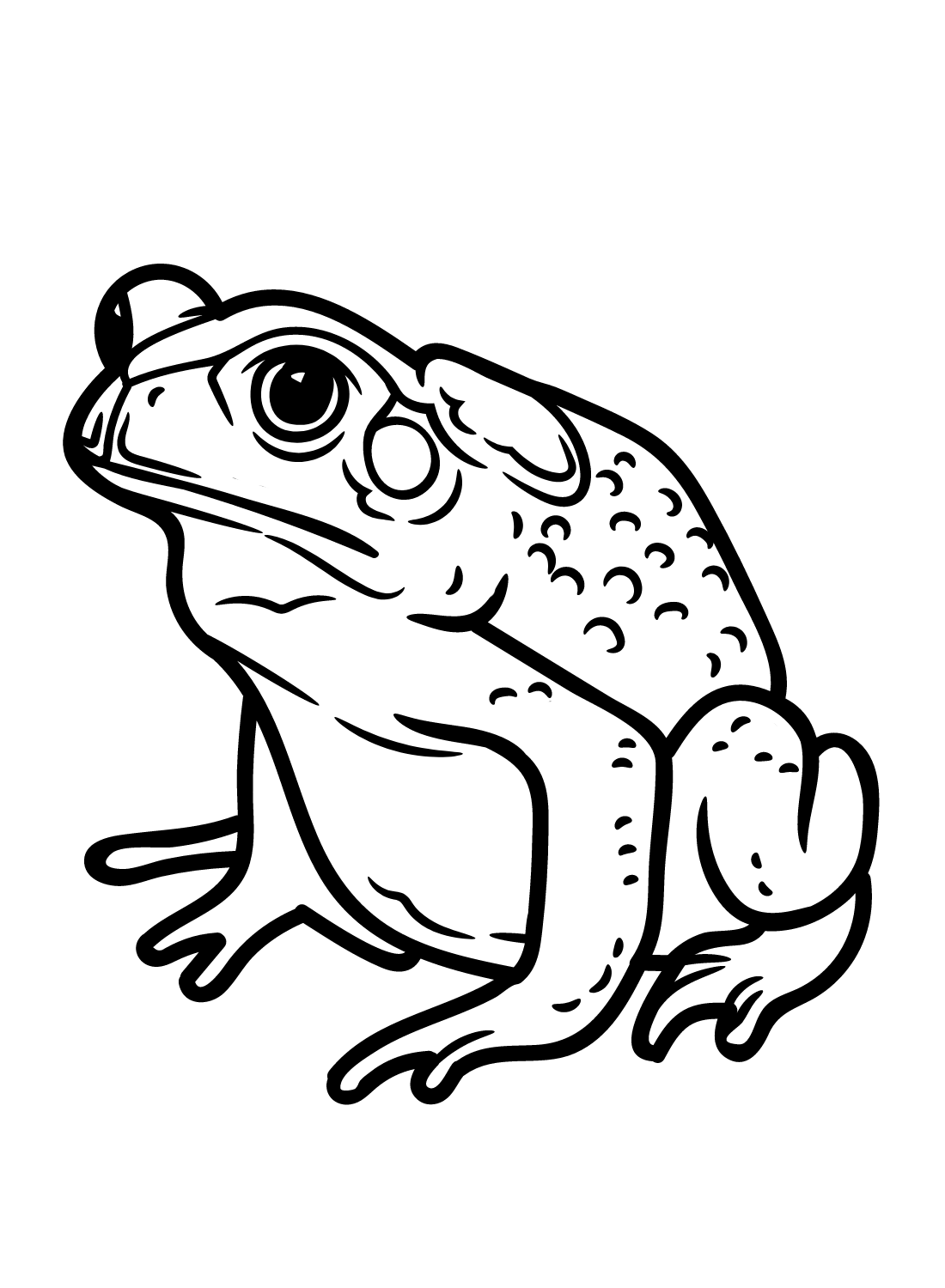
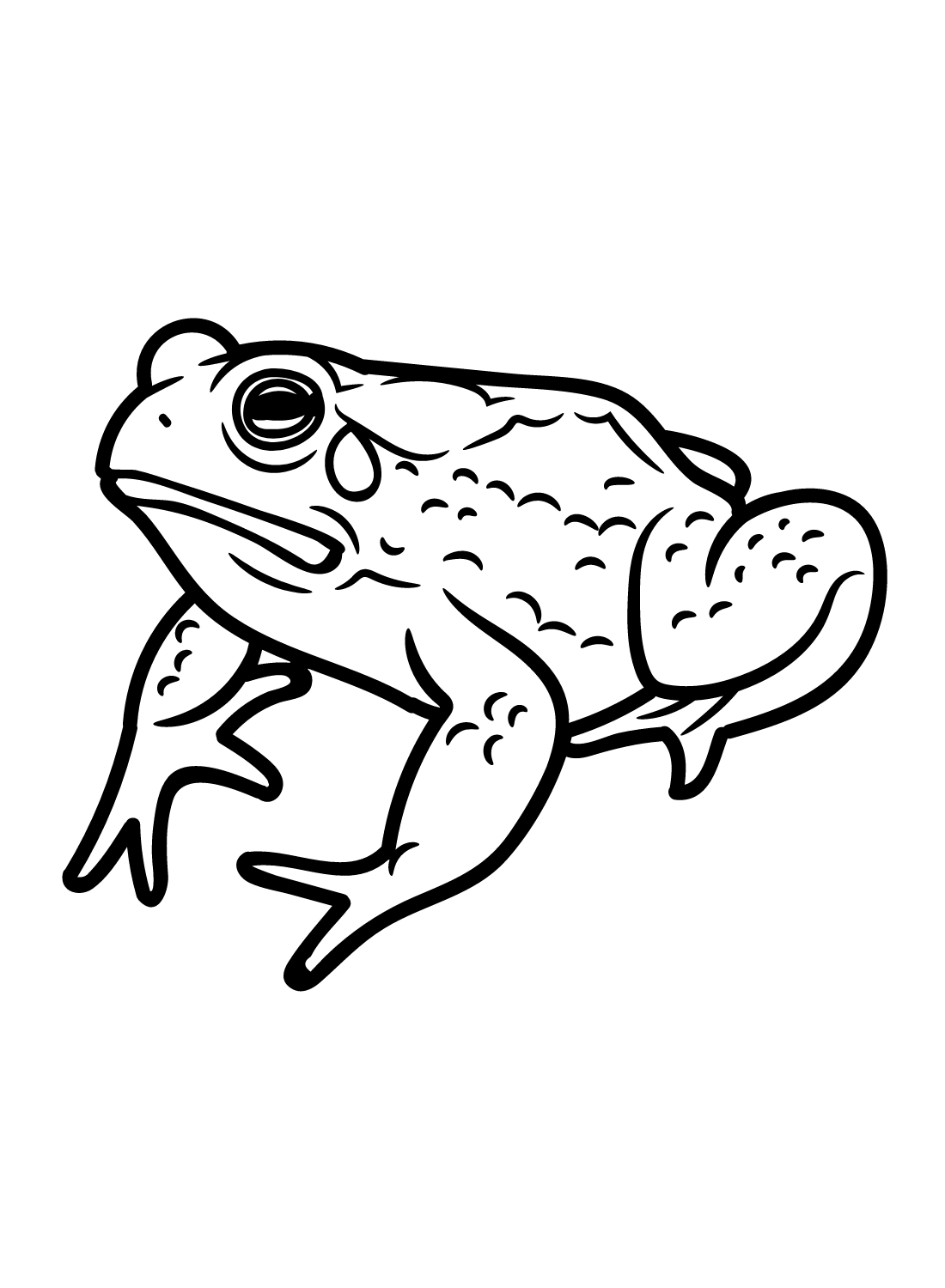
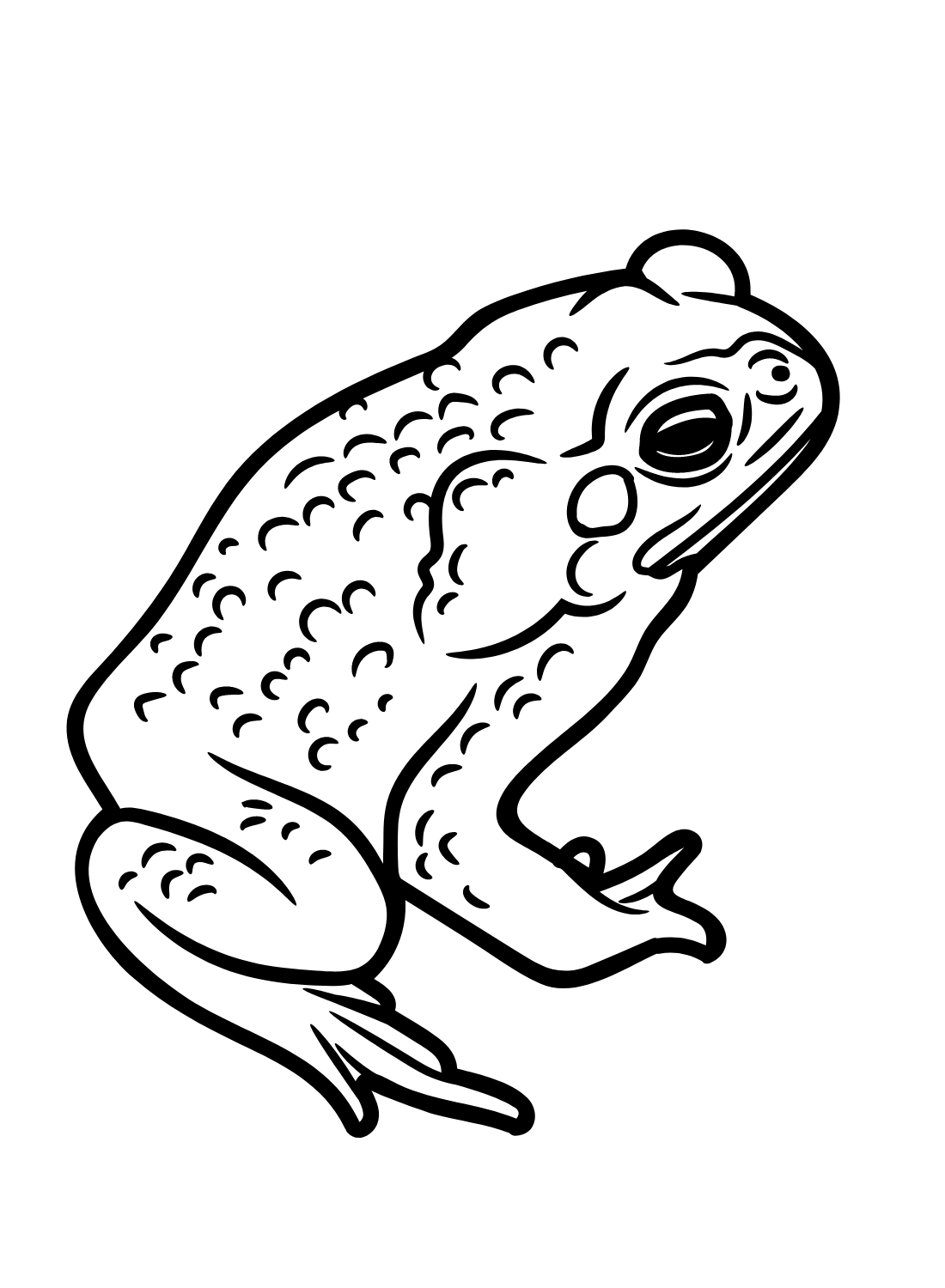
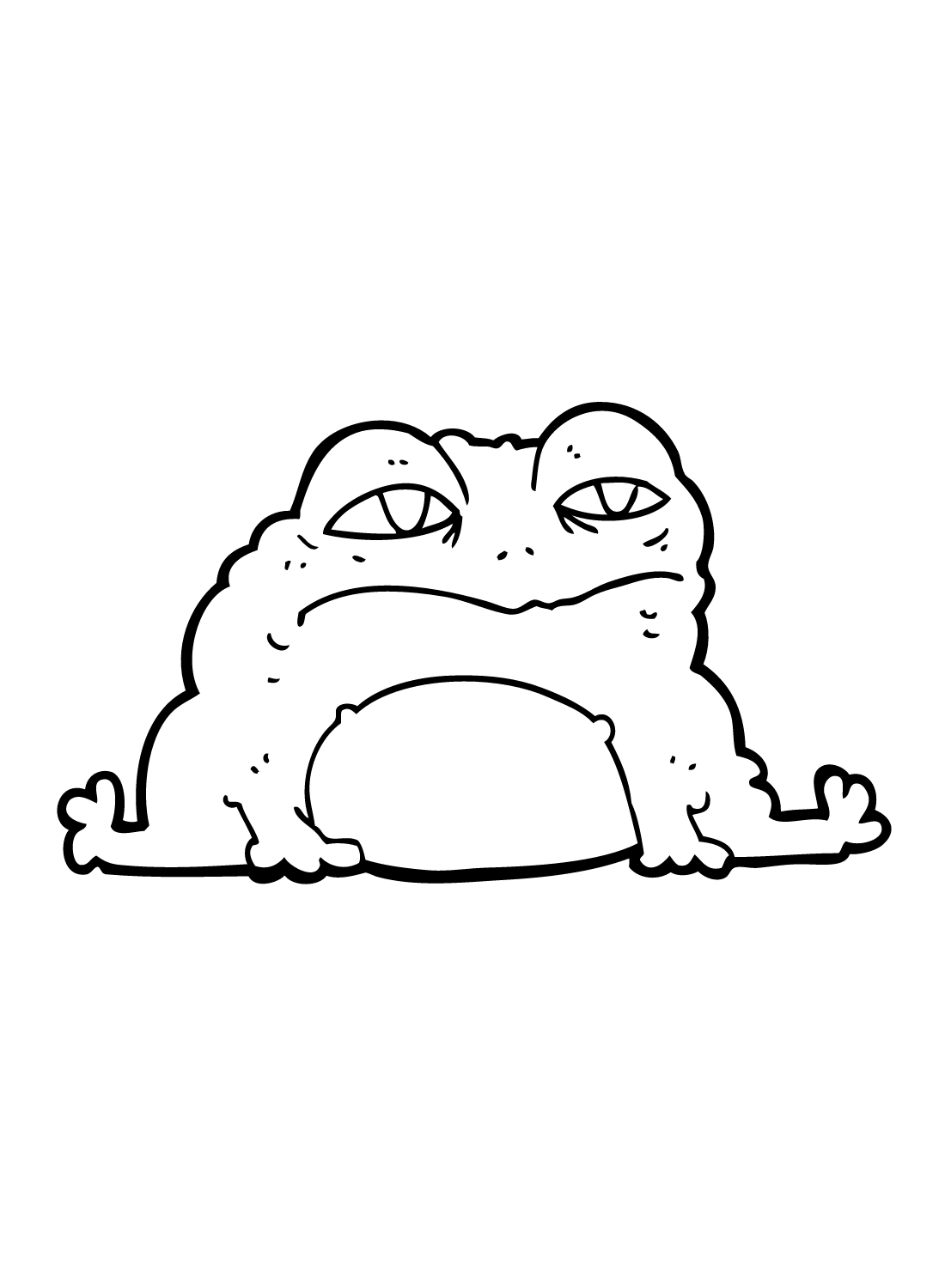
What Is Inside This Collection
The 21 pages are split into five groups based on style and content.
Realistic Toad Designs
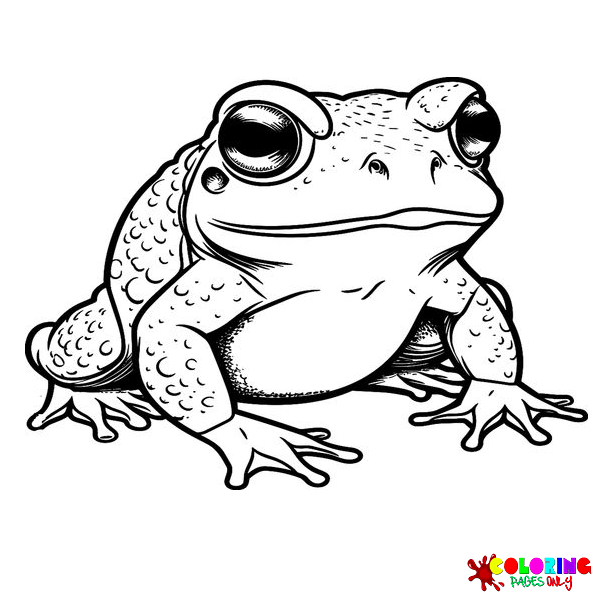
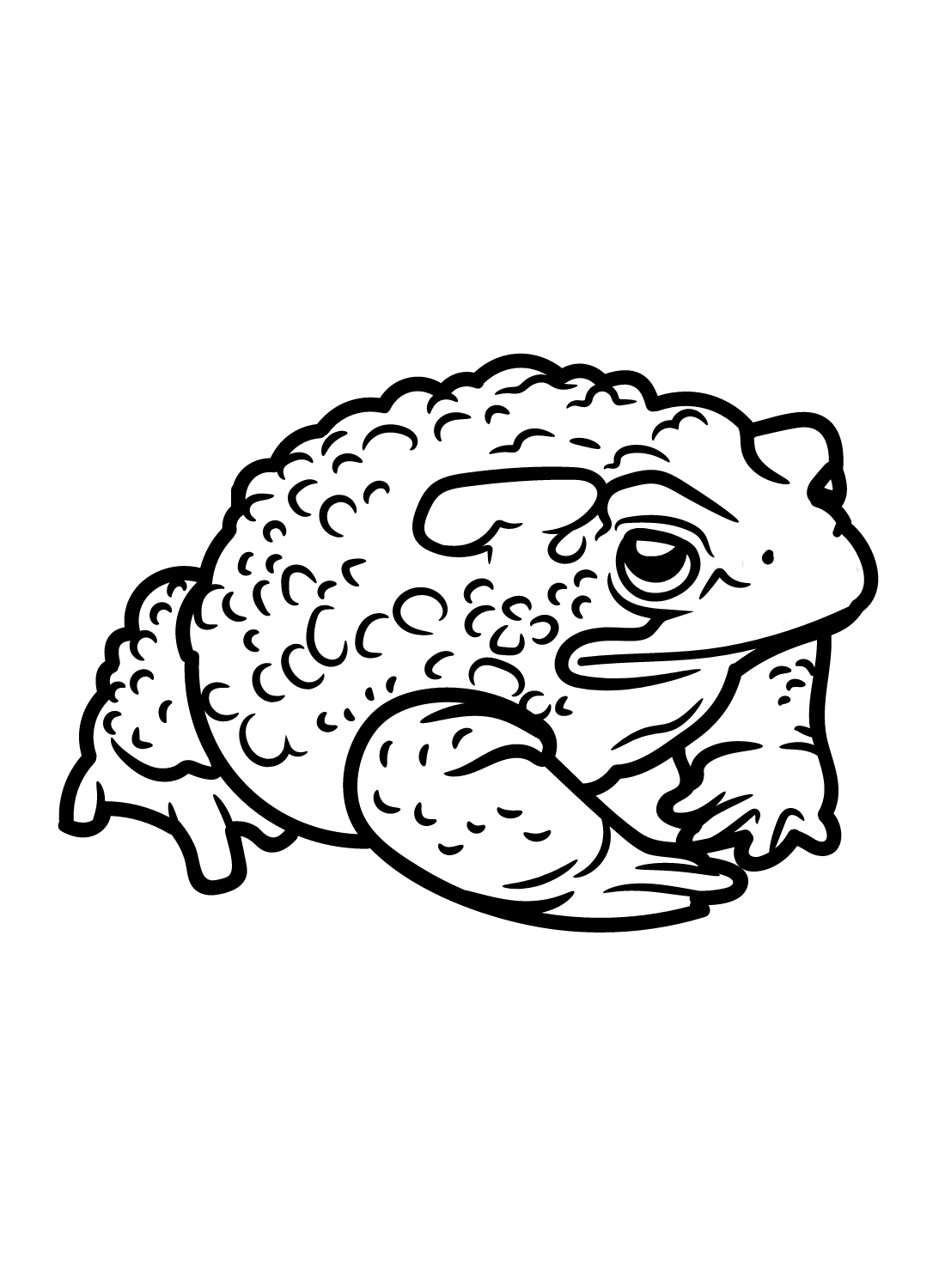
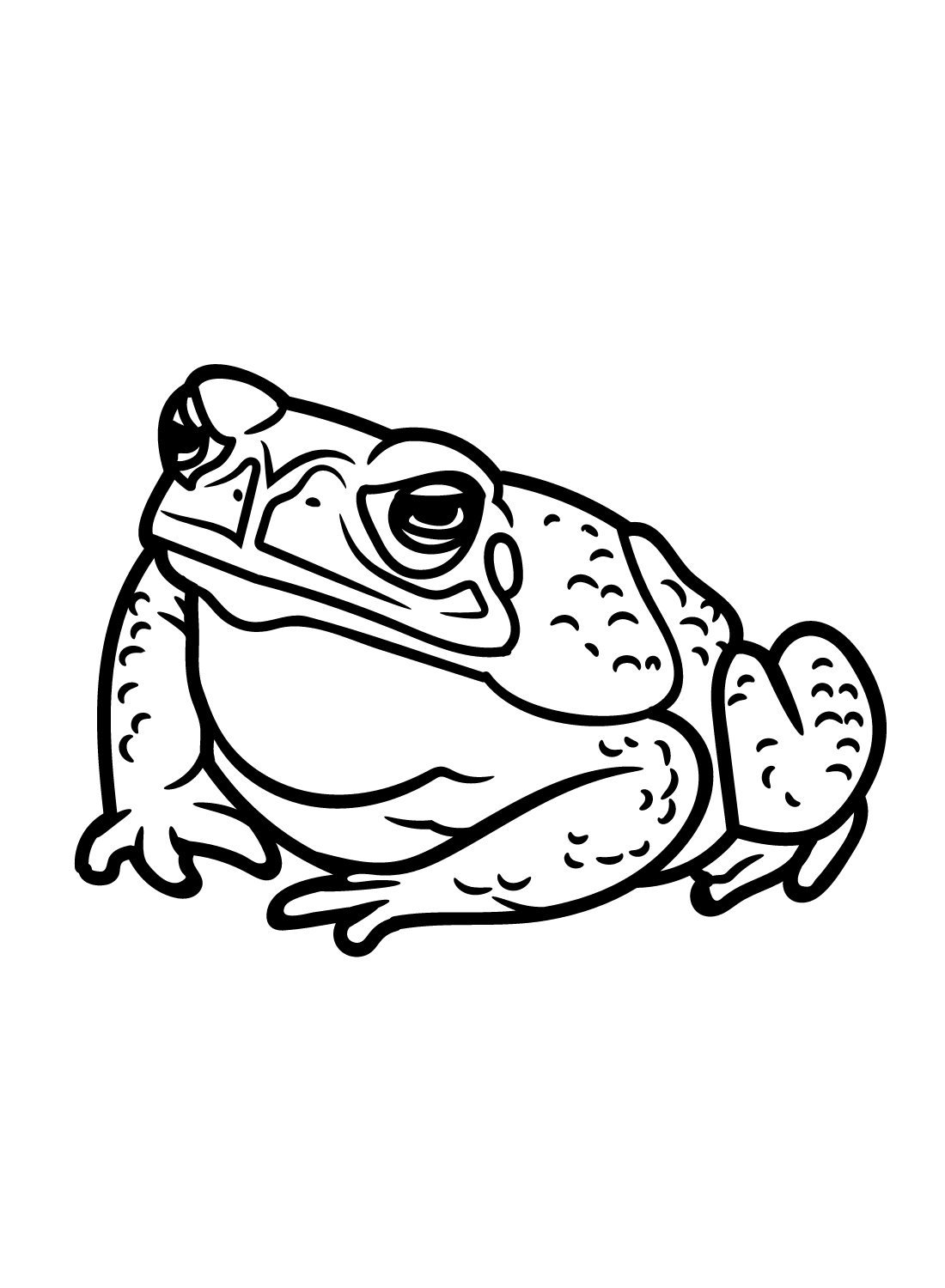
The largest group shows a toad in its natural, warty form set against a plain background. Use Brown or Olive Green as the base, add small, darker dots to suggest the bumpy skin texture, and color the raised parotid glands behind the eyes a slightly lighter shade.
Rich and Whimsical Toad Characters
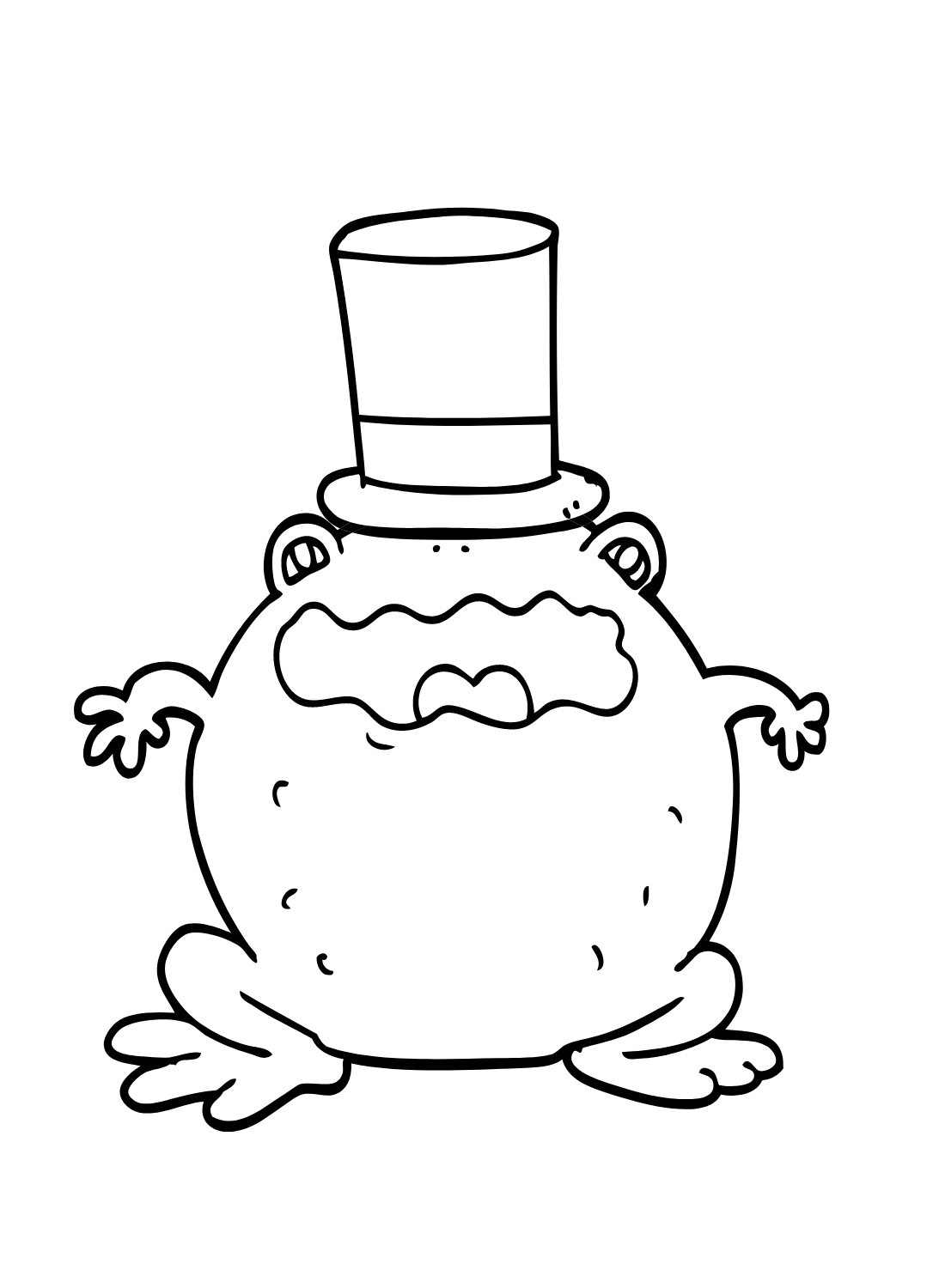
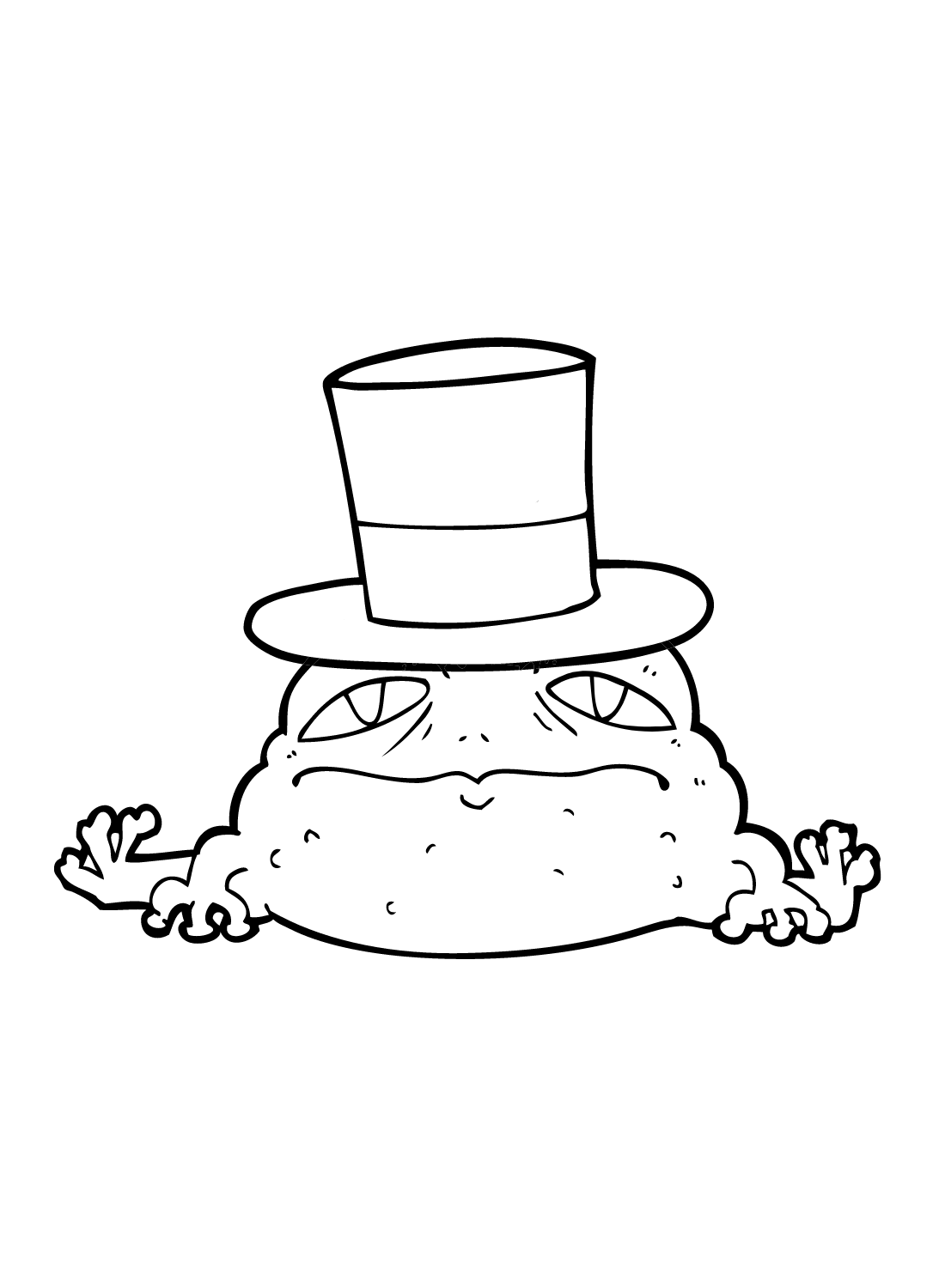
Three pages give the toad a playful, wealthy persona, including a top hat and a lounging cartoon pose. Keep the toad’s own body in its natural Brown or Green tones, then add Gold or Black for the top hat and any other fancy props.
Cute and Kid-Friendly Toad
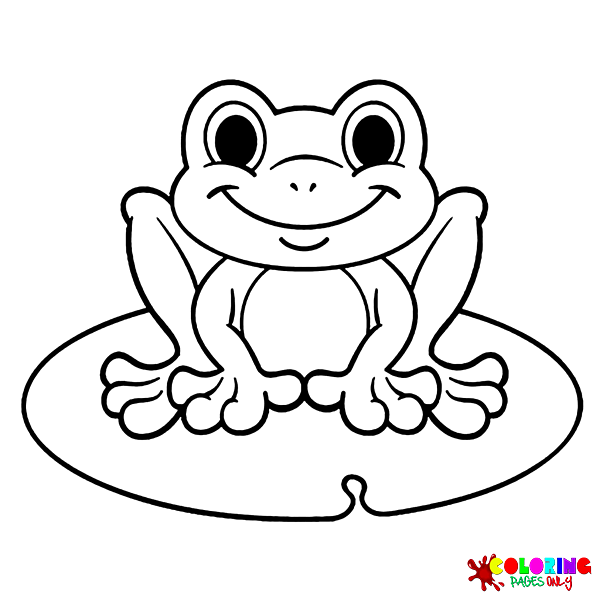
Two pages give the toad a softer, rounder look with bigger eyes. Keep the same earthy color palette, but simplify the bumpy skin texture into just a few small dots for a gentler, more approachable look.
Sketch and Line-Art Style
Two pages use a looser, hand-drawn outline instead of a clean, simple design. Colored pencil suits this style better than marker, starting with a light Olive Green base and adding Brown shading only in the folds and bumps of the skin.
Simple and Expressive Sheets
Three pages use bold, simplified shapes, including an angry expression. Keep the base colors consistent with the realistic group, and let the face, furrowed brows, or a scowl for the angry page carry the mood instead of changing the color scheme.
What Toad Coloring Pages Do
Fine motor development. A toad’s skin is covered in small, irregular bumps rather than a smooth surface, and dotting each one individually without letting them blend into a solid patch takes closer hand control than filling in a plain shape. The American Academy of Pediatrics identifies fine motor skill development as a core benefit of structured coloring for children ages 2 through 7, and a toad’s warty texture gives that practice a genuinely detailed dotting challenge.
Clearing up a common mix-up. Despite how often people treat frogs and toads as two completely different animals, every toad is technically a frog, and “true toads” form one family, Bufonidae, within the larger group. That gives parents and teachers a natural opening to explain that dry, bumpy skin and short legs are what earn an animal the “toad” label, not a separate branch of the family tree.
Anxiety reduction through focus. A 2005 study in the Art Therapy Journal documented measurable reductions in anxiety following structured coloring sessions. The repeated small bumps scattered across a realistic toad page offer a steady, low-pressure pattern to color, which suits that kind of unhurried session well.
Earth-tone color practice. Because toads naturally range from brown to olive green to a reddish tan depending on the species, colorists get practice blending several muted, earthy tones rather than relying on one flat color across the whole body.
How to Color Toad Pages Well
- Body: Use Crayola Brown or Olive Green as the base, keeping the tone warm and slightly uneven to suggest natural variation.
- Skin texture: Add small, irregularly placed dots in a darker shade of the base color to suggest the toad’s characteristic warty bumps.
- Parotoid glands: Color the raised glands behind the eyes a slightly lighter shade than the surrounding skin so they read as a distinct feature.
- Eyes: Use Gold or Copper for the eyes, which is close to the real coloring seen in many toad species.
- Rich and whimsical characters: Keep the toad’s body in its natural earthy tones, then add Gold or Black for a top hat or other fancy props to carry the playful theme.
- Sketch-style line art: Layer colored pencil starting with a light Olive Green base, then add Brown shading only in the folds and bumps of the skin.
5 Creative Craft Ideas With Toad Coloring Pages
1. Bumpy Texture Craft
Color a realistic toad page, then dot small raised bumps of brown or green puffy paint across the skin to give it a three-dimensional, warty texture once it dries.
2. Rich Toad Top Hat Craft
Color the top hat toad page, then fold and glue a small paper top hat that can stand next to the finished picture as a matching prop.
3. Toad Fact Poster
Color a large toad page and add hand-written facts around it, such as what a parotoid gland does, for a simple classroom science poster.
4. Toad Bookmark
Color one of the smaller toad designs, trim it to a bookmark shape, and add a ribbon or paper tassel through a hole punched at the top.
5. Toad Garland
Color multiple toad pages, cut around each one, and string them together with twine for a nature-themed room decoration.
Frequently Asked Questions
What are toad coloring pages?
Toad coloring pages are printable designs that show the animal in different styles, including realistic illustrations, whimsical, rich toad characters, cute and kid-friendly versions, sketch art, and expressive designs. This collection includes 21 pages, each downloadable as a PDF or available to color online.
Are toads scientifically different from frogs?
No. Every toad is technically a type of frog. “True toads” belong to the family Bufonidae, a specific group within the larger frog order, distinguished mainly by their dry, warty skin and shorter legs.
How many species of true toads are there?
The family Bufonidae, which contains the true toads, includes roughly 600 recognized species found on every continent except Antarctica and, until it was introduced there in the 1930s, Australia.
Why do toads have bumpy skin?
The bumps on a toad’s skin, along with the larger raised glands behind its eyes, are part of its natural defenses, including glands that secrete a mild toxin to discourage predators, which is why it’s a good idea to wash your hands after handling one.
Where do toads live?
Toads are found on nearly every continent, typically in damp, terrestrial habitats near water, since they still need to lay their eggs in water even though adults spend most of their time on land.
How many toad coloring pages are in this collection?
This collection includes 21 toad coloring pages, split across realistic illustrations, rich and whimsical characters, cute and kid-friendly designs, sketch-style line art, and simple, expressive sheets.
Are toad coloring pages suitable for young children?
Yes. The cute and simple designs use bold, easy shapes that suit toddlers and preschoolers. The realistic and sketch-style pages, with their detailed warty texture, suit older children and adults who want more shading practice.
Why does one of the toad pages wear a top hat?
The rich, top-hat-wearing toad pages are a playful, whimsical character design rather than anything based on real toad behavior, giving colorists a fun, imaginative option alongside the more realistic pages in this collection.
Start Coloring
Download any page by clicking the design. No account, email, or payment is required. Pages print directly from the browser at full resolution or open in the online coloring tool for screen use. Share finished pages on Facebook or Pinterest with the share buttons at the top of each design page.