Patchwork Animal Coloring Pages
 By:
Jennifer Thoa - Content Editor & Designer
Updated:
By:
Jennifer Thoa - Content Editor & Designer
Updated:
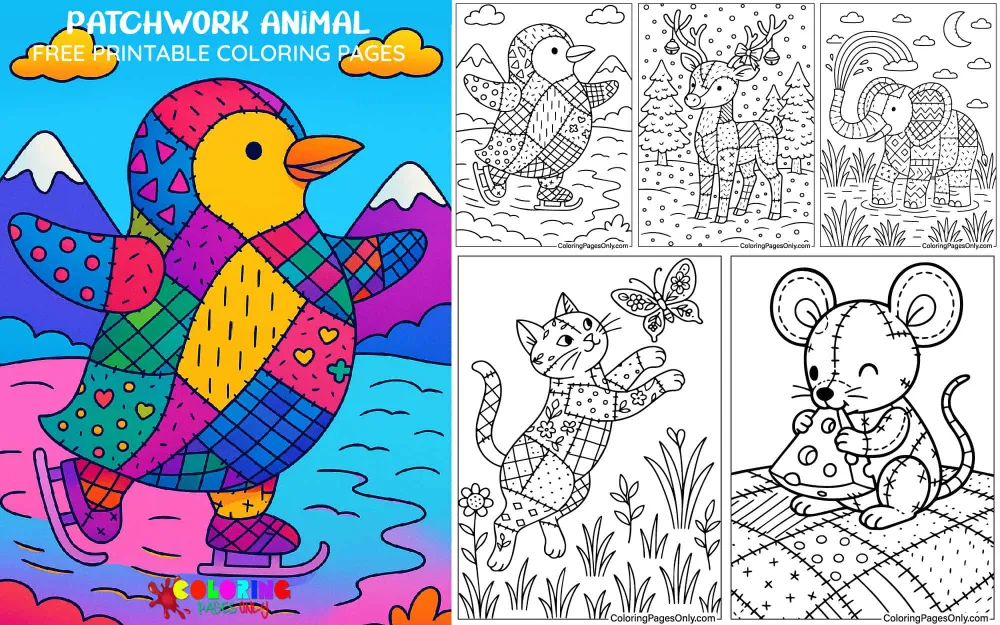
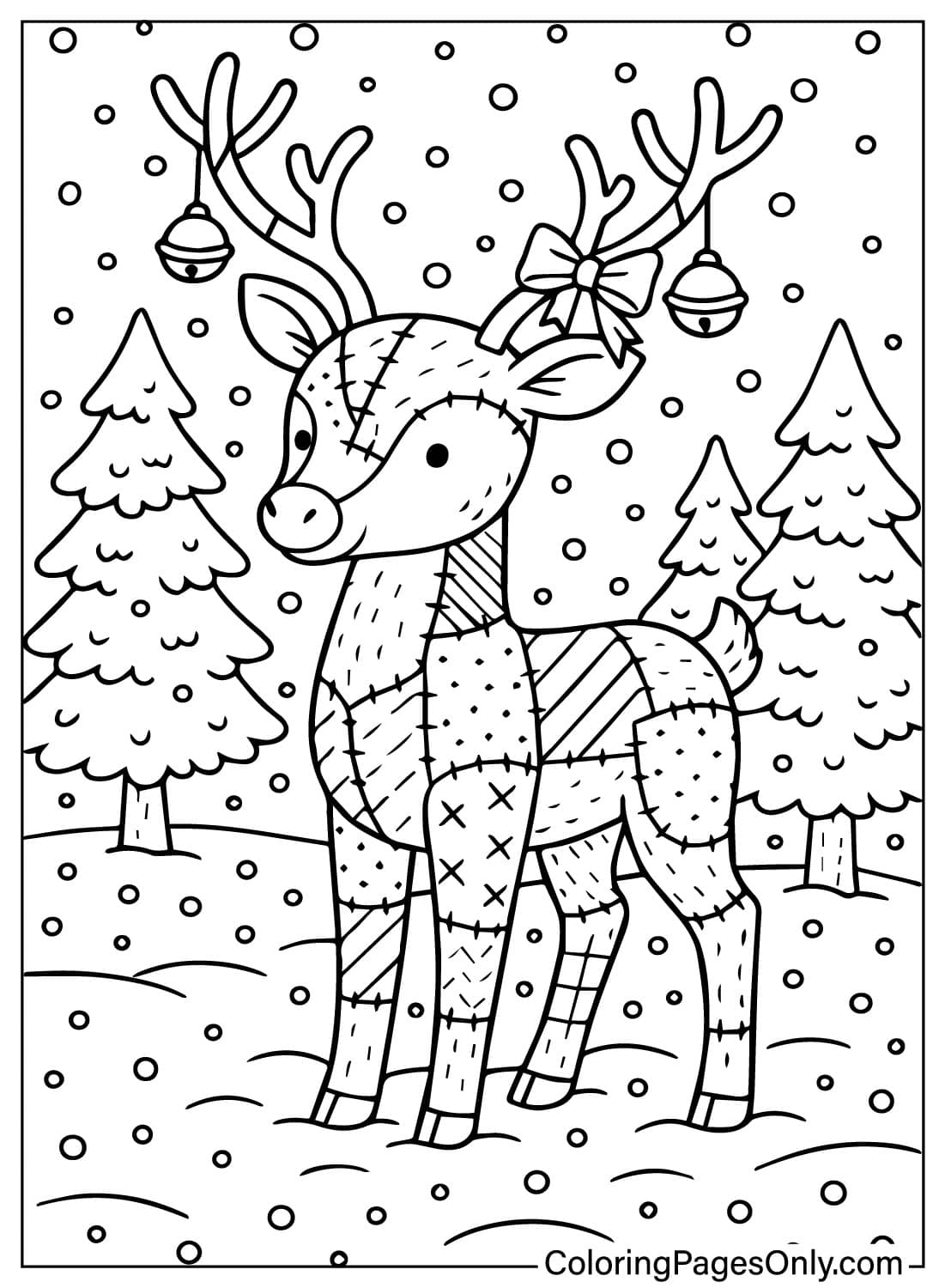
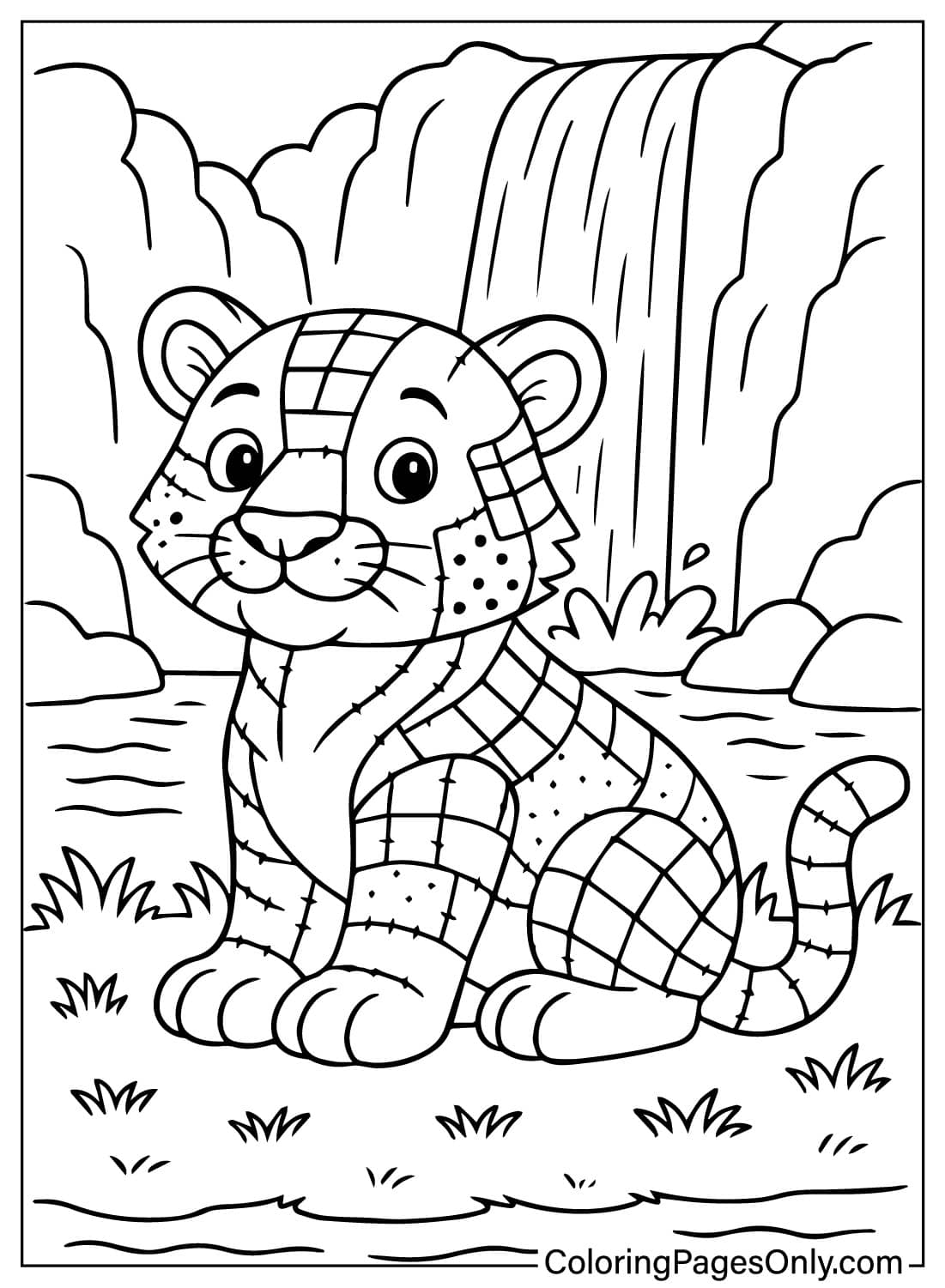
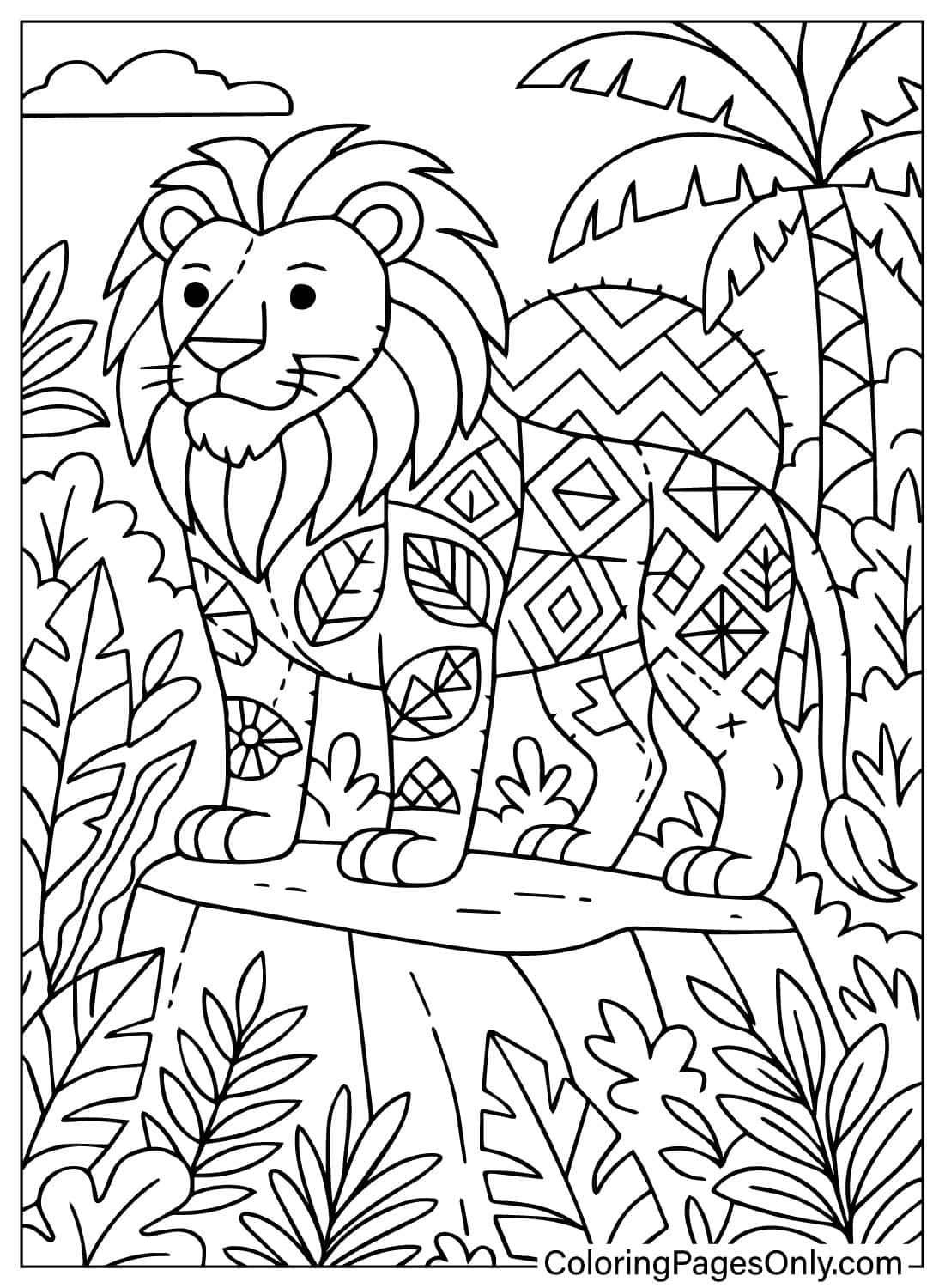
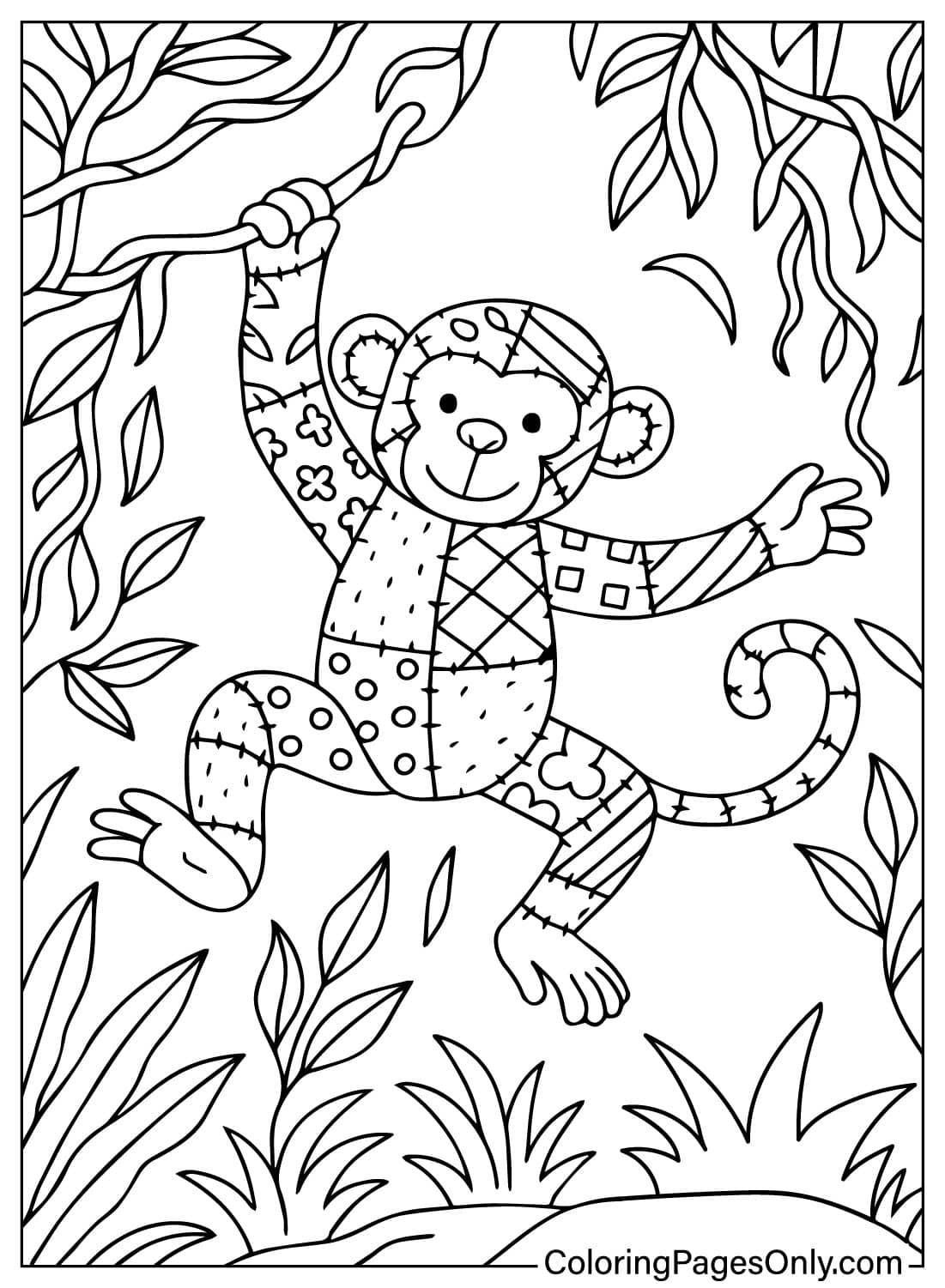
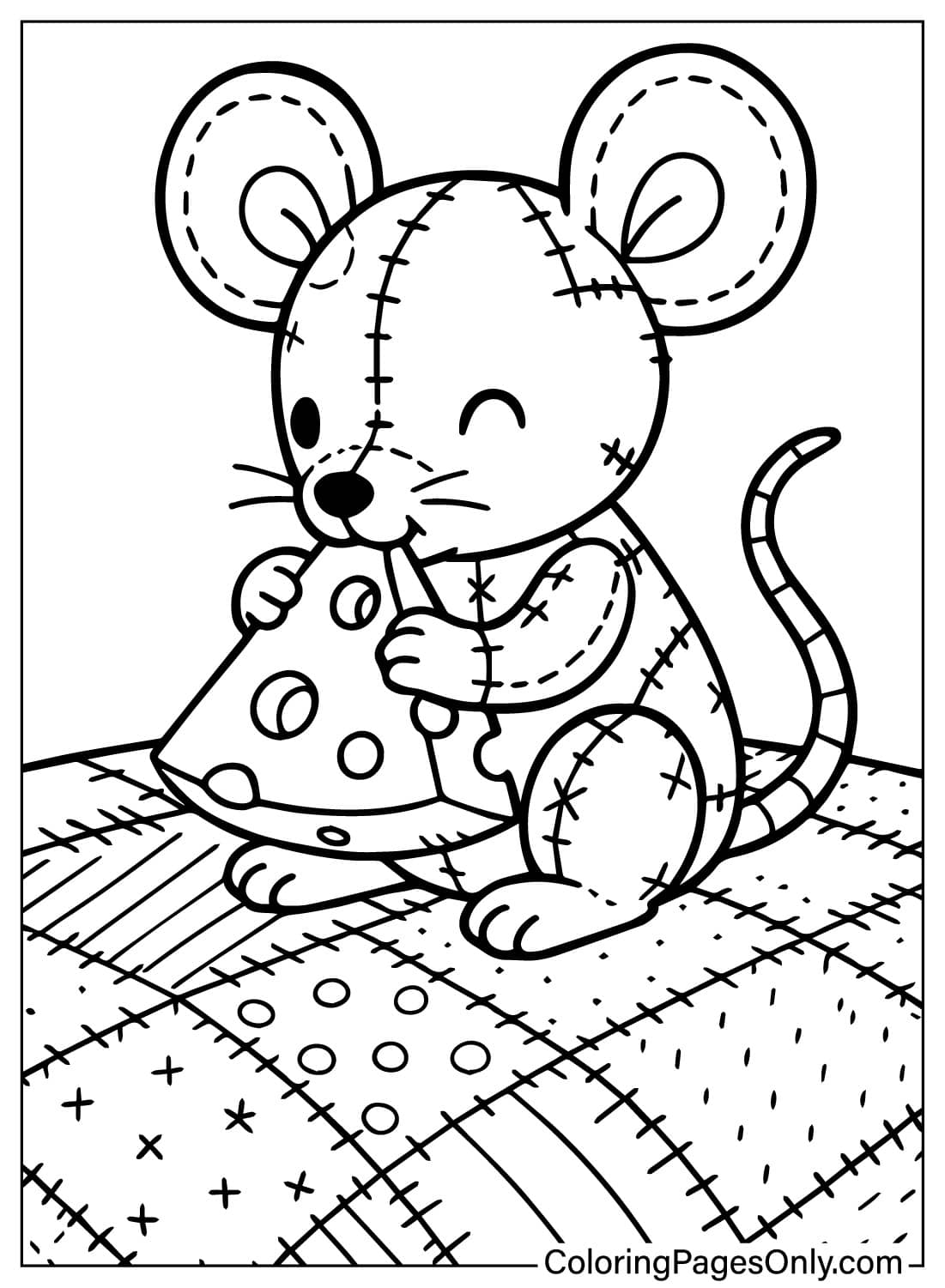
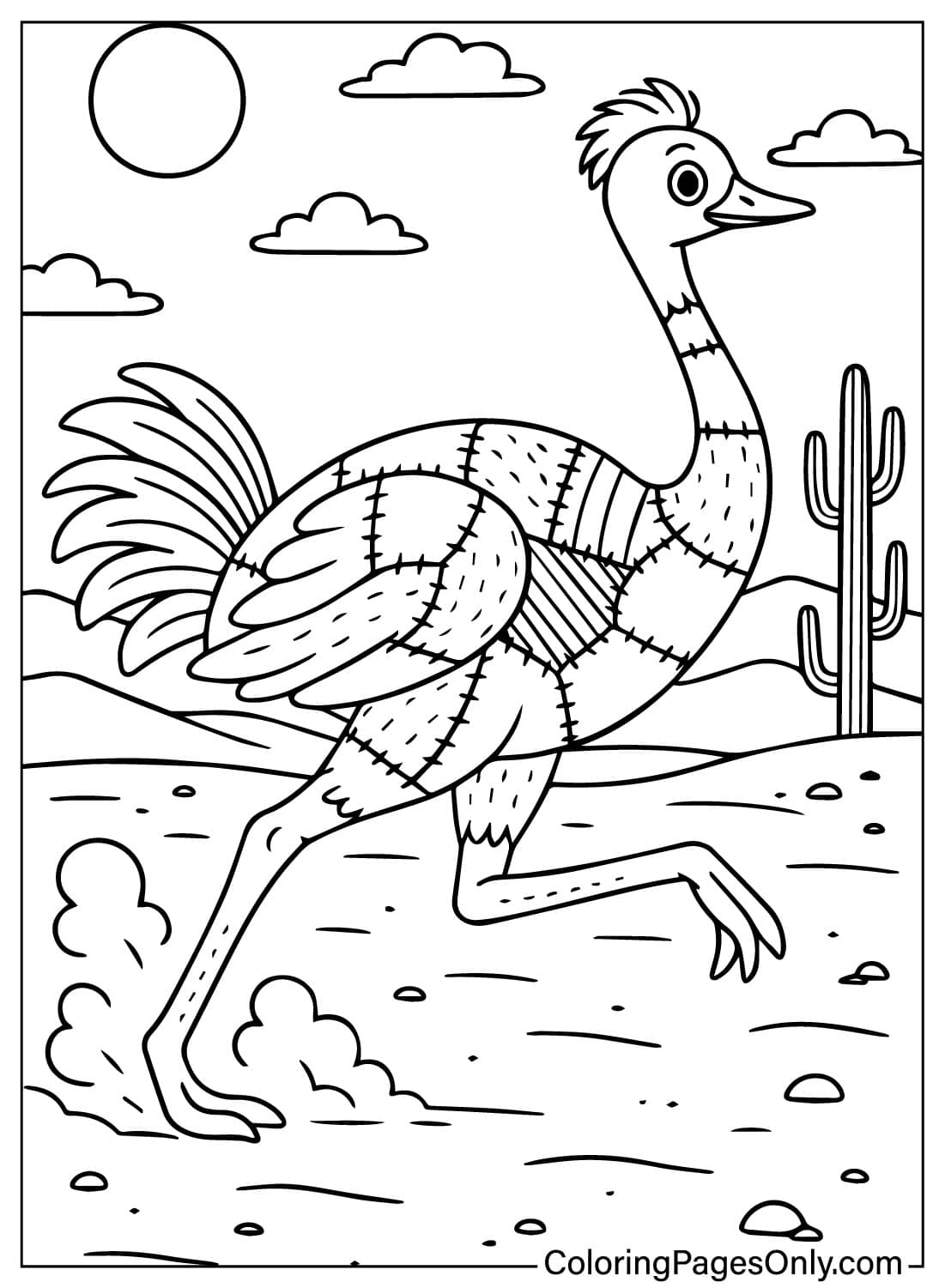
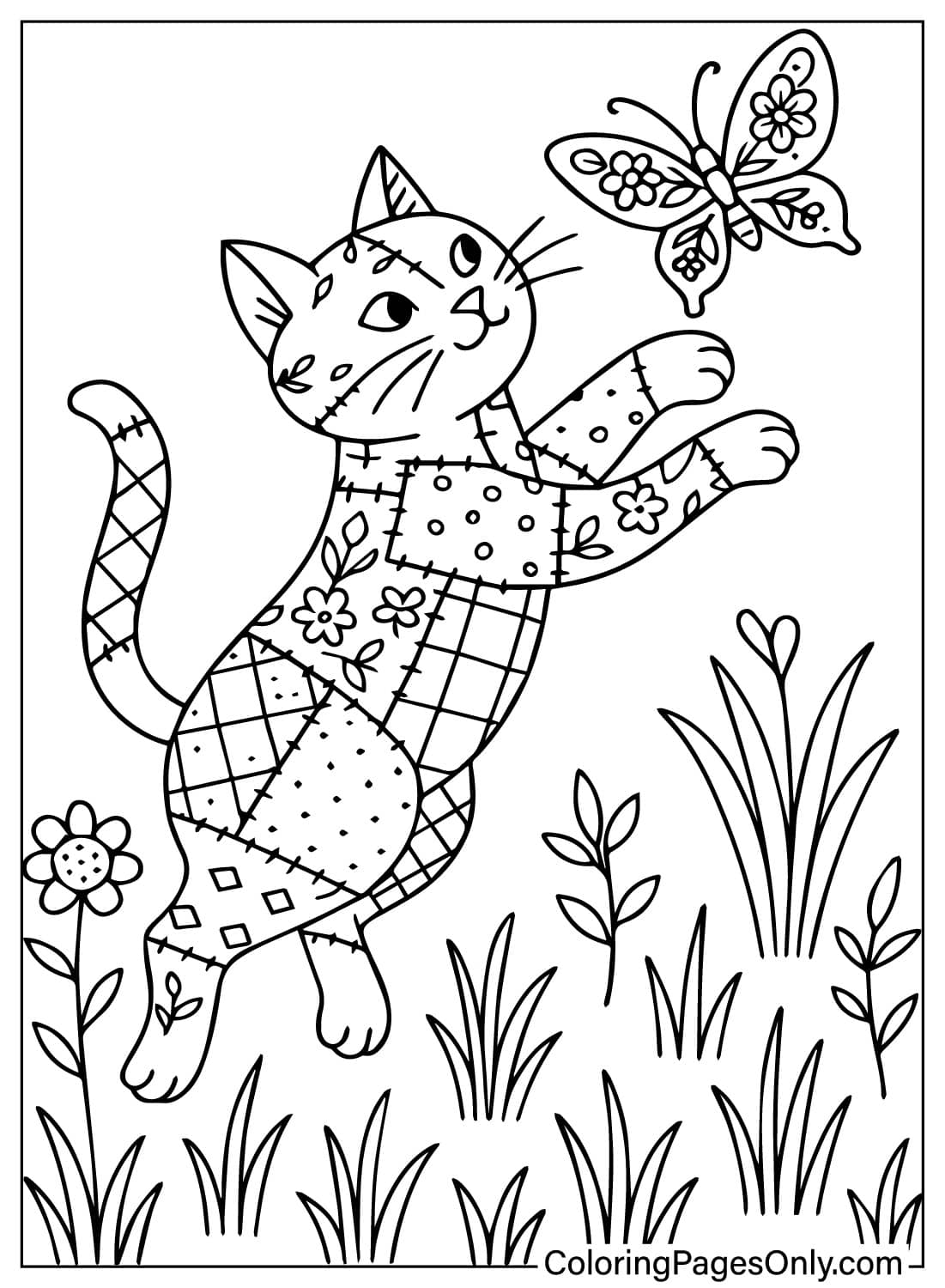
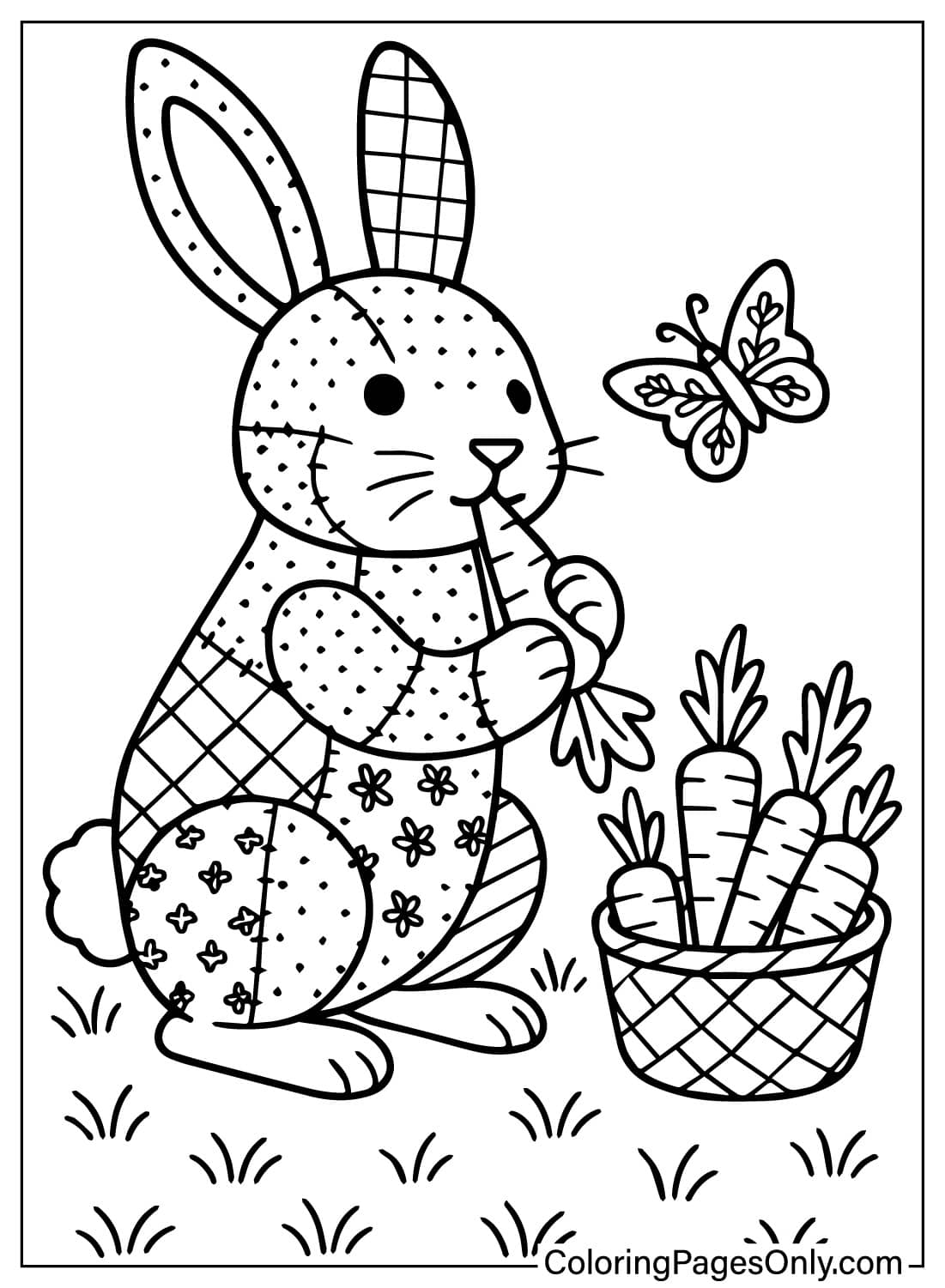
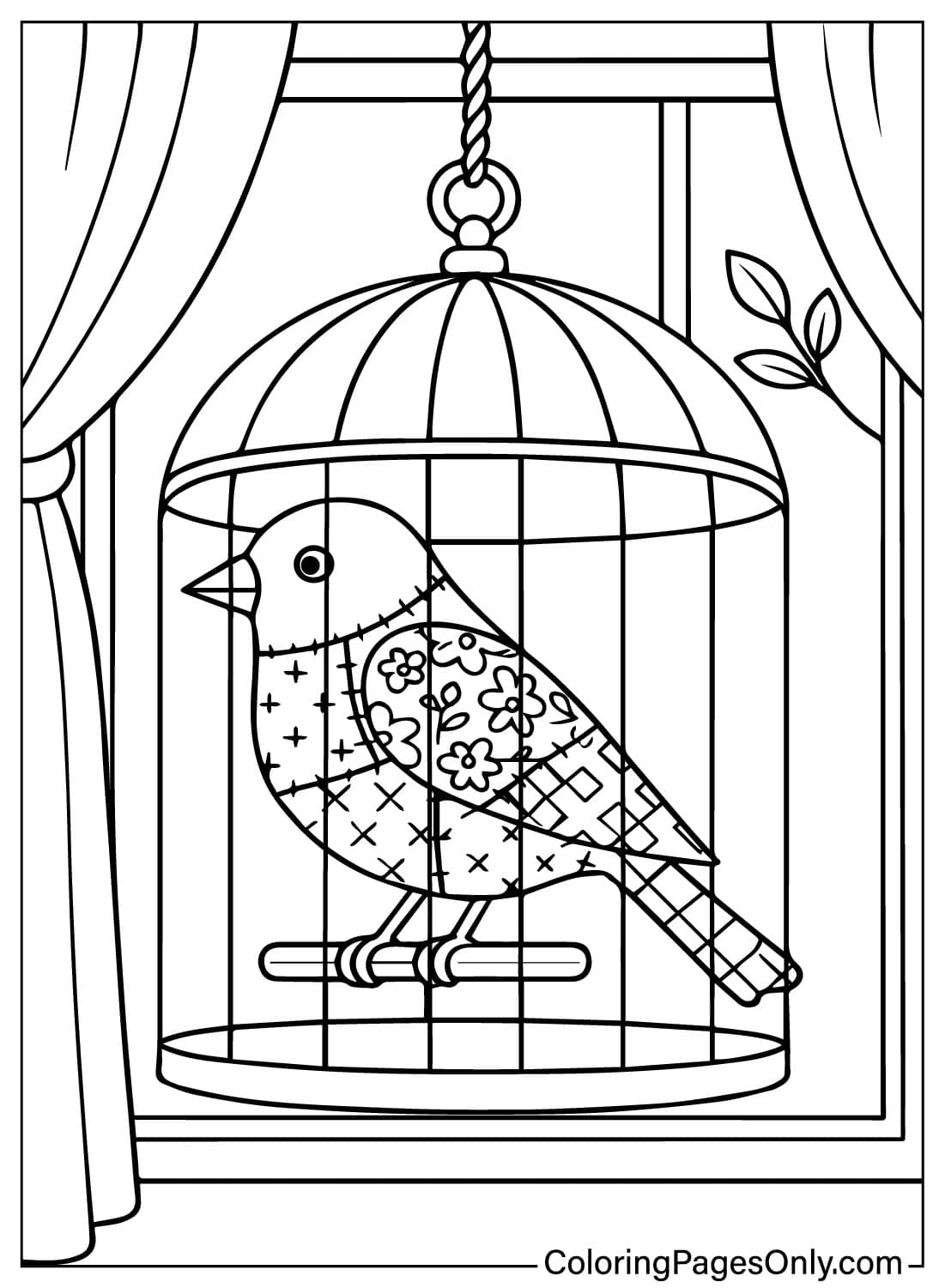
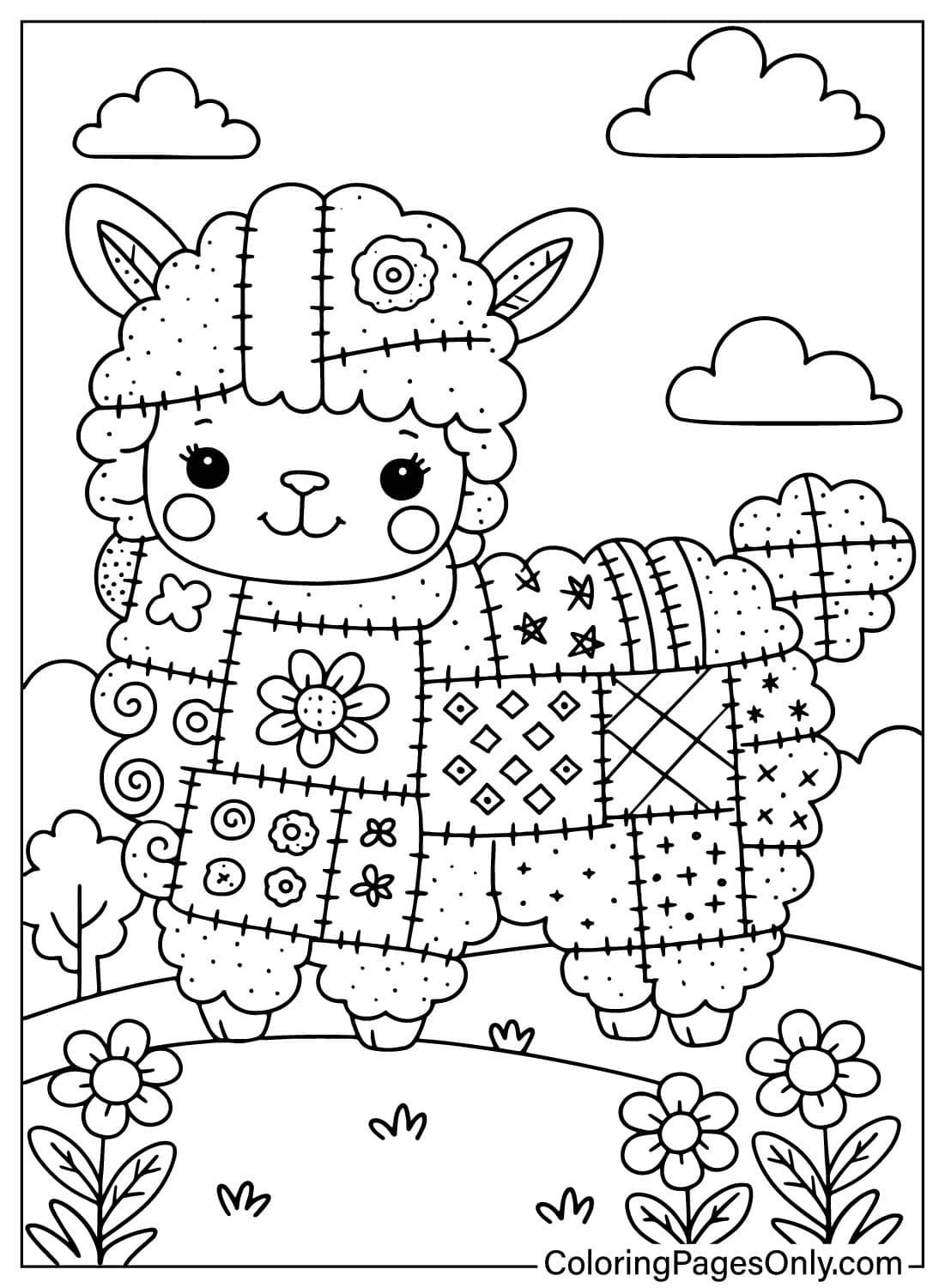
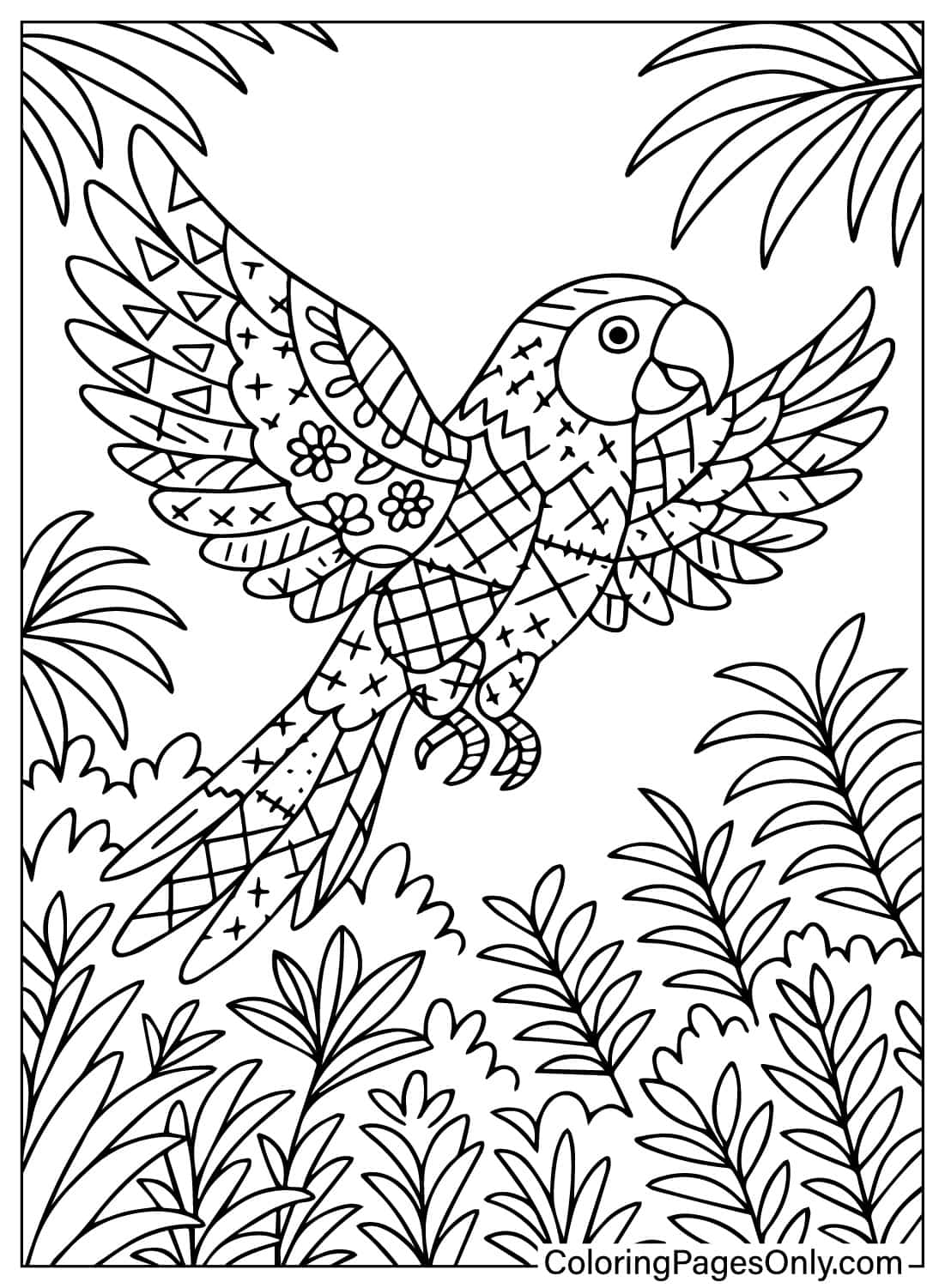
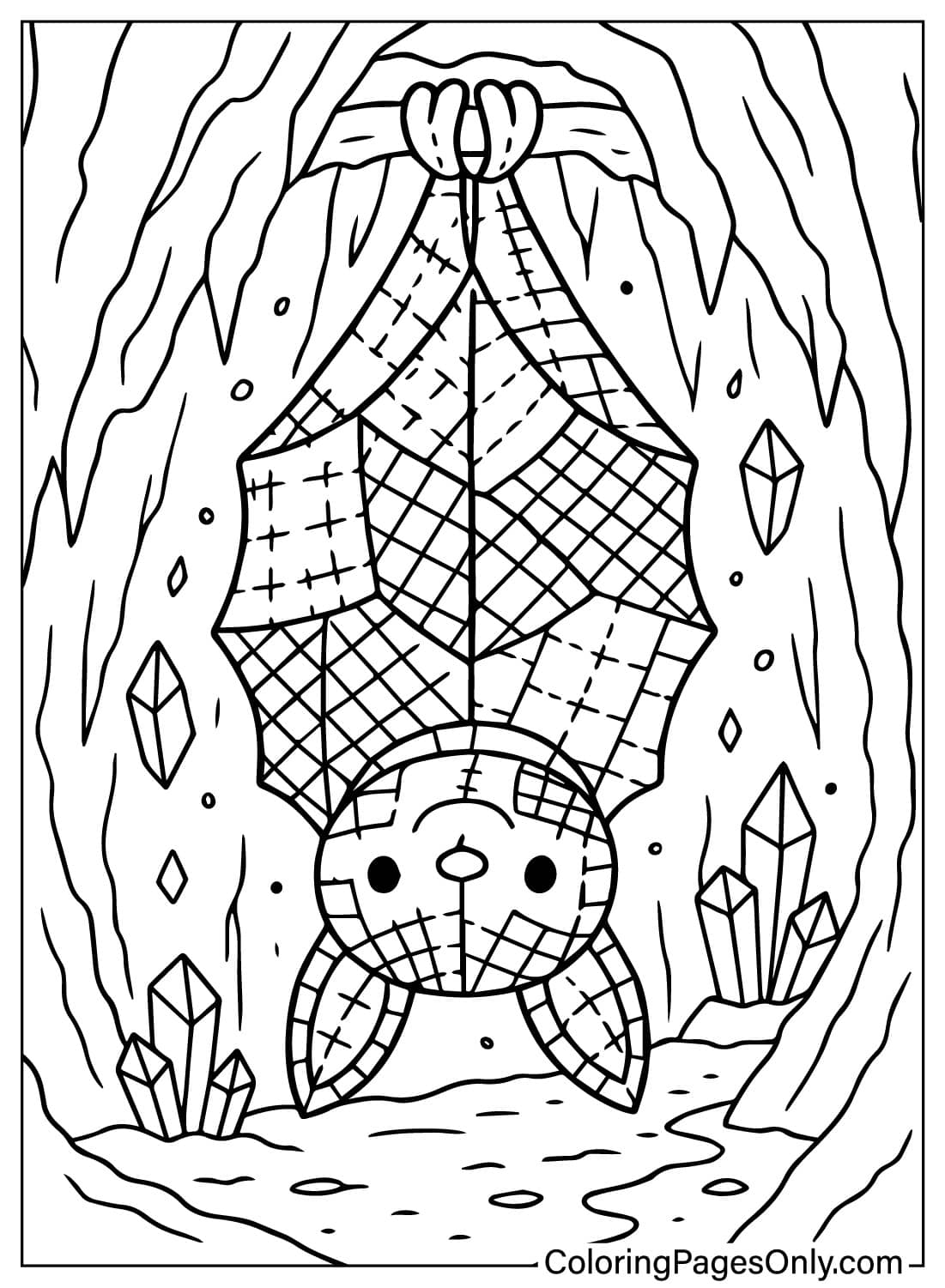
Free Patchwork Animal Coloring Pages: 34 printable PDF designs featuring animals built from stitched patterns, patches, and mismatched fabric-inspired textures. Each page can be downloaded as a PDF to print or colored online in the browser.
Patchwork is a real textile tradition that began out of necessity, as early quilters pieced together leftover fabric scraps into bed covers and clothing rather than letting the material go to waste. In 19th-century America, this practical habit grew into a distinct folk art form, with quilting often done communally at quilting bees, where women gathered to sew, trade fabric, and share news while they worked. Traditional quilts made this way, sometimes called “crazy quilts” for their randomly pieced, mismatched patches, became prized family heirlooms that carried stories across generations rather than just serving as functional bedding. This Patchwork Animal Coloring Pages collection borrows that patchwork aesthetic, mixed patterns, mismatched textures, and visible stitch lines. It applies it to a wide cast of animal characters rather than a traditional quilt block.
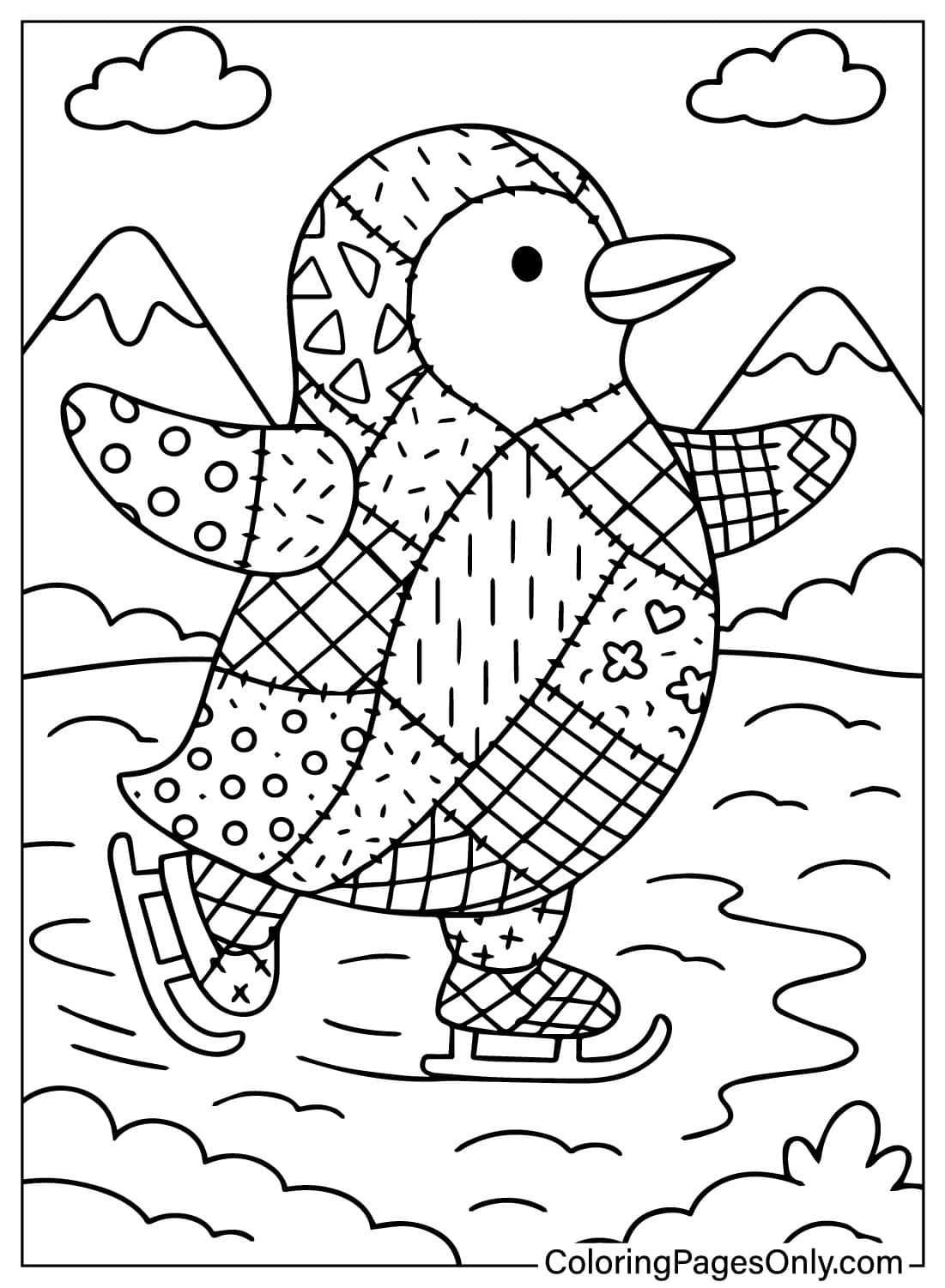
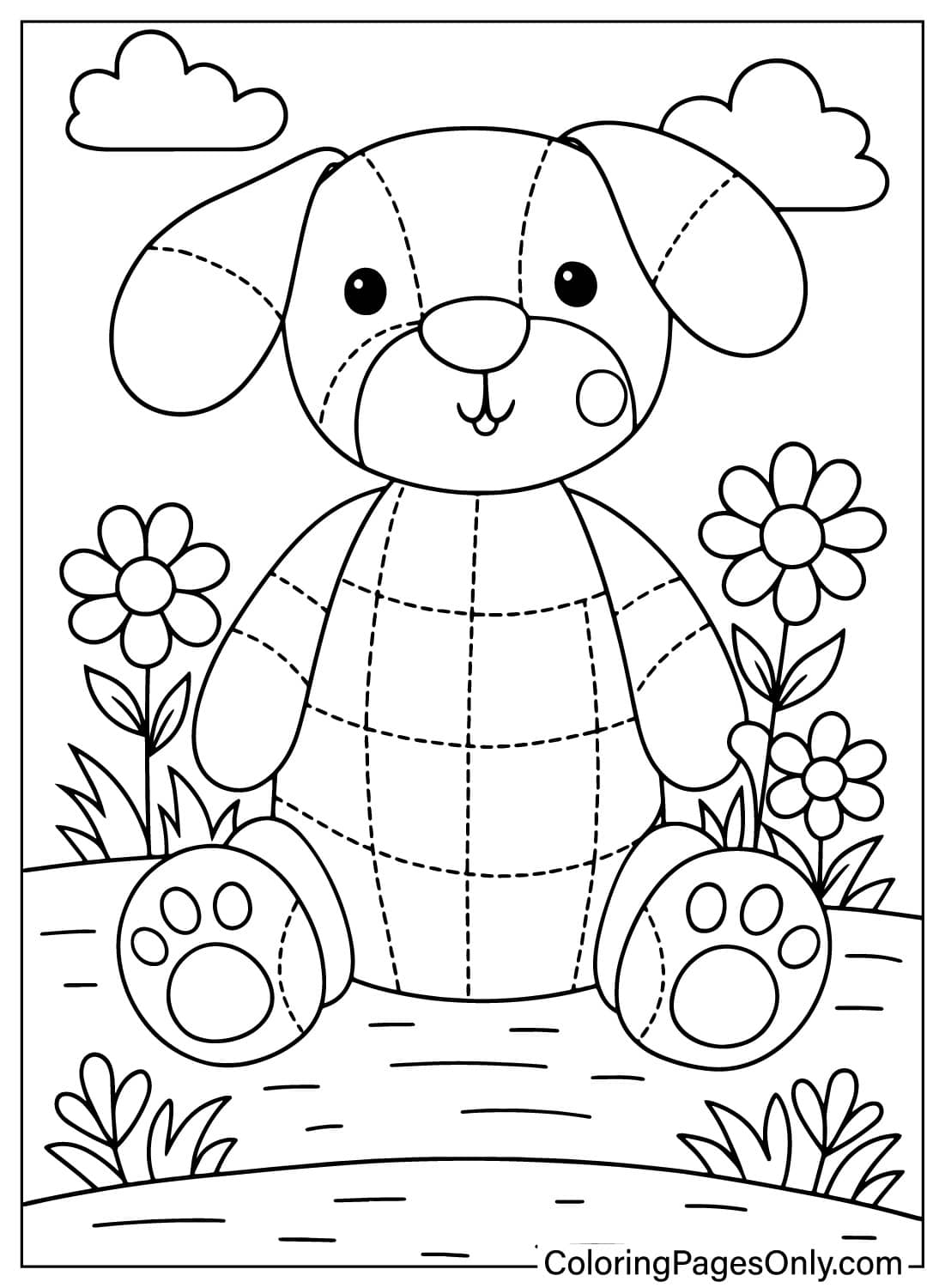
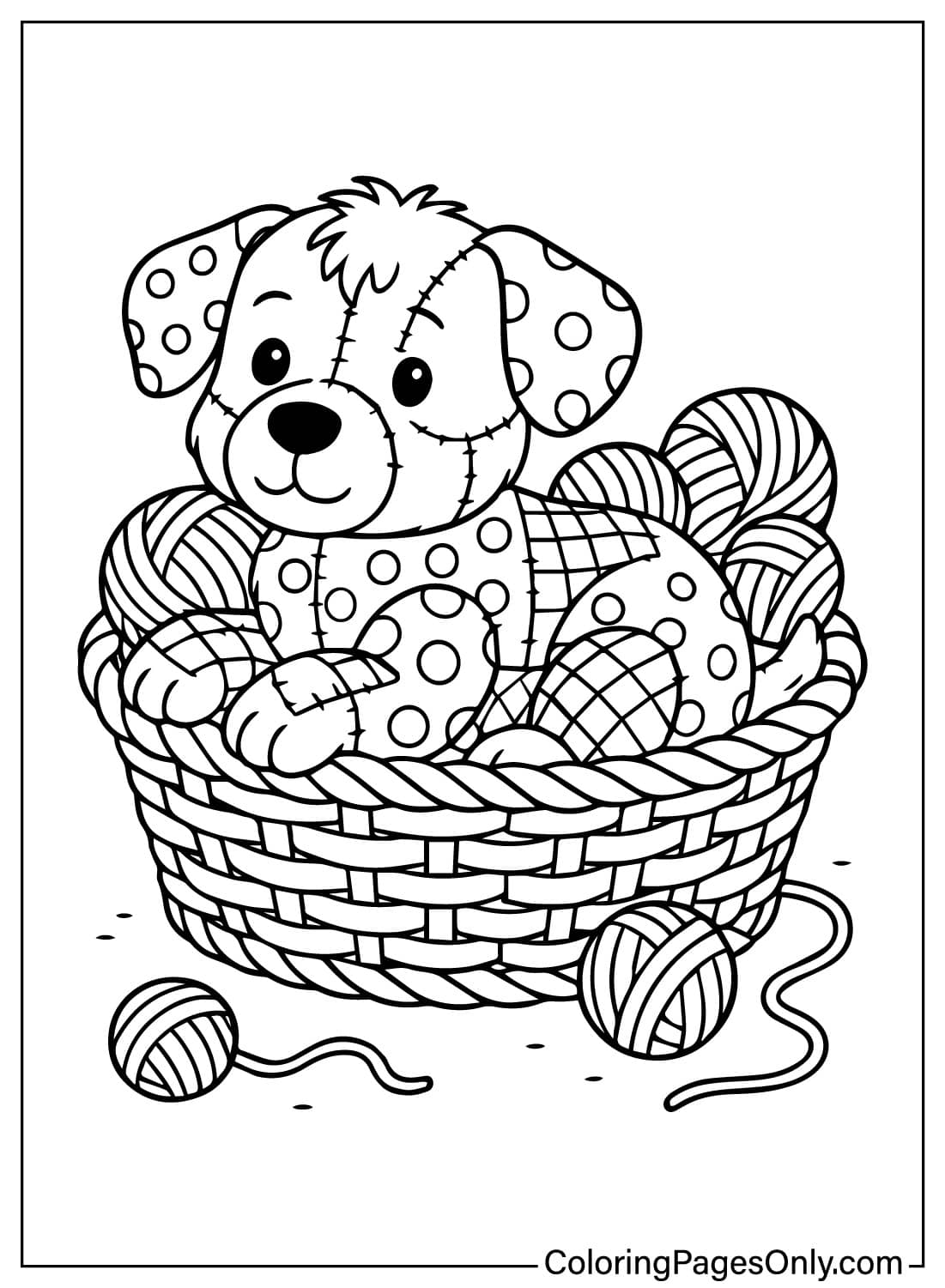
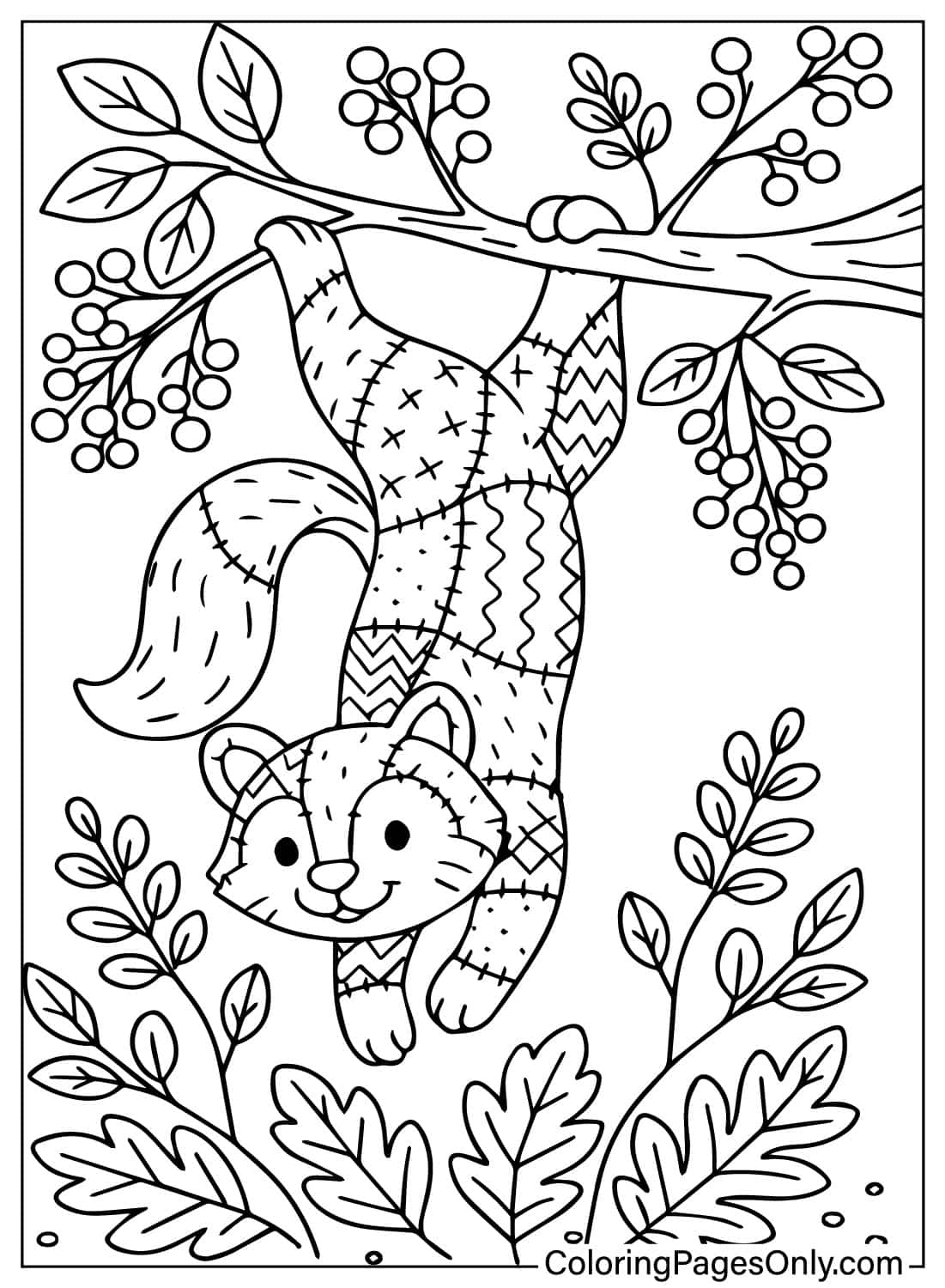
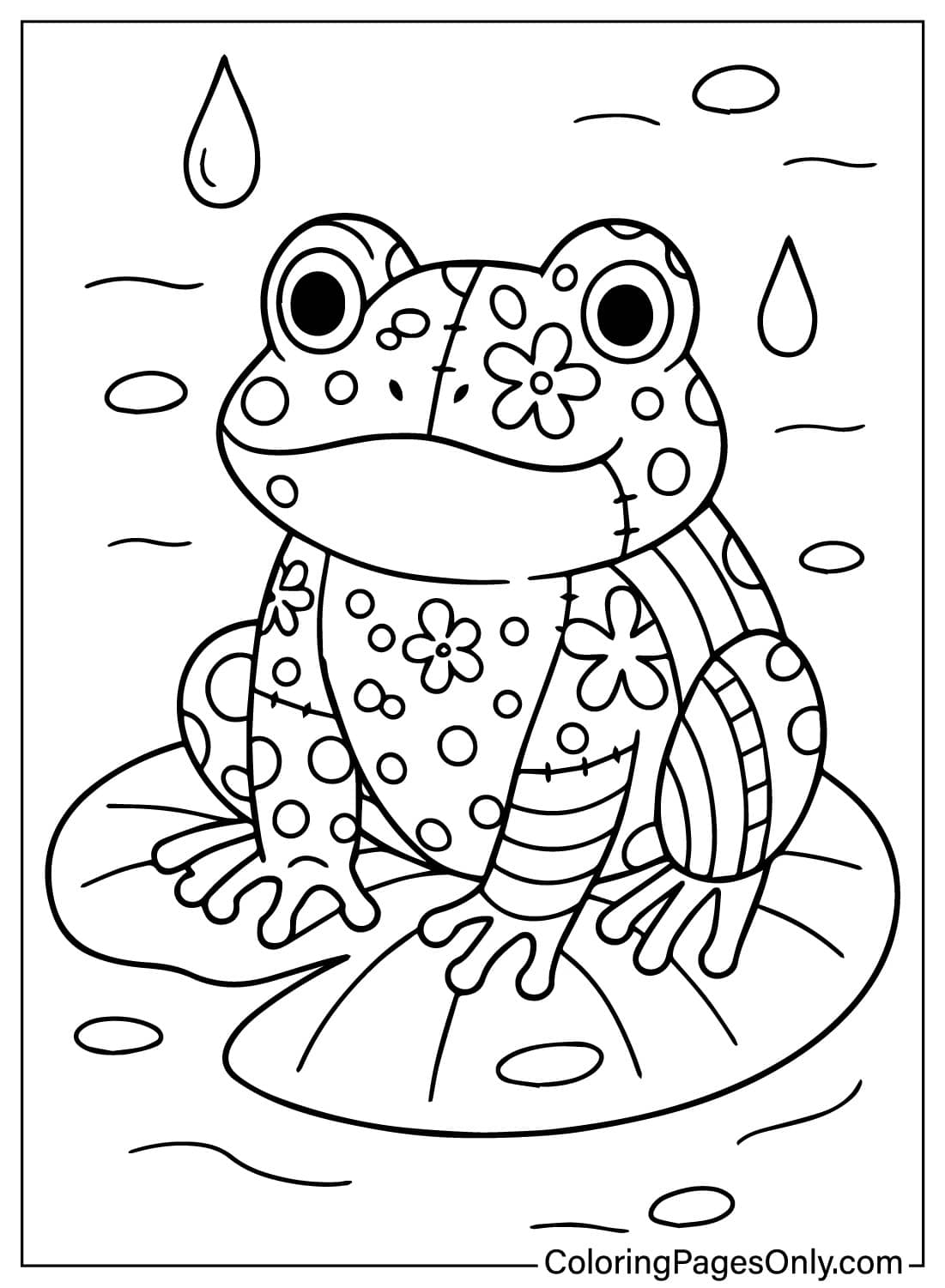
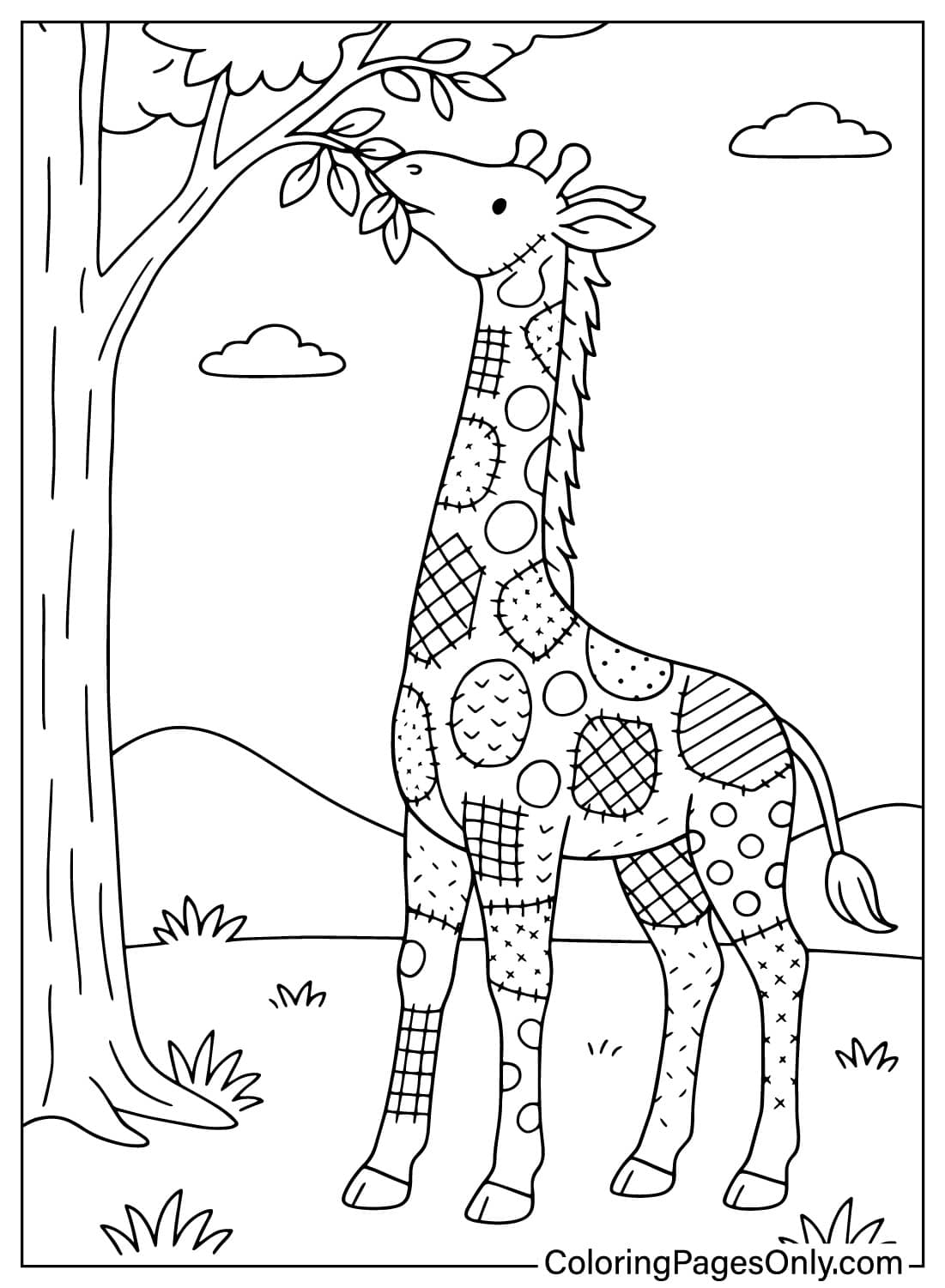
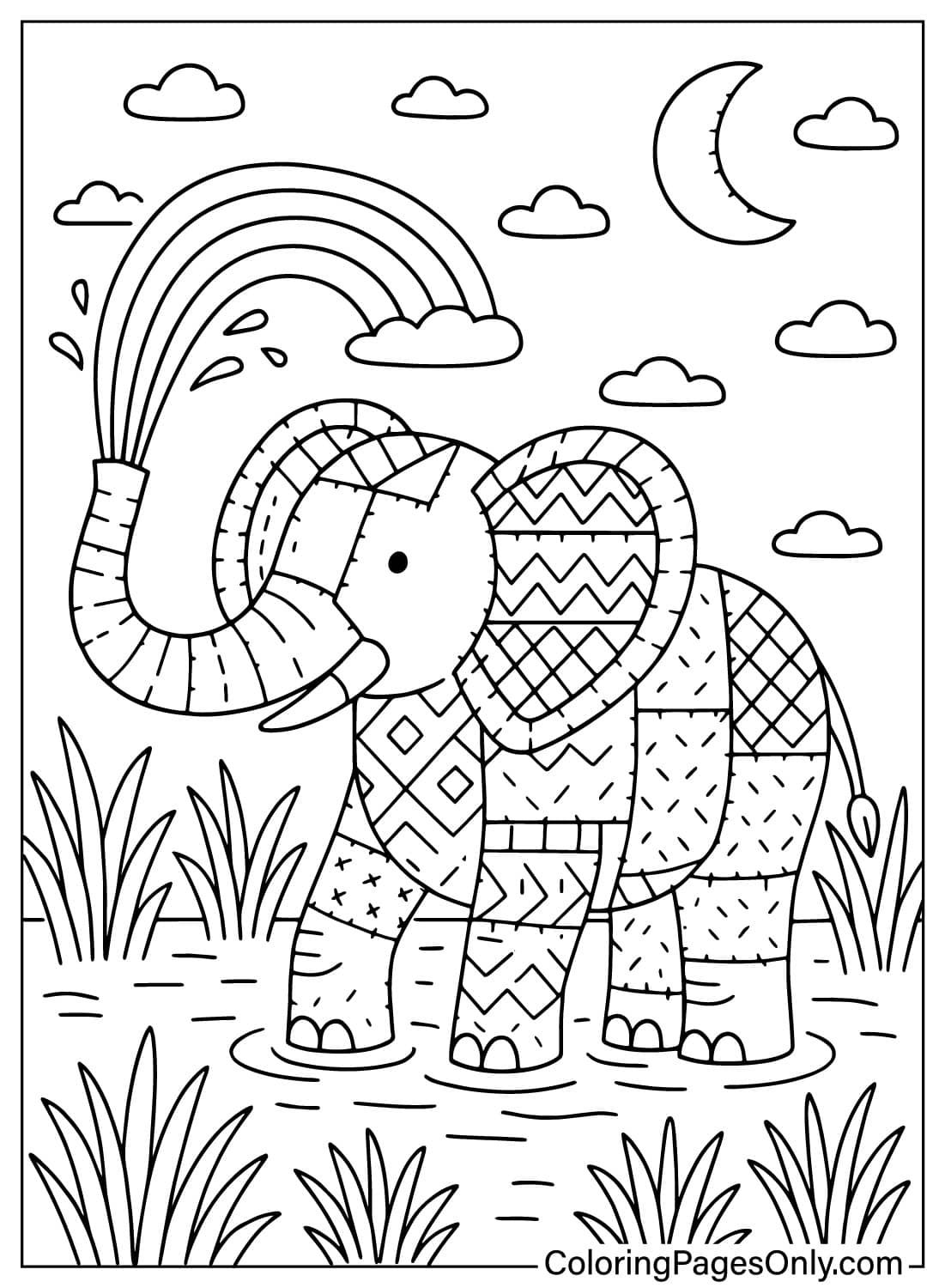
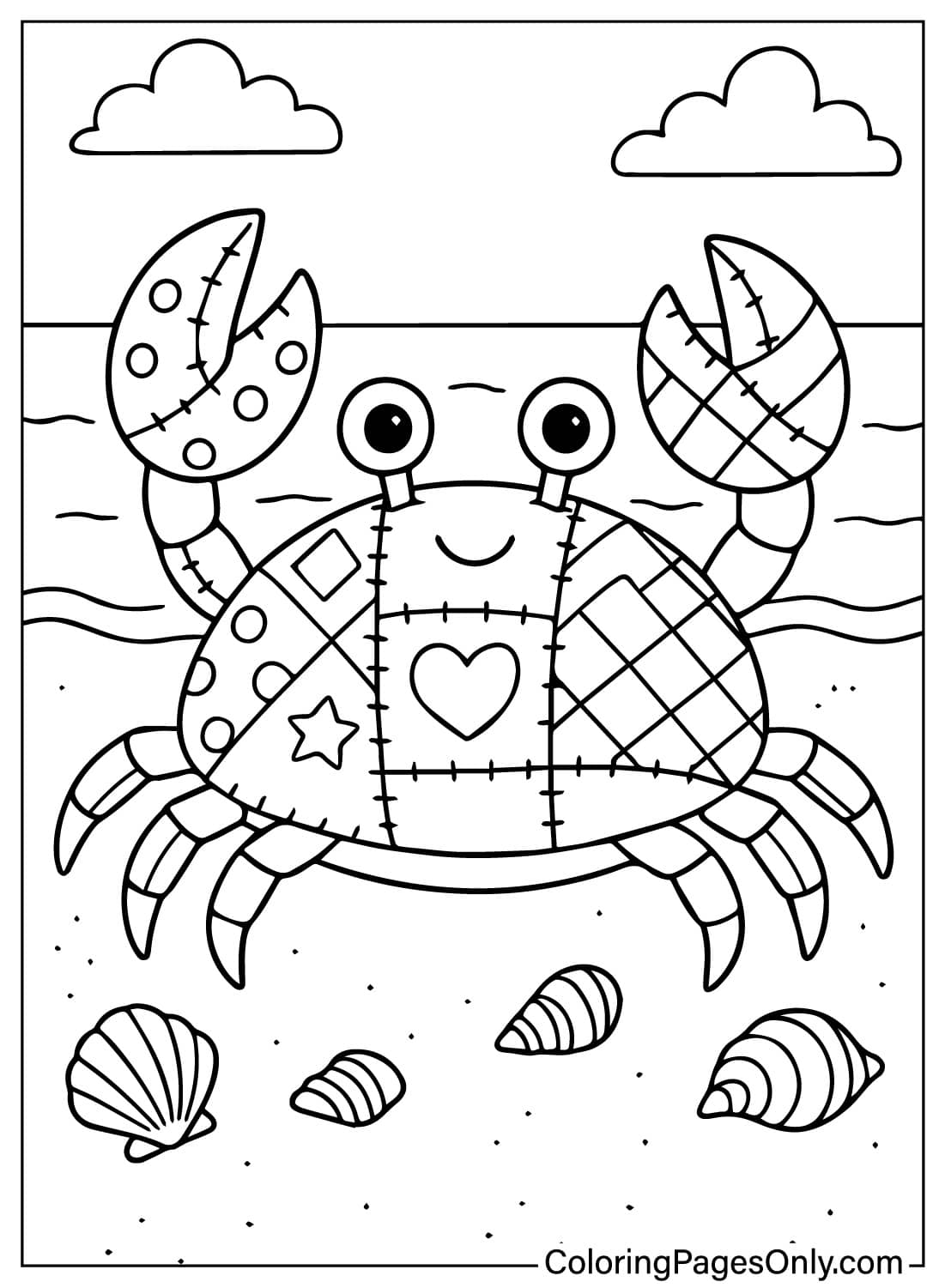
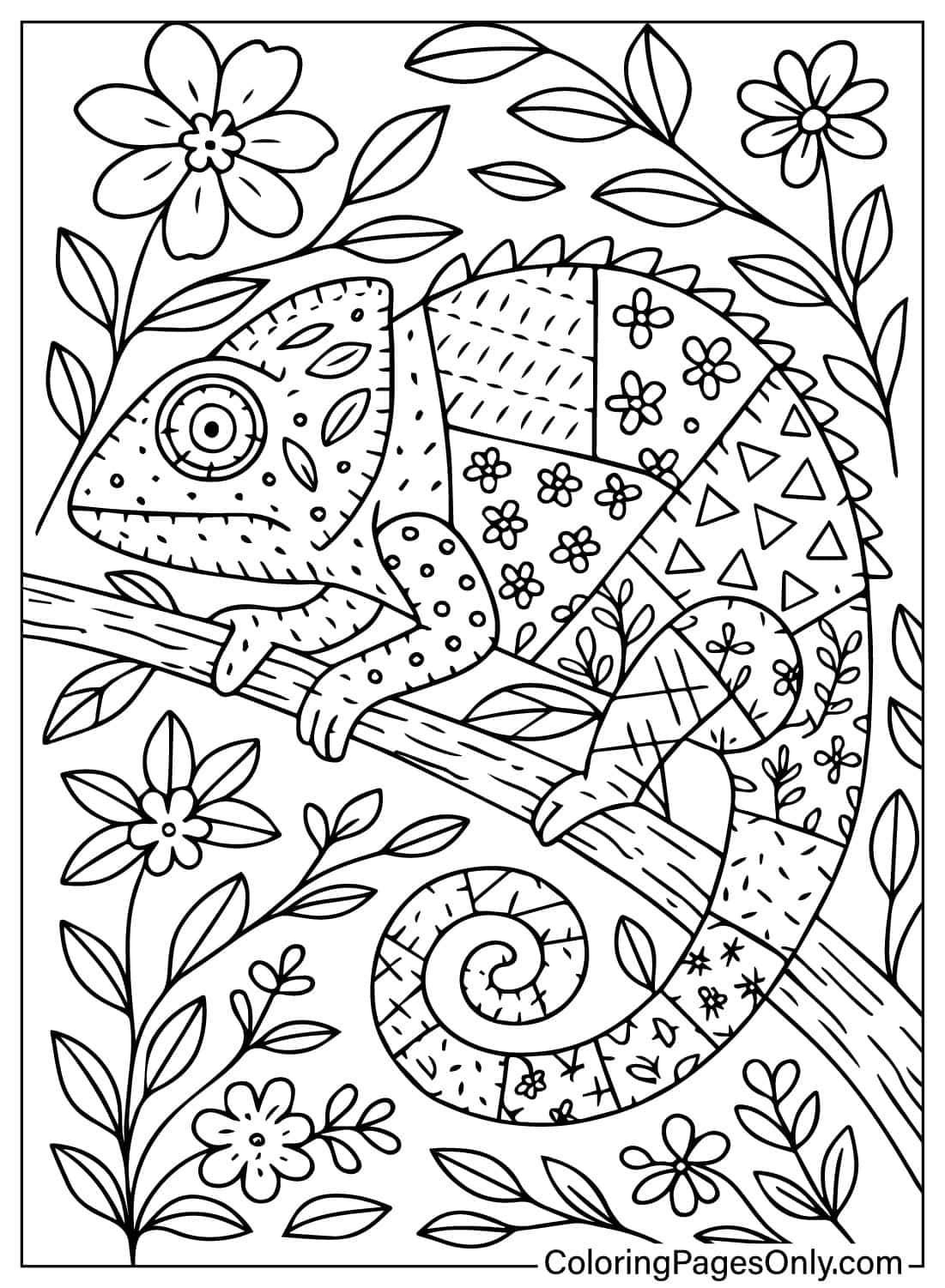
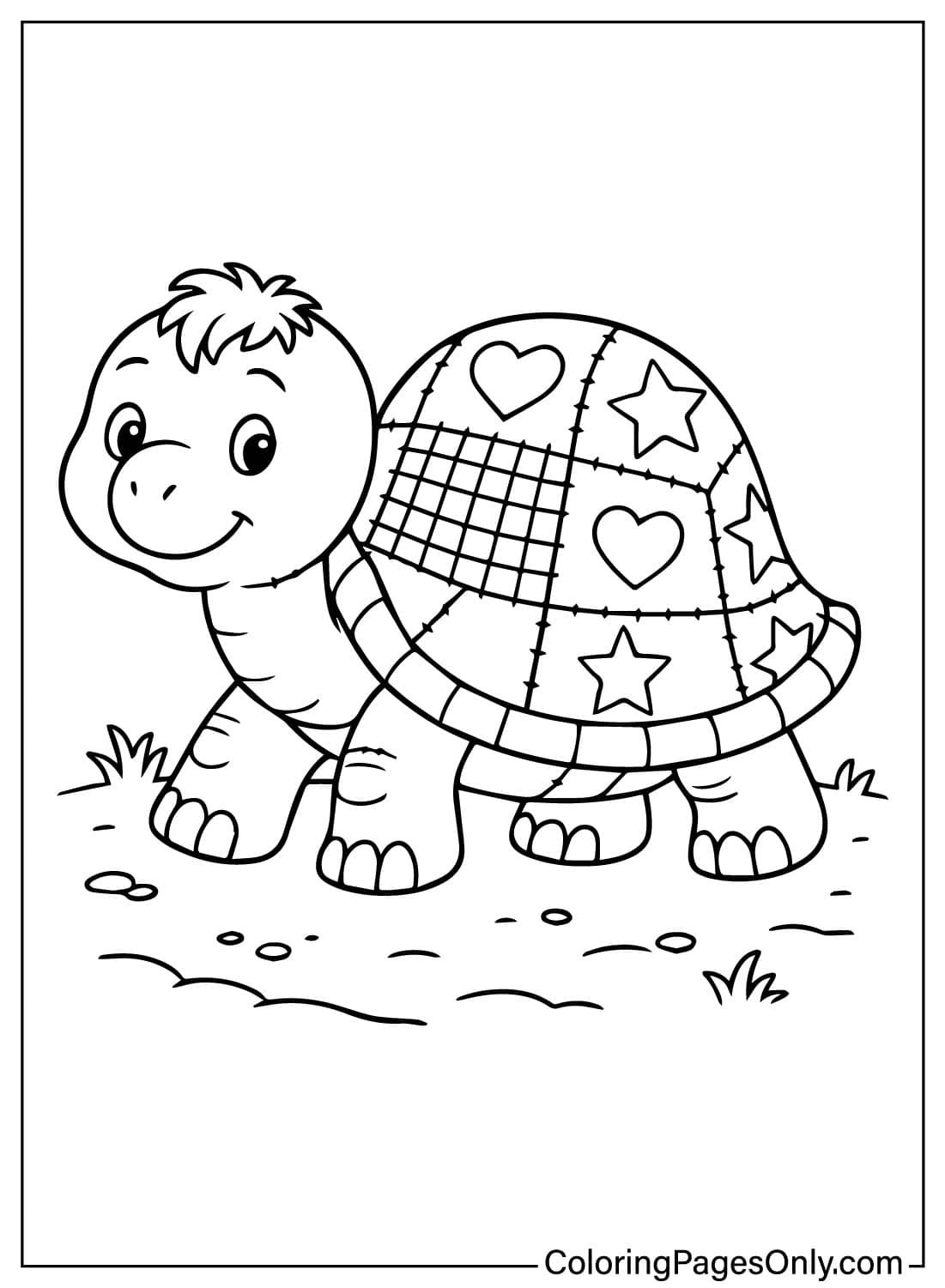
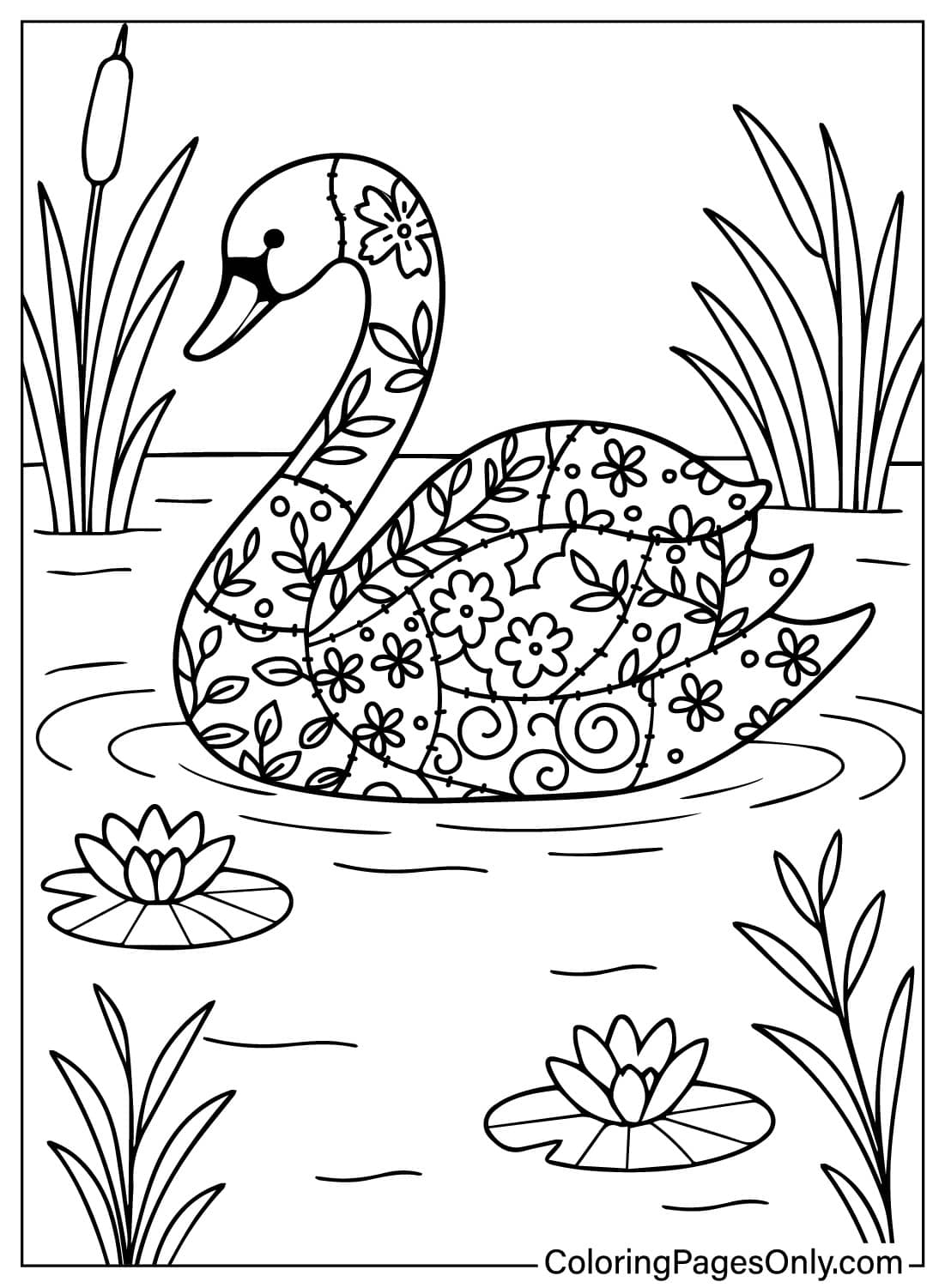
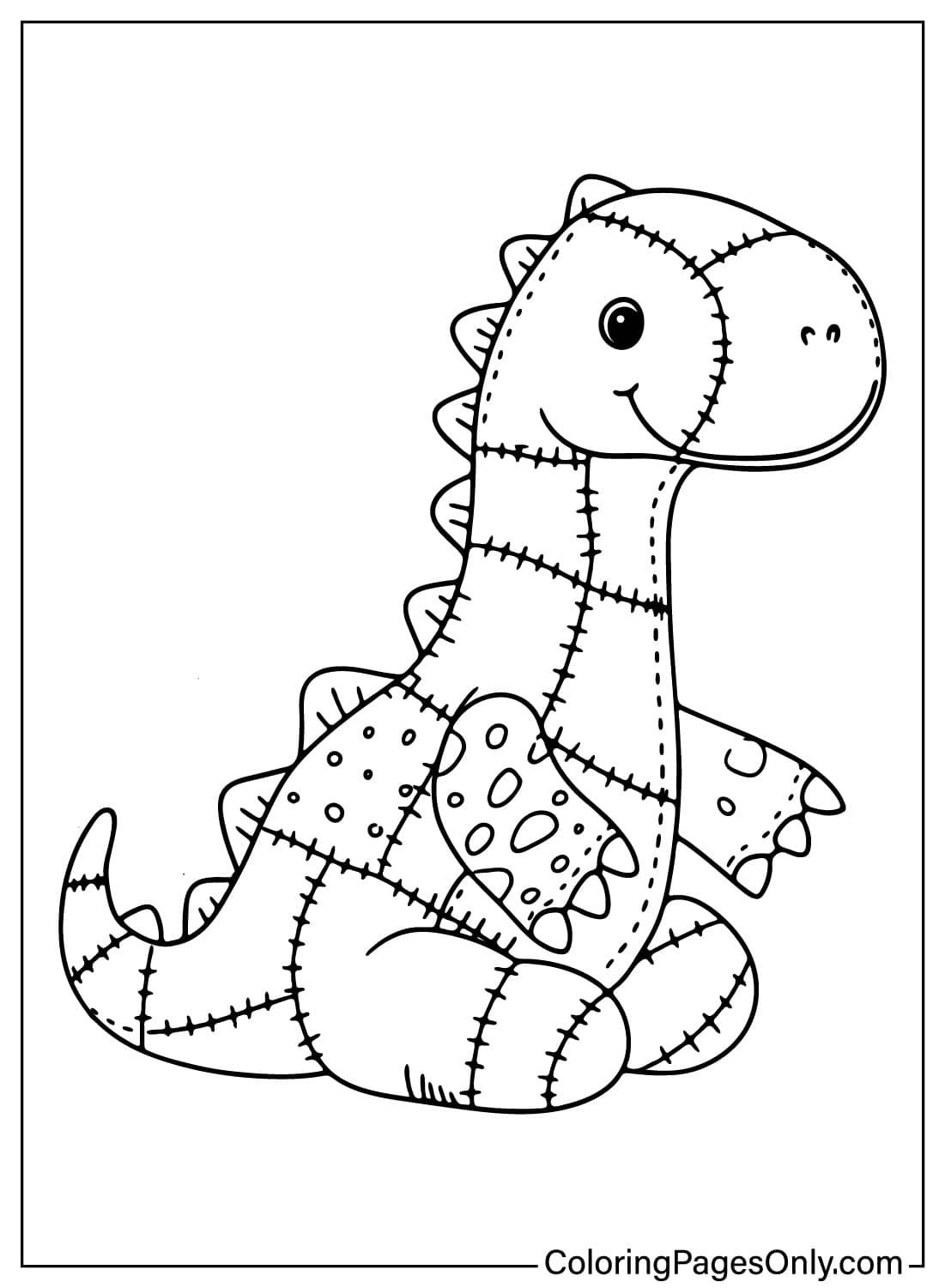
The set spans 34 designs, ranging from simple patchwork outlines to more detailed, multi-pattern animal illustrations.
What Is Inside This Collection
The 34 pages fall into four recurring groupings.
Forest and Woodland Patchwork Animals
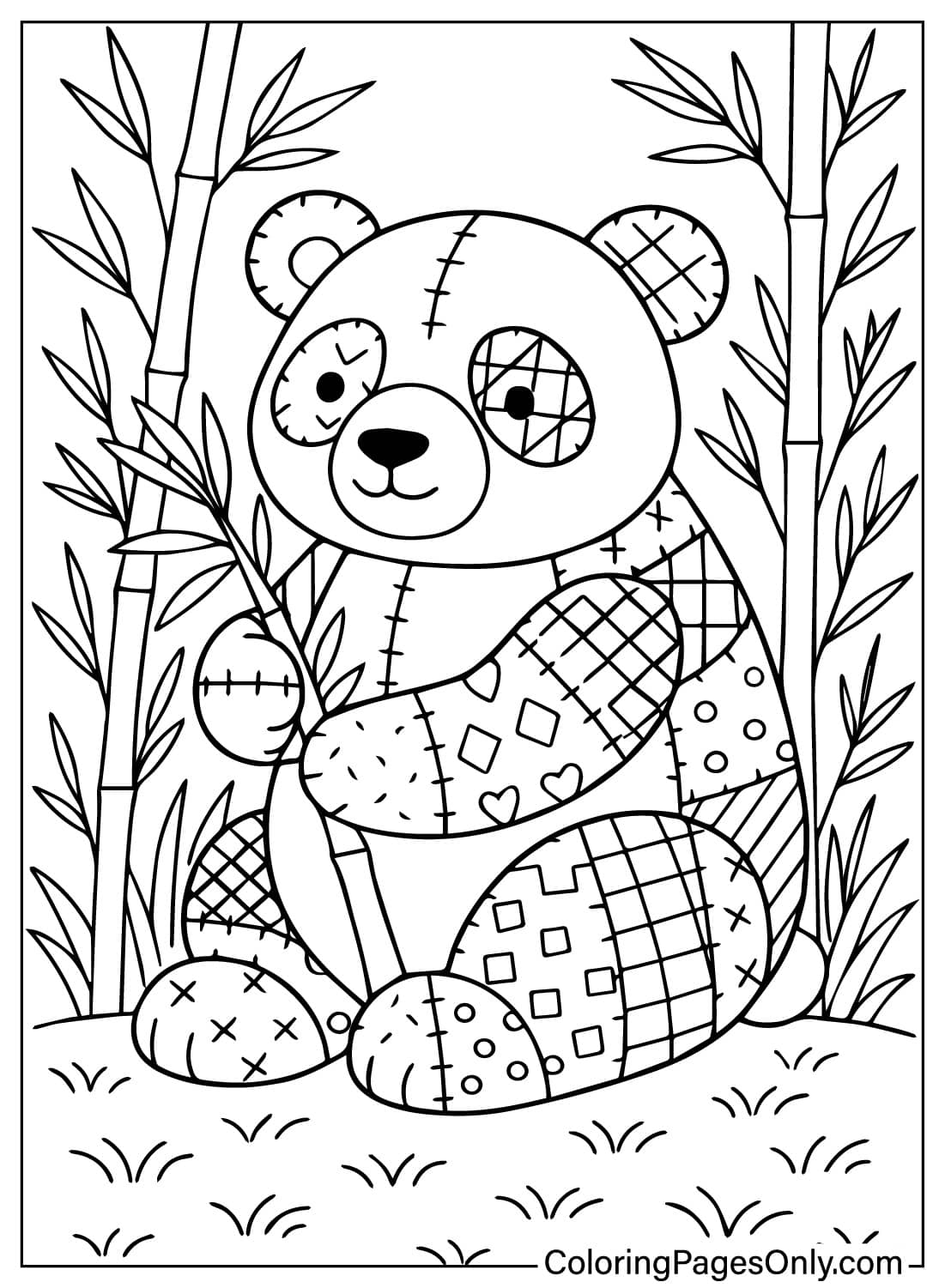
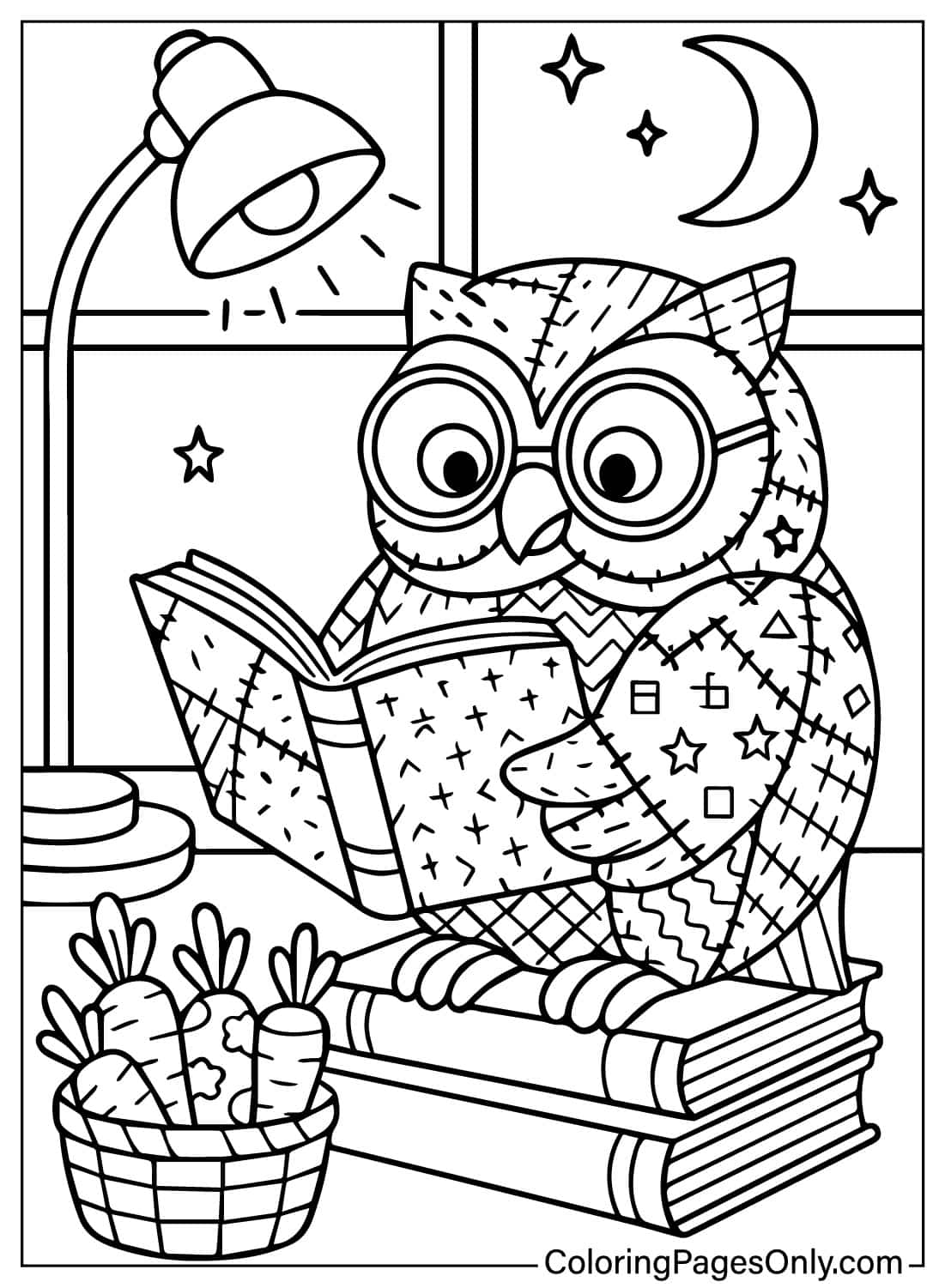
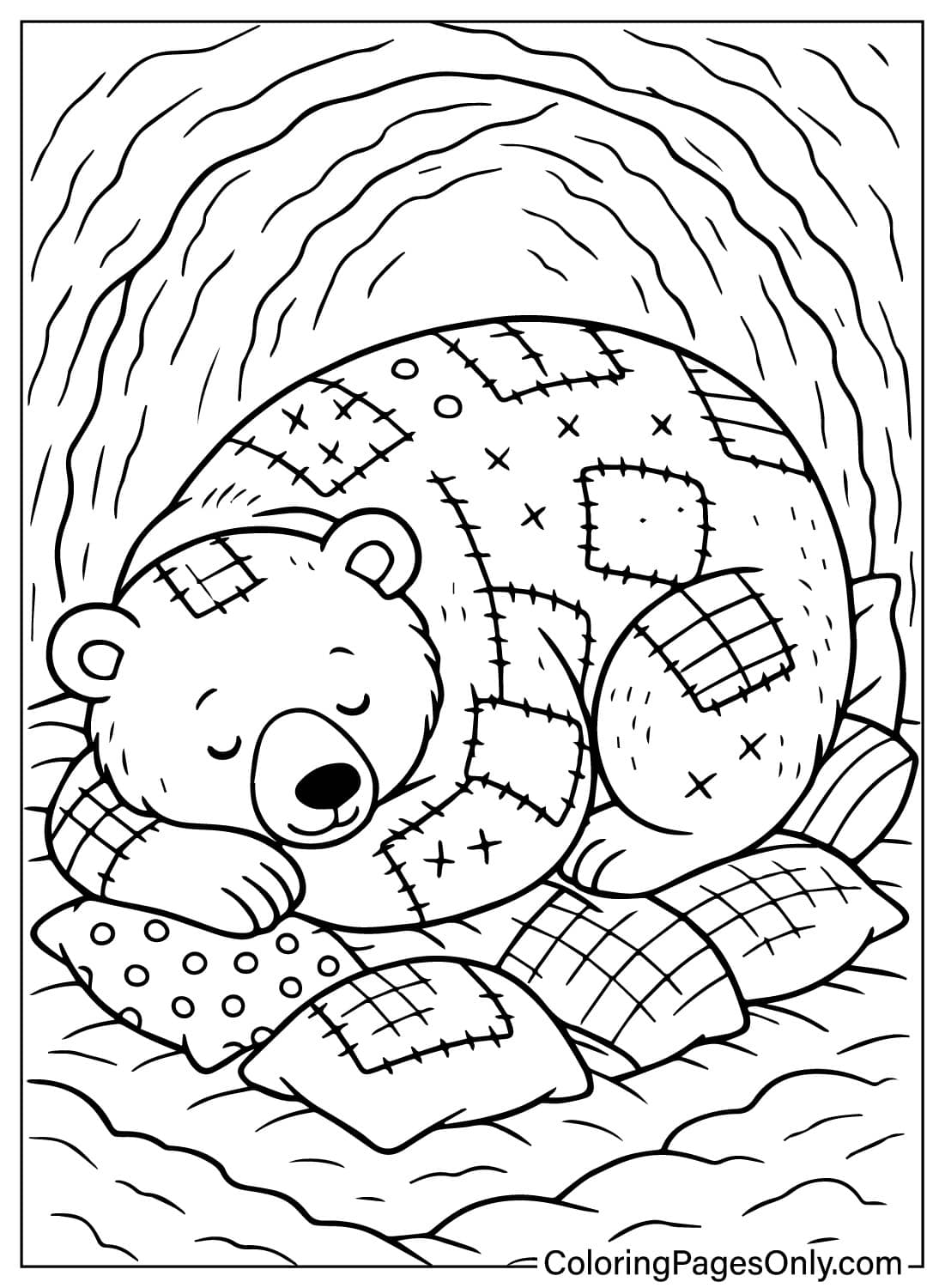
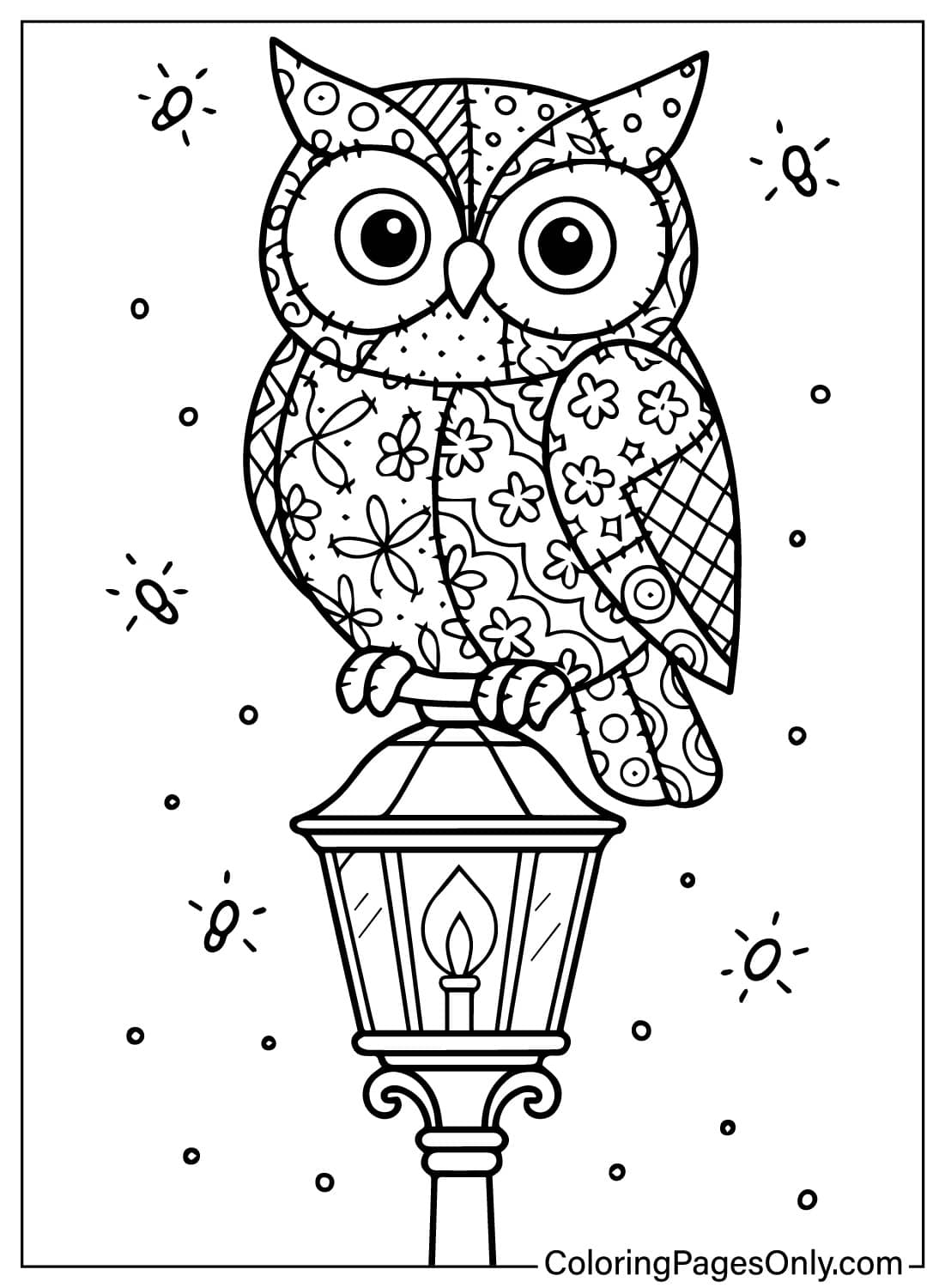
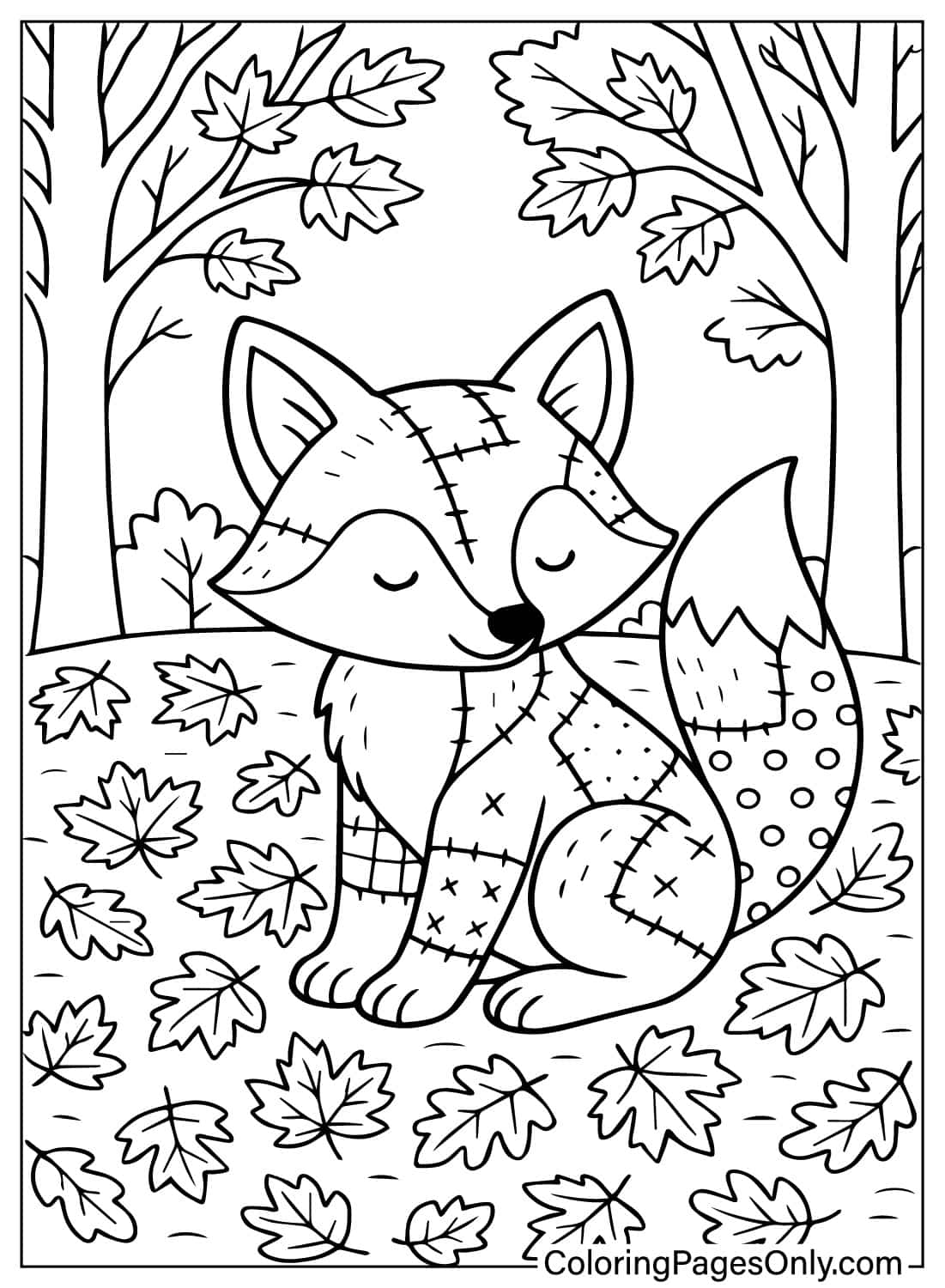
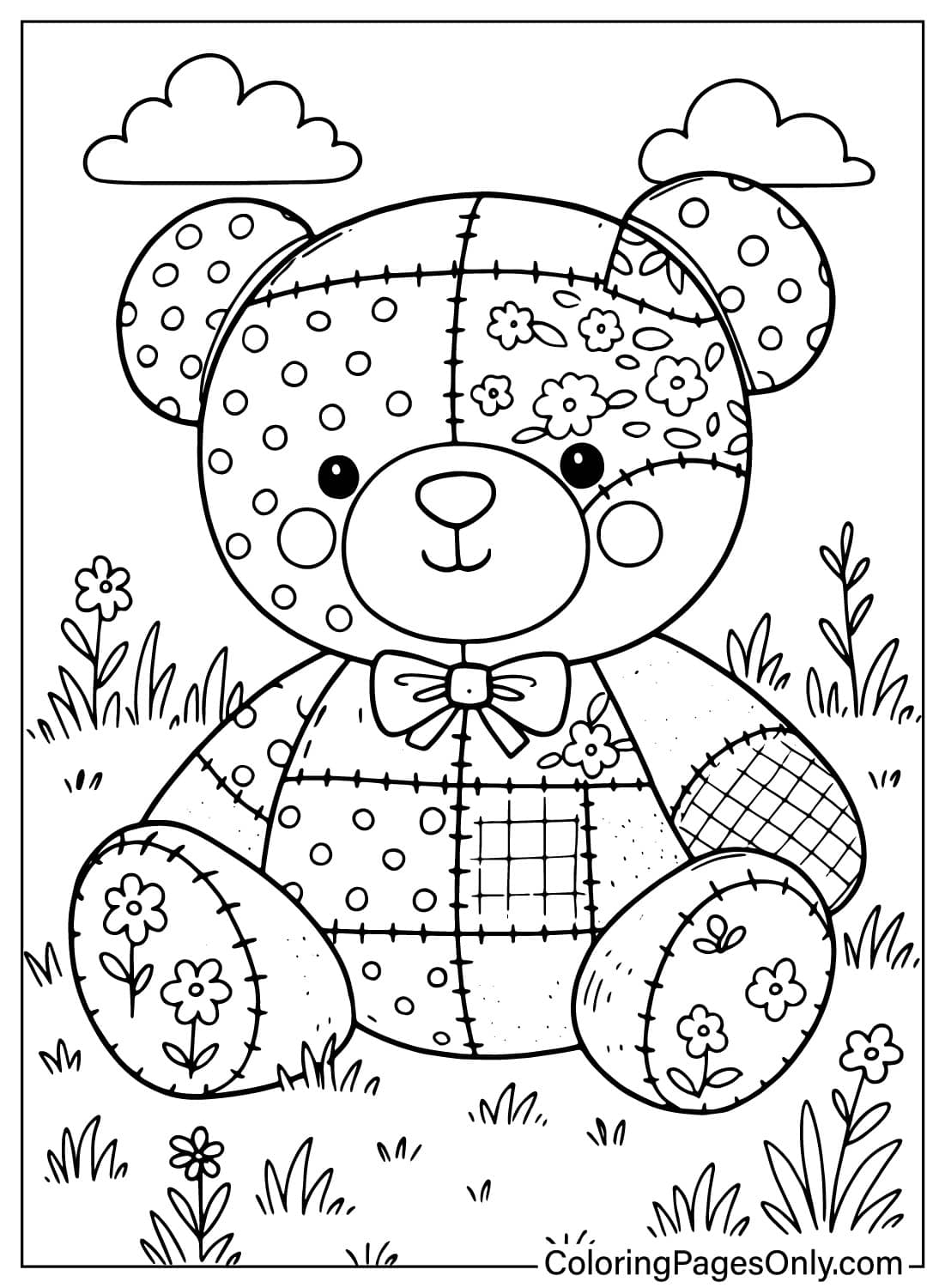
A large number of designs feature woodland creatures built from stitched patterns, including foxes, owls, and bears. These pages give colorists a chance to mix several patch patterns within one recognizable animal shape.
Ocean and Underwater Patchwork Creatures
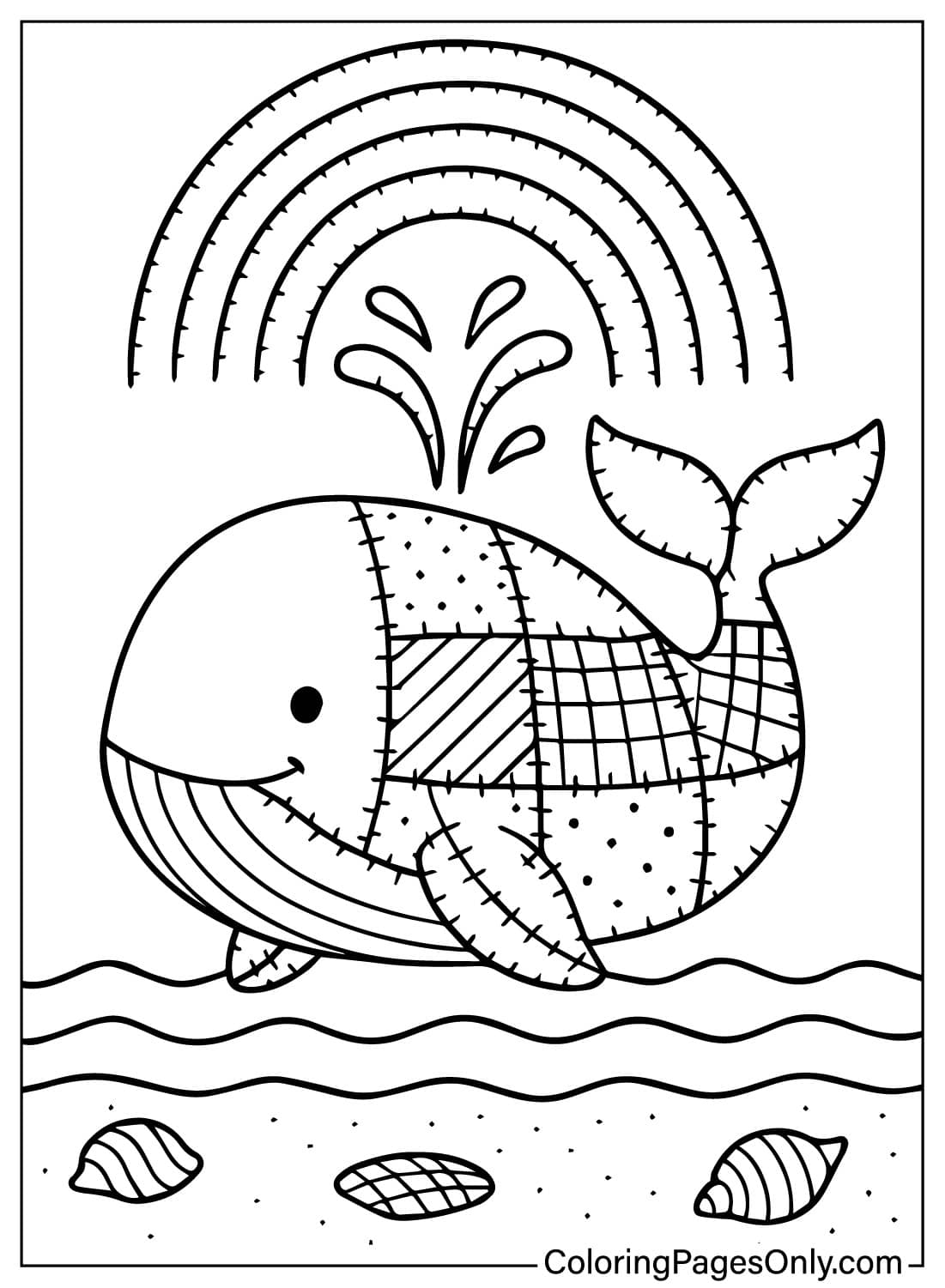
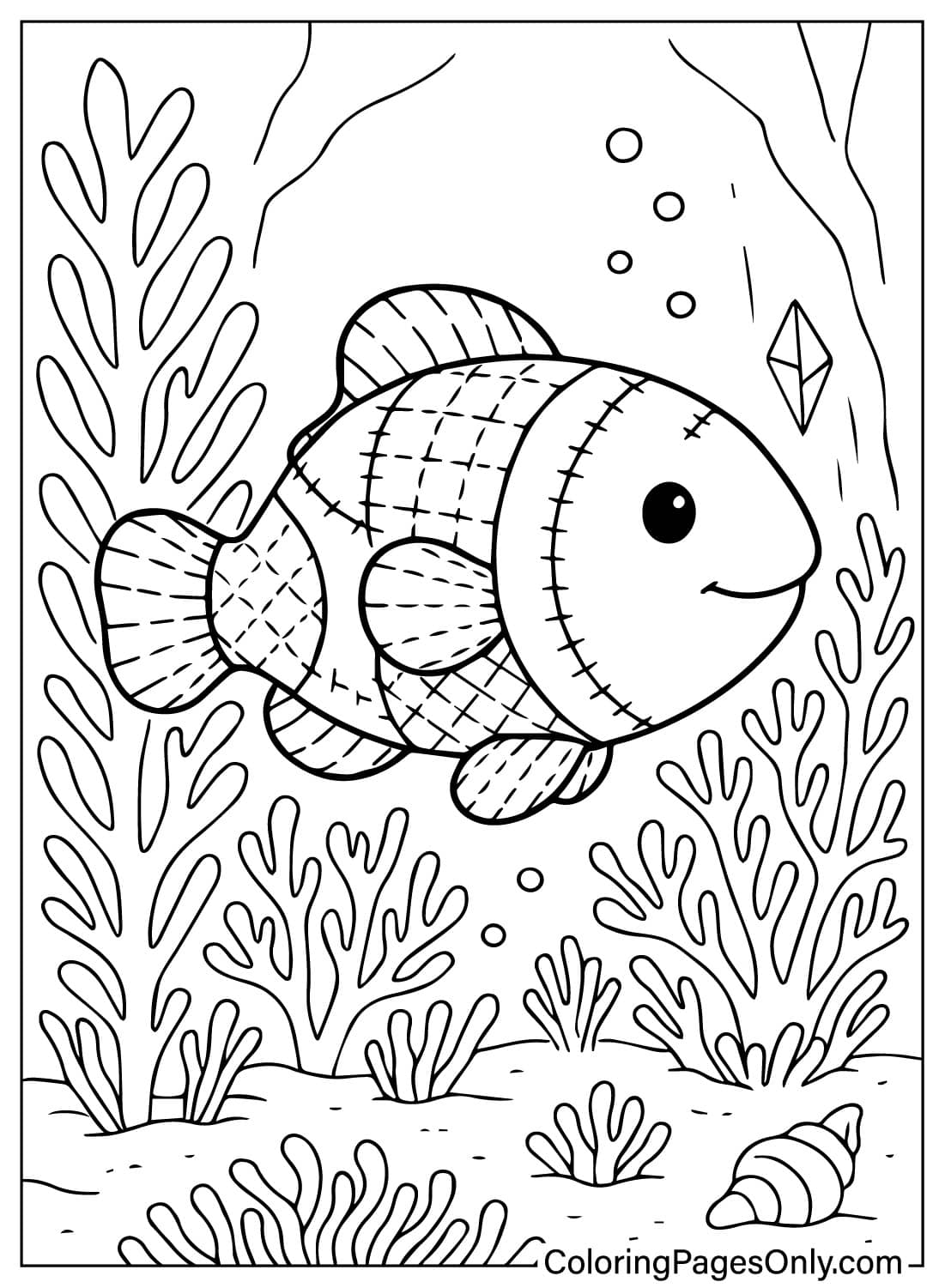
A group of designs brings the patchwork style underwater, featuring whales, fish, and other sea life. These pages combine the quilted texture with an ocean setting for a different kind of background detail.
Whimsical and Fantasy Patchwork Animals
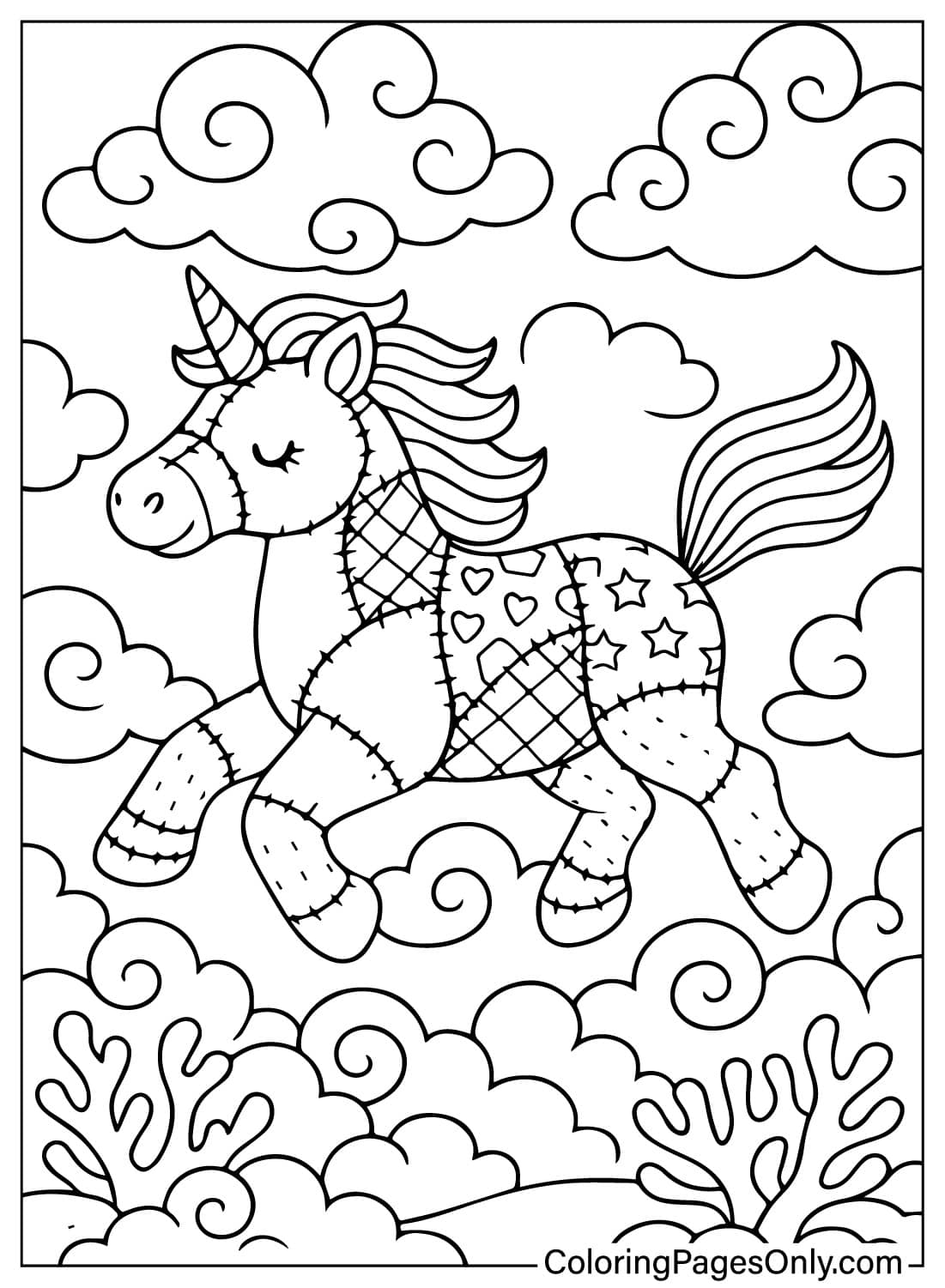
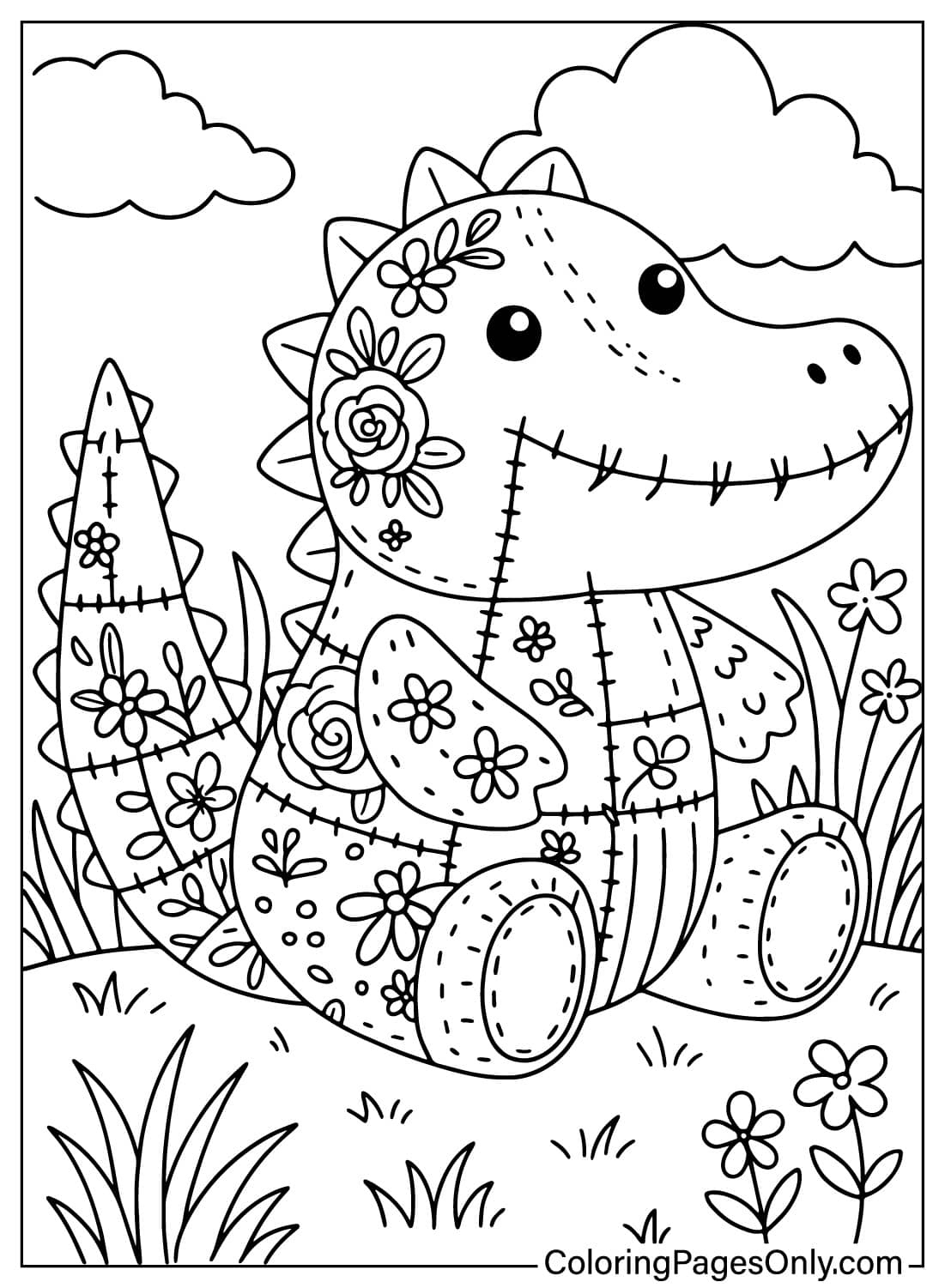
Some designs move into fantasy territory, including a patchwork unicorn and dinosaur. These pages suit colorists who enjoy applying the patchwork style to imaginative, non-realistic creatures.
Everyday Pets and Cuddly Characters
A number of pages focus on familiar, cuddly characters like puppies, a teddy bear, and a bunny. These designs give the collection a softer, more approachable feel for younger colorists.
What Patchwork Animal Coloring Pages Do
Fine motor precision across mixed patterns. The American Academy of Pediatrics identifies fine motor skill development as a core benefit of structured coloring for children ages 2 through 7, and switching between patches, stitches, and small pattern repeats within a single animal shape asks for more varied, controlled linework than a single-texture design would require.
A concrete hook for a real craft tradition. Because patchwork is a genuine textile technique with a documented history rooted in resourcefulness and community, coloring these pages gives children a visual entry point into a real craft tradition rather than a purely invented art style.
Calm focus through repetitive pattern work. A 2005 study in the Art Therapy Journal documented measurable reductions in anxiety following structured coloring sessions, and the small, repeated patch and stitch details in these designs give colorists a naturally slow, meditative area to work through.
Practice organizing multiple patterns within one shape. Because each patchwork animal combines several different patterns rather than one flat color, these pages give colorists hands-on practice deciding how different colors and textures work together within a single, unified design.
How to Color Patchwork Animal Pages Well
- Patch variety: Use a different color or simple pattern, like stripes, dots, or plaid, for each individual patch section rather than repeating the same one throughout.
- Stitch lines: Keep stitch details consistent with Charcoal or dark Brown so they read clearly against whatever colors surround them.
- Contrast between patches: Alternate warm and cool tones, like a Scarlet Red patch next to a Cerulean Blue one, so neighboring sections stay visually distinct.
- Buttons and small details: A bright accent color, like Sunglow Yellow, works well for button eyes or other small decorative details typical of a stuffed-toy look.
- Backgrounds: Keep any background scenery in softer, more muted tones so the busy, multi-patterned animal remains the clear focal point.
- Fantasy patchwork designs: Feel free to use less realistic color combinations, like a pastel Lavender patch next to a Mint Green one, since these designs are already stylized rather than lifelike.
5 Creative Craft Ideas With Patchwork Animal Coloring Pages
1. Real Fabric Scrap Collage
Color a patchwork animal page, then glue small, real fabric scraps over a few of the patch sections to add genuine texture on top of the coloring. Mixing different fabric patterns, like a cotton print next to a felt scrap, mirrors how real quilters historically worked with whatever material they had available. This works especially well as a hands-on introduction to actual quilting materials.
2. Storytelling Patch Card
Color a patchwork animal page and write a short note on the back describing what each patch “used to be,” inspired by how real quilts are often pieced from old, meaningful fabric. Pairing the colored animal with an invented backstory for its patches turns the activity into a small creative writing exercise. This works well as a family or classroom storytelling project.
3. Mini Quilt Block Craft
Color a simple patchwork animal page, then cut a few of its patch sections apart and glue them onto a small square of cardstock in a new arrangement to build a mini quilt-block-style design. Comparing the rearranged block to a real quilt pattern helps connect the craft back to actual quilting techniques. This works especially well as a classroom introduction to how quilt blocks are constructed.
4. Classroom Quilt Mural
Color several patchwork animal pages as a group, with each student contributing one design, and arrange them together in a grid on a wall to build a paper “quilt” mural. Leaving small gaps between each page, like the seams in a real quilt, reinforces the visual connection. This works well as a shared classroom or family project.
5. Patchwork Animal Bookmark
Trim a simple patchwork animal design to bookmark size and laminate or cover it with clear tape for a durable, everyday bookmark. Punching a hole at the top and threading a short ribbon through makes it easy to spot inside a stack of books. Making a small set with different animals gives a reader several to rotate through.
Frequently Asked Questions
What are Patchwork Animal coloring pages?
They are printable illustrations of animals designed to look like they are pieced together from mismatched fabric patches, complete with visible stitch lines. This collection has 34 designs available as free PDF downloads or for coloring directly online.
What is patchwork, and where does the style come from?
Patchwork is a real textile technique in which pieces of fabric are sewn together, historically developed as a practical way to reuse scraps of cloth, which grew into a distinct American folk art tradition by the 19th century.
Why do old quilts often use mismatched fabric scraps?
Early quilters typically worked with whatever fabric was available, often leftover pieces from worn-out clothing, since cloth was expensive and nothing was meant to go to waste, giving traditional patchwork quilts their characteristic mixed, scrappy look.
What is the difference between the realistic and fantasy-style animals in this collection?
The realistic-leaning designs apply the patchwork style to recognizable animals like foxes and owls, while the fantasy designs, like the unicorn and dinosaur, apply the same patchwork technique to imaginative, non-realistic creatures.
What colors work best for these designs?
Varying the color or simple pattern of each patch, alternating warm and cool tones between neighboring sections, and keeping stitch lines a consistent dark charcoal all help the patchwork effect read clearly.
Are Patchwork Animal coloring pages suitable for young children?
Yes. The designs use friendly, non-graphic animal shapes with no frightening content, making them appropriate for preschool through elementary-age children.
Can this collection be used for a classroom quilting or textile arts unit?
Yes. Because patchwork is a genuine craft tradition, these pages pair well with a classroom or homeschool unit introducing basic quilting concepts, textile history, or fabric-based art.
Can these pages be paired with other pattern-themed collections?
Yes. Since this collection sits within the site’s broader pattern and toy-adjacent content, these pages pair naturally with other pattern-focused coloring collections for a larger creative session.
Start Coloring
Download any page by clicking the design. No account, email, or payment is required. Pages print directly from the browser at full resolution or open in the online coloring tool for screen use. Share finished pages on Facebook or Pinterest with the share buttons at the top of each design page.