Pig Coloring Pages
 By:
Jennifer Thoa - Content Editor & Designer
Updated:
By:
Jennifer Thoa - Content Editor & Designer
Updated:
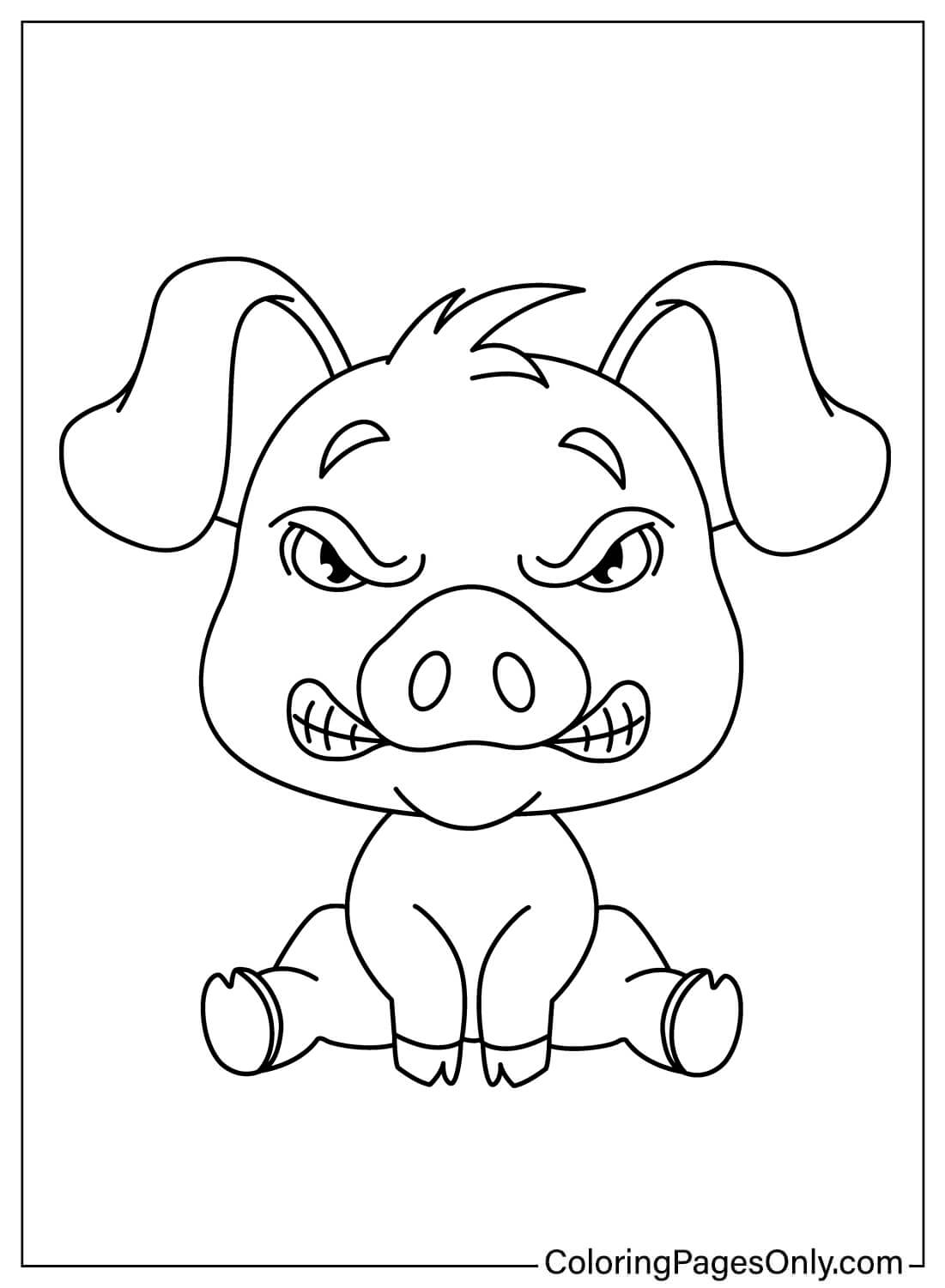
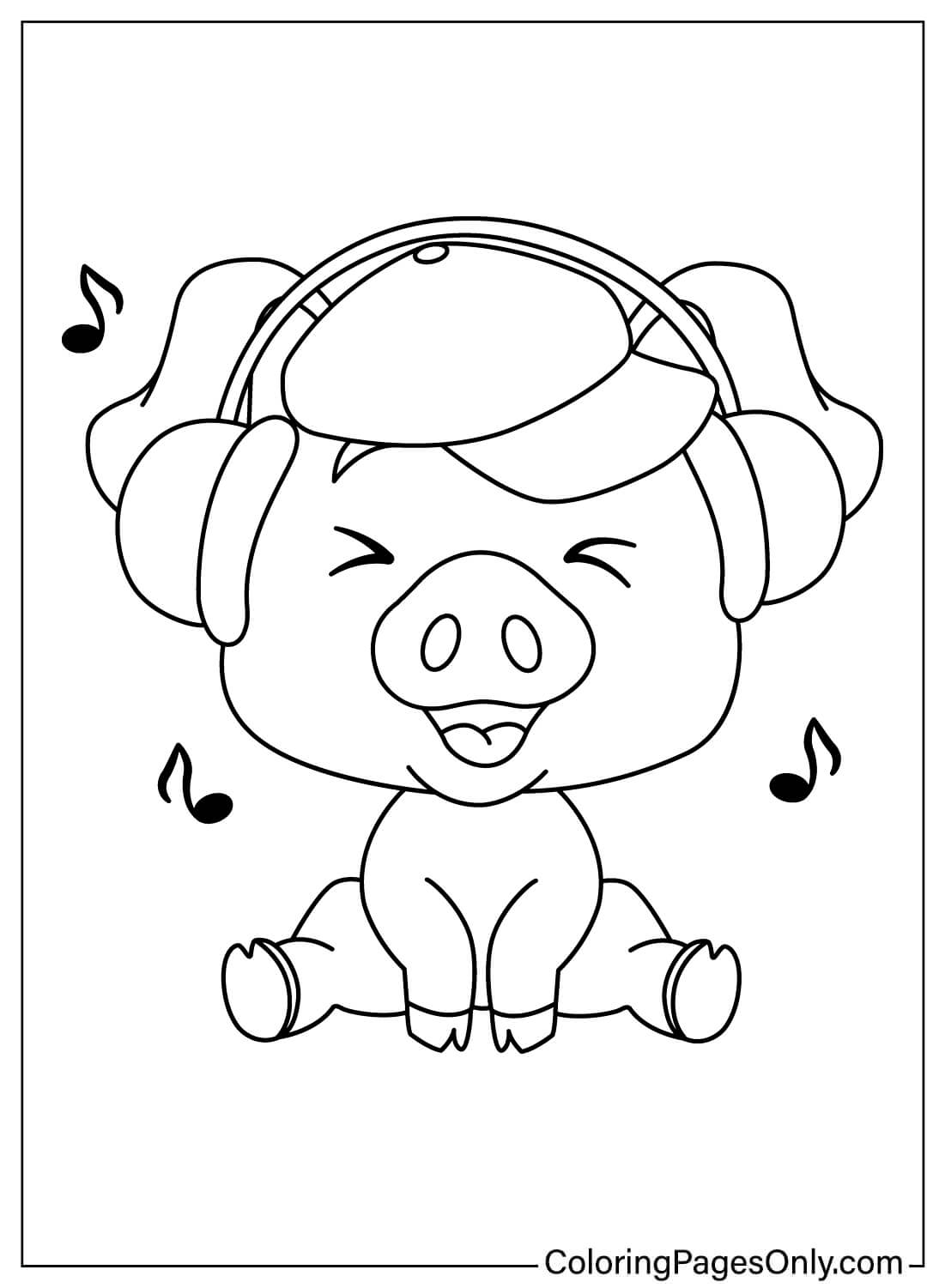
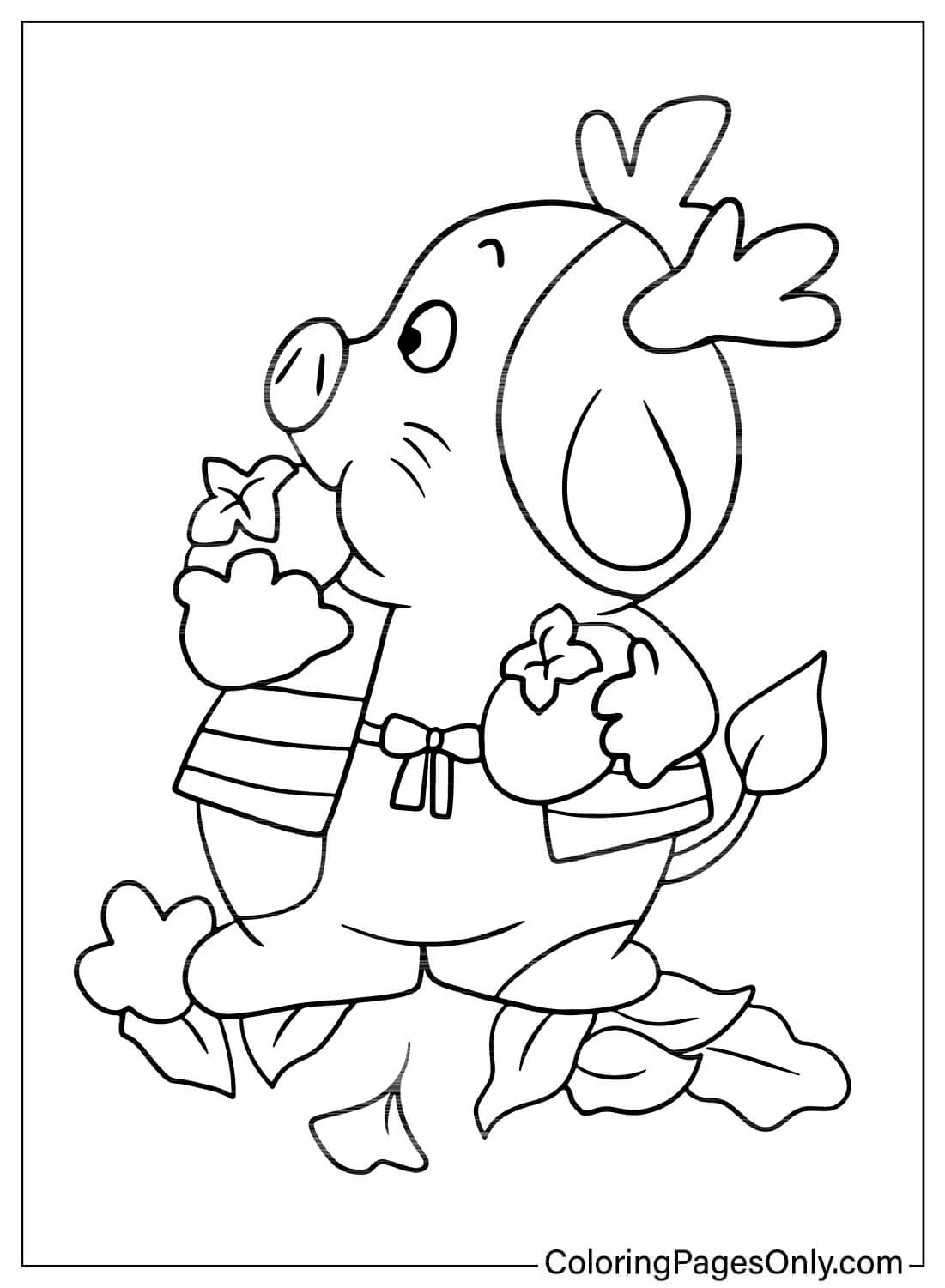
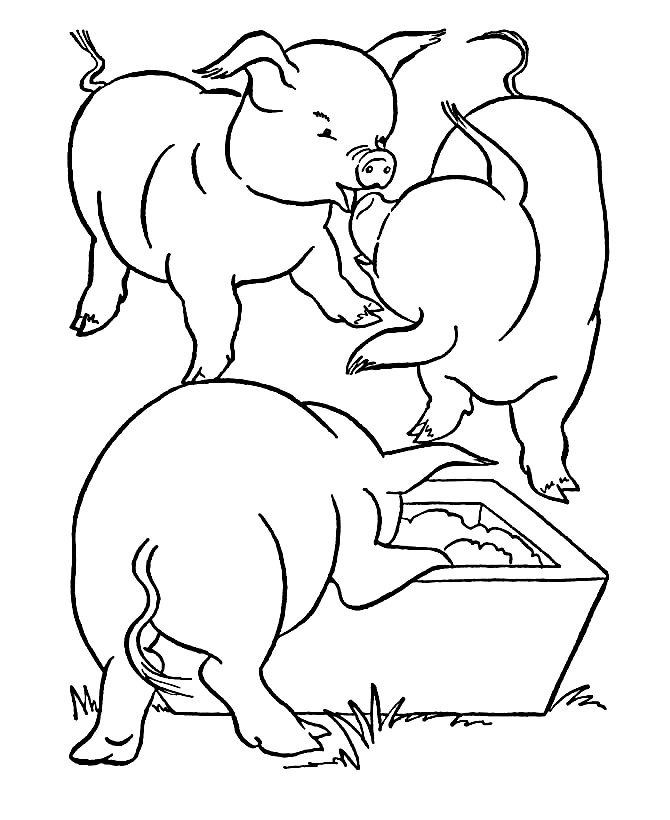
Free Pig Coloring Pages: 52 printable PDF designs featuring cute, playful, and expressive pigs. Each page can be downloaded as a PDF to print or colored online in the browser.
Pigs are widely misunderstood animals, and the popular phrase “sweating like a pig” is actually inaccurate: pigs have very few functional sweat glands, so they wallow in mud or water to cool down and protect their sensitive skin from sunburn, not because they are dirty. In fact, pigs are naturally clean animals that avoid soiling the areas where they eat and sleep, and they rank among the most intelligent domesticated animals, often matching or exceeding dogs in problem-solving and memory tests. Pigs also have an exceptionally sharp sense of smell, well-known enough that they have traditionally been used to hunt for truffles hidden underground. This Pig Coloring Pages collection captures that charm across a wide range of moods and poses, from cute and cuddly piglets to pigs dressed up or caught mid-expression.
The set spans 52 designs, ranging from simple outlines for younger colorists to more detailed, expressive scenes for older colorists and adults.
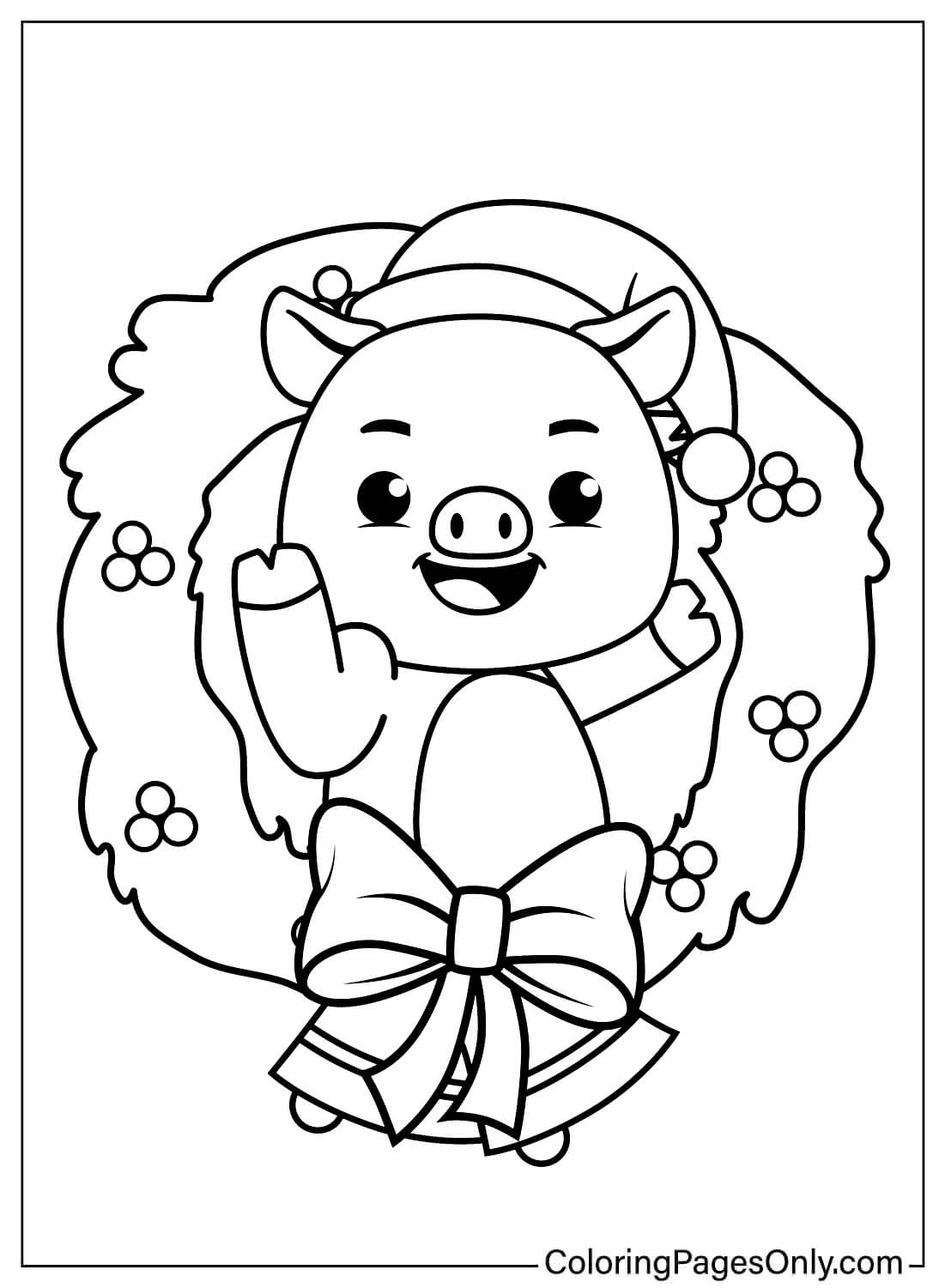
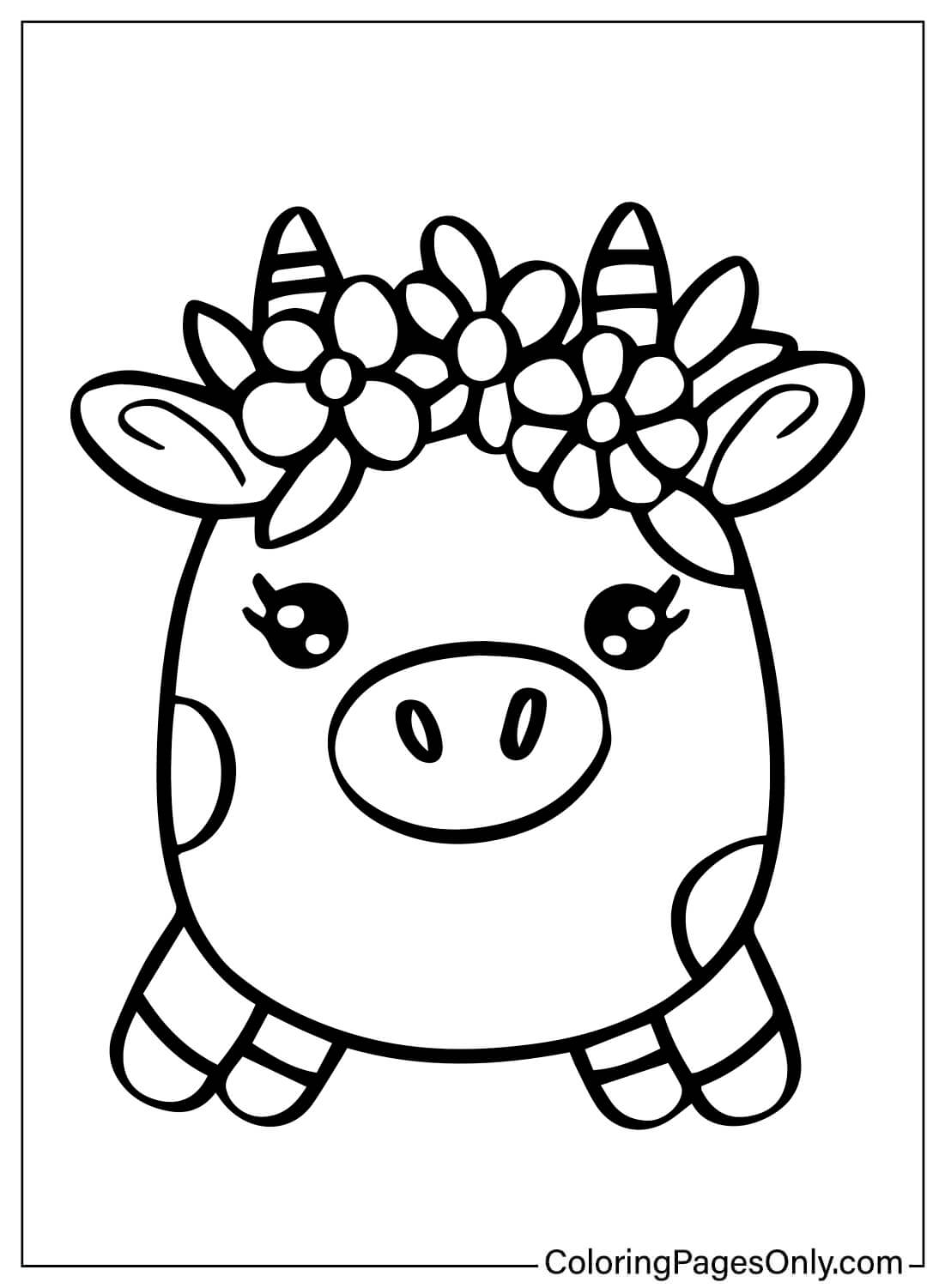
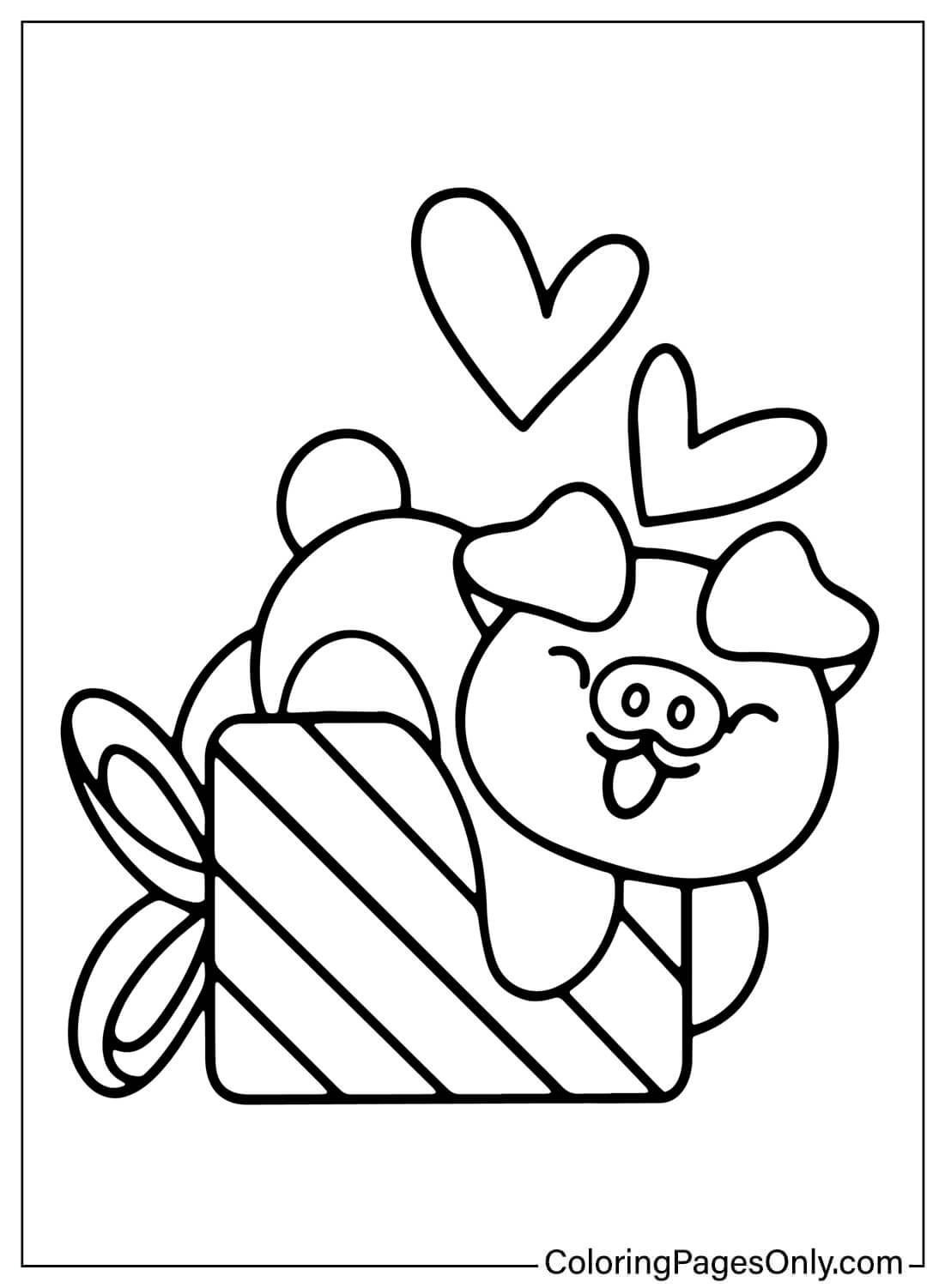
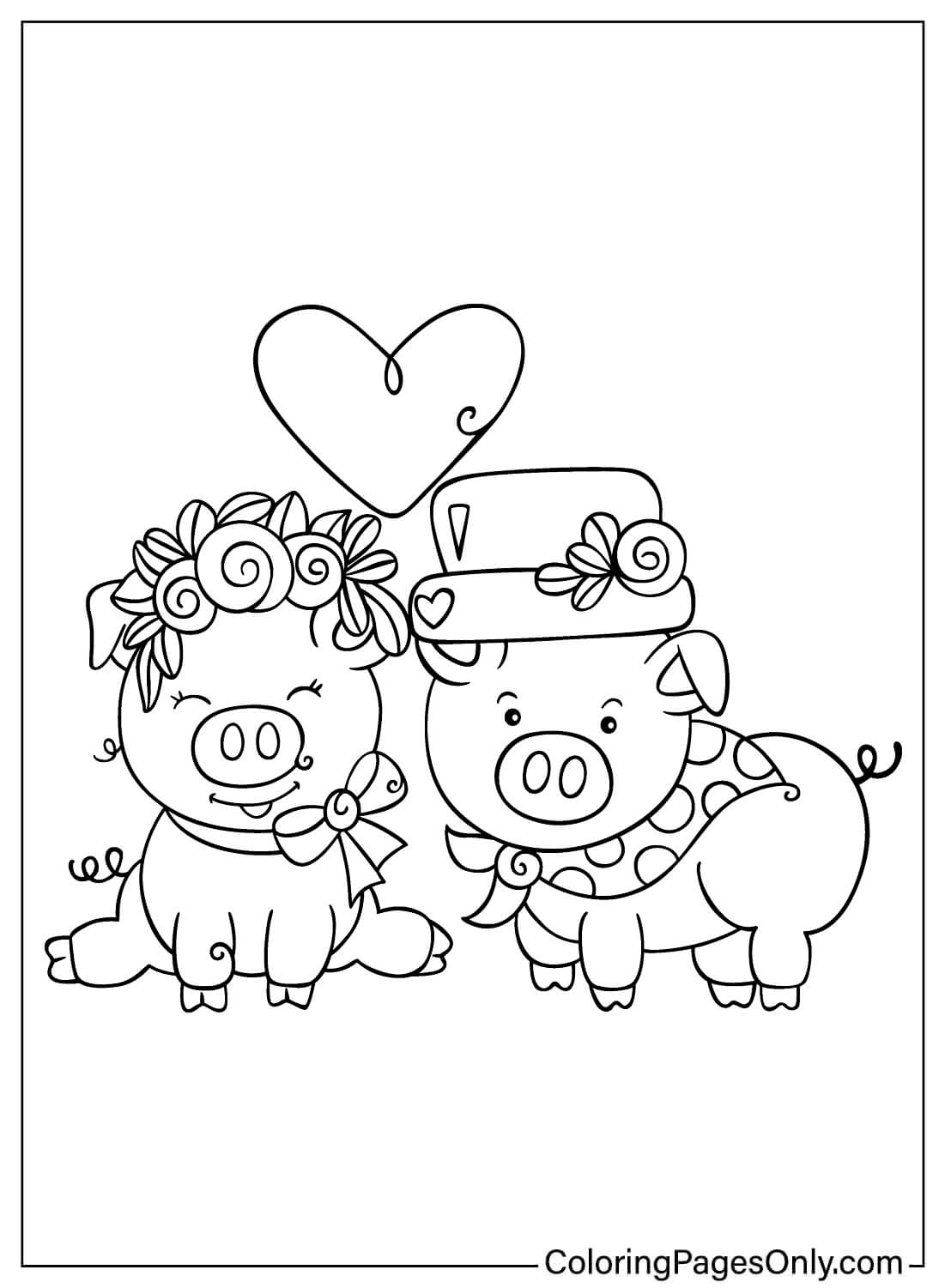
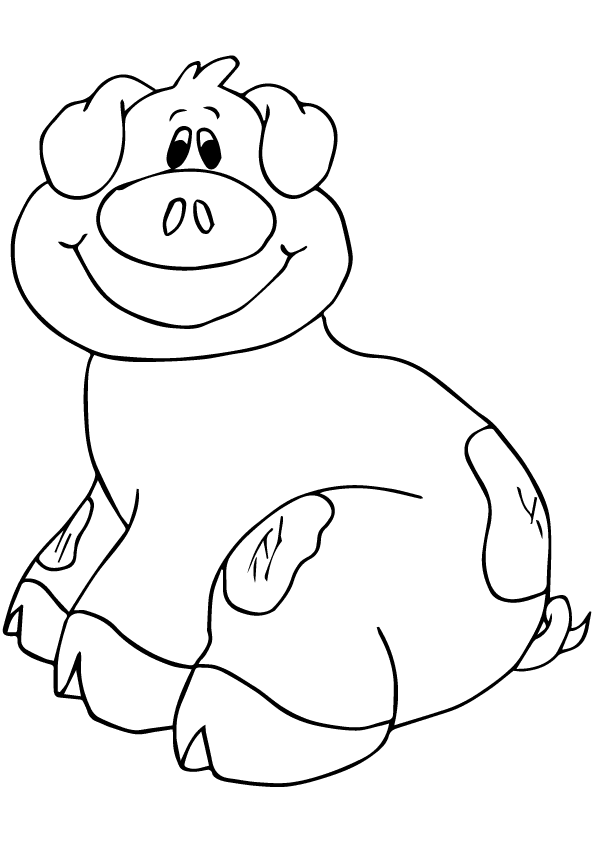
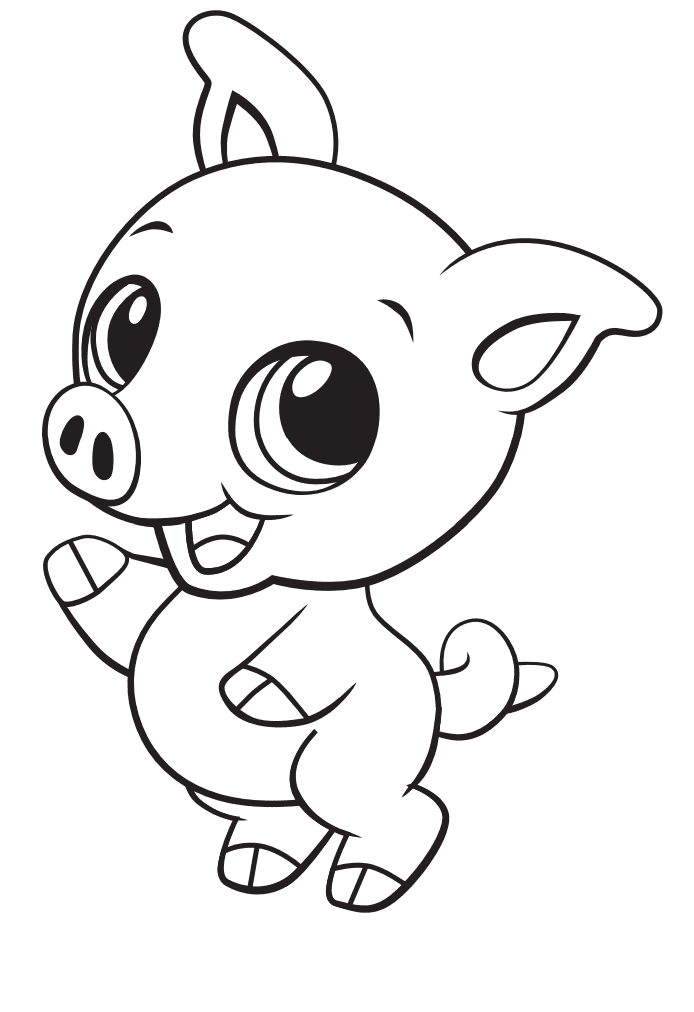
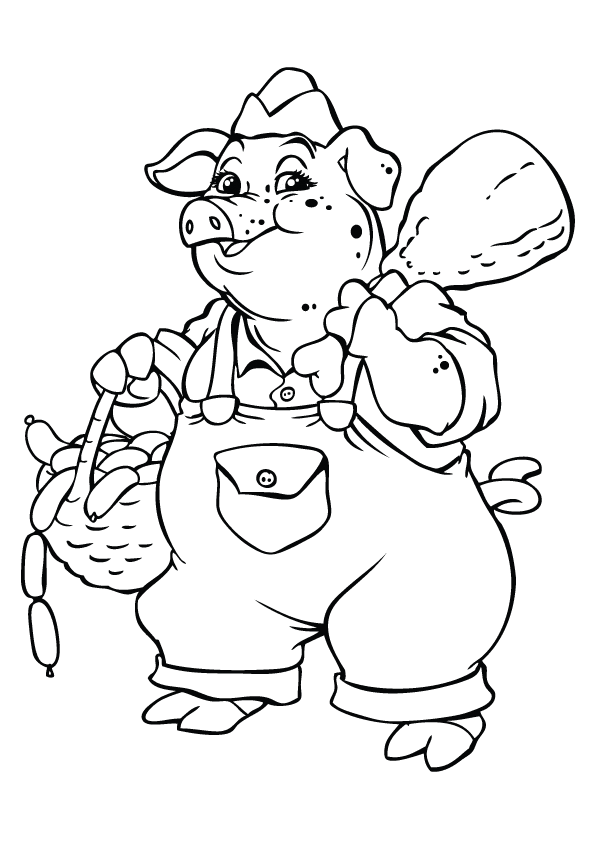
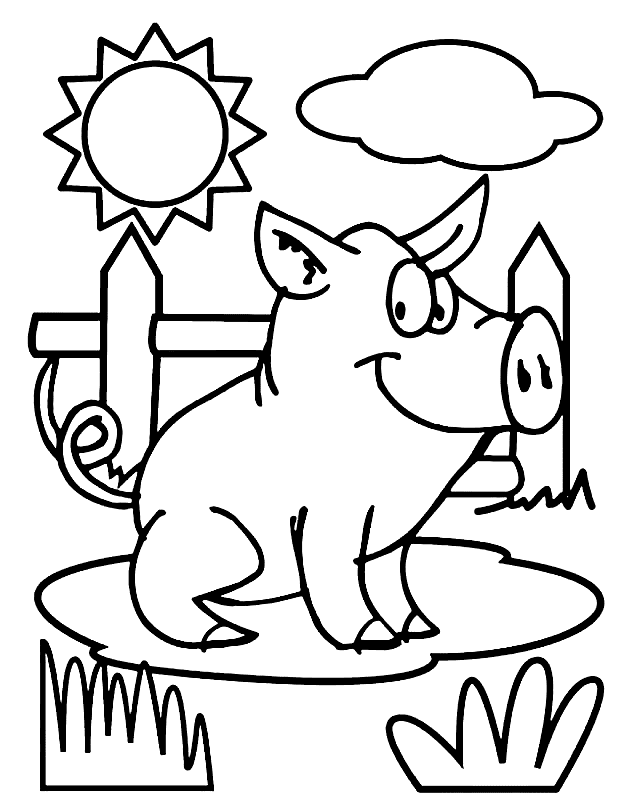
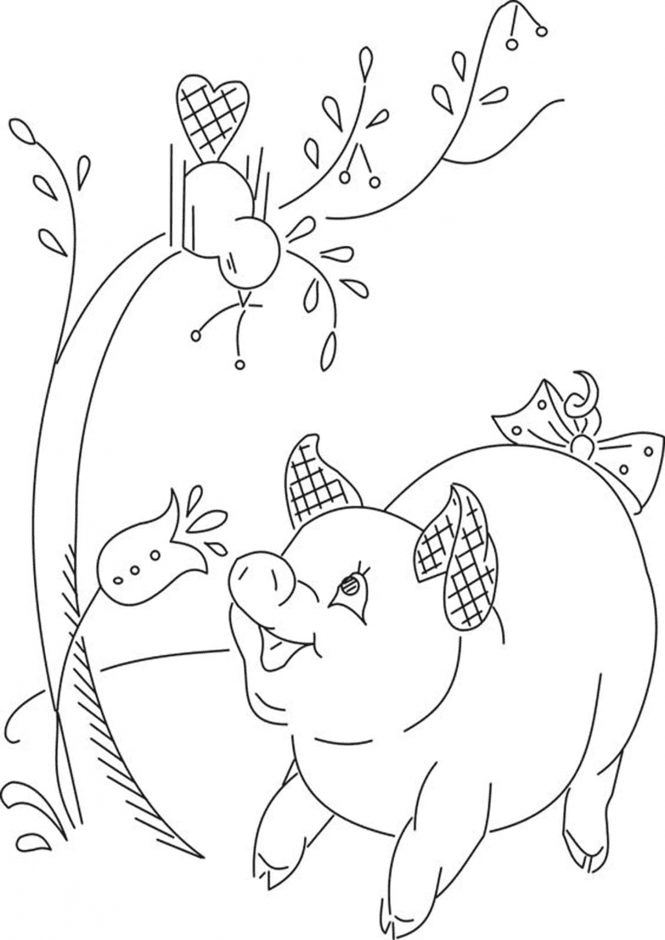
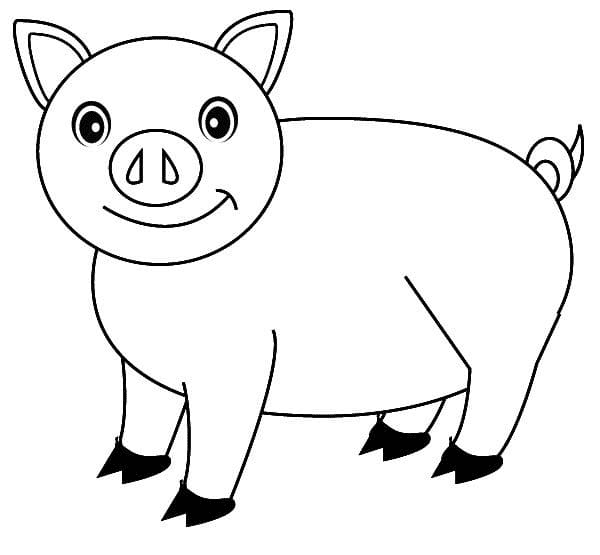
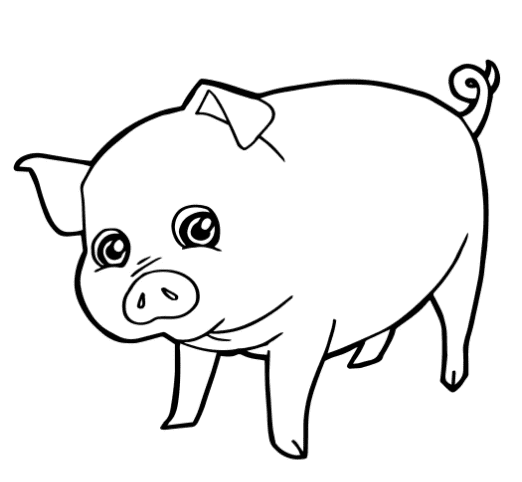
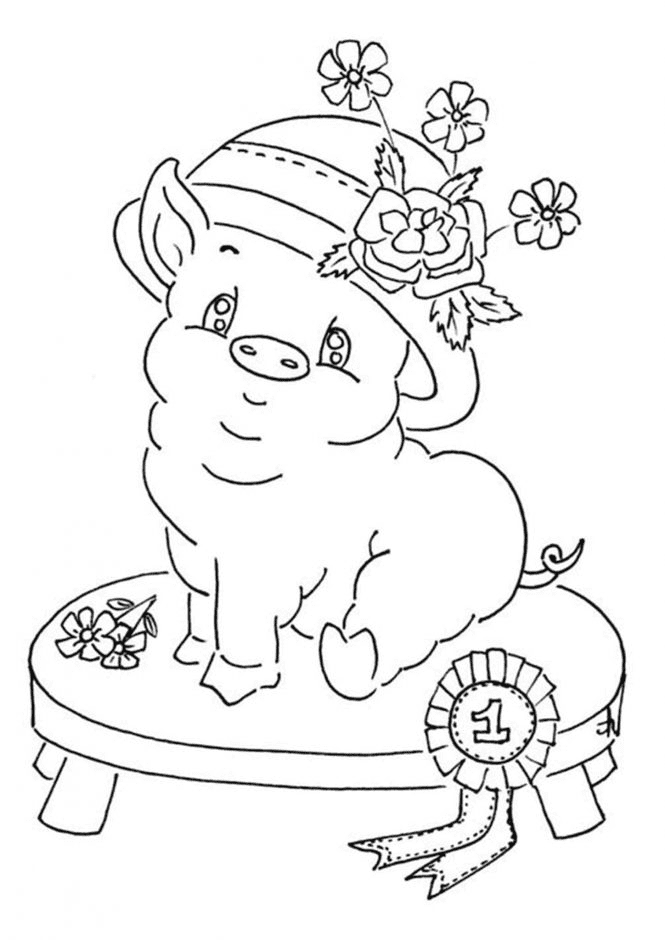
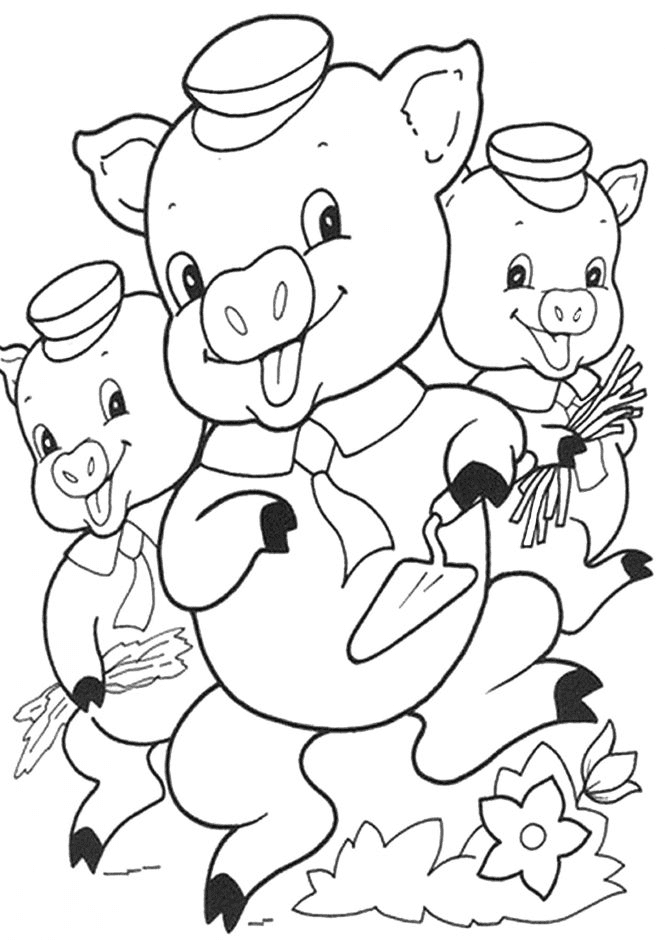
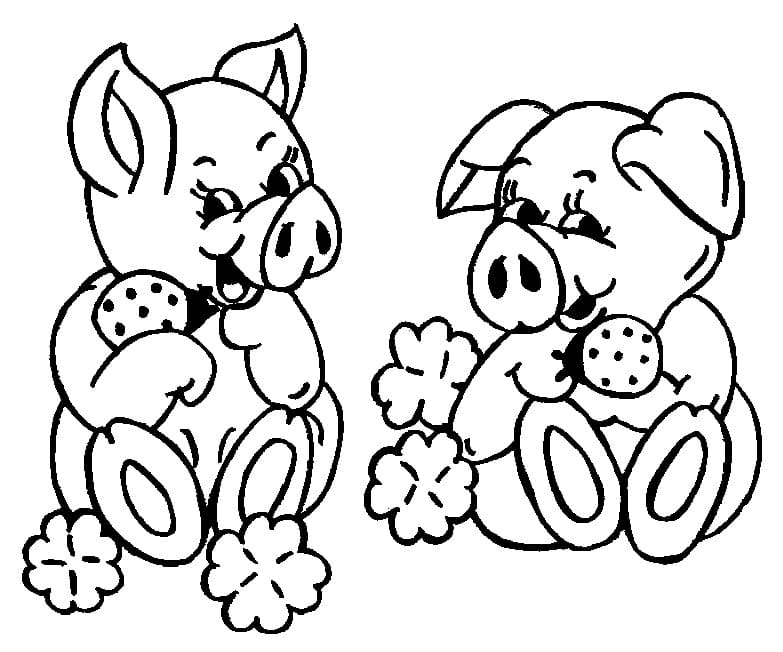
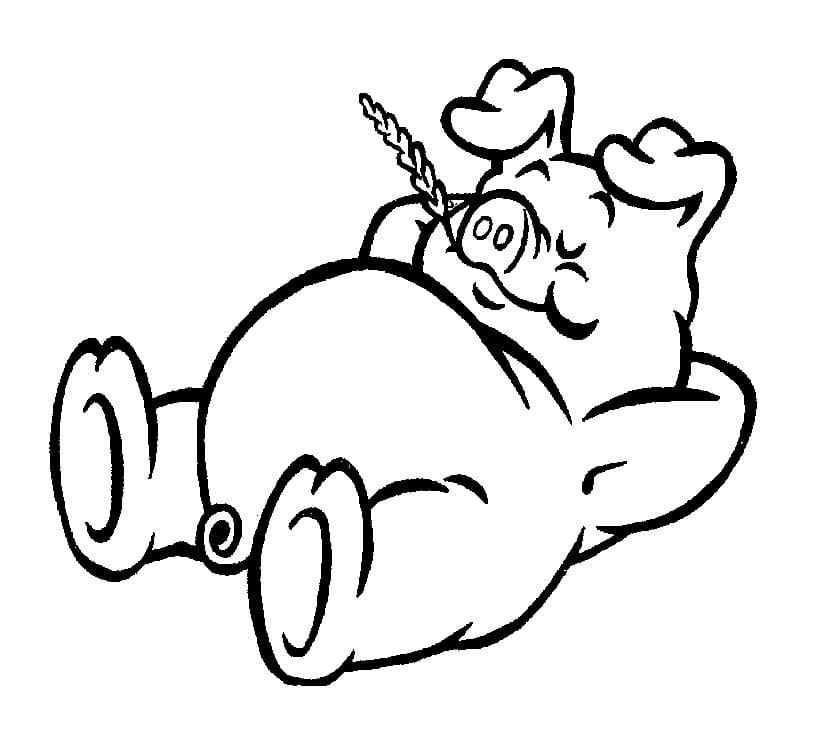
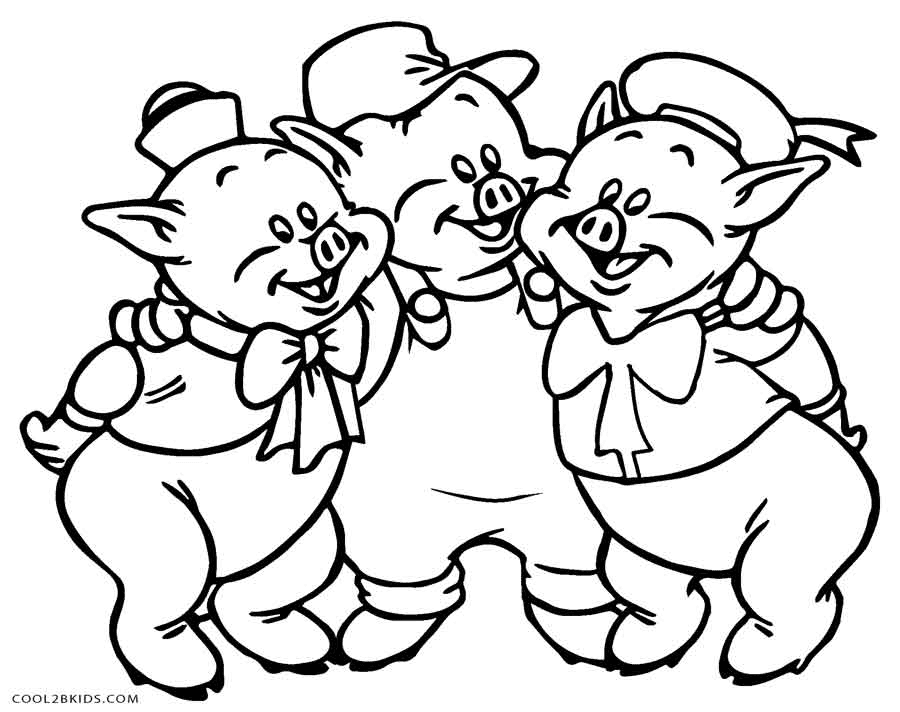
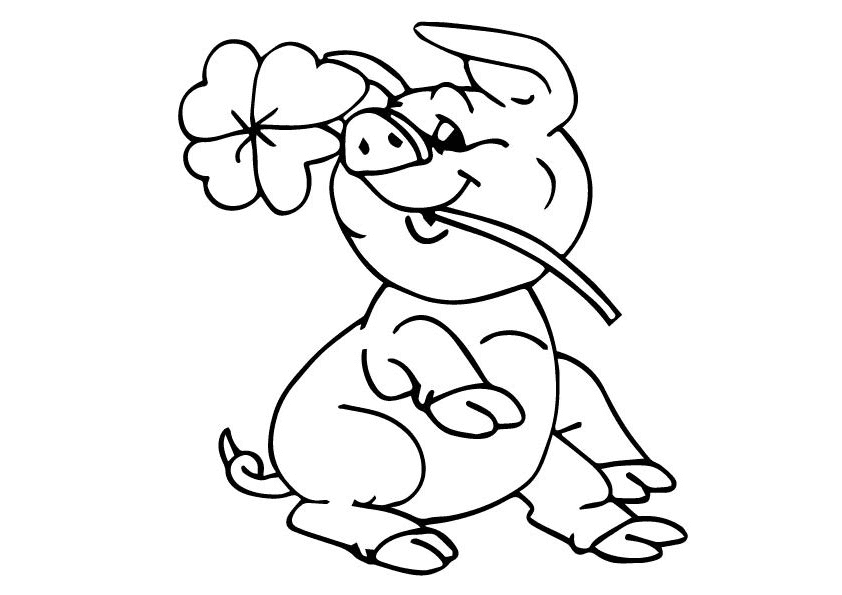
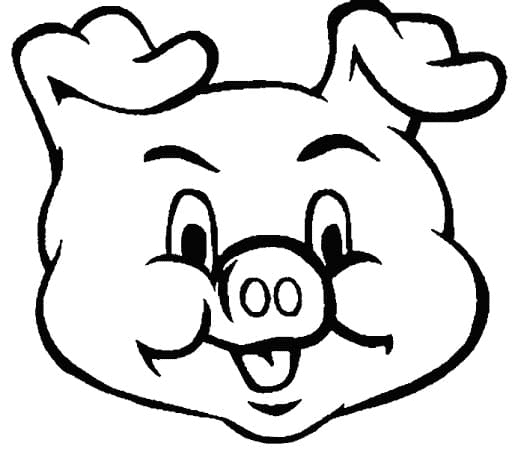
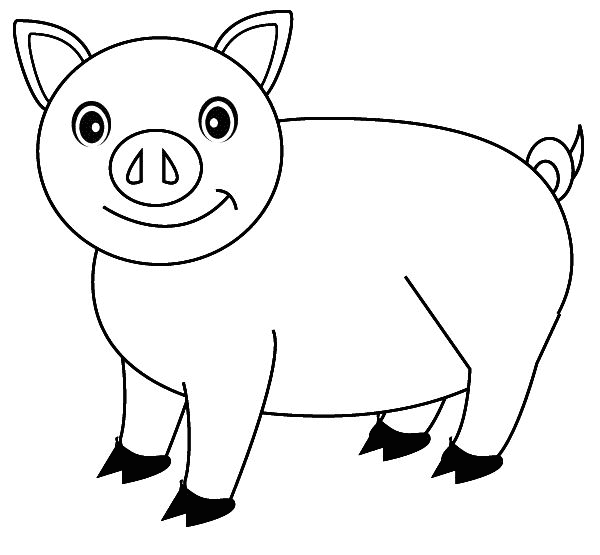
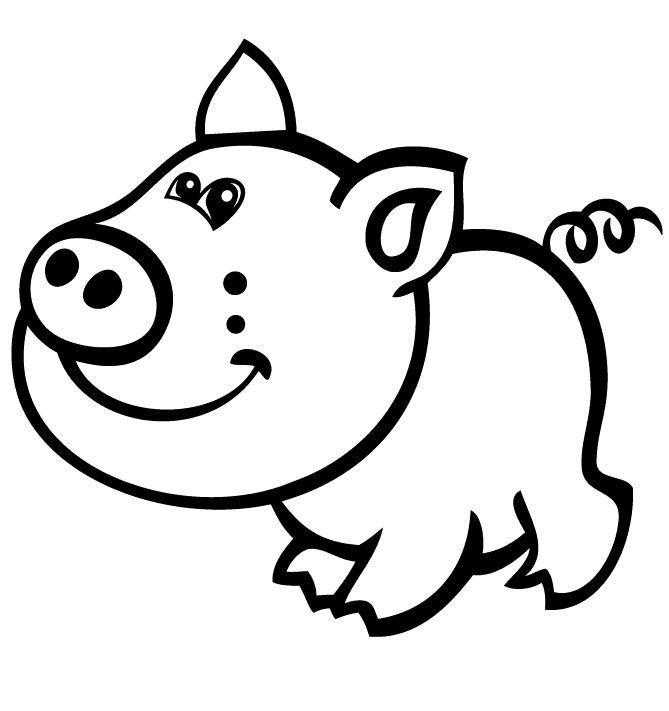

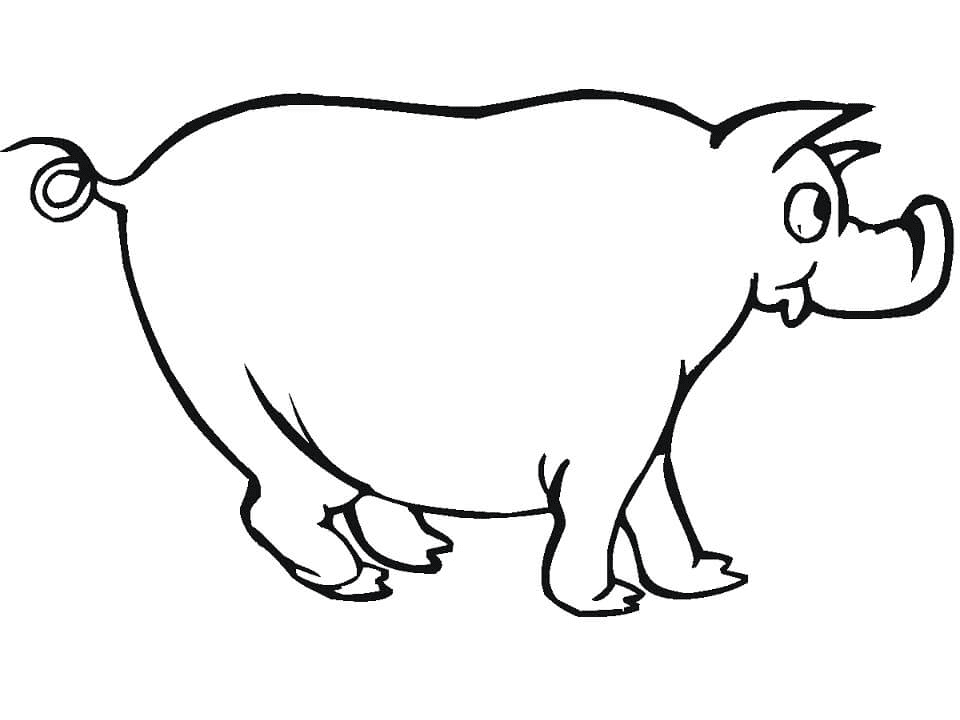
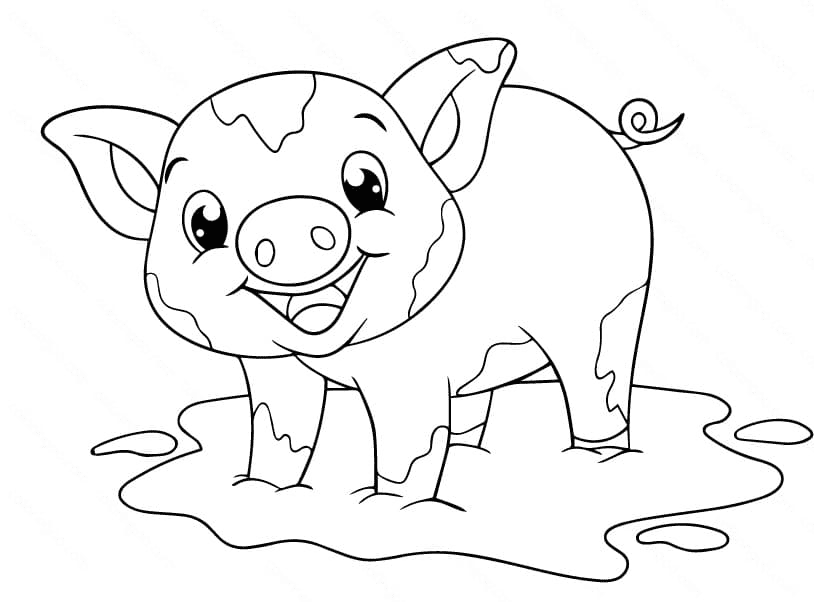
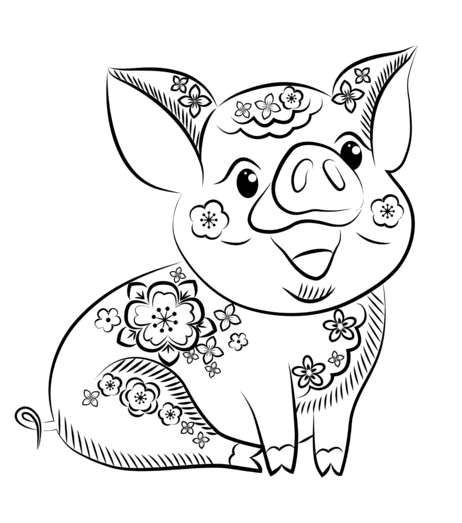
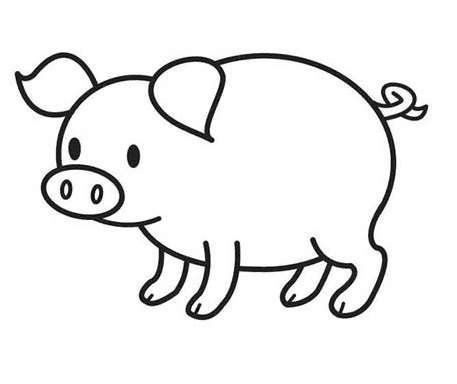
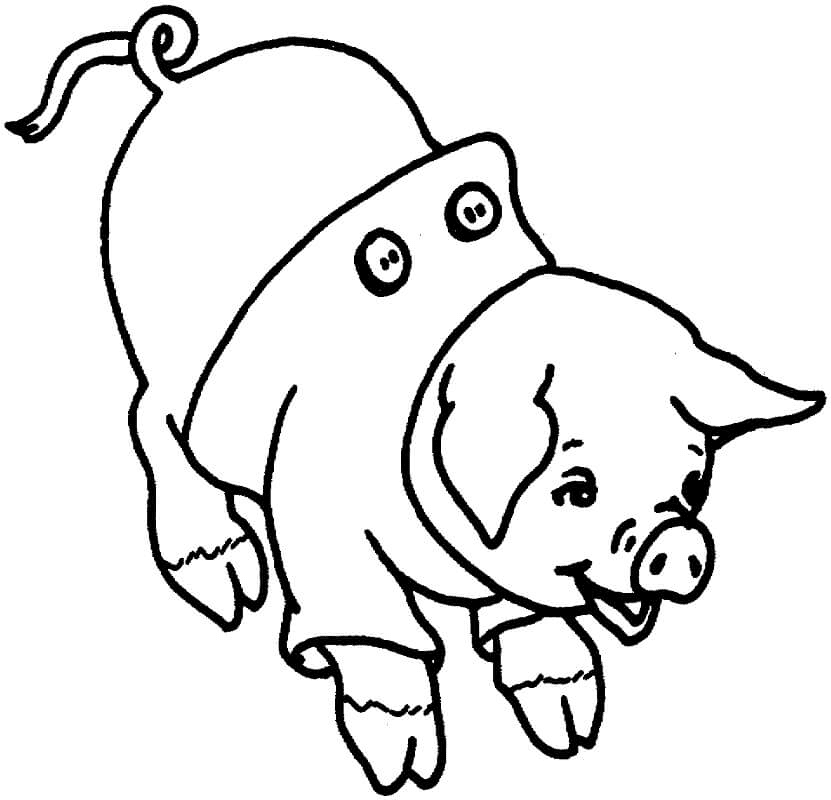
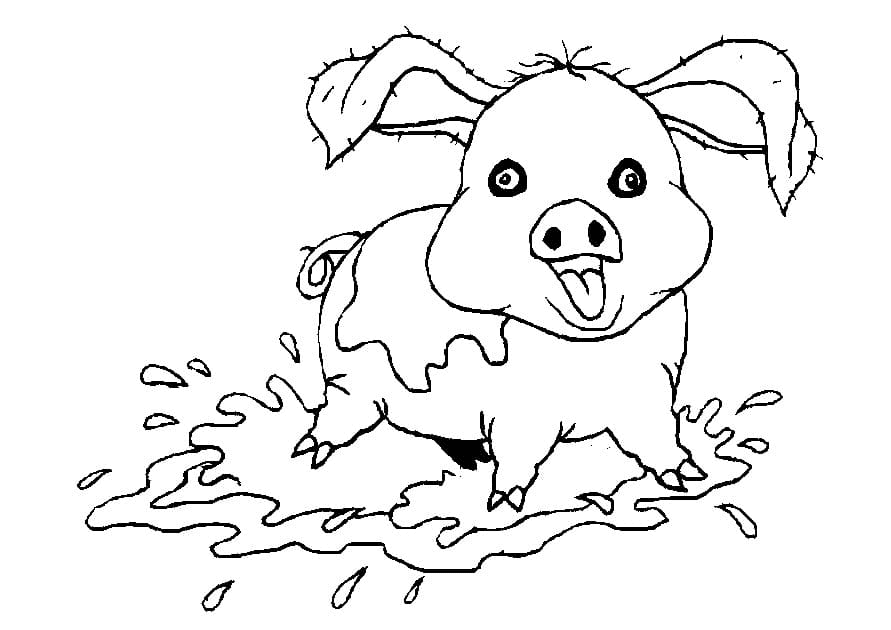
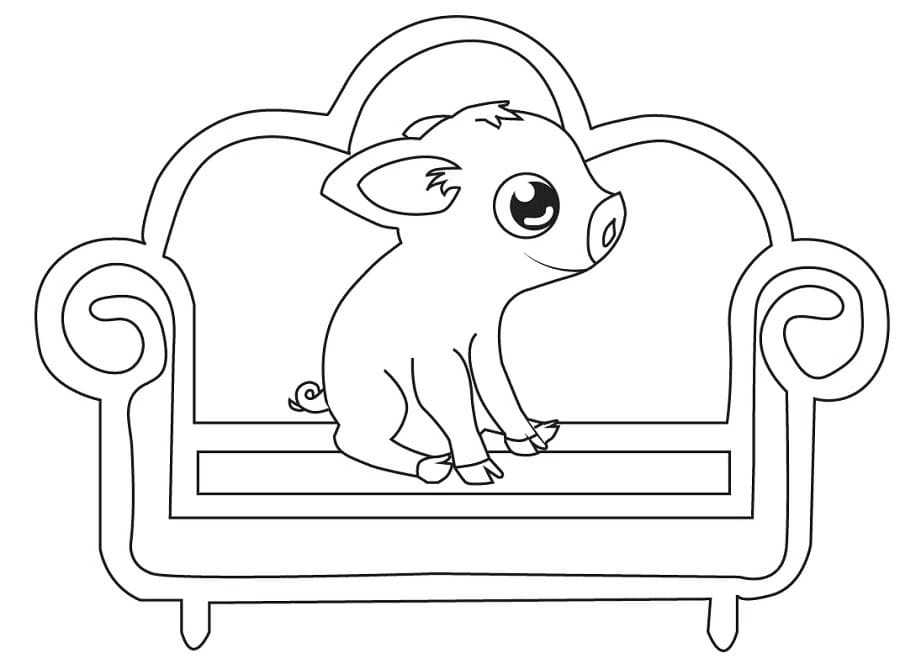
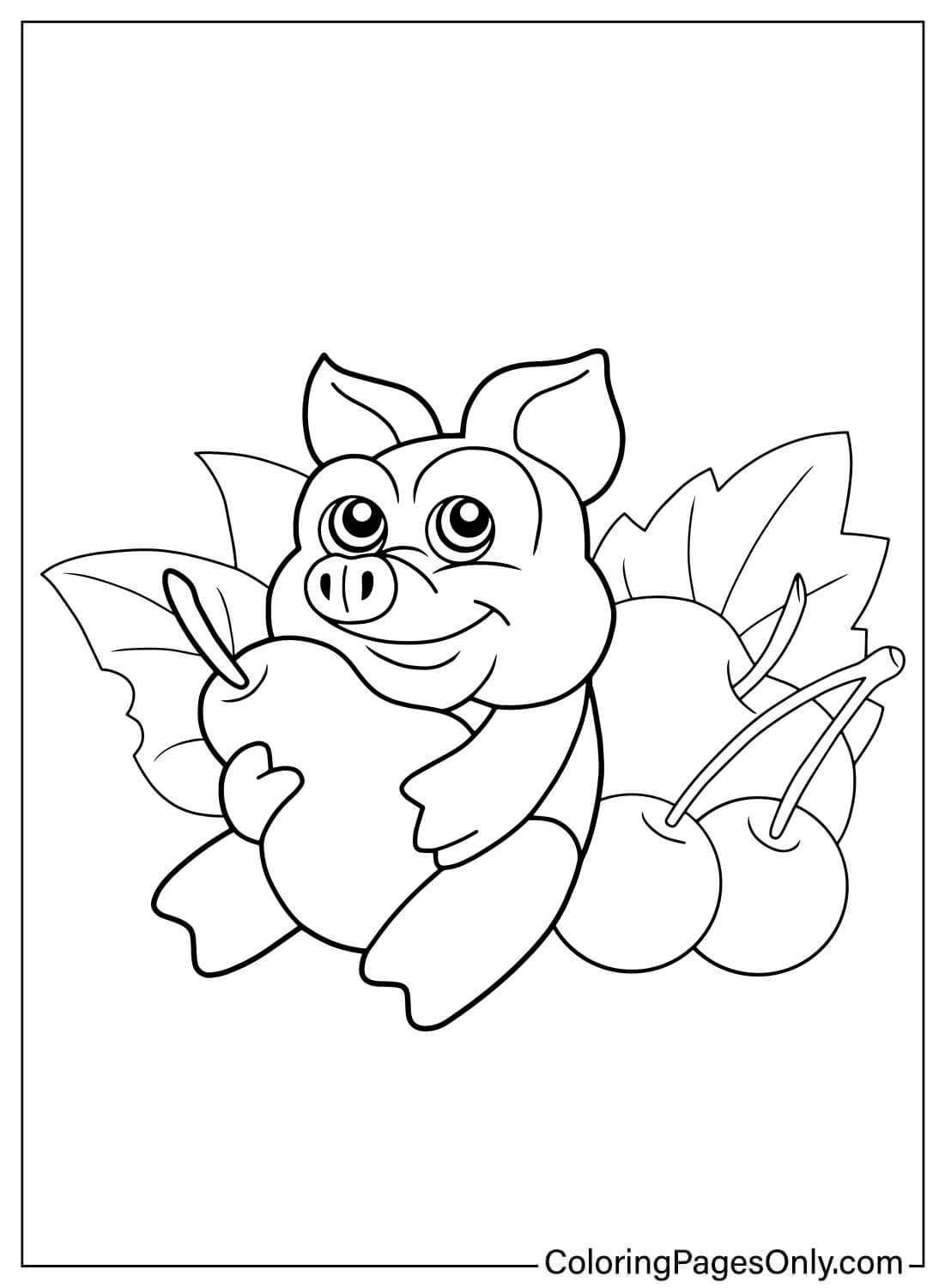
What Is Inside This Collection
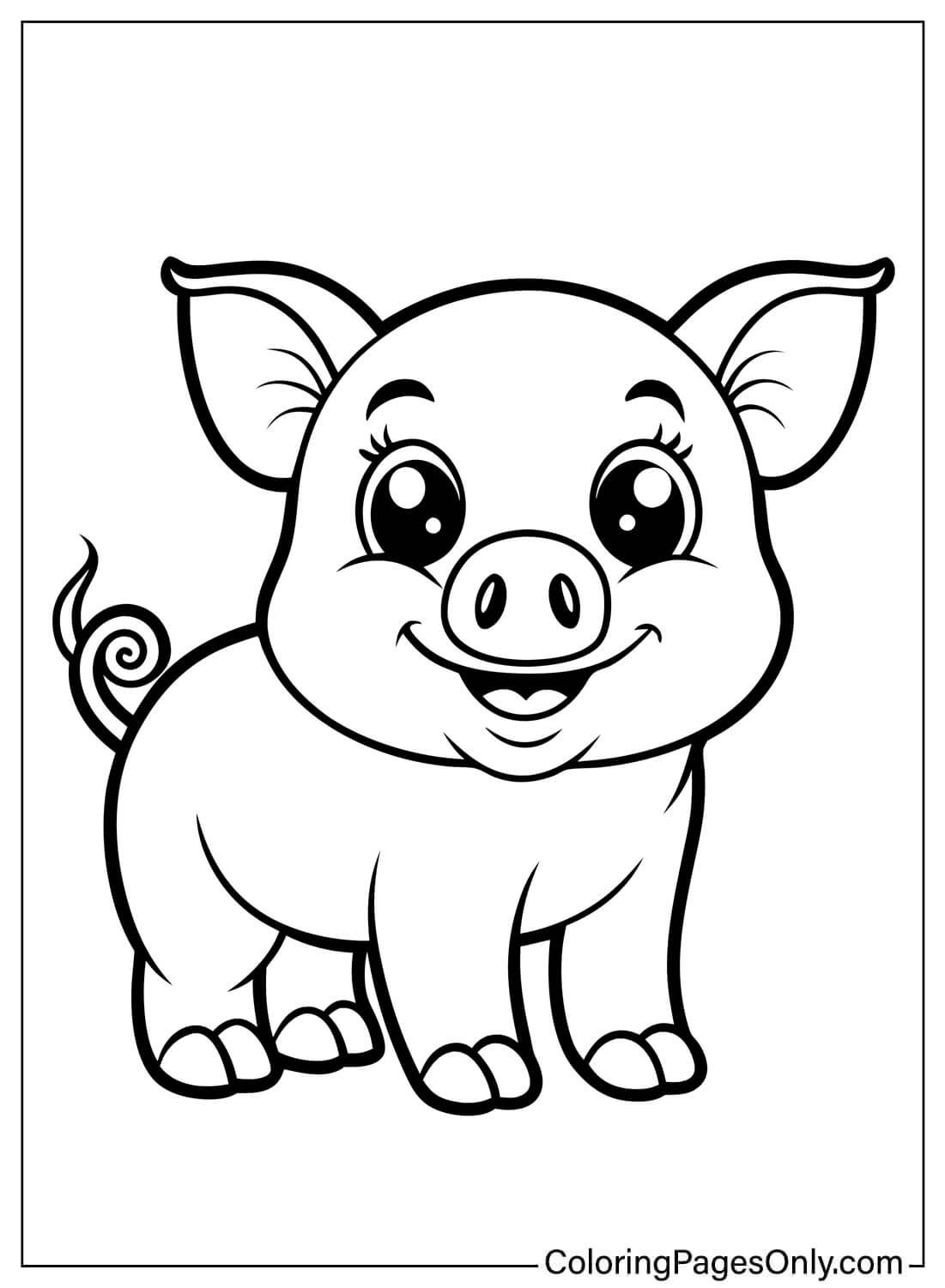
The 52 pages fall into four recurring groupings.
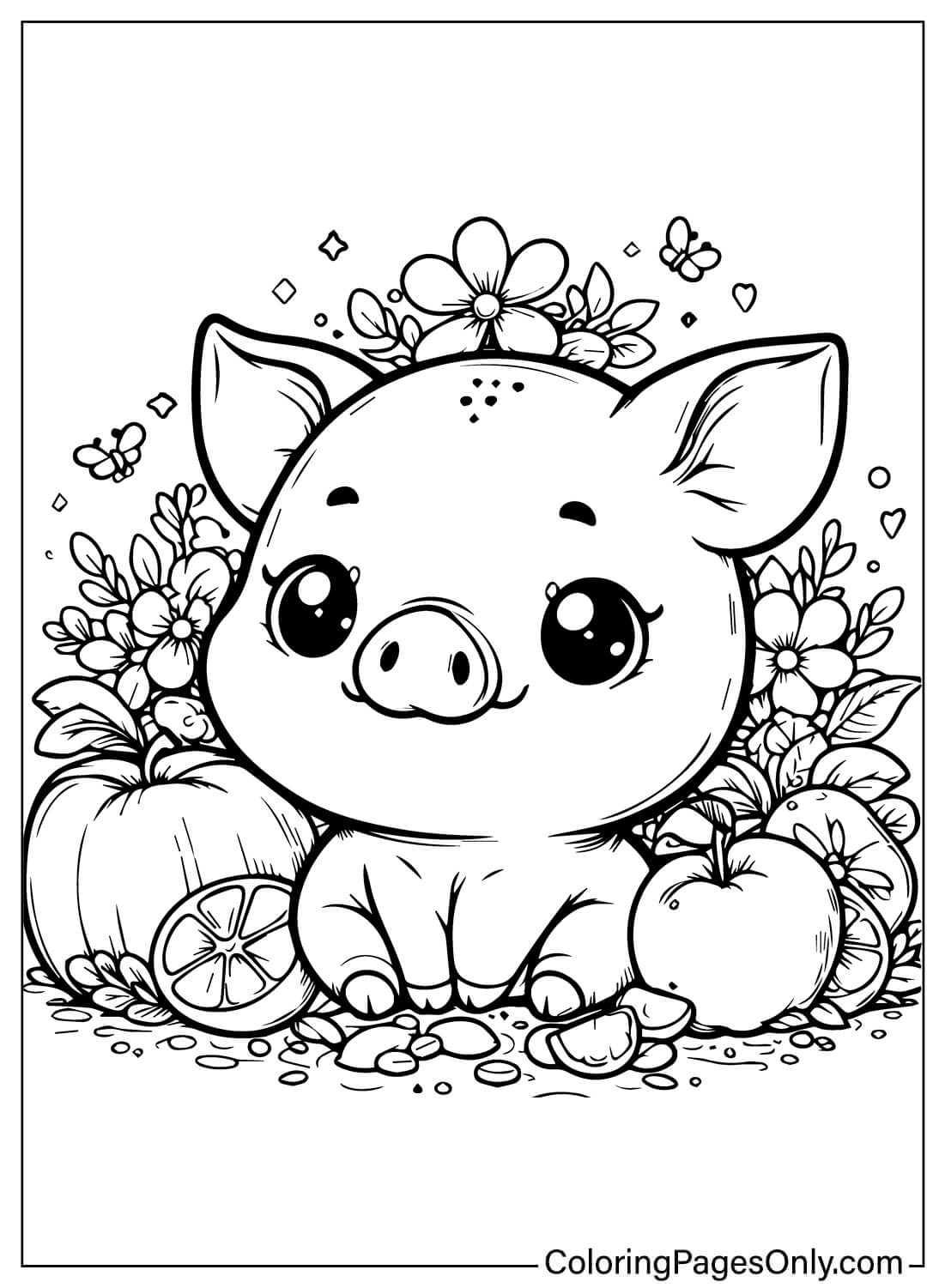
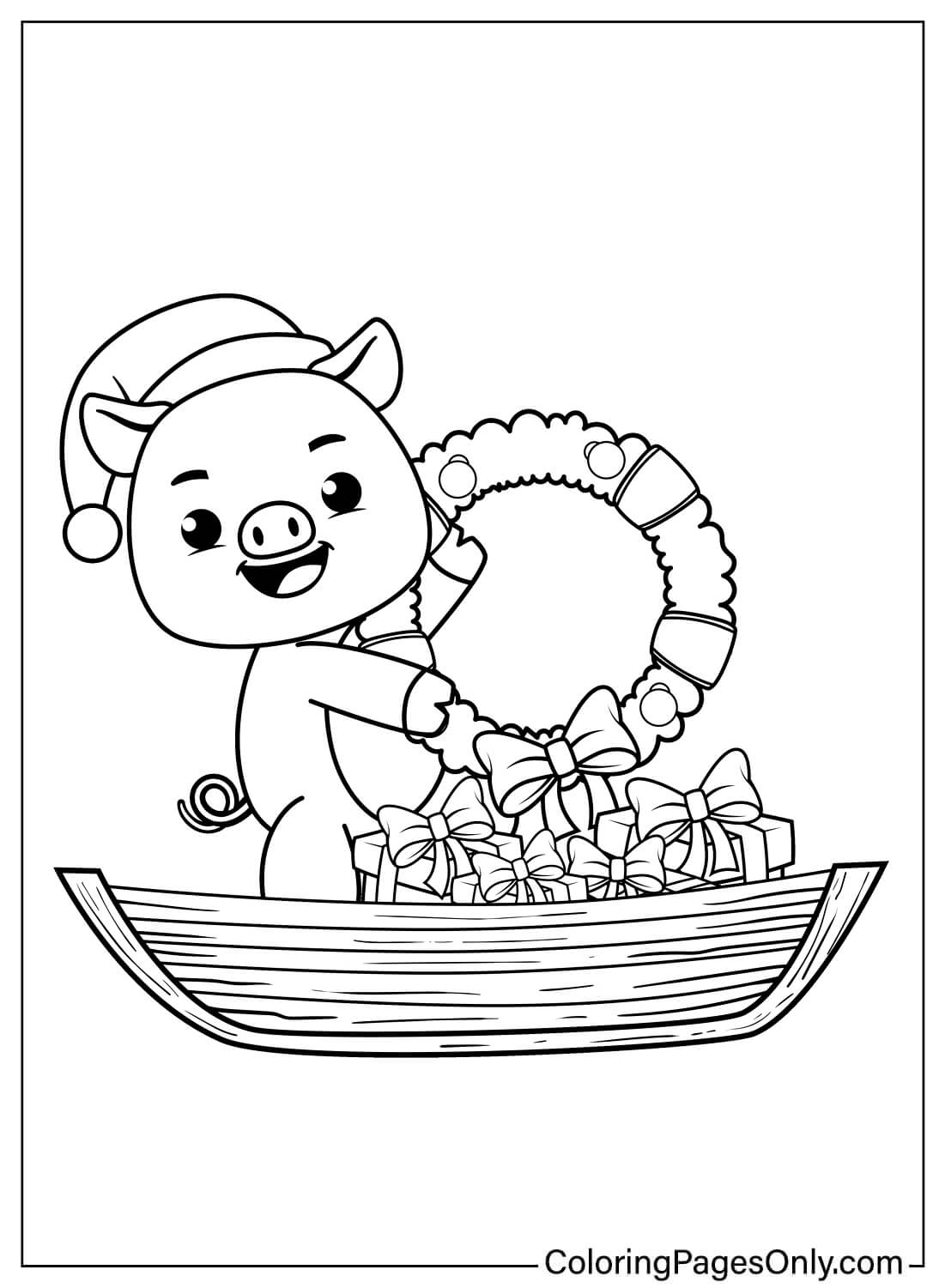
Cute and Playful Pig Scenes
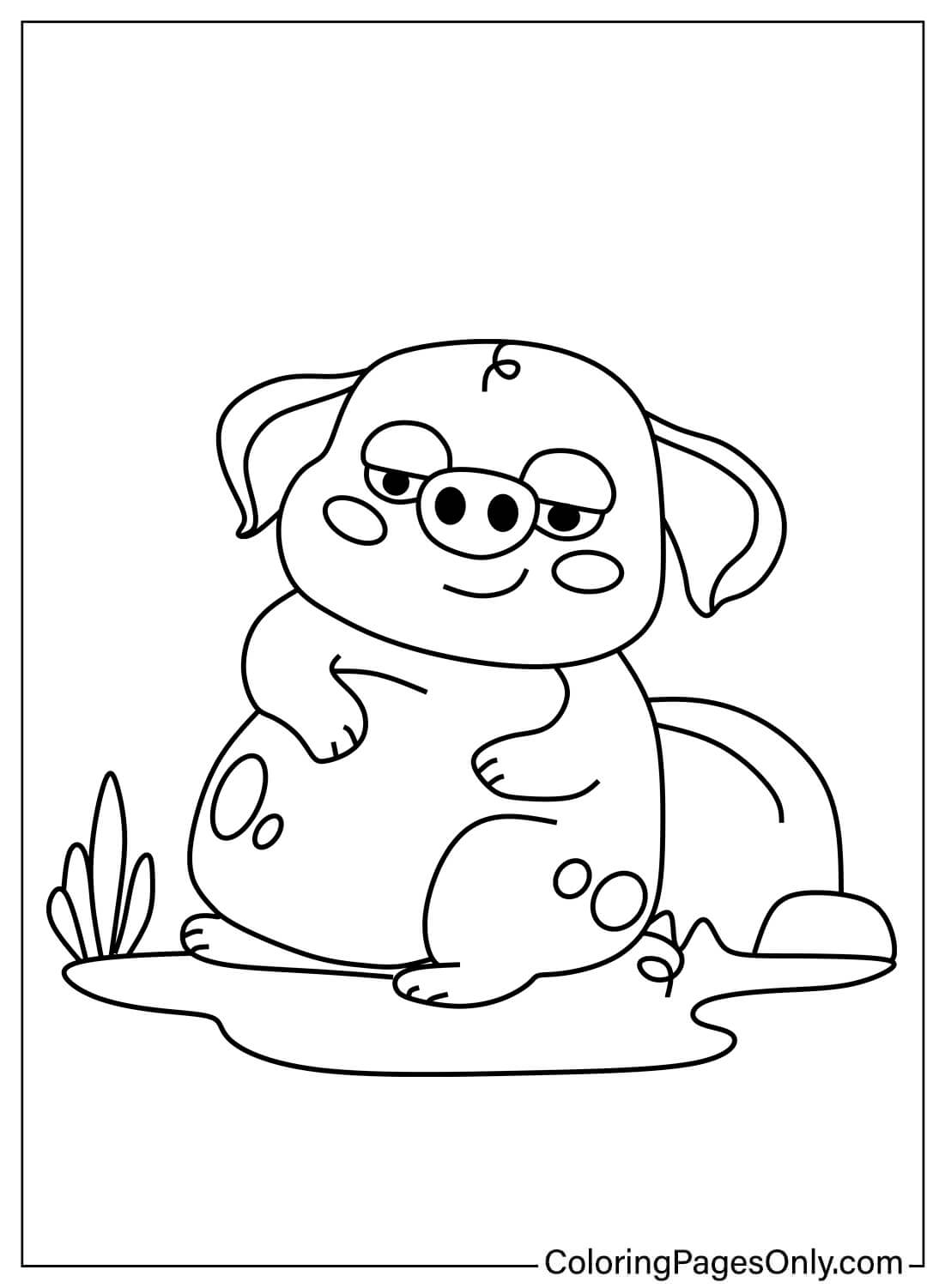
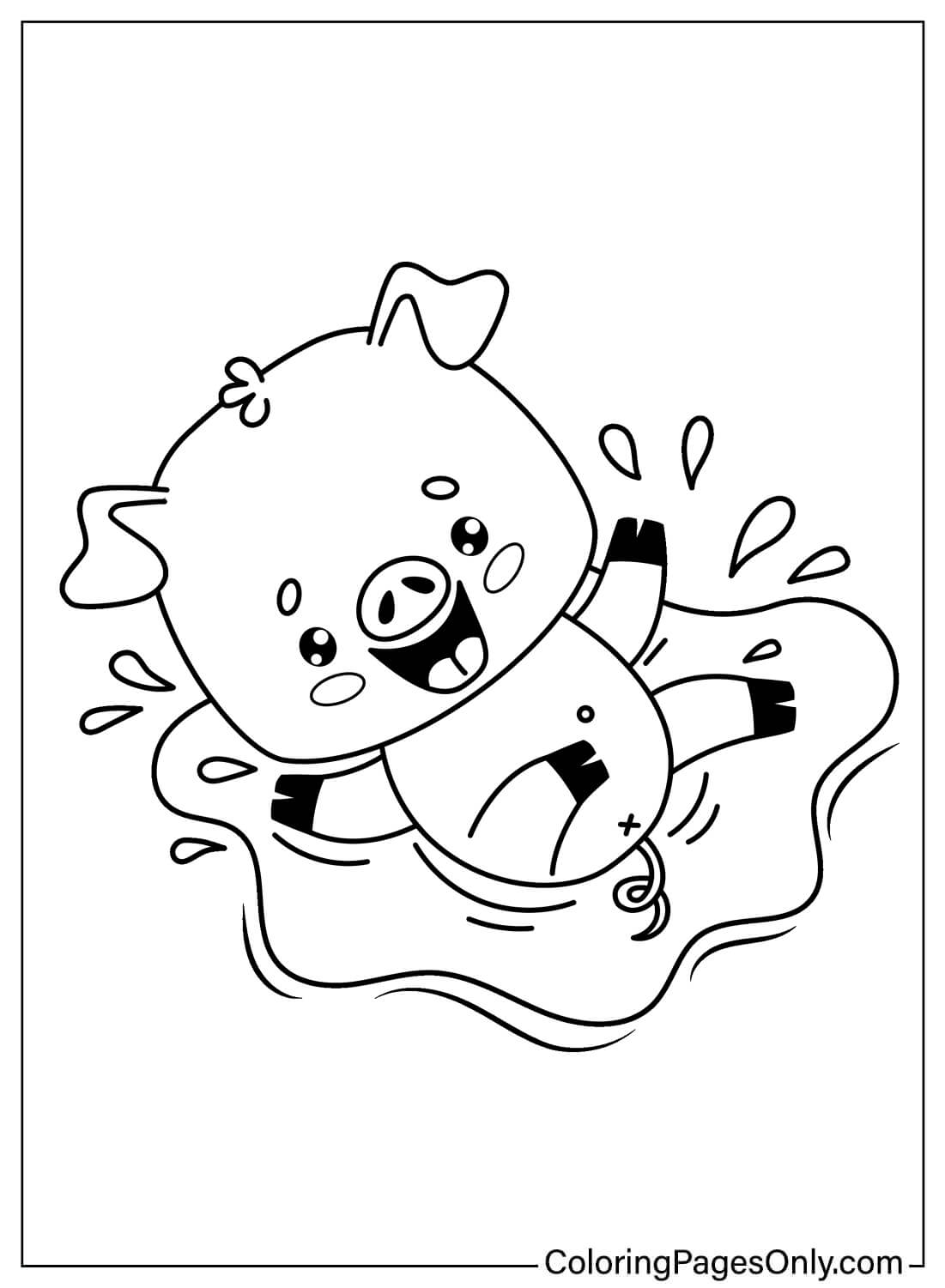
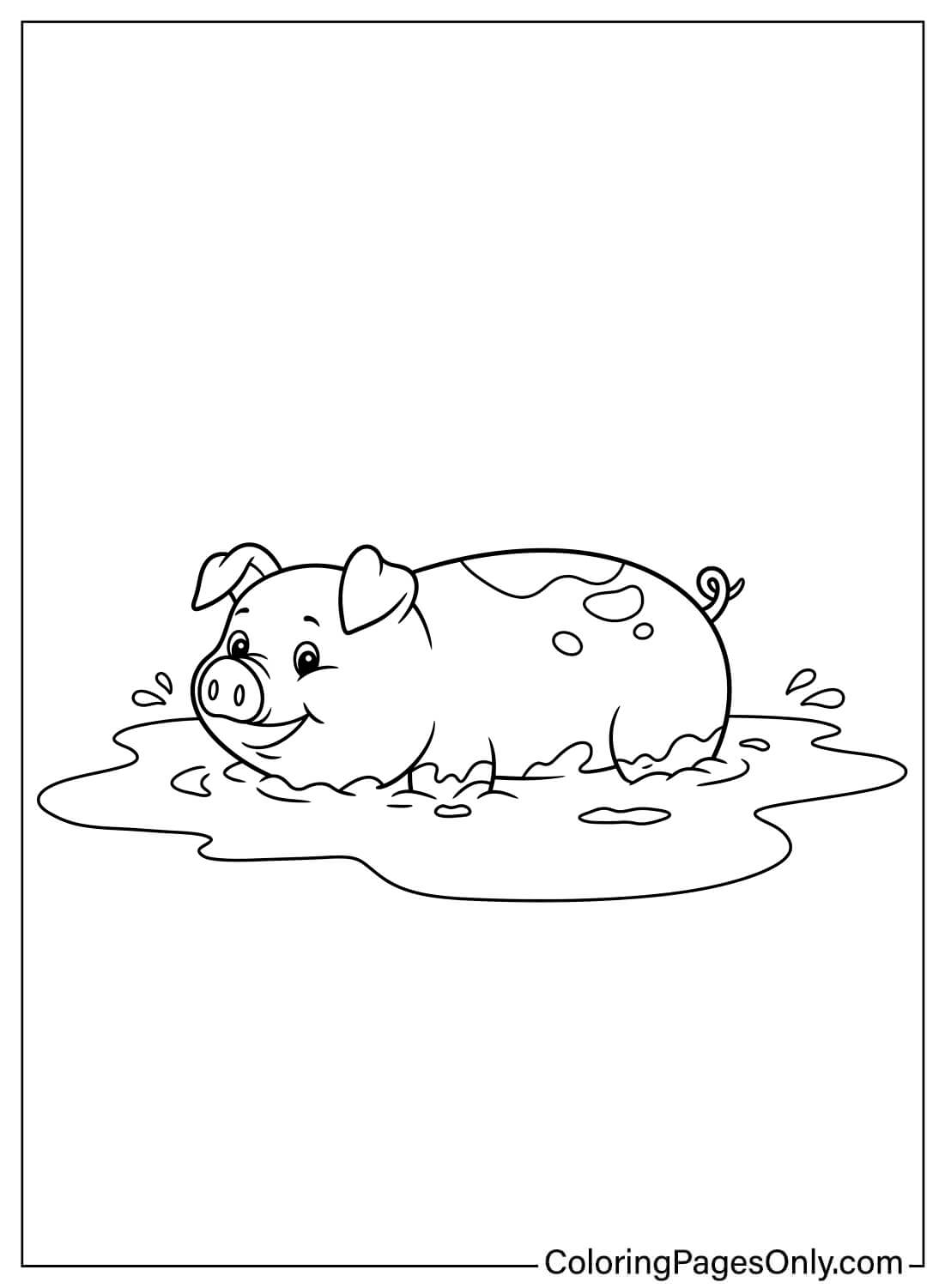
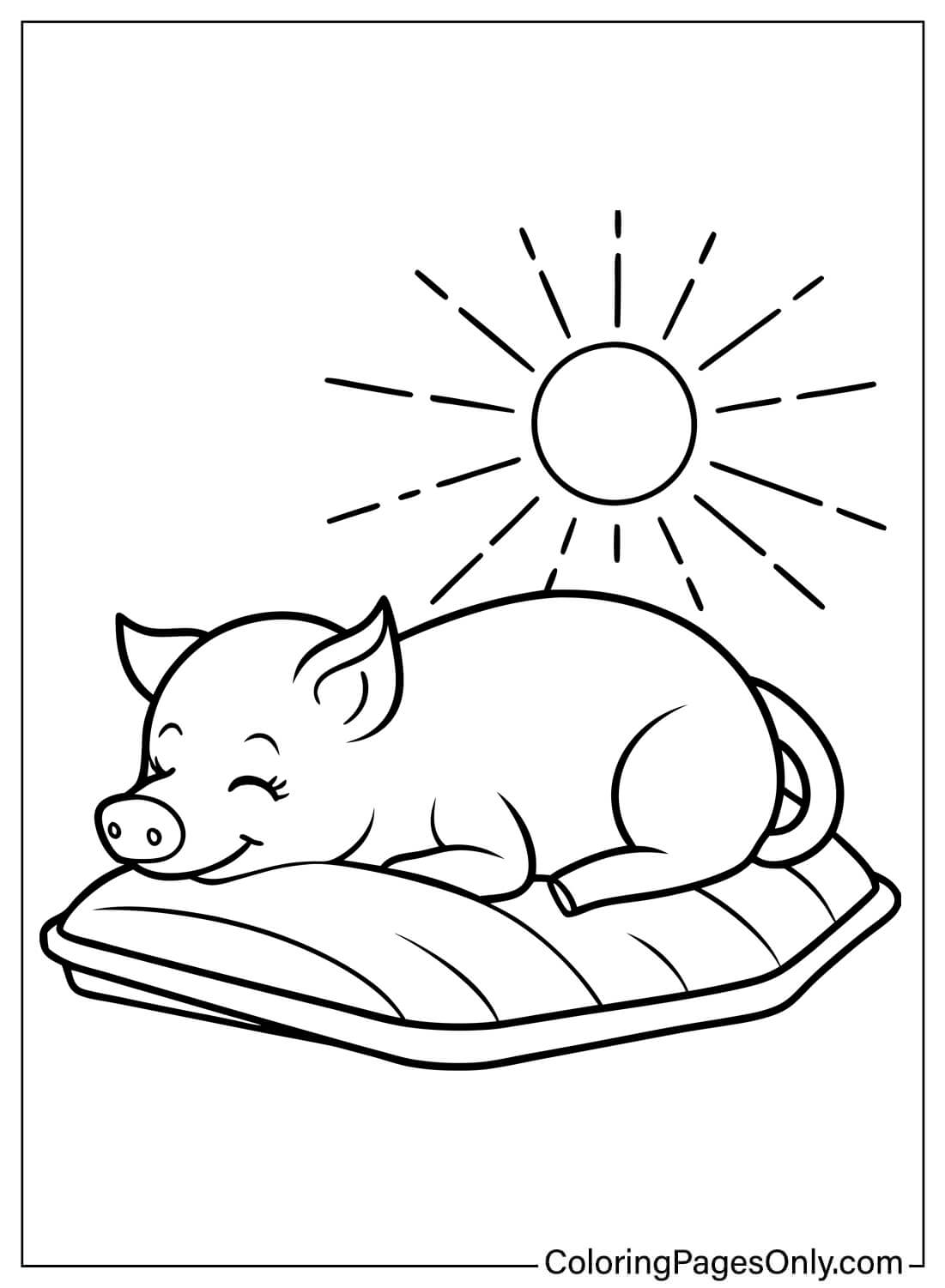
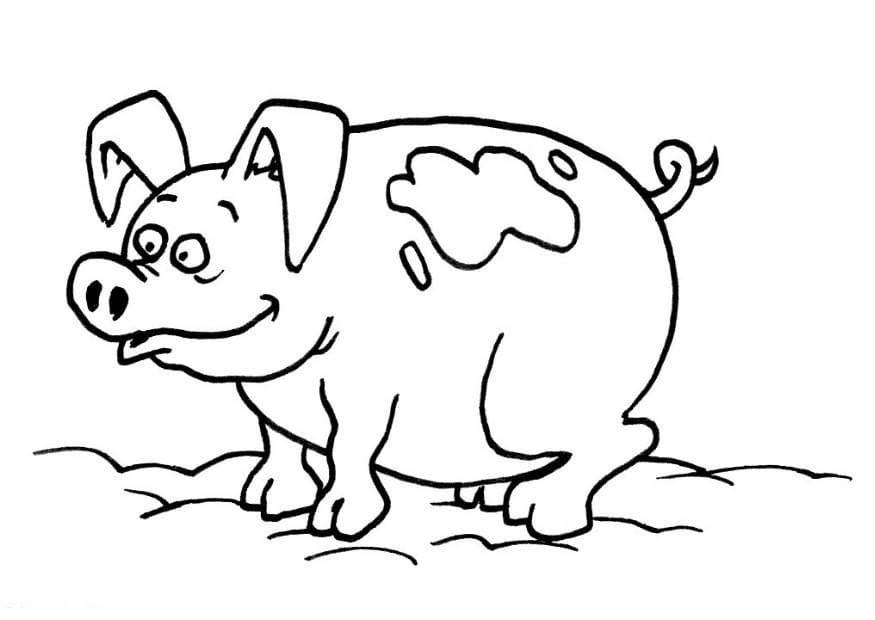
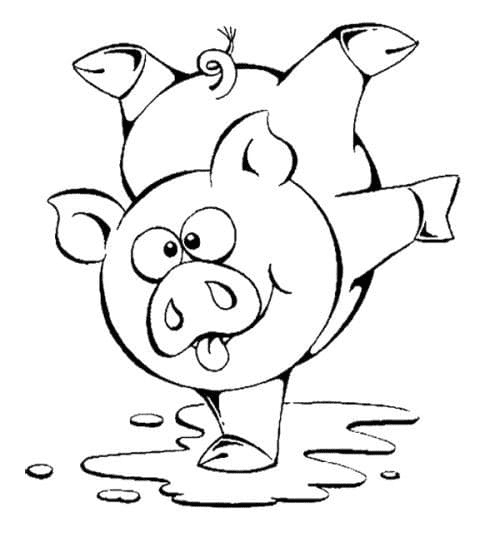
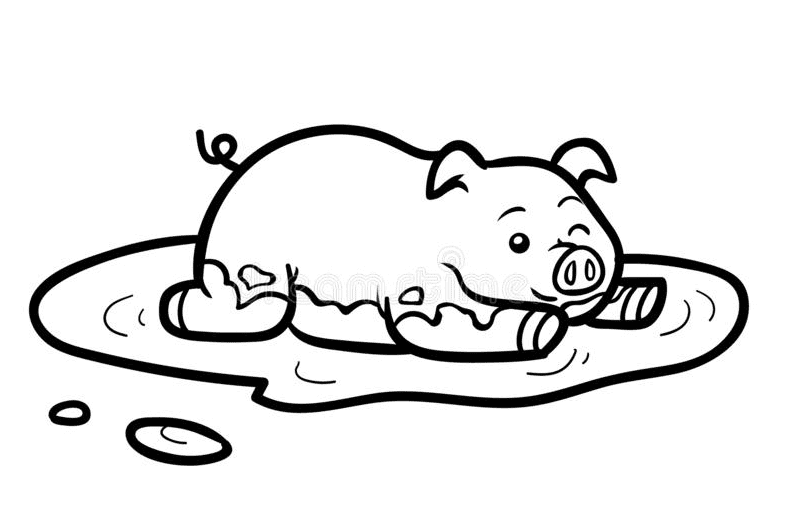
A large number of designs show a pig in a playful or seasonal moment, from rolling in mud to celebrating a holiday. These pages capture the personality-driven, character-focused side of the collection.
Baby Pigs and Piglets
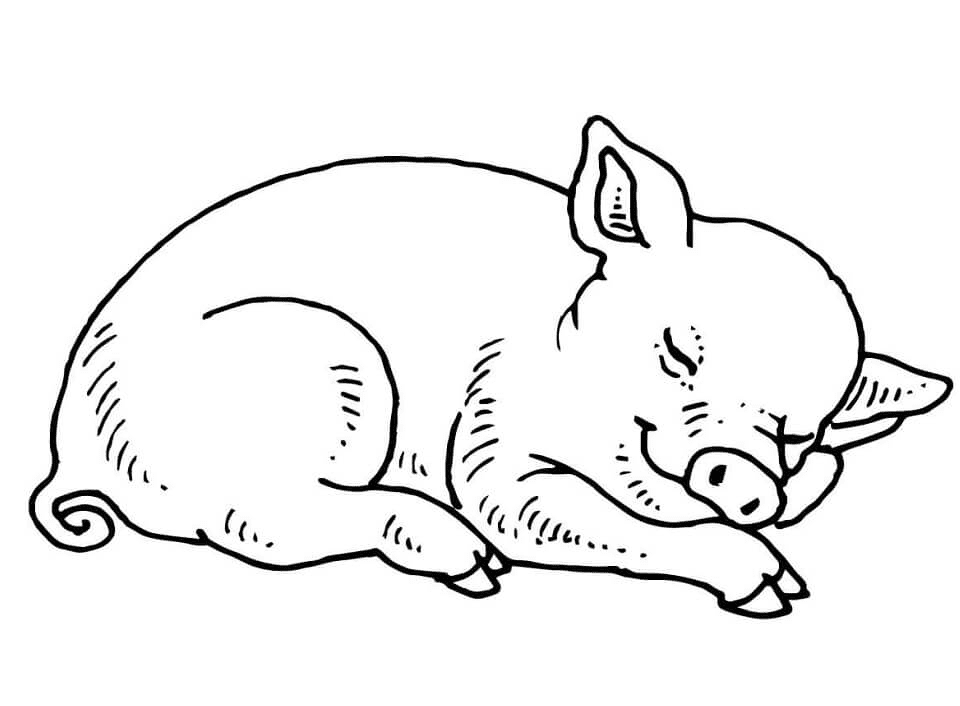
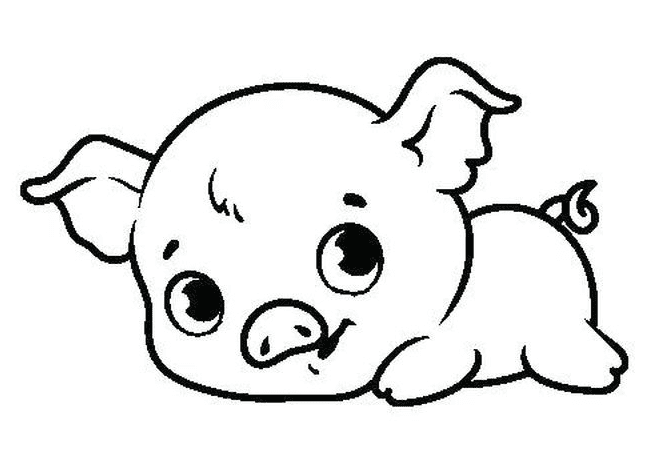
A group of designs focuses on smaller, younger pigs with softer, rounder features. These pages suit colorists who enjoy a gentler, more character-forward version of the animal.
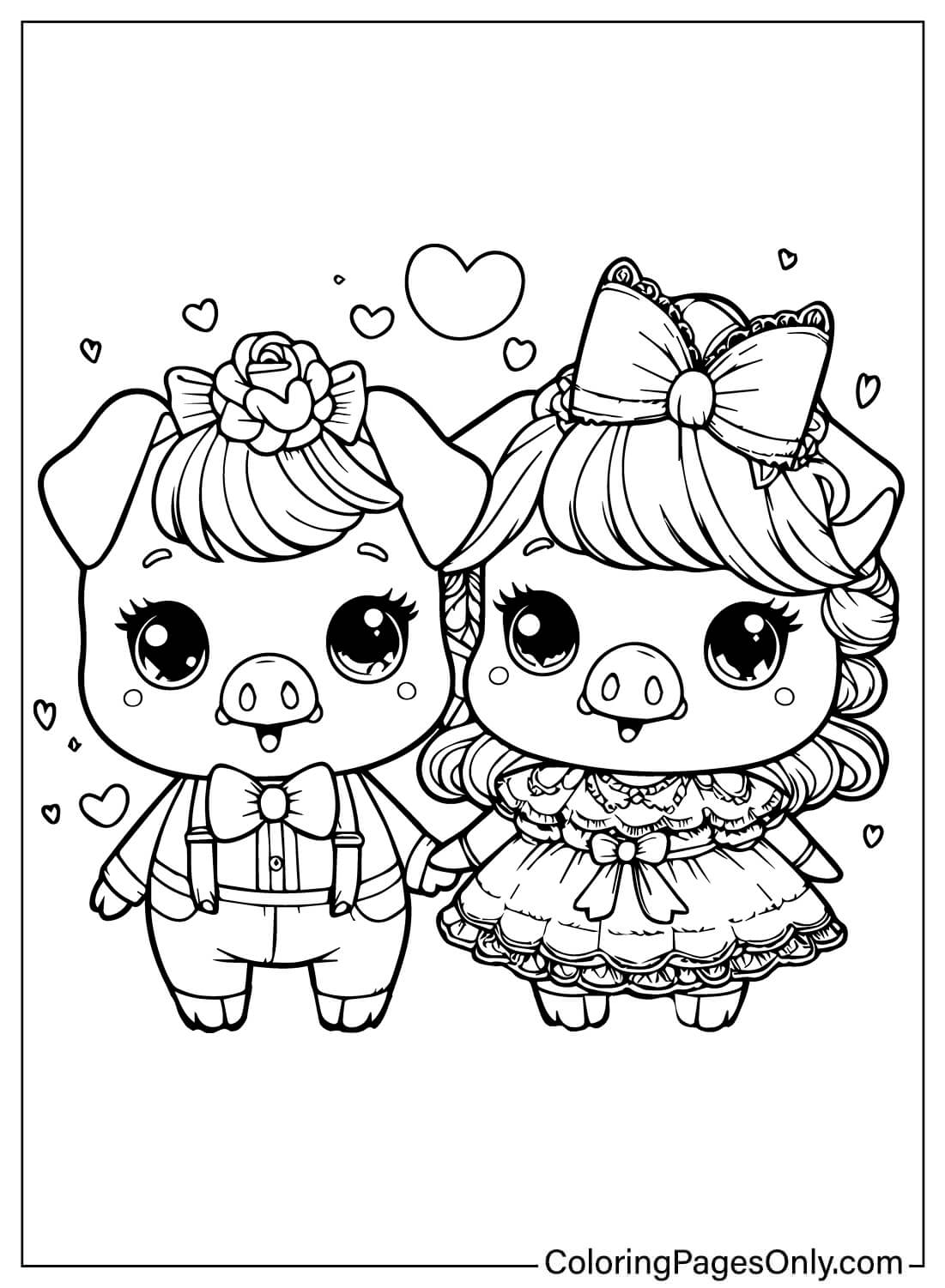
Pigs in Costumes and Creative Poses
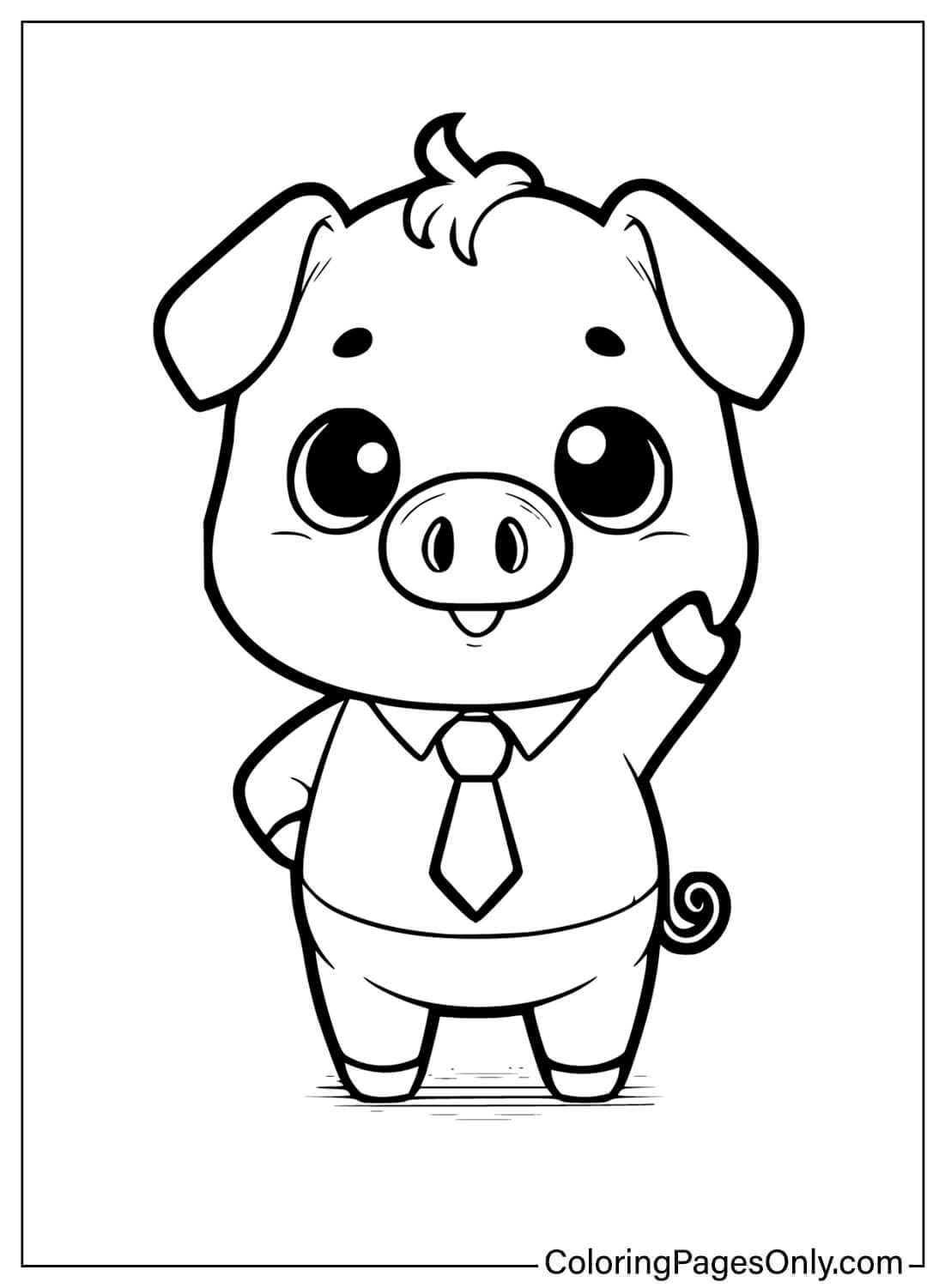
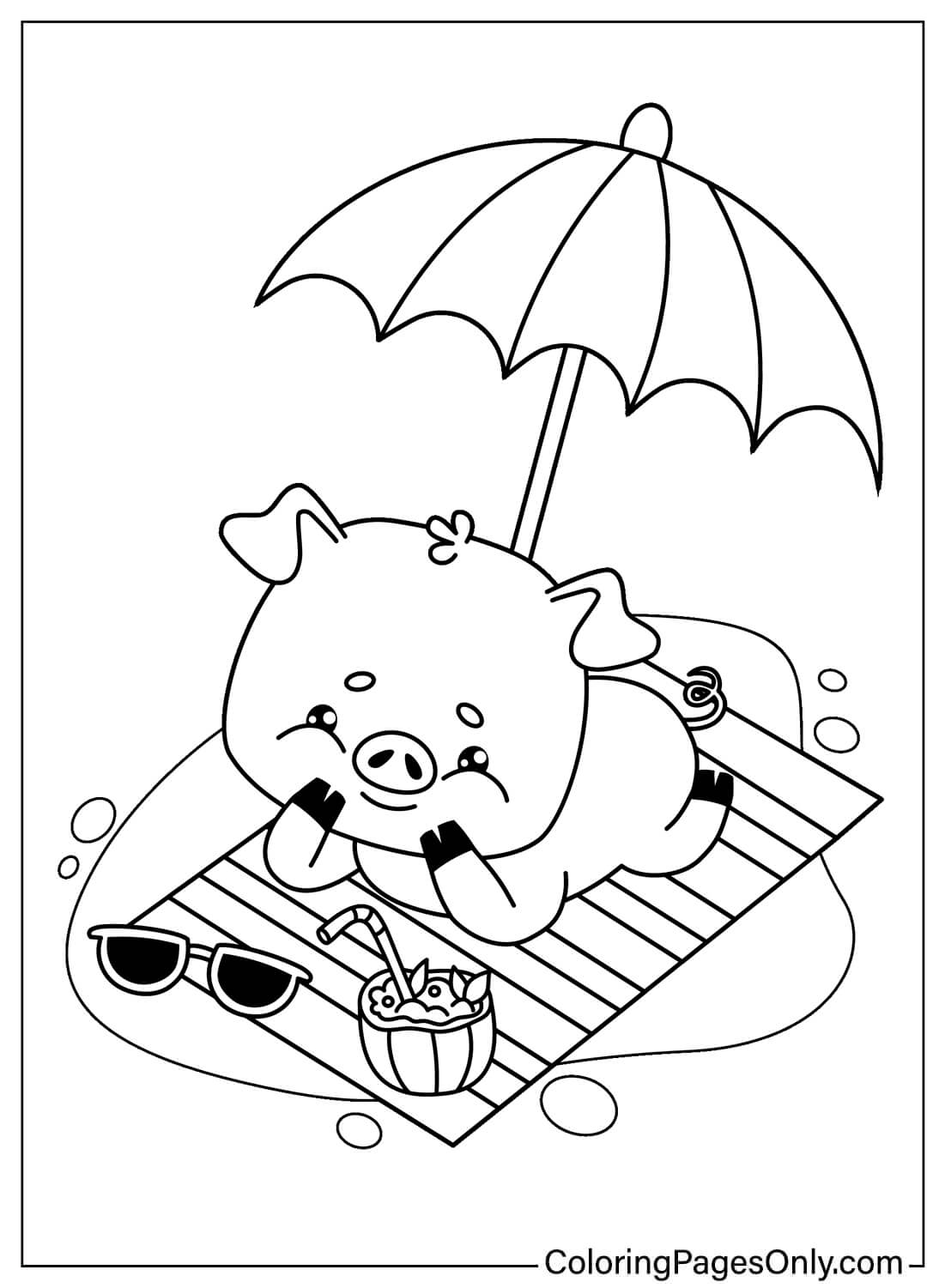
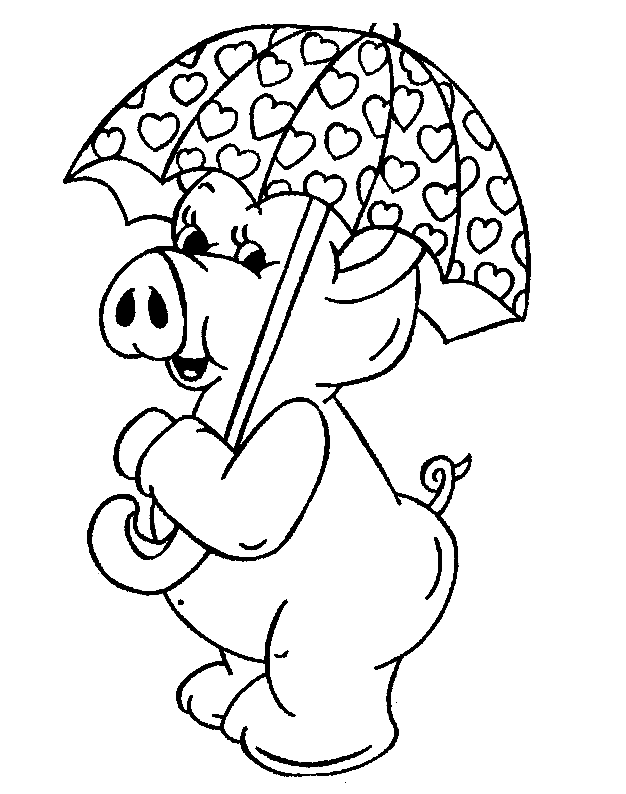
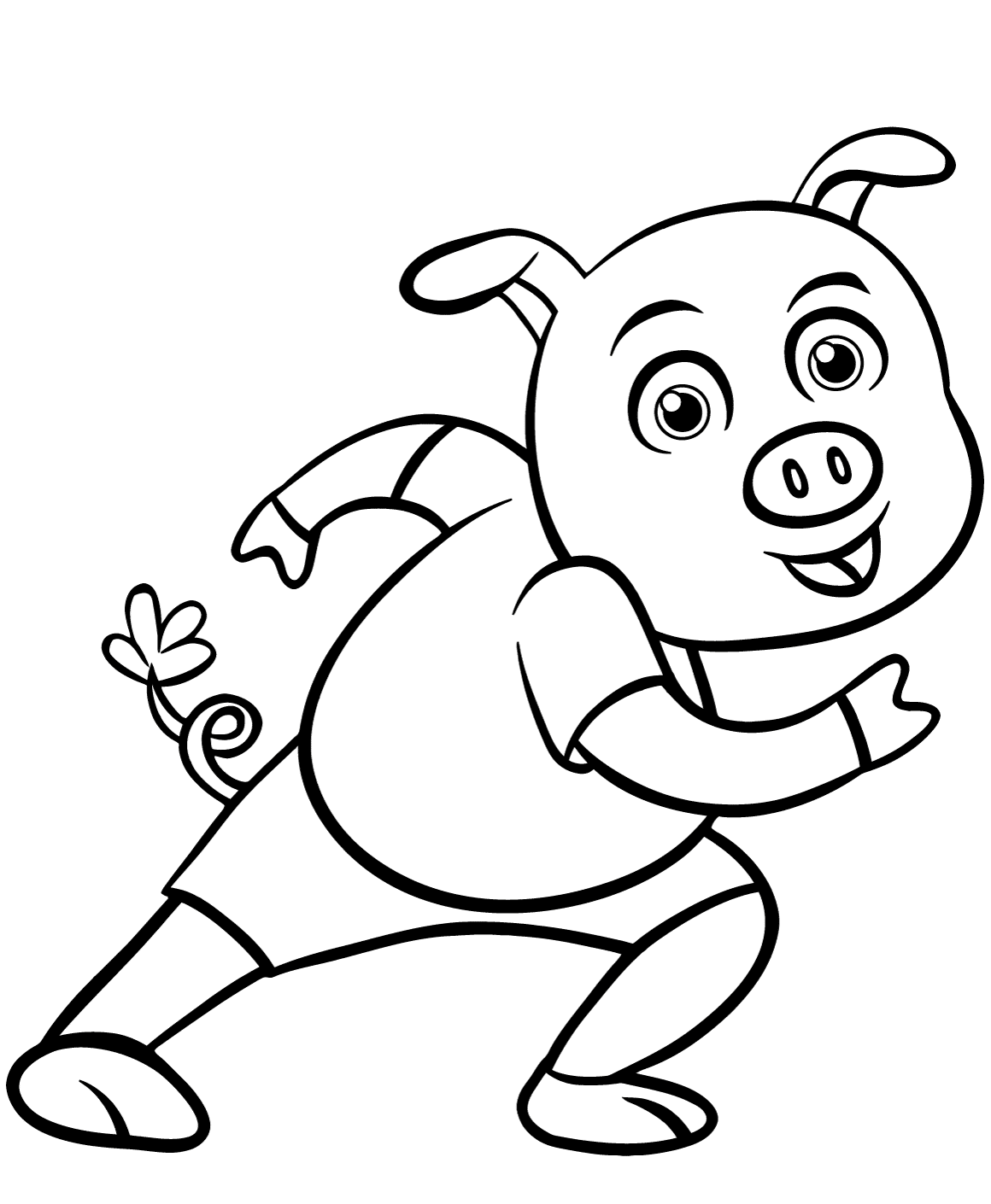
Some designs dress a pig in an outfit or place it in an unusual pose, like ballet or holding an umbrella. These pages give the collection a lighthearted, imaginative feel beyond a realistic farm setting.
Simple Outlines for Younger Colorists
A number of pages use a bold, large outline with minimal detail – these suit preschool-age children who are still building control over a crayon or marker.
What Pig Coloring Pages Do
Fine motor development. The American Academy of Pediatrics identifies fine motor skill development as a core benefit of structured coloring for children ages 2 through 7, and the varied snout, ear, and curled-tail shapes across this collection give children practice with different small-shape coloring techniques.
A concrete hook for real animal behavior. Because pigs genuinely wallow in mud to cool down rather than out of any lack of cleanliness, coloring a muddy pig scene gives children a fun opening to talk about a real, often misunderstood piece of animal biology.
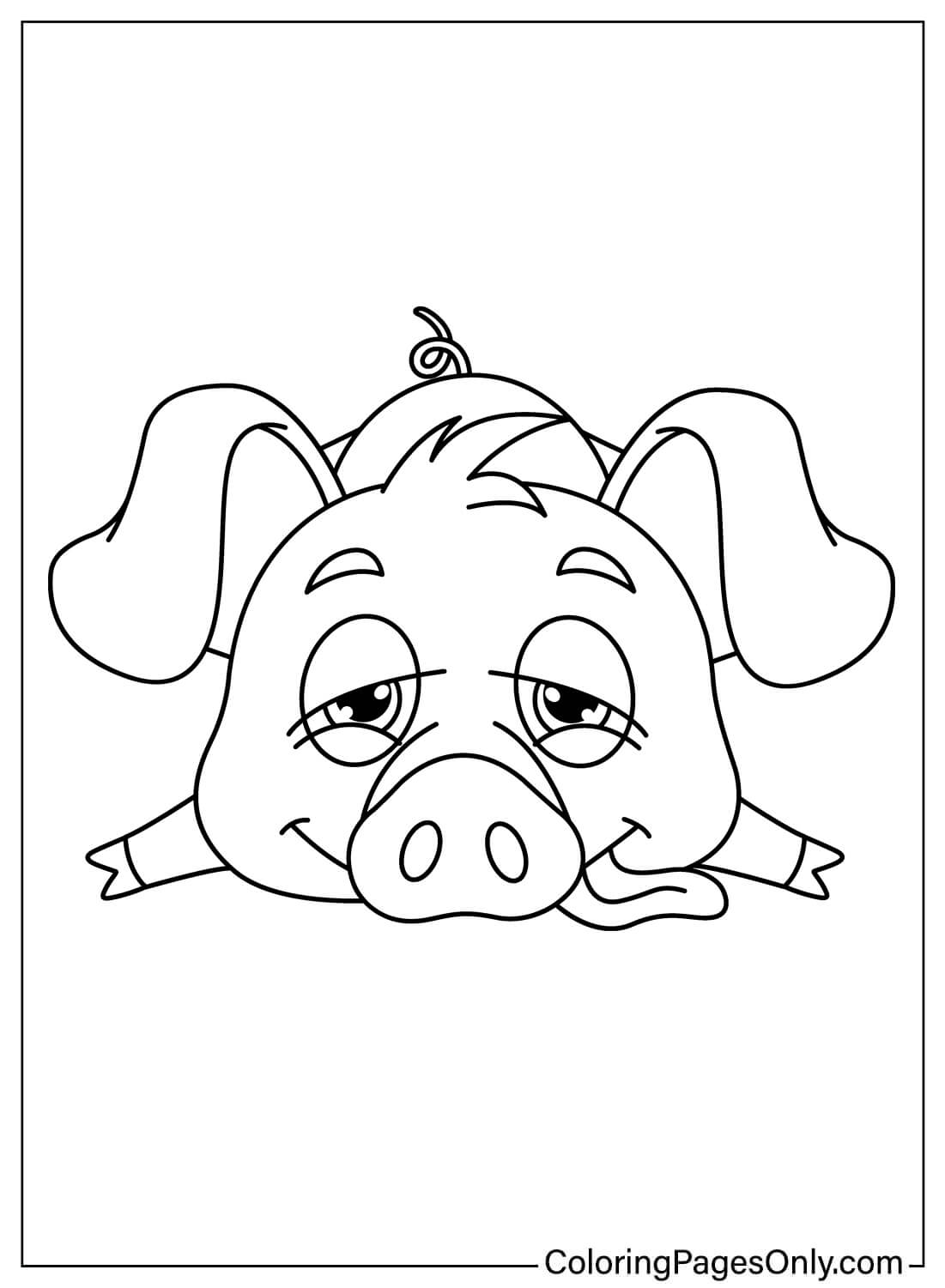
Calm focus through varied expressions. A 2005 study in the Art Therapy Journal documented measurable reductions in anxiety following structured coloring sessions, and the range of expressions in this collection, from smiling to sleepy to surprised, gives colorists practice with detailed facial shading during that calming process.
A chance to challenge a common misconception. Because pigs are actually among the most intelligent domesticated animals, often compared favorably to dogs in cognitive tests, these pages give kids a character-driven way to rethink an animal frequently underestimated in popular culture.
How to Color Pig Pages Well
- Skin: A soft Blush Pink or Carnation Pink works well for the classic pig look, with a slightly deeper Pink for shading around the ears and legs.
- Snout: A lighter Pink or pale Peach helps the snout stand out as a distinct feature from the rest of the face.
- Mud and muddy scenes: Warm Sepia and Burnt Sienna suit mud puddles, with small White highlights where light catches wet patches.
- Costumes and accessories: Bright, varied colors like Scarlet Red or Sky Blue work well for outfits, hats, or ties, giving each design its own personality.
- Facial expressions: Keep eyebrows, eyes, and mouth lines bold and clear so a pig’s smiling, sleepy, or surprised expression stays easy to read.
- Farm backgrounds: Muted greens and tans for grass and fencing keep background elements from competing with the pig itself.
5 Creative Craft Ideas With Pig Coloring Pages
1. Mud Wallow Sensory Card
Color a pig page featuring a mud puddle, then glue small pieces of brown tissue paper or crinkled paper onto the mud area to add a textured, three-dimensional effect. Pairing the craft with a short conversation about why pigs really wallow in mud ties the activity back to real animal behavior. This works especially well as a hands-on science and art combination.
2. Farm Scene Collage
Color a pig page and combine it with other farm animal coloring pages, like a cow or a chicken, to build a full farmyard poster. Arranging the pieces at different heights gives the collage a sense of depth beyond the flat coloring. This works well as a shared classroom project where each student contributes one farm animal.
3. Three Little Pigs Story Craft
Color three simple pig pages and pair them with small paper houses made from straw-colored paper, sticks glued to cardstock, and small red bricks drawn or cut from paper, inspired by the classic tale. Acting out the story with the finished pieces turns the coloring activity into a storytelling prop. This works especially well as a classroom or bedtime storytelling activity.
4. Pig Garland
Color several pig pages, cut around the outlines, and string them together with twine to make a garland for a bedroom or classroom wall. Alternating between playful and simple designs keeps the garland visually varied. Spacing the pieces evenly gives the finished garland a neat, balanced look.
5. Pig Bookmark
Trim a simple pig design to bookmark size and laminate or cover it with clear tape for a durable, everyday bookmark. Punching a hole at the top and threading a short ribbon through makes it easy to spot inside a stack of books. Making a small set with different designs gives a reader several to rotate through.
Frequently Asked Questions
What are Pig coloring pages?
They are printable illustrations of pigs, ranging from cute and playful scenes to simple outlines and costumed designs. This collection has 52 designs available as free PDF downloads or for coloring directly online.
Why do pigs roll around in mud?
Pigs have very few functional sweat glands and cannot cool themselves the way many other mammals do, so they wallow in mud or water instead, which also protects their sensitive skin from sunburn and biting insects.
Are pigs really as smart as people say?
Yes. Pigs are widely considered one of the most intelligent domesticated animals, with cognitive studies showing they can solve problems, learn tricks, and remember individuals days after meeting them, often performing on par with or better than dogs.
Is it true that pigs are dirty animals?
Not really. Pigs are naturally clean animals that avoid soiling the areas where they eat and sleep, and their muddy reputation comes from wallowing behavior tied to temperature regulation rather than a lack of cleanliness.
What colors work best for these designs?
Soft blush or carnation pink suits the body, a lighter pink or pale peach works for the snout, and warm sepia tones capture mud puddles in the more playful scenes.
Are Pig coloring pages suitable for young children?
Yes. The designs use friendly, non-graphic character art with no frightening content, and the simple outline pages in particular are well-suited to preschool through elementary-age children.
Can this collection be used for a farm or animal intelligence classroom unit?
Yes. The real facts behind pig behavior and intelligence pair well with a classroom or homeschool unit on farm animals, animal cognition, or common animal myths.
Can these pages be paired with other farm animal collections?
Yes. Since this collection sits within the site’s broader farm animal content, these pages pair naturally with other farm animal coloring collections for a larger nature-focused activity.
Start Coloring
Download any page by clicking the design. No account, email, or payment is required. Pages print directly from the browser at full resolution or open in the online coloring tool for screen use. Share finished pages on Facebook or Pinterest with the share buttons at the top of each design page.