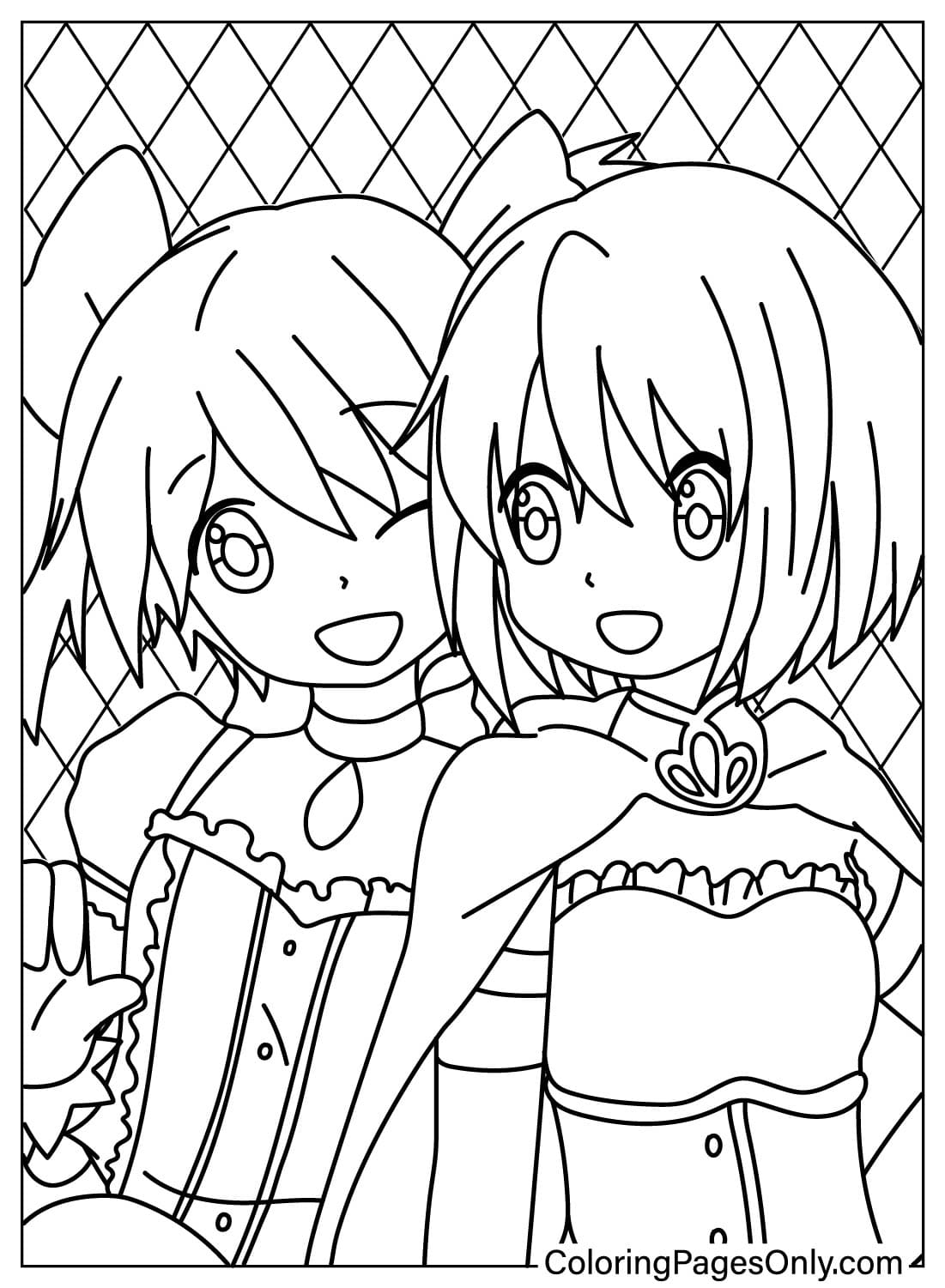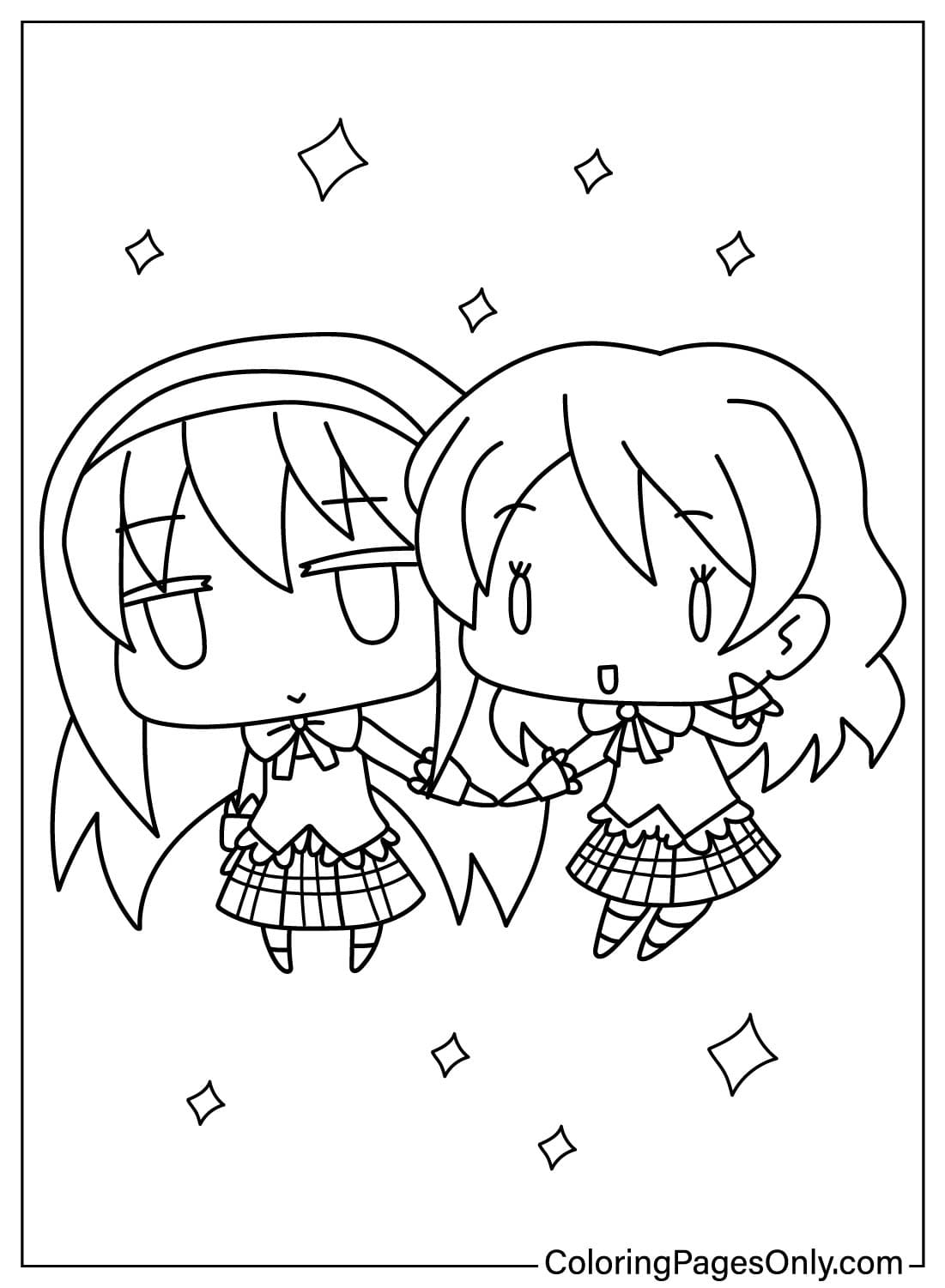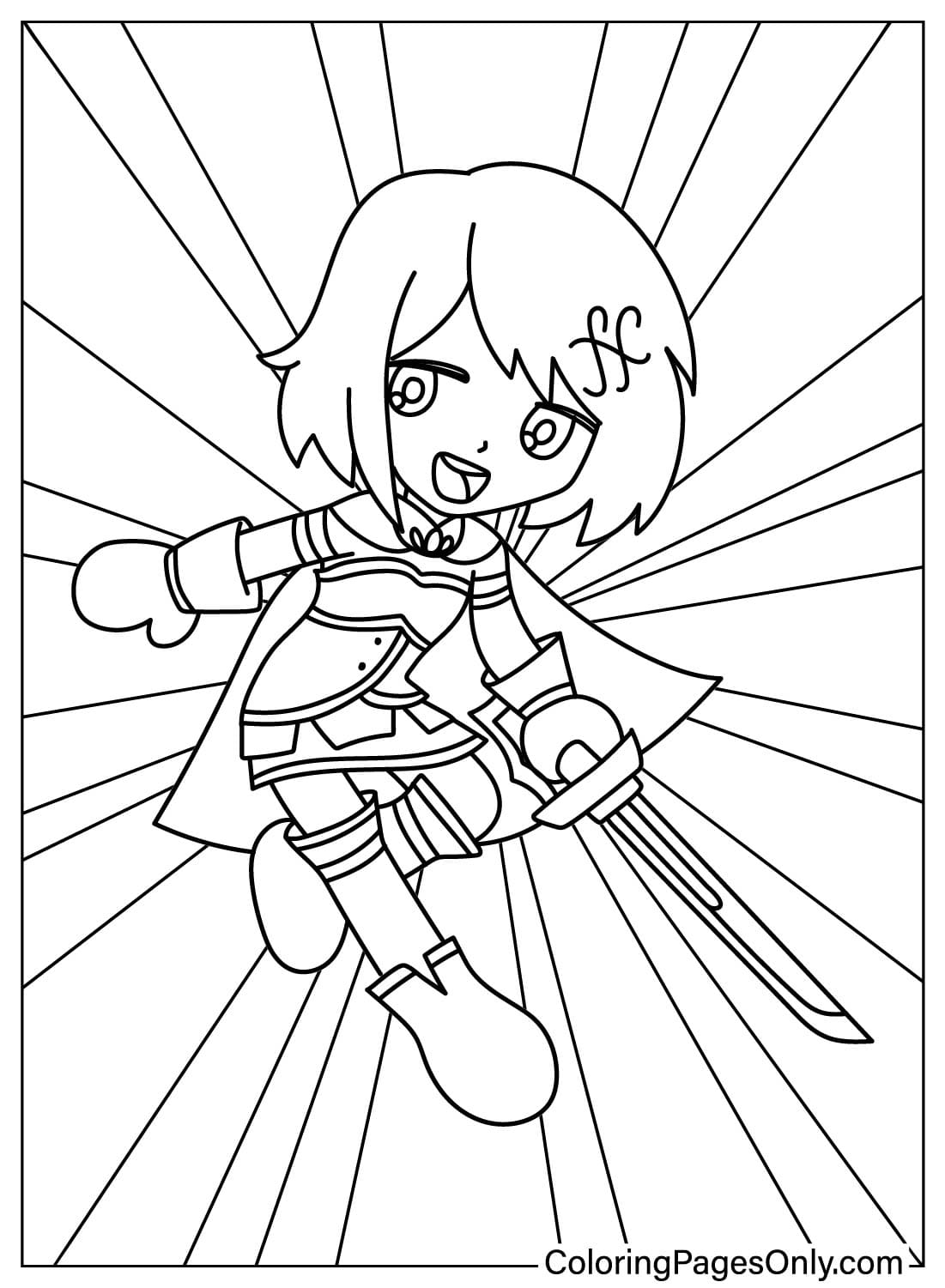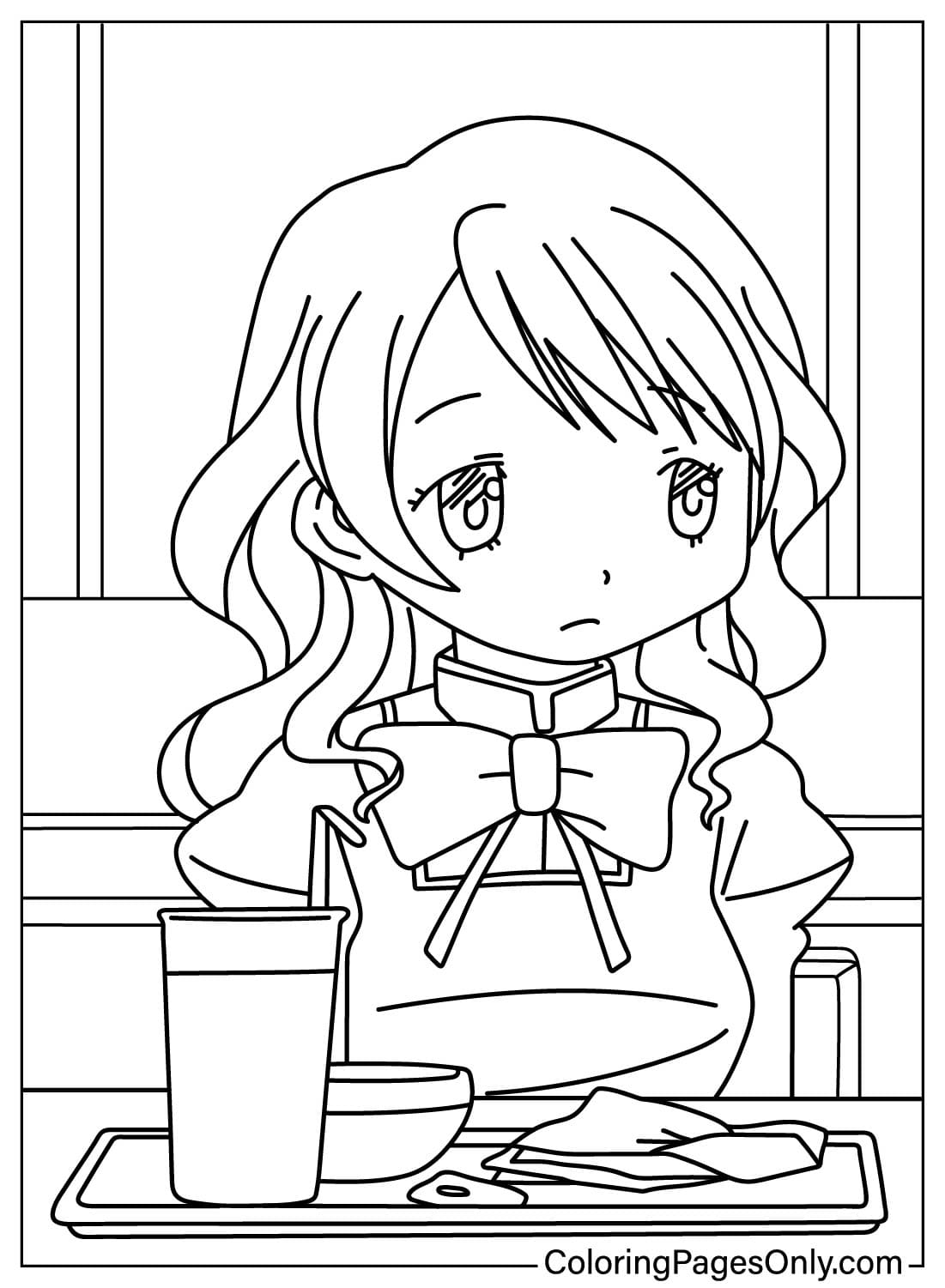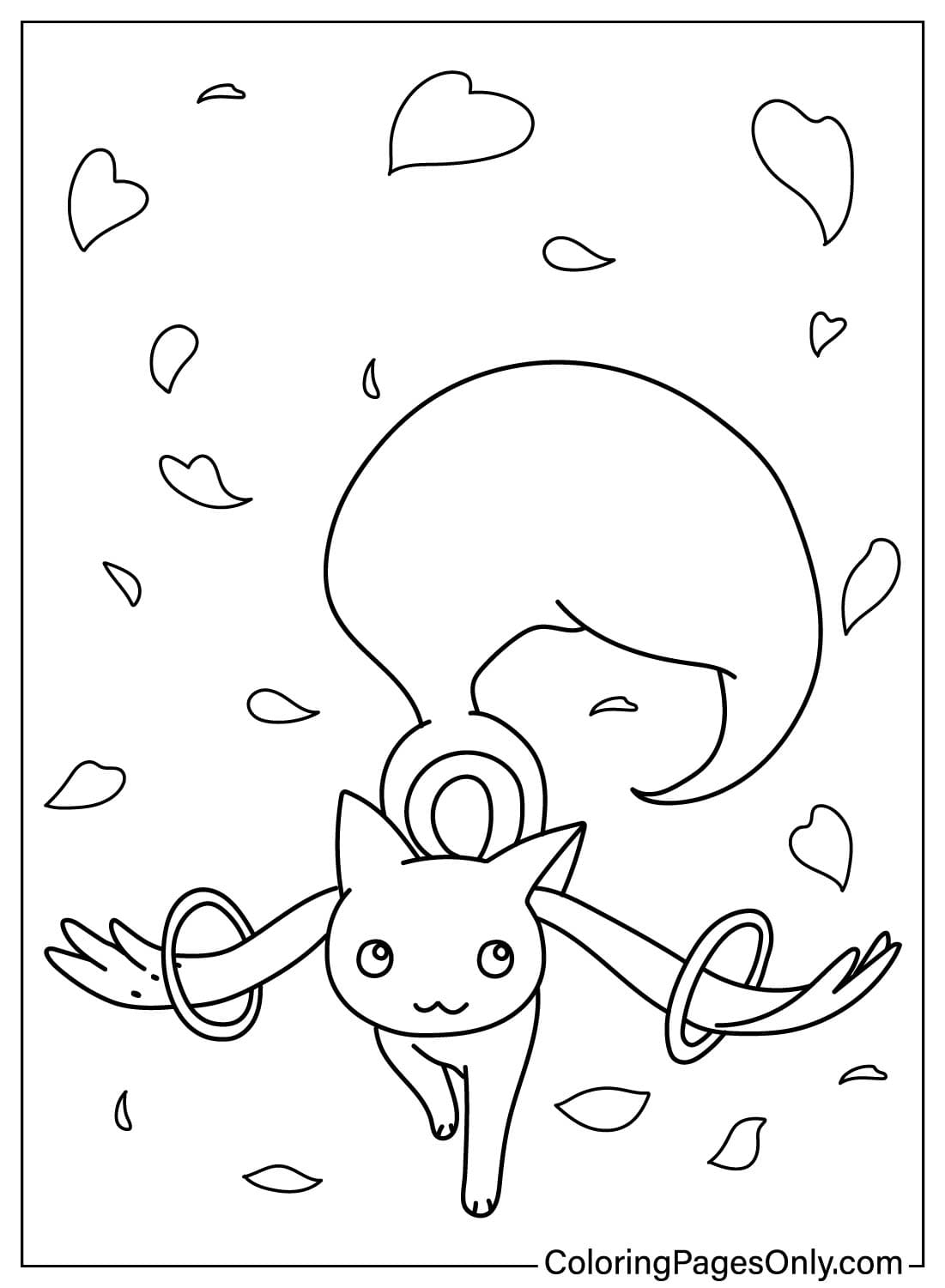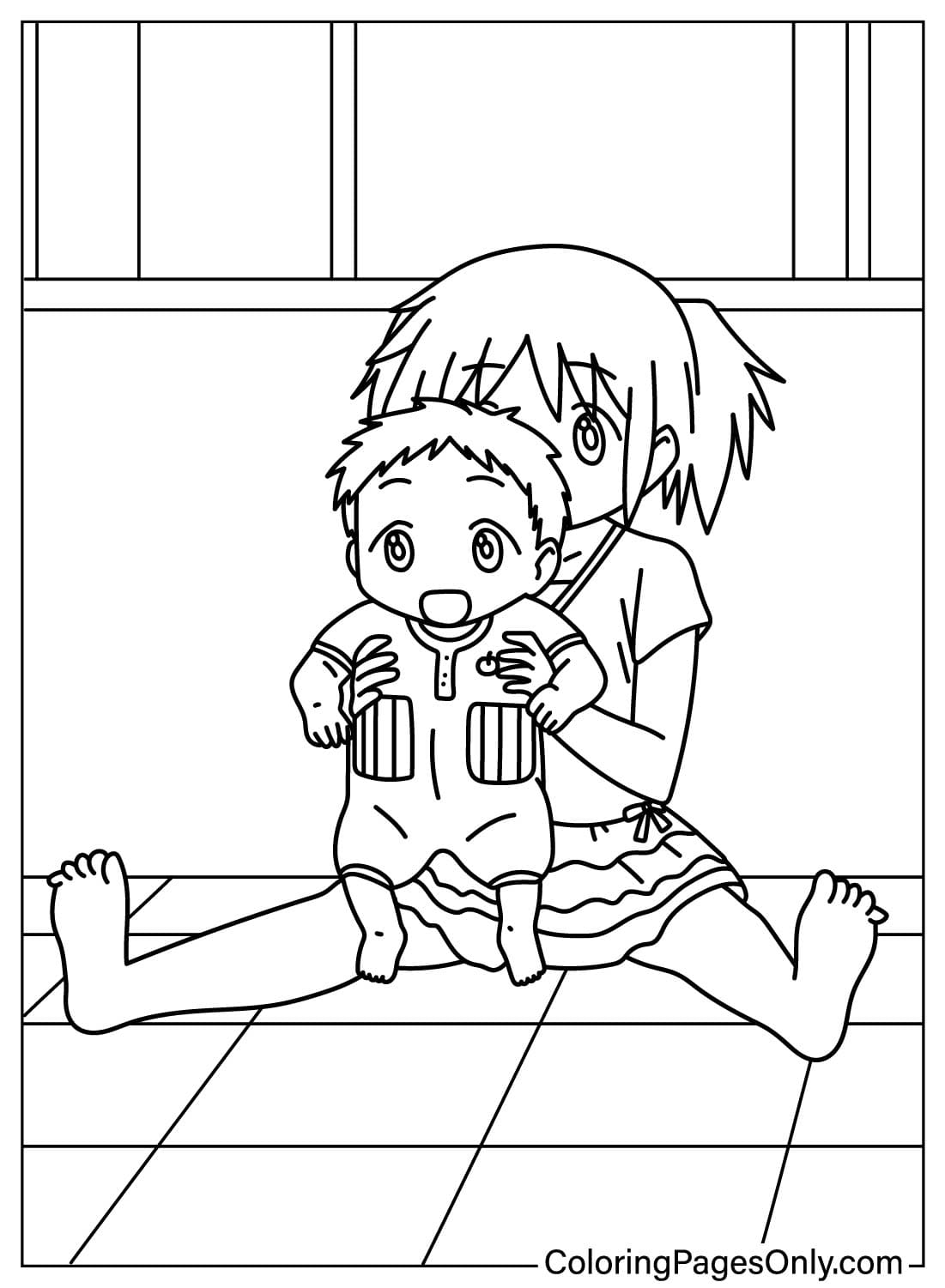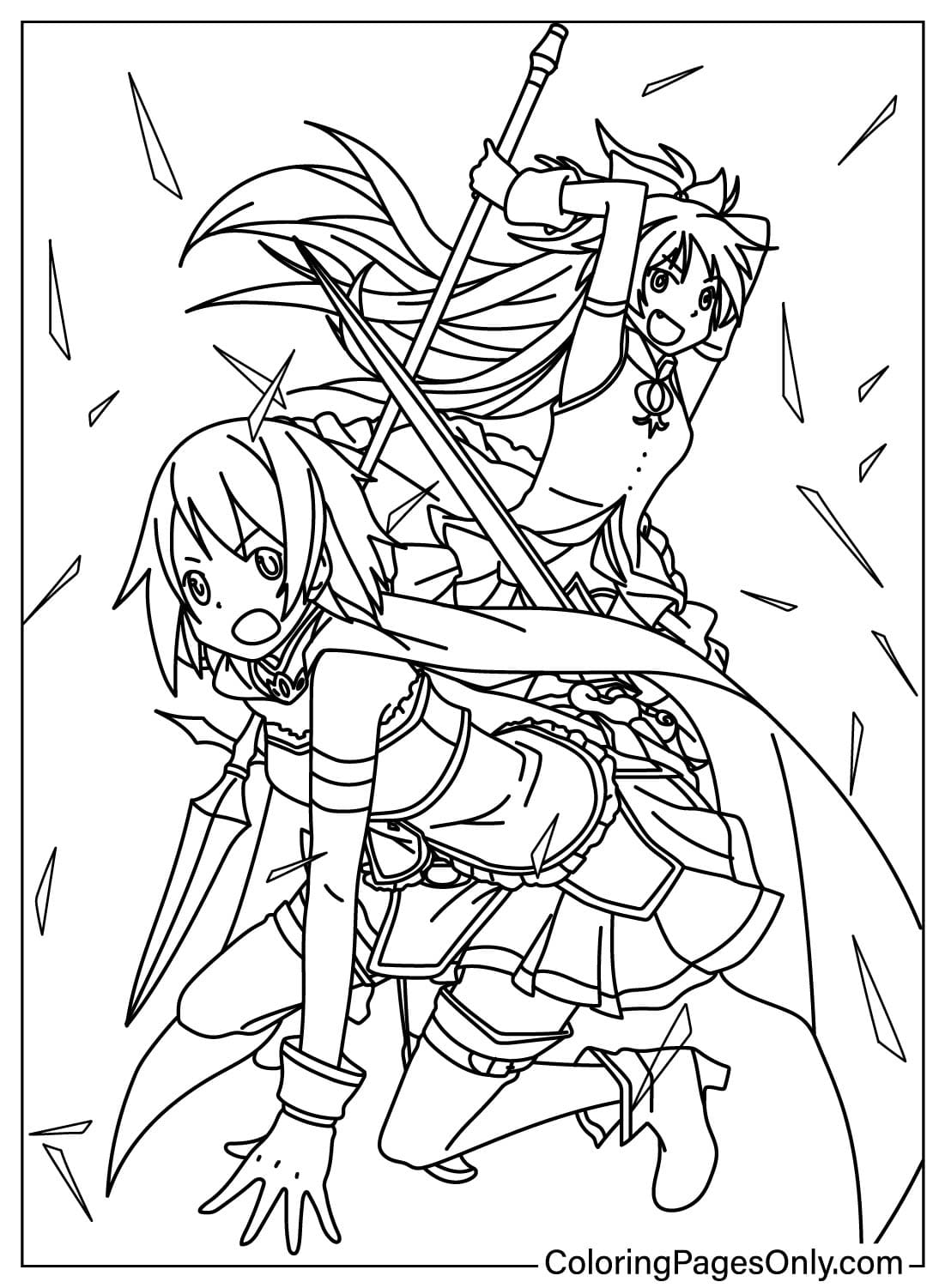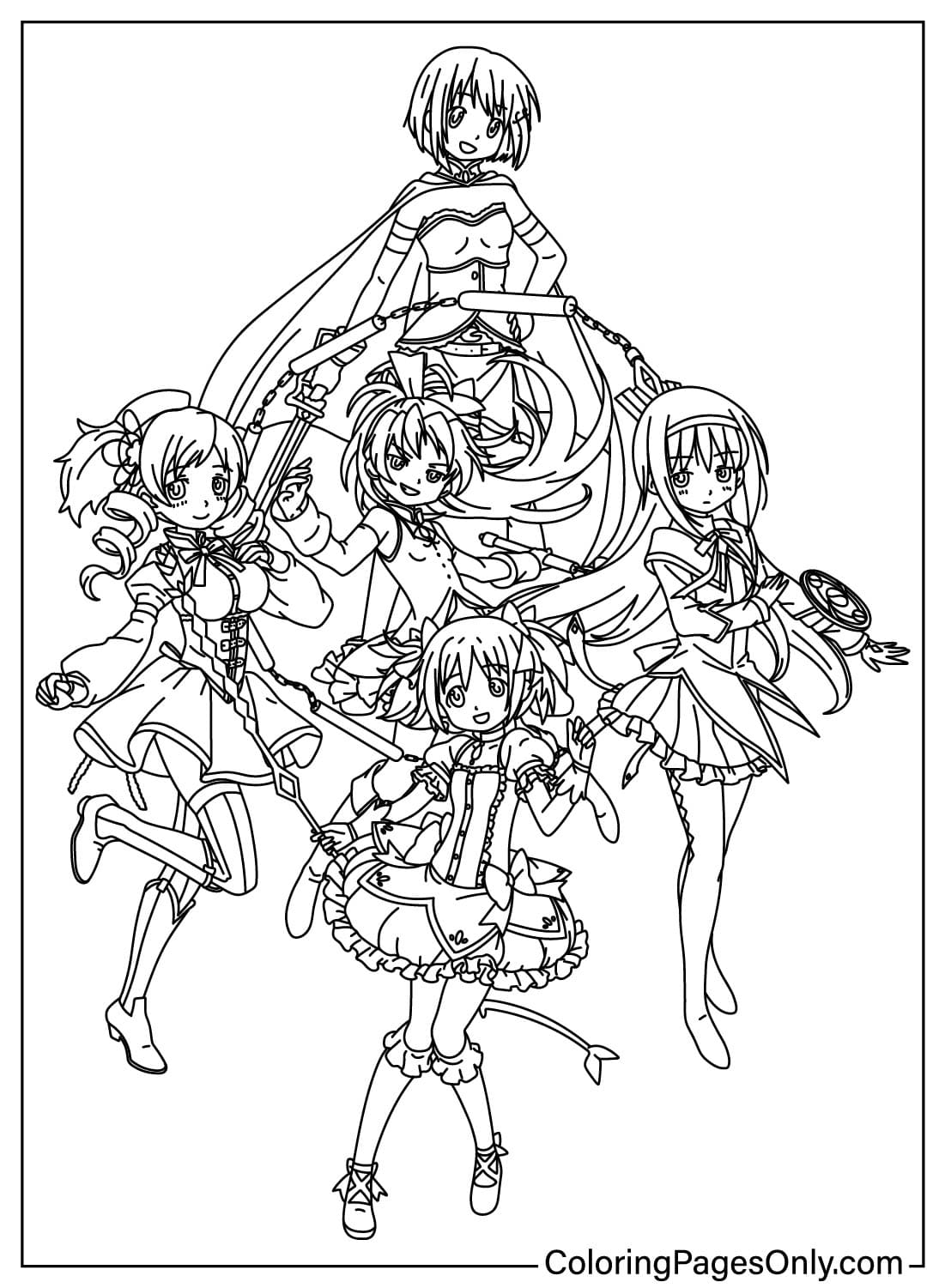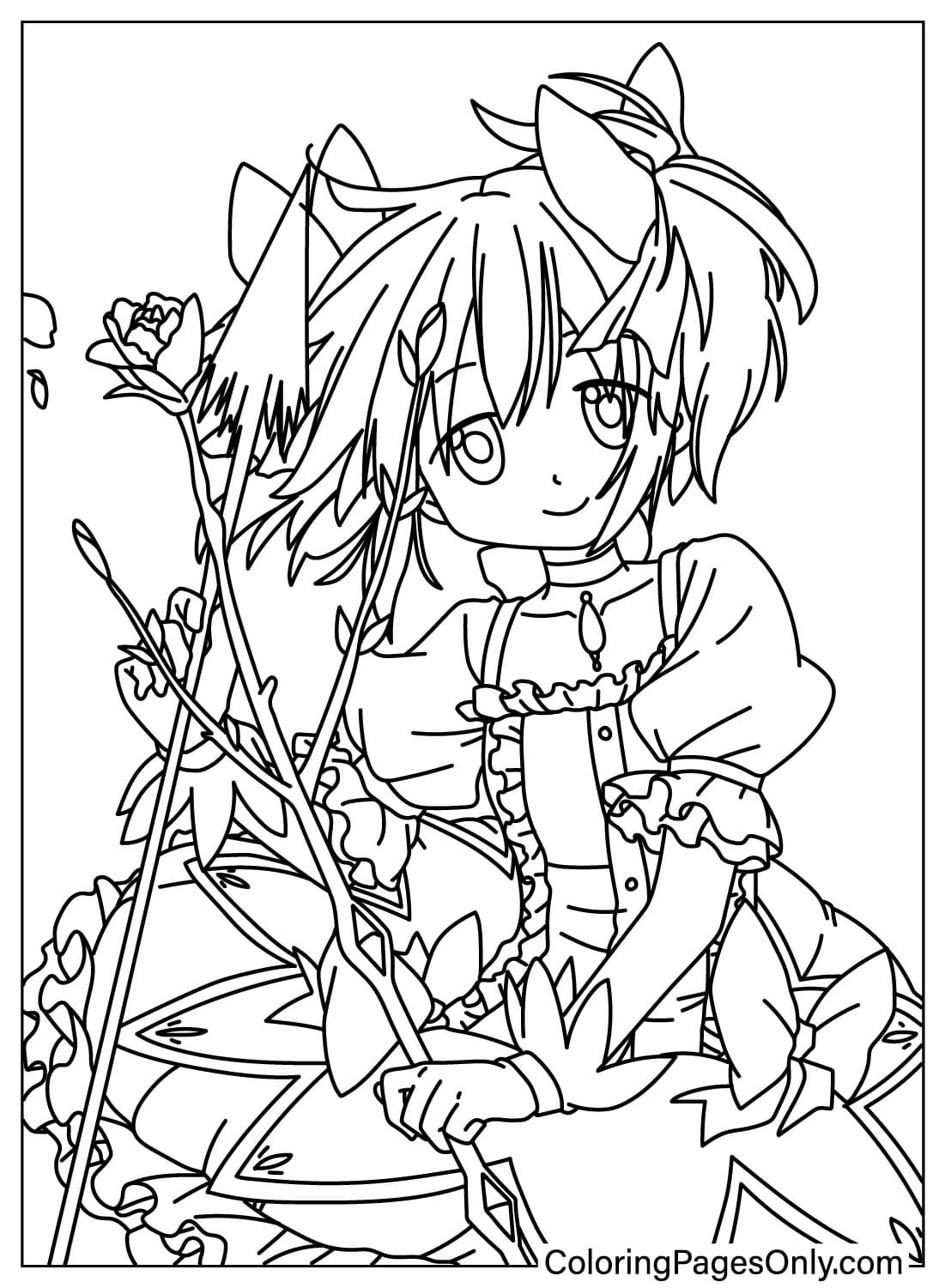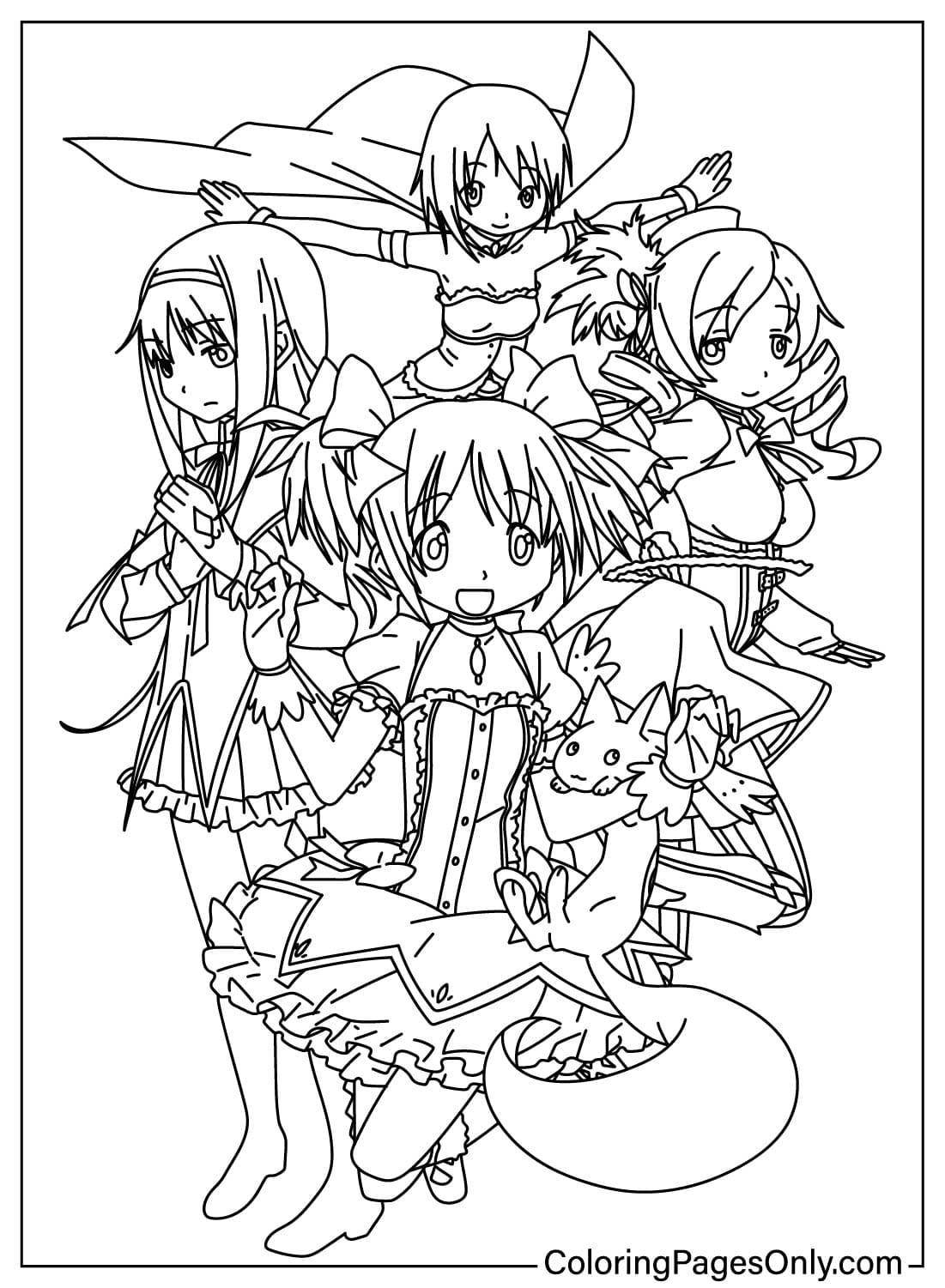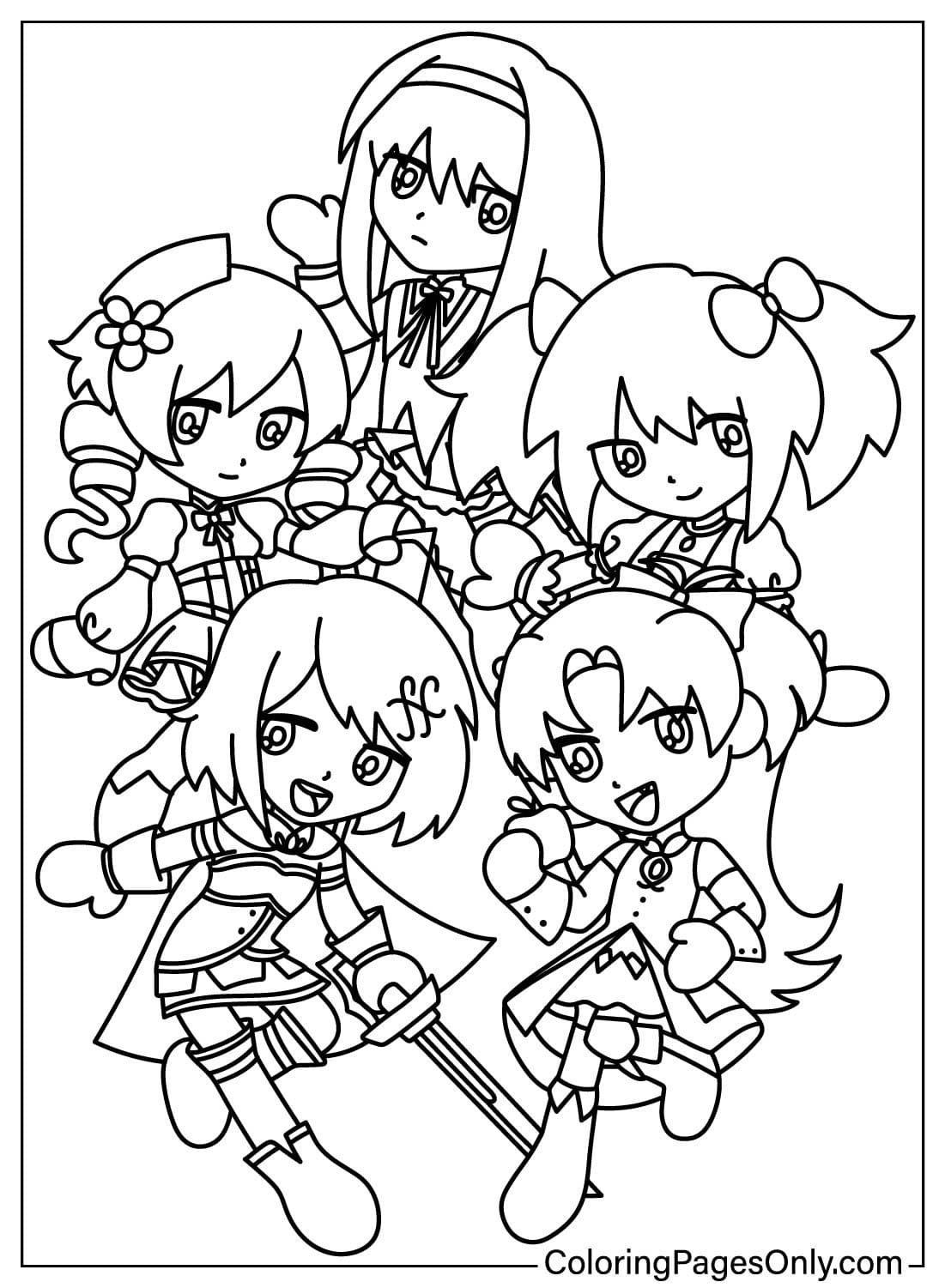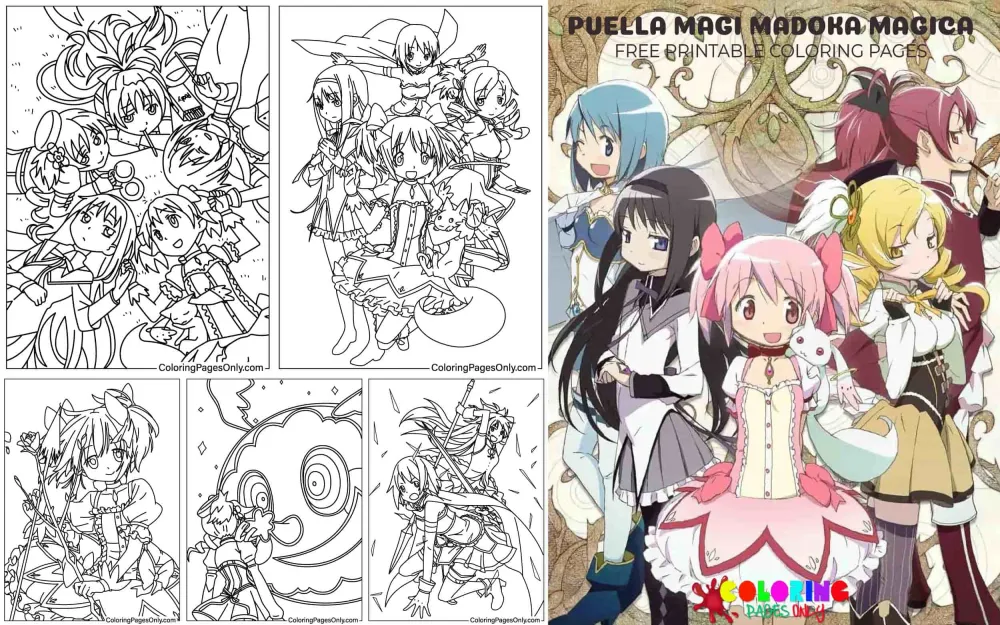
Puella Magi Madoka Magica Coloring Pages at ColoringPagesOnly.com brings together 30 free printable pages from one of the most acclaimed anime series of the past two decades – the 2011 magical girl series that redefined the genre entirely. The collection covers all five main magical girls in solo portraits, and action poses: Madoka Kaname, Homura Akemi, Sayaka Miki, Mami Tomoe, and Kyoko Sakura – alongside supporting characters including Kyubey, Nagisa Momoe, Hitomi Shizuki, Junko Kaname, Tomohisa Kaname, Kazuko Saotome, and Kyosuke Kamijo. A dedicated chibi variant cluster covers each of the five magical girls in simplified chibi style, and the Charlotte Witch appears in two distinct tile treatments. The full anime collection is available through our Anime Coloring Pages hub.

Every page is completely free – download as PDF to print or color online in your browser. No sign-up, no cost.

Age note: Puella Magi Madoka Magica features dark themes, including loss, sacrifice, and despair. It is rated PG-13 and recommended for ages 13 and up.

About Puella Magi Madoka Magica

Puella Magi Madoka Magica (魔法少女まどか☆マギカ, Mahō Shōjo Madoka Magika) is a 12-episode anime television series produced by Shaft animation studio, written by Gen Urobuchi, and directed by Akiyuki Shinbo. It aired in Japan from January to April 2011 and was followed by three theatrical films: a two-part compilation film (2012) and an original story sequel, Puella Magi Madoka Magica the Movie: Rebellion (2013). A new theatrical film, Walpurgis Rising, was in development at the time of this writing.

The series is widely considered one of the defining anime of the 2010s and a landmark work in the magical girl (mahou shoujo) genre. Its initial premise – a middle school girl named Madoka Kaname is offered the chance to become a magical girl by a mysterious creature called Kyubey – appears to follow the conventions of the genre established by series like Sailor Moon and Cardcaptor Sakura. The series then systematically and devastatingly subverts those conventions, revealing the true nature of the contract and the magical girl system through a story structured around revelation, sacrifice, and the question of whether hope is worth the cost of despair.

Gen Urobuchi, the series’s writer, is known for his emotionally unflinching narrative style; his work examines the tension between idealism and reality, the cost of granting wishes, and the nature of hope in the face of inevitable loss. These themes run through every episode of Madoka Magica and give the series its unusual emotional weight, despite its visually pastel character designs and magical girl surface aesthetic.

The series won the Animation of the Year award at the 16th Animation Kobe Awards (2011) and has consistently appeared near the top of polls of the greatest anime series of the decade. Its influence on the magical girl genre – and on anime storytelling more broadly – has been extensive and lasting.

Characters in This Collection

Madoka Kaname – The Protagonist

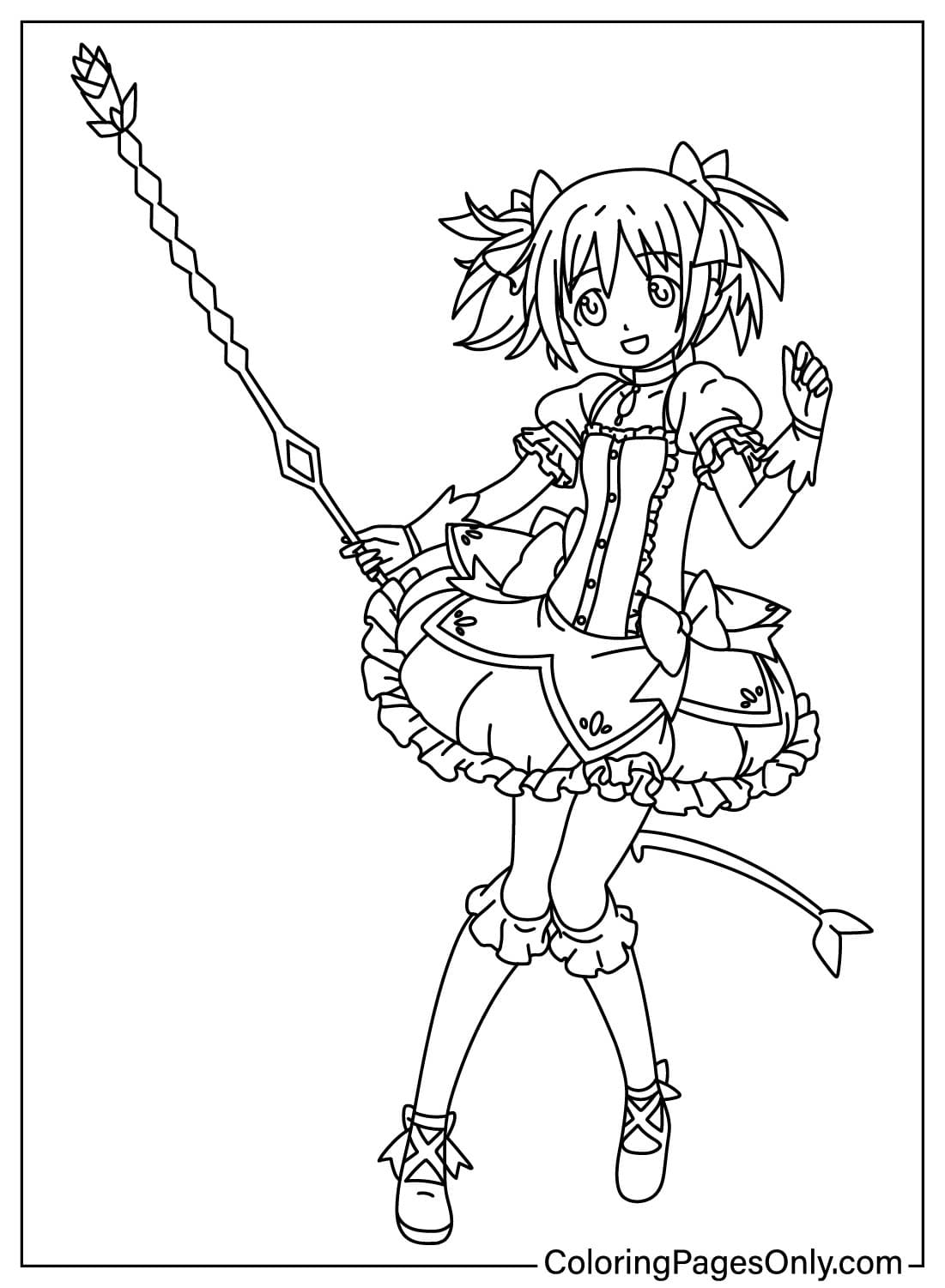
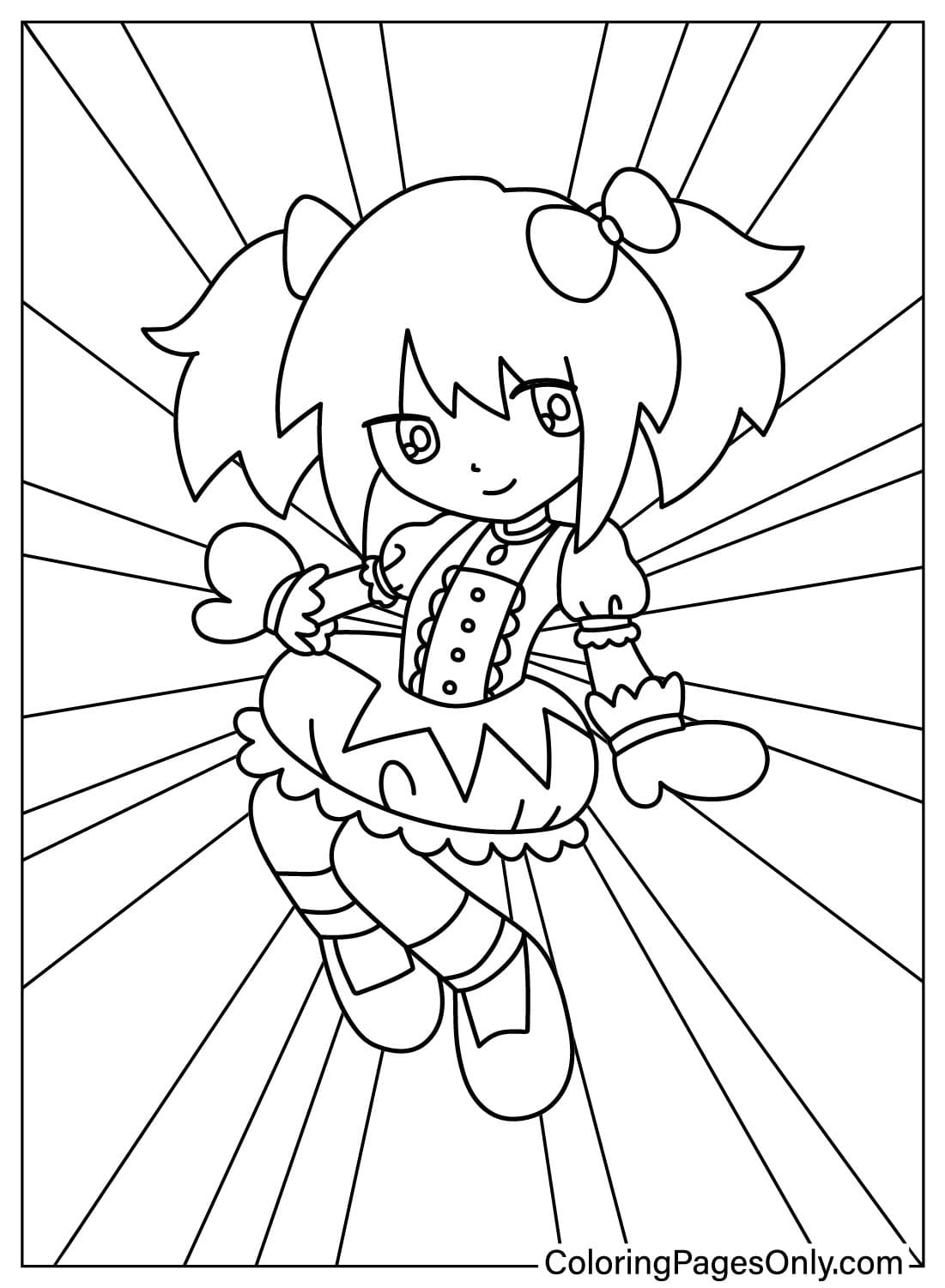
Madoka Kaname is the series’ titular protagonist – a kind, gentle, and fundamentally optimistic 14-year-old girl from Mitakihara City. Her defining characteristic, which drives the series’ entire arc, is her extraordinary magical potential – described by Kyubey as exceeding any other magical girl in history – and her equally extraordinary reluctance to use it.

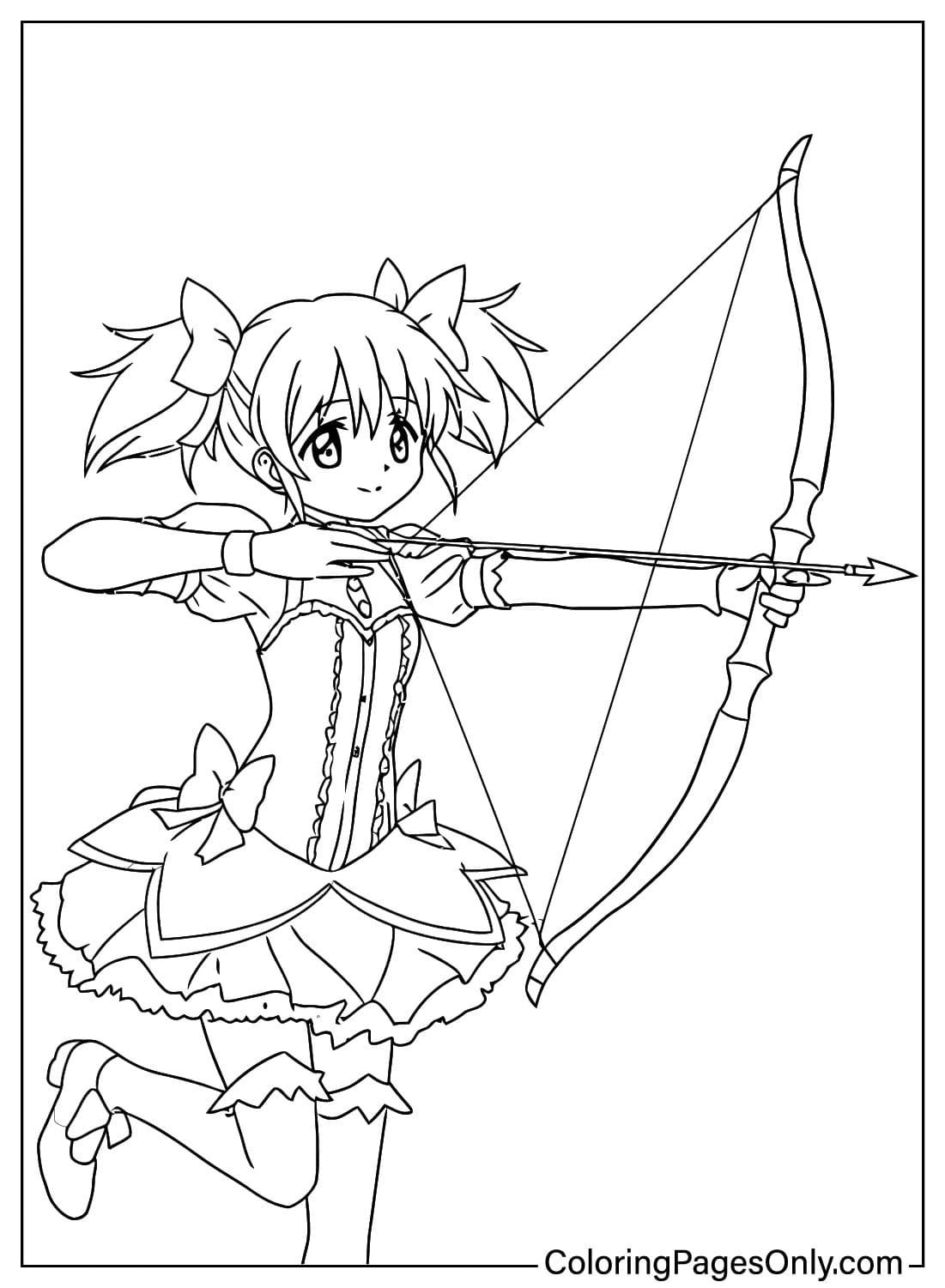
Madoka’s design: Her most distinctive features are her pink twin-tail hairstyle – two long pink pigtails tied with white ribbons – and her pink-and-white color scheme throughout. As a magical girl, she wears a frilly pink dress with white lace accents, white stockings, and pink boots with white toe caps. Her soul gem (the gemstone that contains her magic and soul) is pink-rose colored. Her weapon is a magical bow – a large, flowing archery bow that launches magical arrows. The Madoka Kaname Archery Color Page tile specifically captures this bow-wielding pose.

Coloring Madoka: Her hair is a warm, medium pink – the specific shade is closer to rose-pink than hot pink or pale pink, fully saturated but not neon. The ribbon accents in her hair are pure white. Her magical girl outfit uses the same rose-pink as the primary color with white lace and trim. The soul gem on her outfit is a deeper, more jewel-like pink with an inner luminosity – a gem-like quality that can be approximated by using a slightly warmer, more saturated pink in the gem area against the lighter pink dress.

Homura Akemi – The Deuteragonist

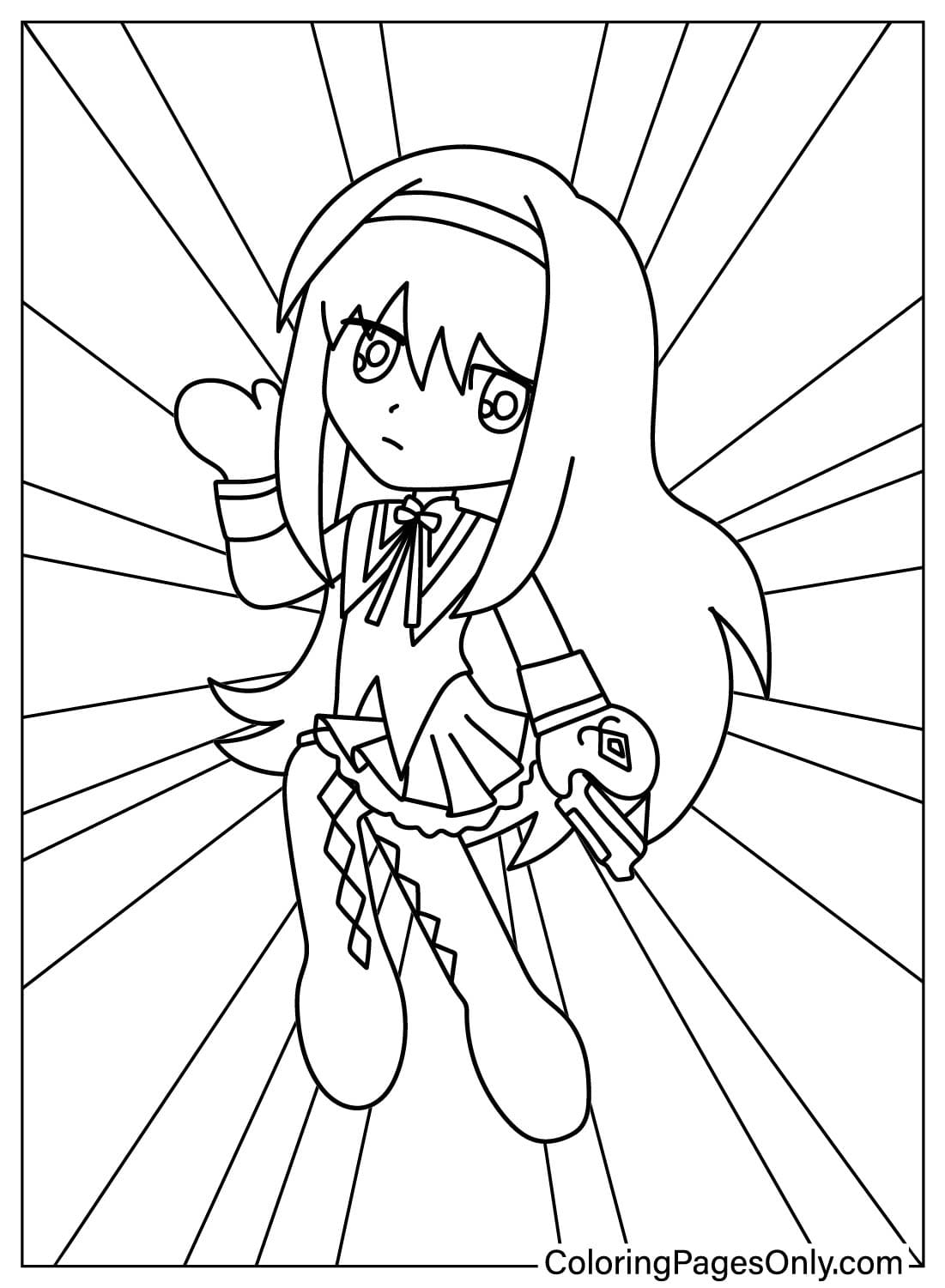
Homura Akemi is the series’s most complex and debated character – a dark-haired magical girl whose motivations, history, and relationship with Madoka form the emotional core of the series. She appears cold and distant when first introduced, acting with a certainty and ruthlessness that contrasts sharply with the other characters’ emotional openness.

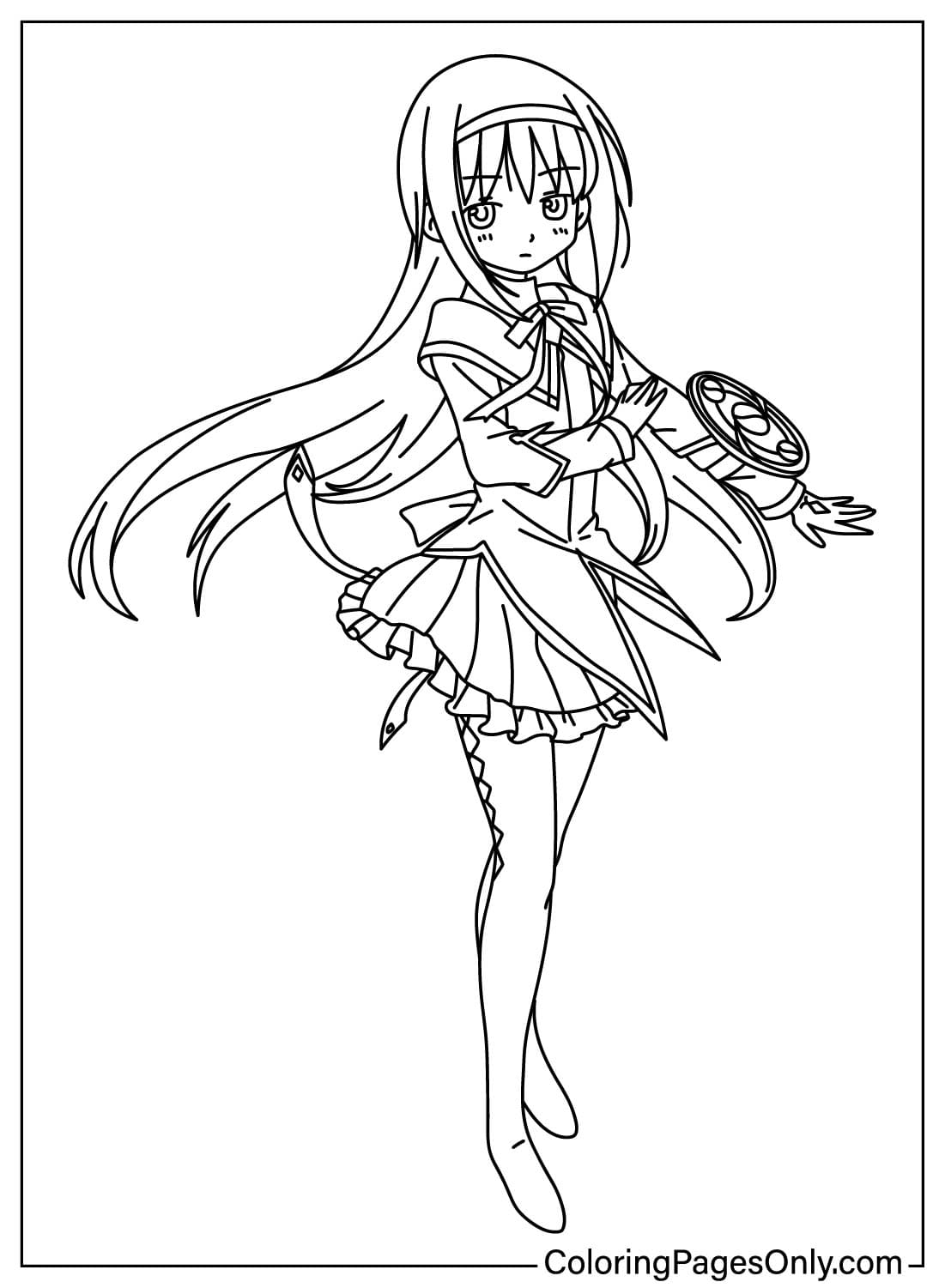
Homura’s design (standard magical girl form): Long, straight black hair that falls to her waist – a signature and one of the most recognizable elements in the series. Her magical girl outfit is dark purple-black – a fitted bodysuit with dark purple tights, dark boots, and minimal decoration compared to the other magical girls’ frillier designs. Her soul gem is purple, worn on the back of her hand inside a distinctive black rectangular shield that contains her weapon (multiple firearms and explosives drawn from across timelines). Her eyes are violet-purple.

Early Homura design (flashback form): In flashback sequences, younger Homura wears short hair with wire-rim glasses, a different magical girl costume, and a soft pink shield with a different, flowing appearance – a deliberately softer, more vulnerable look that contrasts with her current composed exterior. Both versions appear across the collection’s tiles.

Coloring Homura: The contrast between her pure white skin, jet black hair, and deep purple outfit is the visual key to her character – keep her hair true black with just the subtlest dark navy sheen where light catches it, and use a deep, slightly desaturated purple-black for the bodysuit rather than a bright purple. The Homura Akemi Worries tile captures her more emotionally exposed expression – this tile benefits from slightly warmer, less severe coloring than her standard battle poses.

Sayaka Miki – The Knight

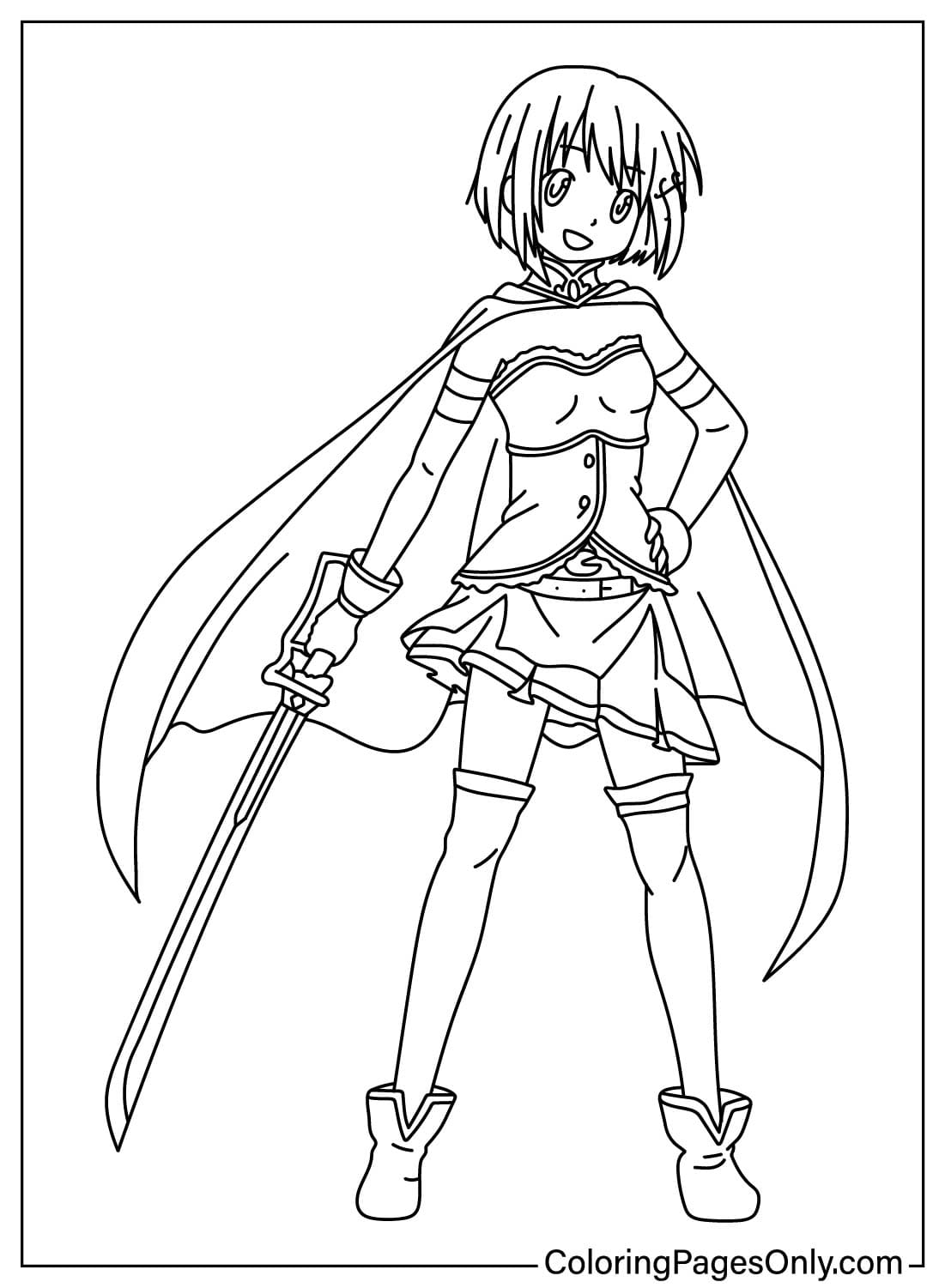
Sayaka Miki is Madoka’s best friend and the series’s most emotionally raw character arc – her transformation from enthusiastic, music-loving teenager to the tragedy of her story is considered among the most affecting in modern anime.

Sayaka’s design: Short, blue-gray hair that frames her face at chin length. Her magical girl outfit is a cobalt blue and white knight-style armor – more structured and armored than the other girls’ dresses, reflecting her self-conception as a hero protecting others. The armor features white accents and a blue cape, and her weapon is a cutlass (she can summon multiple swords simultaneously). Her soul gem is blue. Her eyes are vivid blue.

Coloring Sayaka: Her blue is a specific cobalt or royal blue – vivid, fully saturated, medium in value. Not navy (too dark), not sky blue (too light and warm), but a confident, even blue. The white armor sections should be clearly distinct from her blue elements – bright, unshaded white that creates strong value contrast against the vivid blue. The Chibi Sayaka Miki tile uses simplified proportions, with the blue costume serving as the dominant color element.

Mami Tomoe – The Mentor

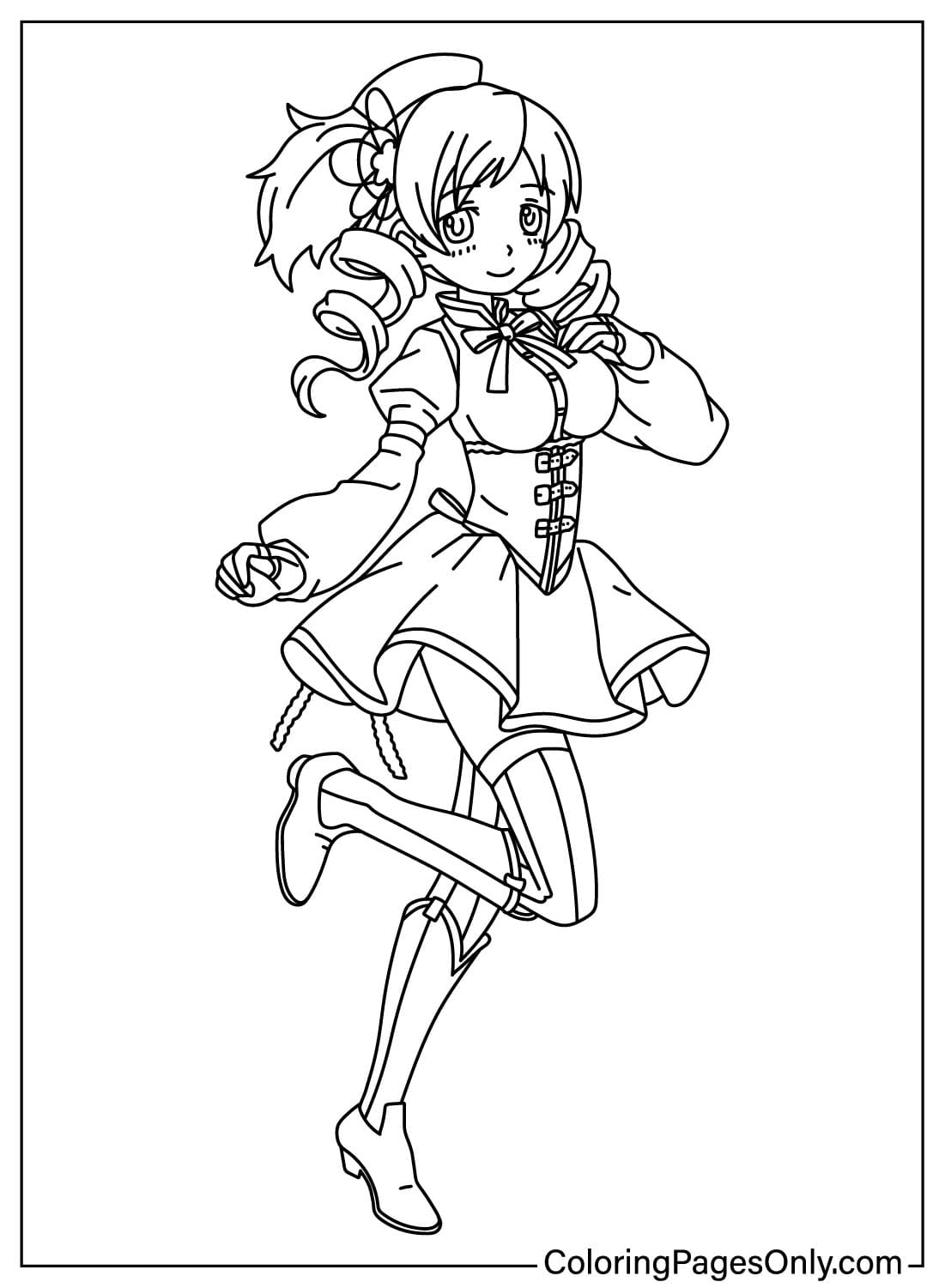
Mami Tomoe is the group’s senior magical girl – a third-year student who serves as both guide and cautionary figure to the younger girls. Elegant, composed, and seemingly all-knowing, Mami represents the idealized magical girl aesthetic most completely before the series systematically dismantles that idealization.

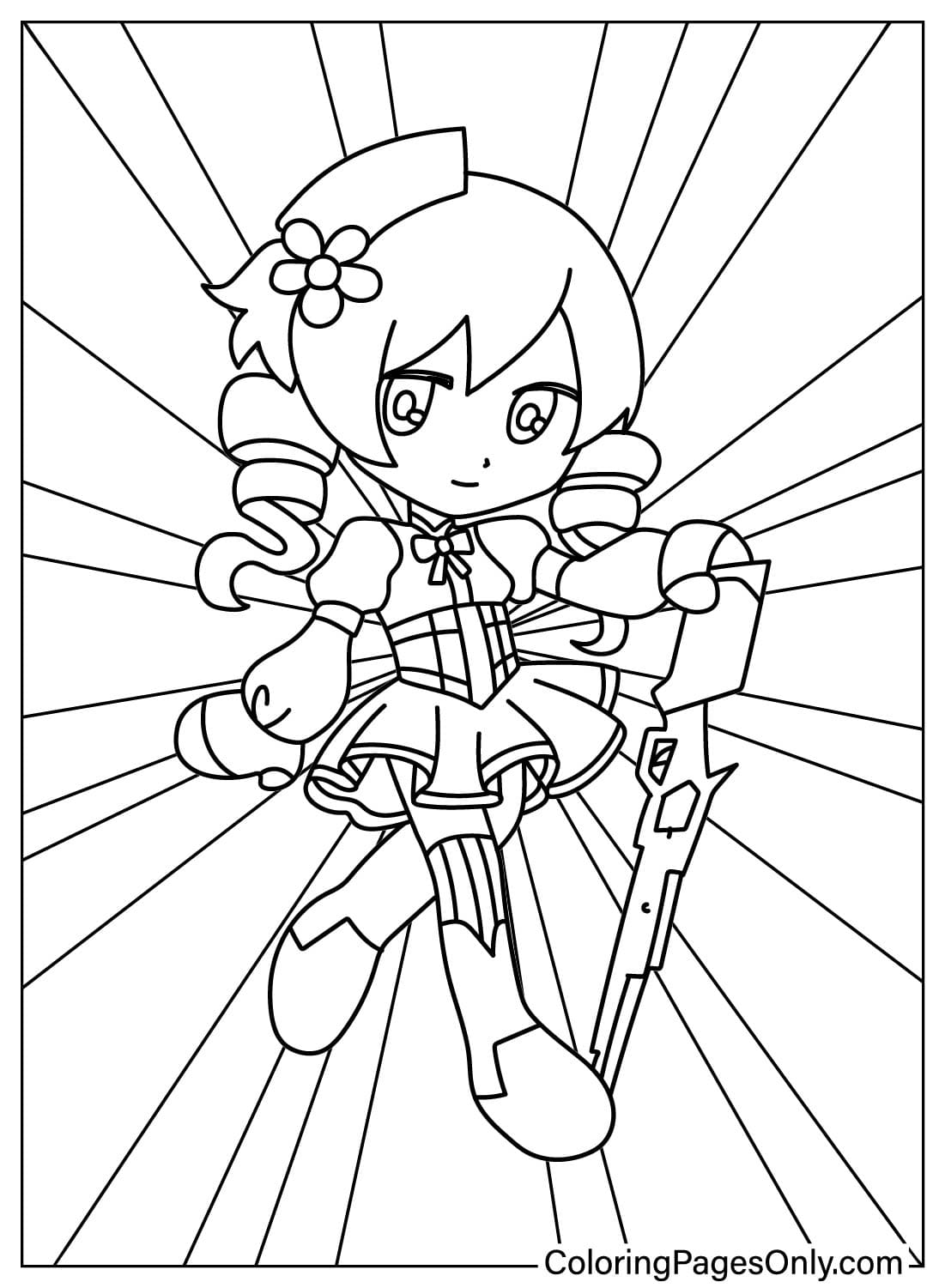
Mami’s design: Long golden-blonde hair worn in distinctive large twin curls (curled ringlets at shoulder level) with a golden-yellow hair accessory at the top. Her magical girl outfit is the most ornate in the main cast – a golden-yellow and white dress with elaborate lace, ruffles, and a wide skirt silhouette that resembles a Victorian or Rococo aesthetic more than a typical anime magical girl costume. Her weapons are flintlock-style musket rifles that she creates from ribbons. Her soul gem is yellow-gold.

Coloring Mami: Her blonde hair uses a warm, golden yellow – not pale blonde, not orange-gold, but a rich, warm medium gold. The drills and hair accessories share this color. Her outfit uses warm gold-yellow as the primary color, with crisp white as the secondary. The lace and ruffly white accents should be kept bright white to maintain the elegant contrast against the gold. The Chibi Mami Tomoe tile simplifies her elaborate dress into a rounder, more accessible form, well-suited to younger colorists.

Kyoko Sakura – The Rival

Kyoko Sakura is introduced as an antagonist before her backstory is revealed, establishing her ultimately as one of the series’ most complex figures – pragmatic, fierce, and carrying a devastating personal history beneath her combative exterior.

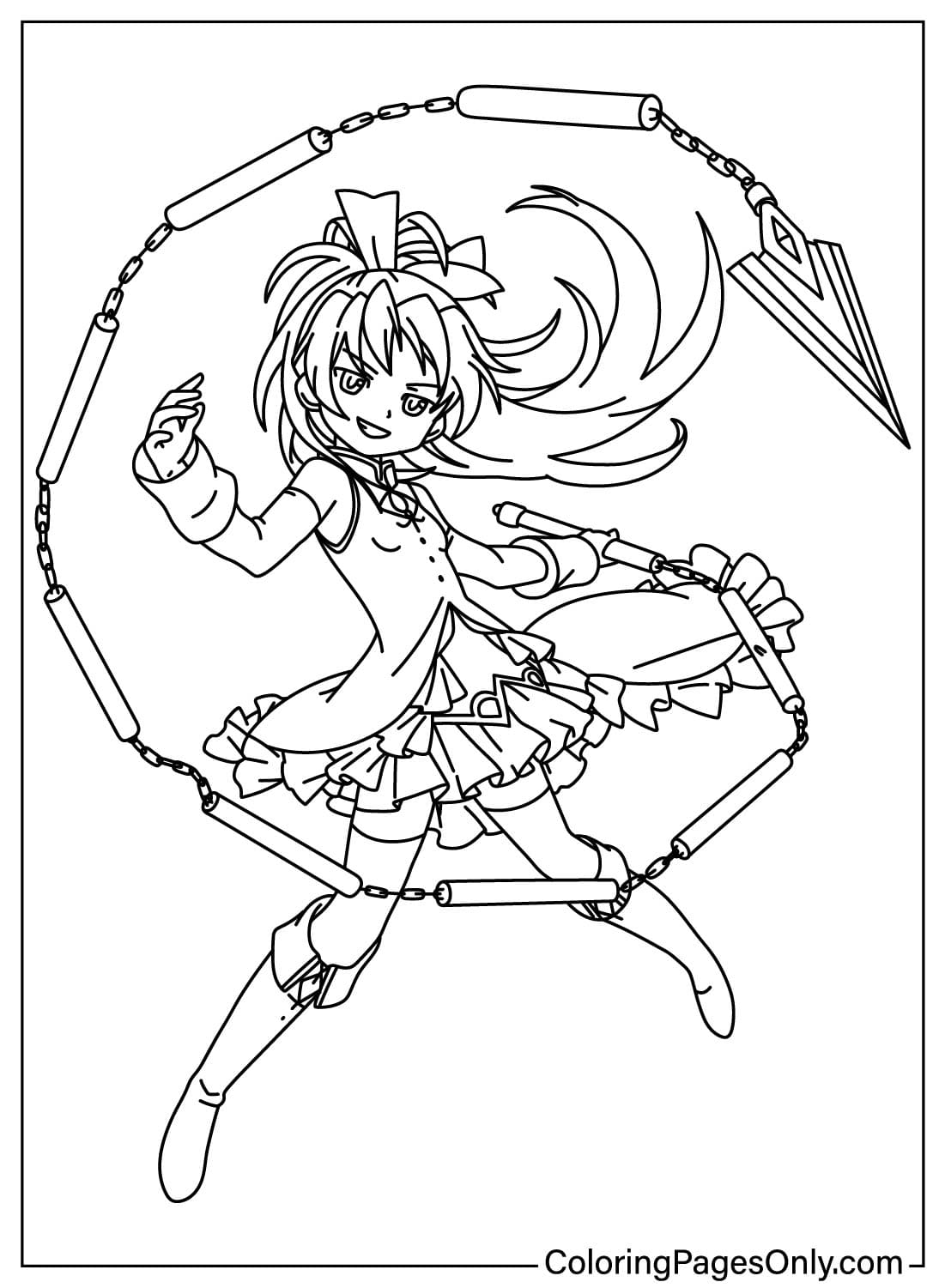
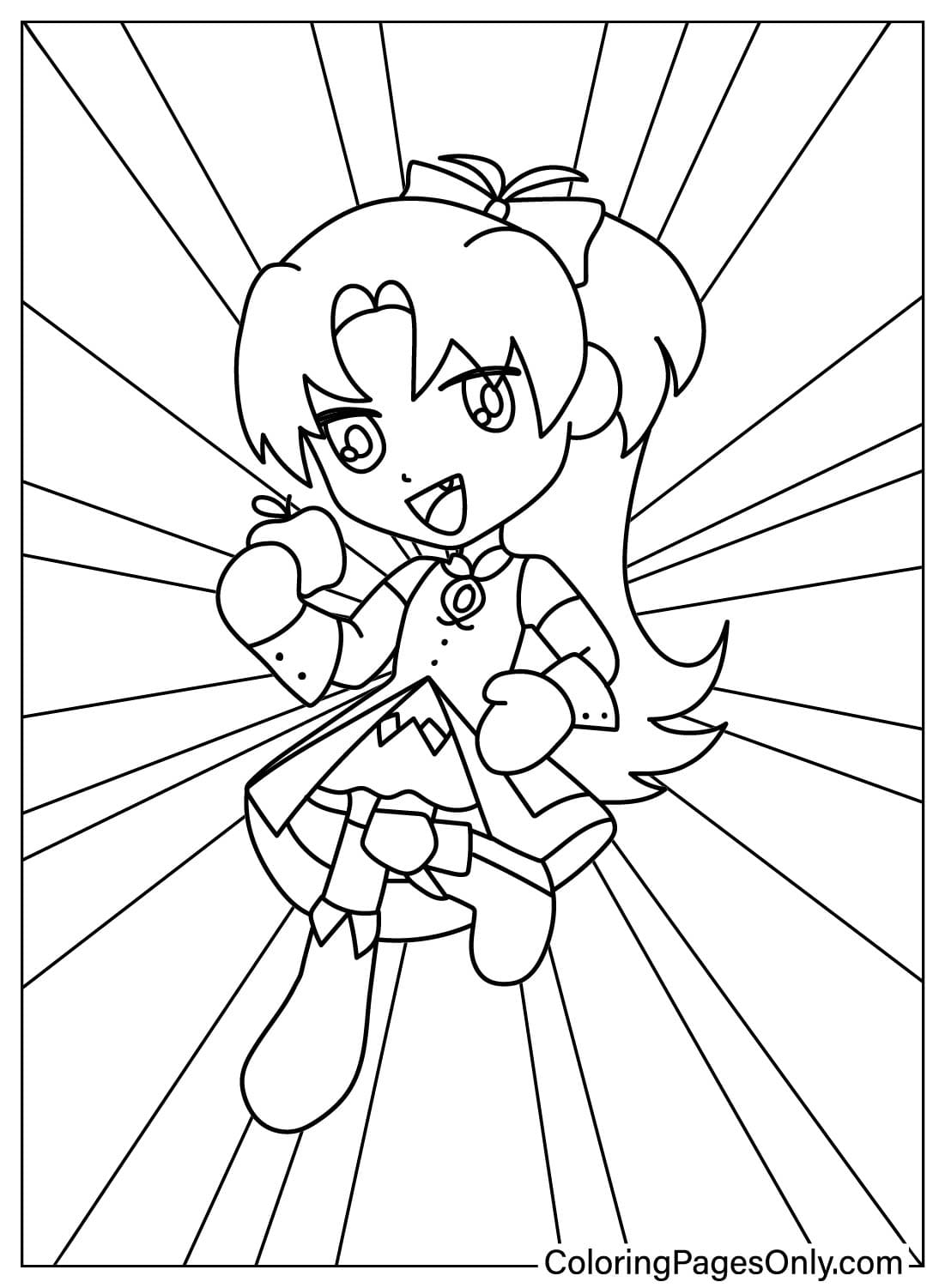
Kyoko’s design: Long red hair worn in a high ponytail that falls to her waist – the most vivid primary color in the main cast. Her magical girl outfit is deep red and black – a shorter dress with dark accents, red boots, and a more aggressive aesthetic than the other girls’ designs. Her weapon is a magical spear that can extend and segment into a chain whip. Her soul gem is red. She is frequently depicted eating – usually an apple or other food – a recurring character detail. Her eyes are red.

Coloring Kyoko: Her red is fully saturated and vivid – the warm, bright red of a fire engine or stop sign rather than a burgundy or crimson. The hair should be the most vivid red element on the page, with the costume using slightly deeper, more complex red tones to give the outfit depth without competing with the hair’s vibrancy. The Chibi Kyoko Sakura tile captures her characteristic spear-wielding pose in simplified form.

Kyubey – The Incubator

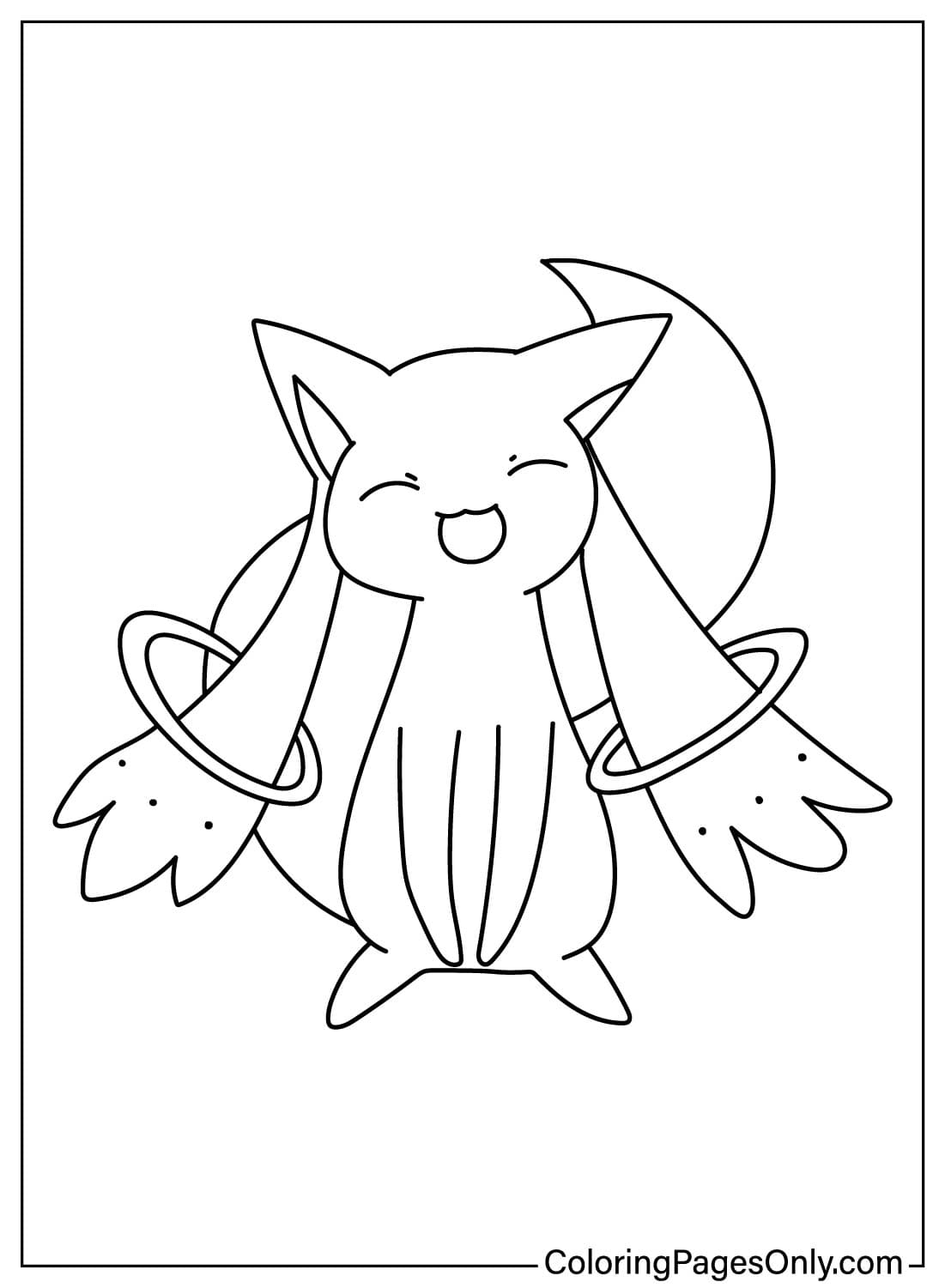
Kyubey is the series’ most thematically significant character despite appearing simplest on the surface – a small, cat-like creature that contracts with girls to give them magical powers in exchange for a single wish. His true nature and the actual terms of the contract are the series’s central revelation.

Kyubey’s design: A small, white cat-like body with pink ear markings, long white tail-ears, and pink ring-shaped markings on the back where the soul gem contract is sealed. His most notable feature is his expression – large, pink eyes that never change, conveying no emotion regardless of context. This unchanging expression is one of the series’s most unsettling visual choices. The Kyubey of Puella Magi Madoka Magica and Cute Kyubey tiles cover him in standard and simplified forms.

Coloring Kyubey: Pure white body with the absolute minimum of coloring – the pink ear and back markings should be a cool, slightly muted pink rather than a warm or vivid pink. The eye rings are pink. His white should be the brightest element on any page he occupies – do not shade the body heavily; maintain his clean, flat-white surface quality.

Nagisa Momoe and Charlotte Witch

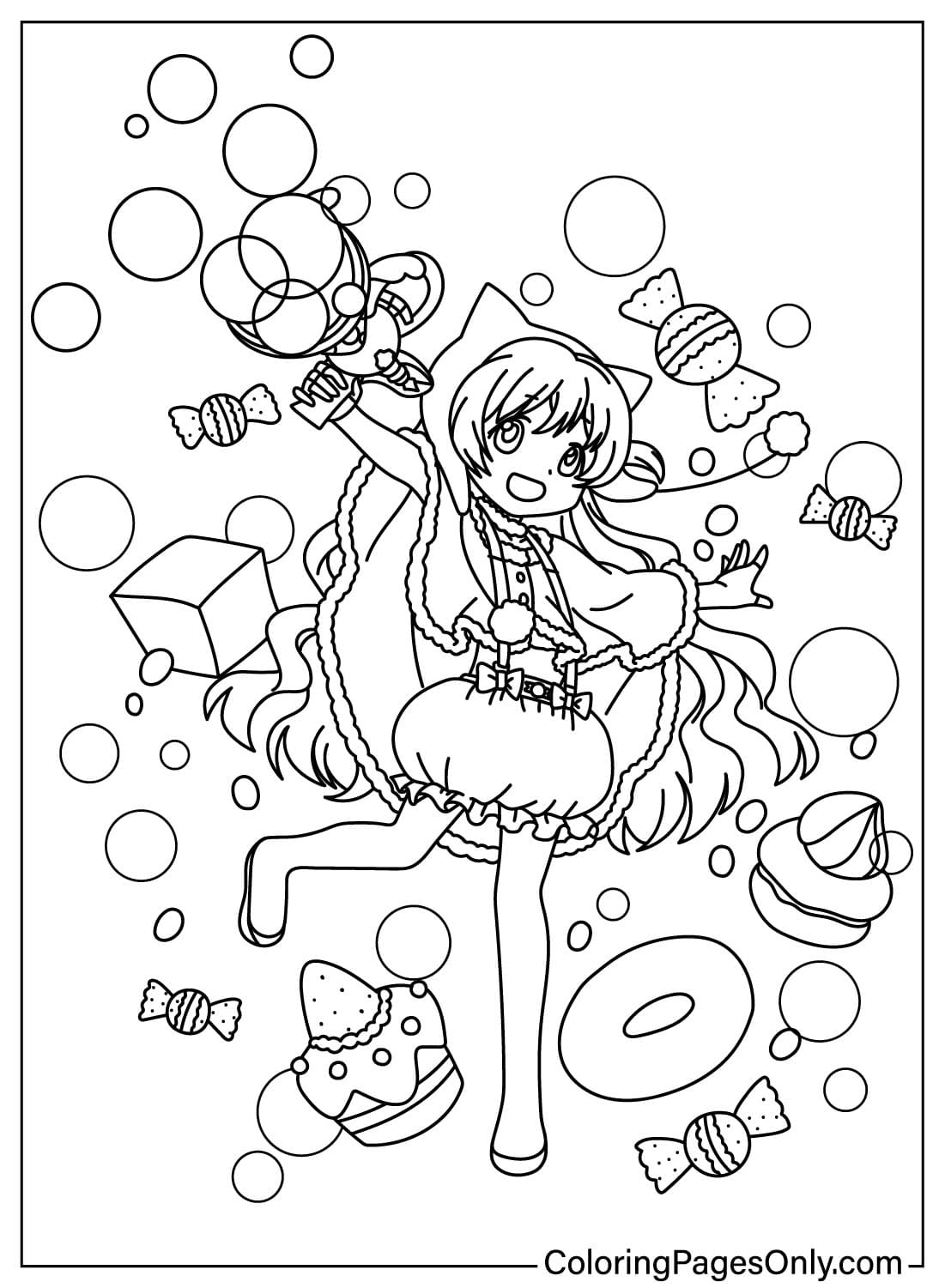
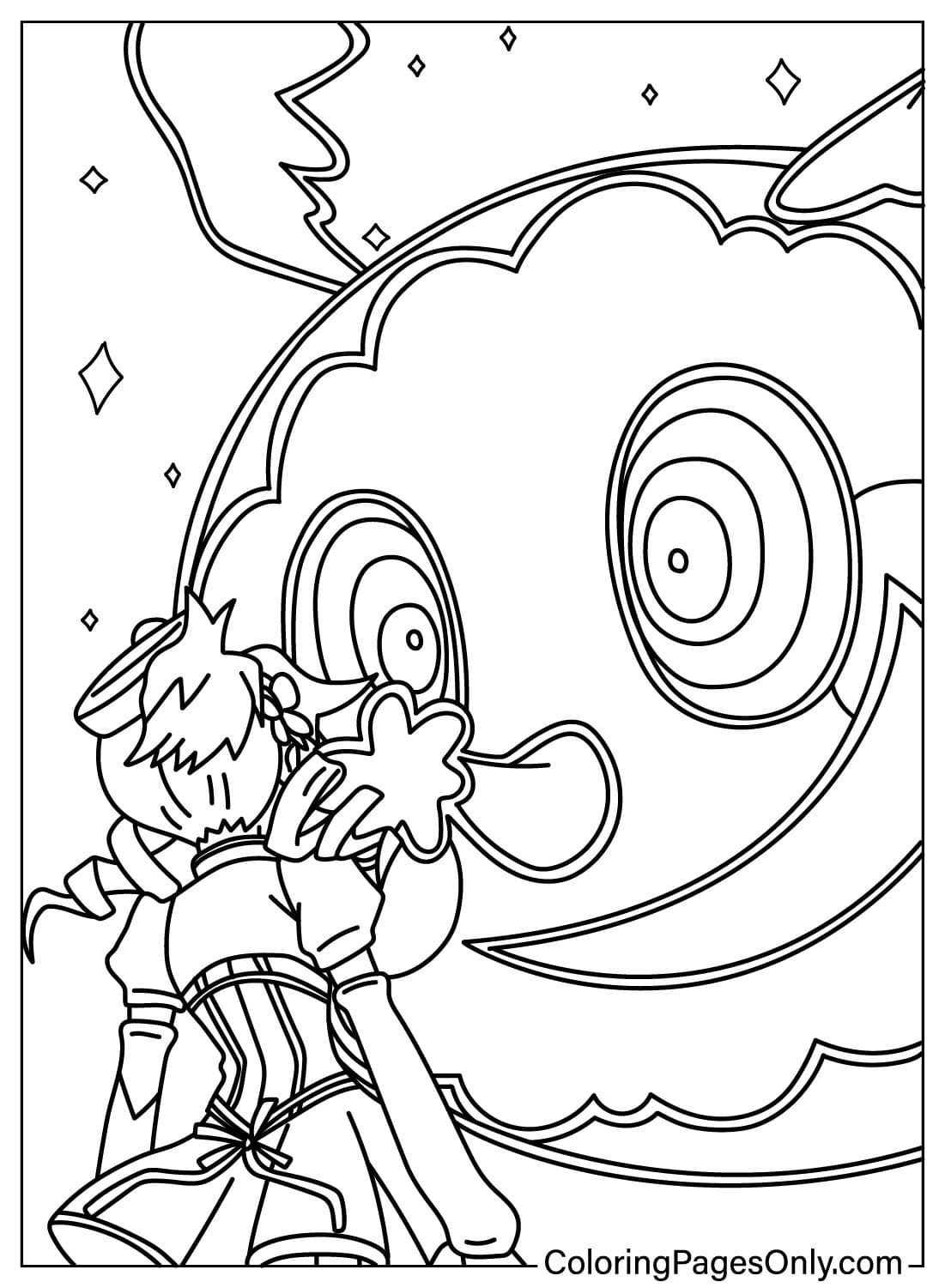
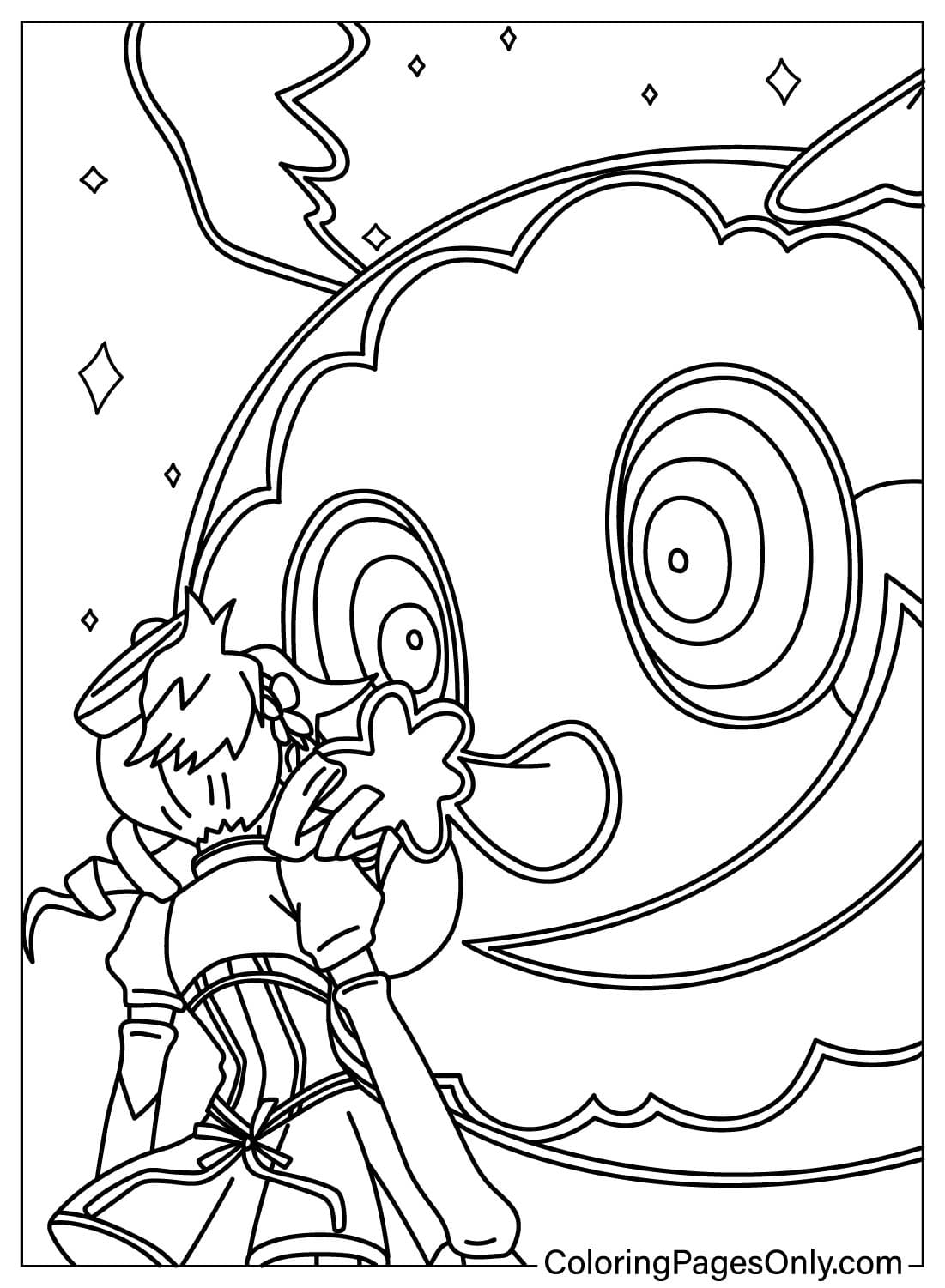
Nagisa Momoe appears in the Rebellion film as a small magical girl with a black-and-white color scheme and a cheese/sweets motif. The Sweet Nagisa Momoe tile covers her in standard form. The Charlotte Witch tiles depict the witch form associated with her story – a large, round white creature with black and yellow ring patterns, clown-like features, and multiple necks/heads.

Charlotte’s design: Primarily white and black with yellow accents. The main witch’s body is a large, round, white mass with black ring patterns. The face features exaggerated clown makeup elements. This is one of the more unusual design subjects in the collection – cartoon-grotesque rather than conventionally beautiful, which makes it among the most distinctive coloring challenges for fans who know the character’s story.

Supporting Characters

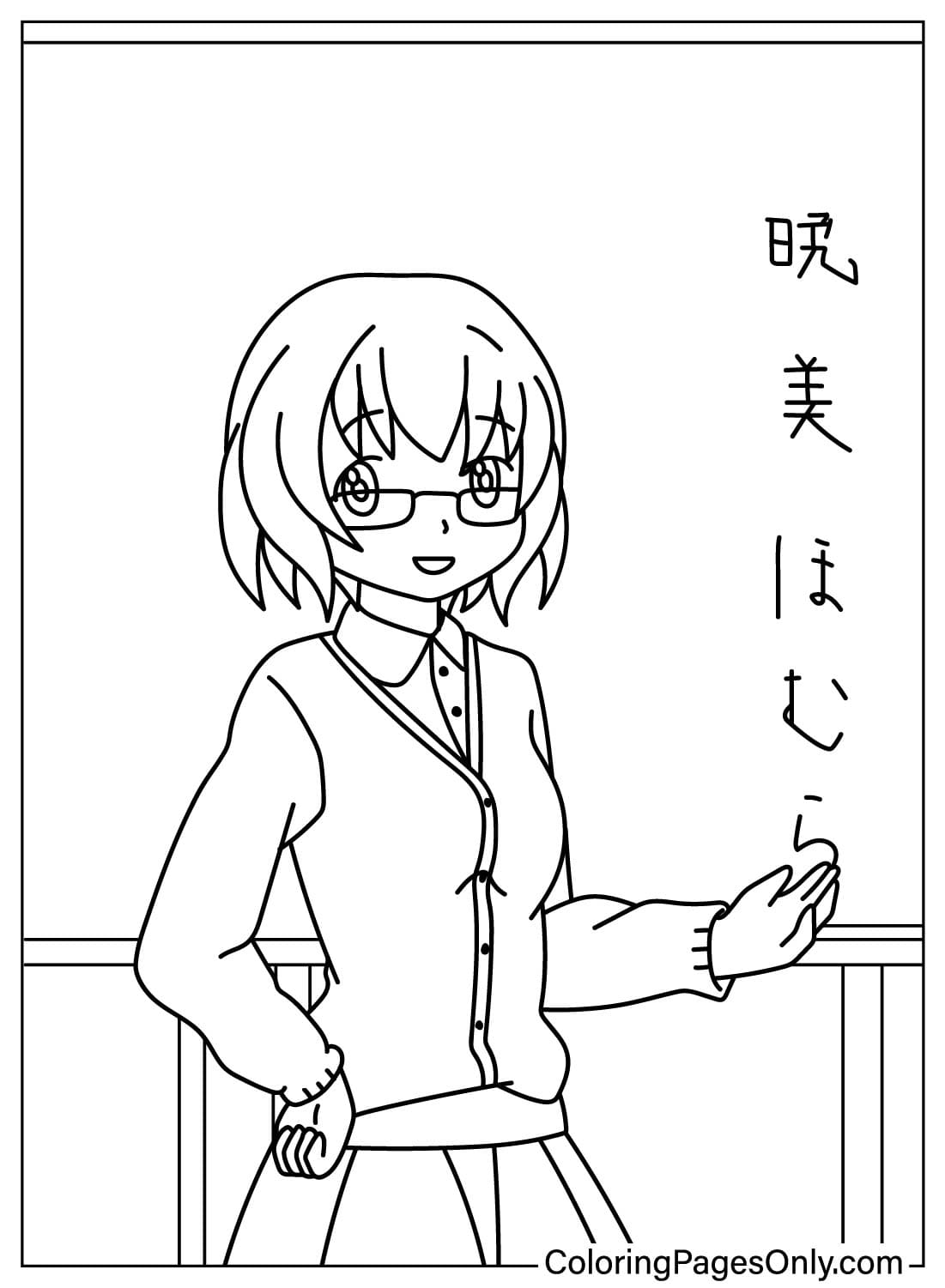
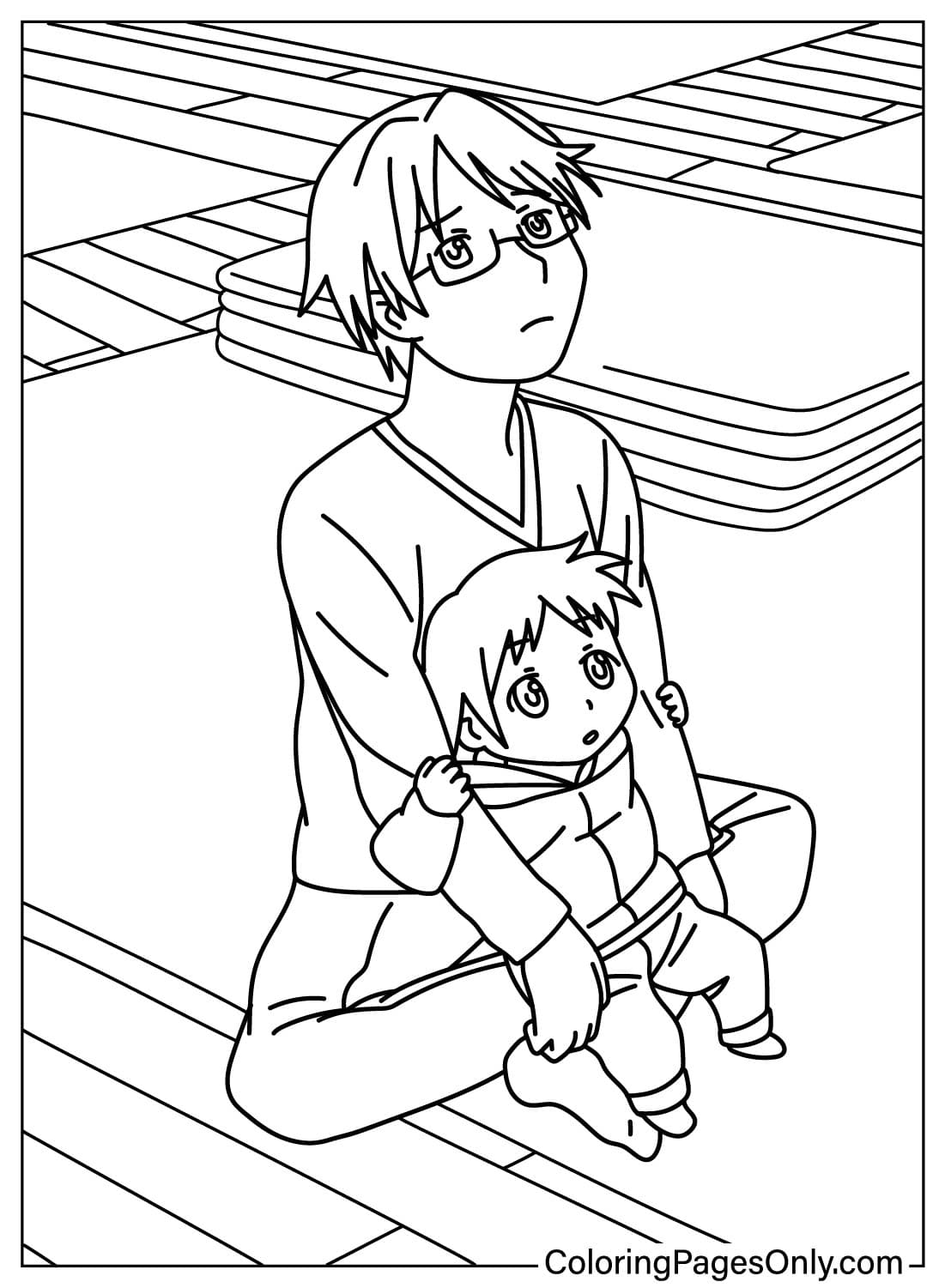
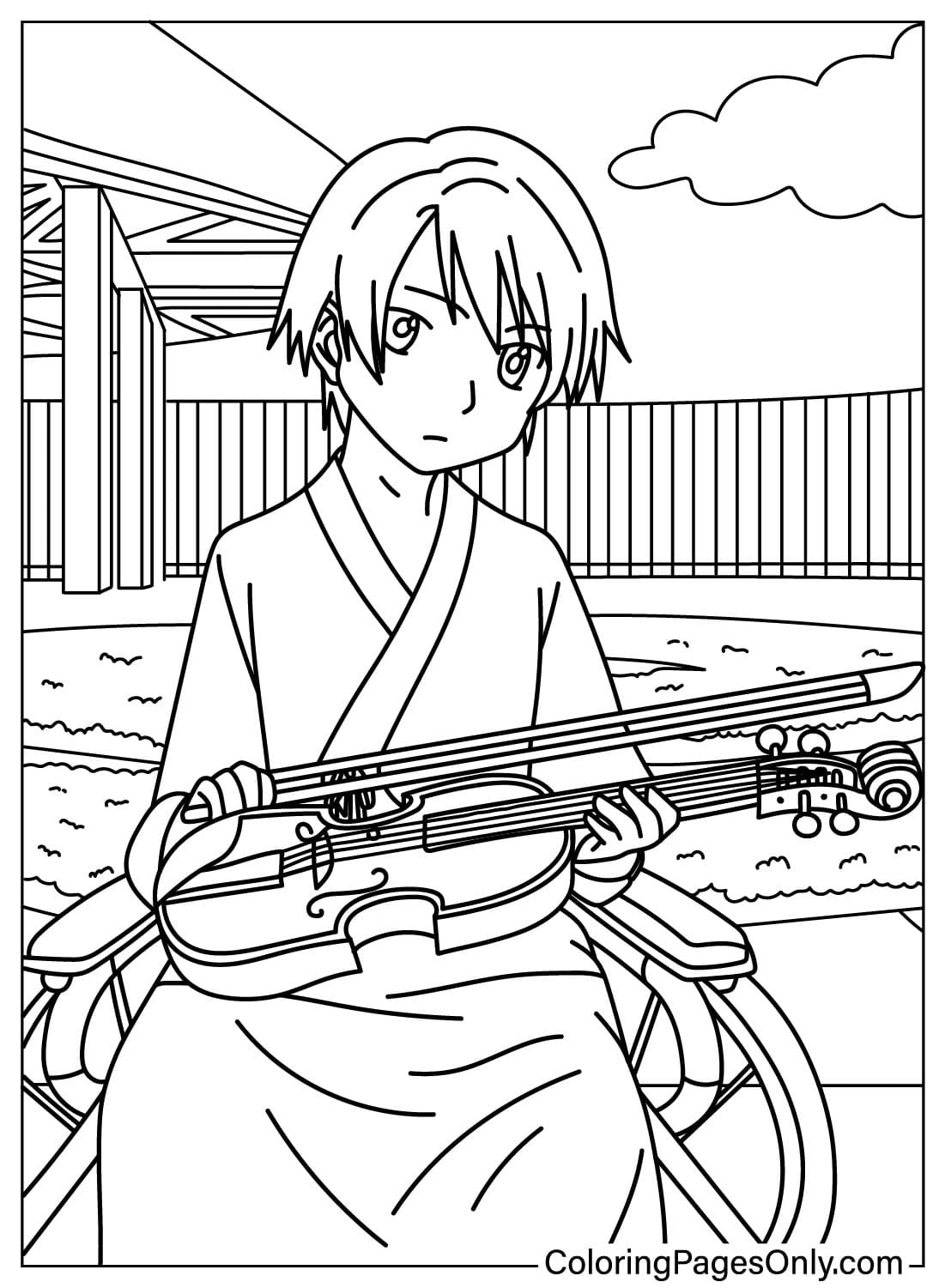
Junko Kaname (Madoka’s mother) – a professional woman with short, dark hair and modern office attire. Tomohisa Kaname (Madoka’s father) – a stay-at-home father with glasses and a gentle appearance. Kazuko Saotome – the girls’ teacher, with medium-length hair and a teacher’s professional appearance. Hitomi Shizuki – Sayaka’s friend at school, with longer green hair and a more conventional appearance than the magical girls. Kyosuke Kamijo – a young violinist who is the emotional center of Sayaka’s personal arc, with brown hair and a quiet, focused demeanor.

Coloring Guide: The Madoka Magica Palette

Puella Magi Madoka Magica uses one of the most deliberate and thematically loaded color systems in anime. Understanding the color coding – and the way the series uses color to signal emotional states – makes coloring the characters significantly more rewarding.

The magical girl color system:

Each magical girl’s entire color palette – hair, eyes, outfit, soul gem, and magical weapon – is unified around a single primary hue. This strict color coding is both a practical identification system and a thematic statement: each girl’s color reflects her personality and emotional arc.

Character Primary color Secondary Soul gem
Madoka Rose-pink White Pink
Homura Black/dark Deep purple Violet
Sayaka Cobalt blue White Blue
Mami Golden yellow White Yellow
Kyoko Vivid red Black Red

The pastel-versus-dark tension is the most distinctive aspect of Madoka Magica’s visual world. The character designs use soft, pastel-toned color systems for the girls in their everyday school uniforms and emotional moments – but the magical girl costumes and battle scenes use high-saturation, vivid versions of those same colors. The contrast between the soft, ordinary school environment and the vivid, intense magical world is a visual language the series uses deliberately.

For coloring pages depicting the girls in school uniforms (Junko Kaname, Hitomi Shizuki, Kazuko Saotome, Kyosuke Kamijo tiles), a muted, naturalistic palette – warm beige and gray tones for the school setting, soft skin tones, neutral clothing – creates the necessary contrast with the magical girls’ vivid designs.

Soul gems deserve special attention in any tile where they are visible. The soul gem is each character’s most important object in the narrative – it contains the magical girl’s literal soul – and should be colored as a vivid, jewel-quality gemstone. A technique that works well: apply the base gem color first, then use a white gel pen or white colored pencil to add a small bright highlight arc in the upper portion of the gem, suggesting the internal luminosity of a jewel. The soul gem should be the most saturated, most vivid area of color on the character’s body.

The witch labyrinth aesthetic in the Charlotte Witch tiles uses a completely different visual language from the magical girl designs – organic, grotesque, cartoon-influenced shapes in black, white, and yellow with no pastel quality whatsoever. Color the Charlotte Witch tiles as boldly as possible: maximum contrast between the white body and black ring patterns, vivid yellow accents, deliberately exaggerated and theatrical rather than subtle or naturalistic.

For anime coloring technique – including how to handle skin tones, hair highlights, eye multi-tone layers, and the cell-shading approach that best matches the series’ visual style – our detailed how to color anime characters guide covers each element step by step.

FAQs

What is Puella Magi Madoka Magica? Puella Magi Madoka Magica is a 12-episode anime television series produced by Shaft studio, written by Gen Urobuchi, and directed by Akiyuki Shinbo. It aired in Japan in 2011. The series begins as a conventional magical girl anime and systematically subverts the genre’s conventions through a story about the true cost of the magical girl contract. It is widely considered one of the defining anime works of the 2010s.

What age rating is Madoka Magica? The series is generally rated PG-13 and recommended for ages 13 and up. It explores dark themes, including loss, despair, sacrifice, and the nature of hope. There is no explicit content, but the emotional and thematic weight is significant, and the series is not appropriate for young children.

Who are the five magical girls? The five main magical girls are Madoka Kaname (pink, archer), Homura Akemi (black/purple, time manipulator), Sayaka Miki (blue, sword knight), Mami Tomoe (gold/yellow, musket wielder), and Kyoko Sakura (red, spear wielder). Each has a distinct color scheme, weapon, and magical ability.

What is a soul gem? A soul gem is the gemstone given to each magical girl when she signs the contract with Kyubey. It contains her magical power – and, as the series reveals, her literal soul. The soul gem must be kept clean to maintain the magical girl’s power and well-being; it darkens as despair and grief accumulate.

What is Kyubey? Kyubey is a small cat-like creature that contracts with girls to grant them a single wish in exchange for becoming magical girls. His white body, pink markings, and permanently unchanging expression are among the series’ most iconic visual elements. His true nature and motivations are one of the series’ central revelations.

Who is Charlotte? Charlotte (also called Nagisa Momoe in human form) is a witch – a being that magical girls transform into when their soul gem fills completely with despair. Charlotte’s witch form is depicted in the Charlotte Witch tiles – a large, round, clown-like white creature associated with cheese and sweets. Her human form as Nagisa Momoe appears in the Sweet Nagisa Momoe tile.

Is this collection appropriate for children? Given the series’ PG-13 themes, this collection is best suited to fans ages 13 and up who are already familiar with the series. The coloring pages themselves contain no explicit content, but the character descriptions and story context involve mature themes. For younger anime fans, our anime coloring pages collection includes many series rated for all ages.

All 30 Puella Magi Madoka Magica Coloring Pages are free – download as PDF or color online. Share your finished pages on Facebook and Pinterest.

These related coloring collections will help you explore the wonderful world of colors. Let’s choose, be creative, and show us your great pictures!

Jennifer Thoa – Writer and Content Creator

Hi there! I’m Jennifer Thoa, a writer and content creator at Coloringpagesonly.com. With a love for storytelling and a passion for creativity, I’m here to inspire and share exciting ideas that bring color and joy to your world. Let’s dive into a fun and imaginative adventure together!