Rainforest Coloring Pages
 By:
Jennifer Thoa - Content Editor & Designer
Updated:
By:
Jennifer Thoa - Content Editor & Designer
Updated:
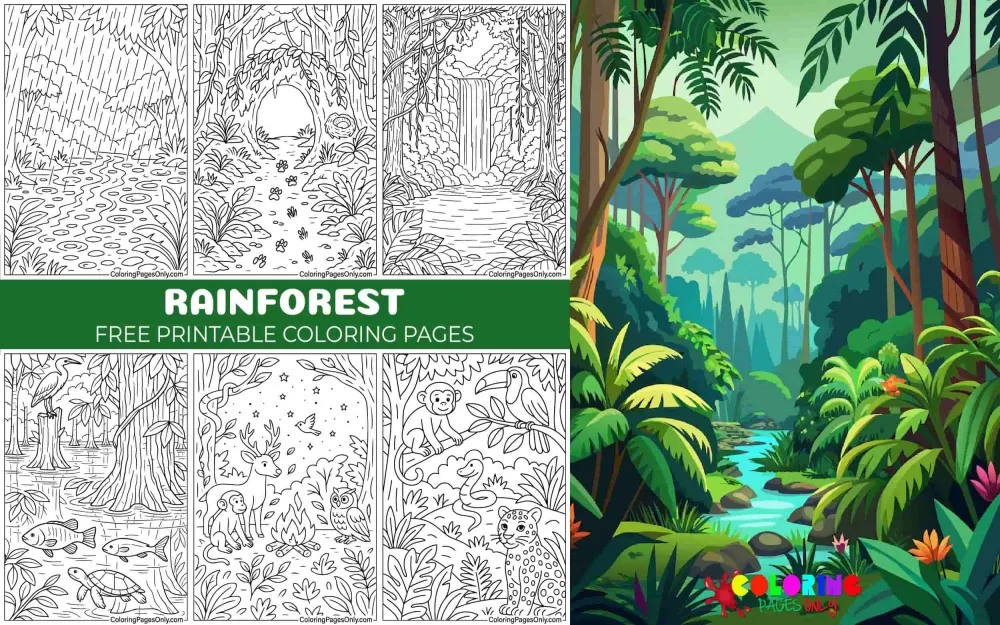
Free Rainforest Coloring Pages: 41 printable PDF designs featuring rainforest wildlife, plant life, and jungle scenery. Each page can be downloaded as a PDF to print or colored online in the browser.
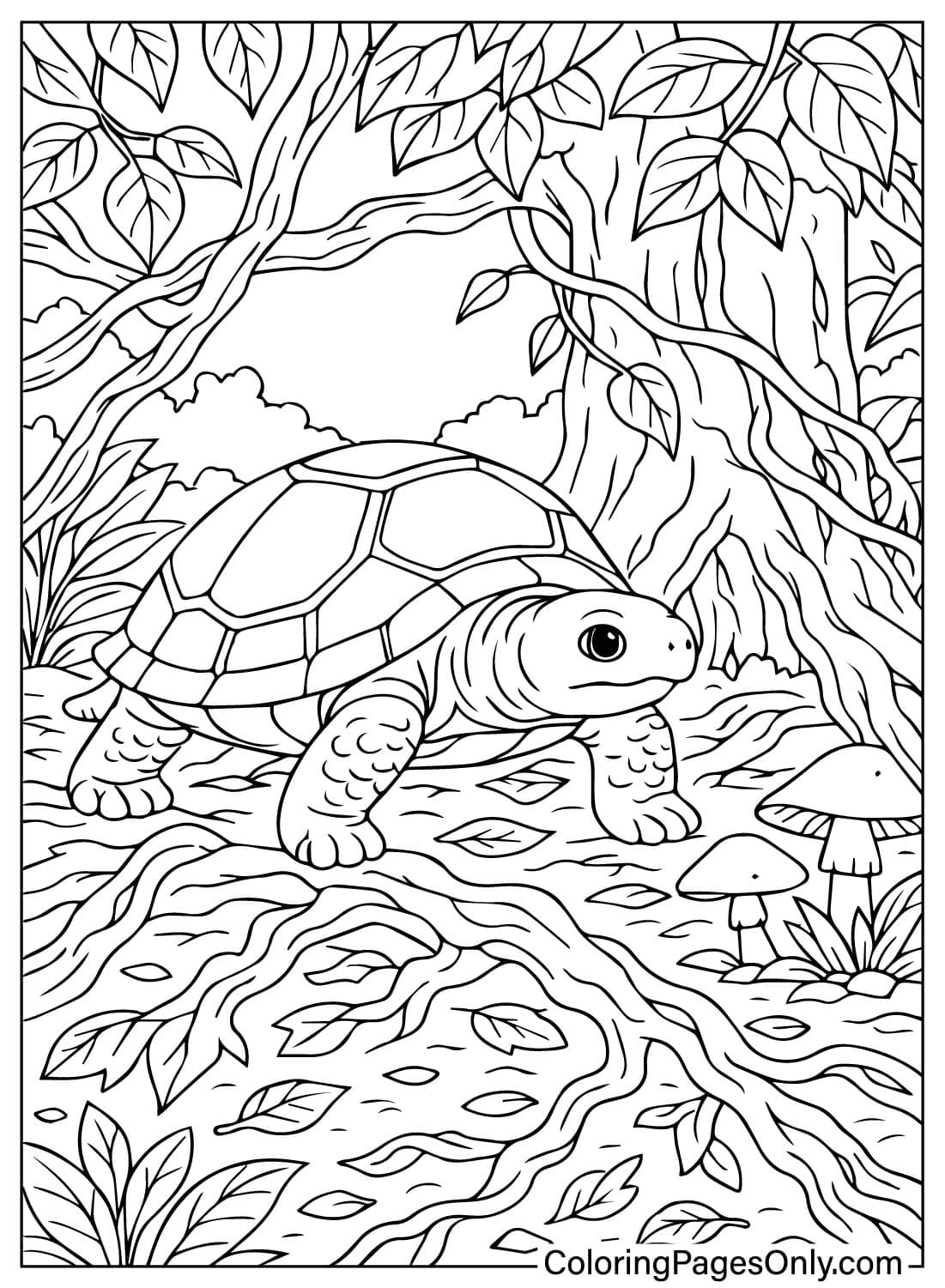
Rainforests cover less than 6 percent of Earth’s land surface, yet they are home to more than half of the world’s plant and animal species, according to the National Geographic Society. That remarkable density of life comes from a combination of steady warmth, heavy rainfall, and a distinct layered structure, from the tall emergent trees down to the shaded forest floor, that creates countless different habitats within a small area. A single hectare of rainforest can contain hundreds of different tree species alone, a number that might otherwise be found across an entire continent in a cooler climate. This Rainforest Coloring Pages collection reflects that variety, from monkeys, big cats, and reptiles to birds, insects, and the lush plant life that supports them all.
The set spans 41 designs, ranging from simple wildlife portraits to more detailed jungle scenes.
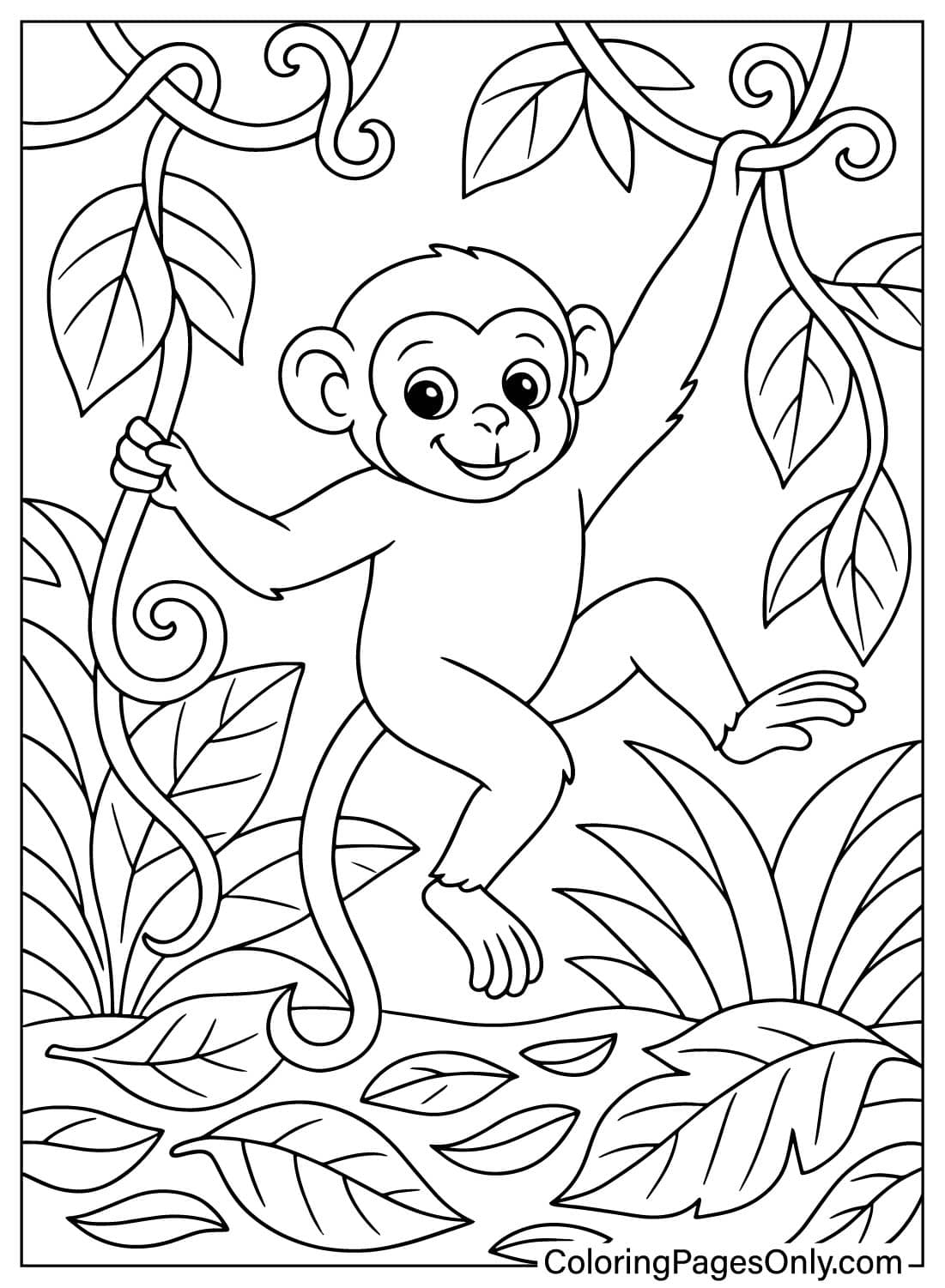
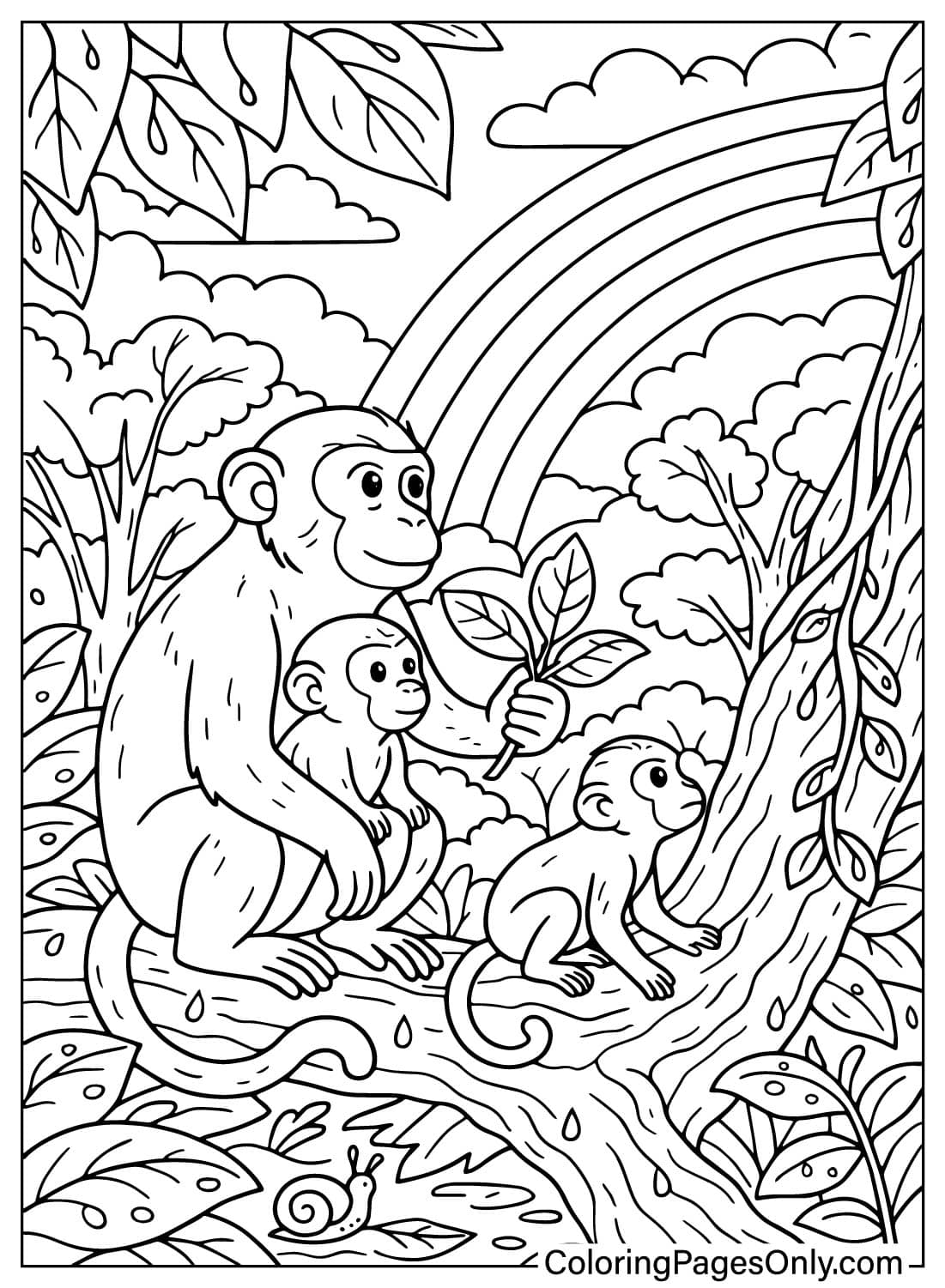
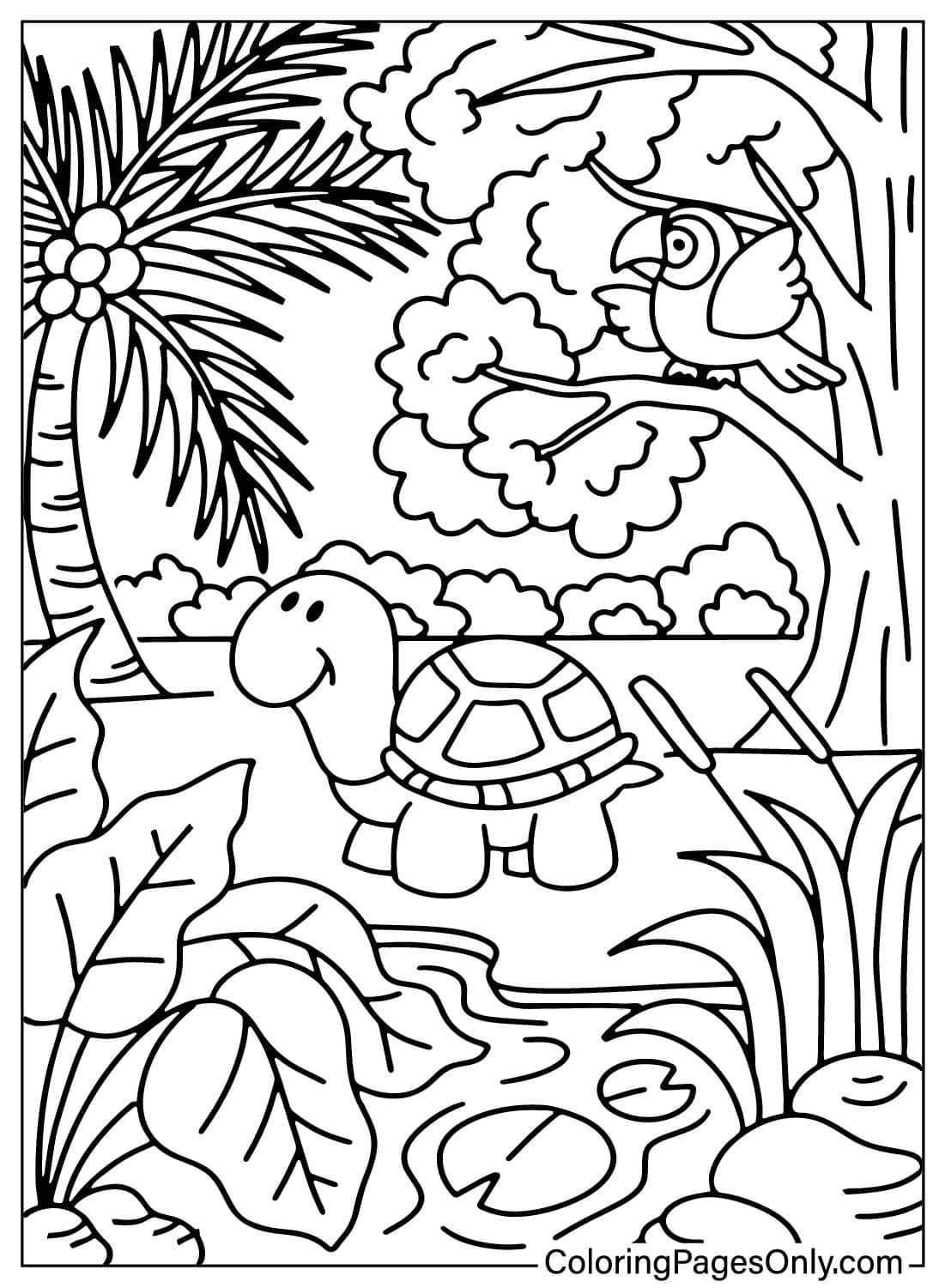
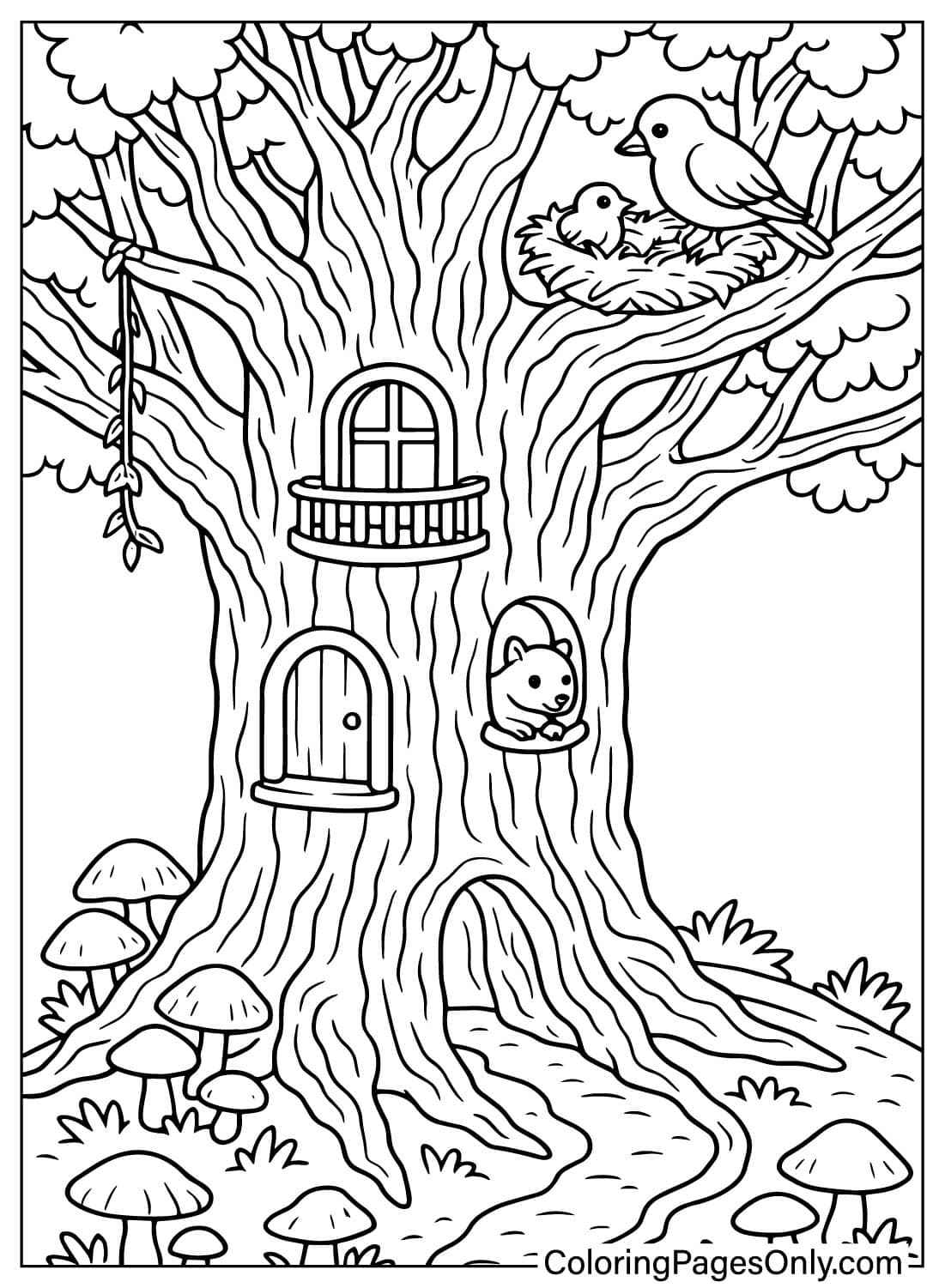
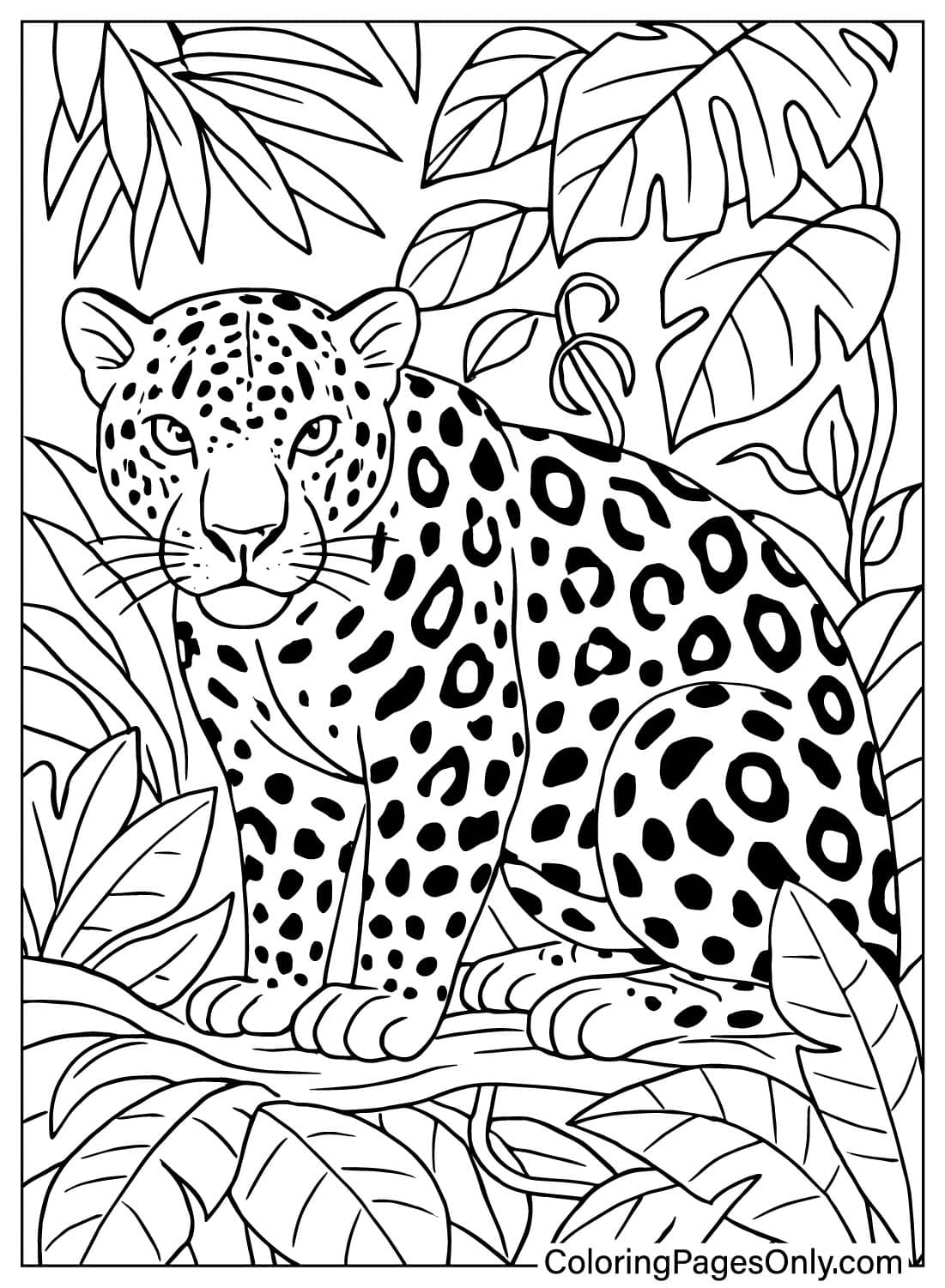
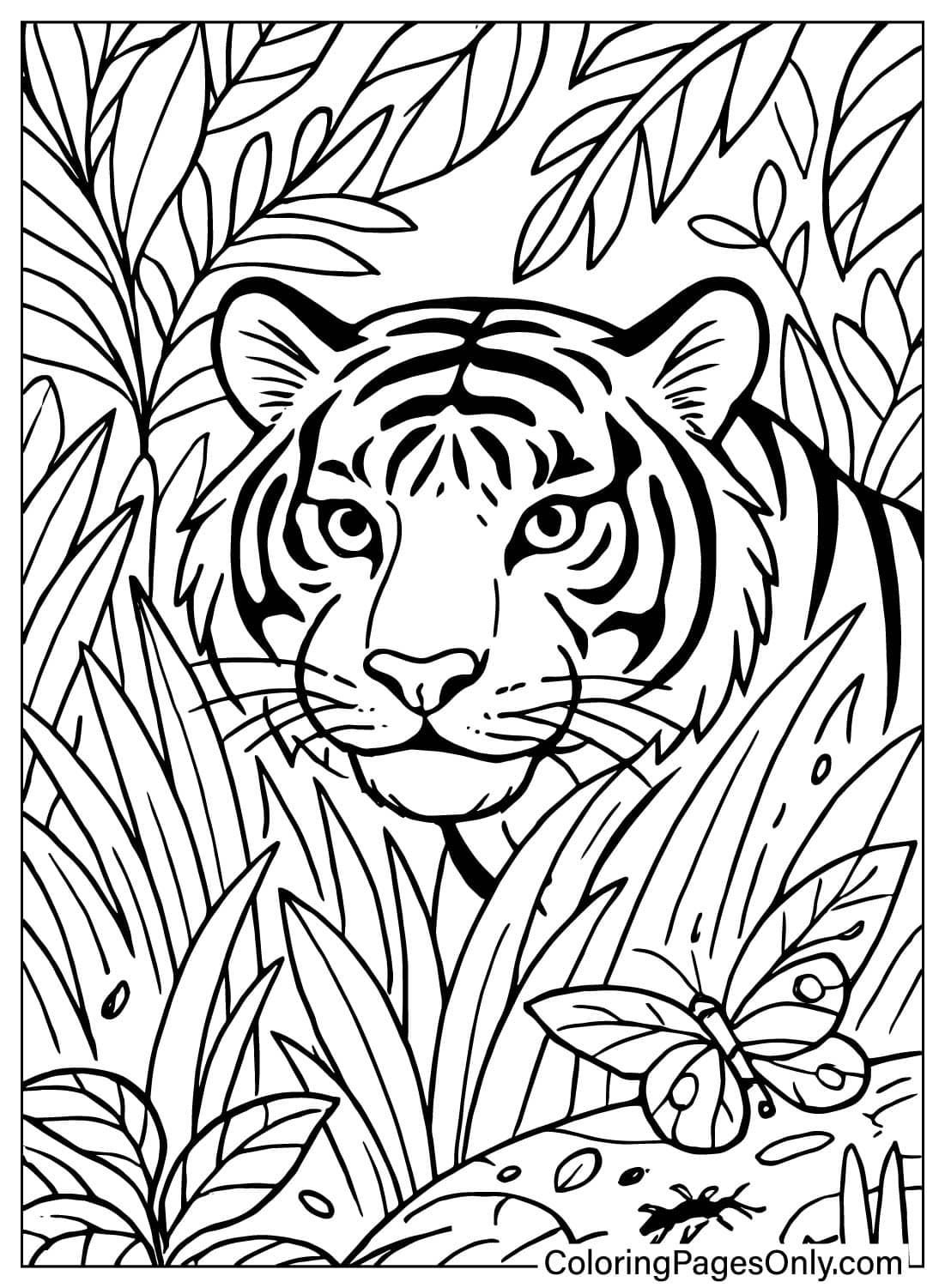
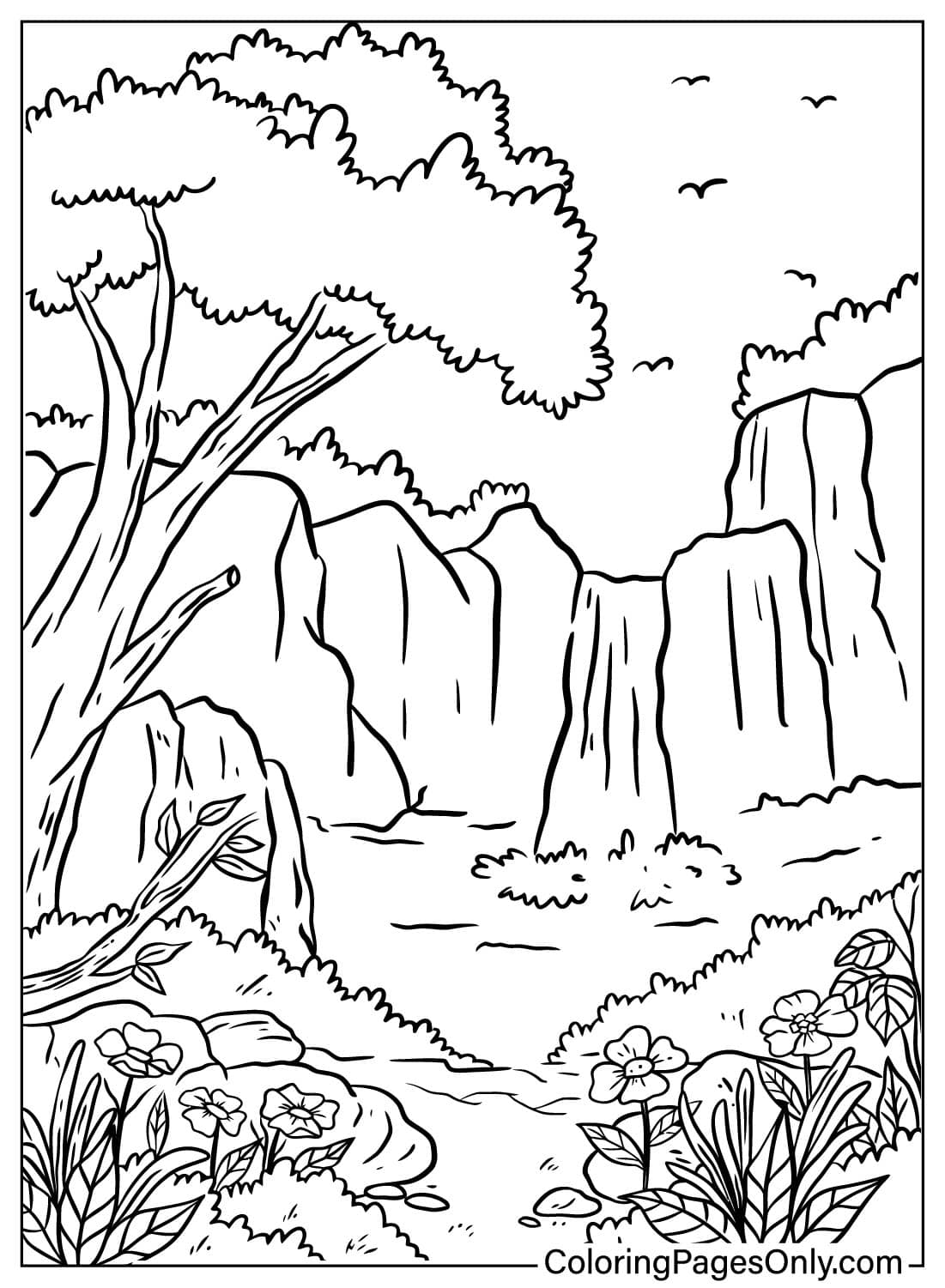
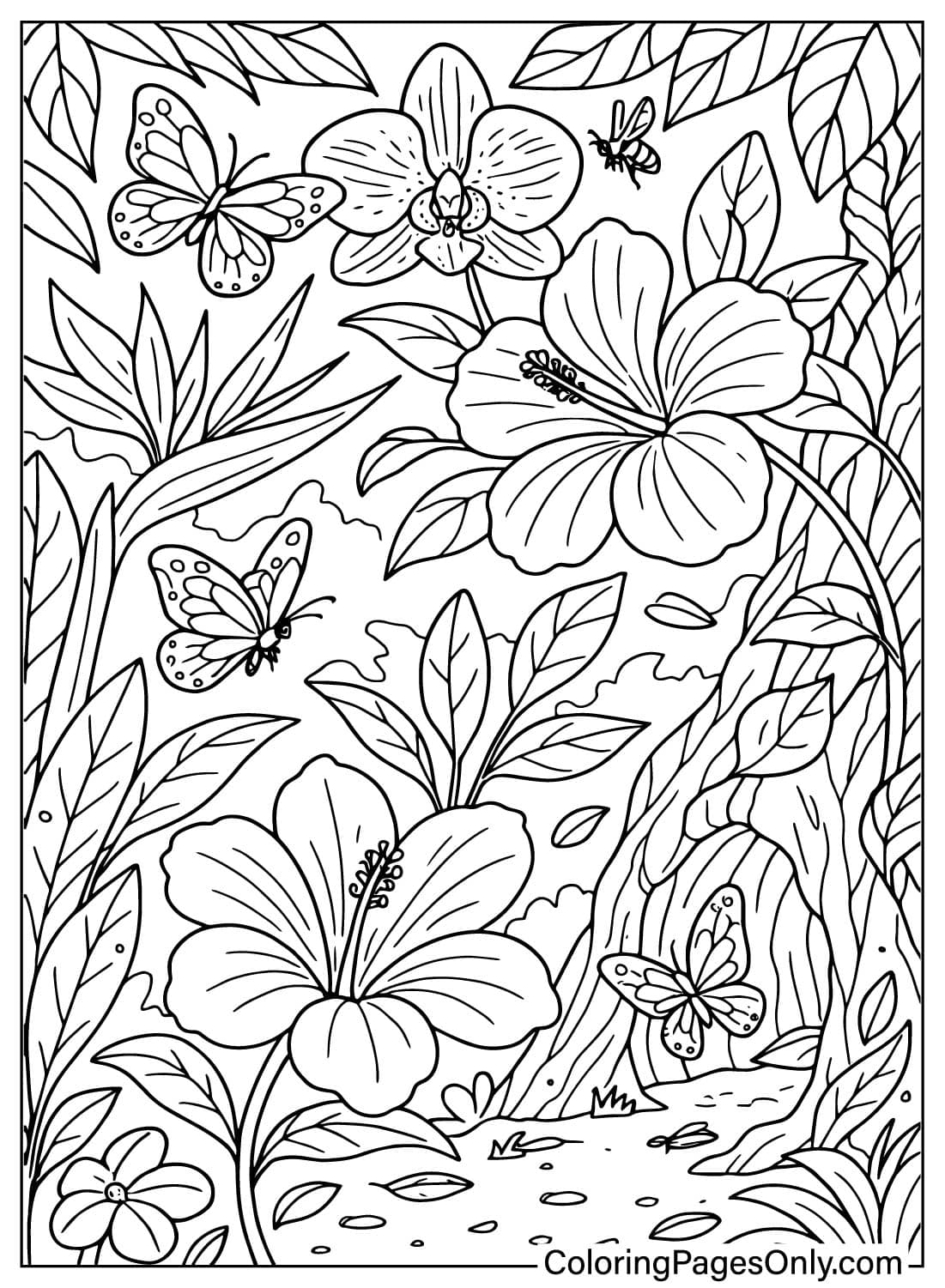
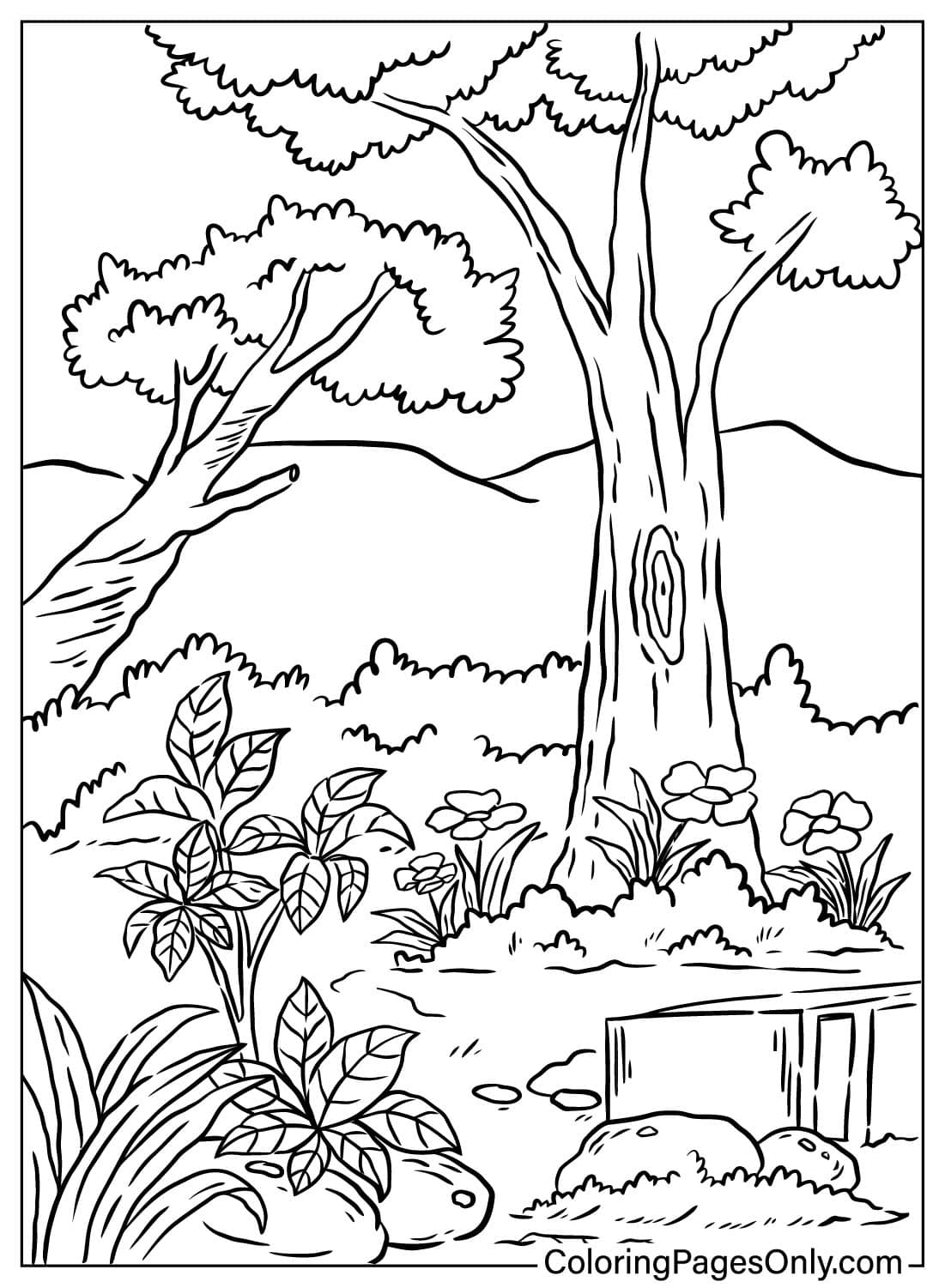
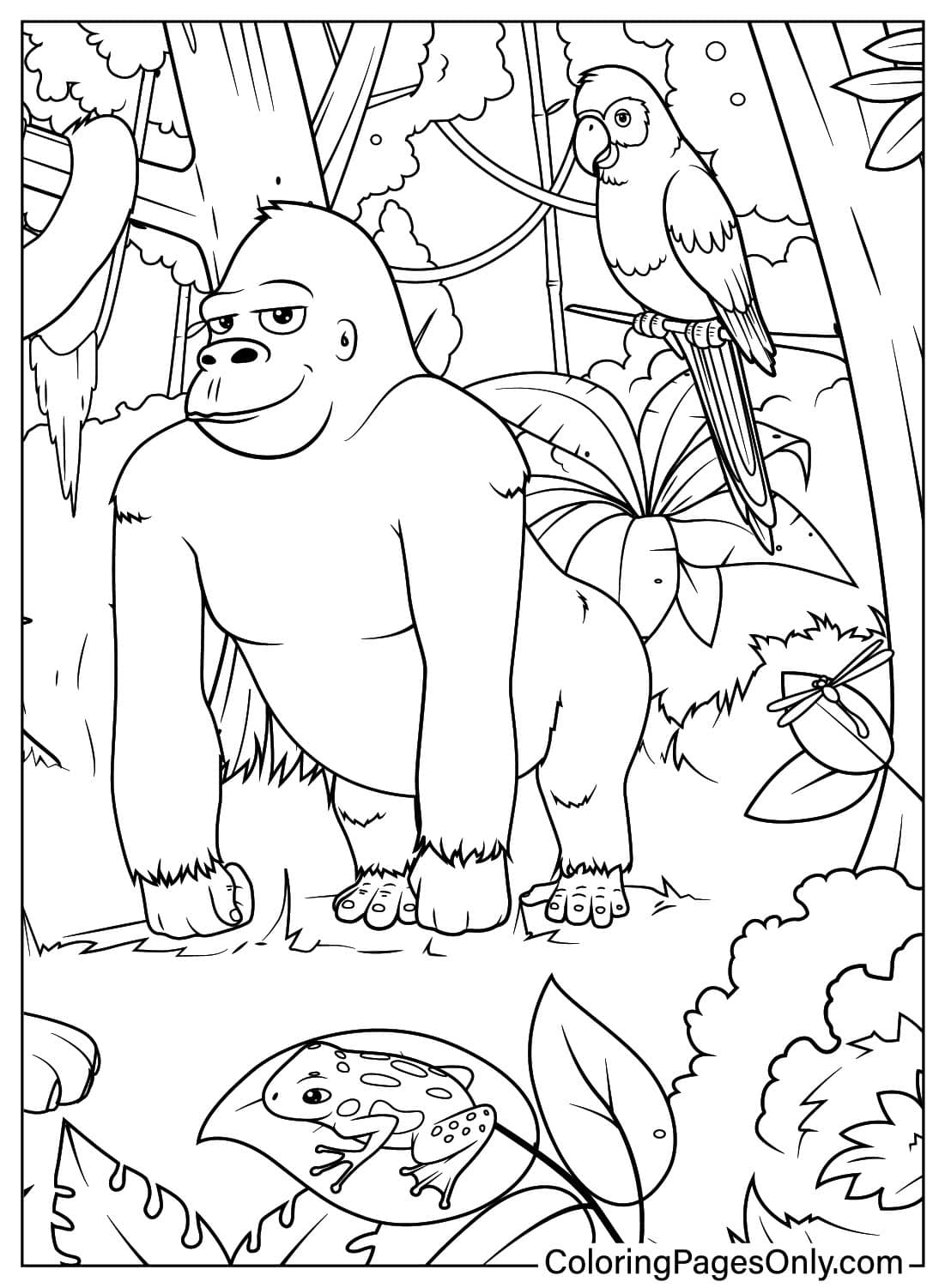
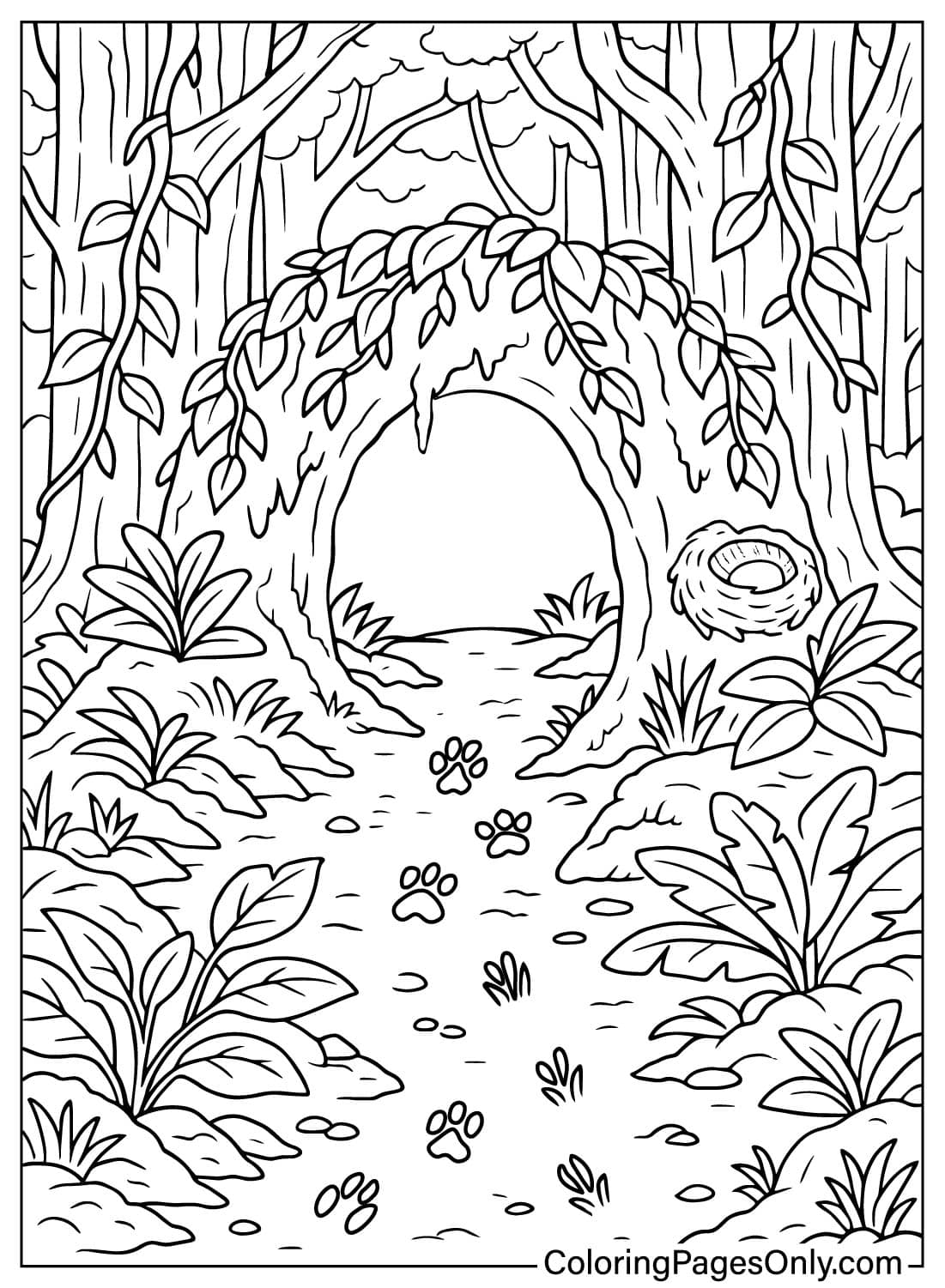
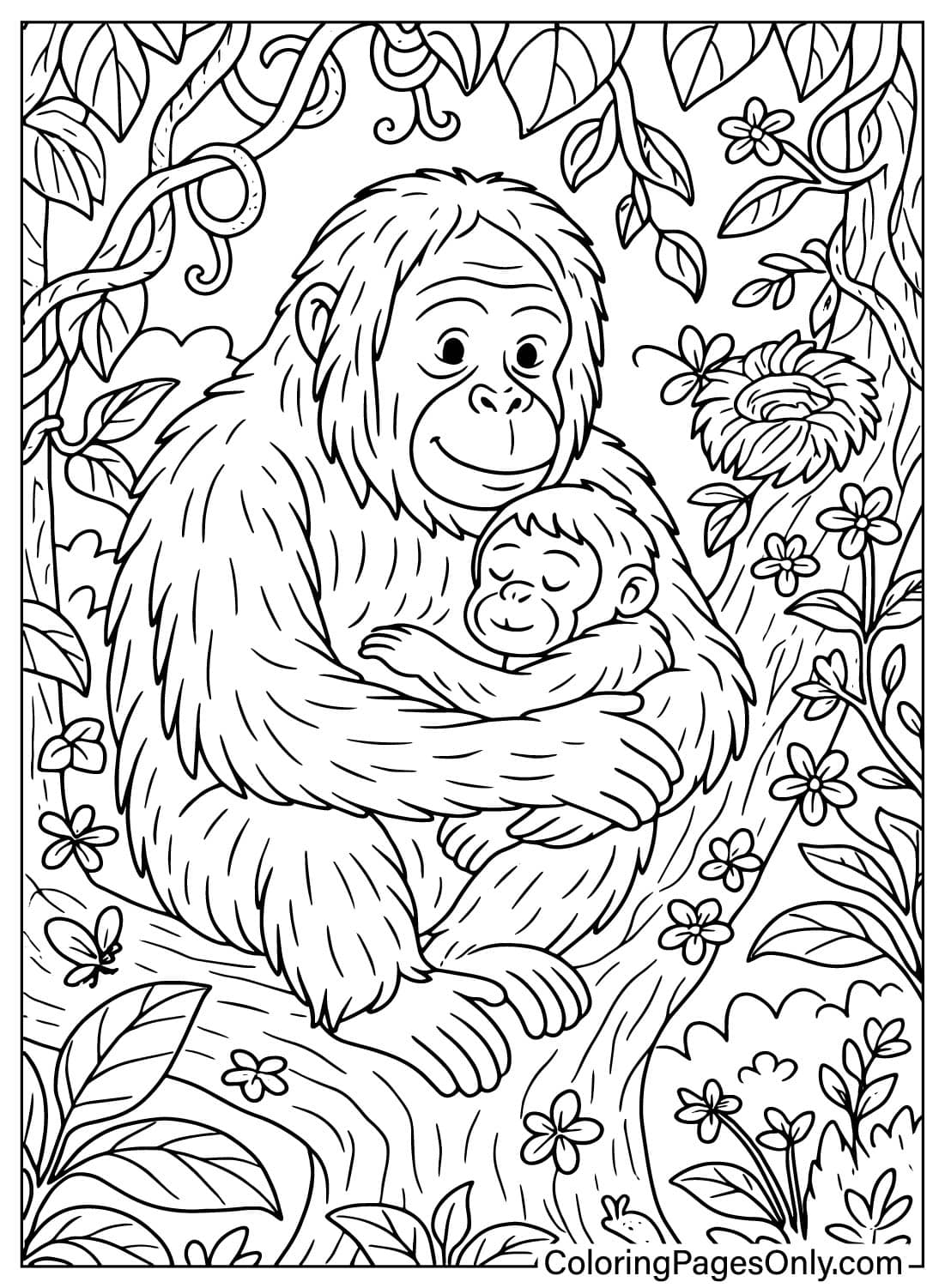
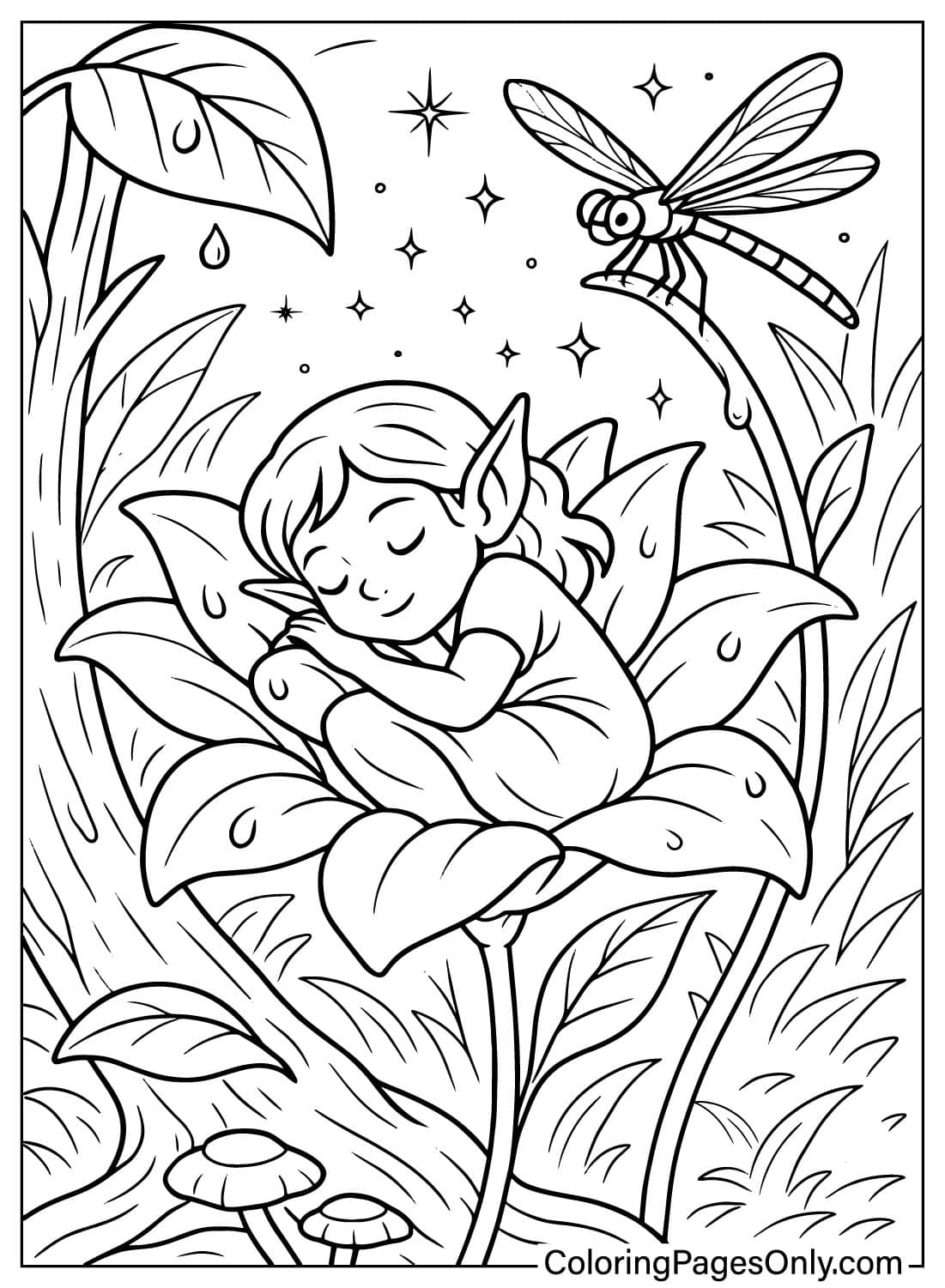
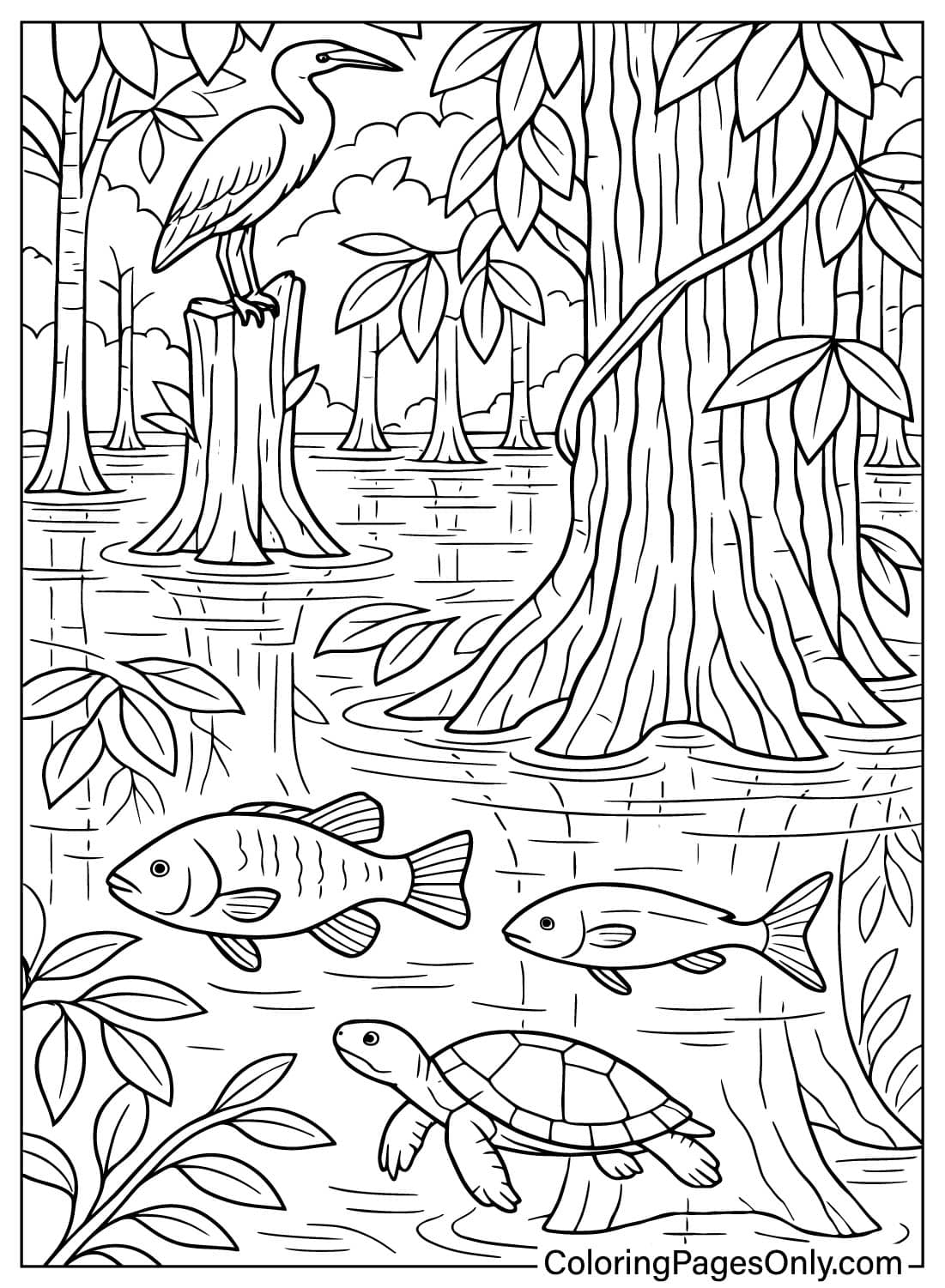
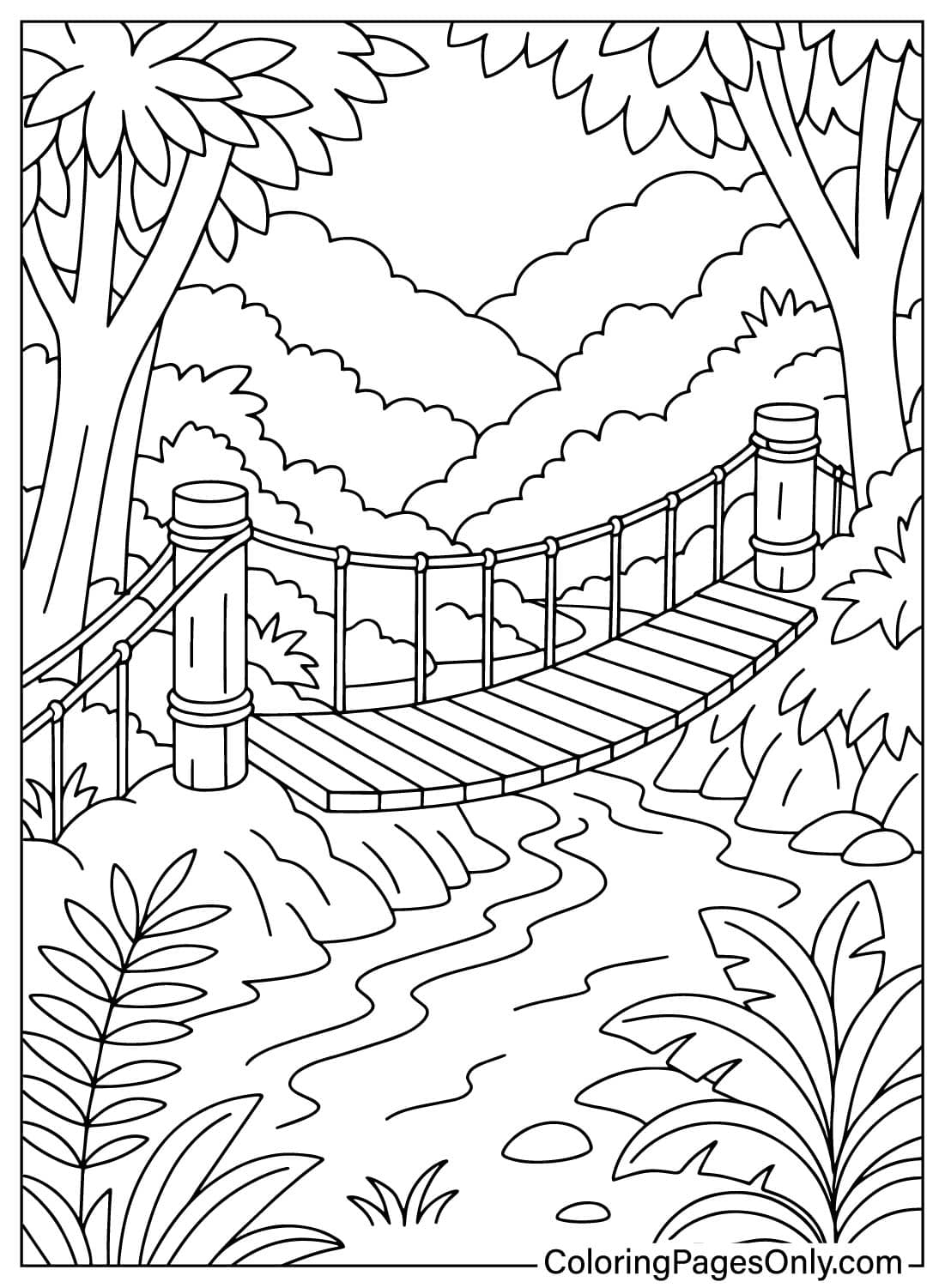
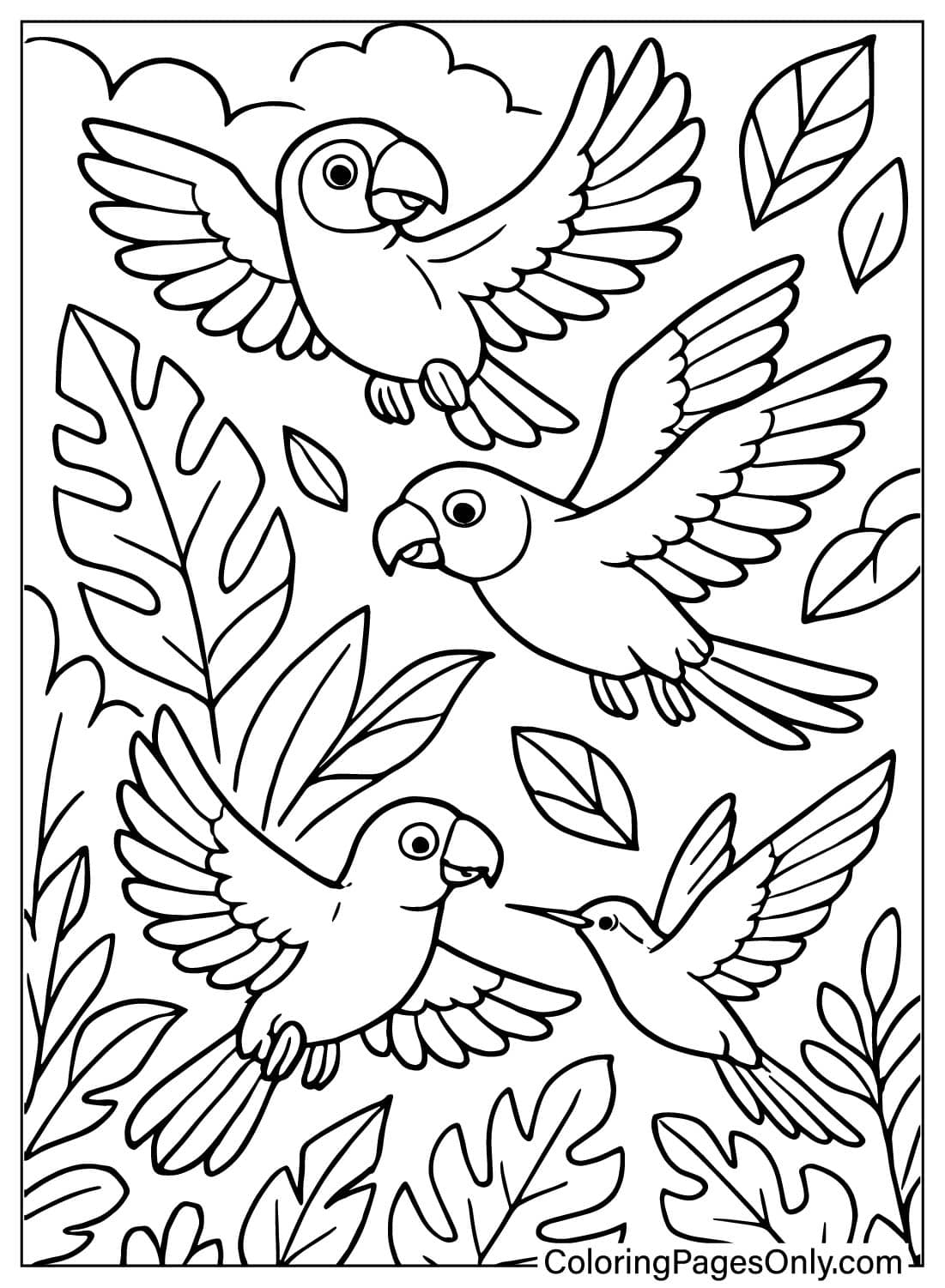
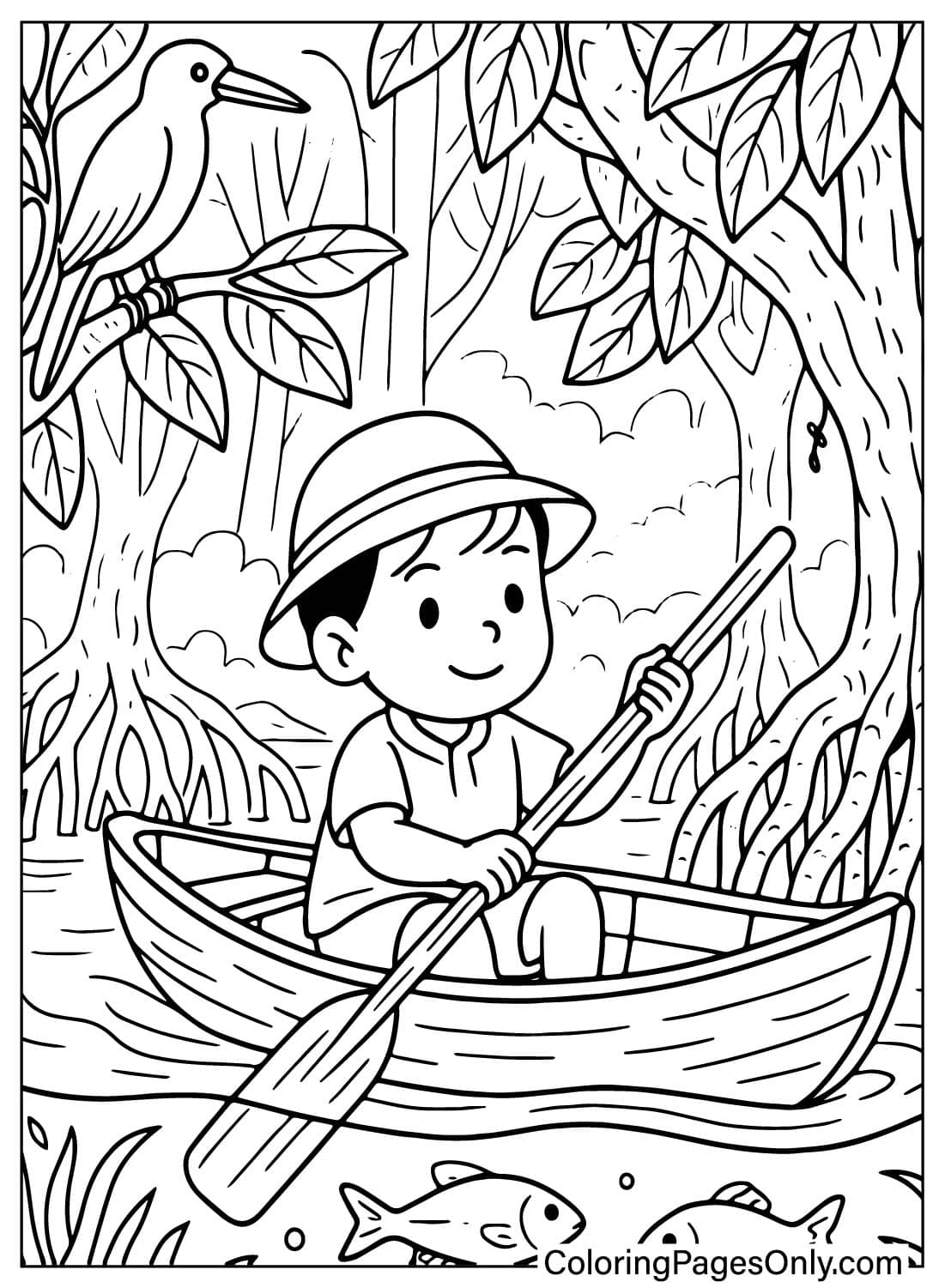
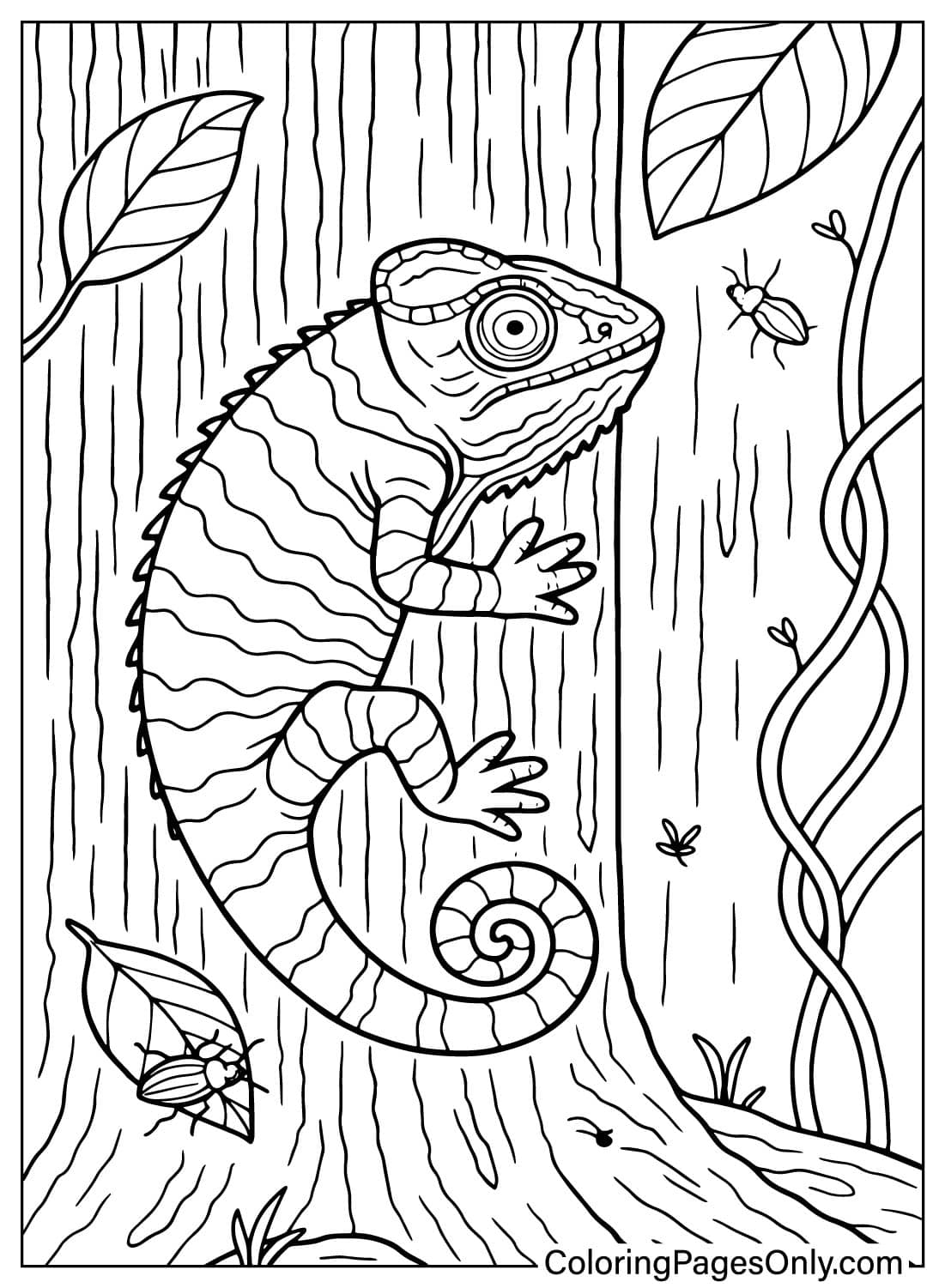
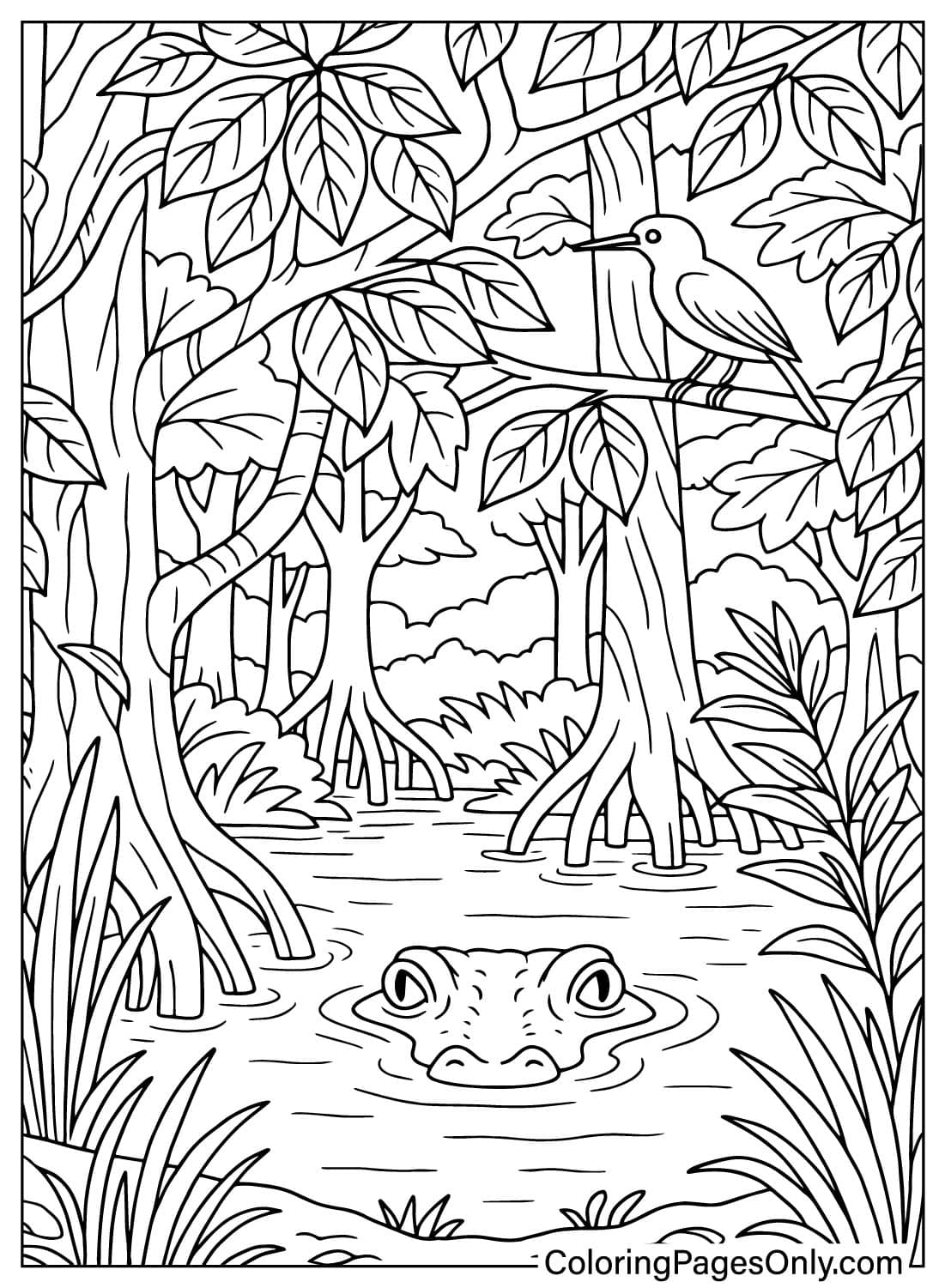
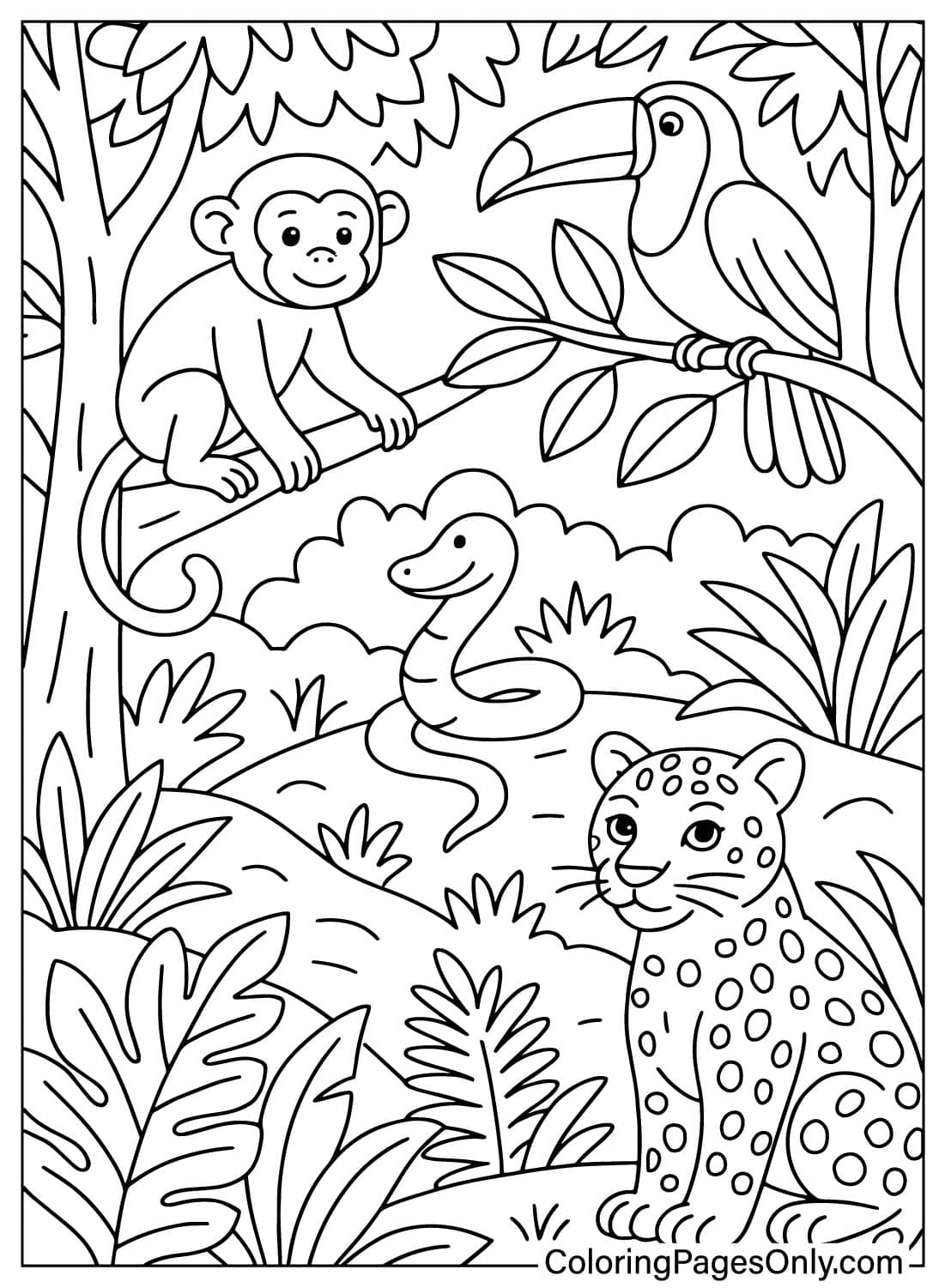
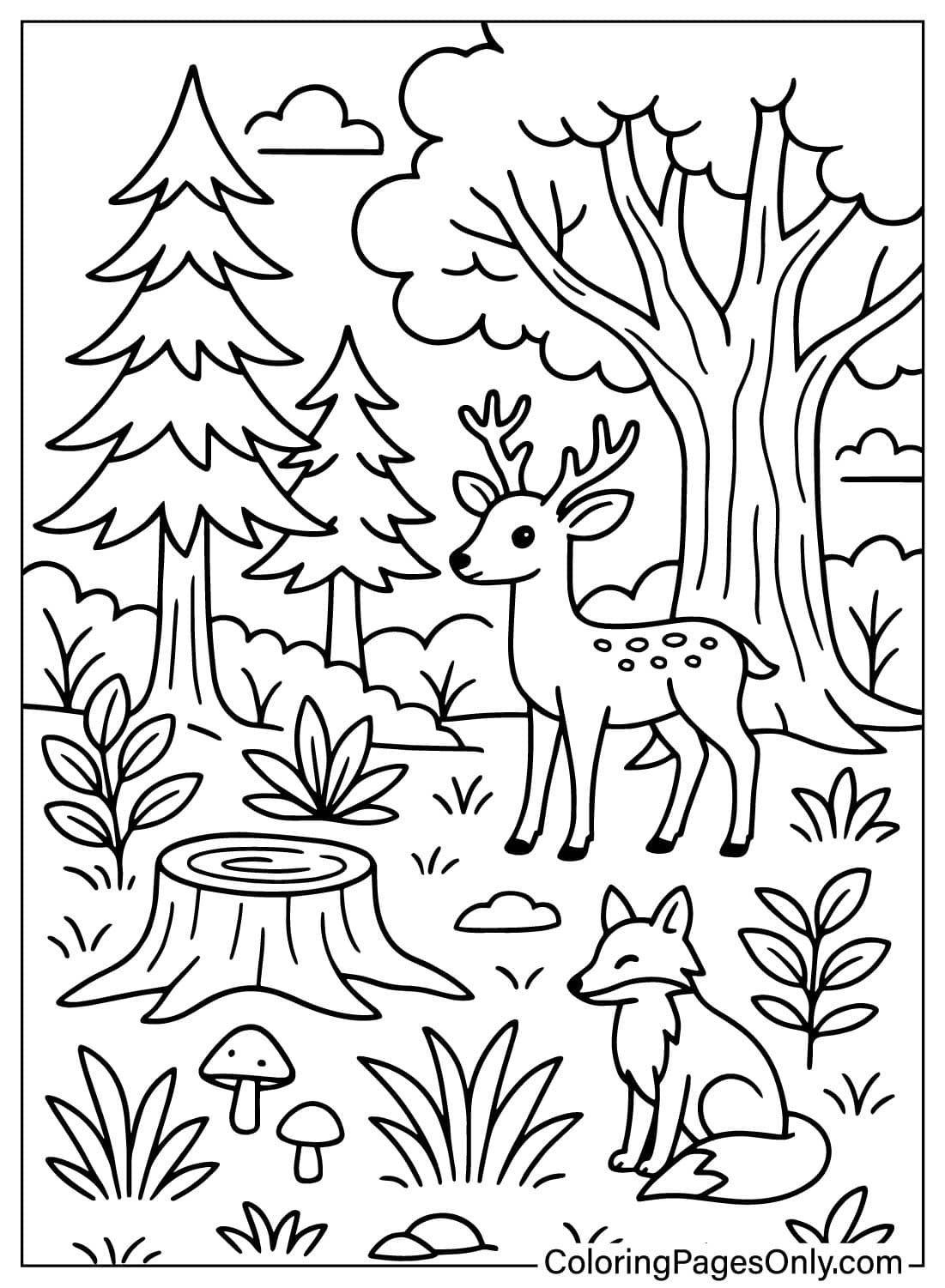
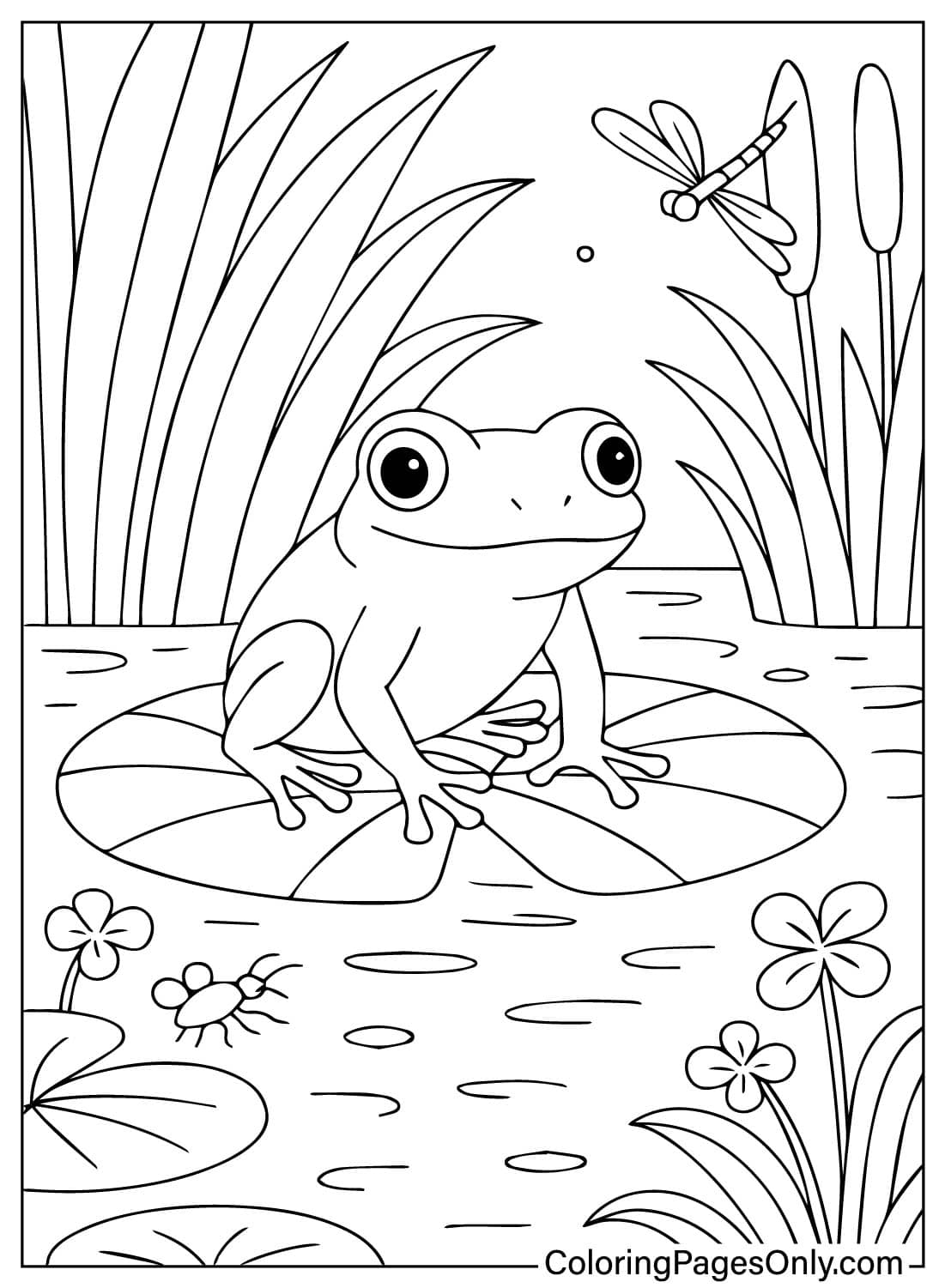
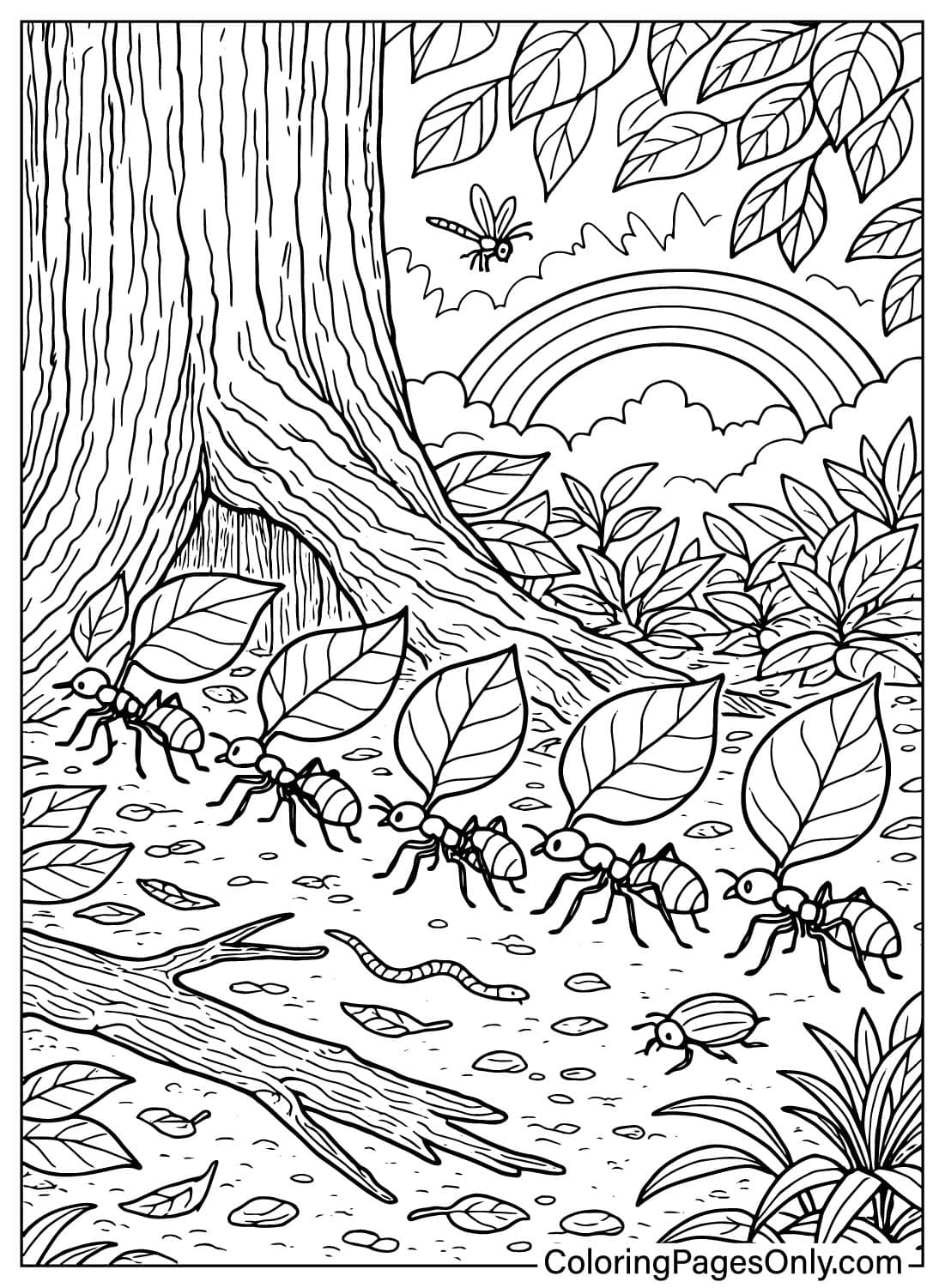
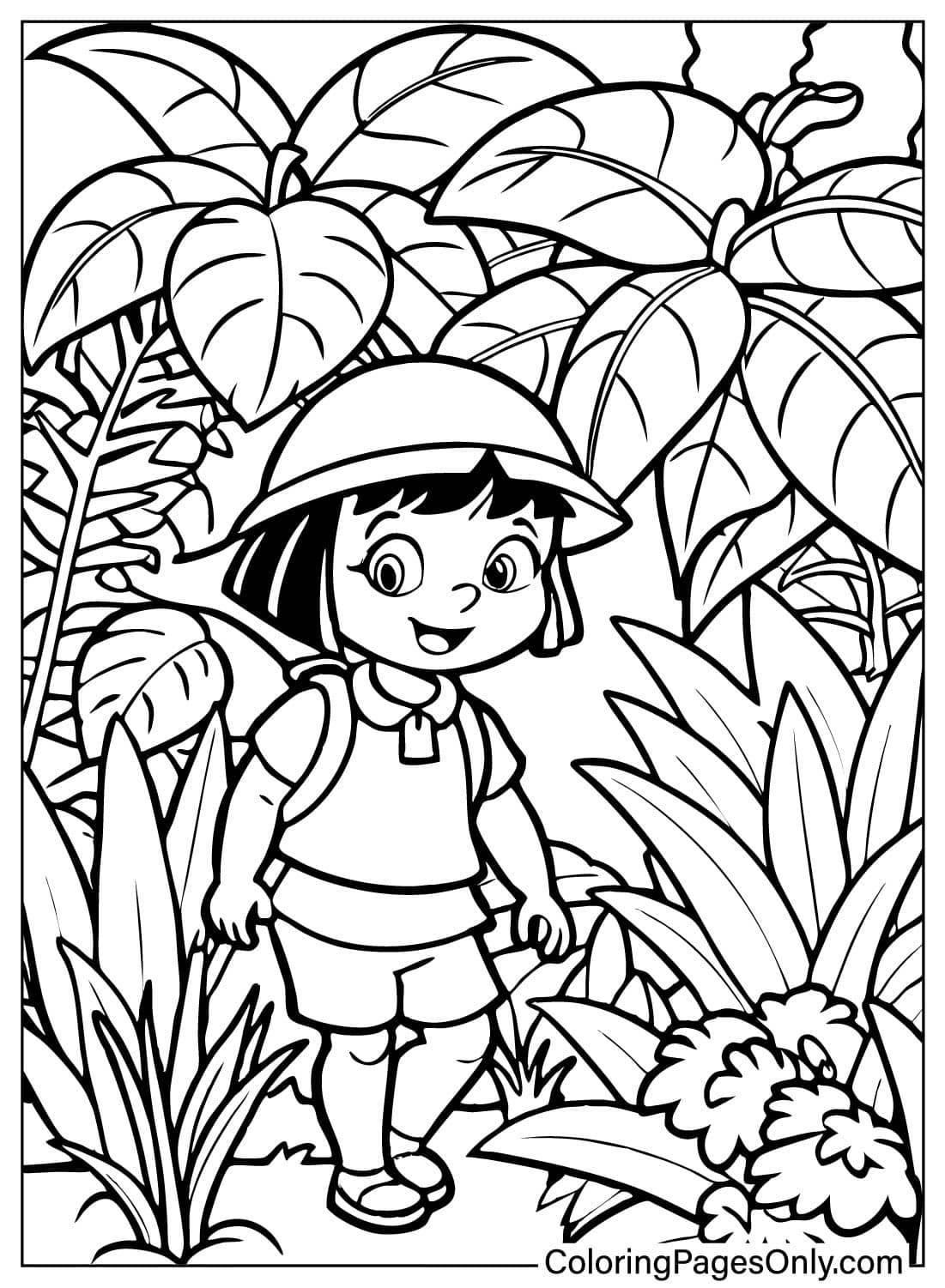
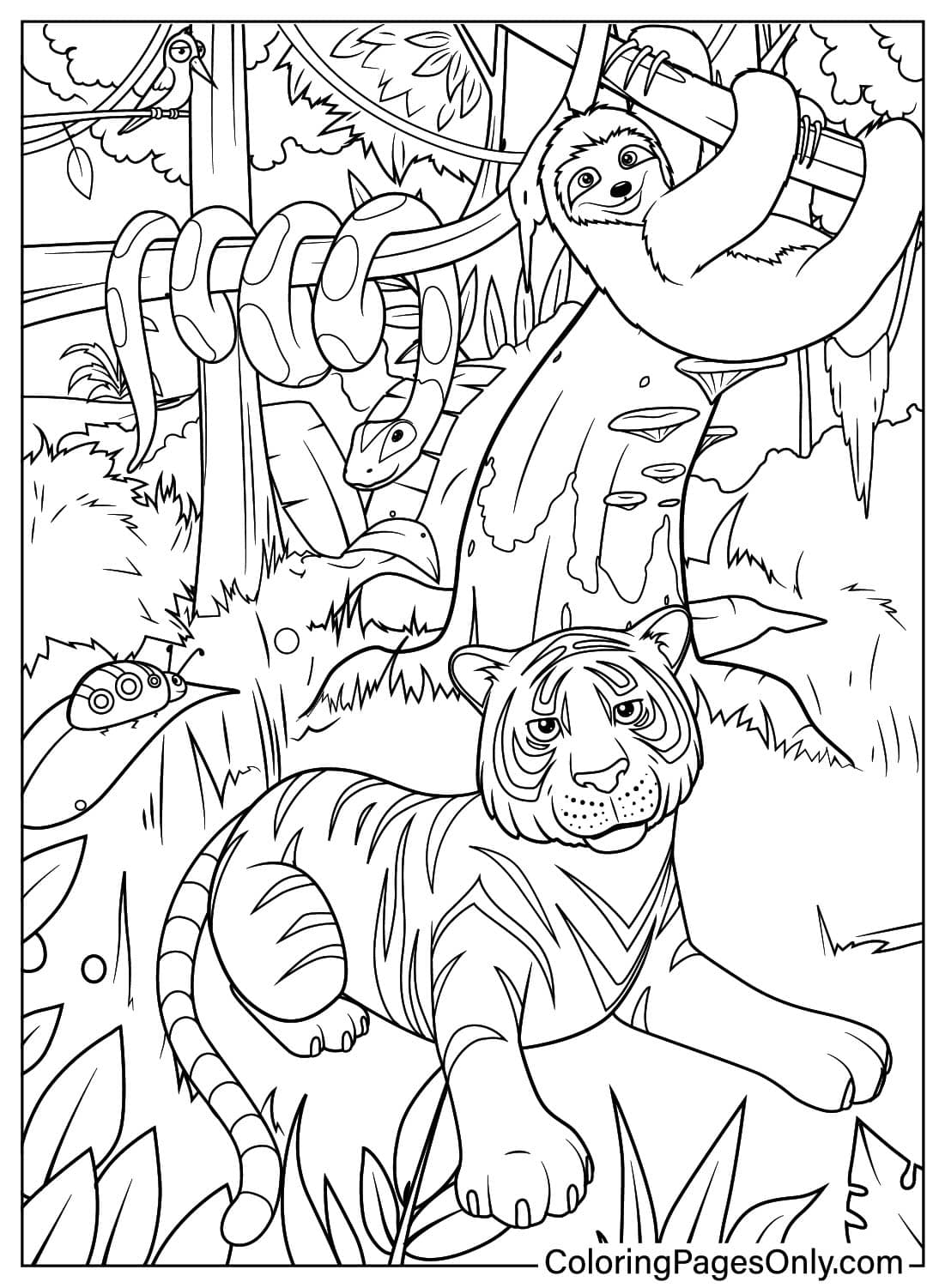
What Is Inside This Collection
The 41 pages fall into four recurring groupings.
Rainforest Wildlife and Animals
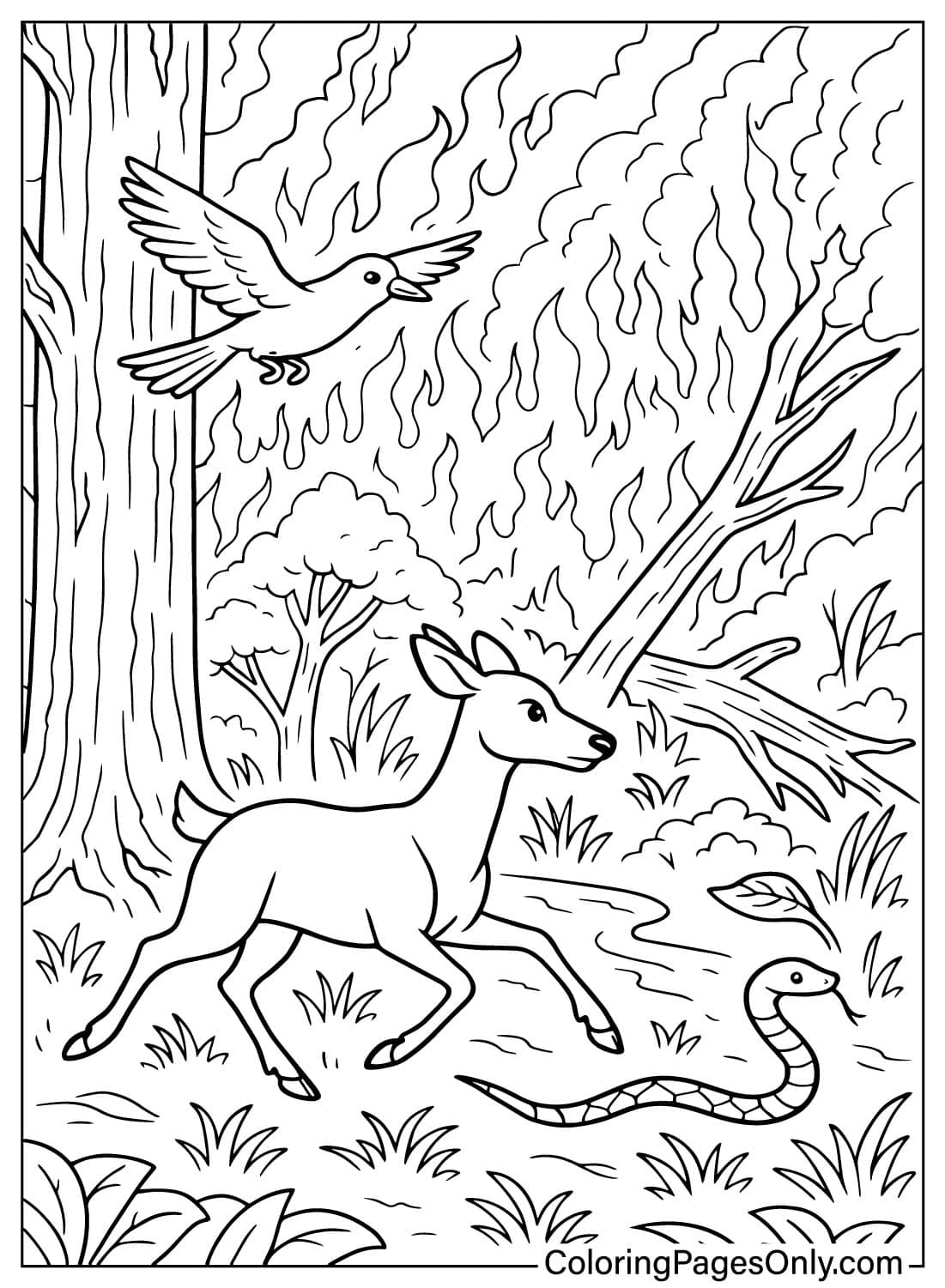
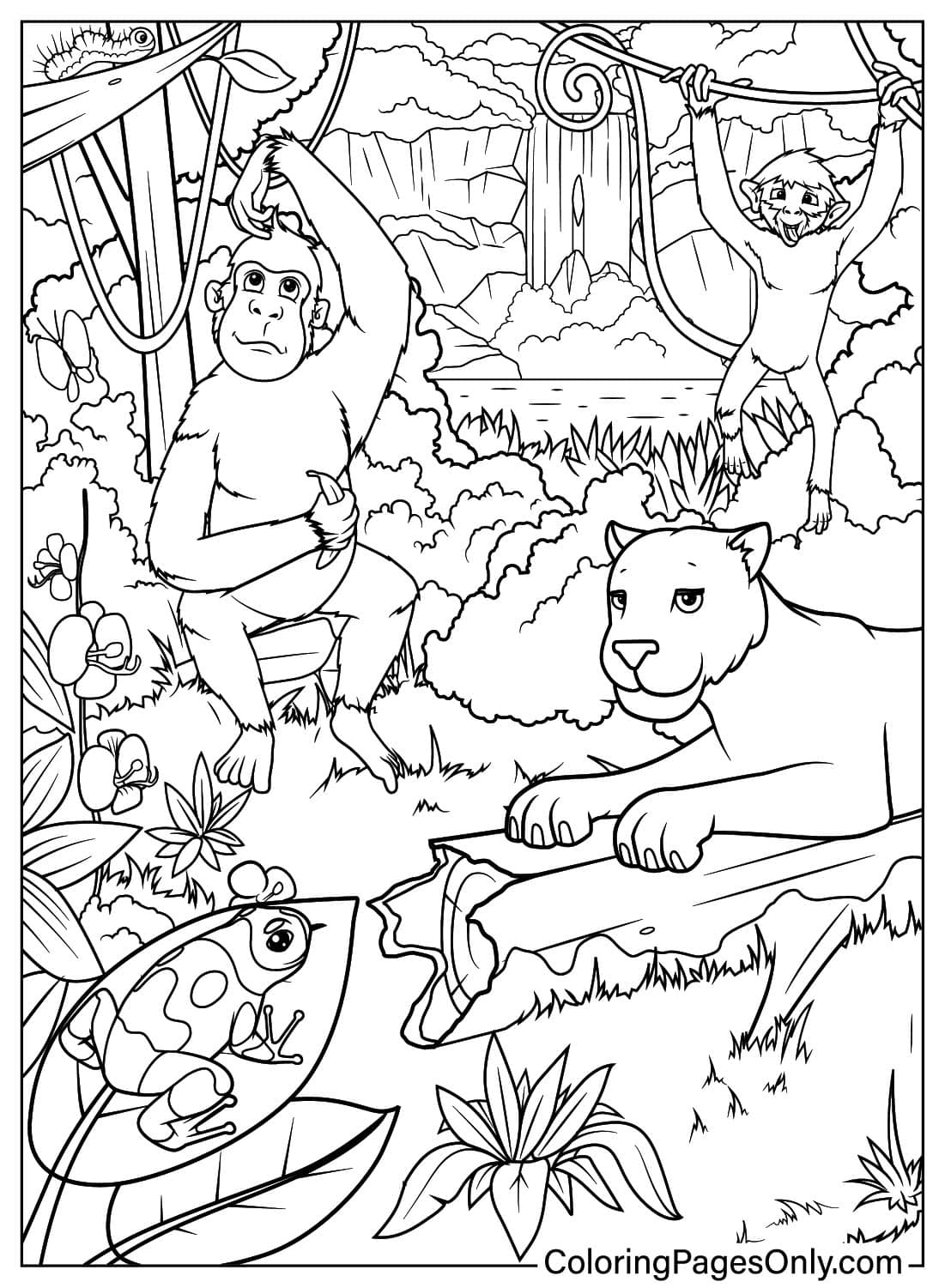
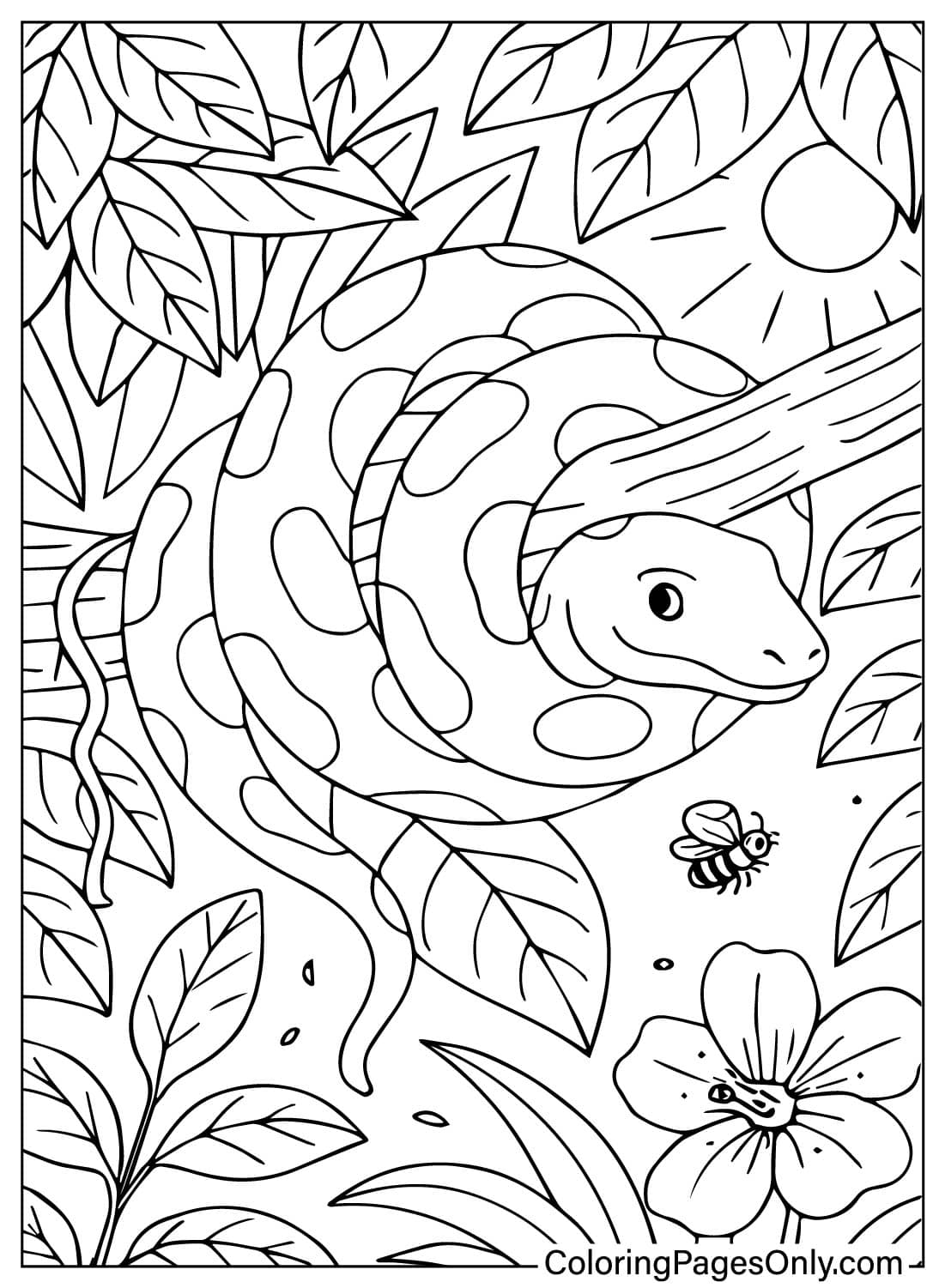
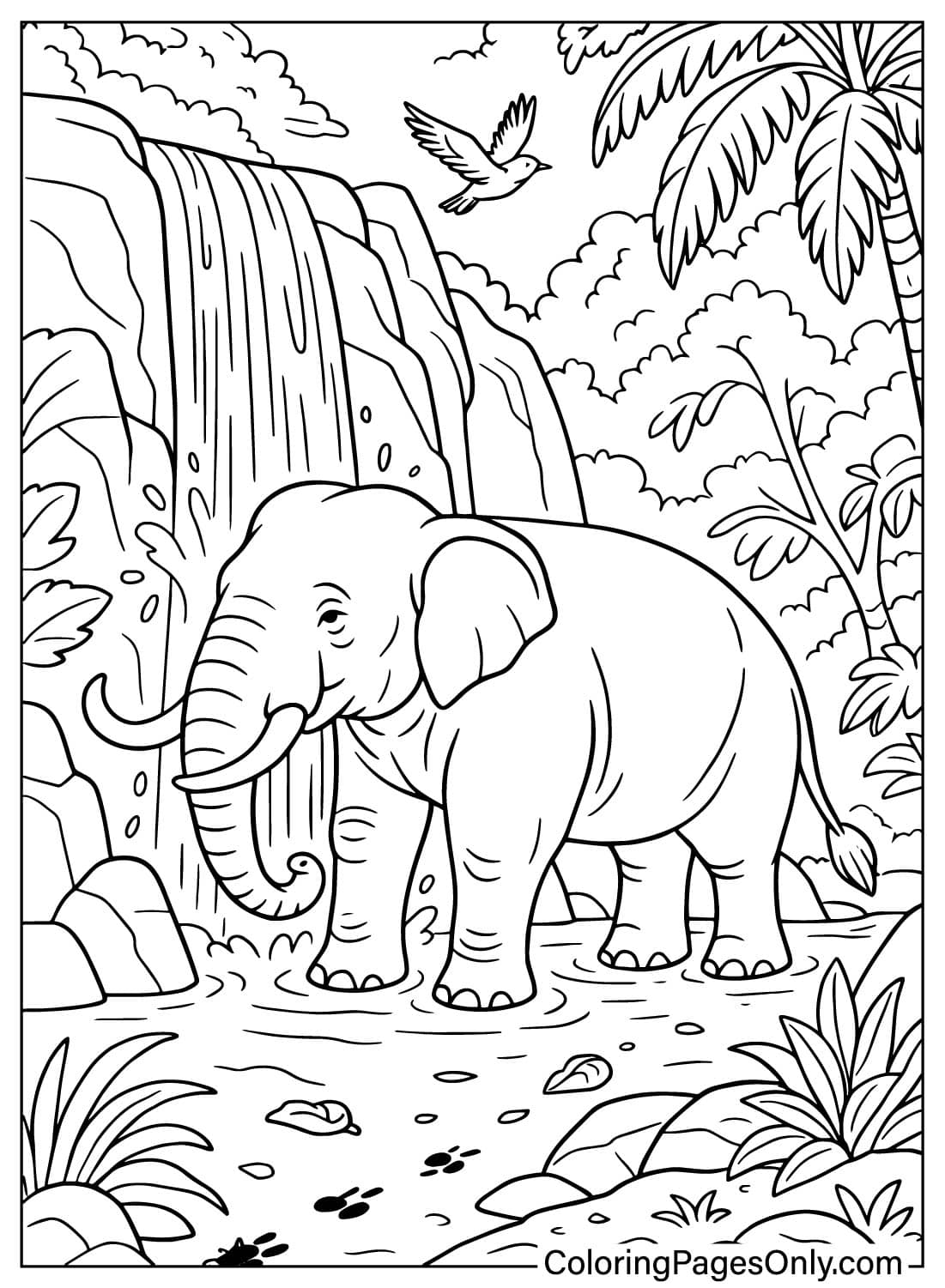
A large number of designs focus on larger rainforest animals, including monkeys, big cats, and elephants. These pages capture some of the more well-known creatures associated with tropical forests.
Rainforest Insects, Birds, and Small Creatures
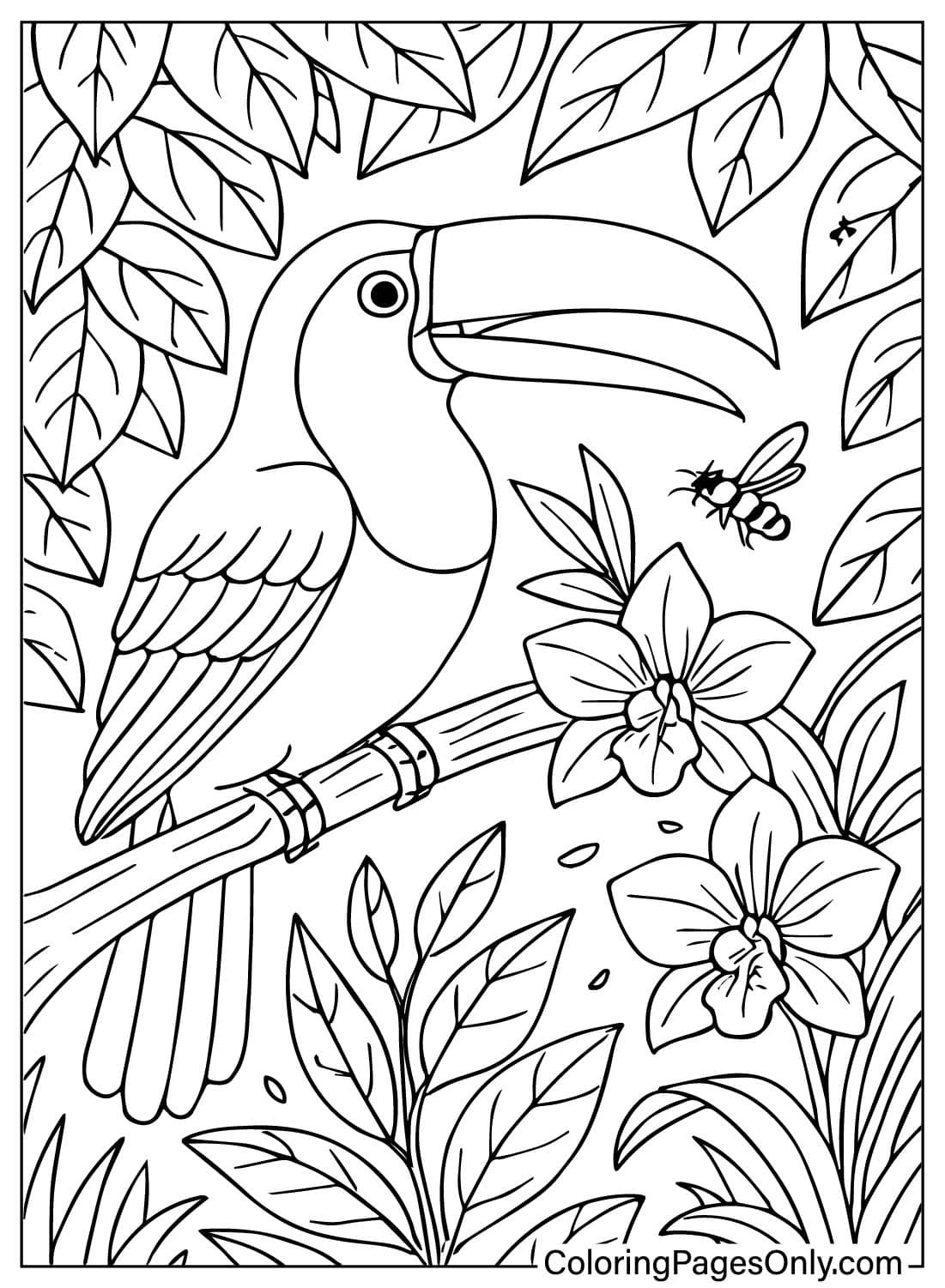
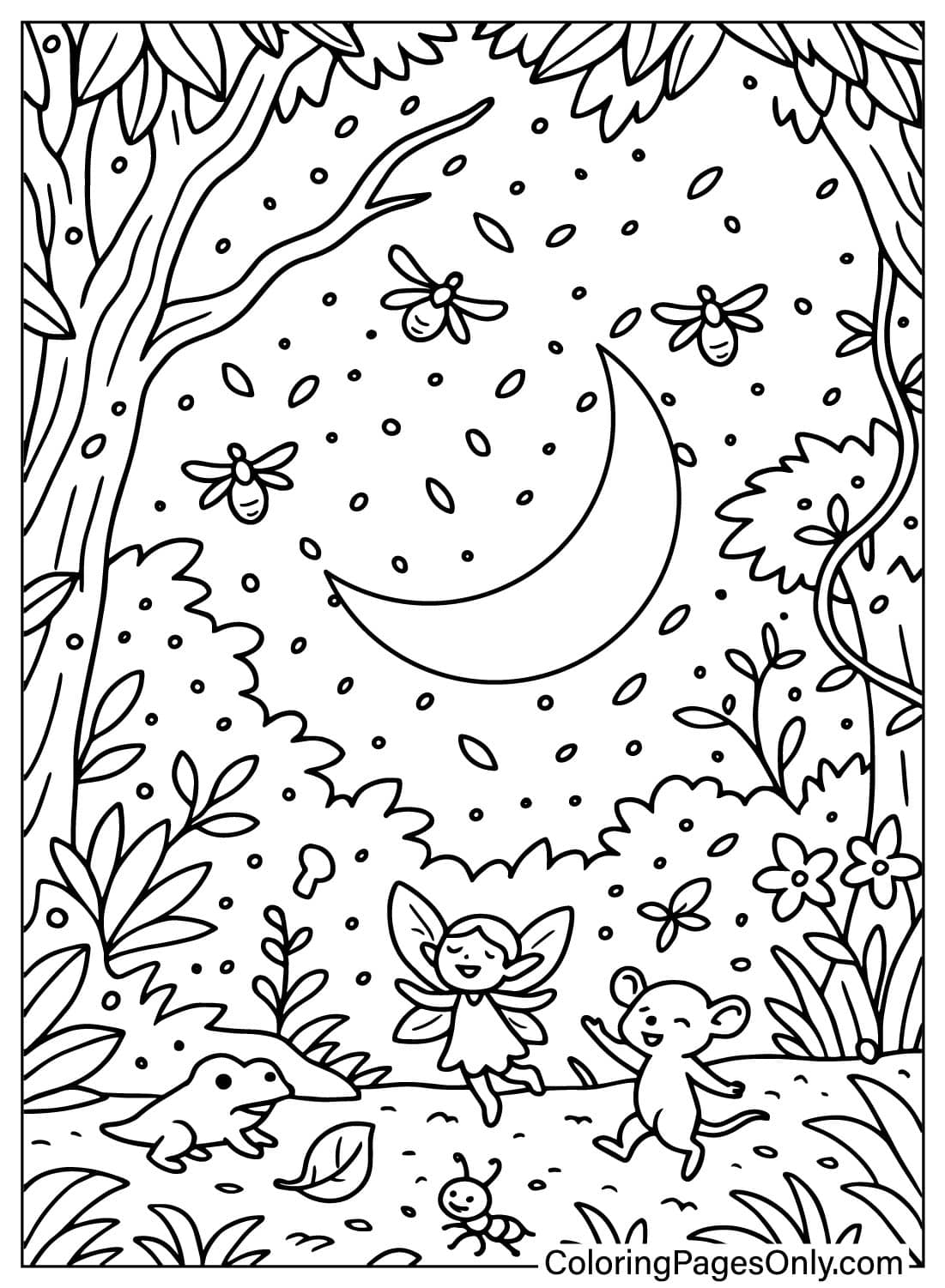
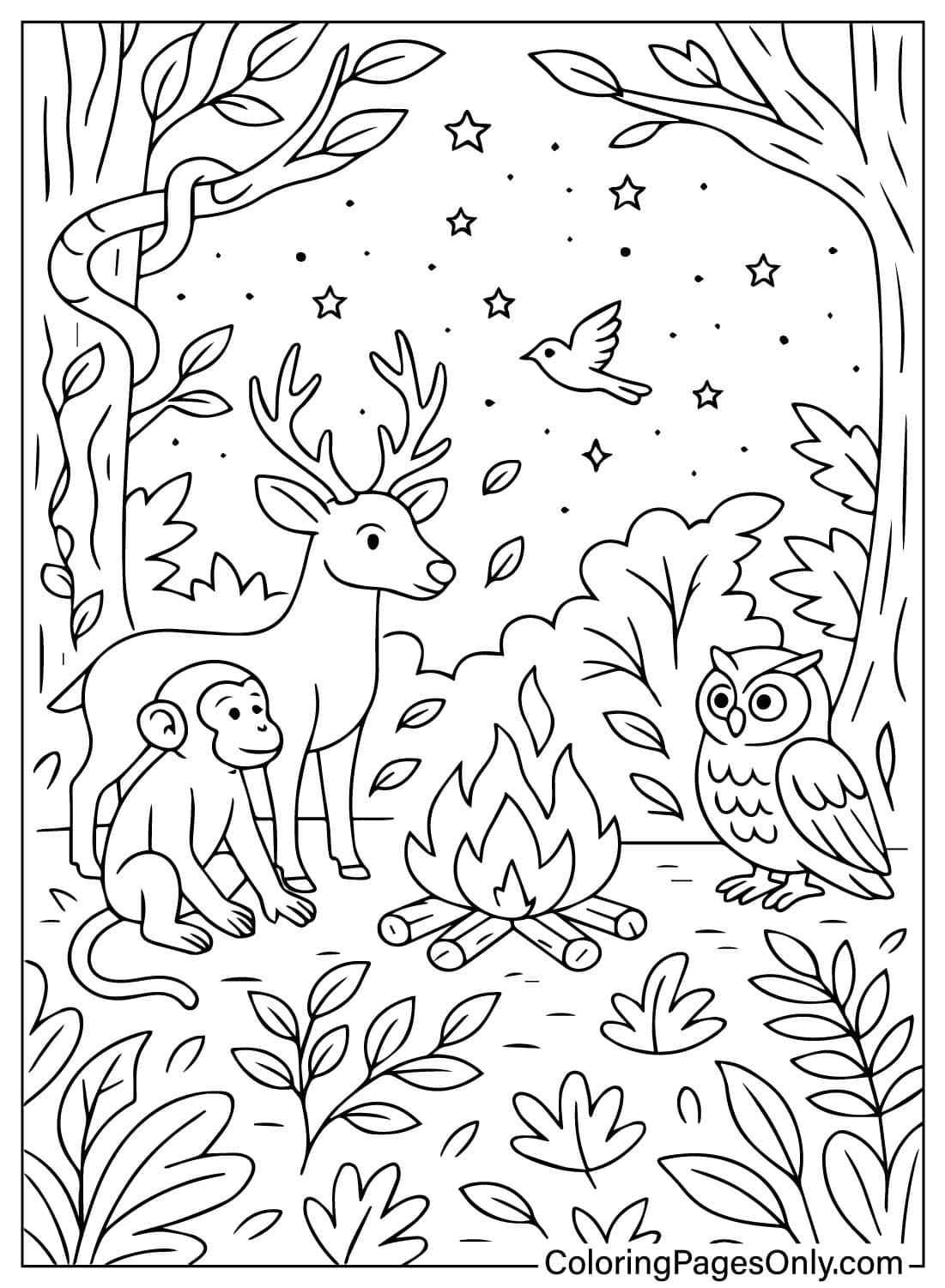
A group of designs highlights smaller rainforest life, including butterflies, tropical birds, frogs, and insects. These pages give colorists a chance to work with brighter, more varied color palettes.
Rainforest Scenery and Plant Life
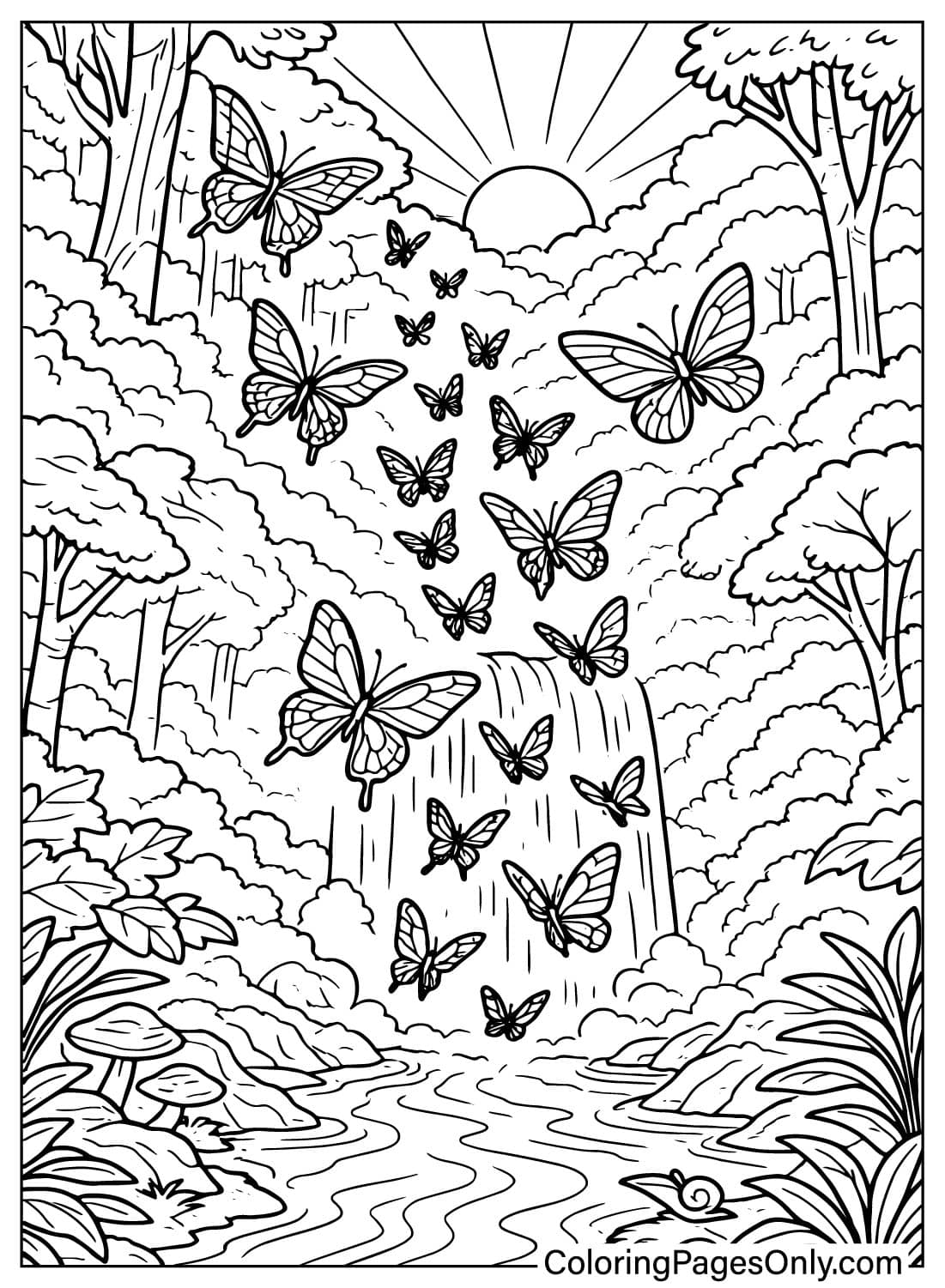
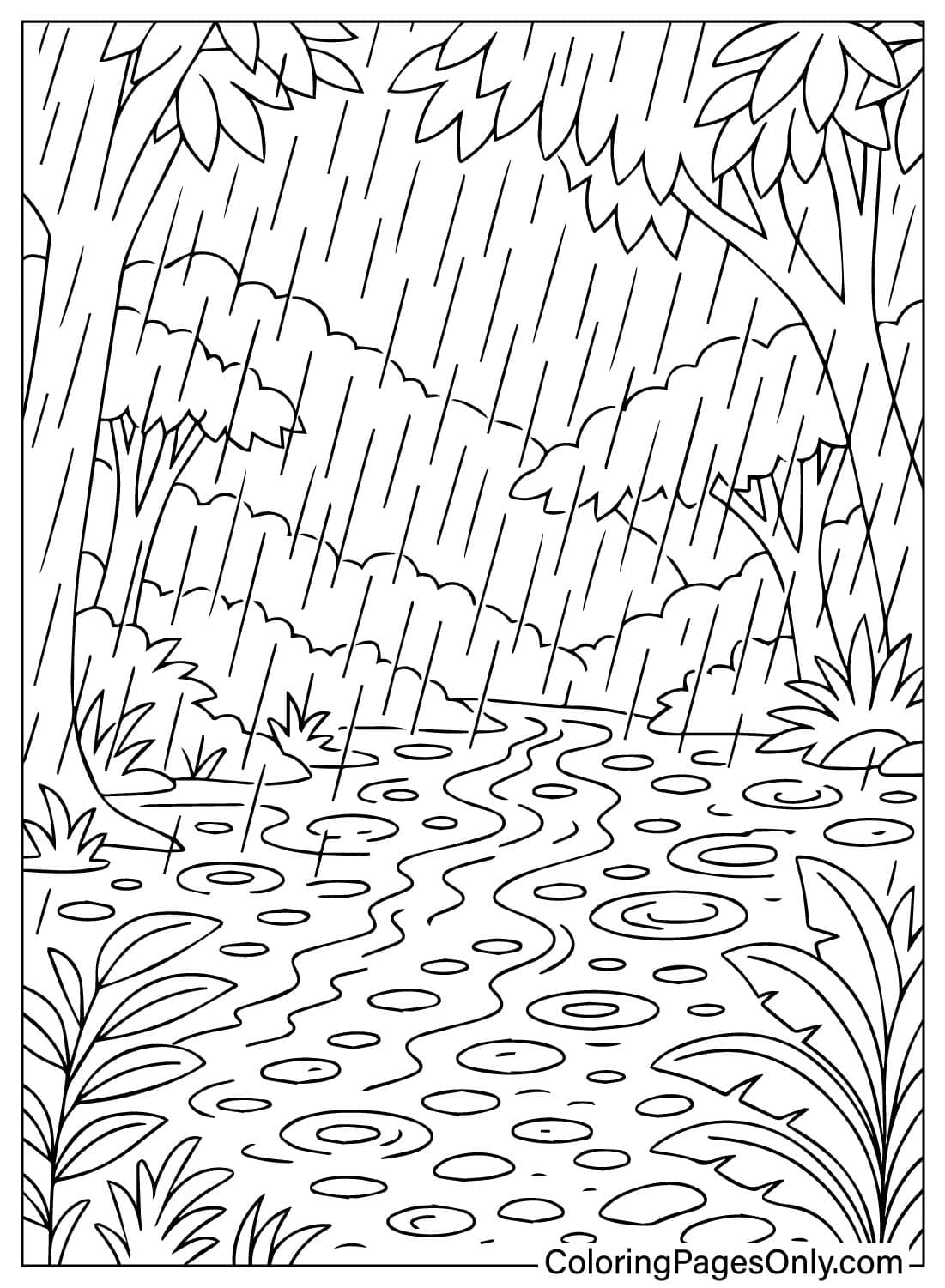
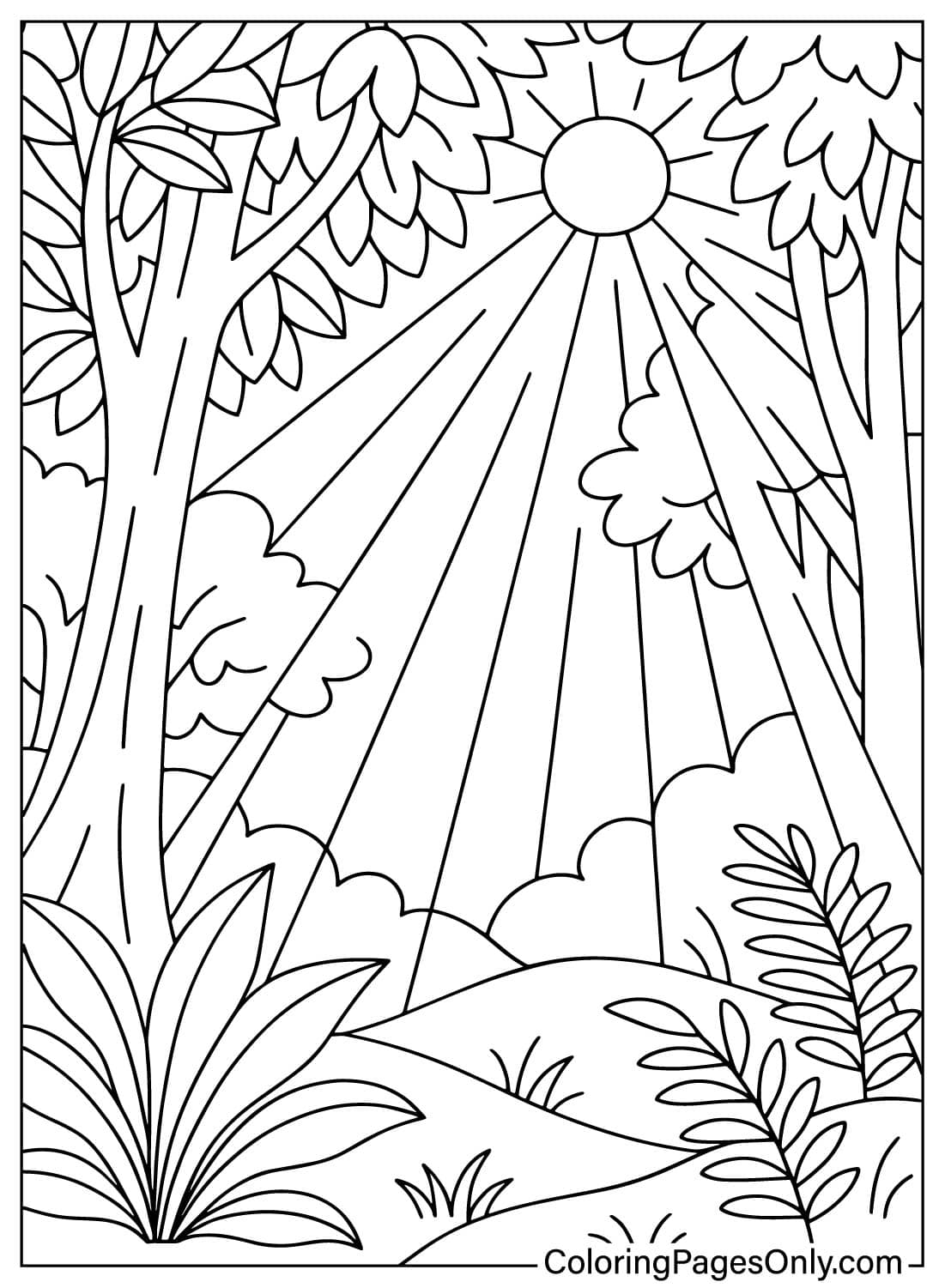
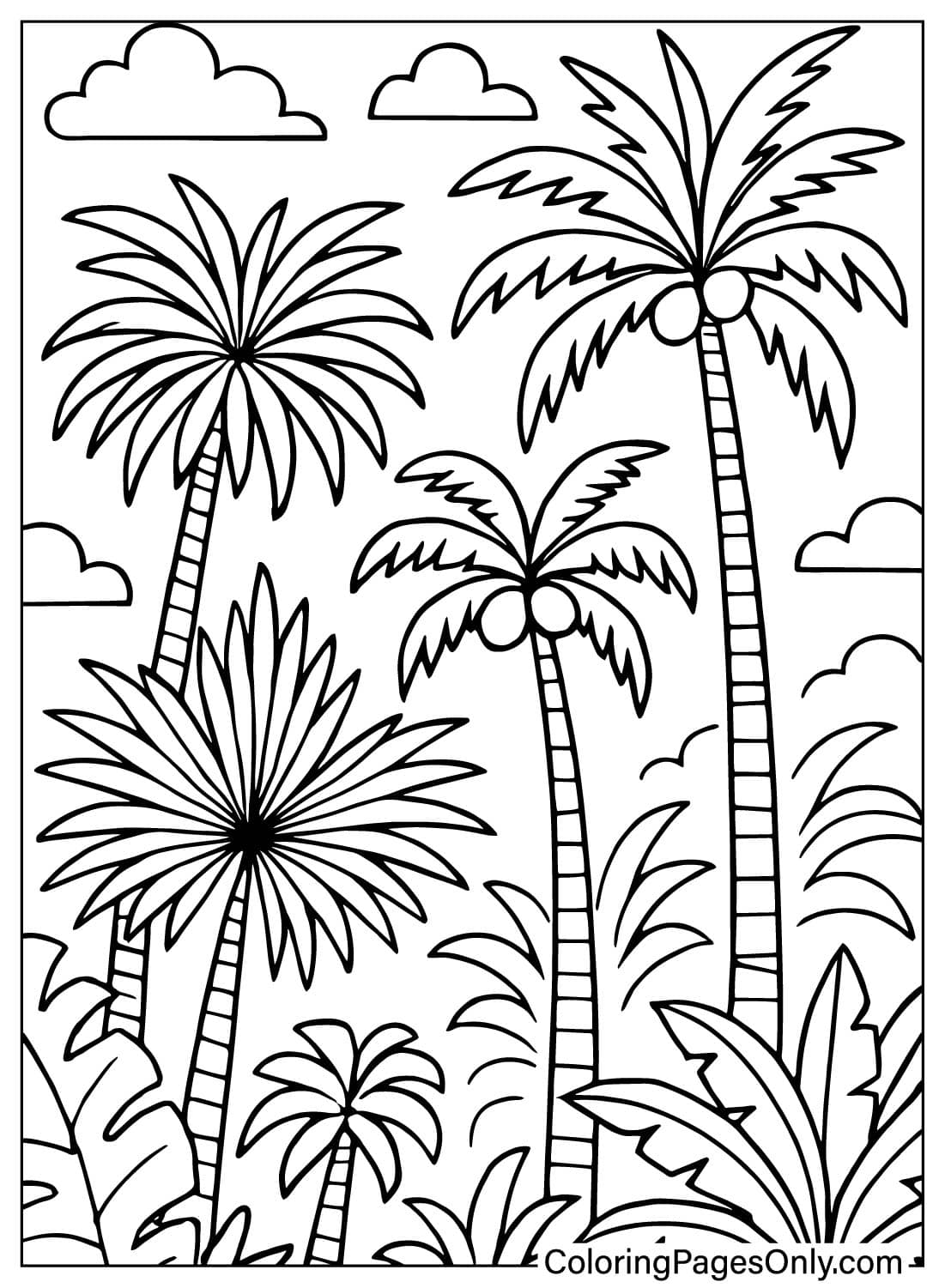
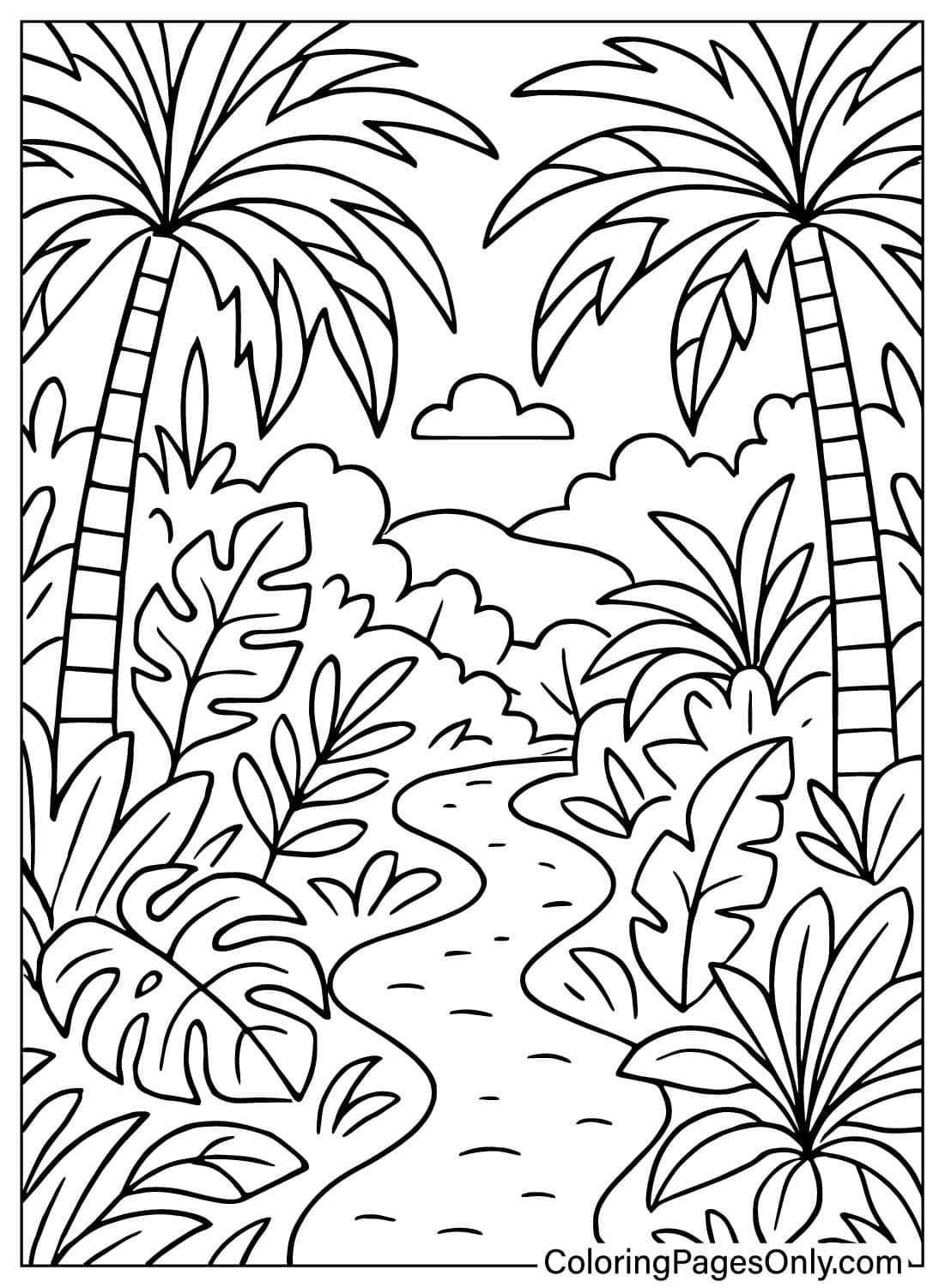
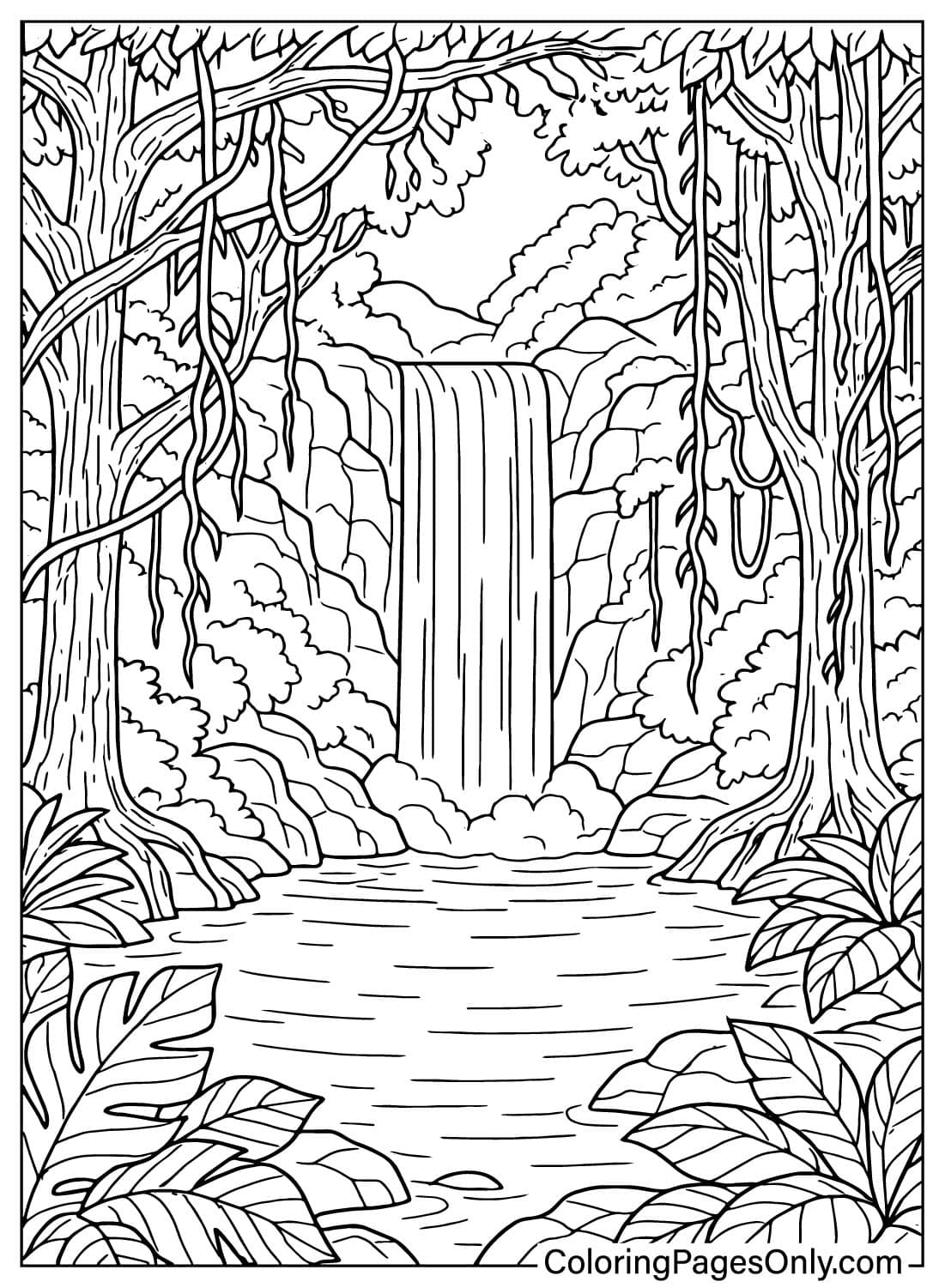
Some designs focus on the setting itself, with waterfalls, dense trees, and layered jungle backgrounds. These pages suit colorists who enjoy filling in detailed natural scenery.
Kids Exploring the Rainforest
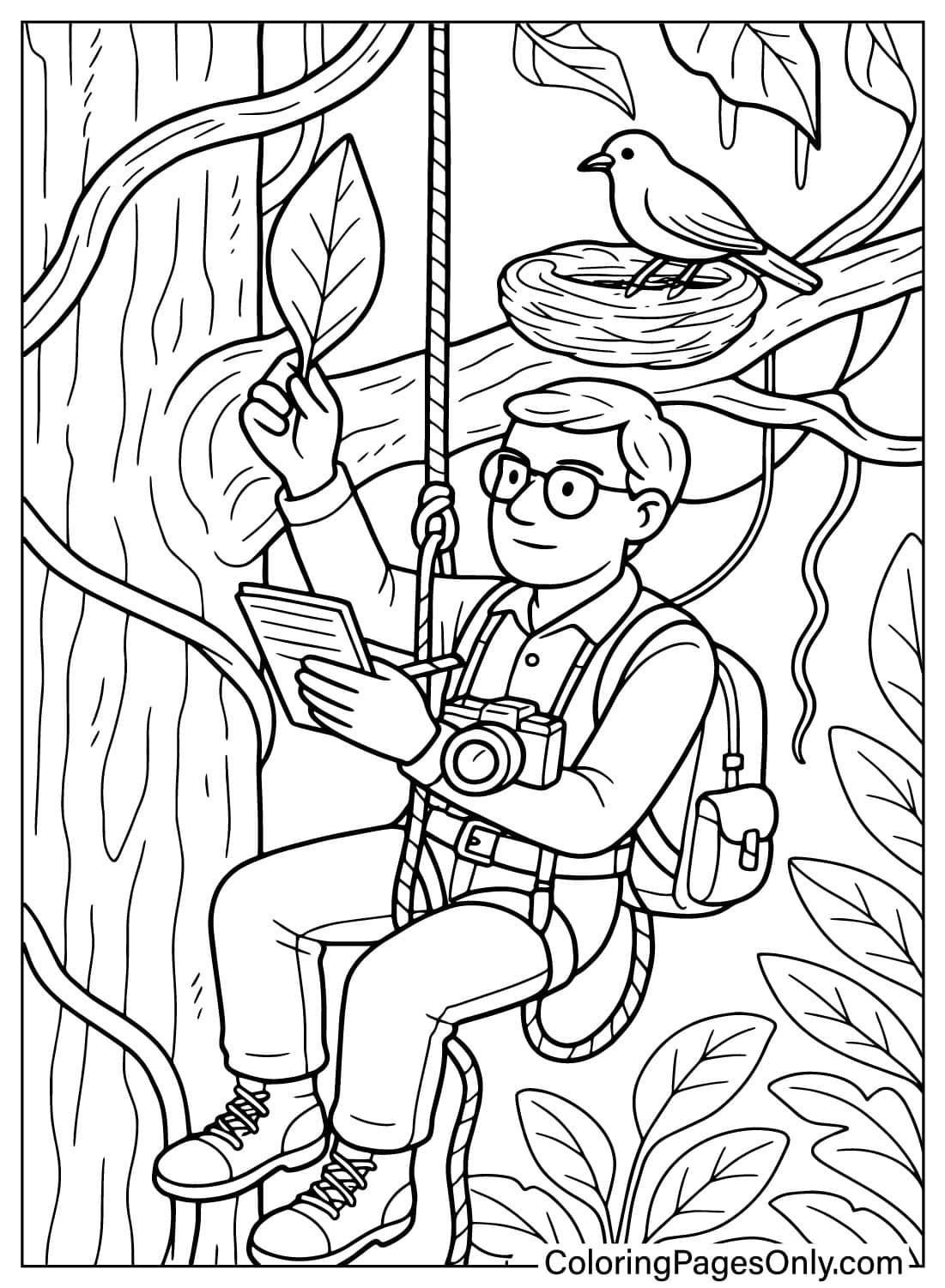
A number of pages show a child character discovering the rainforest firsthand. These designs give the collection a more personal, adventure-driven feel alongside the wildlife-focused pages.
What Rainforest Coloring Pages Do
Fine motor development. The American Academy of Pediatrics identifies fine motor skill development as a core benefit of structured coloring for children ages 2 through 7, and the dense, layered foliage in many rainforest designs asks for more varied, controlled strokes than a simpler background would require.
A concrete hook for a real biodiversity fact. Because rainforests genuinely hold more than half of the world’s known plant and animal species on a small fraction of Earth’s land, coloring the wildlife found there gives children a memorable, visual entry point into a real conservation fact.
Calm focus across detailed natural scenery. A 2005 study in the Art Therapy Journal documented measurable reductions in anxiety following structured coloring sessions, and the layered trees, vines, and undergrowth in the scenic designs give colorists a slow, absorbing area to work through beyond the animals themselves.
A framework for understanding a layered ecosystem. Because rainforests are organized into distinct vertical layers, from the emergent canopy to the forest floor, coloring a full jungle scene gives kids a natural, visual way to think about how a real ecosystem is structured.
How to Color Rainforest Pages Well
- Foliage and canopy: Layer Forest Green, Fern Green, and Olive across different leaves to avoid a single flat green tone.
- Tropical birds: Bold, saturated colors like Scarlet Red, Sunglow Yellow, and Cerulean Blue suit parrots and other colorful rainforest birds.
- Big cats and monkeys: Warm Sepia and Burnt Sienna work well for fur, with darker shading along the back and limbs for depth.
- Butterflies and insects: Bright, contrasting colors, like Magenta paired with Sunglow Yellow, help smaller creatures stand out against a green background.
- Waterfalls and water: A gradient from lighter Sky Blue near the top to deeper Cerulean or Teal further down gives water a sense of motion and depth.
- Forest floor and shadows: Muted Brown and Charcoal in the lower, shaded areas of a scene help emphasize the brighter canopy above.
5 Creative Craft Ideas With Rainforest Coloring Pages
1. Rainforest Layers Diorama
Color several pages featuring different rainforest animals and plants, then arrange them at different heights inside a shoebox turned on its side to represent the forest’s canopy, understory, and floor. Labeling each layer with a small paper tag turns the diorama into a simple lesson on rainforest structure. This works especially well paired with a classroom unit on ecosystems.
2. Leaf Rubbing Addition
Color a rainforest scene featuring plant life, then place a real leaf under a blank sheet of paper and rub over it with a crayon to create a leaf-textured addition to the page. Gluing the rubbing alongside the colored scene adds a hands-on, natural texture. This works well as a simple outdoor and indoor activity combination.
3. Rainforest Mural Collage
Color several rainforest pages featuring different animals and scenery, then arrange and glue them onto one large poster board to build a shared jungle mural. Layering the pieces at different heights gives the mural a sense of depth and scale. This works well as a group classroom or family project.
4. Rainforest Animal Garland
Color several rainforest animal pages, cut around the outlines, and string them together with twine to make a garland for a bedroom or classroom wall. Alternating between larger animals and smaller creatures keeps the garland visually varied. Spacing the pieces evenly gives the finished garland a neat, balanced look.
5. Rainforest Bookmark
Trim a simple rainforest animal design to bookmark size and laminate or cover it with clear tape for a durable, everyday bookmark. Punching a hole at the top and threading a short ribbon through makes it easy to spot inside a stack of books. Making a small set with different animals gives a reader several to rotate through.
Frequently Asked Questions
What are Rainforest coloring pages?
They are printable illustrations of rainforest wildlife, plant life, and jungle scenery. This collection has 41 designs available as free PDF downloads or for coloring directly online.
How much of Earth’s surface do rainforests actually cover?
Rainforests cover less than 6 percent of Earth’s land surface, according to the National Geographic Society, making their concentration of plant and animal life especially remarkable.
Why are rainforests home to so many species?
Rainforests combine steady warm temperatures, heavy year-round rainfall, and a distinct layered structure that creates many different microhabitats within a small area, allowing an unusually high number of species to coexist.
What are the different layers of a rainforest?
A rainforest is generally organized into layers, from the tall emergent trees that rise above the main canopy, down through the canopy and understory, to the shaded forest floor at the bottom.
What colors work best for these designs?
Layered forest and fern greens suit foliage, bold scarlet and sunglow yellow work well for tropical birds, and warm sepia tones capture fur on animals like monkeys and big cats.
Are Rainforest coloring pages suitable for young children?
Yes. The designs use recognizable, non-graphic animal and nature shapes with no frightening content, making them appropriate for preschool through elementary-age children.
Can this collection be used for a biodiversity or ecosystem classroom unit?
Yes. The real facts behind rainforest biodiversity and layered structure pair well with a classroom or homeschool unit on ecosystems, conservation, or world biomes.
Can these pages be paired with other nature-themed collections?
Yes. Since this collection sits within the site’s broader nature and seasonal content, these pages pair naturally with other jungle, forest, or animal-themed coloring collections for a larger nature-focused activity.
Start Coloring
Download any page by clicking the design. No account, email, or payment is required. Pages print directly from the browser at full resolution or open in the online coloring tool for screen use. Share finished pages on Facebook or Pinterest with the share buttons at the top of each design page.