Rubik's Cube Coloring Pages
 By:
Jennifer Thoa - Content Editor & Designer
Updated:
By:
Jennifer Thoa - Content Editor & Designer
Updated:
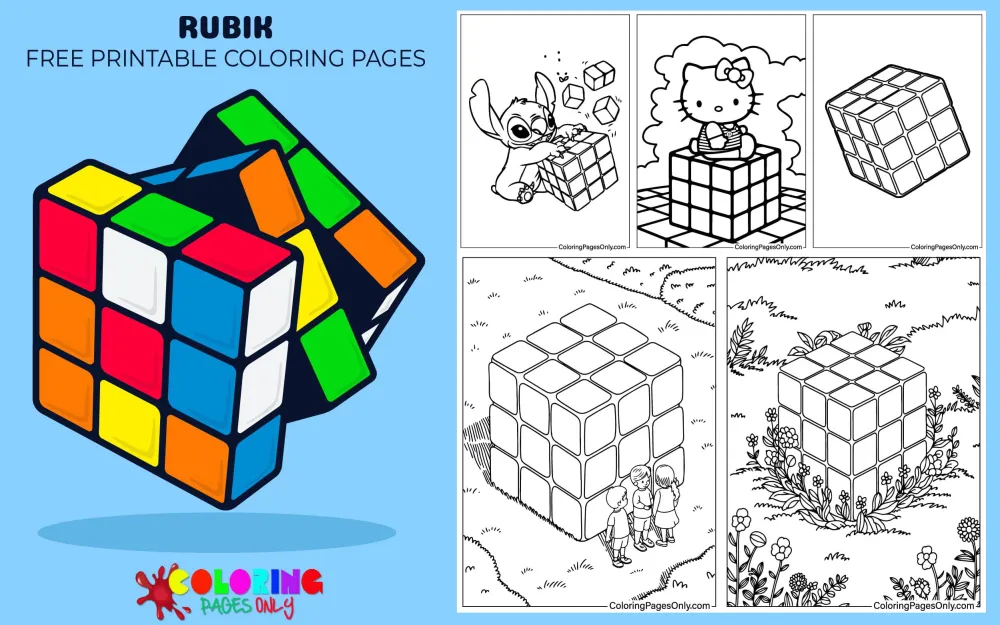
Free Rubik’s Cube Coloring Pages: 34 printable PDF designs featuring the classic 3D puzzle, including official cube variants, related twisty puzzles, and a handful of character crossovers. Every page can be downloaded as a PDF to print or colored online in the browser, with no account required.
Ernő Rubik, a Hungarian sculptor and professor of architecture, invented the puzzle in 1974 in Budapest while working on a way to model three-dimensional movement for his students. He originally called it the Magic Cube, and the toy was licensed to Ideal Toy Corp in 1980, which renamed it the Rubik’s Cube for its international release. More than 500 million cubes have been sold worldwide since, making it the bestselling puzzle toy in history, and it was inducted into the National Toy Hall of Fame in 2014.
With 34 pages spanning the original 3×3 design, larger and smaller official variants, related twisty puzzles, and a few character crossovers, the set works well both for a puzzle enthusiast interested in the different cube sizes and a colorist who wants a bold, geometric subject to work with.

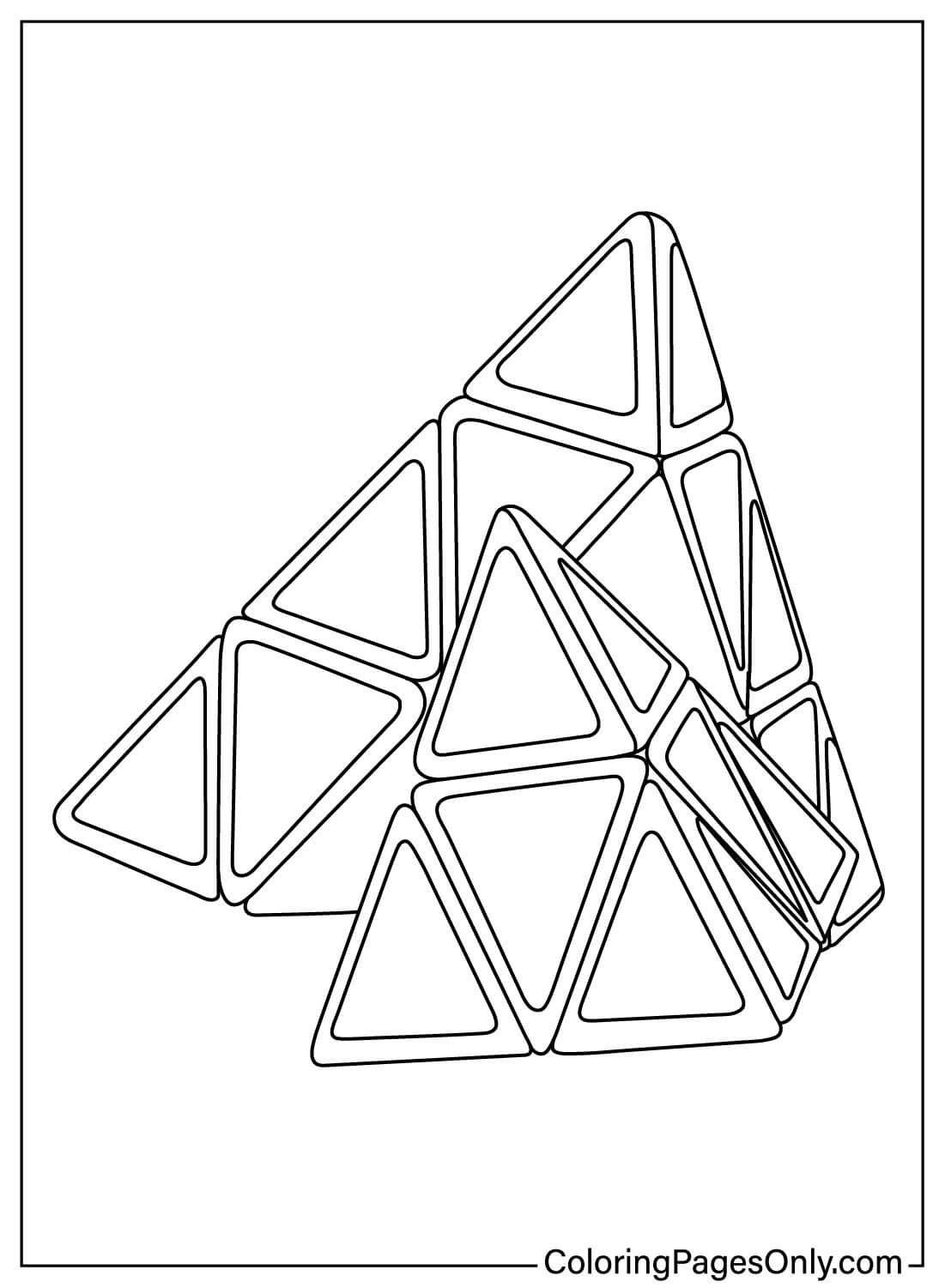
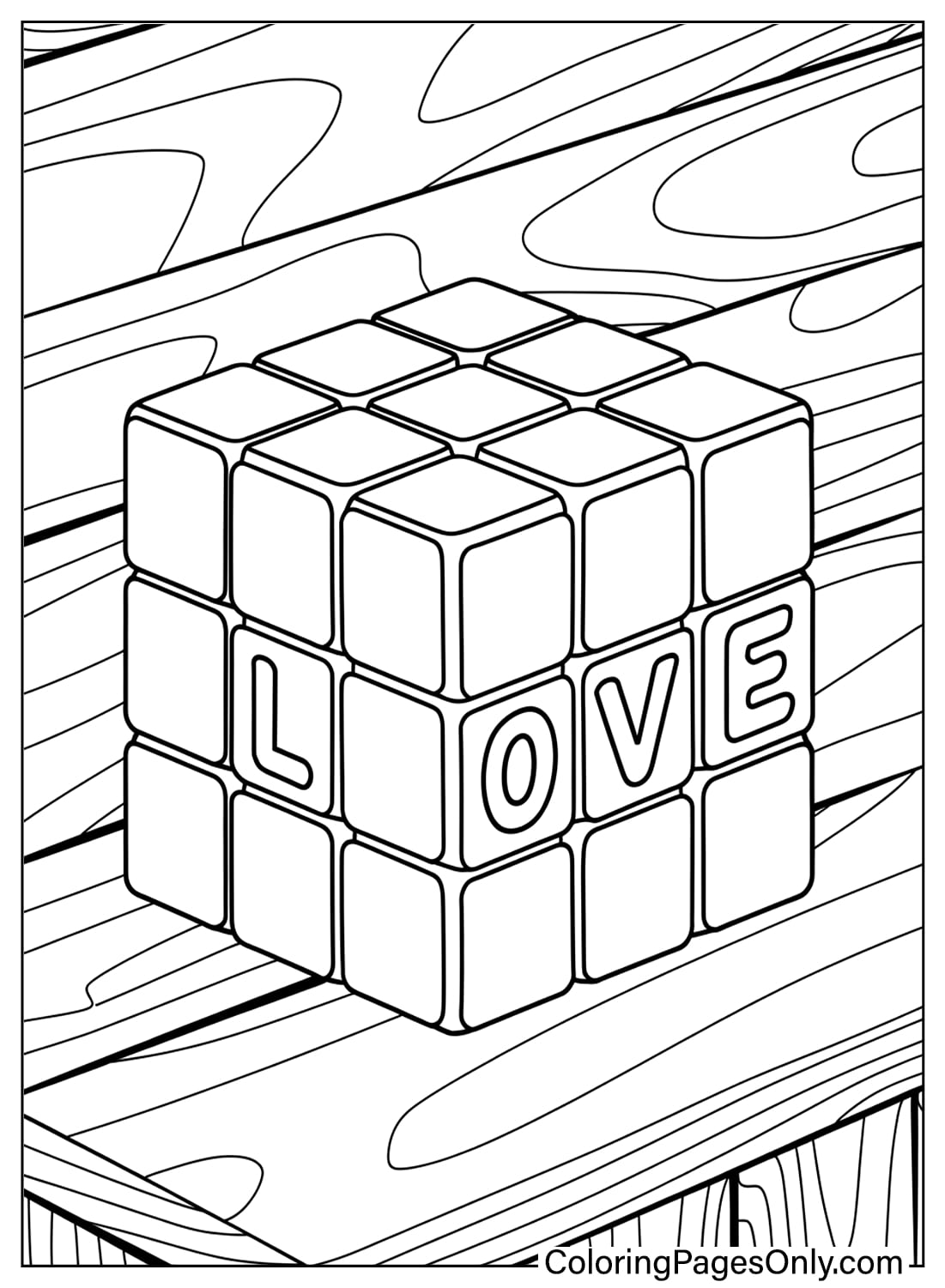


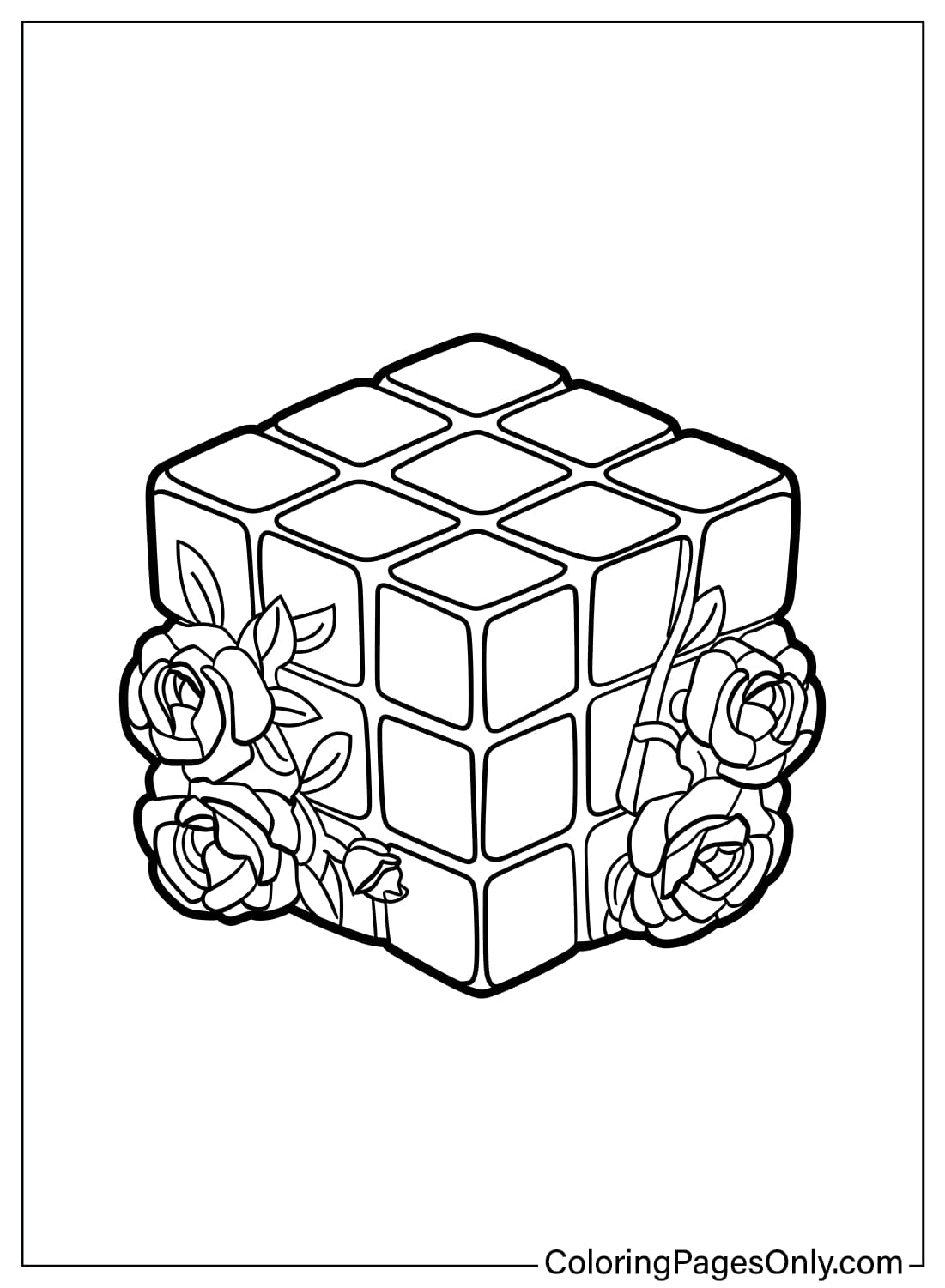
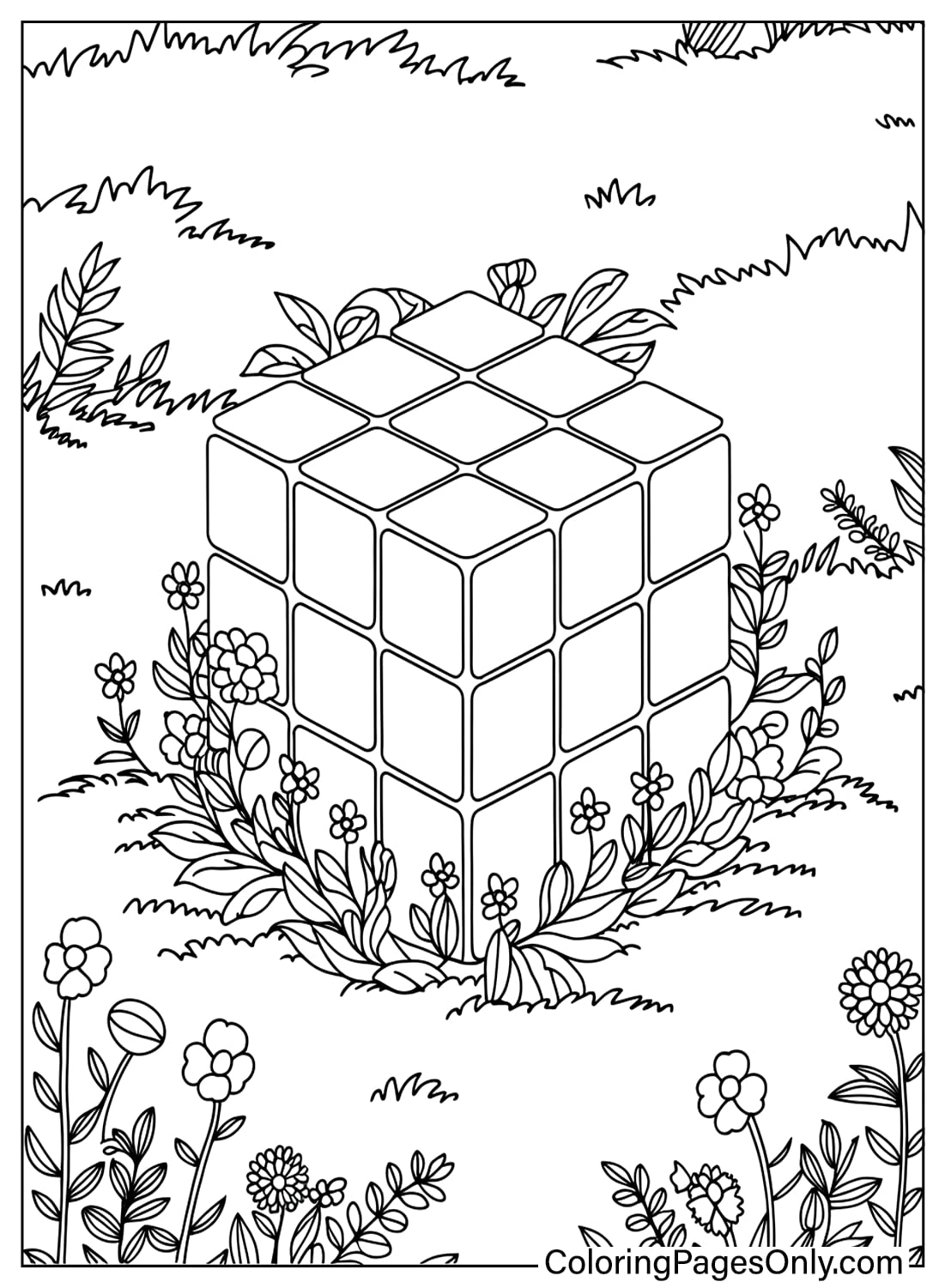
What Is Inside This Collection
The 34 pages are grouped by puzzle type, from the classic cube through its official variants, twisty puzzle relatives, and character crossovers.
Classic Cube and Official Size Variants
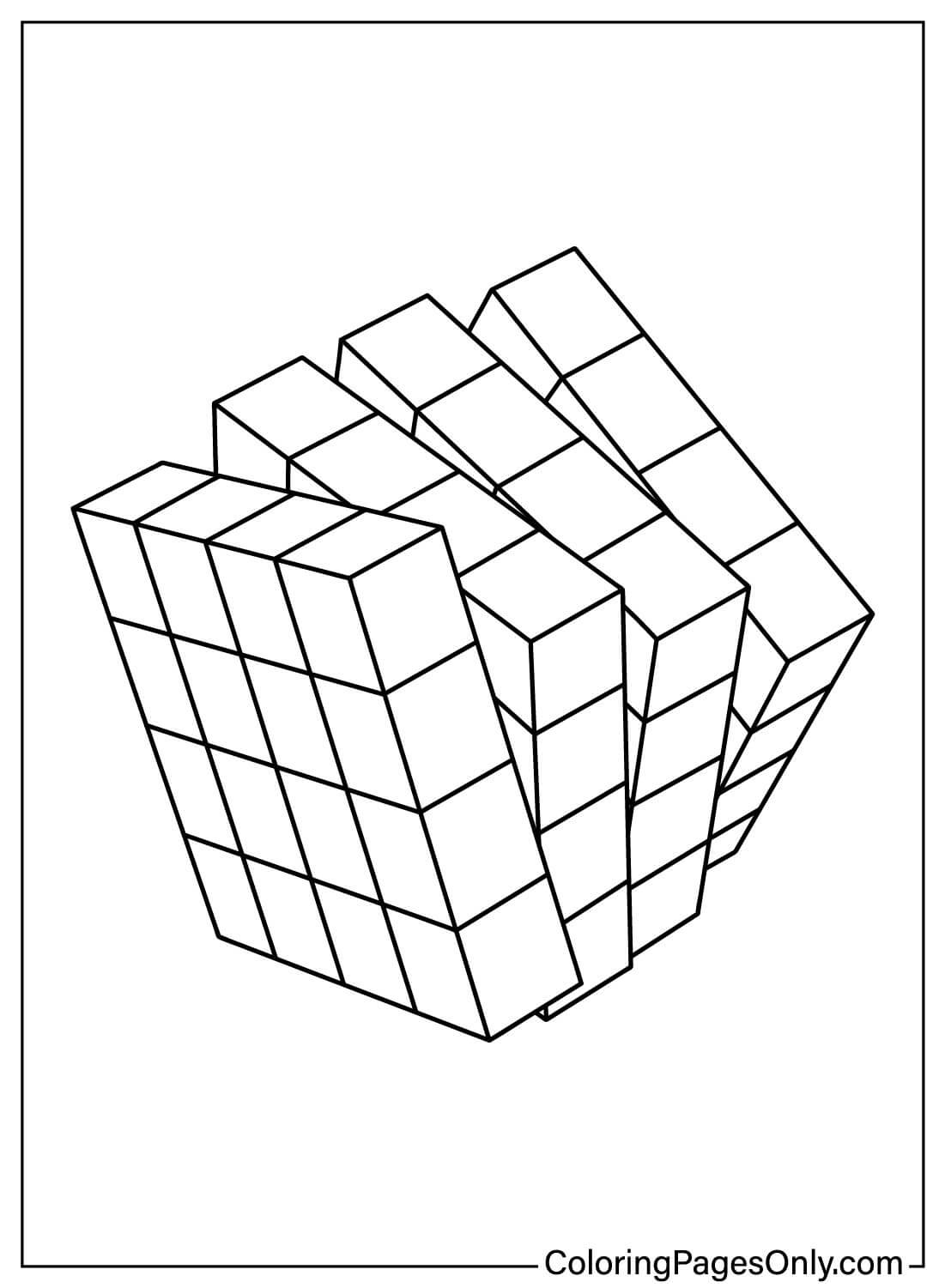
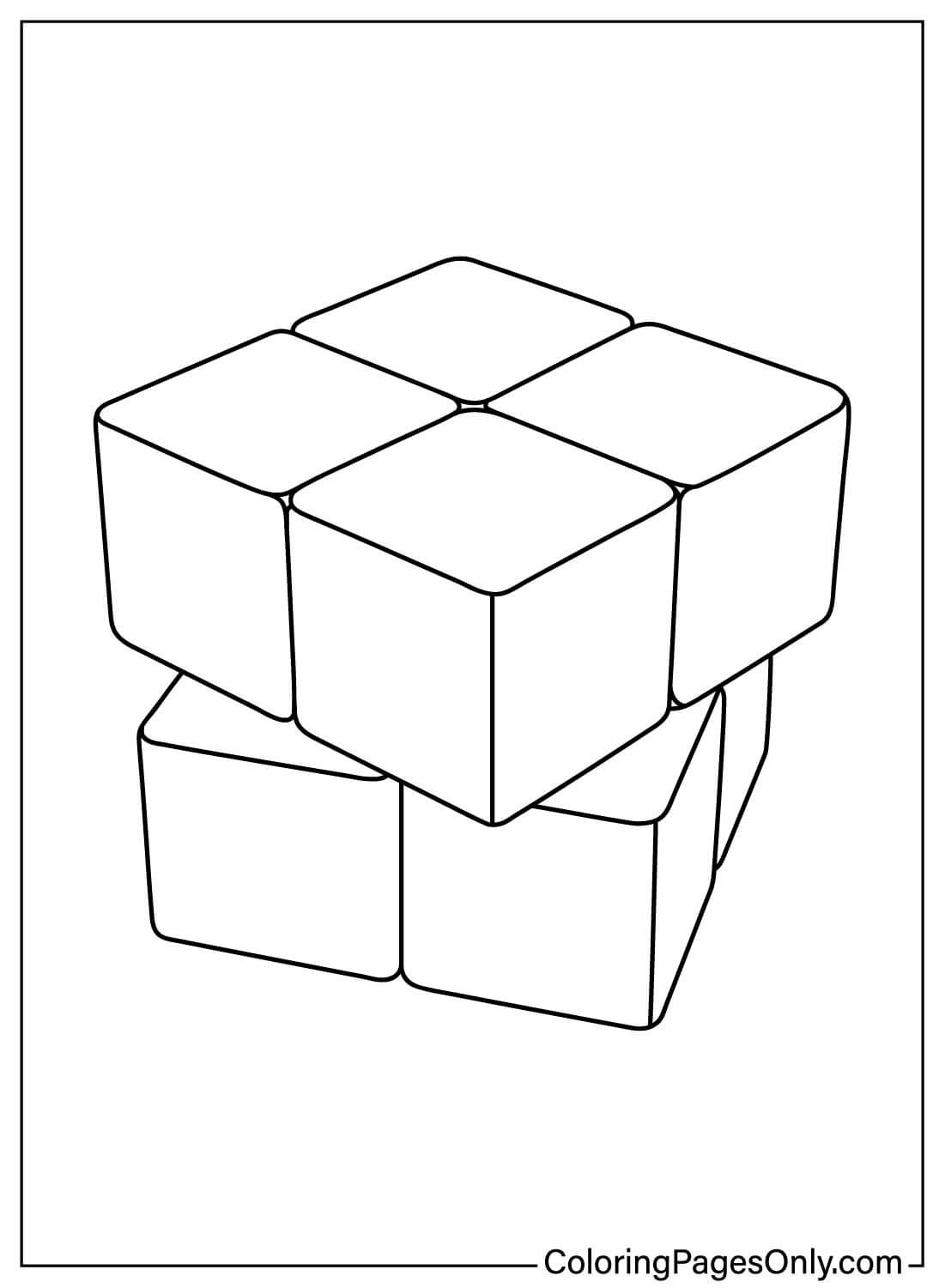
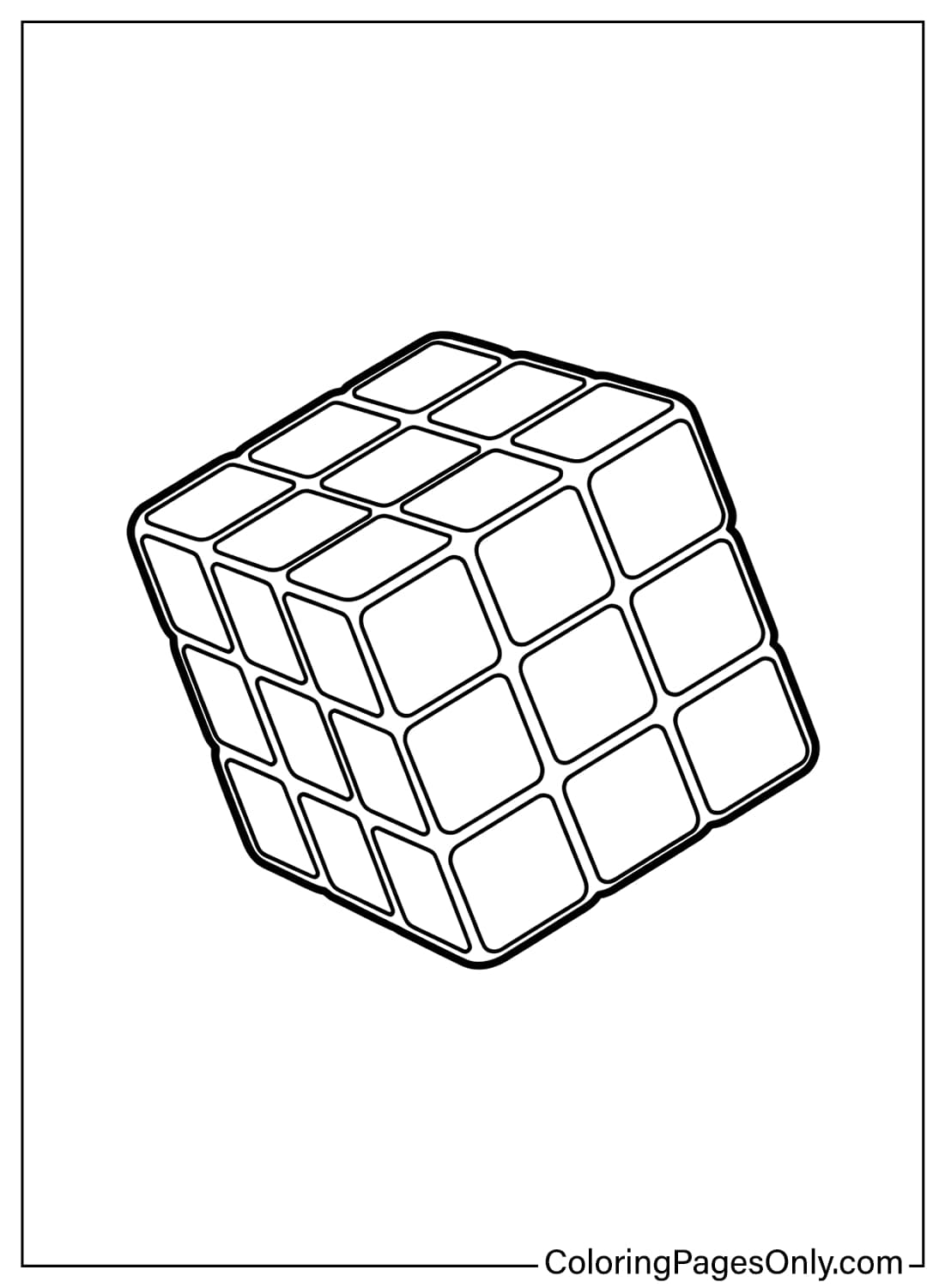
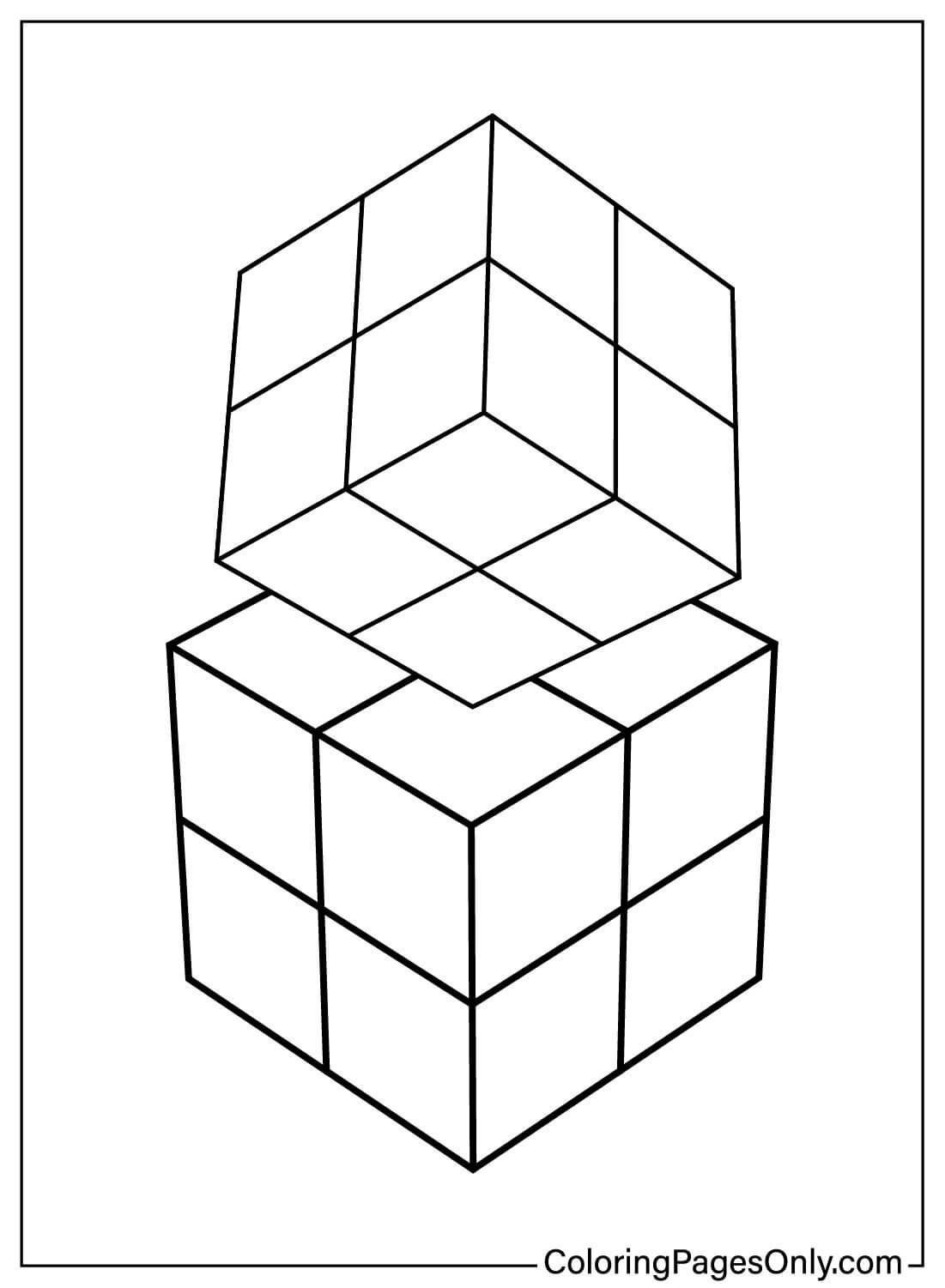
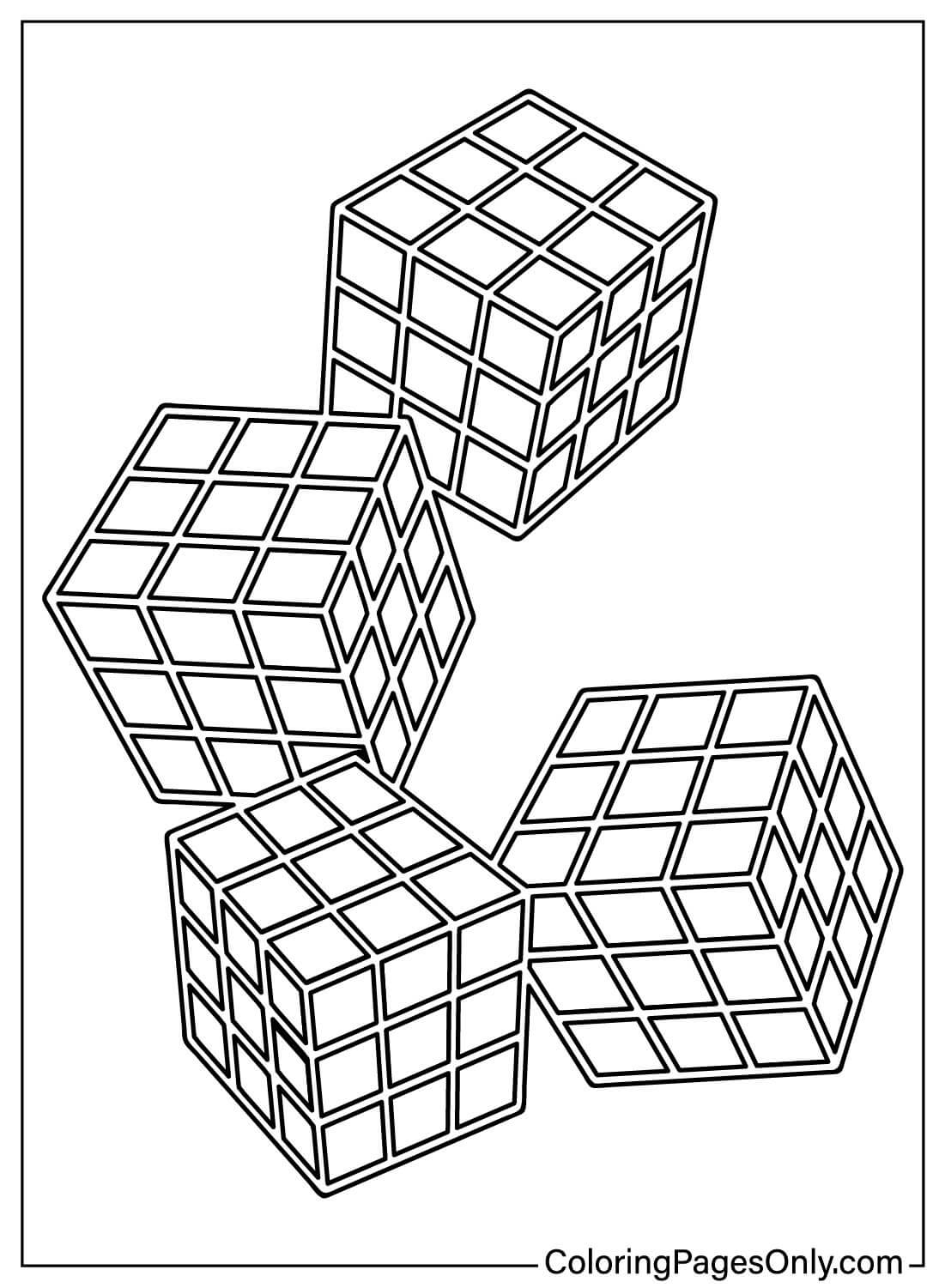
Six pages cover the original 3×3 cube alongside its official larger and smaller relatives: the Pocket Cube, a 2×2 version, and the Professor’s Cube, a 5×5 version, plus a page showing two Pocket Cubes together and another with four cubes side by side.
Twisty Puzzle Relatives
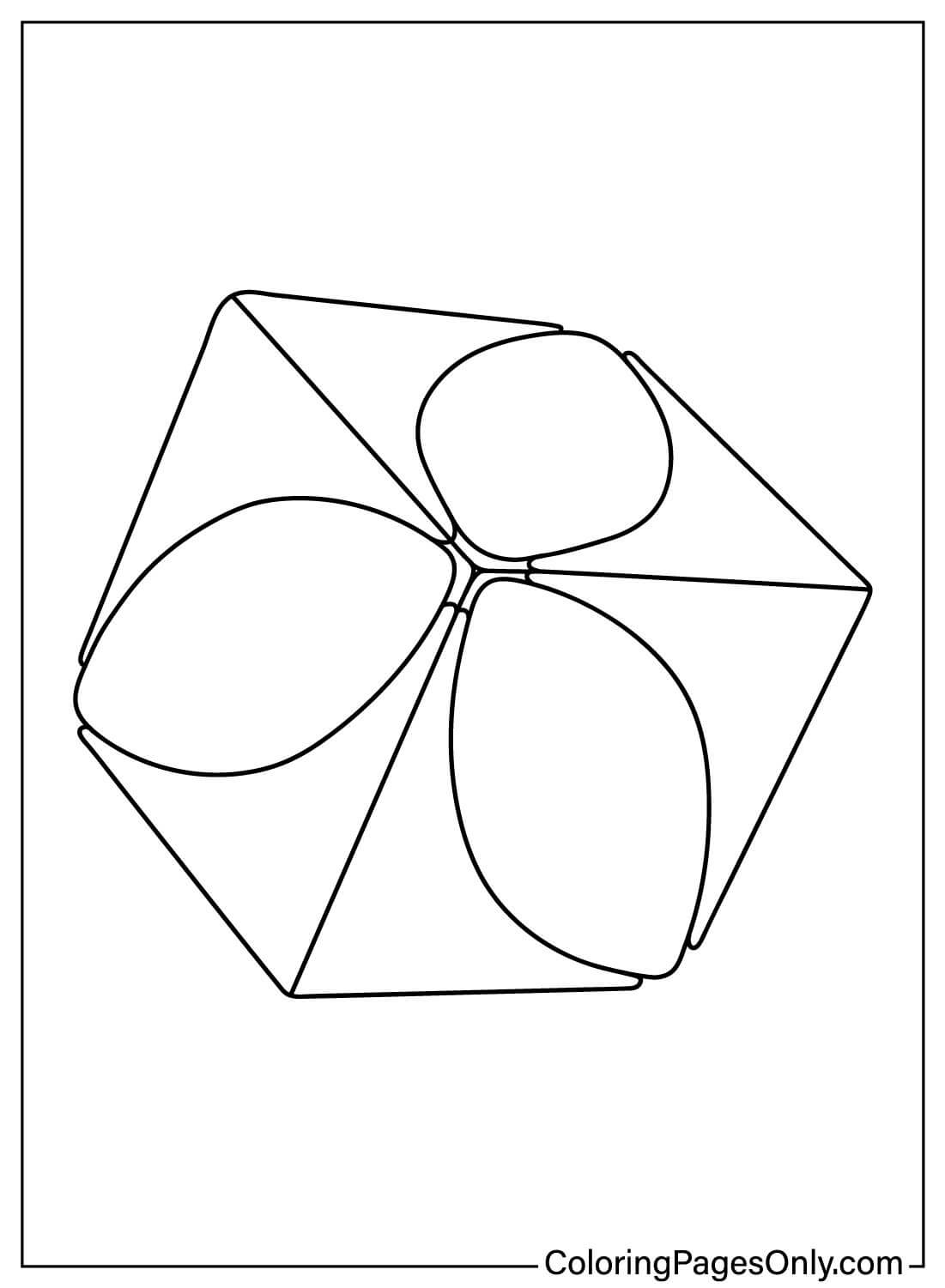
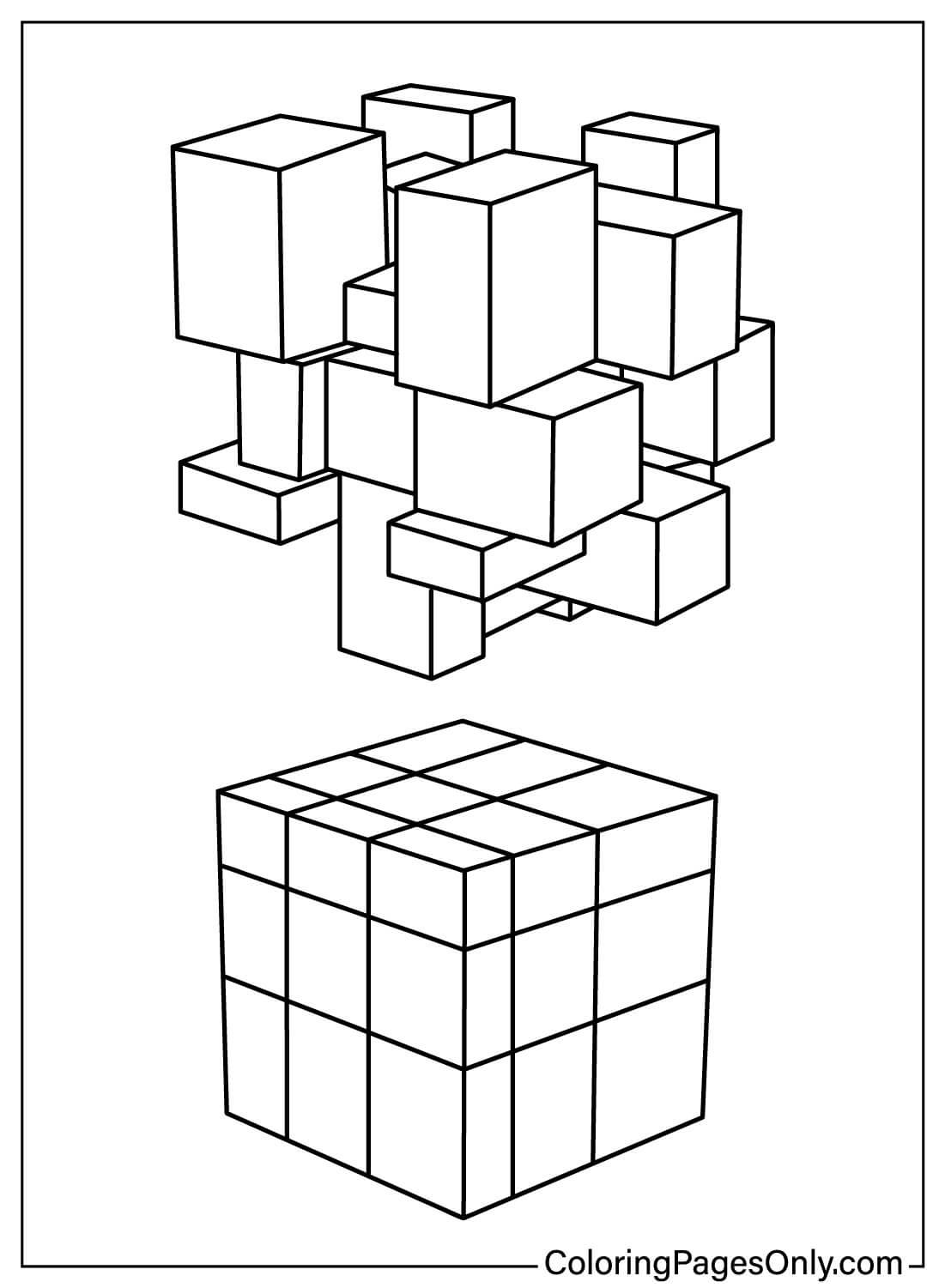
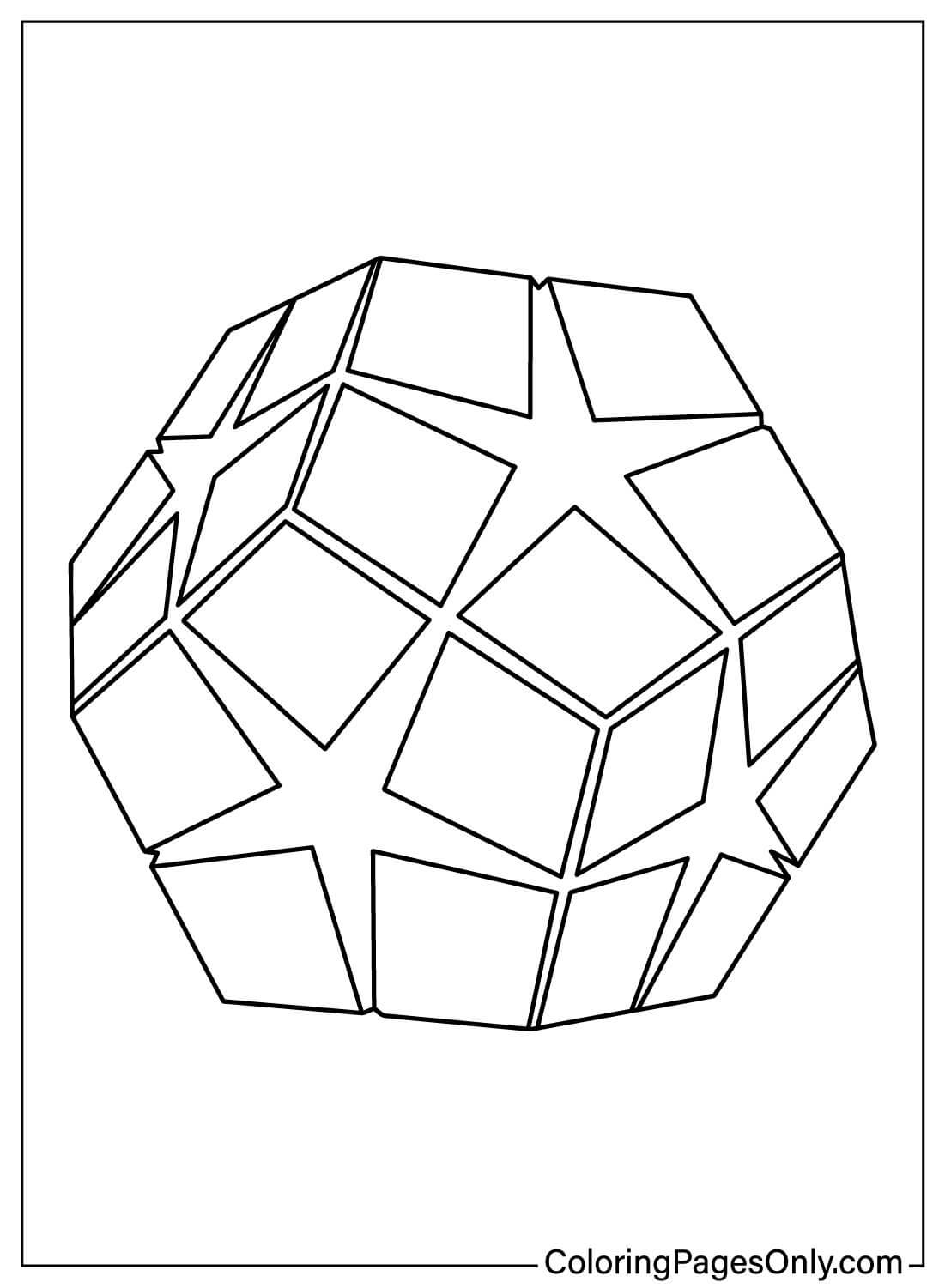
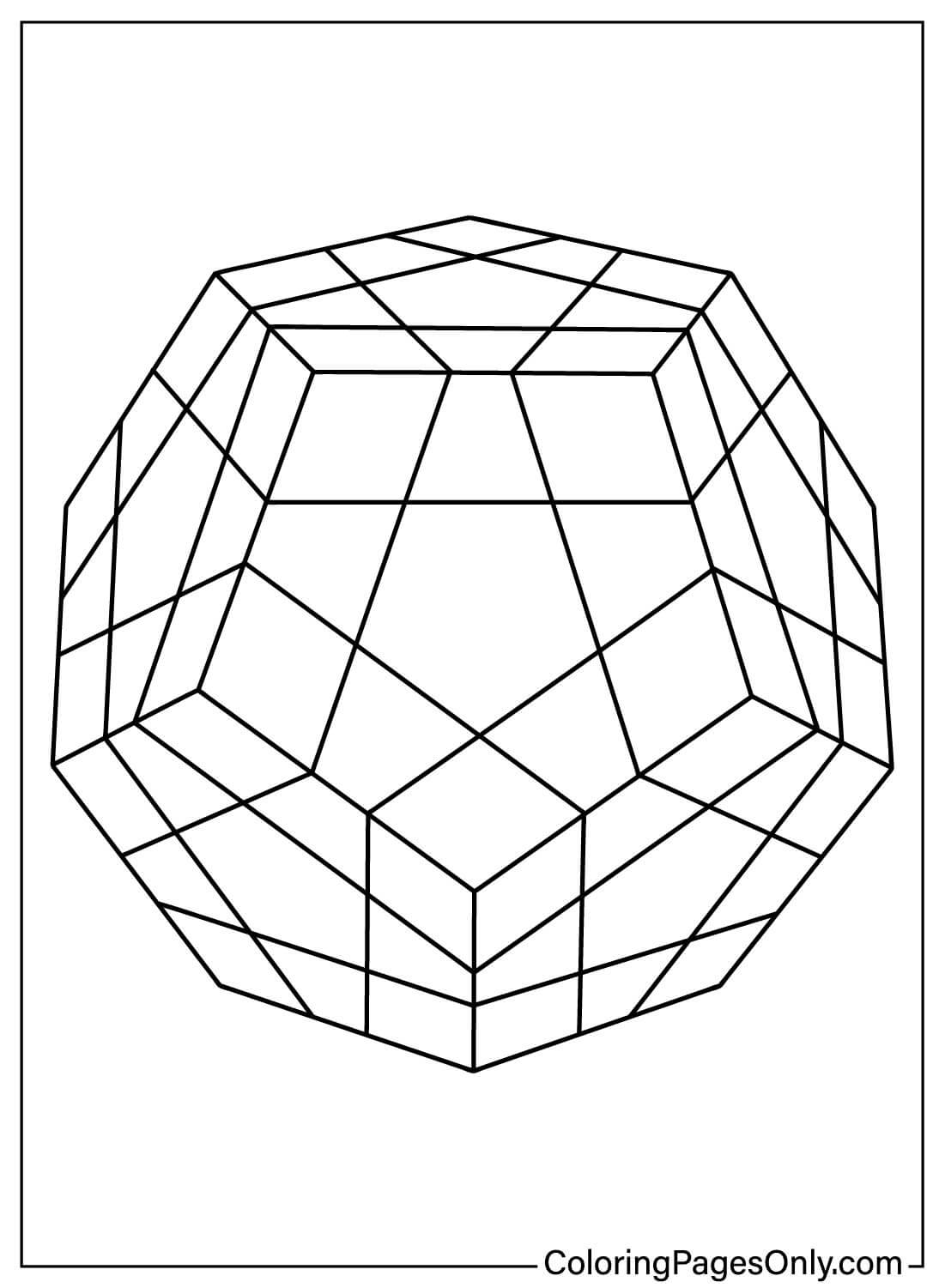
Seven pages feature puzzles from the same twisty puzzle family as the Rubik’s Cube but built on different shapes, including the Pyraminx, the Megaminx, the Skewb, the Ivy Cube, and the Mirror Cube. Different inventors developed these puzzles over the decades since the original cube, and most are not literally Rubik’s Cube products. However, they share the same twist-and-turn mechanics.
Character and Franchise Crossovers
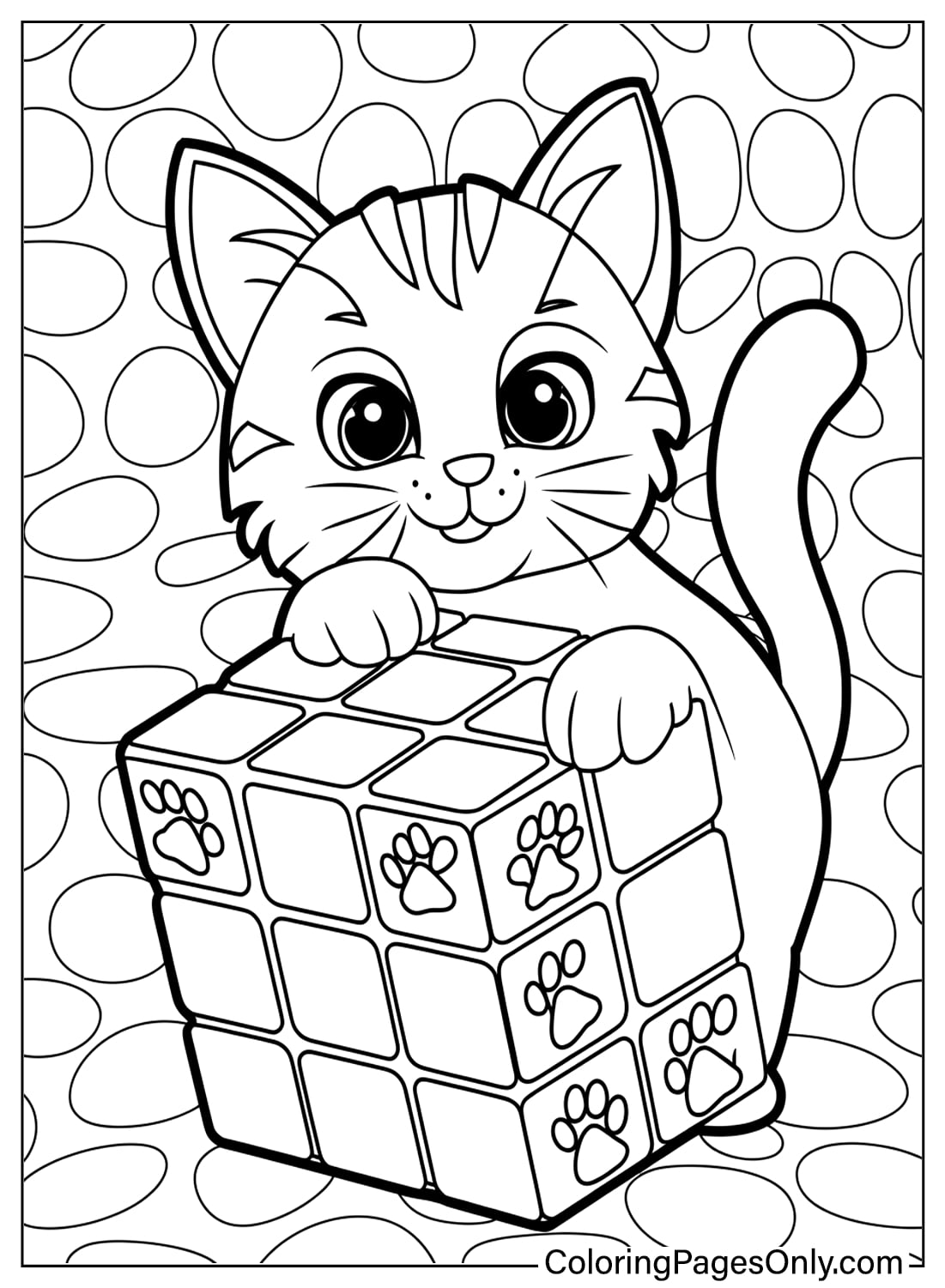
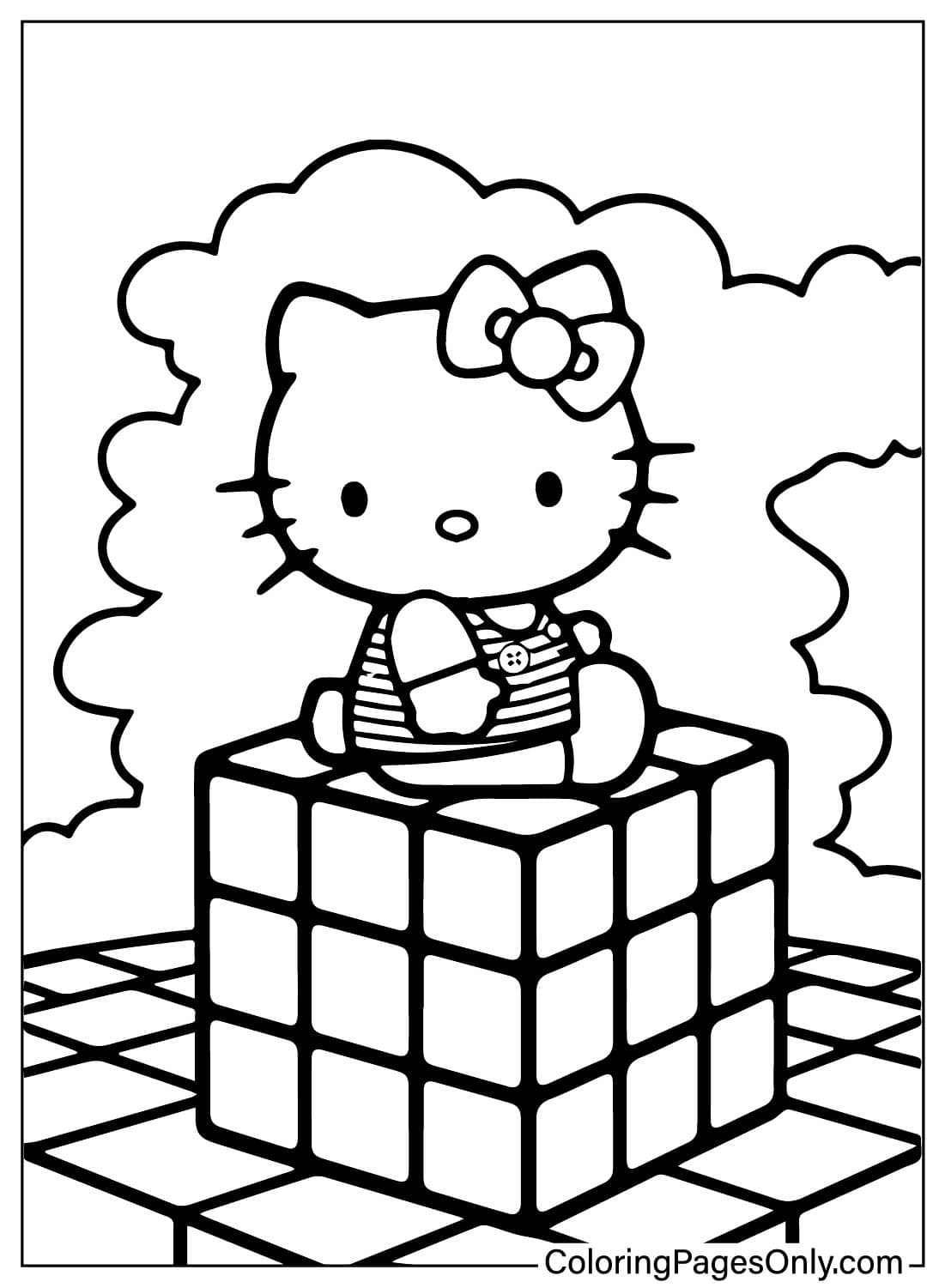
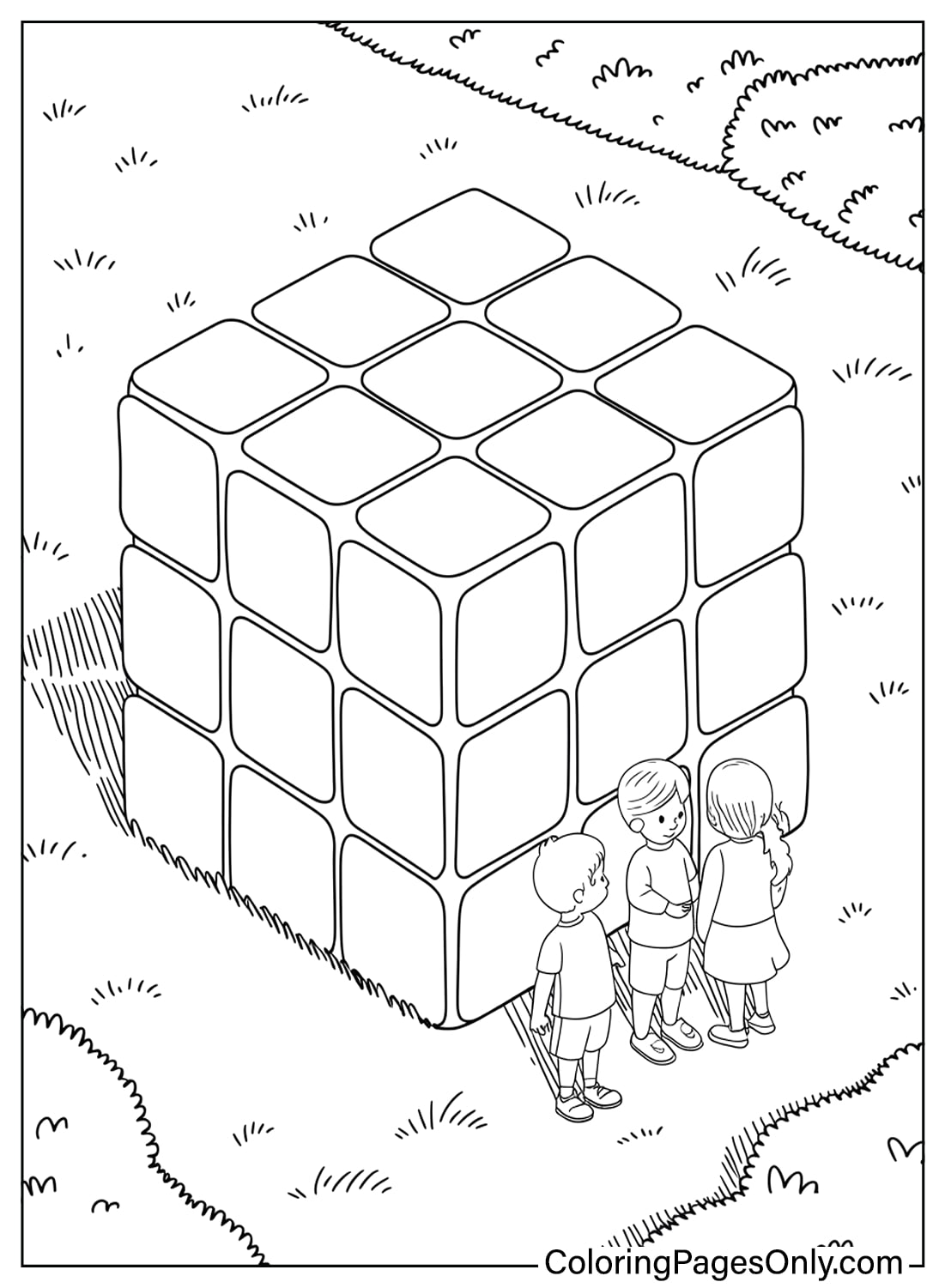
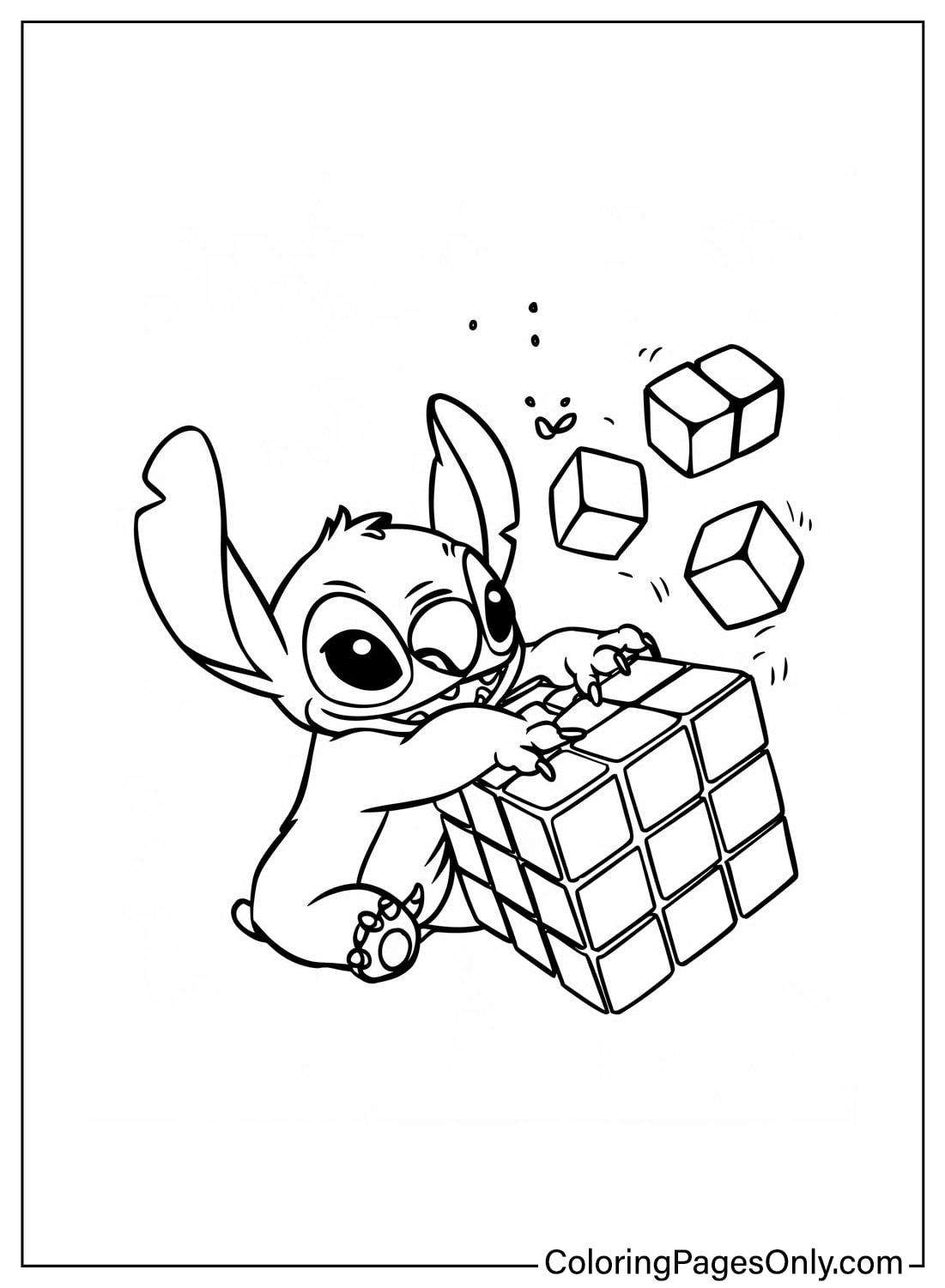
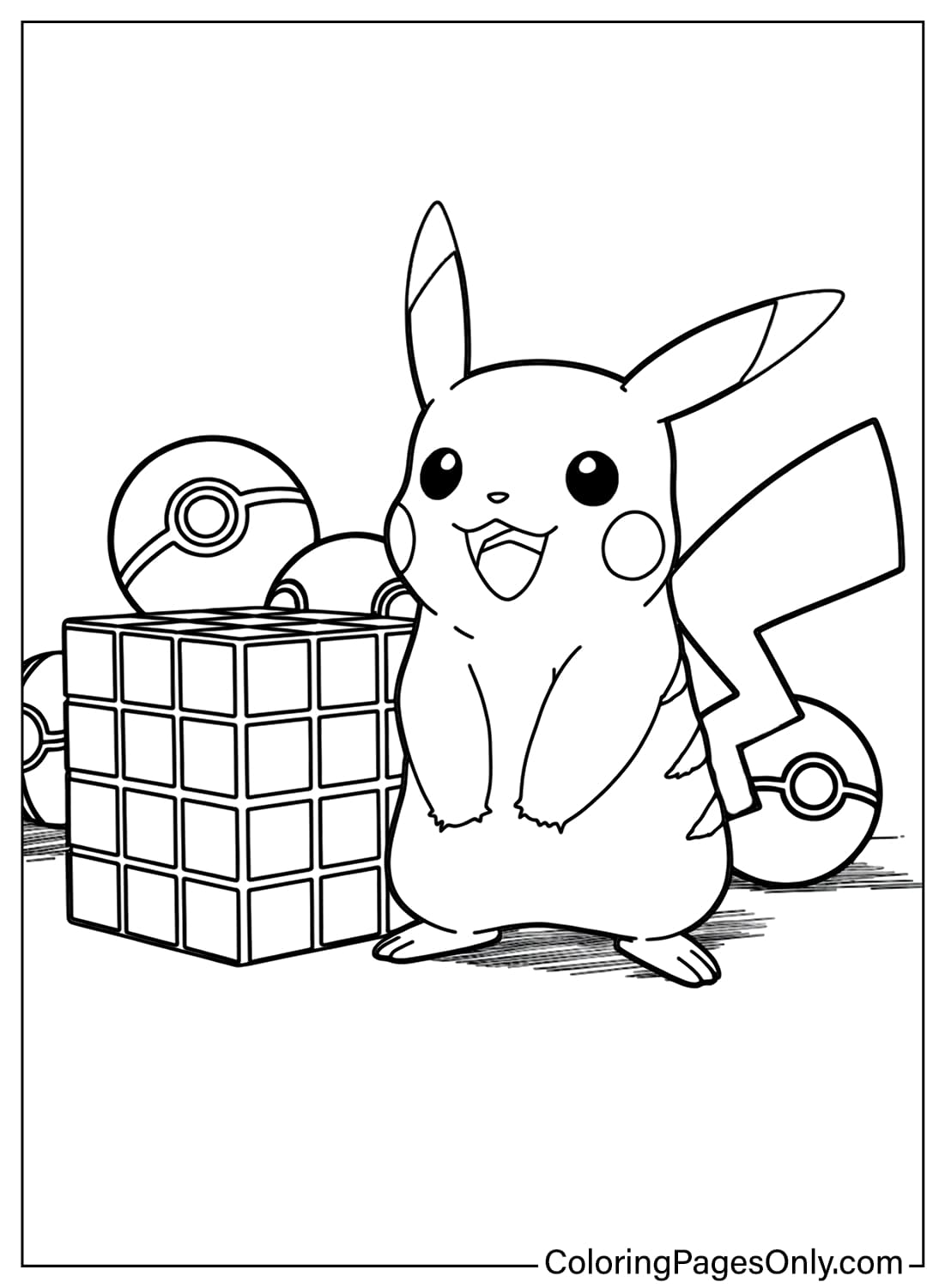
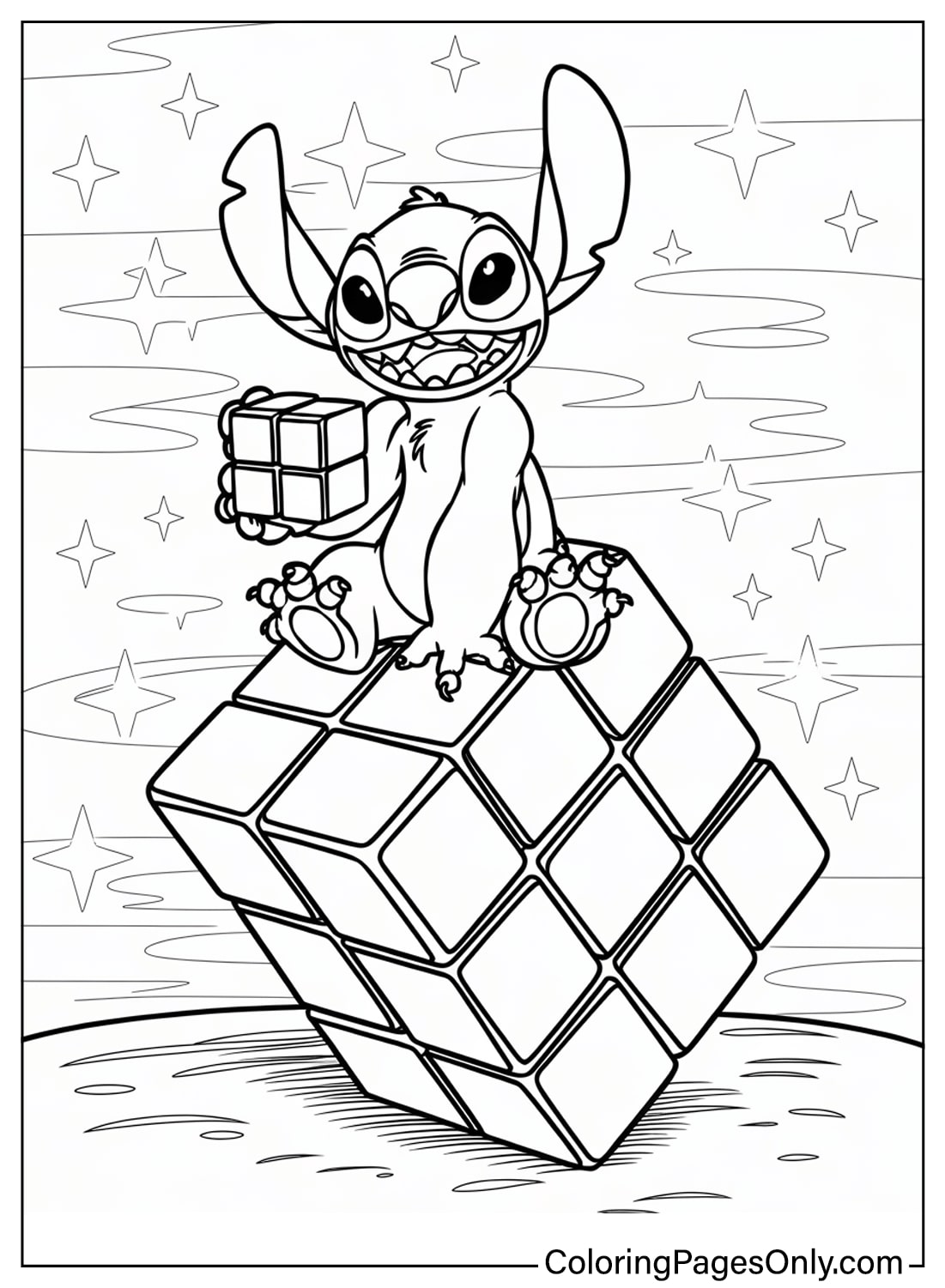
Six pages pair the cube with familiar characters, including Pikachu, Hello Kitty, and Stitch, plus a page showing a cat playing with a cube and another with children solving one together.
Artistic and Stylized Cube Designs
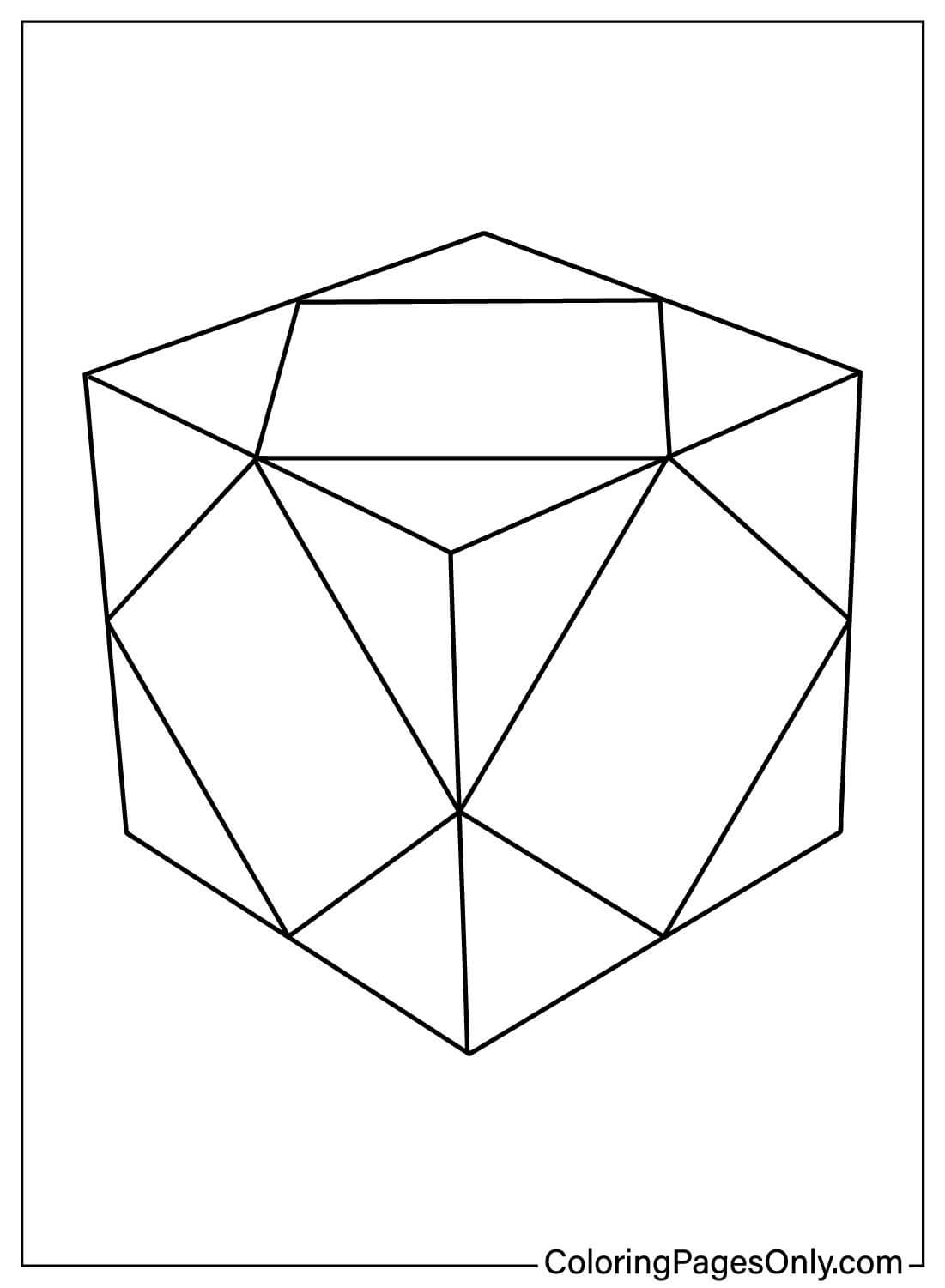
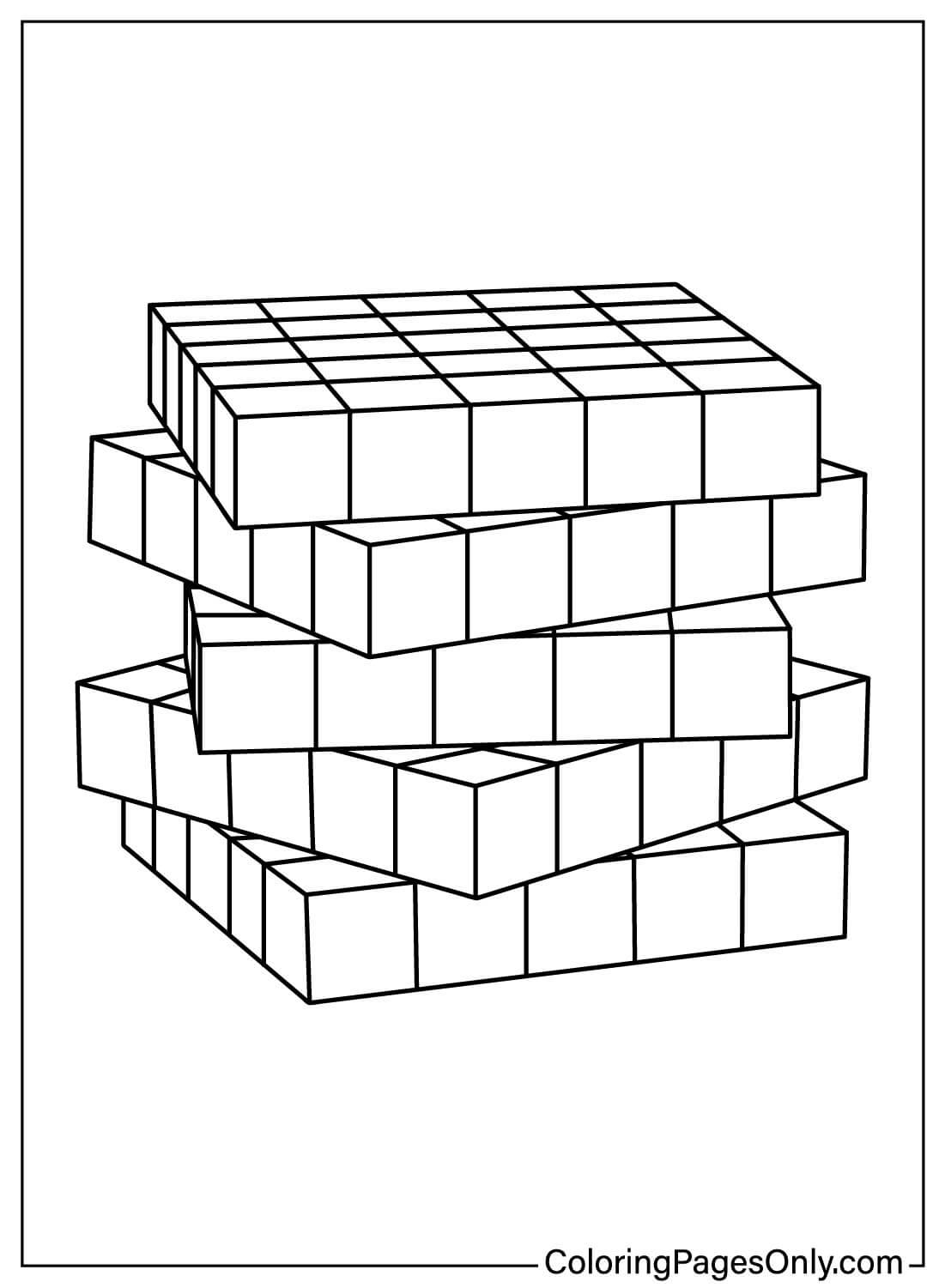
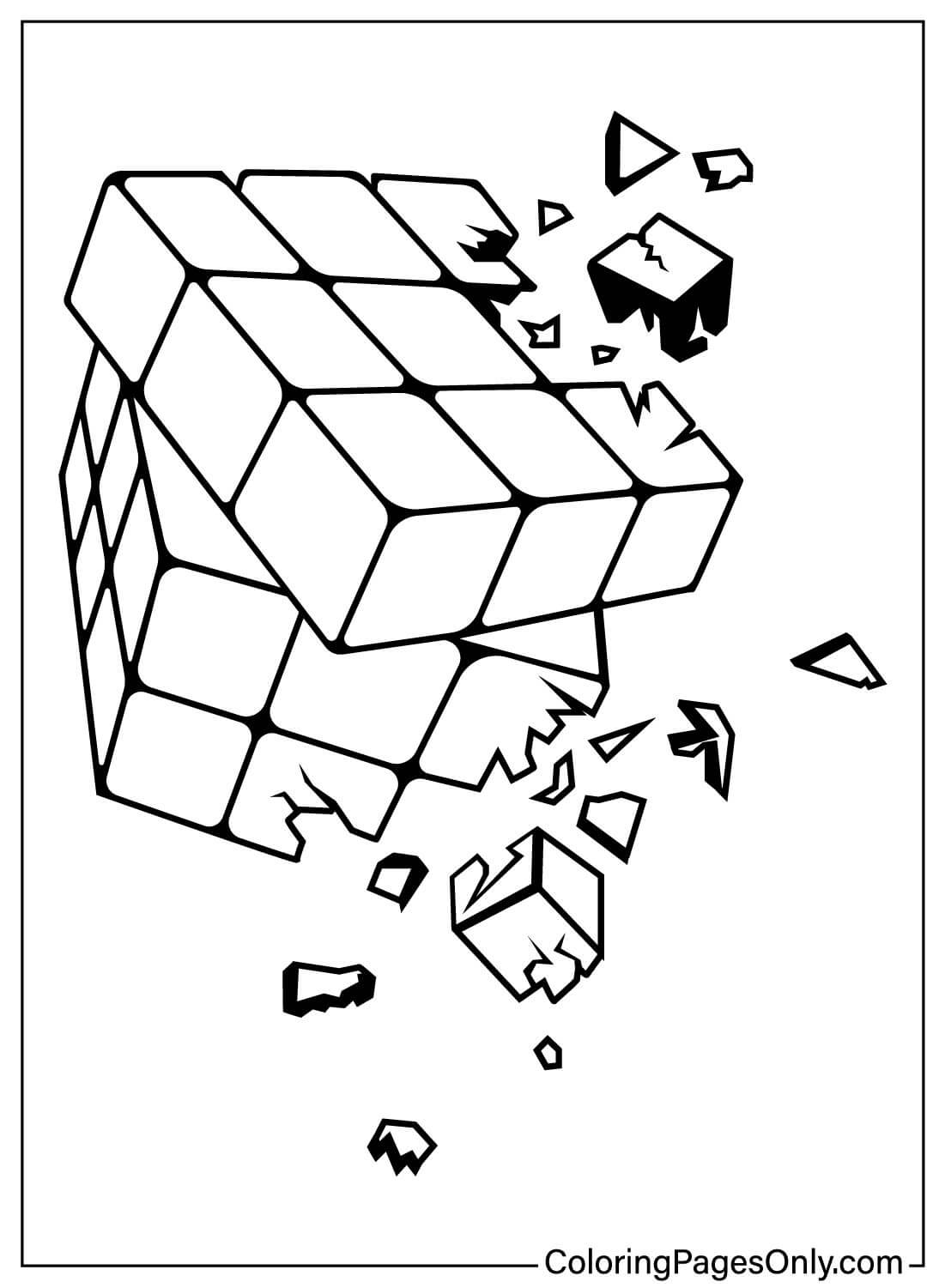
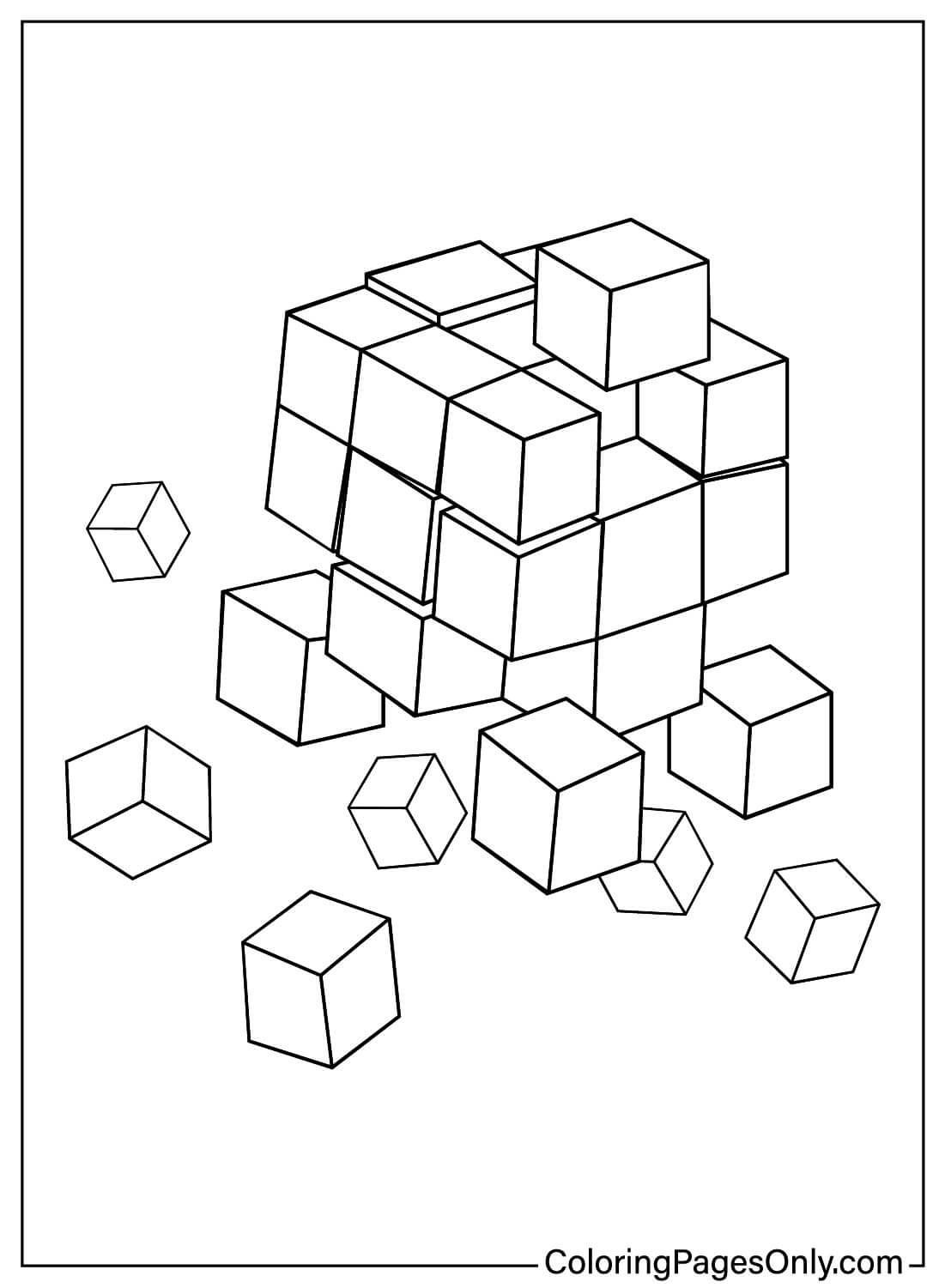
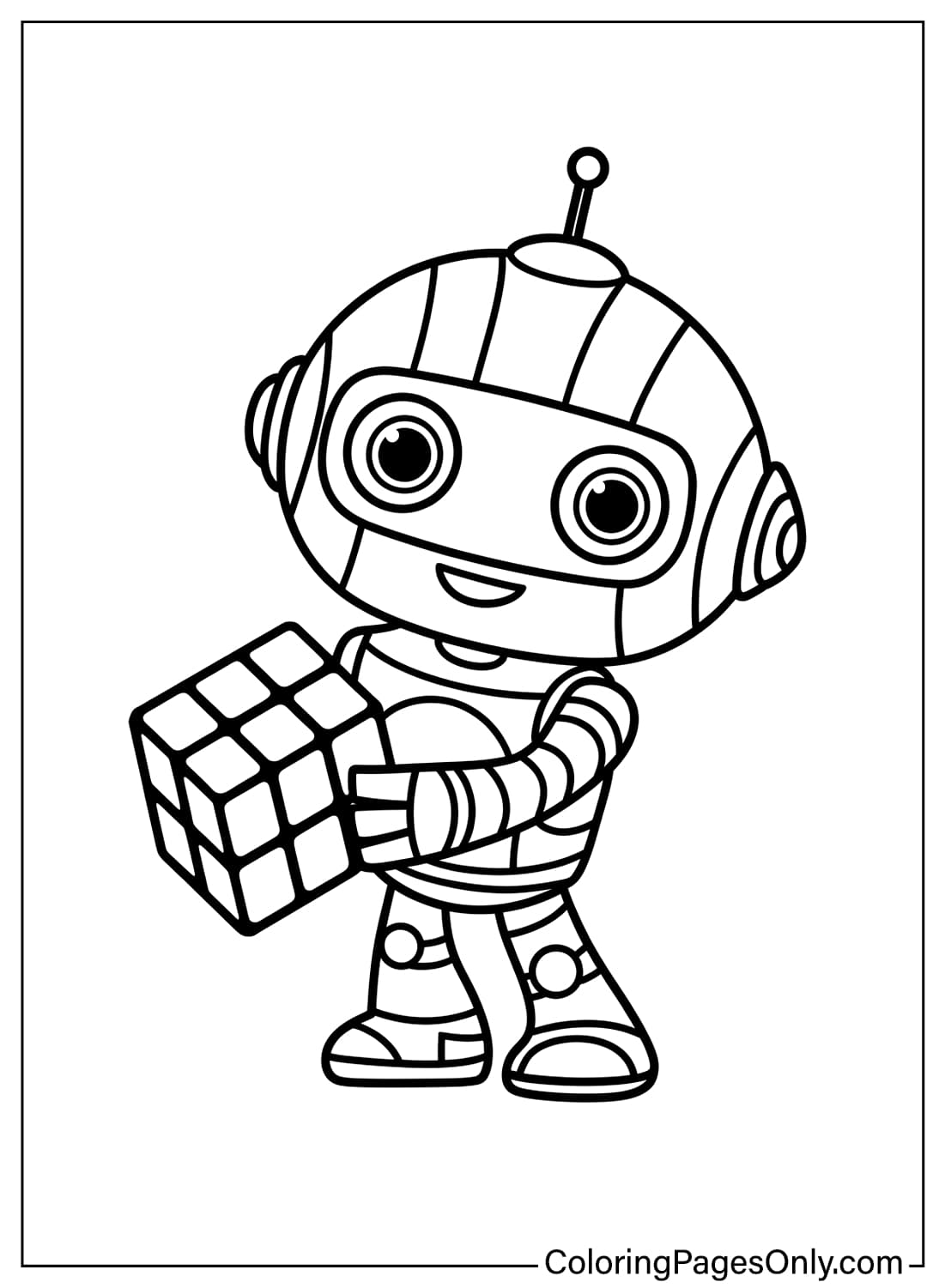
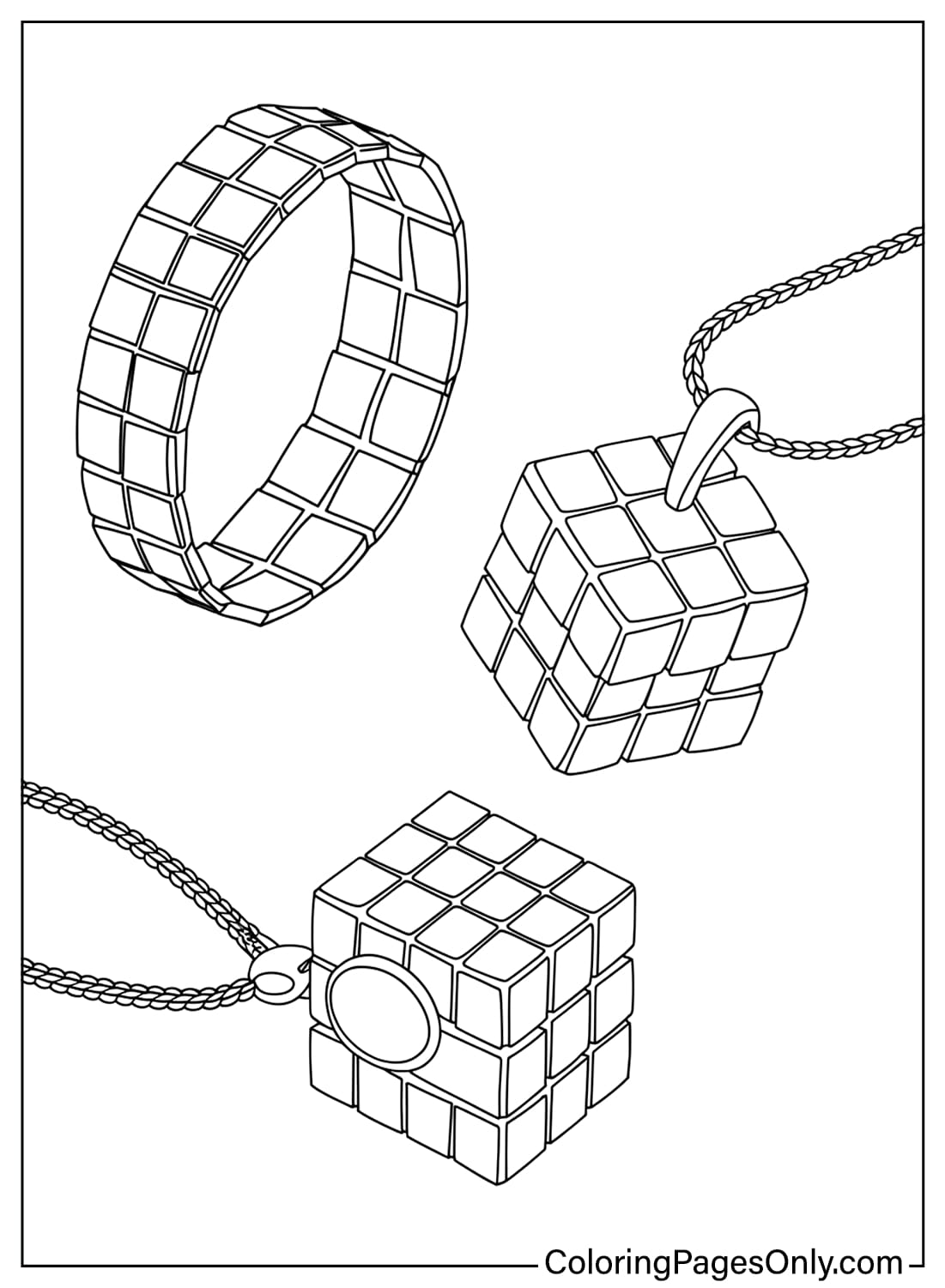
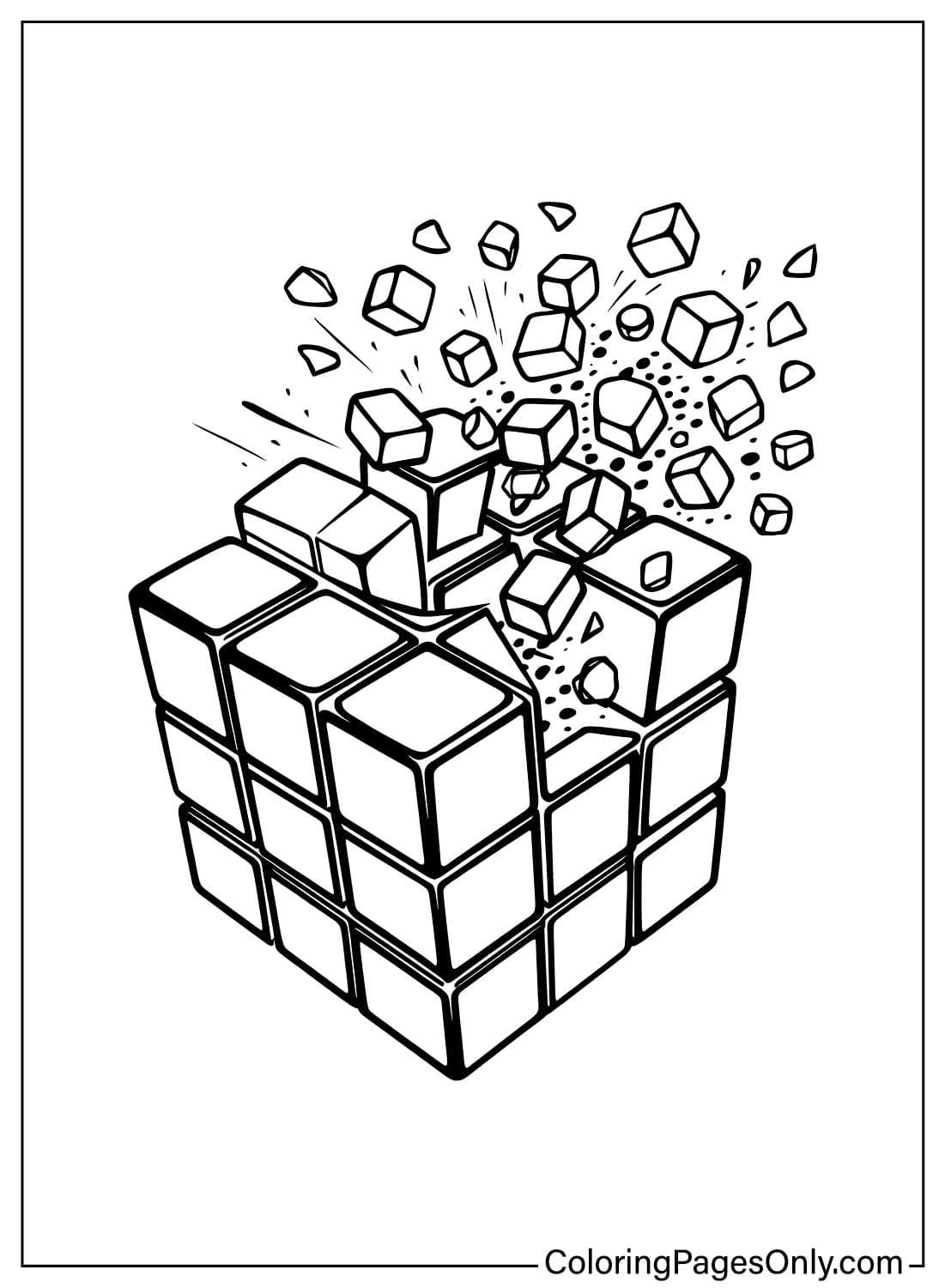
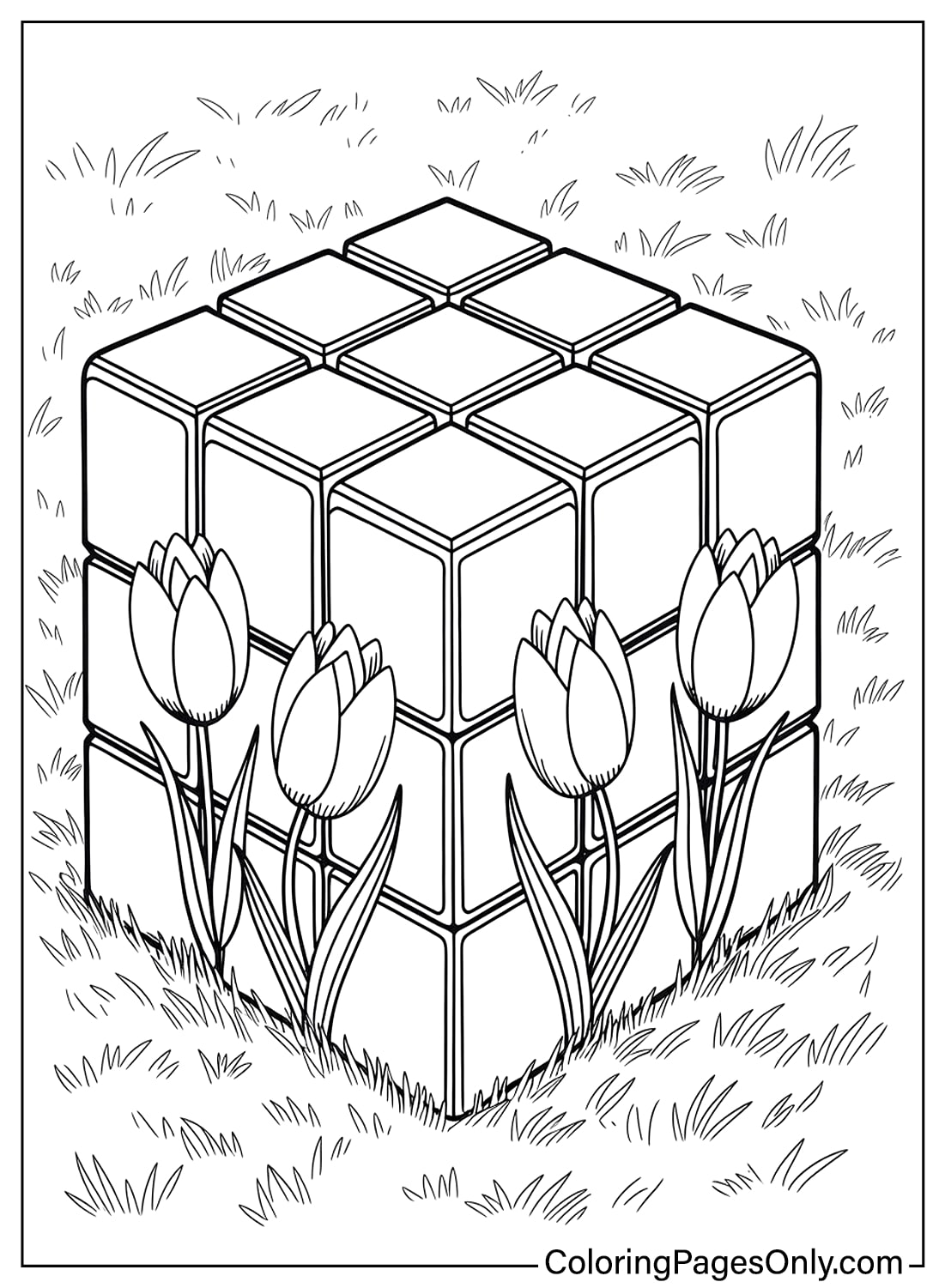
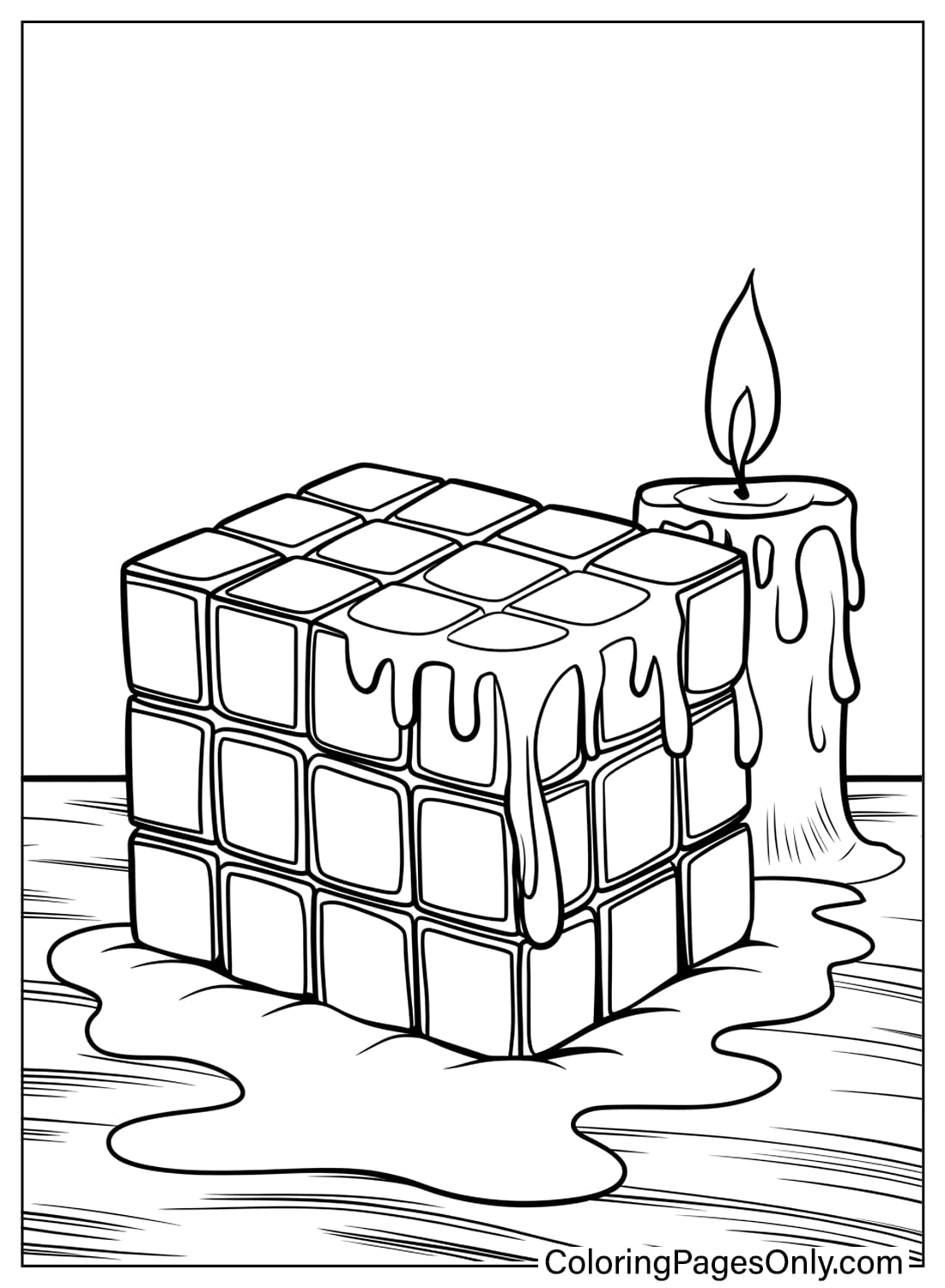
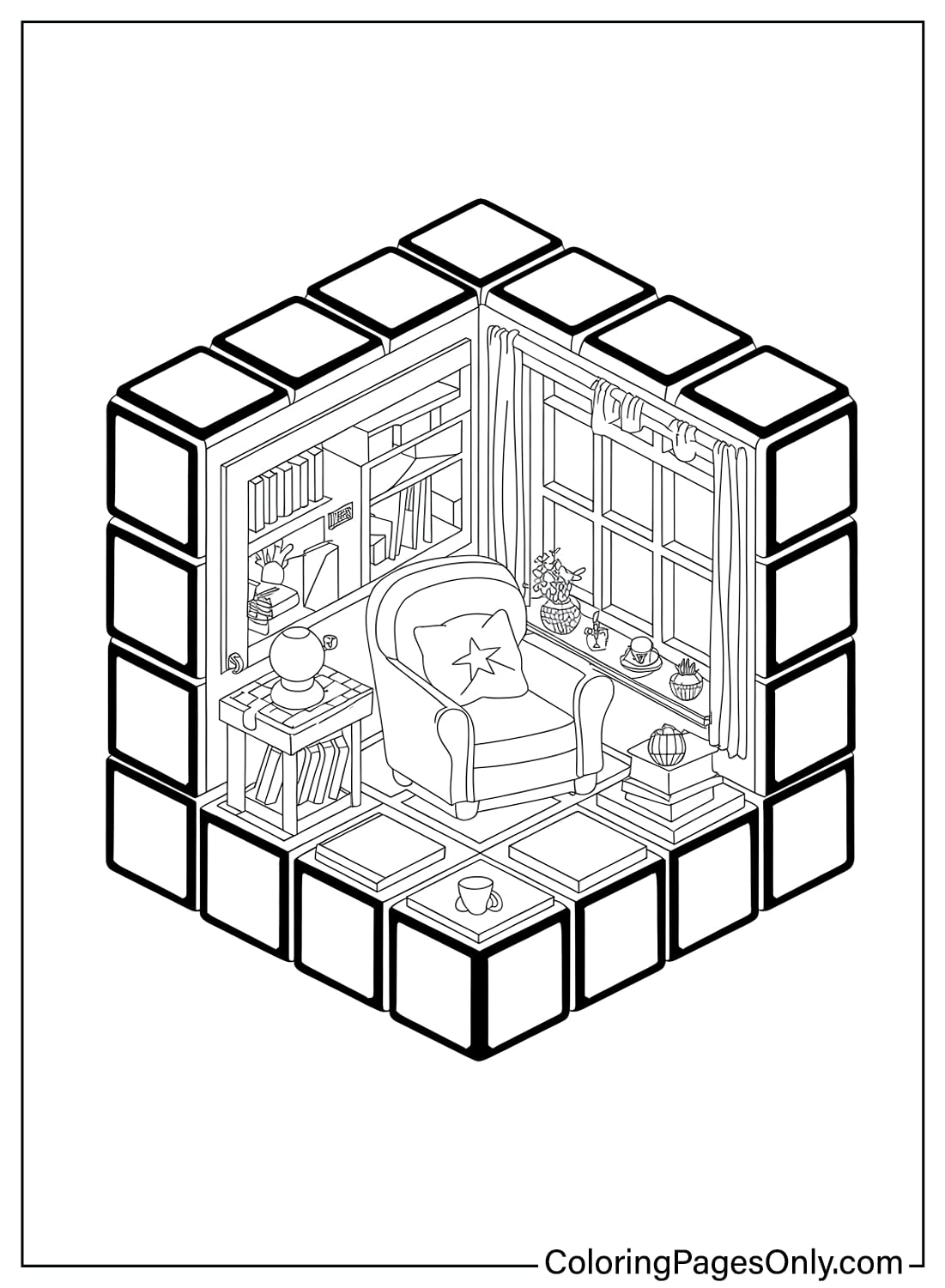
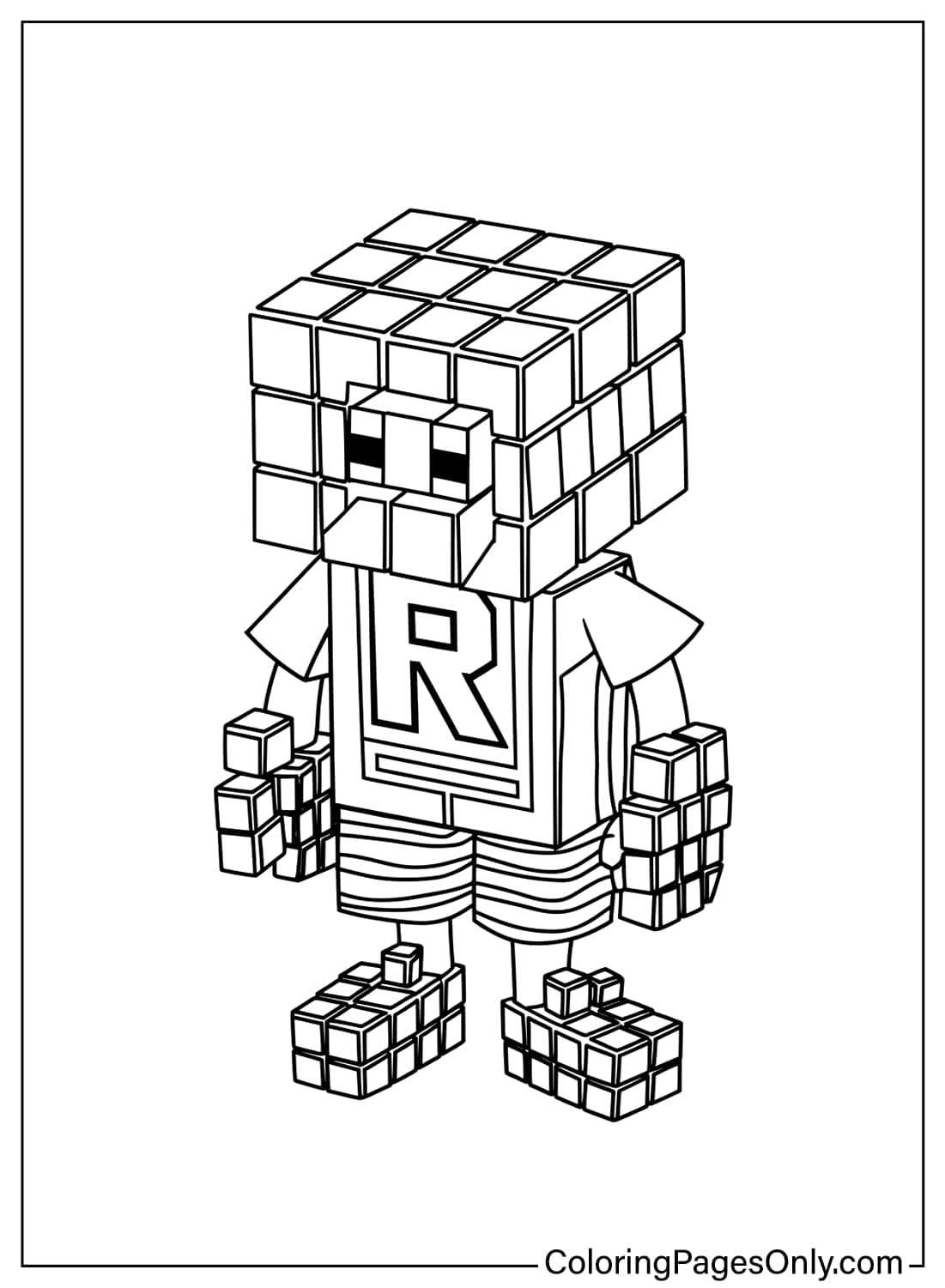
The remaining fifteen pages treat the cube as a design element rather than a literal puzzle: shattered, disassembled, melting, wrapped in flowers, styled as a robot, dressed as a costume, and other imaginative reworkings of the cube’s shape.
What Rubik’s Cube Coloring Pages Do
Fine motor development. The American Academy of Pediatrics identifies fine motor skill development as a core benefit of structured coloring for children ages 2 through 7. The cube’s grid of small, evenly sized squares calls for the same kind of controlled, repetitive hand movement used in early handwriting practice.
A visual way to explore color logic. Because a real Rubik’s Cube uses exactly six solid colors, one per face, coloring the classic cube pages accurately gives a child a small, concrete lesson in following a fixed color rule, a different kind of exercise than the free color choice offered by the artistic pages in the same set.
Anxiety reduction through focus. A 2005 study in the Art Therapy Journal documented measurable reductions in anxiety following structured coloring sessions. The repeated square grid across most pages in this set gives colorists a steady, predictable pattern to settle into, not unlike the repetitive twisting motion of solving the actual puzzle.
Connects a coloring session to a real problem-solving object. Unlike a purely decorative subject, the Rubik’s Cube pages carry a built-in link to logic and spatial reasoning, giving an older child or adult colorist a reason to think about the object’s structure, not just its color, while working on the page.
How to Color Rubik’s Cube Pages Well
- The classic cube’s six colors: Crayola White, Red, Blue, Orange, Green, and Yellow, one per face, kept flat and solid to match the puzzle’s real factory sticker colors.
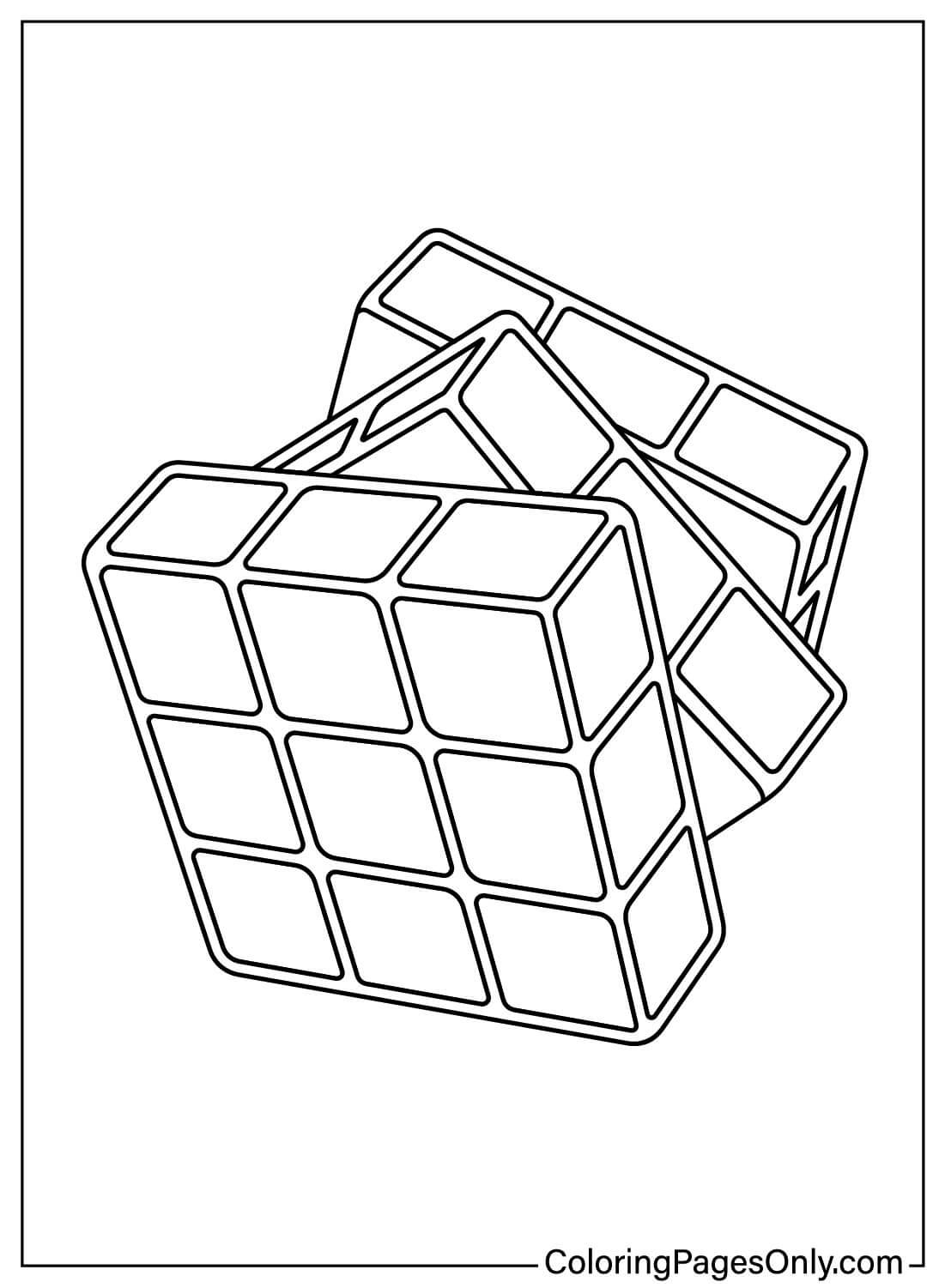
- Grid lines: a thin black or dark gray line between each small square helps the classic cube pages read clearly as a 3×3 grid rather than one solid block of color.
- The Pocket Cube and Professor’s Cube: the same six-color rule applies, just with fewer squares per face on the 2×2 page and more on the 5×5 page, so count carefully before starting.
- Twisty puzzle relatives: since the Pyraminx, Megaminx, and similar shapes are not literally Rubik’s Cubes, feel free to use their own traditional color schemes, such as the Pyraminx’s four-color triangular faces, rather than forcing the cube’s six colors onto a different shape.
- Character crossover pages: keep the character’s own signature colors, such as Pikachu’s yellow or Stitch’s blue, consistent with their usual appearance, and treat the cube portion of the page with the standard six-color rule for contrast.
- Artistic and stylized pages: these pages are the best place in the whole set to break the six-color rule entirely, since a melting, shattered, or flower-wrapped cube is meant to be reimagined rather than colored like a real puzzle.
5 Creative Craft Ideas With Rubik’s Cube Coloring Pages
1. Custom Puzzle Cutout
Color a classic cube page, cut it into its individual small squares, and mix them up to create a simple matching or sorting challenge for a friend to solve.
2. Rubik’s Cube Bookmark Set
Color two or three of the smaller pages, trim them to a tall, narrow bookmark shape, and laminate or cover with clear tape for a small matching set.
3. Puzzle Fact Poster
Color a few different cube variants, mount them on poster board, and label each one’s name and size underneath as a simple reference display.
4. Rubik’s Cube Greeting Card
Fold a piece of cardstock in half, glue a colored cube page to the front, and write a message inside for a puzzle-loving friend’s birthday.
5. Colorful Wall Display
Color a run of several pages, mount each on matching-sized cardstock, and arrange them together on a wall or bulletin board for a bold, geometric display.
Frequently Asked Questions
What are Rubik’s Cube coloring pages?
Free, fan-made printable and online designs featuring the classic puzzle and its related variants. Not affiliated with, licensed by, or endorsed by Rubik’s Brand Ltd, and intended for personal, non-commercial coloring only.
Who invented the Rubik’s Cube, and when?
Ernő Rubik, a Hungarian sculptor and professor of architecture, invented it in 1974 in Budapest, originally calling it the Magic Cube.
When did the Rubik’s Cube get its current name?
In 1980, when Ideal Toy Corp licensed the puzzle for international release and renamed it after its inventor.
How many colors does a classic Rubik’s Cube have?
Six, one solid color per face: white, red, blue, orange, green, and yellow.
Are the Pyraminx and Megaminx official Rubik’s Cube products?
No. They belong to the same twisty puzzle family and share similar twist-and-turn mechanics, but other inventors designed most of them and are not Rubik’s Cube-branded products.
How popular has the Rubik’s Cube become?
More than 500 million cubes have been sold worldwide, making it the bestselling puzzle toy in history, and it was inducted into the National Toy Hall of Fame in 2014.
Are Rubik’s Cube coloring pages suitable for young children?
Yes. The simpler classic cube and character crossover pages work well for younger children, while the more detailed twisty puzzle and artistic pages suit slightly older colorists.
Can Rubik’s Cube coloring pages be colored online, or only printed?
Both. Every design can be downloaded as a PDF for printing at home or opened directly in the online coloring tool for use on a phone, tablet, or computer.
Start Coloring
Download any page by clicking the design. No account, email, or payment is required. Pages print directly from the browser at full resolution or open in the online coloring tool for screen use. Share finished pages on Facebook or Pinterest with the share buttons at the top of each design page.