Unicorn Color By Number Coloring Pages
 By:
Jennifer Thoa - Content Editor & Designer
Updated:
By:
Jennifer Thoa - Content Editor & Designer
Updated:
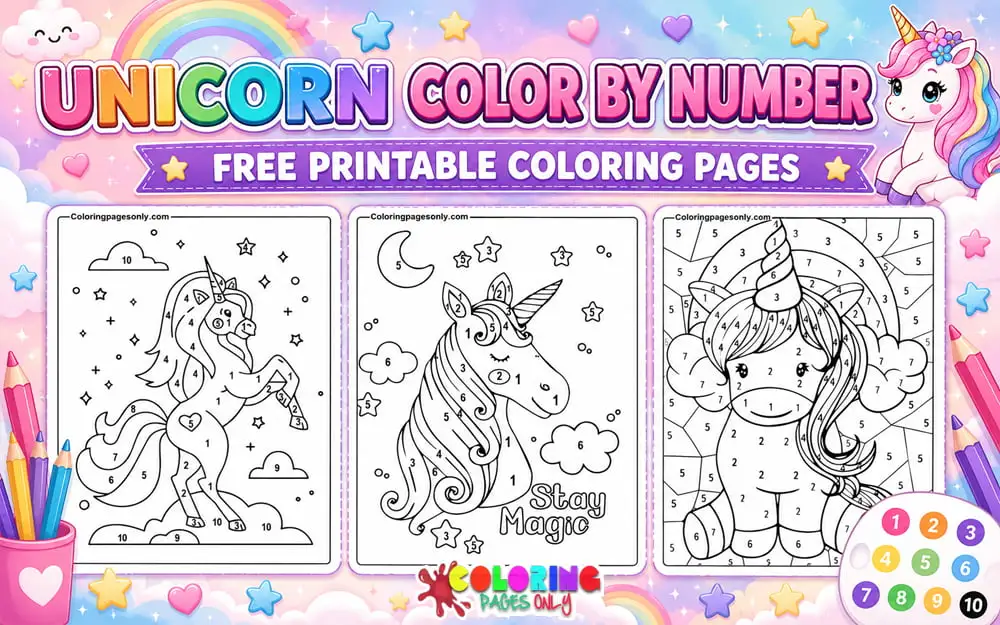
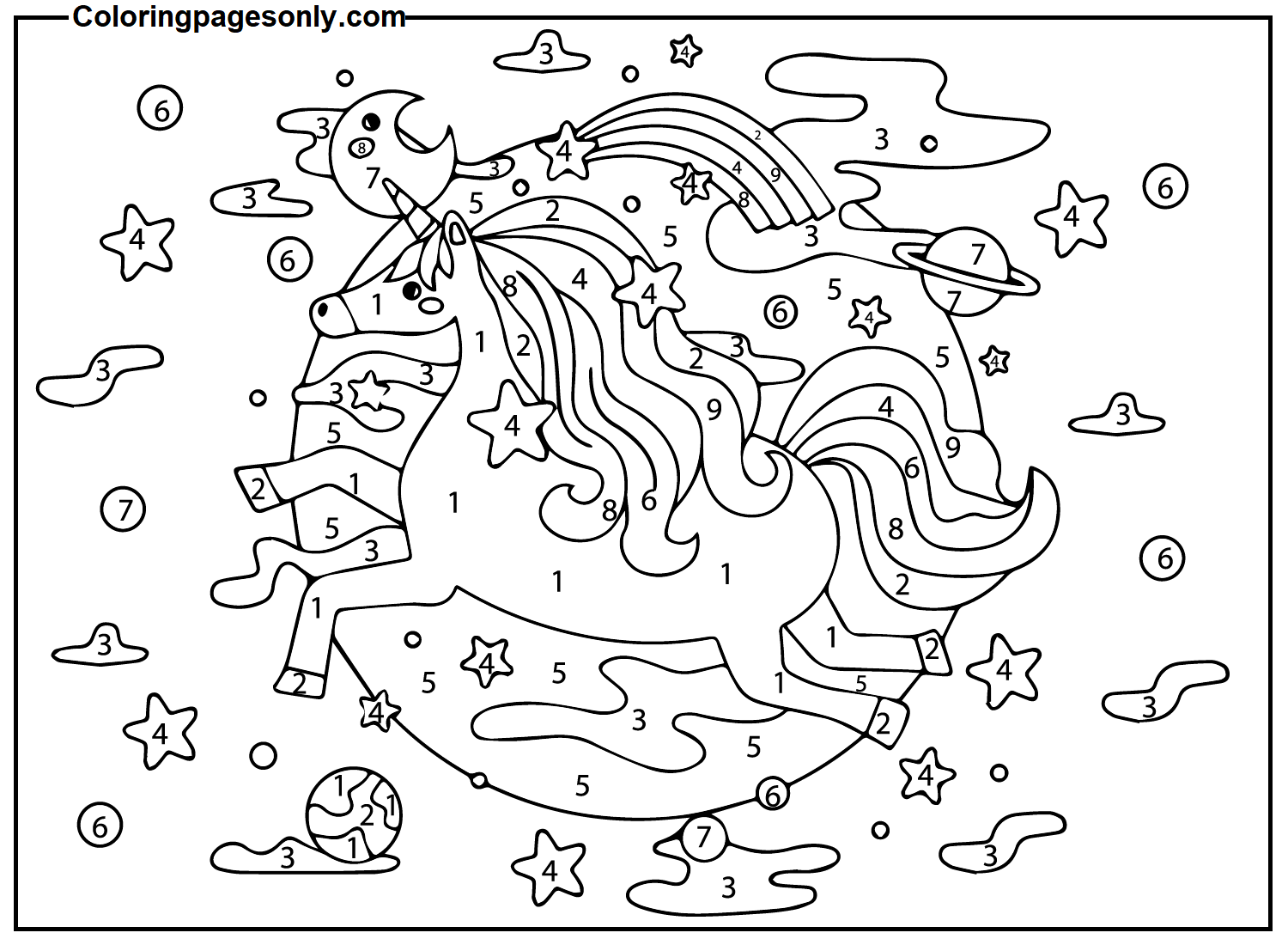
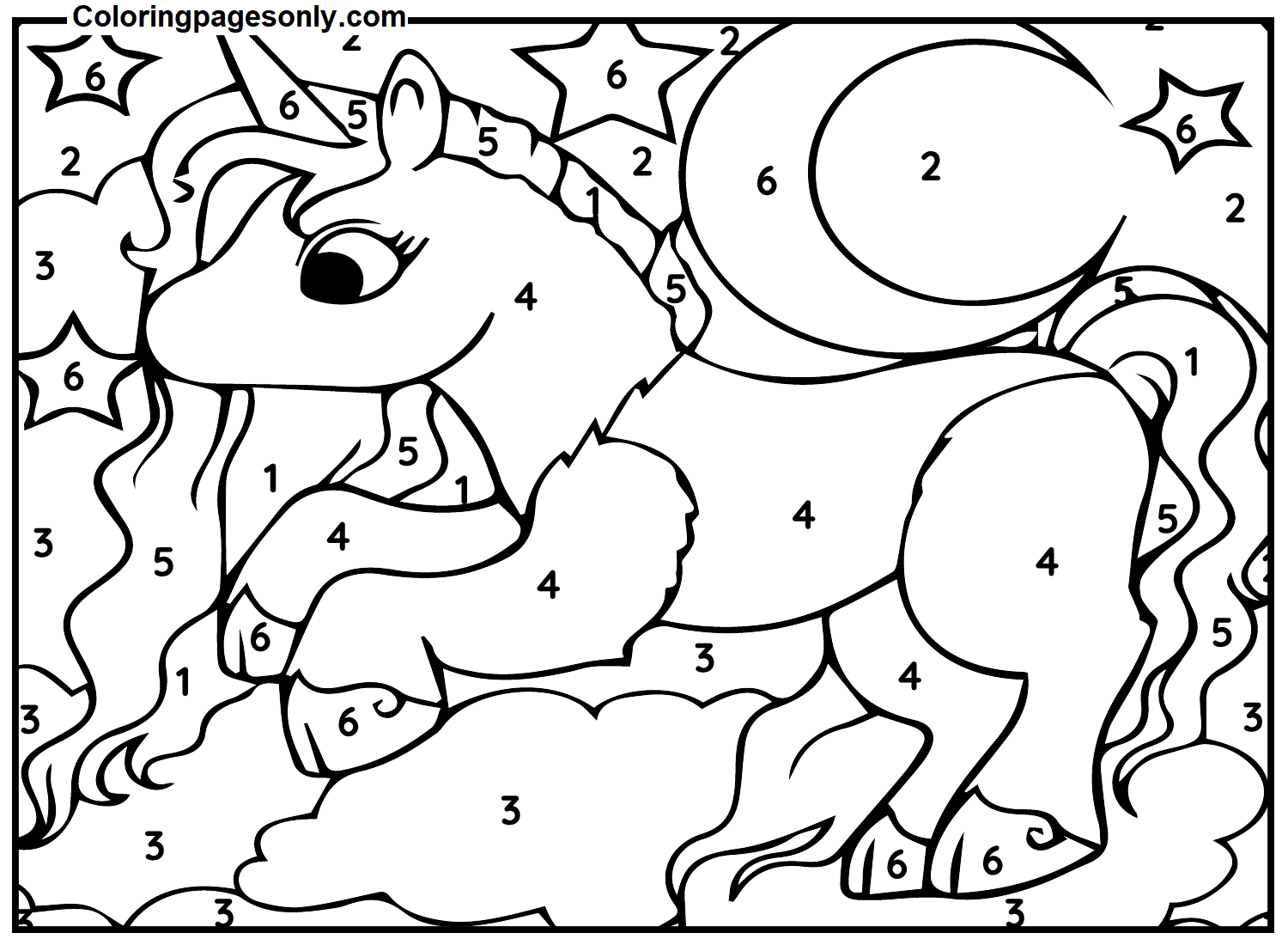
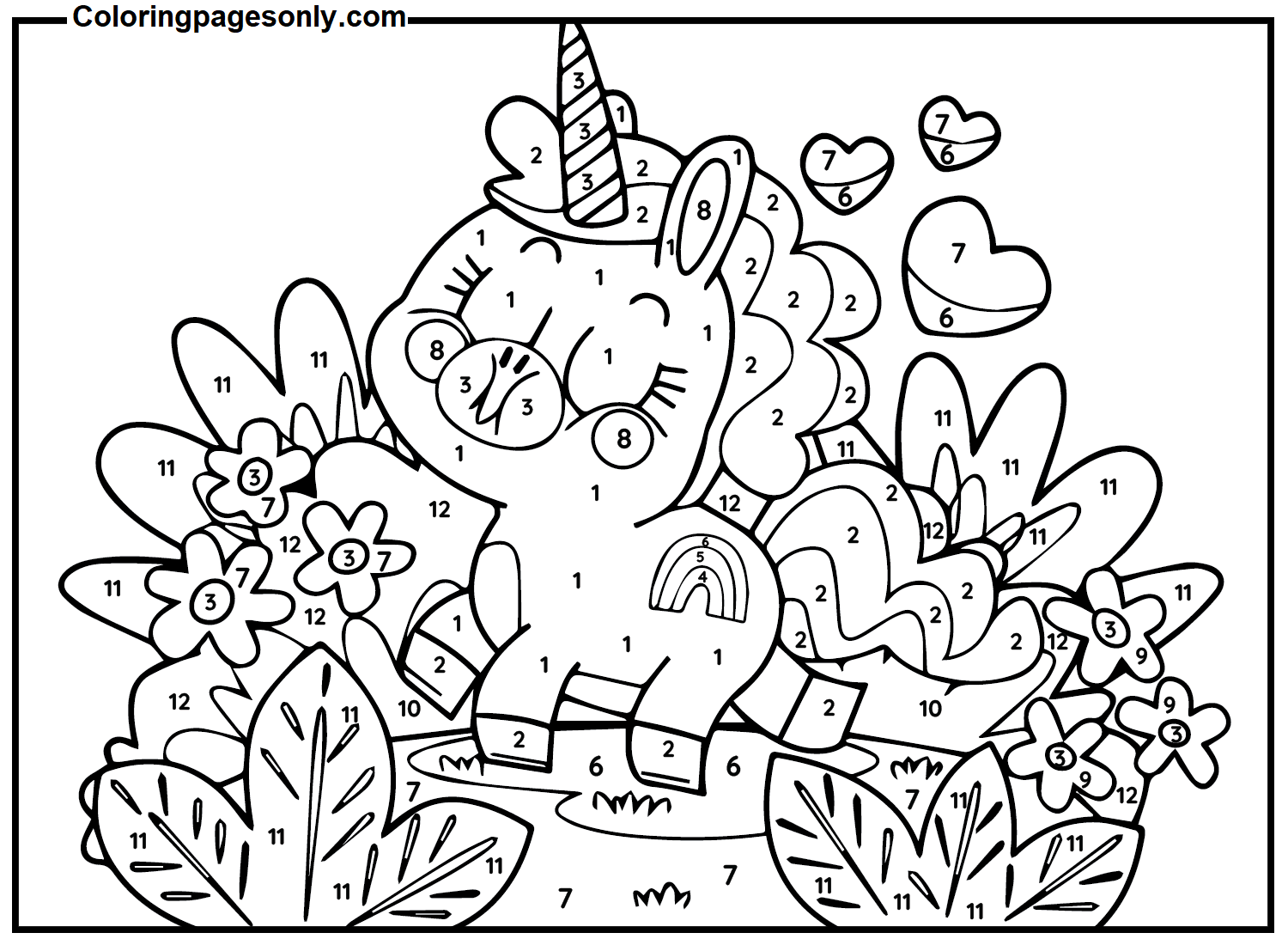
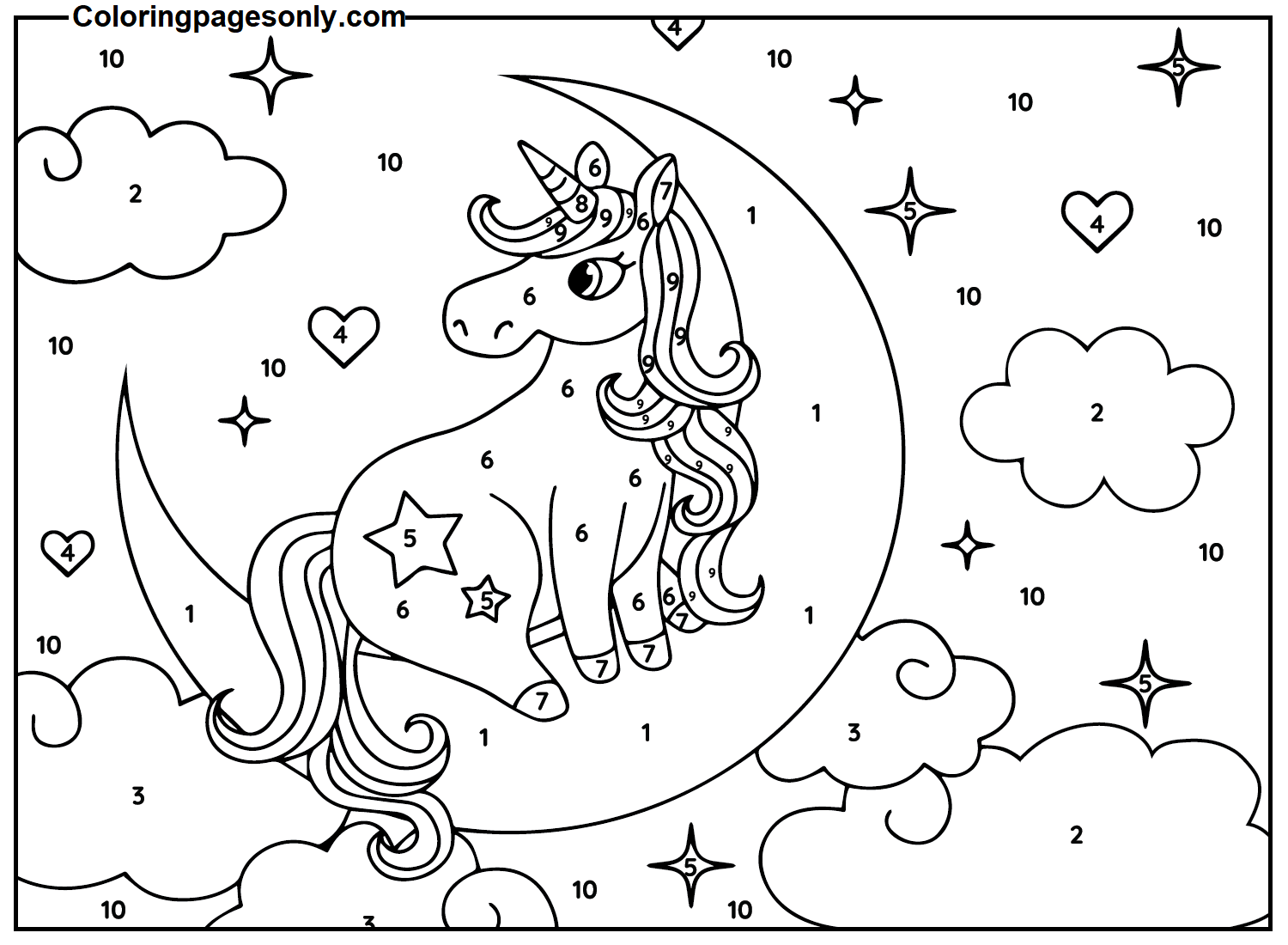
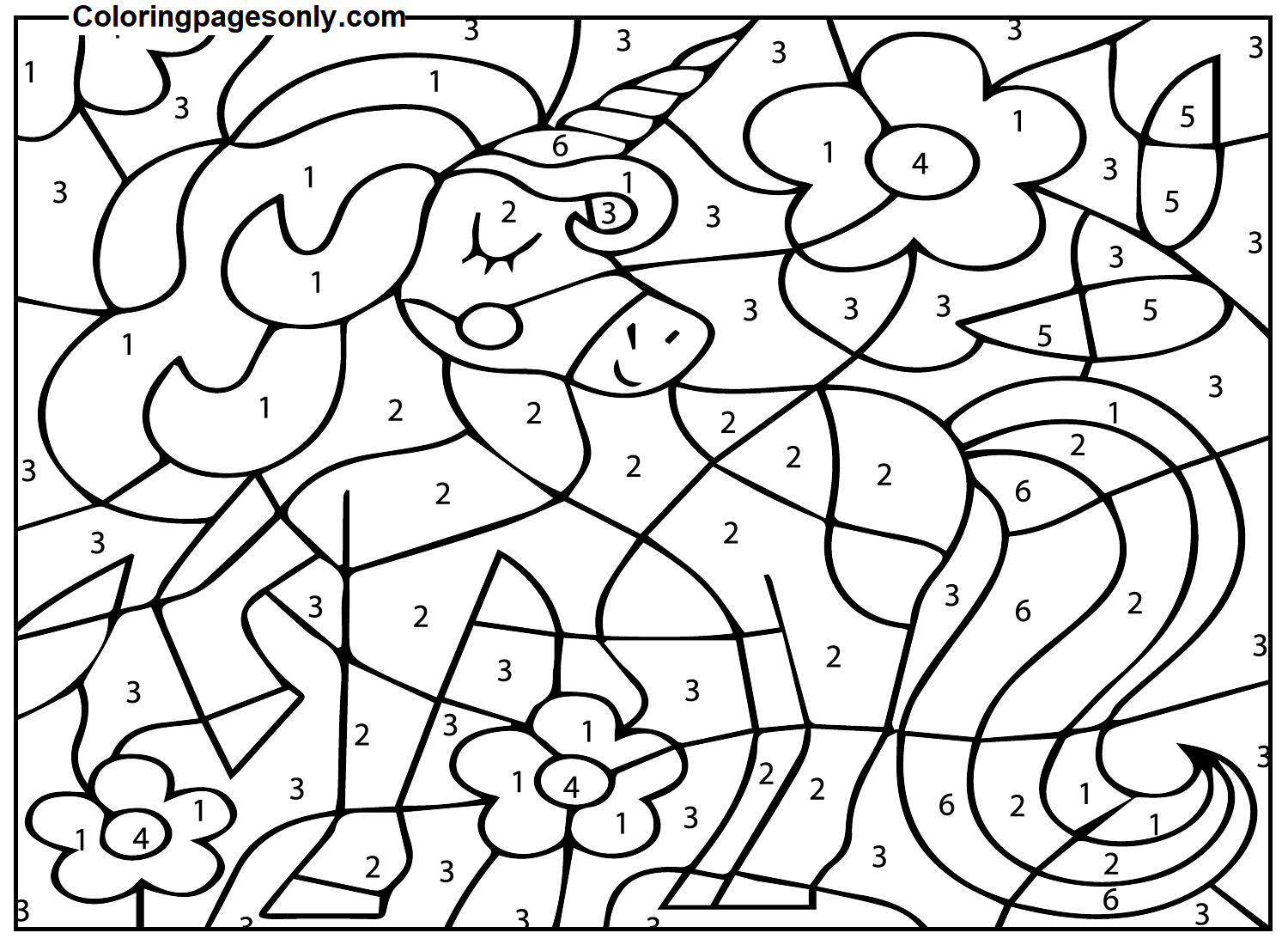
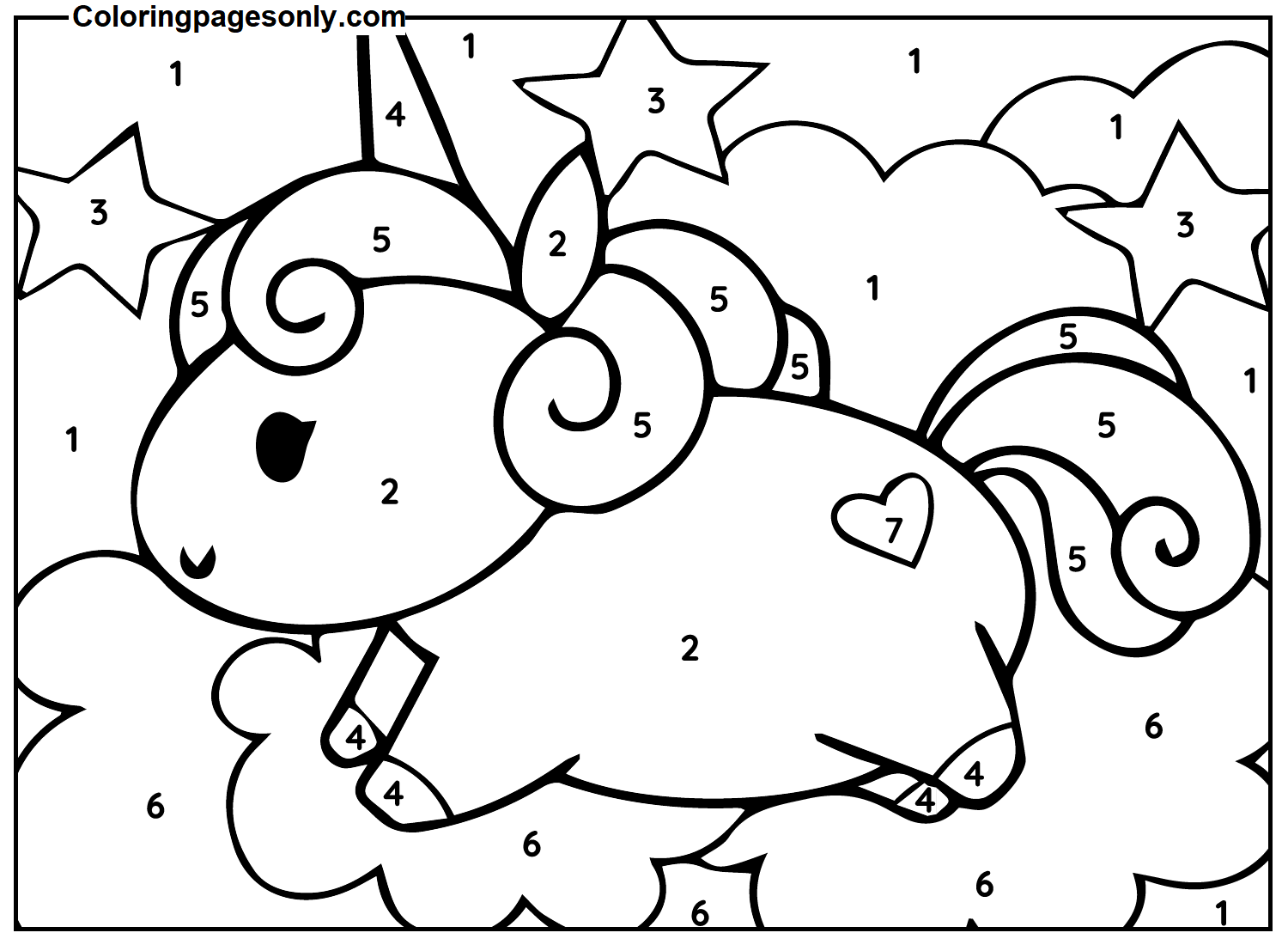
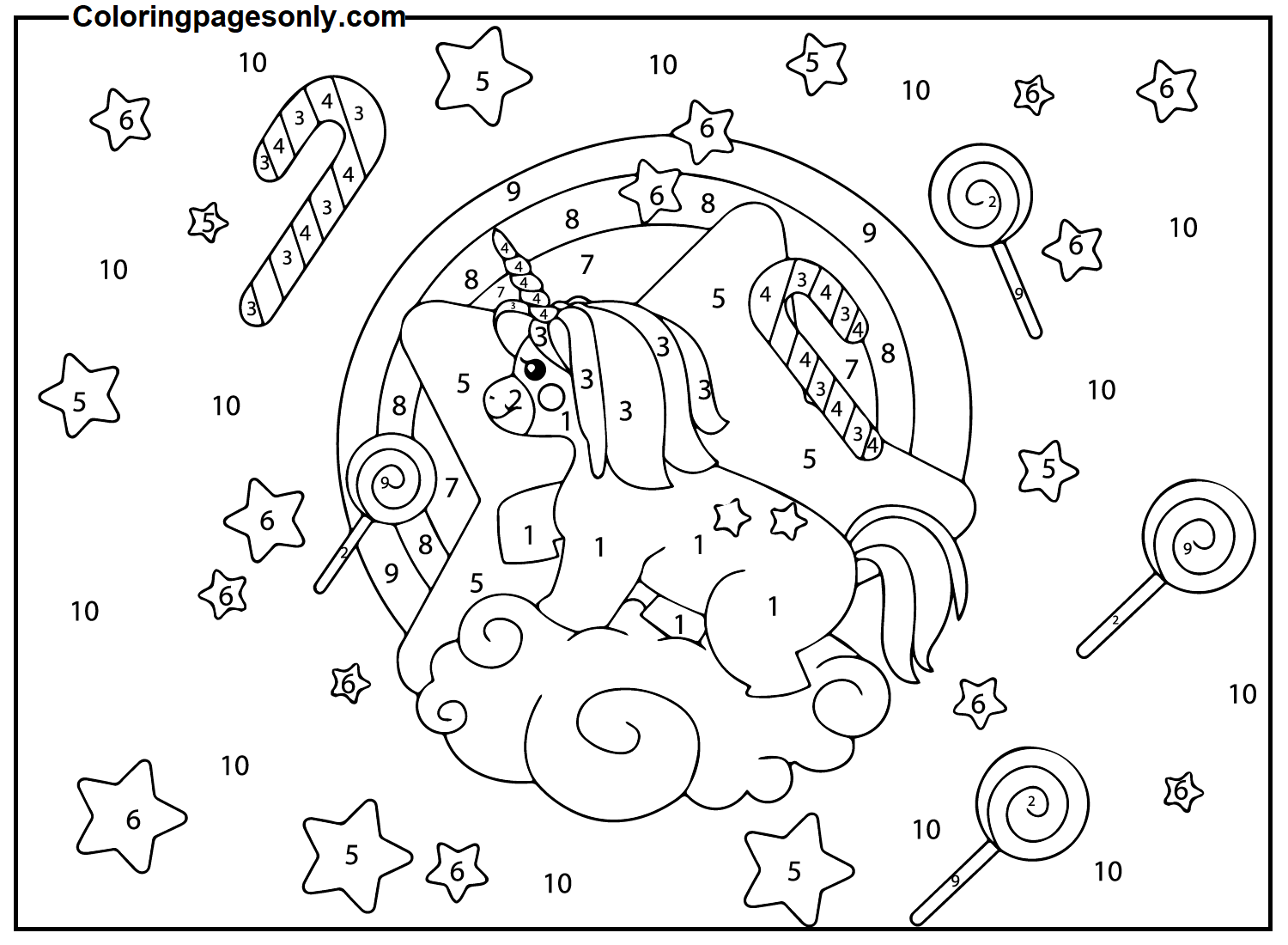
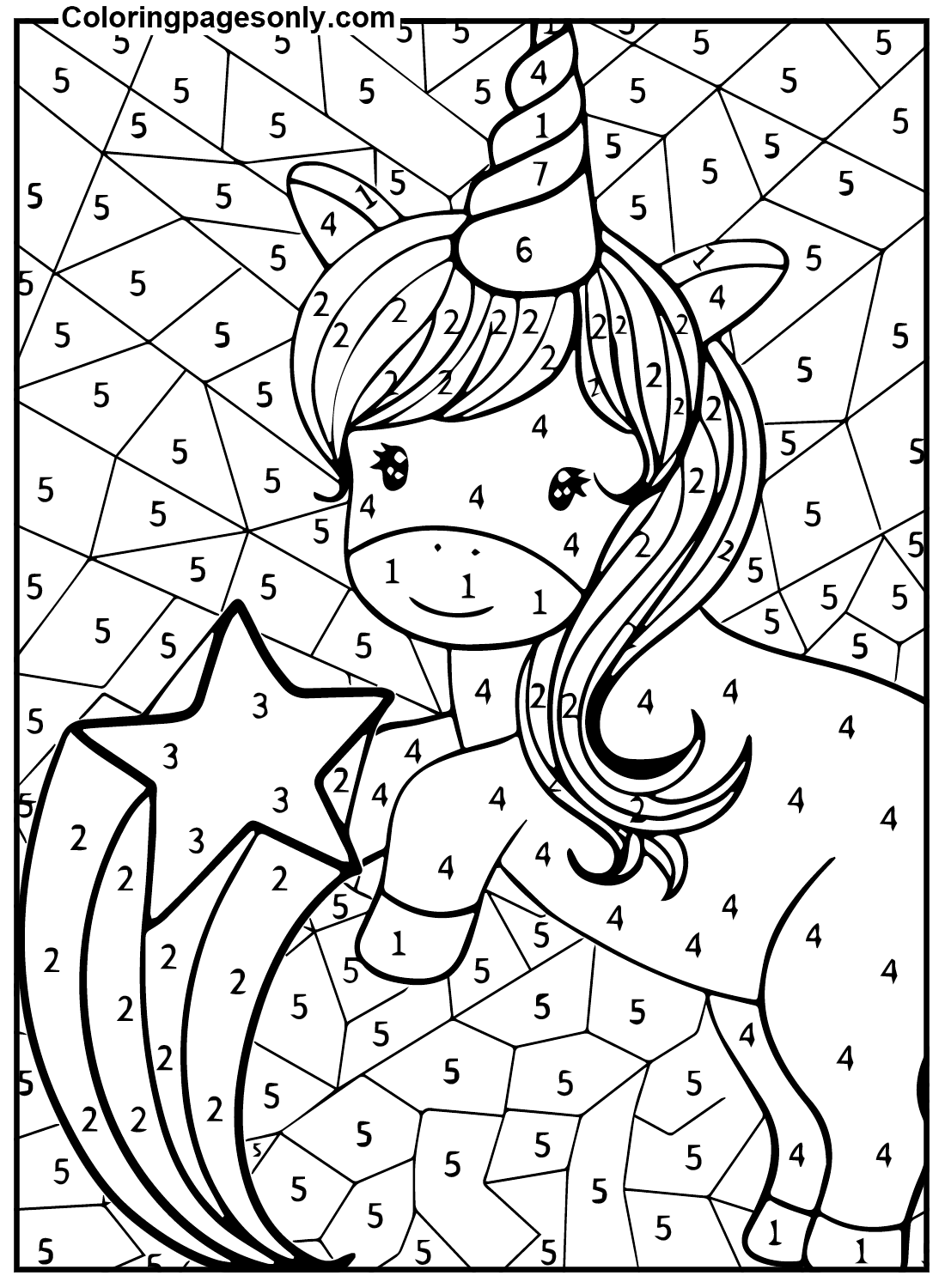
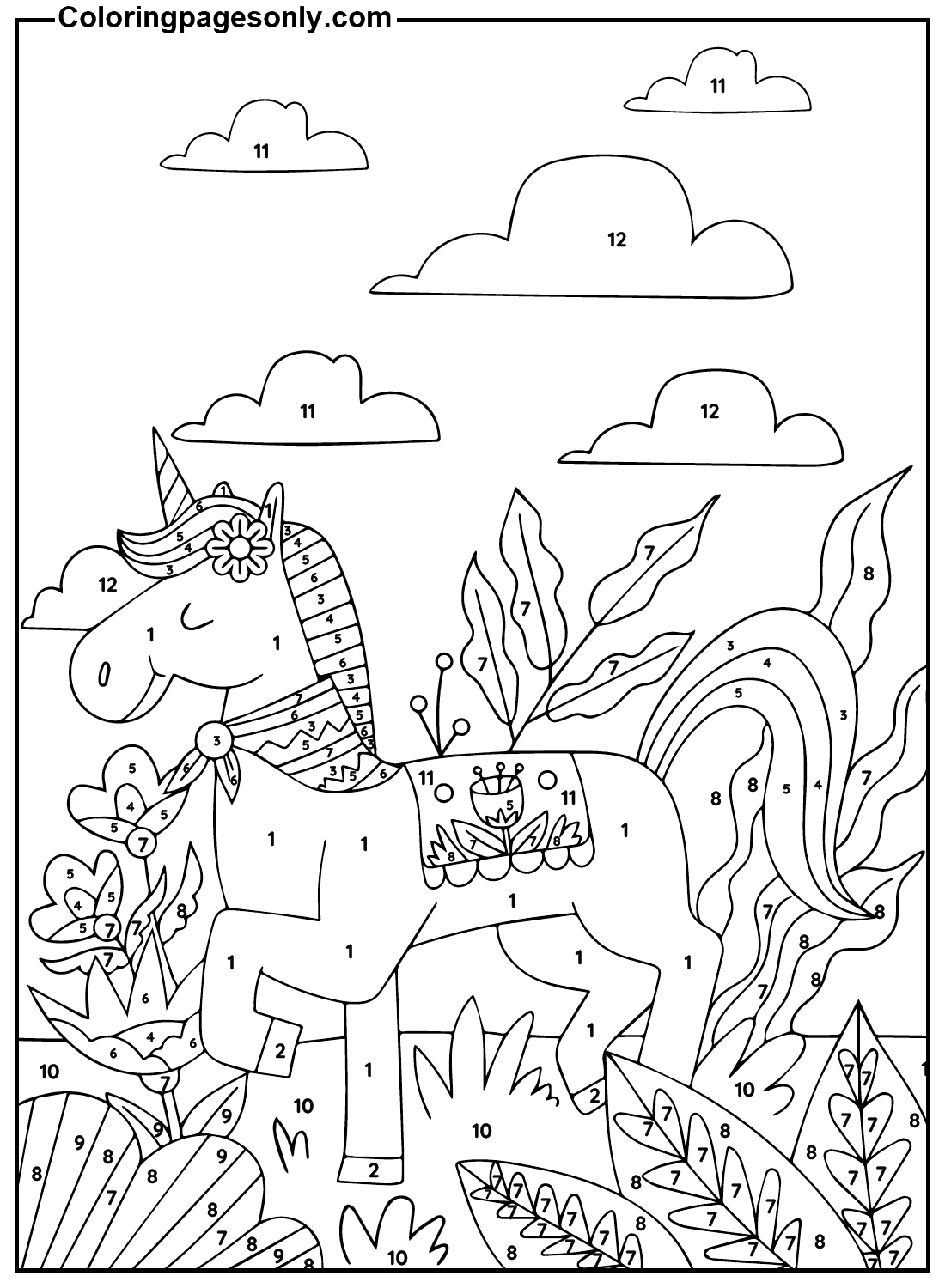
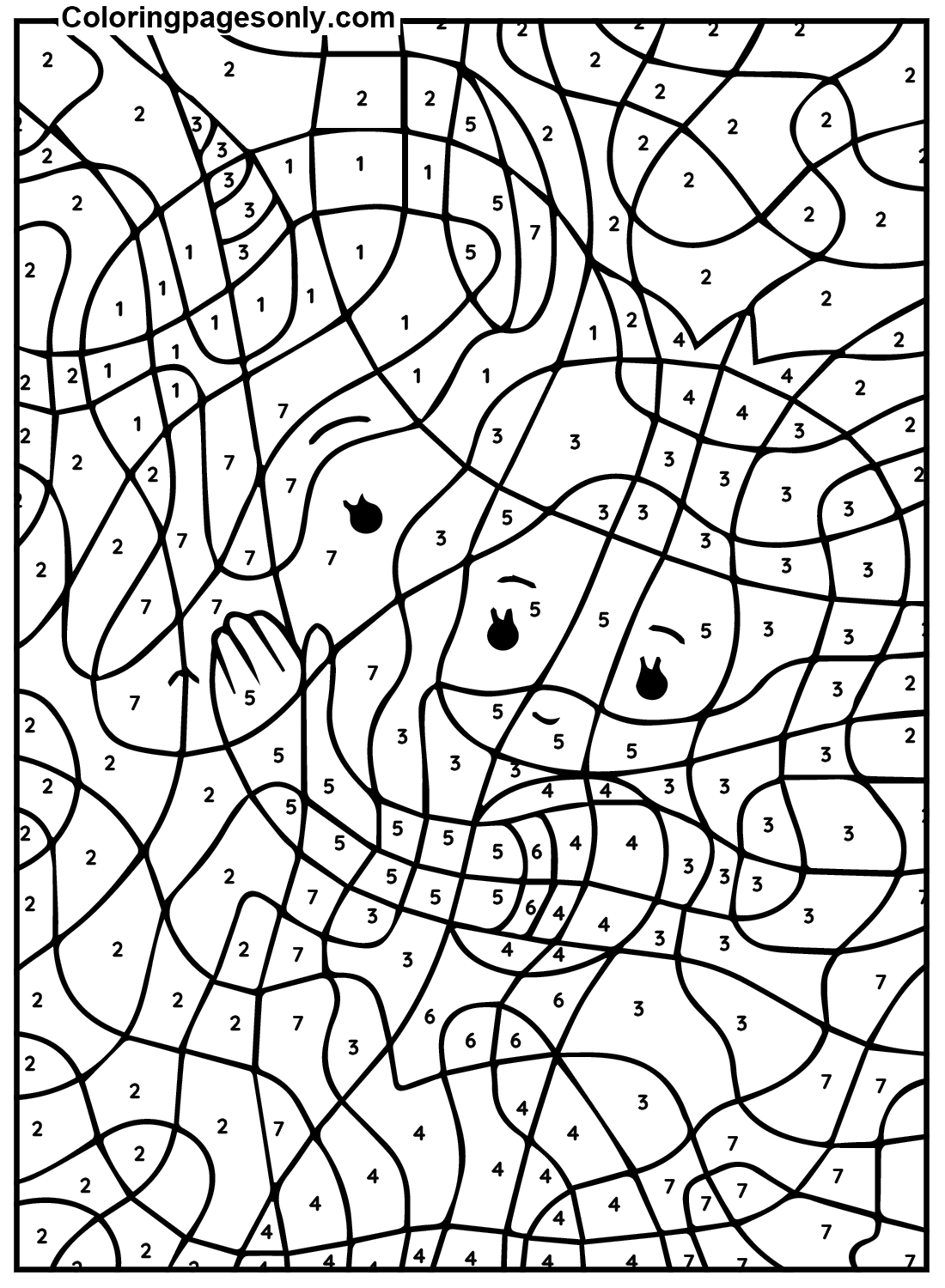
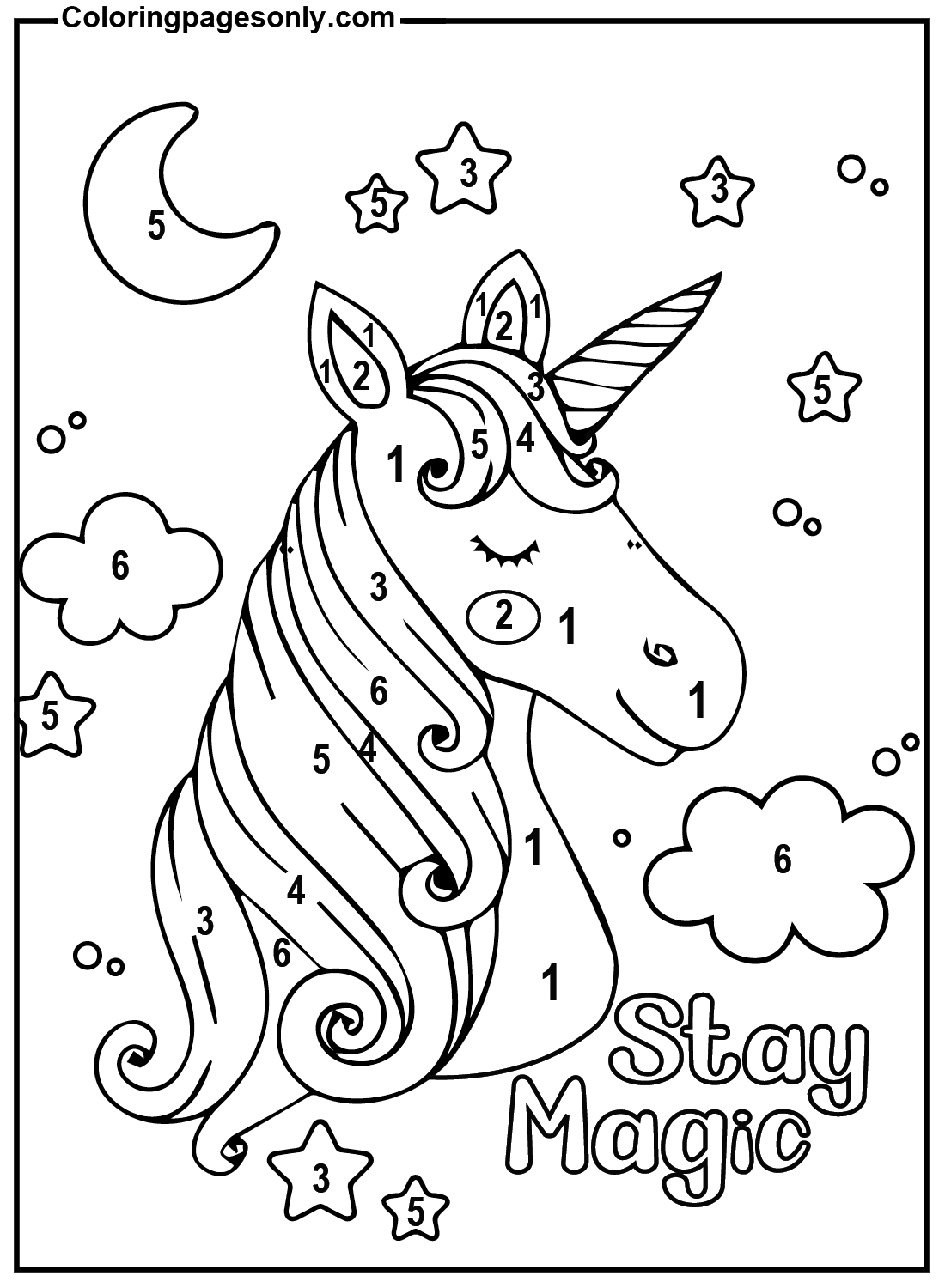
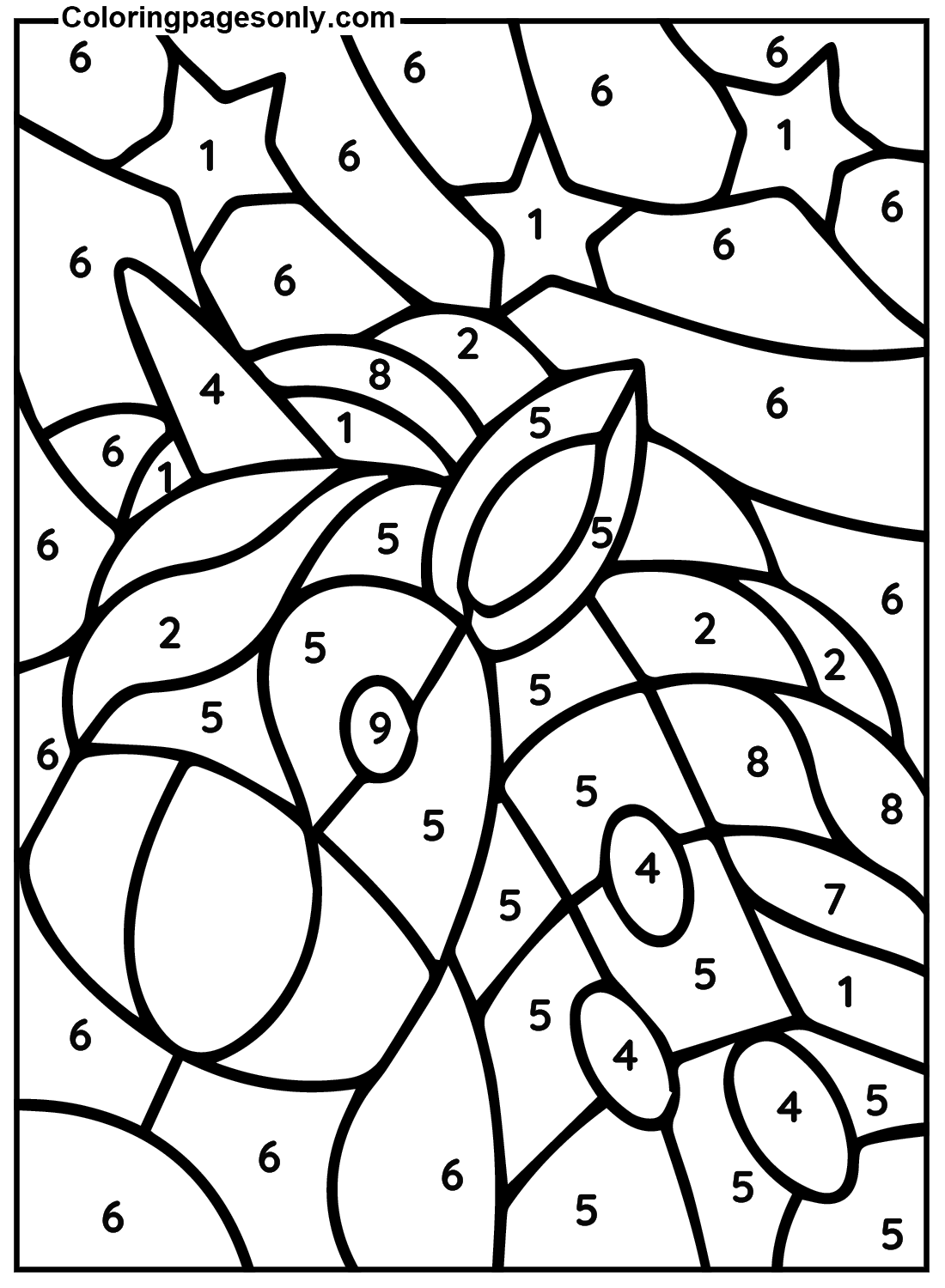
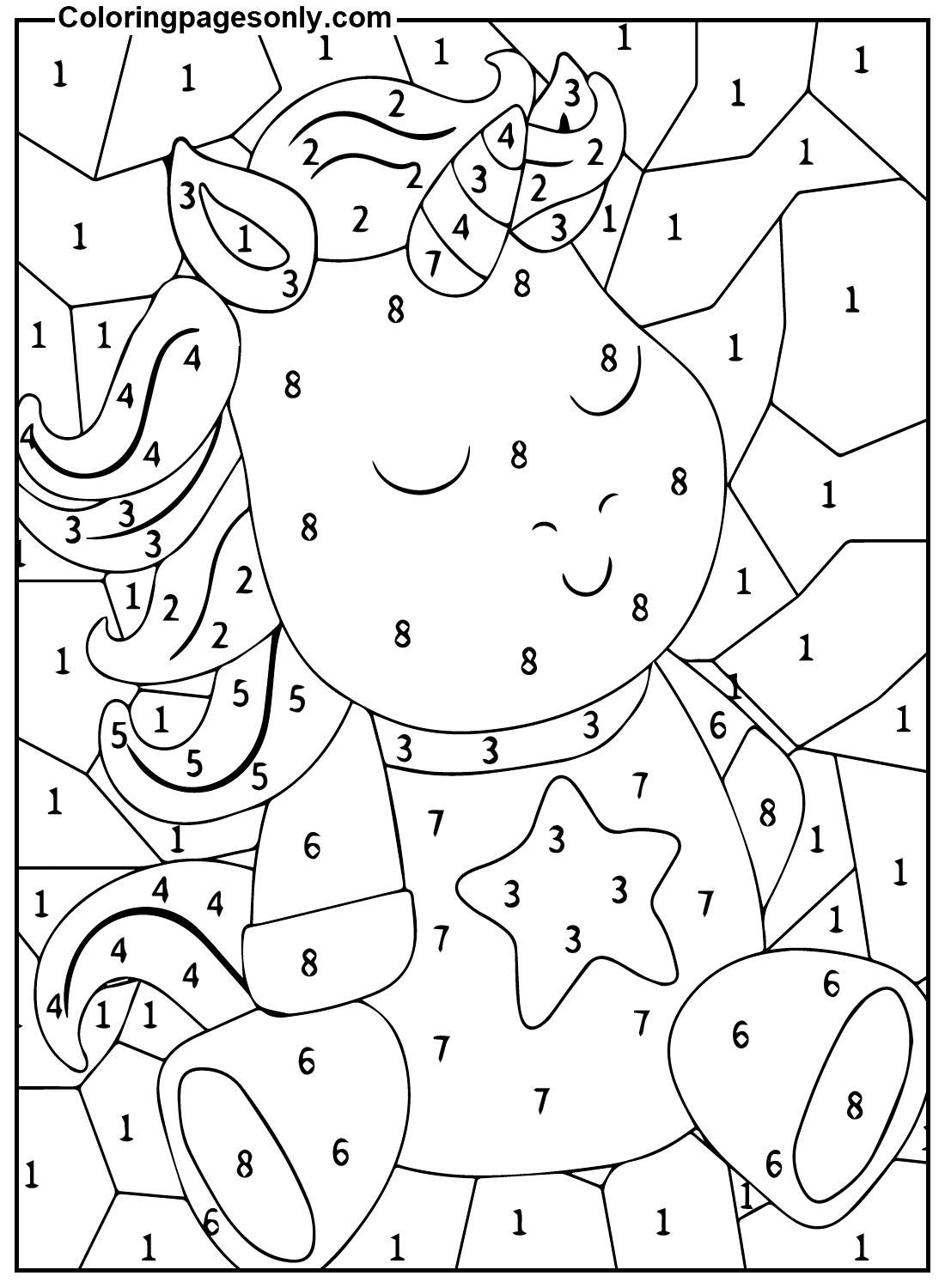
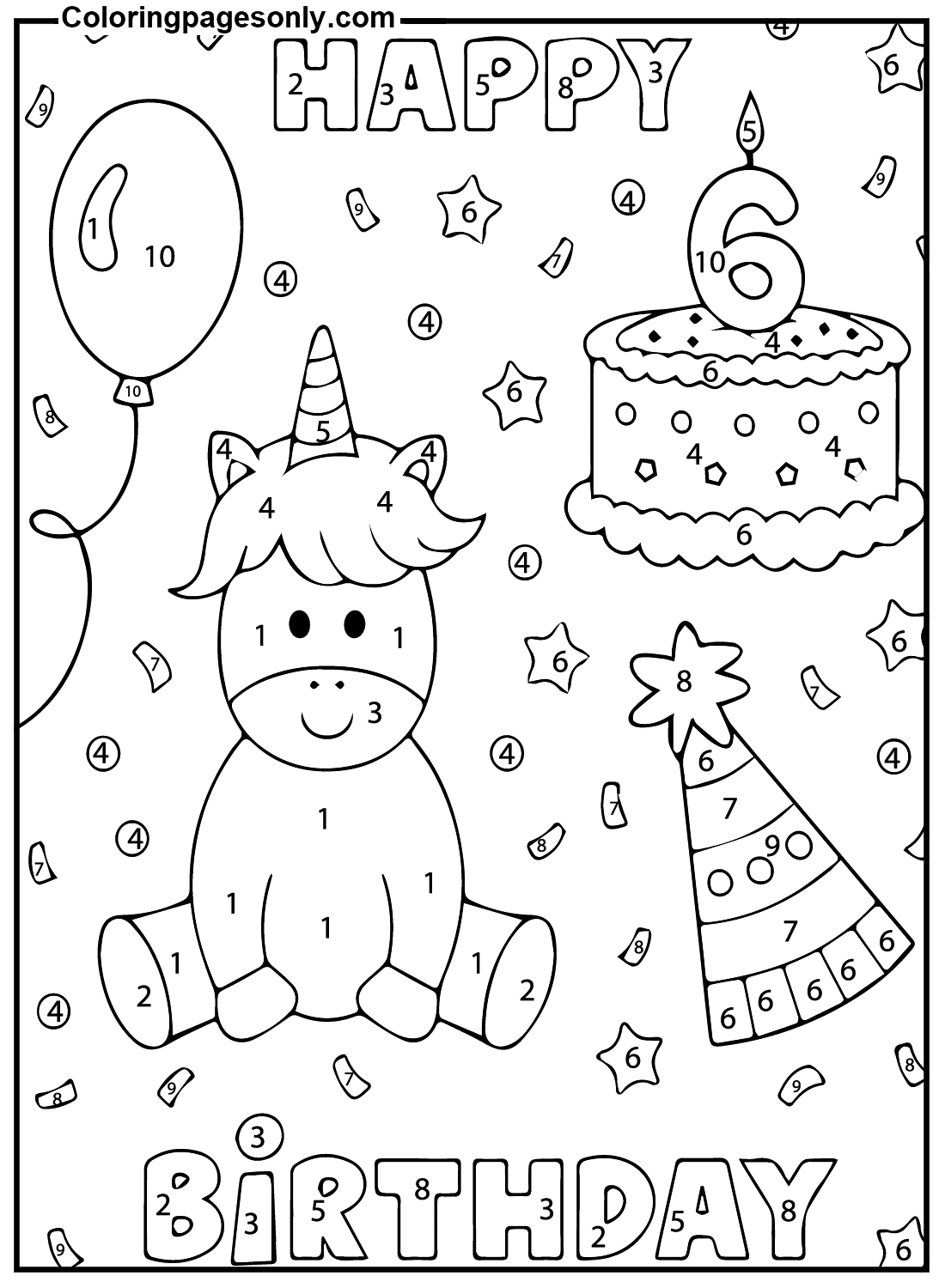
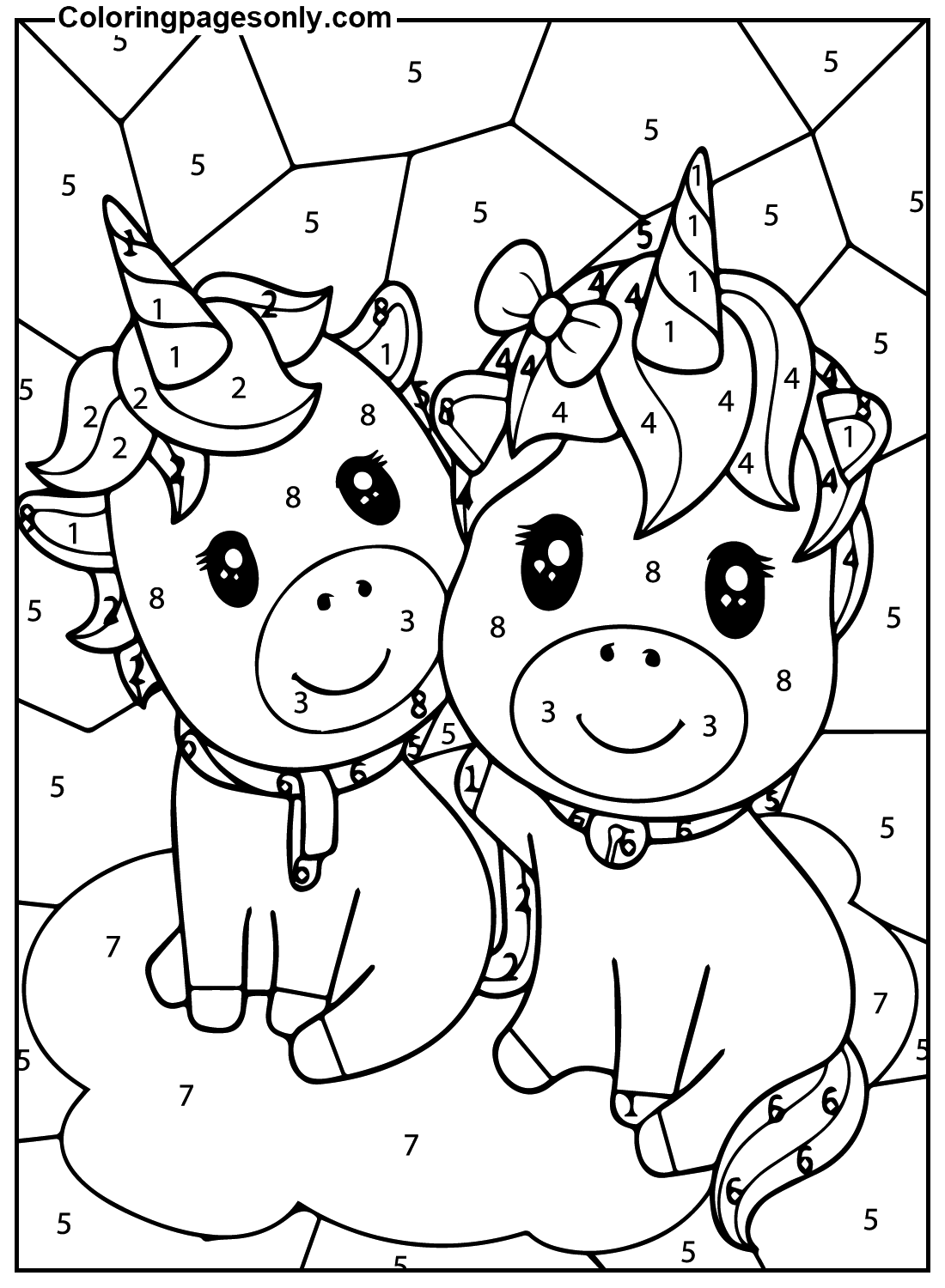
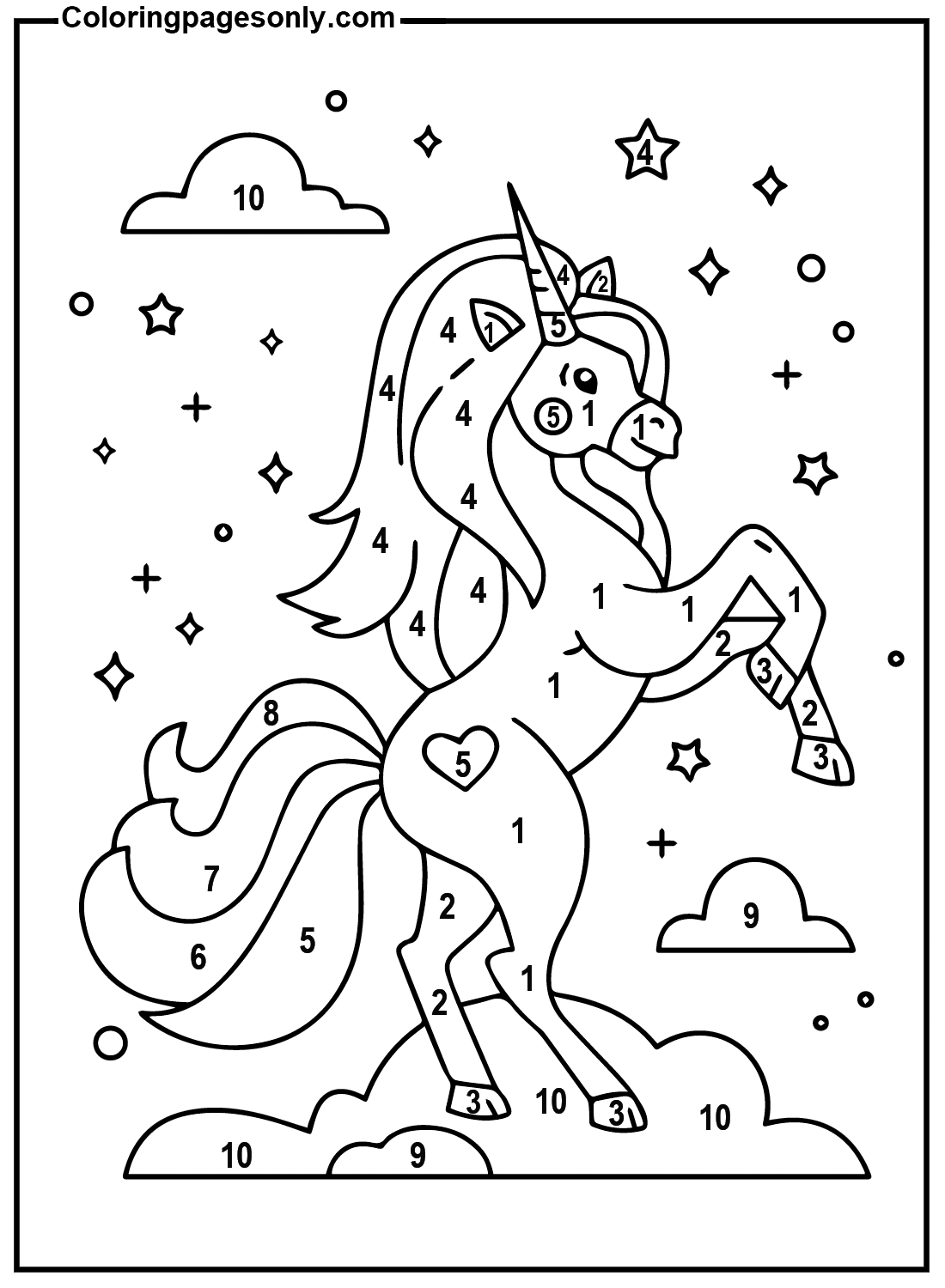
Unicorn Color by Number coloring pages: 20 free printable PDF designs that pair the unicorn’s rainbow mane and shimmering horn with the numbered, follow-the-key format, ranging from a handful of large, simple regions for beginners to detailed portraits with dozens of small numbered sections. Print any page or work through it in the browser’s online coloring tool, no account needed to start.
Color by number solves a specific problem that a blank unicorn outline doesn’t: it removes the moment of staring at an empty page, trying to decide where to start. Every section already has an answer waiting in it. All a colorist has to do is read the number, find its match in the key, and fill the shape, and a recognizable unicorn appears, a few sections at a time rather than all at once.
That built-in structure is exactly why this format works for such a wide range of people. A four-year-old still learning to match numbers to a list, a seven-year-old who wants to work through a page independently without asking “what color should this be?” every thirty seconds, and an adult looking for a screen-free, low-pressure way to unwind can all sit down with the same kind of page and get something satisfying out of it.
The one thing worth knowing before starting: unlike a regular unicorn coloring page, the palette here isn’t really a creative decision. The numbers decide it. What is a creative decision is a technique, working the page in an order that keeps colors clean and consistent, rather than jumping around section by section, which is where most of the actual skill in this format lives.
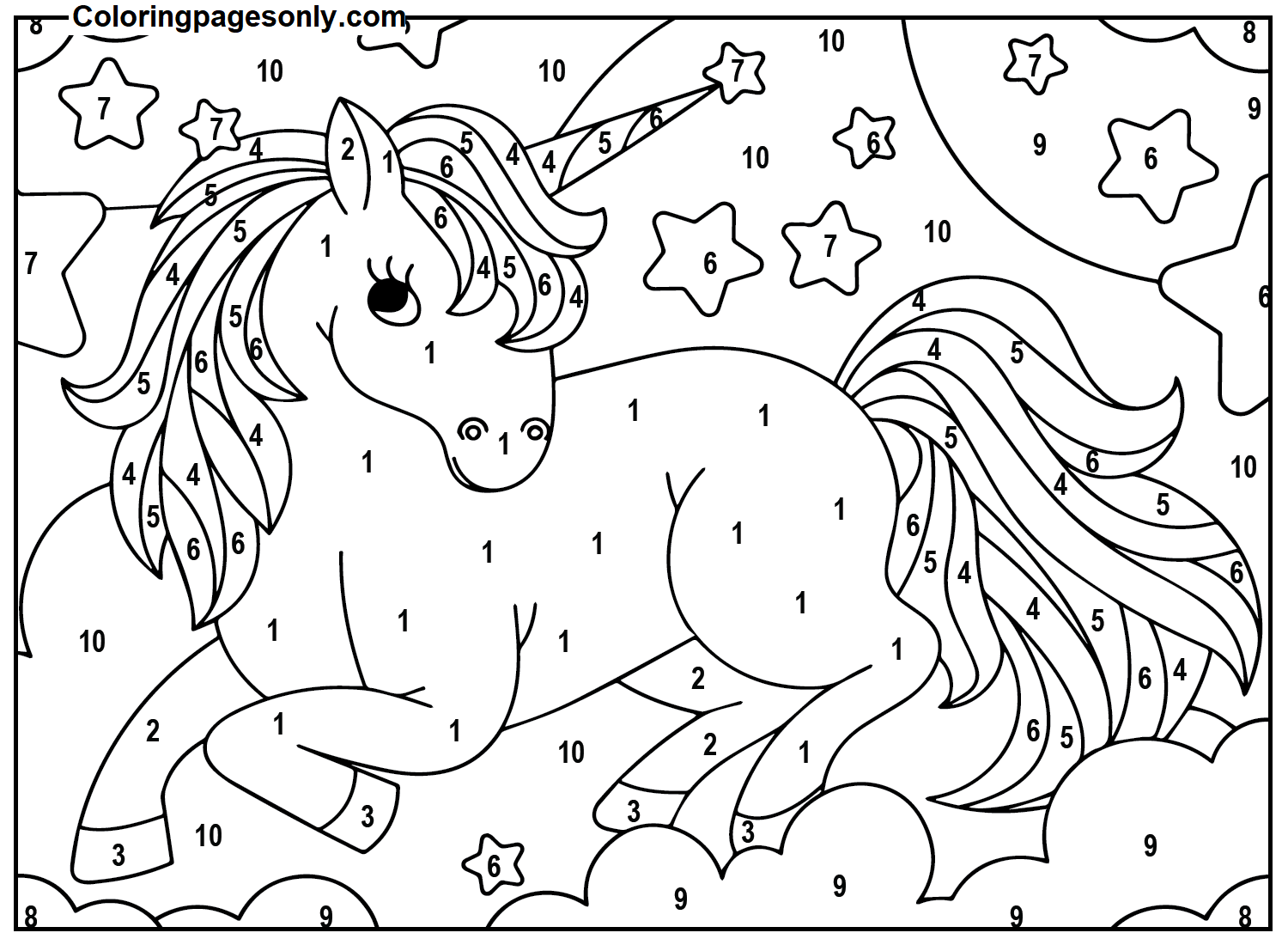
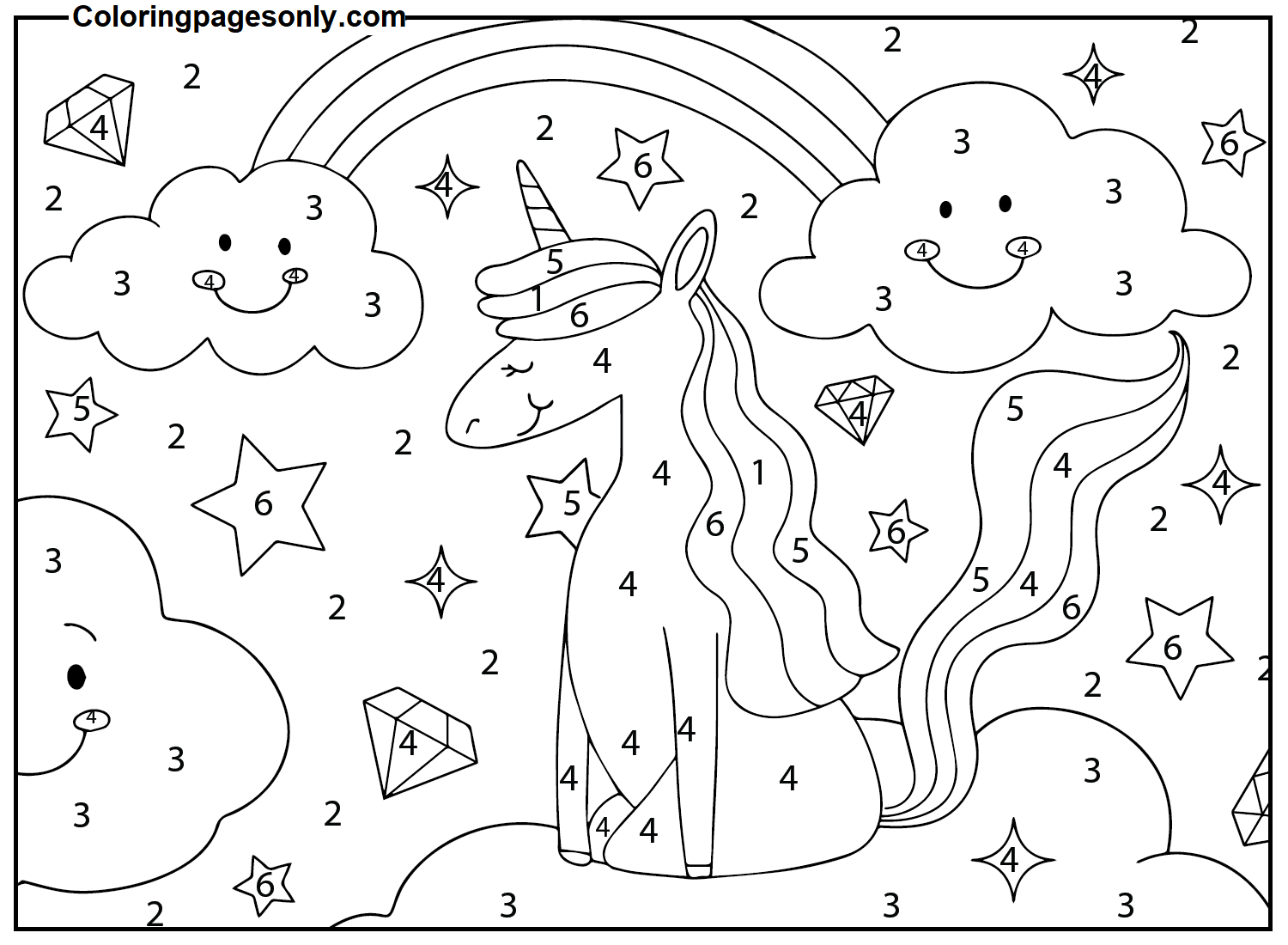
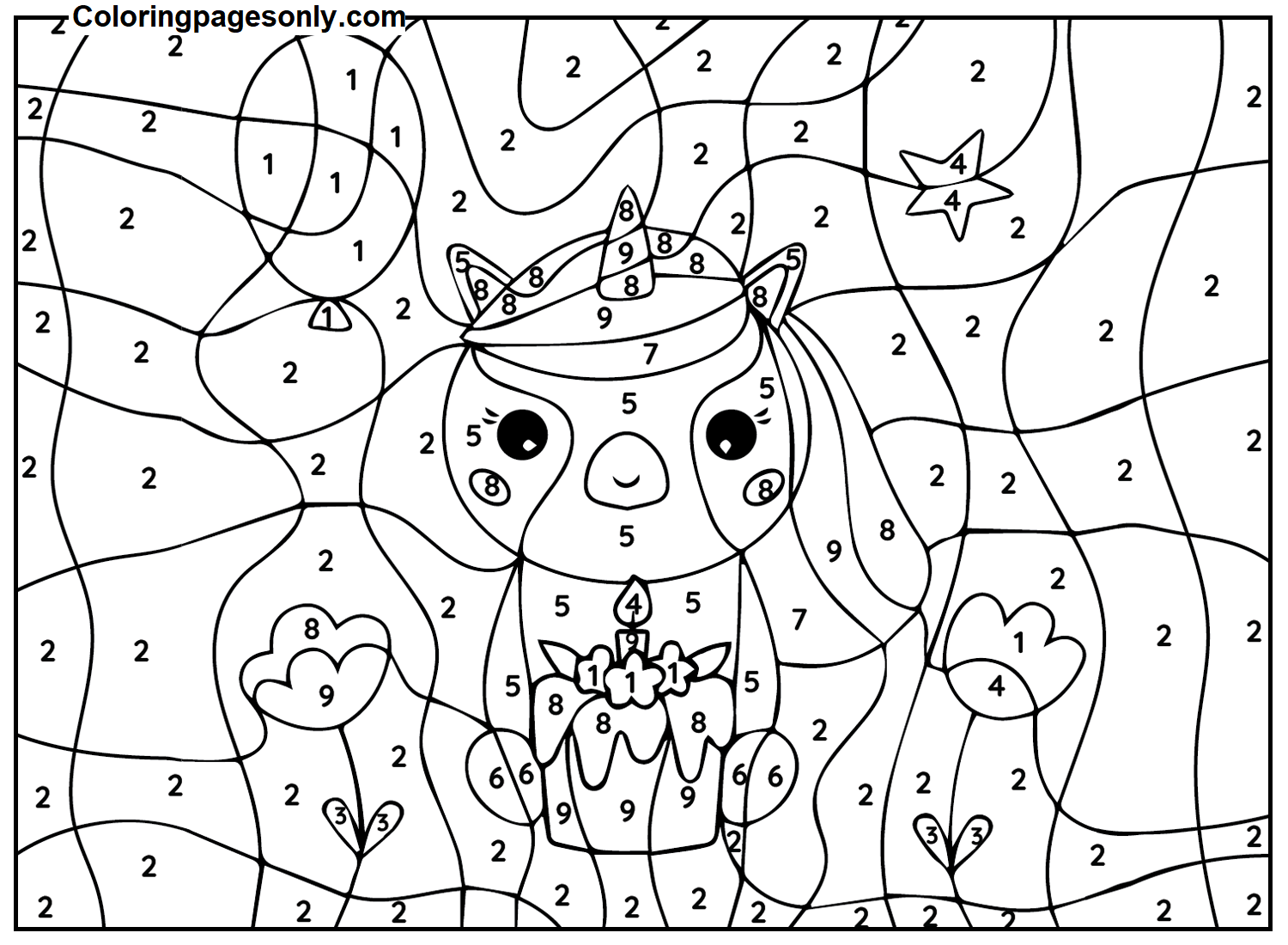
Quick Answer
Unicorn Color by Number coloring pages are a free set of 20 printable PDFs and browser-based coloring sheets that apply the numbered, follow-the-key format to unicorn designs, ranging from simple, large-region pages for young beginners to detailed portraits with many small numbered sections.
Best for: kids aged 4 and up who are comfortable matching numbers, beginners who want a coloring page with less guesswork, and adults looking for a relaxing, structured activity
Formats: printable PDF and online coloring
Popular pages: the beginner rainbow-mane unicorn, the detailed full-body portrait, and the simple sitting foal design
Creative uses: a speed-coloring challenge, a custom color-key swap for kids who want more freedom, and a finished page framed as real wall art
What’s Inside Unicorn Color by Number Coloring Pages
The set is organized by difficulty and by which part of the unicorn gets the most numbered detail, since that’s what actually changes from page to page in this format.
Beginner Pages with Large Regions
These designs use a small handful of numbers, usually under ten, spread across large, easy-to-fill shapes, built for a first attempt at the format or a child still building confidence matching numbers to a key.
Coloring the beginner pages: since the regions are large, a chunky crayon or wide marker works fine here and actually helps a young colorist stay inside the lines without much strain. There’s very little room for a wrong guess with this few numbers involved, which makes these pages a good low-stress entry point before moving to anything more detailed.
Detailed Full-Body Portraits
These pages break the unicorn down into dozens of small numbered sections, covering individual strands of mane, shading on the muzzle, and separate panels on the body, tail, and legs.
Coloring the detailed portraits: a fine-tip marker or sharpened colored pencil earns its keep here, since several numbers often sit close enough together that a thick marker tip will bleed across the boundary. Working one number at a time across the whole page, rather than finishing one area before moving to the next, keeps the shade consistent and is genuinely faster once there are more than a dozen colors involved.
Rainbow Mane and Tail Designs
The mane and tail get the most detailed treatment on nearly every page in this set, broken into individual color bands that build the unicorn’s signature rainbow effect one strand at a time.
Coloring the rainbow sections: keeping the color order consistent, red through purple in the same sequence the key suggests, is what makes the finished mane read as a clean rainbow rather than a scattered mix. It’s worth double-checking the key against the actual numbers in the mane before starting this section, specifically, since it usually has more small regions packed together than anywhere else on the page.
Baby and Simple Cartoon Unicorns
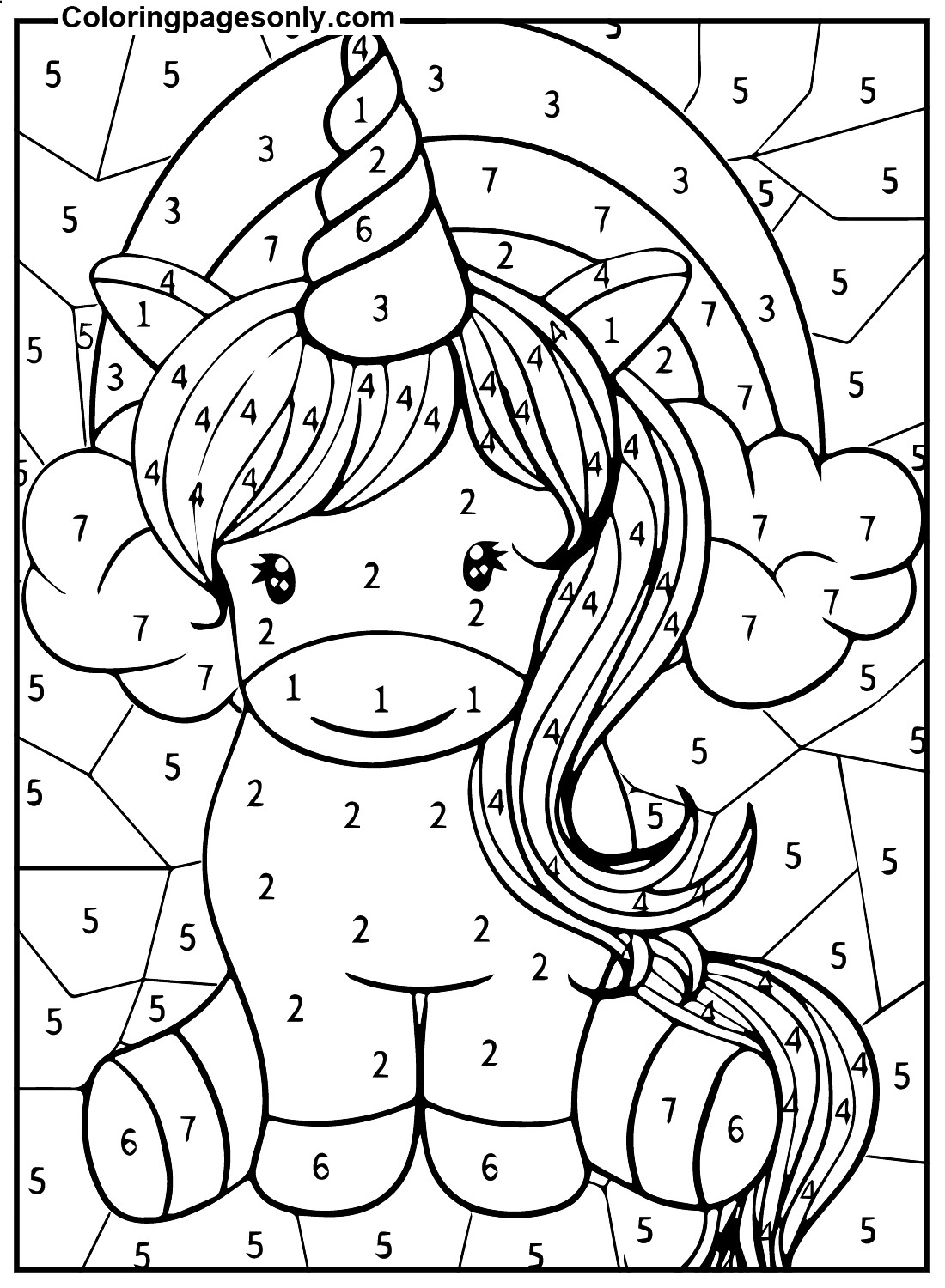
A smaller cluster of pages shows a rounder, younger-looking unicorn with a simplified mane and fewer numbered sections than the full portraits.
Coloring baby unicorn pages: these sit in between the beginner and detailed categories, with more numbers than the simplest pages, but still large enough regions that a standard marker or crayon works without much precision required.
Seasonal and Themed Unicorn Designs
A small holiday-adjacent cluster adds a Christmas hat, a heart-covered mane for Valentine’s, or a starry night background, without changing the core numbered-region format underneath.
Coloring seasonal designs: the added seasonal element usually gets its own separate number, so it colors exactly like the rest of the page, no special technique needed beyond following the key one more region further.
Print at Home or Color Right Here
Every design downloads as a full-resolution PDF for printing, or opens directly in the site’s online coloring tool for anyone working from a screen, and neither route requires setting up an account first.
What These Pages Do
There’s a real, very American business story behind why color-by-number exists as a format at all, long before any unicorn was involved in it. In 1950, a commercial artist named Dan Robbins was working for Max Klein, the owner of a small paint company in Detroit, and pitched an idea inspired by something he’d once heard about Leonardo da Vinci, that the Renaissance master used to number sections of unfinished work so his apprentices would know exactly which color went where. Klein wasn’t sold on it right away, but the kits eventually launched under the slogan “every man a Rembrandt,” and the company sold more than twelve million of them within a few years. That’s the entire idea this format was built on: handing anyone, regardless of art skill, a way to end up with something that looks finished.
The specific mechanics of this format also do real, practical work for a young colorist that an open coloring page doesn’t. The American Academy of Pediatrics points to coloring as a genuine step in building fine motor skills, and color-by-number layers something extra on top of that: reading a small number, matching it against a key, and staying inside a boundary that’s often smaller than the shapes on a typical coloring page. That extra step of checking and matching is real number-recognition practice, riding along on top of the usual hand-control benefits.
There’s also something worth noticing in how a color-by-number page behaves differently from a regular one while it’s still in progress. For a good stretch of the activity, the picture genuinely doesn’t look like anything yet, just a field of numbered shapes, and the unicorn only becomes visible gradually as more sections fill in. Art therapy practitioners have pointed out that sitting with something unfinished and not yet recognizable, and trusting that it will come together, is a small, low-stakes way for a child to practice patience with a process that isn’t done yet, which is a genuinely useful feeling to get comfortable with well beyond a coloring page.
That’s really the promise this format has been making since that very first kit sold in 1950: no particular art skill is required to end up with a picture worth being proud of, just a willingness to follow the numbers one section at a time. A unicorn colored this way looks finished and confident, even on a first attempt, which was the entire point from the start.
How to Color Unicorn Color by Number Pages
Work one number at a time across the whole page. Finding every region marked “3” and coloring them all before moving to “4” keeps the shade consistent from one end of the page to the other, and it’s noticeably faster than coloring shape by shape in whatever order they happen to sit on the page.
Read the key before touching a crayon. A quick pass to see how many numbers are involved and what each one stands for prevents the single most common mistake in this format: misreading a 3 as an 8, or a 6 as a 9, halfway through a section.
Match your tool to the region size. Wide markers and thick crayons work well on the large beginner regions but tend to bleed across boundaries on the smaller, detail-heavy sections, where a fine-tip pen or a sharpened pencil holds the line far better.
Keep the rainbow sequence in order. On mane and tail sections, especially, following the color order the key lays out, rather than picking favorites out of sequence, is what makes the finished rainbow effect actually read as a rainbow.
5 Creative Ideas with Unicorn Color by Number Coloring Pages
Speed Coloring Challenge
Time how long it takes to finish a beginner-level page working number by number, then try a second page and see if the time improves once the number-key routine feels familiar.
This turns a routine coloring session into a small, low-stakes game, and it’s a genuinely good way to show a child how much faster the process gets once the pattern clicks. Takes about ten to fifteen minutes per attempt.
Custom Color Key Swap
Take a simple beginner page, cover the printed key with a blank sticky note, and write a brand-new key with different colors for each number before starting.
This keeps the structure of the format while handing back the one part it normally removes, the actual color choice, which is a nice option for a kid who likes the numbered guide but still wants some creative say. Takes about twenty minutes total.
Rainbow Gradient Practice
Photocopy or reprint just the main section of a page a few times, and try a slightly different color order or blending technique on each copy to see which one produces the smoothest-looking rainbow.
Isolating one small, detail-heavy section turns it into a quick, repeatable practice drill instead of a one-shot attempt buried inside a much bigger page. Takes about fifteen minutes per copy.
Two-Person Relay Page
Two colorists take turns on the same page, one person handling all the odd numbers and the other handling all the even numbers, passing the page back and forth section by section.
Splitting the numbers rather than splitting the page by area keeps both people working across the whole design together, instead of each finishing their own separate half. Takes about twenty minutes for two people.
Framed Finished Piece
Once a detailed portrait page is complete, trim it to a clean edge and set it inside an inexpensive frame instead of filing it away with other finished pages.
Color by number was originally sold on the promise that anyone could produce something worth hanging on a wall, and a finished unicorn portrait genuinely holds up to that same idea. Takes about five minutes to frame, once the coloring itself is done.
FAQ About Unicorn Color by Number Coloring Pages
Do I need an account to use this Unicorn Color by Number set, and is it really free?
No account and no cost at any point. Every page here can be downloaded as a PDF or colored directly in the browser without signing up for anything.
What exactly is color by number?
It’s a coloring format where an outlined image is divided into numbered sections, each number tied to a specific color in a key printed on the page. Instead of choosing colors freely, the colorist matches each number to its assigned color, and the full image gradually appears as more sections get filled in.
Who actually invented color by number?
A commercial artist named Dan Robbins came up with the concept in 1950 while working for Max Klein at the Palmer Paint Company in Detroit, reportedly inspired by a story about Leonardo da Vinci numbering sections of unfinished work for his students. The kits were marketed on the promise that literally anyone could paint like a master artist, and the pitch worked: more than twelve million kits sold within a few years of launch.
What age is this format actually best for?
Roughly five and up tends to be the sweet spot, since the format leans on a child being reasonably confident in matching written numbers to a list, a skill many kids are still developing at three or four. Younger children can still enjoy a simplified, low-number version with an adult reading the key aloud.
Does color by number teach anything besides coloring?
Yes. Beyond the usual fine motor practice that any coloring activity builds, it specifically reinforces number recognition and the skill of matching a symbol to information in a key, which is a small, early version of the same skill used later for reading maps, charts, and legends of all kinds.
Is color by number just for kids, or do adults actually use it too?
Adults are a real part of the modern audience for this format. The structured, numbered version has found a niche as a relaxing, screen-free activity for adults, specifically because it requires focus without demanding any real art skill or decision-making about color.
What happens if I color a section the wrong color by mistake?
Nothing ruins the page. A single misread number rarely stands out much in a finished piece with a dozen or more colors already in it, and it’s a low-stakes enough mistake that it’s usually easier to continue than to try to fix it.
Are these unicorn designs meant to look realistic?
No, and they’re not really trying to. Unicorns are a fantasy subject to begin with, so these pages lean into a stylized, decorative look, rainbow manes, sparkling horns, soft, rounded features, rather than attempting any realistic animal anatomy.
Start Coloring
Pick any design, download it as a print-ready PDF, or open the online tool if a printer isn’t handy. Once a page is finished, the share buttons at the top of each design make it easy to post the result to Facebook or Pinterest.