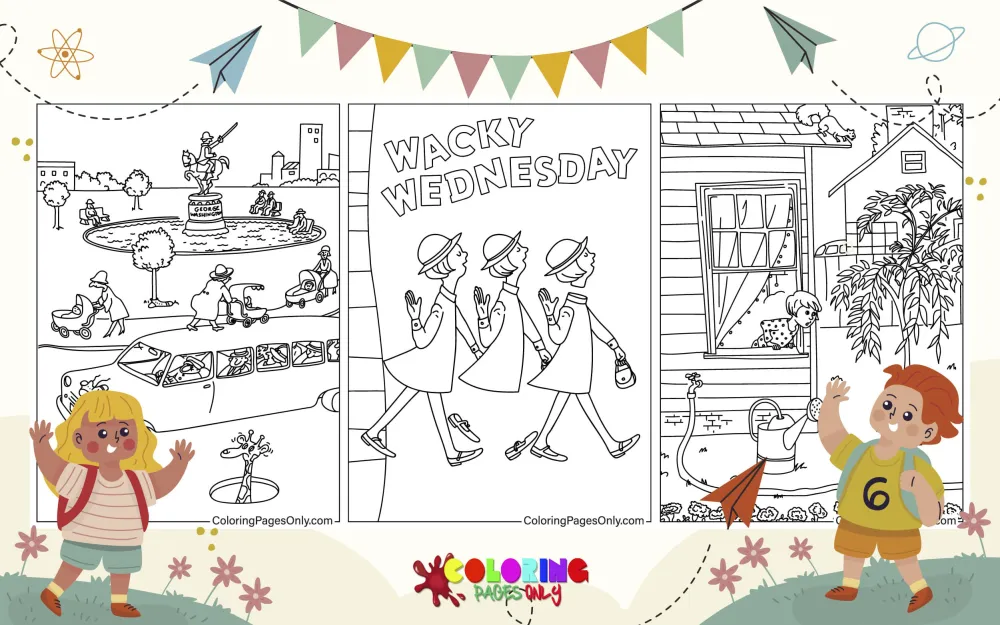
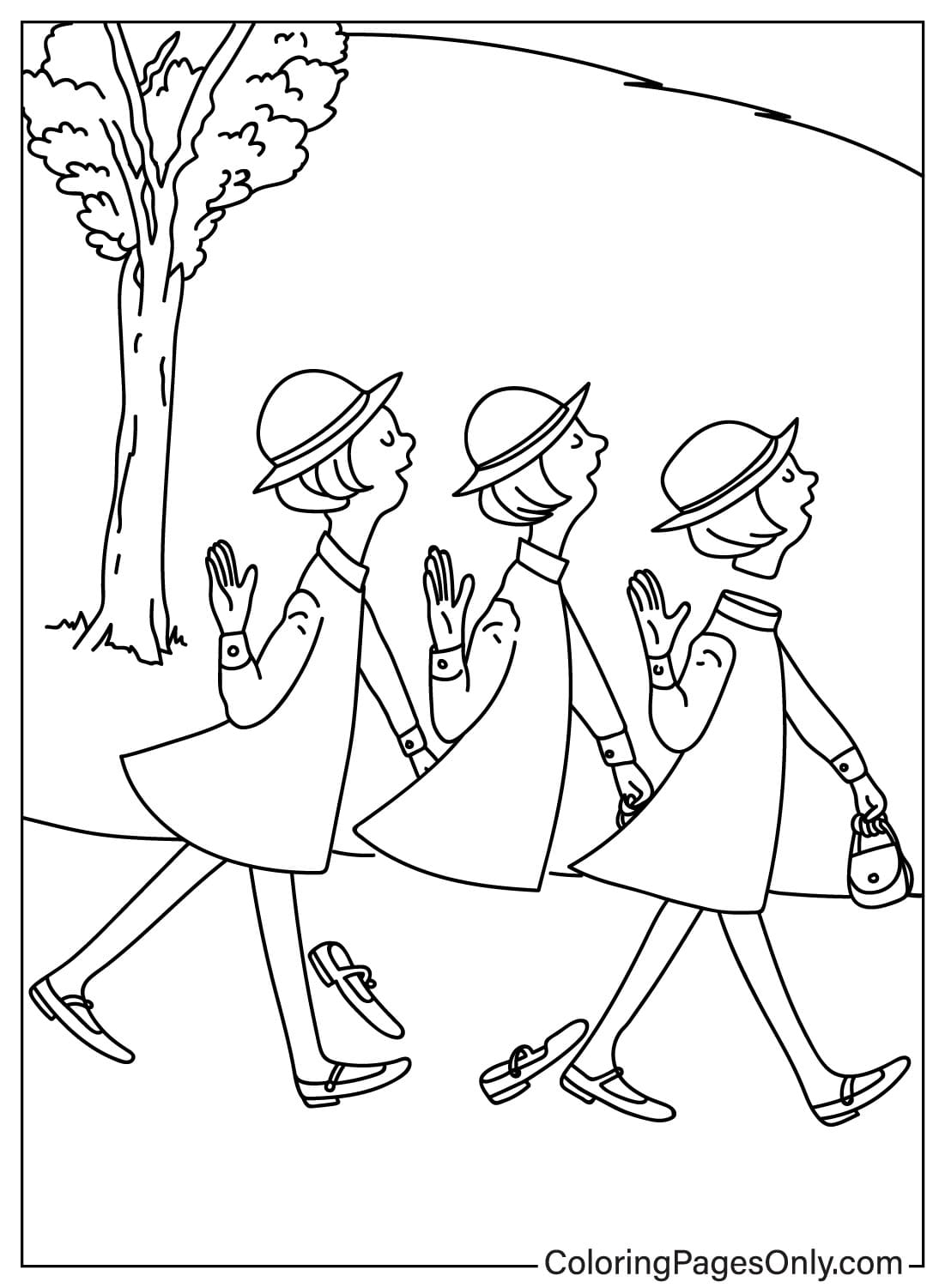
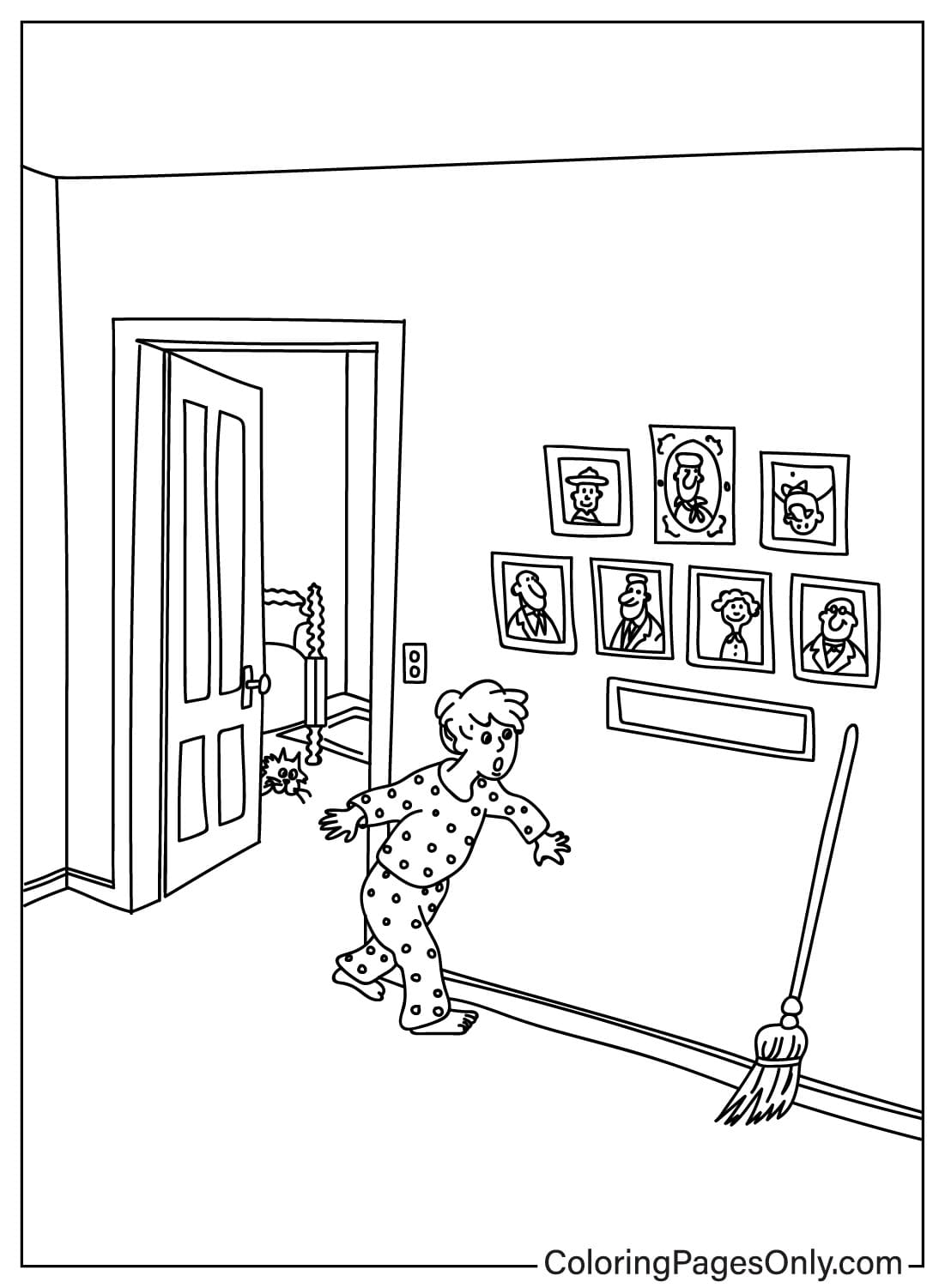
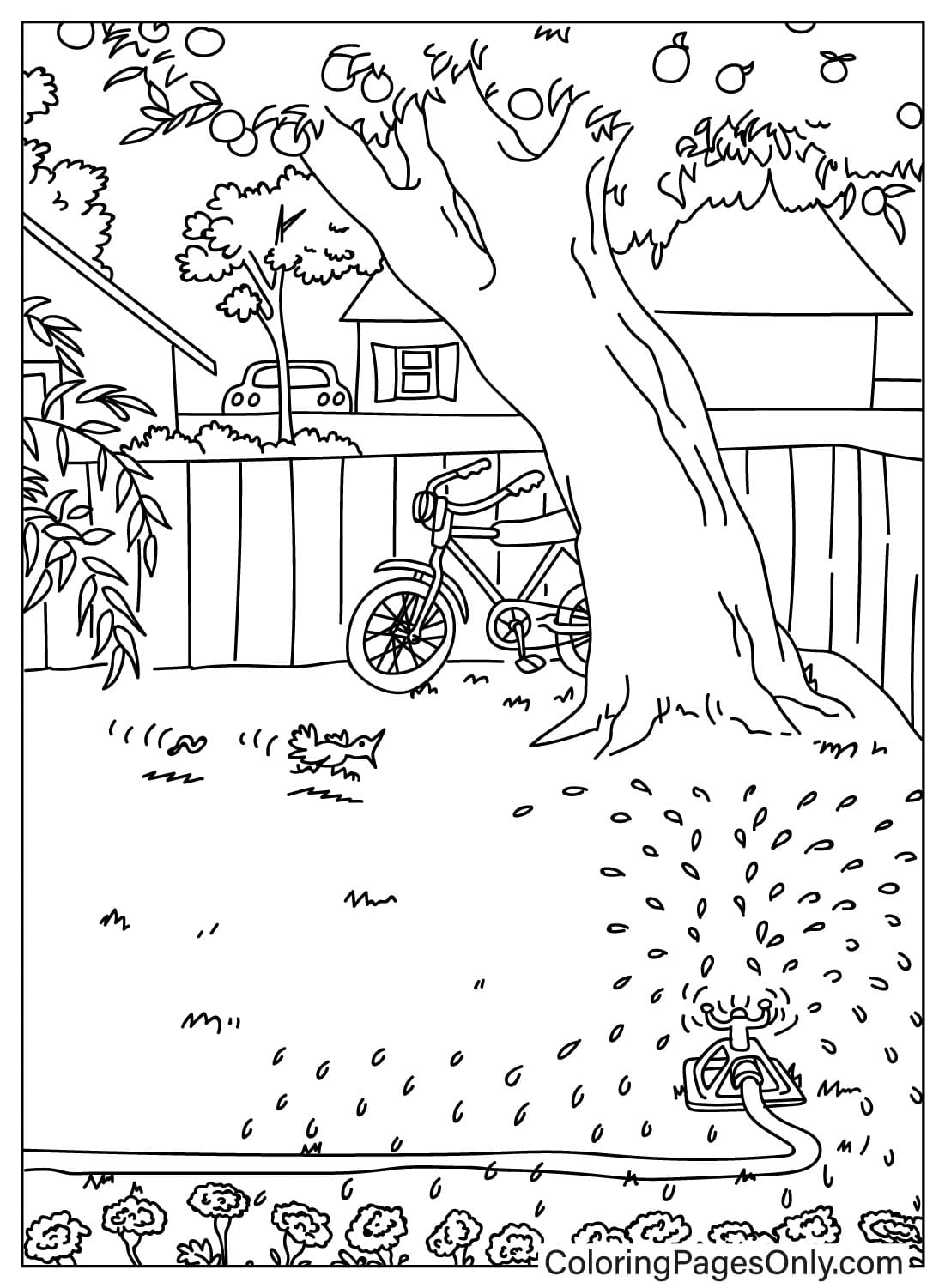
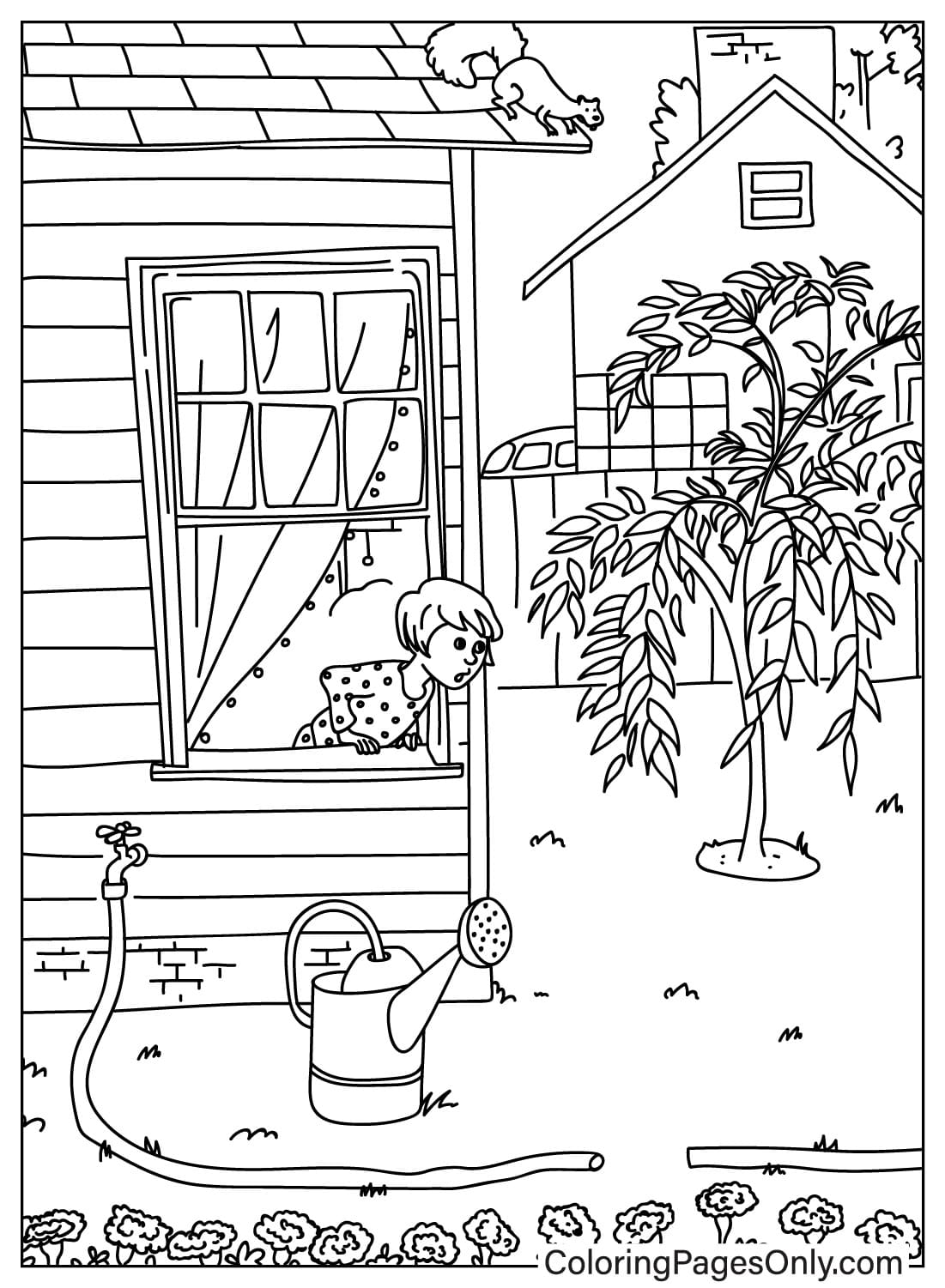
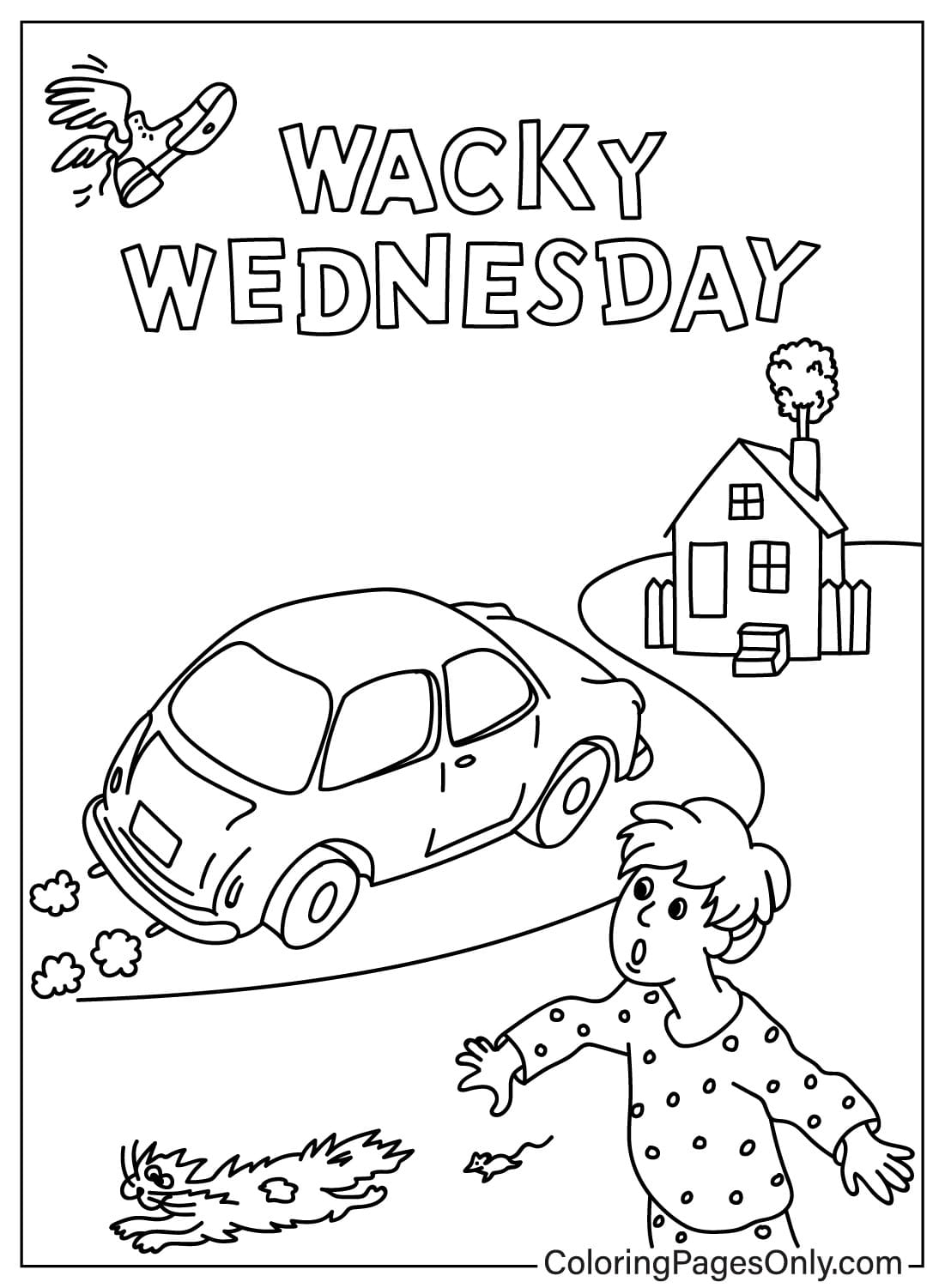
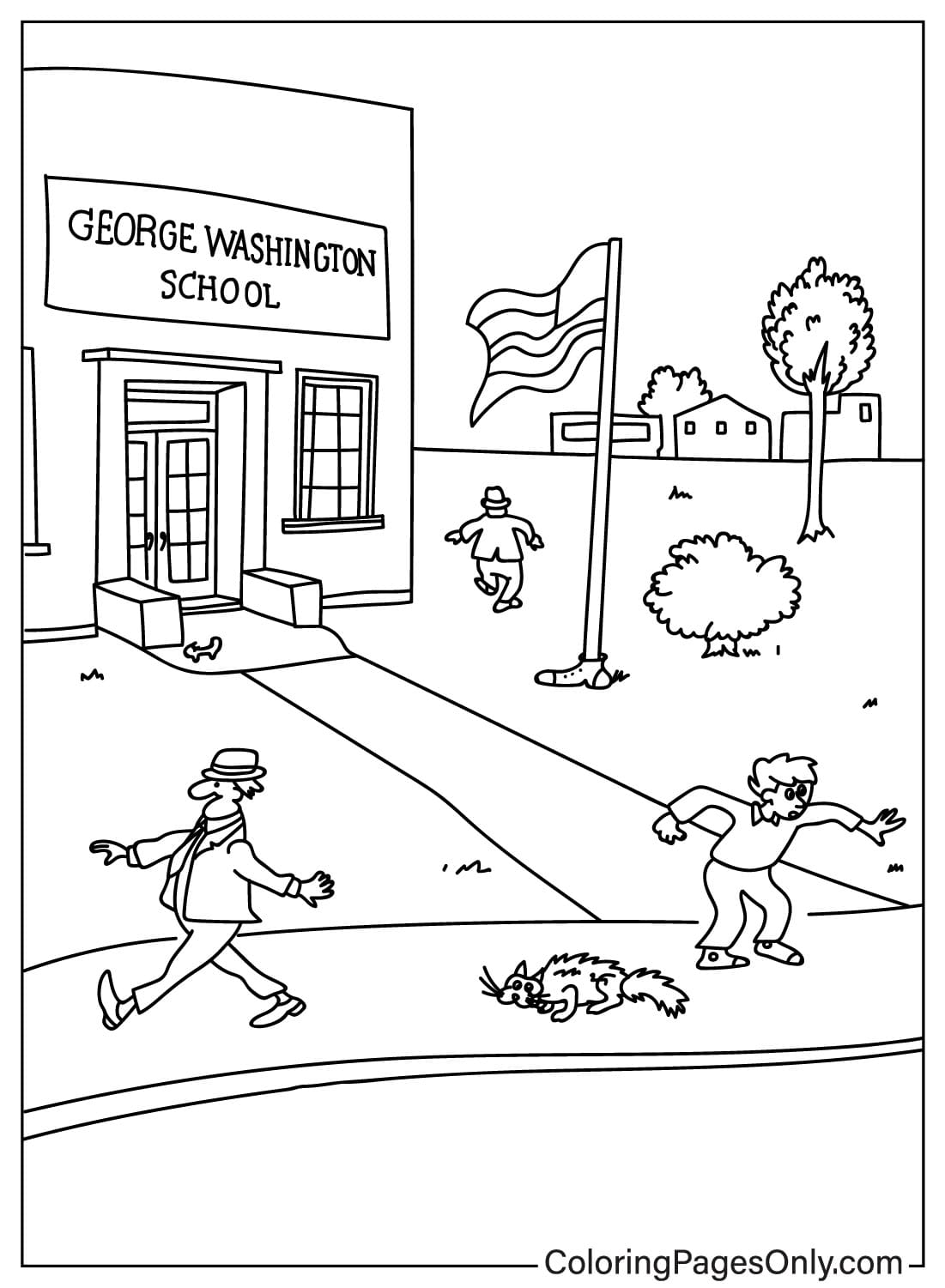
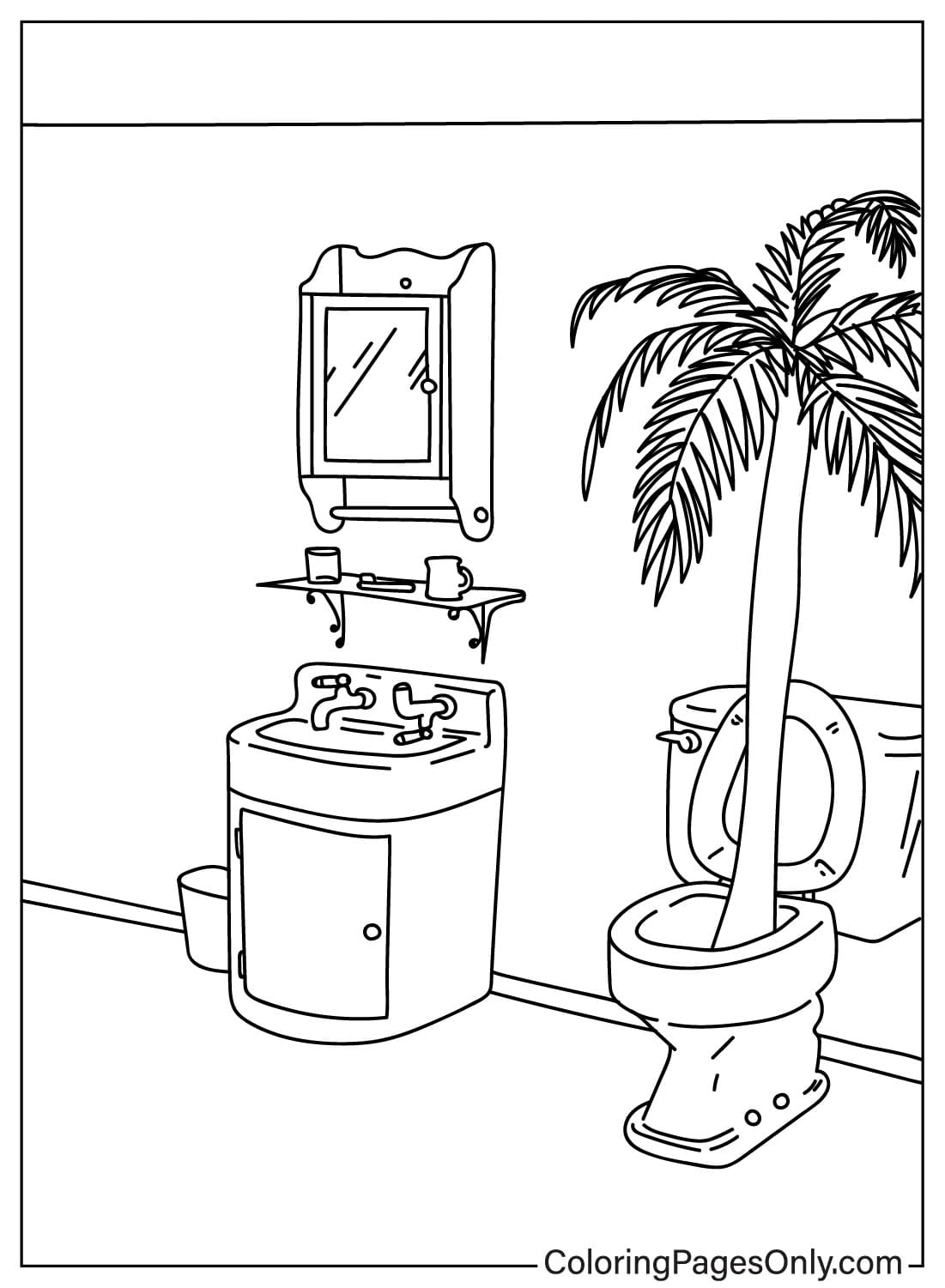
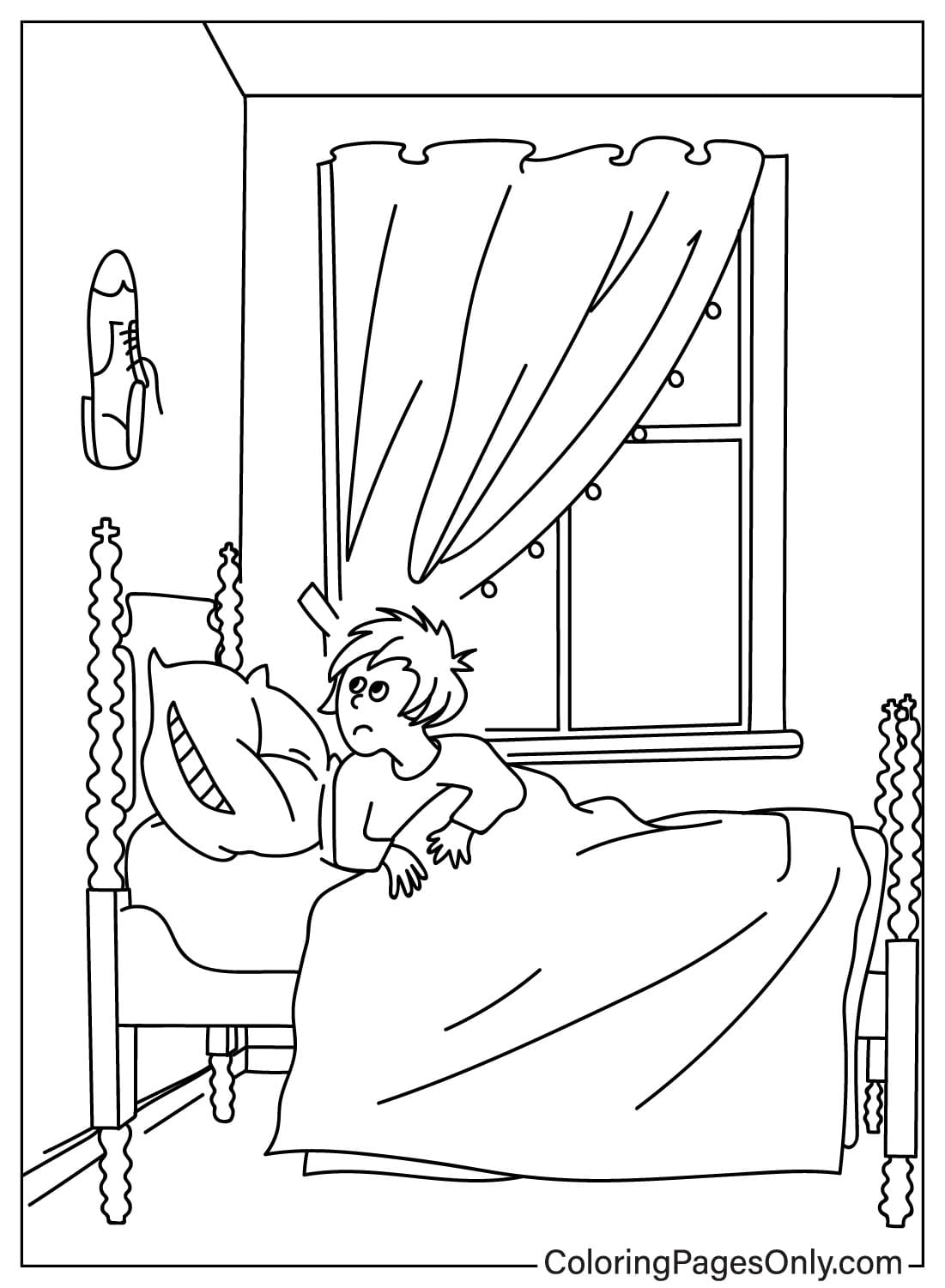
Wacky Wednesday Coloring Pages at ColoringPagesOnly.com brings together 15 free printable pages based on the beloved Dr. Seuss children’s picture book – one of the most popular beginning readers in American elementary school libraries. The collection covers 15 specific scenes directly from the book: the child waking up and discovering something wacky in the bedroom, the child and cat scene, the mouse chasing the cat, earthworms chasing birds in the garden, three girls, Miss Bass the teacher, the George Washington School building exterior, the palm tree in the toilet, and multiple additional compositions from the book’s escalating parade of absurdity. The full Educational collection is available through our Educational Coloring Pages hub.

Every page is completely free – download as PDF to print or color online in your browser. No sign-up, no cost.

About Wacky Wednesday

Wacky Wednesday is a children’s picture book published in 1974 by Beginner Books, an imprint of Random House. The book was written by Theodor Seuss Geisel – the author universally known as Dr. Seuss – under his lesser-known pen name Theo LeSieg. Geisel used the “Theo LeSieg” name specifically for books he wrote but did not illustrate himself. Wacky Wednesday was illustrated by George Booth, whose slightly different, more suburban-realist line art style distinguishes the book visually from the fantastical creature-heavy illustrations of Seuss’s own self-illustrated titles like The Cat in the Hat or The Lorax.

The story follows a young child who wakes up on a Wednesday morning to discover that everything is wrong – shoes are on the ceiling, a palm tree is growing out of a toilet, a mouse is chasing a cat, and earthworms are chasing birds. As the child moves through the morning routine from bedroom to breakfast to the walk to school, the number of wacky things visible in each scene increases – one wacky thing in the bedroom, growing to 21 wacky things by the time the child arrives at school. The book functions simultaneously as a “spot the difference” visual puzzle and a rhyming picture book, with the text prompting the reader to count the number of wacky things in each scene and the illustrations hiding them throughout the composition.

This dual function – entertainment and visual search task – makes Wacky Wednesday one of the most classroom-friendly Dr. Seuss titles. Teachers use it specifically because the “spot the wacky things” mechanic actively engages children in close visual attention to the illustrations rather than passive listening.

Dr. Seuss Day is celebrated on March 2 every year – the birthday of Theodor Seuss Geisel, who was born on March 2, 1904, in Springfield, Massachusetts. The day is observed in elementary schools across the United States as part of Read Across America, a national reading initiative organized by the National Education Association. On Dr. Seuss Day, classrooms across America engage with Dr. Seuss books and Seuss-themed activities – making the week surrounding March 2 the peak period of interest in this collection every year.

What’s in This Collection

Each of the 15 tiles in this collection corresponds to a specific scene or subject from Wacky Wednesday, covering the book’s narrative sequence from the child’s initial discovery of wackiness through the full escalation at school.

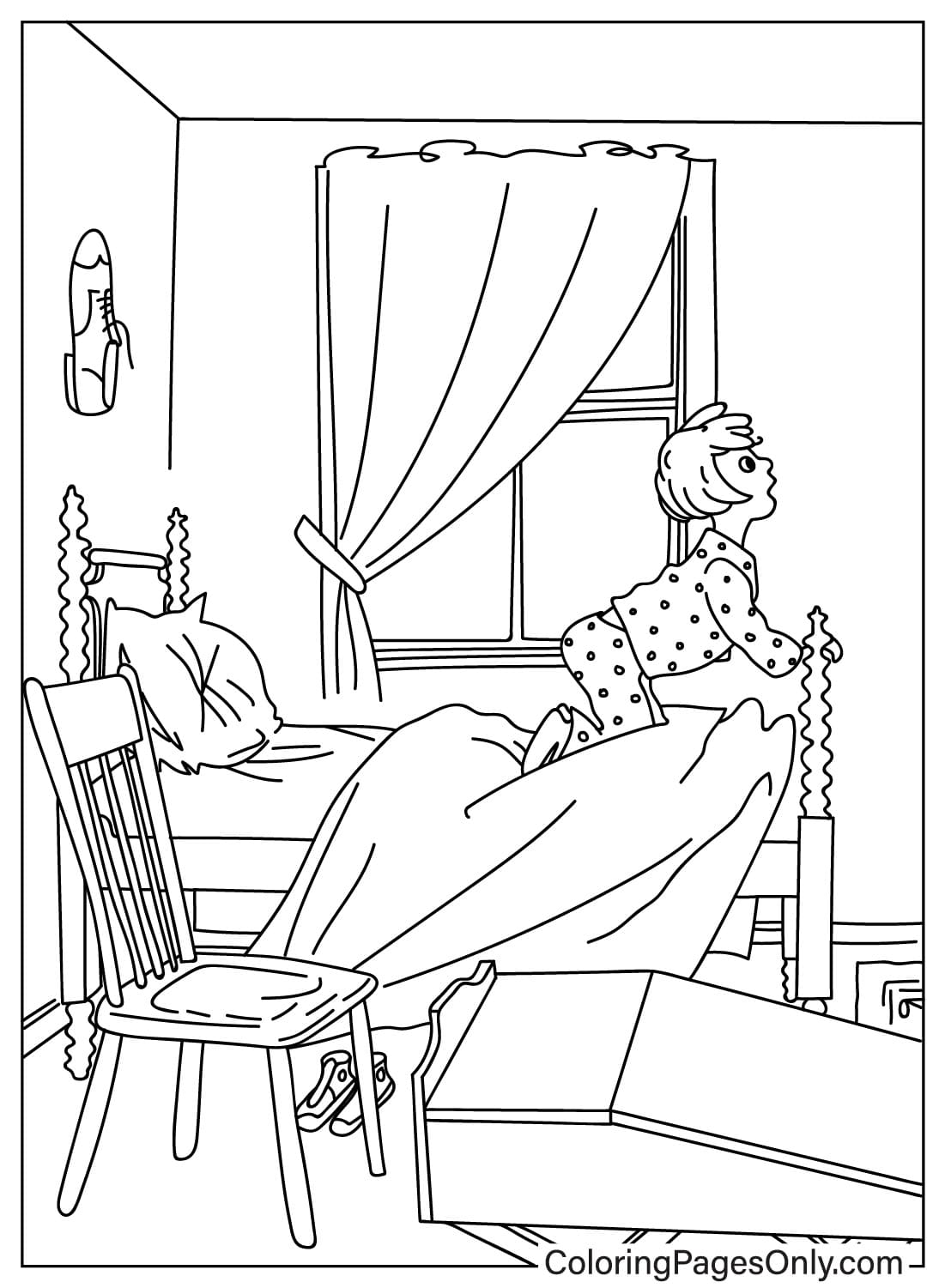
The Child Wakes Up – the book’s opening scene, in which the child wakes in the morning and notices the first wacky thing. This tile sets the story in motion and is typically the simplest, most accessible page in the collection.

Child in Bed – a variant of the bedroom opening scene, showing the child in or near the bed where the wackiness begins.

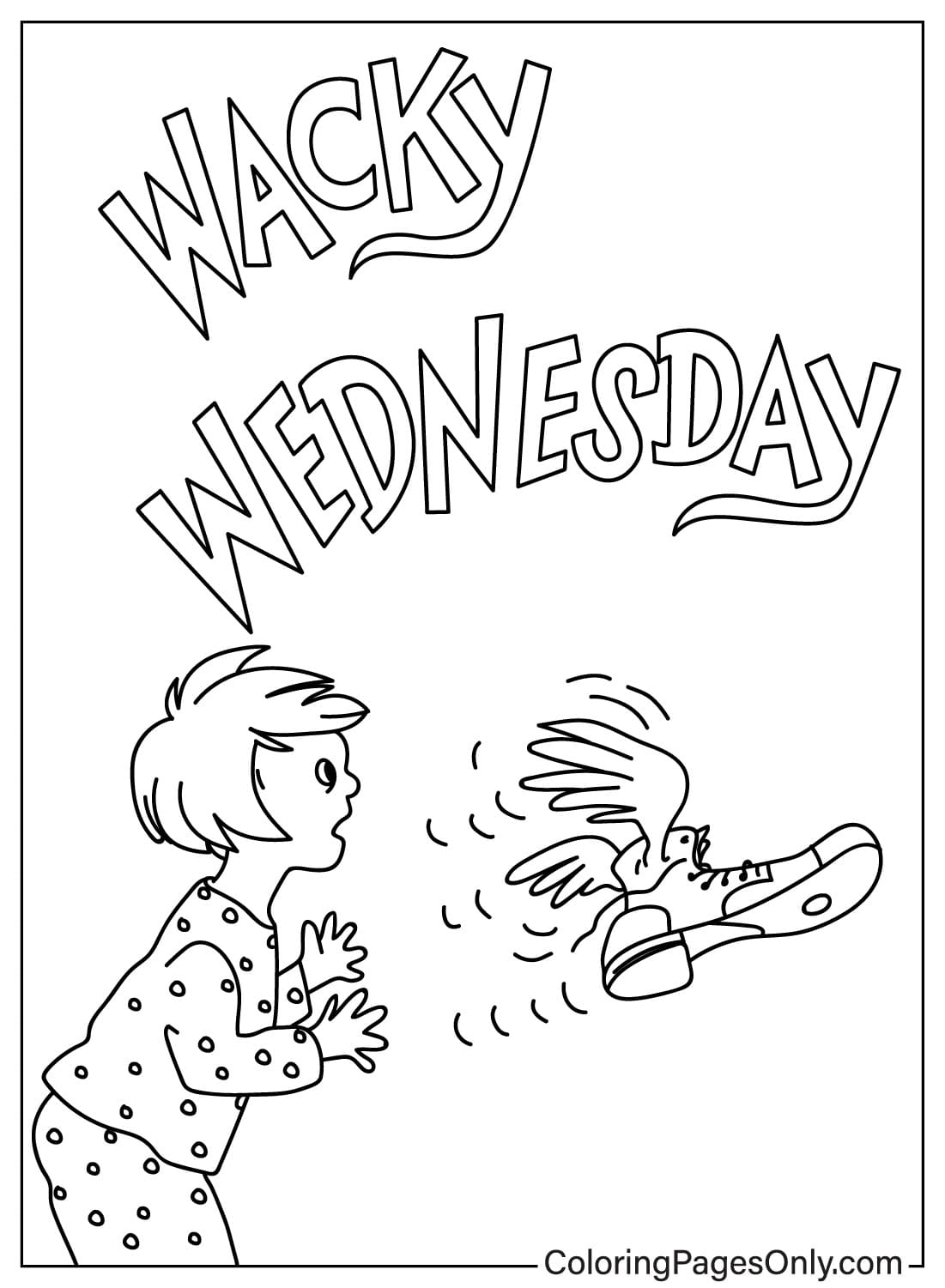
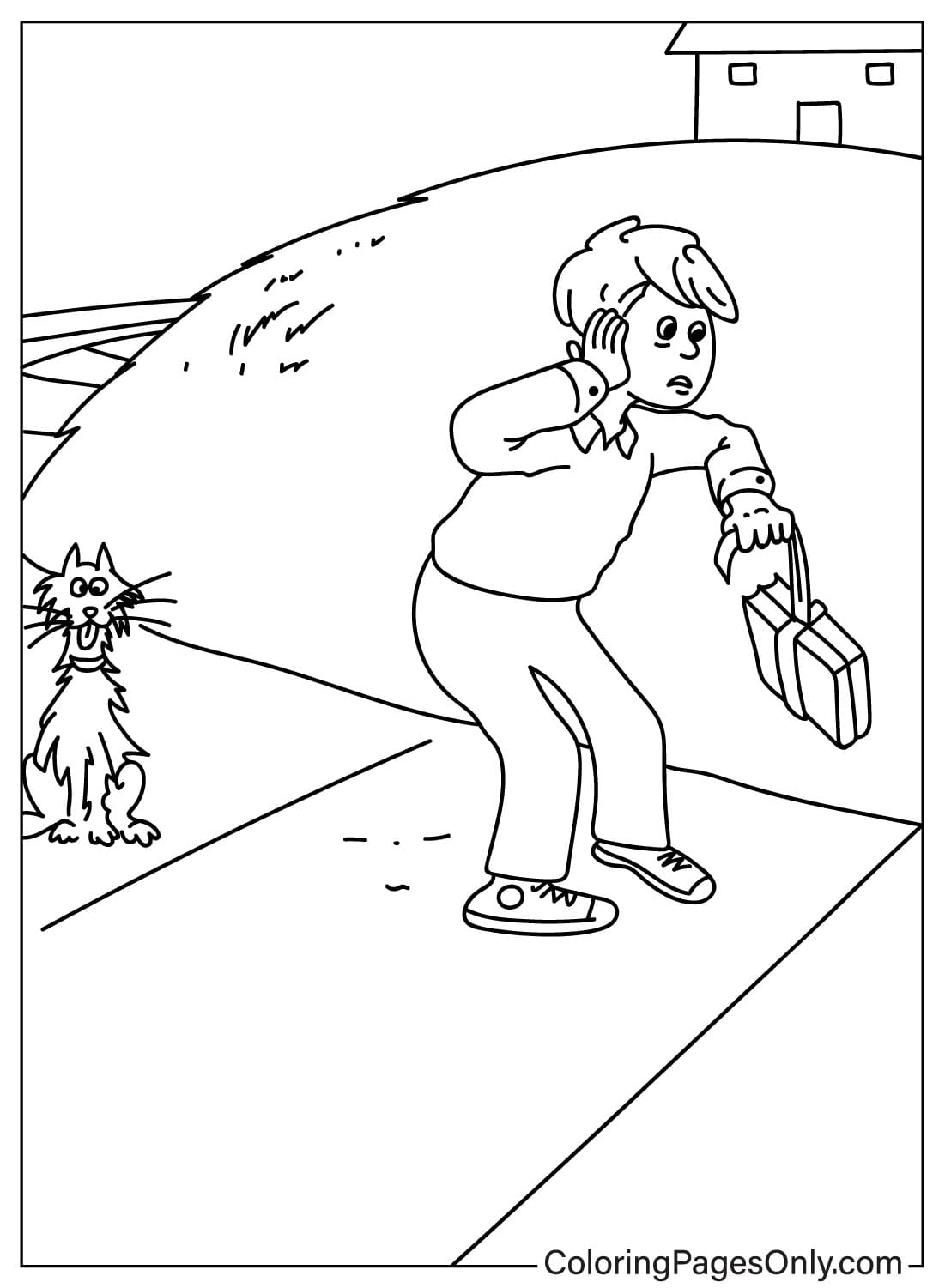
Child and Cat – the child interacting with the household cat in the context of the book’s backward world. In the wacky Wednesday universe, the normal relationship between animals and children is inverted.

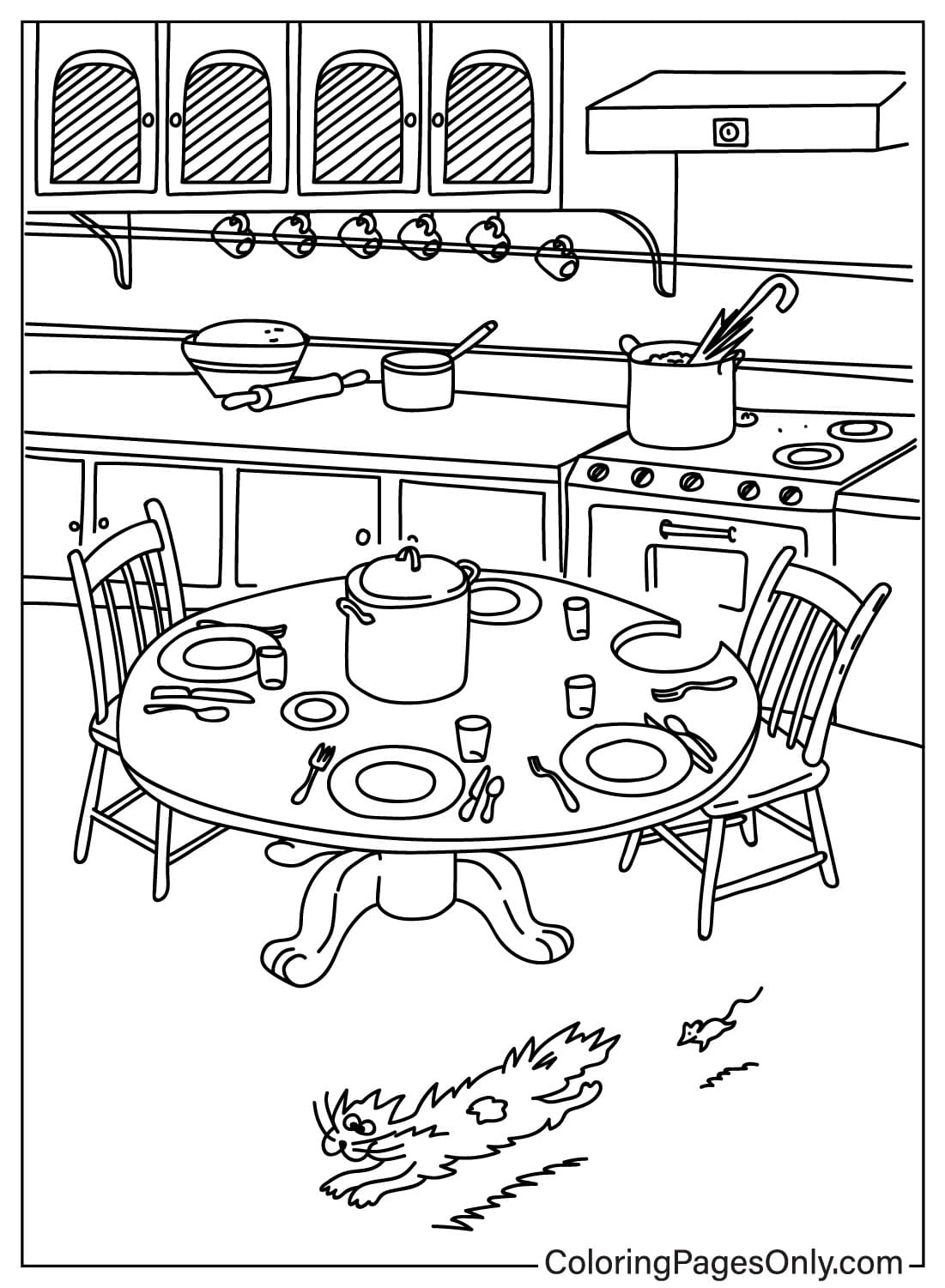
The Mouse Chases The Cat – one of the book’s most memorable reversals. In the real world, cats chase mice; on Wacky Wednesday, the mouse pursues the cat. This reversal is one of the clearest examples of the book’s central comic logic – everything that should be one way is the other way.

Earthworms Chase Birds in the Garden – another animal-relationship reversal, mirroring the mouse-and-cat dynamic in the outdoor garden setting. Birds eat earthworms in the natural world; in the Wacky Wednesday garden, the earthworms are in pursuit.

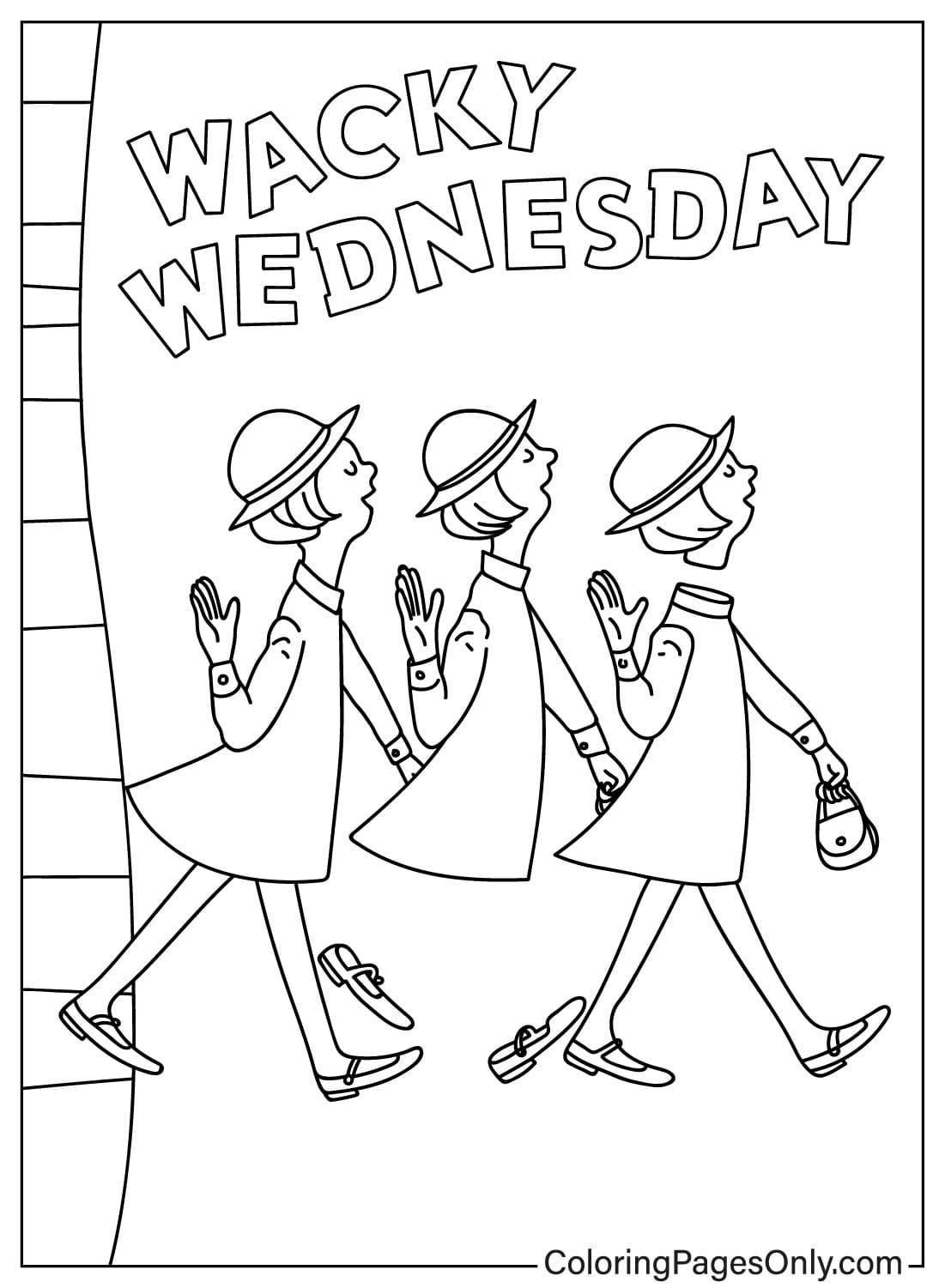
Three Girls – a scene featuring three girls in the book’s suburban neighborhood setting, with wacky visual details embedded in their appearance or surroundings.

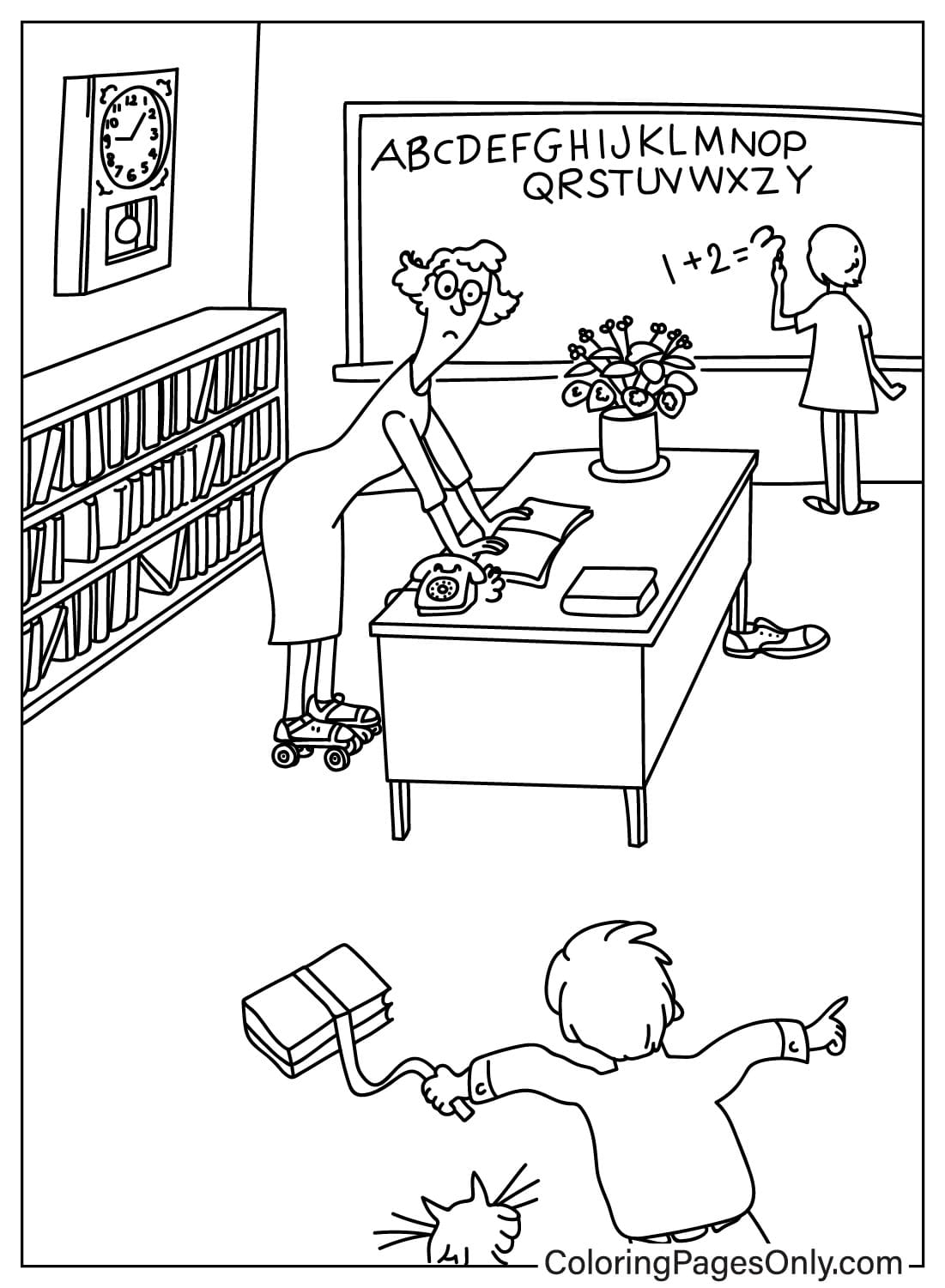
Miss Bass – the teacher character who appears as the child arrives at school. Miss Bass is one of the book’s named adult characters and represents the wackiness extending beyond the home environment into the institutional setting of school.

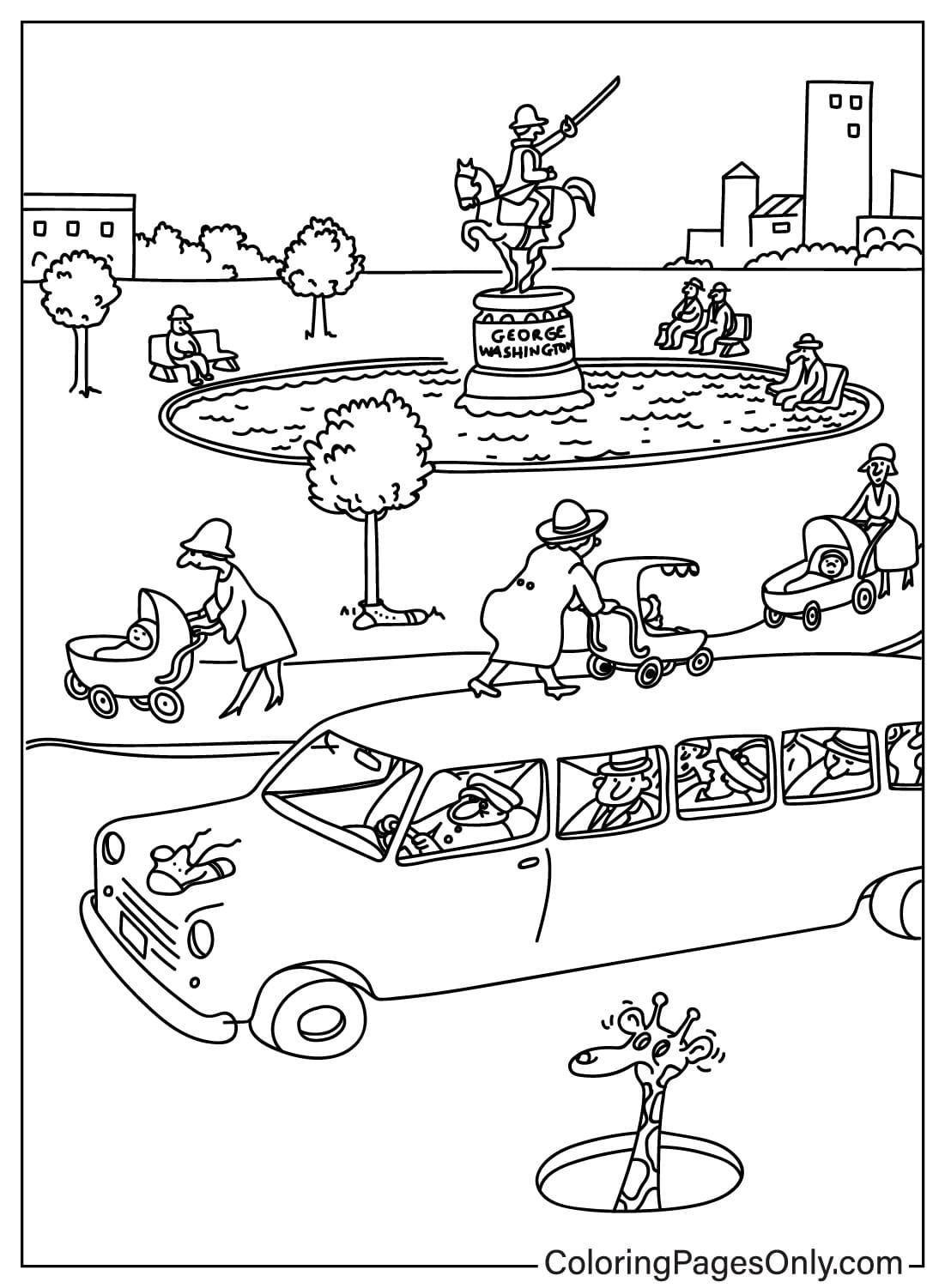
George Washington School – the school building exterior, labeled in the book with the school’s name. This tile depicts the building itself as a scene-setting establishing image, with wacky architectural or landscape details visible in or around the school.

Palm Tree in the Toilet – one of the book’s most visually memorable and frequently cited absurd details. A palm tree growing from a toilet combines the utterly mundane (a household bathroom fixture) with the completely out-of-place (a tropical tree), creating the kind of surreal juxtaposition that makes Wacky Wednesday memorable to children for years after first reading.

Dr. Seuss Wacky Wednesday and Wacky Wednesday by Dr. Seuss – two general character and scene composition tiles presenting the book’s overall aesthetic in ensemble format.

Images Wacky Wednesday, Free Wacky Wednesday, Wacky Wednesday Coloring Page Free, and Wacky Wednesday Coloring Page to Print – additional compositional variations from the book’s broader visual world.

Coloring Guide: The Wacky Wednesday Aesthetic

George Booth’s illustration style for Wacky Wednesday is notably different from the visual aesthetic of Dr. Seuss’s self-illustrated books, and understanding this distinction helps colorists approach the pages more intentionally.

Booth’s style is rooted in American editorial and magazine cartooning – his lines are confident and slightly scratchy rather than the smooth, clean curves of Seuss’s own pen. His settings are recognizable suburban American environments: bedrooms with normal furniture, gardens with grass and flowerbeds, school buildings with brick facades and flagpoles. This realism is precisely what makes the wacky elements so effective – the contrast between ordinary backgrounds and impossible details.

For coloring, this means the backgrounds should be colored realistically, while the wacky elements can be treated with more expressive, unexpected color choices to distinguish them from the normal surroundings and draw the eye to the absurdities.

Background and setting colors – the bedroom, garden, school, and street scenes use straightforward naturalistic colors: warm tan or off-white walls, brown wooden furniture, green grass, blue sky, and red brick for the school building. These grounded, realistic background colors make the wacky details pop by contrast.

Wacky elements – the palm tree in the toilet, the earthworms chasing birds, the mouse pursuing the cat – benefit from vivid, slightly heightened color choices that make them immediately stand out within the realistic setting. A palm tree in a toilet, for instance, can be rendered in vivid tropical green against the white-and-beige bathroom setting; the contrast between the exotic palm and the mundane bathroom fixture is amplified when the palm is colored as vividly as possible.

Character clothing in the book follows 1970s American suburban fashion – the child in ordinary children’s clothes, Miss Bass in teacher attire, the neighborhood children in typical play clothes. These can be colored in any era-appropriate palette: warm earth tones, mustard yellows, avocado greens, and brick reds reflect the actual color aesthetic of American children’s book illustration from the period when the book was created.

Skin tones for the human characters should be approached with naturalistic variety, as the book’s suburban neighborhood setting includes a diverse cast of children and adults.

The Spot the Wacky activity integration – because this book’s original function is a visual search puzzle, a particularly effective approach to coloring these pages is to color the normal elements first in their expected colors, then go back and color the wacky elements in a noticeably different, unexpected color choice that makes them visually stand out as wrong. A shoe on the ceiling colored in bright orange against an otherwise neutrally-colored room, for example, draws attention to its wrongness through color as well as placement.

Using Wacky Wednesday Pages in the Classroom

The Wacky Wednesday collection is among the most classroom-friendly on the site because of how naturally it integrates with structured learning activities around Dr. Seuss Day (March 2) and Read Across America.

Pre-reading activity: Before introducing the book, provide the Child Wakes Up tile and ask students to simply color it as they see fit. After completing the book as a read-aloud, return to the same tile and ask students to identify and mark any wacky elements in the scene. The difference between the pre-reading coloring (random) and post-reading identification (targeted) demonstrates how reading changes visual attention.

Counting and math integration: The book’s structure – one wacky thing in the first scene, escalating to 21 by the final school scene – provides a natural counting activity. As students color each page, they count and record the number of wacky things visible in that scene, tracking the escalating pattern across the sequence.

Writing prompt: After coloring the George Washington School page, students write a paragraph describing what wacky things they would find at their own school if Wednesday were Wacky Wednesday. This connects the book’s imaginative premise to the student’s own environment.

Vocabulary development: The book’s key concept – “wacky” – is a rich vocabulary word with synonyms (absurd, backward, topsy-turvy, nonsensical, inverted) that can be taught alongside the coloring activity. Students label wacky elements in their colored pages with descriptive vocabulary words.

6 Creative Activities with Your Wacky Wednesday Pages

Decorate Your Classroom

Use completed coloring pages to transform your classroom into a Wacky Wednesday environment for Dr. Seuss Day on March 2. Arrange cut-out characters and scenes into a bulletin board display, turn classroom doors into wacky portals using the pages’ imagery, or create a “What’s Wacky?” display where students add their own wacky detail drawings alongside the printed tiles. The goal is a classroom environment where looking closely at any element might reveal something unexpected – exactly the visual experience the book creates on the page.

Wacky Webnesday Coloring Pages Craft1

Storytelling with Color

Choose one of the more scene-rich pages – Earthworms Chase Birds in The Garden or George Washington School work particularly well – and color it with close attention to which elements are wacky and which are normal. Once completed, write a short story from the perspective of a character in the scene who is experiencing the wacky details for the first time: what do they think is happening? Why is Wednesday doing this? What do they plan to do? The completed coloring page becomes the illustration for the written story, connecting visual and written creative work in the same activity.

Decorate a T-Shirt for Dr. Seuss Day

Many American schools hold Dr. Seuss Day celebrations on March 2 with themed dress events. Color a Wacky Wednesday design – the Palm Tree in The Toilet page or the Mouse Chases The Cat page works well for their clear, bold imagery – and use iron-on transfer paper (available at craft stores) to apply the finished coloring to a white t-shirt. Alternatively, use fabric glue to attach a laminated cutout. Wear the shirt on March 2 as part of the school’s Dr. Seuss Day celebration.

Wacky Webnesday Coloring Pages Craft2

Blindfolded Coloring Challenge

Print two copies of the same Wacky Wednesday page – the Three Girls or Child and Cat tiles work well for this. One player is blindfolded and holds the crayon or marker; a second player acts as “describer,” directing the blindfolded player where to color by describing the location and shape of elements in the image. The resulting unexpected color placements produce compositions that are themselves “wacky” – fitting the book’s spirit perfectly. This activity works as a classroom group game with teams competing to produce the most recognizable (or most amusingly wrong) finished page.

Create Wacky Wednesday Puppets

Color individual character tiles – Miss Bass, the three girls, the child – then cut each out along the character’s outline and glue onto cardboard for structural stability. Attach a craft stick or popsicle stick to the back of each figure to create a stick puppet. Use the puppets to act out an original Wacky Wednesday story – what happens after the book ends? Does the wackiness go away on Thursday? Children create their own sequel story using the puppets as performers, extending the book’s narrative and character beyond the original text.

Create a Wacky Wednesday Wall Mural

Color five to eight pages from the collection using the approach of realistic backgrounds and vivid wacky elements. Cut out the completed pages and assemble them edge-to-edge on a large sheet of butcher paper or poster board, creating a collage that covers the full arc of the book’s narrative from bedroom to school. Add hand-drawn connective elements between scenes – a road connecting the house to the school, a fence between the garden and the street – to create a single continuous neighborhood image. Frame and hang the finished mural as a classroom display or bedroom wall piece.

Wacky Webnesday Coloring Pages Craft3

FAQs

What is Wacky Wednesday? Wacky Wednesday is a 1974 children’s picture book written by Dr. Seuss (under the pen name Theo LeSieg) and illustrated by George Booth. It follows a child who wakes up to find everything wrong on a Wednesday morning – animals doing things backward, objects in impossible places – with the number of wacky things in each scene increasing as the story progresses.

Who wrote and illustrated Wacky Wednesday? The text was written by Theodor Seuss Geisel (Dr. Seuss), published under his pen name Theo LeSieg – the name he used for books he wrote but did not illustrate. The illustrations were created by George Booth, an American cartoonist known for his work in The New Yorker magazine.

Why did Dr. Seuss use the pen name Theo LeSieg? Geisel used the Theo LeSieg name for books where another artist provided the illustrations, reserving the “Dr. Seuss” name for books where he both wrote and illustrated the content. “LeSieg” is “Geisel” spelled backward.

What is Dr. Seuss Day, and when is it? Dr. Seuss Day is celebrated on March 2 every year – the birthday of Theodor Seuss Geisel, born March 2, 1904. In American schools, it is observed as part of Read Across America, a national reading initiative organized by the National Education Association. Schools across the US hold Dr. Seuss-themed reading and activity events on this date.

What age group is Wacky Wednesday for? Wacky Wednesday is a Beginner Books title, designed for early readers – typically kindergarten through second grade (ages 5–8). Its simple rhyming text and large, clear illustrations make it accessible to emerging readers, while the “spot the wacky things” visual puzzle element engages children at the upper end of that range who can read independently and search systematically through each scene.

How many wacky things are in Wacky Wednesday? The book begins with one wacky thing in the bedroom scene and increases through each successive scene, reaching 21 wacky things in the school scene at the end. The escalating count is one of the book’s key structural features and a built-in counting and observation activity for classroom use.

What is the “spot the wacky things” activity? Throughout Wacky Wednesday, the text prompts the reader to count the number of wacky (backward, wrong, or impossible) things visible in each illustrated scene. Readers actively search each page for absurd visual details – a shoe on the ceiling, an umbrella growing from a flower pot – rather than passively viewing the illustrations. This makes the book function simultaneously as a picture book and a visual puzzle.

All 15 Wacky Wednesday Coloring Pages are free – download as PDF or color online. Share your finished pages on Facebook and Pinterest.

These related coloring collections will help you explore the wonderful world of colors. Let’s choose, be creative, and show us your great pictures!

Charlotte Taylor – Writer

I'm Charlotte Taylor, a former preschool teacher turned content creator at Coloringpagesonly.com. Fueled by my love for children and a deep passion for exploring the world through colors, I’m dedicated to inspiring creativity and spreading a vibrant, positive artistic spirit to all.