
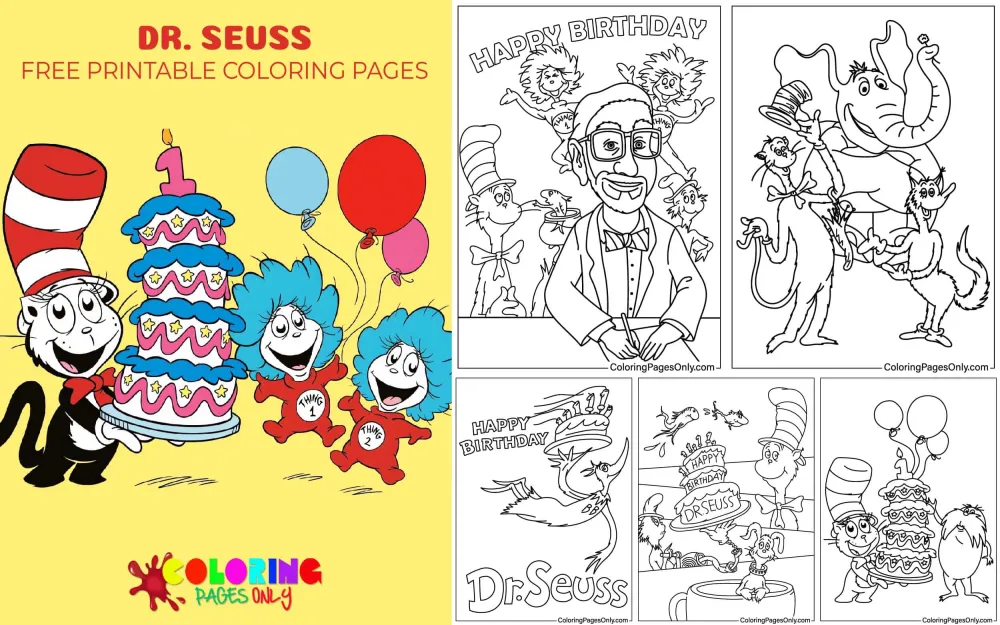
Free Dr. Seuss coloring pages: 55 printable PDF designs featuring the Cat in the Hat, Thing One and Thing Two, the Lorax, and Horton, alongside birthday and holiday scenes tied to the author’s work. Each page can be downloaded as a PDF to print or colored online in the browser.
Dr. Seuss was the pen name of Theodor Seuss Geisel, an American author and illustrator who wrote and illustrated over 60 children’s books. The Cat in the Hat, published in 1957, was written using only 236 words from an educator-approved list of 348, part of a push to make early reading more engaging than standard primers of the time. Three years later, publisher Bennett Cerf bet Geisel $50 that he could not write a bestselling book using 50 or fewer distinct words, a bet that produced Green Eggs and Ham in 1960. This set works for a classroom marking Read Across America Day on March 2, Geisel’s birthday, a family introducing a child to these characters for the first time, and any longtime fan revisiting them as an adult.
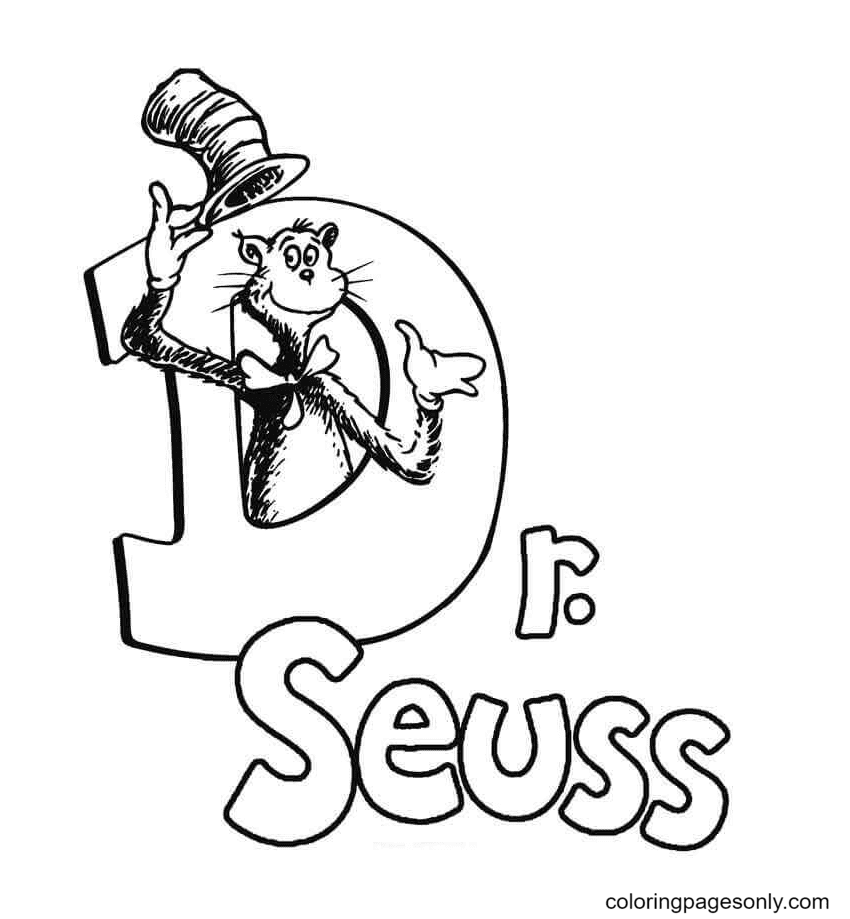
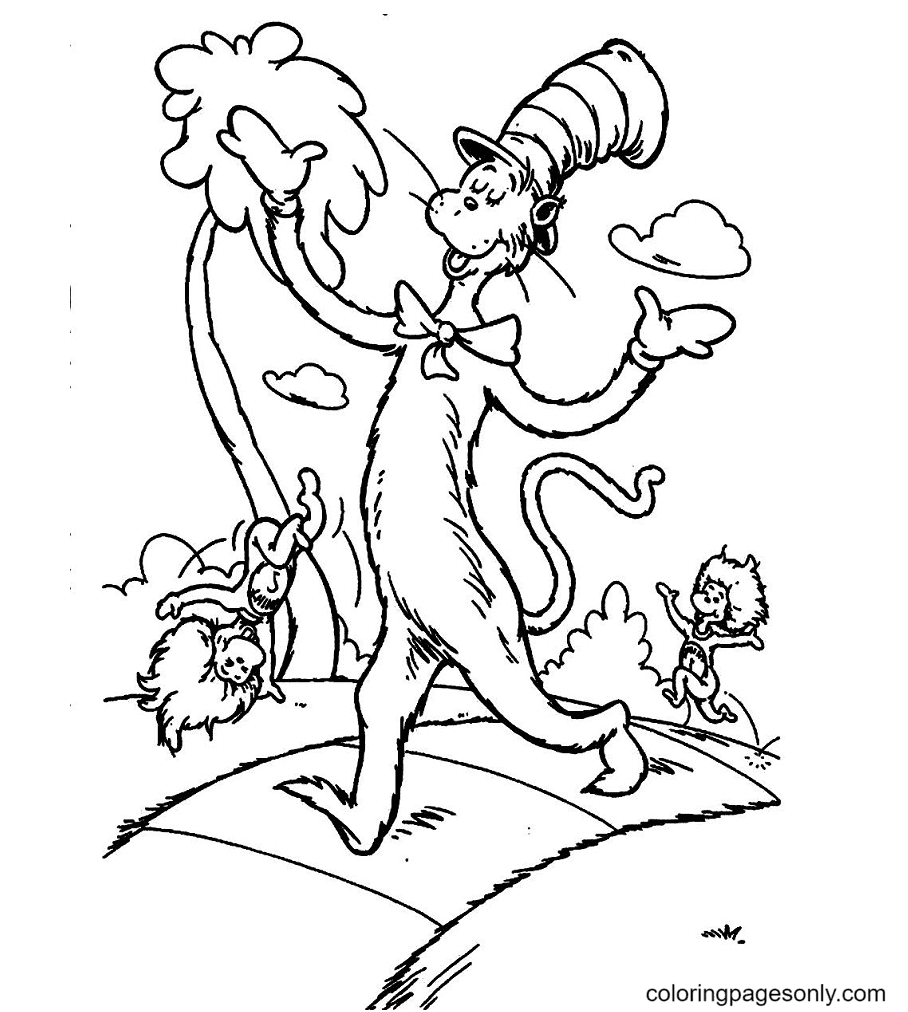
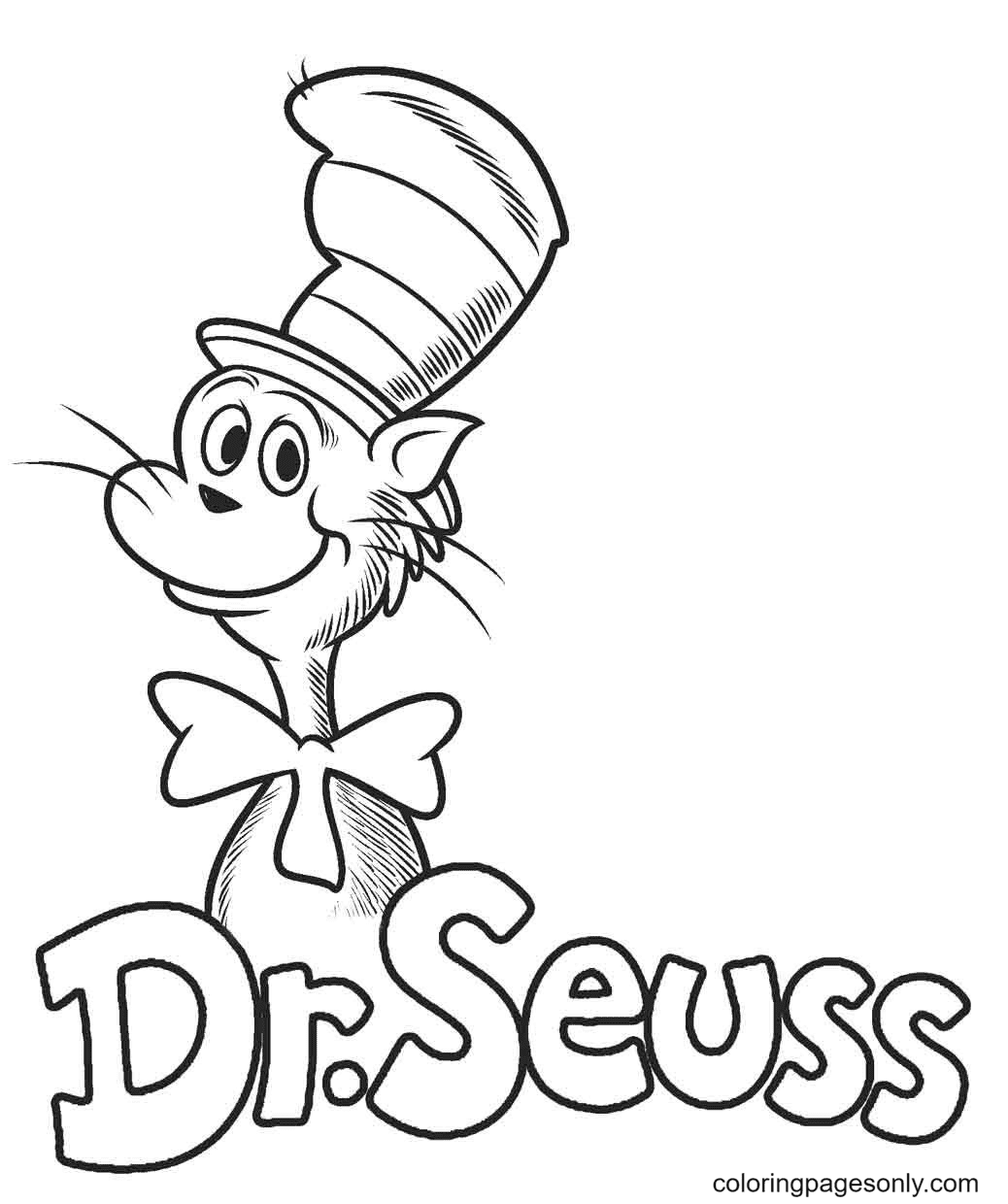
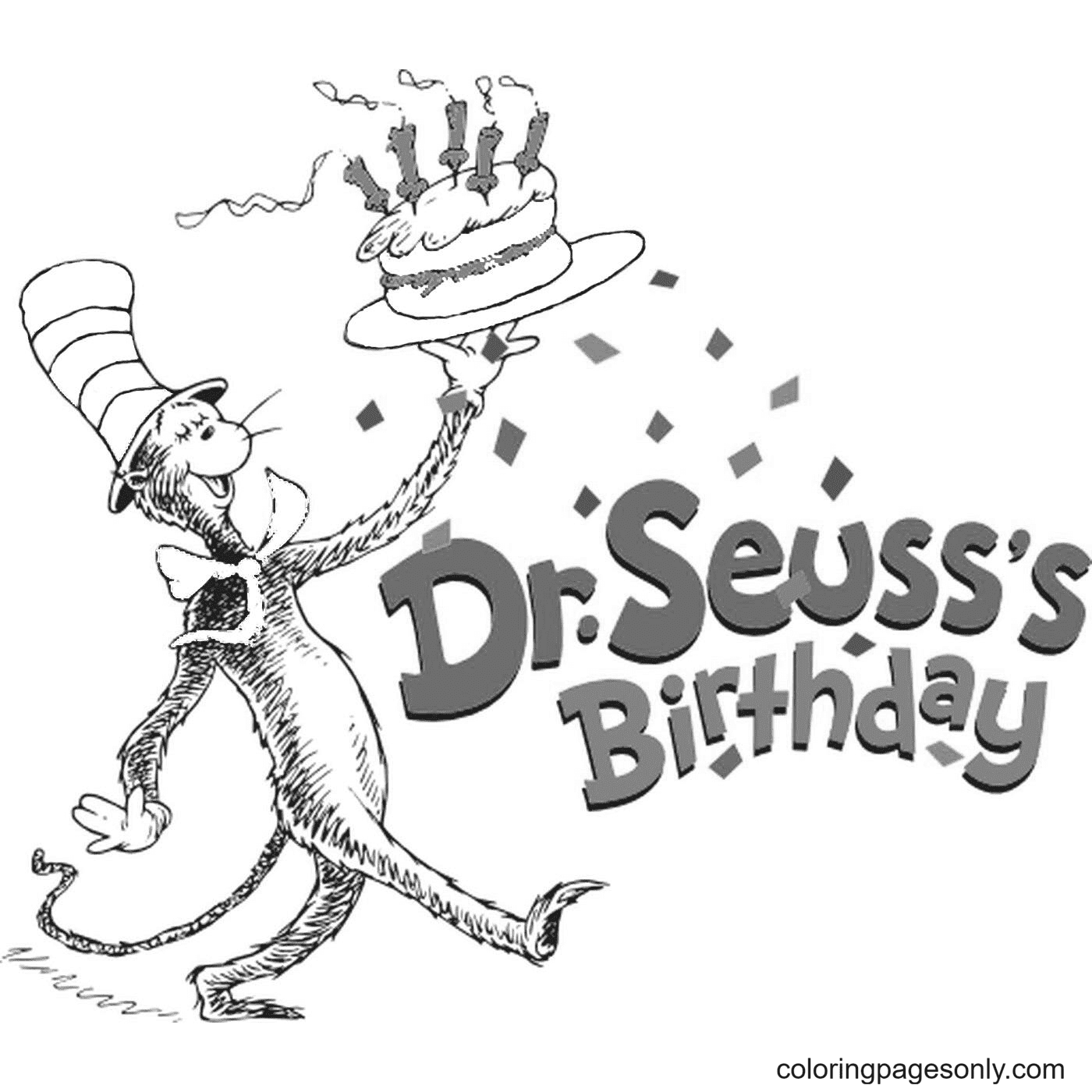
The Cat in the Hat’s red-and-white striped Hat is really two coloring decisions in one: the Hat itself, and the white bow tie beneath it, each needing to stay crisp against the character’s white fur. Getting that contrast right, rather than treating the whole figure as one shape, is what keeps the character instantly recognizable across the many scene variations in this set.

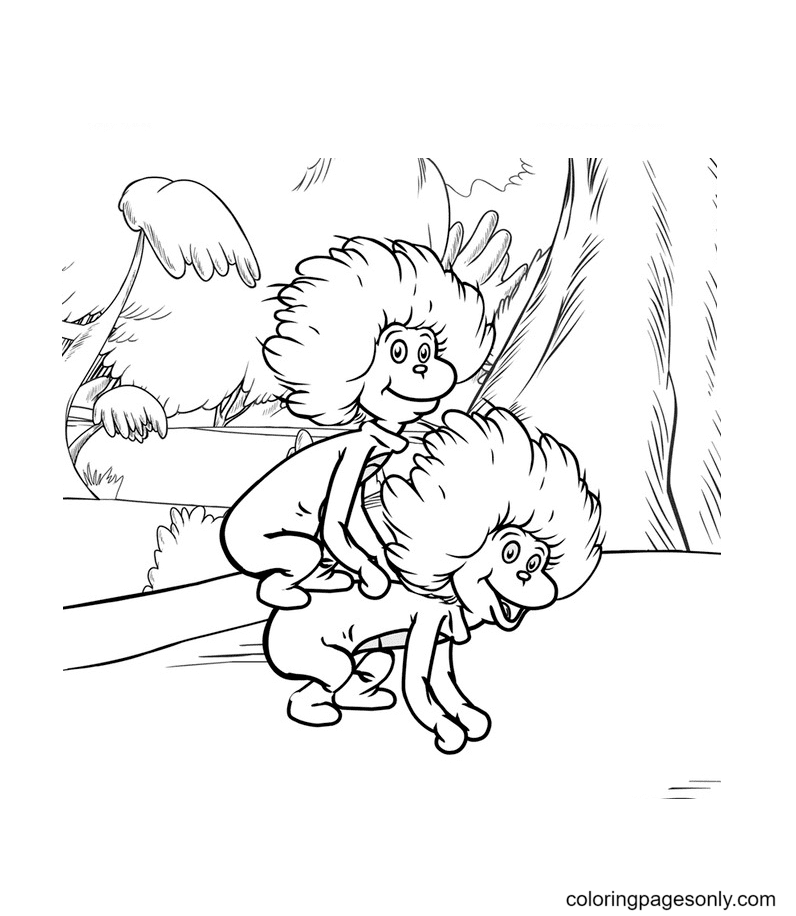
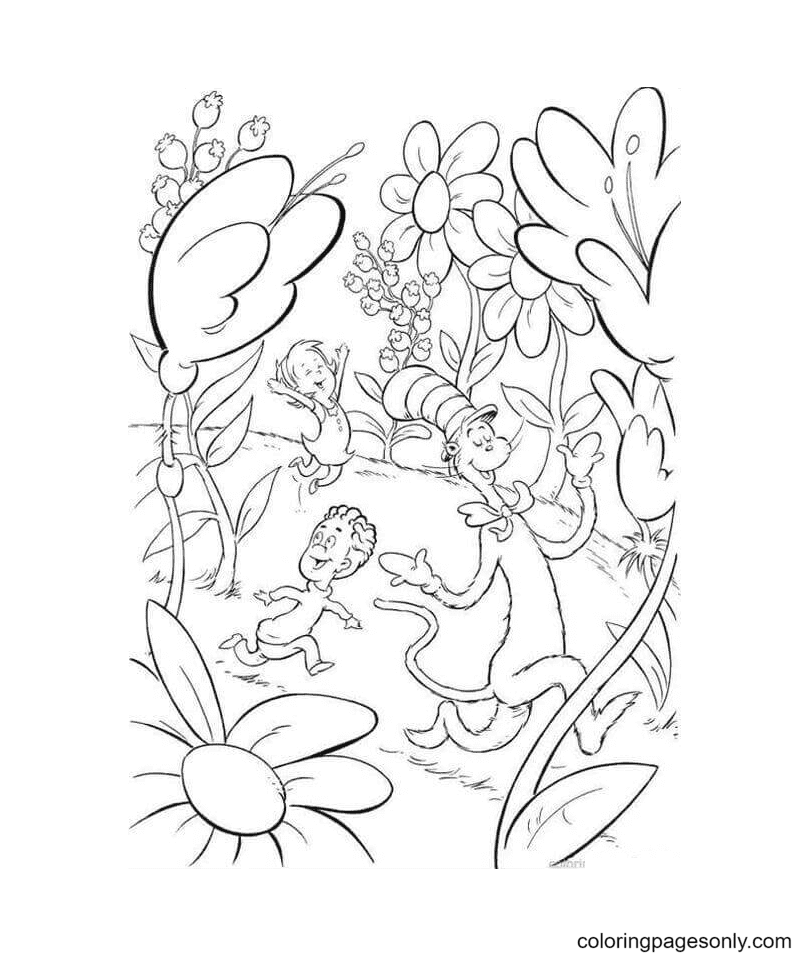
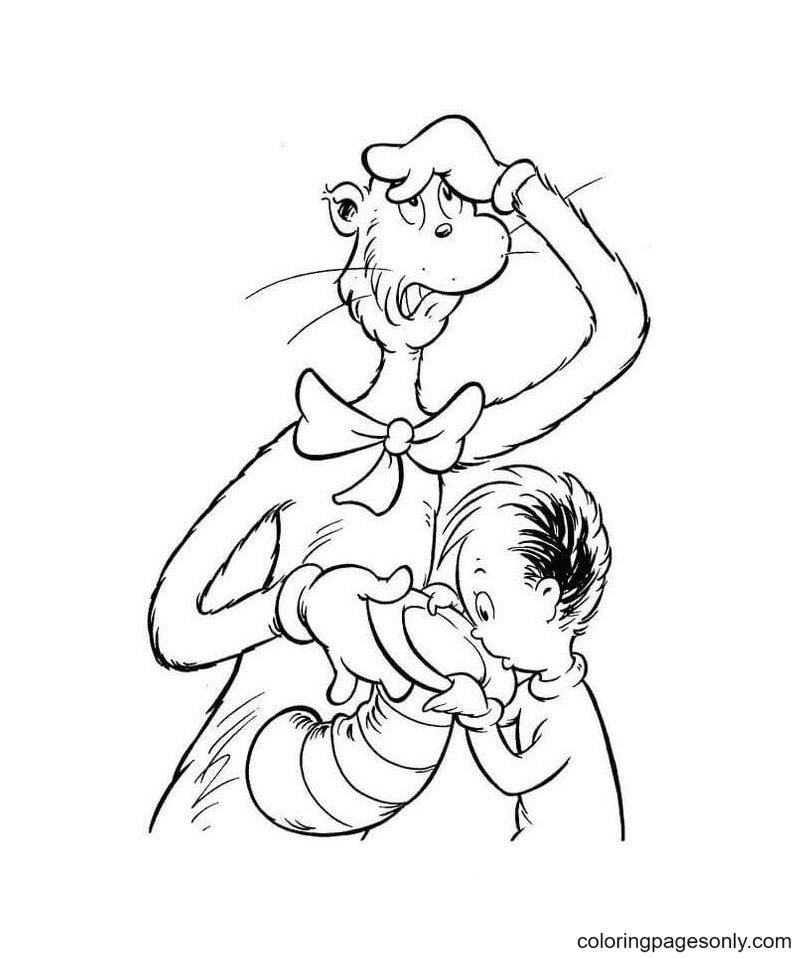
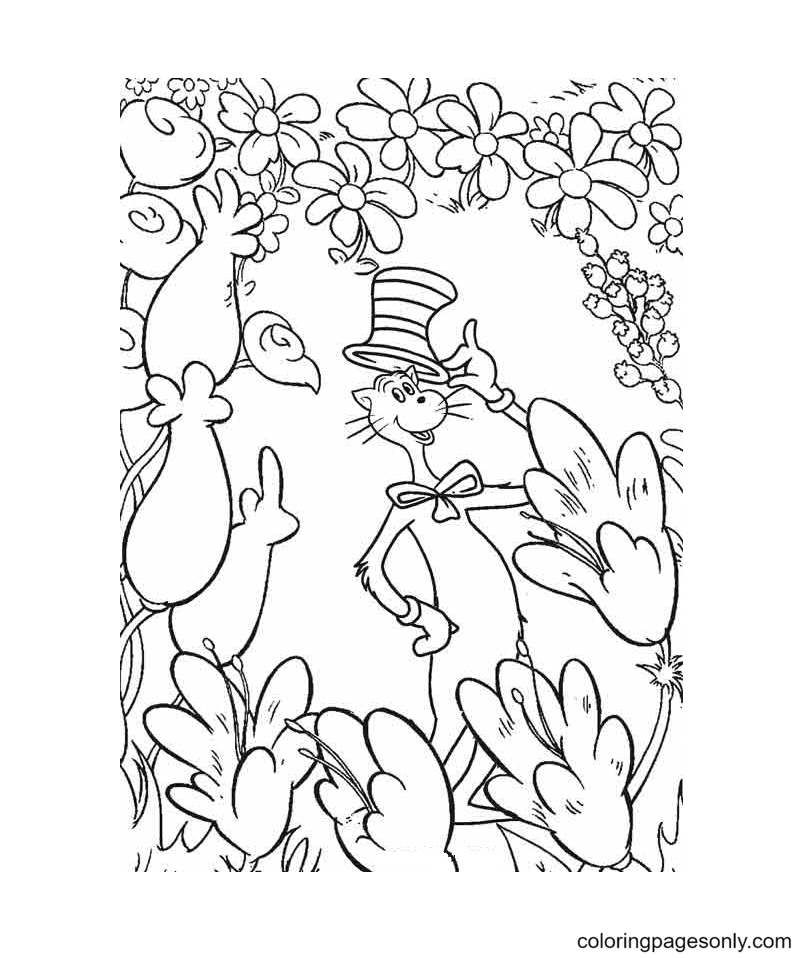







What Is Inside This Collection
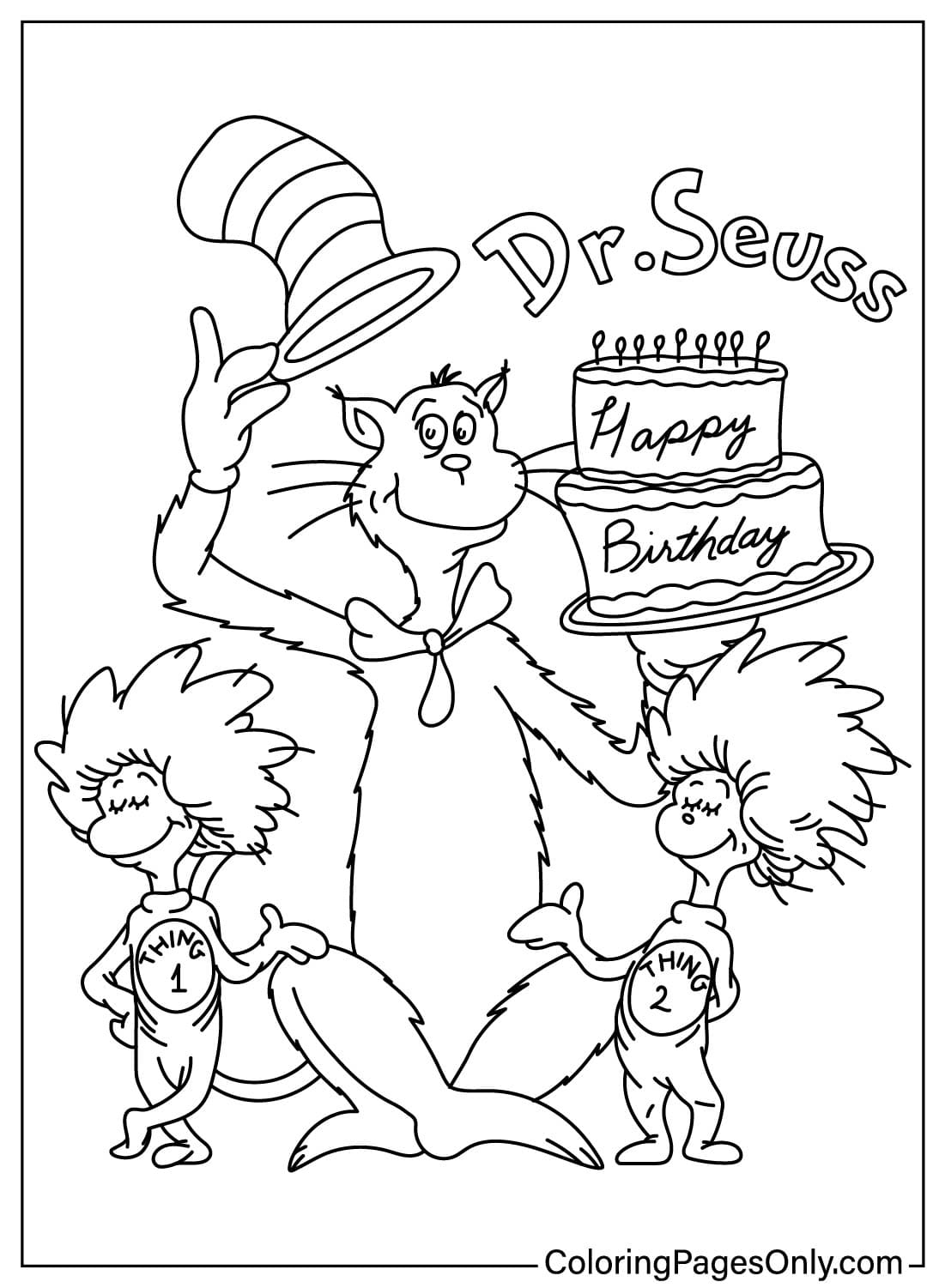
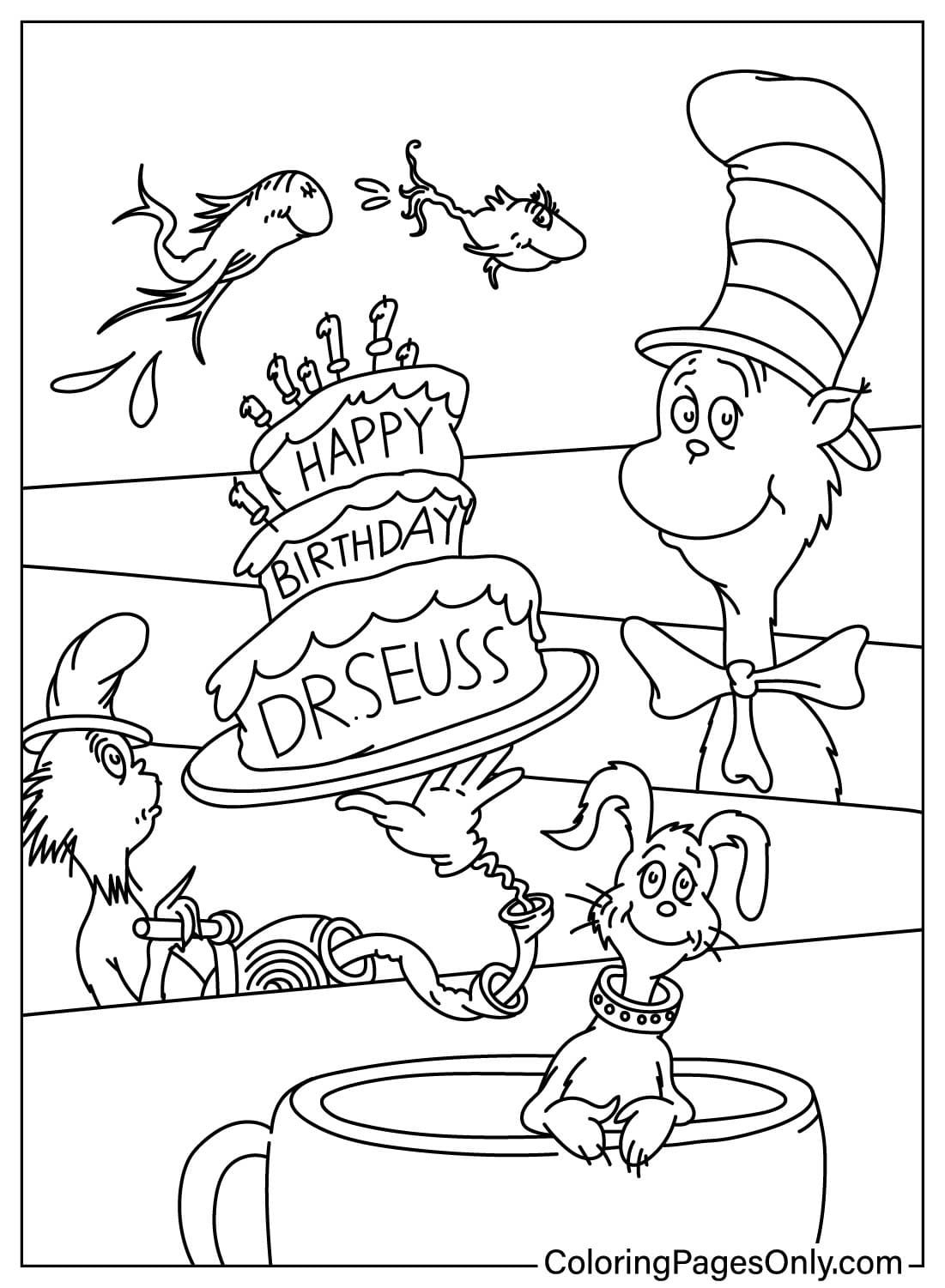
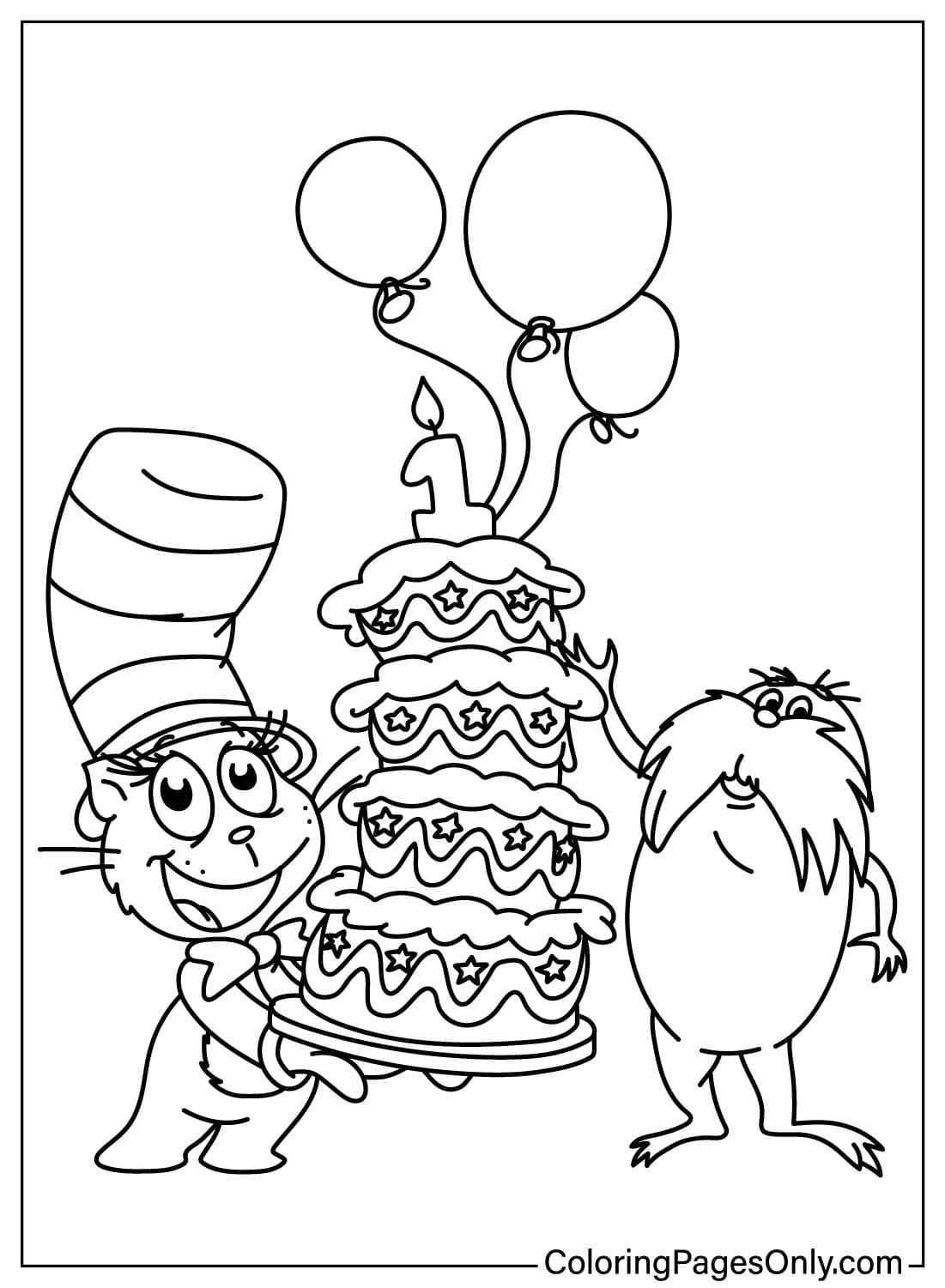
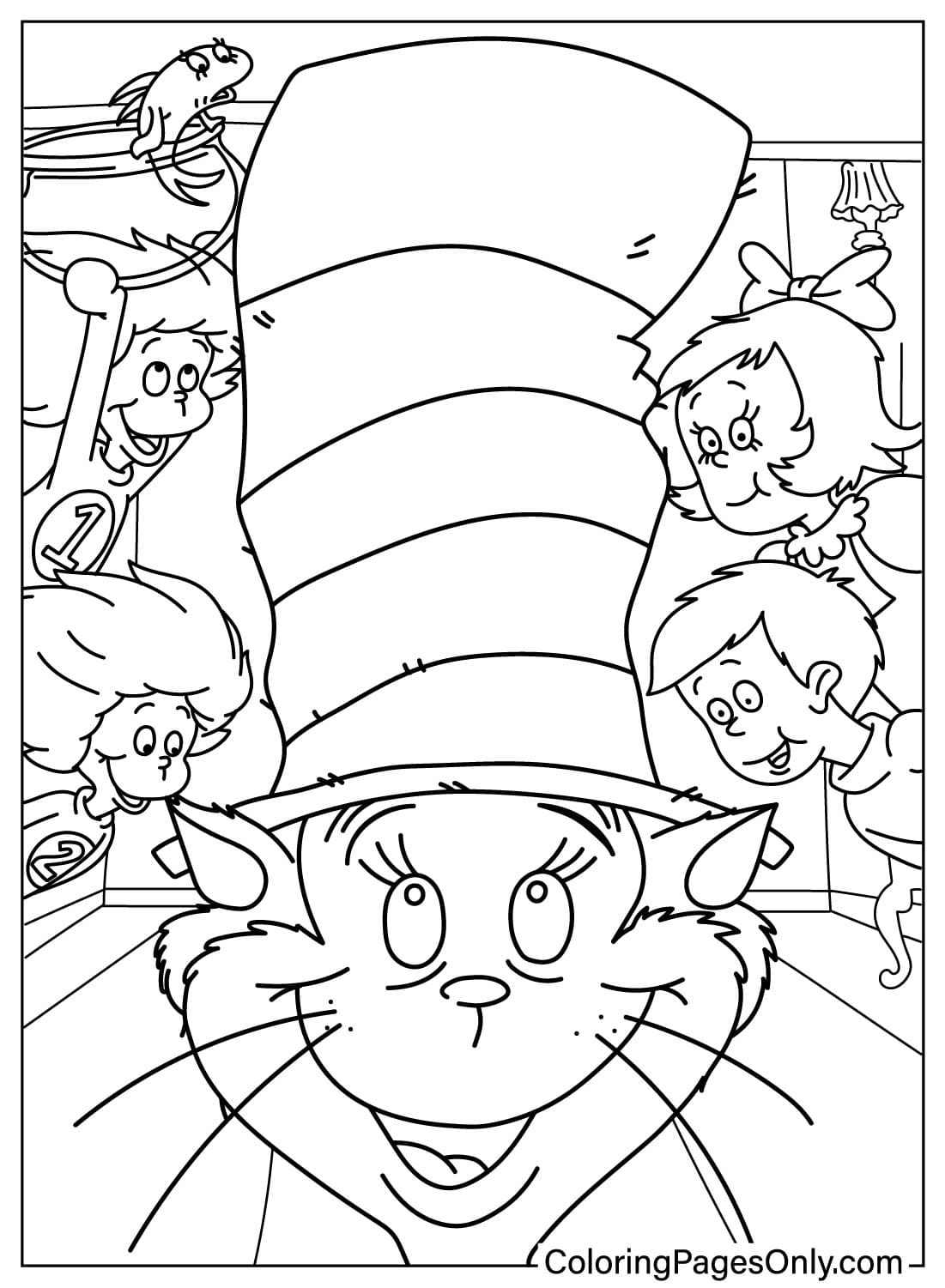
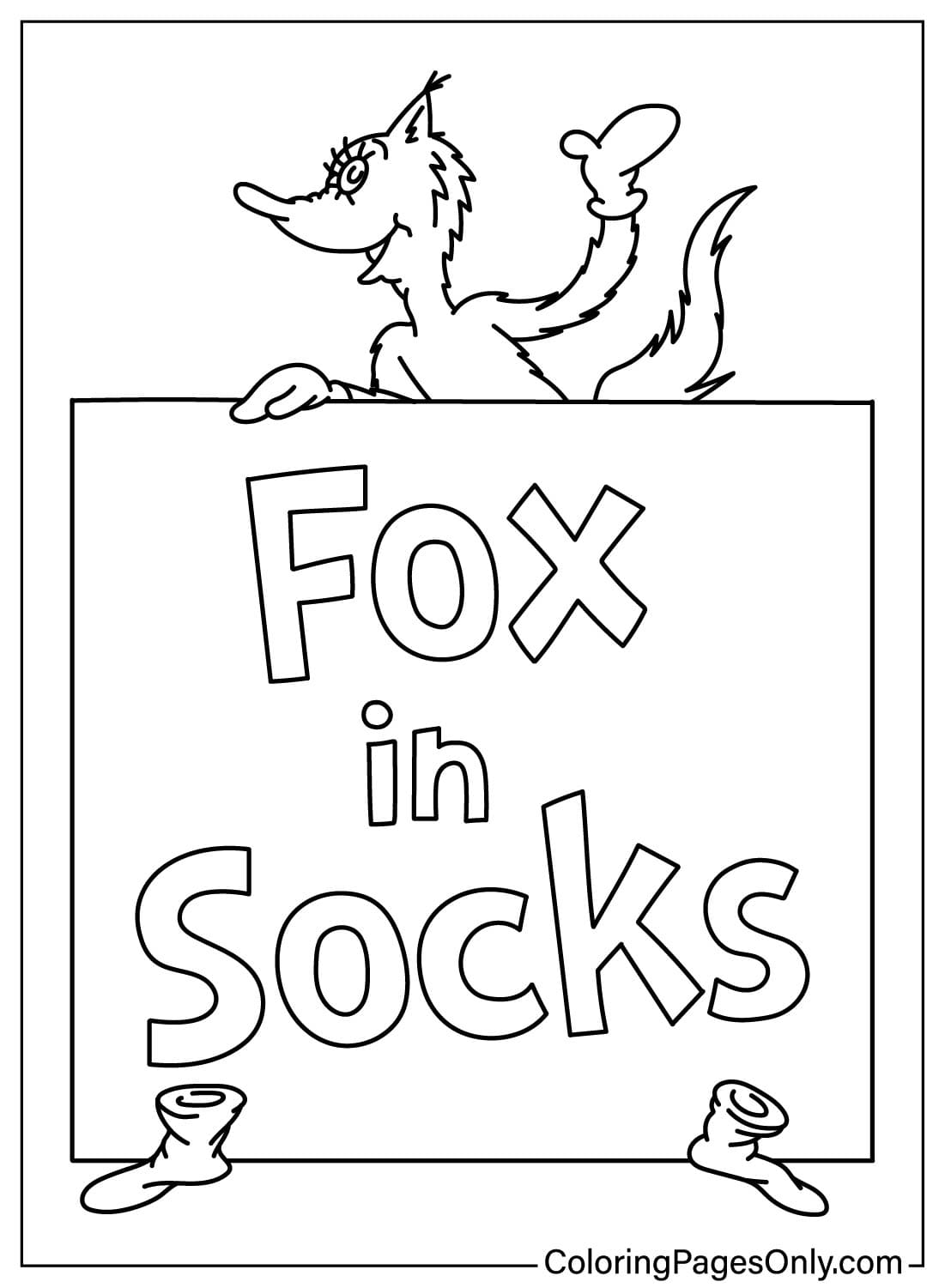
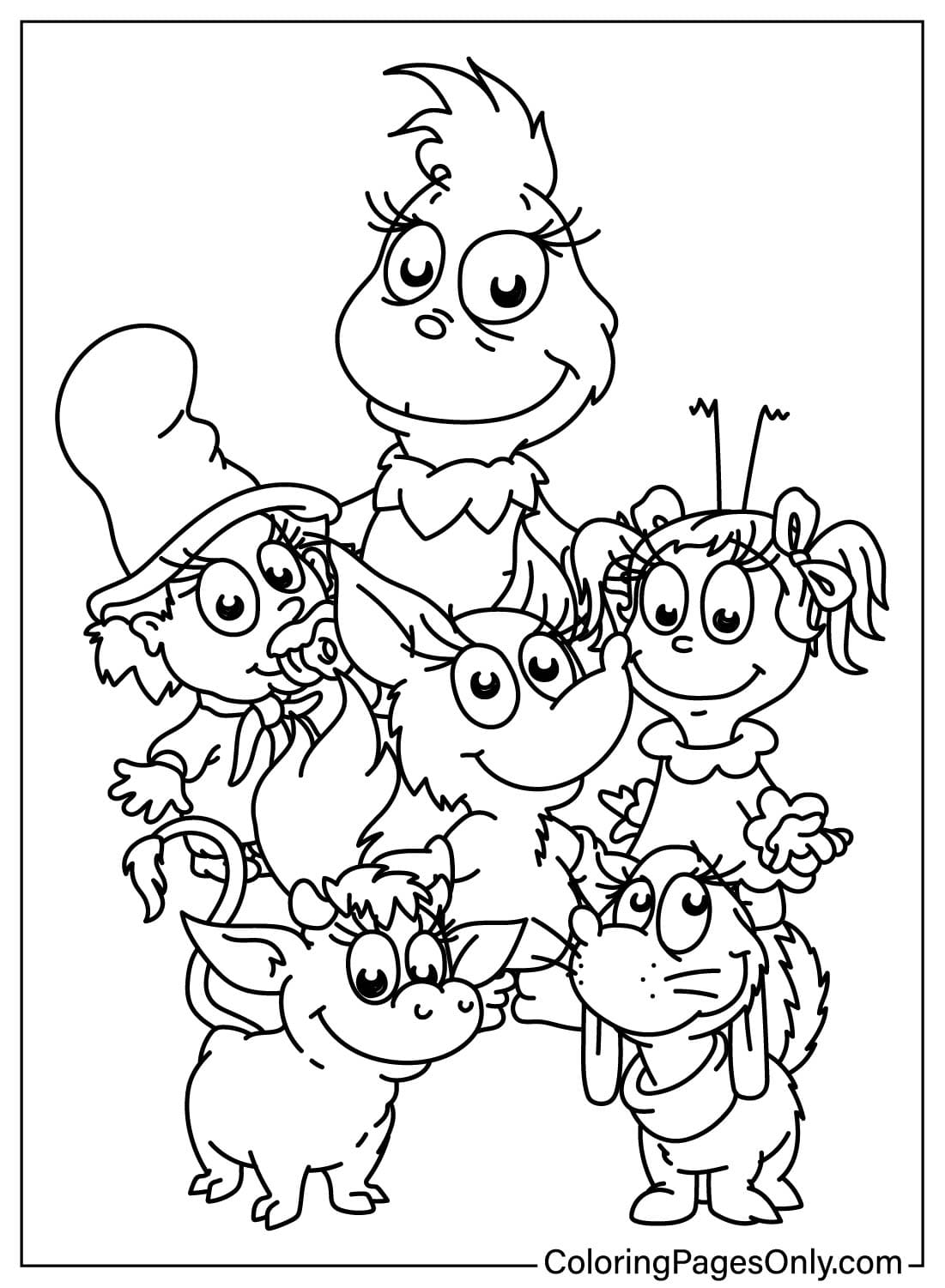
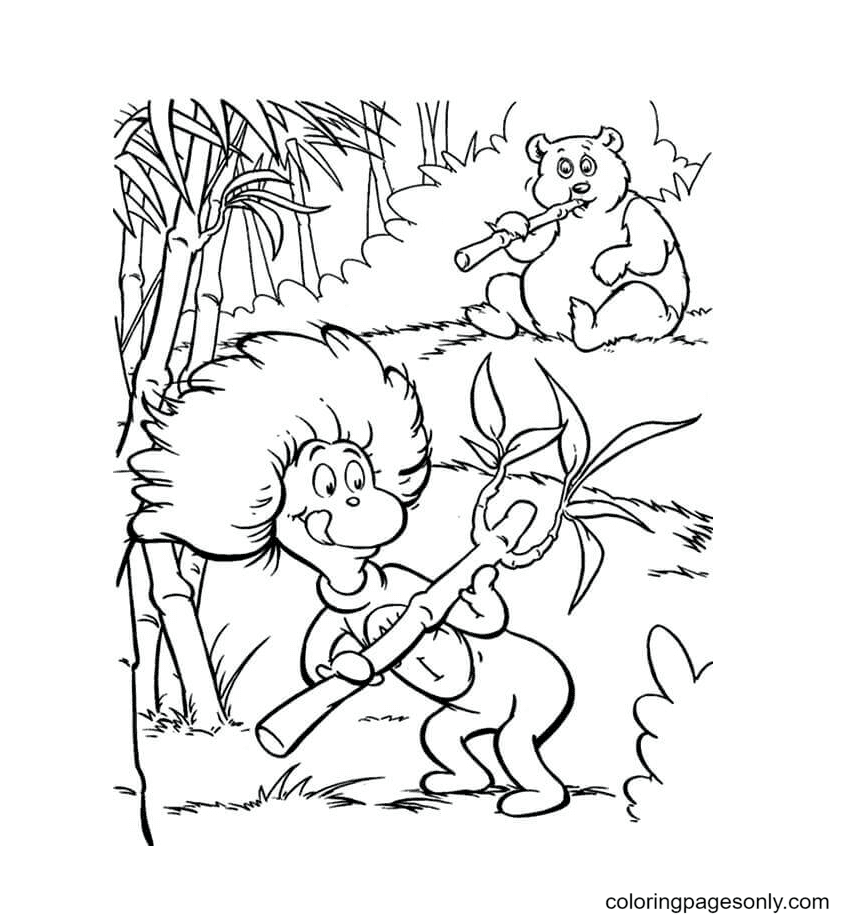
The 55 pages fall into a few clear groups, built around the Cat in the Hat, Thing One and Thing Two, the Lorax, Horton, and birthday and holiday scenes.
The Cat in the Hat Portraits and Scenes
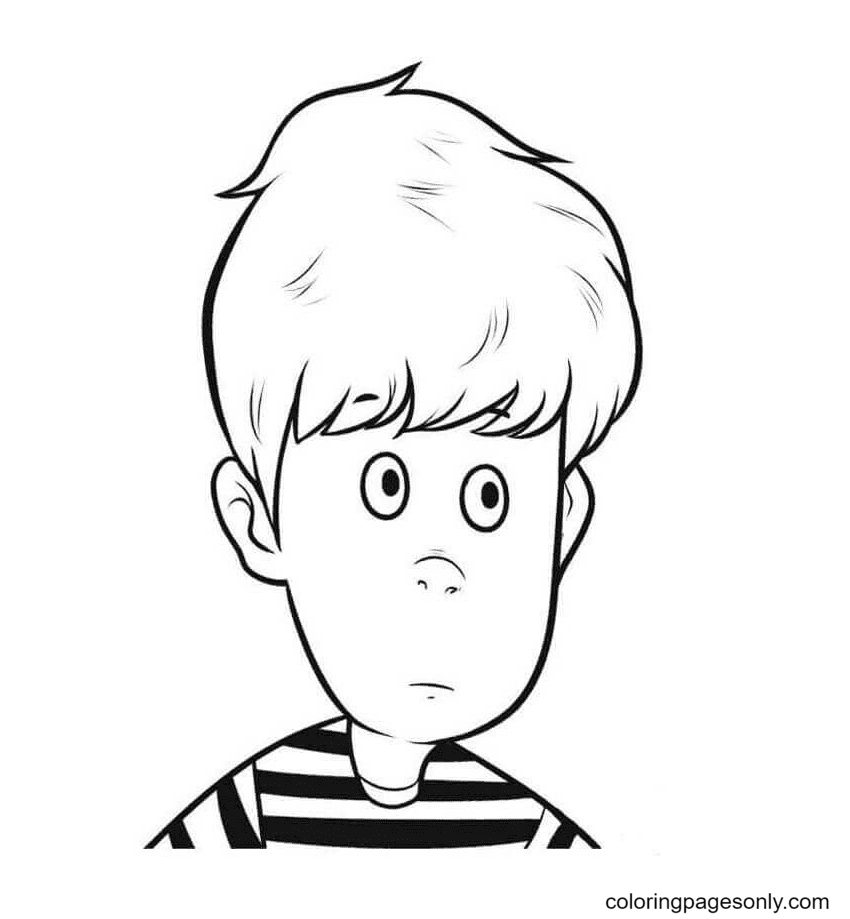
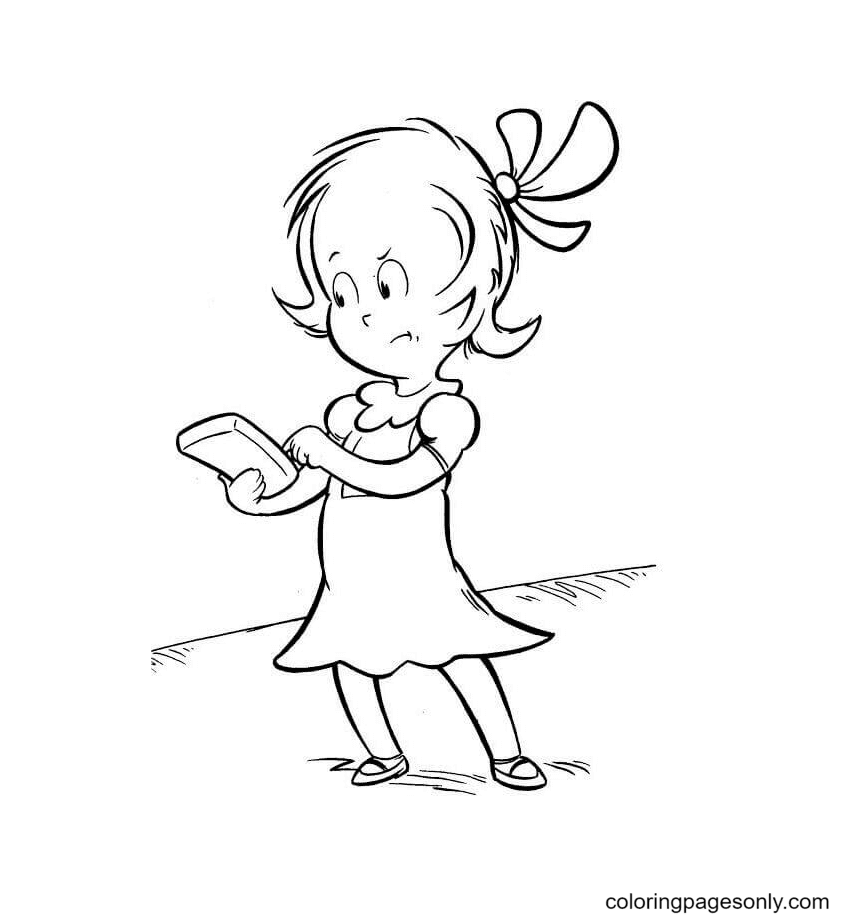
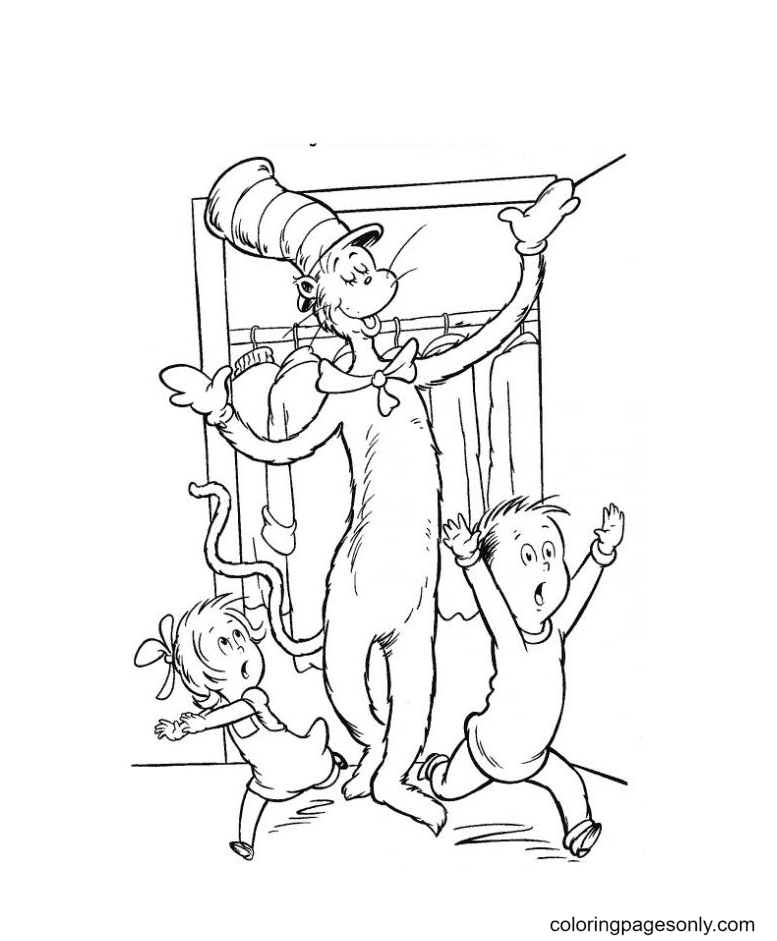
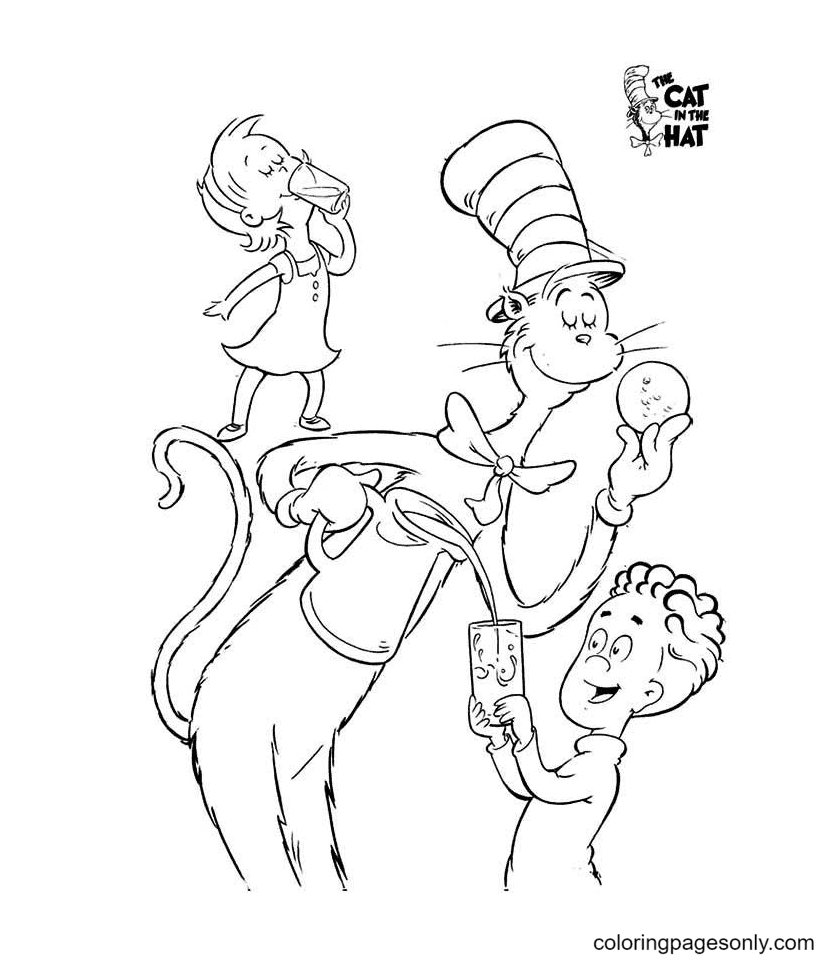
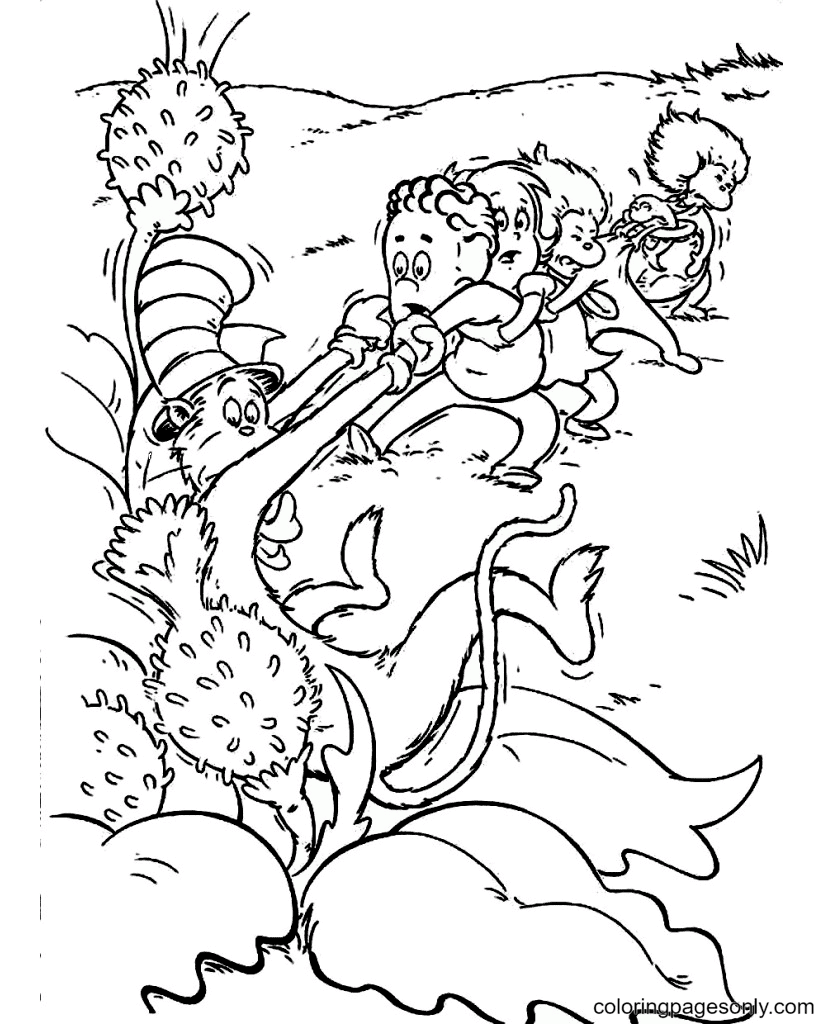
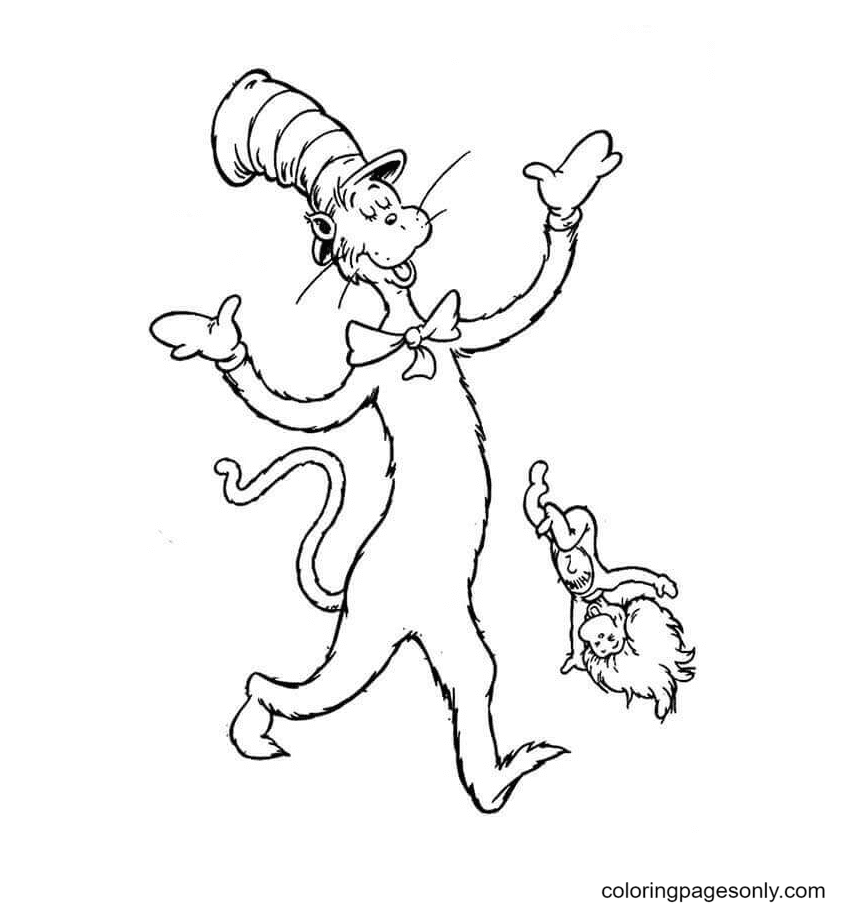
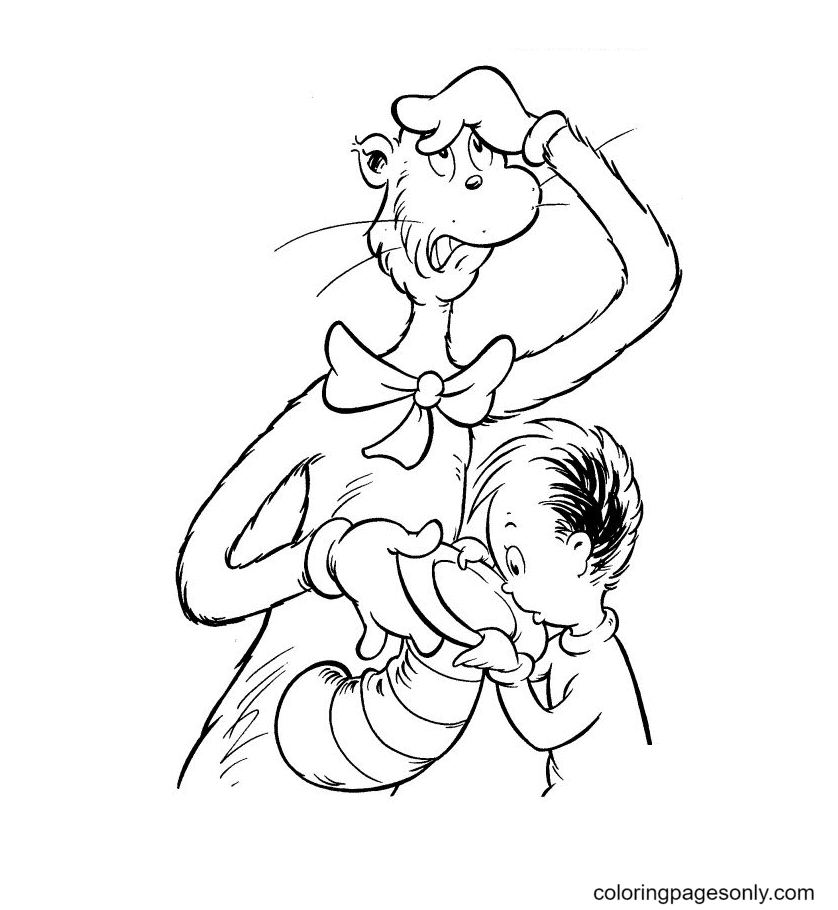
Twenty-two pages, the largest group, feature the Cat in the Hat alone or with the children, Sally, and her brother. This is the most repeated character in the collection by a wide margin. Keep the Hat’s Red and White stripes evenly spaced and the fur a clean White to keep the design instantly readable.
Thing One and Thing Two
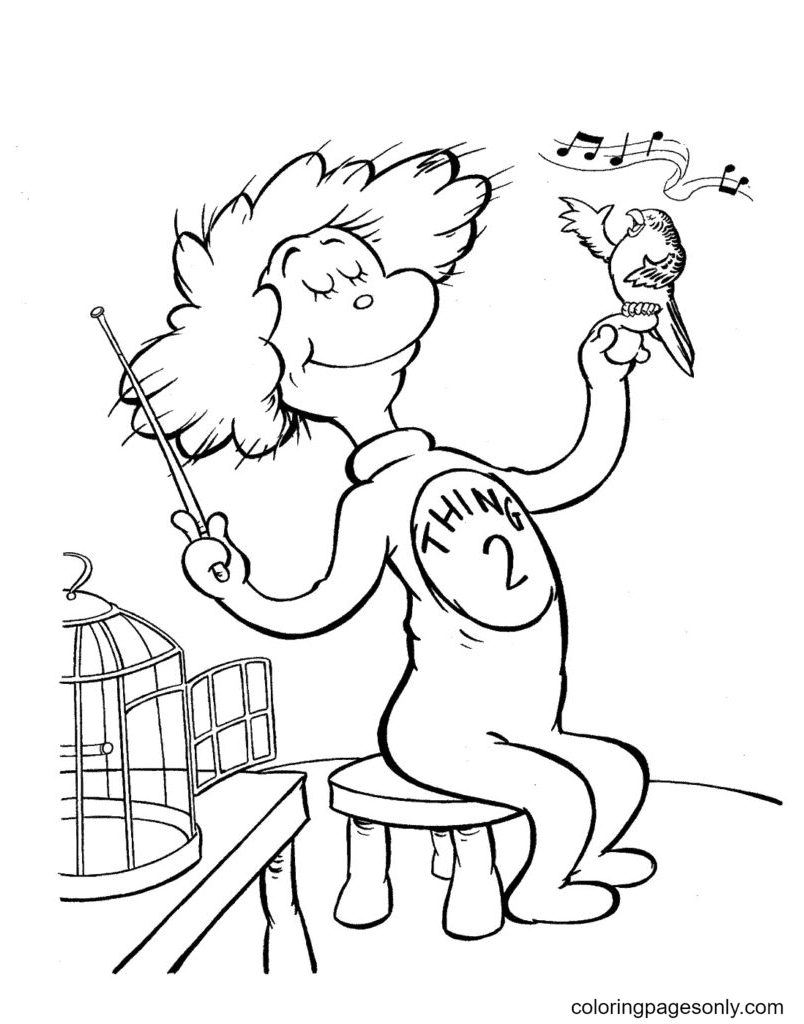
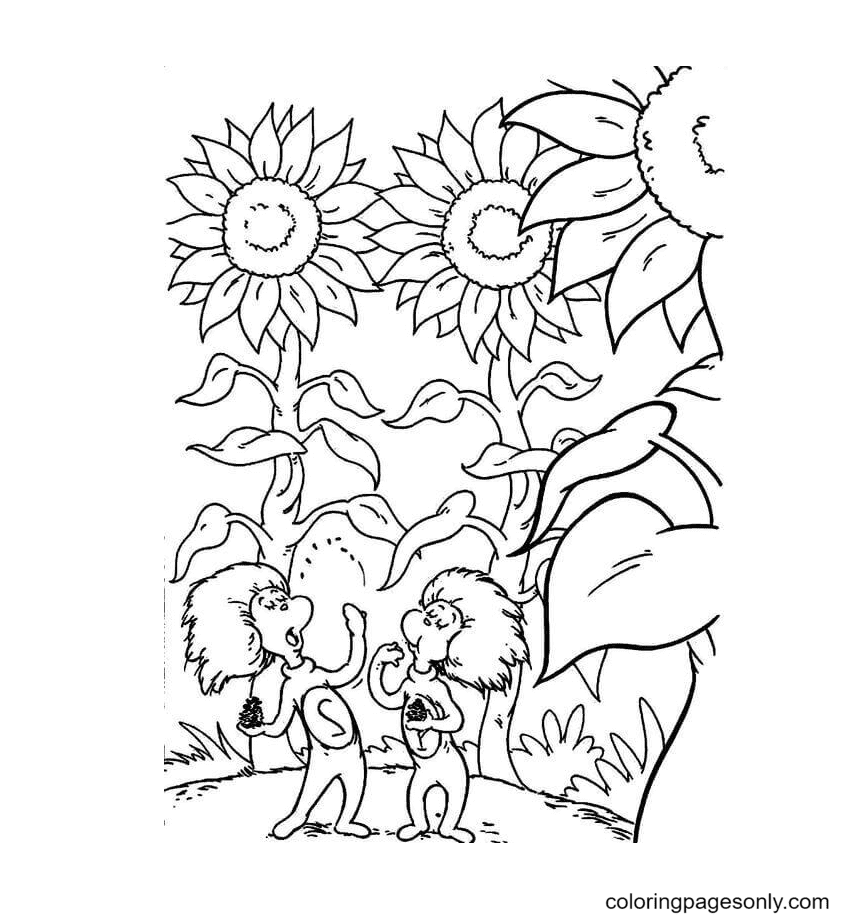
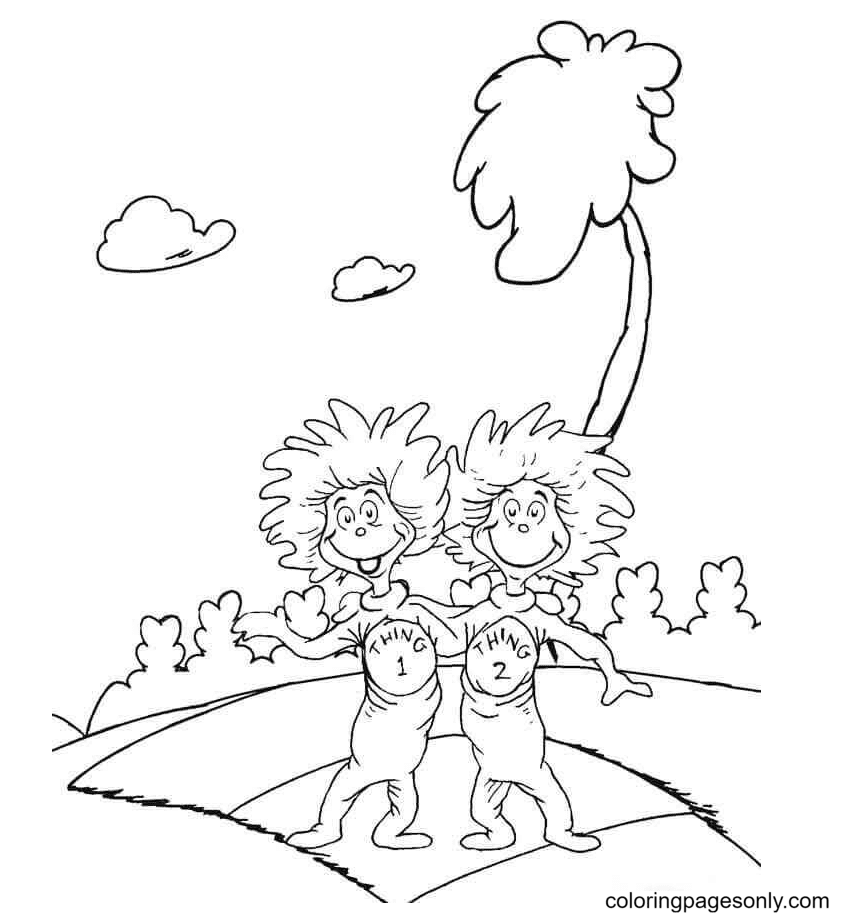
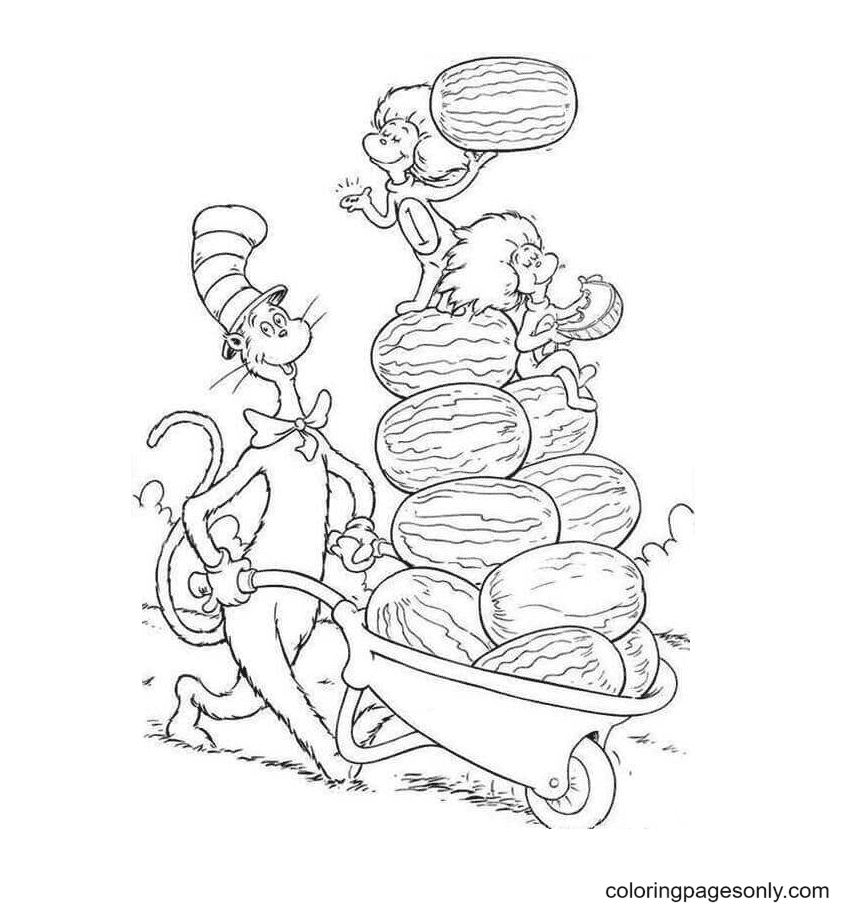
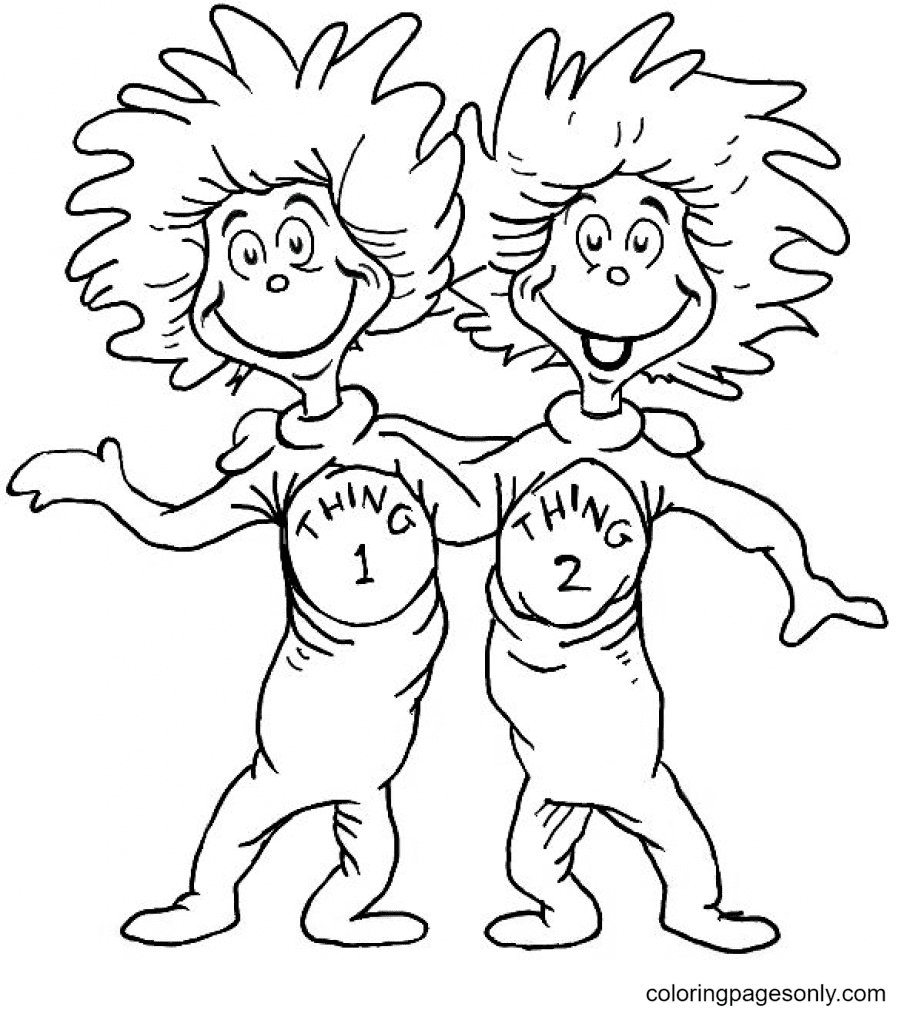
Seven pages feature Thing One and Thing Two, the mischievous blue-haired helpers from the same book. Color their hair a bright Blue and their jumpsuits Red, with the number 1 or 2 clearly visible on the chest, since that number is the only detail separating the two characters.
The Lorax and Horton
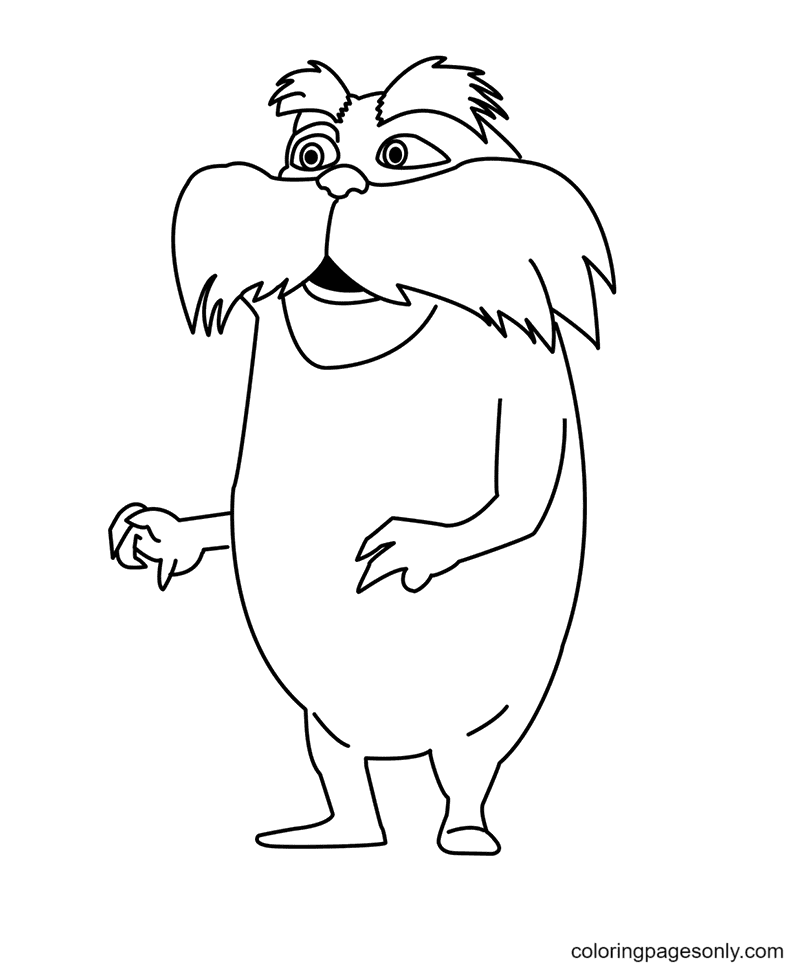
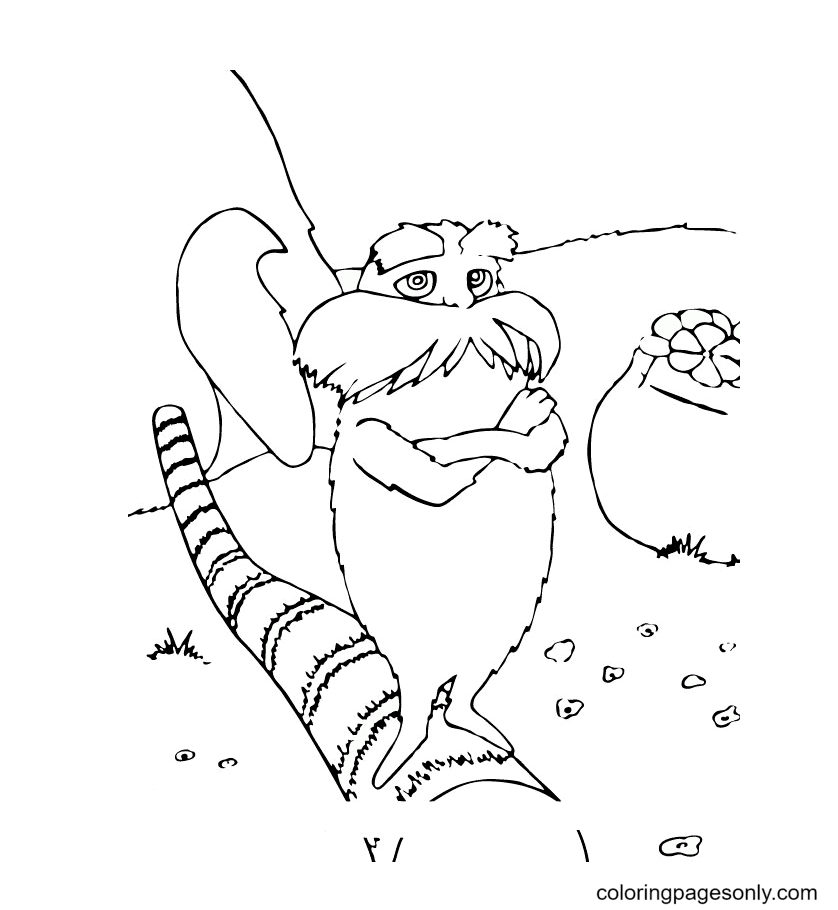
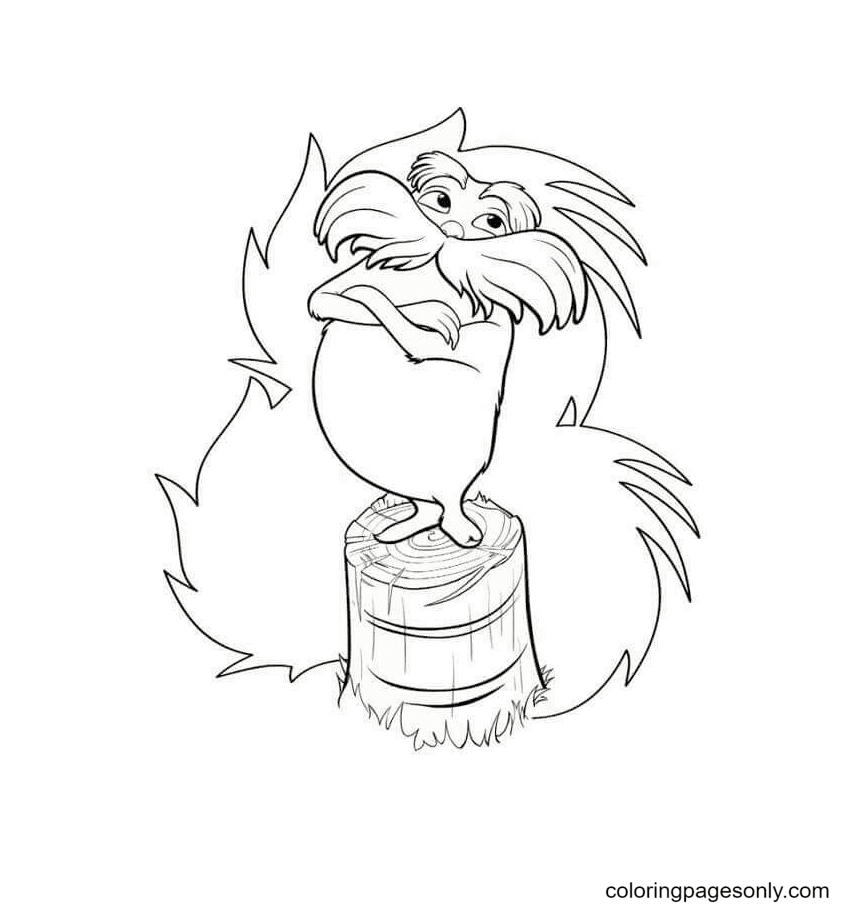
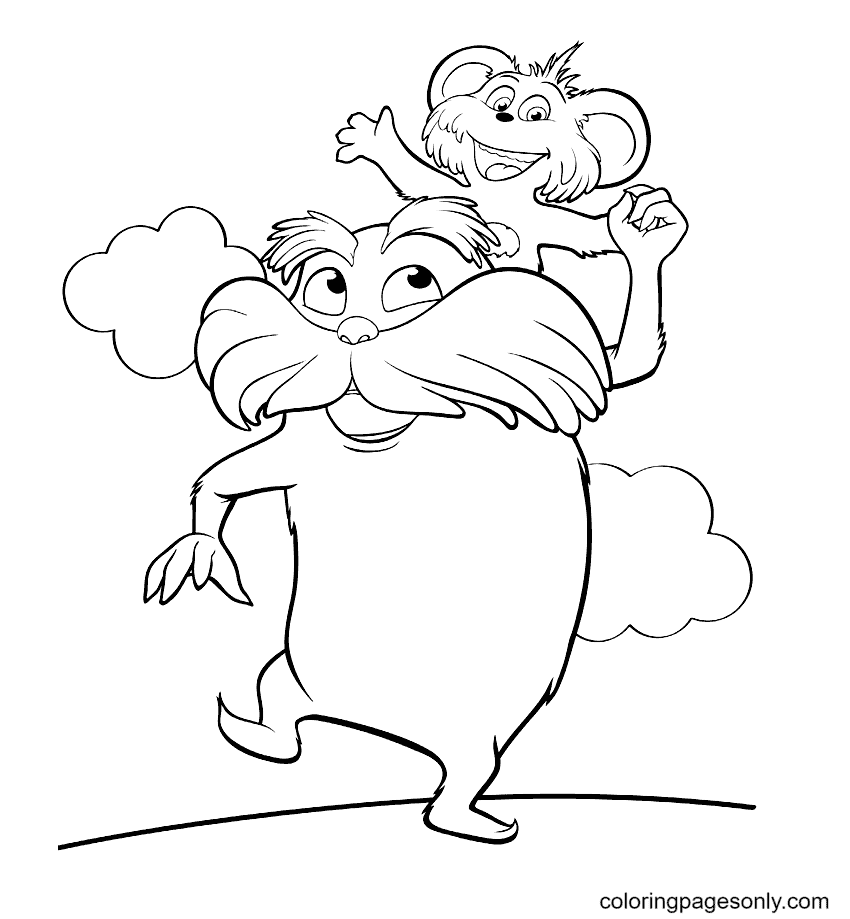
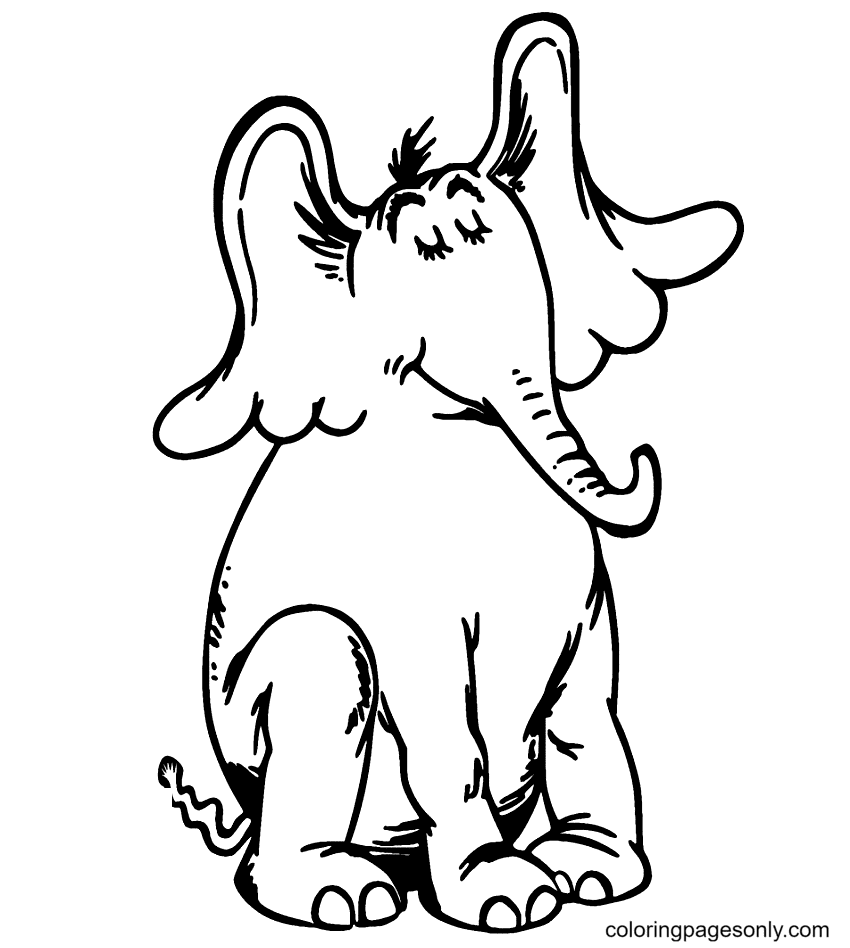
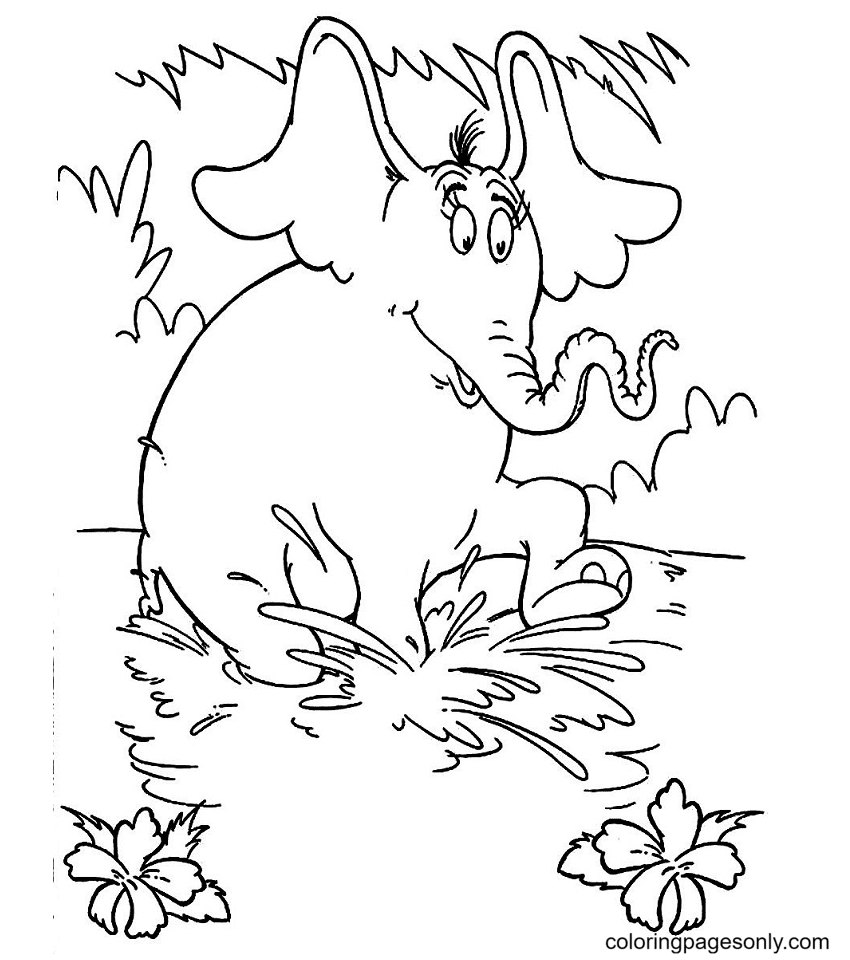
Seven pages feature The Lorax, who speaks for the trees in his own book, and Horton, the elephant from a separate story. Keep the Lorax in Orange with a bushy Yellow-Orange mustache, and Horton in a soft Gray, since these two characters come from different books with entirely different color palettes.
Birthday, Holiday, and Other Character Scenes
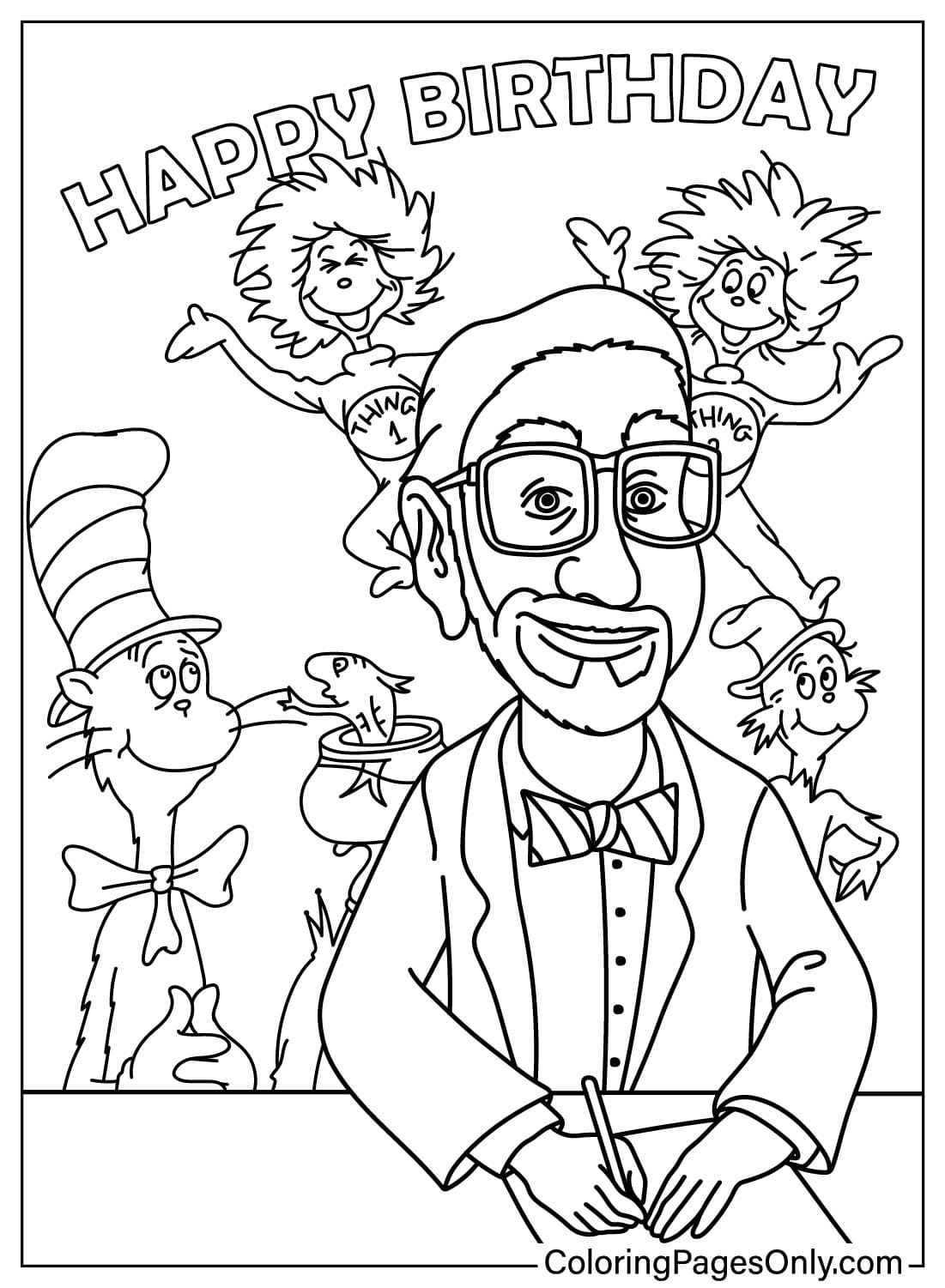
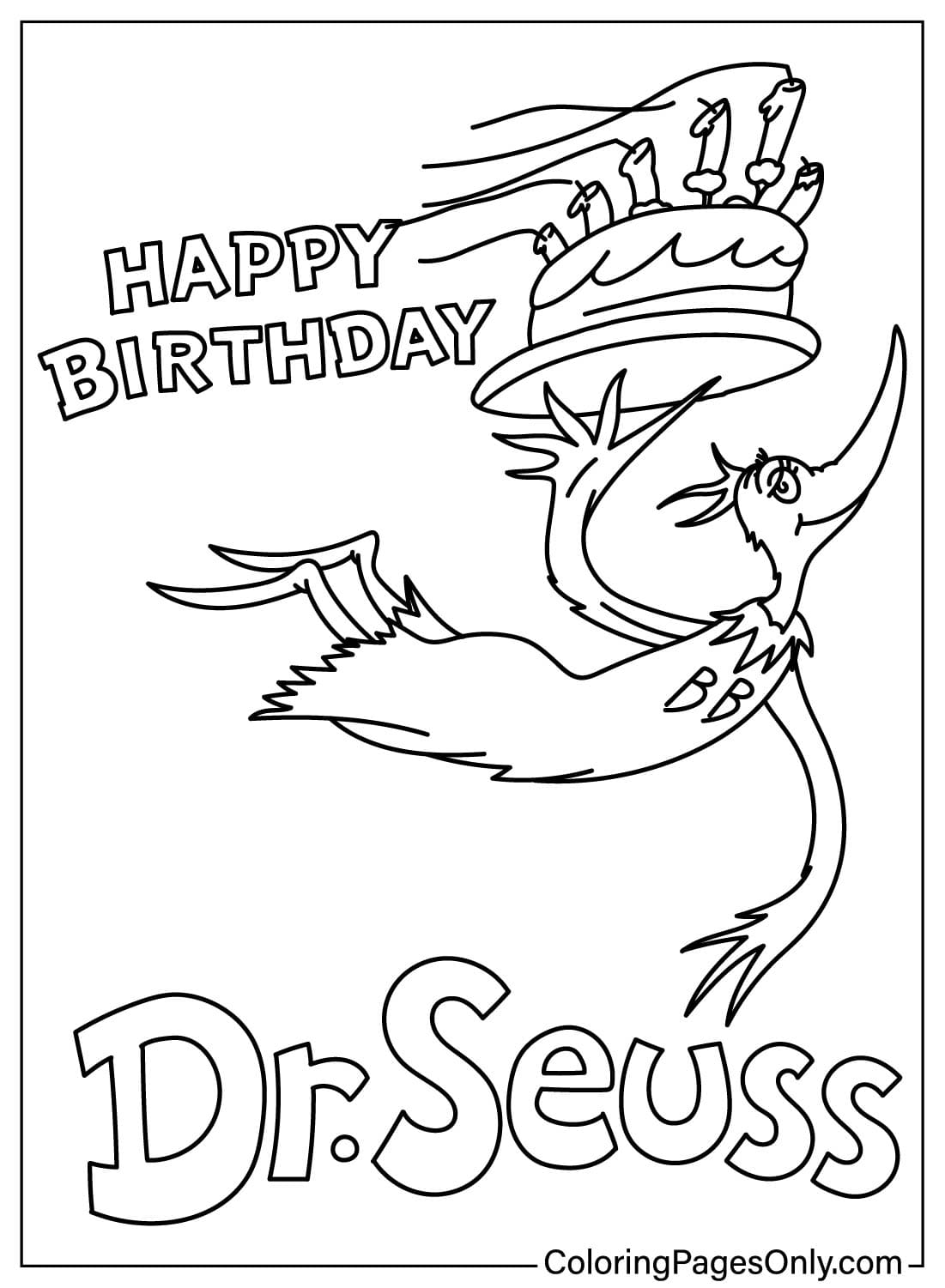
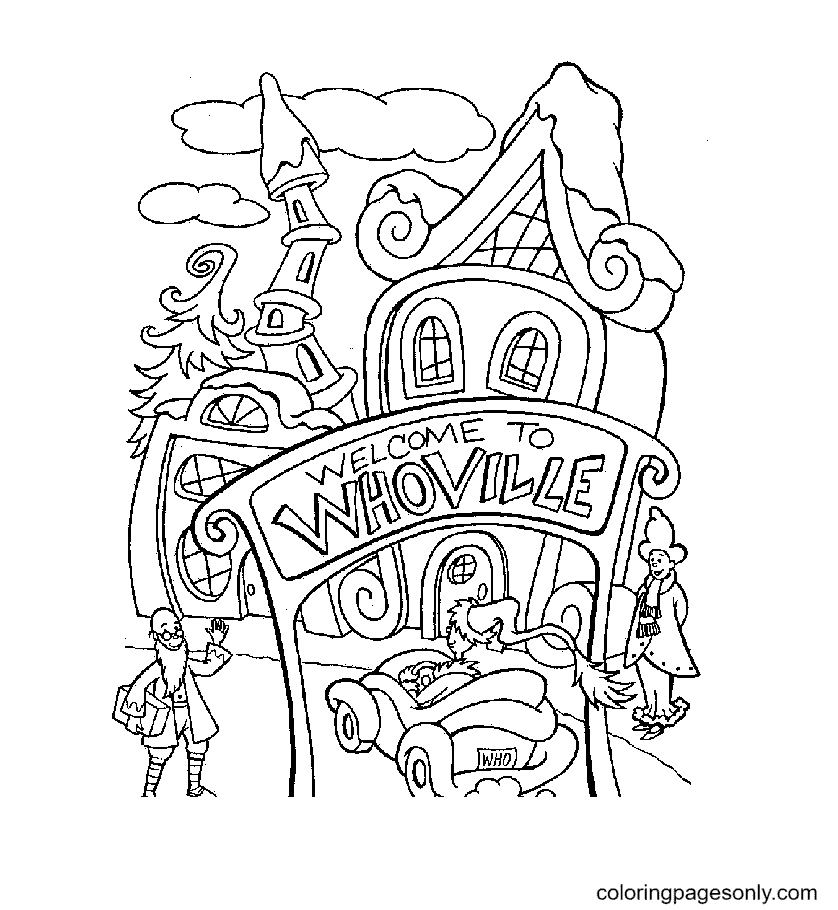
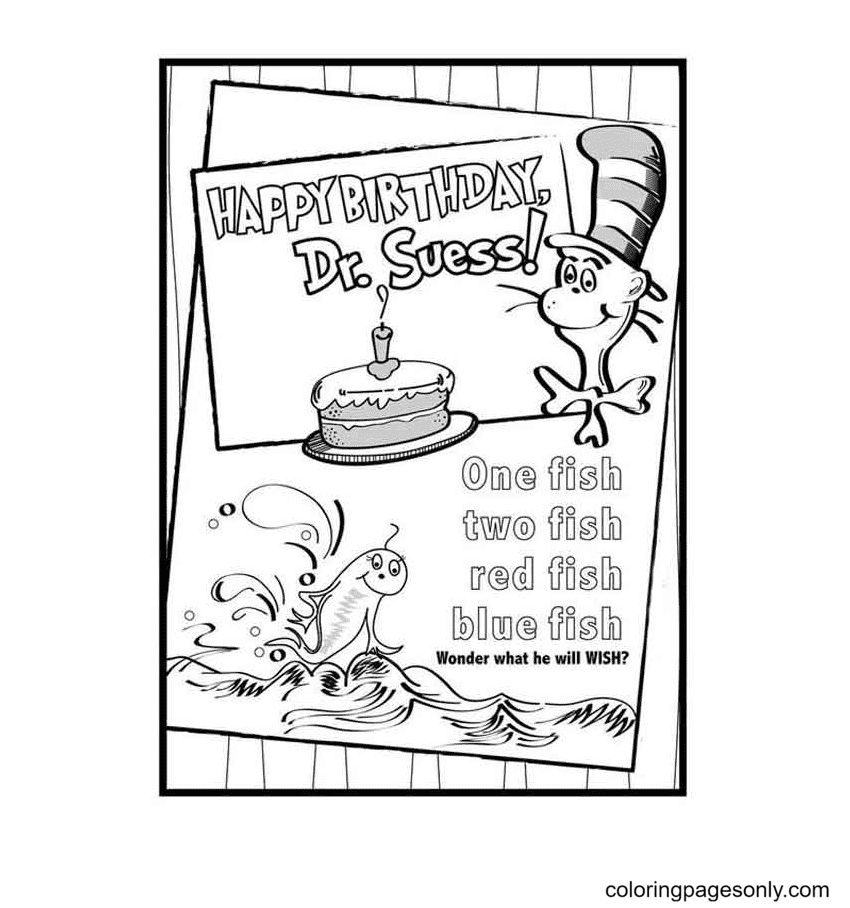
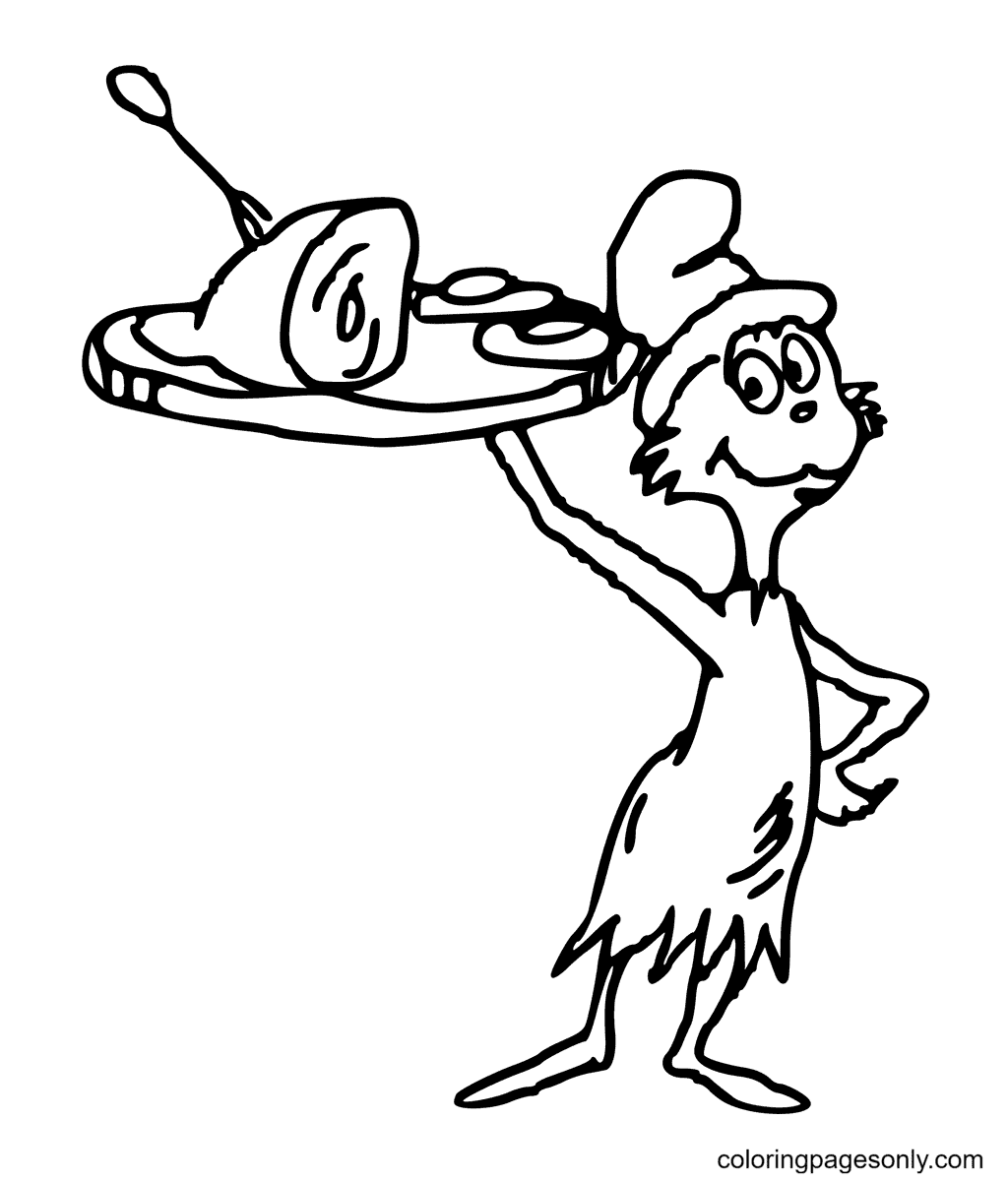
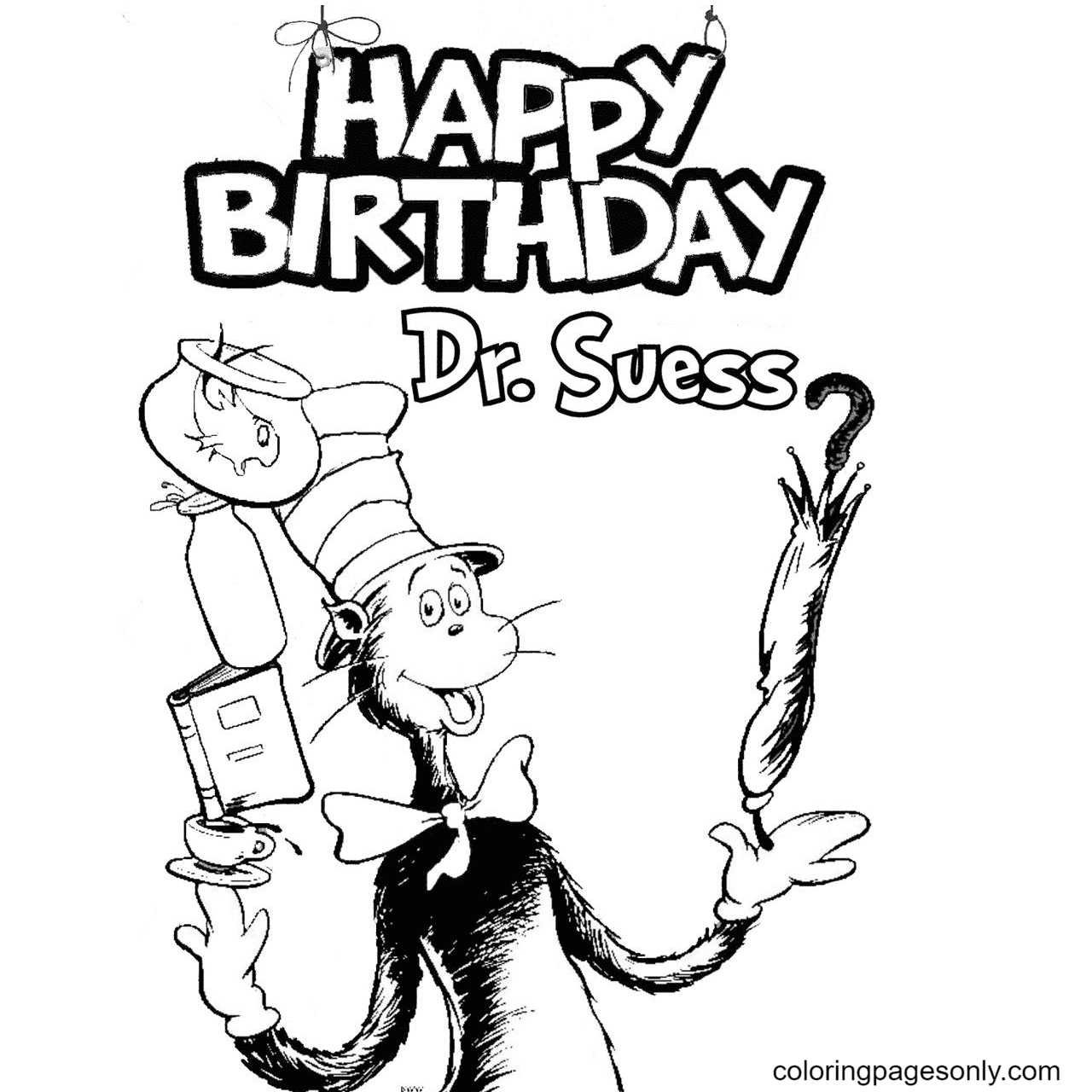
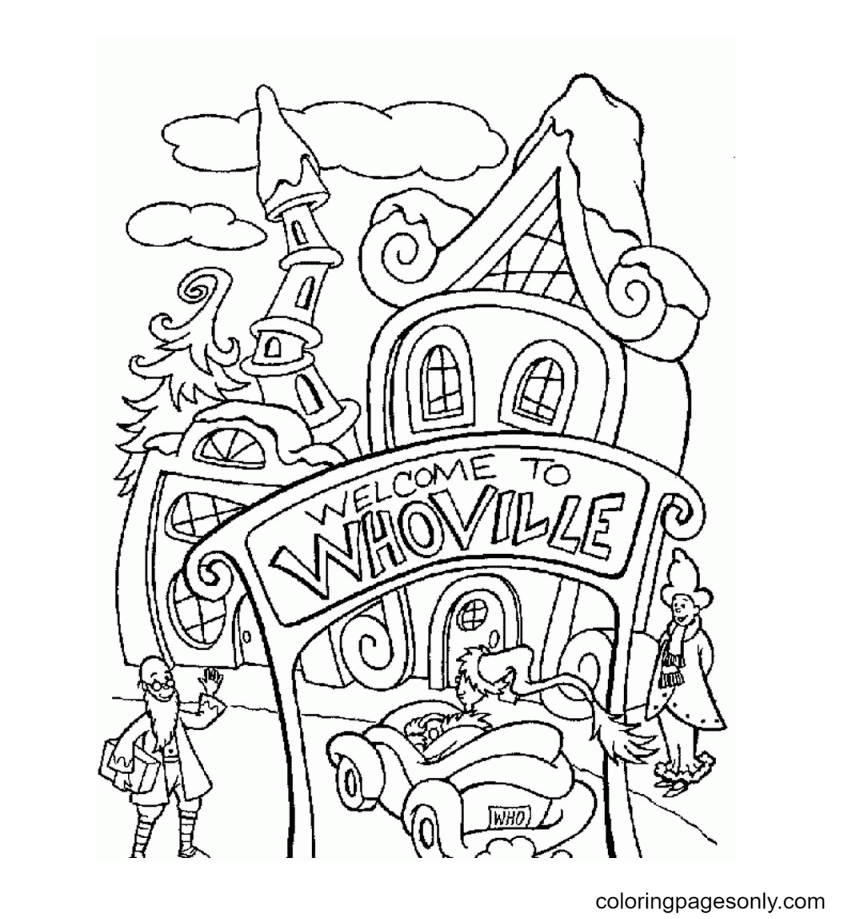
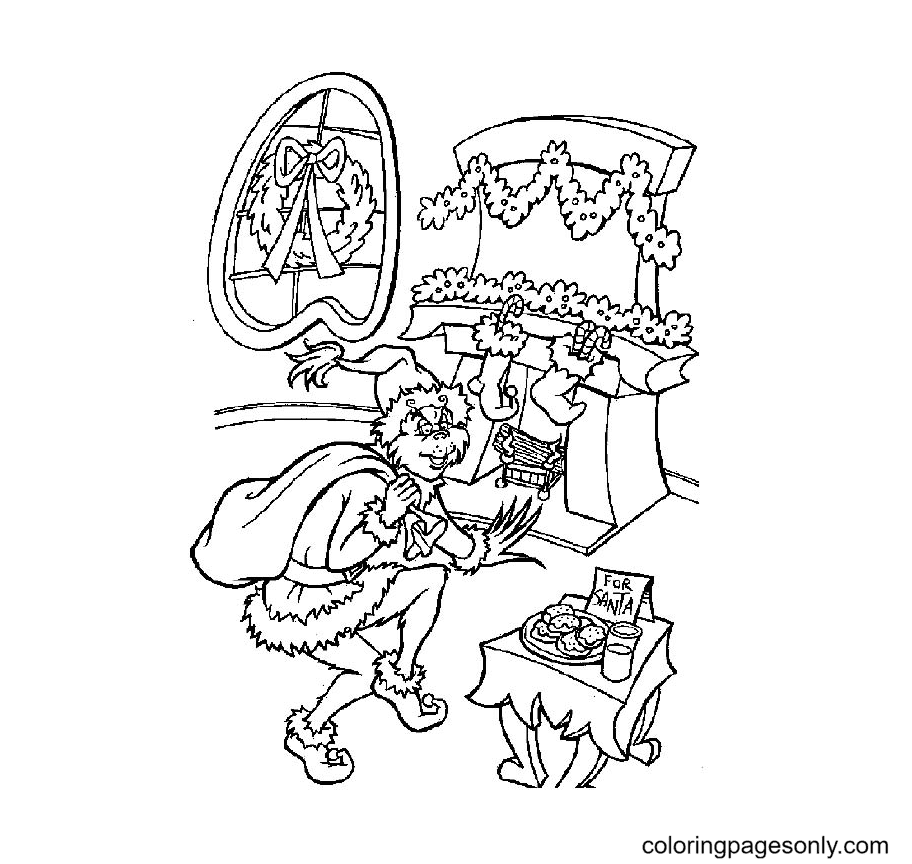
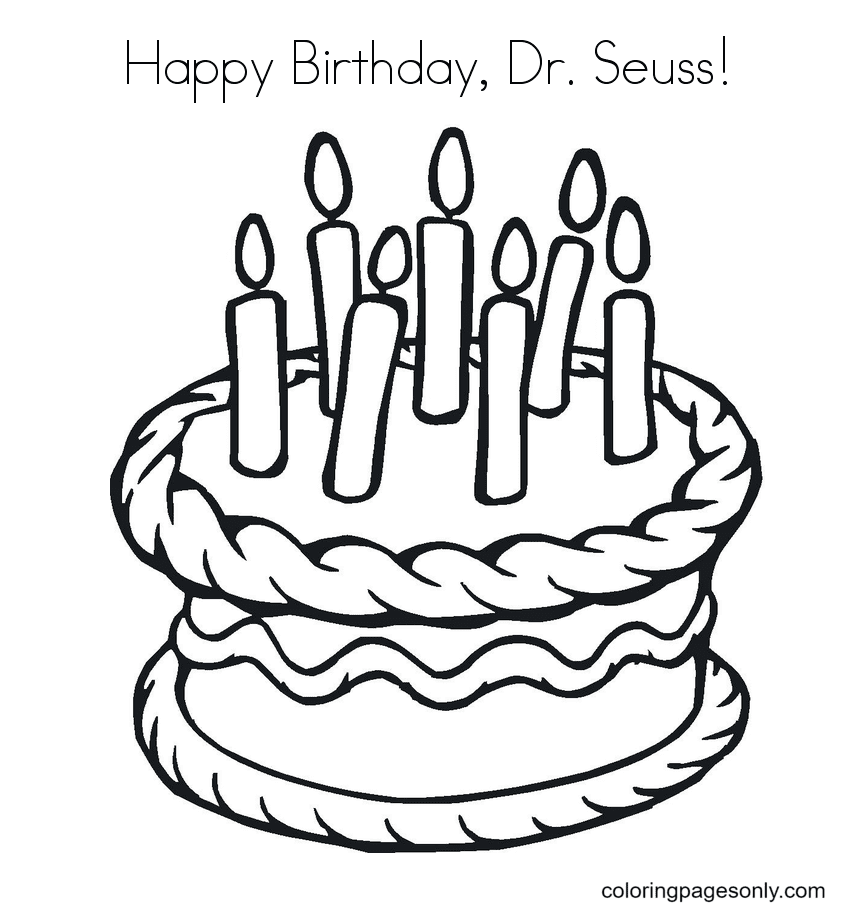
Nineteen pages cover birthday-themed designs tied to Read Across America Day, a Christmas scene set in Whoville, and a few additional characters, including Fox in Socks. These pages work well for a March 2 classroom celebration or a holiday-season coloring activity.
What Dr. Seuss Coloring Pages Do
A hat that has to stay crisp to stay recognizable. The Cat in the Hat’s striped Hat only reads correctly if the Red and White bands stay clean and evenly spaced, which turns a simple color choice into a small lesson in precision that a looser, more casual palette would not teach.
Fine motor development. Distinguishing Thing One from Thing Two by carefully coloring a single small number on each character’s chest calls for the controlled, detail-focused coloring the American Academy of Pediatrics associates with hand-strength gains in children ages 2 through 7.
A page connected to a real reading holiday. Many of these pages tie directly to Read Across America Day on March 2, giving a classroom coloring session an actual date and purpose on the calendar rather than being disconnected from any occasion.
Calm through familiar, repeated shapes. A 2005 Art Therapy Journal study linked coloring inside structured shapes to a measurable drop in anxiety, and the bold, simple outlines throughout this collection give a colorist plenty of that same low-stakes, repeatable structure to settle into.
How to Color Dr. Seuss Pages Well
Keep the Cat’s hat stripes even and separate: Alternate true Red and White bands around the Hat with clean, hard edges, since a blurred or uneven stripe pattern is the fastest way to make the Hat unrecognizable.
Use the chest number to tell Thing One and Thing Two apart: Color the number 1 or 2 on each character’s chest in a contrasting color from the Red jumpsuit, since this small digit is the only feature distinguishing the two.
Give the Lorax a bushy, textured mustache: Add short, layered strokes in Yellow-Orange for the Lorax’s mustache rather than one flat shape, since its texture is one of the character’s most recognizable features.
Keep Horton a soft, rounded gray: Use a gentle Gray for Horton’s body with Pink for his ears, avoiding harsh shading, since the character’s design is built around a soft, approachable look.
Match Whoville scenes to a warm holiday palette: On the Whoville-set page, lean toward Red, Green, and Gold, since the town is associated with a Christmas-season story.
Save bold color for birthday and party details: On the birthday-themed pages, use bright Primary colors for hats, cake, and decorations, keeping the character’s own established palette consistent with the other pages in the set.
5 Creative Craft Ideas With Dr. Seuss Coloring Pages
1. Read Across America Bookmark Set. Materials: two or three colored character pages, scissors, clear contact paper, and a hole punch. Cut each colored page into a bookmark-sized strip, cover both sides with contact paper, and punch a hole for a ribbon.
2. Classroom Birthday Banner. Materials: several colored birthday-themed pages, scissors, twine, and clear tape. Cut out each colored page, tape it to the twine at intervals, and hang the finished banner for a March 2 classroom celebration.
3. Character Greeting Card. Materials: a colored character page, folded cardstock, scissors, and glue. Trim the colored page to fit the card front, glue it in place, and write a message inside for a birthday or thank-you card.
4. Whoville Holiday Scene Display. Materials: a colored Whoville page, scissors, glue, and a piece of poster board. Trim and mount the colored scene on the poster board to build a small holiday display.
5. Story Character Fact Poster. Materials: several colored character pages, a poster board, glue, and a marker. Glue the colored characters onto the poster board, then write which book each one is from underneath.
Frequently Asked Questions
What are Dr. Seuss coloring pages?
Dr. Seuss coloring pages are printable designs featuring the Cat in the Hat, Thing One and Thing Two, the Lorax, and Horton, alongside birthday and holiday scenes. This collection includes 55 free designs available as printable PDFs or online coloring pages.
Who was Dr. Seuss?
Dr. Seuss was the pen name of Theodor Seuss Geisel, an American author and illustrator who wrote and illustrated more than 60 children’s books.
Why was The Cat in the Hat written with so few words?
The Cat in the Hat was written using only 236 words from an educator-approved list of 348, part of an effort to create an early reader more engaging than the standard primers used in classrooms at the time.
Is it true that Green Eggs and Ham started as a bet?
Yes. Publisher Bennett Cerf bet Theodor Geisel $50 that he could not write an engaging children’s book using 50 or fewer distinct words. Green Eggs and Ham, published in 1960, was the result.
Is the character Ted Wiggins from the original Lorax book?
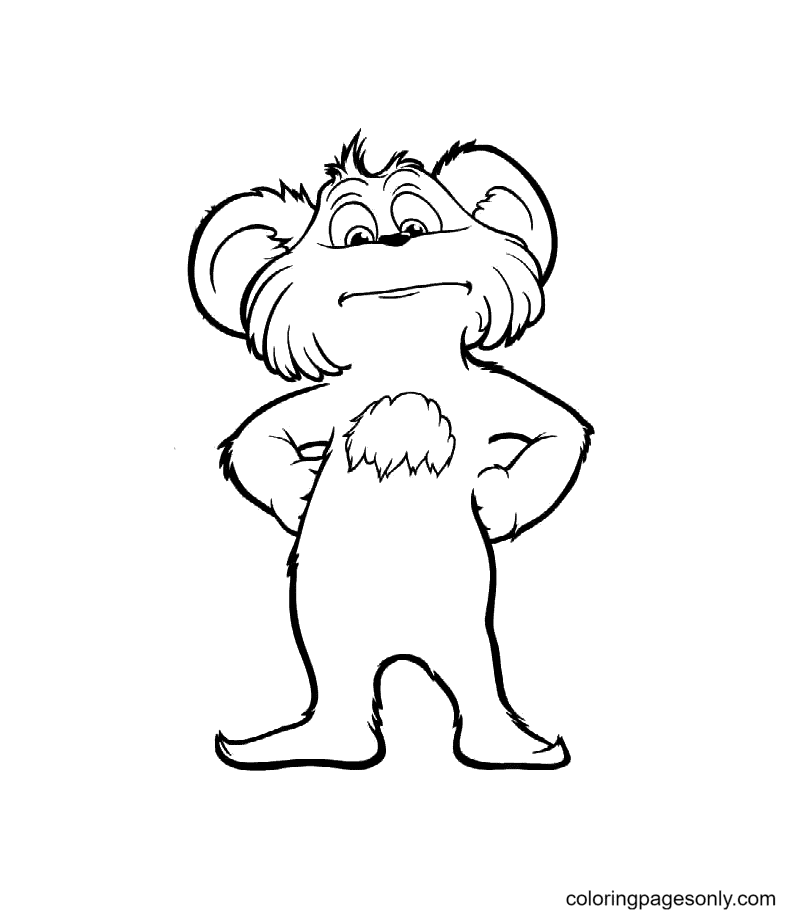
No. Ted Wiggins is a character from Illumination’s 2012 animated film adaptation of The Lorax and does not appear by that name in Dr. Seuss’s original 1971 book.
What does Read Across America Day have to do with Dr. Seuss?
Read Across America Day, held March 2 to mark Geisel’s birthday, was established by the National Education Association to encourage children’s reading and has long been associated with his books and characters.
Are Dr. Seuss coloring pages suitable for young children?
Yes. The simple Cat in the Hat and Thing One and Thing Two portraits suit ages 3 and up. The more detailed multi-character scenes suit ages 5 and up.
Can these pages be downloaded or printed without an account?
Yes. Every page can be downloaded or printed directly with no account, email, or payment required.
Start Coloring
Download any page by clicking the design. No account, email, or payment is required. Pages print directly from the browser at full resolution or open in the online coloring tool for screen use. Share finished pages on Facebook or Pinterest with the share buttons at the top of each design page.