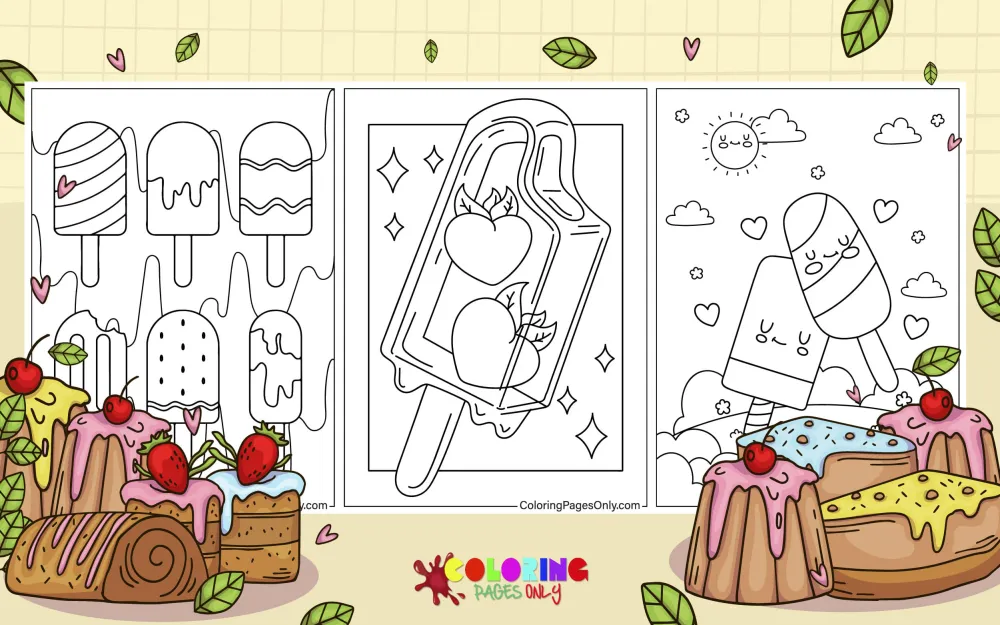
Free Popsicle coloring pages: 50+ pages featuring cute ice pops, smiling popsicle characters, rainbow popsicles, fruit popsicles, melting popsicles, chocolate syrup treats, kawaii popsicles, summer party scenes, popsicle patterns, ice cream bars, letter P worksheets, trace and color pages, color by number activities, and easy printable designs for kids, classrooms, summer crafts, and online coloring. All free, printable PDF and online coloring for kids, parents, teachers, summer activity planners, ice cream lovers, and anyone who wants a bright, playful coloring collection built around cool treats, fruity flavors, sunny days, simple shapes, cheerful characters, and creative summer fun.
Popsicles are one of the easiest summer treats for children to recognize because the shape is simple, bold, and fun to color. A popsicle usually has a clear ice pop body, a wooden stick, bright flavor colors, and sometimes drips, sprinkles, fruit pieces, chocolate syrup, or a smiling face. That simple structure makes popsicle pages useful for young children, while more detailed designs can become relaxing coloring pages for older kids and adults.
This collection works because popsicles can be many things at once. A single popsicle can be a simple toddler page. A rainbow popsicle can teach color order. A fruit popsicle can introduce fresh fruit shapes. A melting popsicle can show movement and summer heat. A kawaii popsicle can become a cute character. A worksheet page can support letter learning, tracing, color-by-number practice, and classroom activities.
That is why Popsicle coloring pages are especially useful for summer. They fit vacation folders, classroom art time, birthday party tables, picnic activities, preschool worksheets, kindergarten centers, and screen-free creative breaks. Children can color one easy ice pop quickly, or they can spend more time on a detailed summer party scene, fruit popsicle design, or mandala-style popsicle pattern.
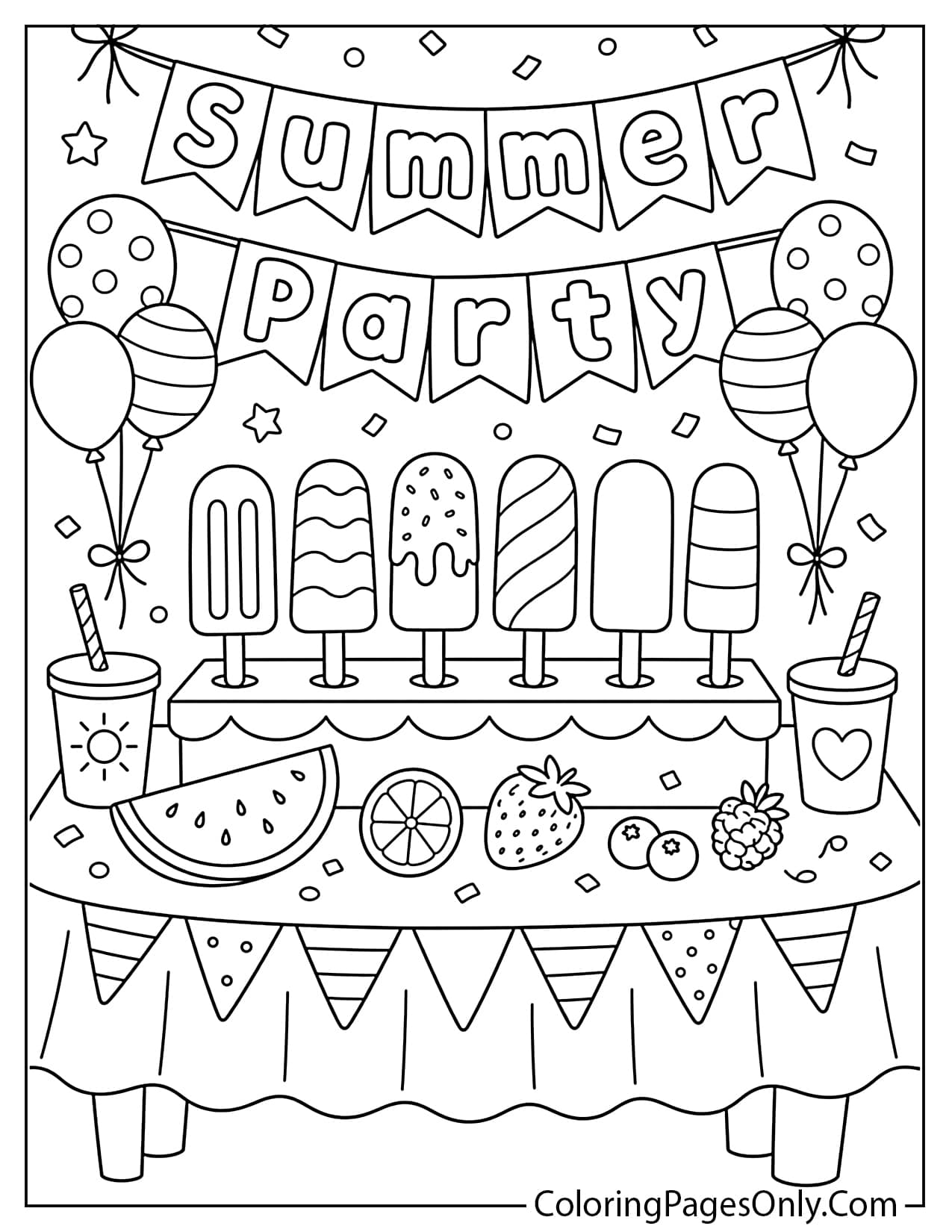
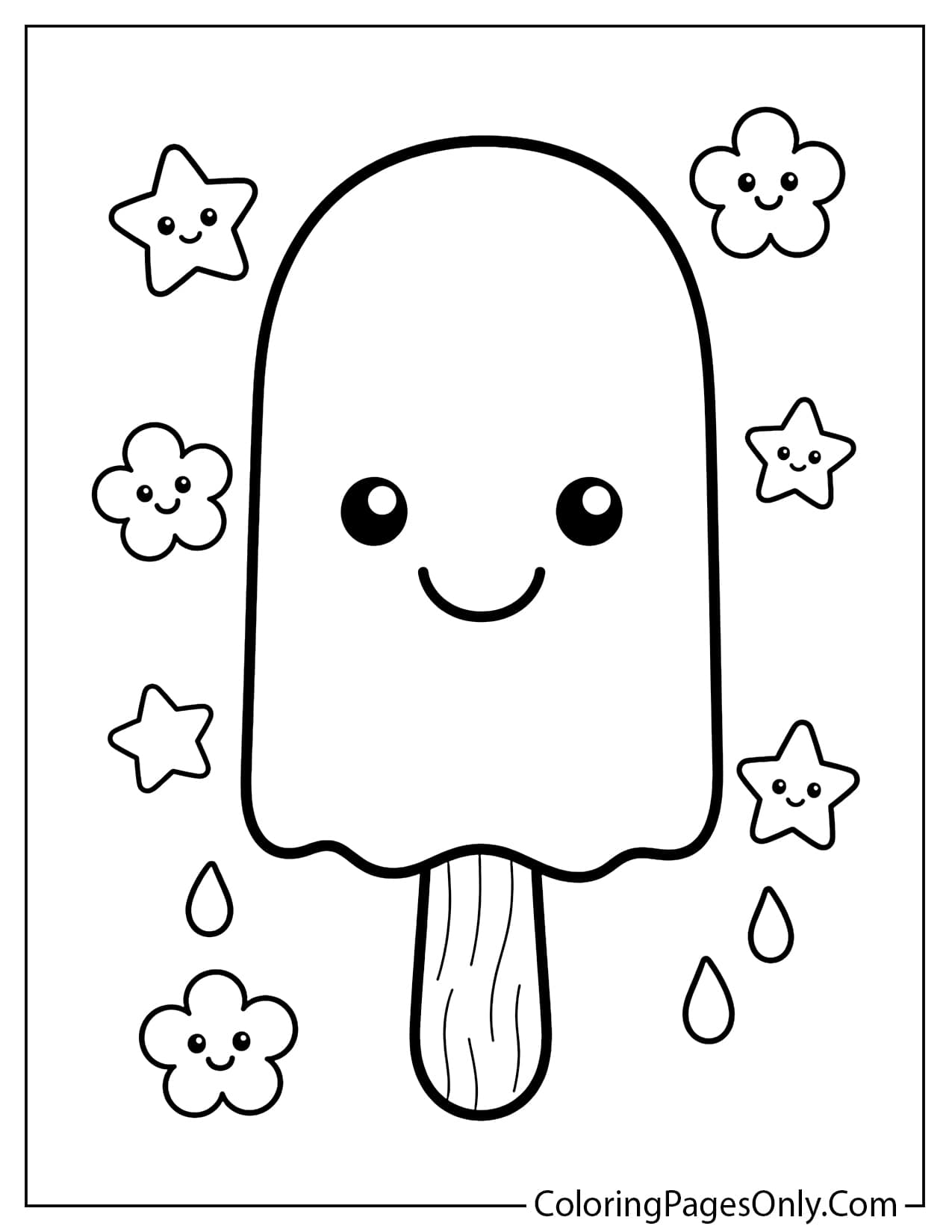
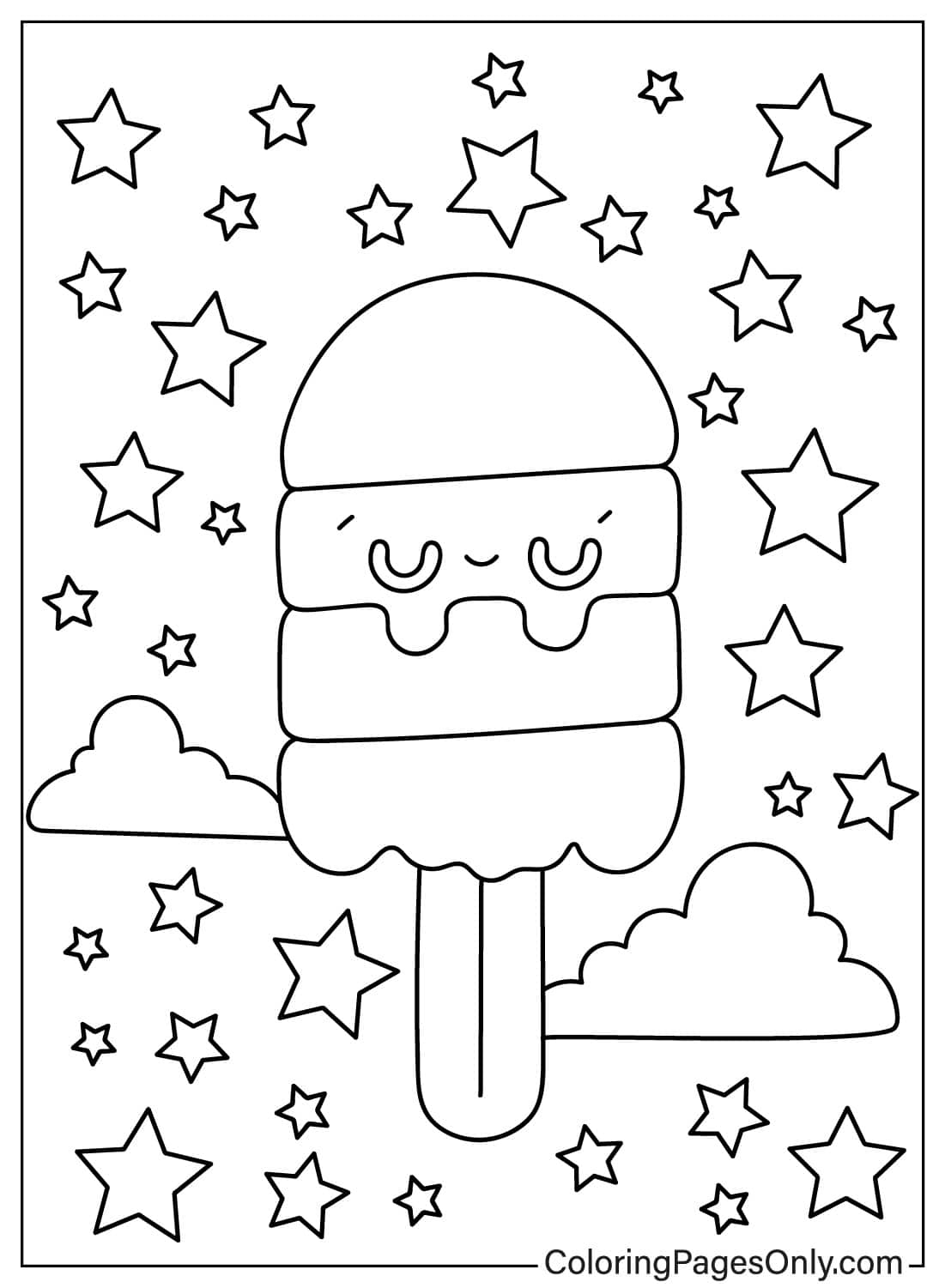
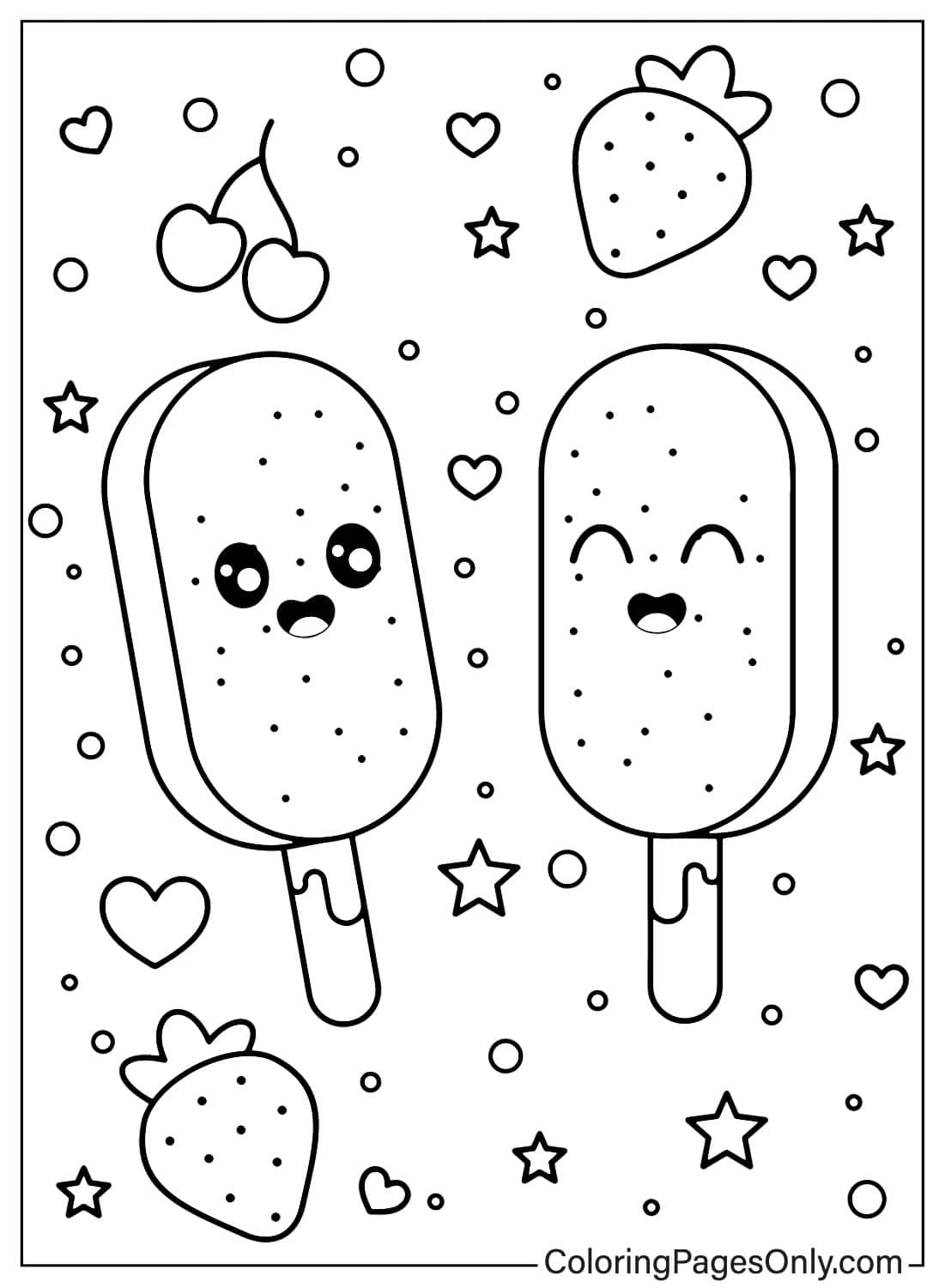
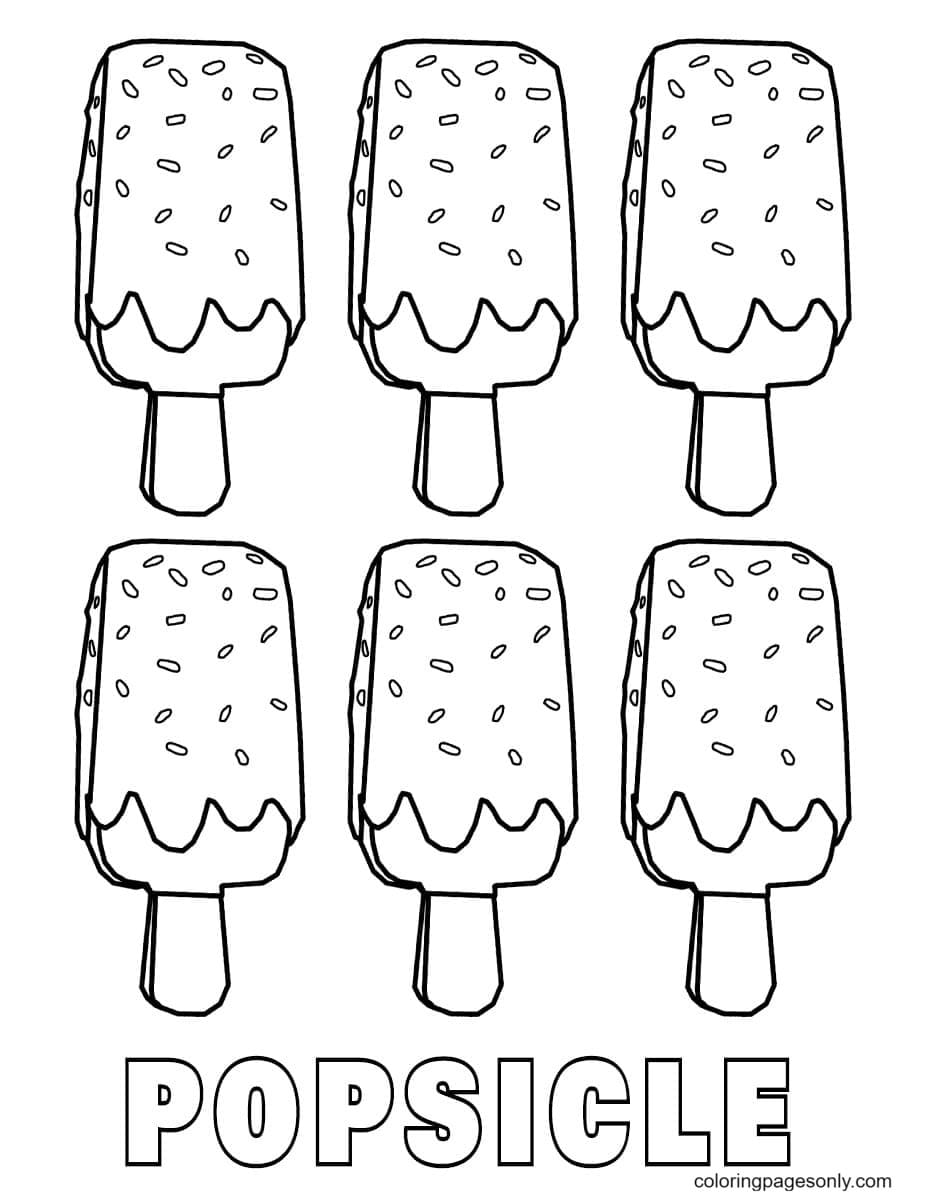
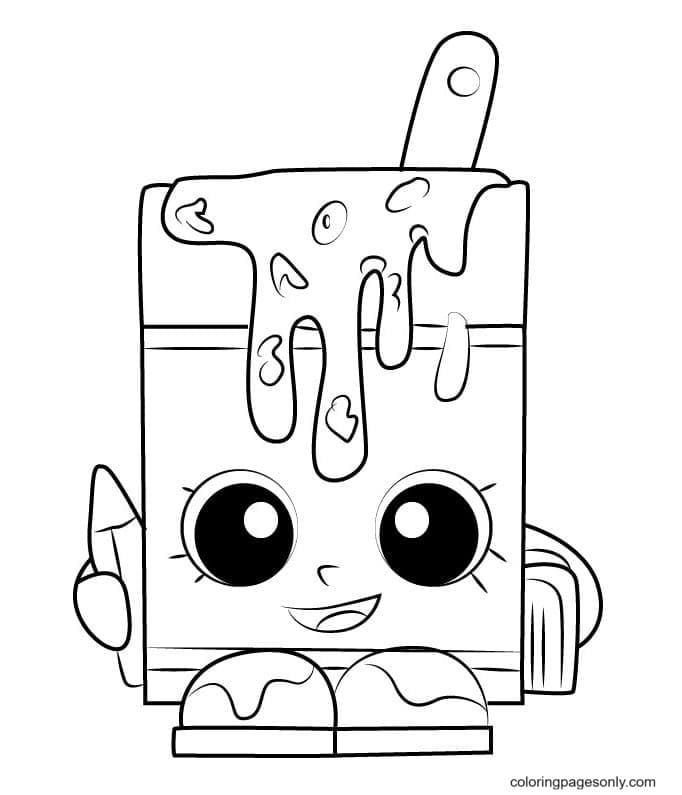
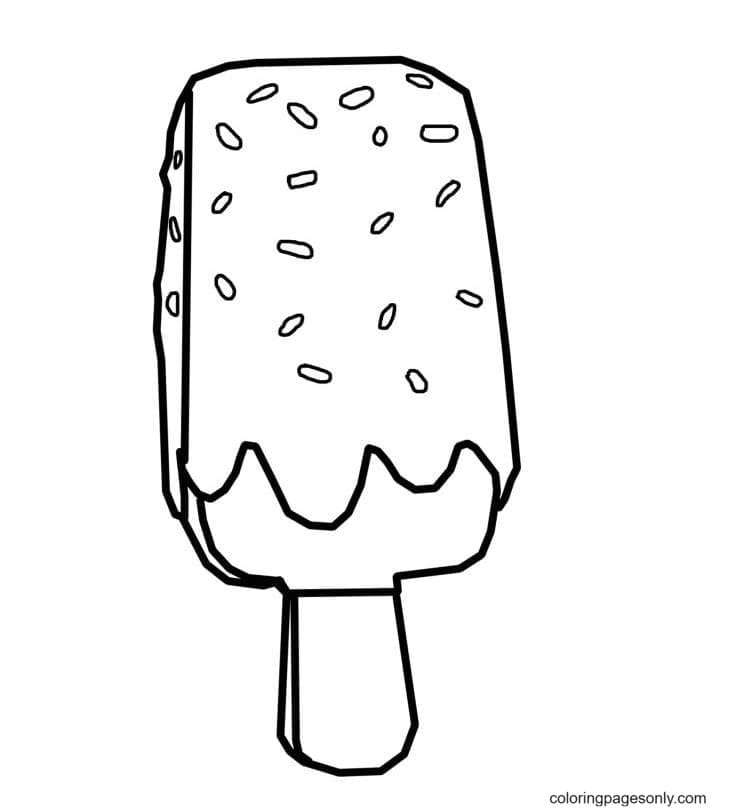
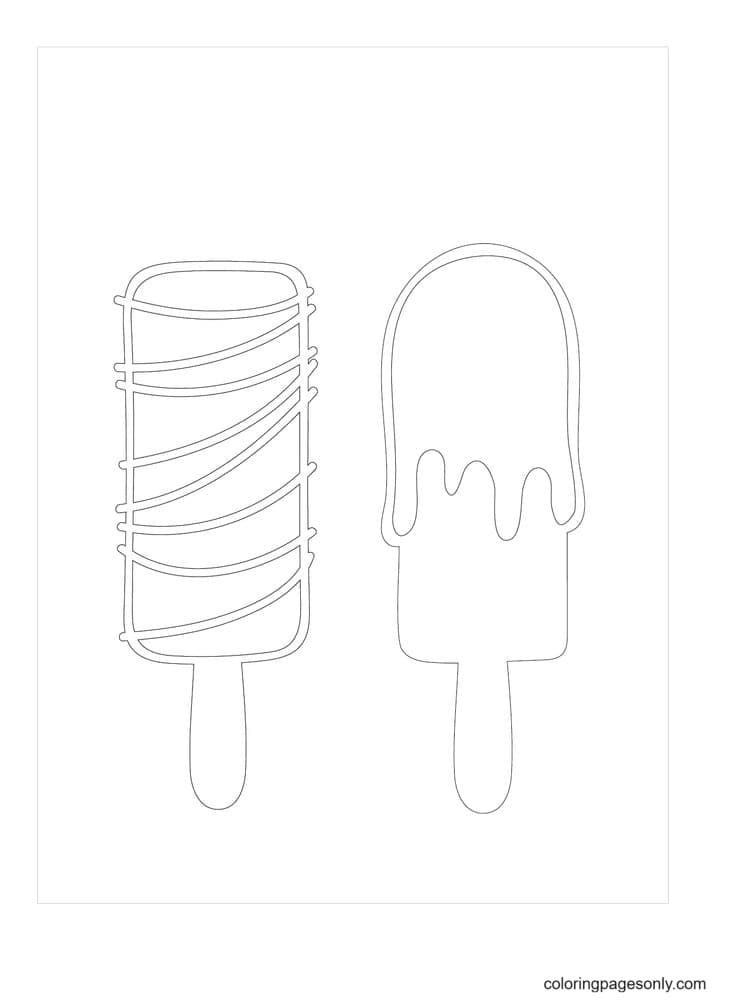
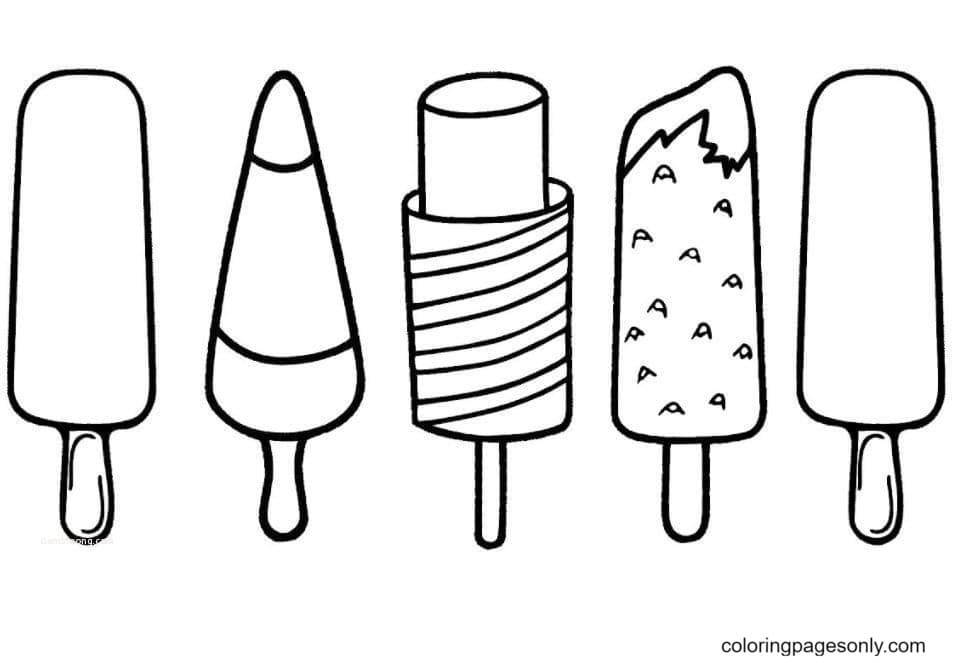
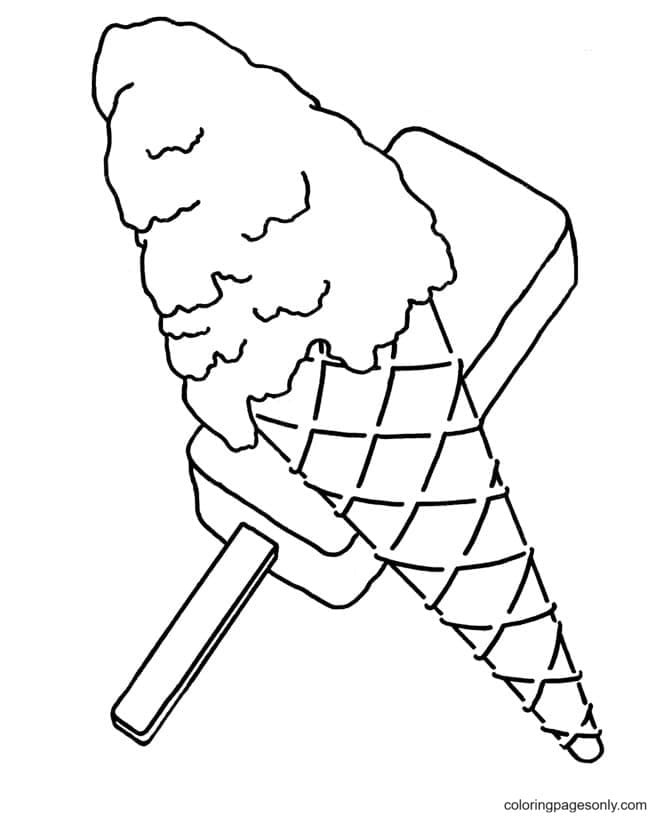
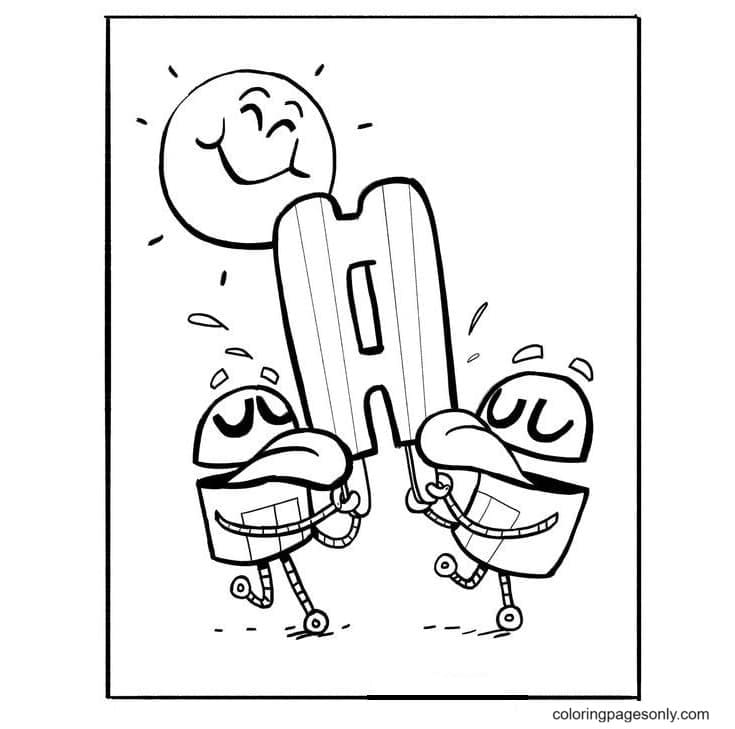
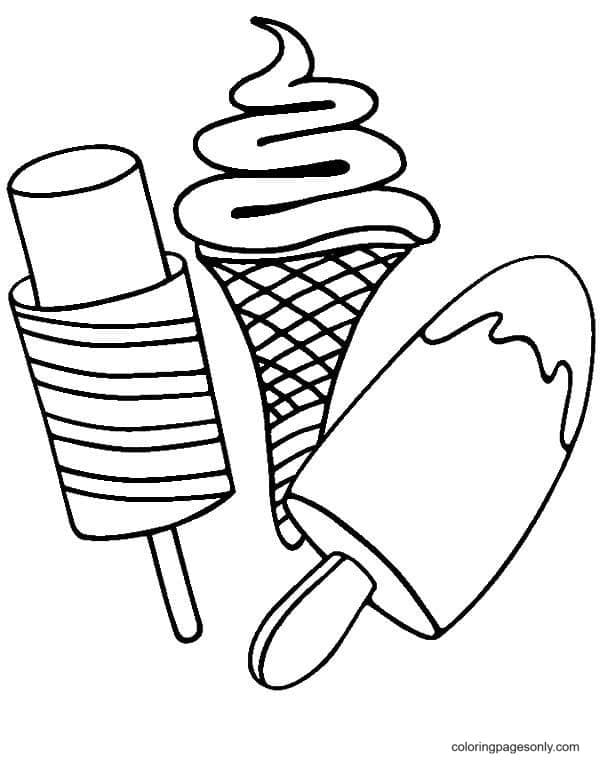
These 50+ free pages at ColoringPagesOnly.com cover the strongest popsicle themes: simple popsicles, cute popsicle characters, kawaii ice pops, fruit popsicles, rainbow popsicles, melting popsicles, printable outlines, popsicle worksheets, letter P pages, summer party designs, ice cream bars, ice lollies, and detailed summer treat pages. All free, PDF, or online coloring, print, or color directly in your browser.
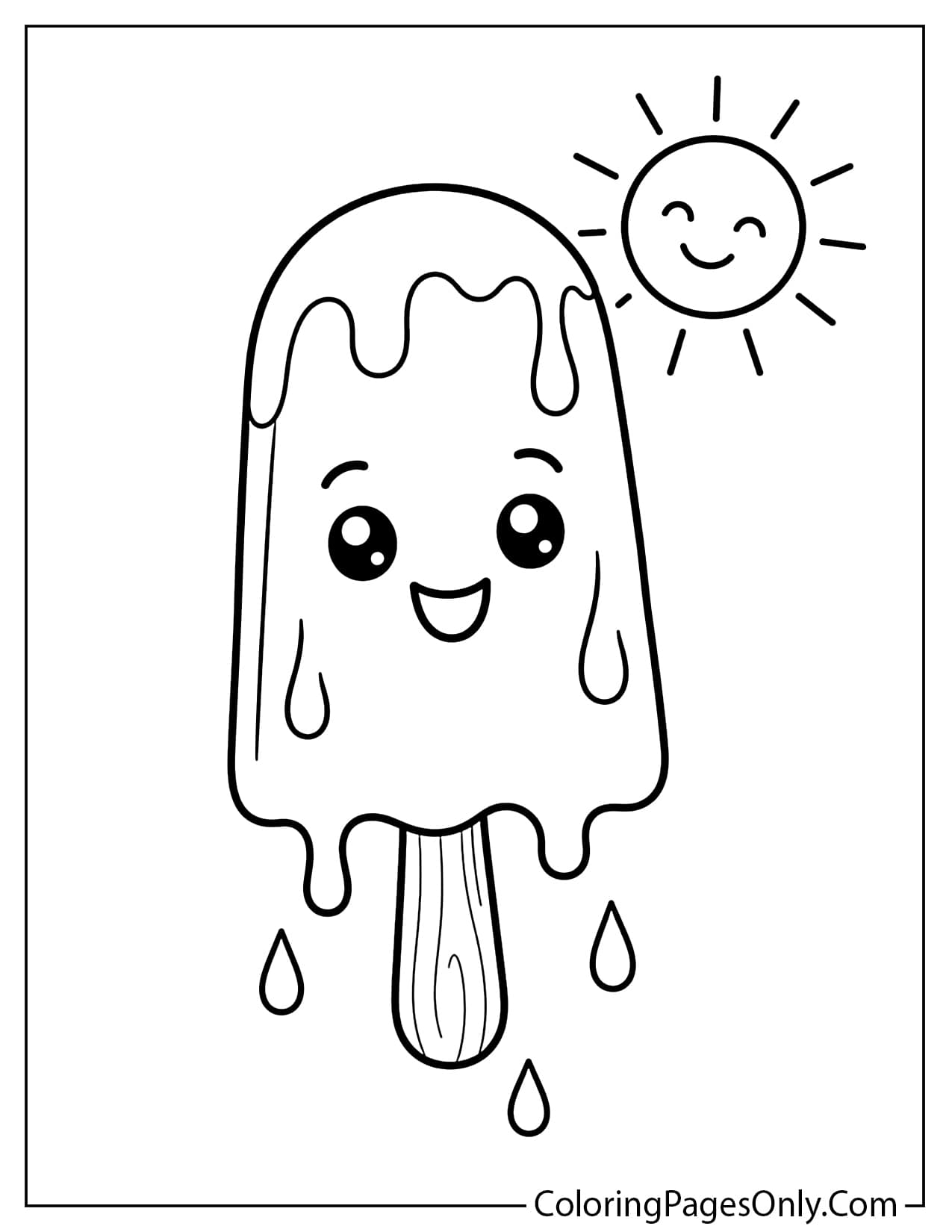





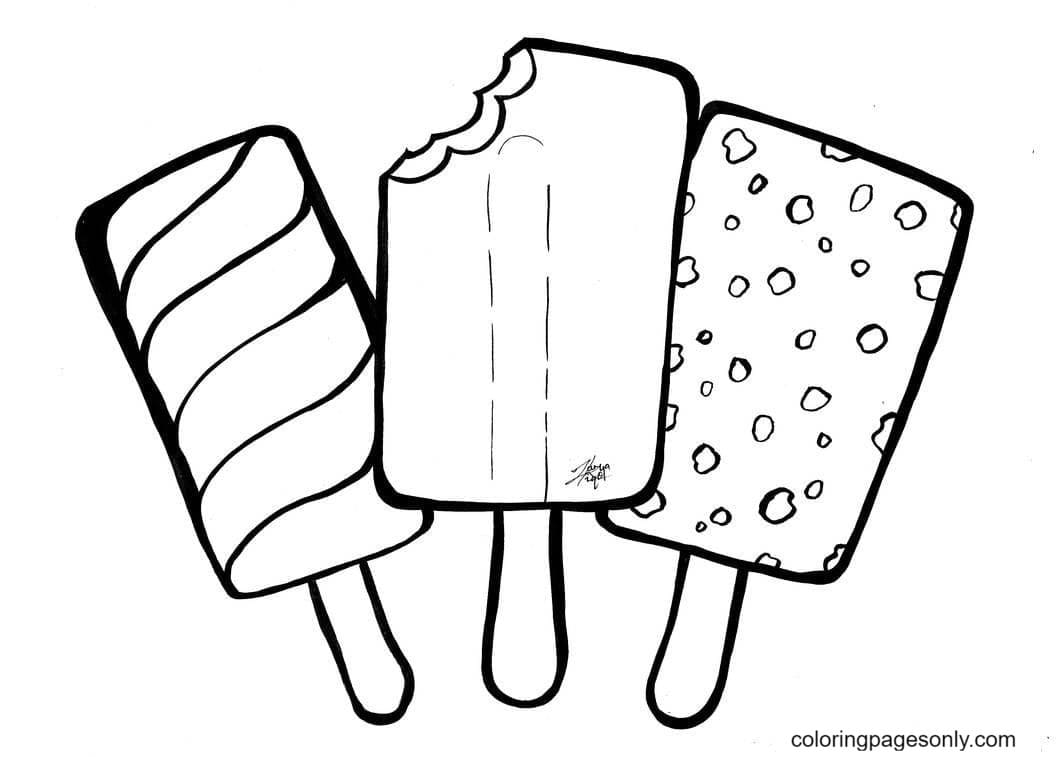
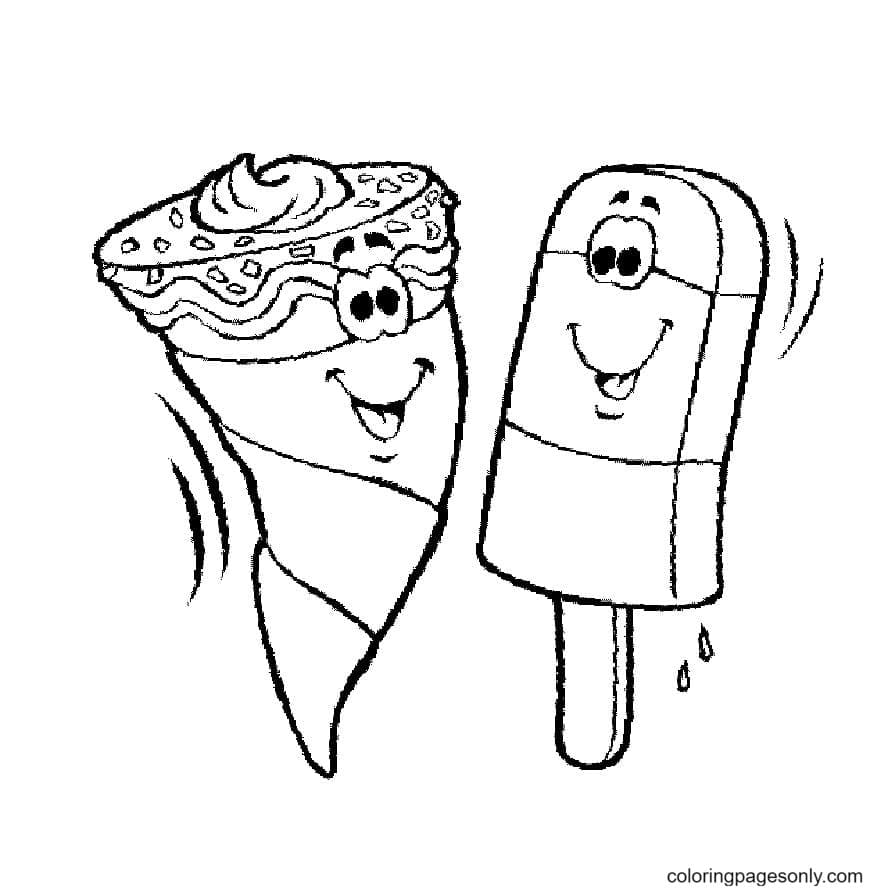
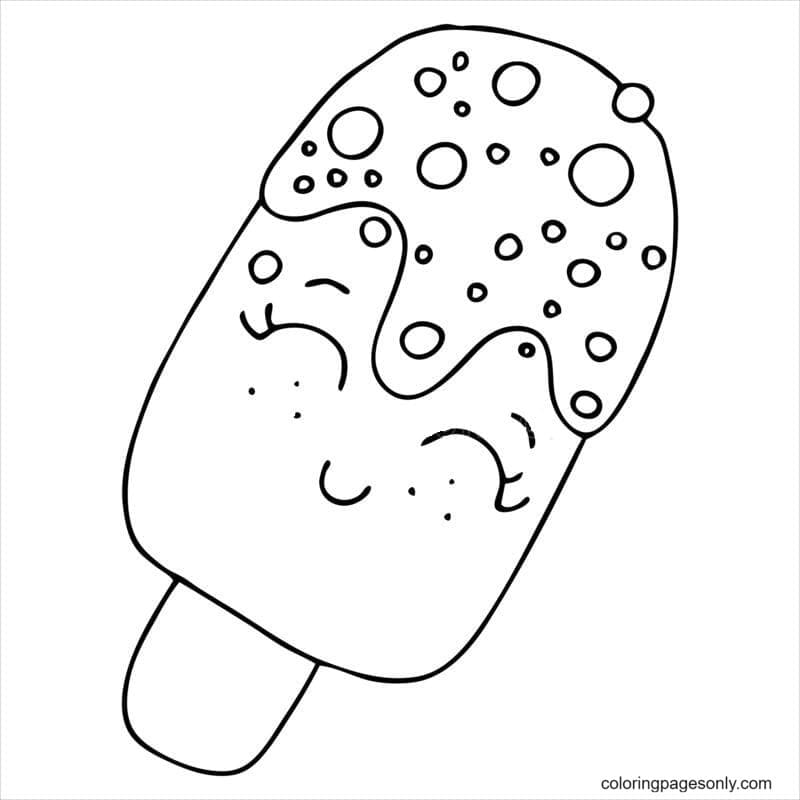
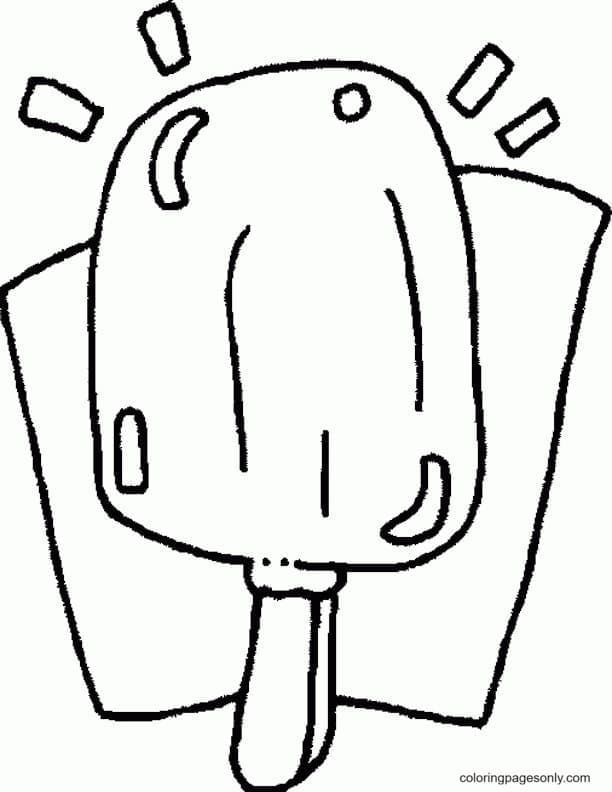
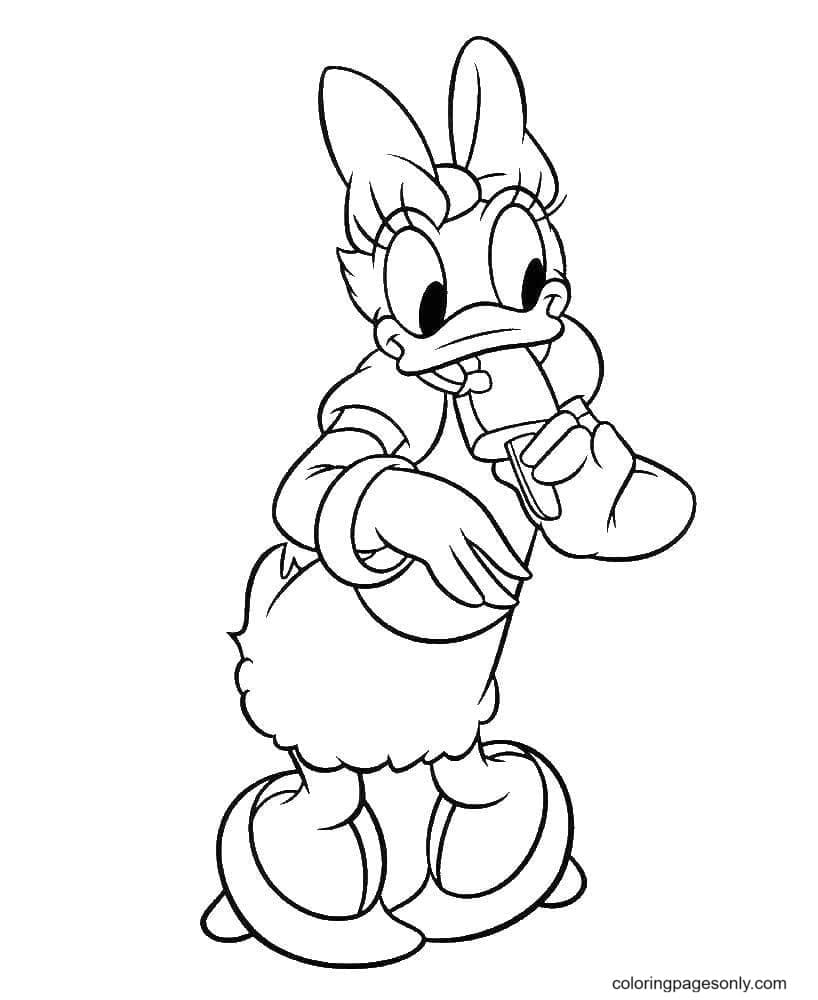
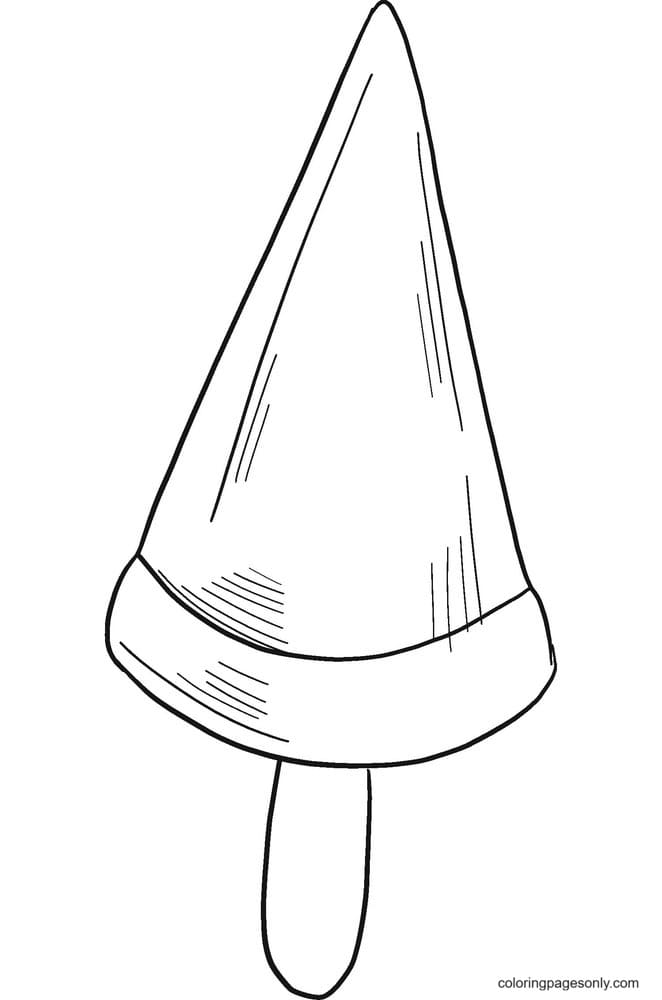
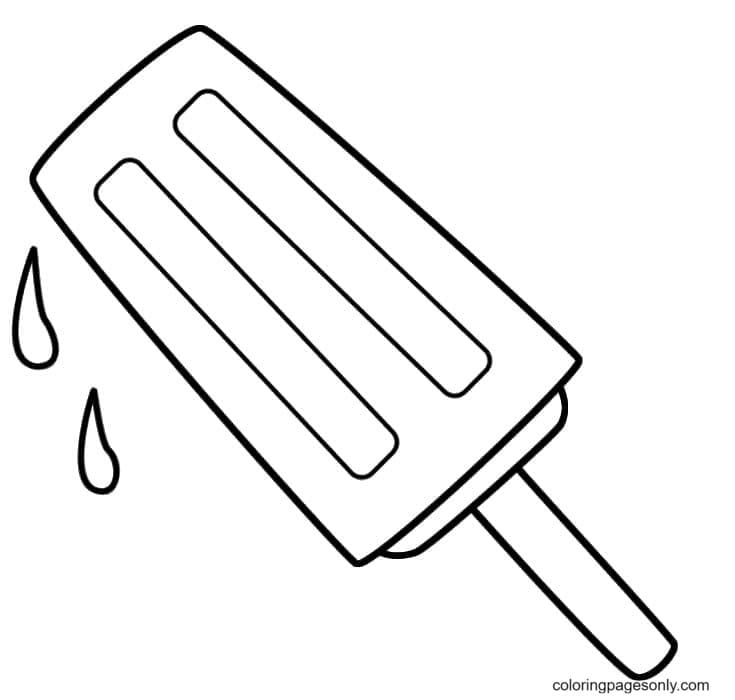
What These Pages Do
Popsicle coloring pages do more than give children a frozen treat to fill in. They turn a simple summer snack into a bright, creative activity where children can explore color, flavor, shape, mood, and imagination at the same time. Because a popsicle has such a clear structure-the frozen body, the stick, the flavor layers, the drips, and sometimes toppings or a cute face-it is easy for young children to understand, but still flexible enough for older kids to make more detailed and expressive.
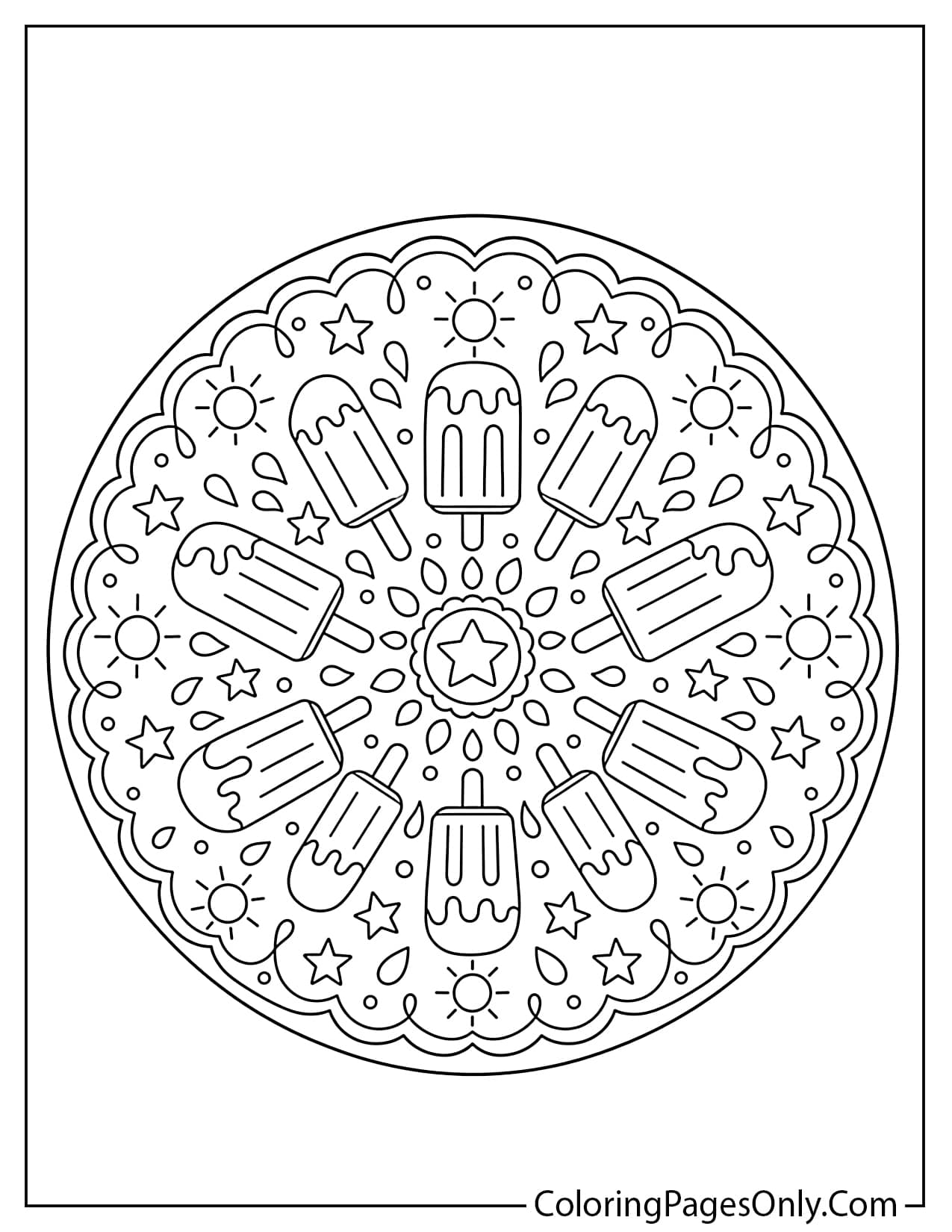
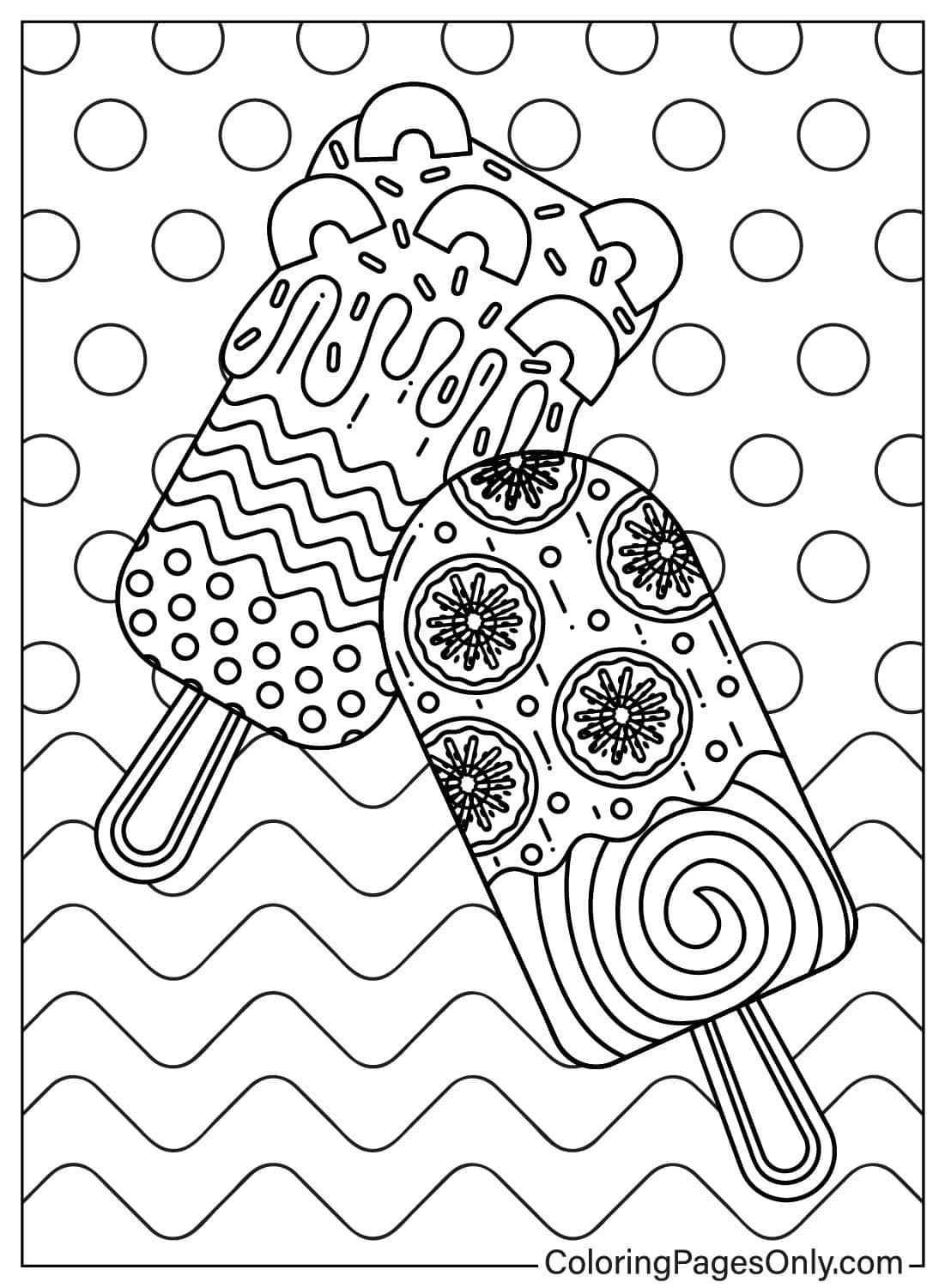
Research on structured coloring activities also helps explain why pages like these can be valuable beyond simple entertainment. Studies in art therapy have found that coloring structured designs, such as mandalas or repeated patterns, may help reduce anxiety more effectively than completely unstructured drawing because the page gives the colorist a clear shape to follow while still allowing creative choice. Popsicle pattern pages, mandala-style pages, rainbow popsicles, and repeated ice pop designs use that same balance of structure and freedom: children do not have to decide what to draw from nothing, but they still get to choose colors, patterns, flavor combinations, and small details.
For younger children, popsicle pages help build confidence and hand control. A simple ice pop outline gives them large spaces to color, clear edges to follow, and an object they recognize immediately. Child-development guidance often connects early drawing, coloring, and crayon use with the growth of hand and finger skills, especially as preschool children begin moving from broad scribbles toward more controlled marks. That makes easy popsicle pages useful for toddlers, preschoolers, kindergarten children, classroom rewards, and quick summer coloring breaks.
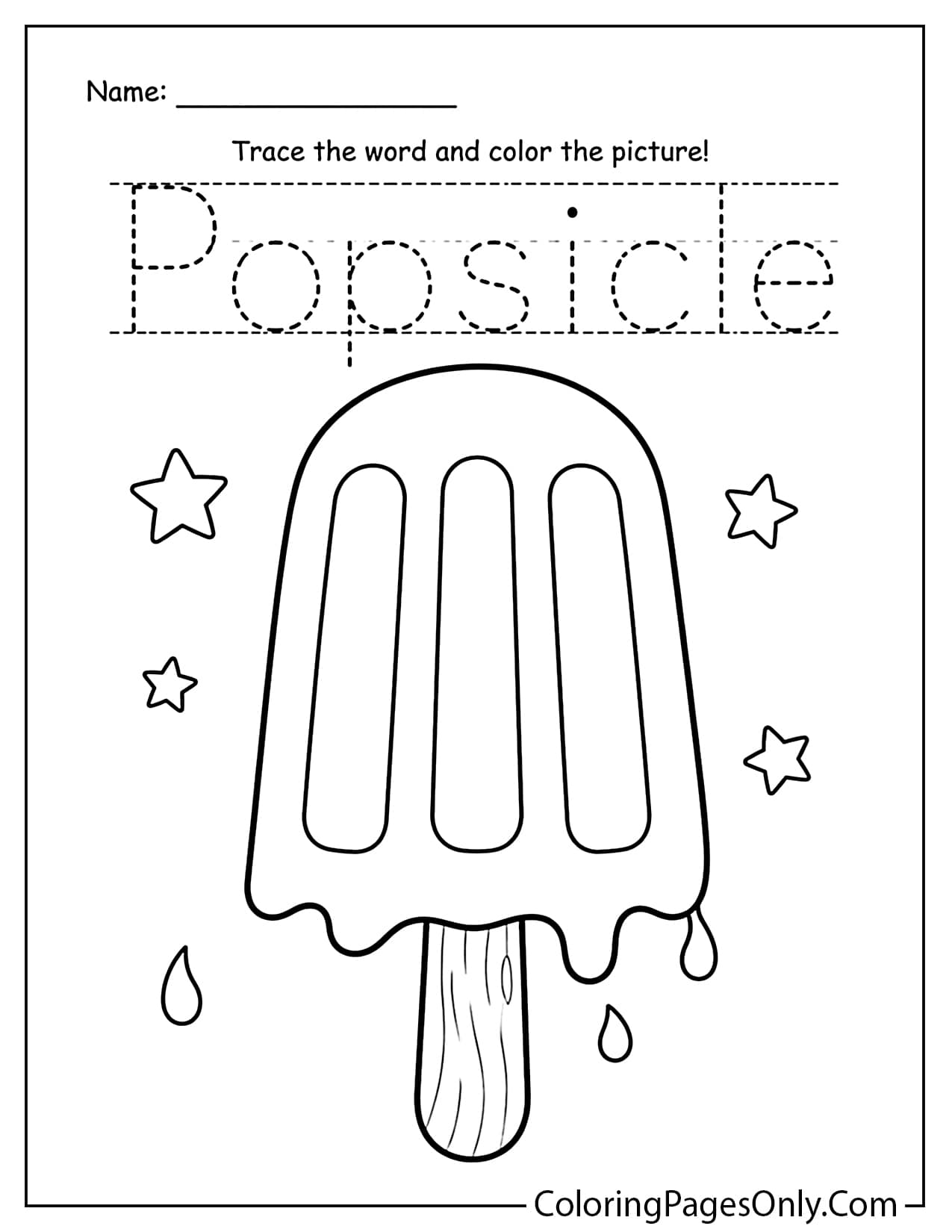
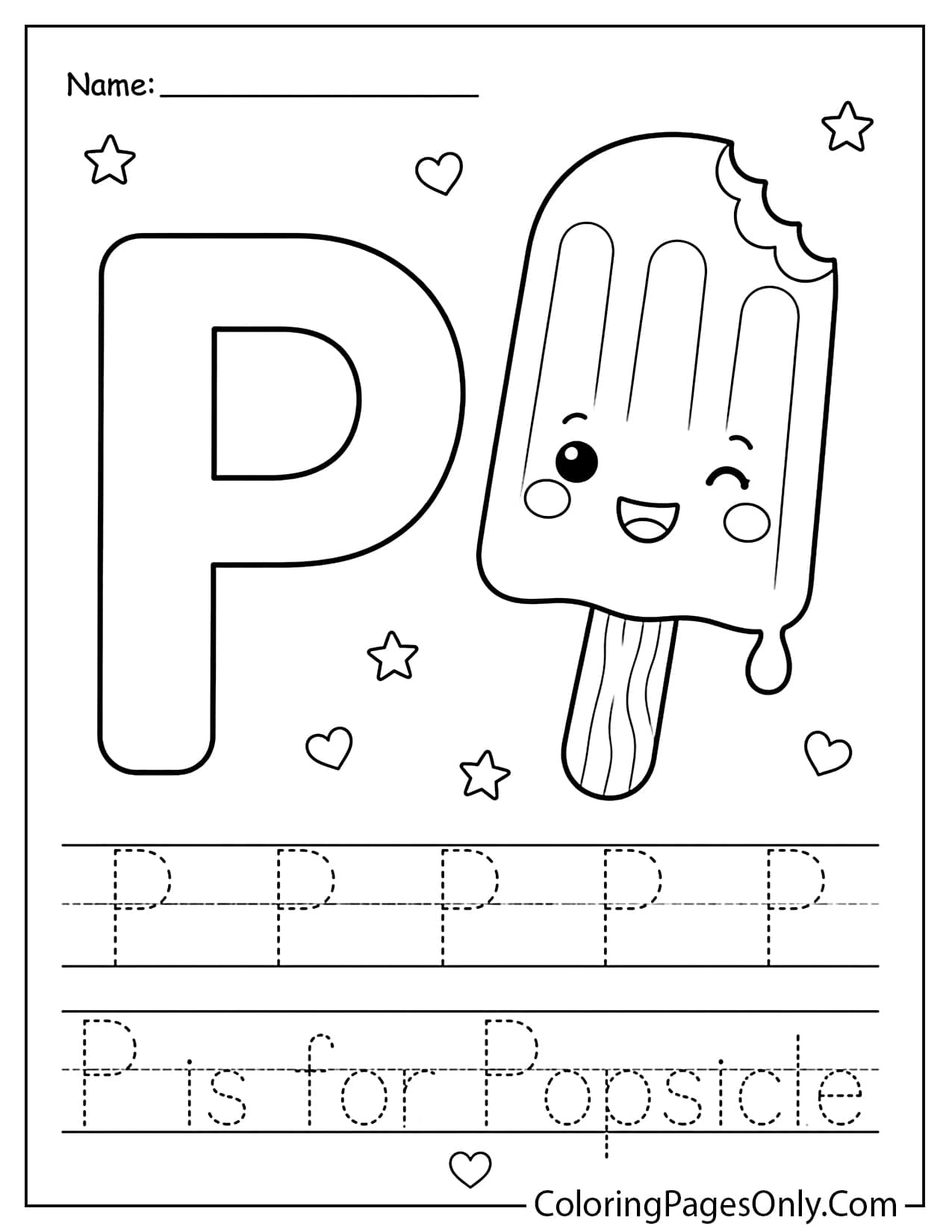
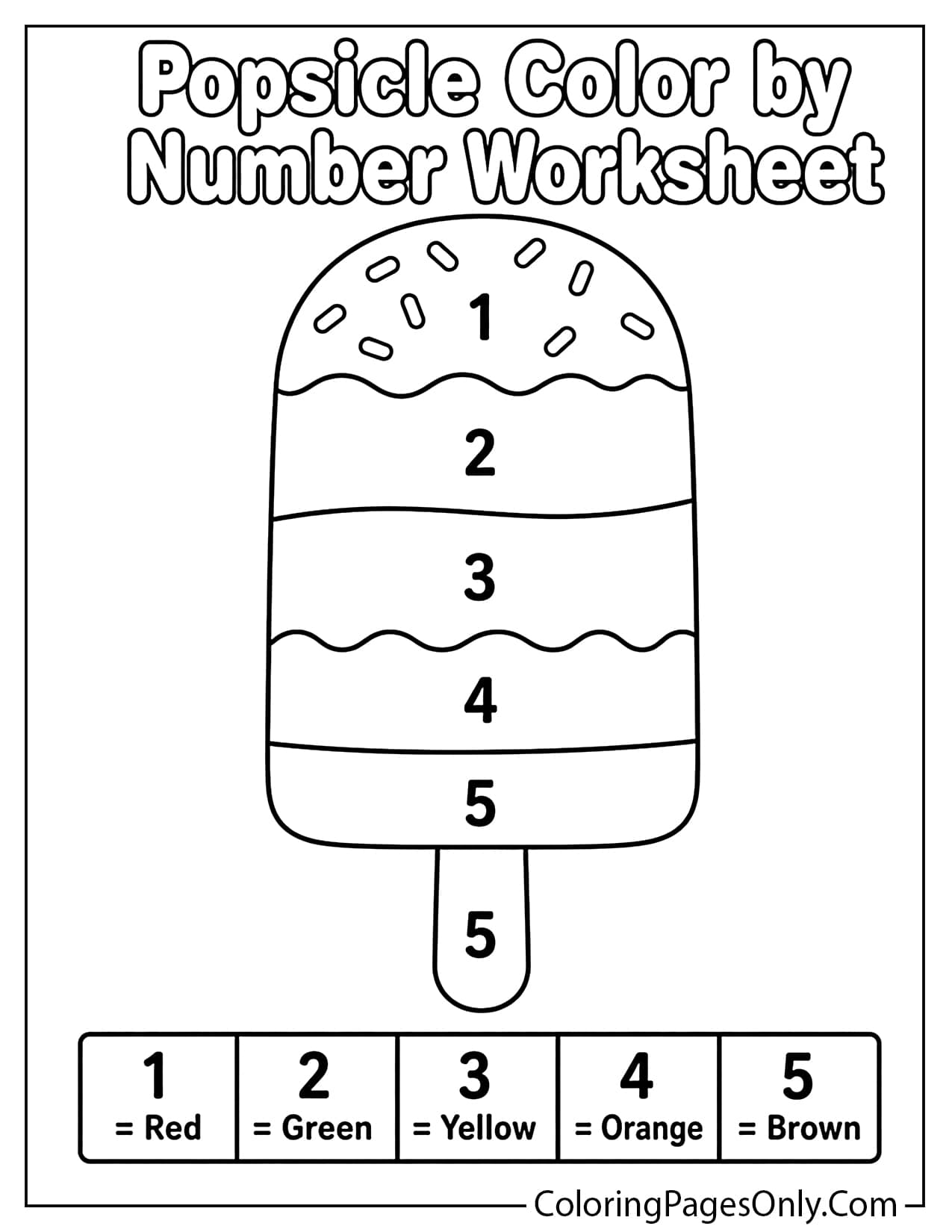
The theme also supports early learning naturally. Letter P pages, trace and color worksheets, color by number activities, and easy toddler outlines can help teachers and parents turn a fun summer treat into alphabet practice, handwriting practice, color matching, direction following, and vocabulary building. Because the subject feels playful, the learning does not feel forced. A child can color a strawberry popsicle, trace the word “Popsicle,” match a color by number key, or talk about favorite flavors while still enjoying the page as a creative activity.
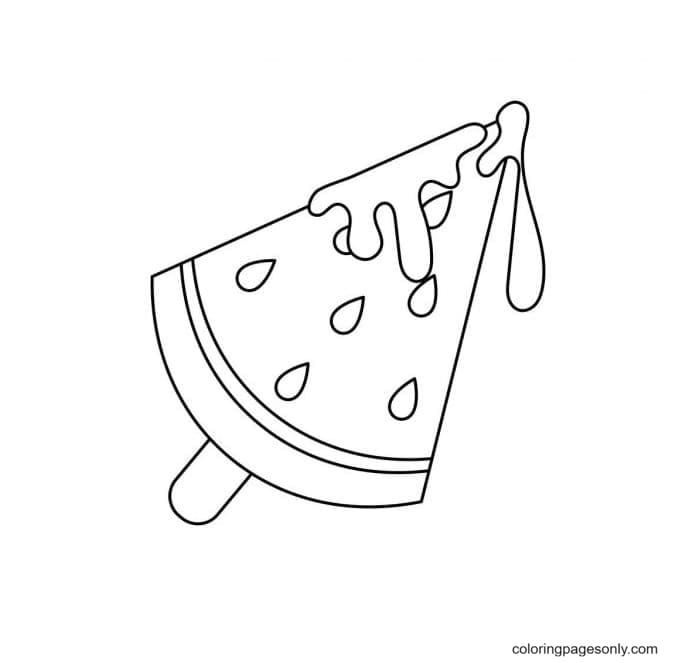
For older children, the same theme becomes more expressive. A rainbow popsicle can teach color order and layering. A fruit popsicle can introduce strawberries, citrus slices, kiwi, blueberries, watermelon, or mixed fruit shapes. A melting popsicle can show movement and summer heat. A chocolate syrup popsicle can add contrast, toppings, and small details. Pattern and mandala-style popsicle pages can become slower, more relaxing designs that require planning, patience, and repeated color choices.
Art education experts also emphasize that open-ended art experiences can support expressive language, social-emotional growth, and creative thinking. Popsicle pages are especially useful for that because they are simple enough to start quickly, but open enough for storytelling. Children can imagine a popsicle stand, a hot sunny day, a summer party, a favorite flavor, or a funny popsicle character with a personality of its own. A smiling popsicle can become a happy character. A melting popsicle can become a summer story. A rainbow popsicle can become a color lesson. A worksheet page can become a classroom activity.
Finished pages can also move beyond the paper. They can become keychains, emotion boards, summer posters, color recognition games, T-shirt designs, handmade cards, party decorations, or classroom displays. That flexibility is what makes Popsicle coloring pages useful for home, school, summer camp, birthday parties, and screen-free creative time. One page can be a quick coloring break. Another can become a learning worksheet. Another can become a craft children are proud to keep, wear, share, or display.
How to Color These Pages Well
A good popsicle page should feel cool, bright, and easy to recognize before anything else. Start with the main ice pop body because that is the visual center of the page. Choose a flavor color first: red for strawberry, yellow for lemon, orange for mango, purple for grape, green for lime, blue for blueberry, pink for watermelon, or brown and cream for a dessert-style popsicle. Once the main flavor is clear, the rest of the page becomes easier to organize.
The stick should stay simple so the colorful treat remains the focus. Tan, beige, light brown, or soft wood colors work best for the stick. Avoid making the stick too bright or too dark unless the design specifically calls for it. A neutral stick helps the ice pop body stand out, especially on rainbow, fruit, chocolate, or kawaii popsicle pages.
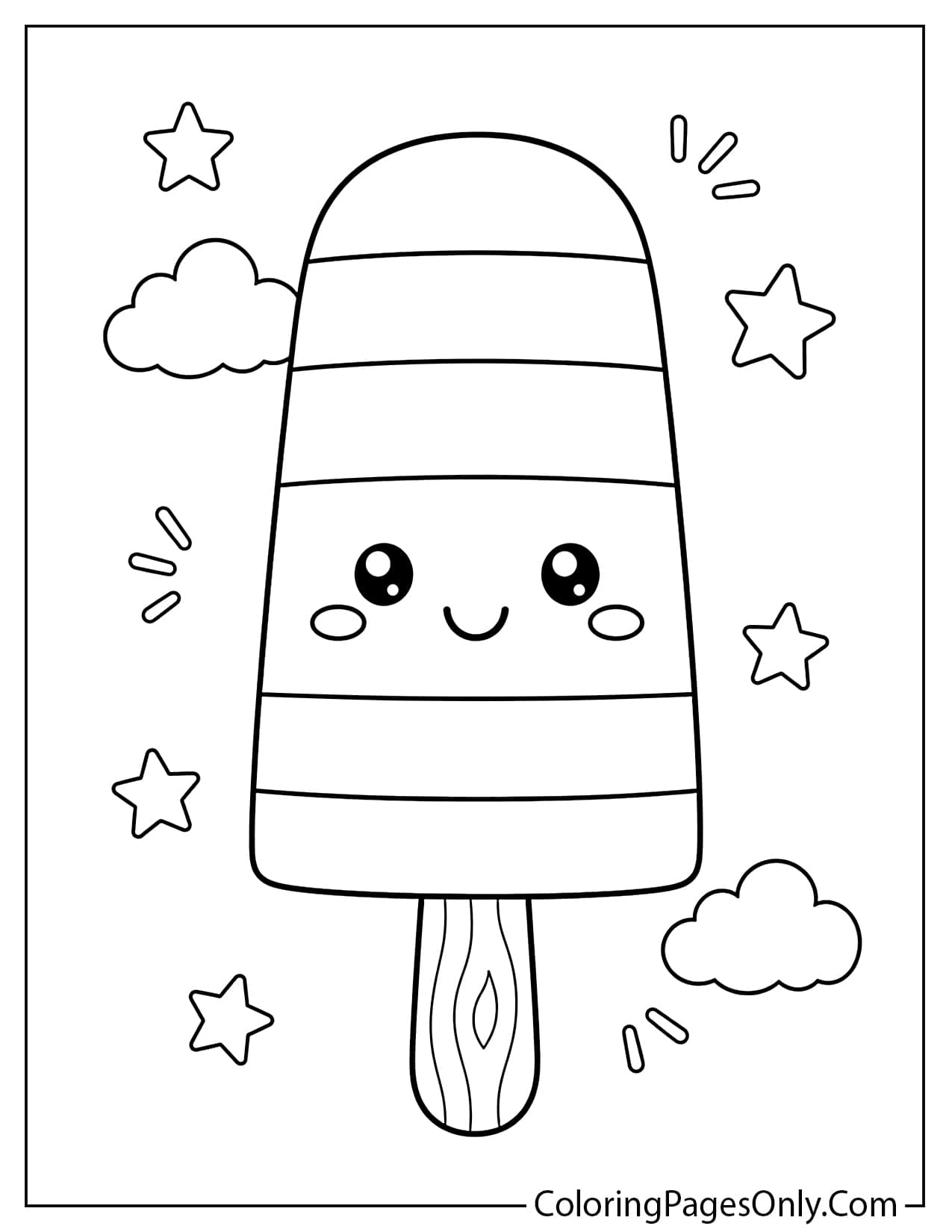
Layered and rainbow popsicles need clean separation between colors. Color one section at a time and keep each flavor band clear. A classic rainbow design can use red, orange, yellow, green, blue, and purple, while a softer version can use pastel pink, mint, lavender, peach, and light blue. The goal is not only to use many colors, but to keep the layers readable so the Popsicle still looks neat and intentional.
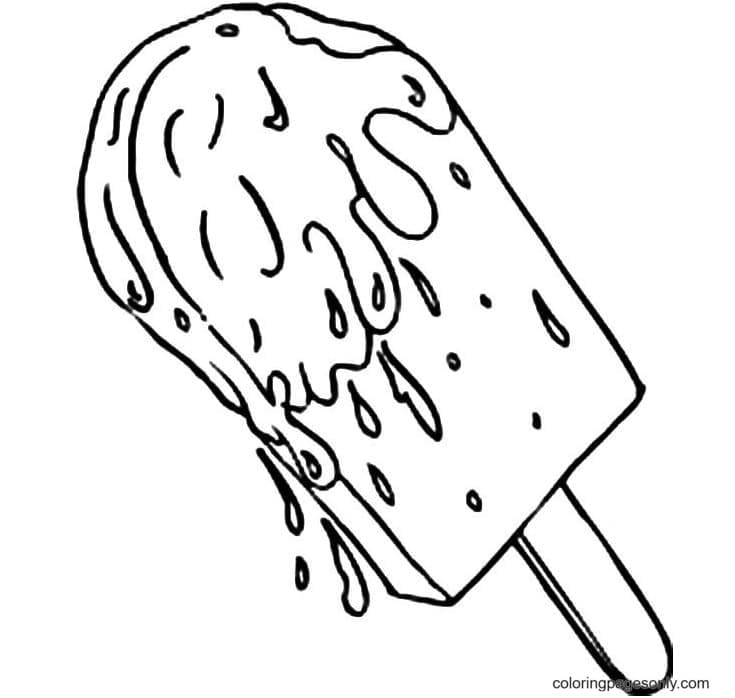
Melting popsicles should look playful, not messy. Use the same color family for the drips as the main popsicle body, then add a slightly darker shade near the bottom of each drip if the child wants more depth. Keep melting areas soft and rounded. If the page has a small puddle or a hot summer background, use light shadows carefully so the design still feels fun and bright rather than heavy.
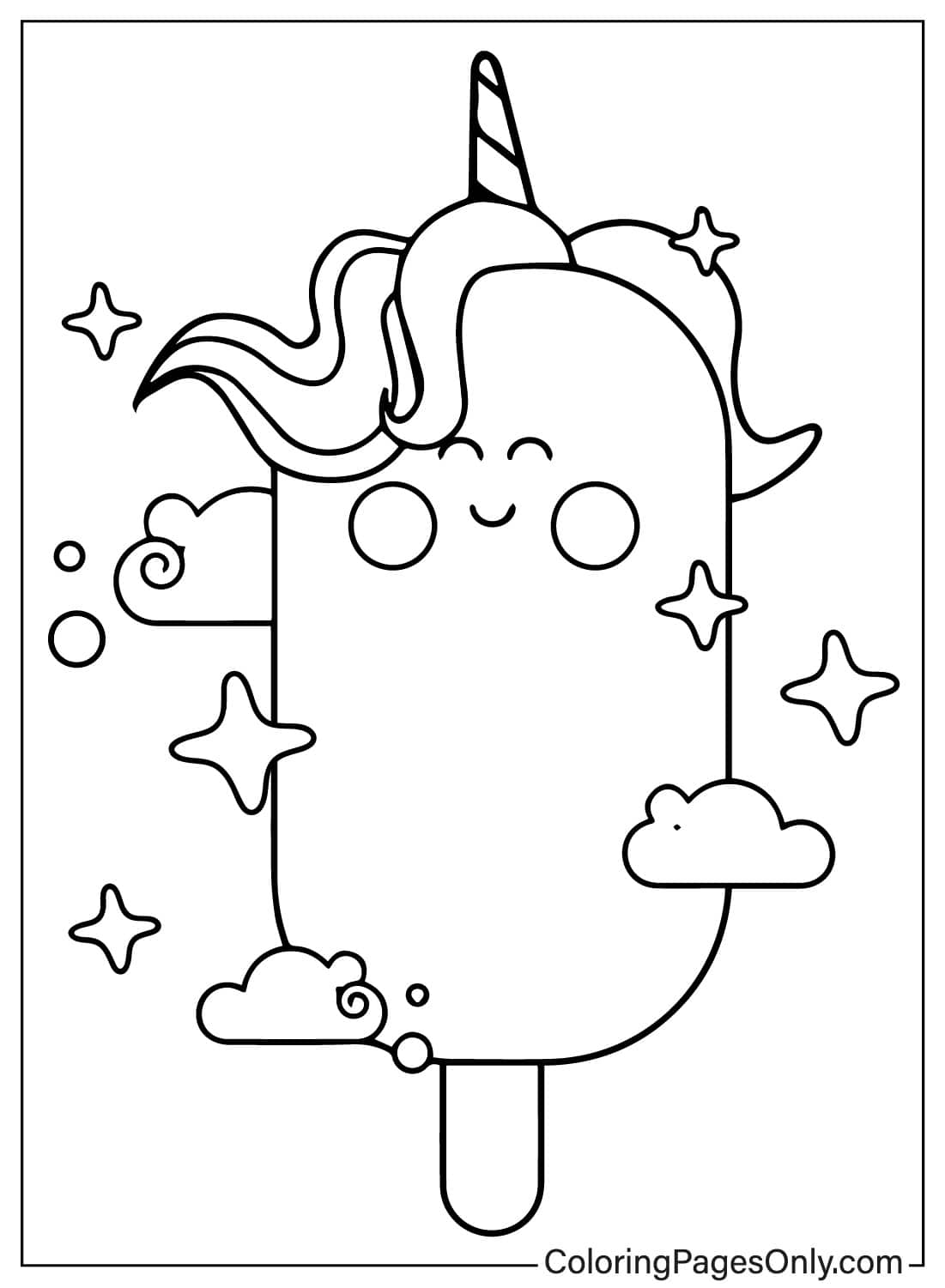
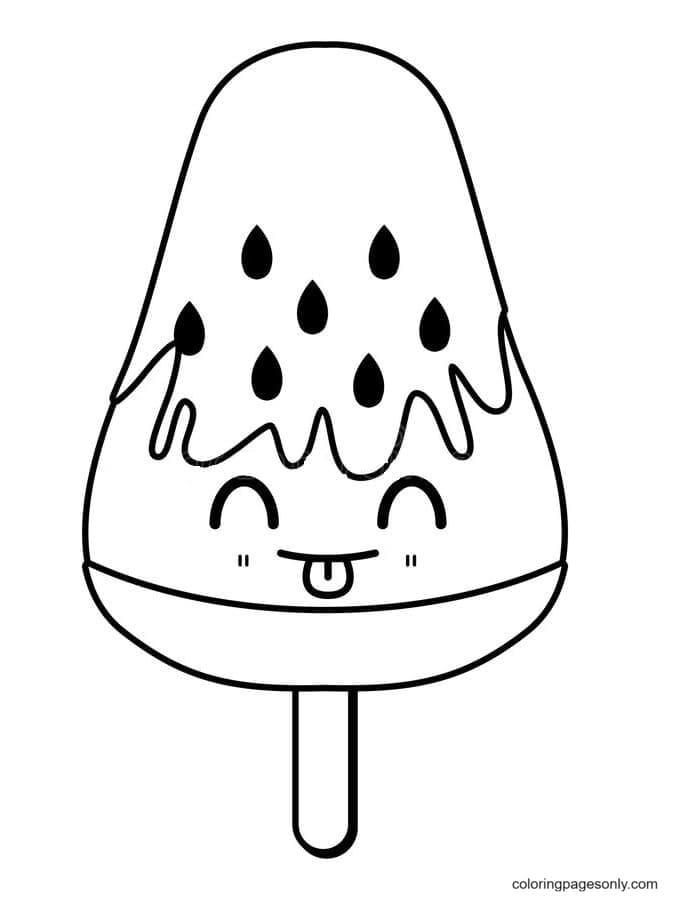
Cute and kawaii popsicle characters need clean faces before the body is filled in. Color the eyes, mouth, cheeks, glasses, bow, unicorn horn, or small expression details first. Then fill the ice pop body around the face slowly. This keeps the character readable and prevents the smile or eyes from getting lost inside a strong background color. For kawaii designs, pastel colors, soft cheeks, stars, hearts, and small sprinkles usually work better than very dark color blocks.
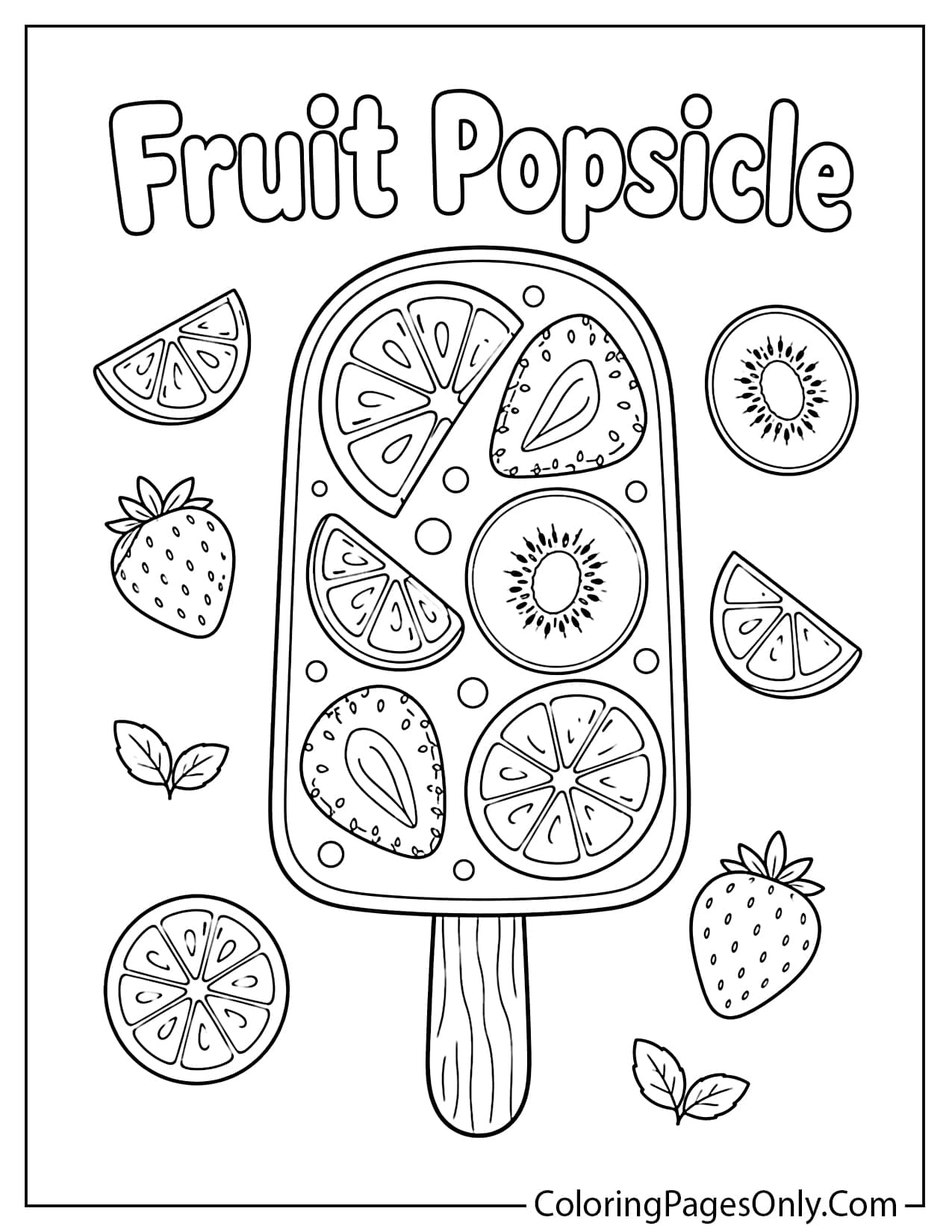
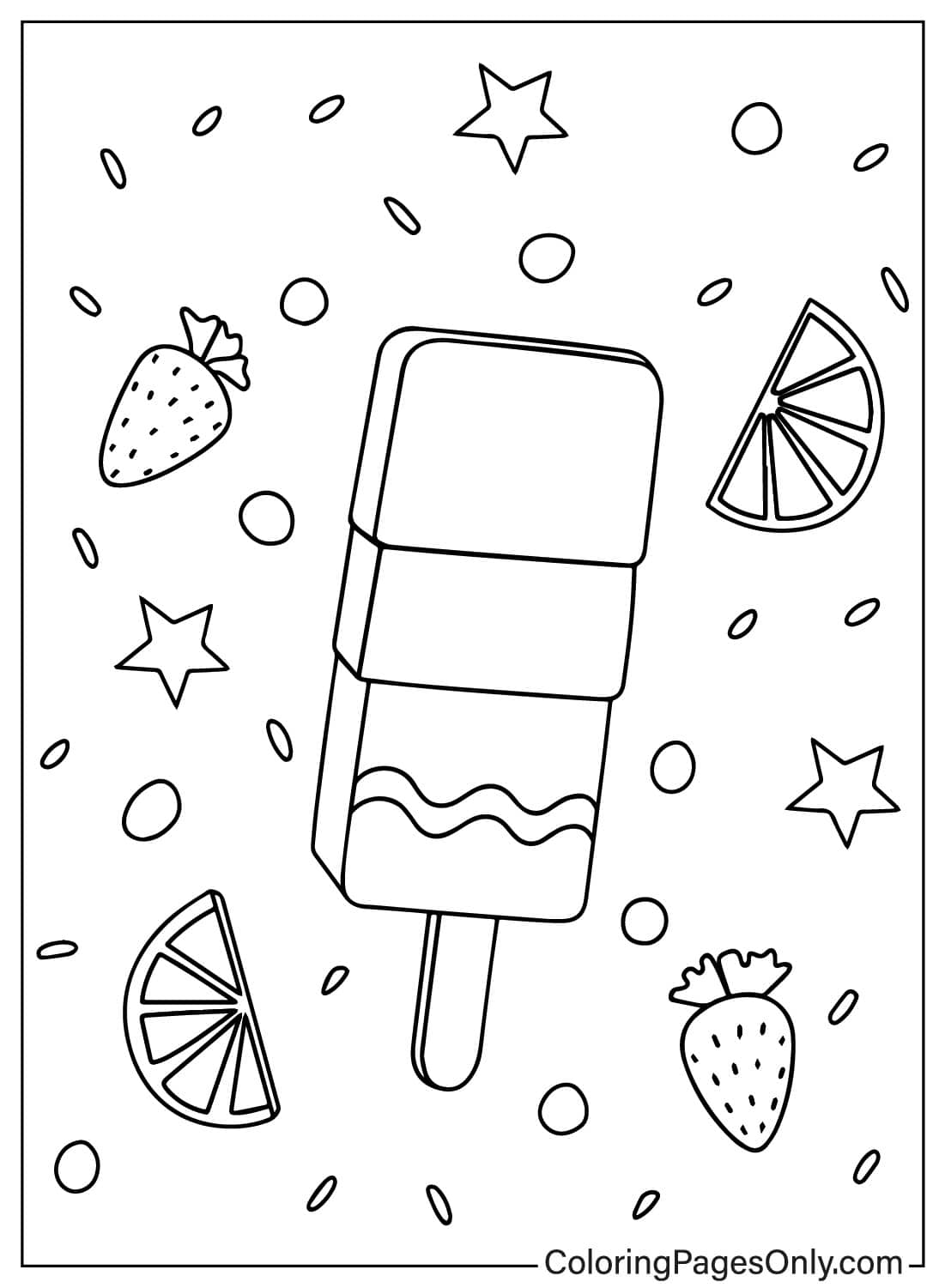
Fruit popsicles and syrup popsicles need contrast. If fruit pieces appear inside the Popsicle, keep the base color lighter so strawberries, citrus slices, kiwi, blueberries, or watermelon details stand out. If the page includes chocolate syrup, coating, caramel, or sprinkles, use darker colors in controlled areas only. Too much brown or black can make the treat look flat, so keep some parts bright, creamy, or colorful.
Worksheet pages should stay clean and easy to read. If the page includes the letter P, tracing words, numbers, a color key, or color-by-number sections, keep those elements visible. Color the main Popsicle neatly first, then complete the learning activity. For classroom use, it is better to keep worksheet backgrounds simple so children can focus on tracing, matching, counting, or following directions.
Pattern and mandala-style popsicle pages work best when the palette is planned before coloring begins. Choose four to six colors and repeat them across the design. A bright summer palette might use pink, yellow, orange, blue, green, and purple. A softer palette might use peach, mint, lavender, pale yellow, and light blue. Repeating colors helps the finished page look balanced instead of random.
The best approach is to keep the Popsicle’s identity clear: a colorful frozen treat, a simple stick, readable flavor areas, and playful details. Once those parts are working, children can add their own imagination through backgrounds, flavors, sprinkles, sunshine, party scenes, fruit pieces, or funny expressions. That balance between simple structure and creative freedom is what makes Popsicle pages so easy to enjoy.
5 Creative Craft Ideas
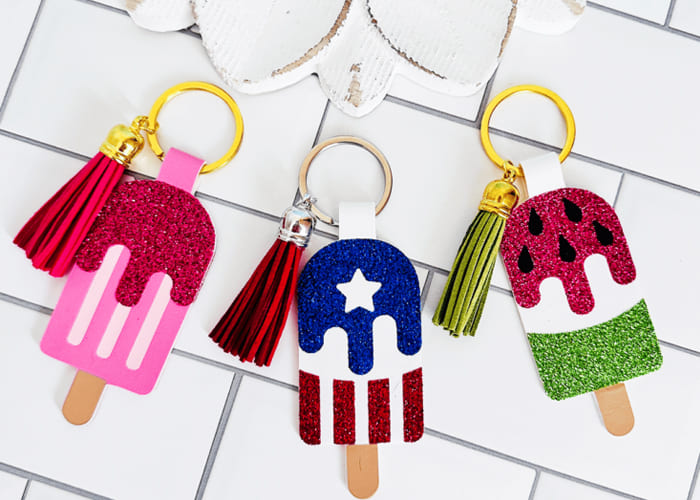
Popsicle Keychains
Turn finished Popsicle coloring pages into cute handmade keychains. This craft works best with simple popsicle outlines, cute popsicle characters, kawaii ice pops, or small printable popsicle designs because the shapes are easy to cut out and carry.
First, print the popsicle page at a smaller size, then color the design with bright summer colors. After the coloring is finished, glue the Popsicle onto cardstock to make it stronger. Cut around the shape carefully, leaving a small border so the artwork does not tear. To protect the design, cover both sides with clear tape, laminating film, or clear contact paper.
Punch a small hole near the top of the popsicle shape and add a key ring, string, or small ribbon. The finished keychain can decorate a backpack, pencil pouch, lunch bag, or summer party favor. This craft gives children a real object they can use after coloring, making the page feel more special than a flat printable.
Popsicle Emotion Board
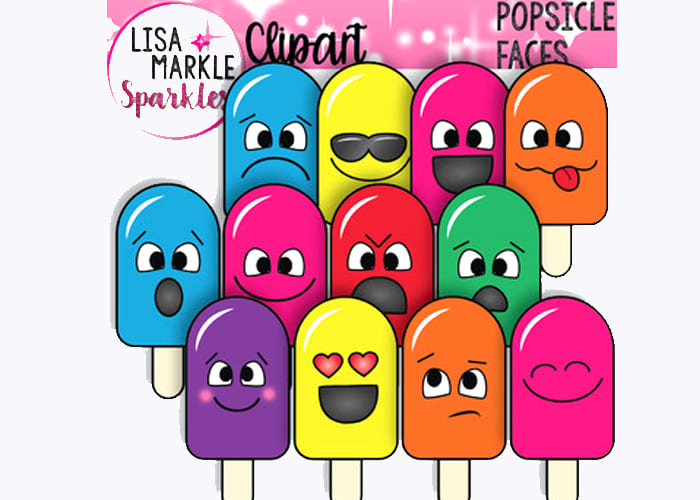
Use cute popsicle character pages to create an emotion board for children. This activity works especially well with smiling popsicles, funny popsicle faces, kawaii popsicles, or any ice pop design with a clear expression.
Print several popsicle pages and let children color each one with a different mood in mind. One Popsicle can be happy, another can be surprised, another can be shy, excited, sleepy, or silly. After coloring, cut out the popsicles and glue them onto a large board, poster paper, or classroom display sheet. Children can write a short feeling word under each one.
The emotion board can be used at home or in class to help children talk about feelings in a gentle, visual way. Instead of only saying how they feel, they can point to a popsicle character that matches their mood. This makes the activity both creative and useful for social-emotional learning.
Summer Popsicle Poster
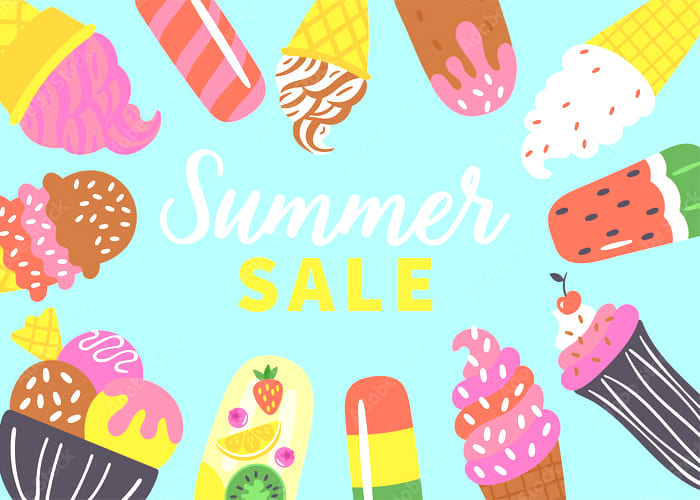
Create a bright summer poster using several finished Popsicle coloring pages. This craft works well with rainbow popsicles, fruit popsicles, melting popsicles, summer party pages, and cute ice pop characters.
First, print and color a few different popsicle designs. After coloring, cut out the popsicles and arrange them on a large sheet of paper or poster board. Children can place the popsicles around a big title such as “Sweet Summer,” “Stay Cool,” or “Popsicle Party.” They can also add suns, clouds, fruit slices, beach balls, flowers, stars, or simple summer patterns around the page.
Once everything is arranged, glue the pieces down and add final decorations with crayons, markers, or stickers. The finished poster can decorate a bedroom, classroom bulletin board, summer camp wall, or party table. This craft is a good way to combine several coloring pages into one larger seasonal display.
Popsicle Color Recognition Game
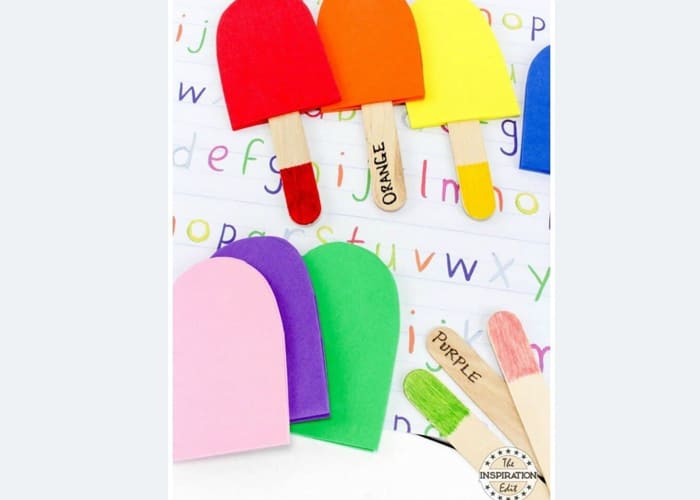
Turn Popsicle coloring pages into a simple color recognition game for preschool or kindergarten children. This craft works best with easy popsicle outlines, printable single popsicles, color-by-number pages, or basic ice pop shapes.
Print several Popsicle outlines and color each one in a different color. One can be red, one yellow, one green, one blue, one purple, and one orange. Then, create matching color cards using the same colors. Children can match the red Popsicle to the red card, the yellow Popsicle to the yellow card, and so on.
For a flavor version, children can match colors with flavor names: red for strawberry, yellow for lemon, orange for mango, purple for grape, green for lime, and blue for blueberry. This turns a simple coloring page into a hands-on learning activity that supports color recognition, vocabulary, memory, and early matching skills.
Popsicle T-Shirt Design
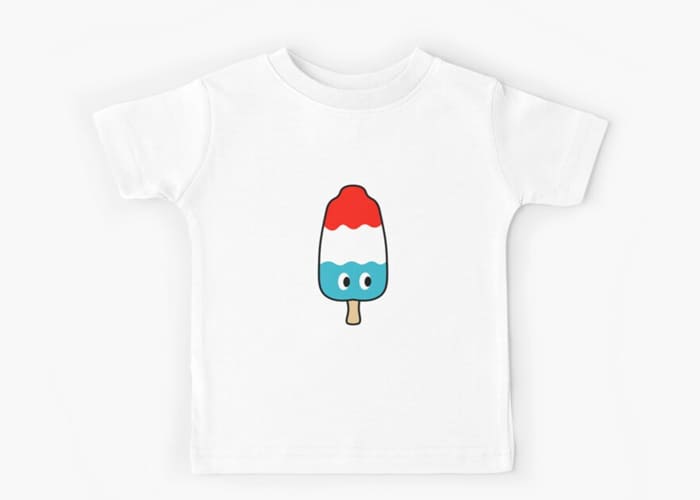
Use a favorite Popsicle coloring page as inspiration for a custom summer T-shirt design. This craft is best for older children, family craft time, summer camp, or supervised classroom projects because it uses transfer paper and heat.
First, choose a simple popsicle design with clear lines, such as a cute popsicle character, a rainbow popsicle, a fruit popsicle, or a kawaii ice pop. Color the design neatly, then scan it or copy it onto transfer paper following the transfer paper instructions. Cut around the design carefully, leaving a small border if needed.
Place the design on a plain T-shirt and transfer it with an iron or heat press under adult supervision. After the image is transferred, children can add extra fabric marker details such as stars, sprinkles, fruit shapes, or the words “Stay Cool.” The finished T-shirt becomes a wearable summer craft made from a coloring page, which makes the activity more memorable and personal.
Frequently Asked Questions
Are these Popsicle coloring pages free to print? Yes. These Popsicle coloring pages are free to print and use for personal, family, classroom, and creative activities. Parents can print simple ice pop pages for quick coloring, while teachers can use worksheet pages, letter P pages, color-by-number activities, and summer designs for classroom lessons.
Can I download Popsicle coloring pages as PDF files? Yes. Many pages in the collection can be downloaded as PDF files, making them easy to save, organize, and print later. PDF pages are useful for summer activity packs, classroom folders, party tables, homeschool lessons, and seasonal craft projects.
Can I color these Popsicle pages online? Yes. The online coloring option lets children color directly in the browser without printing. This is useful for quick creative breaks, tablets, classroom computers, or testing color ideas before printing the page and coloring it by hand.
What kinds of Popsicle coloring pages are included? The collection includes simple popsicles, cute popsicle characters, kawaii ice pops, rainbow popsicles, fruit popsicles, melting popsicles, chocolate syrup treats, ice cream bars, popsicle patterns, summer party scenes, letter P pages, trace and color worksheets, color by number pages, and easy designs for young children.
What colors should I use for a popsicle? Popsicles can use almost any bright color. Red can become strawberry, yellow can become lemon, orange can become mango, purple can become grape, green can become lime, and blue can become blueberry. The stick usually works best in tan, beige, or light brown.
Are there easy Popsicle pages for preschoolers? Yes. Simple popsicle outlines, easy ice pop pages, large toddler designs, smiling popsicle characters, and basic printable popsicles are good choices for preschoolers. These pages have large spaces, clear shapes, and fewer small details.
Which pages are best for older kids and adults? Older kids and adults may enjoy popsicle pattern pages, mandala-style designs, summer party scenes, fruit popsicles, chocolate syrup pages, melting popsicles, and detailed dessert layouts. These pages offer more room for shading, color planning, and decorative details.
Can Popsicle coloring pages be used in classrooms? Yes. Teachers can use them for summer art, letter P practice, color recognition, color-by-number worksheets, tracing activities, food themes, bulletin boards, and craft projects. A simple popsicle page can become a color lesson, while a worksheet page can become an early learning activity.
What paper and coloring tools work best? Regular printer paper works well for crayons and colored pencils. Markers can make popsicle colors bright, but place a blank sheet underneath to prevent bleed-through. Thicker paper is better for crafts such as keychains, posters, emotion boards, games, and T-shirt design projects.
Can finished Popsicle pages become crafts? Yes. Finished pages can become popsicle keychains, emotion boards, summer posters, color recognition games, T-shirt designs, party decorations, handmade cards, classroom displays, or a homemade popsicle coloring book.
Browse the full collection at ColoringPagesOnly.com. All 50+ pages are free, PDF or online coloring, print, or color directly in your browser.
A popsicle page works best when the treat still feels cool, bright, and easy to recognize. Keep the ice pop colorful. Keep the stick simple. Keep the drips playful. Then add your own summer story with fruit flavors, rainbow layers, sprinkles, sunshine, party scenes, or worksheet activities.
Start with the popsicle shape. Choose the flavor color. Add the stick. Finish the drips, toppings, or worksheet details. Every popsicle coloring page can become a quick printable, a classroom worksheet, a cute craft, or a bright piece of summer art.
Share your work on Facebook and Pinterest and tag #Coloringpagesonly. The kawaii popsicle pages, rainbow popsicles, fruit popsicles, worksheet activities, and summer crafts are especially fun to share.